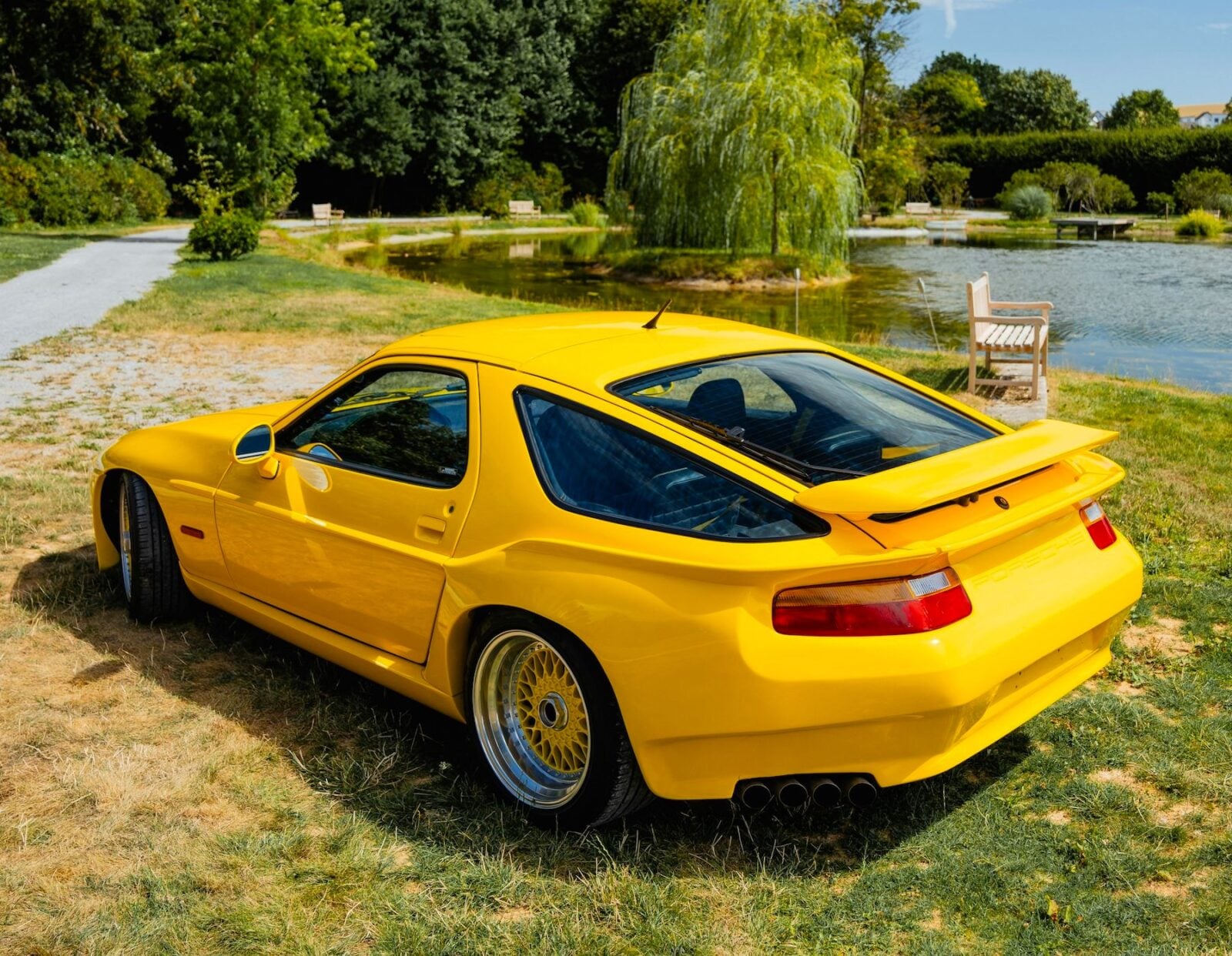
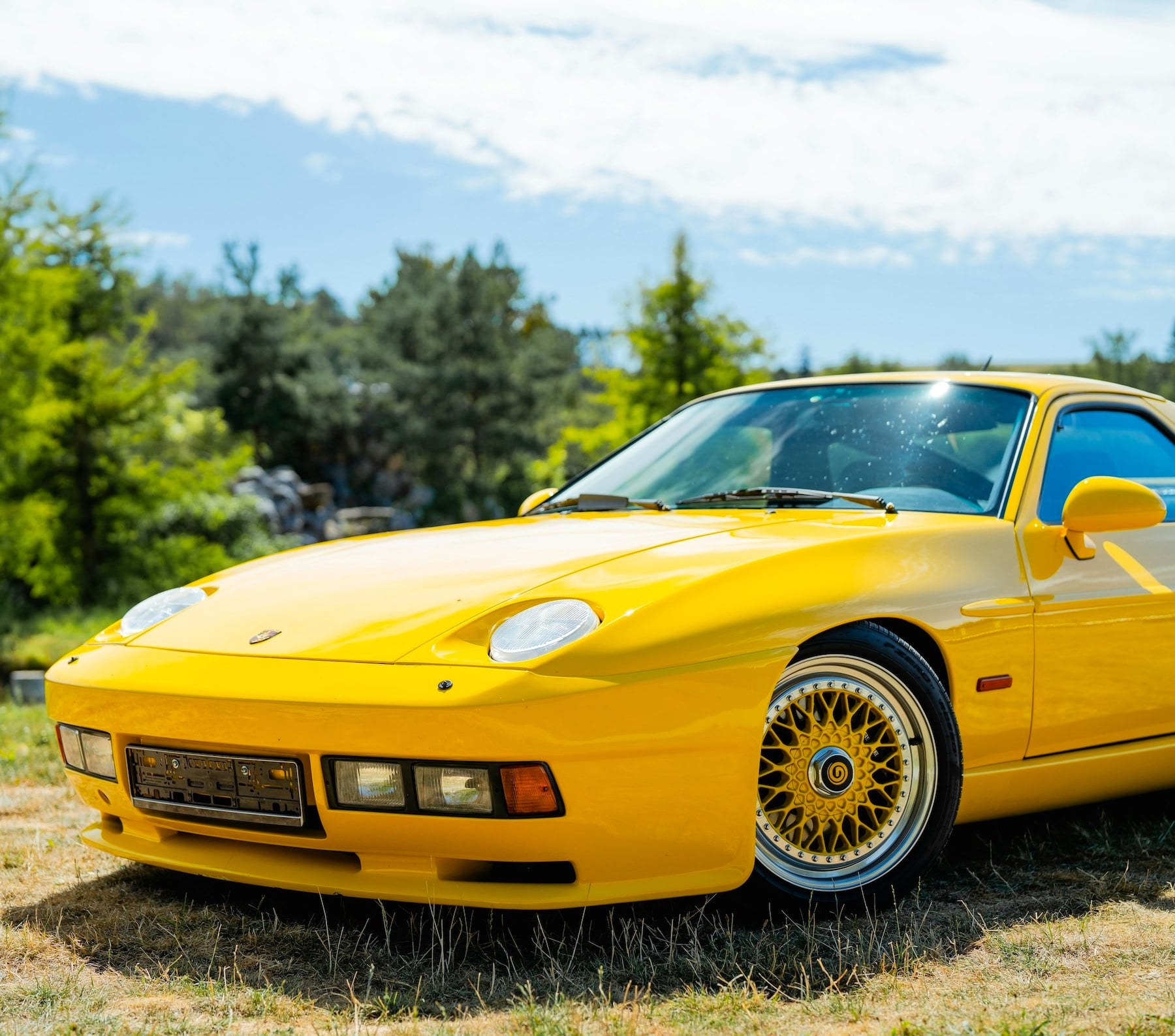
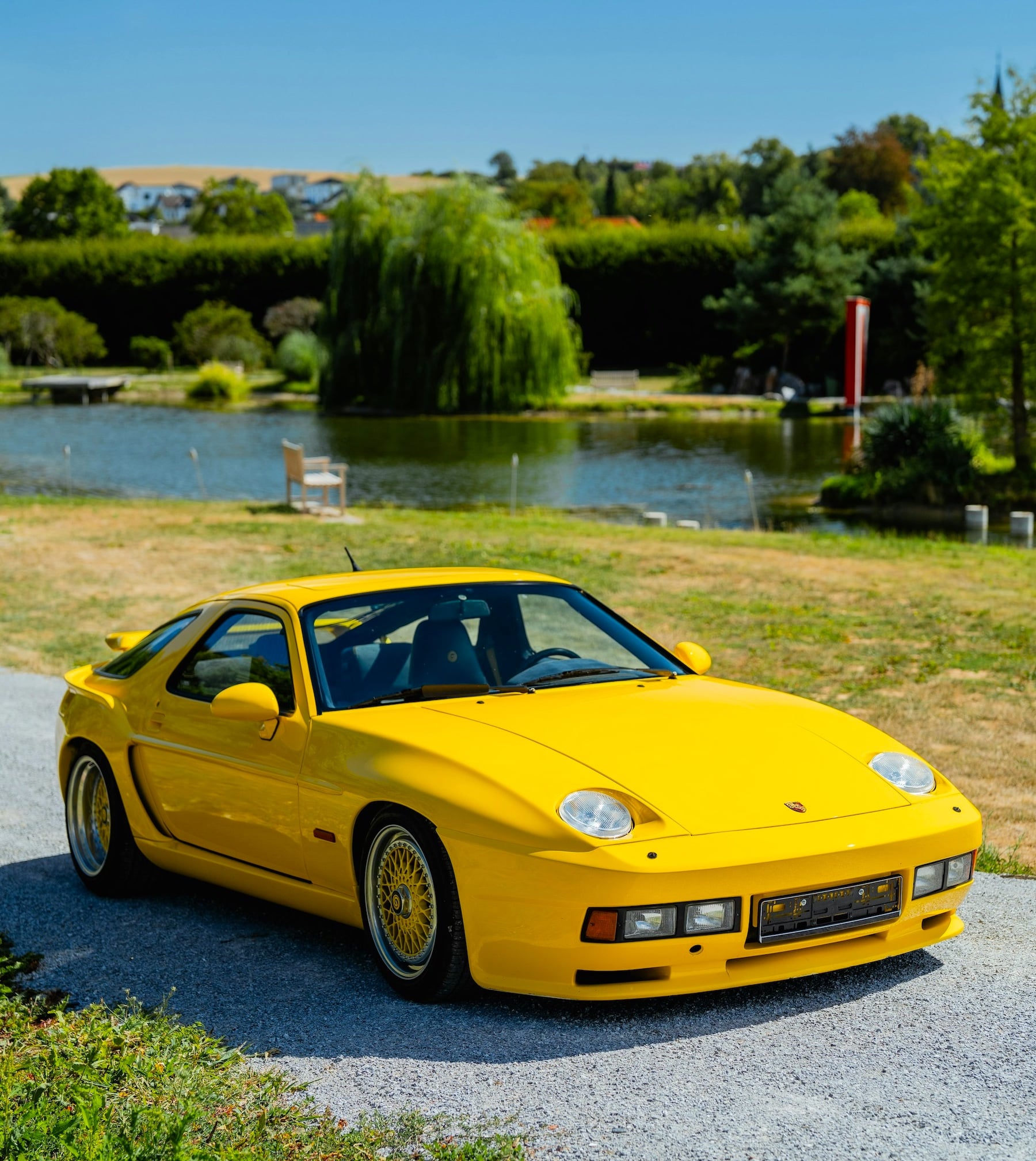
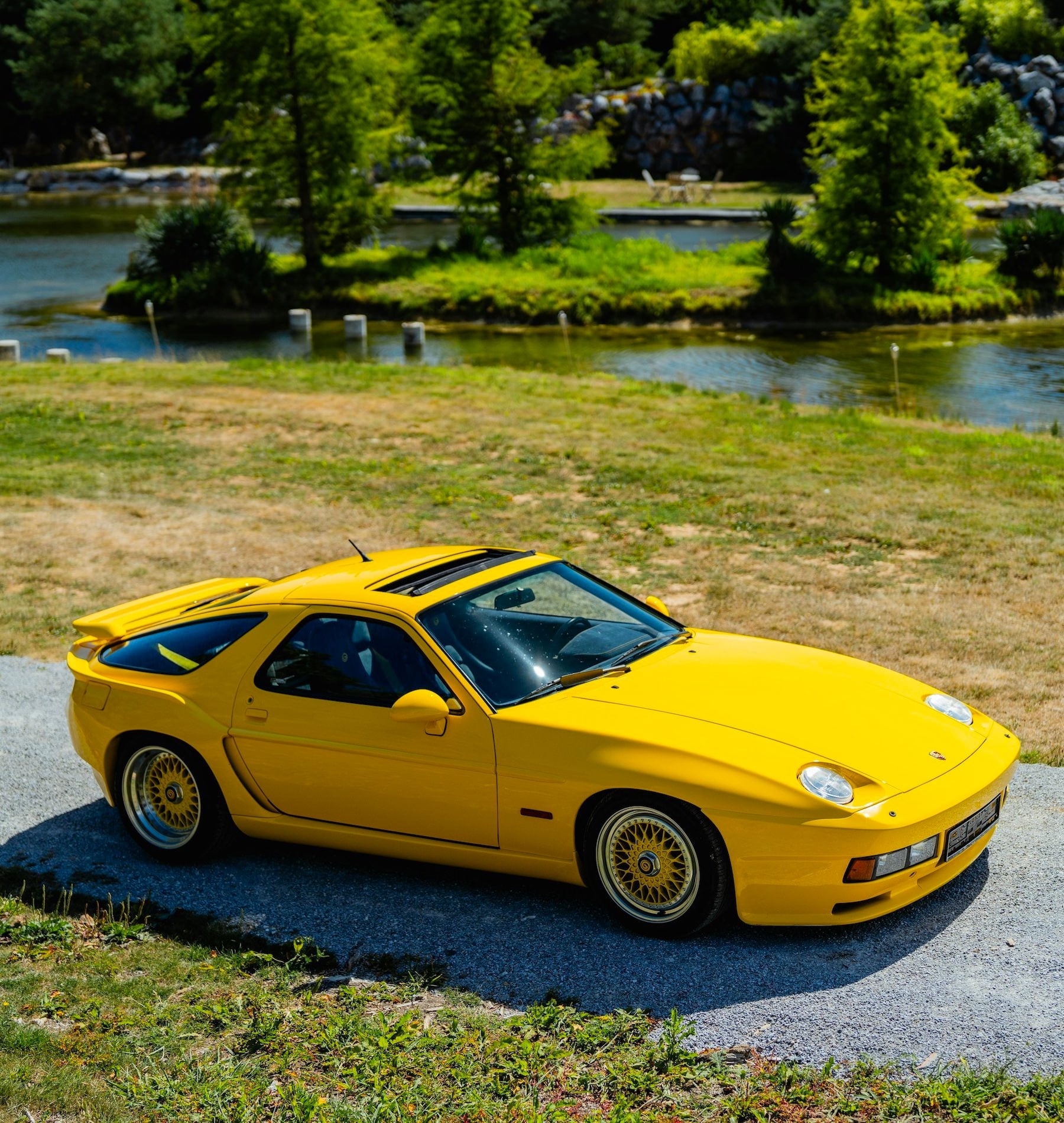
This is a 1990 Porsche 928 S4 that was upgraded in-period by legendary German tuning house Gemballa – the creators of some of the most avant garde high-performance builds of the era.
This conversion was called the 928 S4 Wide Version II according to period Gemballa advertising, and it includes all the wild body upgrades you’d expect on a Gemballa build from the era. This car is officially documented by Gemballa, and it’s now being offered for sale.
Fast Facts: The Gemballa Porsche 928 S4 Shown Here
- Gemballa started out in 1979 as a German automotive interior specialist before developing increasingly extreme Porsche and Mercedes conversions. By the mid-1980s its modifications were extensive enough that manufacturers objected to their badges remaining on completed cars, and Gemballa managed to get official manufacturer status in Germany under founder Uwe Gemballa.
- The company became famous for extravagant Porsche-based machines including the 930 Turbo Avalanche, later 993 and 996 GTR models, the Carrera GT-based Mirage GT, and the 740 bhp Cayenne-derived Tornado. Ruf frequently supplied engine work, while Gemballa became known for distinctive bodywork, advanced electronics, and highly individualized interiors.
- Uwe Gemballa disappeared during a 2010 trip to South Africa and was later found murdered near Pretoria. Following the company’s liquidation, Andreas Schwarz and investor Steffen Korbach acquired the Gemballa name and assets. Uwe’s son Marc Philipp later formed a separate company, producing the Marsien and Marsien GT.
- The 1990 Porsche 928 S4 shown here is a documented Gemballa Wide Version II conversion with a 320 bhp 5.0 liter V8, 4-speed automatic, widened bodywork, twin rear spoilers, BBS wheels, KW suspension, quad exhausts, and a re-trimmed interior. More than €50,000 was reportedly spent at Porsche Classic Centre Arnhem in 2021.
History Speedrun: Gemballa
Gemballa started out in 1979, initially as an automotive interior specialist in Leonberg, near Stuttgart in Germany, retrimming Porsches and BMWs in leather and fitting the latest audio and video equipment. The company was named after its founder, Uwe Gemballa, a larger than life character who was about to turn the exotic car world on its head.
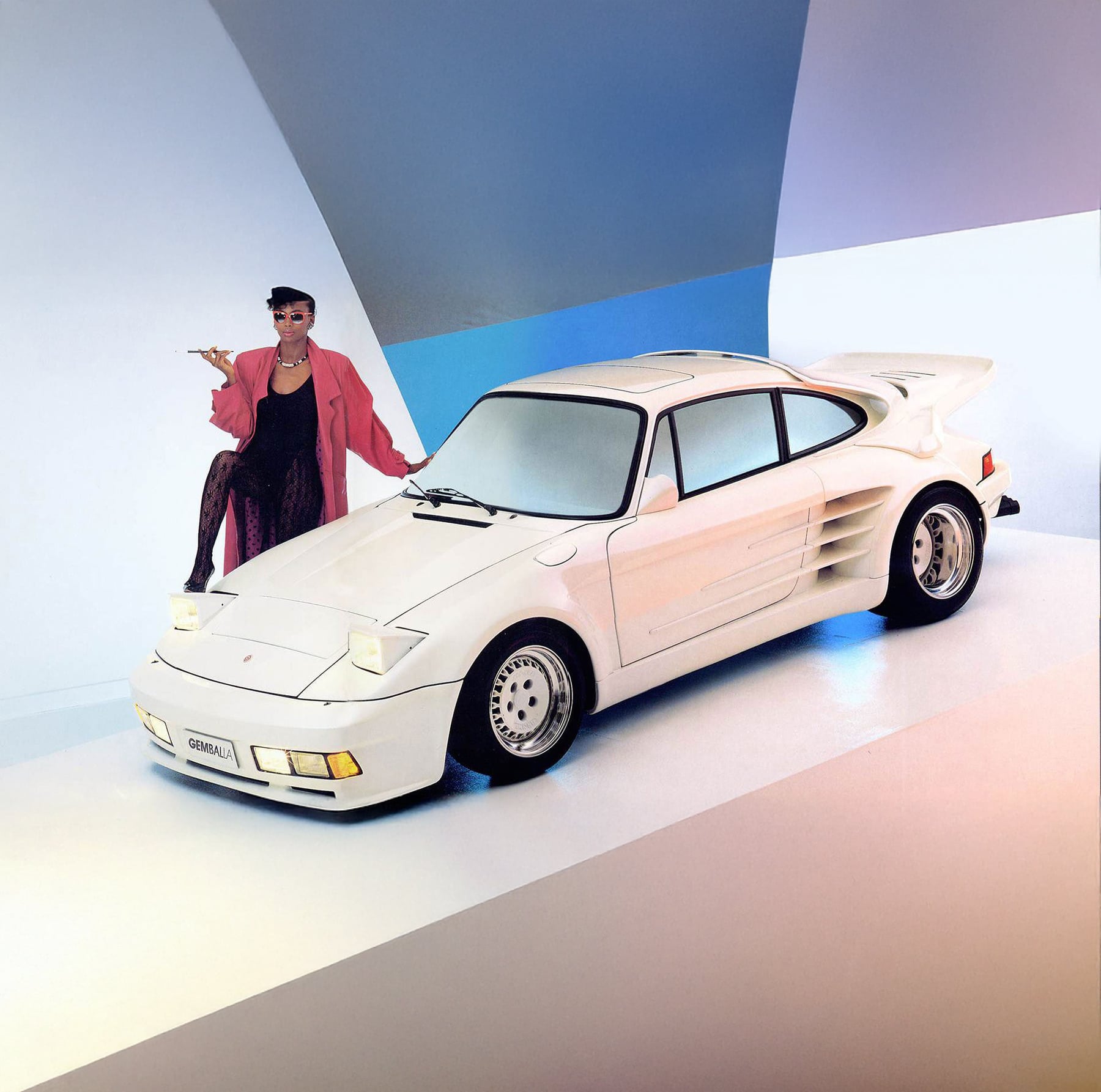
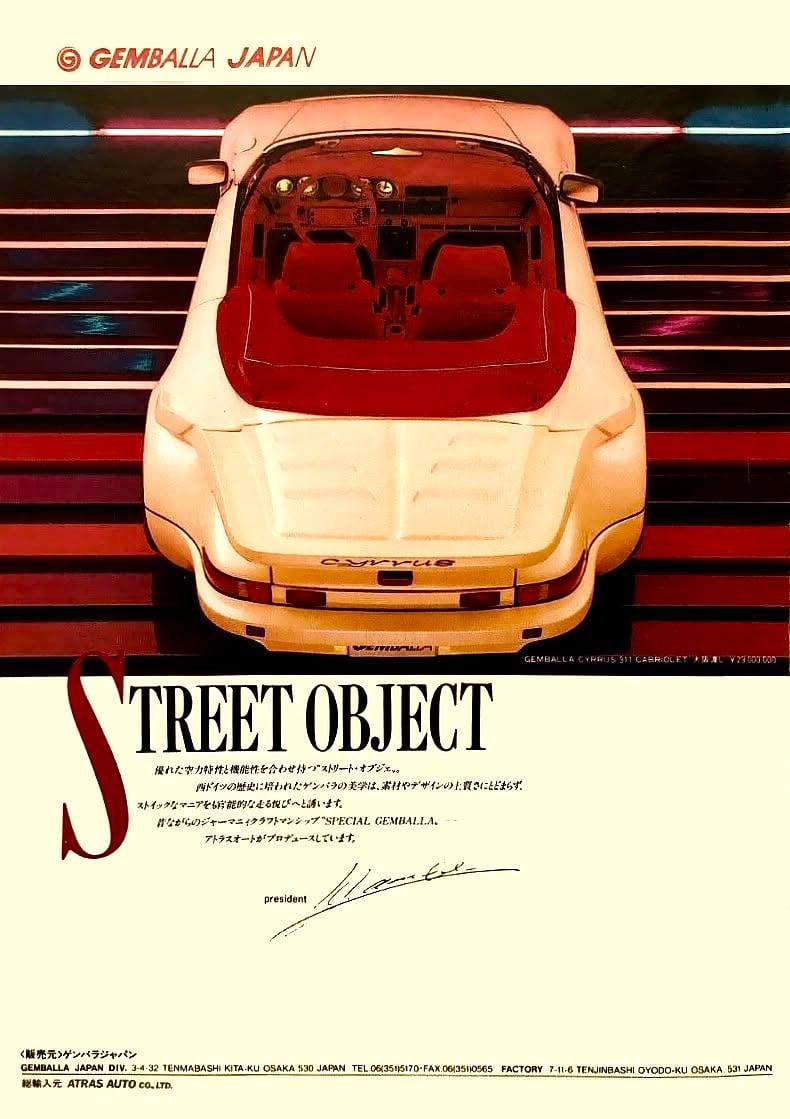
 The car that made Gemballa a household name in the automotive world was the Avalanche, a reworked Porsche 930 Turbo shown in 1984 and 1985 alongside a convertible version called the Cyrrus. Its rear arches were beaten out of metal by hand rather than molded in fiberglass, and the engine work went to Alois Ruf. Image courtesy of Gemballa.
1981 brought the company’s first aerodynamic programs for the 911, 924, and 928, and its first Mercedes-Benz interior, a contract job for AMG in Affalterbach. Futuristic LED instruments followed in 1982, a steering-wheel remote for the stereo (also ahead of its time) in 1983, and in 1986 a pair of rear-facing cameras feeding a dashboard screen in place of door mirrors, truly the stuff of science fiction in the mid-1980s.
By around this time the modifications had gone far enough that Mercedes and Porsche would no longer allow their badges on the finished cars, so in 1985 Gemballa gave its cars a badge of its own. Germany’s federal motor transport authority listed it as a manufacturer in its own right the same year. This meant the Porsche or BMW you bought from Gemballa was no longer officially a Porsche or a BMW, it was a Gemballa.
The Gemballa “Avalanche” 930
The car that made Gemballa a household name in the automotive world was the Avalanche, a reworked Porsche 930 Turbo shown in 1984 and 1985 alongside a convertible version called the Cyrrus. Its rear arches were beaten out of metal by hand rather than molded in fiberglass, and the engine work went to Alois Ruf.
Cars were finished to individual order and included a Ruf-modified 3.4 liter turbocharged flat-six of 375 bhp, versus ~300 bhp for the factory car. Ruf built powertrains for Gemballa on and off through the decade and it’s believed that around 15 Avalanches were made.
The 1990s and 2000s brought a range of wildly-modified Porsches, the Extremo of 1996, a 993 Turbo built to promote the tire maker Fulda, was priced at a million Deutschmarks. The GTR series ran through the 993 and then the 996, and in 2006 came the Mirage GT, a rebodied Carrera GT limited to 25 cars. A recalibrated ECU, a ram-air intake and a stainless steel exhaust took its 5.7 liter V10 to 661 bhp and 465 lb ft, and the carbon fiber body carried its airbox in the roof.
The Gemballa Tornado was a carbon-bodied Cayenne Turbo rated at 740 bhp and 774 lb ft, and the MIG-U1 was a rebuilt Ferrari Enzo for Middle Eastern clients, still listed by Gemballa as a five-car limited edition, though only one appears to have been built.
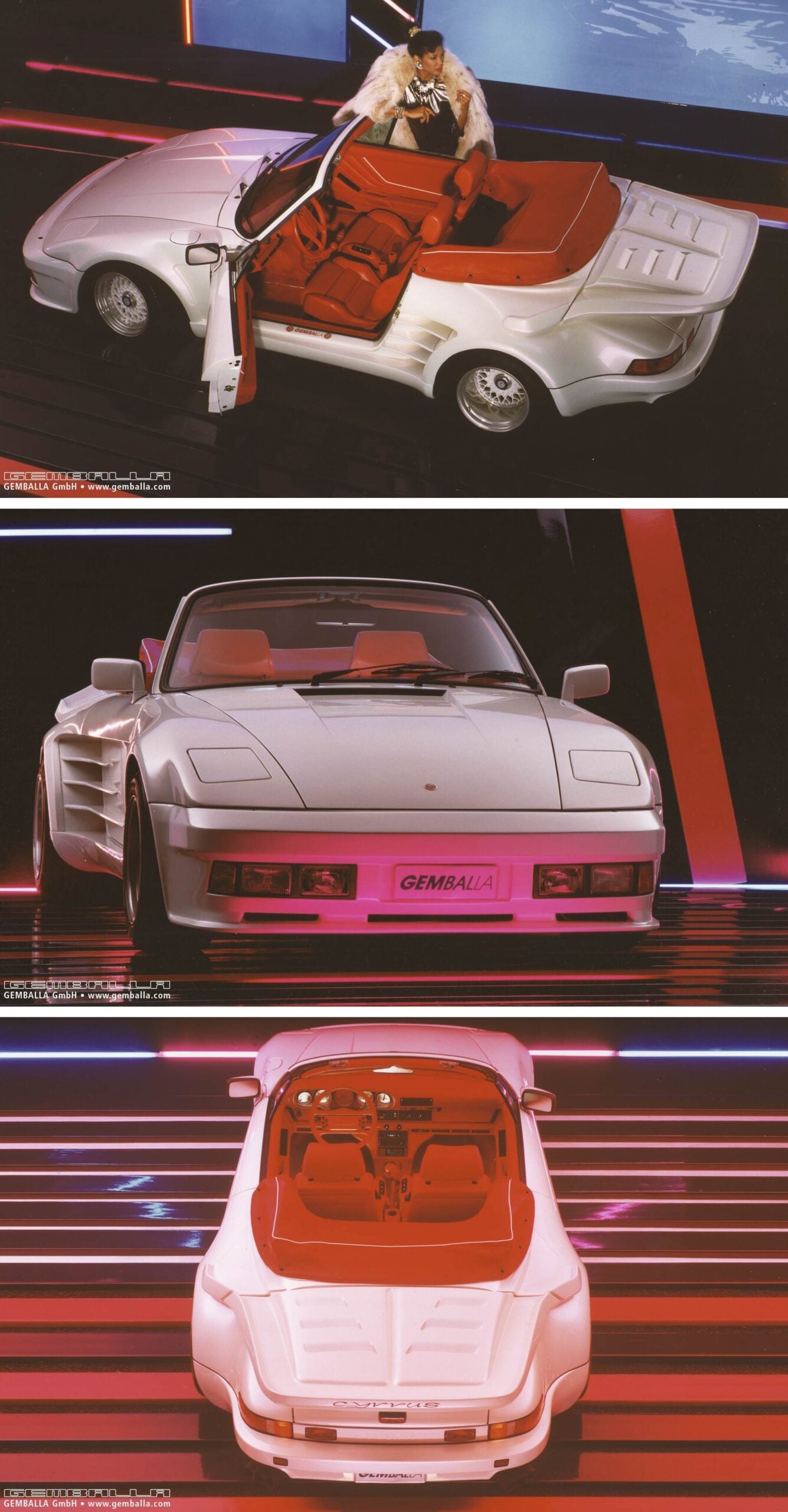
Cars were finished to individual order and included a Ruf-modified 3.4 liter turbocharged flat-six of 375 bhp, versus ~300 bhp for the factory car. Ruf built powertrains for Gemballa on and off through the decade and it’s believed that around 15 Avalanches were made. Images courtesy of Gemballa.
The Tragic Death Of Uwe Gemballa
Uwe Gemballa flew to Johannesburg via Dubai on February the 8th, 2010, and was met inside the terminal by a man the first police accounts could not name. It turned out that he was Garlond Holworthy, and he had been convicted of the murder in 2015.
Gemballa called home the next day, police said he told his wife he had been in an accident and needed money – the sum he asked her to wire was a million euros, and unusually, he made the call in English rather than German. Nobody would ever hear from him again.
His body was found at the end of September 2010, wrapped in plastic sheeting in a shallow grave at Wesfort cemetery in Atteridgeville, west of Pretoria. A 28 year old man from Pretoria confessed weeks later, he was arrested, convicted, and sentenced to 20 years within about 24 hours. More convictions for kidnapping, murder and theft followed in November of 2015, and two of those men lost an appeal in 2026.
Why it happened has never been settled though there is no shortage of theories, some more believable than others. What we do know is that with Gemballa gone, the world lost one of its most memorable high-end custom car builders.
The Company Carries On: In Two Forms
The Gemballa business was soon broken up by the liquidator, in August of 2010 sports car specialist Andreas Schwarz, backed by the investor Steffen Korbach, secured the name rights and some assets from the wreckage and founded a new Gemballa GmbH, starting out with 22 employees.
McLaren joined Porsche as a base vehicle option in 2012, and an in-house Gemballa supercar with more than 800 bhp was announced in 2019, with a prototype promised for 2023 and production for 2025, its website still carries those targets, but both dates have now long passed.
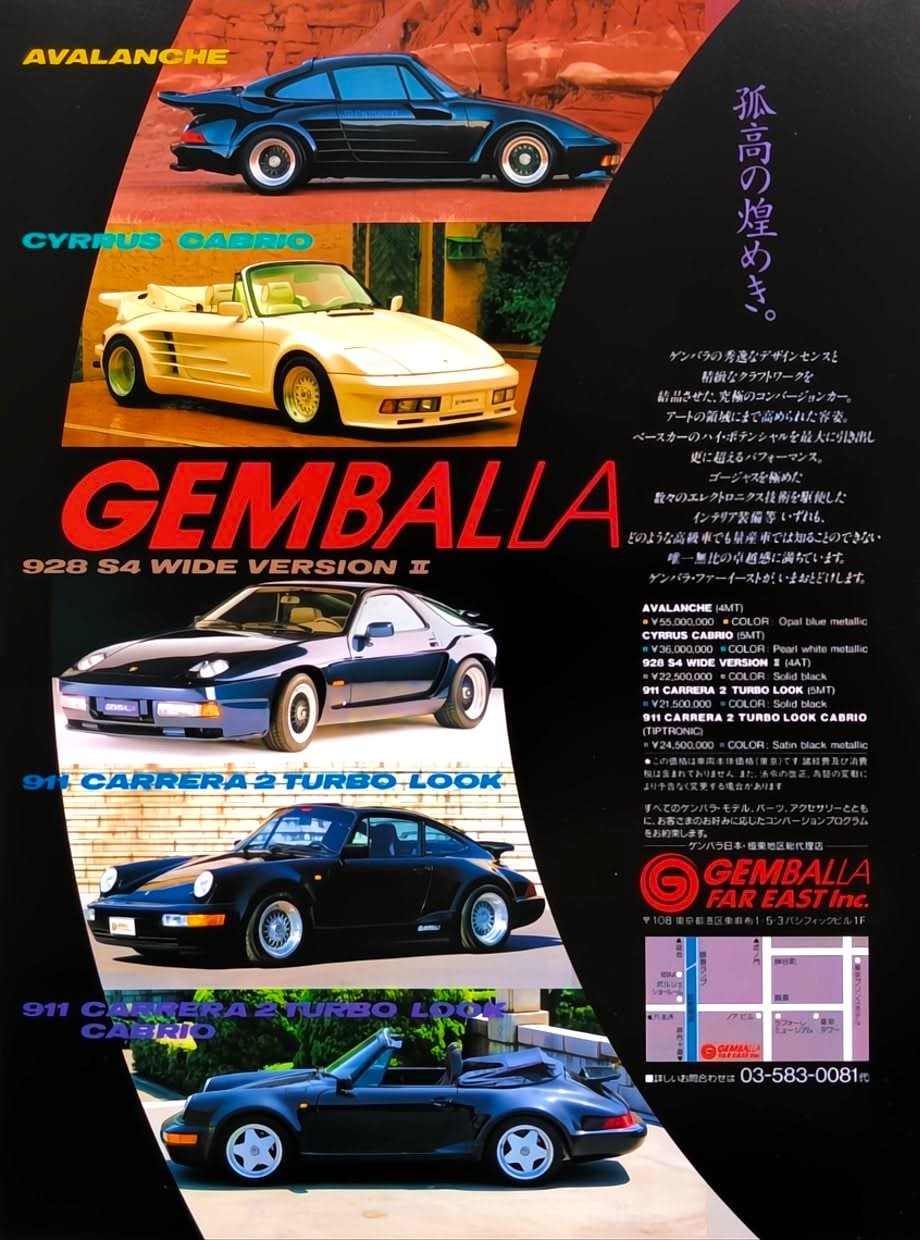
Gemballa was wildly popular in Japan in the 1980s and 1990s, it embodied all the wild enthusiasm of the era, and people couldn’t get enough of it. Image courtesy of Gemballa.
Uwe’s son Marc Philipp Gemballa founded his own firm in 2018, unconnected to Gemballa GmbH, which responded with trademark proceedings over marks incorporating the Gemballa name. Marc’s first car, the Marsien, appeared in July of 2021 – it was a Porsche 992 Turbo S rebuilt as a Dakar-inspired all-terrain machine with a flat-six uprated by Ruf, limited to 40 cars from €495,000 before the donor Porsche.
The road-focused Marsien GT followed at Pebble Beach on August the 13th, 2026, limited to 30 units. That takes the program to 70 cars, a number chosen to mark what would have been Uwe Gemballa’s 70th birthday.
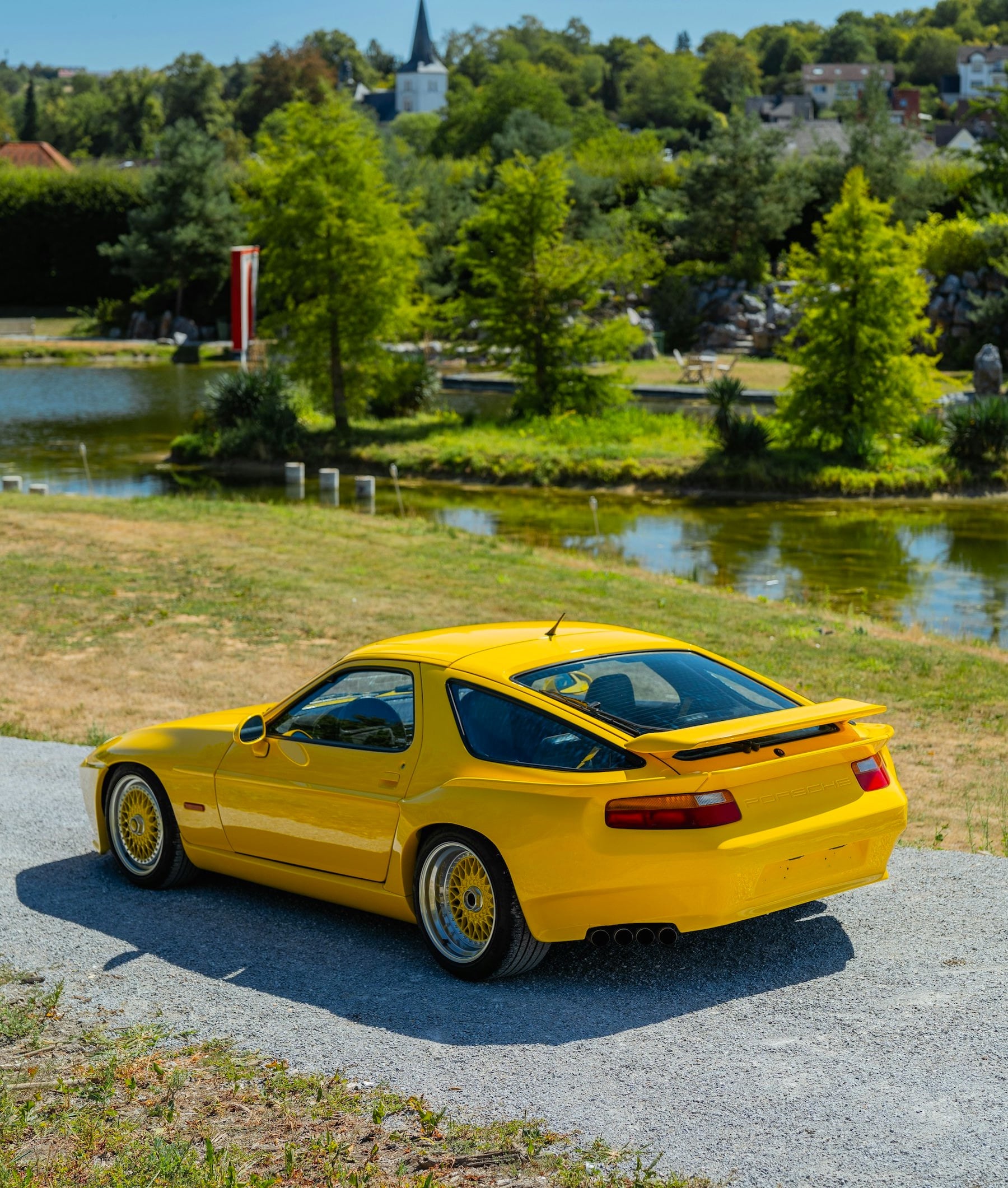
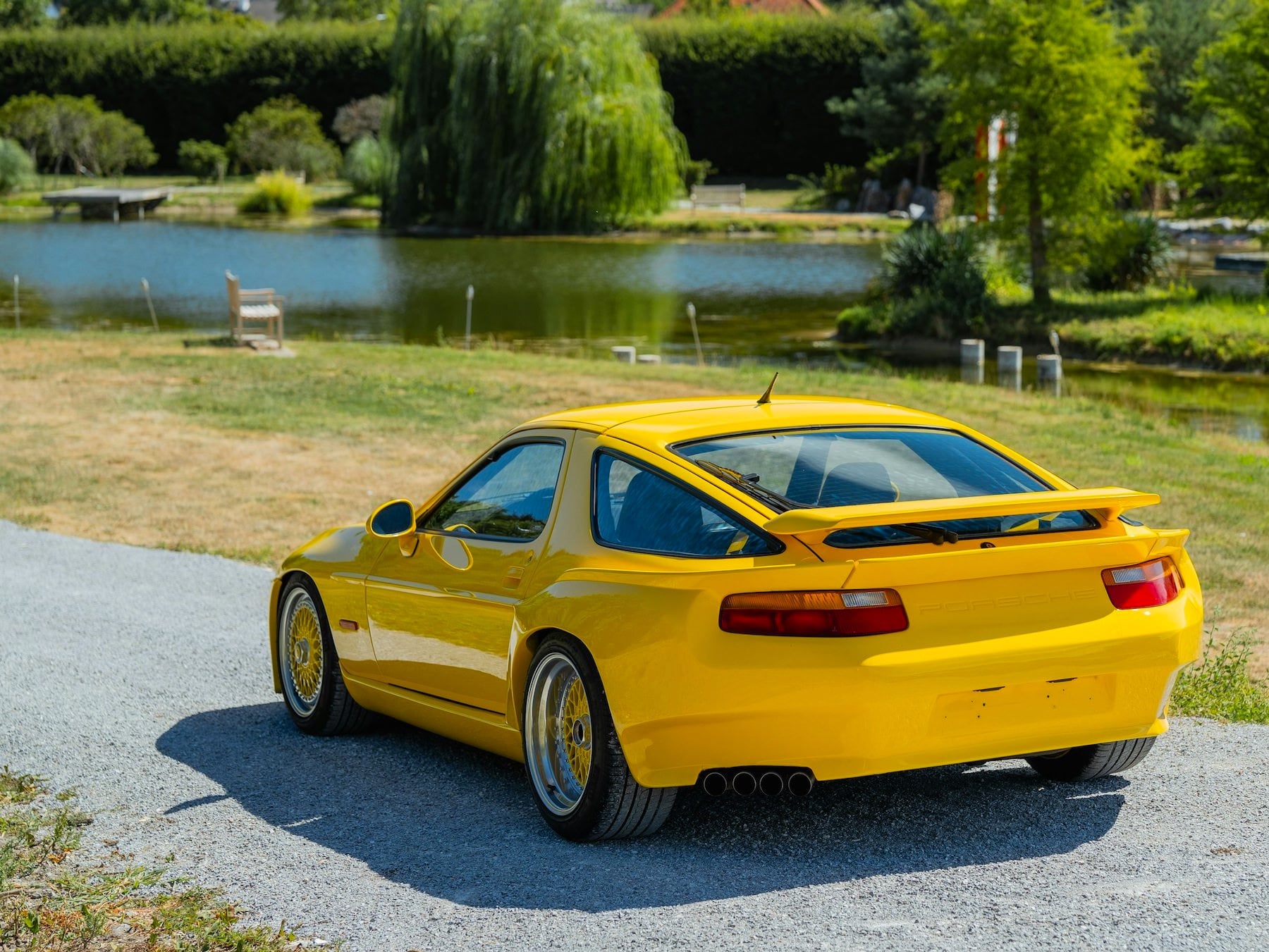
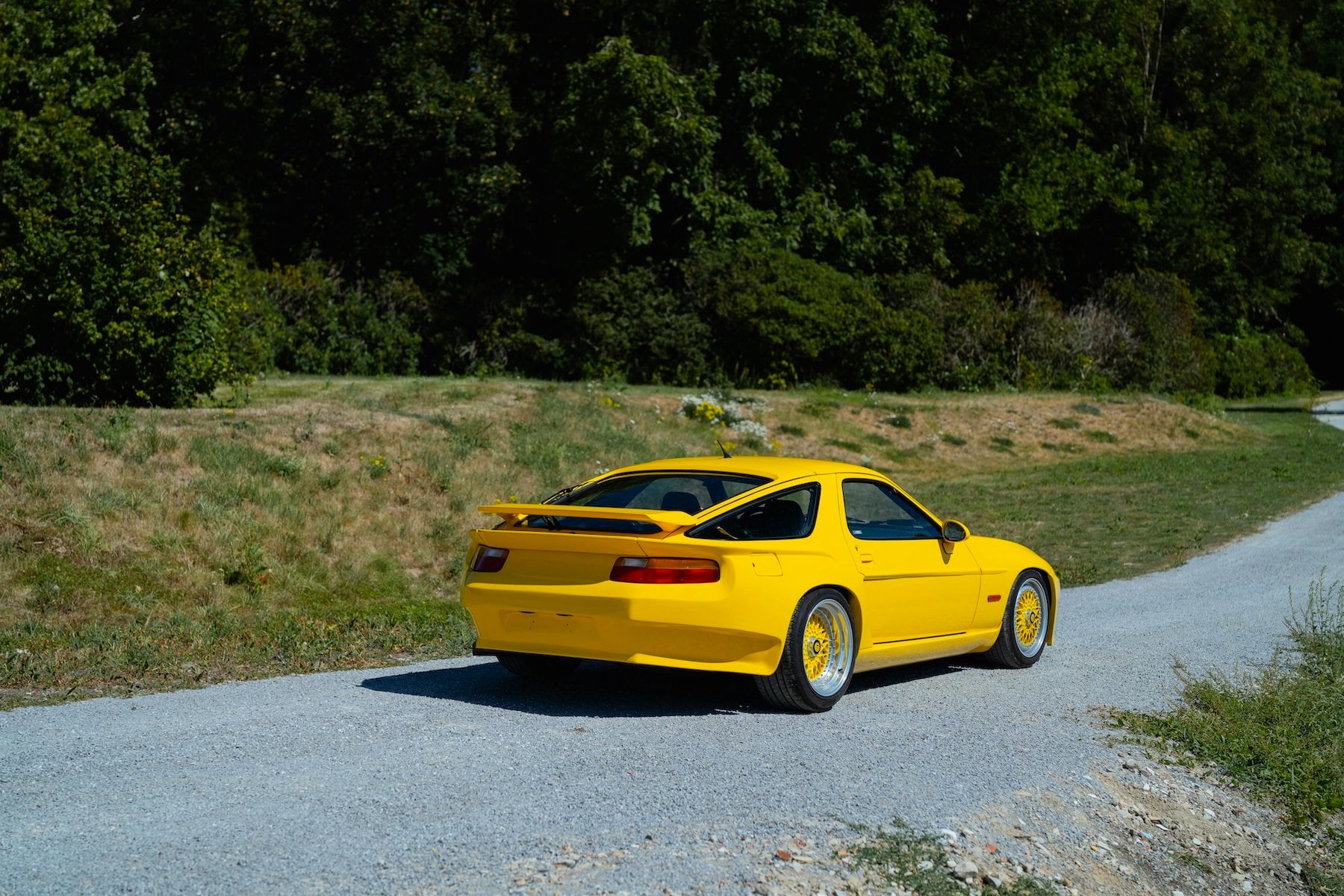
The 1990 Gemballa Porsche 928 S4 Shown Here
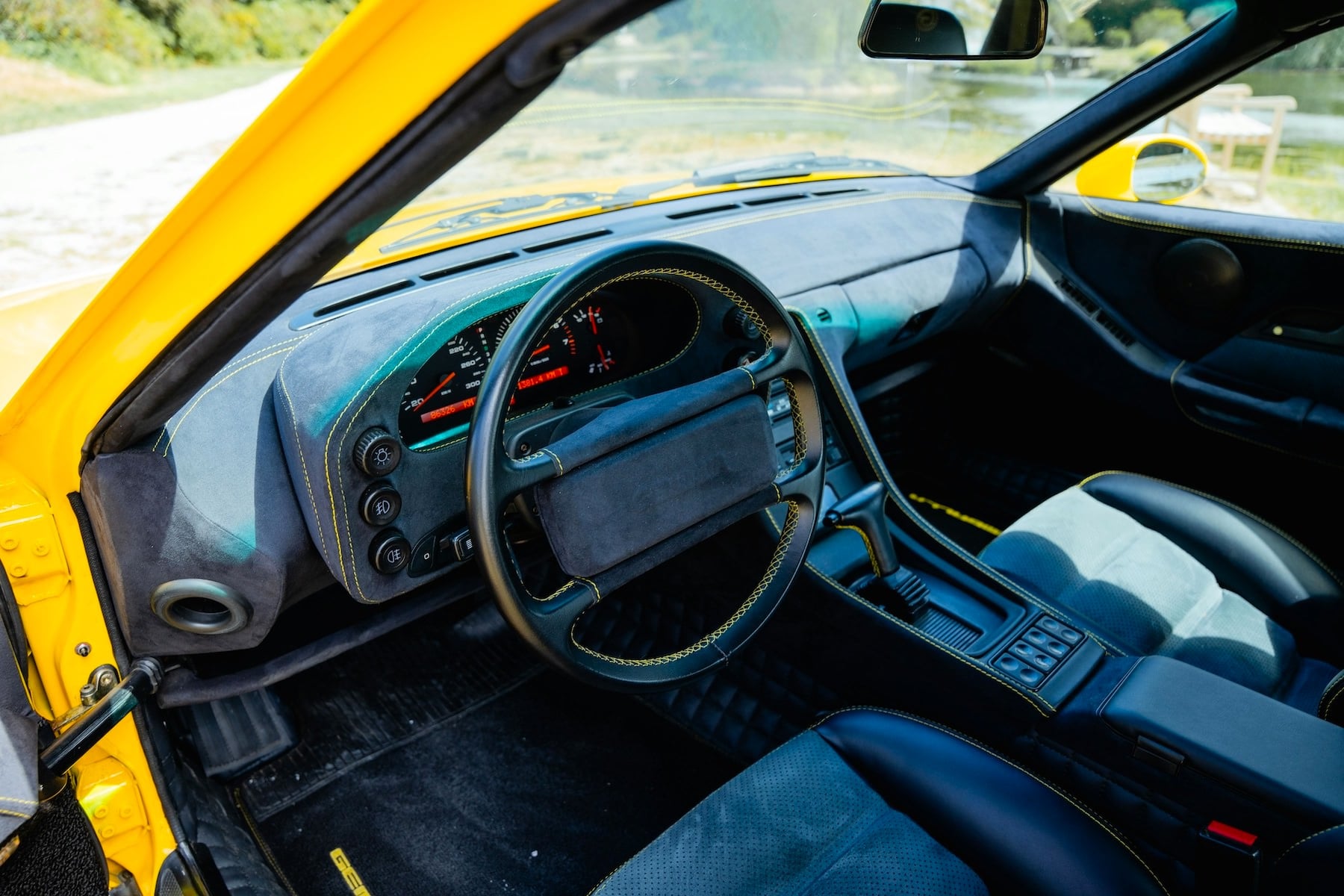
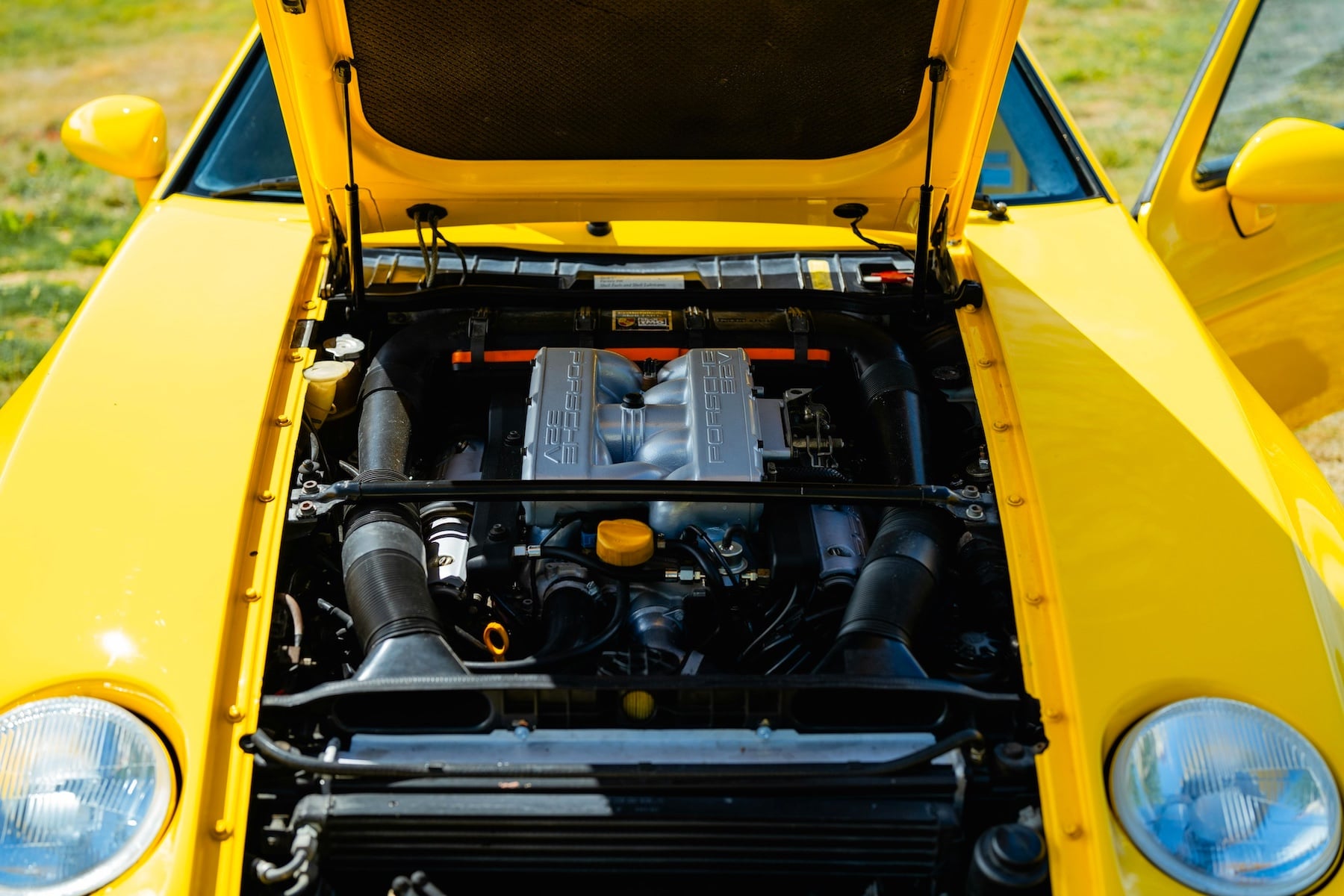
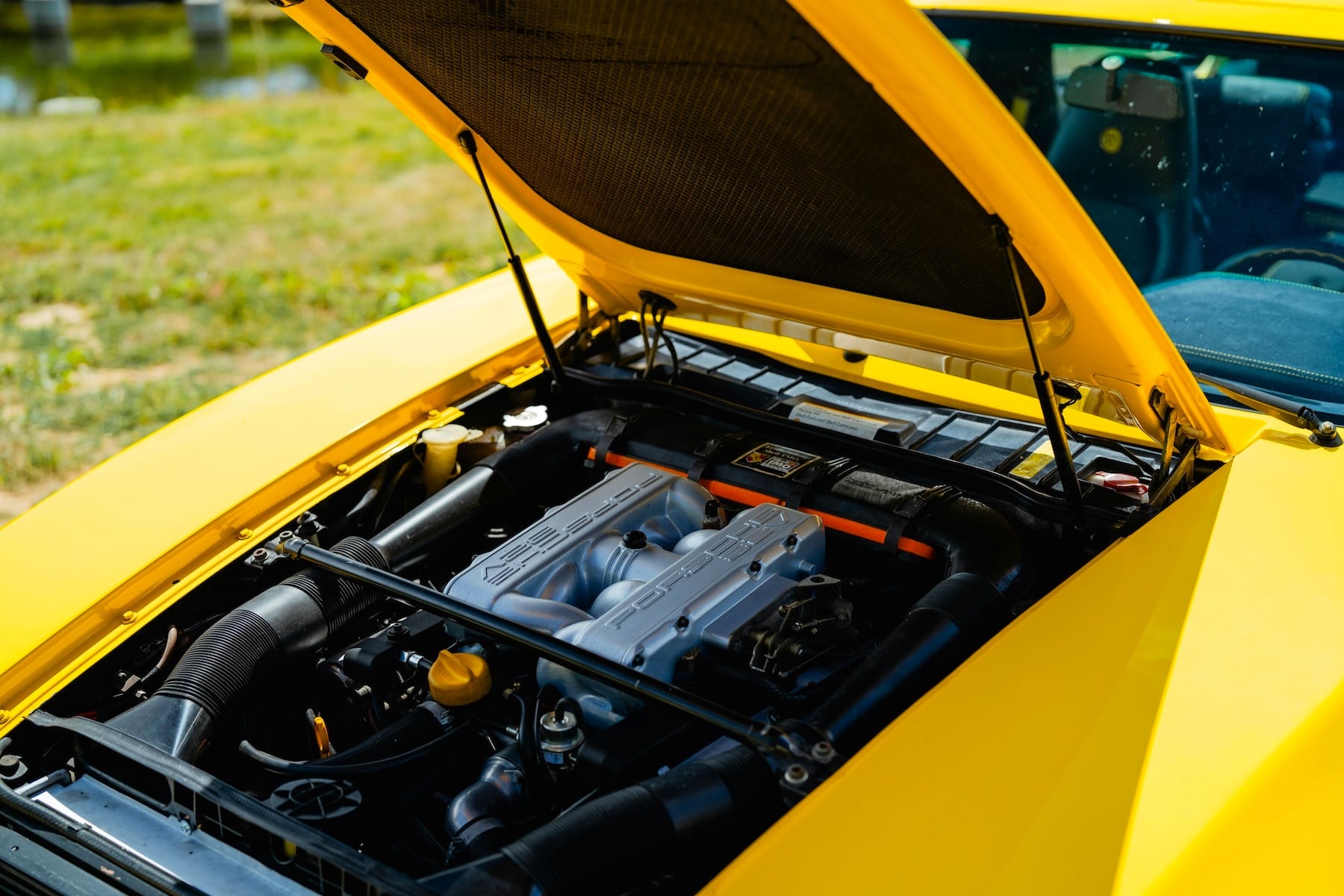
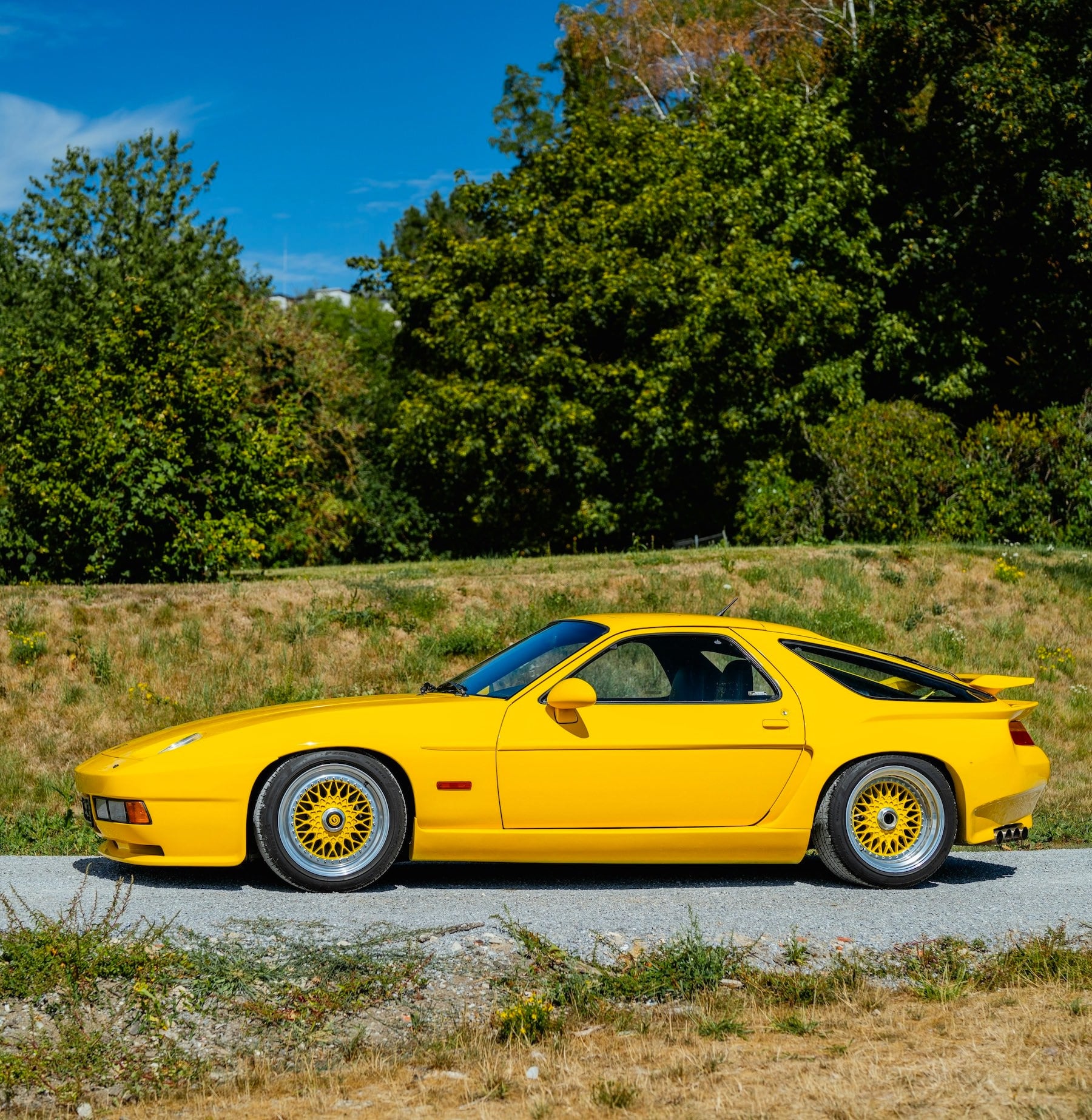
This is a 1990 Porsche 928 S4 is an officially confirmed Gemballa conversion, combining the 928’s naturally aspirated 5.0 liter V8 and 4-speed automatic transmission with a substantial period-style makeover. Output is quoted at 320 bhp, with Porsche’s electronically controlled PSD limited-slip differential fitted as standard for the model year. The odometer shows 86,326 kms, although the mileage isn’t warranted.
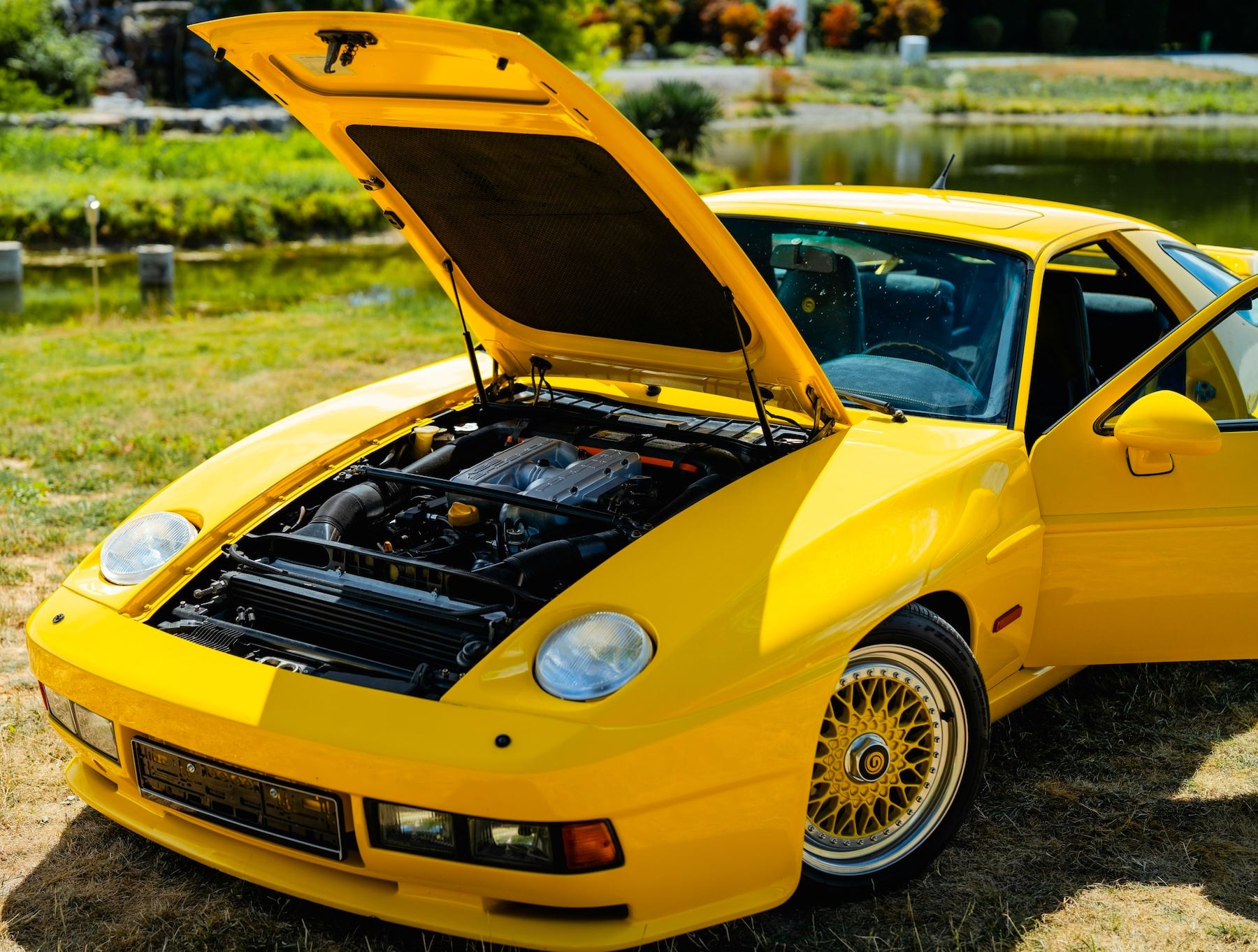
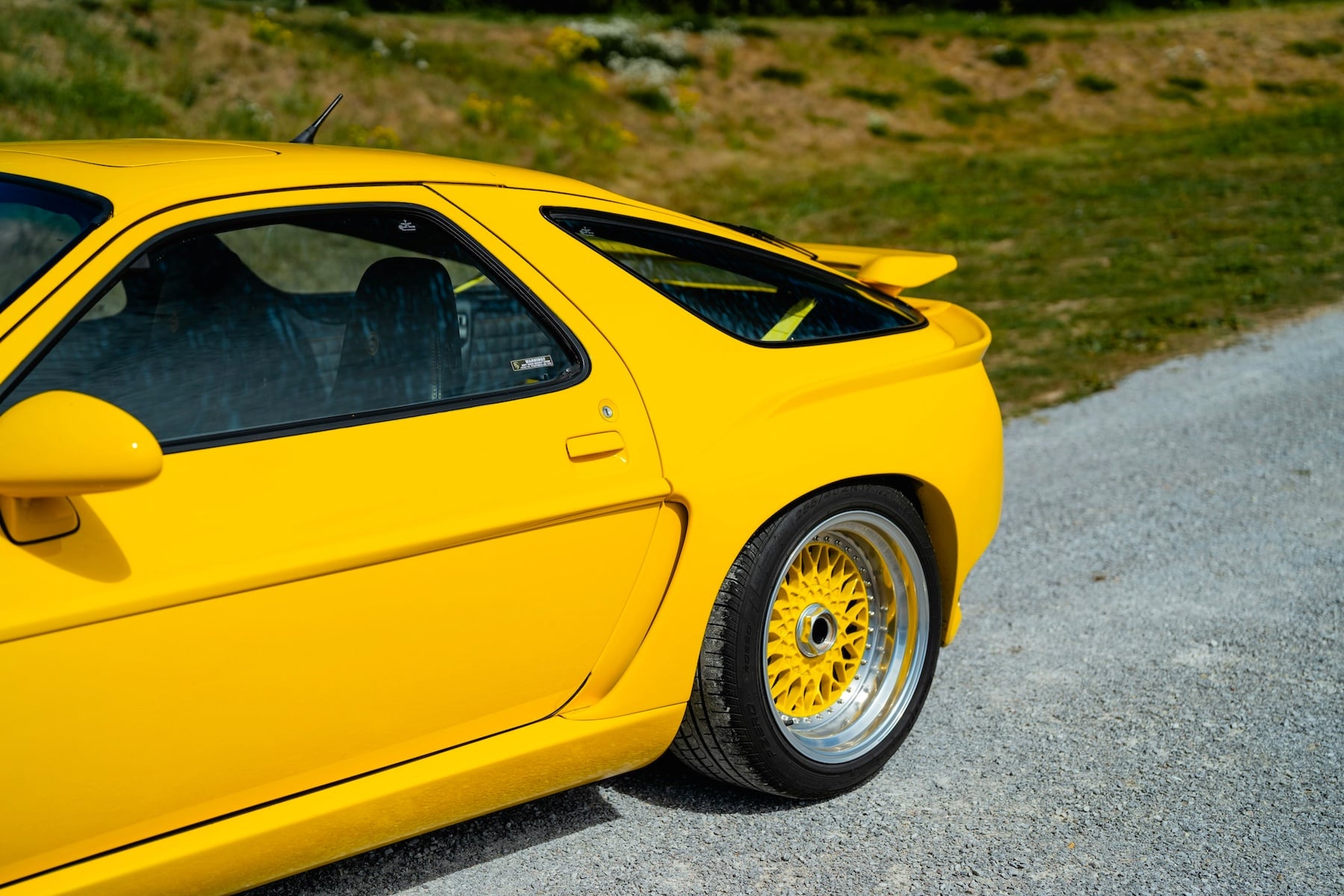
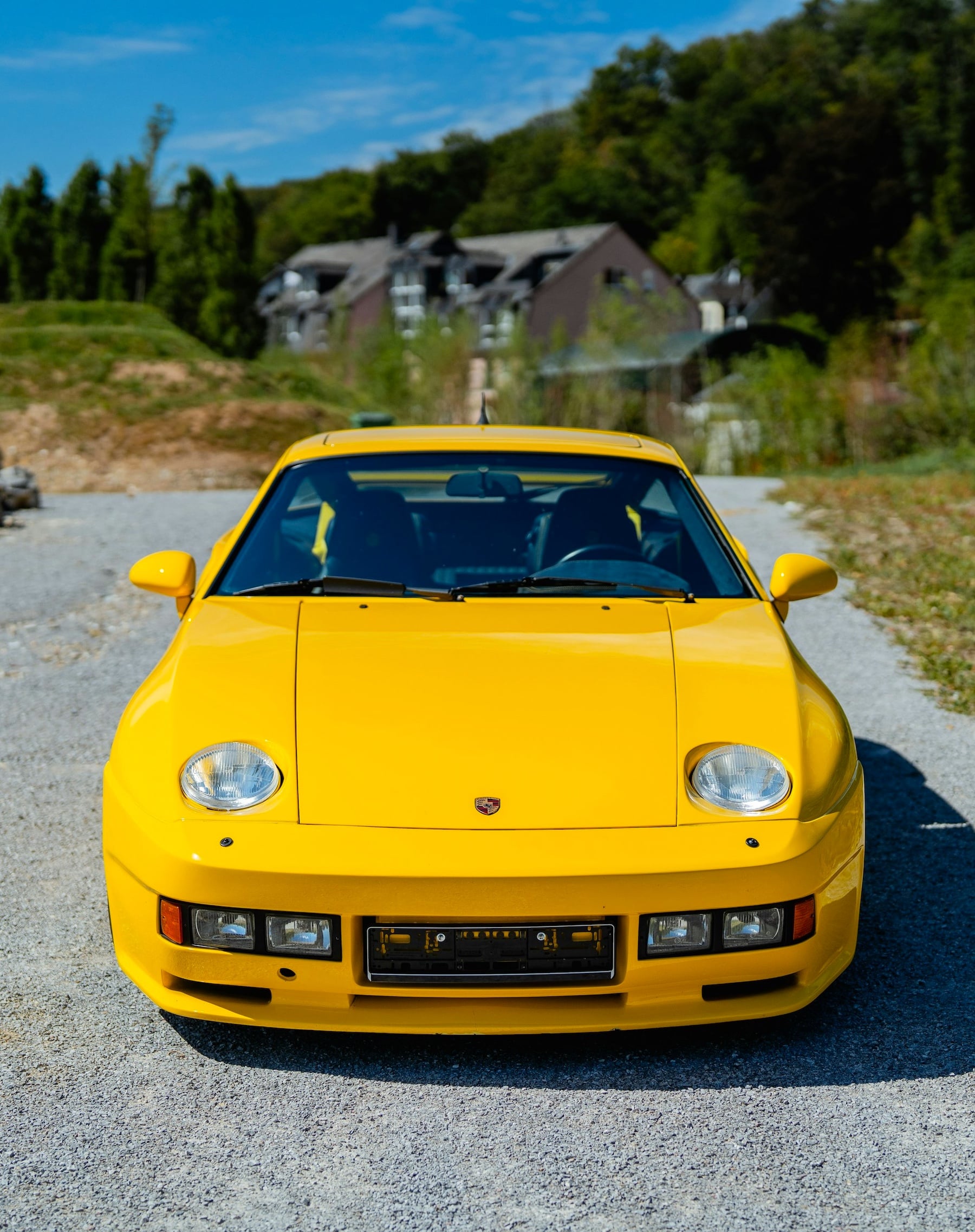
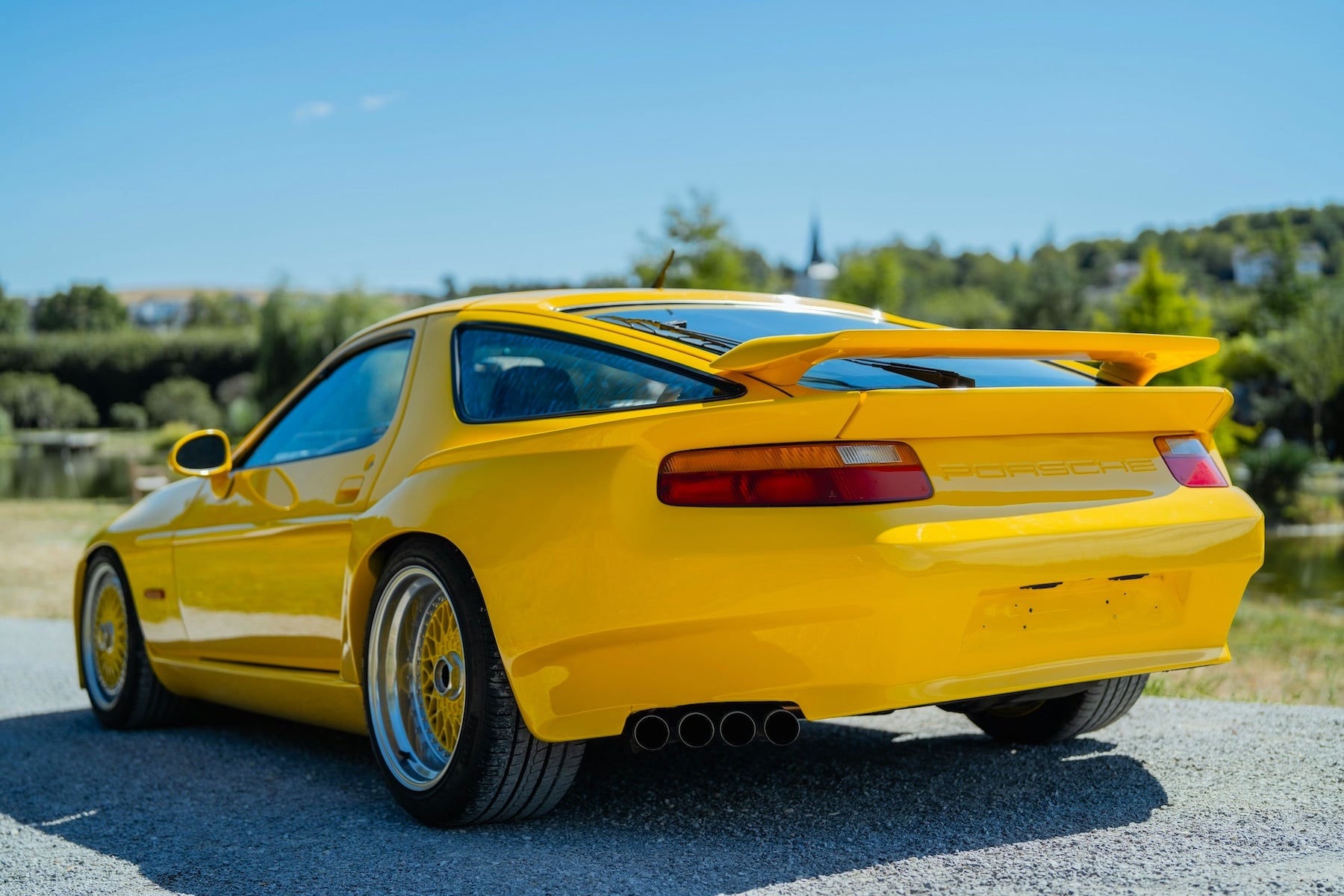
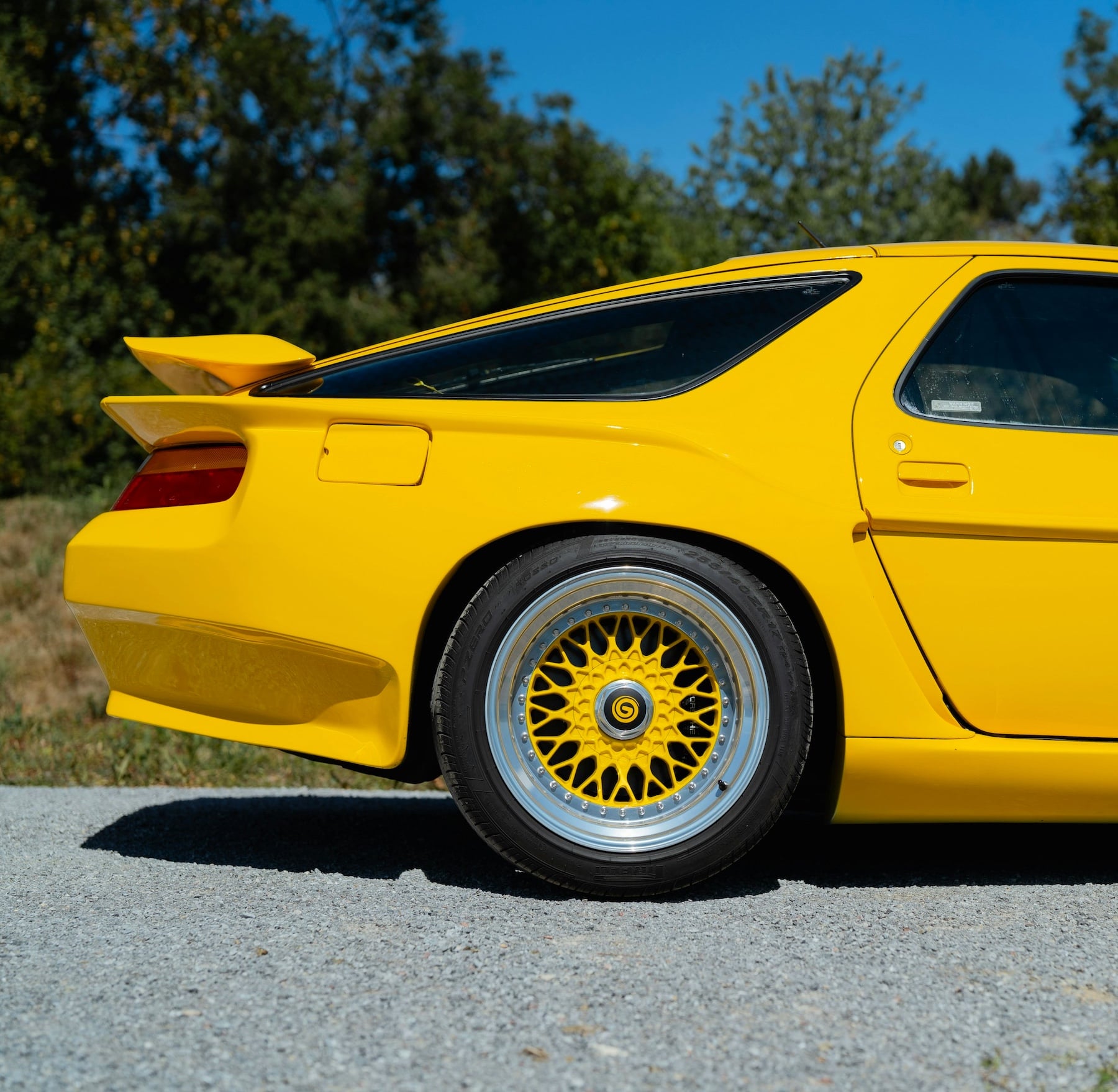
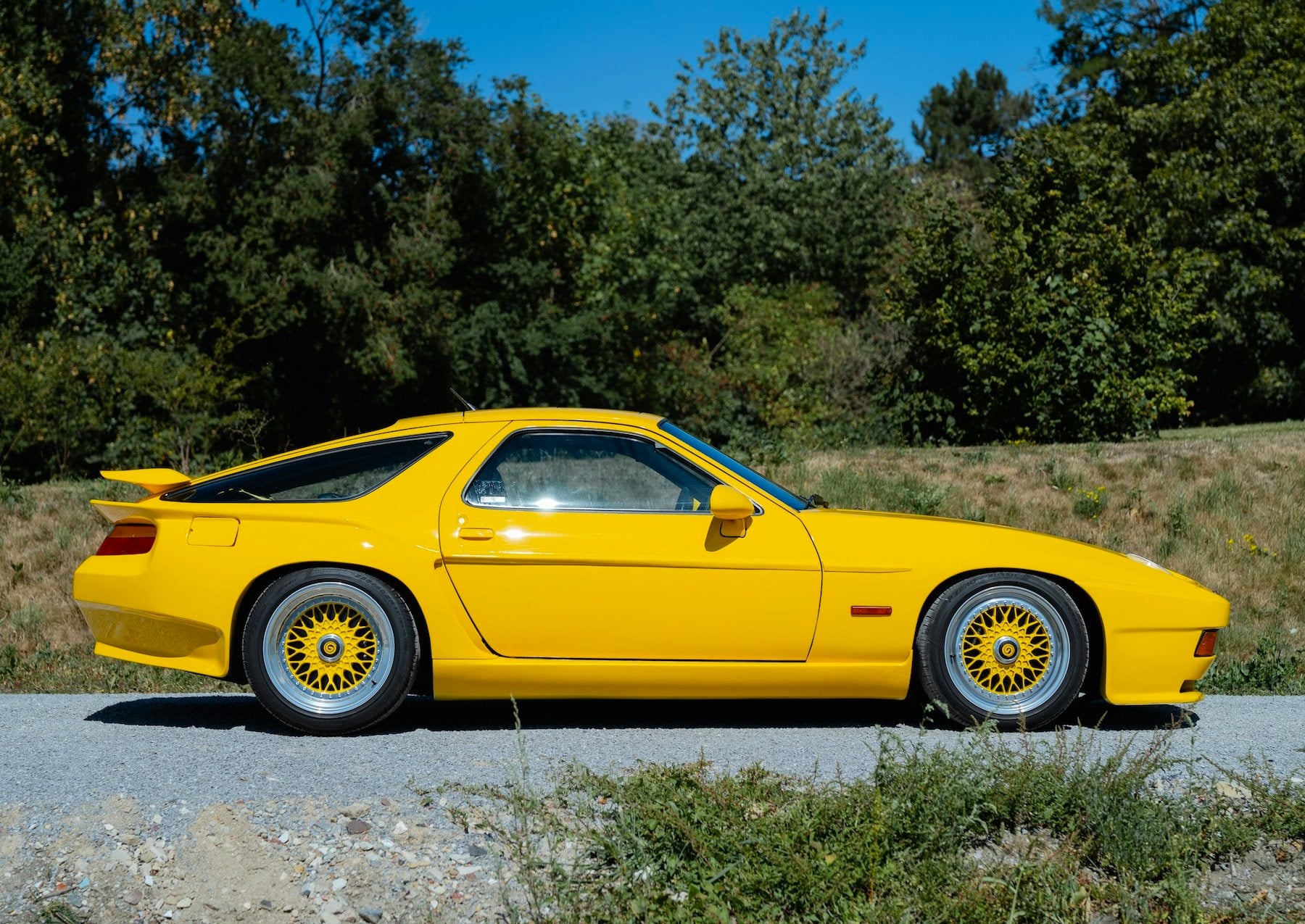
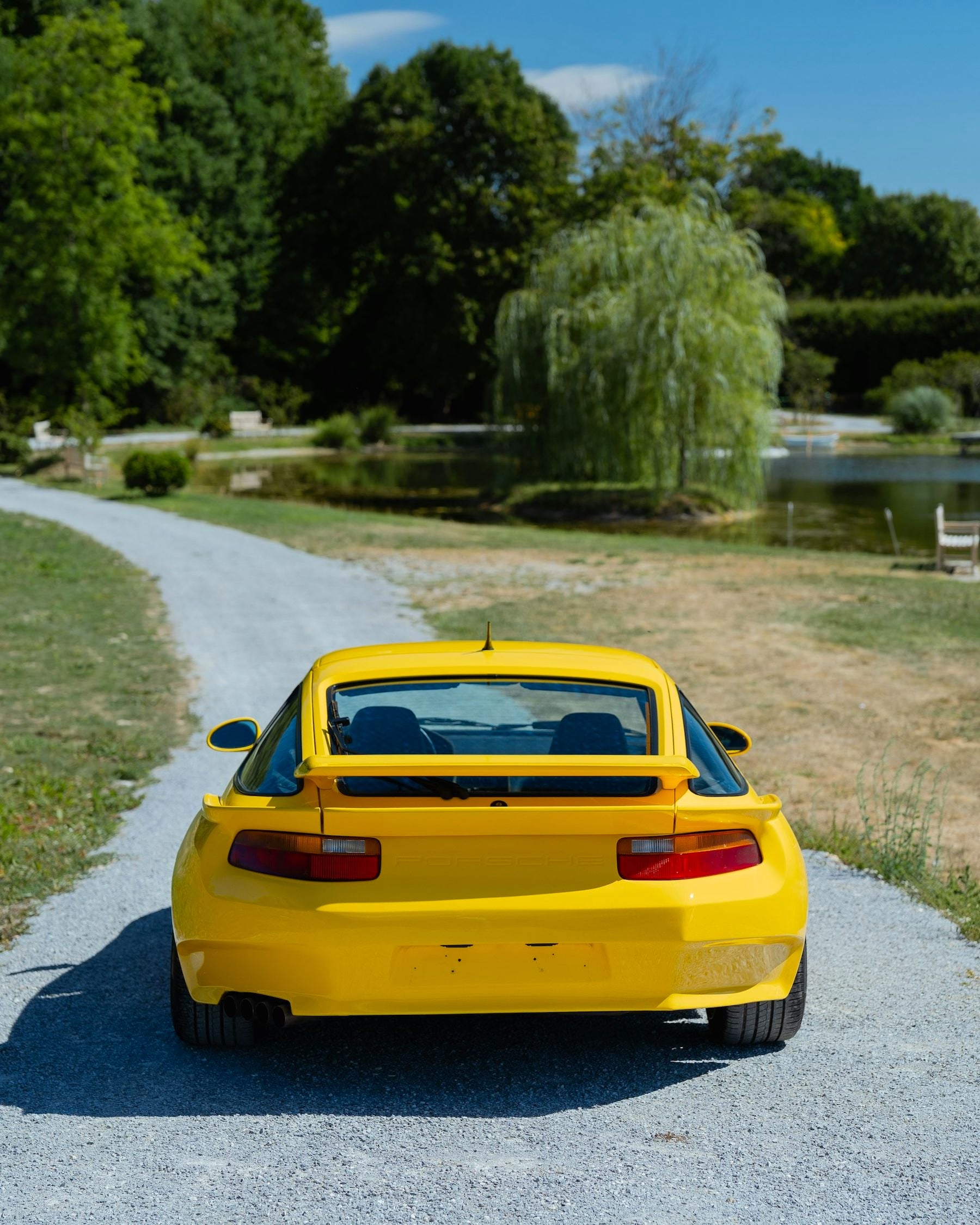
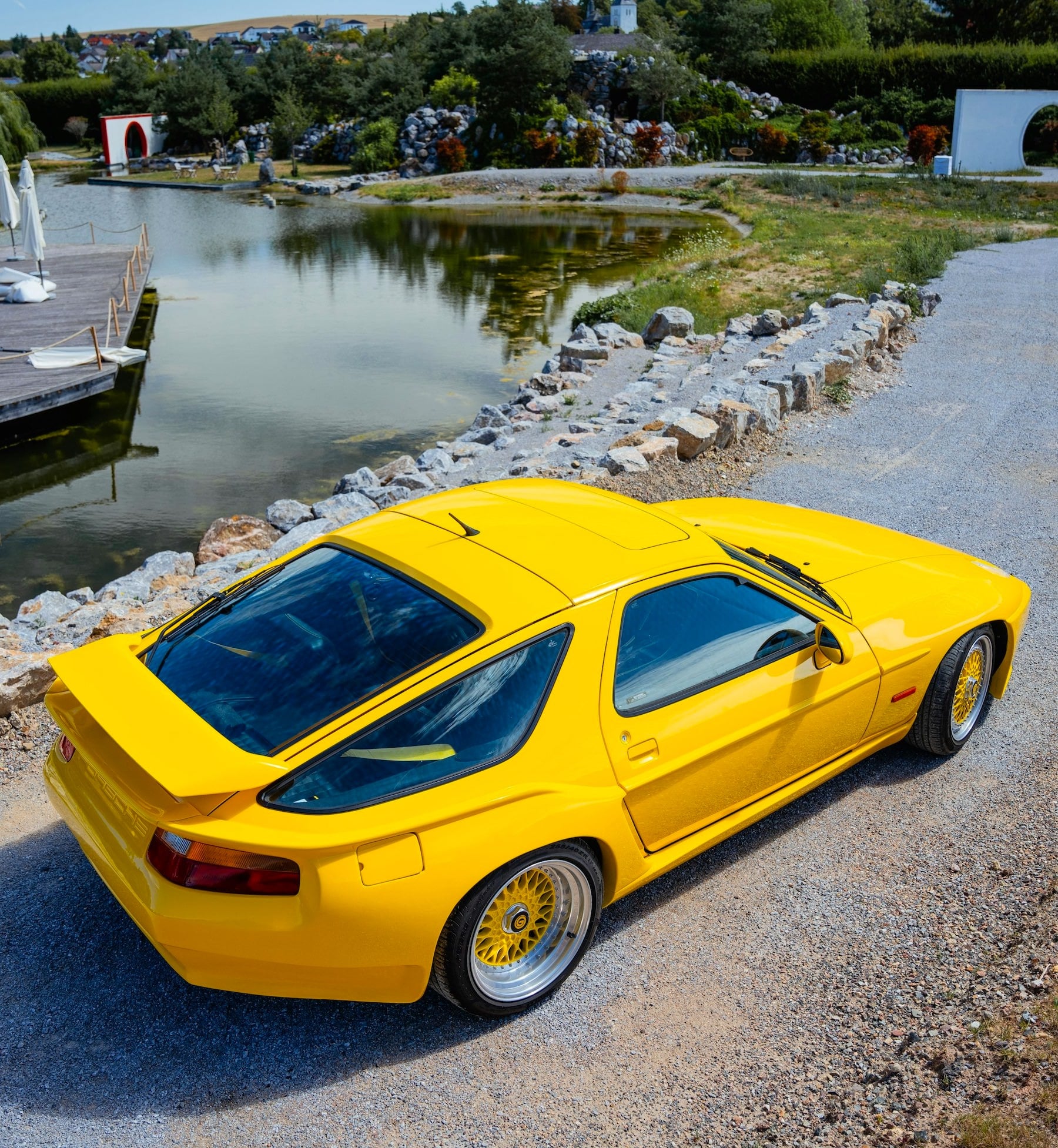
The exterior has been comprehensively reworked with a Gemballa body package comprising a redesigned front bumper, widened arches, deeper side skirts, vented rear quarters, a broader rear bumper, and two rear spoilers, including a wrap-around ducktail.
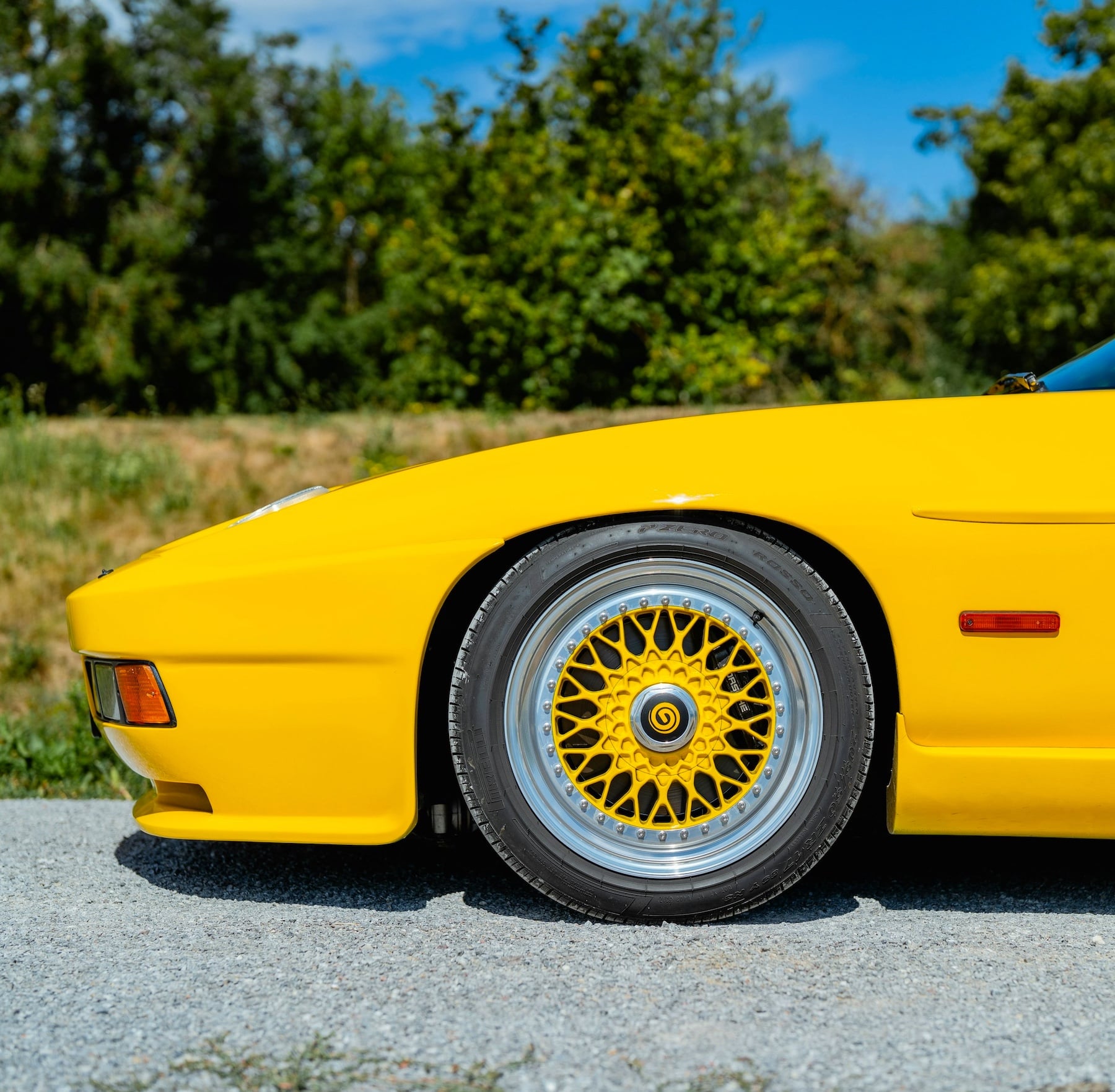
It’s finished in yellow and rides on 17 inch BBS split-rim cross-spoke wheels with polished barrels and Gemballa center caps. Additional changes include a quad-exit sports exhaust and a bespoke KW V3 Competition suspension setup which noticeably lowers the car compared to stock.
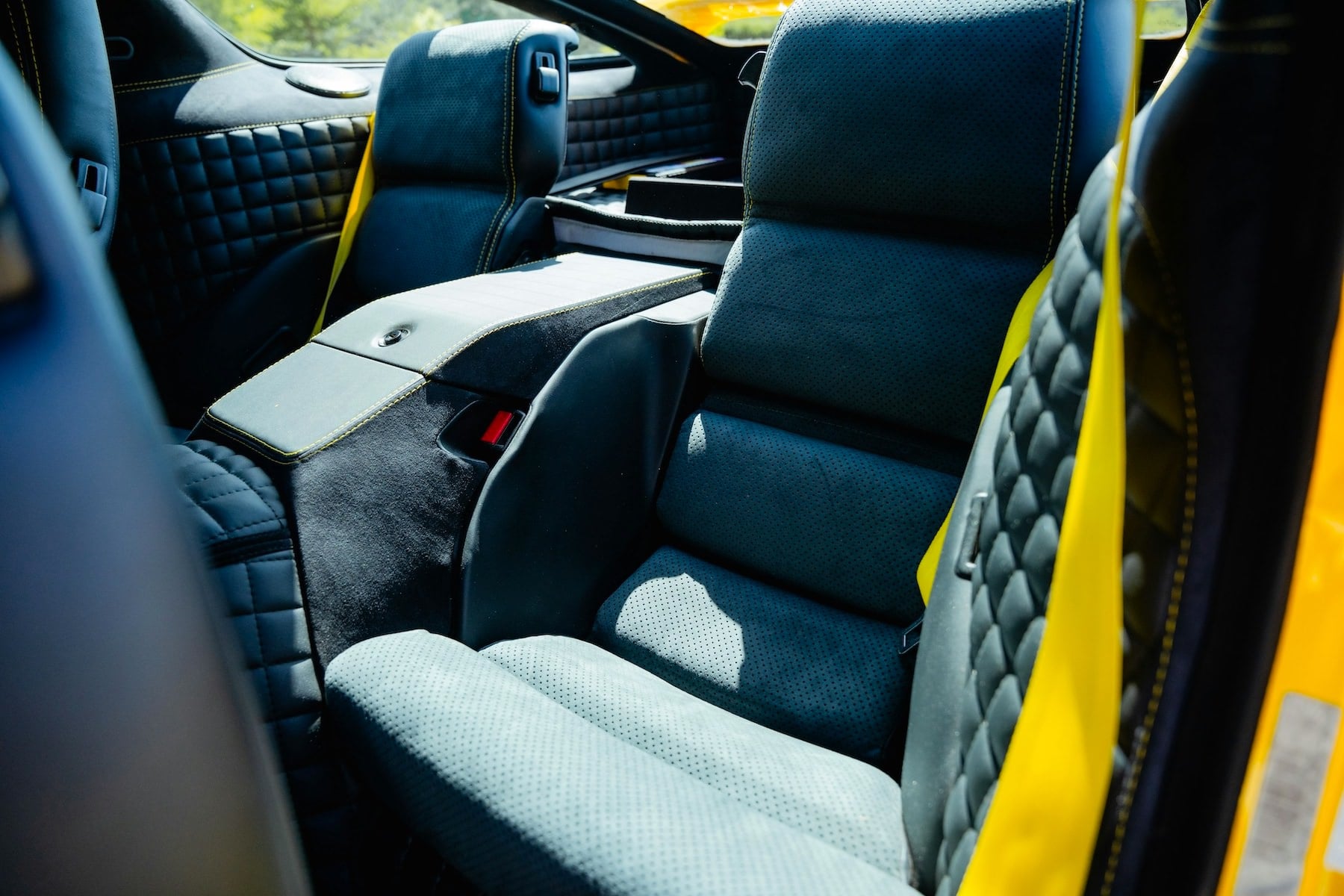
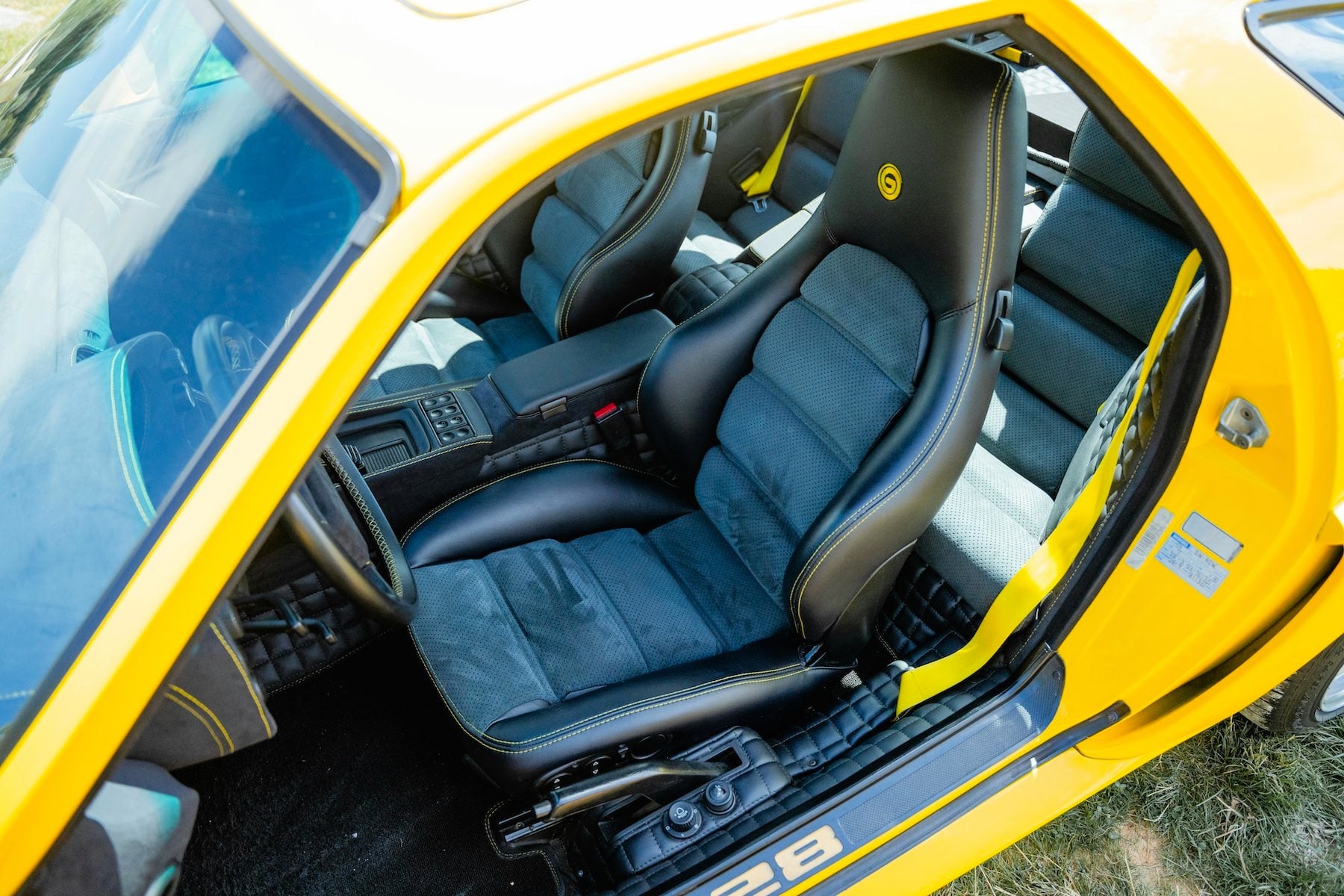
Inside, the cabin is trimmed in black leather and Alcantara with yellow stitching and matching seat belts, Gemballa embroidery on the front headrests, a Gemballa steering-wheel boss, and quilted leather floor mats. Equipment includes heated electrically adjustable seats, air conditioning, cruise control, a sunroof, electric windows, pop-up headlights, and headlamp washers.
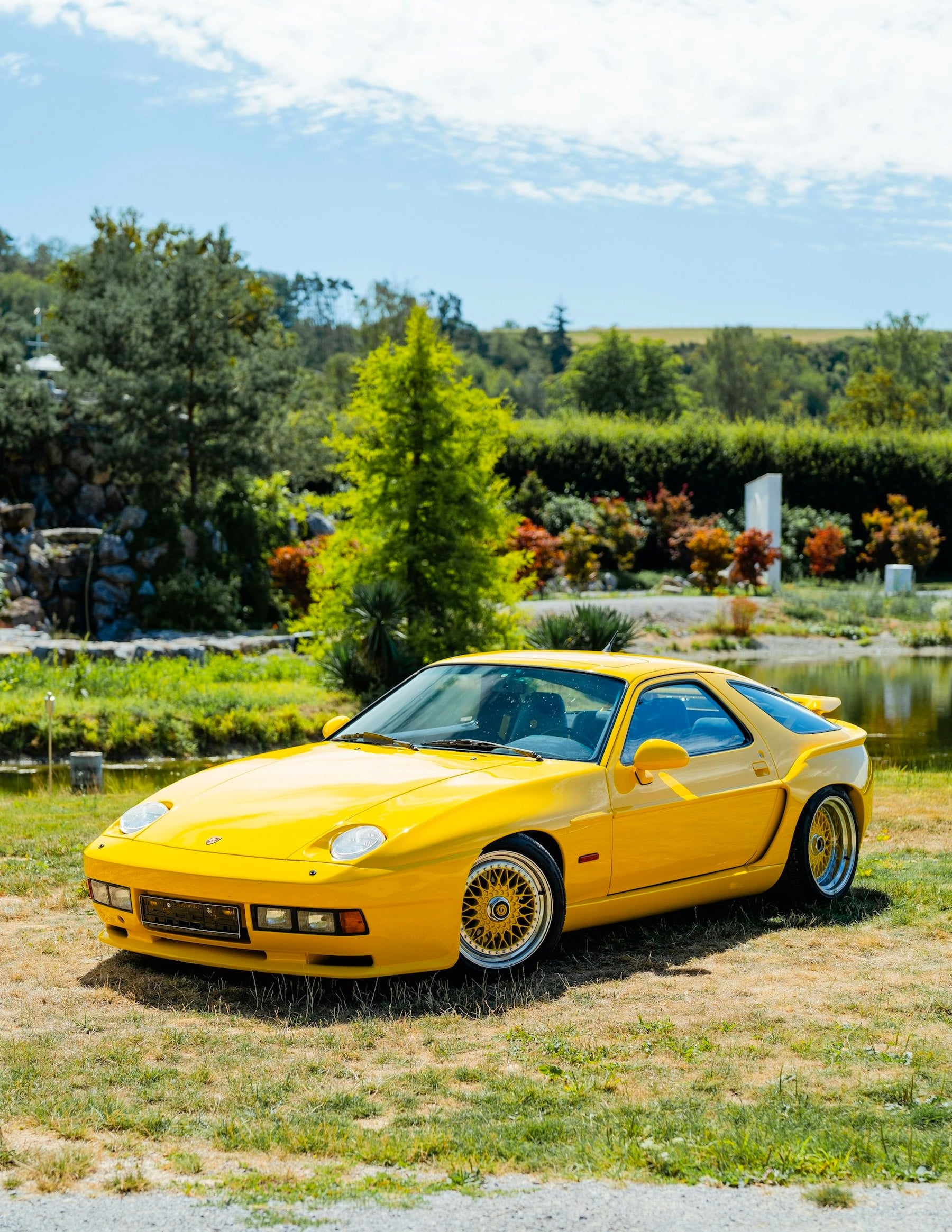
This is a 1990 Porsche 928 S4 is an officially confirmed Gemballa conversion, combining the 928’s naturally aspirated 5.0 liter V8 and 4-speed automatic transmission with a substantial period-style makeover. Output is quoted at 320 bhp, with Porsche’s electronically controlled PSD limited-slip differential fitted as standard for the model year.
The seller states that more than €50,000 was spent at Porsche Classic Centre Arnhem in 2021, with further recorded maintenance in July 2026 at around 86,000 kms. Invoices, an indoor Porsche 928 cover, a battery maintainer, and one ignition key are included.
The car is now being offered for sale out of Hahnstätten, Germany on Collecting Cars, you can visit the listing here.
Images courtesy of Collecting Cars

Articles that Ben Branch has written have been covered on CNN, Popular Mechanics, Smithsonian Magazine, Road & Track Magazine, the official Pinterest blog, the official eBay Motors blog, BuzzFeed, Autoweek Magazine, Wired Magazine, Autoblog, Gear Patrol, Jalopnik, The Verge, and many more.
Silodrome was founded by Ben back in 2010, in the years since the site has grown to become a world leader in the alternative and vintage motoring sector, with well over a million monthly readers from around the world and many hundreds of thousands of followers on social media.