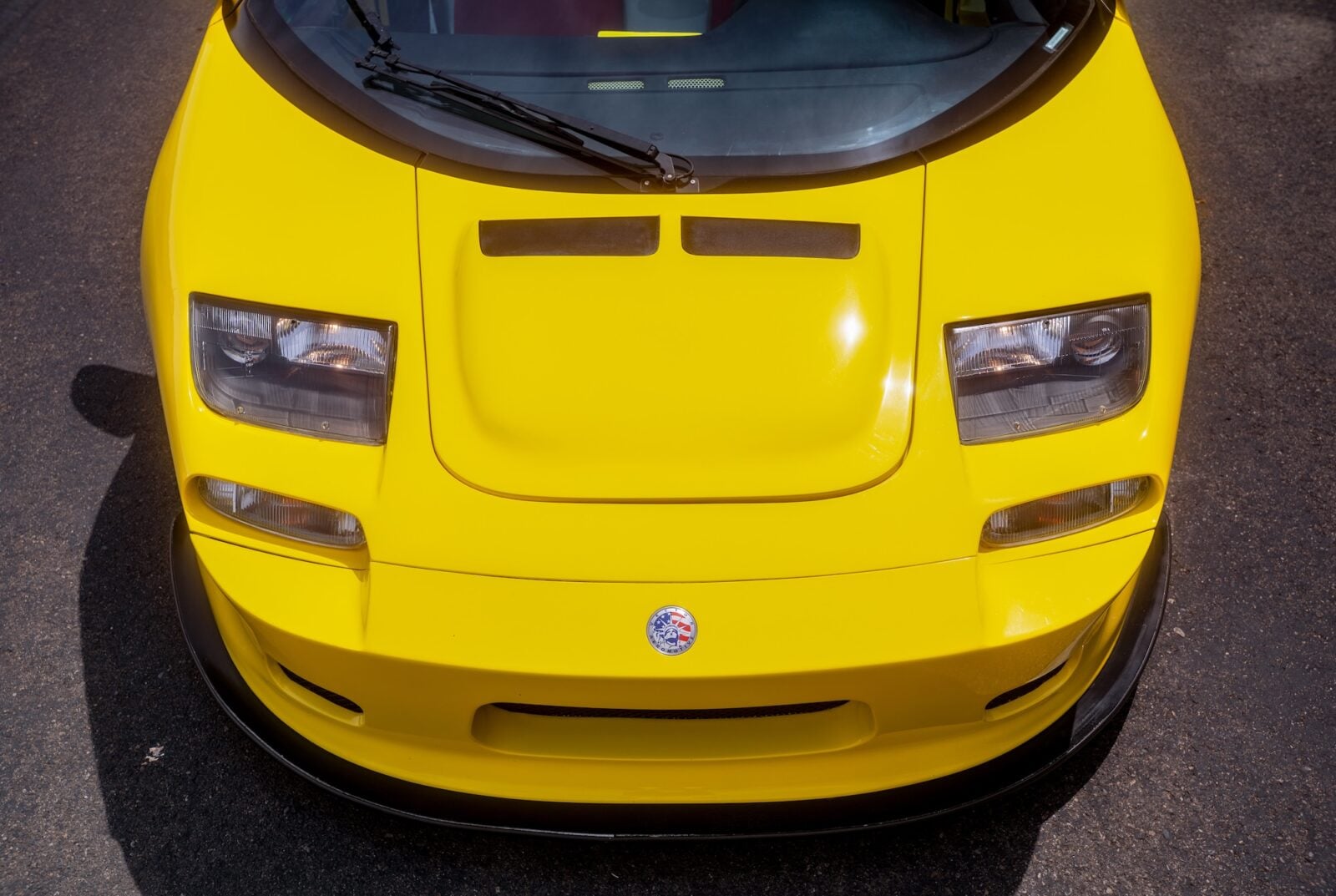
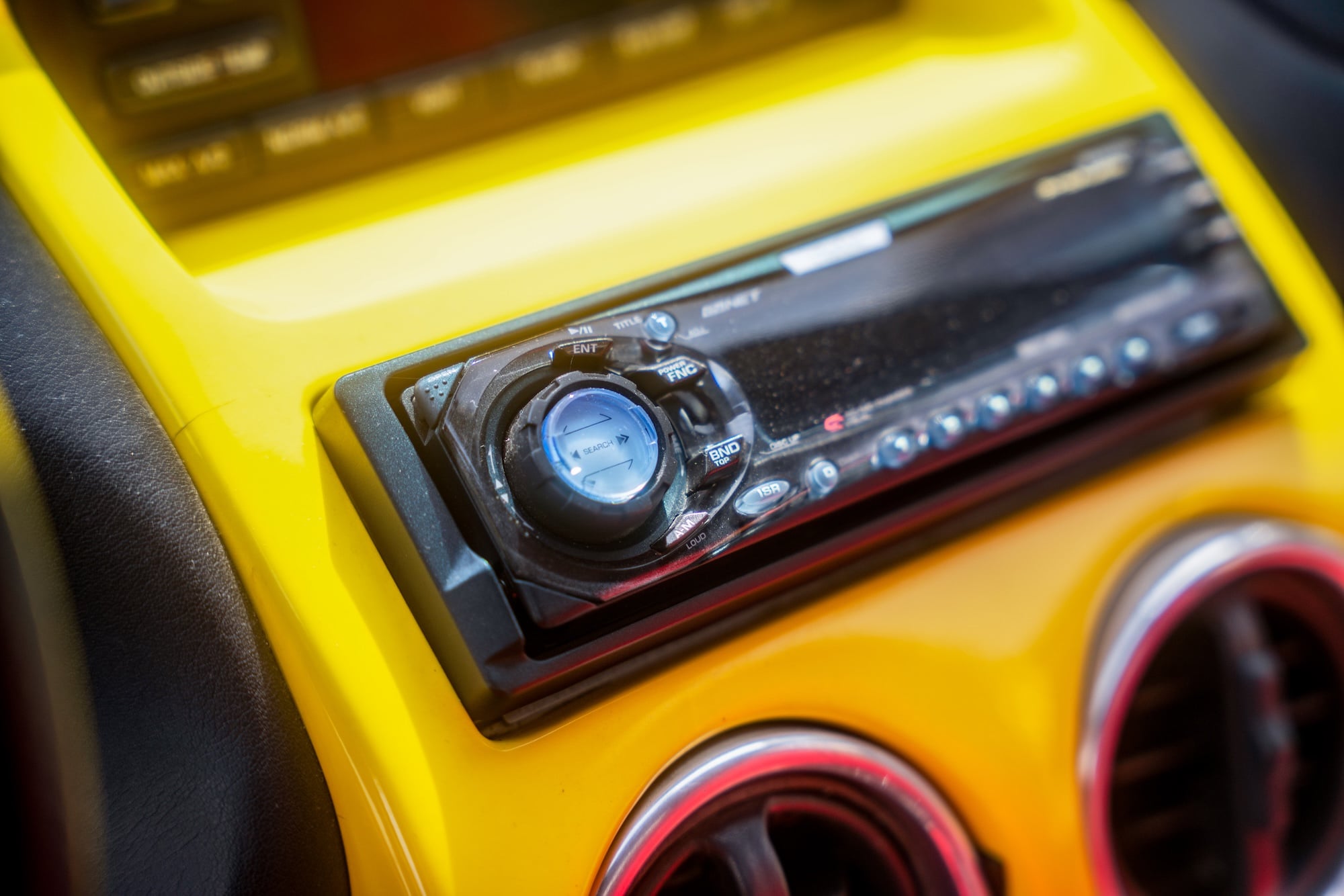
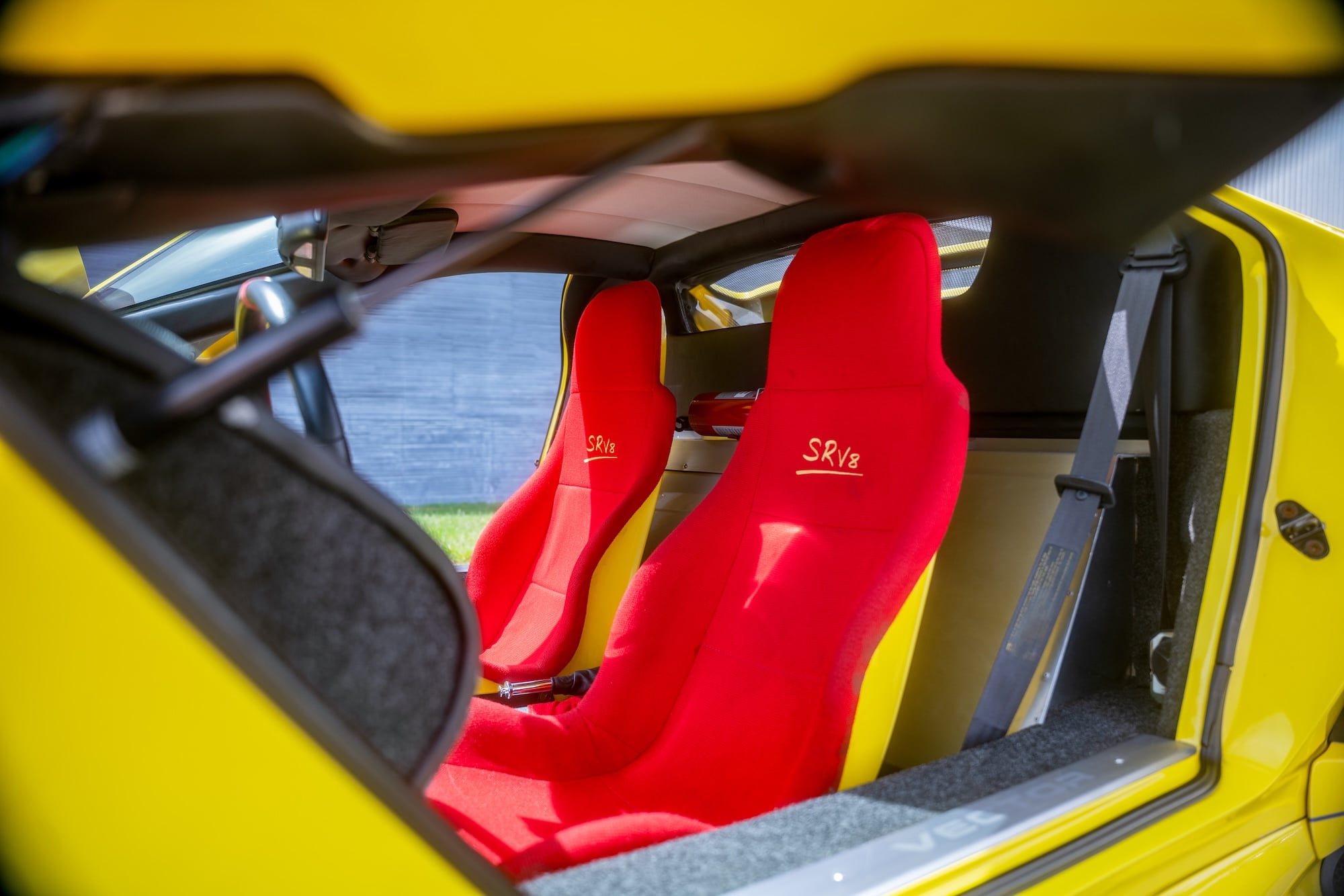
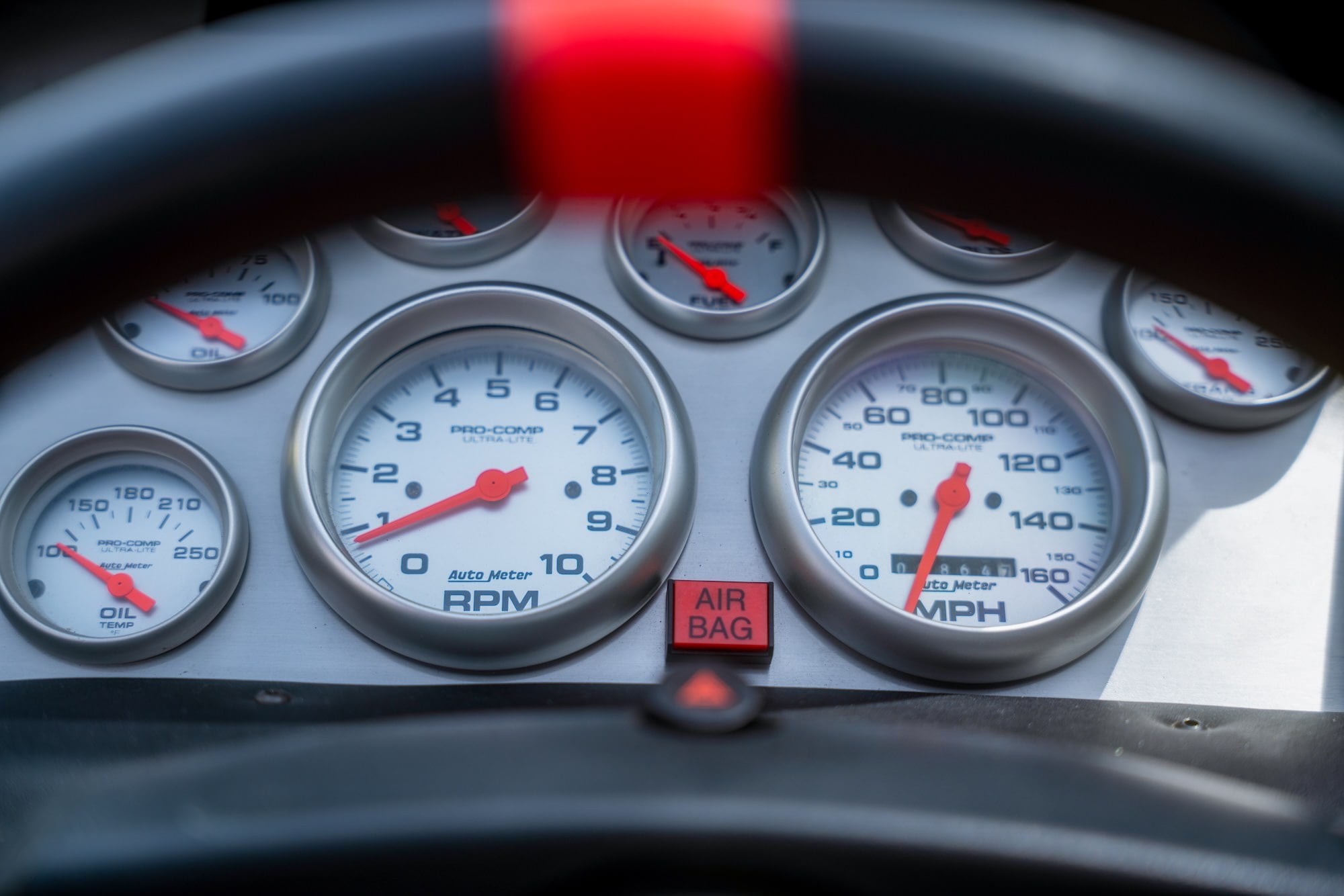
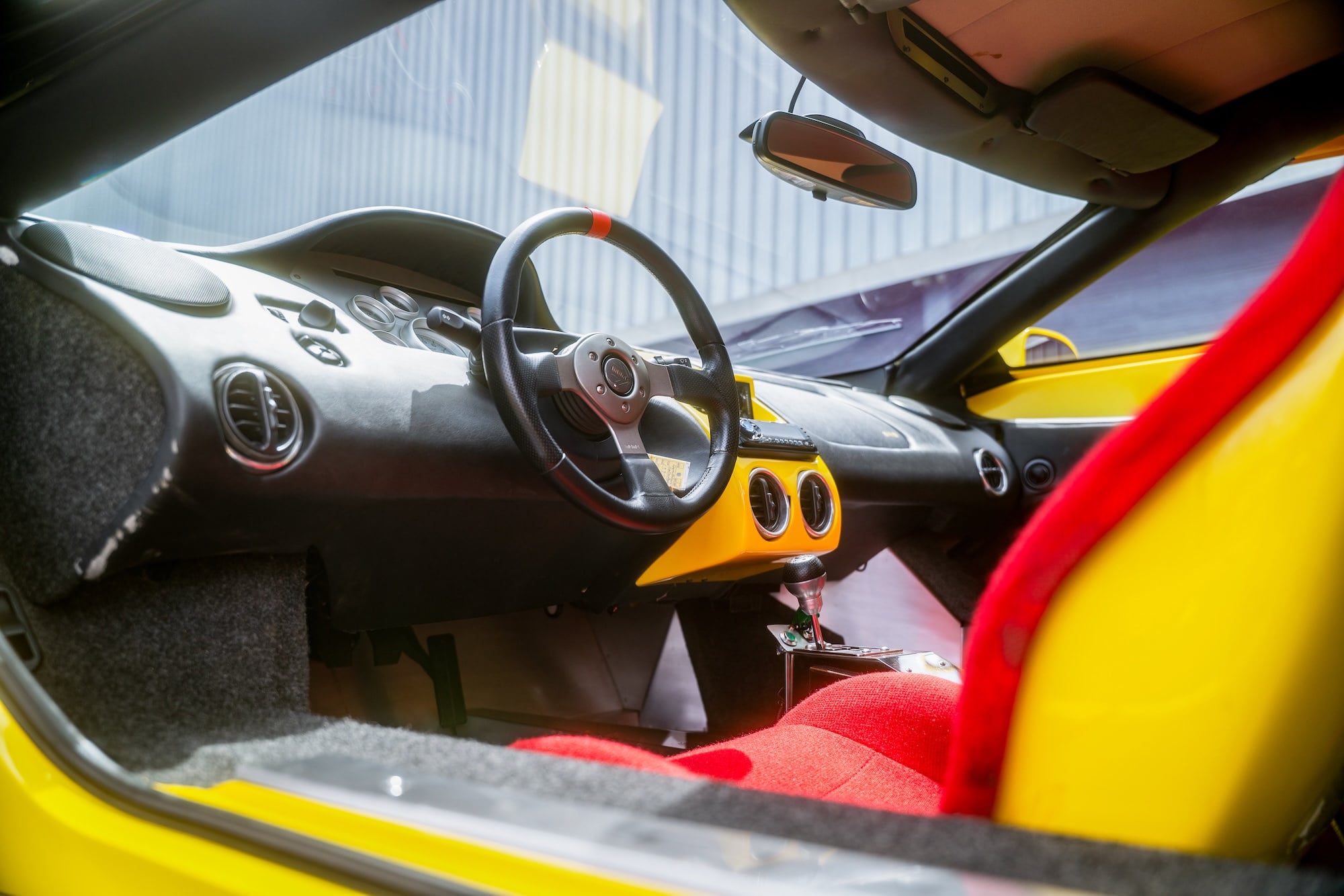
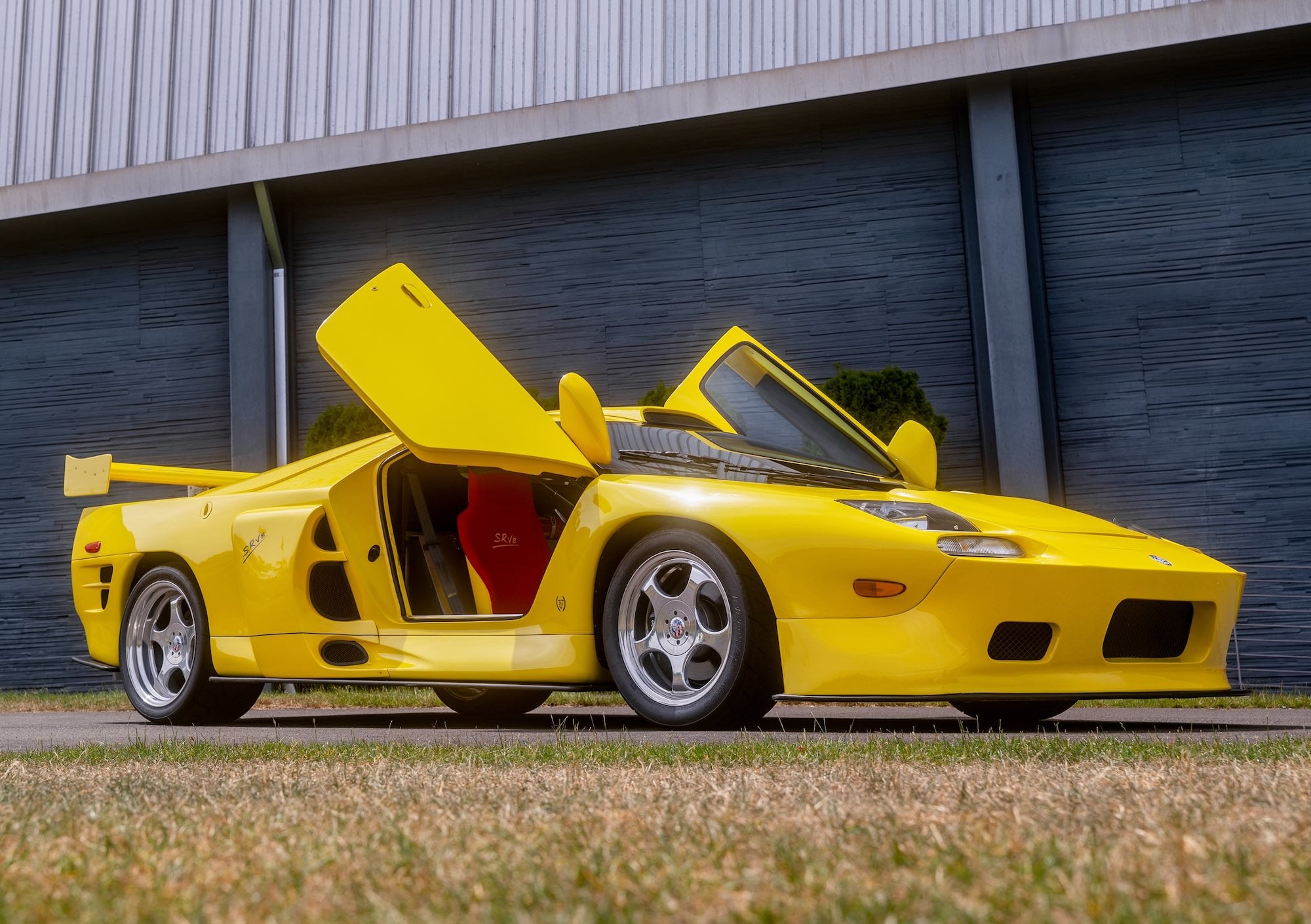
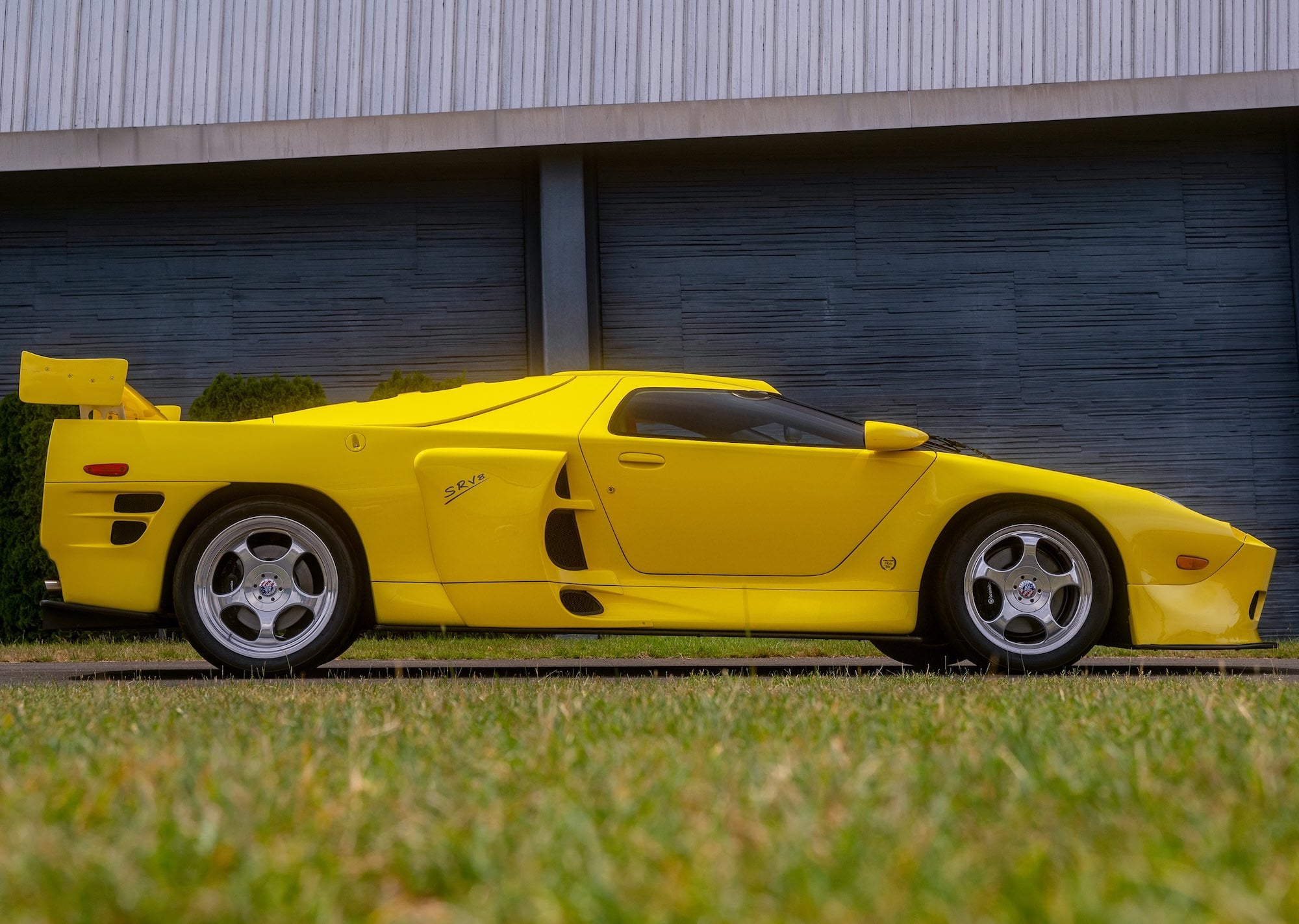
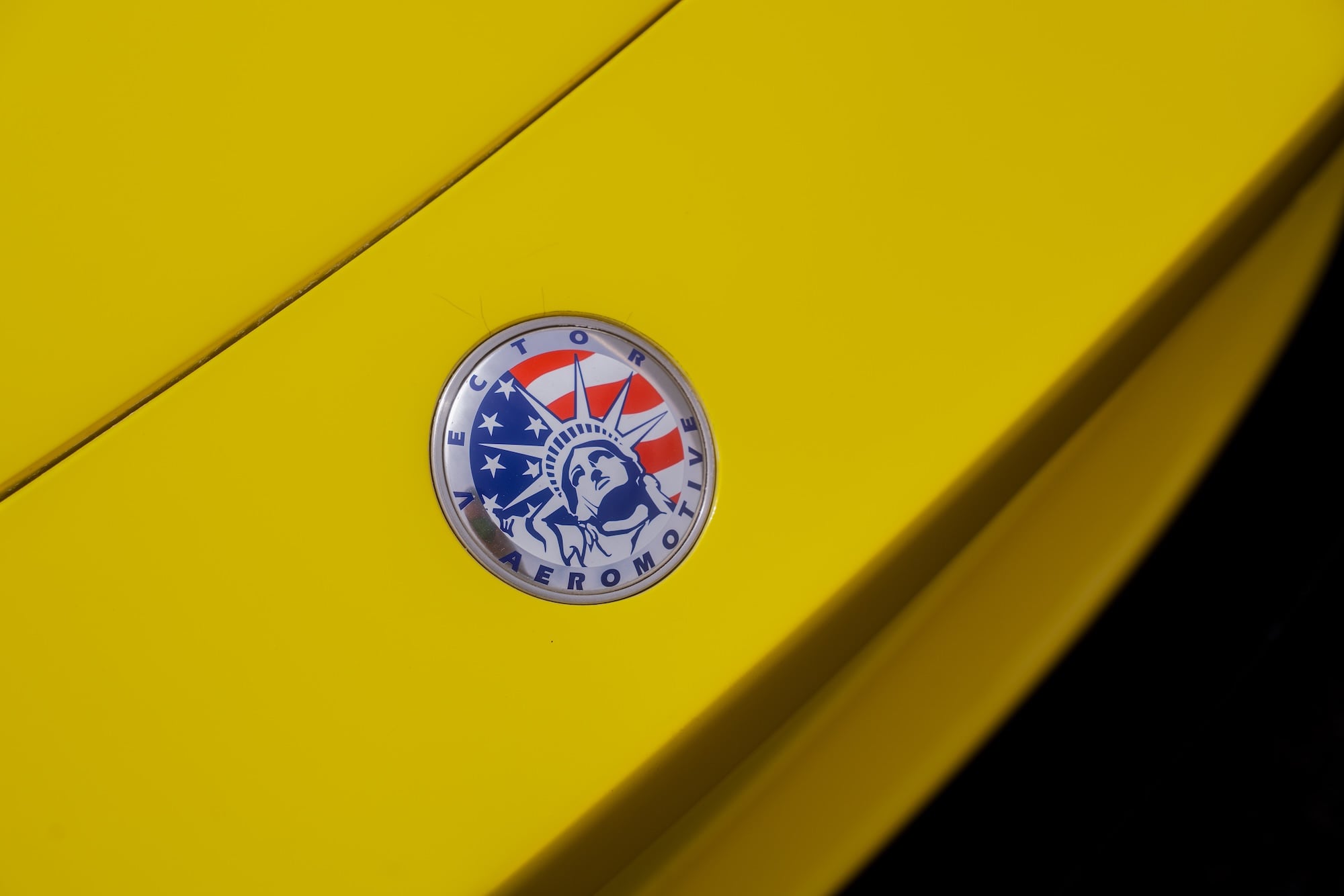
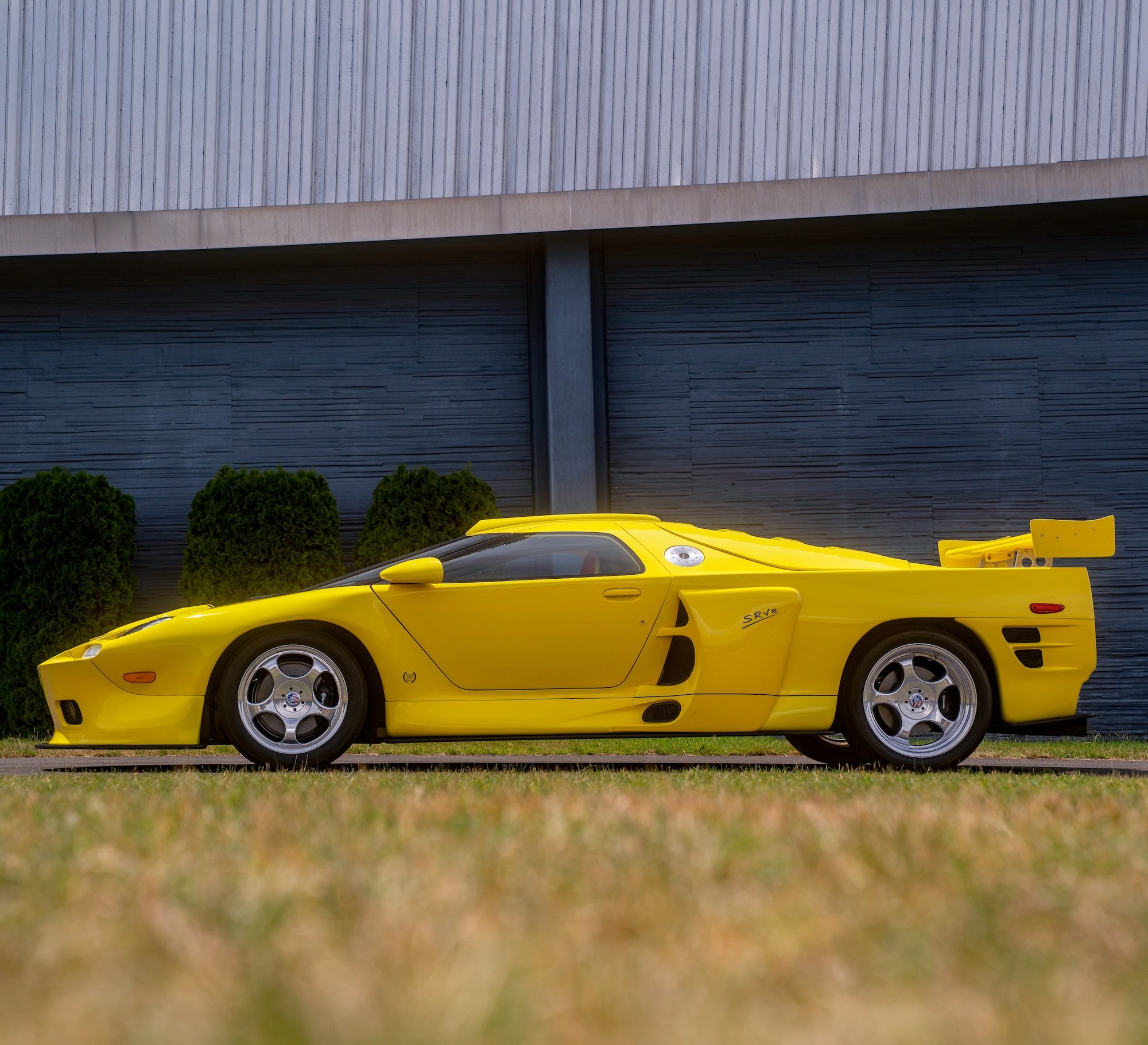
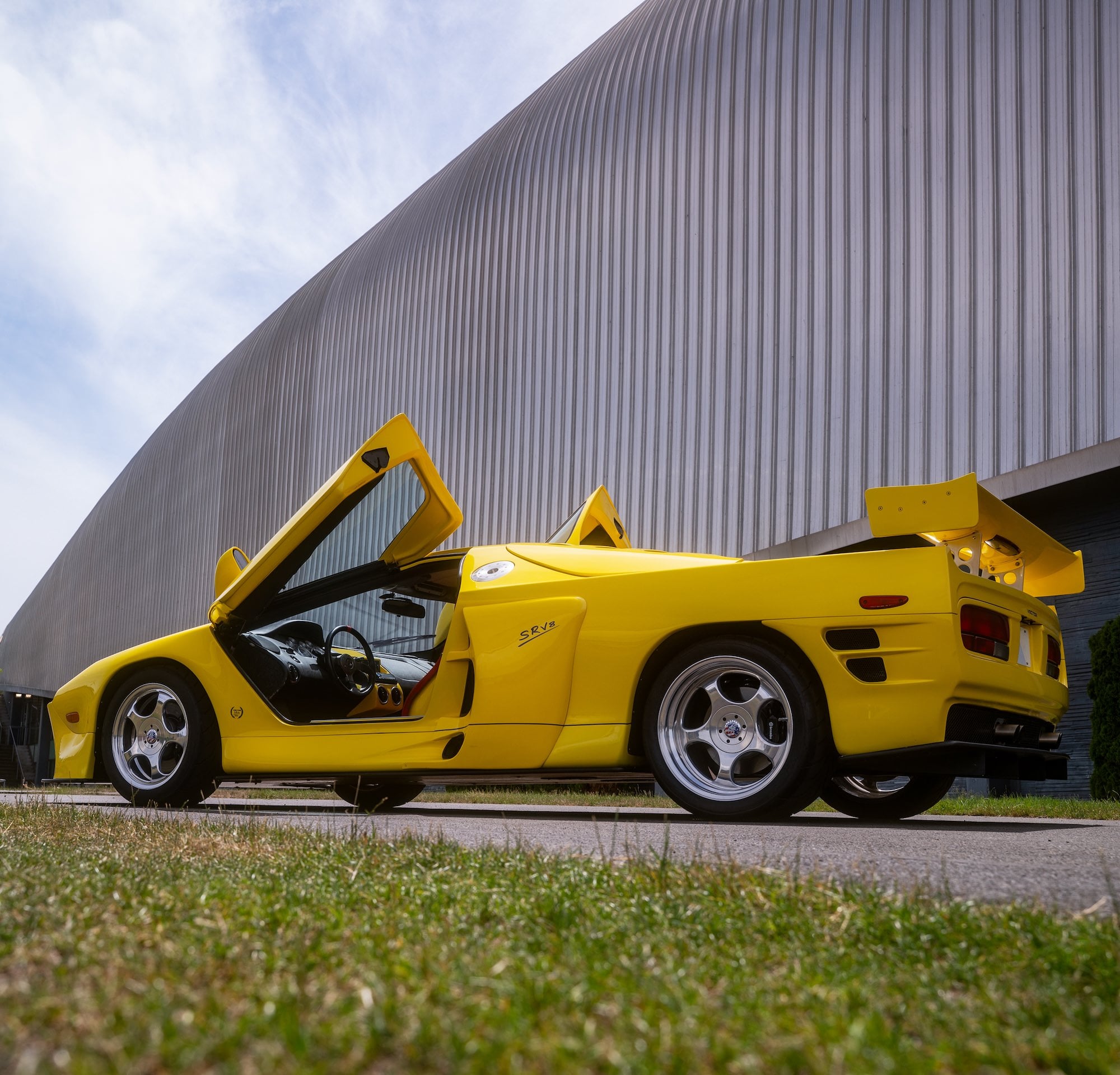
This is the 1999 Vector SRV8 prototype, it’s the only one ever made, and it remained in single-family ownership until 2025. It has just 864 miles on the odometer, and it’s legal for on-road use.
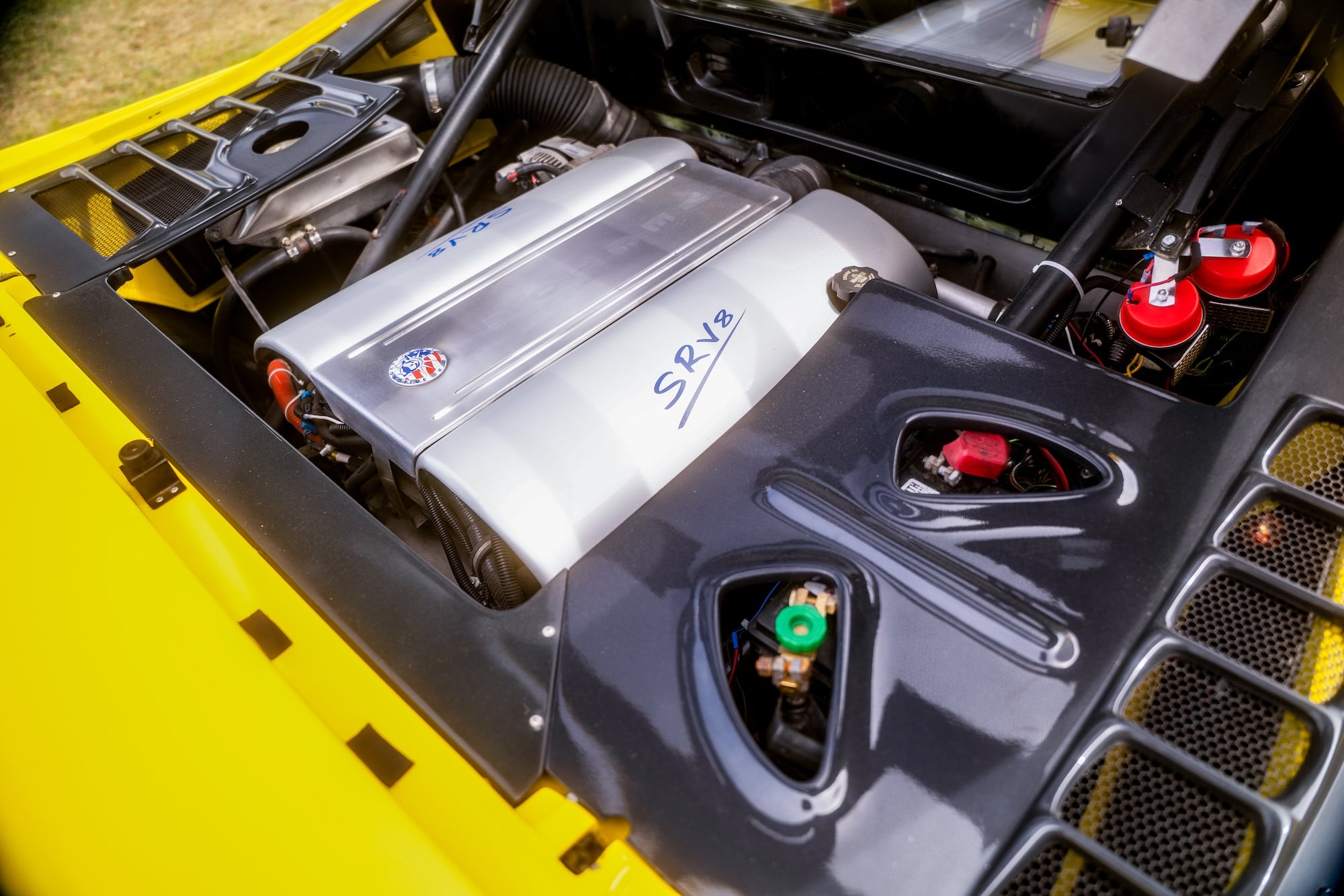
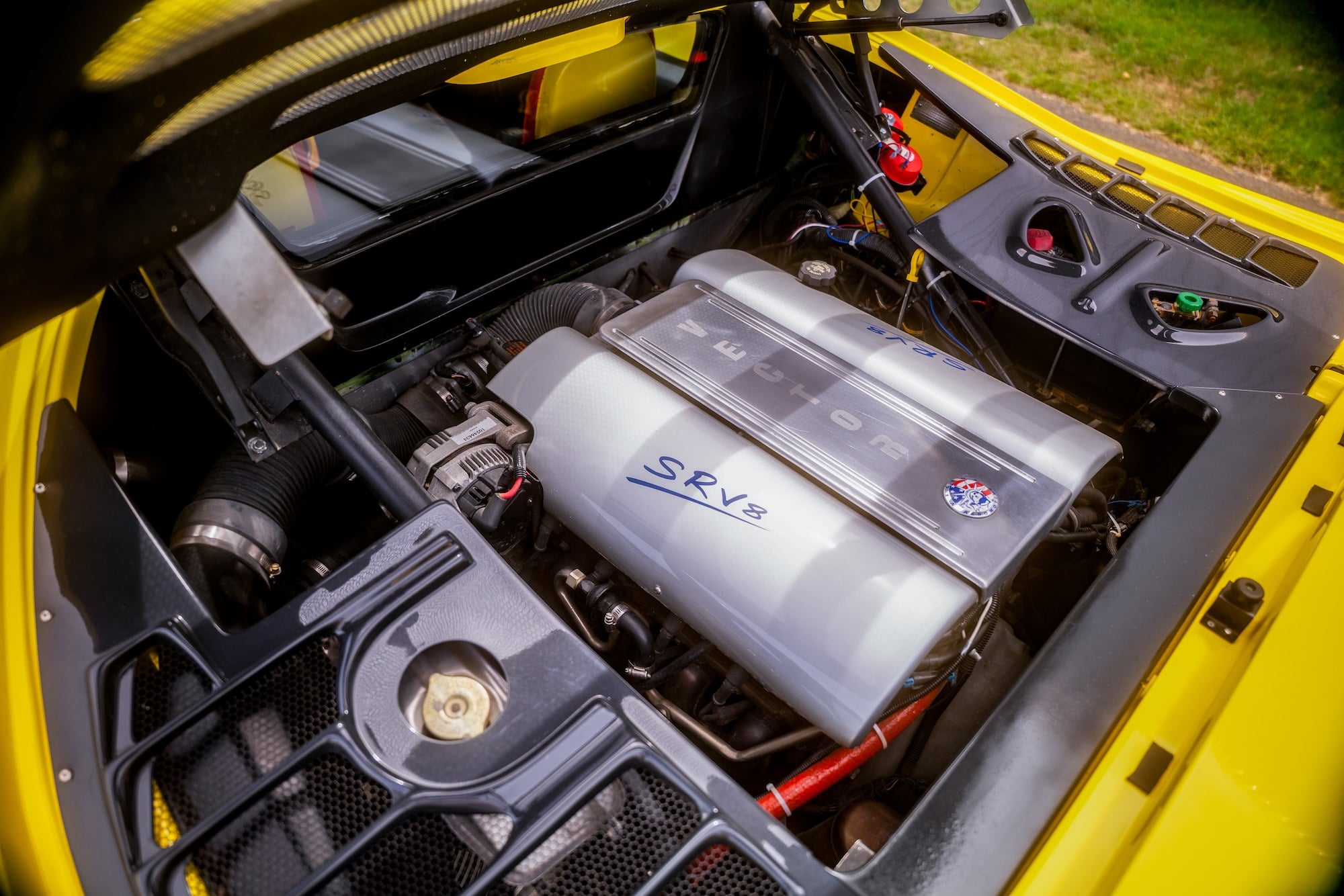
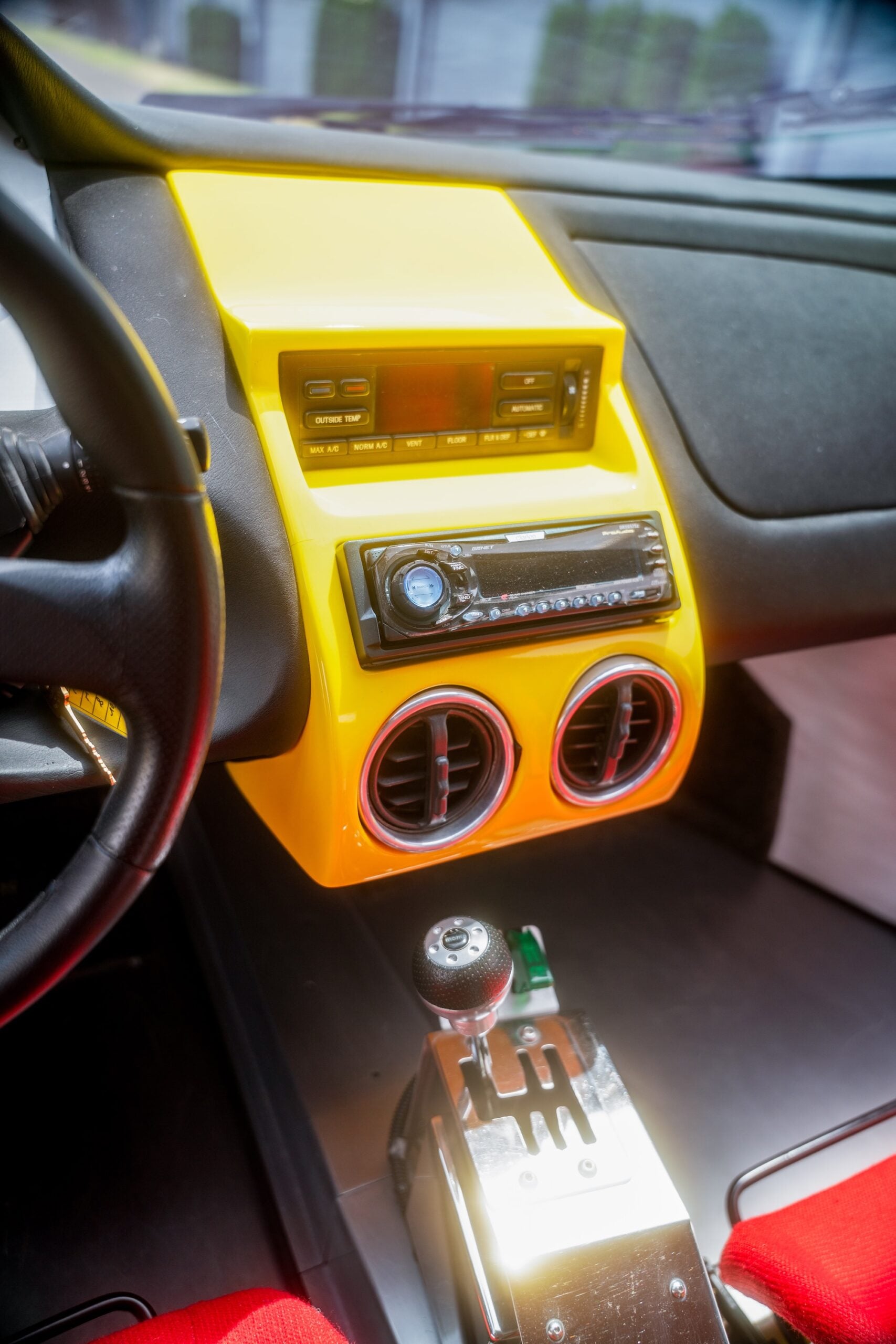
Unlike most supercars, the SRV8 has a drivetrain with relatively easy to source parts and servicing. The engine is a modified Corvette LS1 V8 and power is sent to the rear wheels via a Porsche G50 manual transaxle. Not to say maintenance would be cheap, but I’d rather be paying for Corvette V8 servicing than an Italian V12.
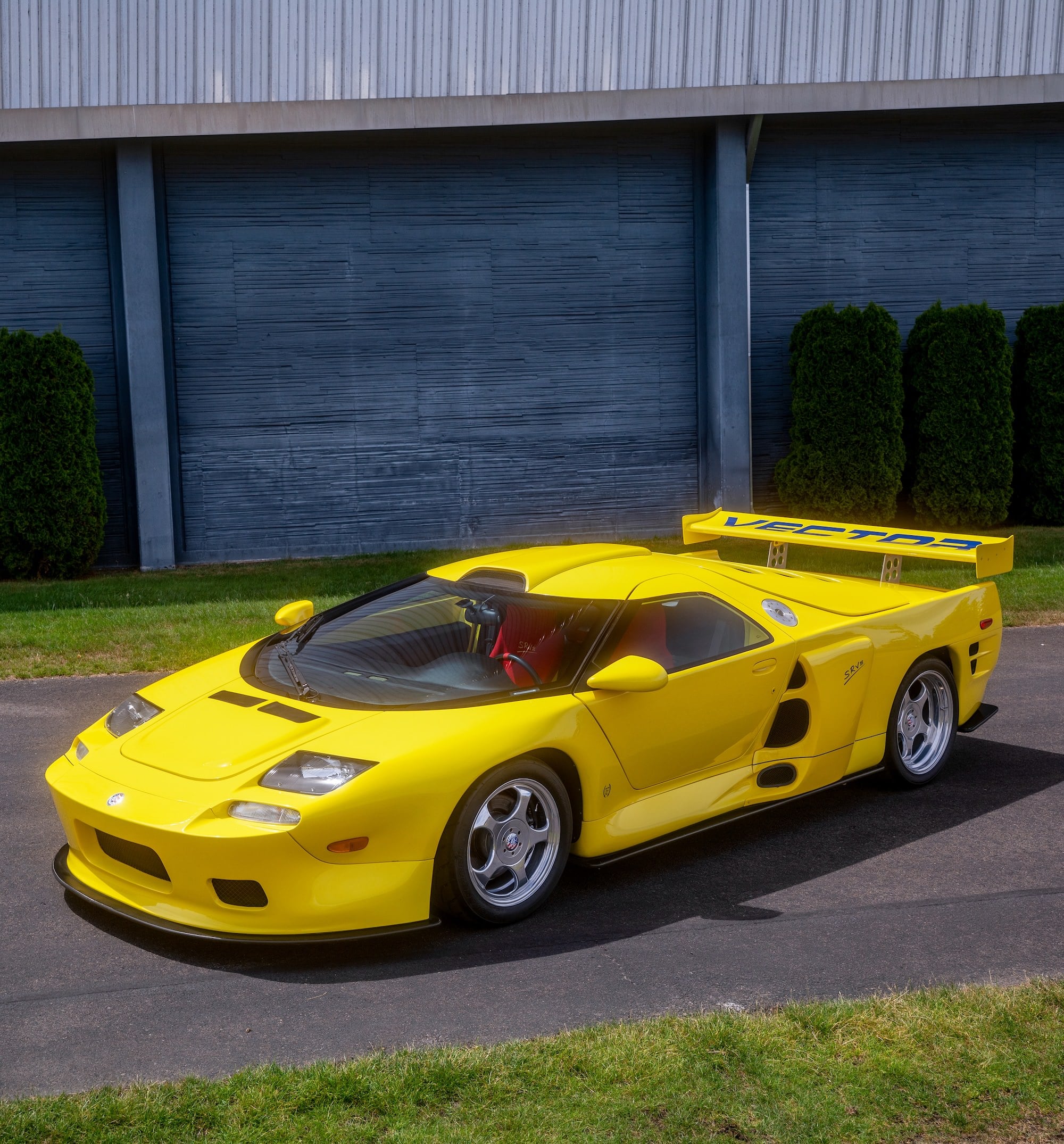
 This is the 1999 Vector SRV8 prototype, it’s the only one ever made, and it remained in single-family ownership until 2025. It has just 864 miles on the odometer, and it’s registered and legal for on-road use.
History Speedrun: Vector Automotive
Gerald Alden “Jerry” Wiegert was born in Dearborn, Michigan in July of 1944, the son of a machinist. He must have inherited some of his Dad’s mechanical aptitude, because as a teenager he was building hot rods in the family driveway, and after finishing high school he won a design scholarship that sent him into engineering.
Wiegert worked as a consultant for Chrysler, Ford, and General Motors until 1970, then walked away from a full-time offer at GM to start his own design firm. That firm, Vehicle Design Force, was set up in 1971. No one could have known it at the time, but it would be the beginning of a project that would result in some of the most iconic American supercars of the late 20th century.
Wiegert’s driving ambition was to build an American answer to Ferrari and Lamborghini, using aerospace grade materials and engineering, things that Detroit seemed to not be interested in in the slightest. Working with Hollywood body man Lee Brown, he built a full-size mockup called the Vector and got it on the cover of Motor Trend in April of 1972. The car had no engine and no interior, it was just a fiberglass shell, but it was enough to get the project taken seriously.
Investment and production capability, however, proved quite a bit harder to arrange than press coverage. Wiegert spent the rest of the decade refining the design into a running, driving prototype called the Vector W2, and Vehicle Design Force eventually became Vector Aeromotive Corporation.
The Primary Vector Models
The Vector W2 first appeared as a static concept in 1978 and as a running car in 1979. It used a twin-turbocharged aluminum Chevrolet small block V8 bolted to a modified GM 3-speed automatic, and Vector claimed a top speed of 230 mph, a figure Top Gear was reportedly ordered not to test.
Motor Trend and the BBC’s motoring program both covered the car, and Vector said the W2 covered more than 100,000 development miles, said to be more than any concept car before it.
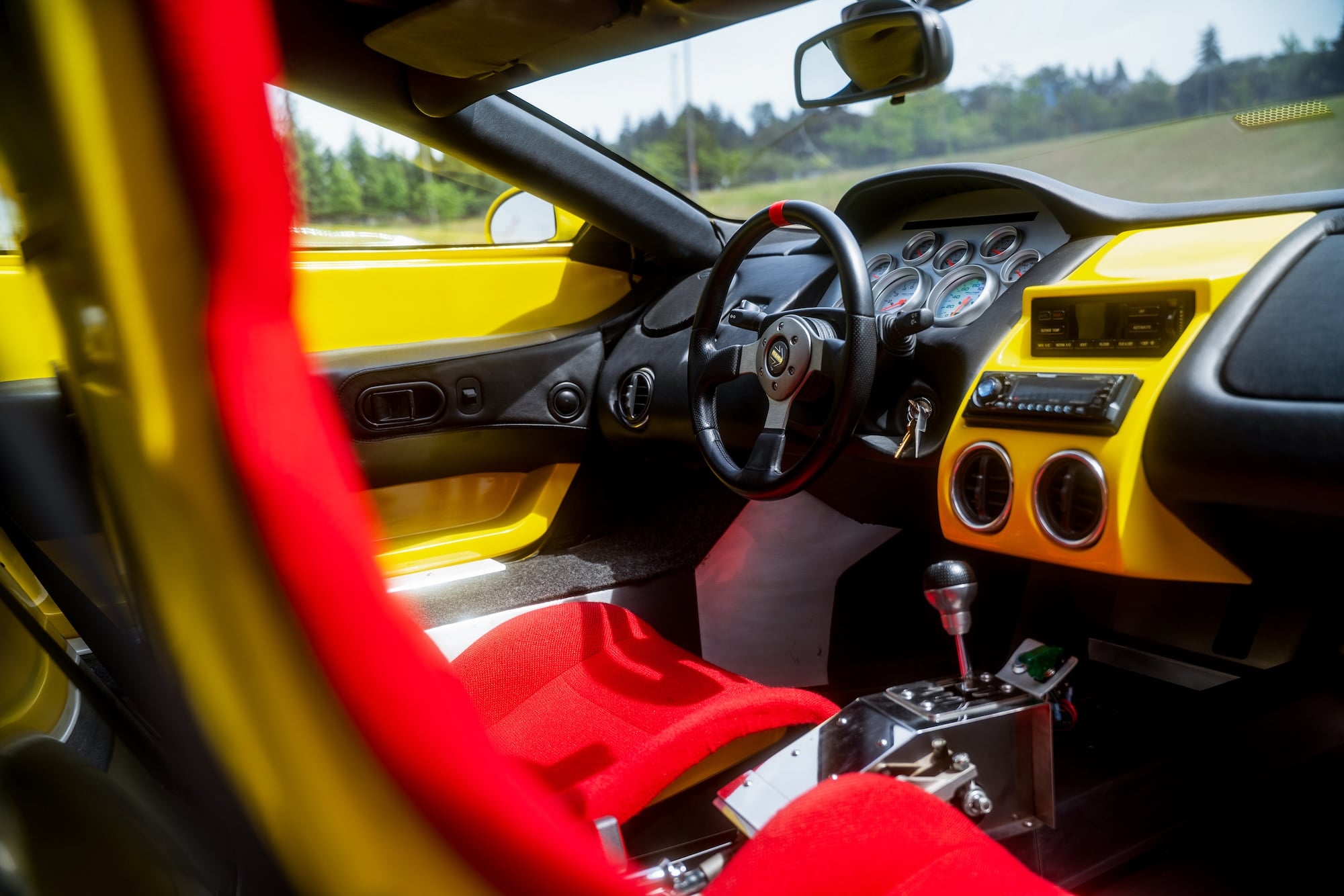
The Vector SRV8 tub came from a pre-production M12 chassis that had been converted for motorsport use, with revised suspension pickup points.
The Vector W8 Twin Turbo was the production version of the car, and it took more than a decade to arrive. First shown in 1989 and delivered to customers from 1990 onward, the W8 used a Rodeck-prepared aluminum V8 with a displacement of 5,973cc, fed by twin Garrett turbochargers, and mated to a modified GM Turbo-Hydramatic 425 3-speed automatic borrowed from the front-wheel-drive Oldsmobile Toronado.
Vector claimed 625 bhp at 5,700 rpm and 649 lb ft of torque at 8 psi of boost, with driver-adjustable boost pressure up to 14 psi. The body used carbon fiber and Kevlar over an aluminum honeycomb monocoque held together with over 5,000 aircraft rivets. Seventeen customer cars and two pre-production examples were built between 1989 and 1993, at a list price of $448,000 – a staggering figure for the time, working out to approximately $1.14 million USD today.
Tennis player Andre Agassi bought one and famously returned it after the exhaust set the trunk carpet on fire, a piece of press coverage the company really didn’t need.
The Avtech WX-3 and its open-top sister, the WX-3R, were shown at the 1993 Geneva Motor Show as the intended successors to the W8. The prototype used a 7.0 liter twin-turbo Rodeck V8 with claimed outputs as high as 1,200 bhp. It never entered production.
Later that same year, controlling shareholder Megatech, a firm largely owned by Tommy Suharto, the youngest son of Indonesian president Suharto, forced Wiegert out of his own company. Wiegert responded by locking down the Vector headquarters and eventually taking Megatech to court, a fight that dragged on for years.
The Vector M12 was Megatech’s first attempt at building a car. With Wiegert gone, the company hired McLaren F1 designer Peter Stevens to reshape the WX-3’s body over a lengthened Lamborghini Diablo chassis, and dropped the Diablo’s 5.7 liter, 492 bhp V12 into it along with a 5-speed manual transaxle. Megatech owned Lamborghini at the time, making chassis acquisition possible, but not for long.
Production began in 1995, and the car made its debut at the 1996 Detroit Auto Show. Priced at $189,000, the M12 was slower and less polished than the Diablo it was based on – Autoweek famously declared it the worst car the magazine had ever tested. Only 14 production cars and three prototypes were built before Megatech, having now sold Lamborghini to Audi and unable to pay for further engines, ran out of financial runway.
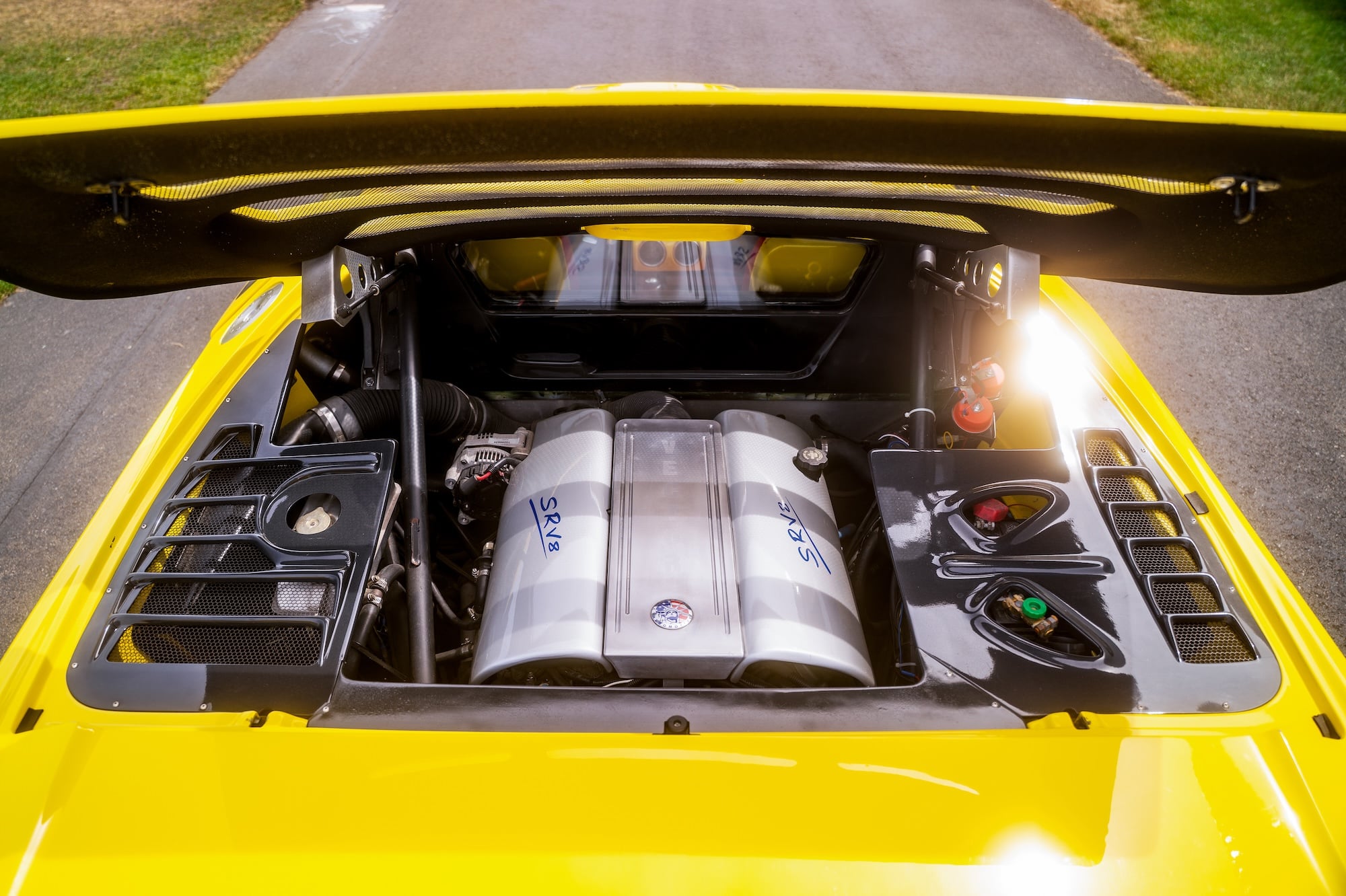
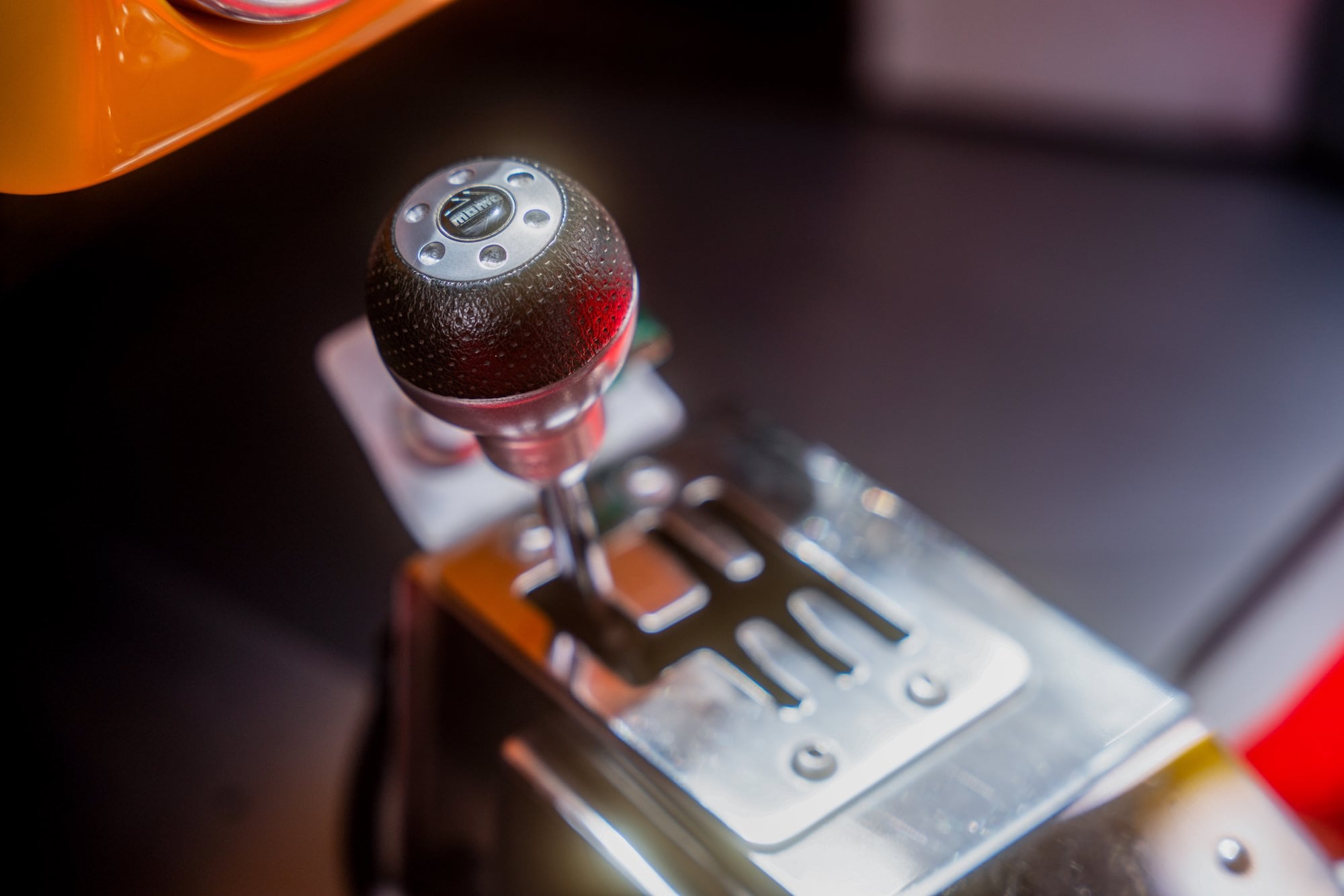
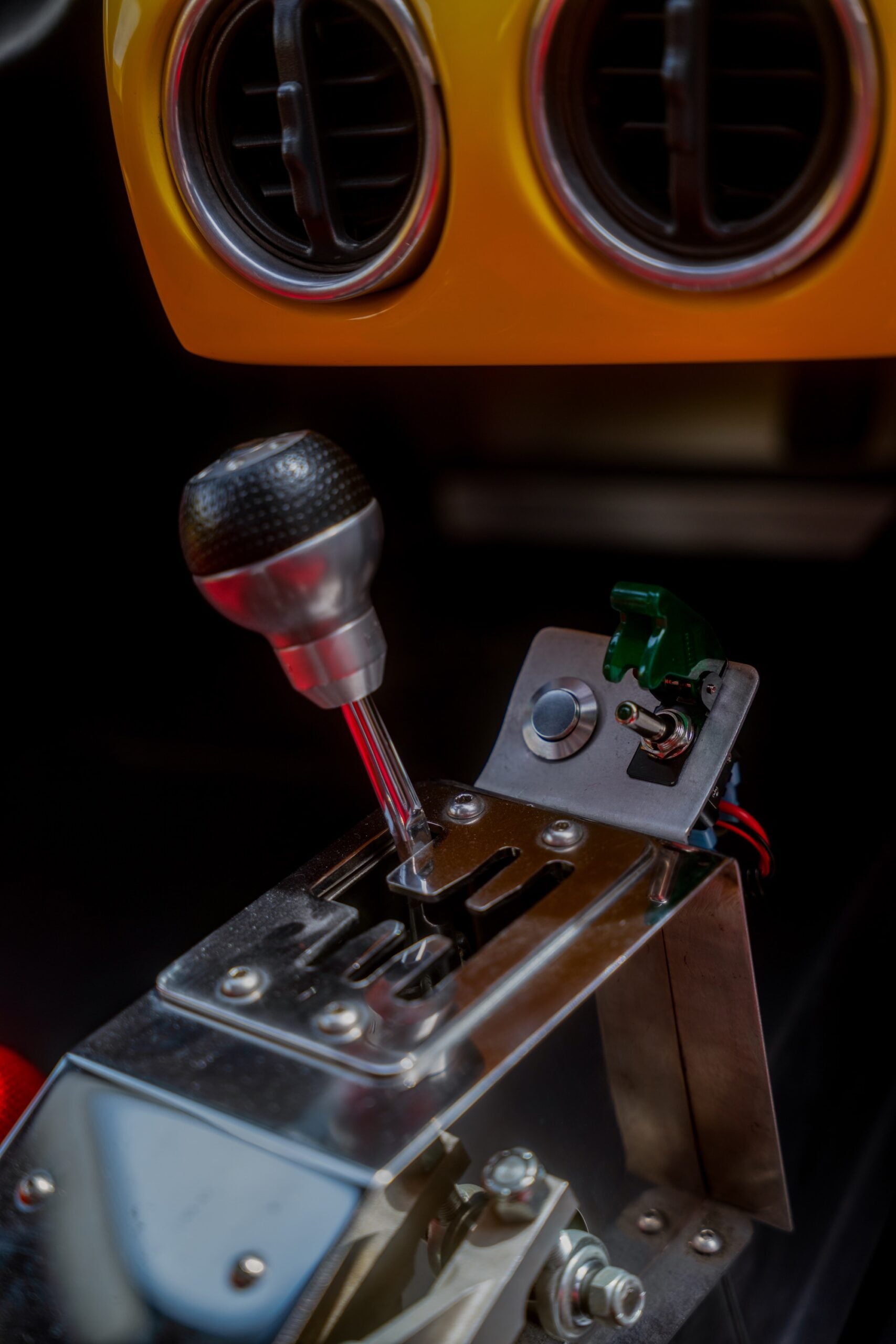
The Vector SRV8 is powered by a modified 5.7 liter Chevrolet Corvette LS1 V8. It was good for 350 bhp and drove the rear wheels through a Porsche G50 manual transaxle.
A competition version, the M12 ASR GT2, was later developed under the Welty and Enright racing program. It was campaigned in the 1998 IMSA GT Championship in the GTS-2 class by American Spirit Racing, running against Porsche 993 GT2s, Acura NSX GT2s, and Saleen Mustangs among others.
The Vector SRV8
By 1997, Megatech had lost interest, and Vector’s assets ended up in the hands of Randy Welty, an American entrepreneur, and Tim Enright, a former Lotus board member. The pair finished the last M12s and revived the racing program that had earlier produced the M12 ASR GT2. They then turned to developing a new Vector.
The result of all this was the SRV8 – underneath, it was essentially a highly-modified M12. The tub came from a pre-production M12 chassis that had been converted for motorsport use, with revised suspension pickup points. The Lamborghini V12 was gone. In its place sat a modified 5.7 liter Chevrolet Corvette LS1 V8. It was good for 350 bhp and drove the rear wheels through a Porsche G50 manual transaxle.
The car was now considerably easier to produce than its forebear, and the entire drivetrain (and associated parts) could be ordered in large numbers with no issues surrounding availability or sourcing. The engine and transmission had also been tested thoroughly, at the expense of other (much larger) automakers.
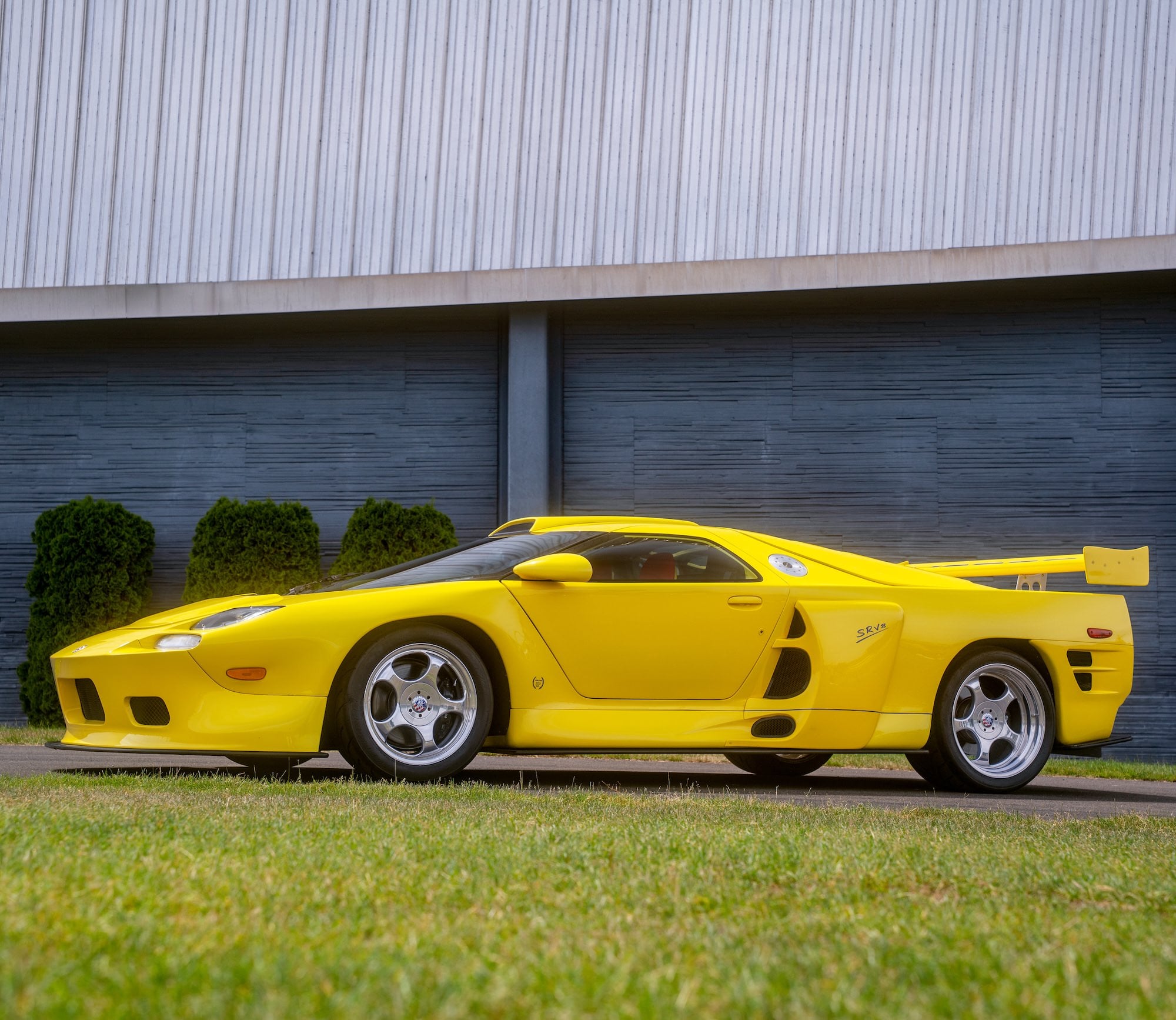
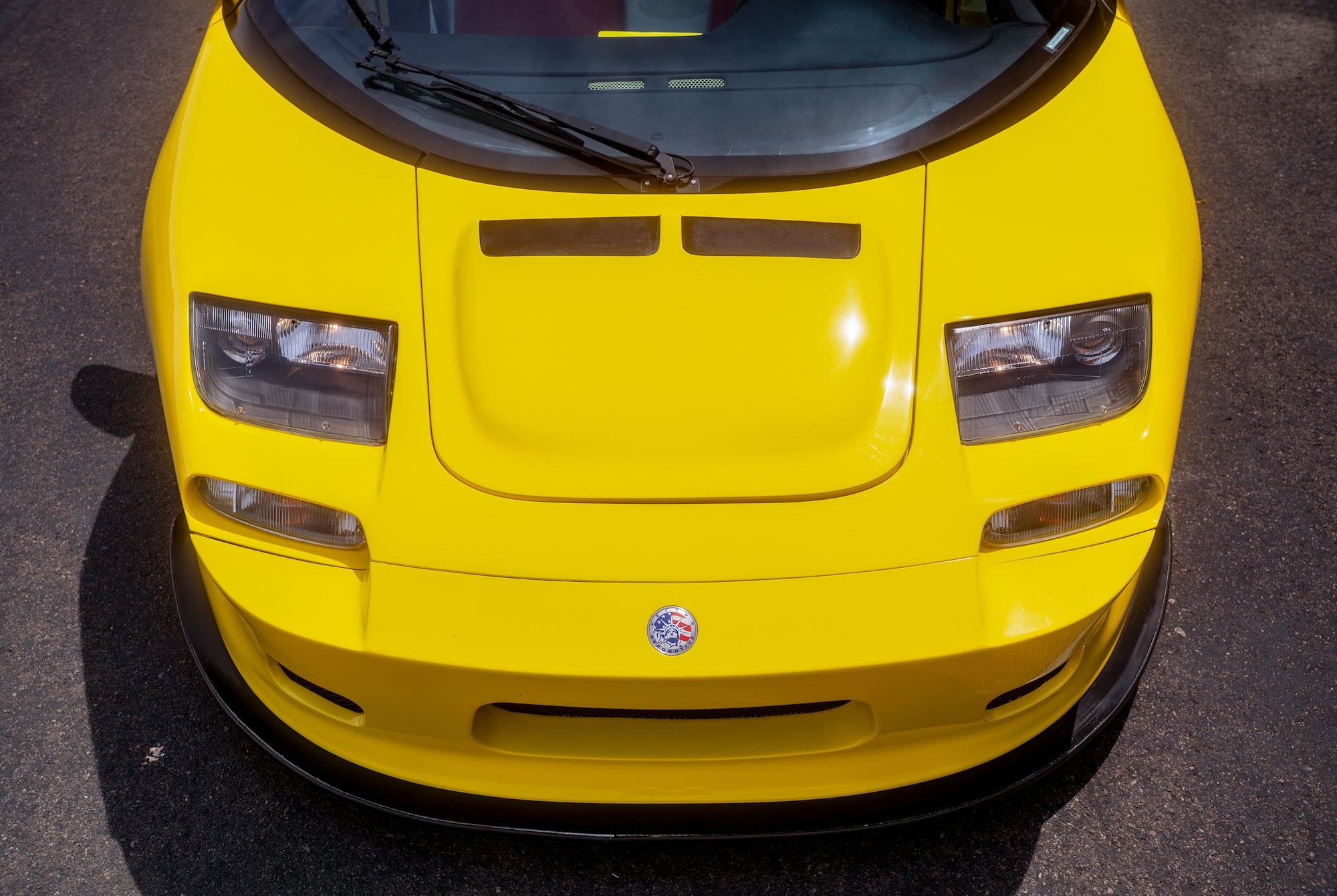
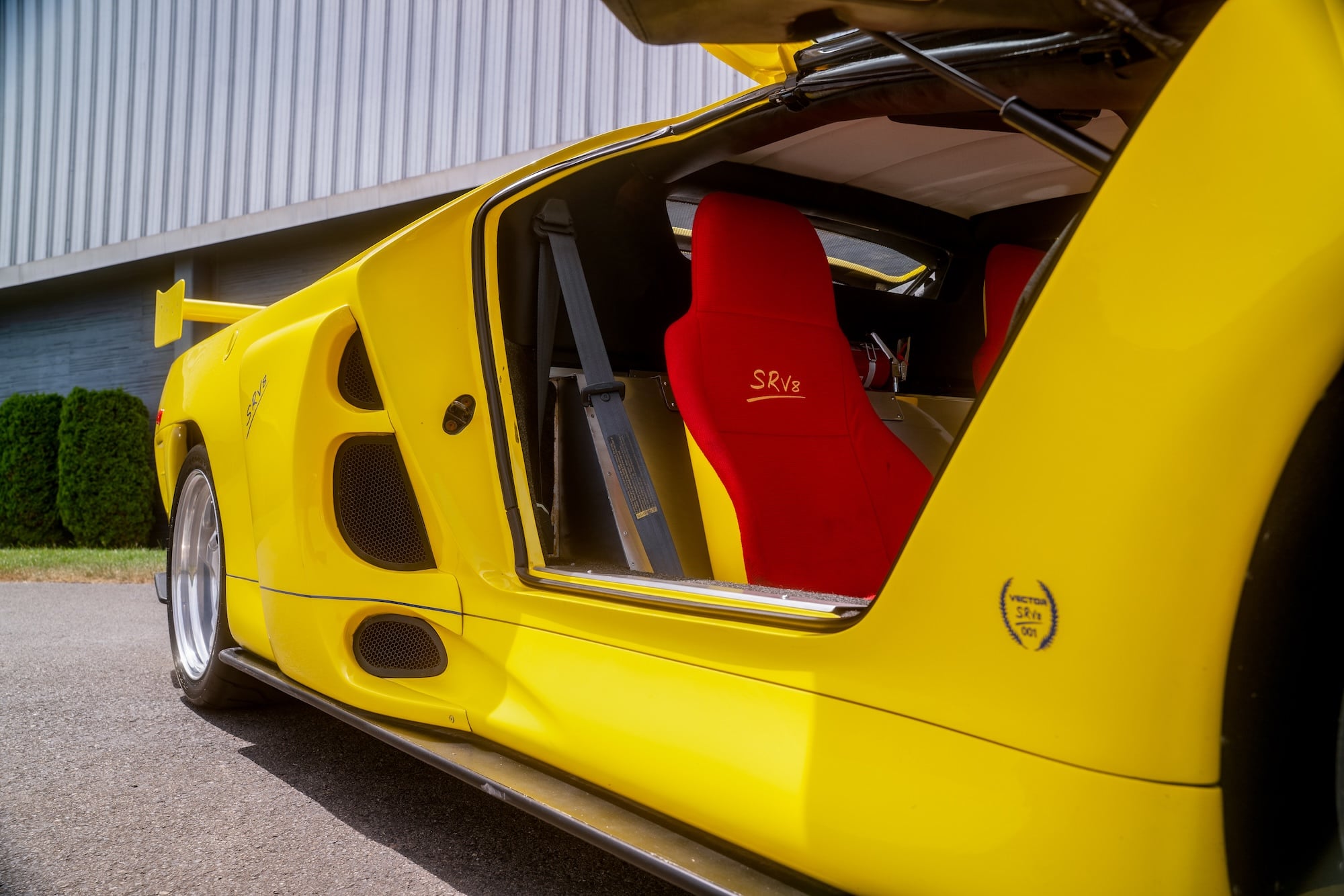
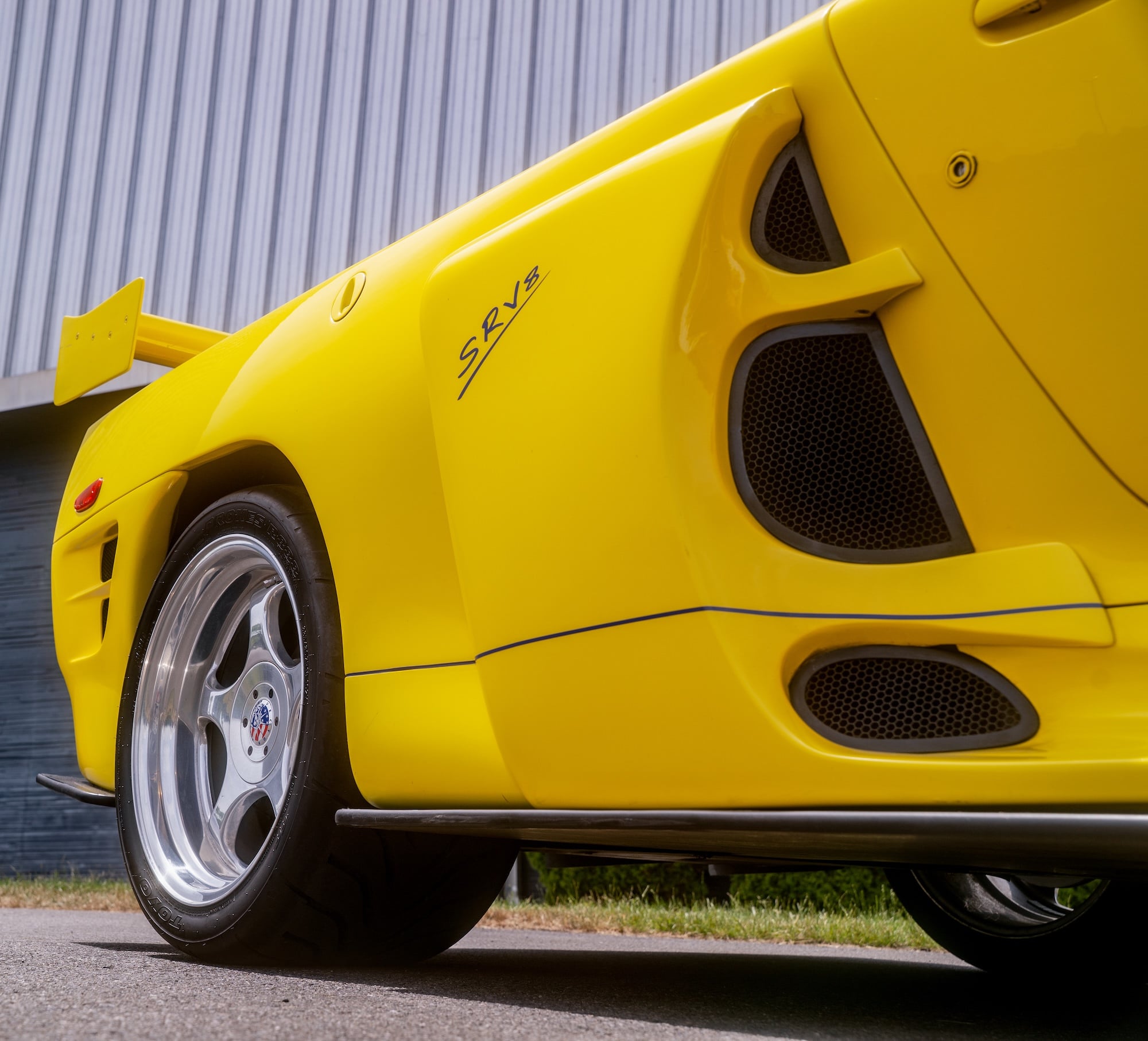
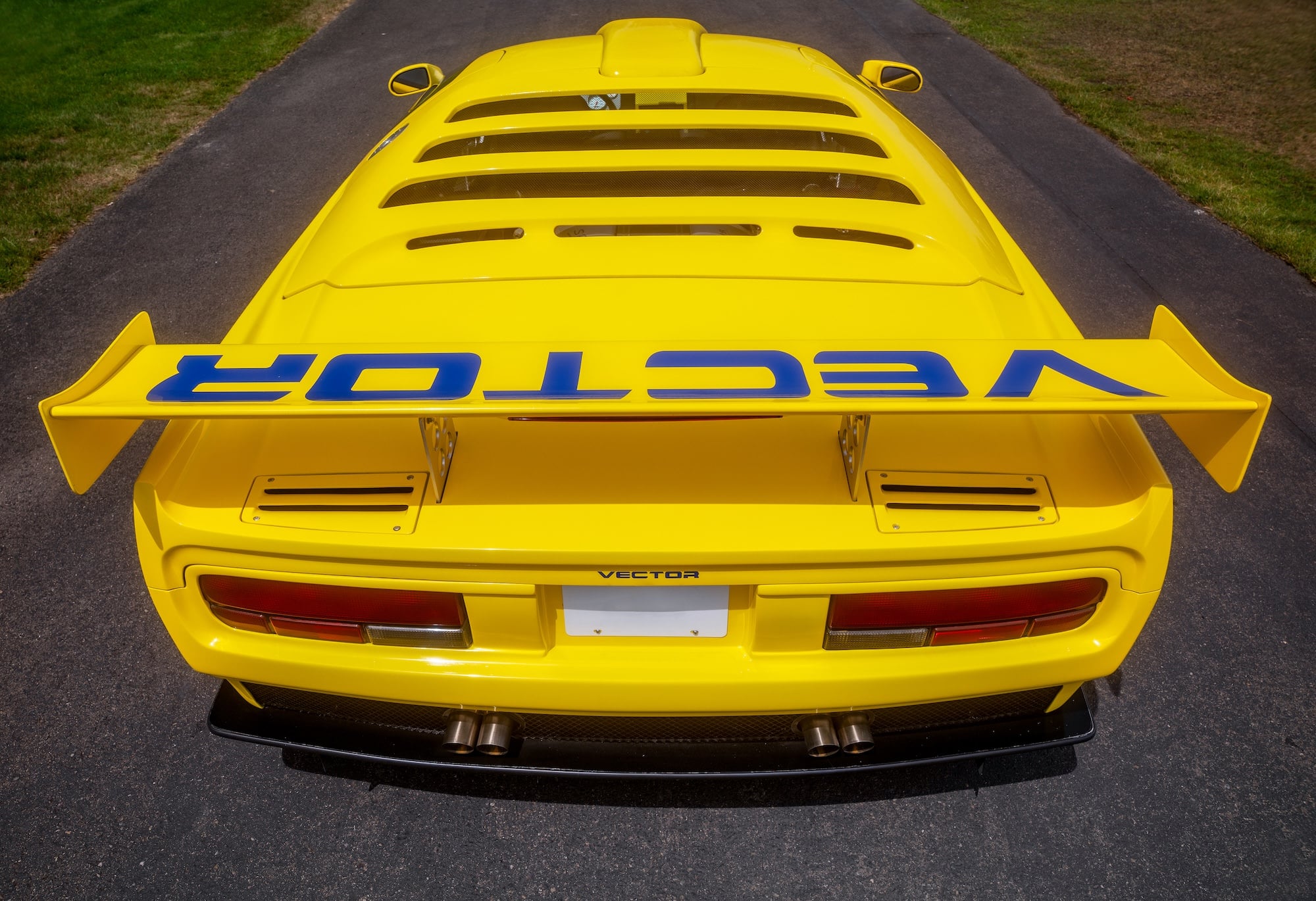
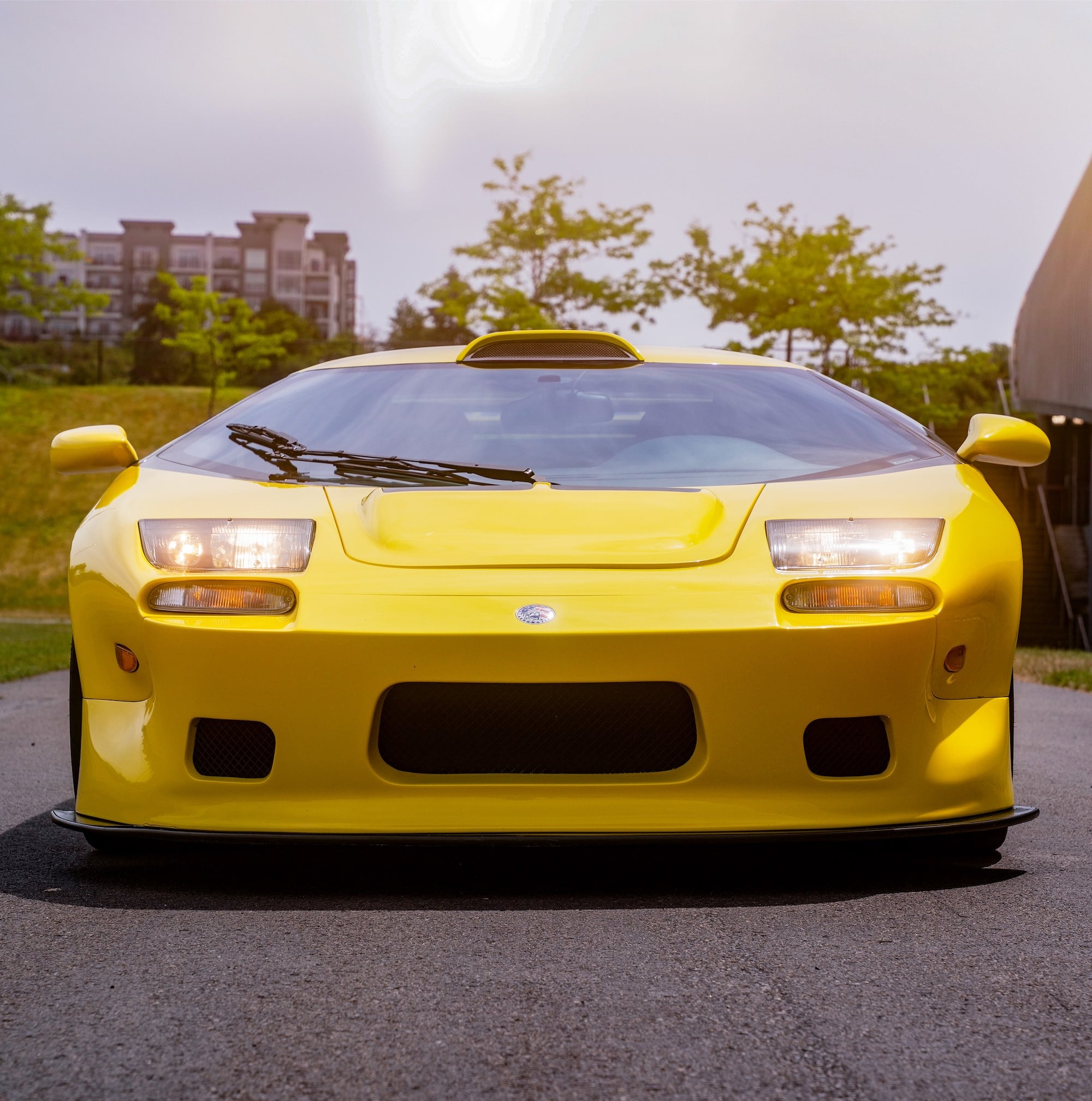
The bodywork of the SRV8 was reworked around the same basic Vector silhouette, with a new front splitter, revised side ducts, a large air scoop, and a bespoke rear wing. The team credited with the work included Andy Harrison, Mark Adkins, and Clint Sanders. Finished in bright yellow, the SRV8 was publicly revealed in 1999 as an M12 successor priced to reach beyond the tiny audience that had proved willing to spend $189,000 on the original.
Sadly, Vector closed its doors soon afterward. Only the one SRV8 prototype was ever completed. Randy Welty kept the car and later gave it to his son Jake as a sixteenth birthday present. Wiegert died in January of 2021, without ever seeing his long-developed WX-8 hypercar make it to production.
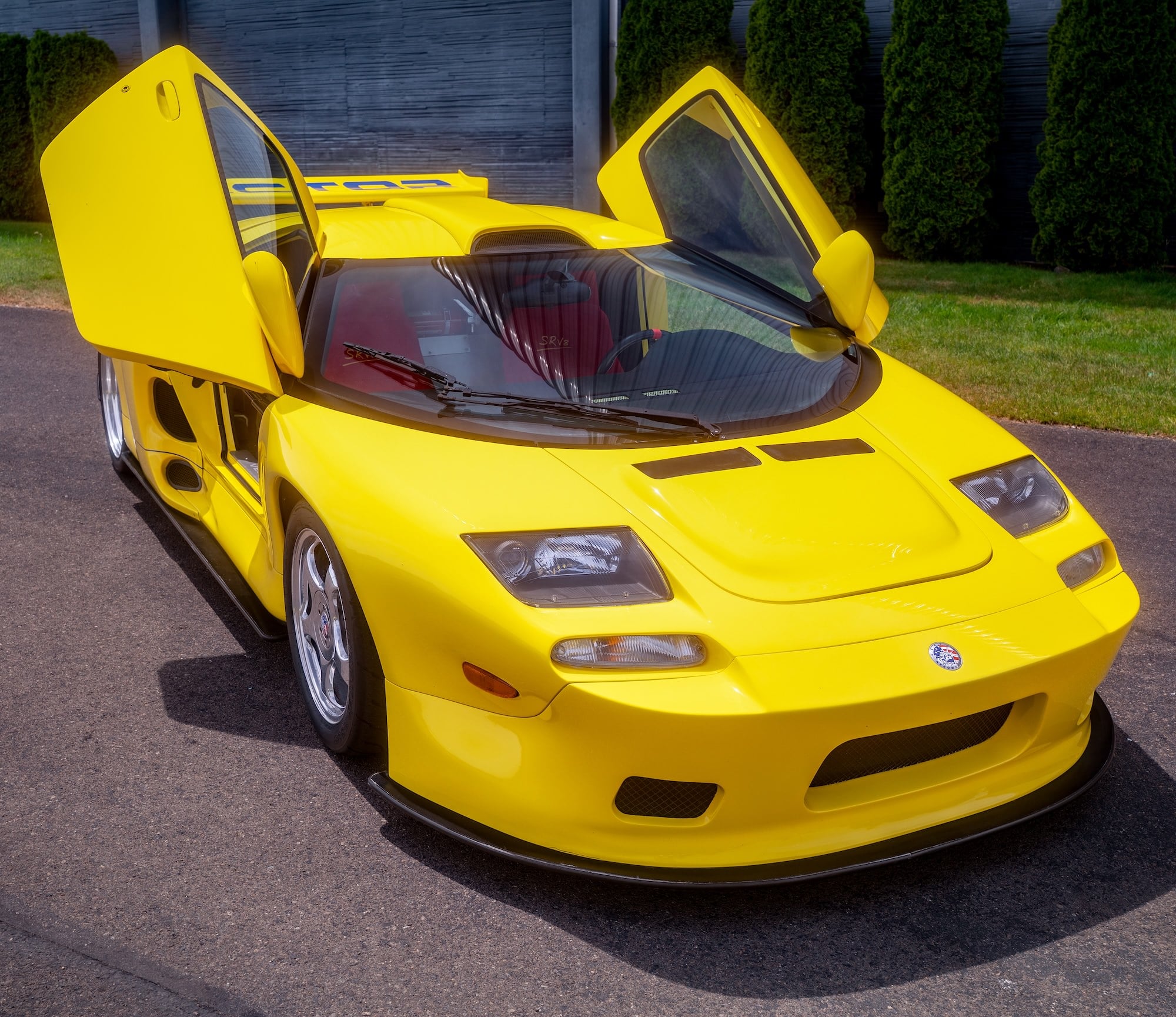
The bodywork of the SRV8 was reworked around the same basic Vector silhouette, with a new front splitter, revised side ducts, a large air scoop, and a bespoke rear wing.
The SRV8 is the car that sits at the very end of the Vector timeline. That said, rumors do persist that a plan is afoot to bring Vector back from the dead, to create an all-new line of truly American supercars.
The 1999 Vector SRV8 prototype is now due to roll across the auction block with RM Sotheby’s at their Monterey Auction in mid-August with a price guide of $350,000 – $450,000 USD. If you’d like to read more or register to bid you can visit the listing here.
Images: Josh Mackey ©2026 Courtesy of RM Sotheby’s

Articles that Ben Branch has written have been covered on CNN, Popular Mechanics, Smithsonian Magazine, Road & Track Magazine, the official Pinterest blog, the official eBay Motors blog, BuzzFeed, Autoweek Magazine, Wired Magazine, Autoblog, Gear Patrol, Jalopnik, The Verge, and many more.
Silodrome was founded by Ben back in 2010, in the years since the site has grown to become a world leader in the alternative and vintage motoring sector, with well over a million monthly readers from around the world and many hundreds of thousands of followers on social media.