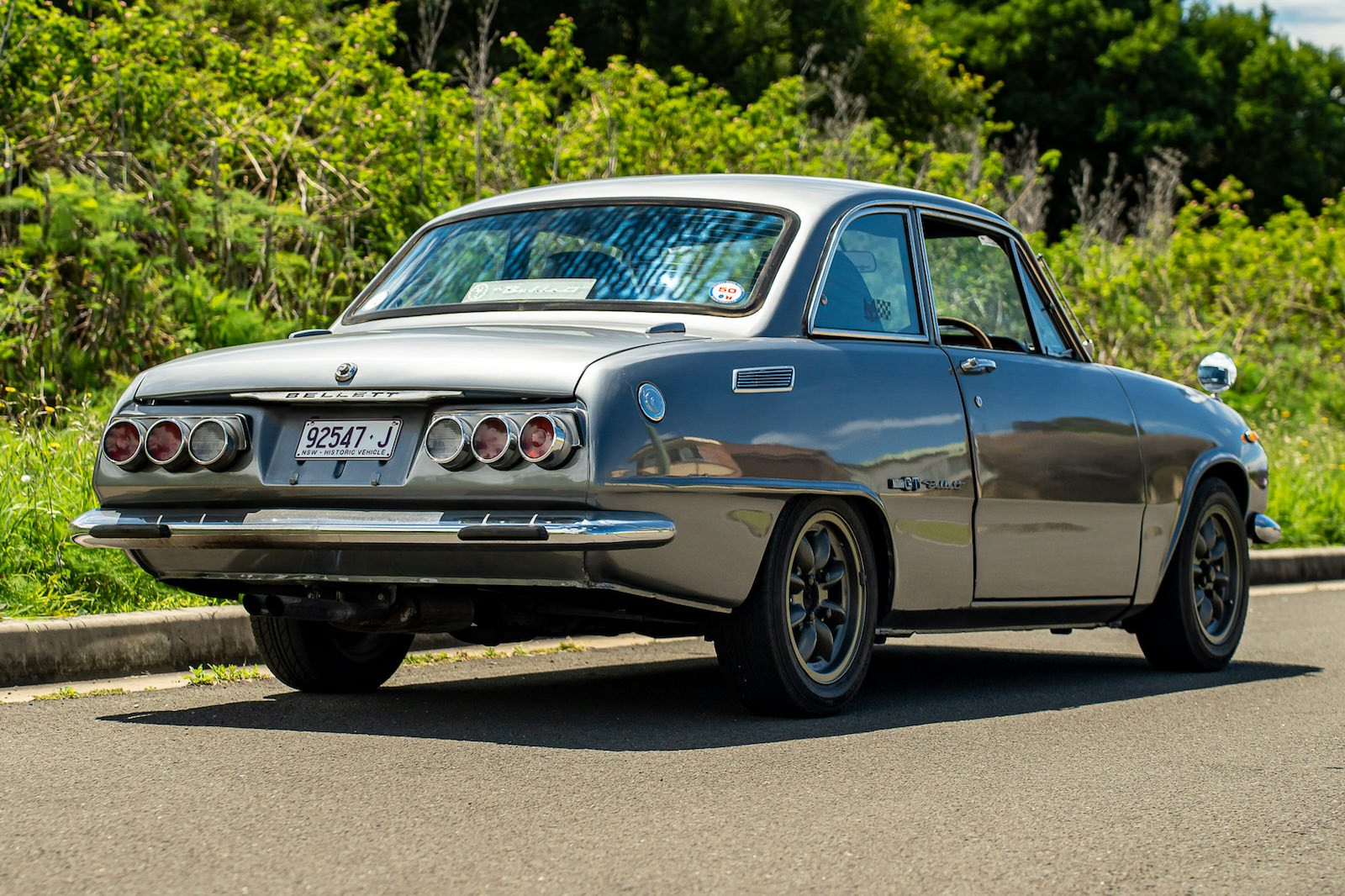
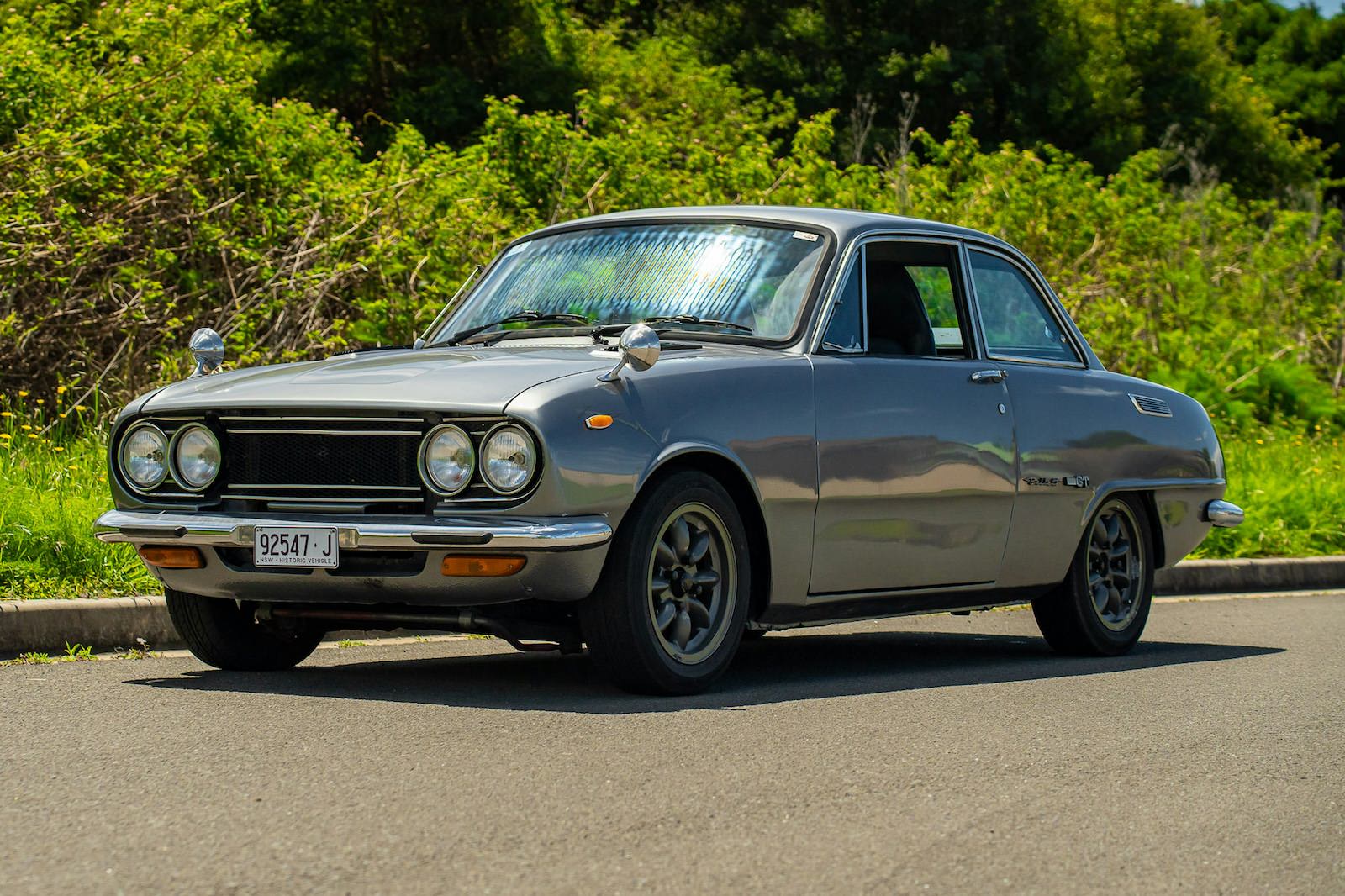
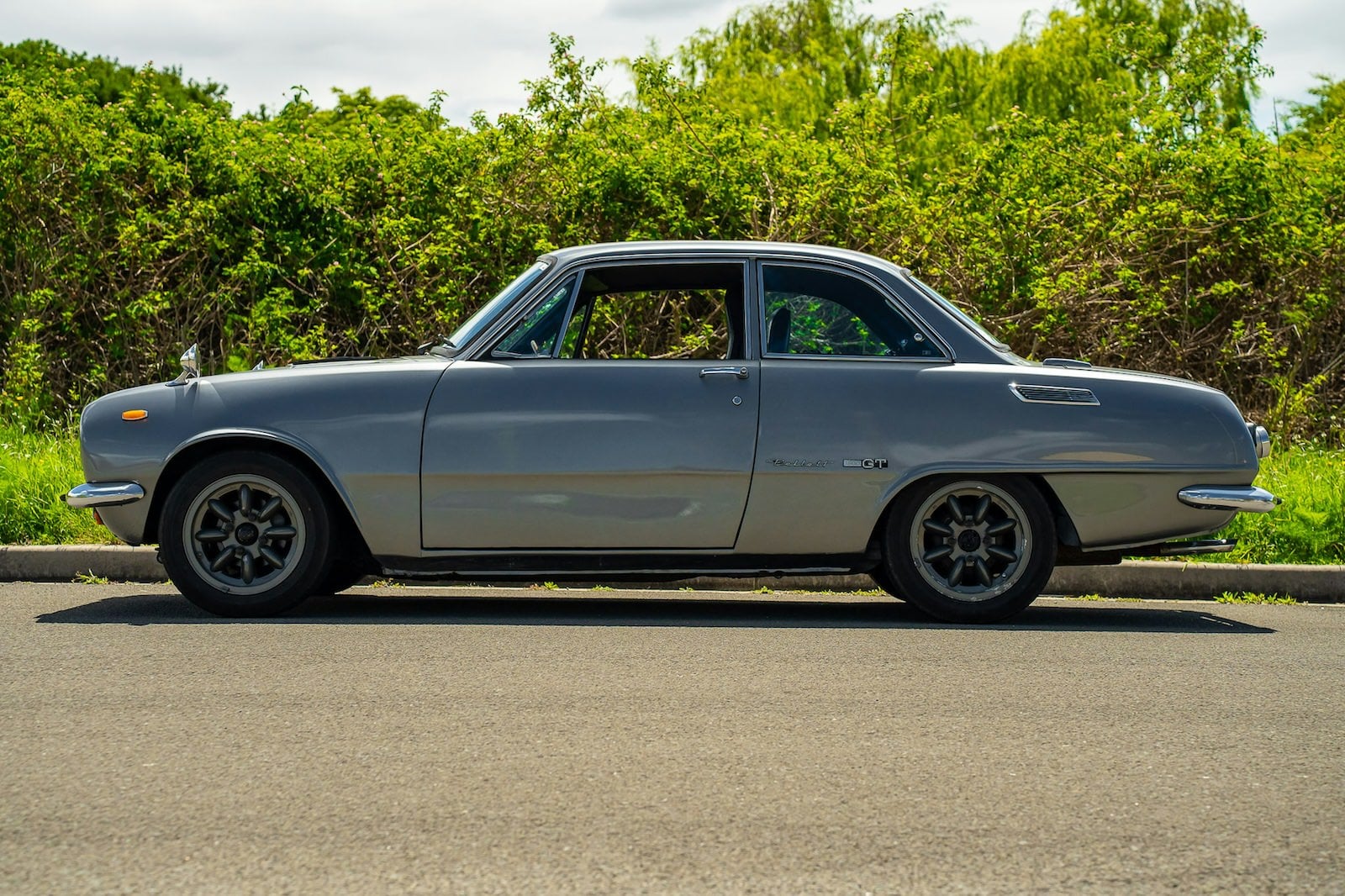
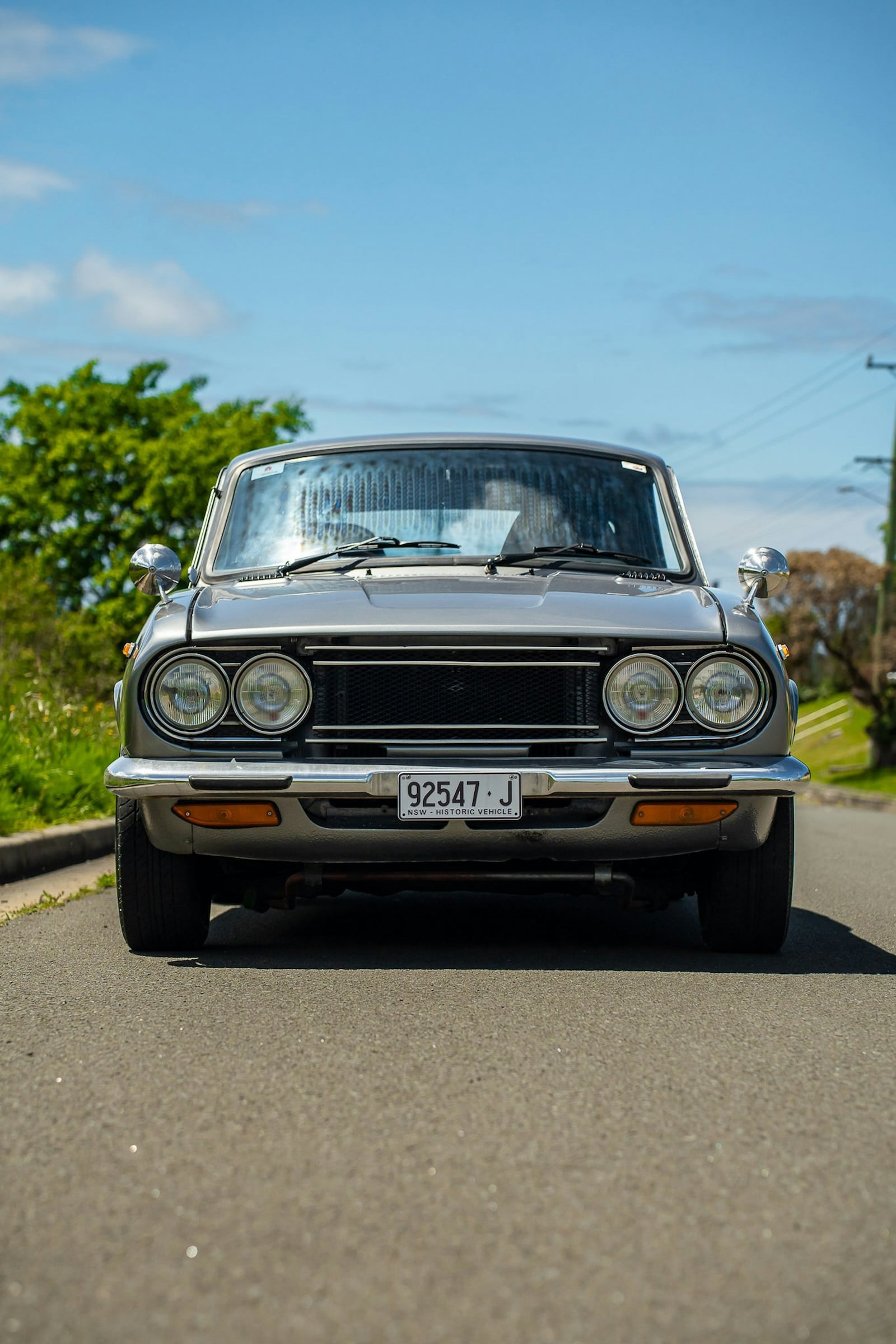
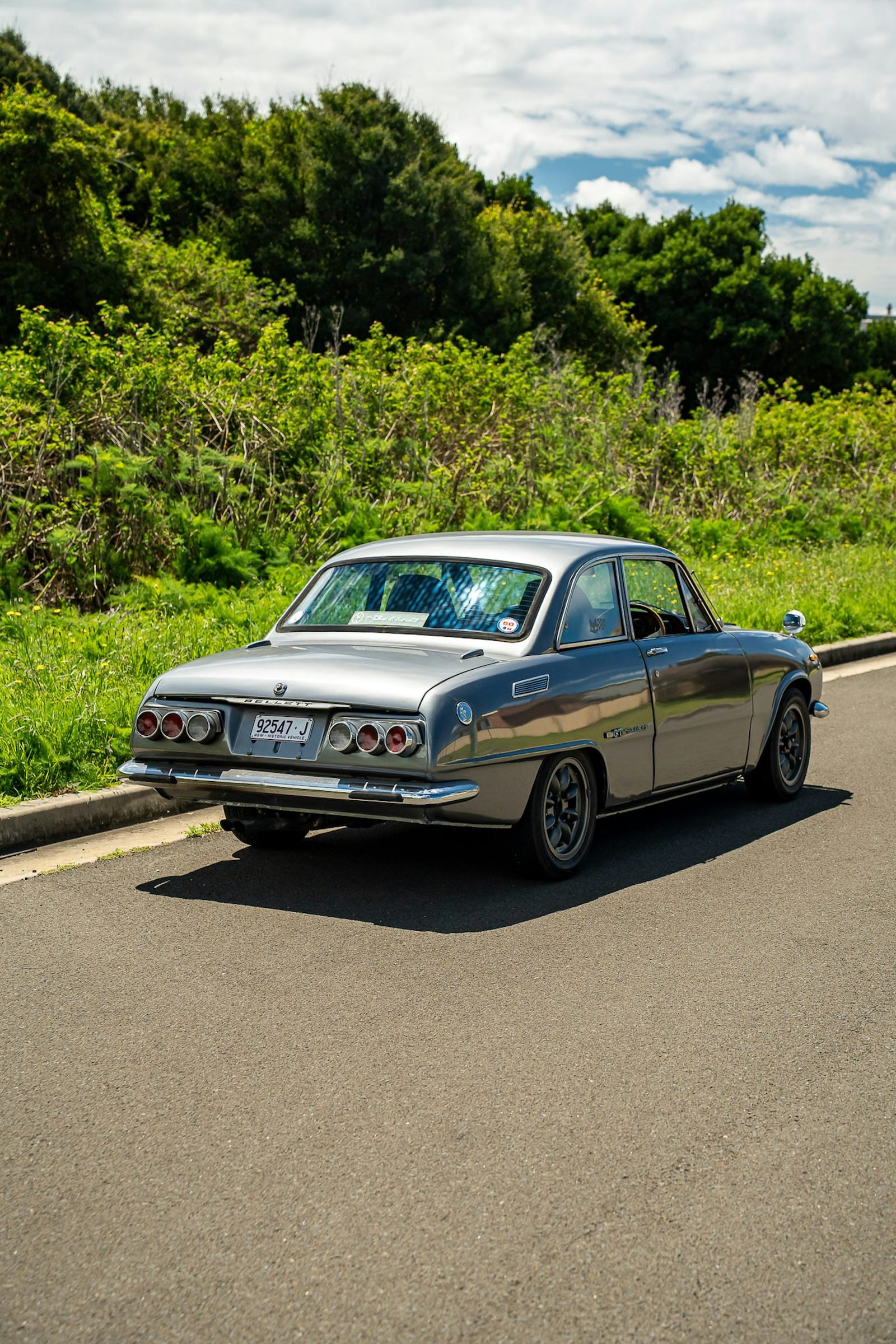
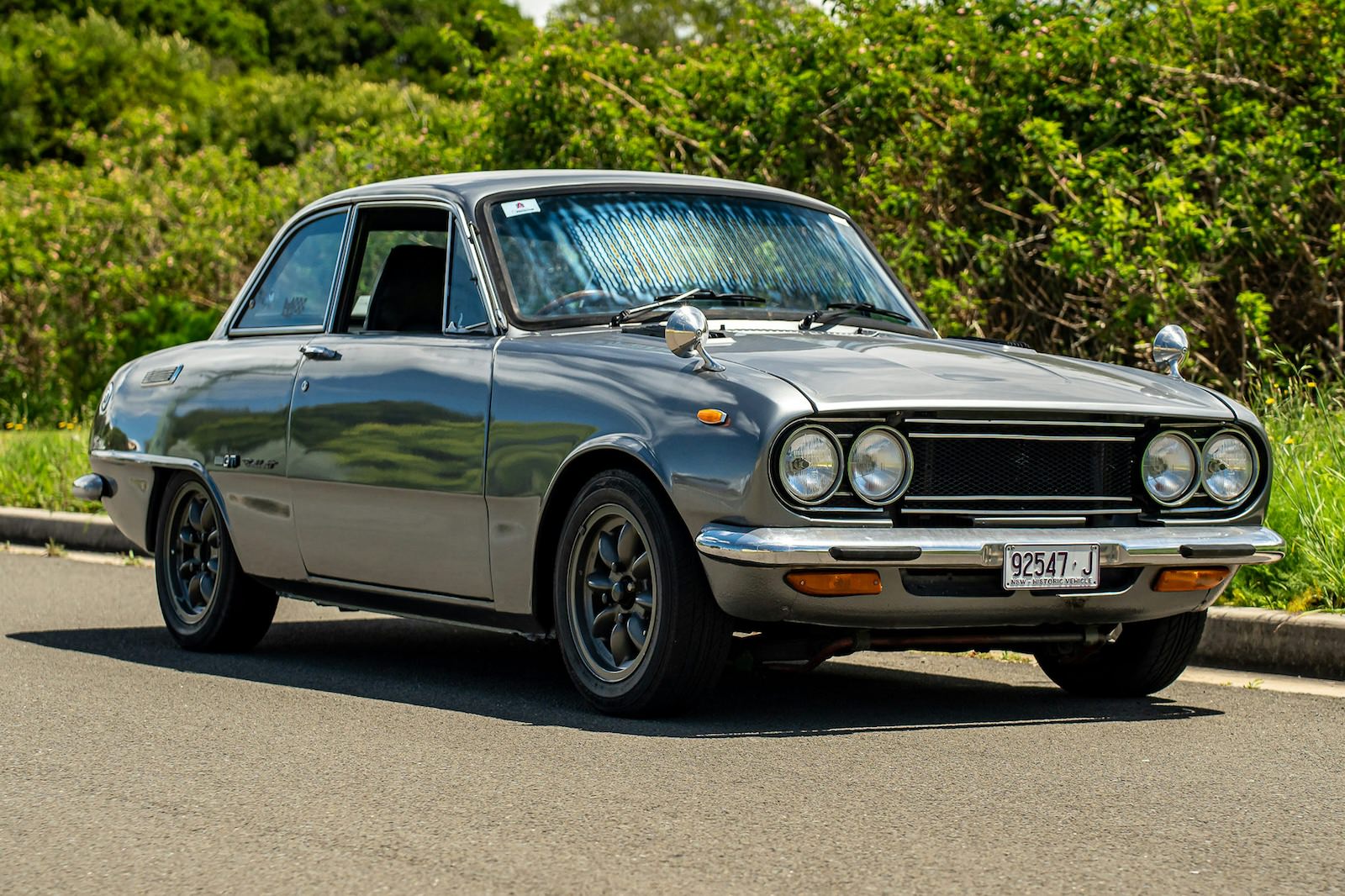
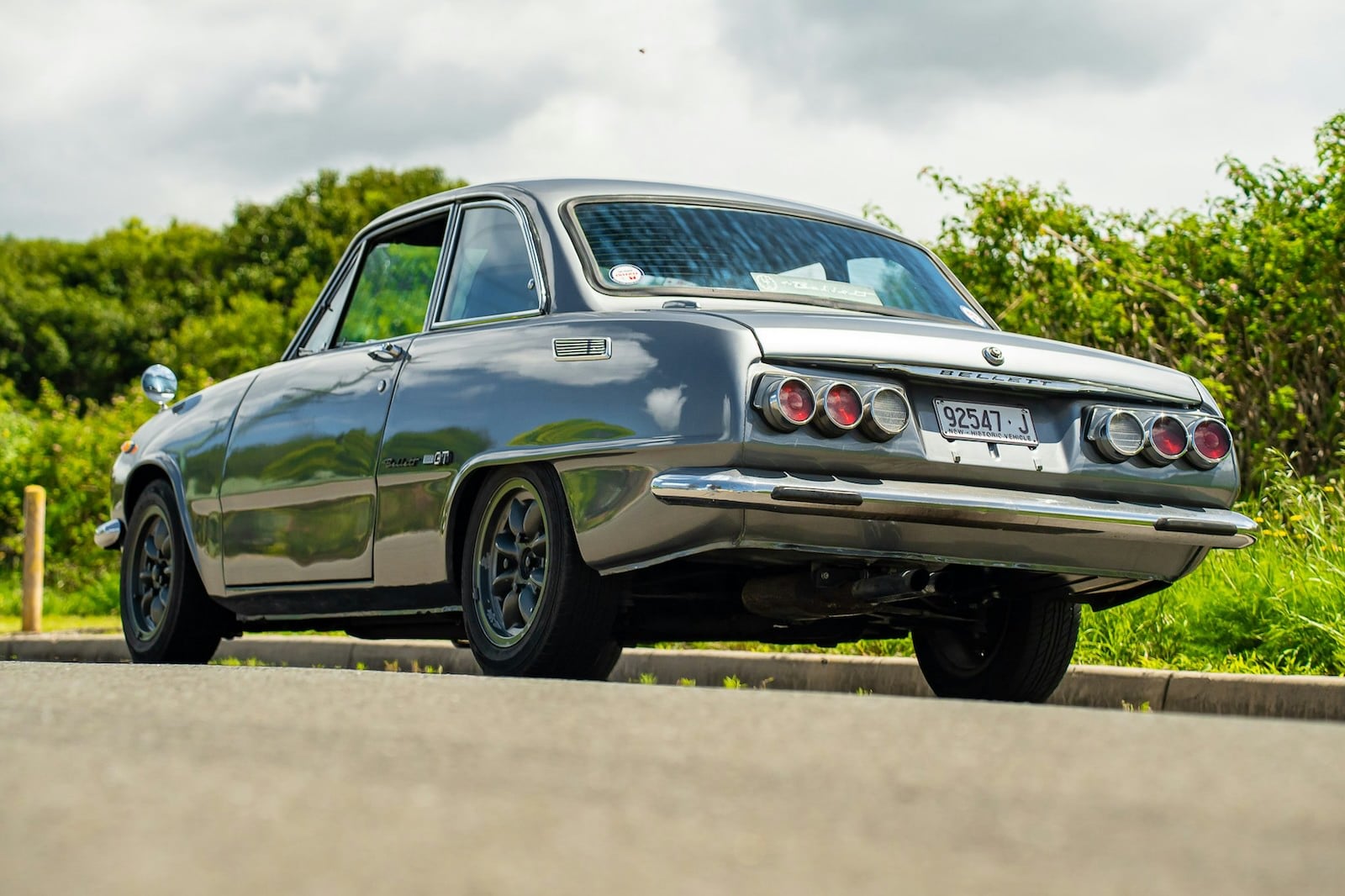
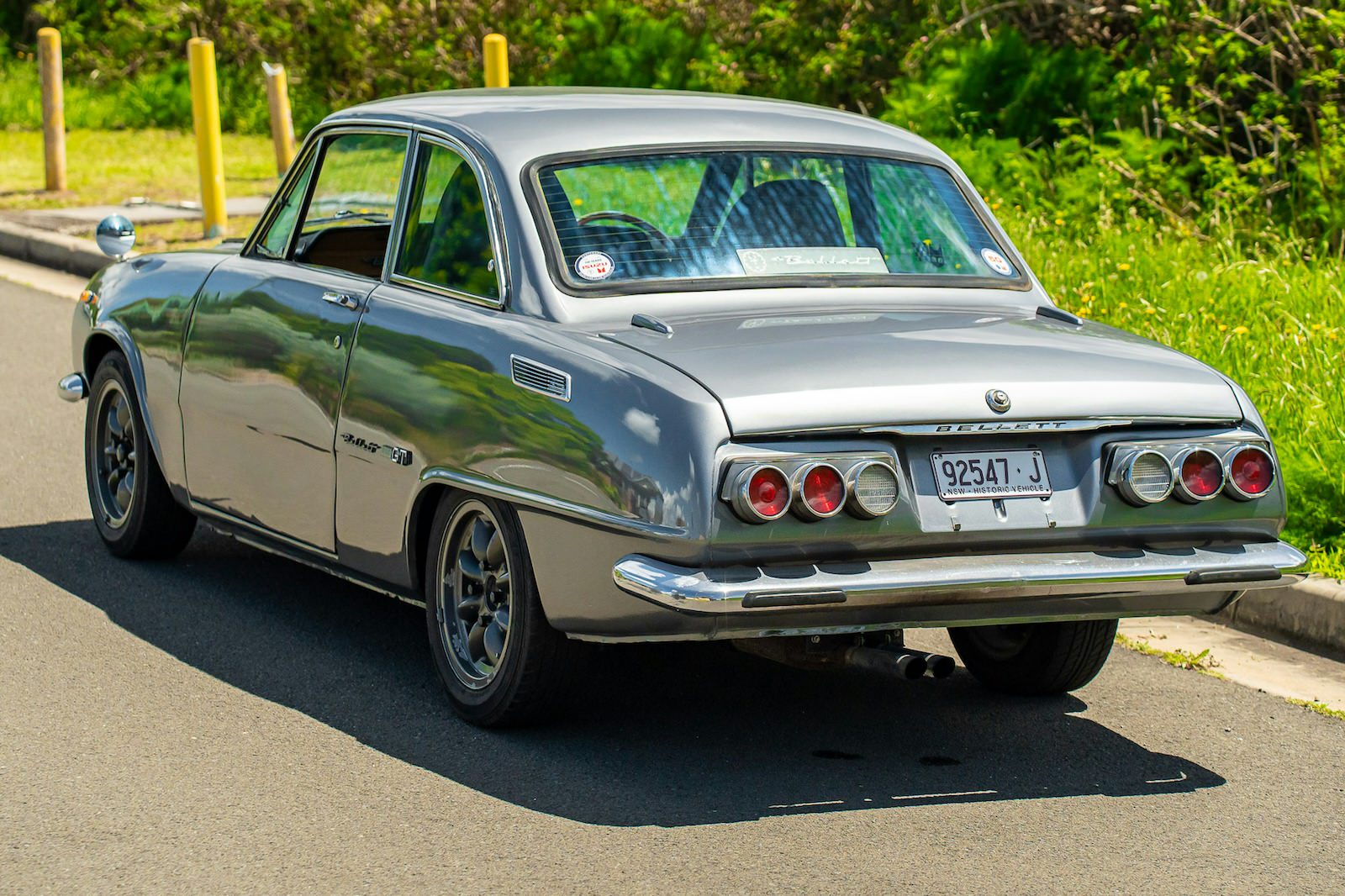
This is a 1971 Isuzu Bellett 1800 GT, it’s one of the rarer, less well-known Japanese GTs from the era, but the model has been seeing a surge in interest recently as JDM sports cars rise in popularity.
A version of the Bellett won the Suzuka 12 Hours outright in 1969, a major victory for the company, as it helped establish their sports car credentials – before that point the company’s reputation had been almost entirely based on their truck and diesel engine production. Interestingly, it was also the first Japanese car to carry the “GT” designation.
Fast Facts: An Isuzu Bellett 1800 GT From 1971
- The Isuzu Bellett debuted in 1963 as the company’s second independently developed passenger car, following the larger Bellel. It had advanced engineering for its time, including four-wheel independent suspension, rack-and-pinion steering, and a unit-construction body. Development was led by Joji Mizusawa, whose team studied European designs while creating the new car.
- The Bellett GT debuted in 1964, becoming the first Japanese production car to carry the GT designation. Powered initially by a twin-carburetor 1.6 liter engine, it gained a reputation for excellent handling and earned the nickname “the Japanese Alfa Romeo.” The range eventually expanded to include more powerful engines and improved braking systems.
- The Bellett’s greatest motorsport achievement came in 1969, when a prototype GT-X won the Suzuka 12 Hours outright. The victory preceded the introduction of the 1600GTR, powered by a 118 bhp twin-cam engine. The 1800GT followed in 1970, but declining sales eventually ended Bellett production in 1973, after 170,737 cars had been built.
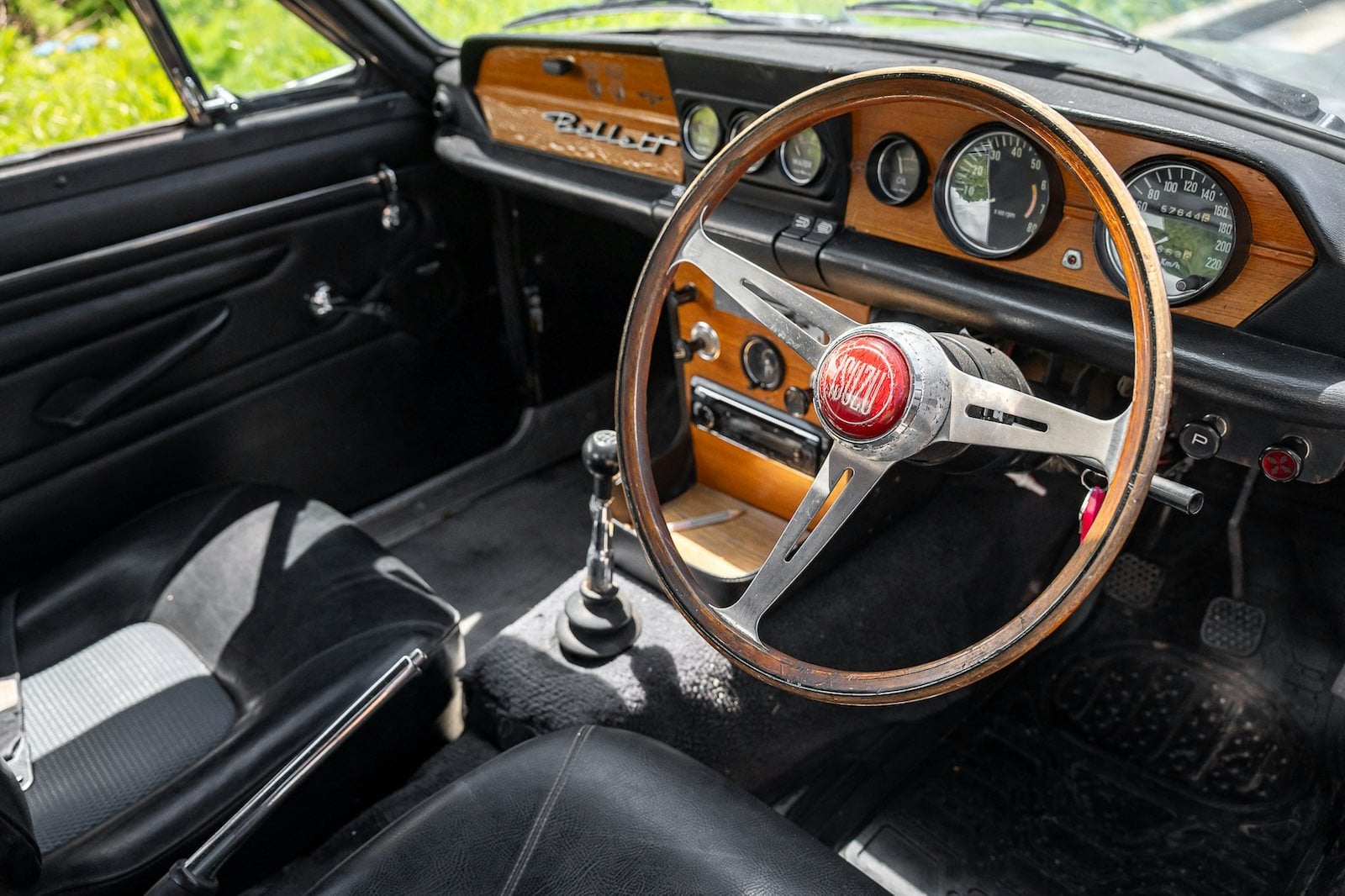
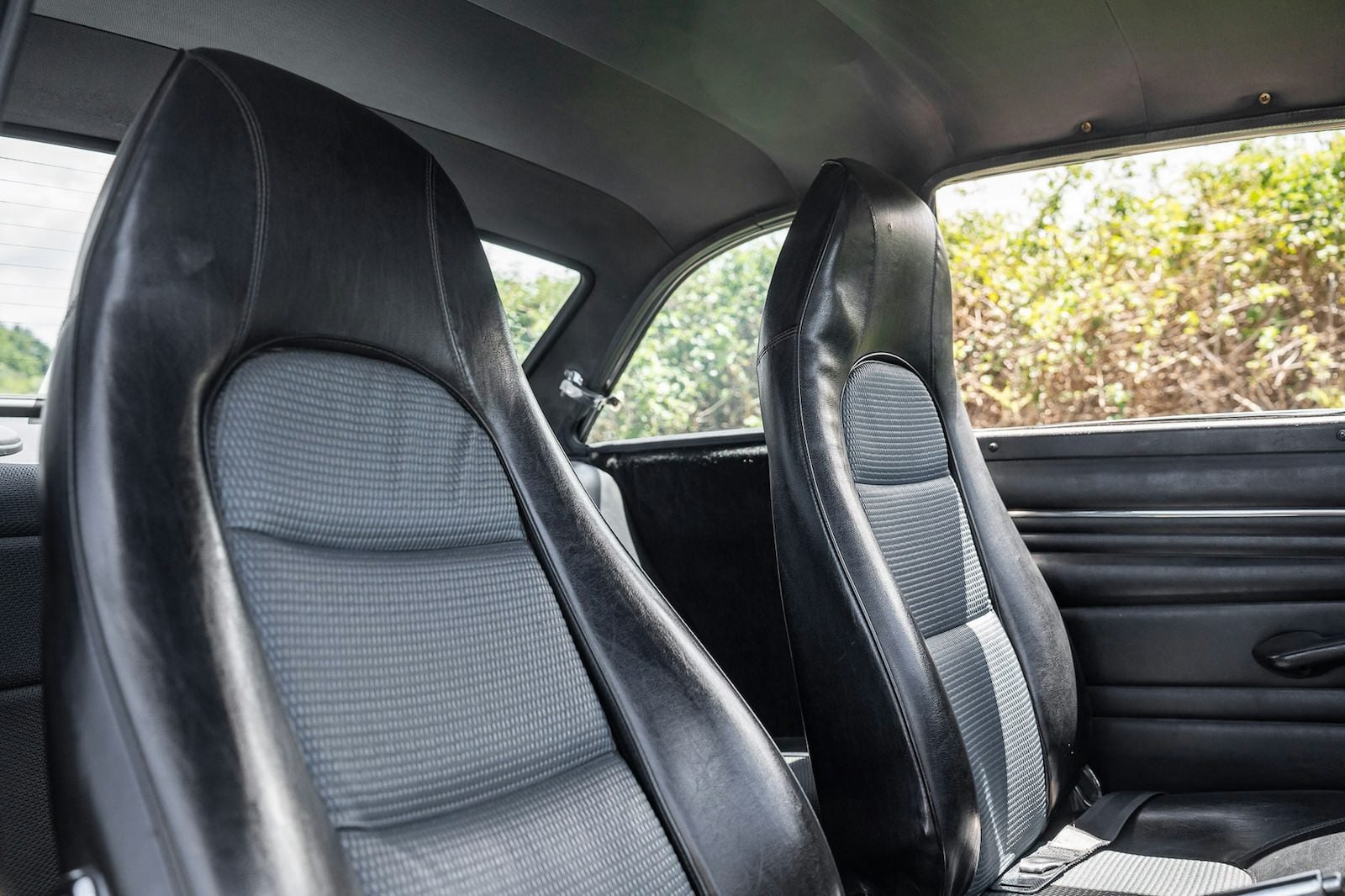
- The 1971 Isuzu Bellett 1800 GT shown here is finished in grey over black upholstery, with a naturally aspirated 1.8 liter four-cylinder engine and 4-speed manual transmission. Showing 57,644 kilometers, it’s being offered in New South Wales, Australia, with accompanying documentation.
History Speedrun: The Isuzu Bellett 1800 GT
Isuzu announced the Bellett in mid-1963, and put it on sale in November that same year. It was a relatively advanced design for the time, with four-wheel independent suspension and rack-and-pinion steering – its Toyota and Nissan rivals still used live rear axles on leaf springs. The Bellett was only the second car Isuzu had designed in-house, then as now, the company’s reputation was almost entirely based on its line of trucks and commercial vehicles.
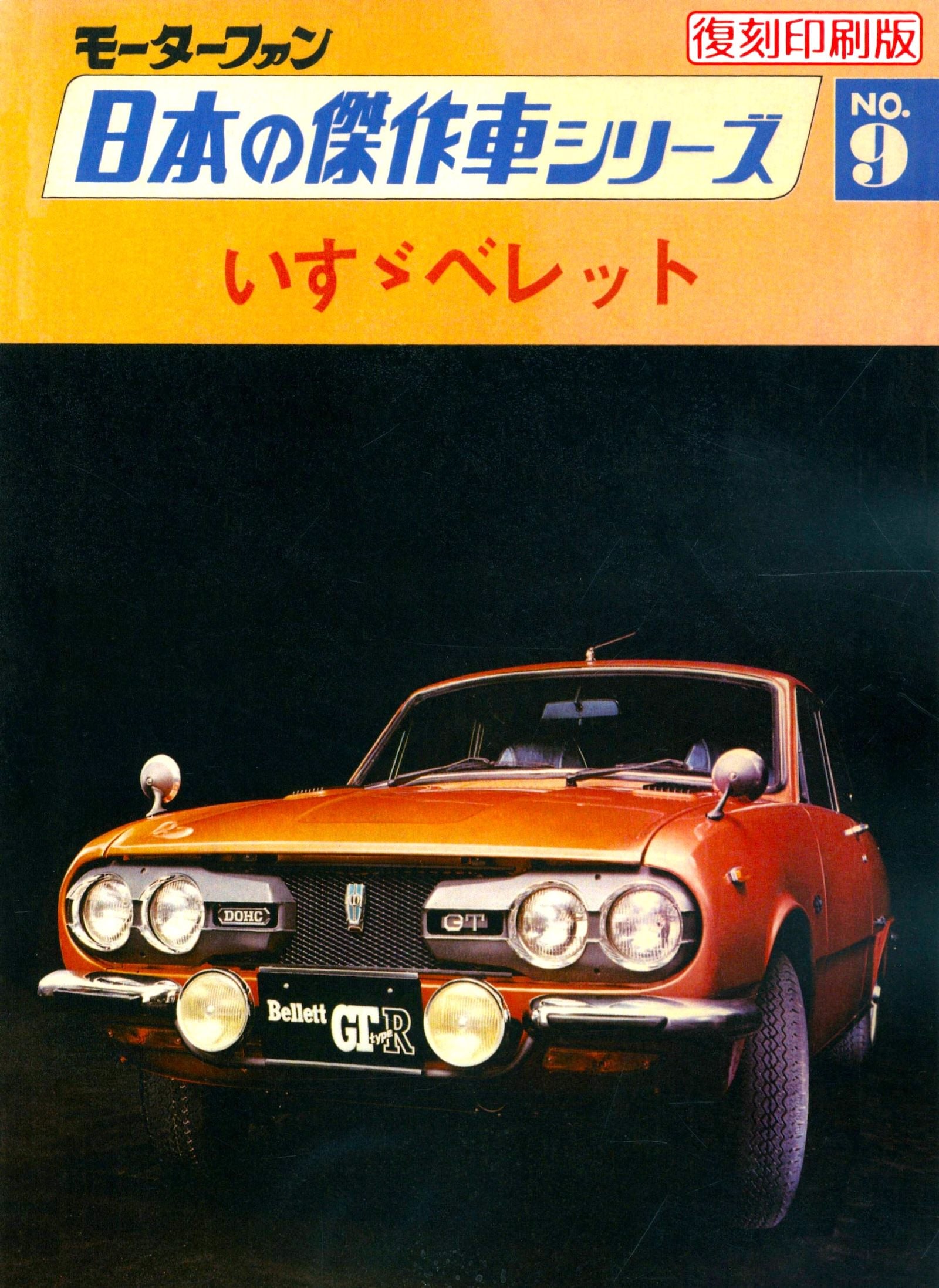
 Isuzu announced the Bellett in mid-1963, and put it on sale in November that same year. It was a relatively advanced design for the time, with four-wheel independent suspension and rack-and-pinion steering – its Toyota and Nissan rivals still used live rear axles on leaf springs. Image courtesy of Isuzu.
Isuzu got its start in the car business by assembling the Hillman Minx under license from Britain’s Rootes Group, the project started in 1953 and reached full local production four years later in 1957. Its first in-house design was the larger Bellel, and the Bellett was planned as that car’s smaller sibling, so to speak. Isuzu translates from Japanese as “fifty bells,” and Bellett adds a somewhat diminutive ending to Bellel.
Joji Mizusawa’s Bellett Engineering Team
The Bellett was developed by a team led by Joji Mizusawa, who had earlier headed up Isuzu’s Hillman Minx localization program. The Bellett’s development overlapped with the start of Bellel production, so Isuzu put together a new group of young, eager, but relatively inexperienced engineers.
Before the concept was settled, Mizusawa toured Europe’s four major motor shows. His team also took apart notable cars from around the world to work out the reasoning behind their parts, essentially reverse engineering them. When Isuzu began the Bellel, it had no stylists on staff at all, so it recruited students from an art university to fill the gap. Those in-house designers shaped the Bellett around what Isuzu called an “oval line,” a rounded form based on an eggshell.
The Bellett used a steel unit-construction body, with the engine at the front sending power back to the rear wheels. The front suspension consisted of double wishbones and coil springs, and at the rear you’d find a diagonal swing axle – a swing-axle layout with angled pivots and coil springs. Below the diff sat a transverse leaf spring connected to both sides, which acted as a camber compensator, it helped limit the changes in wheel angle that can make a plain swing axle unpredictable at the limit.
Mizusawa’s group found the rear suspension the hardest part of the car to develop, and preventing the swing axle’s tendency to roll a car over was a major concern. It’s possible that the rear suspension had been influenced by the Chevrolet Corvair which had debuted a few years earlier in 1960 – the Corvair faced significant issues with its swing axle rear and by 1965 GM engineers had redesigned the Corvair’s rear suspension from scratch to address the issues.
The launch engine in the Bellett was a then-new 1.5 liter overhead-valve four-pot with an oversquare 79 mm bore and 75 mm stroke. Isuzu rated it at 62 bhp at 5,000 rpm and 81 lb ft at 1,800 rpm, good for 85 mph flat out with your fingers crossed.
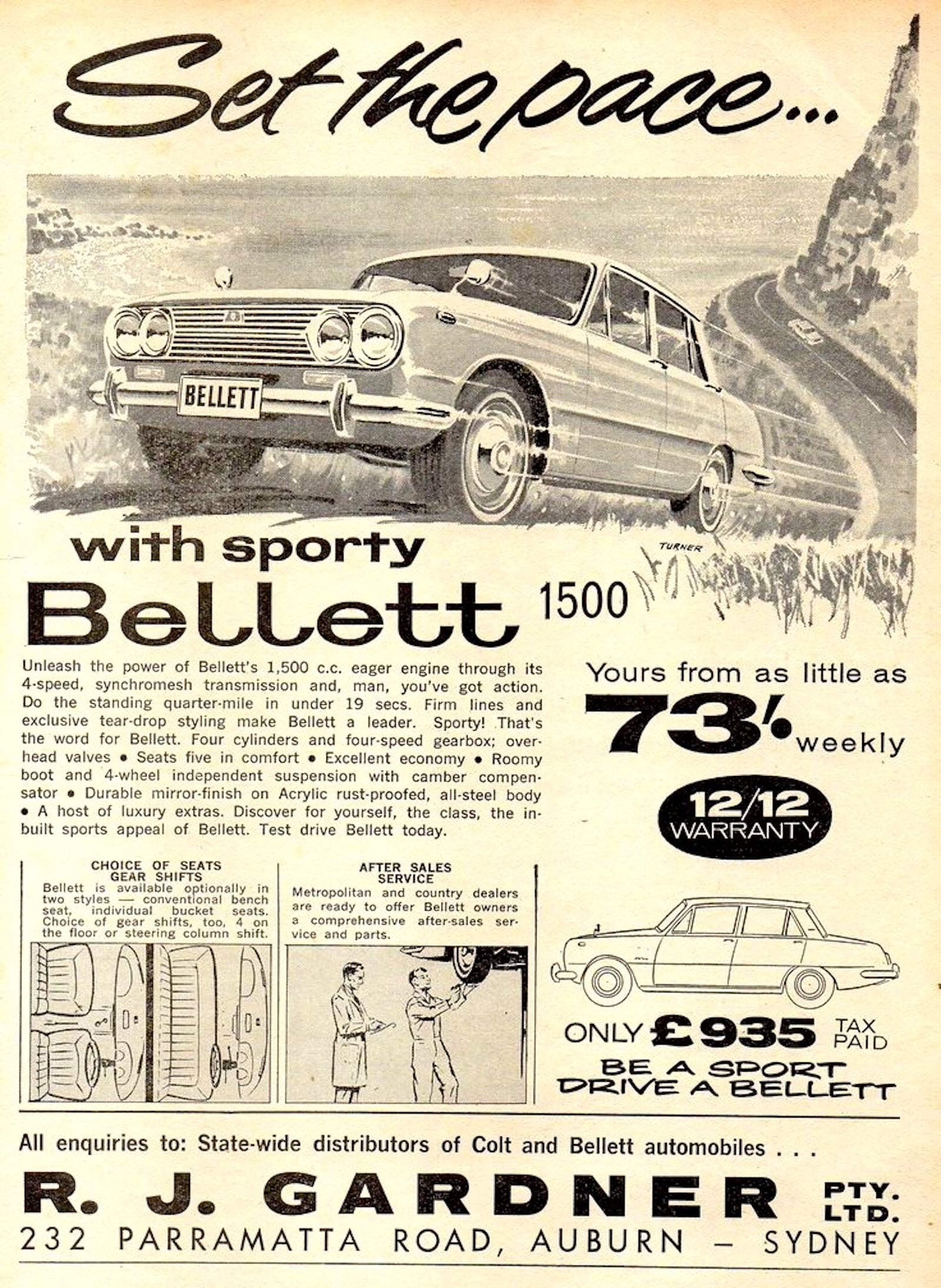
The Bellett used a steel unit-construction body, with the engine at the front sending power back to the rear wheels. The front suspension consisted of double wishbones and coil springs, and at the rear you’d find a diagonal swing axle – a swing-axle layout with angled pivots and coil springs. Image courtesy of Isuzu.
A 49 bhp, 1.8 liter diesel was also offered, and a 1.3 liter model followed in 1964. The 4-speed manual came with either a column or floor shift, and a 3-speed Borg-Warner automatic was added later as an option. Standard sedans used drum brakes at all four corners. In 1966, Isuzu added the Bellett B, but this was aimed largely at taxi fleets, and it replaced the independent rear end with a live axle on semi-elliptic leaf springs for better high-mileage longevity.
The Isuzu Bellett GT + GTR
Isuzu showed a coupe as the Bellett 1500GT at the October 1963 All-Japan Motor Show. It went on sale in April of 1964 as the 1600GT, interestingly it was the first Japanese car ever sold with a GT badge. Its roof was 40 mm (1.6 inches) lower than the sedan’s, and the 1.6 liter overhead-valve engine had twin SU-type carburetors – it made 87 bhp and 90 lb ft of torque.
The first version lasted six months, front disc brakes arrived in September 1964, which put the GT among the first Japanese cars to use them. In late 1966 the GT got a redesigned 89 bhp engine with five main bearings, Isuzu also announced a fastback that year and built it to order from 1967 onwards.
The GT became known as the “Bere-G,” and its excellent handling earned the Bellett the nickname “the Japanese Alfa Romeo.” Its best-known win came from a prototype, on August the 10th, 1969, Shigeki Asaoka and Kanji Katayama won the Suzuka 12 Hours outright in a Bellett GT-X, which was powered by the twin-cam 1.6 liter four-banger from Isuzu’s 117 Coupé.
The road version, the Isuzu 1600GTR, followed in September that same year, its eight-valve twin-cam used two Mikuni-Solex carburetors and produced 118 bhp at 6,400 rpm and 105 lb ft. Not too shabby. Isuzu fitted stiffer springs front and rear and added a brake servo, the GTR tipped the scale at 970 kgs (2,138 lbs) and could reach a heady 118 mph.
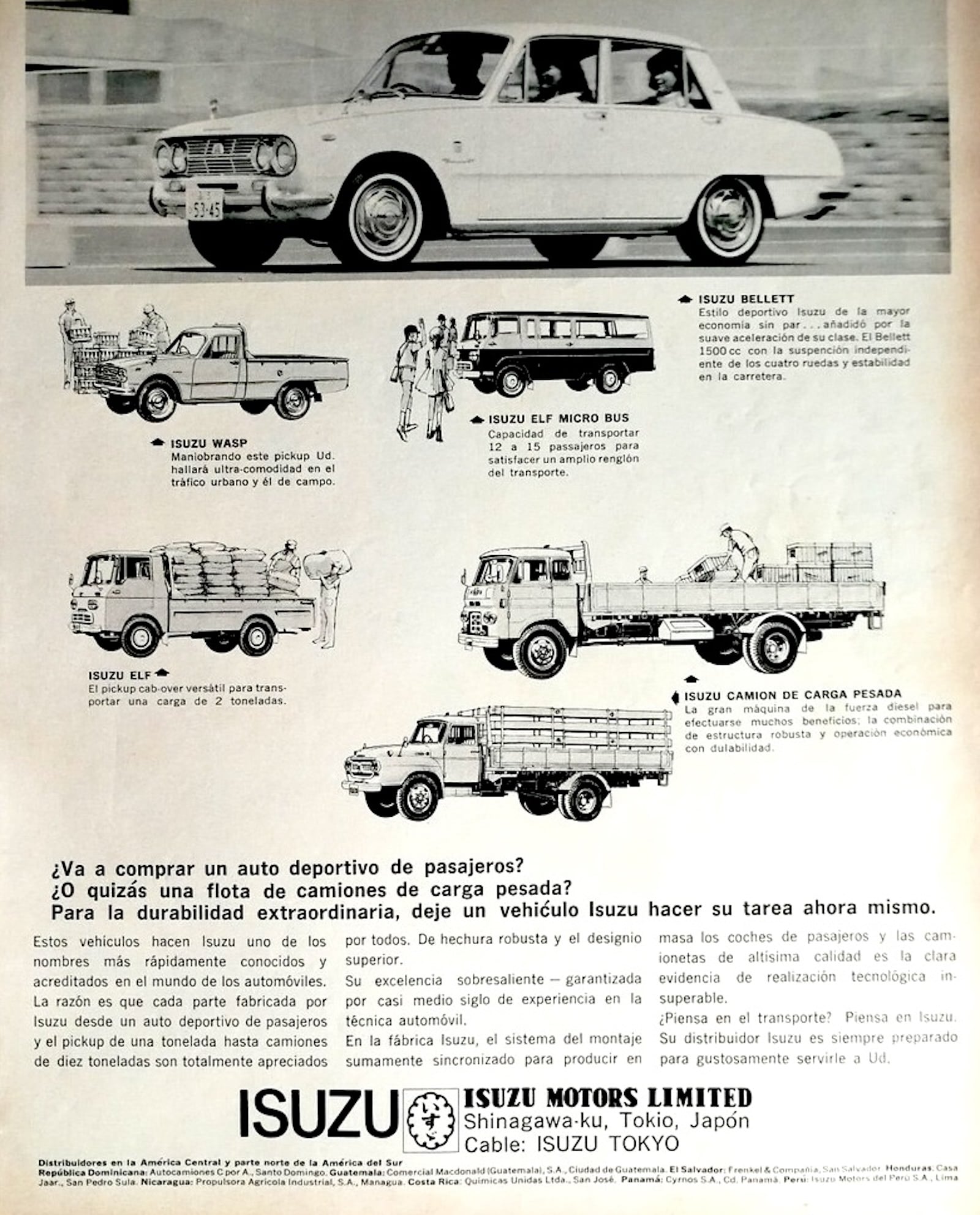
The Bellett was only the second car Isuzu had designed in-house, then as now, the company’s reputation was almost entirely based on its line of trucks and commercial vehicles. Image courtesy of Isuzu.
The End Of The Line
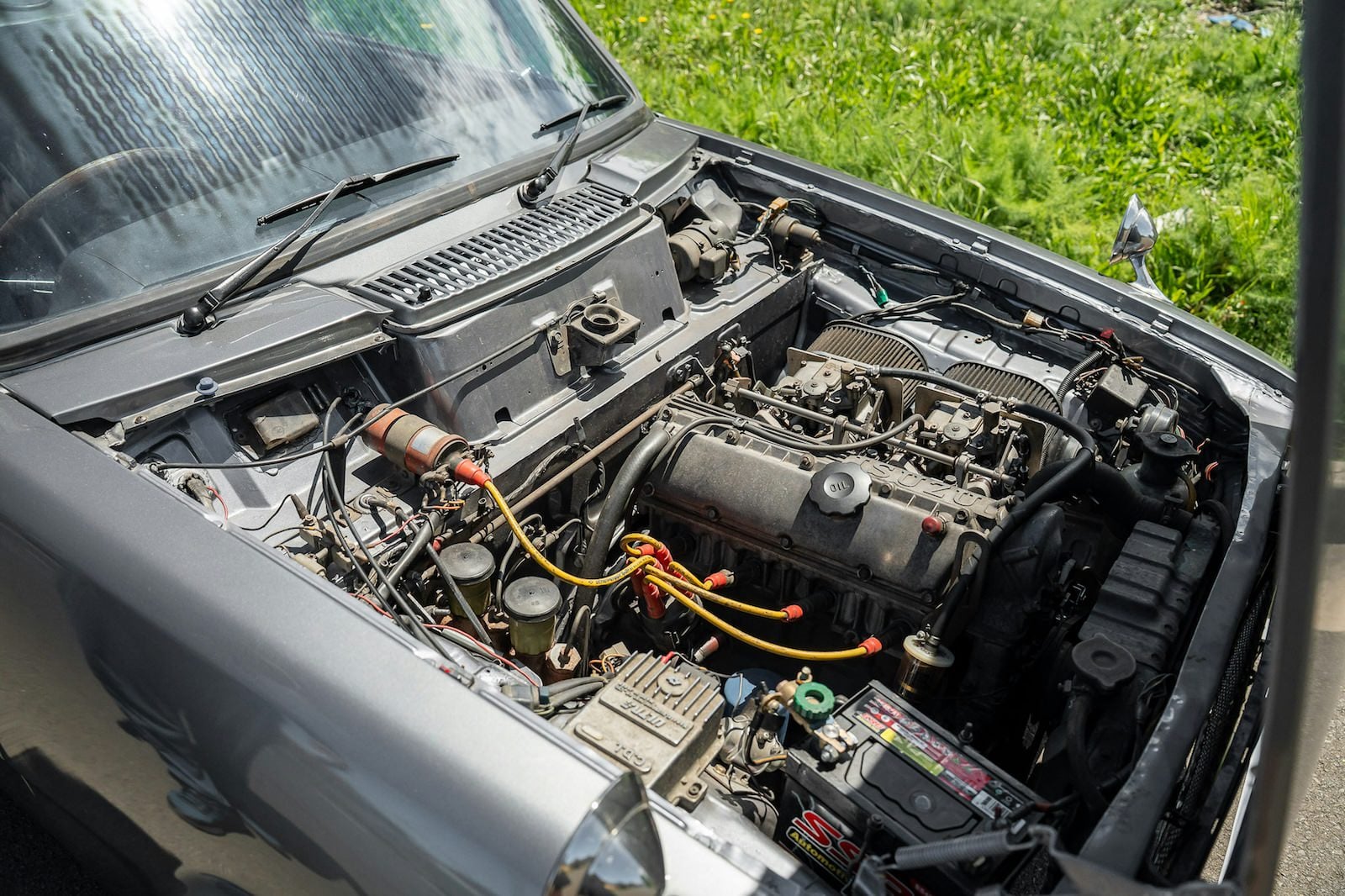
The Bellett 1800GT arrived in 1970 with a 113 bhp, 1.8 liter overhead-cam engine, but sales dropped as the design aged against its newer Japanese rivals. General Motors bought a stake in Isuzu in 1971 production ended in September of 1973. In 1974 Isuzu replaced the Bellett with the new Bellett Gemini, which was based on the GM-owned Opel Kadett.
Total Bellett production was 170,737, of which just 17,439 were GTs. Today they’re largely unknown outside niche Japanese collector car circles, but that seems to be slowly changing.
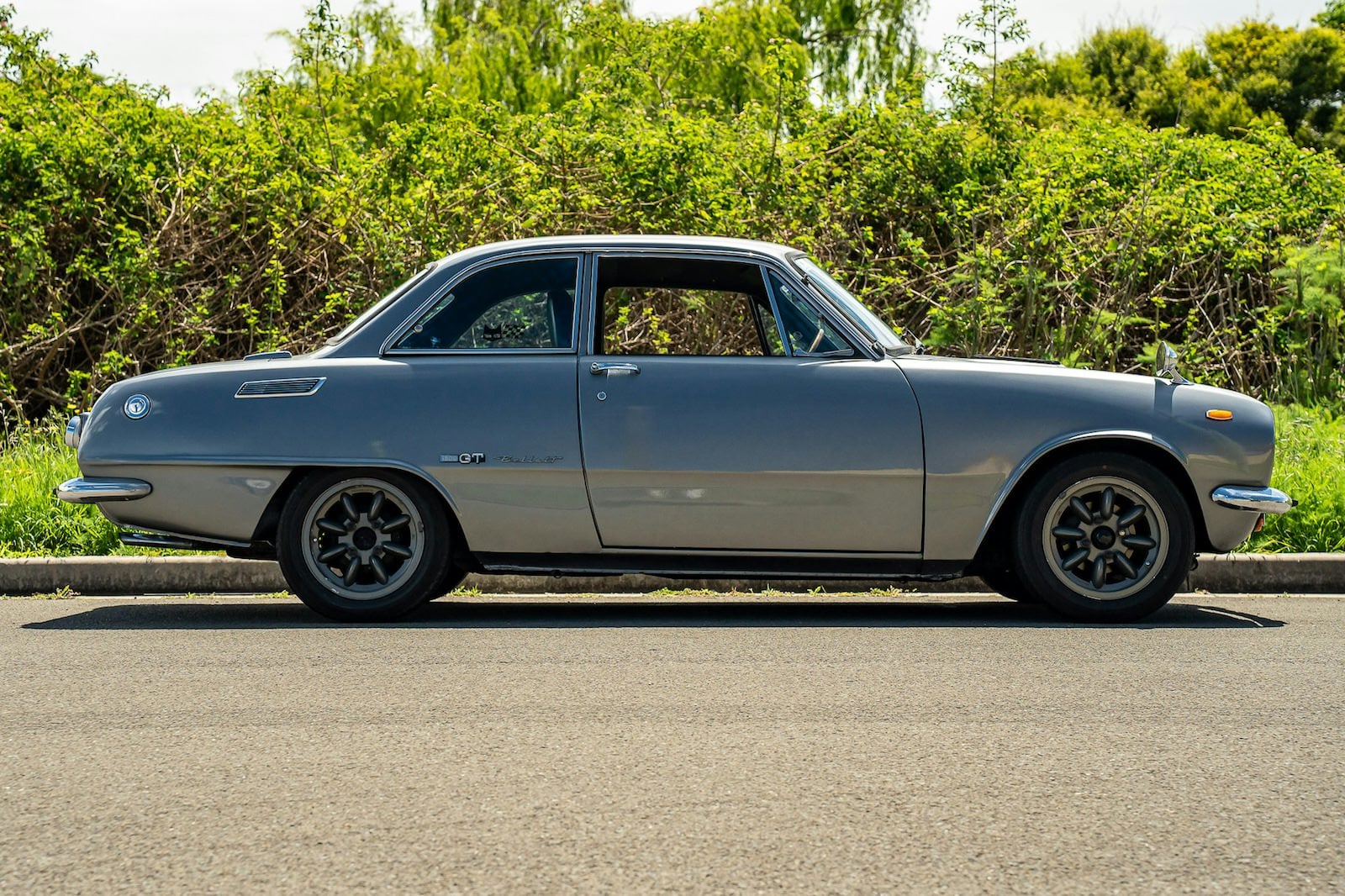
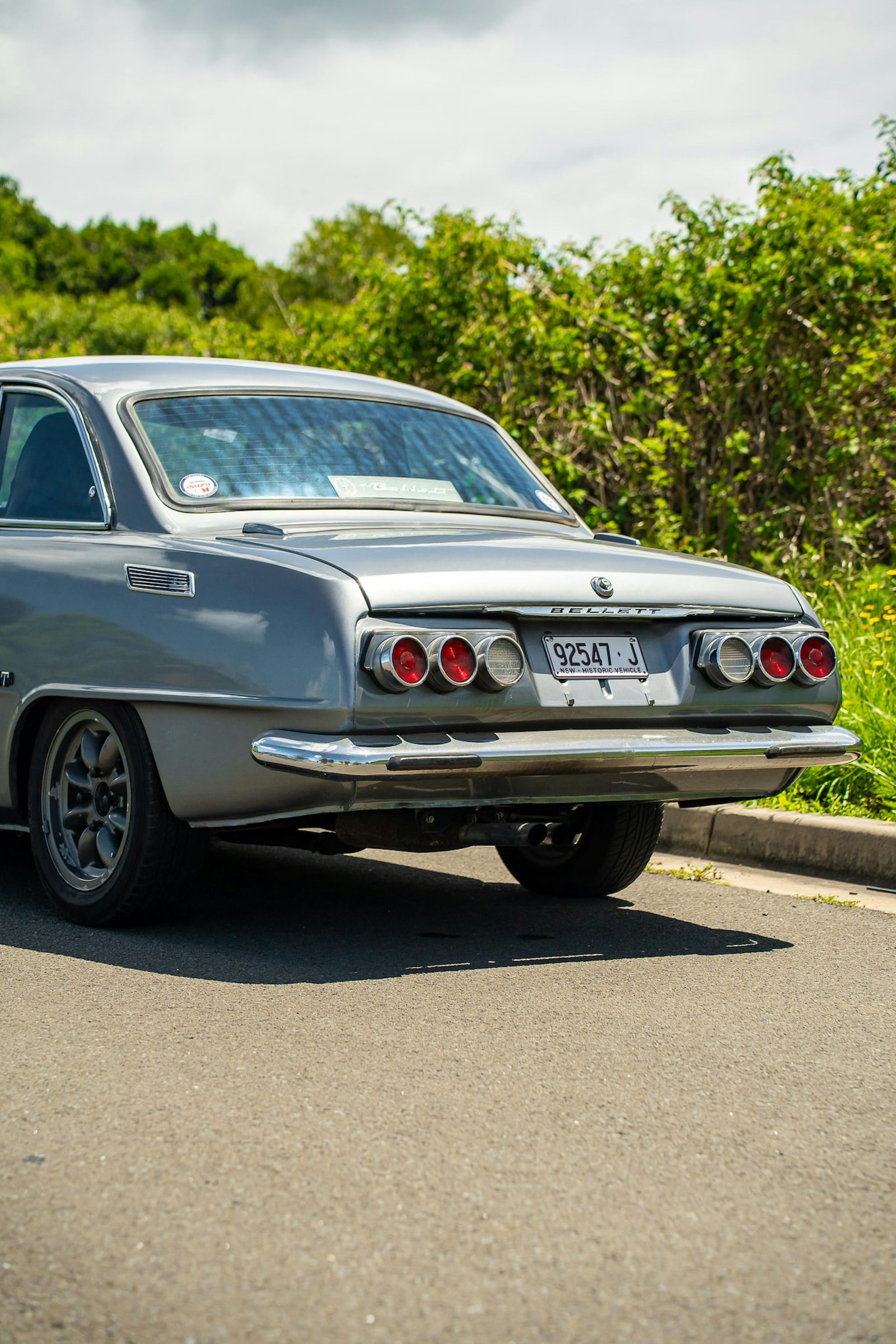
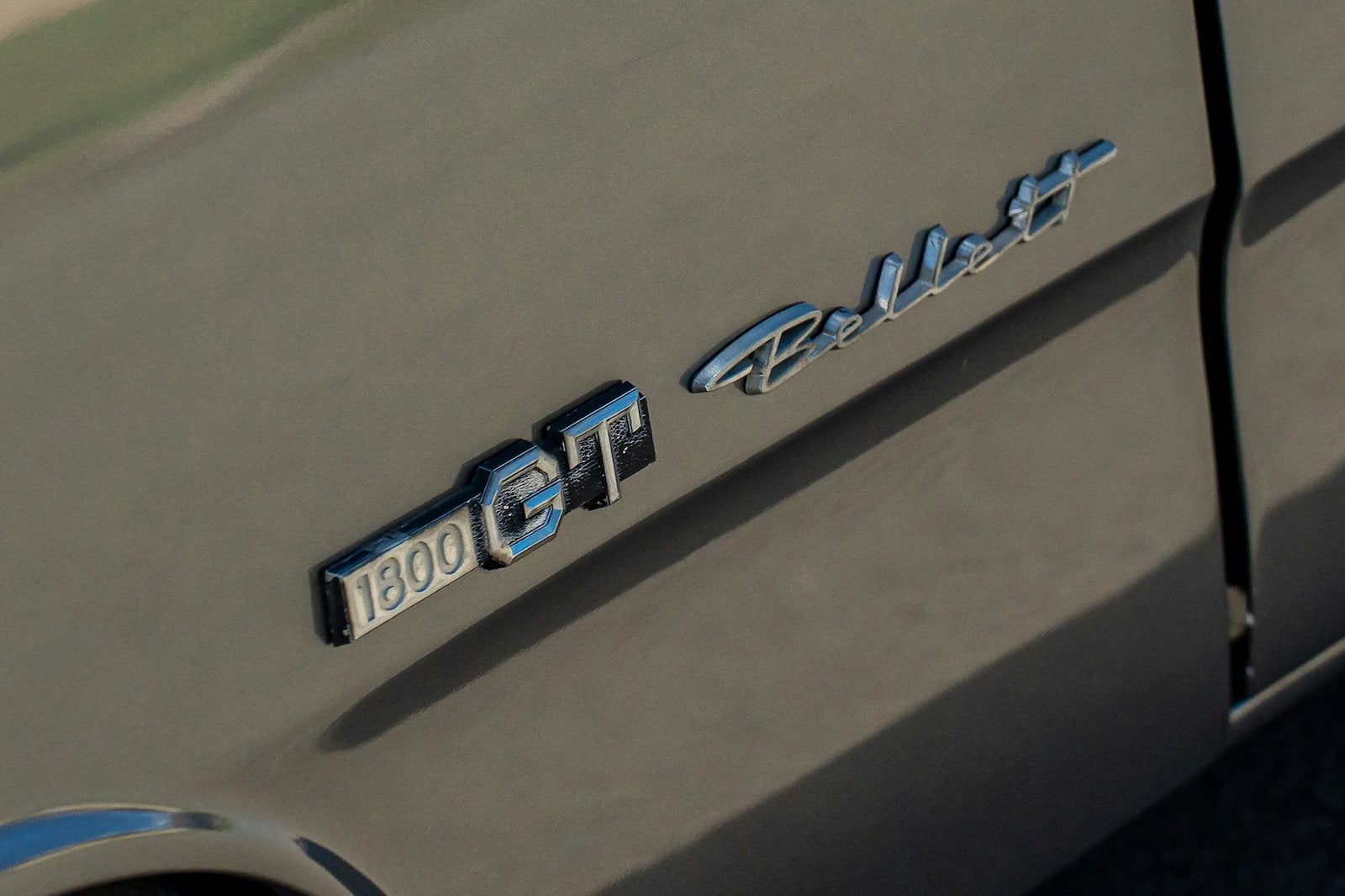
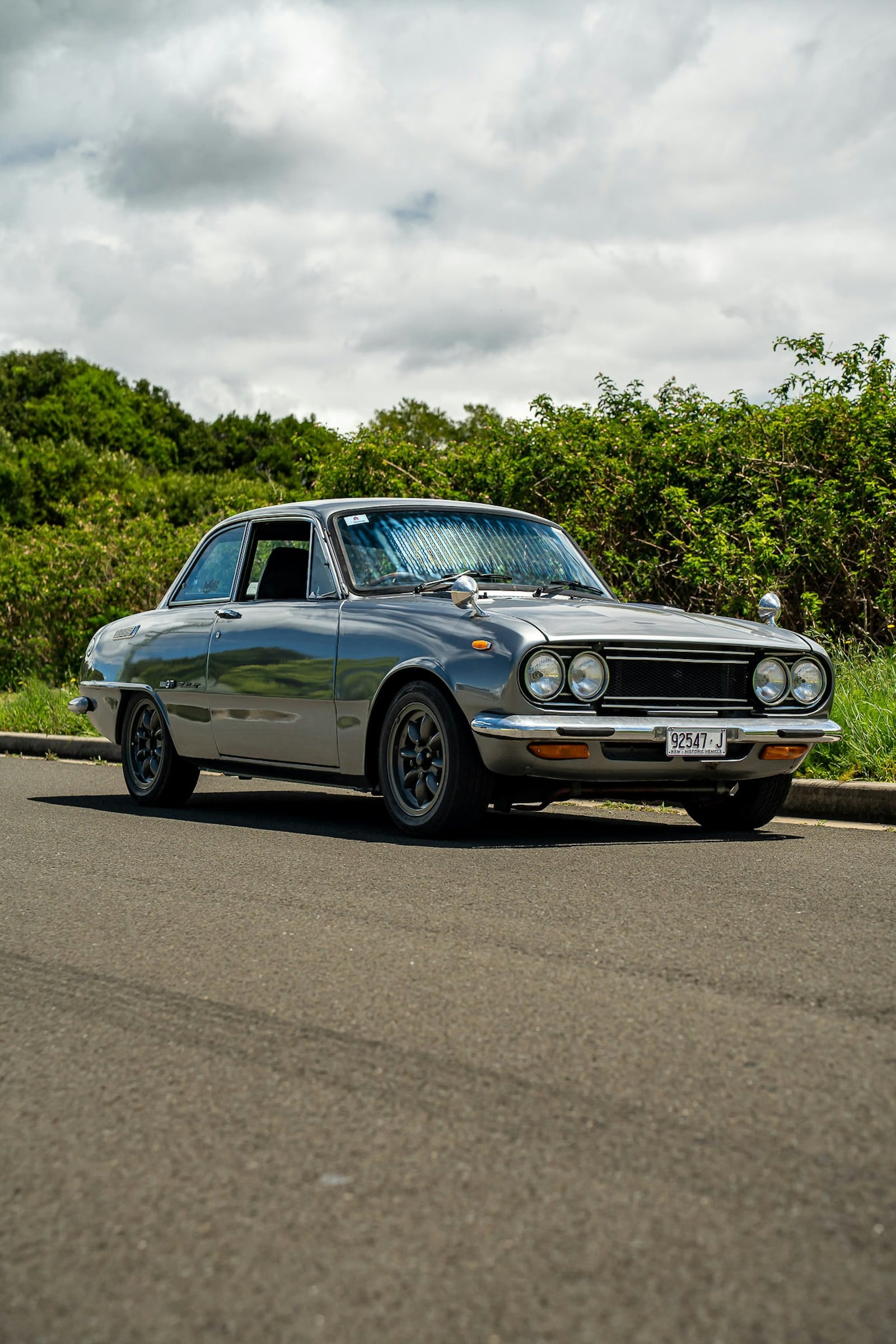
The 1971 Isuzu Bellett 1800 GT Shown Here
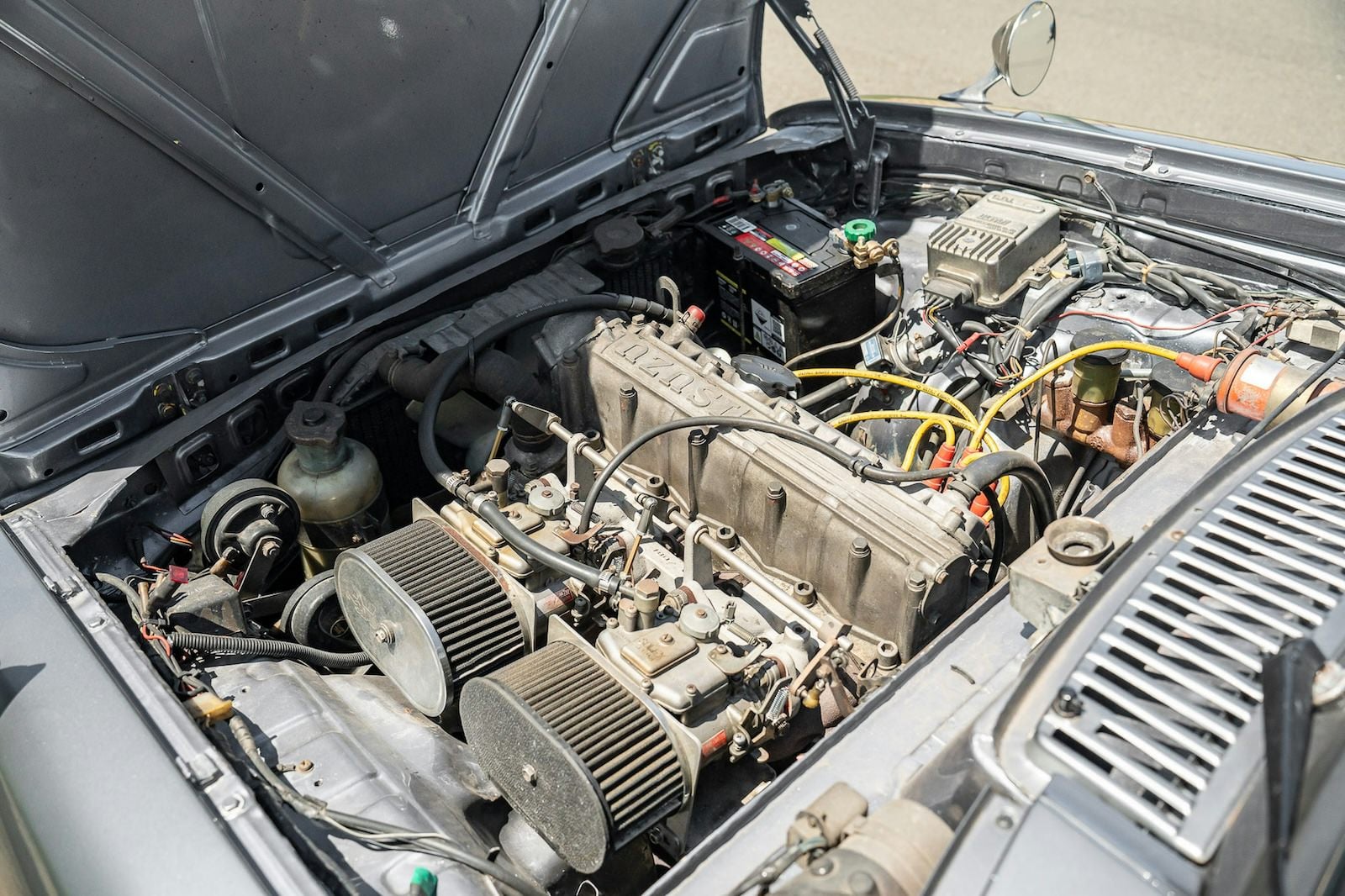
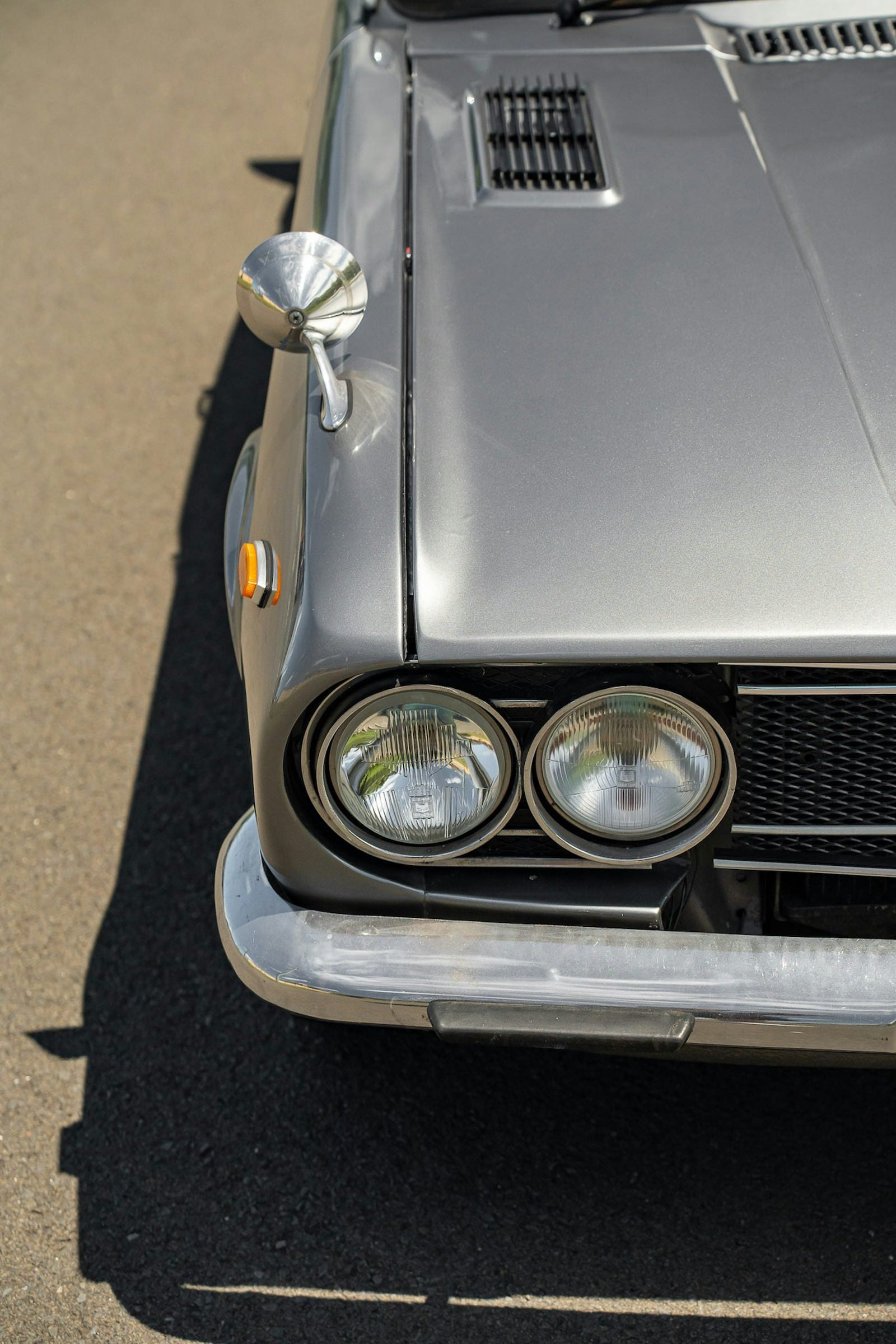
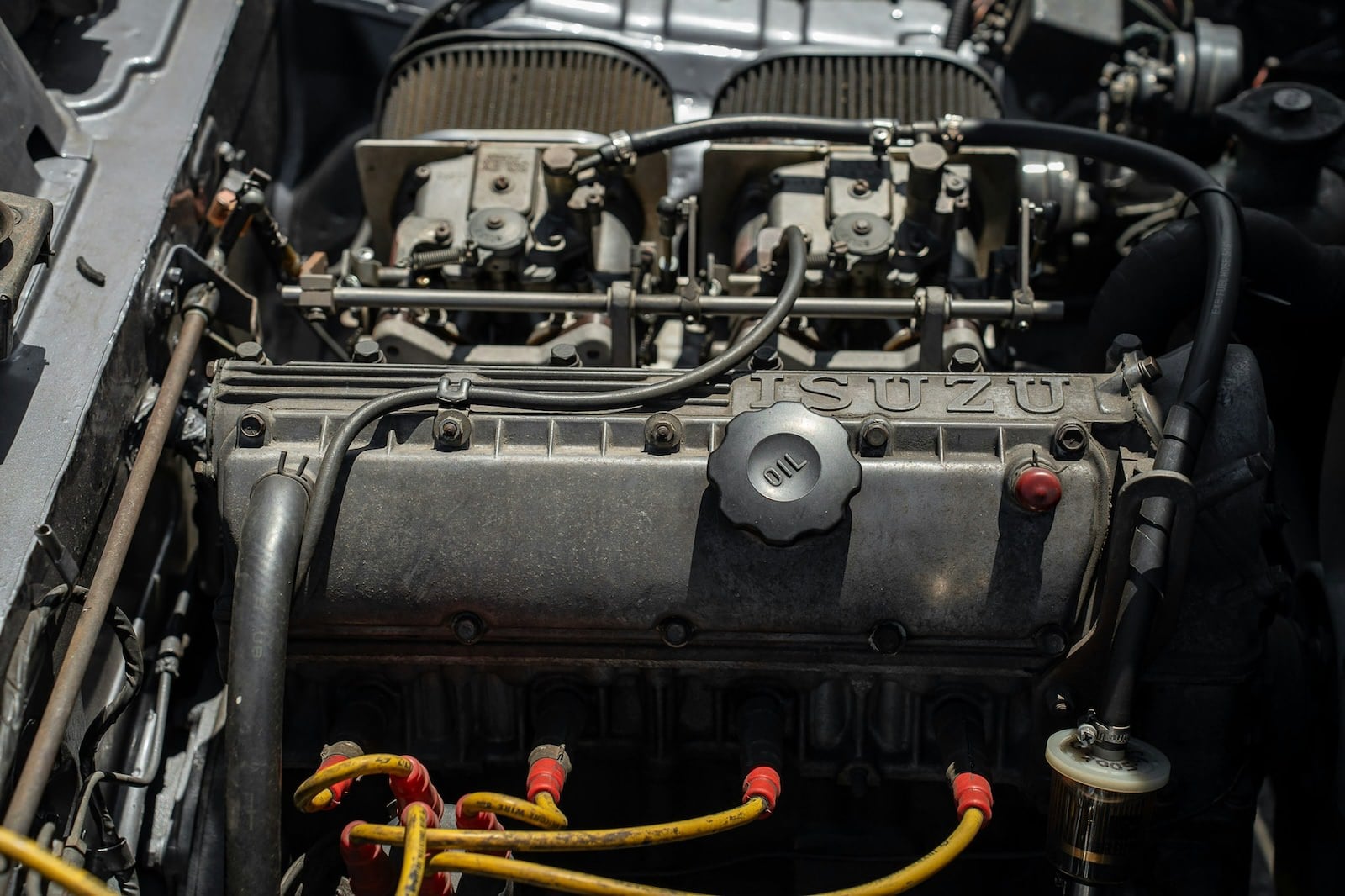
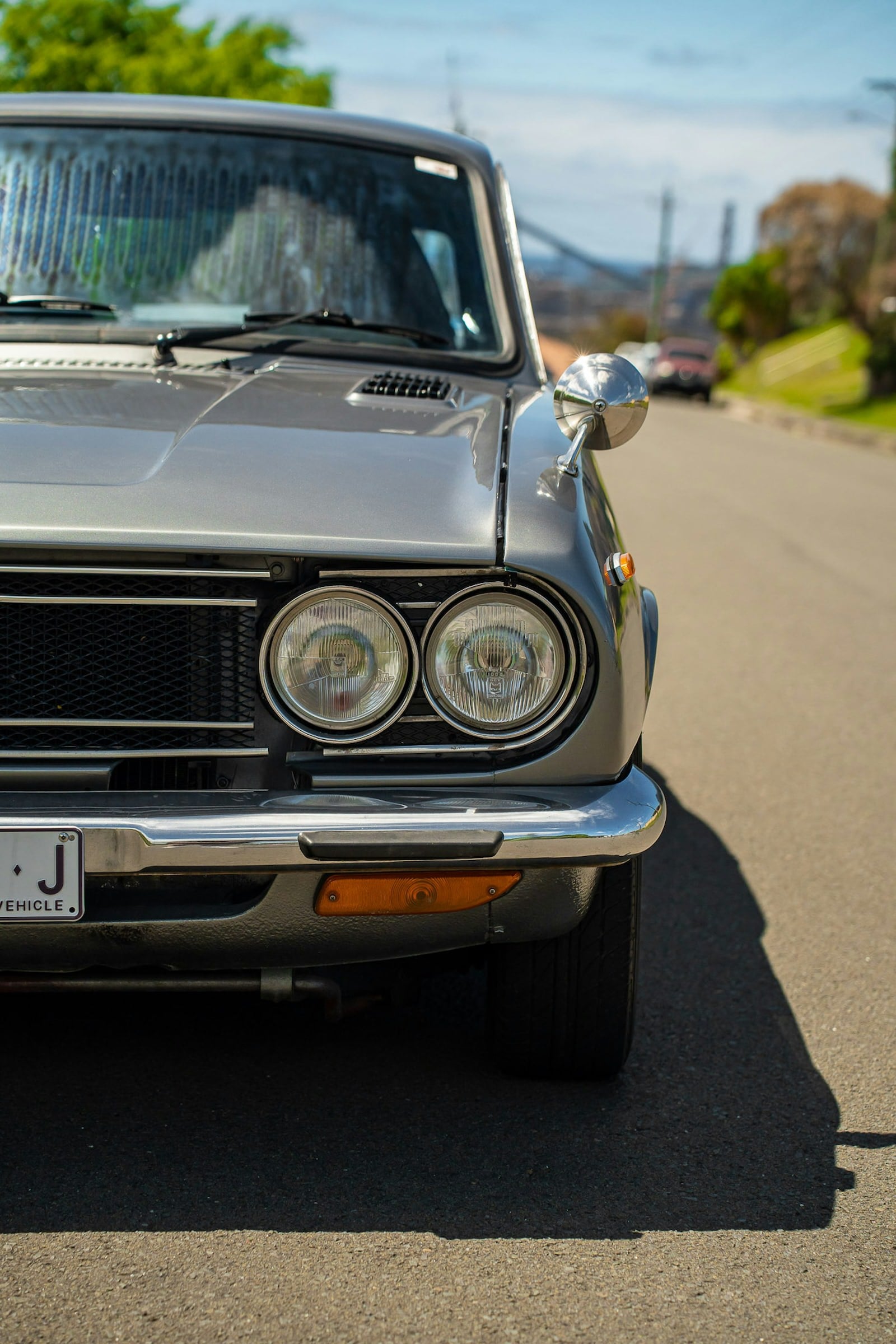
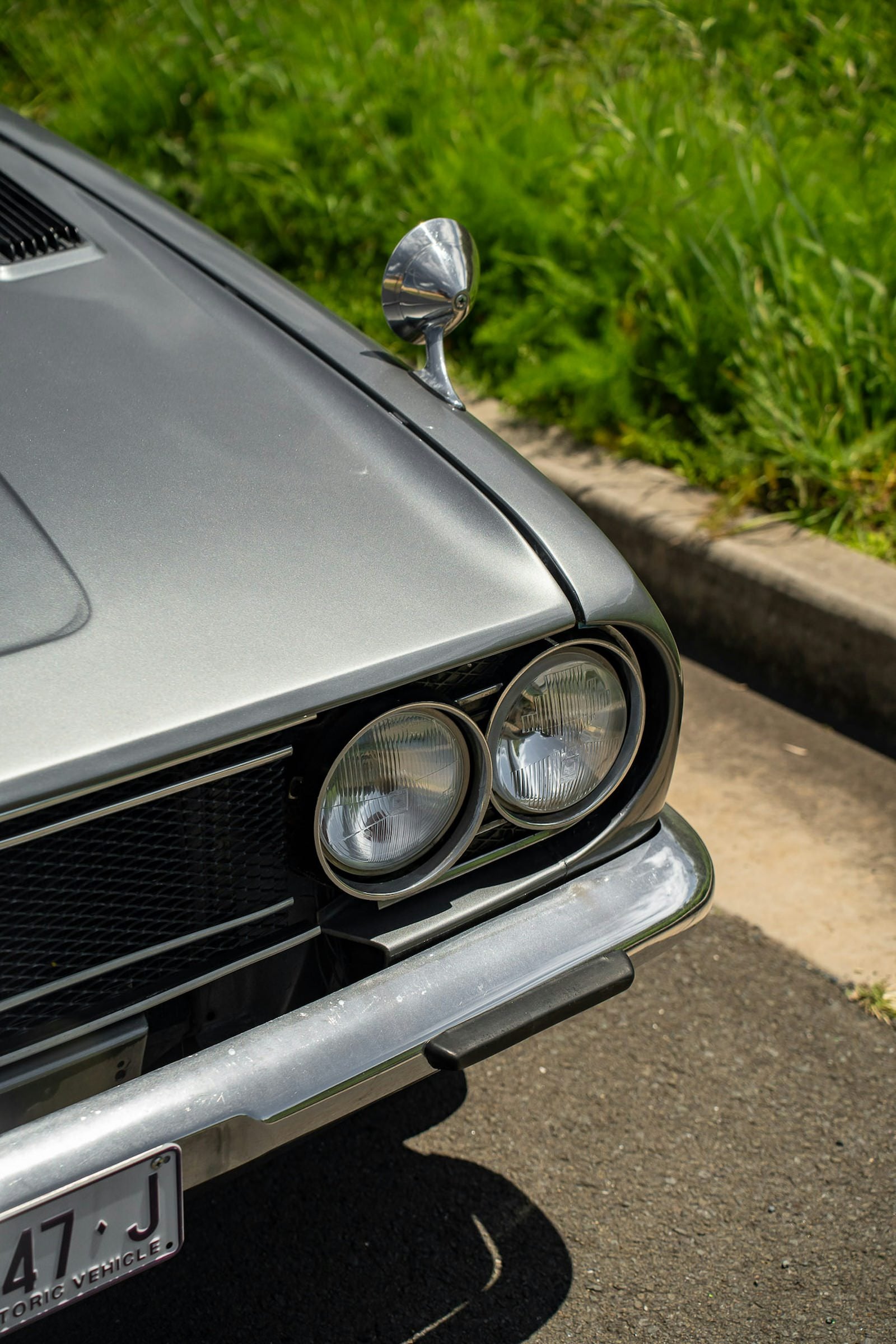
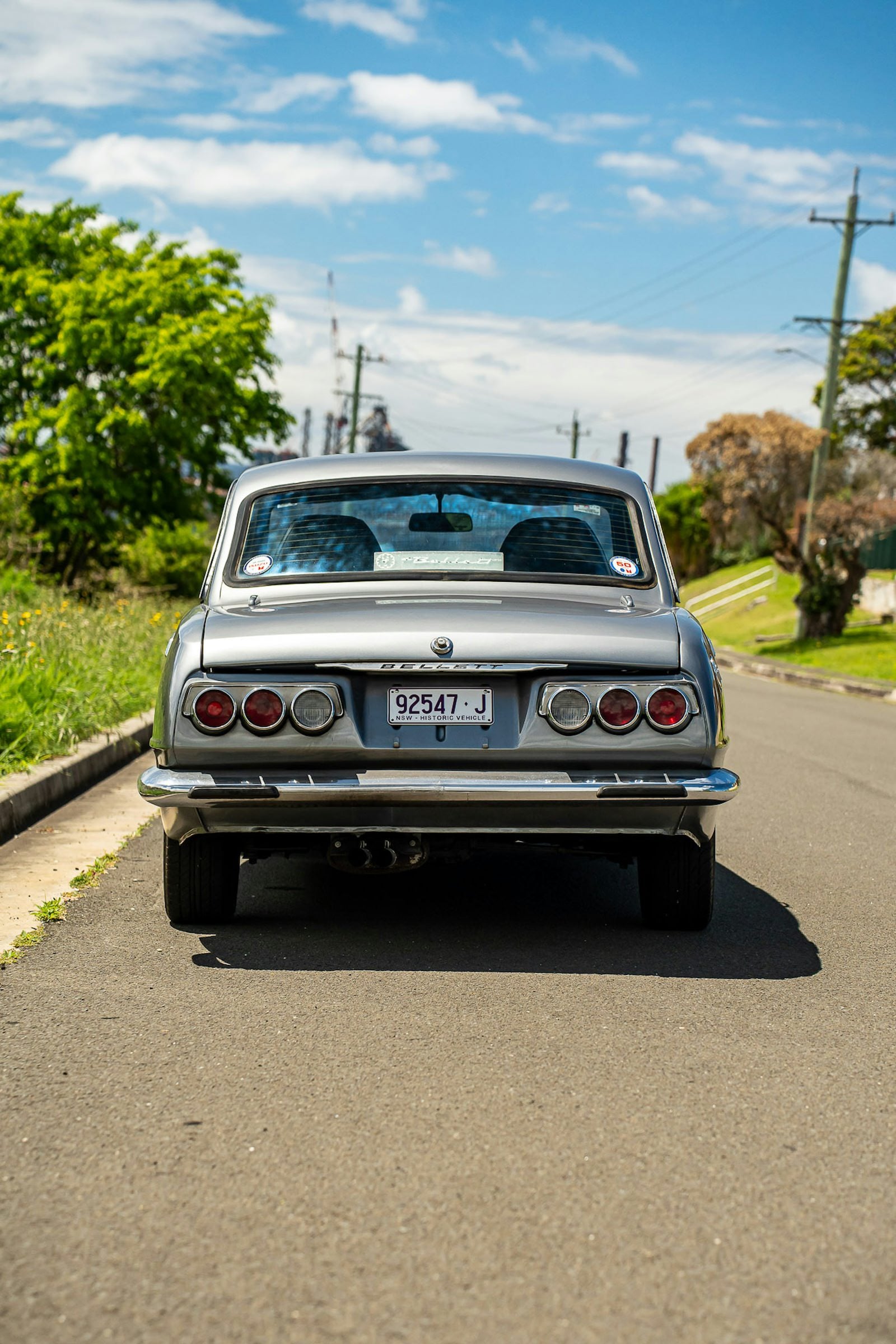
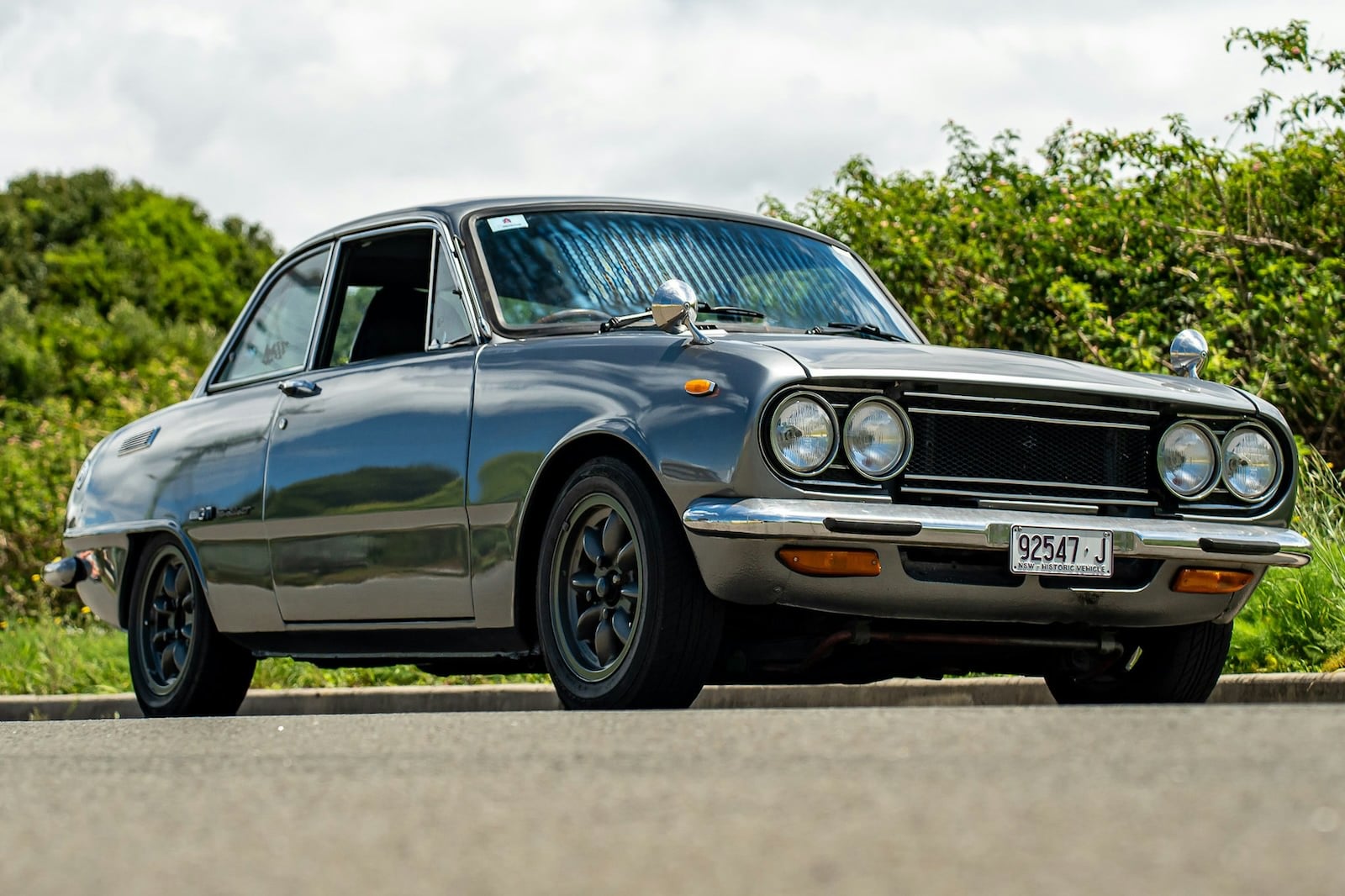
This is a 1971 Isuzu Bellett 1800 GT, a relatively rare Japanese sports coupe finished in grey over a black interior. Power comes from a naturally aspirated 1.8 liter inline-four engine, driving the rear wheels through a 4-speed manual gearbox.
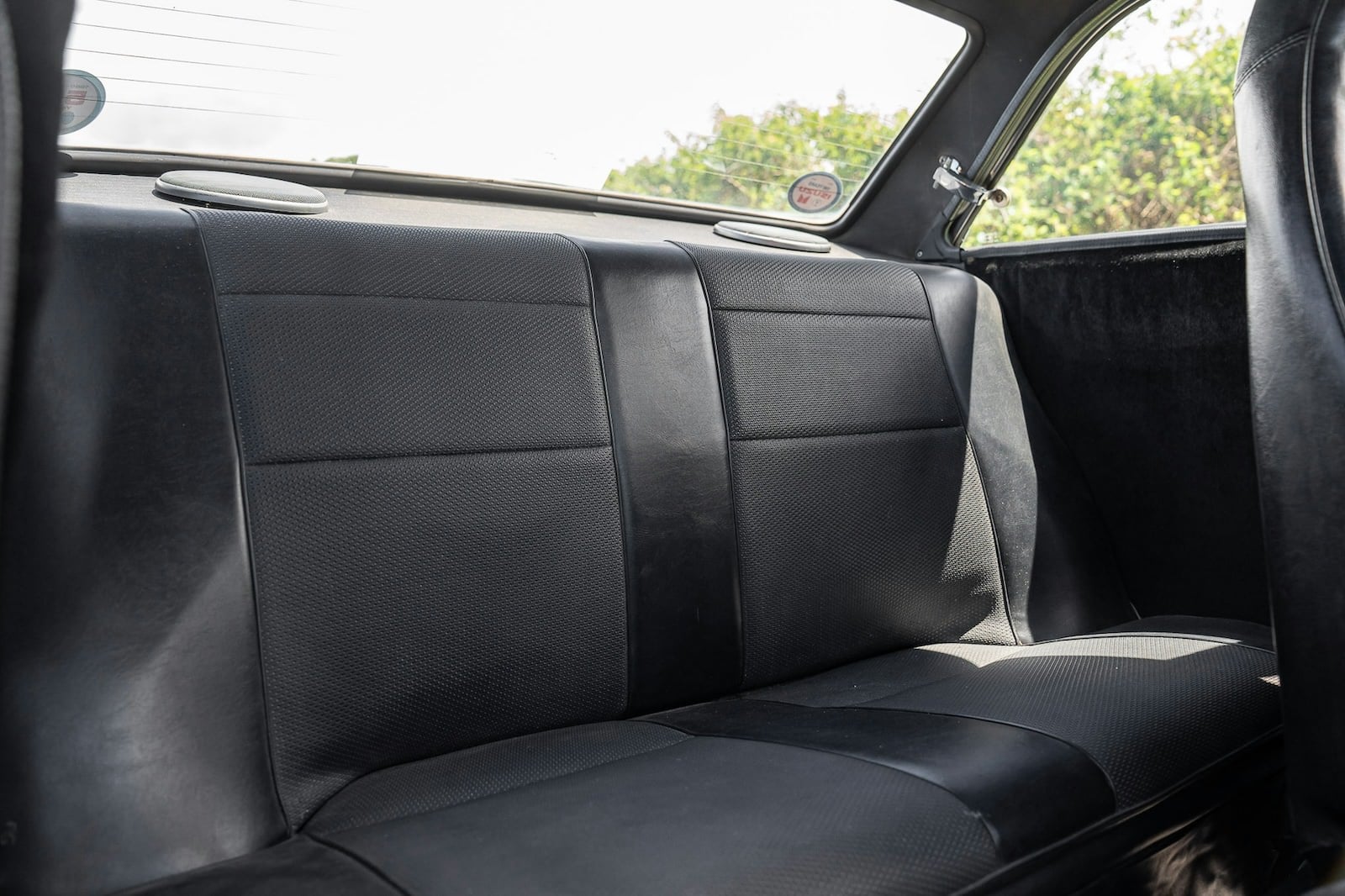
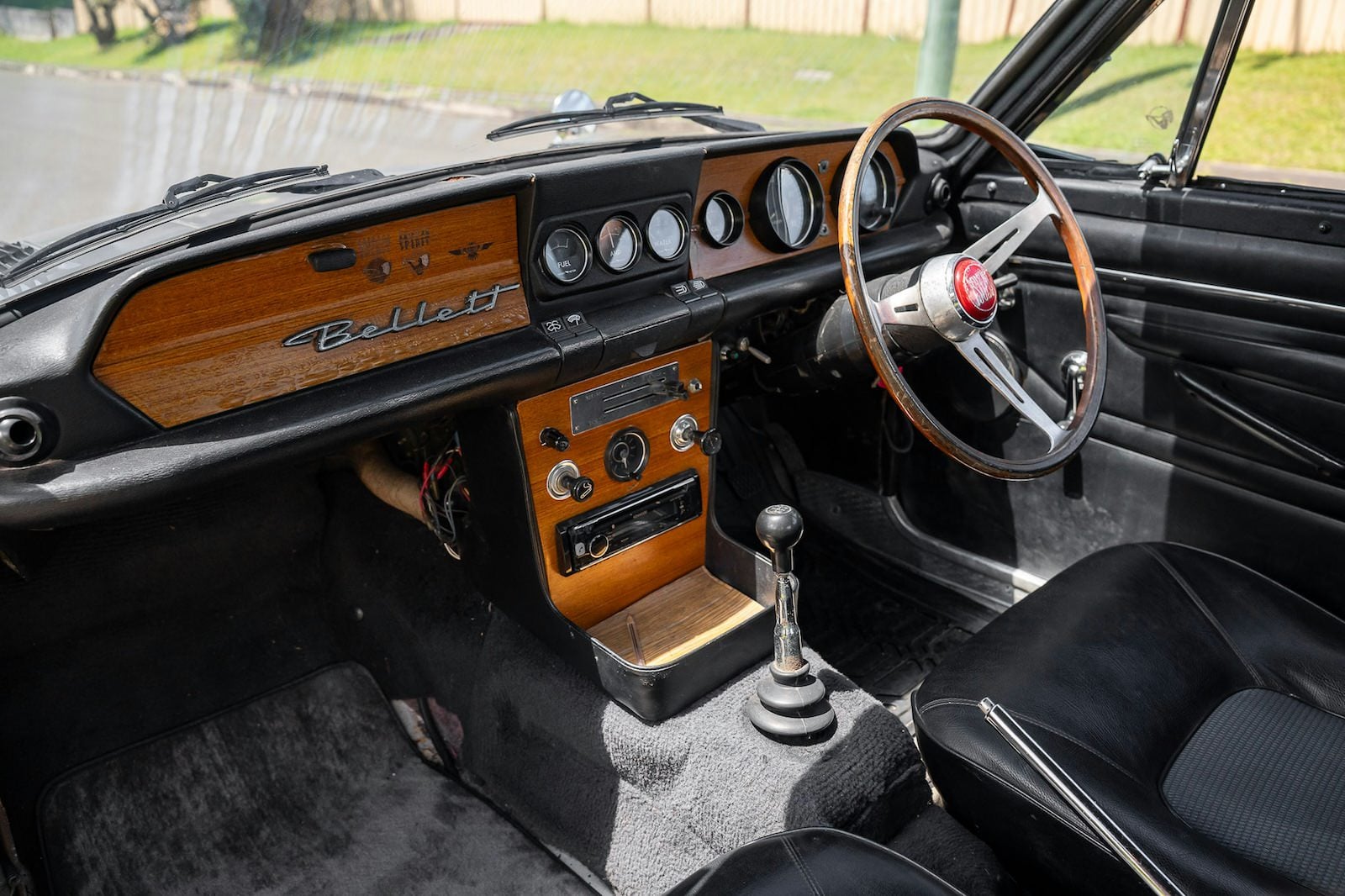
The car rides on 14 inch alloy wheels, inside you’ll find period-correct black upholstery, a three-spoke wood-rim steering wheel, manual windows, and heating and ventilation controls. A more modern Kenwood head unit has also been installed.
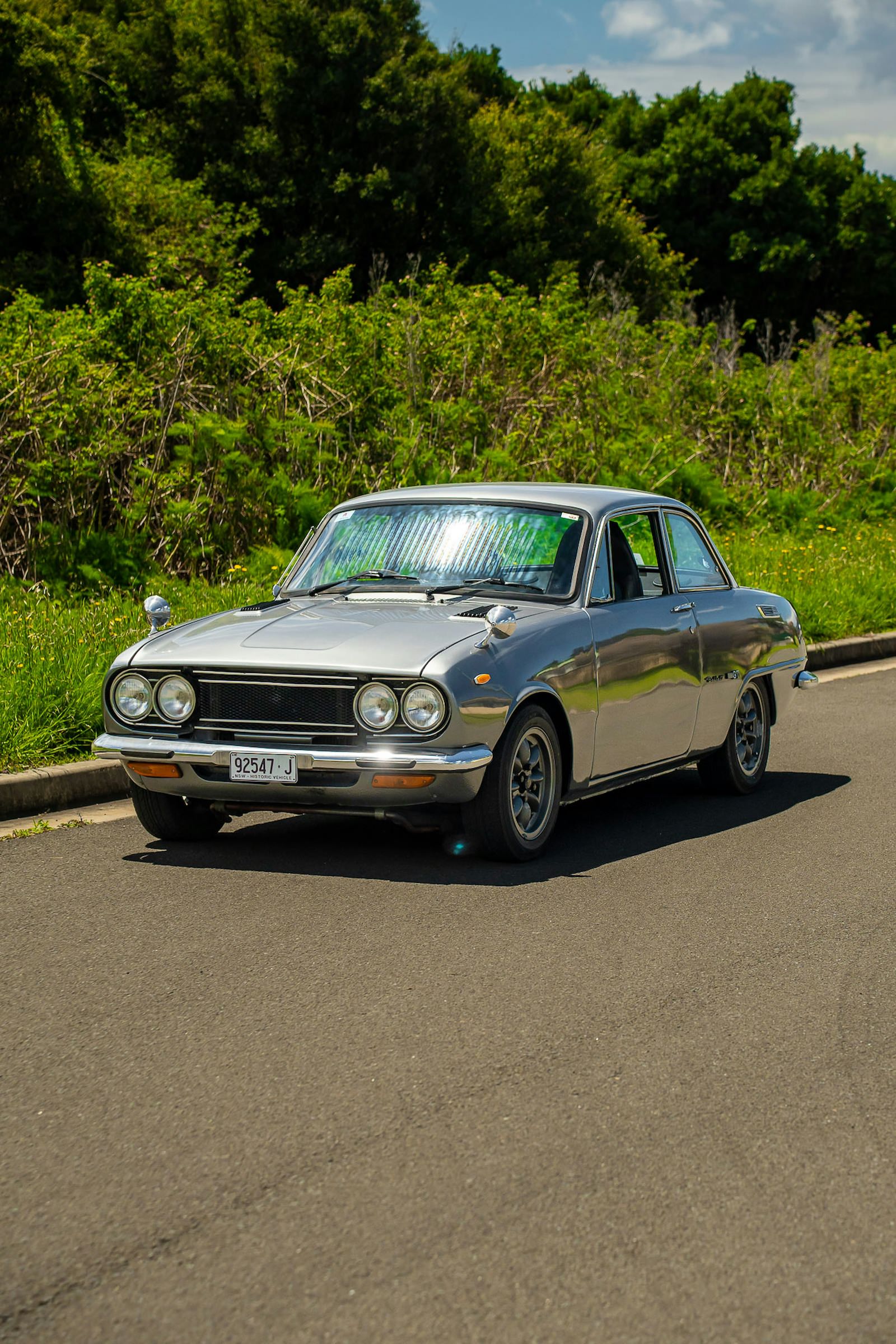
This is a 1971 Isuzu Bellett 1800 GT, it’s one of the rarer and less well-known Japanese GTs from the era, but the model has been seeing a surge in interest in recent years as JDM sports cars rise in popularity.
According to the seller, the bodywork has undergone some repairs and has been repainted, the fuel gauge is said to be faulty and does not accurately indicate the amount of fuel remaining in the tank. The car was most recently serviced in January of 2026 at an indicated 57,123 kilometers, approximately 521 kilometers before the current odometer reading.
It’s now being offered for sale out of NSW, Australia with one key and a folder of documentation that includes some service paperwork. If you’d like to read more about it or register to bid you can visit the listing here.
Images courtesy of Collecting Cars

Articles that Ben Branch has written have been covered on CNN, Popular Mechanics, Smithsonian Magazine, Road & Track Magazine, the official Pinterest blog, the official eBay Motors blog, BuzzFeed, Autoweek Magazine, Wired Magazine, Autoblog, Gear Patrol, Jalopnik, The Verge, and many more.
Silodrome was founded by Ben back in 2010, in the years since the site has grown to become a world leader in the alternative and vintage motoring sector, with well over a million monthly readers from around the world and many hundreds of thousands of followers on social media.