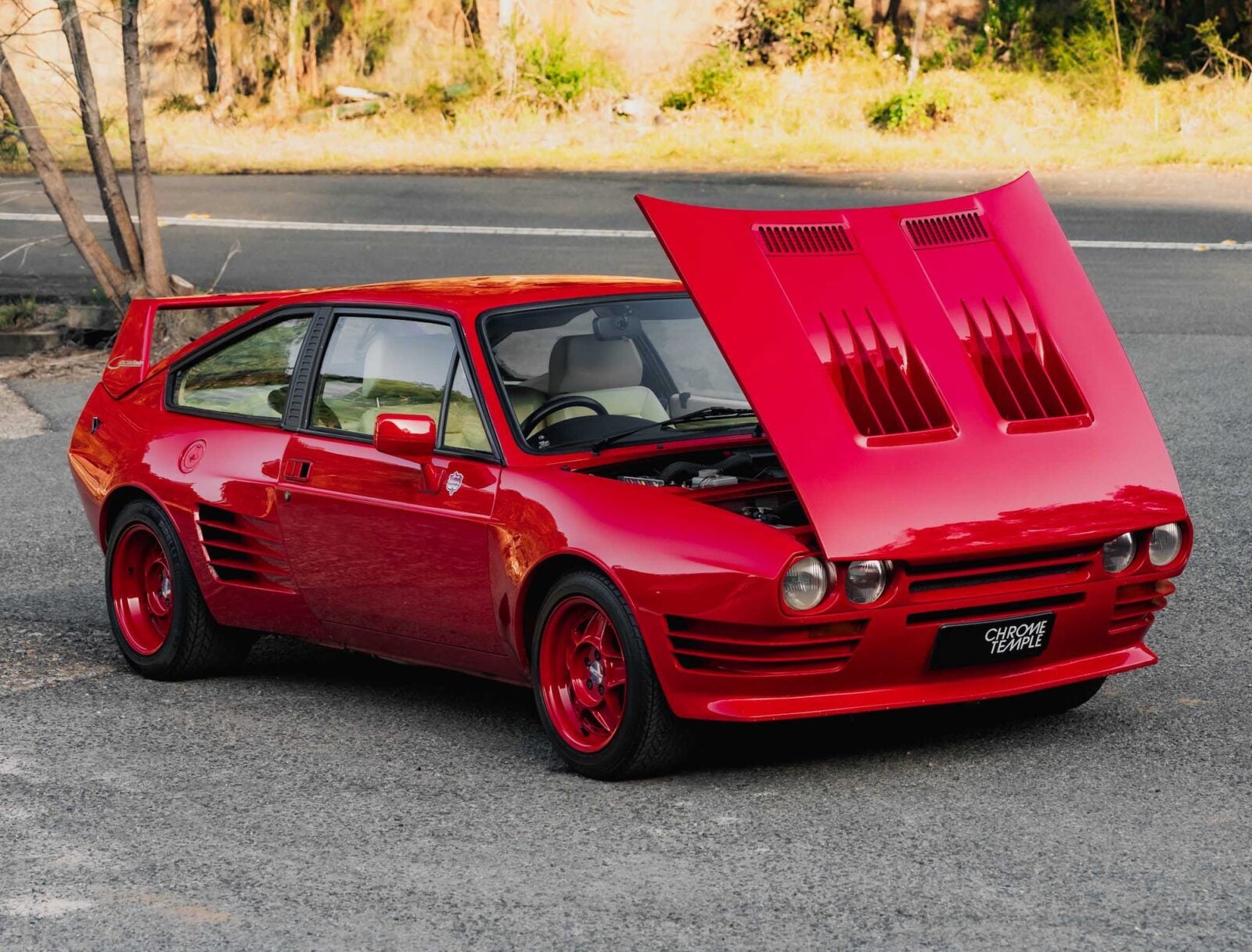
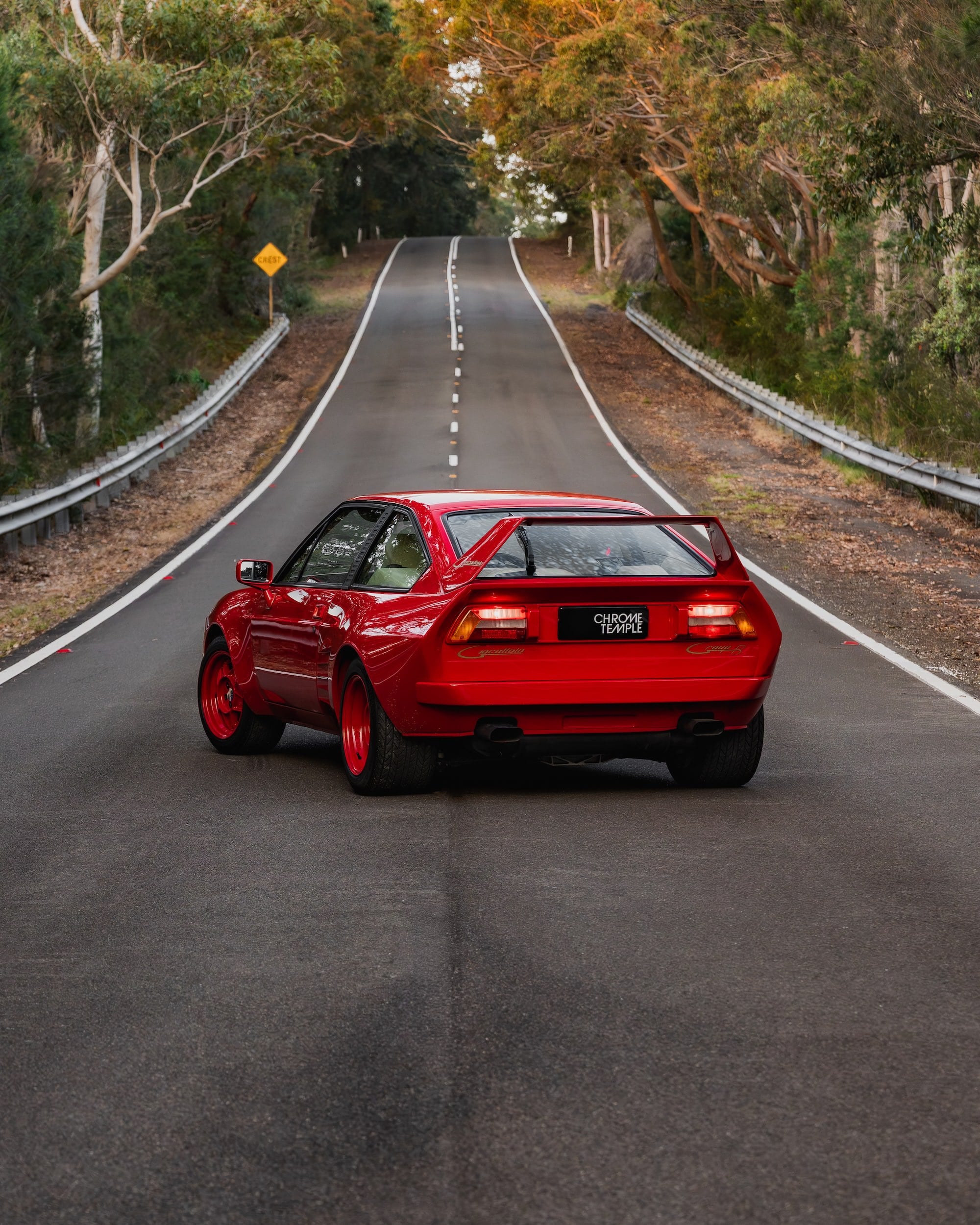
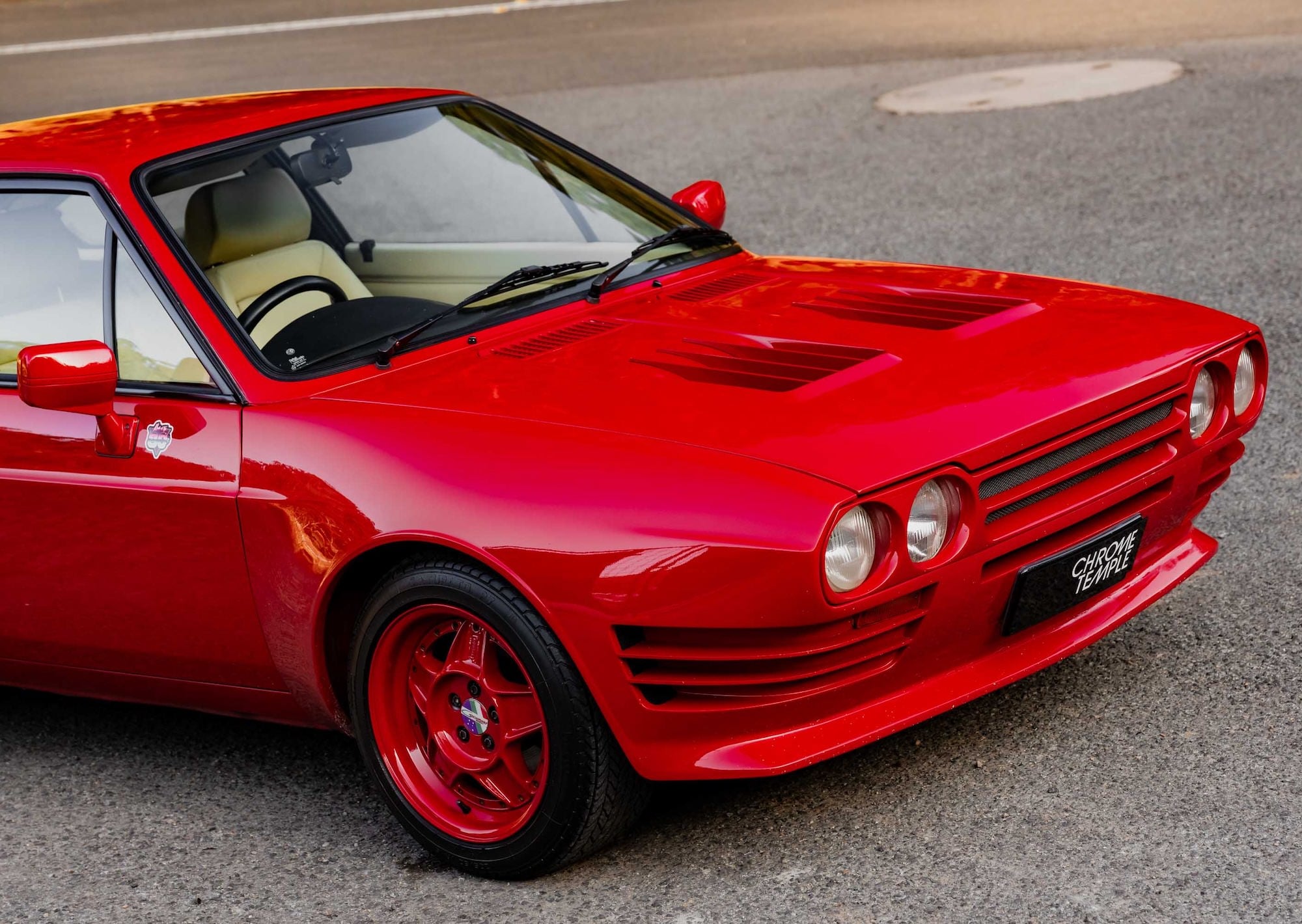
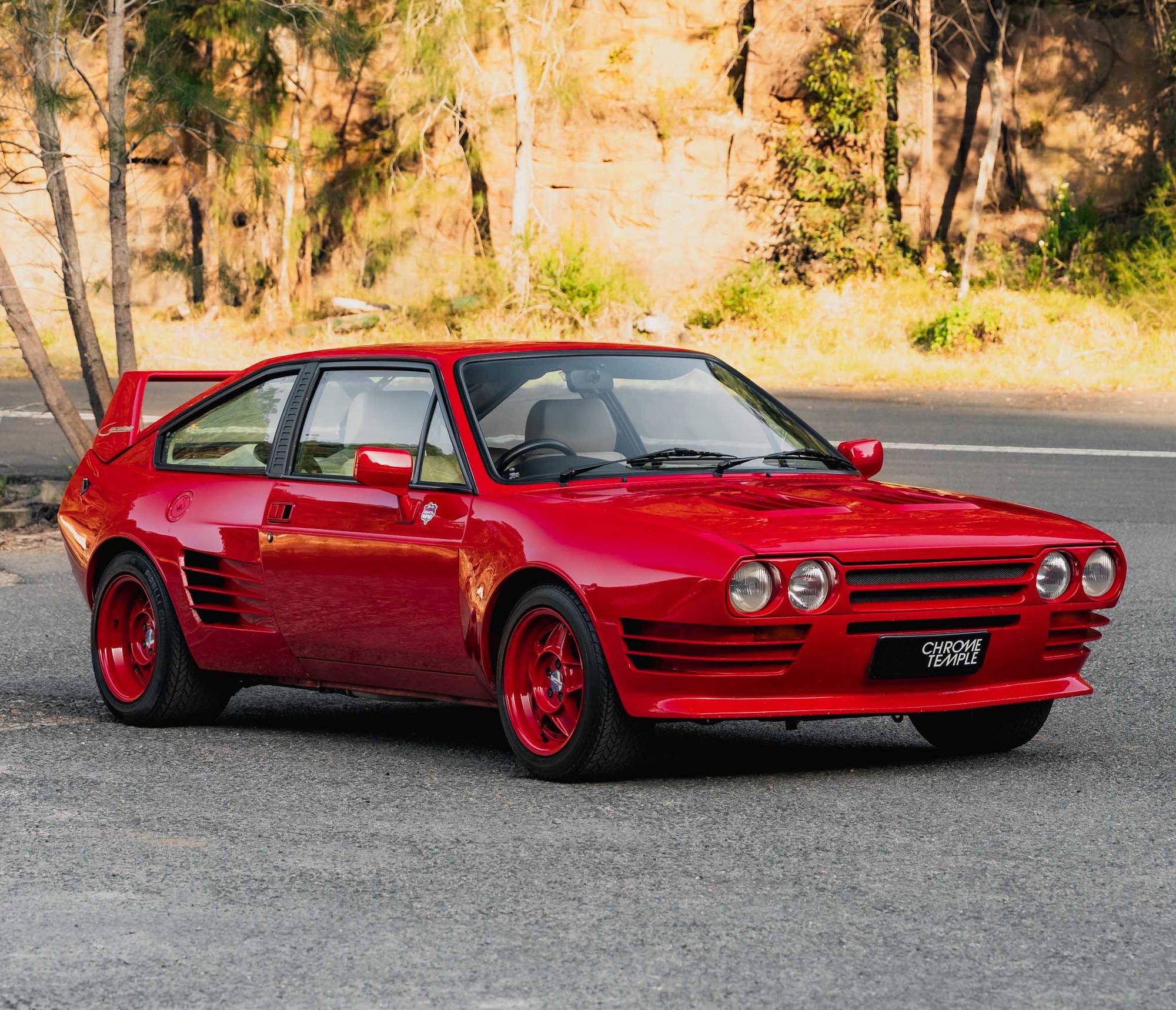
This is an original Giocattolo Group B, it’s an Australian supercar from the late-1980s with a mid-mounted Holden V8 and it was faster from 0-62 mph than both the Porsche 930 and the Ferrari Testarossa.
Just 15 examples of the Group B would be built, around 12-13 are believed to have survived, and they’re among the most collectible Australian-built cars ever made – the problem for most enthusiasts is finding one for sale.
Fast Facts: An Original Giocattolo Group B
- The Giocattolo Group B was an Australian mid-engined supercar built in Caloundra, Queensland, between 1986 and 1989. Developed by entrepreneur Paul Halstead and former McLaren engineer Barry Lock, it was inspired by Alfa Romeo’s cancelled Sprint 6C Group B rally project. Just 15 examples were made, including three prototypes and 12 production cars.
- Based on a heavily-modified Alfa Romeo Sprint, the production Group B had a mid-mounted 5.0 liter Holden V8 producing up to 295 bhp and 369 lb ft of torque. Power reached the rear wheels through a ZF 5-speed manual transaxle. The car also had included Kevlar body panels, Brembo brakes, independent four wheel suspension, and Recaro seats.
- Weighing just 1,085 kilograms (2,392 lbs), the Giocattolo could accelerate from 0-62 mph in 5.4 seconds, with a claimed top speed of 160 mph. Despite its performance, expensive parts, production costs, financing difficulties, and rising interest rates contributed to the company’s untimely end in 1989.
- The 1988 Giocattolo Group B shown here is chassis number four, originally ordered by Alan J. Fox of Queensland. Finished in Rosso Chiaro, it keeps its original invoice, rare factory accessories, and extensive documentation. Mechanically recommissioned in 2017, including an engine rebuild, it now shows 60,664 kilometers and is offered for sale through Chrome Temple.
History Speedrun: The Giocattolo Group B
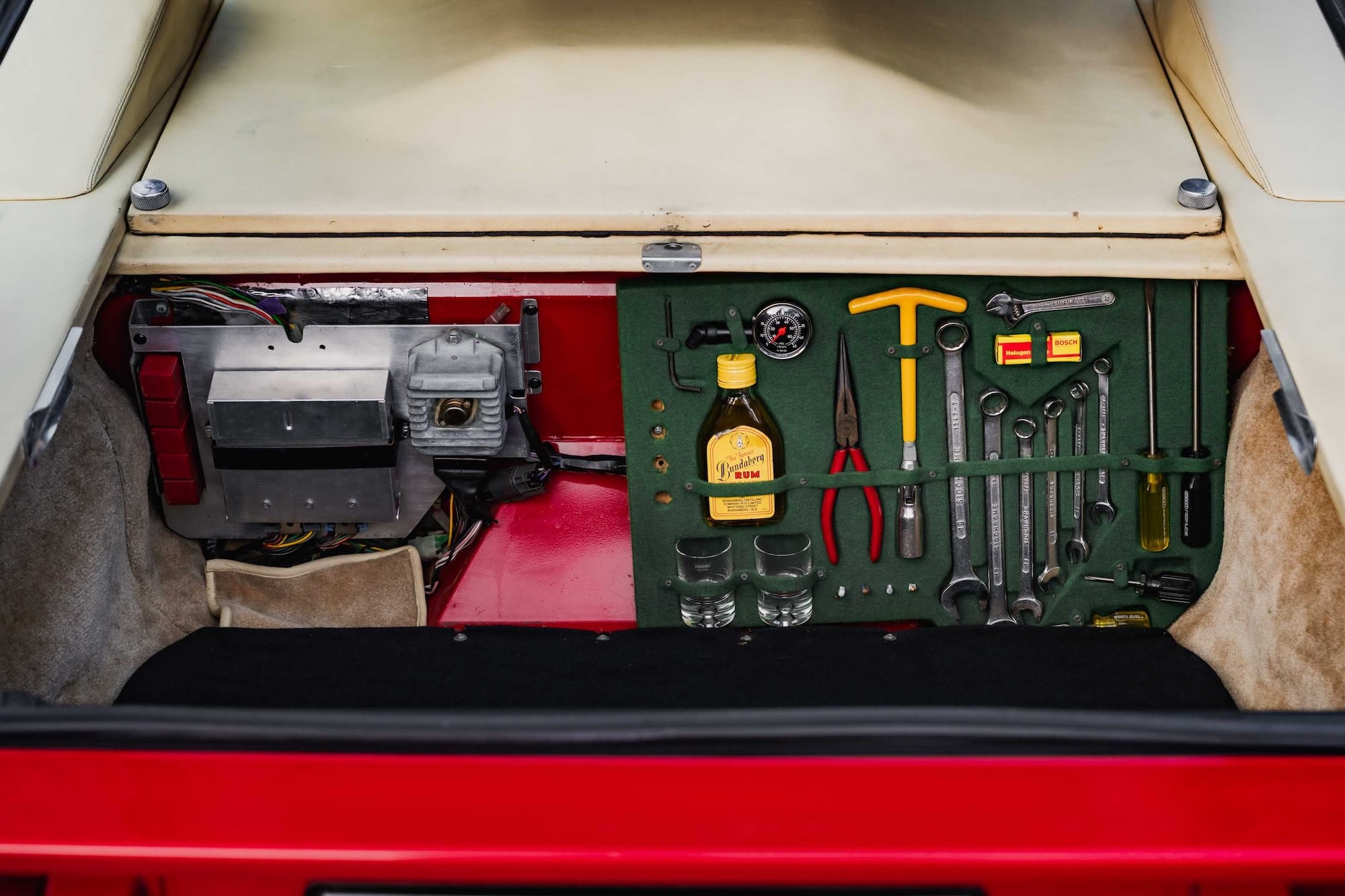
Between 1986 and 1989, a small company called Giocattolo Motori of Caloundra, on Queensland’s Sunshine Coast, built 15 supercars based on brand new Alfa Romeo Sprints. The production cars had a Holden V8 where the rear seats had been, Kevlar fenders, and a small bottle of Bundaberg Rum with two shot glasses in the toolkit. Probably because after your first drive, you might need a couple of stiff drinks. The car’s model name was “Group B” and Giocattolo, the company name, is Italian for “toy.”
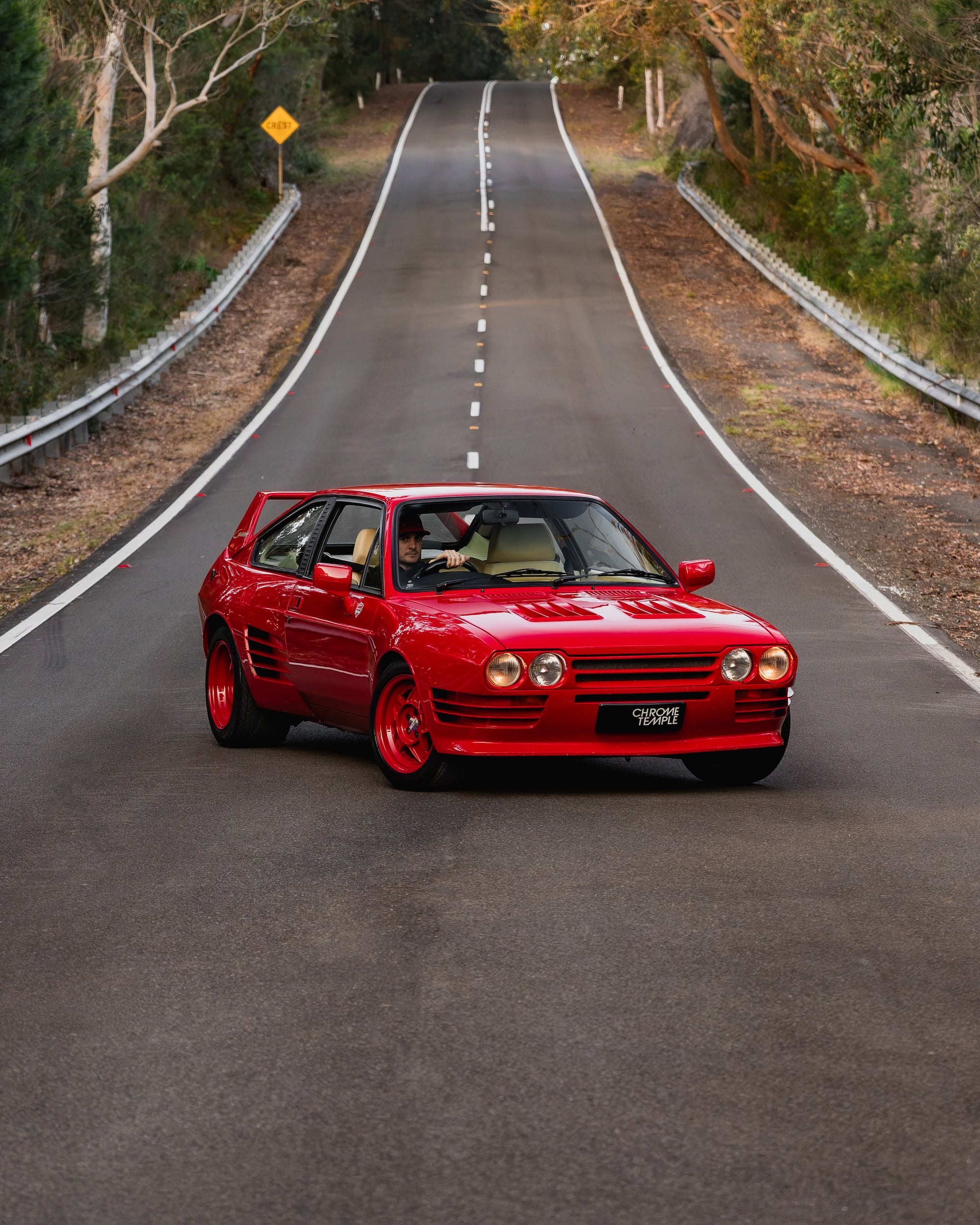
 This is an original Giocattolo Group B, it’s an Australian supercar from the late-1980s with a mid-mounted Holden V8 and it was faster from 0-62 mph than both the Porsche 930 and the Ferrari Testarossa.
The Mid-Engined Alfa That Alfa Wouldn’t Build
At the Paris Motor Show in October of 1982, Alfa Romeo showed the Alfasud Sprint 6C, a rally prototype for the new Group B category in global rally. It had a 2.5 liter V6 behind the front seats, sending power to the rear wheels via a ZF 5-speed gearbox of the type used in the Lancia 037. Alfa couldn’t afford to build it as a homologation/production model, and sadly, the project was cancelled in 1983.
On the other side of the world in Australia, a man named Paul Halstead had made his money in IT recruitment and then opened The Toy Shop, a Sydney dealership selling De Tomasos, Ferraris, Lamborghinis, and Porsches. For a time he also exported Australian-built 351 cubic inch (5.8 liter) Ford Cleveland V8s to Italy for De Tomaso.
Barry Lock was a Queensland-based former McLaren Formula 1 engineer who built Kaditcha racing cars, and the two men knew each other well as Lock had built Halstead’s Pantera race car.
Halstead set out to make a road-going version of the cancelled 6C. He started from a production Alfa Romeo Sprint because of regulations – as Lock later explained, every door handle and lock on an all-new car would have needed Australian Design Rules (ADR) approval, and the Sprint already had all those boxes ticked.
Alfa Romeo Australia refused to sell bare shells or engines, so the company bought complete new Sprints, stripped them, and sold off the parts it didn’t use. When that supply was cut off, Halstead shipped Sprints in from New Zealand, squeezed in three to a container. Truth be told, the project was madness, but fortunately that’s exactly the kind of project Australians seem to excel at.
Holden Power + Lock’s Chassis
The first prototypes used Alfa’s V6 engines just like the official show car back in ’82. Halstead later said he switched to Holden V8s after his deal with Alfa fell through. Holden offered the fuel-injected 304 cubic inch (5.0 liter) V8 from the VL Commodore SS Group A SV, the homologation racing sedan built by Holden Special Vehicles (HSV) and known as the Walkinshaw.
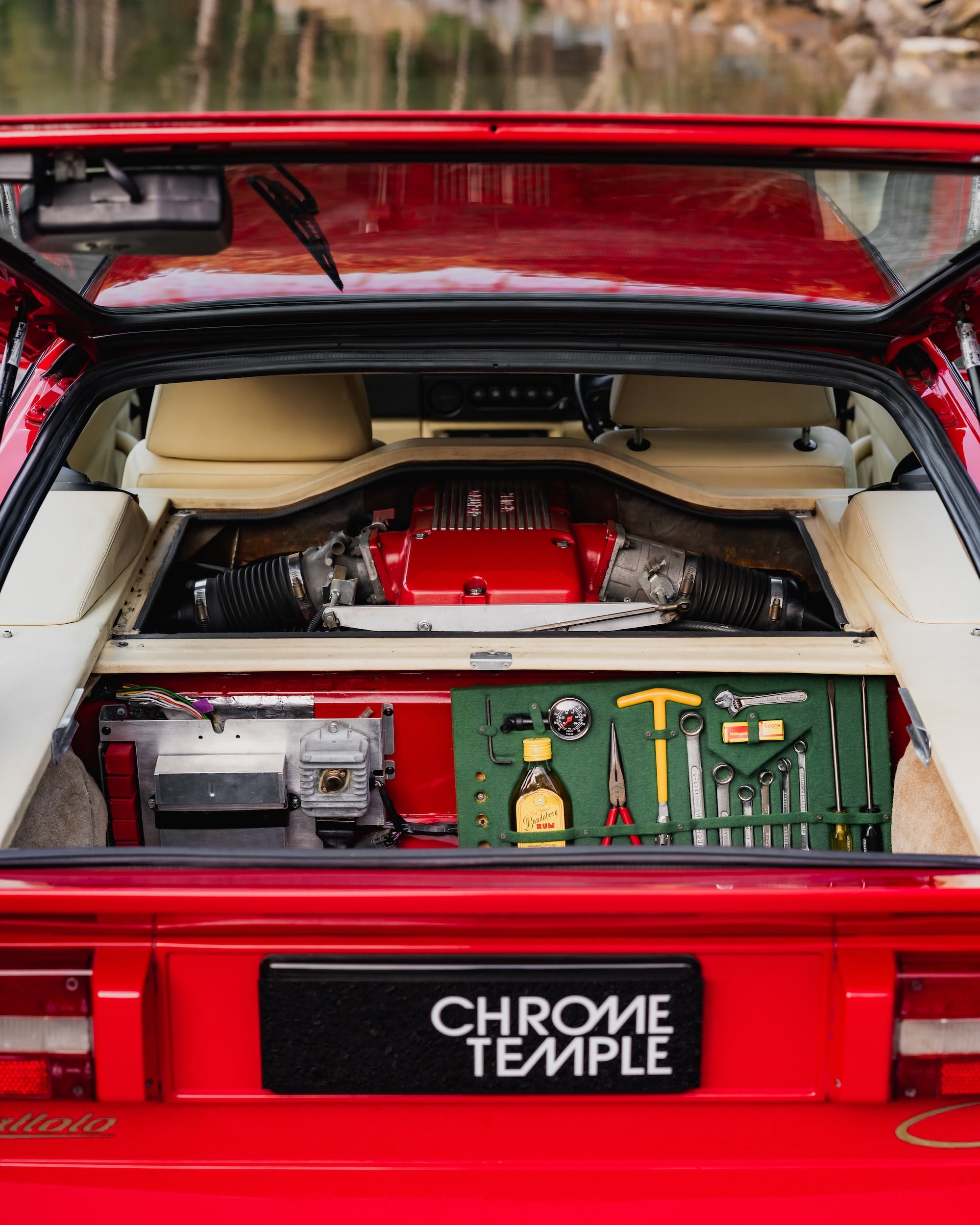
The fuel-injected Holden 304 cubic inch (5.0 liter) V8 was capable of up to 295 bhp and 369 lb ft of torque, and power was sent back through a ZF 5-speed transaxle, the type Halstead knew and trusted from his similarly V8-mid-engined Pantera.
Holden even went so far as to let the team use its engine test facilities and its Lang Lang proving ground. They clearly understood how much of a marketing win it would be to have a Holden engine in an Australian-built supercar. Something that doesn’t seem to have occurred to Alfa.
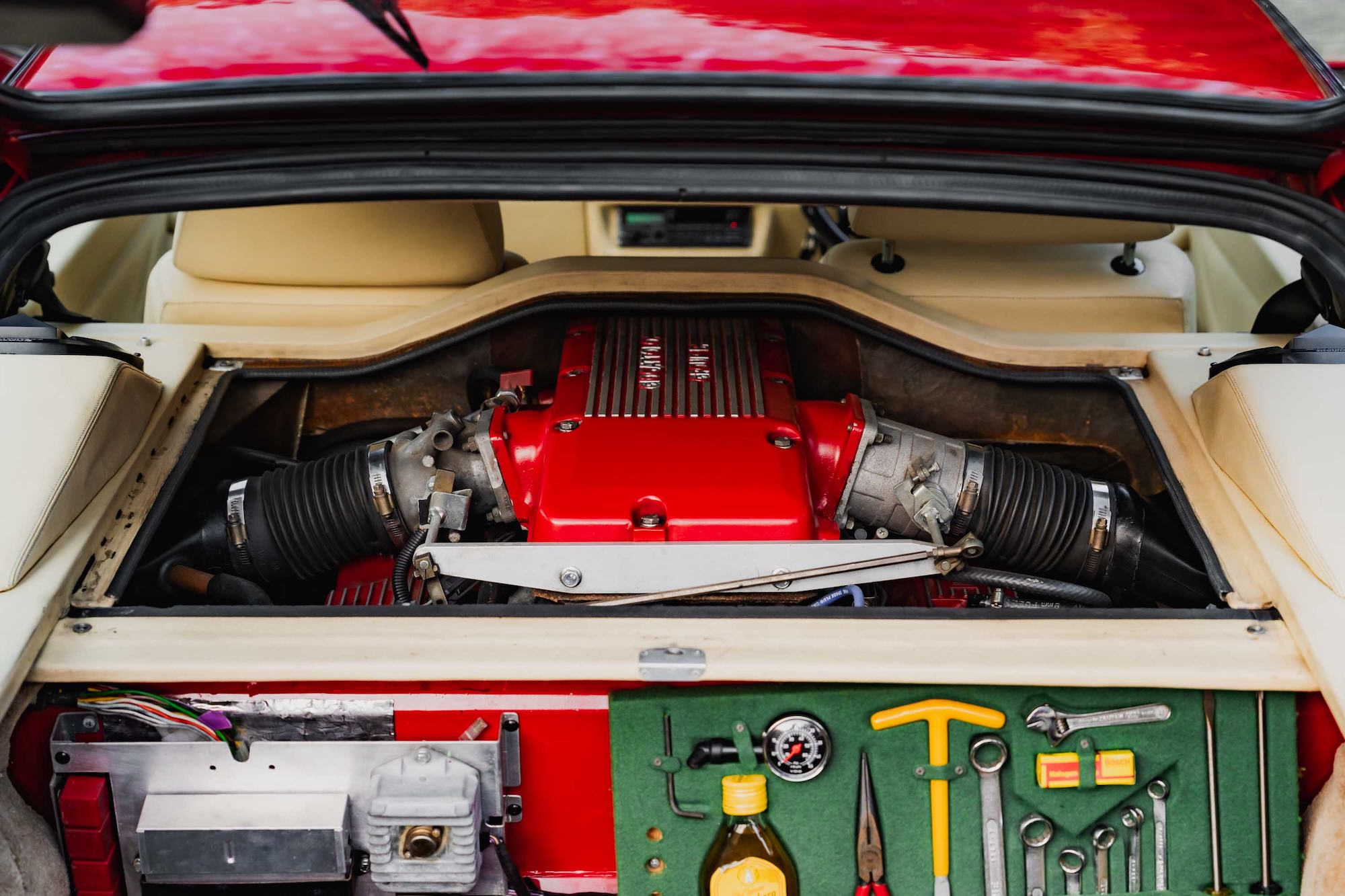
In the production version of the Commodore, this cast-iron pushrod Holden V8 was rated at 241 bhp and 280 lb ft of torque. For the Giocattolo it got reworked induction with a throttle body on each side, forged pistons, larger injectors and a retune.
It was capable of up to 295 bhp and 369 lb ft of torque, and power was sent back through a ZF 5-speed transaxle, the type Halstead knew and trusted from his similarly V8-mid-engined Pantera.
The Sprint’s steel unibody shell was kept but heavily modified, the floor behind the front seats was cut away for the engine and transaxle and reinforced with steel-plate subframes, and an aft bulkhead replaced the rear seat.
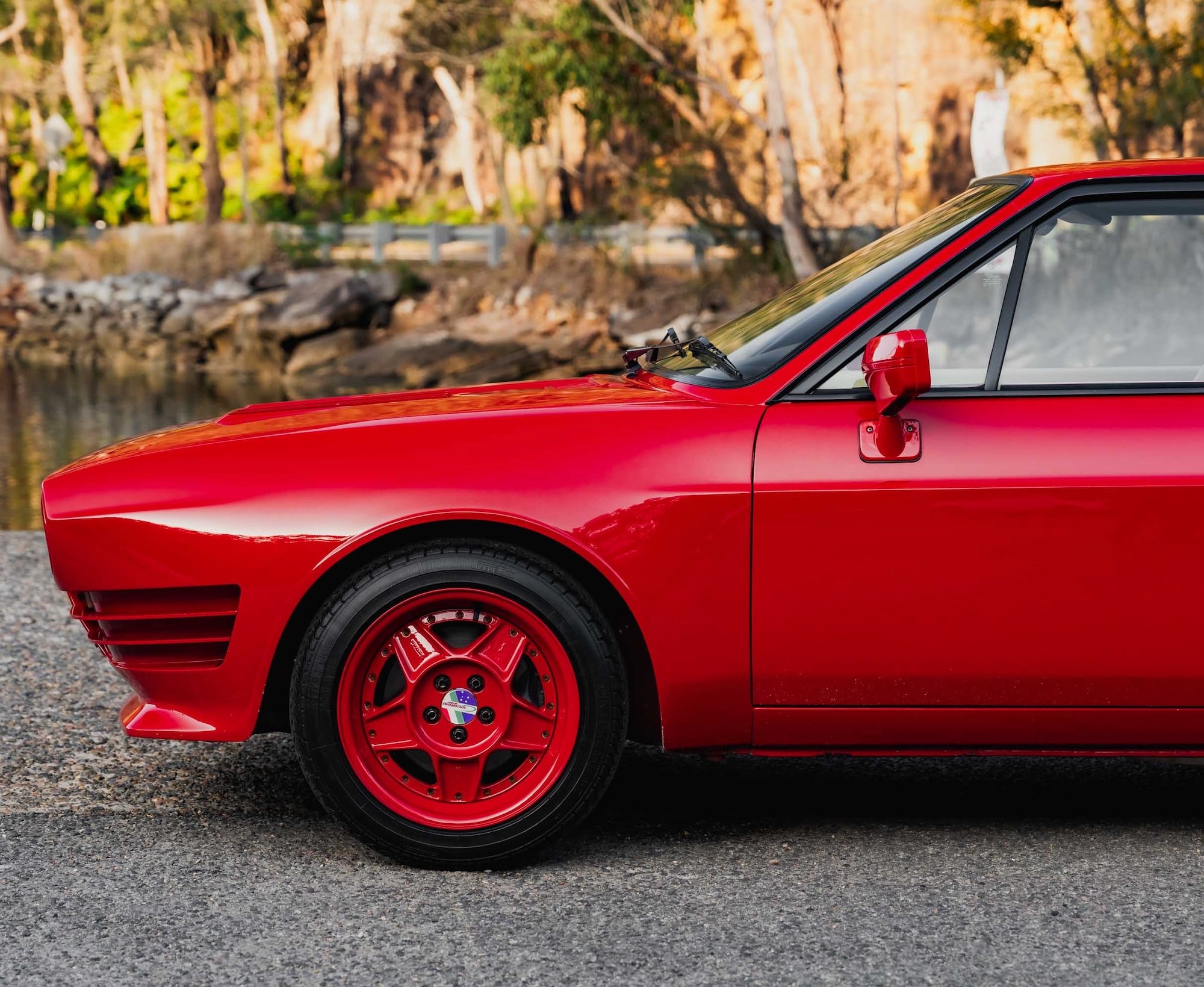
Up front, the MacPherson struts were largely stock but got revised mounting points. At the rear, Lock designed an independent double-wishbone set up with coil-over dampers. The long lower wishbones mounted to a cast aluminum cradle attached to the transaxle casing, and the upper wishbones mounted to brackets on the original steel body. The brakes were Brembos, the front units came from the Alfa GTV6, and the rear discs were mounted inboard for reduced unsprung mass. The wheels were custom made by Simmons.
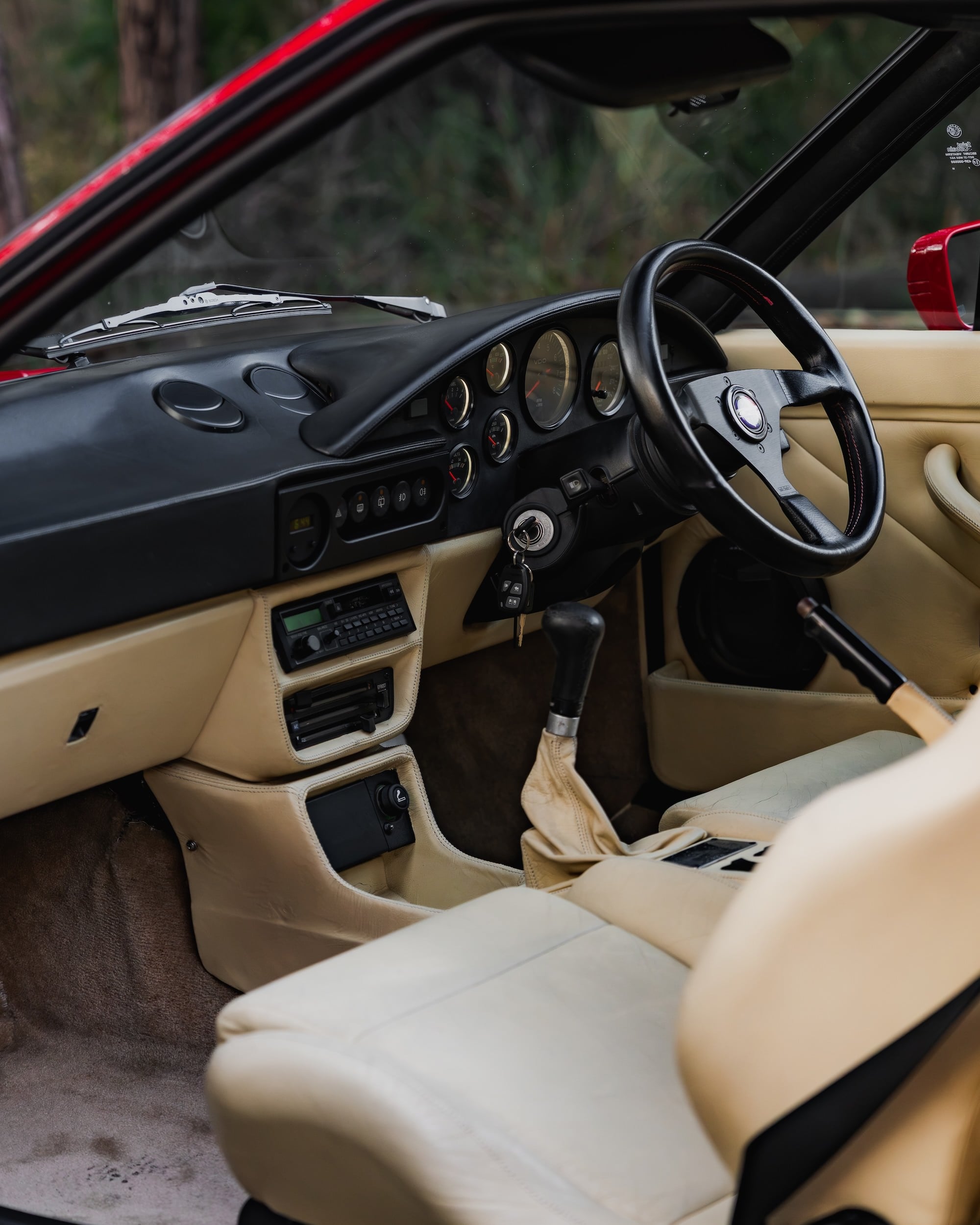
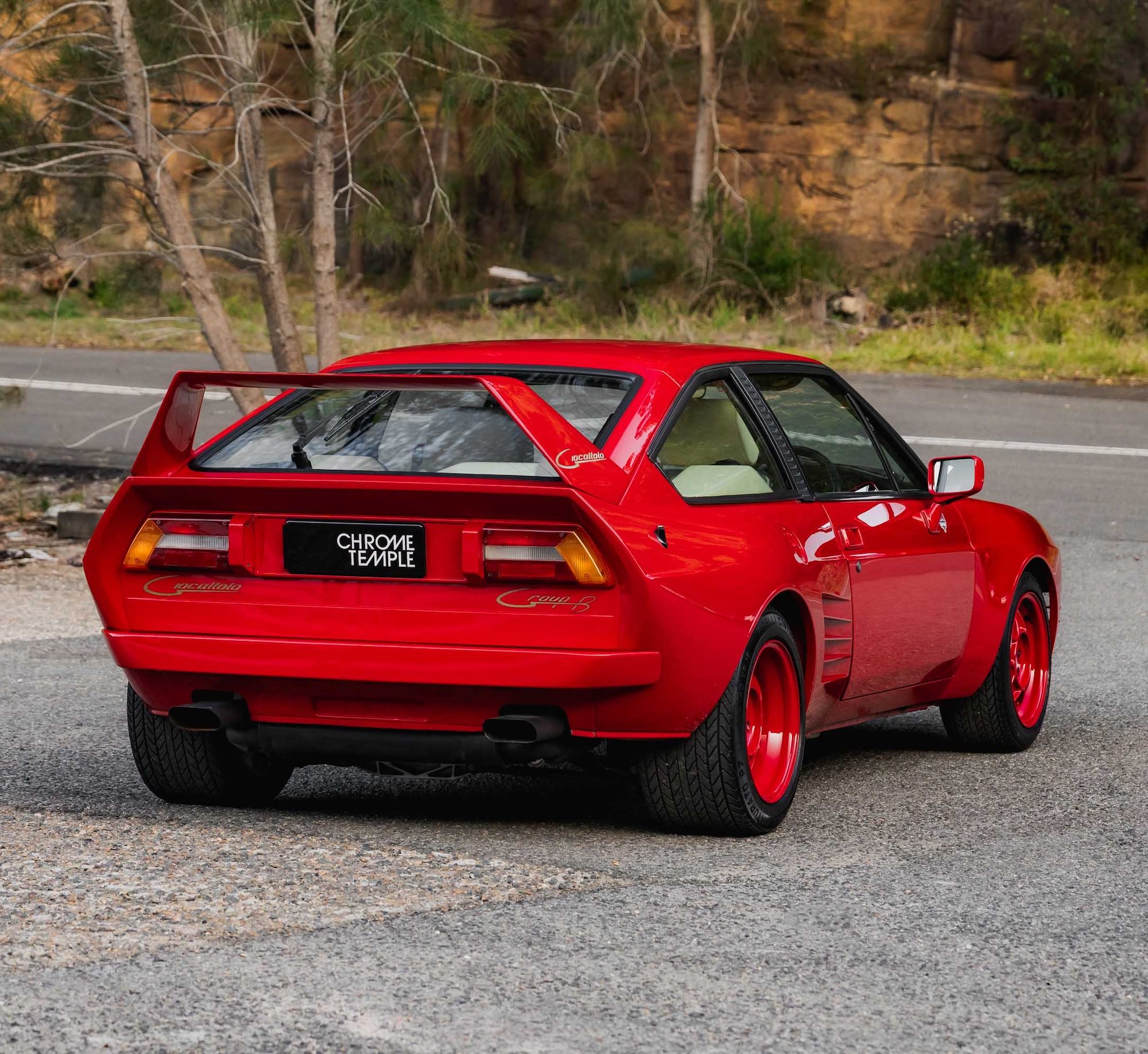
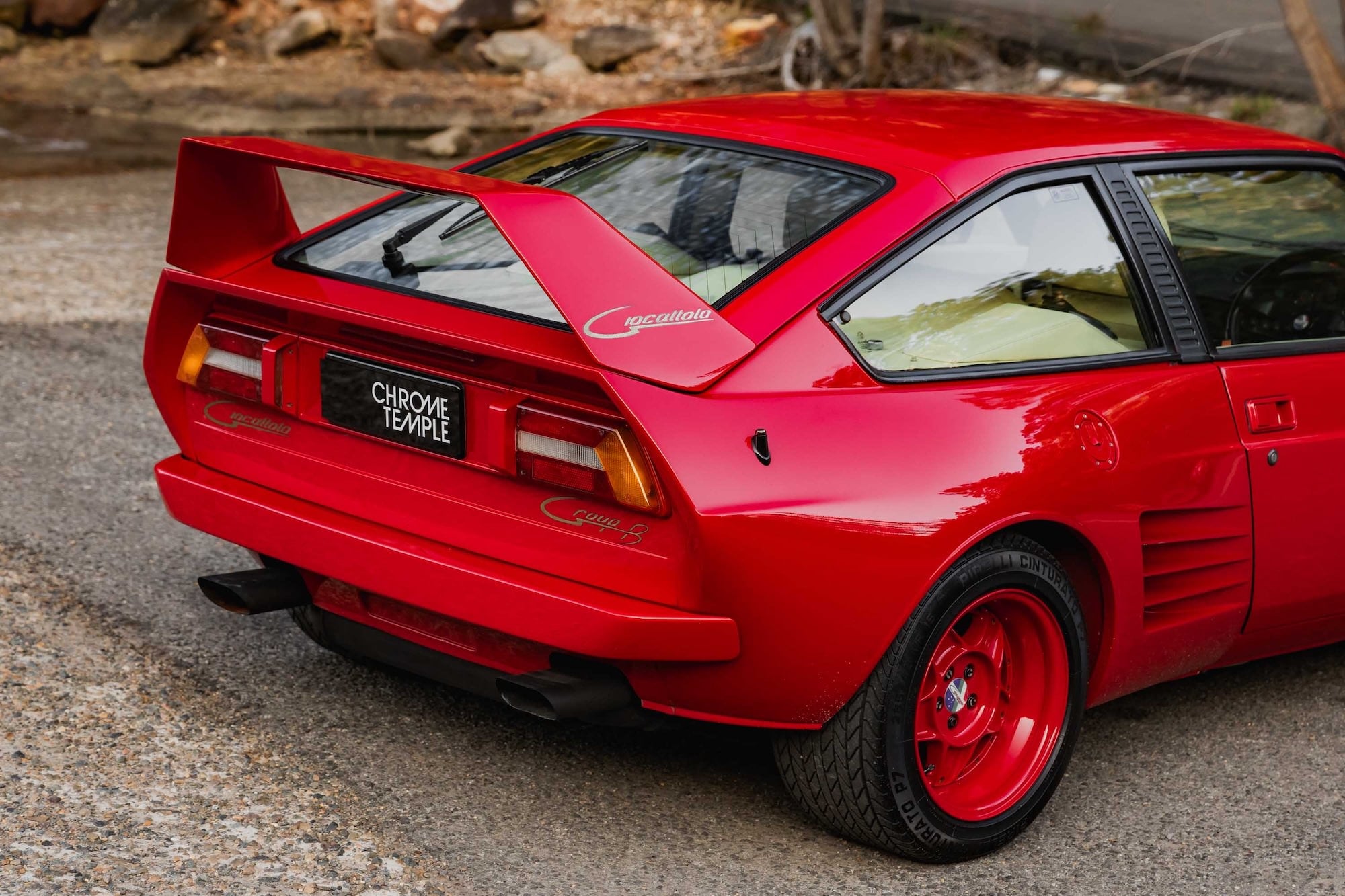
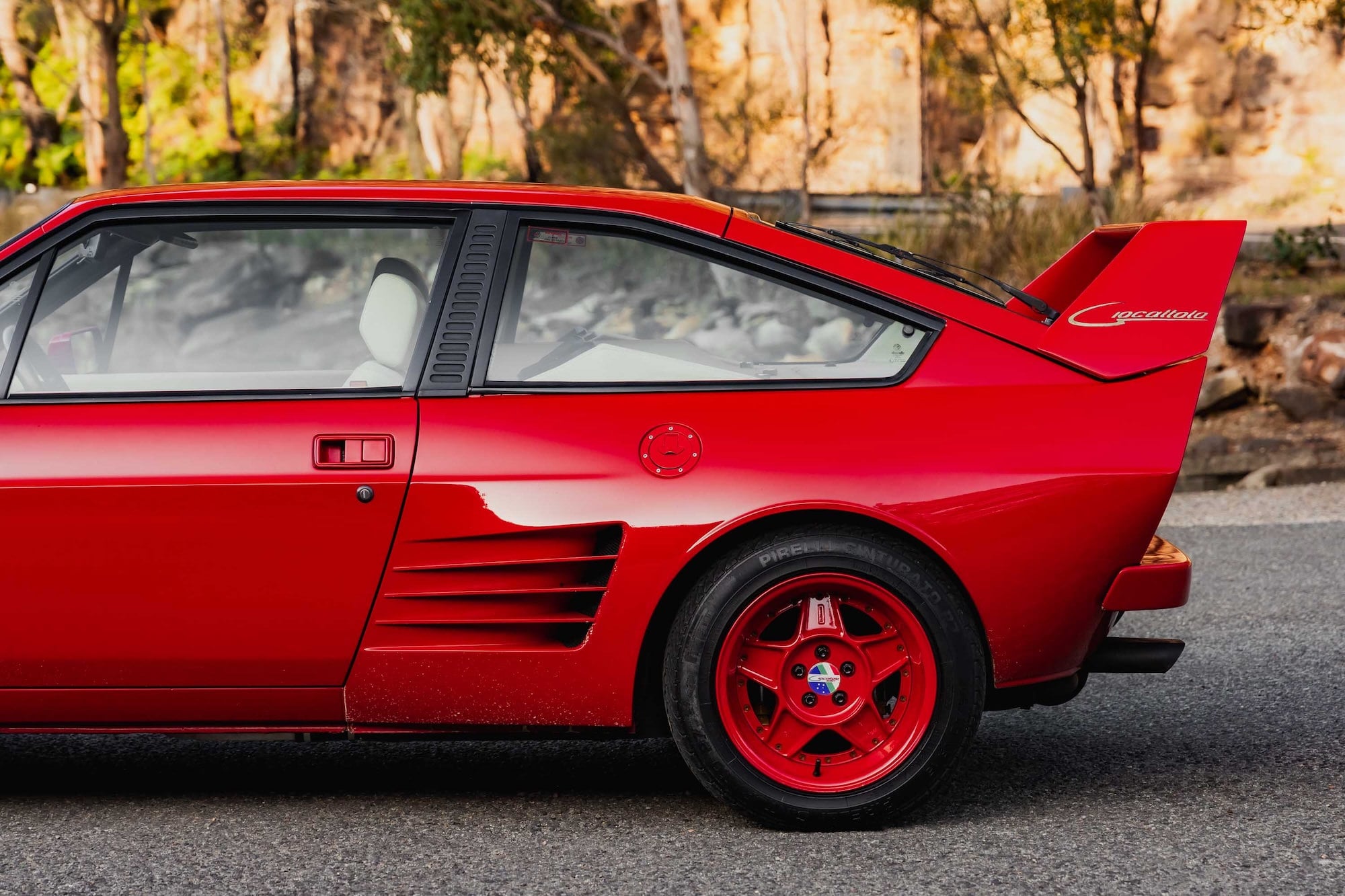
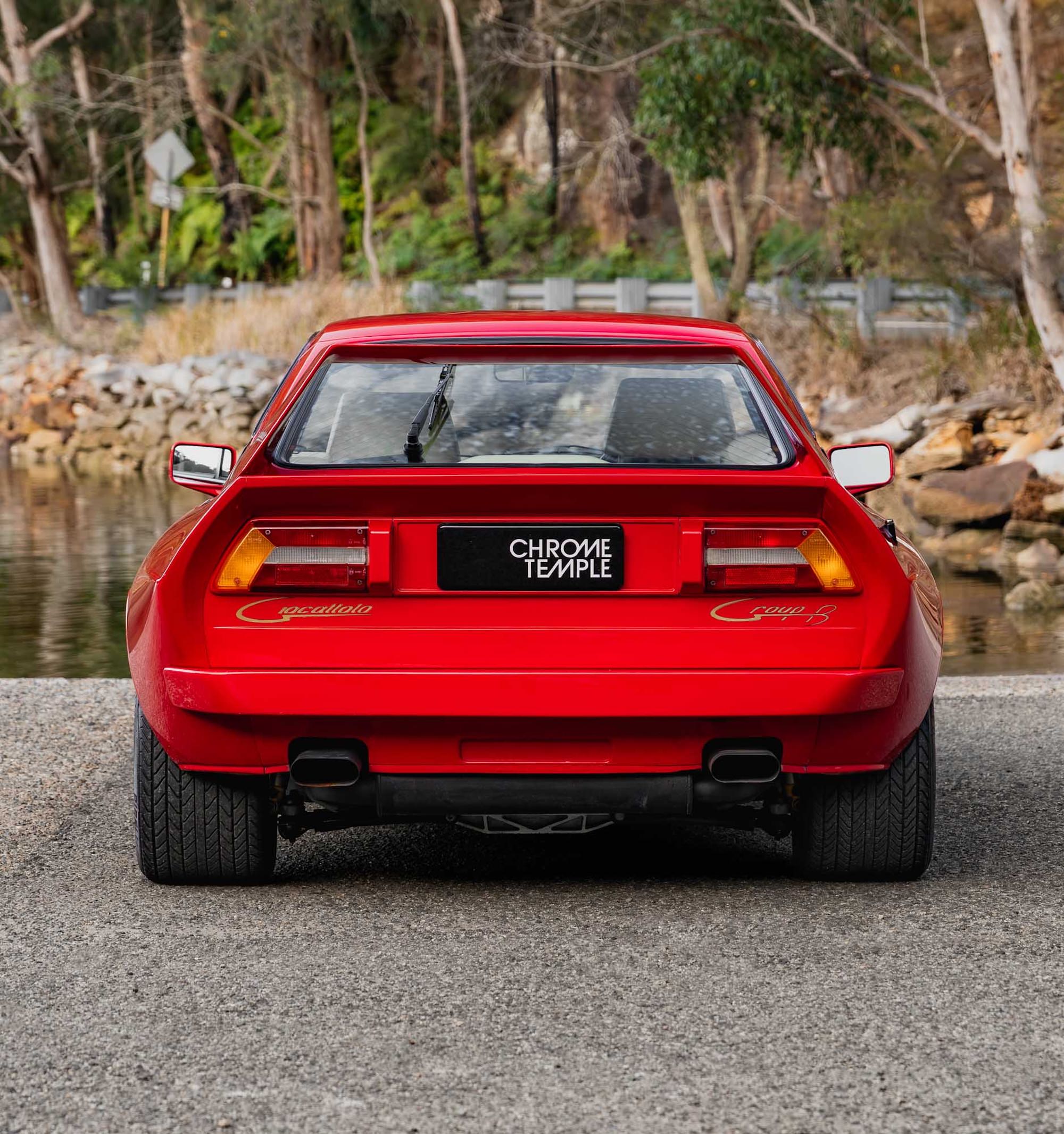
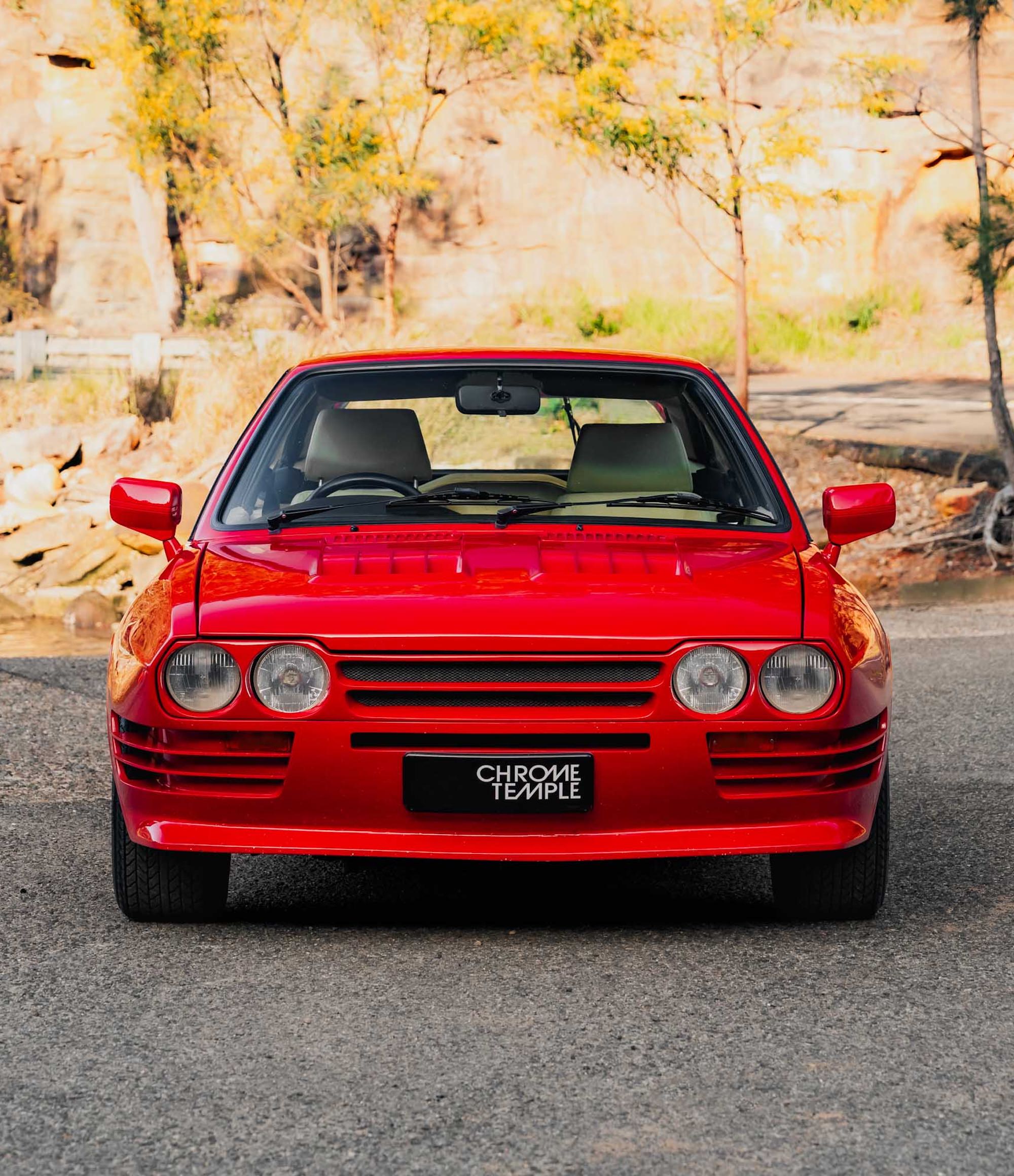
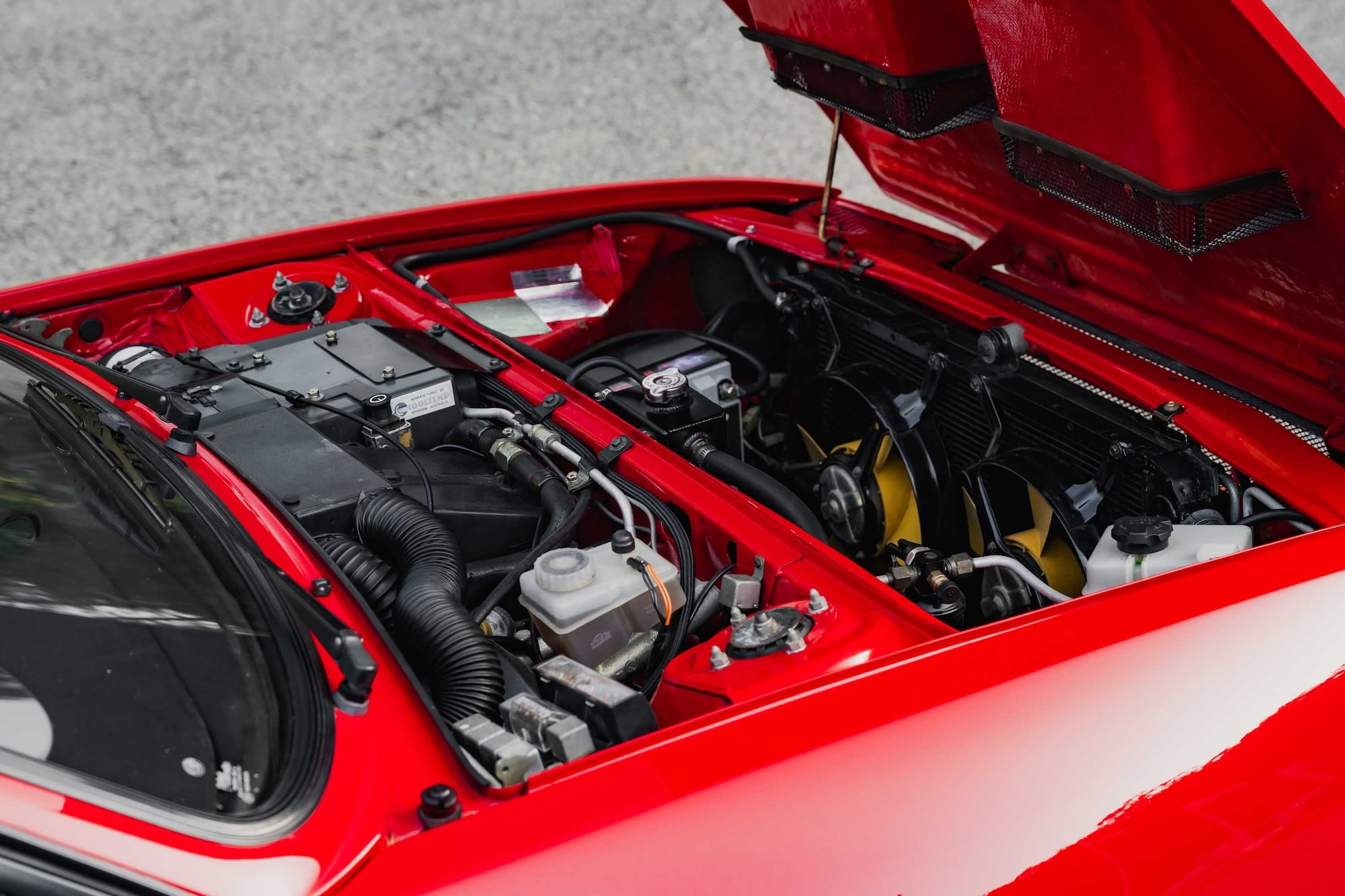
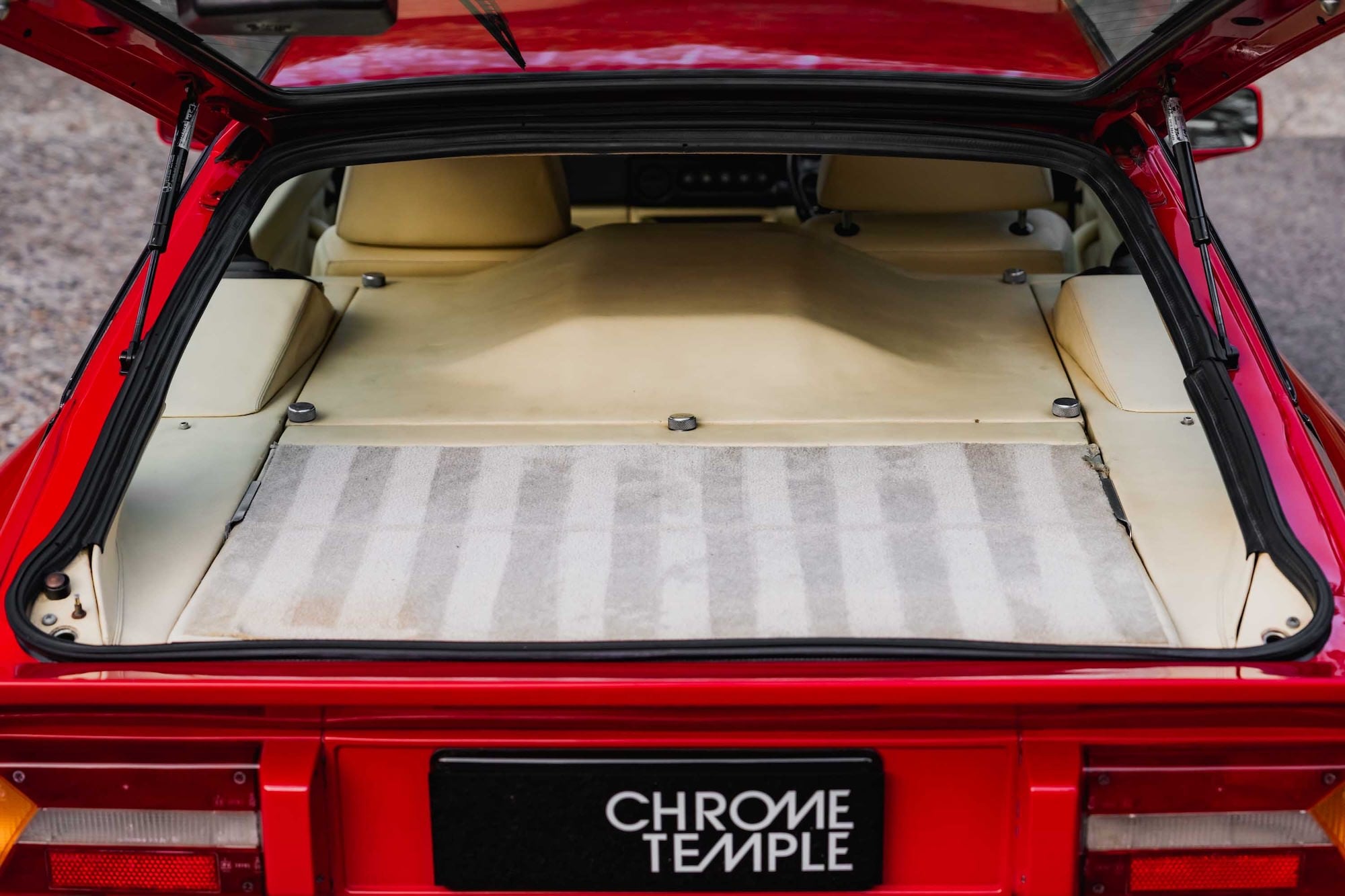
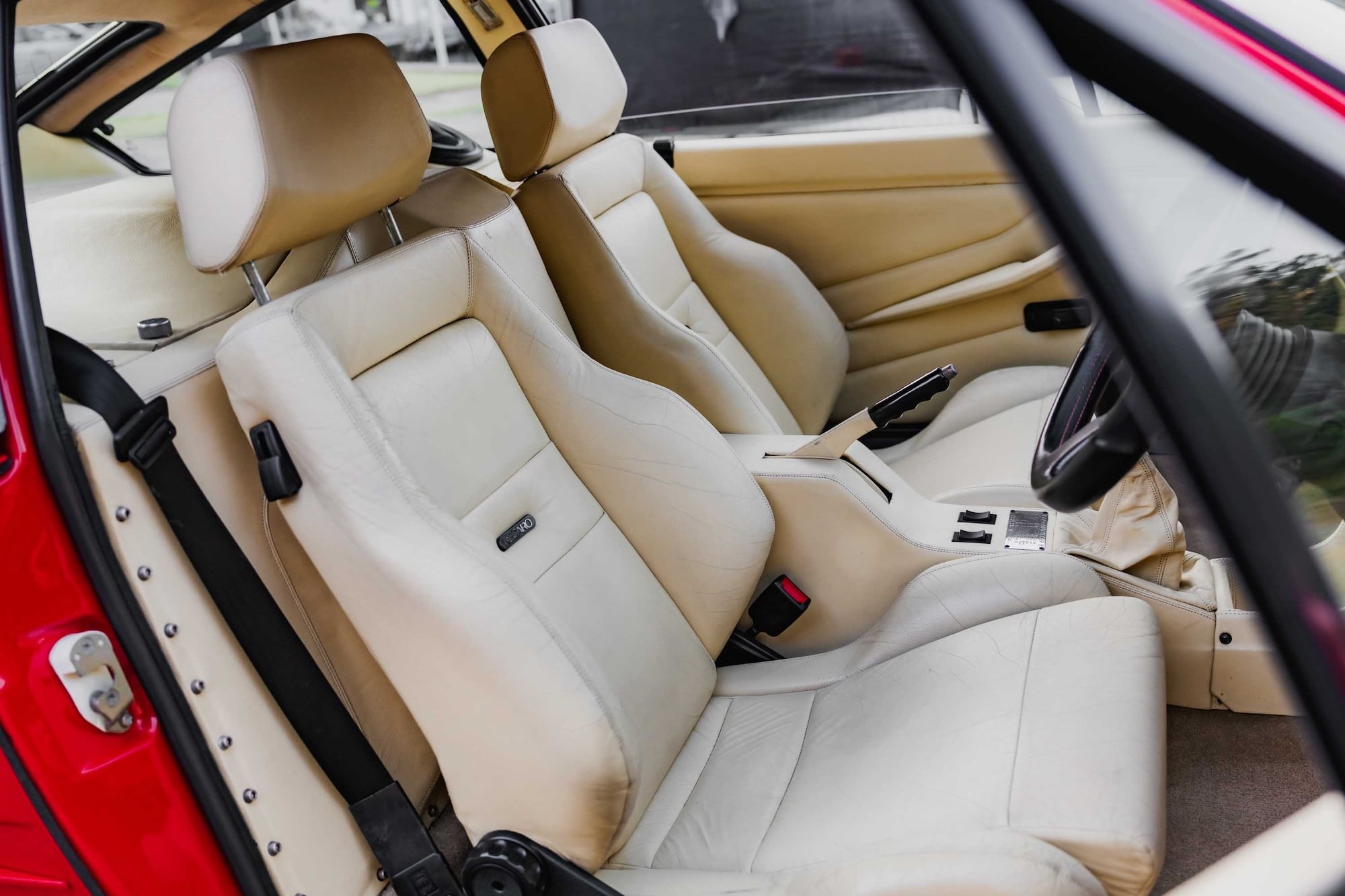
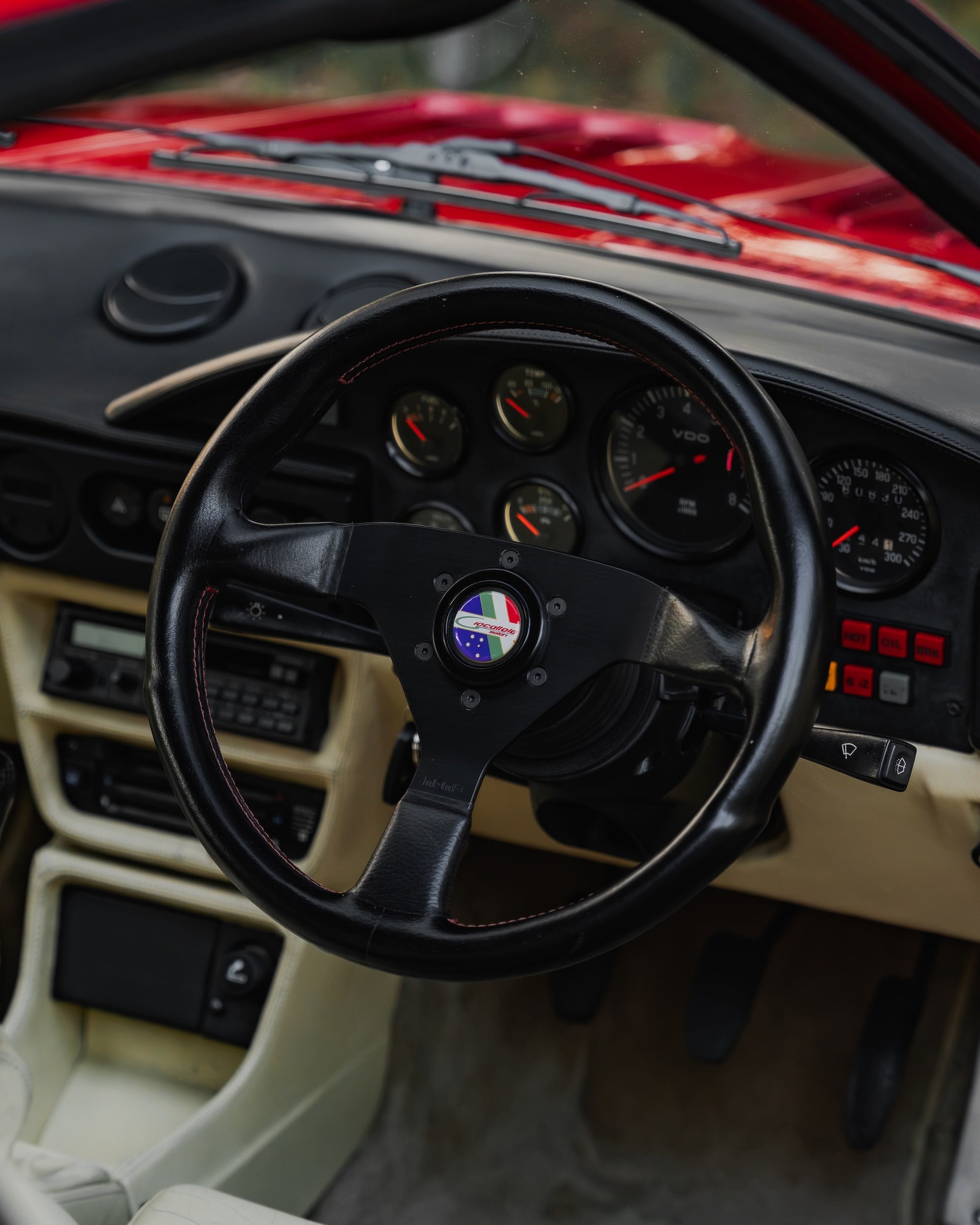
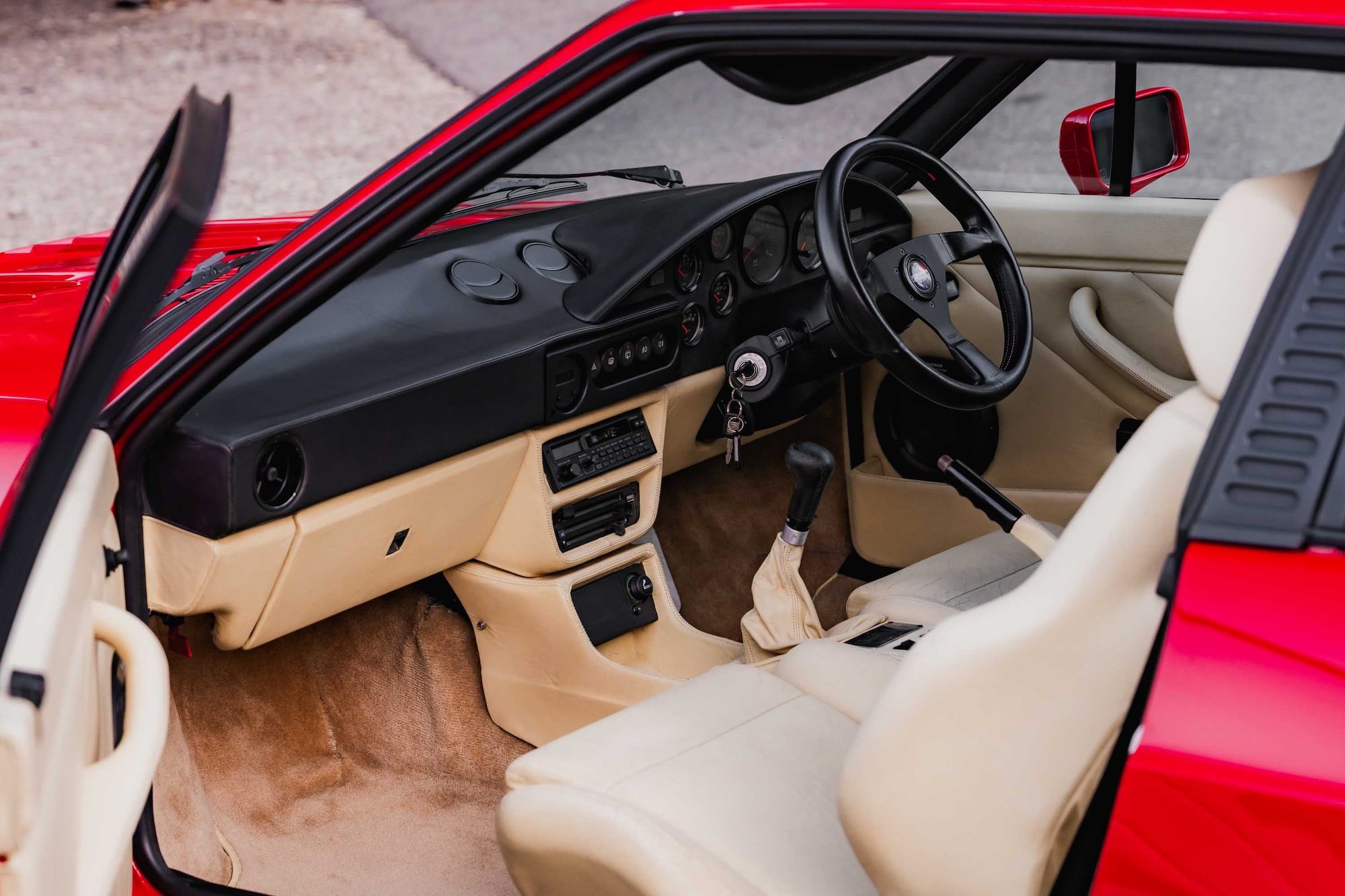
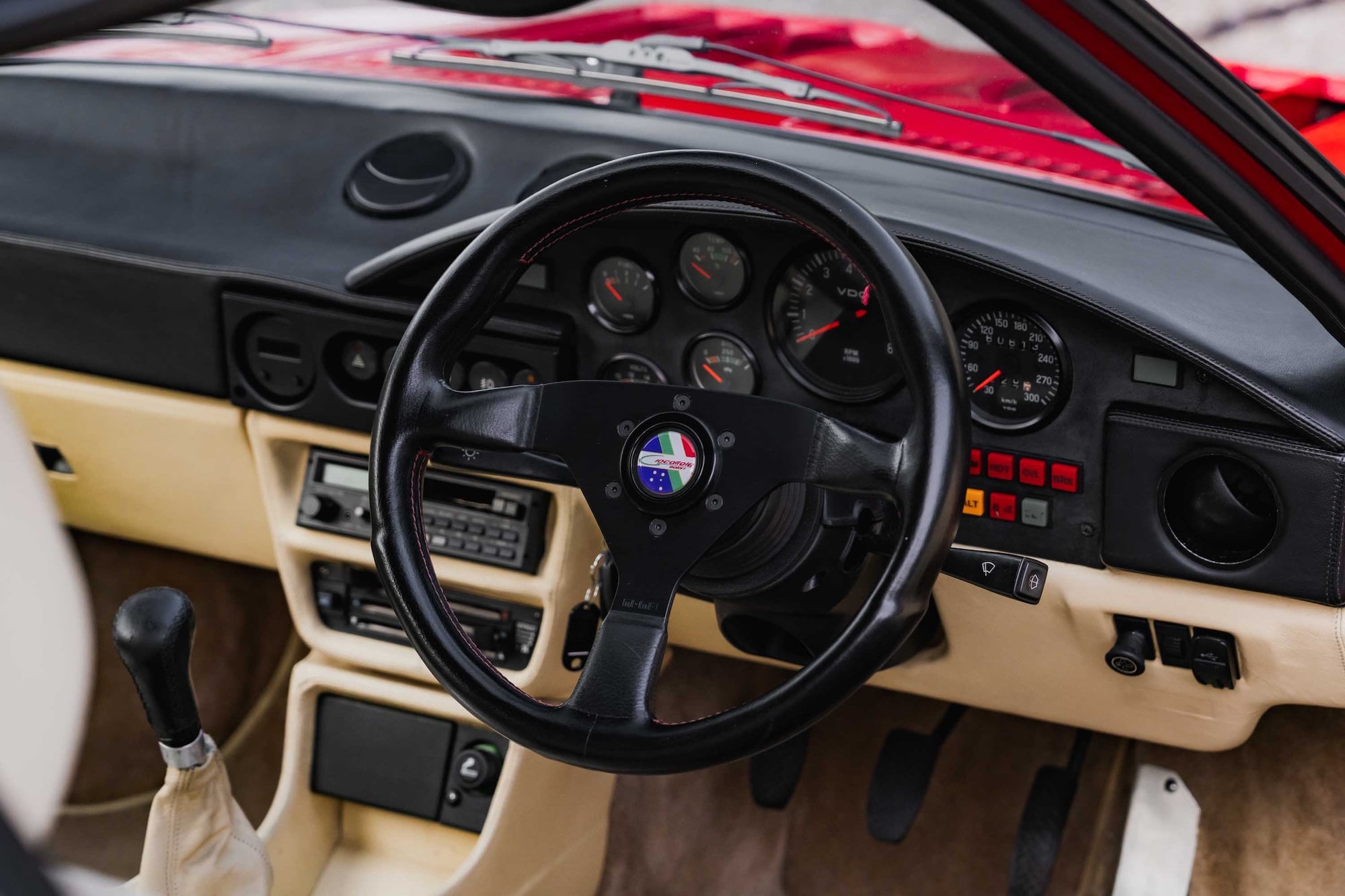
The new front and rear fenders, the bumpers, and the hood were all molded in Kevlar. The curb weight was 1,085 kgs (2,392 lbs), about 850 lbs less than the Holden’s Walkinshaw sedan. Inside you would find Recaro seats, leather, and VDO gauges, including a speedo reading up to 300 km/h. The radiators sat in the nose, and an upholstered cover hid the engine, with luggage space behind it for quick weekends away.
The 0 to 62 mph time was 5.4 seconds, Halstead said a standard car with full emissions equipment ran the standing quarter-mile in 13.2 seconds. The claimed top speed was 160 mph, but the car tended to lift at the front at higher speeds.
Just 15 examples of the Group B would be built, around 12-13 are believed to have survived, and they’re among the most collectible Australian-built cars ever made – the problem for most enthusiasts is finding one for sale.
The Launch Of The Giocattolo Group B
The production cars first appeared in 1988, the Group B was shown to the press at Lakeside Raceway in Queensland with 1980 Formula 1 world champion Alan Jones at the wheel. They initially sold for $92,000 AUD (about $72,000 USD). One car was fitted with Queensland Police lights and decals as a publicity stunt, though Halstead later said the police had already told him they wouldn’t buy the cars. Which seems a shame as it would have been quite the publicity coup.
Import duty made the German transaxle rather expensive, and each build meant buying and stripping a complete Sprint. Getting the car approved also proved difficult in some states. Coupled with this, interest rates were rising at an alarming rate as Australia headed toward recession. The economic situation was dire.
In mid-1989 the Queensland Industry Development Corporation, which had helped finance the Caloundra factory, took possession of it. Halstead later said the company had missed two monthly repayments but said that it was no longer in arrears when the corporation foreclosed. It was a controversial move from the QIDC, and most agree they were simply too hasty to intervene. In all, Giocattolo built three prototypes and 12 production cars.
“Was it a financially smart choice? No, it sent me broke,” Halstead said in 2009. He still owned a Giocattolo then, one he had bought in the early 2000s and was rebuilding with a larger Holden-based V8.
One car was destroyed in a fatal crash at a speed event at Eastern Creek Raceway in February of 2001, but by then it had been fitted with a twin-turbocharged V8 which was considerably more powerful than the chassis had been developed for. Sadly, another was wrecked in a high-speed crash during the 2007 Classic Adelaide rally. Most estimates put the number of surviving cars at 13 to 14.
The 1988 Giocattolo Group B Shown Here
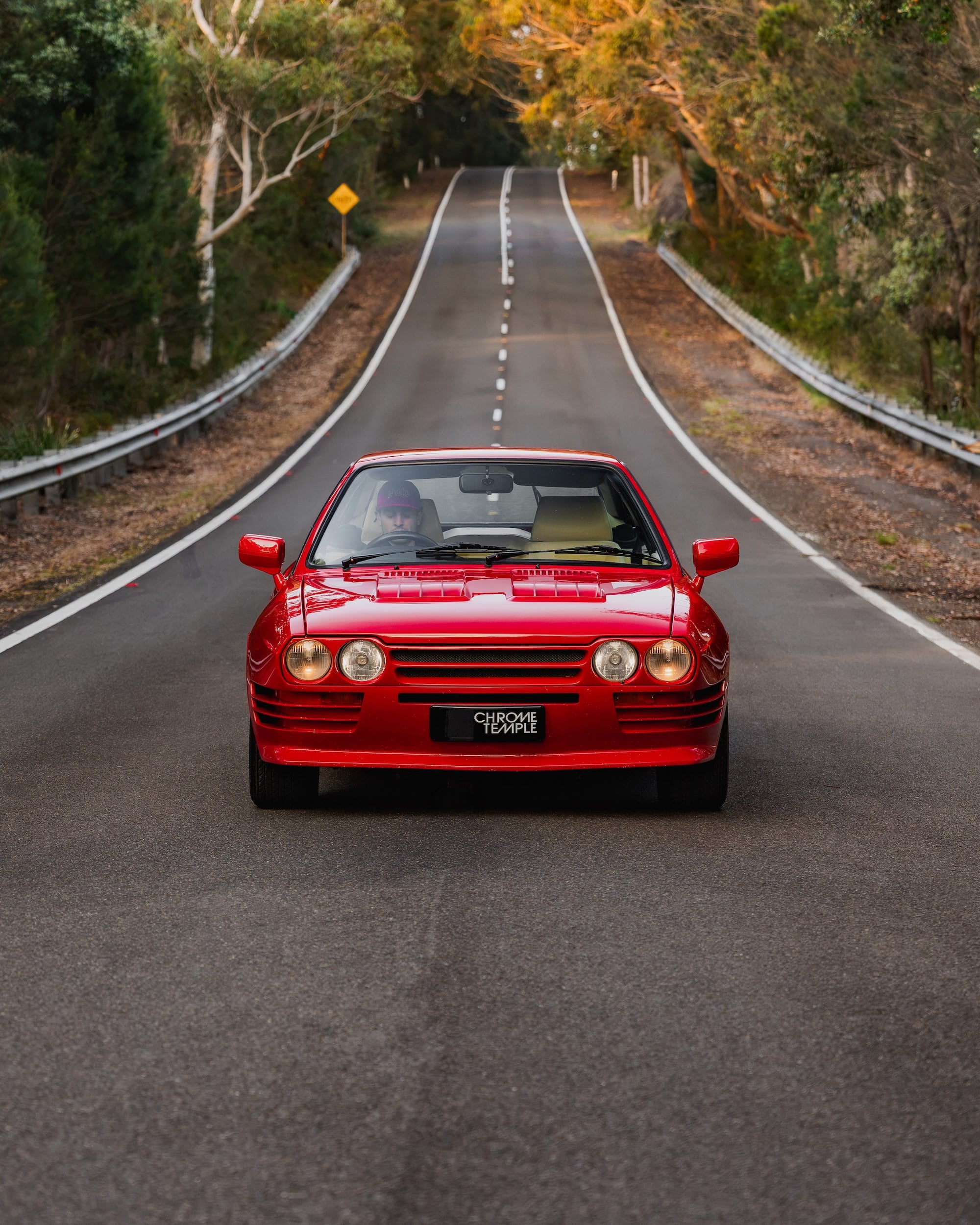
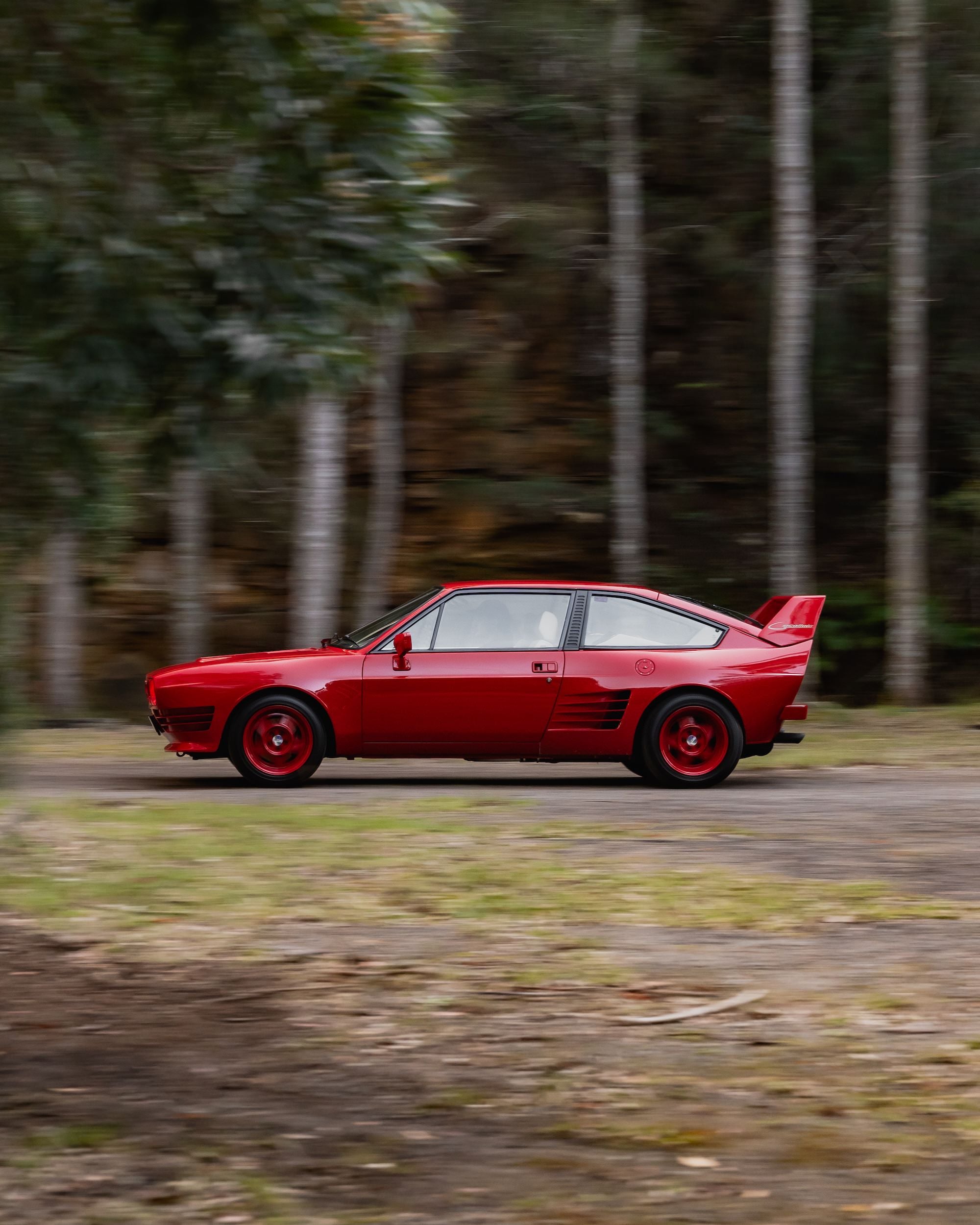
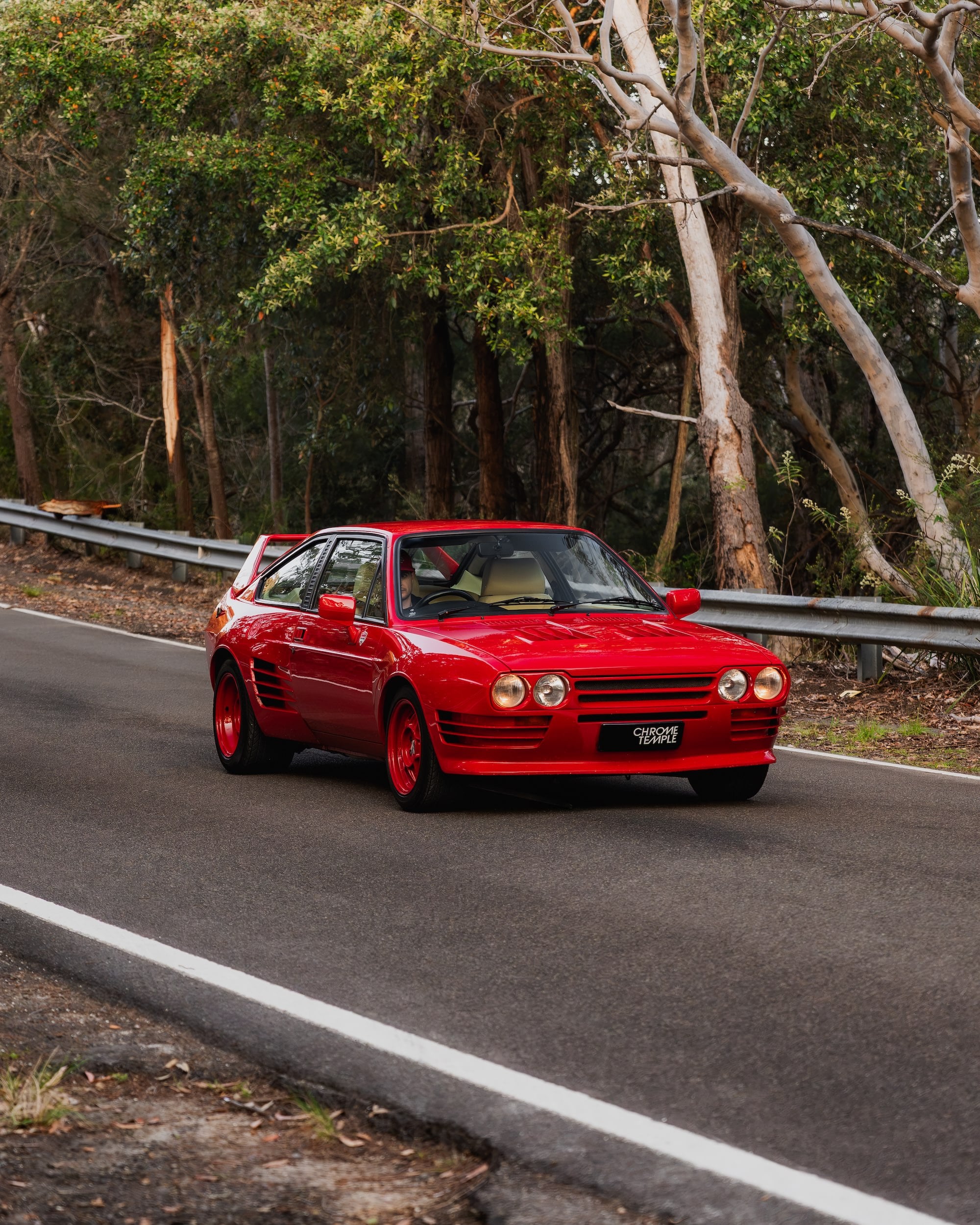
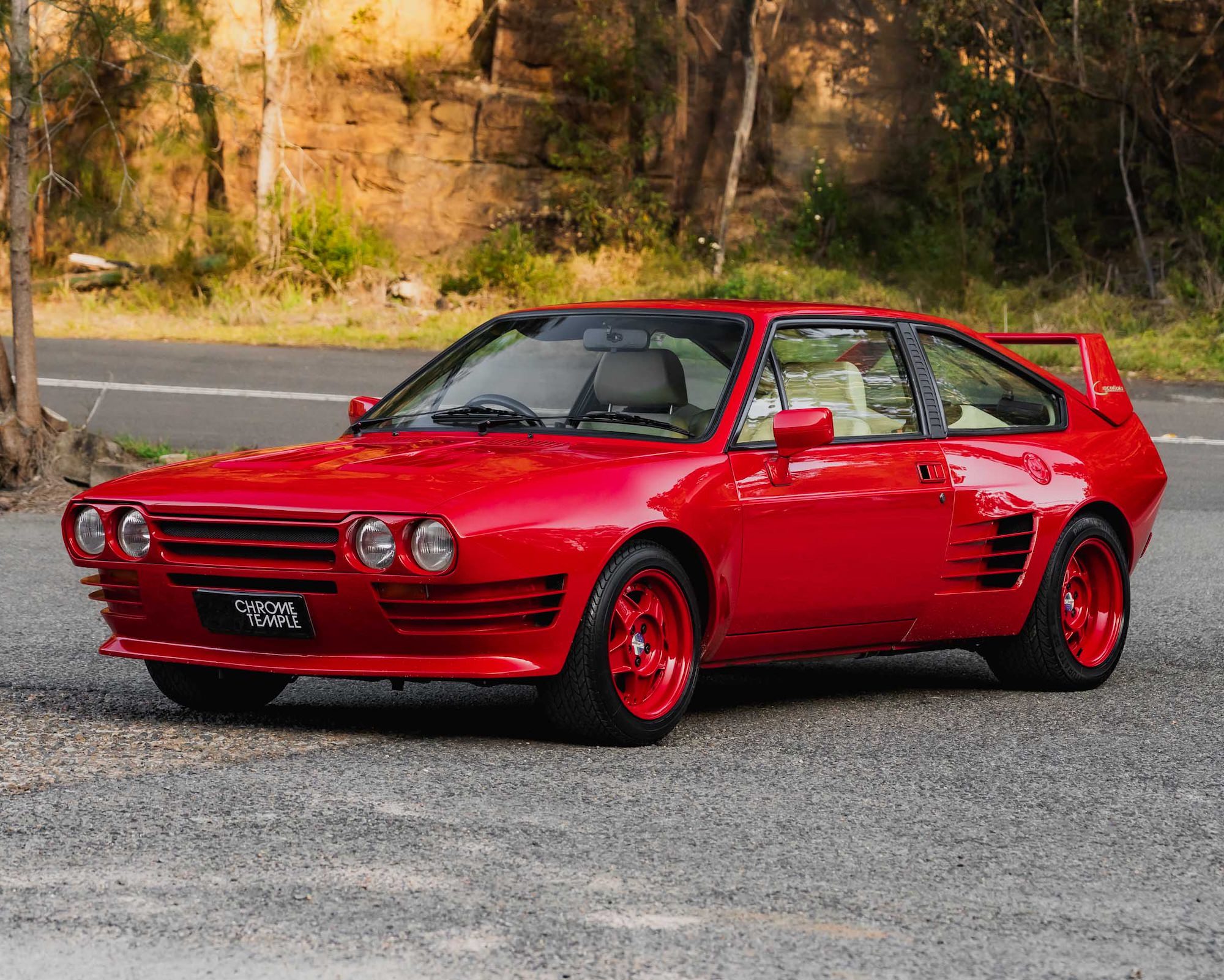
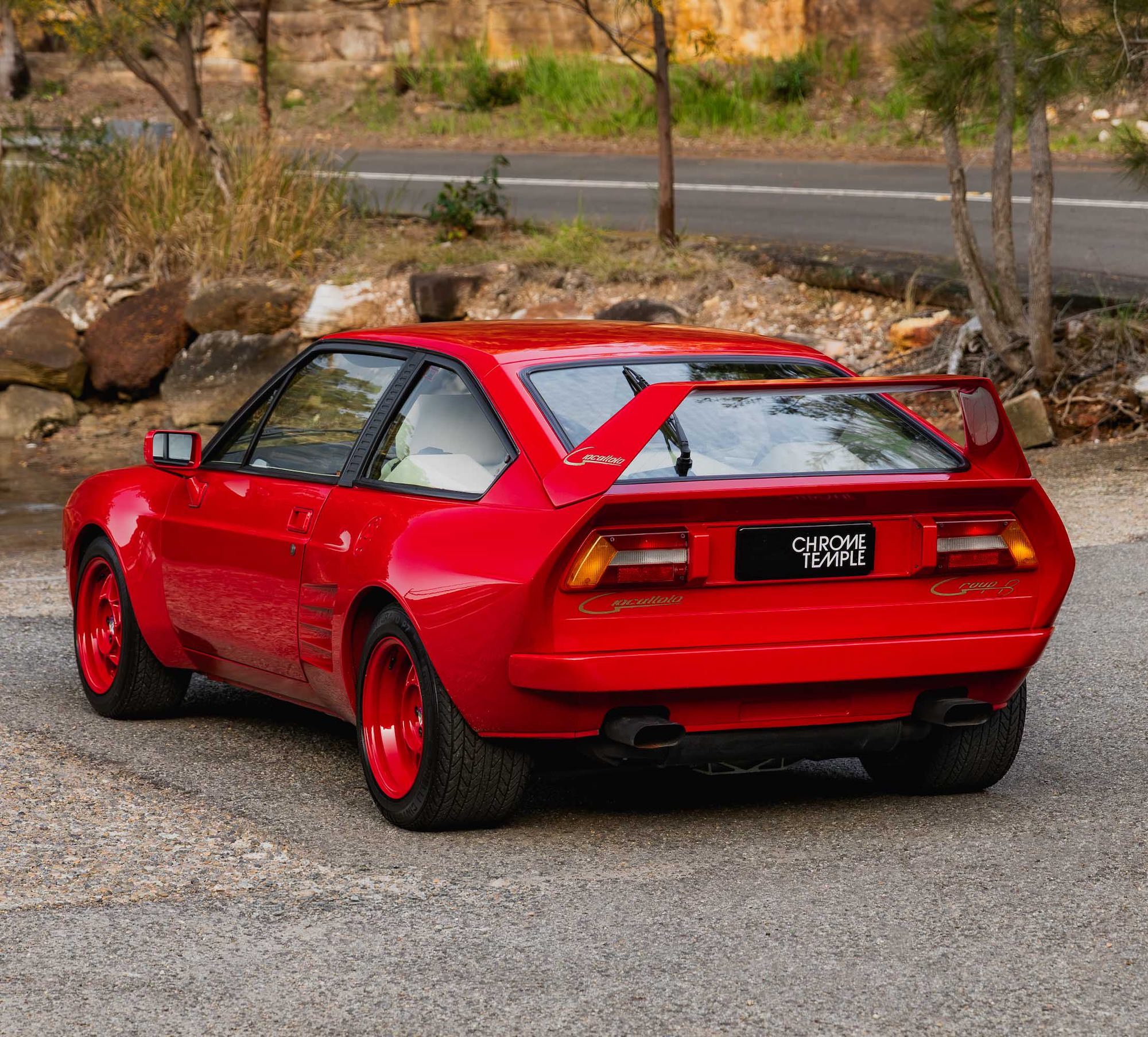
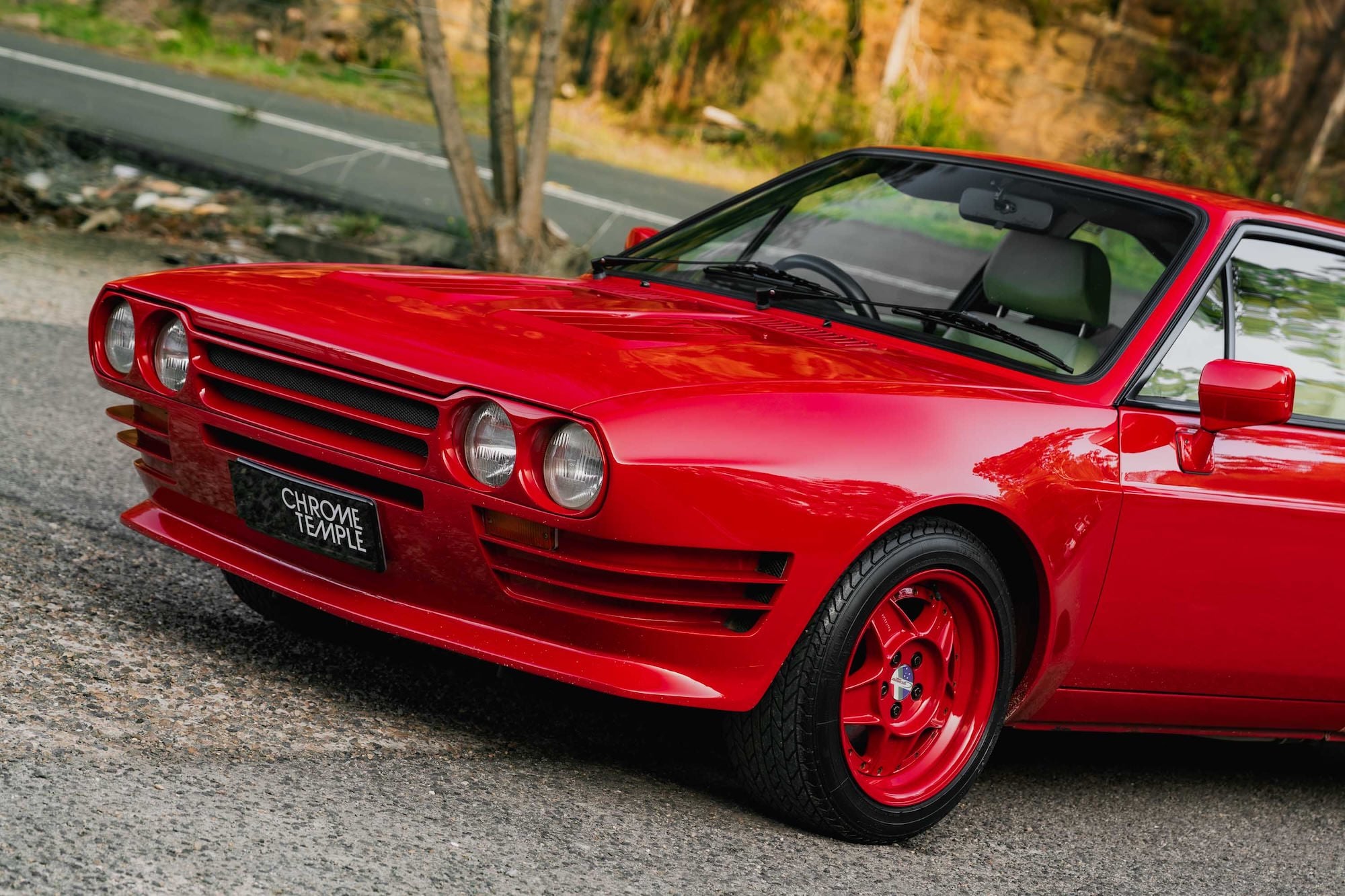
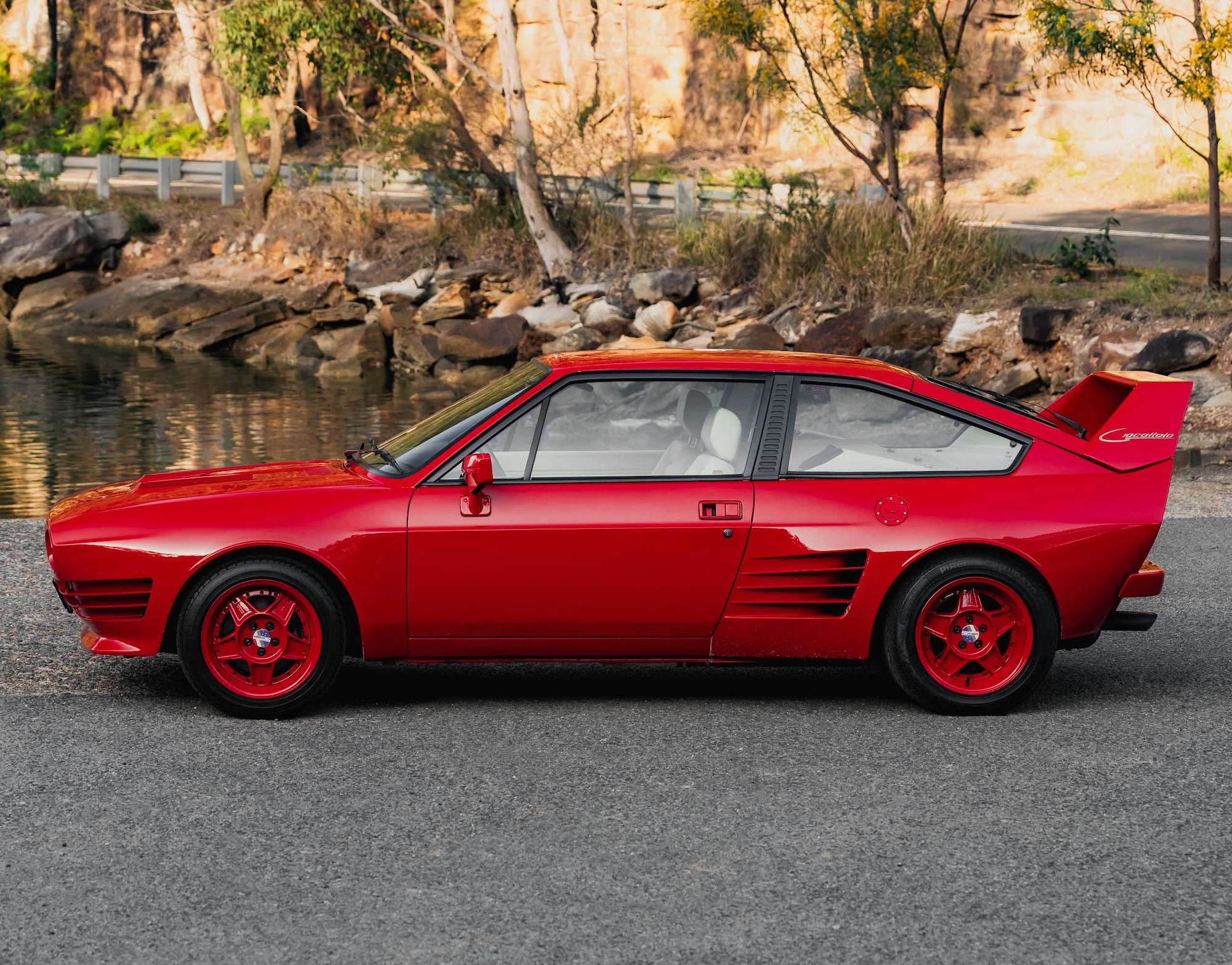
The 1988 Giocattolo Group B you see here is chassis number 4 of the 15 examples built in Caloundra. It was ordered new by Alan J. Fox of Bald Hills, Queensland, on November the 4th, 1988, and its original factory invoice still remains with the car today.
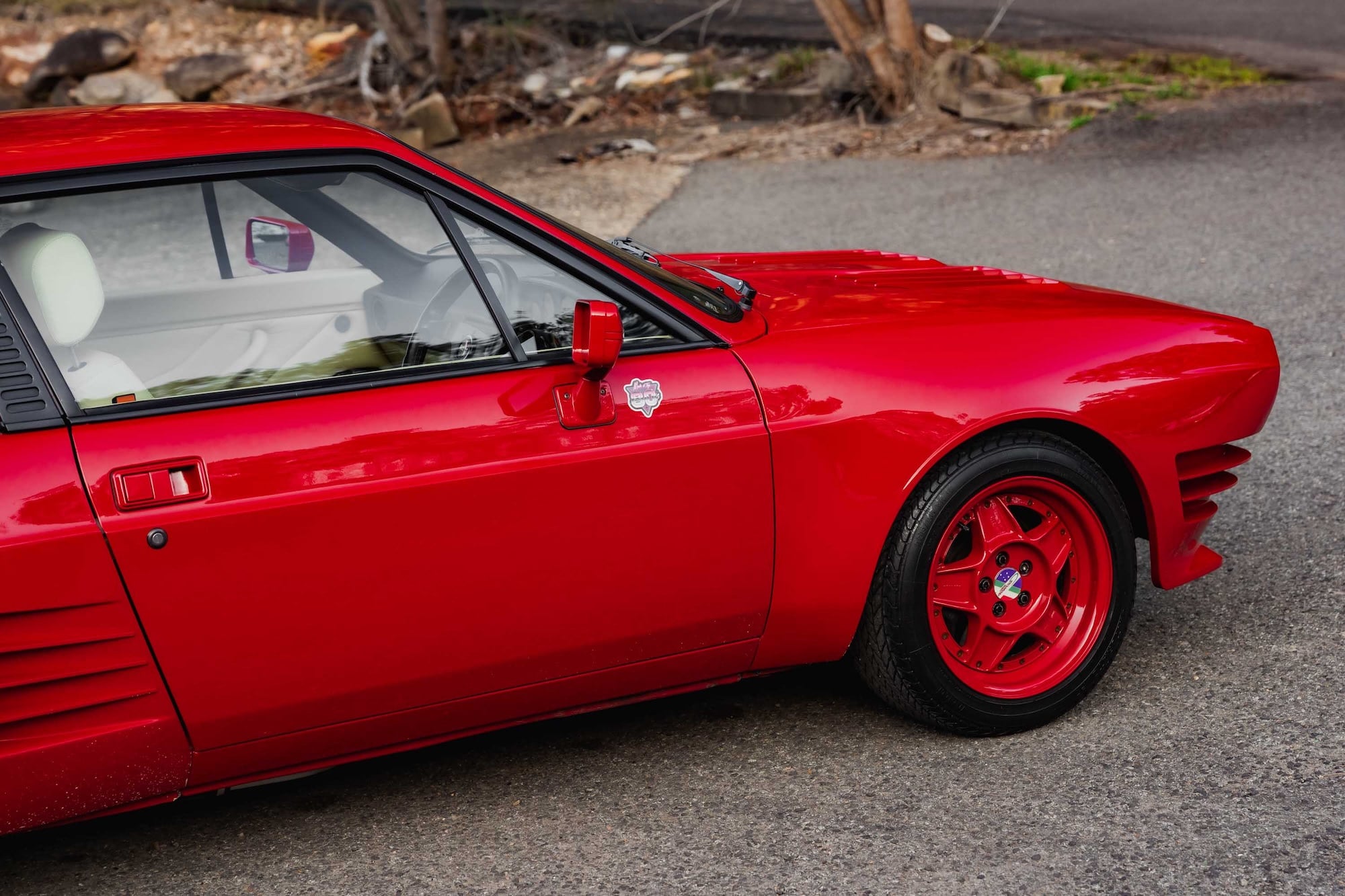
It’s finished in Rosso Chiaro with matching Simmons wheels, it’s believed to retain its original paintwork and small-format Giocattolo decals. The black and beige leather interior was a $2,500 factory option, and the car still has its period mobile phone and factory toolkit, complete with a bottle of Bundaberg Rum and two drinking glasses.
As you would expect, it’s powered by a mid-mounted, naturally aspirated 5.0 liter Holden V8 based on the Walkinshaw Group A spec, driving the rear wheels through a 5-speed ZF manual transaxle. Australian collector Peter Harburg bought the car in 2016, and the following year it underwent extensive mechanical recommissioning at Sports Classic Garage in Caloundra, with former Giocattolo personnel involved.
The work included a complete engine rebuild, a refurb of the brakes, suspension, and steering, and attention to the fuel system and clutch. New-old-stock fuel tanks were also fitted. Following two subsequent enthusiast owners, the current owner acquired the Giocattolo in 2022 and drove it from Melbourne to Sydney without incident.
The 1988 Giocattolo Group B you see here is chassis number 4 of the 15 examples built in Caloundra. It was ordered new by Alan J. Fox of Bald Hills, Queensland, on November the 4th, 1988, and its original factory invoice still remains with the car today.
It has remained regularly driven and maintained since, with documented servicing through to June of this year. The odometer currently shows 60,664 kilometers, and the car has some light cosmetic wear consistent with its age and use.
It’s now being offered for sale with extensive historical documentation, including its original invoice, service records, photographs, factory sales material, contemporary press clippings, and a scrapbook covering its history. If you’d like to read more about it or inquire about buying it you can visit the listing on Chrome Temple here.
Images courtesy of Chrome Temple
Articles that Ben Branch has written have been covered on CNN, Popular Mechanics, Smithsonian Magazine, Road & Track Magazine, the official Pinterest blog, the official eBay Motors blog, BuzzFeed, Autoweek Magazine, Wired Magazine, Autoblog, Gear Patrol, Jalopnik, The Verge, and many more.
Silodrome was founded by Ben back in 2010, in the years since the site has grown to become a world leader in the alternative and vintage motoring sector, with well over a million monthly readers from around the world and many hundreds of thousands of followers on social media.