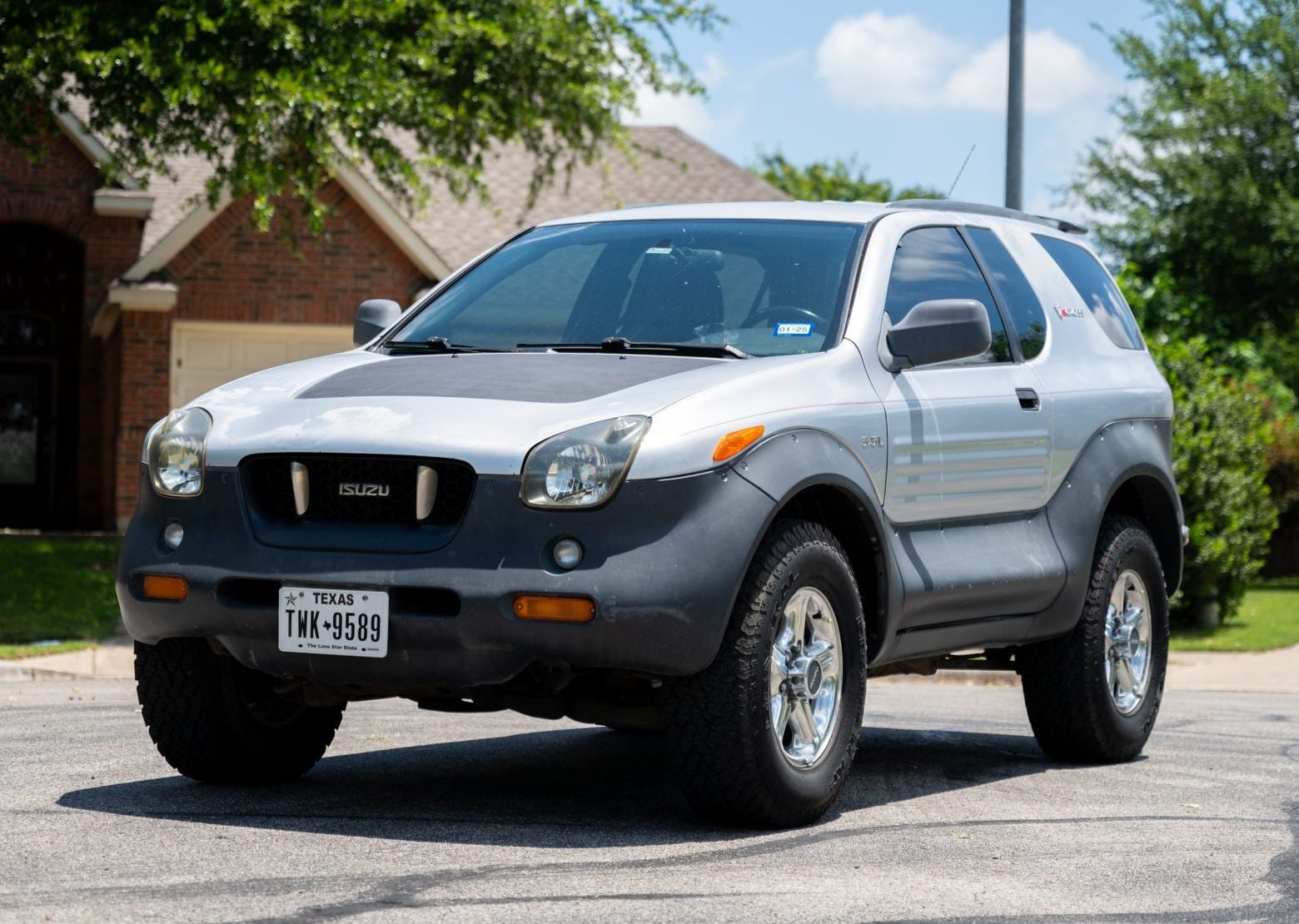
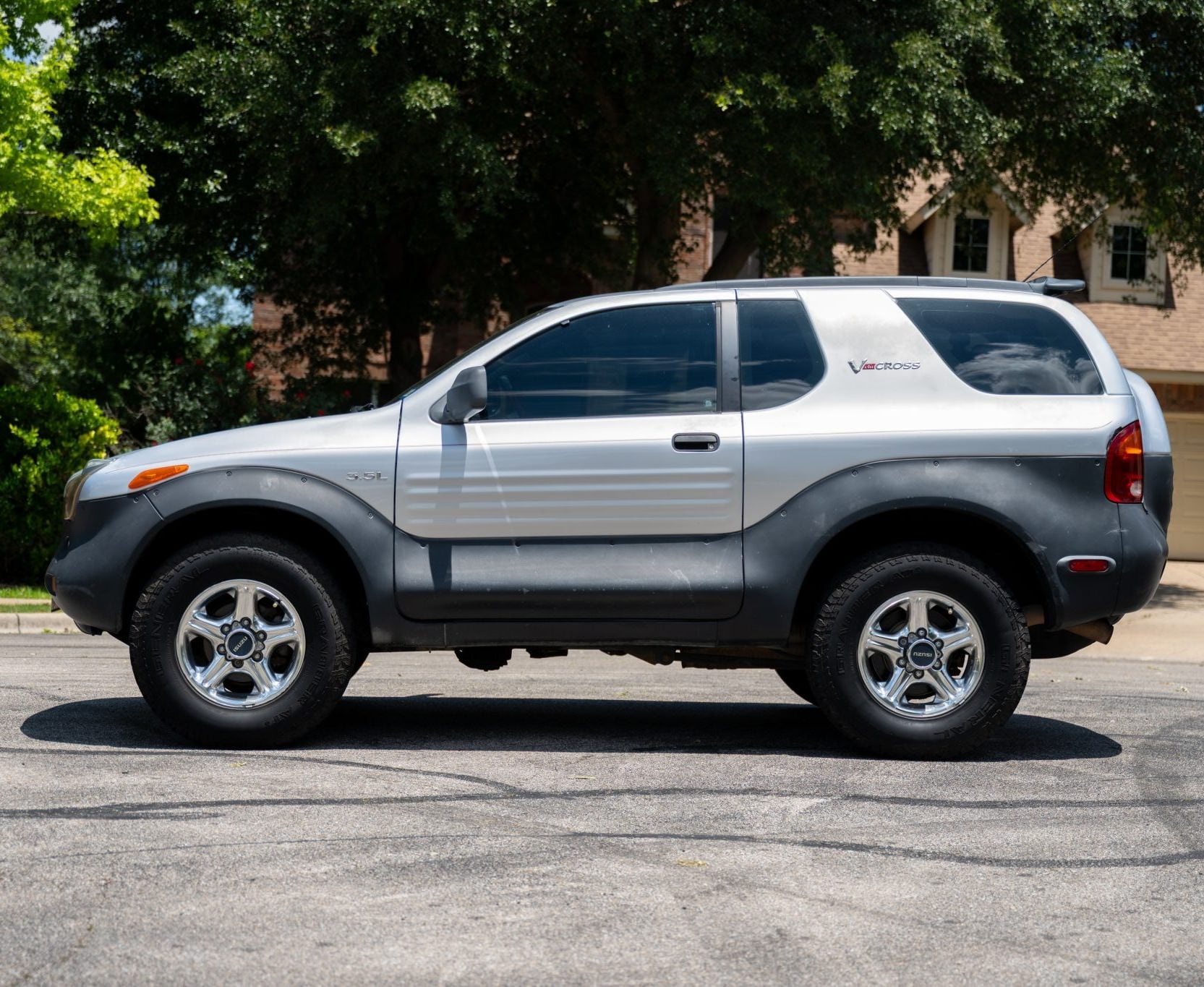
This is a 1999 Isuzu VehiCROSS, an unusual body-on-frame 4×4 that debuted in the late 1990s as a futuristic concept-car-made-real to carry the Japanese auto (and truck) manufacturer into the 21st century.
Relatively few examples of the VehiCROSS were made, with under 6,000 built in total, and fewer than 4,200 shipped to the United States. Surviving examples are now highly collectible, but their prices haven’t gone as stratospheric as you might expect (yet).
Fast Facts: The Isuzu VehiCROSS
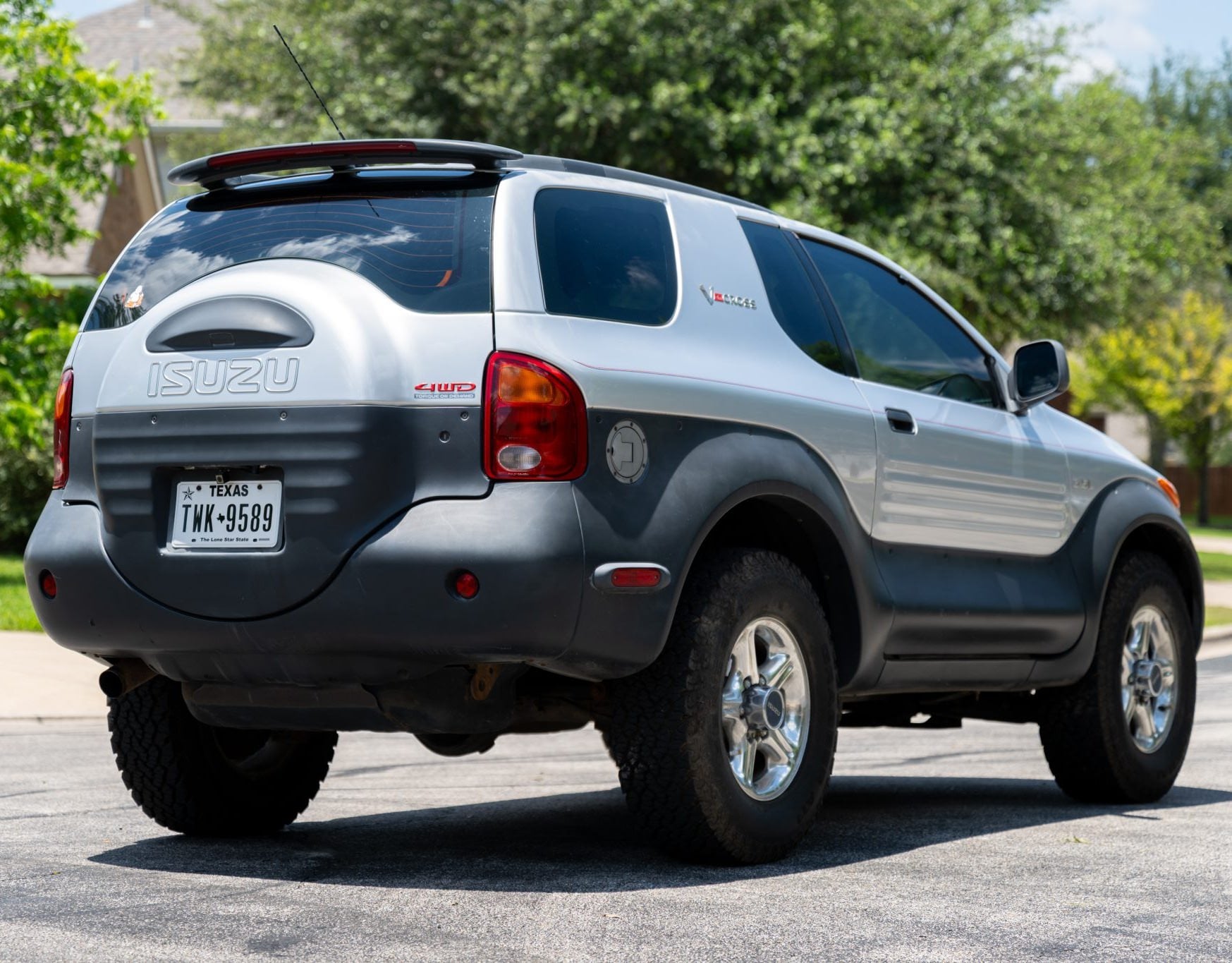
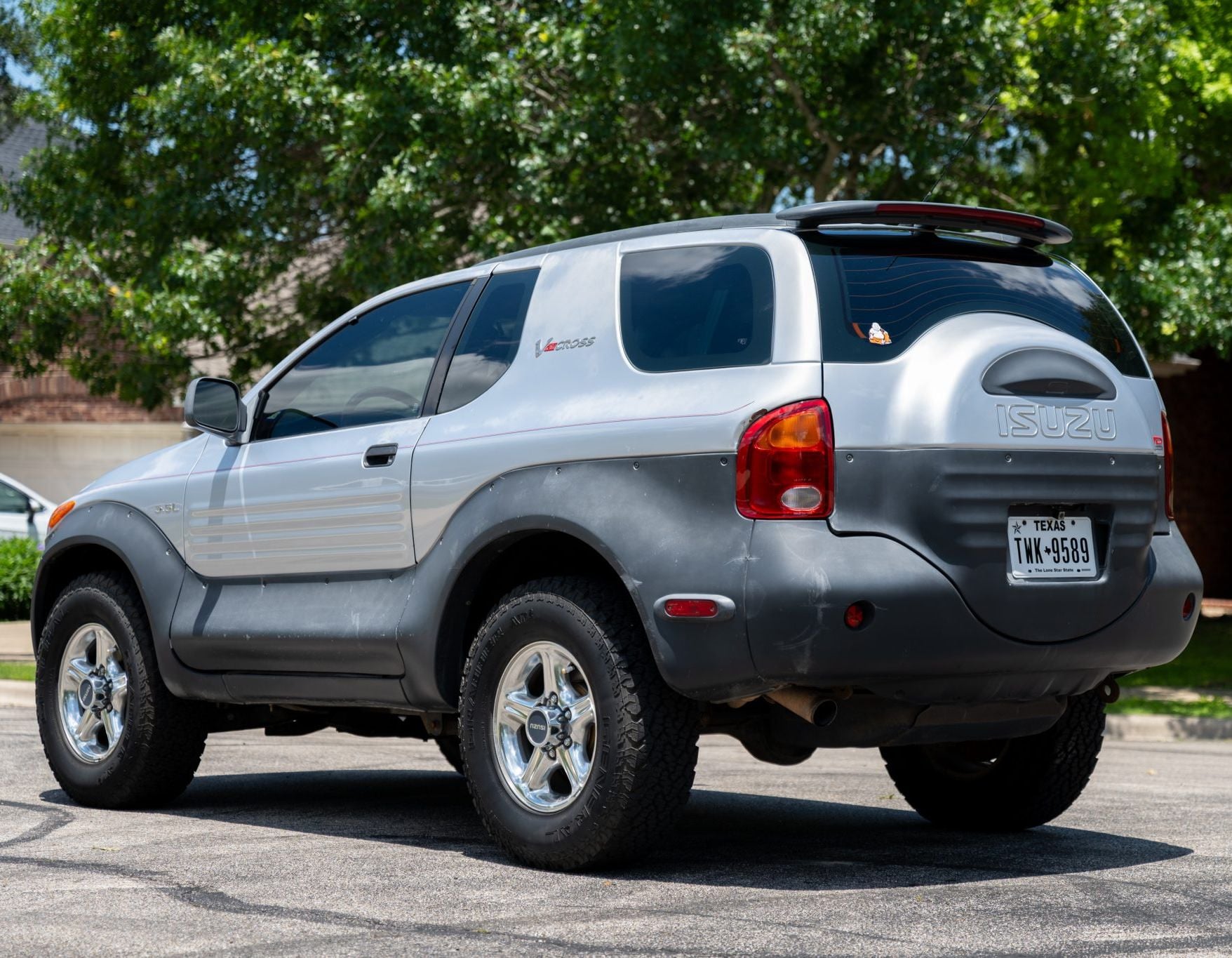
- This 1999 Isuzu VehiCROSS is a silver example of Isuzu’s limited-production body-on-frame 4×4, one of fewer than 4,200 shipped to the United States. It was first registered in Nebraska, later moved to Texas, and was acquired by the current seller in 2023. The odometer reads 181,000 miles.
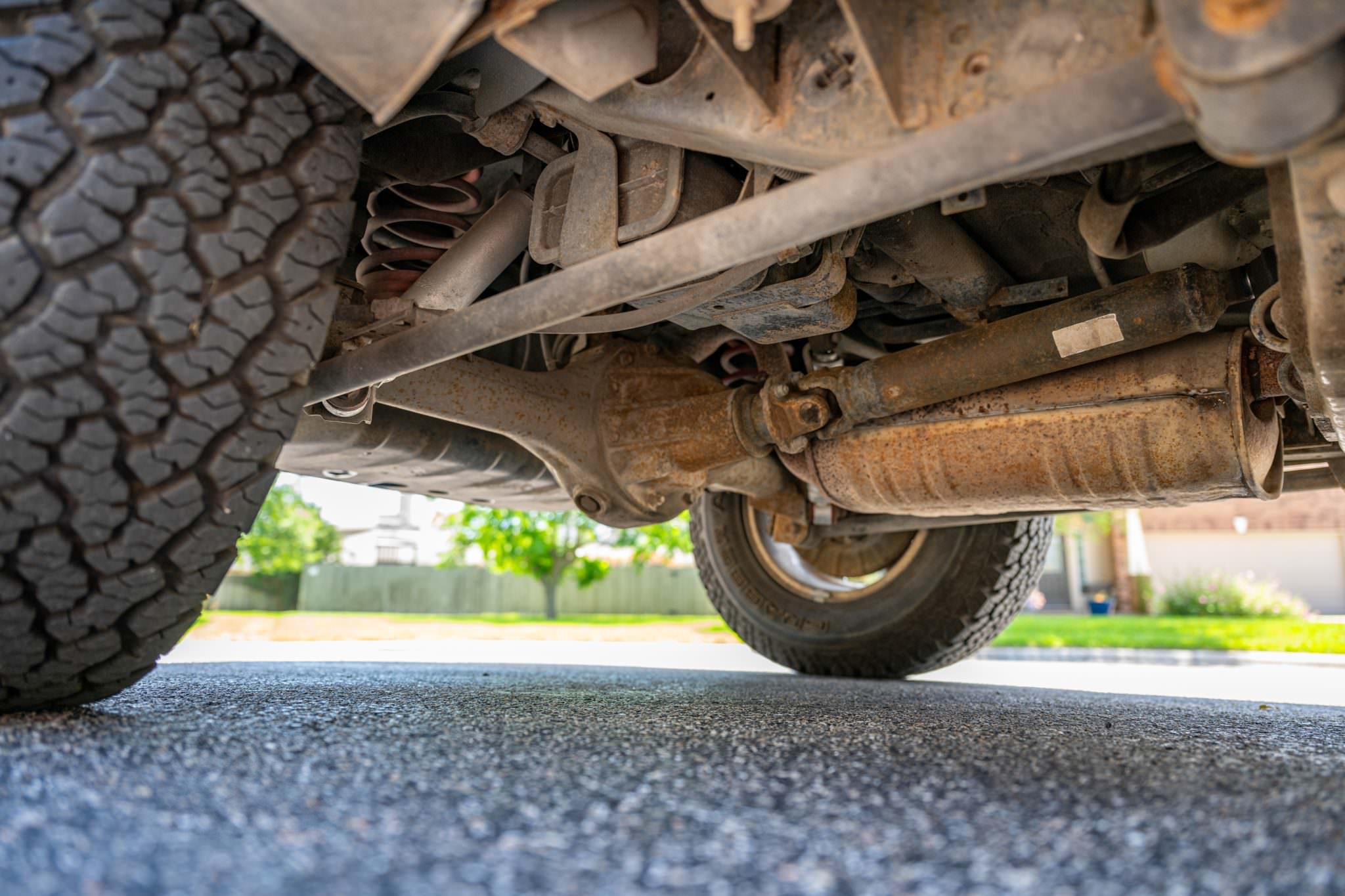
- Power comes from a 3.5 liter DOHC V6 producing 215 bhp and 230 lb ft of torque, mated to a 4-speed automatic. The drivetrain has a BorgWarner Torque on Demand four-wheel drive system, a dual-speed transfer case, and a limited-slip rear differential. The seller has recently replaced the shock absorbers.
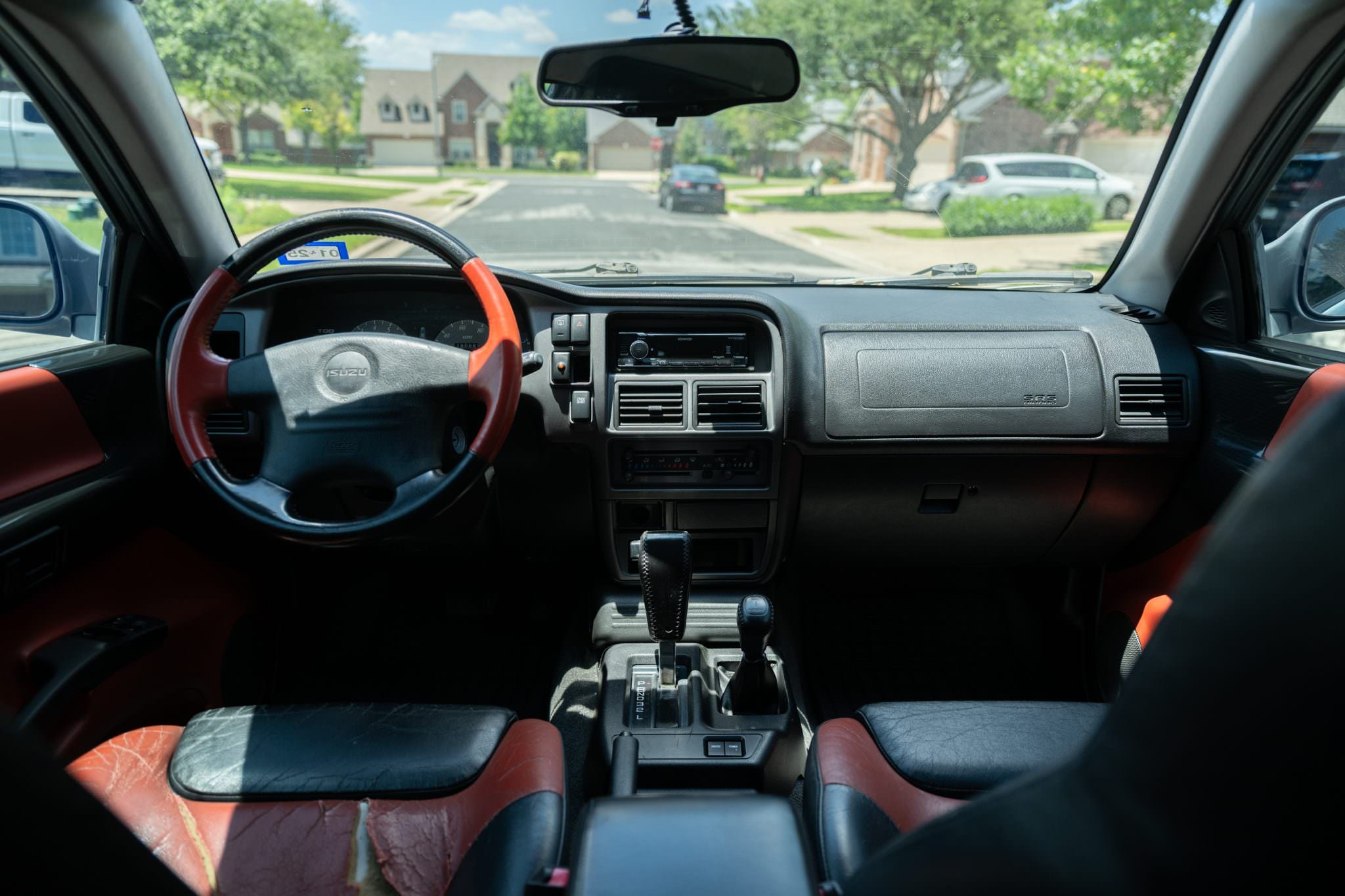
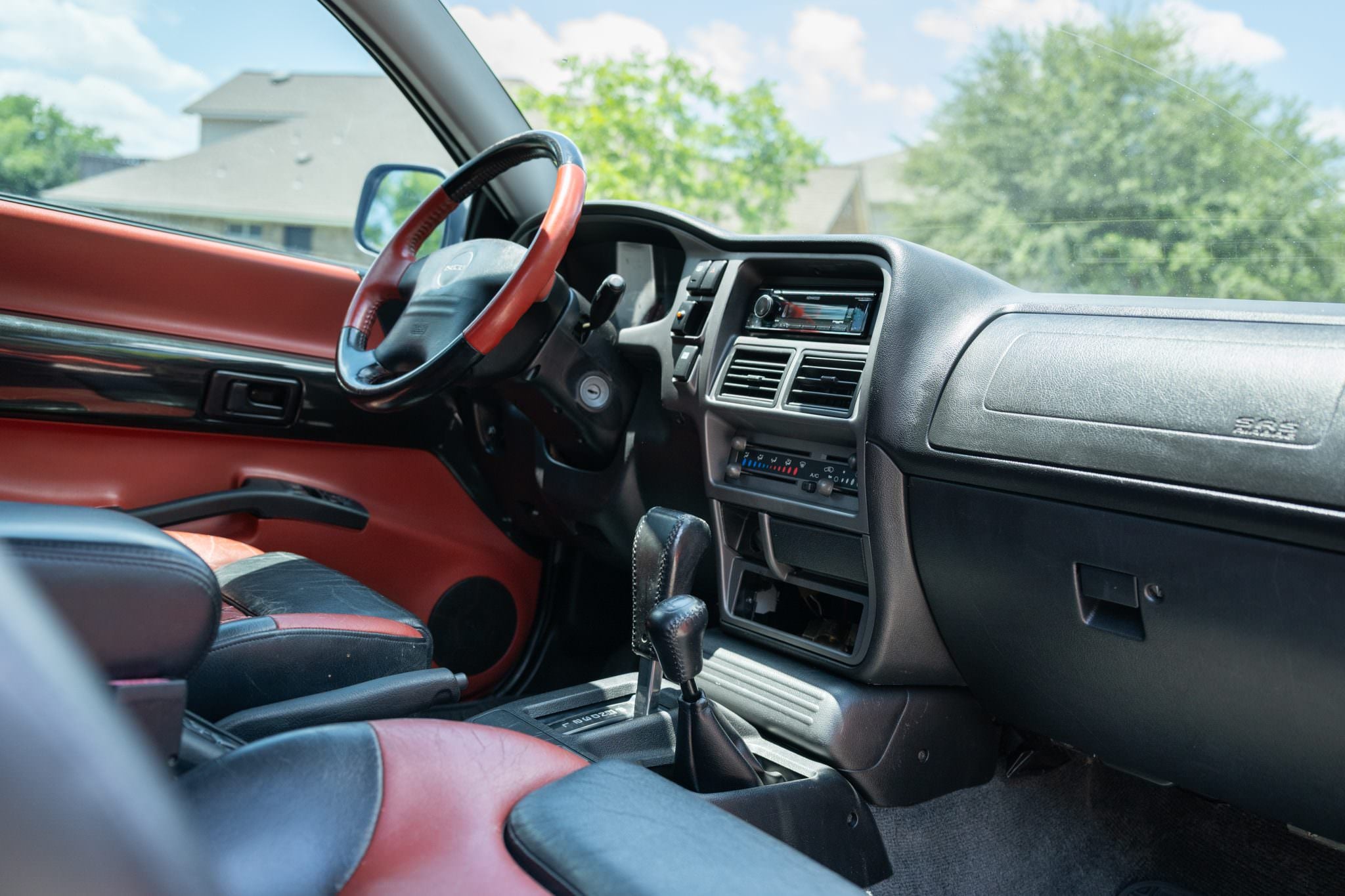
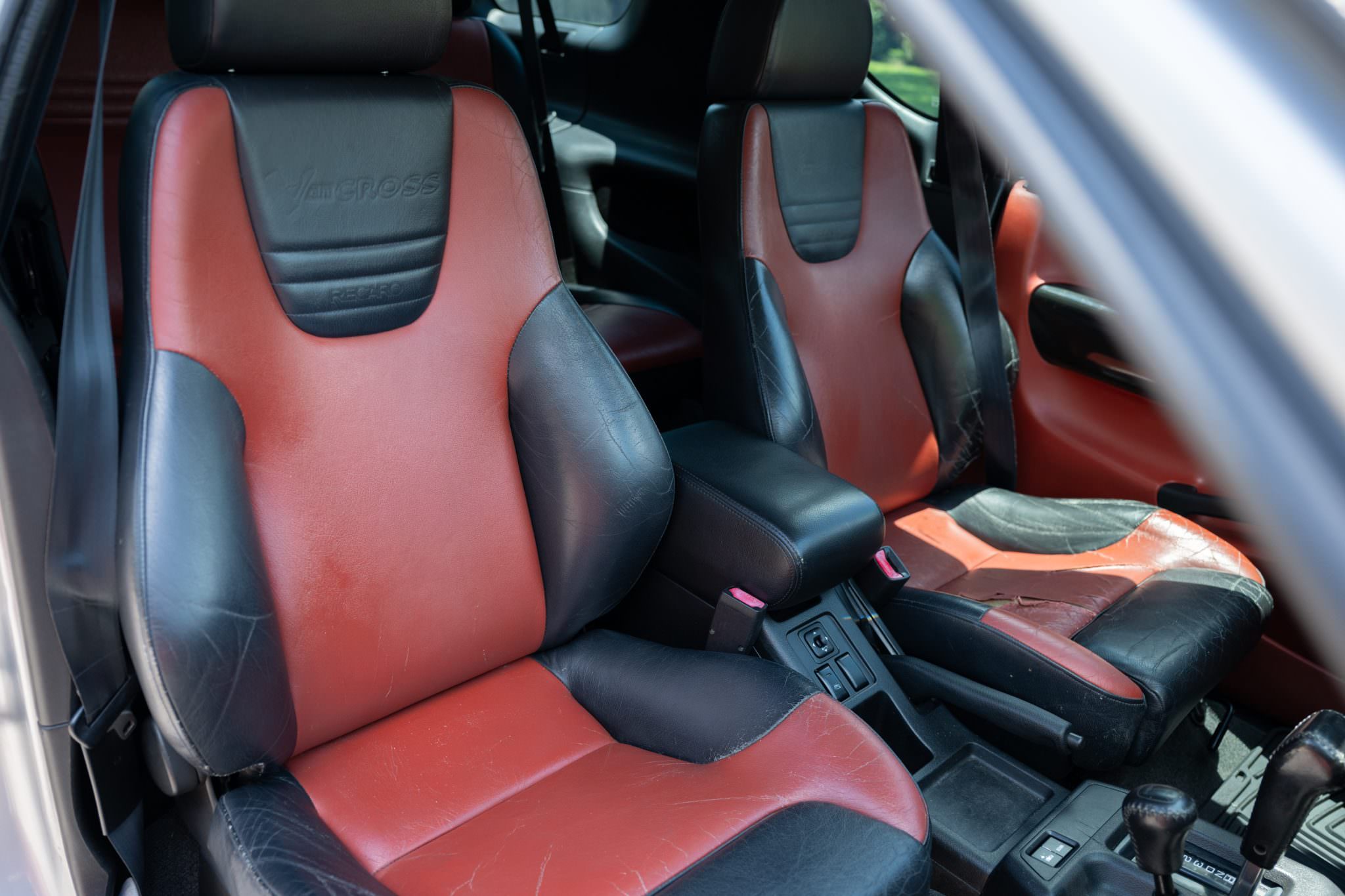
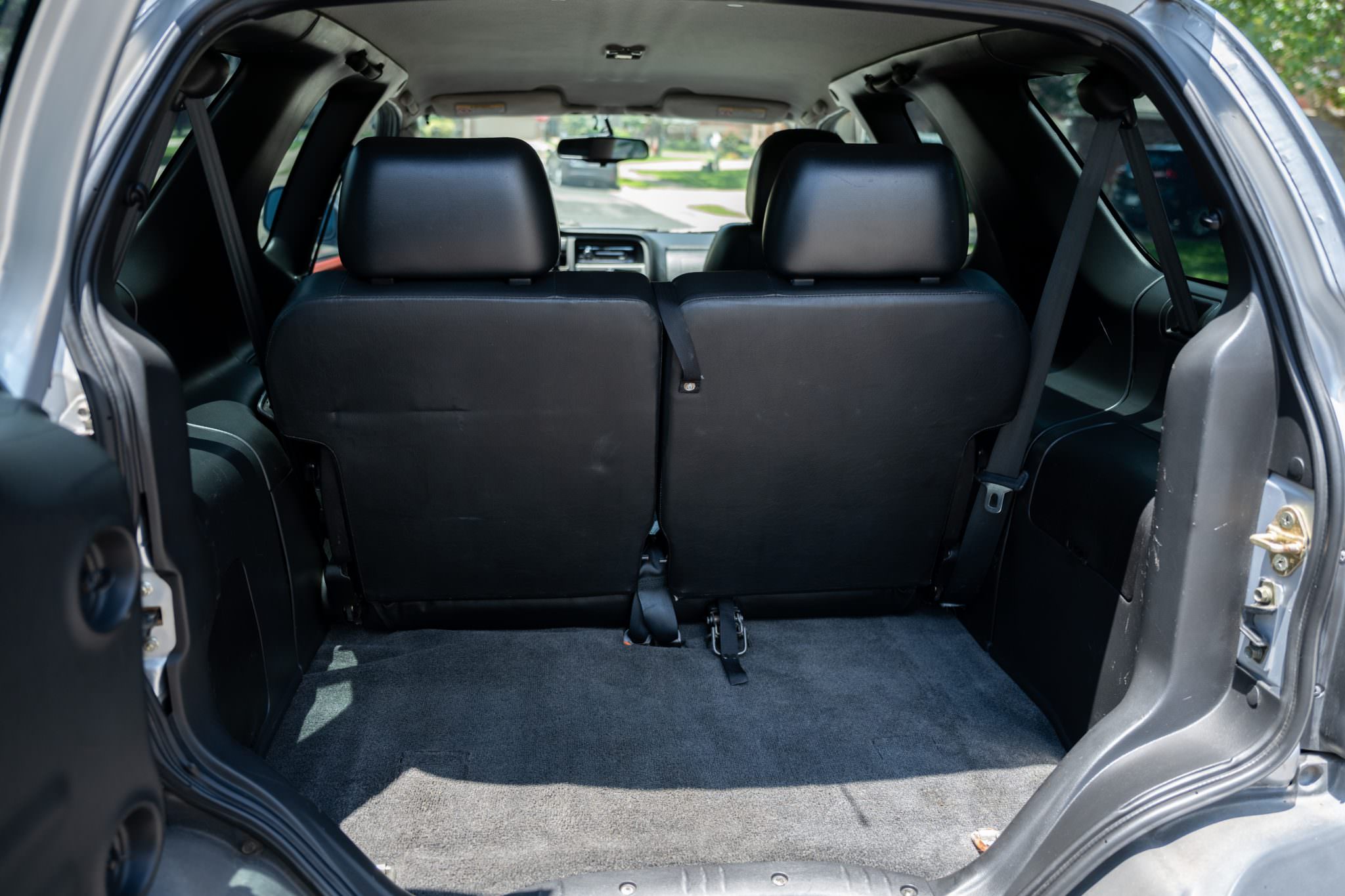
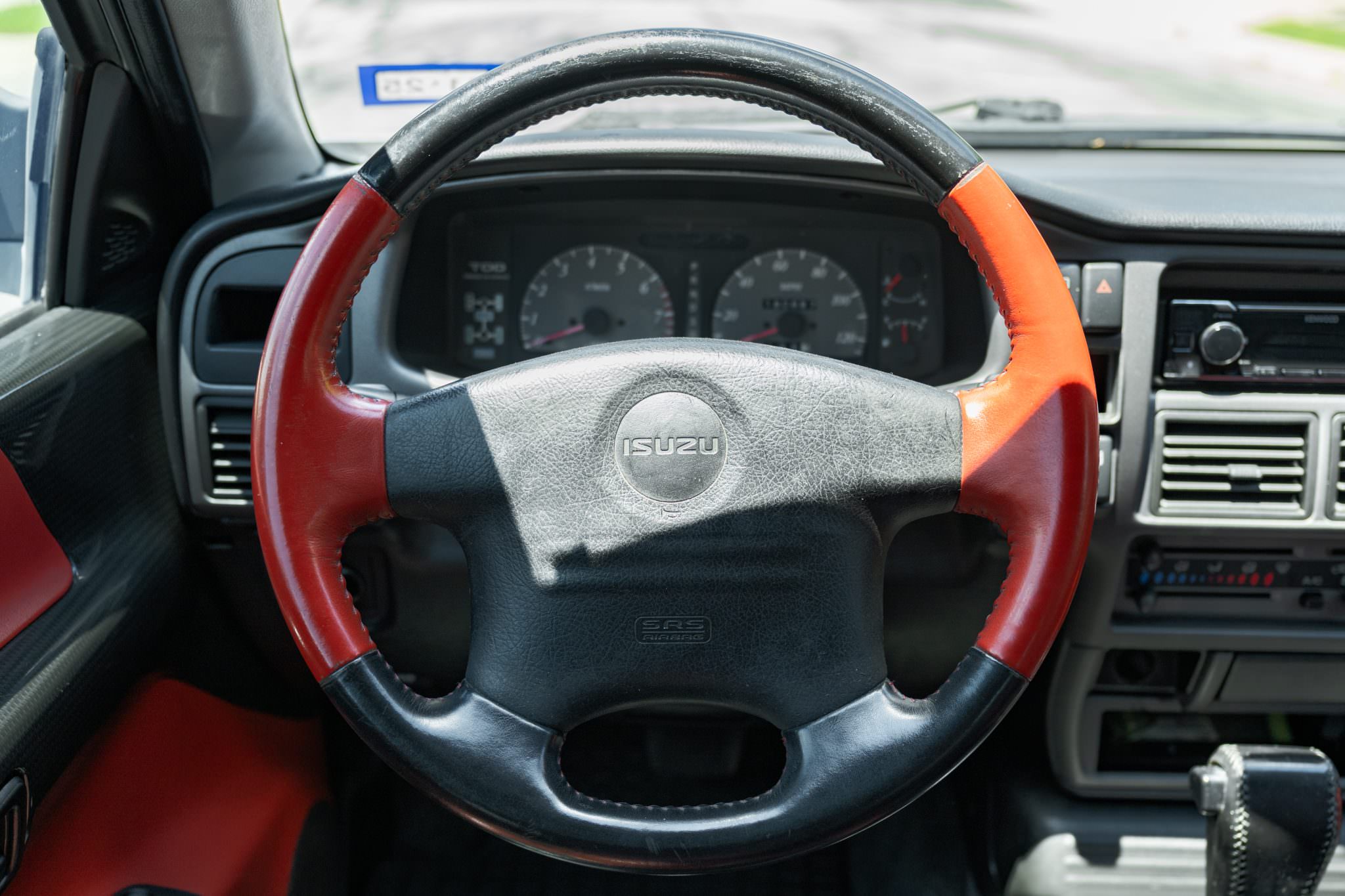
- The cabin has Recaro front bucket seats in red and black leather, a treatment extending to the door panels and split-folding rear bench. A leather-wrapped steering wheel frames a gauge cluster with a real-time TOD display. The driver’s seat bottom is torn, and wear is visible on various panels.
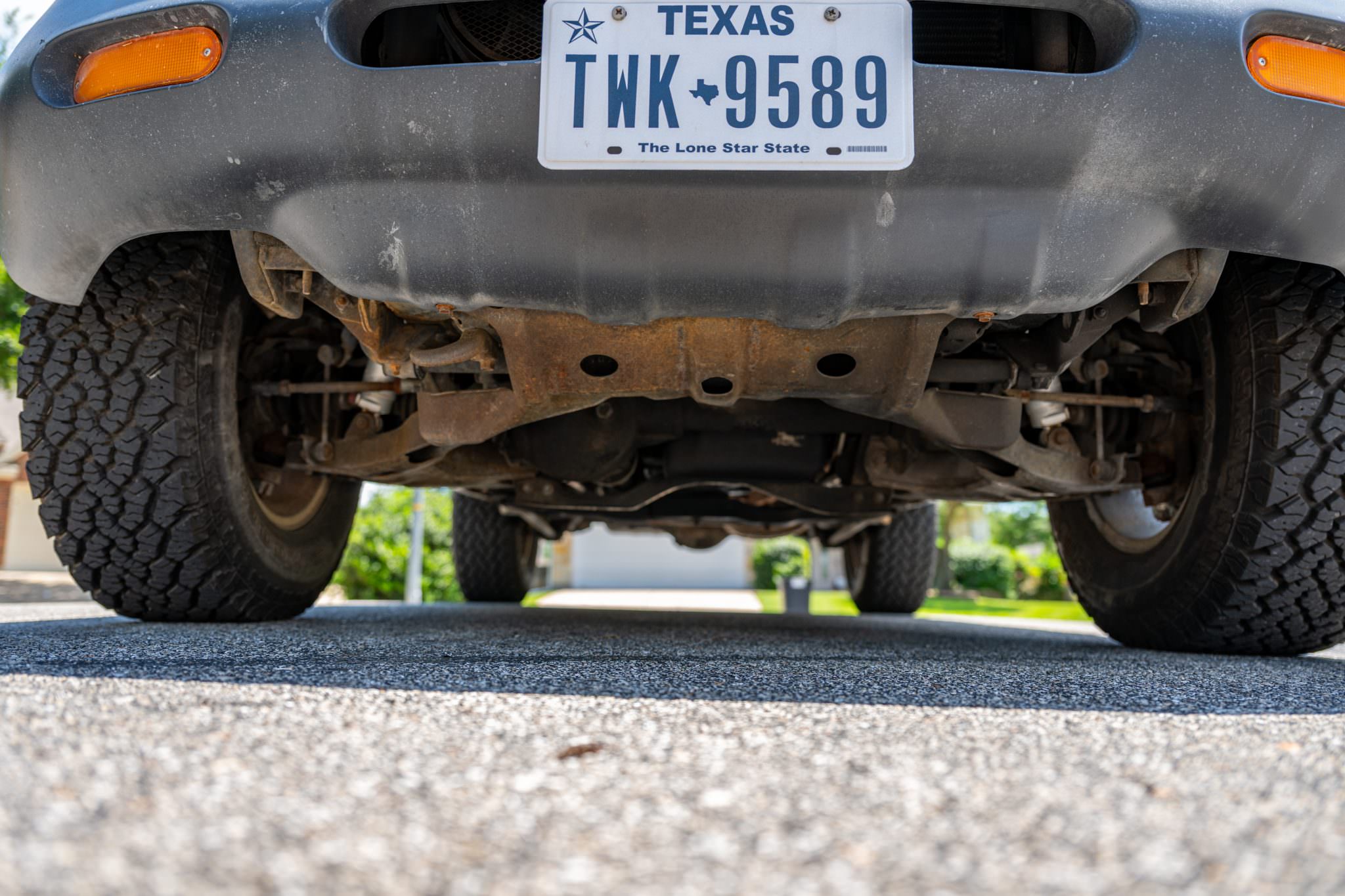
- The vehicle is being offered for sale out of Round Rock, Texas at no reserve, with a clean Carfax report and a clean Texas title in the seller’s name. It rides on 16 inch alloy wheels with General Grabber AT2 tires, and exterior equipment includes roof rails, fog lights, and heated mirrors.
History Speedrun: The Isuzu VehiCROSS
There are plenty of concept cars that have caused a stir, wowed a crowd, and then quietly disappeared into a designer’s portfolio, never to be seen or heard from again. Then there’s the Isuzu VehiCROSS, a concept car that wowed a crowd and then (against all reasonable expectations) actually made it to full production looking almost exactly like it did on the show stand.
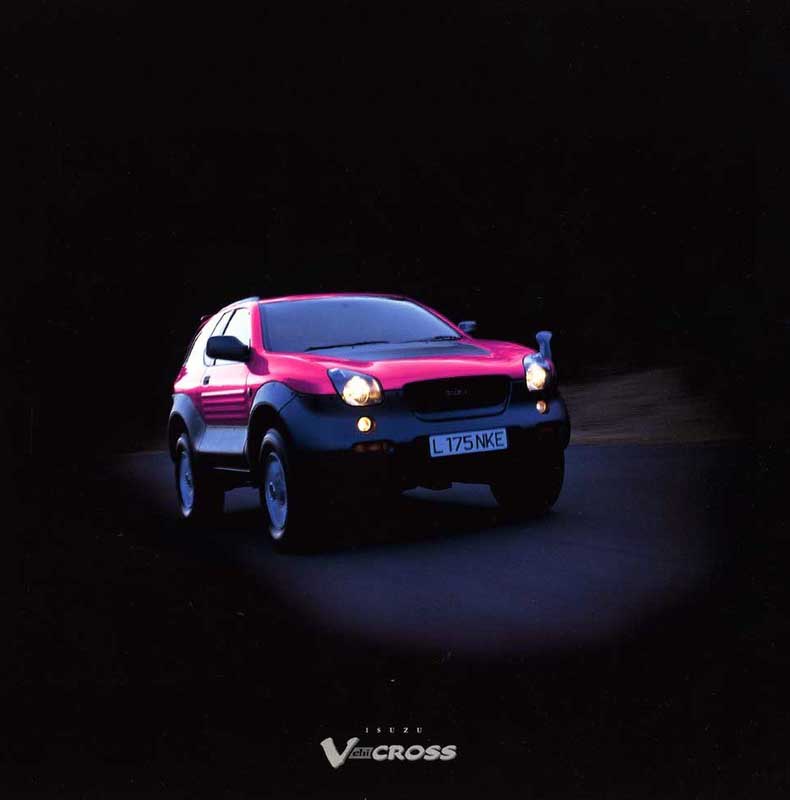
 There are plenty of concept cars that have caused a stir, wowed a crowd, and then quietly disappeared into a designer’s portfolio, never to be seen or heard from again. Then there’s the Isuzu VehiCROSS, a concept car that wowed a crowd and then (against all reasonable expectations) actually made it to full production looking almost exactly like it did on the show stand. Image courtesy of Isuzu.
At the turn of the millennium, as the American automotive industry’s retro-design boom was gathering momentum (hello, PT Cruiser and the new Thunderbird), Isuzu went in completely the opposite direction and dropped a compact SUV that looked like it had just rolled off the set of a sci-fi film. And the car buying public loved it. For the most part.
The VehiCROSS story really began at the 1993 Tokyo Motor Show, where Isuzu unveiled a concept called the “VX.” It was a squat, aggressively styled two-door SUV with short overhangs, titanium “teeth” in the grille, a matte black hood insert, and plastic cladding covering the entire lower half of the body. The reaction was immediate and polarizing, which is exactly what Isuzu was after.
The design was the work of an international team led by Shiro Nakamura and Satomi Murayama, operating out of Isuzu’s European design office in Brussels, Belgium. The supporting cast included Simon Cox, best known for his work on the Lotus Elan’s interior, along with designers Joji Yanaka, Andrew Hill, and Nick Robinson.
Their brief was to create something “lightweight but tough, fun but environmentally friendly.” Nakamura would later leave Isuzu for Nissan, where he’d go on to shape some of that company’s most iconic (and controversial) modern designs, including the Qashqai, the Juke, and the R35 GT-R. The VehiCROSS, in retrospect, was actually a pretty clear preview of his propensity for pushing design boundaries.
What made the VehiCROSS remarkable wasn’t just the design, it was how quickly Isuzu got it from the show stand to dealer showroom floor. The typical development cycle for a new vehicle at the time was eight years give or take.
Isuzu slashed the timeline by using ceramic body-stamping dies instead of the traditional steel. Ceramic dies were significantly cheaper to make, which kept costs manageable, but they wore out far more quickly than steel tooling, which effectively put a hard cap on production volume.
That was fine by Isuzu, because the VehiCROSS wasn’t intended to be a high-volume seller, but more of a halo car to get people into dealerships.
In order to achieve this compressed timeline, Isuzu engineers raided the corporate parts bin extensively, borrowing the dashboard from the Rodeo and sharing major mechanical parts with the Trooper, which all helped to keep costs down and the timeline as short as possible.
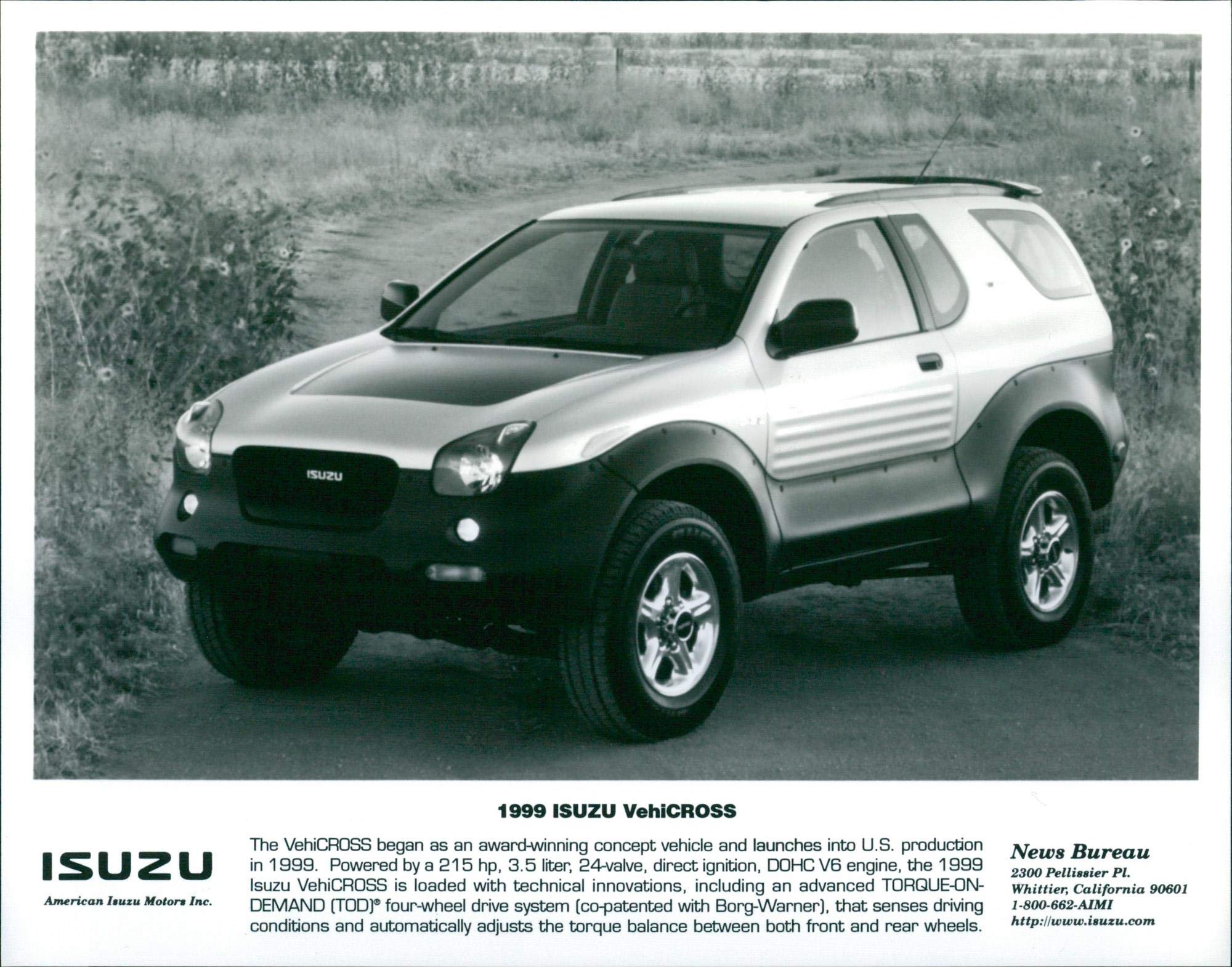
Under the skin, the VehiCROSS was an actually proper body-on-frame 4×4 truck, not a car-based unibody crossover. It rode on a chassis that was taken from the three-door Trooper, a short-wheelbase configuration sold only in Japan, with a wheelbase of 91.8 inches and an overall length of just 162.6 inches, making it quite a compact rolling platform. Image courtesy of Isuzu.
Isuzu VehiCROSS Specifications
Under the skin, the VehiCROSS was an actually proper body-on-frame 4×4 truck, not a car-based unibody crossover. It rode on a chassis that was taken from the three-door Trooper, a short-wheelbase configuration sold only in Japan, with a wheelbase of 91.8 inches and an overall length of just 162.6 inches, making it quite a compact rolling platform.
Power came from a 3.5 liter 6VE1 DOHC V6 producing 215 bhp at 5,400 rpm and 230 lb ft of torque at 3,000 rpm, mated to a 4-speed automatic. The Japanese-market version also offered the slightly smaller 3.2 liter 6VD1 V6.
Isuzu’s Torque-On-Demand (TOD) four-wheel-drive system (developed in partnership with BorgWarner) was one of the stand-out features of the VehiCROSS. Under normal driving conditions, the system sent all power to the rear wheels. But when any of its 12 onboard sensors detected wheel slip, or predicted it was about to happen, the system automatically redirected power to the front axle, sending up to 50% of torque forward as needed.
A display in the instrument cluster showed the instantaneous torque split in real time, which was cutting-edge stuff for a vehicle in this price bracket at the turn of the millennium.
The VehiCROSS shipped from the factory with monotube shock absorbers with external expansion reservoirs – a technology borrowed directly from off-road motorcycle racing. The purpose of the external reservoirs was to separate pressurized nitrogen gas from the damping oil inside the shock to prevent foaming and cavitation during hard use, delivering better damping over rough terrain than conventional shocks could manage at the time.
A larger front anti-roll bar, nearly 8% bigger than the US-market Trooper’s, helped keep the body remarkably flat during hard cornering on the blacktop. At 3,955 lbs, the VehiCROSS was no lightweight, but the combination of body-on-frame construction, proper low-range gearing, and that sophisticated suspension meant it could hold its own off-road.
The VehiCROSS In Motorsport
The VehiCROSS won its class in Stages 2 and 4 of the 1998 Paris-Granada-Dakar Rally, and took the class win at the 1999 Australian Safari Rally. Four Wheeler Magazine named it First Runner Up for Four Wheeler of the Year in 2000, mentioning that it scored highest among all six contenders in mechanical capability, trail performance, and highway performance. Motor Trend put it on the cover in May of 1999 and included it in its “Top 10 Sport Utilities” for Most Unique Styling.
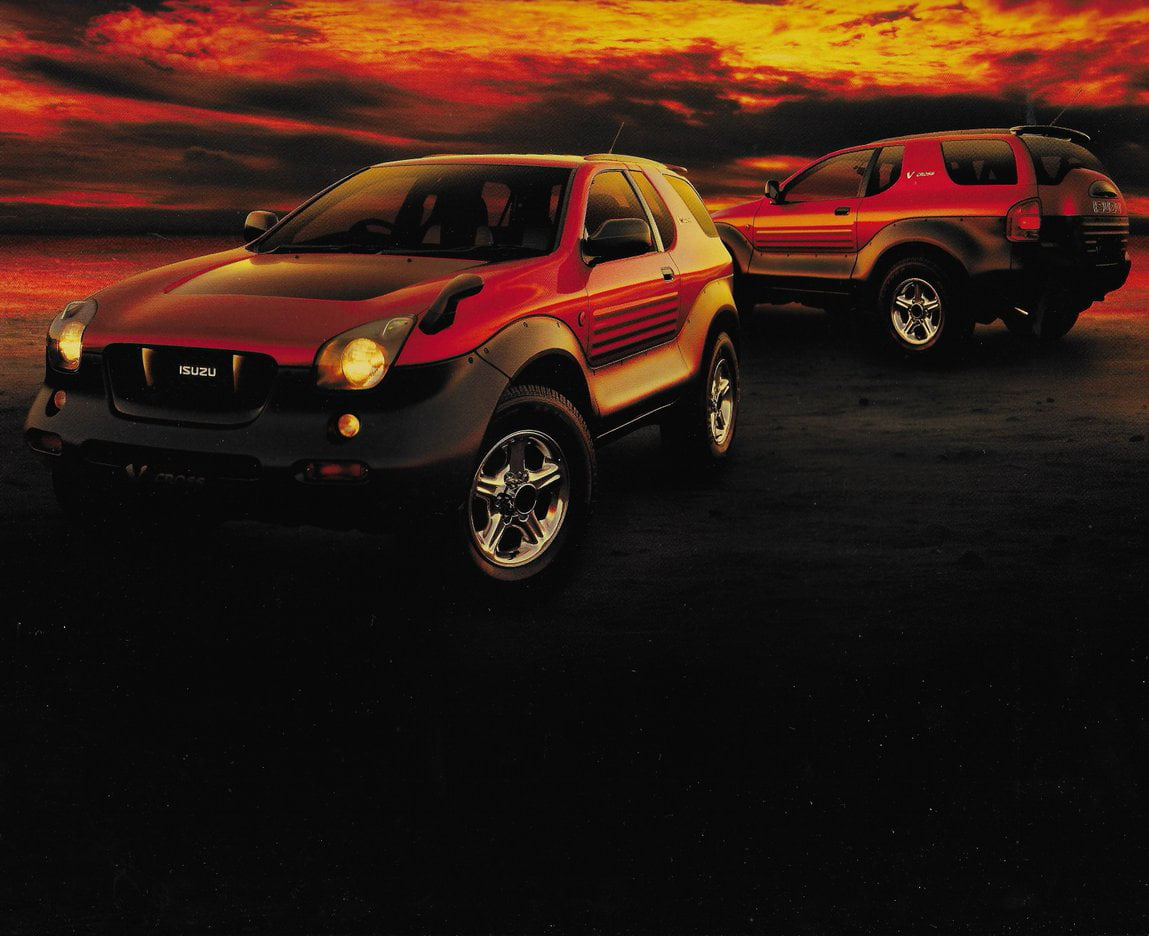
Isuzu’s Torque-On-Demand (TOD) four-wheel-drive system (developed in partnership with BorgWarner) was one of the stand-out features of the VehiCROSS. Under normal driving conditions, the system sent all power to the rear wheels. But when any of its 12 onboard sensors detected wheel slip, or predicted it was about to happen, the system automatically redirected power to the front axle, sending up to 50% of torque forward as needed. Image courtesy of Isuzu.
Production ran from 1997 to 2001, with Japanese-market sales running from 1997 to 1999 and US market sales from 1999 to 2001. In total, Isuzu built 5,958 VehiCROSS SUVs – 1,805 for Japan and 4,153 for the United States. The US base price was $28,900 USD.
For those who wanted a little more personality, Isuzu offered the Ironman Edition, named after the long-distance triathlon. It featured Victory White paint with contrasting black cladding, an Ironman hood graphic, unique badging, a red-and-black interior with Recaro front sport seats, and a Yakima roof rack, all for a $995 USD option price.
At the 2000 Los Angeles Auto Show, Isuzu showed two VehiCROSS-based concepts – a four-door version called the VX-4 and a two-door convertible called the VX-O2. Sadly, neither reached production. Both were donated to the Petersen Automotive Museum in 2008, later returned to Isuzu when the museum renovated, and then (sadly) destroyed by Isuzu for legal reasons in 2017.
The sci-fi design of the VehiCROSS led to a modified example appearing in the 2000 film Mission to Mars, fitted with futuristic engine sound effects. And between 2005 and 2007, Austin Robot Technology used a VehiCROSS as the foundation for their autonomous vehicle entry in the DARPA Grand Challenge – a forerunner of modern day autonomous cars.
The VehiCROSS sits in a strange spot in the collector market today. It’s rare, genuinely interesting, off-road capable, and it comes from a manufacturer that no longer sells passenger vehicles in the United States.
By all conventional collector-car logic, it should be worth more than it is. That said, values have been climbing as younger enthusiasts (the demographic Isuzu originally targeted) begin discovering it – particularly as the 1990s surge to the forefront of the fashion world, for better or worse.
The 1999 Isuzu VehiCROSS Shown Here
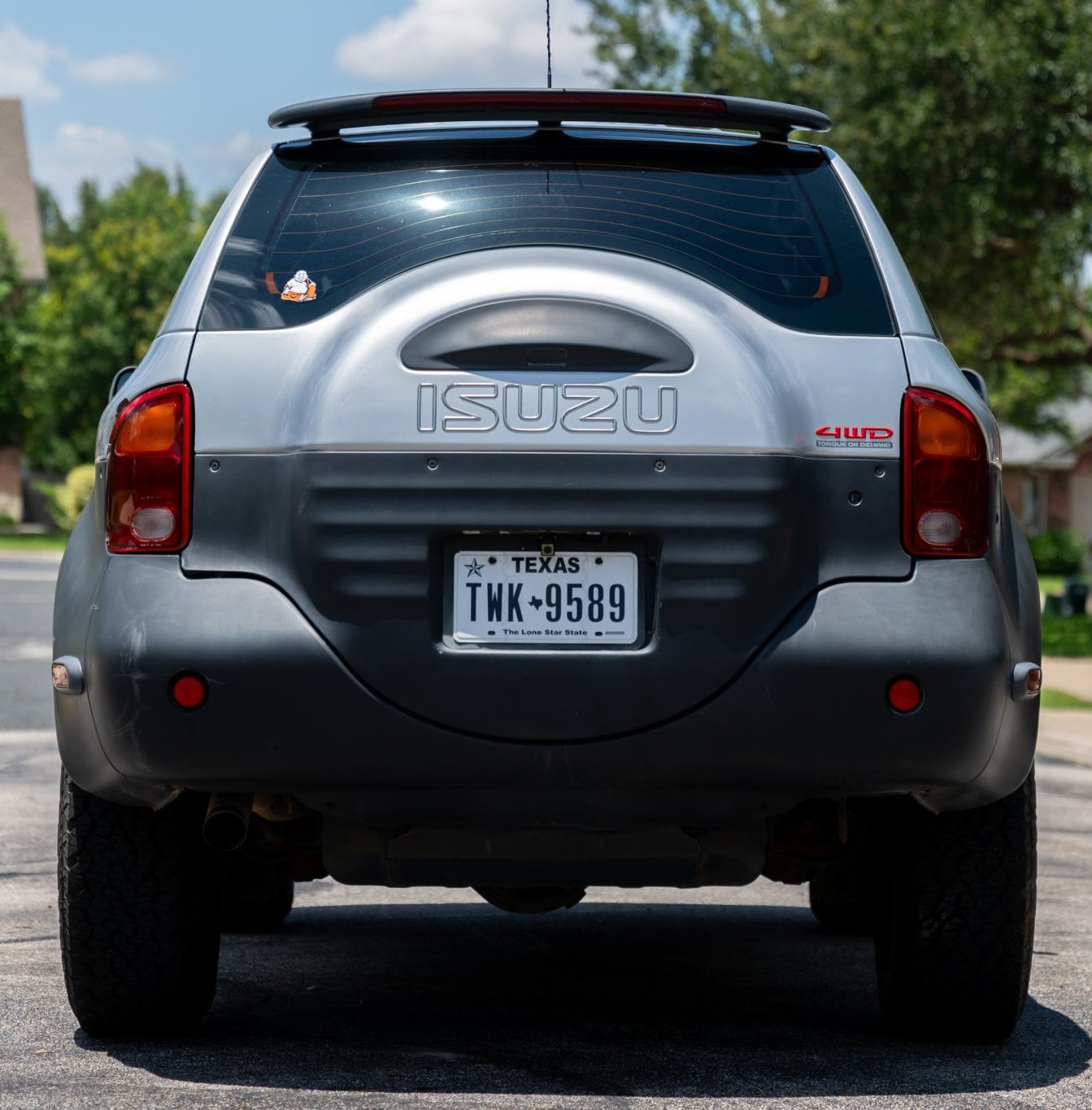
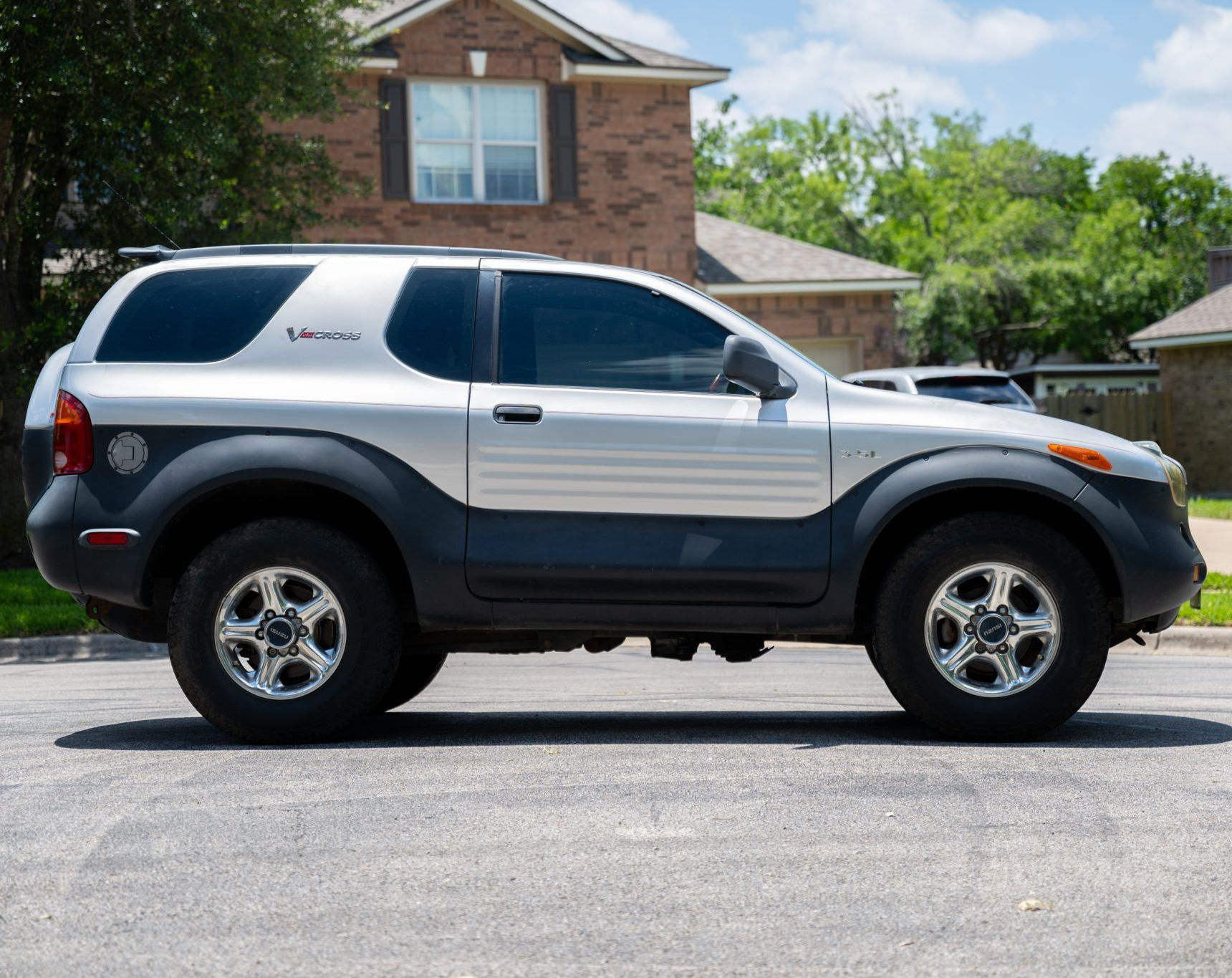
This is an original 1999 Isuzu VehiCROSS that’s finished in silver, it was reportedly first registered in Nebraska before spending time in Texas, where the current seller bought it in 2023. The six-digit odometer reads 181,000 miles, roughly 2,000 of which were added during current ownership.
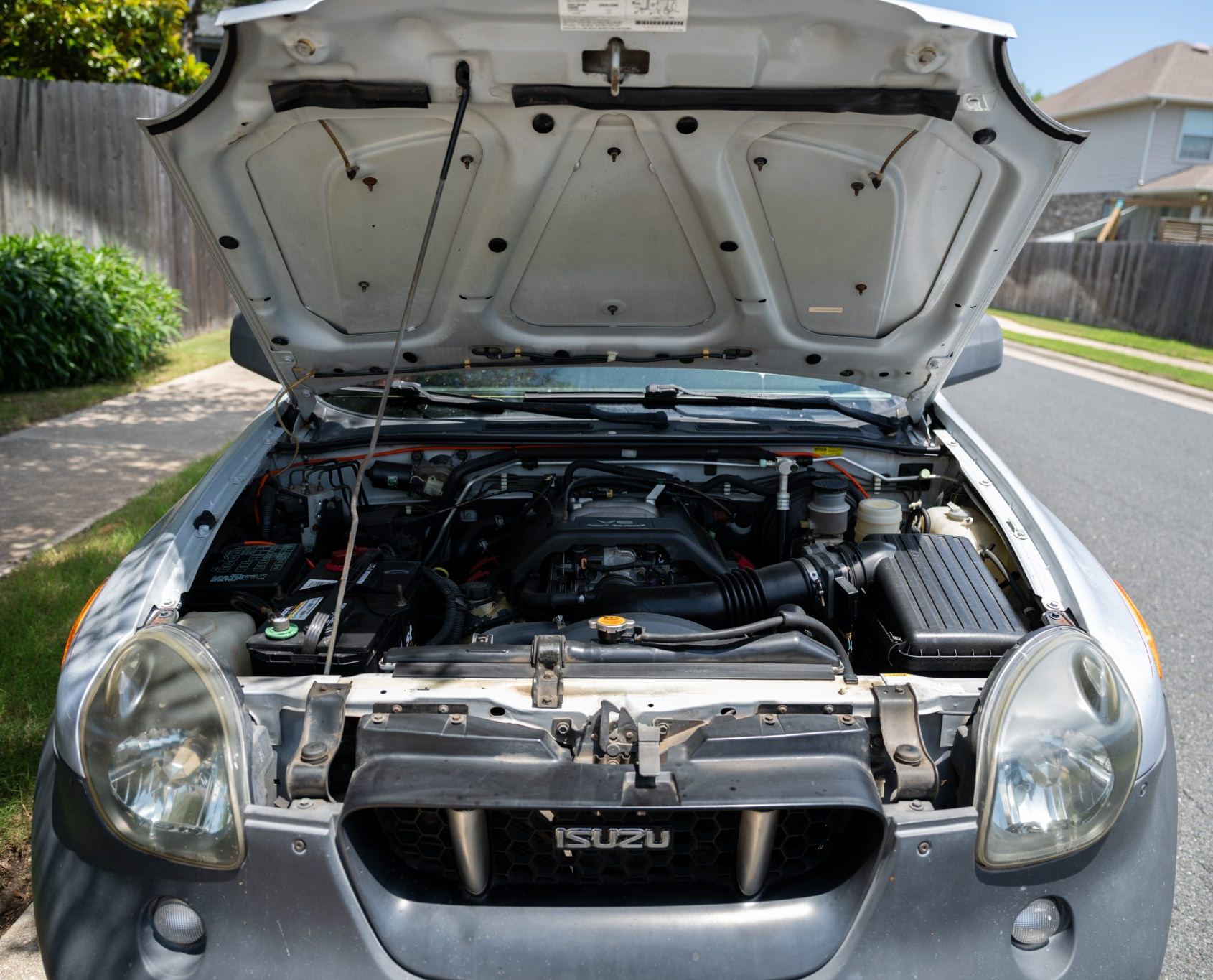
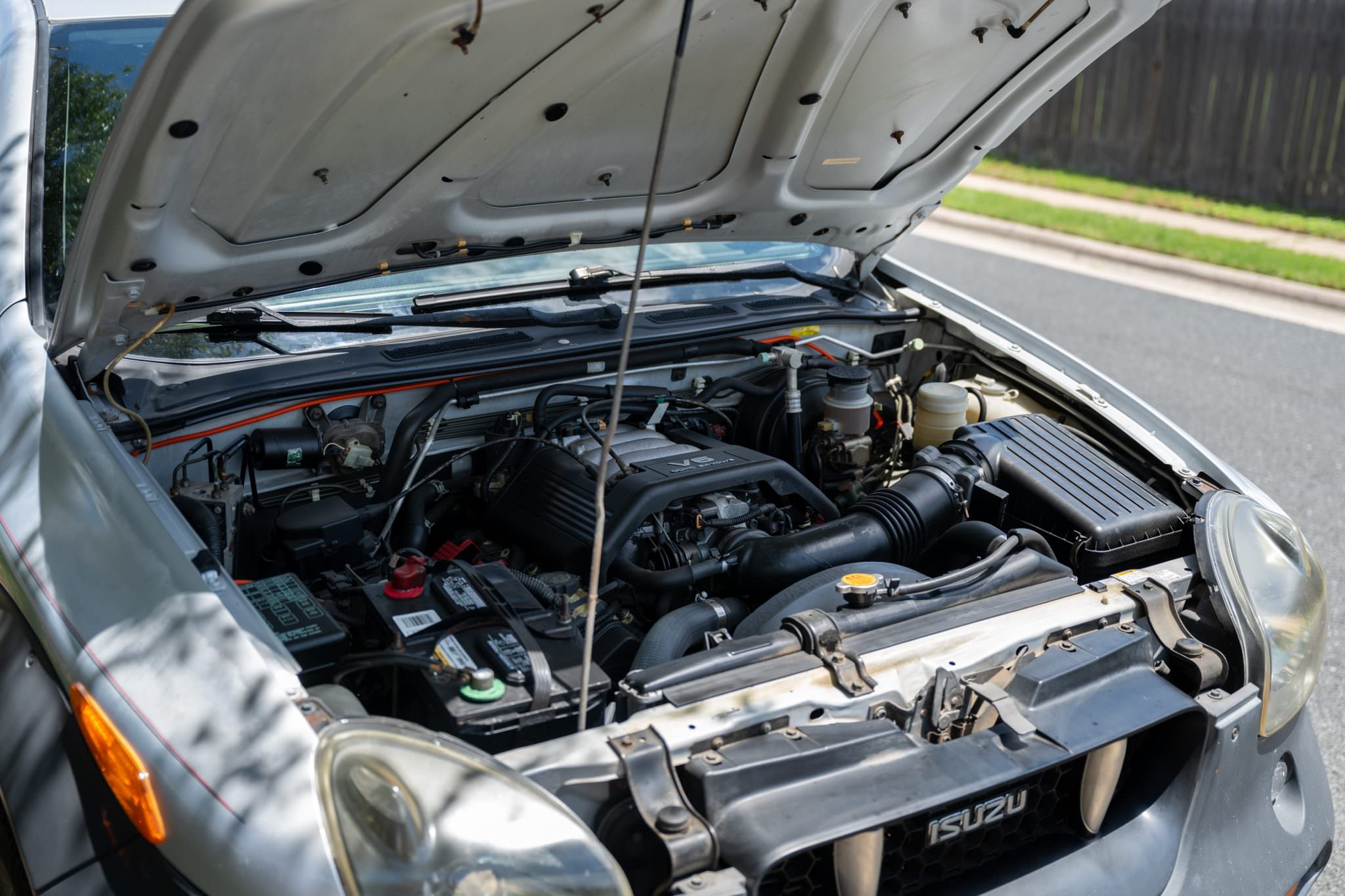
As you would expect, power comes from the factory 3.5 liter DOHC V6 rated at 215 bhp and 230 lb ft of torque, paired with a 4-speed automatic transmission. The drivetrain includes a Borg-Warner Torque on Demand four-wheel-drive system, a dual-speed transfer case, and a limited-slip rear differential.
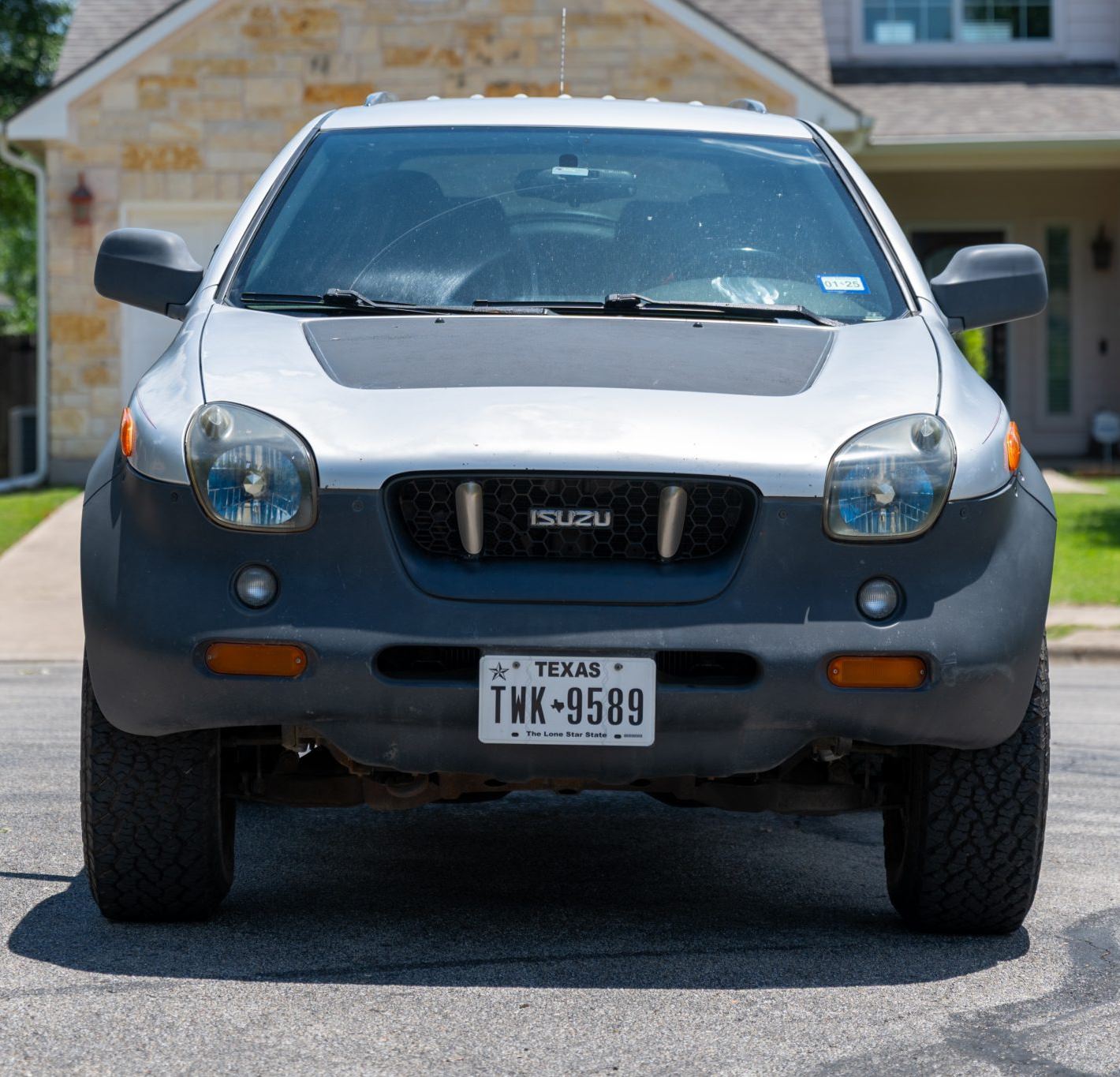
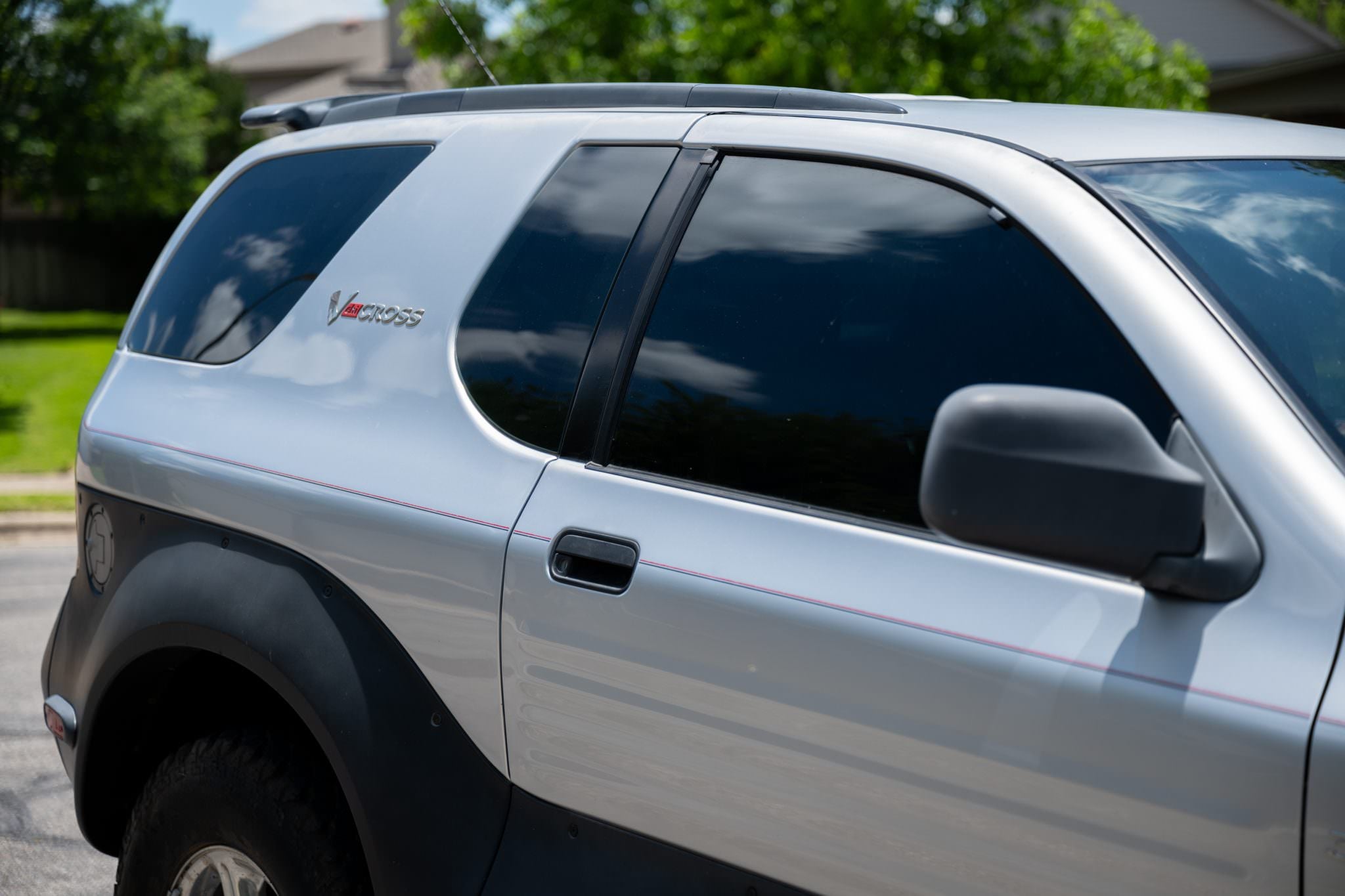
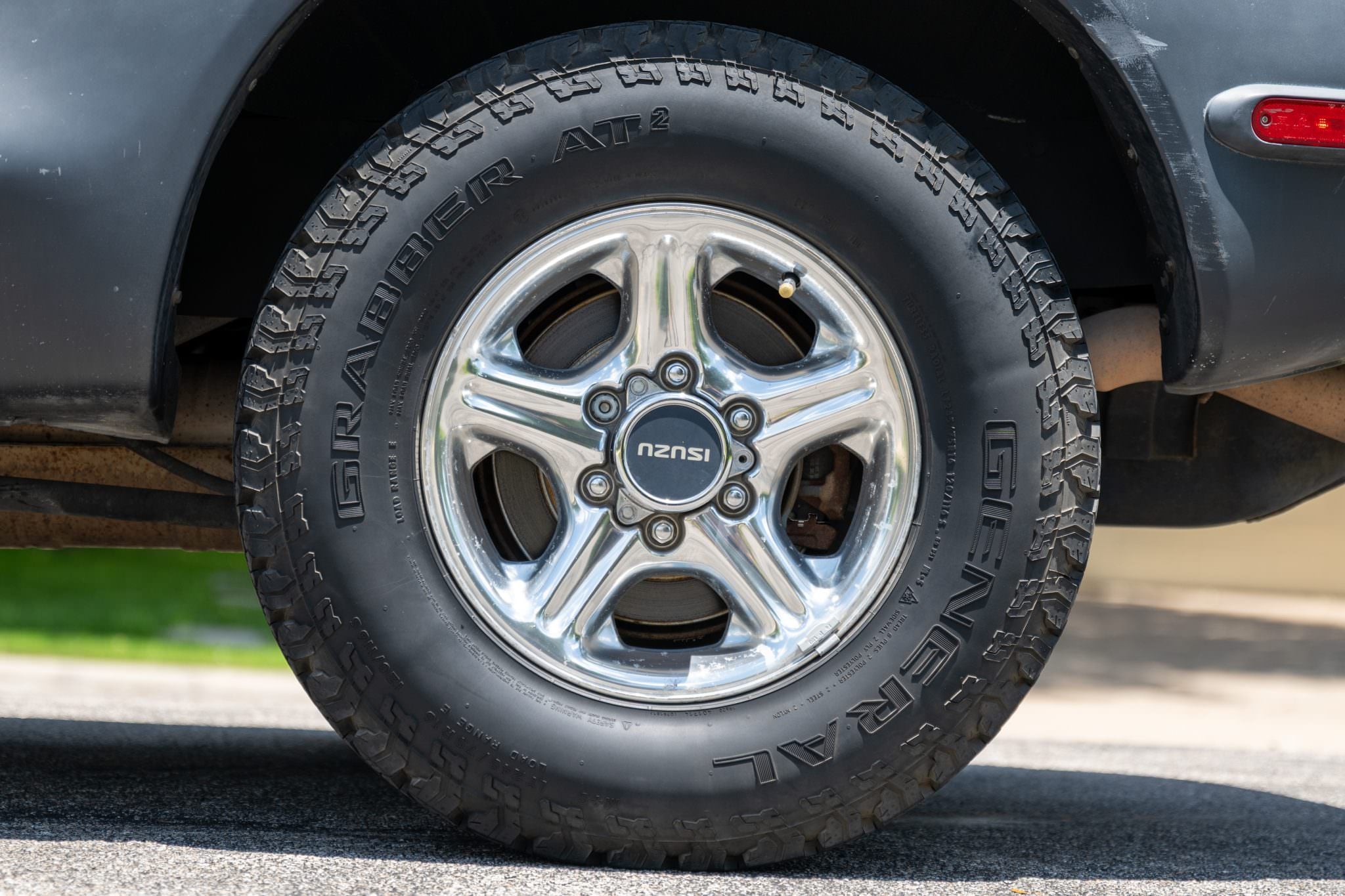
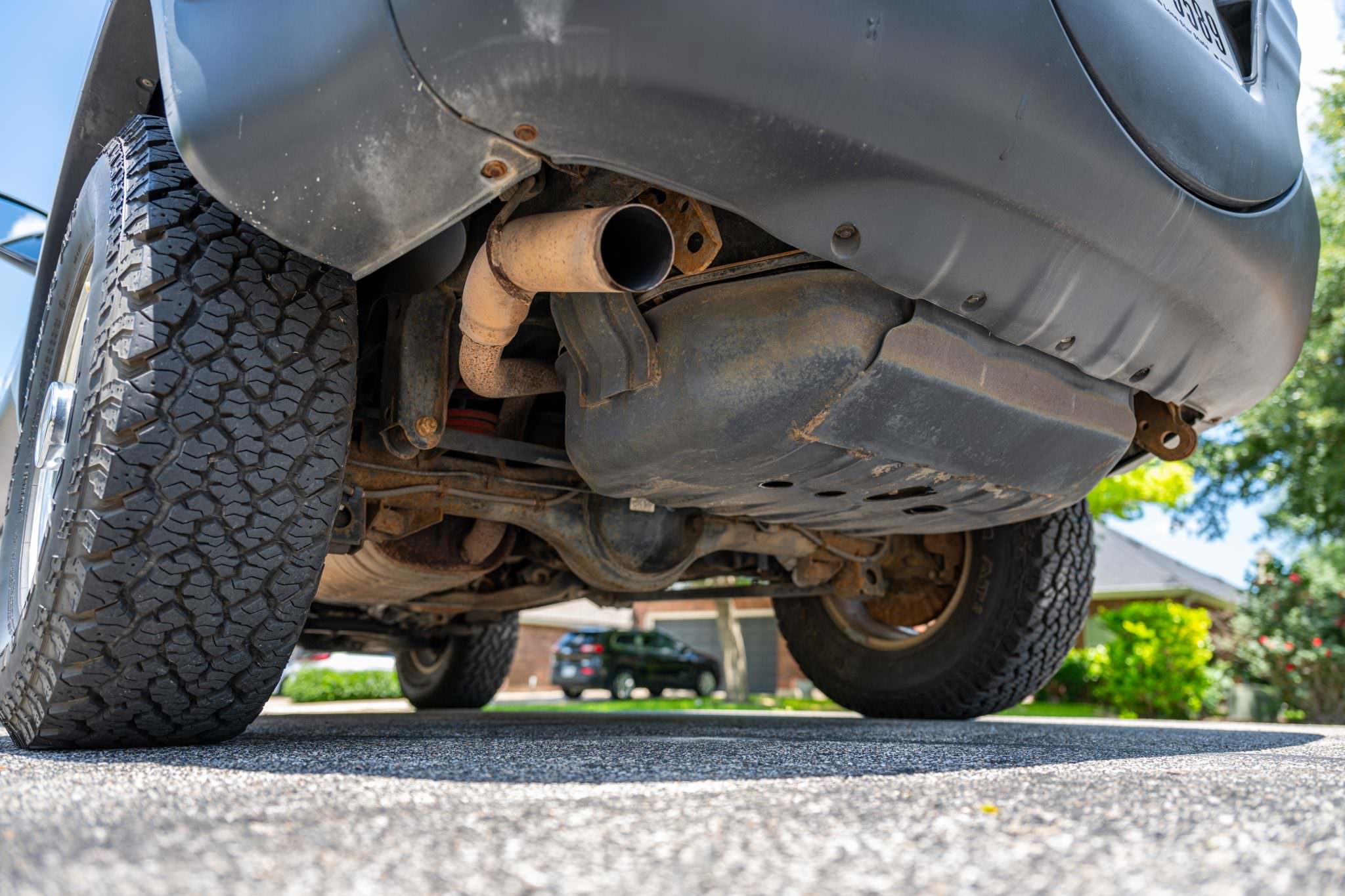
The seller has replaced the shock absorbers, and it rides on 16 inch alloy wheels shod with 245/75 General Grabber AT2 tires, with a spare housed in the integrated rear carrier. The exterior retains its factory-applied silver paint with black plastic lower body cladding and bumper covers.
Equipment includes roof rails, a rear wind deflector, fog lights, and heated power-adjustable side mirrors. Inside, the cabin has Recaro front bucket seats trimmed in red and black leather, a treatment that extends to the door panels and the split-folding rear bench.
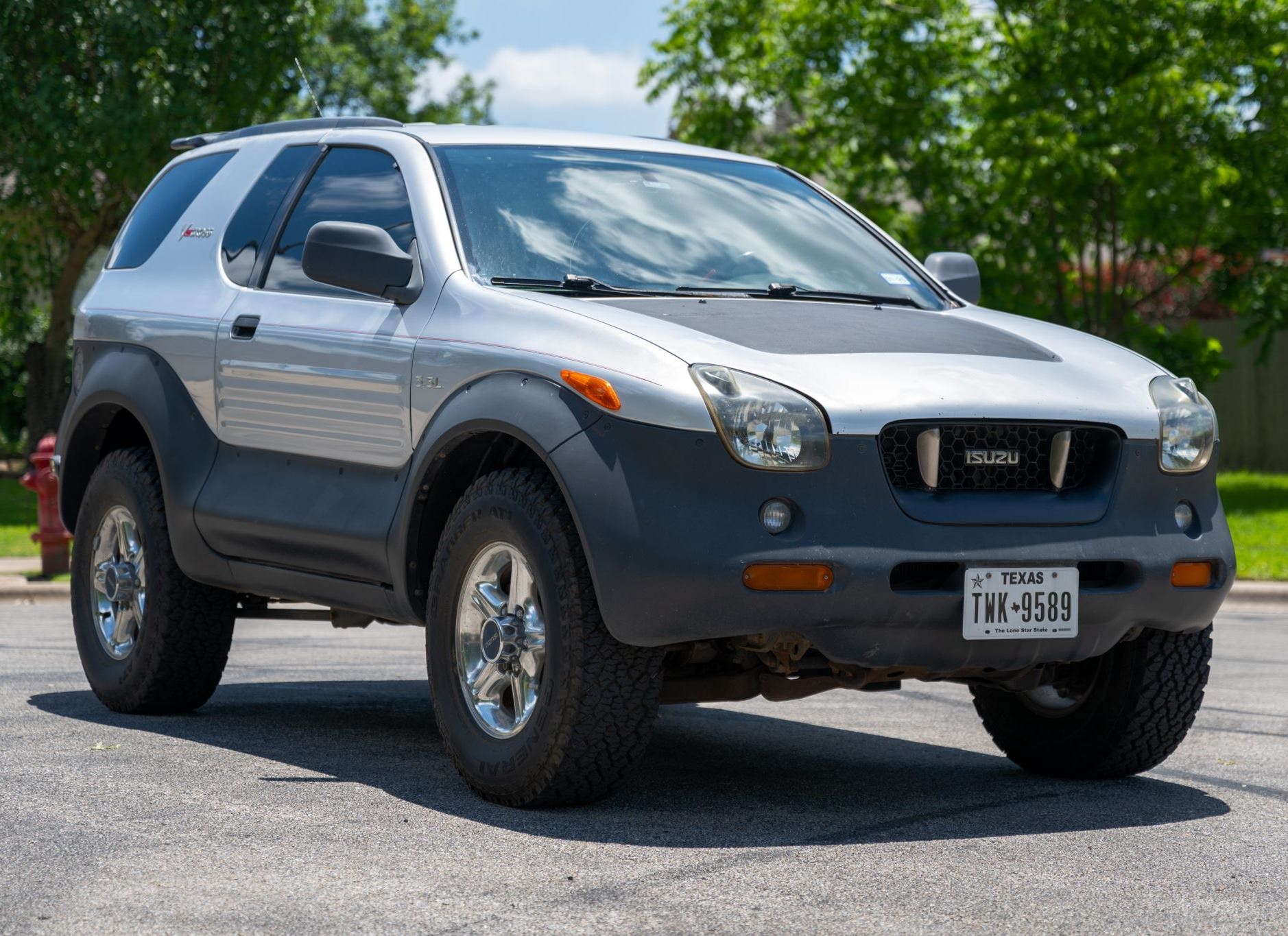
This is an original 1999 Isuzu VehiCROSS that’s finished in silver, it was reportedly first registered in Nebraska before spending time in Texas, where the current seller bought it in 2023. The six-digit odometer reads 181,000 miles, roughly 2,000 of which were added during current ownership.
The two-tone leather-wrapped steering wheel frames a gauge cluster with a tachometer, a 125 mph speedometer, fuel and coolant temperature gauges, and a real-time display for the Torque on Demand system. It’s also fitted with air conditioning, cruise control, and a Kenwood head unit.
It’s now being offered for sale out of Round Rock, Texas with a clean Carfax report and a clean Texas title in the seller’s name. If you’d like to read more or register to bid you can visit the listing here.
Images courtesy of Bring a Trailer + Isuzu

Articles that Ben Branch has written have been covered on CNN, Popular Mechanics, Smithsonian Magazine, Road & Track Magazine, the official Pinterest blog, the official eBay Motors blog, BuzzFeed, Autoweek Magazine, Wired Magazine, Autoblog, Gear Patrol, Jalopnik, The Verge, and many more.
Silodrome was founded by Ben back in 2010, in the years since the site has grown to become a world leader in the alternative and vintage motoring sector, with well over a million monthly readers from around the world and many hundreds of thousands of followers on social media.