This is a pair of first-generation Lotus Elan project cars that are now looking for a new owner. They’re part of a stalled project that dates back to the 1980s, and they’ve even waiting all this time for a second lease on life.
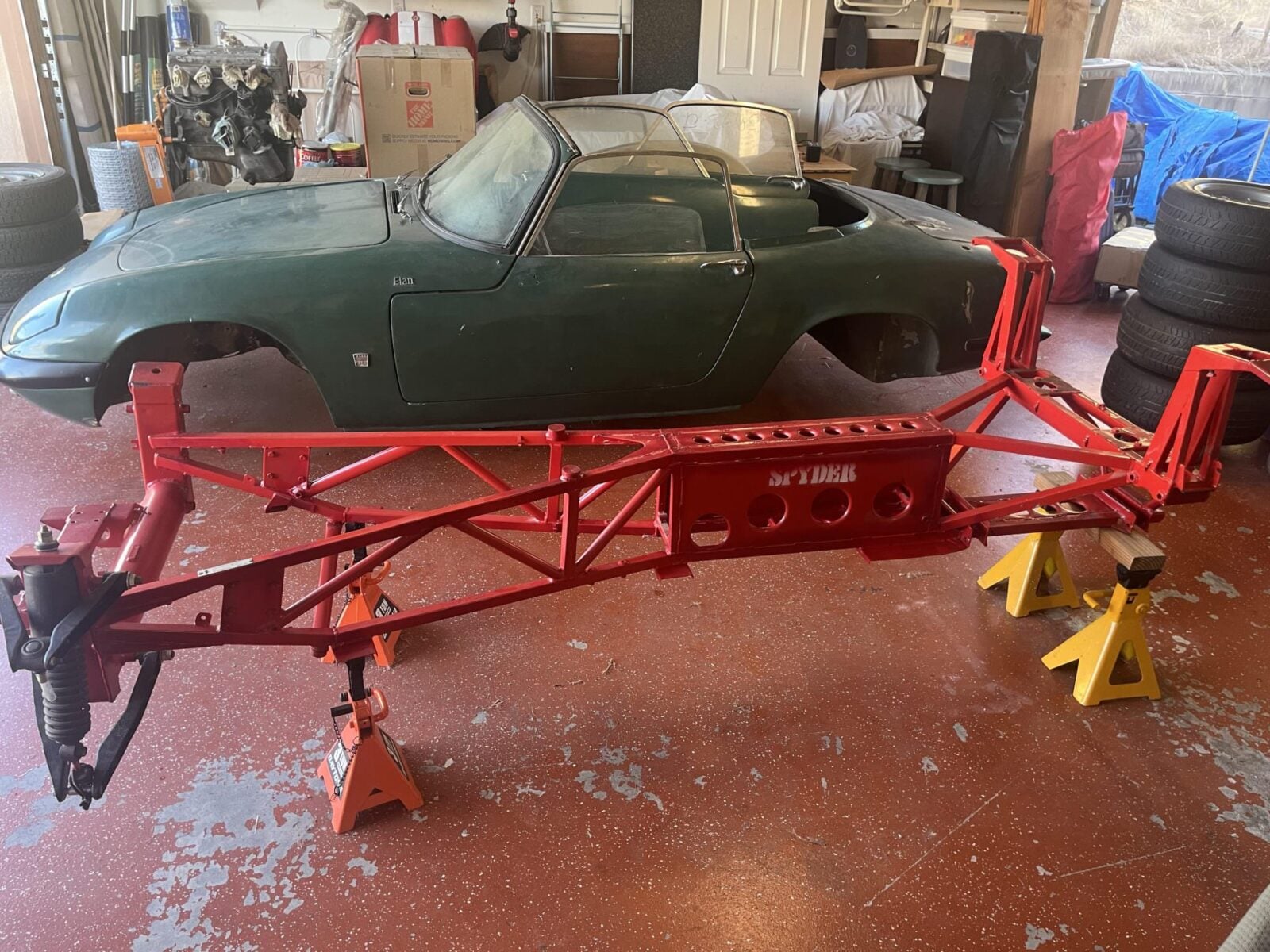
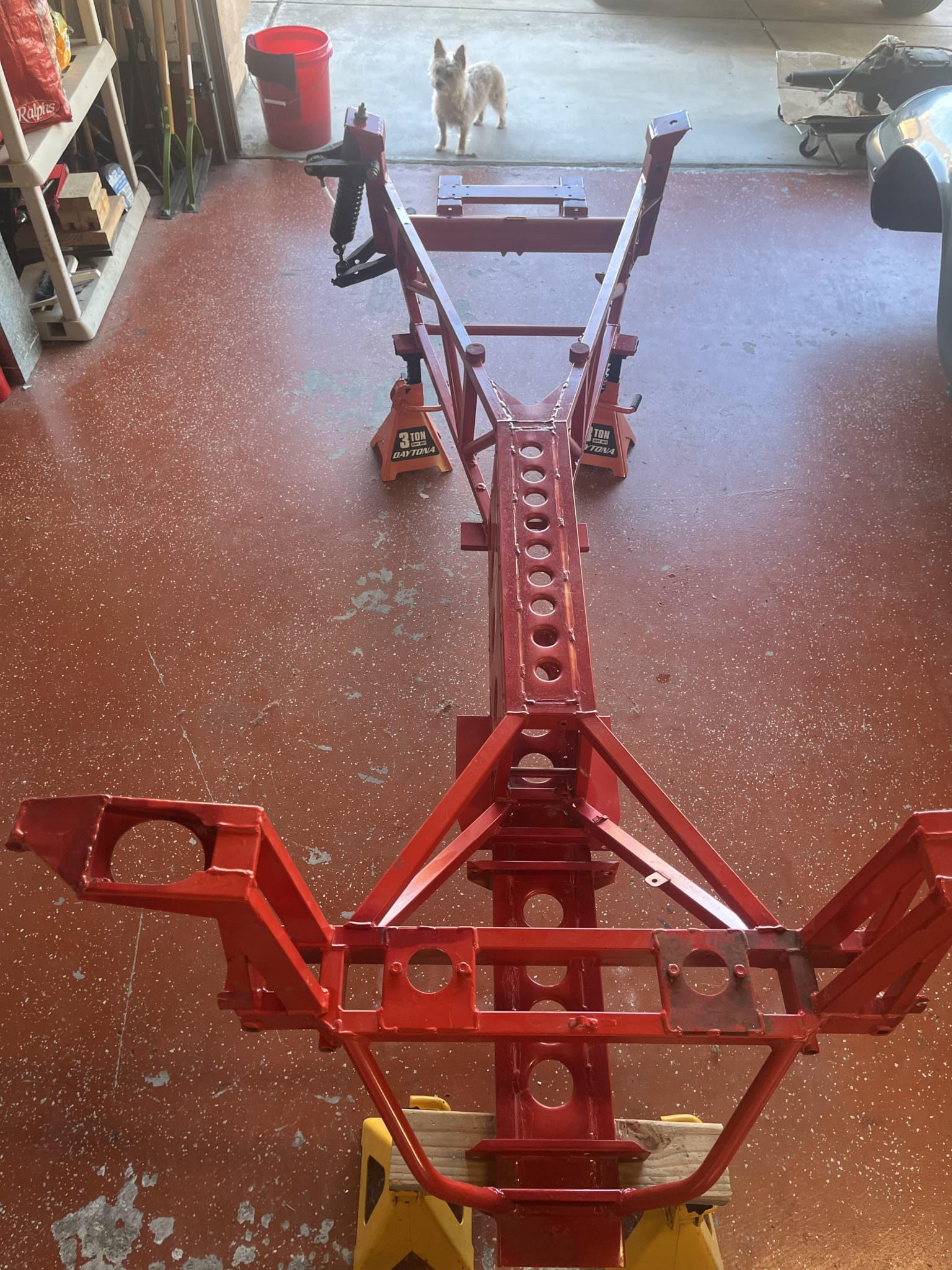
These cars (and the boxes of parts that come with them) were bought by the late owner over 40 years ago along with a desirable tubular chassis from Spydercars. Both cars have titles, and they’re being offered as a single lot out of Spring Valley, California.
Fast Facts: A Lotus Elan Project Car
- This listing includes two 1967 Lotus Elan S3 roadsters in British Racing Green, offered as a single project lot at no reserve from an estate in Spring Valley, California. The cars were bought by the late owner in the 1970s and 1980s as part of a refurbishment project that was ultimately never completed.
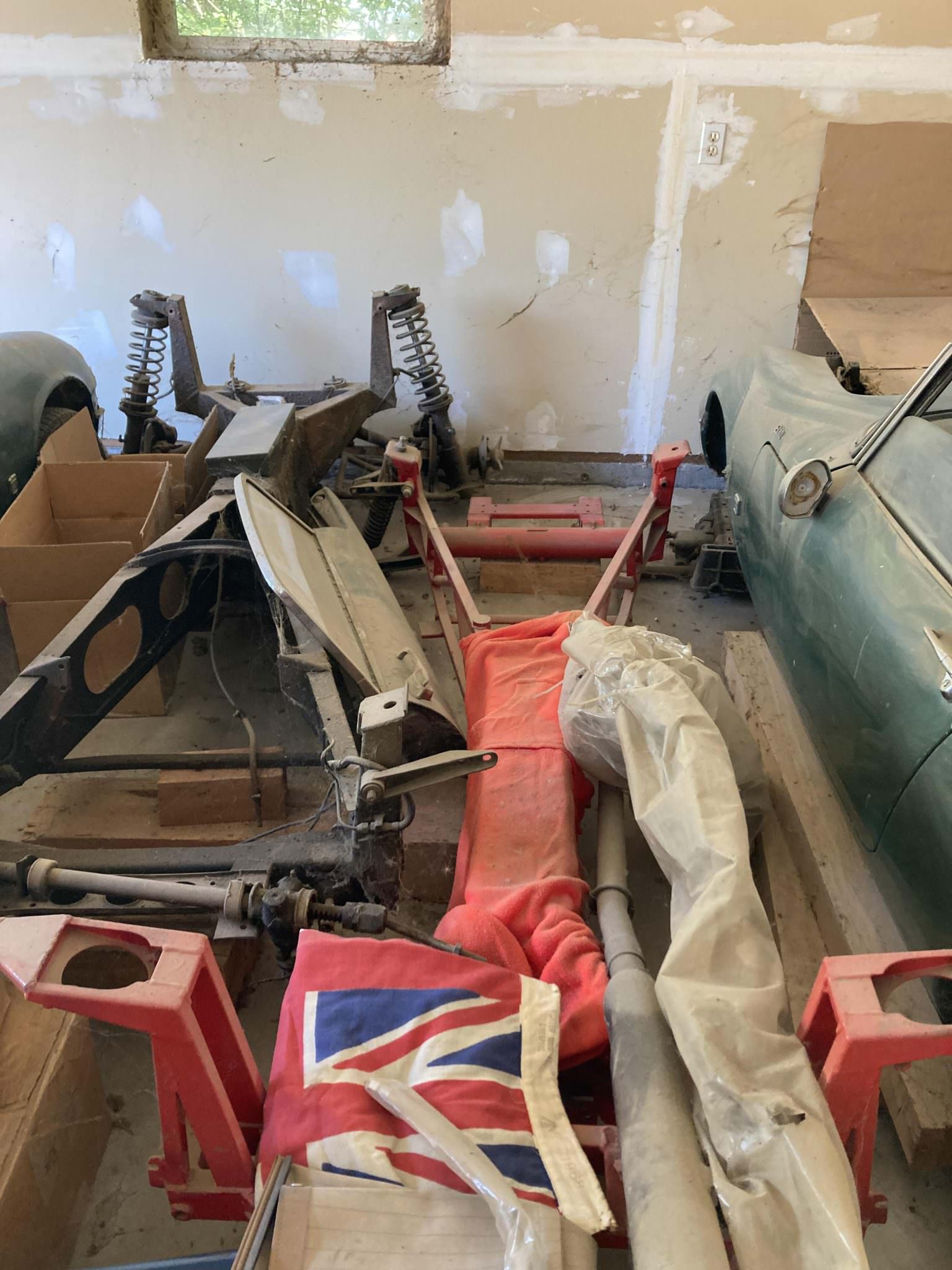
- The primary car (chassis 45/6247) has been fully dismantled, with its fiberglass body separated from the backbone chassis and its 1.6 liter twin-cam four and 4-speed manual removed. The second car (chassis 45/6291) is a rolling but damaged parts car retaining its engine block, transmission, and rear axle.
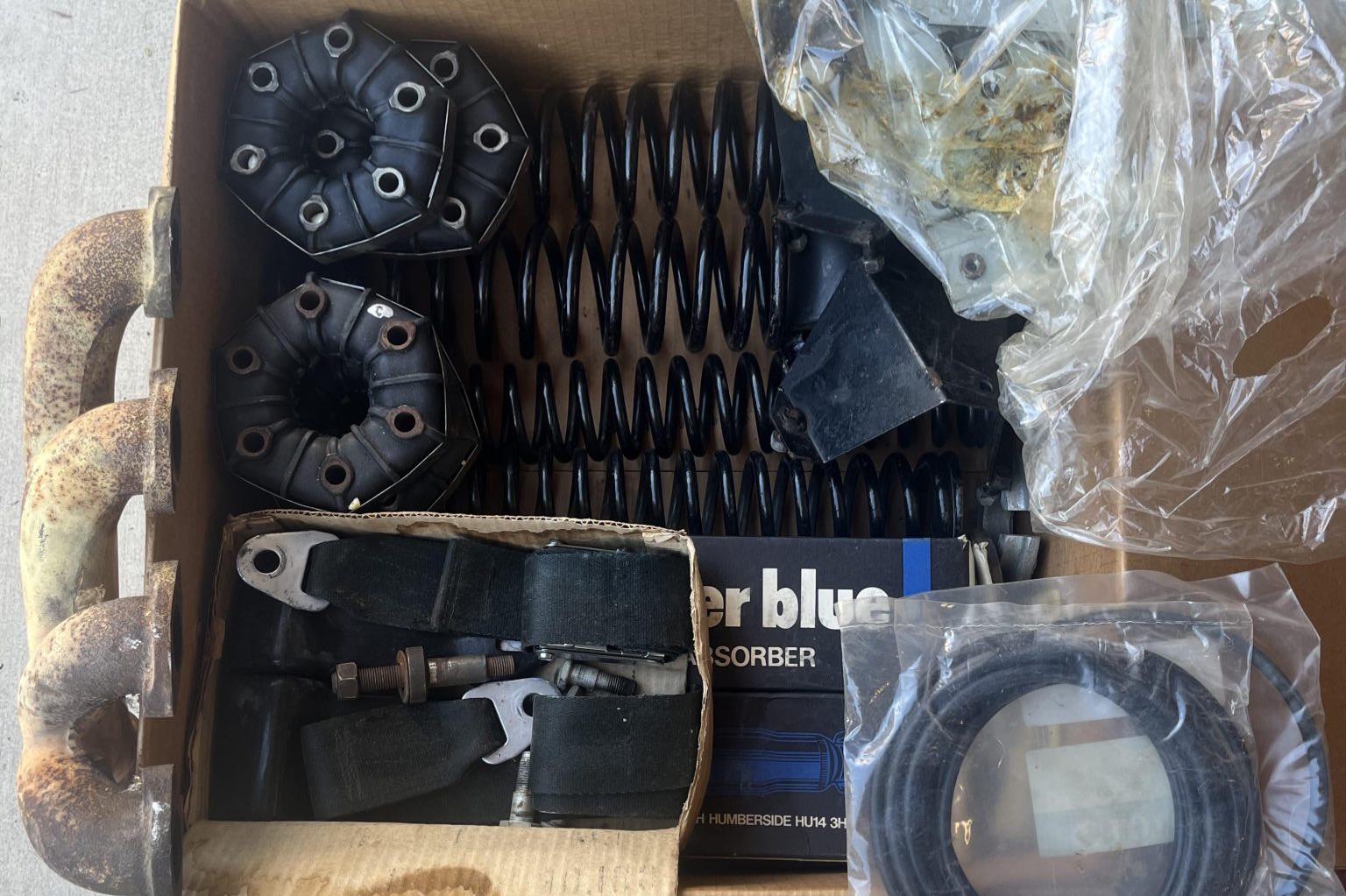
- The lot also includes a desirable Spydercars tubular replacement chassis acquired in the 1980s, a set of 13-inch Minilite alloy wheels, ten steel wheels, and a broad collection of spare parts. The primary car comes with an Idaho title, while the parts car is offered on a bill of sale.
- The Elan was Lotus’ breakthrough road car, featuring Ron Hickman’s innovative backbone chassis and a Ford-based twin-cam engine. Lightweight, brilliantly handling, and famously driven by Diana Rigg in “The Avengers,” it became the spiritual ancestor of the Mazda MX-5 and remains one of the most celebrated sports cars of the 1960s.
History Speedrun: The First-Gen Lotus Elan
By the early 1960s, Colin Chapman’s Lotus Cars was in a bit of a bind. The company had earned an excellent reputation through its Formula 1 exploits, and for its brilliant sports cars like the ahead-of-its-time Lotus Elite, but the Elite’s fiberglass monocoque construction was proving fragile, expensive to build, and Lotus was losing money on every one sold. Chapman needed a car that could save the company from destitution – something affordable to manufacture, easy for owners to maintain, and exciting enough to justify the Lotus badge on the hood.
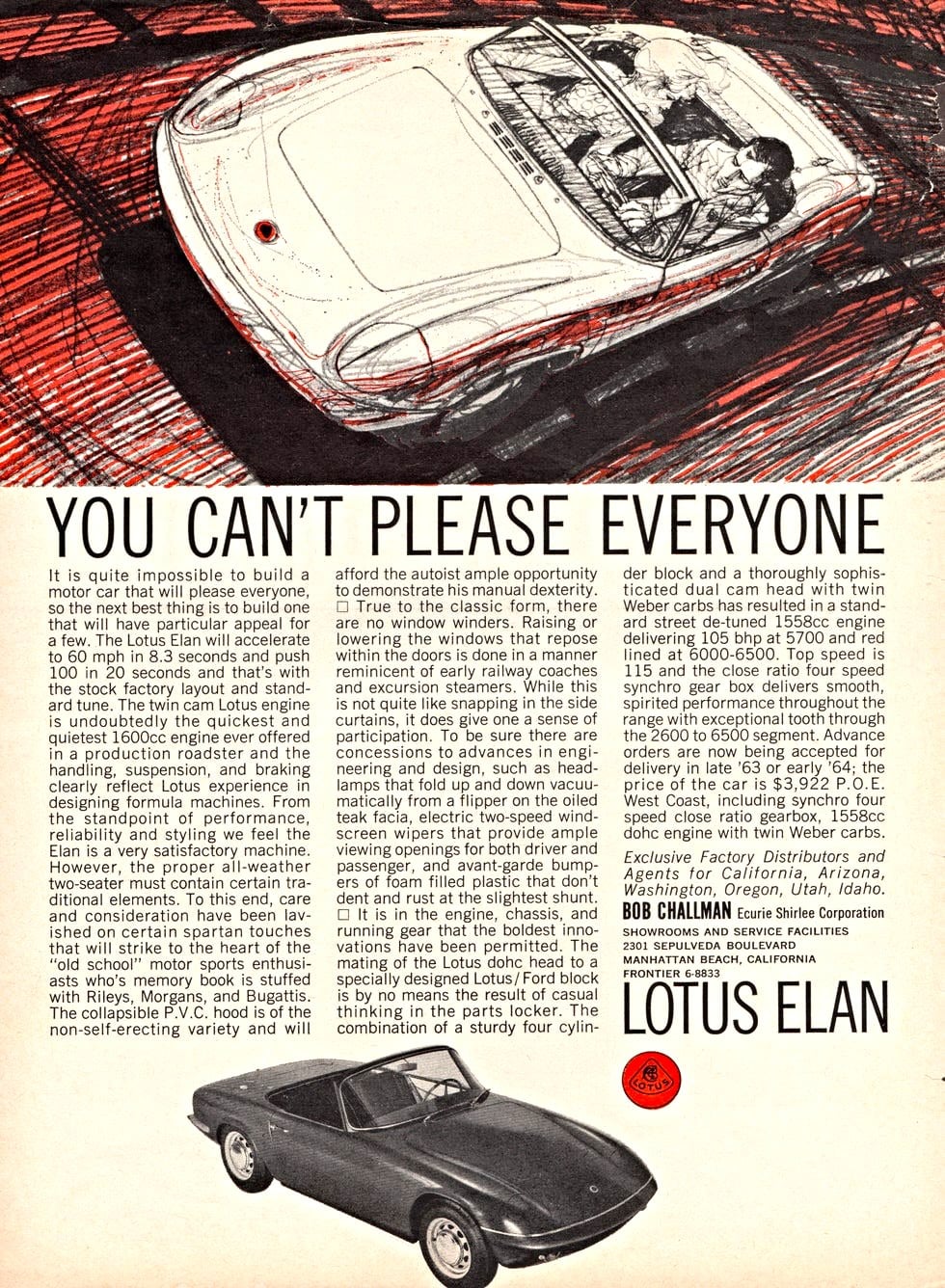
 The Lotus Elan debuted at the Earls Court Motor Show in October of 1962 as the Lotus Elan, priced at £1,495 fully built or £1,095 in kit form. Image courtesy of Lotus.
The man he tasked with developing the four-wheeled solution to this problem was Ron Hickman, the head of Lotus Developments, with John Frayling handling the body design, interior, and ergonomics. Chapman’s original concept was somewhat extreme – a stripped-back roadster without even opening doors, essentially a slightly more civilized replacement for the Lotus 7.
Hickman saw things differently, he envisioned a car that could slot into the gap between the affordable British sports cars of the day like the MGB, Triumph TR4, Austin-Healey Sprite, and the considerably more expensive Jaguar E-Type. Hickman’s vision won out, and the result debuted at the Earls Court Motor Show in October of 1962 as the Lotus Elan, priced at £1,495 fully built or £1,095 in kit form.
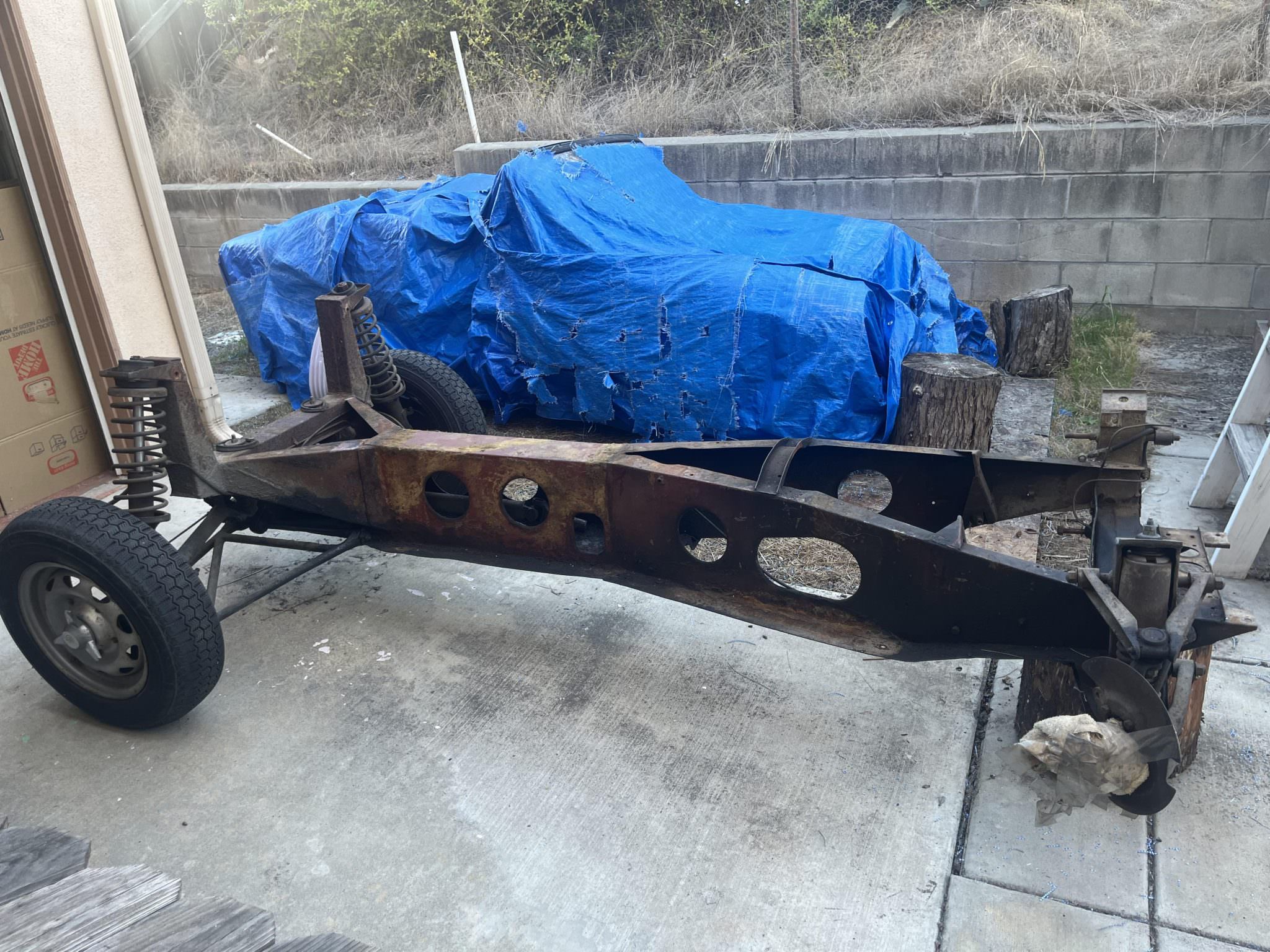
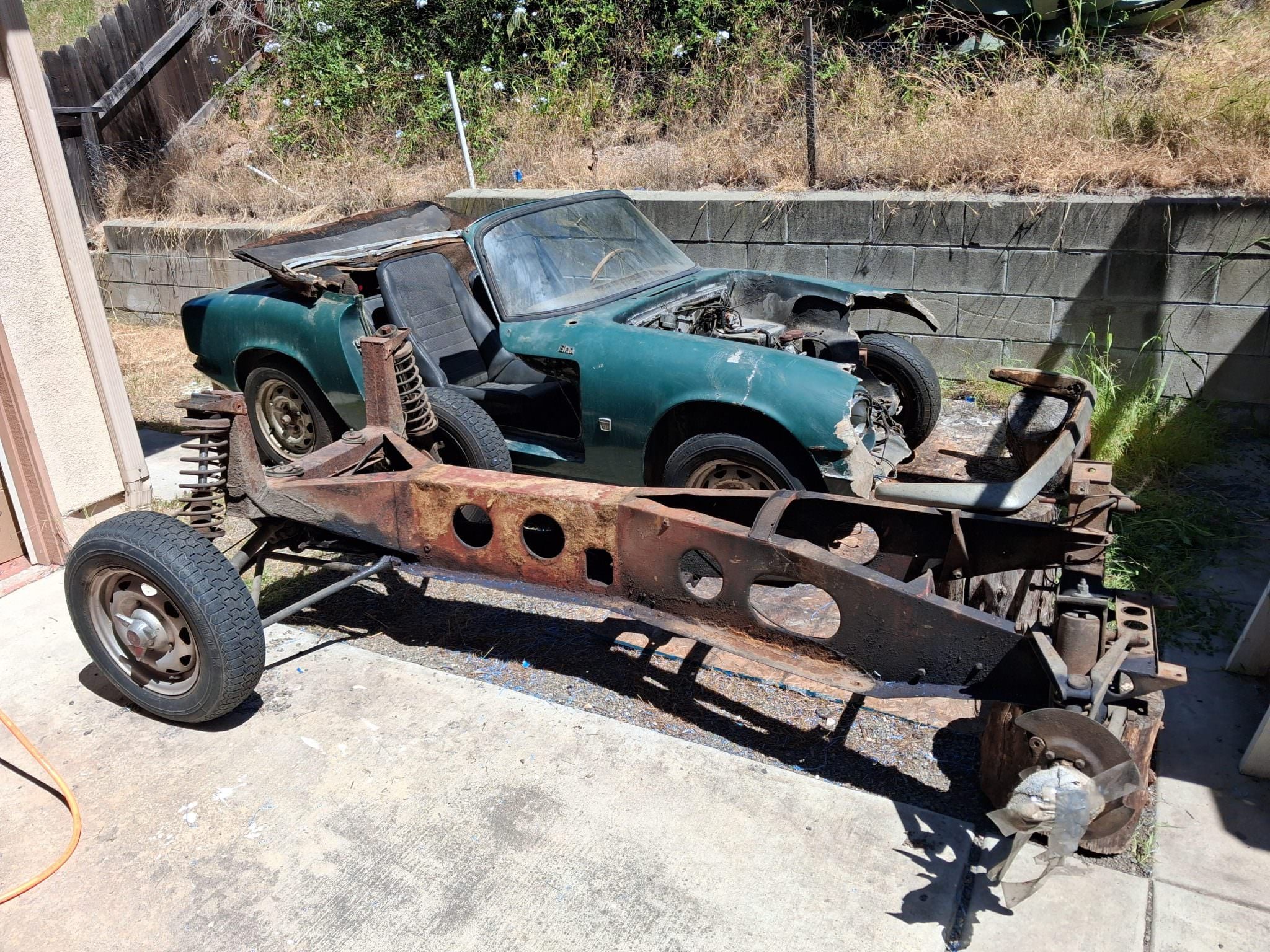
Perhaps the Elan’s most important feature was its folded steel backbone chassis, a Y-shaped structure that forked at each end to cradle the engine and gearbox at the front and the differential and rear suspension at the back. A fiberglass body bolted to this frame at just sixteen points. The arrangement was light, stiff, simple to assemble, and (crucially) cheap to build.
It would prove so successful that Lotus used the same basic architecture for nearly three decades afterward, including the mid-engined Europa and Esprit. Under the hood sat a 1,558cc twin-cam engine based on a Ford Kent block fitted with an alloy DOHC cylinder head designed by Harry Mundy, formerly of Coventry Climax.
The gearbox, differential, and many suspension parts were likewise sourced from Ford and Triumph, keeping costs down and ensuring broad parts availability. Girling supplied disc brakes for all four corners, and a Triumph rack and pinion steering unit gave the Elan a quality of steering feel that would become legendary.
The Elan’s Competitors
In its market segment the Elan faced no shortage of competition – Britain in the early 1960s was the world’s largest exporter of sports cars, and the affordable end was crowded with established players. MG’s MGB was the accessible everyman’s sports car.
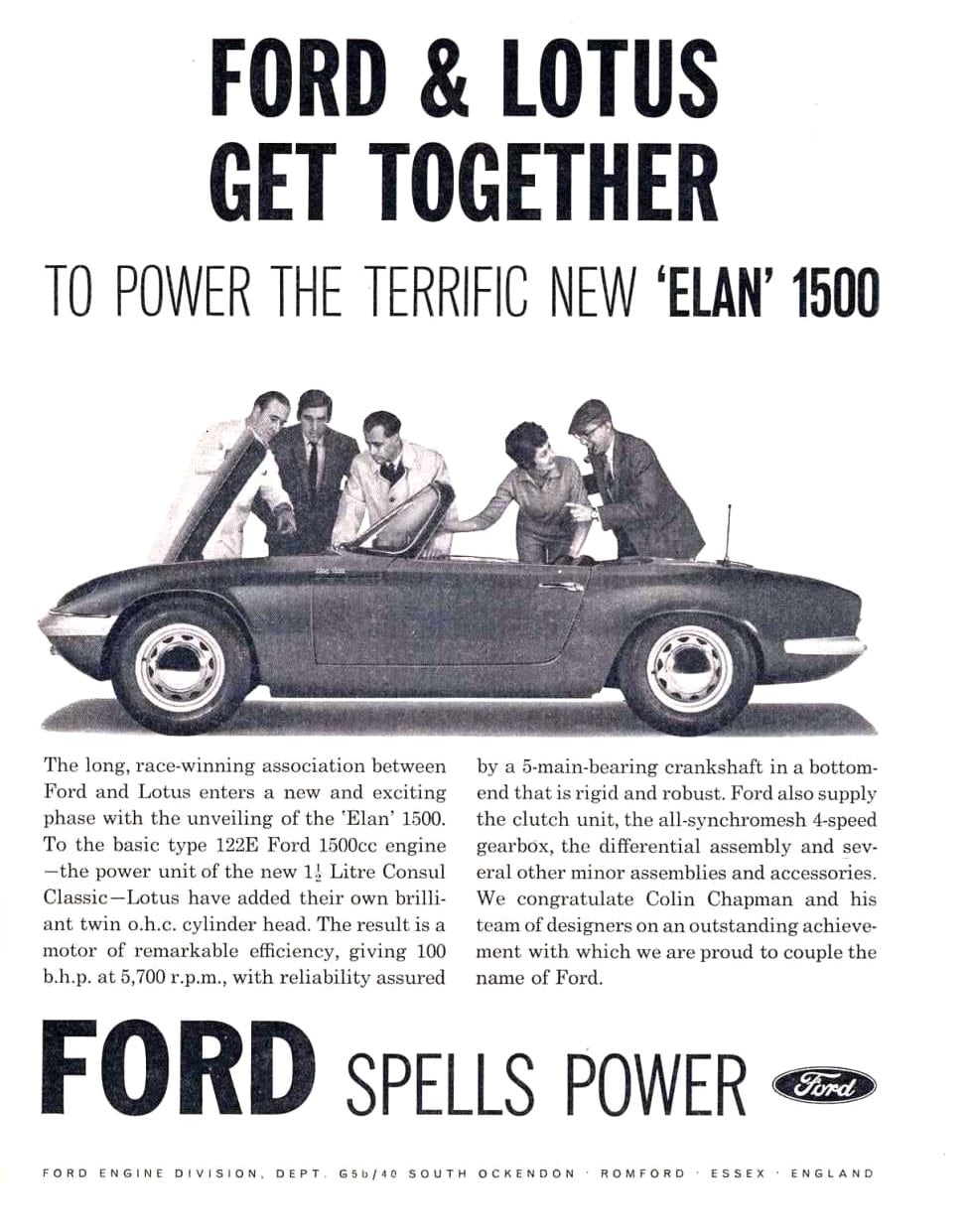
Gordon Murray, the legendary F1 car designer and the creator of the McLaren F1 supercar, would later say the Series 3 Elan was probably the best-handling sports car ever made, and that anyone wanting to know what good steering felt like should simply drive one. Image courtesy of Ford.
The Triumph TR4 and Spitfire offered their own unique blend of performance and character. Austin-Healey had the Sprite at the entry level and the big 3000 above it. Morgan continued building its traditional ash-framed roadsters for die-hard purists. Sunbeam offered the Alpine. At the more expensive end, the Jaguar E-Type cast a long shadow over the entire category.
Then there were the smaller niche manufacturers who were the Elan’s closest philosophical rivals during its production life. TVR, working out of Blackpool, produced the Grantura, another lightweight fiberglass-bodied sports car, though built on a tubular steel frame rather than a backbone chassis.
Marcos (founded by Jem Marsh and Frank Costin) took an even more unusual approach with its 1800 from 1964 onward, using a monocoque chassis made from marine plywood. Though both TVR and Marcos remained far less well known than Lotus, even within the UK.
What set the Elan apart from all of them was the combination of its featherweight construction (early Elans weighed just 1,200 – 1,500 lbs depending on specification), its Chapman Strut independent rear suspension, and that jewel-like twin-cam engine created something greater than the sum of its parts.
Gordon Murray, the legendary F1 car designer and the creator of the McLaren F1 supercar, would later say the Series 3 Elan was probably the best-handling sports car ever made, and that anyone wanting to know what good steering felt like should simply drive one.
The Key Lotus Elan Variants
The Elan would evolve through a number of variants during its production life, the original S1 was a roadster only, and the first 22 cars used a 1,498cc engine before switching to the 1,558cc unit. The S2 arrived in 1964 with a more refined interior and revised tail lights, followed by the S3 with the Type 36 Fixed Head Coupe introduced in 1965 and the Type 45 Drop Head Coupe replacing the earlier Type 26 in 1966, unusually, both models were offered with electric windows.
The S4 of 1968 introduced squared-off wheel arches, square tail lights, and the fitment of further creature comforts. The ultimate version was the Elan Sprint which was introduced in 1971, whose “Big Valve” engine produced 126 bhp allowing it to hit 60 mph in 6.6 seconds – this was a genuinely good figure for a small British sports car of the era.
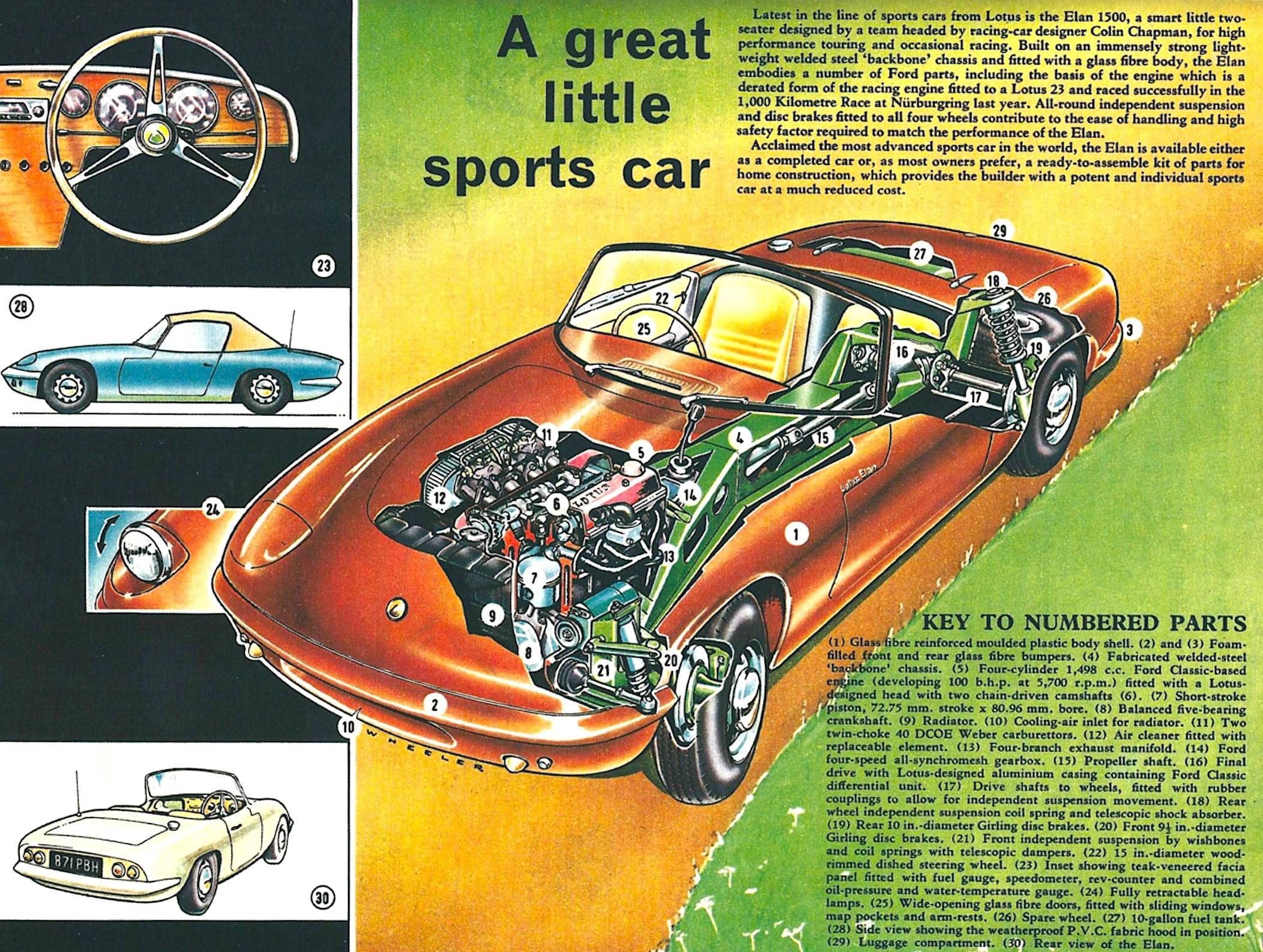
Perhaps the Elan’s most important feature was its folded steel backbone chassis, a Y-shaped structure that forked at each end to cradle the engine and gearbox at the front and the differential and rear suspension at the back. Image courtesy of Lotus.
Alongside the two-seat variants, Lotus developed the race-focused Type 26R from 1964 onward. Chapman had initially resisted the idea (the Elan was Lotus’ first car not explicitly designed for racing) but when customers insisted on competing with them anyway, he relented. If you’re going to race, you might as well win.
The 26R had a lighter body, fixed headlights, rose-jointed suspension, sliding spline driveshafts, and Cosworth-tuned engines producing up to 160 bhp. At a homologated weight of just 580 kgs with that kind of power on tap, it earned the nickname “Mongoose” for its habit of dispatching Shelby Cobras and Jaguar E-Types on the track – particularly in the corners. Jim Clark, Jackie Stewart, and Stirling Moss all raced Elans. An estimated 97 26Rs were built.
The Arrival Of The Elan +2
In 1967 Lotus expanded the range further with the Elan +2 (the Type 50), this was a lengthened fixed head coupe with two small rear seats, it was aimed squarely at buyers who wanted the Elan driving experience in a more practical package, with space for a couple of kids in the back.
The Elan +2 remained in production until 1975 (two years after the two-seater models were discontinued) and was offered in progressively more refined versions, all culminating in the +2 130/5 with the Big Valve engine and a 5-speed gearbox. This is the one +2 buyers tend to seek out today.
The Influence On The Mazda Miata
The Elan’s influence didn’t end with its own production run – far from it. Its backbone chassis architecture carried directly into the Lotus Europa, Esprit, and many other Lotus production cars of the time. When Mazda set out to create a simple, lightweight, and affordable rear-wheel-drive roadster in the late 1980s, they intimately evaluated two Lotus Elans during the design process.
The result, the MX-5/Miata, became the best-selling sports car in history, and it’s widely regarded to be the direct spiritual descendant of the Elan. Ironically, Lotus’ own attempt to revive the Elan name in 1989 with the M100 (a front-wheel-drive car co-developed with Isuzu under GM ownership) debuted the same year as the MX-5.
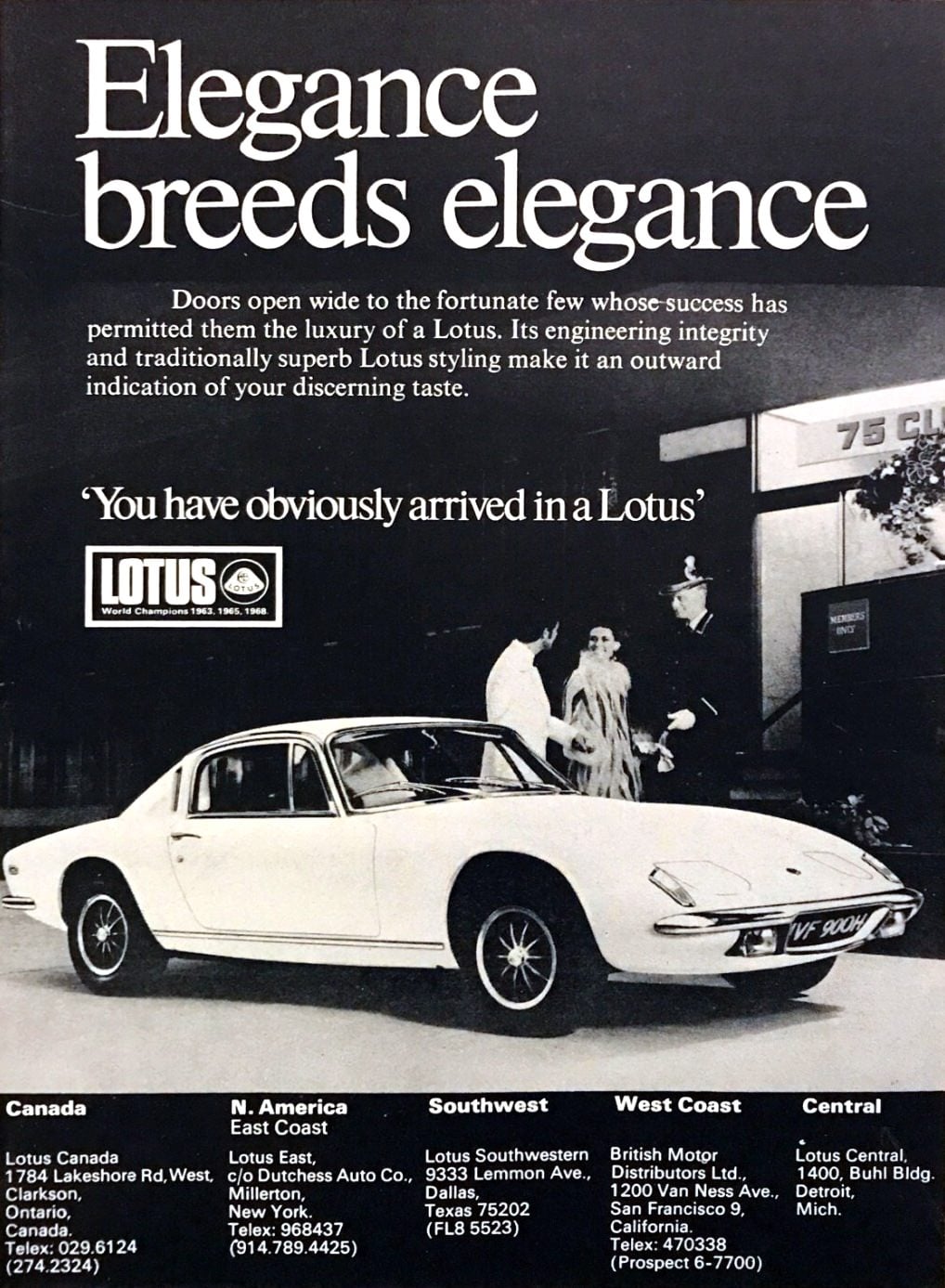
In 1967 Lotus expanded the range further with the Elan +2 (the Type 50), this was a lengthened fixed head coupe with two small rear seats, it was aimed squarely at buyers who wanted the Elan driving experience in a more practical package, with space for a couple of kids in the back. Image courtesy of Lotus.
Despite being praised as possibly the best-handling front-wheel-drive car ever built, sales were disappointing, with just 3,855 M100s produced between 1989 and 1992, with the cheaper and more nostalgic MX-5 comprehensively outselling it.
Most agree that two-seat Elan production is around 12,200 cars, though lower figures are sometimes quoted depending on which records and counting methods are used, along with roughly 5,000 +2 models. The Lotus Elan Registry continues to document surviving cars worldwide.
The Lotus Elan Project Cars Shown Here
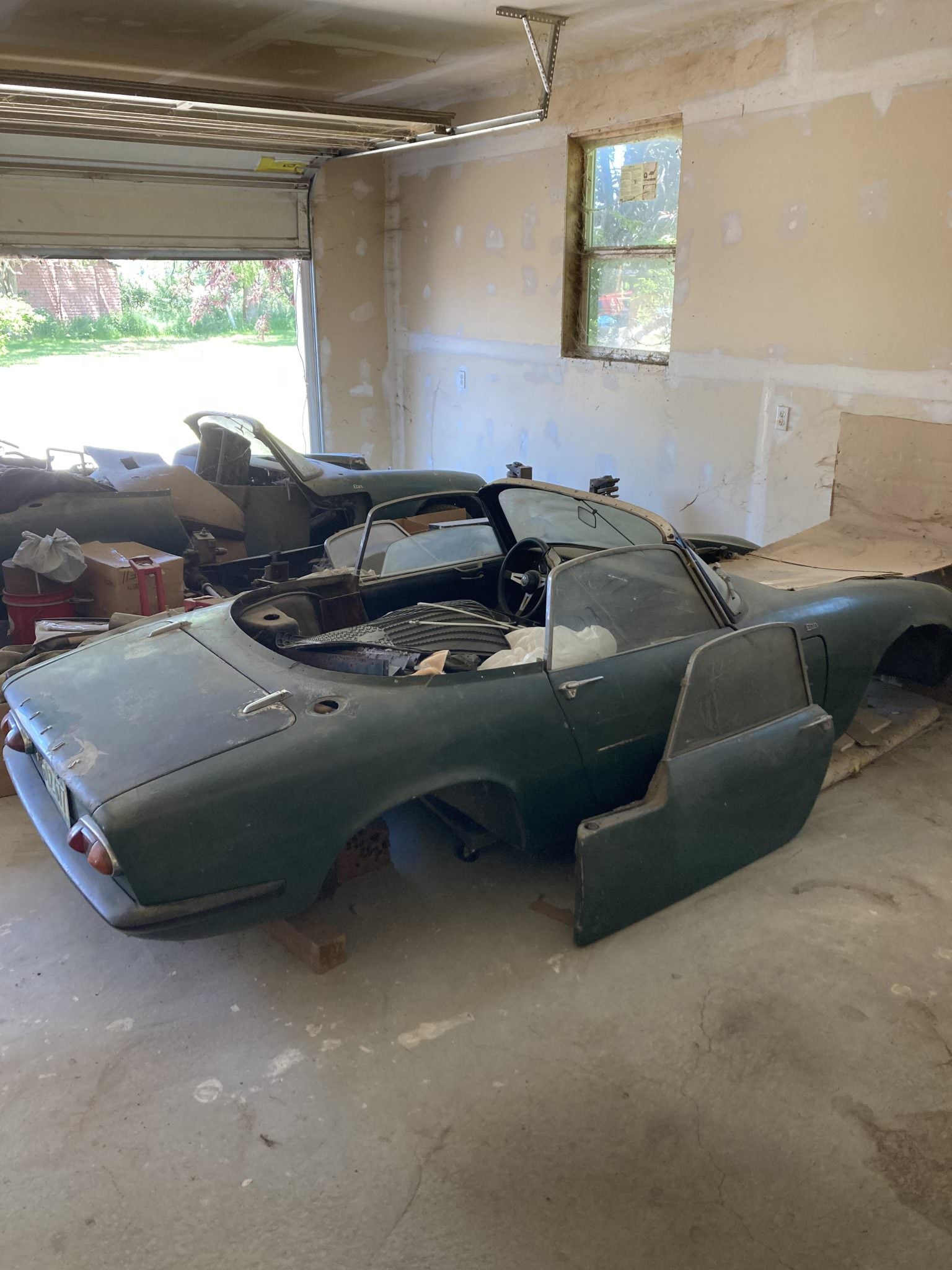
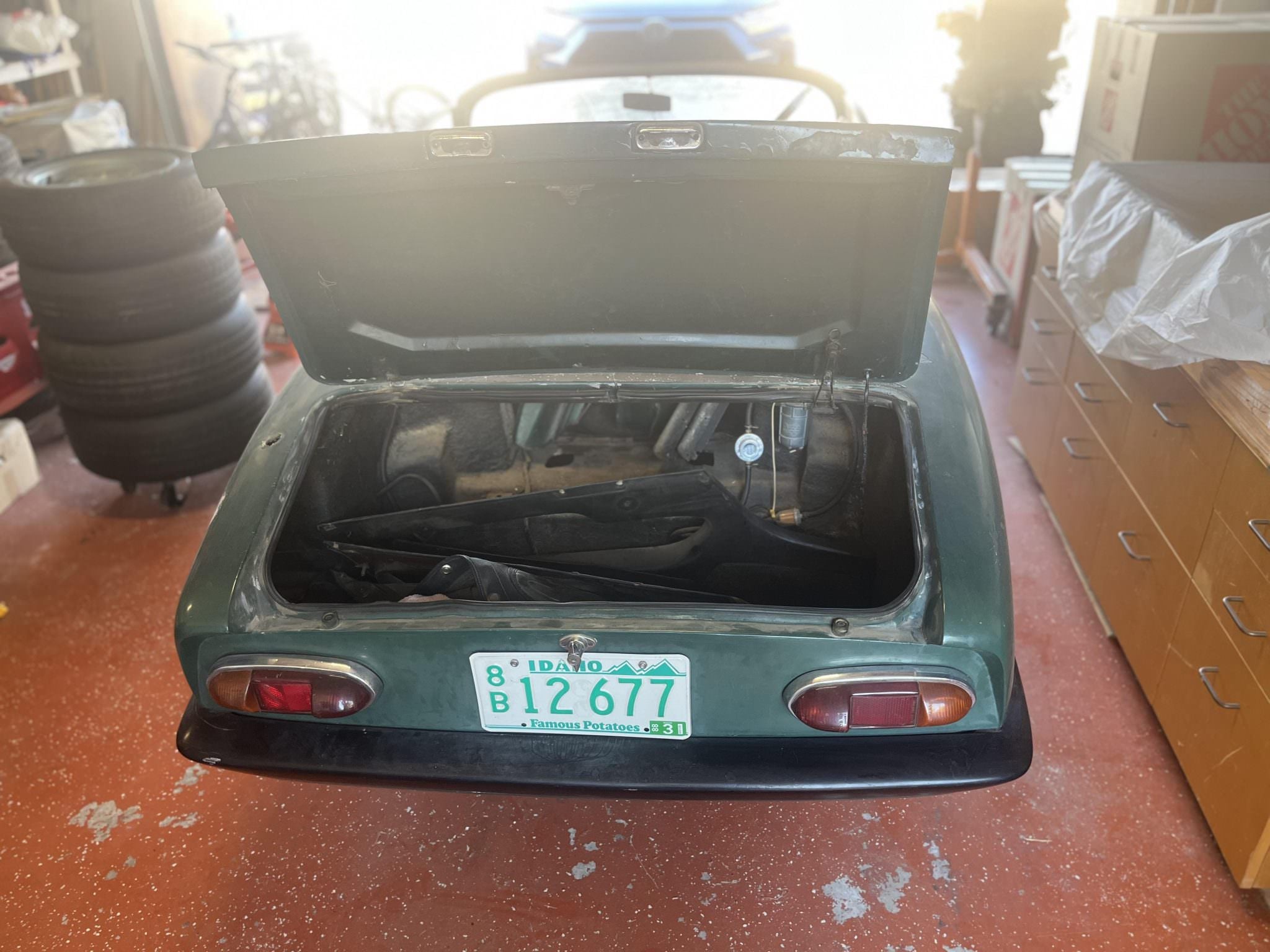
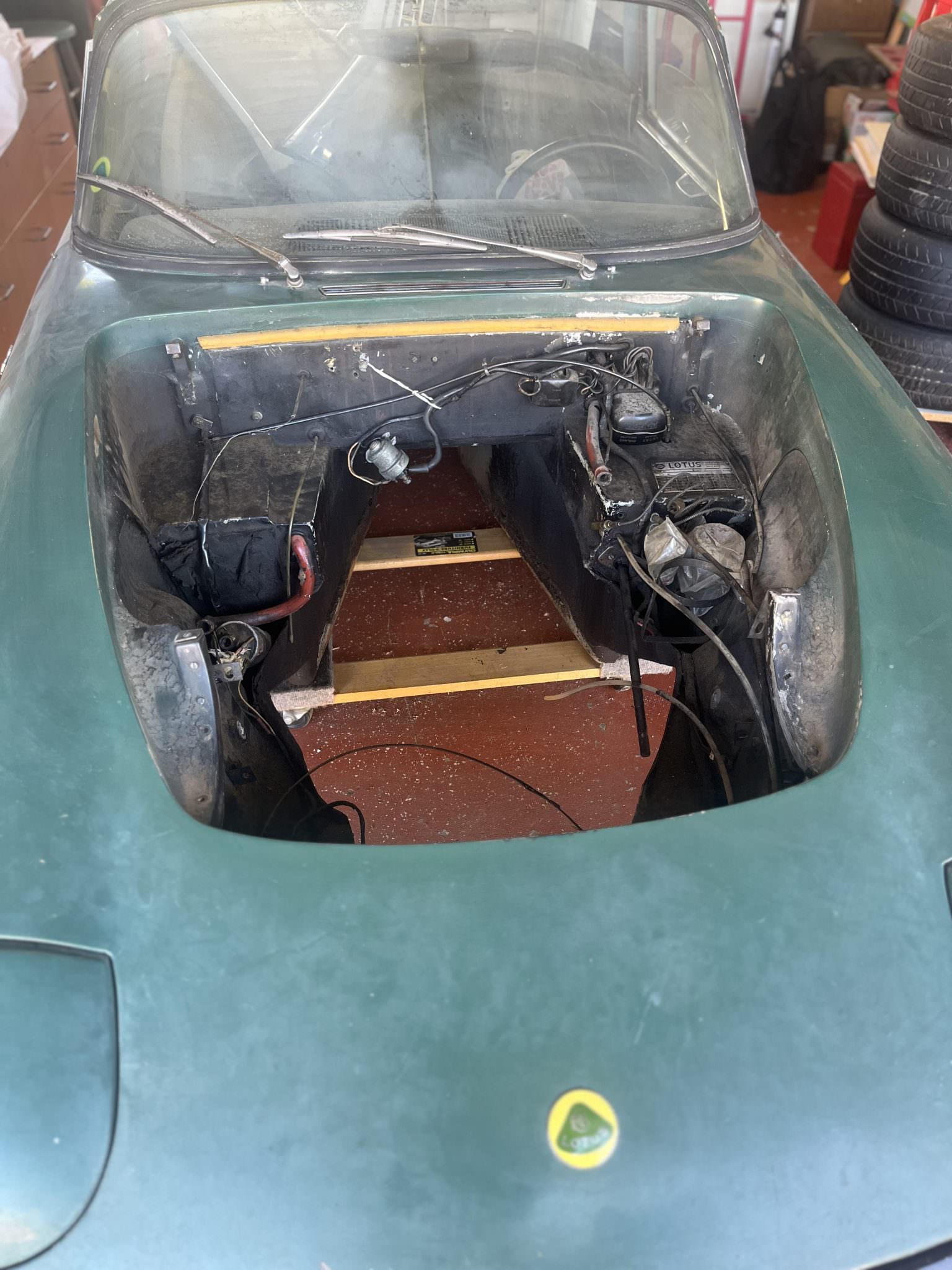
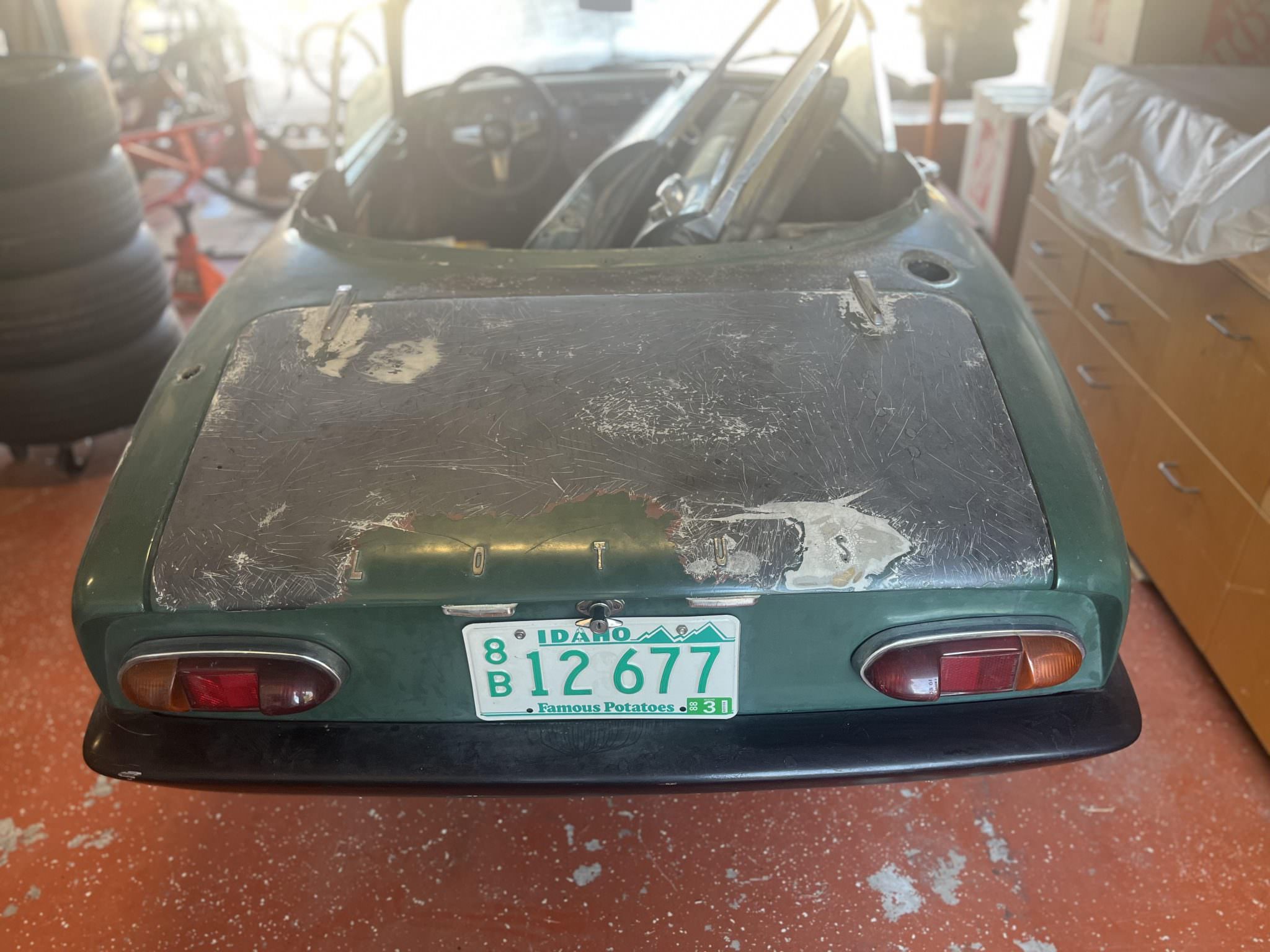
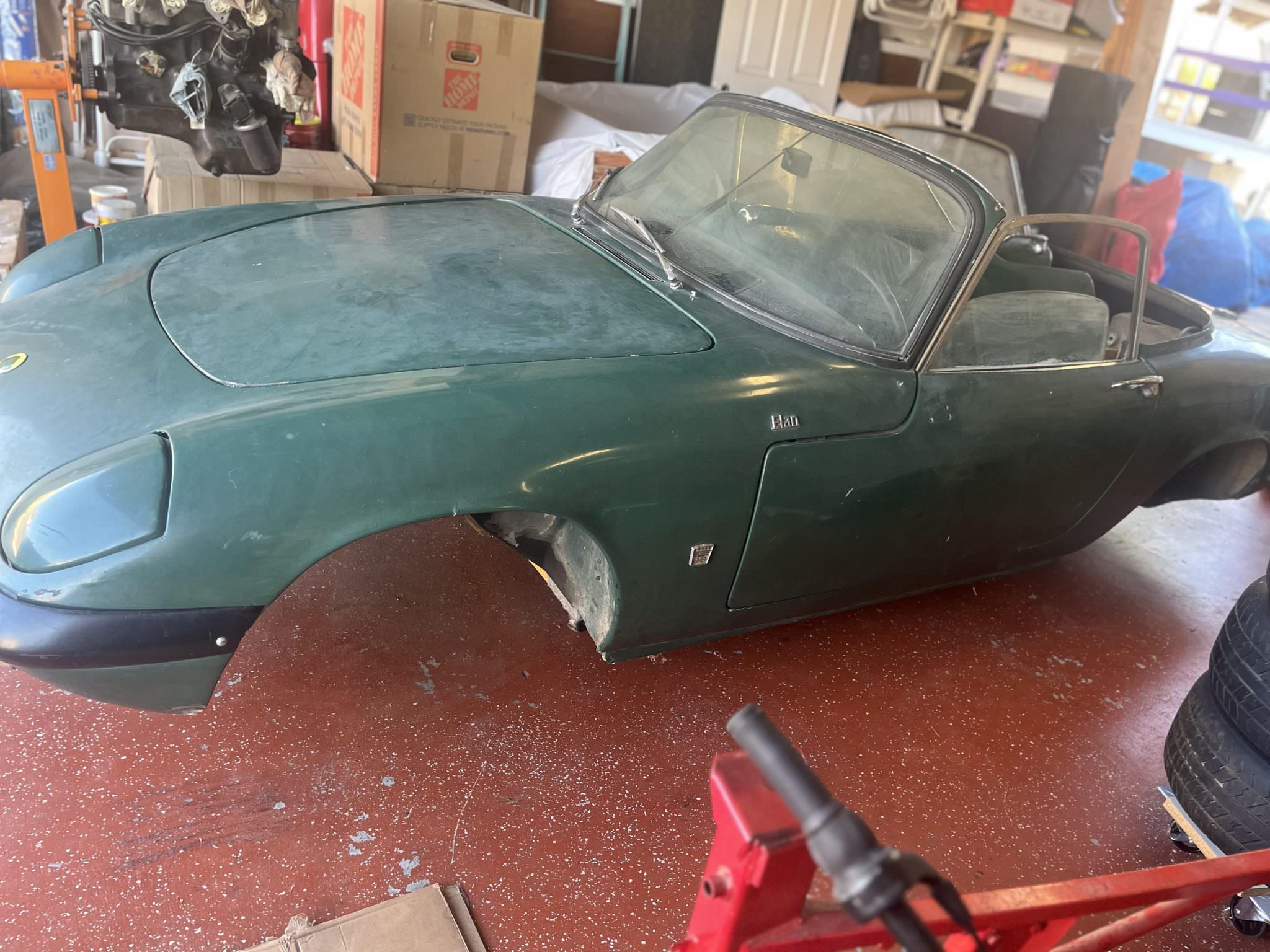
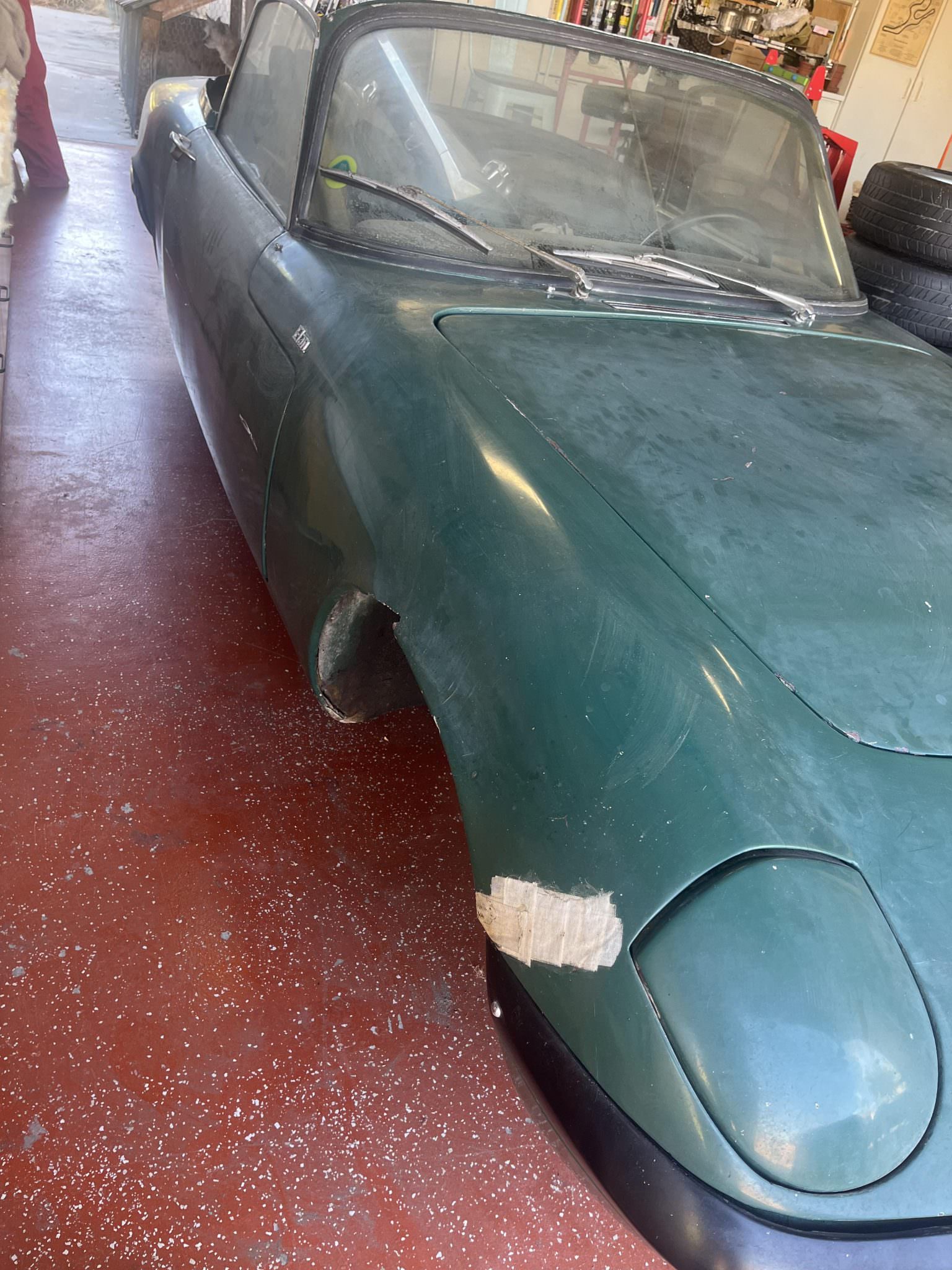
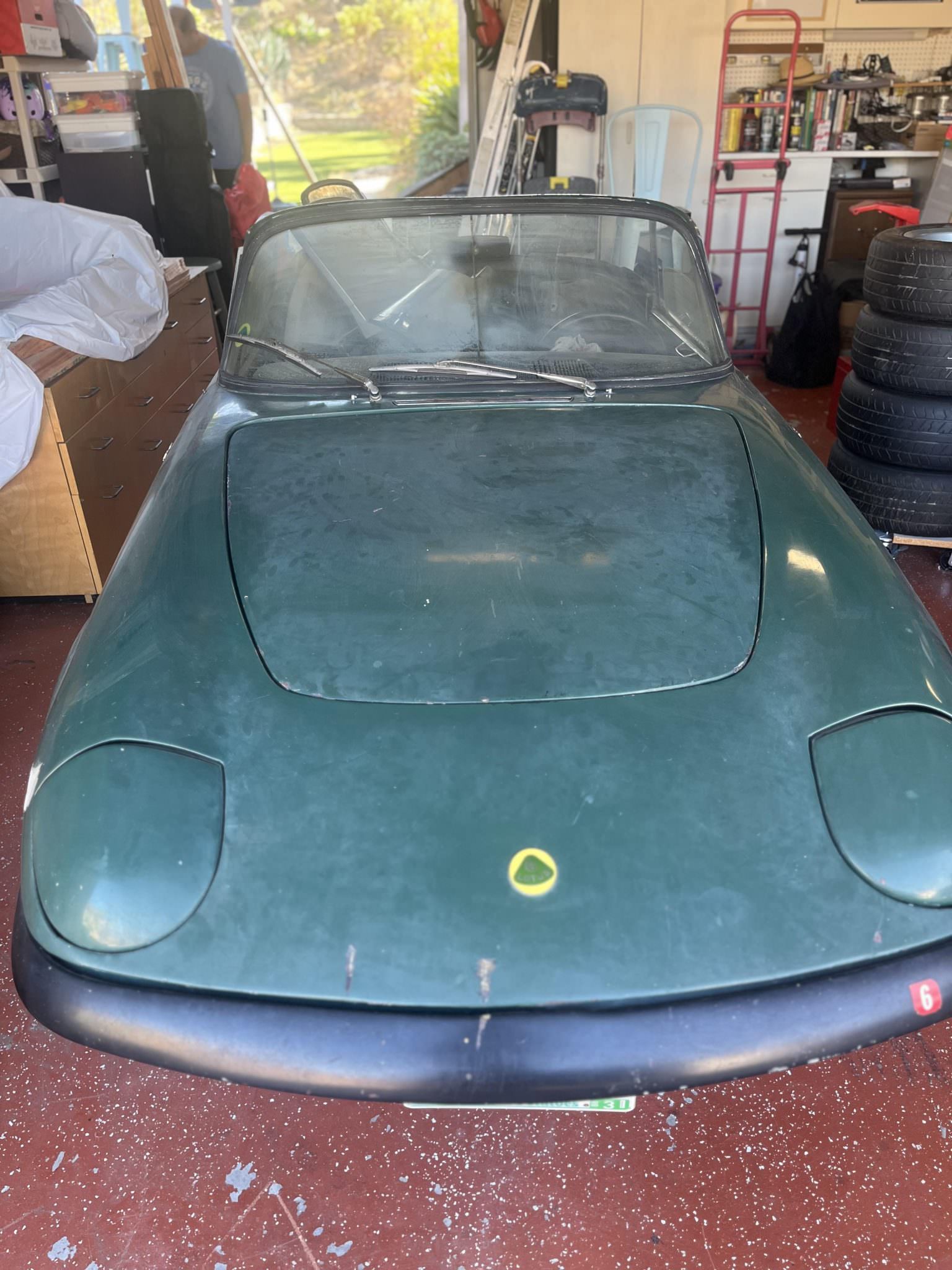
These are two 1967 Lotus Elan S3 roadster project cars, both finished in British Racing Green. They’re offered together as a project package alongside a substantial collection of parts and running gear.
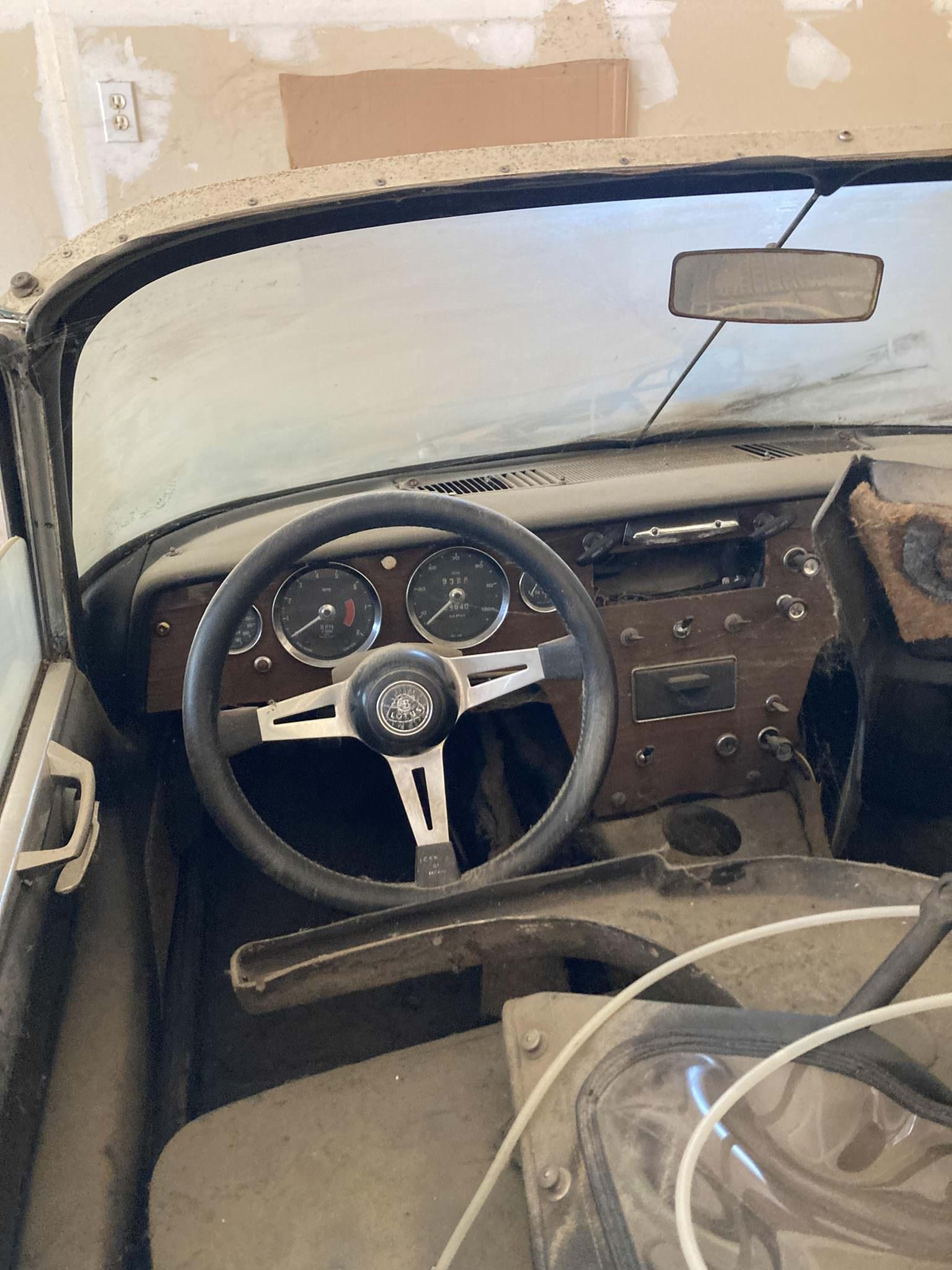
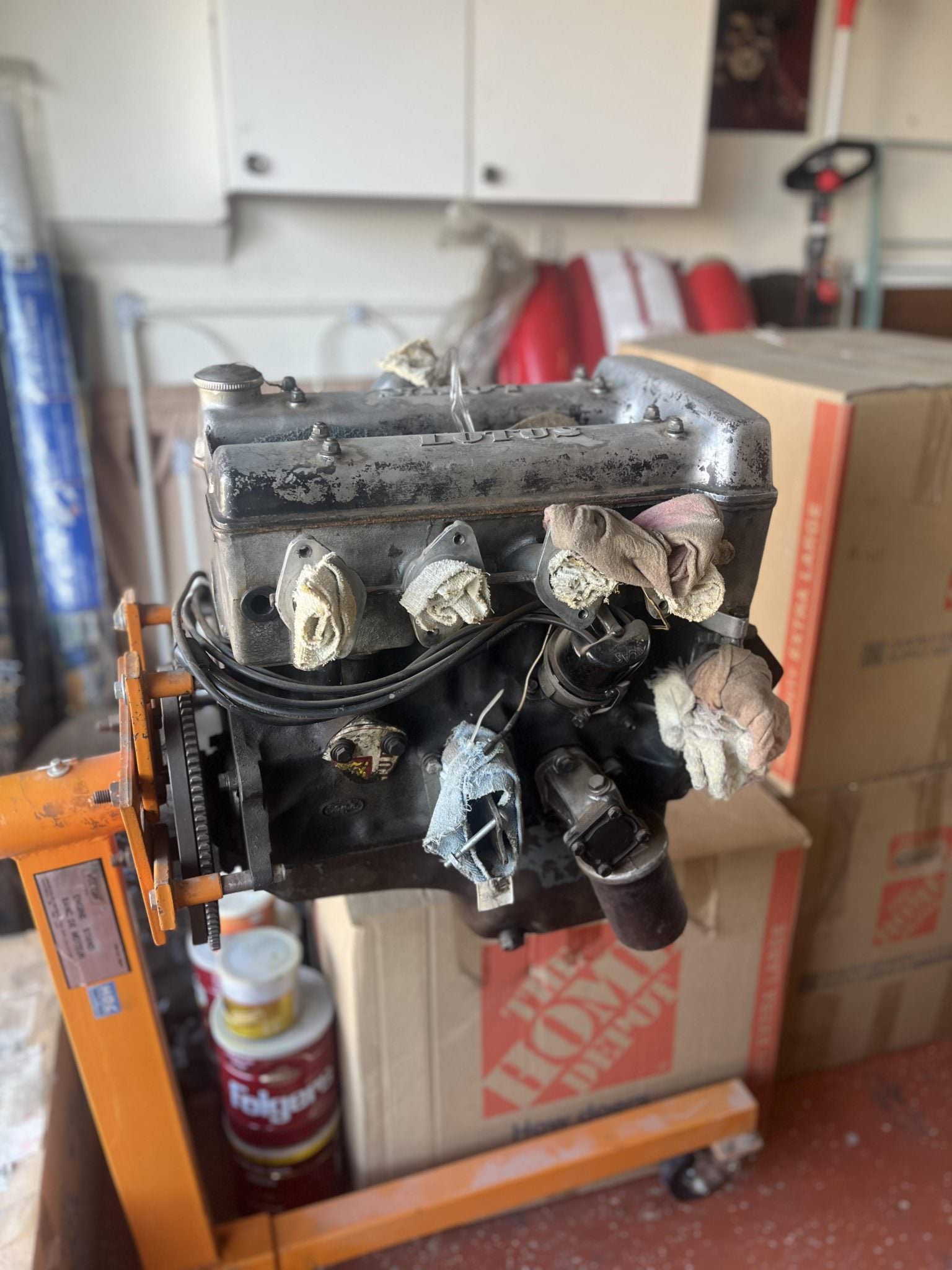
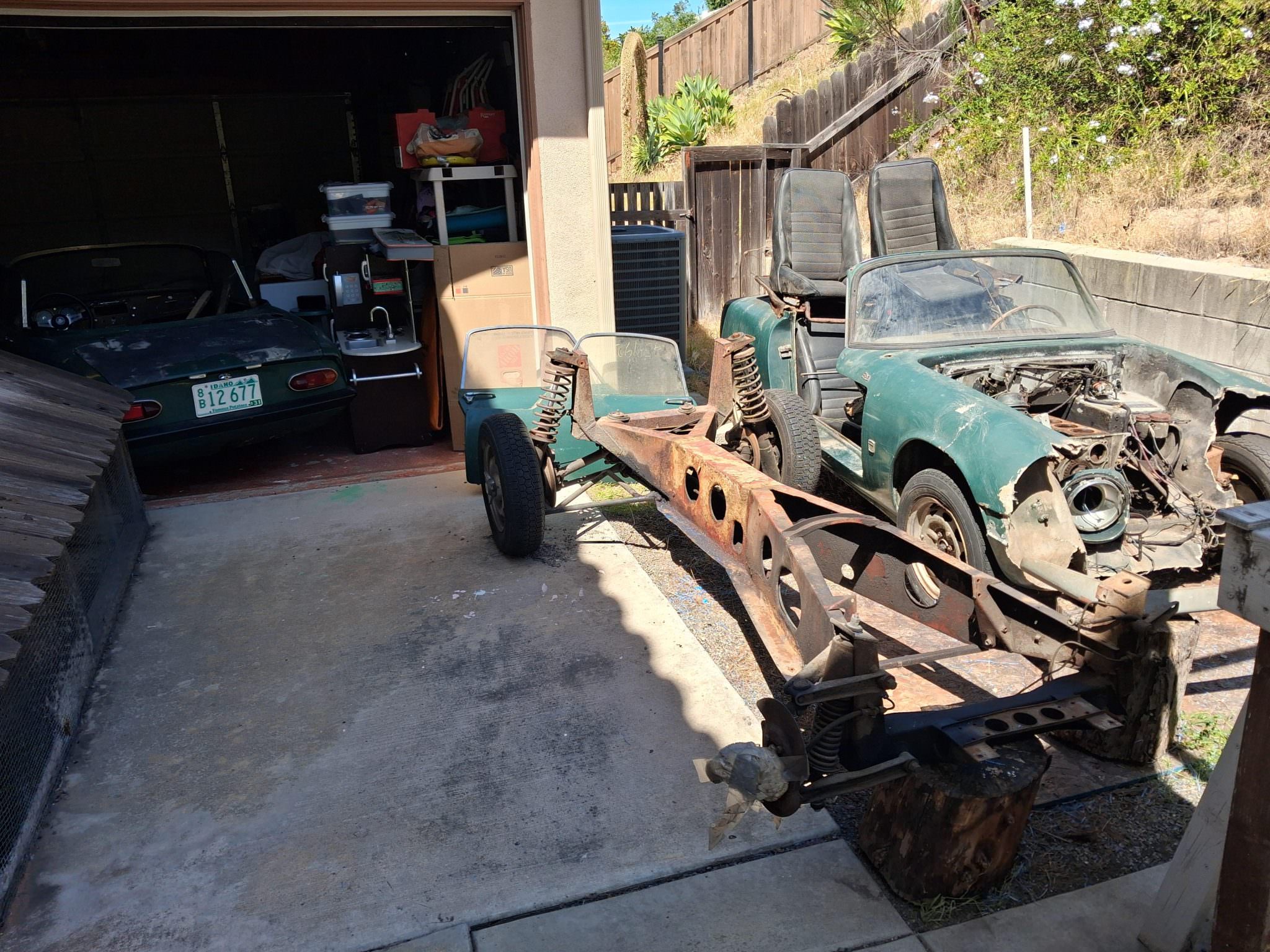
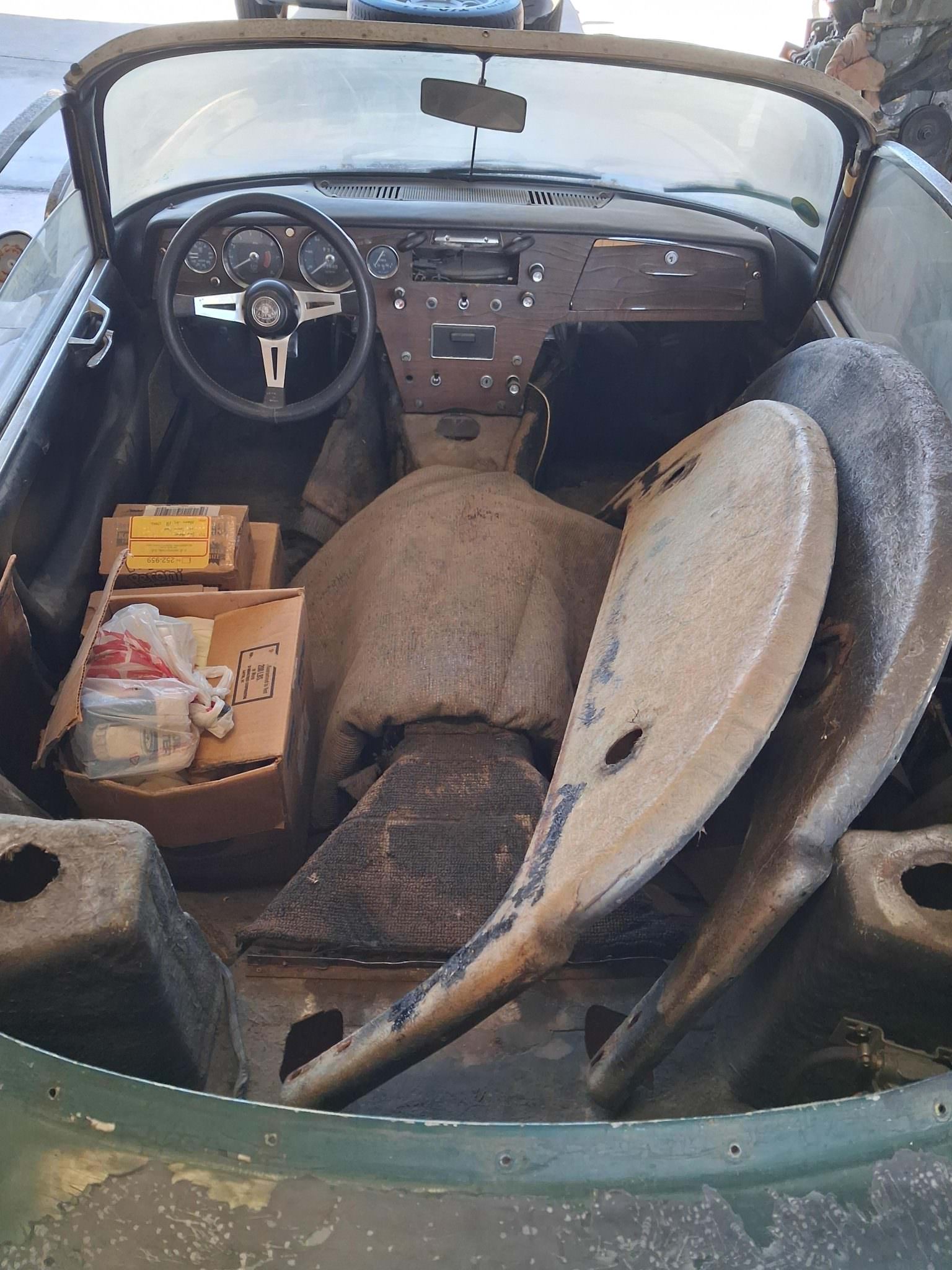
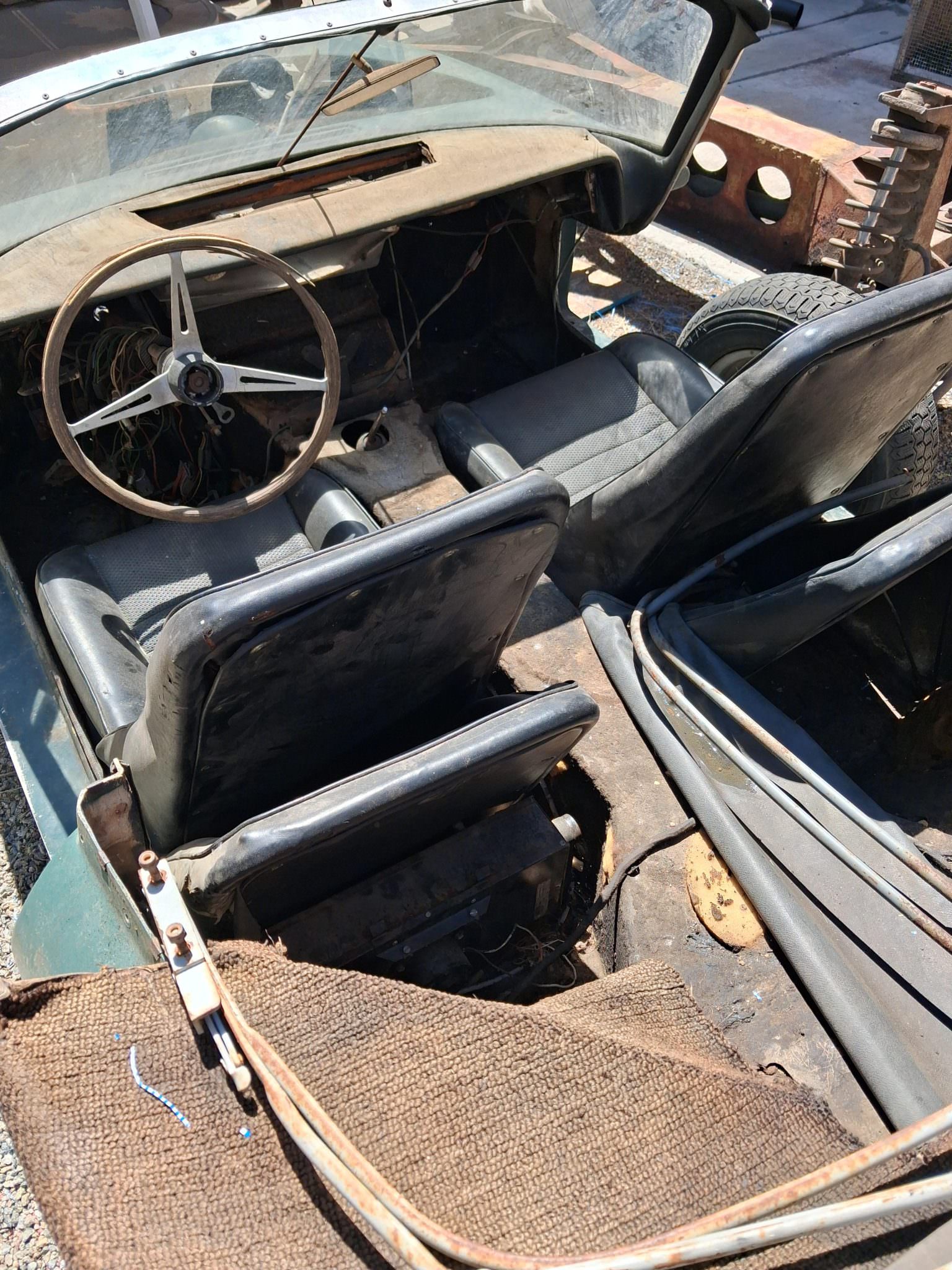
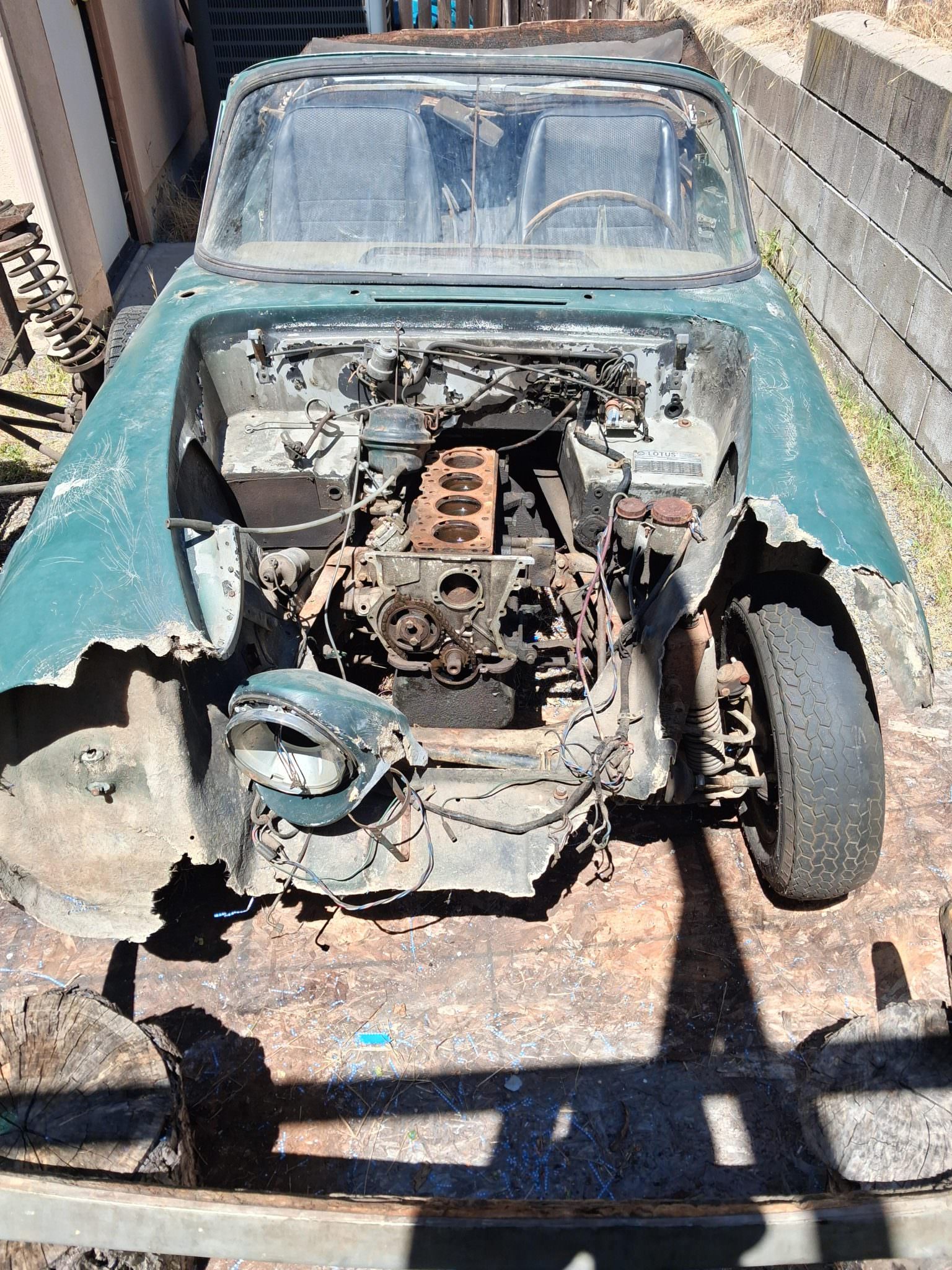
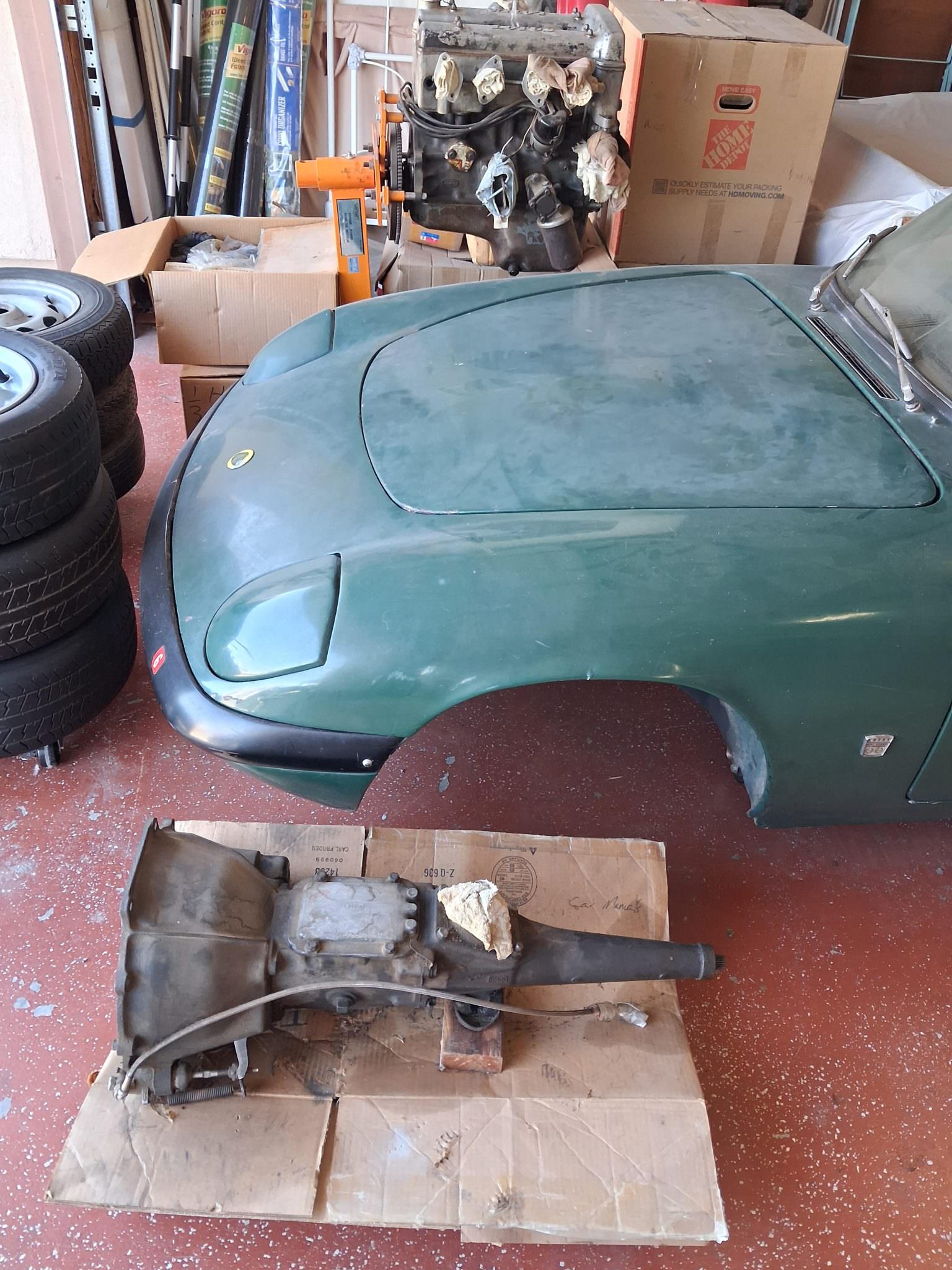
The primary car, chassis 45/6247, has been fully dismantled – its fiberglass body shell has been separated from its backbone chassis, and the 1.6 liter twin-cam inline-four and 4-speed manual transmission have been removed and are included separately (the engine is mounted on a stand and has been partially disassembled).
The body keeps its retractable headlights, oval tail lights, split-spoke steering wheel, and Smiths instrumentation. The five-digit odometer shows 25,000 miles, and the car was acquired by the late owner in 1981. It’s accompanied by an Idaho title.
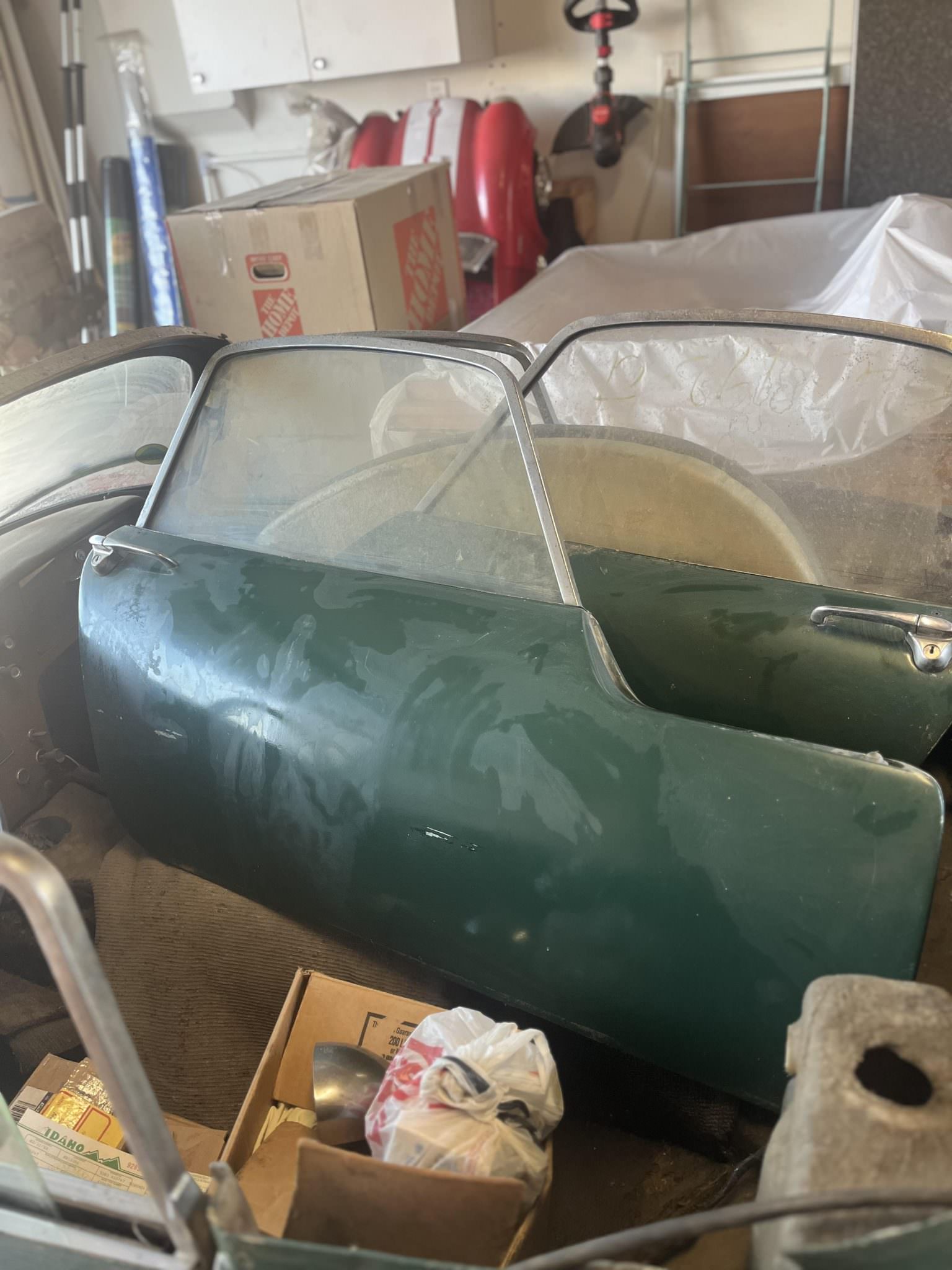
The second car, chassis 45/6291, is a rolling parts car bought by the late owner in 1976. It has damaged fiberglass bodywork and sits on 13-inch four-lug steel wheels with Goodyear tires, but the doors have been removed, the dash and instrumentation are missing, and the wood-rimmed steering wheel is broken.
It does still have its engine block, 4-speed manual transmission, and rear axle, with the removed cylinder head included in the sale. This car is offered on a bill of sale and is accompanied by a Virginia title in a prior owner’s name.
Rounding out the listing is a Spydercars tubular replacement chassis bought in the 1980s, it’s finished in red and fitted with a steering rack and some front-left suspension components. Additional parts include a set of 13-inch Minilite four-lug alloy wheels shod in BFGoodrich rubber, ten 13-inch steel wheels mounted with various tires, and a collection of spare and removed parts.
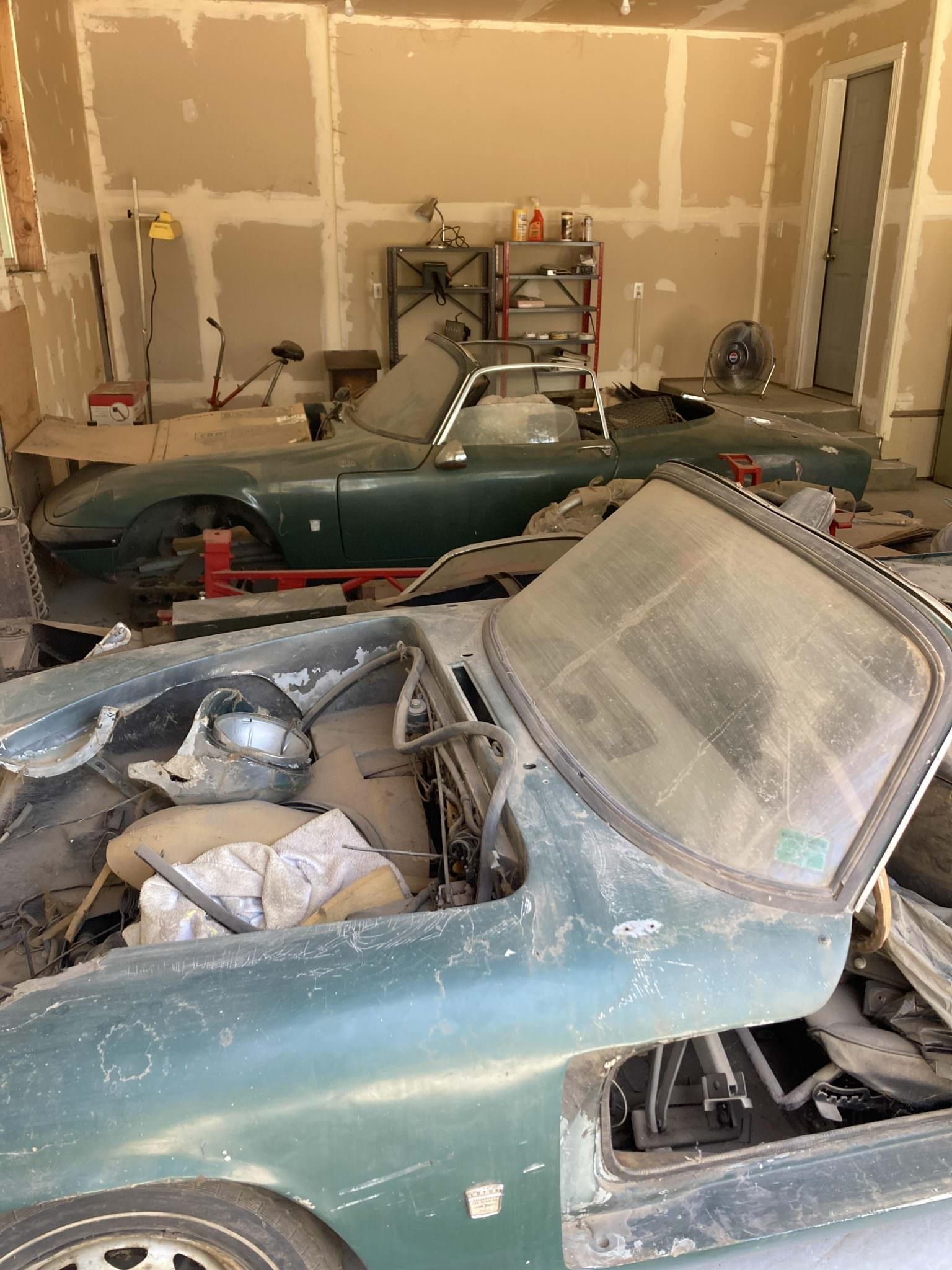
These are two 1967 Lotus Elan S3 roadster project cars, both finished in British Racing Green. They’re offered together as a project package alongside a substantial collection of parts and running gear.
The cars were bought by the late owner in the 1970s and 1980s as part of a refurbishment project that was ultimately abandoned.
They’re now being sold at no reserve on behalf of the owner’s estate out of Spring Valley, California and you can visit the listing here if you’d like to read more or place a bid.
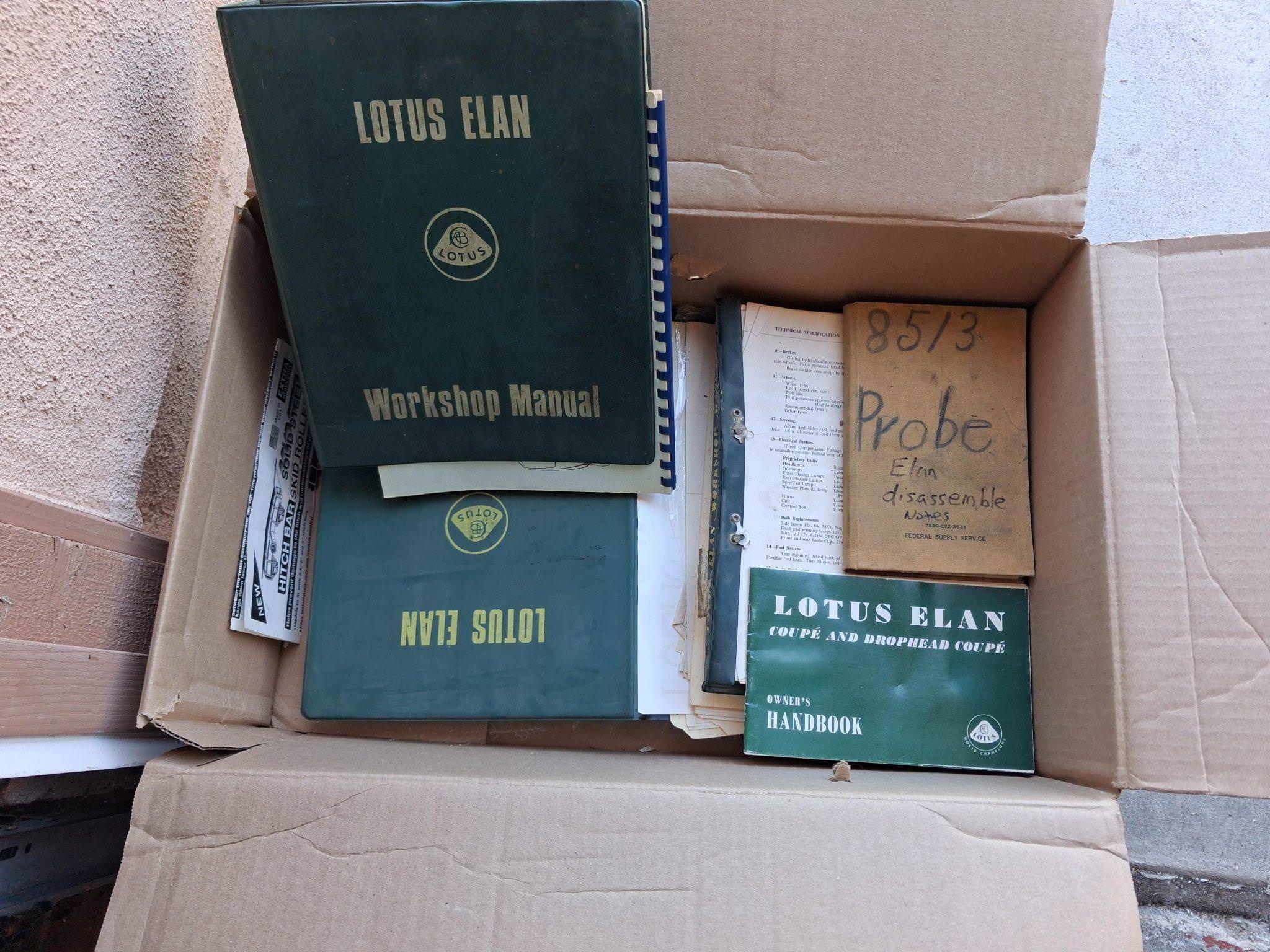
Images courtesy of Bring a Trailer

Articles that Ben Branch has written have been covered on CNN, Popular Mechanics, Smithsonian Magazine, Road & Track Magazine, the official Pinterest blog, the official eBay Motors blog, BuzzFeed, Autoweek Magazine, Wired Magazine, Autoblog, Gear Patrol, Jalopnik, The Verge, and many more.
Silodrome was founded by Ben back in 2010, in the years since the site has grown to become a world leader in the alternative and vintage motoring sector, with well over a million monthly readers from around the world and many hundreds of thousands of followers on social media.