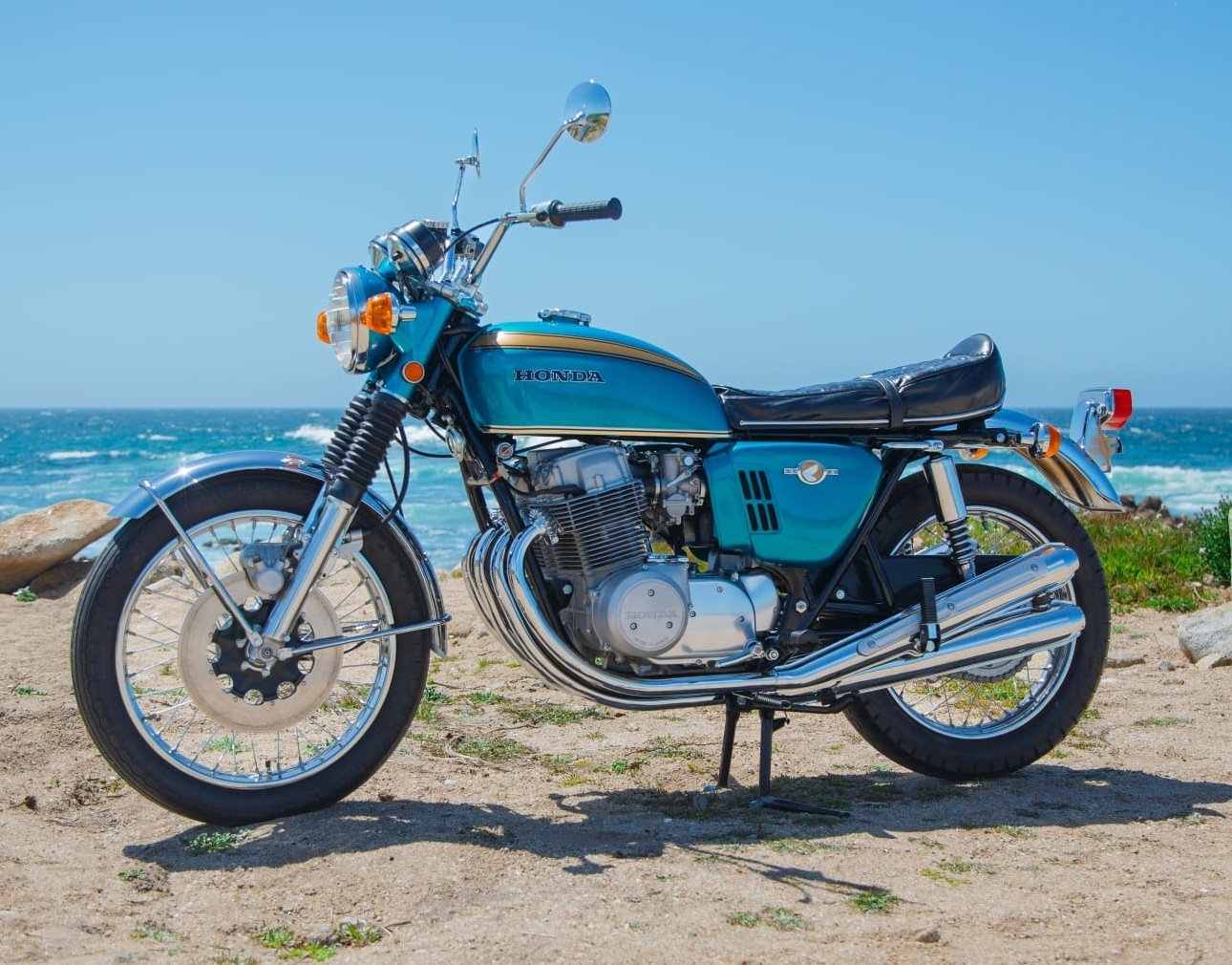
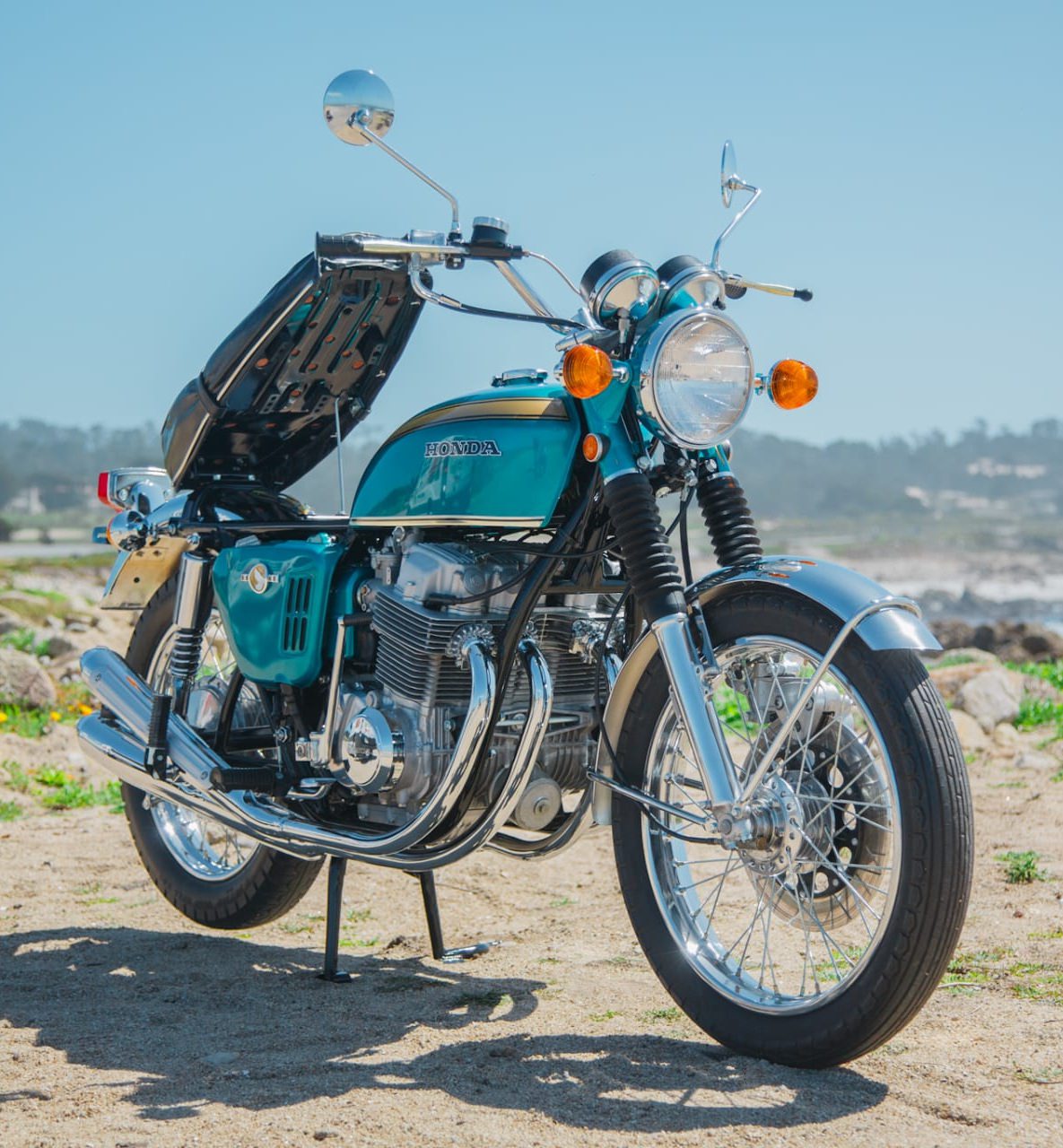
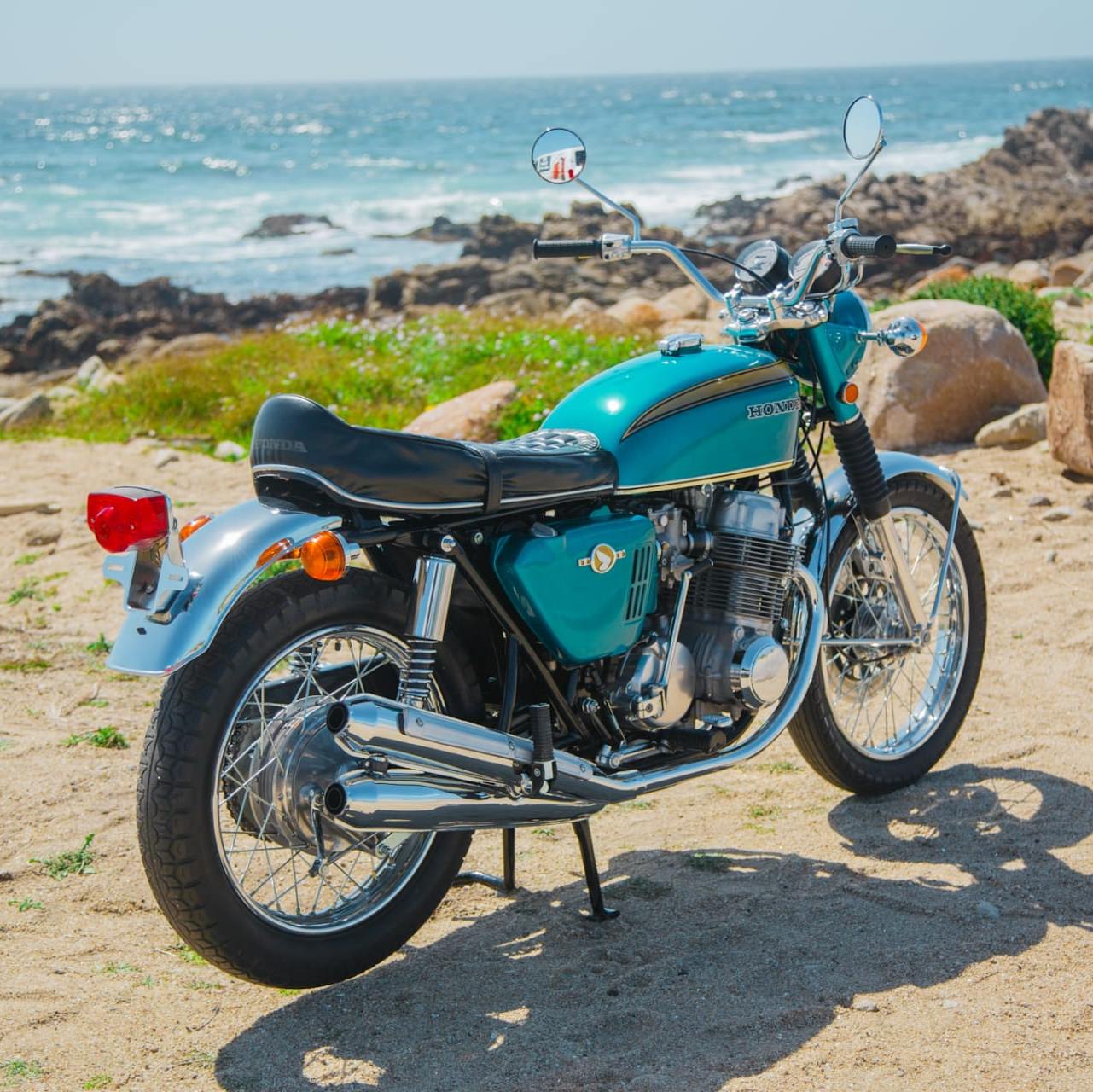
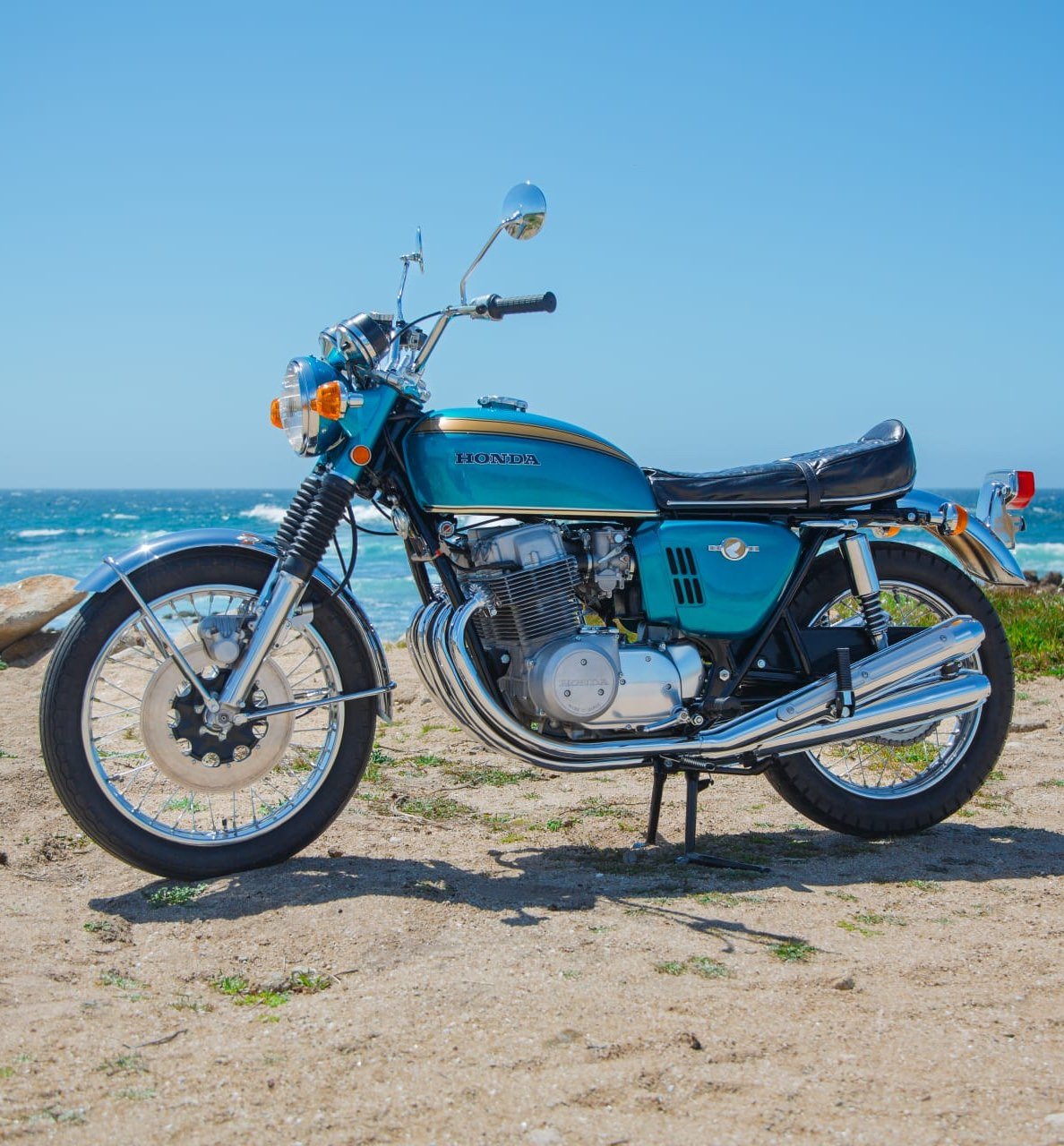
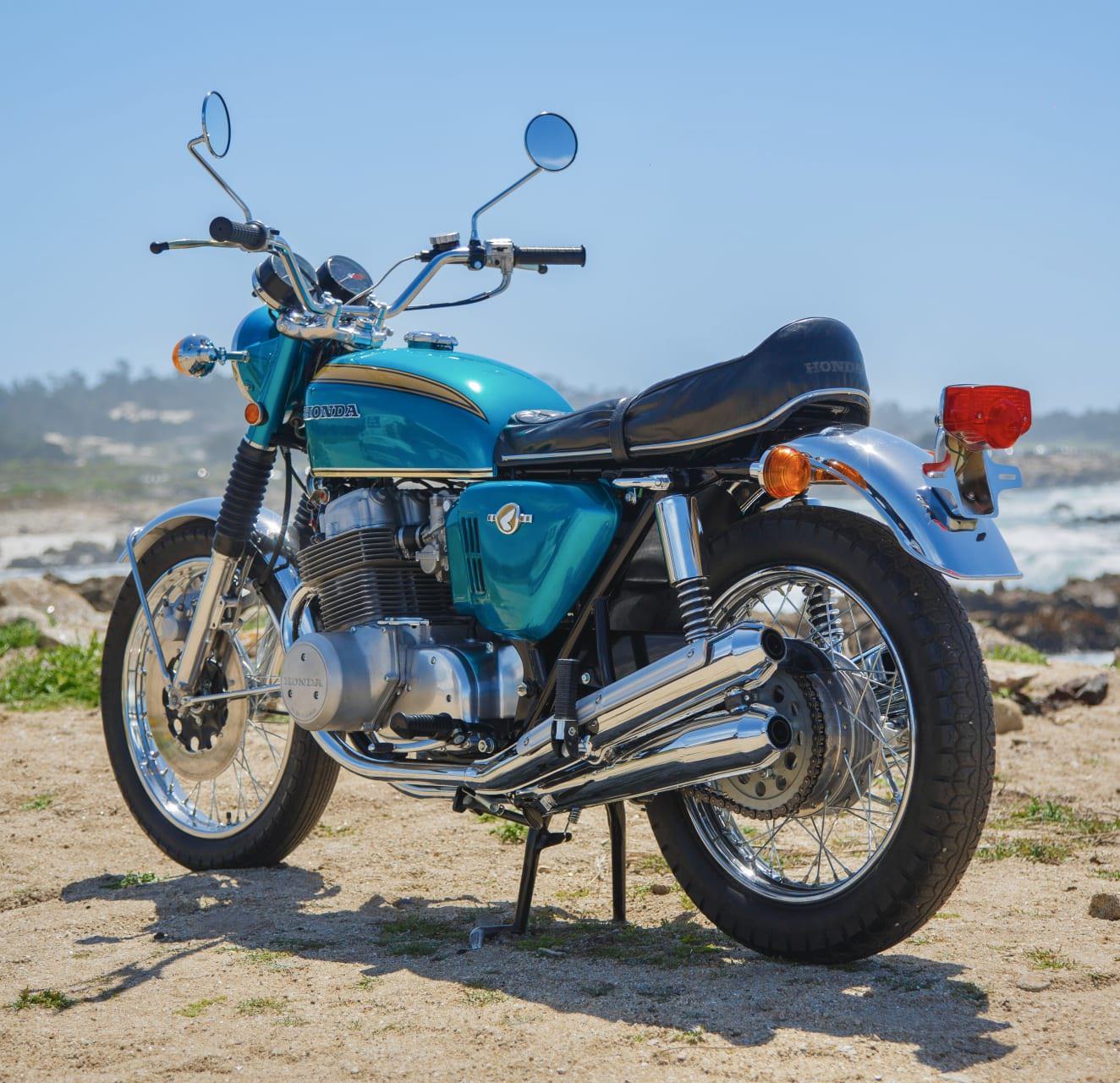
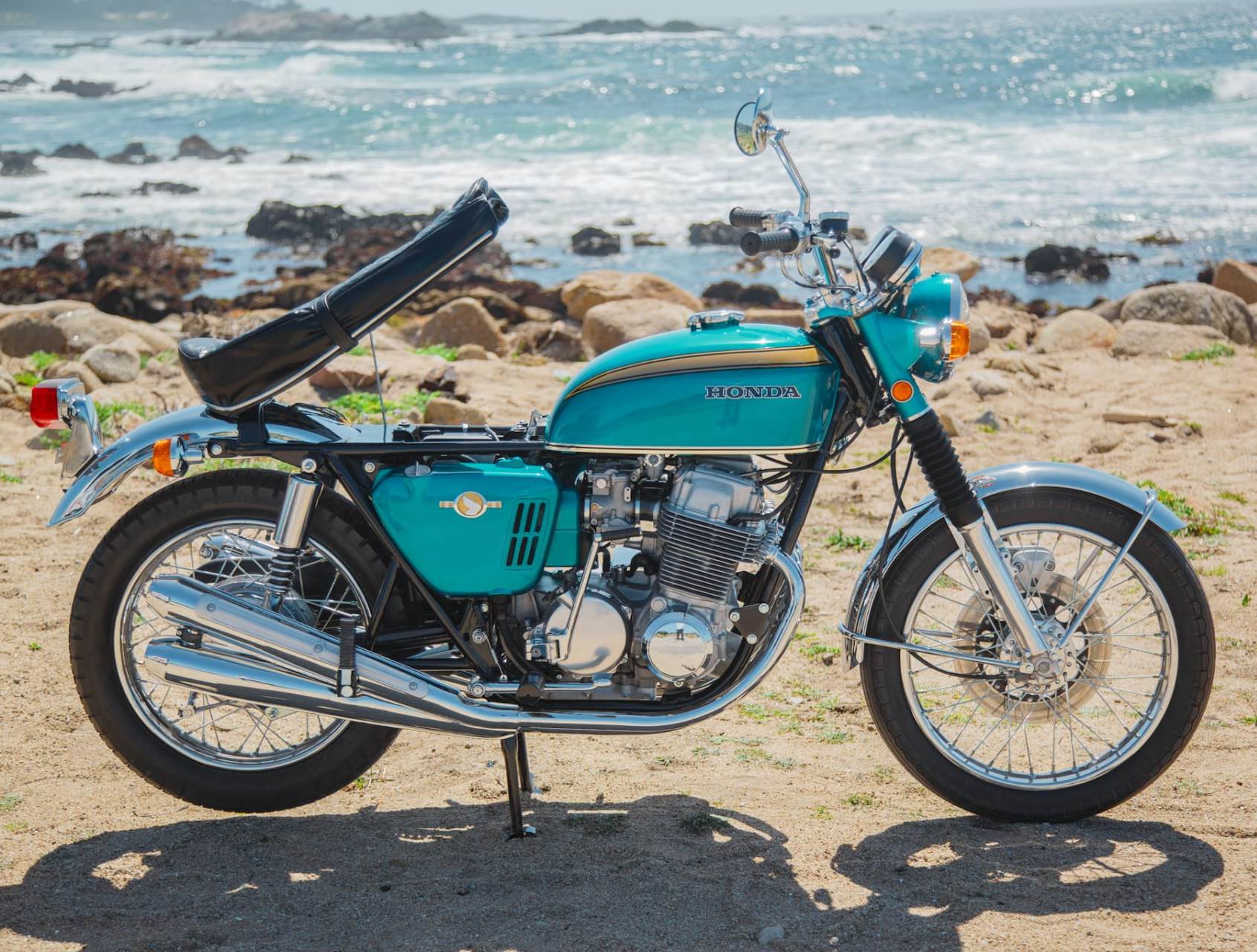
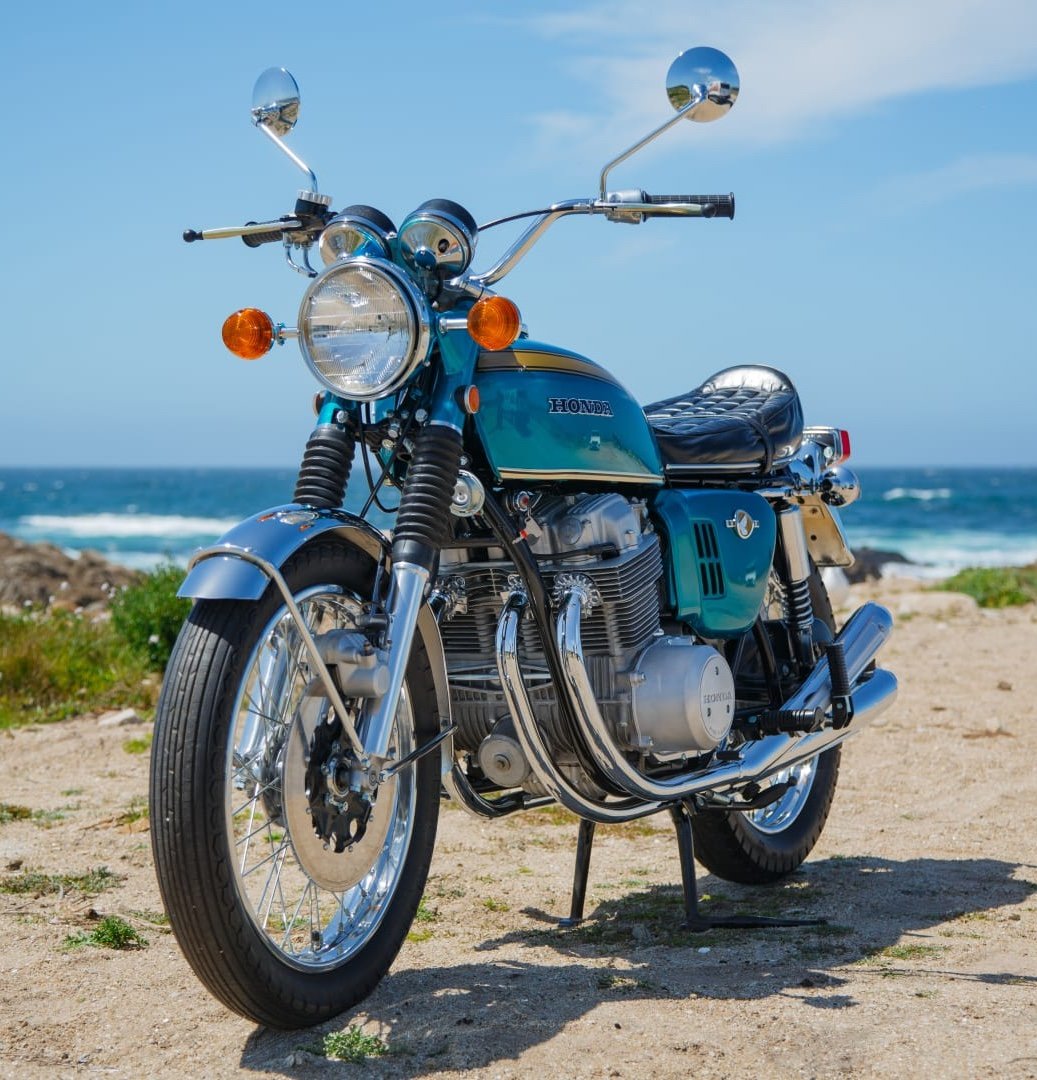
It’s almost certainly safe to say that this is one of the most consequential motorcycles of the 20th century, as it’s the first Honda CB750 prototype that was ever sent to the United States.
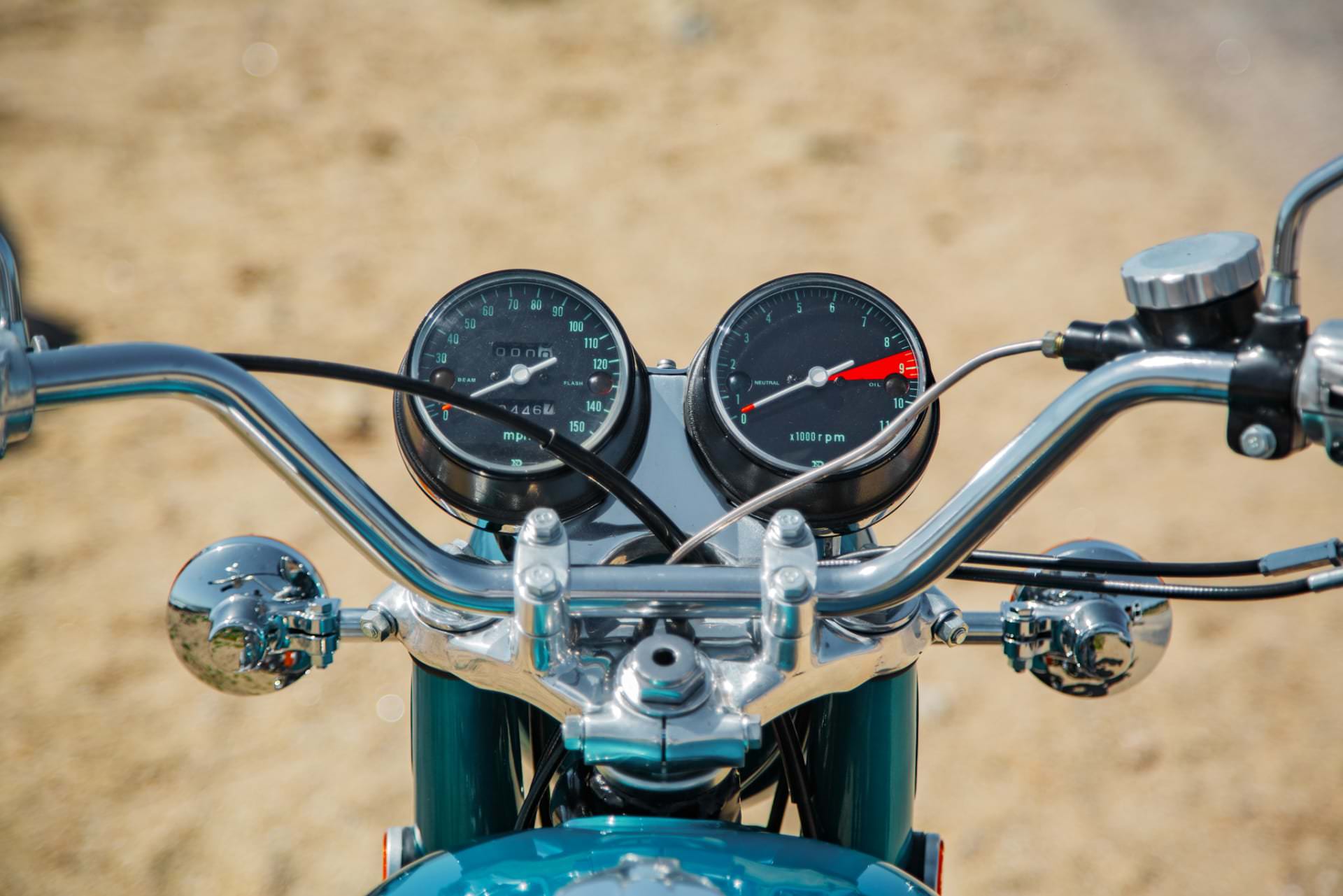
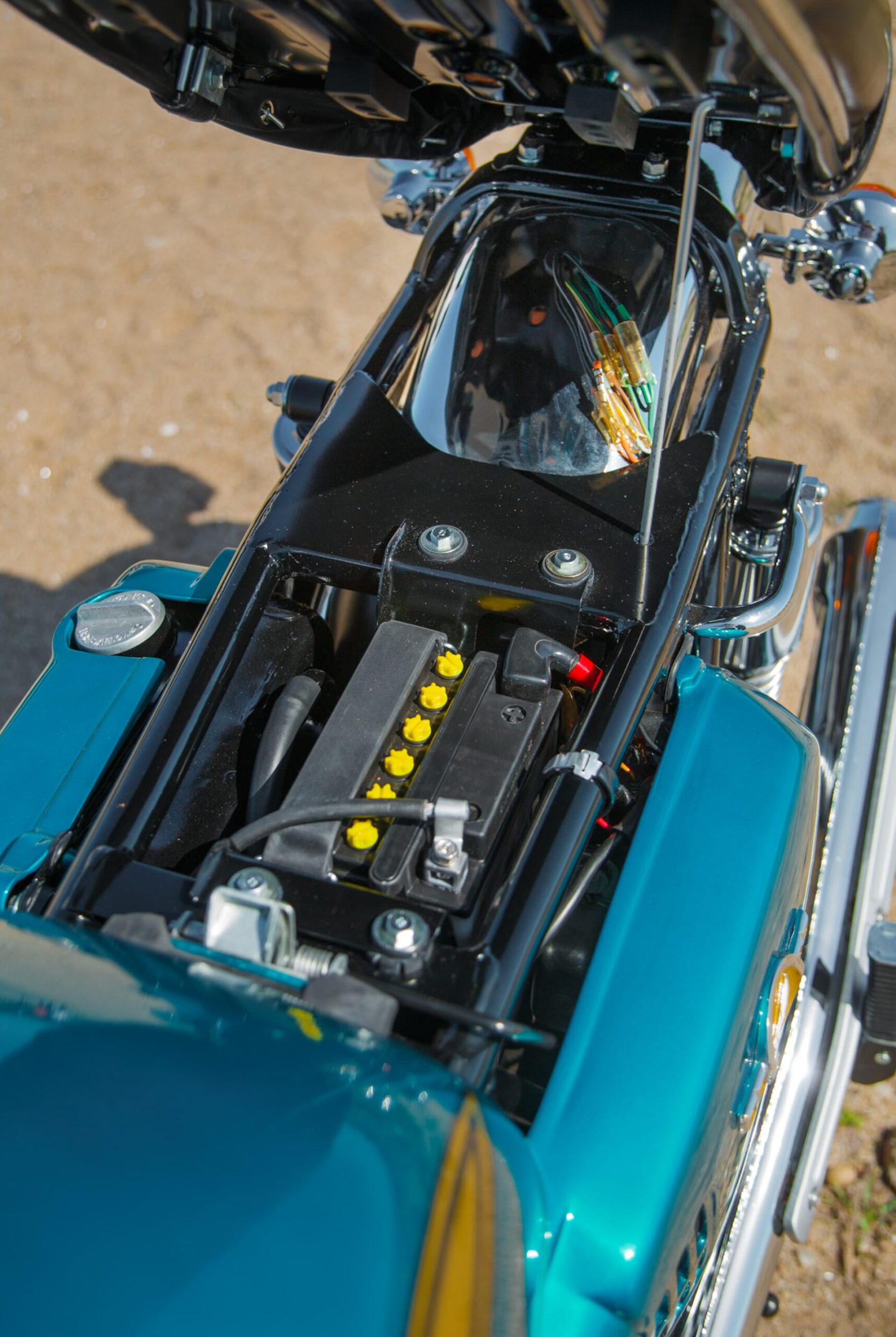
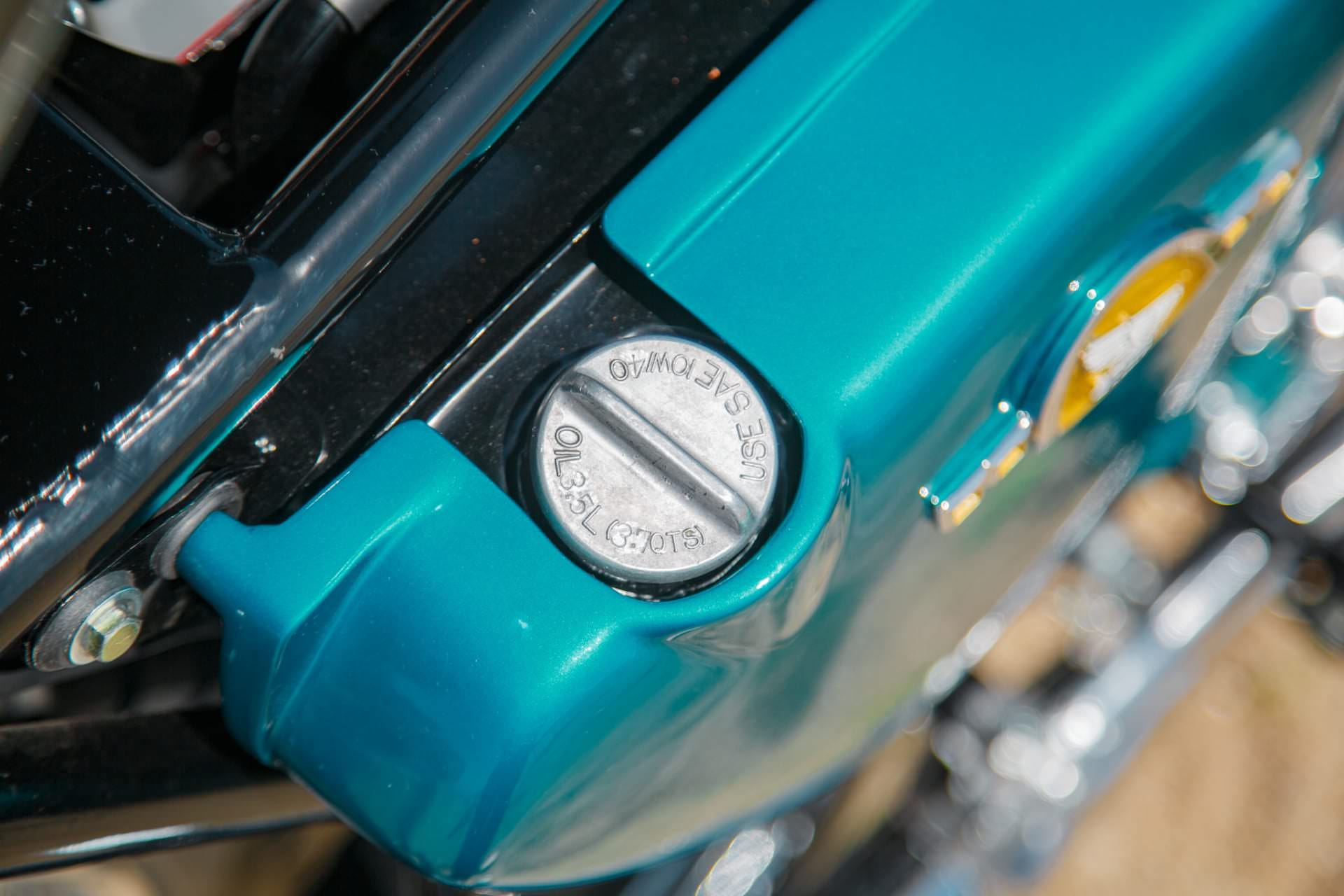
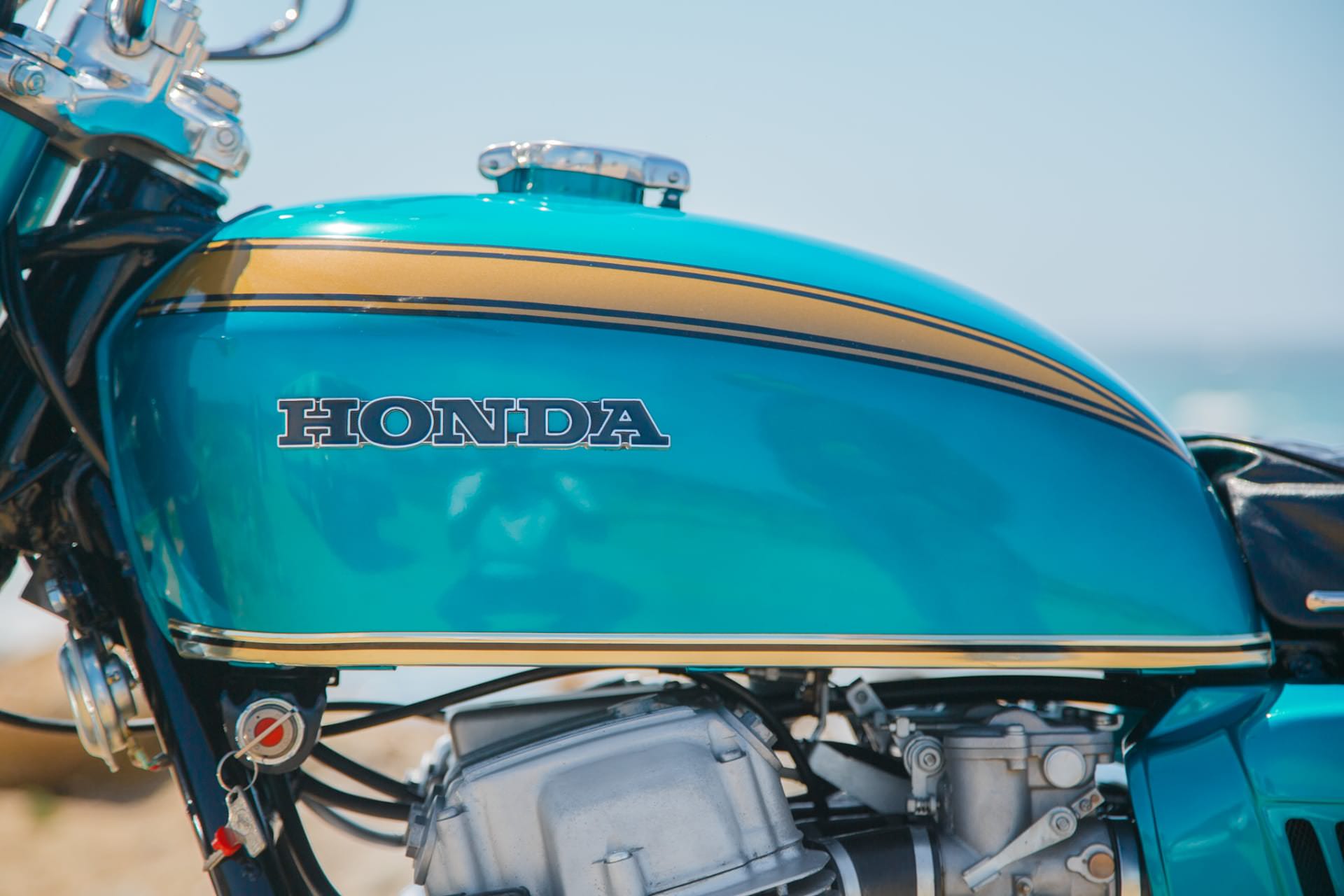
This motorcycle was sent by Soichiro Honda to Bob Hansen in late-1968 for review before the four official “Dealer Sample” show bikes were sent. It has hundreds of features that distinguish it from both the aforementioned four Dealer Samples and all of the production CB750s that would follow.
Fast Facts: The Honda CB750
- This is the first Honda CB750 prototype sent to the US in late 1968, it marked a pivotal shift in motorcycle design and performance that would send shockwaves through the industry. Sent by Soichiro Honda to Bob Hansen, this prototype predated the four official Dealer Samples and carried numerous unique design traits distinguishing it from both them and the production models that followed.
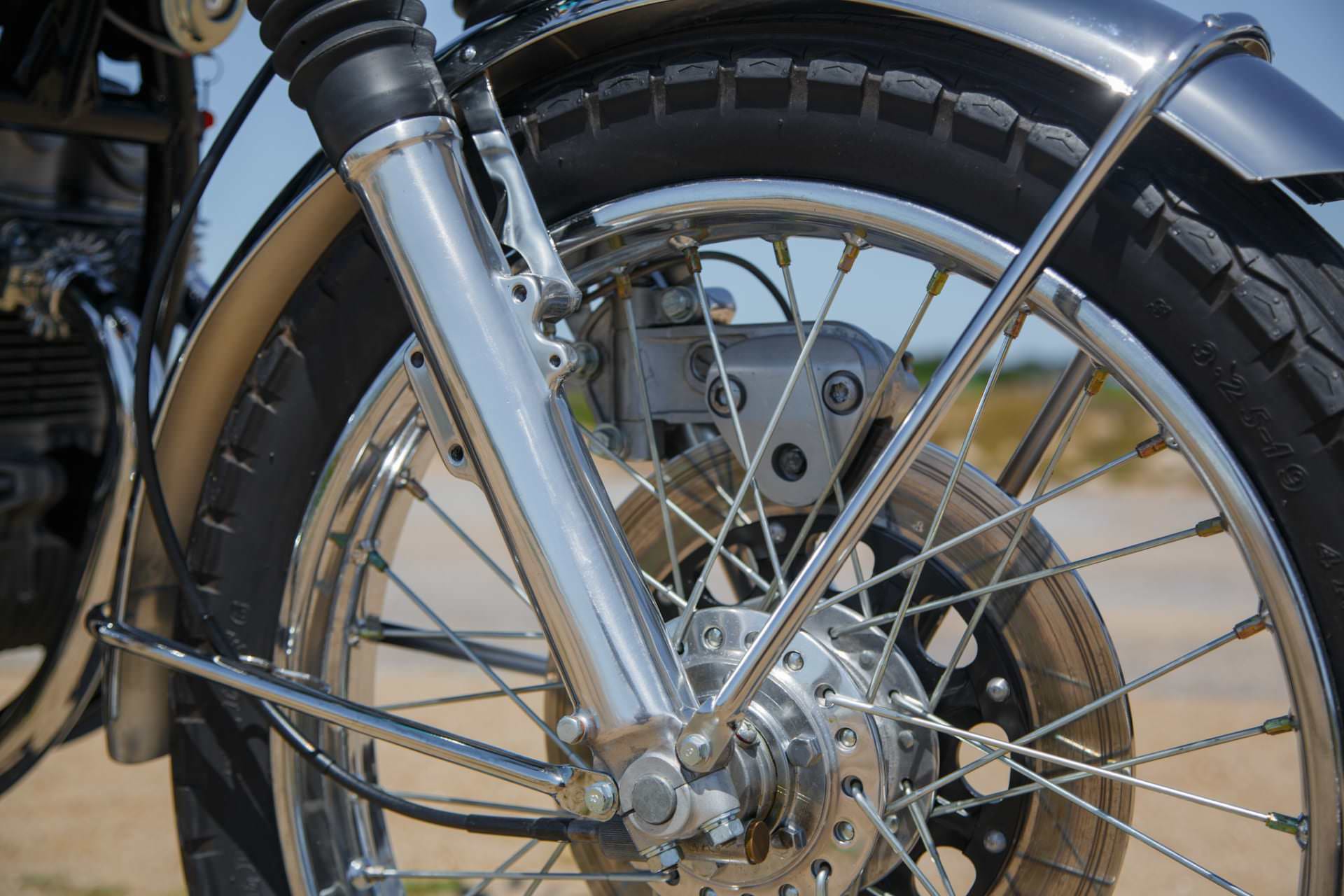
- Developed under project leader Yoshiro Harada, the CB750 was Honda’s response to American dealer Bob Hansen’s call for a large, fast, reliable motorcycle. It included a slew of crucial innovations, like that transverse inline-four engine with its single overhead camshaft, an electric start, a 5-speed gearbox, and a hydraulic front disc brake – industry leading features for the time.
- With 736cc displacement, 68 bhp at 8,000 rpm, and a 120 mph top speed, the CB750 outclassed many of its British and American rivals. Unveiled at the 1968 Tokyo Motor Show and later in Las Vegas in early 1969, it triggered enormous global demand and was hailed as the world’s first “superbike,” establishing the Universal Japanese Motorcycle template adopted by Kawasaki, Suzuki, and Yamaha in the 1970s.
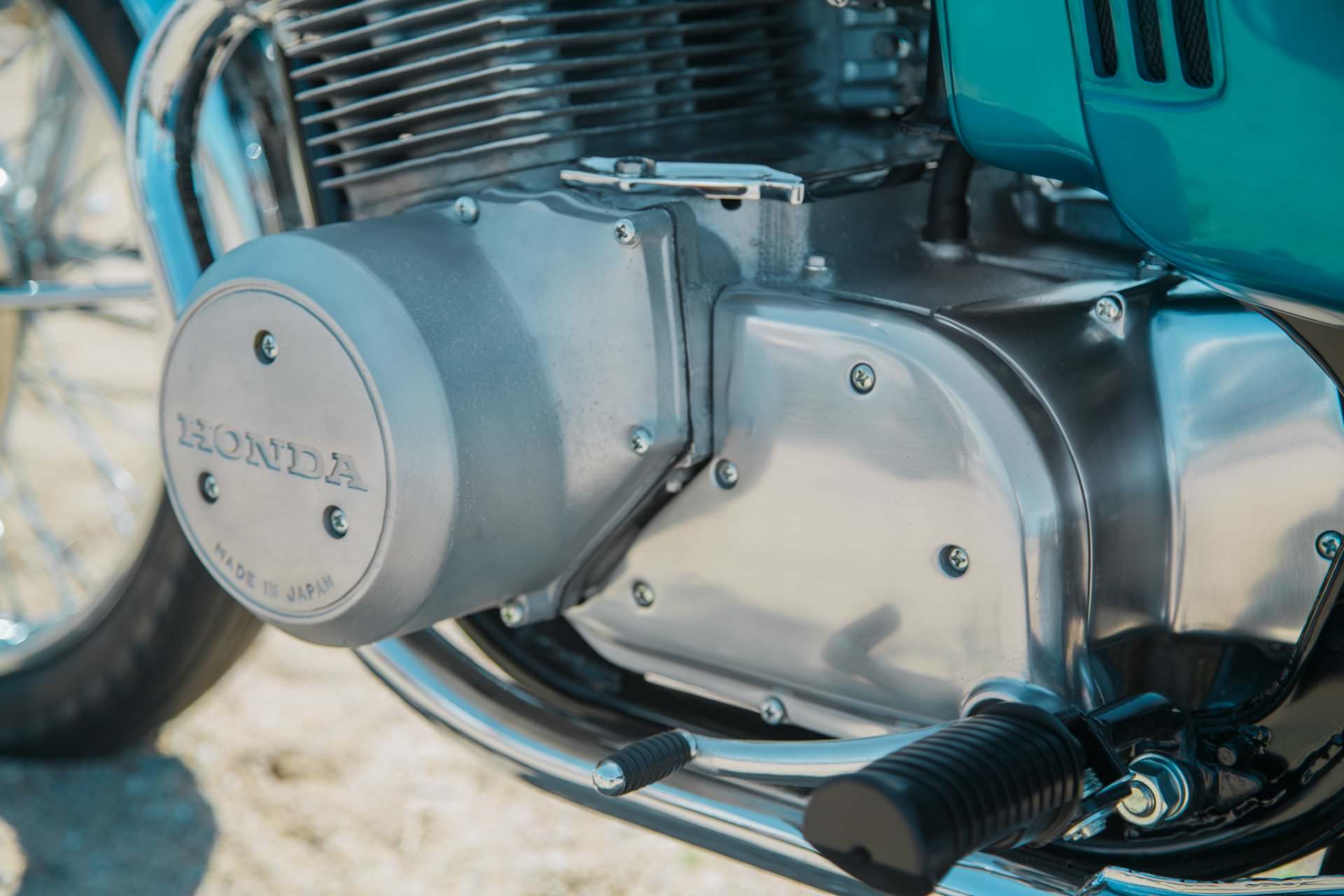
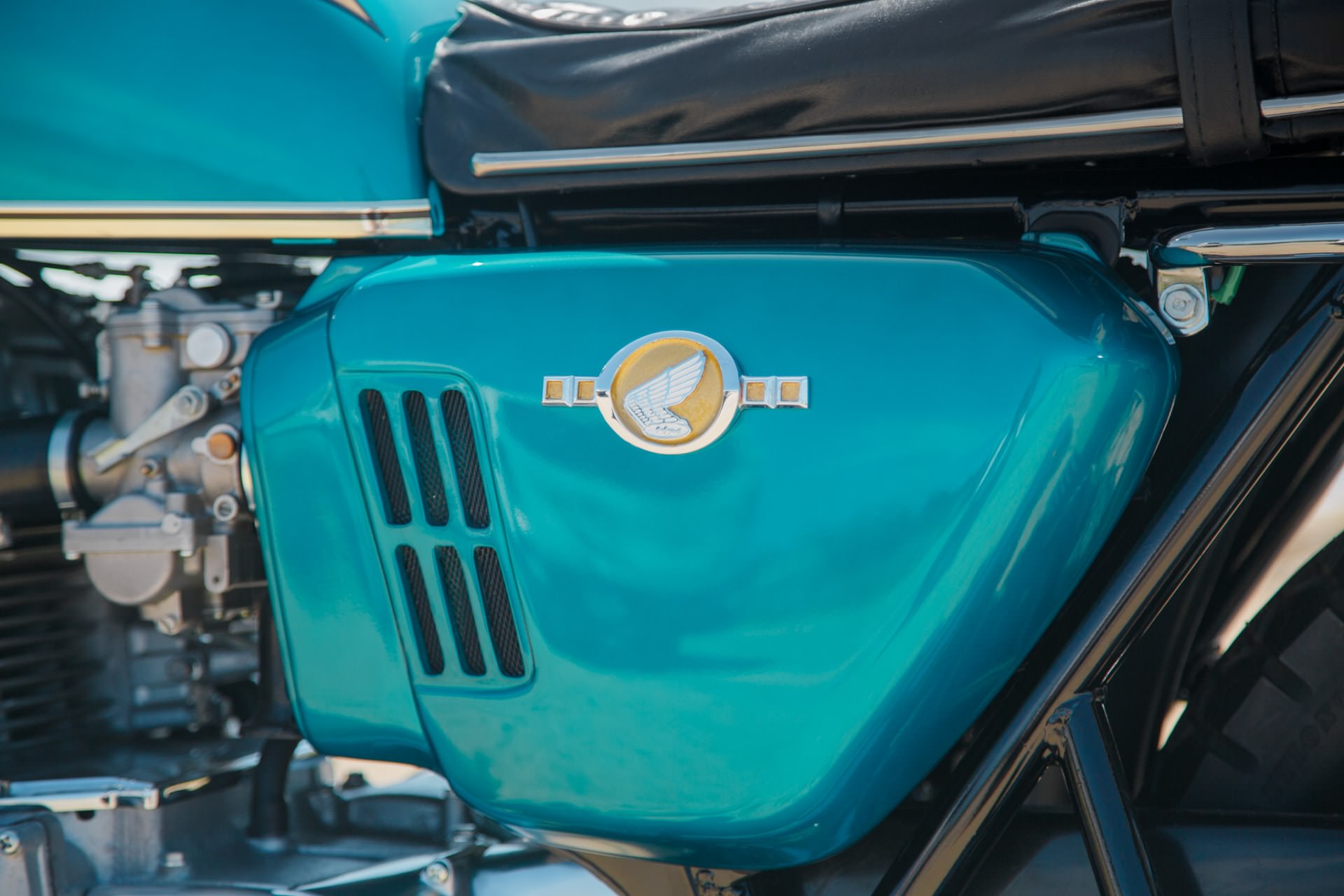
- This prototype now headed to Mecum’s Las Vegas auction retains rare identifiers, including “HONDA” cast on its valve cover, a distinct oval-wing emblem, and a seat flipping rearward instead of sideways. As both a technical milestone and cultural touchstone, the CB750 series from Honda transformed motorcycling.
History Speedrun: Honda CB750 – The First “Superbike”
When Honda unveiled the CB750 in the USA in 1969, it reset the global industry’s expectations of what a mass-produced performance bike could be. Its arrival marked a clean break from the British and American dominance of the 1960s, bringing precision engineering, reliability, and genuine everyday usability to a class that had long been reserved for the mechanically inclined or the wealthy.
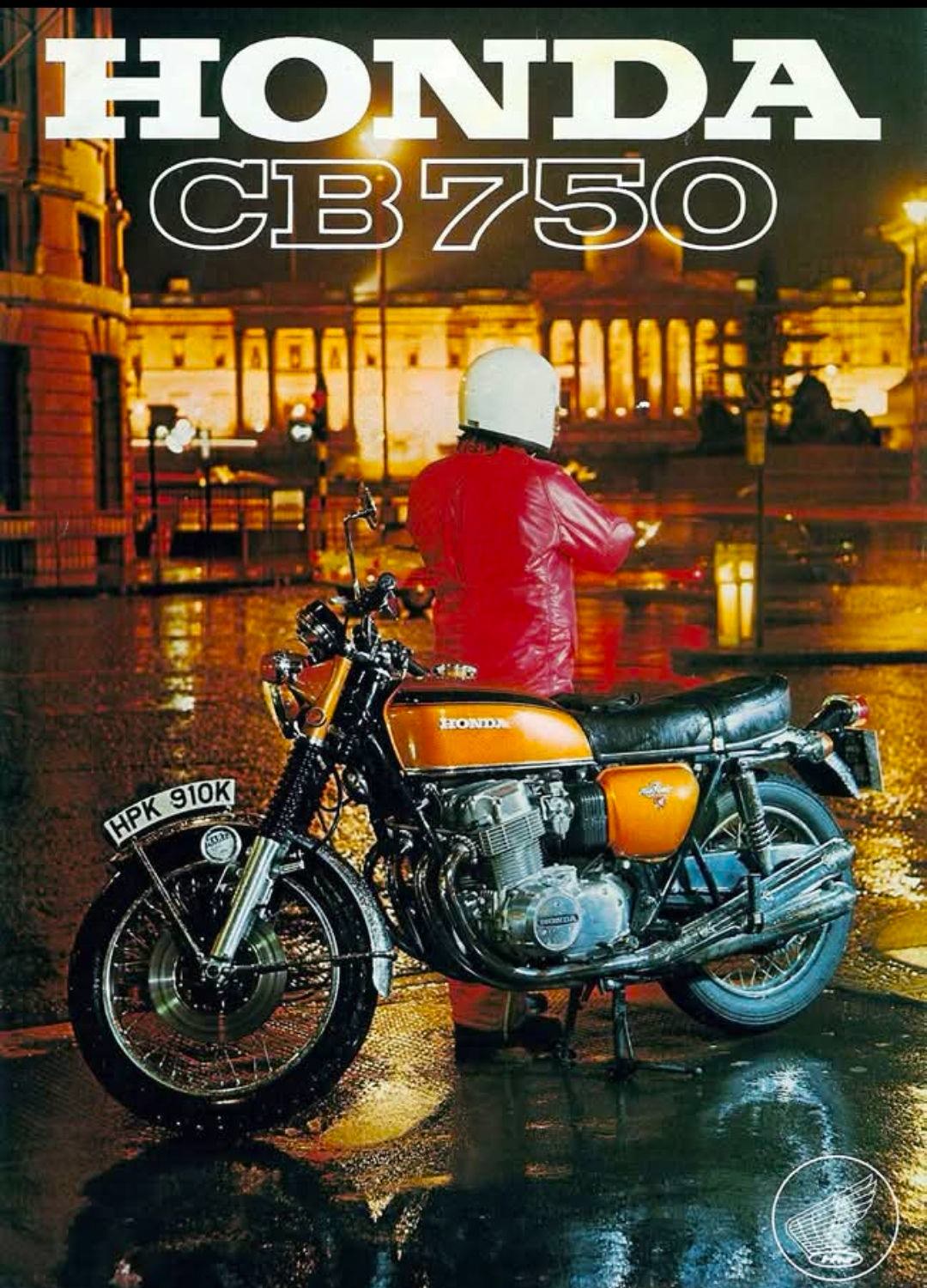
 When Honda unveiled the CB750 in the USA in 1969, it reset the global industry’s expectations of what a mass-produced performance bike could be. Image courtesy of Honda.
The story of the CB750 really began in the mid-1960s, when Soichiro Honda set his sights on the Western market. Honda had already built a reputation for dependability with small four-stroke singles and twins, but the company wanted to move upmarket and capture the attention of riders who typically bought Triumphs, Nortons, BSAs, or Harley-Davidsons.
American Honda dealer Bob Hansen urged Tokyo headquarters to build a larger-displacement motorcycle – something fast, modern, reliable, and affordable. Honda’s engineers responded with an idea that had previously been the reserve of exceedingly expensive (and rare) Italian bikes – a transverse four-cylinder motorcycle.
In 1968, project leader Yoshiro Harada’s team began work on what was then code-named “CB750E.” The design goal was lofty – they were aiming to combine the performance of a racing motorcycle with the reliability and refinement expected from a Honda commuter bike.
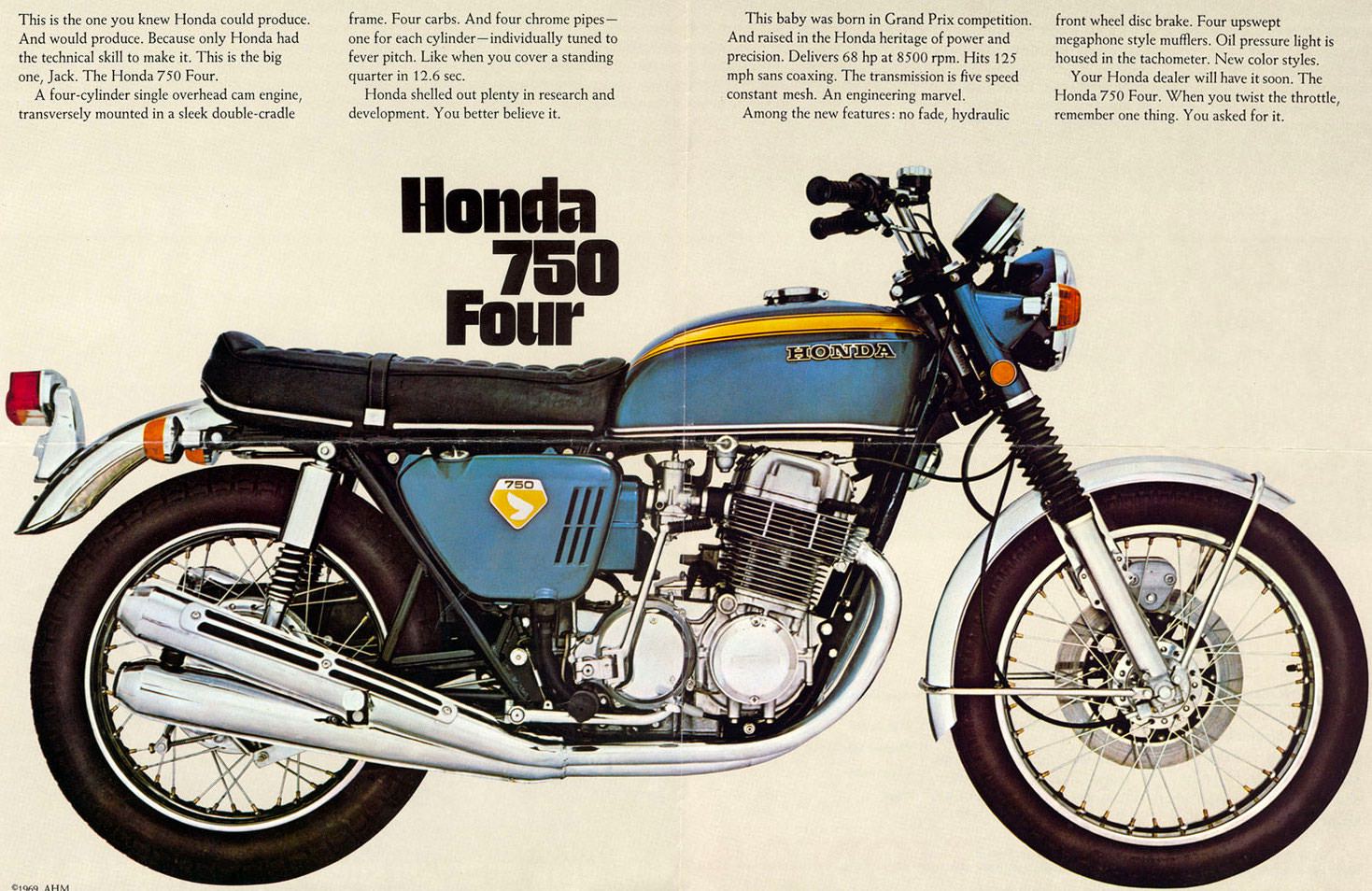
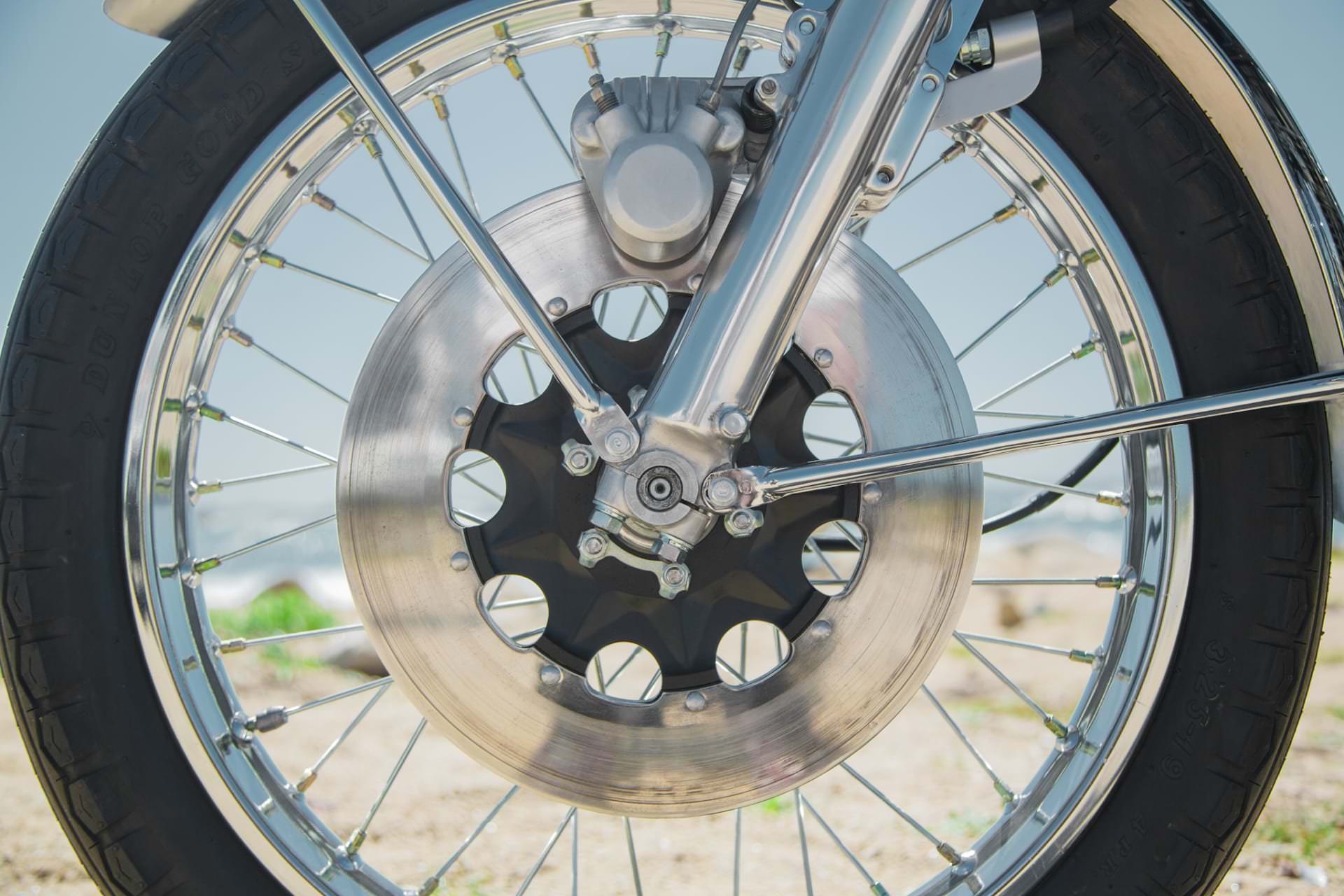
The result was the first mass-produced transverse inline-four motorcycle with a single overhead camshaft, electric start, a 5-speed gearbox, and most revolutionary of all – a hydraulic front disc brake. No other production motorcycle in the world offered that combination at scale at the time.
The engine displaced 736cc, with a bore and stroke of 61 × 63 mm and a 9.0:1 compression ratio. It produced 68 bhp at 8,000 rpm and could exceed 120 mph, figures that put it above the average sport bike of the day.
Power was delivered through a wet multi-plate clutch and chain final drive, while the chassis used a steel cradle frame and twin rear shocks – a fairly standard arrangement for the time, and the bike weighed approximately 480 lbs dry. The electric starter fired it up instantly and it idled steadily and without complaint – almost unheard of traits for something that could challenge the high-performance European motorcycles of the day.
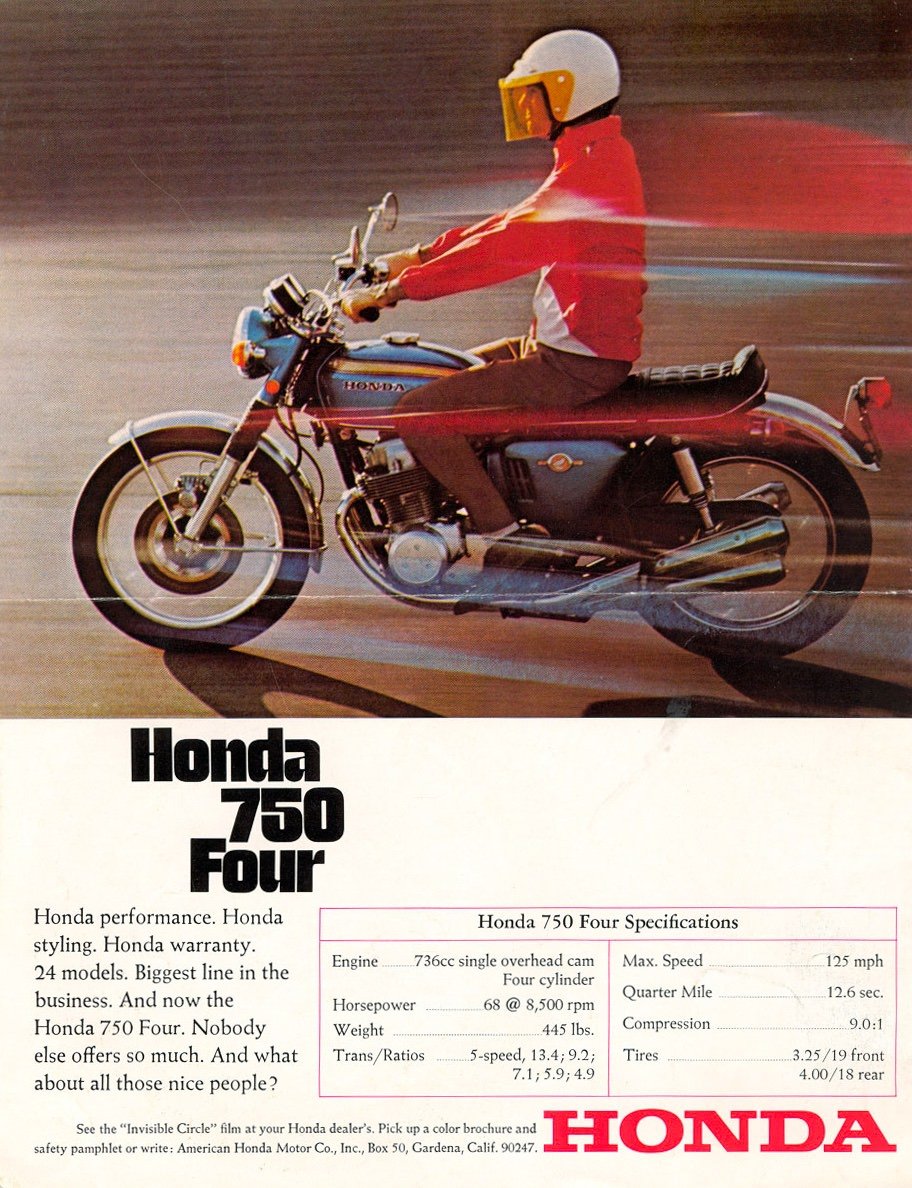
The story of the CB750 really began in the mid-1960s, when Soichiro Honda set his sights on the Western market. Honda had already built a reputation for dependability with small four-stroke singles and twins, but the company wanted to move upmarket and capture the attention of riders who typically bought Triumphs, Nortons, BSAs, or Harley-Davidsons. Image courtesy of Honda.
Honda first exhibited the CB750 prototype at the Tokyo Motor Show in November 1968, followed by its US debut at a dealer convention in Las Vegas in early 1969. Initial production was forecast at just 1,500 units per year, but overwhelming global demand soon turned that figure into a monthly target. What had begun as a limited run quickly grew into tens of thousands of units as orders flooded in from around the world. Magazines hailed it as the world’s first “superbike” – a term that was coined specifically for the CB750.
The impact of this new large-capacity Honda was immediate and profound. British manufacturers like BSA and Triumph were blindsided. Their 650 twins suddenly looked archaic beside Honda’s refined, oil-tight, four-cylinder with a starter button.
American riders flocked to dealers, and the CB750’s clever combination of performance, reliability, and affordability created an entirely new market segment. This was the birth of the Universal Japanese Motorcycle, the “UJM,” a template that would soon be followed by the other three large Japanese motorcycle manufacturers.
Kawasaki, Yamaha, and Suzuki all developed direct responses to the CB750 in the early 1970s, each aiming to capture a slice of the rapidly growing market for multi-cylinder street bikes. Kawasaki, which had already been working on a large-displacement four-cylinder prototype known as the “New York Steak,” accelerated its program after seeing Honda’s success.
The result was the 1972 Kawasaki Z1, a 903cc double-overhead-cam inline-four producing 82 bhp and capable of 130 mph – landing Kawasaki at the top of the heap for outright speed. Suzuki joined the UJM field in 1976 with the GS750, its first four-stroke four-cylinder motorcycle, using a DOHC 743cc engine producing 68 bhp. Yamaha would be a little late to the party in 1978 with the 1,101cc XS1100, a four-cylinder tourer making 95 bhp.
Together, these machines established the UJM layout, inline multi-cylinder engines mounted transversely, with unit construction and an electric starter, conventional frames, and standardized controls – it became the Japanese industry standard by the mid-1970s.
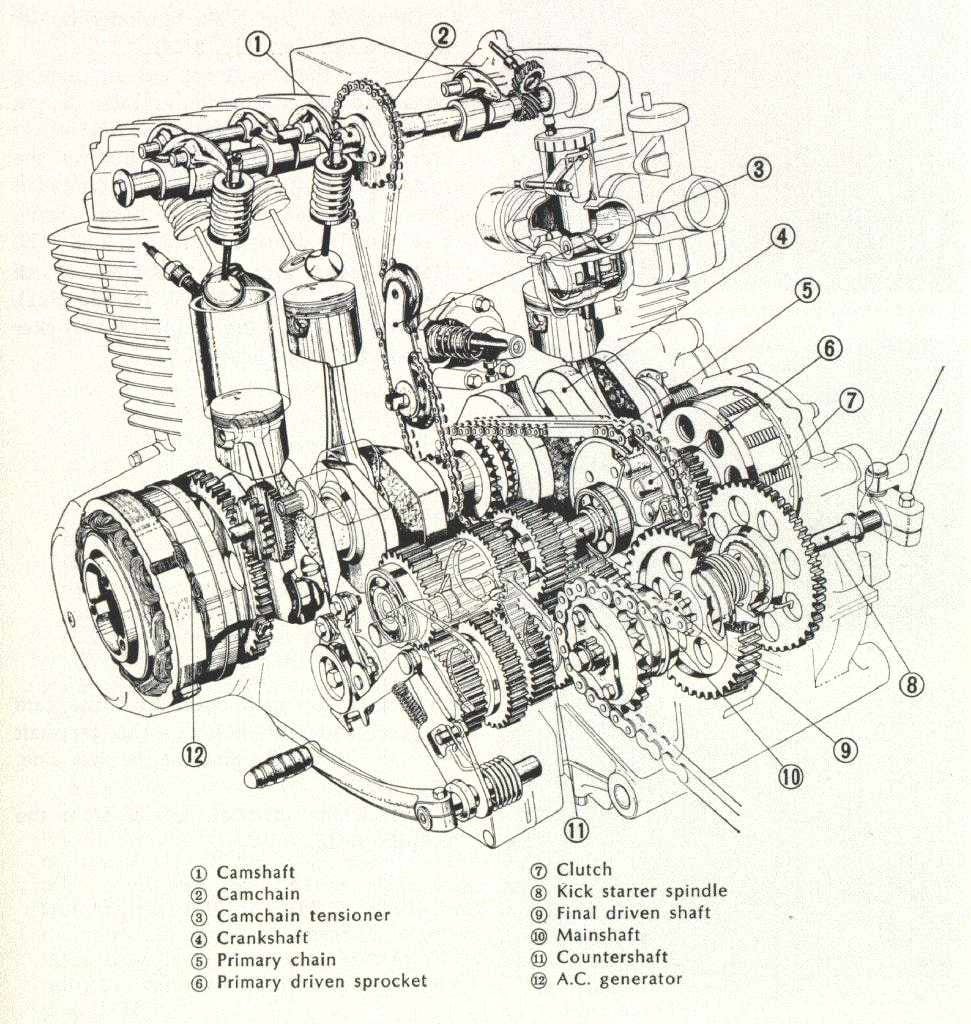
The CB750 engine displaced 736cc, with a bore and stroke of 61 × 63 mm and a 9.0:1 compression ratio. It produced 68 bhp at 8,000 rpm and could exceed 120 mph, figures that put it above the average sport bike of the day. Image courtesy of Honda.
Honda didn’t stand still. Variants like the CB750K and CB750F followed through the 1970s, adopting new styling, higher compression ratios, more power, and improved handling. Later, in 1979, the CB900F and 1981 CB1100F built on the same philosophy of the CB750 but with increased displacement, and more power.
The CB750 changed the cultural landscape of motorcycling, it democratized speed and sophistication, making high performance motorcycles accessible to ordinary riders who didn’t have a workshop or a mechanic on call, or the ability to afford a rare MV Agusta or some other similarly exotic machine.
The CB750’s smoothness and civility helped rehabilitate motorcycling’s rough-and-tumble image, particularly in the United States, where Honda’s “You Meet the Nicest People on a Honda” ad campaign had already softened perceptions. Now those “nice people” could buy a 120 mph machine with the same confidence they had in a family car.
By the time production wound down in 1978 for the original SOHC series, roughly 553,000 CB750s had been built. Its influence extended far beyond its own lifespan, virtually every major Japanese motorcycle for the next decade could trace its lineage back to Honda’s breakthrough four. The UJM template it created became so ubiquitous that, by the late 1970s, almost every major Japanese manufacturer’s lineup looked like a variation on the theme laid down by Honda’s superbike.
The Honda CB750 Prototype Shown Here
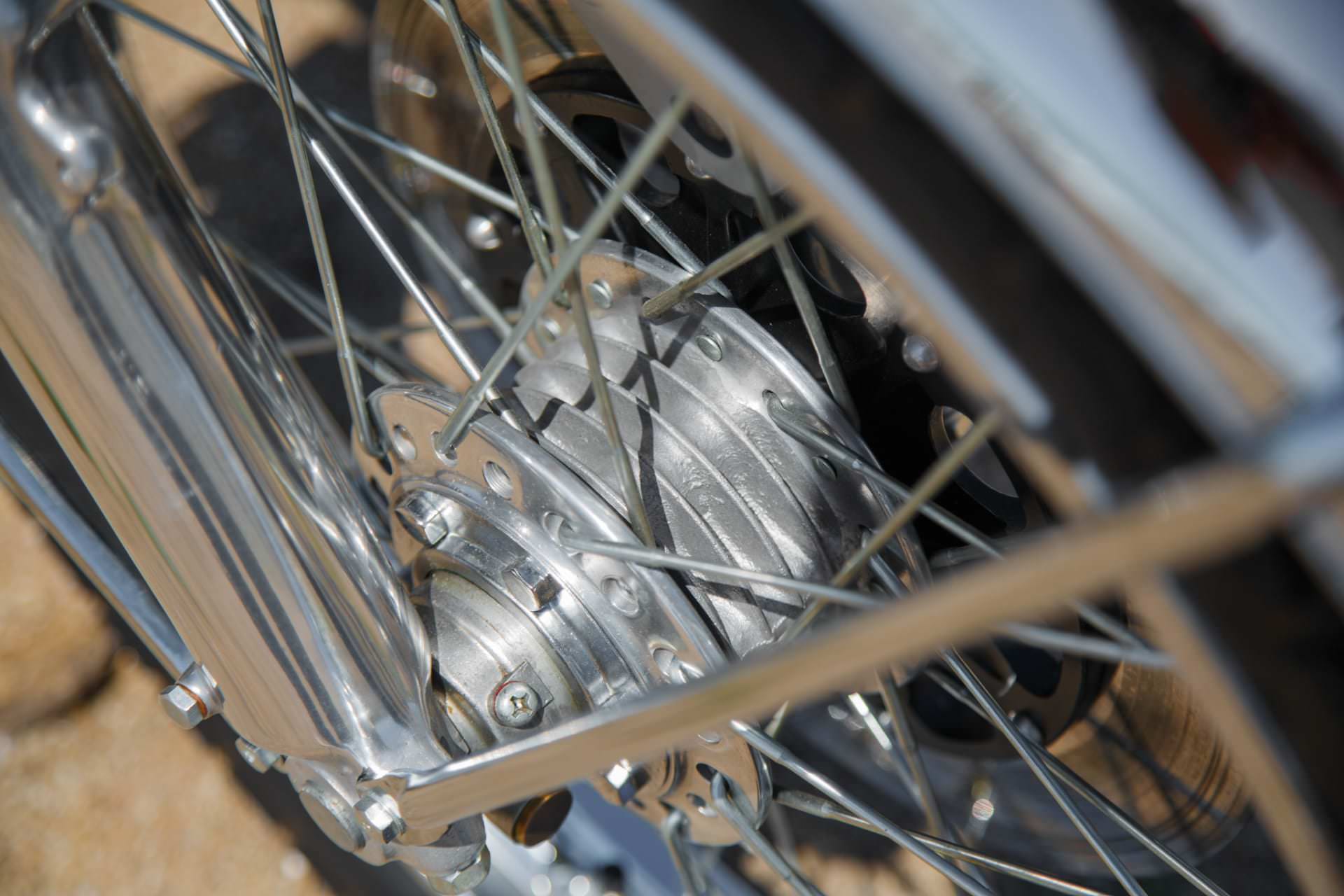
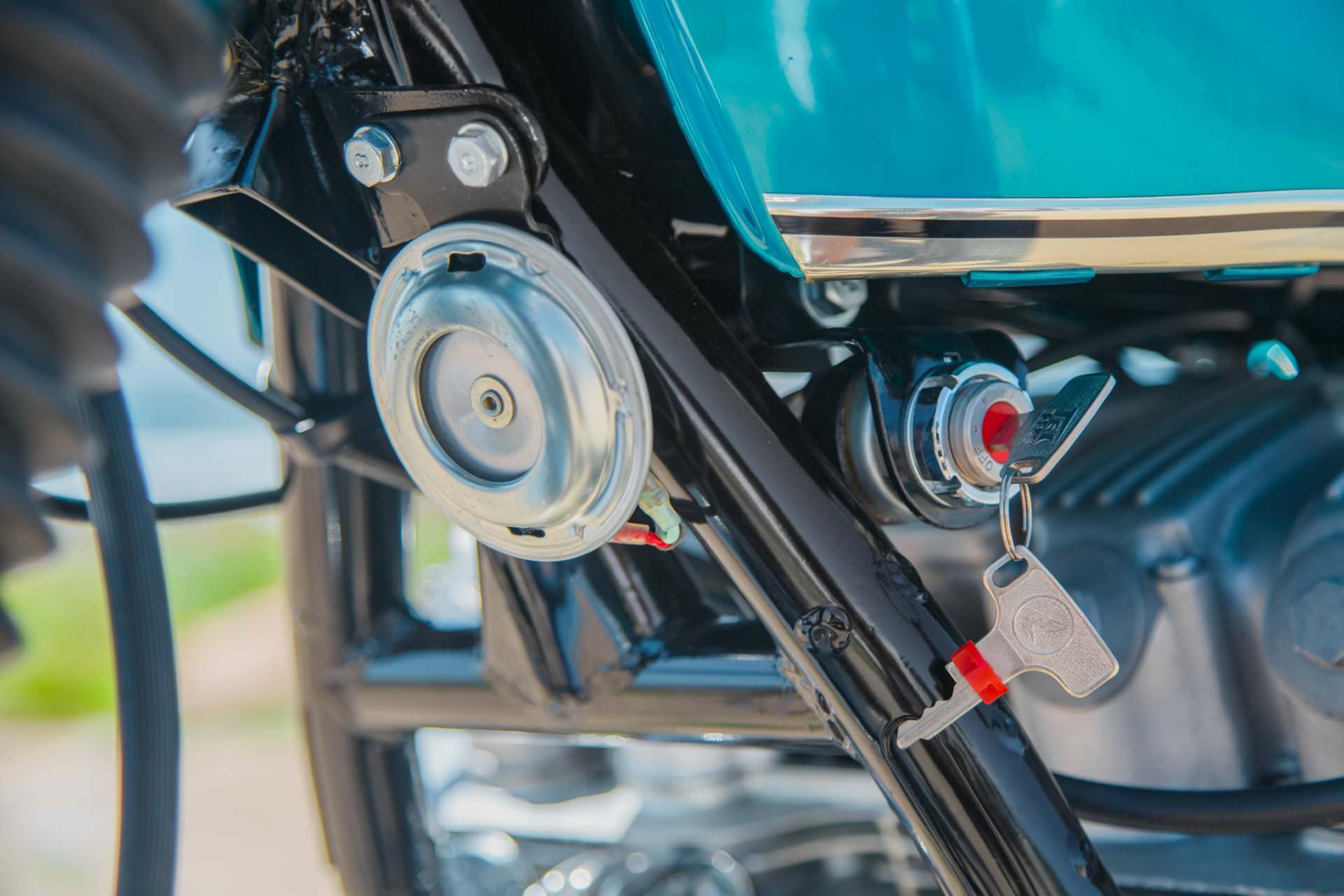
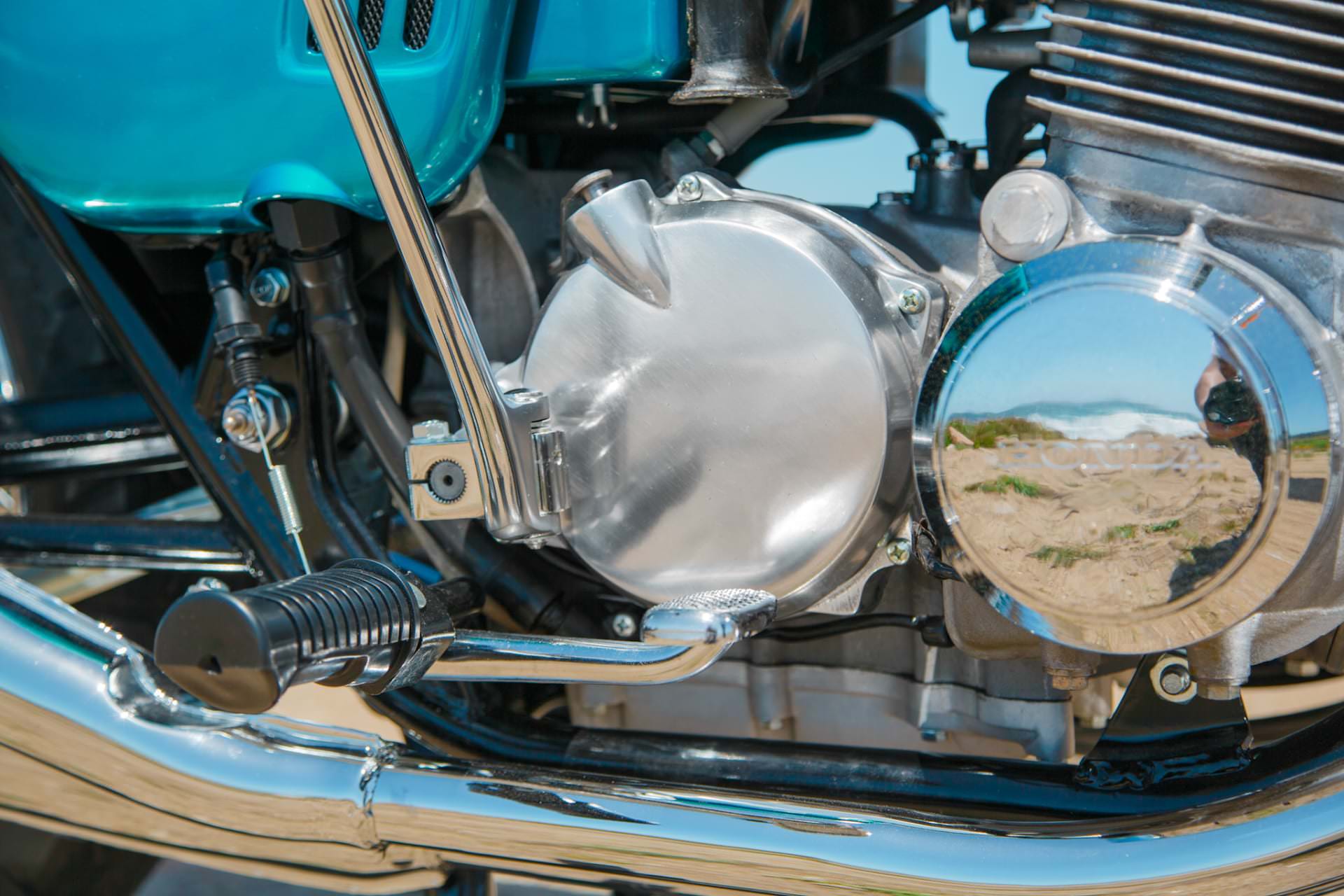
As mentioned higher up, this is the very first Honda CB750 prototype to ever land on American shores, it was sent by Soichiro Honda to Bob Hansen in October of 1968 for review, before even the four Dealer Sample CB750s that were shown in Las Vegas in November.
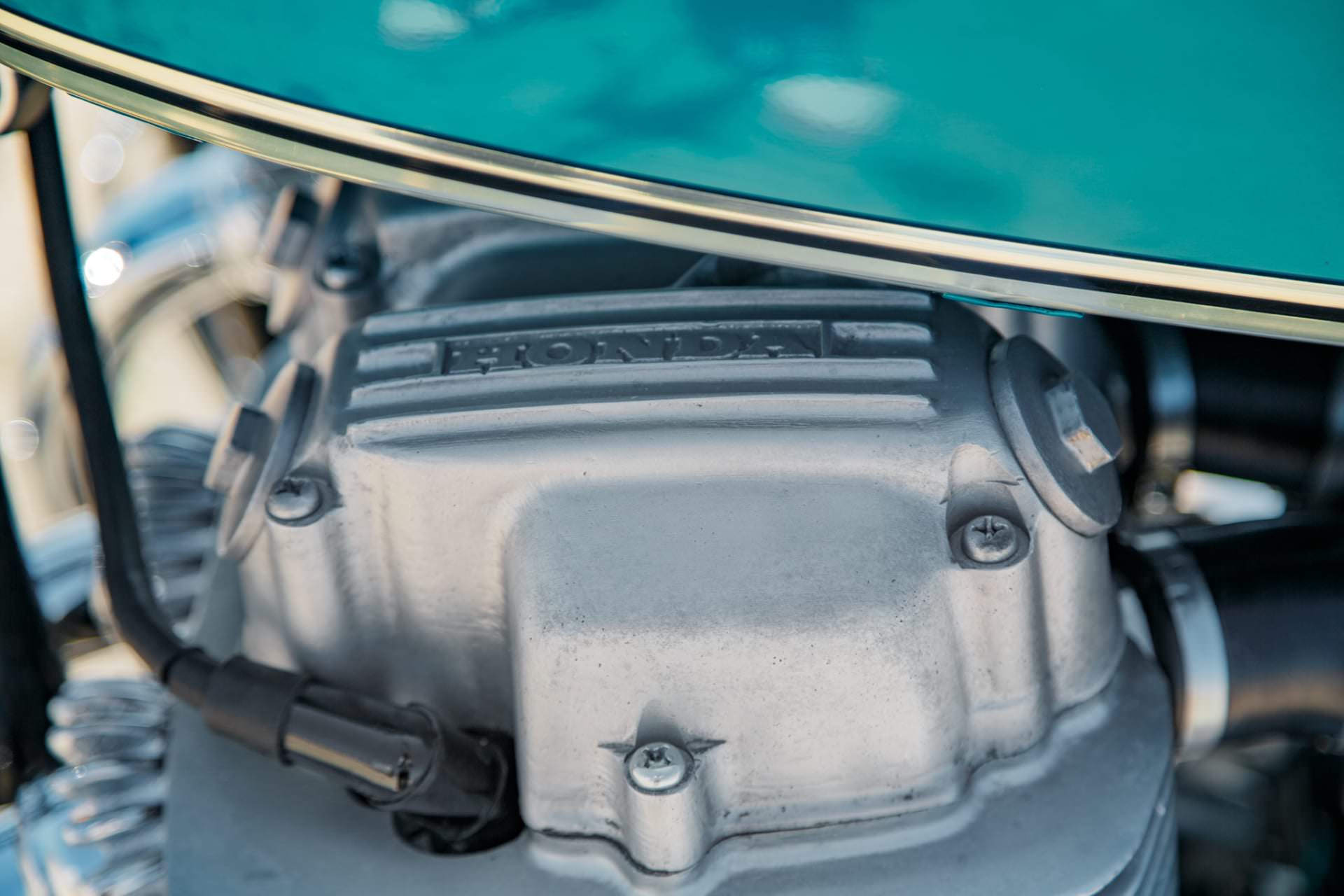
As a result, this bike has a series of unique features not seen on other CB750s including being the only CB750 to have “HONDA” cast into the valve cover rather than “OHC 750” as seen on all other CB750s.
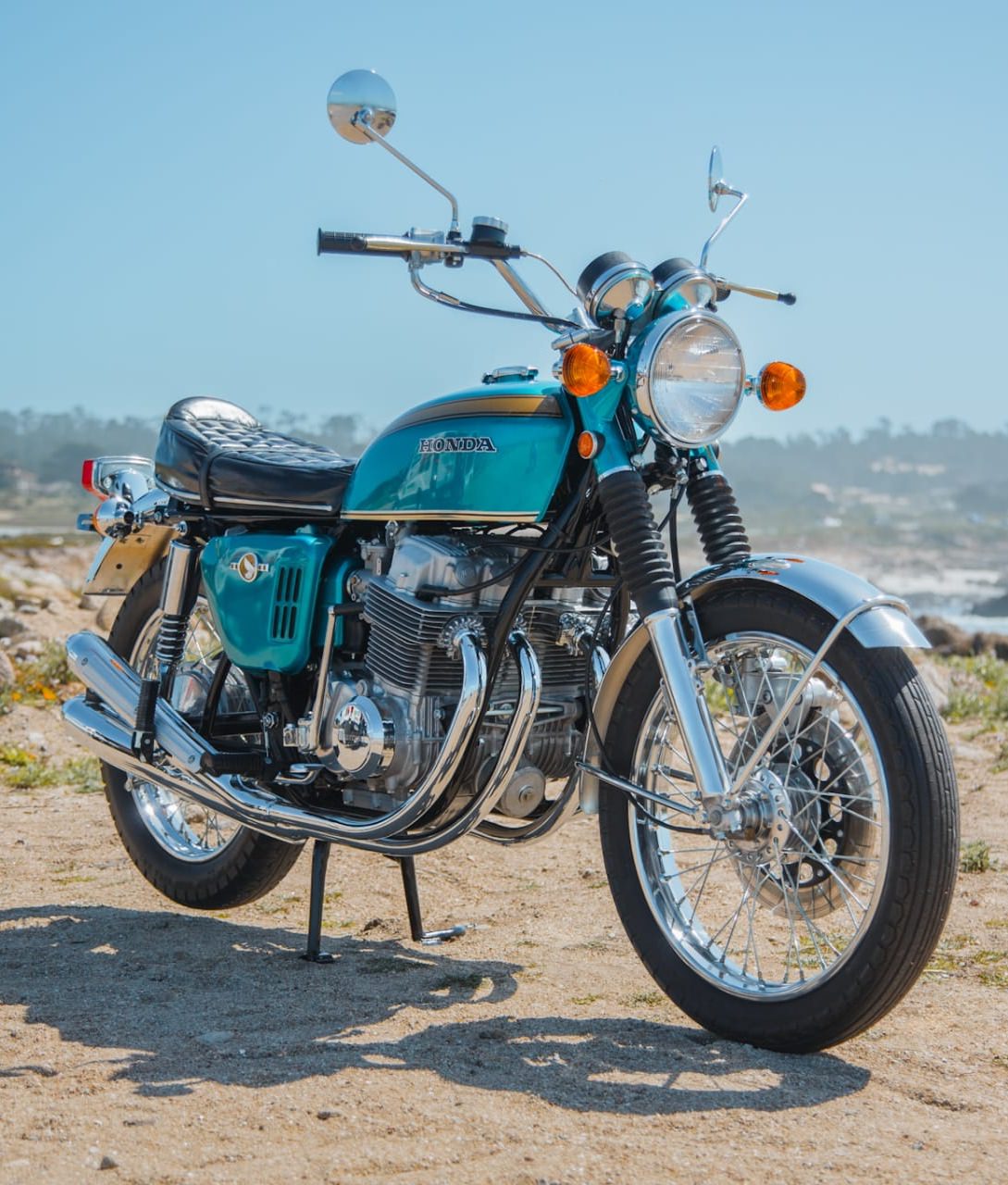
As mentioned higher up, this is the very first Honda CB750 prototype to ever land on American shores, it was sent by Soichiro Honda to Bob Hansen in October of 1968 for review, before even the four Dealer Sample CB750s that were shown in Las Vegas in November.
It’s also the only one to use the Honda oval wing emblem with four small squares (two on each side of the oval), and where the seat flips up to the rear instead of sideways, and a slew of other unique features.
It’s now due to roll across the auction block with Mecum at the end of January at their Las Vegas Motorcycle Auction. If you’d like to read more about it or place a bid you can visit the listing here.
Images courtesy of Mecum + Honda
Articles that Ben Branch has written have been covered on CNN, Popular Mechanics, Smithsonian Magazine, Road & Track Magazine, the official Pinterest blog, the official eBay Motors blog, BuzzFeed, Autoweek Magazine, Wired Magazine, Autoblog, Gear Patrol, Jalopnik, The Verge, and many more.
Silodrome was founded by Ben back in 2010, in the years since the site has grown to become a world leader in the alternative and vintage motoring sector, with well over a million monthly readers from around the world and many hundreds of thousands of followers on social media.