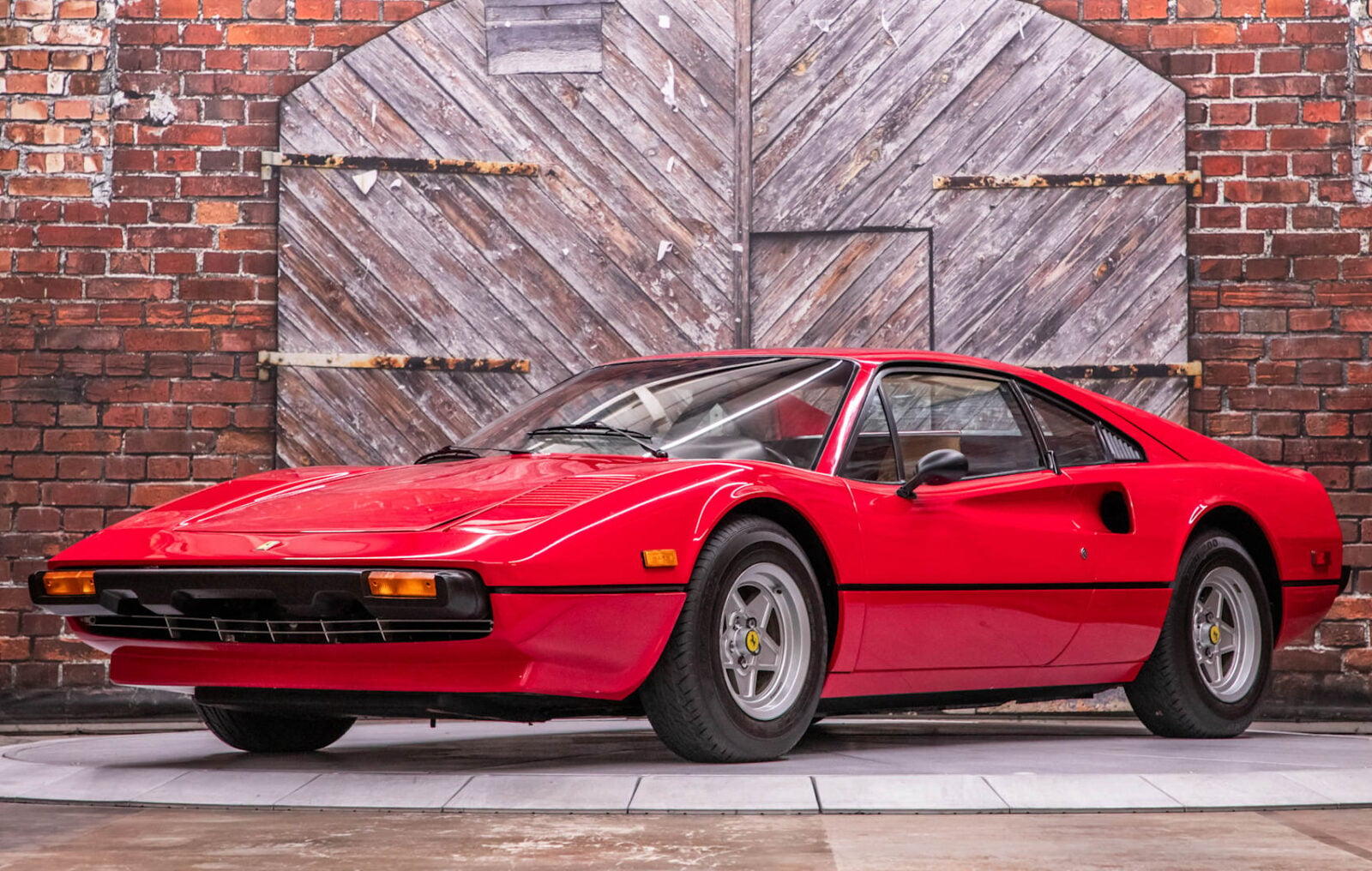
This is a 1976 Ferrari 308 GTB Vetroresina, that last word is Italian for “fiberglass.” This model was the only Ferrari ever made with a fiberglass body, and today they’re much sought after.
Fiberglass is easy to mold into complex shapes, it’s also inexpensive, strong, and completely impervious to rust. Added to that, it’s also lighter than a comparable steel panel, and as a result the Vetroresina is quite a bit lighter than the later steel-bodied 308 GTBs.
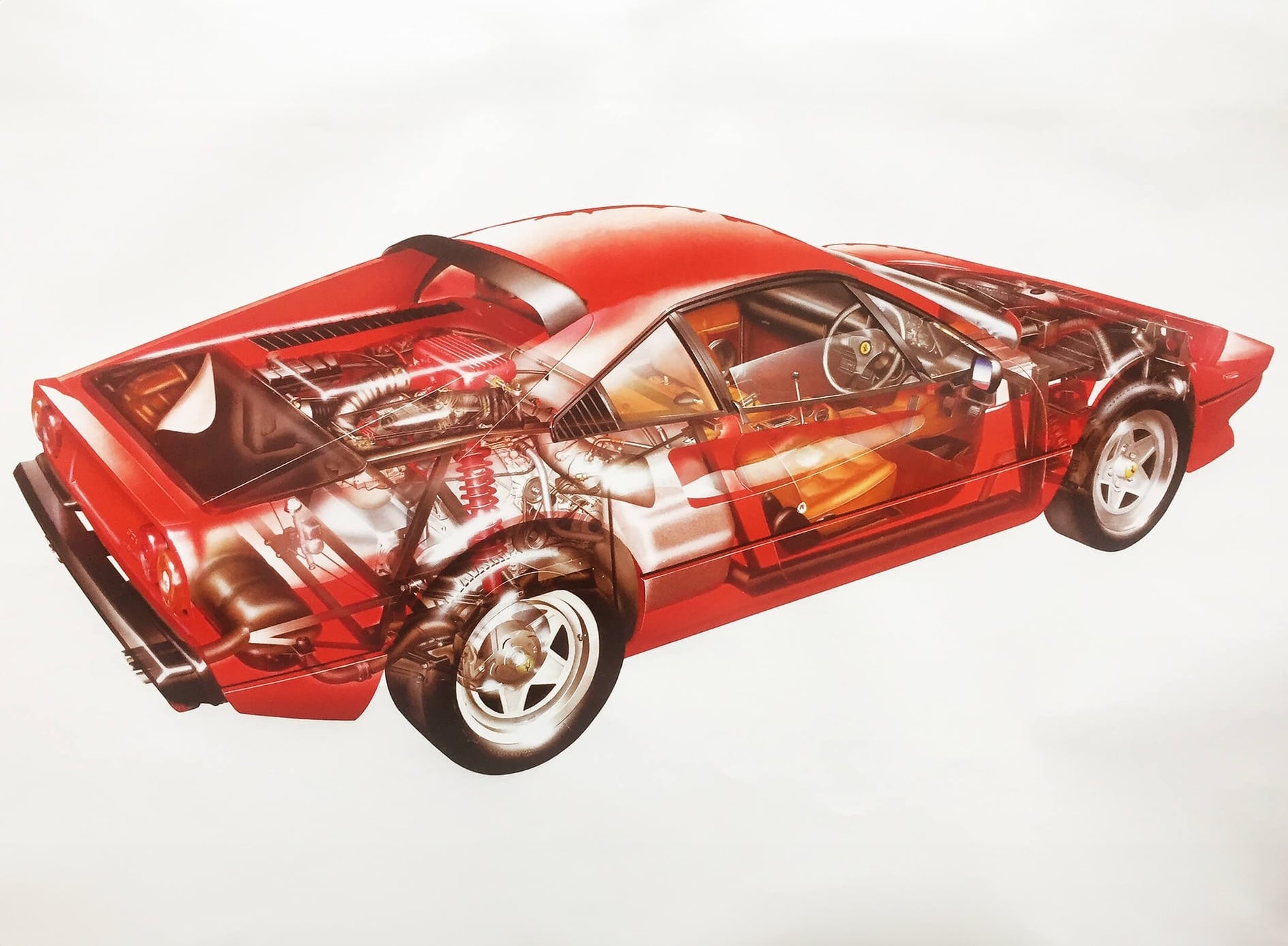
 The Vetroresina was the first time a production Ferrari had used a fiberglass body, and it remains the only Ferrari series-production model built that way, though fiberglass panels have appeared piecemeal on many others since. Image courtesy of Ferrari.
History Speedrun: The Ferrari 308 GTB
The Ferrari 308 GTB was introduced at the Paris Salon in October of 1975, it remained in production all the way through until 1985. It was the first mid-engined V8 road car from Maranello to launch wearing the Ferrari badge (rather than the Dino badge), it was the direct two-seat replacement for the legendary Dino 246 GT.
Over the course of a decade of production it evolved through carbureted, fuel-injected, and four-valve versions, becoming the Italian automaker’s highest-volume model up until that point in history, with total production of just over 12,000 examples before the (closely related) 328 took over.
The Successor To The Dino
Ferrari’s mid-engined V8 program was only two years old when the 308 GTB arrived. The Bertone-designed Dino 308 GT4 2+2 had debuted in 1973, but Enzo Ferrari was reluctant to attach the Prancing Horse to anything smaller than a V12, and the GT4 accordingly launched as a Dino. It was essentially a sub-marque named after Enzo’s son Alfredo “Dino” Ferrari who had tragically died of Duchenne muscular dystrophy in 1956 at the age of just 24.
The new 308 GTB (and the targa-topped GTS version) used a shorter version of the 308 GT4’s tubular-steel chassis and shared its drivetrain, it was styled by Pininfarina rather than Bertone and, perhaps most importantly, it wore Ferrari badges right from launch.
It sat above the departing Dino 246 and below the flat-12 365 GT4 BB in the model hierarchy, and as luck would have it, its debut coincided with Niki Lauda’s first Formula 1 title win for the marque.
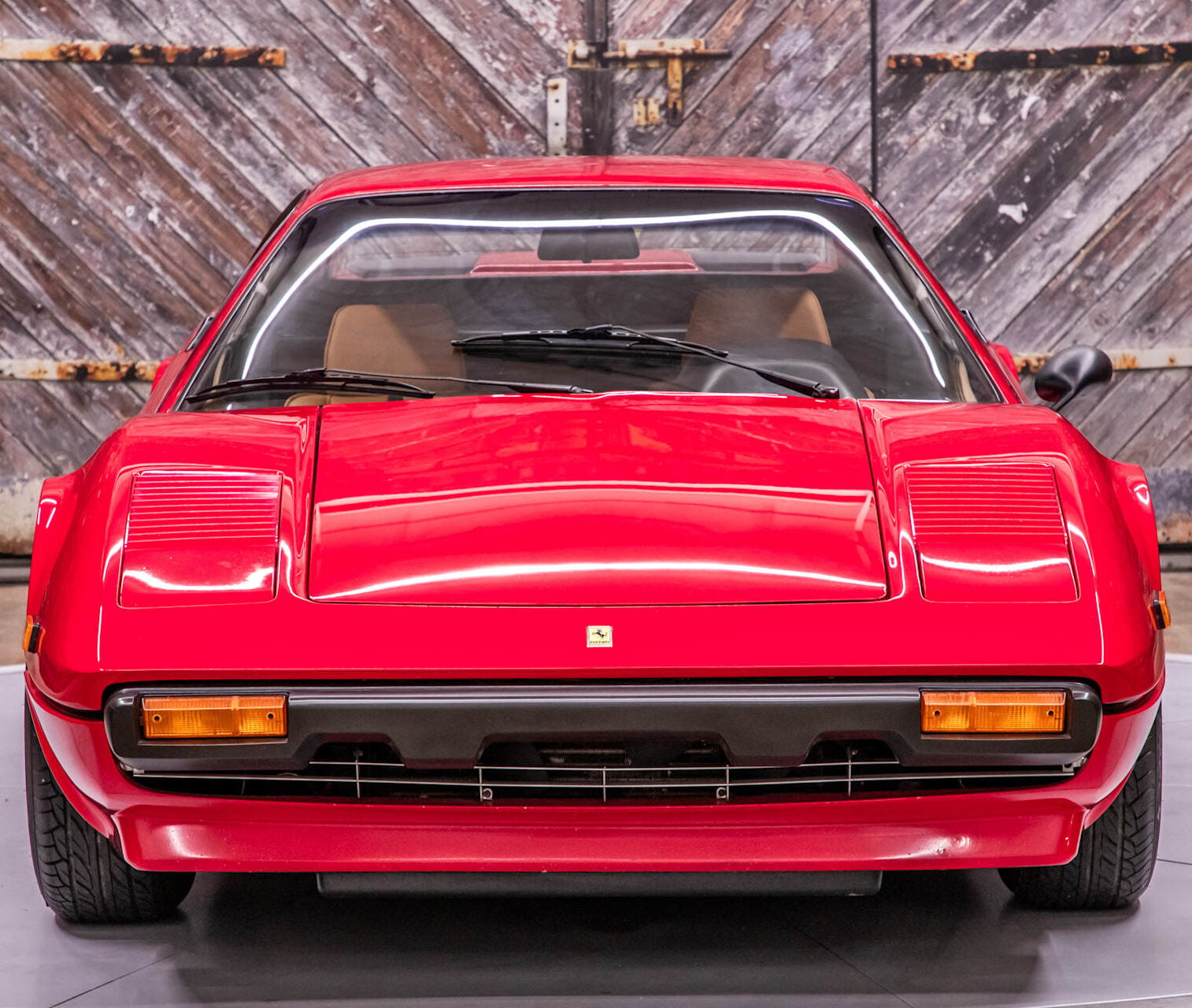
The Ferrari 308 GTB was introduced at the Paris Salon in October of 1975, it remained in production all the way through until 1985.
Fioravanti’s Design
The 308 GTB’s bodywork was designed by Leonardo Fioravanti at Pininfarina, who had also been responsible for the Daytona, the Dino 206/246, and the 365 GT4 BB among many others. The scalloped side intakes, twin circular taillights, and concave rear window bounded by flying buttresses referenced the Dino, the wedge nose with pop-up headlights, eggcrate grille, and horizontal swage line owed more to the Berlinetta Boxer.
The body was built by Carrozzeria Scaglietti, Ferrari’s coachbuilder in Modena. The 308 was also the first road Ferrari developed with the aid of Pininfarina’s wind tunnel.
The Controversial “Vetroresina” Body
The first 308 GTBs left Maranello with a body made almost entirely from fiberglass, or “vetroresina” in Italian – further evidence that everything sounds much cooler when said in Italian. Every panel except the aluminum front lid was glass-reinforced plastic, all laid up and finished by Scaglietti.
It was the first time a production Ferrari had used a fiberglass body, and it remains the only Ferrari series-production model built that way, though fiberglass panels have appeared here and there on some other Ferraris since.
Ferrari’s own model summary doesn’t really spell out the reasoning behind the fiberglass decision, but the practical benefits were well-known and straightforward. Fiberglass allowed Ferrari to reach production faster than traditional steel-and-aluminum tooling would have permitted, and the resulting car was significantly lighter.
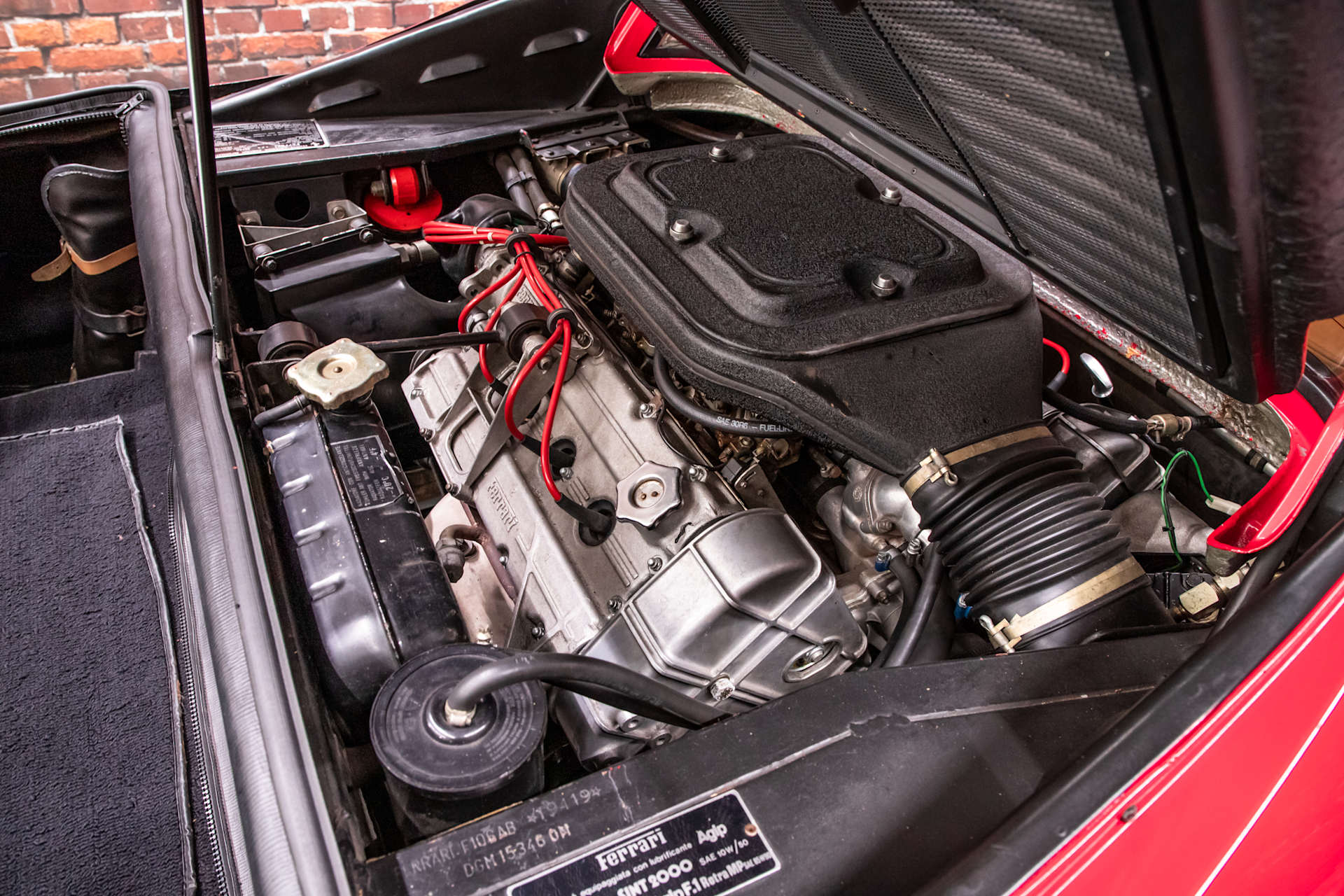
As you might expect, power comes from Ferrari’s 2.9 liter V8, mounted transversely behind the seats and paired with a 5-speed manual transaxle operating through the company’s classic gated shifter.
The dry weight was ~1,100 kgs (roughly 2,425 lbs), placing the fiberglass car about 330 lbs below its later steel-bodied counterpart. The switch to a pressed-steel body with an aluminum front lid began with US market cars in late 1976 and they reached European production in mid-1977. Volume production efficiency and finish quality are the reasons usually cited, and fiberglass proved difficult to paint to Ferrari’s standard.
Production totals for the Vetroresina aren’t universally agreed upon, with Ferrari historian Marcel Massini and several marque specialists placing the figure at 712 cars, of which 154 were right-hand drive and roughly 100 were exported to North America.
Some other secondary sources claim 808 were made, a number the 308 GTB Register says is the official factory count. Both figures are widely repeated, and so far Ferrari has remained schtum on the matter.
All Vetroresinas were berlinettas, the GTS never received a fiberglass body. A small indent line where the A-pillar meets the roof panel is the most reliable visual identifier from a distance.
Vetroresina cars today carry a substantial premium over steel-bodied 308s among collectors, this is partly due to their rarity, partly due to their lower weight, and perhaps a little bit because owners know that this is one 1970s-era Italian car that will never suffer from body rust.
The 308 Ferrari V8 + Drivetrain
The transverse mid-mounted V8 displaced 2,926 cc with a bore and stroke of 81 x 71 mm. It used a 90º bank angle, a flat-plane crankshaft, and belt-driven twin overhead camshafts per bank.
The early European dry-sump variant was designated F106 AB, with related F106-series codes used on export wet-sump cars. Fueling came from four twin-choke Weber 40 DCNF carburetors mounted in the V.
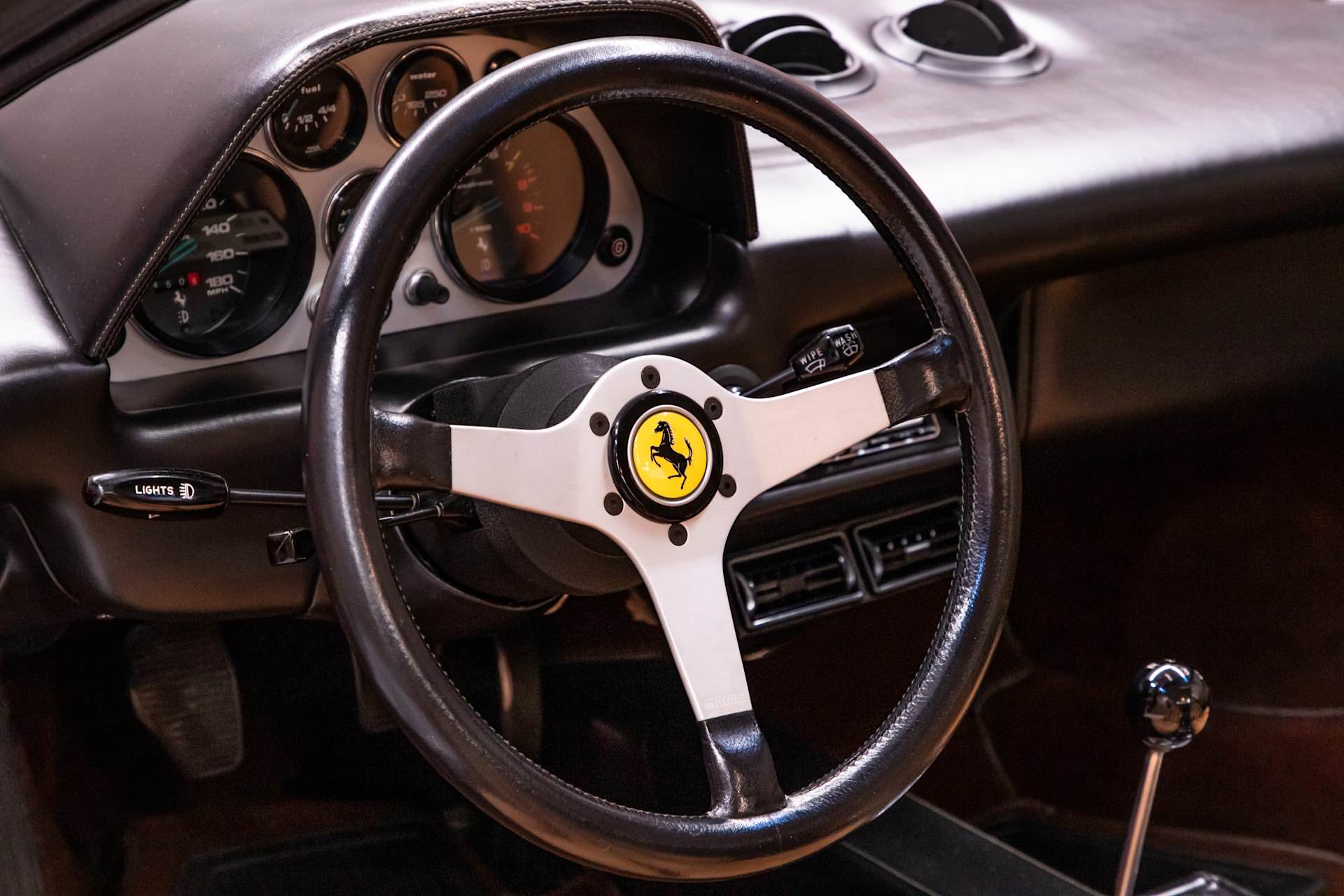
The body was built by Carrozzeria Scaglietti, Ferrari’s coachbuilder in Modena. The 308 was also the first road Ferrari developed with the aid of Pininfarina’s wind tunnel.
European-market cars ran a dry-sump lubrication system, which allowed the engine to sit lower in the chassis and improved oil control under sustained cornering, cars destined for the United States, Australia, and Japan kept the wet-sump layout from the GT4.
Claimed output was 252 bhp for European cars and 237 bhp for US cars, the difference owed to the addition of federally-mandated emissions equipment. Torque was 210 lb ft at 5,000 rpm. A 5-speed manual gearbox with dog-leg first sat below and behind the engine sump, driving a limited-slip differential.
Suspension was fully independent at all four corners, with double wishbones, coil springs, and anti-roll bars at both ends – ventilated discs were fitted at all four corners.
Steel Bodies, The GTS, And The Quattrovalvole
The targa-topped 308 GTS was launched at the 1977 Frankfurt Motor Show, all GTS models were steel-bodied and used wet-sump lubrication regardless of market, while European GTB models kept the dry-sump until 1981.
In 1980, Bosch K-Jetronic mechanical fuel injection replaced the Webers to meet tightening emissions standards, producing the 308 GTBi and GTSi. Power dropped to 211 bhp in Europe and 202 bhp in the United States.
The 308 Quattrovalvole, introduced at the 1982 Paris Salon, recovered most of that lost power with four-valve cylinder heads and took output back to 237 bhp for European cars and 230 bhp SAE net for federalized versions.
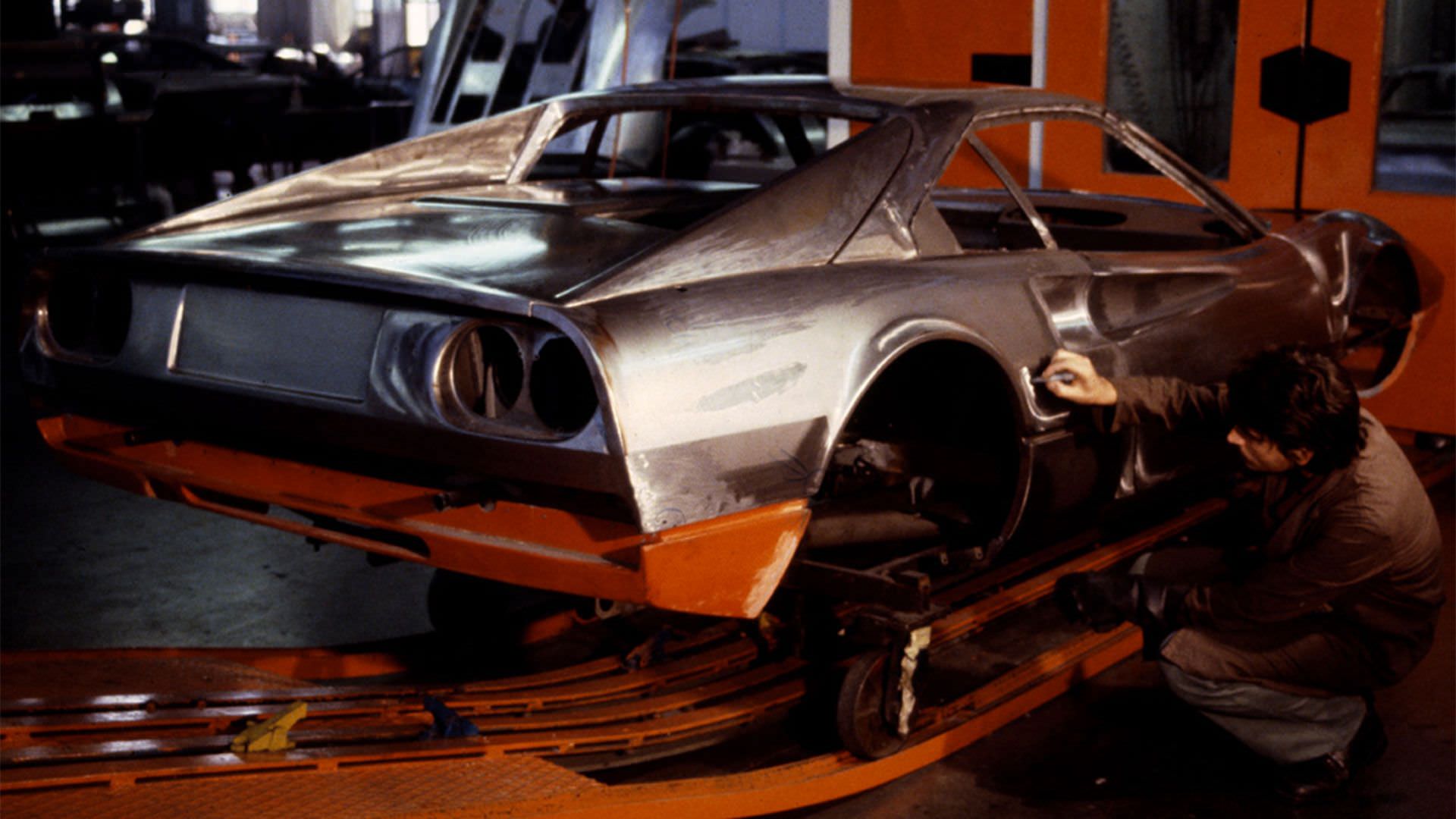
The switch to a pressed-steel body with an aluminum front lid began with US market cars in late 1976 and they reached European production in mid-1977. Volume production efficiency and finish quality are the reasons usually cited, and fiberglass proved difficult to paint to Ferrari’s standard. Image courtesy of Ferrari.
Visually, the QV added a slim louvered panel to the front lid, a revised grille and mirrors, and rectangular side repeaters. Production ended in 1985, when the enlarged (but closely related) 328 GTB and GTS took over.
Total 308 production across all variants passed 12,000 cars, making it the highest-volume Ferrari up to that point in time and Maranello’s commercial best-seller through the late 1970s and early 1980s. In many respects, it was the Ferrari 308 models that kept the company solvent during this time.
The design became a pop culture touchstone thanks to Magnum, P.I., in which Tom Selleck drove a succession of red 308 GTS models across eight seasons, seen by millions of viewers across the United States and around the world.
The Ferrari 308 GTB Vetroresina Shown Here
This is a 1976 Ferrari 308 GTB Vetroresina, one of around 100 fiberglass-bodied examples delivered to the United States out of a global production run of somewhere in the region of 712 cars.
As noted above, the Vetroresina name refers to the glass-reinforced plastic (GRP, or fiberglass) body used only on the earliest 308 GTBs, before Ferrari switched to steel body construction in 1976 for US cars and mid-1977 for European examples.
As you might expect, power comes from Ferrari’s 2.9 liter V8, mounted transversely behind the seats and paired with a 5-speed manual transaxle operating through the company’s classic gated shifter.
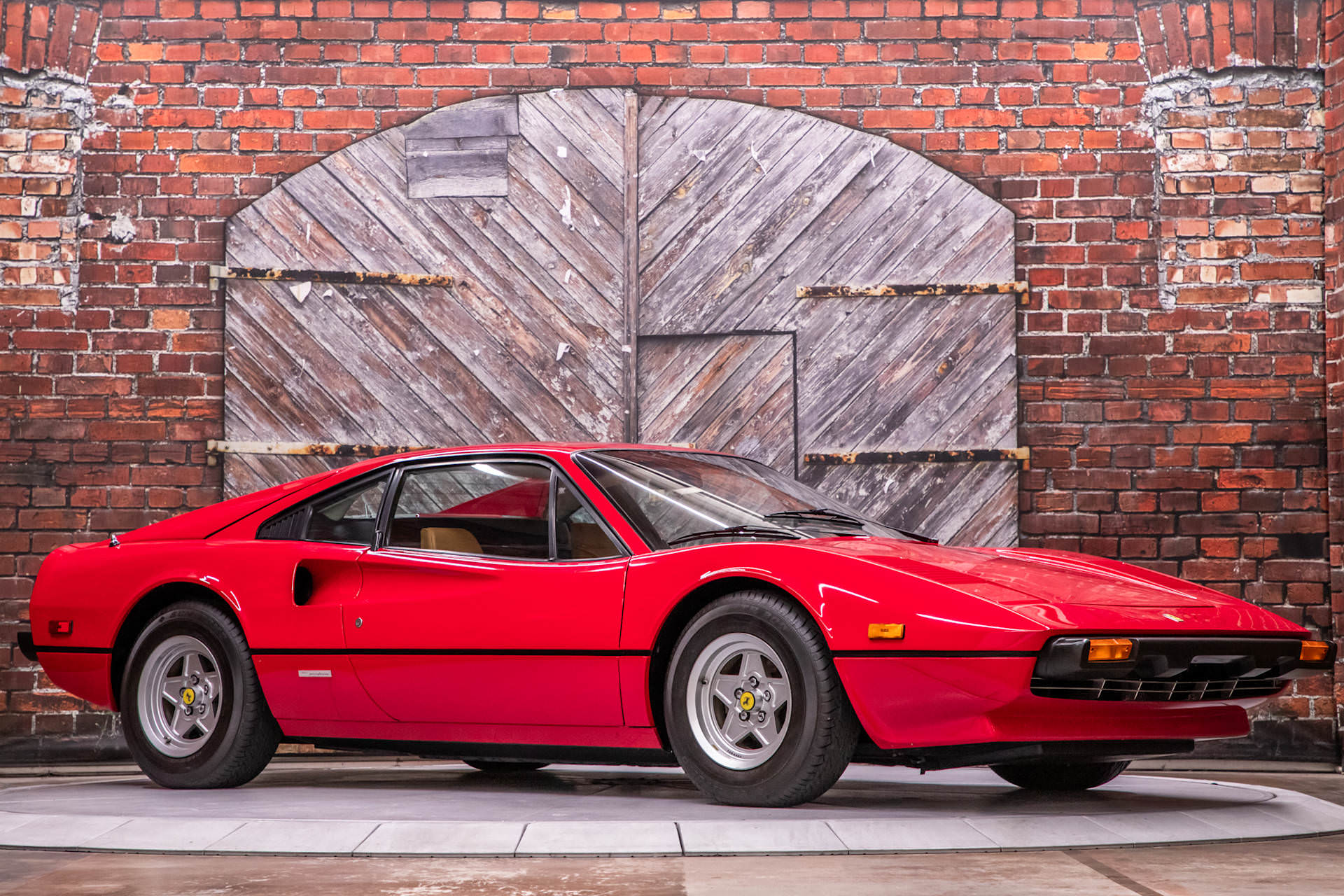
The first 308 GTBs left Maranello with a body made almost entirely from fiberglass, or “vetroresina” in Italian. Further evidence that everything sounds much cooler when said in Italian. Every panel except the aluminum front lid was glass-reinforced plastic, laid up and finished by Scaglietti.
A limited-slip differential is fitted, along with the quadruple exhaust tips, pop-up headlights, and 14 inch five-spoke alloy wheels used on early-production cars. Creature comforts include leather upholstery, air conditioning, and electric windows.
The car is now offered with its books and records, service records, original tools and jack, and factory manufacturer’s literature. It’s due to roll across the auction block with Mecum in August, and you can visit the listing here.
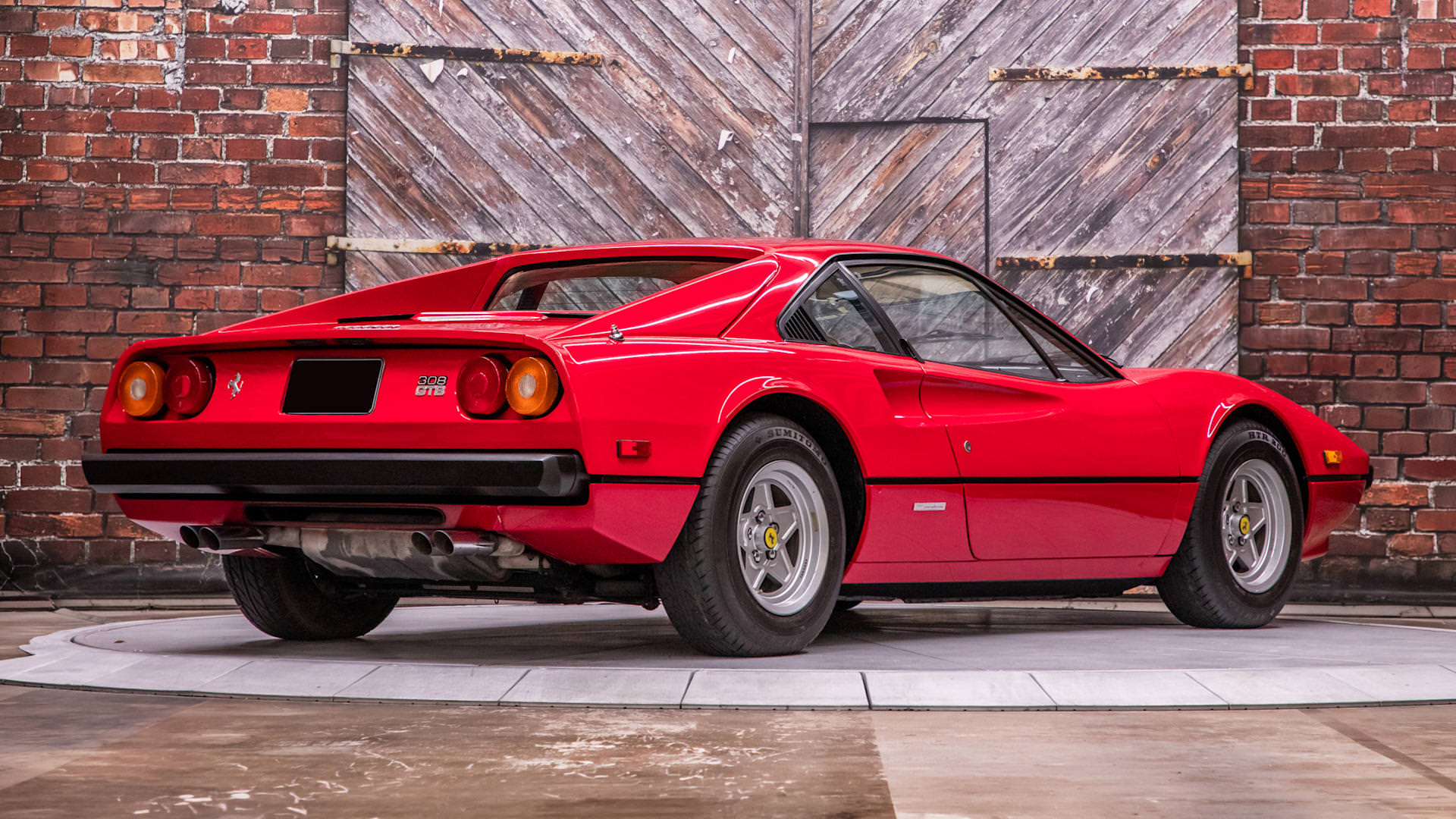
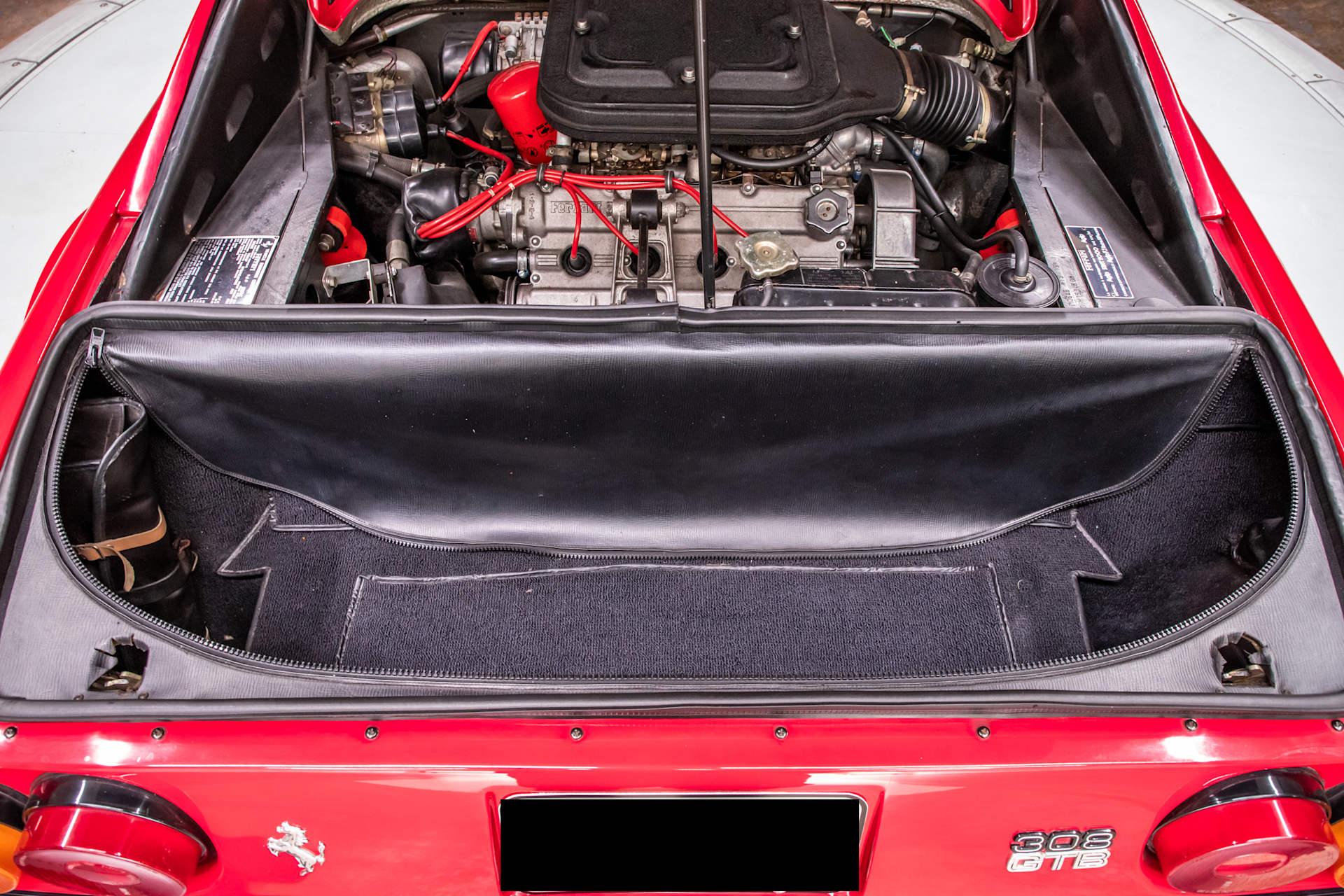
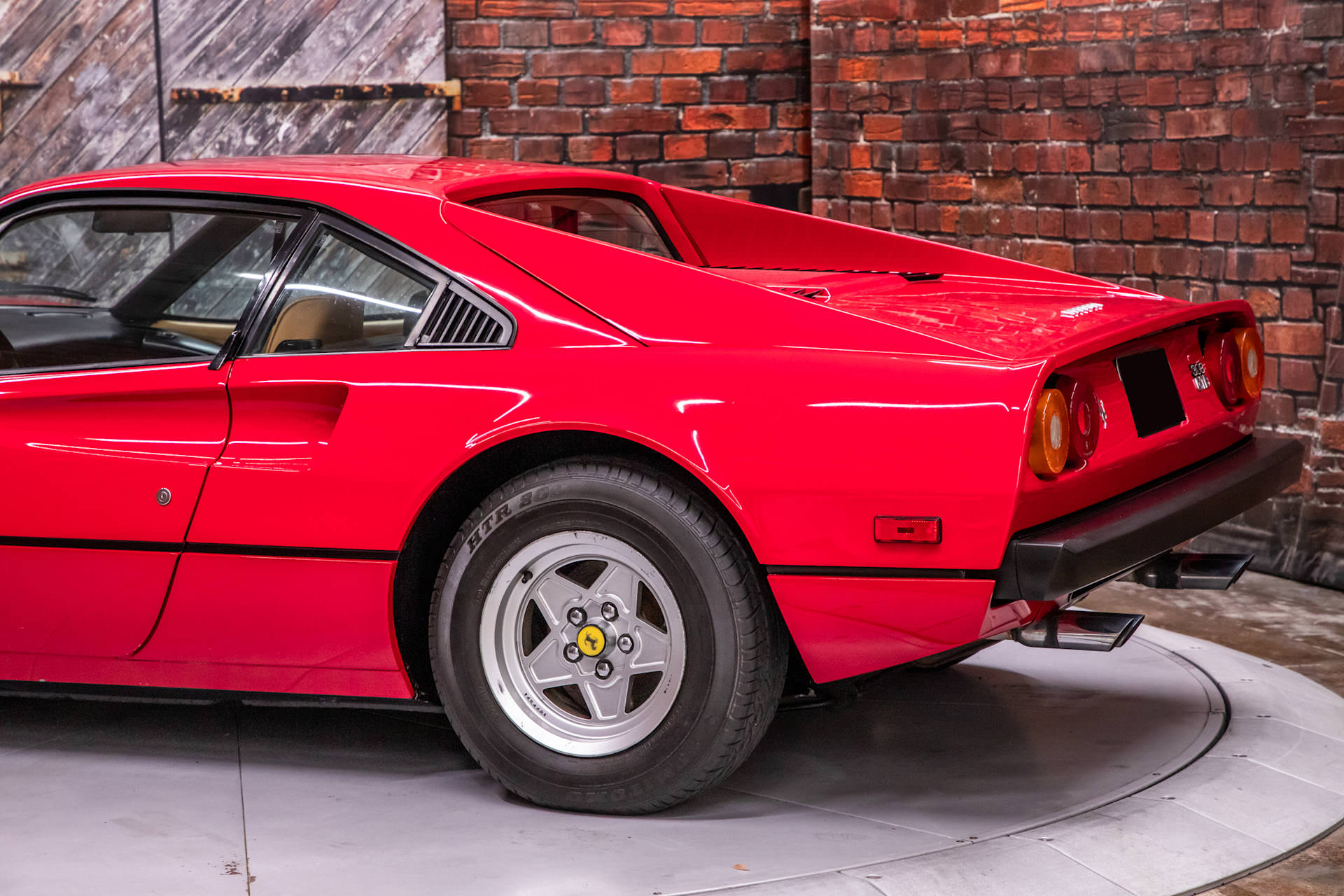
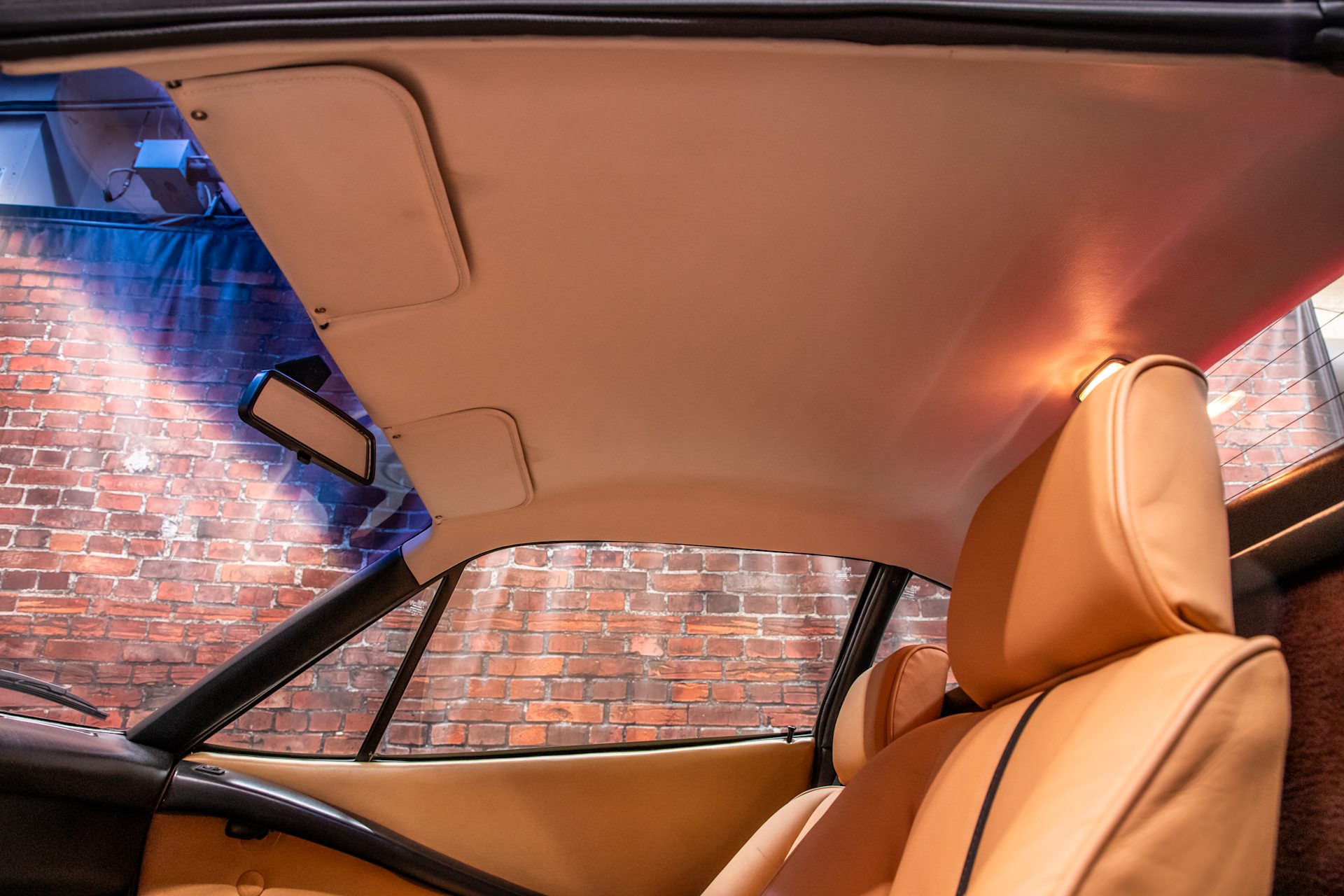
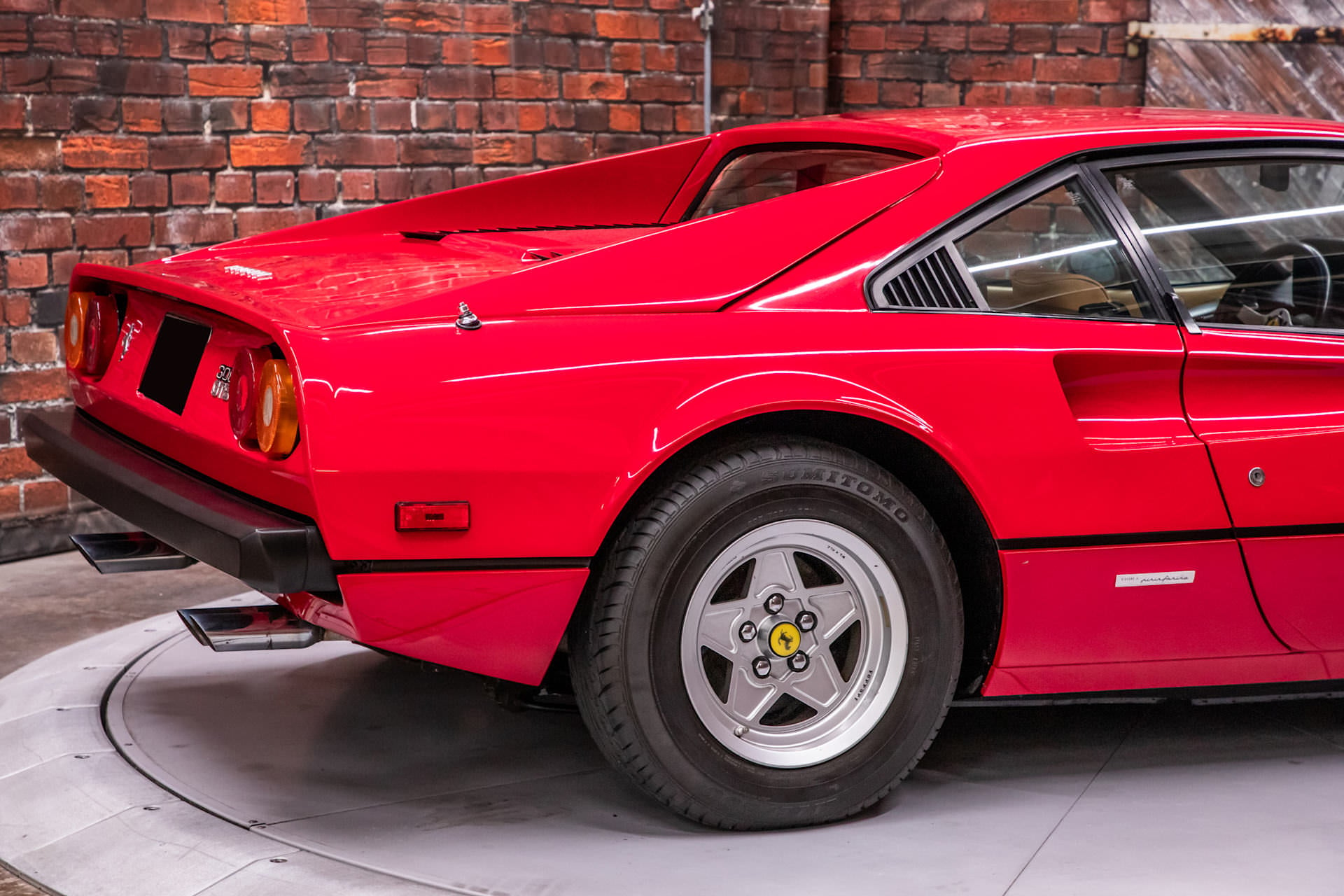
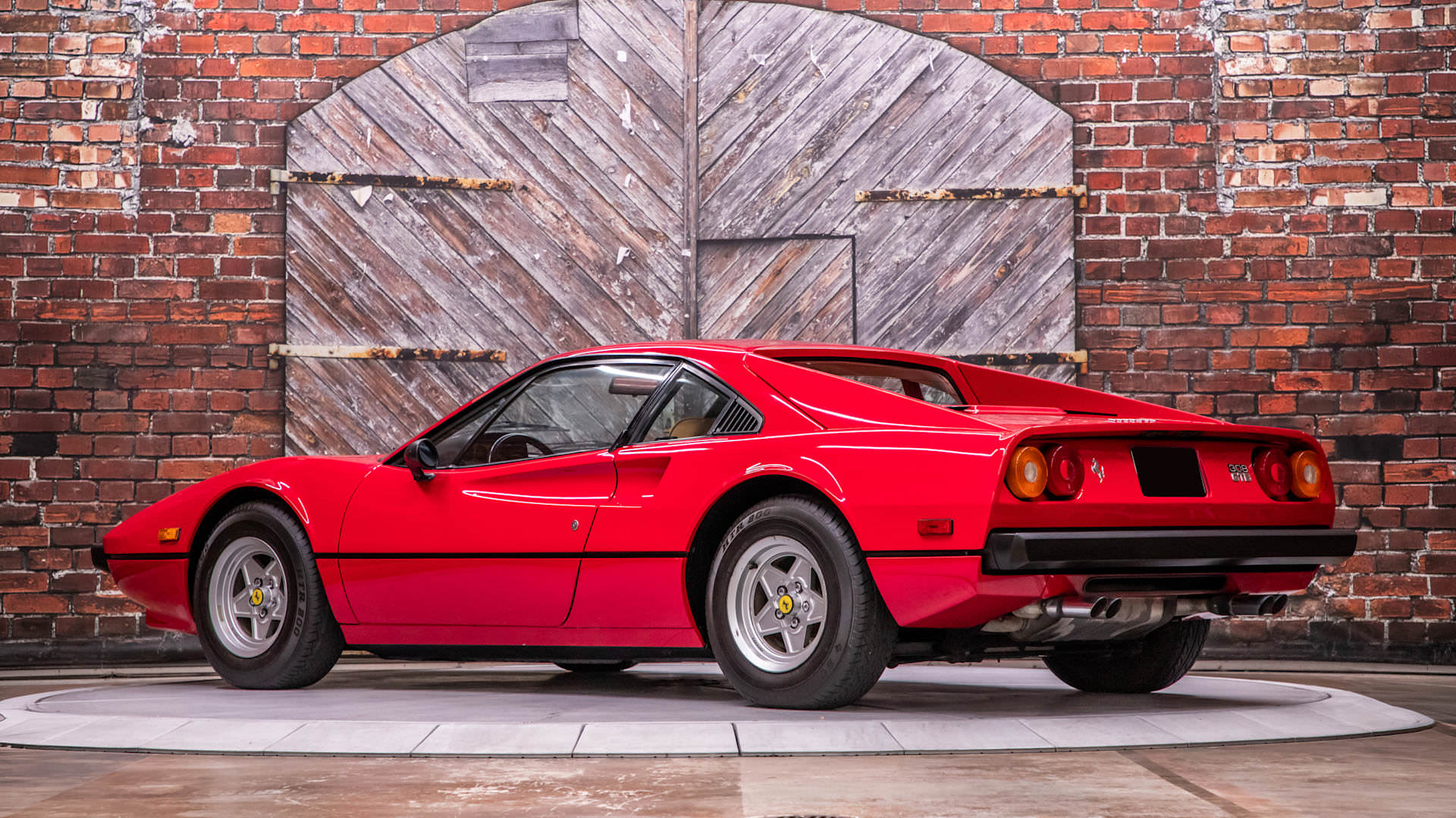
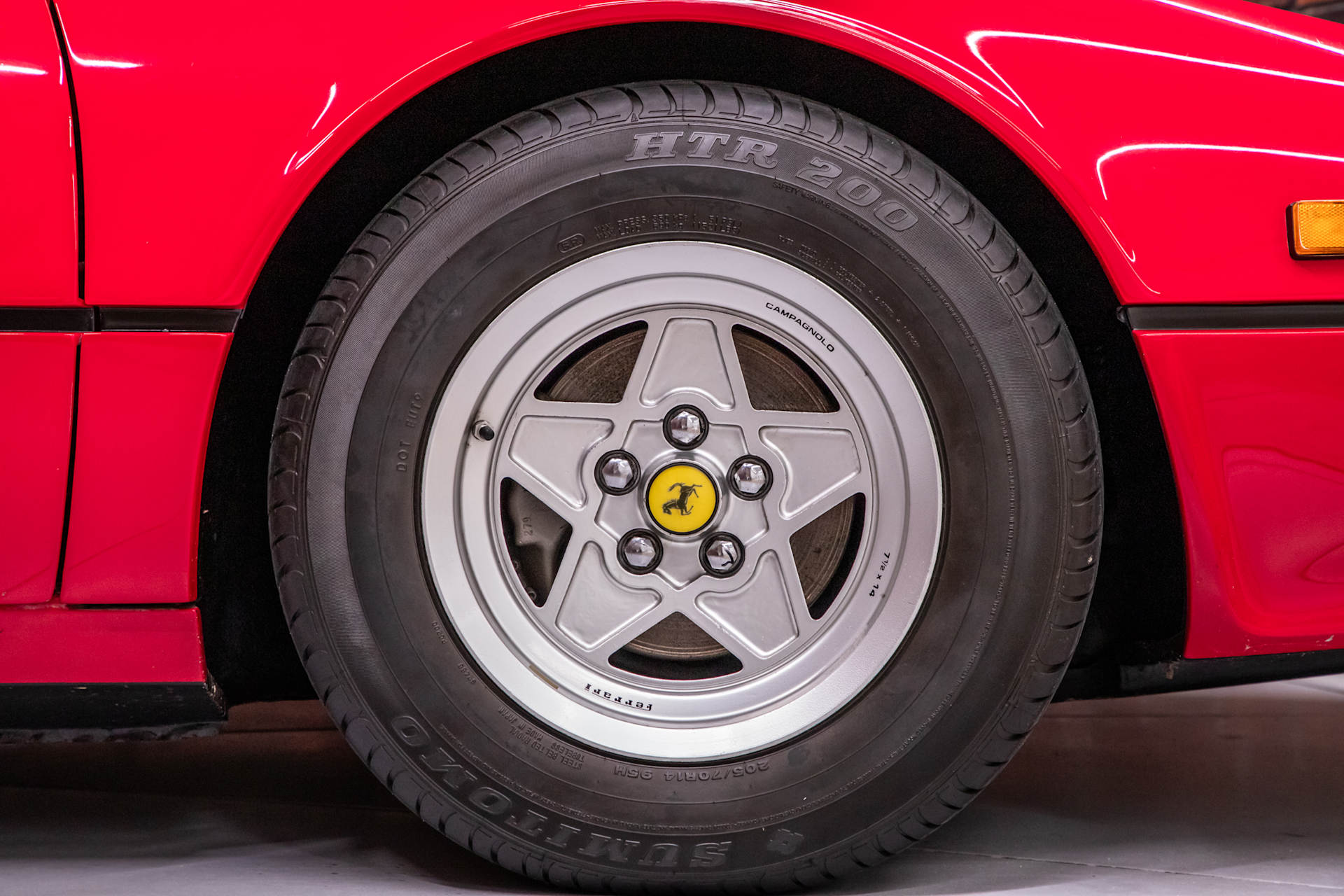
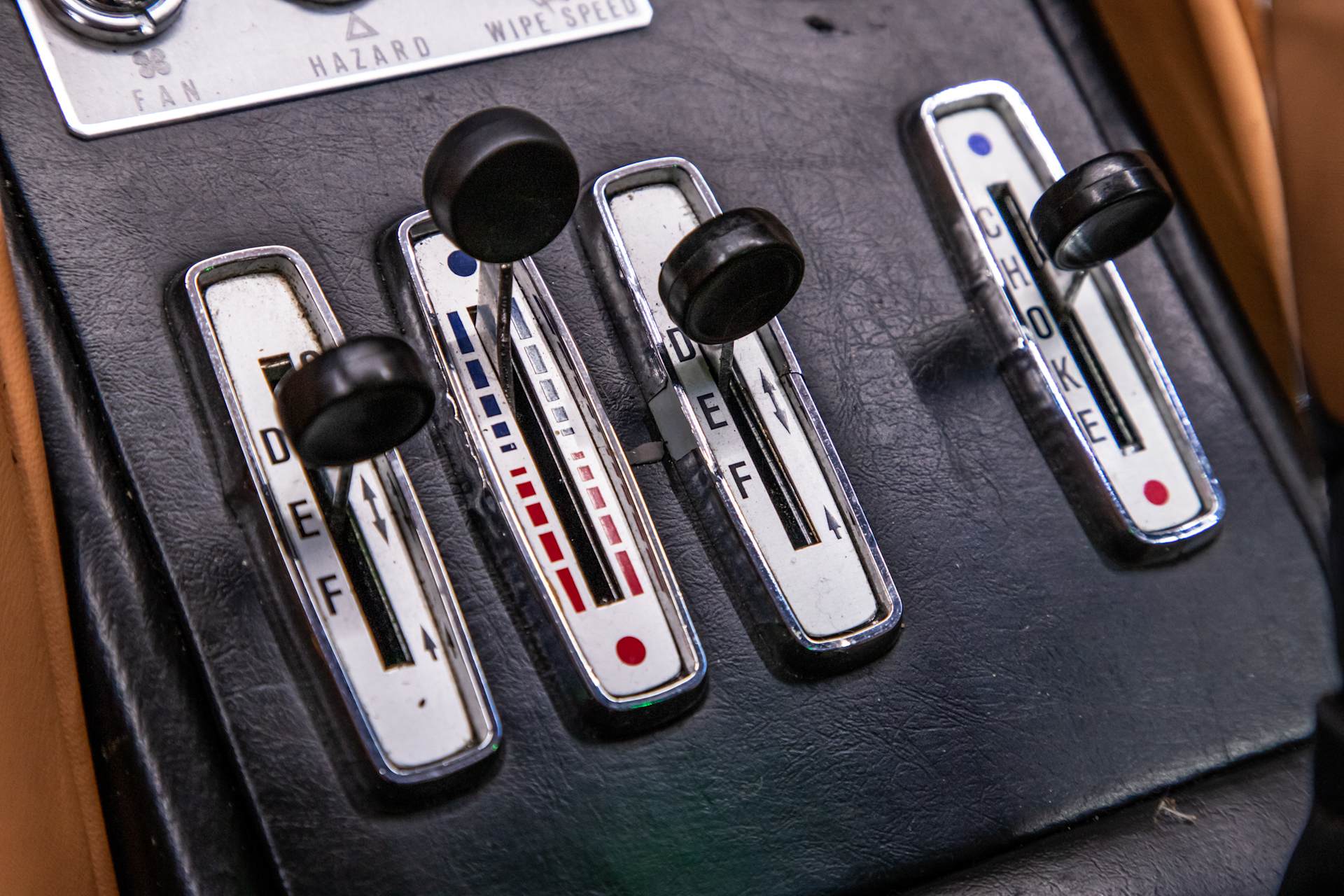
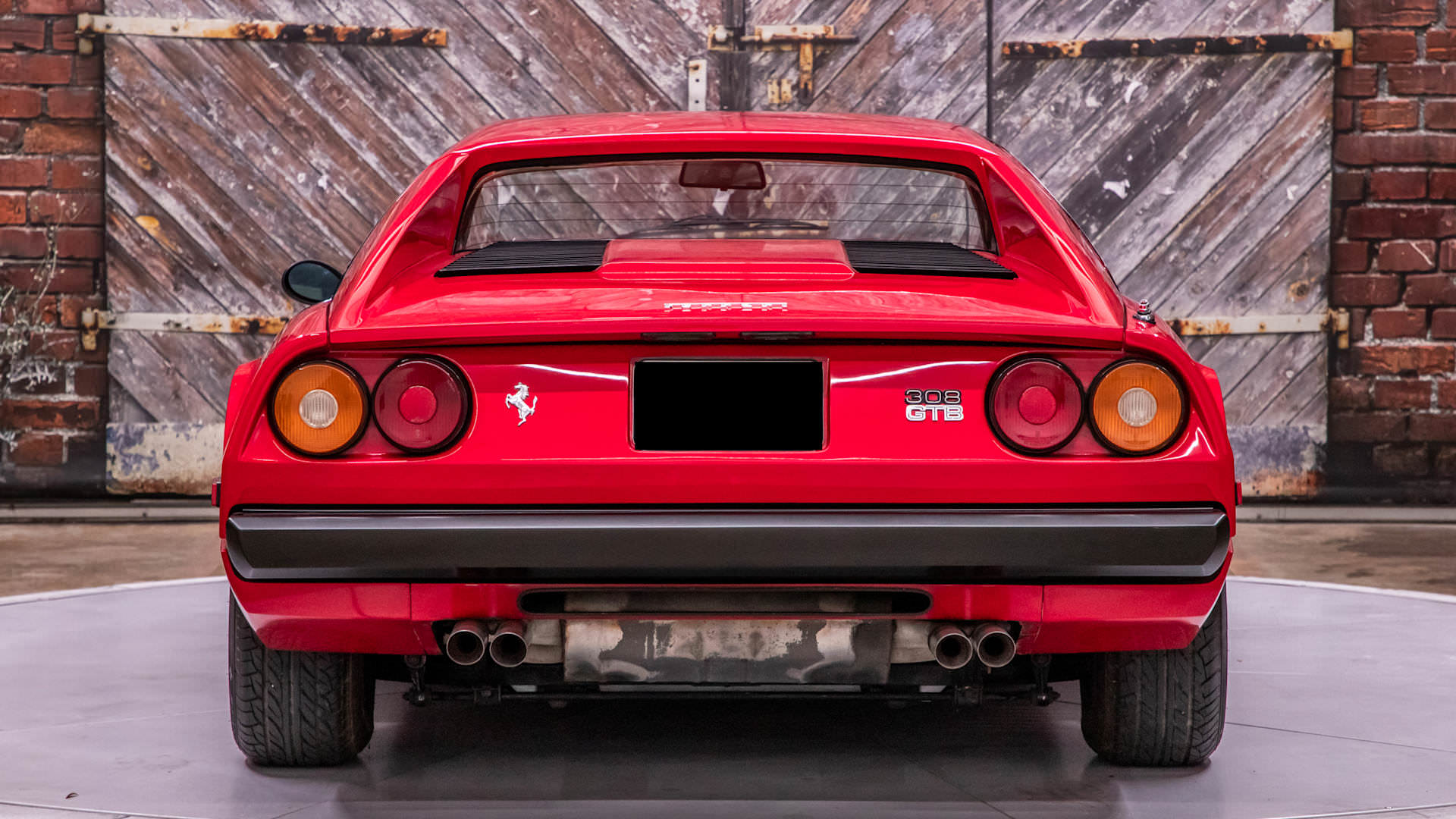
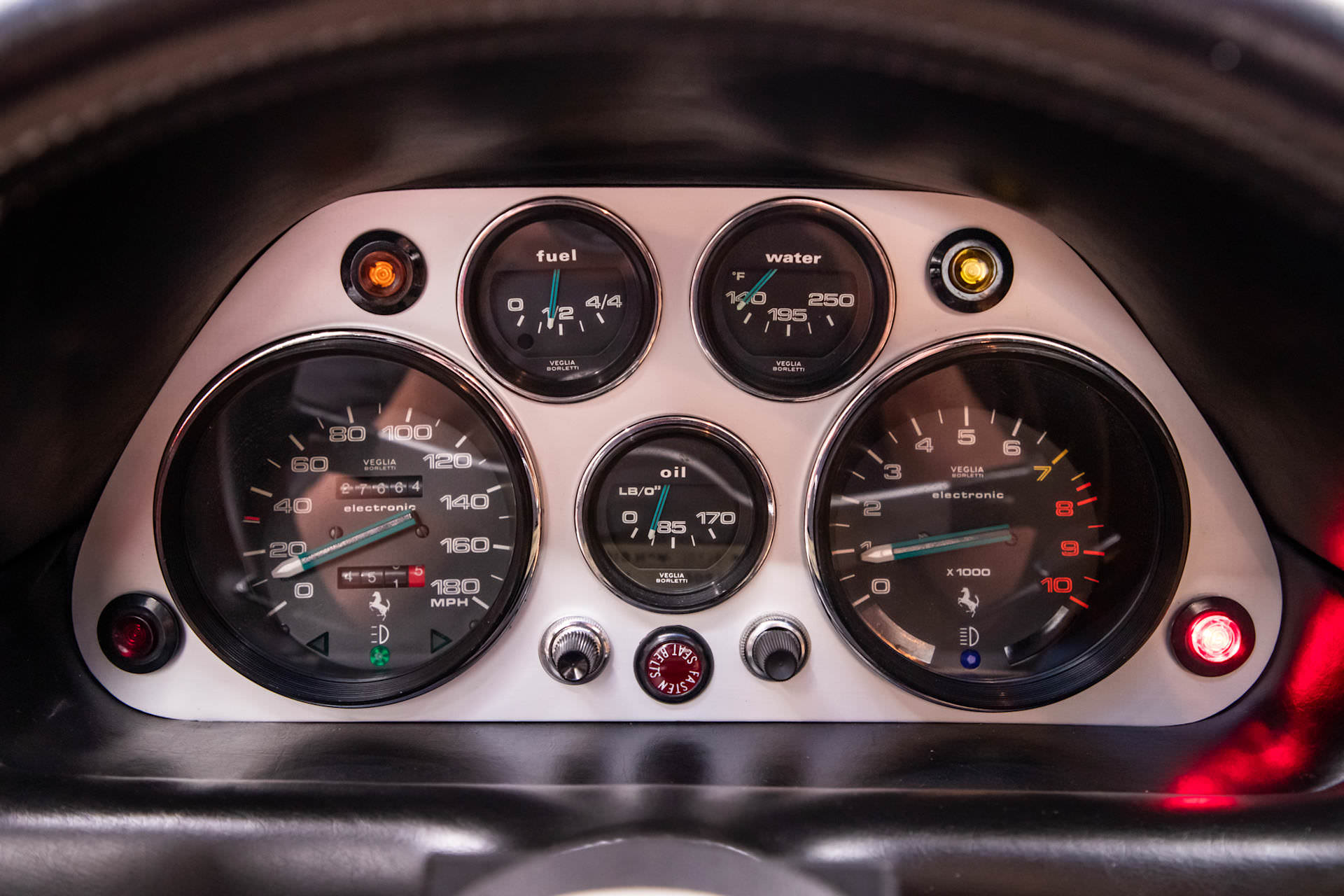
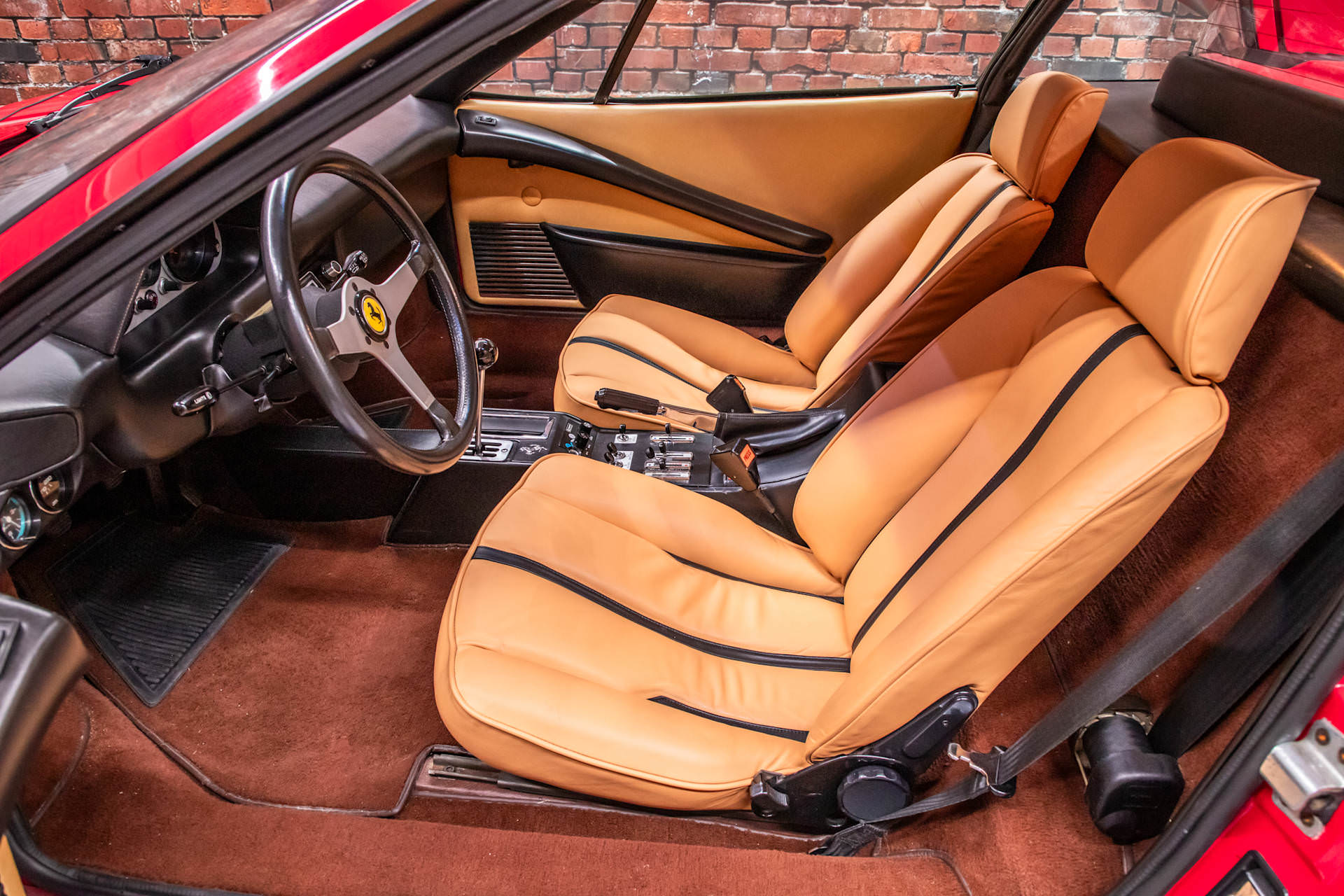
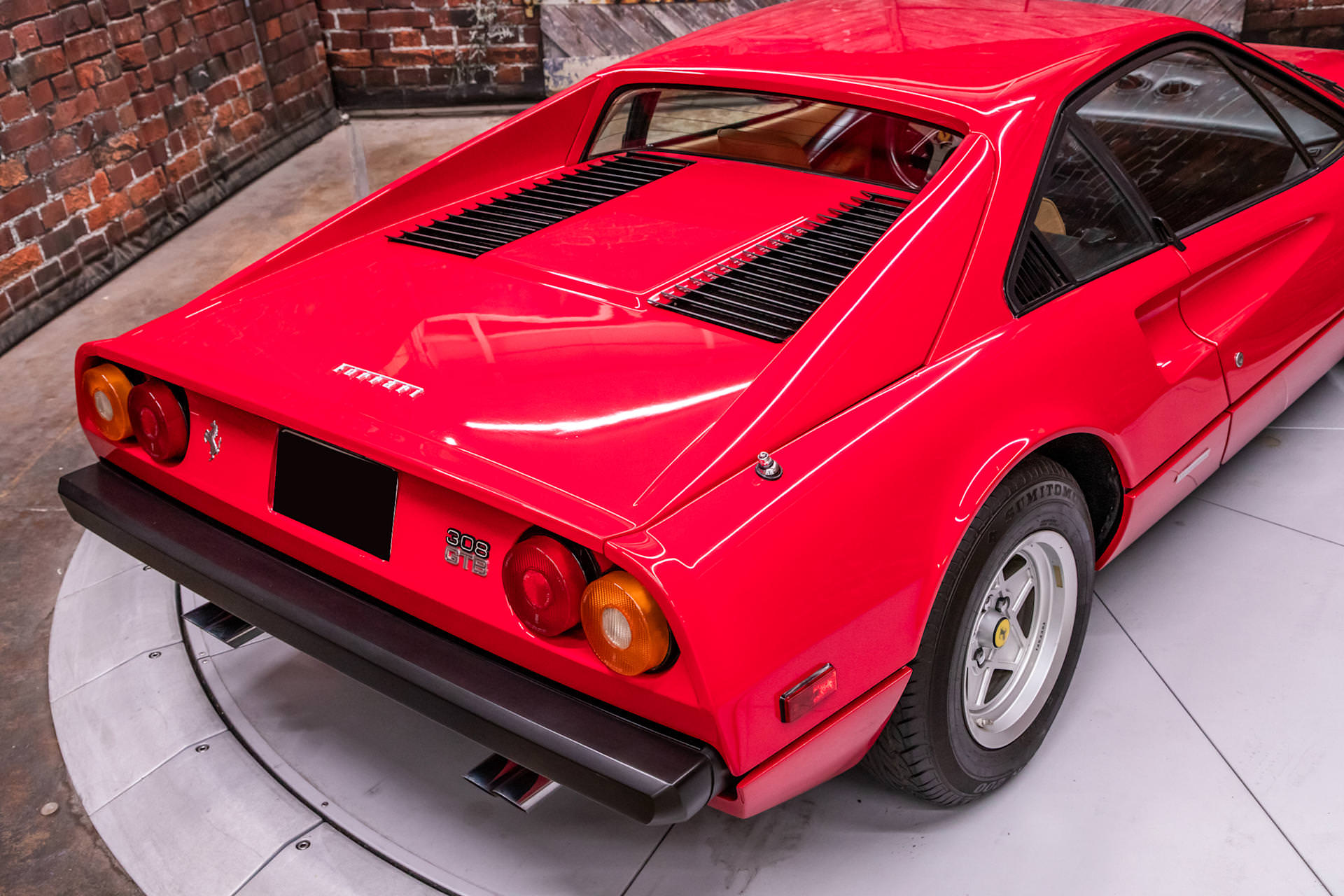
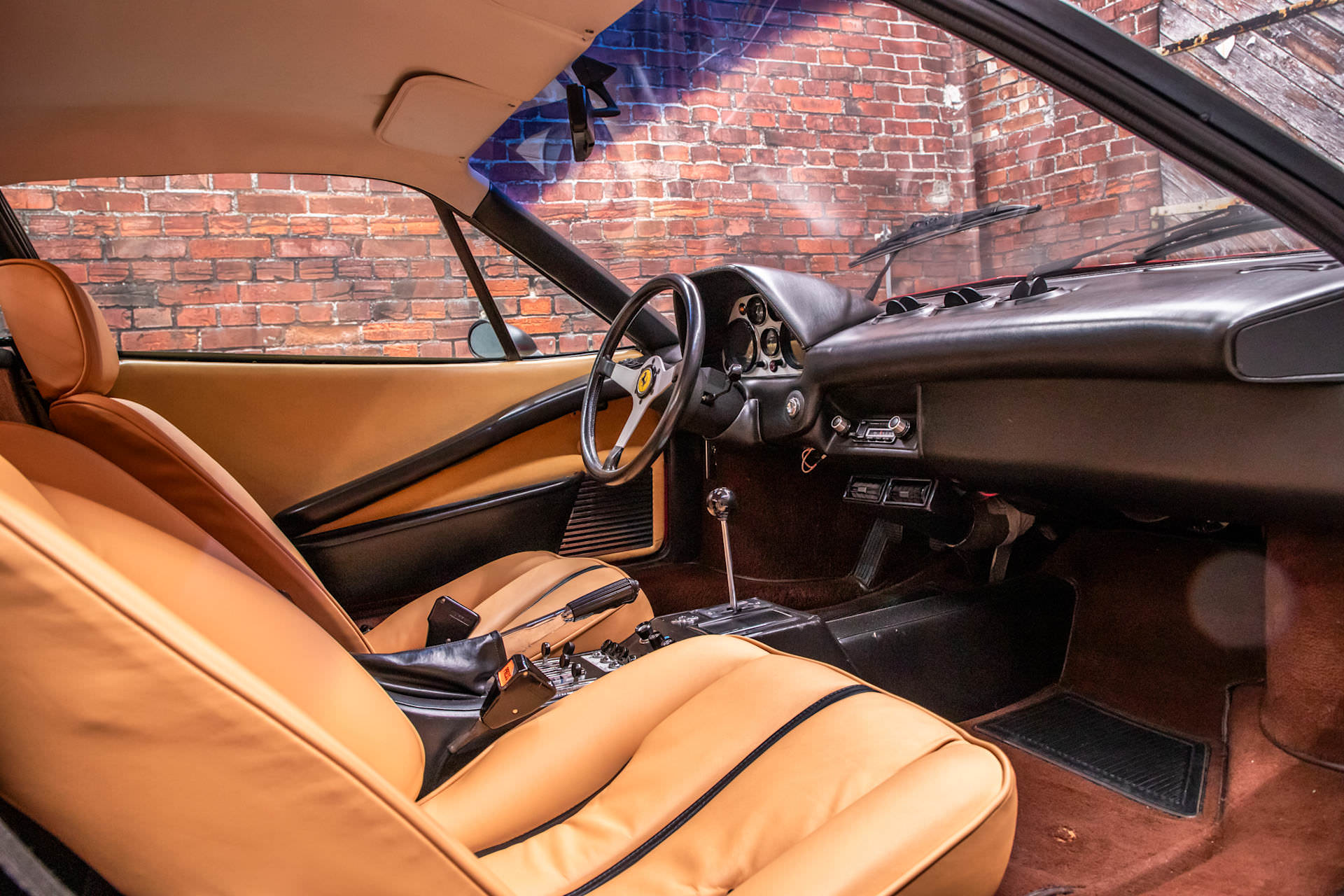
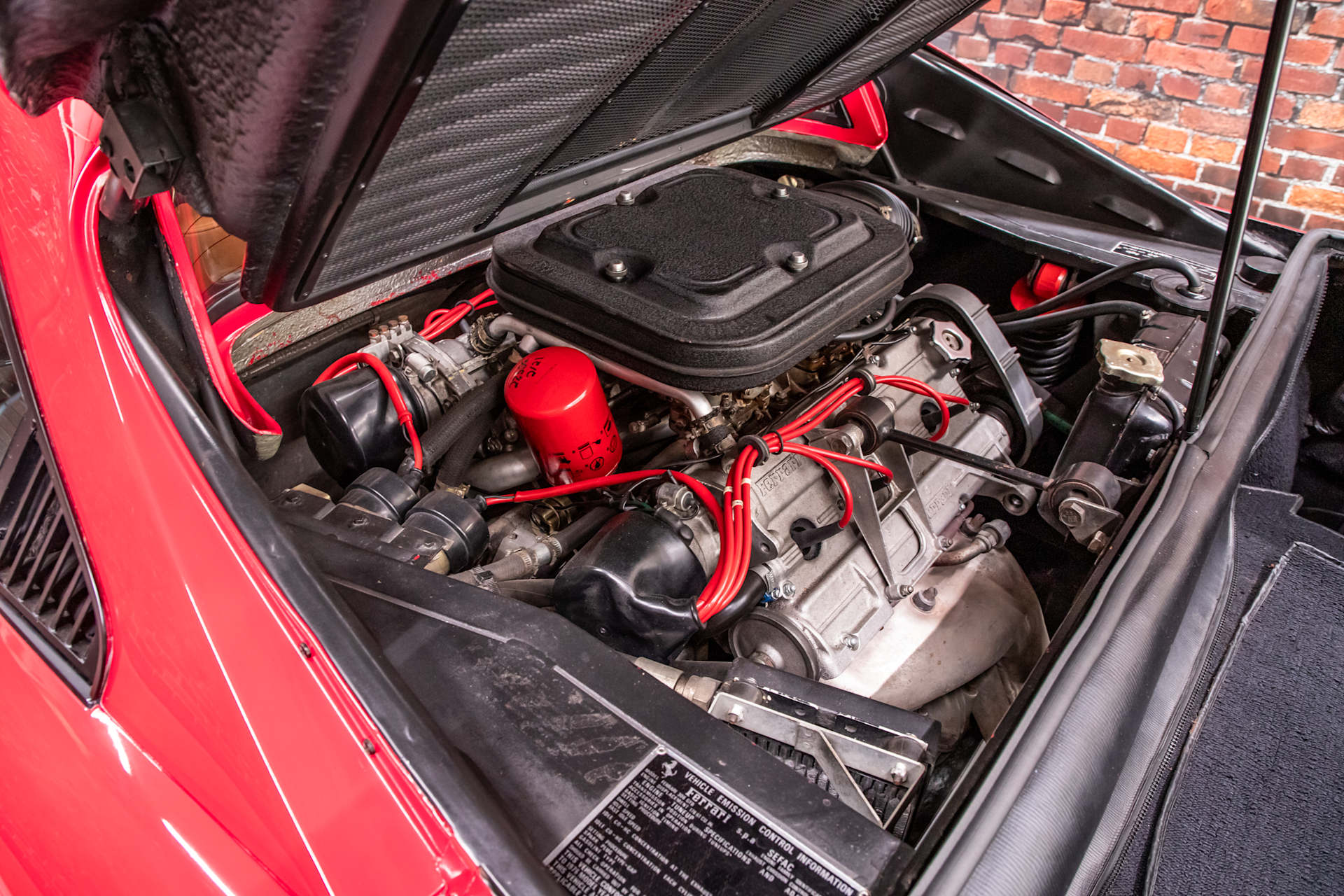
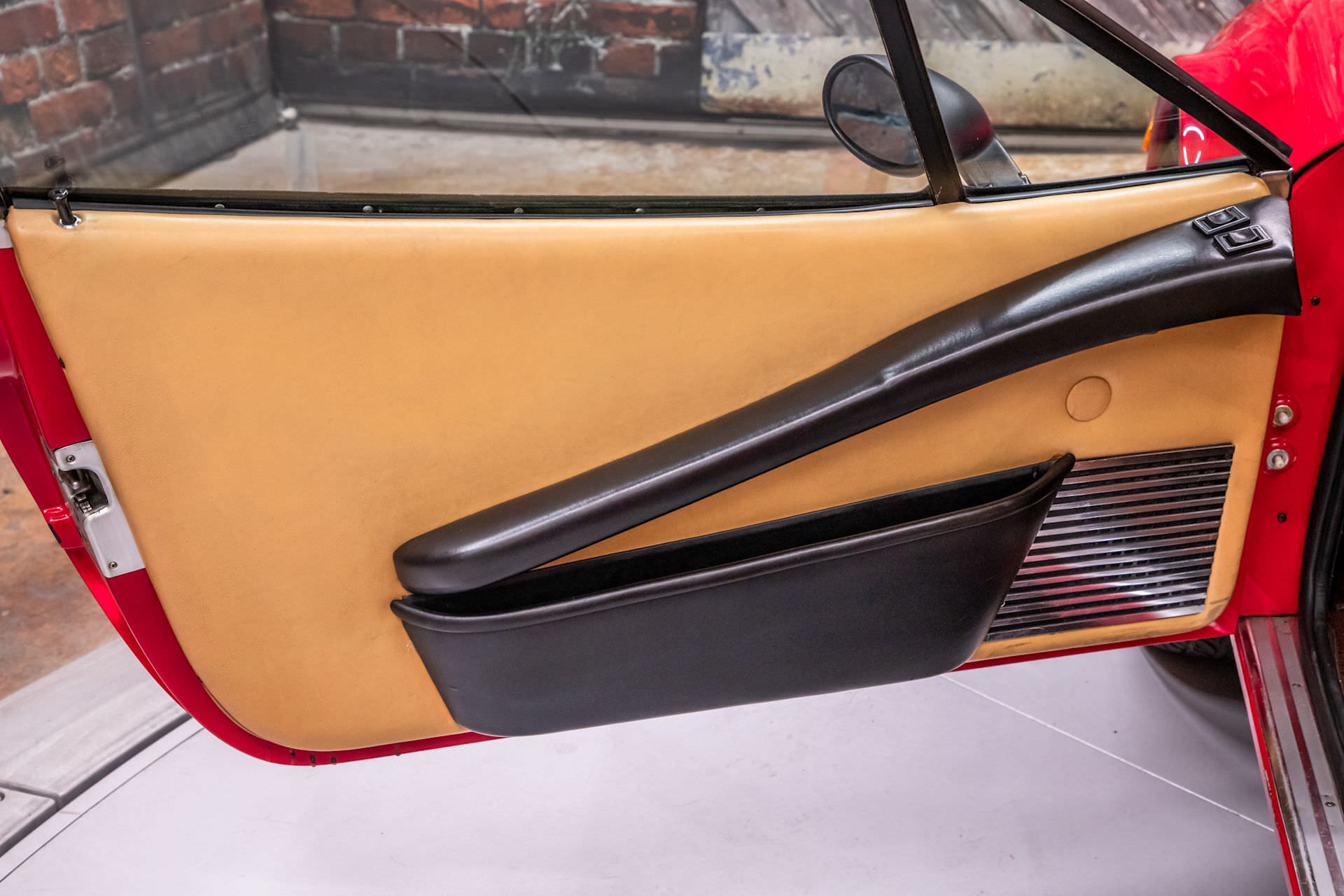
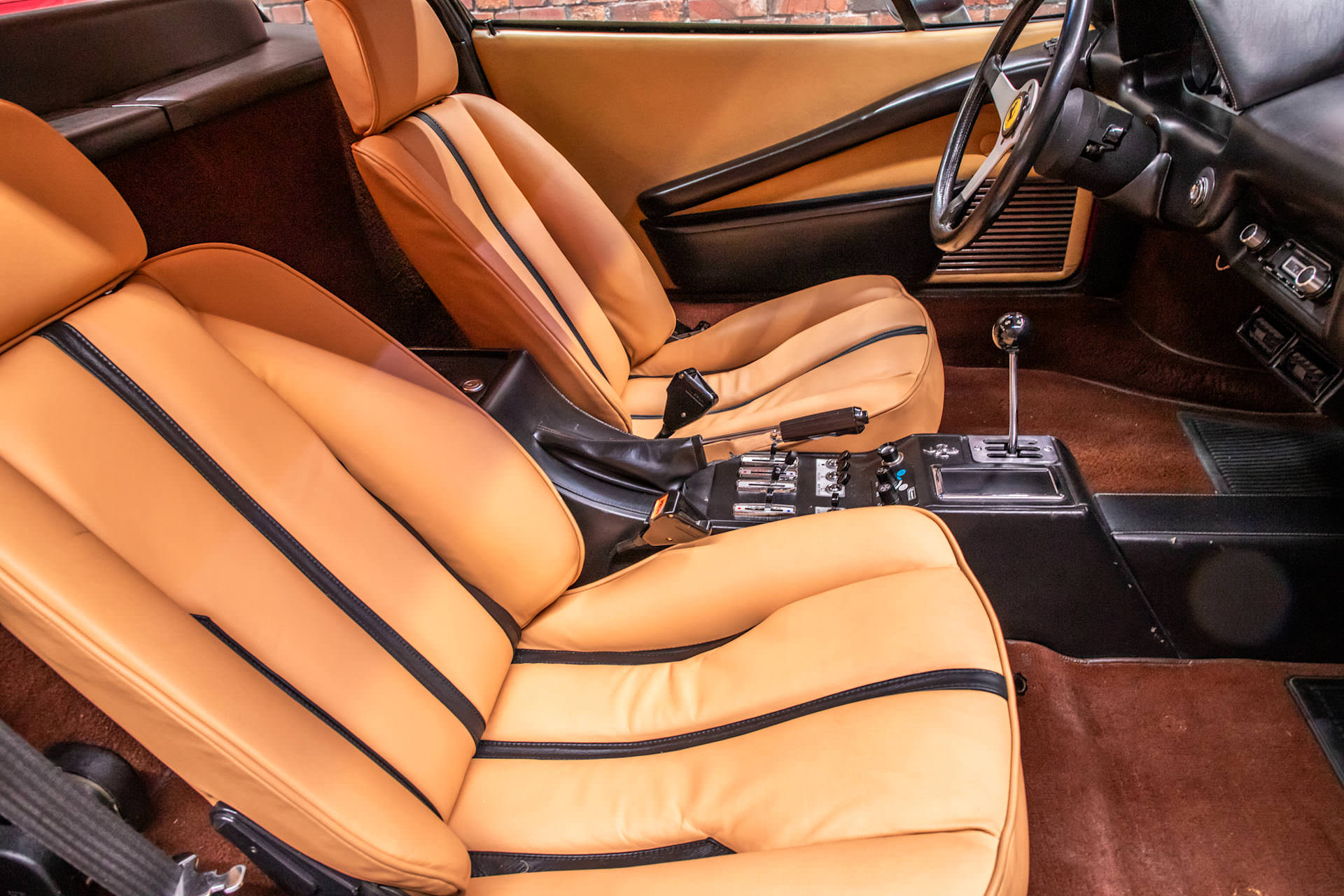
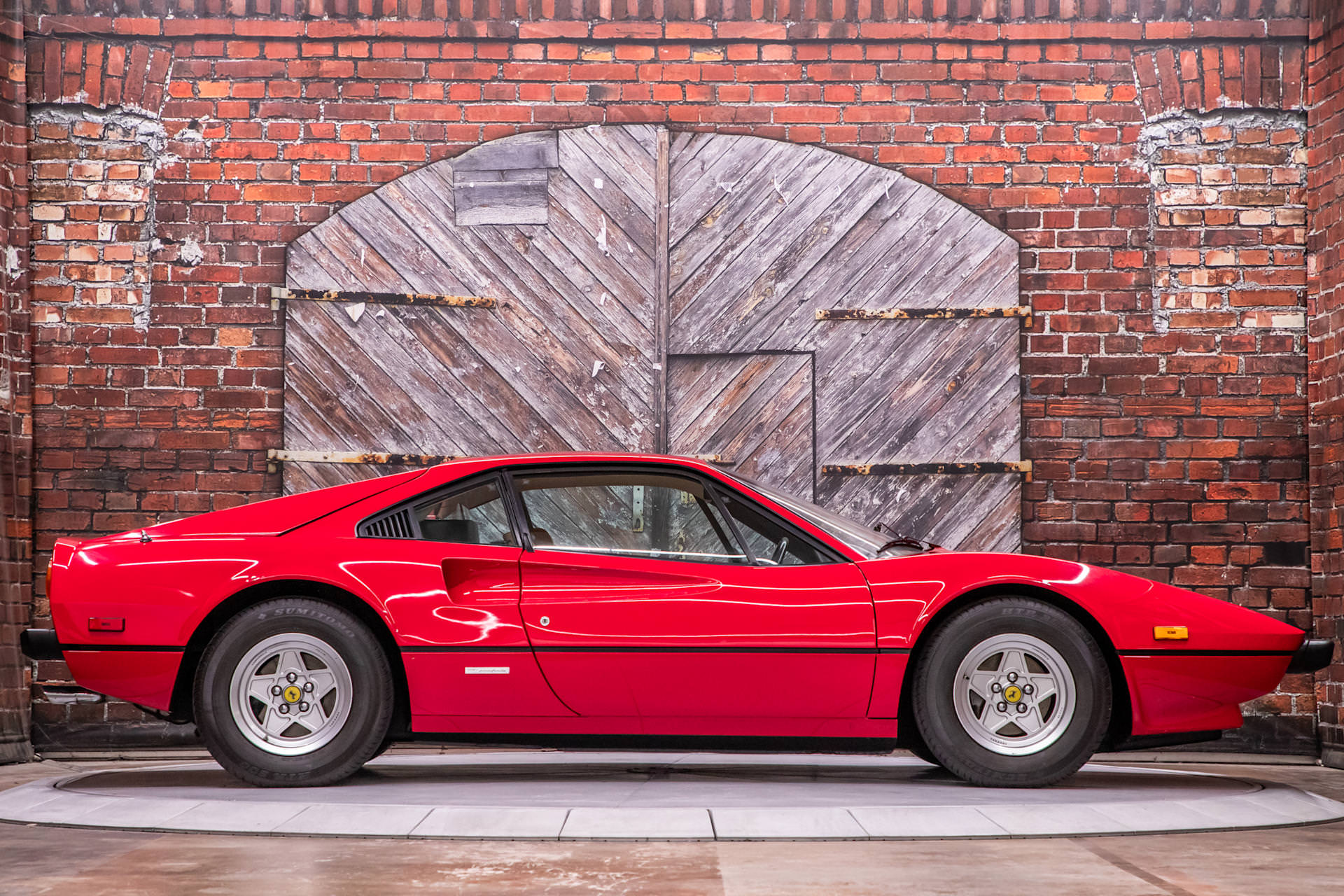
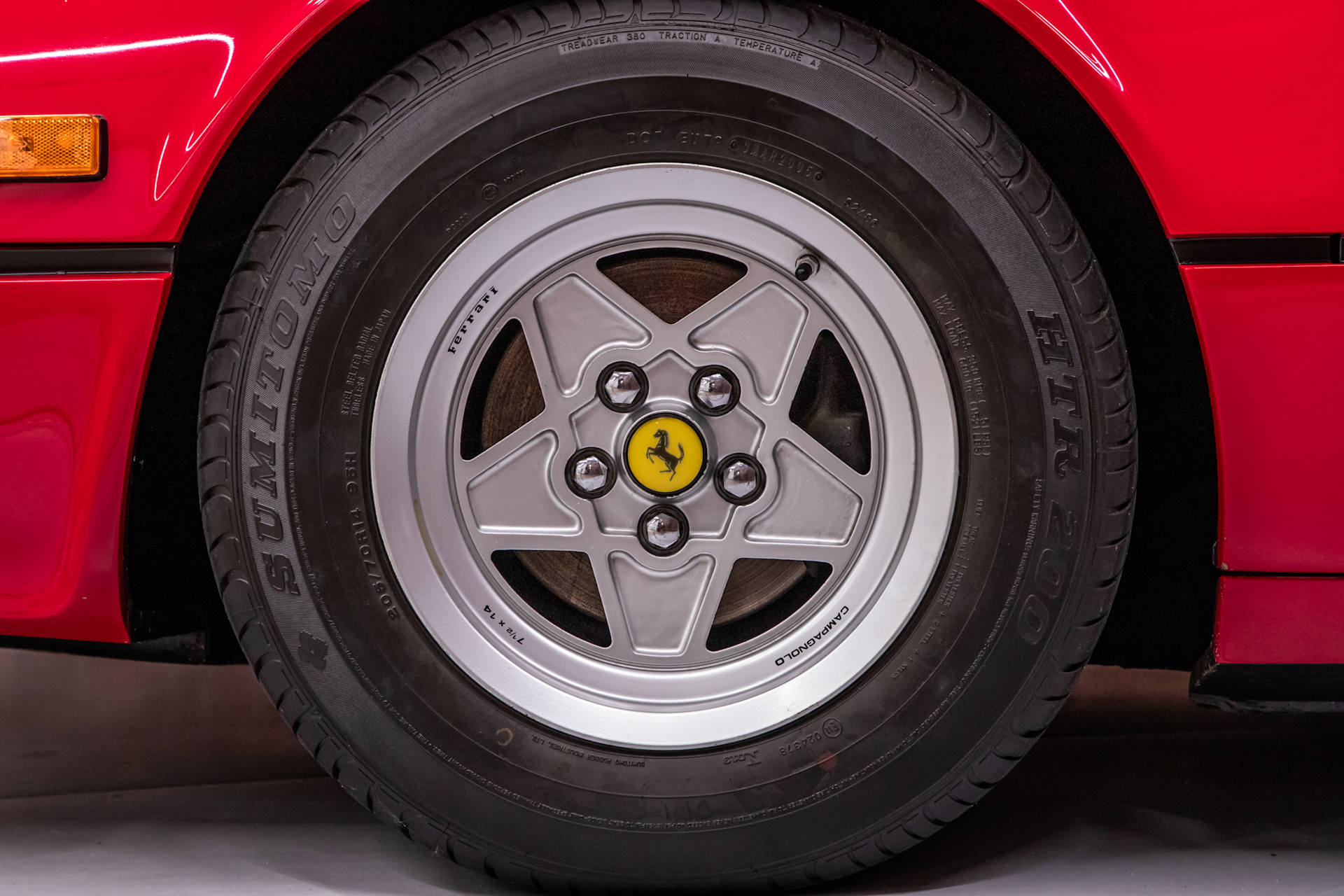
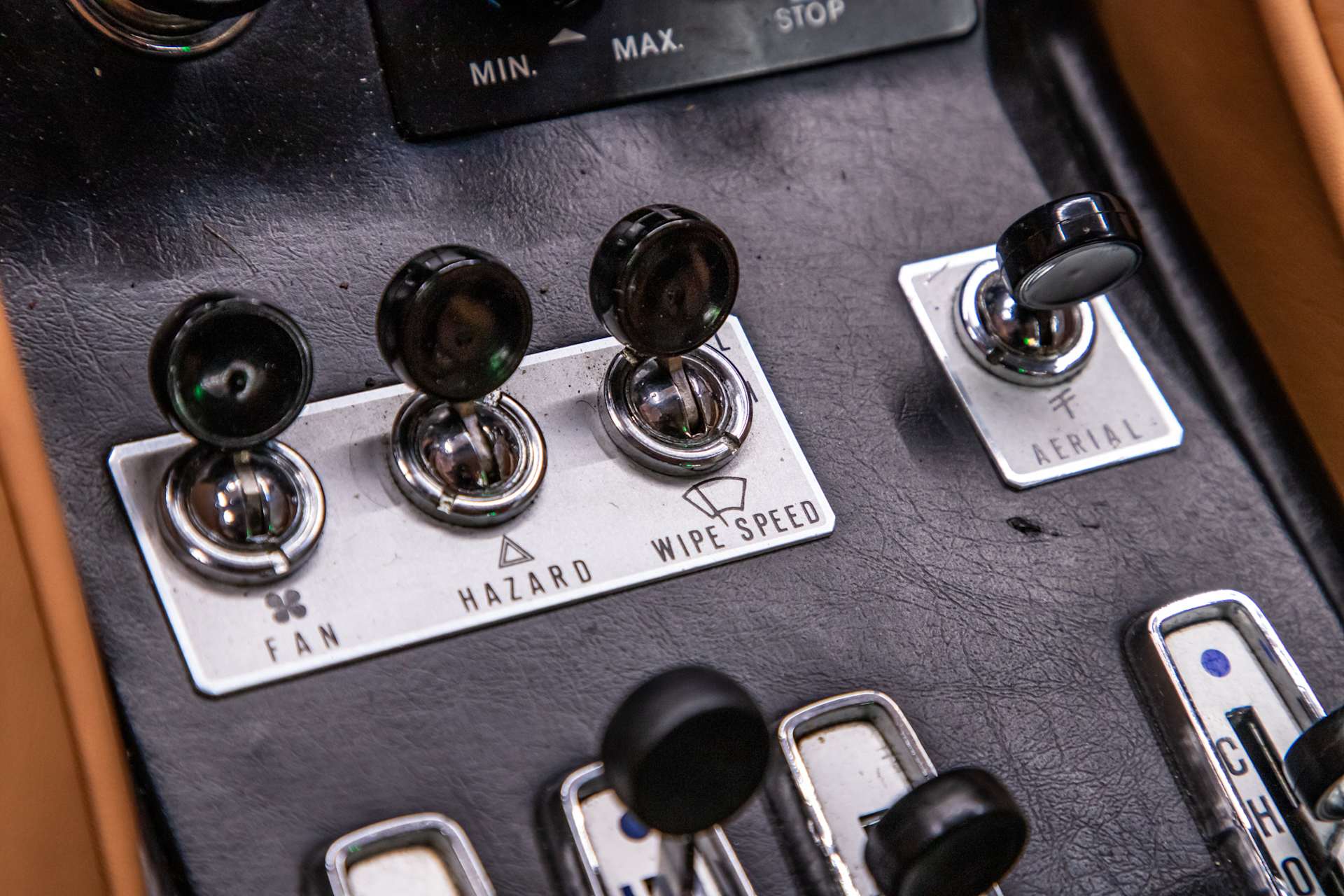
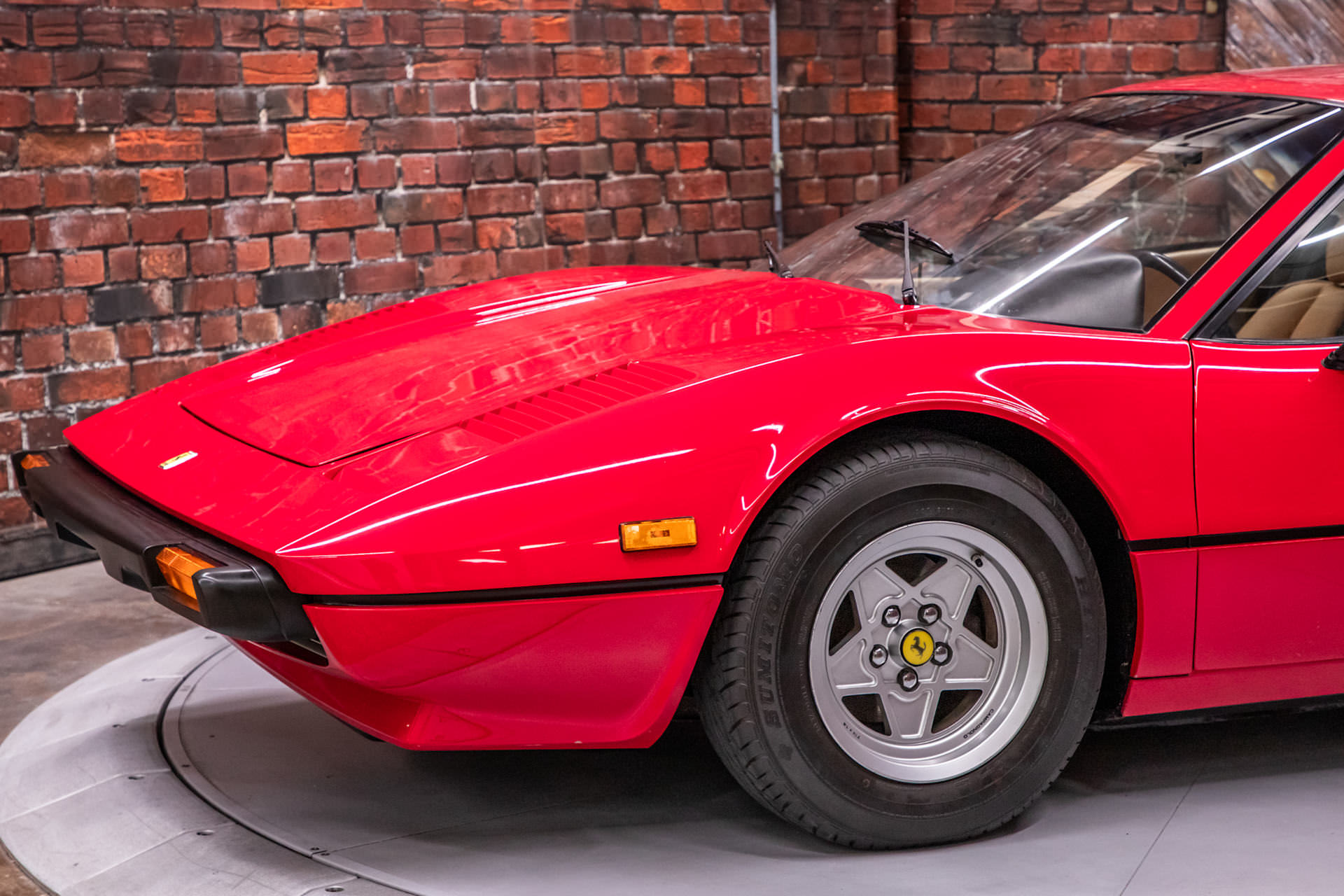
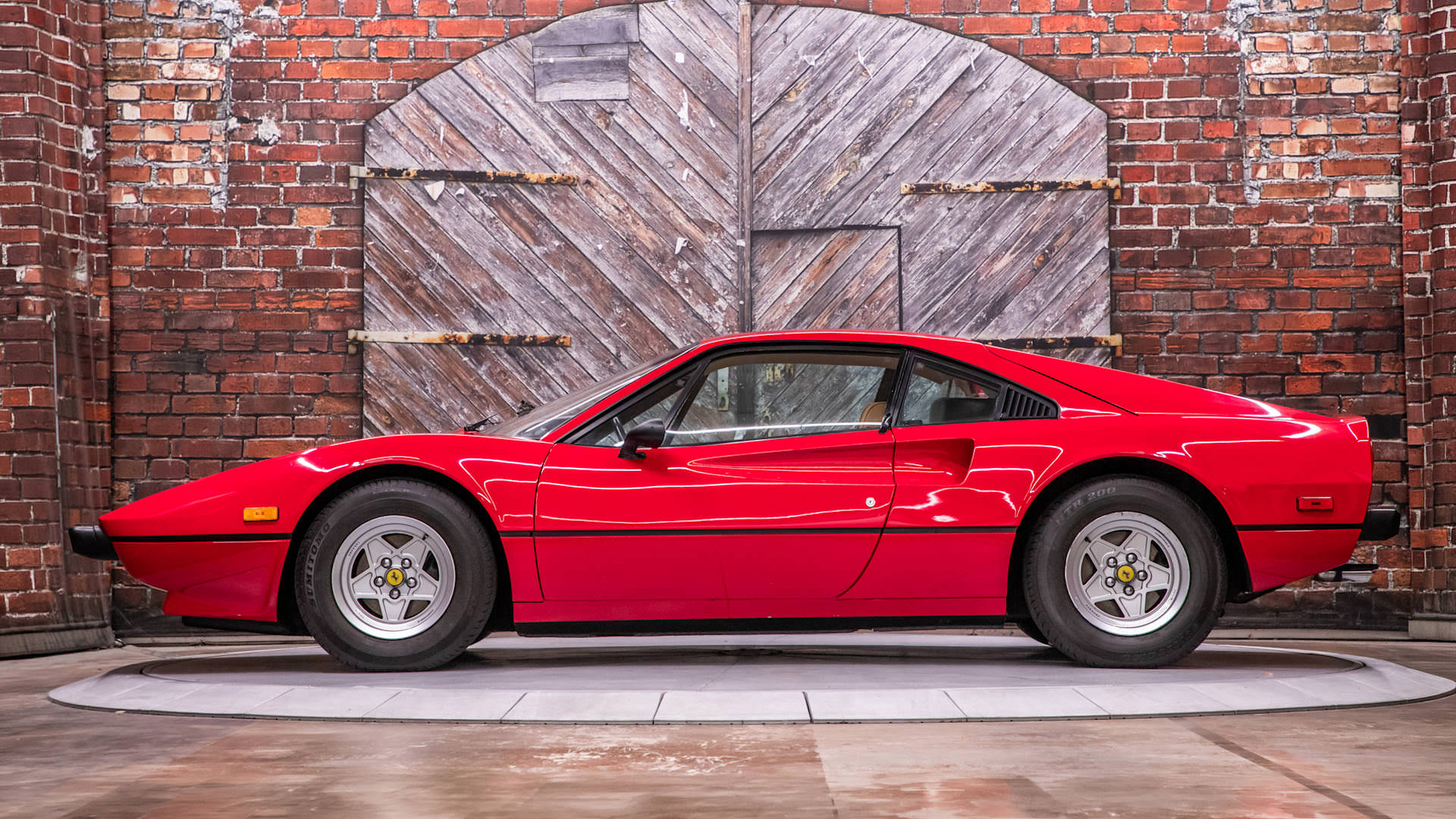
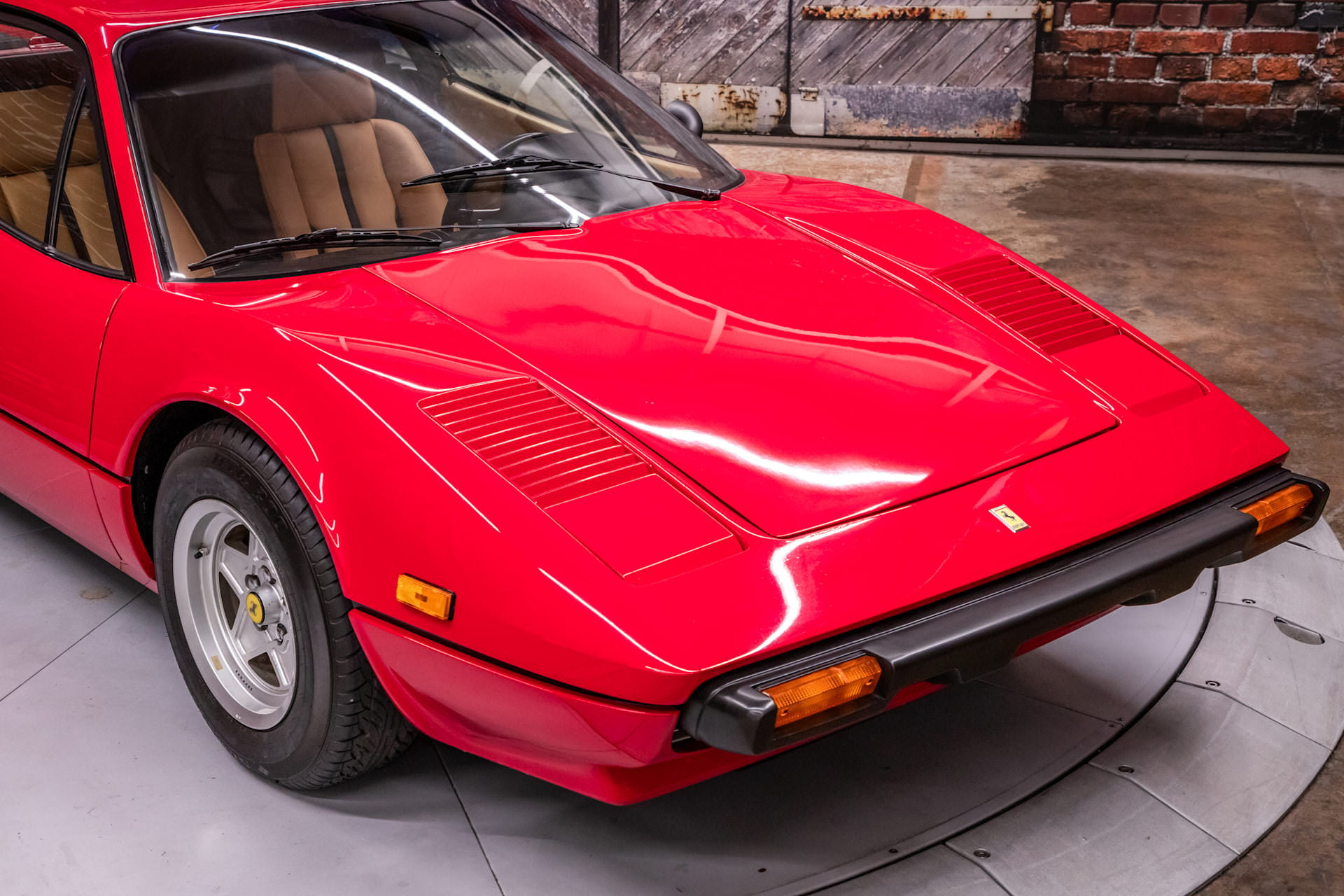
Image courtesy of Mecum + Ferrari

Articles that Ben Branch has written have been covered on CNN, Popular Mechanics, Smithsonian Magazine, Road & Track Magazine, the official Pinterest blog, the official eBay Motors blog, BuzzFeed, Autoweek Magazine, Wired Magazine, Autoblog, Gear Patrol, Jalopnik, The Verge, and many more.
Silodrome was founded by Ben back in 2010, in the years since the site has grown to become a world leader in the alternative and vintage motoring sector, with well over a million monthly readers from around the world and many hundreds of thousands of followers on social media.