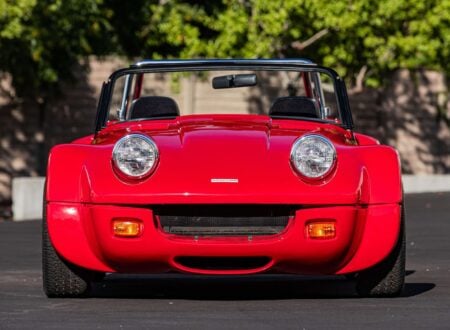
The Lotus Elite debuted in 1957 as one of the most advanced production sports cars of the time, with a composite monocoque body shell, independent front and rear suspension, four-wheel disc brakes, and a SOHC aluminum engine (block and head).
It’s been said that fiberglass was the carbon fiber of the 1950s and it certainly rings true, the composite material was being used extensively in sports car manufacturing. It was most famously used for the Corvette but also for the Lotus Elite, Devin, Kaiser Darrin, Daimler SP250, and a handful of others.
Fast Facts: The Lotus Elite
- The Lotus Elite arrived in 1957 as an exceptionally advanced small sports car, combining a stressed fiberglass monocoque with independent four-wheel suspension, four wheel disc brakes, and a lightweight Coventry Climax overhead-cam engine. It was Lotus’ first purpose-designed production road car and showcased Colin Chapman’s obsession with low weight, efficiency, and engineering innovation.
- Its design and development brought together Peter Kirwan-Taylor, Frank Costin, John Frayling, Peter Cambridge, and Ron Hickman, with the project carried out secretly in Edmonton. The Elite’s body structure was revolutionary for a production car, while its aerodynamic shape, low drag, and very low weight gave it good performance from just 1,216cc of engine displacement.
- Over its production life, the Elite evolved through Series 1 and Series 2 forms, later gaining SE, Super 95, Super 100, and Super 105 variants with progressively improved performance. Build quality improved when body production shifted away from Maximar, though Chapman’s decision to sell it in kit form also complicated Lotus’ finances and reputation.
- On track, the Elite was an outstanding success, taking six straight Le Mans class wins from 1959 to 1964 and helping launch important careers, including Jim Clark’s link with Chapman. Yet it was commercially difficult, with structural weaknesses, inconsistent quality, and losses on each car sold, despite its huge engineering significance.
History Speedrun: The Lotus Elite
When the Lotus Elite debuted at the Earls Court Motor Show in October of 1957, it was immediately hailed as the most advanced British car design since WWII. It was also Lotus’ first purpose-designed production road car, a machine intended to further grow the company’s brand recognition and generate revenue to fund its all-important Formula 1 program. It achieved the first goal spectacularly. That second goal proved to be a little more challenging.

 The Lotus Elite debuted in 1957 as one of the most advanced production sports cars of the time, with a composite monocoque body shell, independent front and rear suspension, four-wheel disc brakes, and an overhead cam all-aluminum engine. Image courtesy of Lotus.
The Elite began taking shape in early 1956. The styling was penned by Peter Kirwan-Taylor, an accountant by profession and amateur stylist by passion, with aerodynamic refinement from Frank Costin and further input from three Ford Motor Company staffers Chapman had befriended – sculptor John Frayling, interior designer Peter Cambridge, and production engineer Ron Hickman.
Frayling translated Kirwan-Taylor’s two-dimensional sketches into a full-size clay model, Cambridge laid out the cabin, and Hickman developed a manufacturing process that was ultimately refined from over 60 separate fiberglass moldings down to just three. Development took place under high secrecy at a rented workshop in Edmonton, away from the main Lotus premises at Hornsey to keep the project away from prying eyes.
The Lotus Elite Type 14 Specifications
Chapman’s great innovation with the Elite was structural. Whereas contemporary fiberglass sports cars like the Chevrolet Corvette had always mounted their composite bodies on conventional steel frames, the Elite used no main chassis at all.
The entire load-bearing structure was a stressed fiberglass monocoque, with only a steel subframe at the front to carry the engine and suspension, and a steel hoop at the windscreen for the door hinges and rollover protection. It was the world’s first composite fiberglass monocoque production car, and it remains a key landmark in automotive engineering, though perhaps an oft-forgotten one.
The aerodynamics were equally advanced largely thanks to Costin who, working without the benefit of wind tunnel testing or computer-aided design, achieved a drag coefficient of just 0.29. That’s a figure that many modern cars still can’t match.

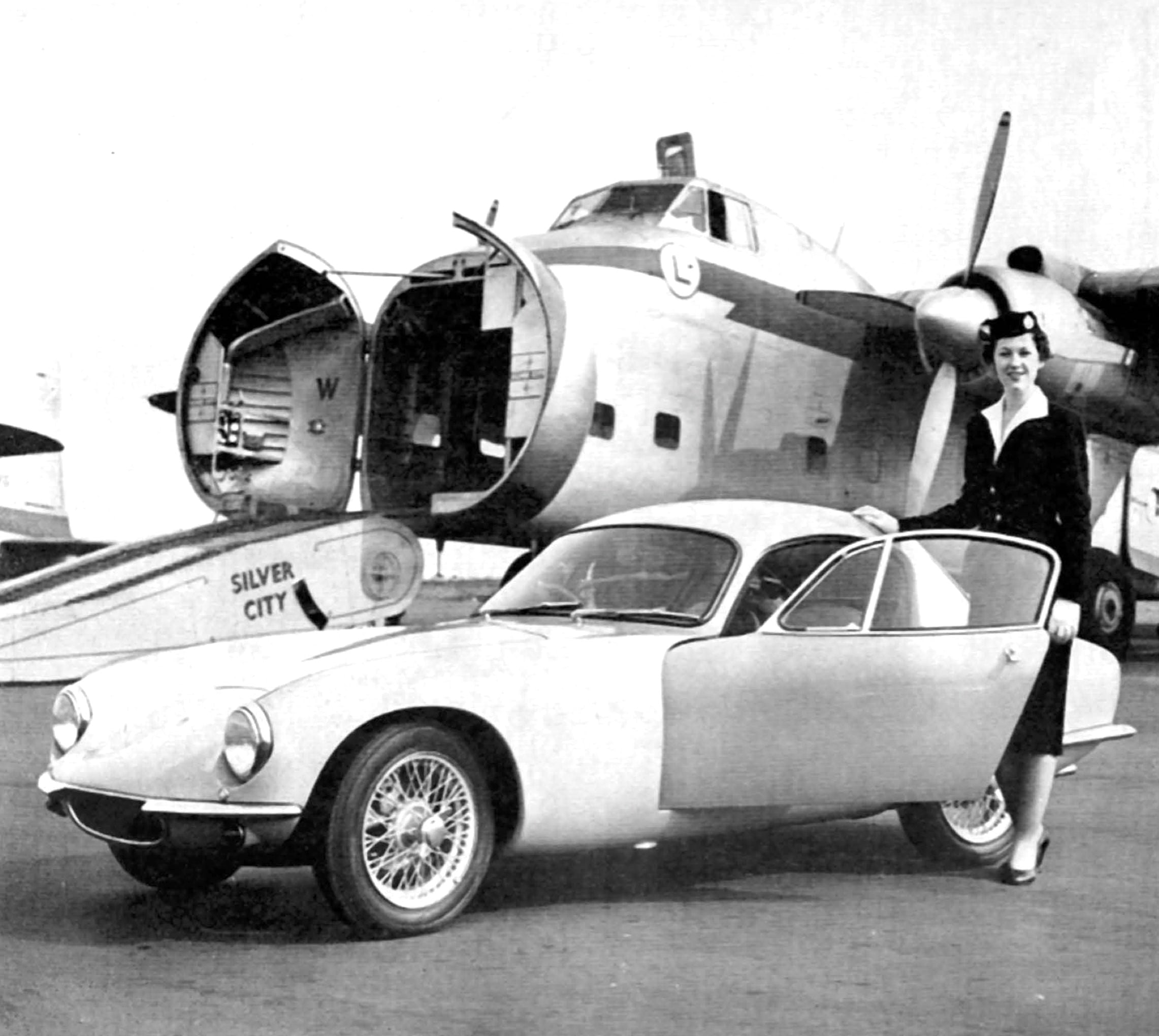
The aerodynamics of the Elite were equally advanced largely thanks to Costin who, working without the benefit of wind tunnel testing or computer-aided design, achieved a drag coefficient of just 0.29. That’s a figure that many modern cars still can’t match. Image courtesy of Lotus.
Under the skin, the suspension was derived from the Lotus 12 Formula 2 racing car, it was independent all around, with wishbones at the front and Chapman struts at the rear. Braking was by Girling discs on all four corners, with the rears mounted inboard to reduce unsprung mass. By the standards of the time this car was so advanced that even 20 years later many production sports cars would still seem antiquated next to it.
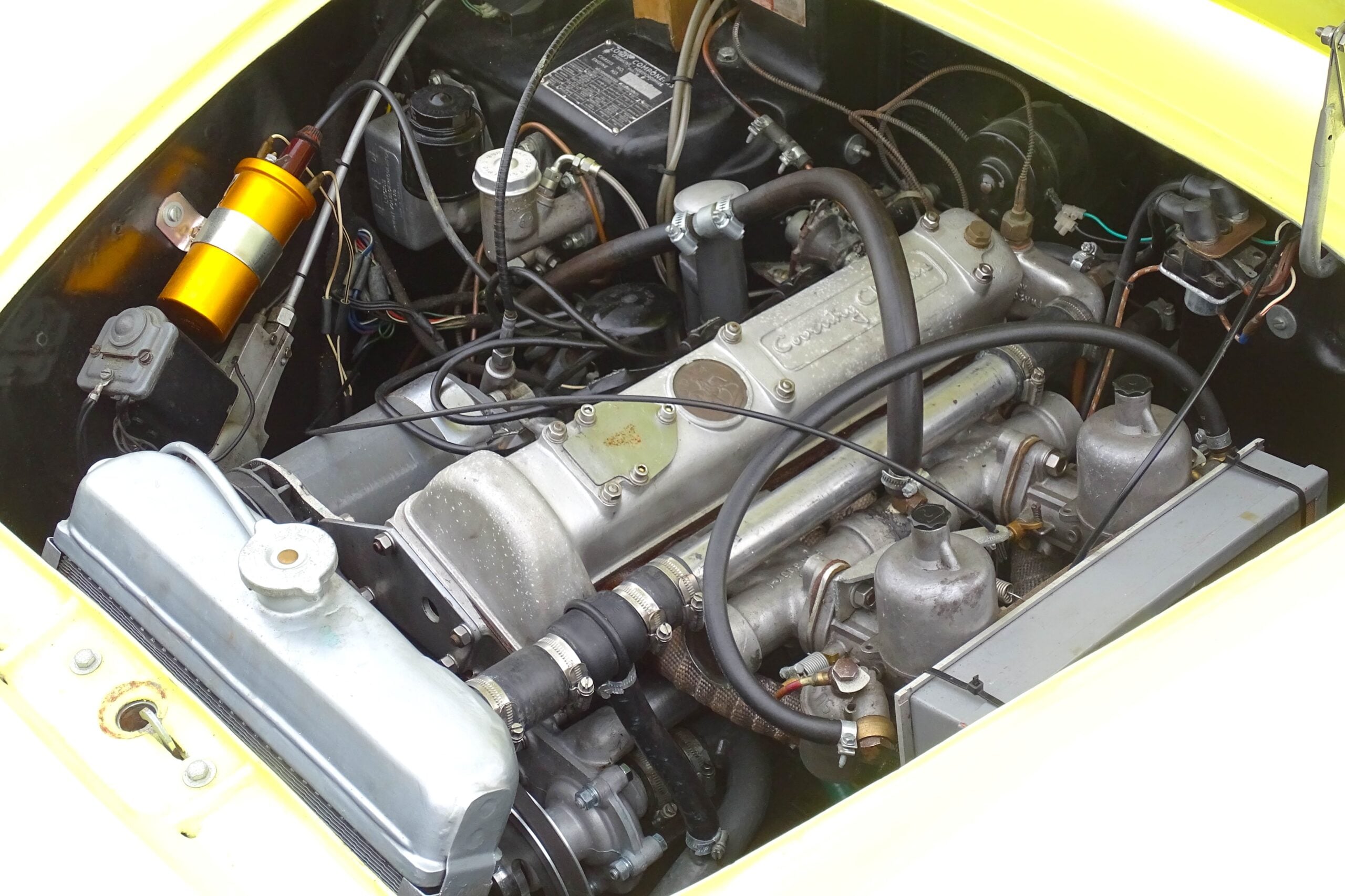
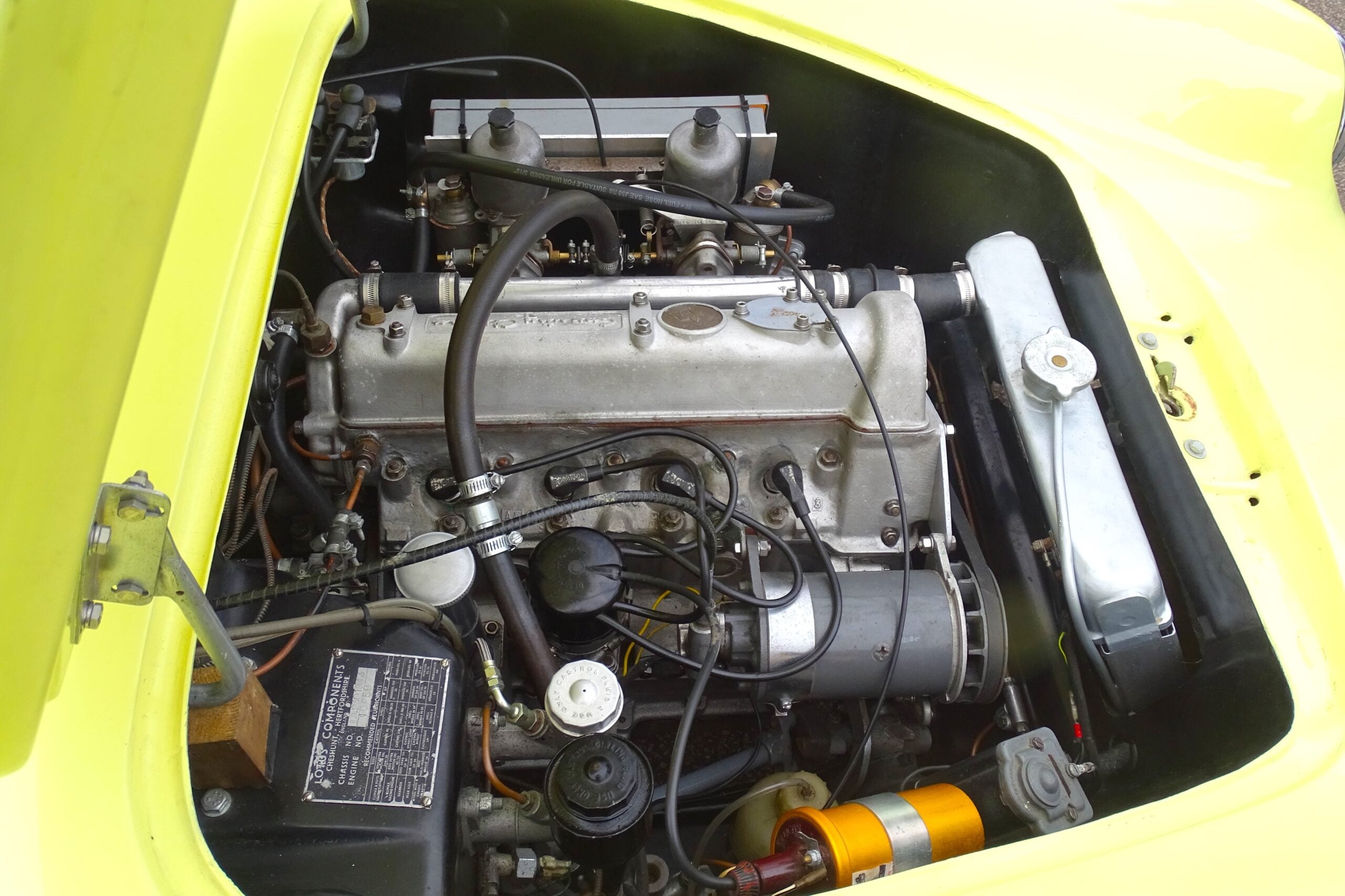
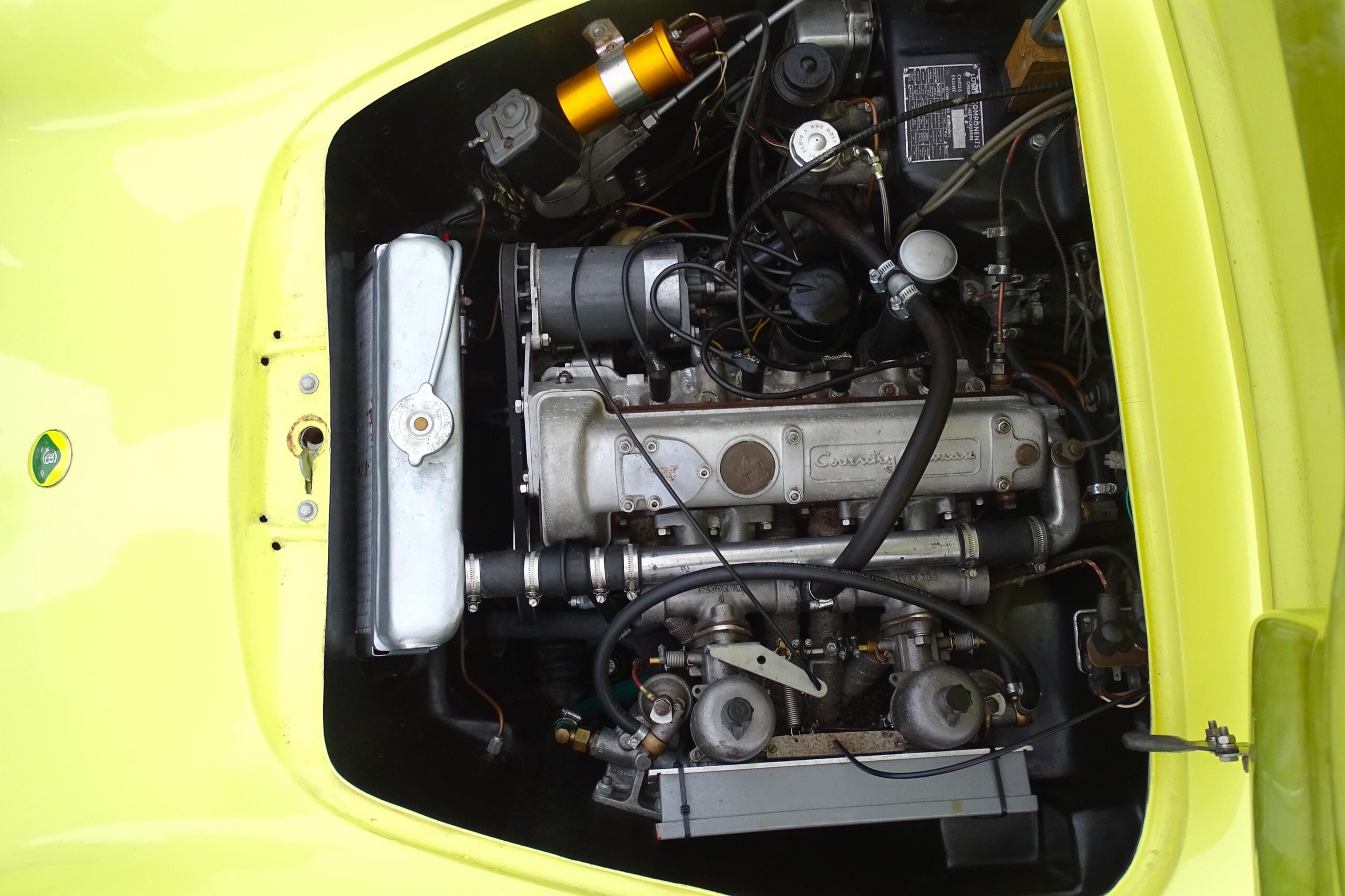
Power was provided by the Coventry Climax FWE engine, this was a 1,216cc all-aluminum single overhead cam inline four producing 75 bhp. The engine’s origins were actually quite humble, it was derived from a lightweight fire pump unit, but it was well suited to the Elite’s feather-light curb weight of 673 kgs (1,483 lbs).
All production Elites used the FWE, with a single exception that served as a testbed for the Lotus-Ford Twin Cam. The standard gearbox was a widely maligned MG unit, with a far superior ZF 4-speed close-ratio box available as an option. In a 1960 road test, The Motor magazine recorded a top speed of 111.8 mph, a 0 to 60 mph time of 11.4 seconds, and fuel consumption of 40.5 mpg (imperial), these were remarkable figures for a 1.2 liter engine, owing largely to the car’s exceptional aerodynamics and low overall weight.
The Lotus Elite Variants
The Elite was built in several variants across its production run, the Series 1 cars (1957 to 1960), with bodies built by Maximar, accounted for 281 cars. The Series 2 (1960 to 1963) introduced improved rear suspension with triangulated trailing radius arms for better toe-in control.
The first 31 Series 2 cars still used Maximar bodies, but the remainder were produced by Bristol Aircraft, bringing notably better build quality. Some 749 Series 2 cars were built. The SE (Special Equipment) model was introduced in late 1960 with twin SU carburetors lifting engine output to 85 bhp, the ZF gearbox was now standard, and it now had a distinctive silver-painted roof.
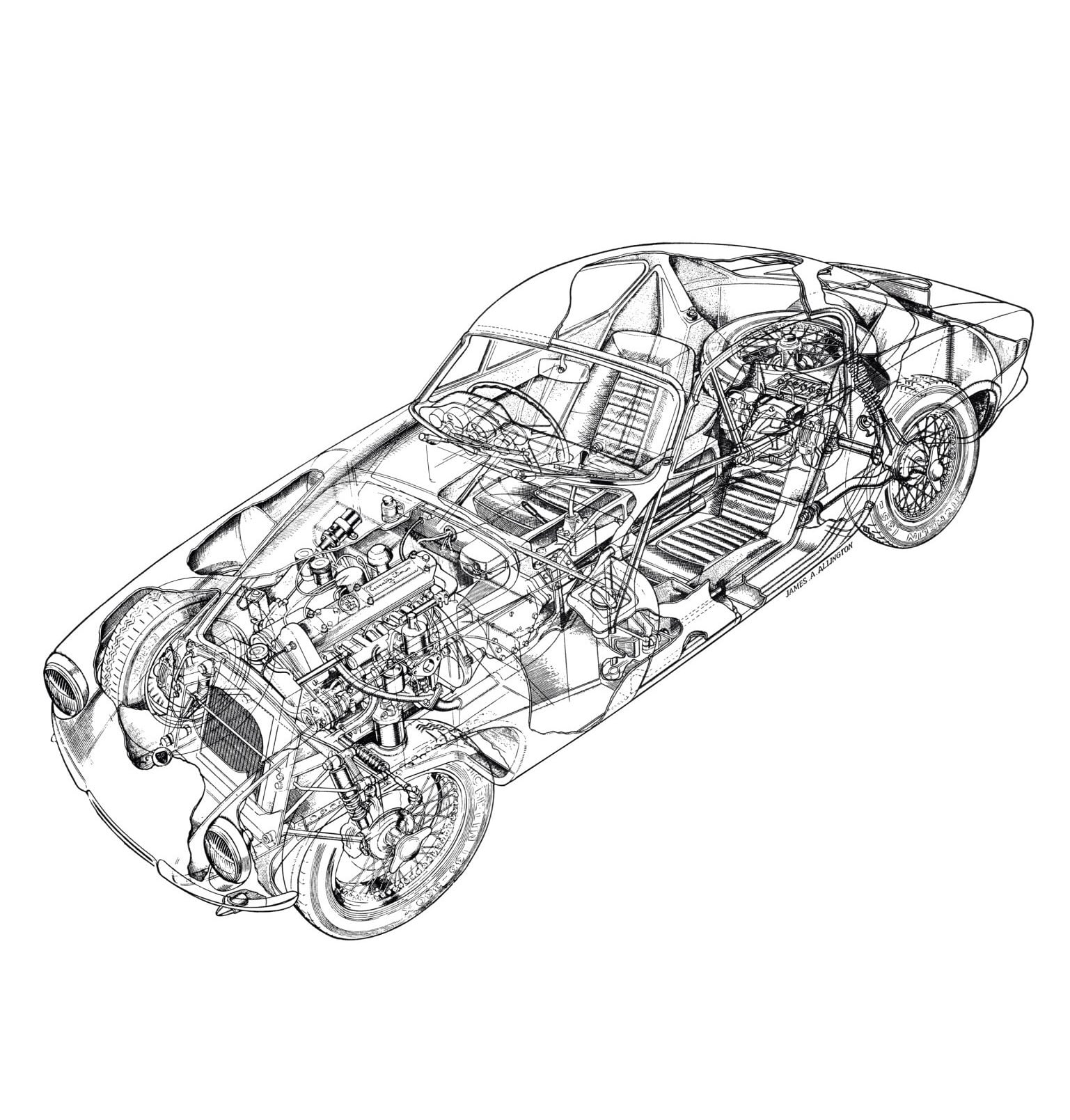
Chapman’s great innovation with the Elite was structural. Whereas contemporary fiberglass sports cars like the Chevrolet Corvette had always mounted their composite bodies on conventional steel frames, the Elite used no main chassis at all. The entire load-bearing structure was a stressed fiberglass monocoque, with only a steel subframe at the front to carry the engine and suspension. Image courtesy of Lotus.
In May of 1962, Lotus introduced the Super 95 with a more aggressive camshaft profile and a higher compression ratio, followed by a handful of Super 100 and Super 105 cars fitted with Weber carburetors and built for racing with further engine modifications including a high-lift camshaft and a ported head for better flow.
The Elite was also available in kit form from 1961, allowing buyers to avoid UK Purchase Tax. Chapman later regarded this as one of his worst strategic decisions, because it undermined the car’s image as a quality product and did nothing to help the company’s finances. He would spend decades working to change Lotus’ early reputation as a manufacturer of kit cars, into a reputation for higher quality production cars.
The Elite Goes Racing
On the race track, the Elite was sensational. It won its class at the 24 Hours of Le Mans six consecutive times between 1959 and 1964, and twice took the Index of Thermal Efficiency. The first class win came in 1959, when Peter Lumsden and Peter Riley finished eighth overall.
Jim Clark raced an Elite at Le Mans in 1959, and it was Clark’s spirited driving of an Elite at Brands Hatch in late 1958 that first brought him to Chapman’s attention, leading to one of Formula 1’s greatest partnerships. David Hobbs won 15 of 18 races over two years in an Elite fitted with an unusual Hobbs Mecha-Matic automatic gearbox.
Commercially, the Elite competed against some formidable adversaries, cars like the Porsche 356, the MGA Twin-Cam, the Alfa Romeo Giulietta Sprint, and the Triumph TR3. Against all of these, the Elite offered lower weight, better aerodynamics, a more advanced chassis, and four-wheel disc brakes.
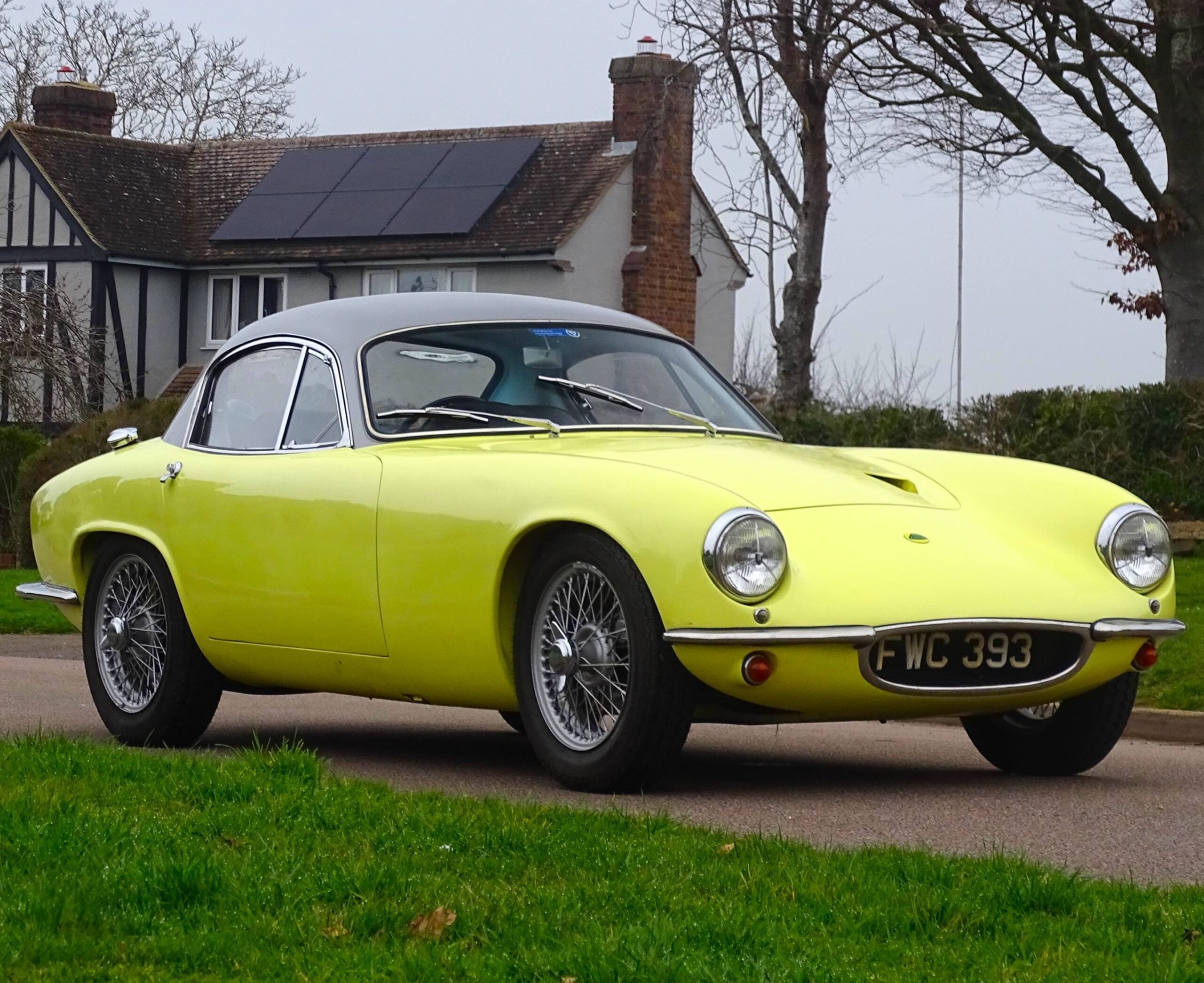
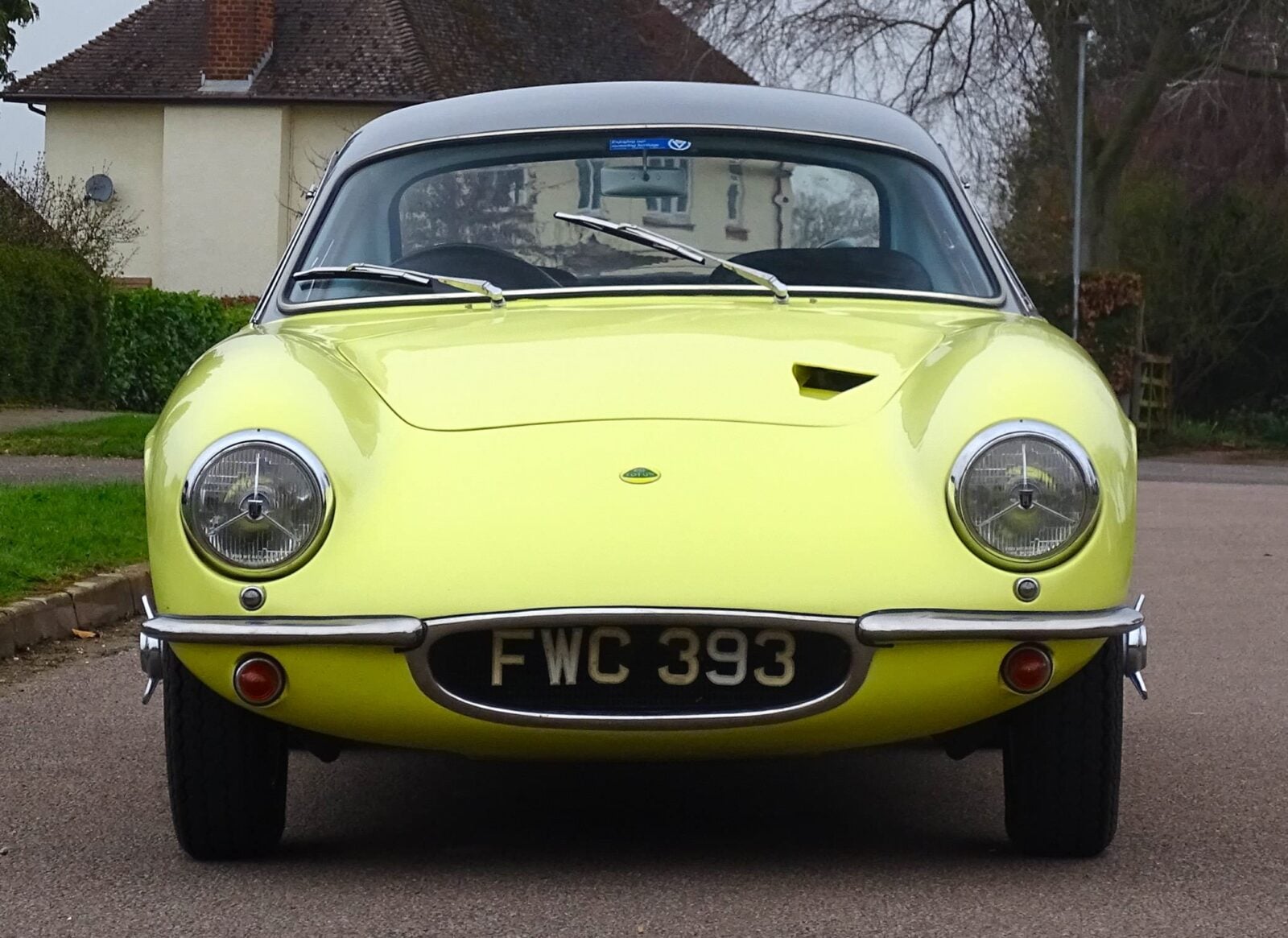
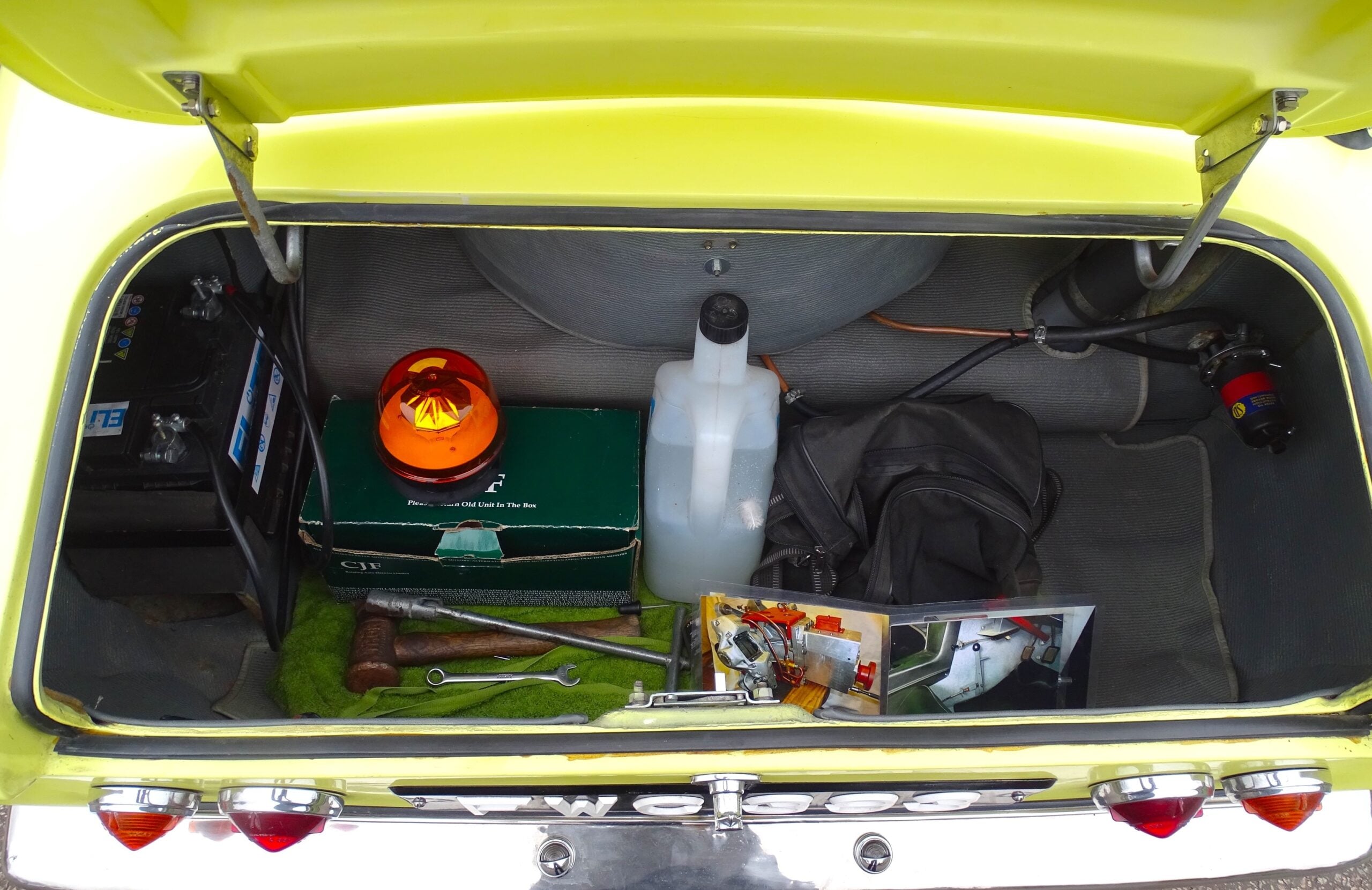
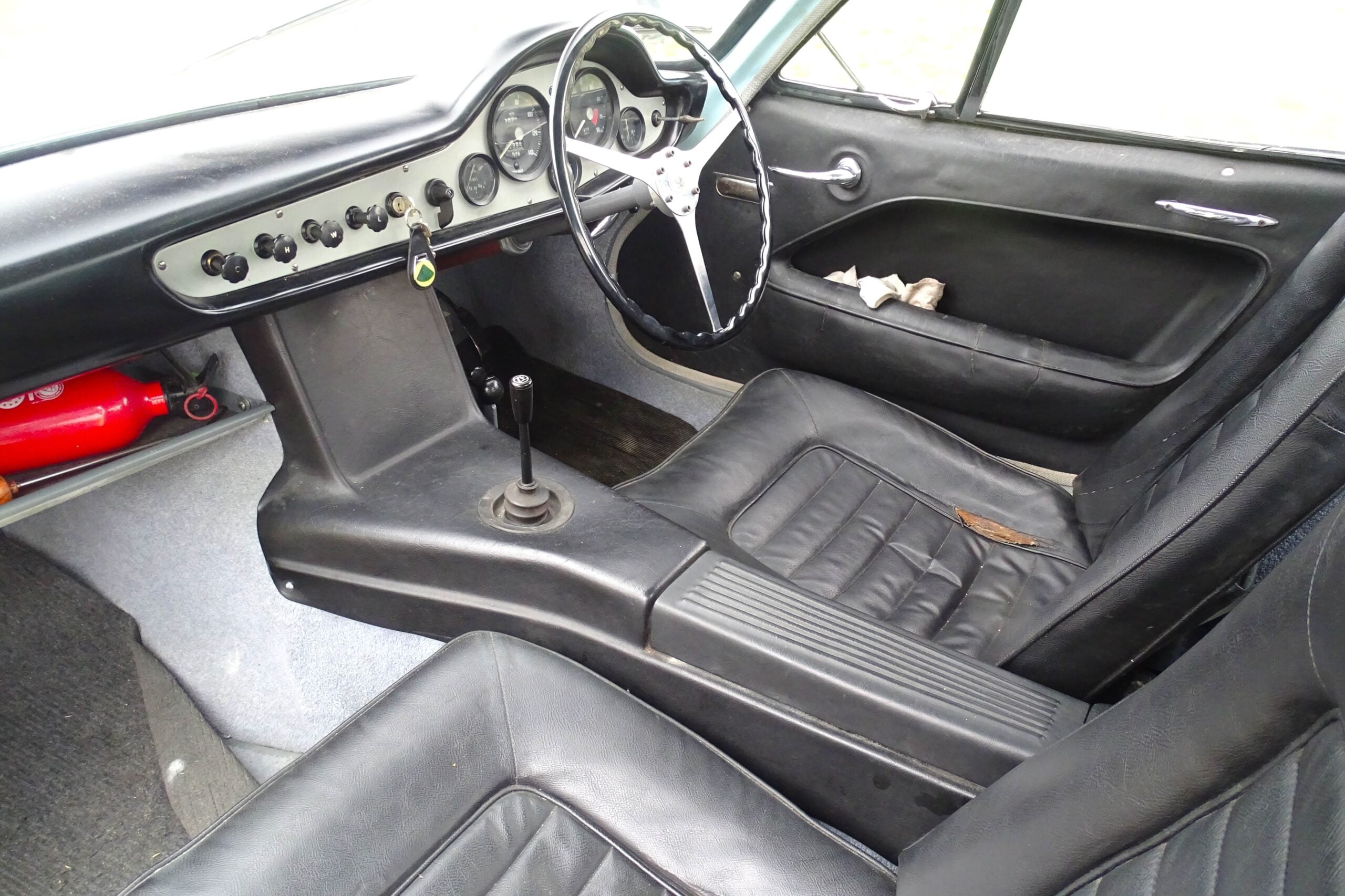
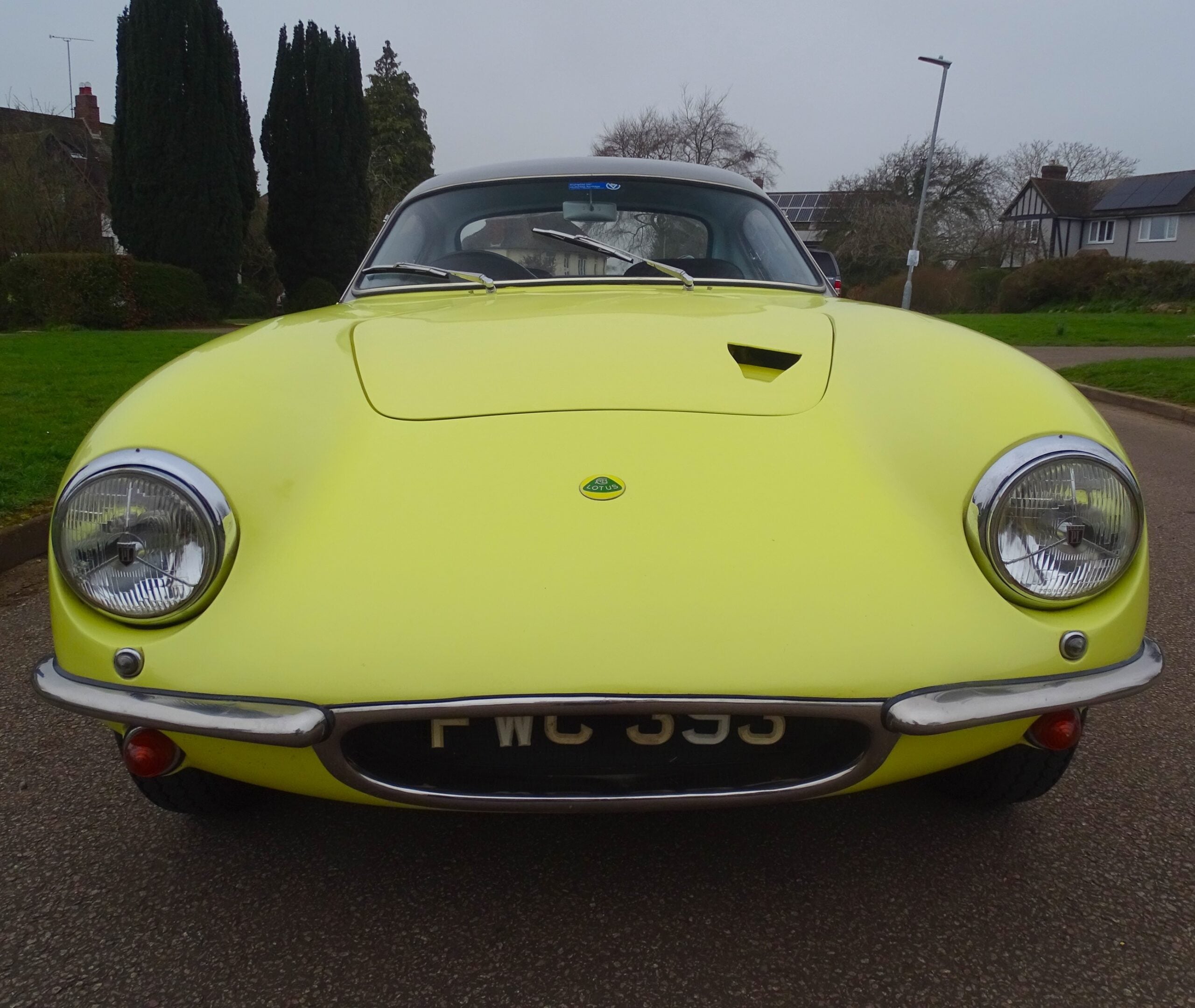
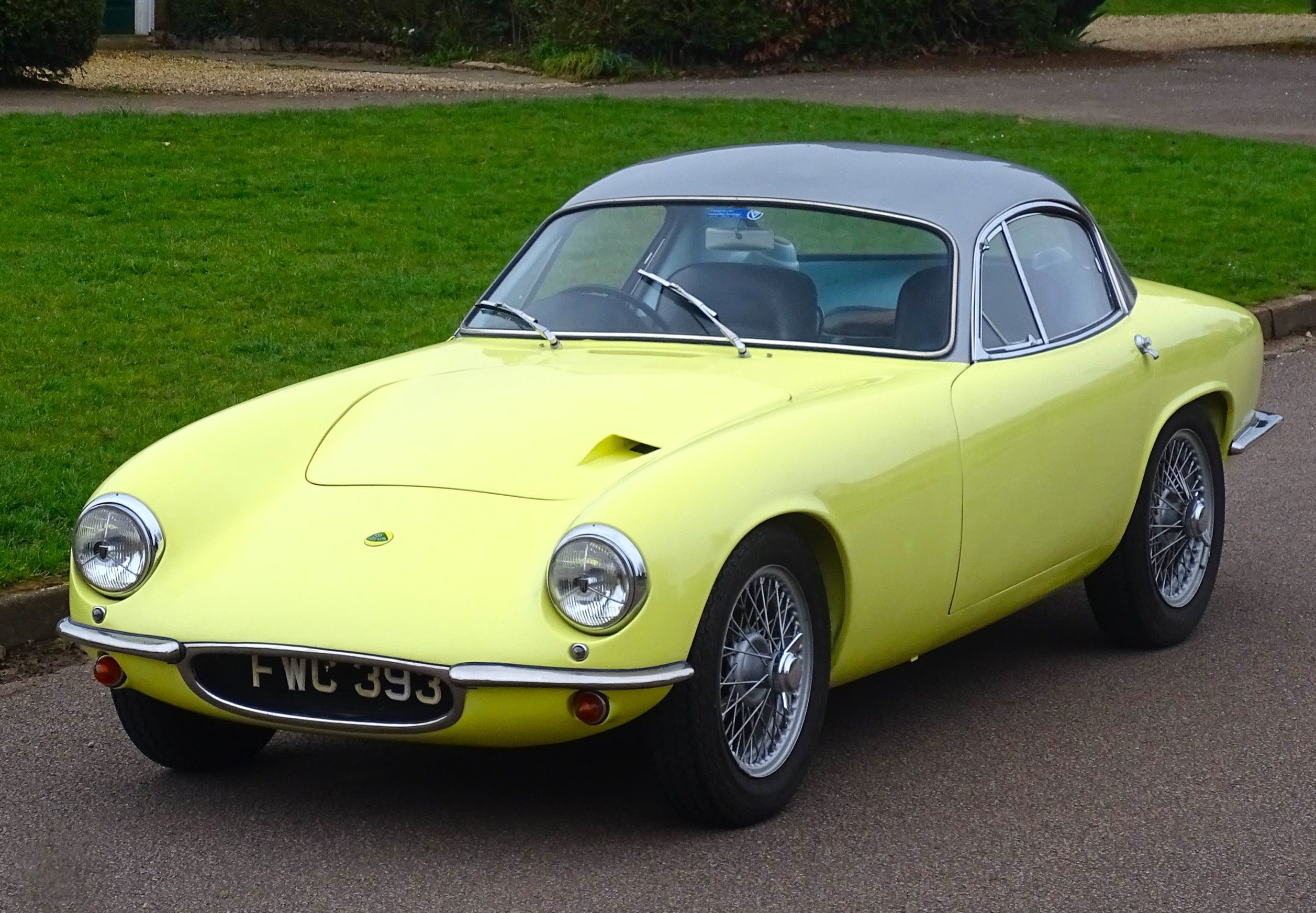
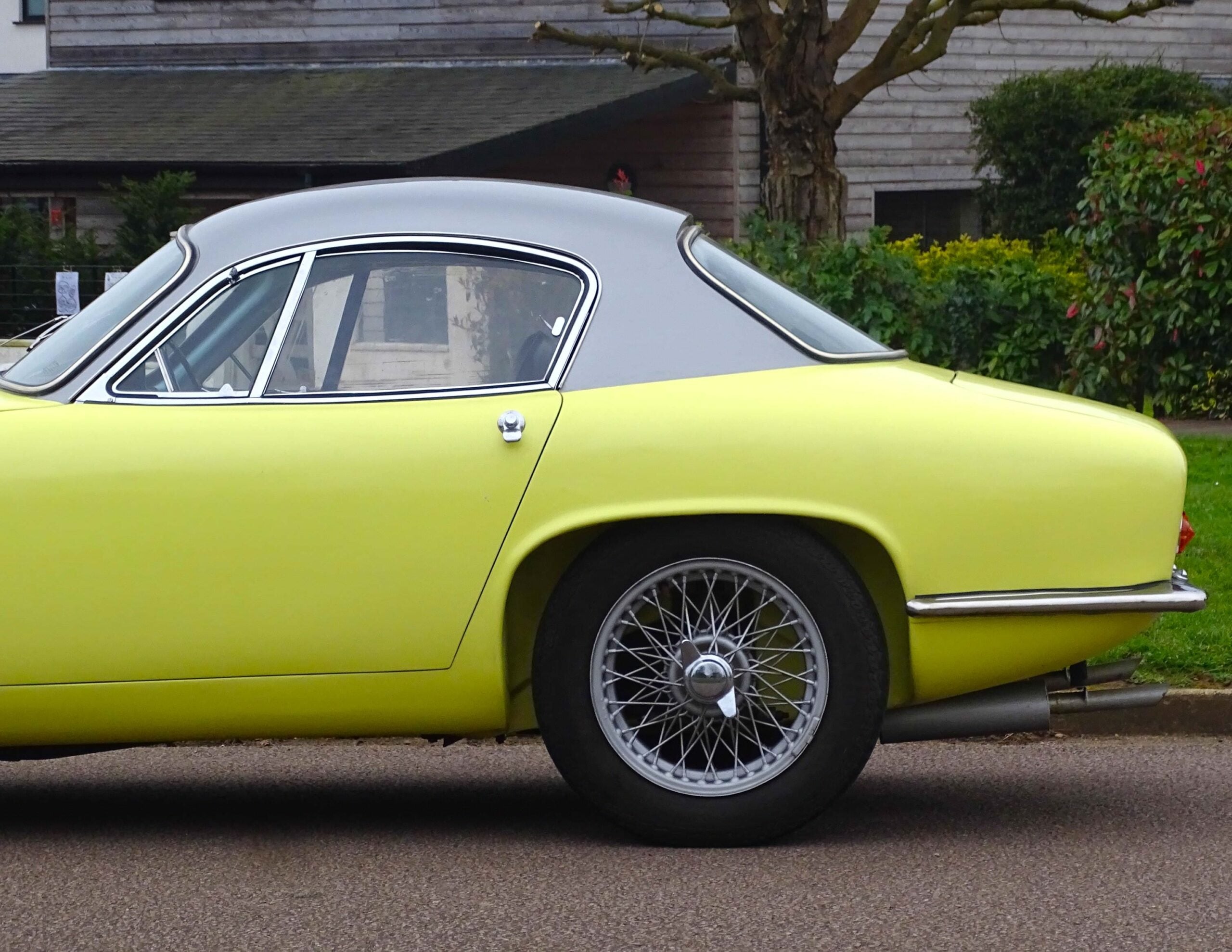
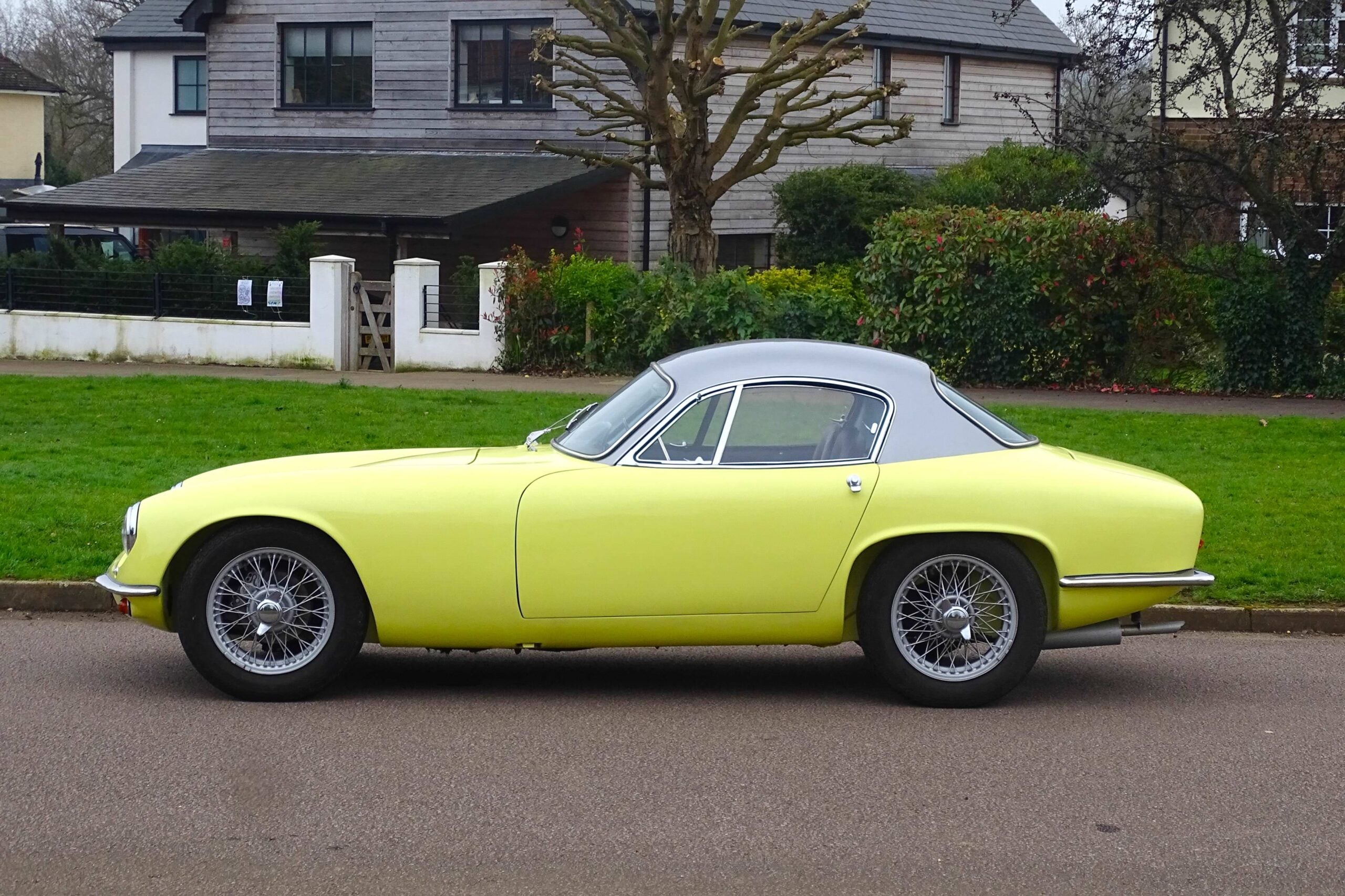
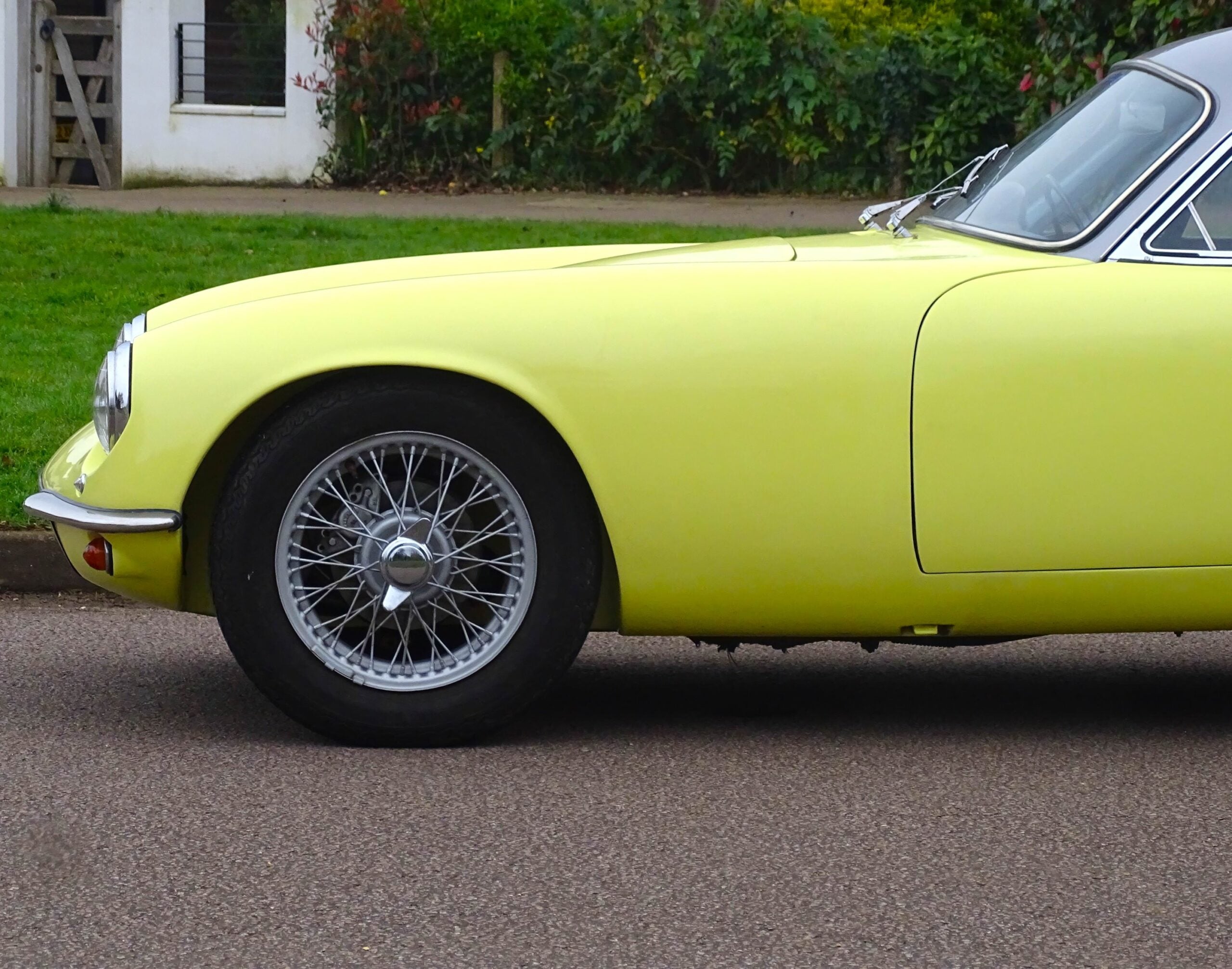
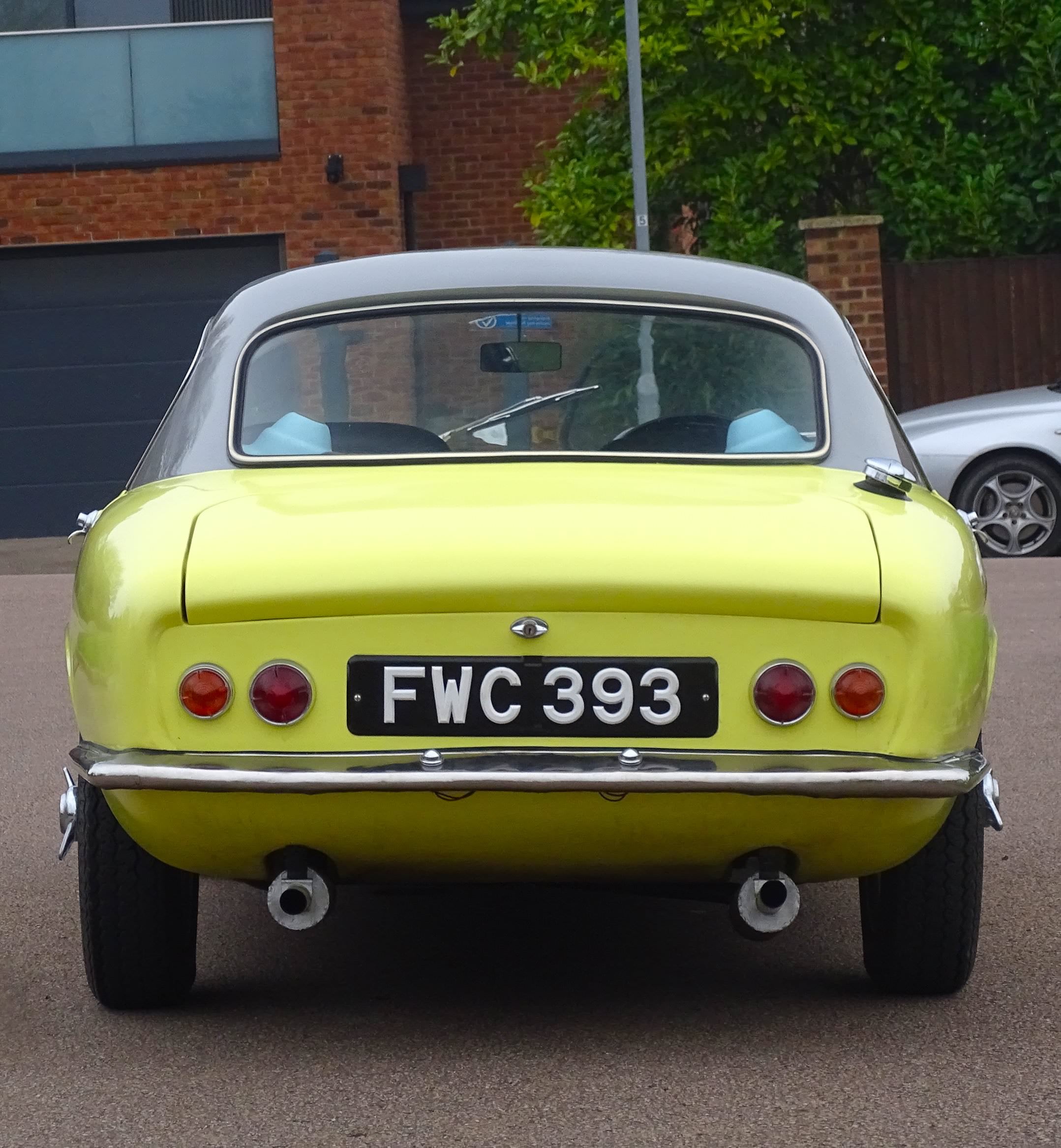
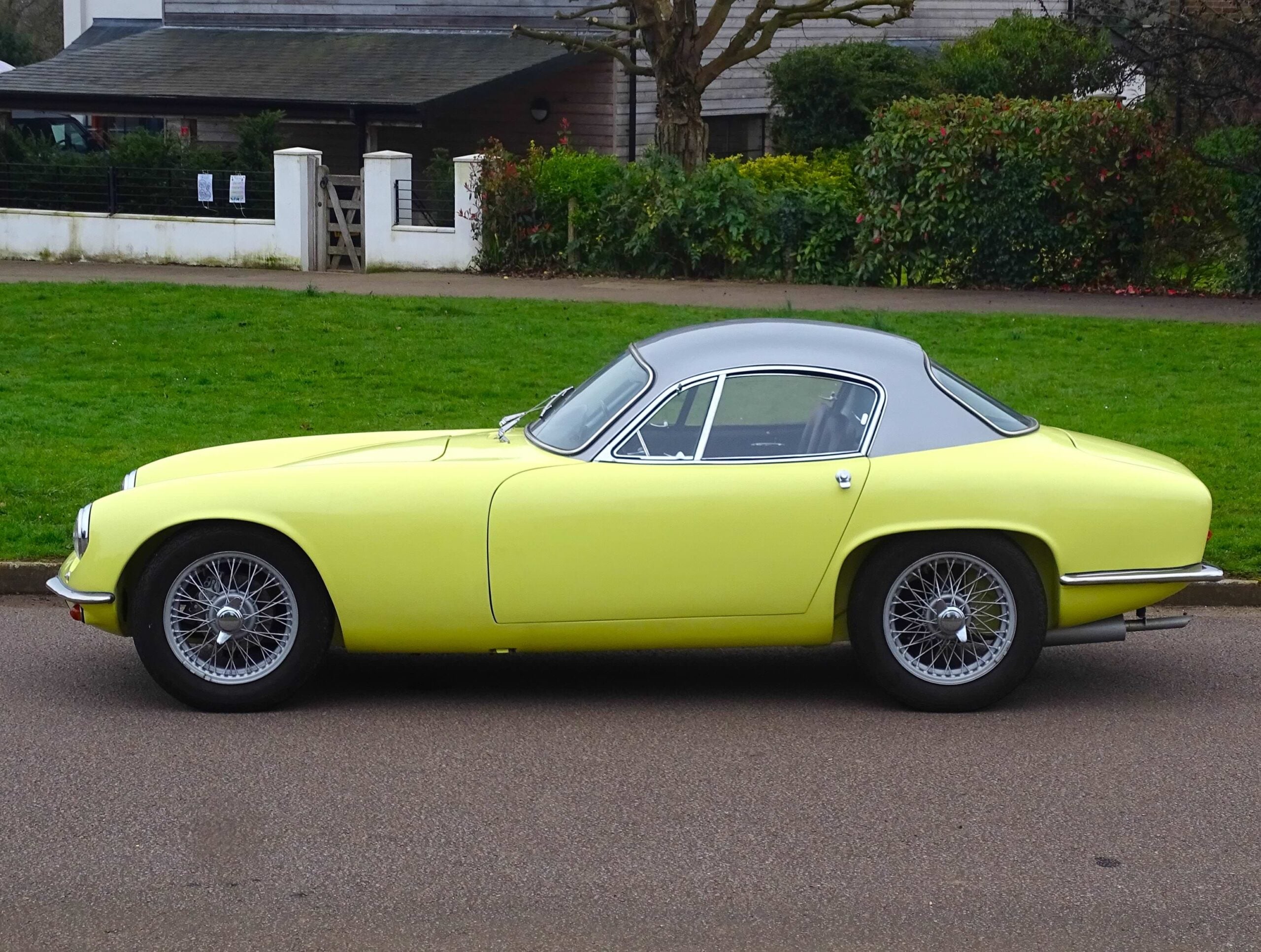
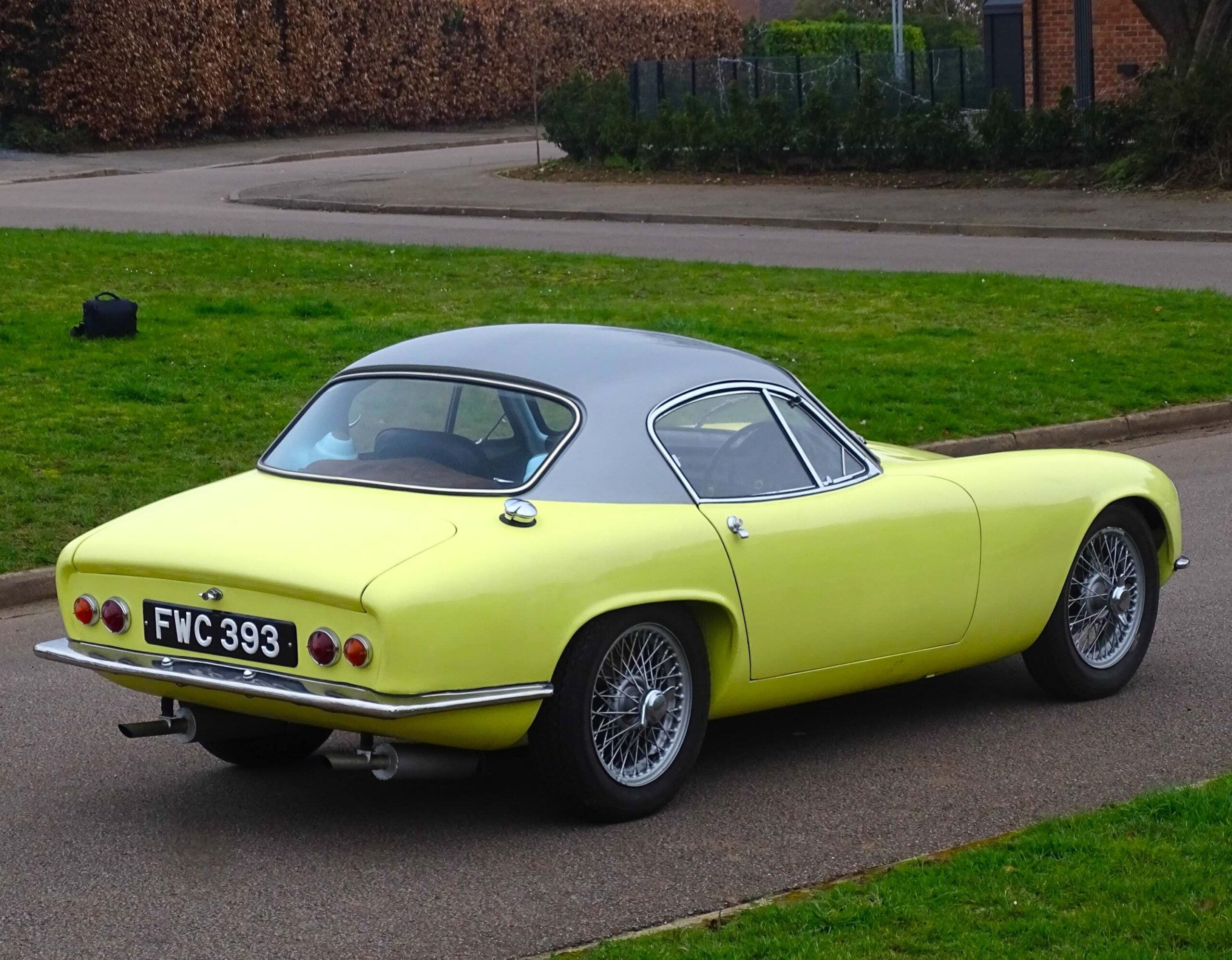
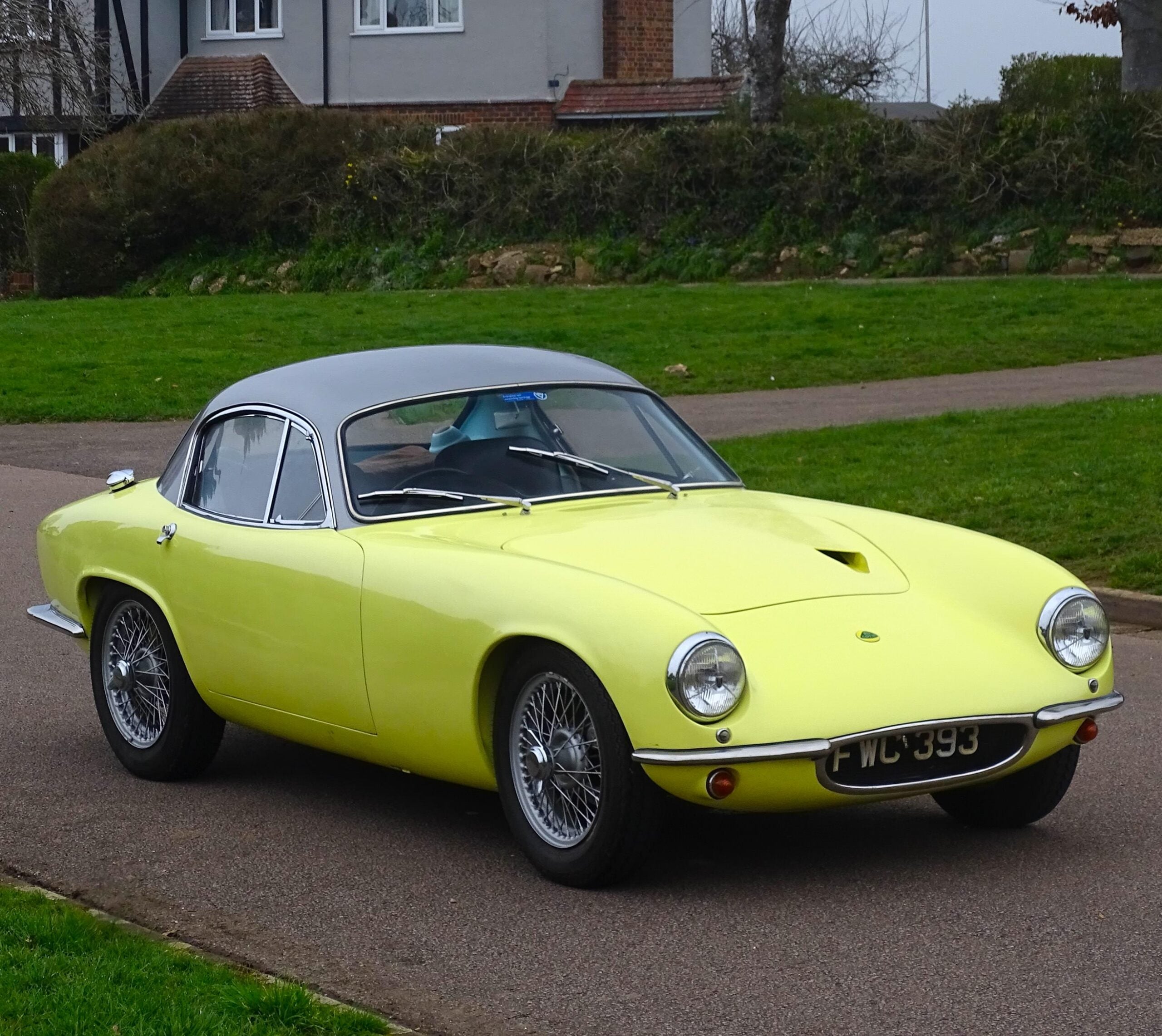
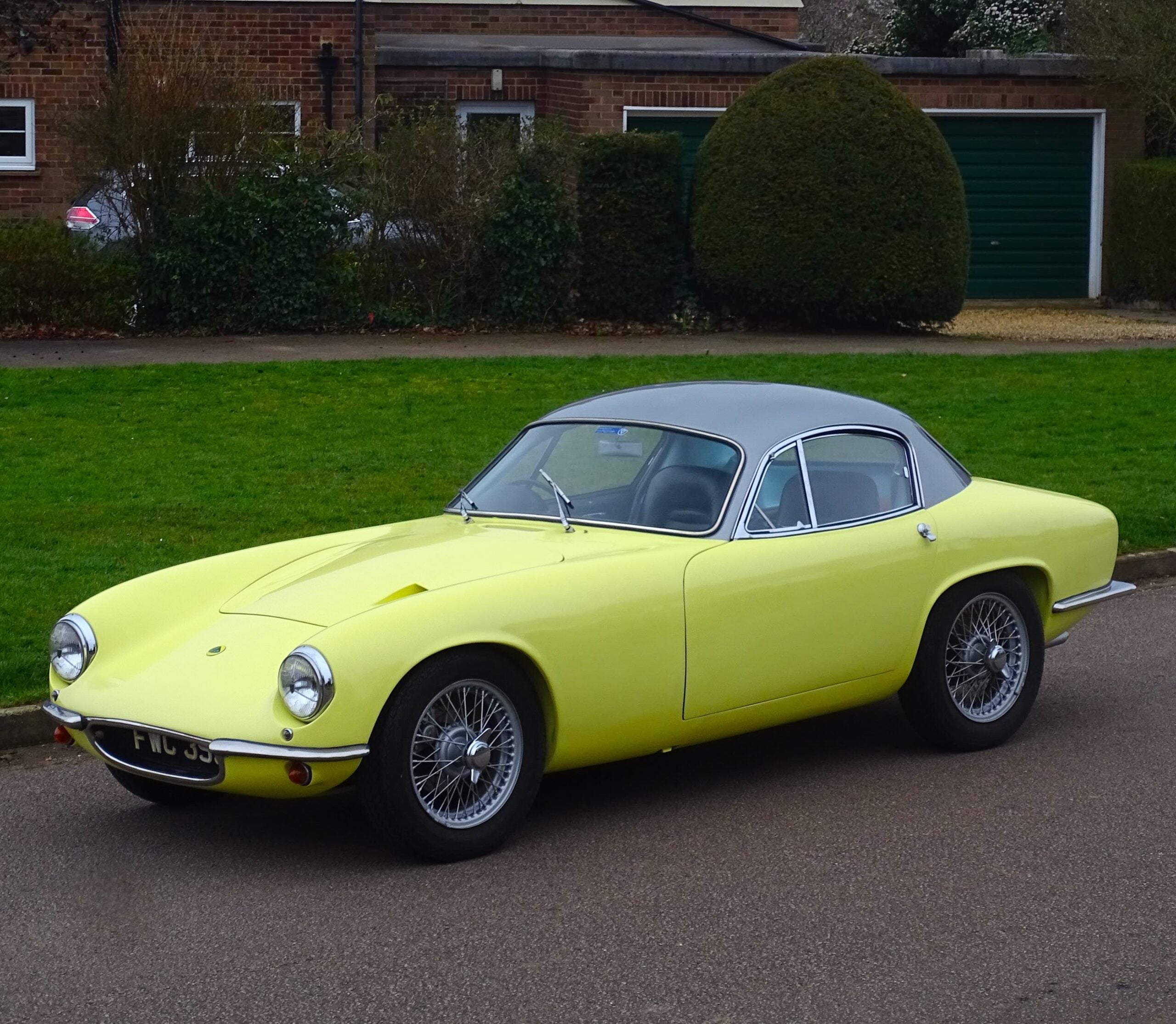
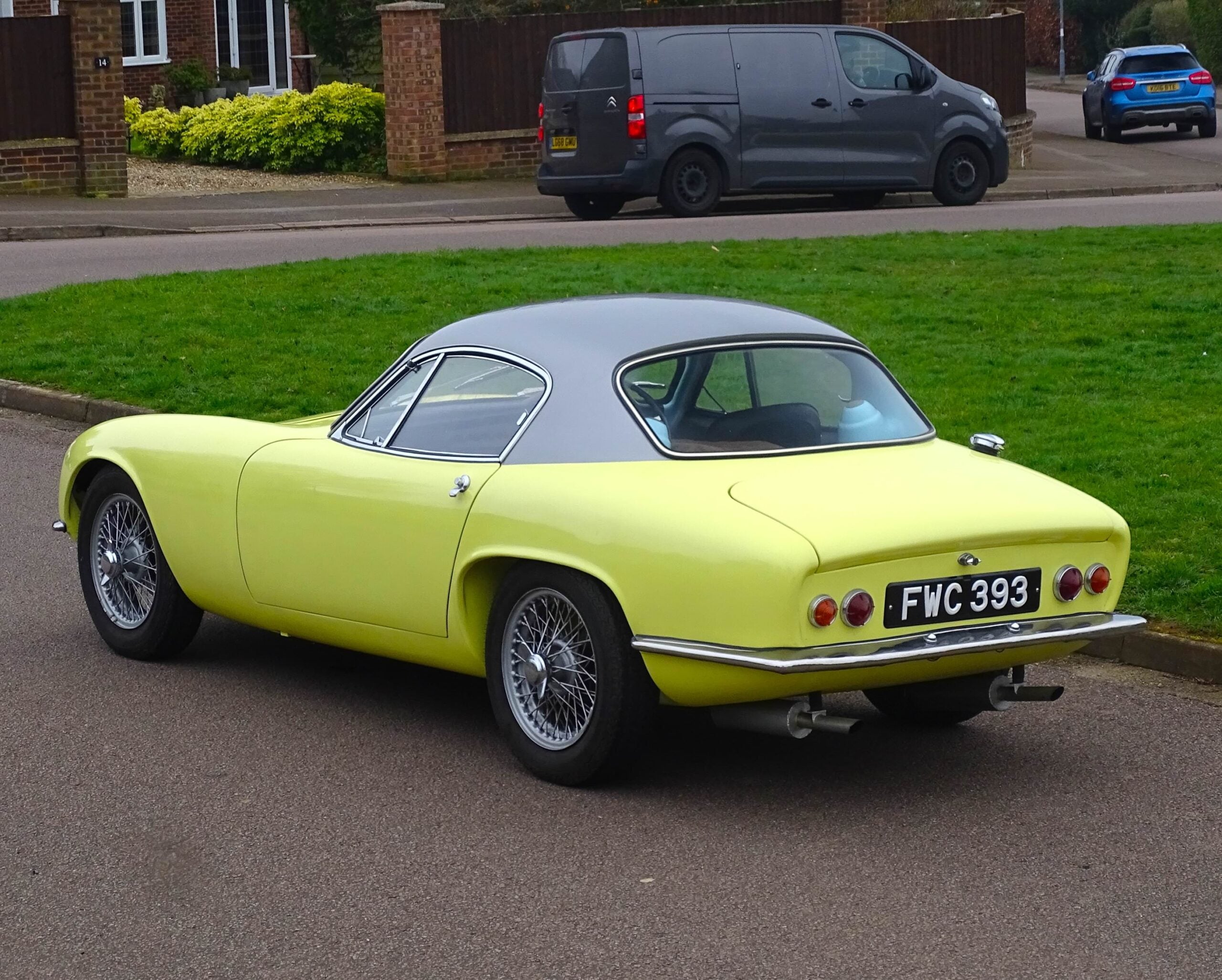
This is a Series 2 Special Equipment Lotus Elite, the rarer and more desirable “SE” variant, which somewhat amazingly has been in the hands of its current owner since 1969. The car underwent a full restoration between 2011 and 2013 and is finished in Primrose Yellow with the traditional Series 2 silver roof over a black leather interior.
The Problems
But it couldn’t always match their build quality (or reliability). The fiberglass monocoque, while incredibly light, was imperfectly understood at the time, and as a result the rear suspension mounting points were prone to pulling out of the structure, especially on early Maximar-bodied cars. Noise levels were high, quality control was inconsistent, and many drivetrain elements required frequent servicing.
Ultimately, the Elite cost the company dearly, by Chapman’s own reckoning Lotus lost approximately £100 on every single car it sold, but it proved that Chapman’s principles – lightness, aerodynamic efficiency, and chassis sophistication over brute power could work in a road car.
Its structural shortcomings directly informed the design of its successor, the Elan, which used a tubular steel backbone chassis with fiberglass body panels over the top. That car became one of the defining sports cars of the 1960s and led directly to the Lotus Esprit, still one of the company’s most enduring designs.
The 1962 Lotus Elite Series 2 SE Shown Here
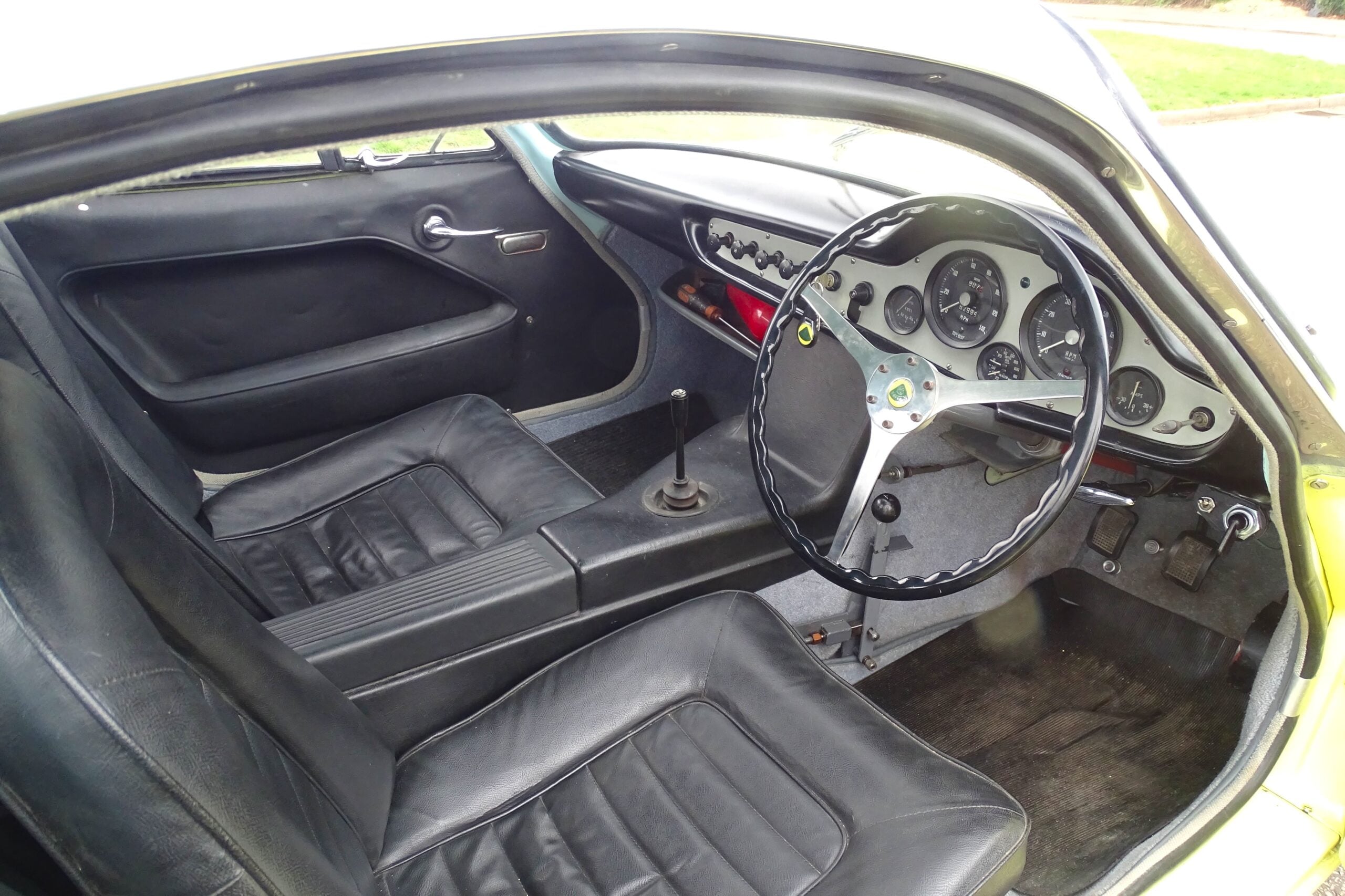
This is a Series 2 Special Equipment Lotus Elite, the rarer and more desirable “SE” variant, which somewhat amazingly has been in the hands of its current owner since 1969. The car underwent a full restoration between 2011 and 2013 and is finished in Primrose Yellow with the traditional Series 2 silver roof over a black leather interior.
It’s been fitted with a bespoke overdrive unit for easier highway use, and it’s accompanied by what is described as an extremely impressive history file documenting its provenance, along with a current Swansea V5C registration document.
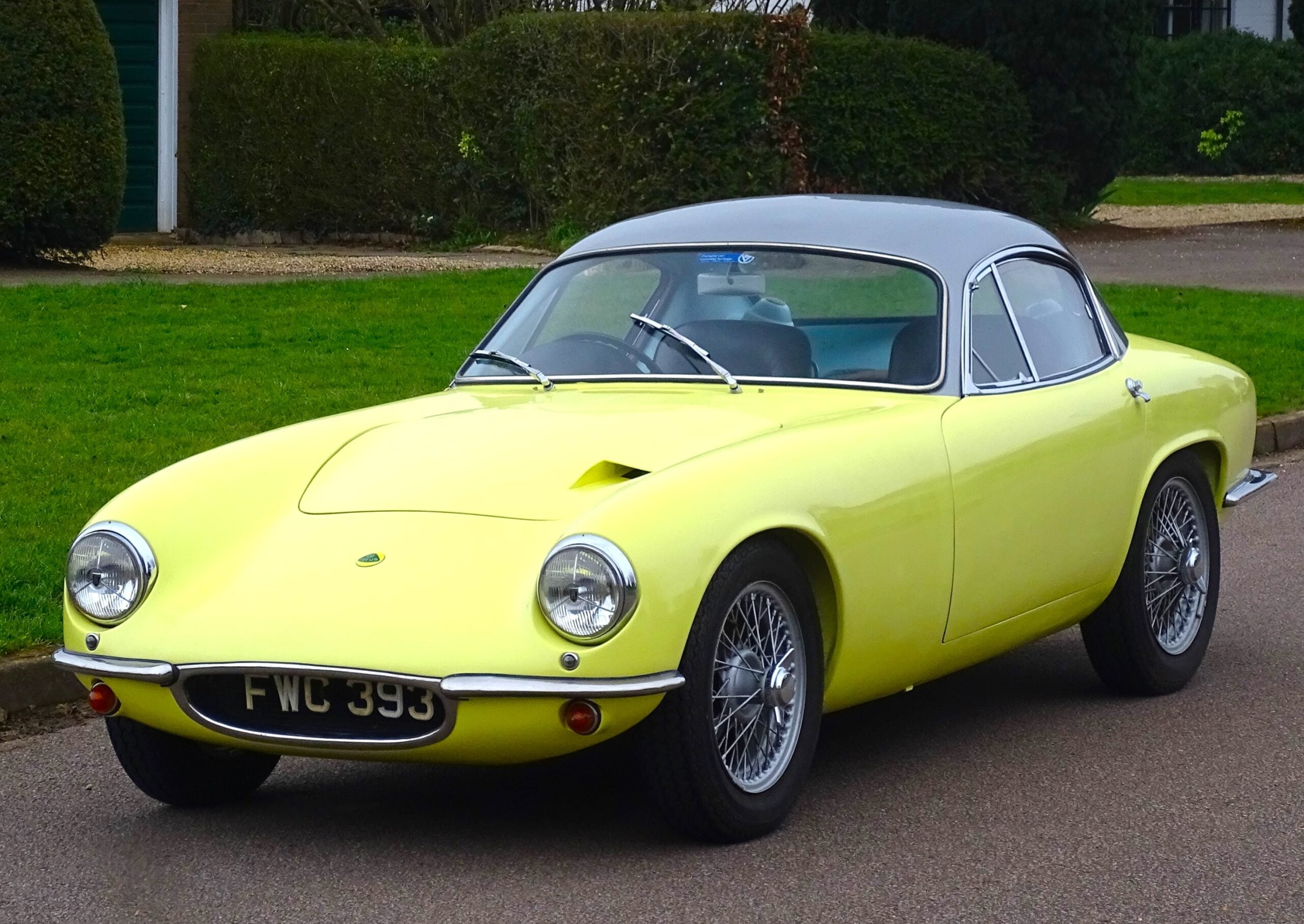
It’s been fitted with a bespoke overdrive unit for easier highway use, and it’s accompanied by what is described as an extremely impressive history file documenting its provenance, along with a current Swansea V5C registration document.
With over 55 years of single-owner possession, a comprehensive restoration, and thorough documentation, this is a well-sorted example of a model that comes to market in this condition relatively rarely.
It’s now due to roll across the auction block with H&H Auctions on the 10th of May and you can visit the listing here if you’d like to read more about it or place a bid.
Images courtesy of H&H Auctions

Articles that Ben Branch has written have been covered on CNN, Popular Mechanics, Smithsonian Magazine, Road & Track Magazine, the official Pinterest blog, the official eBay Motors blog, BuzzFeed, Autoweek Magazine, Wired Magazine, Autoblog, Gear Patrol, Jalopnik, The Verge, and many more.
Silodrome was founded by Ben back in 2010, in the years since the site has grown to become a world leader in the alternative and vintage motoring sector, with well over a million monthly readers from around the world and many hundreds of thousands of followers on social media.