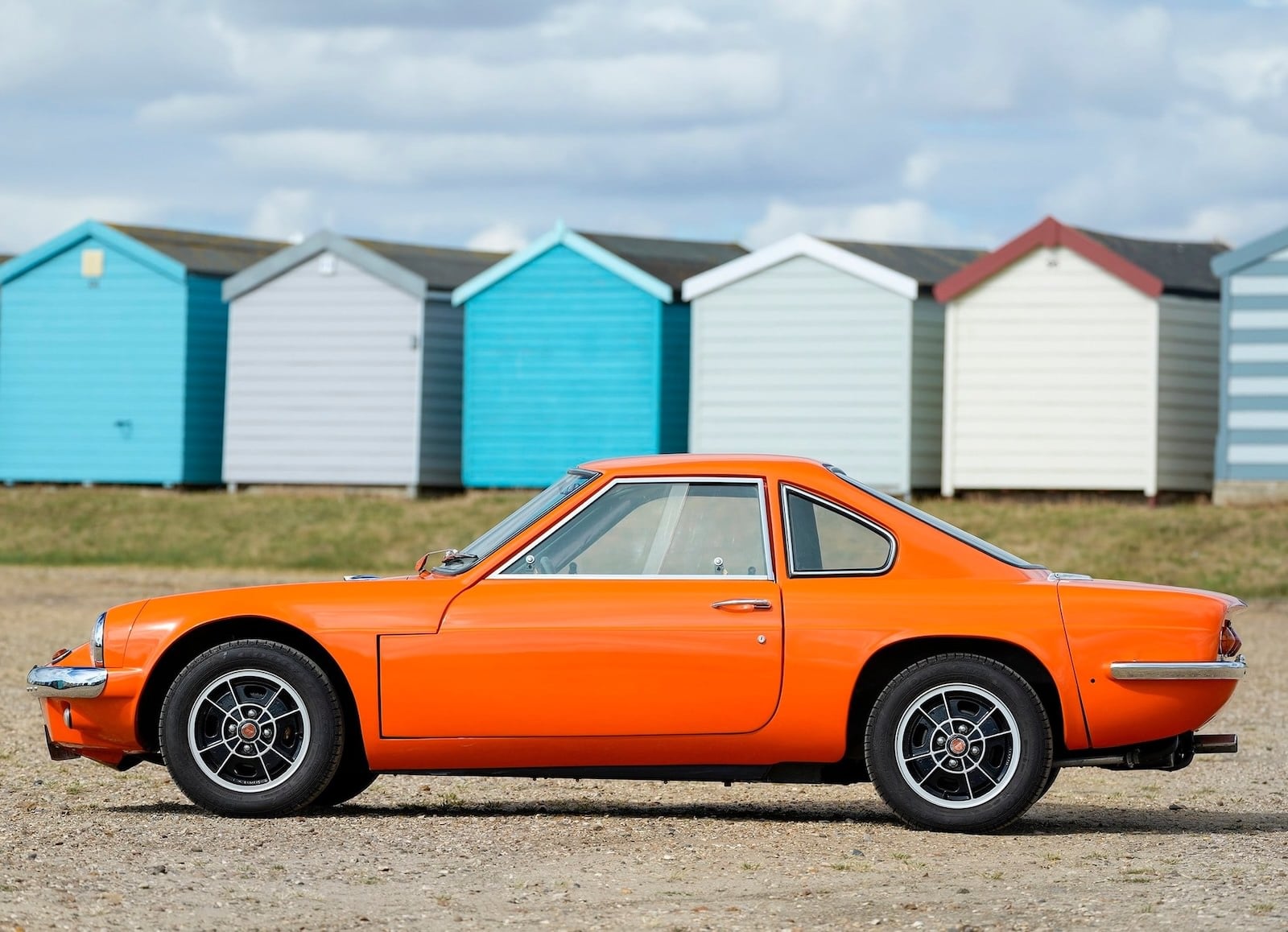
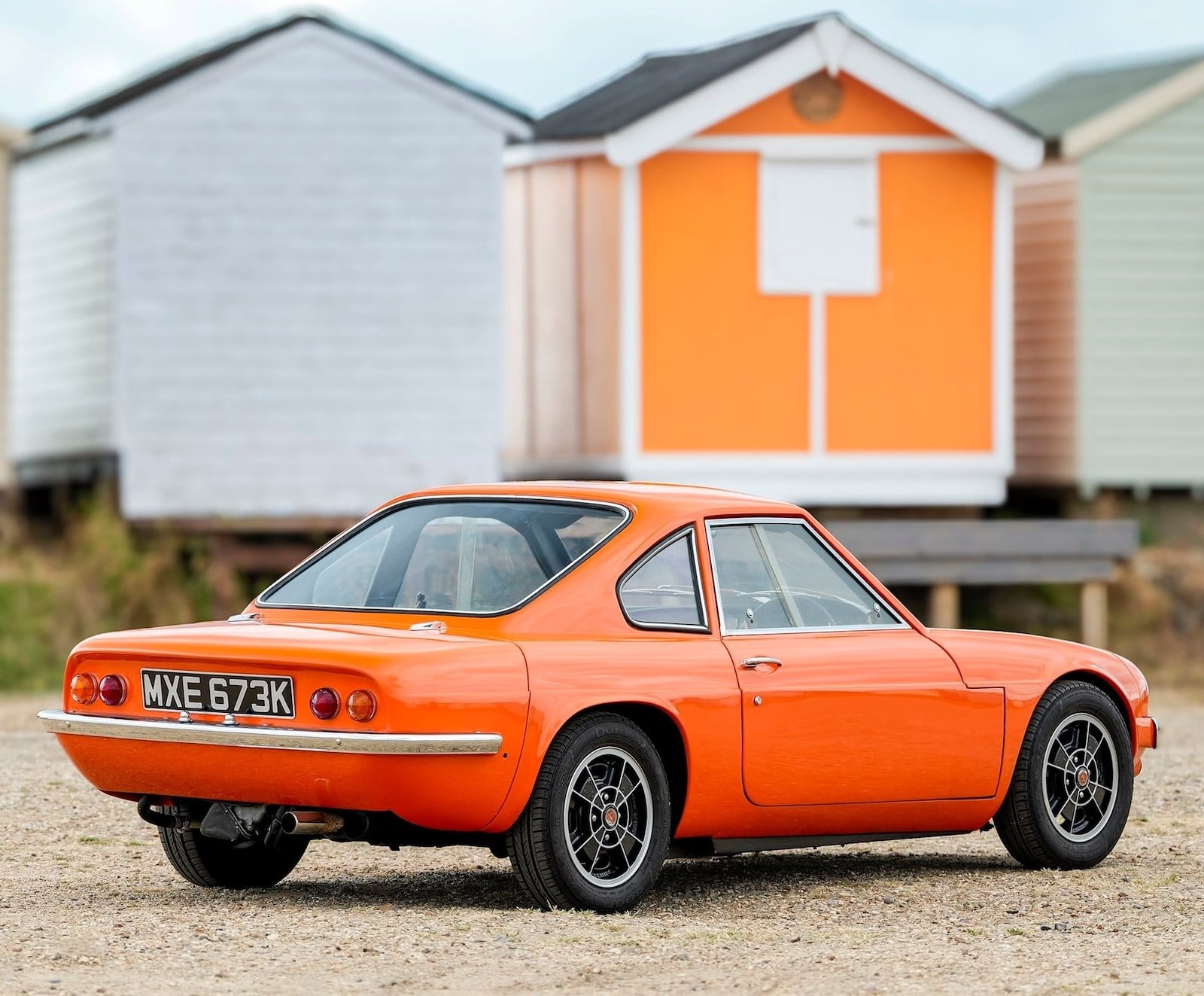
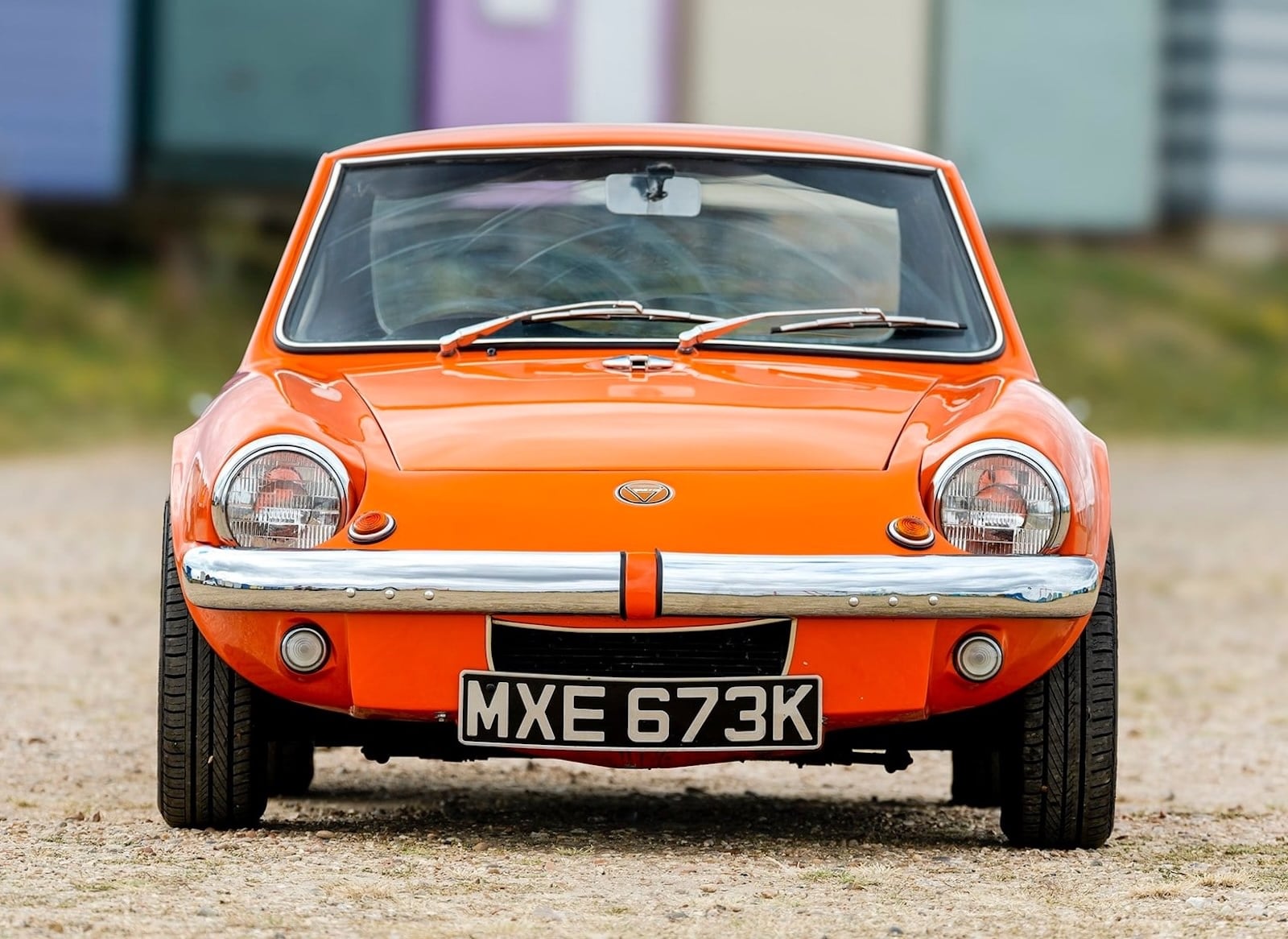
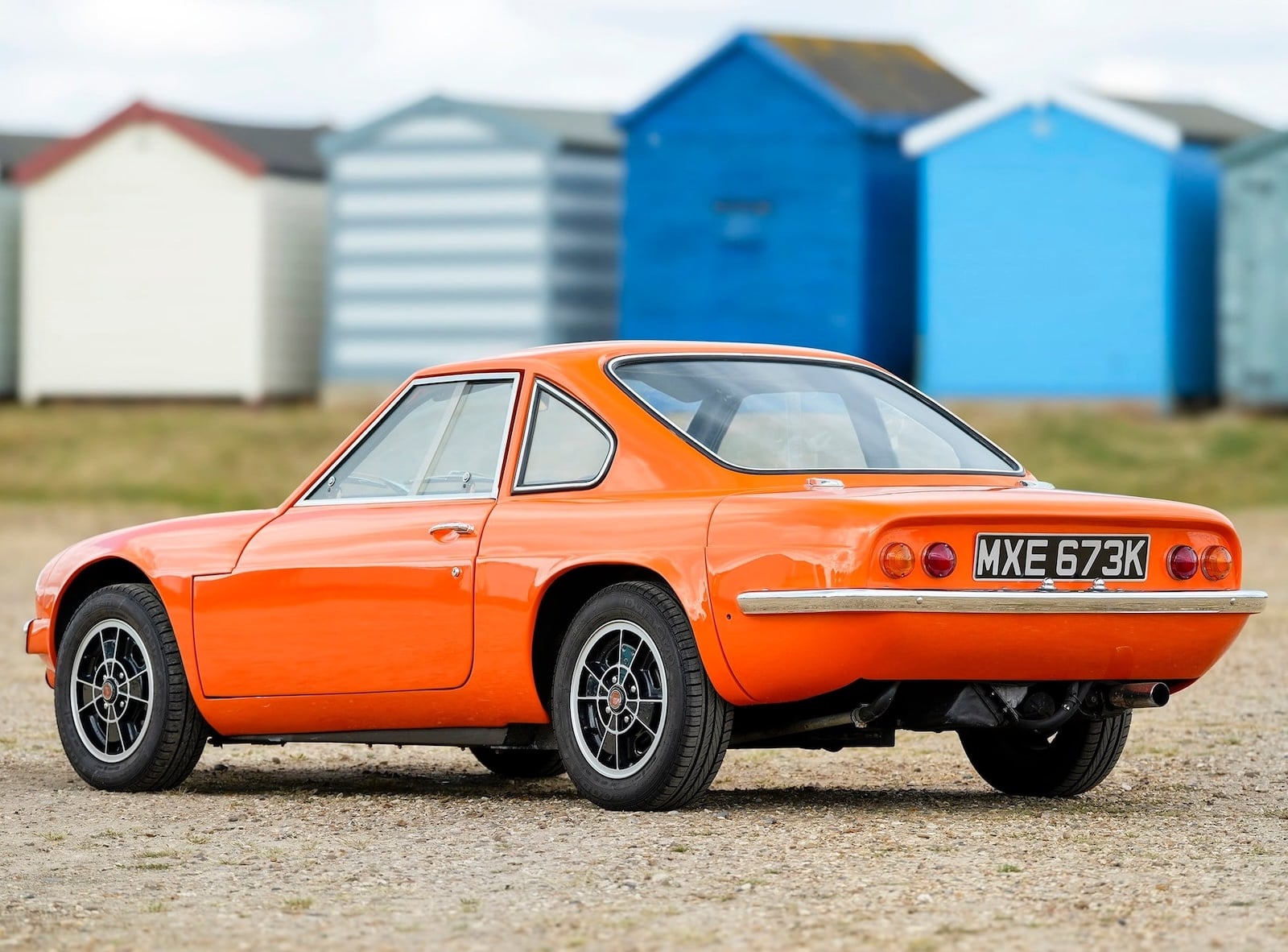
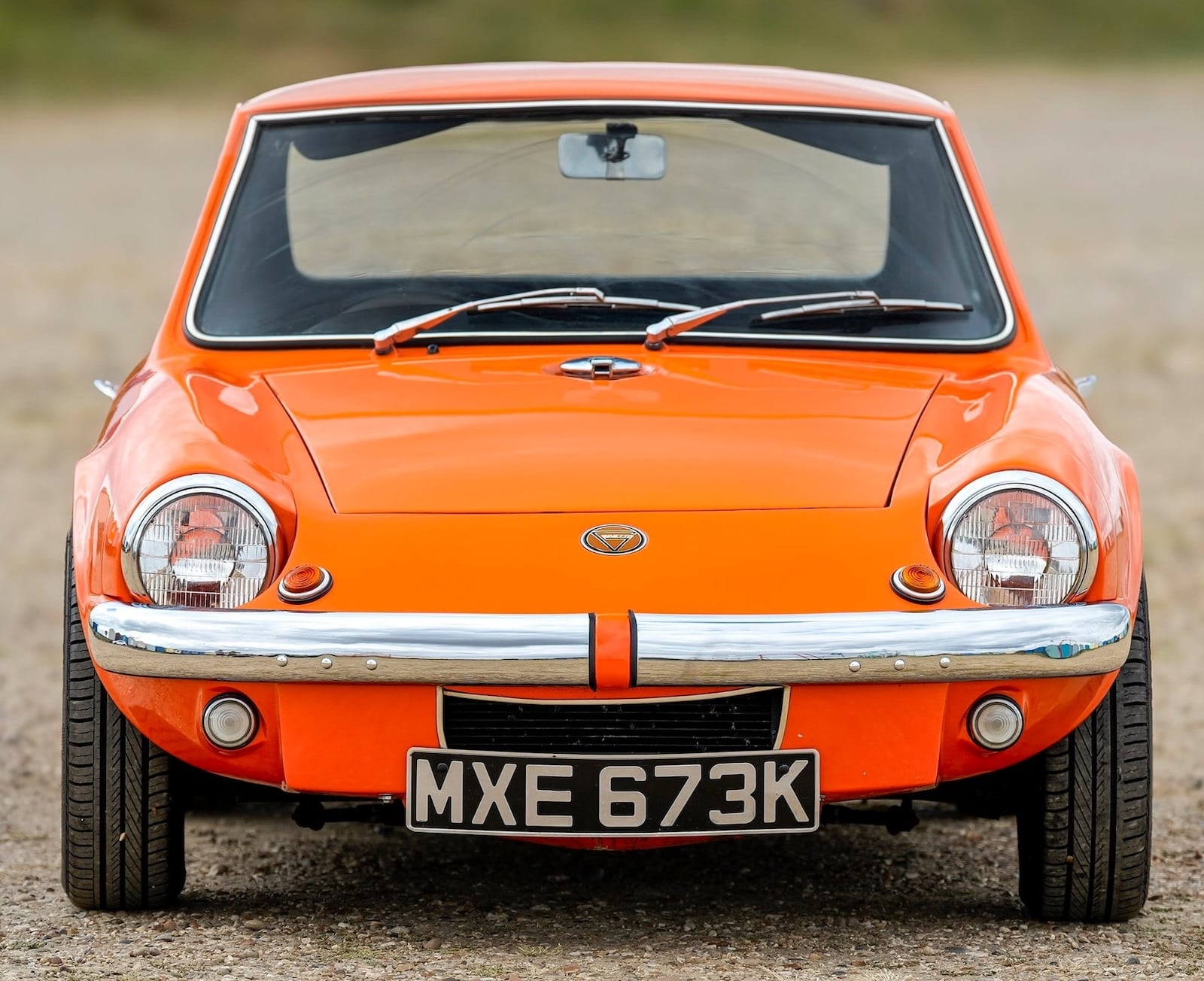
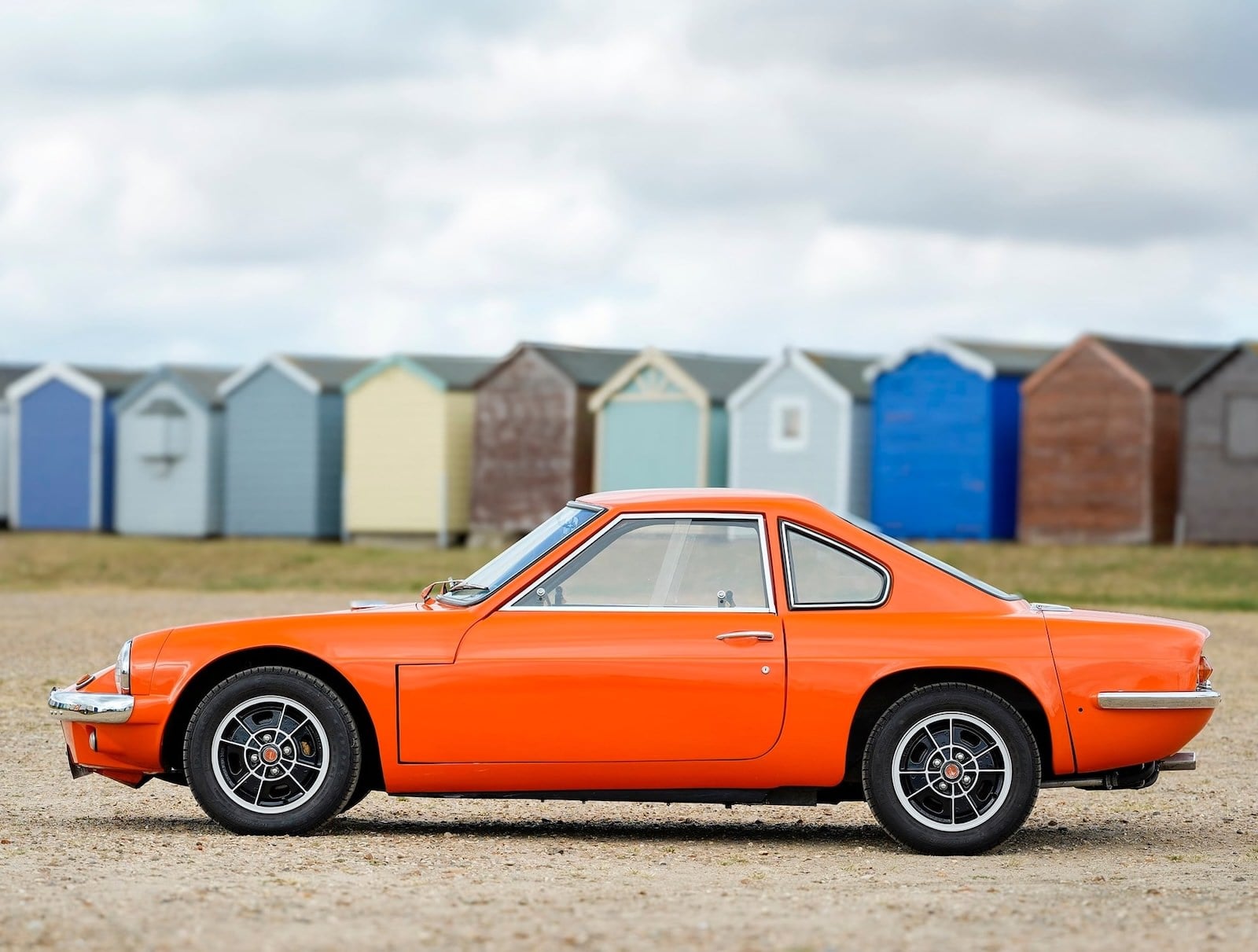
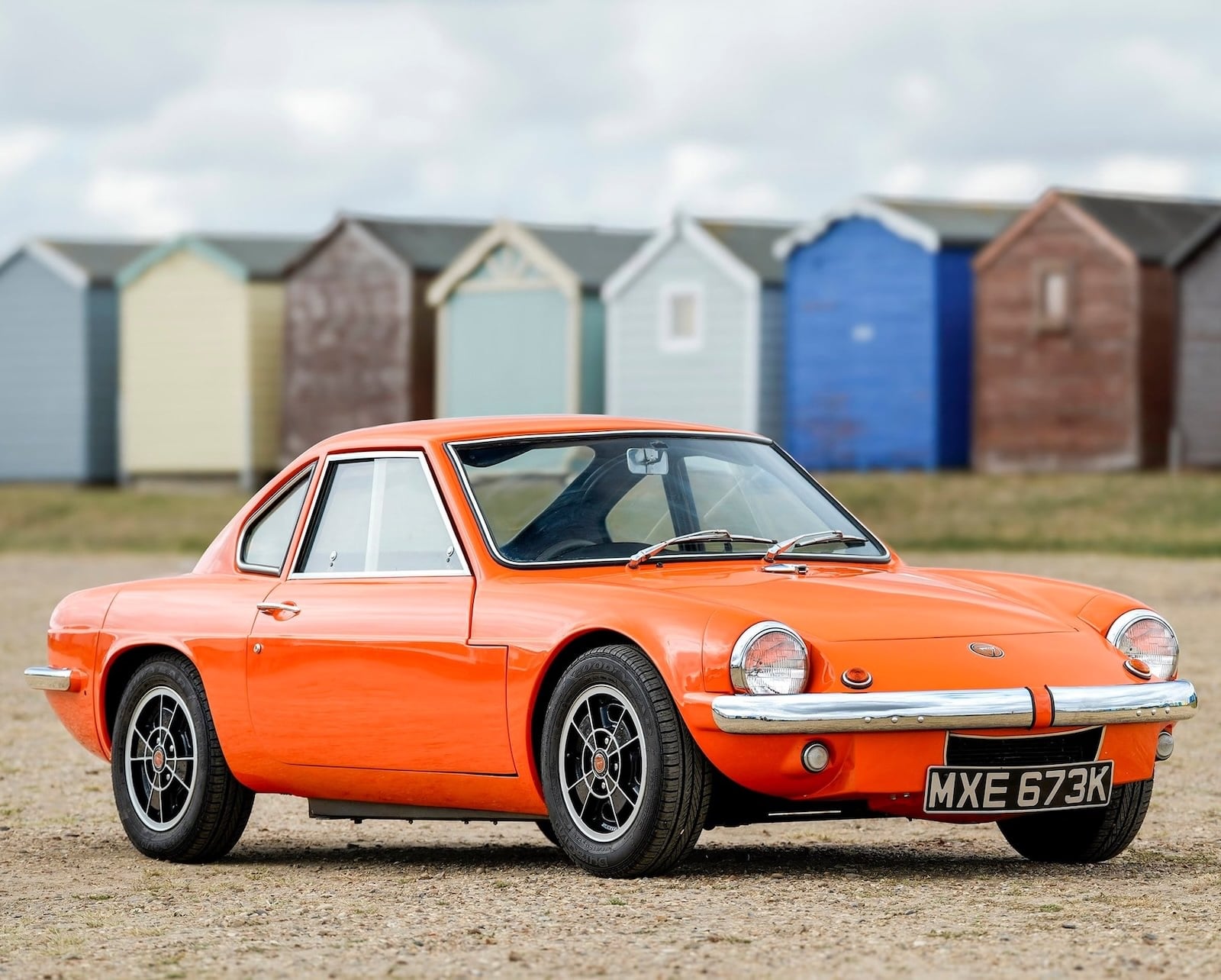
This is a Ginetta G15 from 1972, it was restored in its original Firecracker Orange in 2011, and it’s been featured in both Octane and Practical Classics magazines since.
The G15 was a rear-engined sports car developed by Ginetta in England. It turned out to be quite the weapon on track, winning multiple races and a couple of championships in period.
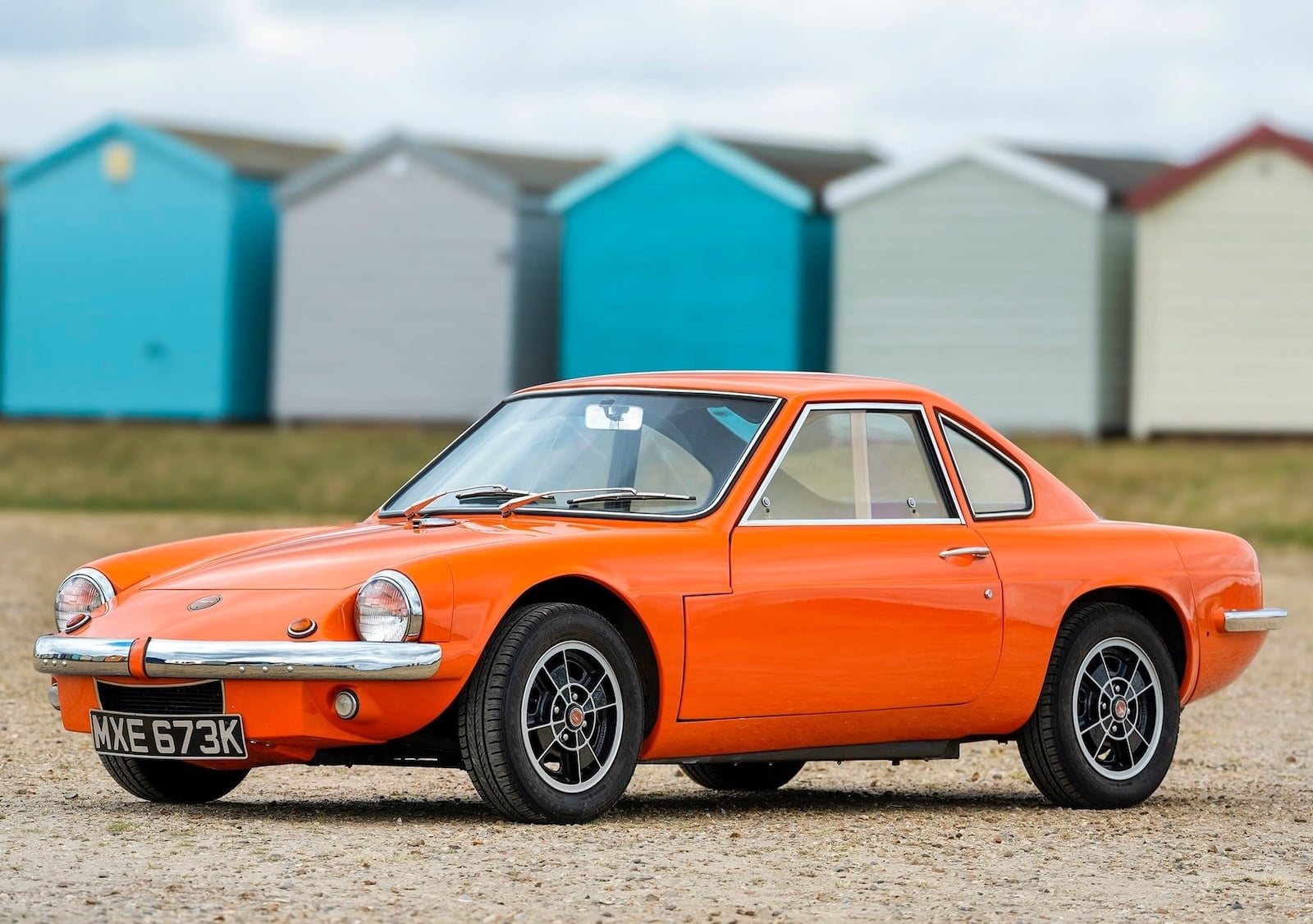
 This is a Ginetta G15 from 1972, it was restored in its original Firecracker Orange in 2011, and it’s been featured in both Octane and Practical Classics magazines since.
History Speedrun: Ginetta Cars
Ginetta Cars was founded in 1958 at Woodbridge, Suffolk, by four brothers – Bob Walklett ran the business, Douglas handled mechanical and electrical engineering, Ivor did the design work, and Trevers styled the cars alongside him. Their first build, a roadster on pre-war Wolseley Hornet Six underpinnings, was given the name G1, albeit retroactively.
The first car offered for sale to the public was the G2 of 1958, a cycle-fendered special with a tubular steel frame, an aluminum body and Ford running gear. A fiberglass body shell called the Fairlite followed at £49, made to fit Ford 8 and 10 hp chassis, and the was introduced G3 in 1959.
The G4 would be the car that changed the company’s fortunes, and showed the British public that this young upstart company was capable of challenging much larger automakers on track. Launched for 1961 with the Ford 105E engine and a fiberglass body over a tubular chassis, the Ginetta G4 was quick enough to win club races and civil enough to be driven home afterwards.
Somewhere in the region of 500 were built before original production ended in mid-1968, Ginetta later revived it in the 1980s due to public demand. The company moved to Witham, Essex in 1962 and more ambitious machinery soon followed – the Ford V8-powered G10 of 1965, its MGB-engined sibling the G11, and the mid-engined G12 racer of 1966.
After the G15 came the larger front-engined G21, followed in the 1980s by Ford-based models including the G26 kit-car family and the fully type-approved, mid-engined G32. The Walkletts sold Ginetta in 1989 with retirement in mind, though Ivor initially stayed on as technical director, and he and Trevers later established DARE to build updated G4s and G12s.
LNT Automotive (run by Lawrence Tomlinson) bought the company in late 2005 and moved it to a purpose-built factory at Garforth, near Leeds, in 2007. Ginetta has since built its business on customer race cars like the G40, G50 and G55, along with the Ginetta Junior Championship, and in 2018 the G60-LT-P1 made its Le Mans debut in the LMP1 class with CEFC TRSM Racing.
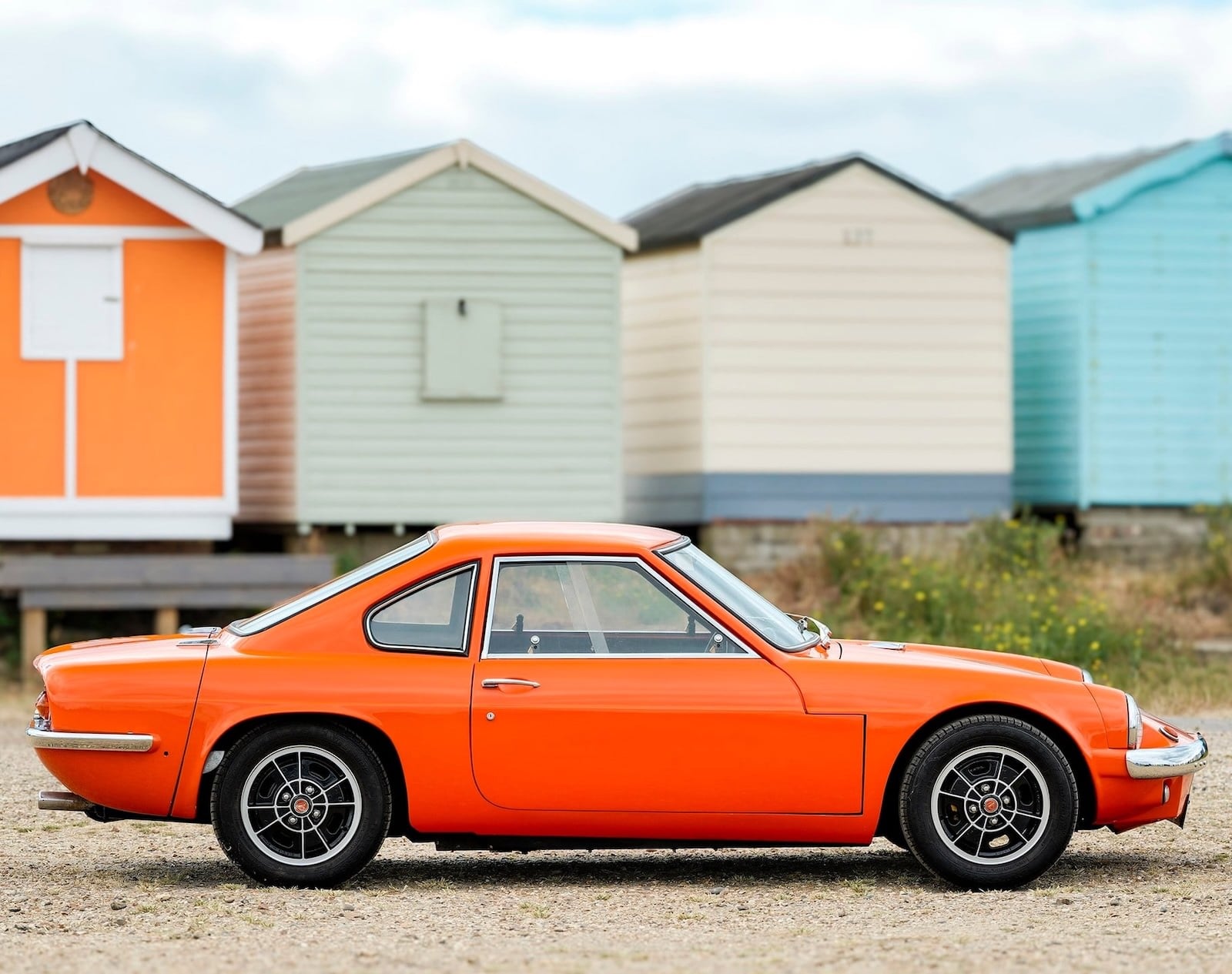
The G15 was a rear-engined sports car developed by Ginetta in England. It turned out to be quite the weapon on track, winning multiple races and a couple of championships in period.
The Rear-Engined Ginetta G15 Debuts
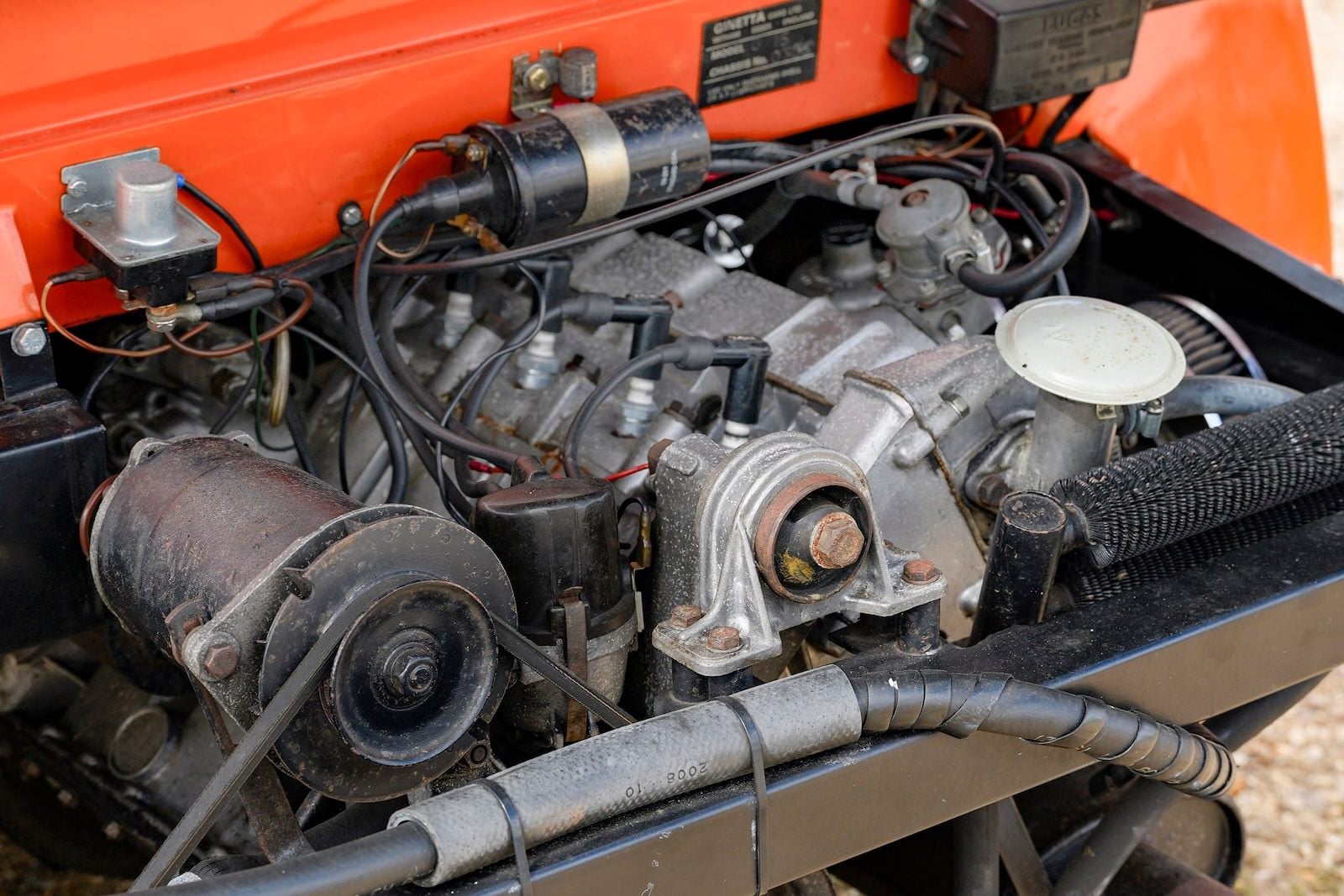
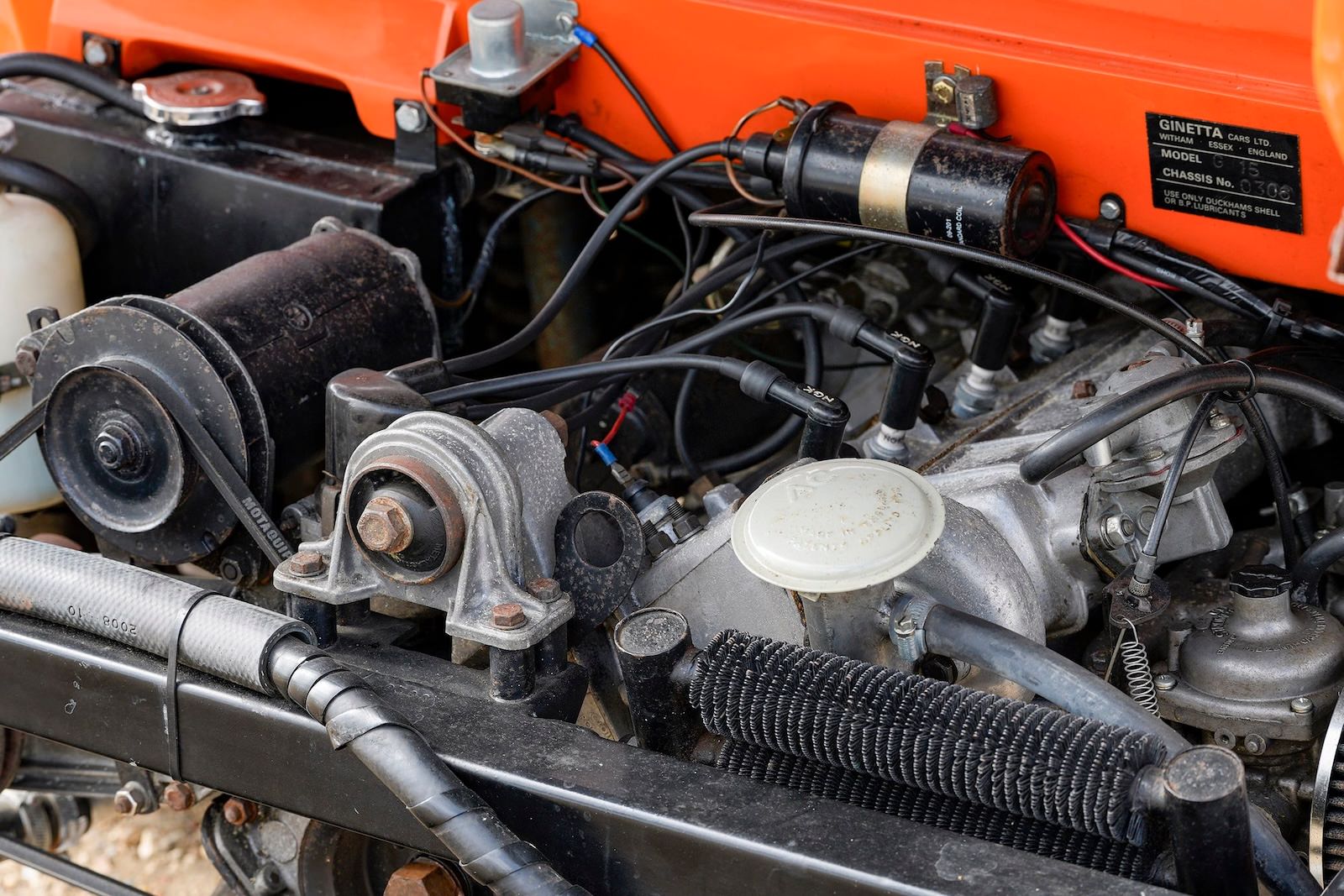
By 1967 Ginetta needed a replacement for the G4, it would be named the Ginetta G15, and Ivor Walklett went a very different way with it. The Imp’s all-aluminum 875cc engine, itself derived from a Coventry Climax FWMA design, sat canted over at a steep angle, which meant it could be buried under a low tail.
Ginetta arranged supply from Rootes at Coventry and took the whole rear package – the engine, 4-speed transaxle and trailing-arm independent suspension. At the front were double wishbones assembled from Triumph parts, rack-and-pinion steering from the Herald, and 9-inch Girling discs. Drums were fitted at the rear, and the wheels were 13 inches rather than the Imp’s 12.
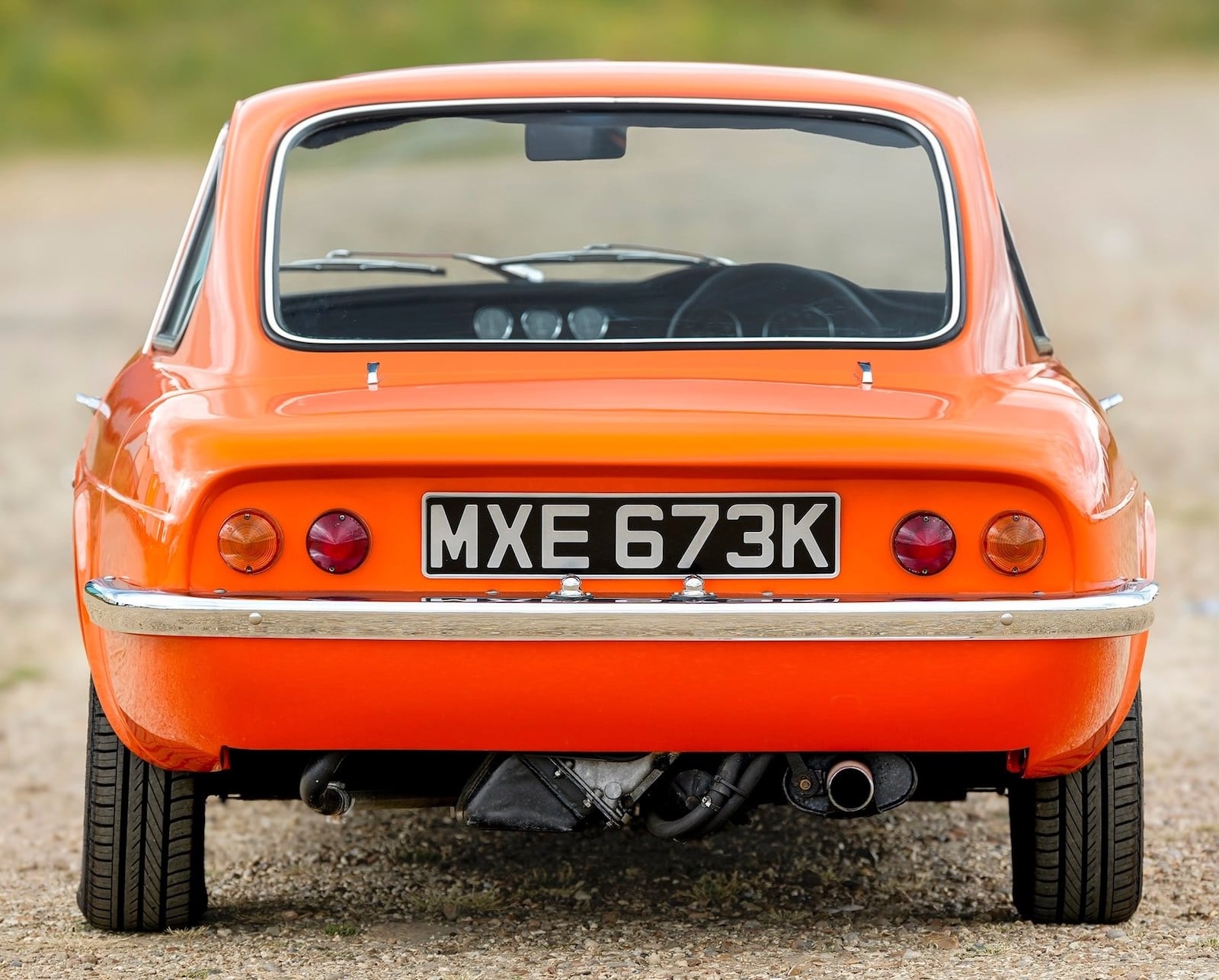
The chassis was square-section steel tube, with a one-piece fiberglass body that carried some of the structural load once mounted. The entire rear section above the engine hinged upward in a single piece, giving better engine bay access than almost anything else on sale. There was no dedicated luggage compartment – the front held the fuel tank, spare wheel and radiator, leaving bags to be carried behind the seats.
Kerb weight was 10½ cwt, a little under 1,180 lbs. The 875cc Imp engine was rated in period at 55 bhp at 6,100 rpm and 52 lb ft at 4,300 rpm – with a top speed of 94 mph and 0 to 60 mph time of 12.9 seconds. Ginetta claimed 40 mpg, which was excellent by the standards of the time, helped along by the relatively advanced Imp power unit and the car’s exceedingly low curb weight.
From the eleventh car built onwards, a 998cc Rallye Imp engine sourced through Chrysler’s competition department was available for an extra £100. It was good for 65 bhp, with some saying as much as 70 bhp, and cars so fitted were badged “G15S” from 1970 – these are now the most desirable.
Five Series In Six Years
The Ginetta Owners’ Club has the best records, perhaps understandably, they say that around 12 Series 1 cars were made. But the running changes meant almost no two were alike. The Series 2, launched at the 1968 Motor Show in kit form or assembled for a little more, with the revised Imp steering column, new seat frames and reworked brake and clutch pedals.
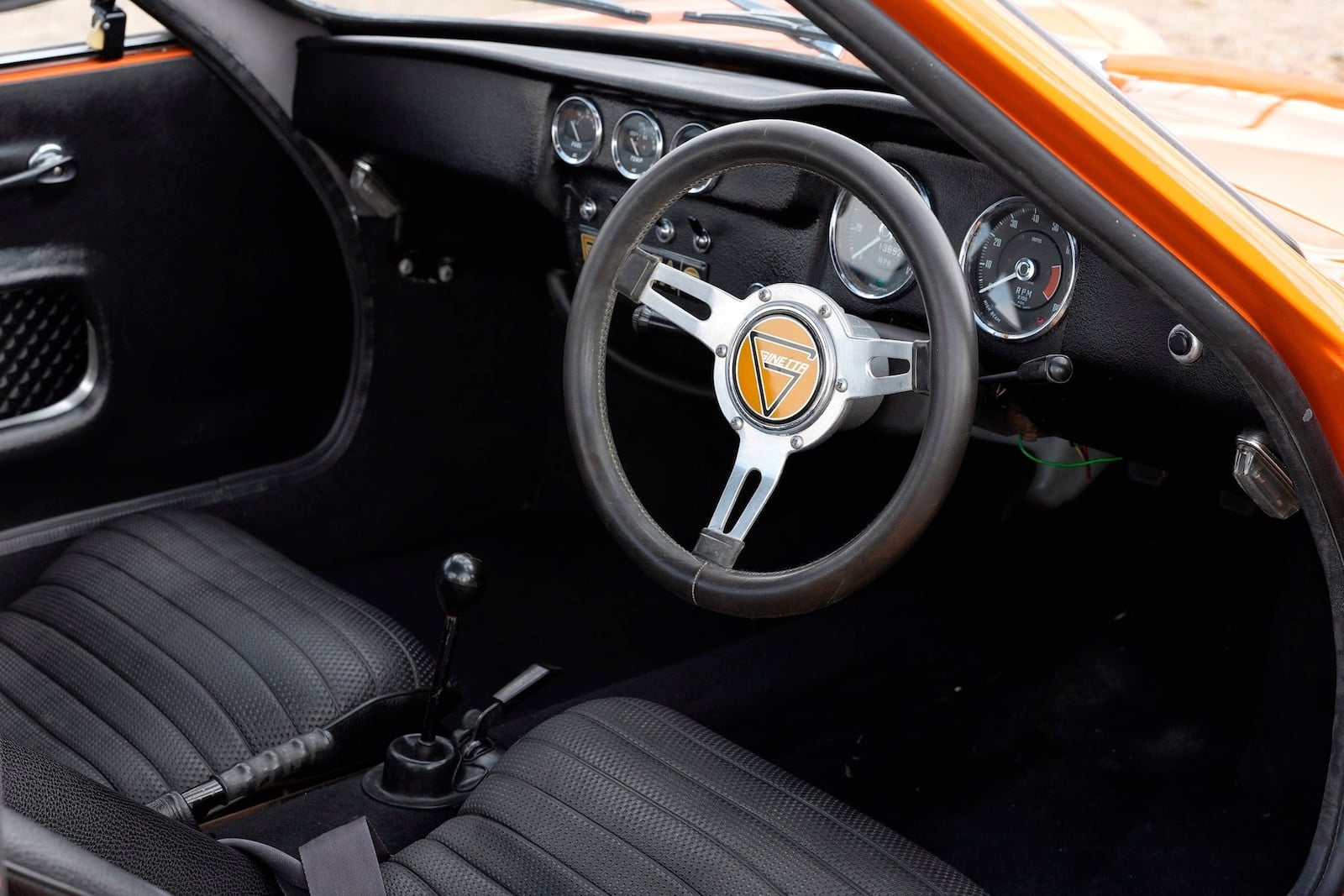
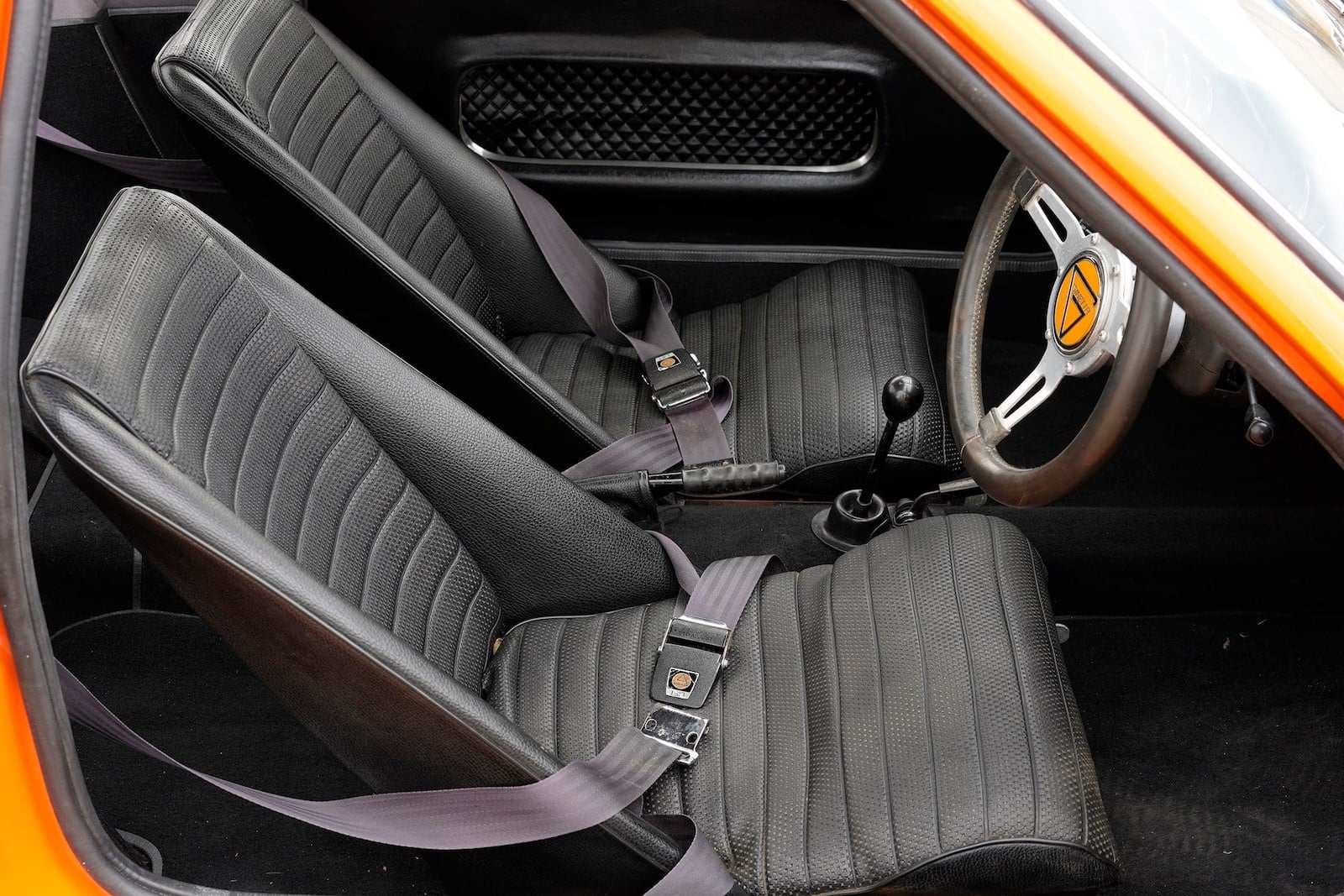
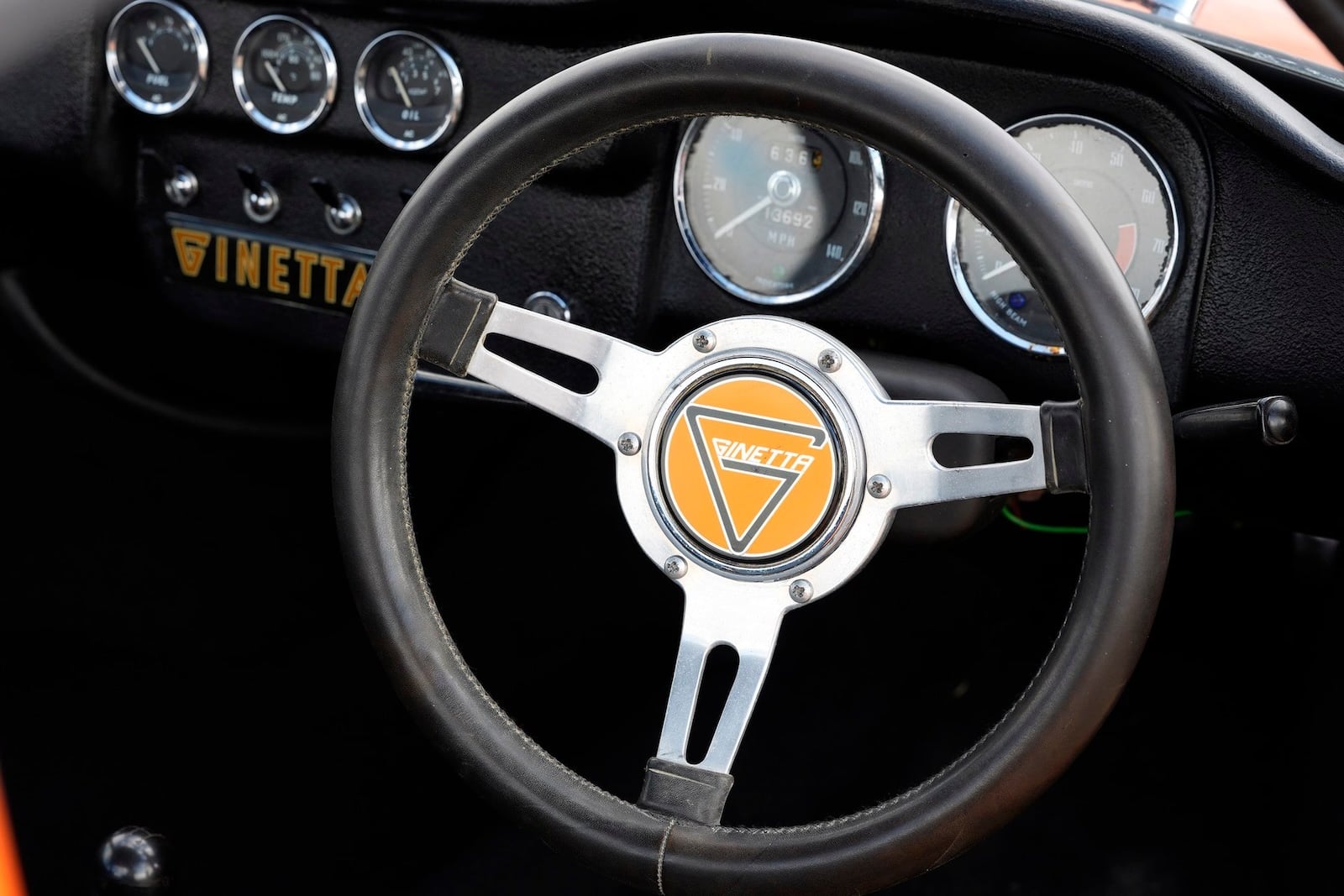
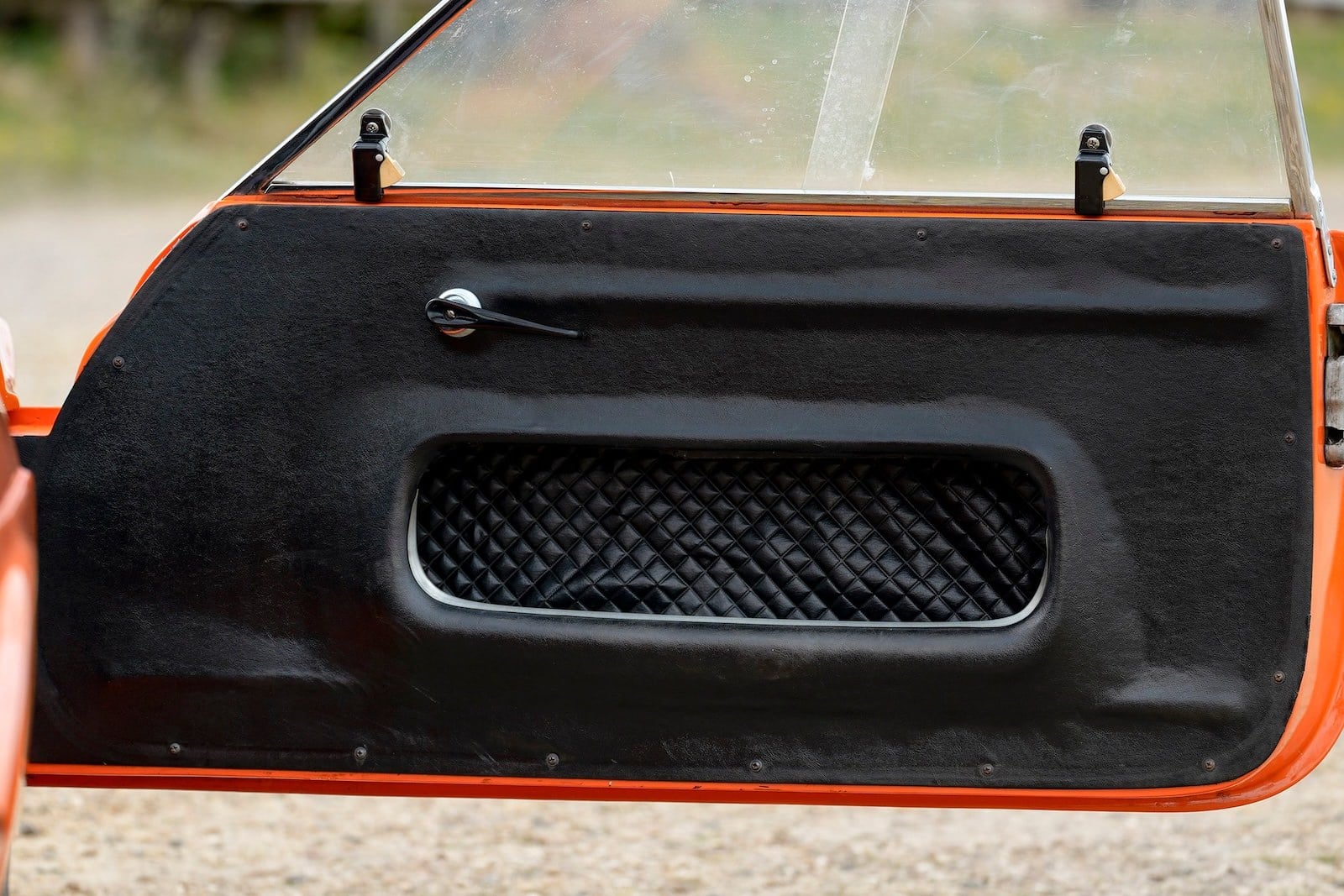
Inside you’ll find black vinyl with bucket seats, a well-kept dashboard and switchgear, sound door cards and a Ginetta-branded three-spoke leather-rimmed steering wheel.
By mid-1970 the small Witham factory was building two cars a week with a twelve-week waiting list, and the body moulds were getting worn out. New moulds allowed the release of the Series 3 of October 1970 – it had larger side windows, the radiator intake moulded into the nose, a split front bumper and a dashboard with space for a radio – about 245 were made.
The Series 4 followed in mid-1972 with another set of moulds and changes made for tightening construction rules, including flush door handles, forward-facing indicators, a one-inch lift in the front underbody for more pedal room, and a steel fuel tank replacing the older fiberglass version for safety. The car passed a 30 mph crash test as part of type approval, a first for the company.
VAT (Value Added Tax) arrived on the United Kingdom on the 1st of April 1973 and wiped out the tax advantage of buying cars in kit form. The fact that it arrived on April Fools’ Day was a coincidence lost on no one. Ginetta sales dropped as a result, and some kit car makers were wiped out entirely.
Every G15 after that was sold fully assembled, and with inflation running hard the factory price almost doubled compared to the earlier build-it-yourself cars. The Series 5 tried to justify it with standard alloy wheels and ABS-moulded interior trim, but only about 50 found buyers. Ginetta wound down production late in 1973, and the last car left the factory in May of 1974.
Chrysler had also given notice that Imp engine supply was ending. Ivor Walklett later said Ginetta looked at fitting a Skoda engine and gearbox instead, and that nothing came of it – though two further cars went out afterward as the G15 Super S, built for West Coast US importer Art Allen.
The owners’ club records them as supplied without their drivetrains, the rear chassis modified to accept VW Beetle engines and transmissions that would be fitted on arrival in America – several secondary accounts claim as many as 8 cars were actually built, but if they were they’re now seemingly lost to history.
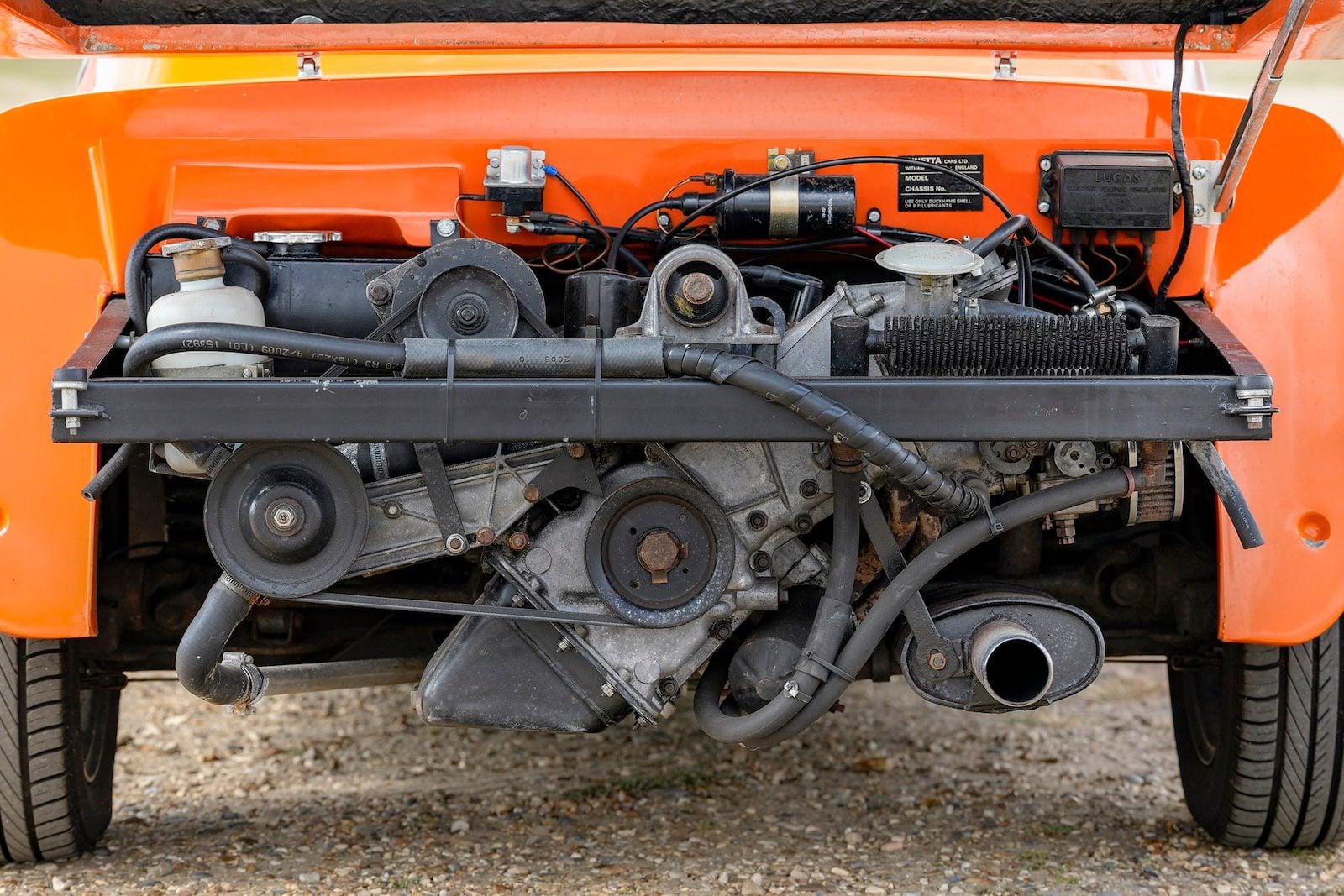
The car runs the 875cc Imp engine rated at 55 bhp with a 4-speed manual, is UK-registered and MOT exempt.
The Ginetta G15 On The Race Track
Ginetta didn’t design the G15 for competition per se, but customers took it racing anyway. Roger and Alison Davis approached the factory before the 1971 season and had a lightweight body and chassis built for a Modsports car, which Ginetta then copied for its own works entry driven by Barry Wood.
The owners’ club credits Wood with the 1972 Modsports Championship – sadly, his car was later destroyed at Castle Combe in 1975. Alison Davis, running under Femfresh sponsorship, took a string of Modsports class wins in 1971 and 1972 and later won the 1979 Prodsports Championship outright, the first British woman to win a national circuit racing title.
Total production numbers for the G15 aren’t set in stone, the figure most often quoted seems to be 796 or “around 800,” but the owners’ club’s own series-by-series numbers add up to just 576. Values remain modest, largely because the car is largely unknown outside the UK, and even inside the UK it’s still often mistaken for a Lotus or a TVR.
The 1972 Ginetta G15 Shown Here
This Ginetta G15 is a Mk3 car, chassis number 306, it’s finished in Firecracker Orange and it now benefits from a restoration. It’s a well-documented example, having been the subject of features in both Practical Classics and Octane covering its recovery and rebuild. The odometer shows 13,692 miles, which the vendor states is correct, and the accompanying paperwork lends weight to that claim.
The history of this car is unusually clear for a vehicle of this type – it stayed with its first owner until 2011 and served as family transport through its first decade, then went off the road in 1982 following an engine failure. It sat in storage for 29 years before a subsequent owner recovered and restored it. The car comes with a substantial history file that includes the original bill of sale and factory invoices, handbooks, period photographs and copies of the magazine features.
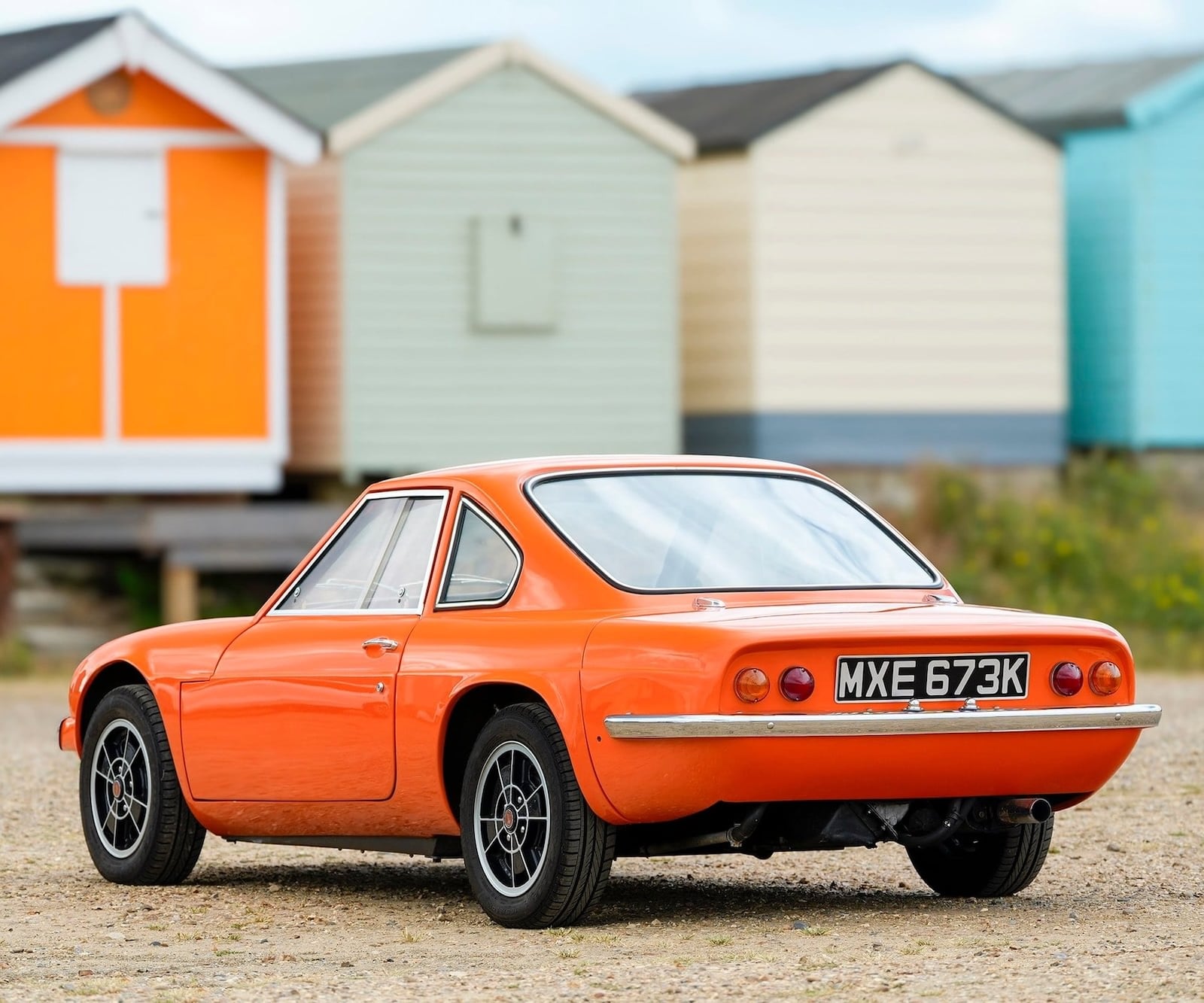
This car sat in storage for 29 years before a subsequent owner recovered and restored it. The car comes with a substantial history file that includes the original bill of sale and factory invoices, handbooks, period photographs and copies of the magazine features.
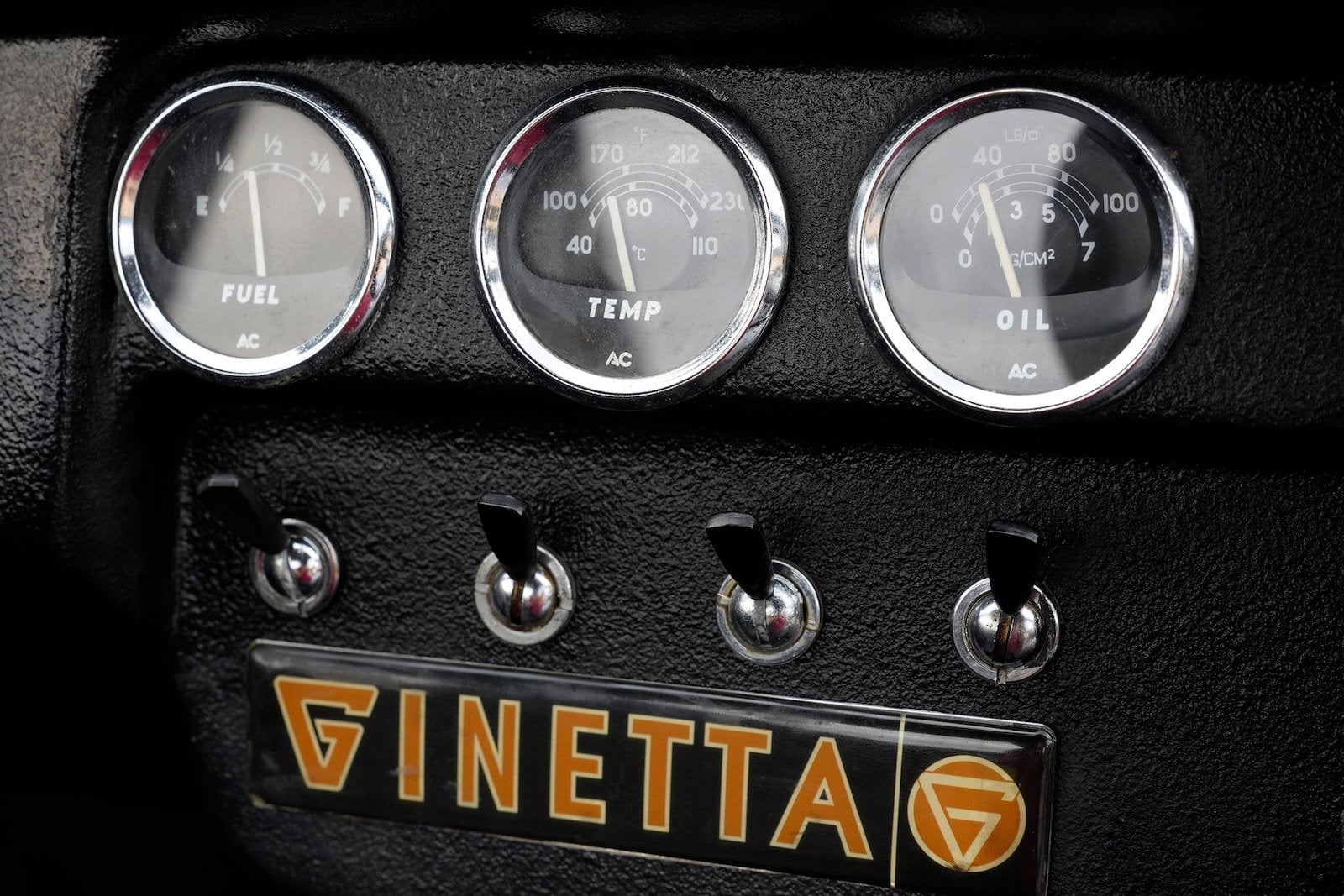
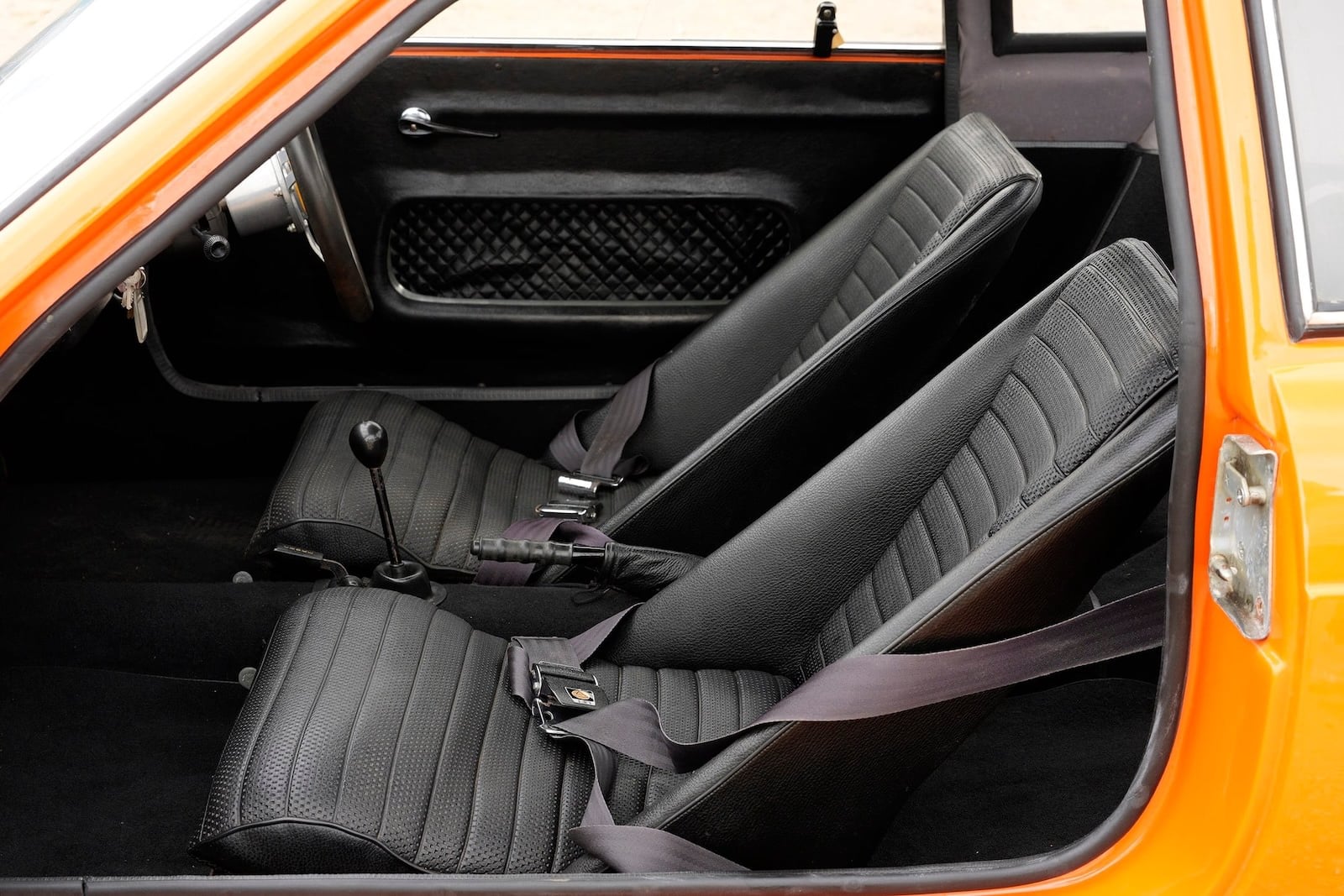
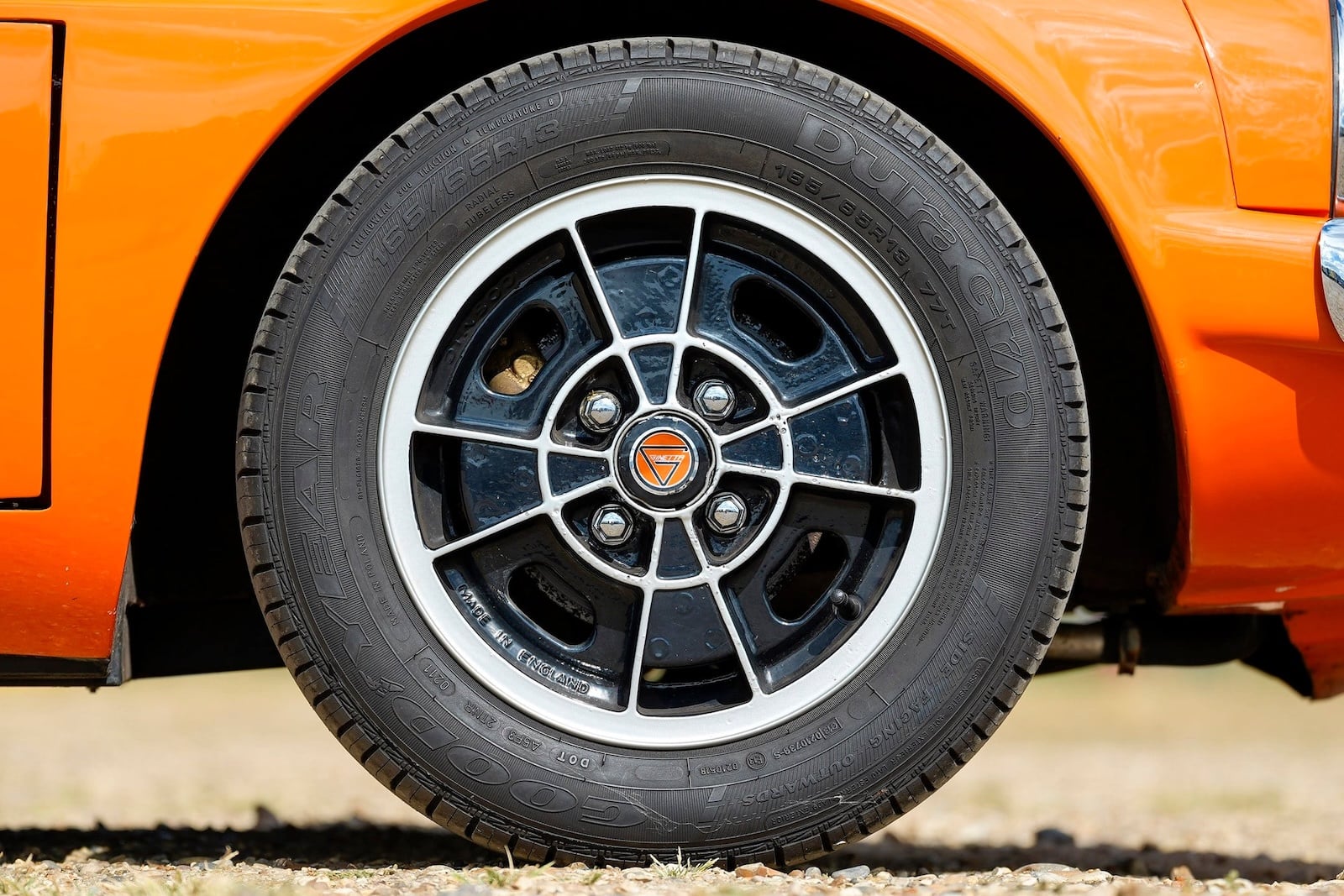
Condition is described as very good throughout, the paint and GRP bodywork present well, with some light chipping noted around the arch edges, and the period black and silver alloys show only mild age and wear on matching Goodyear tires. Inside you’ll find black vinyl with bucket seats, a well-kept dashboard and switchgear, sound door cards and a Ginetta-branded three-spoke leather-rimmed steering wheel.
Being a Mk3, it has the improved Triumph-sourced heating system. The car runs the 875cc Imp engine rated at 55 bhp with a 4-speed manual, is UK-registered and MOT exempt. If you’d like to read more about it or place a bid you can visit the listing here, it’s being offered for sale out of Essex in the United Kingdom.
Images courtesy of Car & Classic

Articles that Ben Branch has written have been covered on CNN, Popular Mechanics, Smithsonian Magazine, Road & Track Magazine, the official Pinterest blog, the official eBay Motors blog, BuzzFeed, Autoweek Magazine, Wired Magazine, Autoblog, Gear Patrol, Jalopnik, The Verge, and many more.
Silodrome was founded by Ben back in 2010, in the years since the site has grown to become a world leader in the alternative and vintage motoring sector, with well over a million monthly readers from around the world and many hundreds of thousands of followers on social media.