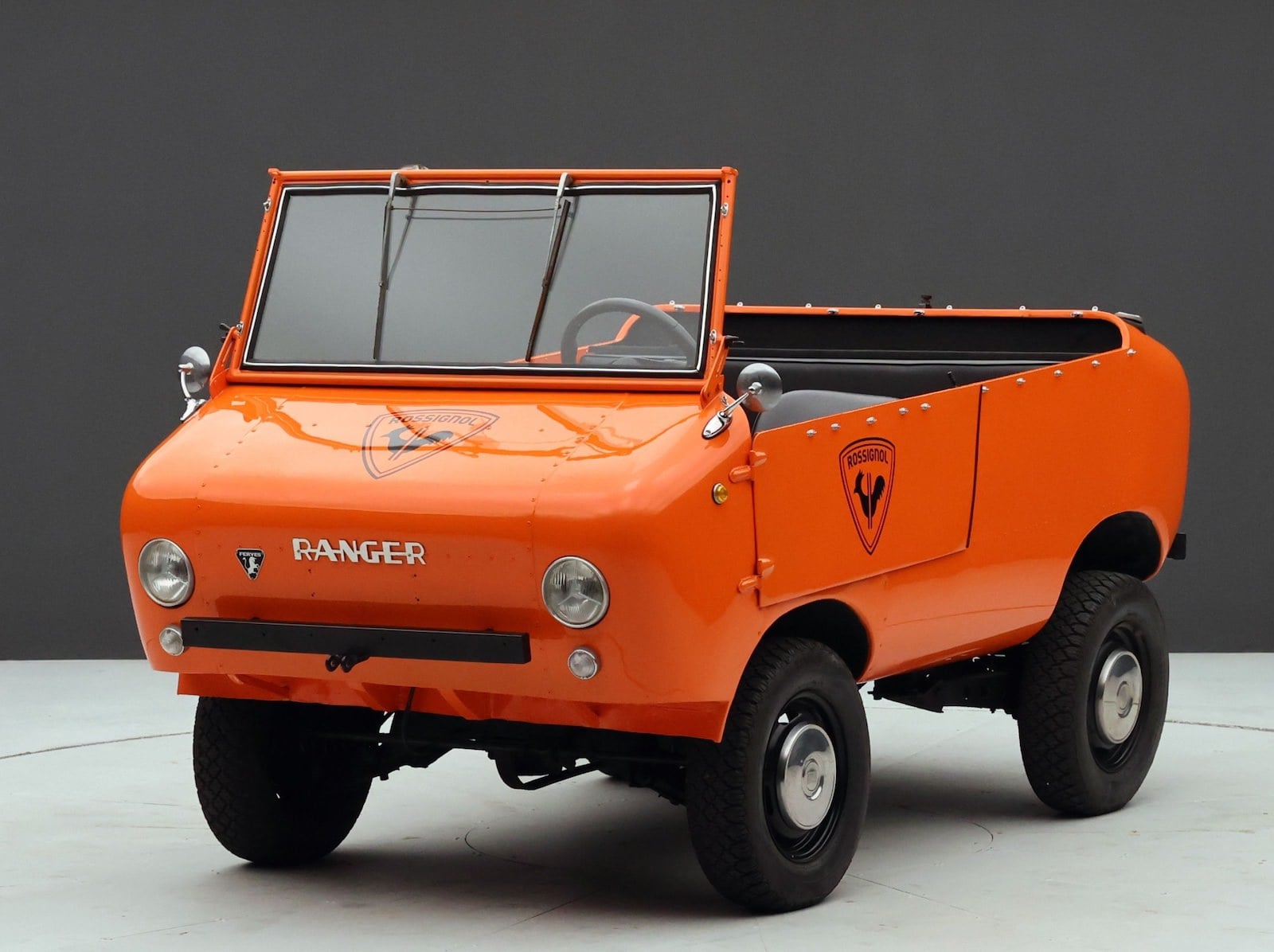
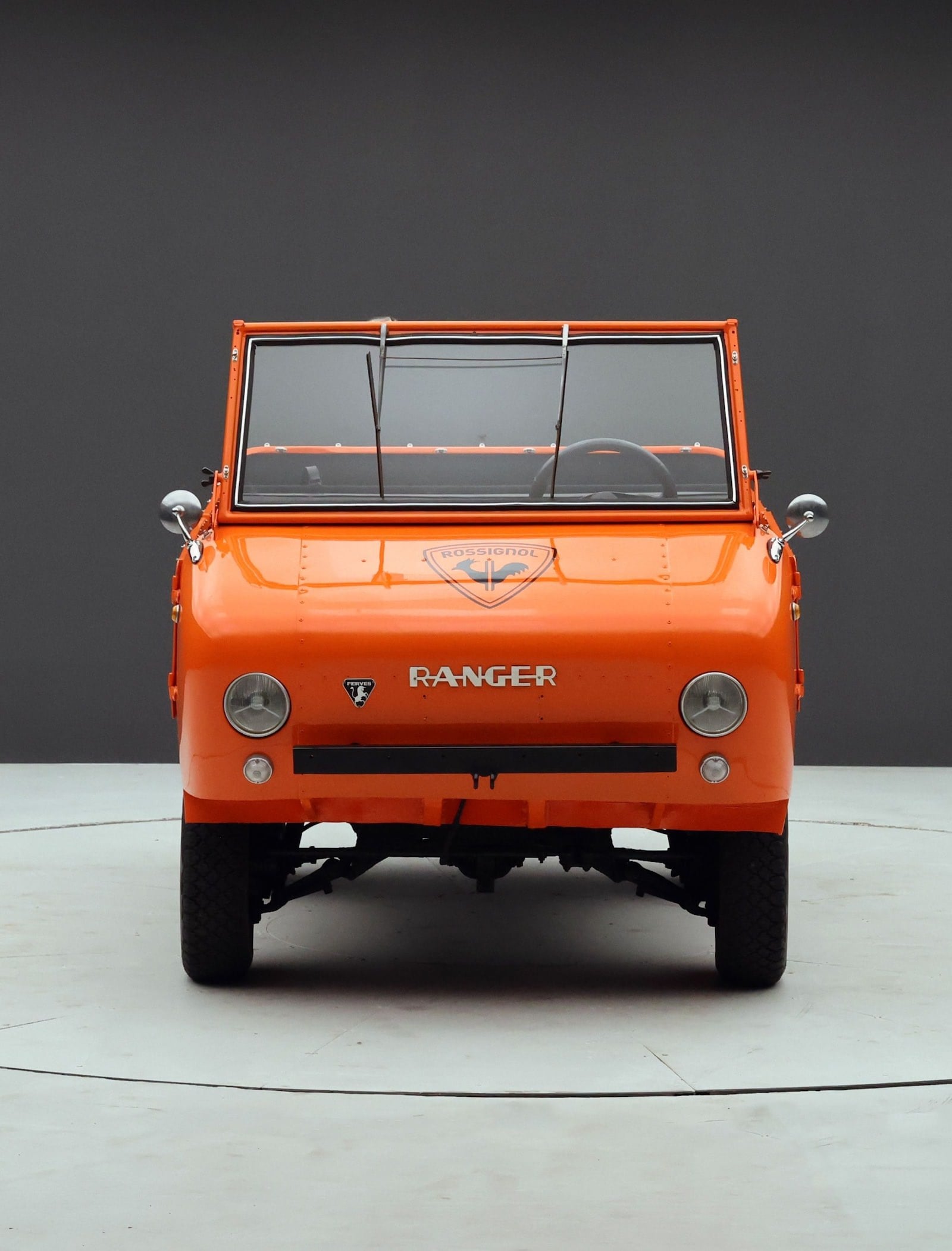
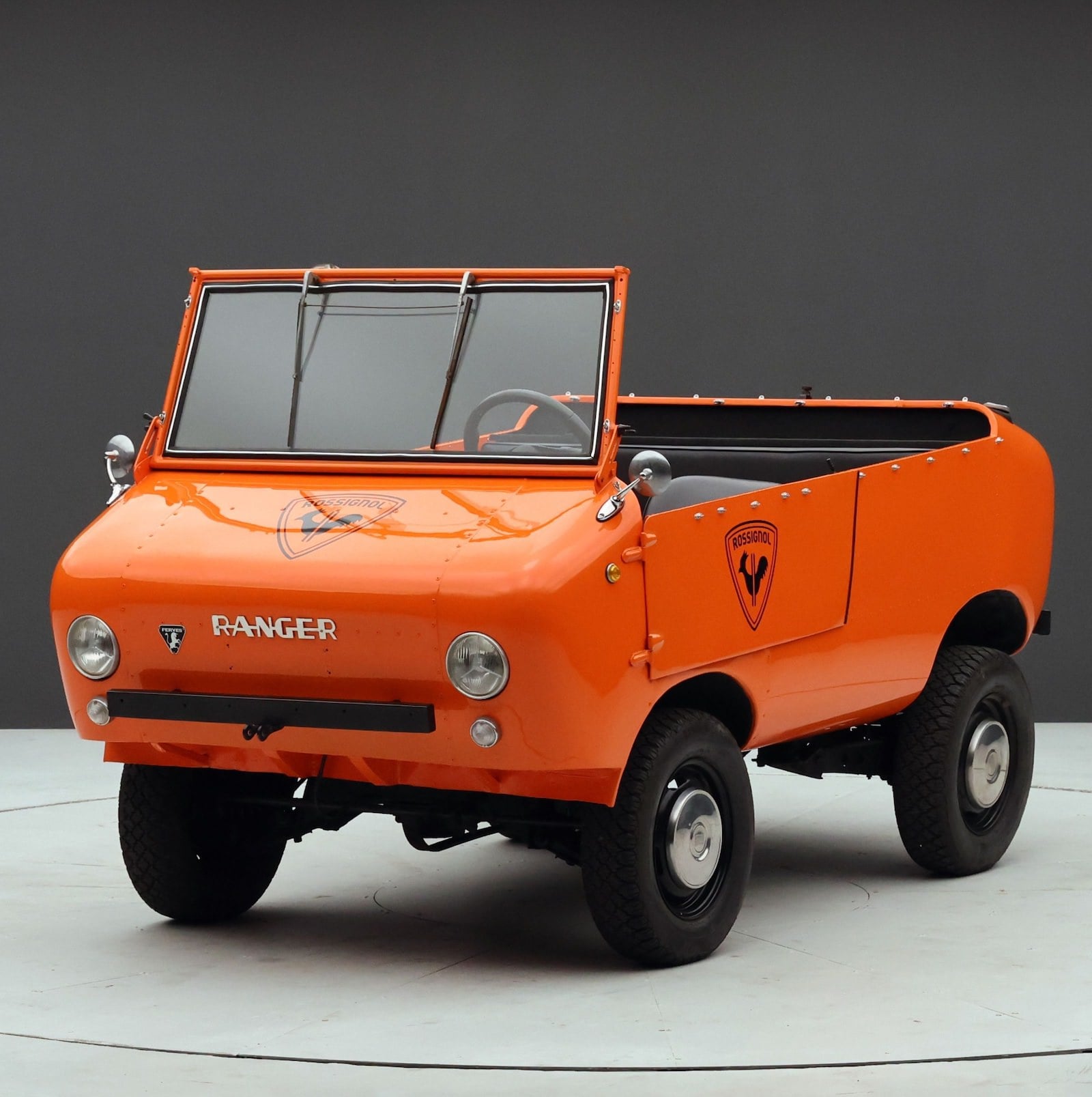
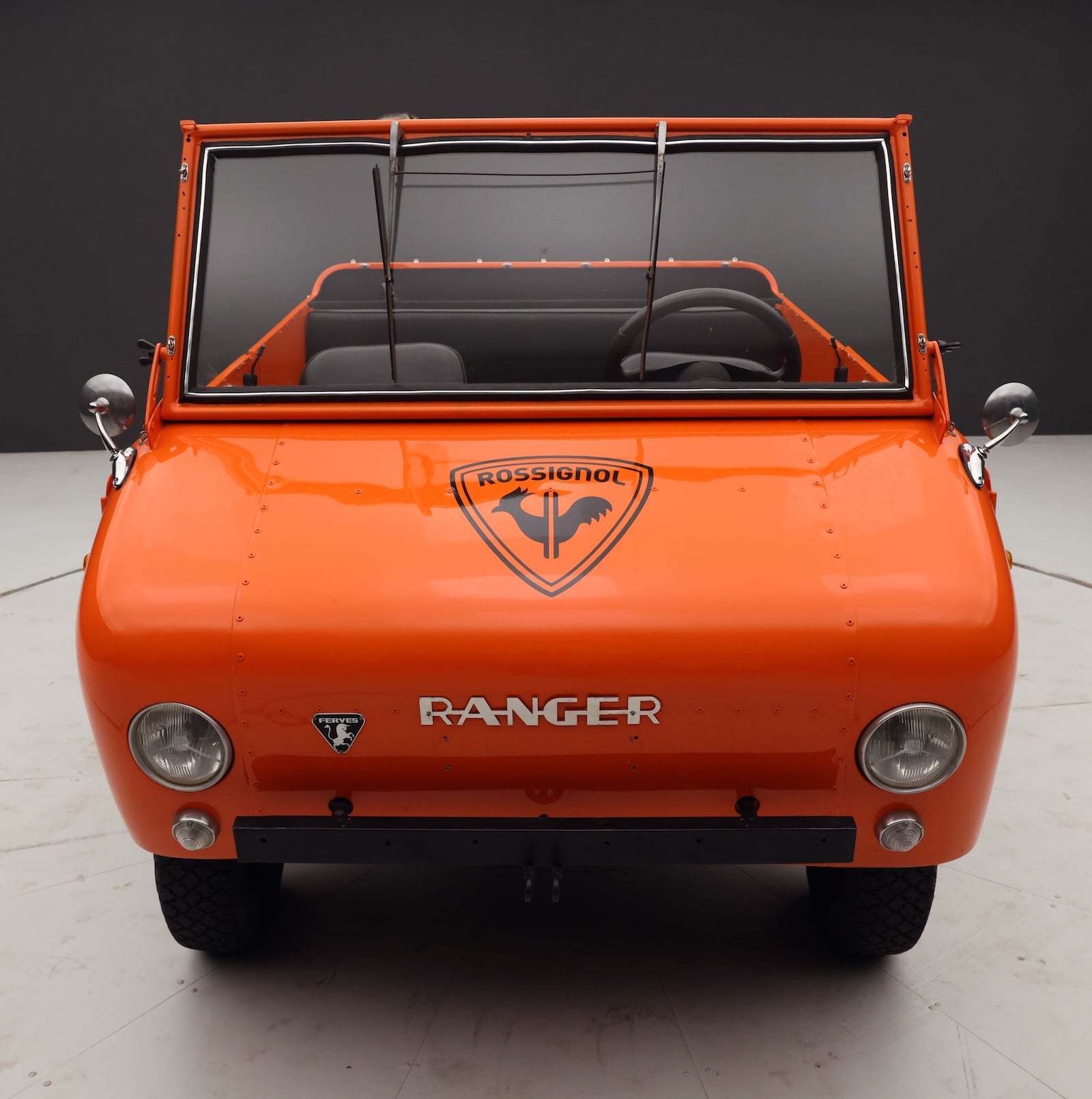
This is a Ferves Ranger 4×4 from 1970, it’s a pint-sized off-roader that was developed in Italy by a man named Carlo Ferrari. For obvious reasons, he wasn’t able to use his surname as the badge on his new creation.
The Ranger proved to be a surprisingly capable four-wheeler, largely thanks to its 620 kg (1,367 lb) curb weight, punchy little Fiat 500cc engine, and its low center of gravity combined with its narrow track width. Even today, a Ranger can make it down tight forest trails that would be challenging to a Jeep or Land Rover.
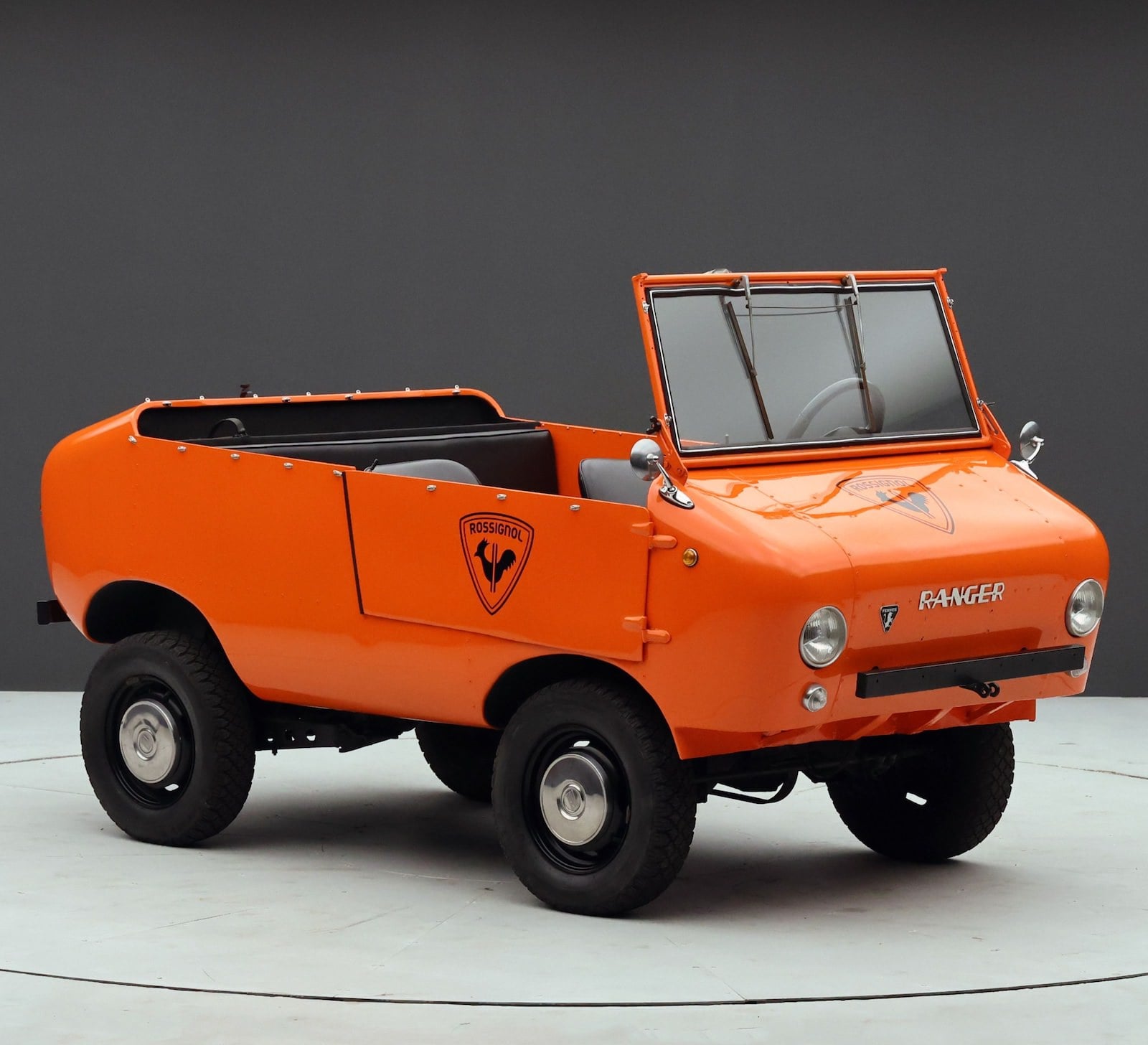
 This is a Ferves Ranger 4×4 from 1970, it’s a pint-sized off-roader that was developed in Italy by a man named Carlo Ferrari. For obvious reasons, he wasn’t able to use his surname as the badge on his new creation.
History Speedrun: The Ferves Ranger 4×4
The Ferves Ranger was the brainchild of Carlo Ferrari, who as mentioned above was not related to the famous Enzo Ferrari, the maker of world-famous race cars and luxury GTs. Instead Carlo Ferrari’s claim to fame has been for a car that one might think of as a bit of a “proxy-Ferrari” – like a Ferrari you have when you’re not having a Ferrari.
Carlo Ferrari created his company under the name Ferves, which is an acronym and stands for FERrari VEicoli Speciali which translates from Italian as “Ferrari Special Vehicles.”
Ferves only ever manufactured one vehicle, the Ranger, which was a small utilitarian vehicle that was capable of both on-road and off-road use.
The first model of the Ferves Ranger was a two-wheel drive that was primarily made using Fiat 500 and Fiat 600 components. The suspension, brakes and steering were all taken from the Fiat 600, while the engine was from the Fiat 500 “Bambina.”
The car was based on a custom ladder frame chassis to which the Fiat 500 and 600D components were attached, and then the bodywork. The front suspension was by a single transverse leaf-spring, double mounted between the front wheels and fitted with gas filled shock absorbers.
The rear suspension was sourced from the Fiat 600D and was more elaborate, with independent semi-trailing arms attached to coil springs over shock absorbers, the drive from the transaxle was by swing axles.
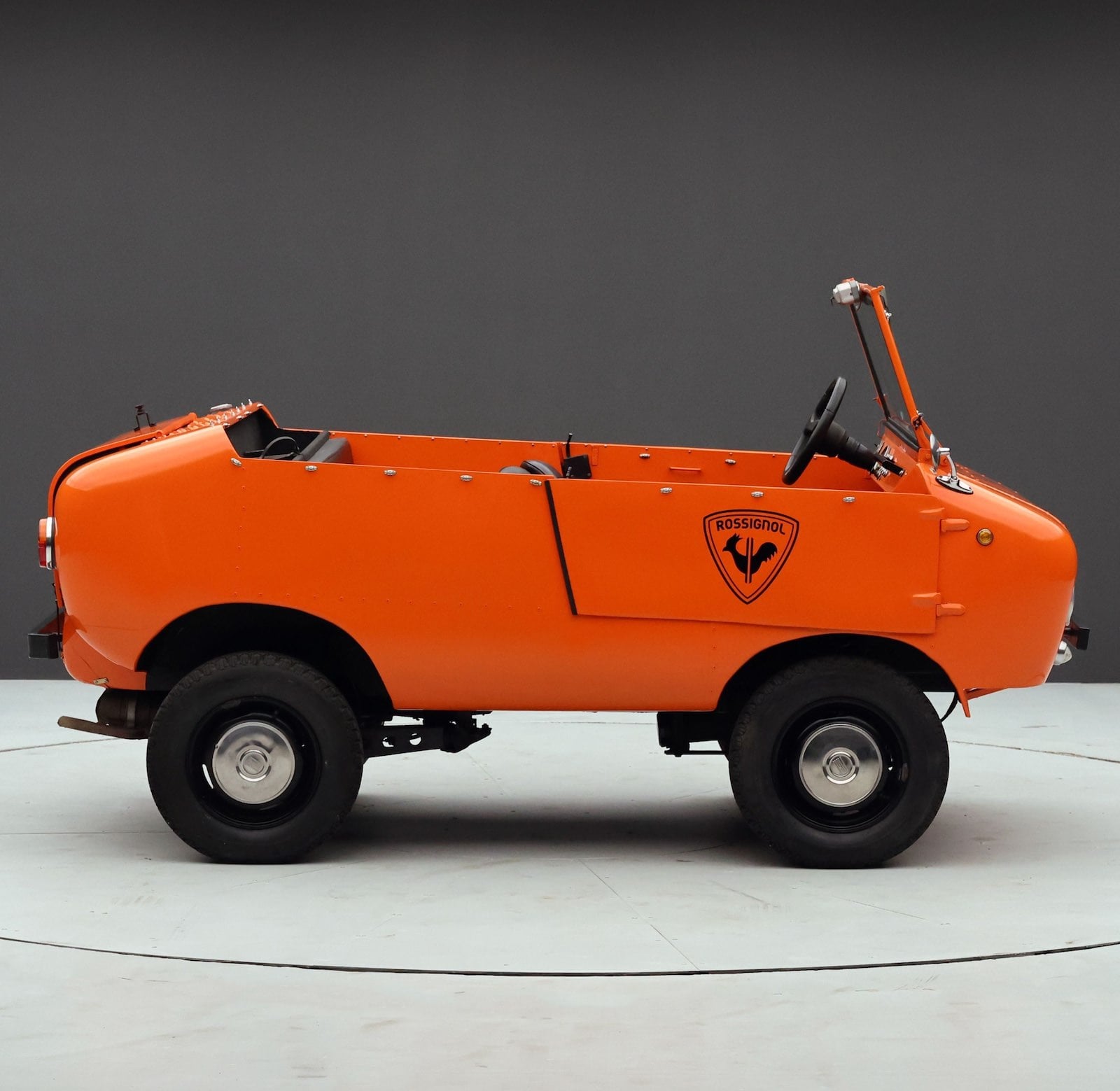
The Ranger proved to be a surprisingly capable four-wheeler, largely thanks to its 620 kg (1,367 lb) curb weight, punchy little Fiat 500cc engine, and its low center of gravity combined with its narrow track width. Even today, a Ranger can make it down tight forest trails that would be challenging to a Jeep or Land Rover.
The Ferves Ranger was first made in 1965 and made its debut at the 1966 Turin Motor Show. The car was fitted with the Fiat 500 499 cc two-cylinder air-cooled gasoline engine sending its 18 bhp to the back wheels by a standard four speed manual transmission with synchromesh on the 2nd – 4th gears.
The gearing of the transmission was lowered to enable the little Ranger to “climb every mountain and ford every stream” so the driver could get to the places they wanted to go.
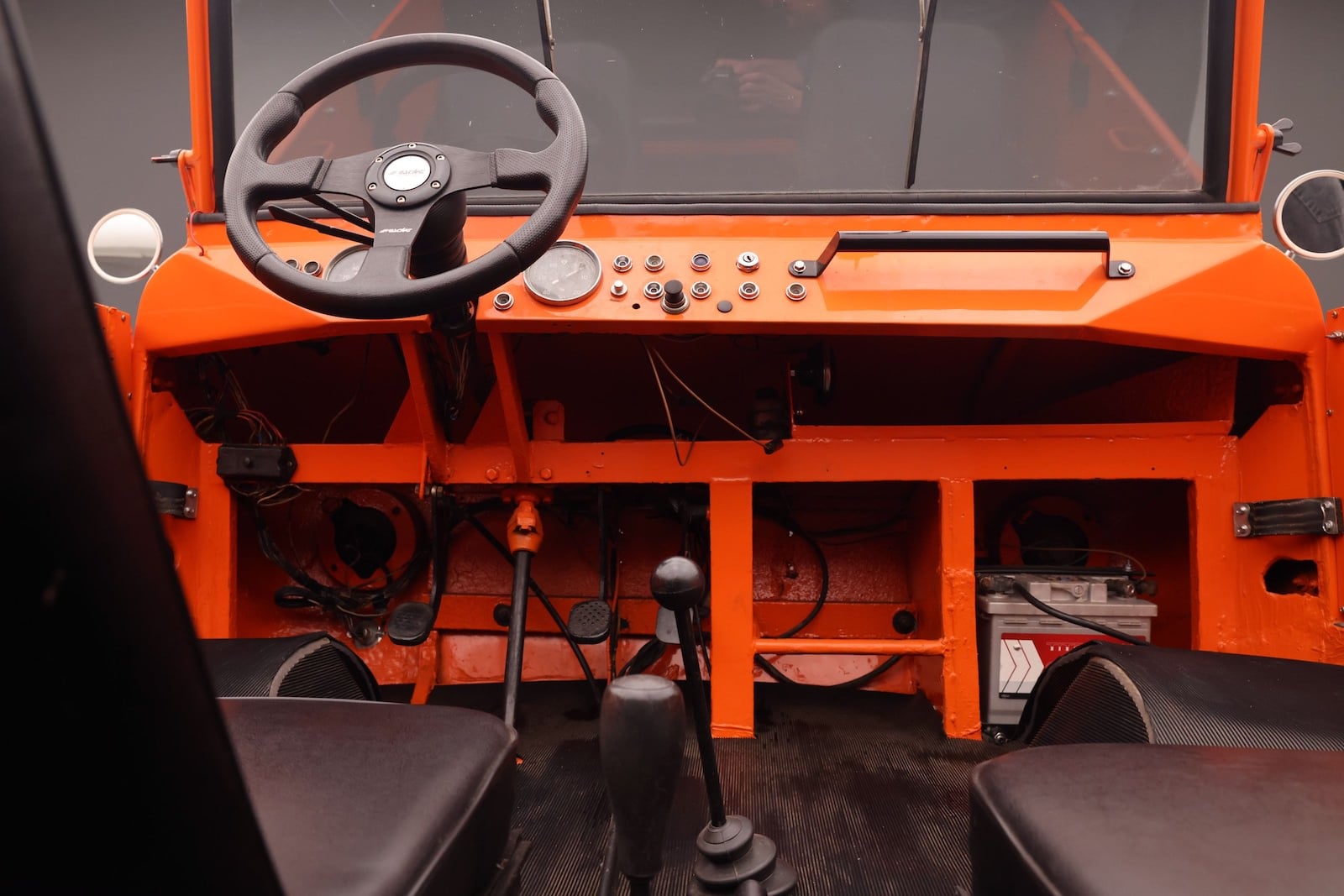
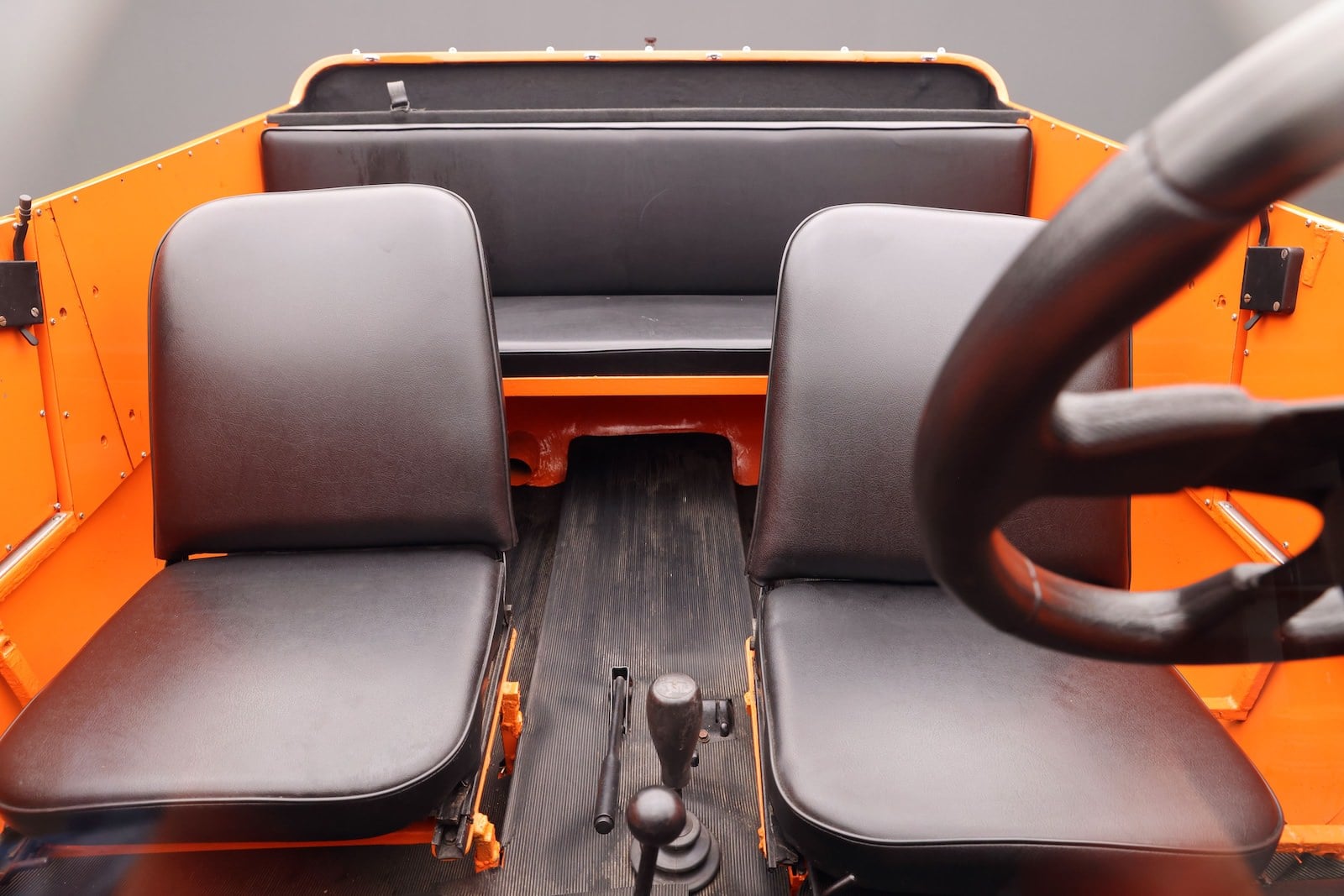
The Ferves Ranger was constructed with a riveted steel and aluminium body and was fitted with “suicide doors”. The vehicle was designed to be able to carry up to four average size adults and was fitted with vinyl covered steel frame seats.
The Ranger was also supplied with a canvas top that could be fitted if desired, either to keep rain or snow off, or to keep the sun from doing bad things to your skin.
The four-wheel-drive version of the Ranger was introduced in 1967 and as the model was refined it was also offered with optional locking differentials, and a five speed gearbox.
The Ferves Ranger rates as one of the smallest and lightest four-wheel-drive vehicles created, along with the Suzuki Jimny and the Haflinger made by Steyr of Austria. With its semi-independent suspension the Ranger is more like the Haflinger, while the contemporary Jimny used live axles front and rear with old fashioned leaf springs.
With its lightweight and flexible suspension the Ranger proved itself to be a capable four-wheel-drive: and it was able to carry a 330 kg (728 lb) load. The small size of the Ranger meant that it could conveniently traverse narrow pathways and get into places no full-size four-wheel-drive could think of going.
It was also capable of being licensed for the road and could get up to about 75 km/h – so not a car for blazing down the autostrada, but fine for driving around Rome or negotiating the narrow roads around Sorrento for example.
The 1970 Ferves Ranger 4×4 Shown Here
This is an original 1970 Ferves Ranger 4×4, it’s chassis no. 0737 with engine no. 1295019, and it’s one of the 600 Rangers (or so) built and is now believed to be among the roughly 50 surviving examples. As you would expect it has the model’s rear-mounted Fiat 500 engine and four wheel drive system.
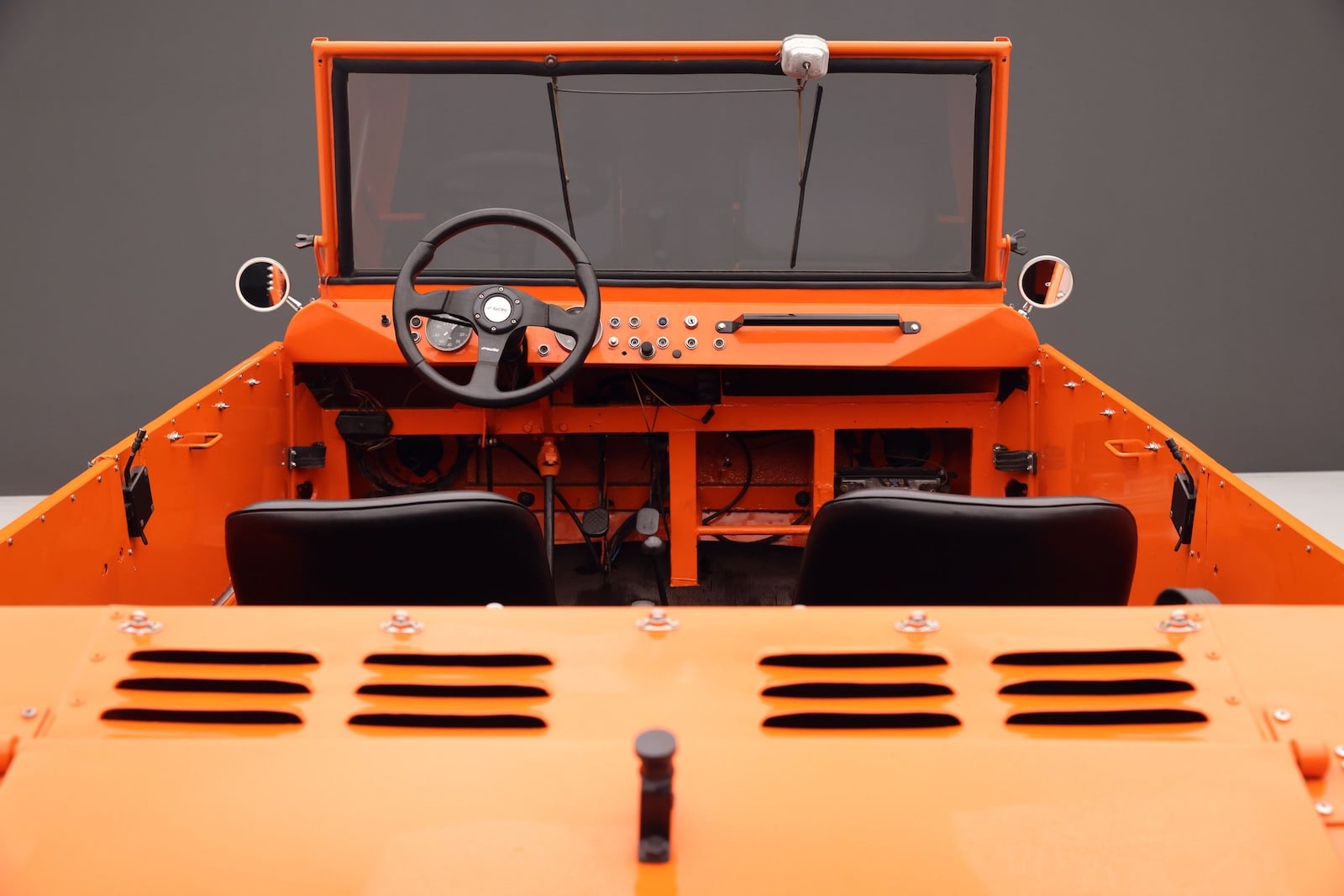
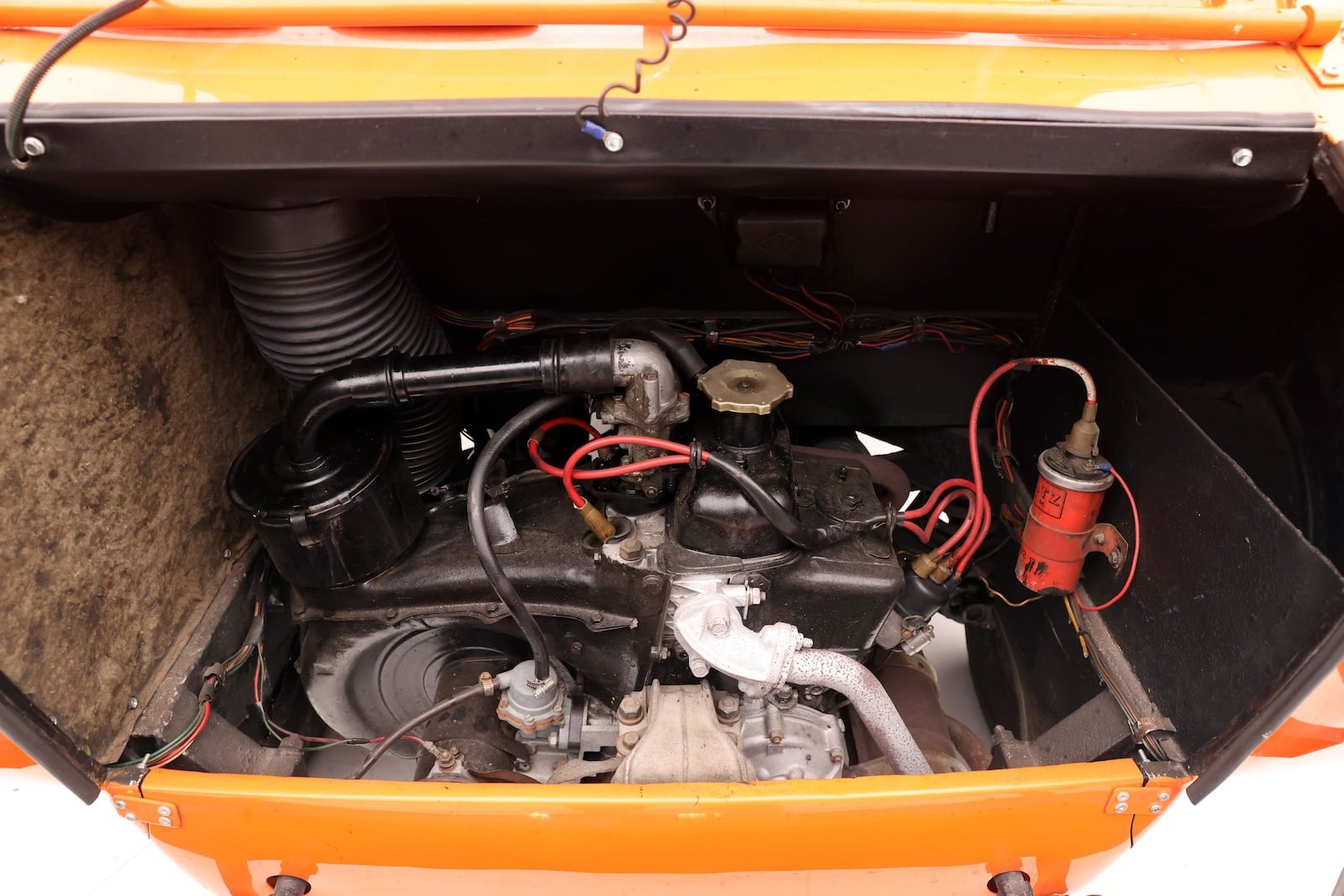
The Ferves Ranger is fitted with the Fiat 500 499 cc two-cylinder air-cooled gasoline engine sending its 18 bhp to the back wheels by a standard four speed manual transmission with synchromesh on the 2nd – 4th gears.
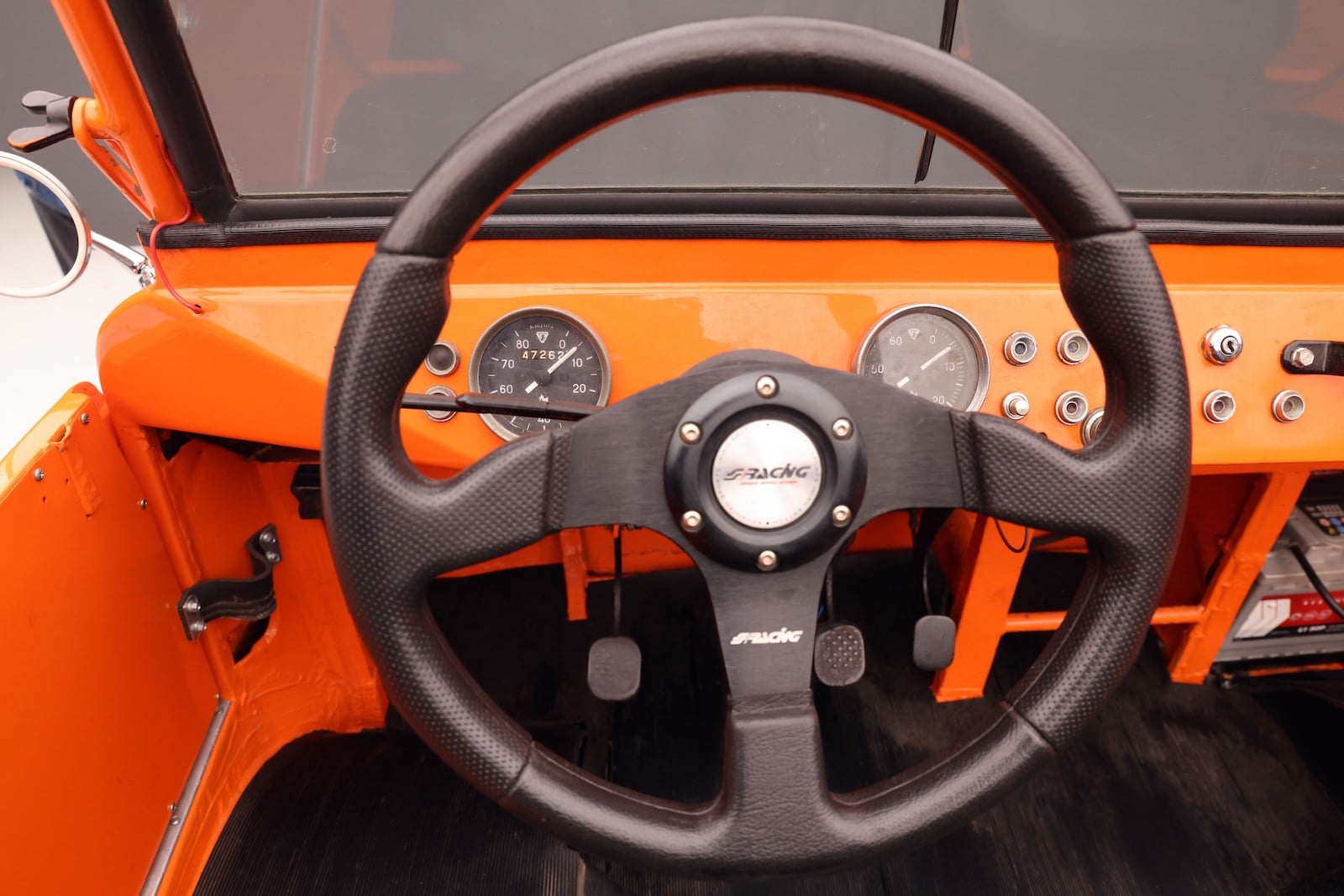
This Ranger was recently imported into the UK from Italy after undergoing some restoration and refurbishment work. It’s finished in bright orange with a black interior and four vinyl-covered seats, with the tiny proportions and simple open bodywork that make these vehicles so popular with collectors today.
It’s now due to roll across the auction block with Bonhams on the 11th of October with a price guide of €40,000 – €50,000, which works out to approximately $45,600 – $57,000 USD. If you’d like to register to bid or read more you can visit the listing here.
Images courtesy of Bonhams

Articles that Ben Branch has written have been covered on CNN, Popular Mechanics, Smithsonian Magazine, Road & Track Magazine, the official Pinterest blog, the official eBay Motors blog, BuzzFeed, Autoweek Magazine, Wired Magazine, Autoblog, Gear Patrol, Jalopnik, The Verge, and many more.
Silodrome was founded by Ben back in 2010, in the years since the site has grown to become a world leader in the alternative and vintage motoring sector, with well over a million monthly readers from around the world and many hundreds of thousands of followers on social media.