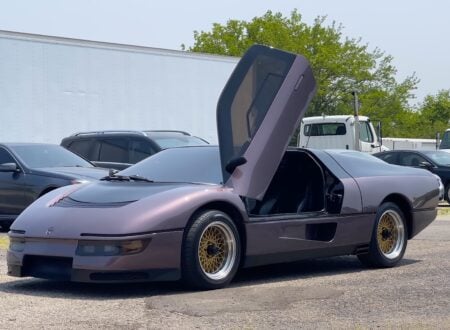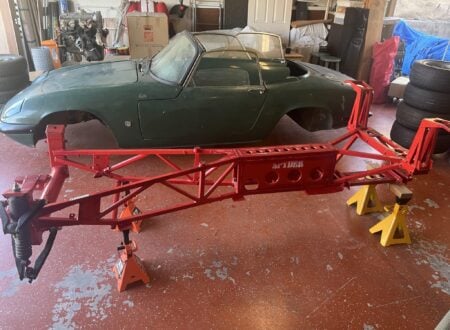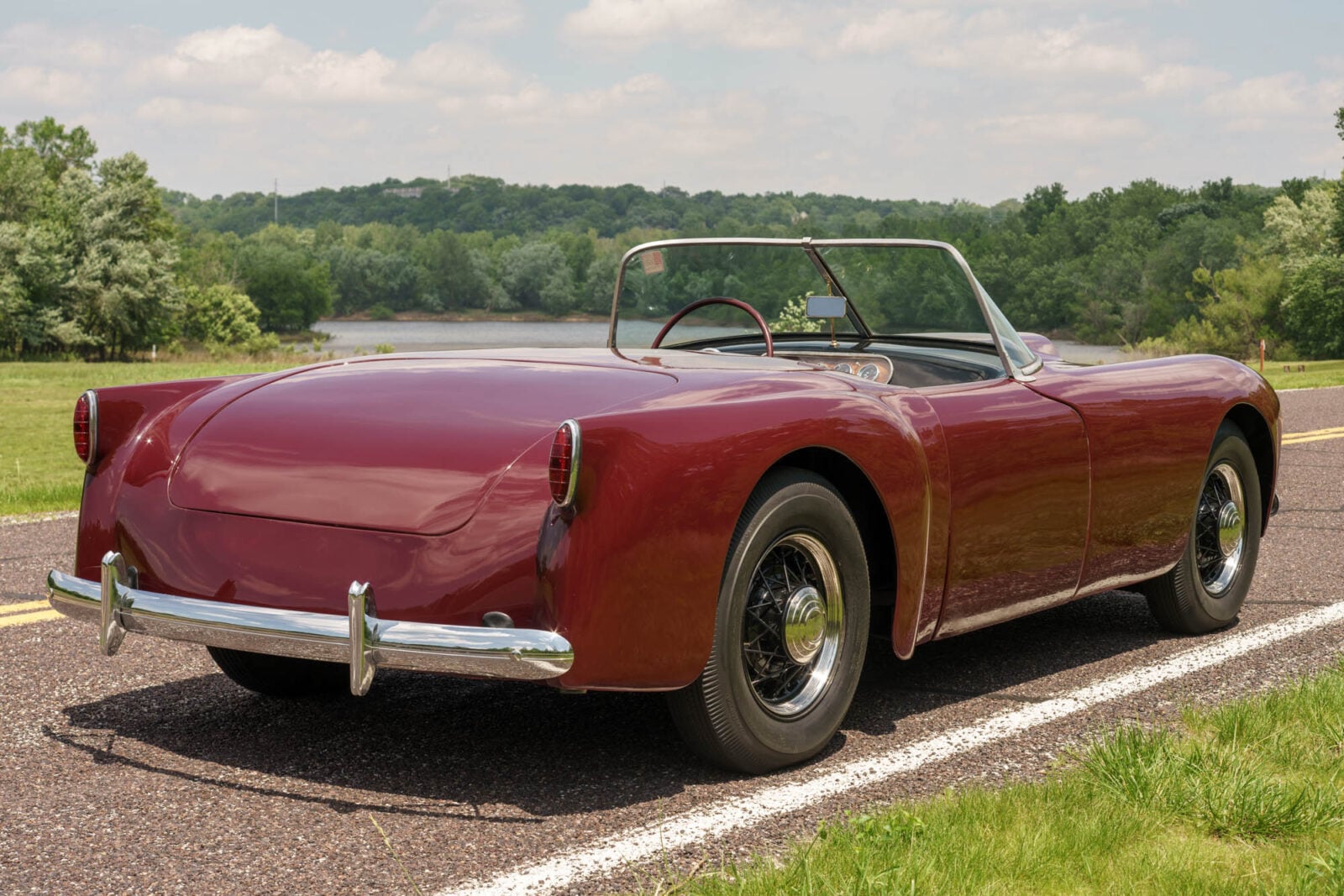
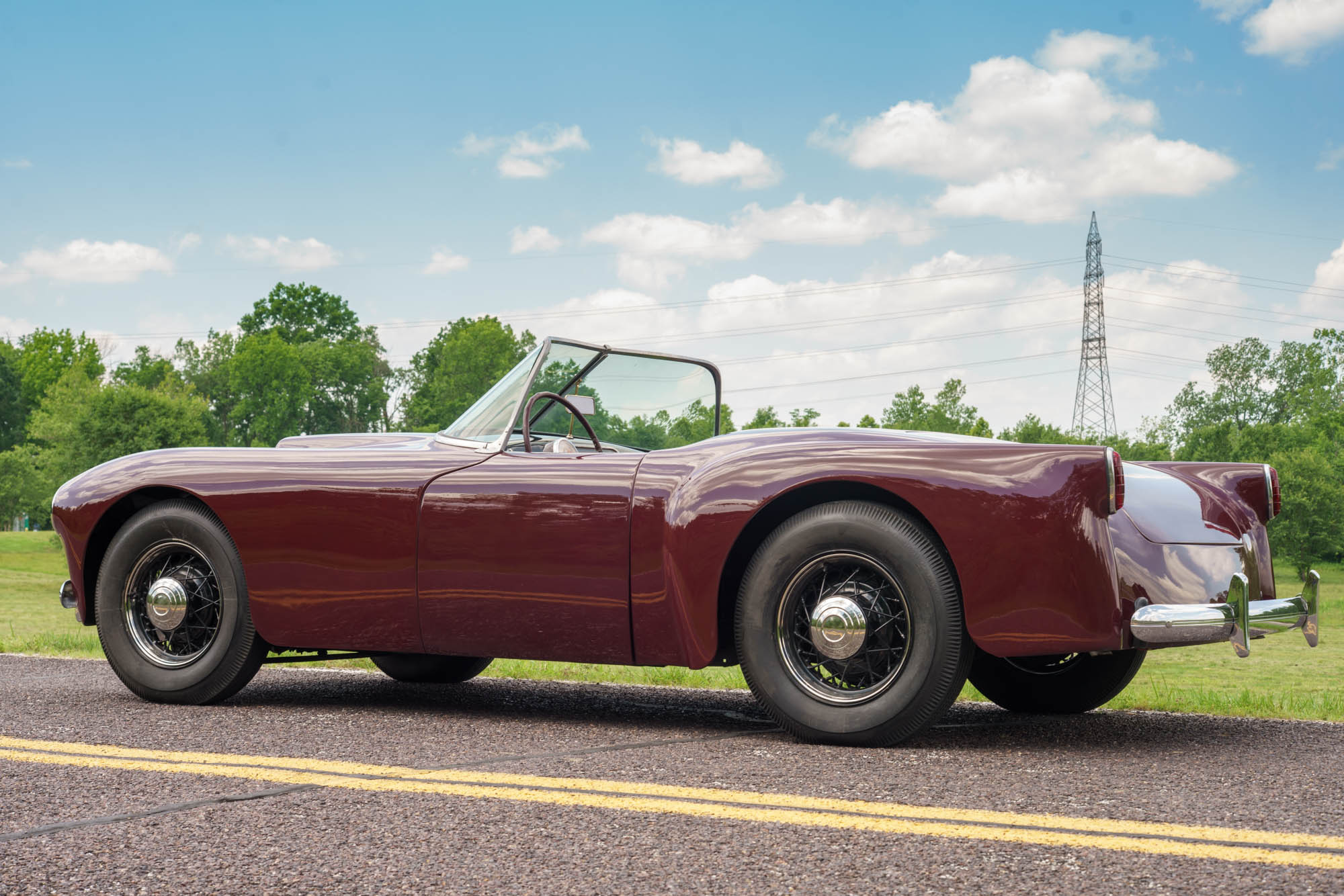
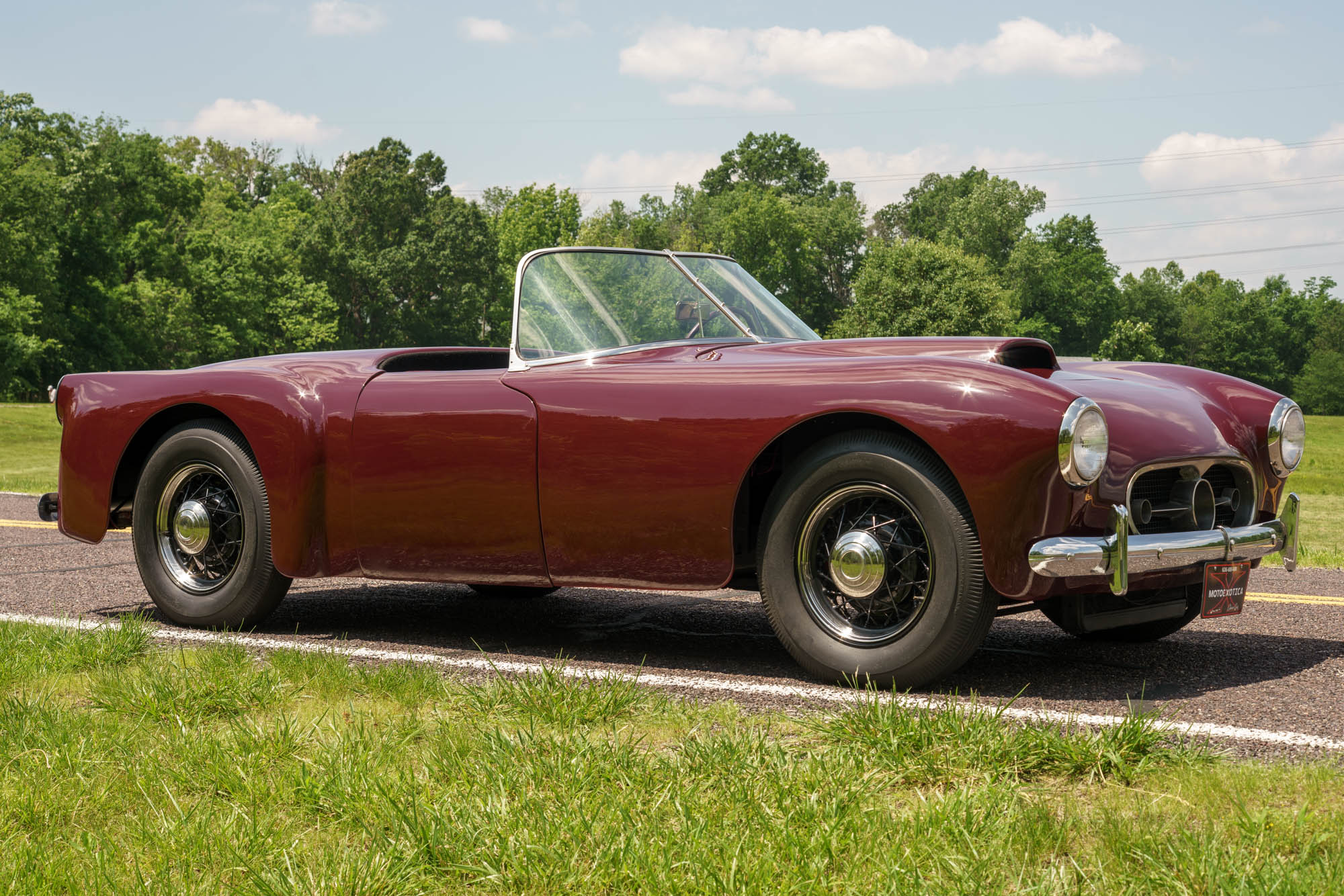
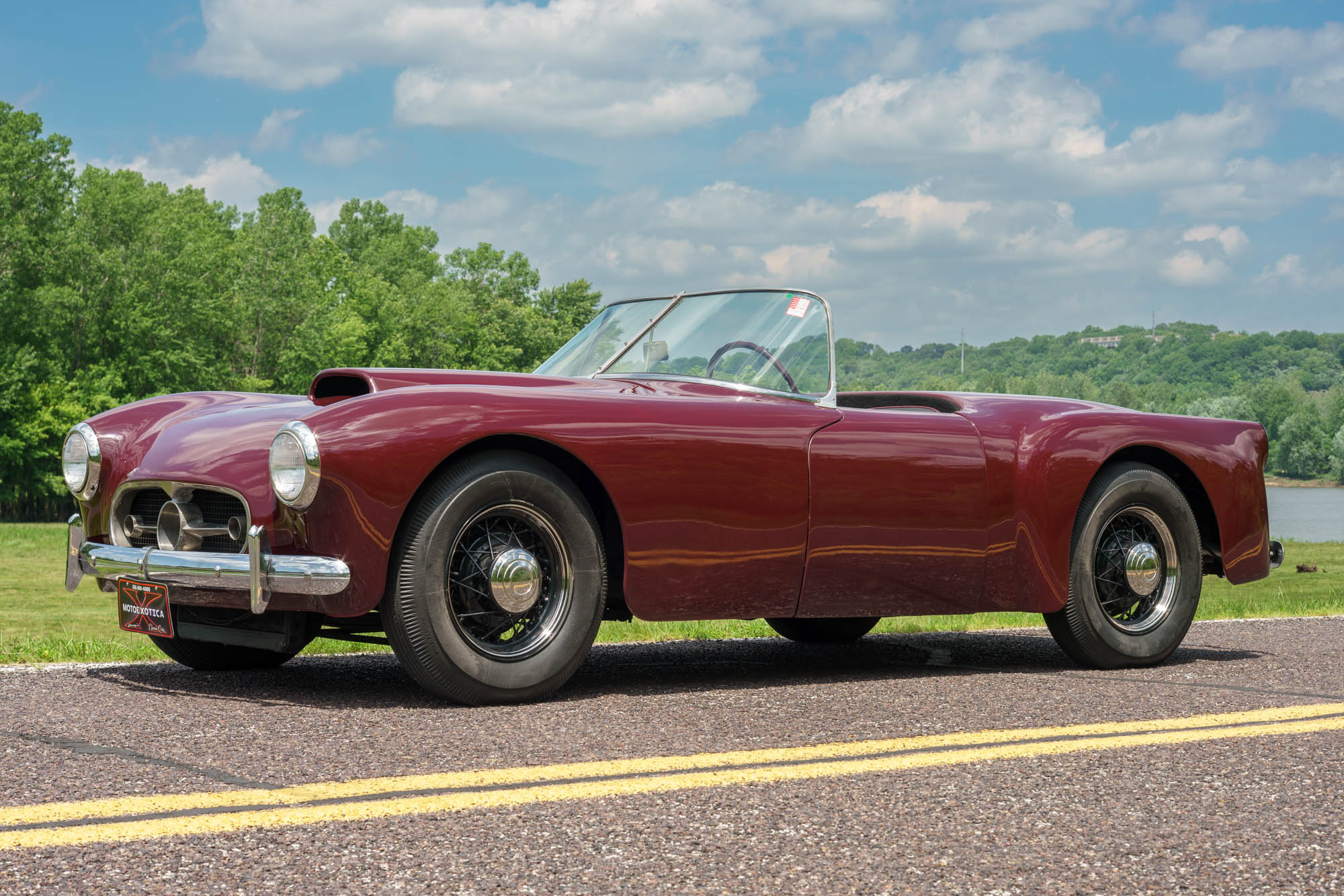
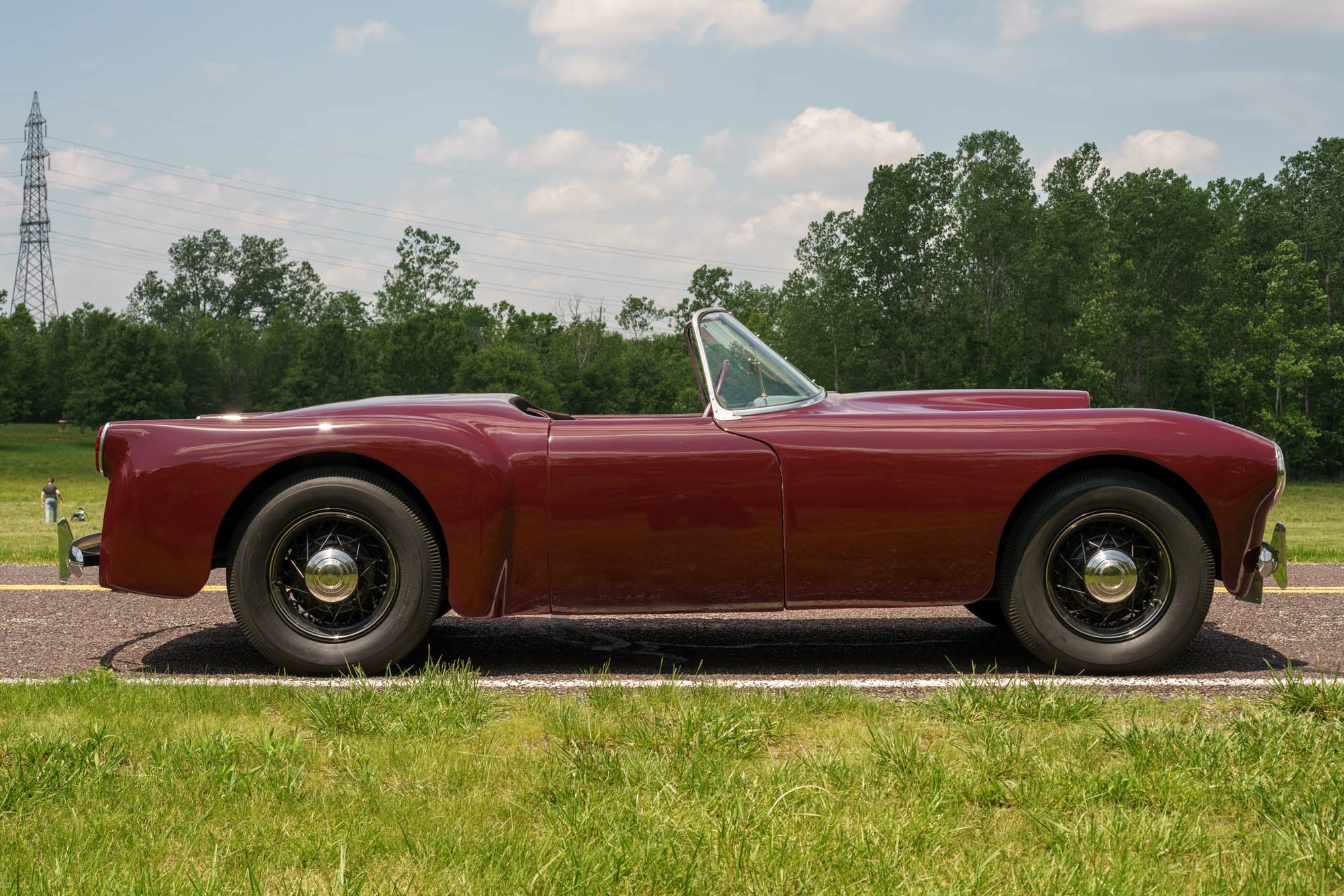
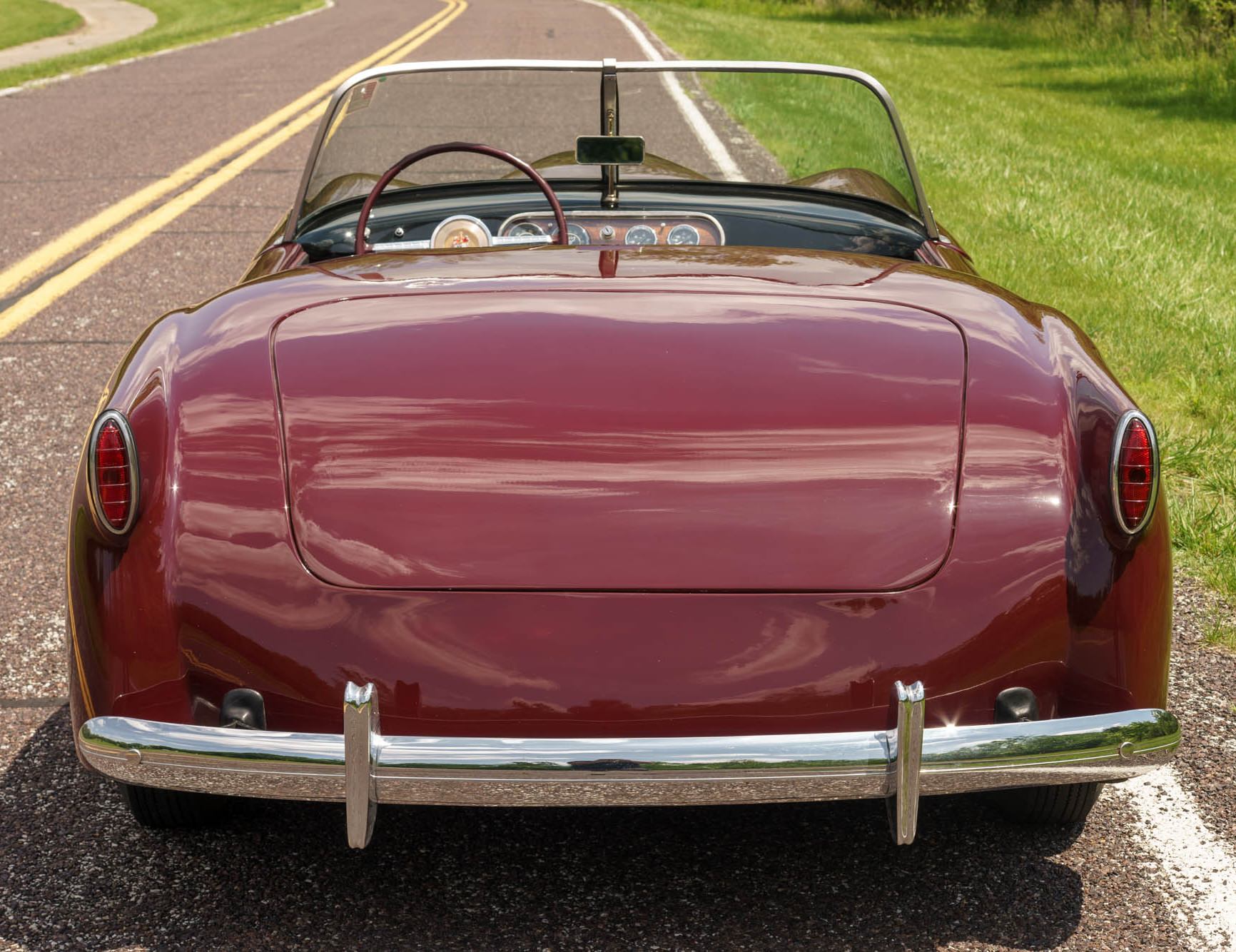
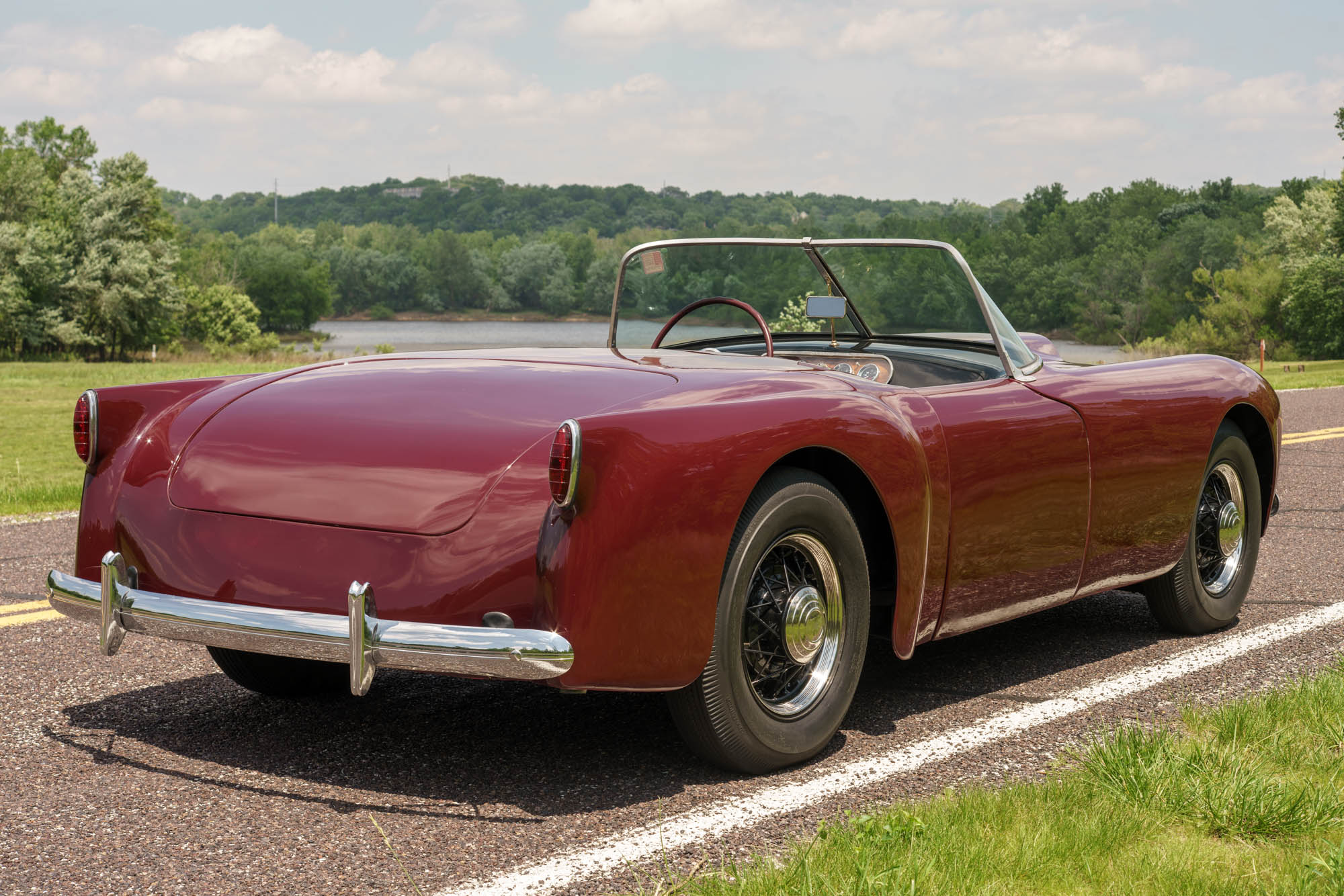
This is the 1955 Le Gene Californian Roadster, it was a period competitor for the likes of the Chevrolet Corvette and Ford Thunderbird, but it was produced in far lower numbers, with just 6 cars believed to have been completed.
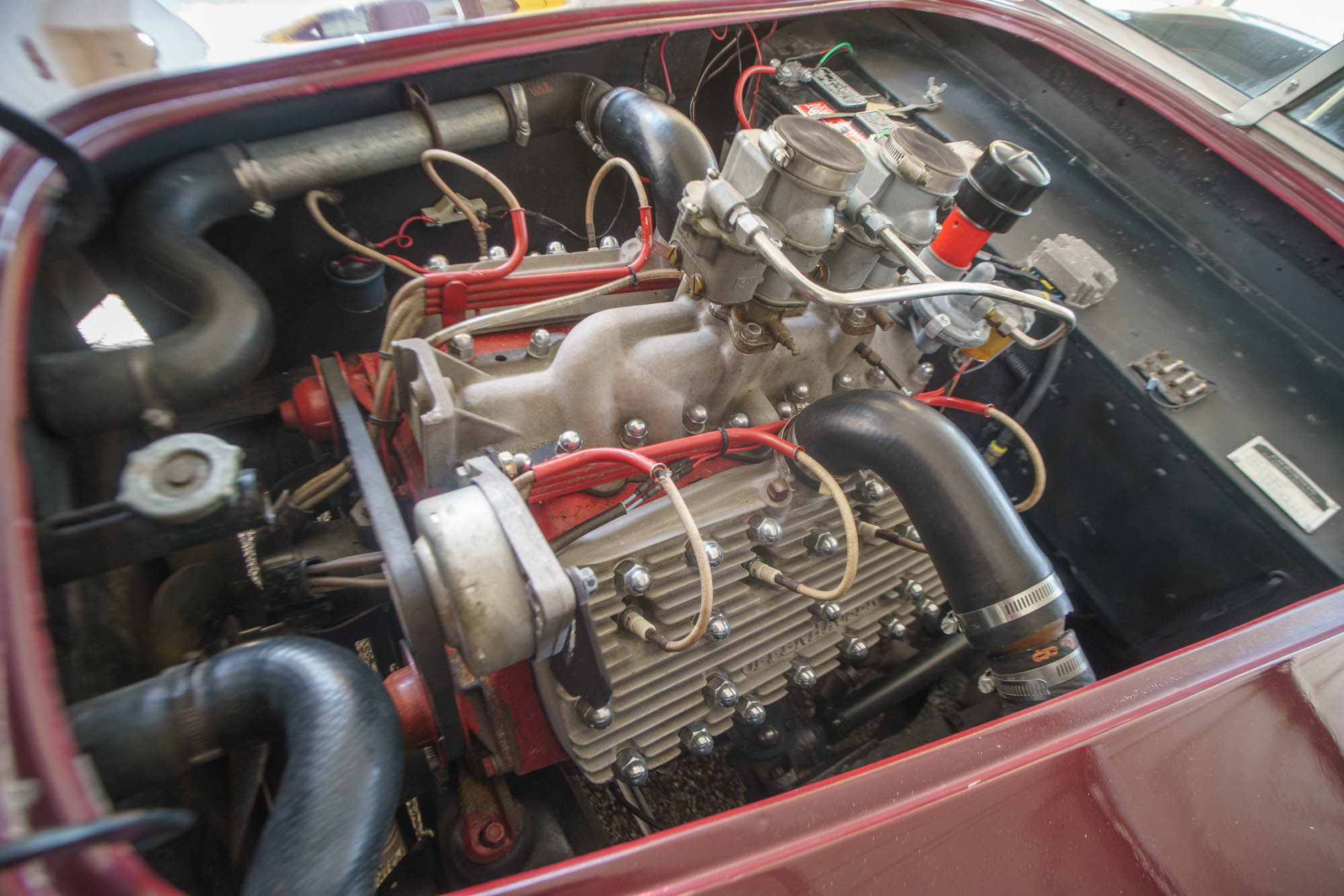
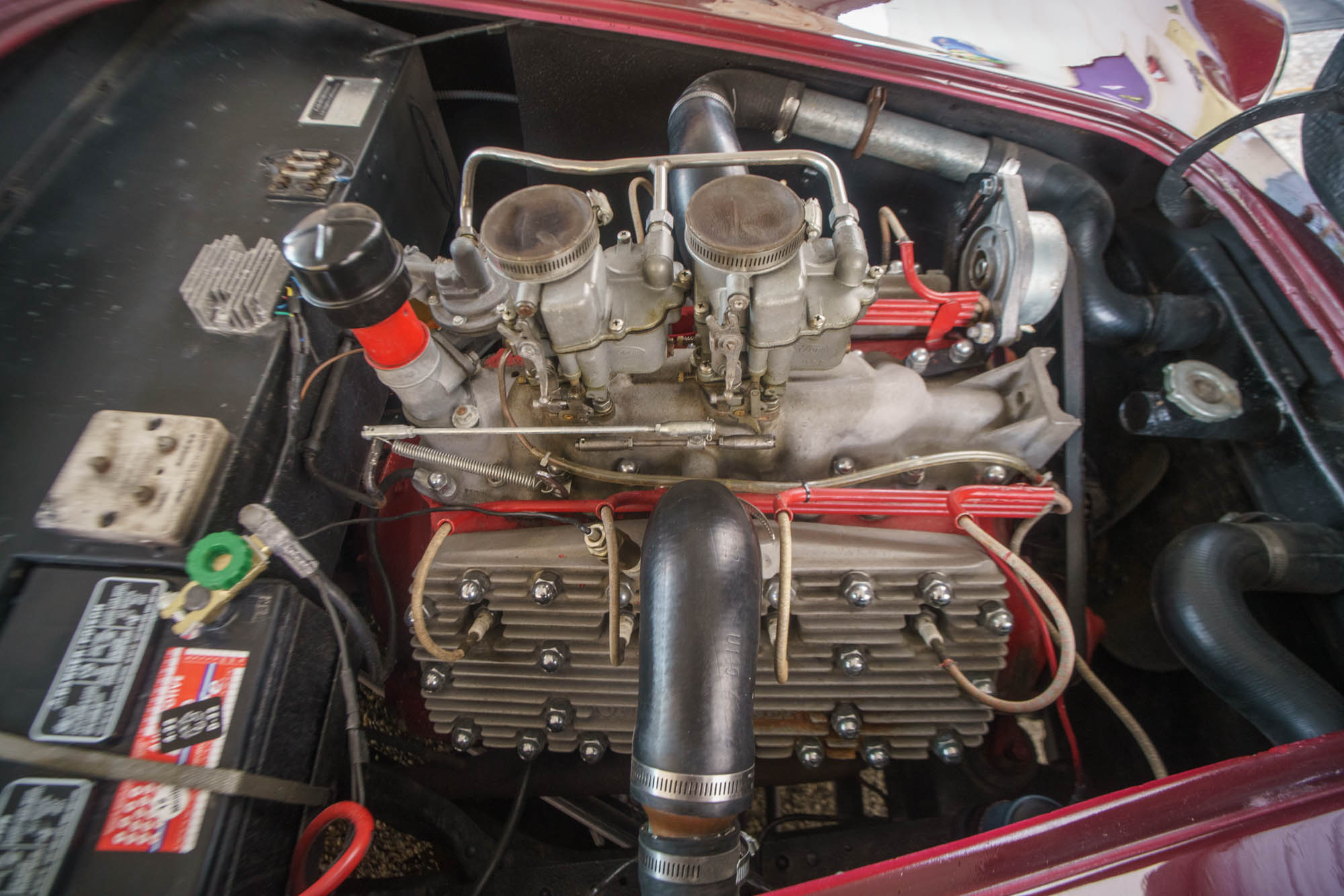
The car is powered by a period-correct Mercury flathead V8 which sends power back through a 3-speed manual transmission to the rear axle. It’s registered and road-ready in Missouri, and it’s now being offered for sale.
Fast Facts: The Le Gene Roadster
- The 1955 Le Gene Californian Roadster was one of only six complete cars believed to have been built by Lee Dodson and his son Gene in San Bernardino, California. The fiberglass-bodied sports car was conceived as a homegrown alternative to contemporary American two-seaters, with distinctive styling and very limited production.
- This example resurfaced in 2008 when Geoff Hacker and Rick D’Louhy acquired it as an unidentified rolling project. Restored in Florida between 2009 and 2010, it appeared at the 2010 Amelia Island Concours d’Elegance as the “Mysterion” before later research established its true identity and Le Gene origins.
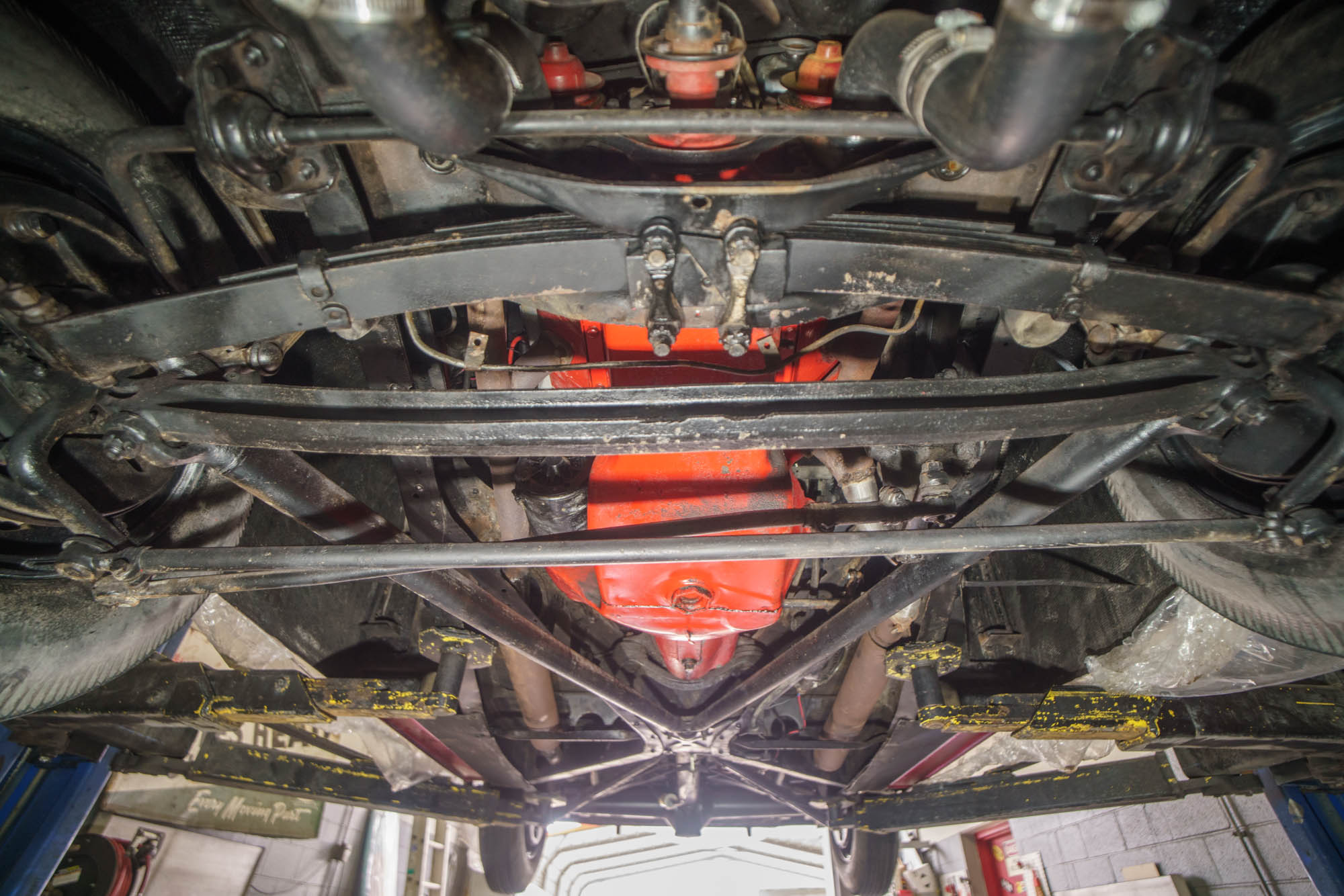
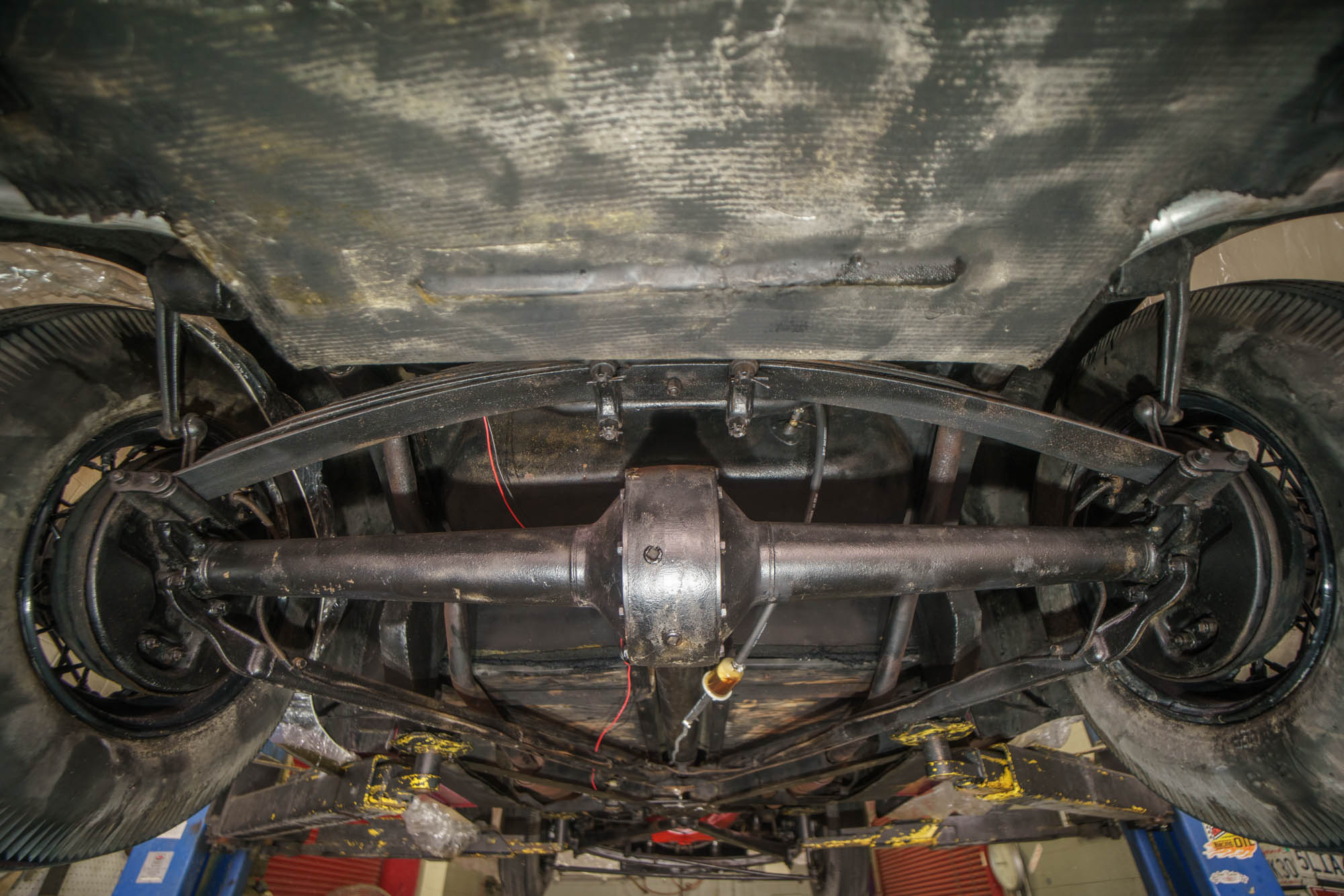
- The car uses a modified 1940s Ford frame with a 99-inch wheelbase, dropped front axle, transverse leaf springs, and lever-arm dampers. Its maroon fiberglass body has a custom stainless-steel grille, hood scoop, tailfins, chrome bumpers, and a 1955 Ford Victoria windshield, with 16-inch wire wheels.
- Power comes from a 239 cubic inch Mercury flathead V8 from a 1948 Mercury, fitted with Offenhauser aluminum heads, an Offenhauser intake, and twin Holley 94 carburetors. A 3-speed manual drives the rear wheels, while hydraulic drum brakes handle stopping duties. The odometer shows ~9,000 miles, though true mileage is unknown.
History Speedrun: The Le Gene Californian Roadster
The Le Gene Californian Roadster is an exceedingly rare American sports car that even managed to remain anonymous to the team at Undiscovered Classics for a number of years, the number one experts in handbuilt American cars from this era. Fortunately, Geoff at Undiscovered Classics did uncover the story and publish it for the world to see, resurrecting a key piece of automotive history and telling the story of the father and son team who defied the odds to successfully put their own car into production.
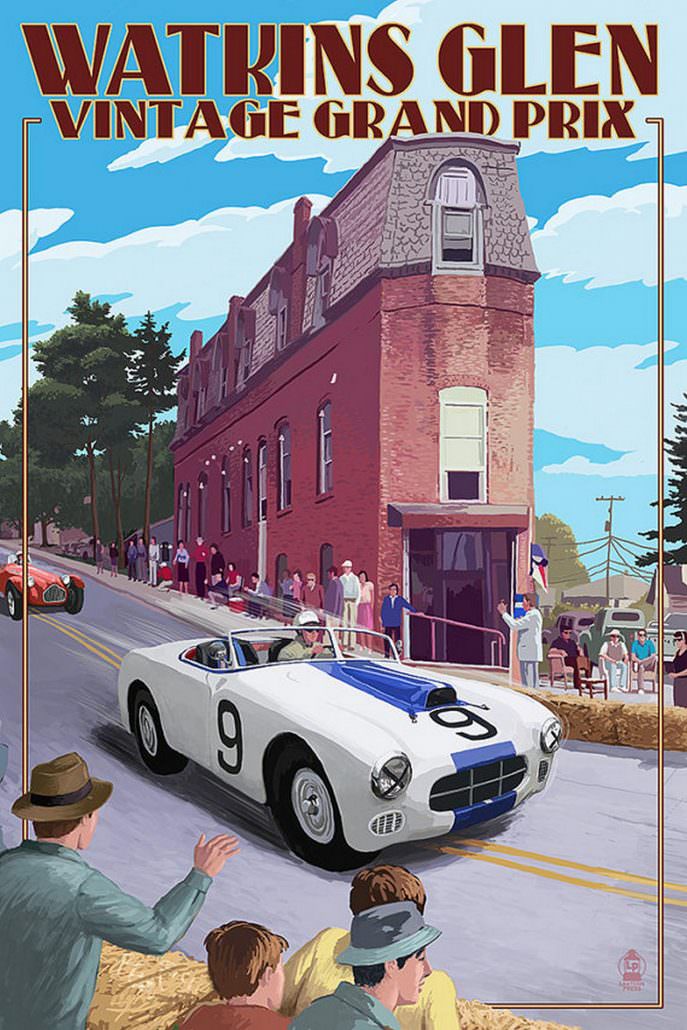
 This is a modern Watkins Glen poster featuring a Le Gene Californian, a car that competed in the event a number of times. Image courtesy of Watkins Glen + Undiscovered Classics.
The Le Gene story starts in the mid-1950s in San Bernardino, California. Lee Dodson and his son Gene Dodson formulated a plan to design their own sports car and built it right out of their garage and workshop. Fiberglass was the carbon fiber of the 1950s, it’s strong, lightweight, impervious to rust, and easy to form into complex compound shapes.
As a result of the properties of fiberglass, it was being taken up as a key material for automotive bodies in the 1950s. There are many who believe the Chevrolet Corvette was the first car with a fiberglass body but this isn’t the case, there had actually been a number of low-volume automakers producing sports cars from the material for years before Chevrolet adopted it.
The first fiberglass-bodied car is widely considered to be the Glasspar G2, with the first mass-produced example being the Kaiser Darrin, both of these vehicles debuted before the C1 Corvette in 1953. By the mid-1950s there were a significant number of companies selling both low-volume fiberglass sports cars and fiberglass bodies that could be bought and then fitted to a pre-existing road car chassis – essentially allowing people to create sports cars in their own garages.
One of these companies was Le Gene, the firm took its name from the first names of its founders Lee and Gene Dodson. This company name was both memorable and exotic sounding, almost European, belying its humble origins of an automotive workshop in San Bernardino.
Building The Le Gene Californian
Lee and Gene worked together to design a new sports car body with a wheelbase that would fit over a number of production chassis of the time. The styling of the body was entirely unique, this certainly wasn’t any kind of replica, and the body is widely considered to be one of the most beautiful and well-built from the 1950s low-volume fiberglass era.
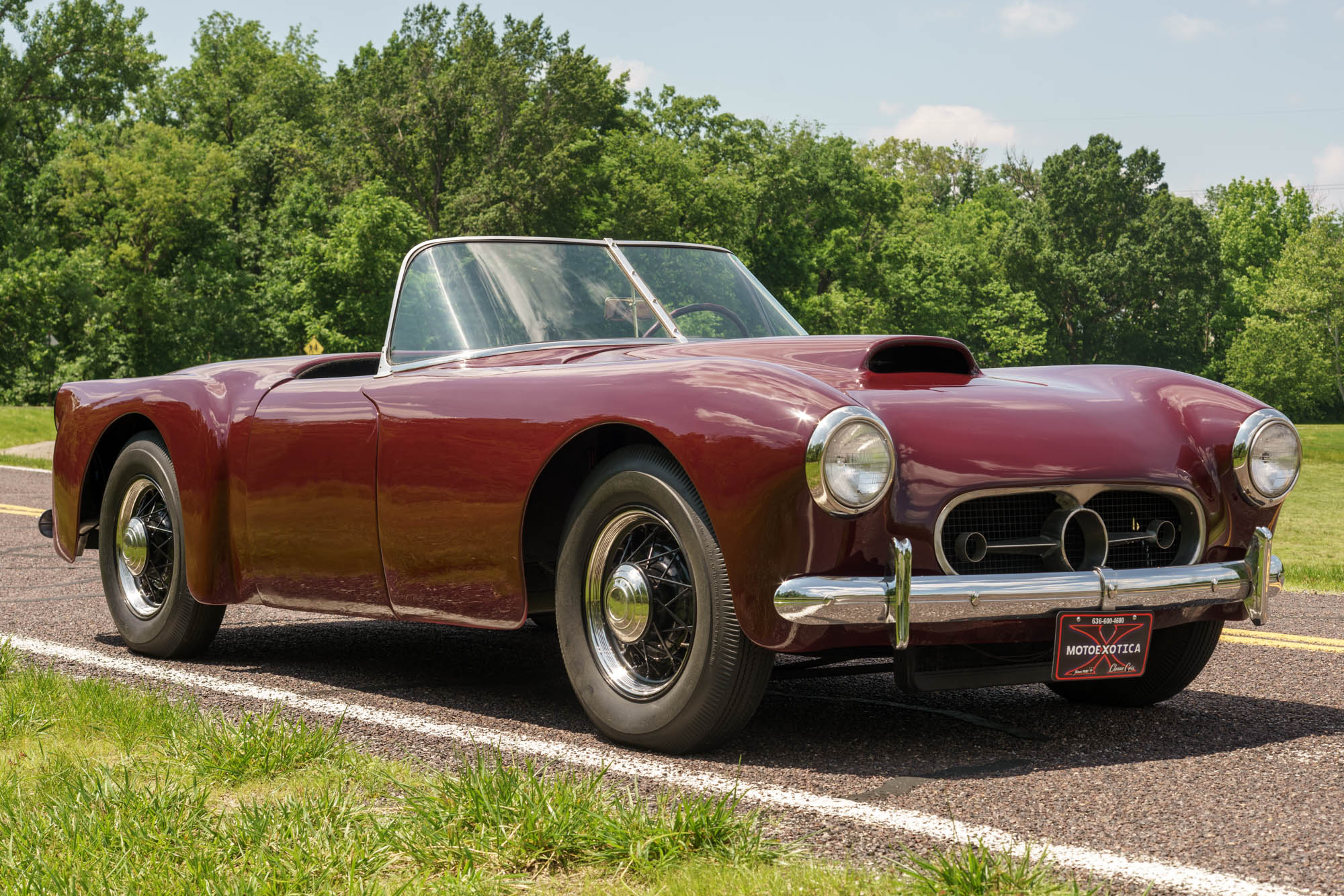
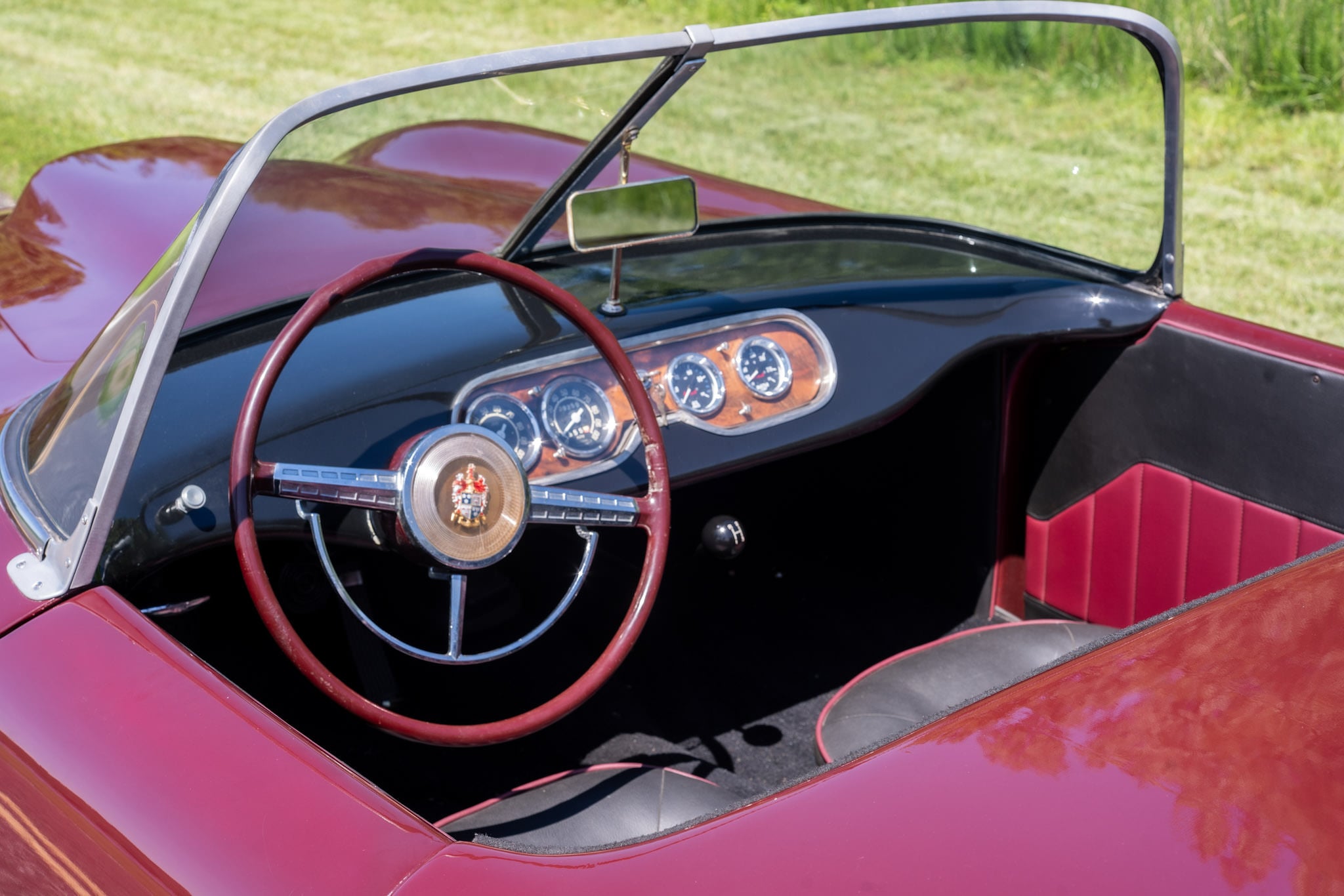
This 1955 LeGene roadster is one of the 6 complete sports specials built by Lee Dodson and his son Gene at their San Bernardino, California, body shop during the 1950s.
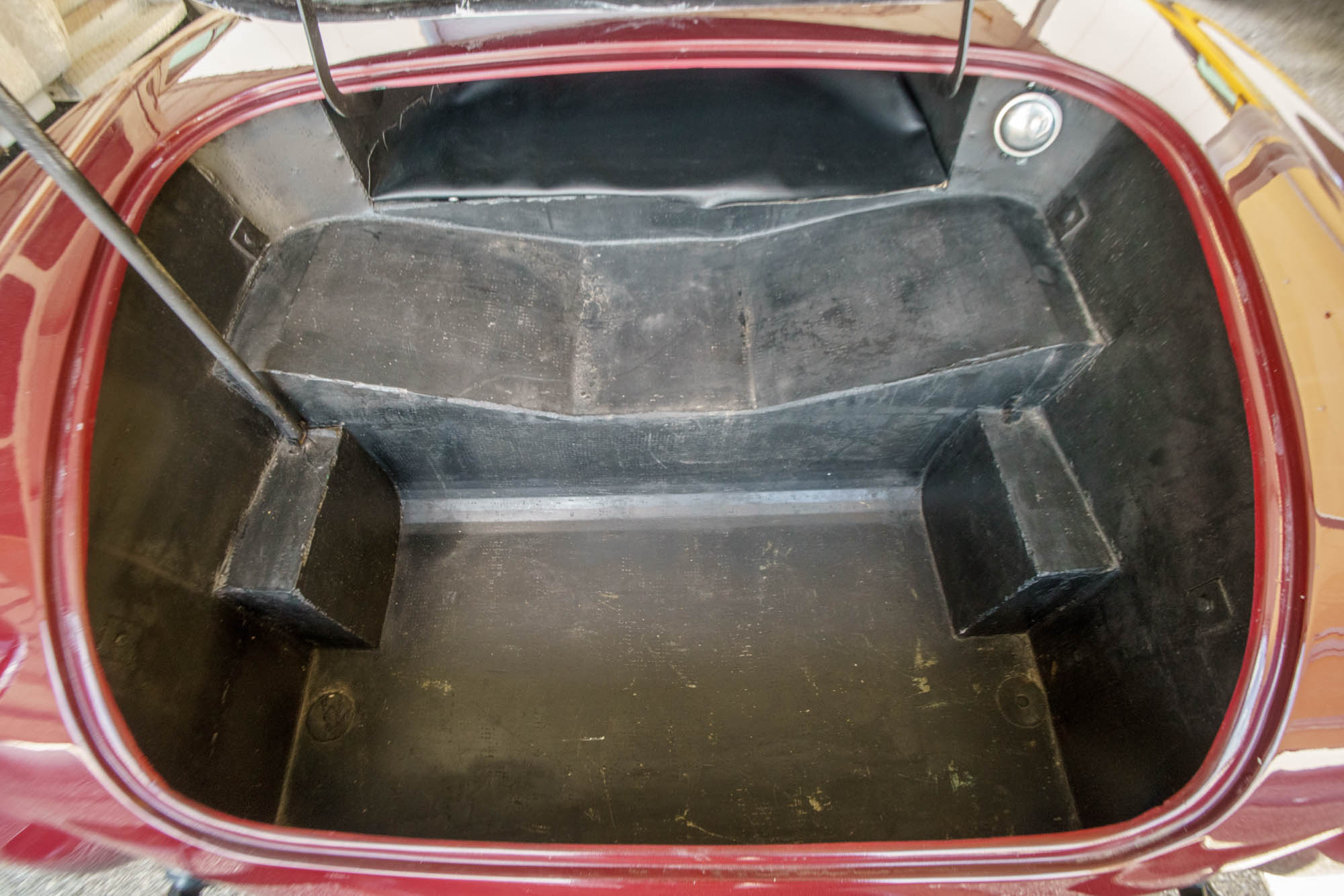
Named the Le Gene Californian Roadster, this new car offered seating for two, a trunk in the rear that could also accommodate a spare wheel, a door on either side, and a hood covering the engine bay. When ordering a Le Gene you could choose either a complete turnkey car or just the body which you would then fit to a chassis yourself.
It’s believed that just six turnkey cars were made, as well as six additional bodies. Today only four of these cars are known to still exist, along with one body. The story had been largely lost to history, with some calling the car the Atlas Ford, but the true history has been uncovered more recently thanks to Geoff Hacker over at Undiscovered Classics.
The 1955 Le Gene Californian Roadster Shown Here
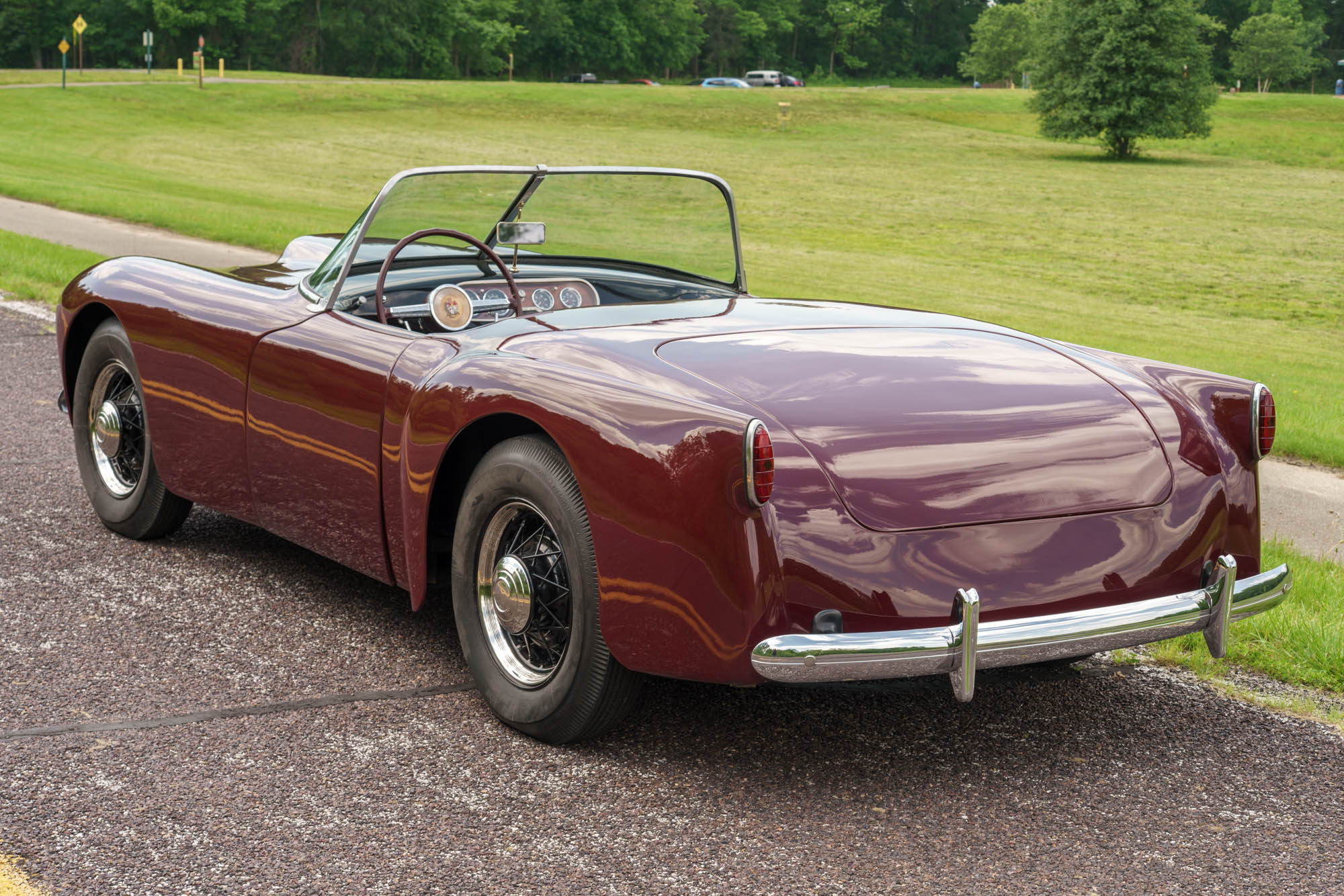
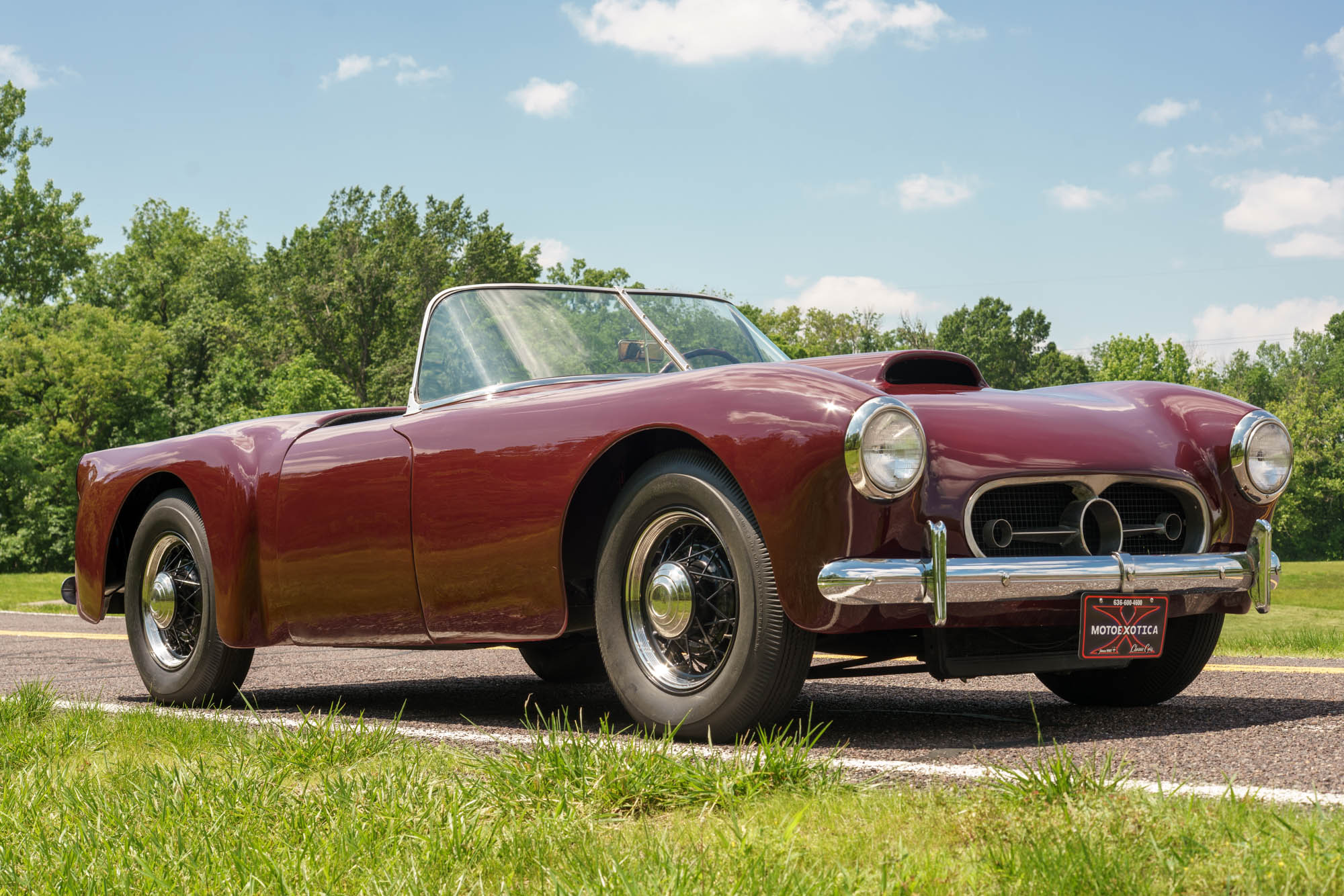
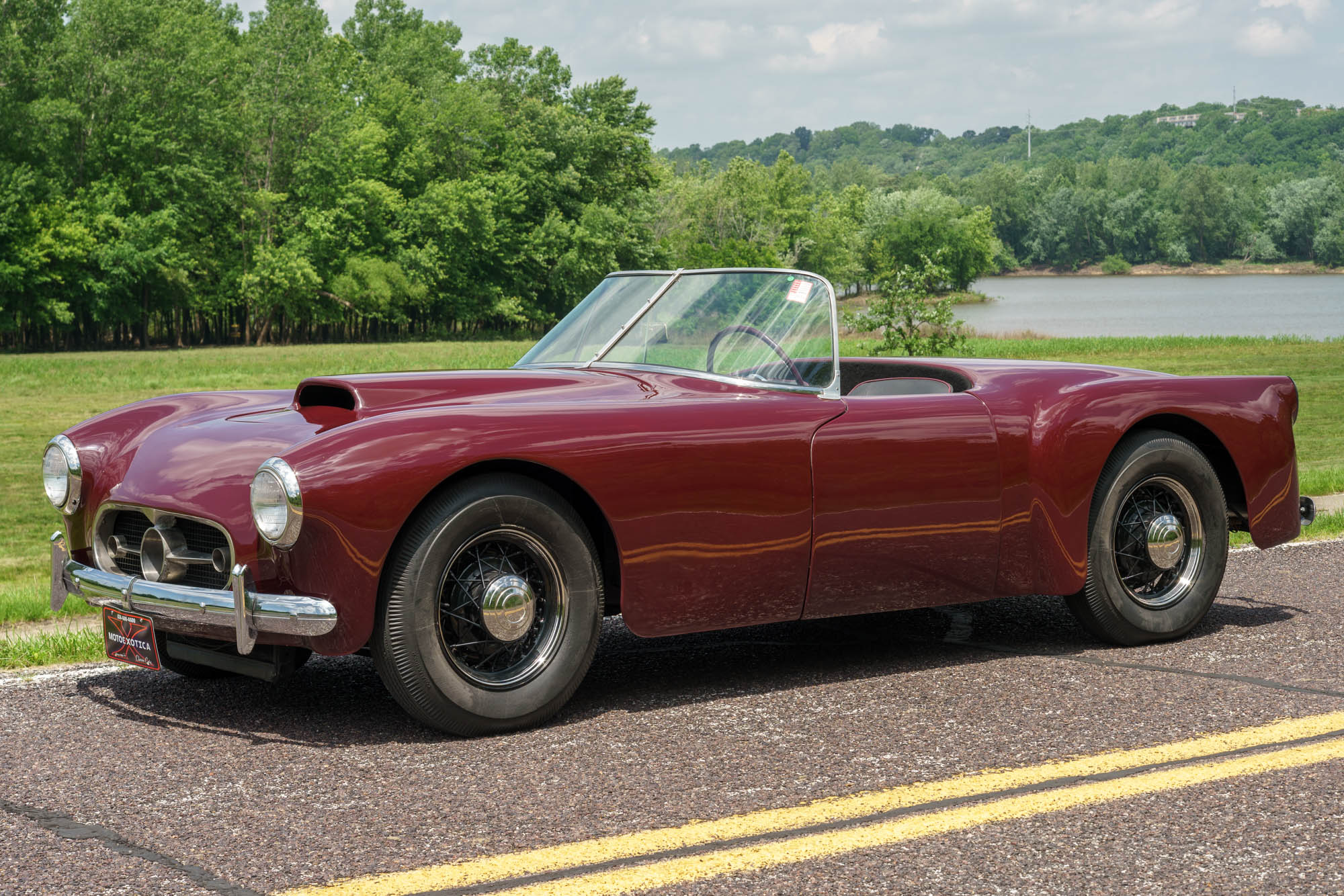
This 1955 LeGene roadster is one of the 6 complete sports specials built by Lee Dodson and his son Gene at their San Bernardino, California, body shop during the 1950s. As noted higher up, the car resurfaced in 2008 when Forgotten Fiberglass owners Geoff Hacker and Rick D’Louhy bought it as an unidentified rolling project.
After being moved to Florida, it was restored between 2009 and 2010 and shown at the 2010 Amelia Island Concours d’Elegance under the temporary name “Mysterion.”
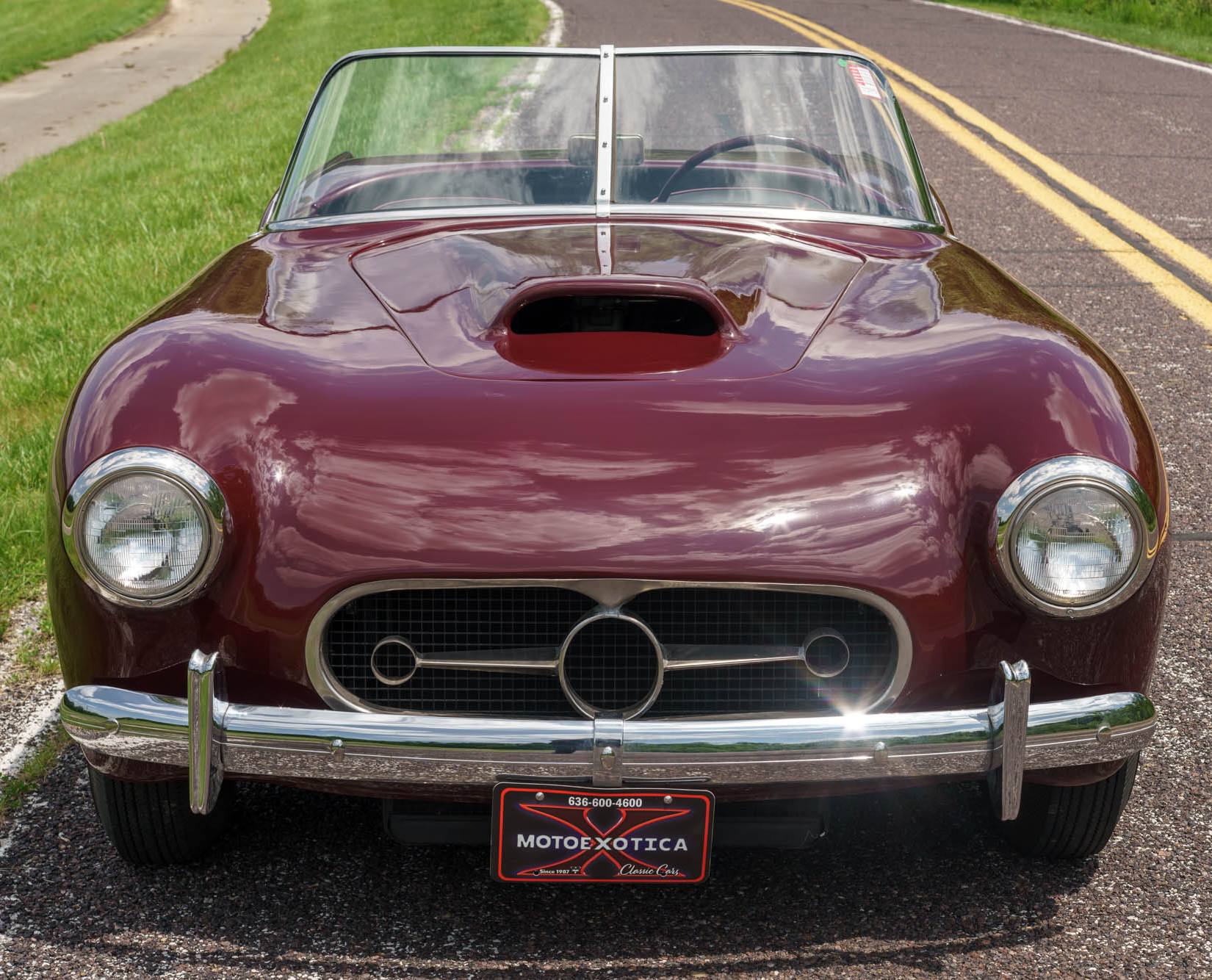
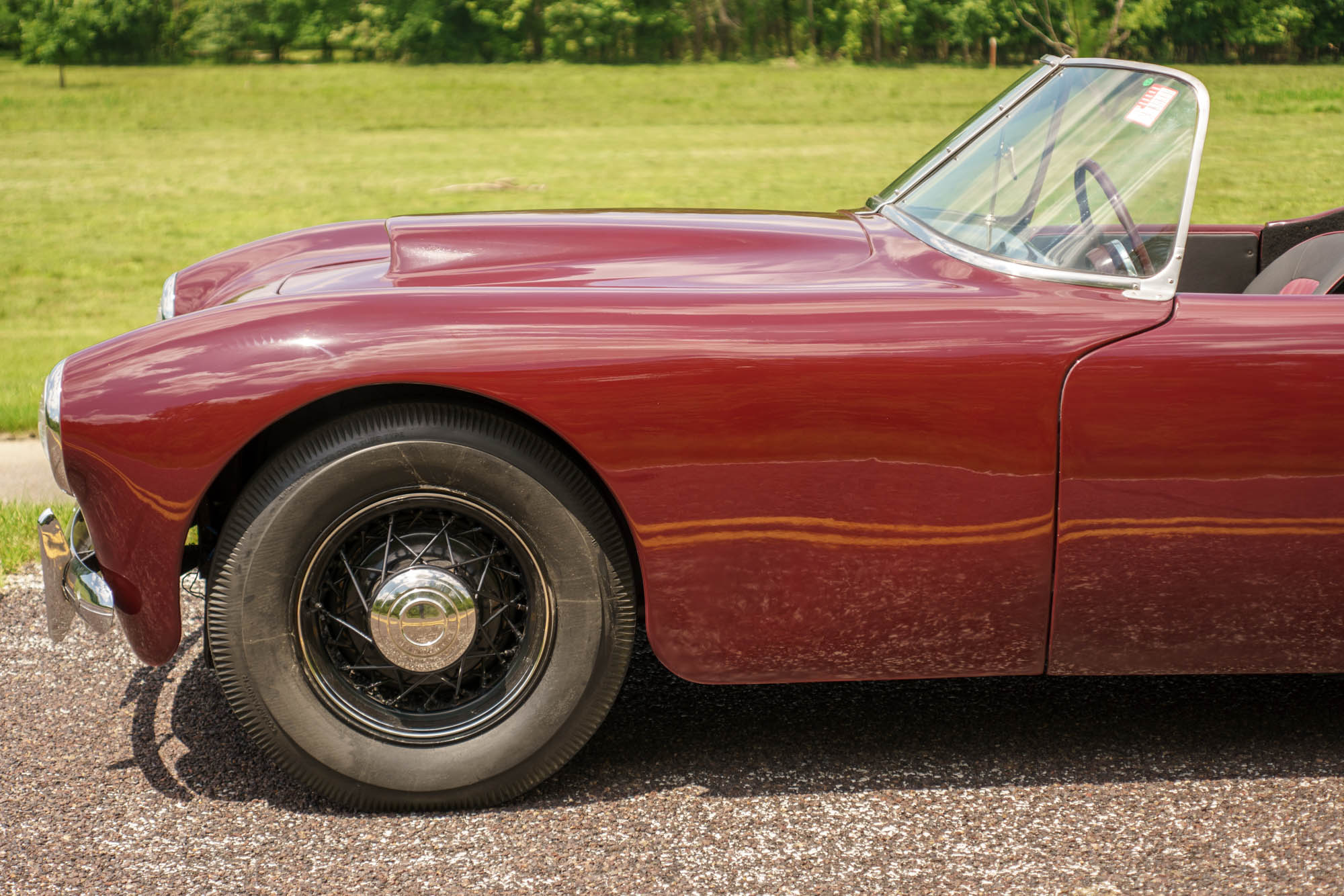
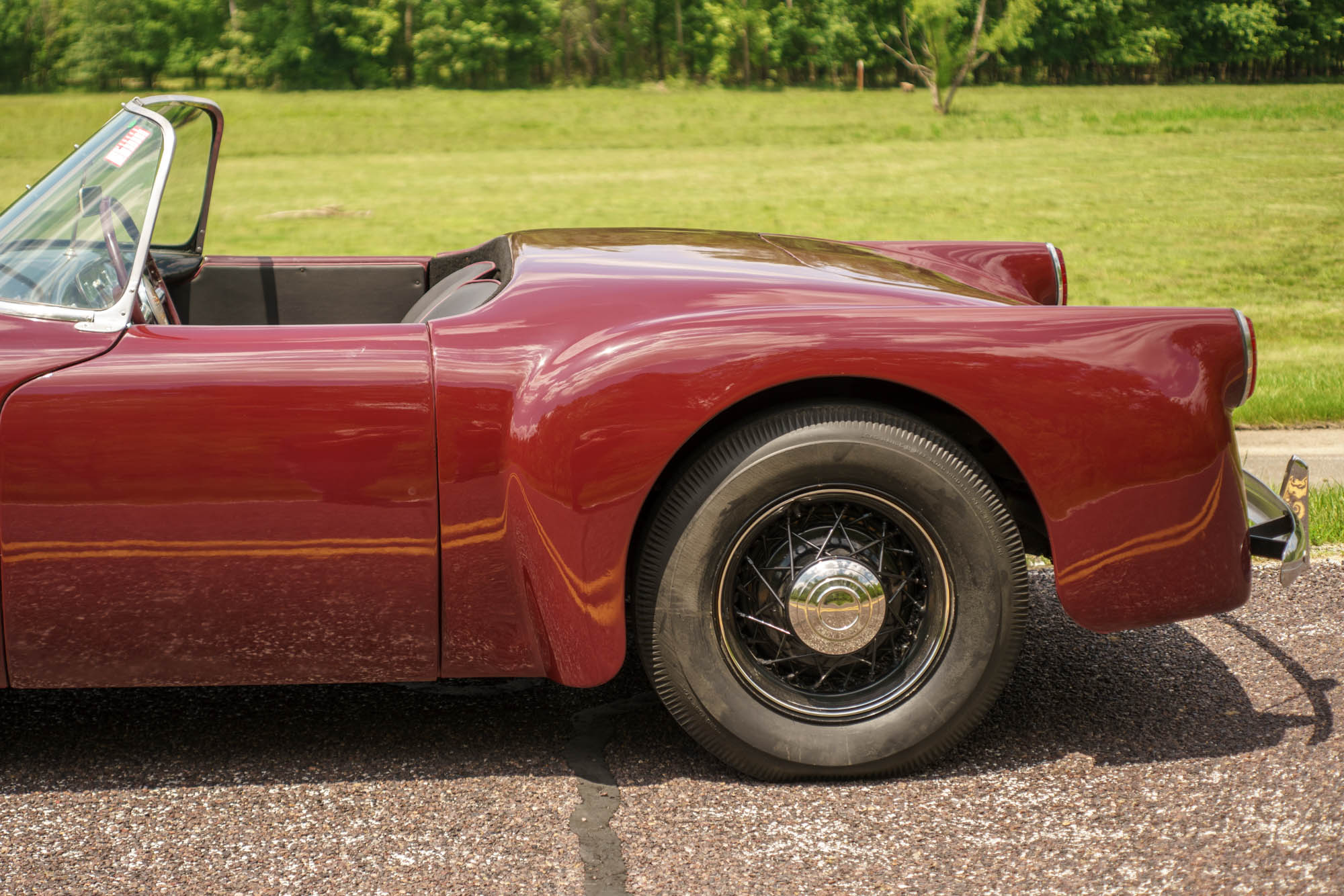
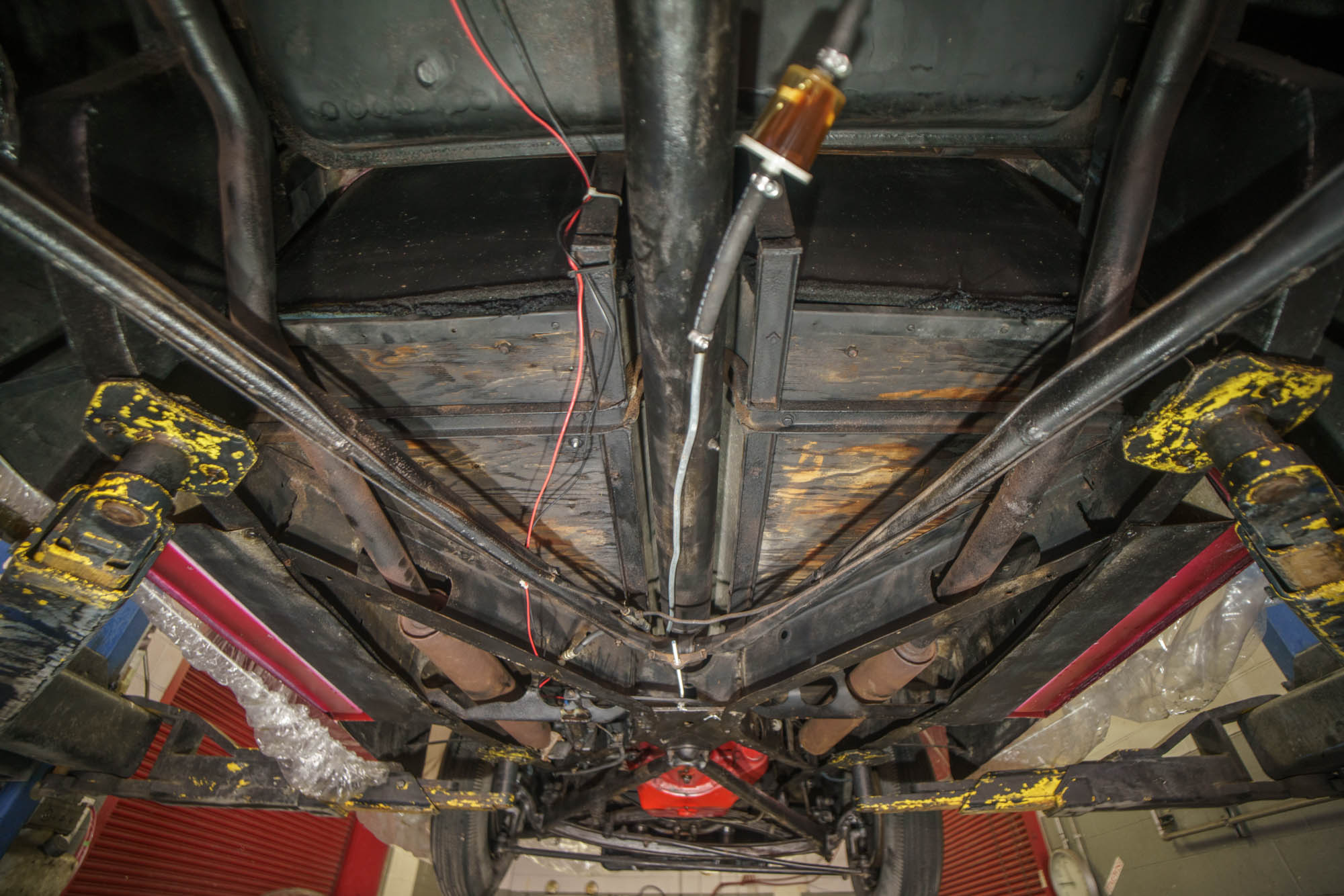
The car rides on a modified 1940s Ford frame with a 99 inch wheelbase, dropped front axle, transverse leaf springs, and lever-arm shock absorbers. Its fiberglass body was refinished in maroon during the refurbishment and carries distinctive details including a custom stainless-steel grille, hood scoop, tailfins, chrome bumpers, and a 1955 Ford Victoria windshield.
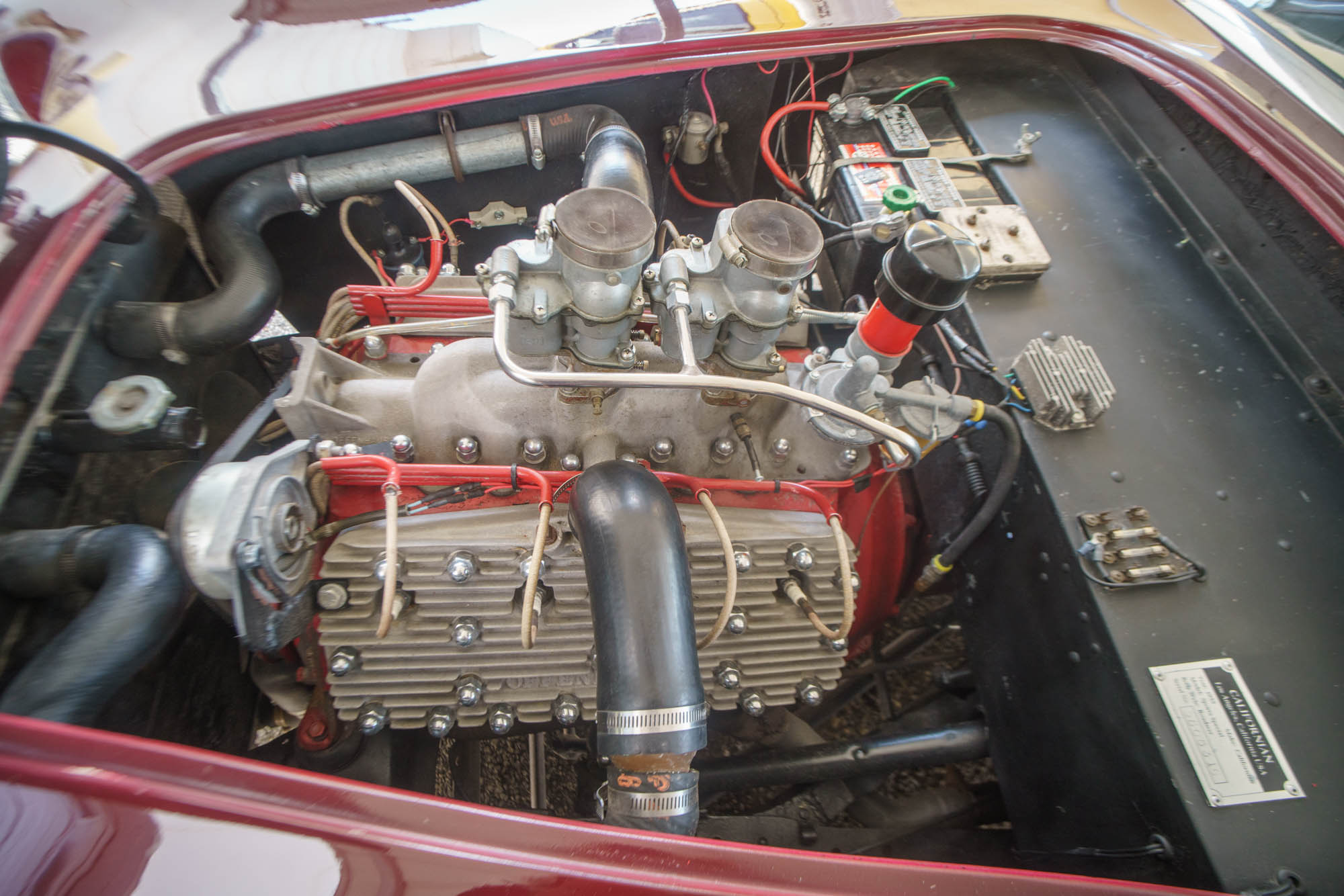
Power comes from a 239 cubic inch (3.9 liter) Mercury flathead V8 sourced from a 1948 Mercury. It has Offenhauser aluminum cylinder heads, an Offenhauser intake manifold, and twin Ford Holley 94 downdraft carburetors.
A 3-speed manual transmission sends power to the rear wheels, while four-wheel hydraulic drum brakes provide stopping power. The car rides on black powder-coated 16-inch wire wheels with bright hubcaps and trim rings.
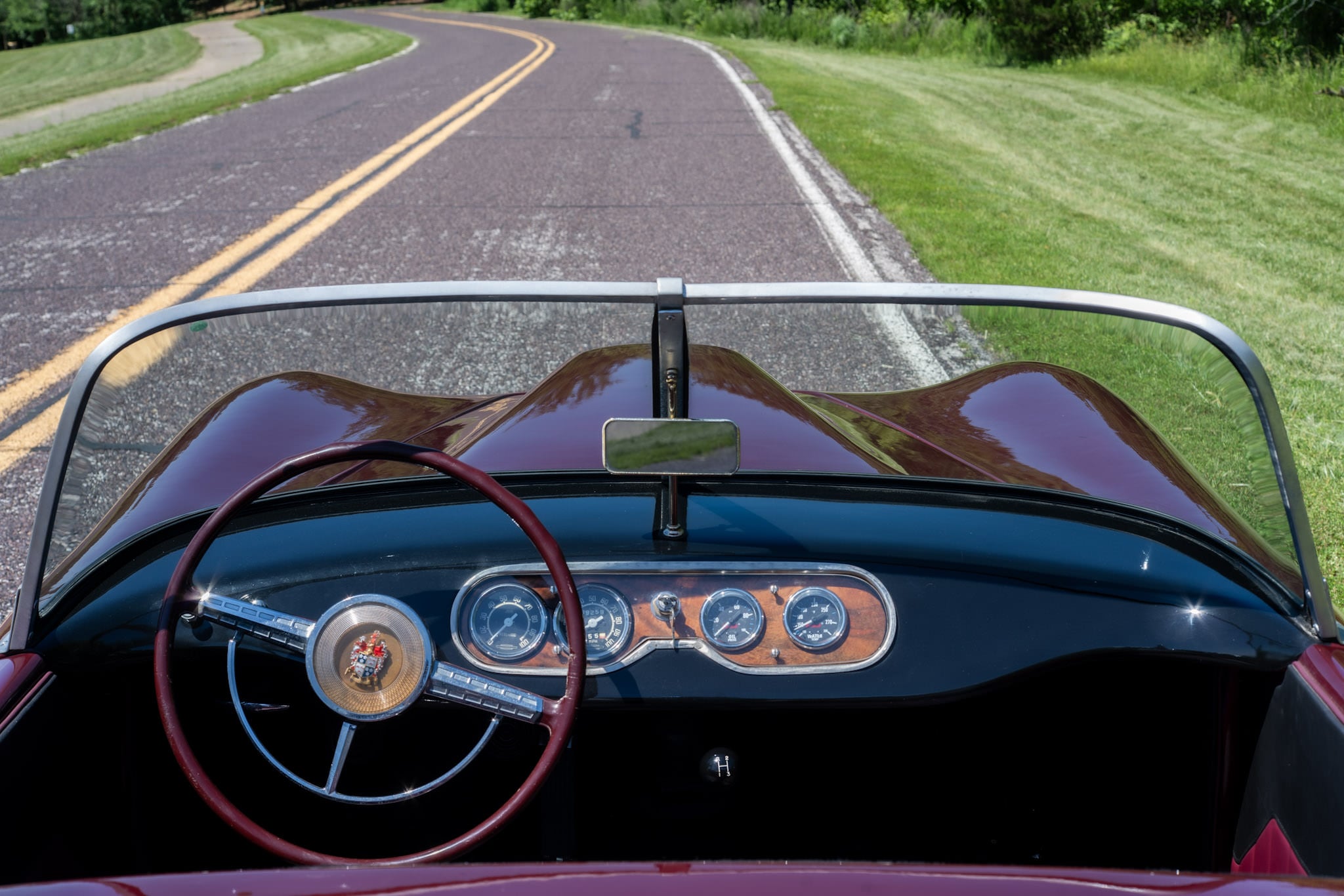
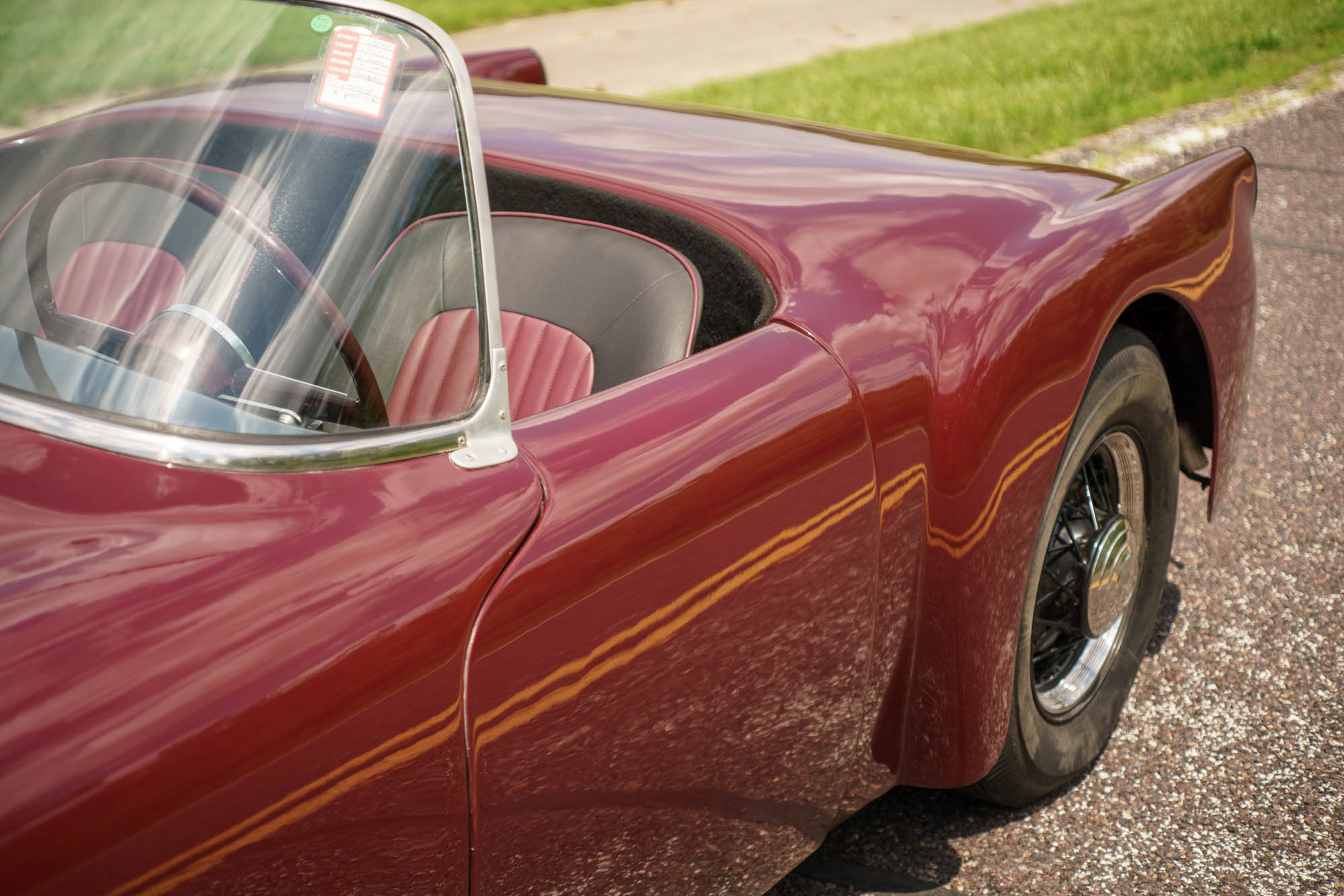
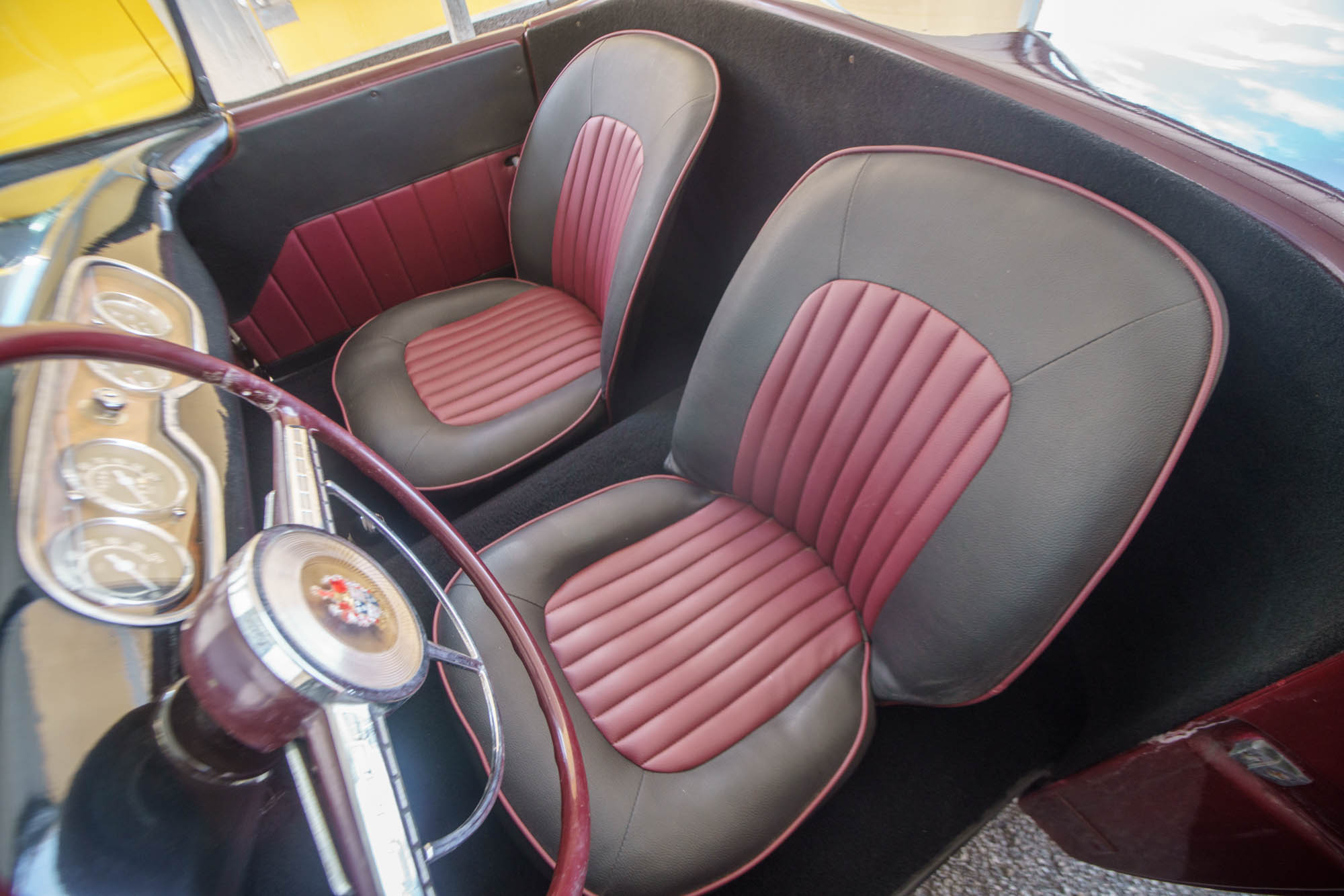
Inside, the LeGene has black and maroon vinyl bucket seats, matching door trim, black carpeting, and a floor shifter. Veglia Borletti instrumentation is fitted along with Summit oil-pressure and coolant-temperature gauges.
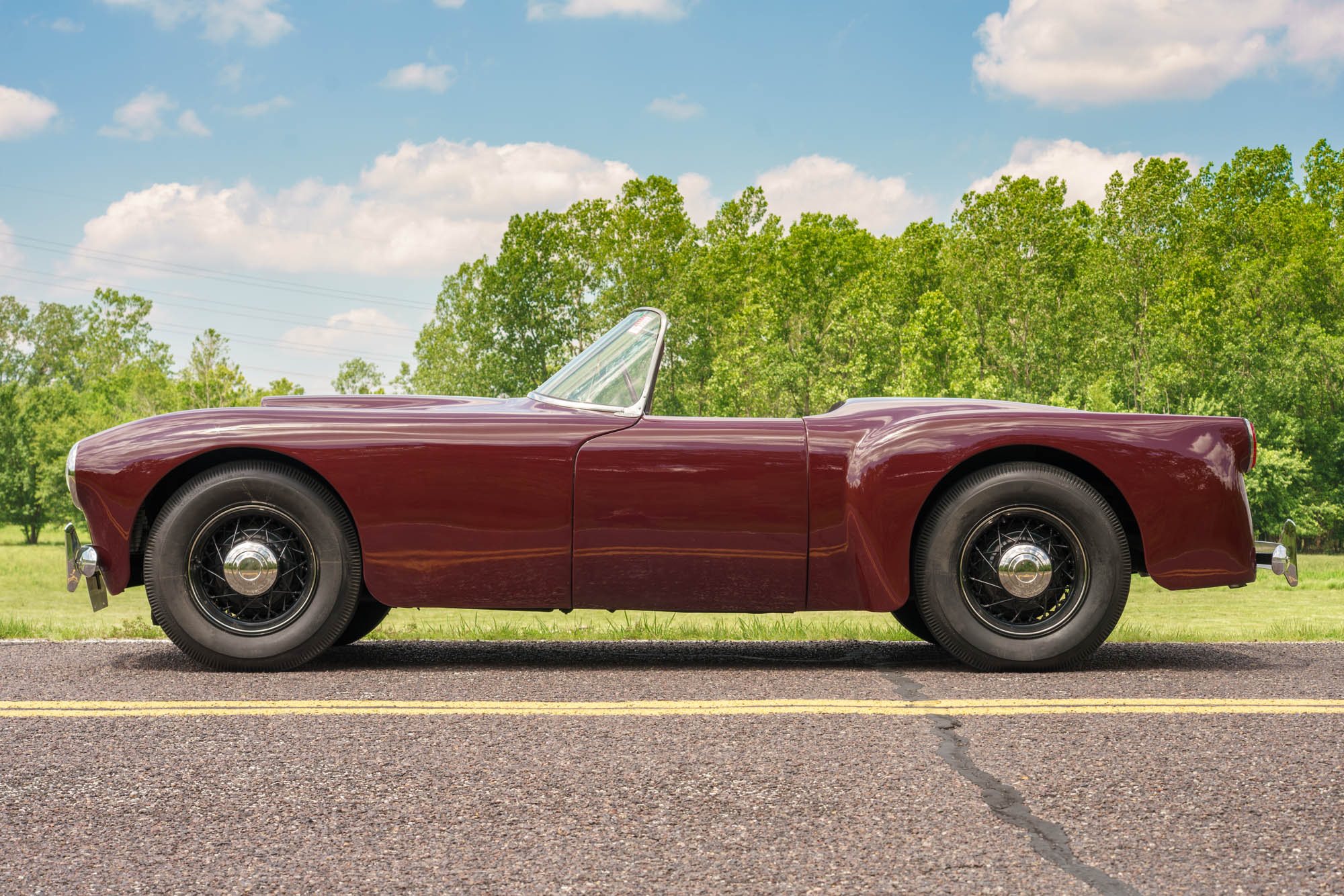
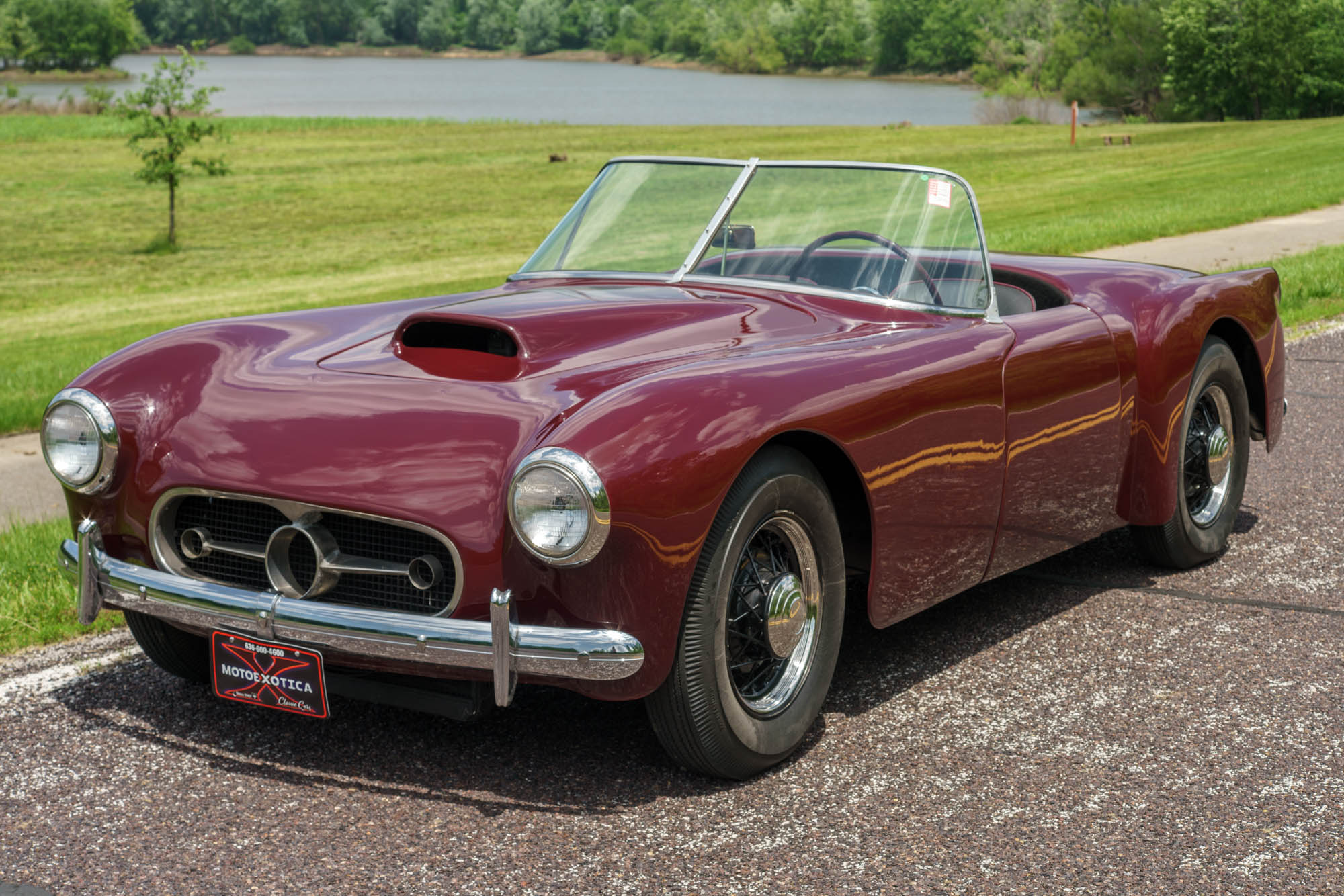
Power comes from a 239 cubic inch (3.9 liter) Mercury flathead V8 sourced from a 1948 Mercury. It has Offenhauser aluminum cylinder heads, an Offenhauser intake manifold, and twin Ford Holley 94 downdraft carburetors.
The odometer shows approximately 9,000 miles, although the true mileage is unknown and the speedometer, tachometer, and odometer are currently not working.
The selling dealer is now offering it at no reserve with a Missouri title identifying it as a 1955 CAFC. It’s being sold out of Fenton, Missouri and you can visit the listing here if you’d like to read more about it or register to bid.
Images courtesy of Bring a Trailer + Undiscovered Classics

Articles that Ben Branch has written have been covered on CNN, Popular Mechanics, Smithsonian Magazine, Road & Track Magazine, the official Pinterest blog, the official eBay Motors blog, BuzzFeed, Autoweek Magazine, Wired Magazine, Autoblog, Gear Patrol, Jalopnik, The Verge, and many more.
Silodrome was founded by Ben back in 2010, in the years since the site has grown to become a world leader in the alternative and vintage motoring sector, with well over a million monthly readers from around the world and many hundreds of thousands of followers on social media.