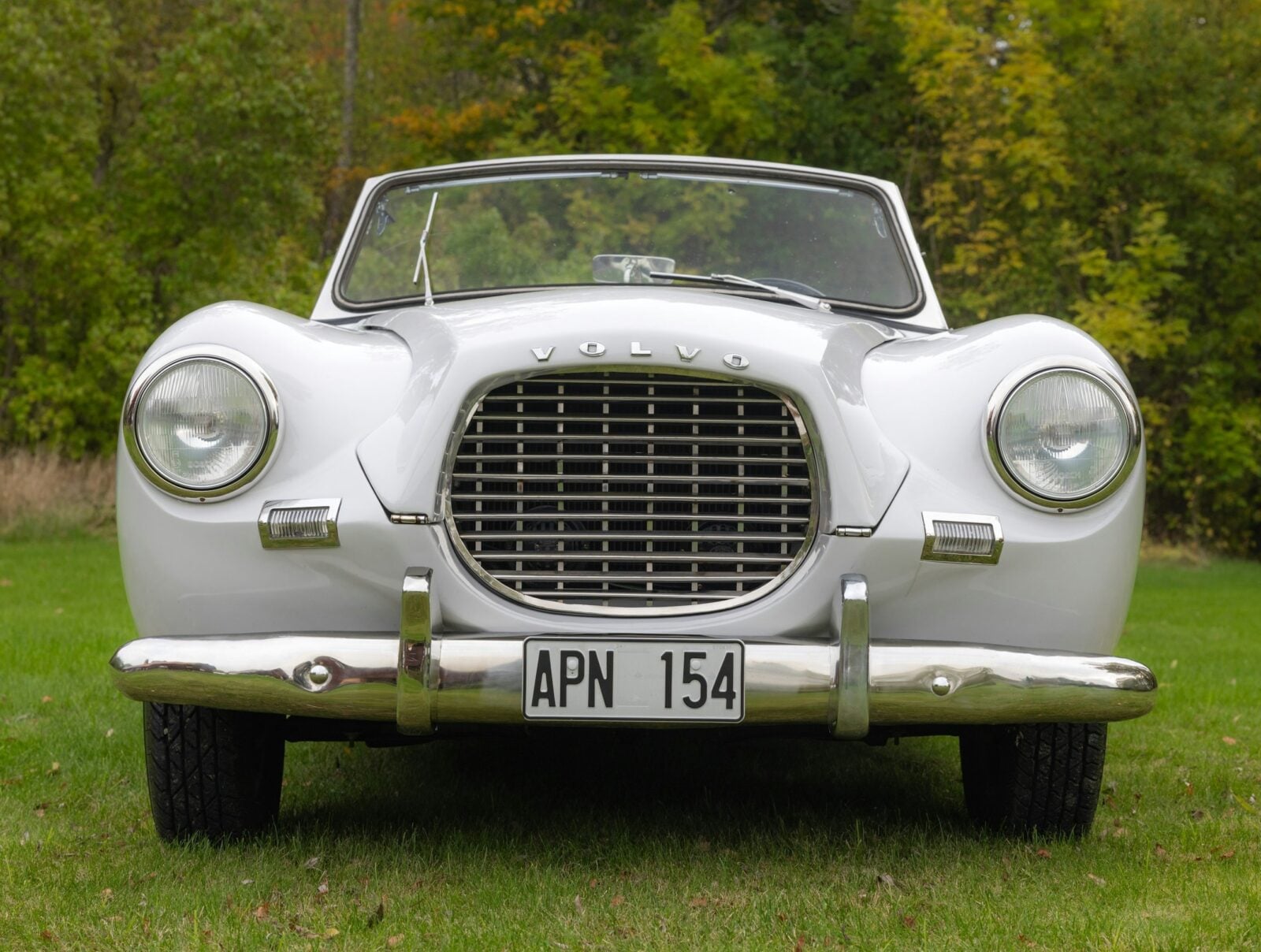
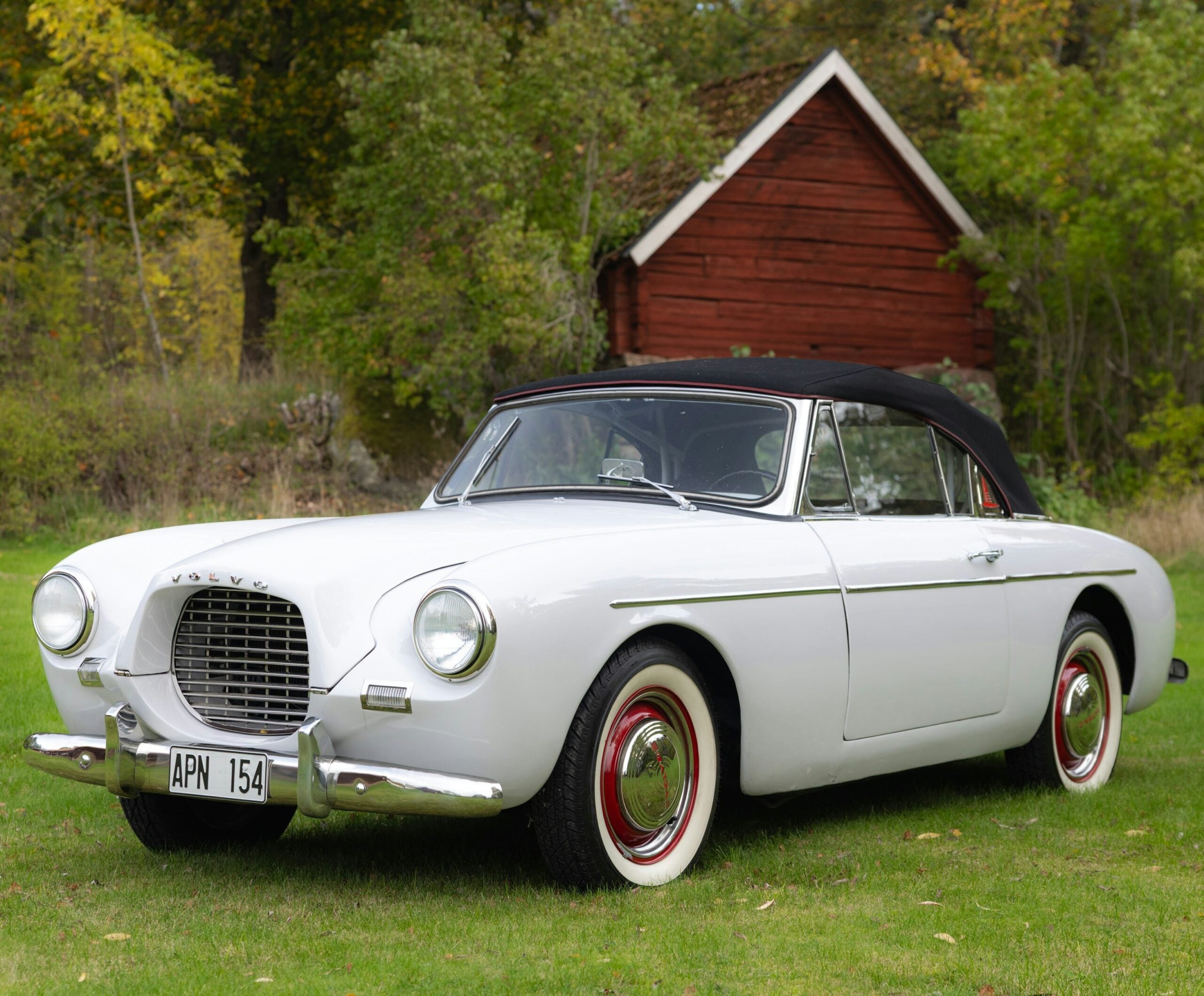
This is an original Volvo Sport P1900 from 1956, it’s the rarest civilian production model Volvo ever made, with just 68 of them produced. They had a lightweight fiberglass body fitted to a steel chassis, with Volvo running gear underneath.
Ultimately the P1900 was a failure for the Swedish automaker, but surviving examples are highly-sought after. This one is a project car that needs plenty of work, and it’s now being offered for sale out of Sweden.
Fast Facts: A 1956 Volvo Sport P1900
- The Volvo Sport P1900 was developed after Volvo co-founder Assar Gabrielsson visited the United States in 1953 and recognized the growing popularity of European sports cars. Volvo commissioned California-based Glasspar, led by Bill Tritt, to design a lightweight fiberglass body, while Swedish engineers developed a tubular steel chassis.
- The P1900 debuted in prototype form in mid-1954, but structural weaknesses and quality problems delayed production until 1956. It used Volvo PV444 suspension, brakes, and running gear, together with a modified 1.4 liter four-cylinder engine producing 70 bhp. Power was delivered through a 3-speed manual transmission.
- The P1900 proved commercially unsuccessful, with just 68 examples made before production ended in May of 1957. Volvo was reportedly losing money on every car, and incoming managing director Gunnar Engellau was unimpressed with its construction. Despite its failure, the P1900 paved the way for the far more successful Volvo P1800.
- The 1956 P1900 shown here is finished in white over red, having originally been light grey. It has a replacement 4-speed manual gearbox and requires significant mechanical and cosmetic work, including fuel system repairs, carburetor rebuilding, electrical attention, and paintwork repairs. It’s currently offered for sale in Uppsala, Sweden.
History Speedrun: The Volvo Sport P1900
Assar Gabrielsson, Volvo’s Co-Founder and Managing Director, had gone on a tour of the United States in 1953 while preparing to sell the new Volvo PV444 sedan there. He found that American buyers seemingly loved European sports cars from the likes of MG, Jaguar, Triumph, and Porsche, and he found Chevrolet building its new Corvette with a body made from a space-age material named fiberglass-reinforced polyester – instead of the more traditional stamped steel. A sports car, he believed, could open the market for the sedan and help Volvo establish its brand there. Fiberglass also needed very little press tooling, which made it perfectly suited to a company of Volvo’s relatively small size.
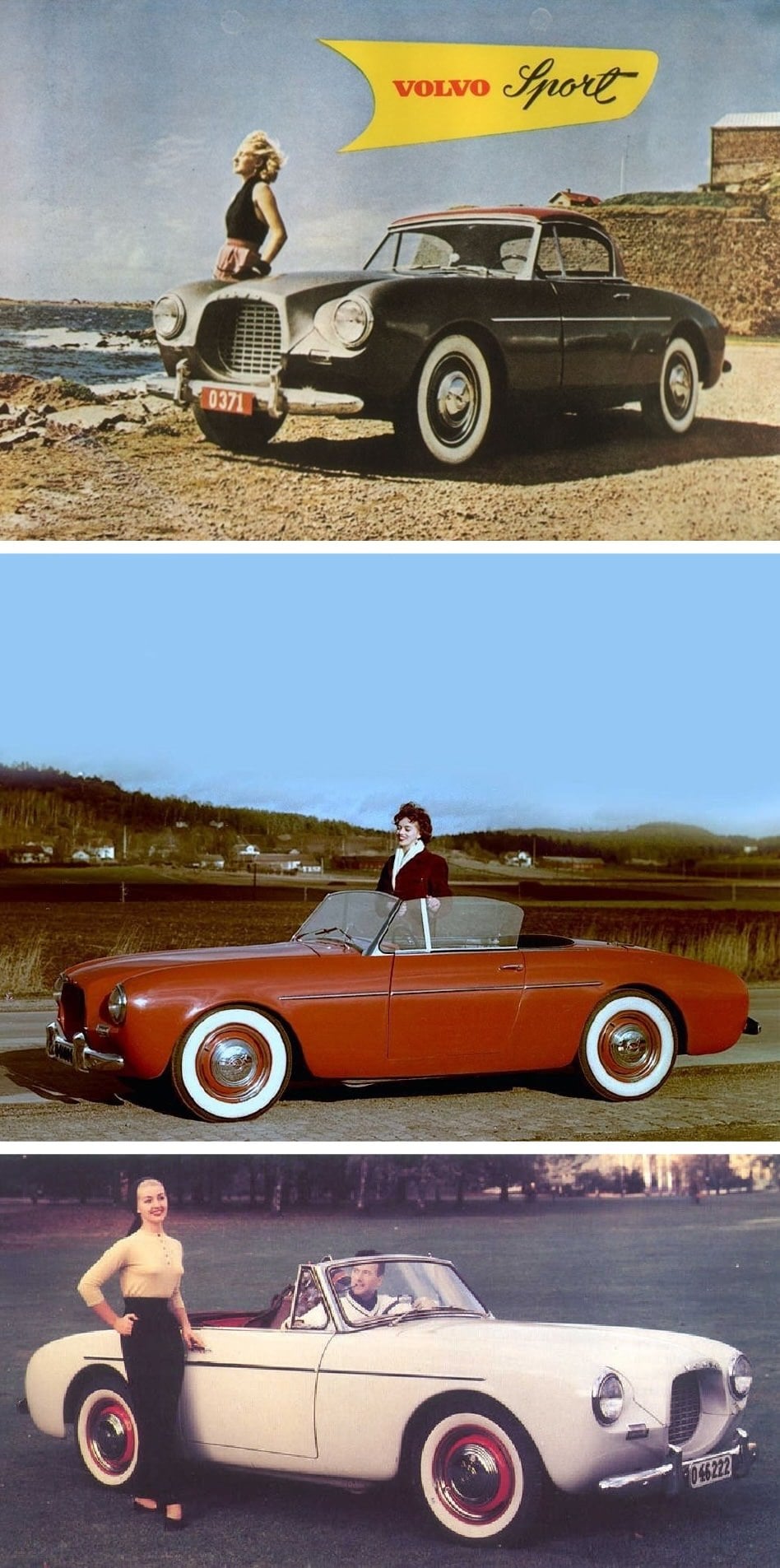
 The production Volvo Sport, known inside the company as the P1900, had its fiberglass body fitted on a separate frame of steel tubing with side rails, crossmembers, and a cross brace. The current-production Volvo PV444 supplied the gearbox, rear axle, front suspension, and brakes. Images provided by Volvo.
On that same trip Gabrielsson visited Glasspar, a California company that molded fiberglass boat hulls and their own line of sports car bodies. Volvo commissioned them to design a body, make the molds, build the first prototype, and train Volvo’s staff to work in the material.
Glasspar’s founder, Bill Tritt, was the one who laid down the design of the new body. The drawings went to Gothenburg with an order to find a chassis to suit, which was a problem, as the PV444 was a unibody car with no frame to borrow, as a result, Volvo’s engineers had to design a new chassis from steel tubing.
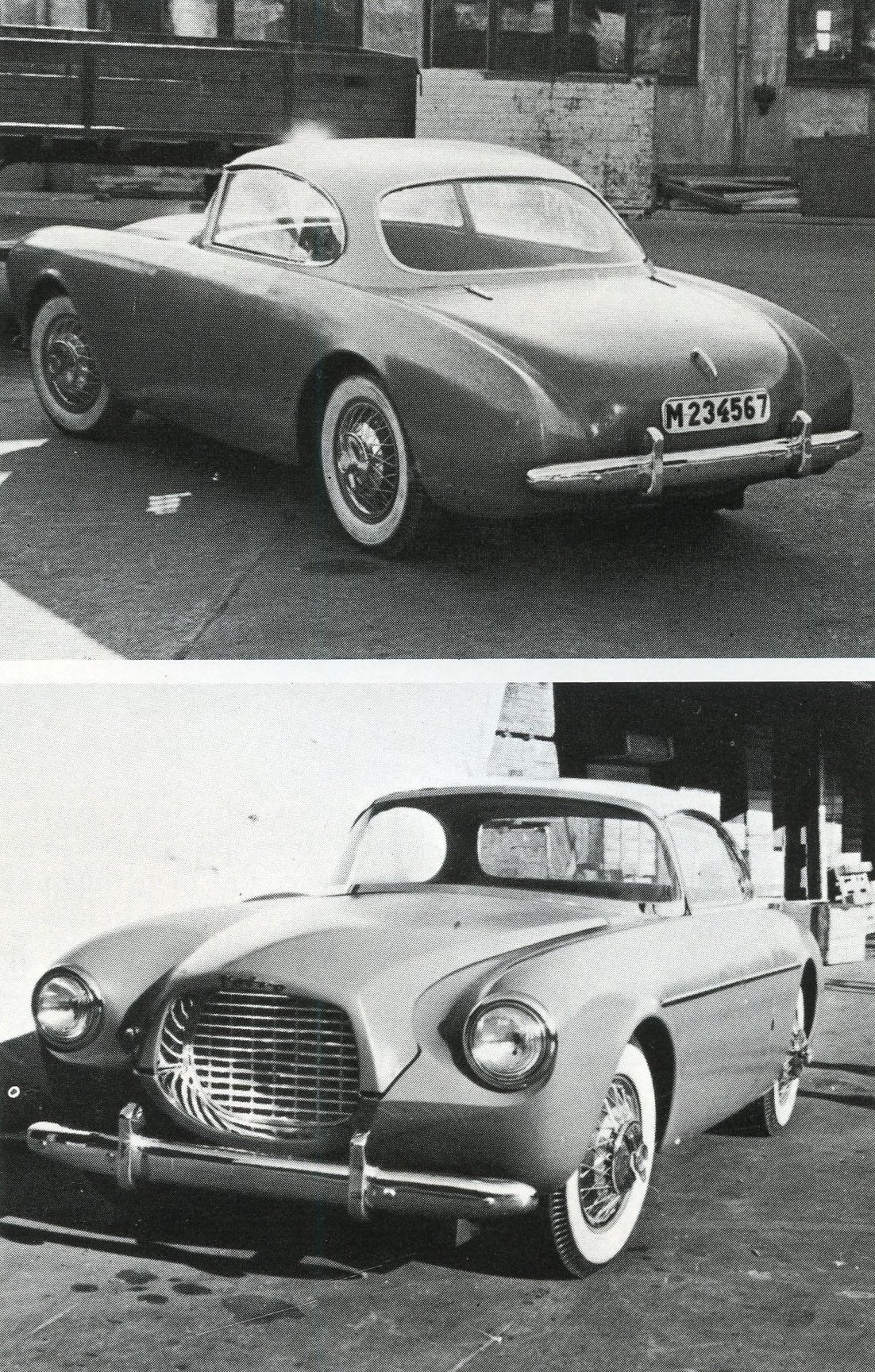
Glasspar delivered the first drivable prototype early in 1954, and to say the least, internal testing went poorly. The chassis was too weak, the plastic body cracked, the doors didn’t fit properly, and the 3-speed gearbox was more agricultural in its design rather than sporty.
Volvo showed the car anyway, presenting three prototypes at Torslanda Airport in Gothenburg on June the 2nd, 1954, each with a hardtop, no folding roof, and side windows that couldn’t be lowered. The company said the car would go on sale in 1955, that the first series would be 300 cars, and that every single one of them would be exported, an open-topped car was deemed unsuitable for the cooler Nordic climate.
The three cars then toured every Volvo dealer in Sweden, which seemed a little unfair given the fact that the company had just told everyone they wouldn’t be available locally.
Two Years Of Delays
Production took another two years to begin. Volvo engineers Helmer Petterson and Pelle Nyström had taken one car on a long test drive through southern Europe and all the way into North Africa. Their official reports were positive but Petterson’s internal report wasn’t – the frame was too weak, the body mounts wore out, and the door hinges were well below par.
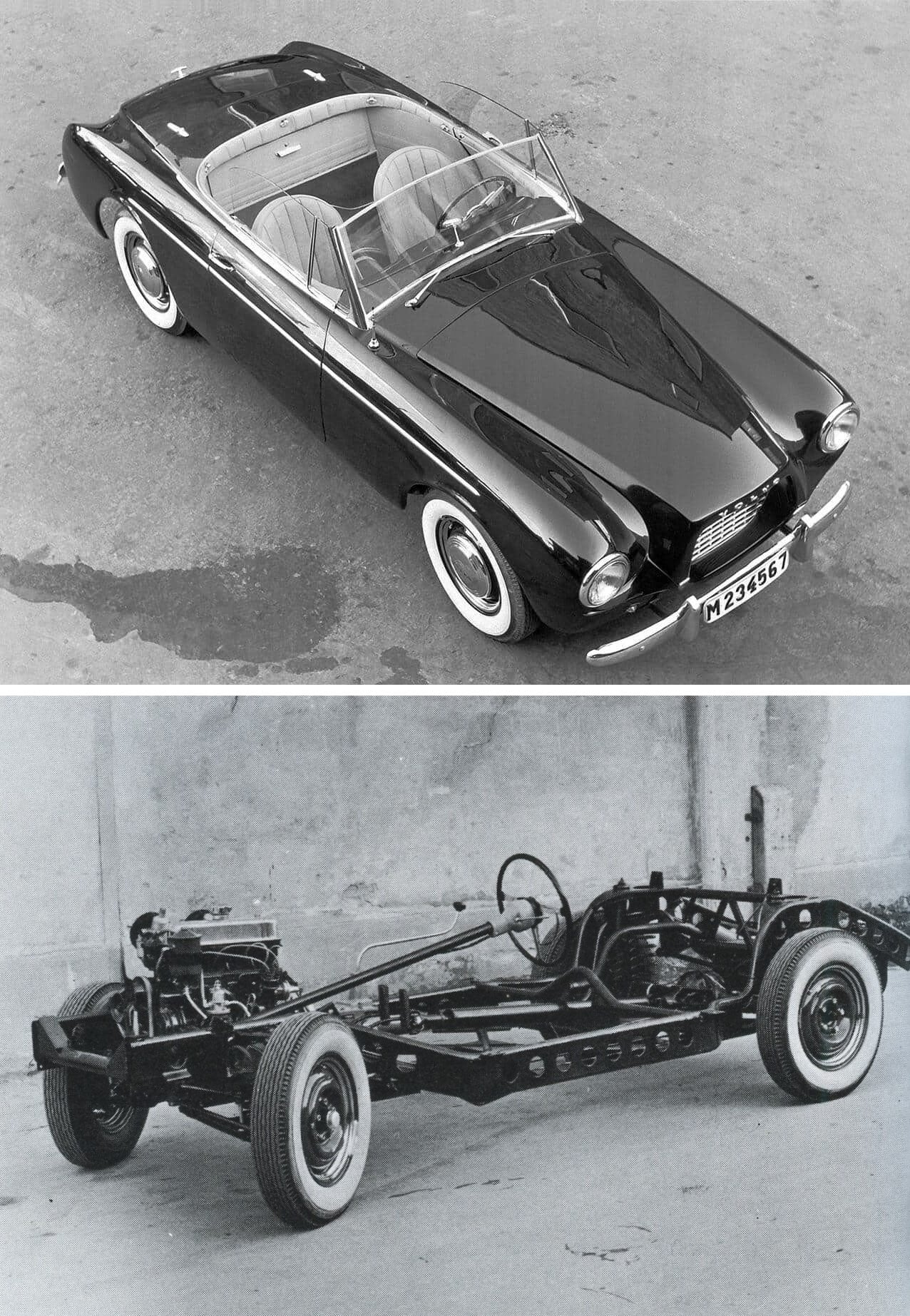
In the lower image here you see the production Volvo Sport P1900 steel chassis, it was fitted with independent front suspension on coil springs, a live rear axle on coil springs located by arms, telescopic dampers, hydraulic drum brakes on all four wheels, and cam and twin lever steering. Images provided by Volvo.
Interestingly, his son Pelle would later design the similarly-named Volvo P1800, which became the Swedish company’s best-selling, best-loved sports car just a few years later.
By the spring of 1956 the P1900 had a folding top and wind-down windows, and the first examples went to customers in South Africa, Brazil, Morocco, and the United States. They also went to some local Swedish buyers, the export-only policy had been dropped.
Volvo PV444 Parts On A Tube Frame
The production Volvo Sport, known inside the company as the P1900, had its fiberglass body fitted on a separate frame of steel tubing with side rails, crossmembers, and a cross brace. The current-production Volvo PV444 supplied the gearbox, rear axle, front suspension, and brakes.
It had independent front suspension on coil springs, a live rear axle on coil springs located by arms, telescopic dampers, hydraulic drum brakes on all four wheels, and cam and twin lever steering. The wheelbase was 94.5 inches, 7.9 inches shorter than the sedan’s. The overall length was 166 inches and curb weight was relatively light at 2,129 lbs, thanks in no small part to that aluminum body.
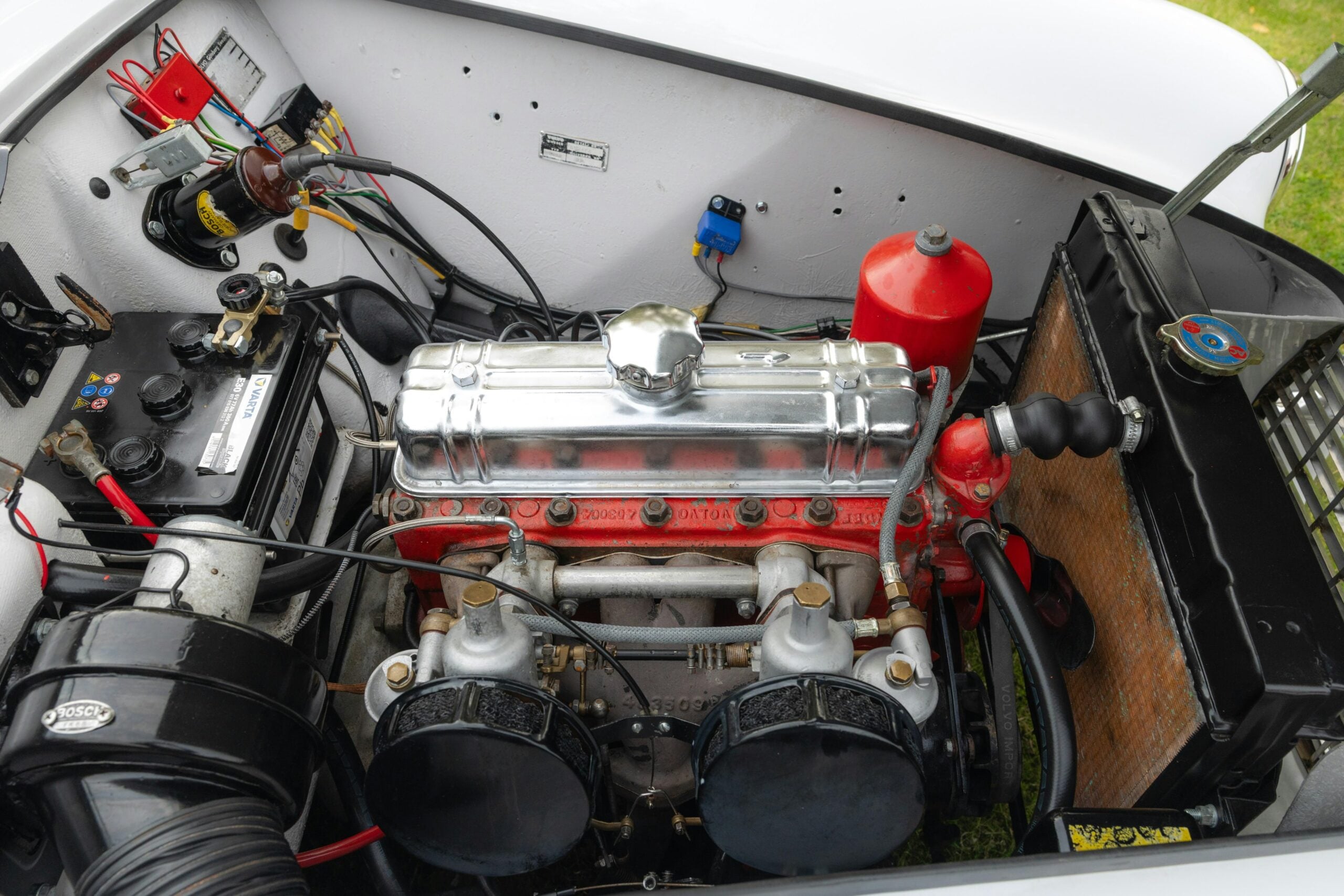
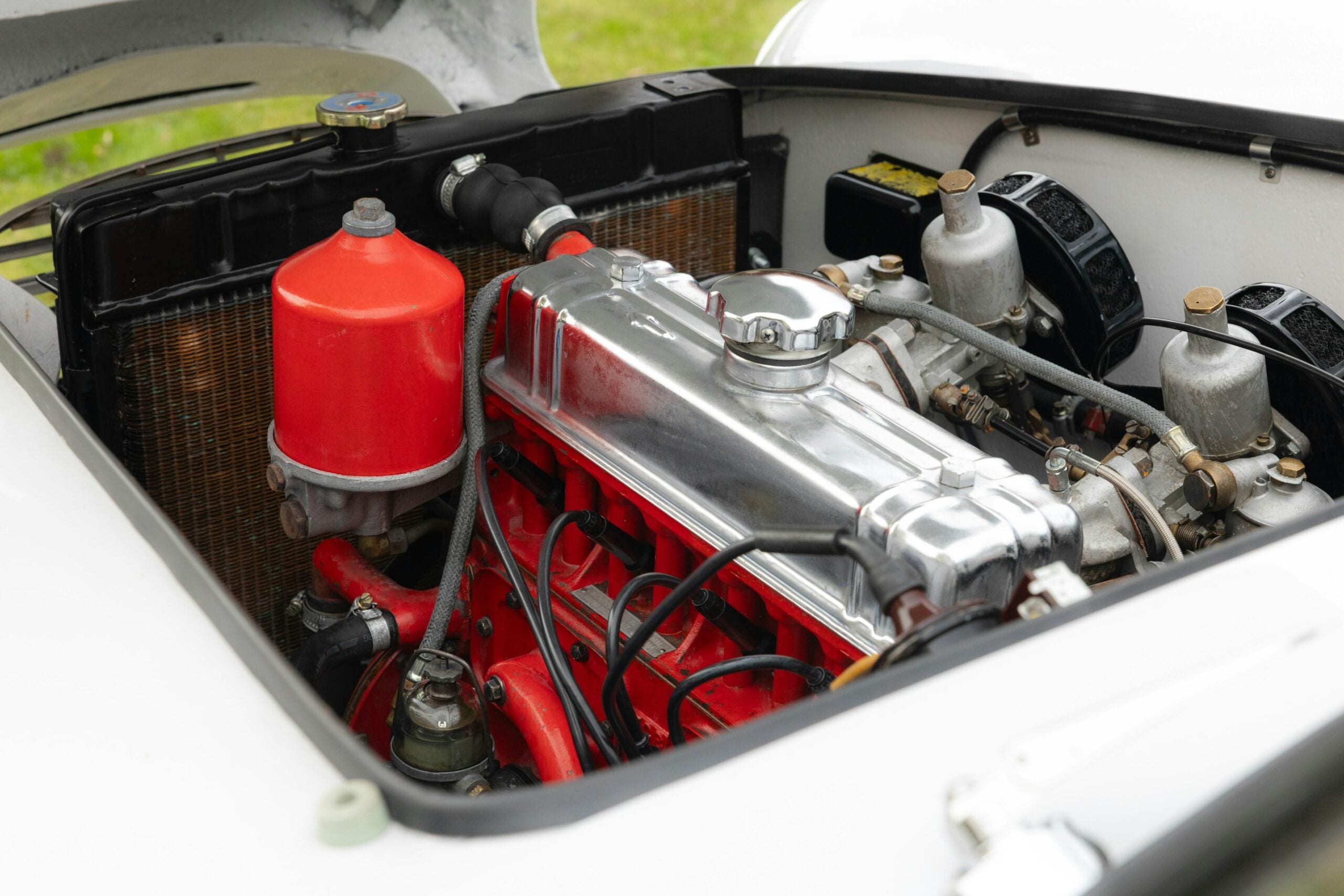
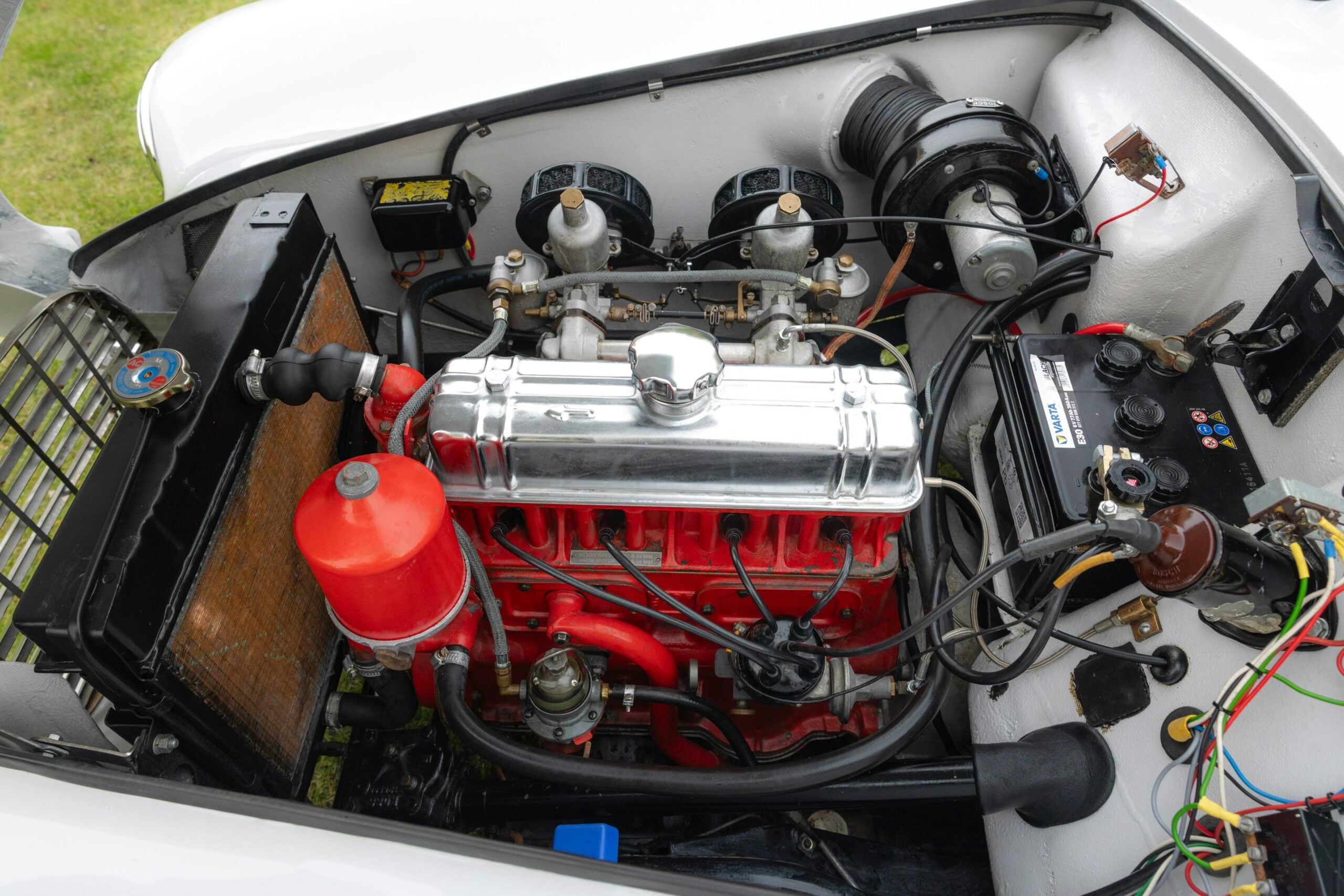
The engine was the PV444 sedan’s 1.4 liter (1,414 cc) overhead-valve four, fitted with twin SU carburetors, a different camshaft, larger intake valves, and a 7.8:1 compression ratio. Volvo named it the B14A and rated it at 70 bhp at 5,500 rpm and 75.9 lb ft of torque at 3,000 rpm, versus 51 bhp in the PV444.
Drive went through a 3-speed manual with synchromesh on the upper two gears and a floor lever, to a hypoid rear axle geared at 4.56:1. It had a quoted top speed of 96 mph, though there’s no record of anyone having hit it successfully.
Some of the parts and fittings came from other manufacturers’ parts bins, it had Chevrolet tail lights, Humber interior door handles, and Morris Oxford exterior handles.
The engine used in the Volvo Sport P1900 was the PV444 sedan’s 1.4 liter (1,414 cc) overhead-valve four, fitted with twin SU carburetors, a different camshaft, larger intake valves, and a 7.8:1 compression ratio. Volvo named it the B14A and rated it at 70 bhp at 5,500 rpm and 75.9 lb ft of torque at 3,000 rpm, versus 51 bhp in the PV444. Images provided by Volvo.
The Volvo Sport P1900 Goes On Sale
The Volvo Sport P1900 cost 19,700 SEK in Sweden (about $3,800 USD at the time, or roughly $47,000 USD in 2026), but buyers were wary both of the price and the plastic body. Only 44 of them were built in 1956.
Gabrielsson stepped down as Managing Director that year and became chairman of Volvo’s board. His successor in the post, Gunnar Engellau, borrowed a Sport for a weekend and reportedly came back saying, “I thought it would fall apart!” Volvo was also losing money on every car it sold and Engellau ended production – the last of the 23 cars built in 1957 was completed in May. Most of that final year’s cars went to the United States.
Volvo’s official records came to a total of 67, but strangely, later research found that two cars had been given chassis number 20, apparently by accident, which would make the actual total 68. The P1900 now holds the ignominious record of having the lowest production number of any civilian Volvo production model in history.
The sporting 70 bhp engine that powered the P1900 actually outlasted the car. Volvo fitted it to the PV444 for the US market in 1957 and sold that sedan as “The family sports car.” Engellau later commissioned a new sports car (with a steel body this time), it would be named the Volvo P1800 – it followed four years later.
Volvo said in 2014 that the whereabouts of 50 Volvo P1900s were known, a remarkably high number of survivors given the low production number, and possibly due to the fiberglass body which obviously couldn’t rust.
The 1956 Volvo Sport P1900 Shown Here
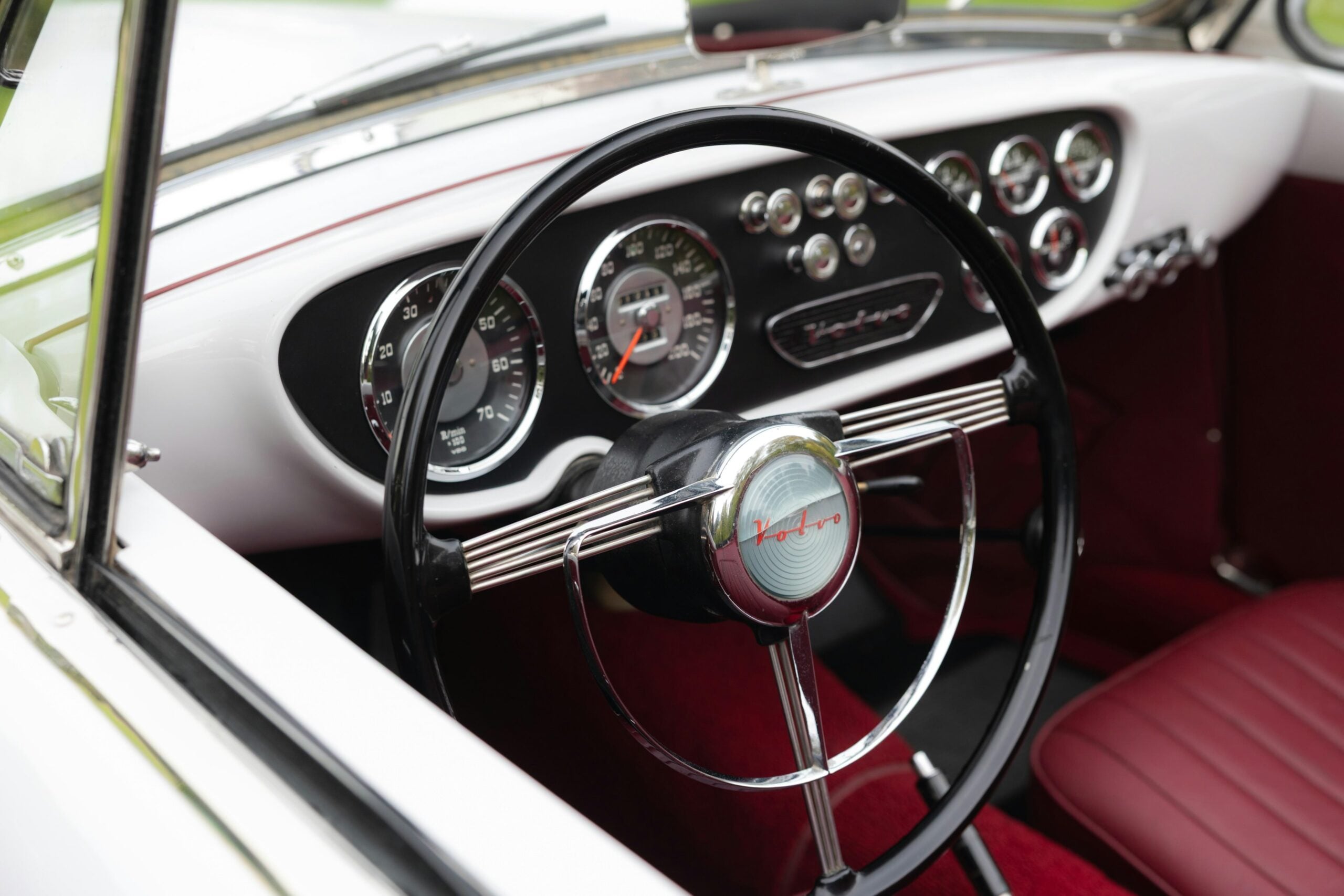
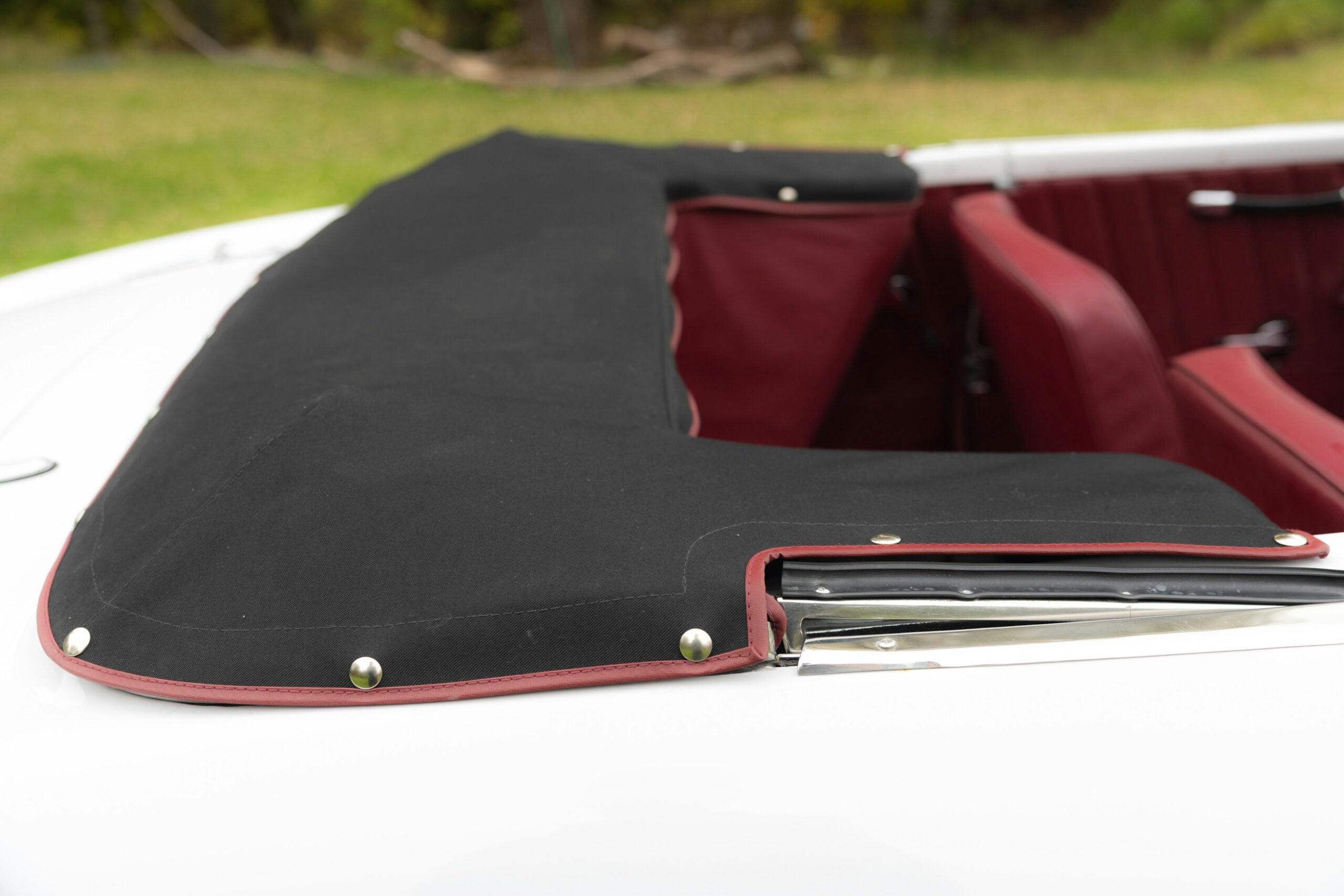
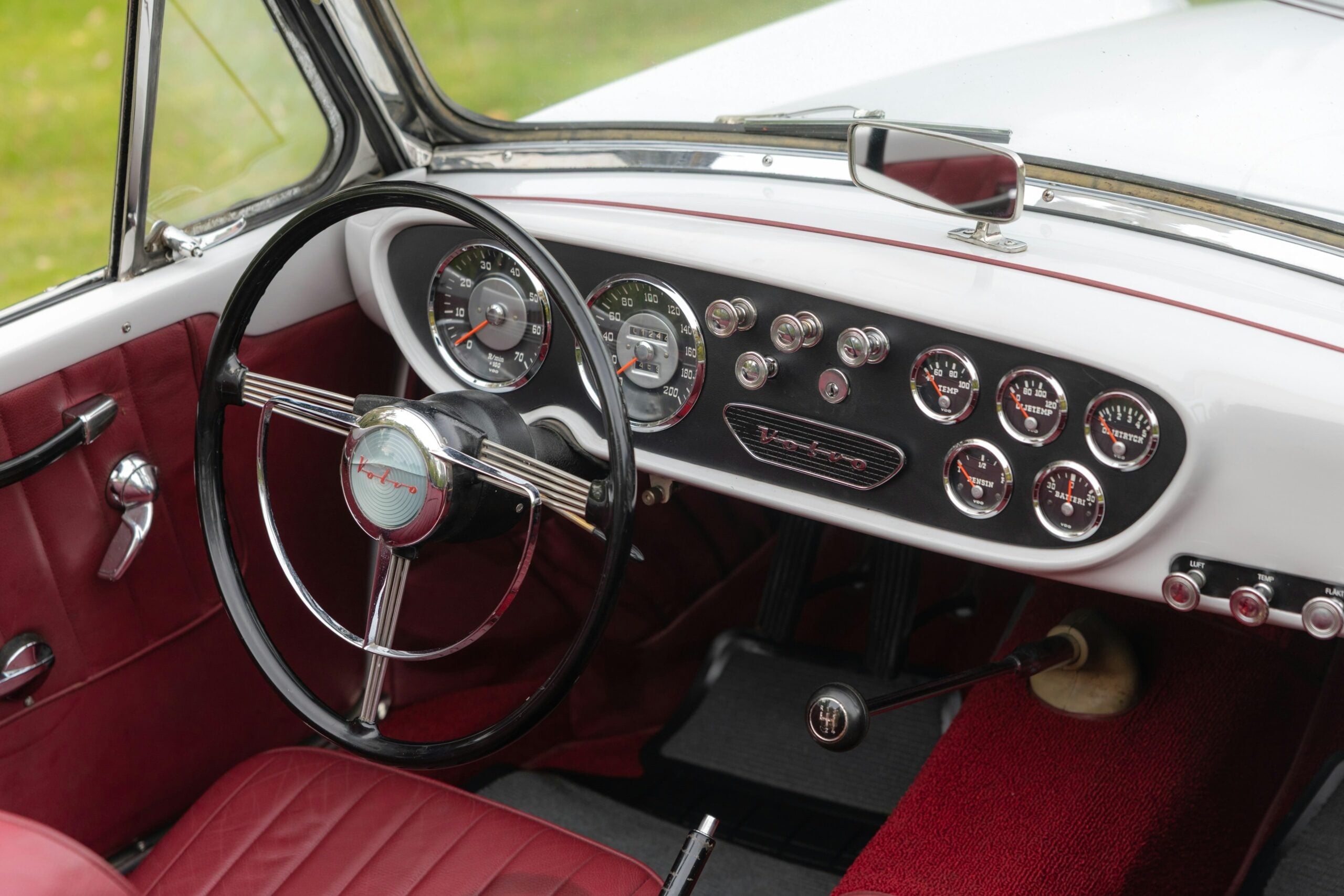
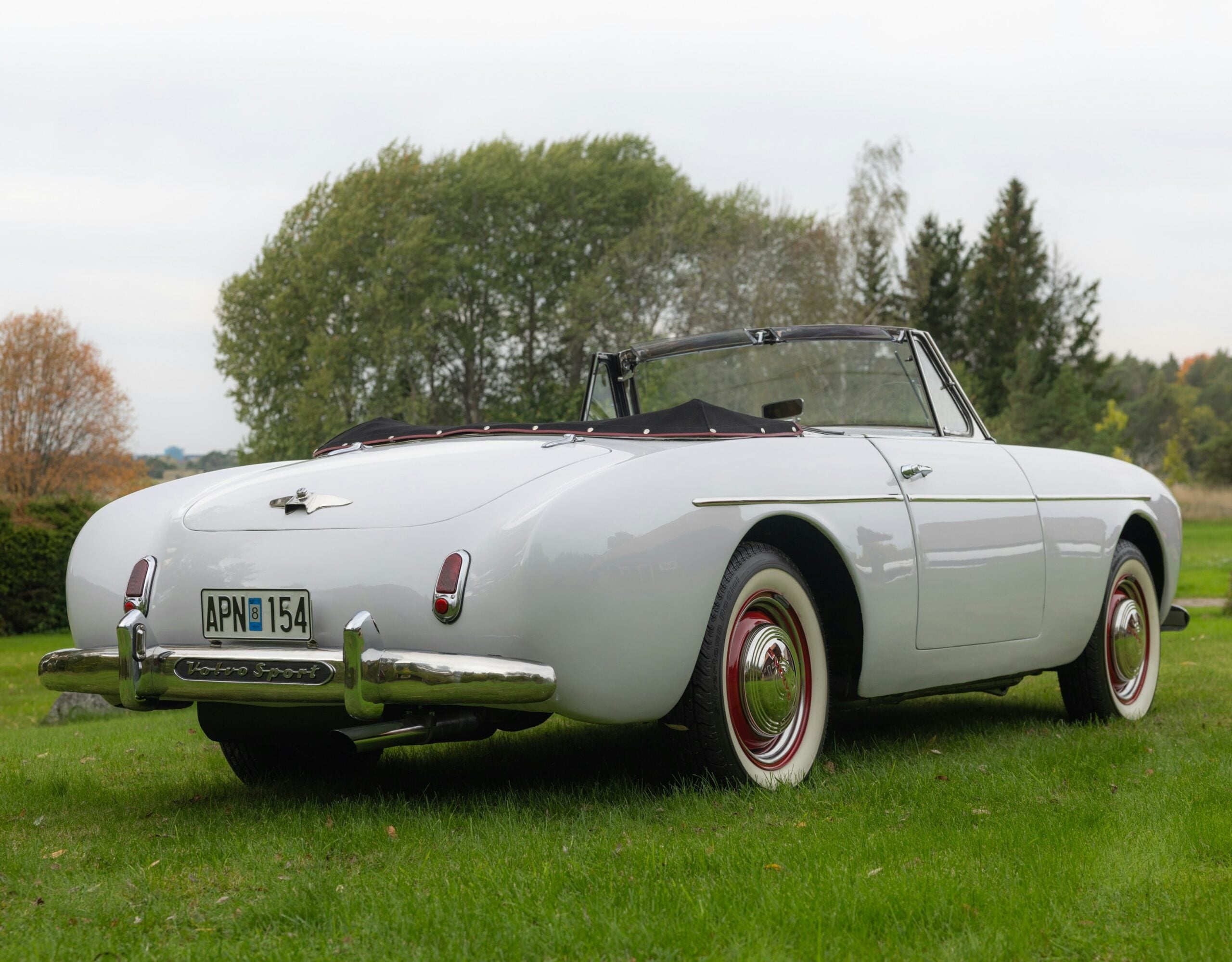
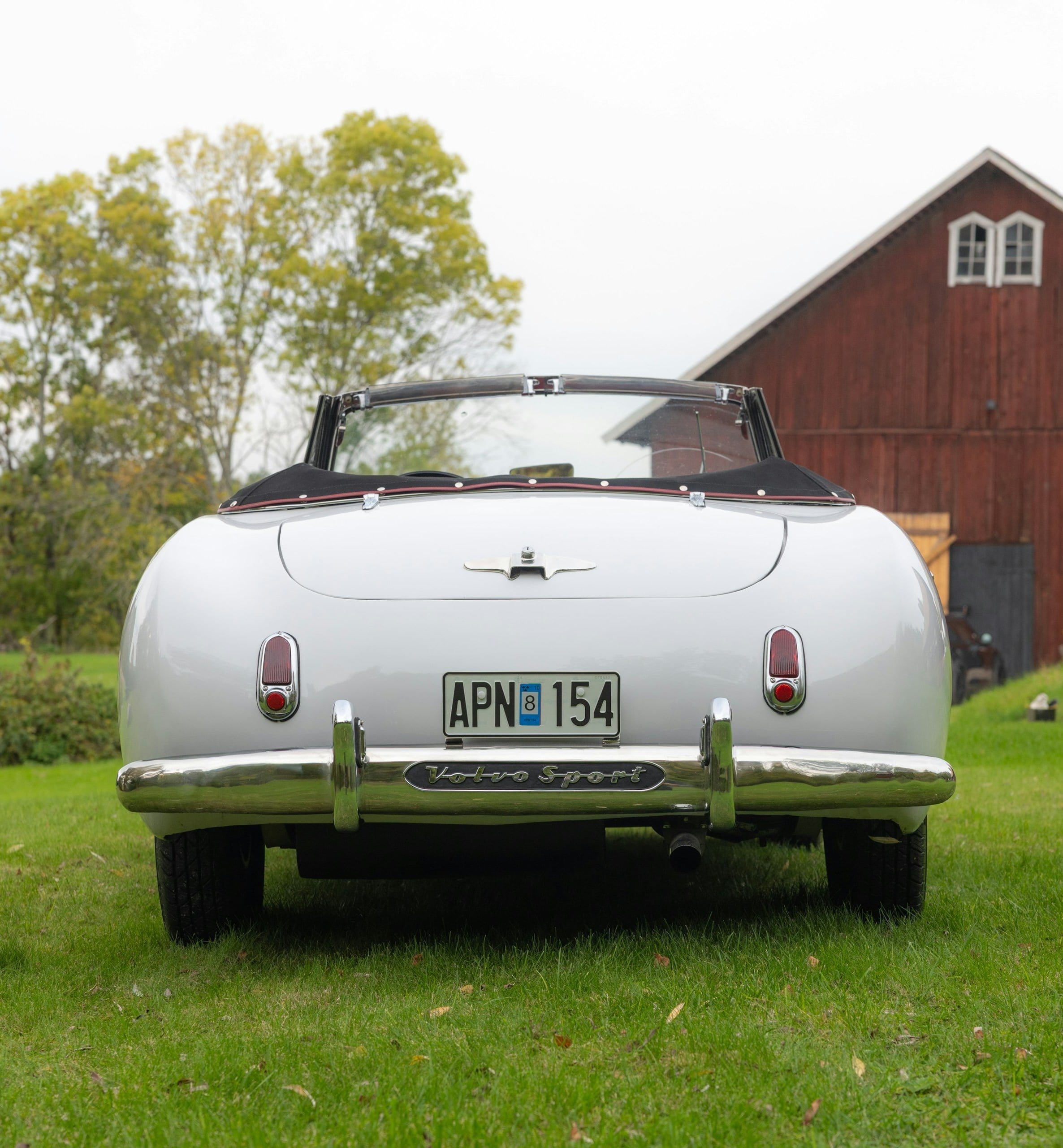
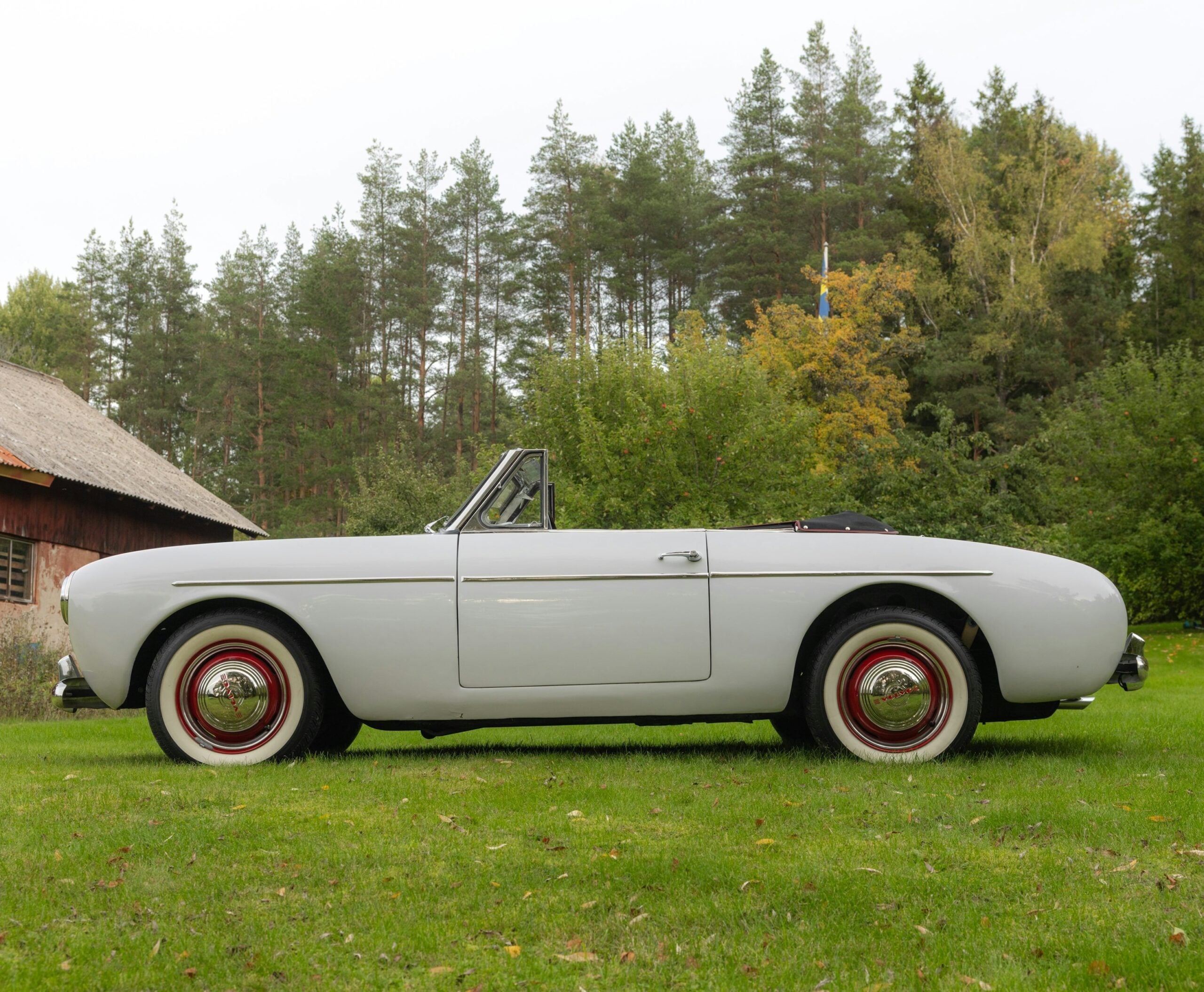
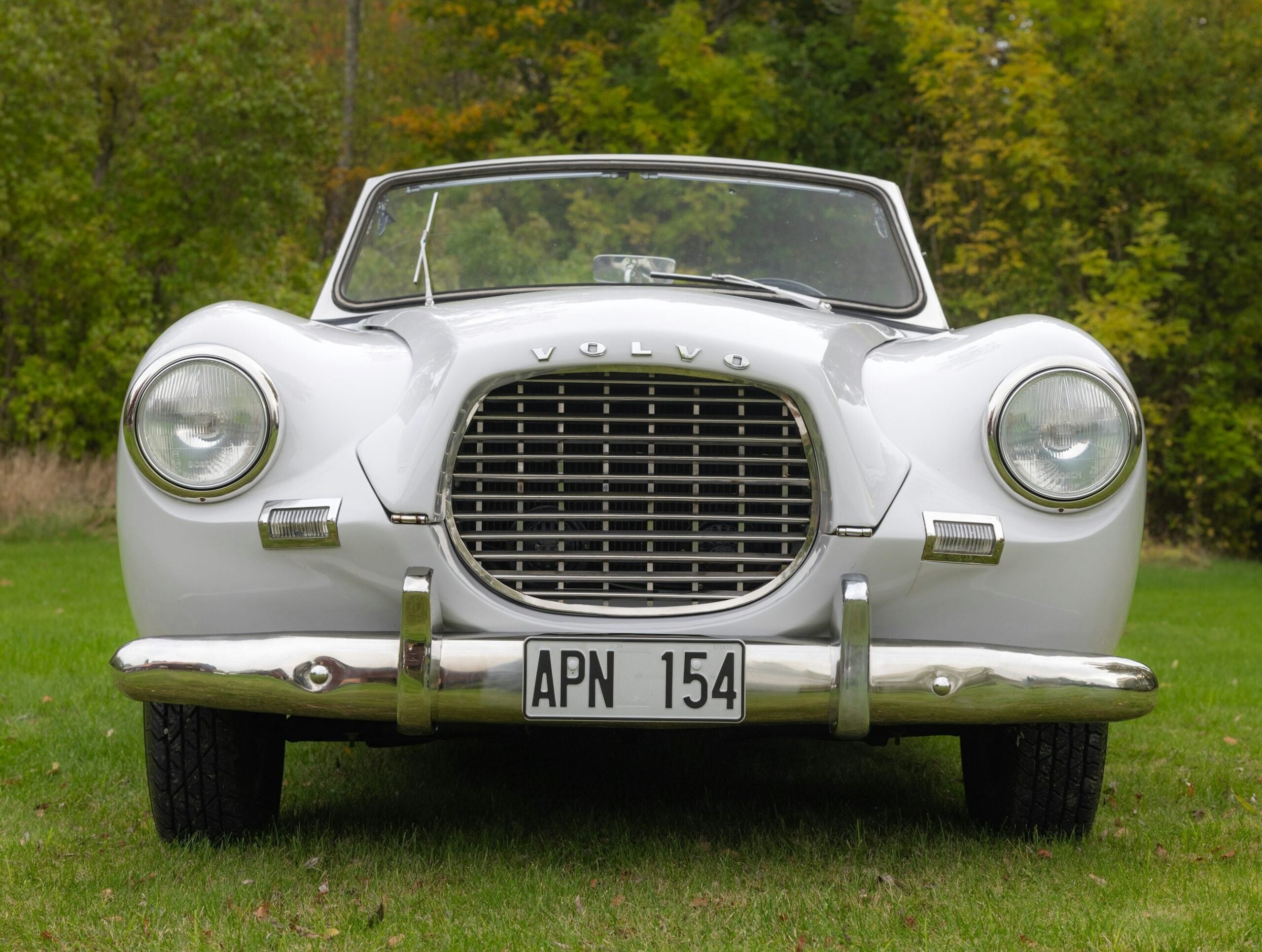
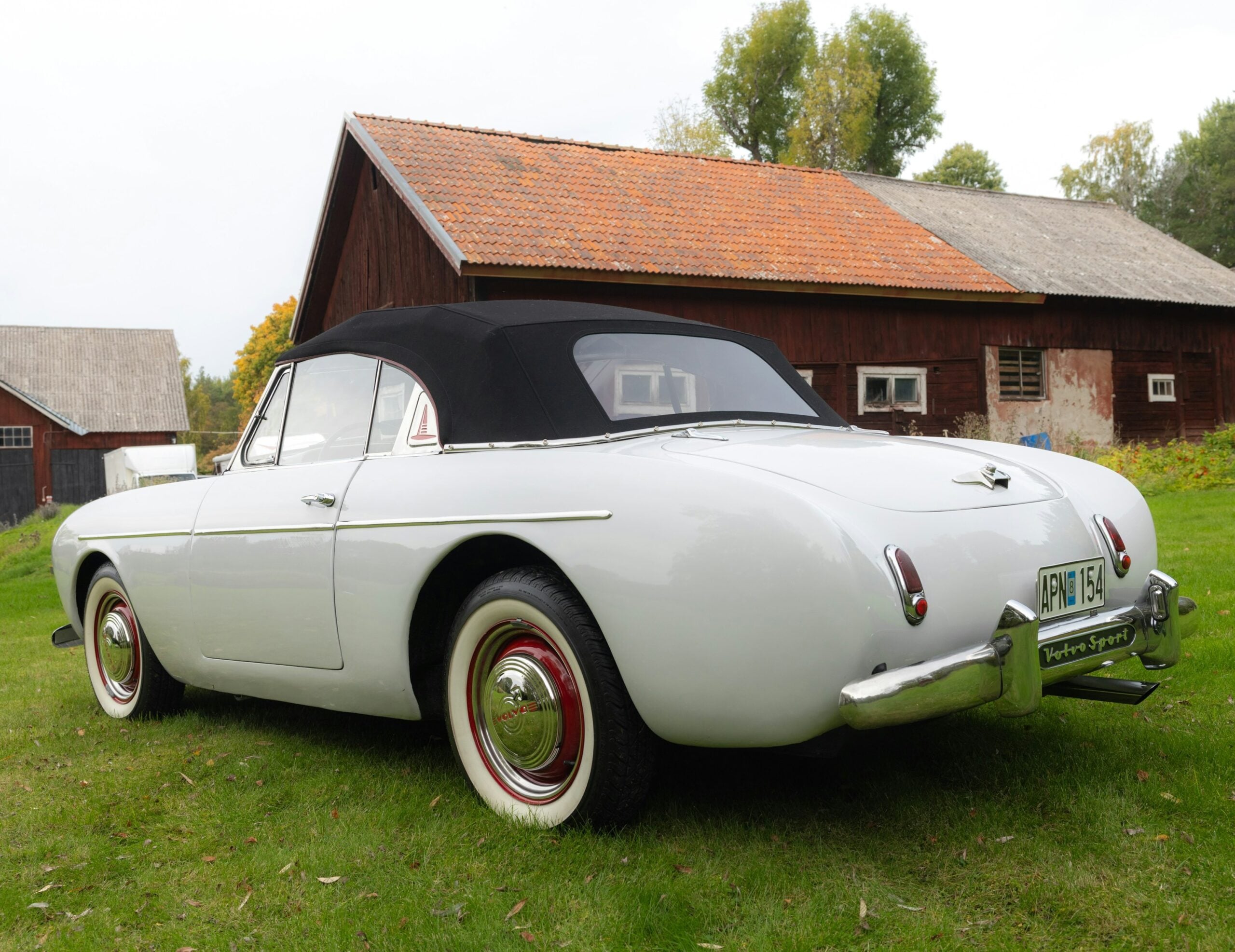
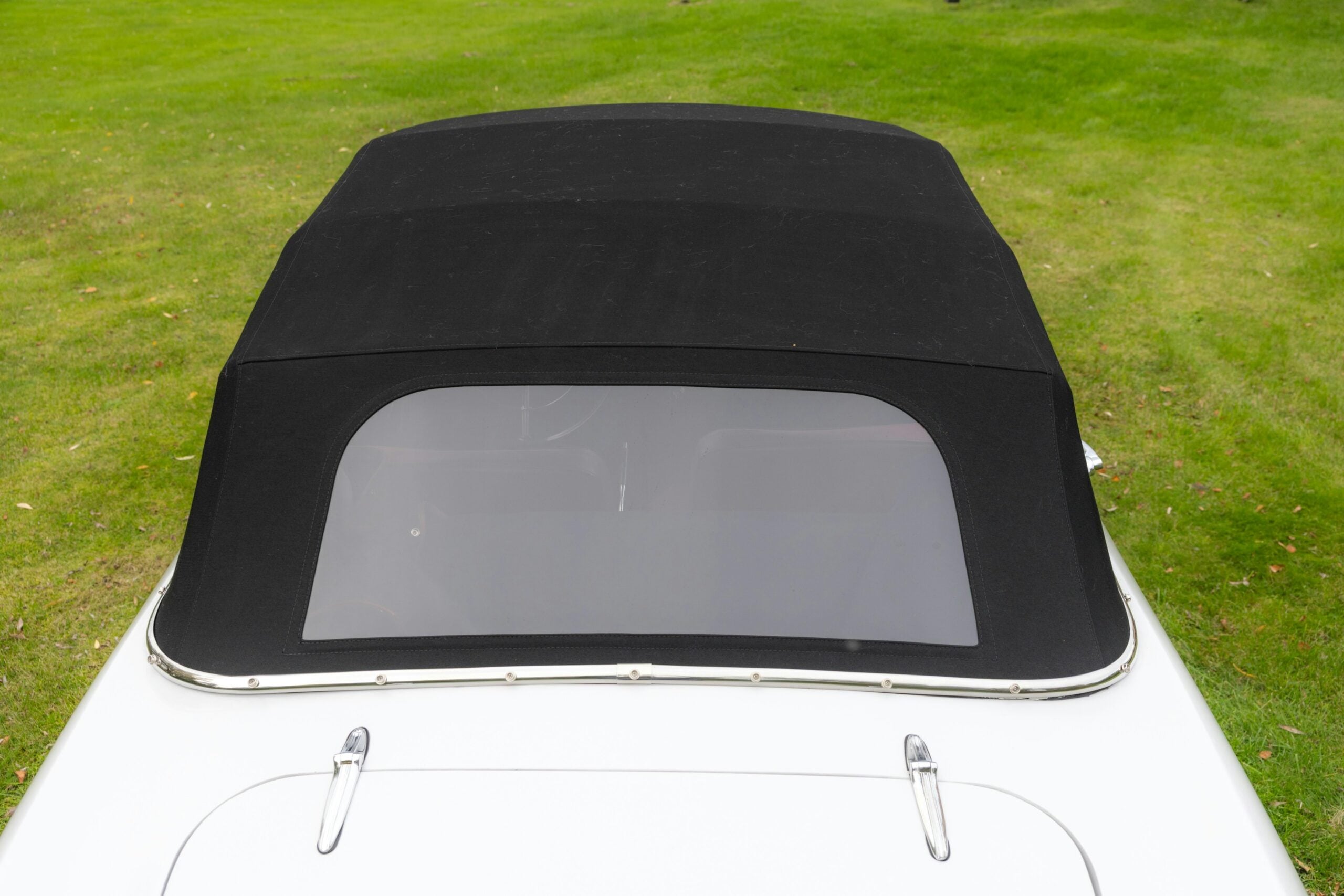
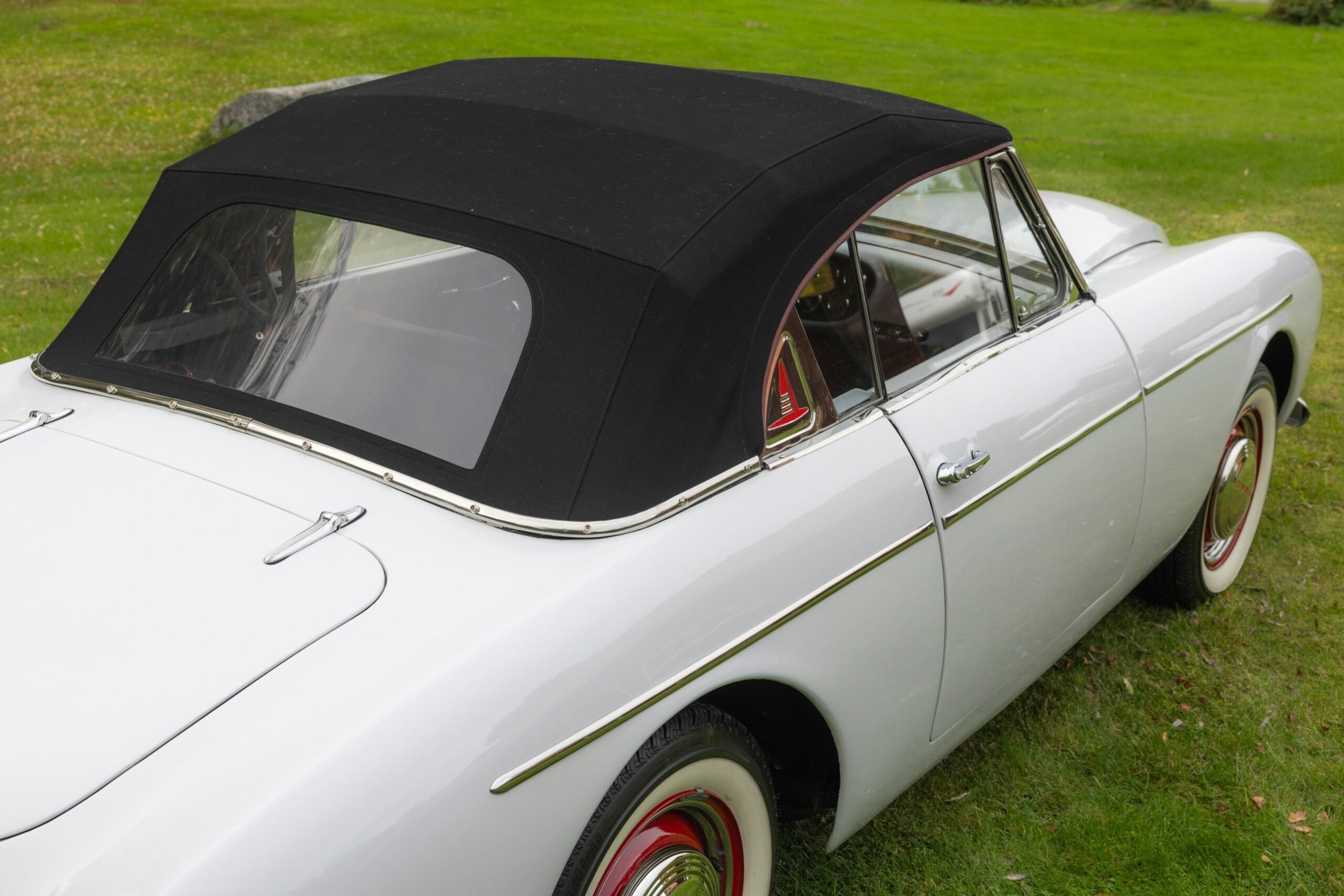
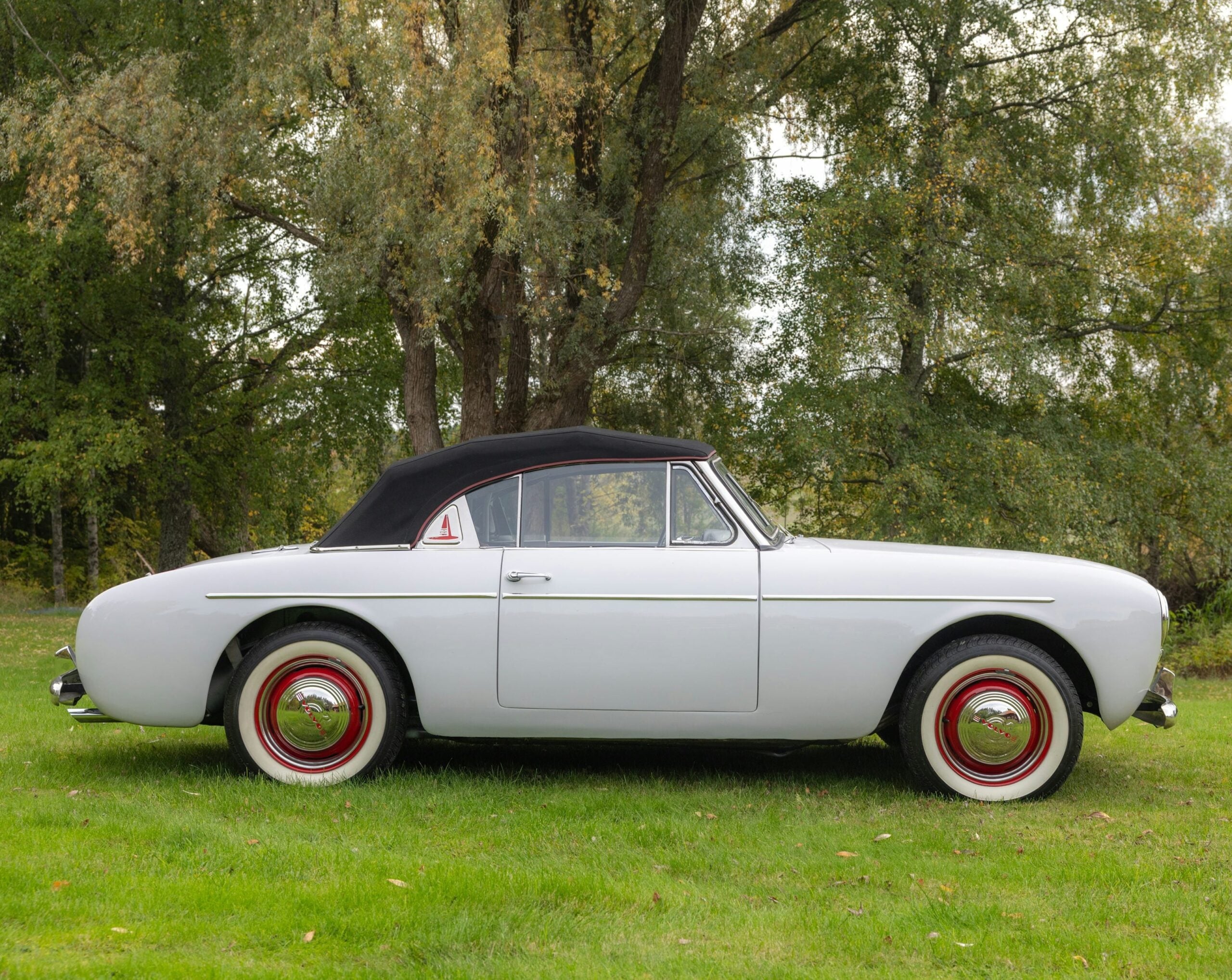
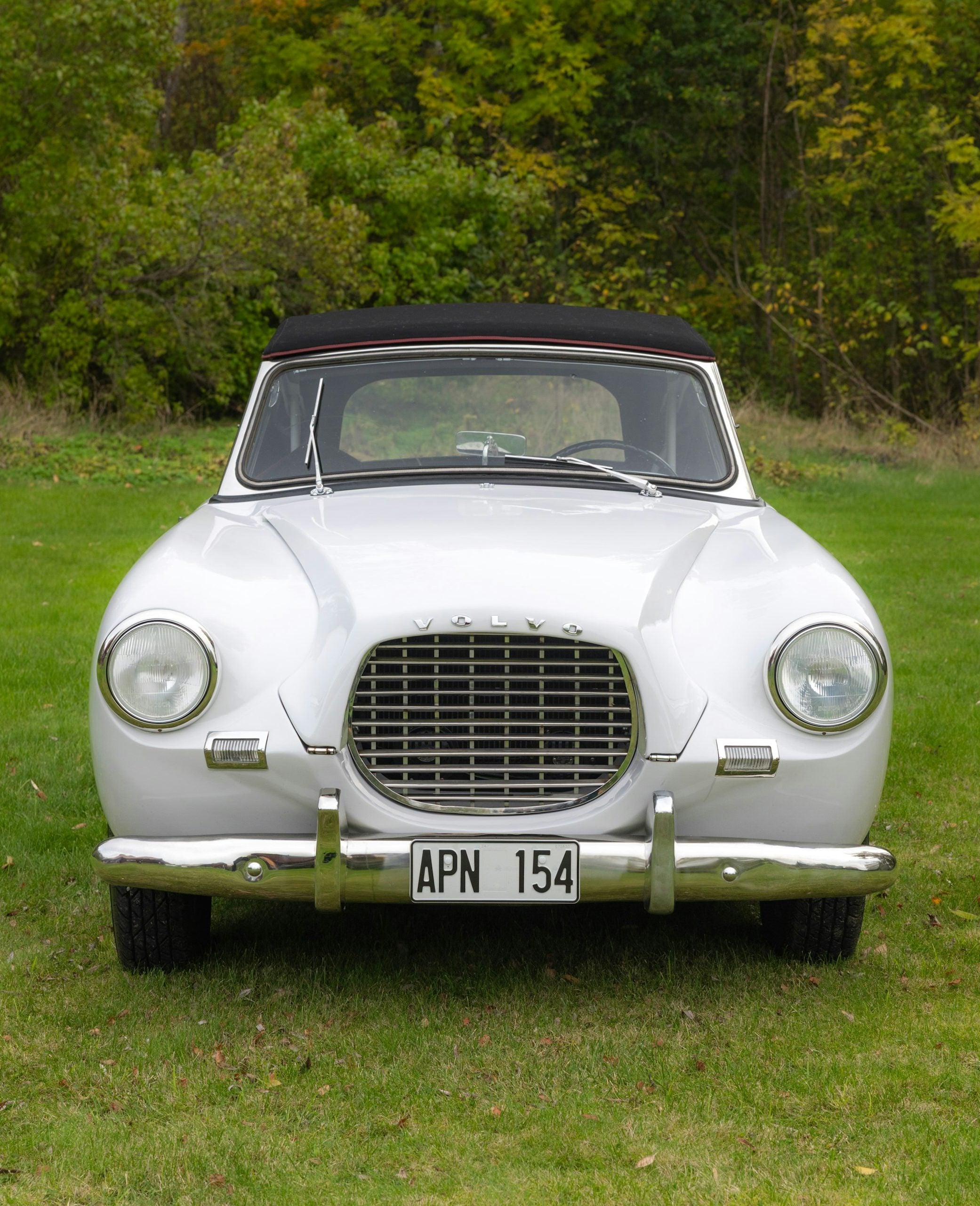
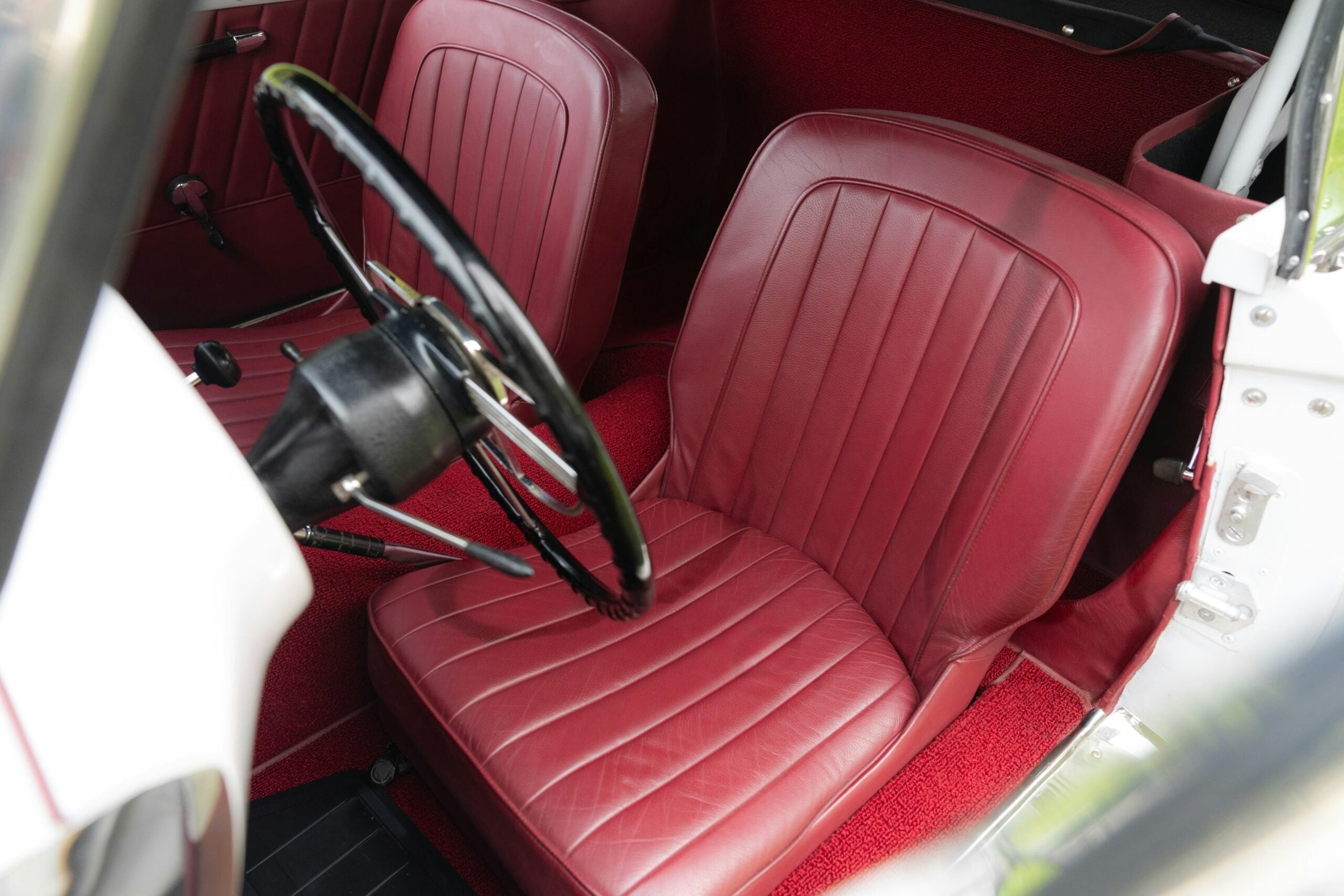
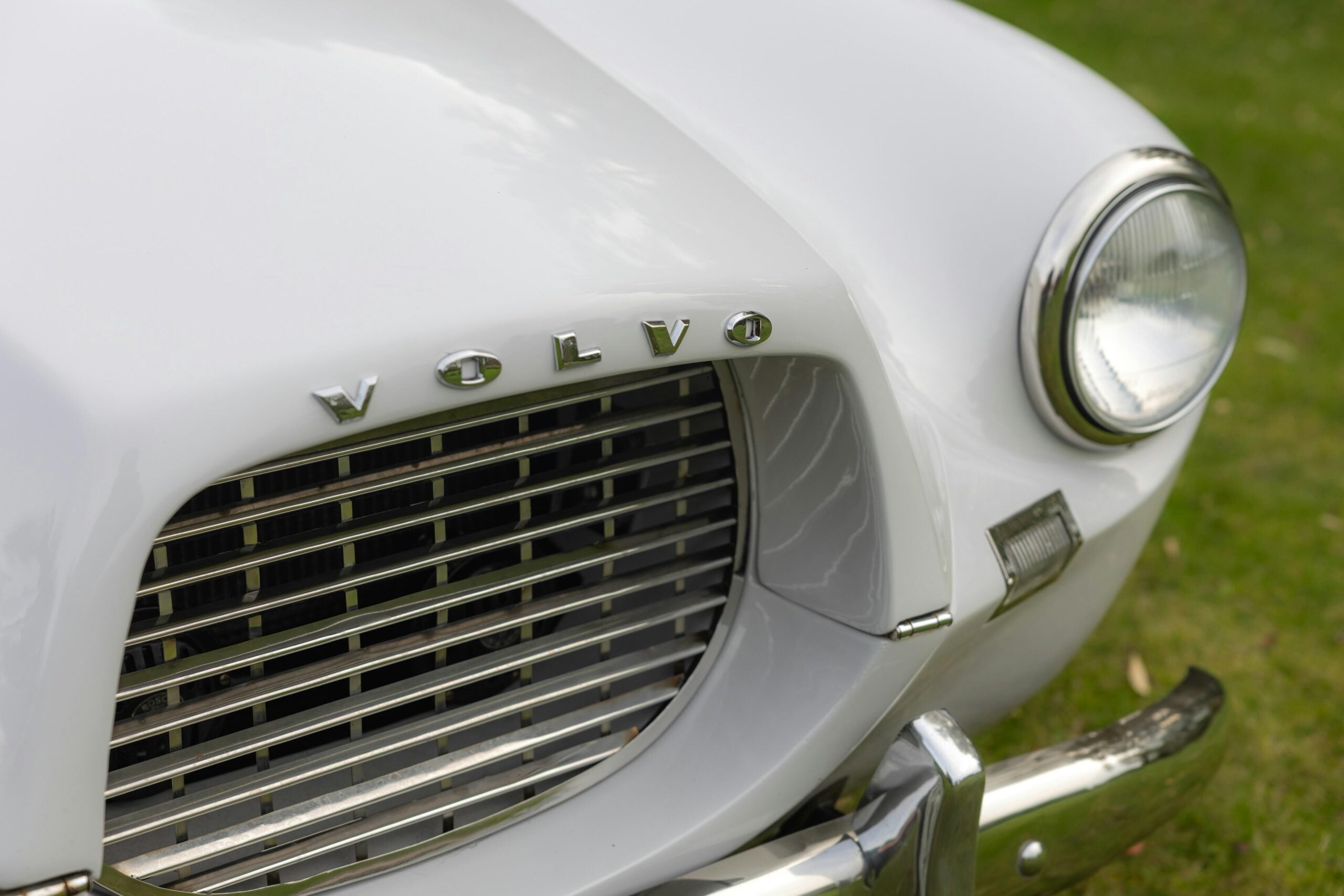
This is a rare, original 1956 Volvo Sport P1900 roadster, one of the 68 examples that were manufactured. It’s finished in white over a red interior, having previously been repainted from its original light grey. It was formerly registered abroad but has since returned to Sweden, where it’s now registered for the road.
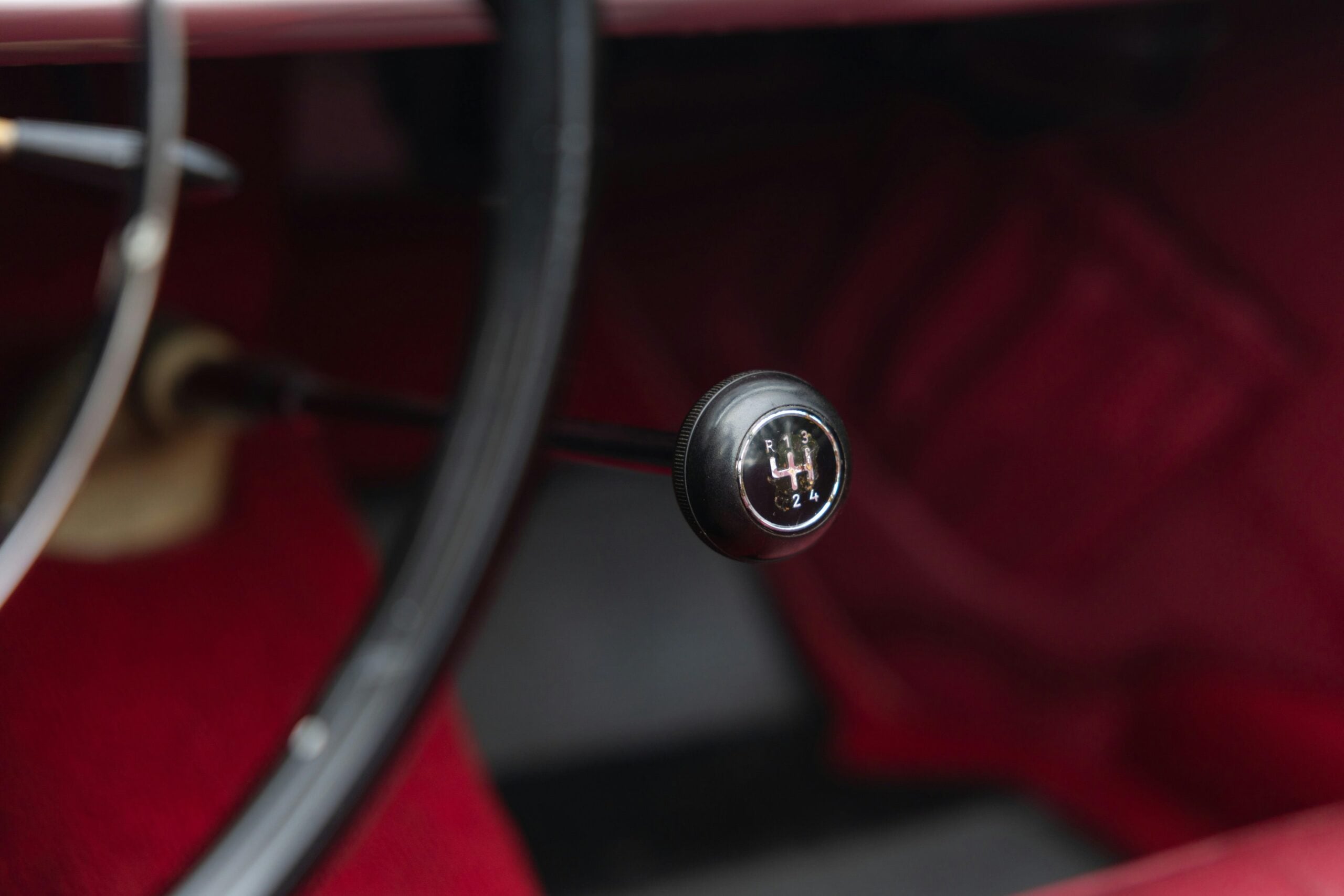
As you would expect, the car is powered by a naturally aspirated 1.4 liter inline-four, driving the rear wheels through a 4-speed manual transmission. The gearbox is believed to be a later mod, replacing the original 3-speed unit. The five-digit odometer currently displays 1,251 kilometers, although the seller believes it may have rolled over, potentially giving the car a total of 101,251 kilometers.
The car is listed as requiring a number of mechanical and cosmetic repairs – the fuel tank is rusty, with a deteriorating internal coating that can obstruct the fuel pickup, while the fuel level sender is inoperative and the fuel hoses need replacement. The carburetors need rebuilding, and the engine reportedly runs unevenly at times and can be difficult to start. The ignition leads and spark plugs need replacing, the valve clearances require adjustment, and the exhaust system needs attention.
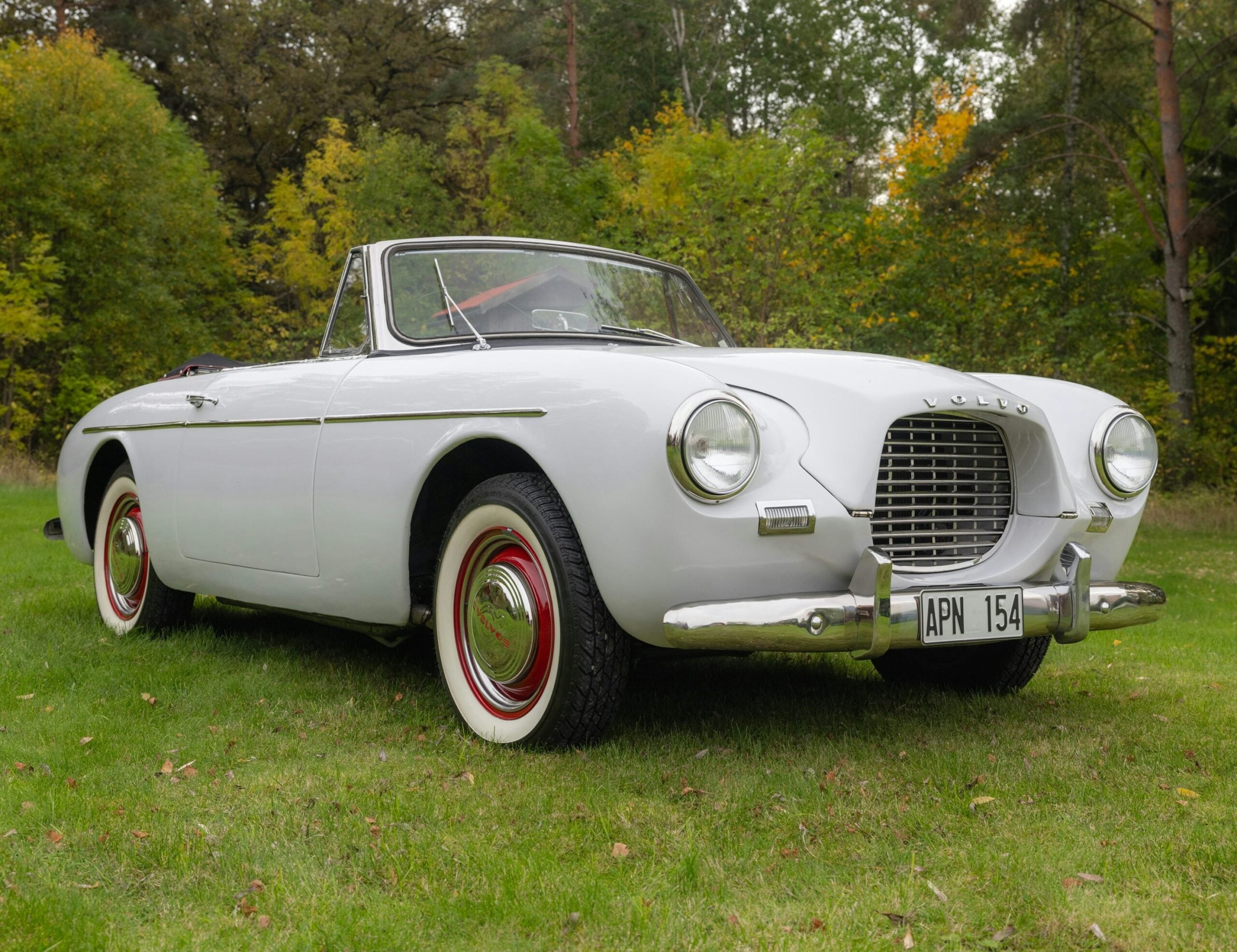
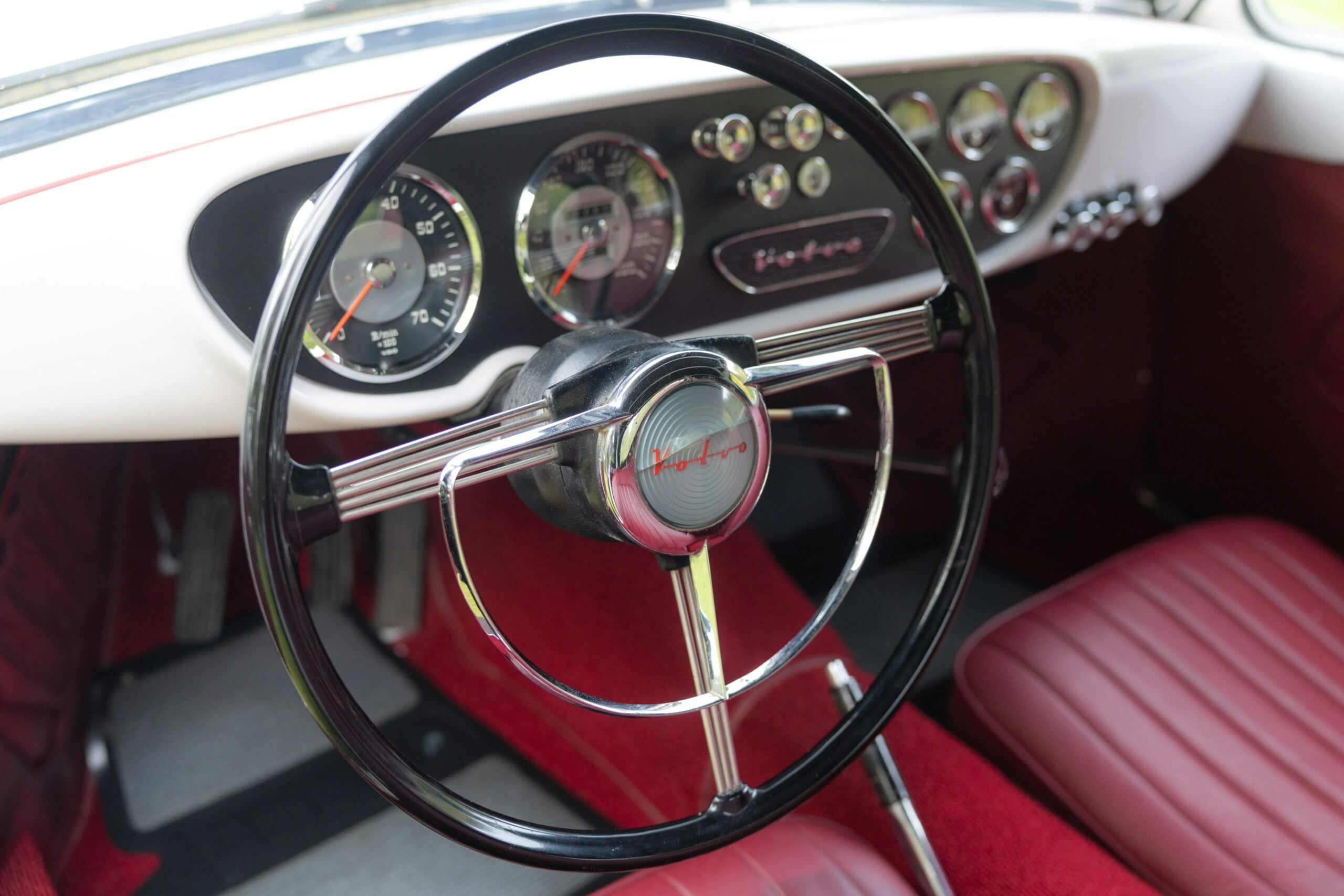
This is a rare, original 1956 Volvo Sport P1900 roadster, one of the 68 examples that were manufactured. It’s finished in white over a red interior, having previously been repainted from its original light grey. It was formerly registered abroad but has since returned to Sweden, where it’s now registered for the road.
Other reported issues include cracking and imperfections in the paintwork, a stone chip in the windscreen, a loose driver’s side window seal, faulty windscreen wipers, and several electrical faults affecting the warning and indicator lights.
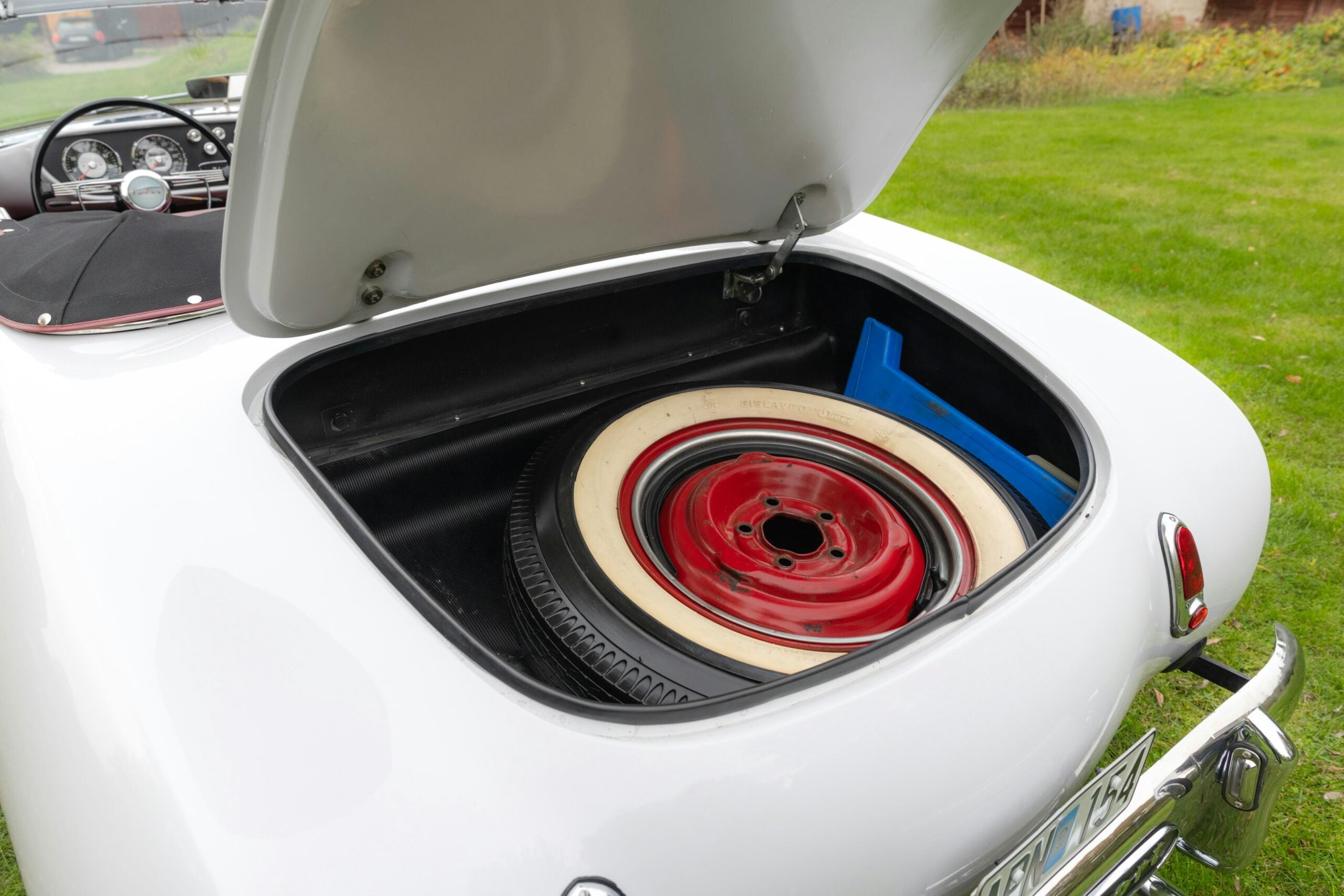
The car is now being offered for sale out of Uppsala, Sweden with a spare wheel and one key. If you’d like to read more about it or register to bid you can visit the listing here.
Images courtesy of Collecting Cars + Volvo

Articles that Ben Branch has written have been covered on CNN, Popular Mechanics, Smithsonian Magazine, Road & Track Magazine, the official Pinterest blog, the official eBay Motors blog, BuzzFeed, Autoweek Magazine, Wired Magazine, Autoblog, Gear Patrol, Jalopnik, The Verge, and many more.
Silodrome was founded by Ben back in 2010, in the years since the site has grown to become a world leader in the alternative and vintage motoring sector, with well over a million monthly readers from around the world and many hundreds of thousands of followers on social media.