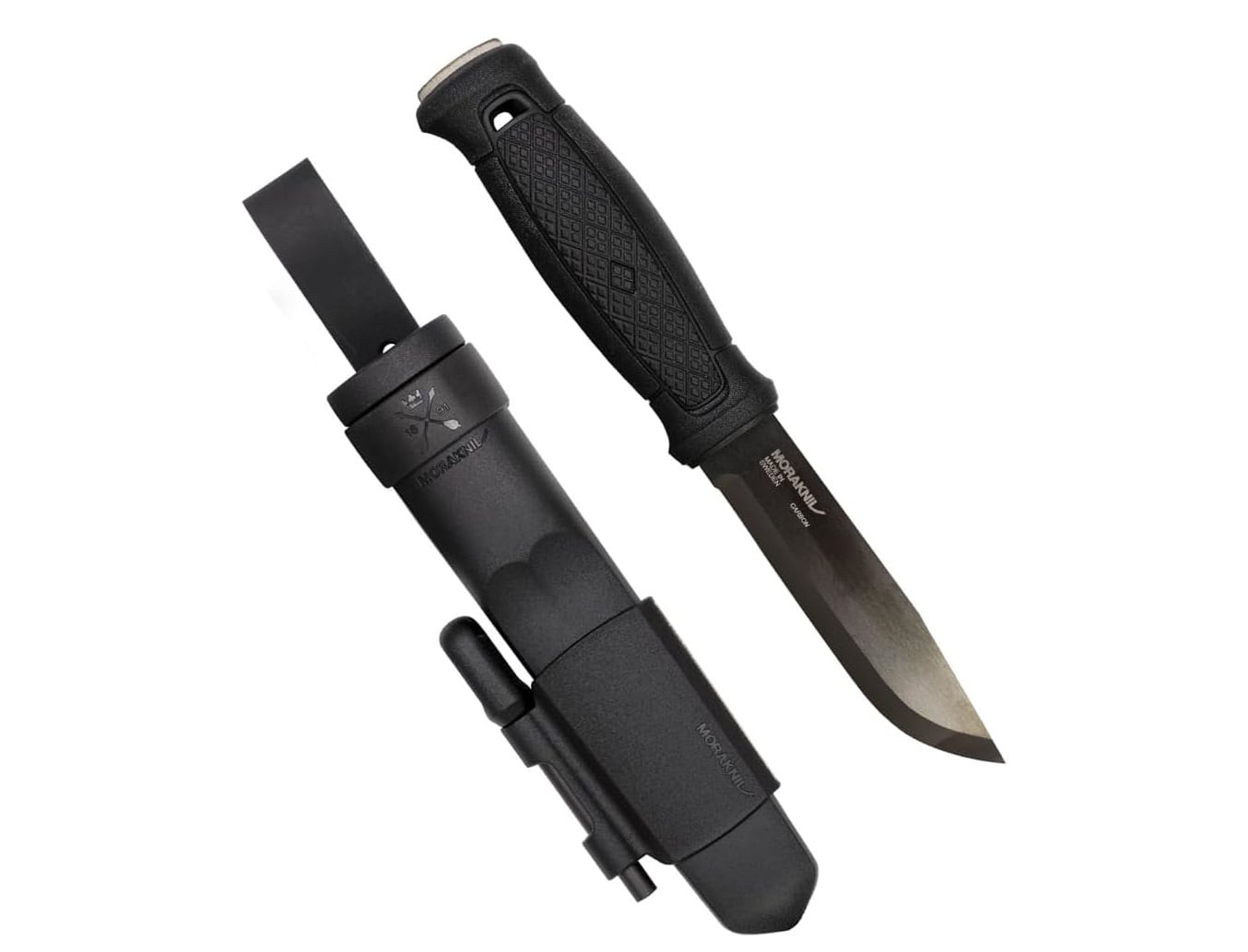
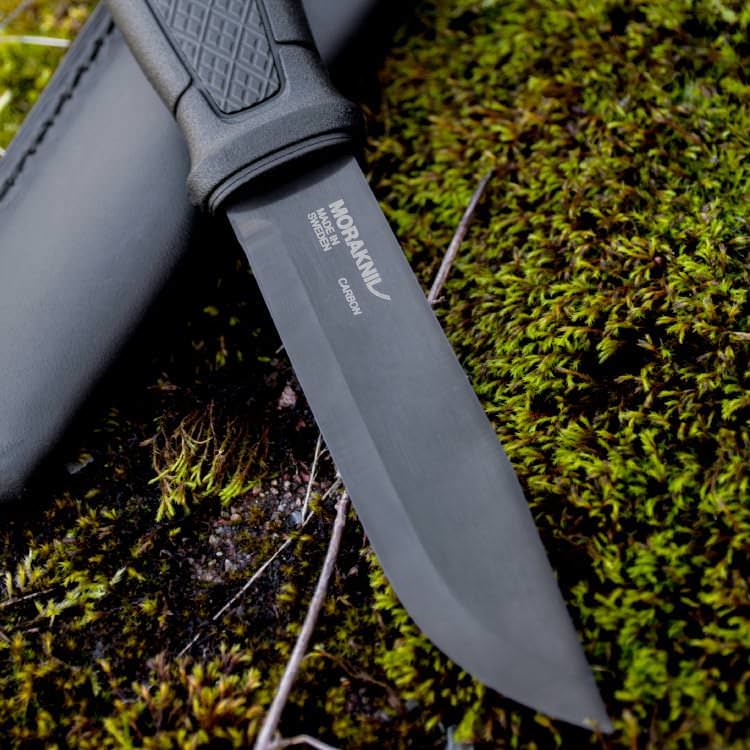
This is the Morakniv Garberg Survival Knife with the company’s included Survival Kit. The knife is made in Sweden with a Sandvik stainless steel full tang blade, and it comes with a ferrocerium rod fire starter and a knife sharpener.
Morakniv knives have become famous across Scandinavia and among outdoorsmen and women around the world, they’re loved for their build quality and their dependability, and they’re used by multiple Scandinavian militaries.
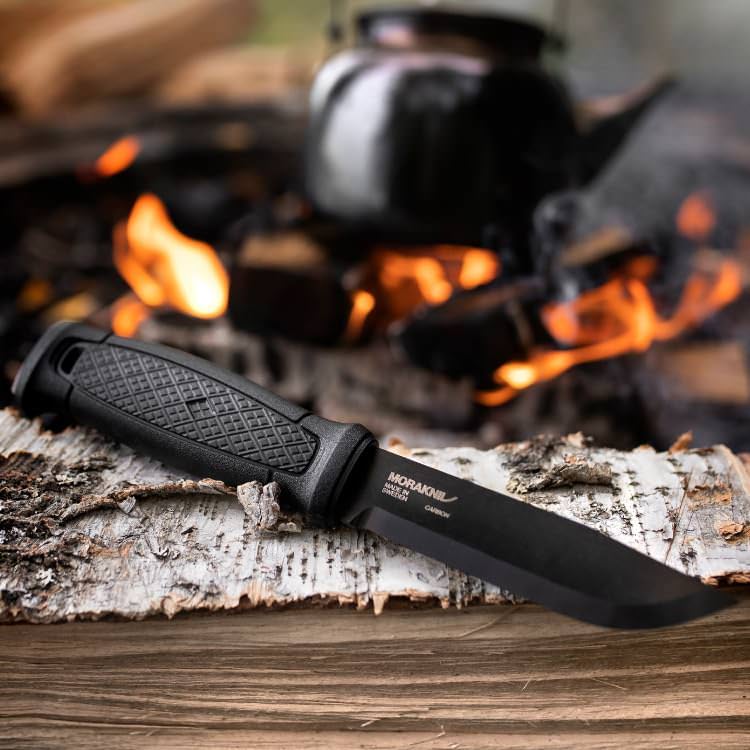
 Morakniv knives have become famous across Scandinavia and among outdoorsmen and women around the world, they’re loved for their build quality and their dependability, and they’re used by multiple Scandinavian militaries.
History Speedrun: Morakniv Knives
Morakniv is a Swedish knifemaker based in the village of Östnor, just outside the town of Mora in the Dalarna region, a place where knife making has been a local trade for more than 400 years. Morakniv was founded in 1891 by Frost-Erik Erson, who had spent four years working as a lumberjack in North America before returning home to set up a workshop that built timber sleds, carts, and the knives needed to make them. Knife production grew quickly, and by 1904 the factory (then named Frosts Knivfabrik) employed ten workers and turned out an impressive 19,000 knives a year.
A second key knifemaker in the region started out in 1912, when Krång-Johan Eriksson, a former Frosts employee, partnered with Lok-Anders Mattsson to found Eriksson & Mattssons Knivfabrik. That business became KJ Erikssons Knivfabrik in 1918, and the two neighboring factories would define the region’s knife industry for the next century.
Long before either of them dominated the trade, however, traveling salesmen had already been spreading Mora-region knives across Sweden. By the 1870s, some customers were calling them Moraknivar, meaning knives from Mora – this is where the modern brand name originates.
By 1938, the village’s knife factories were producing one million knives a year. Frosts moved to a new facility at Bjäkenbacken in 1948, and the site remains home to the Morakniv factory today. The KJ Eriksson 510 model, launched in 1976, later became well known among North American outdoorsmen and bushcraft users.
The two Mora factories began to formally combine in 1988, when KJ Eriksson bought into Frosts partly to keep Finnish rival Fiskars from acquiring the Swedish name. The merger was finalized in 2005, at which point the combined business was renamed Mora of Sweden.
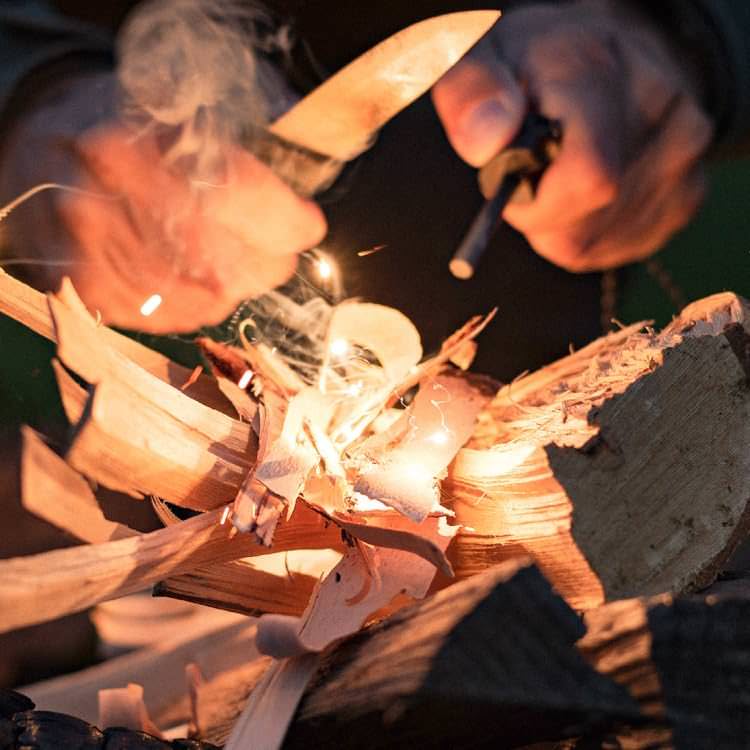
This is the Morakniv Garberg Survival Knife with the company’s included Survival Kit. The knife is made in Sweden with a Sandvik stainless steel full tang blade, and it comes with a ferrocerium rod fire starter.
The Morakniv brand was registered in 2009. His Majesty the King of Sweden granted the firm a Royal Warrant of Appointment in 2013, and the company adopted Morakniv AB as its formal name three years later. Morakniv remains family-owned.
All production is still done in the village of Östnor, using steels sourced from leading European suppliers, including Swedish stainless steel, German carbon steel, and French laminated carbon steel. The knives are sold worldwide. In Sweden, Finland, and Norway they’re widely used by campers, hunters, and anglers, and also by Scandinavian armies as utility knives.
The Morakniv Garberg Survival Knife
This is the Morakniv Garberg model that comes with the company’s Survival Kit, it’s a full-tang bushcraft and survival knife built around a 109 mm (4.29 in) blade of Swedish 14C28N Sandvik stainless steel. The steel is hardened to 58 HRC, ground to a Scandi edge, and it offers excellent edge retention, corrosion resistance, and low maintenance in wet or humid conditions.
The blade is 3.2 mm thick with a ground spine shaped for use with a ferro rod. Overall length is 229 mm (9.02 in), and the knife weighs 247 grams (8.72 oz).
This is Morakniv’s full-tang design, meaning the blade steel runs the full length of the handle and is intended for heavy duty tasks like batoning, splitting wood, and prying, where partial-tang knives are less suited due to their propensity for breaking.
The exposed tang at the rear can also be used for scraping or striking sparks. The handle is molded from polyamide sourced from Gross-Umstadt in Germany, shaped for a non-slip grip, and paired with an ambidextrous polymer sheath that can be worn on either side.
The Survival Kit adds three items mounted directly to the sheath – a ferrocerium rod for starting fires, with the mischmetal supplied from Althofen in Austria, a diamond sharpener for maintaining the edge in the field, and a length of reflective cord for improved visibility in low light.
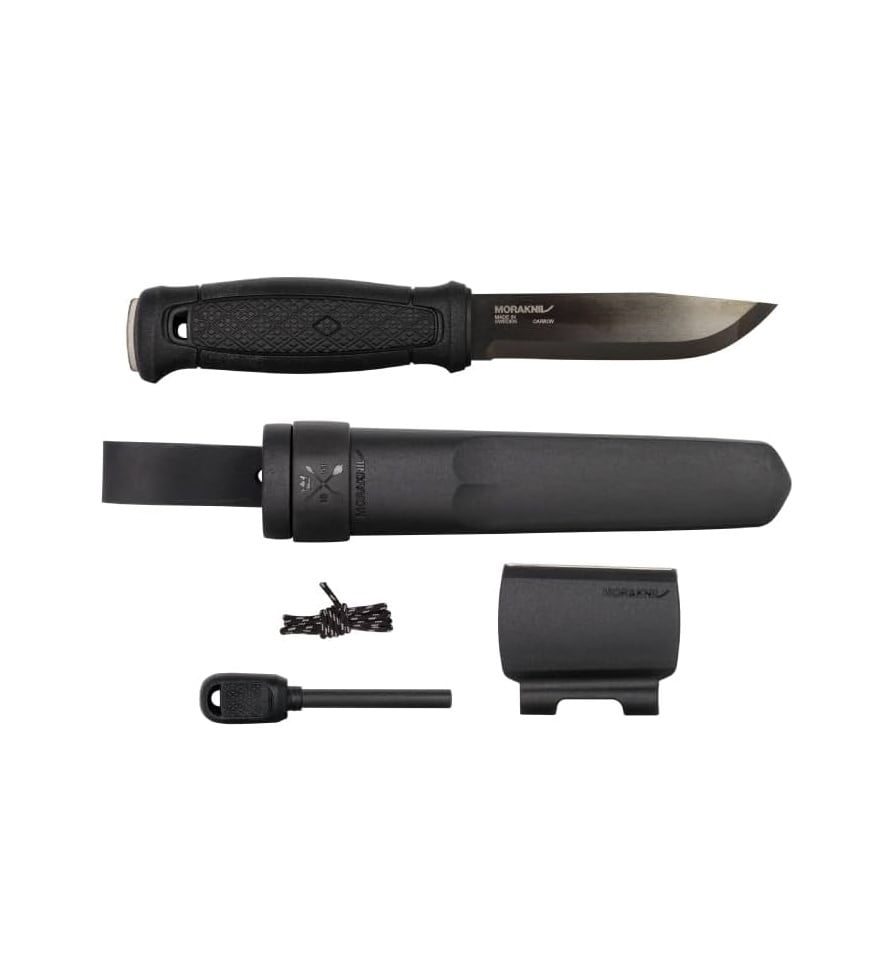
The Survival Kit adds three items mounted directly to the sheath – a ferrocerium rod for starting fires, with the mischmetal supplied from Althofen in Austria, a diamond sharpener for maintaining the edge in the field, and a length of reflective cord for improved visibility in low light.
The knife is made in Mora, Sweden and the Garberg name comes from a fäbod, a traditional Swedish summer mountain pasture and small farmstead, located near Mora.
The Morakniv Garberg is now available to buy direct from the official Morakniv Amazon store here, and at the time of writing its selling for $99.99 USD, discounted from the usual $129.99 USD.
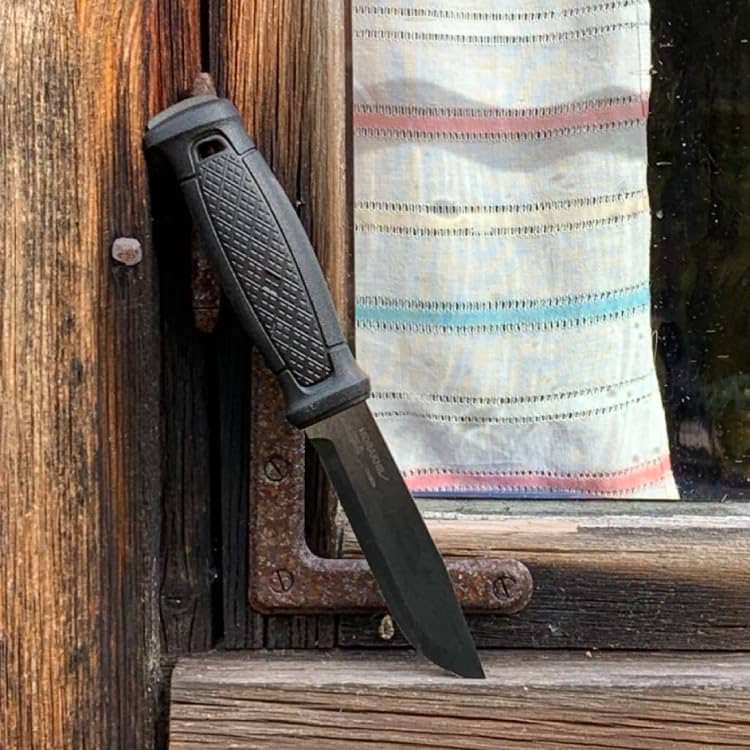
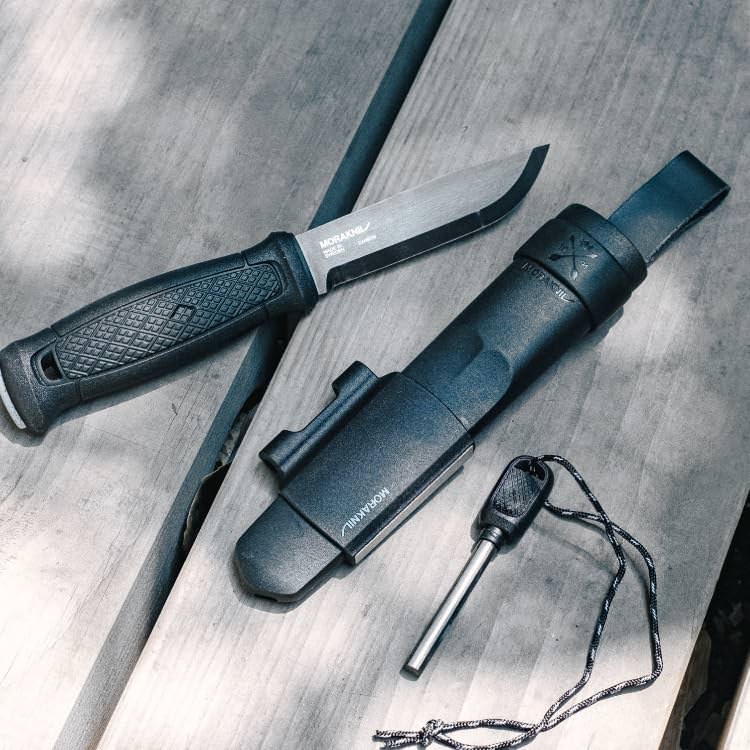
Images courtesy of Morakniv
Articles that Ben Branch has written have been covered on CNN, Popular Mechanics, Smithsonian Magazine, Road & Track Magazine, the official Pinterest blog, the official eBay Motors blog, BuzzFeed, Autoweek Magazine, Wired Magazine, Autoblog, Gear Patrol, Jalopnik, The Verge, and many more.
Silodrome was founded by Ben back in 2010, in the years since the site has grown to become a world leader in the alternative and vintage motoring sector, with well over a million monthly readers from around the world and many hundreds of thousands of followers on social media.