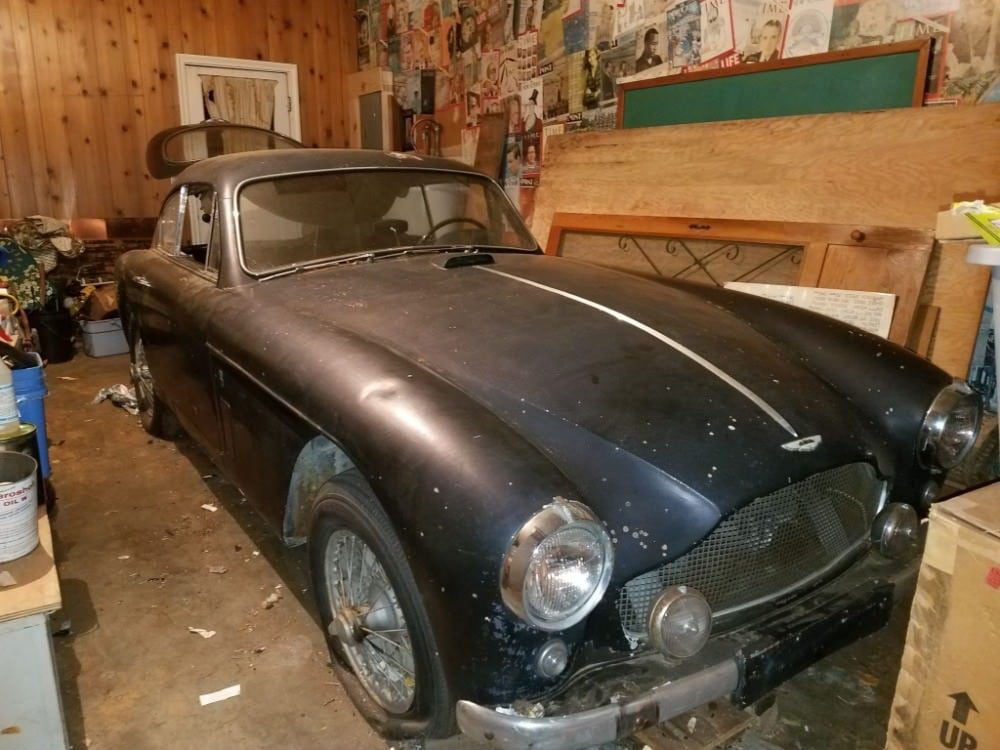
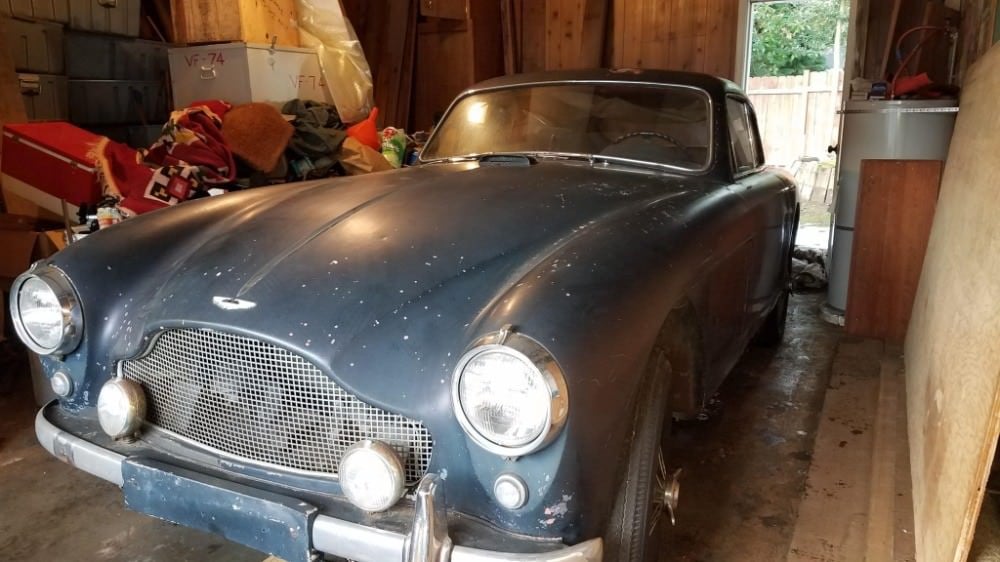
This is a rare, original 1957 Aston Martin DB MK III that’s been tucked way in a garage somewhere in New York since the mid-1970s, for over 50 years, an unusual location for a barn find to say the least.
Interestingly, the DB MK III was the original Bond car. In Ian Fleming’s book Goldfinger, he had Bond driving a DB MK III. By the time the movie was made the car was updated to the then-current Aston production model – the DB5.
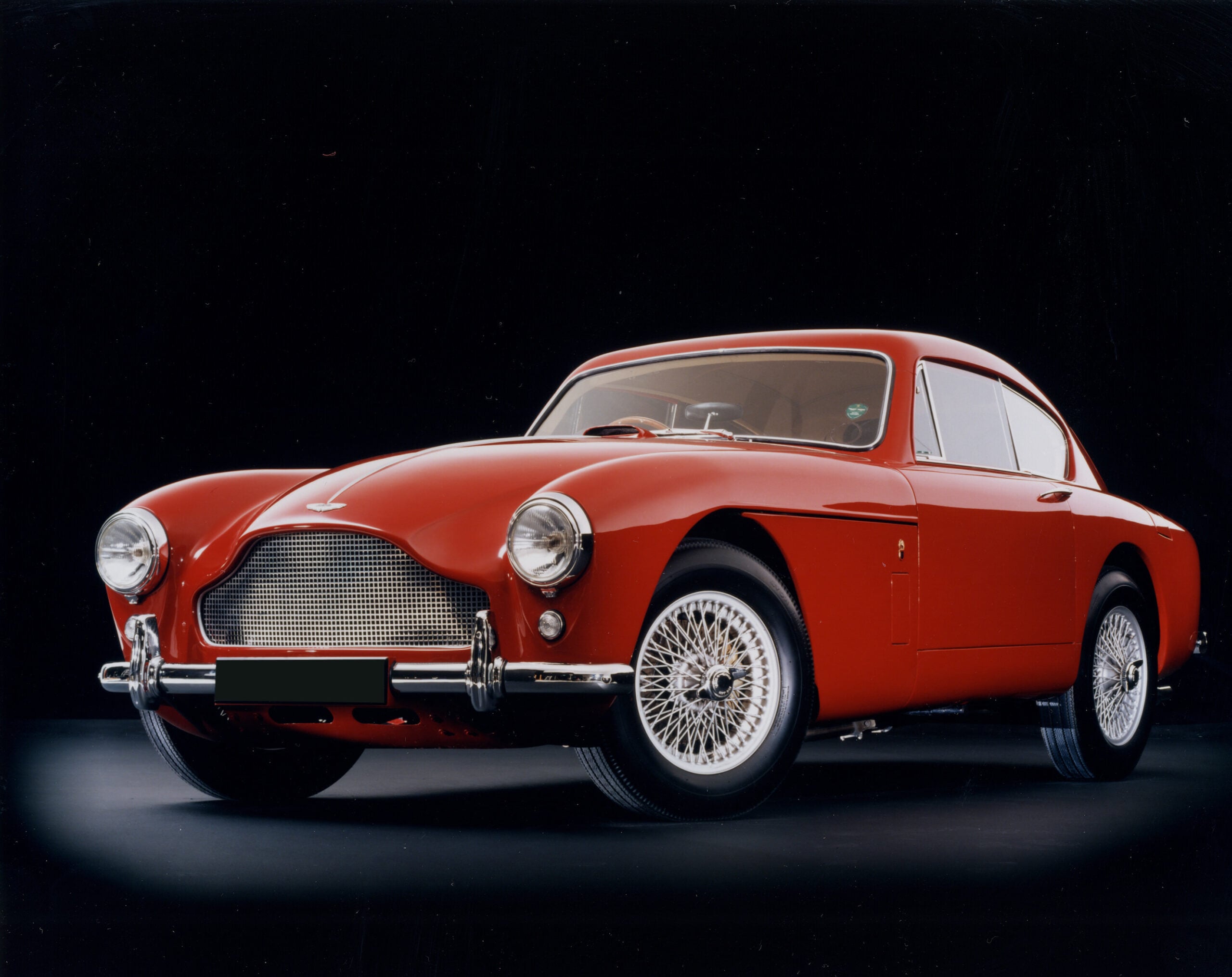
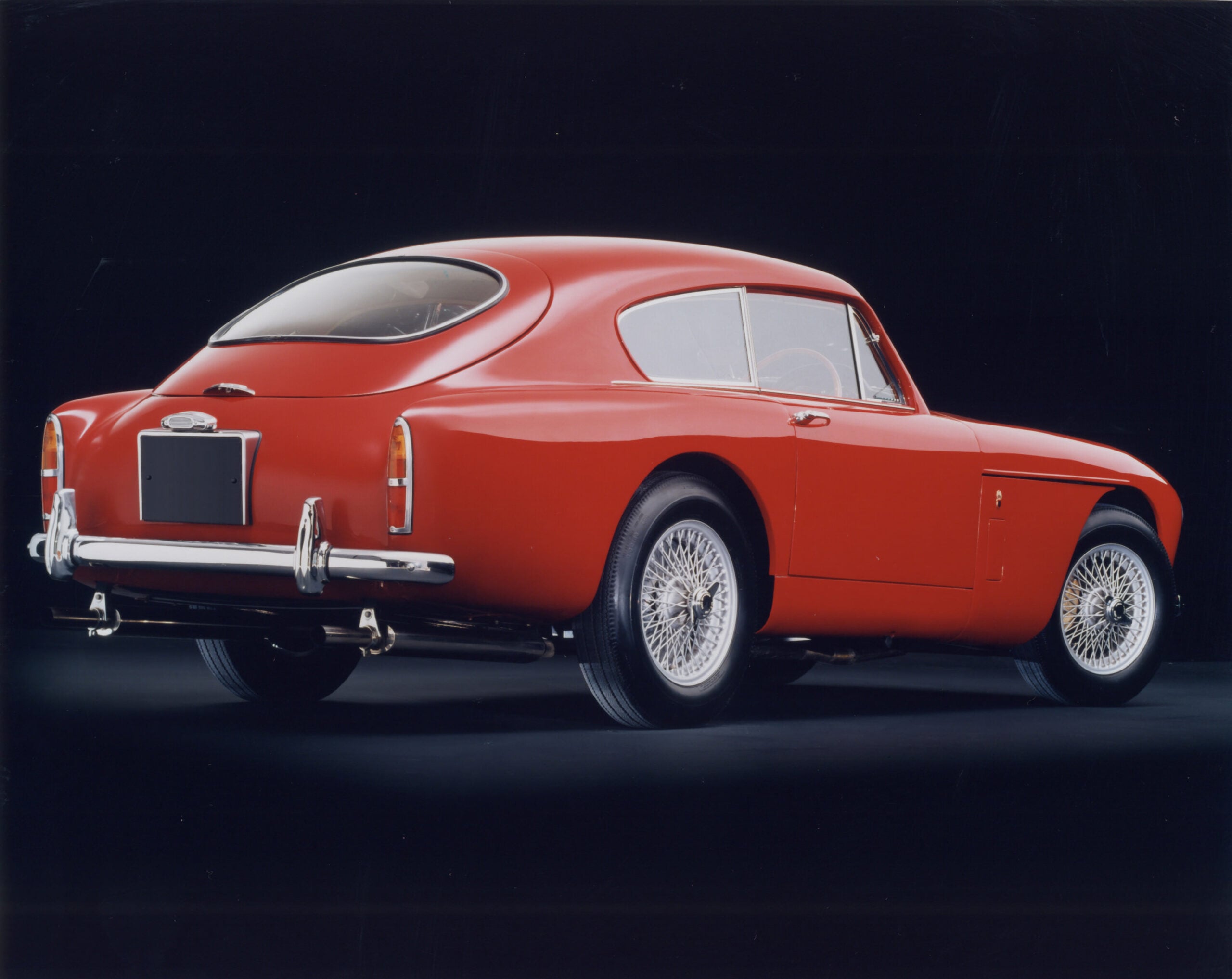
 These are period marketing images of the Aston Martin DB Mark III, showing how the car looked when it was new. This is not the same car being offered here for sale, it’s an example of how the car might have looked when it rolled out of the factory. Images courtesy of Aston Martin.
History Speedrun: The Aston Martin DB MK III
The Aston Martin DB Mark III was a grand tourer built from 1957 to 1959 as the final evolution of the DB2/4 line. It was the last Aston road car that was built at Feltham, and the last powered by the Bentley-era Lagonda straight-six that Willie Watson had drawn up back in the 1940s. It was also the first Aston road car to wear the grille that would come to define the marque’s face for the next 30 years (and beyond). Only 551 would be built.
Aston Martin had already begun work on a clean-sheet replacement, the car that would become the DB4, but the DB2/4 Mark II was showing its age, and David Brown’s company needed a stopgap to keep the line current.
As a result, they took the existing Mark II platform, gave it a heavily redesigned front end, substantially reworked the engine, and updated the interior. The result was launched simultaneously at the Geneva Motor Show and in the United States in March of 1957 – it was initially an export-only model, but it eventually reached the domestic UK market at the London Motor Show in October of the same year.
The “Thickpenny” Grille
The front end of the car was by far the most visible change. Bert Thickpenny, a designer at Tickford, had adapted the grille shape first seen on the DB3S sports racer for use on the road car. The wider, rounded opening replaced the tall, upright grille of the DB2/4 and gave the Mark III a lower, more purposeful front end.
That same fundamental shape carried through to the DB4, the DB5, the DB6, and the V8 cars that followed, and it remains recognizable on Aston Martins even today. Inside, the instrument binnacle was redrawn to echo the shape of the grille, with the main gauges grouped in a cowled panel ahead of the driver. That layout stayed in production until the DB6 Mark II was dropped in 1970.
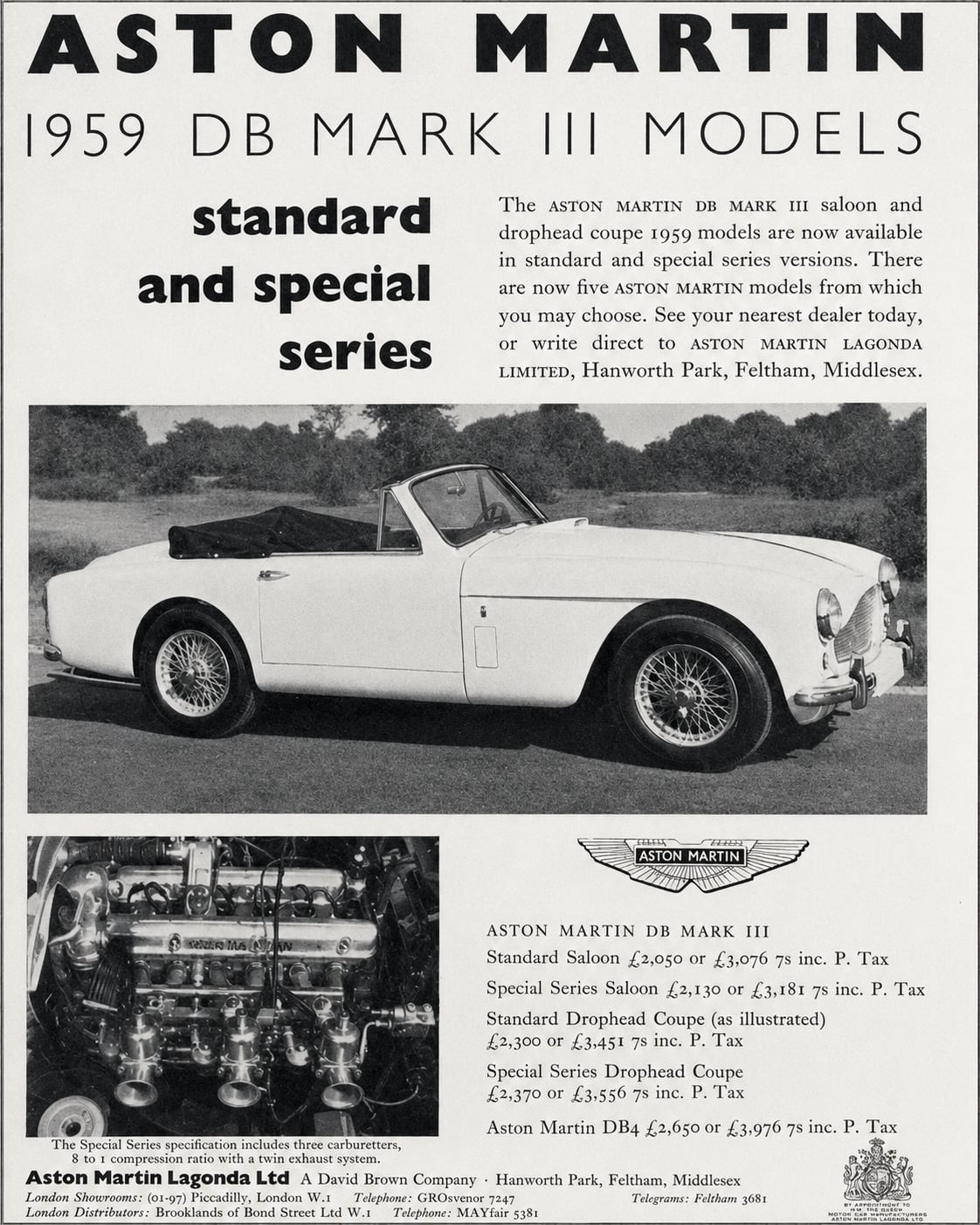
Interestingly, the DB MK III was the original Bond car. In Ian Fleming’s book Goldfinger, he had Bond driving a DB MK III. By the time the movie was made the car was updated to the then-current Aston production model – the DB5. Image courtesy of Aston Martin.
The body consisted of aluminum panels over a steel frame, much like its predecessor, which was mounted on the tubular chassis that Claude Hill had drawn for the wartime Atom prototype more than a decade earlier.
Suspension consisted of independent front suspension with trailing links and coil springs, a live rear axle located by trailing links and a Panhard rod, worm-and-sector steering – all carried over from the previous model. The Mark III was around 160 kgs heavier than the earlier Feltham cars, and it needed the extra power the engine work was about to provide.
Tadek Marek’s Reworking Of The Lagonda Six
The 2,922 cc twin-cam straight-six had originally been designed for the postwar Lagonda by Willie Watson under W.O. Bentley’s direction. Polish engineer Tadek Marek, who had joined Aston Martin from Austin, gave it a thorough redesign before he turned to the all-new engine that would power the DB4. No one knew it at the time, but over the coming decades, Marek was going to become the most memorable engine designer in Aston Martin history.
Marek’s work on the Lagonda straight-six included a stiffer block, a stronger crankshaft, revised oil pump and timing chain arrangements, new intake and exhaust manifolds, and a cylinder head with ports based on the racing DB3S. Larger valves and higher-lift camshafts (fitted after the first 150 cars) improved breathing. Displacement and compression stayed the same, but power output rose significantly.
The Engines, Brakes, + Bodywork
Four engine specifications were offered on the DB MK III – the standard DBA used twin SU carburetors and produced 162 bhp at 5,500 rpm, or a claimed 178 bhp with the optional twin-exhaust system. A mid-level DBD used triple SU 1.75 inch carburetors and the dual exhaust for 180 bhp, and was fitted to 47 cars.
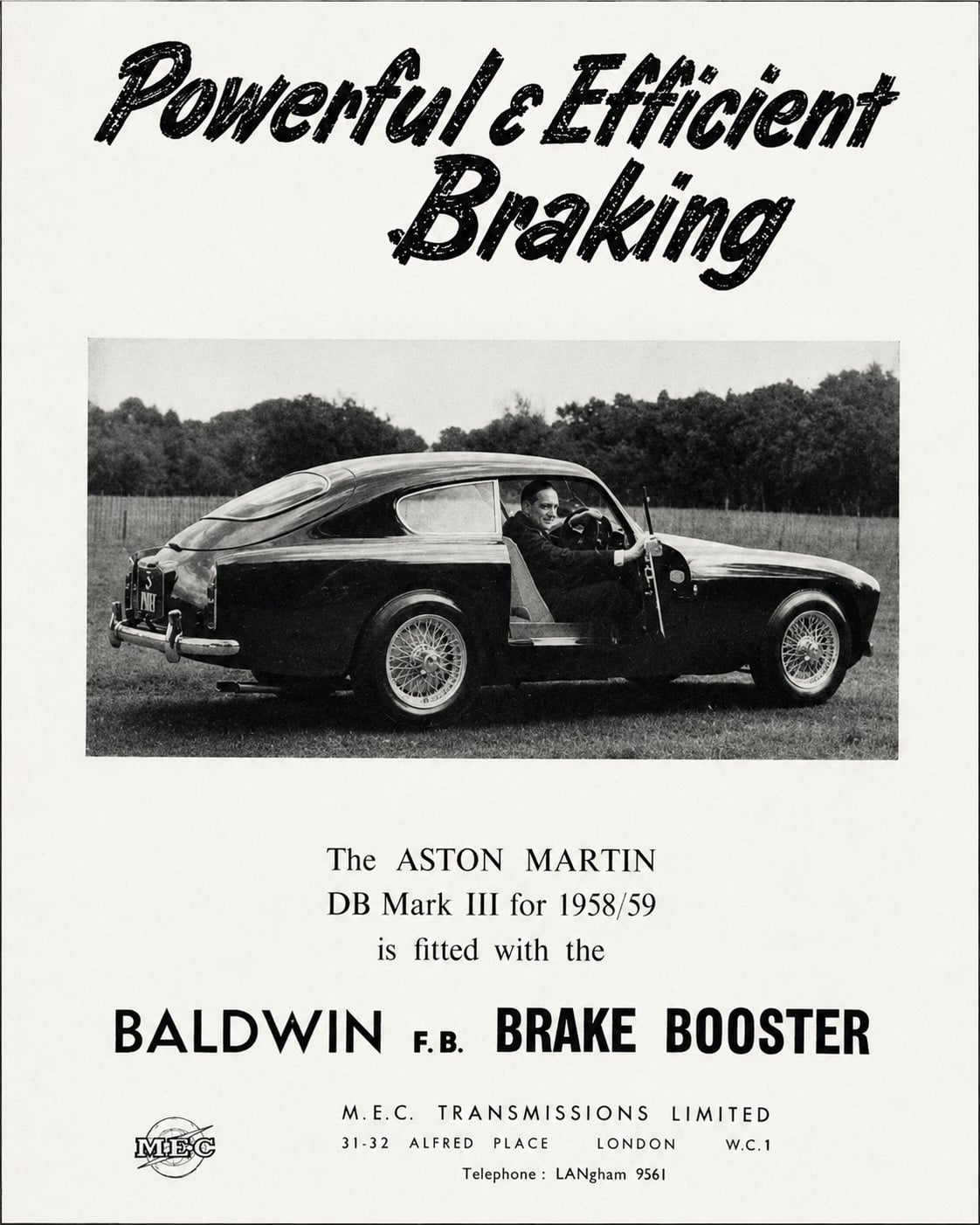
Girling front disc brakes were an option on the first 100 cars and became the de facto standard from chassis 1401 onward. Alfin finned aluminum drums remained at the rear throughout production, and many earlier cars were later retrofitted with the front discs due to how much they improved braking – particularly when undertaking in spirited driving. Images courtesy of Aston Martin.
The high-output DBB replaced the SUs with three twin-choke Weber 35 DCO3s, added high-compression pistons and longer-duration cams, and it was good for 195 bhp. A single DBC competition engine, with triple Weber 45 DCO3s, racing cams, very high compression, was said to make 214 bhp and it went into a factory-supported racing example.
Behind the engine sat a 4-speed manual with an optional Laycock-de Normanville overdrive. A Borg-Warner automatic became available late in production, in 1959, but only five automatics were built.
Girling front disc brakes were an option on the first 100 cars and became the de facto standard from chassis 1401 onward. Alfin finned aluminum drums remained at the rear throughout production, and many earlier cars were later retrofitted with the front discs due to how much they improved braking – particularly when undertaking in spirited driving.
The vast majority of Mark IIIs were the 2+2 hatchback saloon, using the rear opening that had been introduced on the DB2/4 in 1953. Aston built 462 of them. It also offered a Tickford-built drophead coupé, of which 84 were made, and a fixed-head two-seater coupé that arrived very late in the production run and accounts for just five cars in total.
Both the drophead and the fixed-head used conventional hinged boot lids rather than the hatchback, and all five fixed-heads were fitted with the 180 bhp DBD engine.
The 1959 US price was $7,450, which Road & Track magazine called steep even for what the magazine described as “a car for connoisseurs.” Their tester recorded 0 to 60 mph in 9.3 seconds and a top speed of 120 mph in a DBA with the dual exhaust, and faulted little beyond the heavy steering, high door sills, and a firm ride.
James Bond, Motor Racing, + Legacy
The Mark III’s biggest cultural moment, by far, came from Ian Fleming rather than from Aston Martin’s marketing department. In the 1959 novel Goldfinger, James Bond drives a DB Mark III (called simply “DB III” in the book), and the chapter in which he sets off to meet Auric Goldfinger on the golf course is titled “Thoughts in a DB III.”
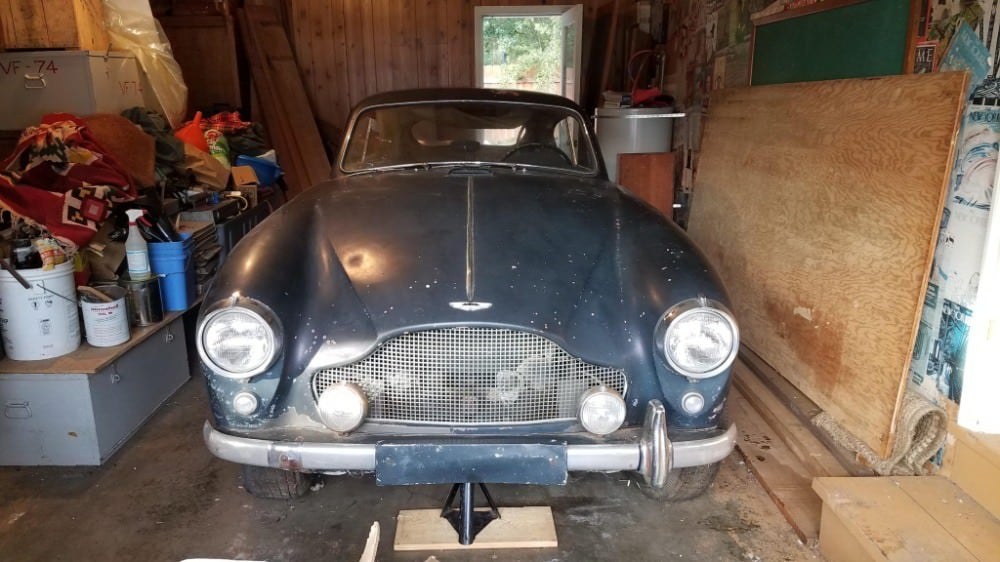
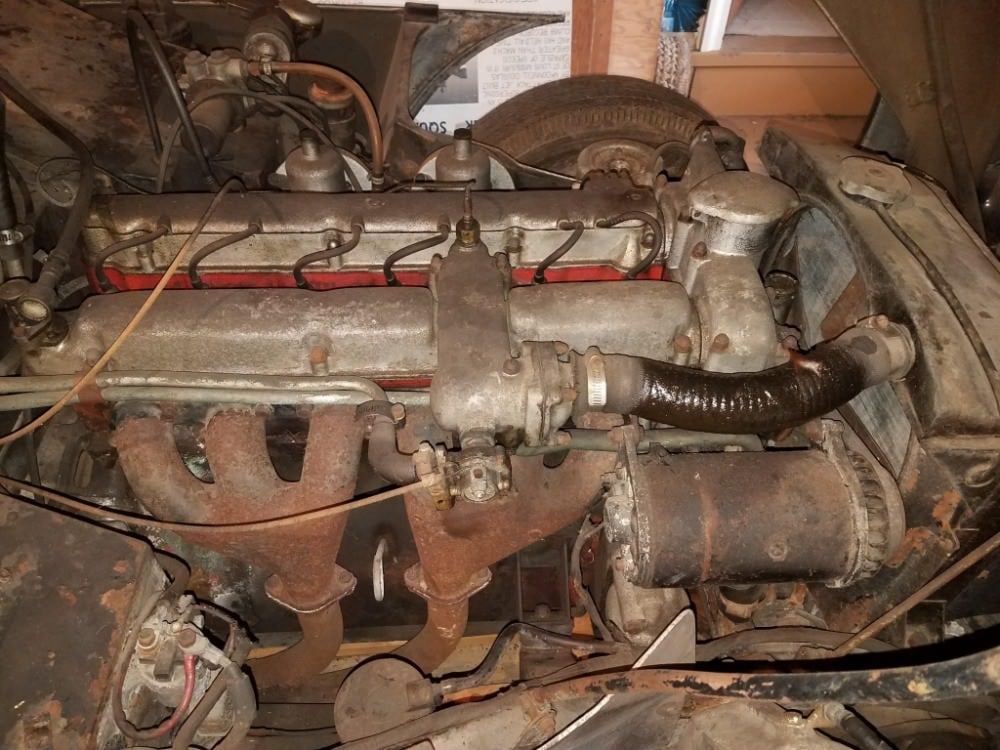
This is a rare, original 1957 Aston Martin DB MK III that’s been tucked way in a garage somewhere in New York since the mid-1950s, over 50 years, an unusual location for a barn find.
It remains the only Bond car in Fleming’s novels that fitted with gadgets – when Goldfinger was filmed a few years later in 1964, the producers substituted the then-current DB5, and it was that later car that entered popular memory as Bond’s Aston.
Aston Martin’s motorsport works effort in the late 1950s was focused on the DBR1 that would win the 24 Hours of Le Mans outright in 1959, thanks to the driving efforts of Carroll Shelby and Roy Salvadori, and as a result there was no sustained factory campaign for the Mark III.
Competition use was largely left to privateer racers, with very occasional factory-supported one-offs. The best-known of these was chassis 1317, ordered by American enthusiast Elisha Walker Jr. and campaigned in SCCA Production GT.
At the 1958 Sebring 12 Hours it was officially entered by David Brown Ltd. as number 26, driven by George Constantine and John Dalton, and ran alongside two works DBR1s – one shared by Stirling Moss and Tony Brooks, the other by Carroll Shelby and Roy Salvadori.
Production ended in mid-1959, it was actually built for seven months alongside the DB4 that replaced it. With the Mark III went Feltham, the Bentley-era Lagonda engine, and the Claude Hill chassis. The next generation began at Newport Pagnell with the DB4, Marek’s new all-alloy straight-six, and the legendary Touring Superleggera body construction method.
It’s not known how many have survived to the modern day, but the good news is that barn find examples are still turning up from time to time, slowly adding to the number of DB MK IIIs that made it.
The Barn Find Aston Martin DB MK III Shown Here
This 1957 Aston Martin DB Mark III is a matching-numbers, factory left-hand-drive saloon that was originally delivered new to New York. The factory build sheet accompanies the car and confirms the original colors, numbers, and New York delivery, and the engine stamping DBA/933 matches the chassis identification plate and the build sheet.
It was refinished in black decades ago over its original Moonbeam Grey, and the paint is now well and truly faded, as you can see in the pictures above and below. The interior is partially disassembled and the front seats are absent. The engine has reportedly not been started since the 1970s, when the car was last registered for road use.
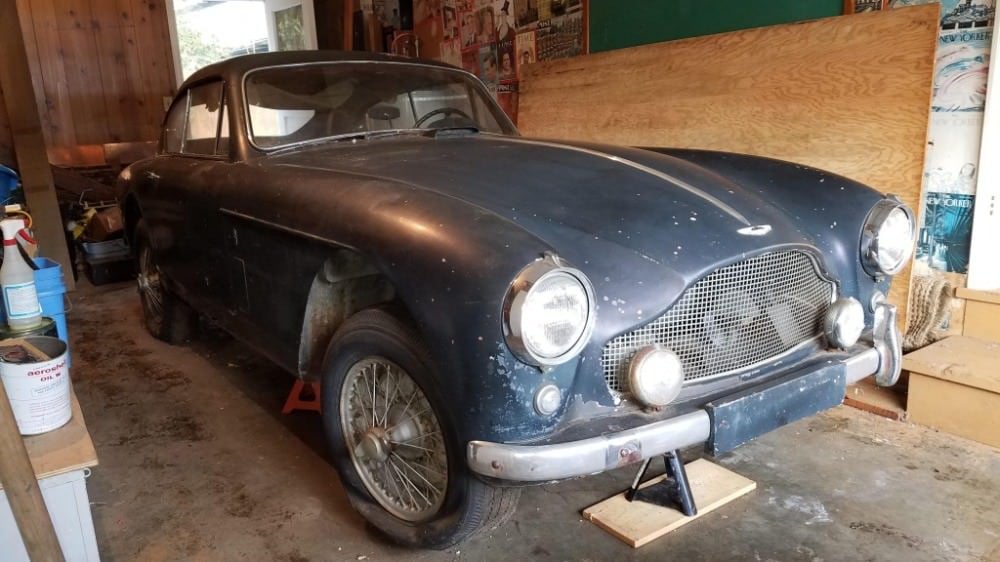
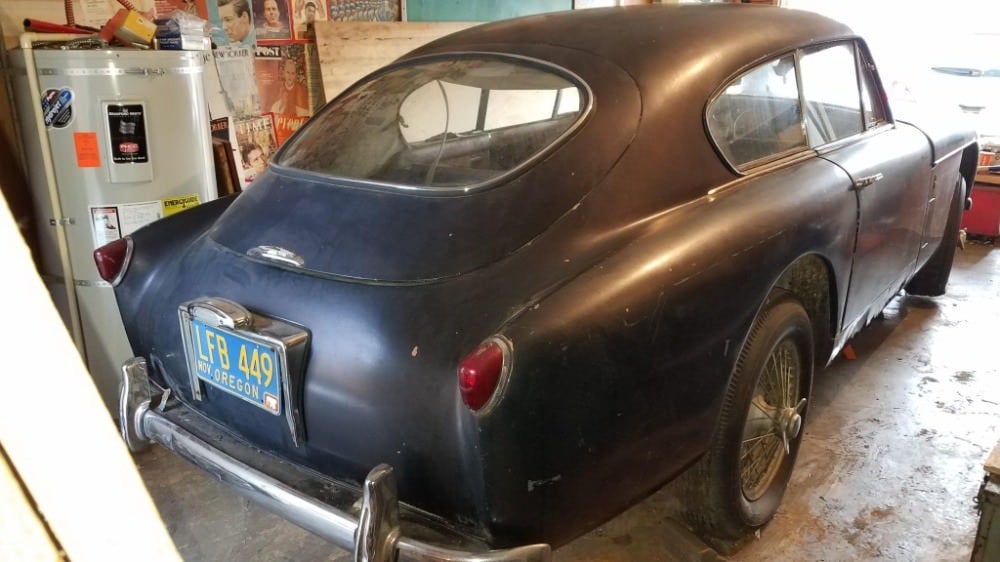
This 1957 Aston Martin DB Mark III is a matching-numbers, factory left-hand-drive saloon that was originally delivered new to New York. The factory build sheet accompanies the car and confirms the original colors, numbers, and New York delivery, and the engine stamping DBA/933 matches the chassis identification plate and the build sheet.
This DB Mark III is said to have been sitting since the mid-1970s, that’s 50+ years now, and it will need a full restoration before any driving is completed. The current seller’s father bought the car in 1968, it passed to the seller after his father’s death in 2019.
It’s now being offered for sale out of Astoria, New York on eBay with a Buy It Now price of $219,500 USD. If you’d like to read more or make them an offer you can visit the listing here.
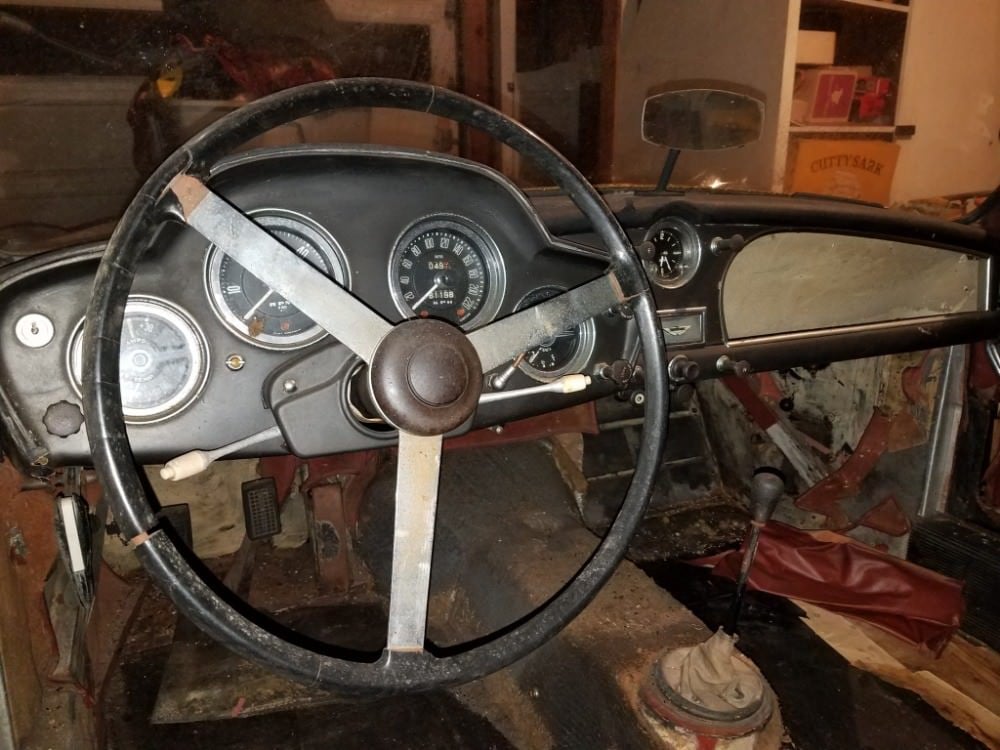
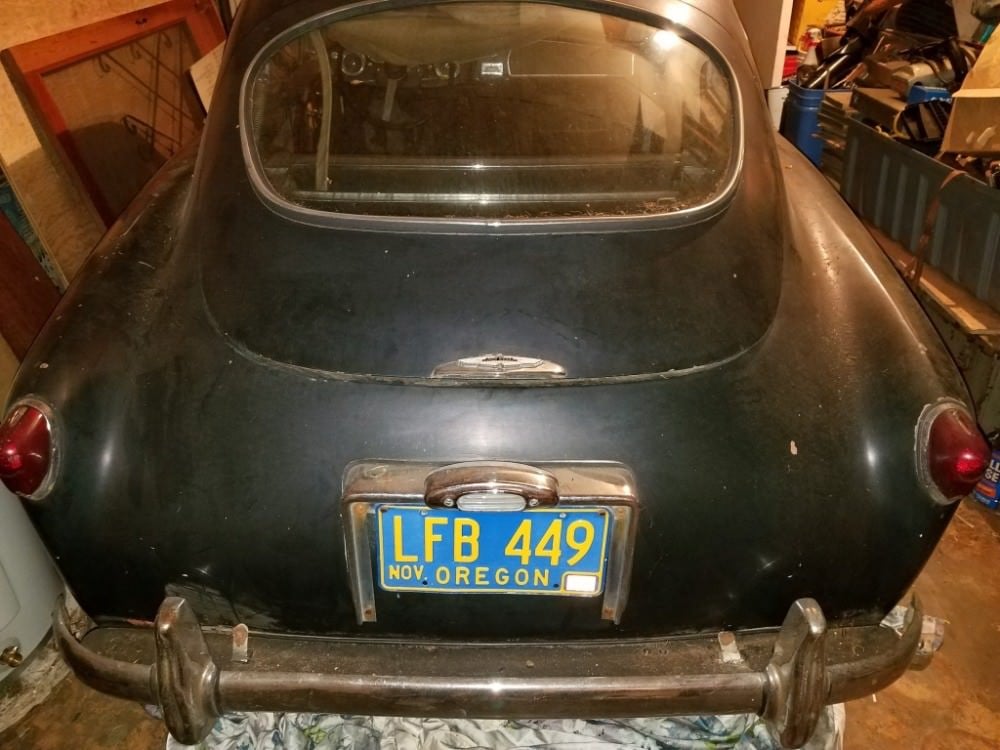
Images courtesy of Gullwing Motor Cars

Articles that Ben Branch has written have been covered on CNN, Popular Mechanics, Smithsonian Magazine, Road & Track Magazine, the official Pinterest blog, the official eBay Motors blog, BuzzFeed, Autoweek Magazine, Wired Magazine, Autoblog, Gear Patrol, Jalopnik, The Verge, and many more.
Silodrome was founded by Ben back in 2010, in the years since the site has grown to become a world leader in the alternative and vintage motoring sector, with well over a million monthly readers from around the world and many hundreds of thousands of followers on social media.