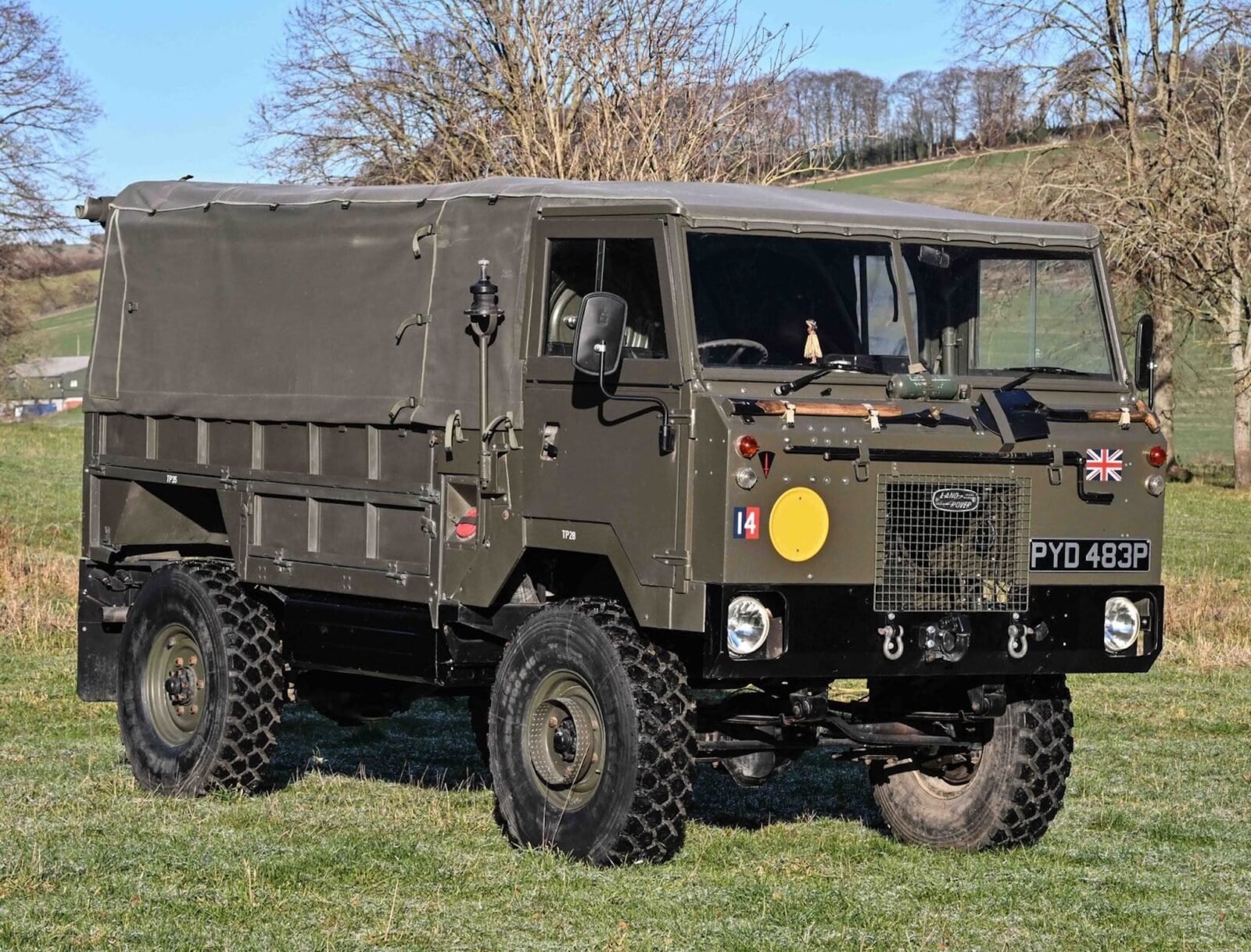
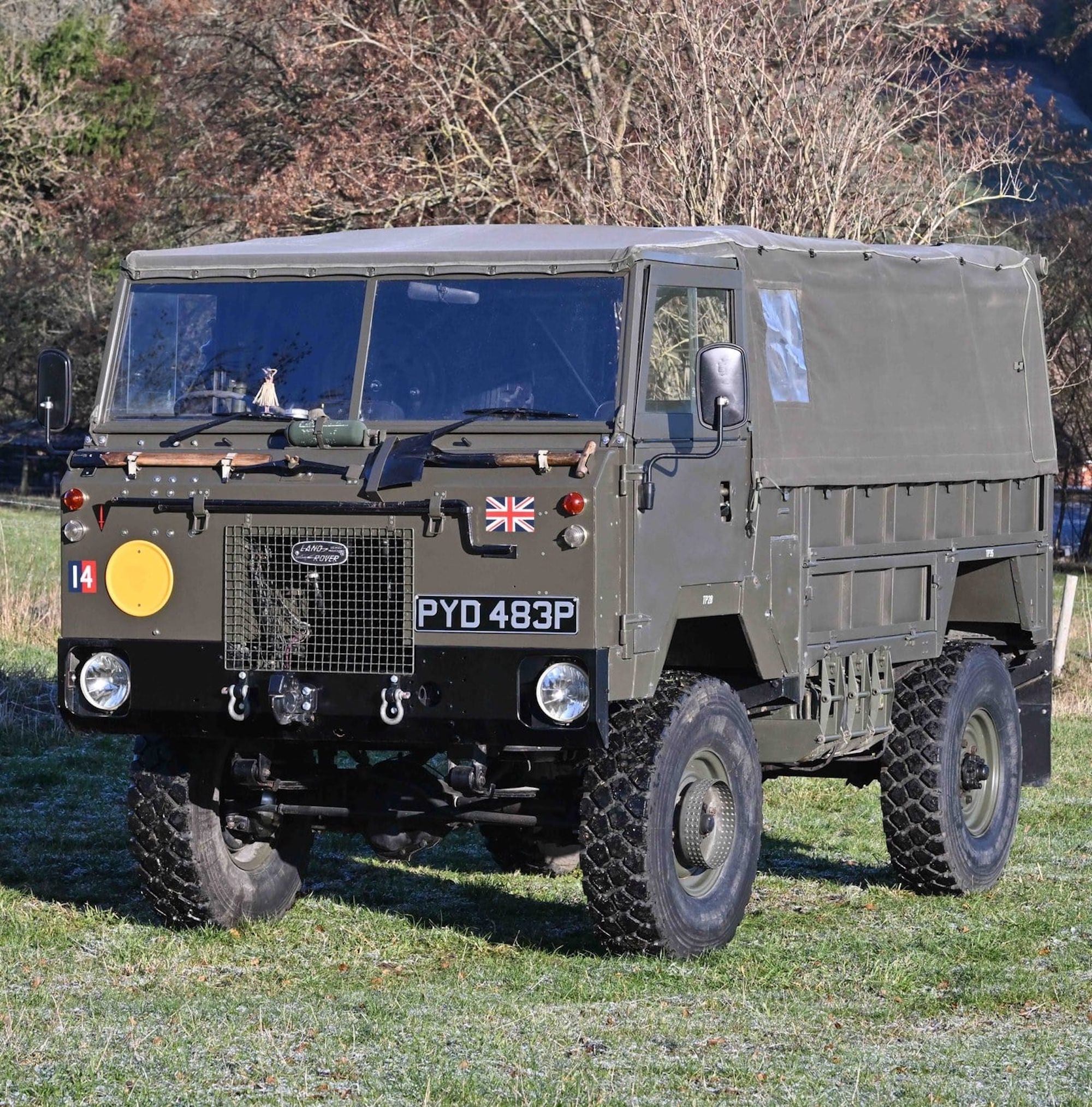
This is a Land Rover 101 Forward Control, also known as the Land Rover 101FC, it was built as a contemporary of the German Unimog to be used by the British Armed Forces as a field gun tractor and ammunition hauler.
Unlike the Unimog, which was originally developed for civilian use, the 101FC was never offered for sale directly to civilians – they were all sold to the military and only ended up in civilian hands later when they were retired from military service and sold off at auctions.
Fast Facts: The Land Rover 101 Forward Control
- The Land Rover 101 Forward Control was developed in the late 1960s for the British Army as a compact, air-transportable truck able to tow artillery and haul ammunition. Its forward-control layout maximized load space while meeting strict size, payload, and cross-country mobility requirements for frontline military use.
- Unlike the Unimog, the 101FC was never sold new to civilians. All examples were built for military service between roughly 1975 and 1978, only entering private ownership decades later after disposal auctions. This military-only origin shaped its sparse cab, heavy-duty chassis, and engineering priorities.
- Power came from Rover’s aluminum 3.5 liter V8 paired with a 4-speed manual and permanent four-wheel drive. Coil-sprung live axles, drum brakes, and a transmission-mounted handbrake prioritized durability, articulation, and reliability under sustained load, giving it capable off-road performance and stable convoy manners.
- After retirement, many 101FCs found second lives as expedition trucks and campers, especially in the UK and Australia. The boxy rear bed suited camper modules, while overdrives and diesel swaps improved cruising. Today they are prized for their character, rarity, and for their long-distance overland capability.
History Speedrun: The Land Rover 101FC
The Land Rover 101 Forward Control was conceived due to a very specific military requirement, and its unusual proportions only really make sense when viewed through that lens. By the late 1960s, the British Army was looking to replace a mix of aging vehicles that sat awkwardly between the lightweight Land Rover and full-size military trucks.
 This is a Land Rover 101 Forward Control, also known as the Land Rover 101FC, it was built as a contemporary of the German Unimog to be used by the British Armed Forces as a field gun tractor and ammunition hauler.
What the British Army brass wanted was a compact, air-portable, one-ton payload vehicle capable of towing heavy artillery, operating cross-country with ease, and fitting inside transport aircraft without requiring dismantling first.
Conventional bonneted layouts wasted valuable length, so Land Rover’s engineers turned to a forward-control configuration, placing the cab over the front axle and pushing the wheels to the extreme ends of the chassis front and back.
Development work began in the late 1960s under the designation “101,” a reference to its intended wheelbase length. Although you could say it was somewhat visually related to earlier forward control Land Rovers, the 101 was an entirely new design.
It used a purpose-built steel ladder chassis with a 101 inch wheelbase, significantly longer and stronger than any Series Land Rover frame. Production began in the mid-1970s, with the majority of vehicles built between 1975 and 1978 – exclusively for military buyers.
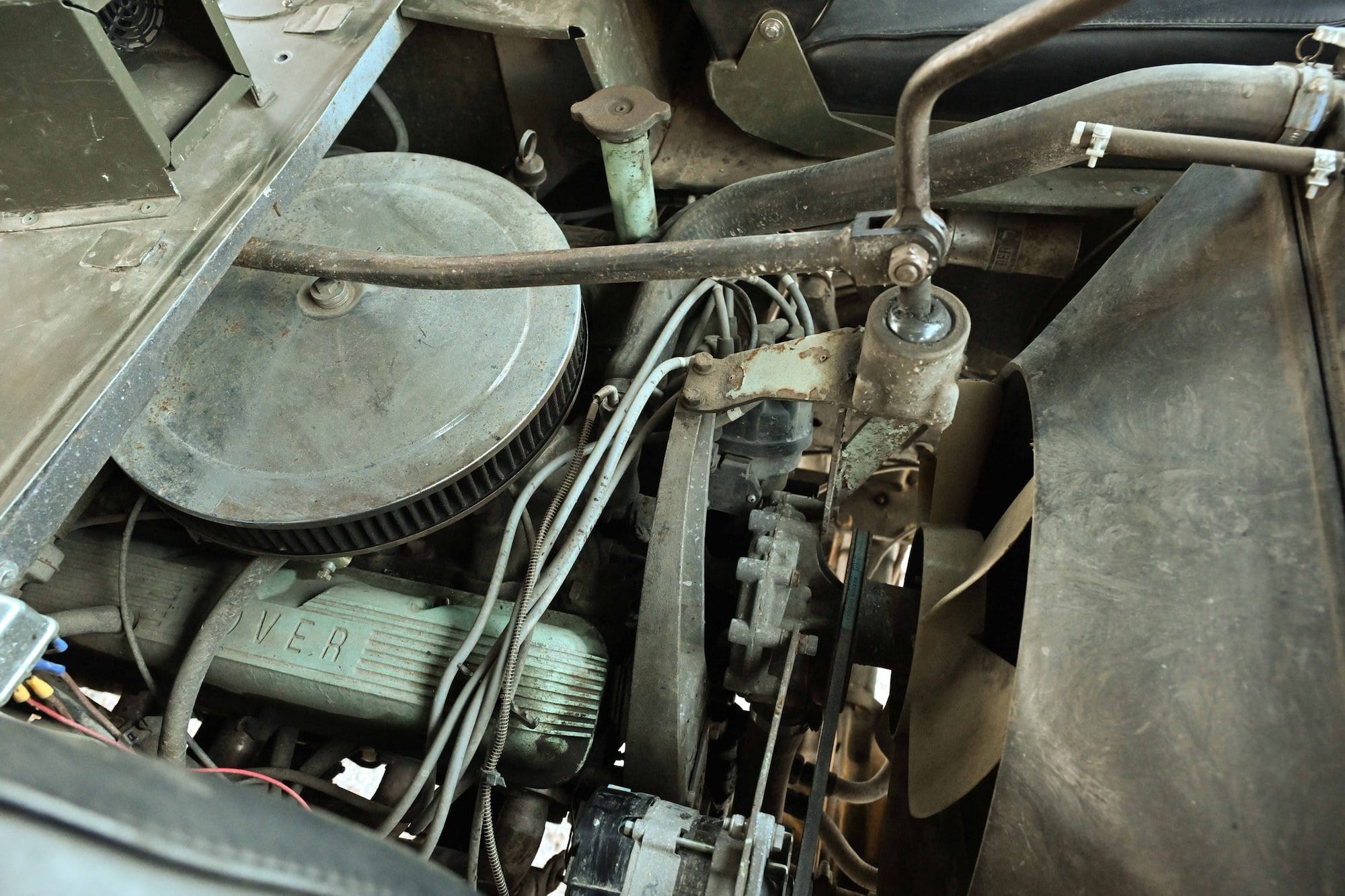
Power came from Rover’s aluminum 3.5 liter V8, chosen for its smaller dimensions and excellent power-to-weight ratio. In military specification it was torque-biased and as such produced only 120 bhp, it was paired with a 4-speed manual gearbox derived from the period Range Rover.
Drive was permanent four-wheel drive through a centre differential, again borrowing Range Rover hardware rather than the selectable systems used in Series trucks. This gave the 101 better on-road manners and improved traction on mixed surfaces, an important consideration for long-distance convoy work.
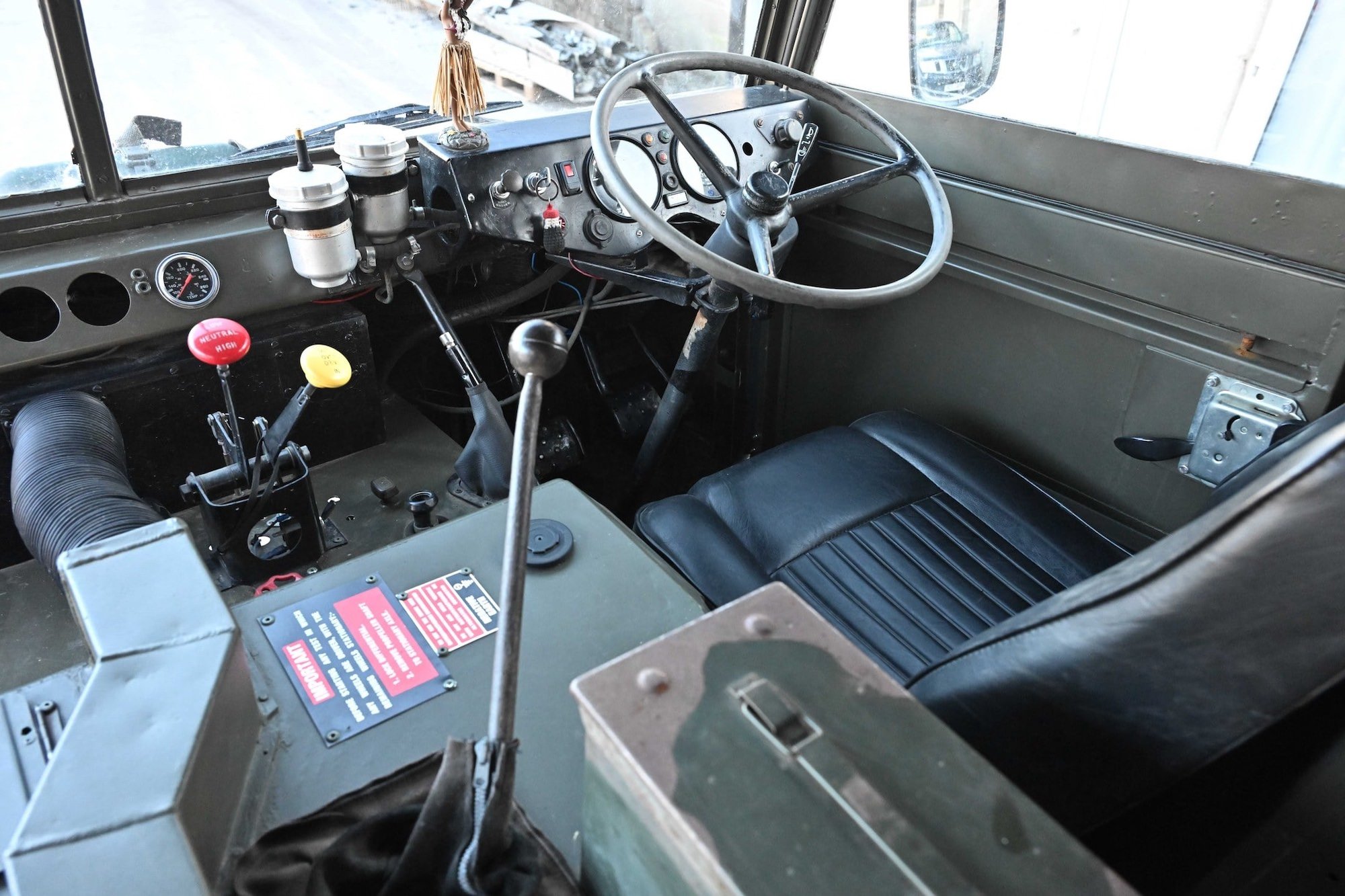
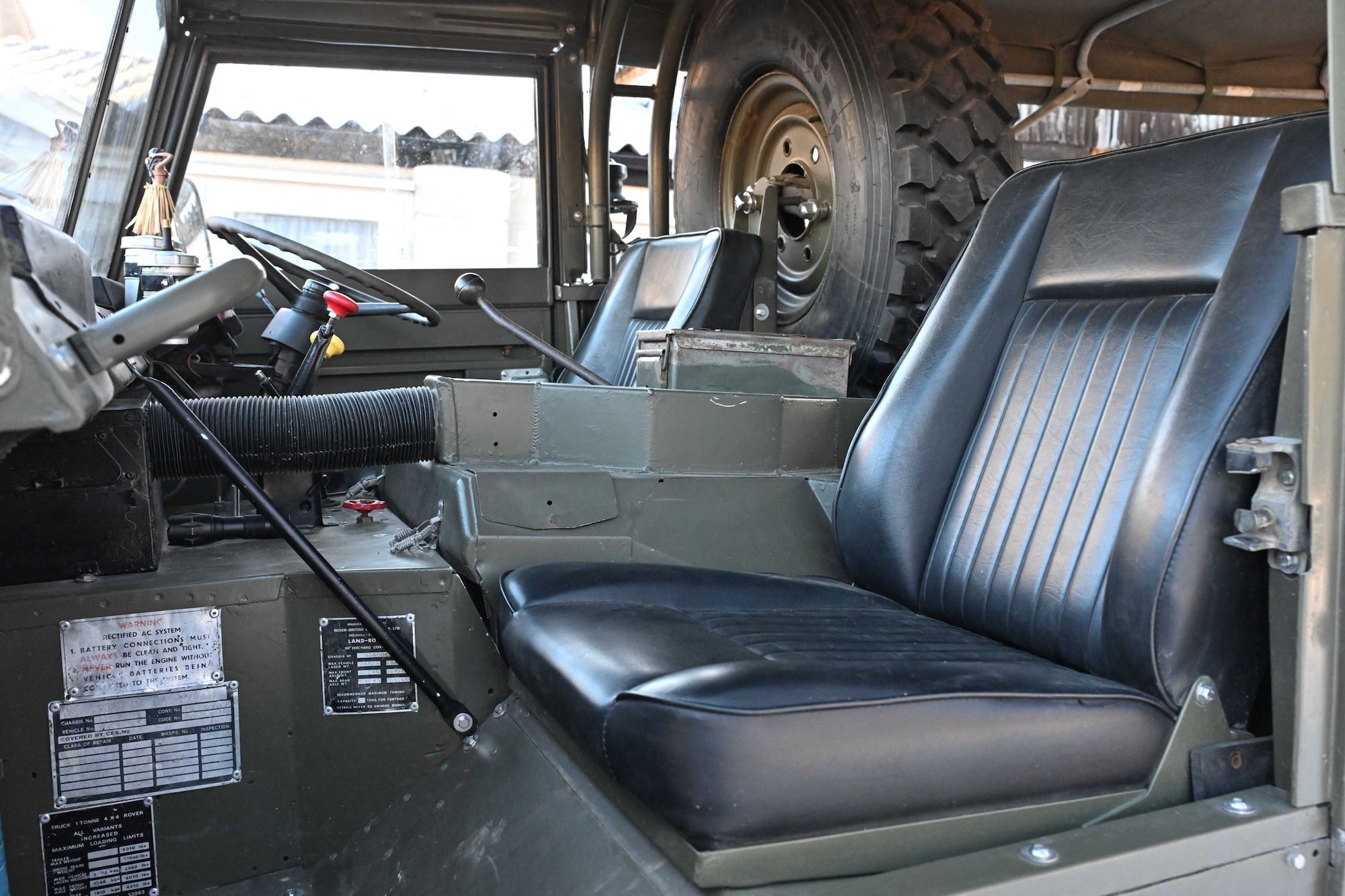
The forward-control layout placed the driver directly above the front wheels, providing excellent visibility in tight terrain, and cab accommodation was strictly functional, with minimal sound insulation, flat panels, and a clear emphasis on military practicality rather than civilian comfort.
One of the 101’s defining engineering features was its suspension – instead of leaf springs, it used coil springs at all four corners much like the Range Rover, it was a major step forward for ride control and axle articulation in a military truck of this size.
Live axles were fitted front and rear, with heavy-duty housings designed to cope with sustained high loads and towing duties. Braking was by large drum brakes all round, hydraulically assisted, with a transmission brake mounted on the transfer case for parking and emergency use. While drums may sound old-fashioned, they were chosen for their toughness and their resistance to contamination in muddy and/or sandy environments.
The forward-control layout placed the driver directly above the front wheels, providing excellent visibility in tight terrain, and cab accommodation was strictly functional, with minimal sound insulation, flat panels, and a clear emphasis on military practicality rather than civilian comfort.
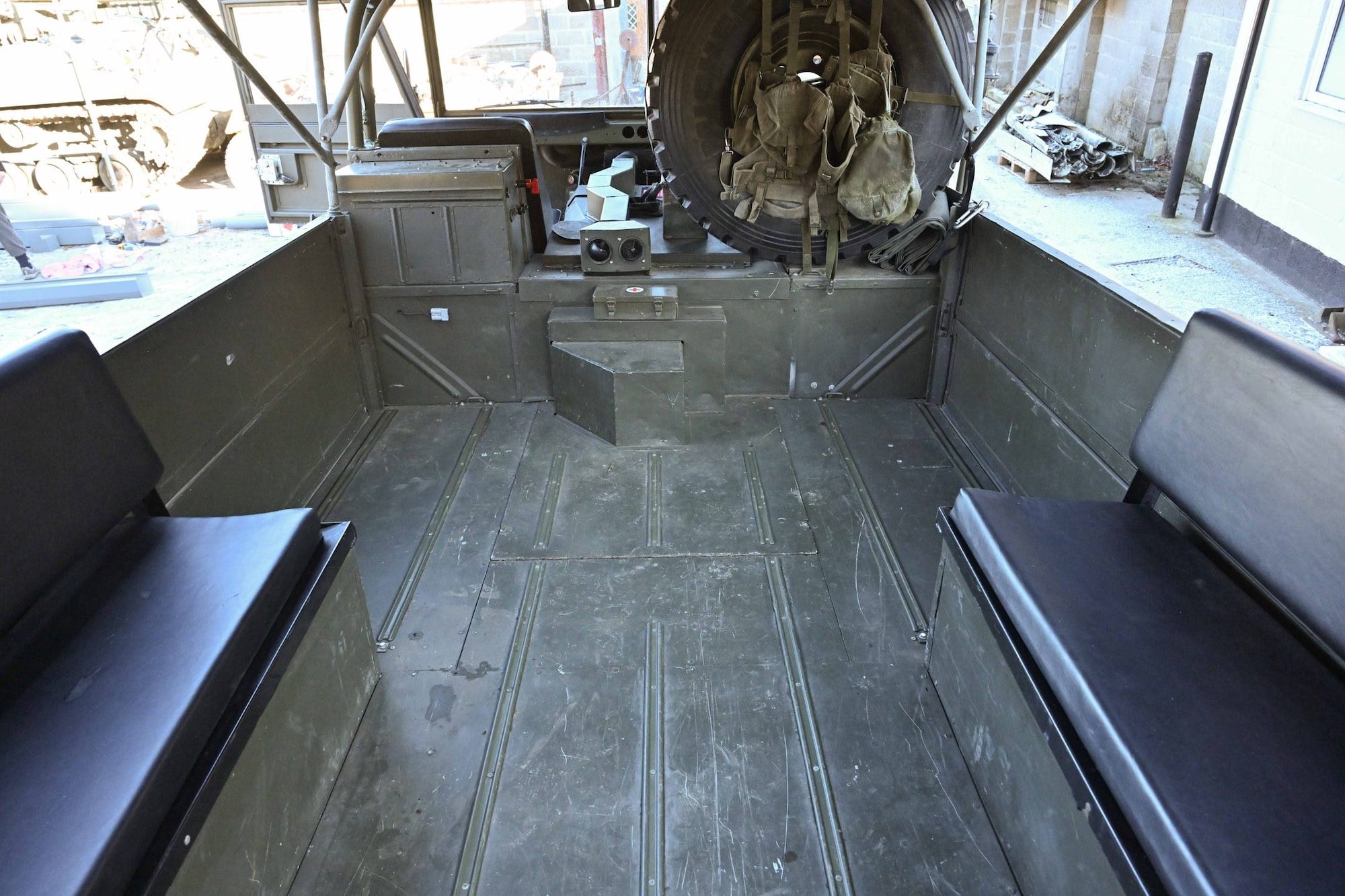
The British Army used the 101 in several roles, most notably as a gun tractor for the L118 105 mm Light Gun. In this configuration it towed the artillery piece while carrying crew and equipment in the rear load bed.
Other variants included general cargo trucks, radio and communications vehicles, and field ambulance conversions. A small number were adapted for use by the Royal Air Force, where the V8’s ability to run reliably in cold conditions and the vehicle’s compact footprint were seen as crucial advantages.
Despite its strengths, the 101 had a relatively short frontline career. By the 1980s, changing military logistics and the arrival of newer vehicles reduced its relevance, and many examples were placed into storage before being sold into the civilian market in the 1990s – this is where the 101’s second life truly began.
In civilian hands, the Forward Control’s boxy proportions and tough chassis made it an appealing platform for specialist conversions. Camper bodies, expedition rigs, and overland trucks became common, particularly in Australia, the UK, and parts of Europe.
In civilian hands, the Forward Control’s boxy proportions and tough chassis made it an appealing platform for specialist conversions. Camper bodies, expedition rigs, and overland trucks became common, particularly in Australia, the UK, and parts of Europe.
The rear load bed lent itself well to fixed camper modules, while the V8 provides decent performance even when heavily loaded. Some owners replace the original engine with diesel alternatives for better fuel economy, and the addition of an overdrive unit also helps mileage at highway speeds.
Its transformation from artillery tractor to expedition camper was largely unexpected, but in retrospect it makes a lot of sense, and in this capacity the humble 101FC has seen all four corners of the globe with many still undertaking expeditions today.
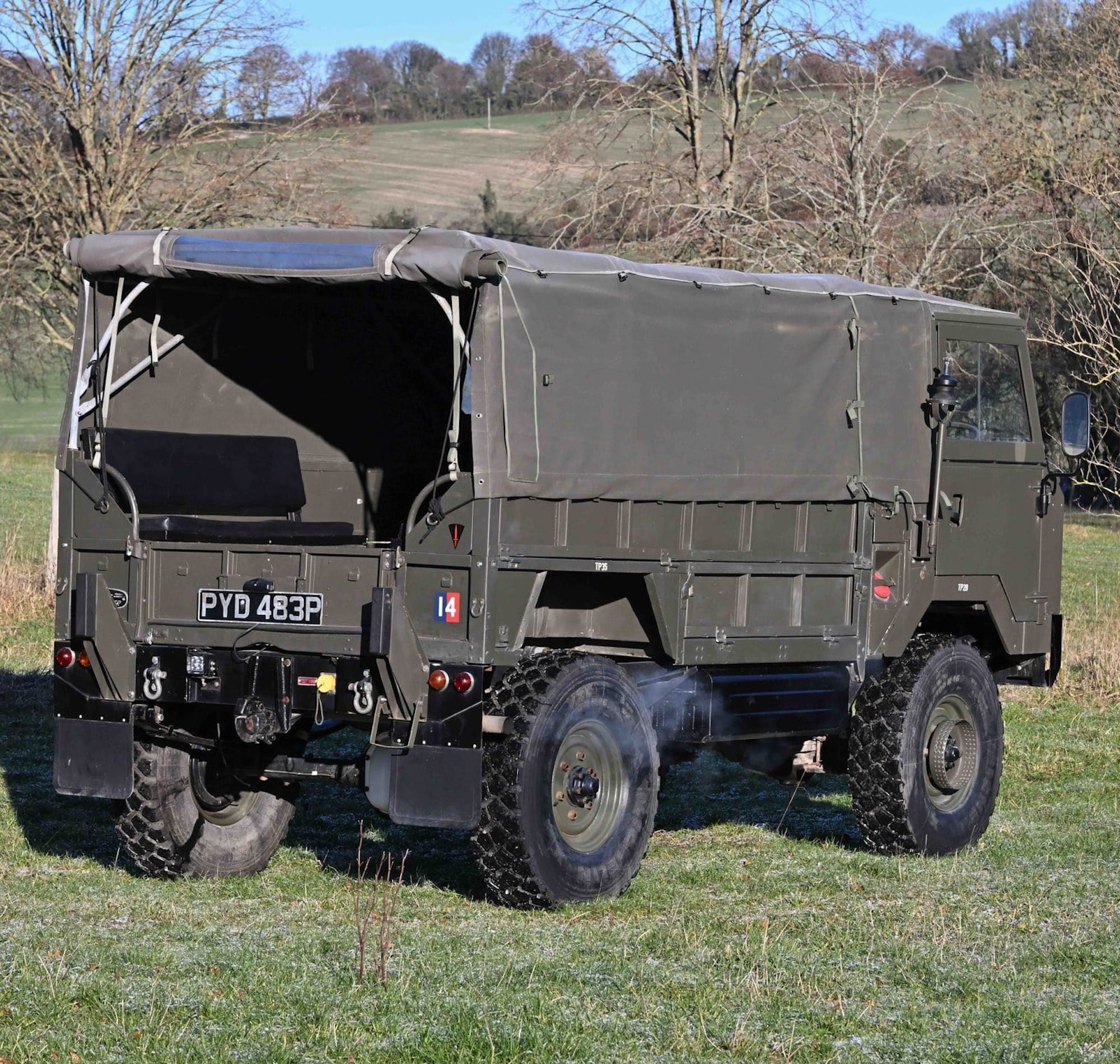
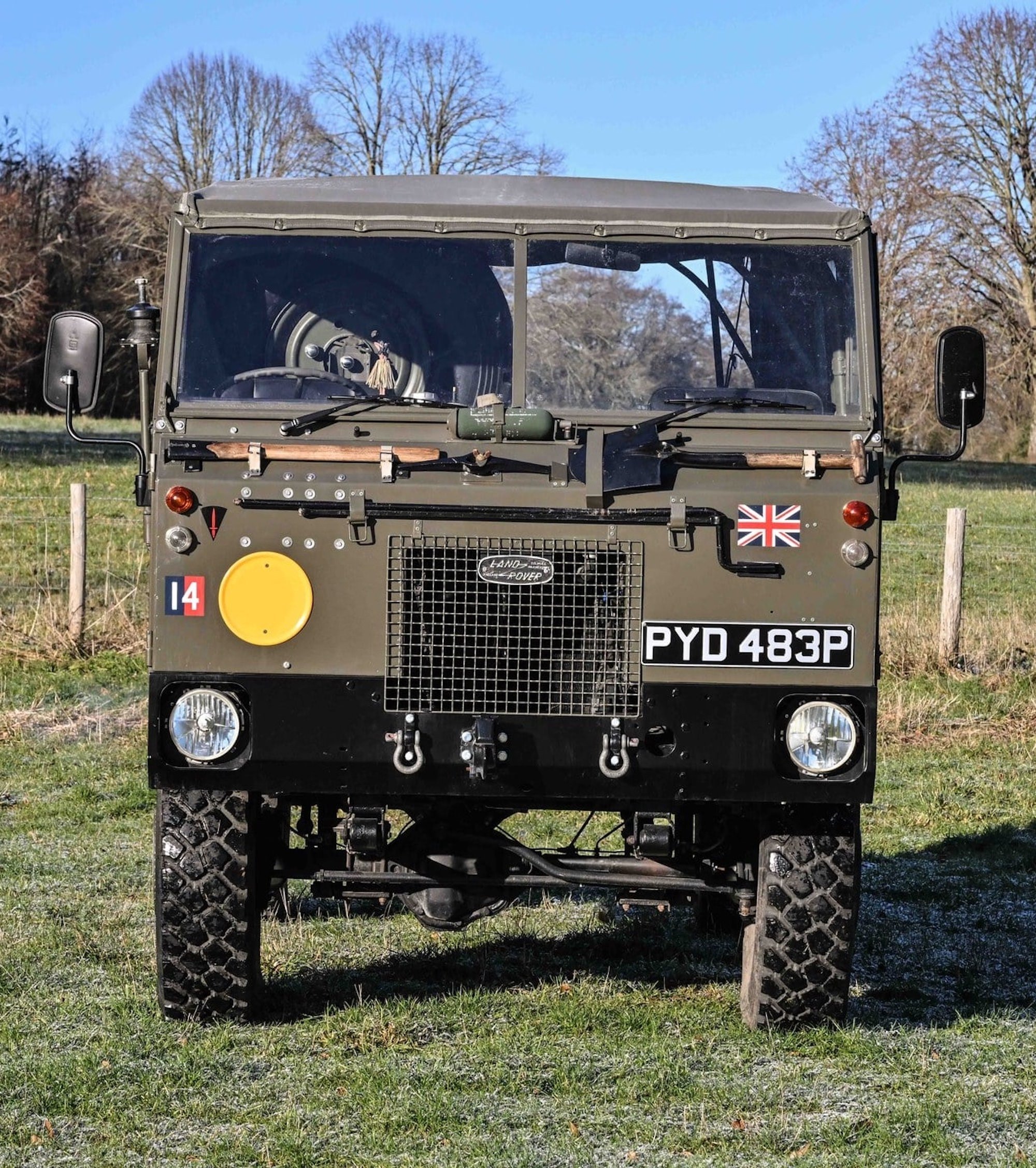
The Restored 1976 Land Rover 101FC Shown Here
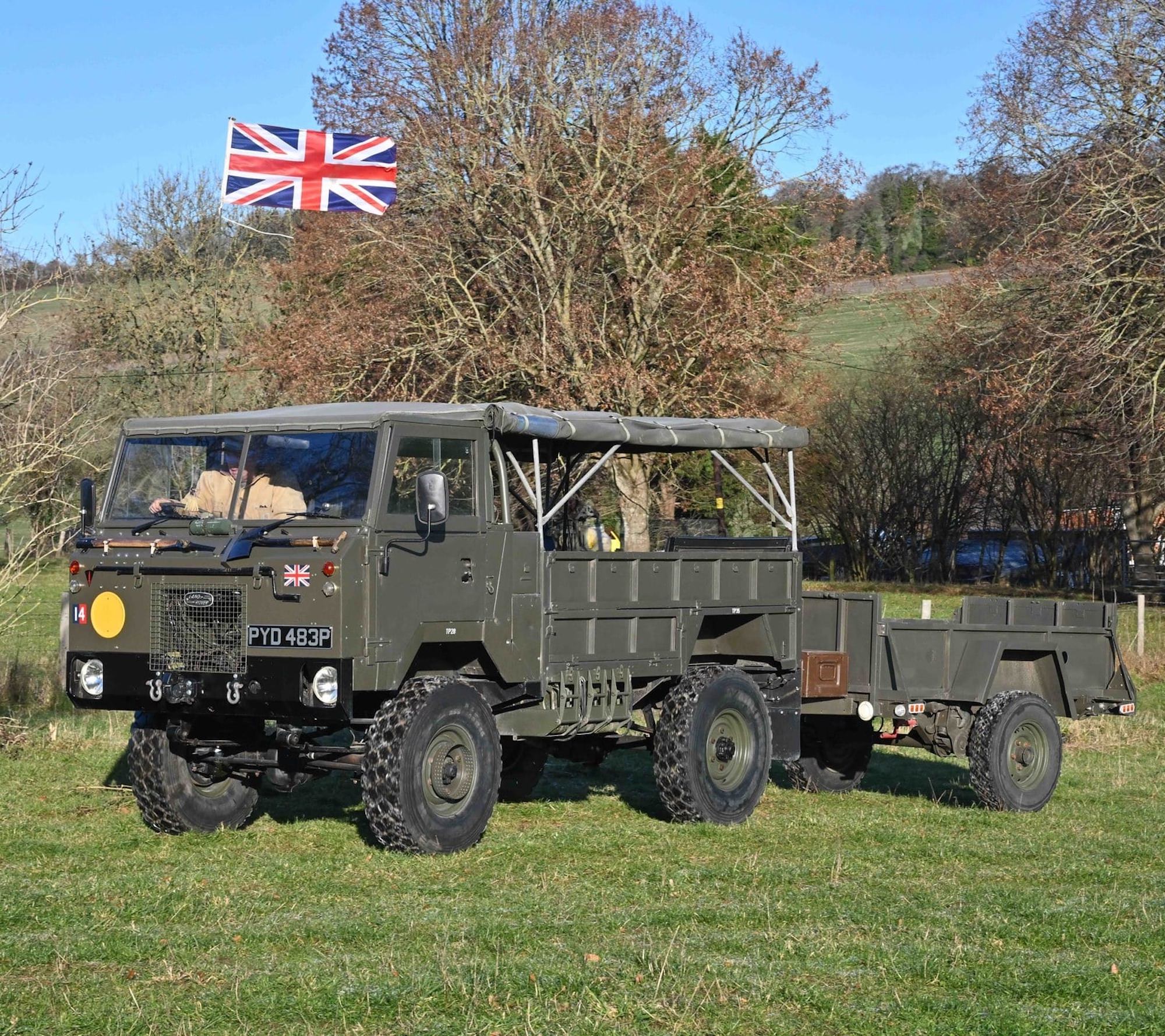
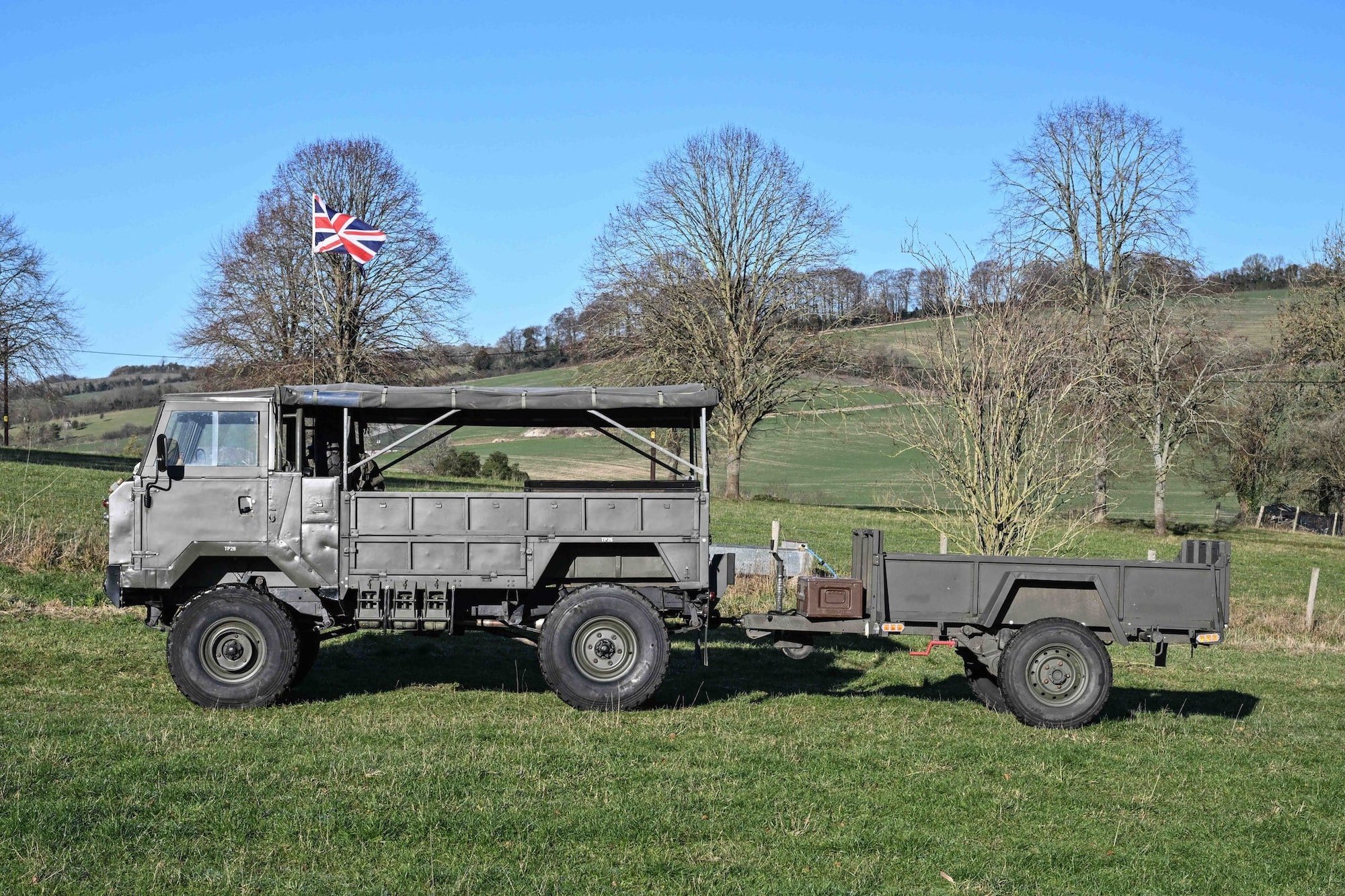
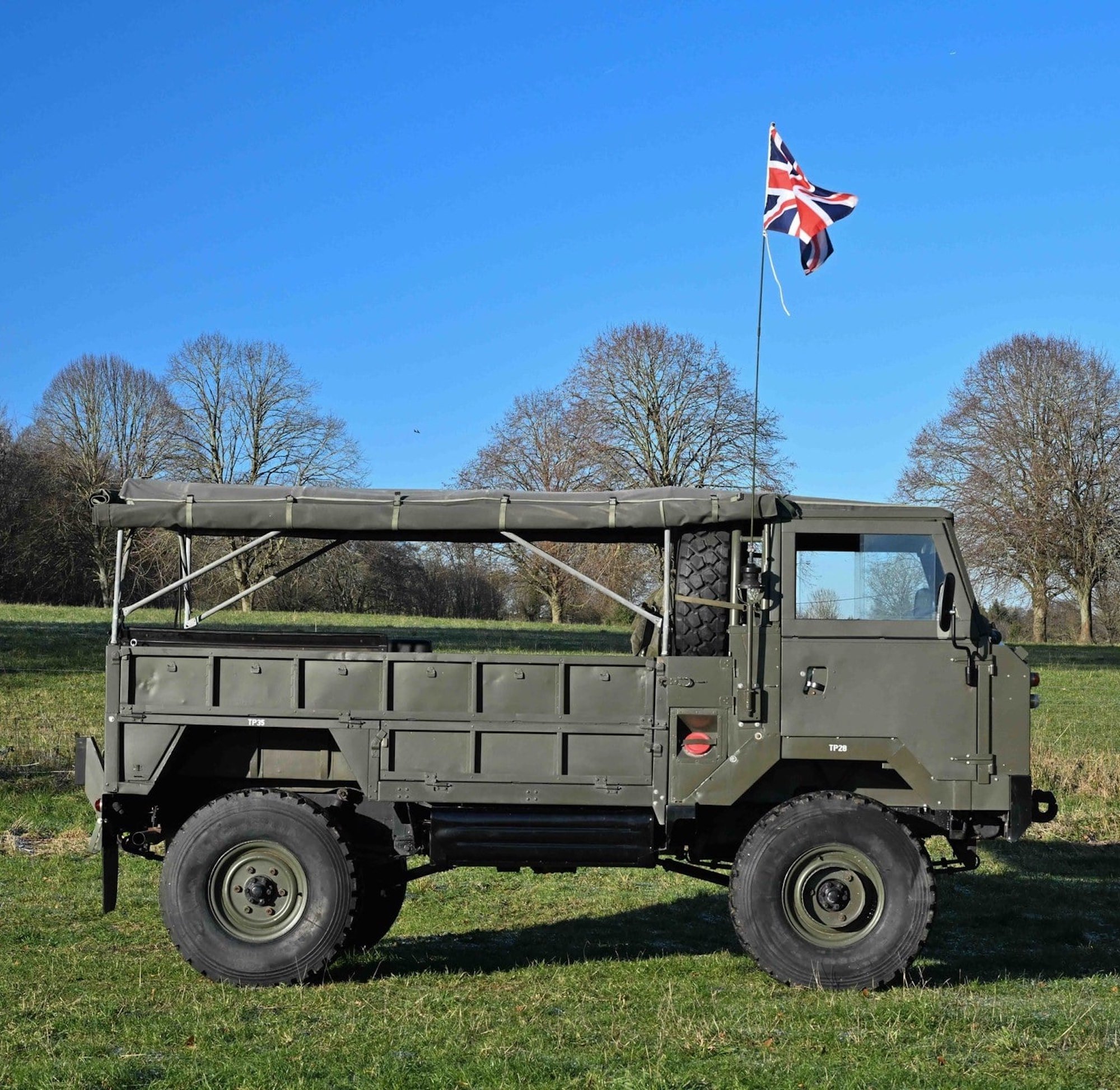
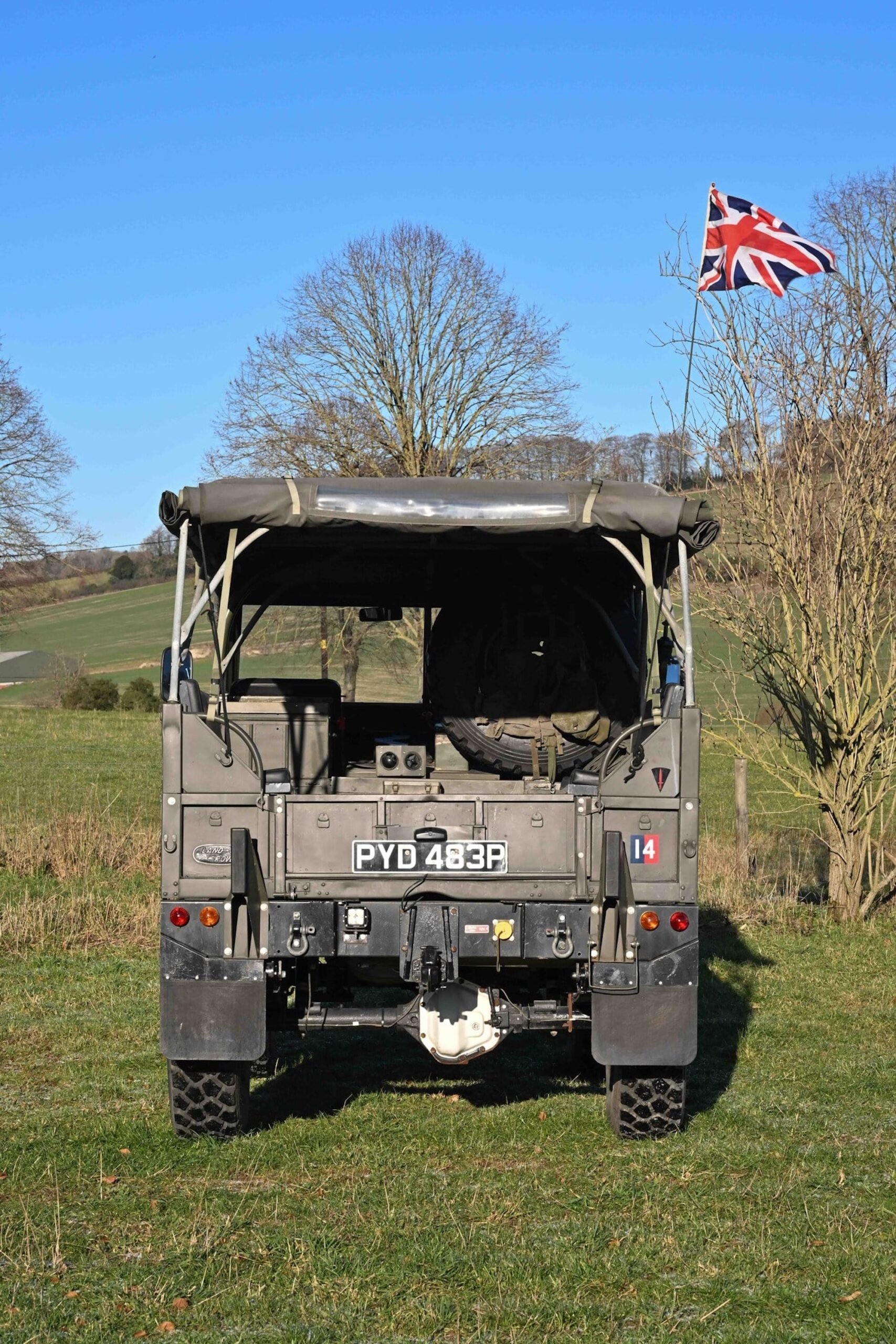
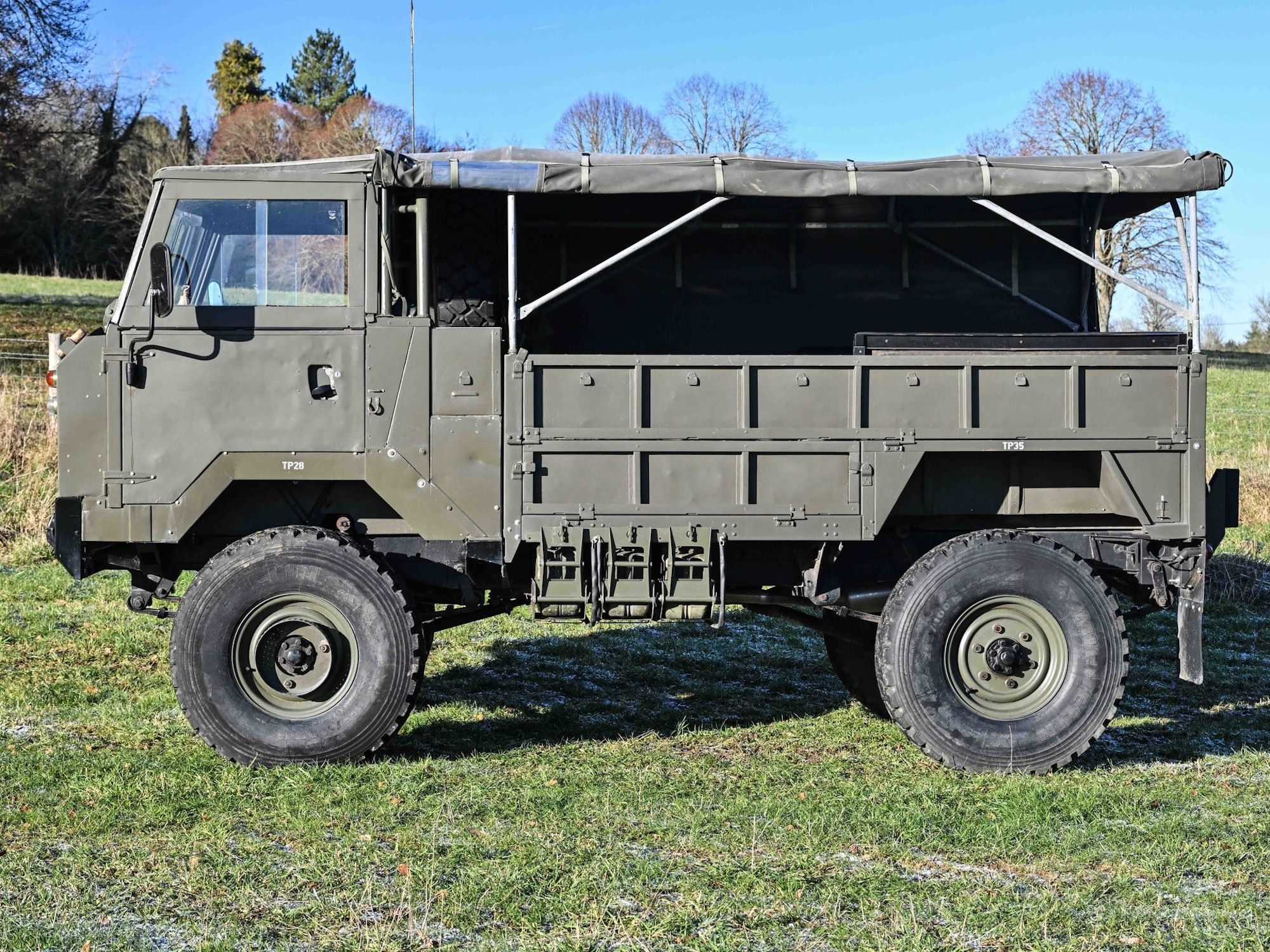
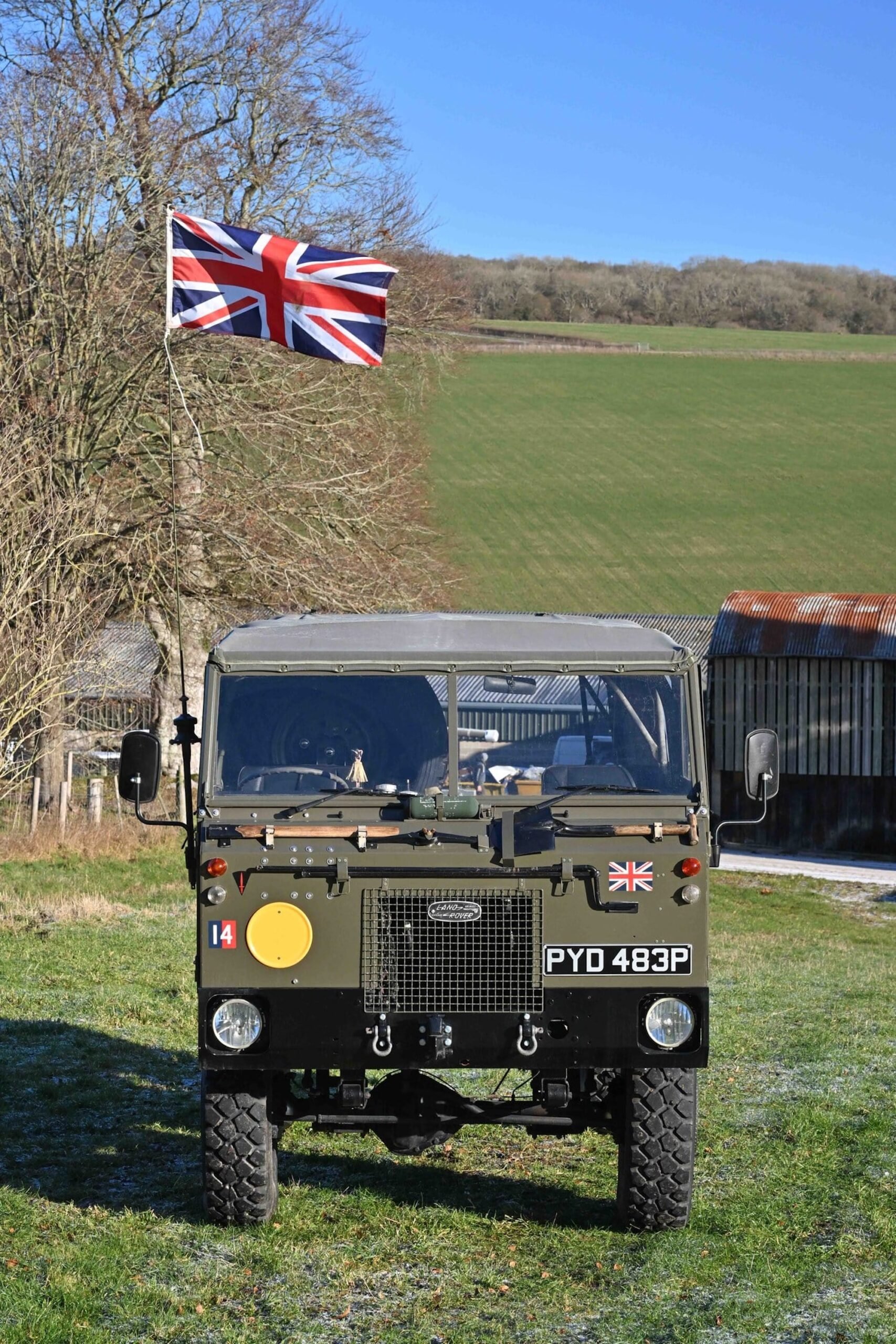
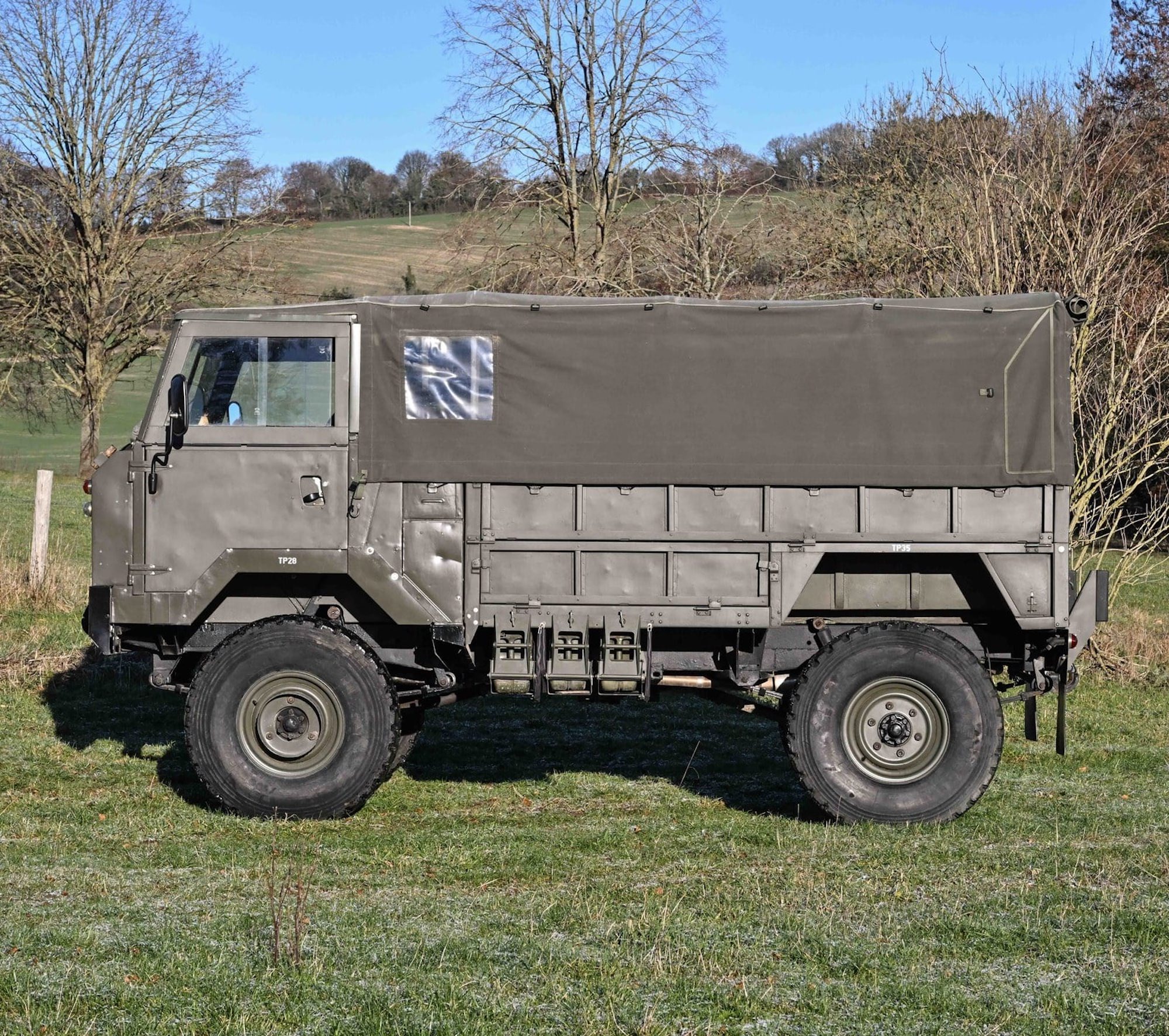
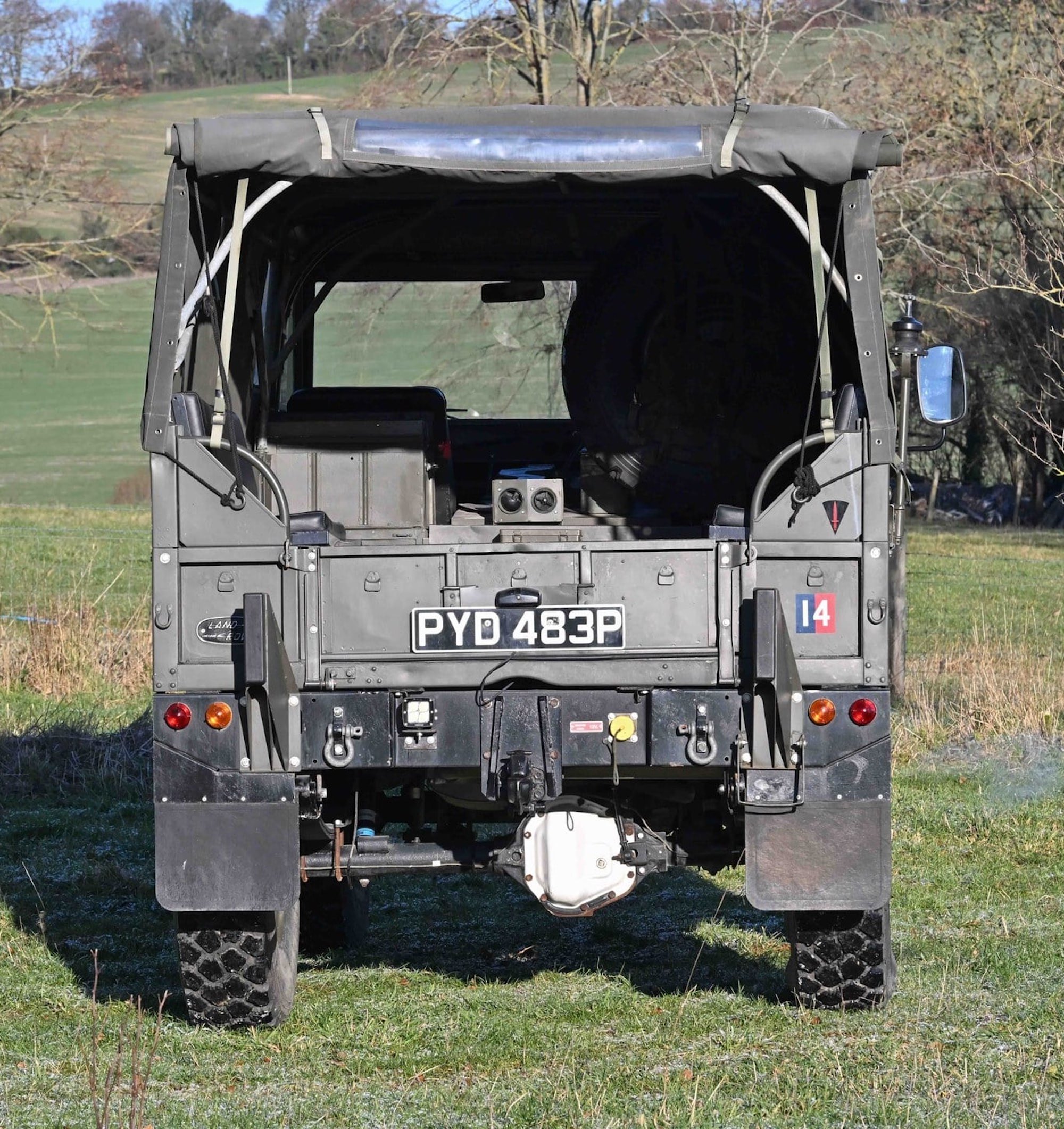
The vehicle you see here is a 1976 Land Rover 101FC that underwent a full restoration back in 2024 which included the chassis and underbody, and a complete respray in its original Army Green. It also comes with a matching military trailer, useful for anyone who needs to do any hauling.
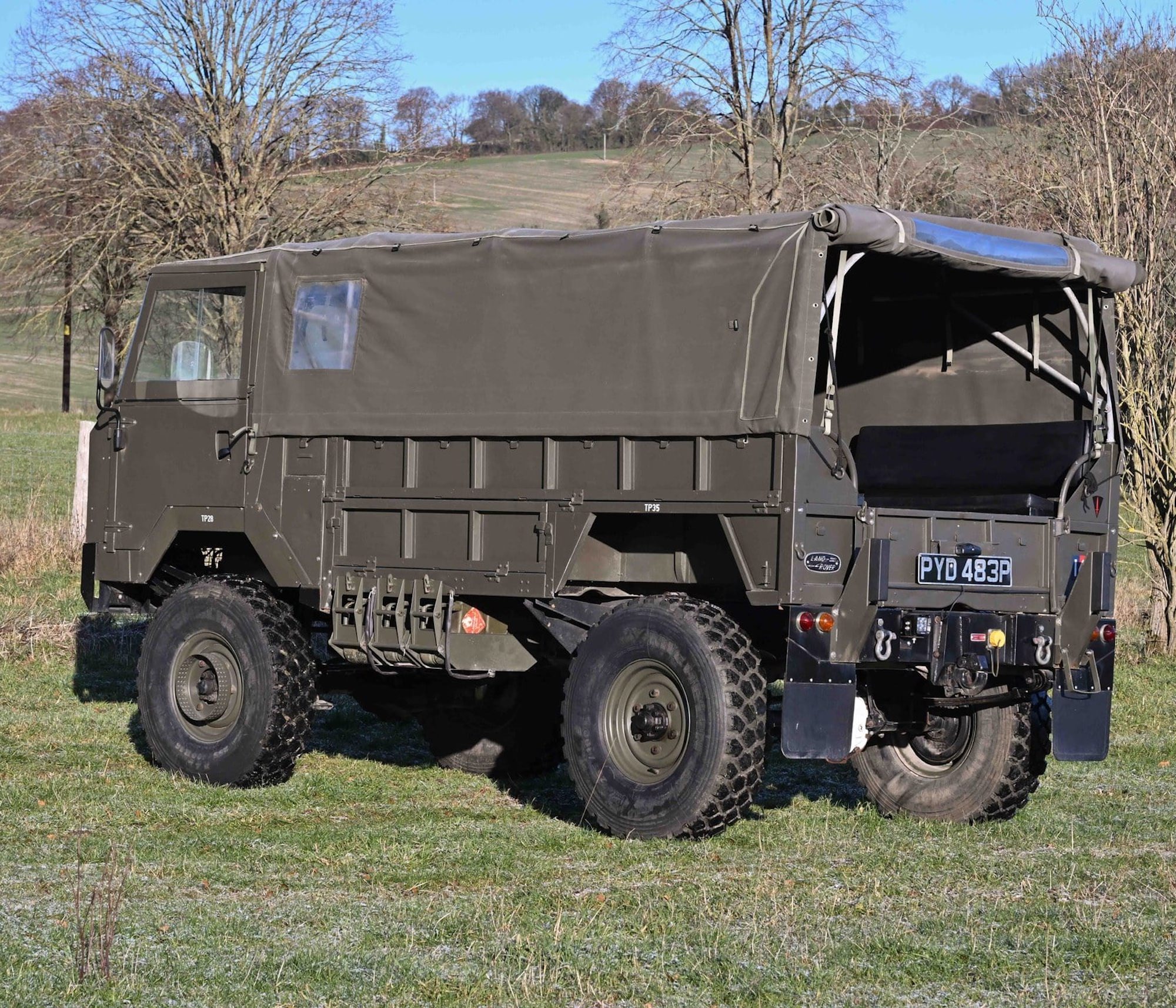
The vehicle you see here is a 1976 Land Rover 101FC that underwent a full restoration back in 2024 which included the chassis and underbody, and a complete respray in its original Army Green. It also comes with a matching military trailer, useful for anyone who needs to do any hauling.
It now has deluxe seat upholstery, Michelin tires, a full canvas top, straight bodywork, and a Fairey overdrive unit has been added to the transmission to lower revs at highway speeds, lowering fuel consumption and mechanical wear and tear.
This 101FC is now being offered for sale out of Wiltshire in the United Kingdom on Car & Classic, you can visit the listing here if you’d like to read more or register to bid.
Images courtesy of Car & Classic

Articles that Ben Branch has written have been covered on CNN, Popular Mechanics, Smithsonian Magazine, Road & Track Magazine, the official Pinterest blog, the official eBay Motors blog, BuzzFeed, Autoweek Magazine, Wired Magazine, Autoblog, Gear Patrol, Jalopnik, The Verge, and many more.
Silodrome was founded by Ben back in 2010, in the years since the site has grown to become a world leader in the alternative and vintage motoring sector, with well over a million monthly readers from around the world and many hundreds of thousands of followers on social media.