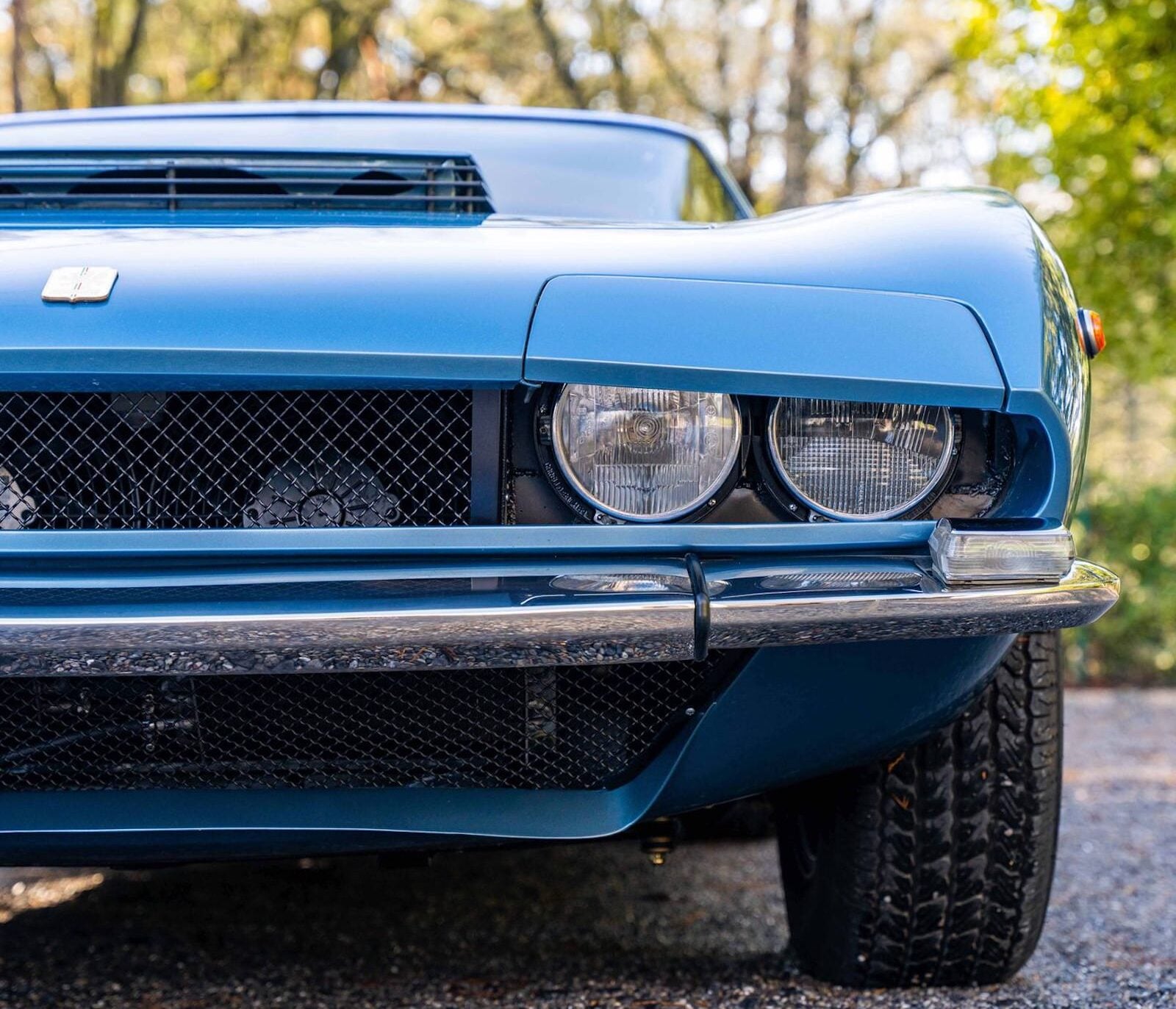
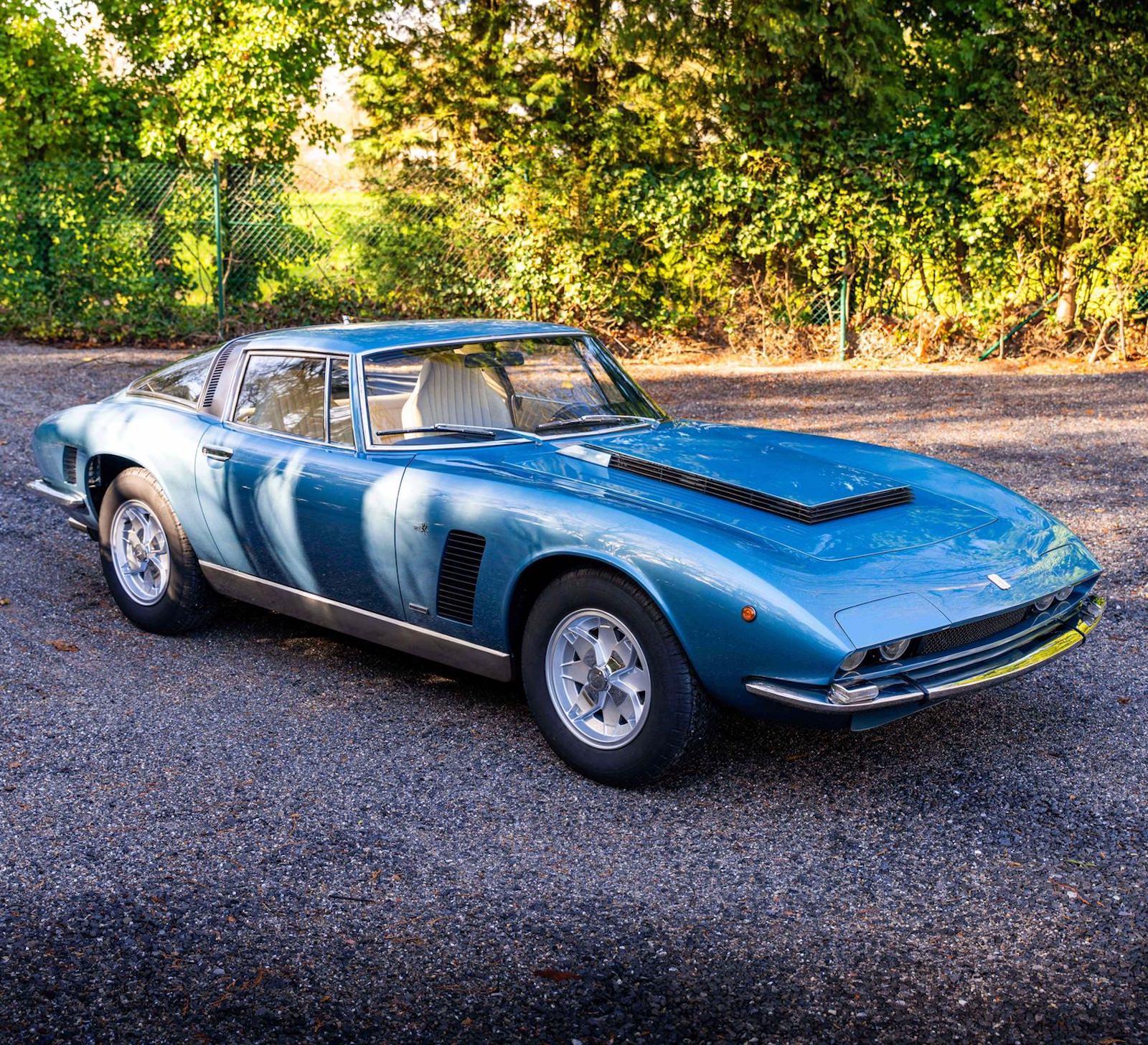
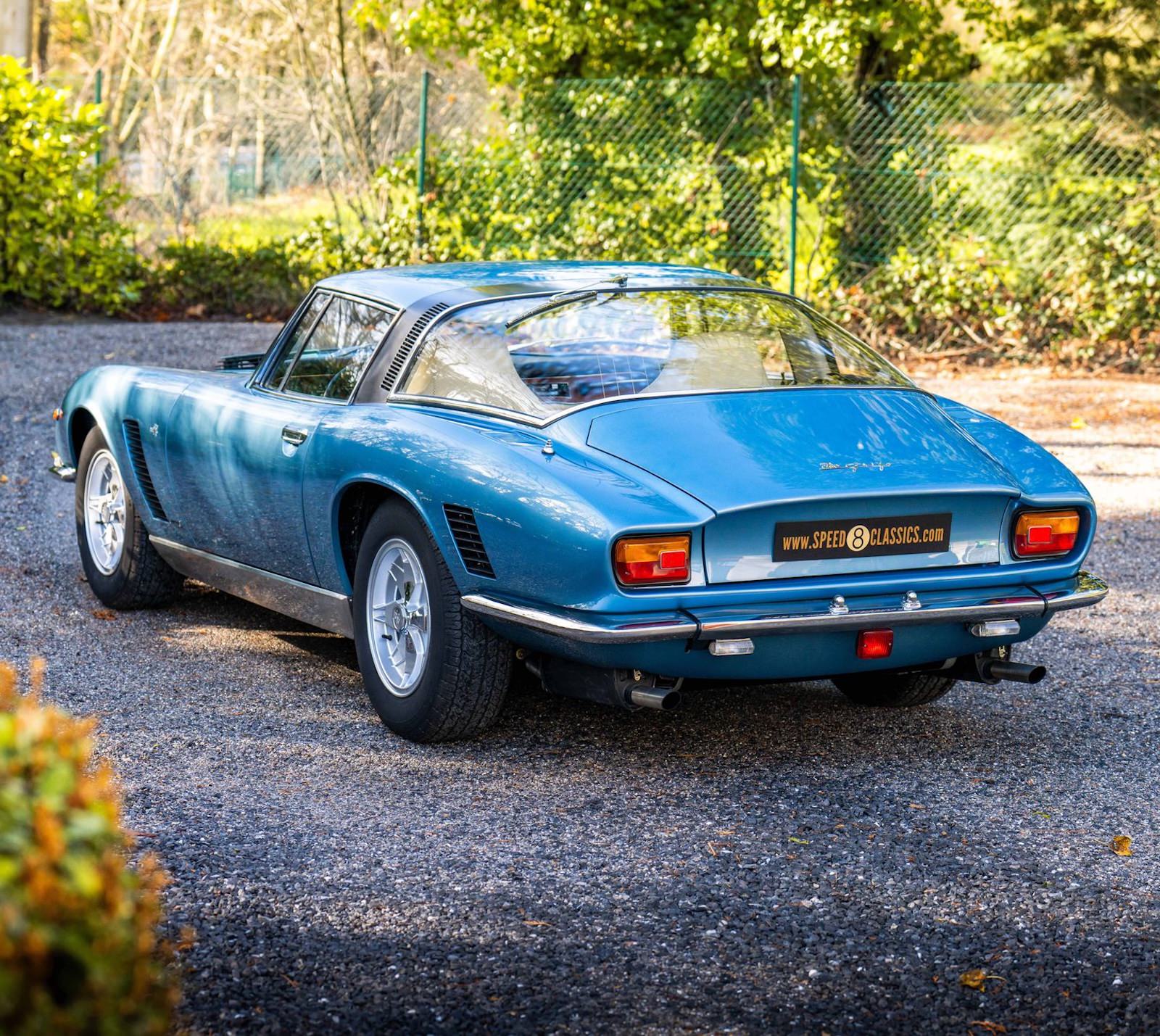
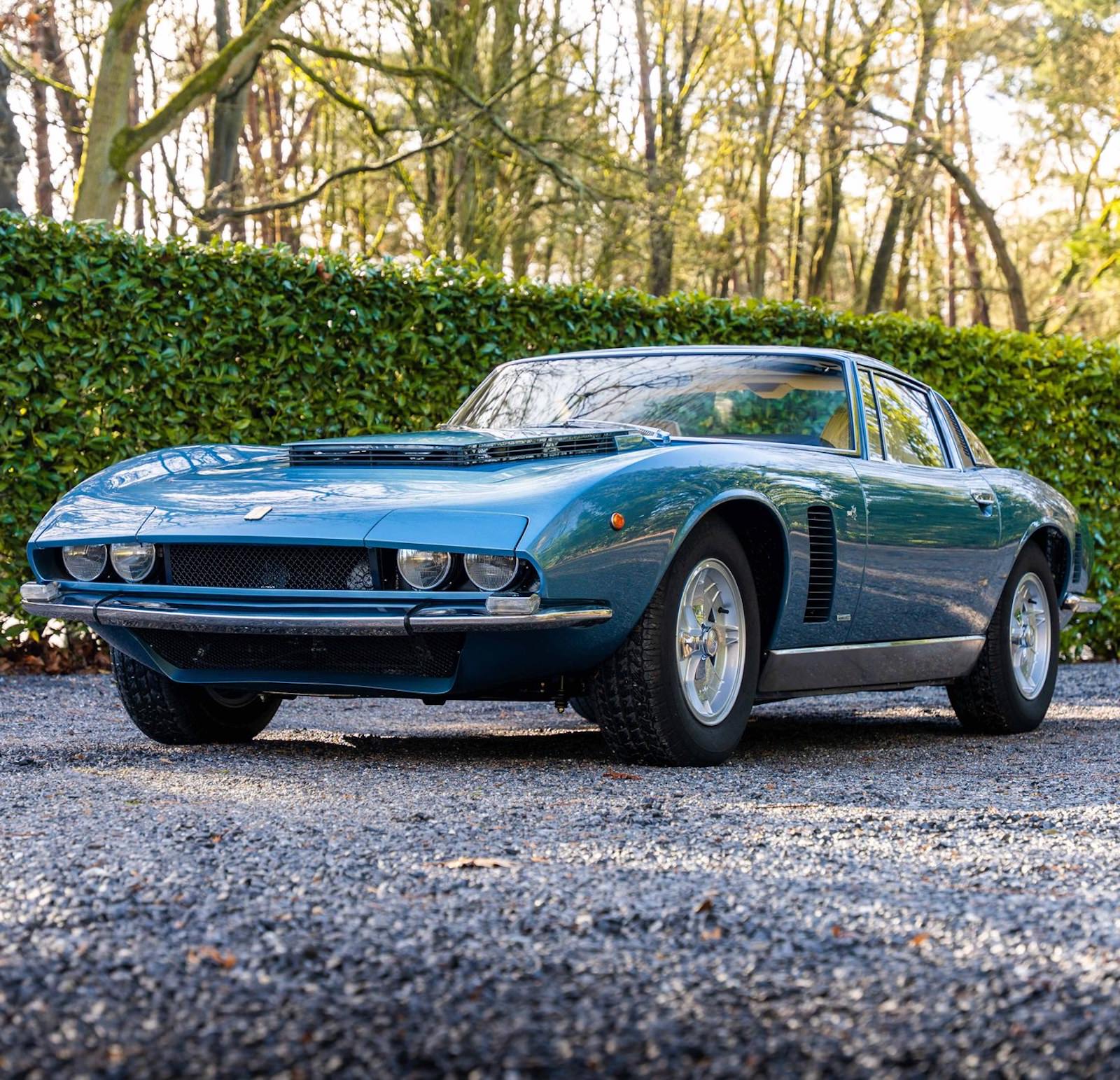
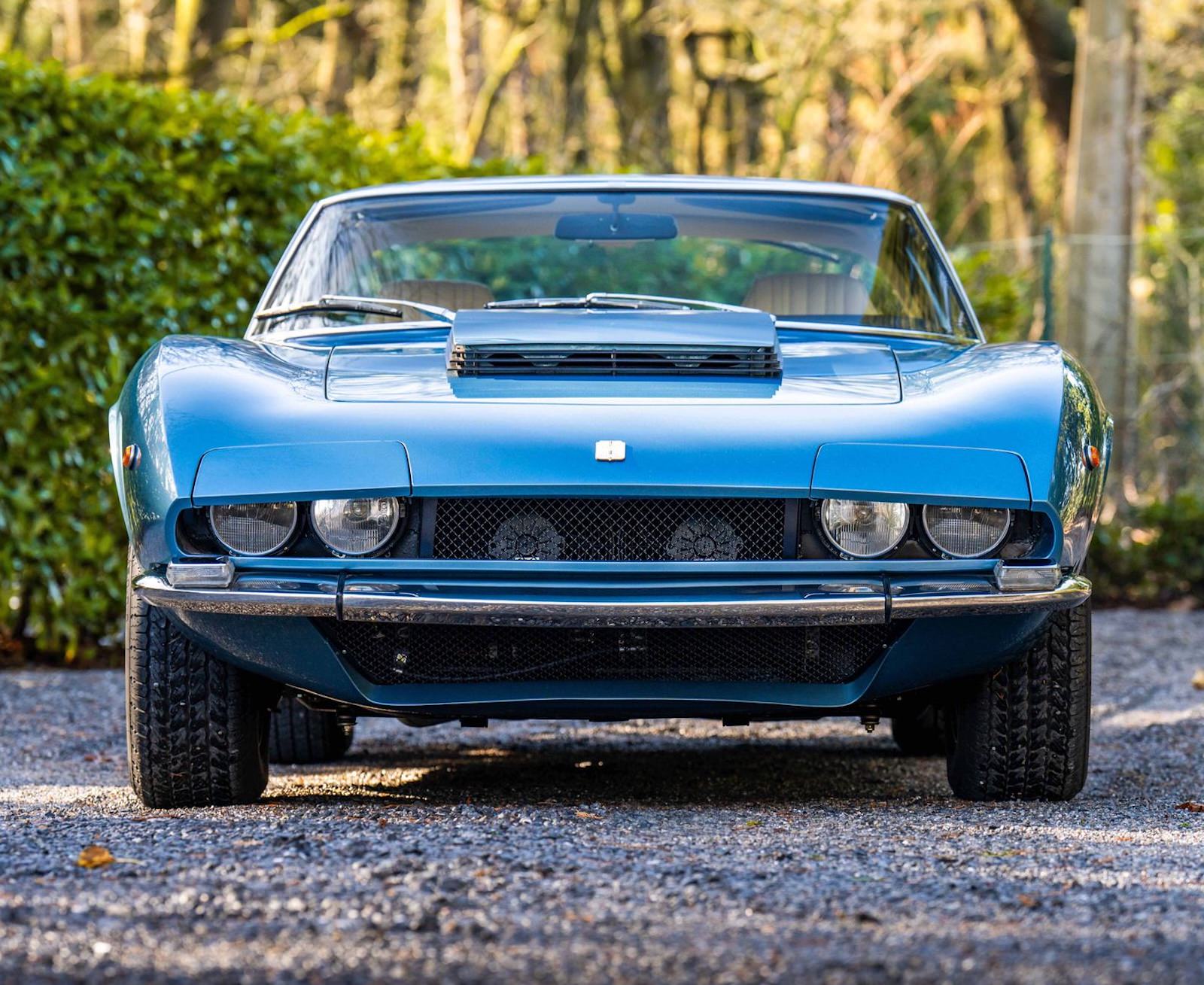
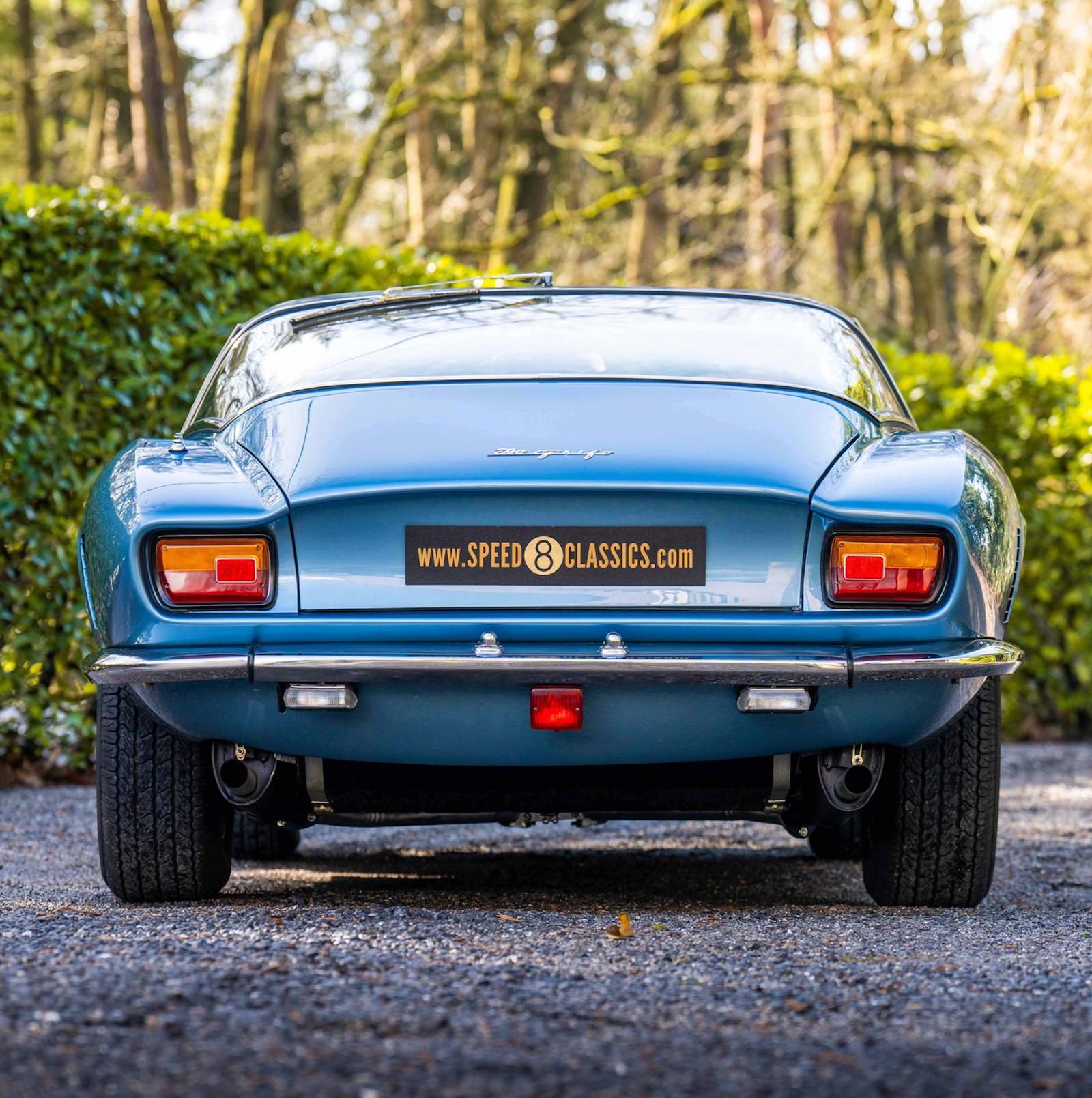
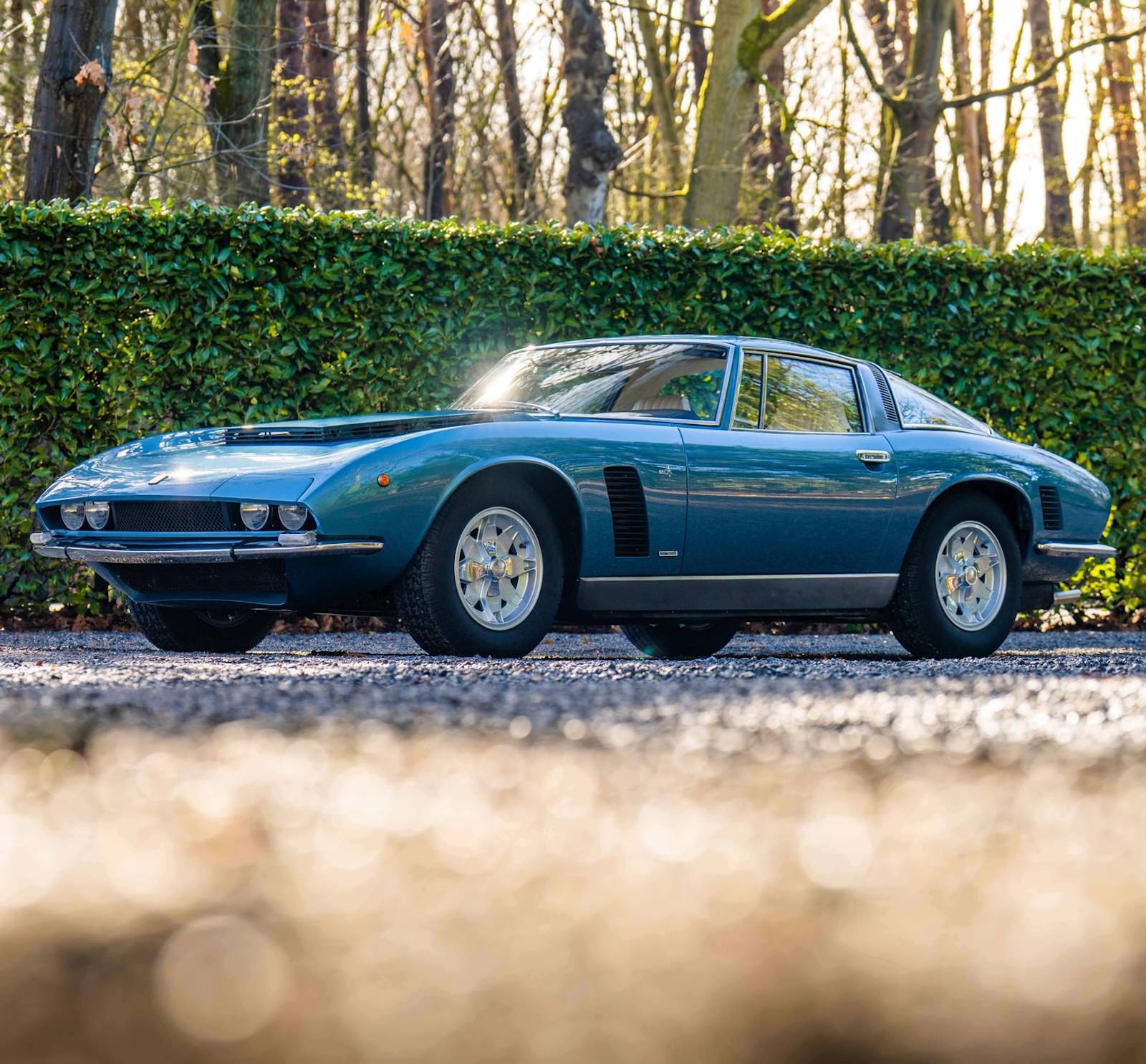
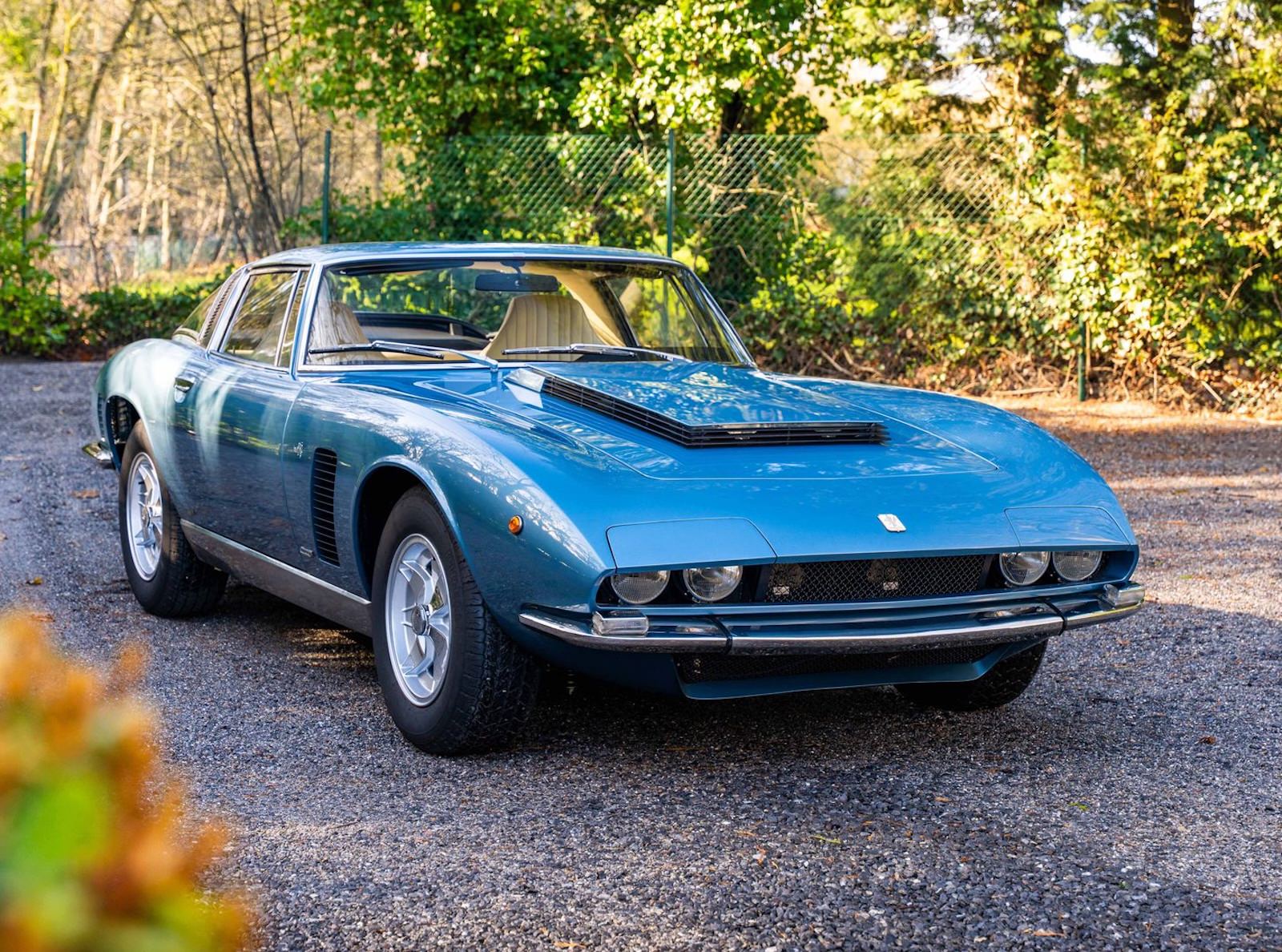
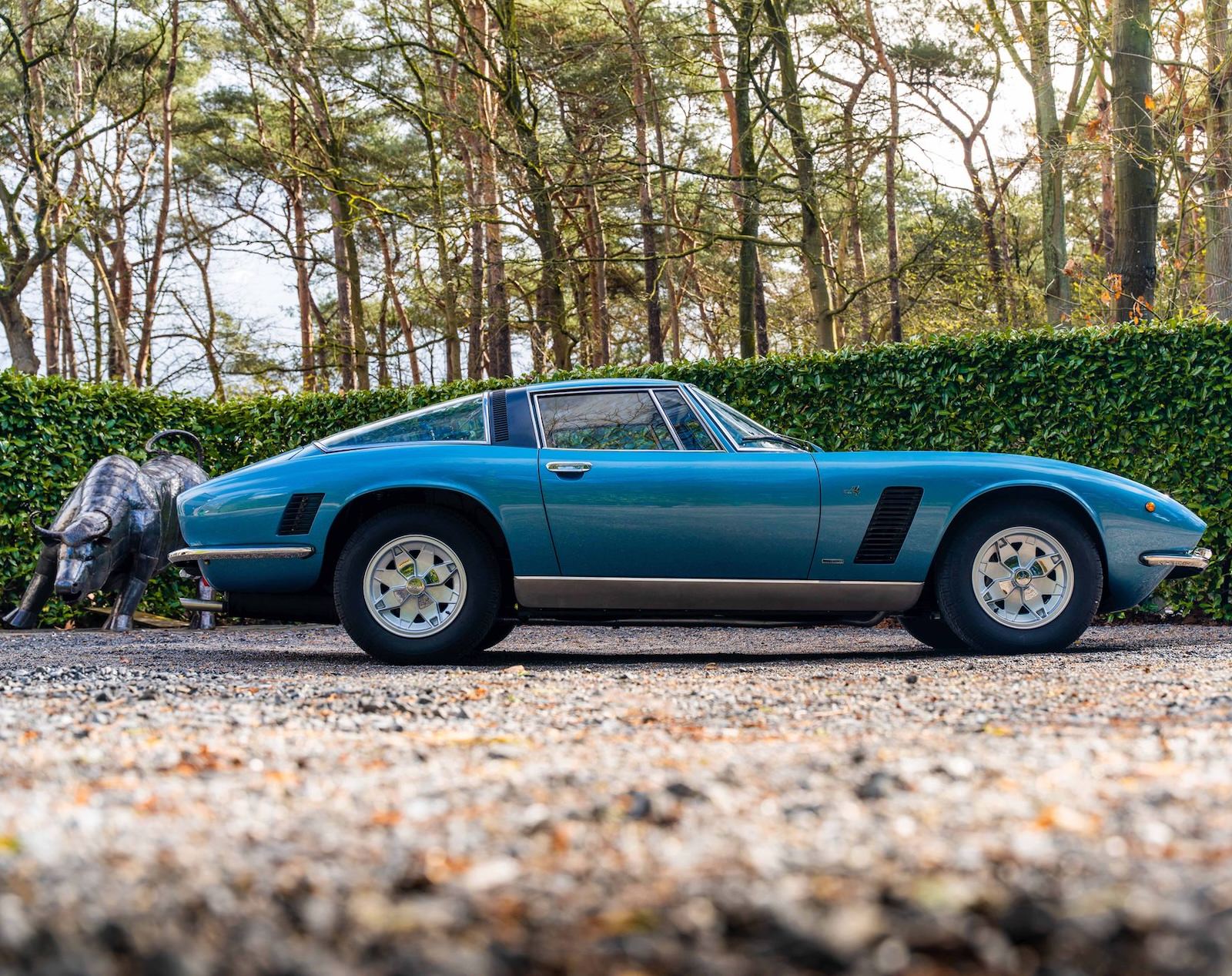
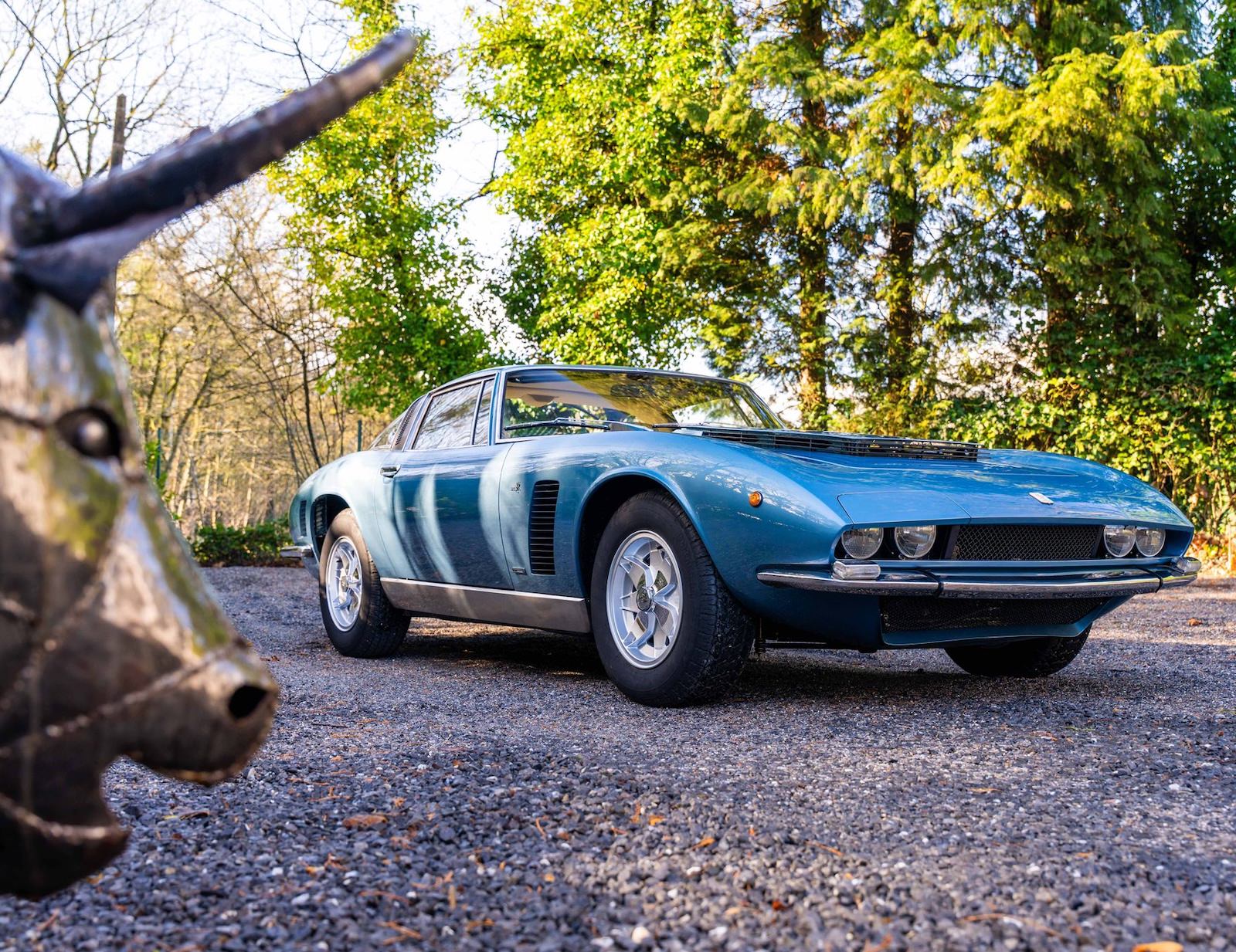
This is a 1973 Iso Grifo IR-8, it’s an Italian grand tourer but rather than a complex V12 heading up the drivetrain you’ll find a factory-fitted Ford V8 from the United States.
Iso Grifos, and the other grand tourers built by the company, are beloved by their owners for their combination of Italian style and luxury, with the simple (and affordable) maintenance of a pushrod American V8 turning out gobs of torque.
Fast Facts: A 1973 Iso Grifo IR-8
- Iso began as an Italian refrigerator manufacturer called Isothermos before moving into scooters, motorcycles, and the Isetta bubble car. Licensing the Isetta to BMW helped finance Renzo Rivolta’s ambition to build luxurious grand tourers combining Italian styling with powerful, relatively inexpensive American V8 engines and straightforward maintenance.
- Engineer Giotto Bizzarrini and designer Giorgetto Giugiaro helped develop the Iso Rivolta IR 300 and subsequent Grifo, introduced in prototype form in 1963. The Grifo entered production in 1965 with Chevrolet V8 power, later gaining a 7.0 liter option, revised Series II styling, and sophisticated De Dion rear suspension.
- Iso switched from Chevrolet to Ford engines in the early 1970s, fitting the Grifo IR-8 with a 351 Cleveland V8 rated at 325 bhp. Buyers could choose a 5-speed manual or 3-speed automatic transmission. Only 34 Ford-powered Grifos were built before Iso closed in 1974 amid financial difficulties and the oil crisis.
- The 1973 Grifo shown here, chassis 340408, was delivered new in Belgium and remained with its original importer’s family for nearly five decades. Restored to its original metallic blue, it retains its original leather upholstery and matching-number Ford V8. It is offered in Belgium with factory documentation and restoration photographs.
History Speedrun: The Iso Grifo
Luxury GT car manufacturer Iso actually got its start as Isothermos, an Italian manufacturer of refrigerators and heaters based in Genoa. Renzo Rivolta, an engineer from a family of industrialists, took control of the business and in 1942, after WWII bombing raids on Genoa blew up his factory, he moved operations to Bresso, on the northern edge of Milan. After the war the company pivoted, and started building scooters, motorcycles, and the three-wheeled Isocarro delivery vehicle, the firm was renamed Iso Autoveicoli as a result.
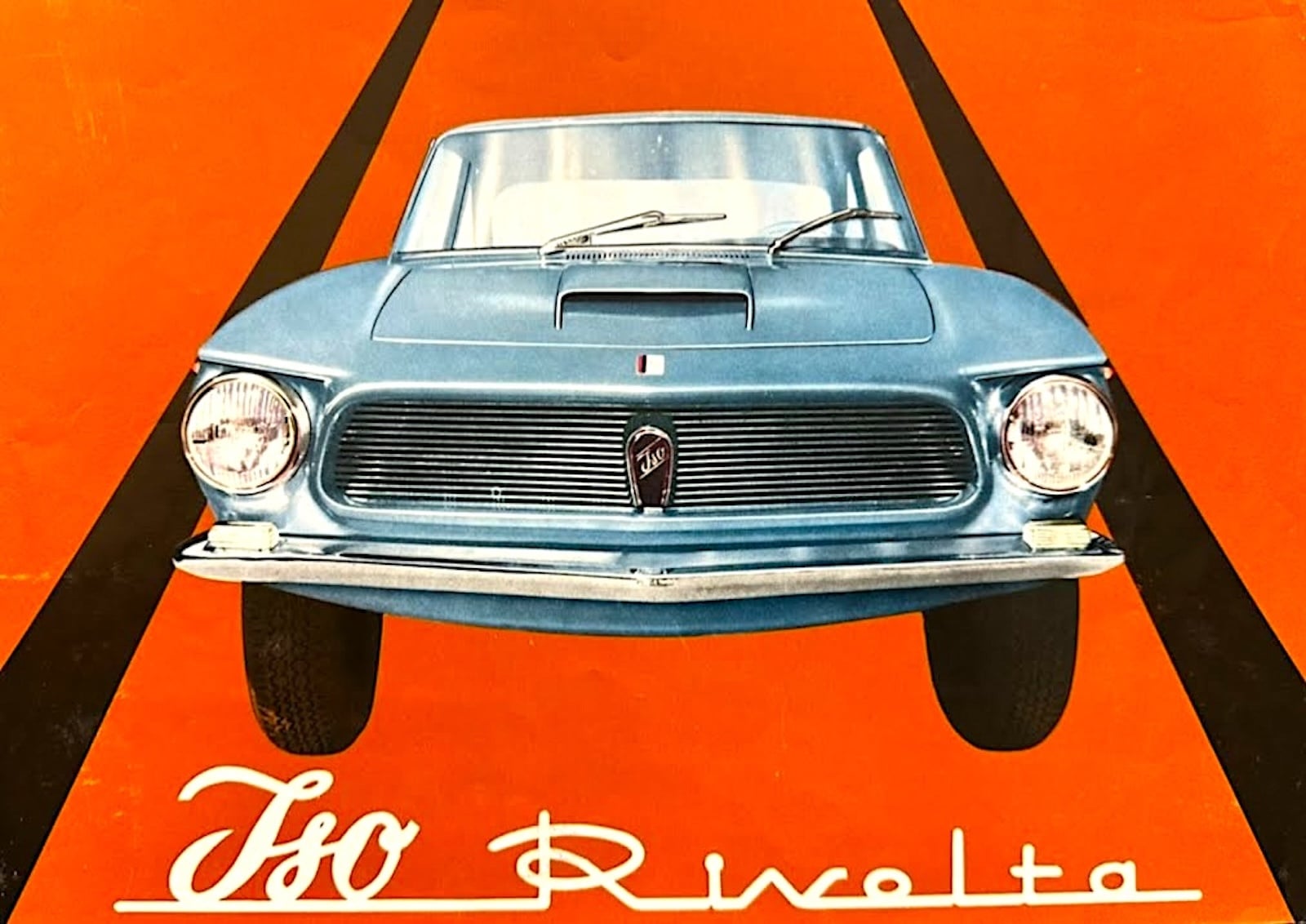
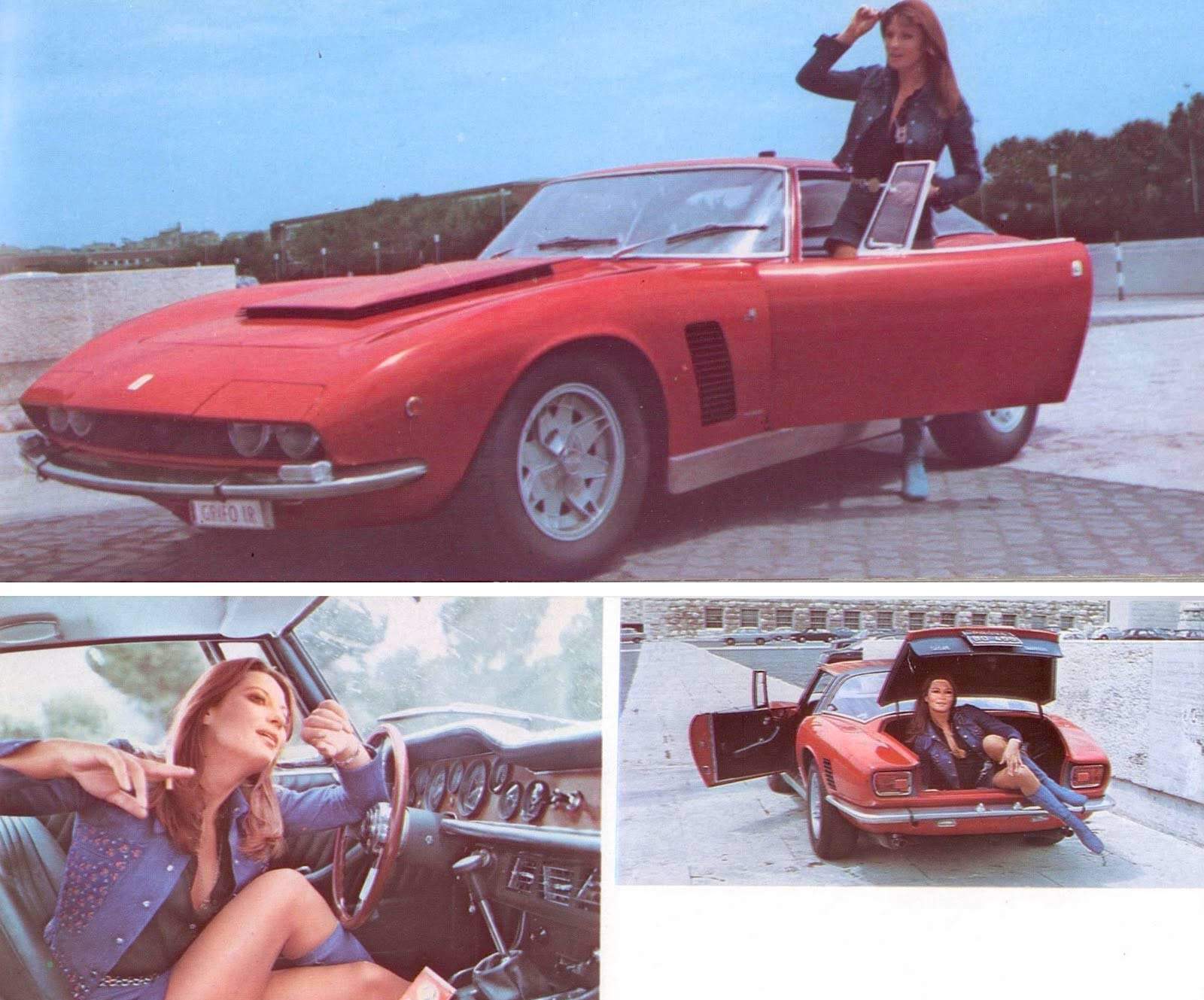
 Iso Grifos, and the other grand tourers built by the company, are beloved by their owners for their combination of Italian style and luxury, with the simple (and affordable) maintenance of a pushrod American V8 turning out gobs of torque and sounding great while it does it. Images courtesy of Iso Autoveicoli.
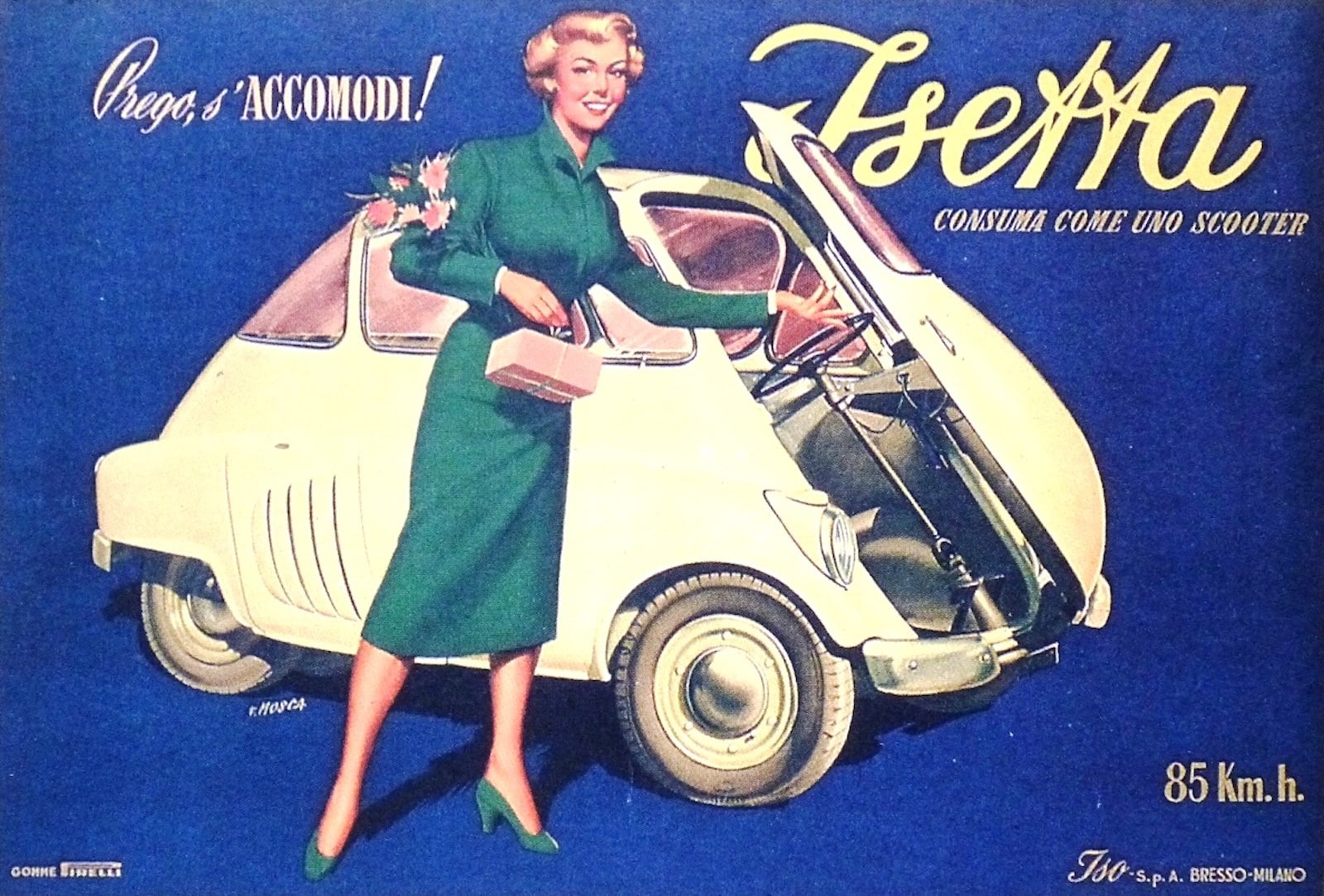
In 1953 the company introduced the Isetta, a two-seat bubble car that famously had its door in its nose. It sold rather poorly in Italy, so Rivolta licensed it abroad, and BMW built it under license in Munich on Iso’s original tooling. The licensing income paid for something far more ambitious, a GT car that Rivolta hoped would challenge the likes of Ferrari and Maserati.
Bizzarrini, Giugiaro, And The Grifo
Renzo Rivolta wanted a grand tourer with the glamour of a high-end Italian GT car, but without its V12 maintenance bills, and he saw an affordable, torquey American V8 as the way to get there.
He hired Giotto Bizzarrini, the former Ferrari engineer behind the 250 GTO, who designed a welded steel platform chassis. Giorgetto Giugiaro styled the body at Bertone. It was a two-man dream team, and the car they developed put Ferrari on notice.
The production car they designed was the Iso Rivolta IR 300, a four-seat coupe with the Chevrolet Corvette’s 327 cubic inch (5.4 liter) V8 up front, and it was first shown at the 1962 Turin Motor Show to much interest from both the general public and the world’s motoring press.
A new model, the two-seat Grifo, built on a shortened Rivolta platform, followed at the Turin Show in 1963. Bertone displayed the high-performance A3/L road car prototype at the same show, and Iso showed the A3/C, a competition version Bizzarrini was developing in order to go racing and take the fight to his old boss Enzo.
Bizzarrini’s attention stayed on racing, his true passion, while Rivolta wanted a road car that would sell well, and as a result, the two parted ways in 1965. The A3/C became the Bizzarrini 5300. Iso put the Grifo GL into production the same year with the Corvette 327 in 300 bhp or 365 bhp form.
From 1967 a 350 bhp hydraulic-lifter engine replaced the 365, the Grifo GL had double wishbone front suspension, a De Dion rear axle located by trailing arms and a Watt’s linkage, and disc brakes on all four wheels, with the rears mounted inboard.
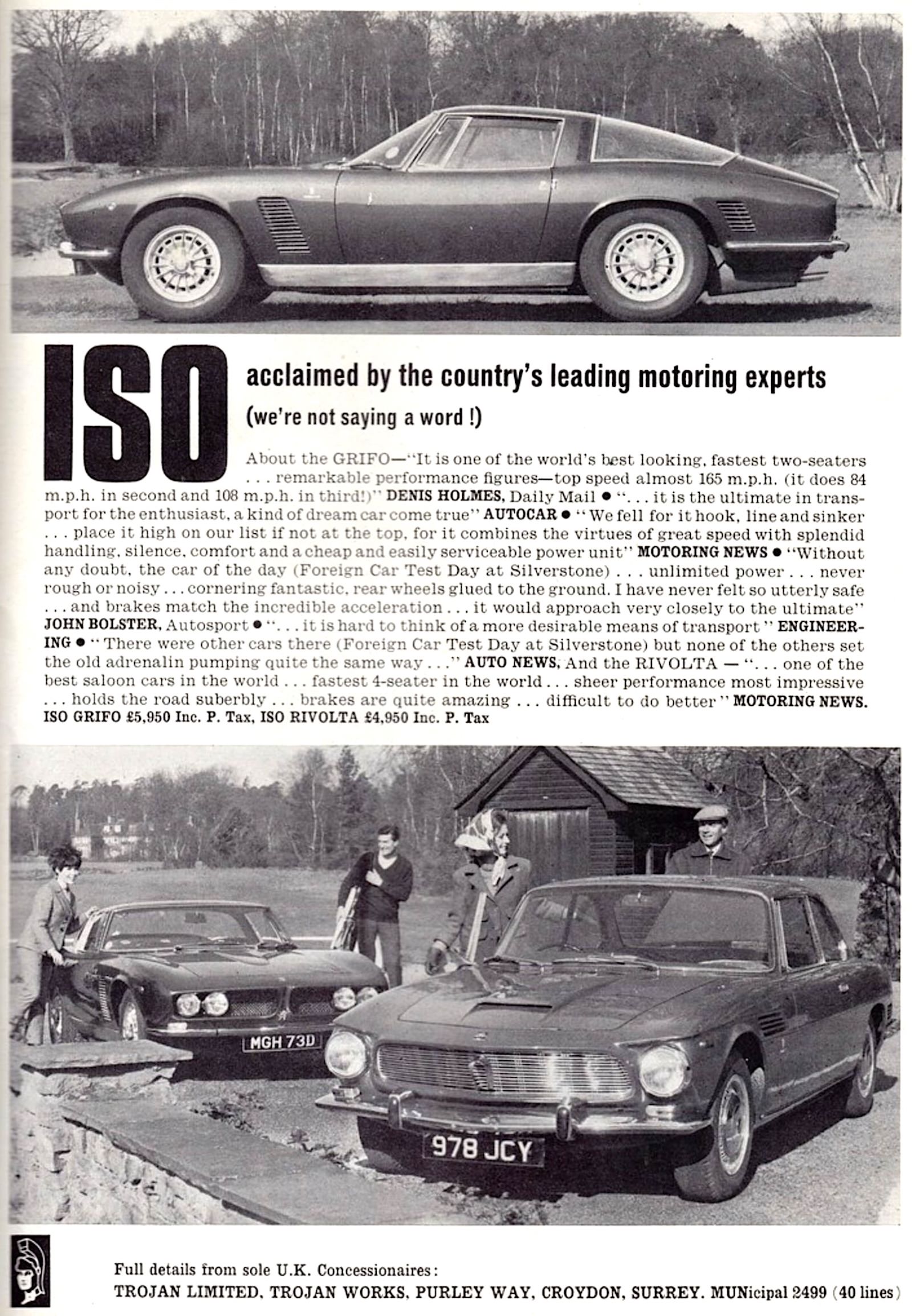
Renzo Rivolta wanted a grand tourer with the glamour of a high-end Italian GT car, but without its V12 maintenance bills, and he saw an affordable, torquey American V8 as the way to get there. Image courtesy of Iso Autoveicoli.
Renzo Rivolta died on the 20th of August 1966, and his son Piero took charge at just 25 years of age. Under Piero’s leadership, Iso launched the Fidia four-door saloon, first shown at Frankfurt in 1967 as the S4 with a Ghia body, and the Lele 2+2 in 1969.
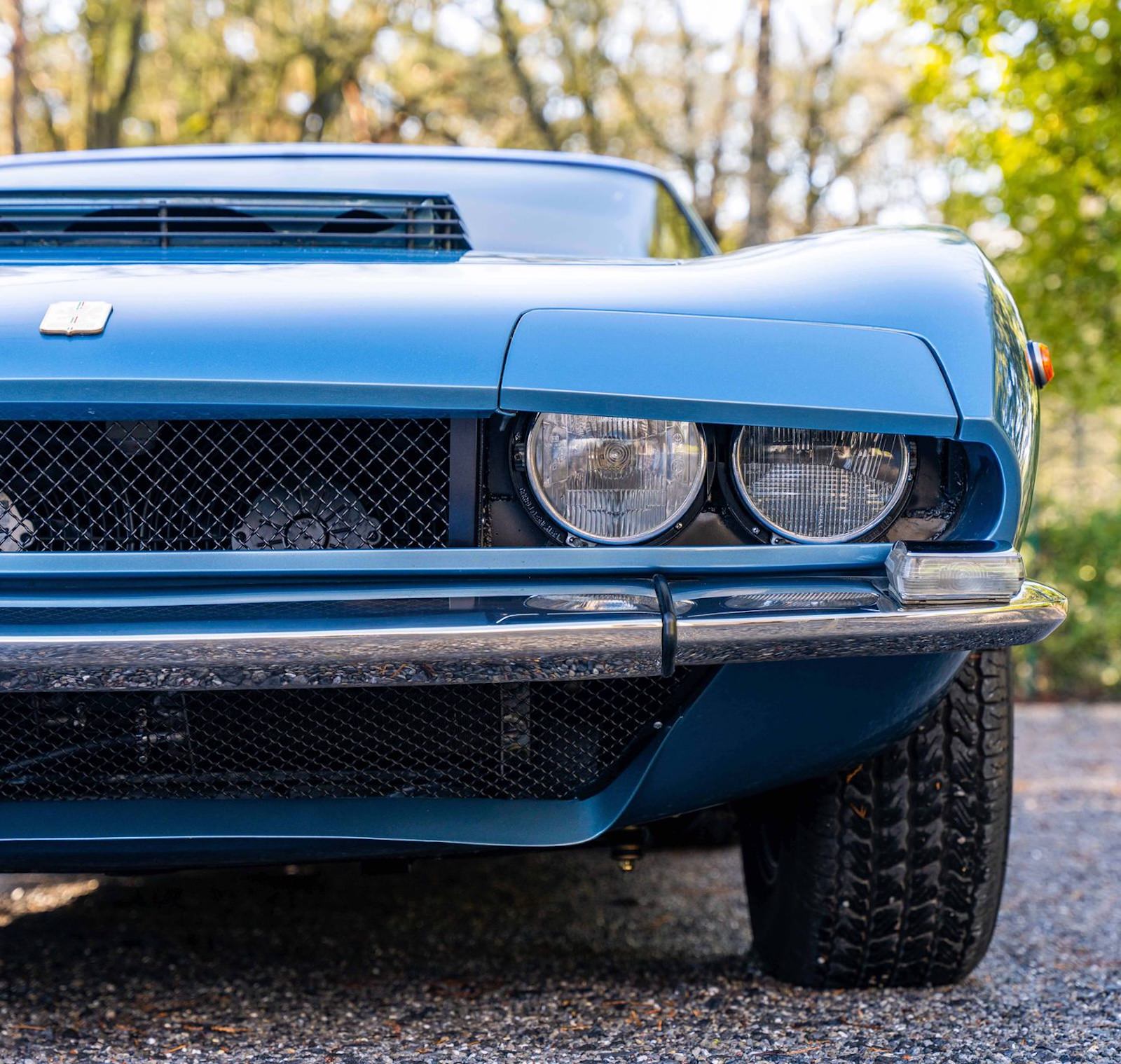
The Grifo 7 Litri arrived in 1968 with Chevrolet’s 427 cubic inch (7.0 liter) big block V8, the engine was so large it needed a hood with an elevated top. At the 1970 Turin show, Iso introduced the Series II Grifo, with a longer, more sloping nose and partly covered headlamps.
The Iso Rivolta IR-8
IR-8 was Iso’s designation for the small-block Series II Rivoltas. The big block cars, which later used Chevrolet’s 454 cubic inch (7.4 liter) V8, were IR-9 Can Am models, Iso built 24 of them. The IR-8 label is often used only on the Ford-engined cars, but it was in use from late 1970, and so Iso had built 17 Series II cars with Chevrolet small blocks before the Ford engine arrived.
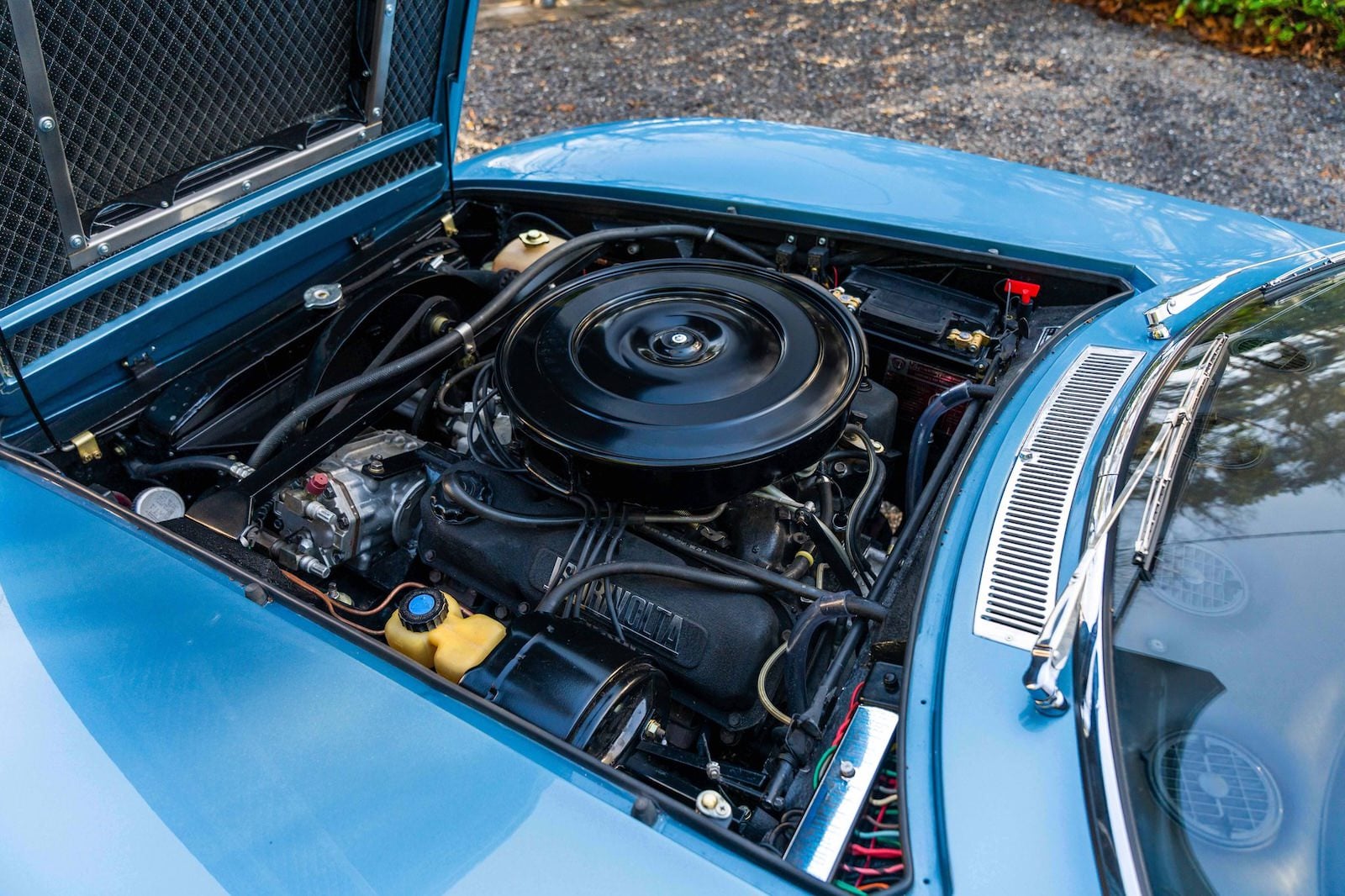
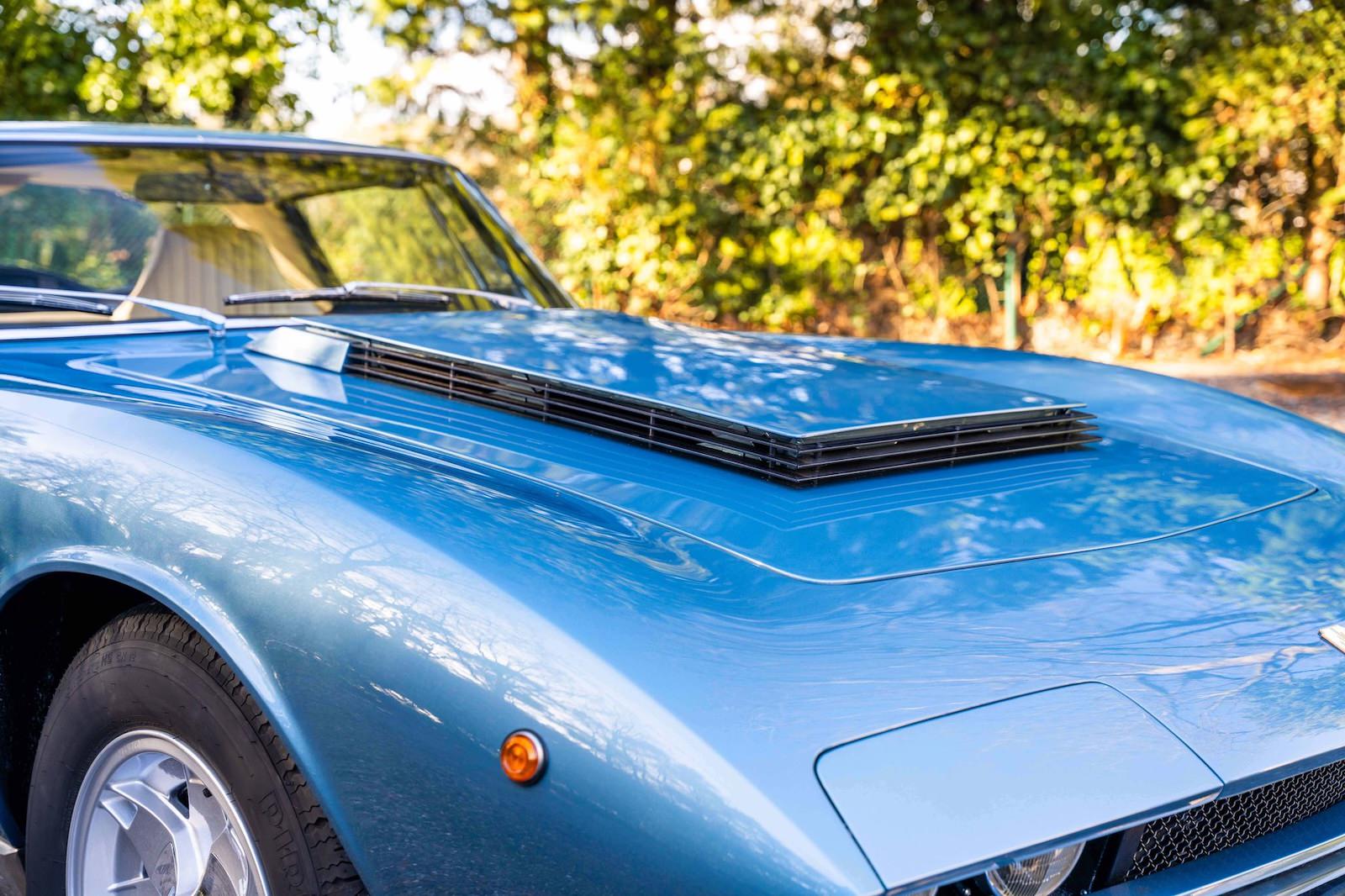
In the Grifo, the 351 Cleveland breathed through a single Holley four-barrel carburetor and was rated at 325 bhp at 5,800 rpm. It was taller than the Chevrolet engine, and the Ford cars can be identified by their taller hood bulge. Buyers could choose a ZF 5-speed manual or Ford’s 3-speed Cruise-O-Matic automatic.
The Iso Lele and Fidia models switched to Ford V8 power as well. Iso’s Ford-powered cars kept the double wishbones and coil springs at the front and the coil-sprung De Dion tube at the rear, with servo-assisted Girling disc brakes. The Grifo’s last two years ran alongside Iso’s slow-motion collapse.
At the start of 1973 the Rivolta family ceded control to Ivo Pera, an Italian American financier, and Piero Rivolta left the company by the middle of the year. That year Iso also became a title sponsor of Frank Williams’ Formula One team alongside Marlboro, though Williams later said Iso “forgot to pay after the first 5000 lire.” The company, renamed Iso Motors, closed in 1974 – the Oil Crisis had been the final nail in the coffin.
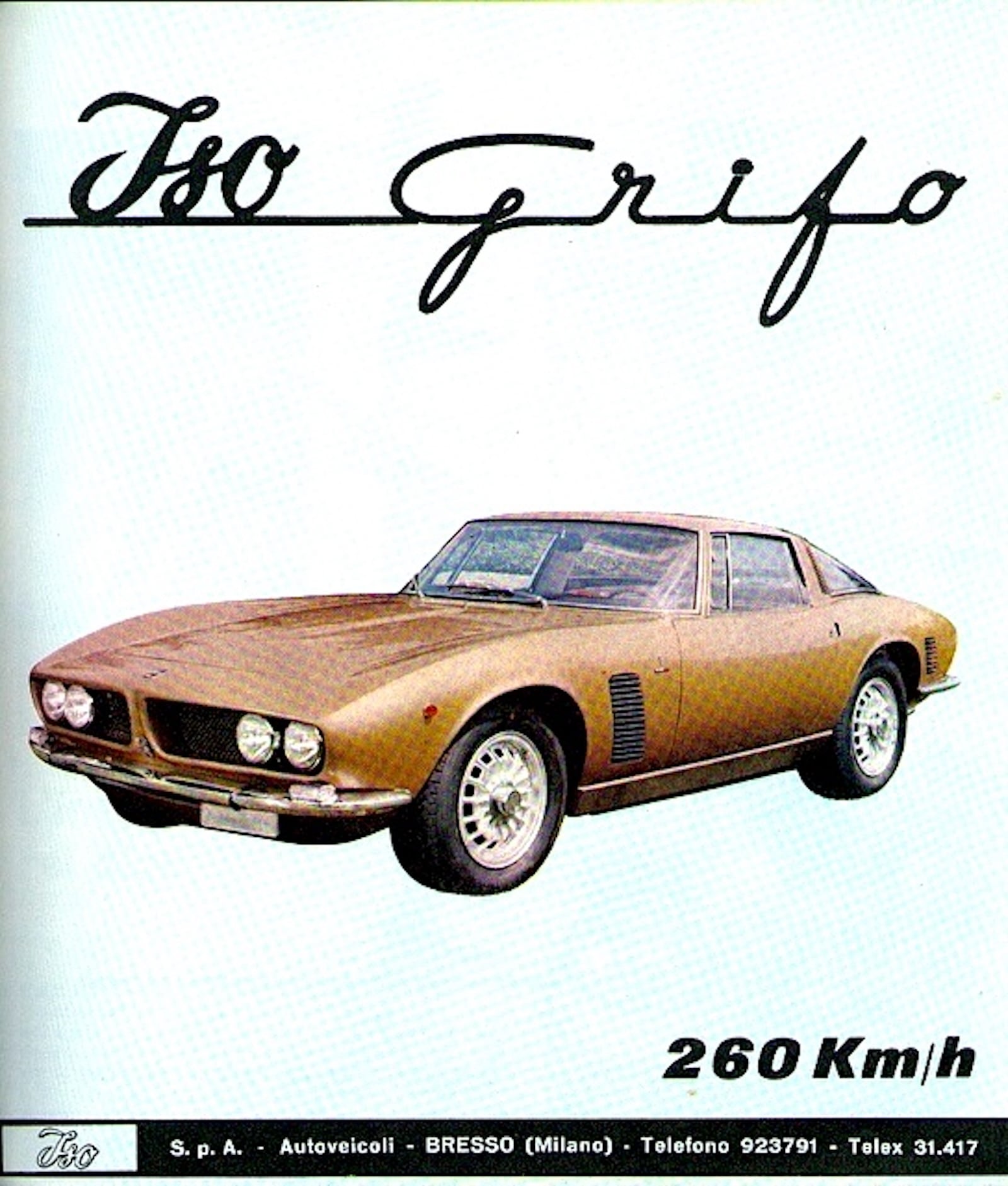
The two-seat Iso Grifo model, built on a shortened Rivolta platform, debuted at the Turin Motor Show in 1963. Image courtesy of Iso Autoveicoli.
Just over 400 Grifos had been built, and only 34 had the Ford engine. Today the surviving Iso cars typically sell for well into the six figures, and owners love them for their affordable-to-maintain American V8 muscle.
The 1973 Iso Grifo IR-8 Shown Here
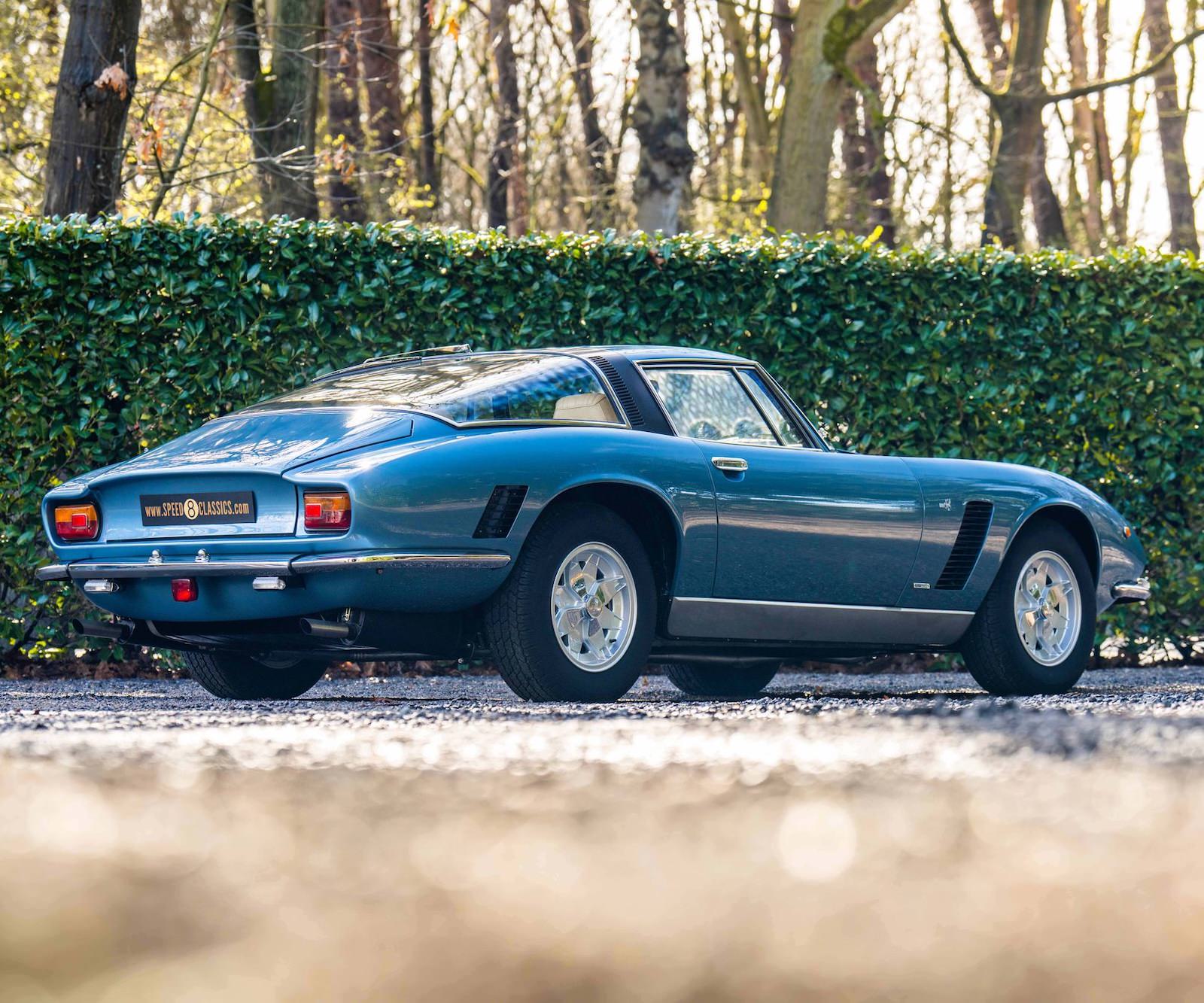
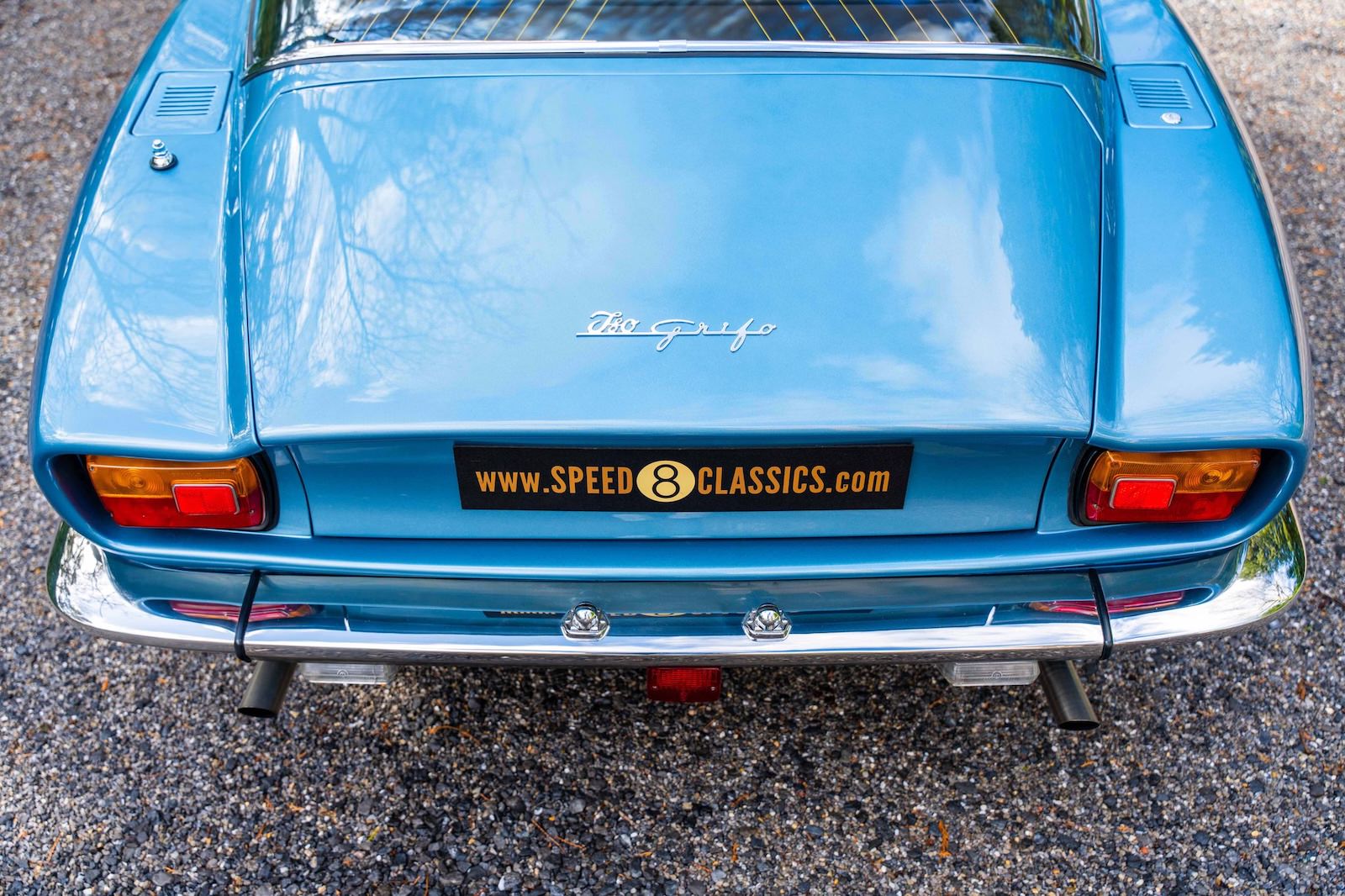
This 1973 Iso Grifo IR-8 Series II was built on July the 17th, 1973, as one of approximately 34 examples fitted with the Ford 351 cubic inch (5.8 liter) Cleveland V8. Numbered chassis 340408, it was delivered new in Belgium through importer Van Den Abbeele of Dendermonde, who bought the car back from its original owner in the late 1970s. It subsequently remained in the family’s private collection for nearly five decades.
The car was originally finished in Azzurro Metallizzato (light metallic blue), but it was repainted yellow during the 1980s. It won the Yellow Fever category at the Antwerp Concours d’Elegance in 2015 and was displayed at the Autoworld museum in Brussels later that year.
A comprehensive, multi-year restoration began in the early 2020s, involving a bare-metal body restoration, rotisserie work, and a repaint in its original factory color. The 351 Cleveland V8, 3-speed automatic transmission, Salisbury limited-slip differential, suspension, and four-wheel disc brakes were also overhauled.
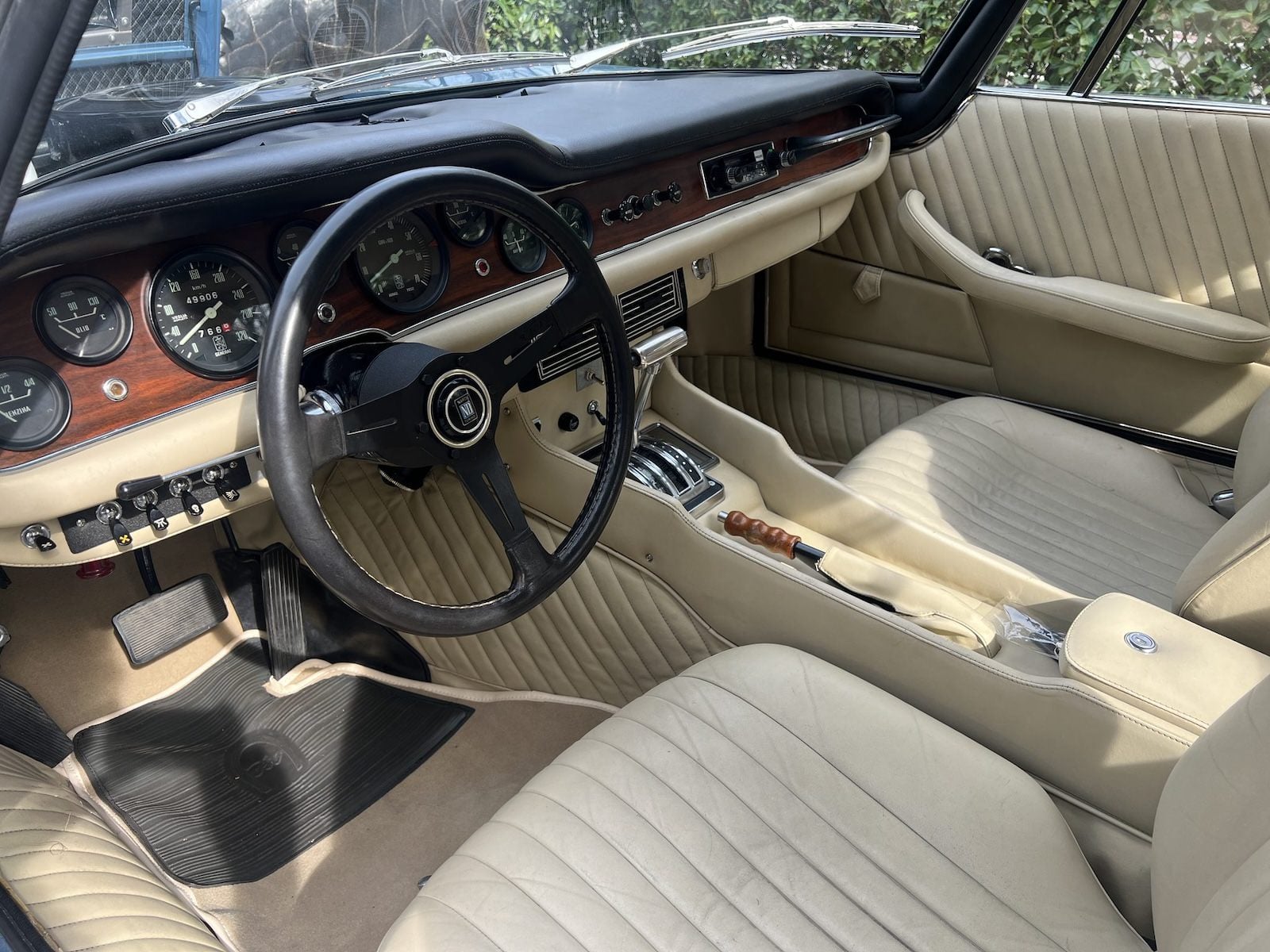
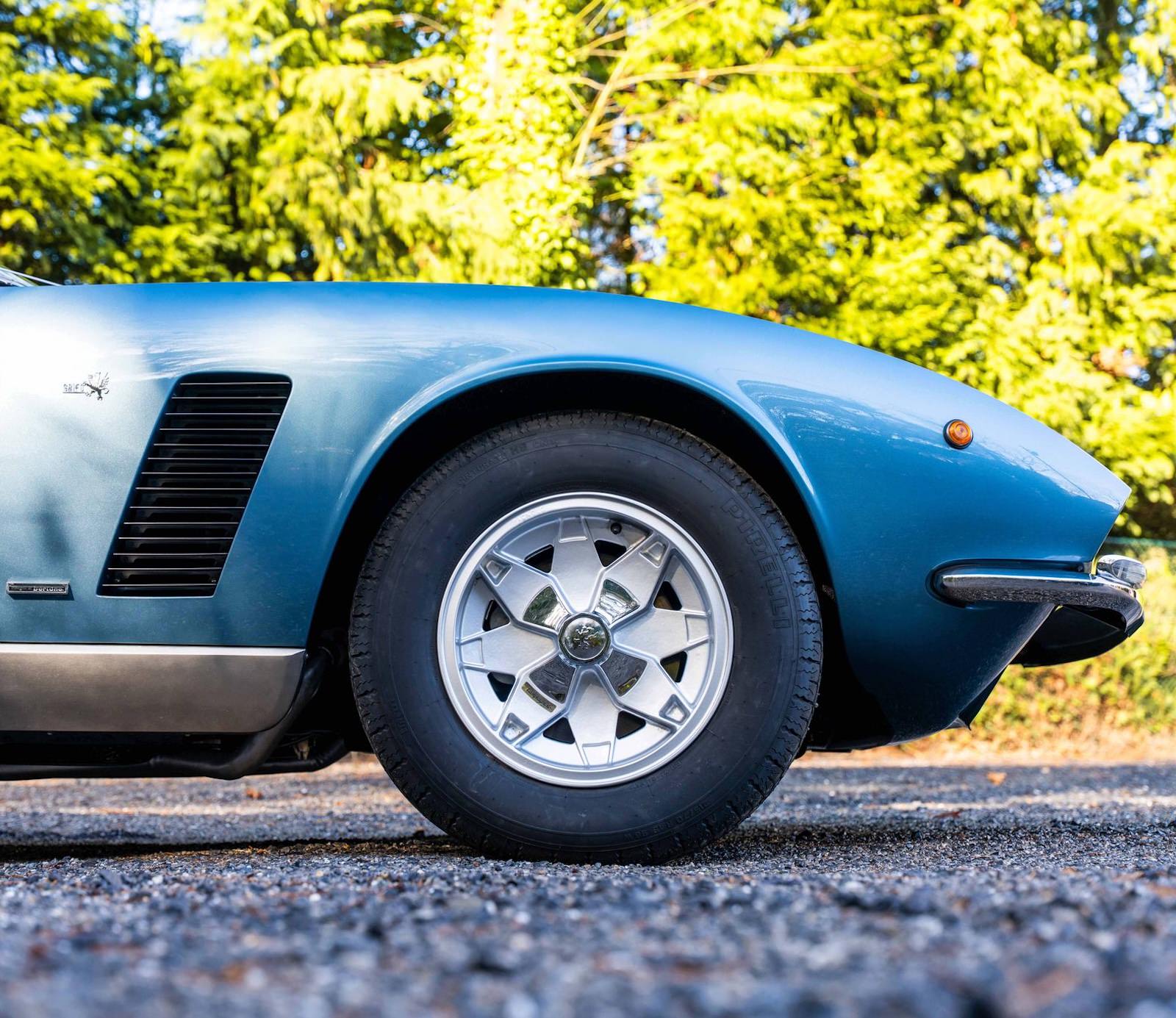
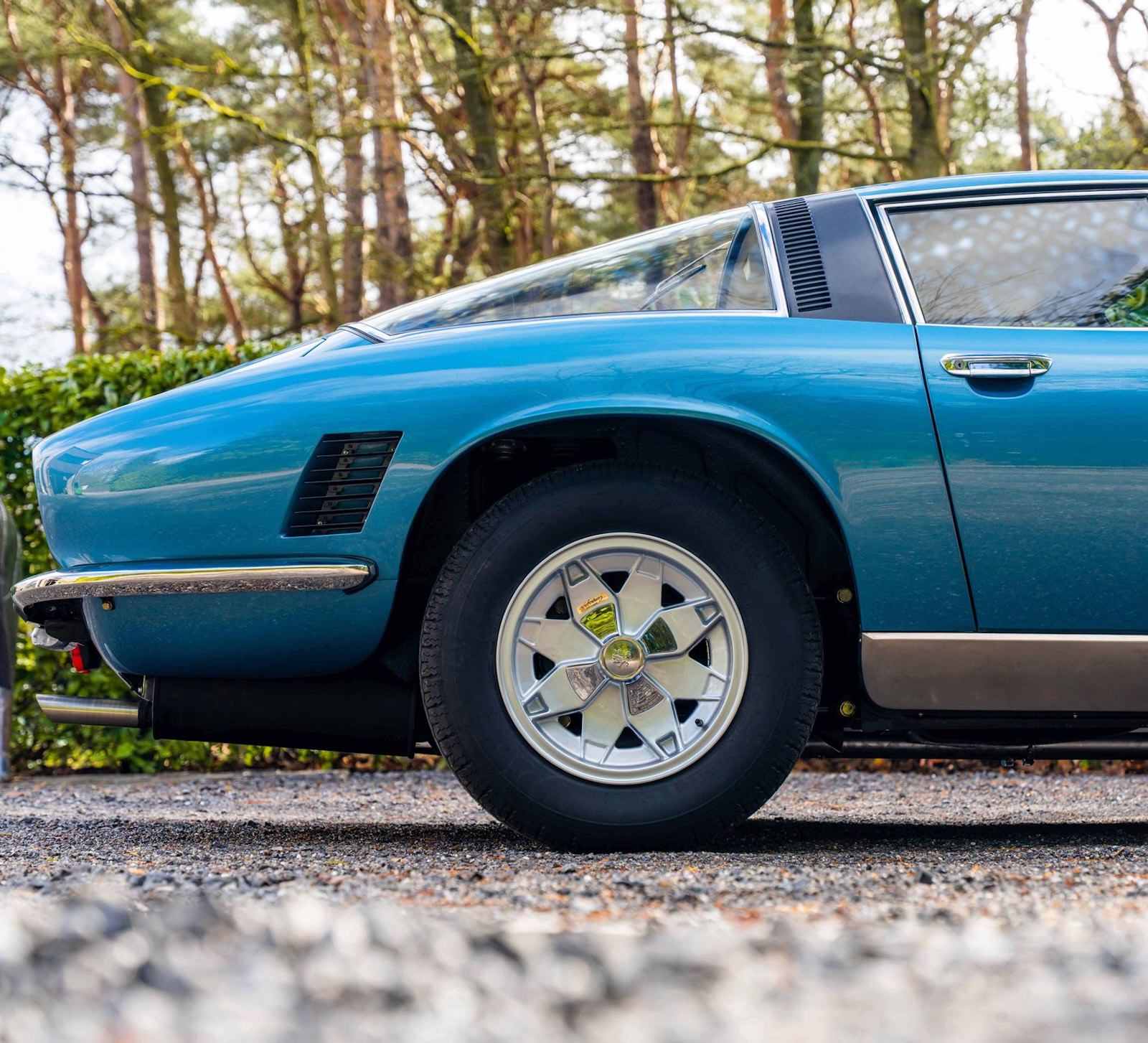
The car keeps its original pleated Chiaccio leather upholstery, according to the seller, with a Nardi steering wheel, Veglia Borletti instruments, air conditioning, power windows, and a Philips cassette stereo. Exterior equipment includes 15-inch Campagnolo magnesium wheels, a distinctive raised “pagoda” hood scoop, and an aluminum hood.
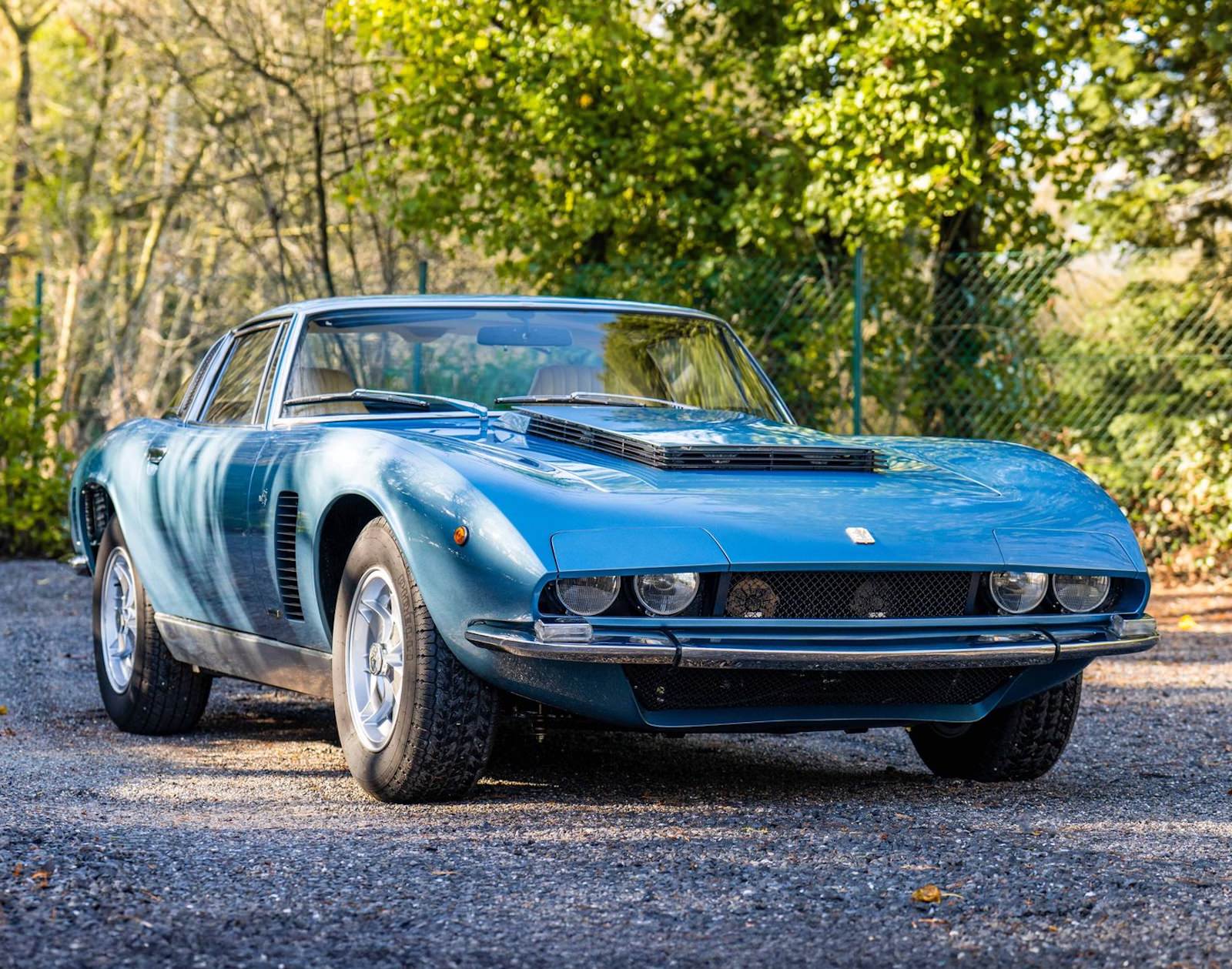
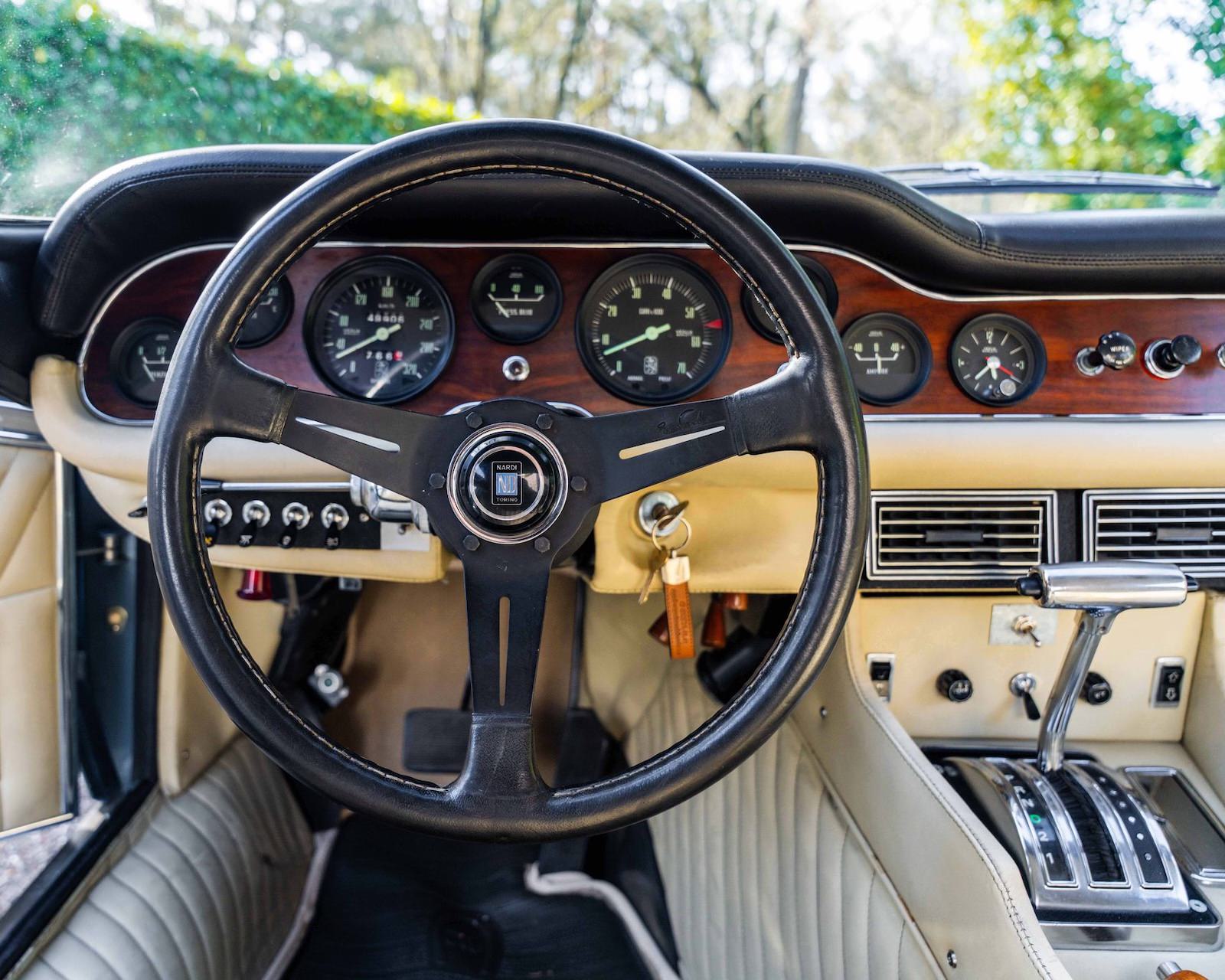
This is a 1973 Iso Grifo IR-8, it’s an Italian grand tourer but rather than a complex V12 heading up the drivetrain you’ll find a factory-fitted Ford V8 from the United States.
Importantly, the engine stamping matches the number recorded on the factory build sheet. Bought by its current owner in 2026, the Grifo now shows approximately 50,000 kilometers (31,000 miles) on its five-digit odometer.
It’s now being offered for sale out of Malle, Belgium, accompanied by its factory build sheet, refurbishment photographs, and Belgian registration documents. If you’d like to read more about it or register to bid you can visit the listing here.
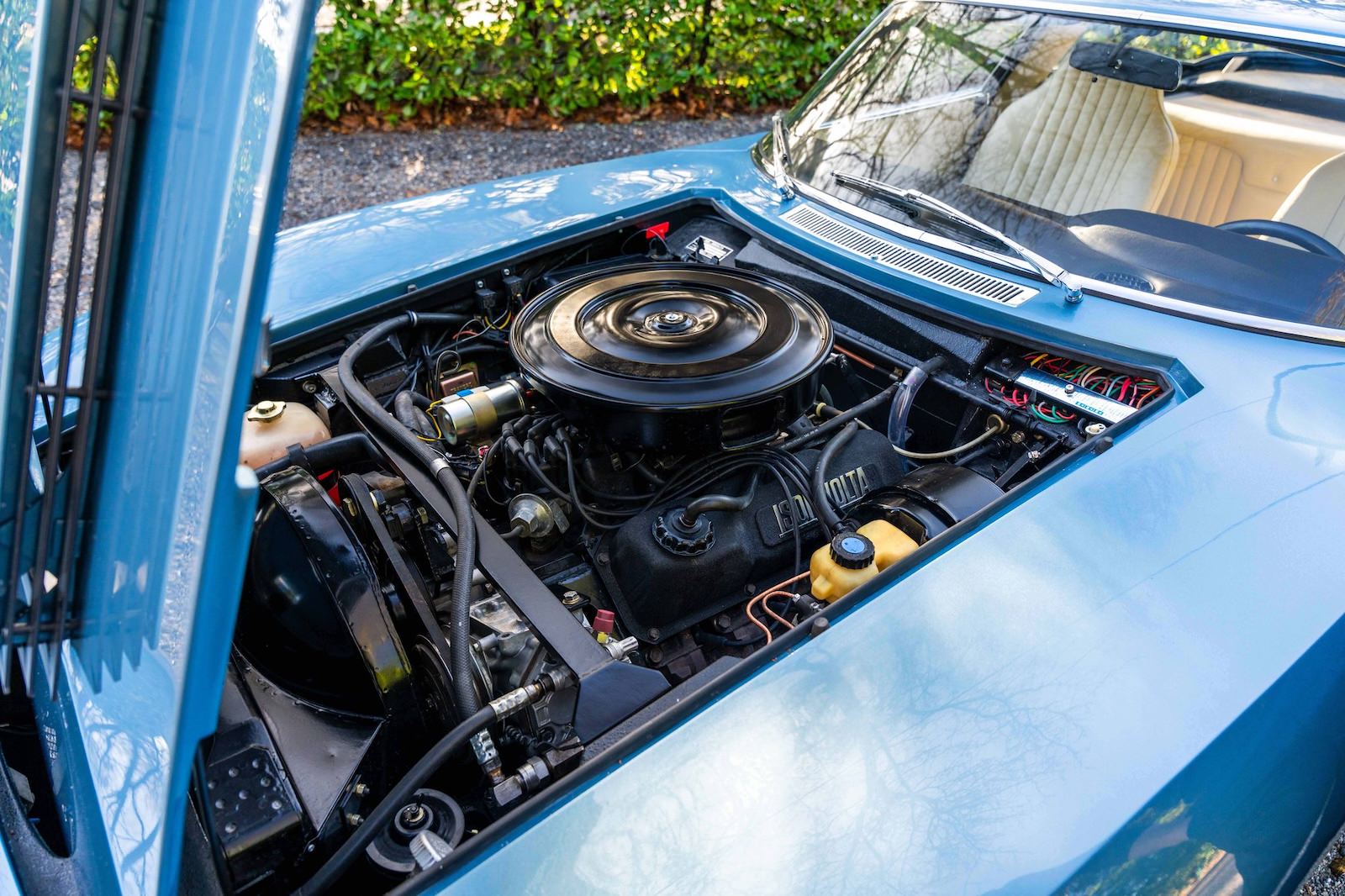
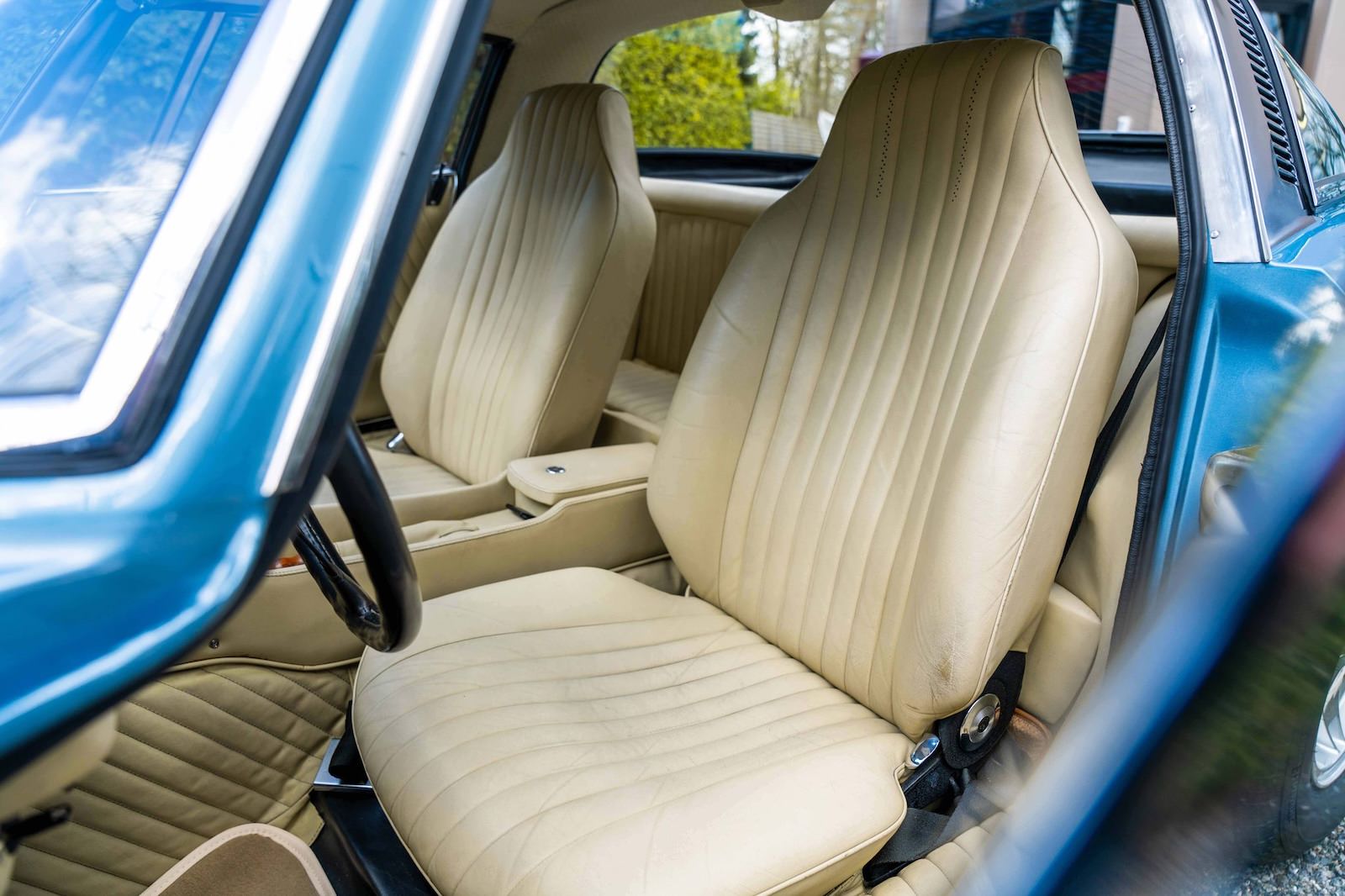
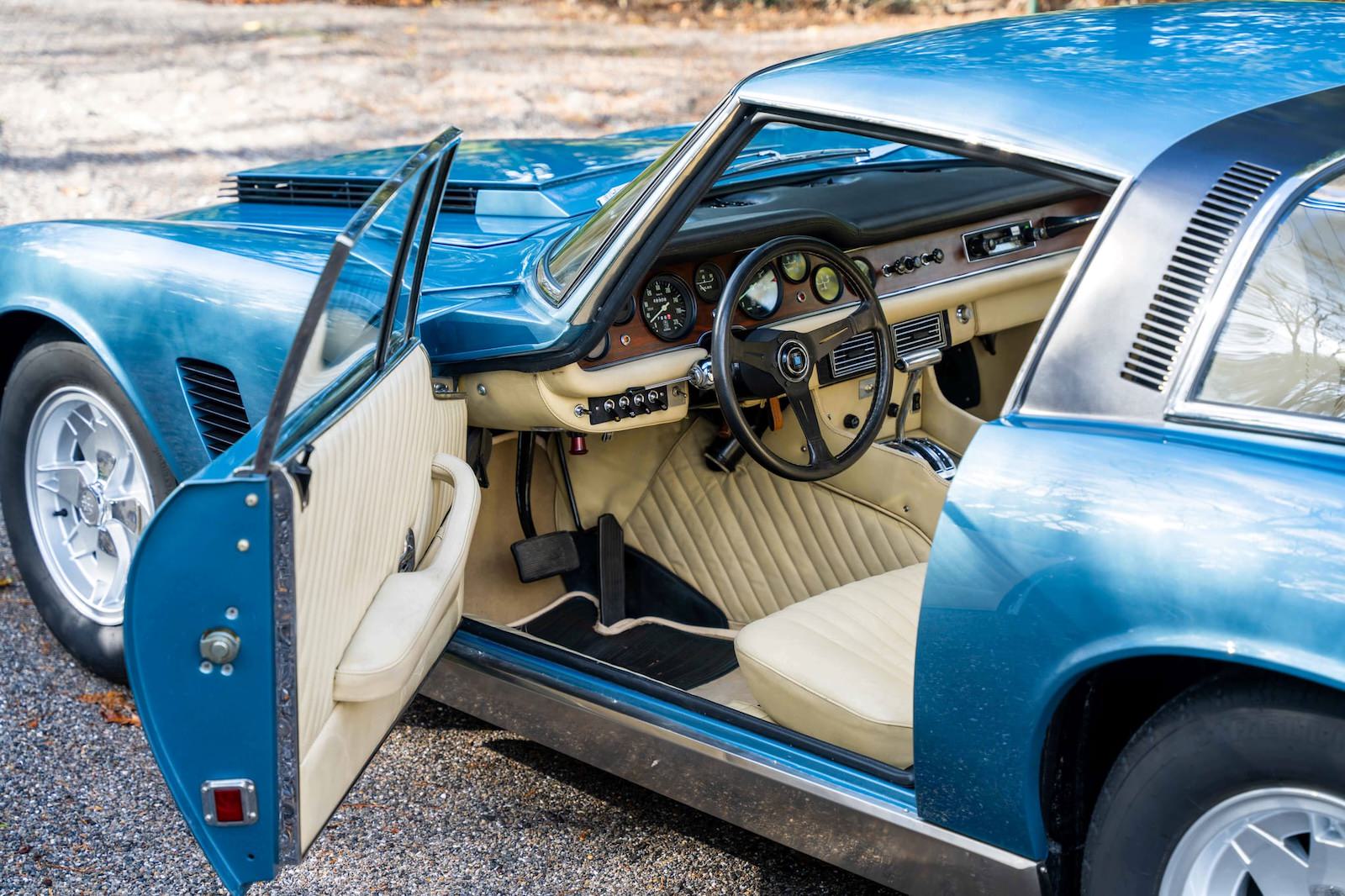
Images courtesy of Bring a Trailer + Iso Autoveicoli.

Articles that Ben Branch has written have been covered on CNN, Popular Mechanics, Smithsonian Magazine, Road & Track Magazine, the official Pinterest blog, the official eBay Motors blog, BuzzFeed, Autoweek Magazine, Wired Magazine, Autoblog, Gear Patrol, Jalopnik, The Verge, and many more.
Silodrome was founded by Ben back in 2010, in the years since the site has grown to become a world leader in the alternative and vintage motoring sector, with well over a million monthly readers from around the world and many hundreds of thousands of followers on social media.