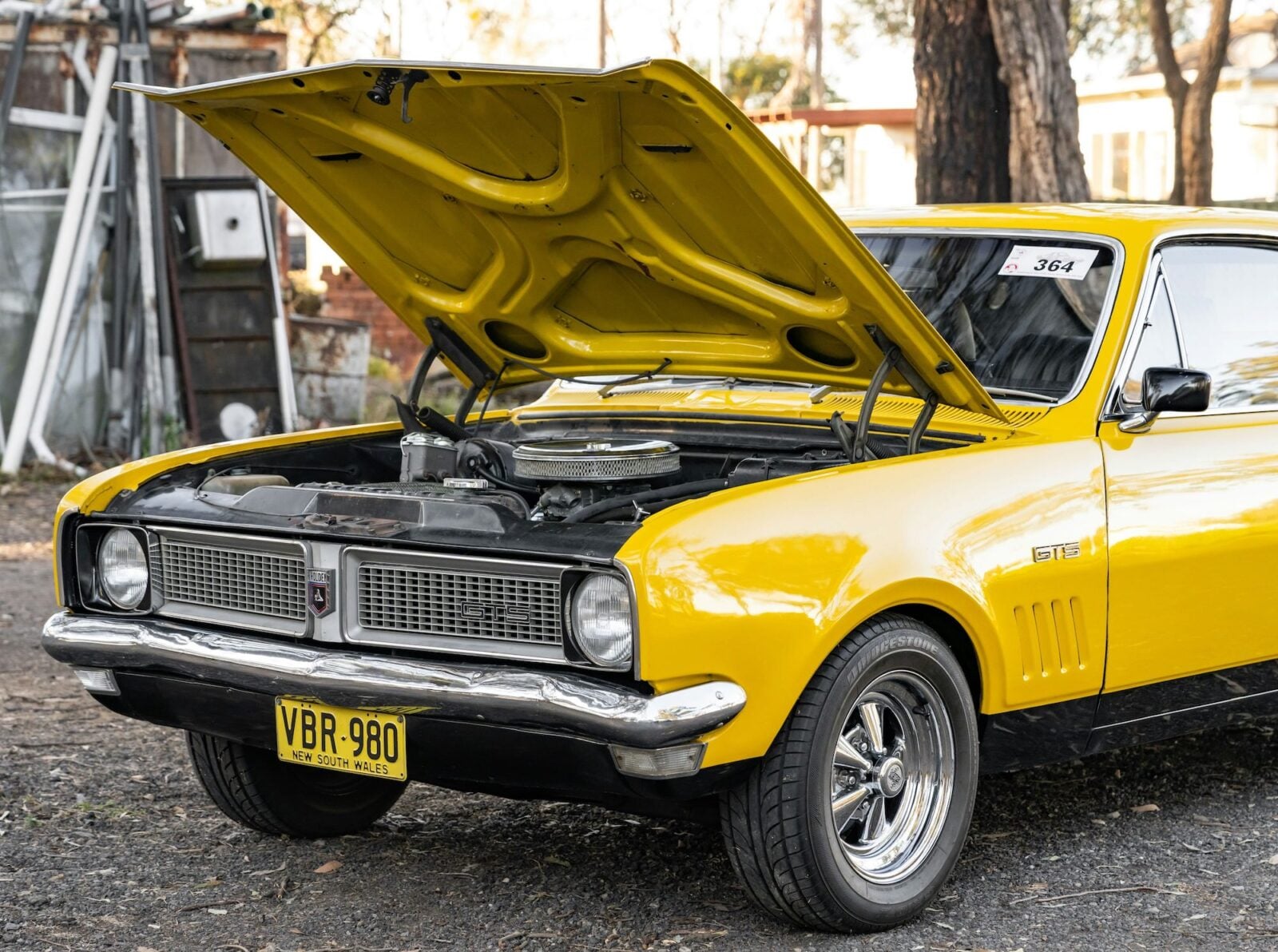
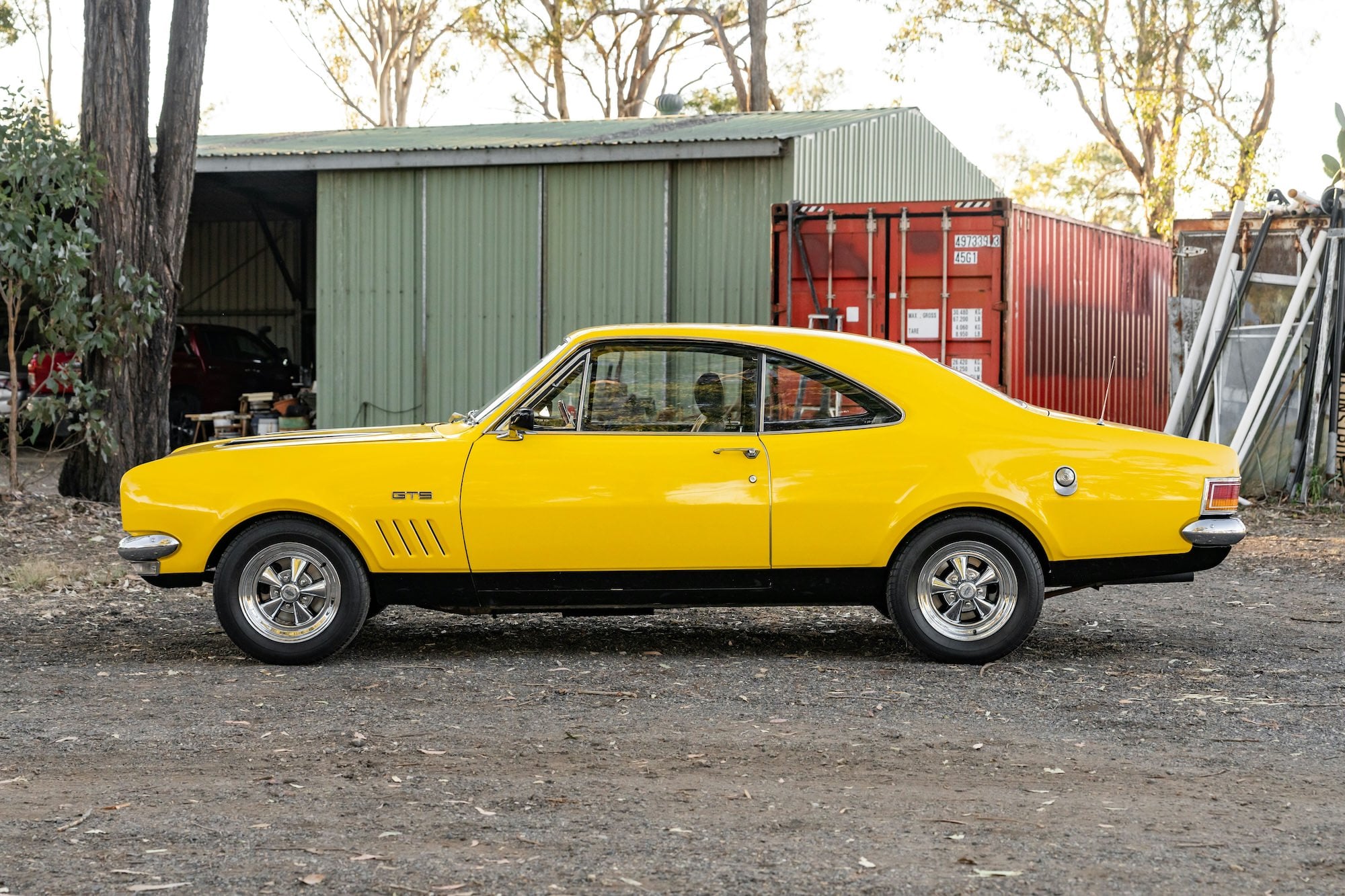
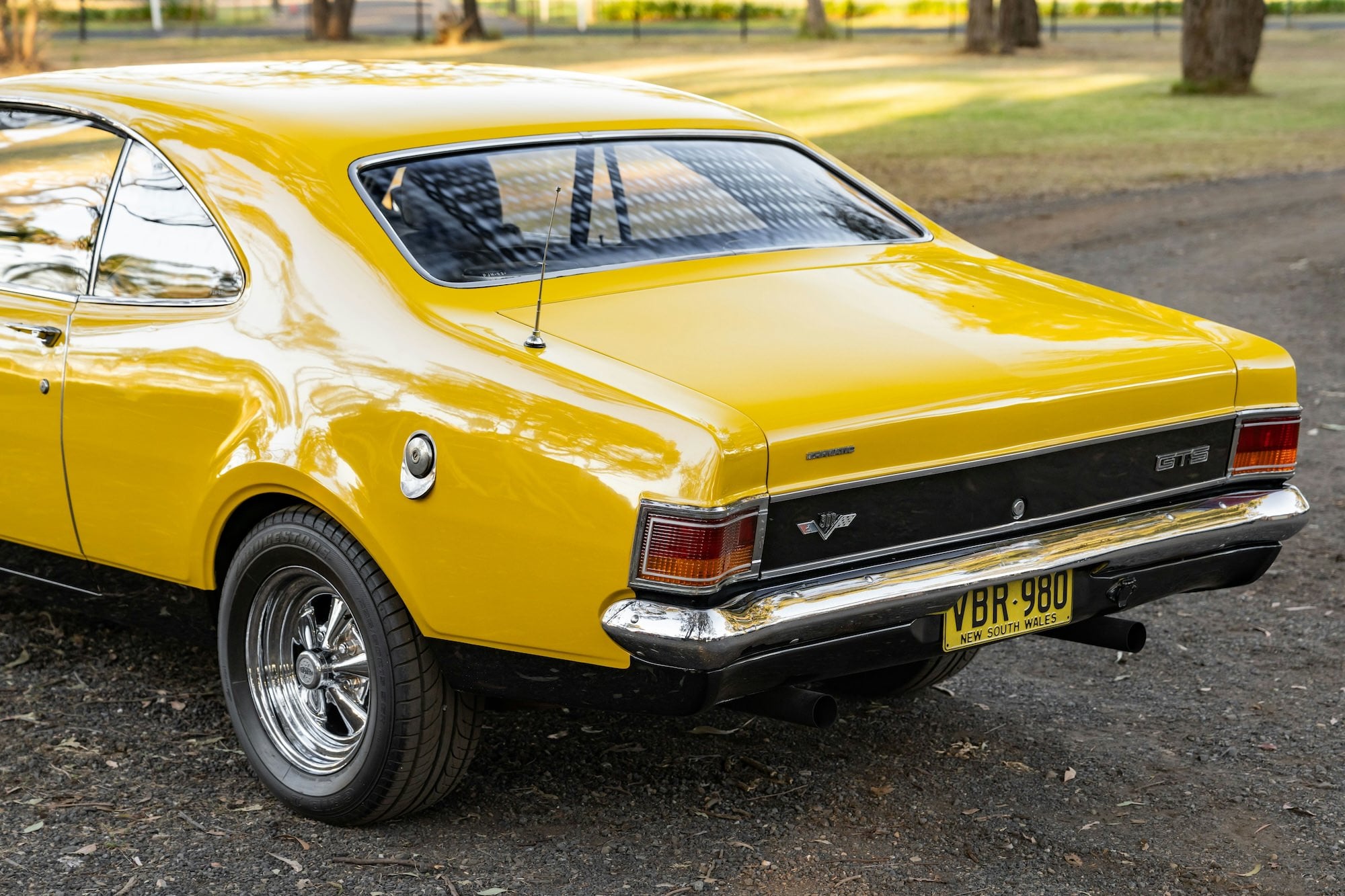
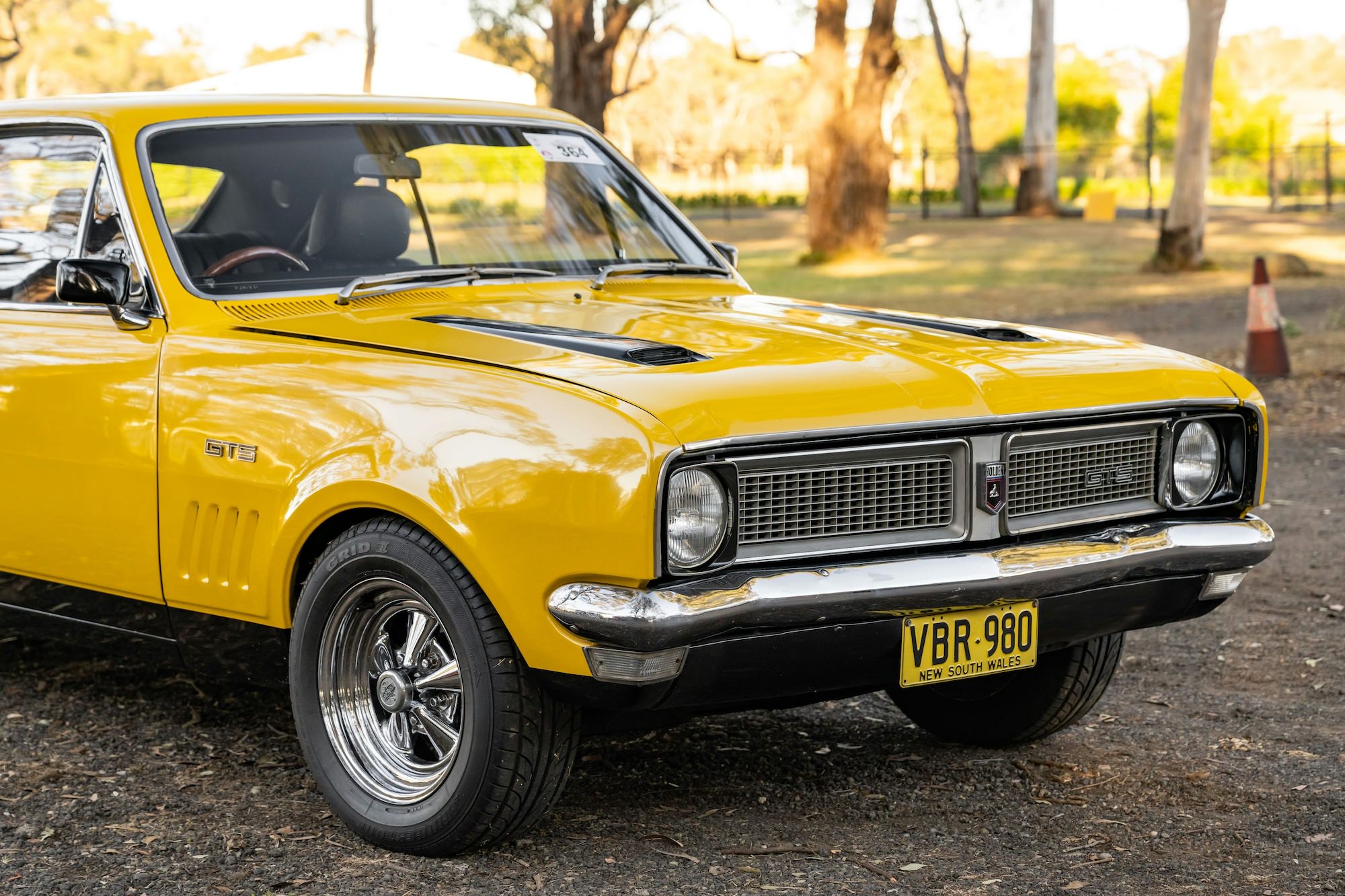
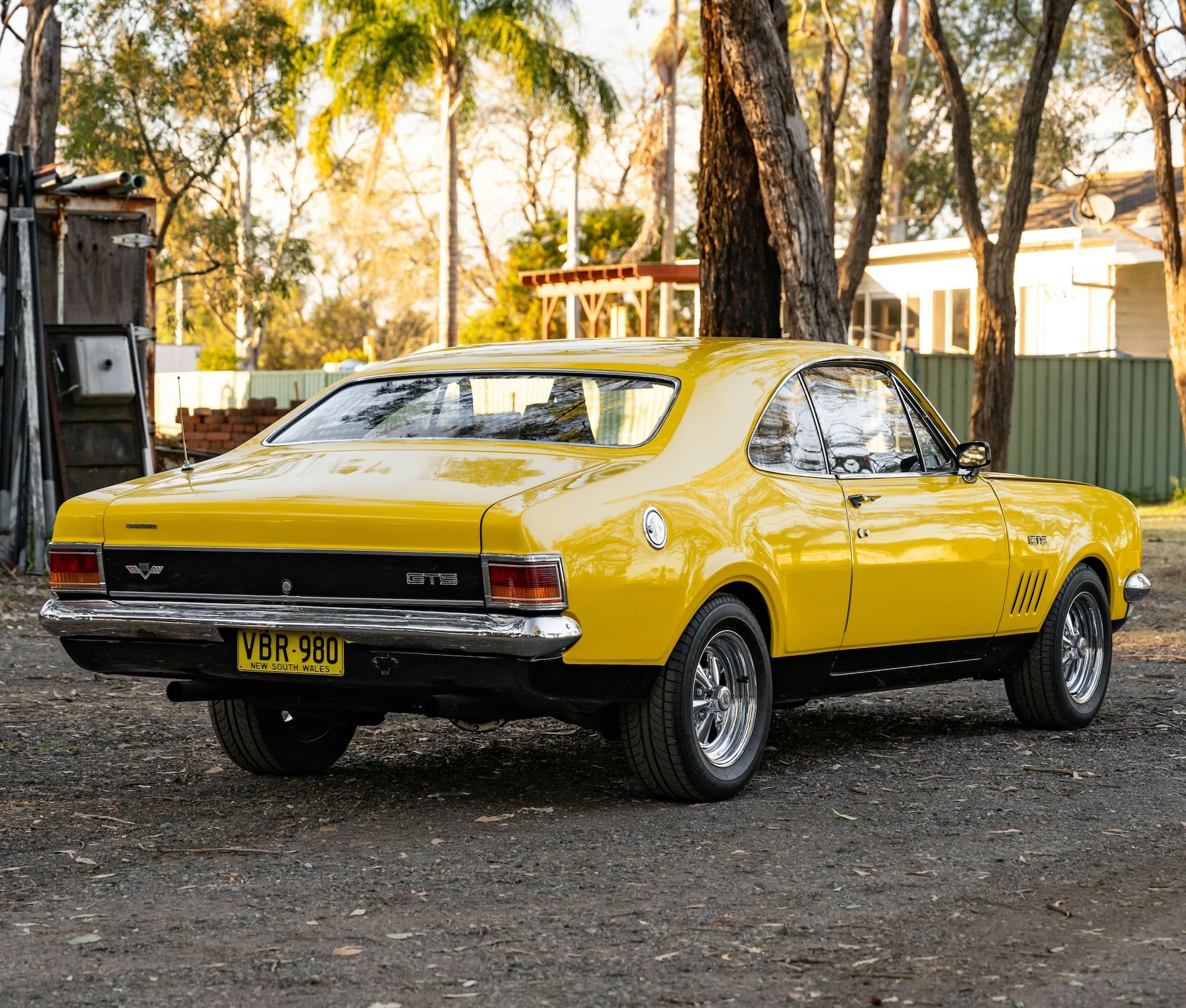
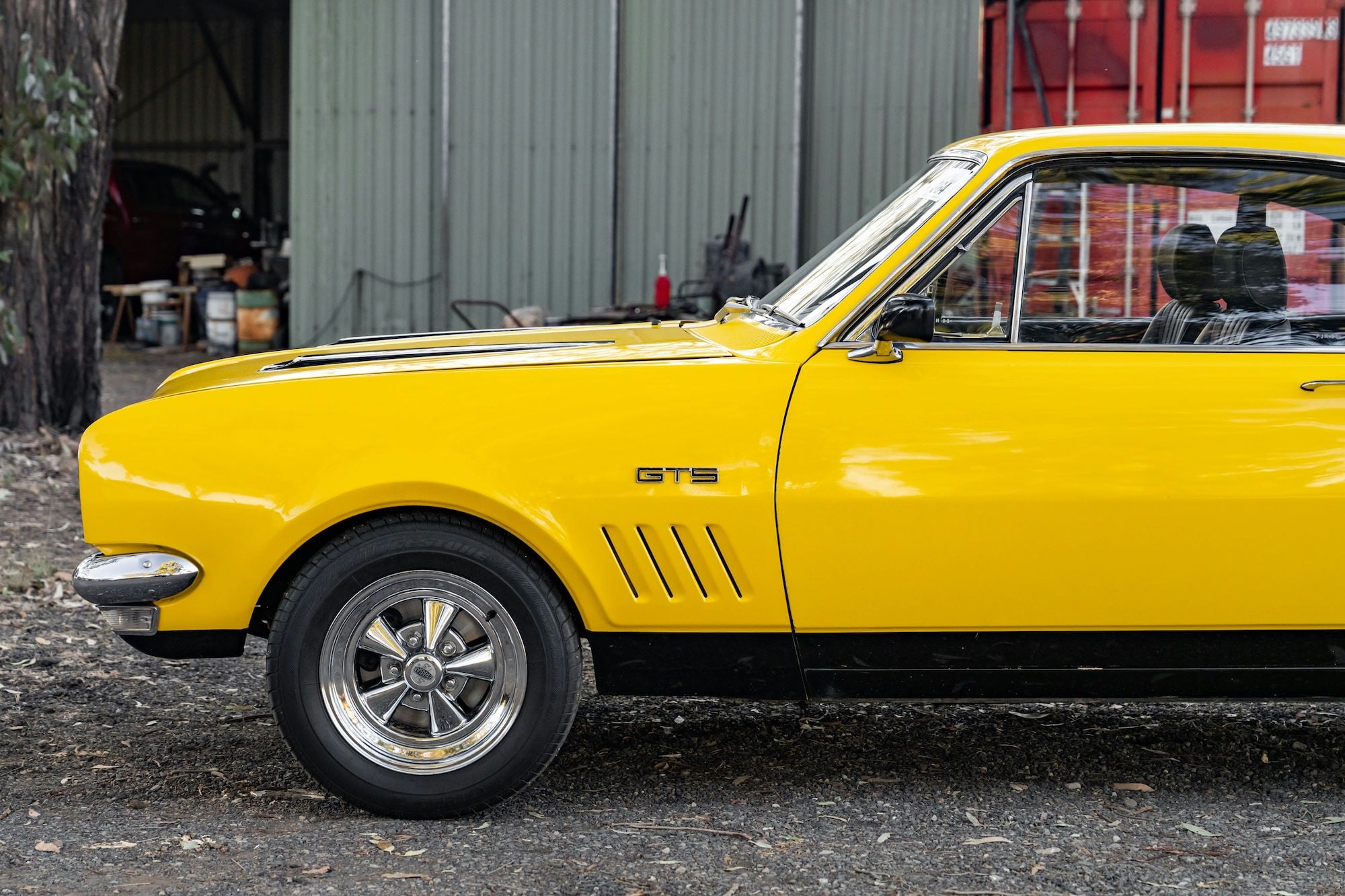
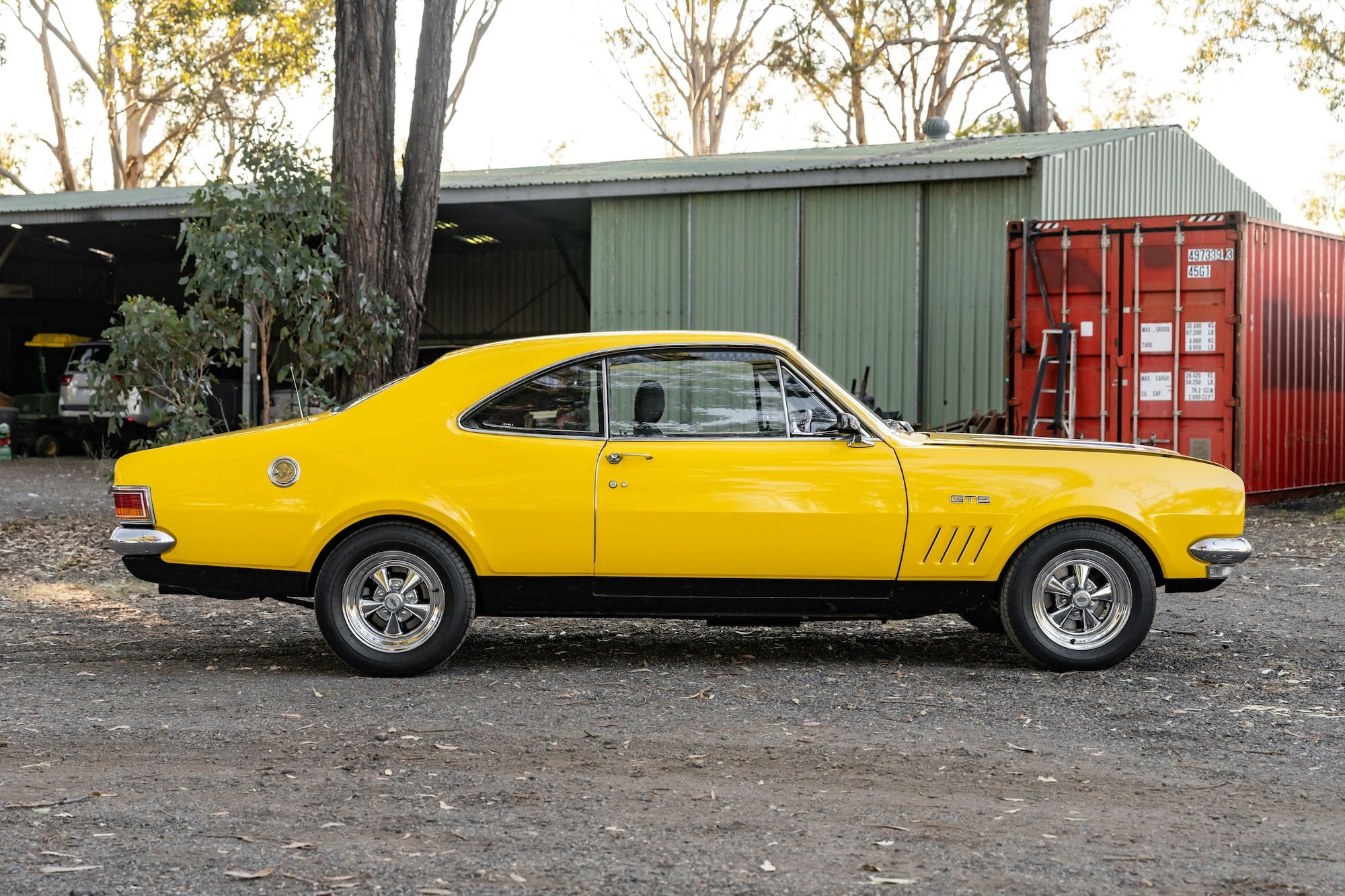
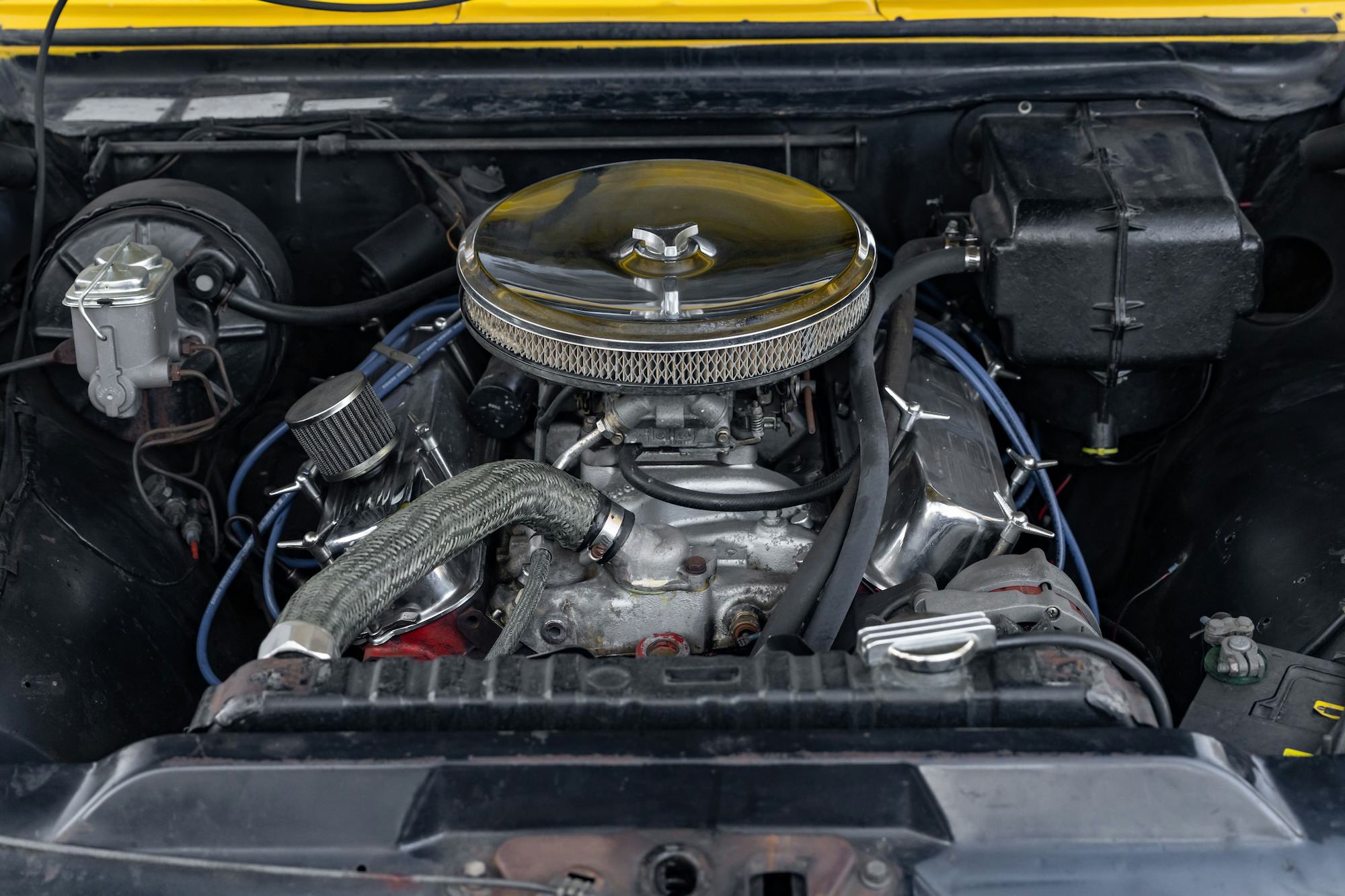
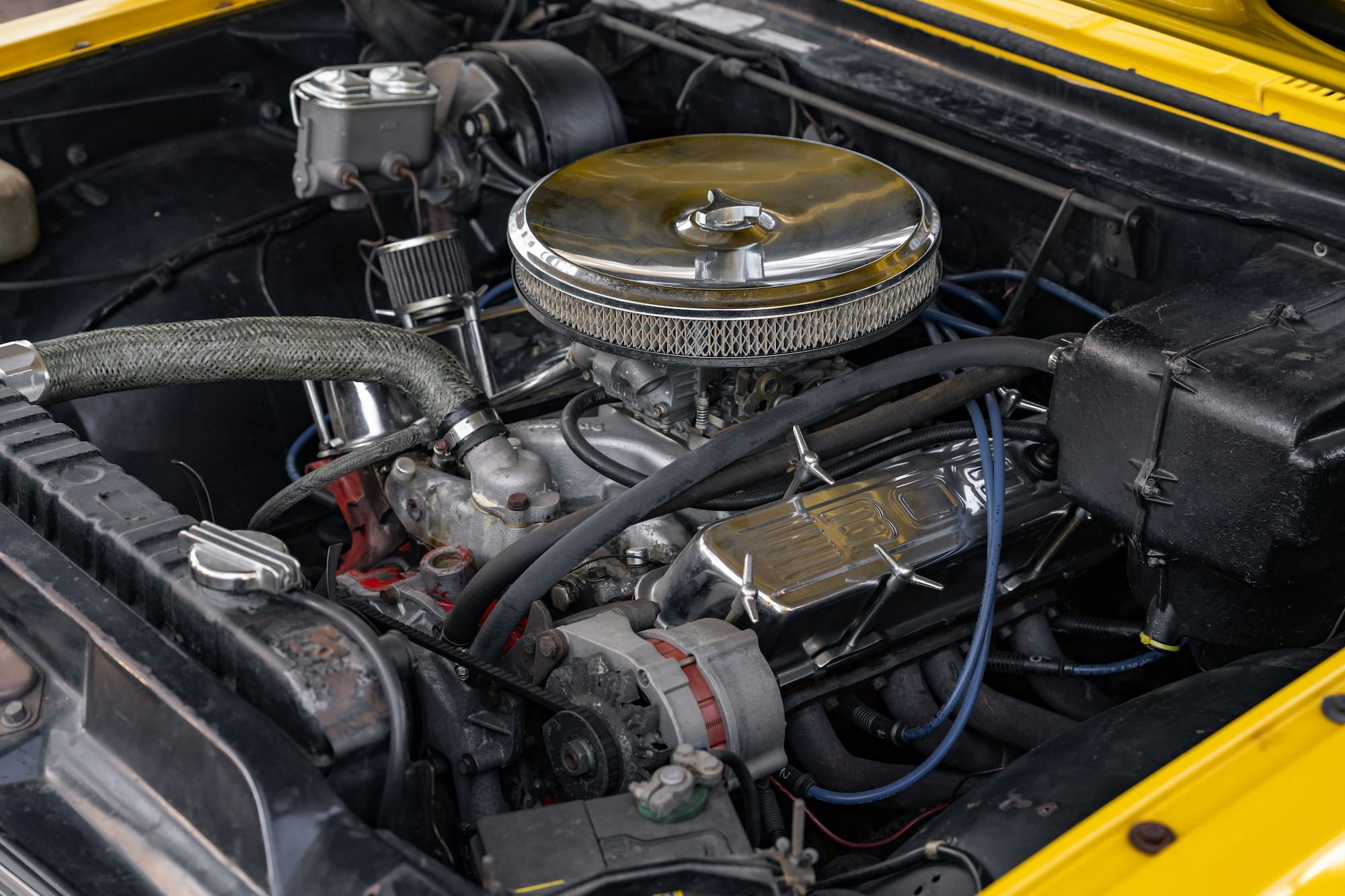
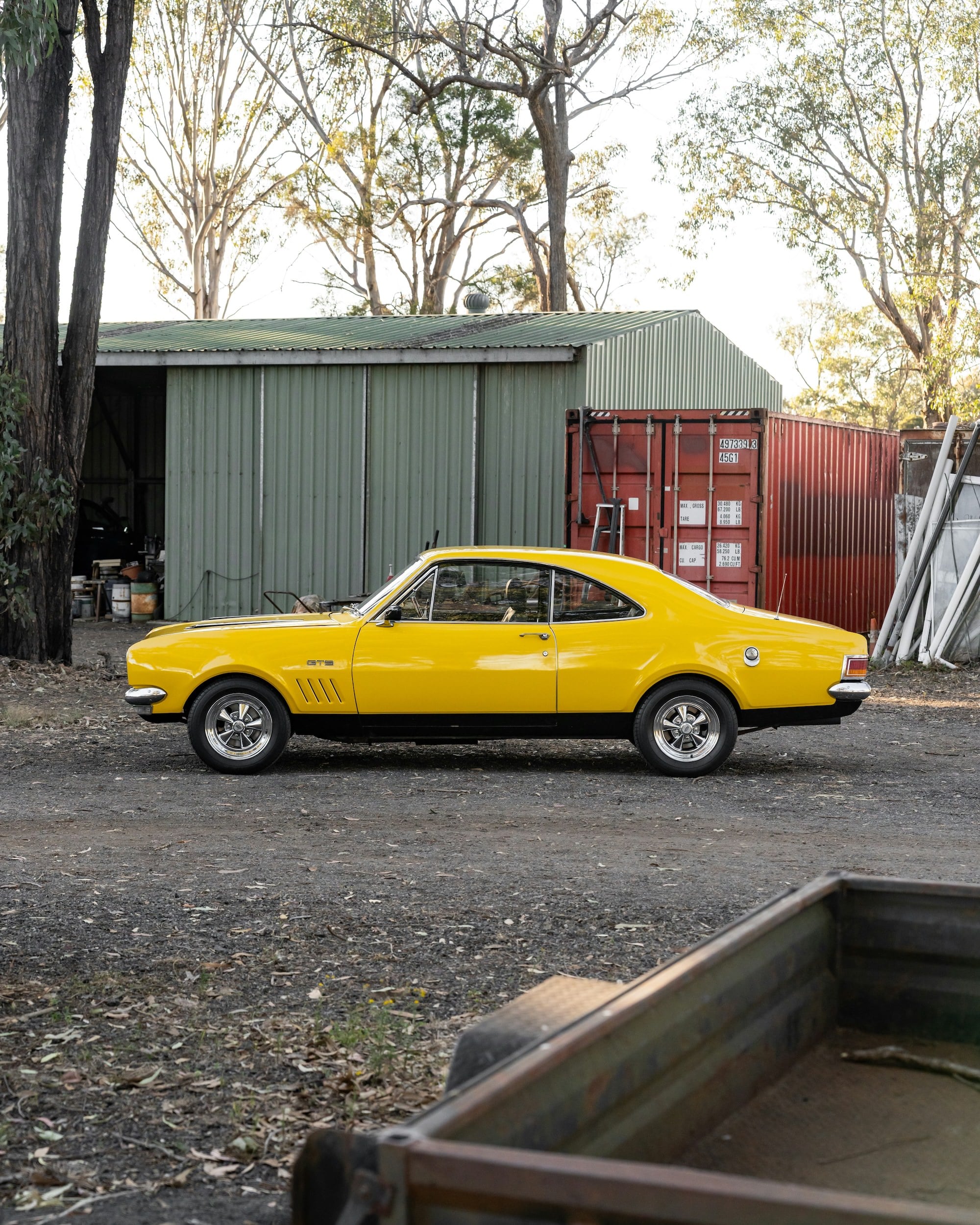
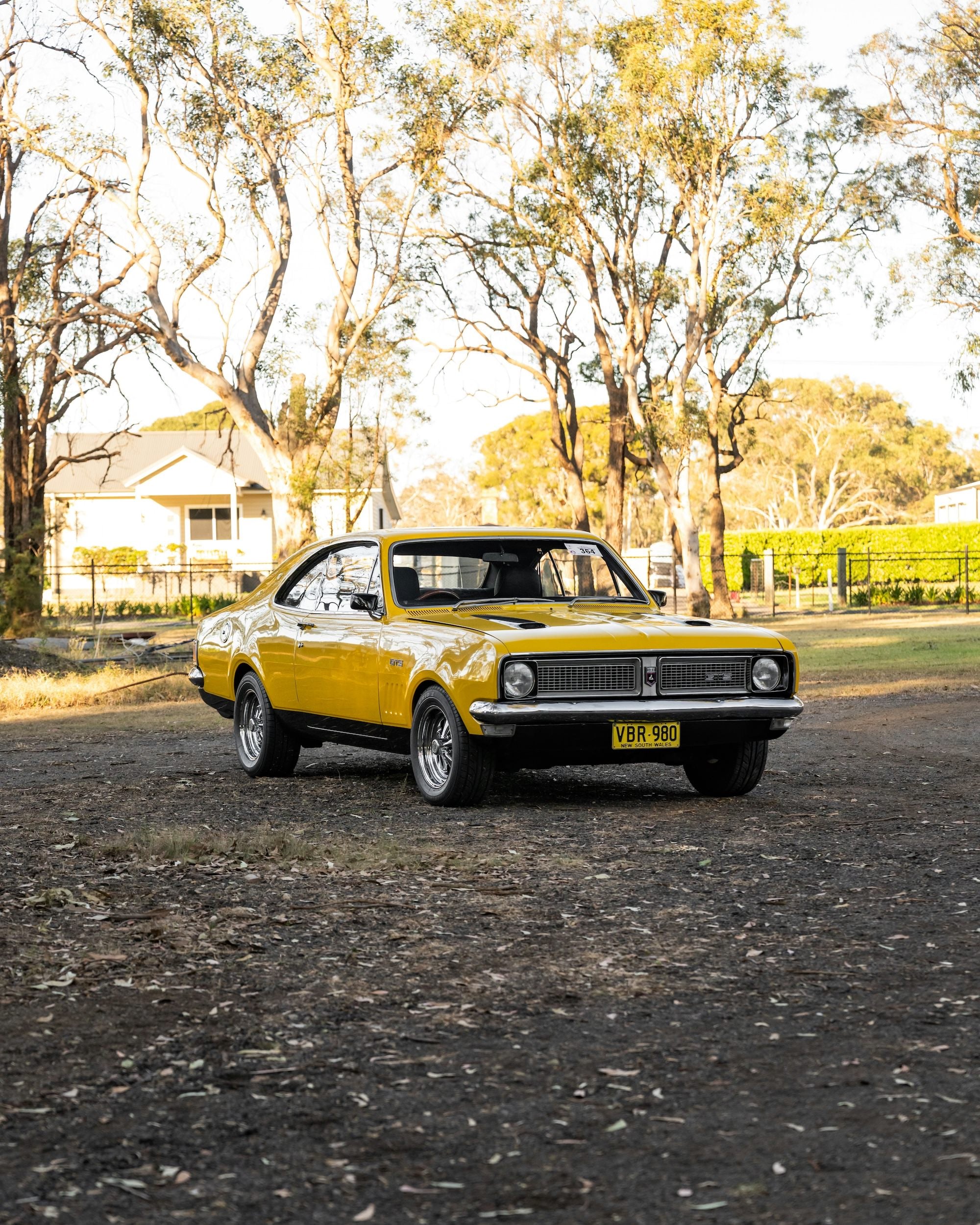
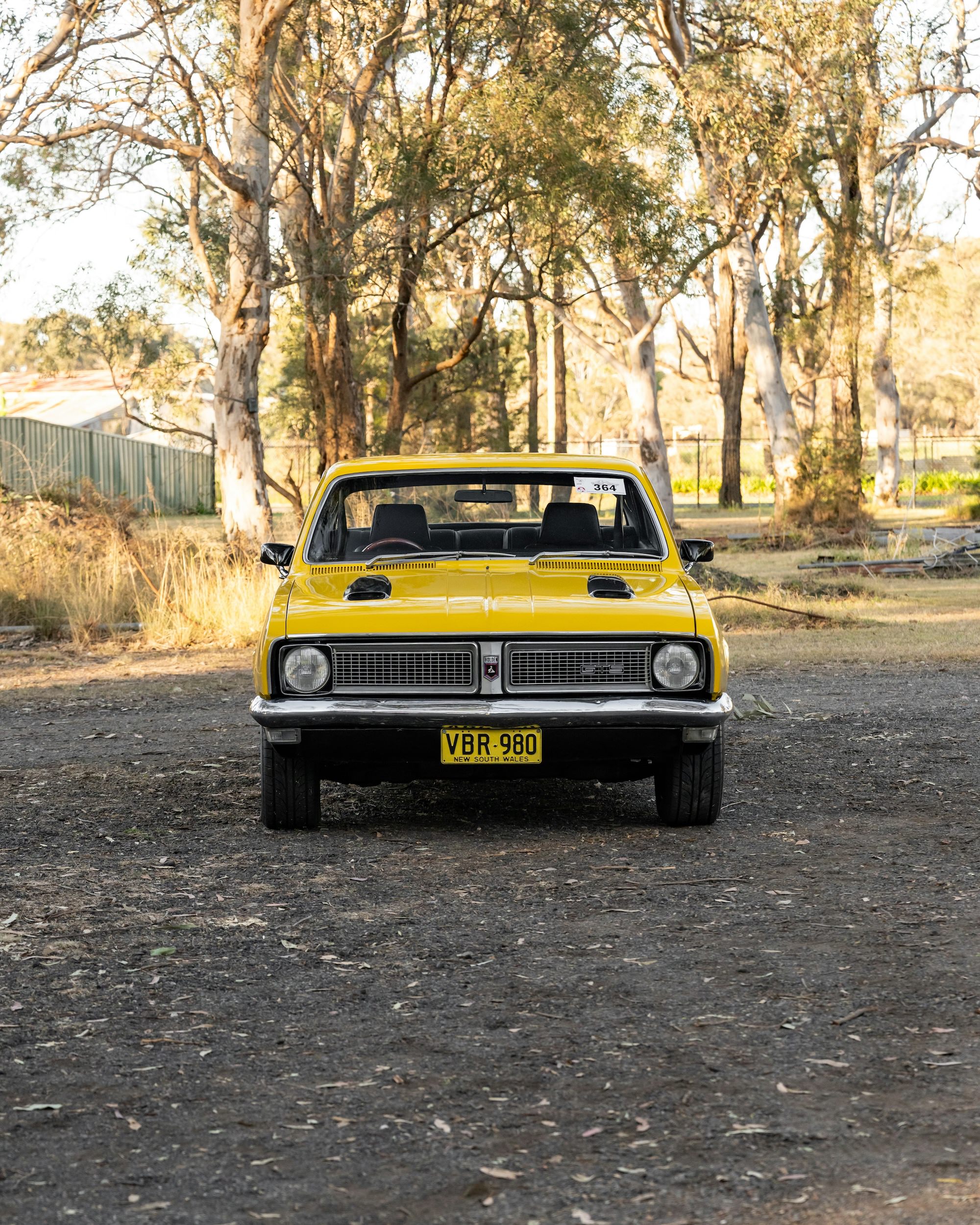
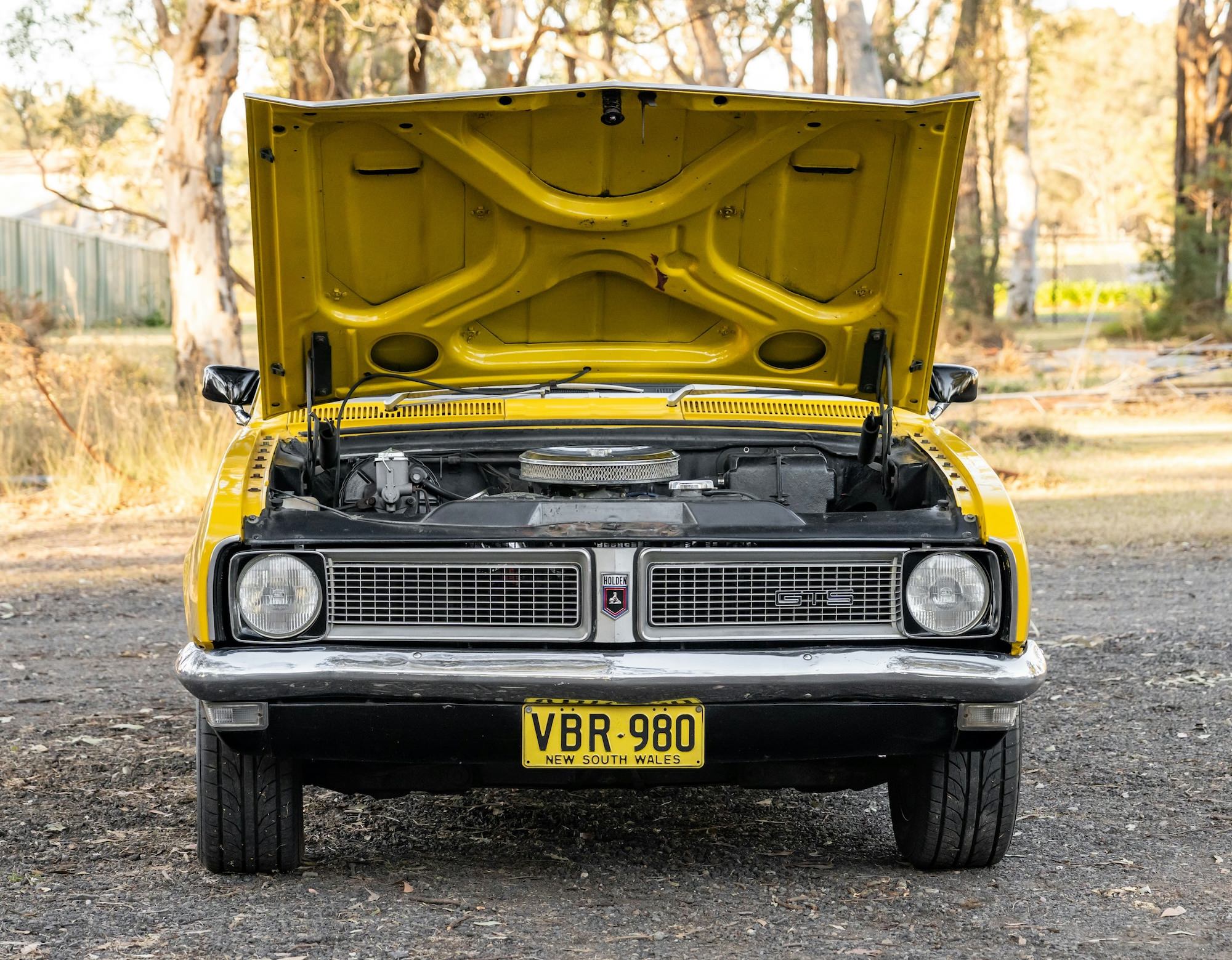
This is a 1971 Holden Monaro GTS fitted with the desirable Australian-developed 5.0 liter (308 cubic inch) V8, a popular engine with enthusiasts, as it means the Australian car is powered by a locally-developed engine.
The Monaro is one of the most iconic Australian cars ever made, it was an antipodean answer to wildly popular cars of the time, like the Mustang, Camaro, Javelin, Cougar, Firebird, Barracuda, and AMX. It become a racing legend in its own lifetime, and surviving examples are now hugely collectible.
Fast Facts: A 1971 Holden Monaro GTS
- The Holden Monaro debuted in 1968 as Australia’s answer to American muscle and pony cars, including the Mustang and Camaro. Developed from the Holden HK sedan platform, the two-door coupe combined distinctive styling with six-cylinder and V8 engine options, the latter of which provided Holden with a performance flagship capable of challenging Ford Australia’s Falcon GT model.
- The Monaro quickly established its racing credentials, winning the 1968 Hardie-Ferodo 500 at Bathurst with privateer Bruce McPhee and co-driver Barry Mulholland. Monaros finished 1st, 2nd, and 3rd. The car returned to win Bathurst in 1969, while Norm Beechey secured Holden’s first Australian Touring Car Championship in 1970.
- The Monaro evolved through the HK, HT, and HG generations between 1968 and 1971, gaining Holden’s Australian-developed 253 and 308 cubic inch V8 engines alongside Chevrolet V8 options. Later generations introduced new body styles, including a four-door GTS, before the Monaro name disappeared – then eventually returned in 2001.
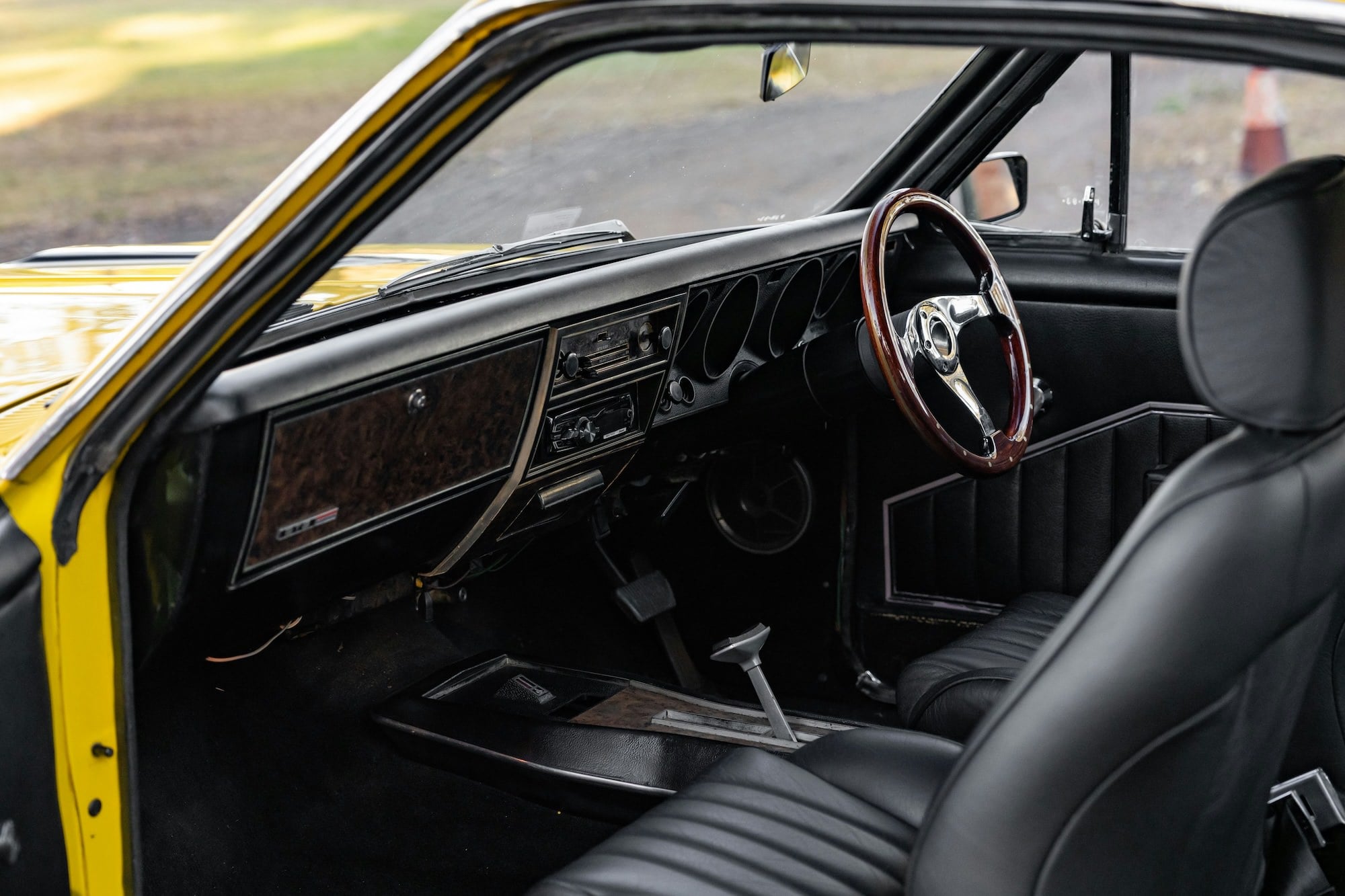
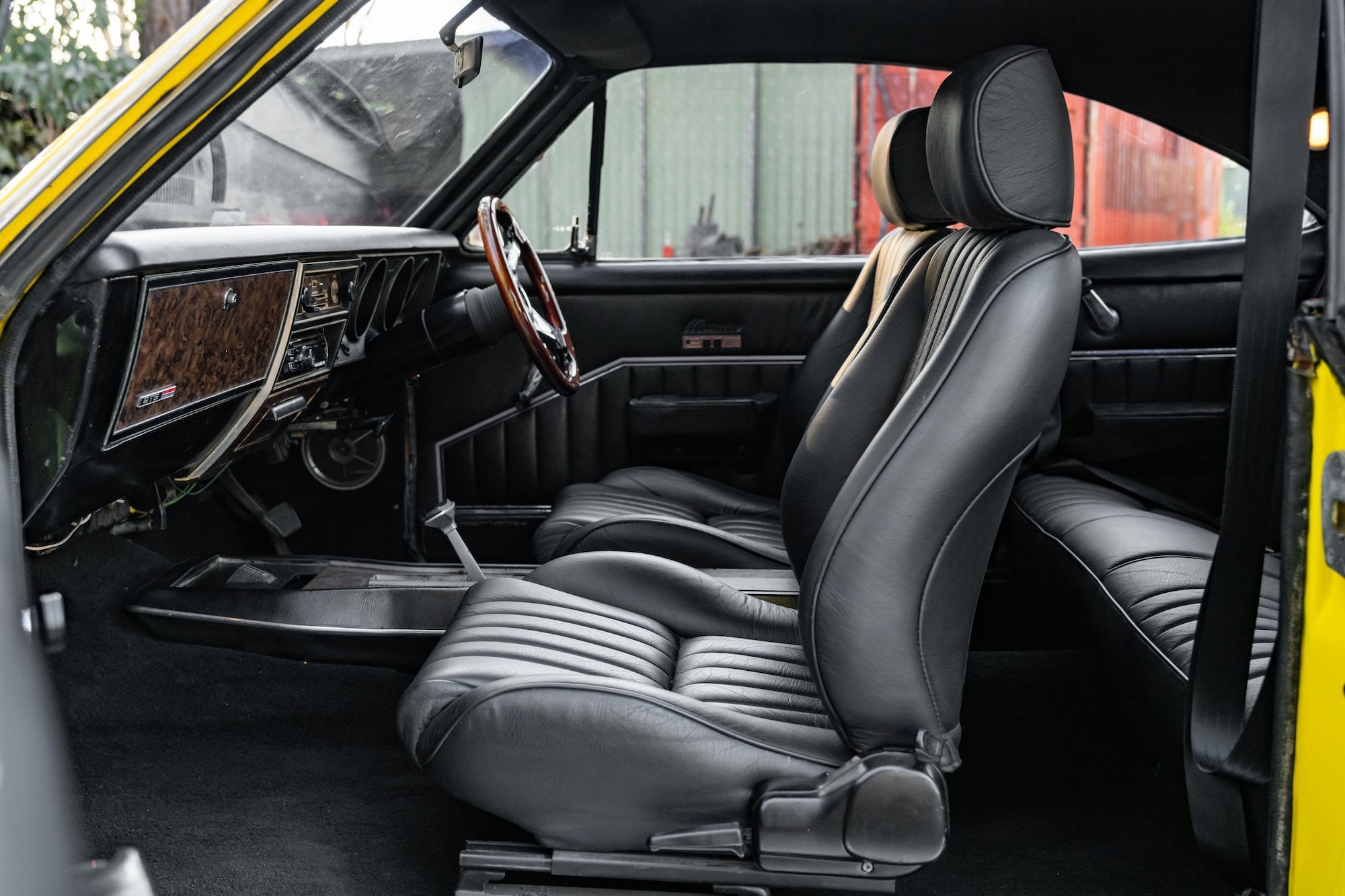
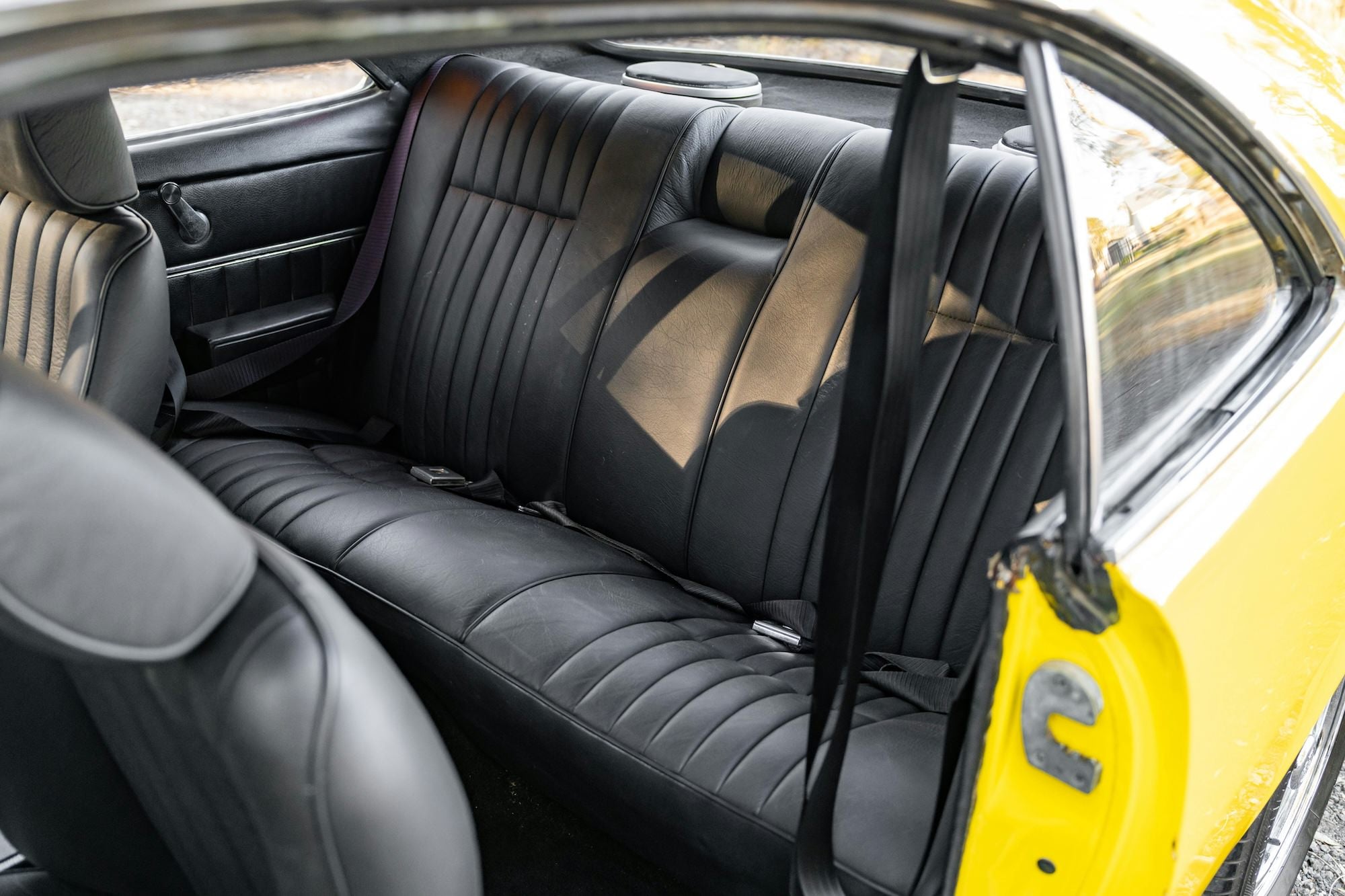
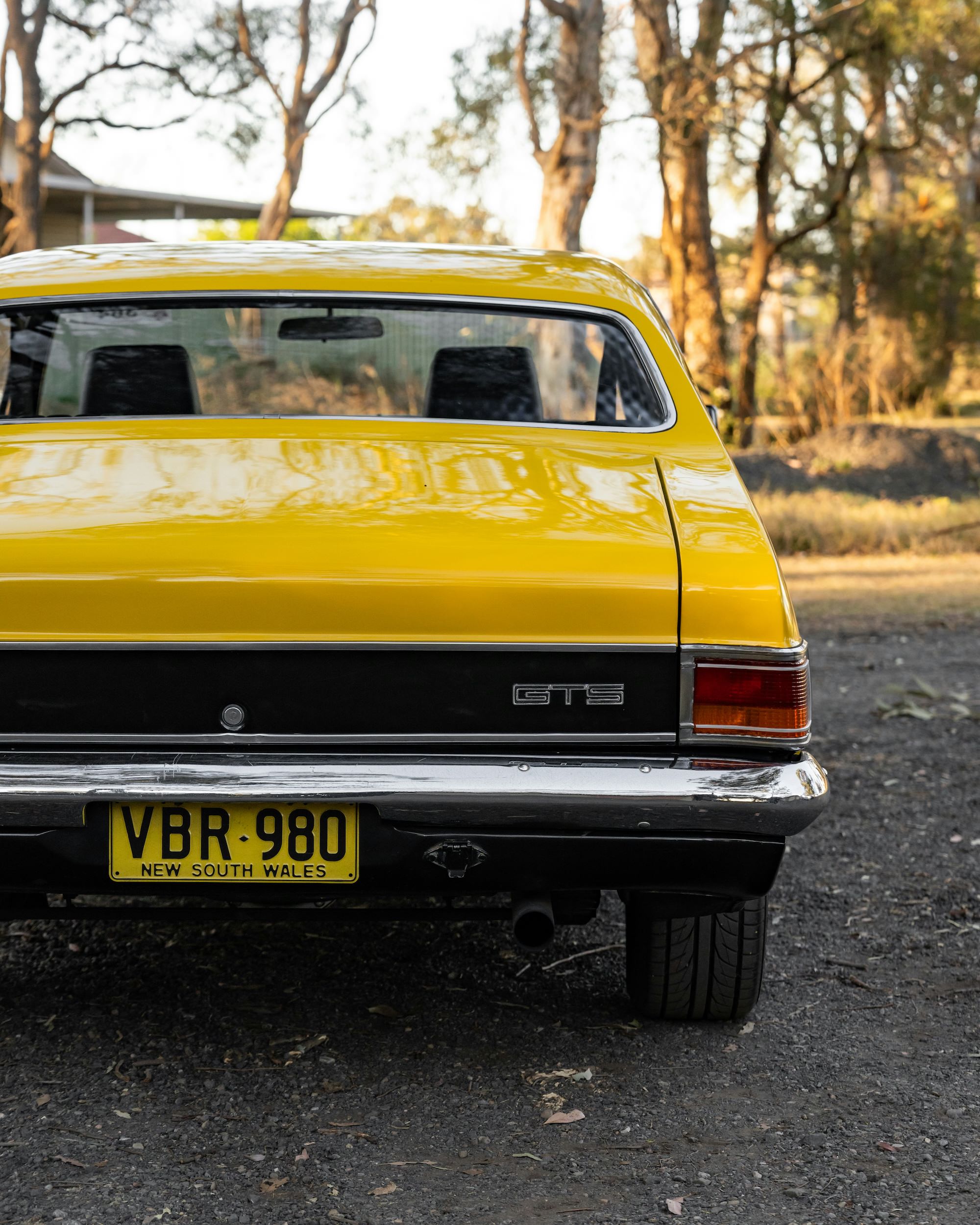
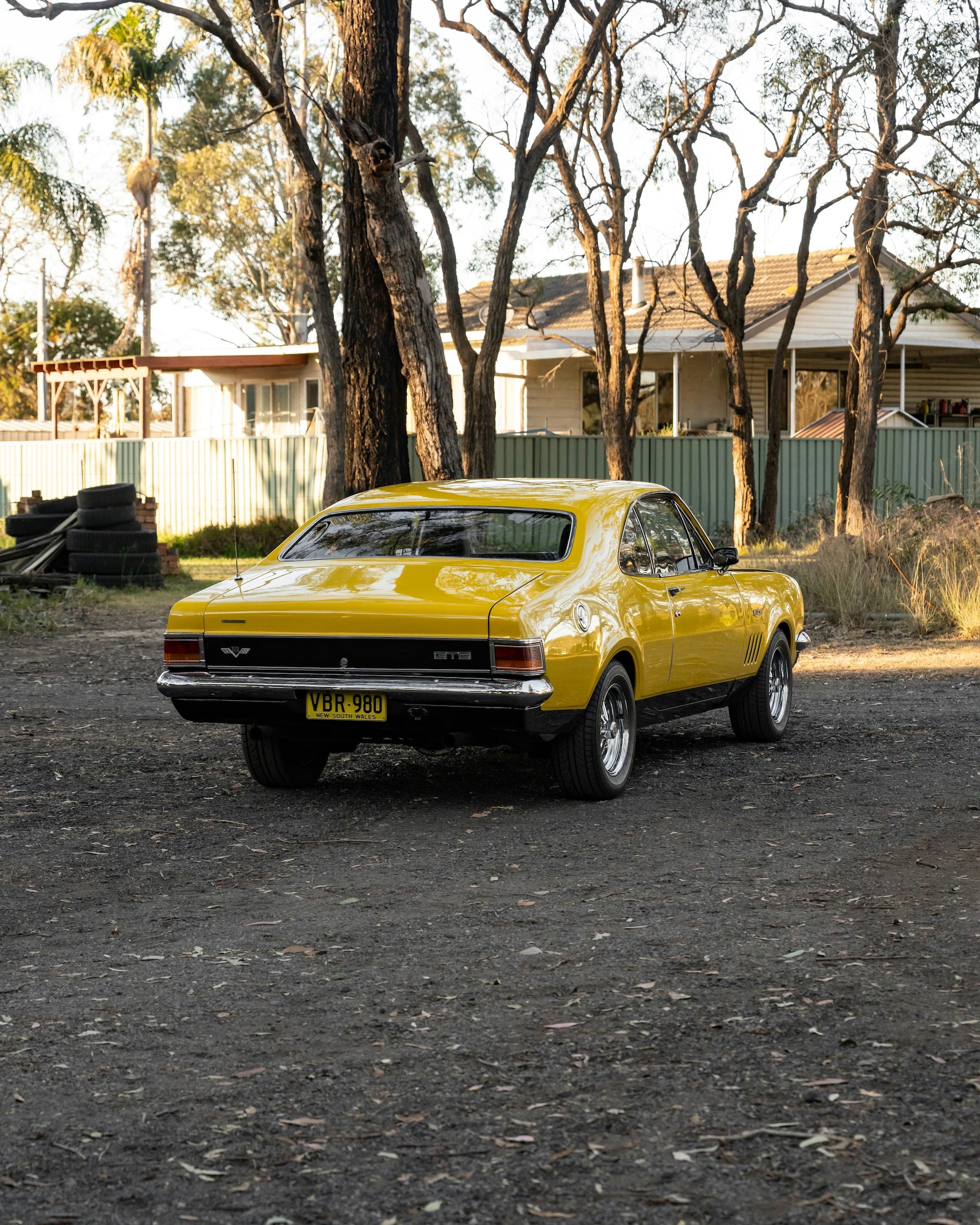
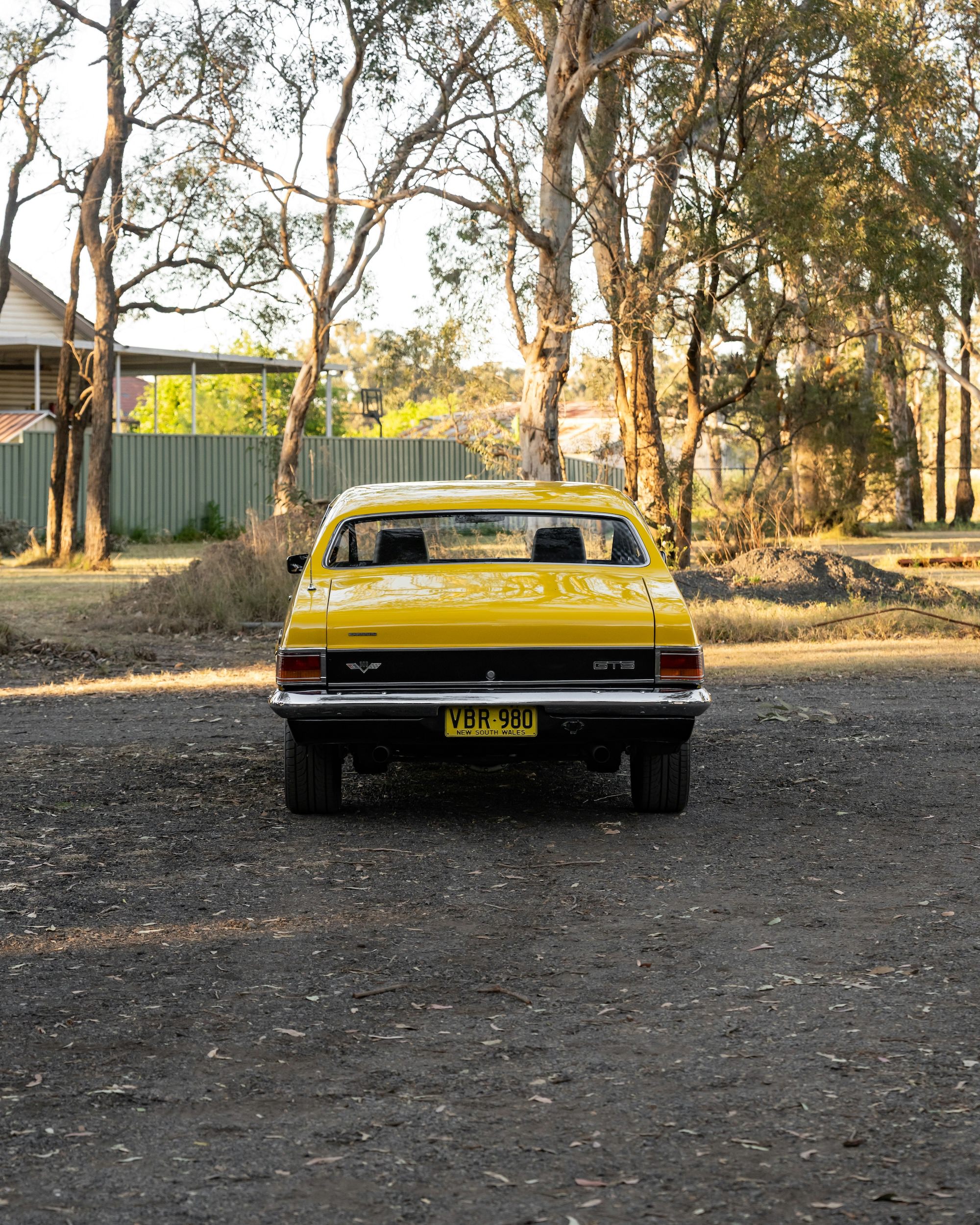
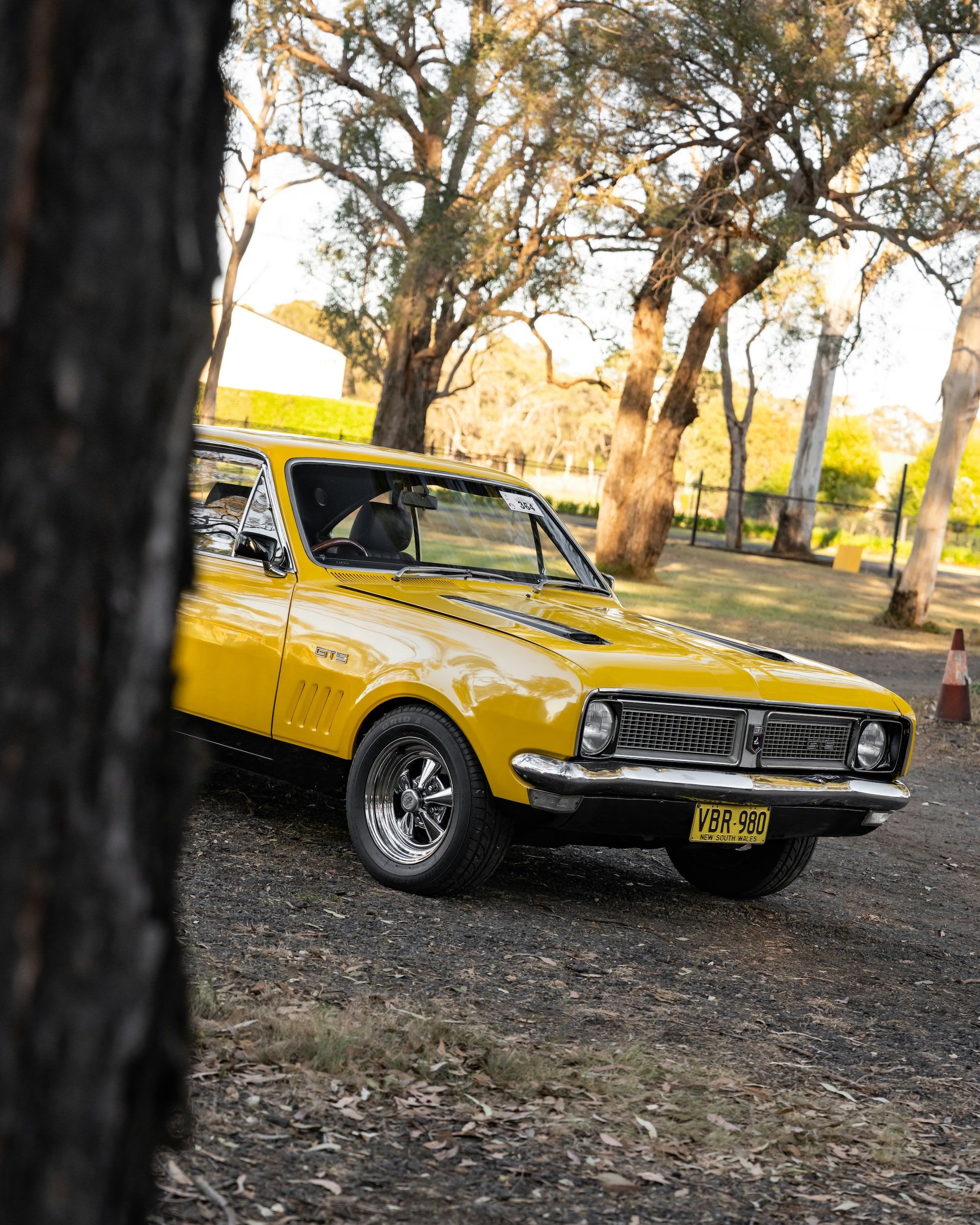
- The 1971 Holden HG Monaro GTS featured here has a reportedly matching-numbers 308 cubic inch (5.0 liter) V8 paired with a 3-speed automatic transmission. Finished in Yellow Dolly with a black interior, it was repainted approximately 20 years ago.
History Speedrun: Holden Monaro GTS
Holden showed the Monaro to the press for the first time at Surfers Paradise Raceway in Queensland on July the 22nd, 1968. 11 weeks later, a privately entered Monaro GTS 327 won the Hardie-Ferodo 500 at Bathurst. Essentially Australia’s equivalent to the Indy 500. It was Holden’s first ever win in the race, and it wouldn’t be the last.
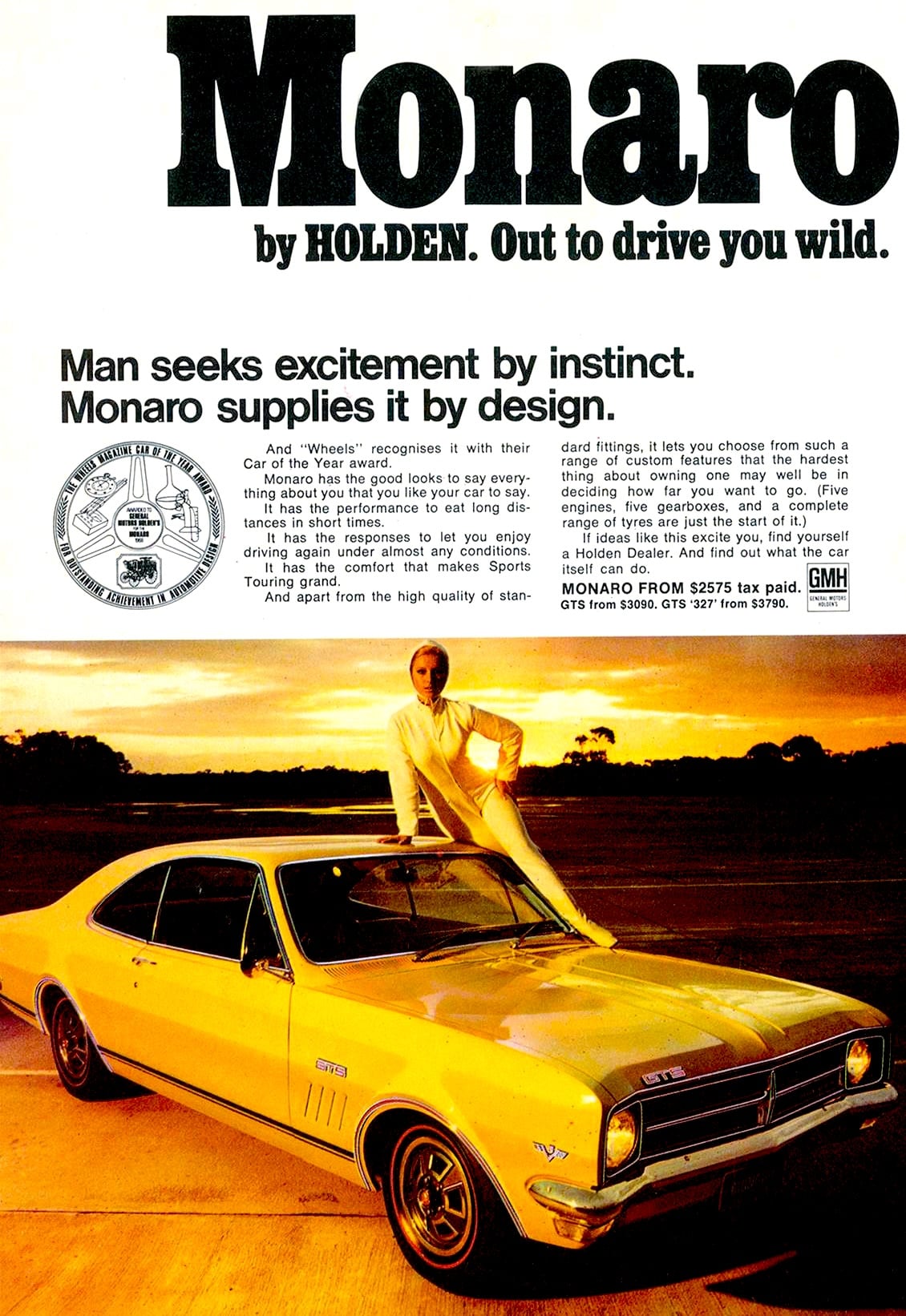
 The Monaro is one of the most iconic Australian cars ever made, it was an antipodean answer to wildly popular cars of the time, like the Mustang, Camaro, Javelin, Cougar, Firebird, Barracuda, and AMX. Image courtesy of General Motors Holden.
Why Holden Built A Halo Car
Ford’s XR Falcon GT, a four-door sedan with a 225 bhp version of the Mustang’s 289 cubic inch (4.7 liter) V8, had finished 1st and 2nd in the Hardie-Ferodo 500 race at Bathurst in 1967 – by far the biggest race in Australia.
At Ford’s archrival Holden, managing director Max Wilson and marketing director John Bagshaw pushed a two-door version of the new HK sedan range into production. Their case was easier to make because the coupe shared much of its body with the sedan, therefore development costs would be low and the development timeline would be short.
Bagshaw also argued for Chevrolet’s 327 V8 so the car could take on the Falcon GT both on the track and on dealership showroom floors. Holden needed a real halo car, and the Monaro would soon become the Australian automaker’s most iconic (and desirable) model.
The shape of the new coupe came from Holden’s newly-built design center at Fishermans Bend in Melbourne. Ted Schroeder blended the roof into the rear fenders in a way that echoed the 1966 Oldsmobile Toronado, though it left rear passengers with almost no view out. Holden called the result the first sports machine designed and engineered in Australia.
Nine months before launch the new car still didn’t have a name. Noel Bedford, a stylist on Holden’s design staff, found one on a sign reading “Monaro County Council” while driving through Cooma, New South Wales, on a family holiday.
The word is Aboriginal in origin, meaning a high plateau or high plain. General Motors executives also liked it, because it was reminiscent of “Camaro,” the name they used on their similarly-sized coupe in the United States.
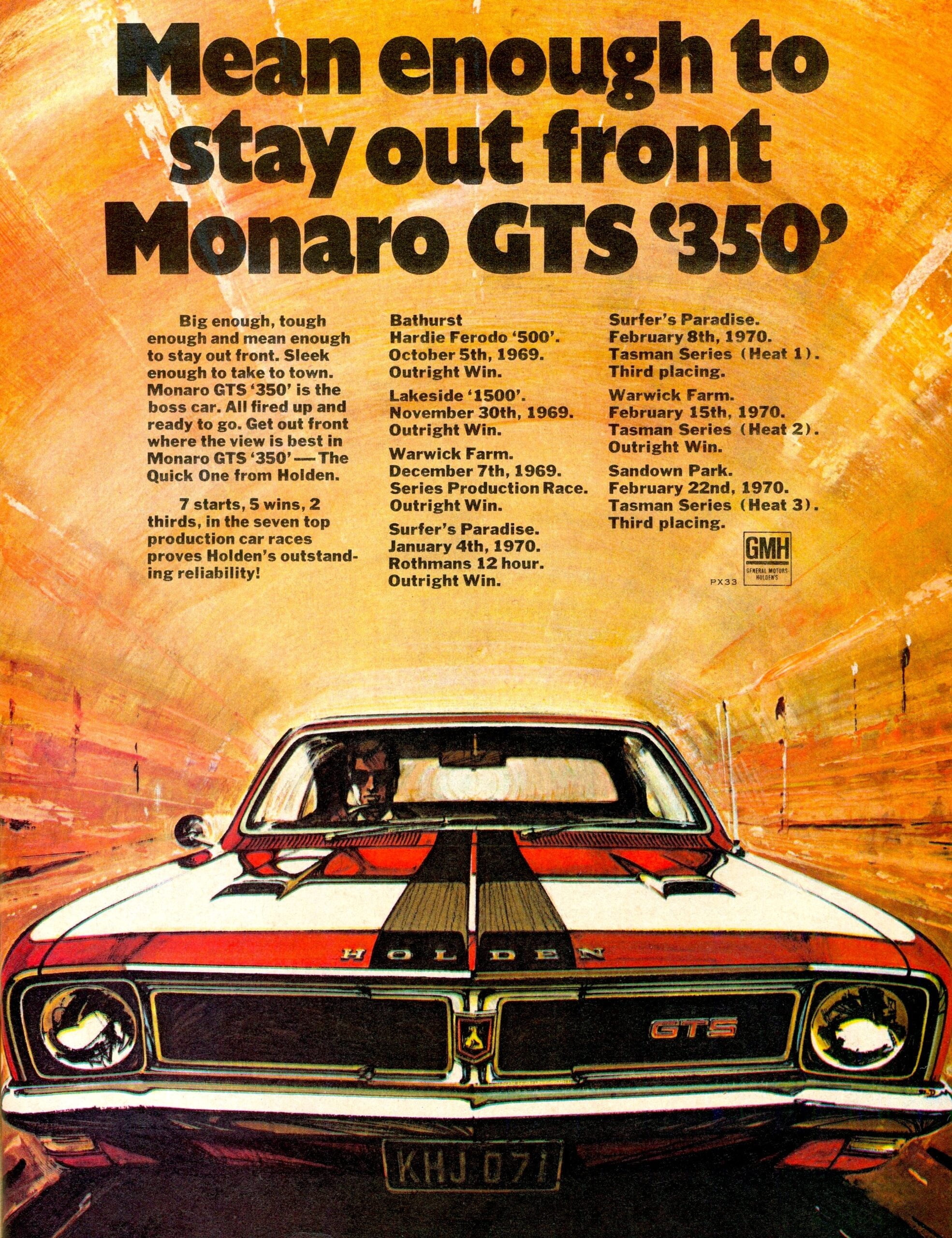
Holden showed the Monaro to the press for the first time at Surfers Paradise Raceway in Queensland on July the 22nd, 1968. 11 weeks later, a privately entered Monaro GTS 327 won the Hardie-Ferodo 500 at Bathurst. Image courtesy of General Motors Holden.
Monaro Specifications + Variants
The Monaro, Monaro GTS, and Monaro GTS 327 all used the Holden HK’s unitary body on a 111-inch wheelbase, with unequal-length wishbones and coil springs up front, a live axle on semi-elliptic leaf springs in the rear, and recirculating-ball steering.
The base model had a 161 cubic inch (2.6 liter) straight-six, a 3-speed column shift manual transmission, and drum brakes at each corner. The GTS model added stripes, power-assisted front disc brakes, and the 145 bhp 186S, a 186 cubic inch (3.0 liter) straight-six. Chevrolet’s 210 bhp 307 cubic inch (5.0 liter) V8 was optional on both.
The GTS 327 was built for battle at Bathurst. Its 327 cubic inch (5.4 liter) Chevrolet V8, with a Rochester four-barrel carburetor, made 250 bhp at 4,800 rpm and 325 lb ft at 3,200 rpm. It was only offered with a close-ratio Saginaw 4-speed box, and it added a limited-slip rear axle with anti-tramp rods, twin exhausts, and a 25 imperial gallon (114 liter) fuel tank.
It cost $3,790 AUD (about $4,240 USD), against $2,575 AUD (about US$2,880 USD) for the base car.
The Monaro Goes Racing
A GTS 327 Monaro won the car’s very first race, the Sandown three-hour on September the 15th, 1968, and amazingly, it finished with its brakes almost completely gone. That exposed the car’s key weak point – small solid front discs and 10-inch rear drums on a car weighing 3,300 lbs.
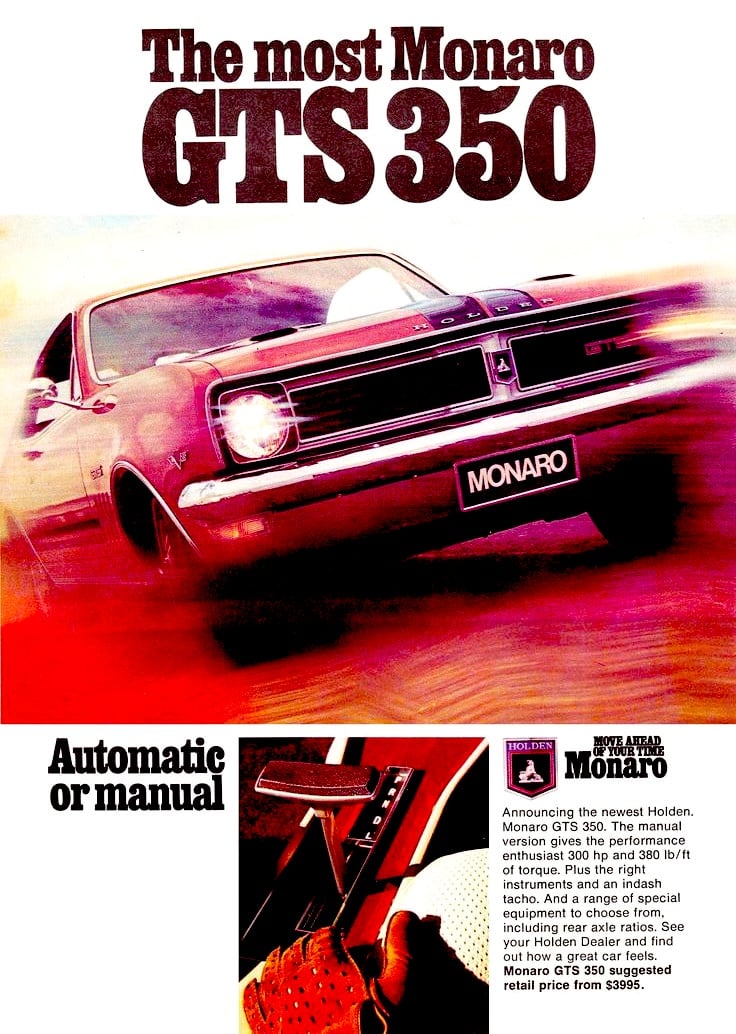
The name Monaro is Aboriginal in origin, meaning a high plateau or high plain. General Motors executives also liked it, because it was reminiscent of “Camaro,” the name they used on their similarly-sized coupe in the United States. Image courtesy of General Motors Holden.
Bruce McPhee, a 41-year-old privateer from Wyong, planned his Bathurst race around the brakes. He fitted hard sintered rear linings, shifted braking effort rearward and held the engine to about 4,000 rpm. On October the 6th he took pole, set the fastest lap, and won without changing tires or brake pads. Co-driver Barry Mulholland drove just one of the 130 laps. Monaros finished 1st, 2nd, and 3rd. It was a staggering success for Holden, and one that marque loyalists still talk about today.
The face-lifted HT Monaro arrived in mid-1969 with Holden’s own 253 cubic inch (4.1 liter) V8, joined in November the same year by a 308 cubic inch (5.0 liter) version that replaced the Chevrolet 307. The GTS 327 became the GTS 350, its 350 cubic inch (5.7 liter) Chevrolet V8 rated at 300 bhp with the 4-speed manual and 275 bhp with the Powerglide automatic.
The GTS 350 Monaro answered Ford’s XW Falcon GT-HO of 1969, successor to the 230 bhp, 302 cubic inch (4.9 liter) XT Falcon GT. Chrysler’s reply was the four-door Valiant Pacer in mid-1969, followed by a Hemi-six VG Pacer two-door in 1970.
Harry Firth, who had run Ford’s works Falcons in 1968, formed the Holden Dealer Team (HDT) in 1969. At Bathurst that October its Monaros finished 1st, with Colin Bond and Tony Roberts, and 3rd, with Des West and Peter Brock, who was making his Bathurst debut. In 1970 Norm Beechey’s HT won Holden’s first Australian Touring Car Championship.
That year Holden moved its own racing effort to the smaller Torana GTR XU-1, and the HG Monaro of mid-1970 was the last of the first-generation Monaros before their successor would arrive.
The Monaros That Followed
The HQ Monaro of July 1971 brought an all-new body, a Monaro LS and, from 1973, a four-door GTS sedan. The HJ of October 1974 dropped the Chevrolet 350, and the GTS coupe ended in 1976. The 580 HX Limited Edition coupes that followed were not badged as Monaros. The HZ of October 1977 was simply named the Holden GTS, and it was built until January of 1979.
The Monaro name returned in late-2001 on a coupe based on the VX Commodore, with a supercharged 3.8 liter V6 or a 5.7 liter LS1 V8. It was exported as the Pontiac GTO to the United States and as the Vauxhall Monaro in the UK. Production of the Holden-badged Monaro ended in December of 2005, and the last coupe off the Elizabeth line was a Pontiac GTO, built on June the 14th, 2006.
The 1971 Holden Monaro GTS Shown Here
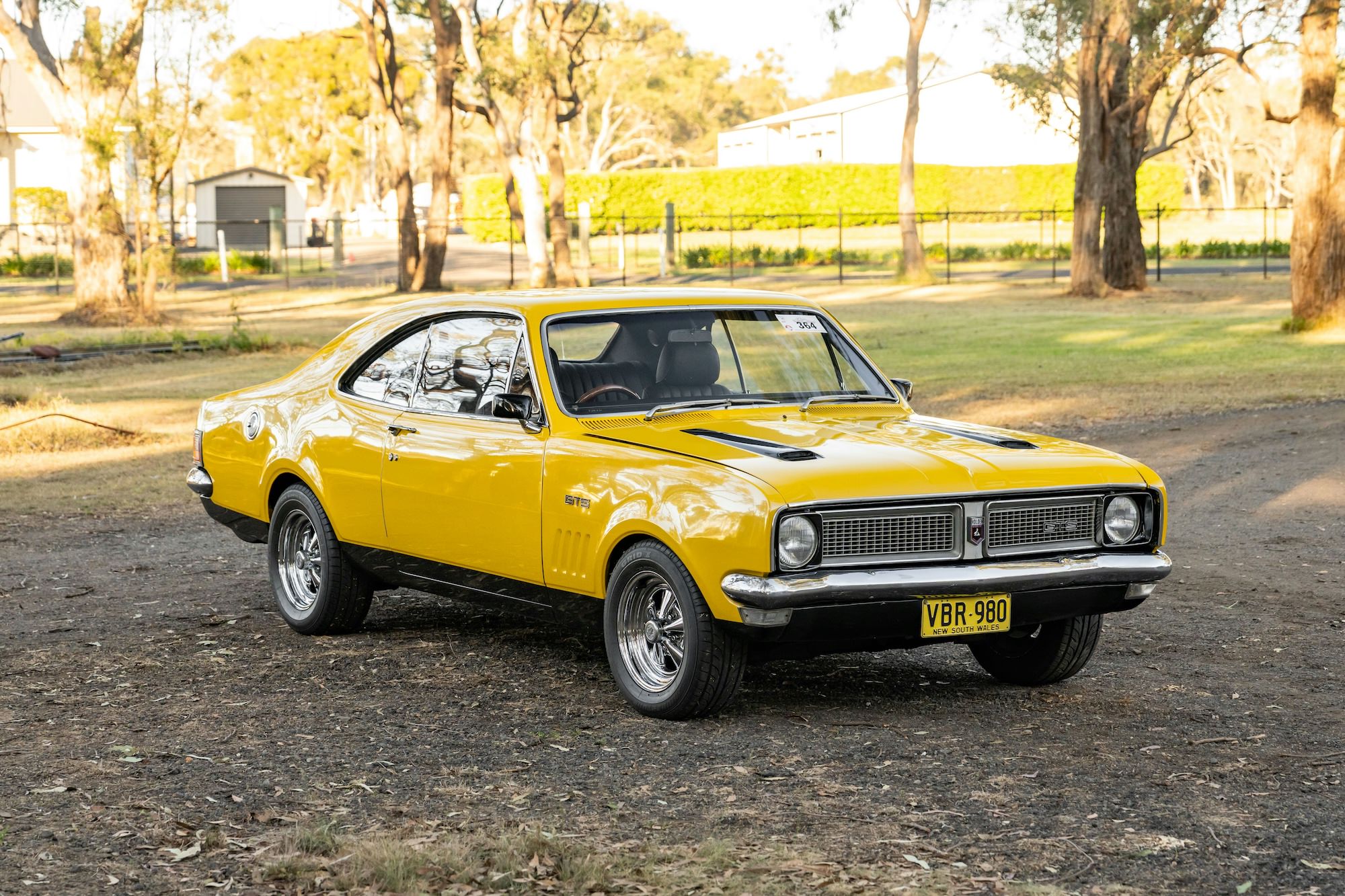
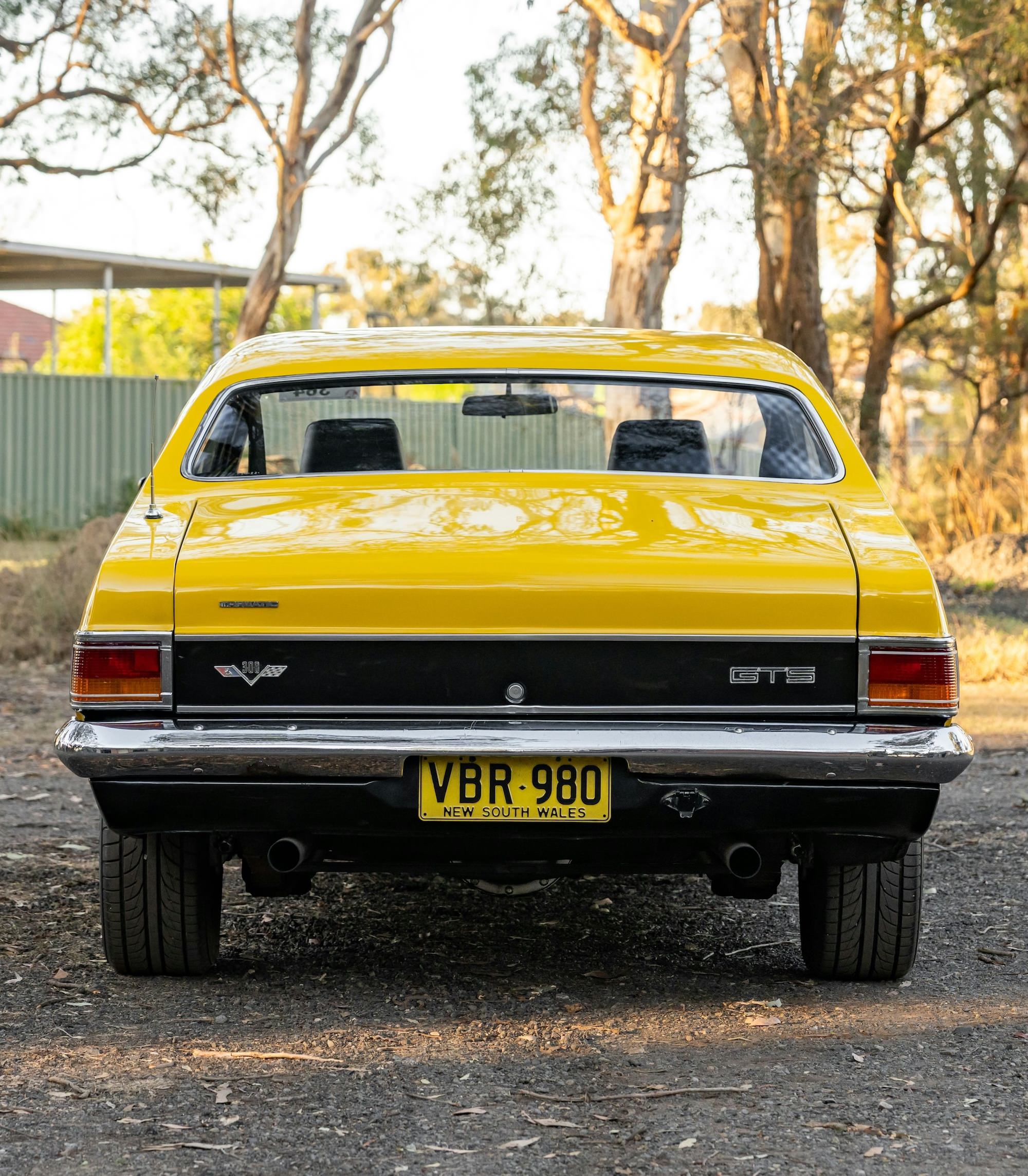
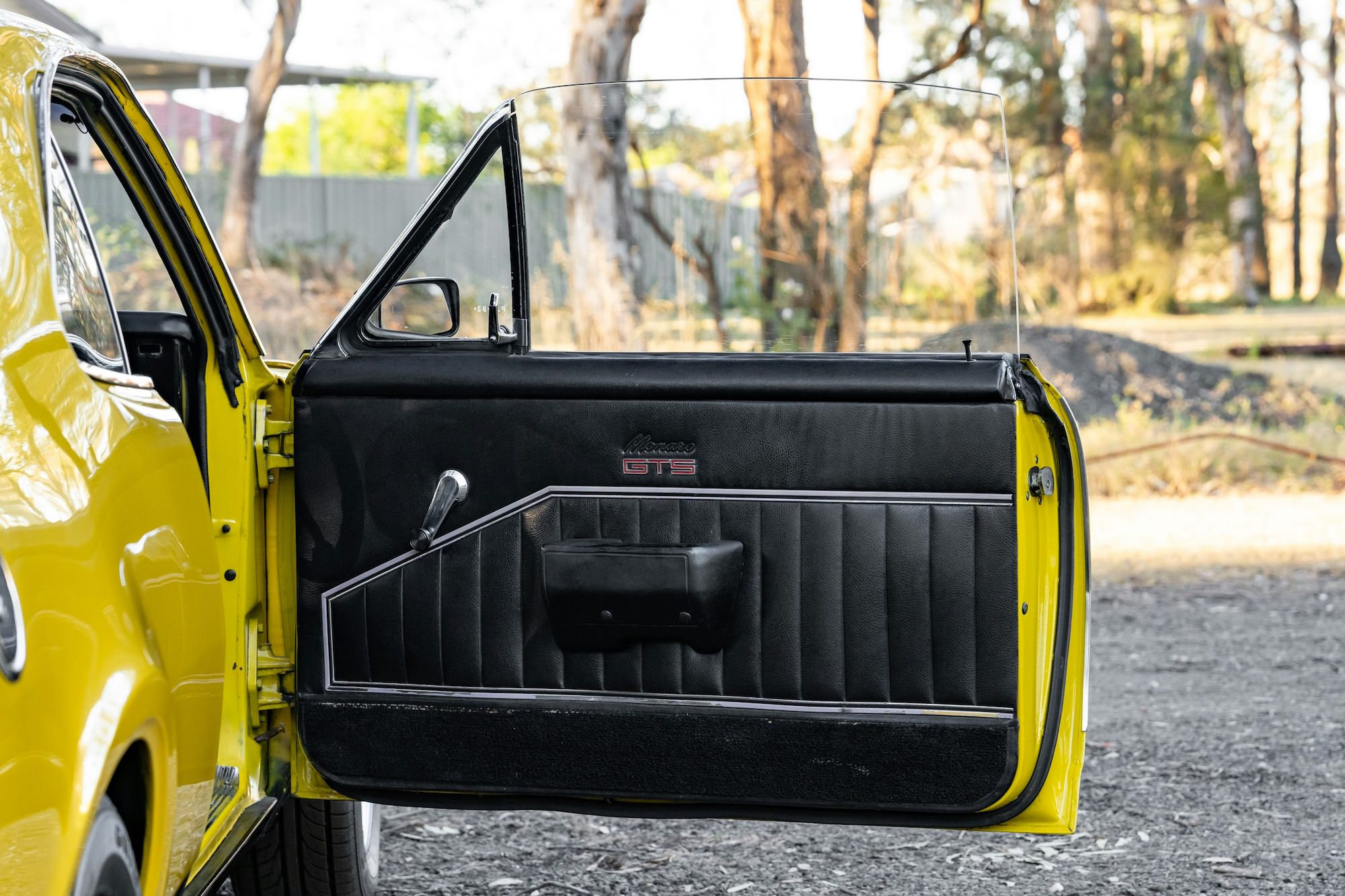
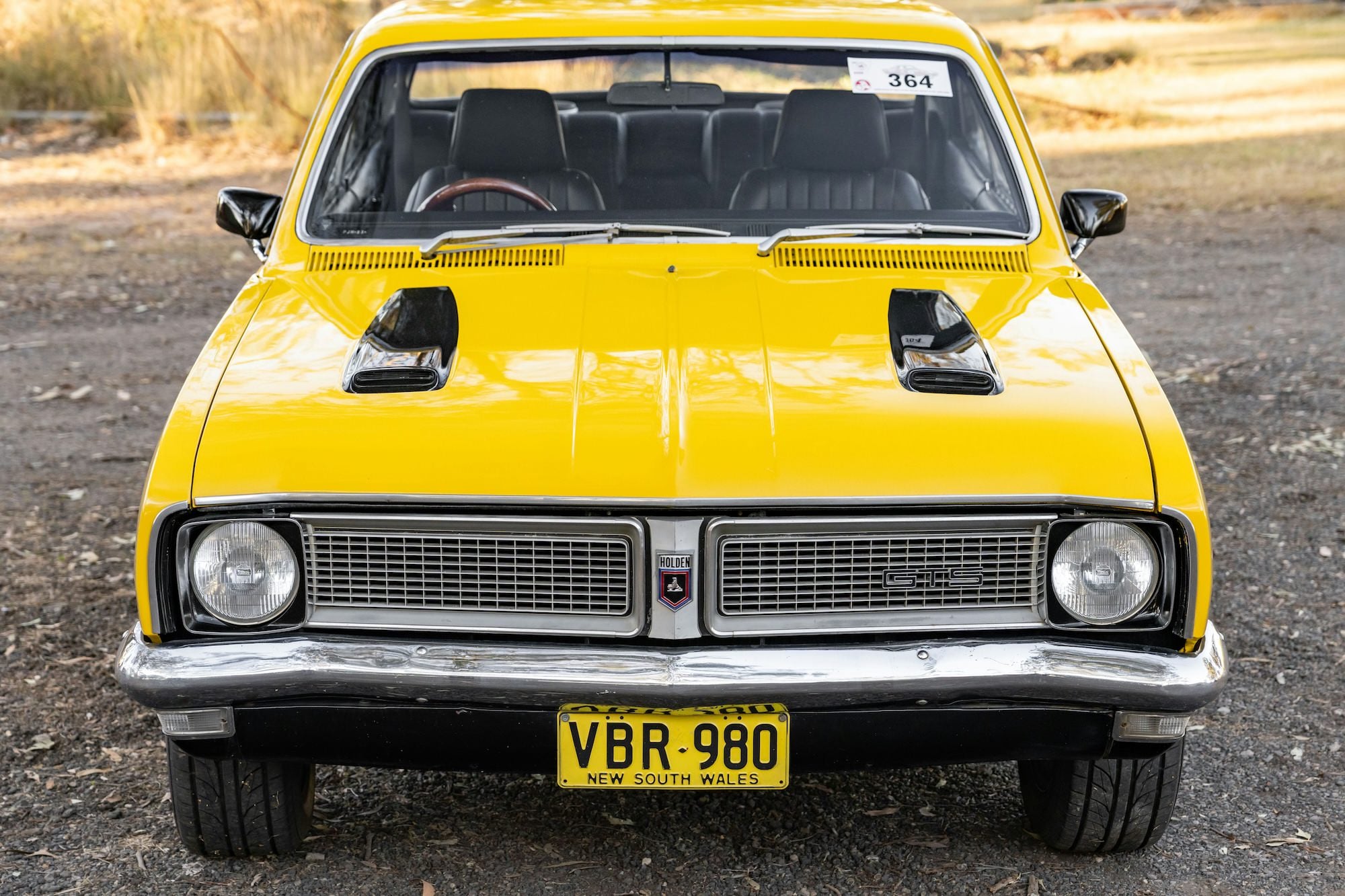
This is an original 1971 Holden HG Monaro GTS 308 finished in Yellow Dolly over a black interior. It’s powered by a 5.0 liter (308 cubic inch) V8 driving the rear wheels through a 3-speed automatic transmission, and the seller reports that it’s a matching-numbers example, keeping its original factory-fitted engine.
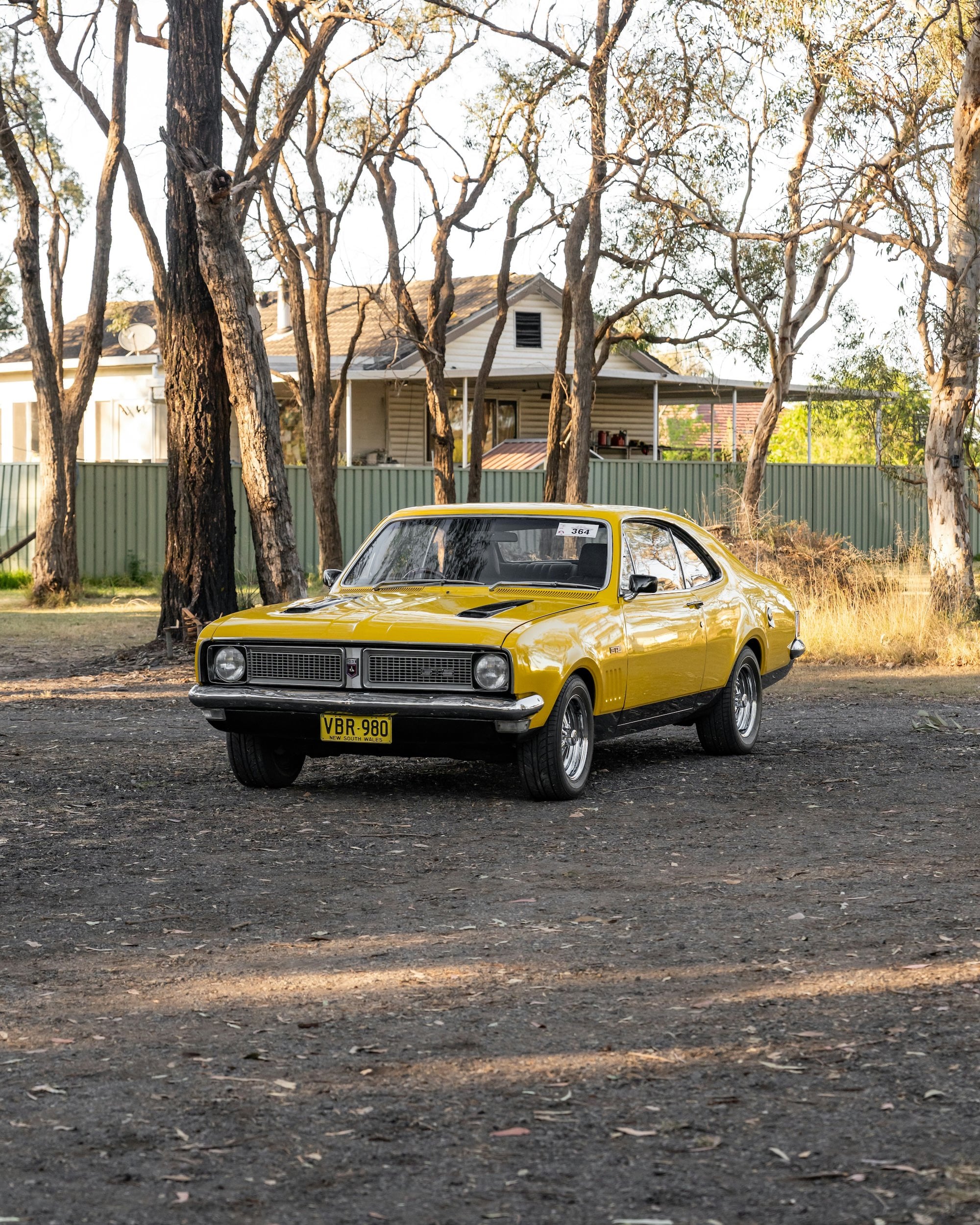
This is a 1971 Holden Monaro GTS fitted with the desirable Australian-developed 5.0 liter (308 cubic inch) V8, a popular engine with enthusiasts, as it means the Australian car is powered by a locally-developed engine.
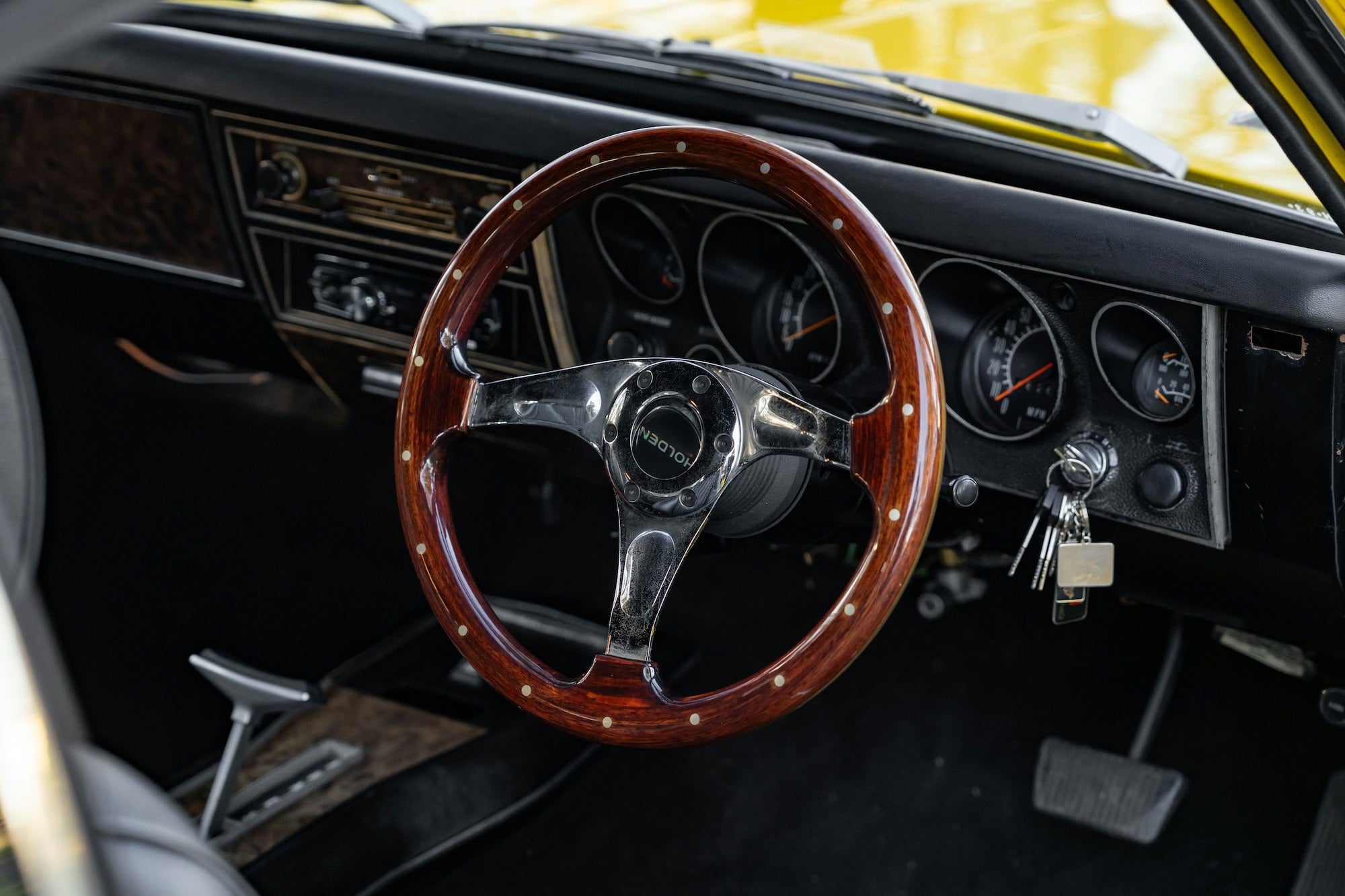
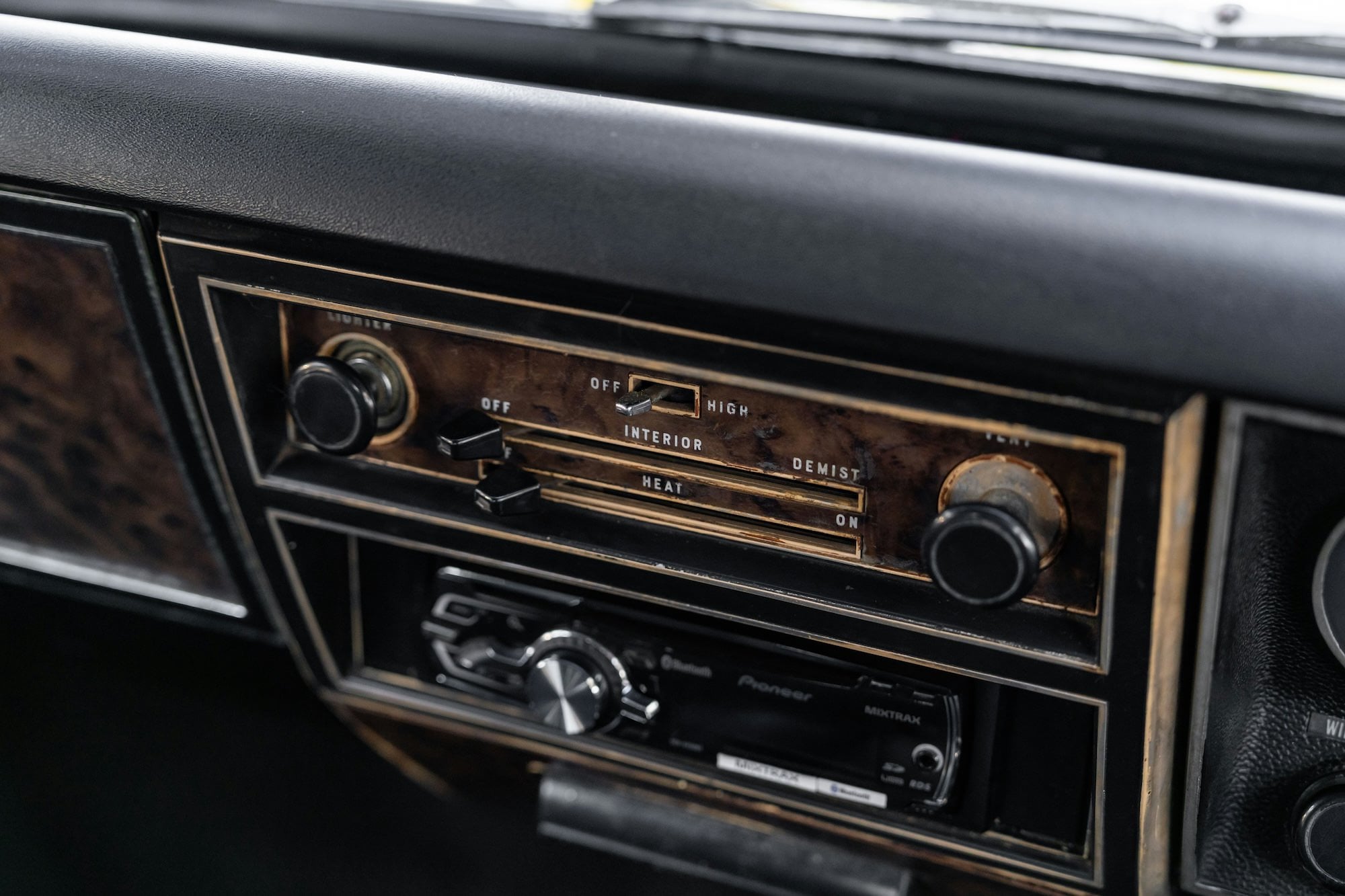
This car was first registered in 1971 and is currently registered in New South Wales, Australia. The Yellow Dolly paintwork was reportedly resprayed ~20 years ago, and the interior still has its period-correct sports seats, as well as an aftermarket wood-rim steering wheel, and original-style heating and ventilation controls. A more modern Pioneer stereo with Bluetooth connectivity has also been fitted.
According to the seller, the car has been personally maintained for the past eight years. It’s now offered for sale out of New South Wales, Australia with maintenance receipts and two sets of keys. If you’d like to read more about it or register to bid you can visit the listing here.
Images courtesy of Collecting Cars + General Motors Holden

Articles that Ben Branch has written have been covered on CNN, Popular Mechanics, Smithsonian Magazine, Road & Track Magazine, the official Pinterest blog, the official eBay Motors blog, BuzzFeed, Autoweek Magazine, Wired Magazine, Autoblog, Gear Patrol, Jalopnik, The Verge, and many more.
Silodrome was founded by Ben back in 2010, in the years since the site has grown to become a world leader in the alternative and vintage motoring sector, with well over a million monthly readers from around the world and many hundreds of thousands of followers on social media.