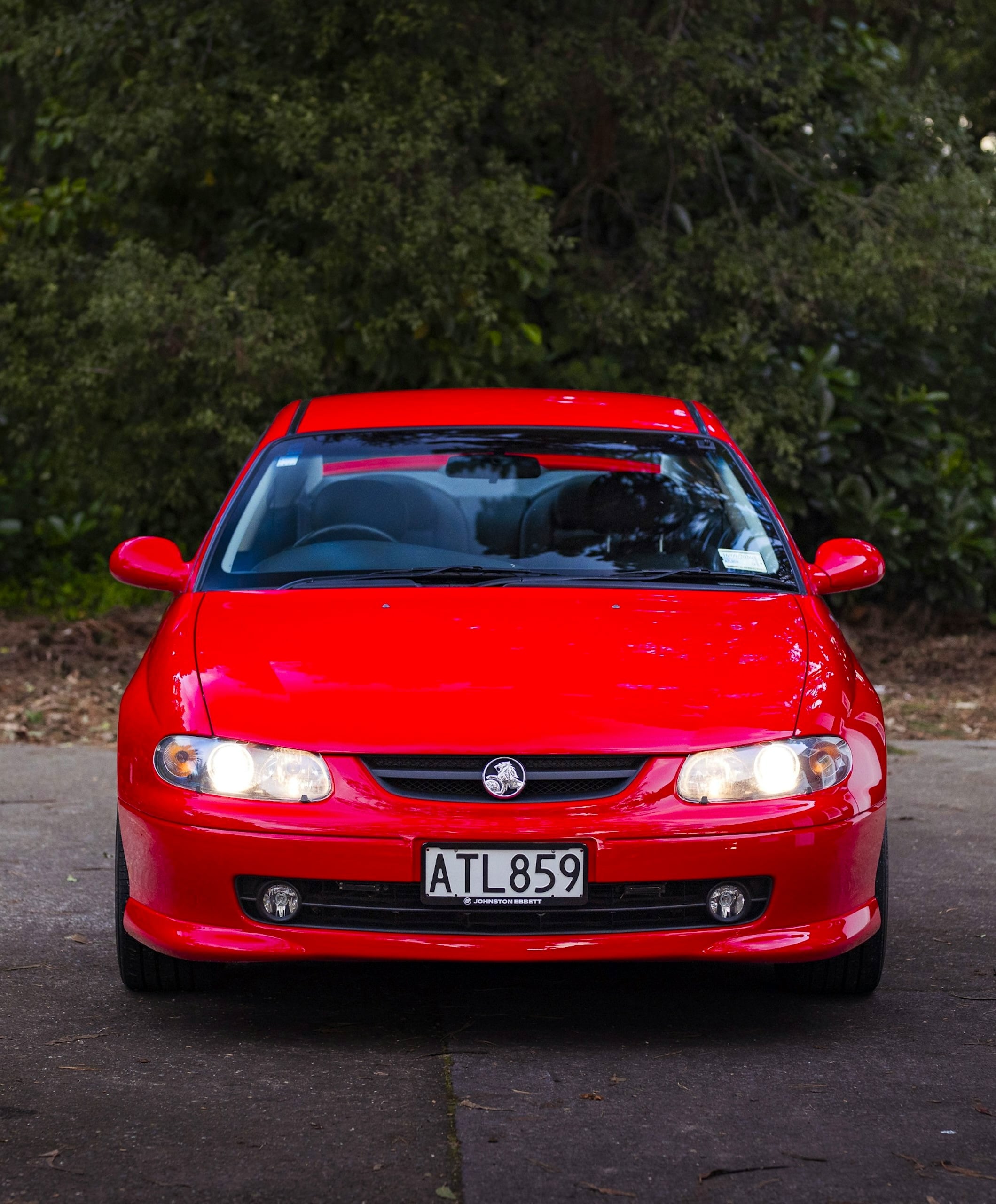
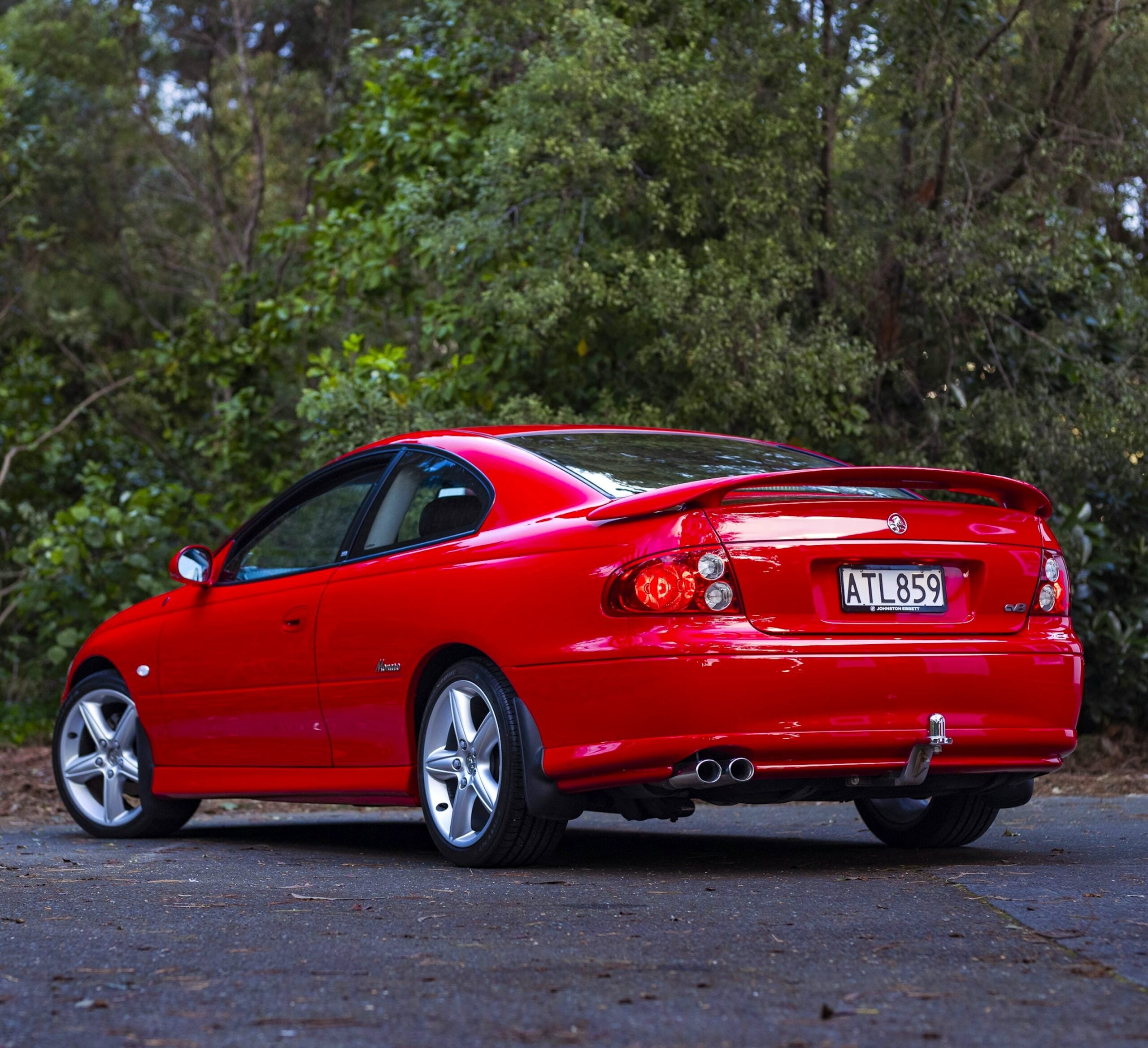
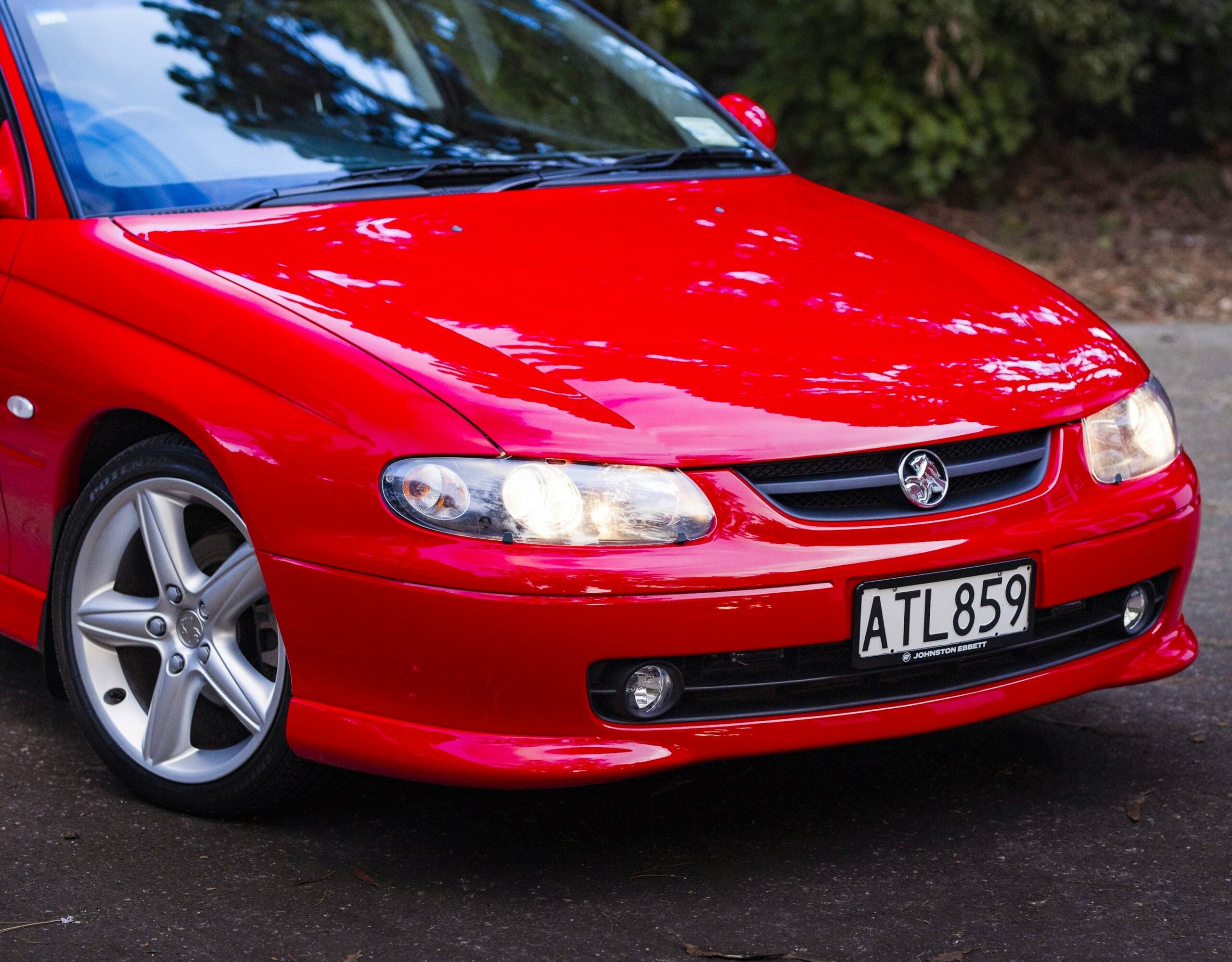
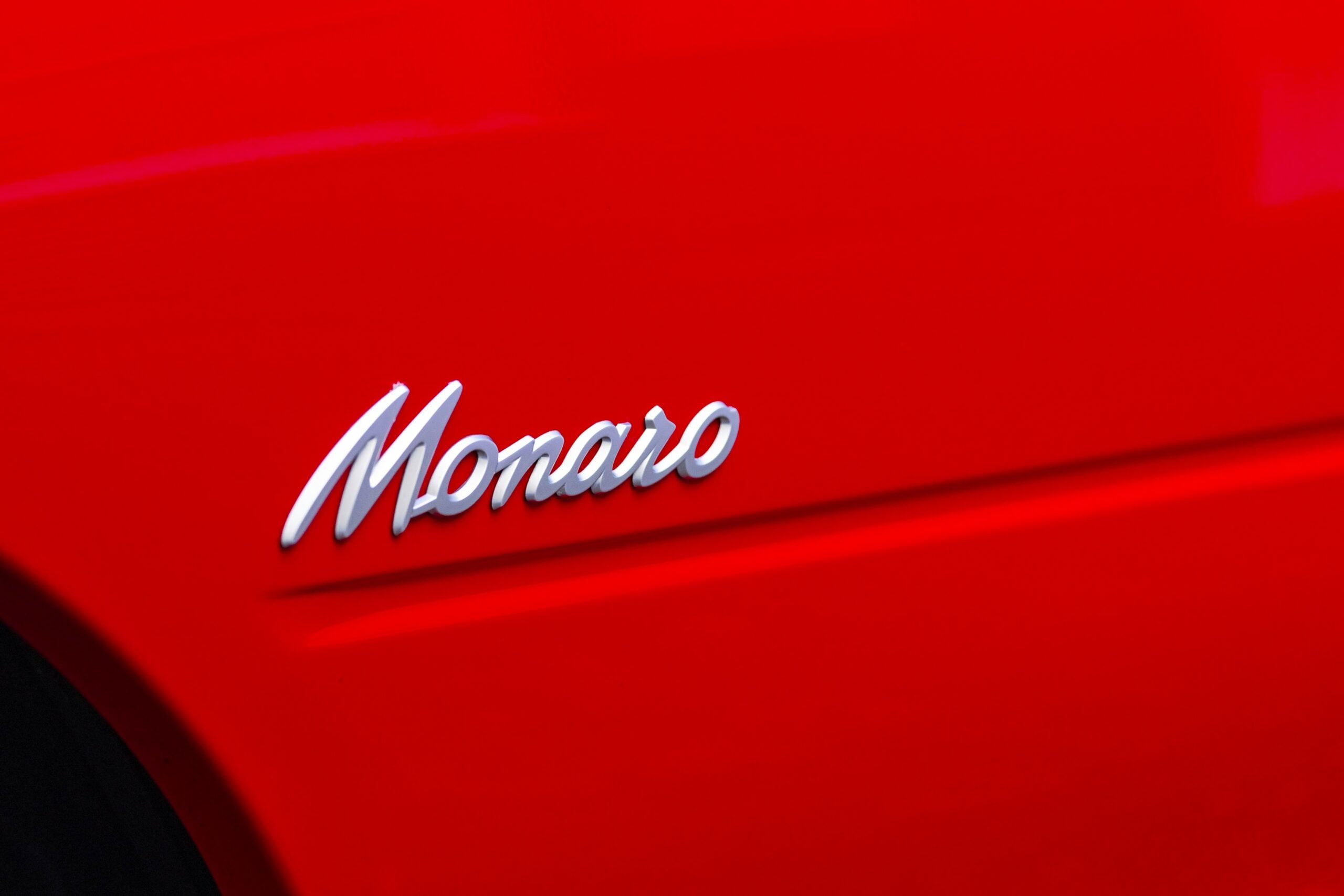
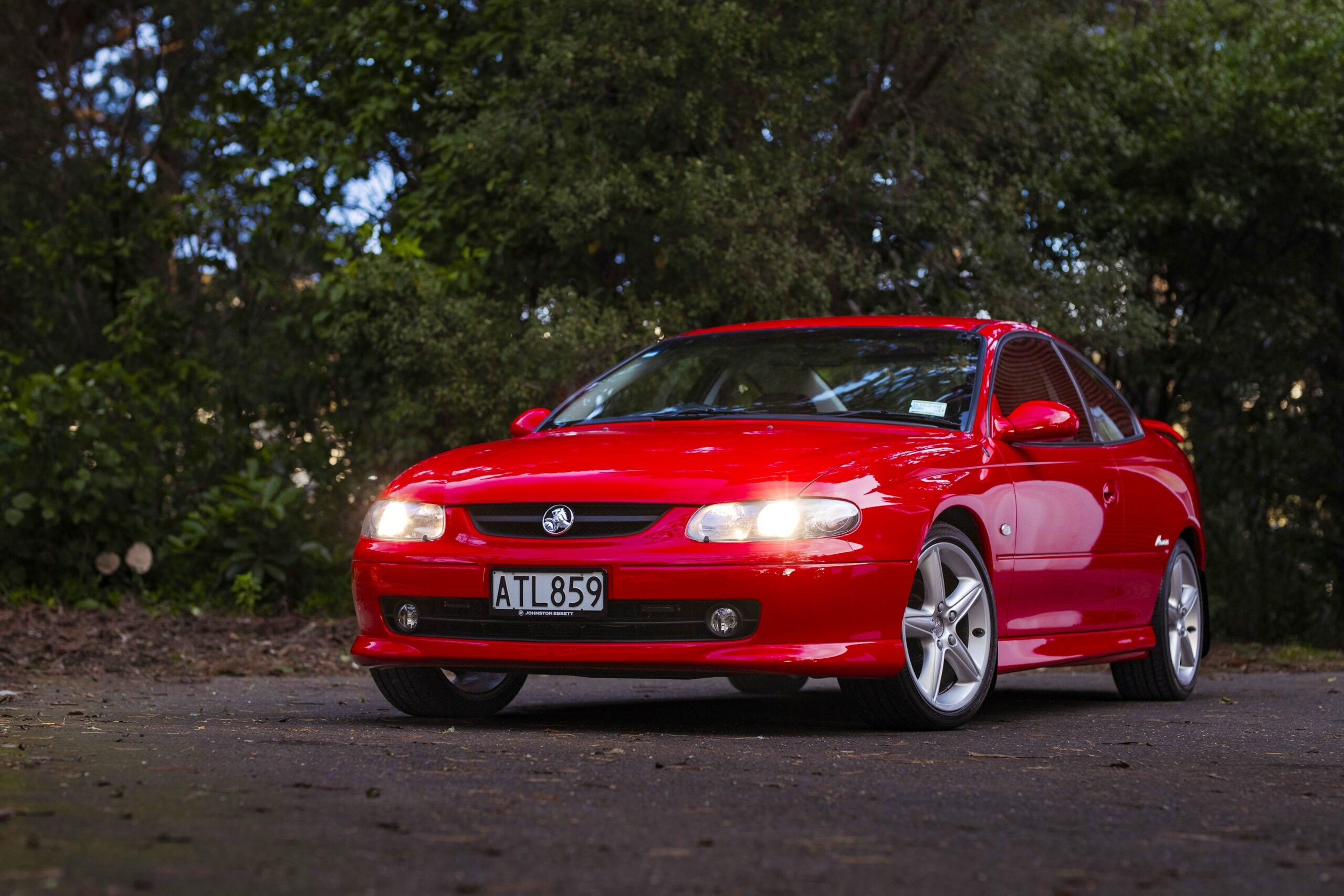
This is a Holden Monaro CV8, it’s been called “Australia’s last muscle car” as it was the Australian automaker’s high-performance coupe (not including utes of course) before General Motors shut down production.
This generation of the Monaro was sold in the USA as the Pontiac GTO, and over in the UK as the Vauxhall Monaro. It isn’t widely known but it was also sold as a Chevrolet – for sale in the Middle East it was badged the Chevrolet Lumina Coupe.
Fast Facts: The Holden Monaro CV8
- The Monaro began as an unapproved internal design study, first sketched out by Peter Hughes in 1994 and developed after hours under the codename “Monica.” Shown at the 1998 Sydney Motor Show for Holden’s 50th anniversary, it drew countless pre-orders before the show closed and was confirmed for production a year later.
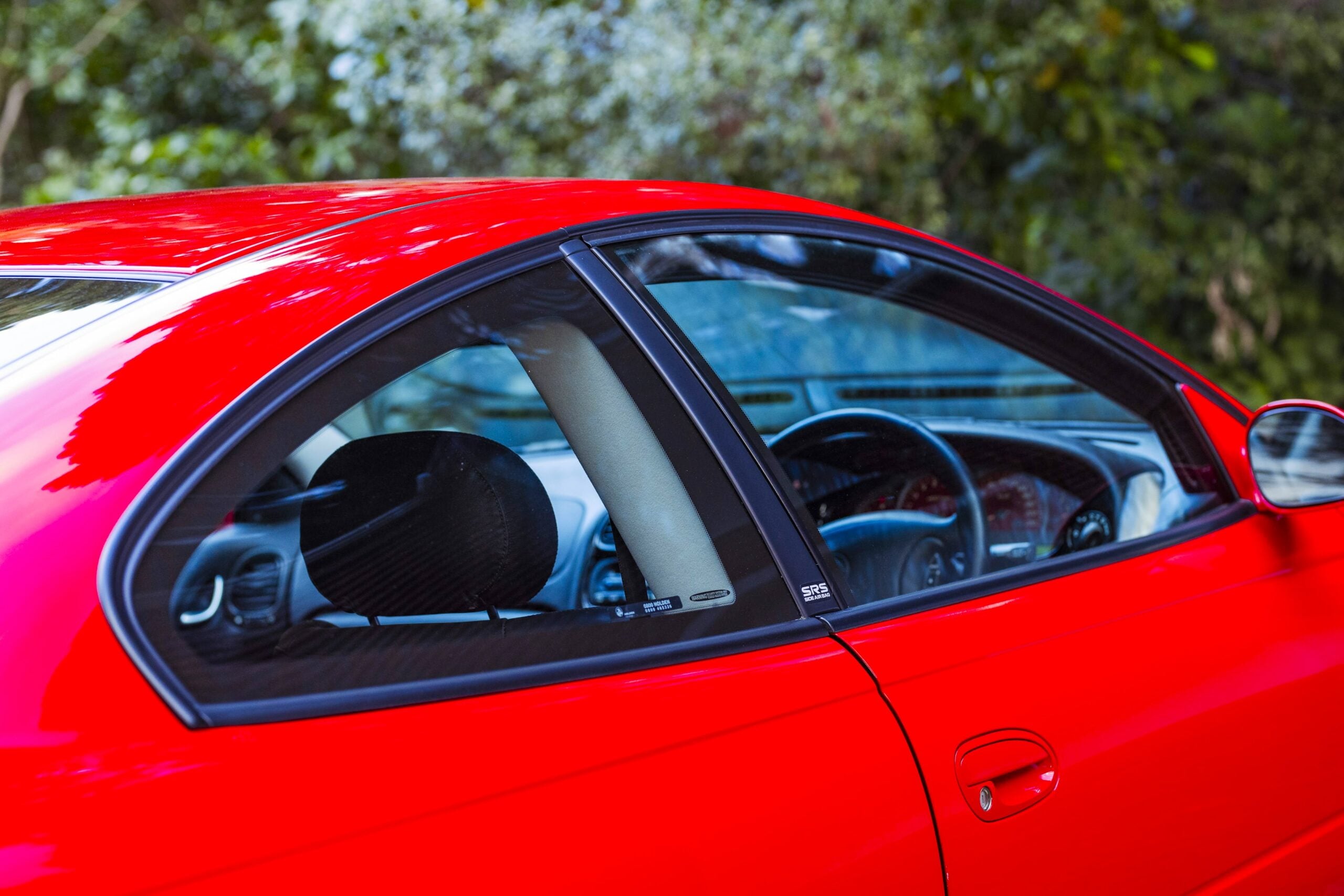
- Turning the sedan into a coupe took 84 major new body panels aft of the A-pillars, a roofline 40 mm lower and doors 150 mm longer. The CV8 launched at $56,990 AUD with the 5,665cc Gen III V8 making 302 bhp, and was exported as the Pontiac GTO, Vauxhall Monaro, and Chevrolet Lumina Coupe.
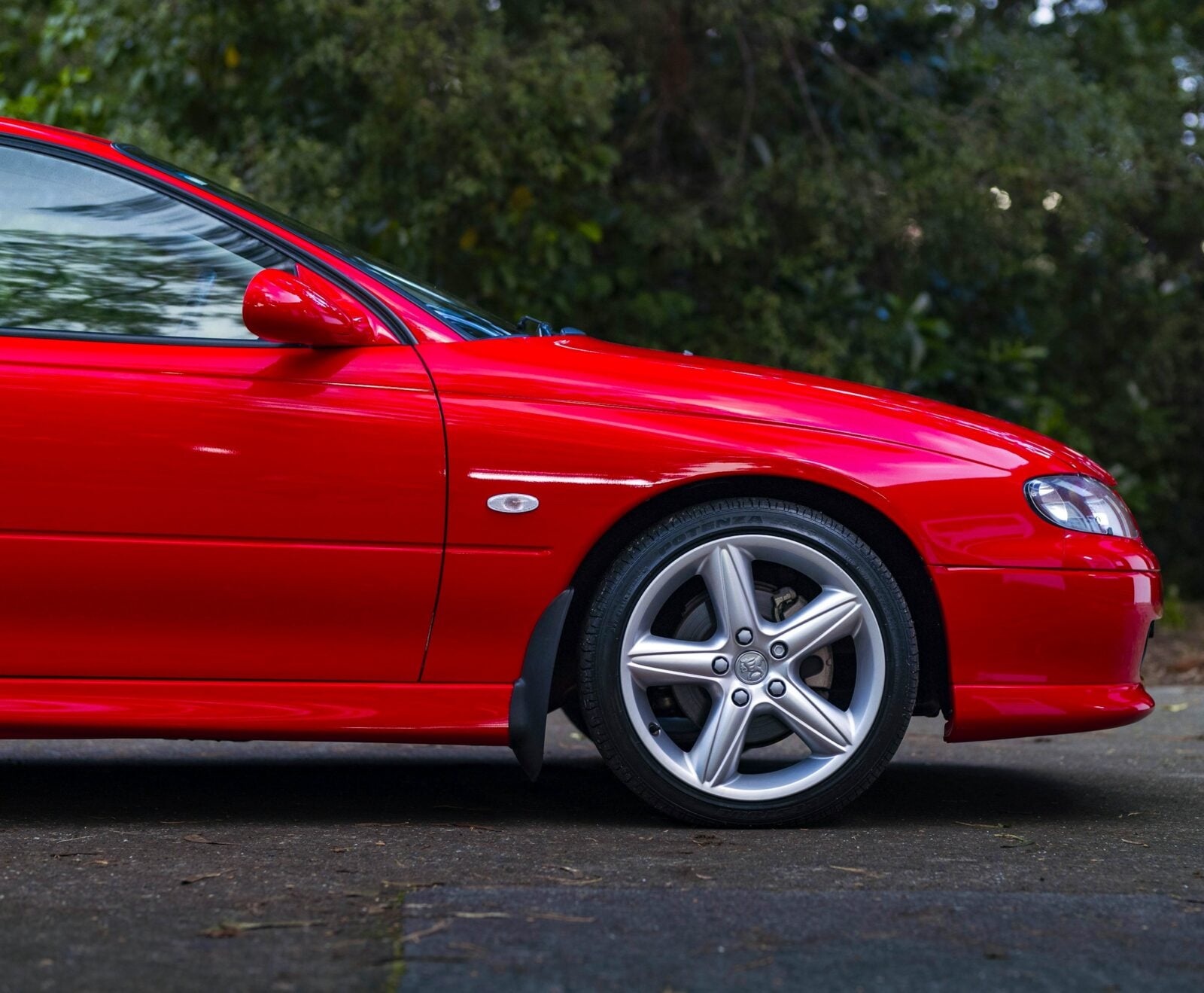
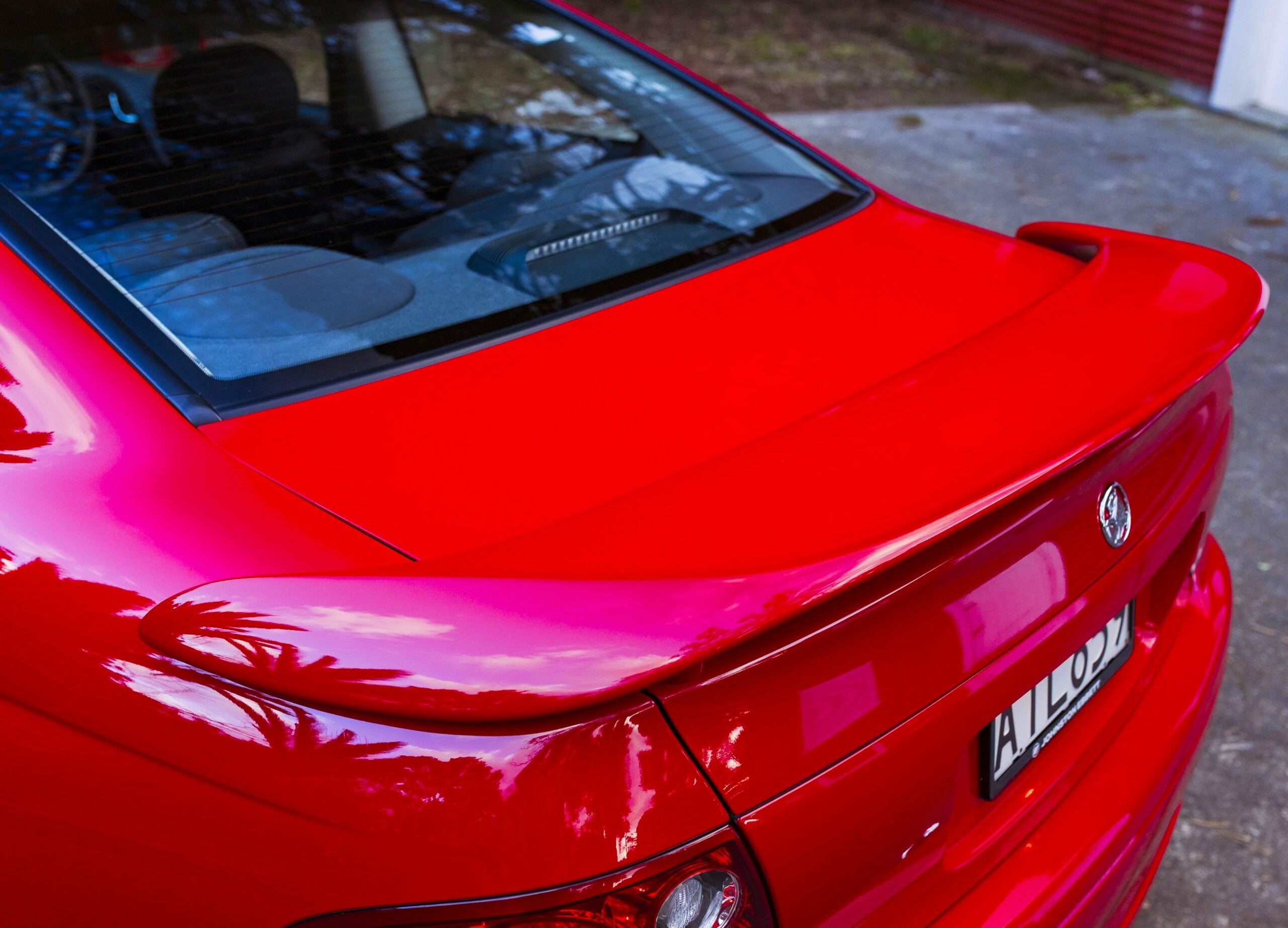
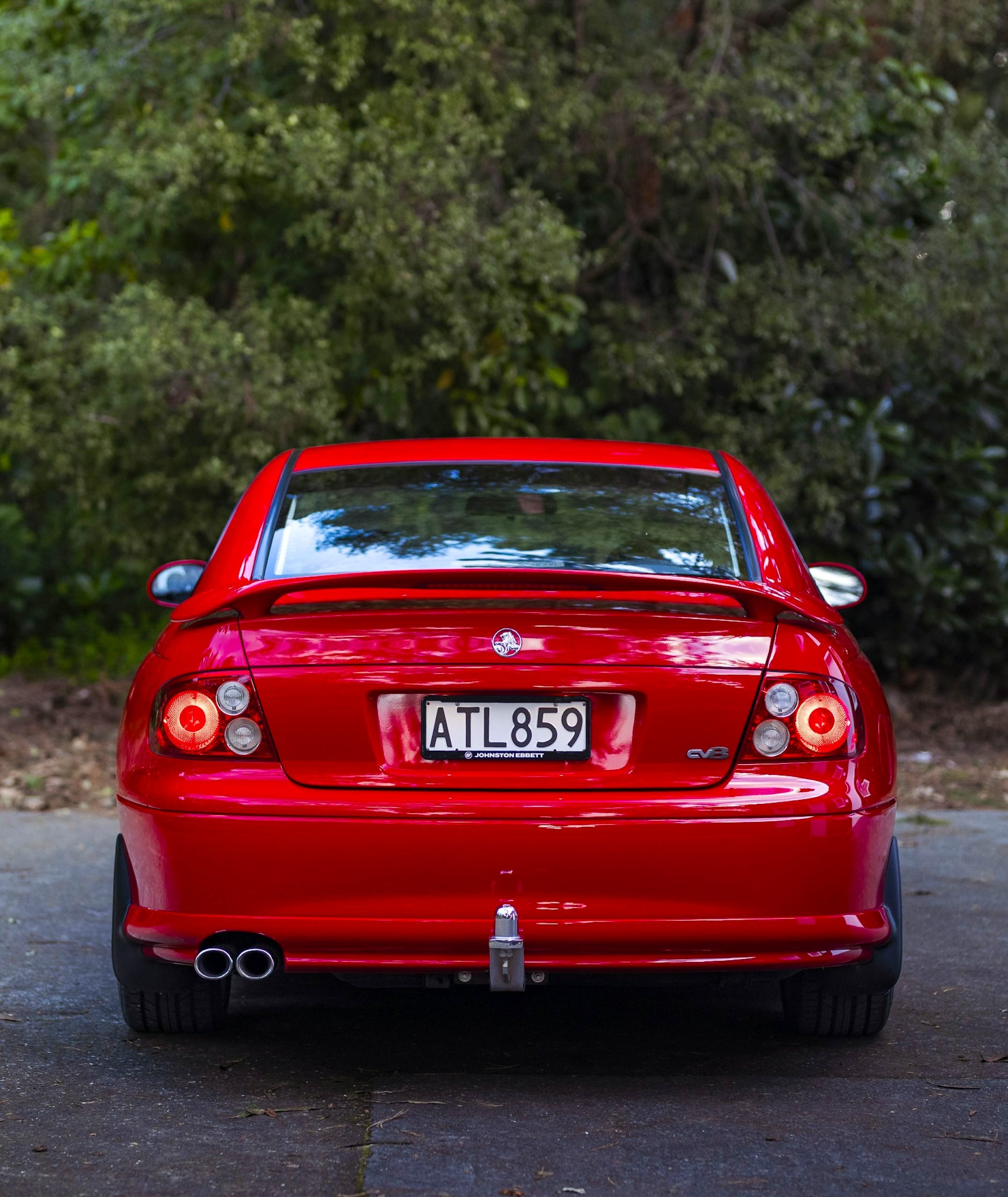
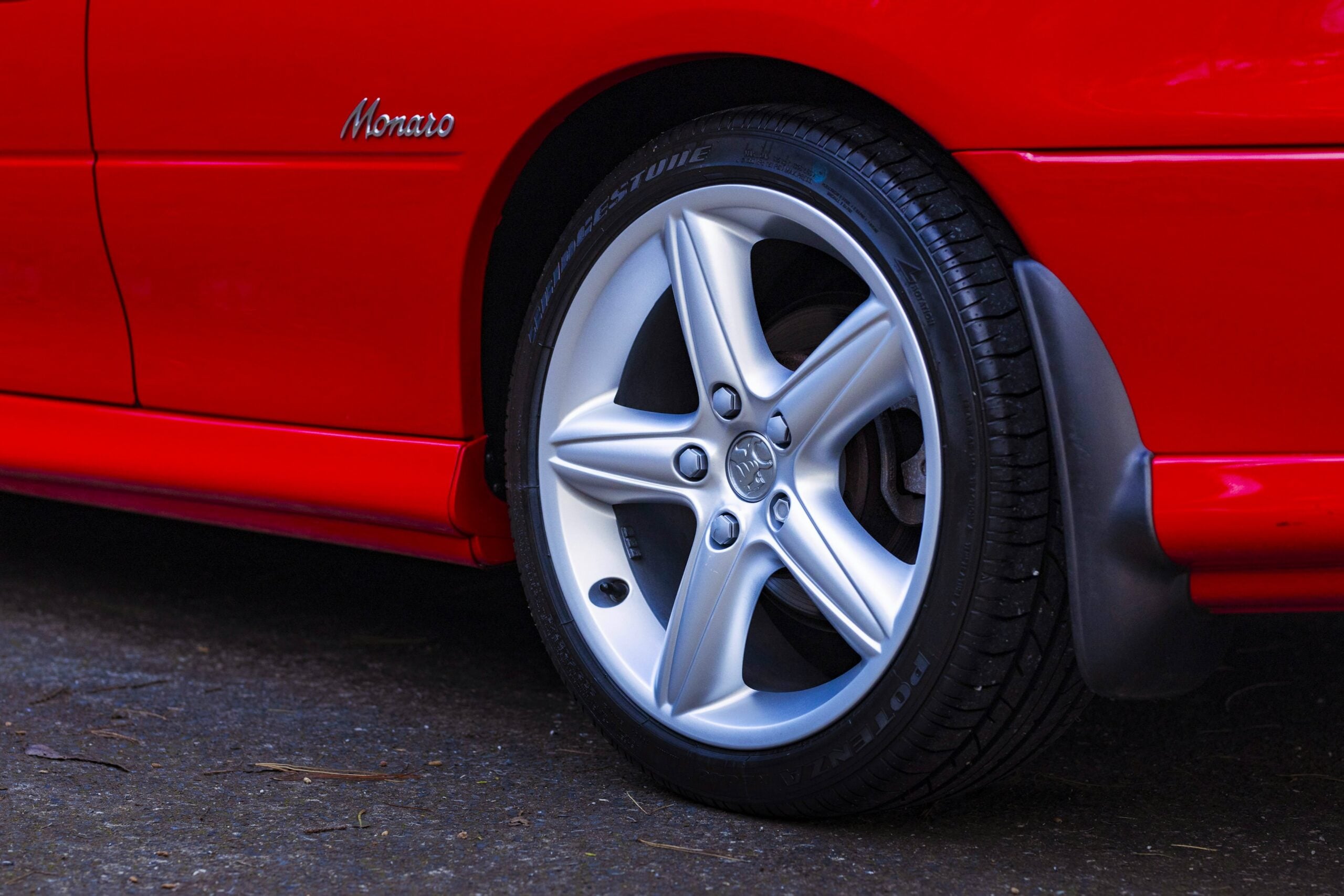
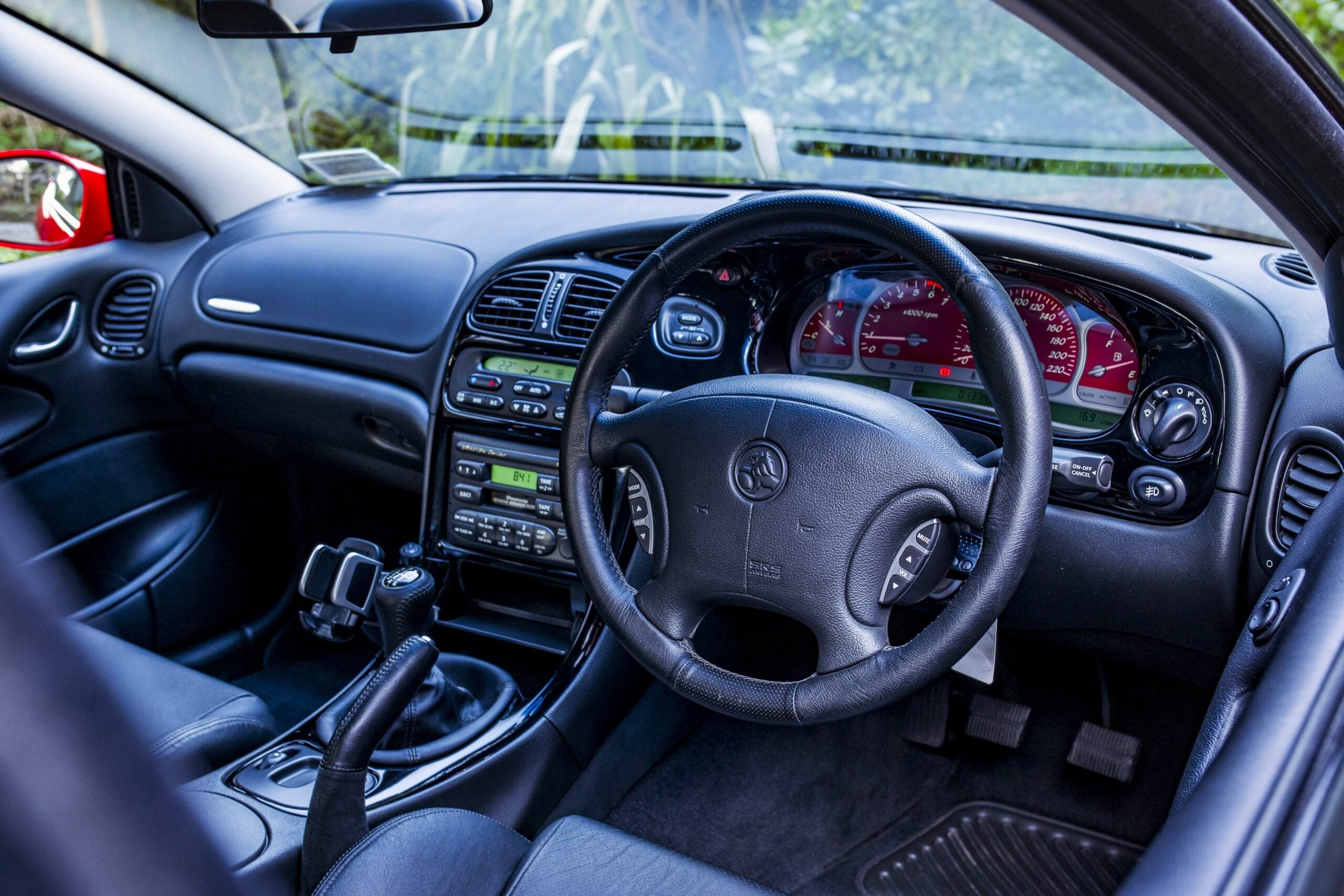
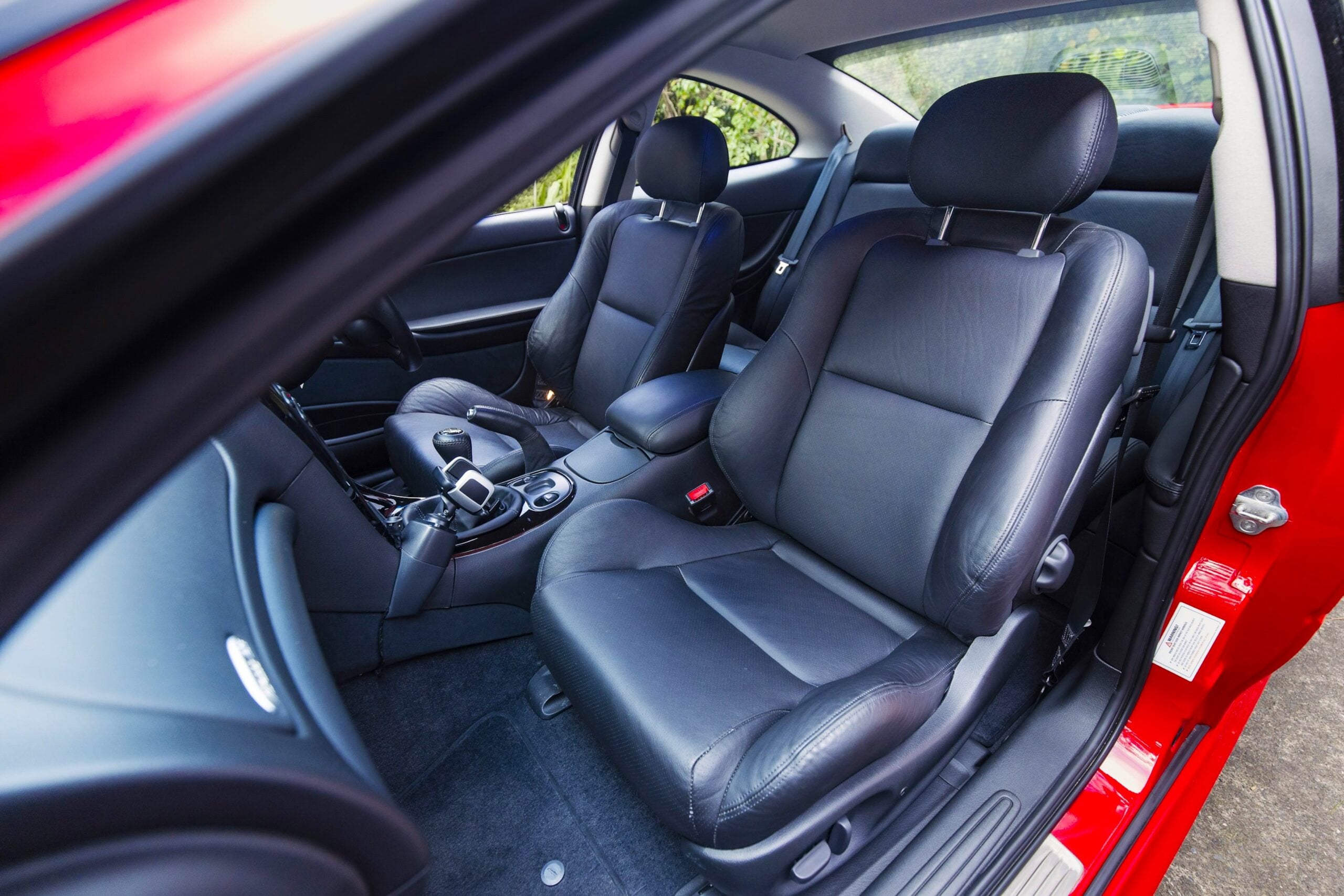
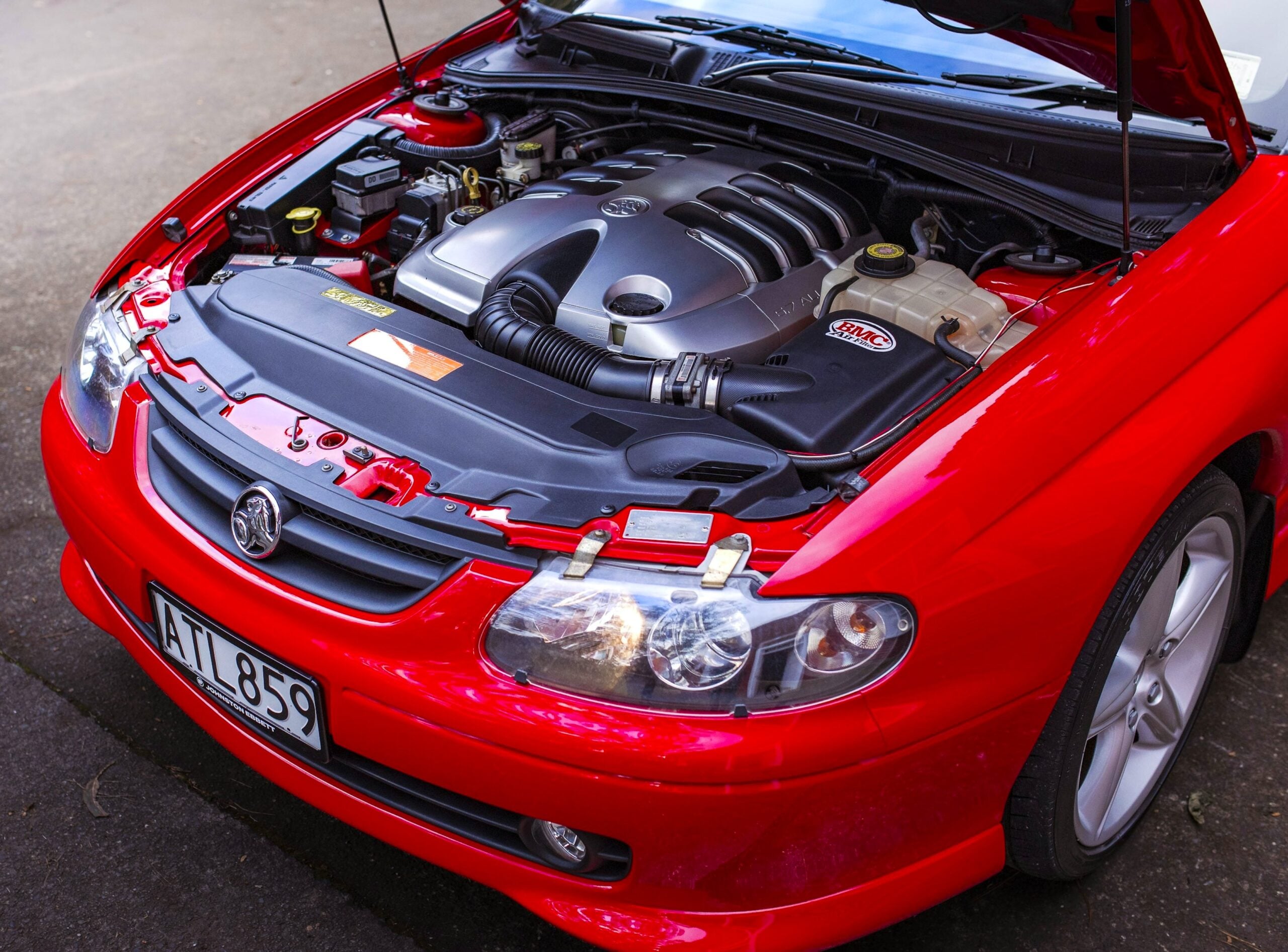
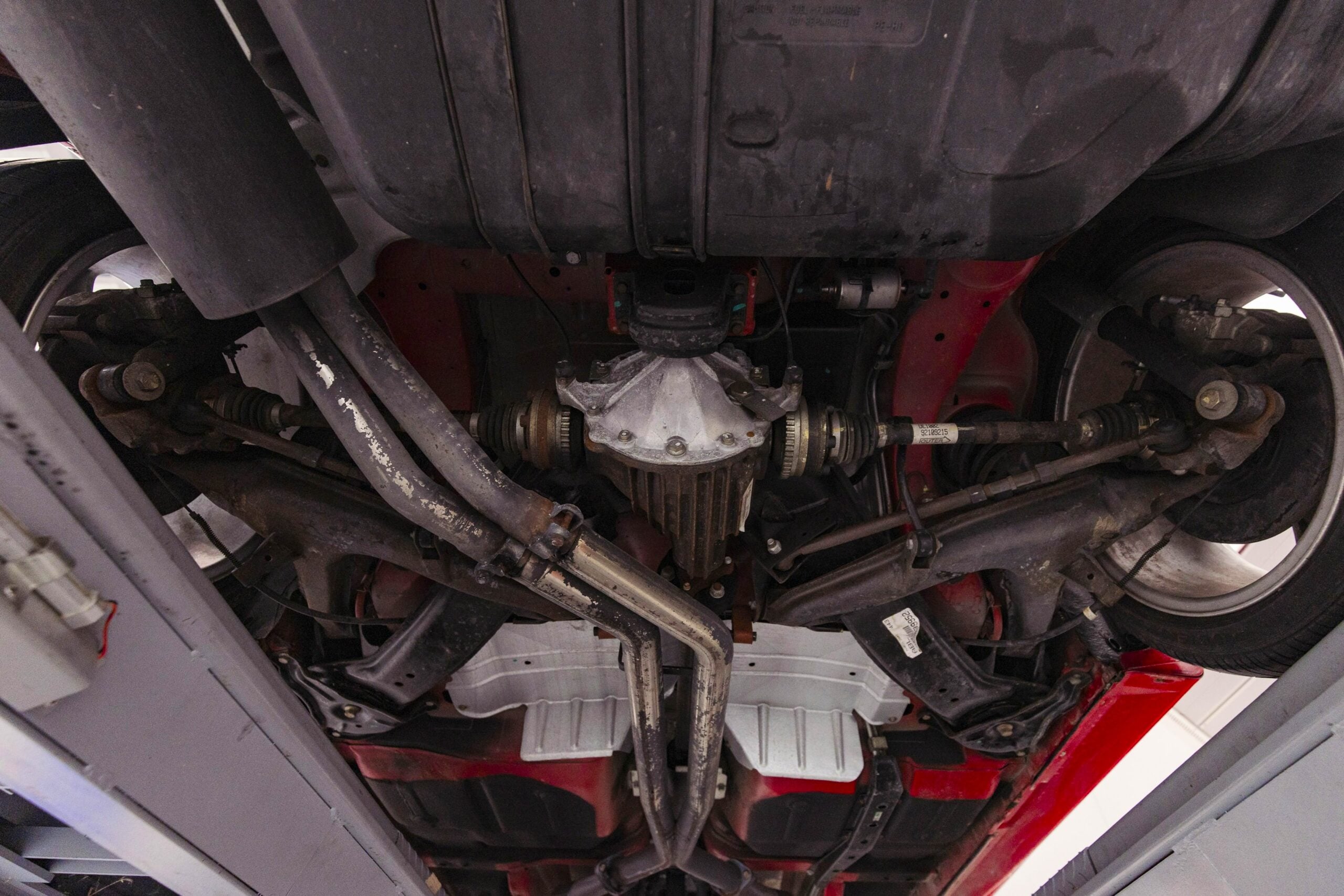
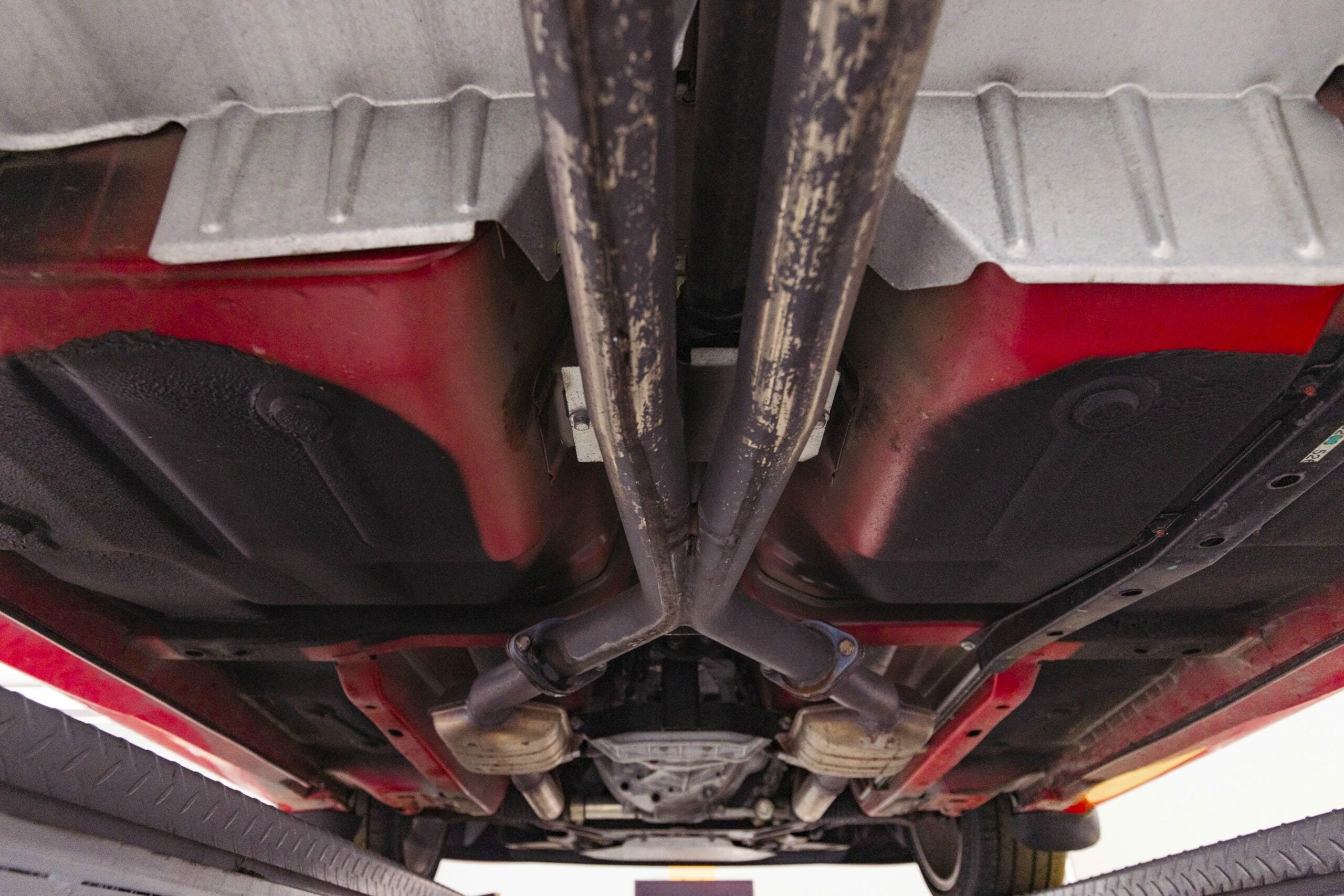
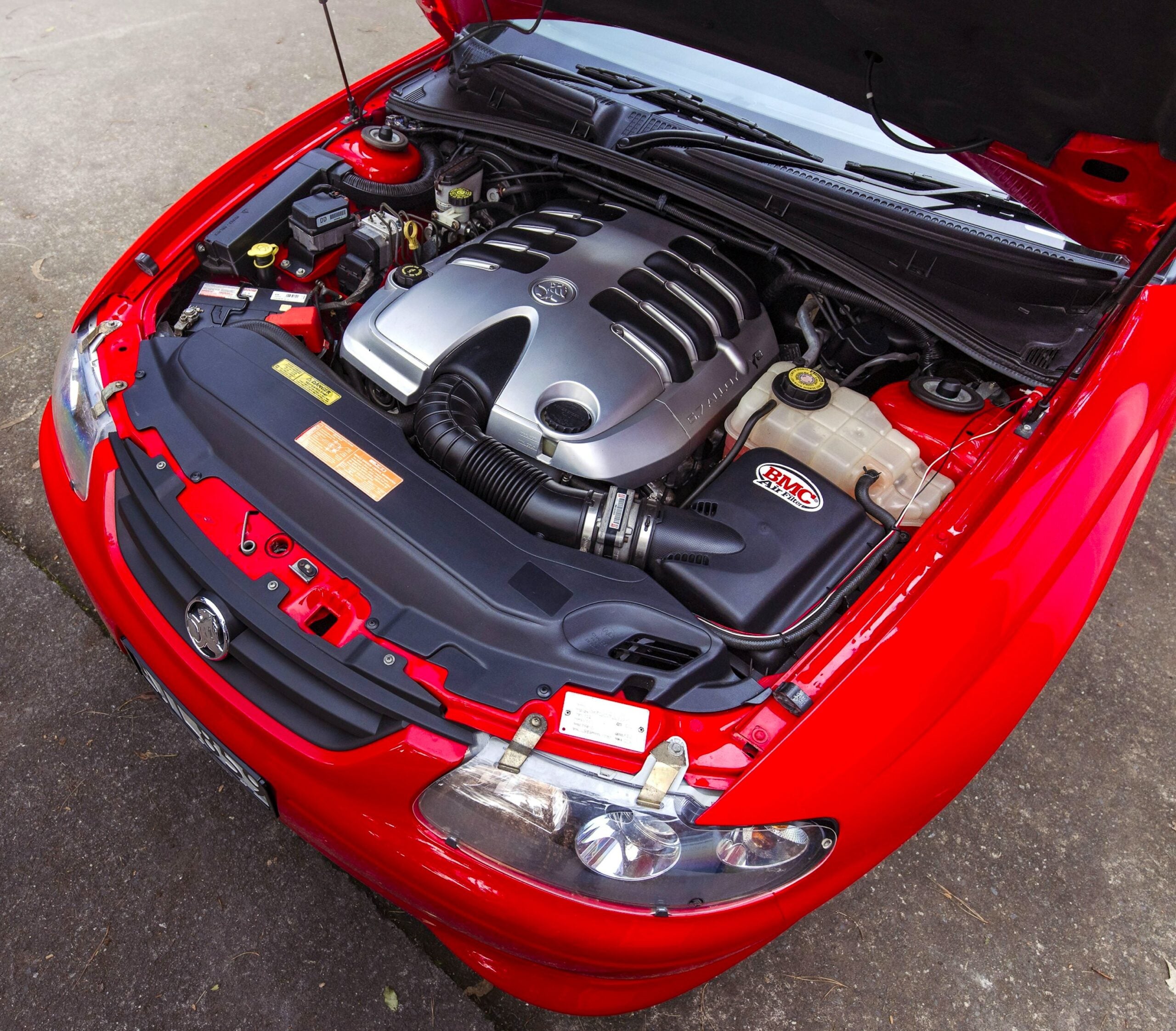
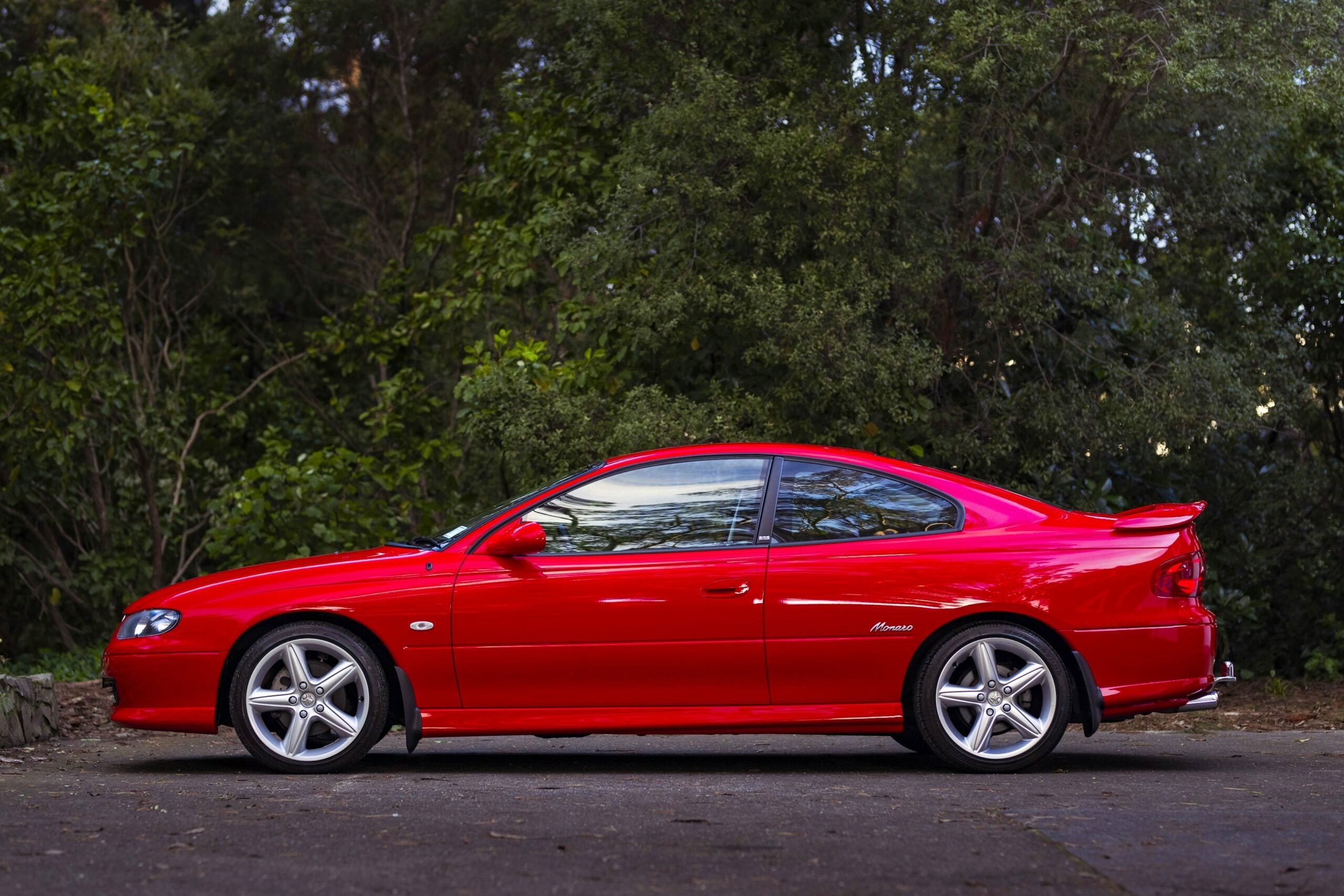
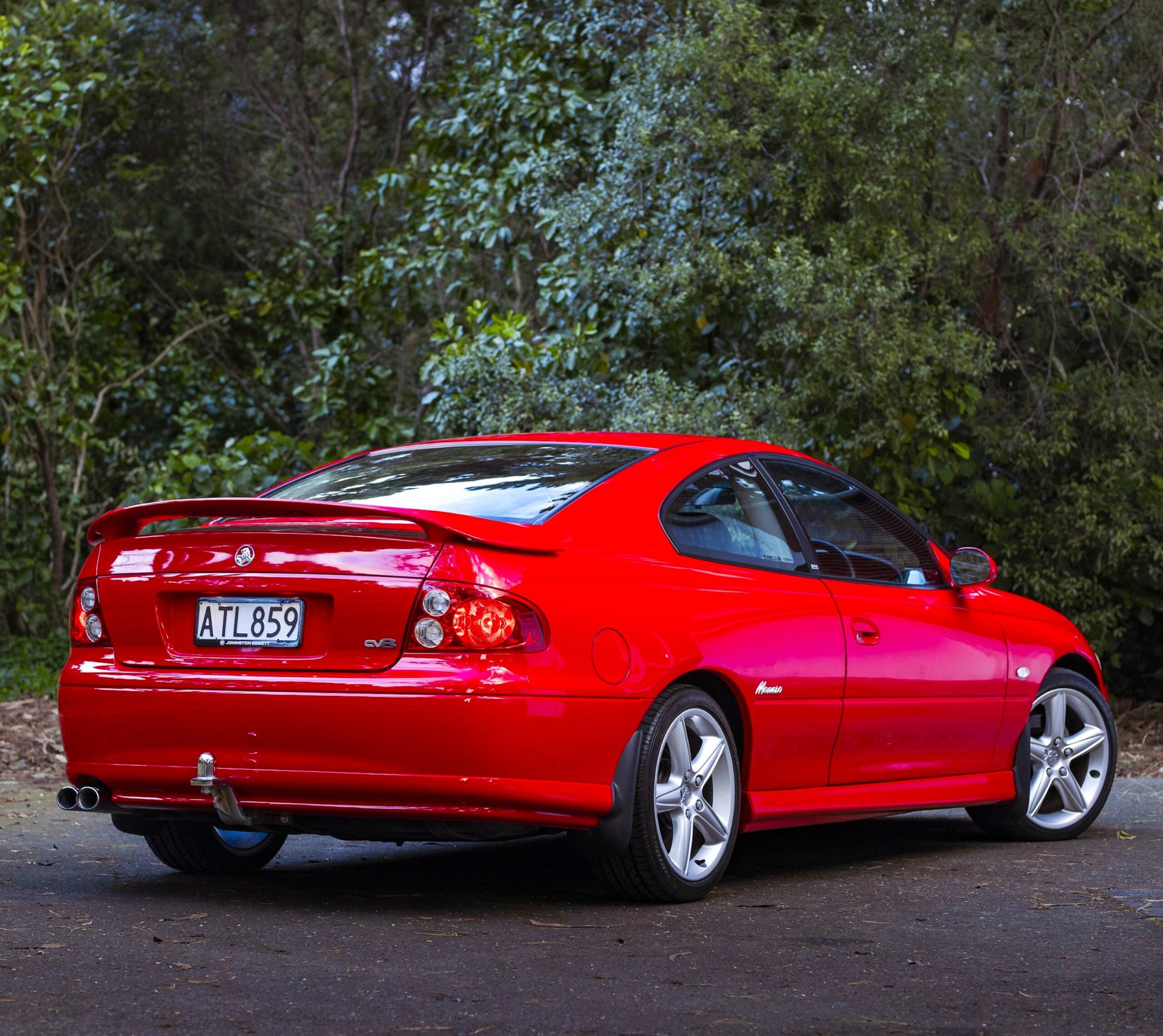
- The car shown here is a 2002 CV8 finished in Red Hot over black leather, with the naturally aspirated 5.7 liter LS1 driving the rear wheels through the Borg-Warner T56 6-speed manual. It rides on 18 inch five-spoke alloys and has dual-zone climate control, electrically adjustable seats and a CD/cassette stereo.
- The odometer shows 13,743 kms, and the seller explains that the car has been displayed at the Hillsborough Holden Museum since 2015, with its last service in March of 2026 at 13,375 kms.
History Speedrun: The Holden Monaro CV8
The Holden Monaro CV8 began as an internal design study that was never intended for anything resembling full-scale production, in the early days, no one was even sure it would ever be shown to the general public. Its designers worked on it after hours and on their own time, outside of any officially approved program, and without the knowledge of the big wigs in the boardroom.
Video Above: This is one of the original TV ads for the “new” Monaro, released in 2000.
A Car Named Monica
The oldest surviving drawing of a two-door Commodore dates back to 1994,. Senior Designer Peter Hughes made it after Holden Design Chief Mike Simcoe suggested he sketch a coupe version of the Holden Commodore VT sedan, then still being styled itself.
Simcoe kept at the idea privately, working up a 30% scale tape drawing at home to settle the proportions before a clay model followed in the studio. When the department began building a full-size concept, Holden’s Head of Engineering, Tony Hyde, greenlit the money to finish it. The team codenamed the car Monica. Such was the secrecy that even their wives hadn’t been told about it.
Simcoe showed the finished shell to Holden’s Managing Director, Jim Wiemels, three weeks before the 1998 Sydney International Motor Show. Wiemels agreed to put it on the company’s 50th anniversary stand. The covers came off in October and dealers were taking calls from people trying to order the new car before the show closed. It hadn’t been approved for production, but such was the interest that Holden’s hand was almost forced.
Holden confirmed it for production a year later and announced in late-2000 that it would wear the Monaro name, a decision Simcoe had opposed, preferring instead for it to have a new name. Though presumably not Monica.
Building A Coupe Out Of A Sedan
A lot more went into the new Monaro than just removing a couple of doors and shortening the wheelbase. The roofline came down 40 mm, the B-pillars moved back to stretch the doors by 150mm, and 100mm came out of the tail end.
 This is a Holden Monaro CV8, it’s been called “Australia’s last muscle car” as it was the Australian automaker’s high-performance coupe (not including Utes) before General Motors shut down production.
Every panel behind the A-pillars was new, Holden put it at 84 major new body panels, and pulling the rear pillars inboard gave the production car the haunches from the concept car. The finished shell was 23% stiffer in bending than the sedan’s and 5% stiffer in torsion. Holden spent $60 million AUD and it took 22 months, against an original plan of 12 to 18 months.
The CV8 used the all-aluminum Gen III V8 that had arrived in the VT Series II Commodore in 1999. It had a displacement of 5,665cc, or 346 cubic inches, and it made 302 bhp at 5,200 rpm and 339 lb ft at 4,400 rpm, driving through a Borg-Warner T56 6-speed manual or a 4-speed automatic at no price difference. Curb weight was 1,640 kgs, and Wheels magazine recorded 0 to 100 km/h (62 mph) in 6.9 seconds.
The CV8 listed at $56,990 AUD, about $4,500 AUD more than a VX Series II Calais V8 sedan. Below it in the hierarchy sat a CV6 with a supercharged 3.8 liter V6 and 229 bhp. But buyers largely ignored the six-cylinder version (perhaps predictably), Holden dropped it after 18 months, and of the 4,274 Monaros sold in 2002, more than 90% of them were V8s.
Four Years Of Revisions
The Series II Monaro appeared in late 2002, it now had the VY Commodore’s updated dashboard, flat-faced five-spoke 18-inch wheels, and a tuned twin exhaust that increased output to 315 bhp and 343 lb ft.
The Series III car followed in August of 2003 with 329 bhp. The VZ of September 2004 changed the most – 349 bhp and 369 lb ft, a close-ratio M12 6-speed, a reworked automatic, 320mm front discs nestled in C6 Corvette calipers, and the twin-nostril hood from the American export car.
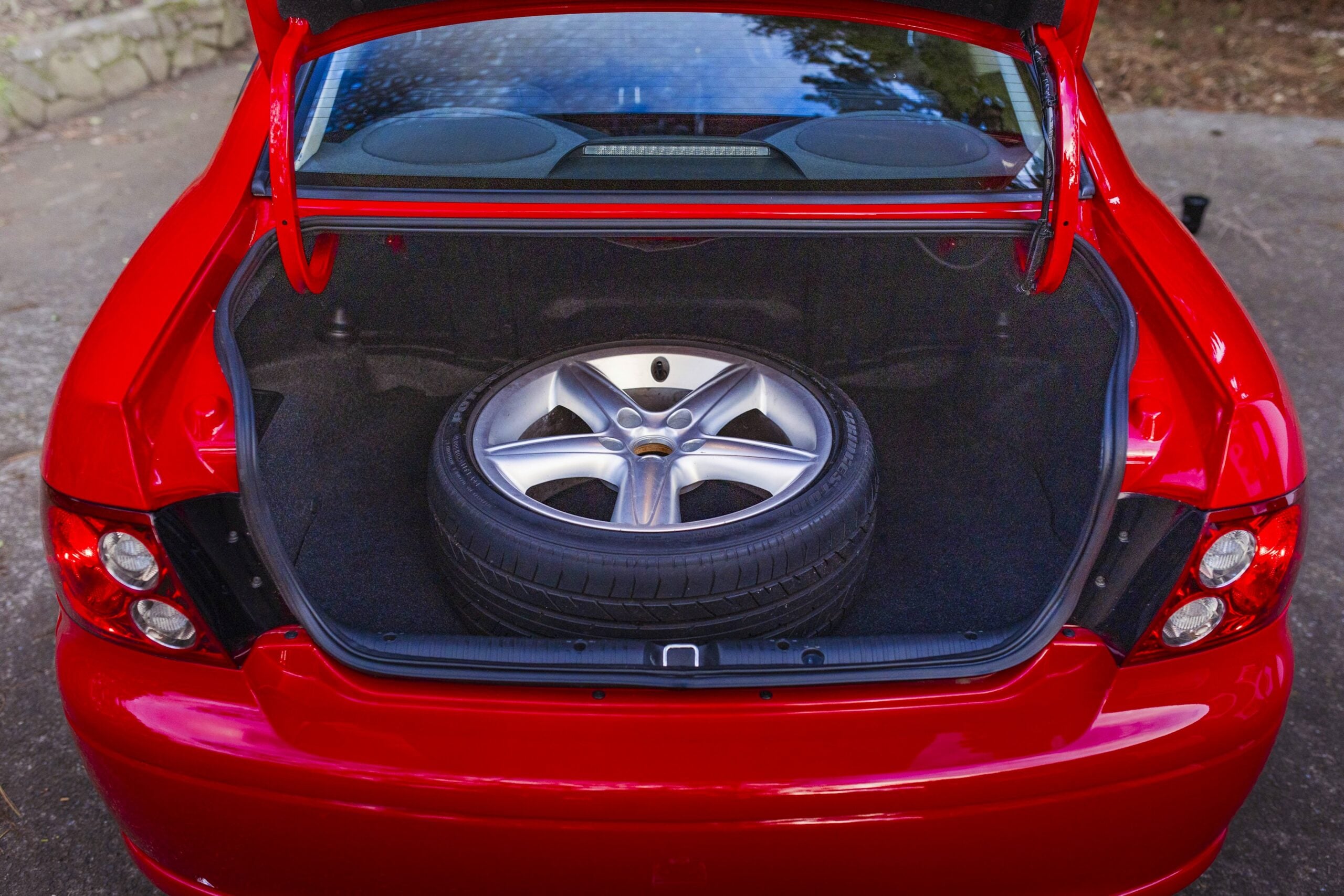
It also inherited that later car’s fuel tank, which stood vertically behind the rear seat and cut trunk space by 34%. Two limited-run CV8-Rs came in-between – a 350-car batch in Turbine Mica in 2003, and a Pulse Red run the following year.
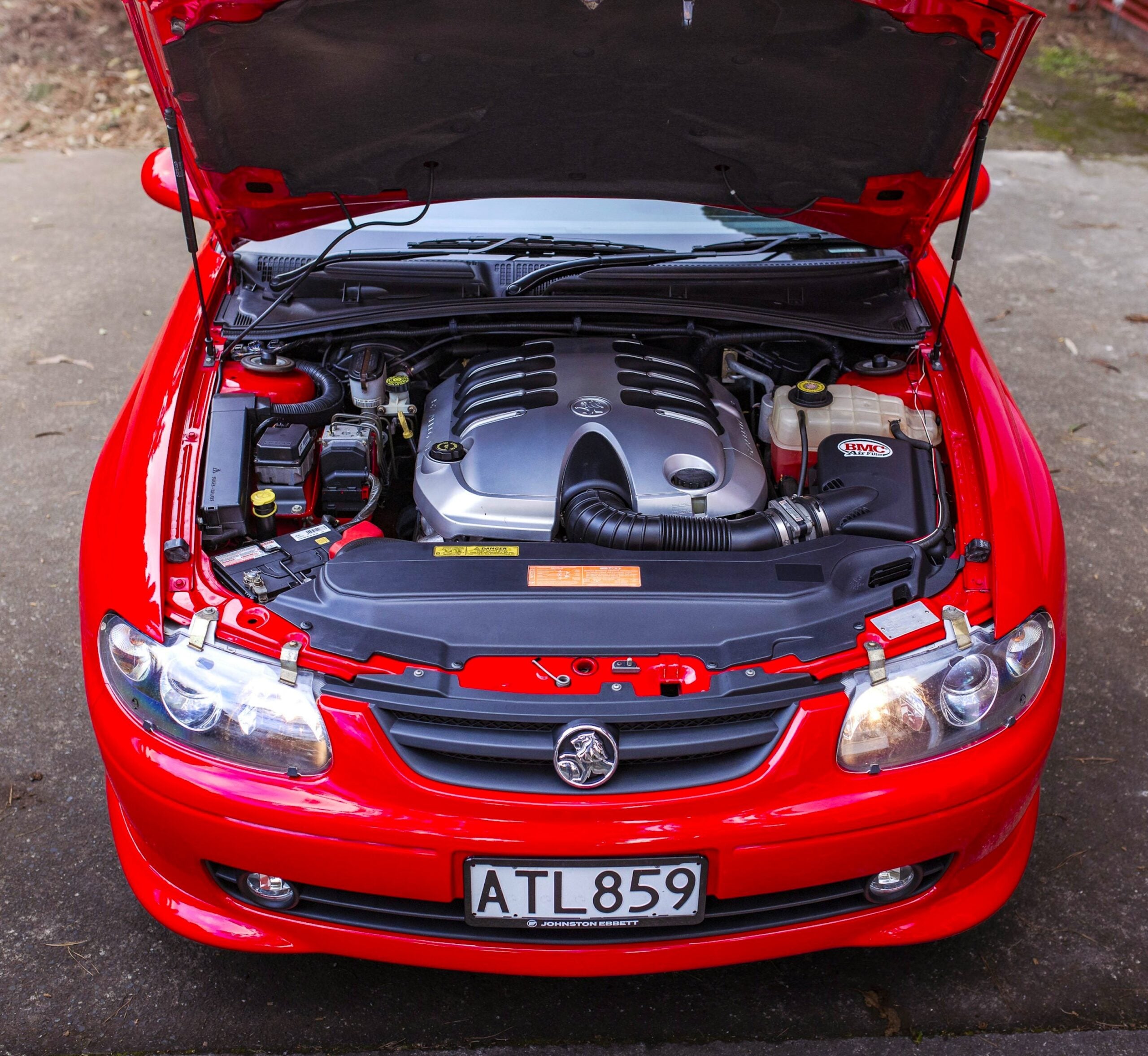
This is a 2002 Holden Monaro CV8, it’s finished in Red Hot over Black leather, with the naturally-aspirated 5.7 liter LS1 V8 rated at 302 bhp driving the rear wheels through a 6-speed manual.
A Pontiac, A Vauxhall, And A Chevrolet
GM Vice Chairman Bob Lutz pushed a plan to sell the Monaro in America as the new Pontiac GTO, a name the division hadn’t used since 1974. Left-hand drive production started in mid-2003, but meeting American crash standards meant moving the fuel tank above the trunk floor, which is where the VZ’s compromised trunk came from, and Pontiac added a split grille and its own badges.
The 2004 GTO was powered by the 350 bhp LS1 and ran to 60 mph in about 5.5 seconds, but at roughly $34,000 USD it arrived well above the $25,000 USD GM had planned, with exchange rates between the USD/AUD taking most of the blame.
Pontiac moved just under 13,600 that year against a projection of 18,000. The 2005 car got the 6.0 liter LS2, 400 bhp and standard hood scoops, and sales still did not move. Just under 41,000 were built across three model years. Simcoe, who later ran GM’s global design operation, put the failure down to the badge – he later said of the car “As a Chevrolet, it would have been really successful.”
Britain got the car as the Vauxhall Monaro and the Middle East as the Chevrolet Lumina Coupe. Holden Special Vehicles built a further 2,788 Monaro-based coupes, including the GTO, the GTS and the all-wheel-drive Coupe4. The skirts and spoilers HSV added reportedly dismayed Simcoe, who preferred the cleaner lines of his original.
The End Of The Monaro
Holden announced the end of production in July of 2005 and closed the model out with the CV8-Z. The farewell edition was announced as a 1,200 car run and ultimately came to 1,605. Australian Monaro-badged production finished on December the 13th, 2005, though Pontiac and HSV derivatives continued into 2006. Domestic Monaro sales came to 11,574 over a little more than four years.
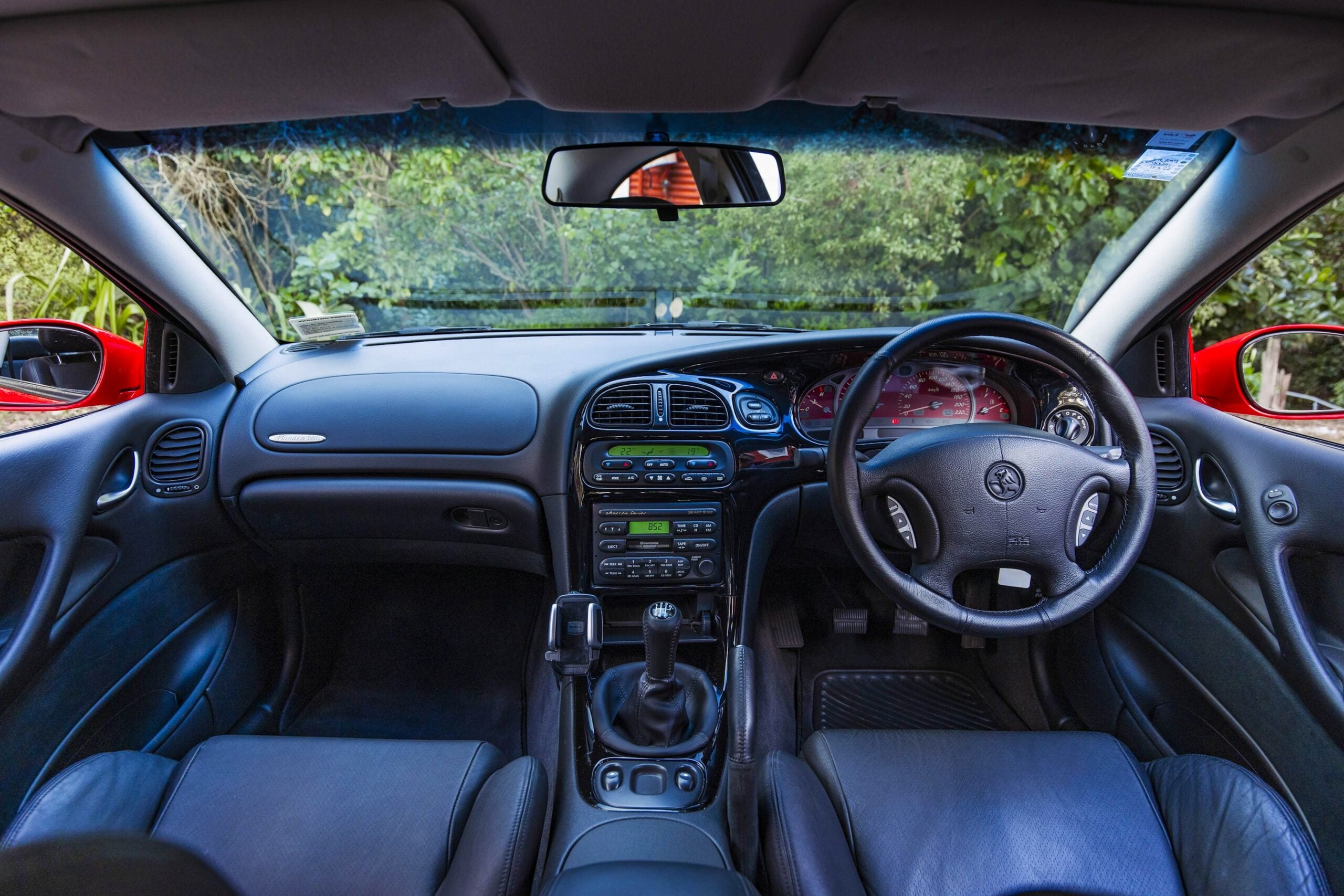
This generation of the Monaro was sold in the USA as the Pontiac GTO, and over in the UK as the Vauxhall Monaro. It isn’t widely known but it was also sold as a Chevrolet – for sale in the Middle East it was badged the Chevrolet Lumina Coupe.
The last Monaro-badged coupe sold on eBay in February of 2006 for $187,355.55 AUD, close to three times retail, with the money going to the Leukaemia Foundation. The buyer, Queensland businessman Darryl Mattingley, was a Ford collector. Tony Hyde, who had found the money for the concept, retired in 2007 and called the Monaro program the achievement he was proudest of.
At the time of writing it seems unlikely we’ll ever see another Holden Monaro, or any kind of Holden for that matter, as GM shut down production in 2017. That said, there are always rumors of a revival, and if Holden does make a comeback there would be no halo model more popular in its native Australia than an all-new Monaro.
The 2002 Holden Monaro CV8 Shown Here
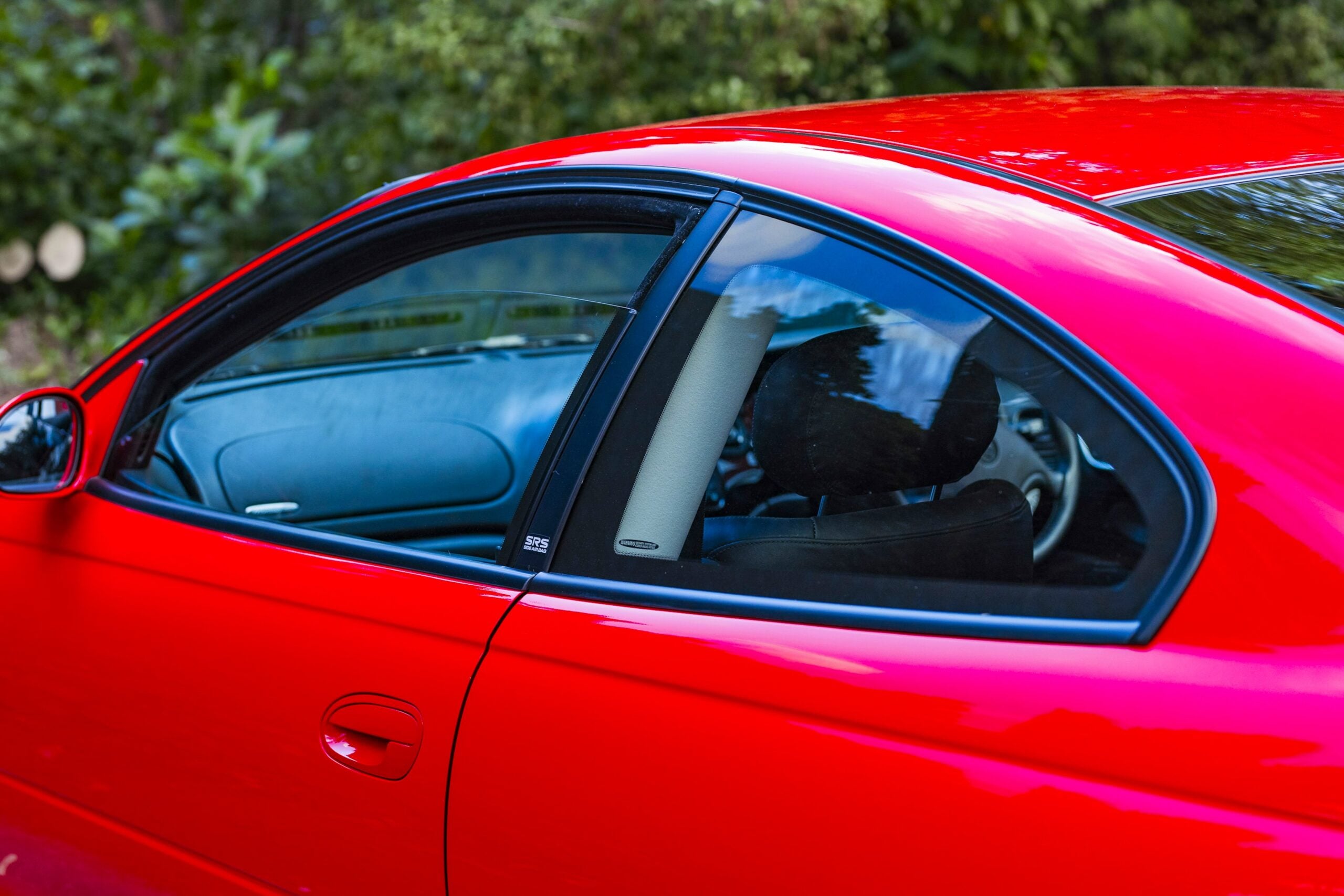
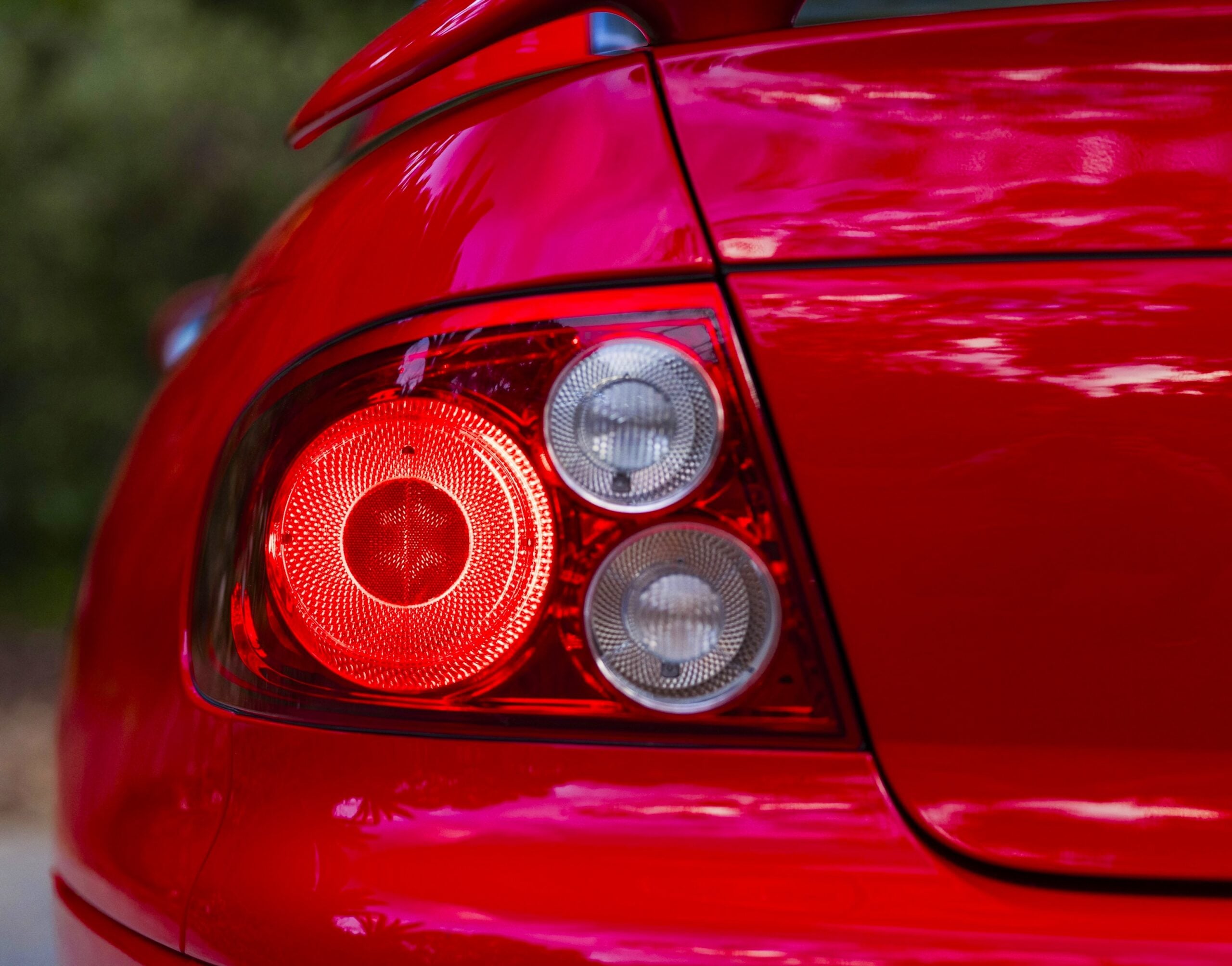
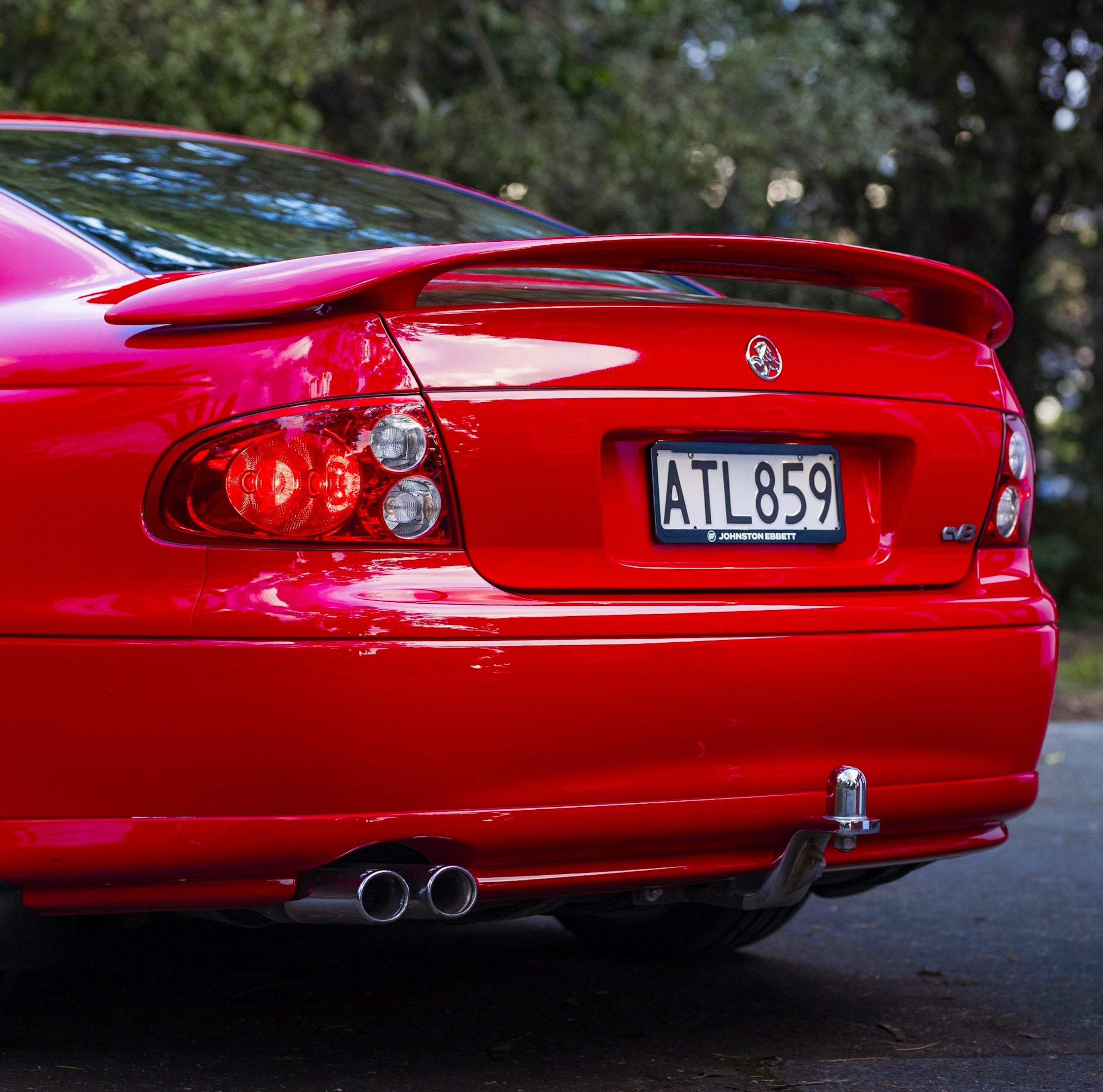
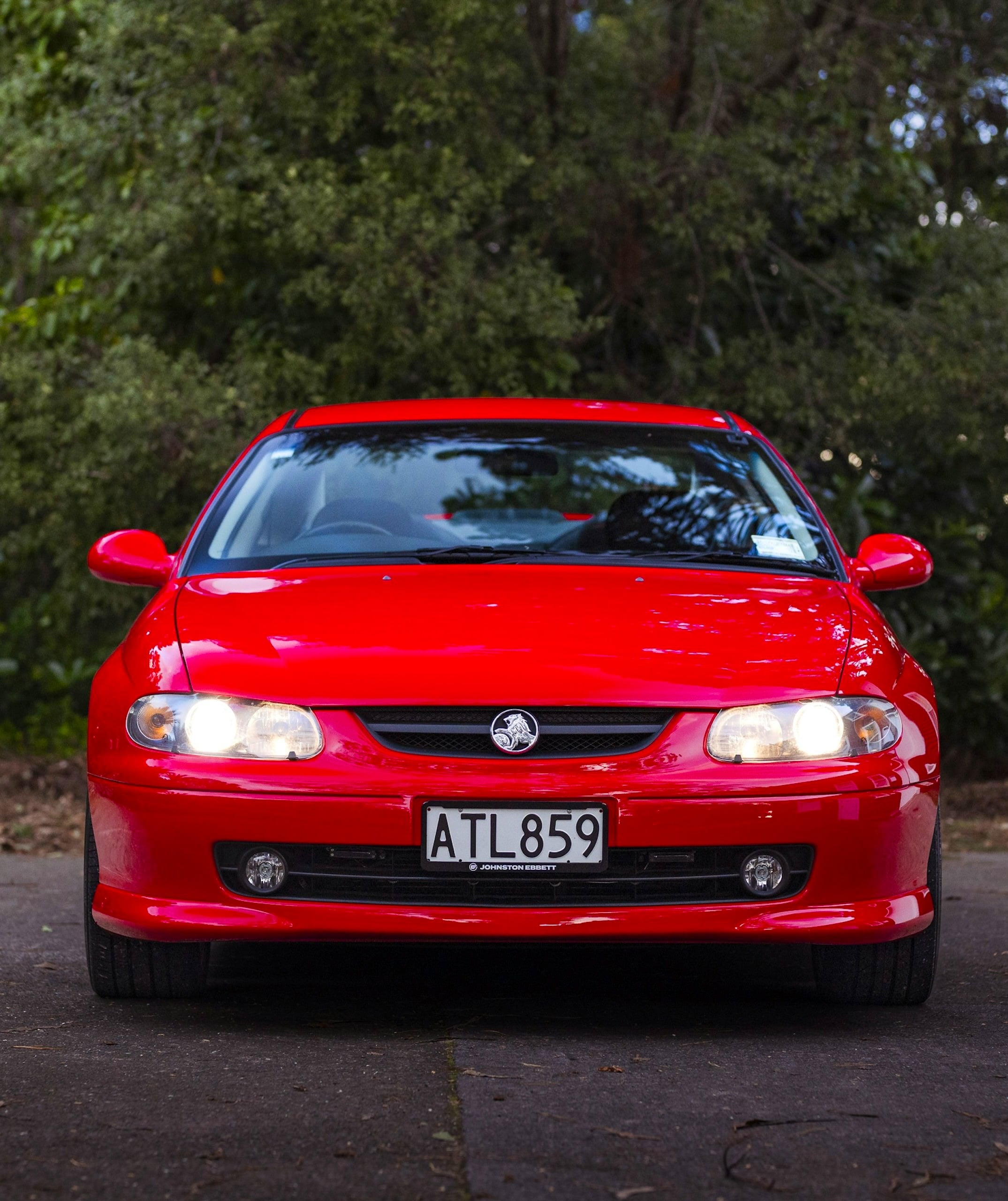
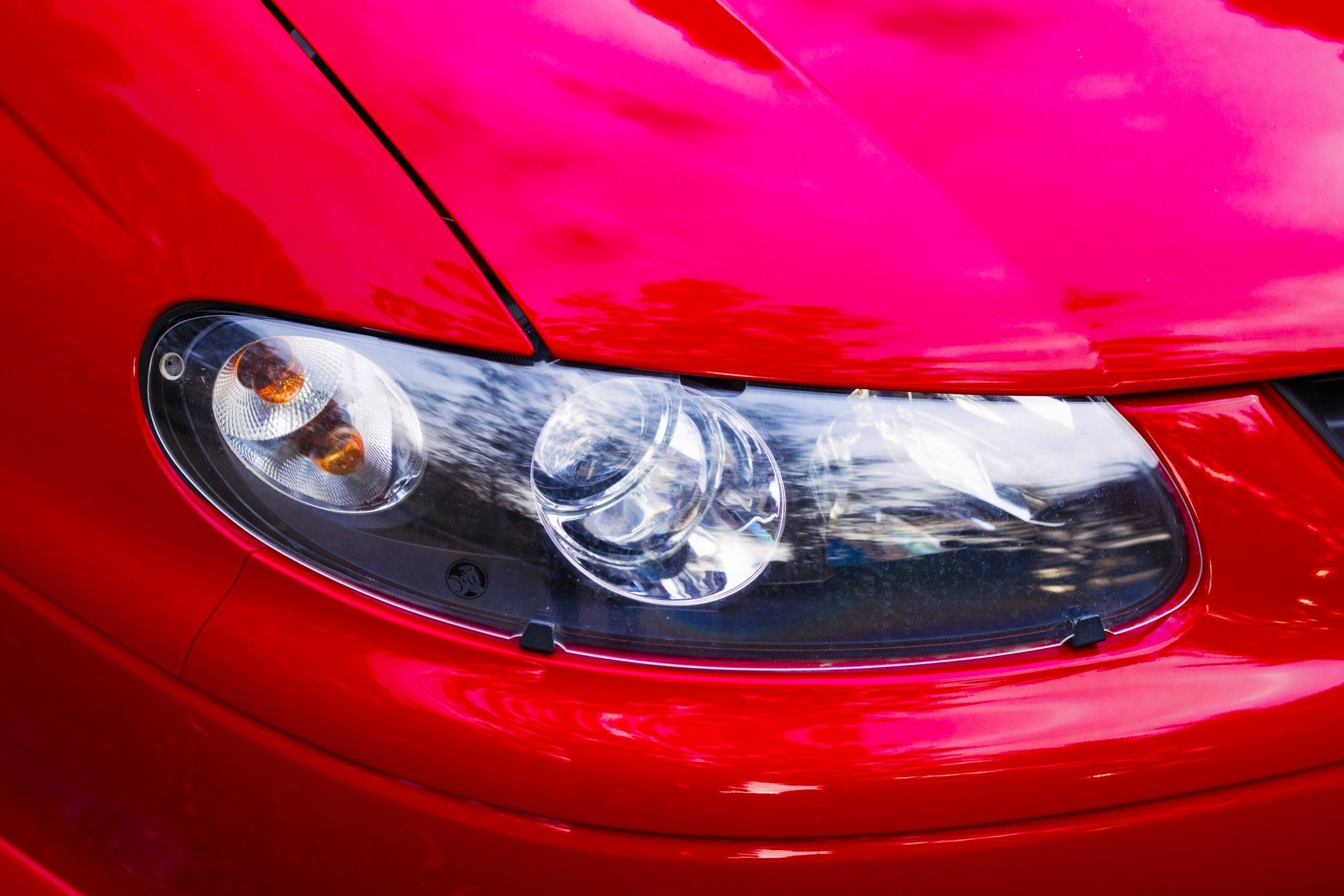
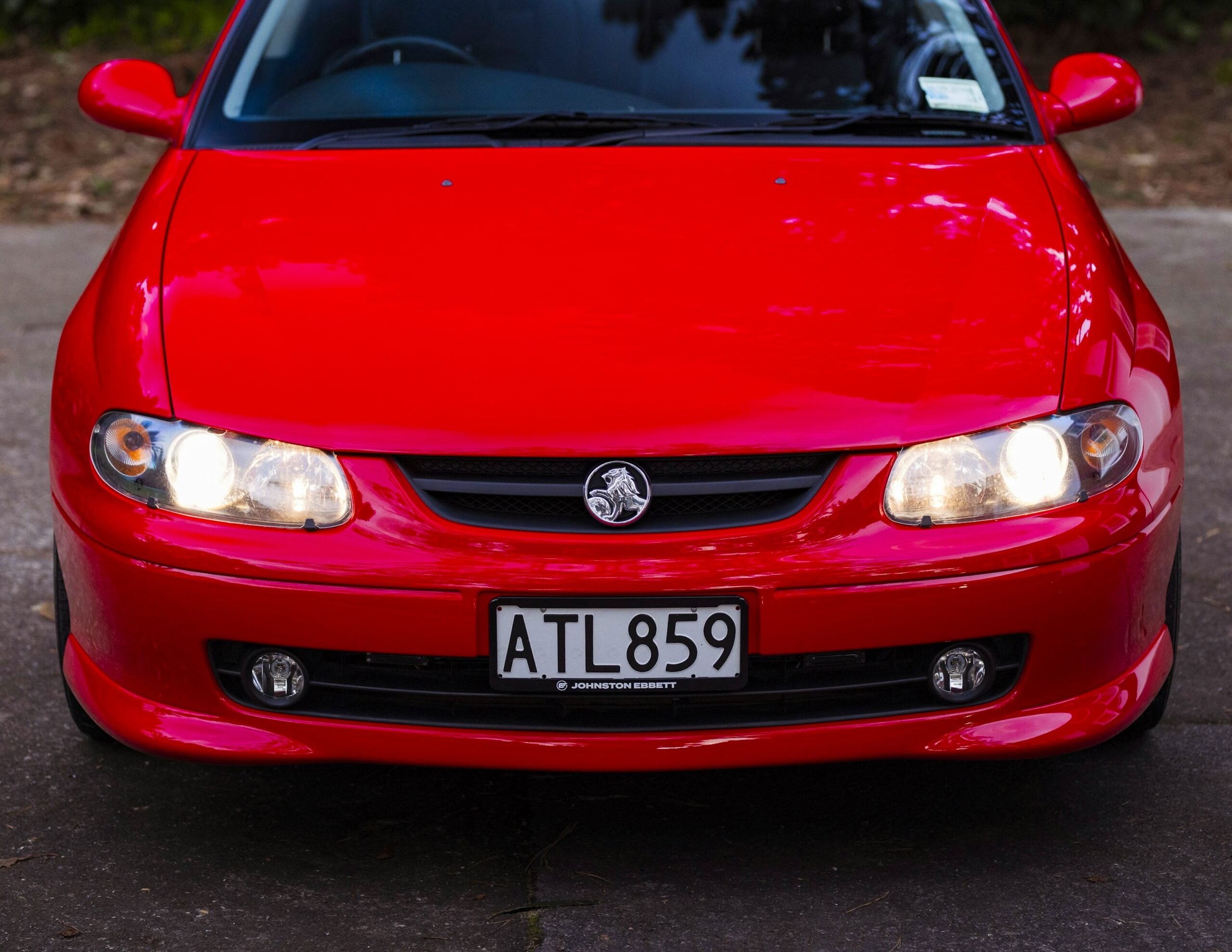
This is a 2002 Holden Monaro CV8, it’s finished in Red Hot over Black leather, with the naturally-aspirated 5.7 liter LS1 V8 rated at 302 bhp driving the rear wheels through a 6-speed manual. It rides on 18-inch five-spoke alloys and it’s equipped with a multifunction steering wheel, dual-zone climate control, electrically adjustable seats, and a CD/cassette stereo.
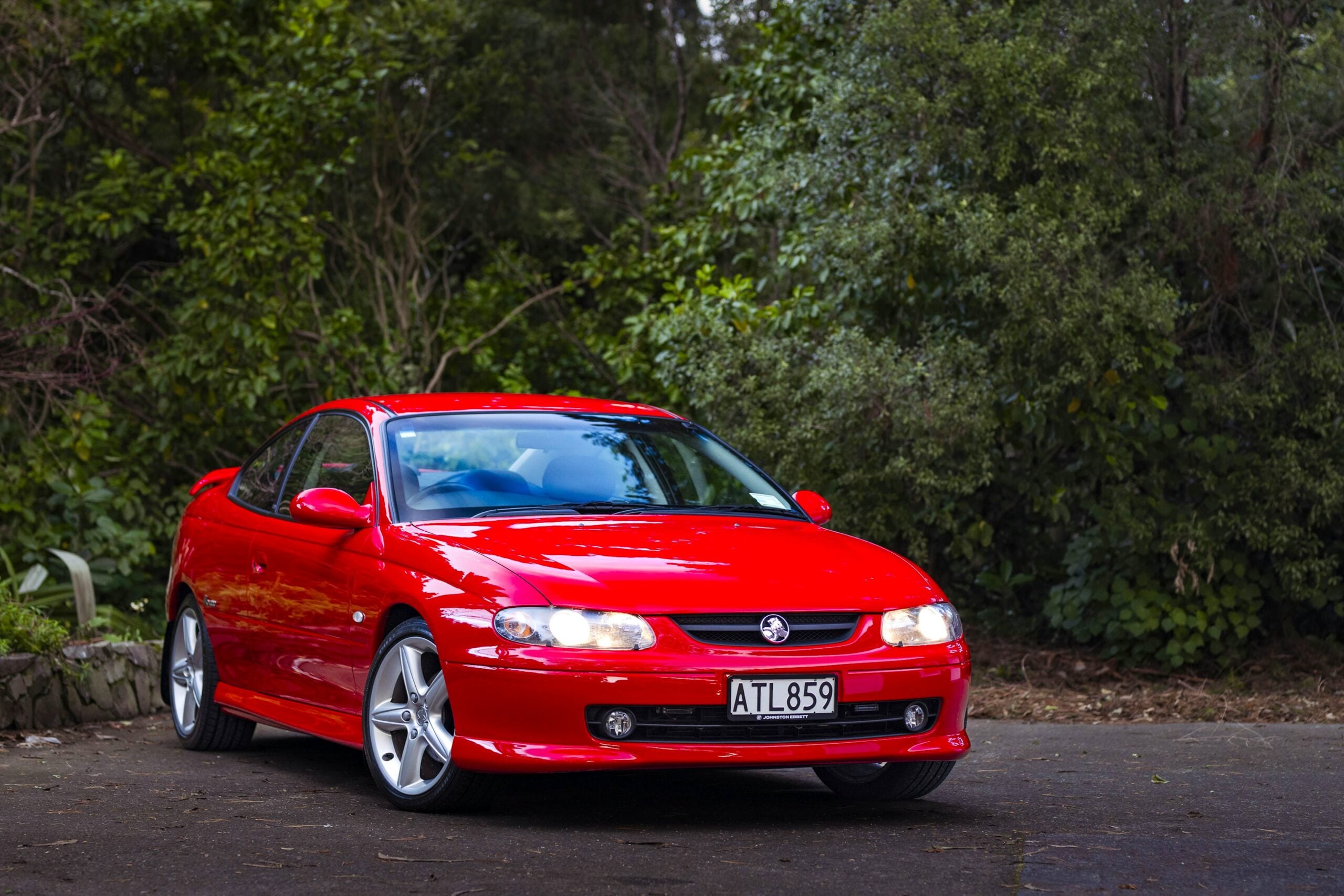
The odometer on this Monaro reads 13,743 kms, and according to the seller the car has been on display at the Hillsborough Holden Museum since 2015, it was last serviced in March of 2026 at 13,375 kms.
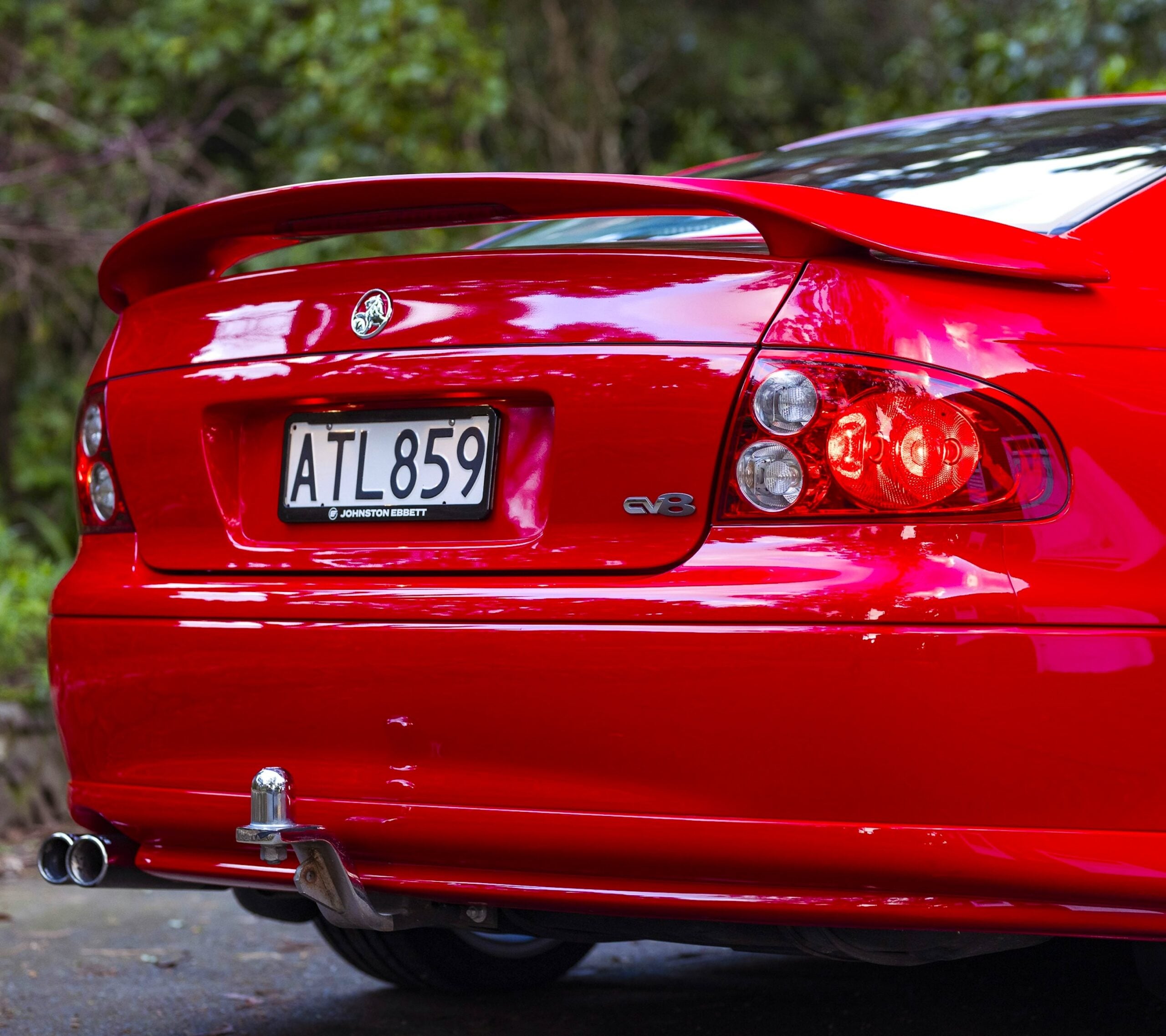
The odometer reads 13,743 kms, and according to the seller the car has been on display at the Hillsborough Holden Museum since 2015, it was last serviced in March of 2026 at 13,375 kms. Noted flaws are a scuffed rear bumper and wear to the driver’s seat, with the listing otherwise directing buyers to the photo gallery.
It’s now being offered for sale out of Wellington, New Zealand with the owner’s book pack, a spare wheel, and a single key. If you’d like to read more about it or register to bid you can visit the listing here.
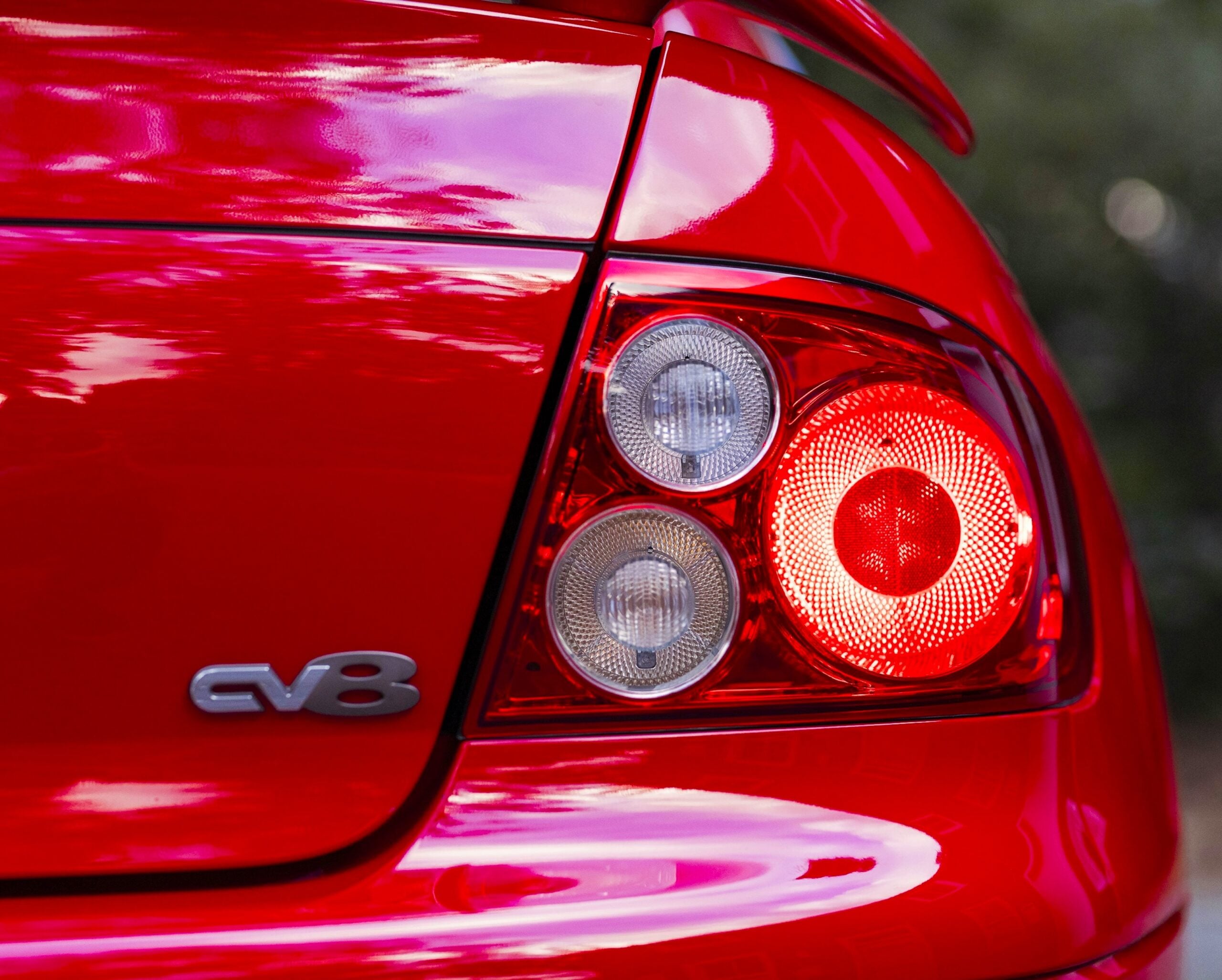
Images courtesy of Collecting Cars

Articles that Ben Branch has written have been covered on CNN, Popular Mechanics, Smithsonian Magazine, Road & Track Magazine, the official Pinterest blog, the official eBay Motors blog, BuzzFeed, Autoweek Magazine, Wired Magazine, Autoblog, Gear Patrol, Jalopnik, The Verge, and many more.
Silodrome was founded by Ben back in 2010, in the years since the site has grown to become a world leader in the alternative and vintage motoring sector, with well over a million monthly readers from around the world and many hundreds of thousands of followers on social media.