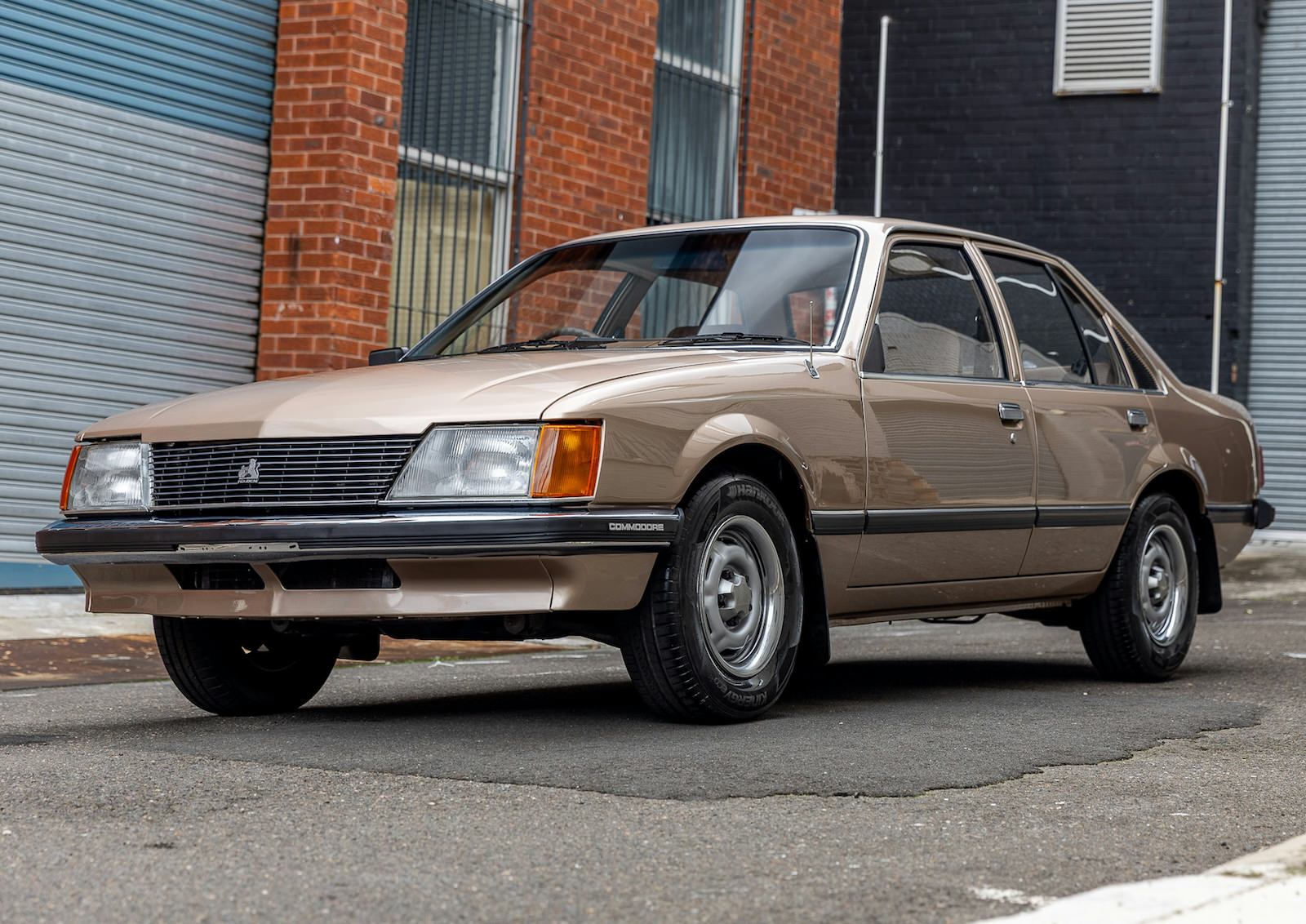
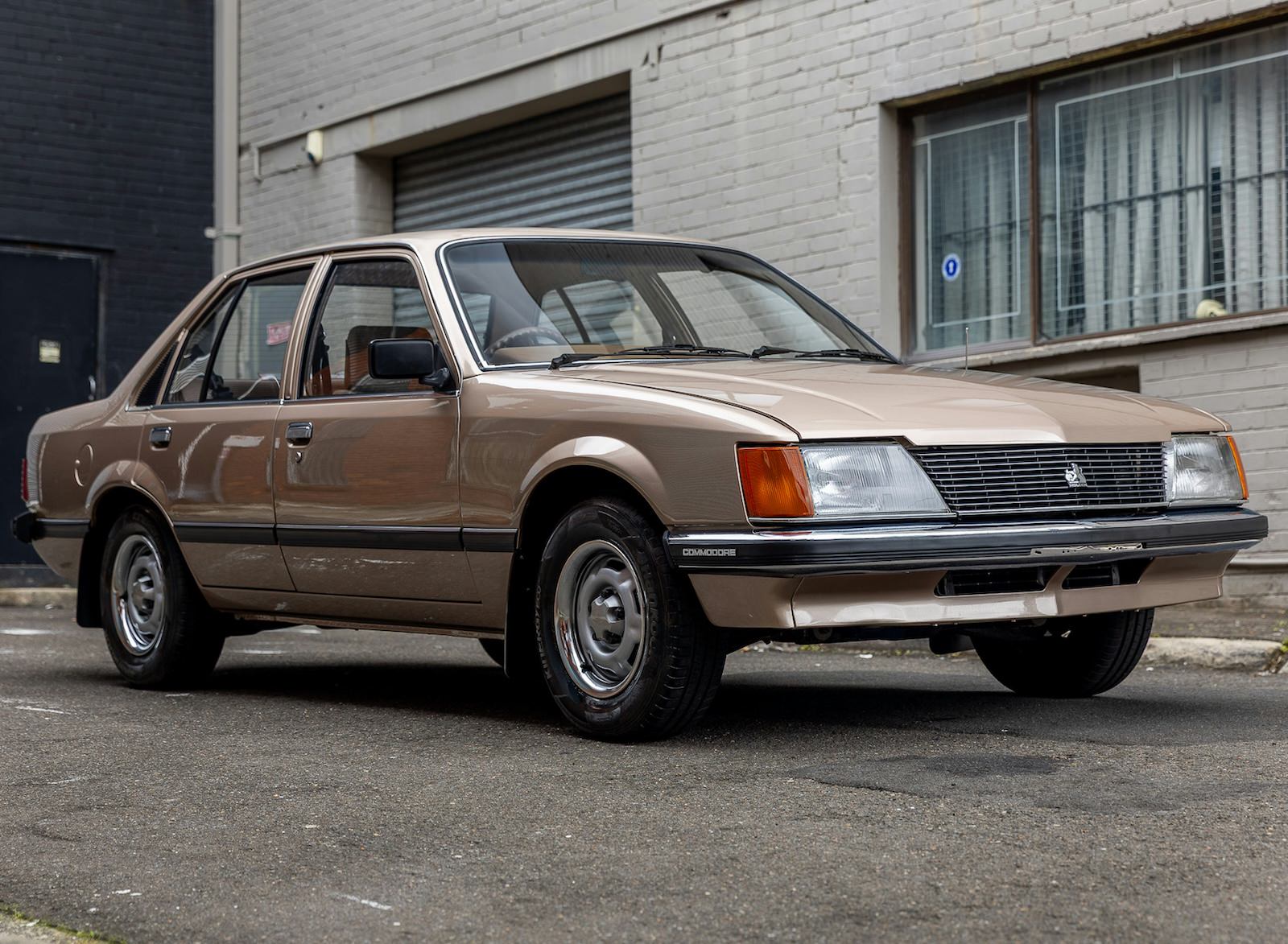
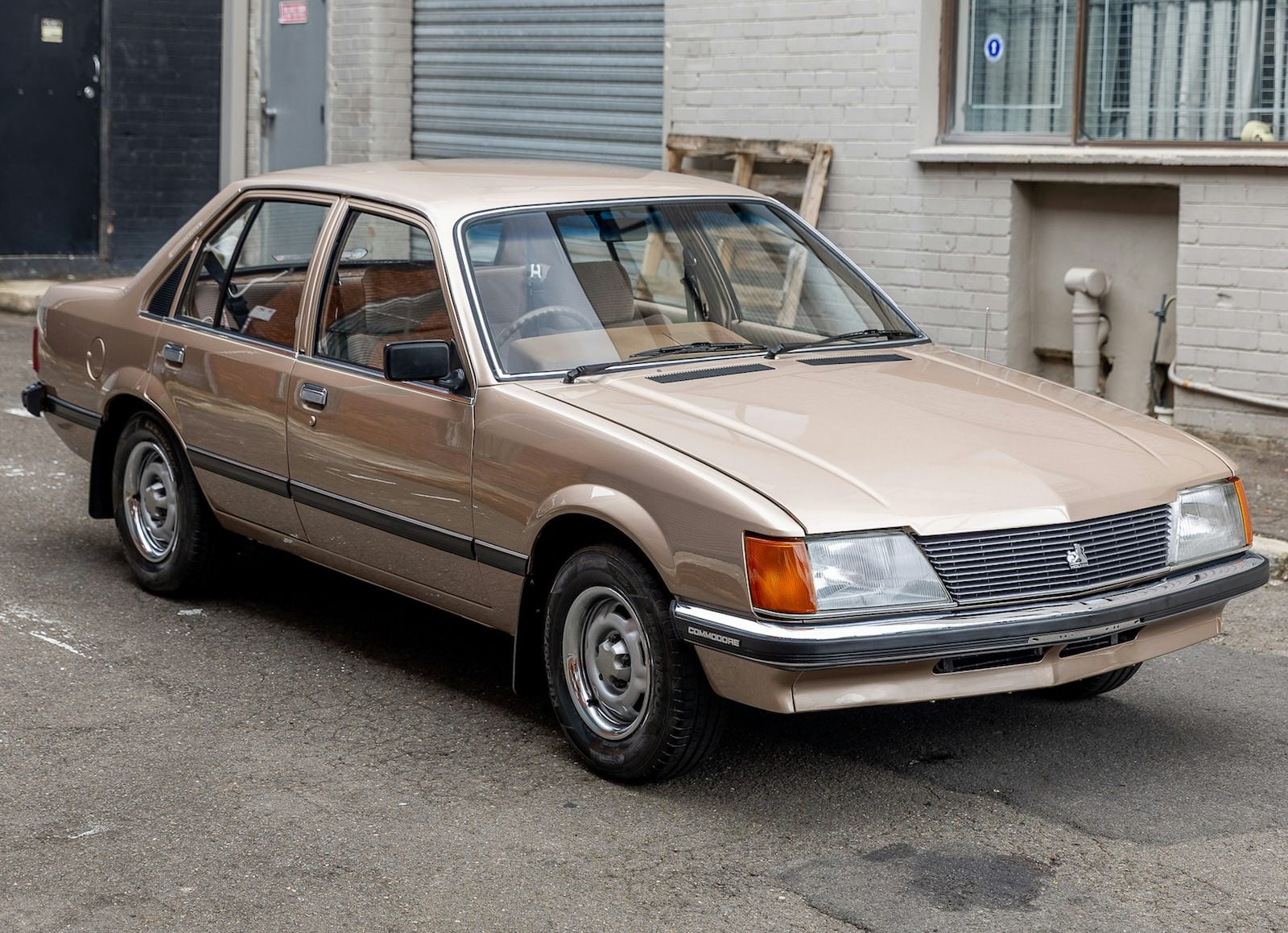
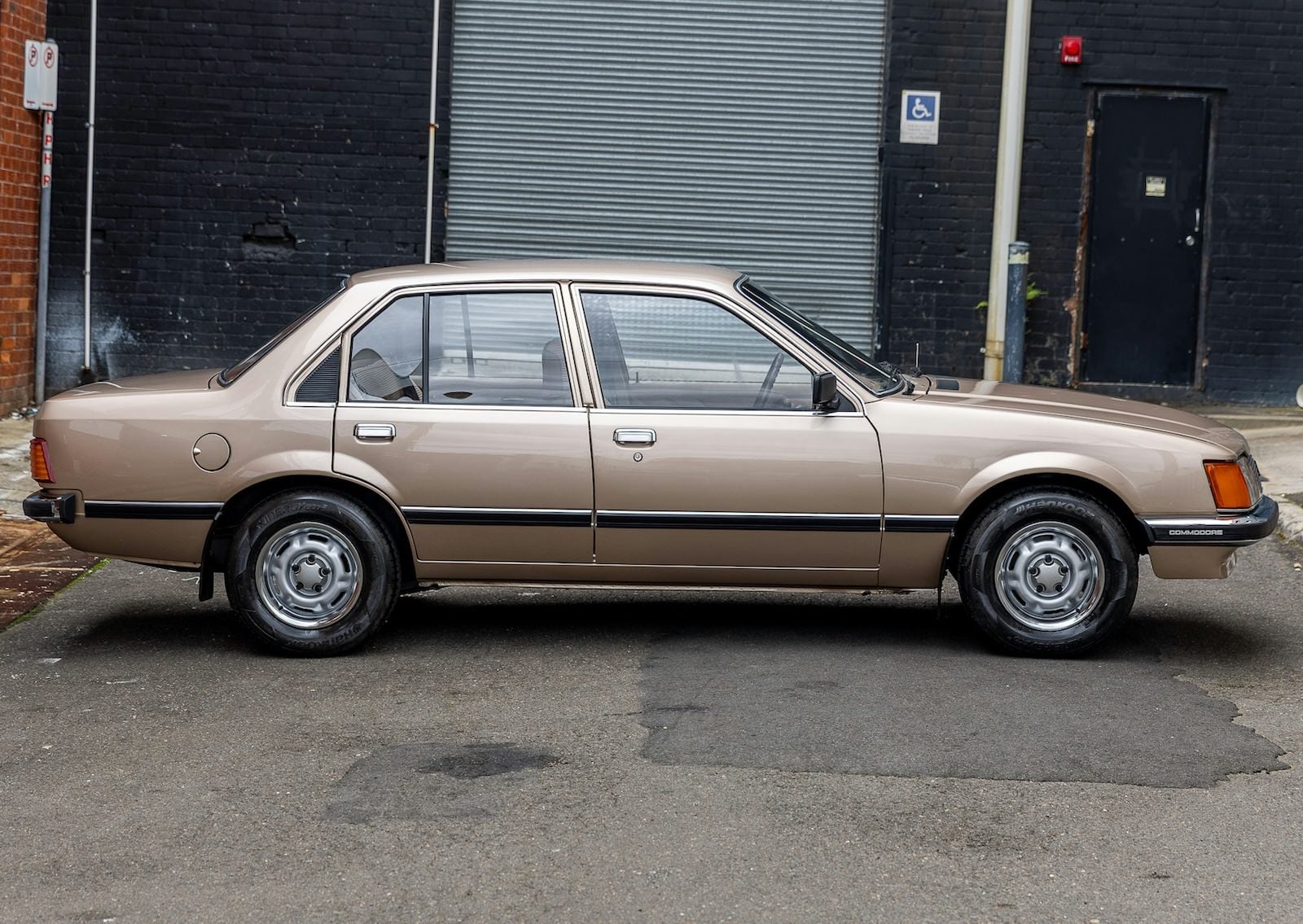
This is a Holden Commodore SL from 1983, although it’s largely known outside of Australia, the Commodore was one of the most common cars on the road Down Under through the 1980s and well into the 1990s.
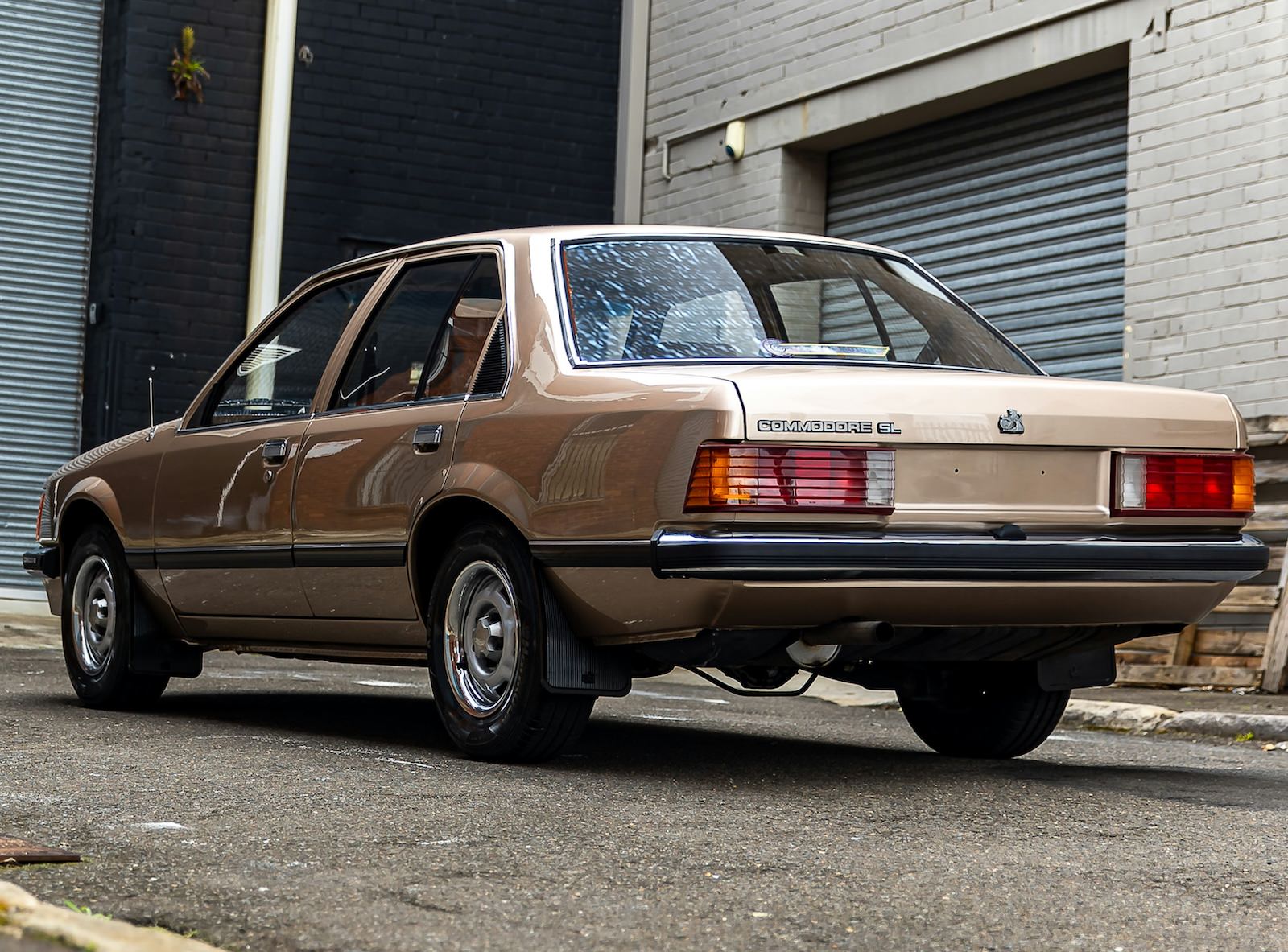
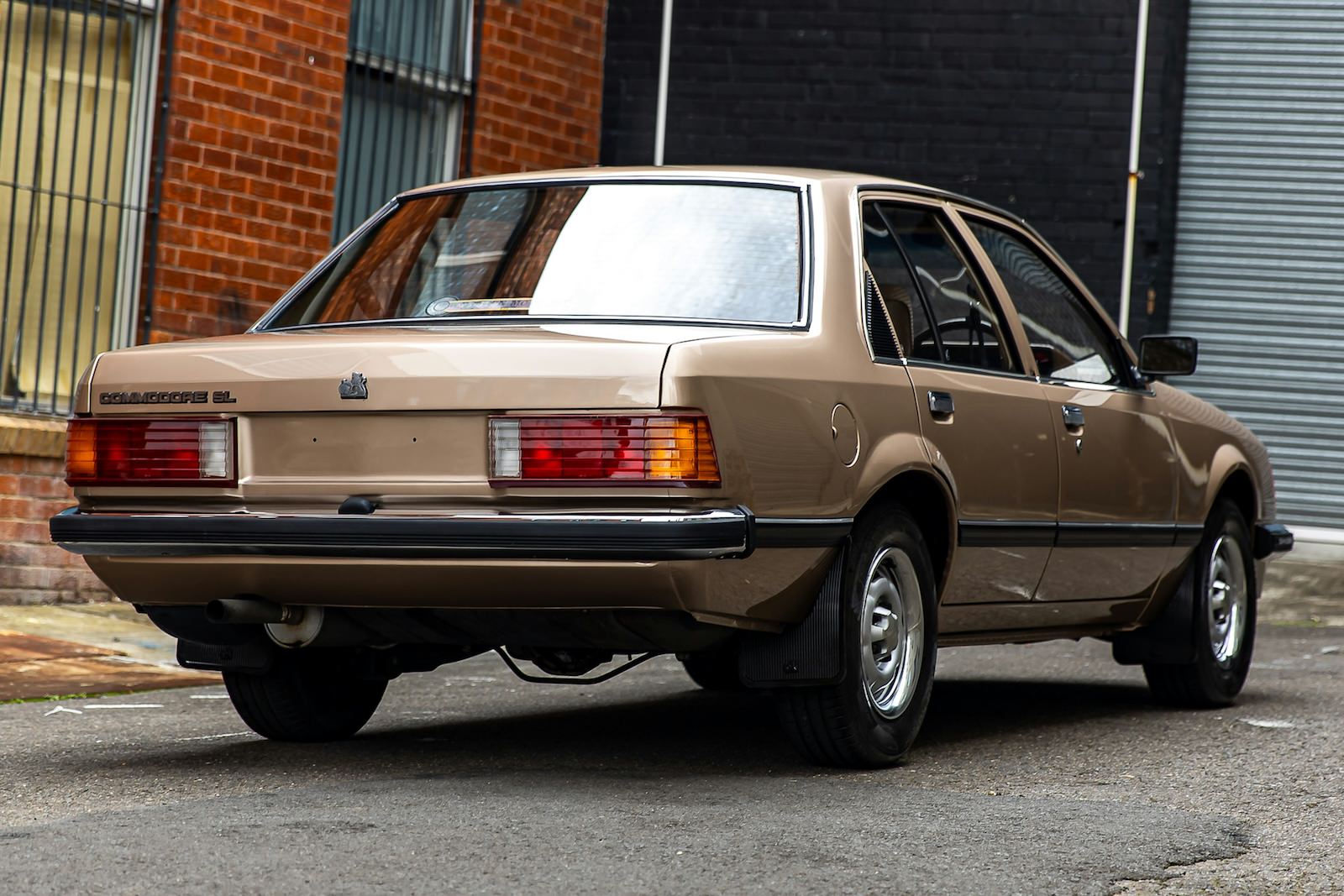
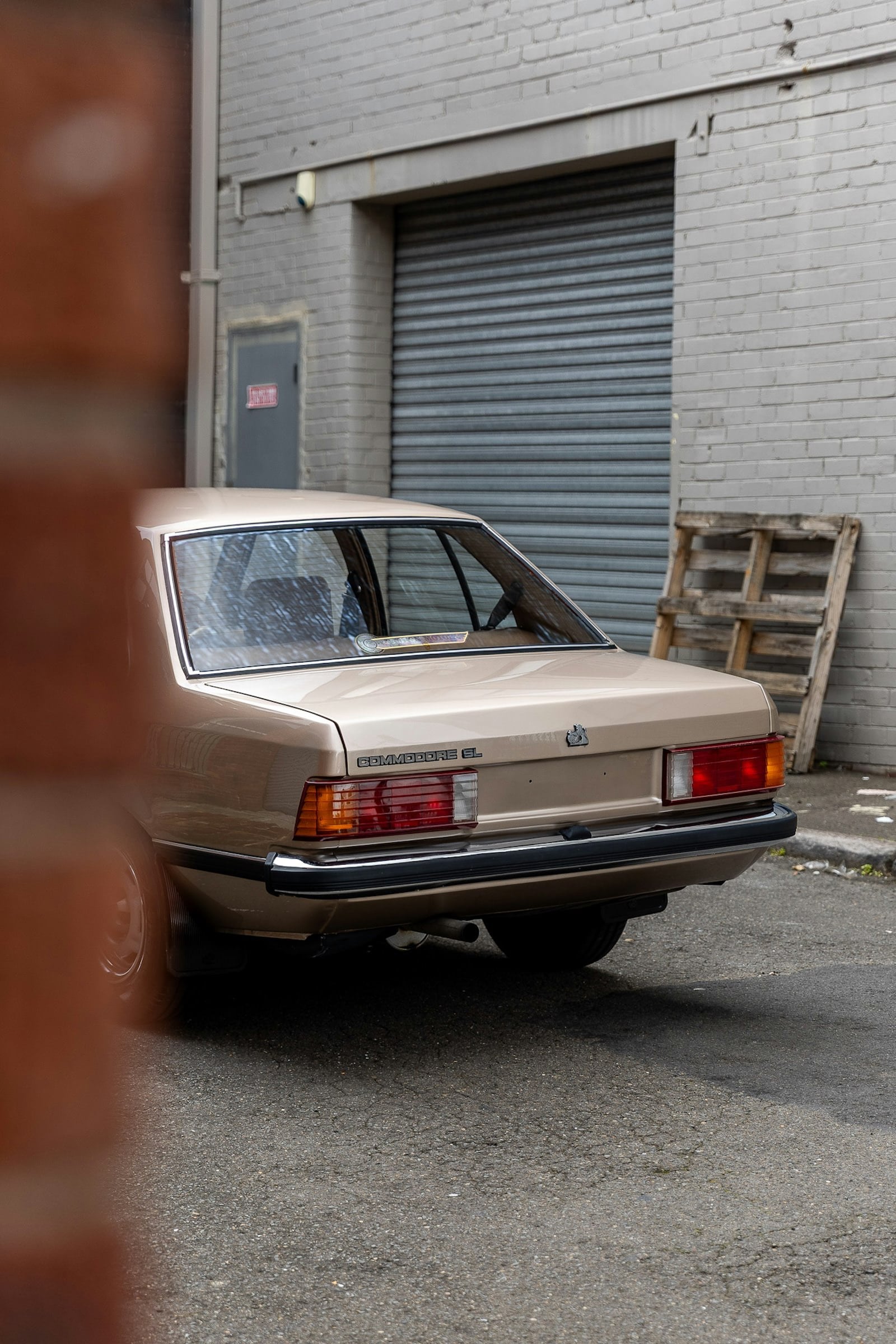
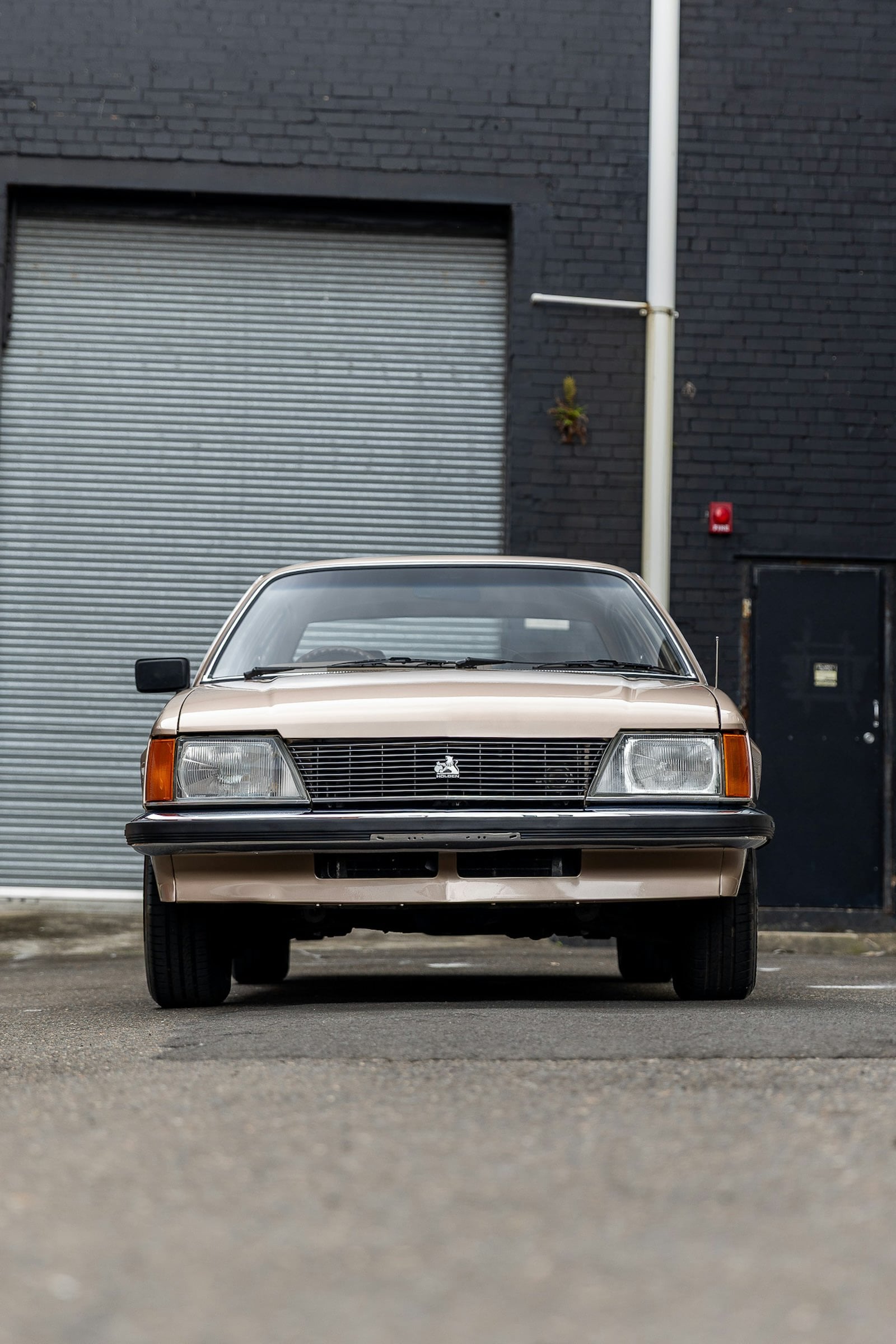
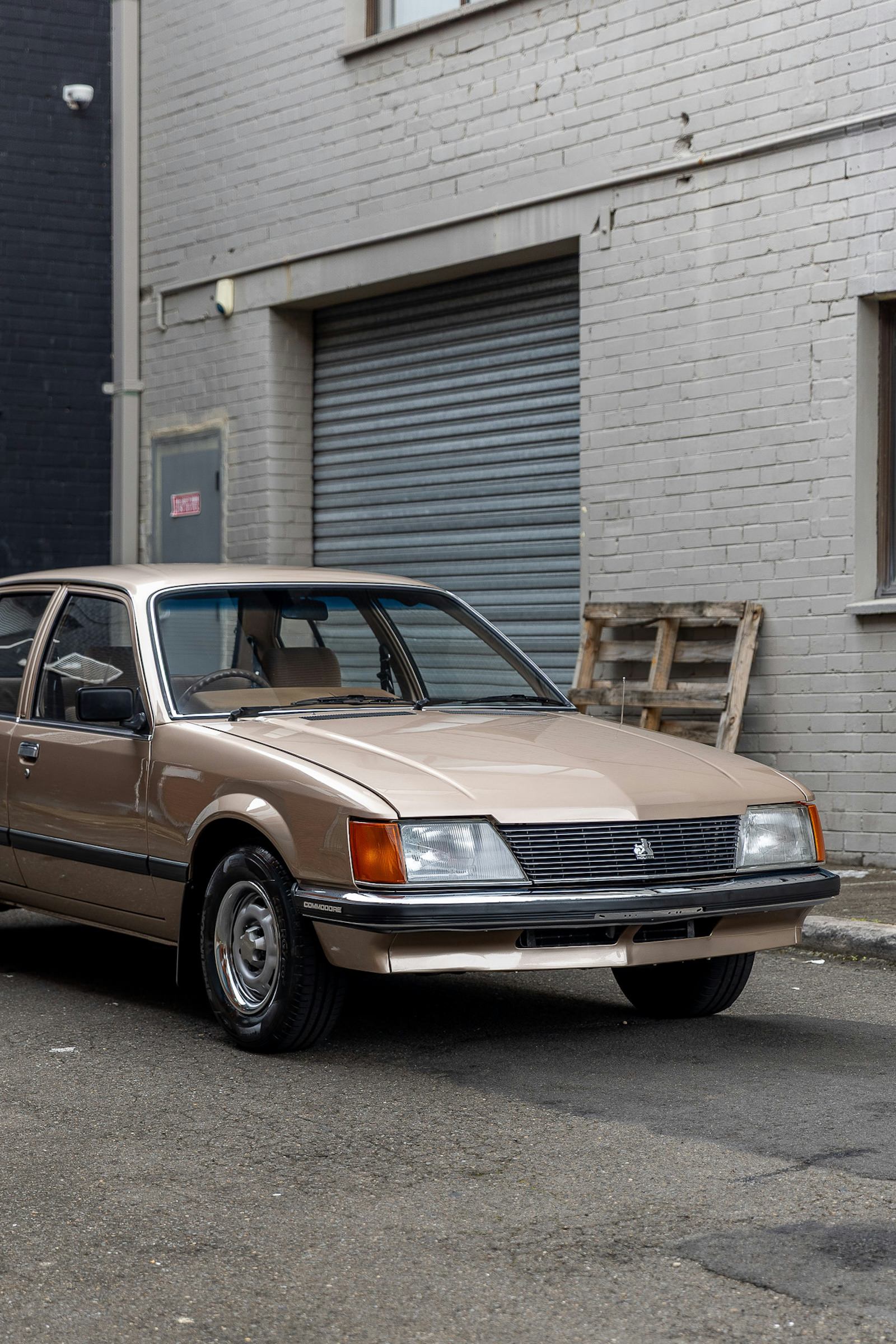
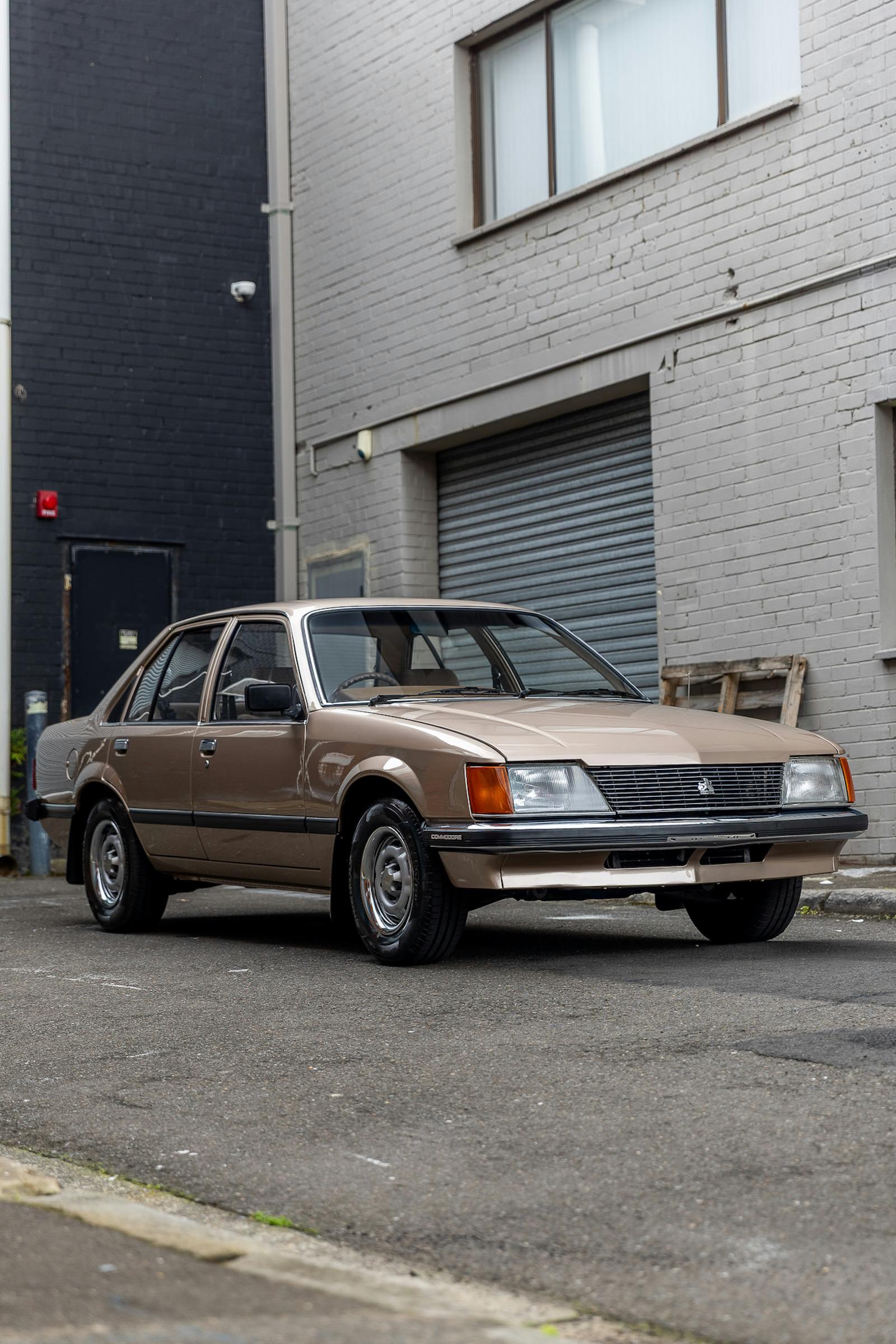
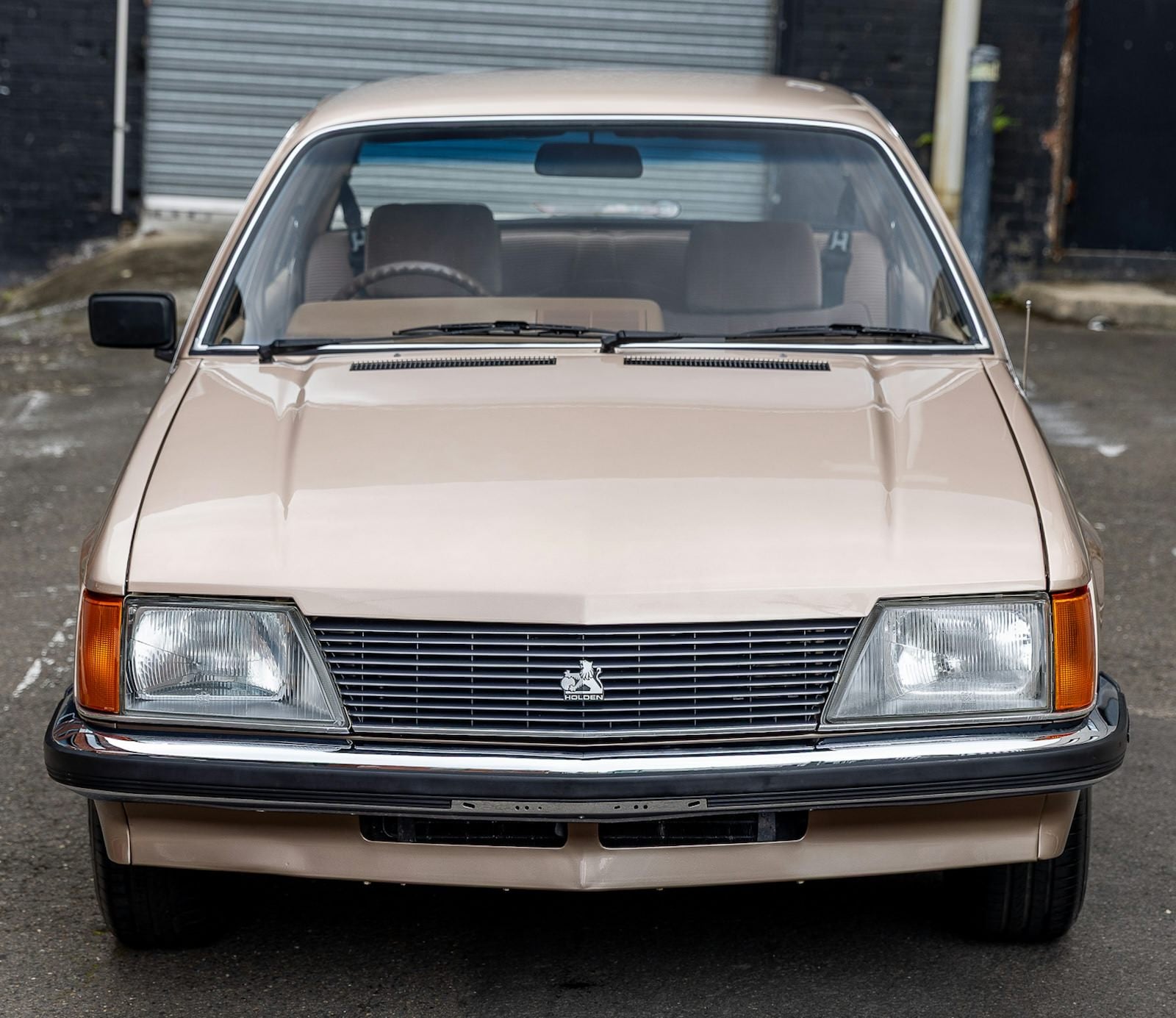
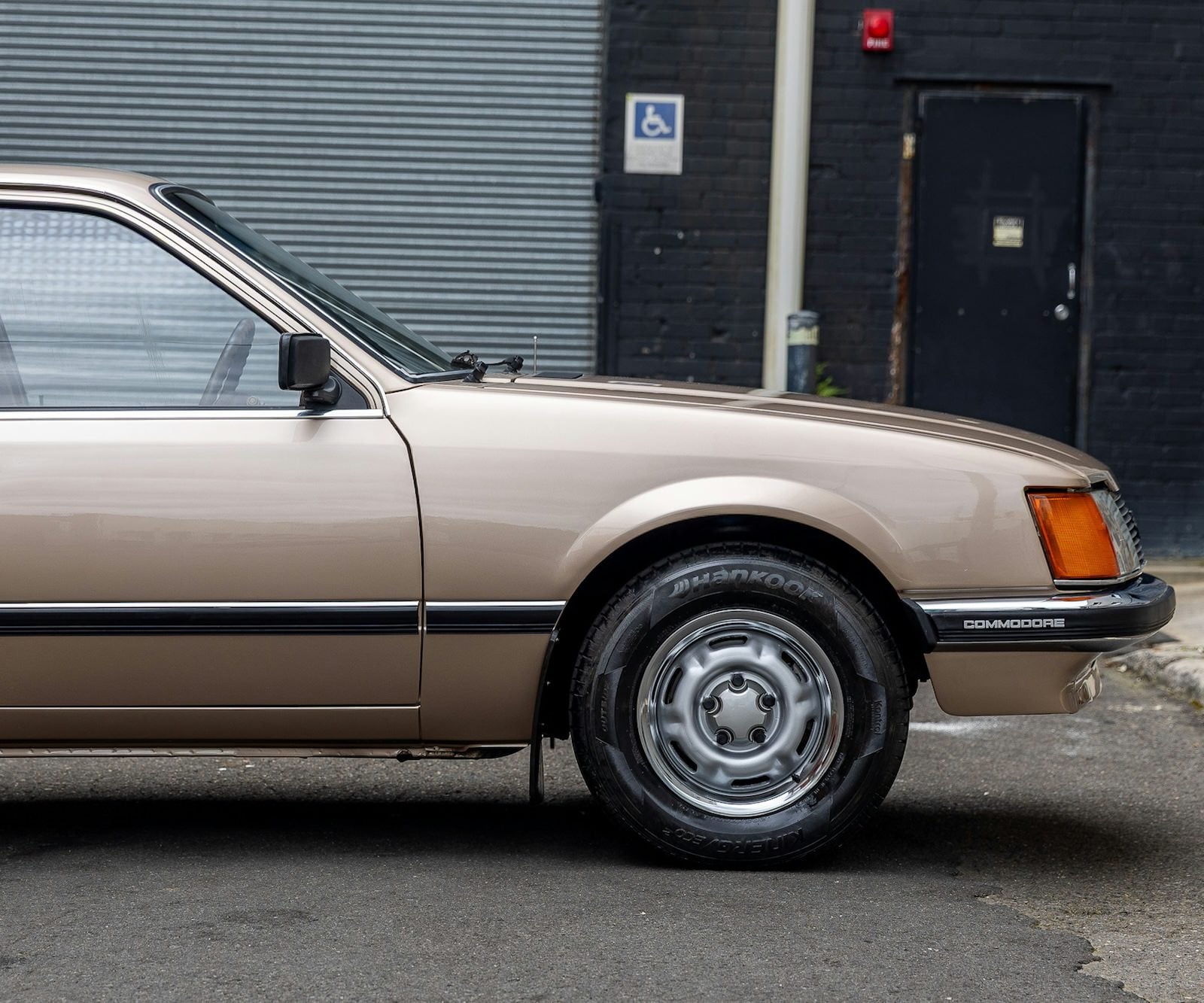
This is one of the nicest-looking VH Commodores we’ve seen come up for sale in recent memory, it’s been kept wonderfully original throughout, but it now benefits from a respray and new chrome work, moldings, body seals, locks, and window channels.
Fast Facts: A 1983 Holden Commodore SL
- The VH was the third evolution of the Holden Commodore, developed from Opel’s Rekord and Senator architecture but substantially strengthened for Australian conditions. Launched in 1981, it received a sharper front-end design, revised suspension tuning, rack-and-pinion steering, and a range of four-cylinder, six-cylinder, and V8 engines.
- Holden reshuffled the VH range into SL, SL/X, and SL/E trims, with the luxury SL/E offering equipment including a trip computer. The SS arrived in 1982 with V8 power and quickly became the basis for Peter Brock’s increasingly desirable HDT Group One, Group Two, and Group Three performance models.
- The VH also became a major motorsport success. Peter Brock and Larry Perkins won Bathurst in 1982, while Brock, Perkins, and John Harvey repeated the victory in 1983 after switching cars early in the race. More than 141,000 VHs were built before the VK Commodore replaced it in 1984.
- This 1983 Commodore SL is an Australian-delivered example with a believed-genuine 103,356 km, a 3.3 liter Blue inline-six, and a three-speed automatic. Finished in Oyster Metallic over Light Oyster vinyl, it has undergone extensive restoration work and comes with air conditioning, original tools, factory spare tyre, manuals, and several keys.
History Speedrun: The Holden Commodore VH
The VH was the third generation of the Australian Holden Commodore, a car that had actually started life in Europe with an Opel badge on the hood. By 1974, Opel’s concept drawings for General Motors’ new mid-size “world car” had reached Holden at Fishermans Bend in Melbourne. In mid-1975, Holden designers went to Germany to study it. They found that the Holden six and V8 wouldn’t fit under the short nose of the four-cylinder Opel Rekord E.
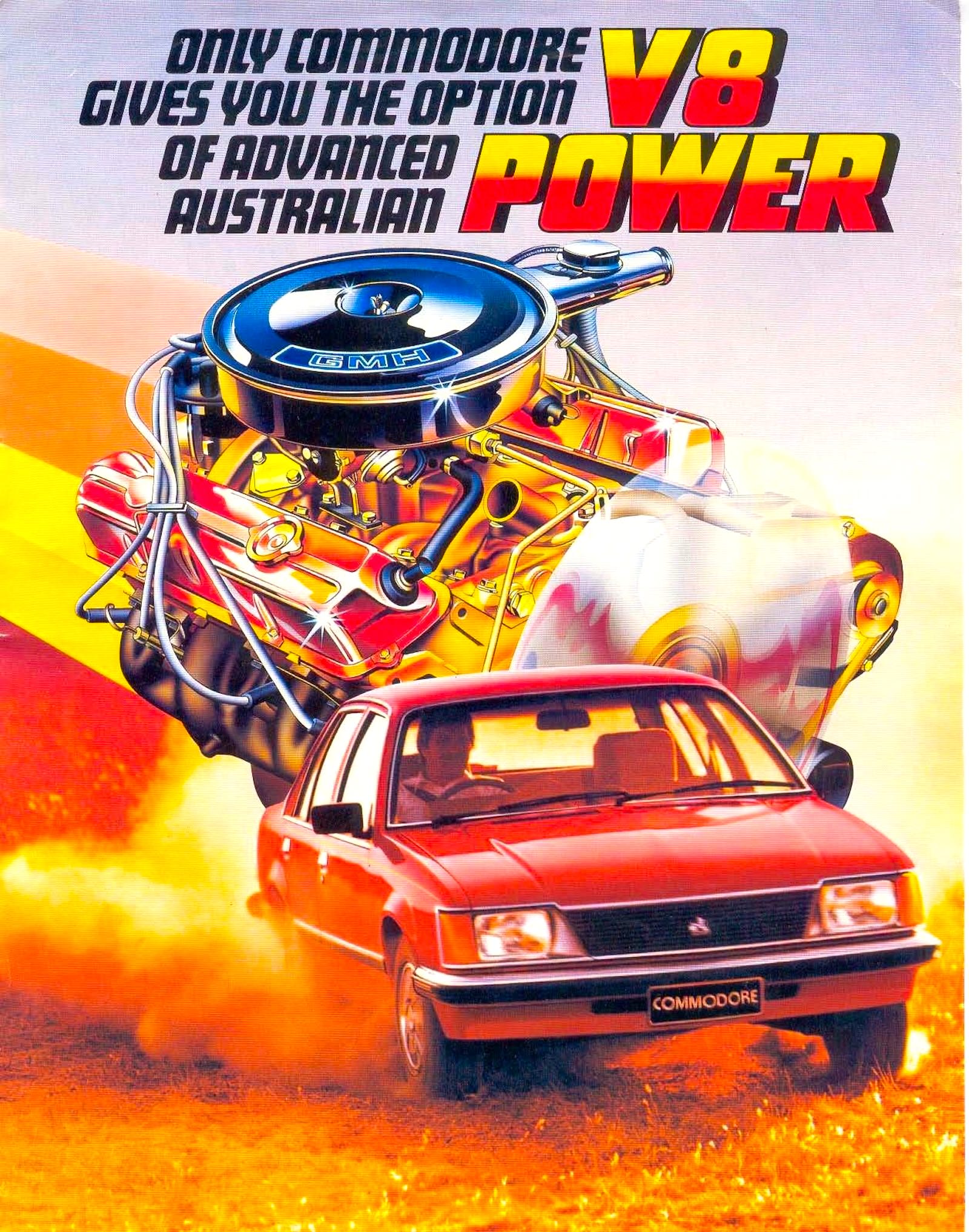
 Holden strengthened the body significantly before the Commodore went into production, it also kept the Rekord’s live rear axle rather than adopting the Senator’s more advanced independent rear suspension. In Australia, toughness is often preferred over sophistication. Image courtesy of Holden.
The solution was to graft the longer front of the six-cylinder Opel Senator onto the Rekord body, the same combination Opel used for its own Commodore C. Holden also persuaded Opel to swap the planned recirculating-ball steering for rack and pinion, which the V8 needed for clearance.
Australian testing was famously harsh, one early Rekord prototype was scrap by the time just 930 miles (1,500 km) had been completed on the roughest tracks at Holden’s Lang Lang proving ground. Another split in two at the firewall in the Flinders Ranges. Strain gauges recorded loads 300% above anything Opel had tested, and Opel’s engineers at first asked Holden to check their equipment.
Holden strengthened the body significantly before it went into production, it also kept the Rekord’s live rear axle rather than adopting the Senator’s more advanced independent rear suspension. In Australia, toughness is often preferred over sophistication.
The first Commodore, the VB, went on sale in October of 1978. The VC Commodore followed in March of 1980 with an egg-crate grille and revised “Blue” engines with new cylinder heads and electronic ignition. From mid-1980 it also offered a 1.9 liter Starfire four, which was essentially just the 2.85 liter six with two cylinders chopped off. Holden built 121,807 VCs, and the Commodore was Australia’s best-selling car in 1980.
The VH Commodore Debuts
Leo Pruneau’s design department at Holden set out to make the tall Senator nose look as though it belonged on the smaller Rekord body. Along with the new hood and front fenders, the headlights sat 25 mm (1 inch) lower and sloped into a slimmer horizontal-slat grille. The indicators wrapped further around the corners, and SL/X and SL/E sedans got wraparound taillights. It was all very impressive and futuristic-looking back in the early 1980s.
The 5-speed manual gearbox came from Borg-Warner and shared four of its ratios with the Mitsubishi Sigma’s gearbox, though Holden kept that quiet. It was rated for just 140 lb ft of torque, which limited it to the four-banger and the 2.85 liter straight-six. Both of those engines were retuned for economy with secondary-air systems, and both predictably lost power in the process.
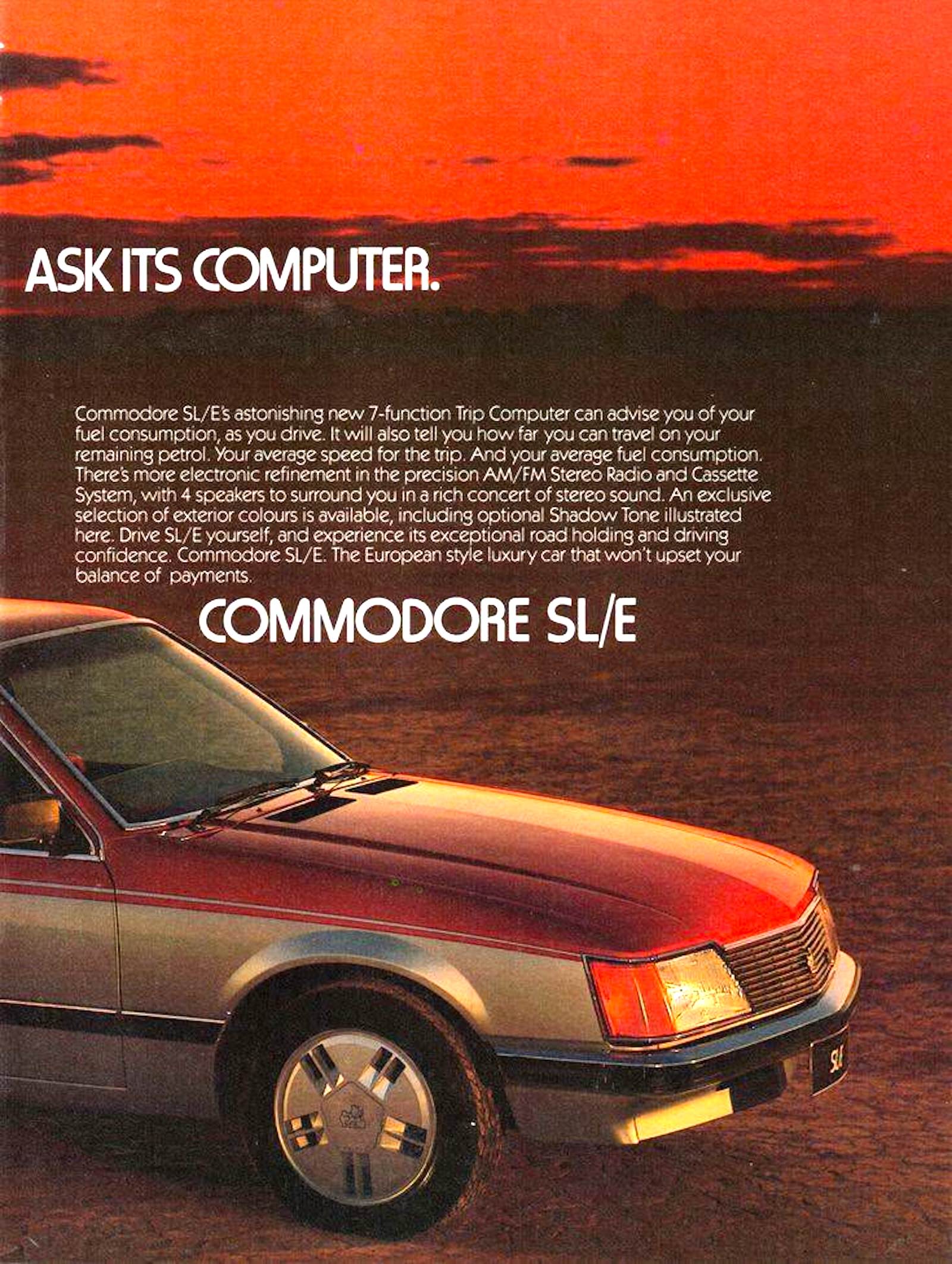
Leo Pruneau at Holden was an admirer of two-tone Rolls-Royces, he specified a Shadowtone option for the VH Commodore with a Mercury Silver lower body and a masked silver line imitating their brightwork. The name was a discreet nod to the Silver Shadow. Image courtesy of Holden.
The four fell from 78 bhp to 72 bhp, and the six from 102 bhp to 98 bhp. The 3.3 liter six (111 bhp) and the 4.2 and 5.0 liter V8s carried over, with the 5.0 making up to 169 bhp and 266 lb ft with dual exhausts poking out the back. Vastly more exciting numbers than the economy engines could ever dream of.
Holden repositioned the front lower control arms, stiffened their bushes and revised the rear springs, but the layout stayed much the same. The body was a steel unibody, just like the earlier Commodores, the front end had MacPherson struts with coil springs and an anti-roll bar, and out the back you would find a traditional live axle on coil springs with trailing arms and a Panhard rod.
Steering was rack and pinion, power-assisted on the SL/E. Brakes were ventilated discs at the front and drums or discs at the rear – depending on specification.
The VH Commodore Variants
The VH range had some variant renaming happen at launch, the old L became the SL, the old SL became the SL/X, and the SL/E stayed on top as a sedan only. The SL/E came with a standard trip computer that read out average speed and fuel consumption.
Pruneau, an admirer of two-tone Rolls-Royces, specified a Shadowtone option for the VH Commodore with a Mercury Silver lower body and a masked silver line imitating their brightwork. The name was a discreet nod to the Silver Shadow. In mid-1982 a 5.0 liter SL/E cost $17,017 AUD (about $17,600 USD equivalent), and Shadowtone added a not-unsubstantial $482 AUD (about $500 USD) to the bill.
The SS version landed in 1982 with a 4.2 liter V8, power steering, a limited-slip differential, and alloy wheels. It was painted Maranello Red, and Alabaster White came later. Peter Brock’s HDT Special Vehicles built Group One, Group Two, and Group Three versions that are all hugely collectible in Australia today.
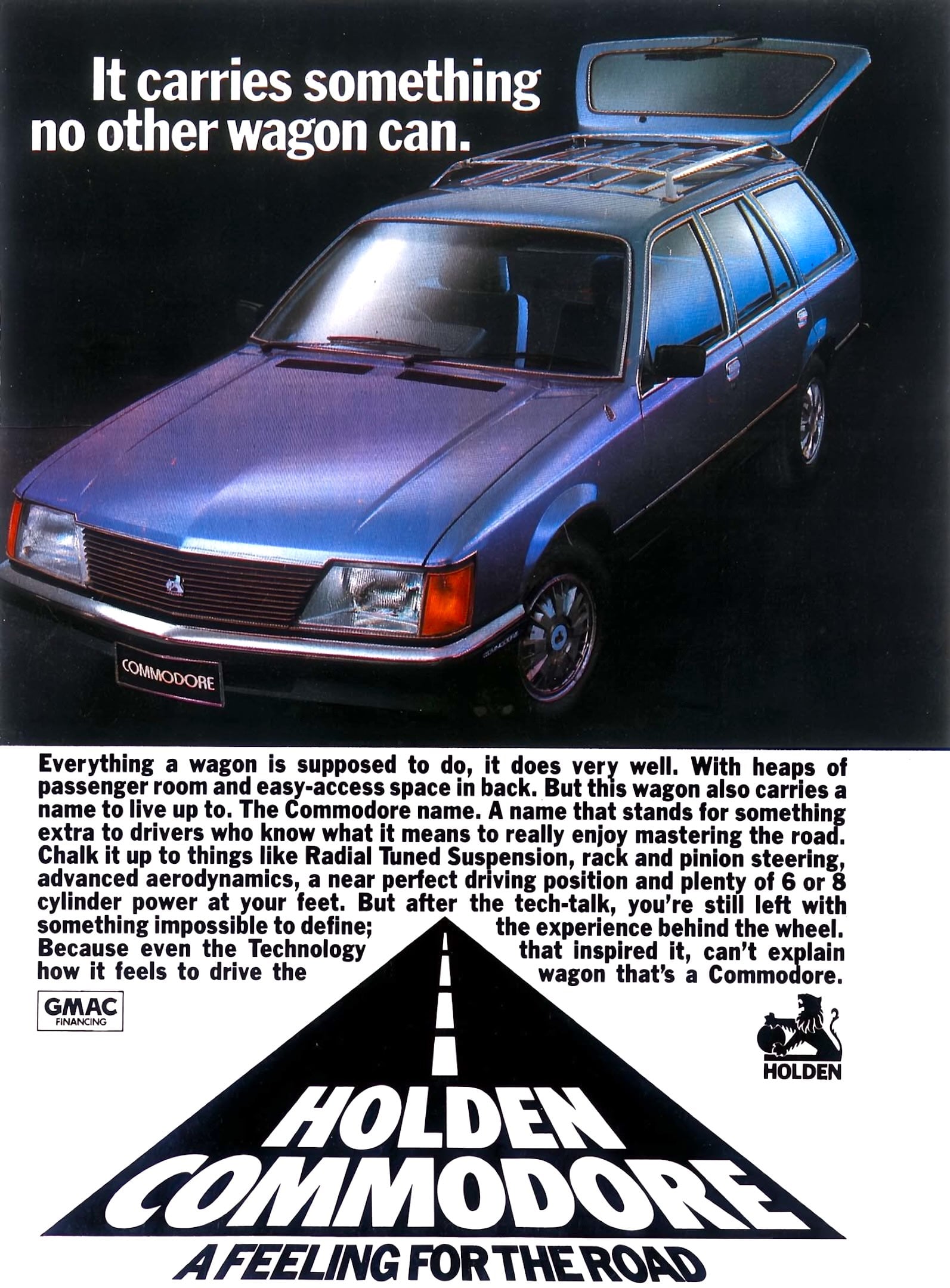
The VH range had some variant renaming happen at launch, the old L became the SL, the old SL became the SL/X, and the SL/E stayed on top as a sedan only. The SL/E came with a standard trip computer that read out average speed and fuel consumption. Image courtesy of Holden.
At first the Group Three was the only way to get an SS with the 5.0 liter V8, which Holden offered in the regular SS version later. New Zealand got the Royale, which despite its fancy-sounding name paired SL/E trim with the underwhelming 1.9 liter four-pot.
The Importance Of The V8
As the rush toward smaller cars faded along with memories of the 1970s Oil Crises, Ford’s larger XE Falcon took the sales lead from the Commodore in 1982. A mid-1982 magazine comparison showed why the V8s were so well-loved – in the overtaking test the 3.3 liter six-cylinder Commodore needed 13 seconds to go from 62 to 81 mph (100 to 130 km/h), the 4.2 took 7.4 seconds, and Ford’s 4.1 liter Fairmont Ghia took 10.1. Unsurprisingly, the testers chose the 4.2 SL/E.
The VH Goes Racing
At Bathurst in 1982, VH SS Commodores filled the top four places, with Brock and Larry Perkins winning outright. In 1983 Brock’s car failed on lap 8. Brock and Perkins transferred to John Harvey’s sister car, the 1982 winner, and the three shared the victory. It was the car to beat, and remains one of the high-points of the Commodore’s time in motorsport.
Holden built a little over 141,000 VHs before the VK Commodore replaced it in early-1984. The VK brought a new Senator-style six-window glasshouse, polypropylene bumpers, and the Berlina and Calais names that would endure for over 20 years. It also dropped the 2.85 liter six, the 4.2 liter V8 and, in Australia, the Starfire four.
The 1983 Holden Commodore SL Shown Here
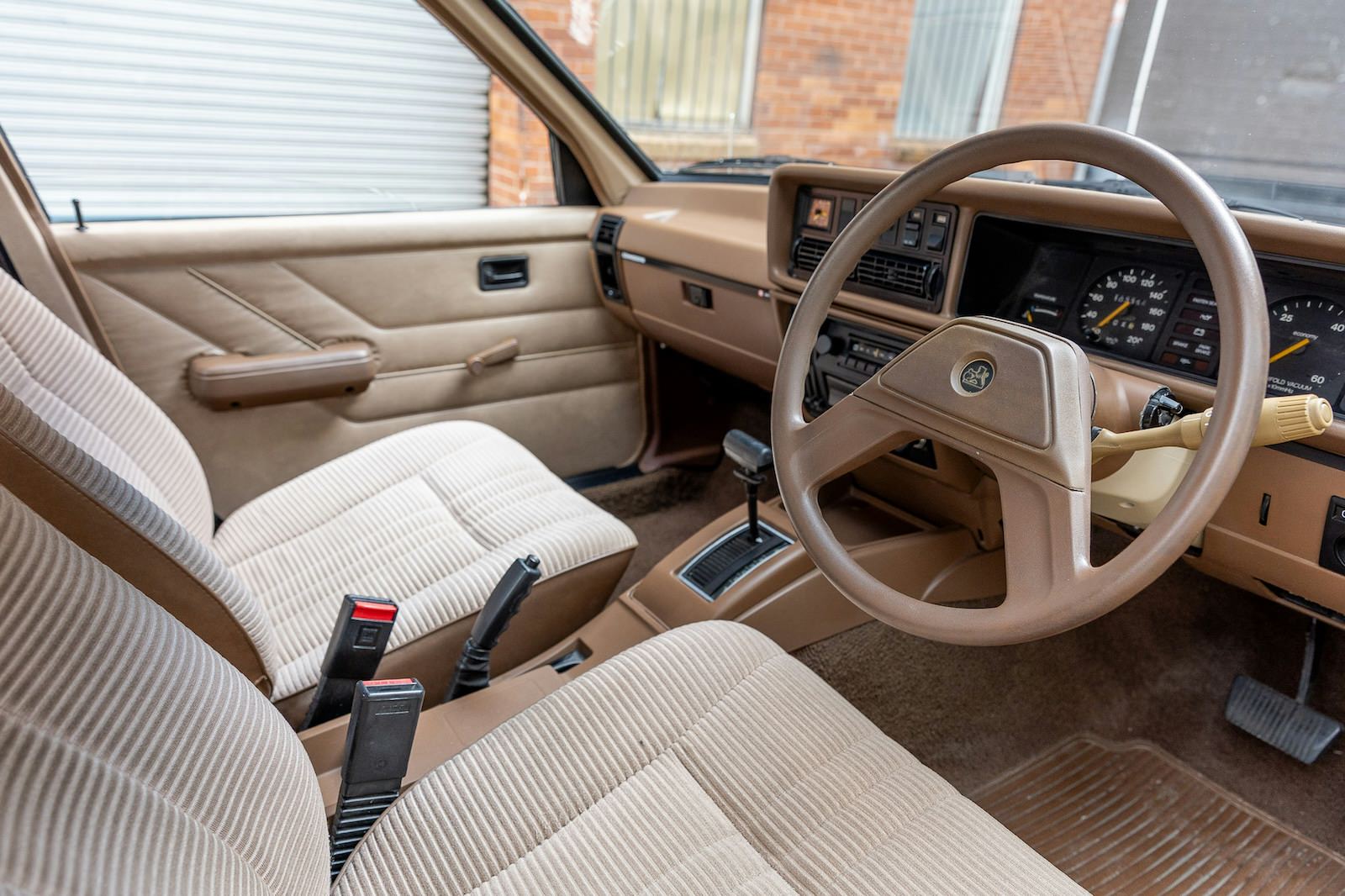
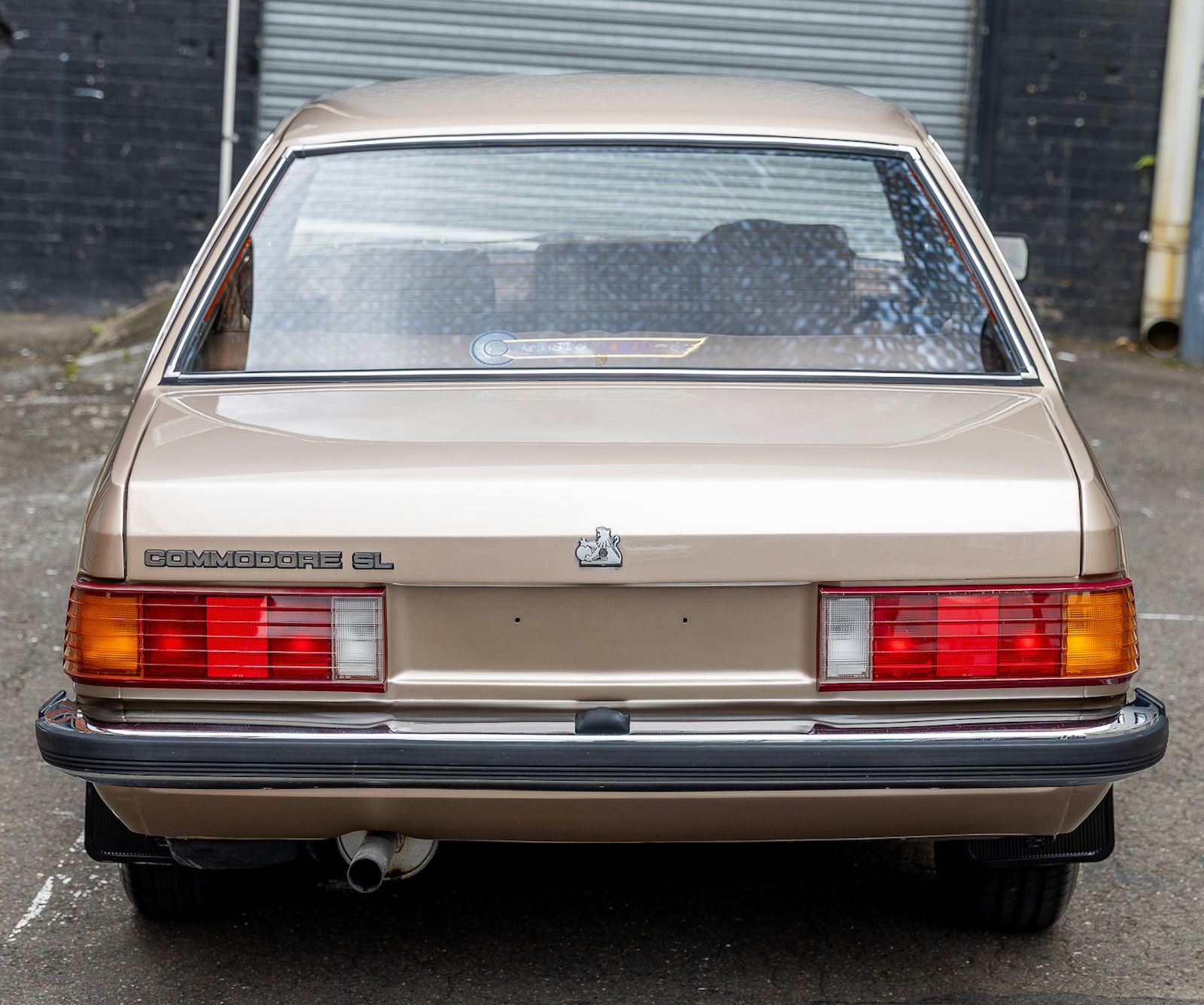
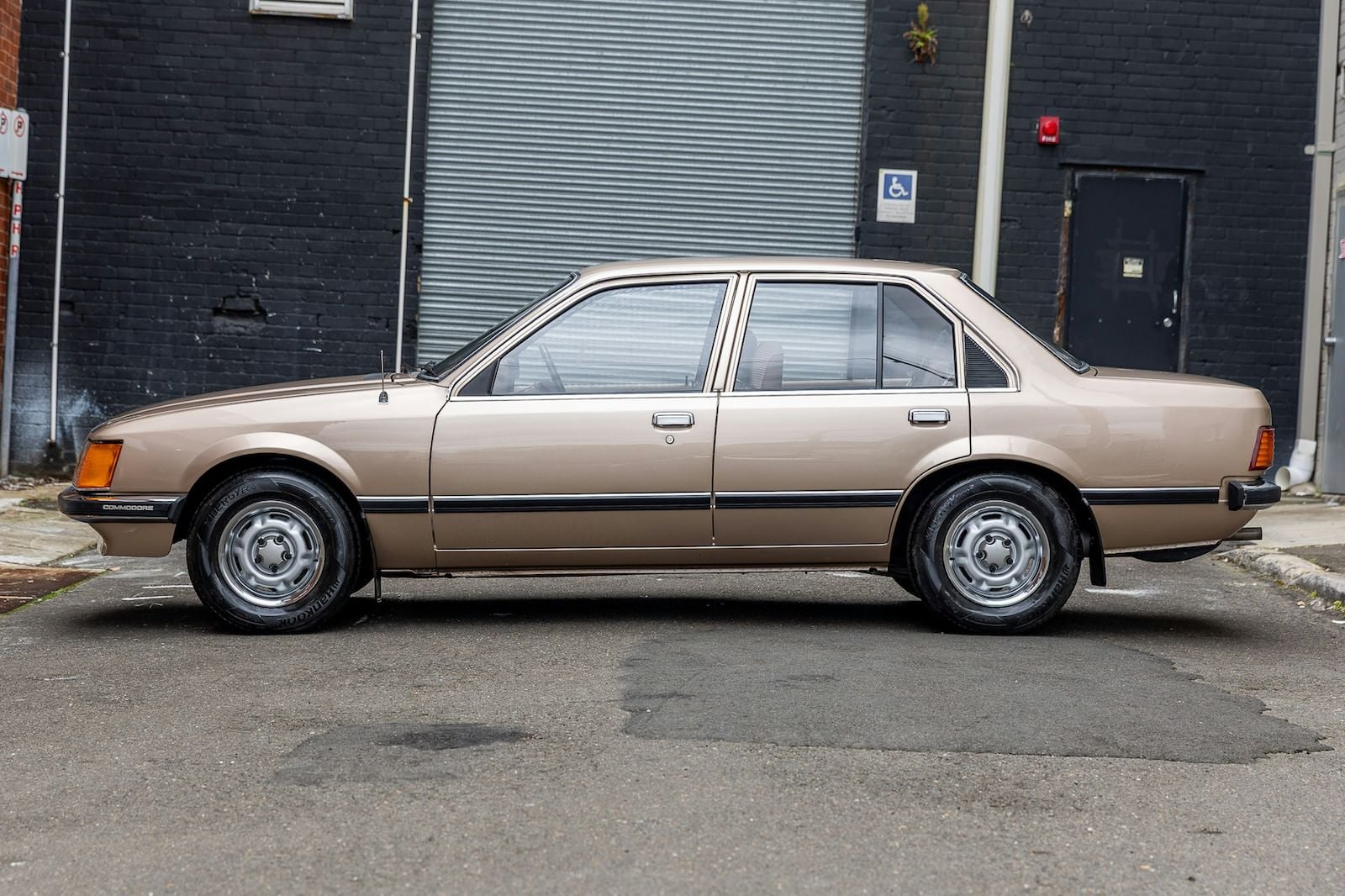
The 1983 Holden VH Commodore SL you see here is an Australian-delivered sedan that is reported to have had just one owner from new before being bought by the current seller. The odometer shows 103,356 kms, which the seller believes to be genuine.
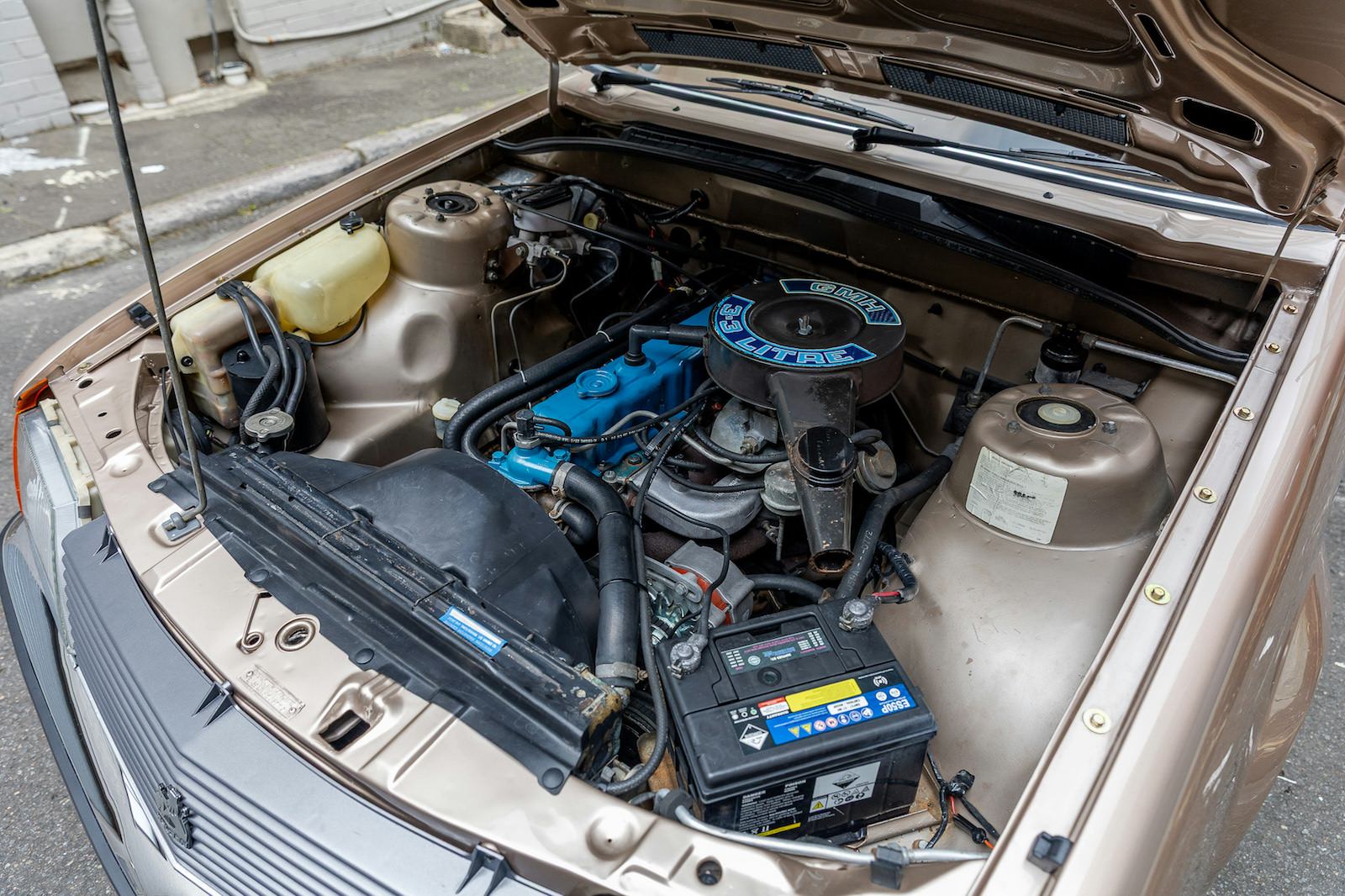
Power is provided by Holden’s 3.3 liter Blue inline-six, driving the rear wheels through a 3-speed automatic transmission. This was one of the most common engine/gearbox options, offering the ease of the automatic with the improved power of the 3.3 liter engine.
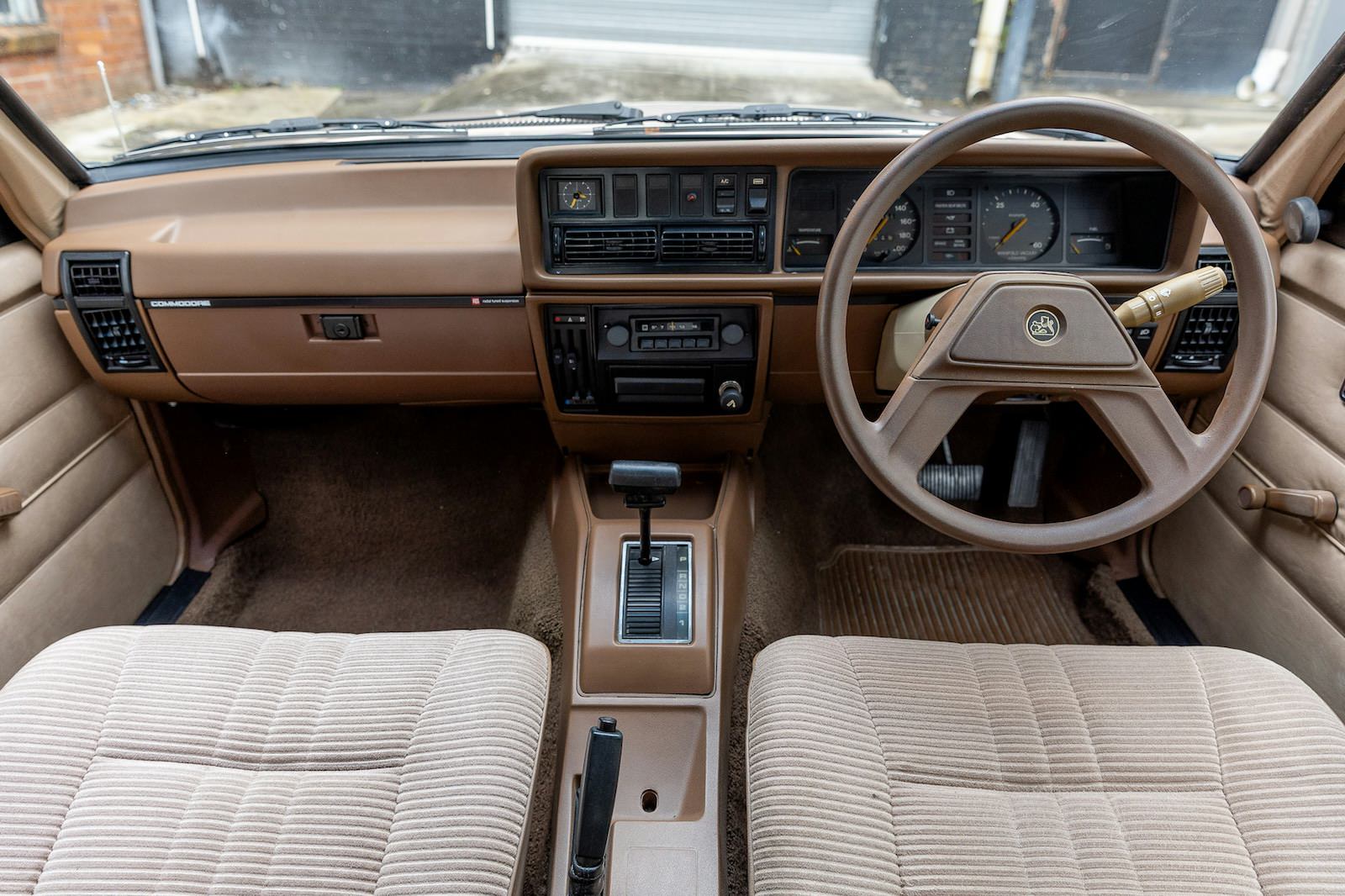
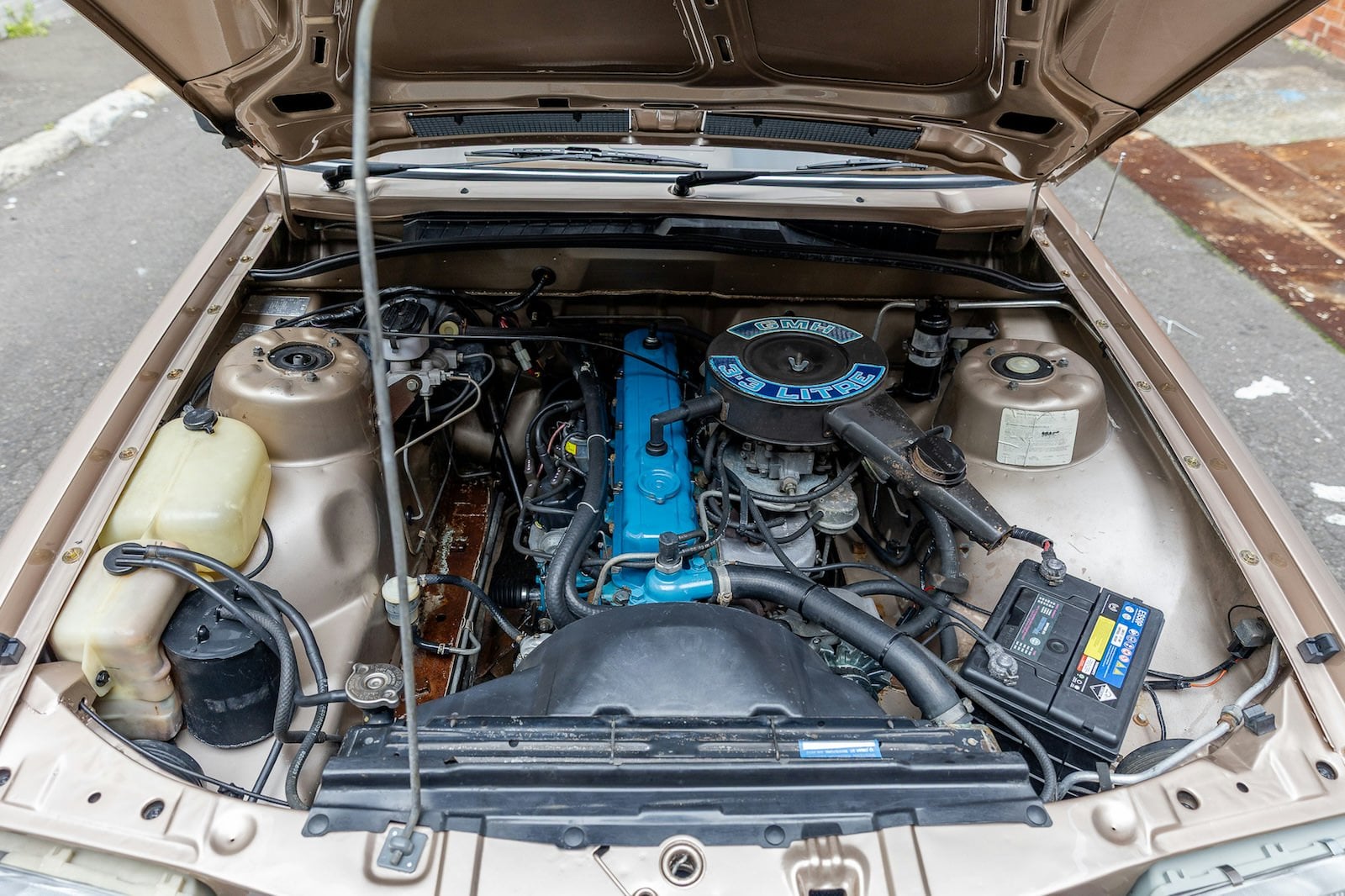
The 1983 Holden VH Commodore SL you see here is an Australian-delivered sedan that is reported to have had just one owner from new before being bought by the current seller. The odometer shows 103,356 kms, which the seller believes to be genuine.
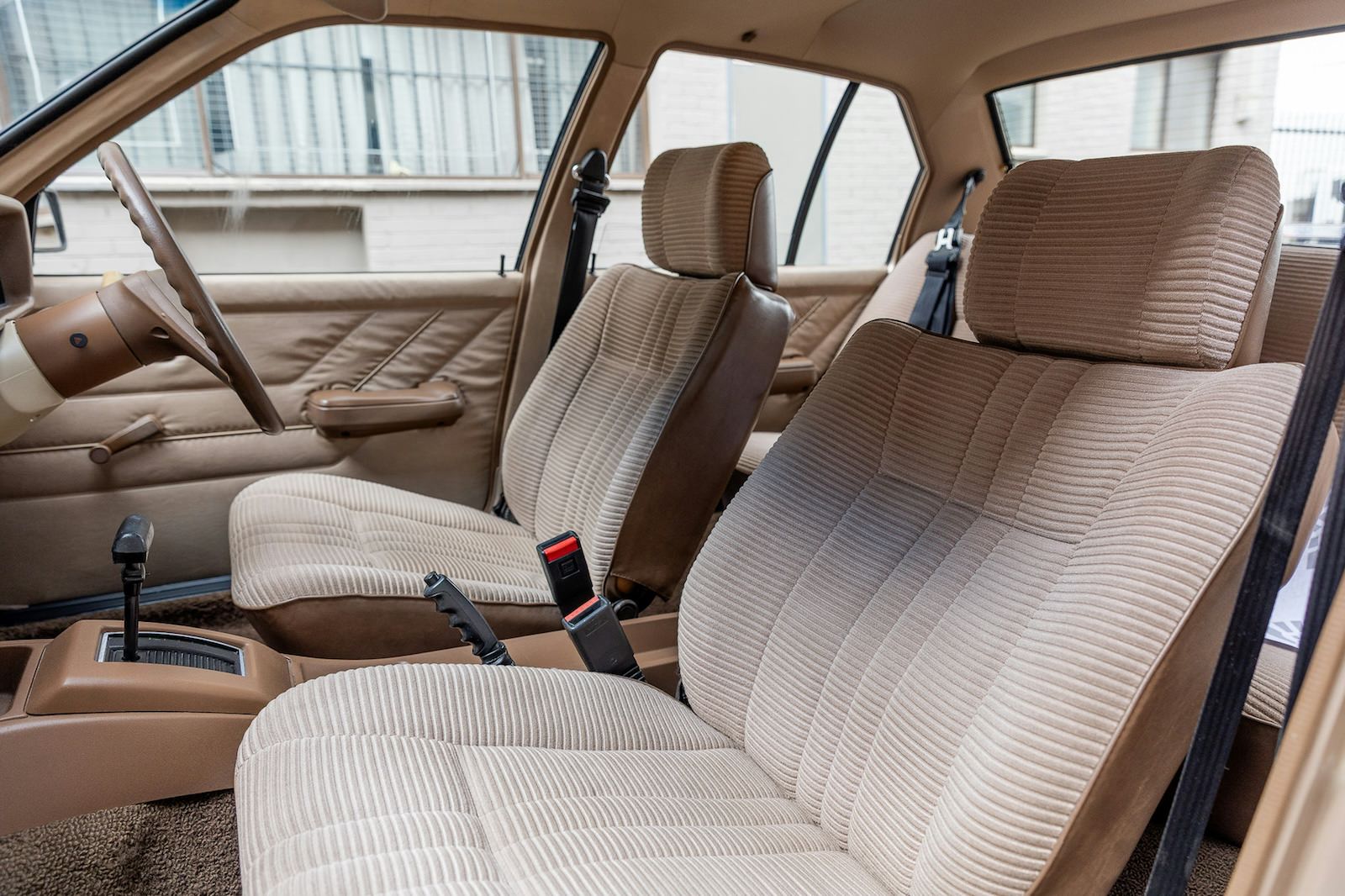
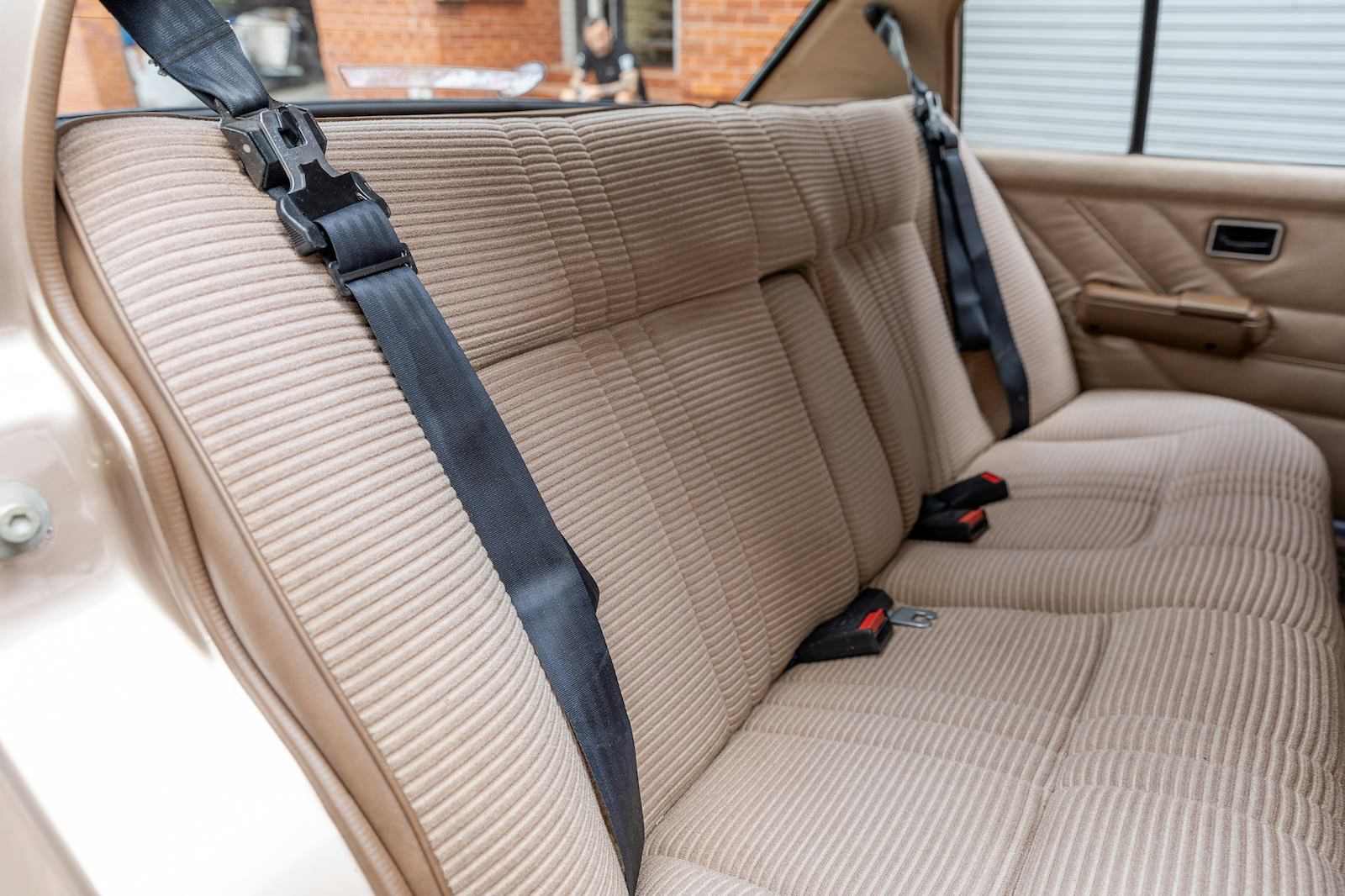
The car is finished in Oyster Metallic over a Light Oyster vinyl interior (don’t say beige), with factory equipment including air conditioning, manual windows, manually adjustable seats, and a rear armrest. The seller reports that the Commodore has undergone an extensive restoration, including a back-to-metal, open-door repaint along with new chromework, exterior mouldings, rubber seals, locks, and window channels.
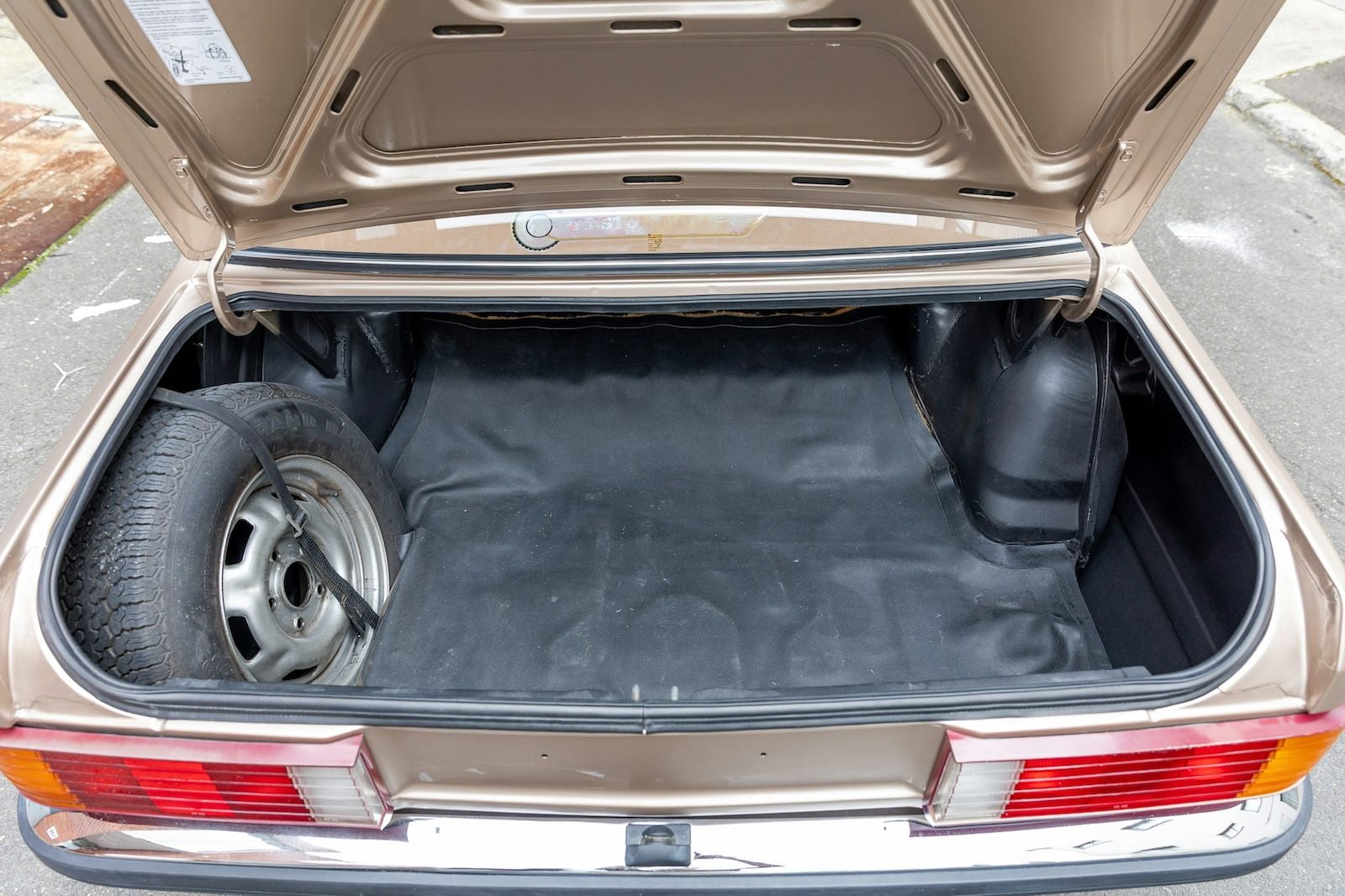
It was most recently serviced in January of 2026 at 103,300 kms and is accompanied by its owner’s manual, original tool kit, factory spare tyre, and several keys. It’s now being offered for sale out of Annandale, NSW, Australia and you can visit the listing here if you’d like to read more or register to bid.
Images courtesy of Collecting Cars + GM Holden

Articles that Ben Branch has written have been covered on CNN, Popular Mechanics, Smithsonian Magazine, Road & Track Magazine, the official Pinterest blog, the official eBay Motors blog, BuzzFeed, Autoweek Magazine, Wired Magazine, Autoblog, Gear Patrol, Jalopnik, The Verge, and many more.
Silodrome was founded by Ben back in 2010, in the years since the site has grown to become a world leader in the alternative and vintage motoring sector, with well over a million monthly readers from around the world and many hundreds of thousands of followers on social media.