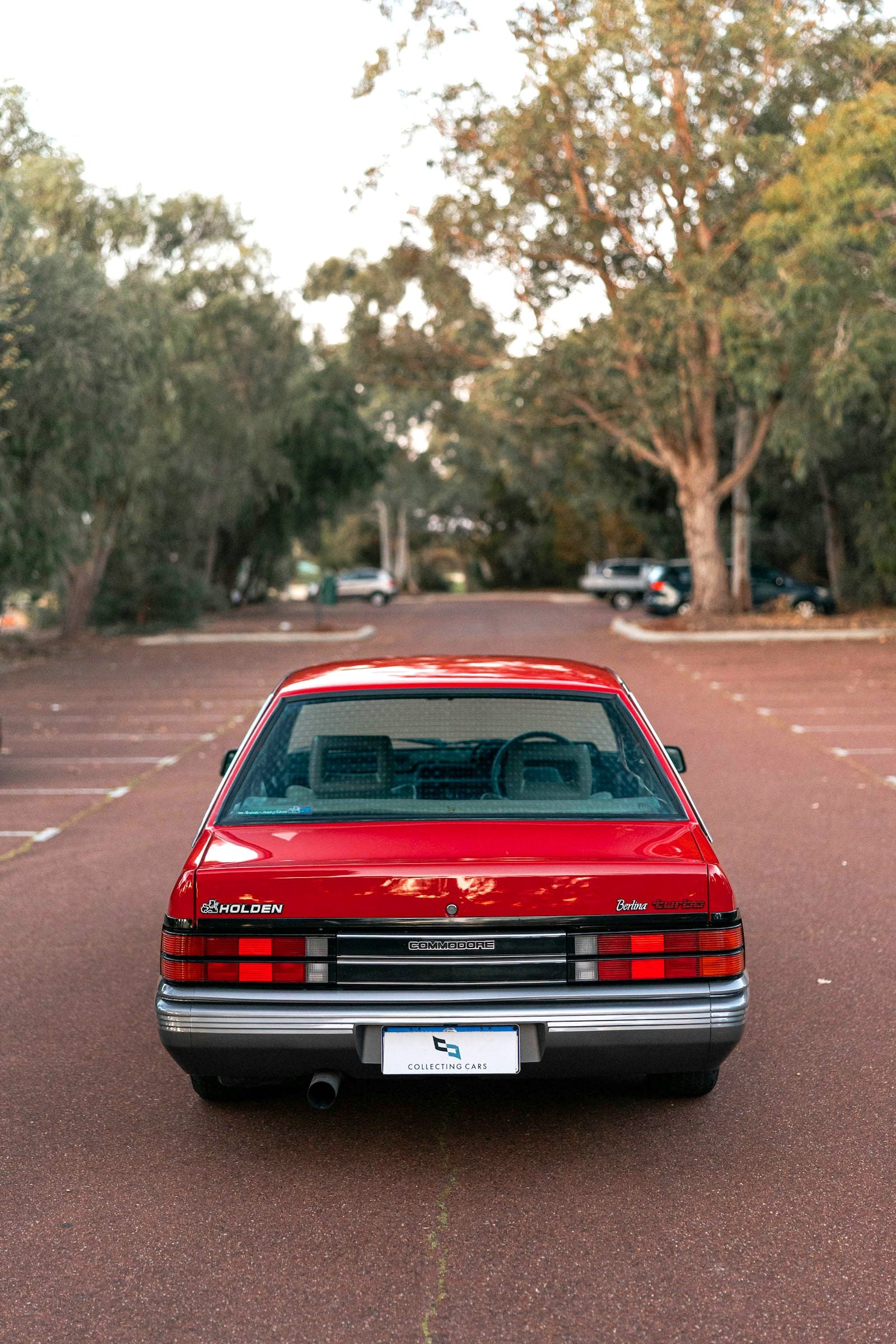
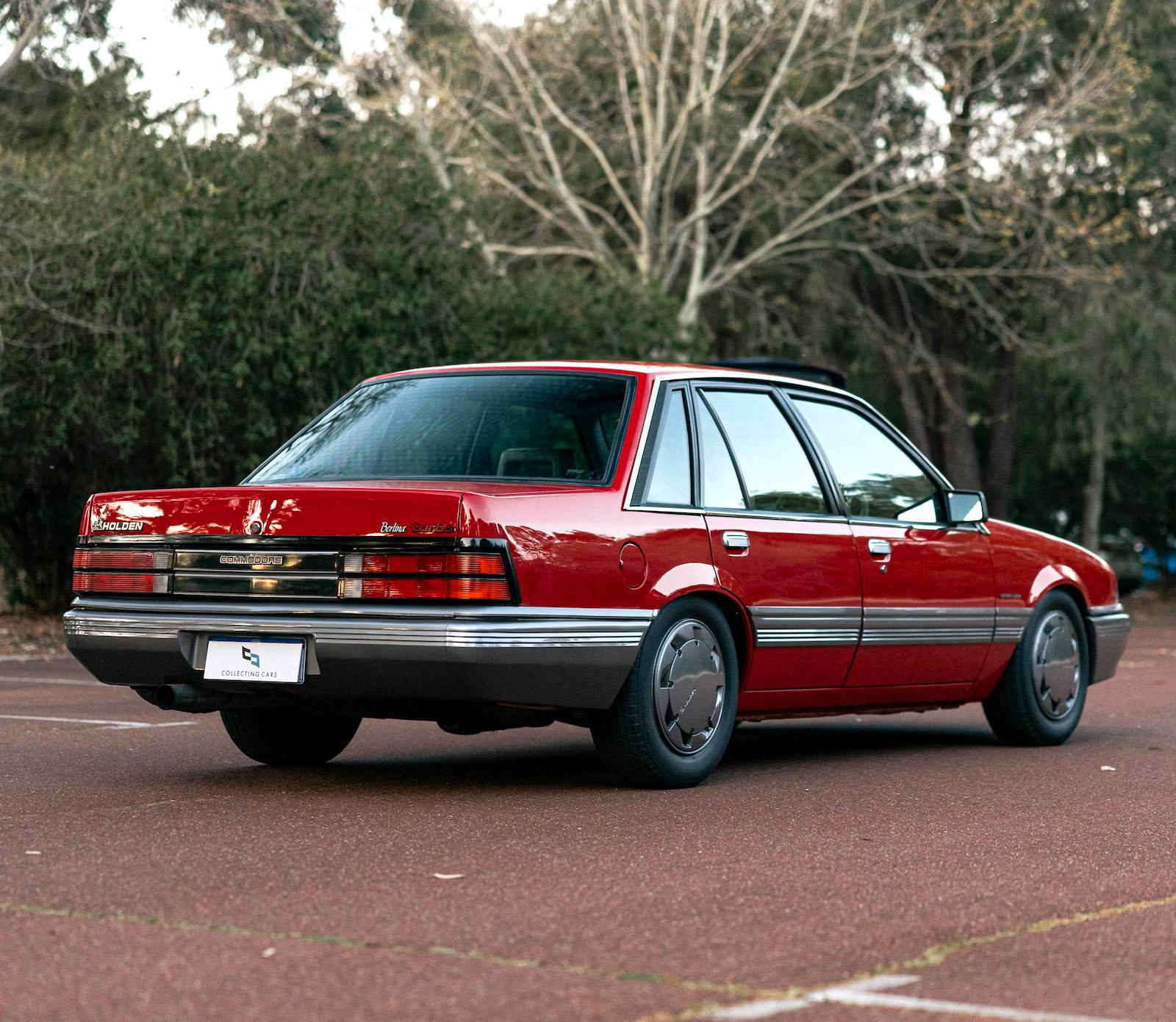
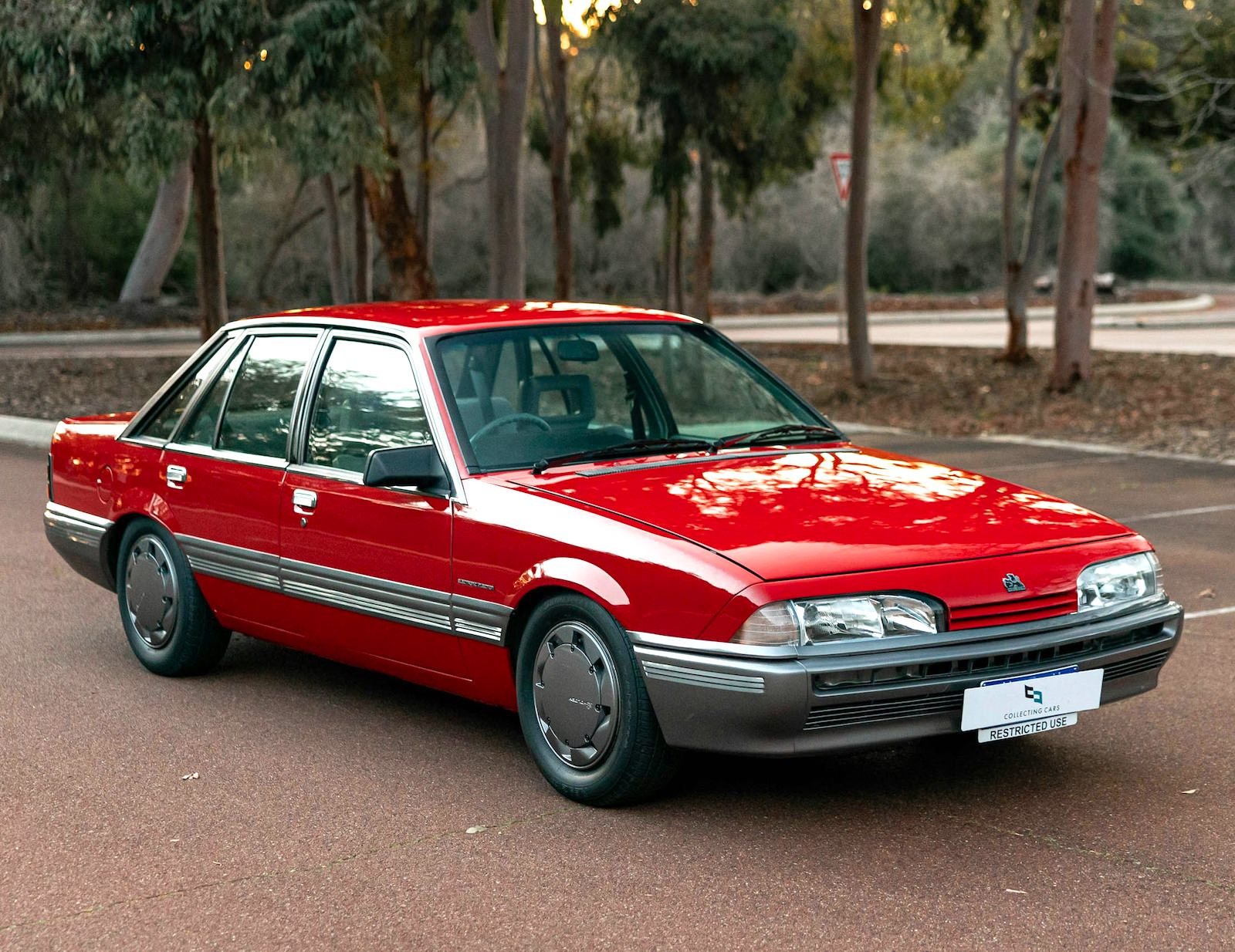
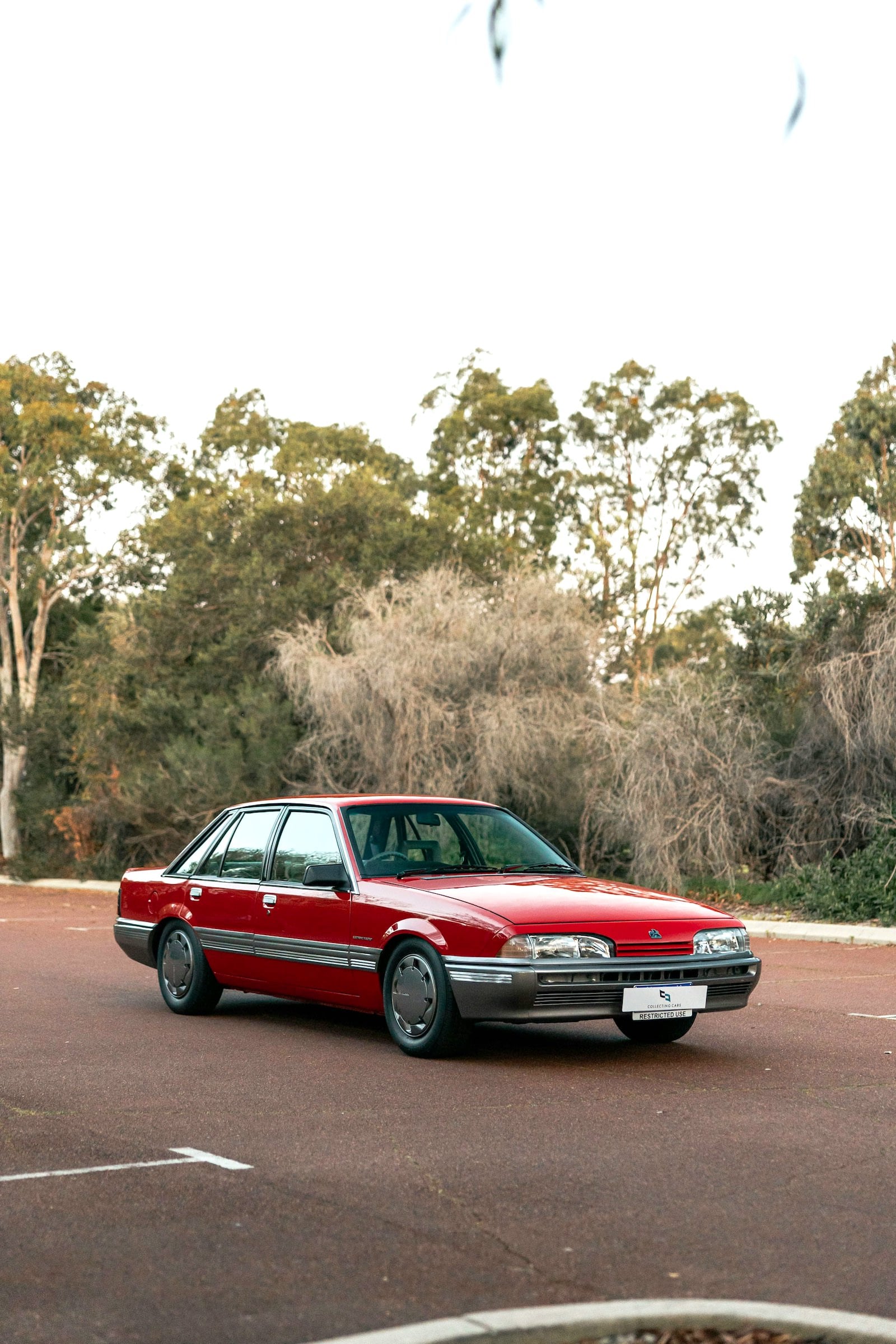
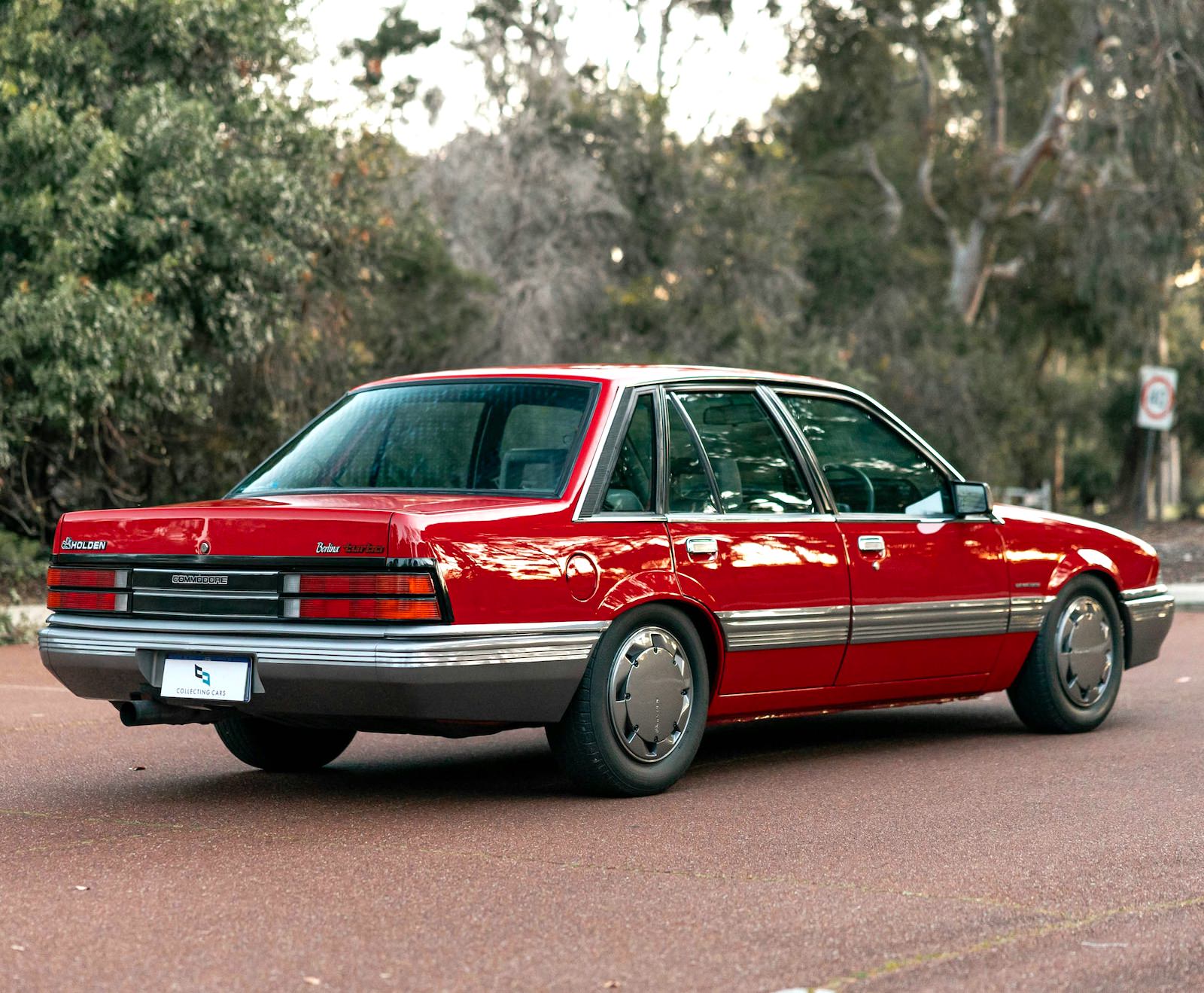
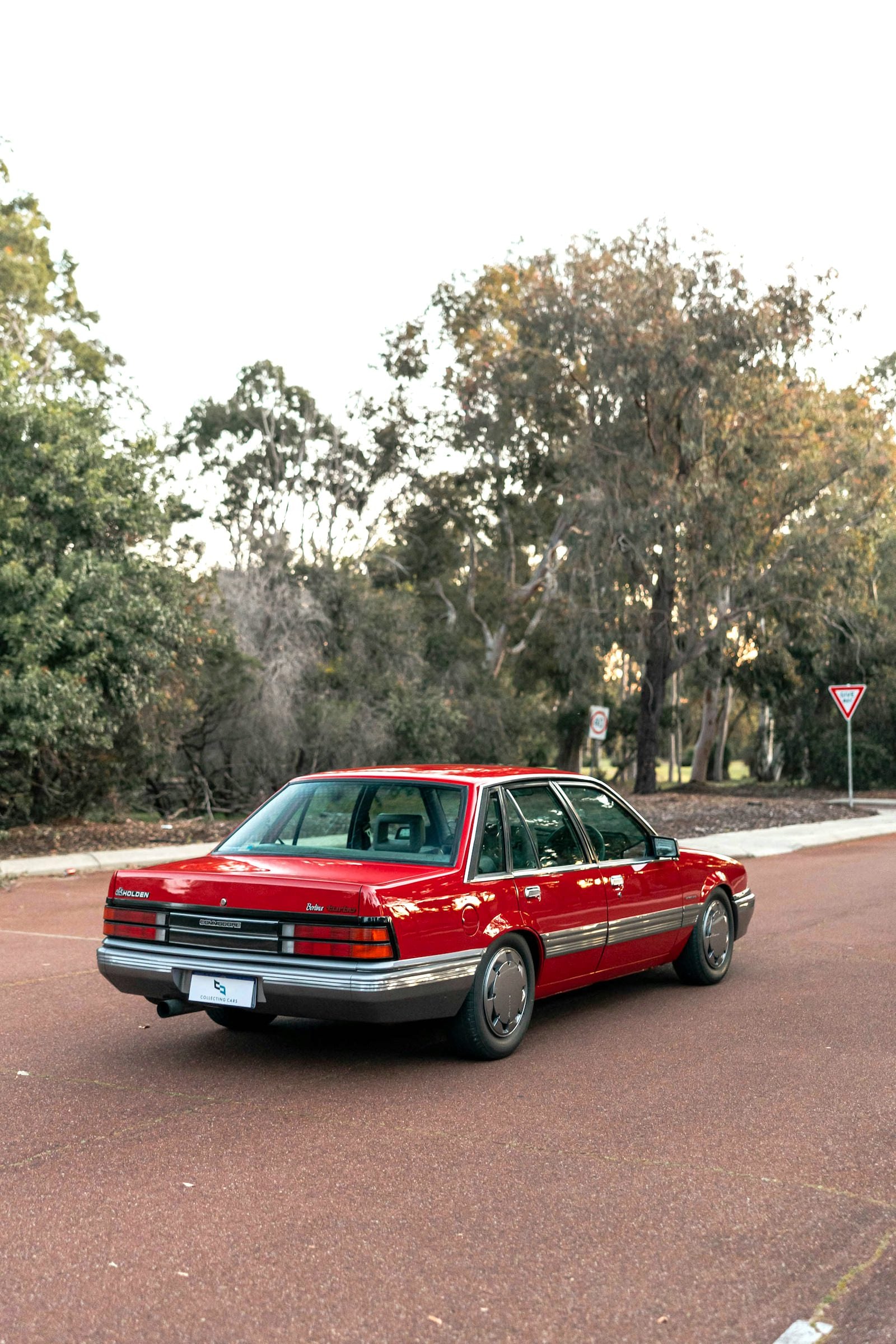
This is a 1987 Holden Commodore Berlina VL Turbo, it’s a car you may never have seen before if you aren’t from Australia or New Zealand, but for a time in both those countries the Commodore was one of the most common cars on the road.
The VL Turbo was good for 201 bhp and 218 lb ft of torque, giving it a 0 to 62 mph time of 7.6 seconds – a respectable number by the standards of mid-1980s family sedans.
Fast Facts: A 1987 Berlina VL Turbo Commodore
- The Holden VL Commodore debuted in March of 1986, powered by a Japanese-built Nissan RB30E 3.0 liter inline-six. Holden adopted the engine to meet Australia’s new unleaded fuel regulations without developing an expensive replacement for its aging six-cylinder engine. The decision proved controversial but gave the Commodore a modern, fuel-injected powerplant.
- The VL received revised styling with a redesigned front end, lower headlights, and an integrated rear spoiler. It kept MacPherson strut front suspension and a coil-sprung live rear axle. The range included SL, Executive, Berlina, and Calais variants, with sedan and station wagon bodies, plus a returning Holden V8.
- The turbocharged RB30ET arrived in mid-1986, producing 201 bhp and 218 lb ft of torque through a 5-speed manual or 4-speed automatic transmission. Turbo models received FE2 suspension, larger front brakes, and 15-inch wheels. Independent testing recorded a 0 to 62 mph time of 7.6 seconds.
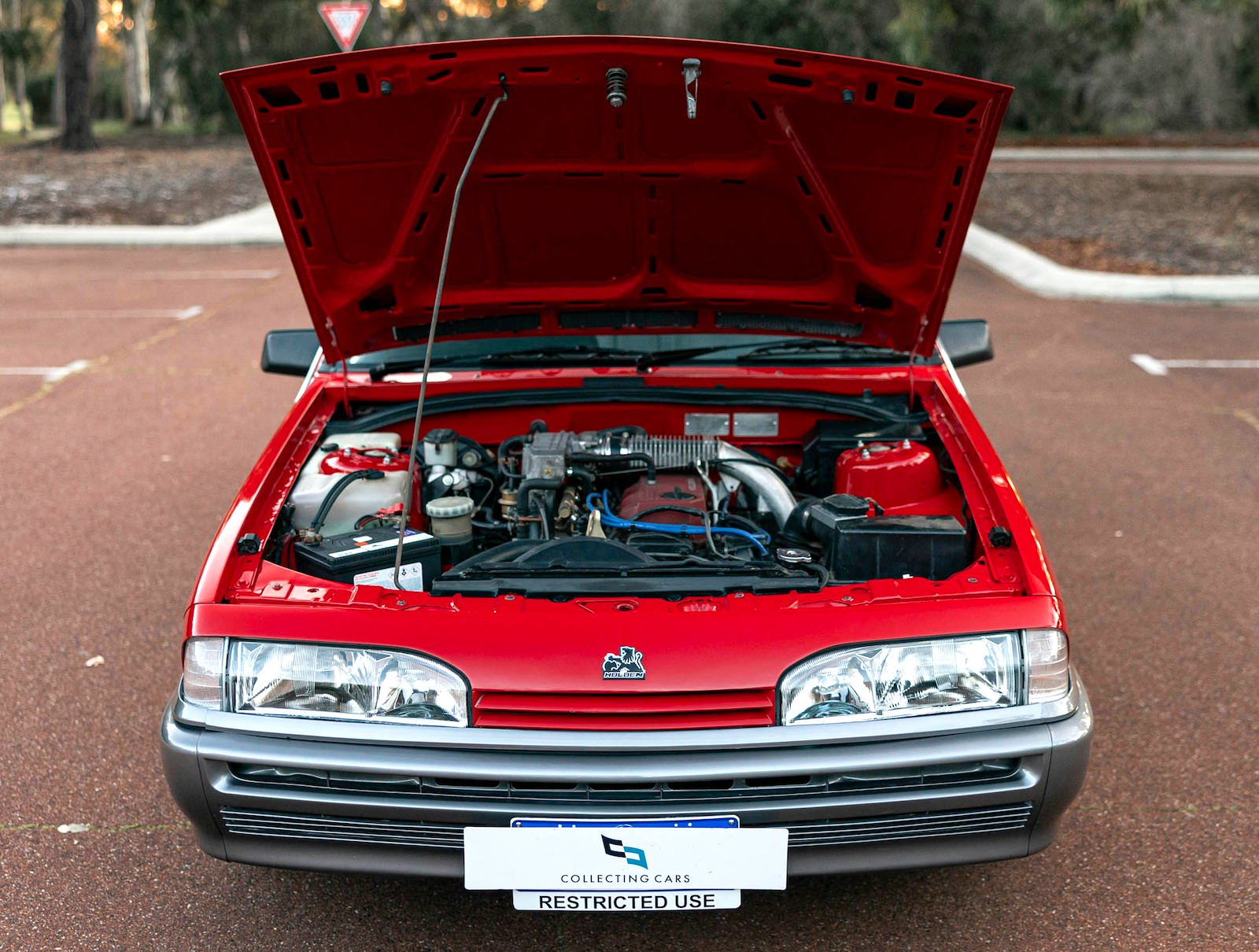
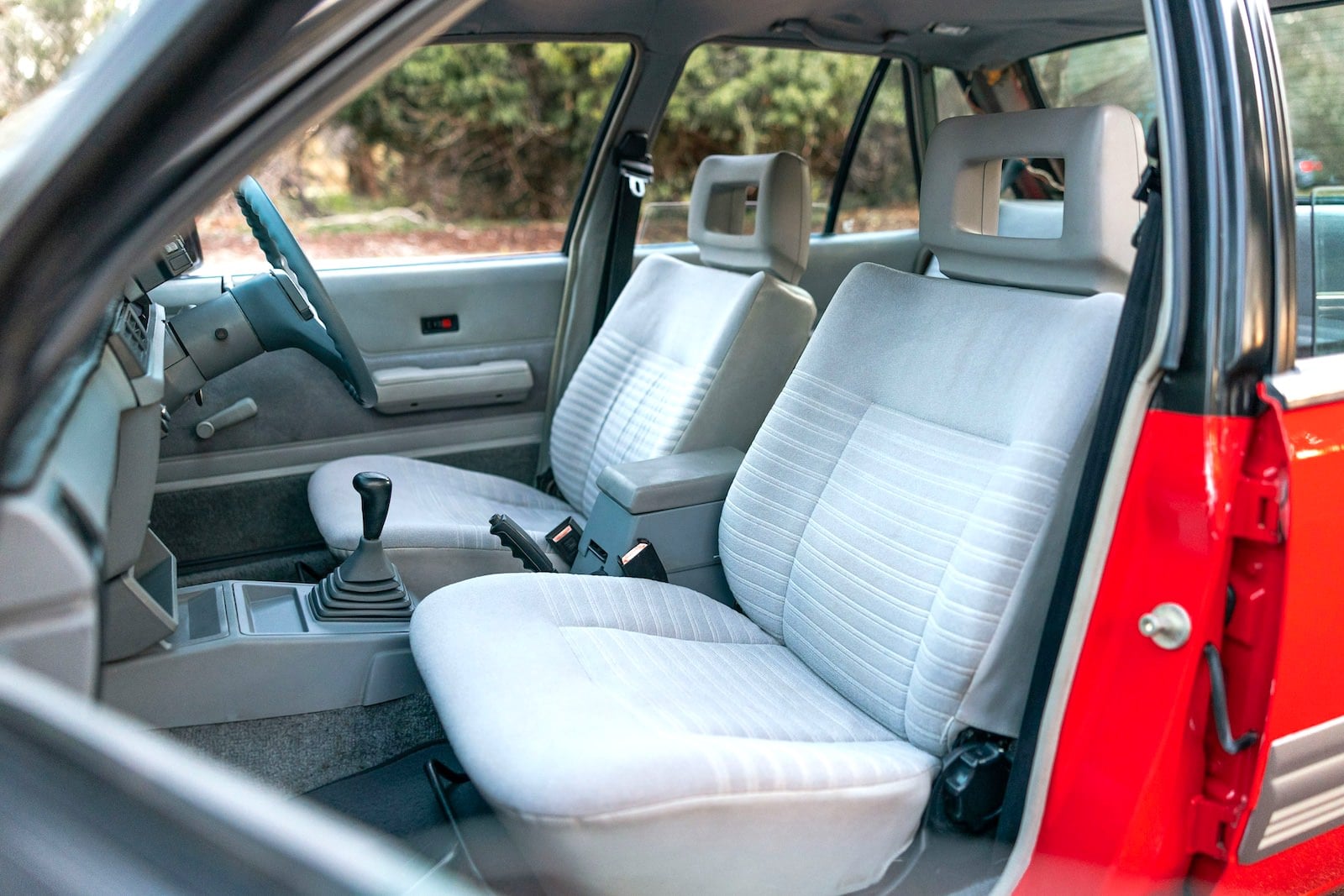
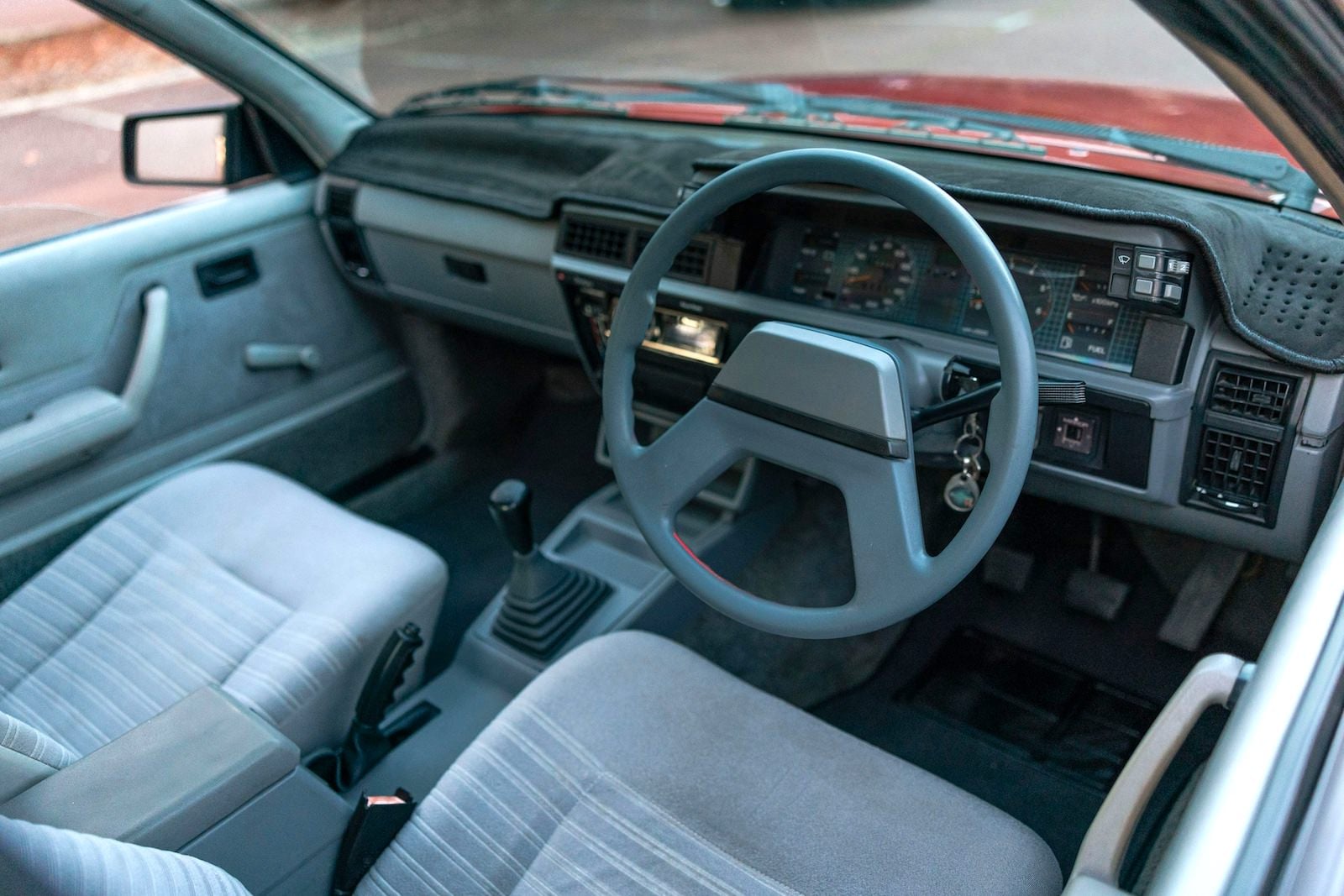
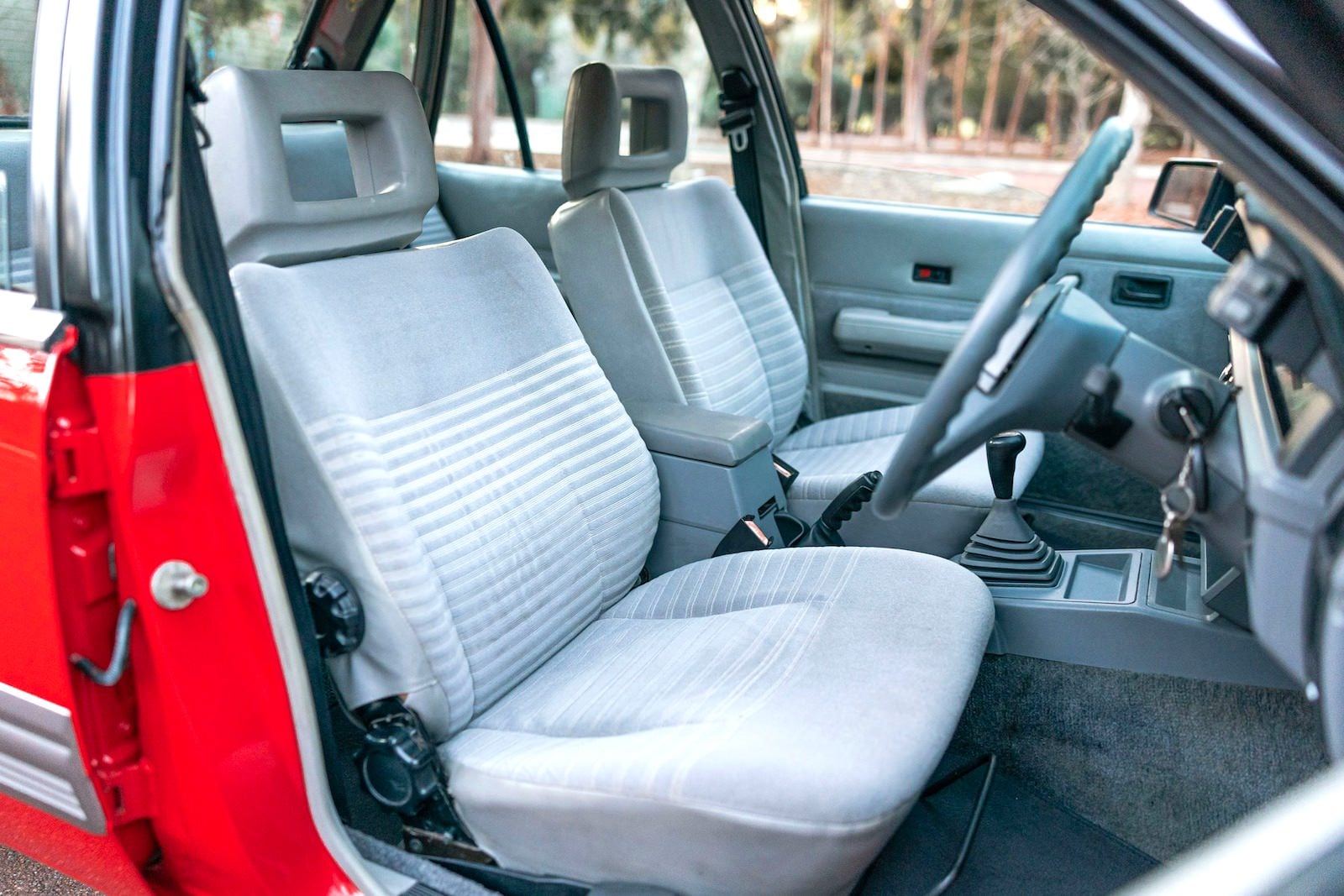
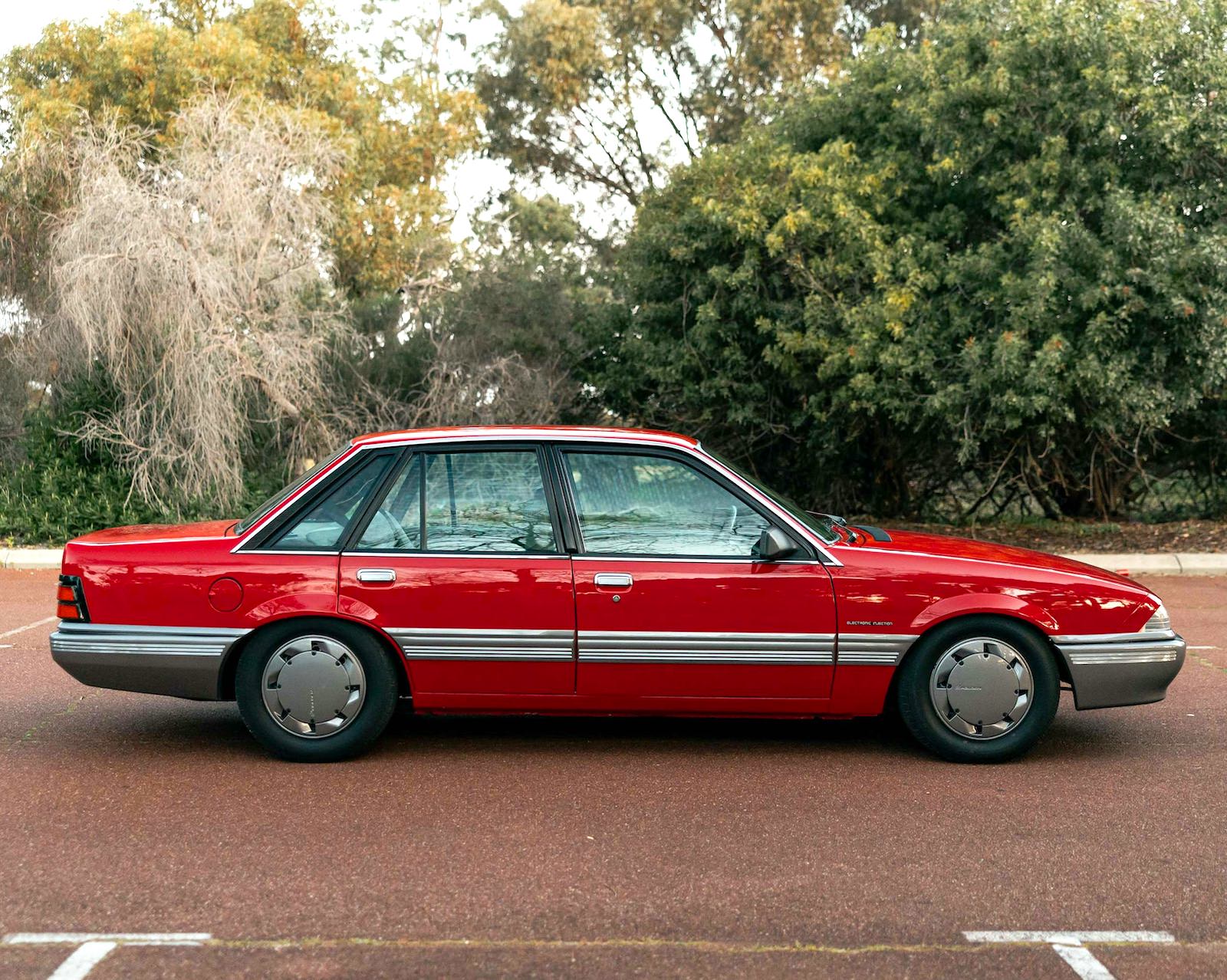
- The Berlina VL Turbo pictured here was built in 1986 and features the turbocharged RB30ET engine paired with a 5-speed manual gearbox. Finished in red with a gray cloth interior, it shows 164,207 kilometers. Modifications include lowered suspension, a three-inch exhaust, and a Pioneer stereo. It is now offered for sale through Collecting Cars.
History Speedrun: The Holden Commodore “VL”
The VL Commodore went on sale in March of 1986 to much fanfare in Australia, but under the hood you’d find an engine that didn’t come from Holden, or even from Australia. It was powered by a 3.0 liter straight six made by Nissan in Japan, the decision was made because Holden couldn’t justify the cost of developing its own six to run on unleaded fuel and pass current emissions regulations.
 The VL Commodore went on sale in March of 1986 to much fanfare in Australia, but under the hood you’d find an engine that didn’t come from Holden, or even from Australia. It was powered by a 3.0 liter straight six made by Nissan in Japan. Image courtesy of General Motors Holden.
Australian Design Rule 37 required new cars to run on 91-octane unleaded petrol from January the 1st, 1986. Holden’s 202 cubic inch (3.3 liter) “Black” six would have needed expensive re-engineering to comply, and the company had already spent heavily on its Family II four-cylinder unit.
Holden was talking to Nissan by early 1983, but the idea drew objections from unions and long-time Holden buyers. The timing went against Holden in another way too, the Australian dollar fell against the yen between the signing of the supply contract and the delivery of the engines, and costs were taken out elsewhere in the car, including its single-stage acrylic paint which would cause problems down the line.
A Face-Lifted Commodore (With A Japanese Heart)
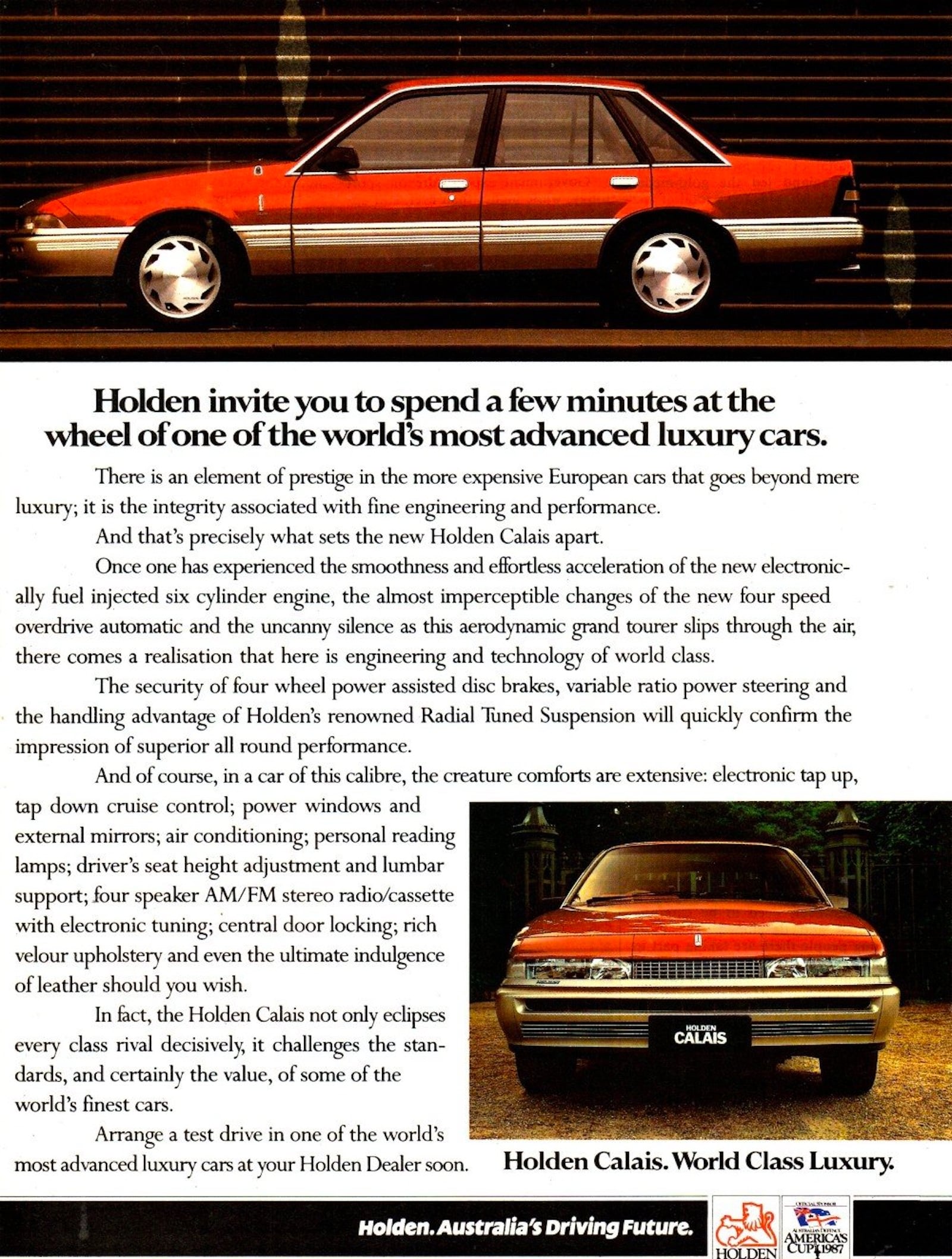
The VL largely kept the earlier VK Commodore’s glasshouse, but every panel ahead of the A-pillar was new. Executive designer Phil Zmood gave it a more steeply raked hood, lower headlights, and a trunk lid that kicked up into a built-in spoiler, while the Calais version got semi-concealed headlights.
Underneath, it kept a steel unit body with MacPherson struts at the front, a live rear axle on coil springs located by trailing arms and a Panhard rod, and variable-ratio rack-and-pinion steering, offered with or without power assistance. Truth be told, the live axle rear end was rather dated by this time, but the budget simply wasn’t there to develop a new independent rear suspension system.
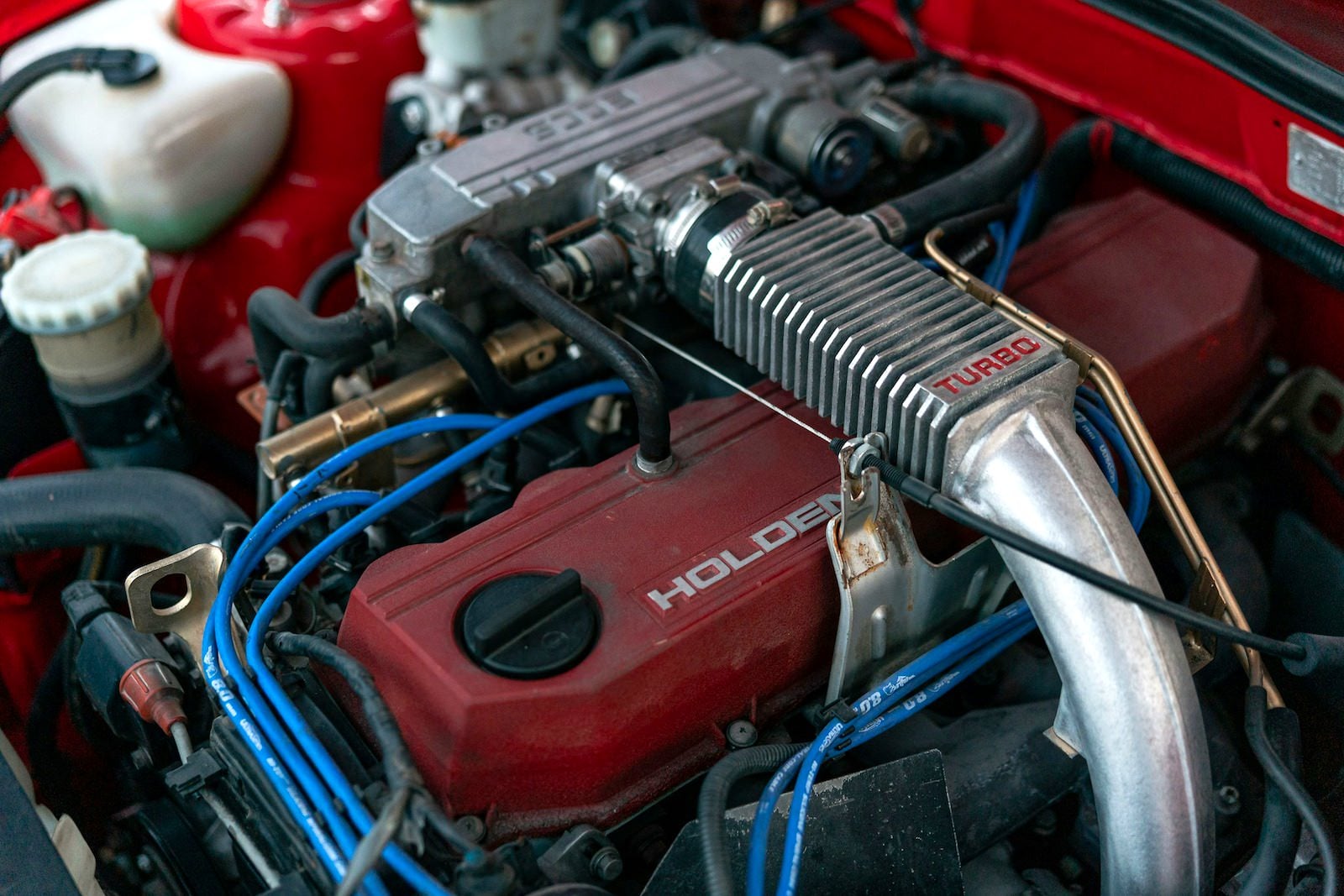
The Nissan RB30E had a single belt-driven overhead camshaft, an aluminum crossflow head on an iron block, and fuel injection. The bore x stroke of 86 x 85 mm gave a displacement of 2,962cc, and it made 153 bhp and 182 lb ft of torque. It was, at the time, one of the most technically advanced engines ever fitted to a production Holden.
Both gearboxes, a 5-speed manual and a 4-speed automatic, also came from Nissan. Holden’s advertising for the VL called the engine the “Powertech 6Ei,” Nissan Australia replied with ads suggesting that buyers try it in the car it was designed for.
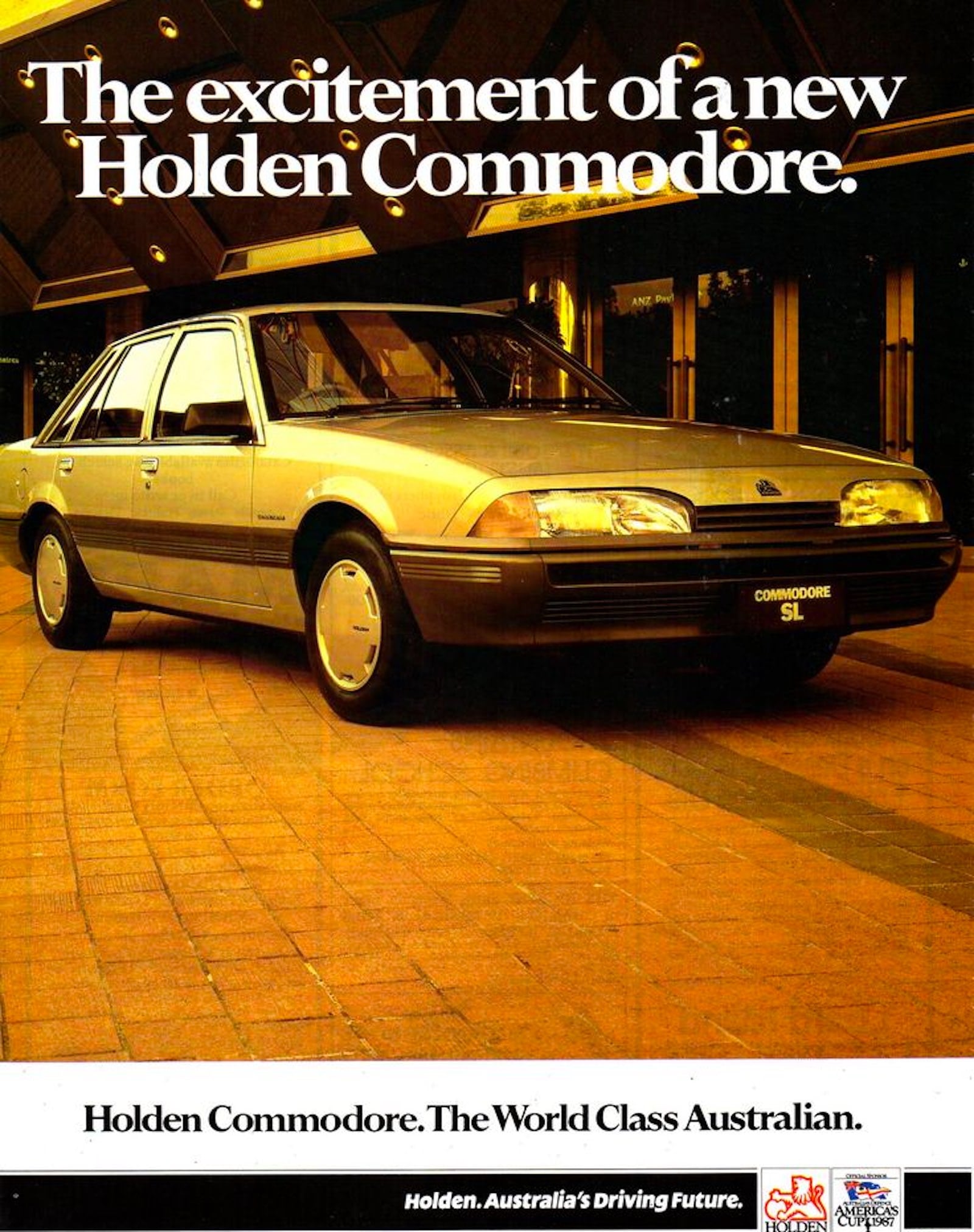
The VL largely kept the earlier VK Commodore’s glasshouse, but every panel ahead of the A-pillar was new. Executive designer Phil Zmood gave it a more steeply raked hood, lower headlights, and a trunk lid that kicked up into a built-in spoiler, while the Calais version got semi-concealed headlights. Image courtesy of General Motors Holden.
The VL Commodore Range
The VL Commodore range ran from the SL through to the Executive and Berlina to the luxury Calais. Station wagons were offered alongside the sedans, but as usual, the sedans were the best-sellers. The V8 returned in late 1986, converted to unleaded but still carbureted, with 164 bhp and 238 lb ft of torque and the old 3-speed Trimatic automatic – Holden sold it as a “towing engine.”
The Holden Dealer Team’s SS Group A homologation special cars followed in late-1986, 500 cars in Permanent Red with 184 bhp. After Holden ended its relationship with Peter Brock in February of 1987, Tom Walkinshaw’s Holden Special Vehicles built the 1988 SS Group A SV, a fuel-injected 241 bhp car finished only in Panorama Silver, of which 750 were made.
New Zealand buyers could also get a 2.0 liter Nissan six, surviving examples of these are exceedingly rare today.
The Turbo VL – RB30ET
When it negotiated to buy the RB30E, Holden also secured exclusive rights to a turbocharged version – the two engines were developed together, the turbocharged RB30ET arrived in mid-1986. It used a Garrett T3 turbocharger in a water-cooled housing, new pistons that dropped compression from 9.0:1 to 7.8:1, and a camshaft with more lift and less overlap. Output rose to 201 bhp at 5,600 rpm and 218 lb ft at 3,200 rpm, with full boost by 2,400 rpm.
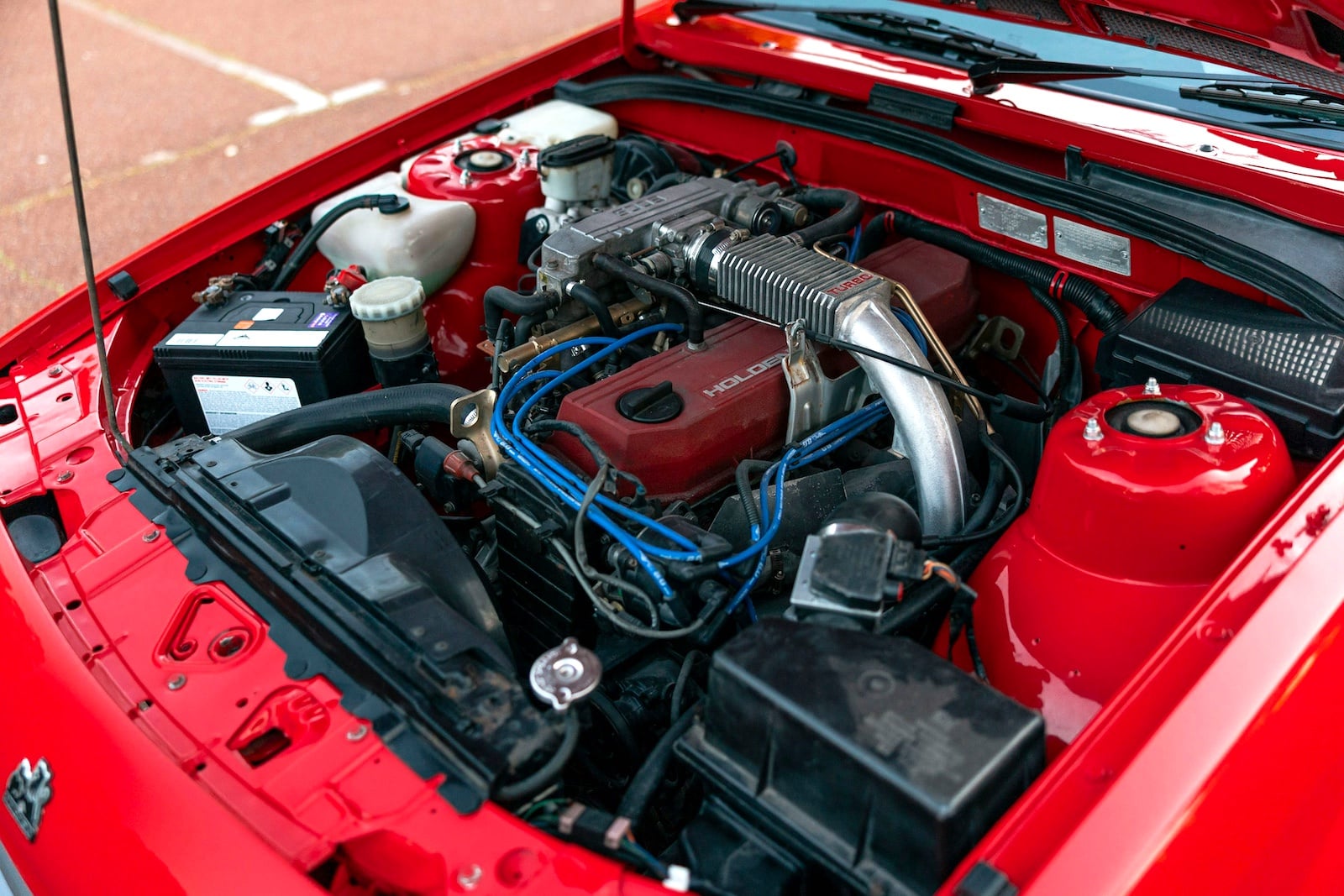
The turbocharged RB30ET arrived in mid-1986. It used a Garrett T3 turbocharger in a water-cooled housing, new pistons that dropped compression from 9.0:1 to 7.8:1, and a camshaft with more lift and less overlap.
The RB30ET turbo was offered across the range, from the SL to the Calais, with the 5-speed manual or 4-speed automatic and an optional limited-slip differential. Turbo sedans got the FE2 suspension package, Holden’s attempt to fix the standard car’s handling. It used linear-rate front springs and revised damping and anti-roll bars.
The front discs also grew and gained finned aluminum Girlock calipers of the type also used on the contemporary Corvette. The bigger brakes forced a move to 15-inch wheels, and power steering was standard.
Holden claimed 8.0 seconds from 0 to 100 km/h (0 to 62 mph), but independent tests recorded around 7.6. This was a rather quick time for a mass-produced Australian family car at the time, and enough for it to trouble the higher-end German sedans off the line.
A police pursuit specification version of the car, coded BT1, was based on the SL with the FE2 suspension and in some cases a long-range fuel tank, Absinthe Yellow was by far its most common color. The BT1 proved highly successful as a police pursuit car, they could outpace almost anything, and years later as they were being retired from the force and sold to civilian buyers, many of them ended up on the wrong side of the law.
Holden’s VL Commodore production total came to 151,801 cars. The VN Commodore replaced it in August of 1988, and the Nissan six gave way to a 3.8 liter V6 of American (Buick) origin.
The 1987 Holden Berlina VL Turbo Shown Here
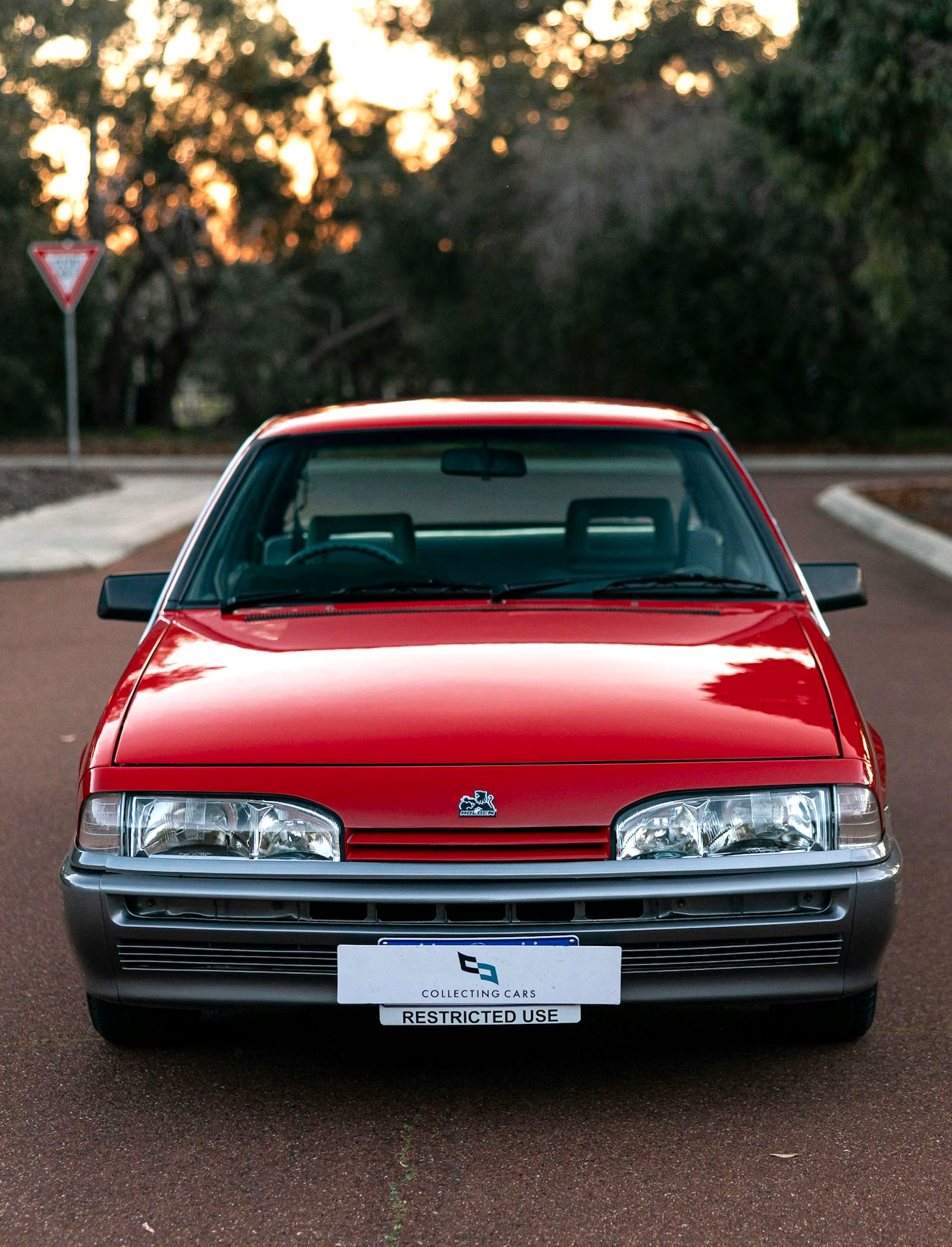
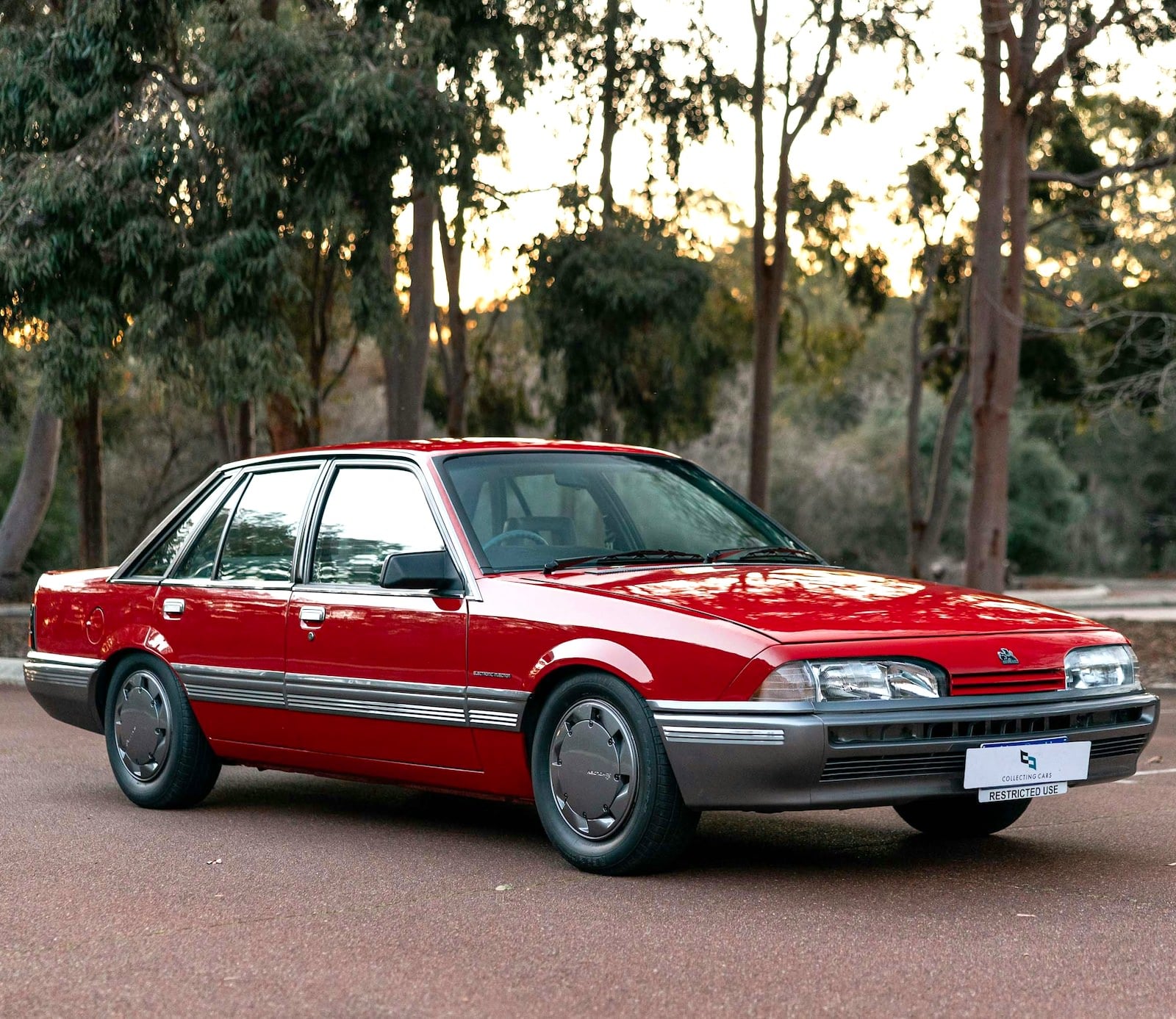
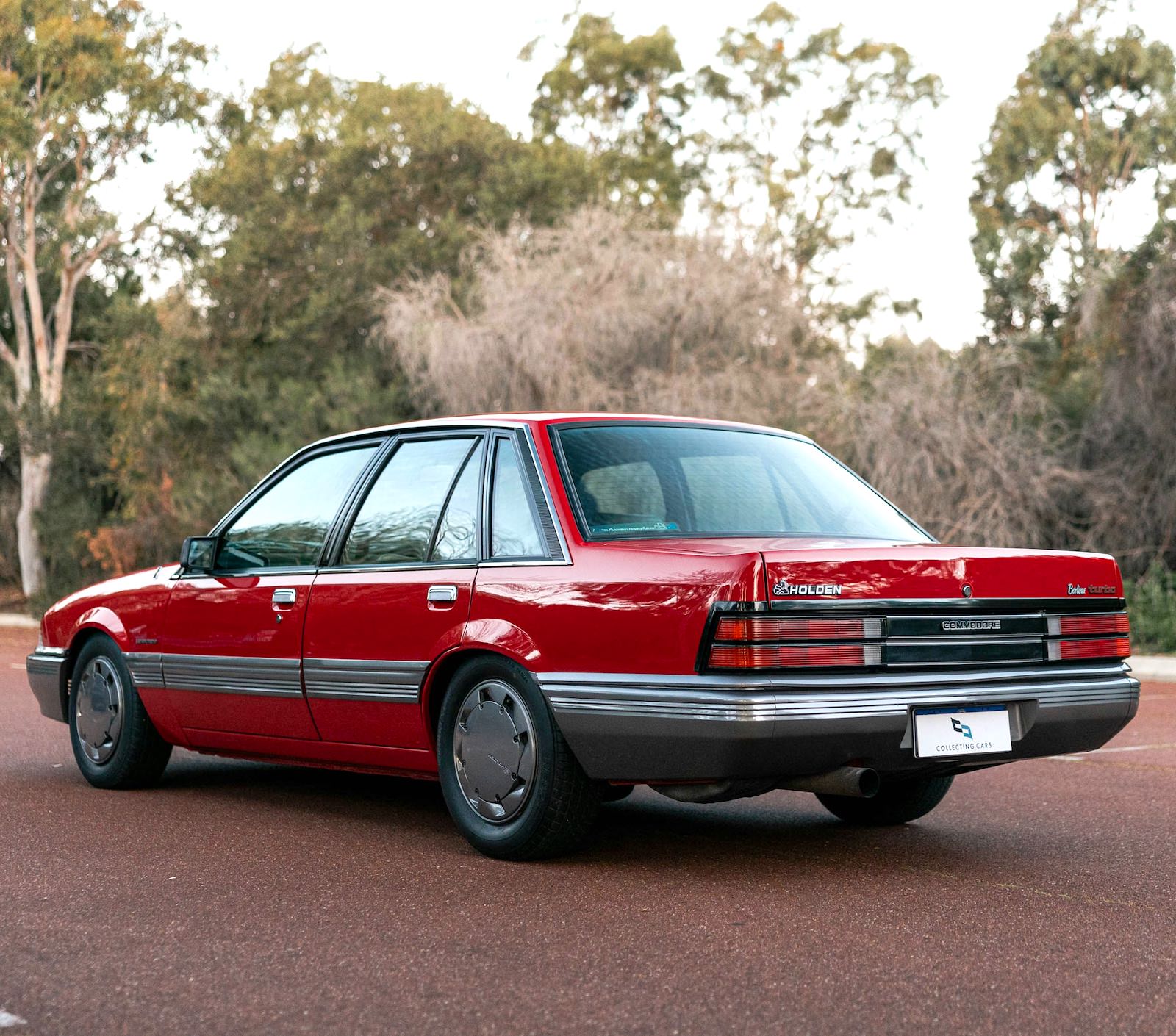
This is a 1986 Holden VL Commodore Berlina, an original Australian-market example powered by the popular turbocharged 3.0 liter RB30ET inline-six, driving the rear wheels through a 5-speed manual transmission. The car passed Australian compliance in mid-1986 and currently shows 164,207 kilometers on the odometer, that’s approximately 102,033 miles.
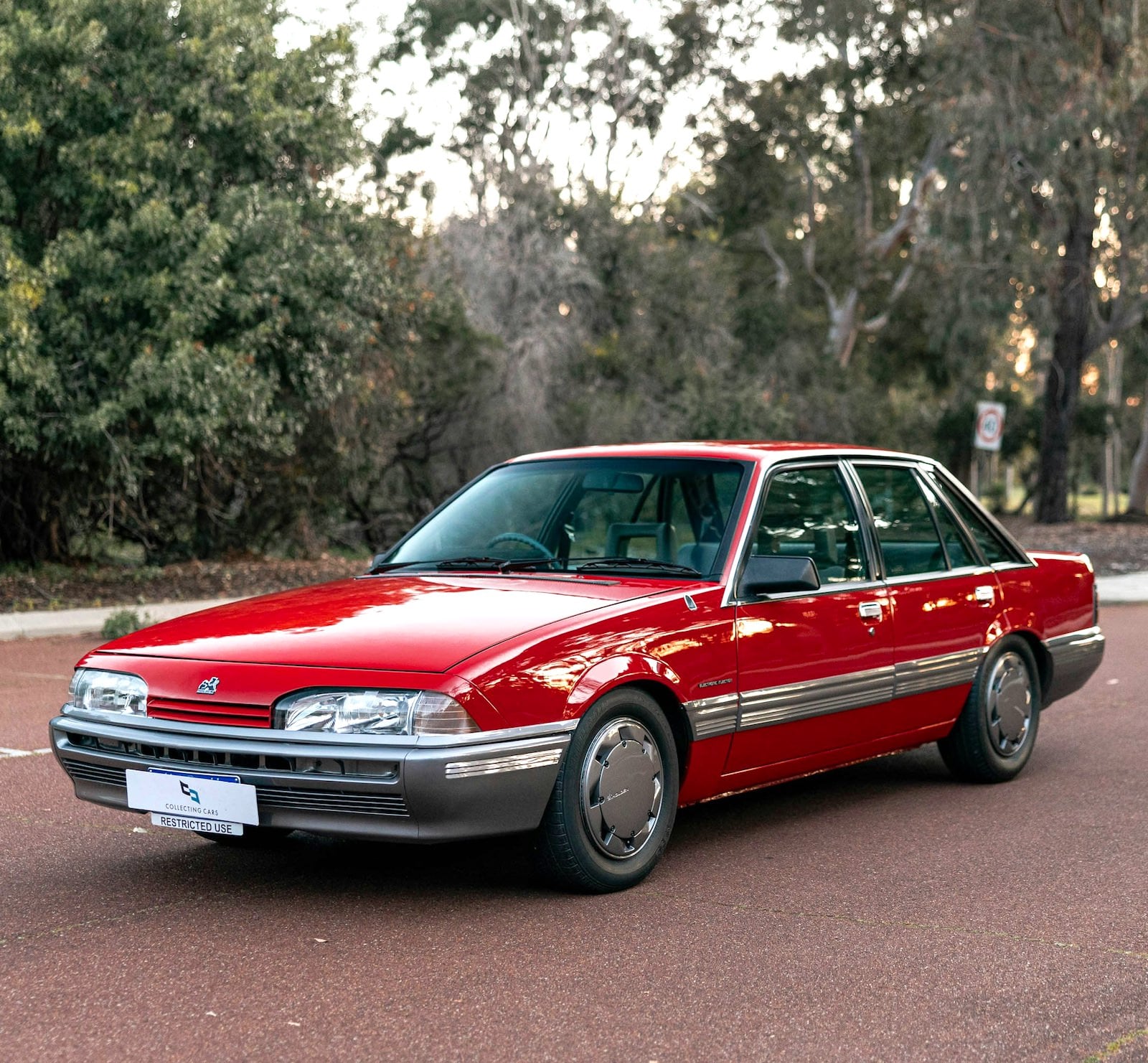
This is a 1986 Holden VL Commodore Berlina, an original Australian-market example powered by the popular turbocharged 3.0 liter RB30ET inline-six, driving the rear wheels through a 5-speed manual transmission. The car passed Australian compliance in mid-1986 and currently shows 164,207 kilometers on the odometer, that’s approximately 102,033 miles.
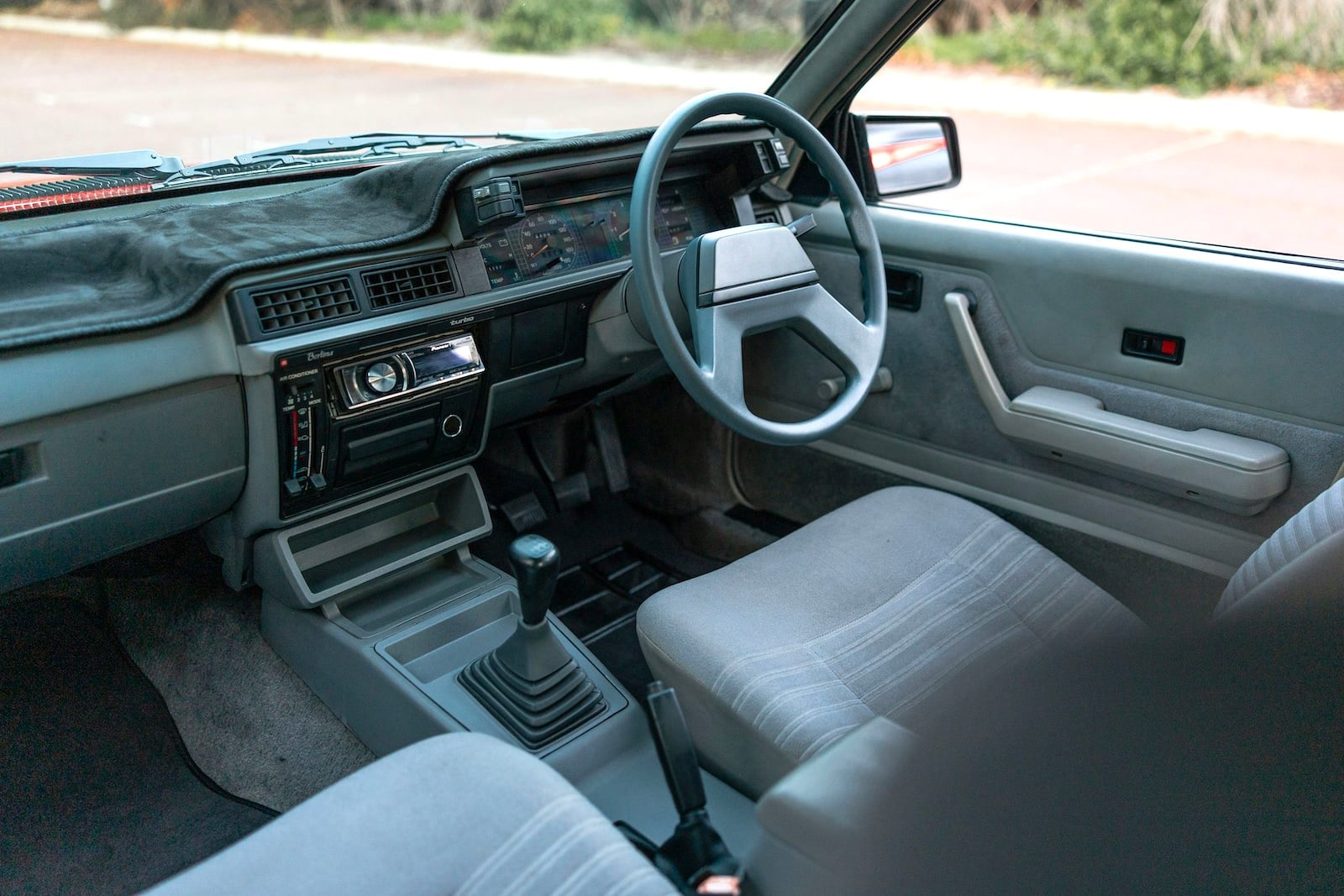
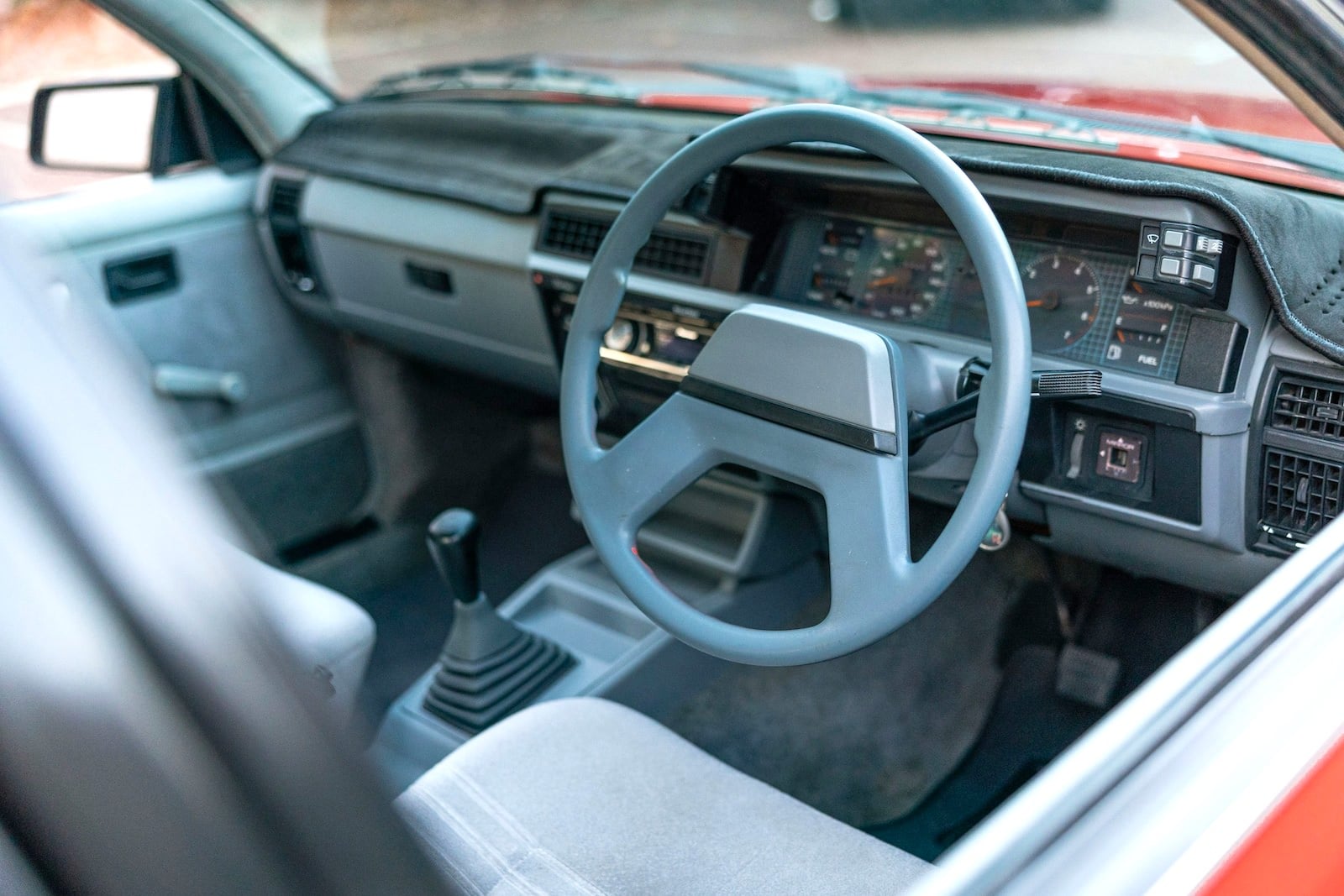
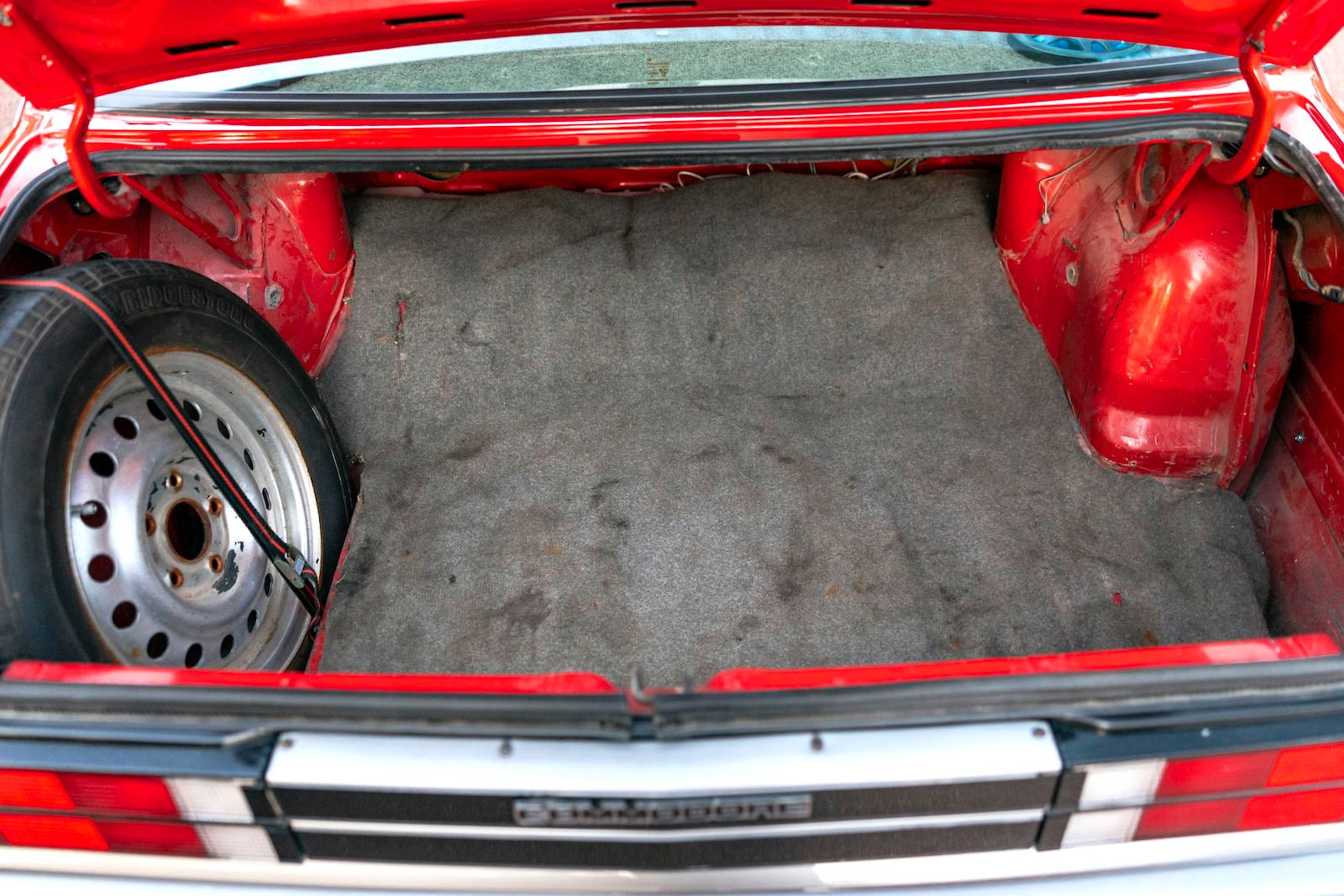
The car is finished in red over a gray cloth interior, and it rides on 15-inch steel wheels with turbine-style hubcaps and Bridgestone RE92 tires. Factory equipment includes air conditioning, electrically adjustable door mirrors, and a two-spoke steering wheel.
The car has been given a number of mods including a three-inch exhaust system, lowered suspension, and an aftermarket Pioneer stereo. It’s now being offered for sale with two keys and you can visit the listing here if you’d like to read more about it or register to bid.
Images courtesy of Collecting Cars + General Motors Holden

Articles that Ben Branch has written have been covered on CNN, Popular Mechanics, Smithsonian Magazine, Road & Track Magazine, the official Pinterest blog, the official eBay Motors blog, BuzzFeed, Autoweek Magazine, Wired Magazine, Autoblog, Gear Patrol, Jalopnik, The Verge, and many more.
Silodrome was founded by Ben back in 2010, in the years since the site has grown to become a world leader in the alternative and vintage motoring sector, with well over a million monthly readers from around the world and many hundreds of thousands of followers on social media.