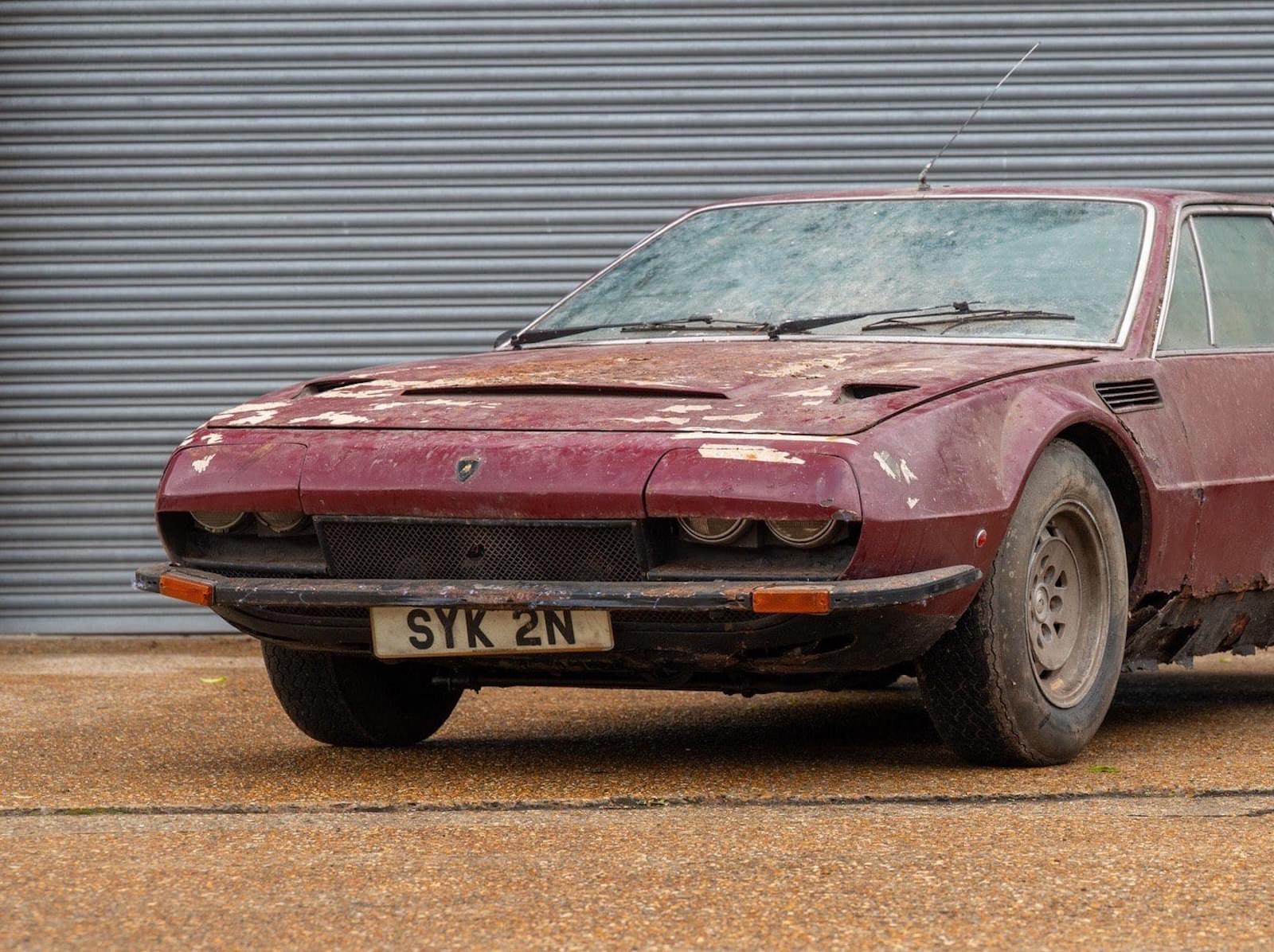
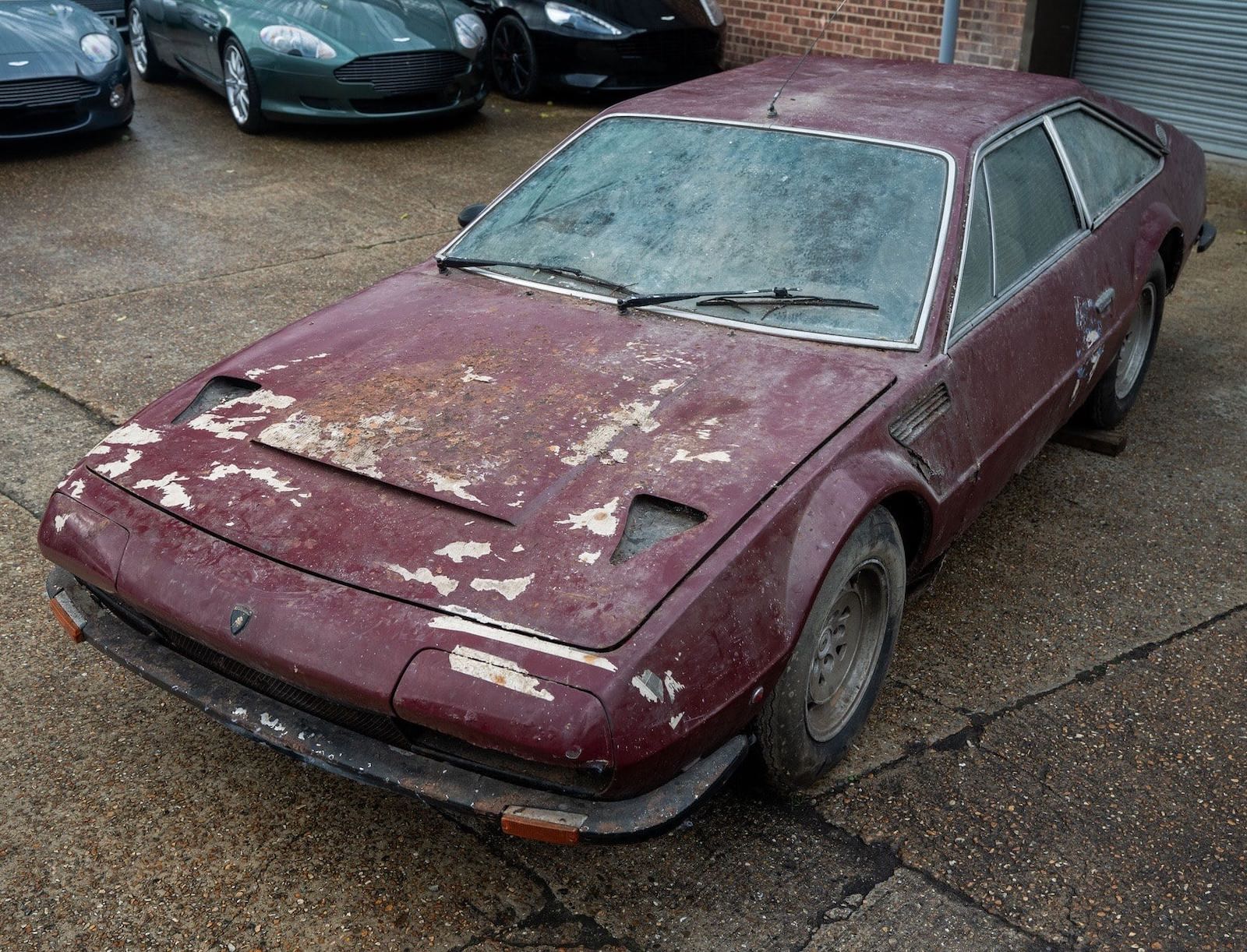
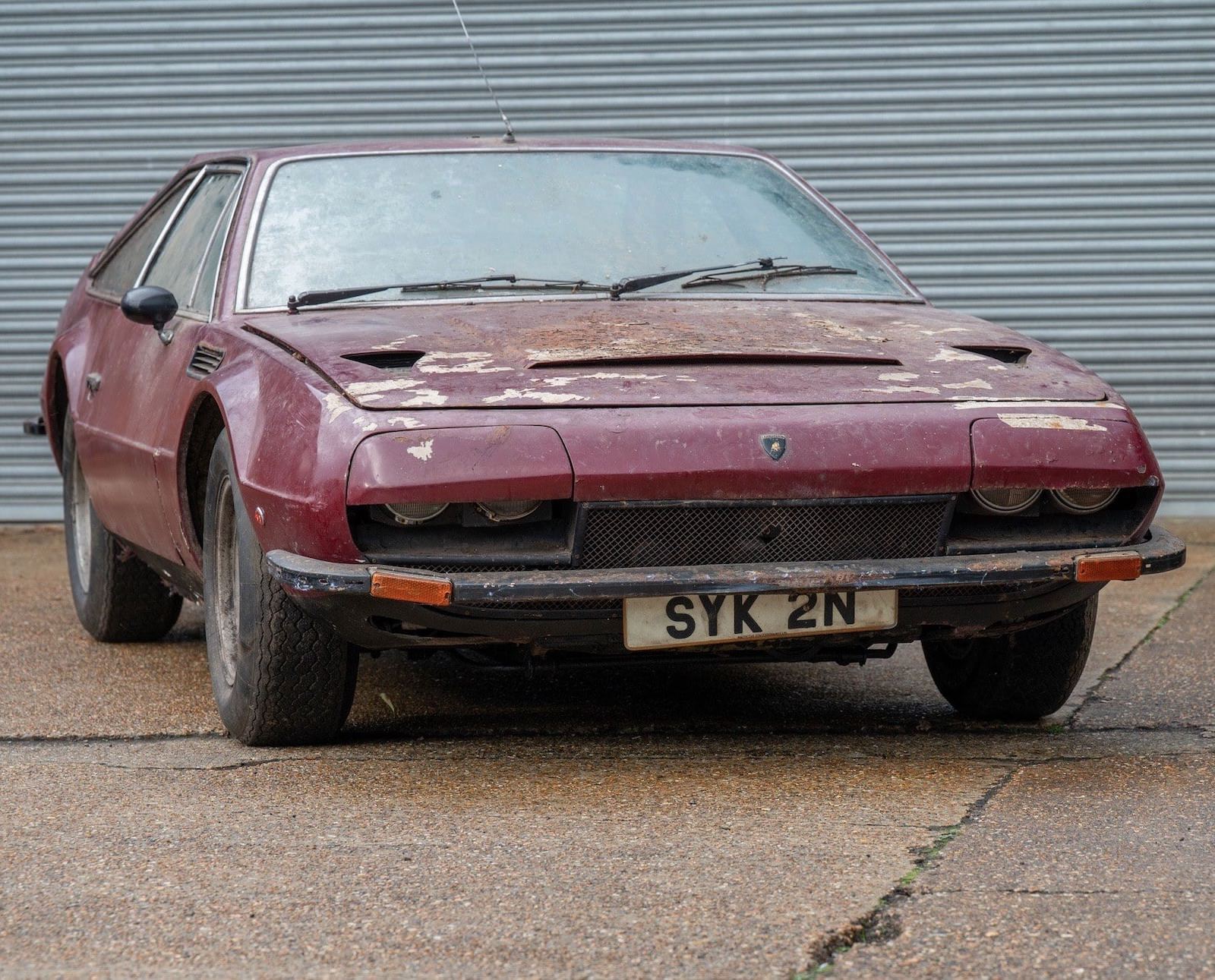
This is a 1974 Lamborghini Jarama S project car, the Jarama is an oft-forgotten model from the Italian supercar maker but it deserves to be better remembered. It was Ferruccio Lamborghini’s favorite car, and it was a far more practical V12 Lamborghini than either the Miura or the Countach.
The Jarama offered Marcello Gandini styling with a sensible 2+2 seating layout and even some trunk space in the rear. It was a Lamborghini you could realistically daily drive, if you had the clams for it of course, and Ferruccio did just that.
Fast Facts: A 1974 Jarama S Project Car
- The Lamborghini Jarama debuted in 1970 as a front-engined V12 grand tourer, replacing the earlier Islero. Designed by Marcello Gandini at Bertone, it combined distinctive angular styling with a practical 2+2 seating arrangement, luggage space, and independent four-wheel suspension. Ferruccio Lamborghini famously considered it his favorite car.
- Built on a shortened Lamborghini Espada platform, the Jarama had a 3.9 liter V12 producing 345 bhp, paired with a 5-speed manual gearbox. The updated Jarama S arrived in 1972 with 360 bhp, revised styling, a redesigned interior, and improved equipment. Just 327 Jaramas were produced, including 150 S models.
- The Jarama competed with grand tourers from Ferrari, Maserati, and Aston Martin, but never achieved comparable commercial success. Production officially ended in 1976, although some cars were completed as late as 1978. Despite its limited sales, the Jarama remains notable for its practical layout and Ferruccio’s personal affection for the model.
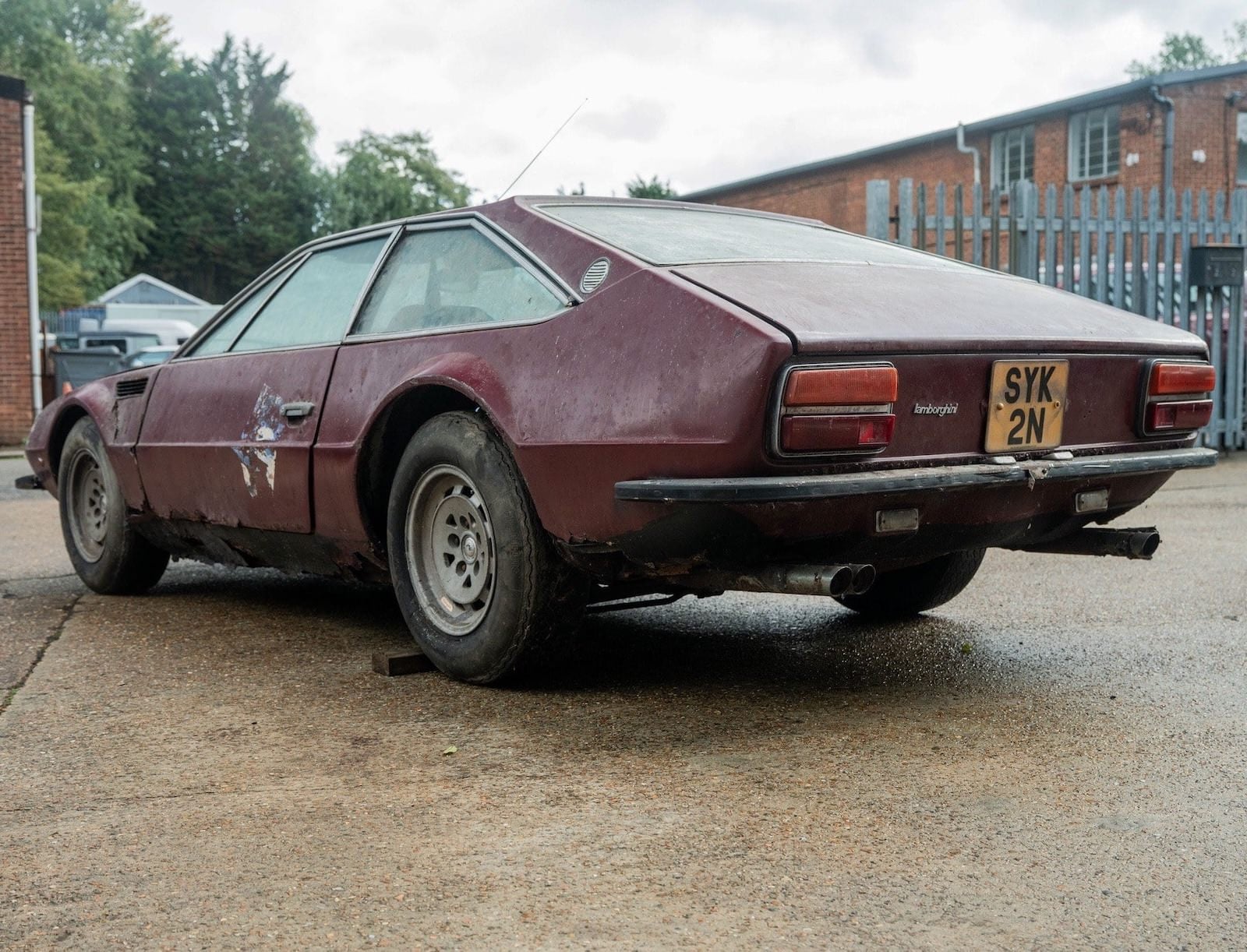
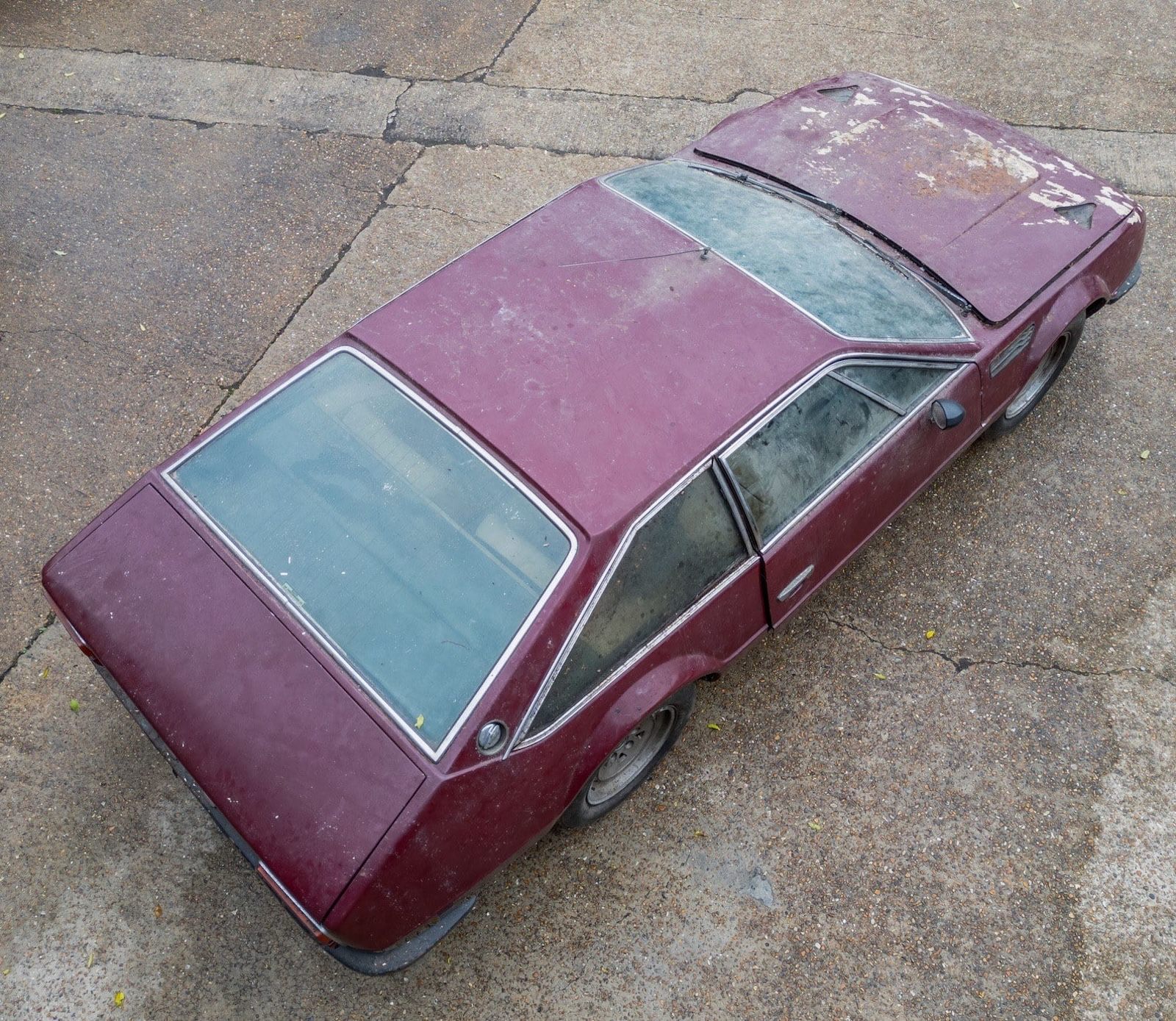
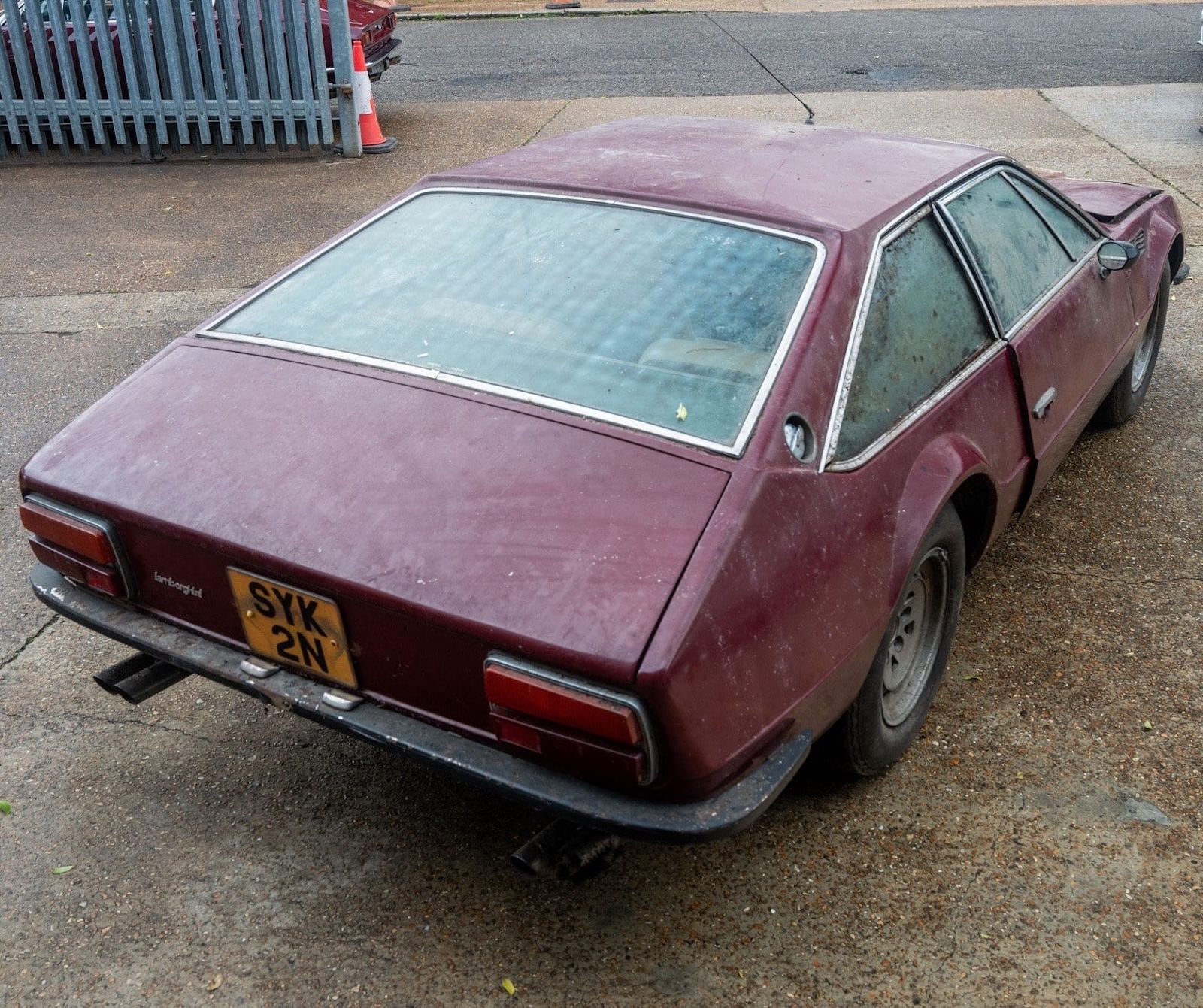
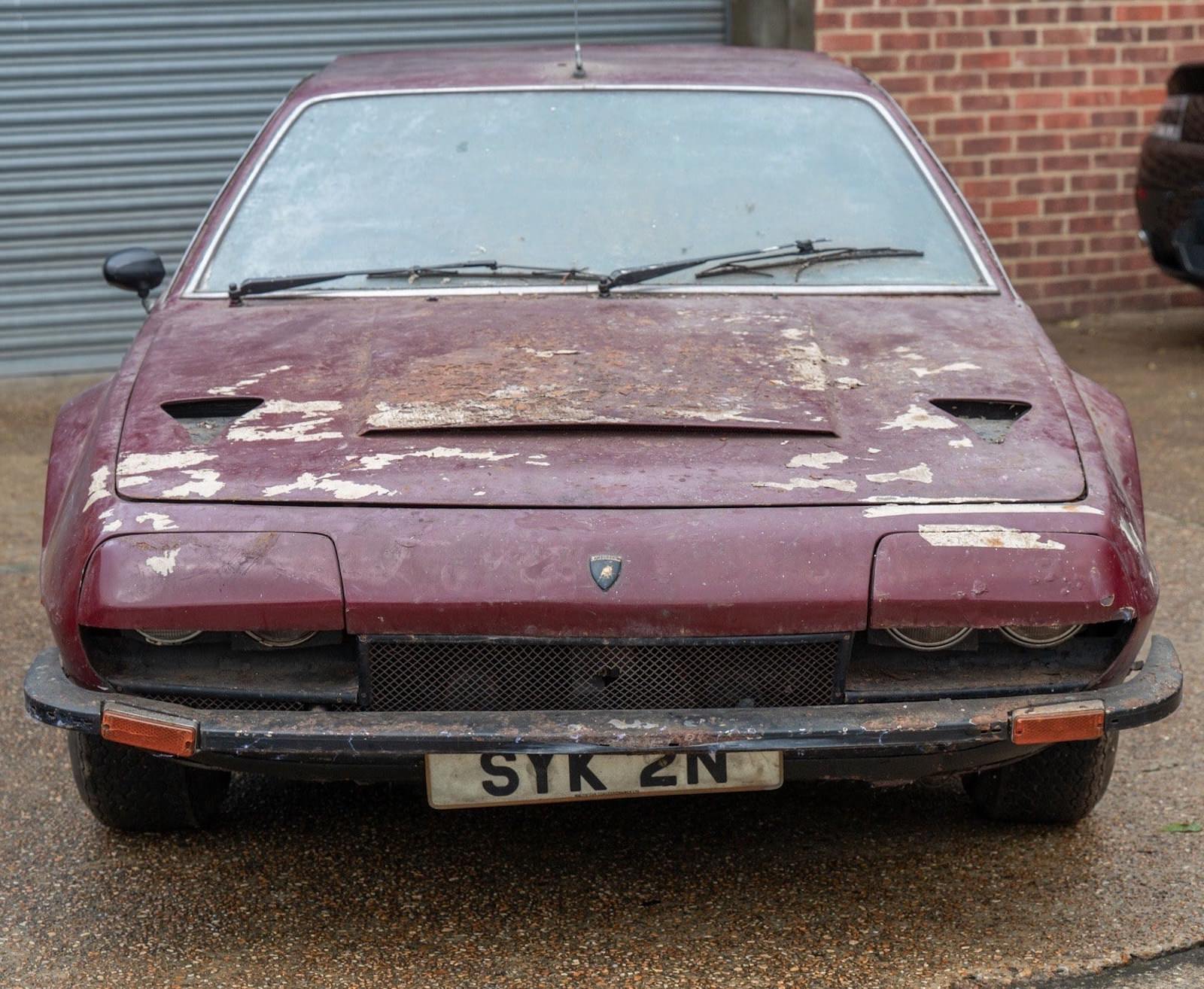
- The 1974 Jarama S shown here is one of just 13 right-hand-drive examples built. Purchased by the seller’s father in 1986, it has remained garaged and unrestored ever since. Believed to be largely complete and original, it retains its V12 and five-speed manual gearbox but requires extensive corrosion repairs and mechanical restoration.
History Speedrun: The Lamborghini Jarama
Ferruccio Lamborghini said in a 1991 interview that he preferred the Jarama to every other car his company had built, calling it “the perfect compromise between the Miura and the Espada.” Despite this, the Jarama is by far the most forgotten of Lamborghini’s V12-powered models. First shown at the Geneva Motor Show in 1970, the Jarama was a short-wheelbase V12 2+2, and the last front-engined V12 grand tourer Lamborghini ever made. The LM002 did come later of course, but that certainly wasn’t a GT car in any normal definition of the term.
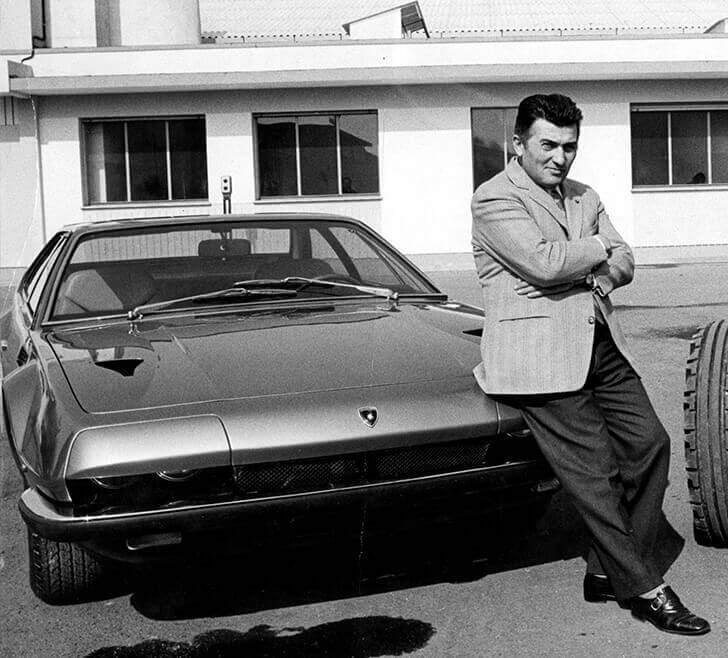
 Ferruccio Lamborghini (seen here) said in a 1991 interview that he preferred the Jarama to every other car his company had built, calling it “the perfect compromise between the Miura and the Espada.” Image courtesy of the Lamborghini Media Center.
Replacing The Islero
The Jarama succeeded the earlier Lamborghini Islero, a Marazzi-bodied 2+2 that had gone on sale in 1968. Lamborghini built 225 Isleros across two series, but the car’s styling drew a mixed reception. There was a regulatory problem too – the United States was tightening its safety and emissions rules, and Lamborghini needed a model built to meet them from the start. Rather than go to the trouble of reworking the Islero, Lamborghini designed a new car.
Giampaolo Dallara had left Lamborghini, so the job of developing the new car fell to Paolo Stanzani. To keep development costs down he took the steel platform of the Espada, Lamborghini’s four-seater, and cut 270mm (10.6 inches) from its wheelbase. The good news was that the Espada’s wide track came with it. The Jarama model name referred to the Jarama river region of Spain, where fighting bulls are bred, not to the racing circuit near Madrid, though this is often mistaken.
Bertone Body + Espada Running Gear
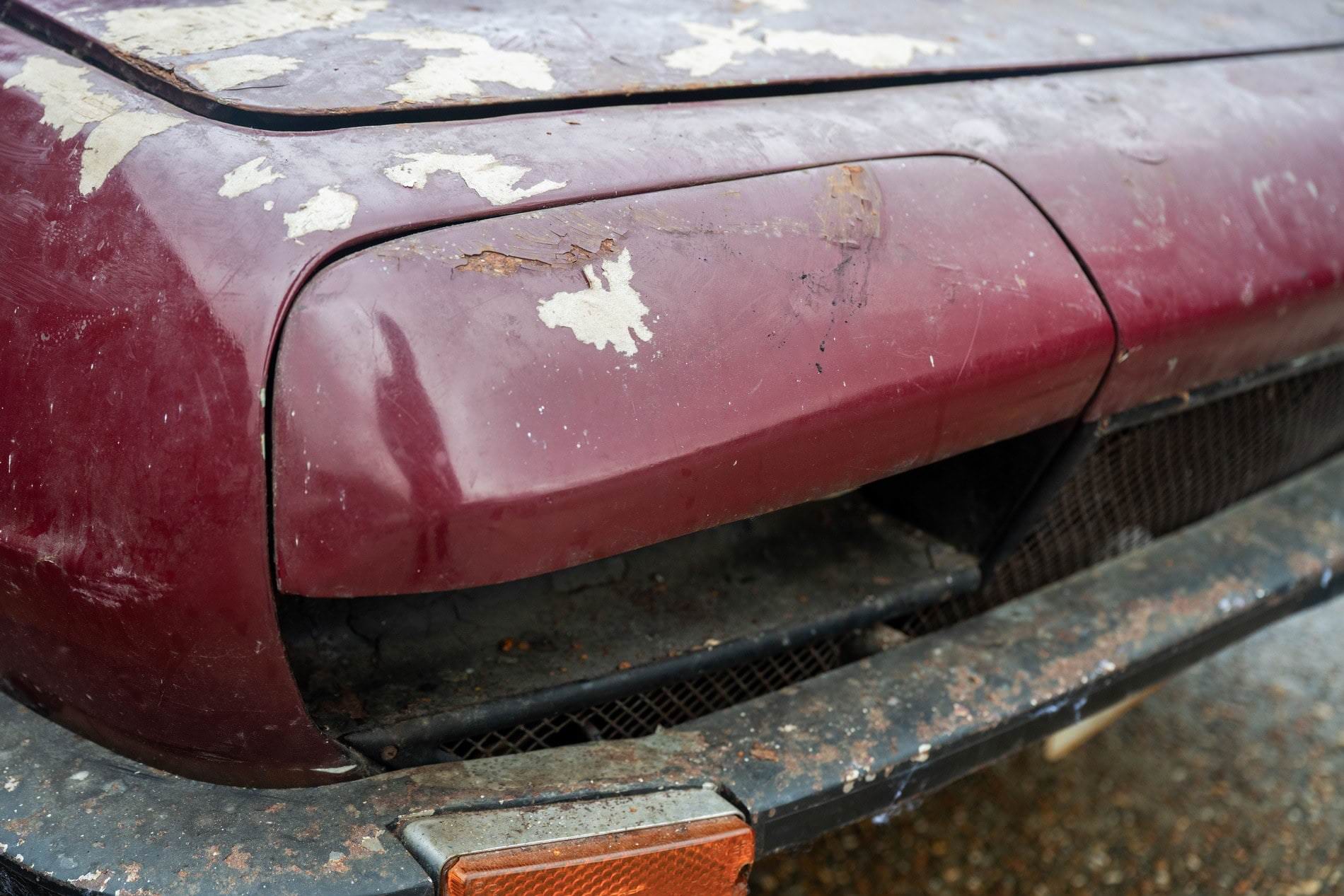
Marcello Gandini styled the Jarama at Bertone, having already penned the Miura and the Espada. His brief this time called for something more restrained and borderline sensible by Lamborghini standards. Arguably the most memorable detail is up front, the four headlights are partly covered by electrically operated “eyelids.” Gandini used a similar treatment on his Alfa Romeo Montreal, which was also shown at Geneva in 1970, and the Iso Lele he drew for Iso shared several of the Jarama’s themes. So similar, in fact, that the two cars are often mistaken for one another.
Carrozzeria Marazzi assembled the pre-production bodies, and the series bodies came from Bertone’s Grugliasco plant. Interestingly, a batch of 100 cars built in 1972 combined Bertone panels with Marazzi assembly. In each case the all-steel body was welded to a stamped-steel floorpan to form a unitary-style structure. Suspension was independent at each corner, with double wishbones, coil springs, Koni dampers, and an anti-roll bar at both ends, and the brakes were servo-assisted Girling ventilated discs all round.
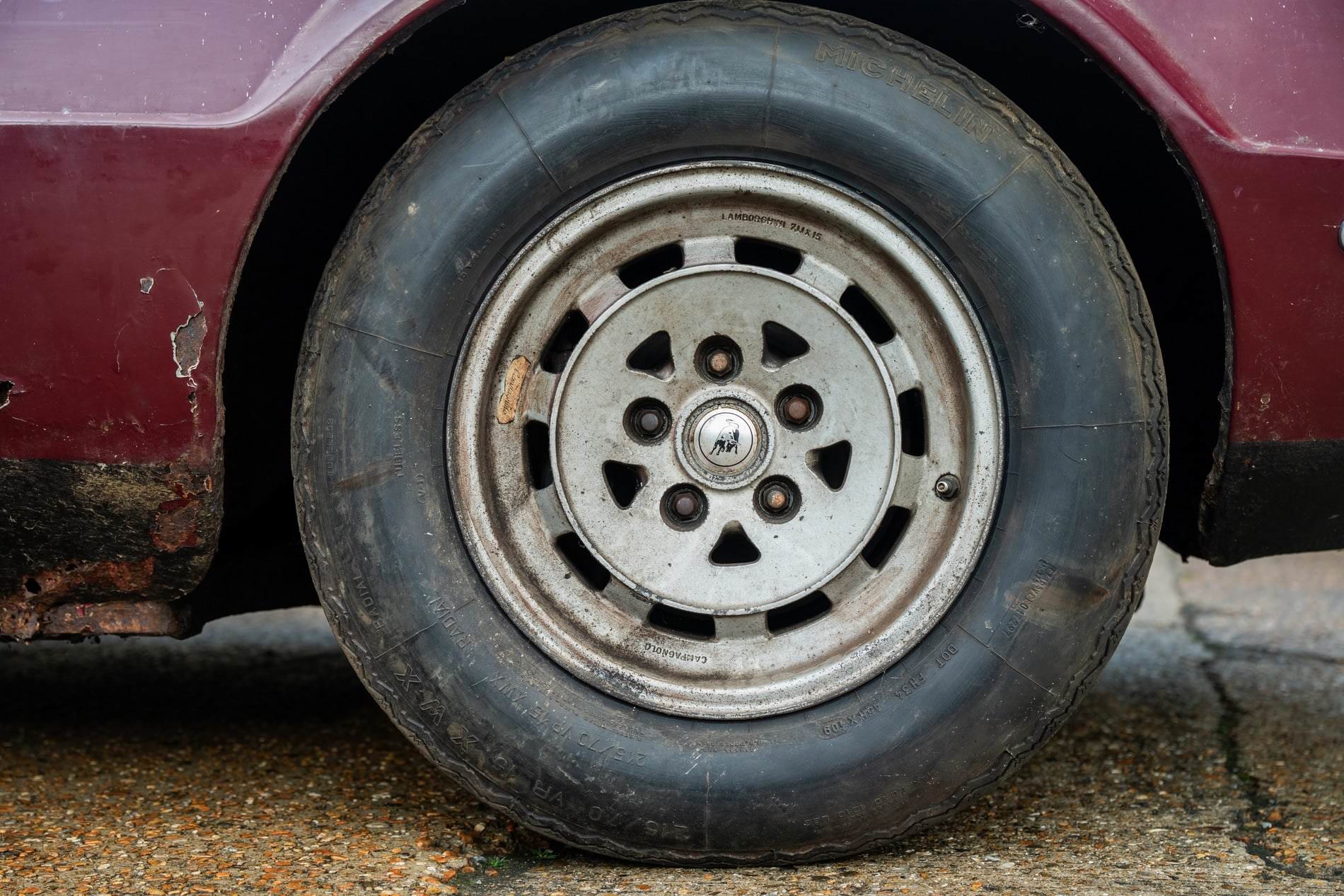
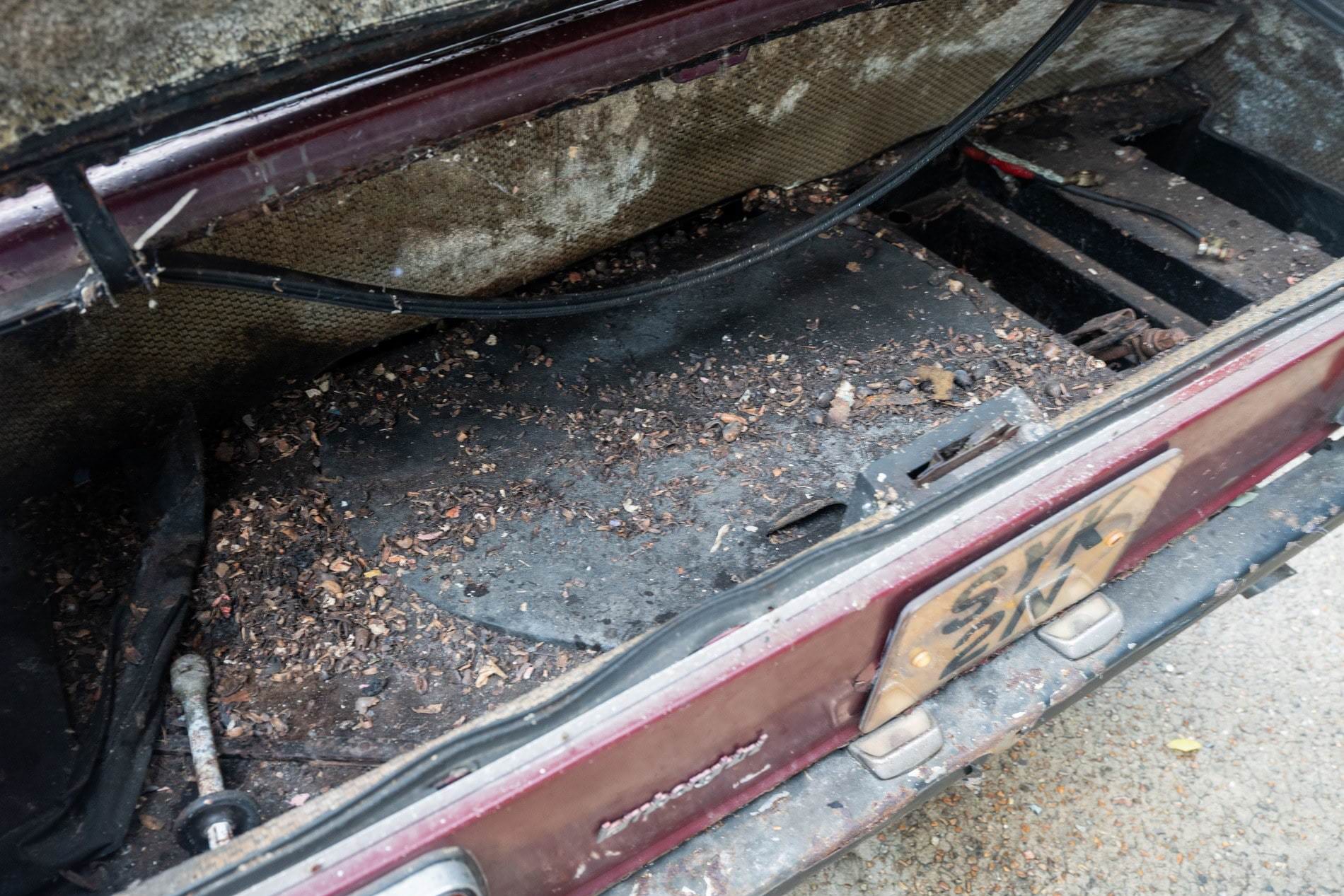
The battery went in the trunk to help weight distribution, and early cars had the same center-lock Campagnolo magnesium wheels as the Miura. Options included air conditioning and a pair of removable roof panels.
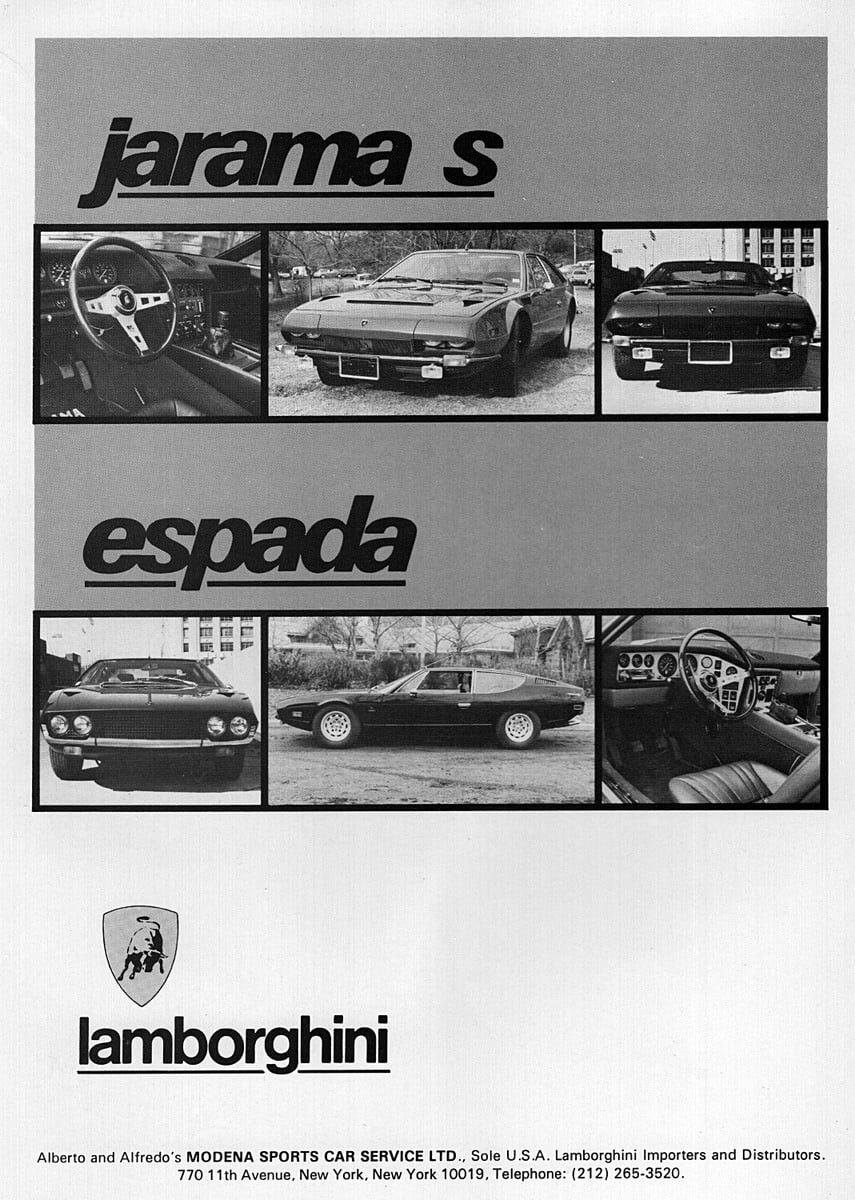
This updated version had a new exhaust system, reworked cylinder heads, and retuned carburetors, which combined to raise output to 360 bhp at 7,500 rpm. Outside, the S gained a hood scoop and relocated turn signals, and kept the front-fender vents that had appeared on the last few dozen non-S Jaramas. Image courtesy of the Lamborghini Media Center.
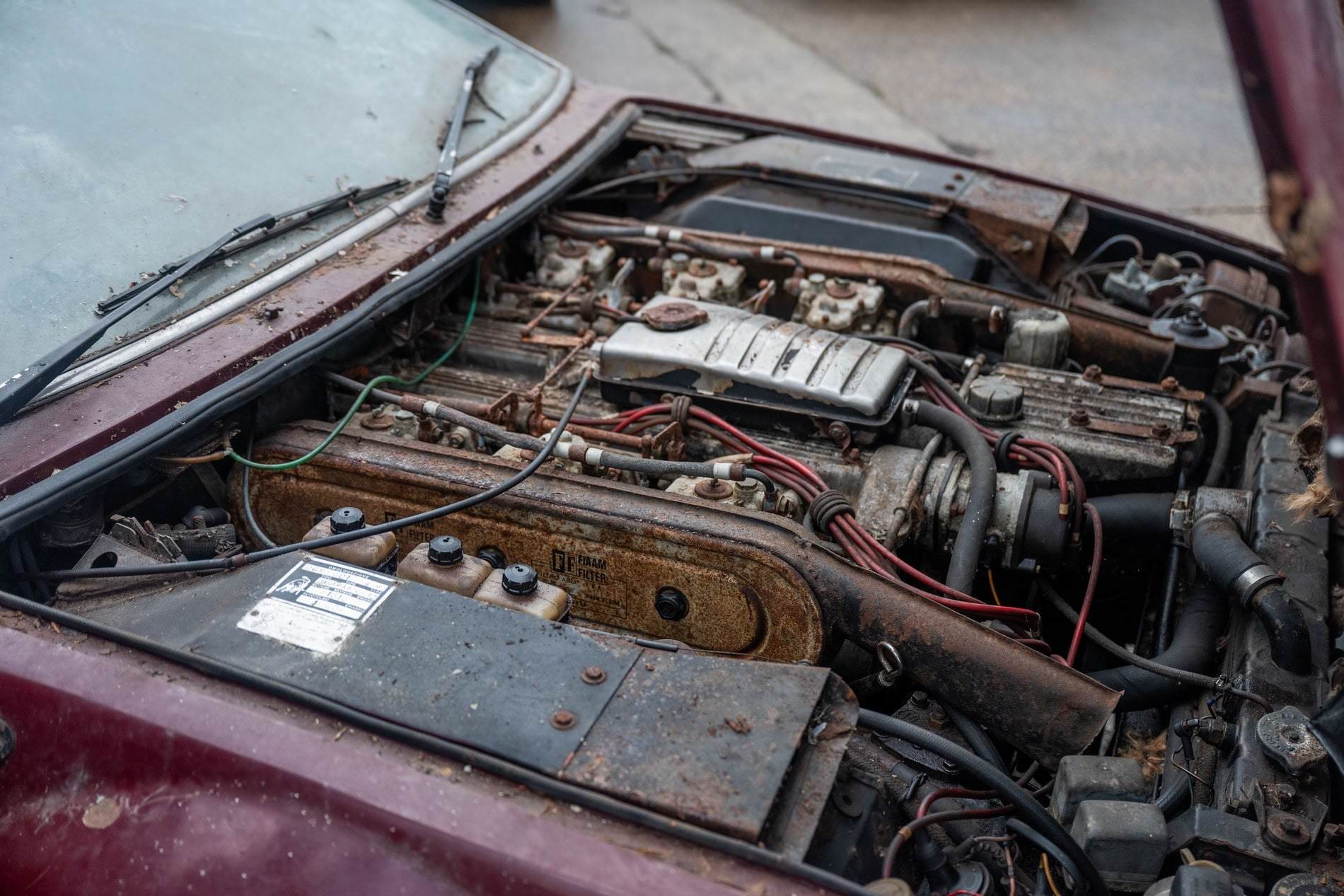
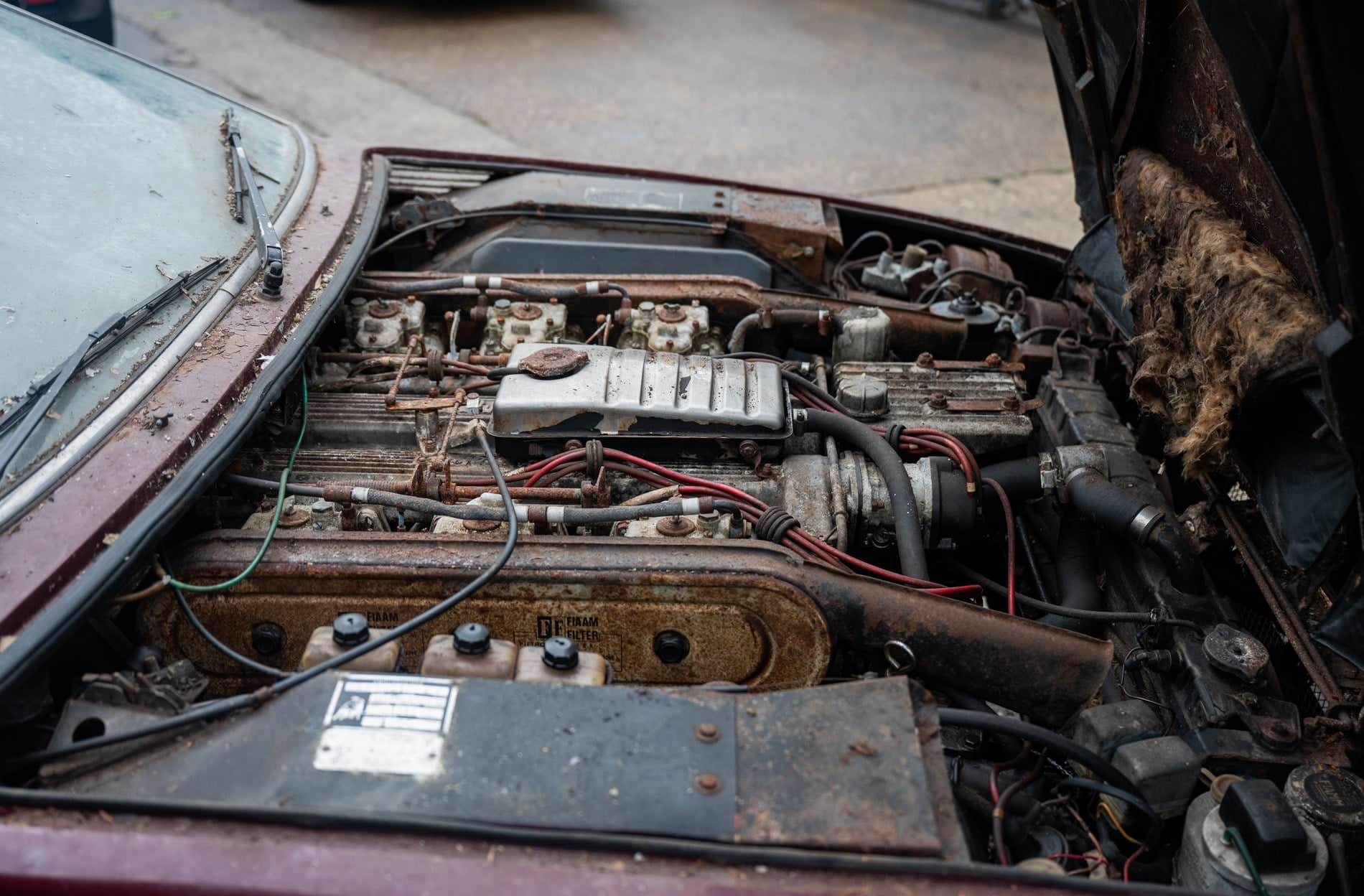
Under the hood was Lamborghini’s all-alloy 60º V12, designed by Giotto Bizzarrini, with two overhead camshafts per bank and a displacement of 3.9 liters (3,929cc). Six Weber 40 DCOE sidedraft carburetors took the place of the Miura’s downdraft units so the hood line could stay low. On a 10.7:1 compression ratio the engine made 345 bhp at 7,500 rpm and 290 lb ft of torque at 5,500 rpm.
It drove through Lamborghini’s own 5-speed gearbox, with a single dry-plate clutch to a Lamborghini-built differential. Lamborghini claimed a top speed of 162 mph but this may have been just a slight overstatement, an American road test of a 1972 Jarama recorded a 0 to 60 mph time of 7.2 seconds, a 15.6 second quarter-mile at 97 mph and a top speed of 152 mph. A new Jarama cost $23,500 USD that year, approximately $189,400 USD in 2026 dollars.
The Jarama S Arrives
Journalists and owners had often faulted the first cars for poor workmanship, ill-fitting panels, and a cluttered dashboard with illogically labeled switches. Lamborghini answered the complaints at Geneva in March of 1972 with the Jarama S, also sold in some markets as the GTS.
This updated version had a new exhaust system, reworked cylinder heads, and retuned carburetors, which combined to raise output to 360 bhp at 7,500 rpm. Outside, the S gained a hood scoop and relocated turn signals, and kept the front-fender vents that had appeared on the last few dozen non-S Jaramas. Five-bolt wheels shared with the Espada replaced the earlier knock-offs.
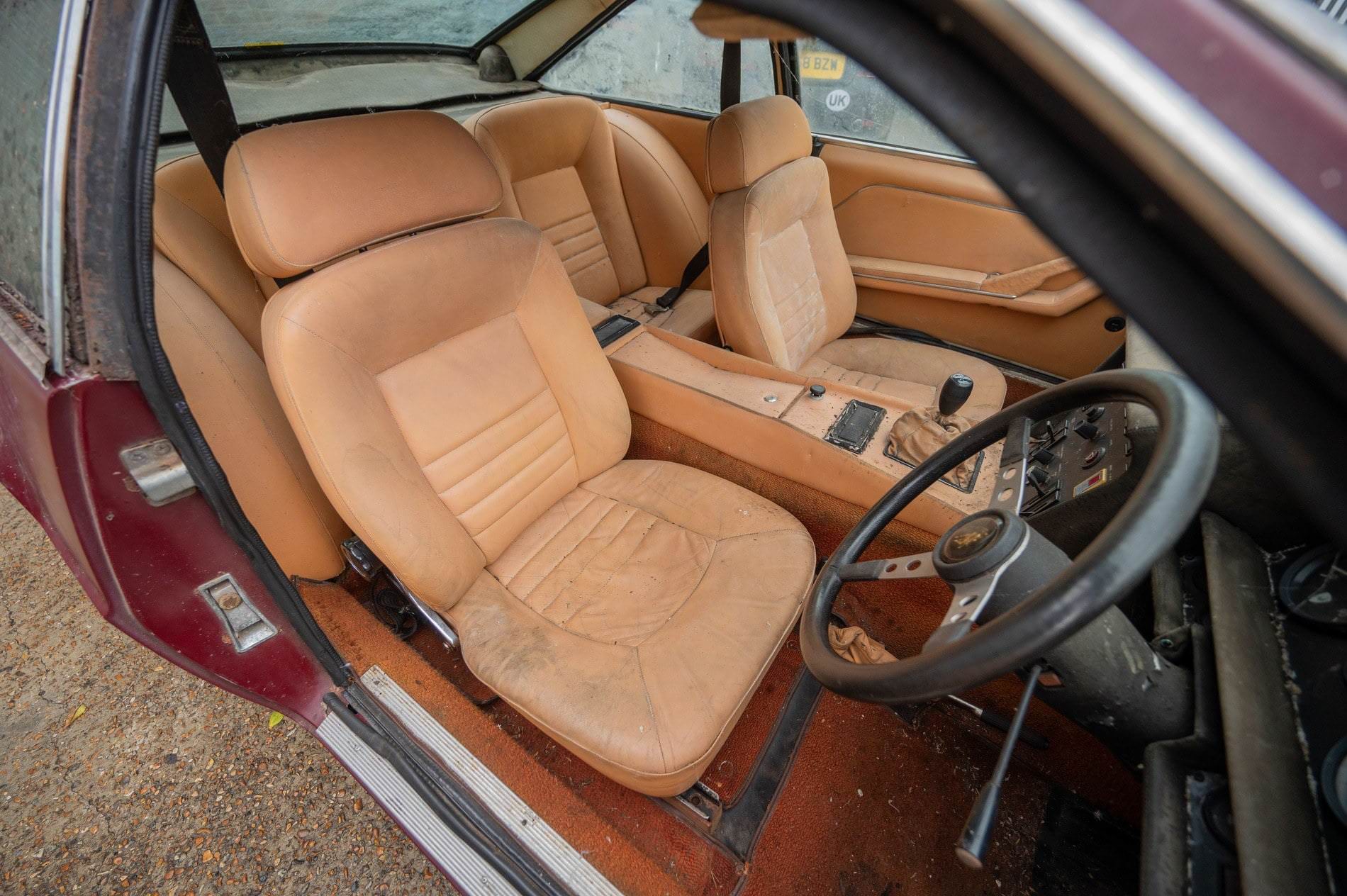
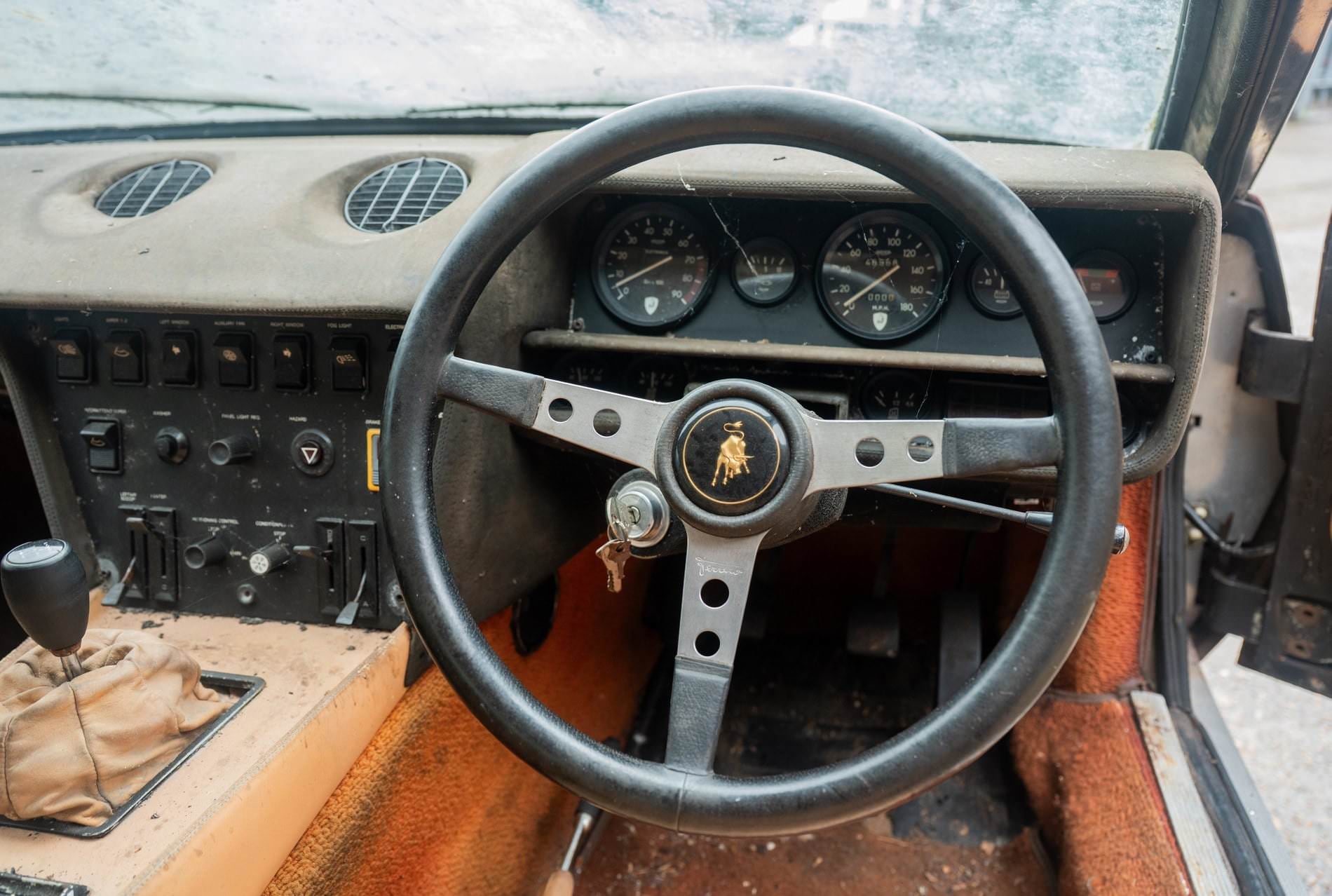
Really though, the biggest changes were on the inside. You would now find a brushed aluminum dash replacing the previous wood unit, many switches moved to the center console, and slimmer front seatbacks which gave the rear passengers more legroom. Power steering became standard early in production, and from 1974 a Chrysler TorqueFlite 3-speed automatic was available, though relatively few buyers ticked that box on the options sheet.
Lamborghini built 177 of the original Jarama between 1970 and 1972 and 150 of the Jarama S. Jarama S production was officially halted in 1976, but the last few cars weren’t actually finished until 1978, by which time the company was in serious financial difficulty, many suppliers had stopped delivering parts due to non-payment. Test driver Bob Wallace also built a one-off competition version of the car, called the Jarama Rally, with a lightweight aluminum body. Sadly, it was never raced.
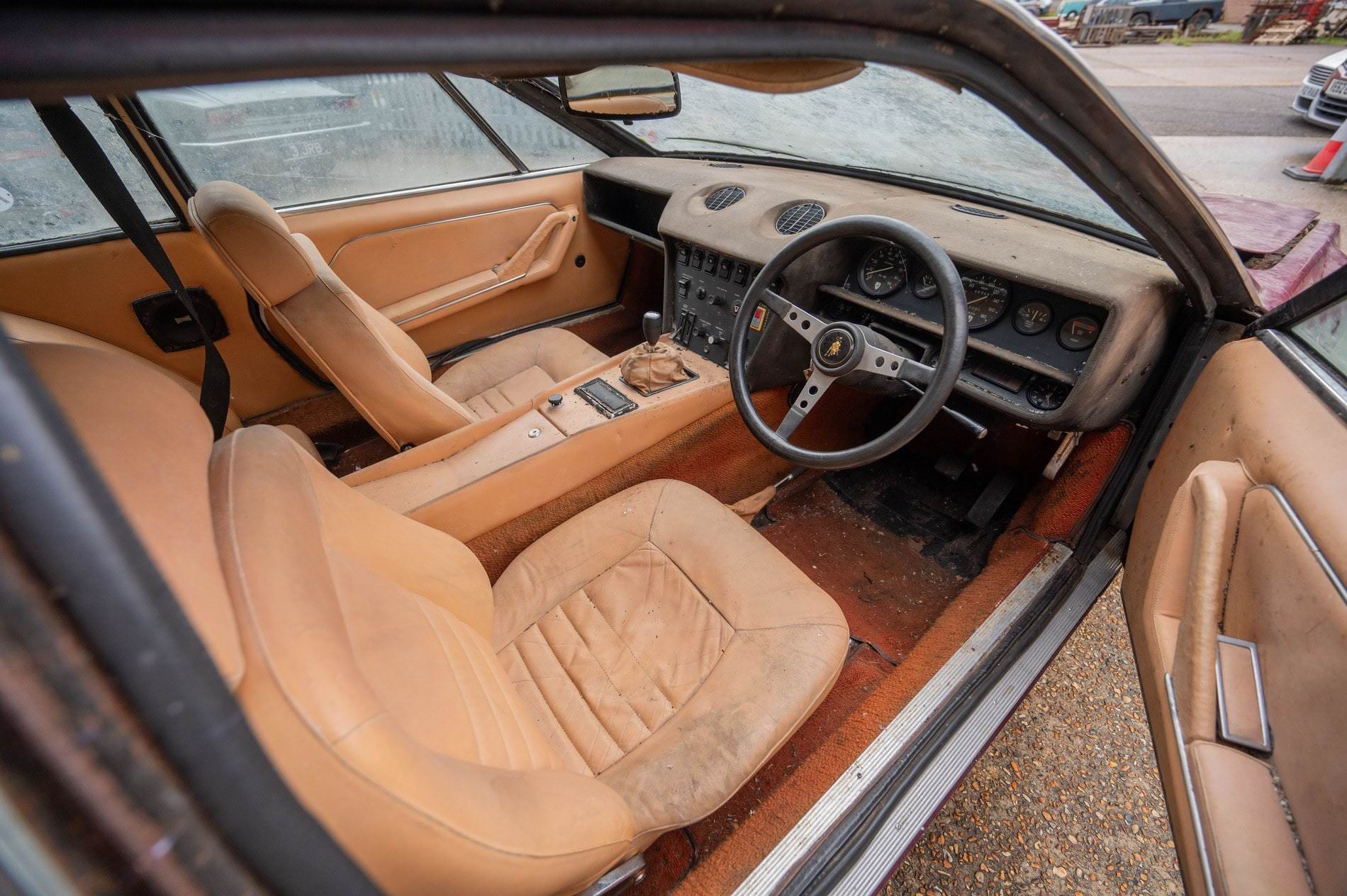
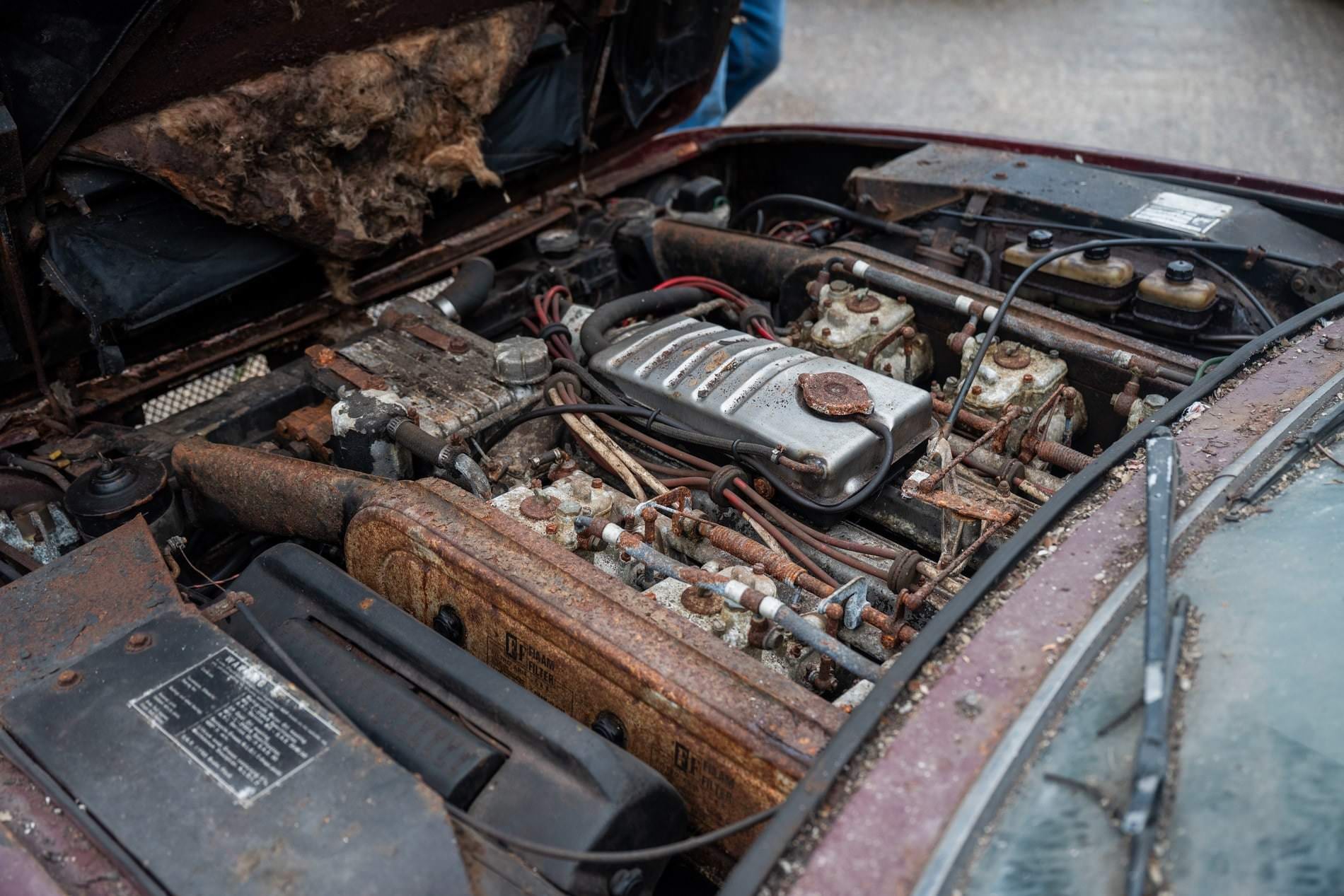
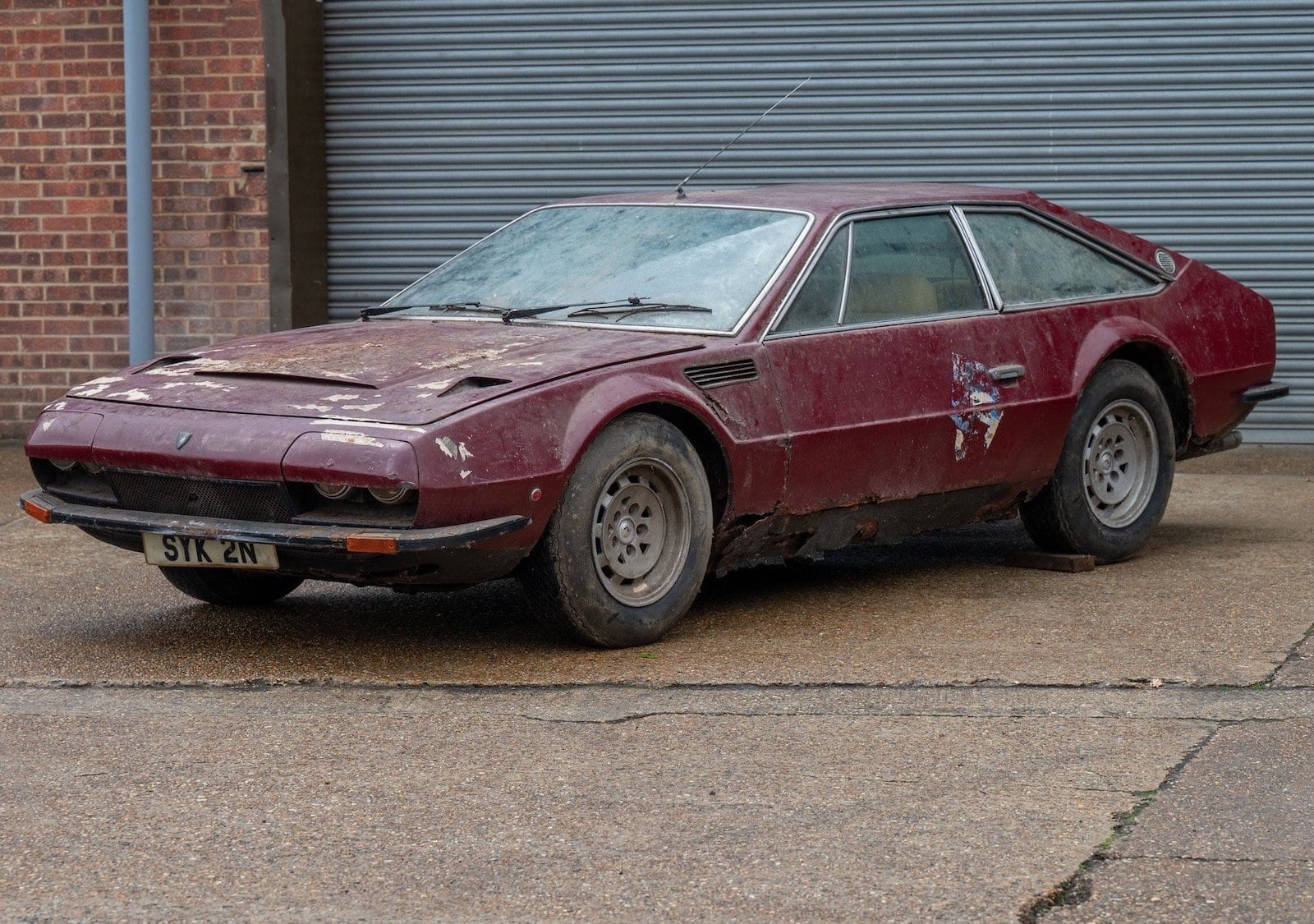
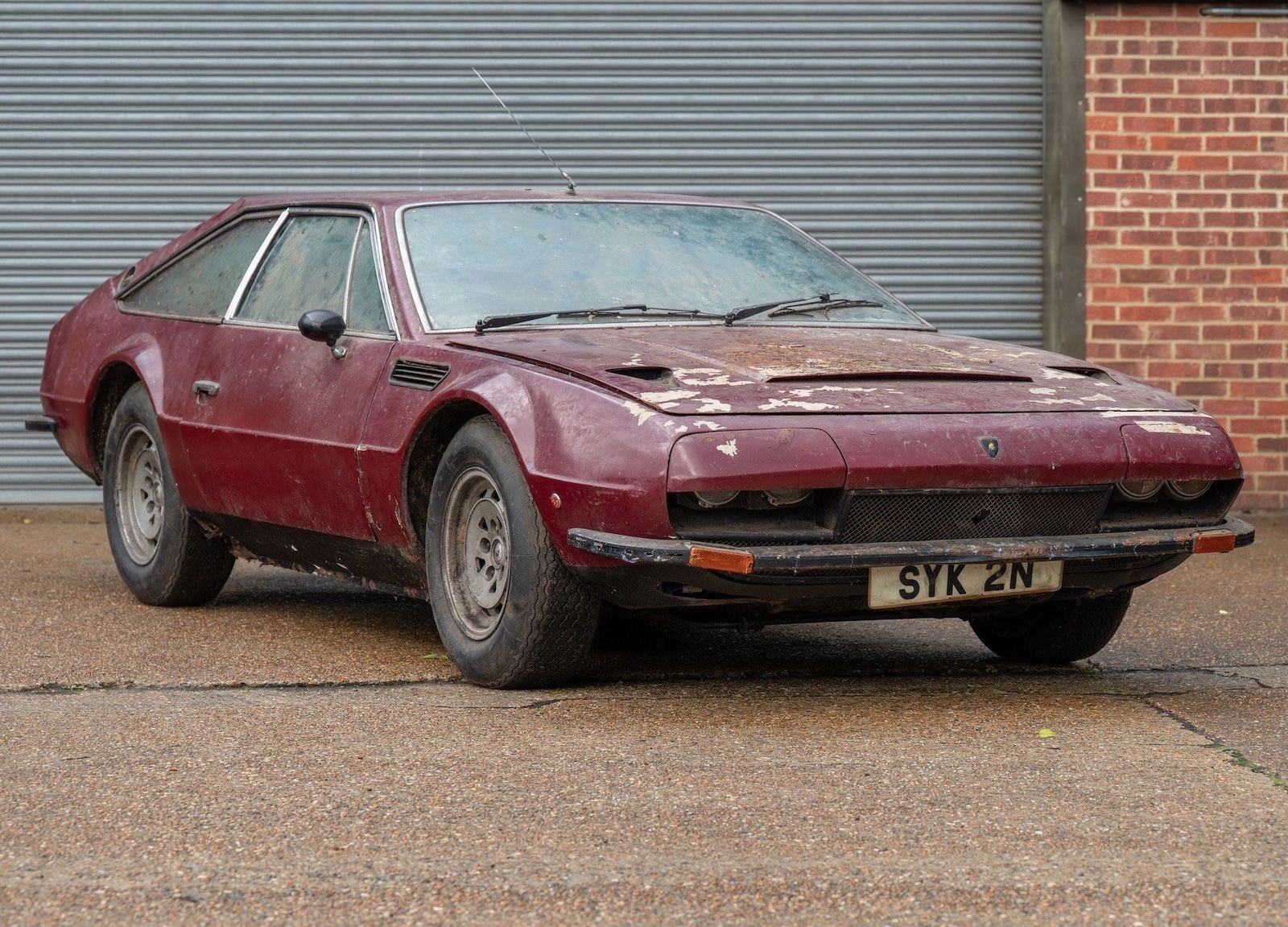
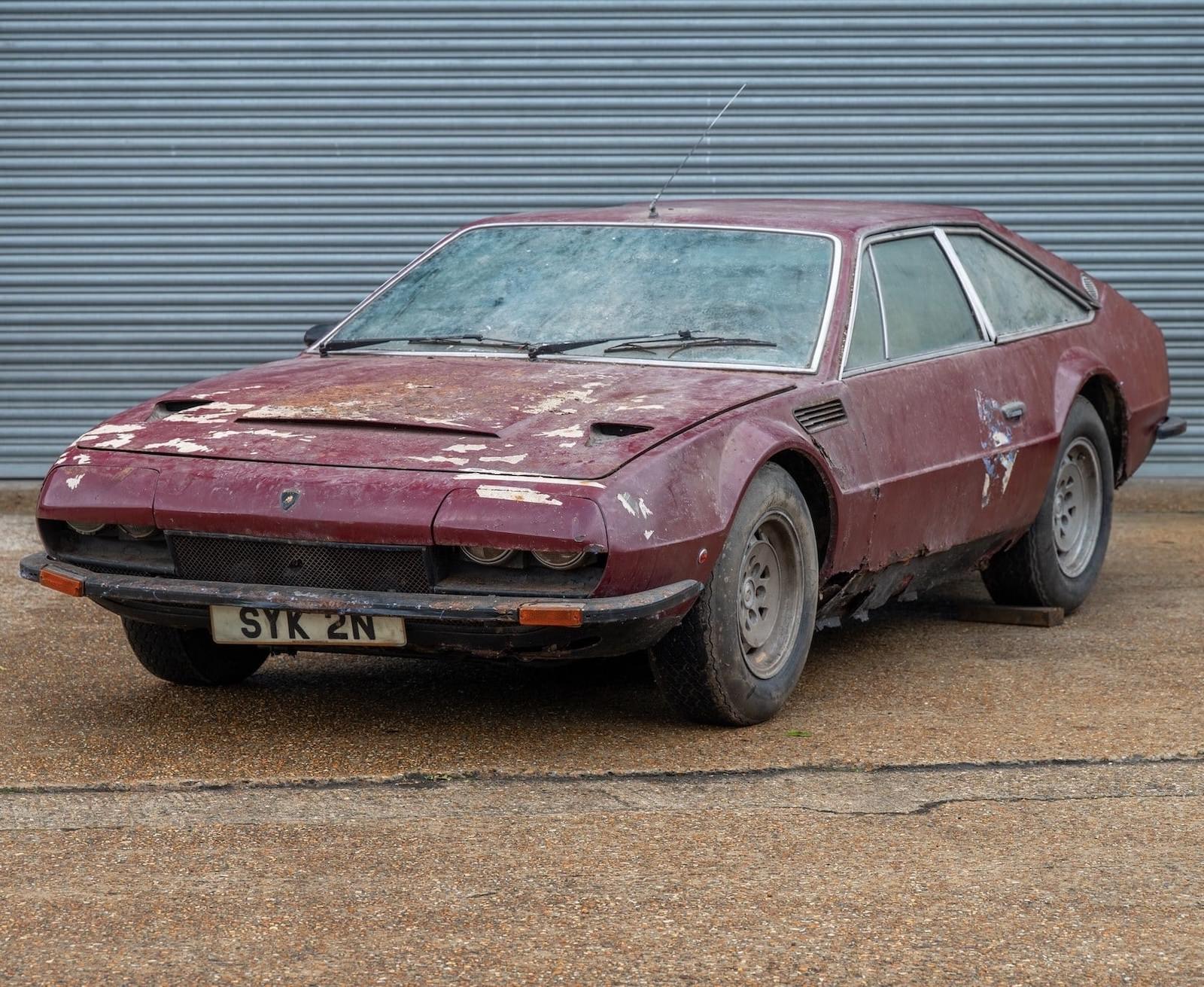
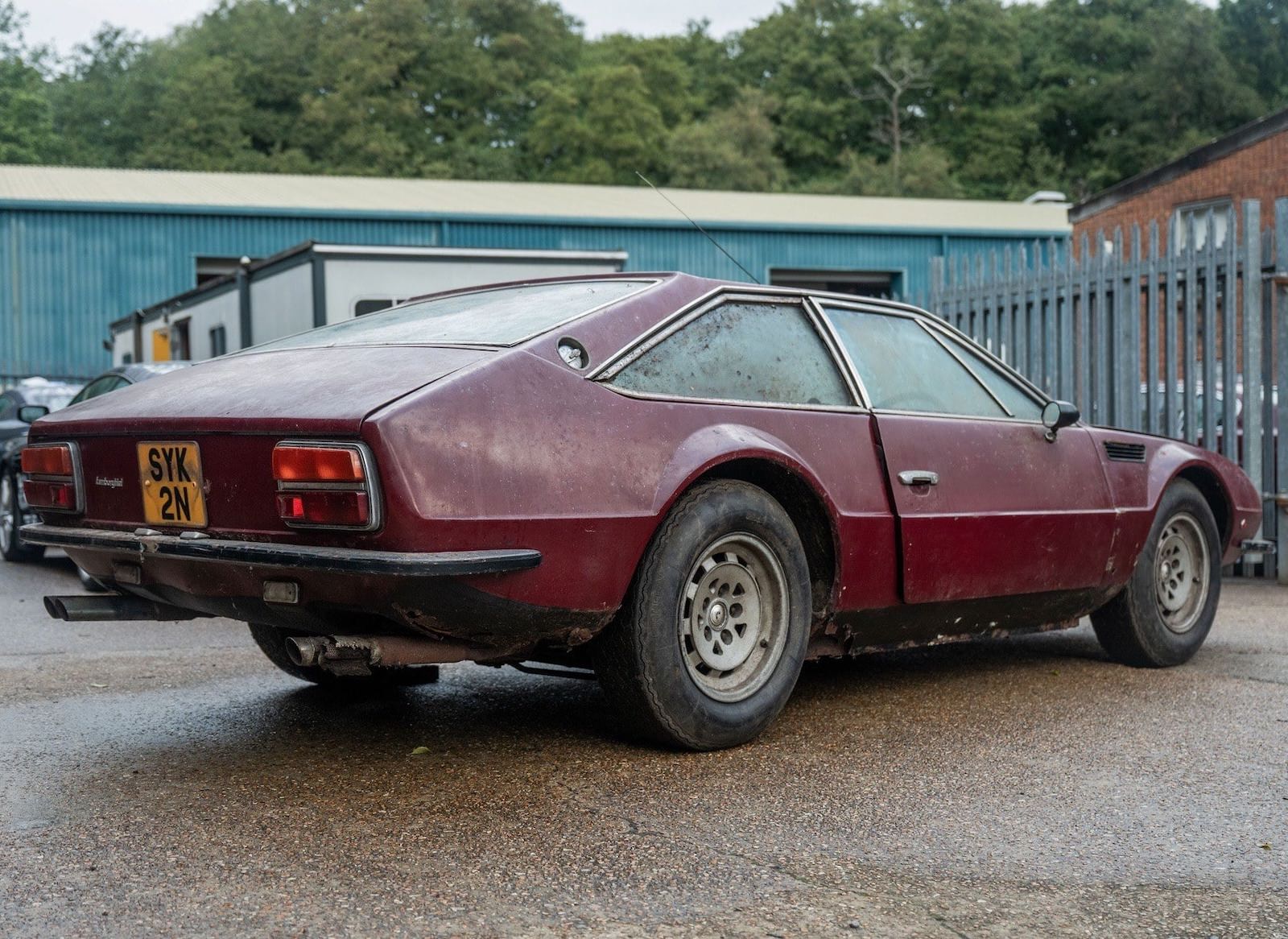
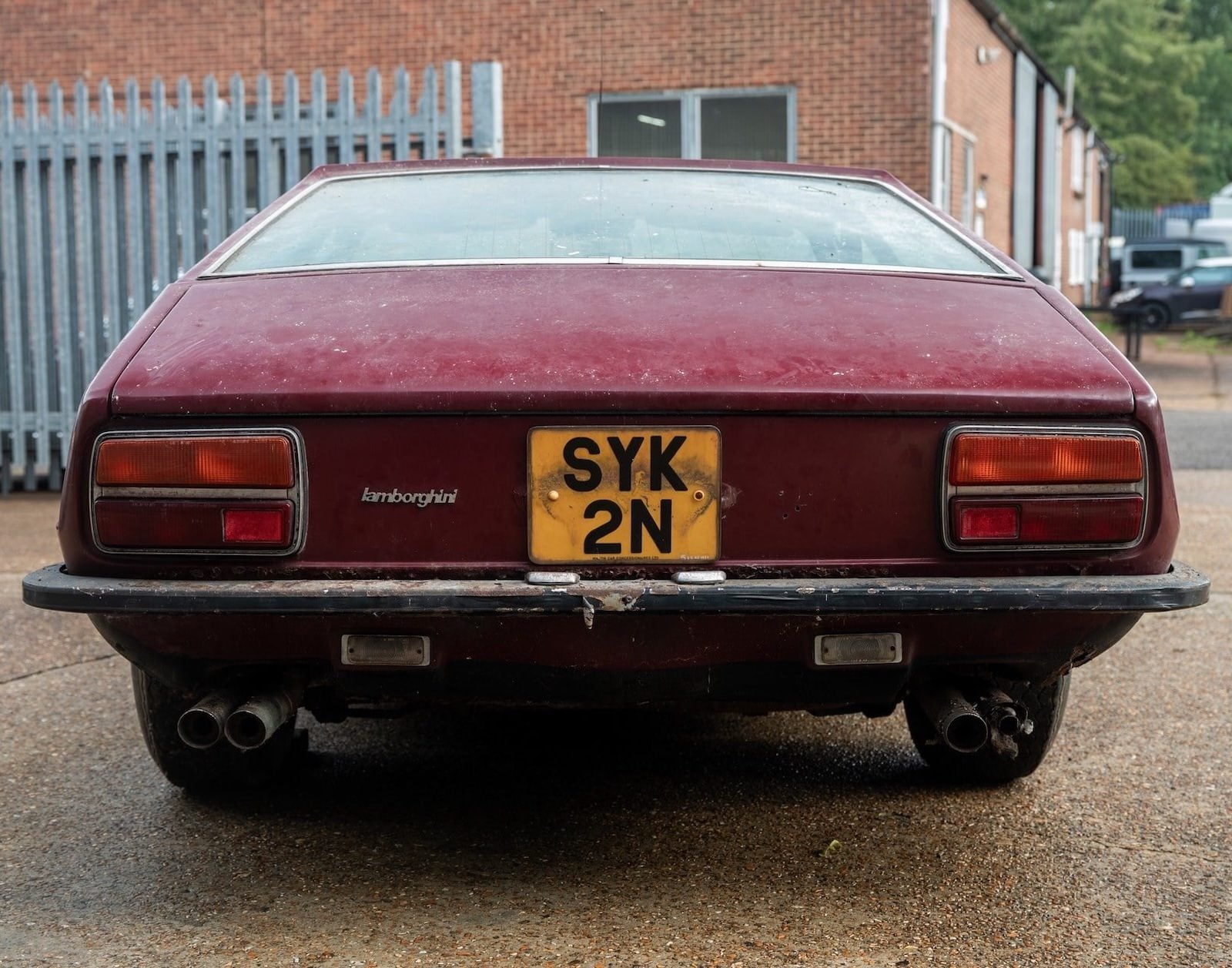
This Lamborghini Jarama S from 1974 is one of just 13 right-hand-drive examples ever built, making it an exceptionally rare example of the Italian grand tourer. It’s powered by a 3,929cc V12 paired with a 5-speed manual transmission, and the car is UK-registered.
Rivals + The End Of The Jarama
The Jarama competed for sales with the Ferrari 365 GTC/4 which came out in 1971 and its successor, the 365 GT4 2+2, unveiled in Paris in 1972. Maserati was selling the Vignale-bodied, V8-powered Indy, and Aston Martin the DBS. Both Ferraris outsold the Jarama – Maranello built 524 examples of the 365 GT4 2+2 alone, whereas Lamborghini had built only 327 Jaramas in total across both versions.
Ferruccio drove his own Jarama S, on Ferrara plates, for many years. It may not have been the most beloved Lamborghini V12, but he didn’t care, it was his own personal favorite.
The 1974 Lamborghini Jarama S Project Car Shown Here
This Lamborghini Jarama S from 1974 is one of just 13 right-hand-drive examples ever built, making it an exceptionally rare example of the Italian grand tourer. It’s powered by a 3,929cc V12 paired with a 5-speed manual transmission, and the car is UK-registered.
This Jarama was bought by the seller’s late father in 1986 as a restoration project, but as is often the case the work was never undertaken as other aspects of life came first. It’s remained in the same family’s ownership for 40 years now, stored in a garage since the mid-1980s. According to the seller, the Lamborghini was running well when it was first put into storage, but it hasn’t been started since.
Remarkably, the car is believed to remain entirely original and unmodified, including its interior, which shows age-related wear, discoloration, and patina. It also appears largely complete, with the seller reporting that the only missing part is said to be the rear Jarama S badge. However, it’s worth noting that the body has suffered serious corrosion, and the drivetrain and running gear will need an extensive rebuild/recommissioning before the car can return to the road.
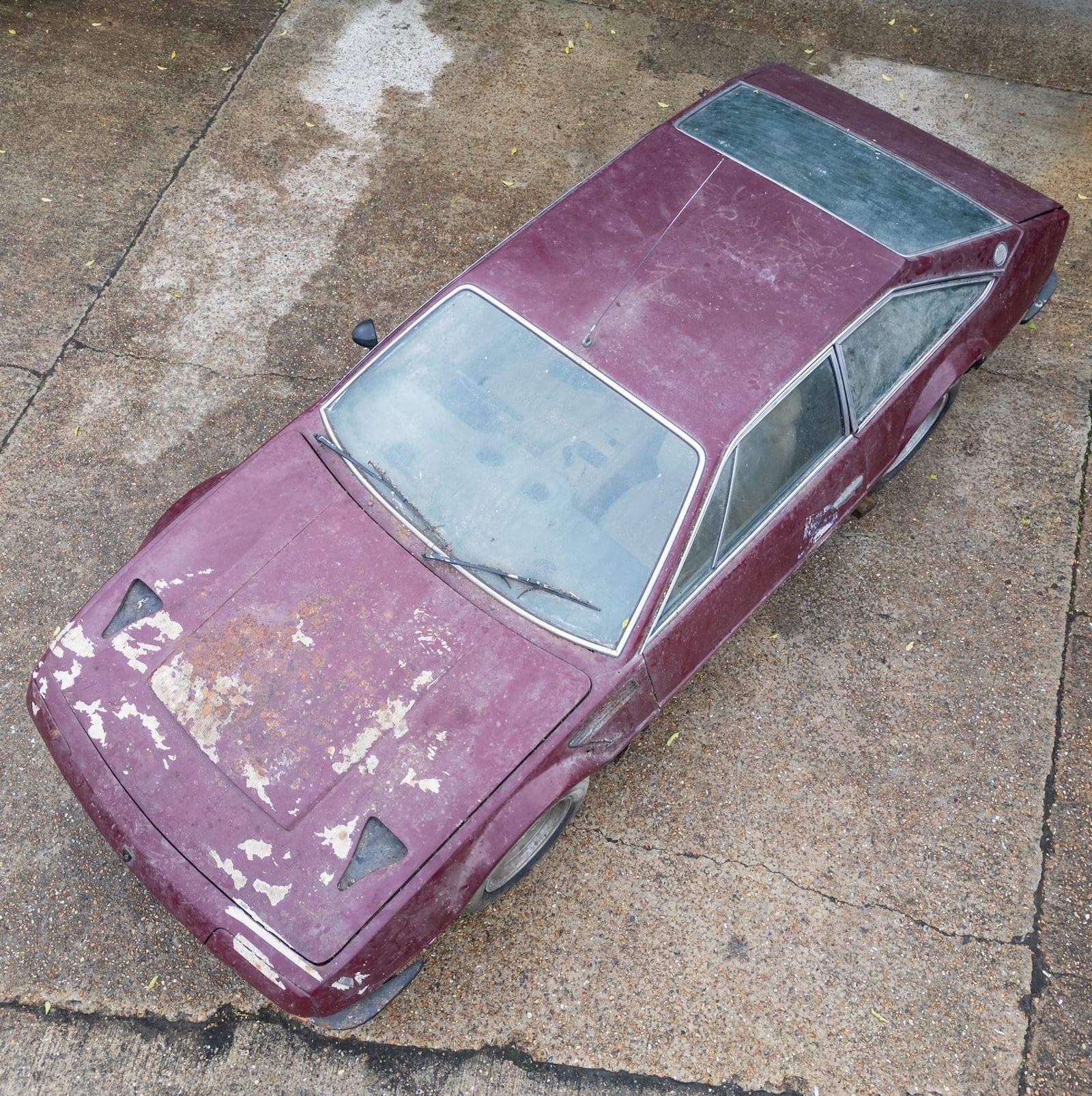
This Jarama was bought by the seller’s late father in 1986 as a restoration project, but as is often the case the work was never undertaken as other aspects of life came first. It’s remained in the same family’s ownership for 40 years now, stored in a garage since the mid-1980s.
The documentation that comes with the car includes an original handbook, older registration paperwork, a 1986 MOT certificate, and correspondence between the seller’s father and the previous owner discussing restoration costs during the 1980s.
With its rare right-hand-drive layout, lengthy one-family ownership, and unmodified condition, this Jarama S does look like a promising opportunity for a comprehensive restoration for the right person (or team). If you’d like to read more about it or place a bid you can visit the listing here.
Images courtesy of Car & Classic + Lamborghini

Articles that Ben Branch has written have been covered on CNN, Popular Mechanics, Smithsonian Magazine, Road & Track Magazine, the official Pinterest blog, the official eBay Motors blog, BuzzFeed, Autoweek Magazine, Wired Magazine, Autoblog, Gear Patrol, Jalopnik, The Verge, and many more.
Silodrome was founded by Ben back in 2010, in the years since the site has grown to become a world leader in the alternative and vintage motoring sector, with well over a million monthly readers from around the world and many hundreds of thousands of followers on social media.