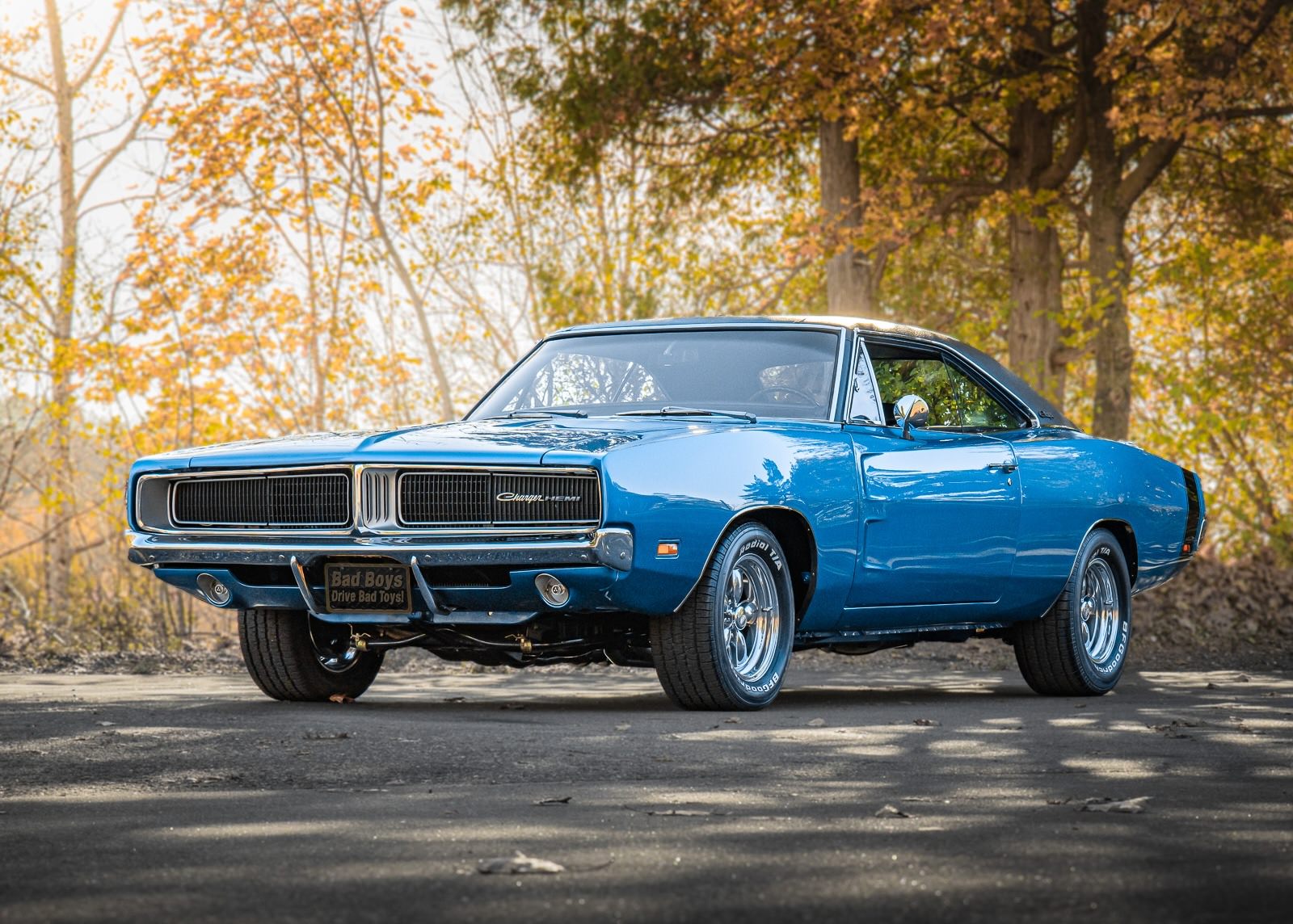
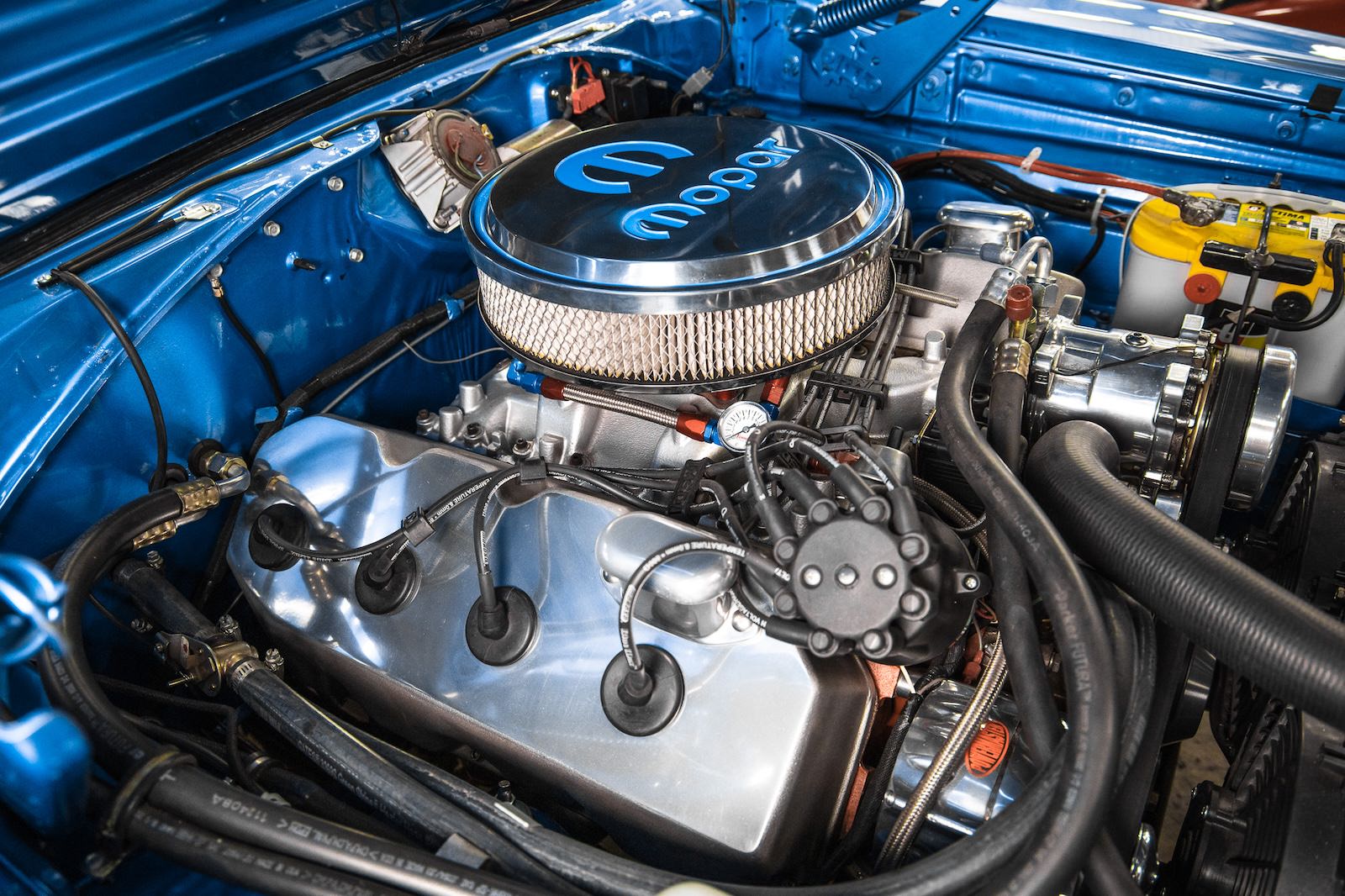
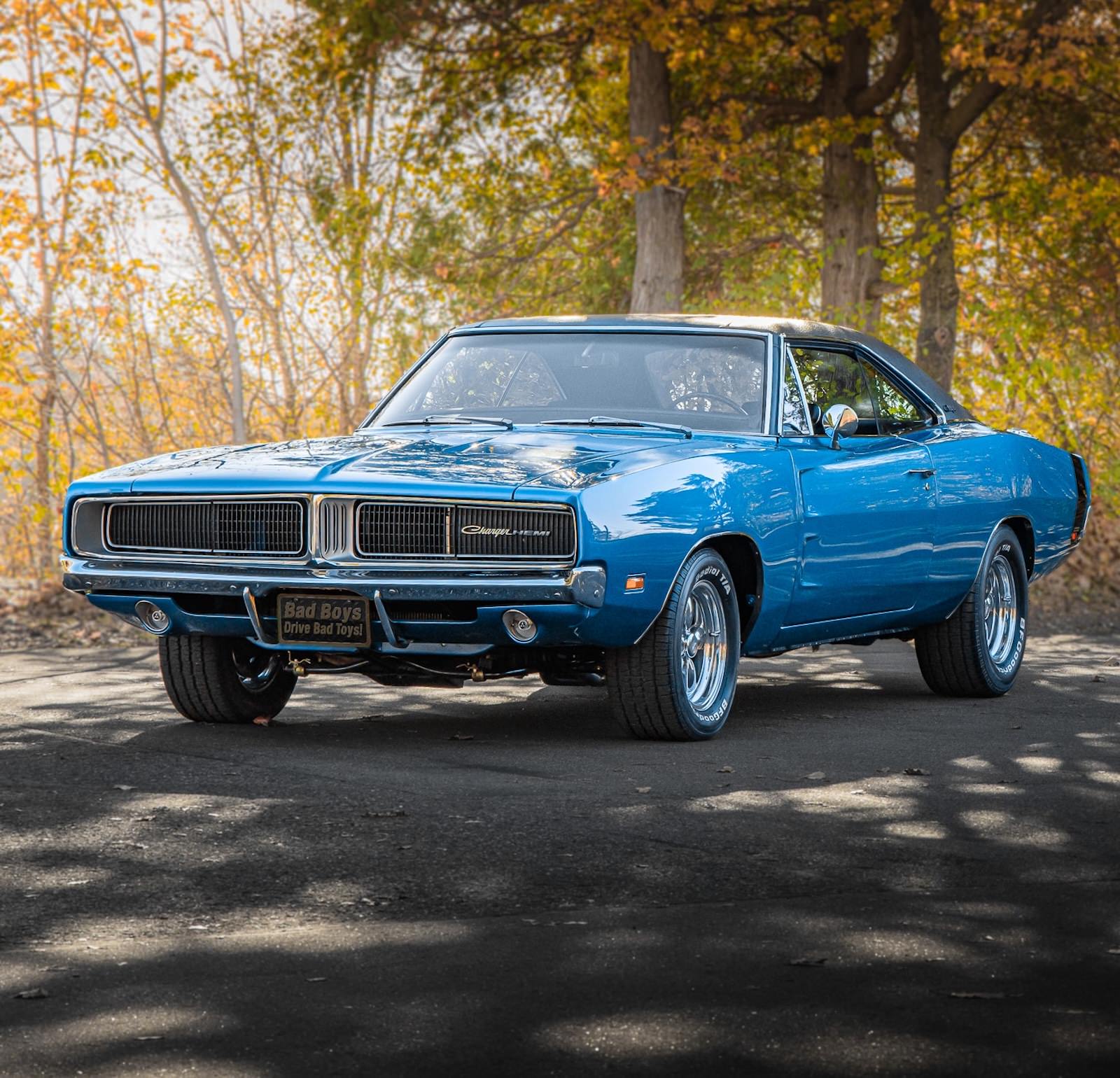
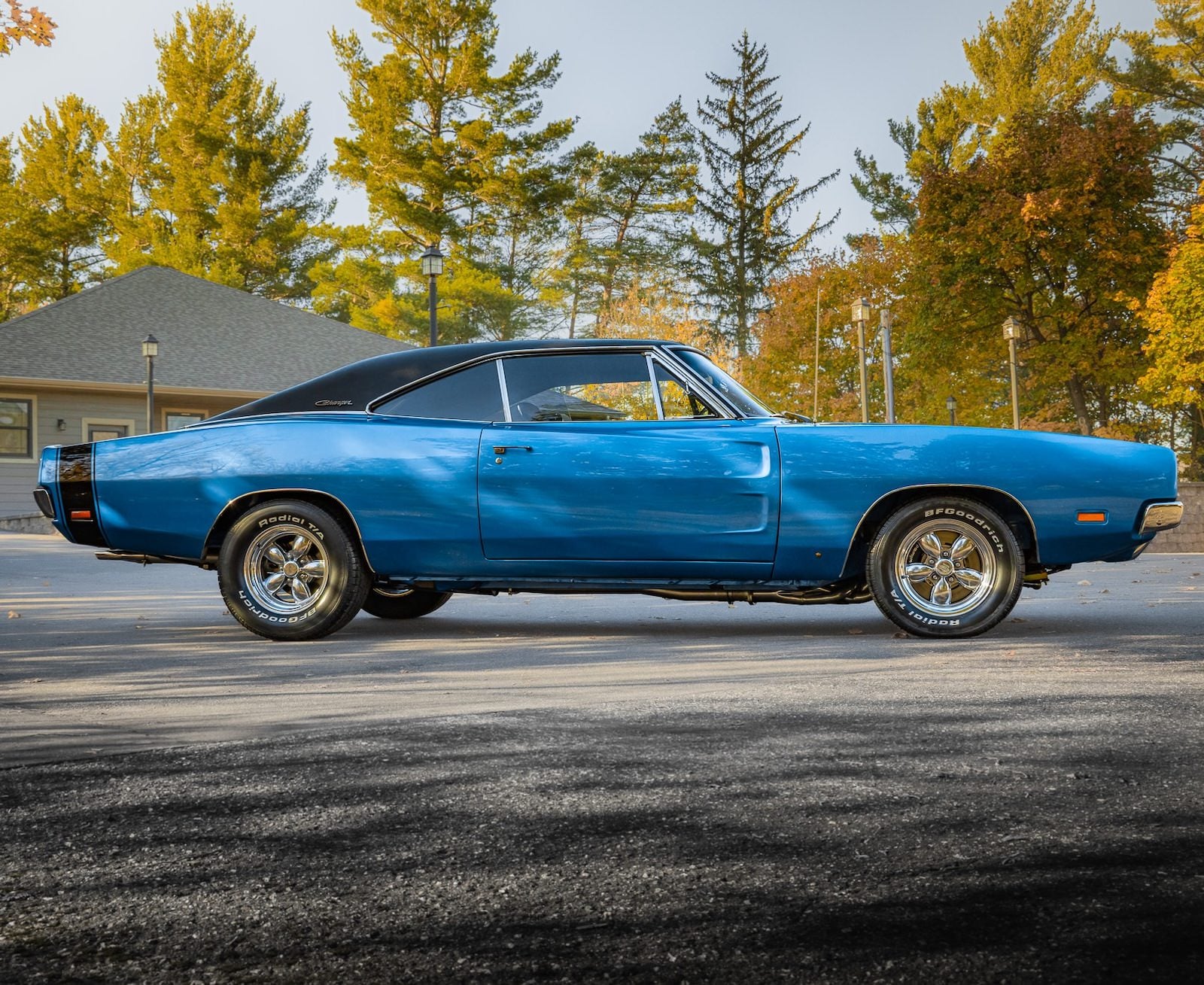
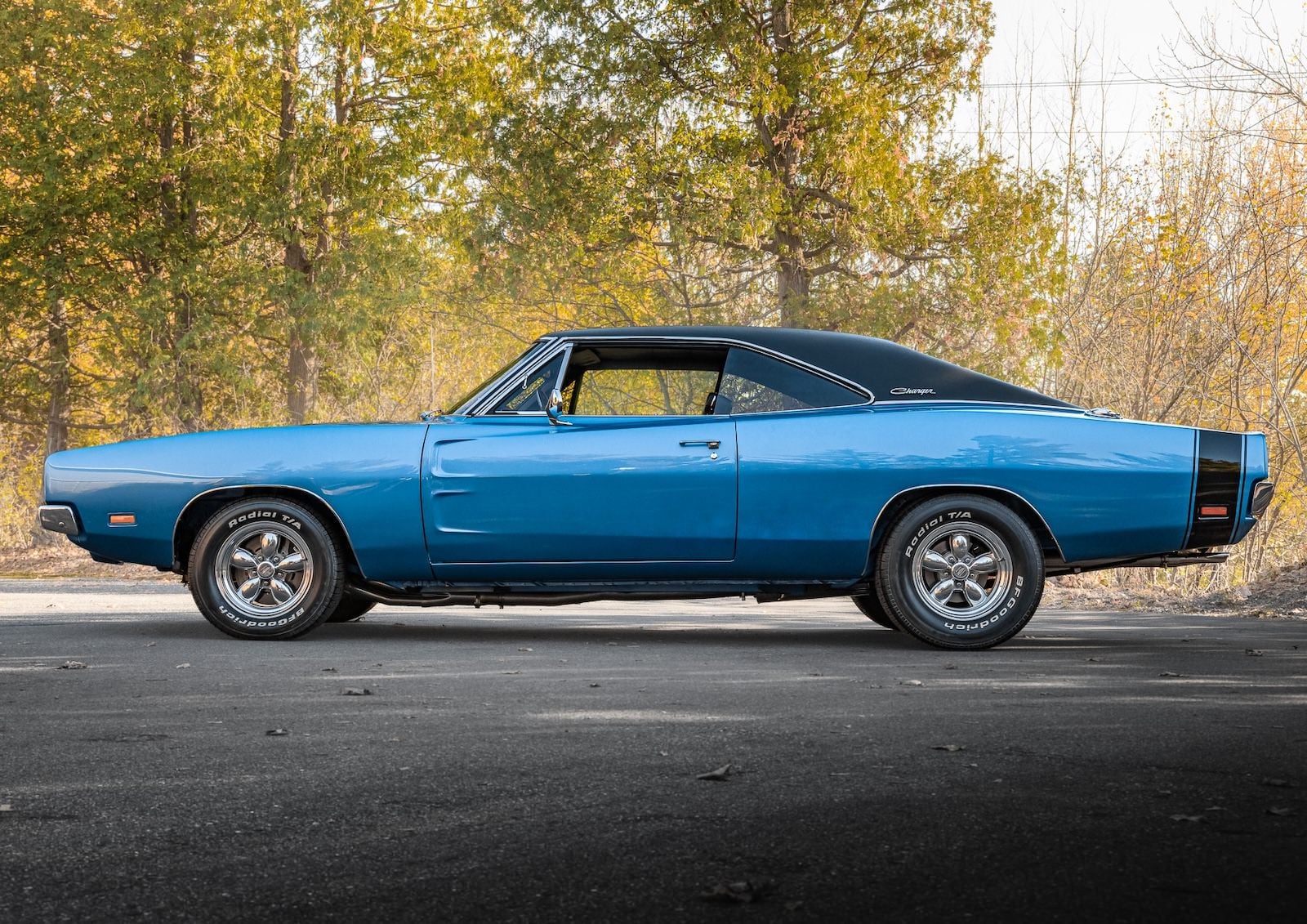
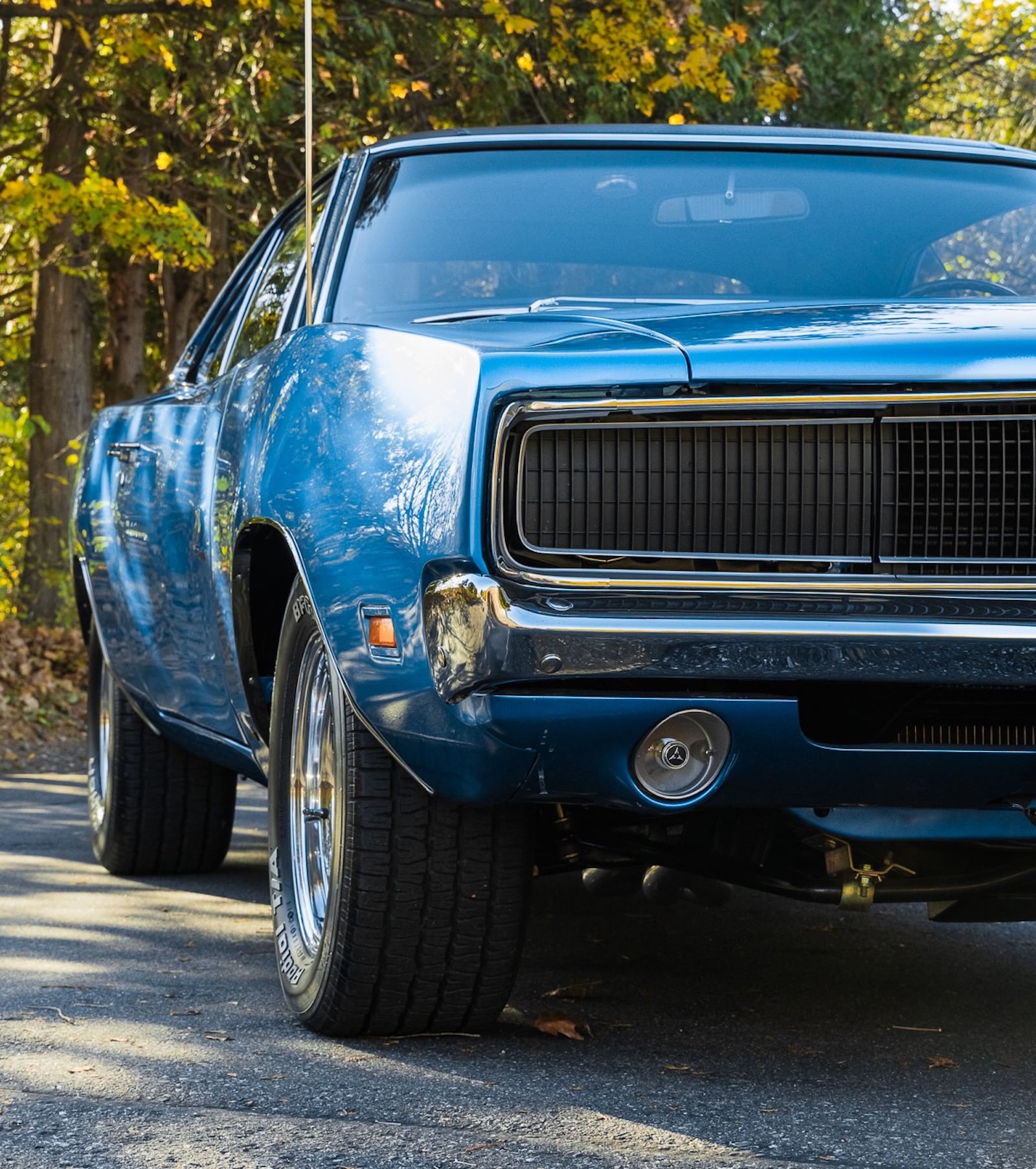
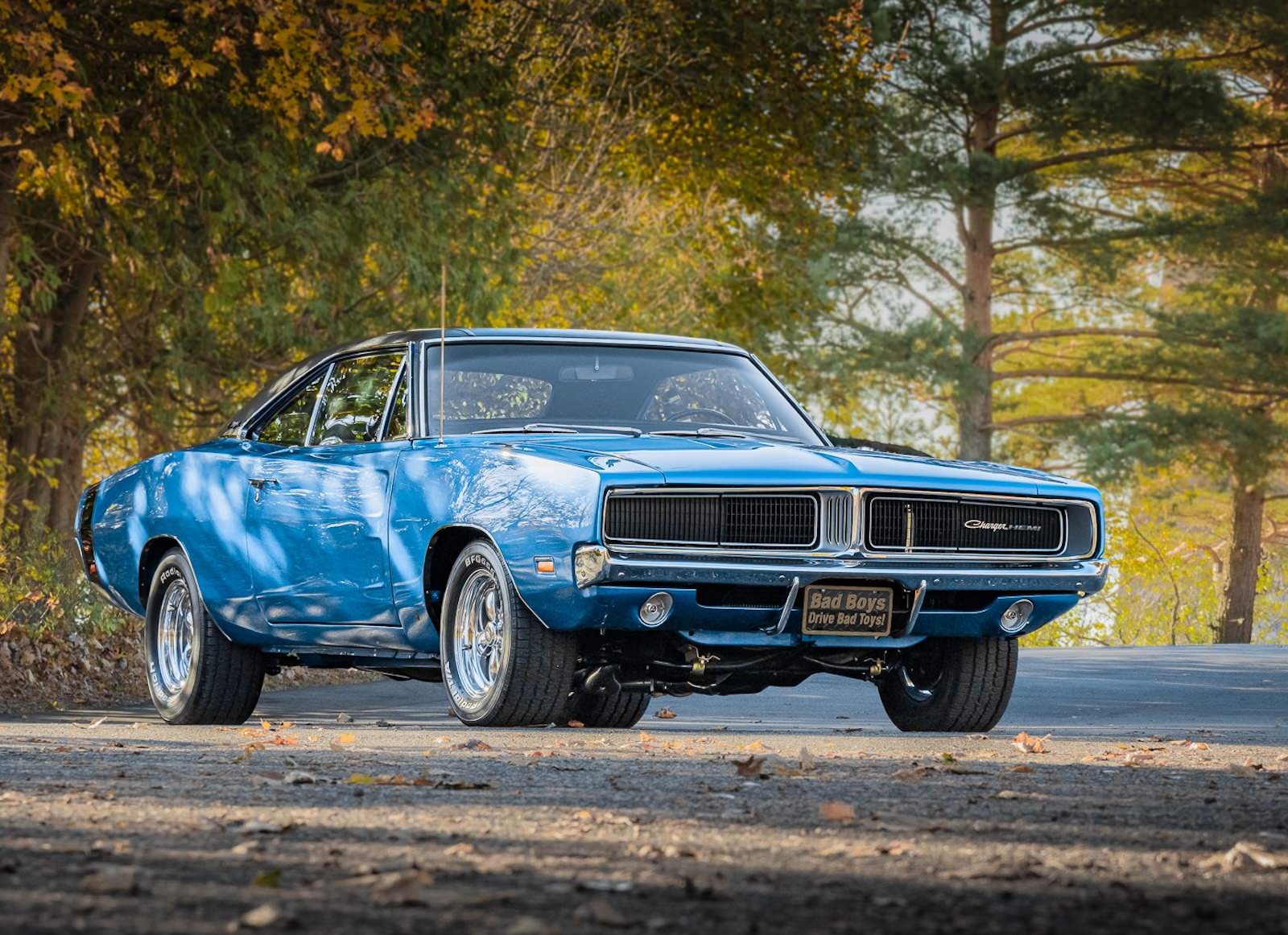
This is a 1969 Dodge Charger that now benefits from a range of major upgrades, including the fitment of a 637 bhp 528 Hemi sending power back through a Tremec 5-speed manual transmission.
The Charger is one of the true greats from the golden age of the American muscle car, but the most powerful engine offered in period from the factory was the 426 Hemi making 425 bhp. While that was impressive at the time, the modern 528 Hemi is capable of over 200 bhp more.
Fast Facts: A 528 Hemi 1969 Dodge Charger
- The 528 Hemi V8 crate engine is a modern evolution of Chrysler’s legendary 426 Hemi, first introduced for racing in 1964. The original 426 became famous for its success in NASCAR and NHRA competition, later appearing in road cars from 1966 to 1971 with a factory rating of 425 bhp.
- Displacing 528 cubic inches (8.7 liters), the larger 528 Hemi has a reinforced iron (or aluminum) block, forged internals, high-flow cylinder heads, and upgraded induction systems. Naturally aspirated versions can produce over 650 bhp, making the engine popular for high-performance Mopar restorations, restomods, and custom muscle car builds.
- This 1969 Dodge Charger originally left the factory with a 383 cubic inch V8, 3-speed automatic transmission, and Light Bronze Metallic paintwork. After reportedly spending years in a Colorado barn, it underwent a comprehensive rotisserie rebuild completed in 2021, emerging with Bright Blue Metallic paint, a black vinyl roof, and substantial mechanical upgrades.
- The rebuilt Charger features a 637 bhp 528 Hemi, Tremec TKO-600 5-speed manual gearbox, Strange S60 rear axle, upgraded suspension, and four-wheel disc brakes. Its refurbished interior includes black vinyl upholstery, air conditioning, and a pistol-grip shifter. It’s now offered for sale in Michigan with restoration documentation and a clean title.
History Speedrun: The 528 Hemi V8
The 528 Hemi V8 was never offered in a Chrysler production car, it’s essentially a modern continuation of one of America’s most storied V8 engine legacies. The 528 Hemi can trace its family tree directly back to the second-generation 426 Hemi V8, introduced by Chrysler in 1964. That engine earned a reputation as a dominant force in both NASCAR and NHRA racing, thanks to its hemispherical combustion chambers, high-flow heads, large valves, and seemingly bulletproof bottom end.

 The 528 Hemi can trace its family tree directly back to the second-generation 426 Hemi V8, introduced by Chrysler in 1964. Image courtesy of Chrysler.
The 426’s power and reliability made it a legend in its own era, but it was produced for only a limited time, between 1966 and 1971 in street-legal form – largely due to the fact that emissions regulations were being implemented in the 1970s that mostly killed off America’s formerly great big block muscle car V8s. It’s worth noting that it was in use in racing form from 1964 onwards, two years before it was fitted to mainstream production cars.
As time went on and demand for vintage-style high-horsepower V8s remained strong, the team at Mopar Performance responded by developing larger-displacement crate versions based on the same layout as the original 426 Hemis.
Among these aftermarket engine designs, the 528 has always stood out. With a displacement of 528 cubic inches (8.6 liters), it’s typically built using either a reinforced cast iron or aluminum block, with a 4.5 inch bore and a 4.15 inch stroke.
Like the 426, it uses the traditional hemispherical chamber design with oversized intake and exhaust valves, but upgrades it with forged internal components and high-flow aluminum heads for a lower overall weight and better heat dissipation. Most builds are equipped with dual four-barrel carburetors or modern EFI systems, allowing for easy tuning depending on the specific use case.
In naturally aspirated form, these engines can produce well over 600 – 650 bhp and 600+ lb ft of torque, figures that can climb significantly in forced induction or drag racing setups running nitromethane.
What makes the 528 special, perhaps more than anything else, is its combination of vintage aesthetics with modern levels of reliability and power. It’s now become a favorite among builders of Pro Street cars, Super Stock replicas, and high-end Mopar restomods.
528 Hemi-Powered 1969 Dodge Charger
This 1969 Dodge Charger has been through an extensive, multi-year rotisserie rebuild, with the work completed in 2021. It was factory-fitted with a 383 cubic inch V8, a 3-speed automatic transmission, and finished in Light Bronze Metallic with a tan vinyl roof, and the car is said to have spent much of the 1990s and early 2000s in barn storage in Colorado.
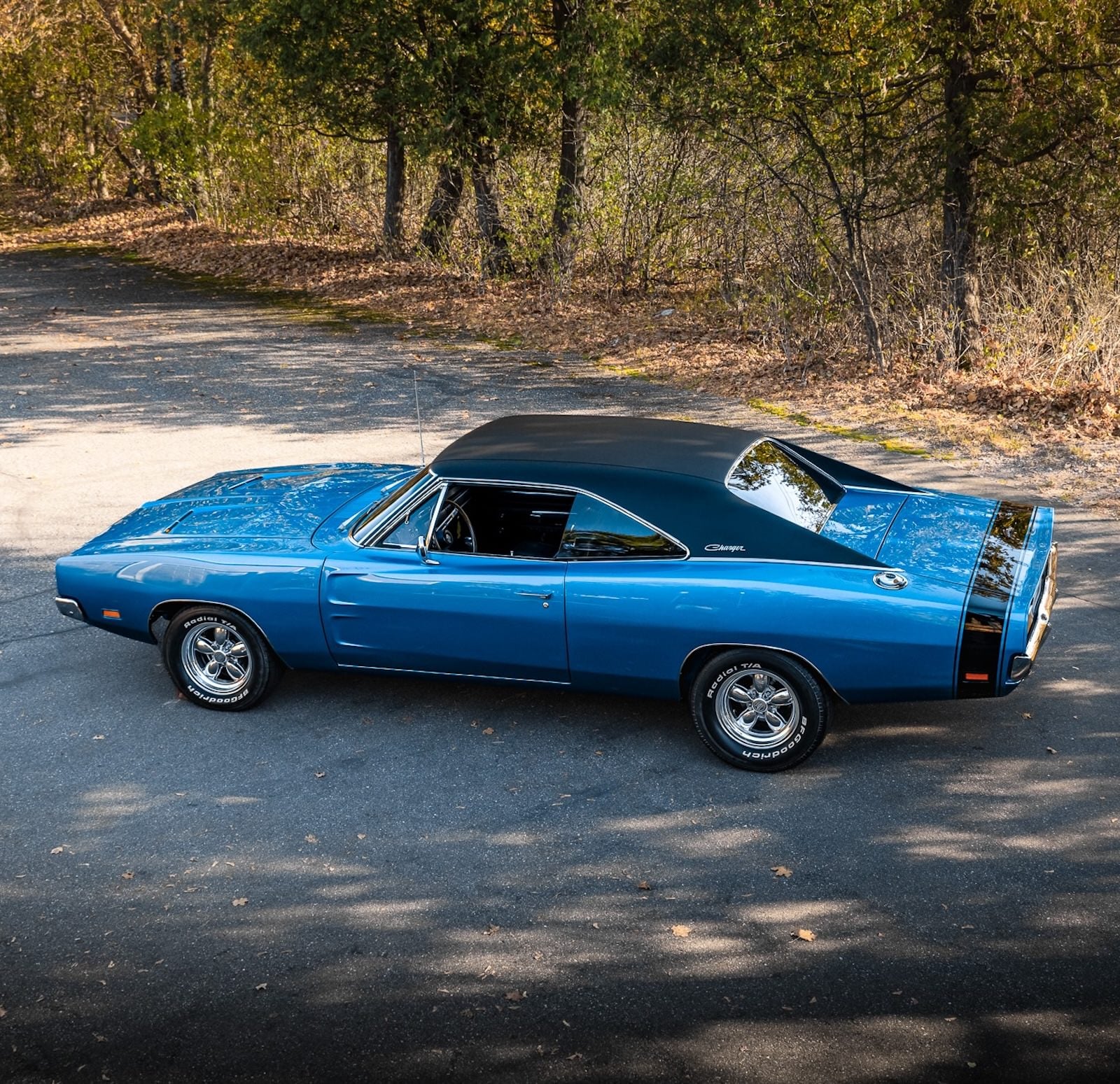
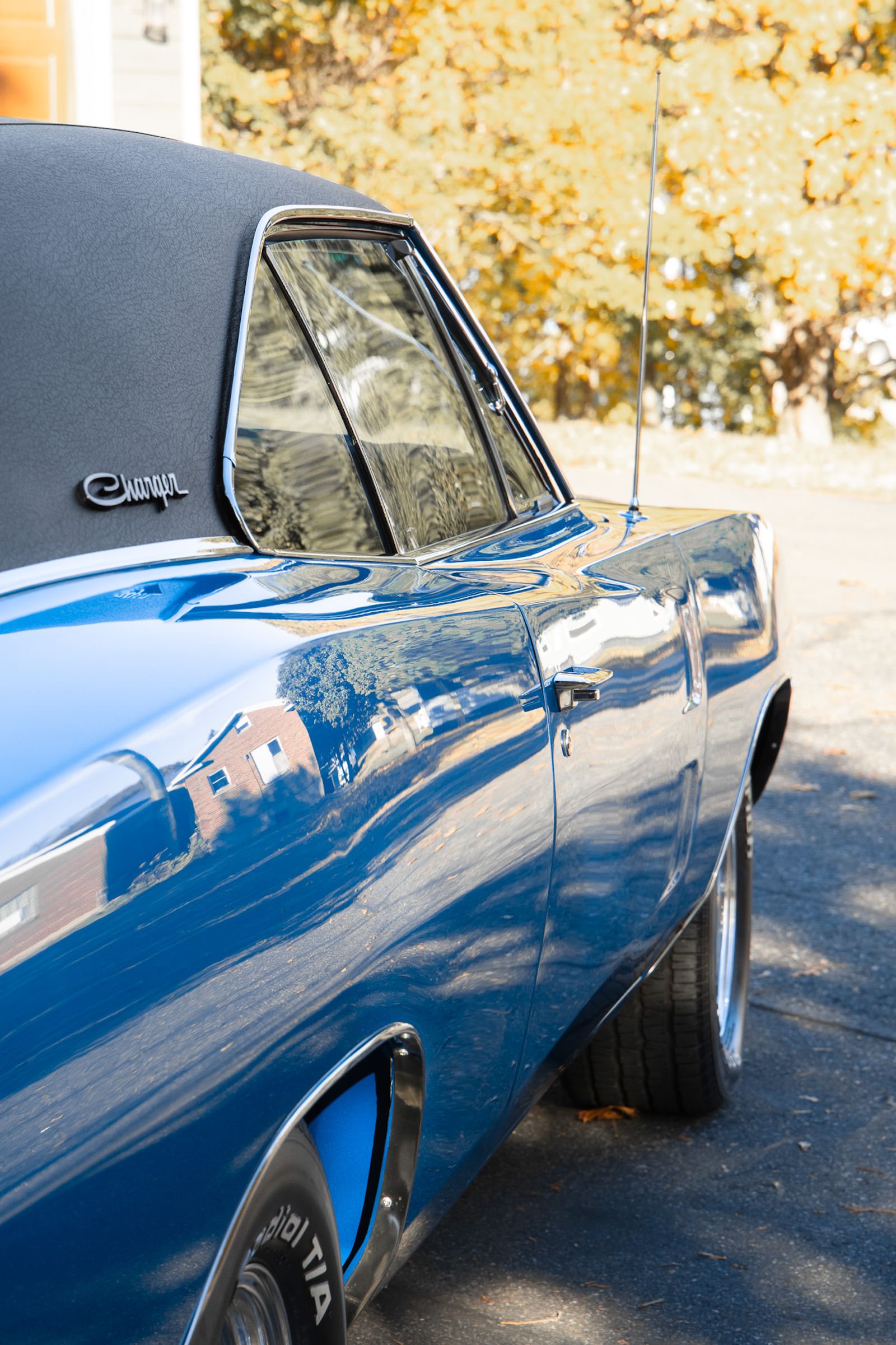
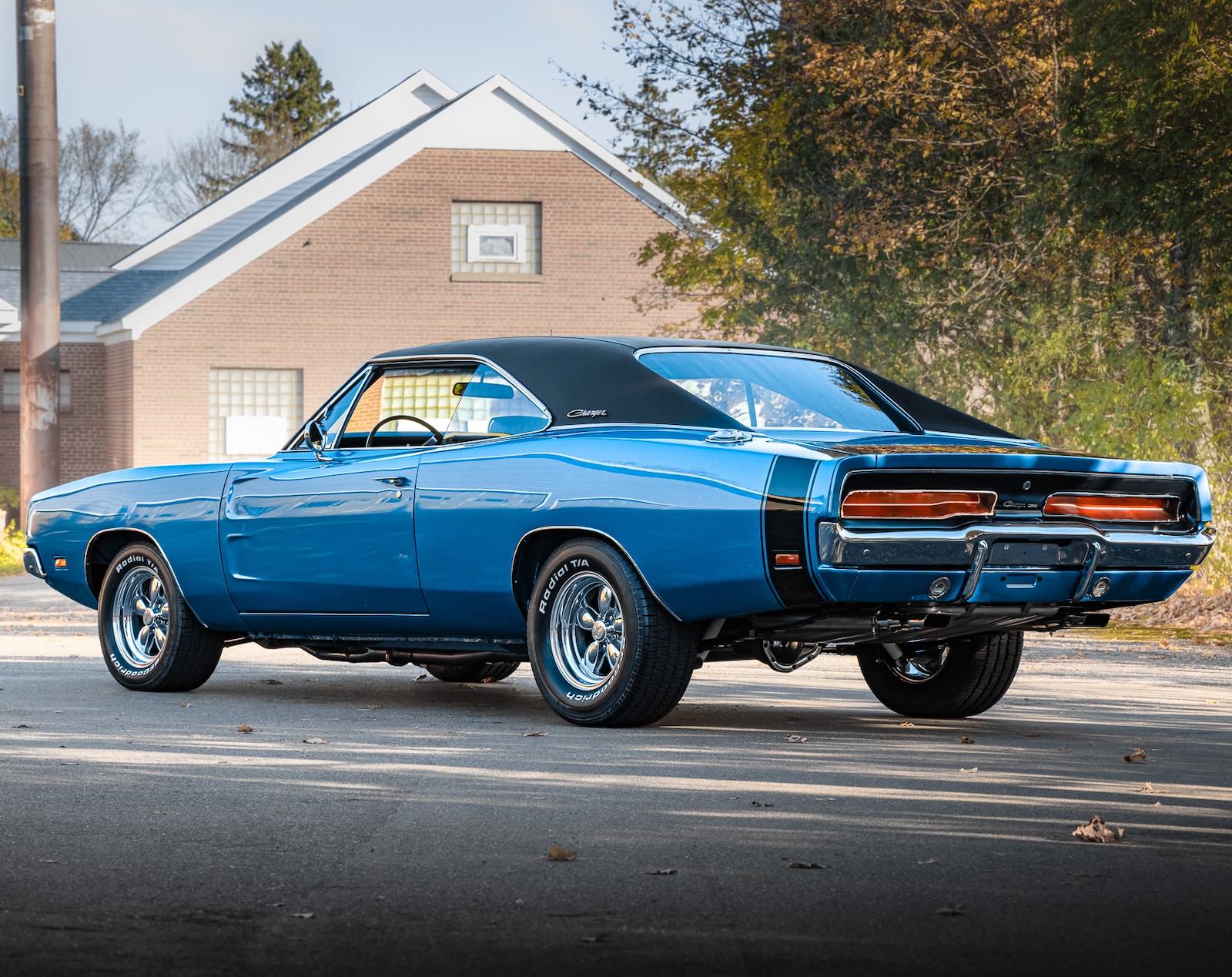
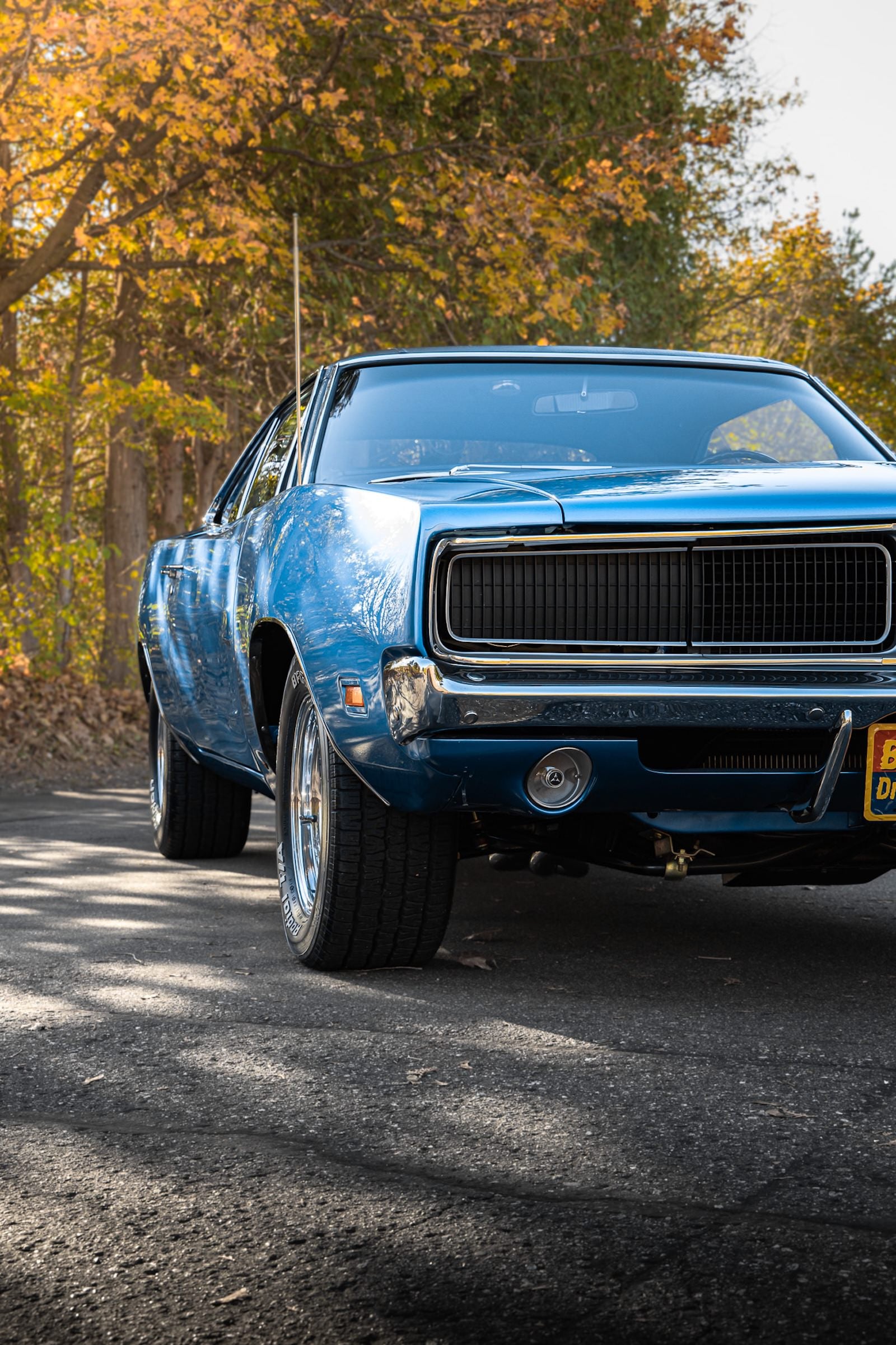
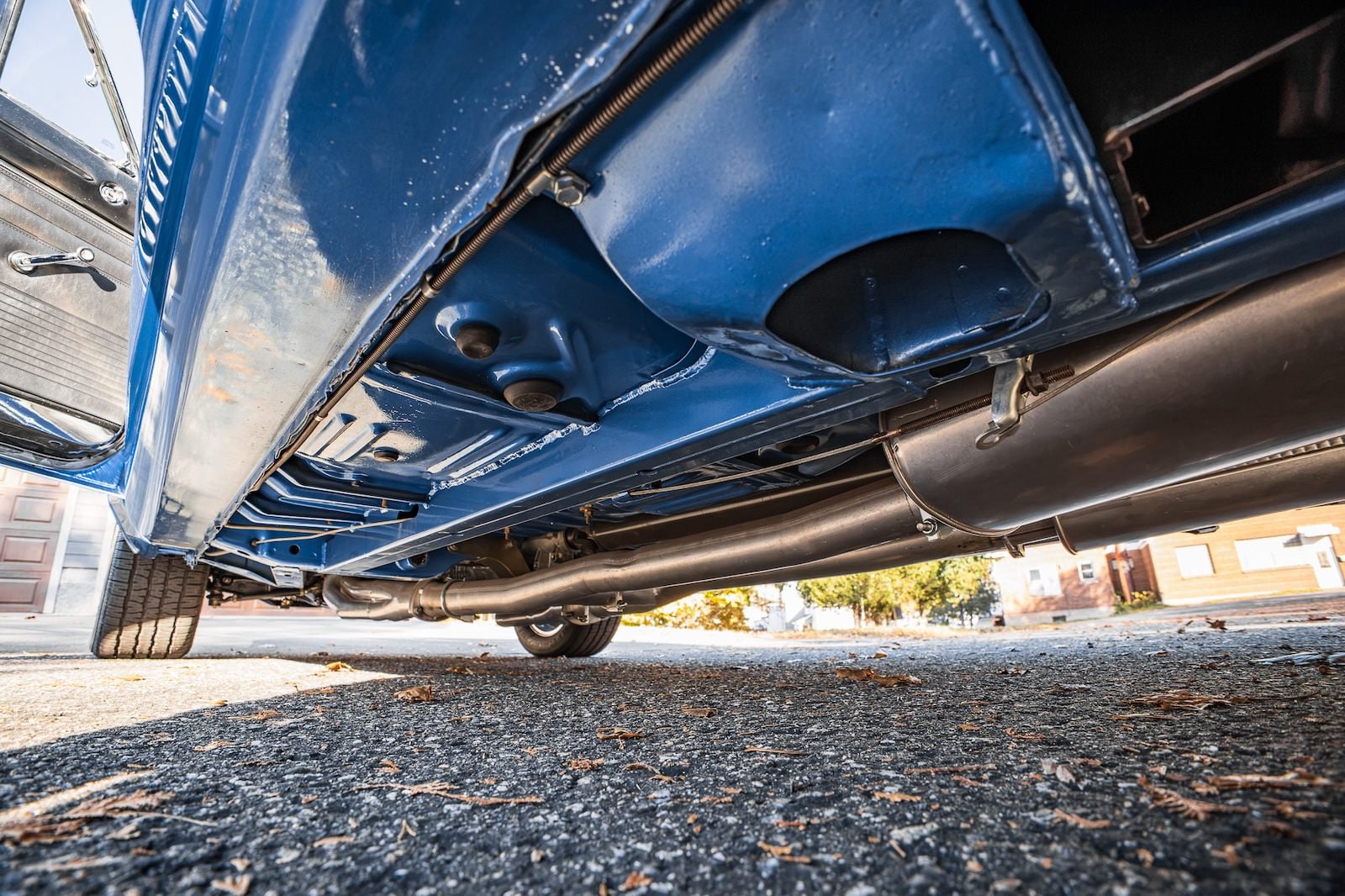
During the rebuild, the Charger was stripped, soda and media-blasted, fitted with replacement body panels where needed, and repainted in Bright Blue Metallic with a black vinyl roof and rear striping. Its original engine was replaced with a Mopar Performance 528 cubic inch (8.7 liter) Hemi V8 crate engine, with ported cylinder heads, a performance camshaft, a four-barrel carburetor, and numerous other upgrades.
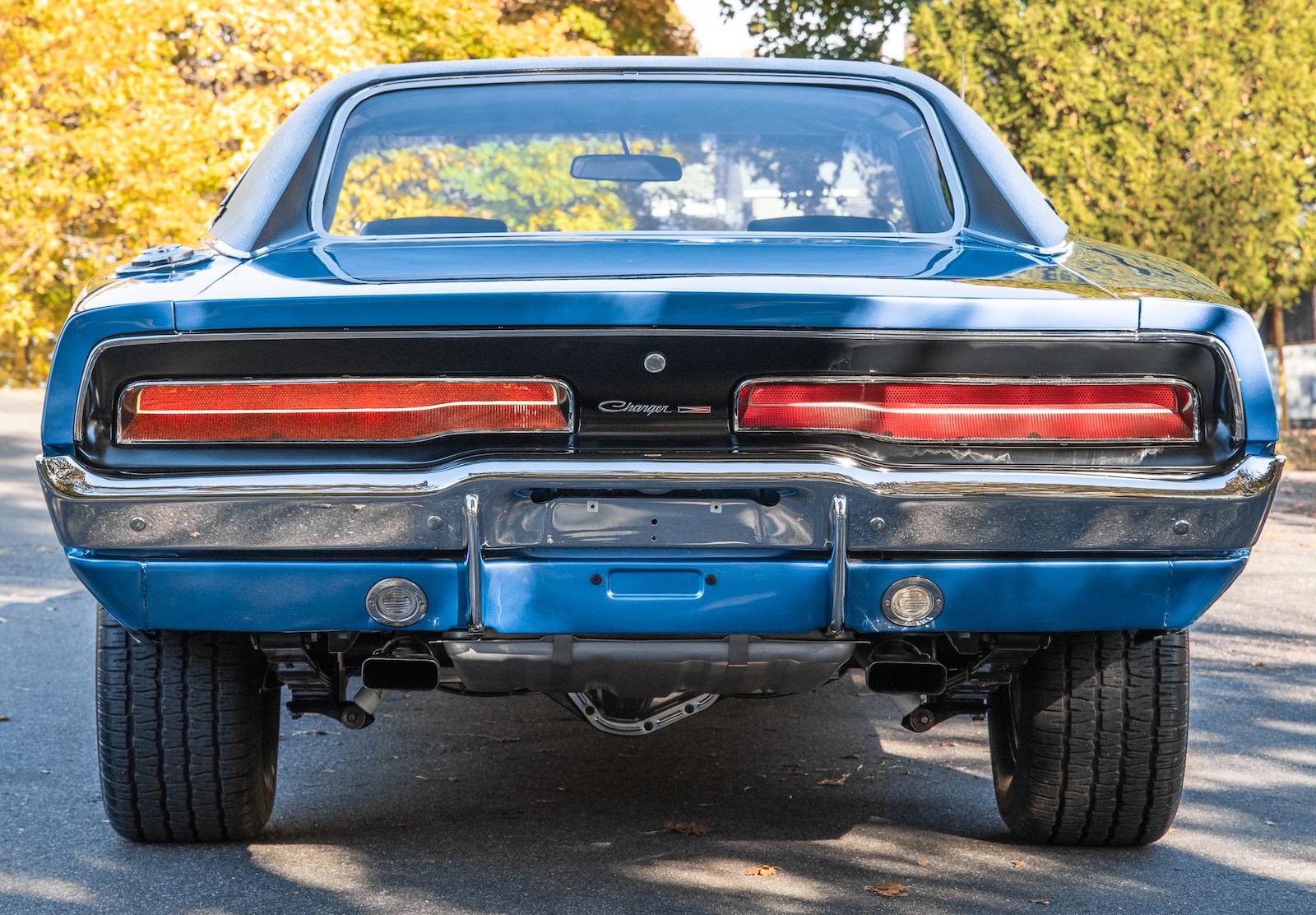
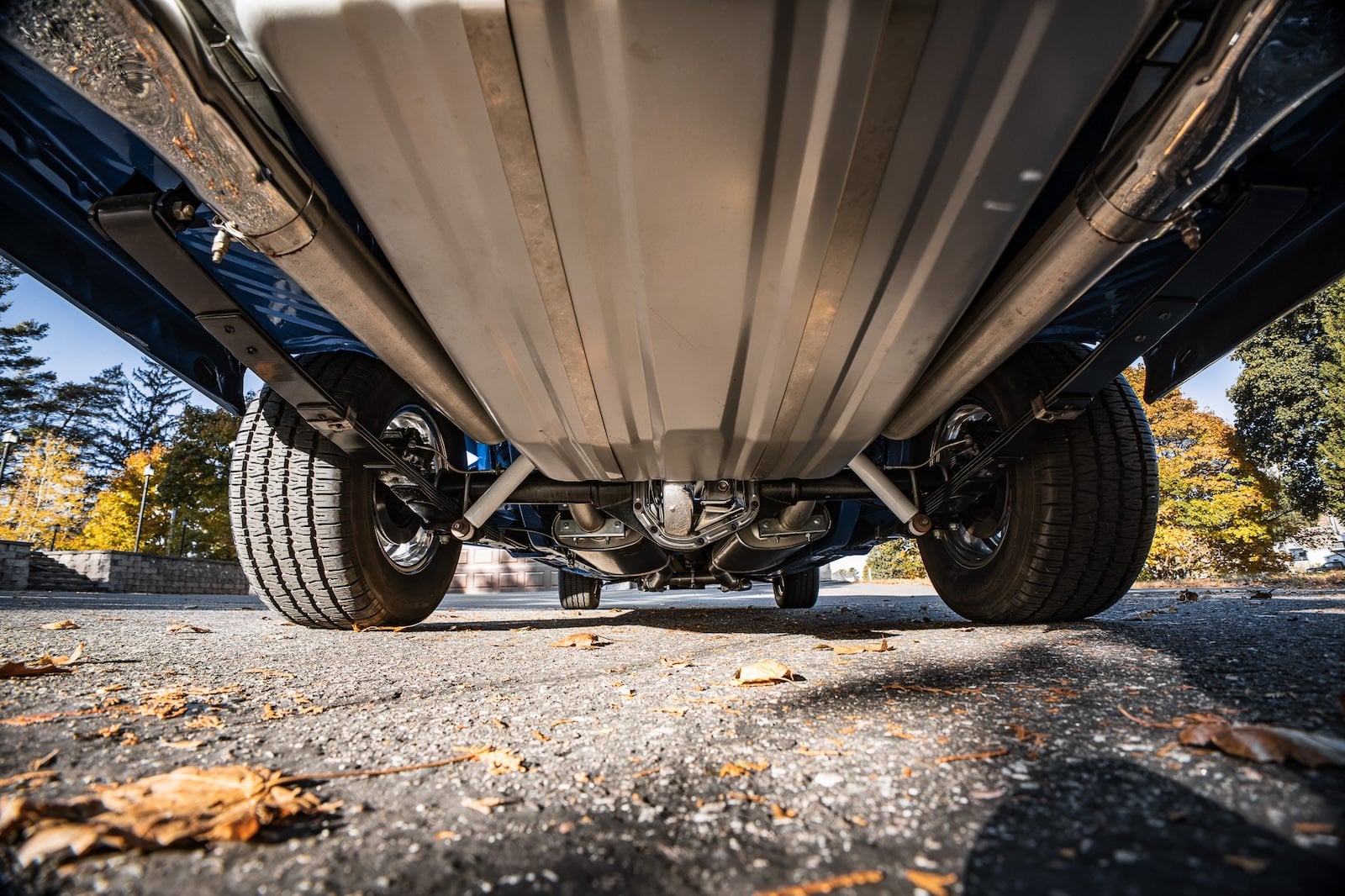
Dyno testing showed an output of 637 bhp at 6,150 rpm, and power is sent back to the rear wheels through a Tremec TKO-600 5-speed manual transmission, a Sachs Performance clutch, and a Strange S60 rear axle with 3.73:1 gearing.
This is a 1969 Dodge Charger that now benefits from a range of major upgrades, including the fitment of a 637 bhp 528 Hemi sending power back through a Tremec TKO-600 5-speed manual transmission.
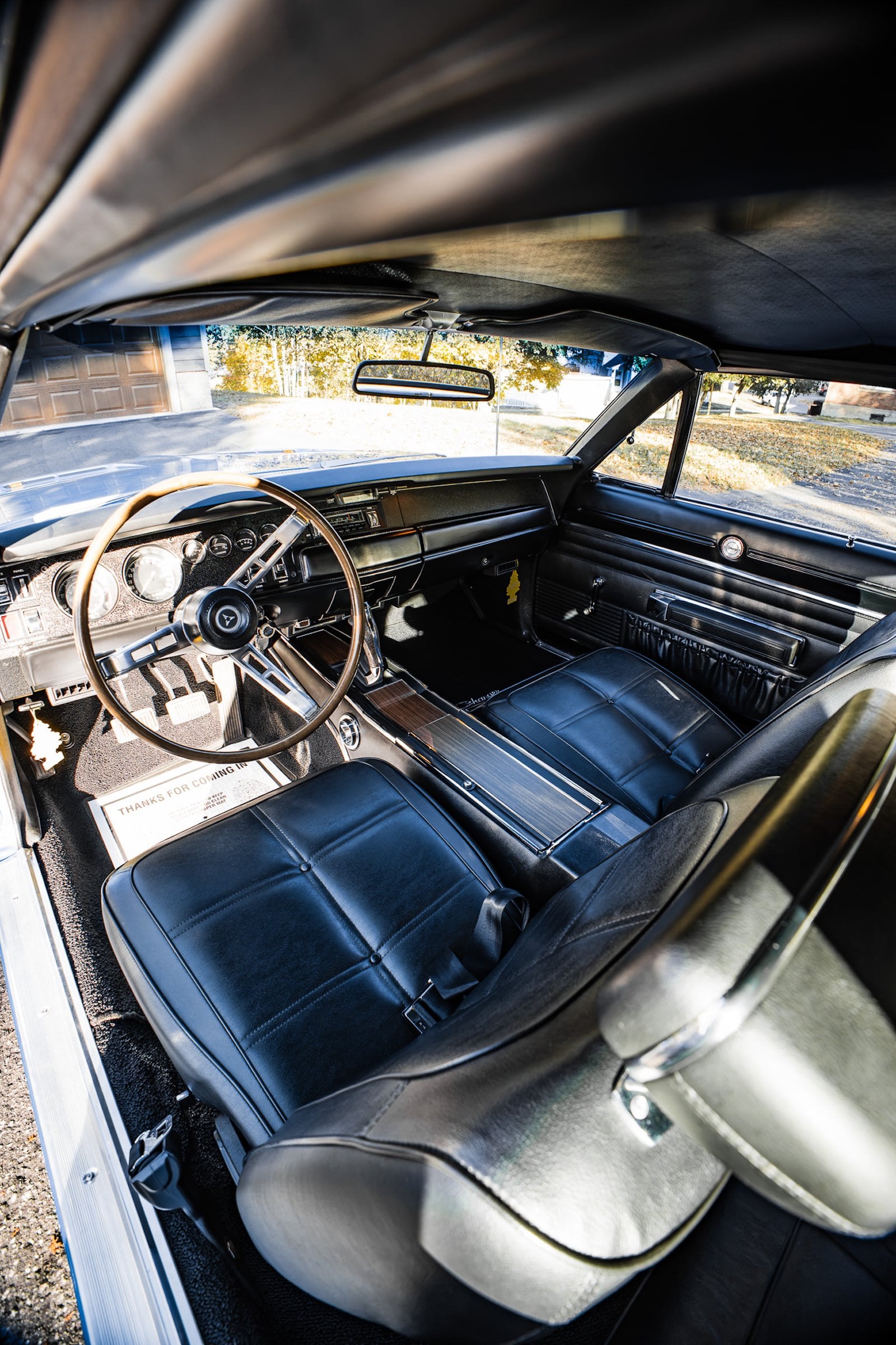
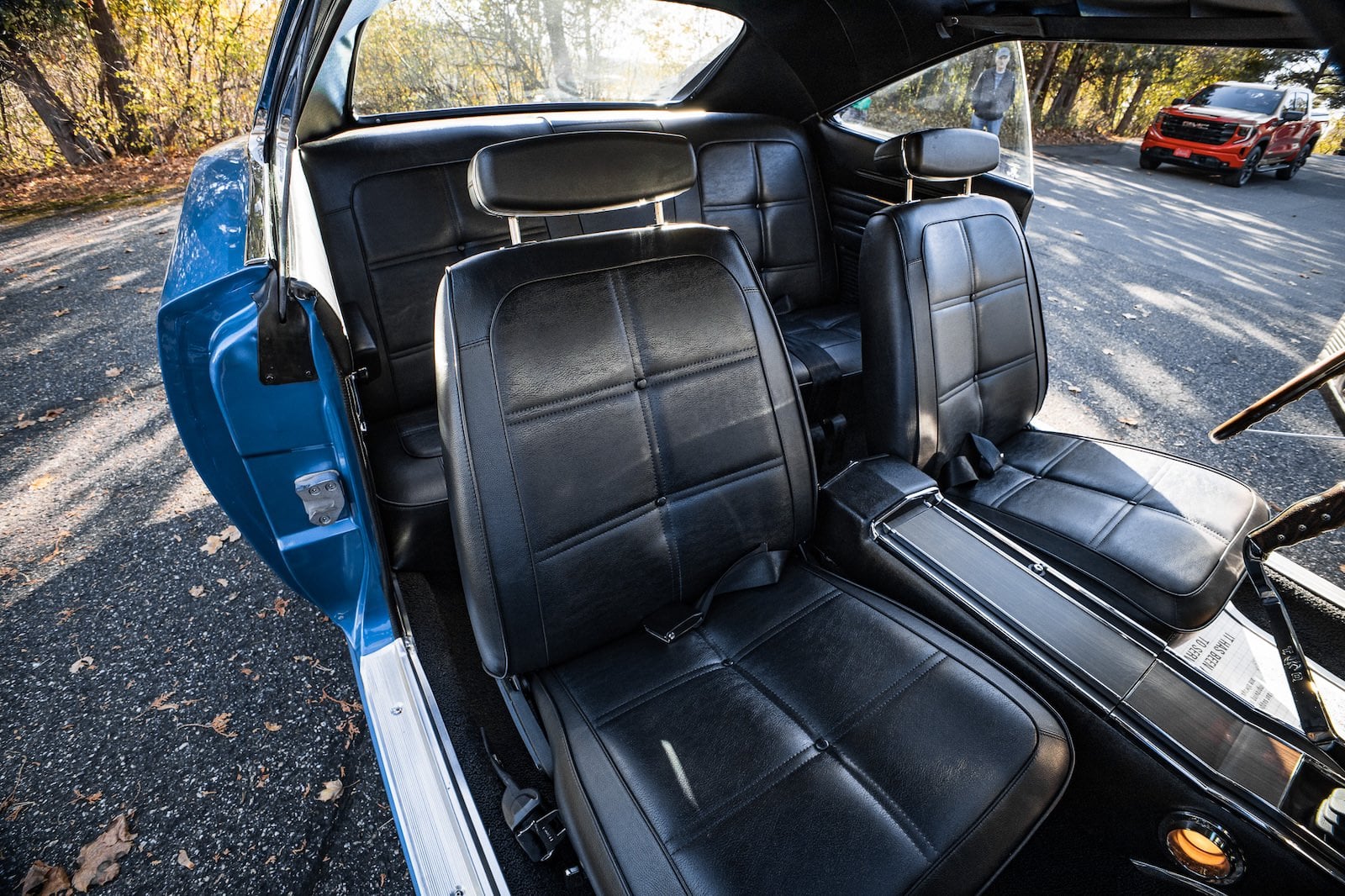
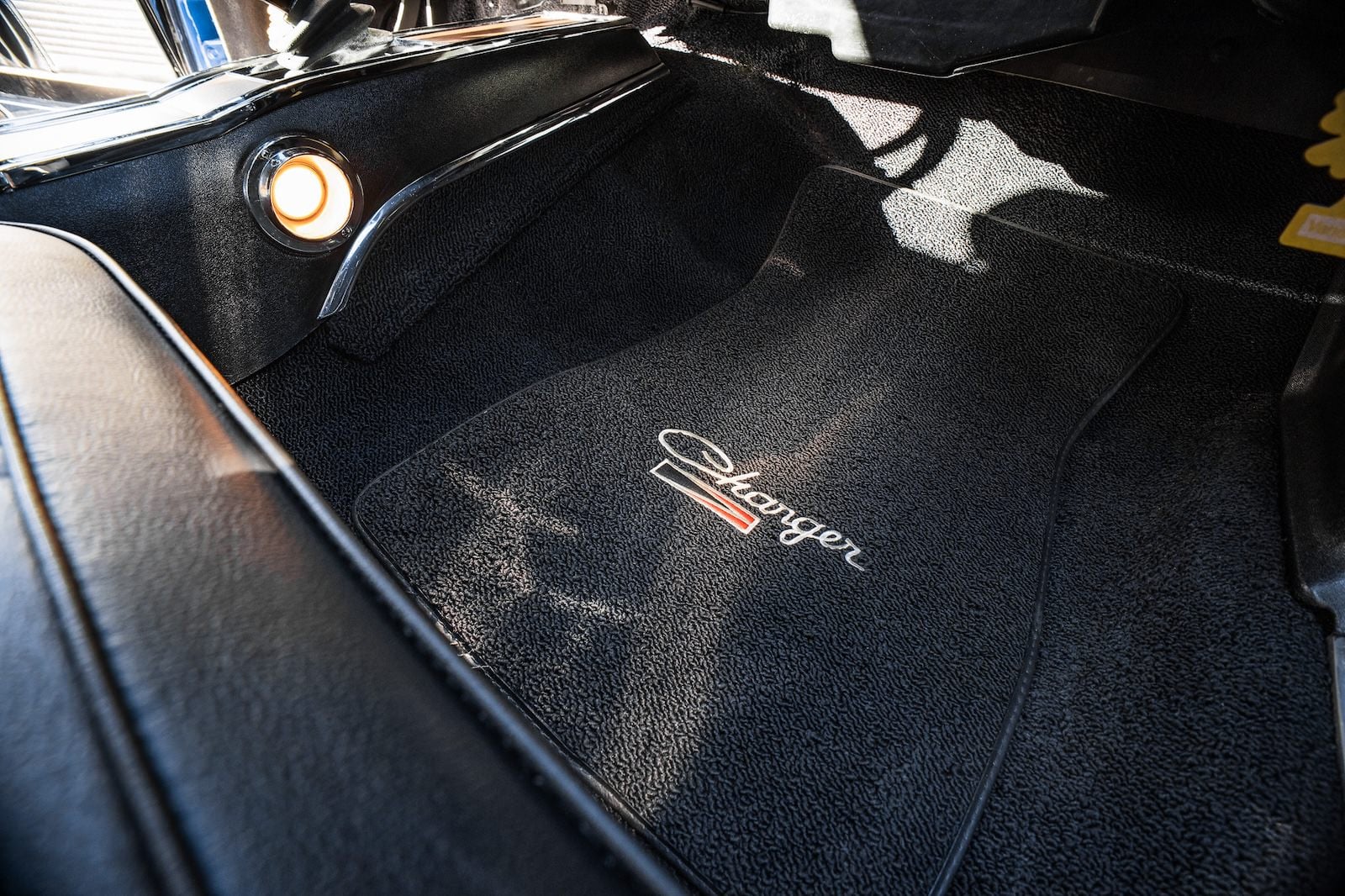
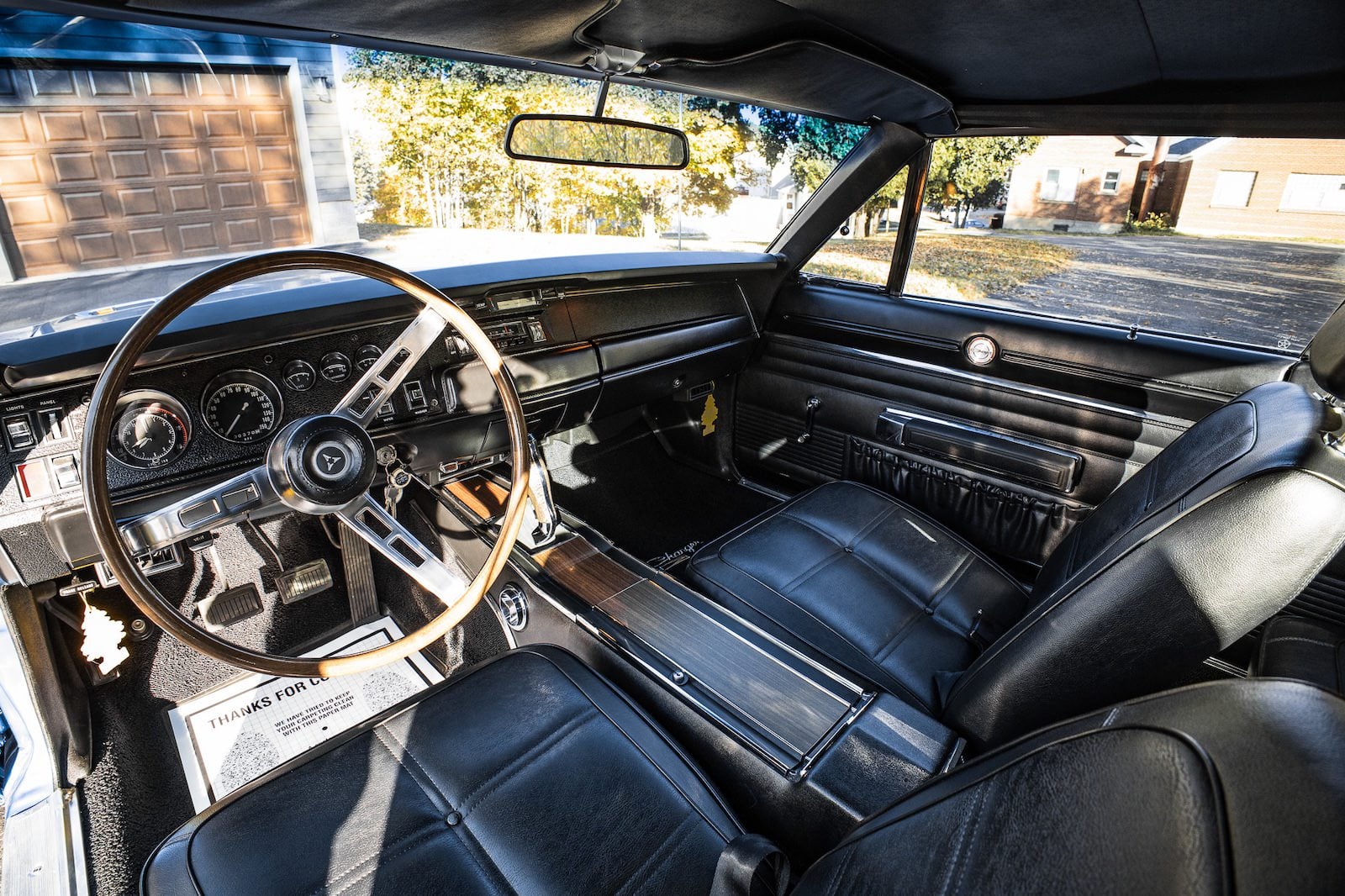
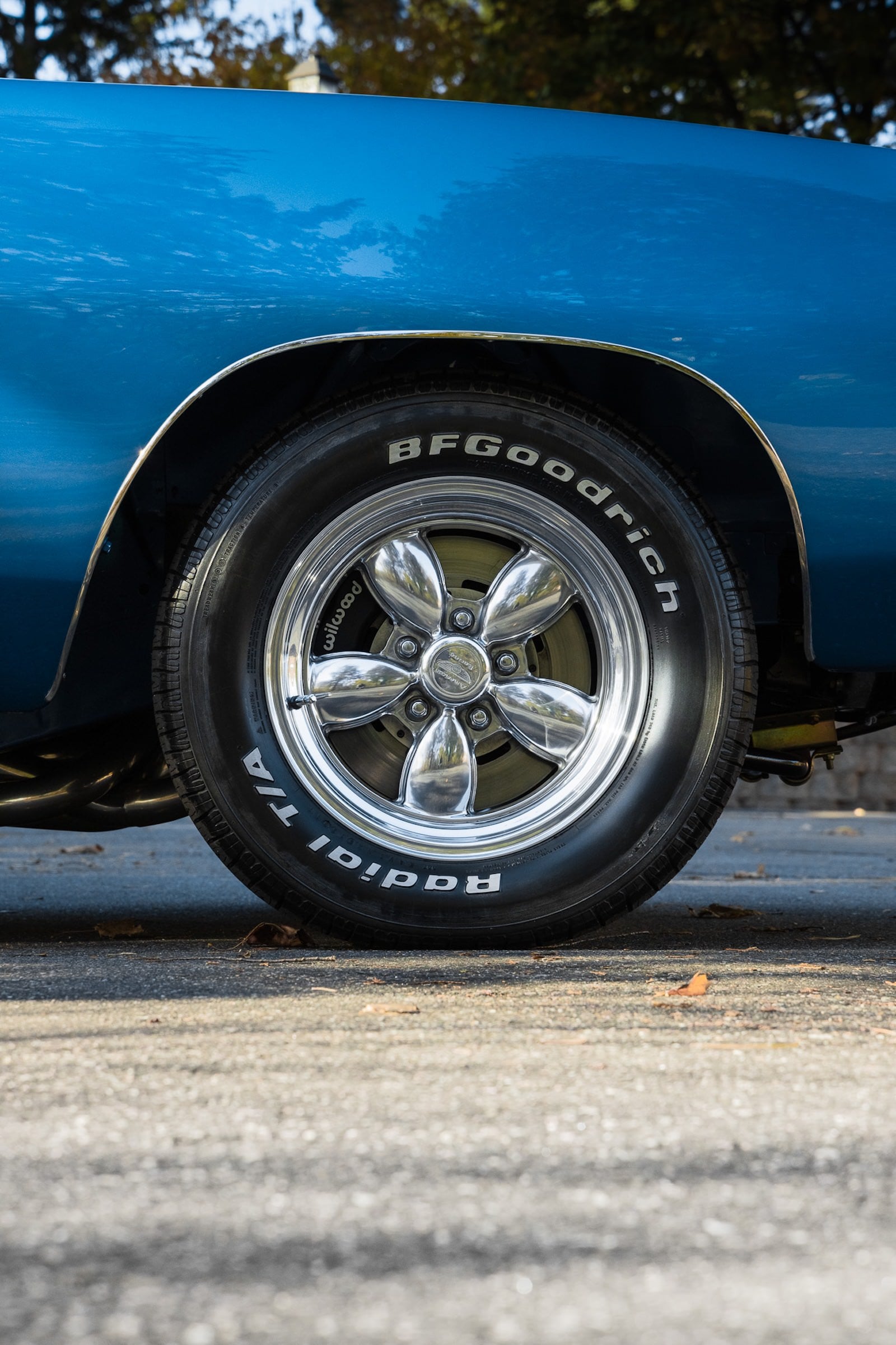
The work included rebuilt suspension, chassis reinforcements, a Firm Feel steering gearbox, four-wheel disc brakes, and 15-inch American Racing Torq Thrust II wheels. The interior was retrimmed in black vinyl and fitted with a woodgrain center console, a pistol-grip shifter, a factory-style “tic-toc” tachometer, and Classic Auto Air air conditioning. The car was also rewired during the build.
It’s now being offered for sale out of Ishpeming, Michigan on Bring a Trailer with restoration photographs and records, an outline of the vehicle’s equipment, a broadcast sheet, and a clean Michigan title in the seller’s name. If you’d like to read more about it or register to bid you can visit the listing here.
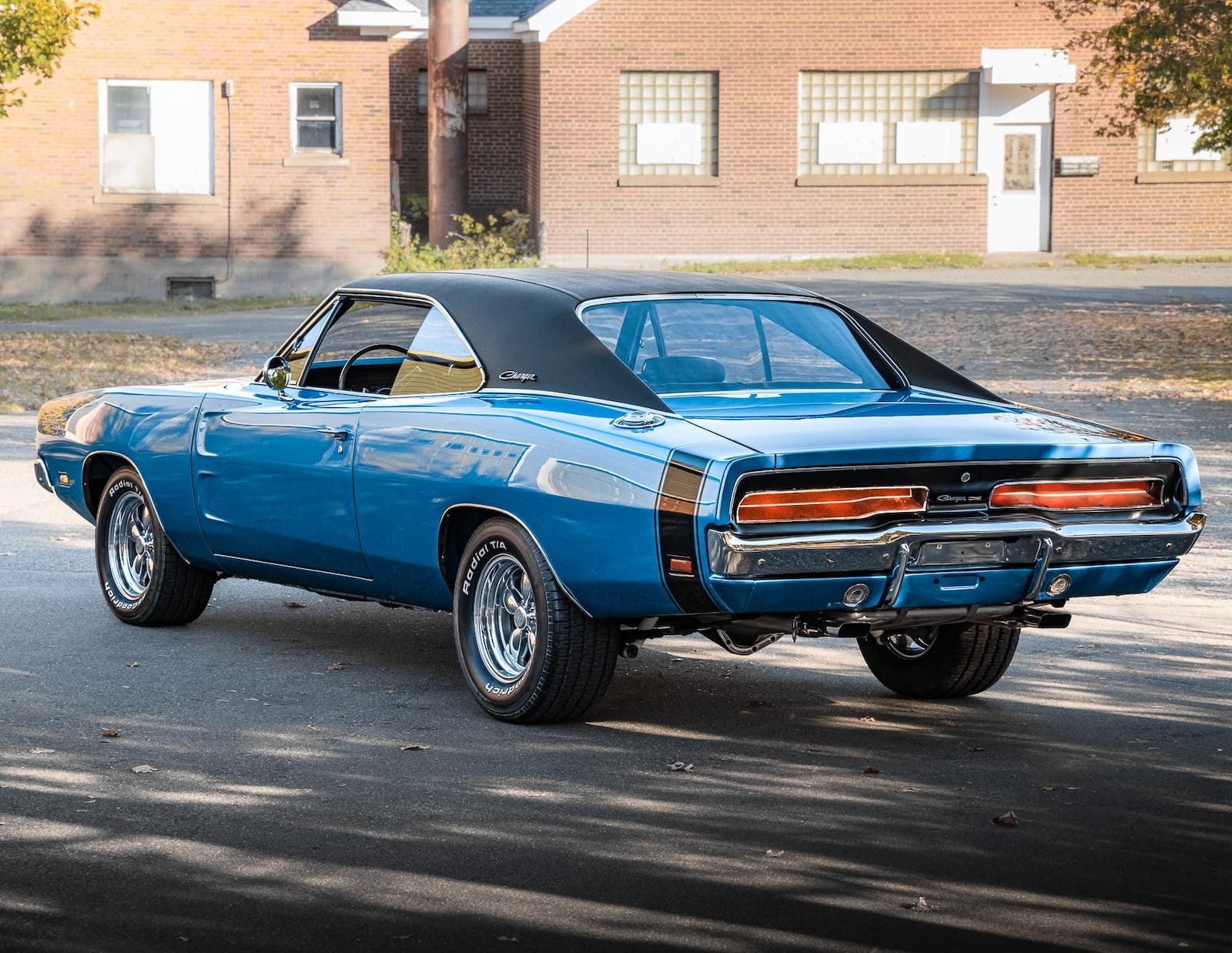
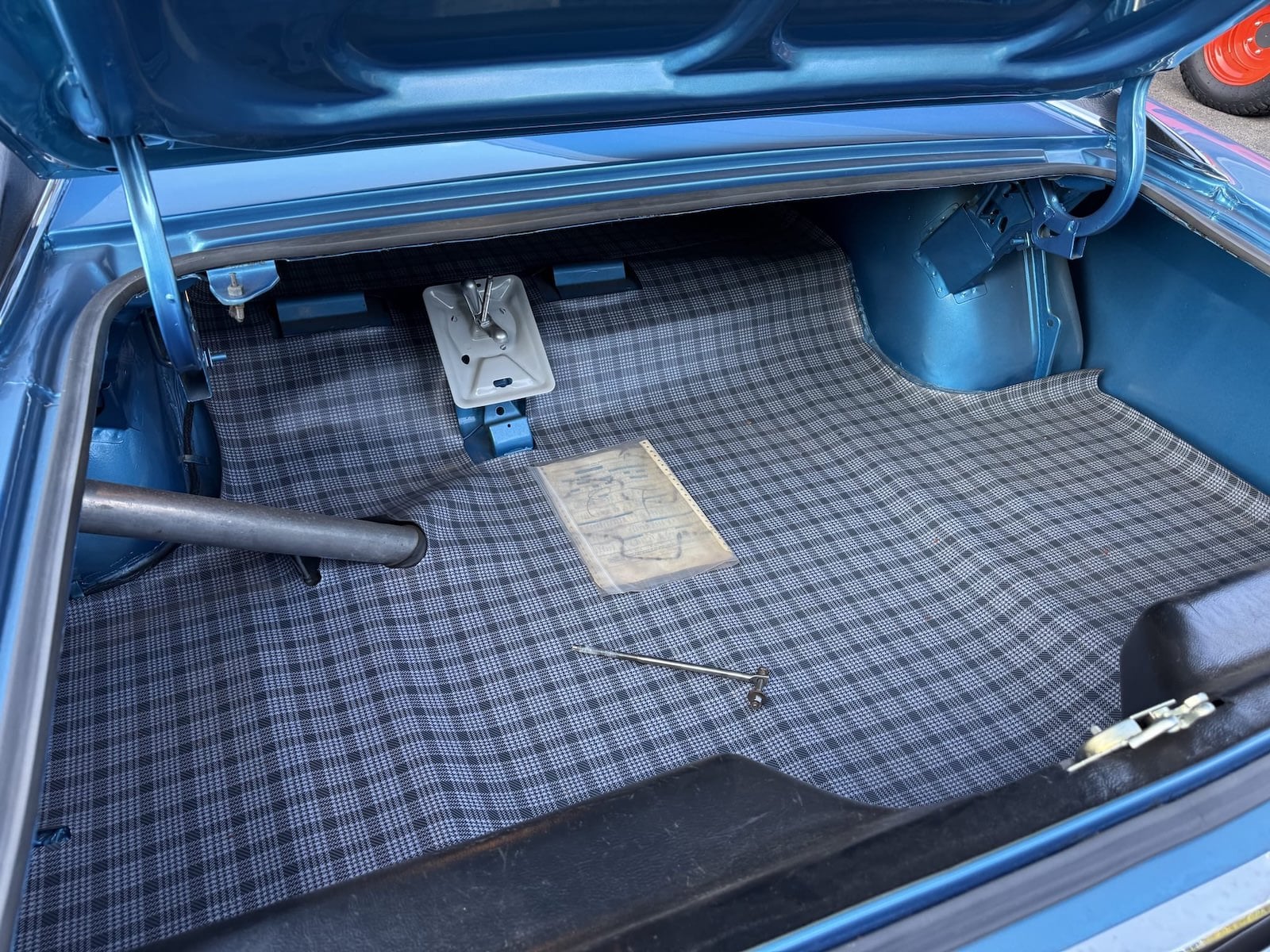
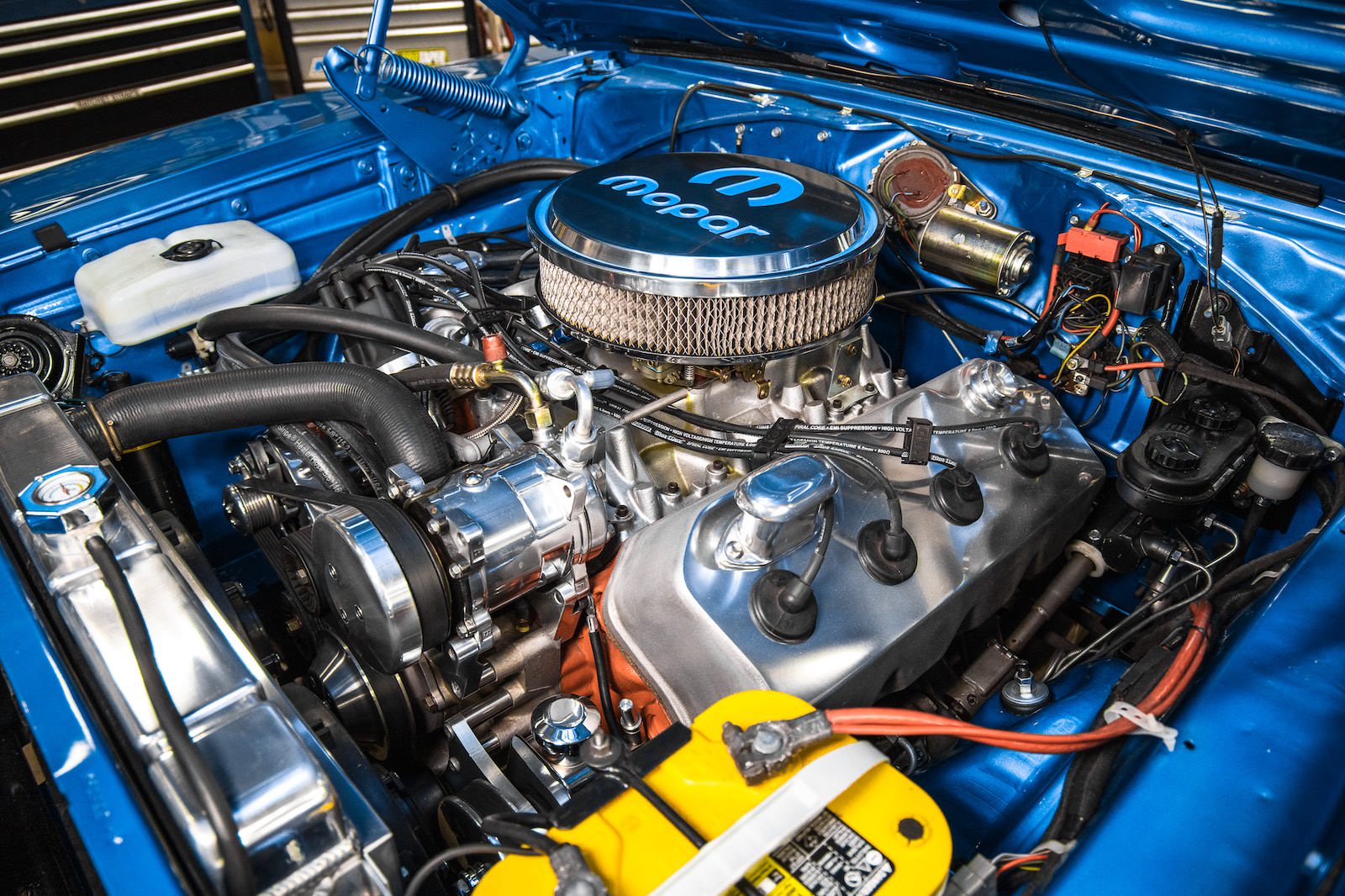
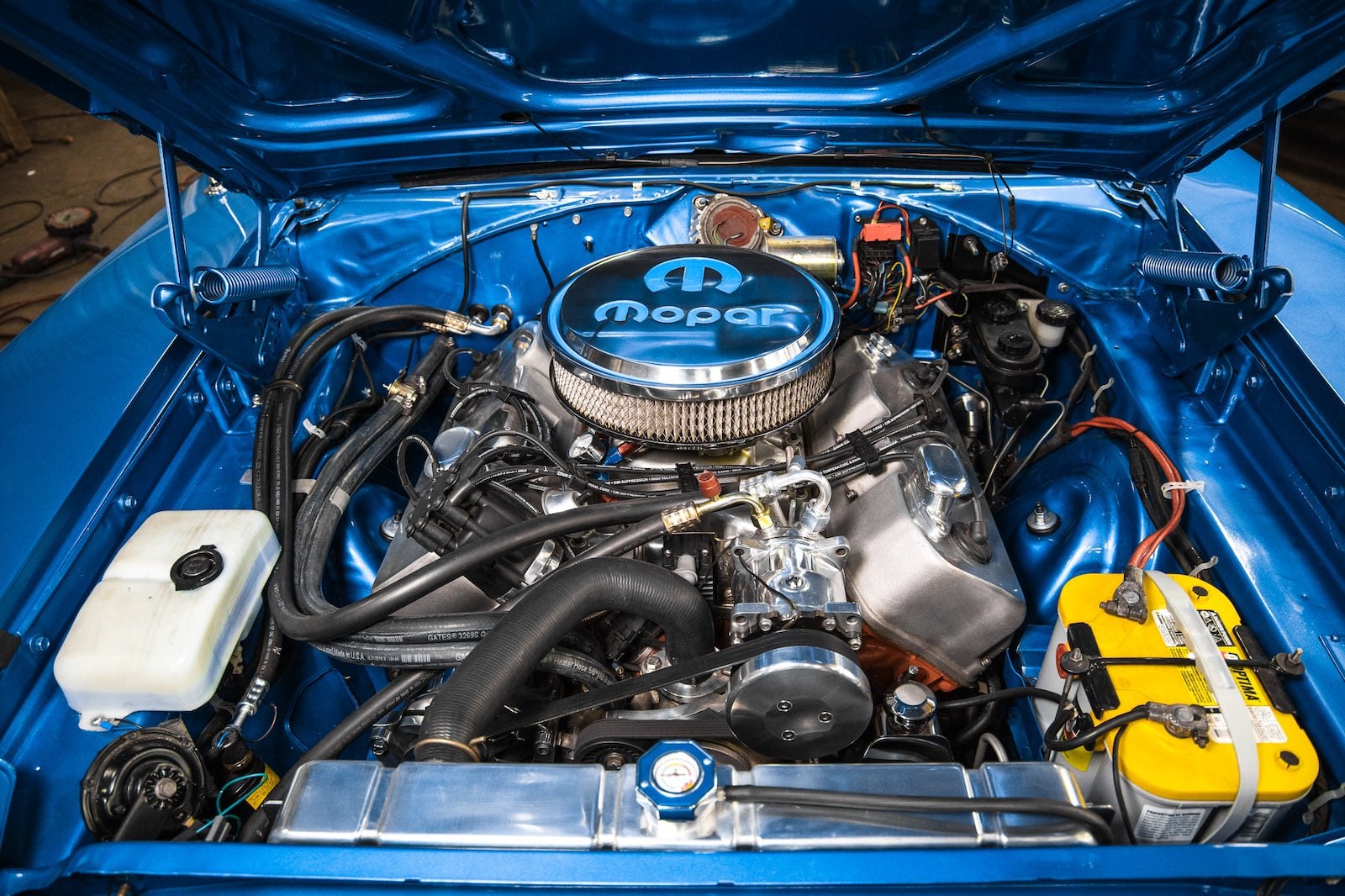
Images courtesy of Bring a Trailer

Articles that Ben Branch has written have been covered on CNN, Popular Mechanics, Smithsonian Magazine, Road & Track Magazine, the official Pinterest blog, the official eBay Motors blog, BuzzFeed, Autoweek Magazine, Wired Magazine, Autoblog, Gear Patrol, Jalopnik, The Verge, and many more.
Silodrome was founded by Ben back in 2010, in the years since the site has grown to become a world leader in the alternative and vintage motoring sector, with well over a million monthly readers from around the world and many hundreds of thousands of followers on social media.