The Jensen FF is one of the most consequential British classics of the 1960s, yet today it remains largely forgotten and overshadowed by much better known vehicles from the likes of Audi, Subaru, and even AMC.
The reason the FF is so important is that it was the first all-wheel drive production car – making its debut in 1966 many years before the arrival of other more mainstream AWD cars.
Fast Facts: The Jensen FF
- The Jensen FF debuted in 1966 and was the first all wheel drive production car, arriving long before AWD became mainstream. Despite this, it remains overshadowed by later models from the likes of Audi and Subaru. Its significance lies in proving AWD viability for high performance road cars, decades early.
- Jensen Motors had a long engineering pedigree before the FF, evolving from bespoke coachbuilding into unusual postwar GT production cars. Fiberglass bodies, Chrysler V8 power, and advanced thinking defined models like the 541R and CV8. The FF was developed alongside the Interceptor and shared much of its visual styling.
- The FF used the Ferguson Formula all wheel drive system paired with Dunlop Maxaret mechanical anti-lock brakes. Power was split 33% front and 67% rear. Design constraints prevented left hand drive production, eliminating US market access and limiting sales volume.
- Only 320 Jensen FFs were built, making survivors rare and highly prized today. The 1967 FF prototype shown here is one of twelve Vignale bodied cars and it recently underwent an extensive restoration. With matching numbers and strong historic provenance, it’s an excellent showcase of the FF’s overlooked role in shaping modern all wheel drive performance cars.
History Speedrun: Jensen Motors And The Jensen FF
By the time the Jensen FF was released in 1966, Jensen Motors already had a long track history of producing innovative vehicles. The company had been founded back in 1922 as W J Smith & Sons Limited by brothers Alan and Richard Jensen, and they quickly made a name for themselves with their automotive designs.
 The Jensen FF is one of the most consequential British classics of the 1960s, yet today it remains largely forgotten, and overshadowed by much better known vehicles from the likes of Audi, Subaru, and even AMC.
In 1934 they were commissioned by Clark Gable, arguably the biggest movie star in the world at the time, to build him a custom Ford V8. This brought the company considerable free publicity and no small amount of prestige.
During the 1930s the company diversified into also producing commercial vehicles, and during WWII they aided the war effort by building parts for military equipment, including turrets for tanks.
In the years after WWII things got really interesting, Jensen began using a new lightweight composite material, better known as fiberglass, to make their car bodies. This allowed them to make automobiles with sweeping curves without the need for expensive steel stamping equipment. These car bodies were also lightweight and impervious to rust.
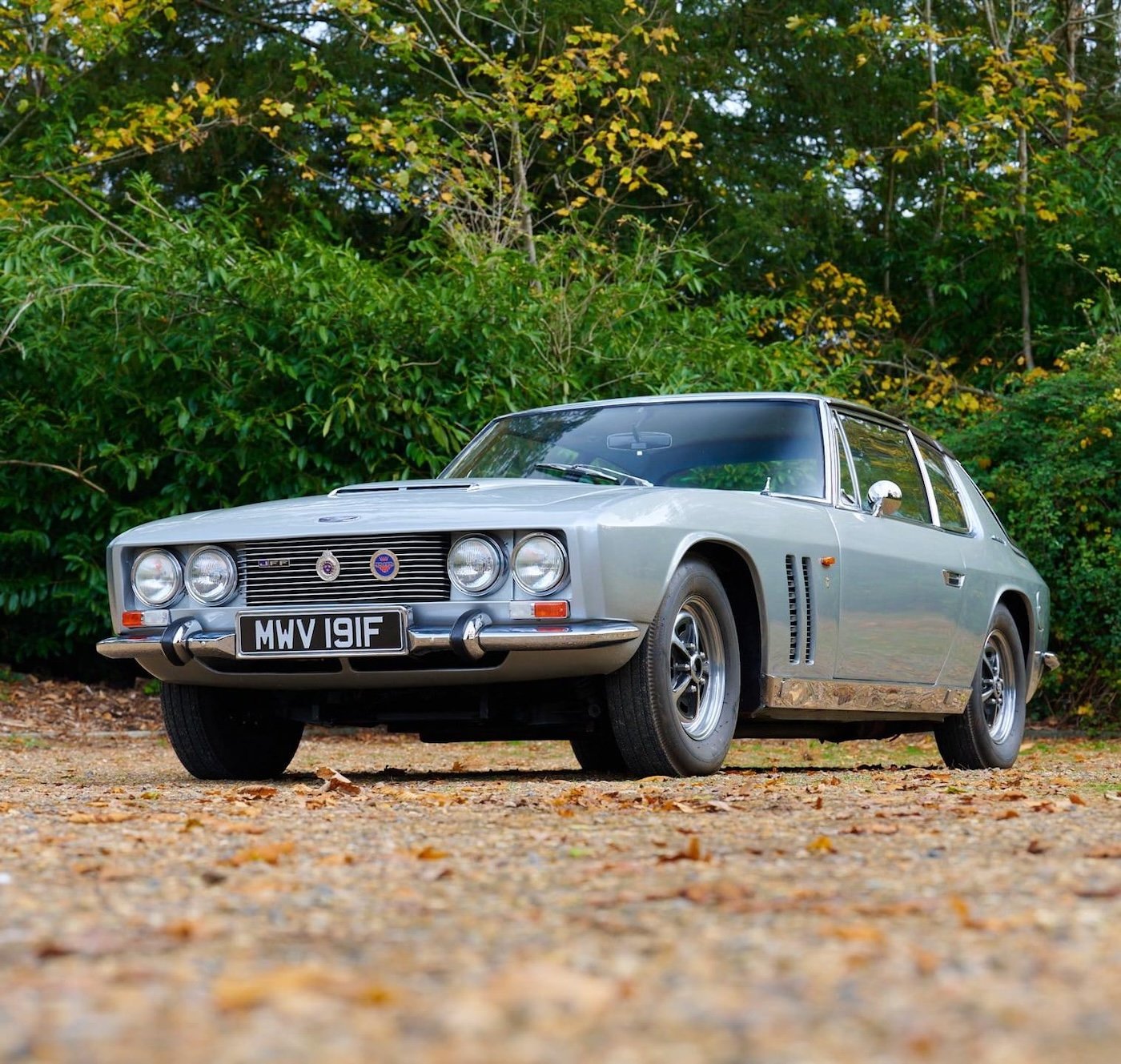
Cars from this era, like the Jensen 541R and the Jensen CV8, were precursors to the vehicle that Jensen would release in 1966 – the Interceptor. The Interceptor would go on to become their best selling car ever, and the Jensen FF would be closely based on it, looking almost indistinguishable to the untrained eye.
Due to a slew of problems that arose in the 1970, key among them the 1973 Oil Crisis, Jensen Motors stopped trading in 1976. There have been a few attempts to restart production in the years since, and remarkably it’s possible to buy yourself a new, modern version of the Jensen Interceptor today.
The Jensen FF: A Forgotten Grand Touring Legend
When Audi was setting about designing their Quattro all-wheel drive system in the late 1970s they sent out buyers to find them a secondhand Jensen FF. They then disassembled the drivetrain and studied how it worked.
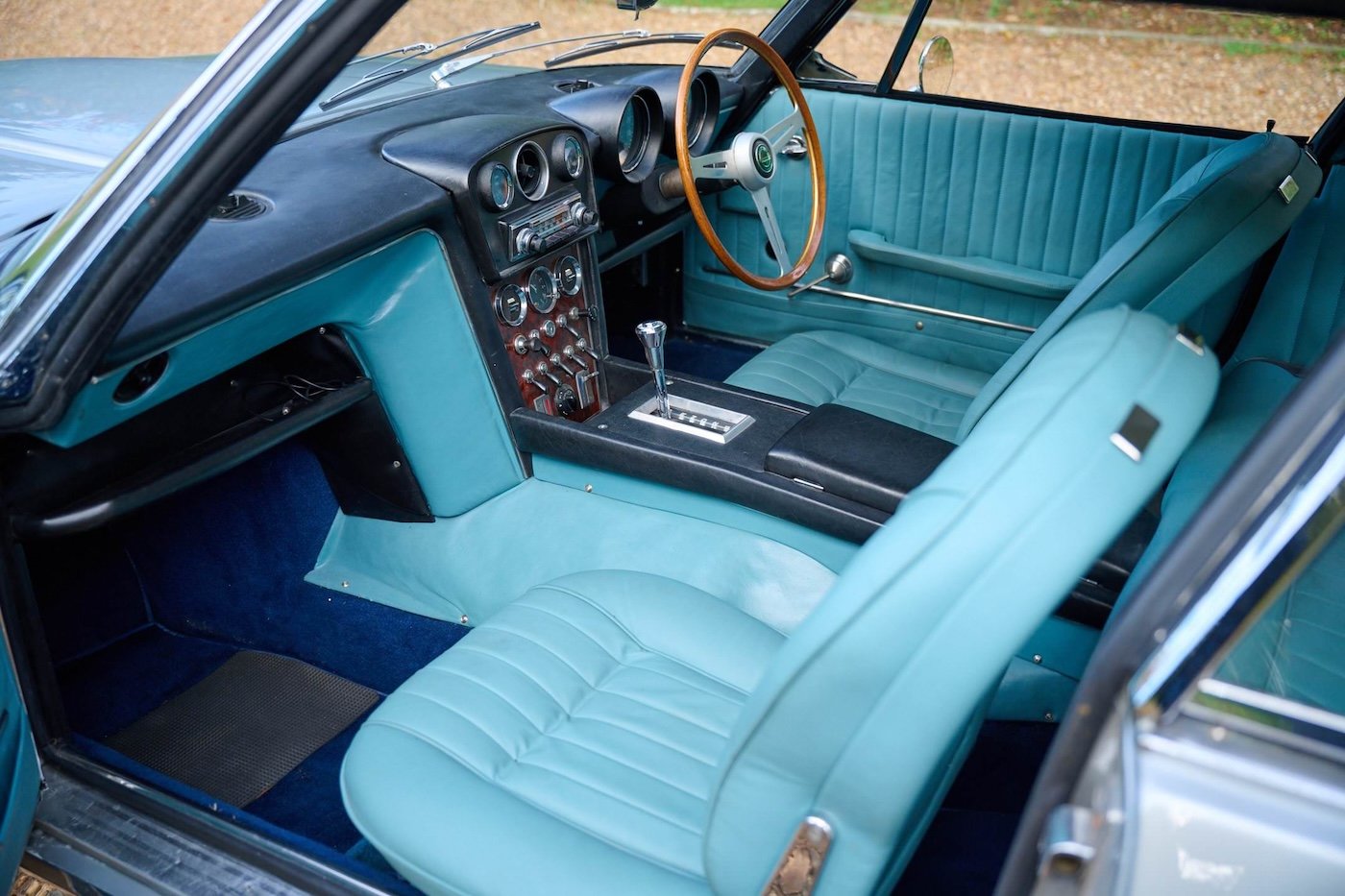
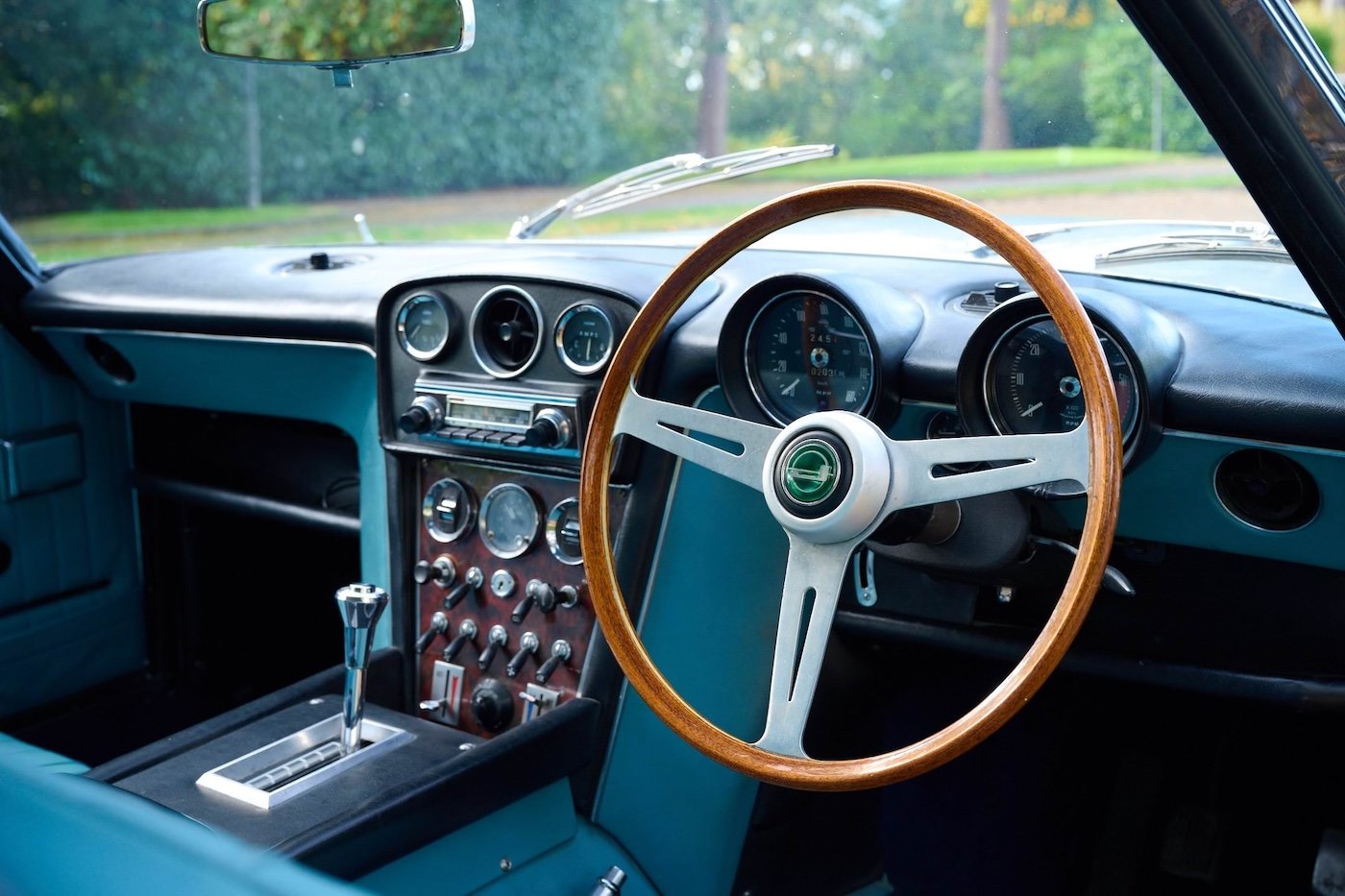
The car is finished in Mist Grey metallic over a Vignale Steel Blue leather interior, and it’s been part of a private collection in the UK since 2018. We only rarely see FFs come up for sale, so it’ll be interesting to see what this one goes for.
Audi would later develop their own all-wheel drive cars for both motorsport and regular production, winning countless races and a number of world championships in the process.
The influence that the Jensen FF had on all-wheel drive production road cars was significant, we know they influenced Audi and almost certainly Subaru, by the mid-1980s Audi had spread the gospel of four-wheel drive through the church of Group B – making it the de facto drivetrain of choice for those who wanted to win.
The design of the FF all-wheel drive system looks much as you’d expect, with power sent to a central differential which then sends varying amounts to the front and rear differentials. The standard power split is 33% front and 67% rear.
“FF” stands for “Ferguson Formula,” an all-wheel drive system developed by Ferguson Research Ltd and licensed to Jensen. This system was combined with the Dunlop Maxaret mechanical anti-lock braking system that had previously only been used on aircraft, trucks, racing cars, and prototype road cars.
Ferguson Research had developed their own all-wheel drive Formula 1 car in 1961, the Ferguson P99, and despite limited funding it proved to be successful, winning the 1961 International Gold Cup at Oulton Park with Stirling Moss at the wheel. The car would then be driven by Peter Westbury who used it to win the British Hillclimb Championship in the same year – proving that the concept was perfect for motorsport.
One design error that was made during the development of the Jensen FF was that no allowance was made for a left-hand drive version. The FF AWD system encroached on the left side of the passenger compartment and resulted in it not being suitable for a left-hand drive set up, this meant that a US version of the car couldn’t be built, and it severely limited the export sales potential of the new car.
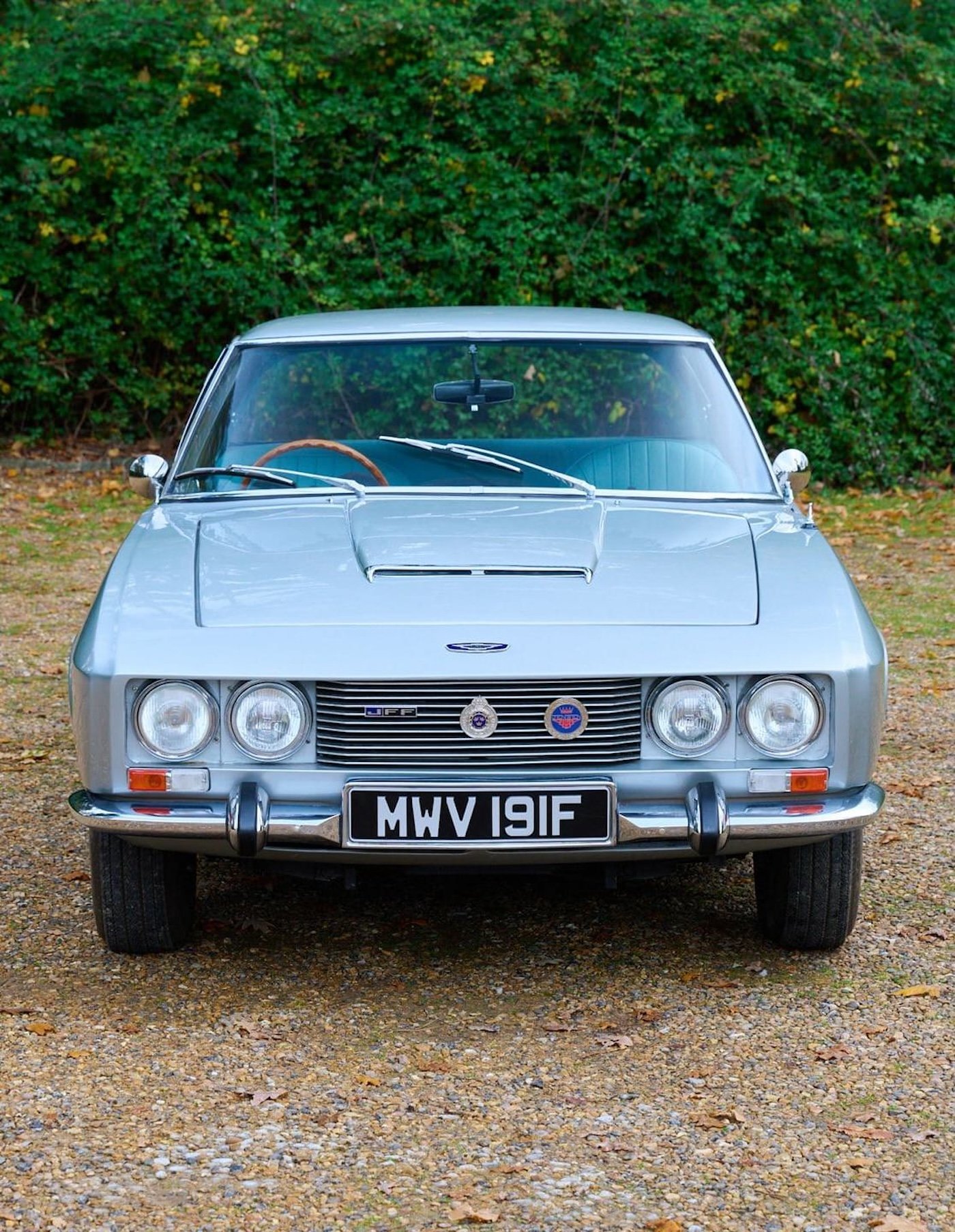
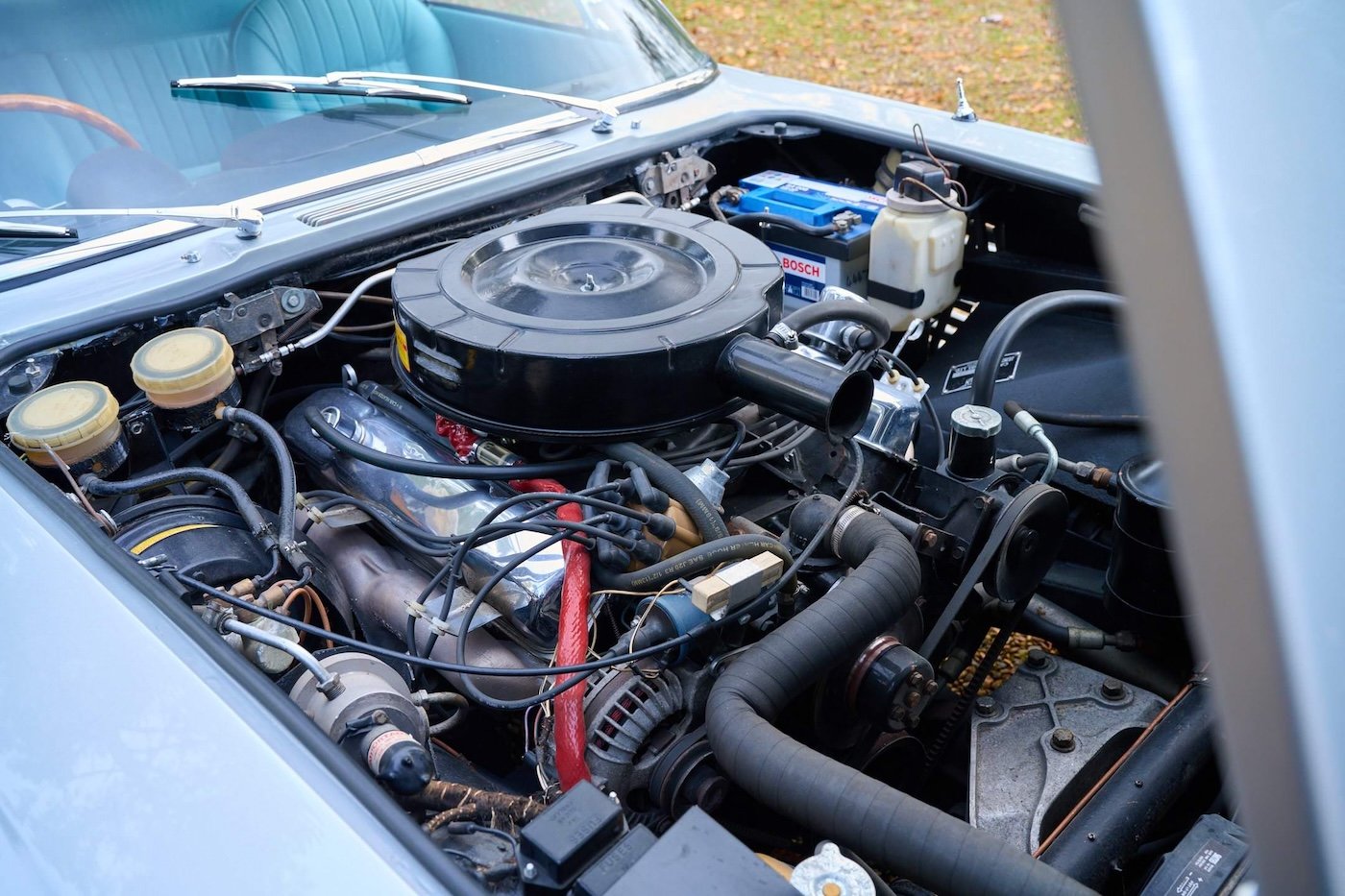
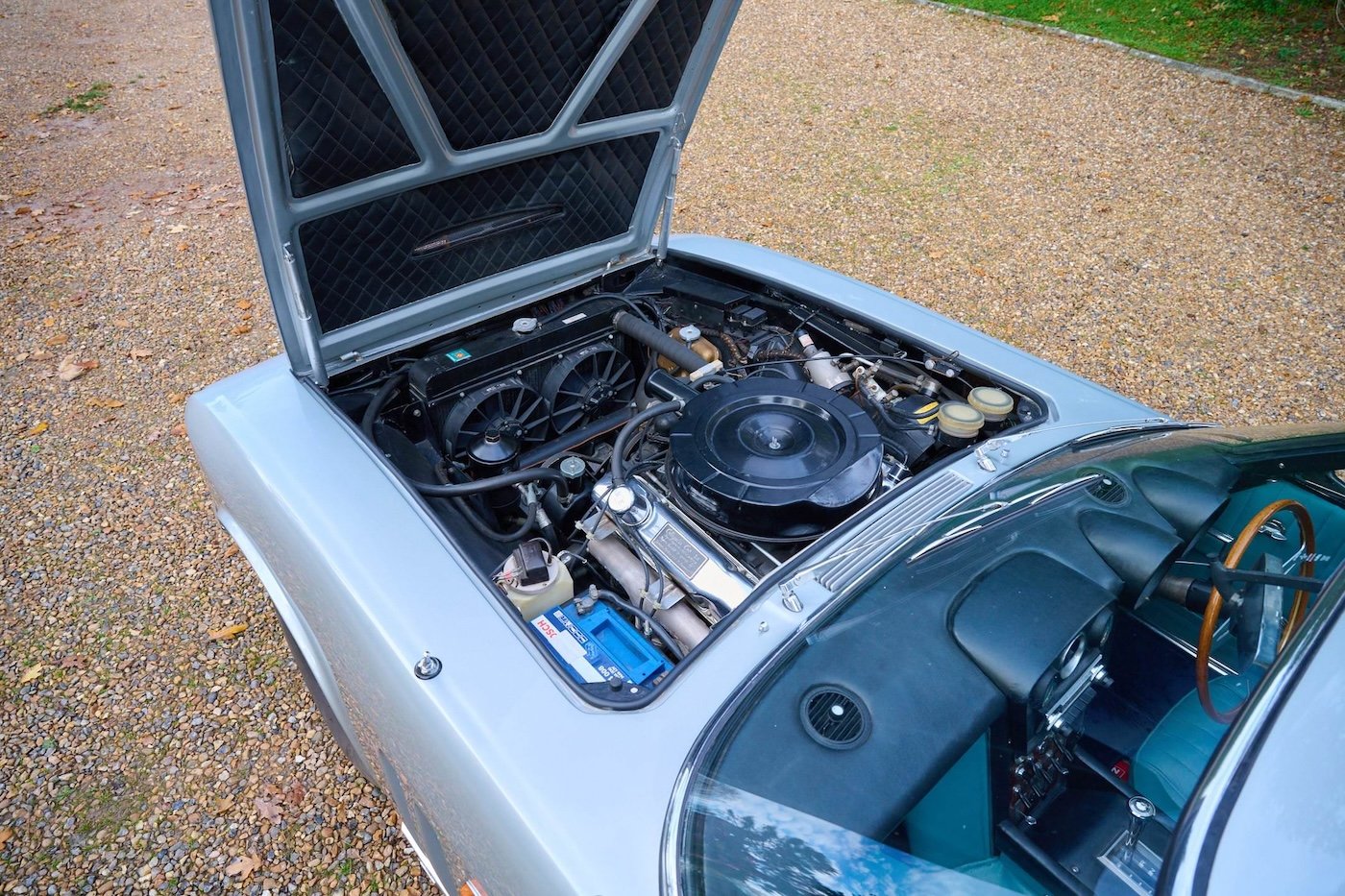
During the restoration the engine, gearbox, suspension, and brakes were all fully rebuilt, and it remains a matching numbers car, with that status reportedly confirmed by the Jensen FF Museum in the UK. It comes with a substantial history file, as well as the original build sheet and workshop manual.
Much as with the Interceptor, power was provided by prodigiously proportioned American V8 engines though unlike the Interceptor there was no manual transmission option with the FF – the automatic gearbox was directly linked to the Ferguson Formula system.
With just 320 examples of the Jensen FF built and somewhere over 100 remaining the car is now a much sought after historic vehicle, the biggest difficulty of owning one is paying the fuel bill and explaining to well meaning passers by that it’s not “just” an Interceptor.
The 1967 Jensen FF Prototype Shown Here
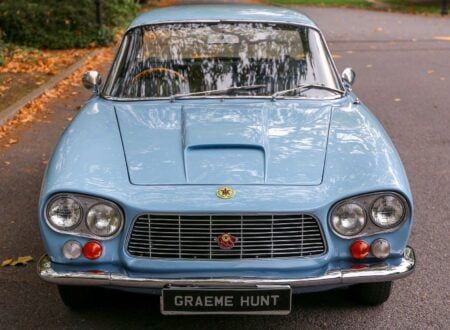
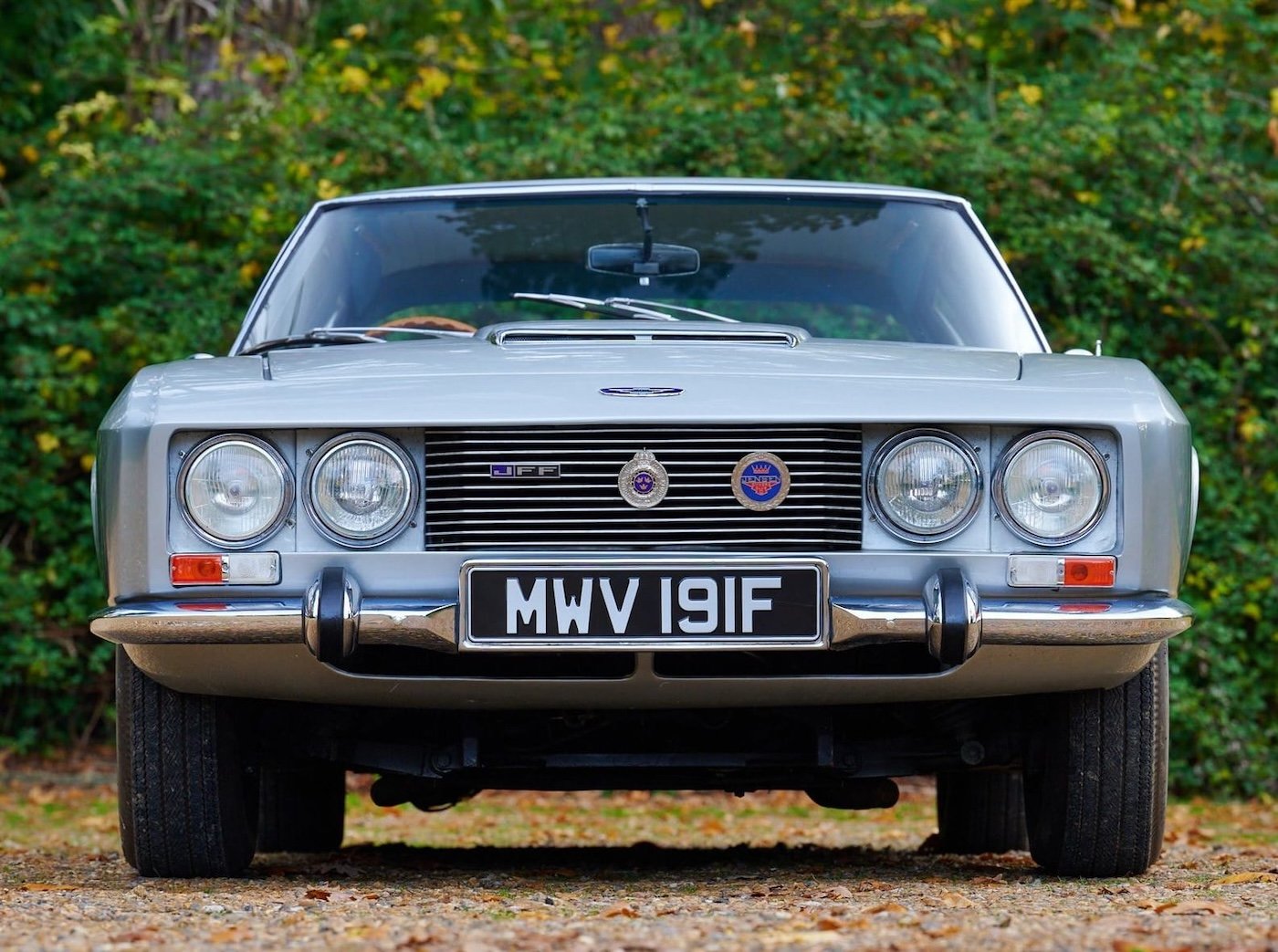
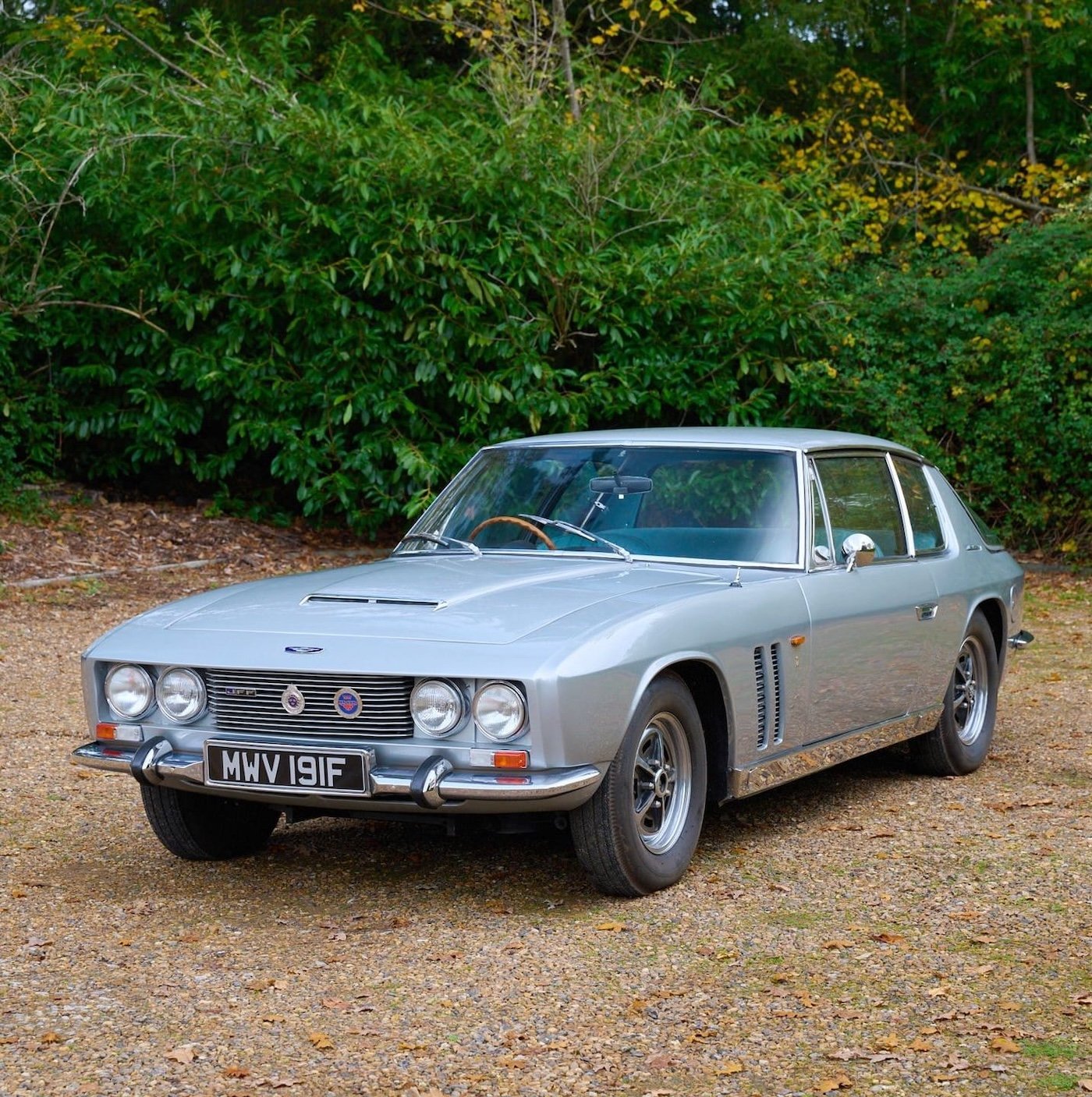
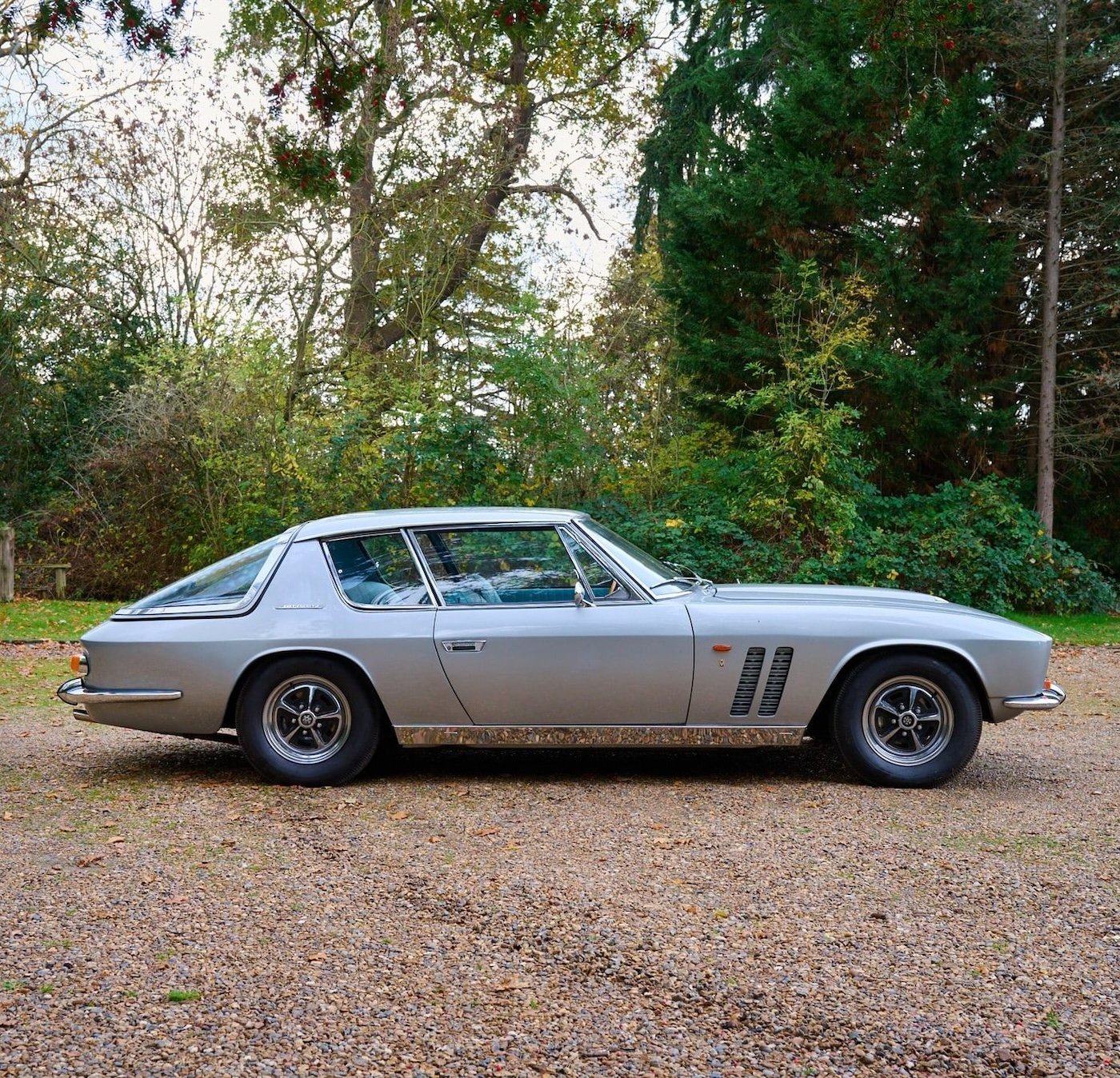
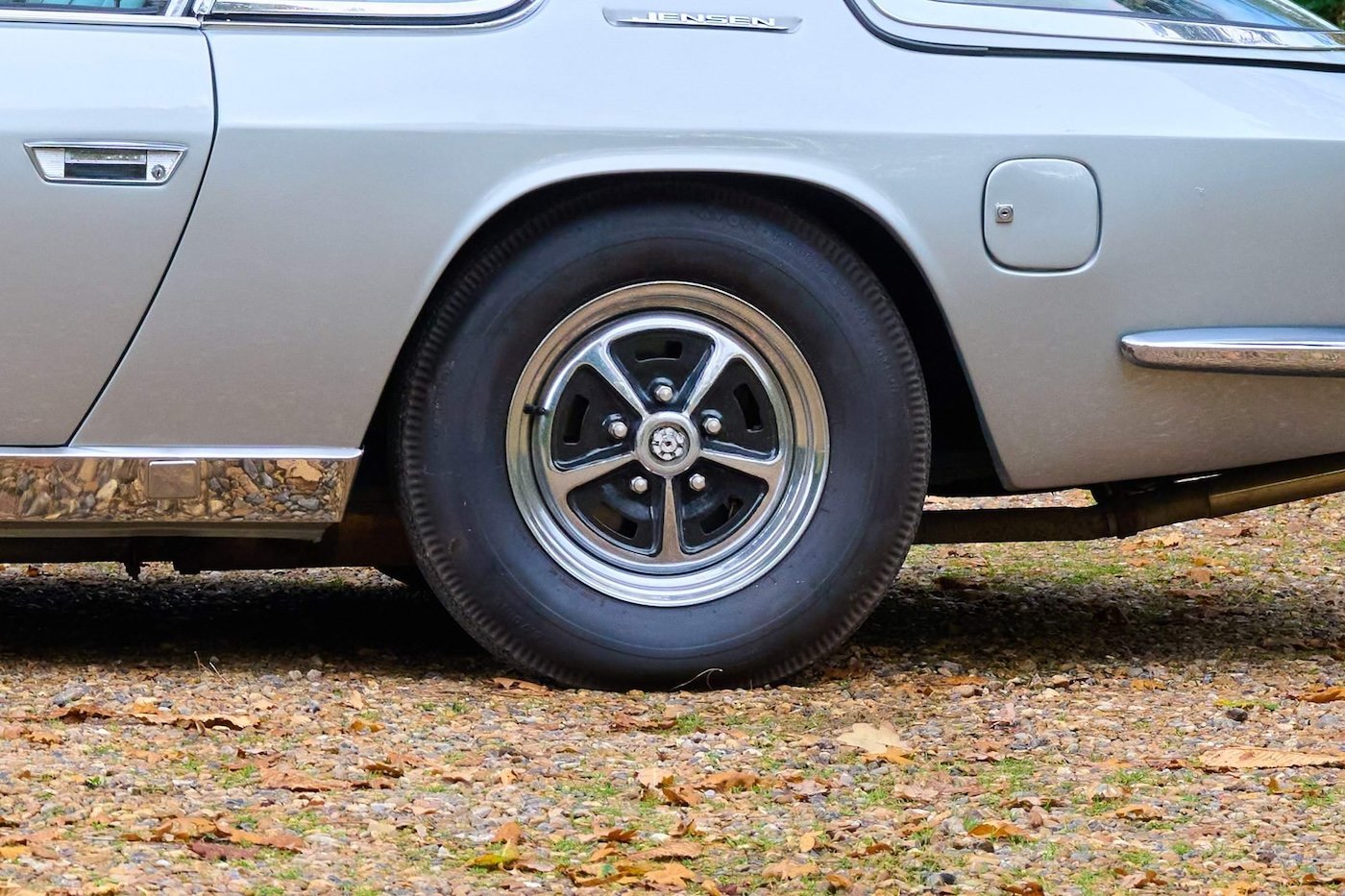
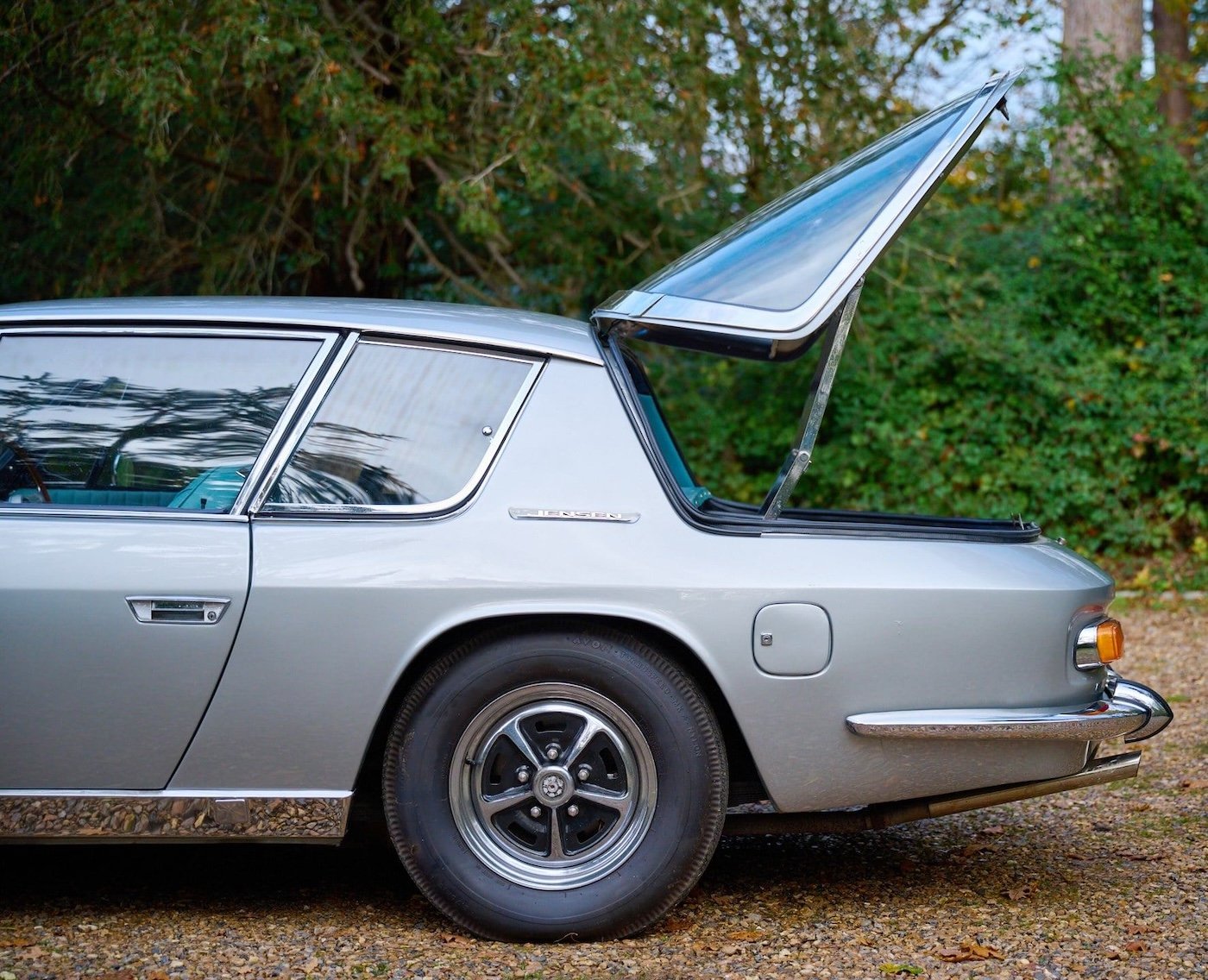
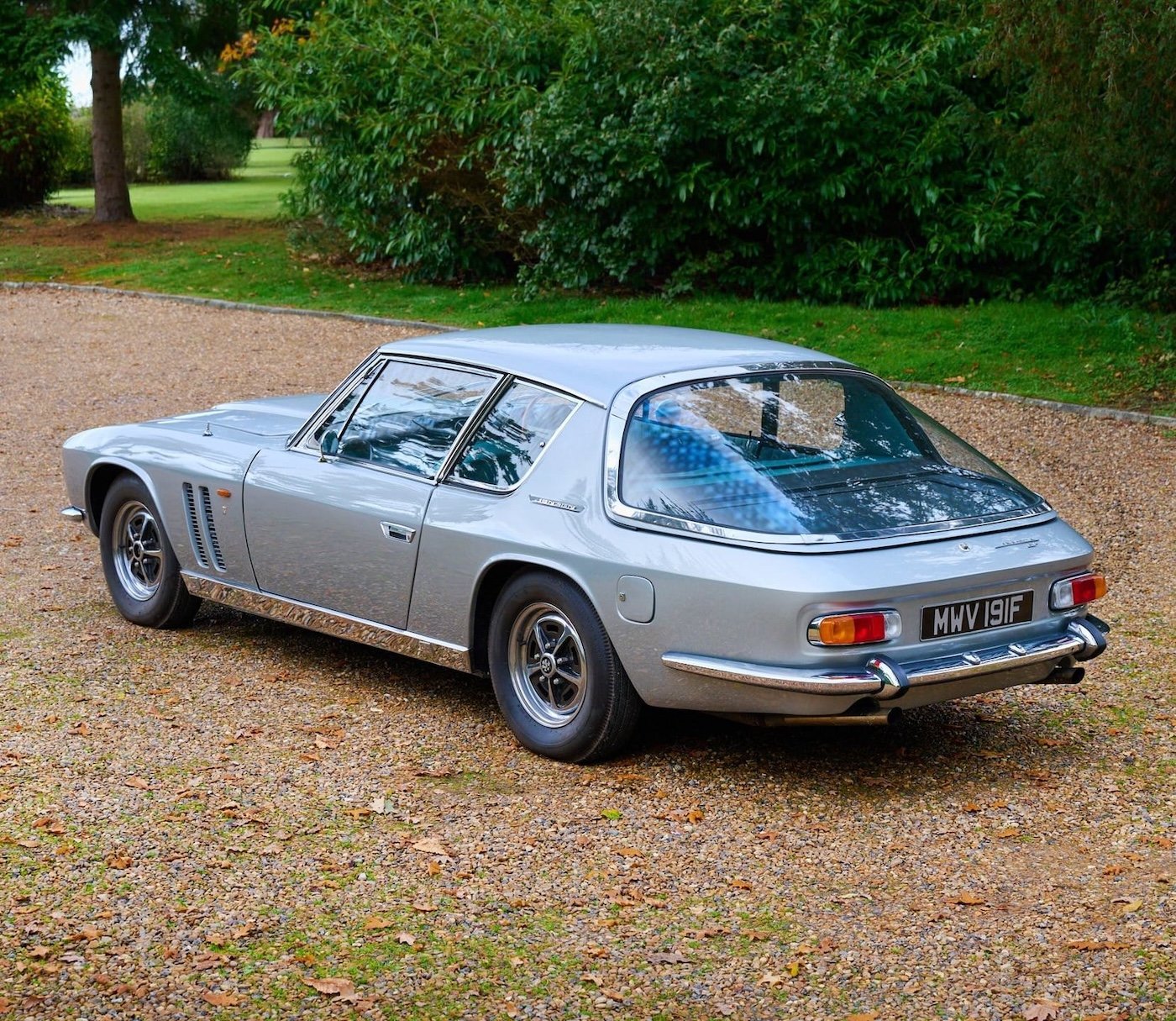
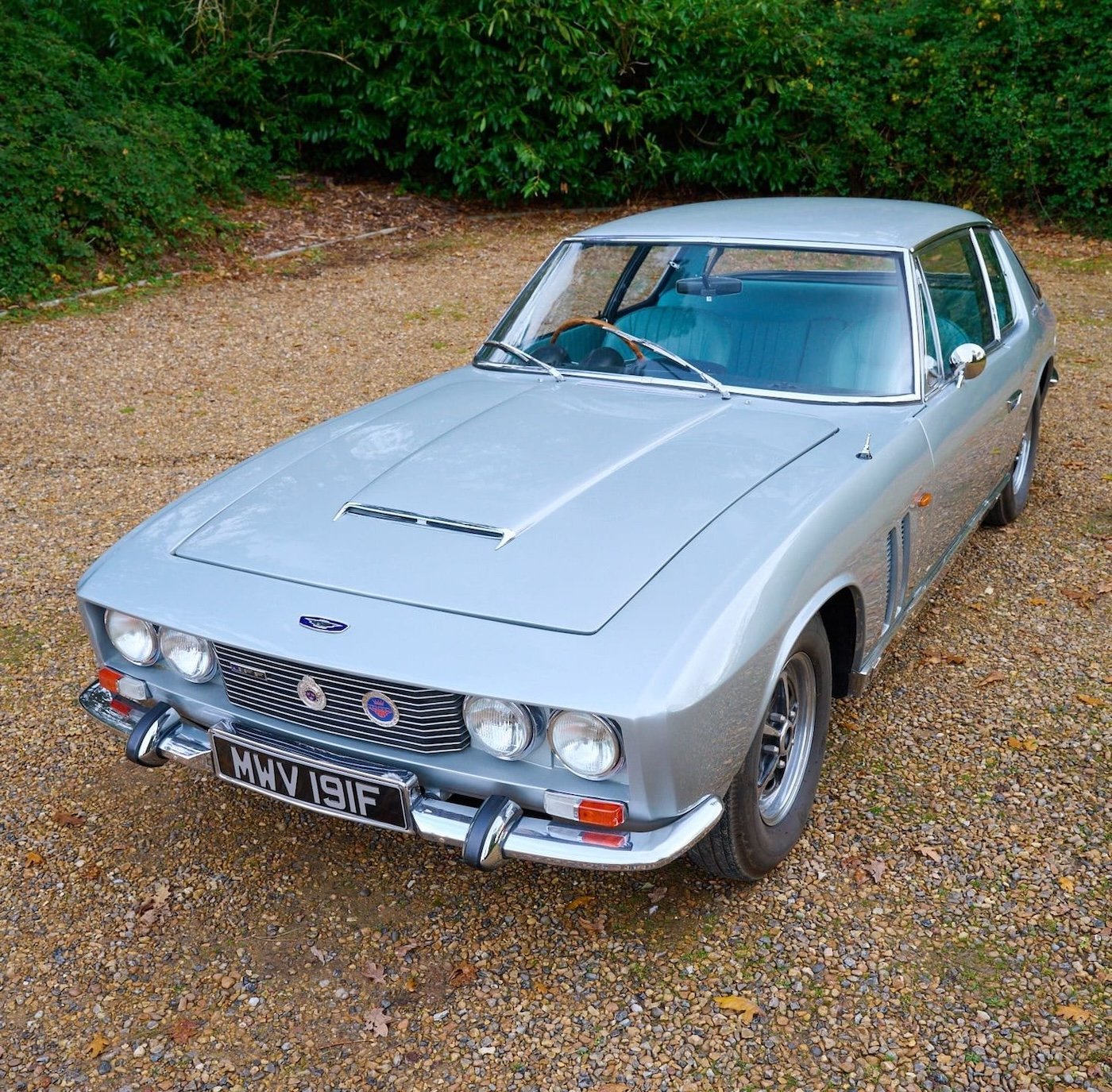
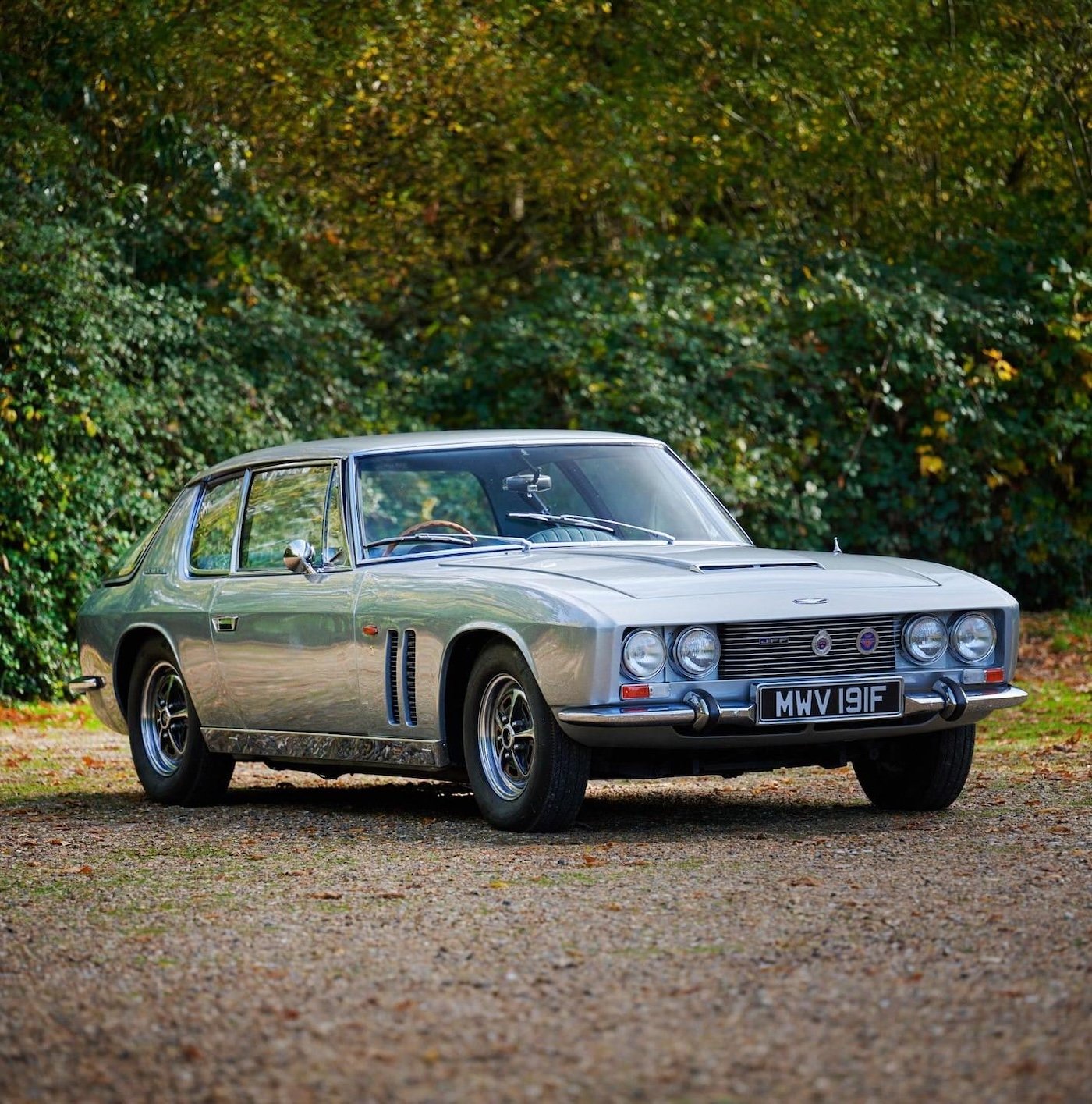
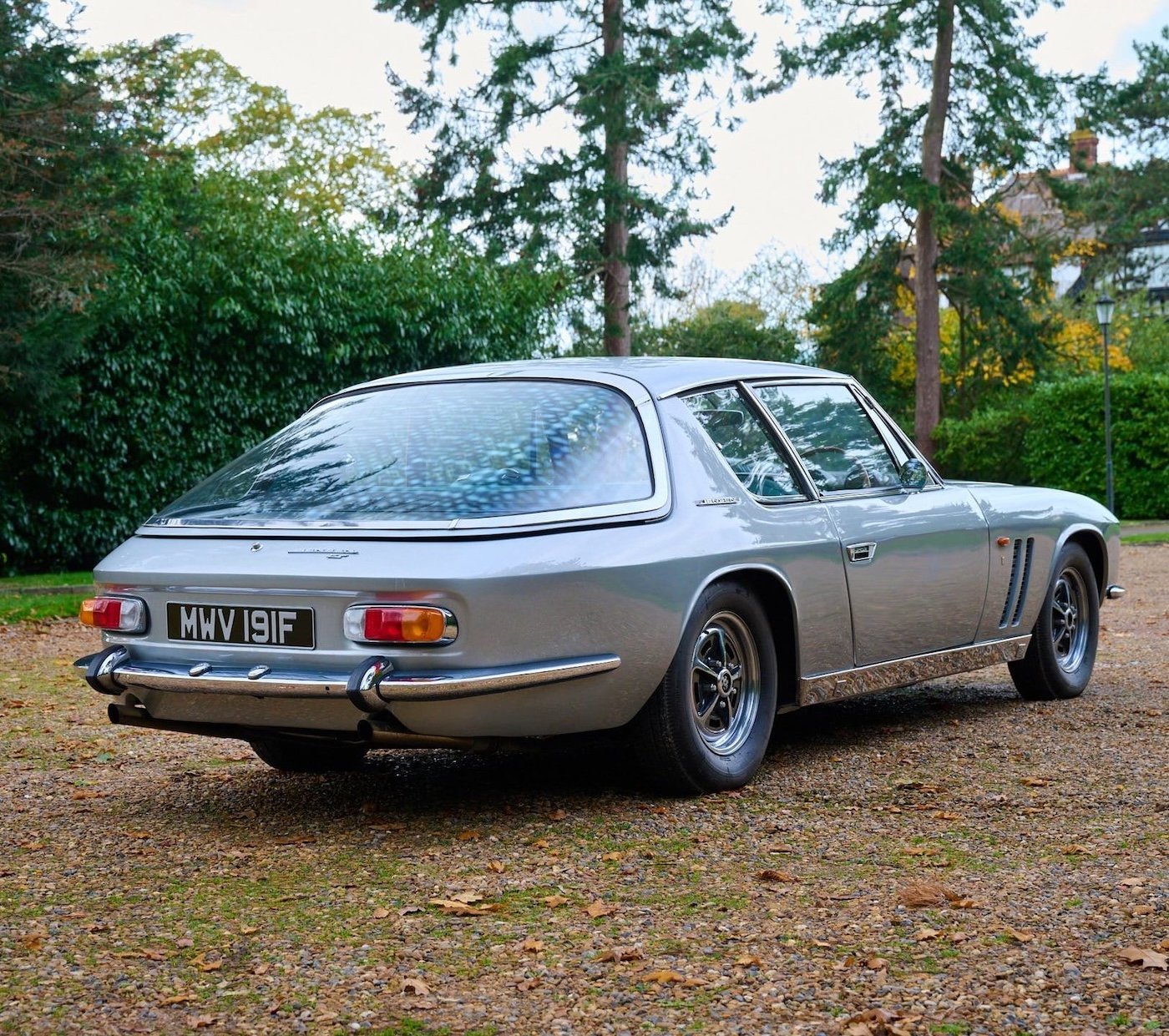
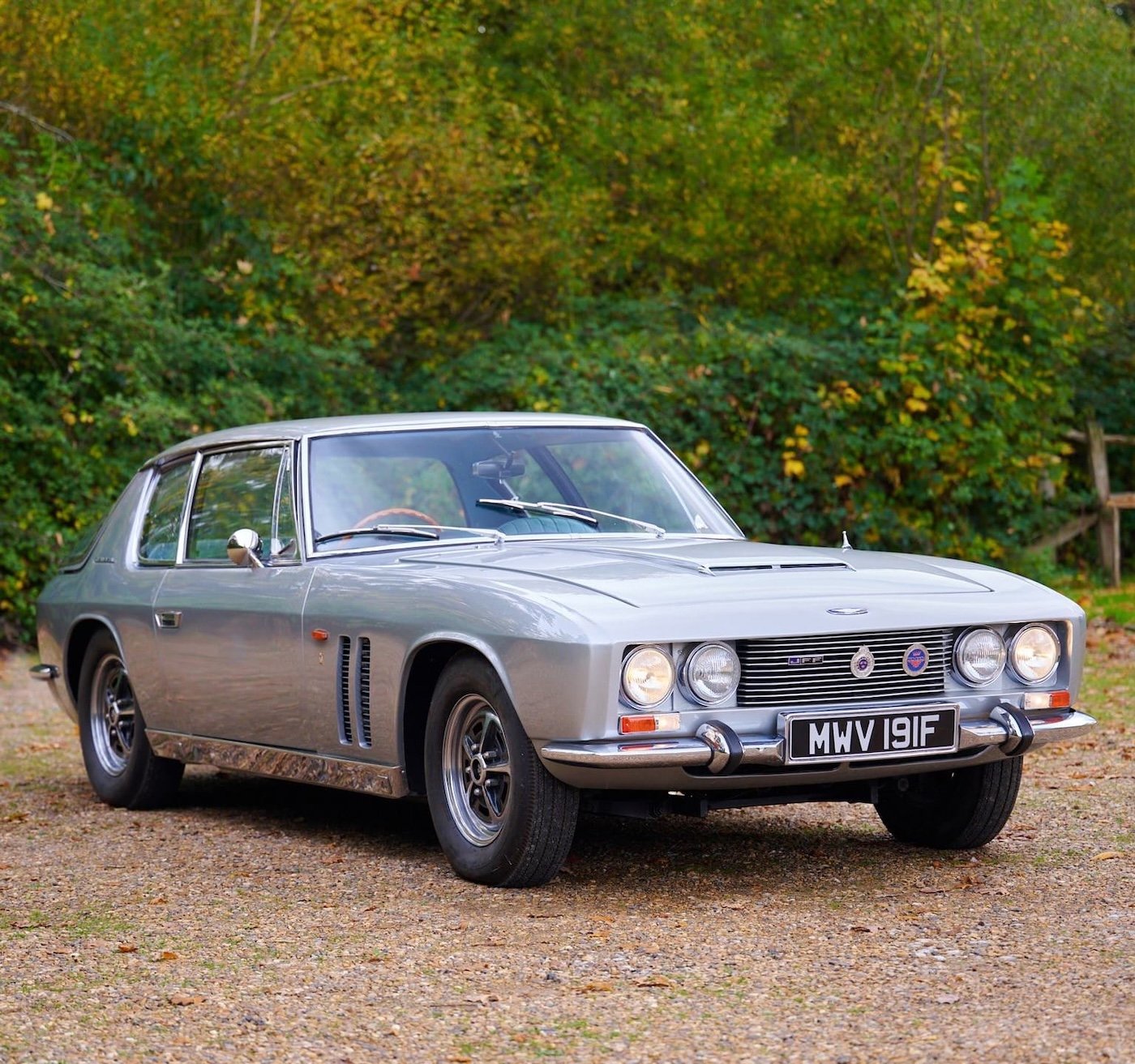
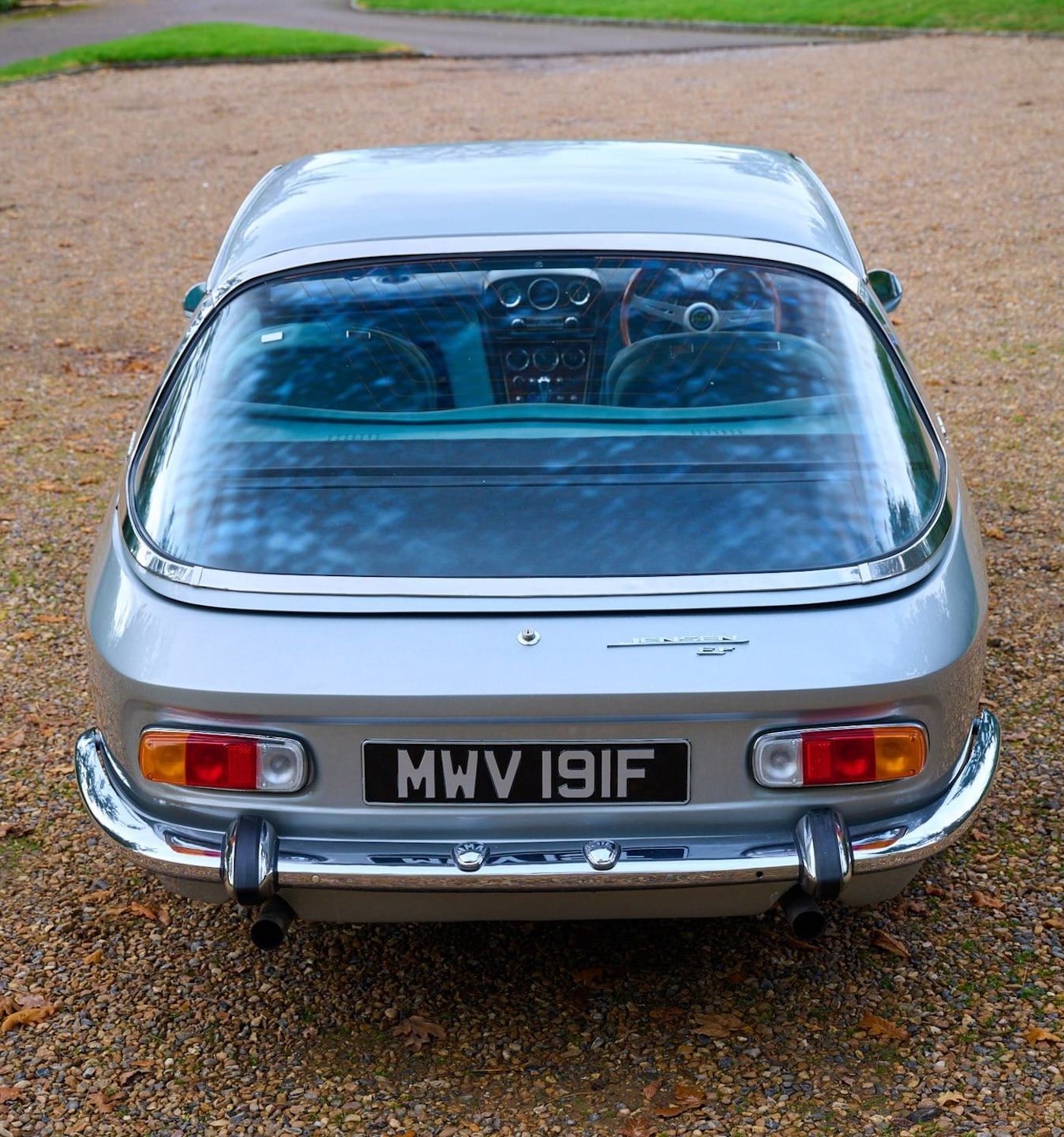
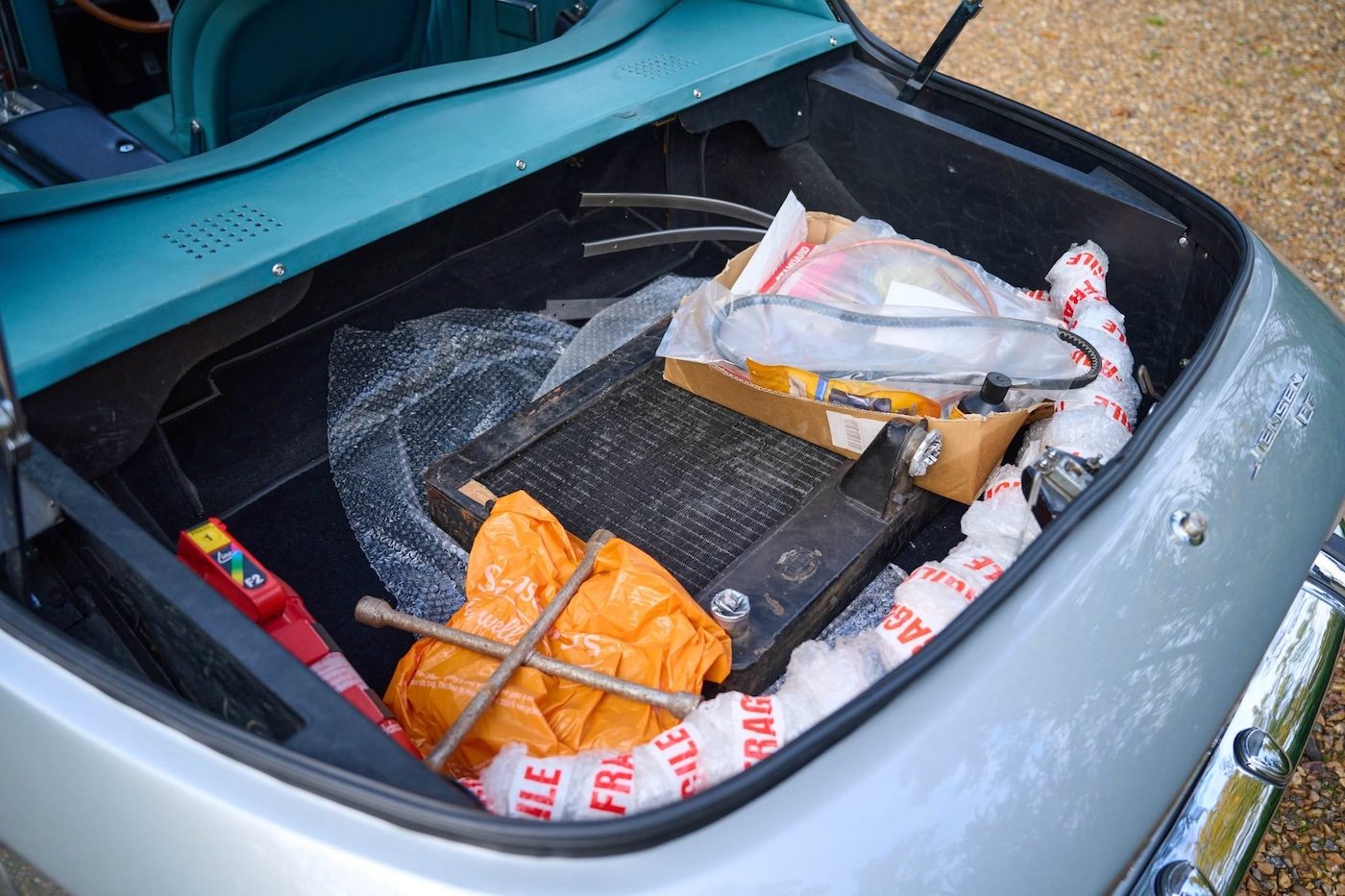
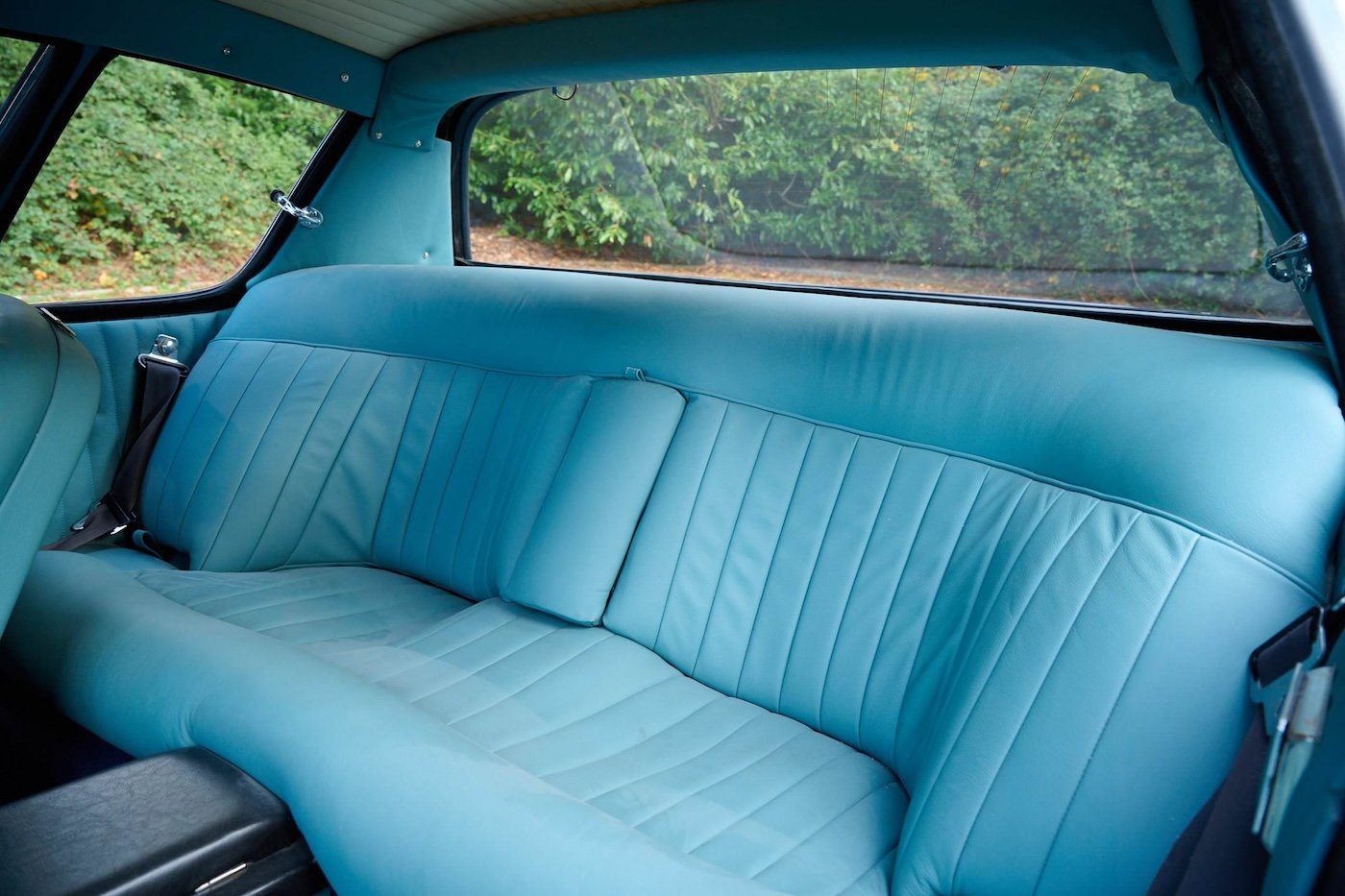
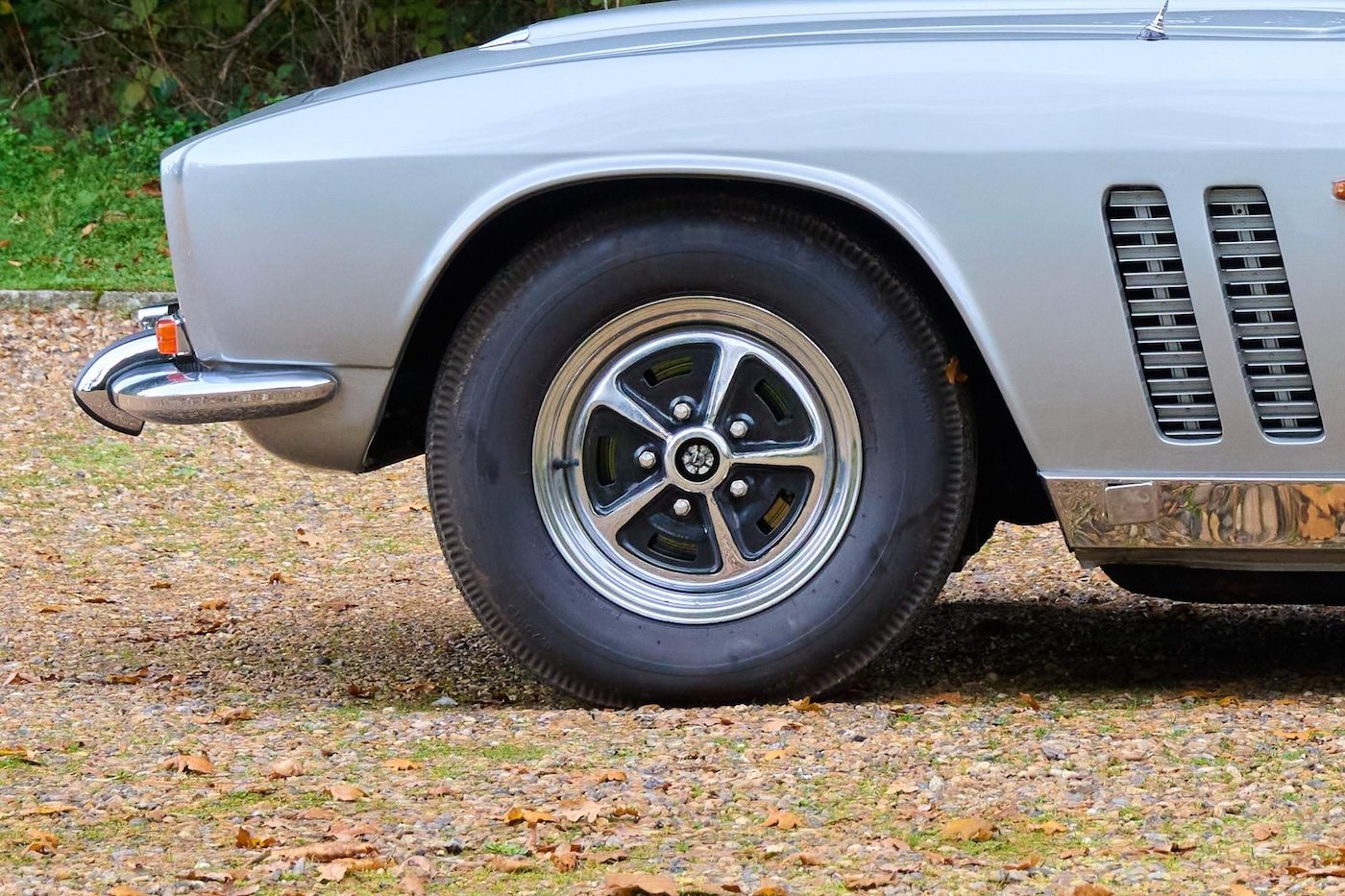
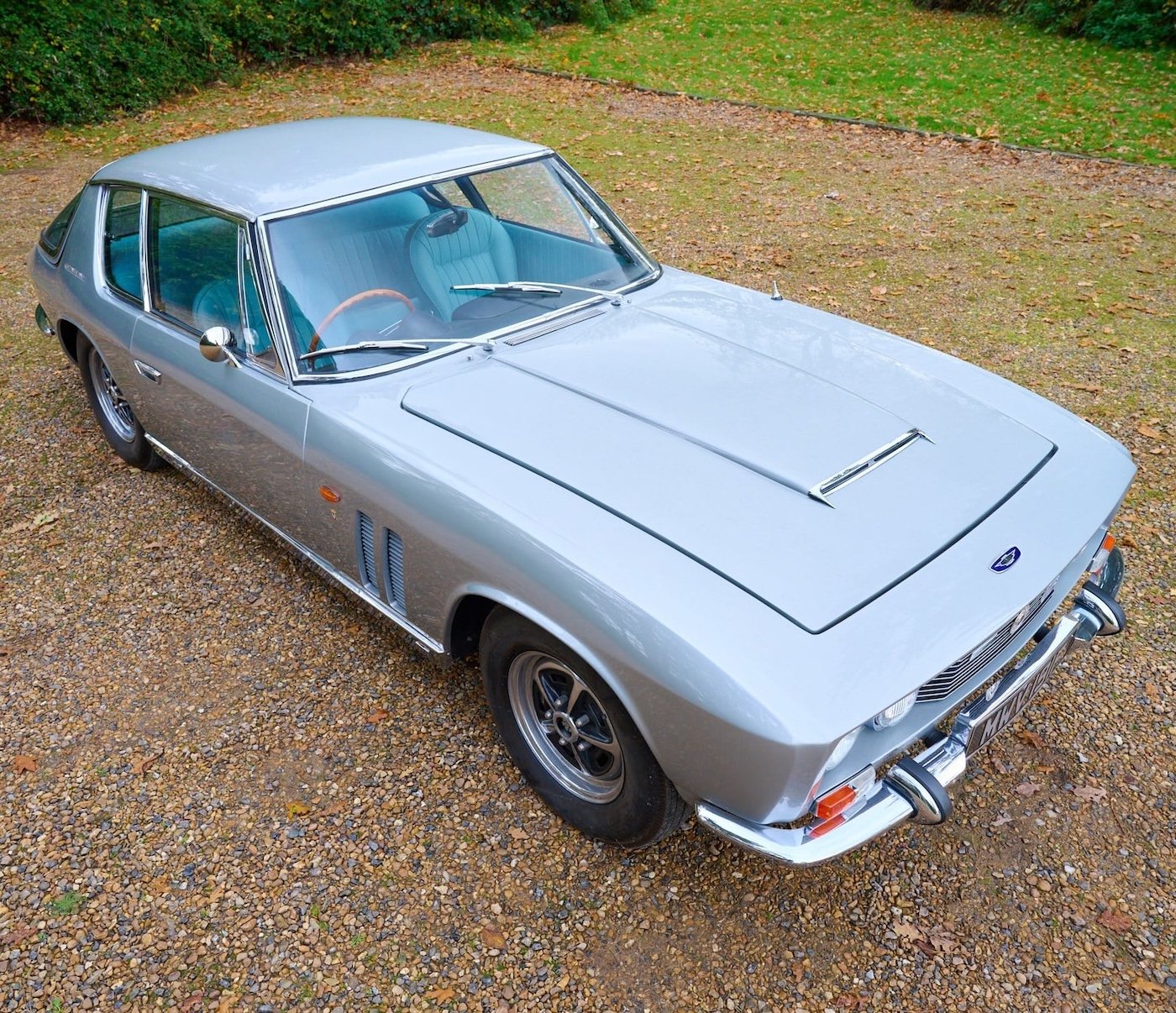
The car you see here is one of the 12 original prototypes with bodies built in Italy by Vignale, this makes it one of the rarest and most desirable of the surviving FFs. It benefits from a £75,000 restoration which was undertaken in Sweden, bring it back to factory-correct specification and colors.
During the restoration the engine, gearbox, suspension, and brakes were all fully rebuilt, and it remains a matching numbers car, with that status reportedly confirmed by the Jensen FF Museum in the UK. It comes with a substantial history file, as well as the original build sheet and workshop manual.
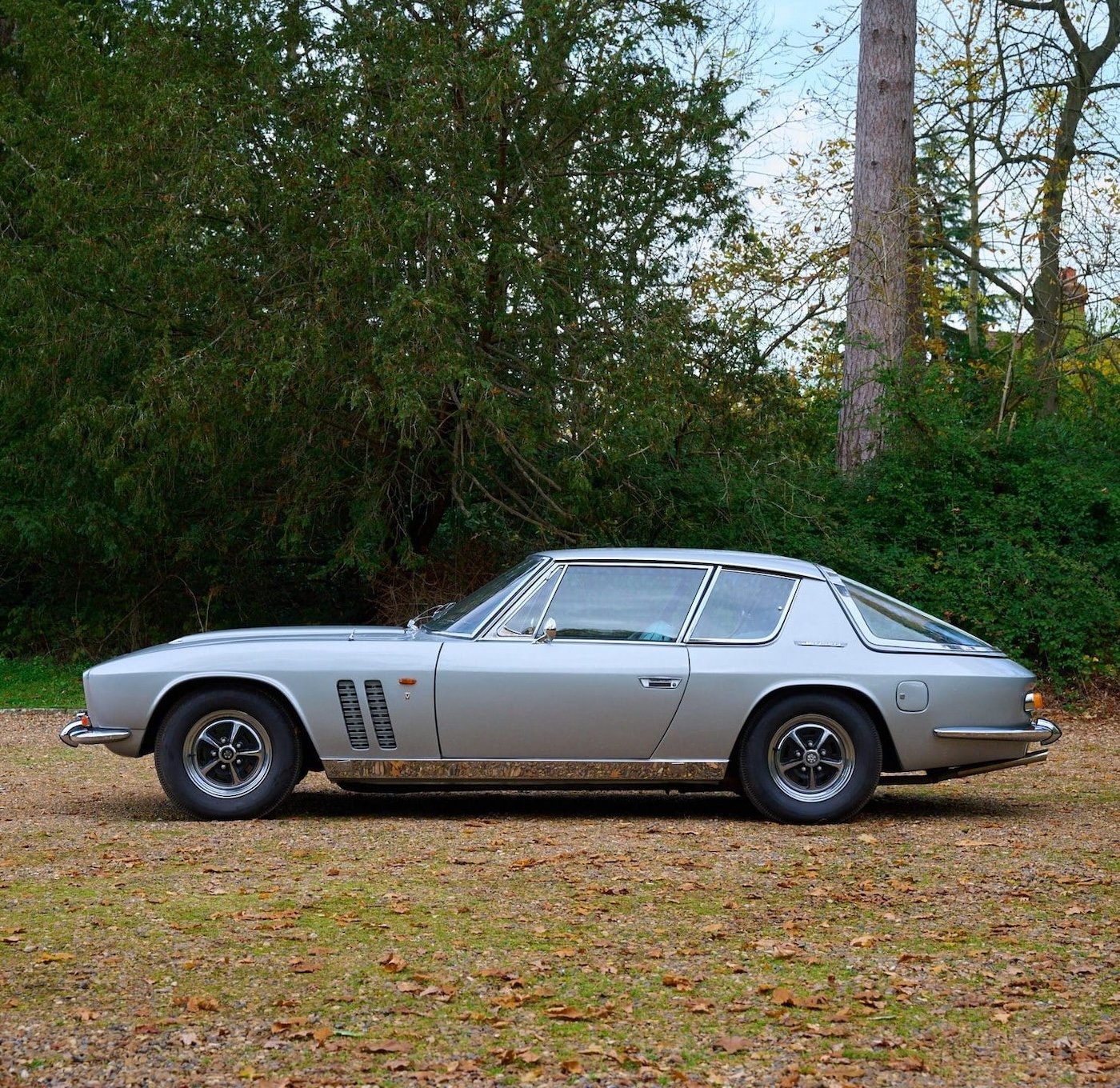
The car you see here is one of the 12 original prototypes with bodies built in Italy by Vignale, this makes it one of the rarest and most desirable of the surviving FFs. It benefits from a £75,000 restoration which was undertaken in Sweden, bring it back to factory-correct specification and colors.
The car is finished in Mist Grey metallic over a Vignale Steel Blue leather interior, and it’s been part of a private collection in the UK since 2018. We only rarely see FFs come up for sale, so it’ll be interesting to see what this one goes for.
It’s now being offered for sale on Car & Classic, and you can visit the listing here if you’d like to read more or place a bid.
Images courtesy of Car & Classic

Articles that Ben Branch has written have been covered on CNN, Popular Mechanics, Smithsonian Magazine, Road & Track Magazine, the official Pinterest blog, the official eBay Motors blog, BuzzFeed, Autoweek Magazine, Wired Magazine, Autoblog, Gear Patrol, Jalopnik, The Verge, and many more.
Silodrome was founded by Ben back in 2010, in the years since the site has grown to become a world leader in the alternative and vintage motoring sector, with well over a million monthly readers from around the world and many hundreds of thousands of followers on social media.