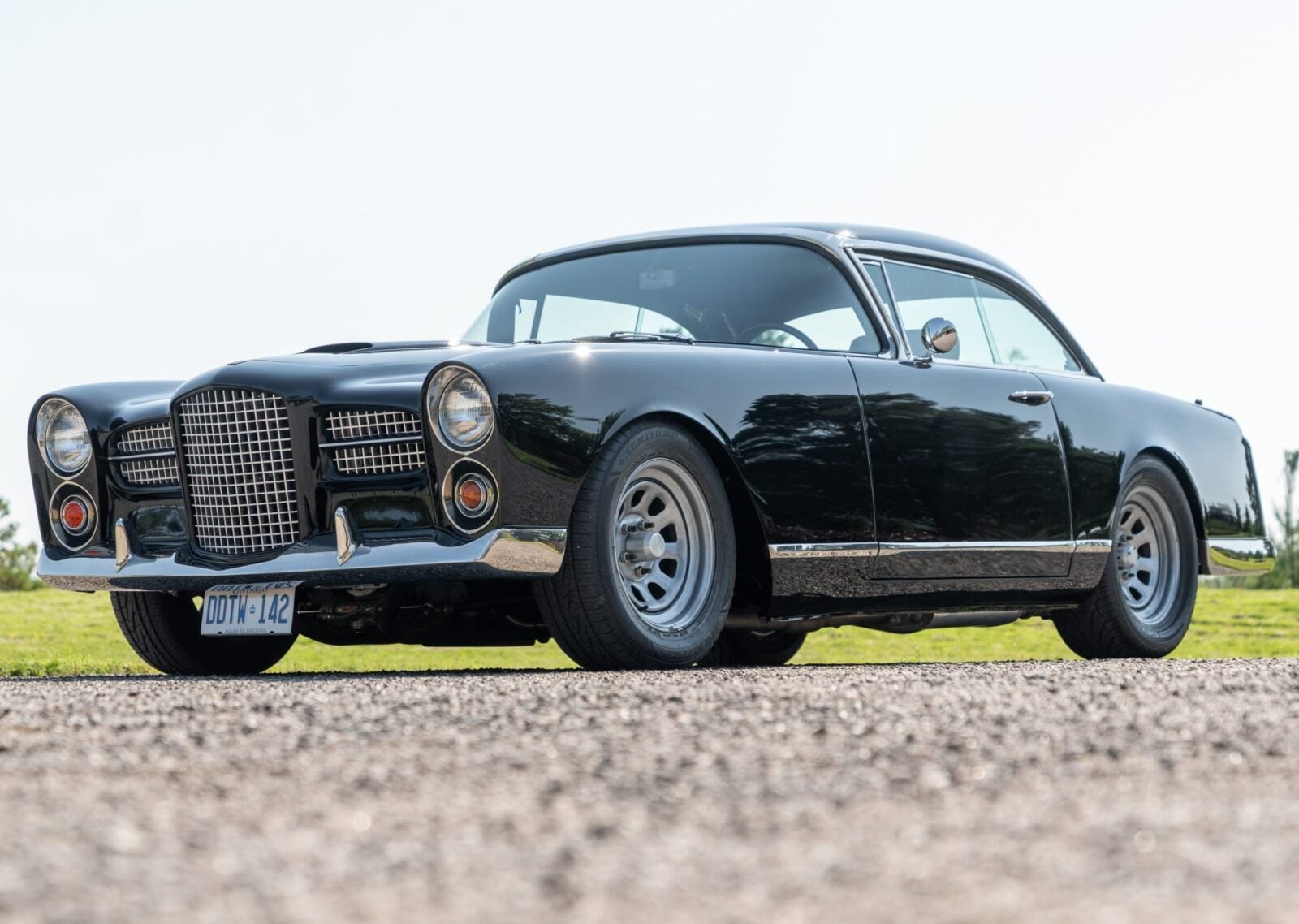
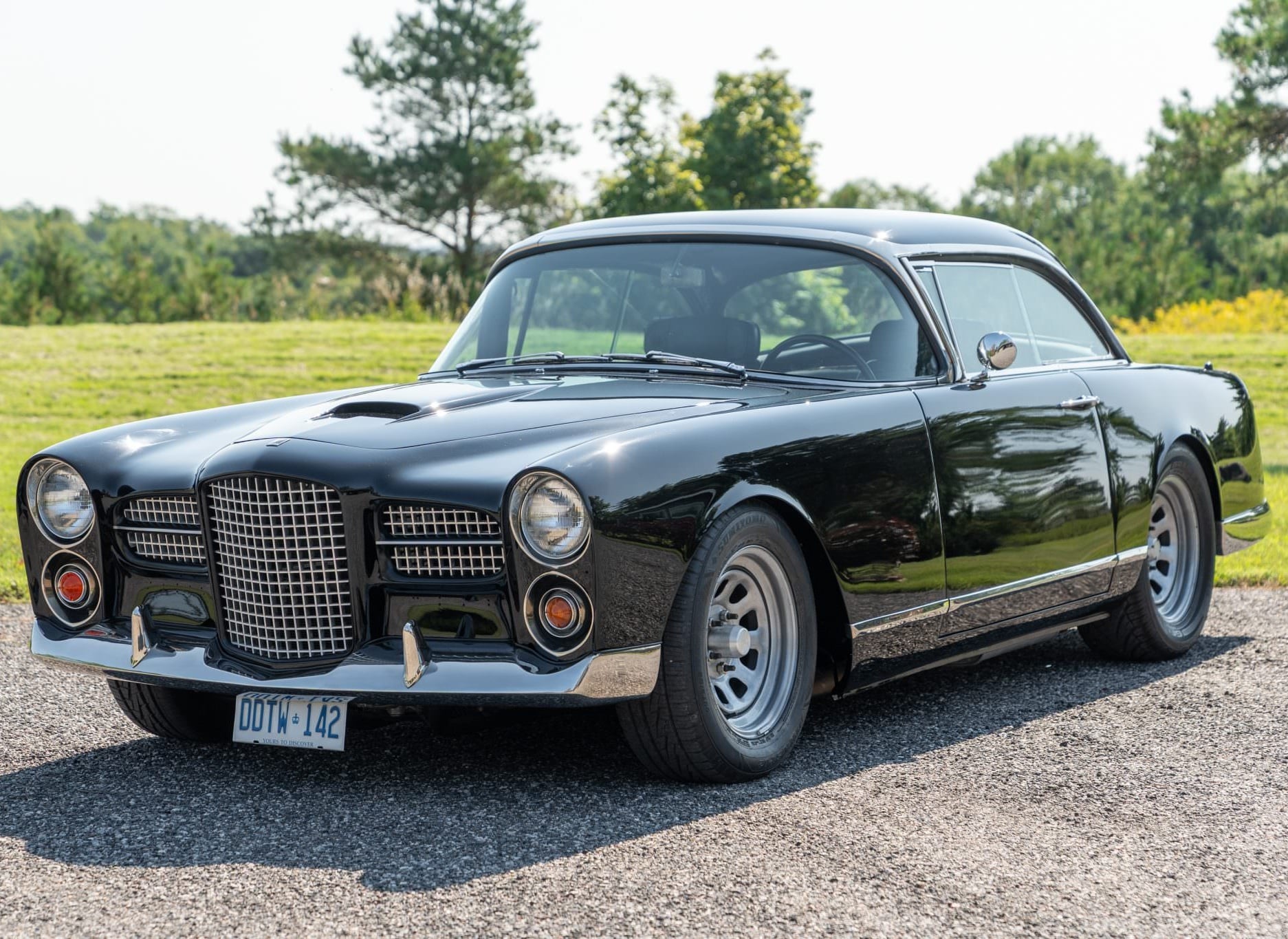
This is a 1958 Facel Vega FV4 Typhoon, it’s powered by the legendary 392 Hemi V8 that’s capable of 325+ bhp – a staggering number when this car rolled off the factory floor in the late-1950s.
The Facel Vega series of luxury cars from France were among the most desirable in the world at the time, they were owned by Kings and Shahs, as well as a veritable who’s-who list of the Hollywood elite – though today they’re largely forgotten.
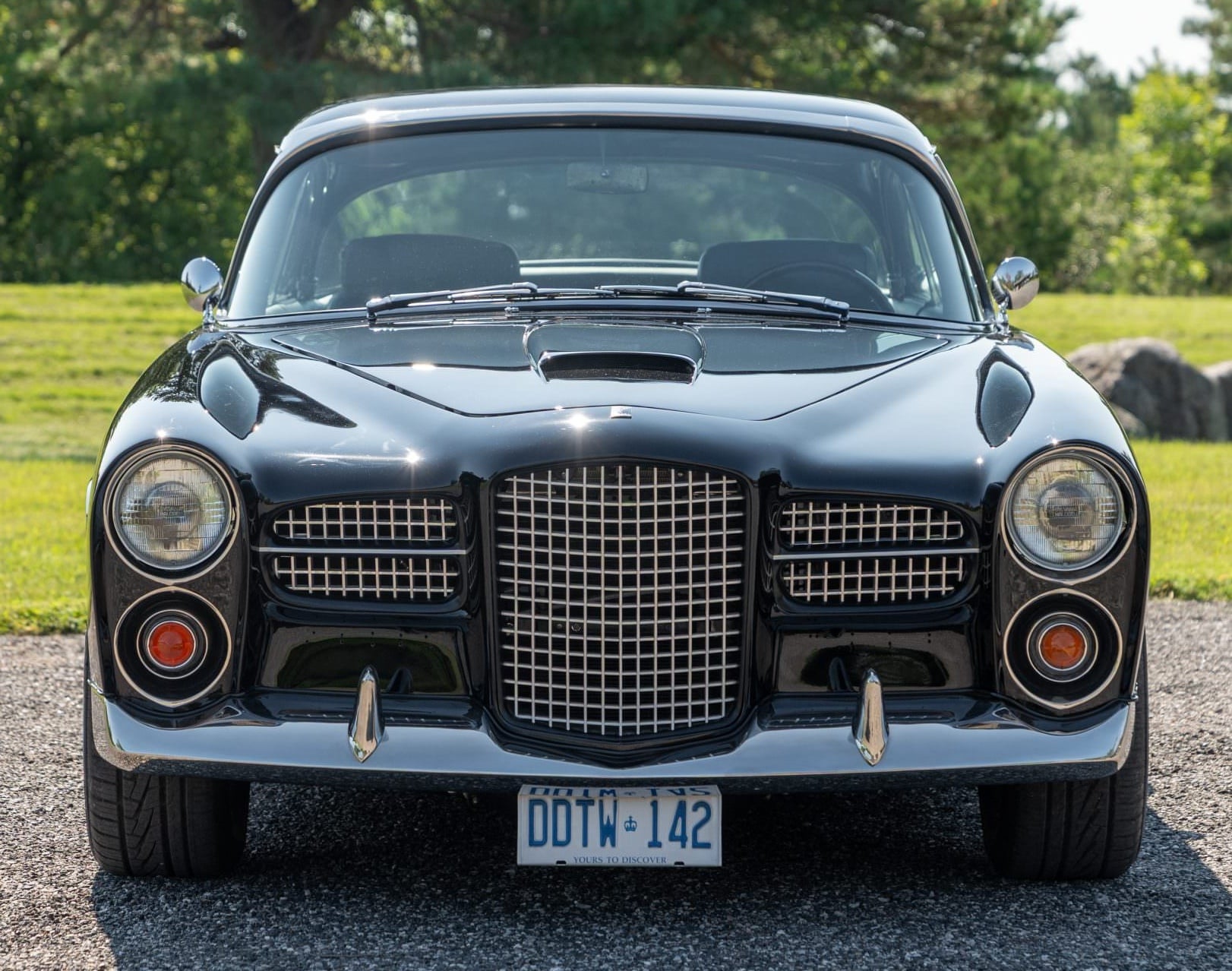
 This is a 1958 Facel Vega FV4 Typhoon, it’s powered by the legendary 392 Hemi V8 that’s capable of 325+ bhp – a staggering number when this car rolled off the factory floor in the late-1950s.
History Speedrun: Facel Vega
Facel Vega is best-remembered today as the French answer to the likes of Rolls-Royce and Cadillac, and the star studded jetset of the time couldn’t get enough of them – Ava Gardner owned three, other owners included Tony Curtis, Danny Kaye, Joan Fontaine, and Ringo Starr. Racing drivers Stirling Moss and Maurice Trintignant had one each. And in early-1960 the legendary French philosopher and writer Albert Camus was killed as a passenger in an FV3B driven by his publisher Michel Gallimard.
The man behind the company was Jean Daninos, an engineer who’d worked on Traction Avant coupes and cabriolets at Citroën and who wanted to build something France had long ago given up on – the prewar grandes routières were dead (or dying) by the mid-1950s. Delage stopped making passenger cars in 1953 and Delahaye in 1954, leaving Talbot-Lago as the last of them until Simca bought the company in 1959. Bugatti and Hotchkiss were already finished as luxury car builders.
Nothing French was being offered to compete against Bentley, Rolls-Royce, Mercedes-Benz, Lincoln, or Cadillac, and Facel Vega was Daninos’s answer – each was hand-built, extravagantly trimmed, and priced exclusively for the global glitterati.
The company itself predates the production of cars by a good 15 years – Bronzavia, a subcontractor to French military aviation, created Facel as a subsidiary in December of 1939 and named it for “Forges et Ateliers de Constructions d’Eure-et-Loir,” the department where its first factory stood, at Dreux. German occupation forces requisitioned the Dreux factory in June of 1940 and Facel moved to Colombes, which then became its main factory.
Daninos became the company’s Chief Executive in mid-1945. He had started out at Citroën, where he worked on the Traction Avant cabriolets and coupes, he then moved to Morane-Saulnier and on to Bronzavia as Technical Director in 1937, which sent him to Britain and then off to the United States on the company’s war work. He styled the Vega himself, and he ran Facel for the next 16 years. He was an extraordinary man who deserves to be better remembered today than he typically is.
Through the post-WWII years, Facel pressed steel for other manufacturers, and at serious volumes too. It built somewhere in the region of 45,000 largely aluminum bodies for the Panhard Dyna, 23,500 Simca coupes and cabriolets, and 2,200 Ford Cometes. Alongside that came 12 Bentley Mk VI chassis clothed in Pinin Farina-licensed fastback coachwork, sold as the Cresta, and a one-off Cresta II of 1951 whose nose prefigured the Vega’s.
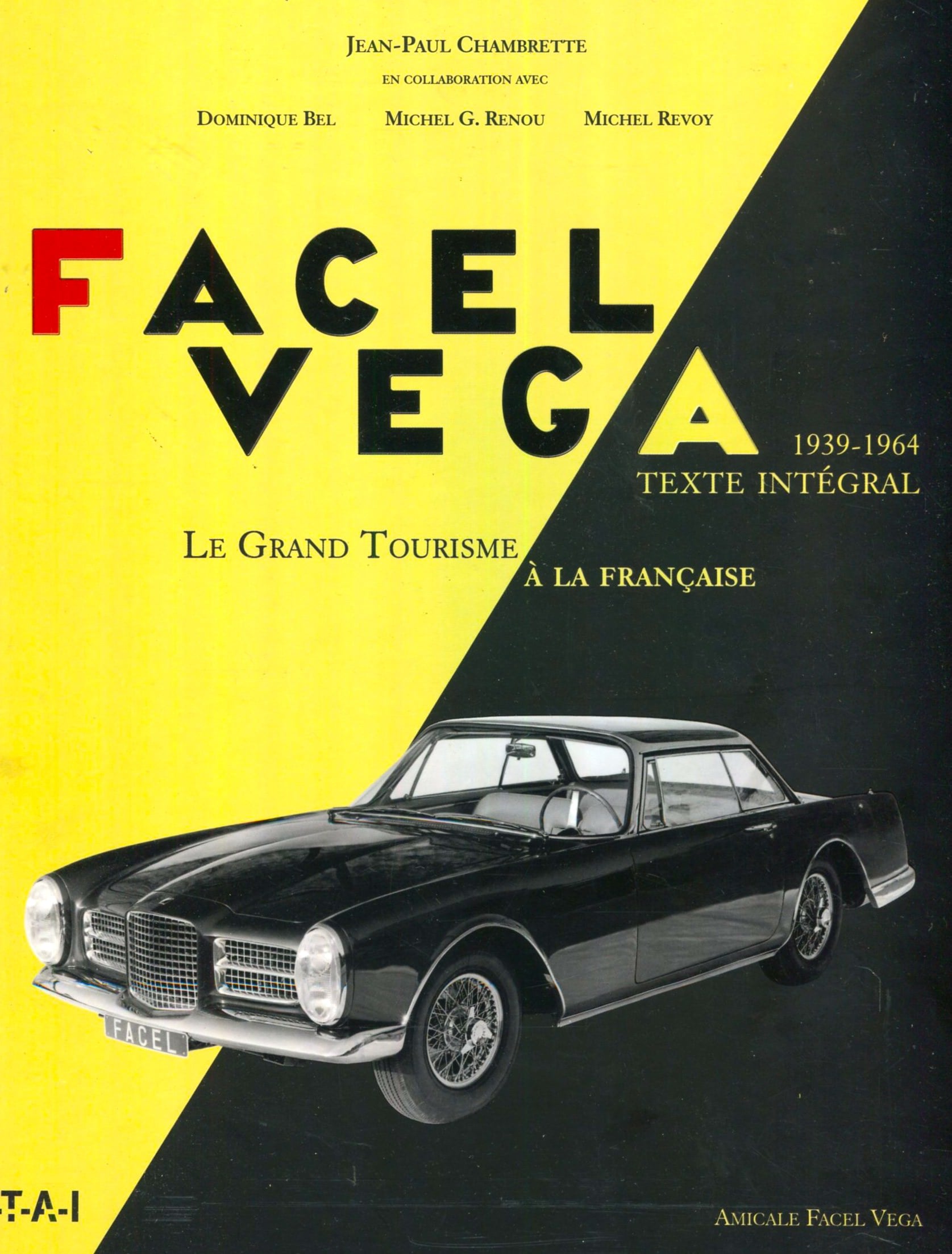
Facel Vega is best-remembered today as the French answer to the likes of Rolls-Royce and Cadillac, and the star studded jetset of the time couldn’t get enough of them – Ava Gardner owned three of them, other owners included Tony Curtis, Danny Kaye, Joan Fontaine, and Ringo Starr. Image courtesy of Forges et Ateliers de Constructions d’Eure-et-Loir.
Bespoke coachwork was a shrinking trade by the early 1950s due to the increasing popularity of unibody cars, the writing was on the wall, and Facel needed something of its own.
The Facel Vega FV Series
Daninos began designing the first Vega prototype in 1951 and the car reached the Paris Salon in October of 1954. Pierre Daninos, Jean’s brother and later the author of Les Carnets du Major Thompson, supplied the name, taking it from the brightest star in Lyra. Series production began in the spring of 1955, with a 4.5 liter DeSoto Firedome Hemi V8 driving through either a 2-speed Chrysler Powerflite automatic or a 4-speed manual built by the French foundry Pont-à-Mousson.
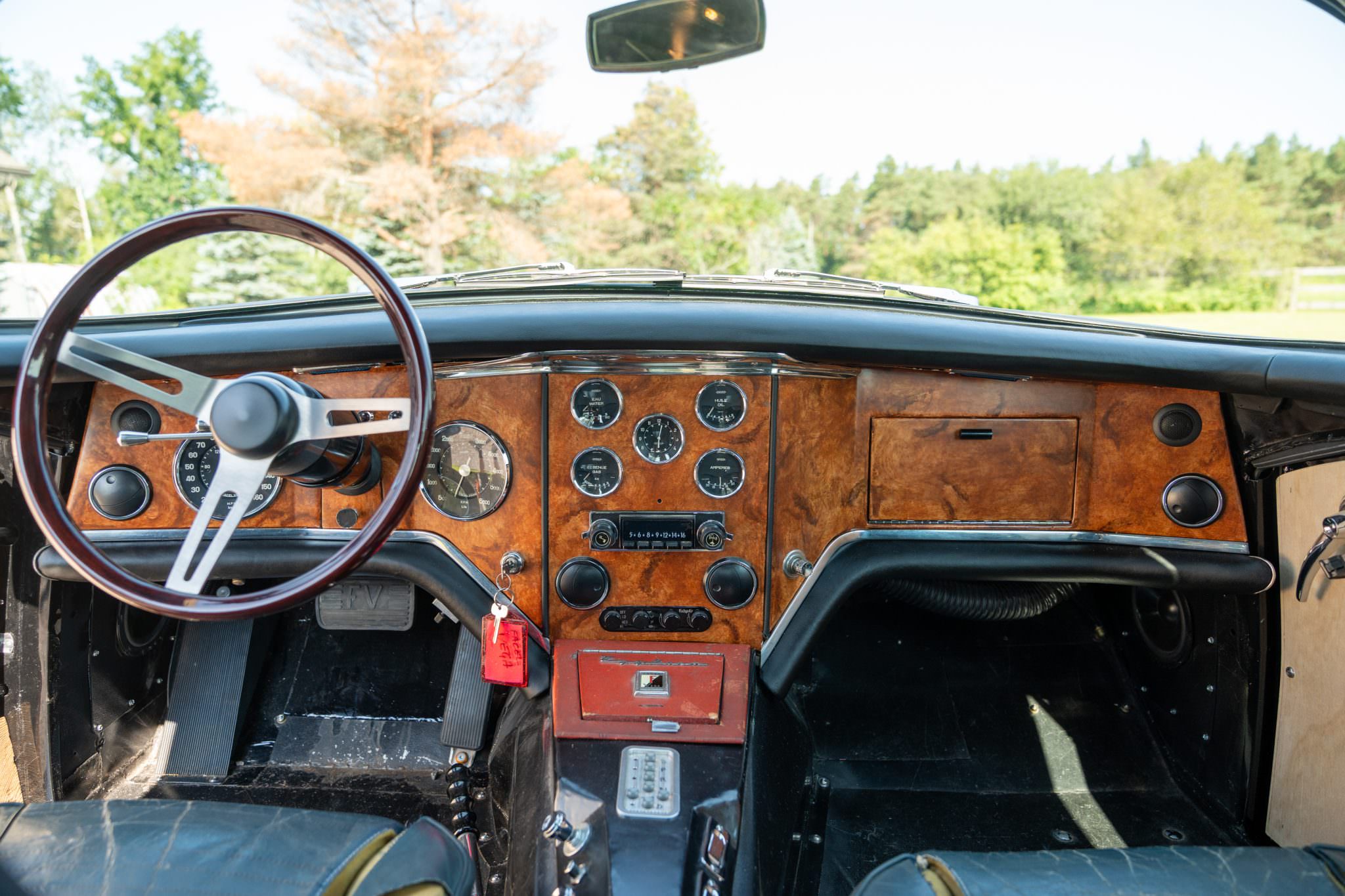
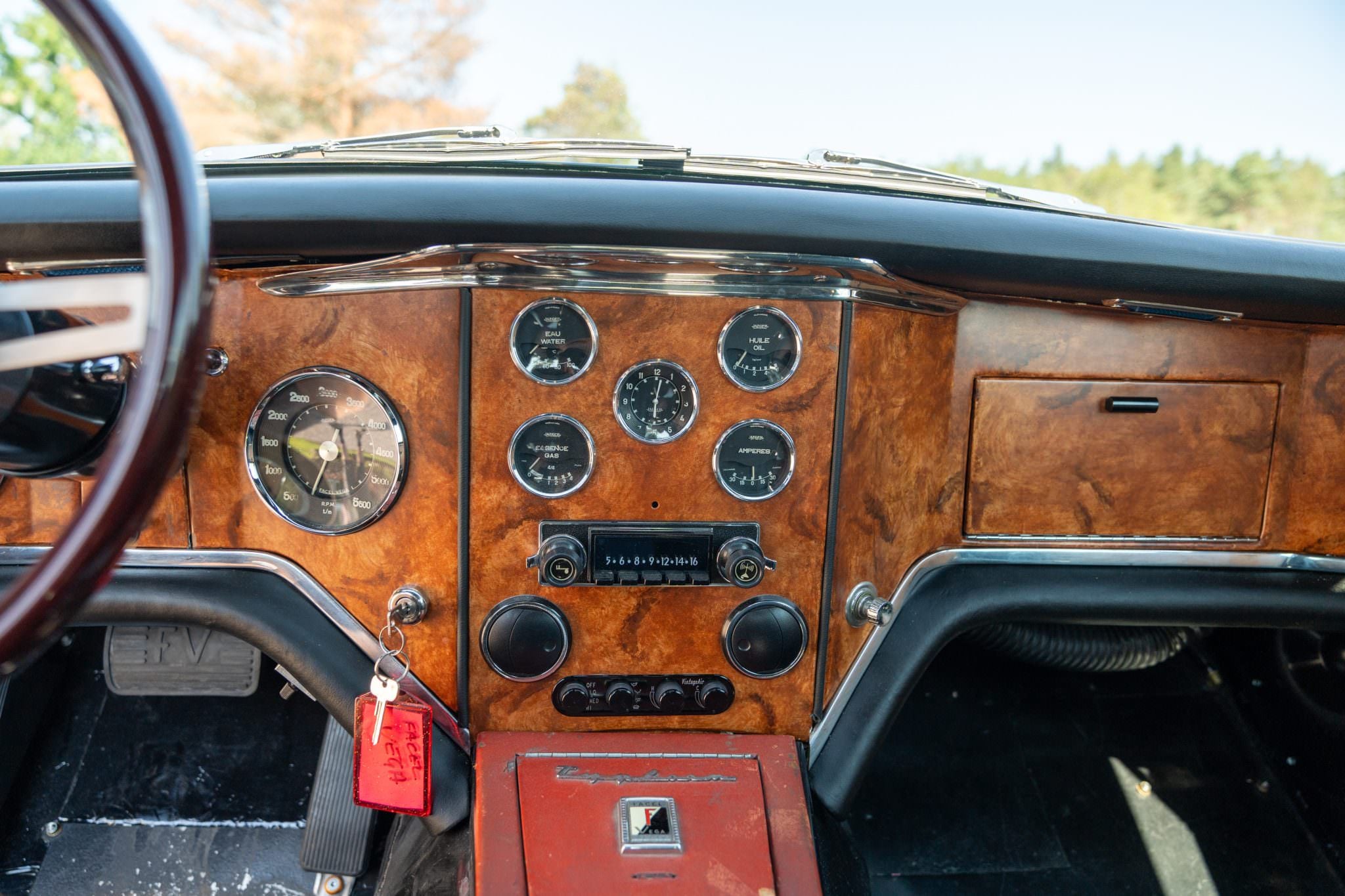
What followed was less of a traditional sequence of new models, and more of a rolling series of engine swaps and minor design tweaks. The FV1 of 1955 stretched the roofline, the FV2 that September brought the wraparound windshield and the metal dashboard meticulously hand-painted to imitate burled walnut, work done by Marcel Bigot, who ran Facel’s paint shop.
The FV2B of 1956 took the DeSoto V8 out to 5.4 liters but then the FV3 went backwards that autumn, replacing the DeSoto Hemi V8 with Plymouth’s smaller 4.5 liter polyspherical unit, before the FV3B enlarged it again to 4.9 liters. From the FV2 onward Facel gave the Chrysler units designations of its own, registering the Typhoon trademark and running it as TY1 through TY6 to the end of the FV series and on into the models that followed.
The Facel Vega FV4
The FV4 was the final (and fastest) variant that was built, though it wasn’t the last FV built. It received French type approval in 1957, when a leftover FV2B chassis was rebuilt to the new specification, and the last cars were finished in early-1958, after which production reverted to the FV3B and ran on to mid-1958. All FV4s were left-hand drive and all but two went to North America, most through Max Hoffman’s world famous dealership in New York.
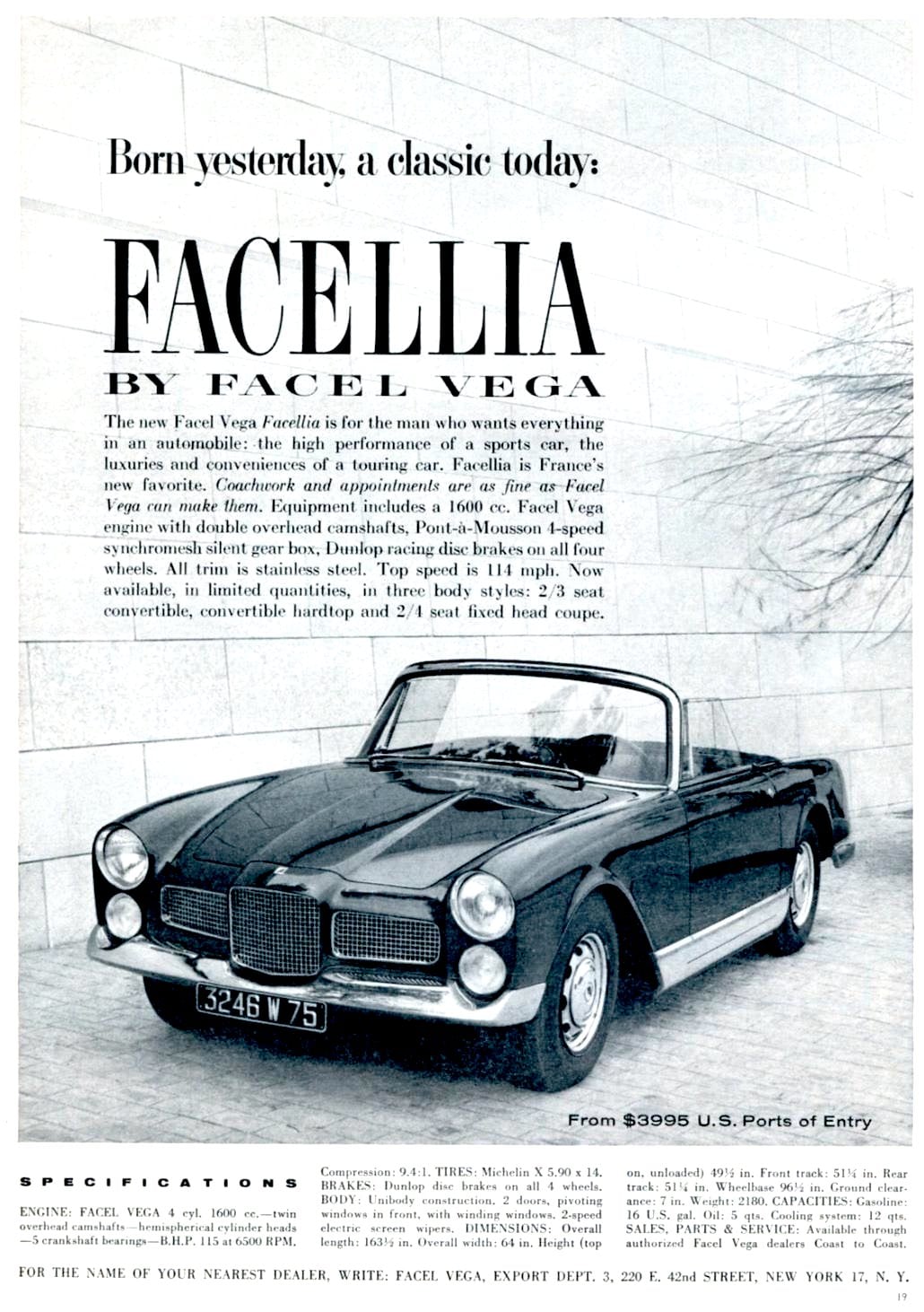
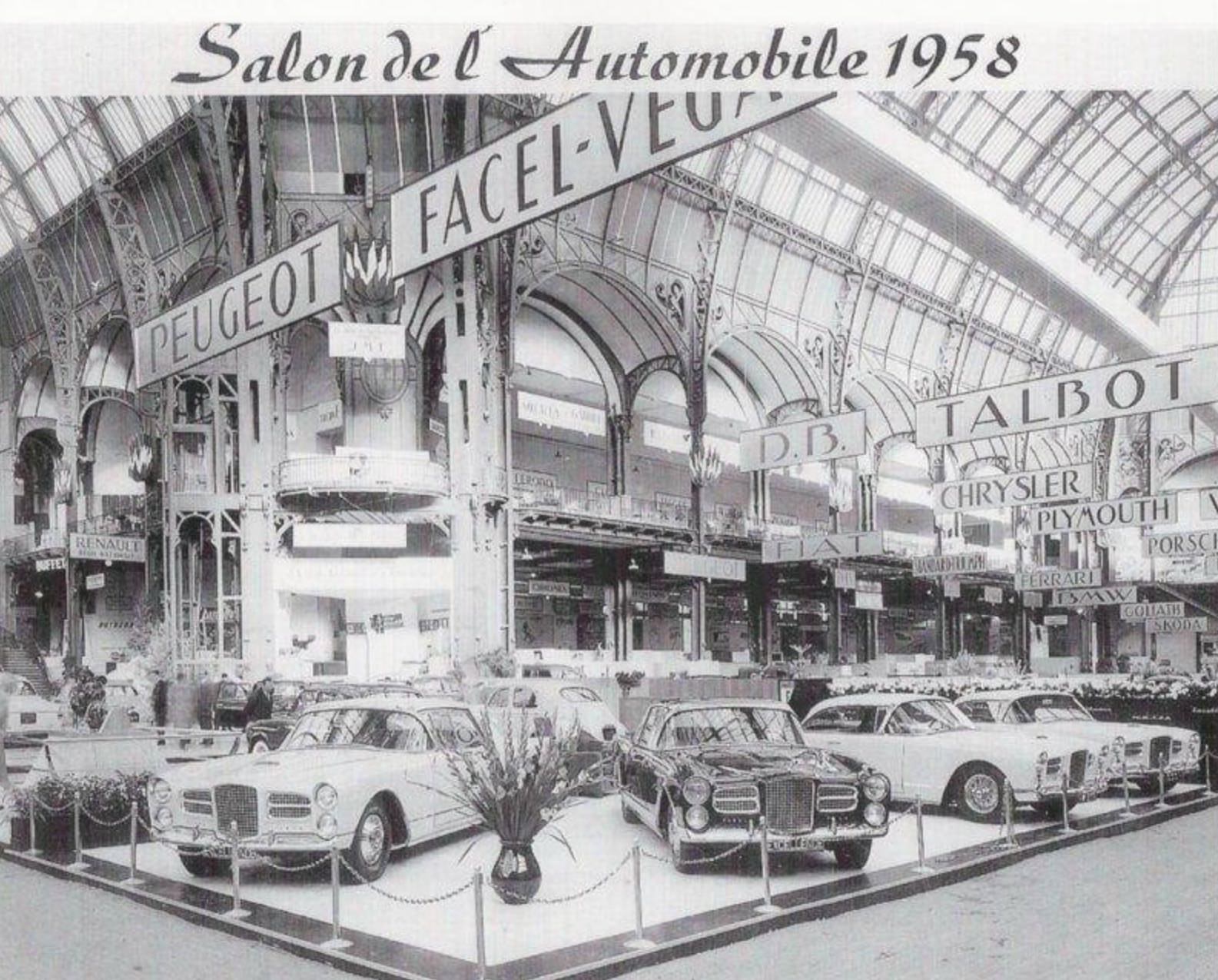
The man behind Facel was Jean Daninos, an engineer who’d drawn Traction Avant coupés and cabriolets at Citroën and who wanted to build something France had long ago given up on – the prewar grandes routières were dead (or dying) by the mid-1950s. Images courtesy of Forges et Ateliers de Constructions d’Eure-et-Loir.
Facel alternated between FV3B and FV4 bodies depending on what orders and engines were on hand, switching back and forth at least eight times across those nine months. Chassis numbers in the register jump from FV3 to FV3B, back to FV3, to FV4, back to FV3, and onward in the same pattern.
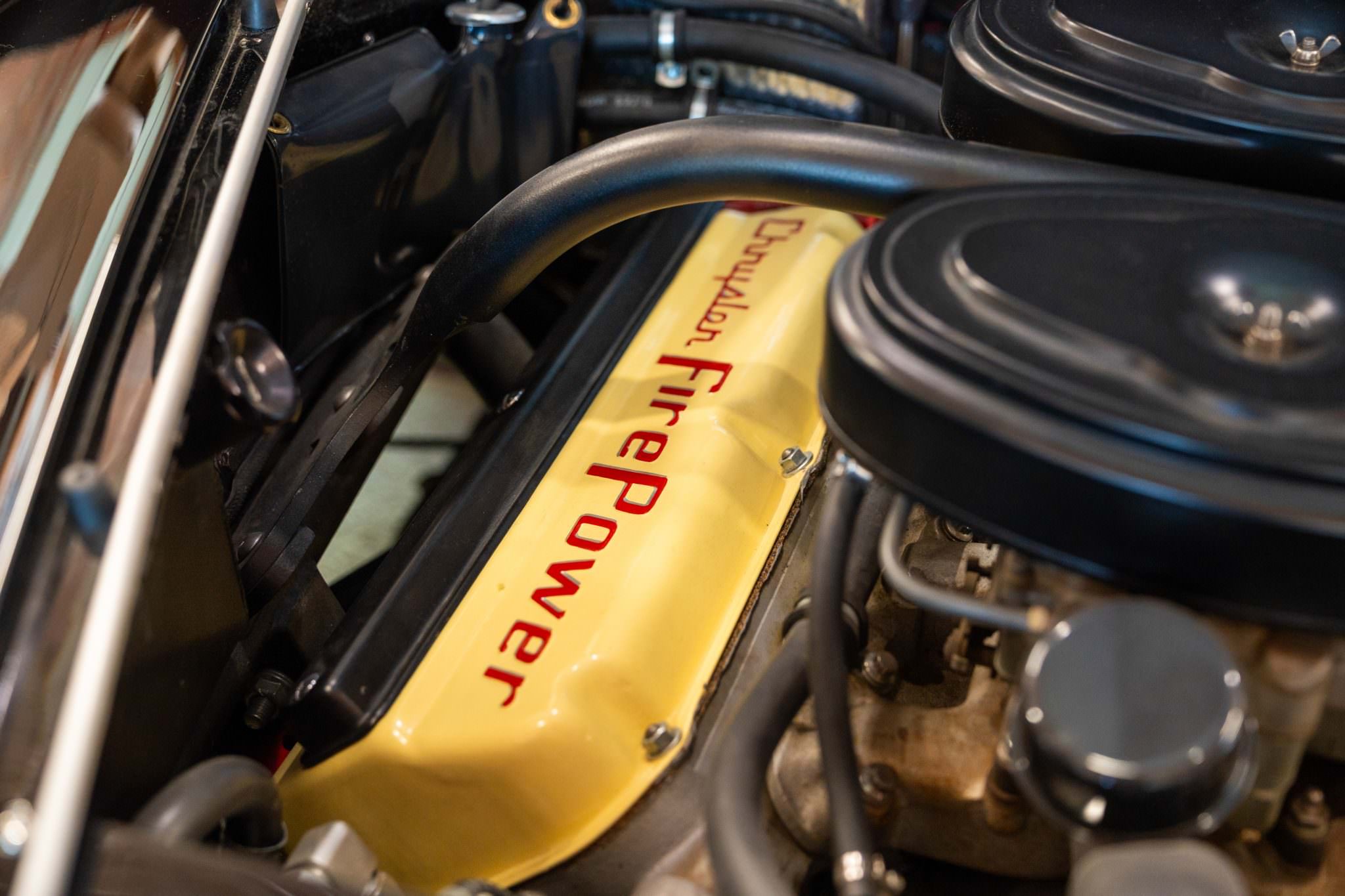
Two engines were used – the first series took the 354 cubic inch (5.8 liter) Chrysler FirePower Hemi V8 with twin four-barrel Carter carburetors, the Typhoon TY5, rated at 340 bhp at 5,200 rpm. This was the engine from the 1956 Chrysler 300B, and Chrysler’s own rating for it was the same 340 bhp.
The second series took the raised-deck 392 cubic inch (6.4 liter) Hemi V8 from the 1957 300C, the TY6, rated at 375 bhp at 5,200 rpm. Facel quoted 142 mph for both. The car weighed about 3,860 lbs, which puts the FV4 on roughly the performance of the American hardtops it borrowed from, in a body more than three feet shorter.
Only eight FV4s left the factory with the Pont-à-Mousson 4-speed gearbox. 59 had Chrysler’s push-button automatic, and only nine of the cars went out without power steering – this was a machine built to cross continents rather than have the wheel worked hard looking for a parking space.
American buyers paid $9,750 for one. To put that into perspective, a Chrysler 300D hardtop (using the same family of Hemi V8s) listed at $5,173.
HK500, Excellence, + Facel II
The HK500 was introduced in 1958 as a renamed and improved FVS, and it became Facel’s best seller at 490 cars with 107 of them right-hand drive. Early examples used the 5,907cc Chrysler wedge V8, the Typhoon TY7. A 6,286cc version followed in 1959.
Facel’s brakes had long been a running complaint with the clientele. The Autocar, testing an FVS in 1958, reported that the pedal “had to be pumped” for a quick stop and told Facel plainly to follow the British lead and fit discs. Maybe Facel was listening, as Dunlop discs arrived on the HK500 within two years, first as an extra-cost option and then as standard equipment.
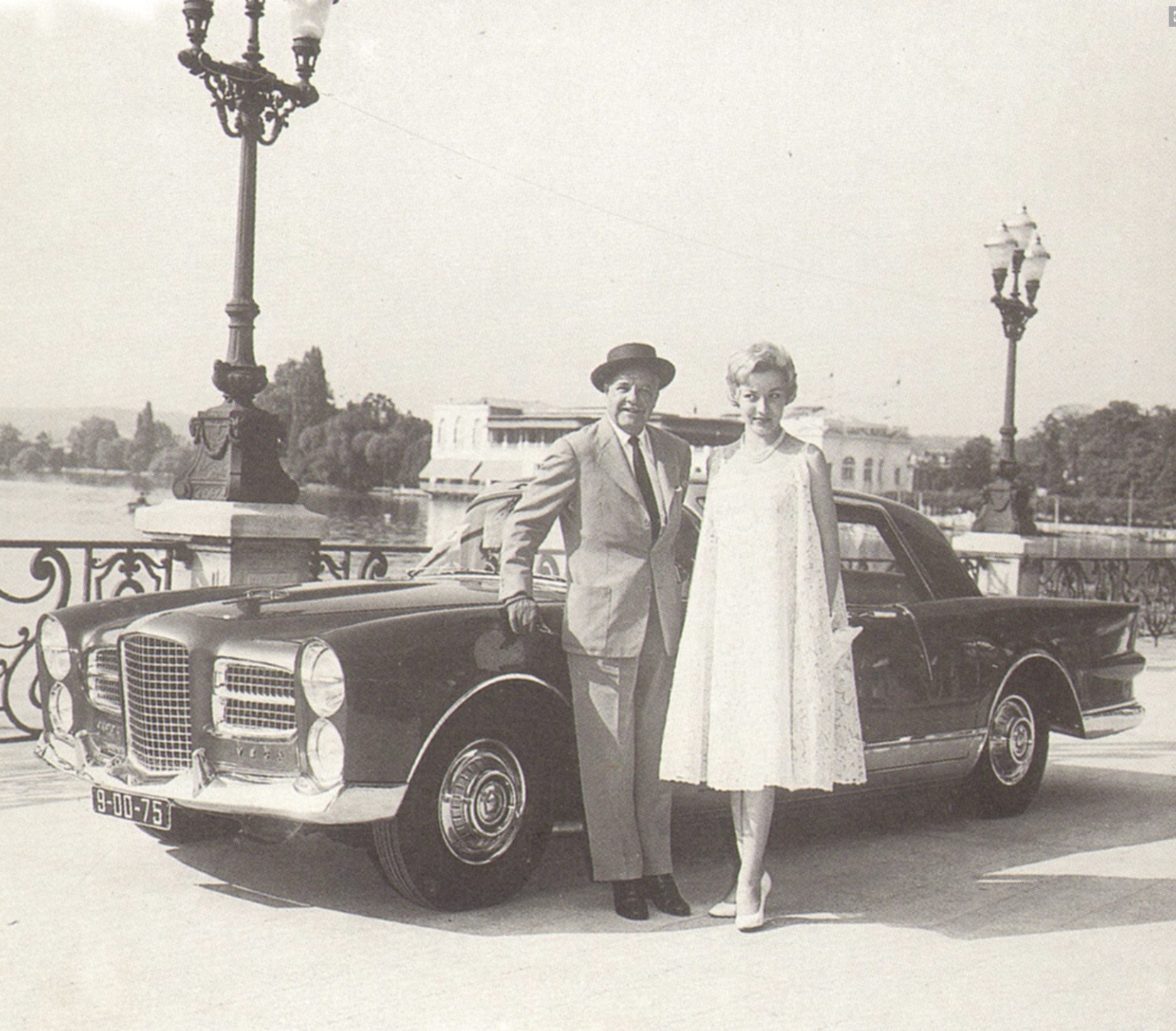
The Facel Vega series of cars from France were among the most desirable in the world at the time, they were owned by Kings and Shahs, as well as a veritable who’s who list of the Hollywood elite – though today they’re largely forgotten. Image courtesy of Forges et Ateliers de Constructions d’Eure-et-Loir.
It was an HK500 with the larger engine that produced the company’s best-remembered performance claim – in October of 1960 Paul Frère, who had won the 24 Hours of Le Mans that June, took one to 237.154 km/h on a closed stretch of motorway near Antwerp, a run validated by the Royal Automobile Club of Belgium. Facel built its advertising around it – the fastest four-seat coupe in the world. By 1959 more than 75% of production was going abroad, mostly to the United States.
The Excellence, unveiled at the Paris Salon in 1956 and put into production in 1958, was Facel’s only four-door and one of very few pillarless sedans of the era, with rear-hinged back doors and no B-pillar. It cost $13,000, about the price of four Citroën DS saloons at the time. Daninos wanted it to be the French president’s car.
De Gaulle didn’t want to be seen in something with an American engine, though his wife used one, and 12 went to French ambassadors abroad.
The Facel II replaced the HK500 in 1962, on much the same chassis under a lower, cleaner body, and inherited the slogan. The 383 V8 Chrysler provided 355 bhp with the automatic and 390 bhp with the Pont-à-Mousson manual. Daninos called the HK500 the “most interesting car we ever made” and the Facel II “the better one.”
The Facellia + The End
French dealers had been pressing Daninos since 1957 for a small sports car to fight Alfa Romeo, Porsche, and the British. Market research suggested they could expect 2,500 sales in France alone, but the problem was sourcing a suitable engine.
Citroën and Peugeot couldn’t help, Simca had nothing suitable, and when Daninos arranged to buy Hillman engines the government refused permission. A few hundred Chryslers a year was one thing – thousands of British engines was another. The terms of the Chrysler arrangement obliged Facel to export five dollars of goods for every dollar it imported, and Daninos had always met them.
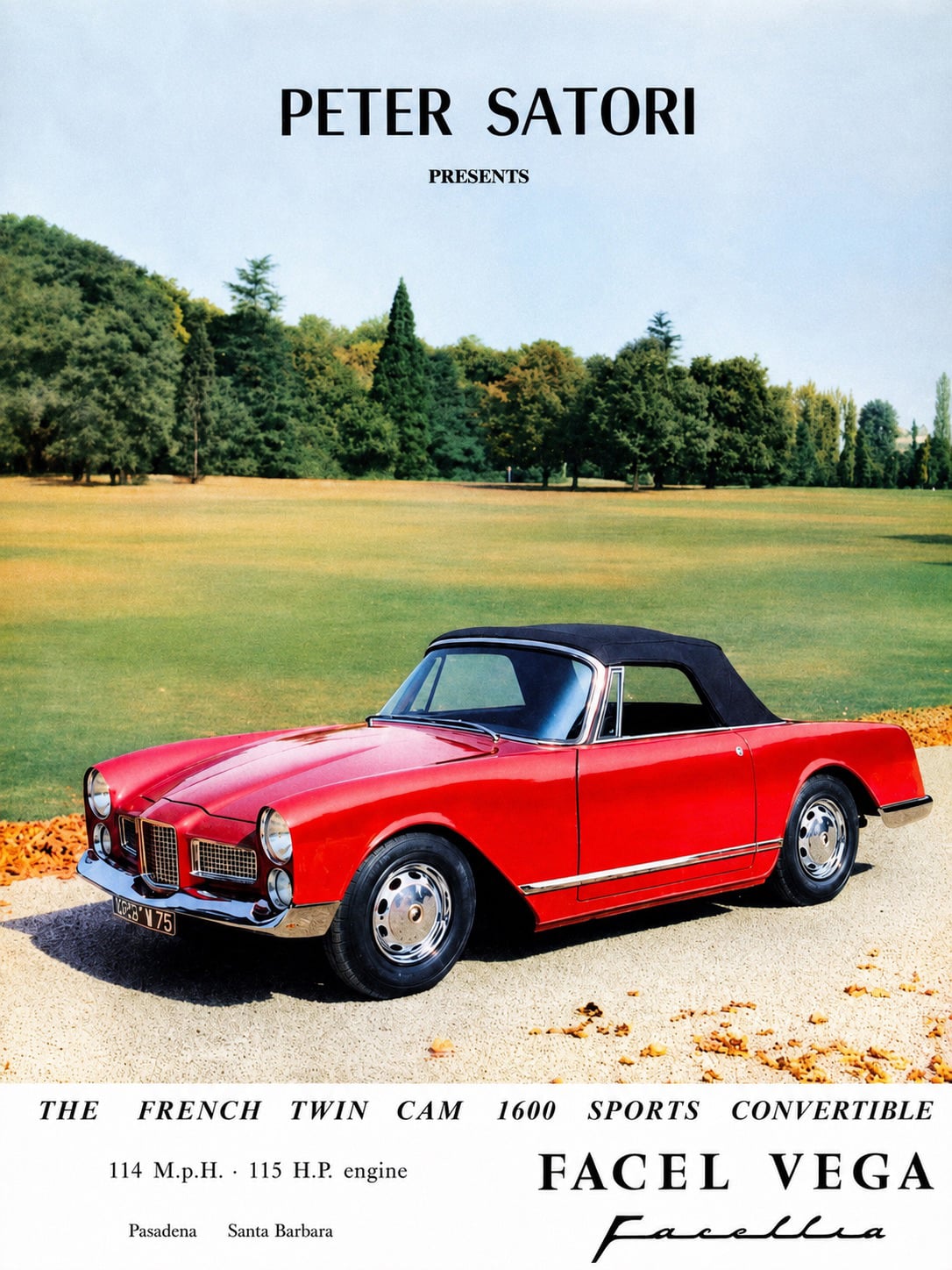
French dealers had been pressing Daninos since 1957 for a small sports car to fight Alfa Romeo, Porsche, and the British. Market research suggested they could expect 2,500 sales in France alone, but the problem was sourcing a suitable engine. Image courtesy of Forges et Ateliers de Constructions d’Eure-et-Loir.
Pont-à-Mousson offered a 1,646cc twin-cam four instead, sized to sit just under the 9CV tax band and just over 1,600cc so it couldn’t be entered into that competition class. It was drawn up by Pont-à-Mousson’s engineers from a study by Carlo Marchetti, formerly chief engineer at Talbot. Each camshaft ran on two bearings rather than the usual four or five. Pont-à-Mousson cast and supplied the parts, Facel assembled the engines, ran them on the bench, and was responsible for the warranty.
Facel showed the Facellia in Paris in September of 1959 and delivered the first cabriolets in March of 1960. The engines flexed, lost their timing, and burned pistons – number three in particular. Warranty claims for replacement engines arrived almost immediately, and kept arriving en masse.
Modifications produced the F2 engine in early-1961, and a further redevelopment commissioned from Le Moteur Moderne produced the F2B that October. By then the fault was largely cured but the reputation had been earned – and reputations take a lot more fixing than poor engine designs.
The state had already lent Facel 200 million old francs in mid-1960 and another 86 million a year later, and within a month of the second loan the company simply couldn’t meet its obligations. A billion-franc rescue followed, conditional on new shareholders – Pont-à-Mousson, Hispano-Suiza, and Mobil Oil took majority control.
Daninos was forced to resign as chief executive in mid-1961, though he stayed on as technical and commercial director. The company went into liquidation in mid-1962 and continued trading under a court-appointed administrator.
Volvo’s incredibly reliable B18 four-cylinder engine rescued the small car as the Facel III from April of 1963, and 625 were built. A BMC three-liter six reduced to 2,852cc (again for the tax threshold) powered the Facel 6, presented in May of 1964.
Management had by then passed to SFERMA, a Sud-Aviation subsidiary, on a one-year lease that took effect in 1963. When it expired in 1964, Sud-Aviation was fully committed to Concorde and its supervising ministry made clear there would be no more diversification into cars. A Cour des comptes report attacking the 1961 state aid settled the matter.
Facel closed its factories on the 31st of October 1964, having finished either 43 or 44 Facel 6s depending on the register. Some were sold off as late as 1966, but these would be the last Facels ever made.
The Facel Vega FV4 Typhoon
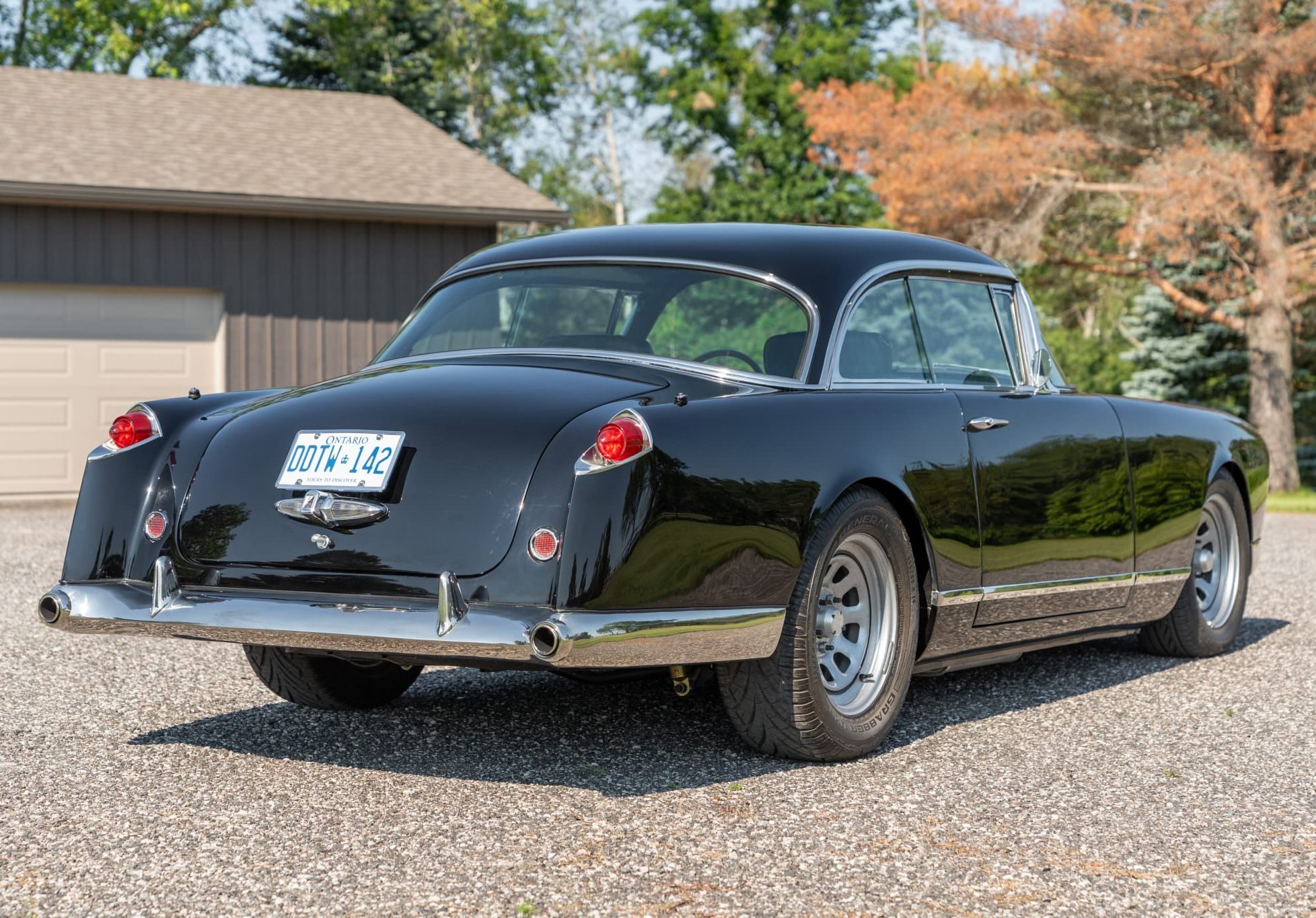
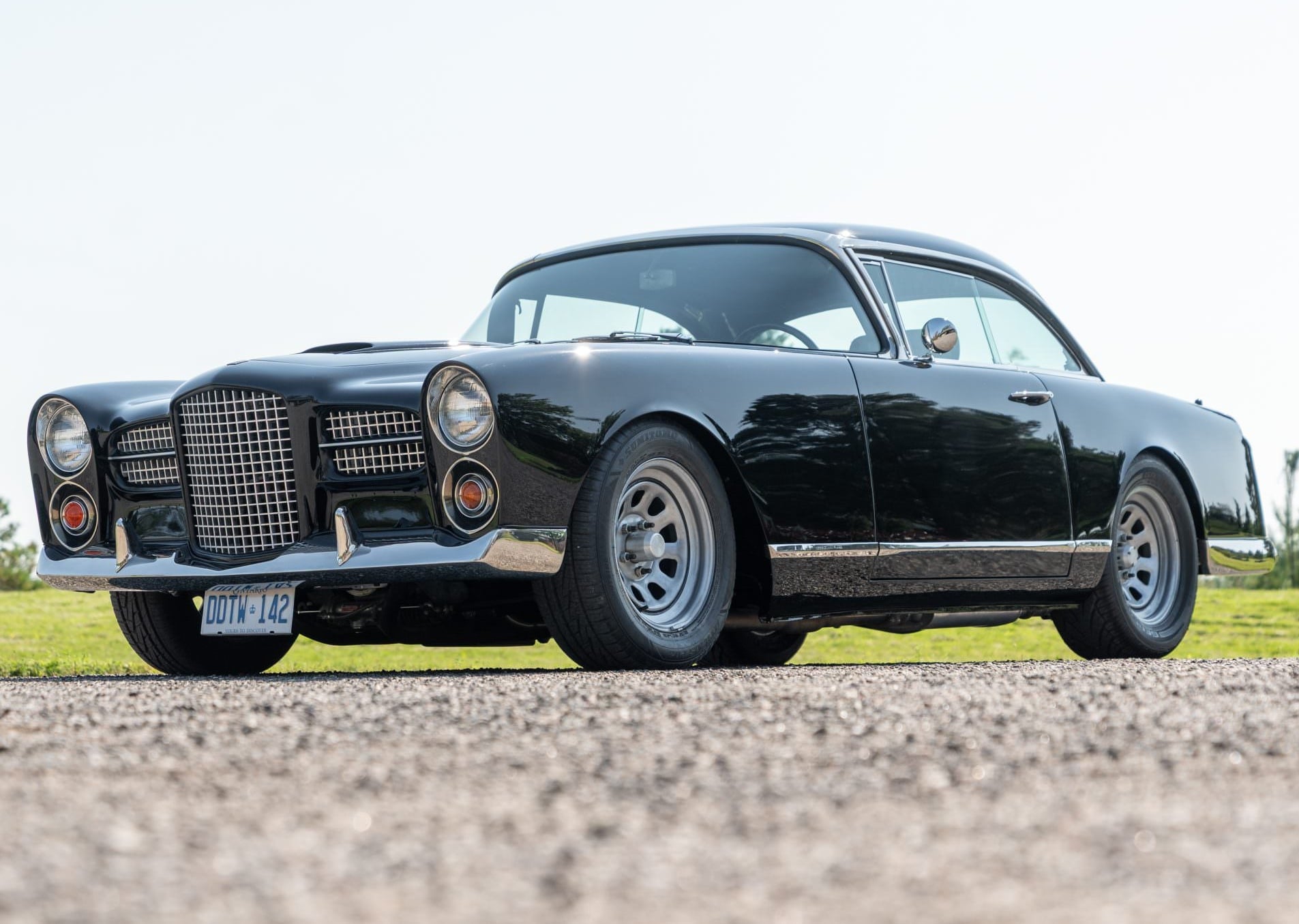
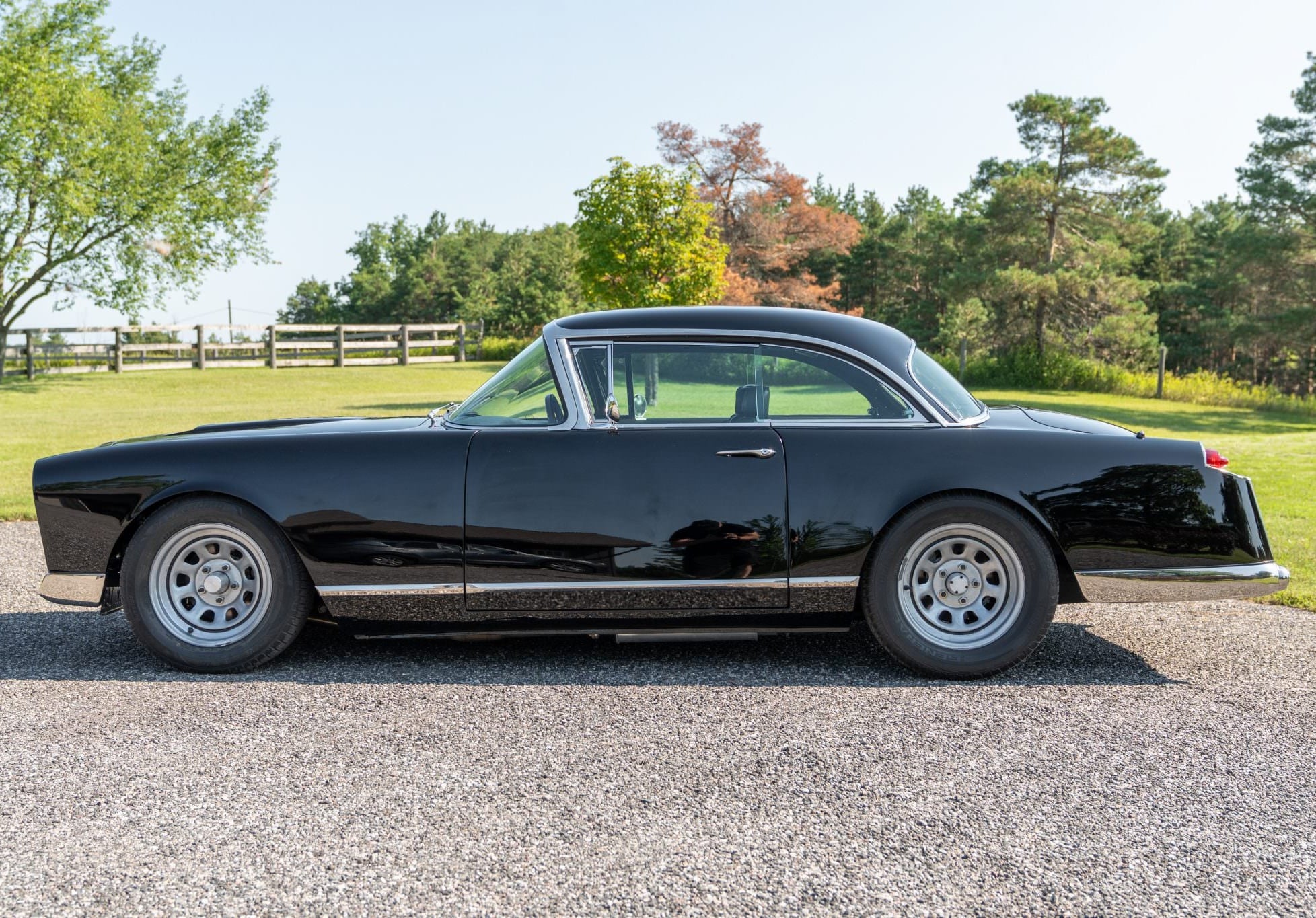
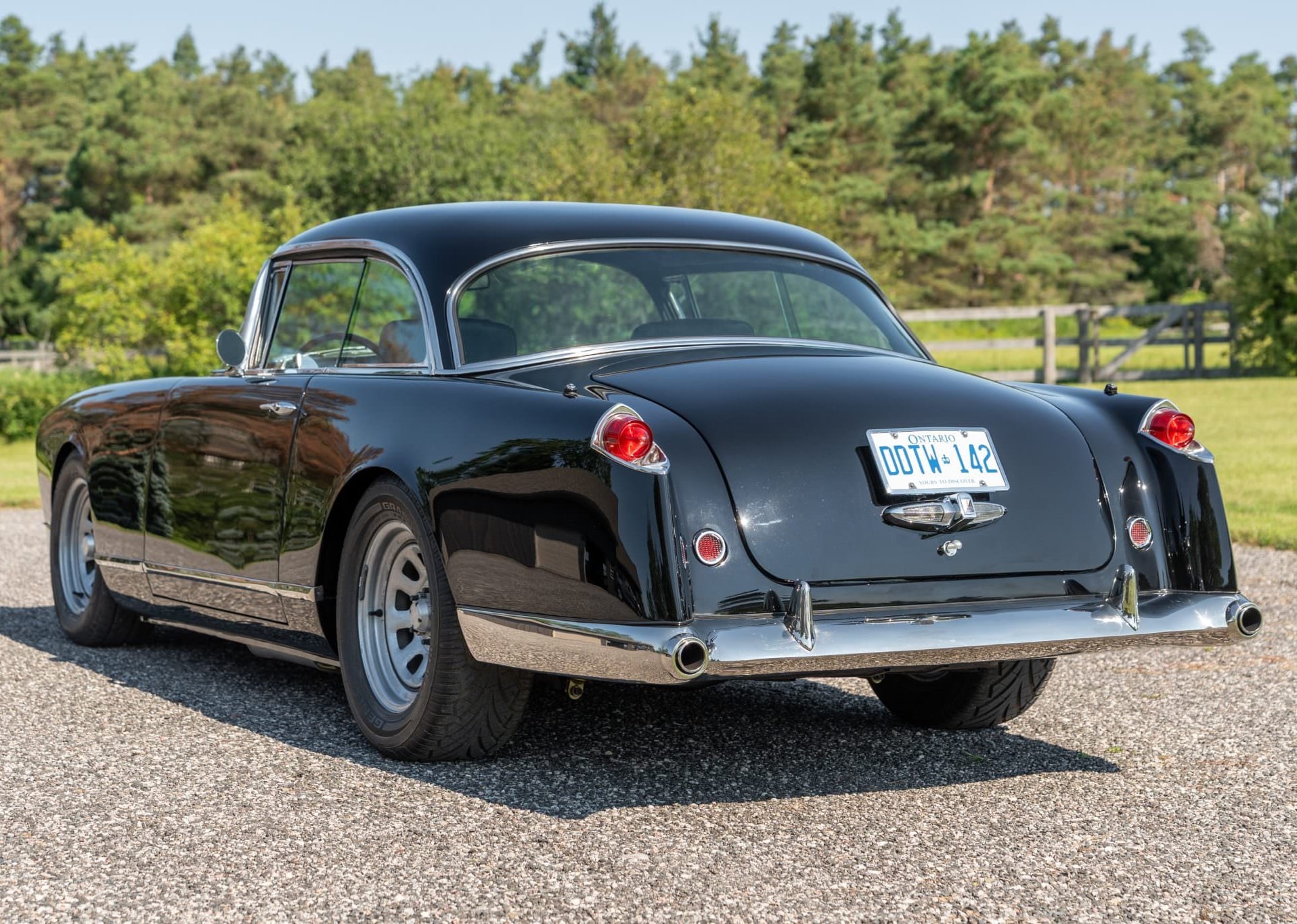
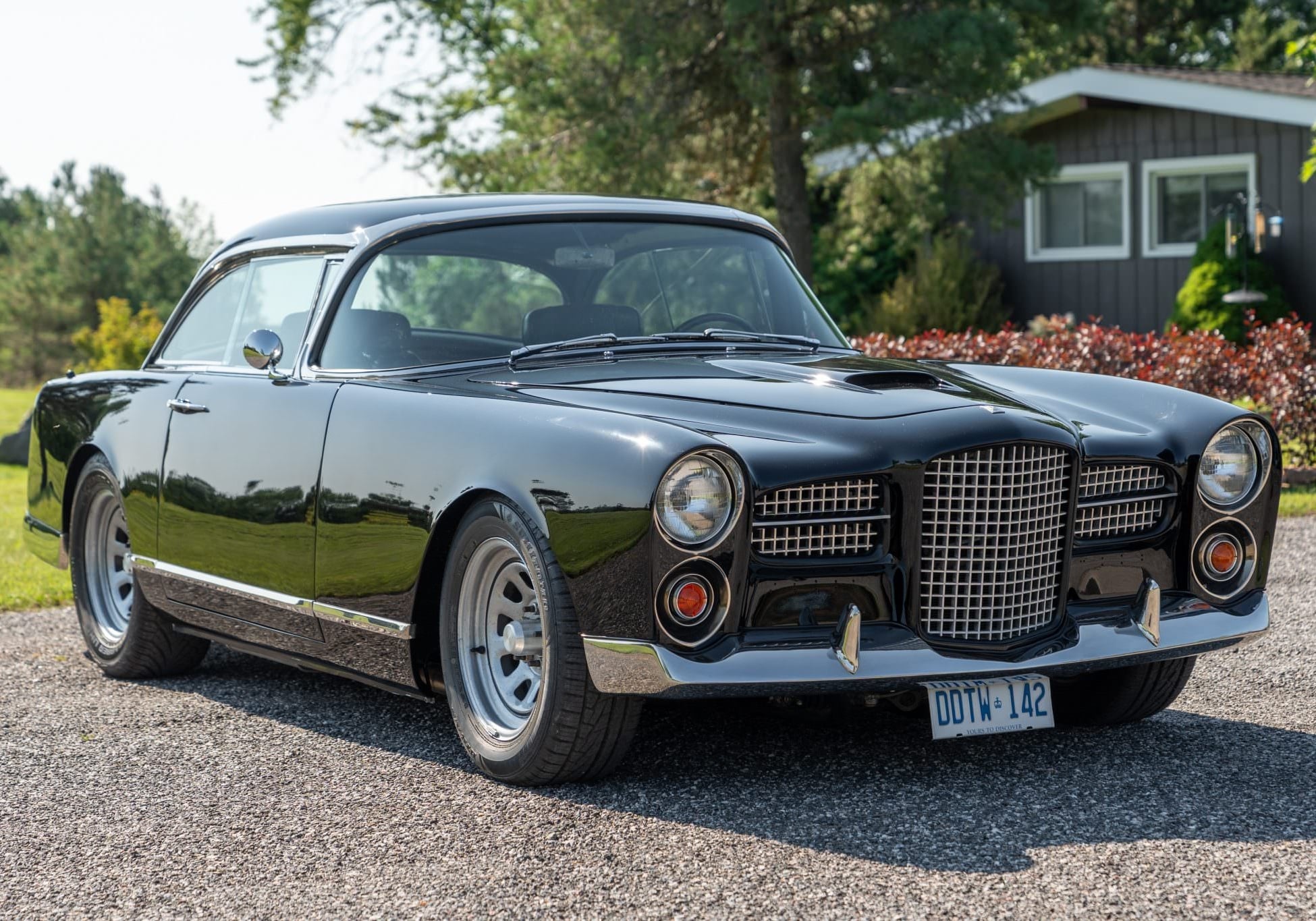
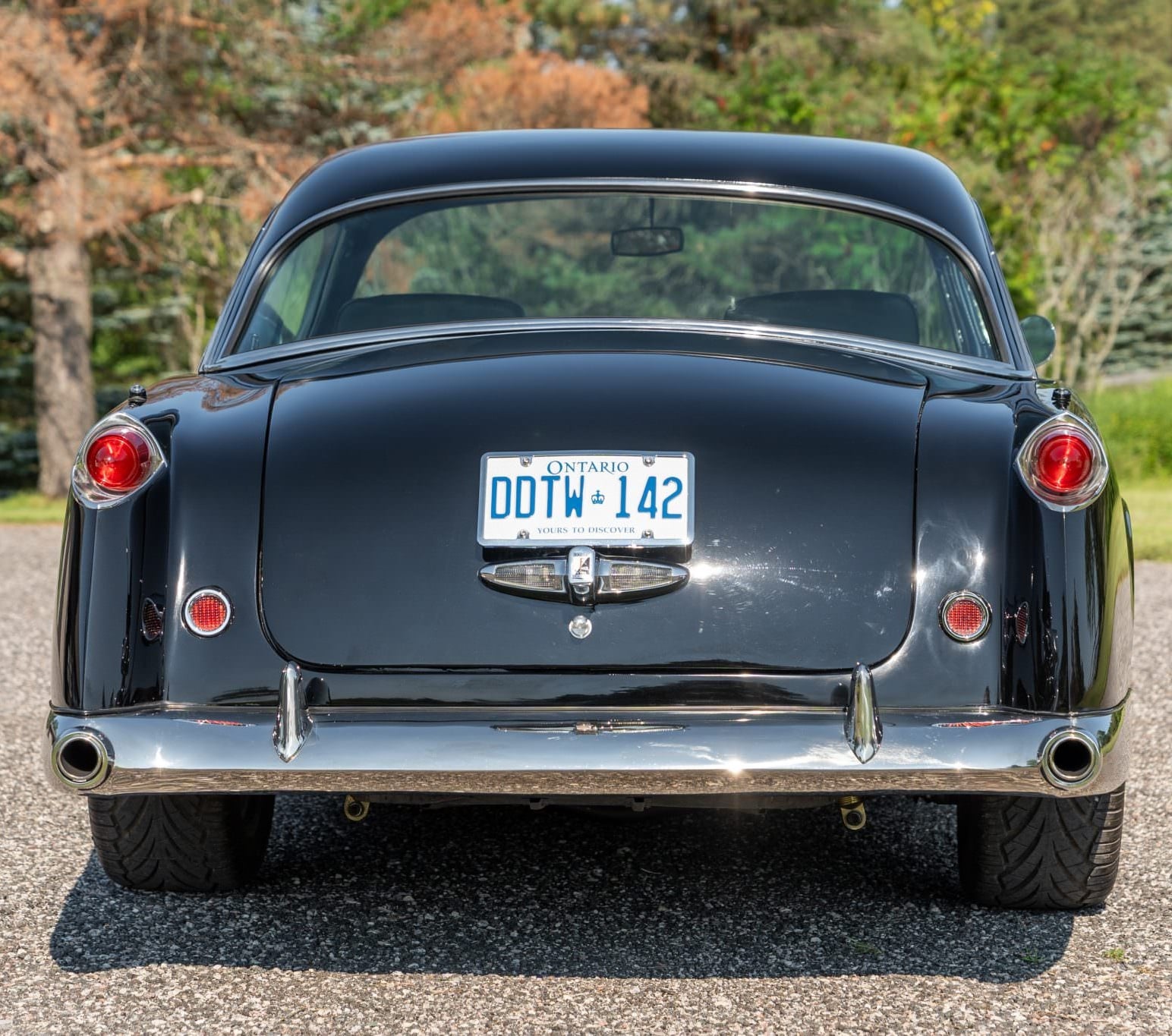
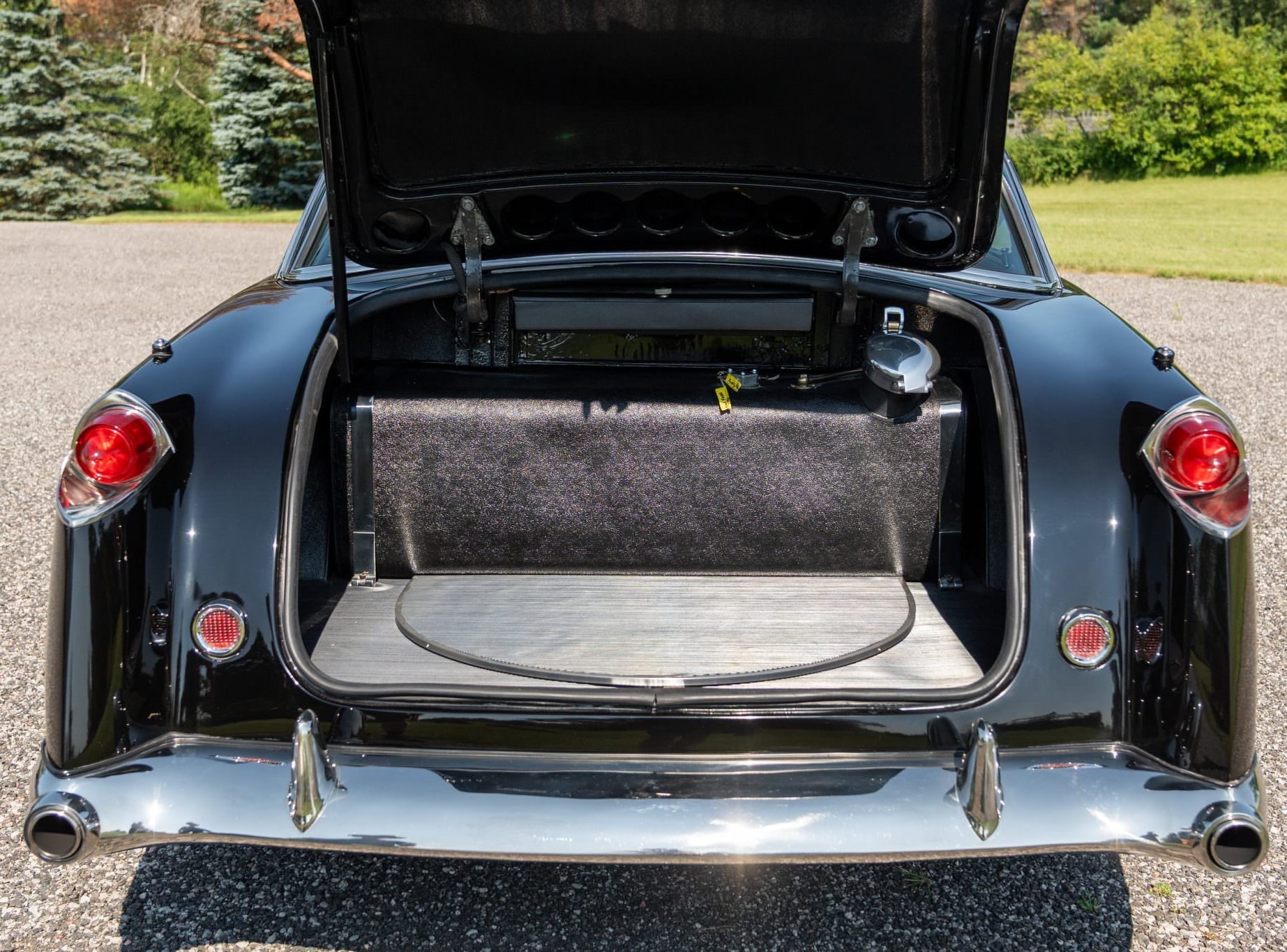
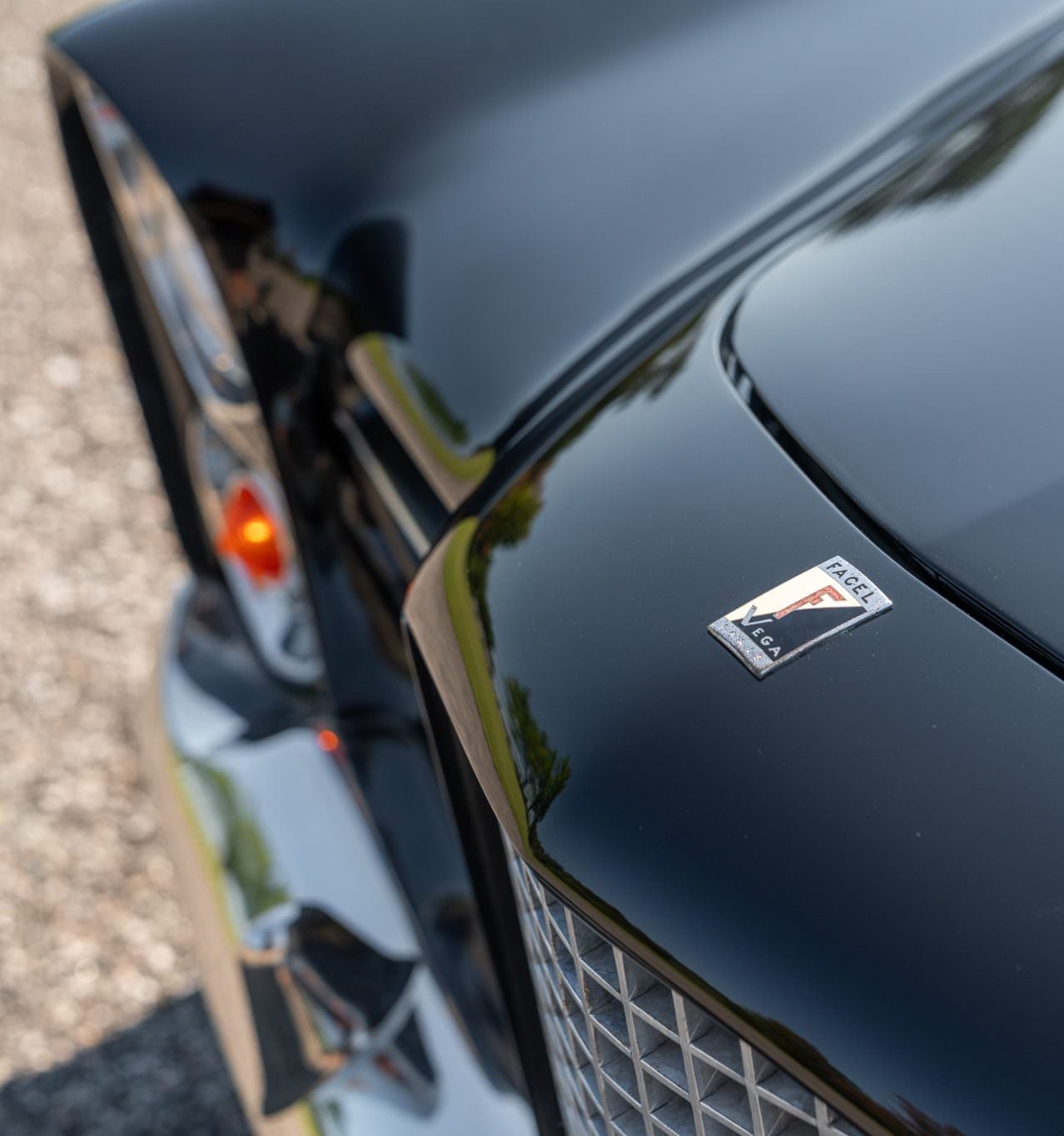
This 1958 Facel Vega FV4 Typhoon is a US-market example delivered new through Max Hoffman in New York. The seller bought it in April of 2003 and imported it to Canada, then undertook an extensive body-off refurb and modification program.
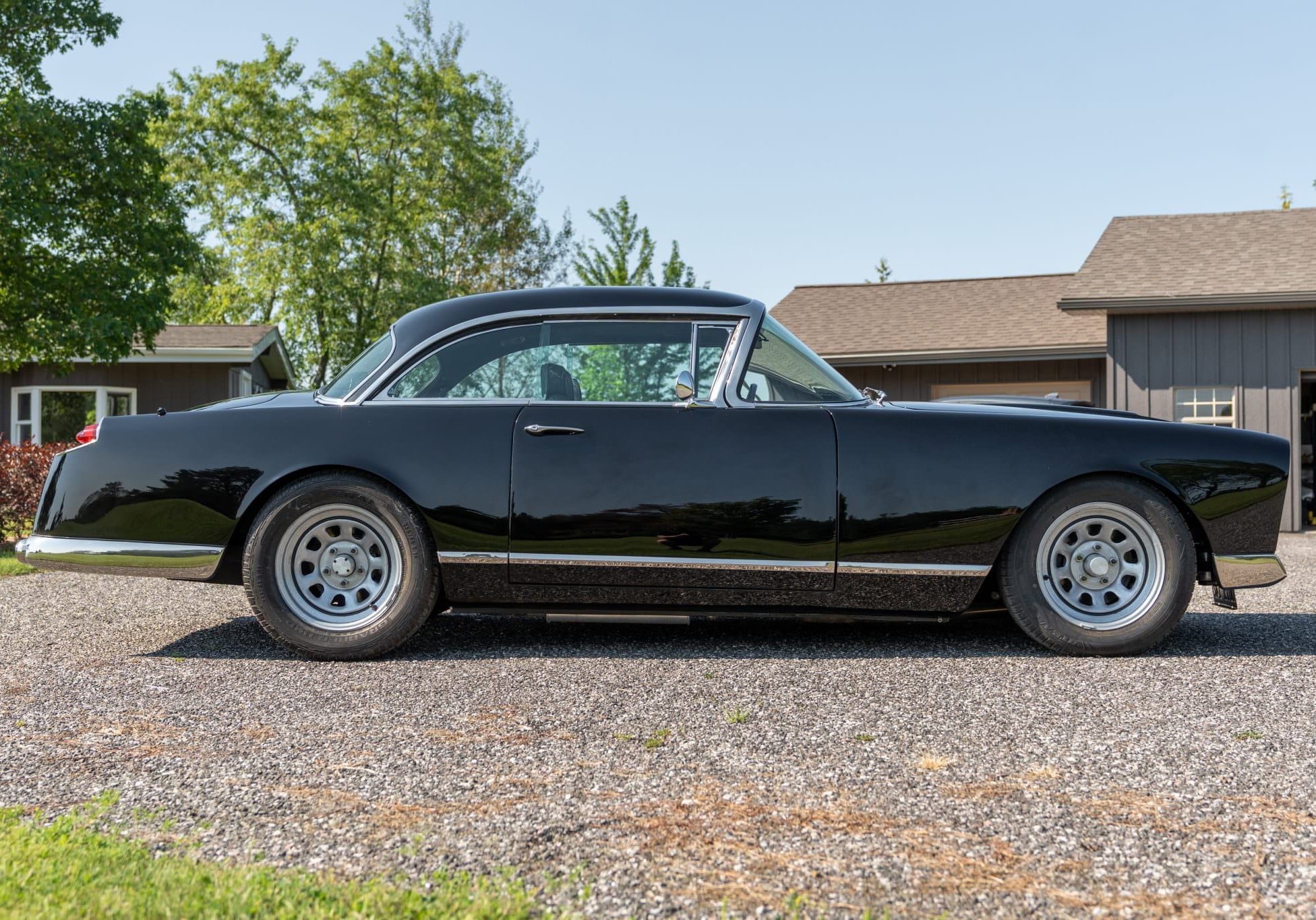
The body received rust repairs and replacement floor sections before being acid-dipped and repainted black, while the chassis was sandblasted and refinished. The brightwork was restored, a replacement windshield fitted, and the steel fenders were flared.
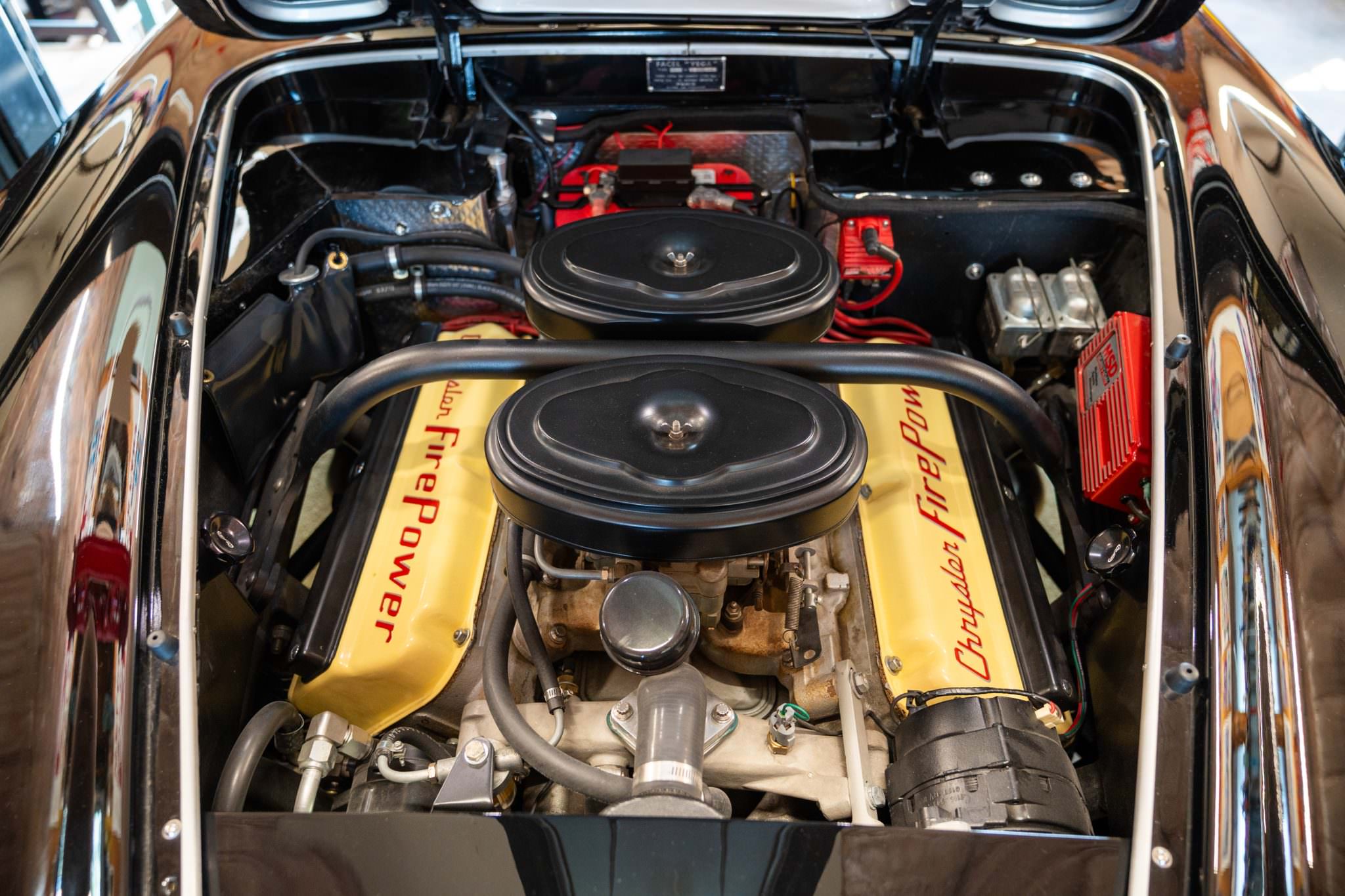
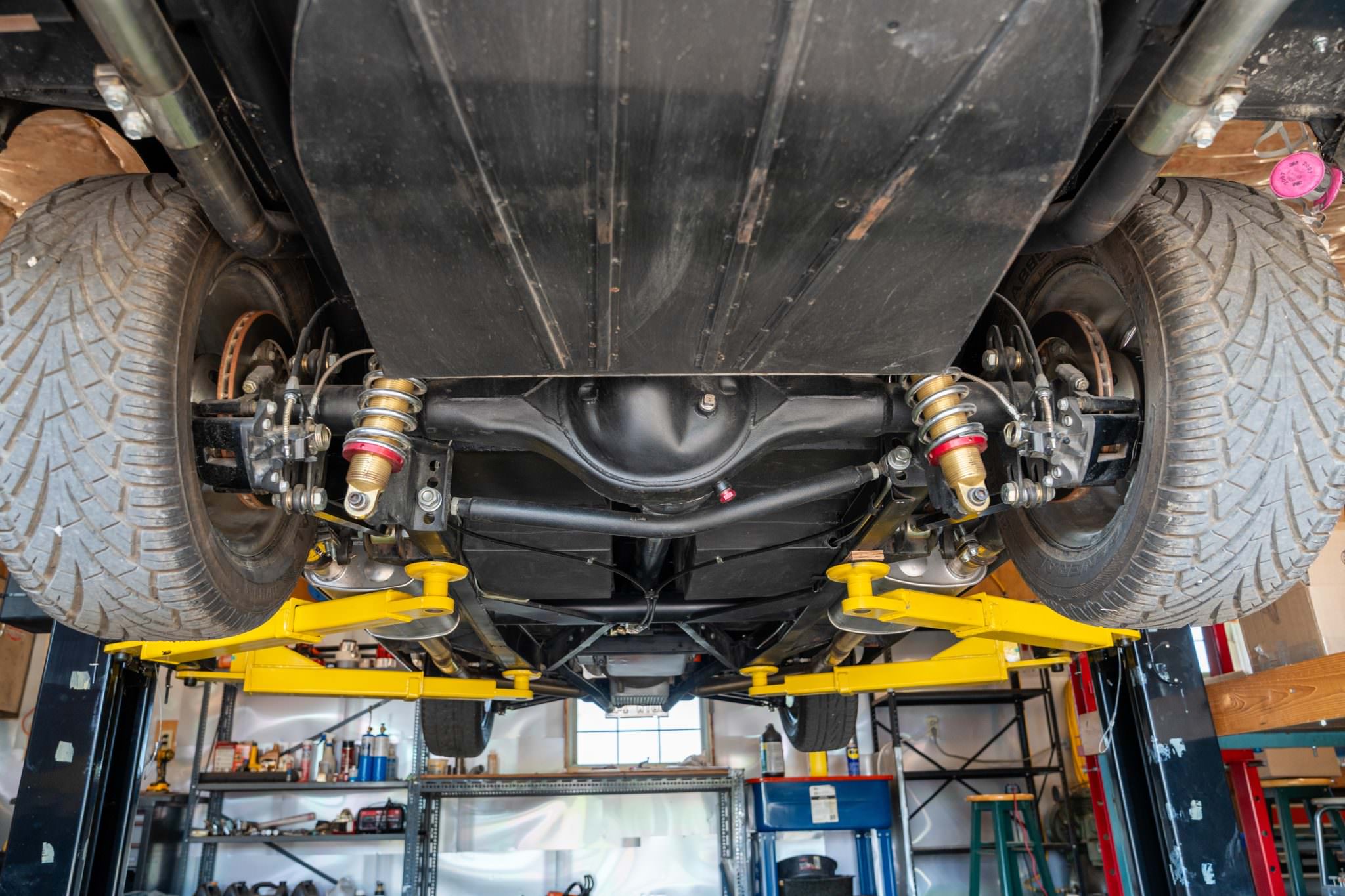
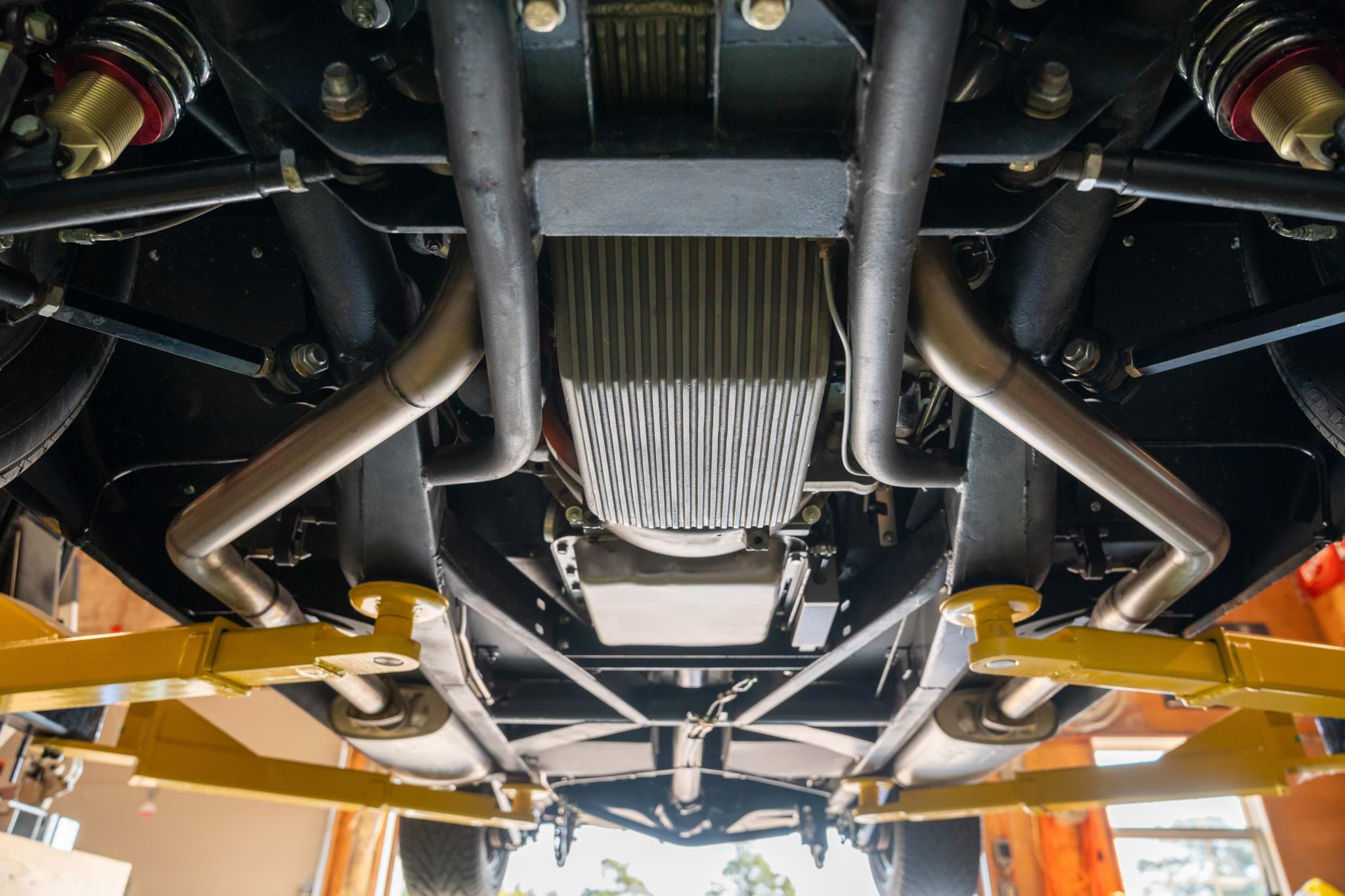
Its Chrysler 392 Hemi V8 was rebuilt in Ontario in 2009 with new pistons, rings, bearings, pushrods, lifters, and a camshaft. It runs twin four-barrel carburetors with MSD ignition, a 130 amp alternator, and a Howe aluminum radiator with twin electric fans. Power goes through a rebuilt GM 700R4 4-speed automatic to a Ford 9-inch rear axle fitted with a 3.25:1 Auburn Gear limited-slip differential.
The car has been updated with power-assisted rack-and-pinion steering, adjustable coilovers, tubular front control arms, an adjustable front sway bar, and a four-link rear suspension with a Panhard rod. Wilwood disc brakes are fitted at all four corners with dual master cylinders and adjustable front-to-rear brake bias. The car now rides on 16 inch Aero-style wheels with 225/60 Sumitomo tires.
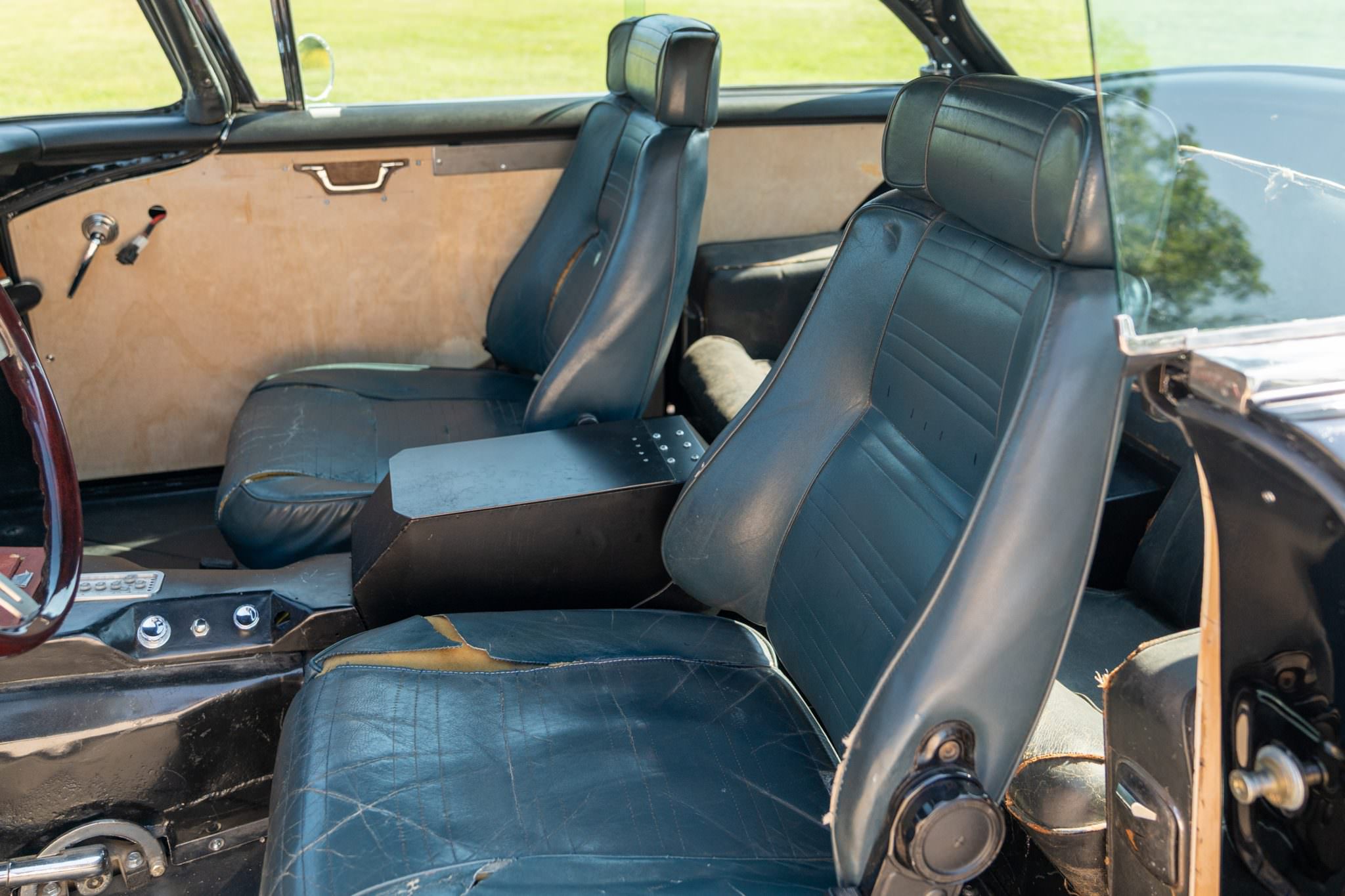
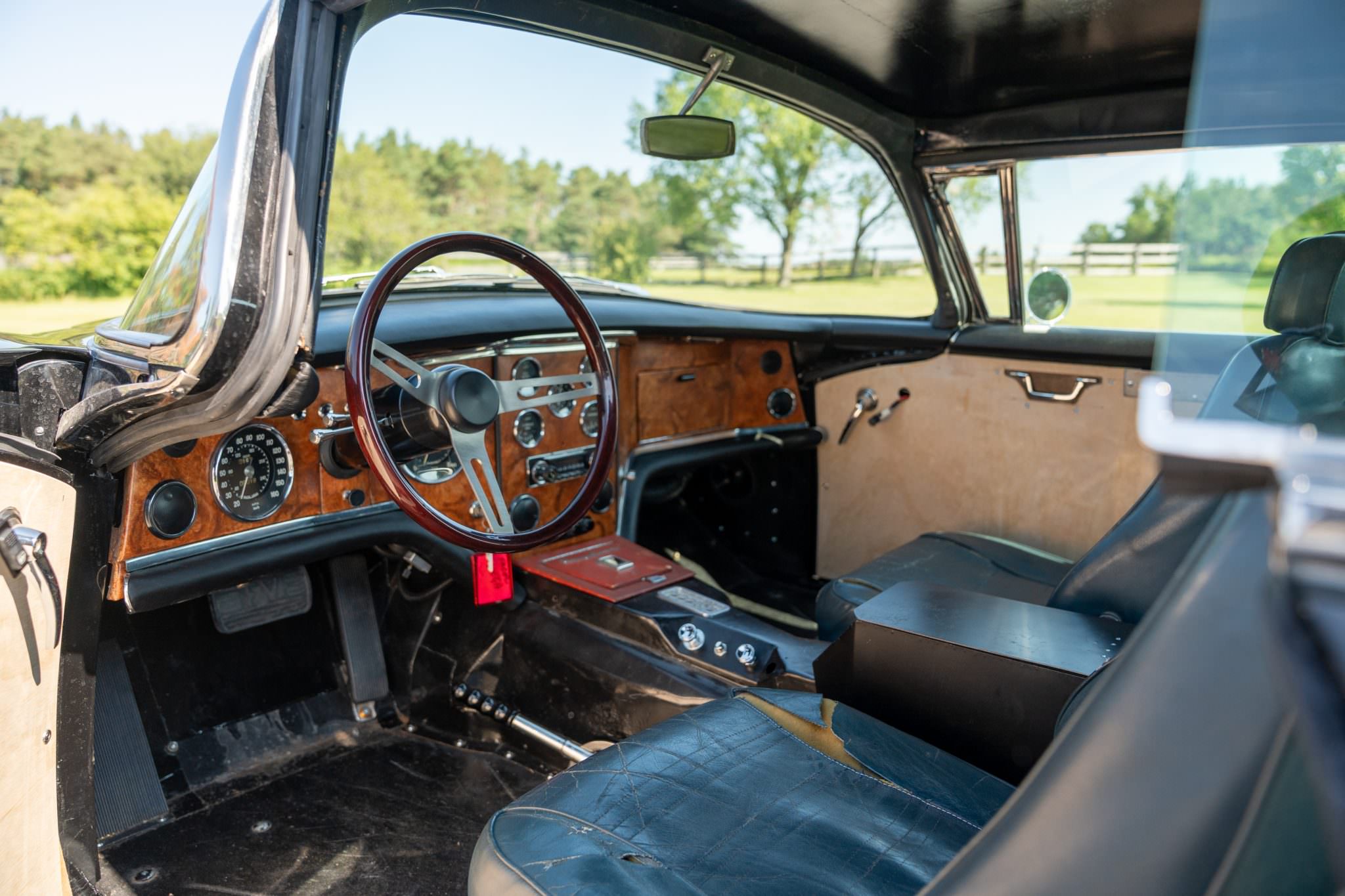
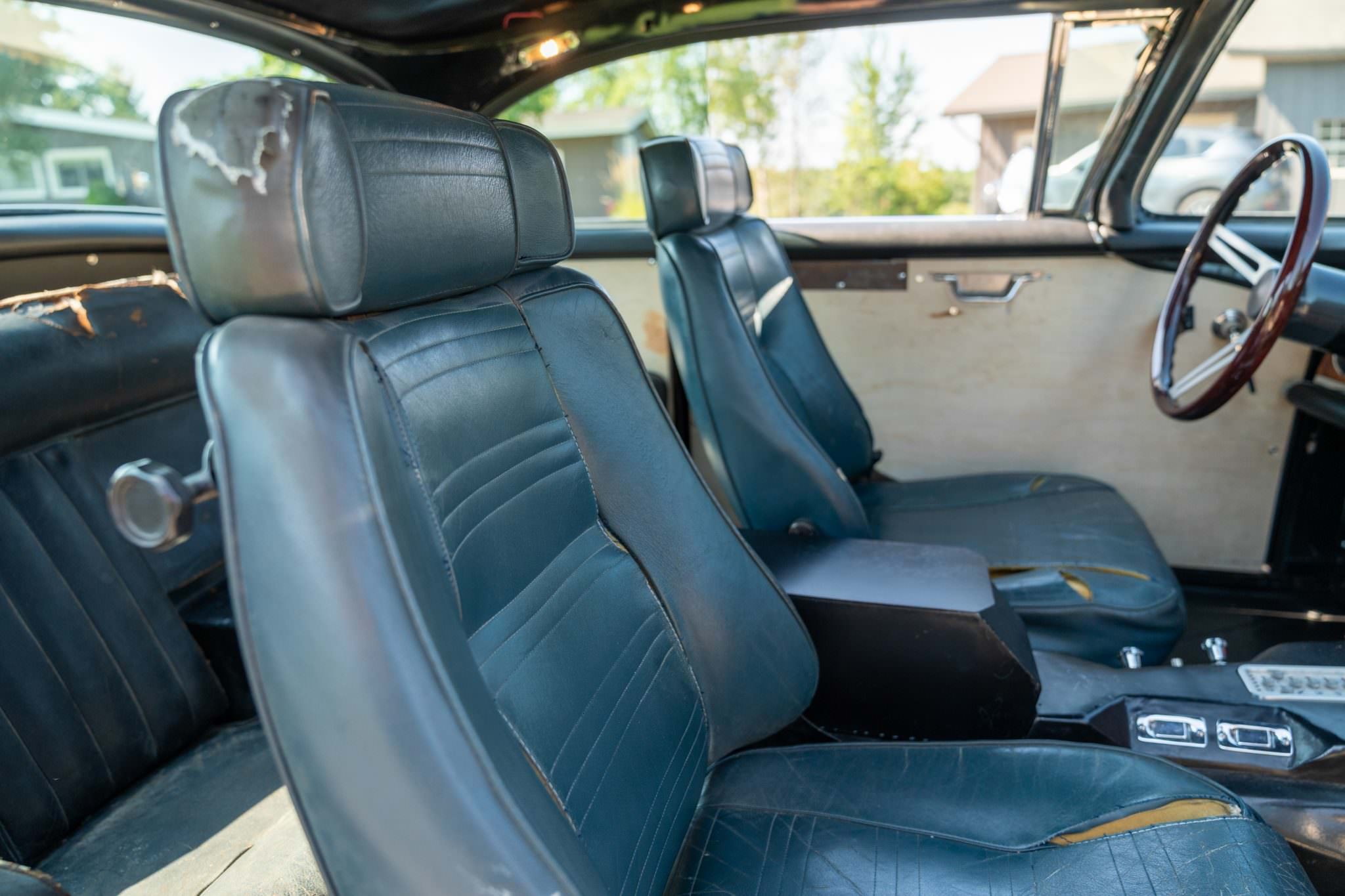
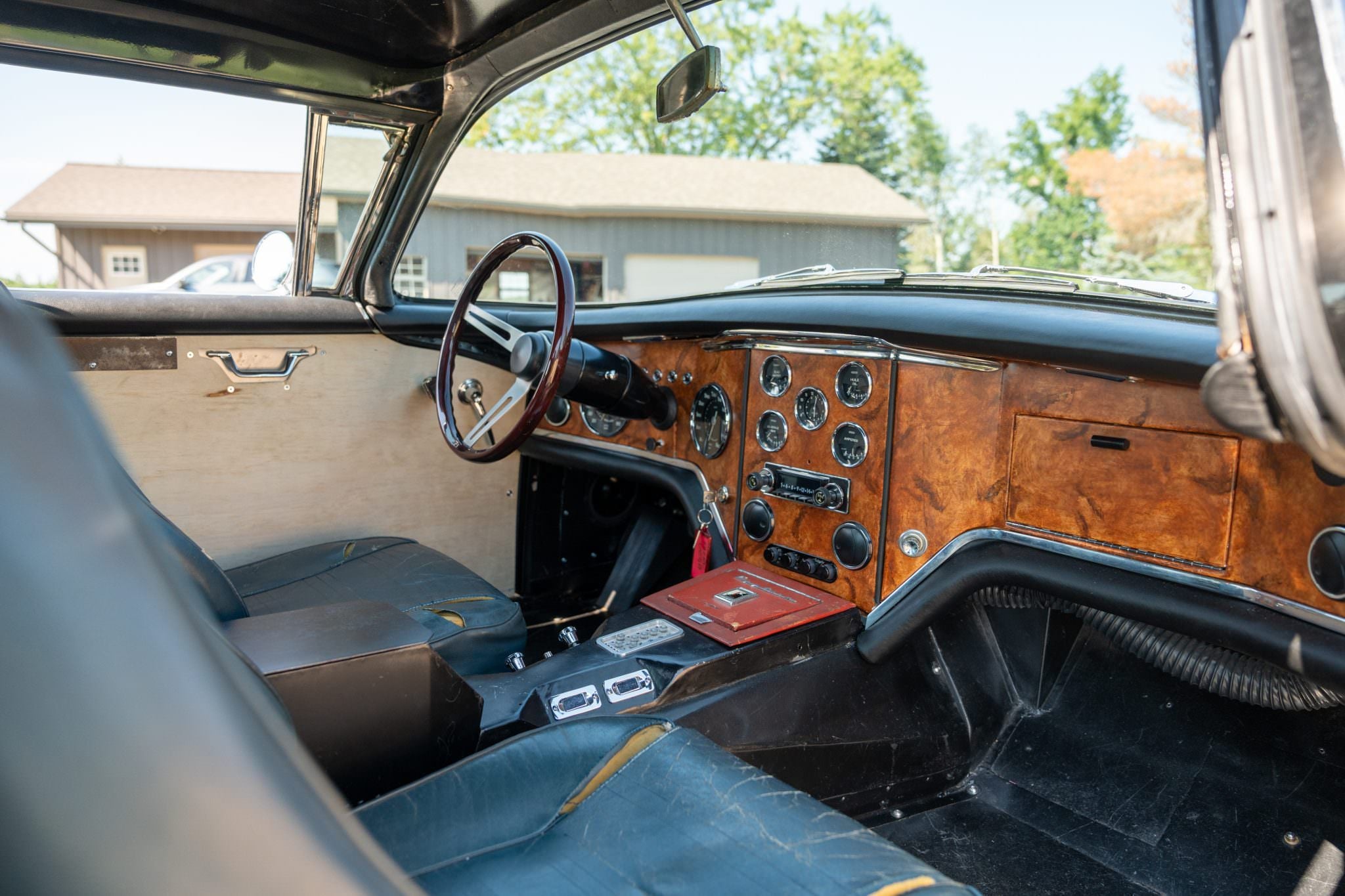
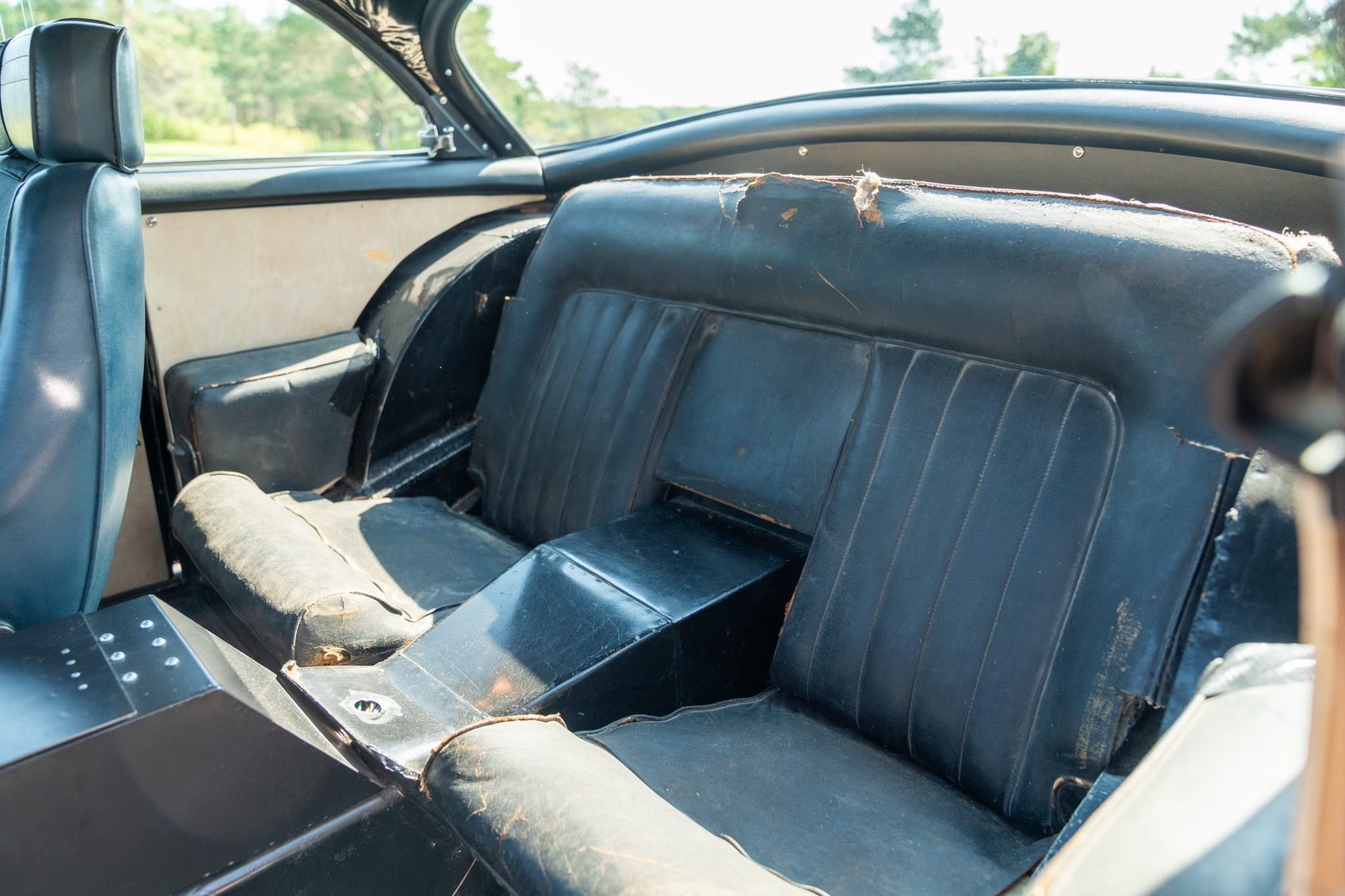
Inside, the car remains a running project rather than a finished restoration – it has Alfa Romeo-sourced front bucket seats and the rear seats have worn leather upholstery, while the carpets, headliner, door-panel trim, and parts of the center console are currently removed.
This 1958 Facel Vega FV4 Typhoon is a US-market example delivered new through Max Hoffman in New York. The seller bought it in April of 2003 and imported it to Canada, then undertook an extensive body-off refurb and modification program.
It has rebuilt Facel Vega-branded Jaeger instruments, a Flaming River tilt steering column, RetroSound stereo, Retrotek push-button transmission controls, power windows, and an uncharged VintageAir climate-control system. The odometer shows 18 miles following the rebuild, although the seller says the car had roughly 70,000 miles beforehand and has covered about 600 miles during their ownership.
It’s now being offered for sale out of Uxbridge, Ontario, Canada with Ontario registration, refurbishment records and photographs, and the removed interior pieces and other spare parts. If you’d like to read more or place a bid you can visit the listing here.
Images courtesy of Bring a Trailer + Forges et Ateliers de Constructions d’Eure-et-Loir.

Articles that Ben Branch has written have been covered on CNN, Popular Mechanics, Smithsonian Magazine, Road & Track Magazine, the official Pinterest blog, the official eBay Motors blog, BuzzFeed, Autoweek Magazine, Wired Magazine, Autoblog, Gear Patrol, Jalopnik, The Verge, and many more.
Silodrome was founded by Ben back in 2010, in the years since the site has grown to become a world leader in the alternative and vintage motoring sector, with well over a million monthly readers from around the world and many hundreds of thousands of followers on social media.