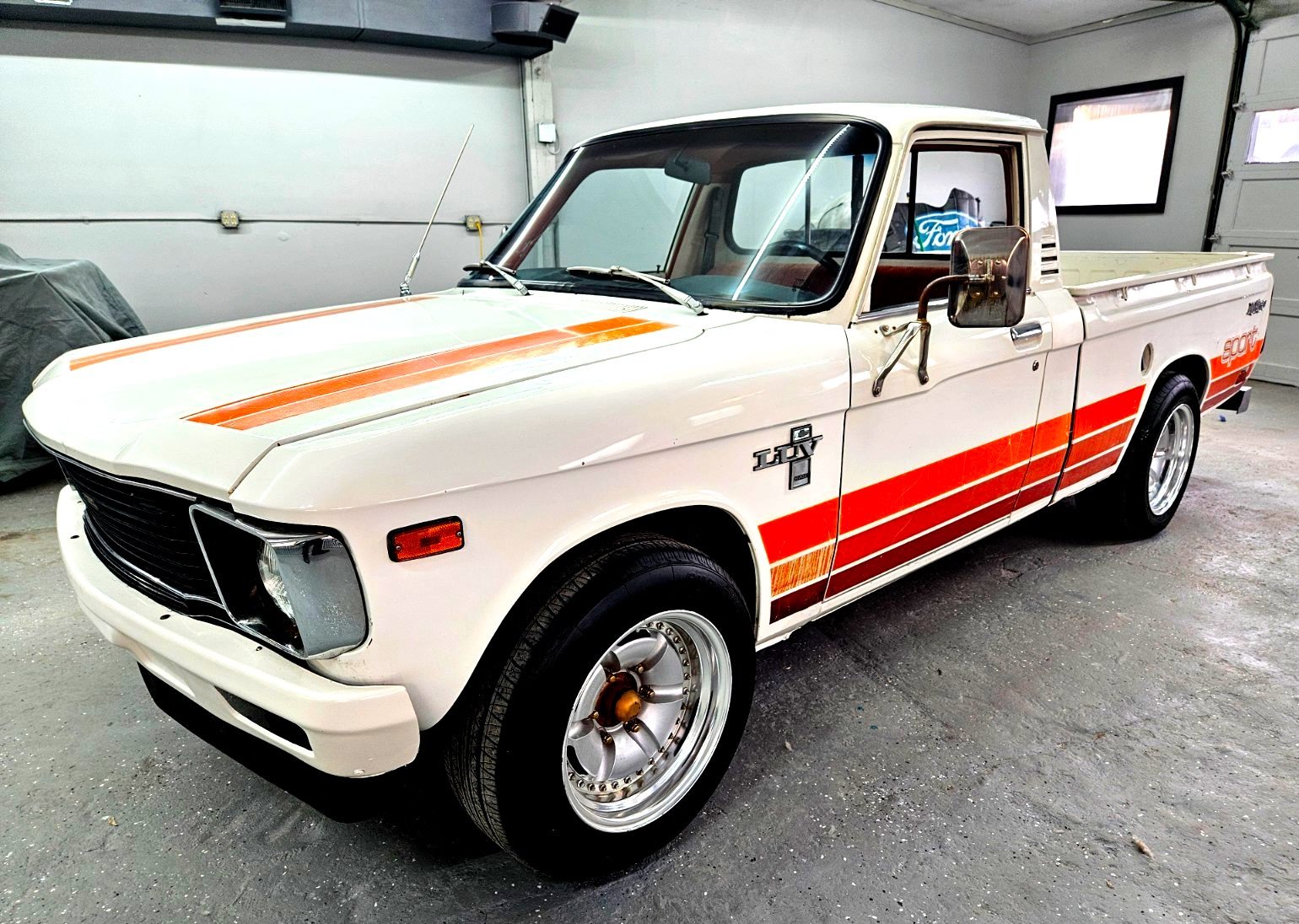
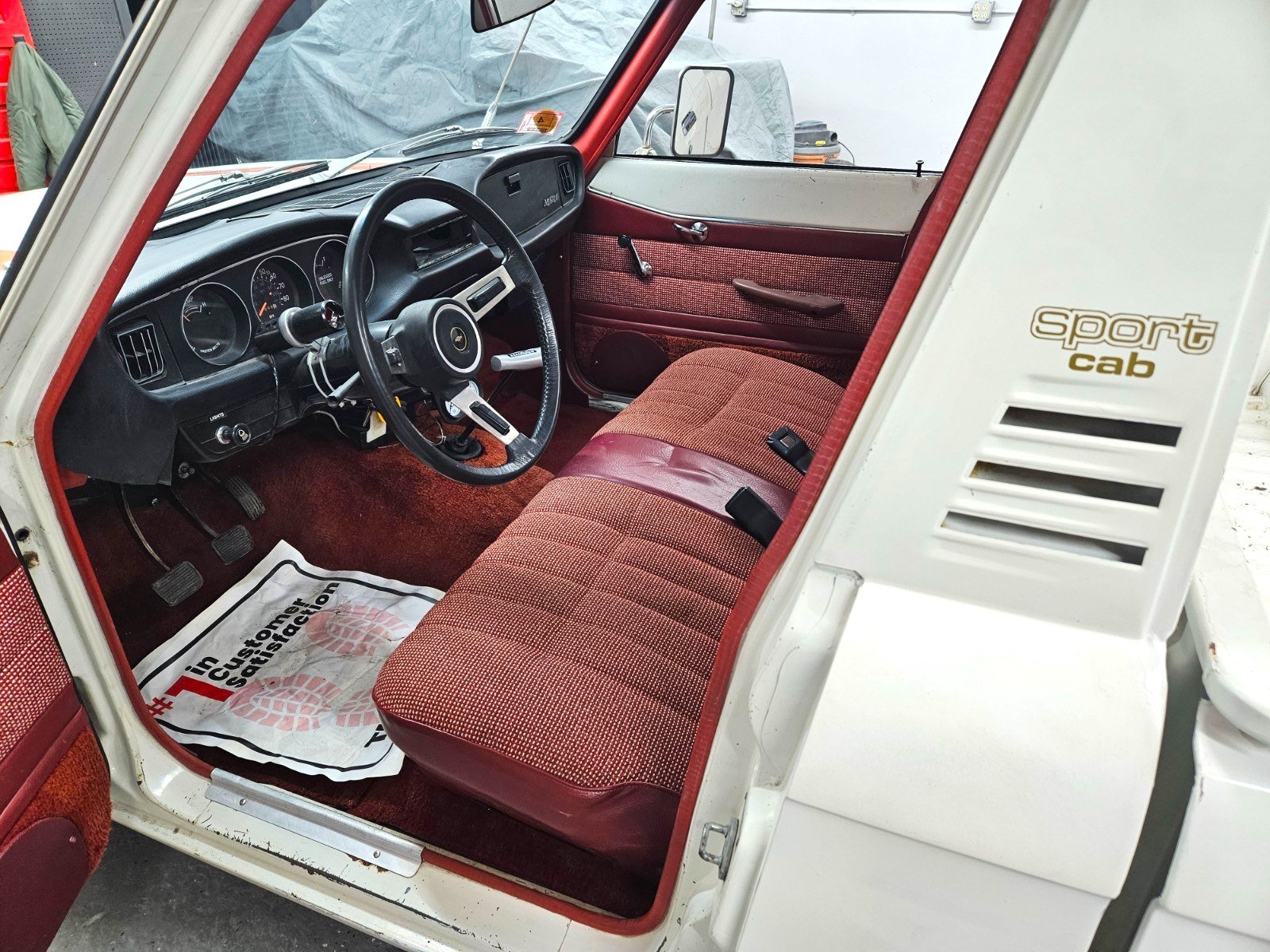
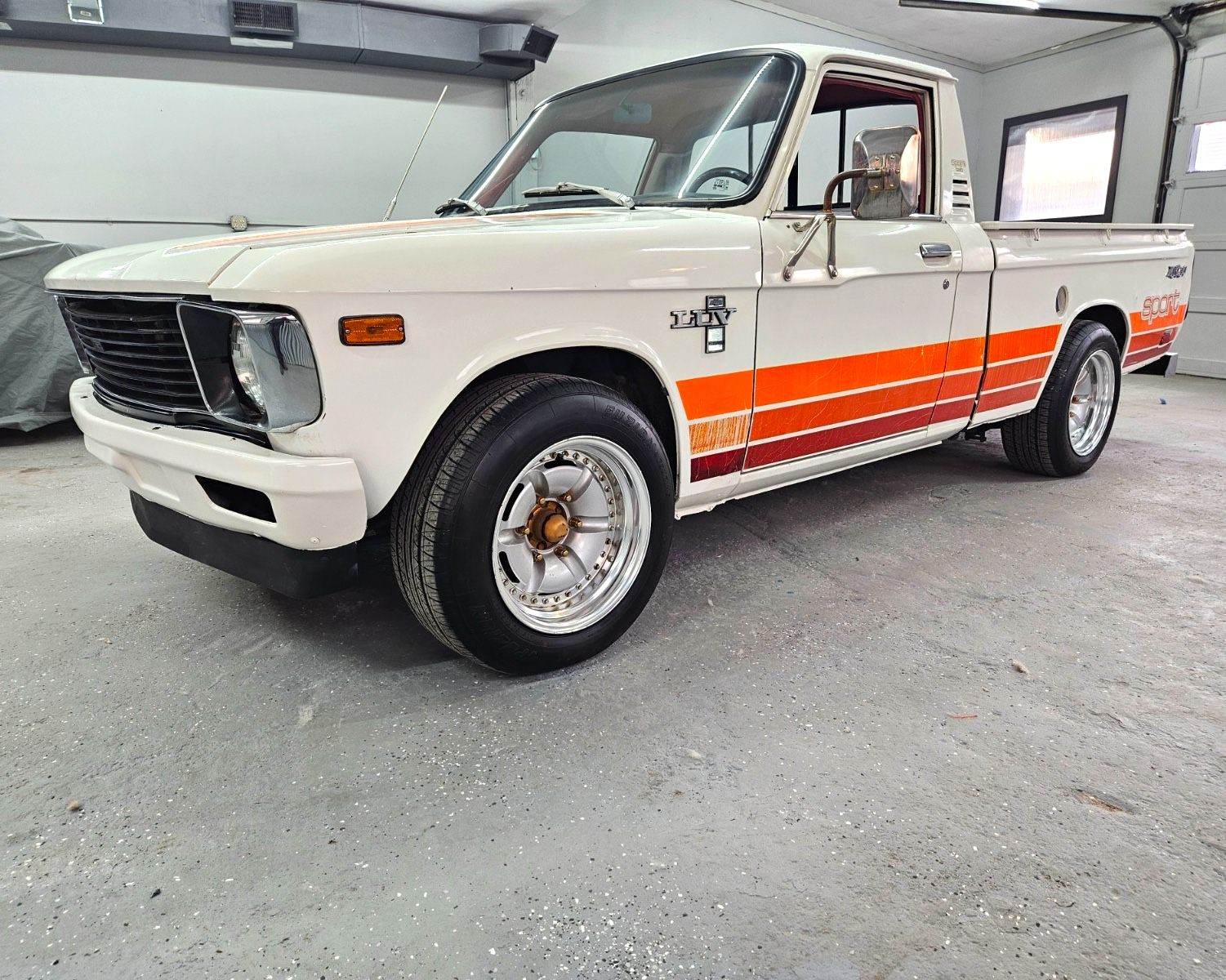
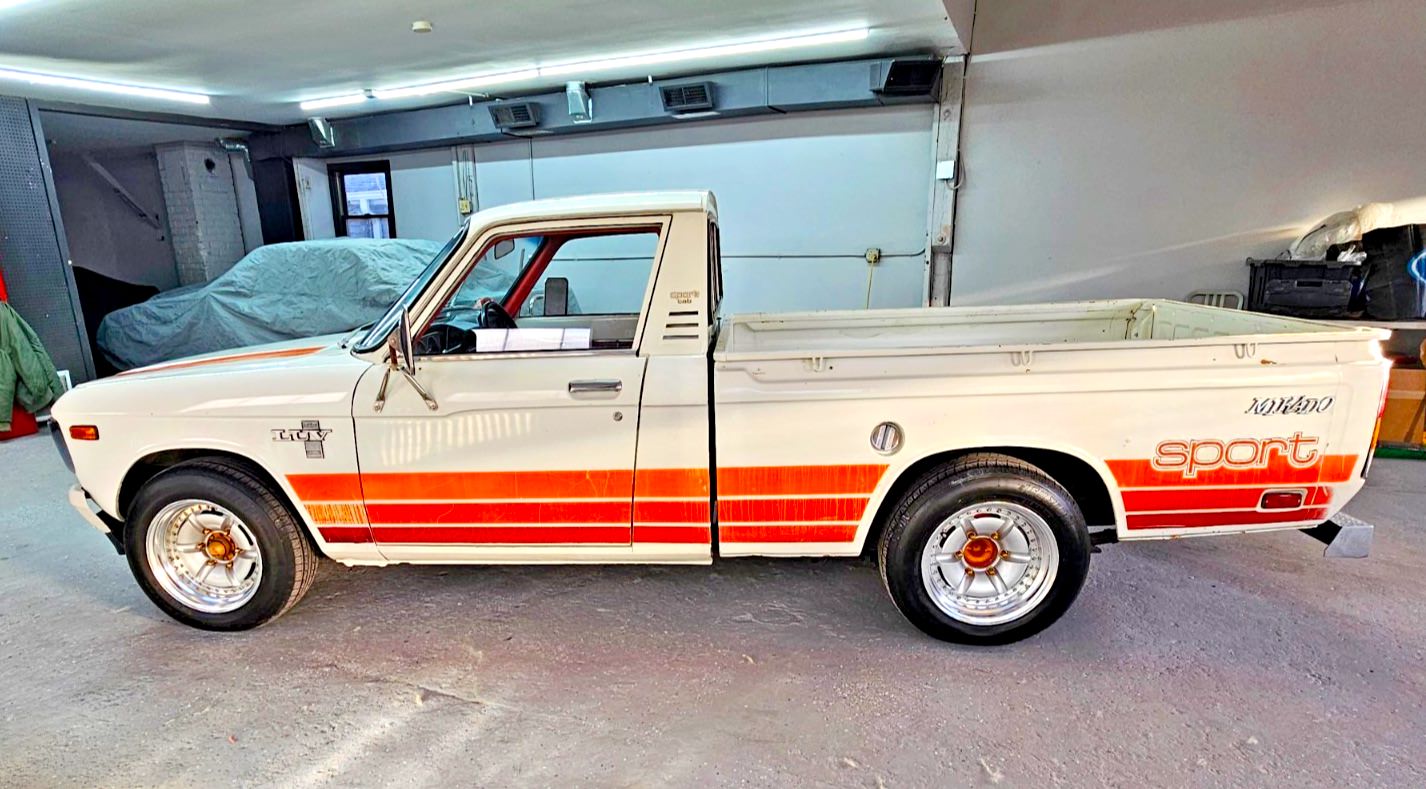
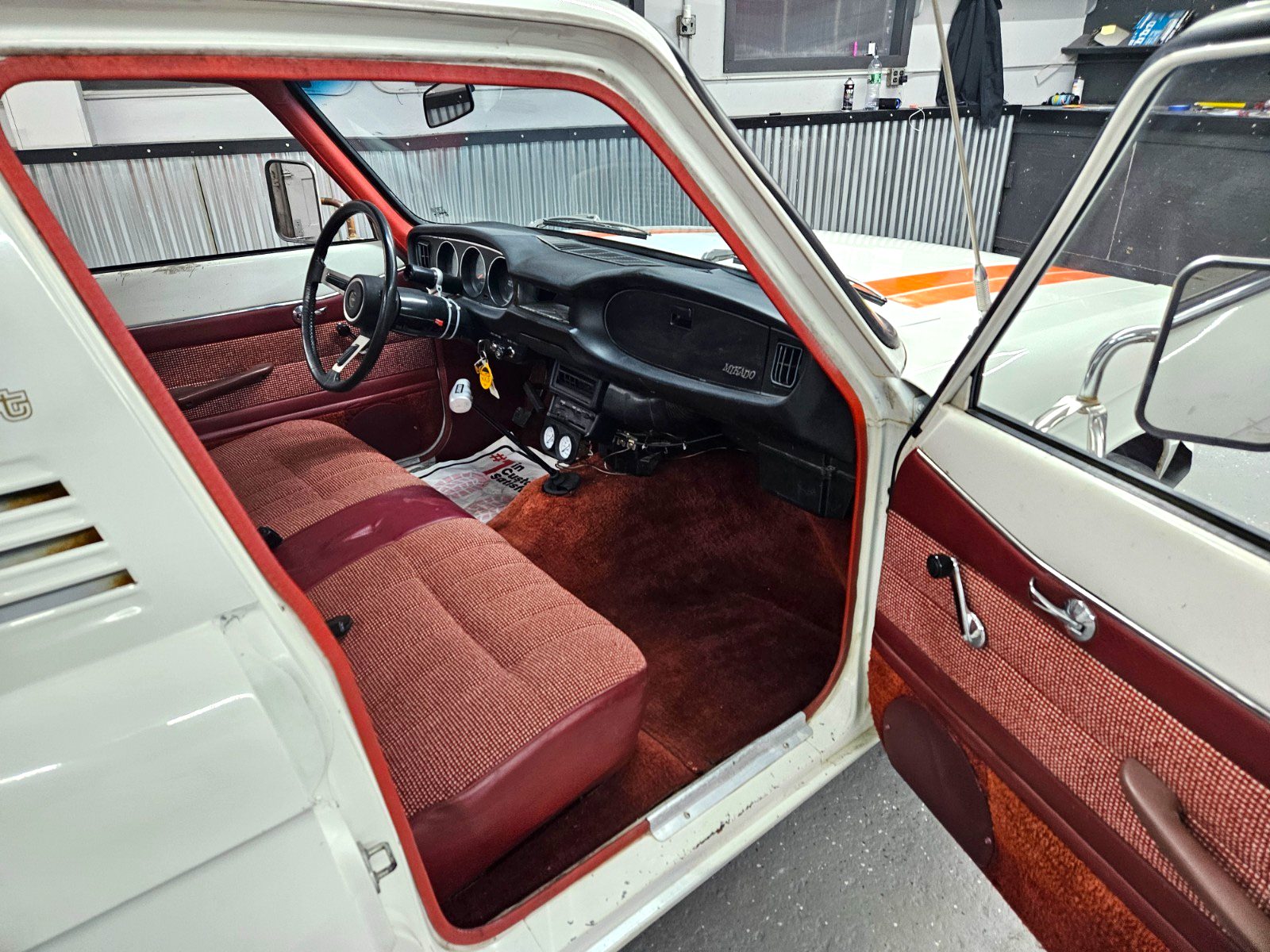
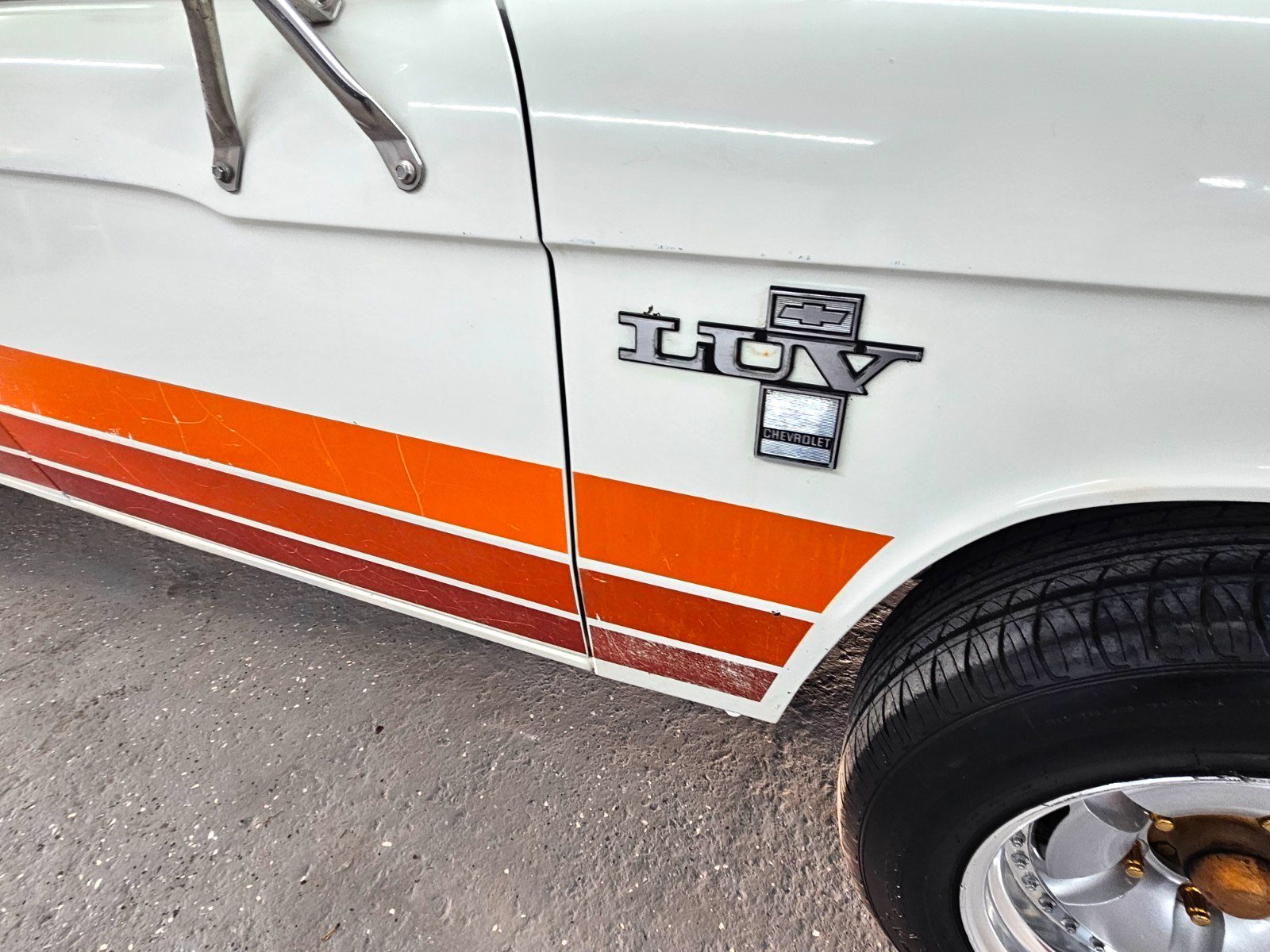
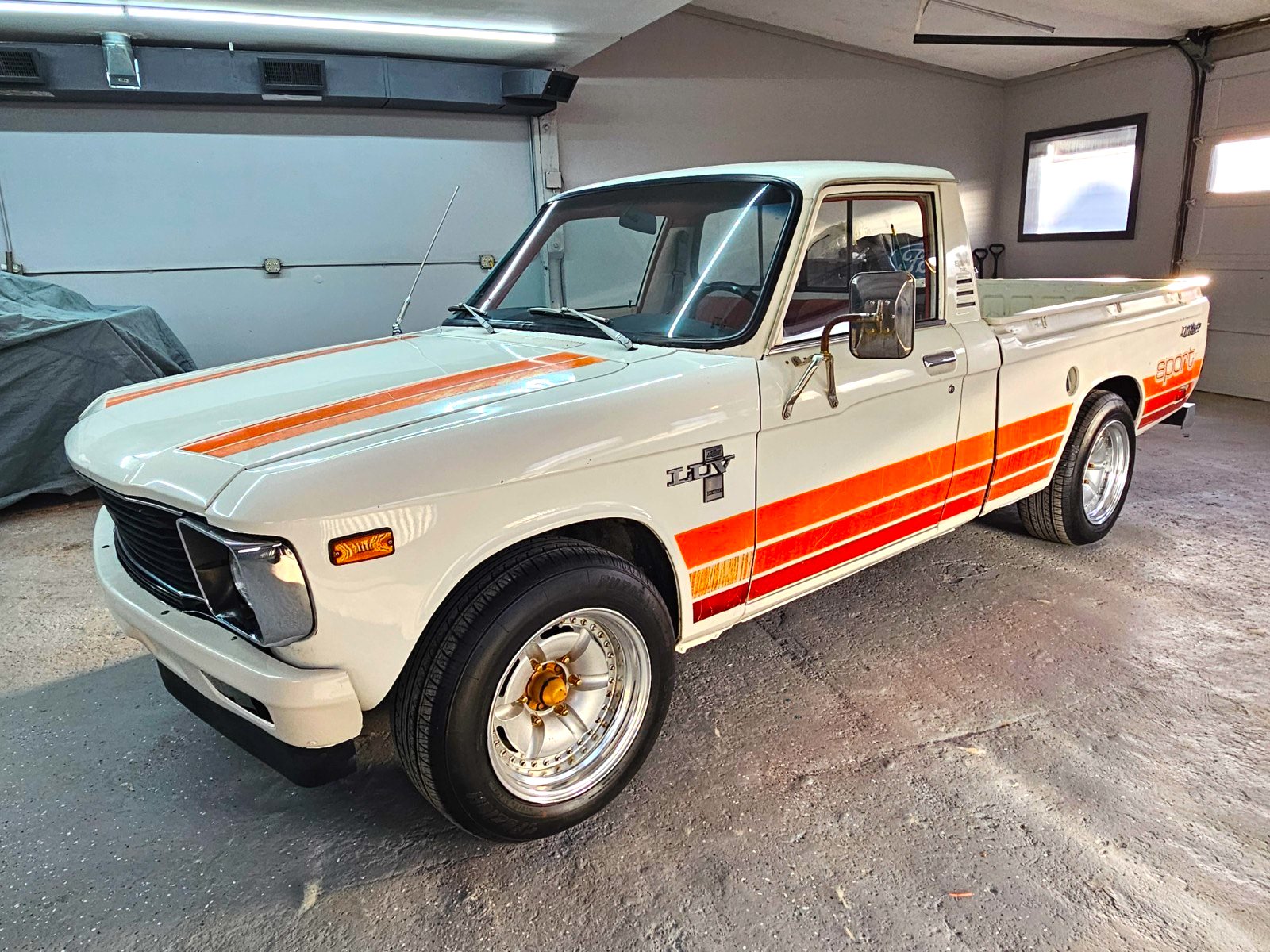
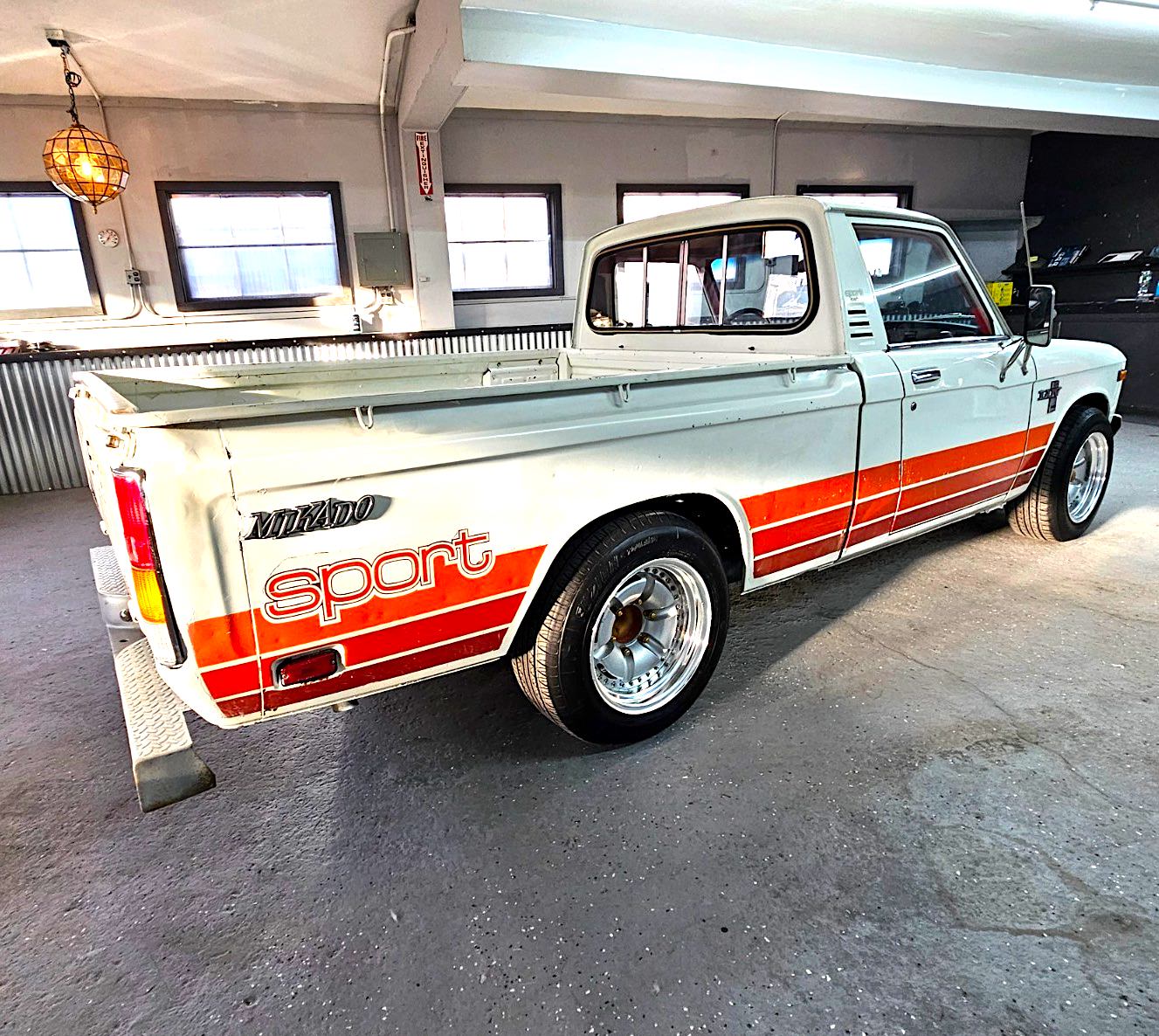
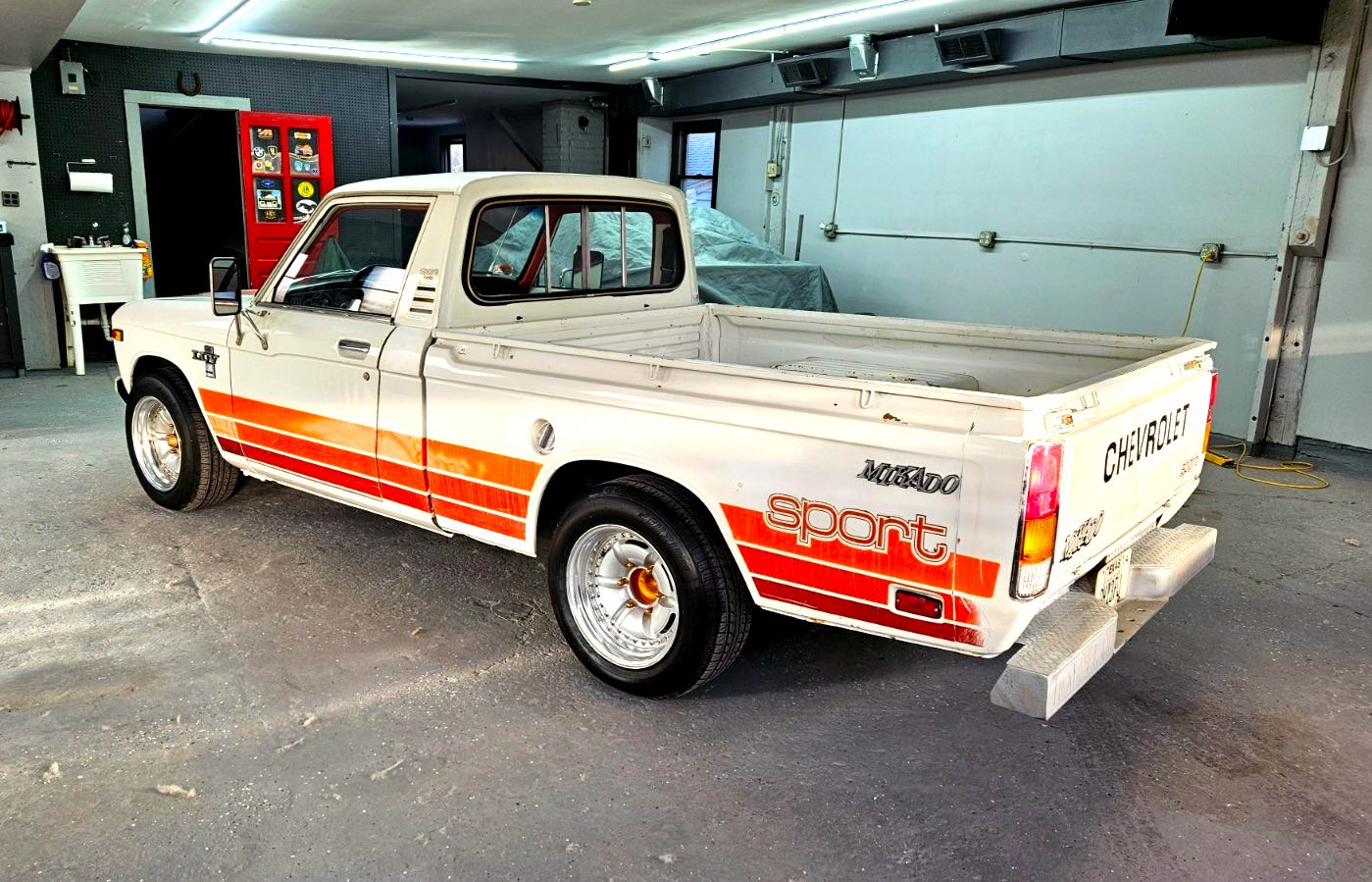
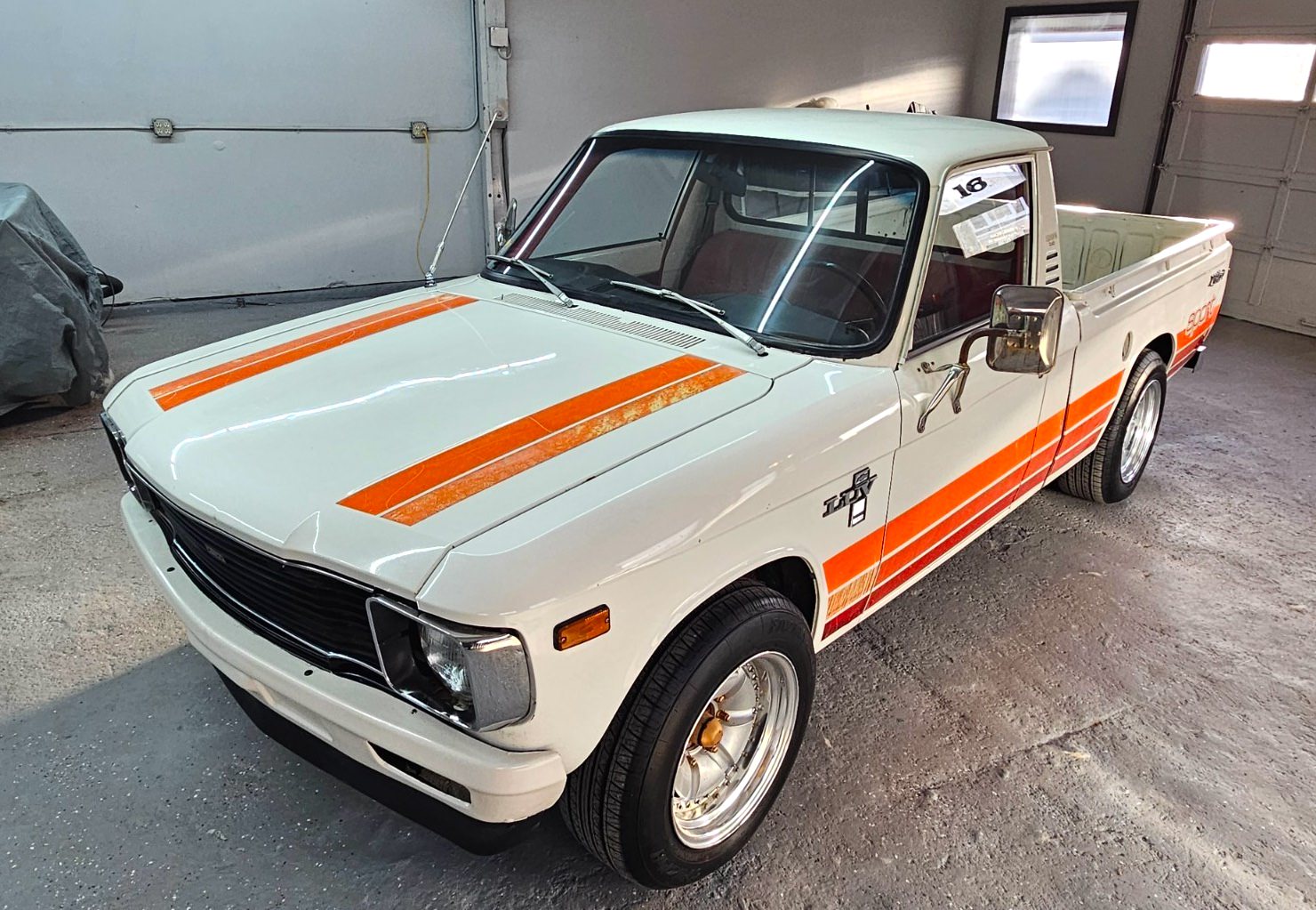
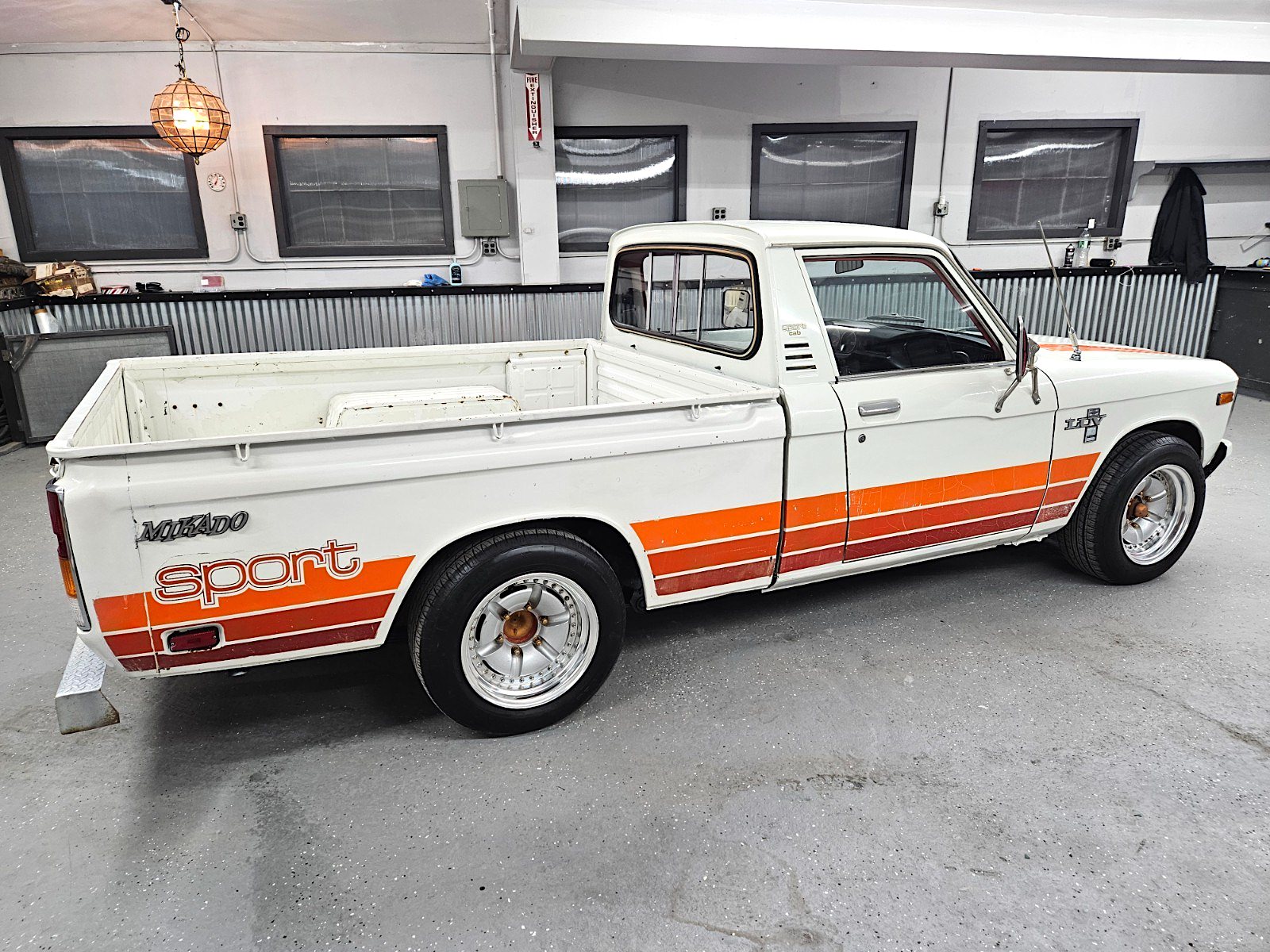
This is a 1980 Chevrolet LUV Sport Cab pickup truck that retains its original factory paint and retro side-stripes, as well as the original interior and drivetrain.
LUV was an acronym for “Light Utility Vehicle,” but the Chevrolet marketing team clearly felt that it would also appeal to many due to the much smaller size and cute looks of the diminutive truck. The LUV become a solid seller for Chevrolet, but relatively few have survived to the modern day.
Fast Facts: 1980 Chevrolet LUV Sport Cab
- This 1980 Chevrolet LUV Sport Cab represented Chevrolet’s early response to shifting buyer preferences toward smaller, more economical pickups. It’s based on the Isuzu Faster and it combined compact dimensions, simple engineering, with good fuel economy, offering an alternative to large V8 trucks during an era shaped by rising fuel costs.
- Introduced for the 1973 model year, the LUV arrived just ahead of the 1973 Oil Crisis, which hugely accelerated demand for fuel efficient vehicles. Sold through Chevrolet dealers and branded as a mainstream GM product, it proved that American buyers would accept a compact pickup, helping Chevrolet stay competitive while larger trucks briefly fell out of favor.
- Over the 1970s, the LUV evolved gradually with larger gasoline engines, an optional diesel, special appearance packages like the Mikado, and eventually four-wheel drive. These updates helped to further broaden its appeal beyond work and commercial use, foreshadowing later lifestyle-oriented compact pickups that became popular in the 1980s.
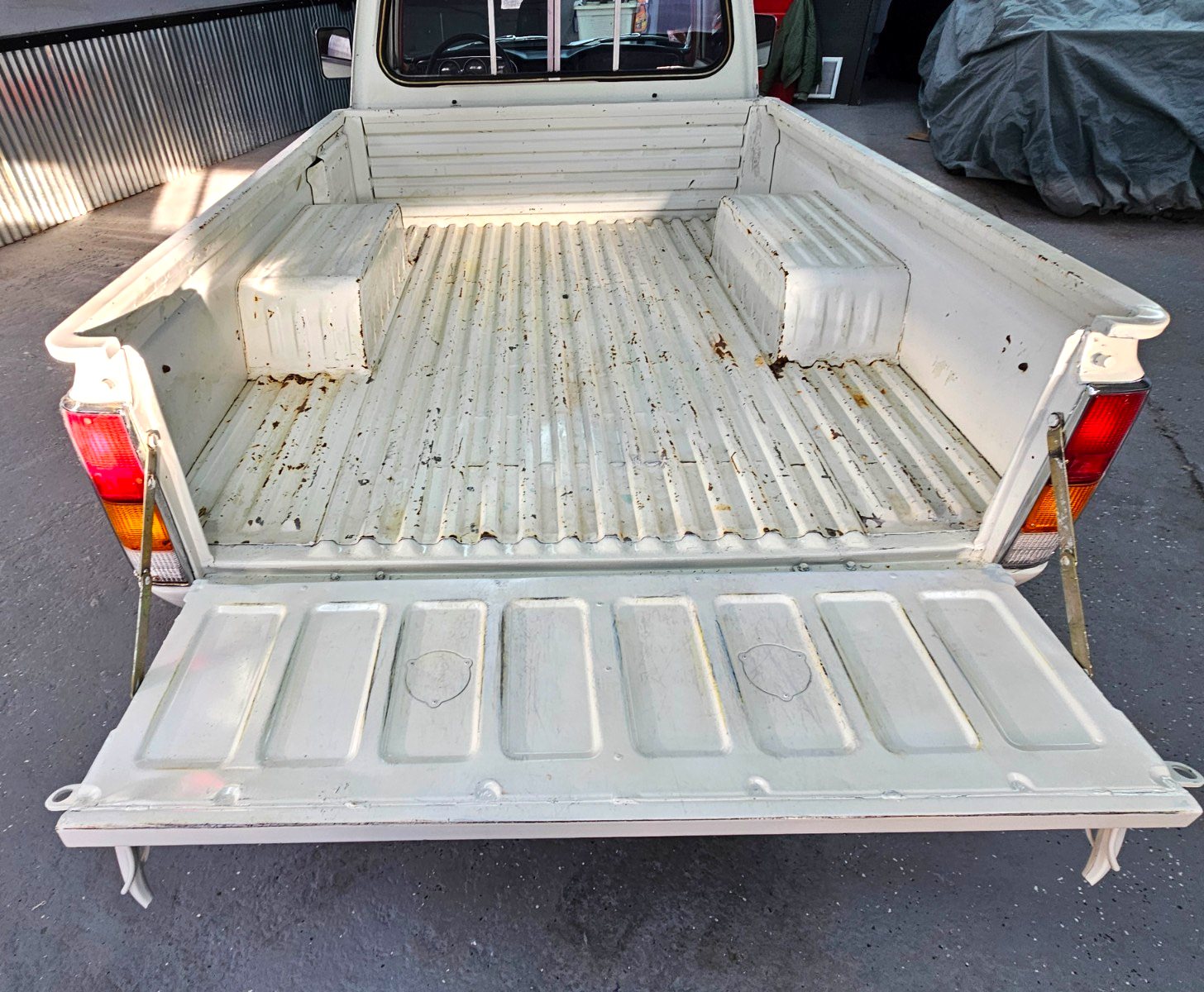
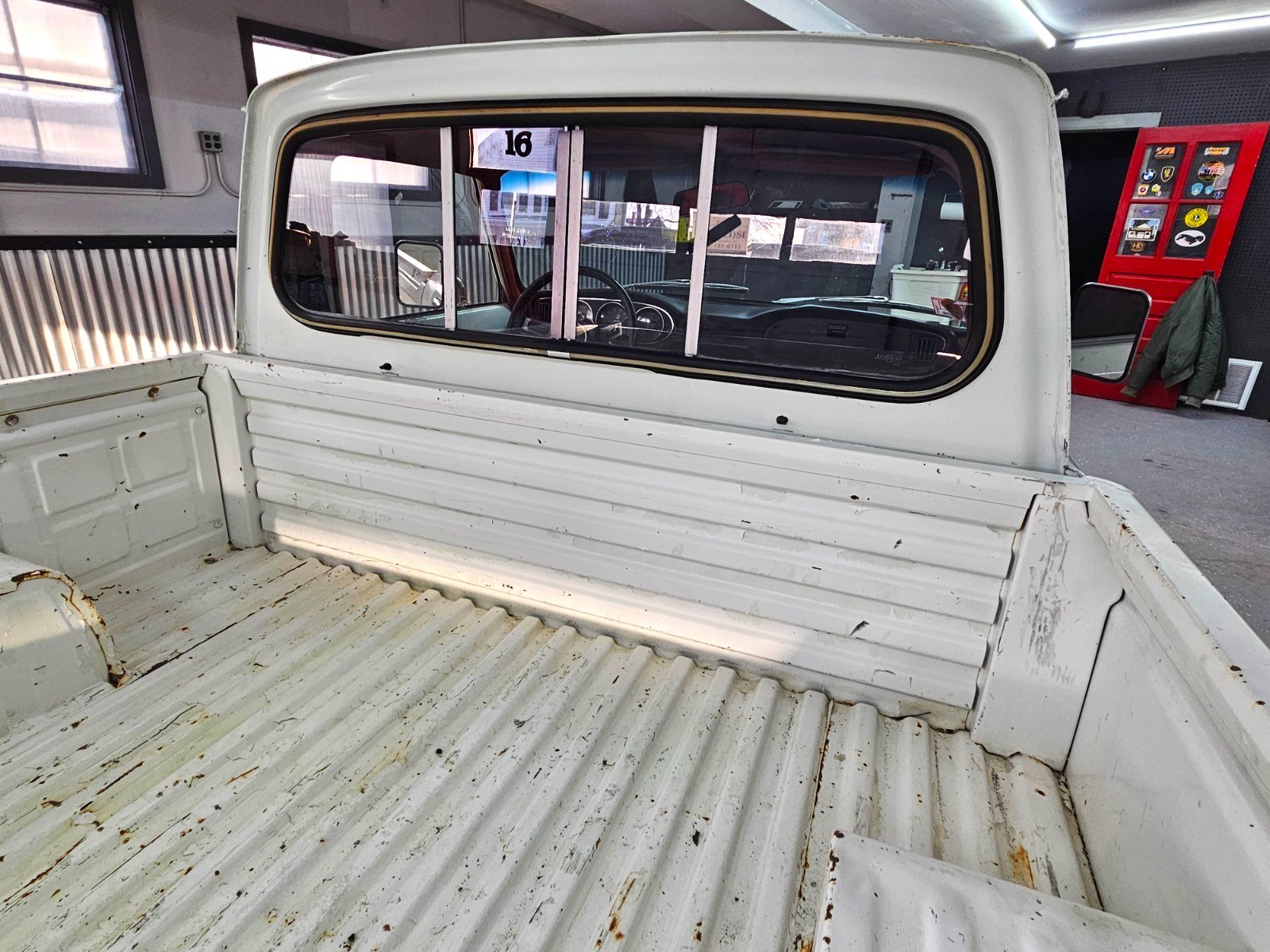
- The 1980 LUV Sport Cab shown here survives in overall original condition, keeping its factory paint, stripes, interior, and drivetrain. Very few remain today, making well-preserved examples like this increasingly collectible.
History Speedrun: The Chevrolet LUV
The Chevrolet LUV (short for Light Utility Vehicle) landed in the United States at a moment in time when the pickup truck market was rapidly changing. By the late 1960s and early 1970s, some American buyers were beginning to look beyond full-size trucks for something a little smaller and easier to live with for everyday use.
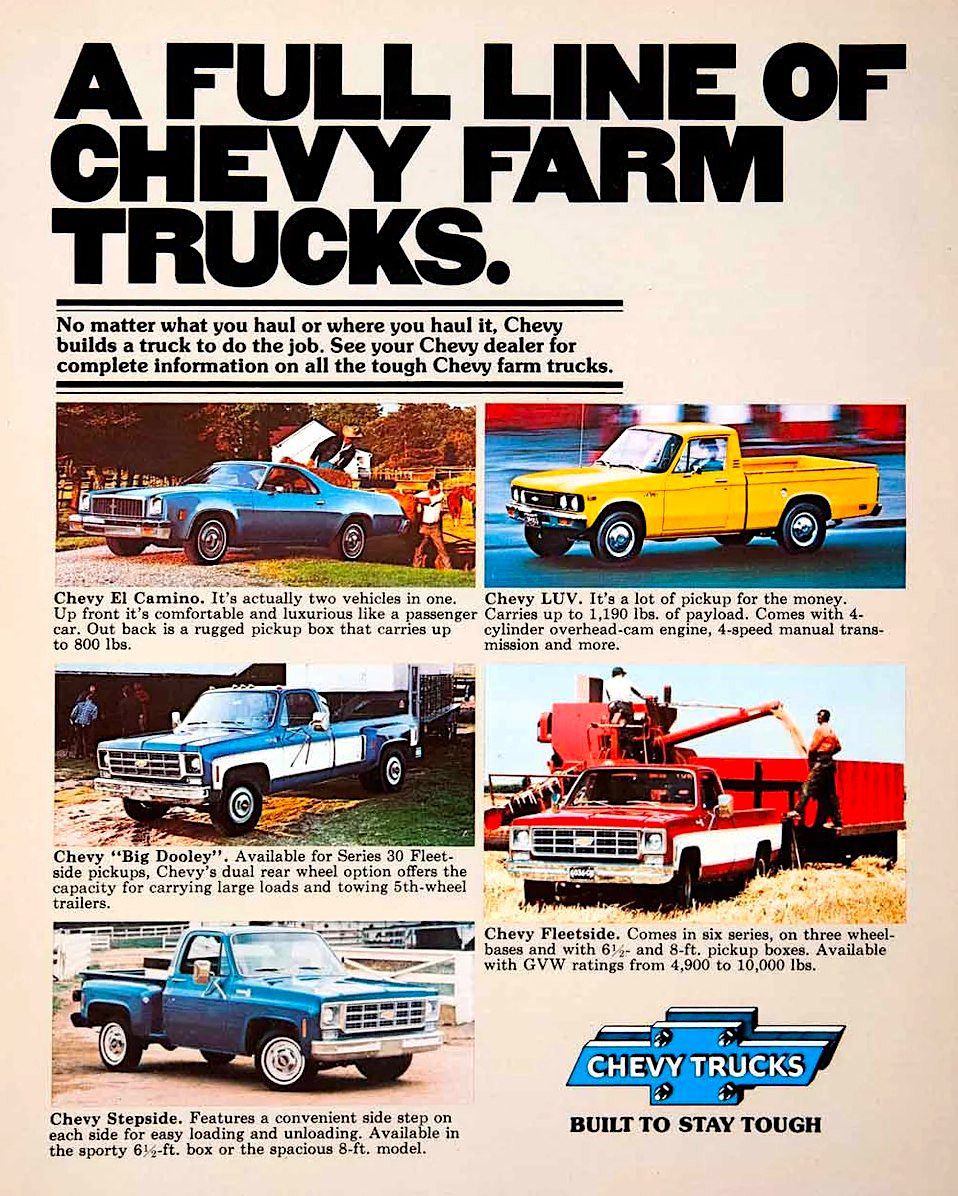
 Chevrolet made a concerted effort to integrate the LUV into its domestic lineup as a member of the family, not an unwanted stepchild. It was sold exclusively through Chevrolet dealerships, carried Chevrolet badging, and was marketed as a practical tool for small businesses and urban buyers who did not need (or want) a full-size truck. Image courtesy of General Motors.
Increasing urban congestion, shifting consumer sentiment based on increasing gas prices, and the growing popularity of imported cars created an opening that Detroit hadn’t seriously prepared for. Chevrolet’s answer was unconventional but hugely practical – they simply imported a compact pickup truck and added their badging to it, rather than go the time and expense of developing one from scratch.
Rather than develop an all-new small truck internally, General Motors decided to leverage its existing relationship with Japanese commercial and consumer vehicle manufacturer Isuzu. The result of the collaboration was the Chevrolet LUV, which was directly based on the Isuzu Faster, a compact pickup already sold in many overseas markets and proven to be a well-engineered, reliable little truck.
This strategy allowed GM to respond quickly to the shifting market while avoiding the cost and delay of in-house development. It also allowed them to test the waters so to speak, and see if there was serious demand for a smaller Chevrolet pickup truck before dedicating the time and resources required to develop their own model in-house.
The Chevrolet LUV was introduced to the US market in 1972 for the 1973 model year, becoming Chevrolet’s first compact pickup sourced from outside North America.
At launch, the LUV was a sharp contrast to Chevrolet’s full-sized C and K-Series trucks. It was compact, lightweight, and simple, designed primarily for economy and maneuverability rather than towing or payload bragging rights.
Power initially came from a 1.8 liter Isuzu inline-four, delivering decidedly modest power output but it was highly competitive on fuel economy for the period, and this was a crucial selling point. A 4-speed manual transmission was standard in early trucks, with rear-wheel drive as the only configuration at launch.
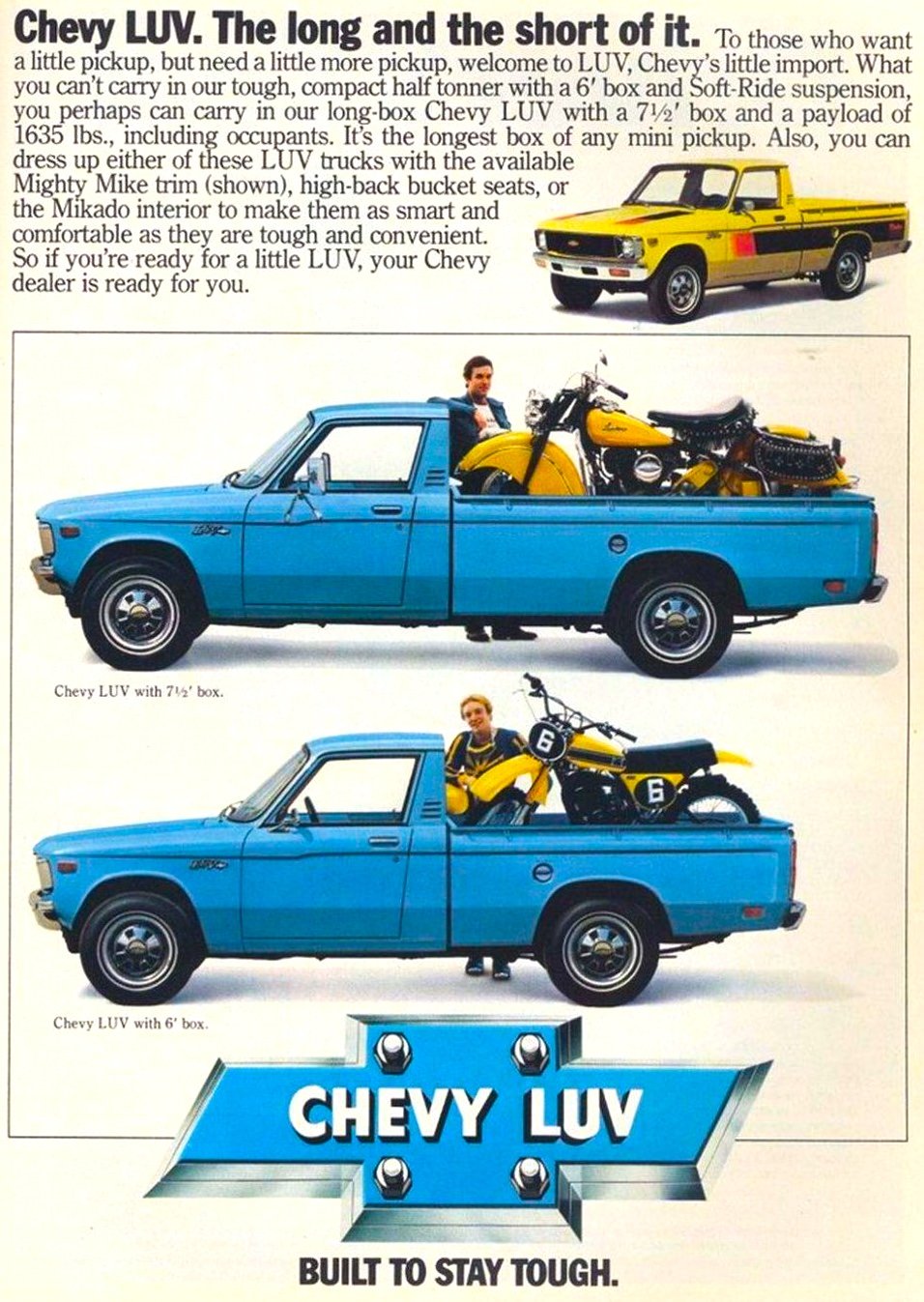
The Chevrolet LUV was introduced to the US market in 1972 for the 1973 model year, becoming Chevrolet’s first compact pickup sourced from outside North America. At launch, the LUV was a sharp contrast to Chevrolet’s full-sized C and K-Series trucks. It was compact, lightweight, and simple, designed primarily for economy and maneuverability rather than towing or payload bragging rights. Image courtesy of General Motors.
Chevrolet made a concerted effort to integrate the LUV into its domestic lineup as a member of the family, not an unwanted stepchild. It was sold exclusively through Chevrolet dealerships, carried Chevrolet badging, and was marketed as a practical tool for small businesses and urban buyers who did not need (or want) a full-size truck.
The timing of the debut of the LUV couldn’t possibly have been better. Just a year or so after its 1972 introduction, the 1973 Oil Crisis hit. Gasoline and diesel prices skyrocketed around the world, particularly in the United States, and suddenly all those large, heavy V8 pickup trucks seemed like a liability.
Americans started buying smaller, more fuel efficient cars in their droves, many of which were imports. Many American manufacturers were caught off guard, but Chevrolet product planners now looked like they had the ability to see into the future, the LUV became a solid seller, and proved the validity of a smaller-sized American pickup truck.
As the 1970s progressed, the LUV evolved in relatively small incremental steps. Engine offerings grew to include a more powerful 2.0 liter gasoline four-cylinder in later years, improving highway drivability while still keeping that all-important fuel economy in check. By the early 1980s, a 2.2 liter diesel engine option was also offered, aimed squarely at buyers prioritizing efficiency and commercial use.
One of the most distinctive chapters in LUV history came with the introduction of special appearance packages, the best known of which was the Mikado package, offered in the late 1970s. It included unique exterior graphics, color-keyed wheels, and interior upgrades that pushed the LUV toward lifestyle use rather than pure work/commercial duty.
These appearance packages were remarkably prescient, and they anticipated the later popularity of sport and image-oriented compact pickups that would explode onto the scene in the 1980s and beyond.
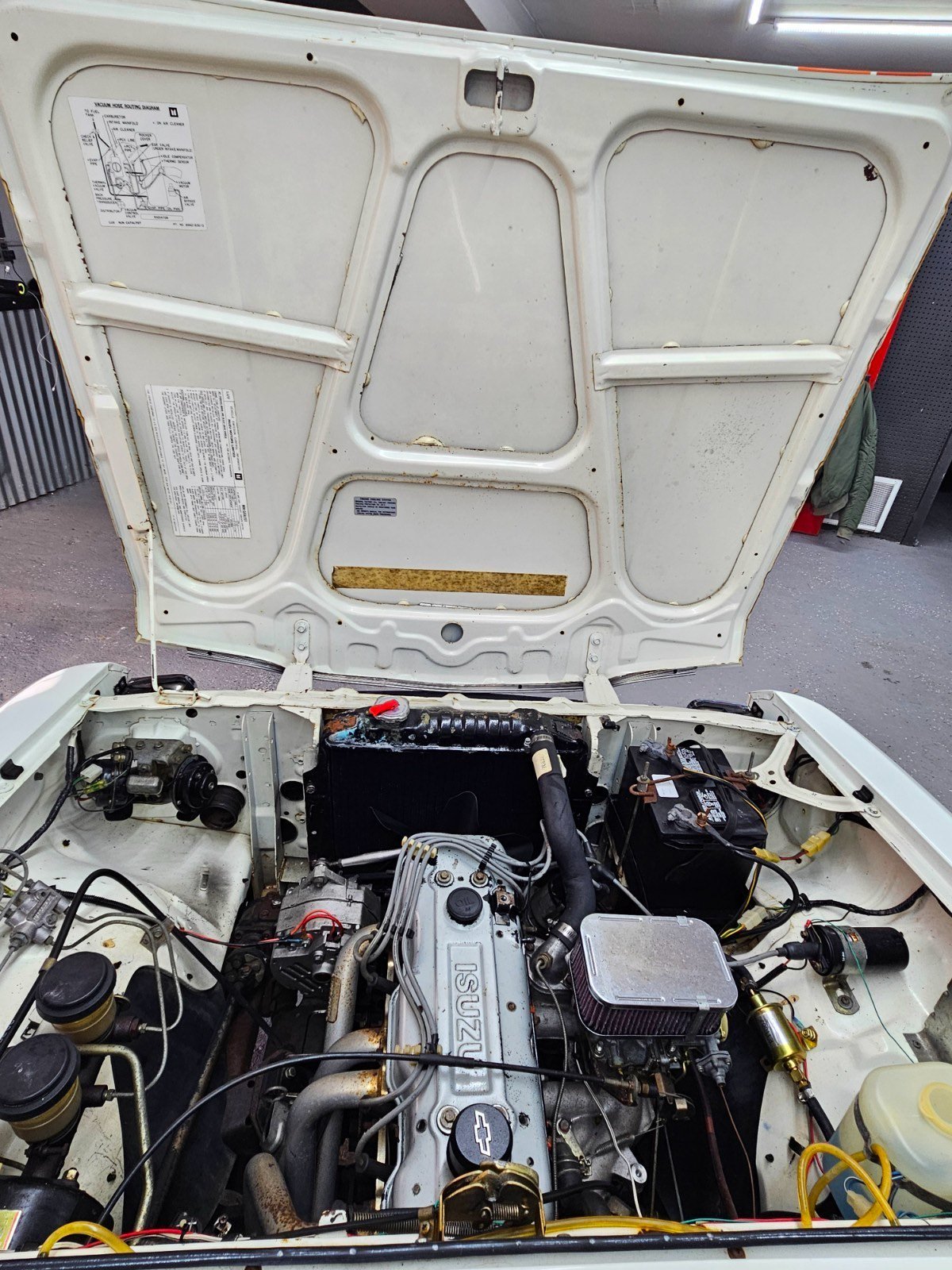
This truck is powered by the reliable G180 Isuzu engine, an inline-four gasoline engine with a single overhead cam and two valves per cylinder, producing 80 bhp from the factory with 95 lb ft of torque. Interestingly, versions of this engine were also used in the Isuzu Bellett GT, Opel Kadett, Isuzu Gemini, Chevrolet LUV, and in the Isuzu 117 coupe.
The LUV would further expand its model family with the introduction of four-wheel drive later in its production run. Four-wheel-drive versions, introduced near the end of the 1970s, had independent front suspension with torsion bars to improve road-handling. These trucks helped broaden the LUV’s appeal for buyers wanting to go off-road and in those northern snow-belt states where 4×4 is often seen as a mandatory feature for a pickup truck to ensure year-round usability.
By the early 1980s, the compact pickup market had changed significantly. Japanese manufacturers were selling trucks directly under their own brands, and Chevrolet was preparing a fully domestic replacement now that the concept had been conclusively proven. The Chevrolet S-10 pickup entered the lineup for the 1982 model year, and as it ramped up production, the LUV was phased out of the US market.
Surviving Chevrolet LUVs are relatively uncommon nowadays, particularly in original condition. They were inexpensive when new and not seen as particularly desirable by many – as a result most rusted out or ended up in scrapyards.
Original, surviving examples are now sought after by collectors but they remain thin on the ground.
The 1980 Chevrolet LUV Sport Cab Shown Here
The truck you see here is a 1980 Chevrolet LUV Sport Cab that remains in remarkably good, time capsule like condition throughout, right down to the unique paintwork with those classic retro stripes.
It’s powered by the reliable G180 Isuzu engine, an inline-four gasoline engine with a single overhead cam and two valves per cylinder, producing 80 bhp from the factory with 95 lb ft of torque. Interestingly, versions of this engine were also used in the Isuzu Bellett GT, Opel Kadett, Isuzu Gemini, Chevrolet LUV, and in the Isuzu 117 coupe.
Surviving Chevrolet LUVs are relatively uncommon nowadays, particularly in original condition. They were inexpensive when new and not seen as particularly desirable by many – as a result most rusted out or ended up in scrapyards.
Power is sent back through a 4-speed manual transmission to the rear axle, and the engine is said to be fitted with a Weber 32/36 carburetor and a Pertronix electronic distributor to improve power and reliability.
This LUV is now being offered for sale on eBay out of New Milford, Connecticut with a Buy It Now price of $12,500 USD. If you’d like to read more about it or make them an offer you can visit the listing here.
Images courtesy of Humble Rumble

Articles that Ben Branch has written have been covered on CNN, Popular Mechanics, Smithsonian Magazine, Road & Track Magazine, the official Pinterest blog, the official eBay Motors blog, BuzzFeed, Autoweek Magazine, Wired Magazine, Autoblog, Gear Patrol, Jalopnik, The Verge, and many more.
Silodrome was founded by Ben back in 2010, in the years since the site has grown to become a world leader in the alternative and vintage motoring sector, with well over a million monthly readers from around the world and many hundreds of thousands of followers on social media.