This is a rare, original 1969 Mustang Boss 429. It’s a car that was developed to homologate the 429 cubic inch semi-hemi V8 for use in NASCAR competition, and they’re now among the most collectible Mustangs ever made.
Ford’s 429 V8 was developed to take on the Chrysler 426 Hemi, an icon of the age. The 429 was given semi-hemispherical combustion chambers, a heavy duty rotating assembly, and large heads to make space for oversized ports for better flow.
Fast Facts: The 1969 Mustang Boss 429
- The 1969 Ford Mustang Boss 429 was created as a homologation special to qualify Ford’s new 429 cubic inch semi-hemi V8 for NASCAR. Kar-Kraft modified the Mustang’s engine bay, shock towers, suspension, and battery location to accommodate the huge engine, creating one of Ford’s most legendary muscle cars.
- The Boss 429 V8 used aluminum cylinder heads, large valves, high-flow ports, and crescent-shaped combustion chambers. Ford officially rated it at 375 bhp and 450 lb ft, though actual output was widely believed to be higher. Every Boss 429 used a 4-speed manual transmission and 3.91 rear axle.
- Ford built 859 Boss 429s for 1969 and another 499 for 1970, giving a two-year production total of 1,358 cars. The relatively restrained exterior featured Boss 429 fender decals, a functional hood scoop, and Magnum 500 wheels, while the cabin remained close to a well-equipped standard Mustang.
- The featured 1969 example retains its matching-numbers 429 V8 and was delivered new through Jerry Alderman Ford Sales in Indianapolis. Finished in Wimbledon White over black vinyl, it underwent a two-year concours restoration completed in 2018 and comes with extensive documentation, original interior parts, and restoration photographs.
History Speedrun: The Ford Mustang Boss 429
When Ford unveiled the Boss 429 Mustang in 1969 it wasn’t meant as a mass-produced muscle car in the conventional sense. Instead, it was a homologation project – an engineering workaround to meet NASCAR’s requirement that racing engines be production-based. The car was essentially a Trojan horse, it was a street-legal Mustang built to get Ford’s new 429 cubic inch semi-hemi V8 past sanctioning bodies and onto the high-banked ovals of top flight NASCAR competition.
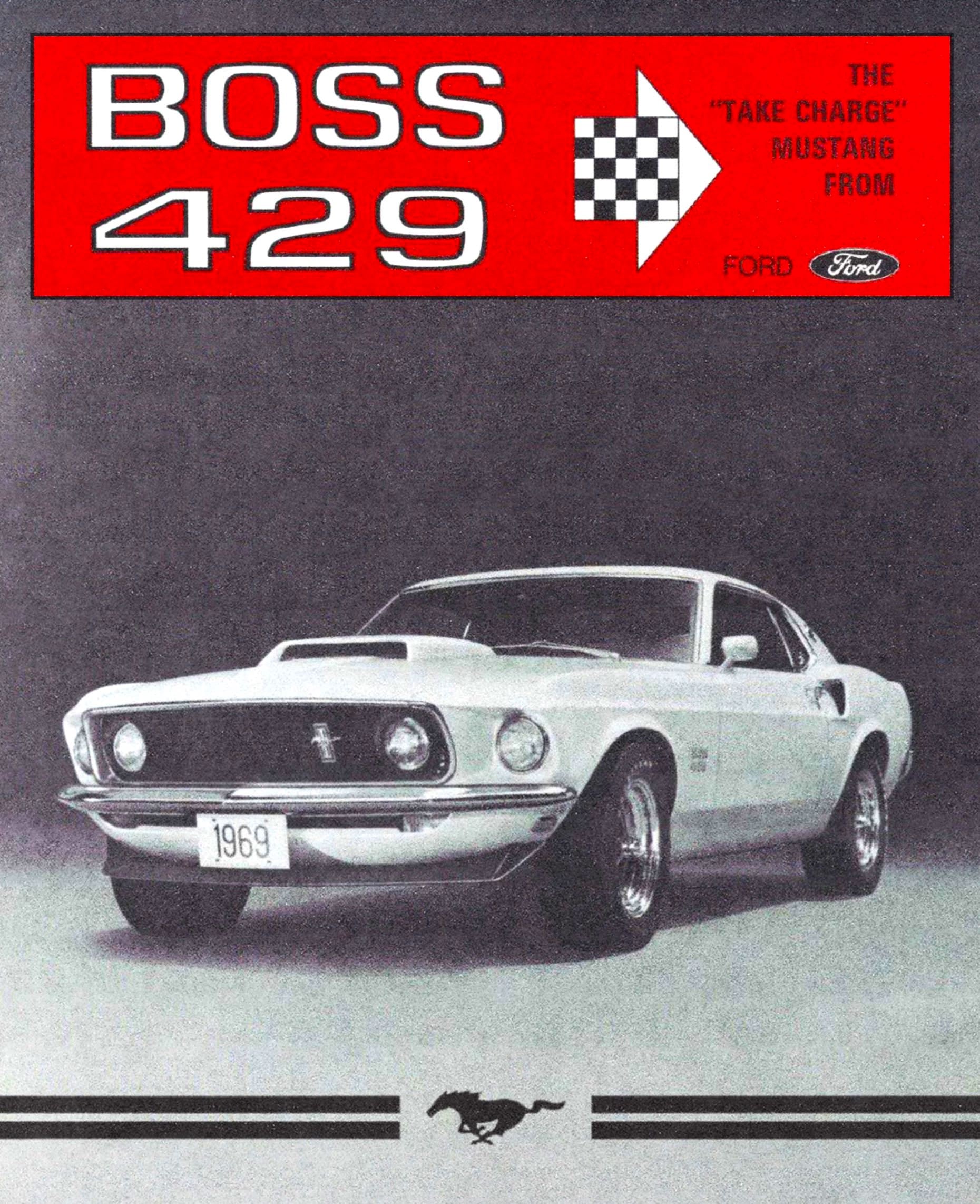
 Ford produced 859 Boss 429s in 1969, in 1970, the car returned with minor cosmetic revisions, including the new front-end design shared by the rest of the Mustang lineup. Only 499 were built for that model year, making the total production run just 1,358 units. Image supplied by Ford.
By the late 1960s, Ford was in a horsepower war on two fronts – the muscle car street scene and the NASCAR tracks where Chrysler’s 426 Hemi was dominating. To counter Mopar, Ford’s engineers developed a new big-block designed with hemispherical combustion chambers, massive cylinder heads, and the breathing capacity needed for sustained 7,000 rpm durability – that’s no small feat for a big block pushrod V8.
NASCAR homologation rules required that at least 500 street cars be produced with the new engine and the Mustang fastback was chosen as the host platform – not because it was the best fit but because Ford wanted the Mustang name associated with its latest on-track weapon.
The engine bay of a stock Mustang couldn’t accommodate the Boss 429, so Ford farmed the conversions out to Kar-Kraft, a specialty contractor in Brighton, Michigan, already known for its work on racing Fords including the legendary Le Mans-dominating Ford GT40.
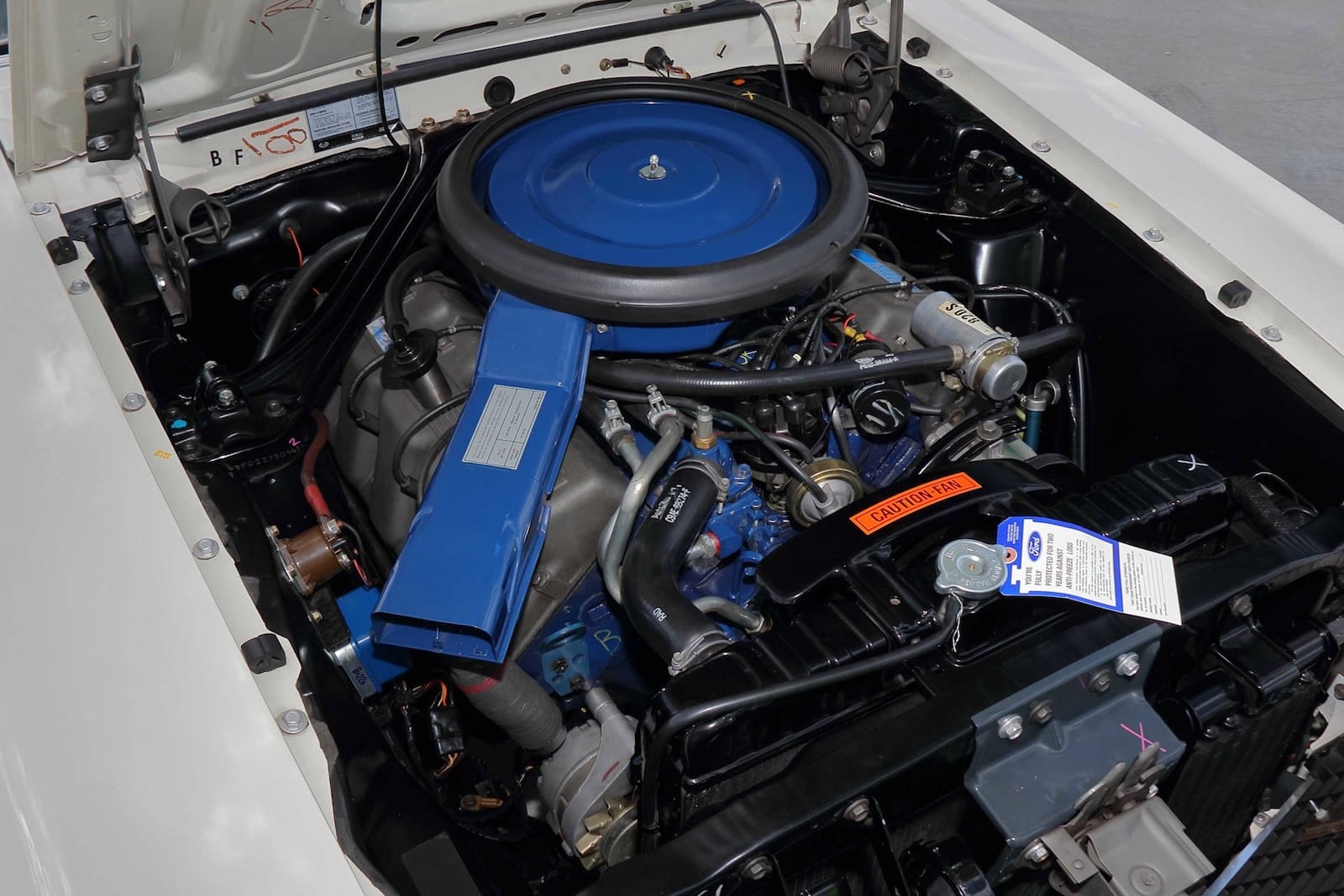
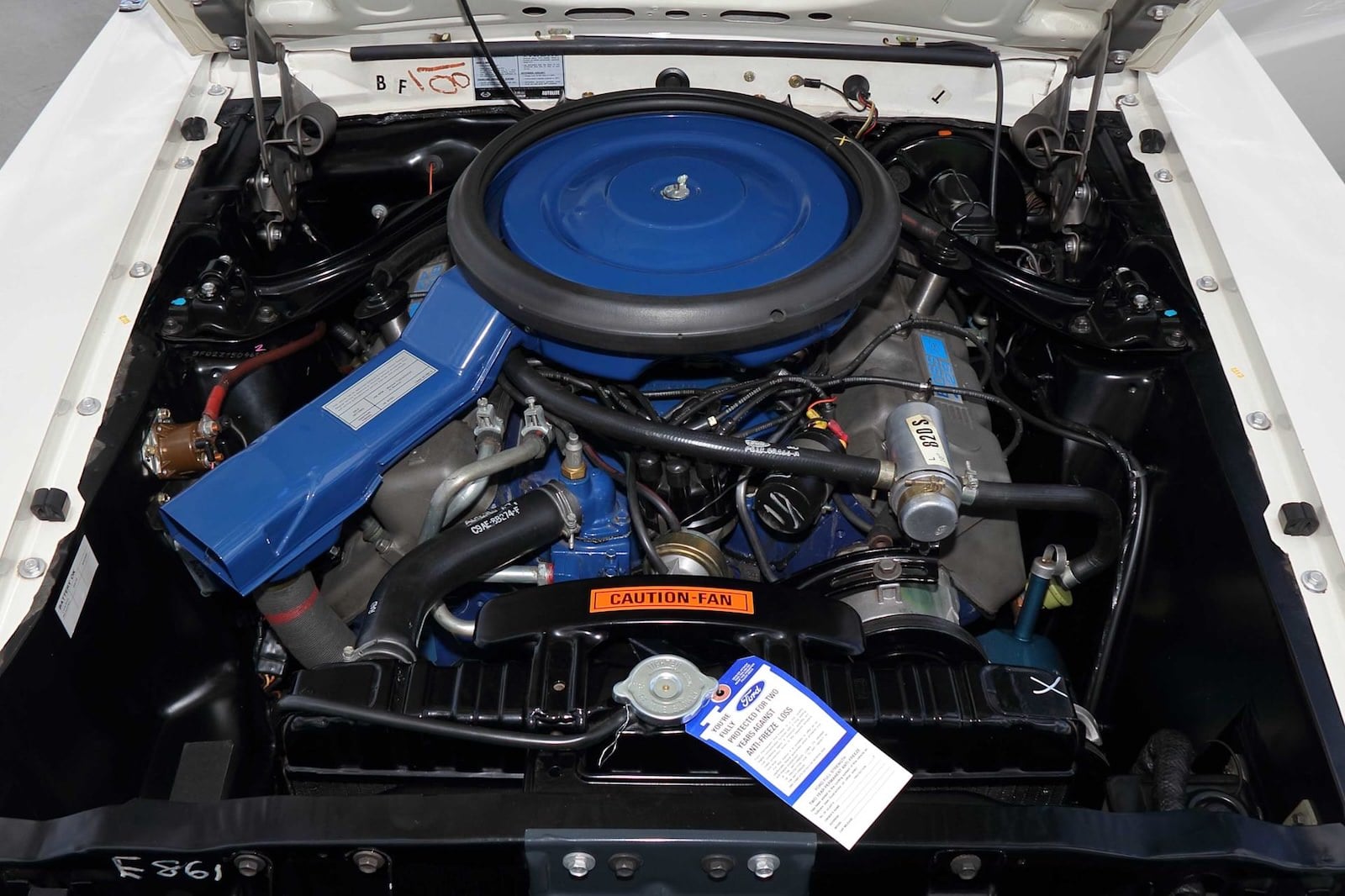
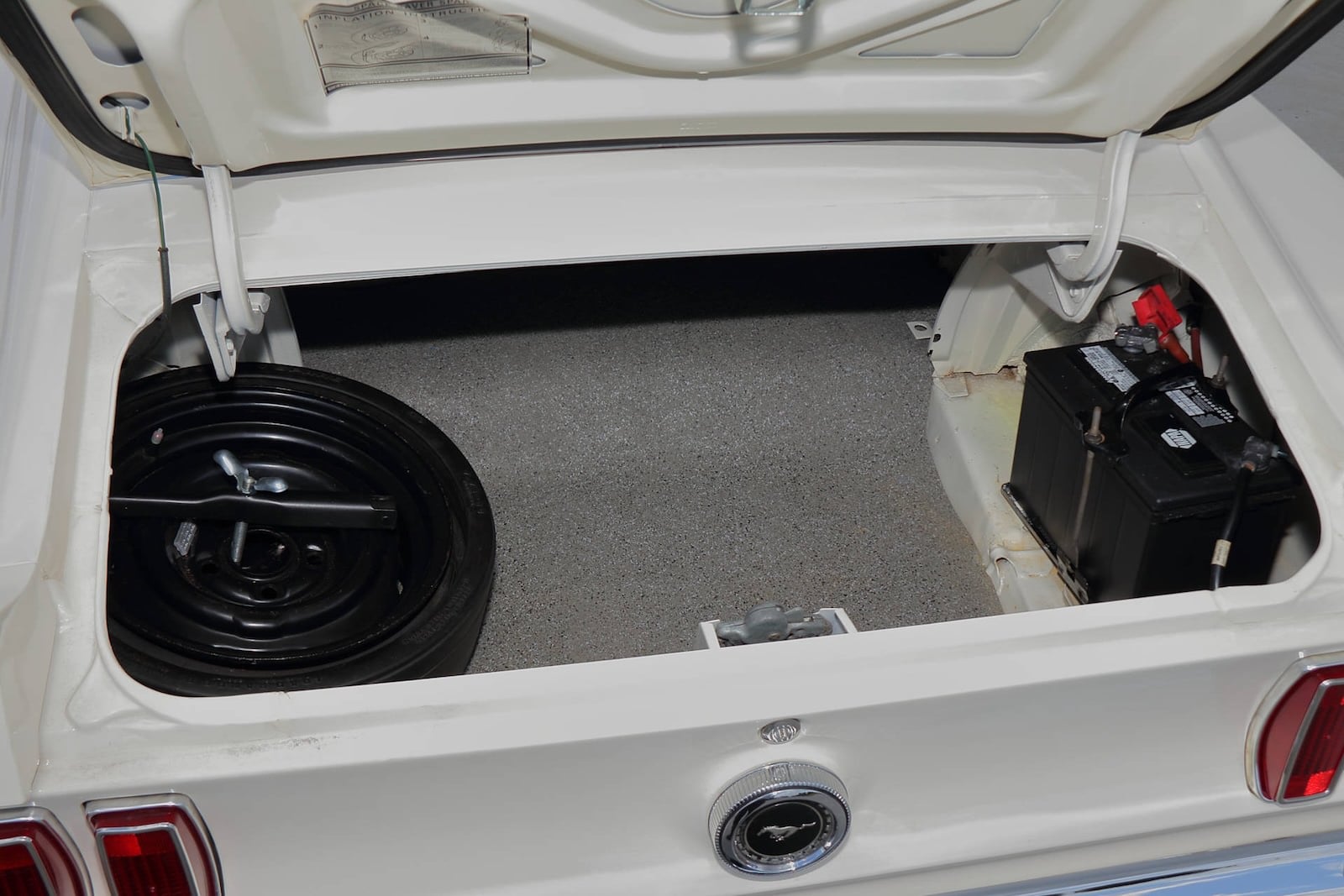
Kar-Kraft re-engineered the front end of the Mustang to accept the oversized V8. This meant widening the shock towers, relocating the battery to the trunk, and revising the front suspension geometry. These changes shifted the car’s balance and made it less nimble on the street. But handling wasn’t really the point, getting the Boss 429 engine onto the banked ovals was.
Where Did The Name “Boss” Come From?
The “Boss” name came from Ford designer Larry Shinoda, who had recently arrived from GM. When asked by colleagues what the secretive project he was working on was, Shinoda would jokingly say, “the boss’s car,” a reference to his boss Bunkie Knudsen, Ford’s recently hired president. The moniker stuck, first with the Boss 302 and then with the Boss 429.
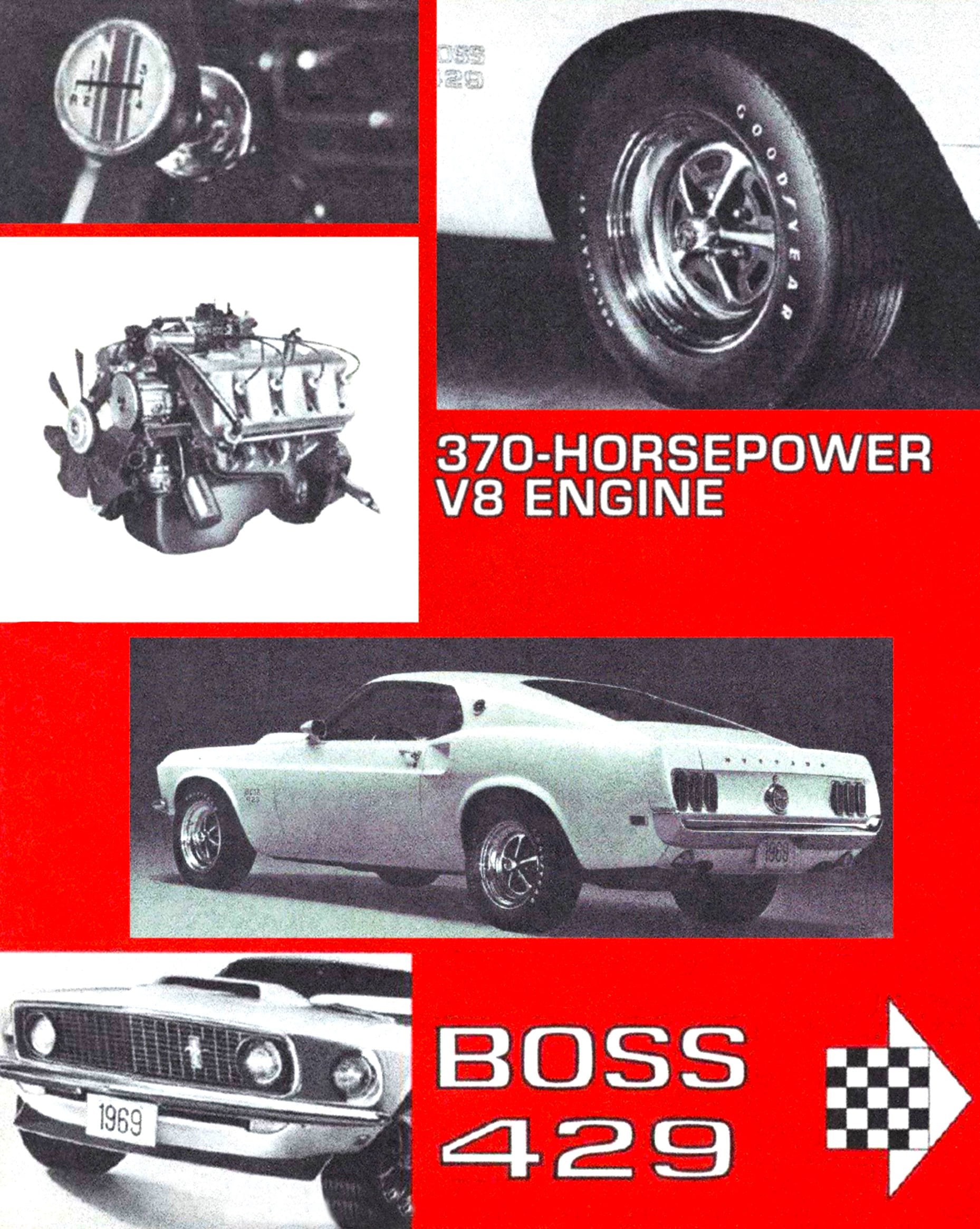
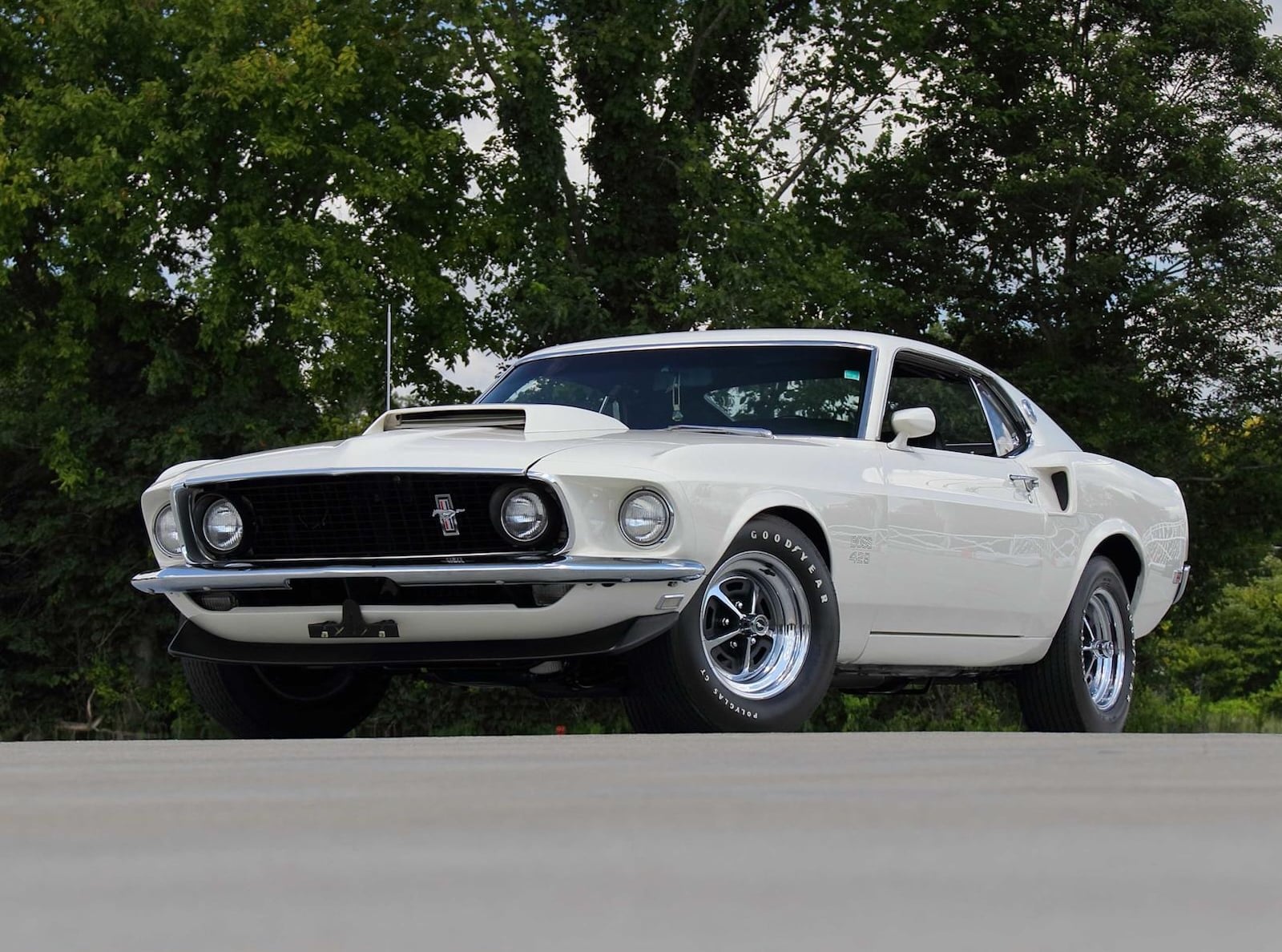
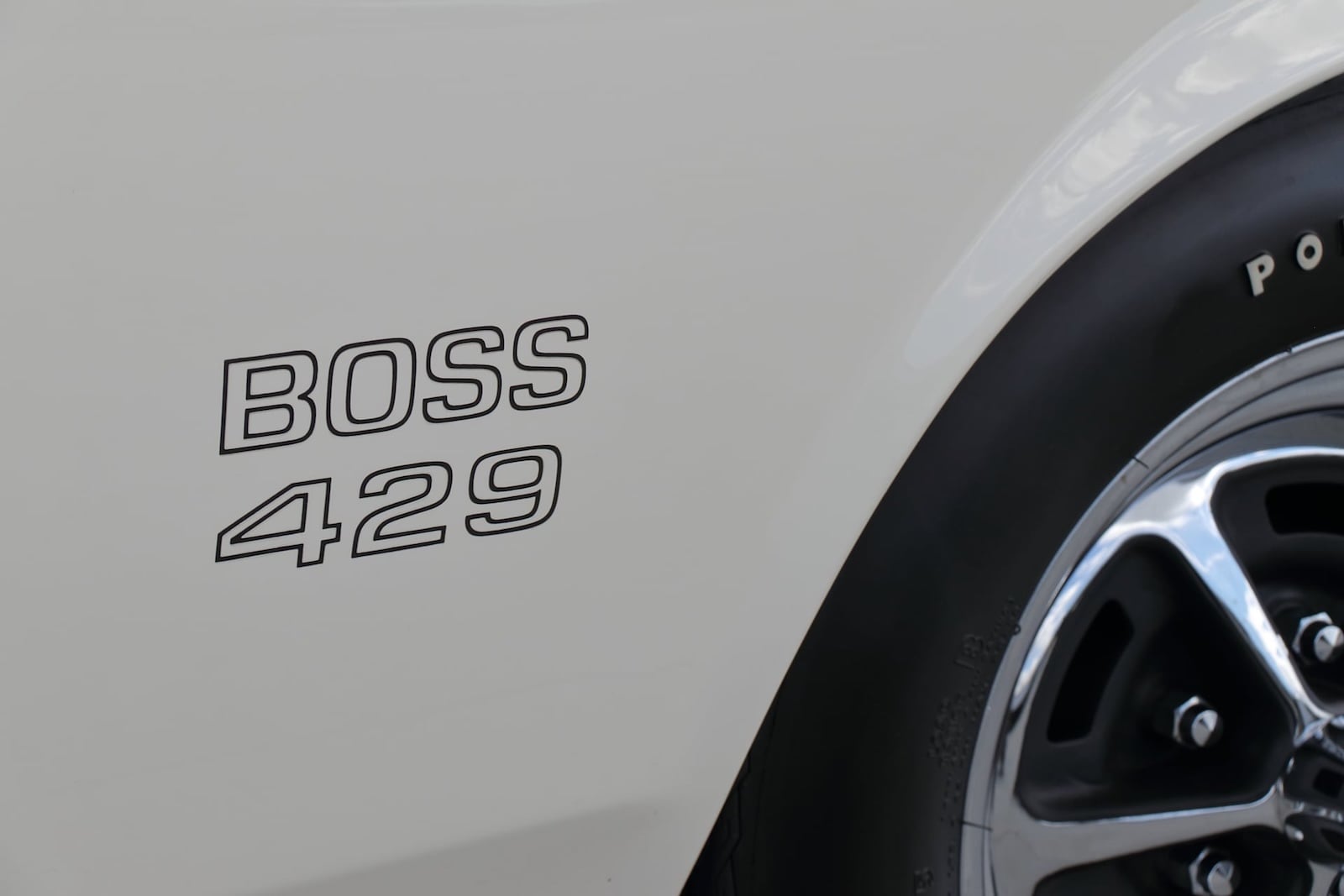
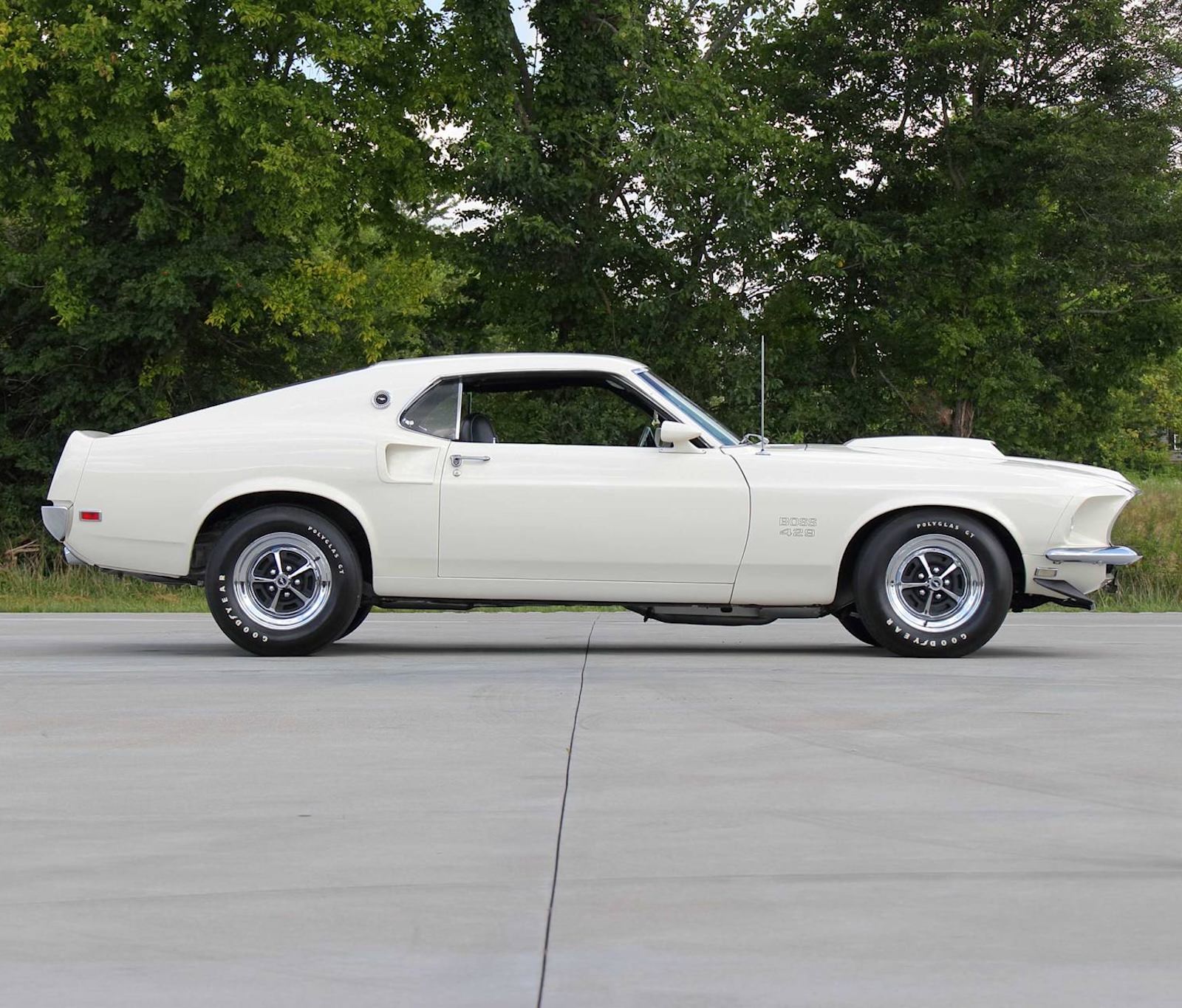
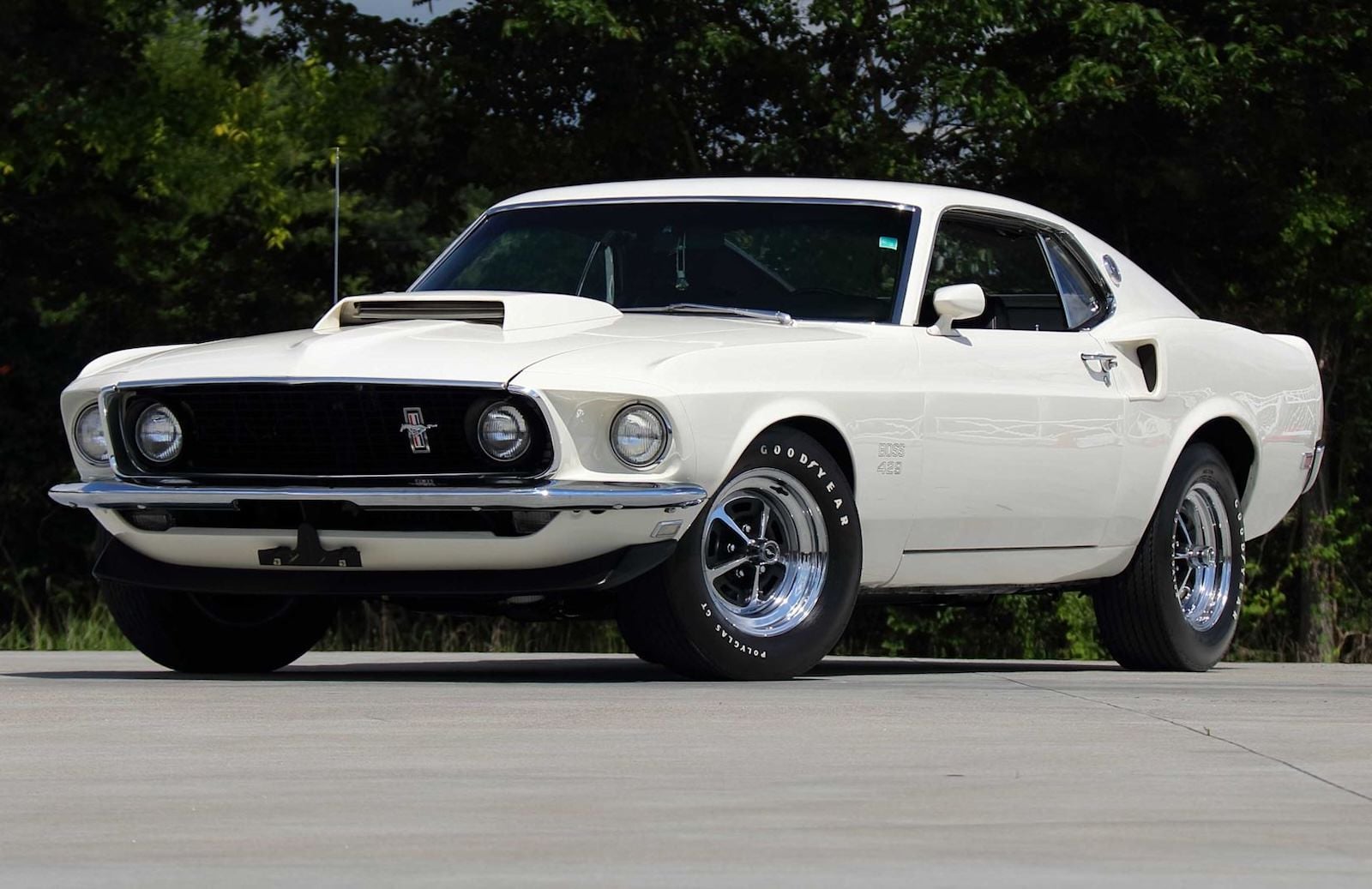
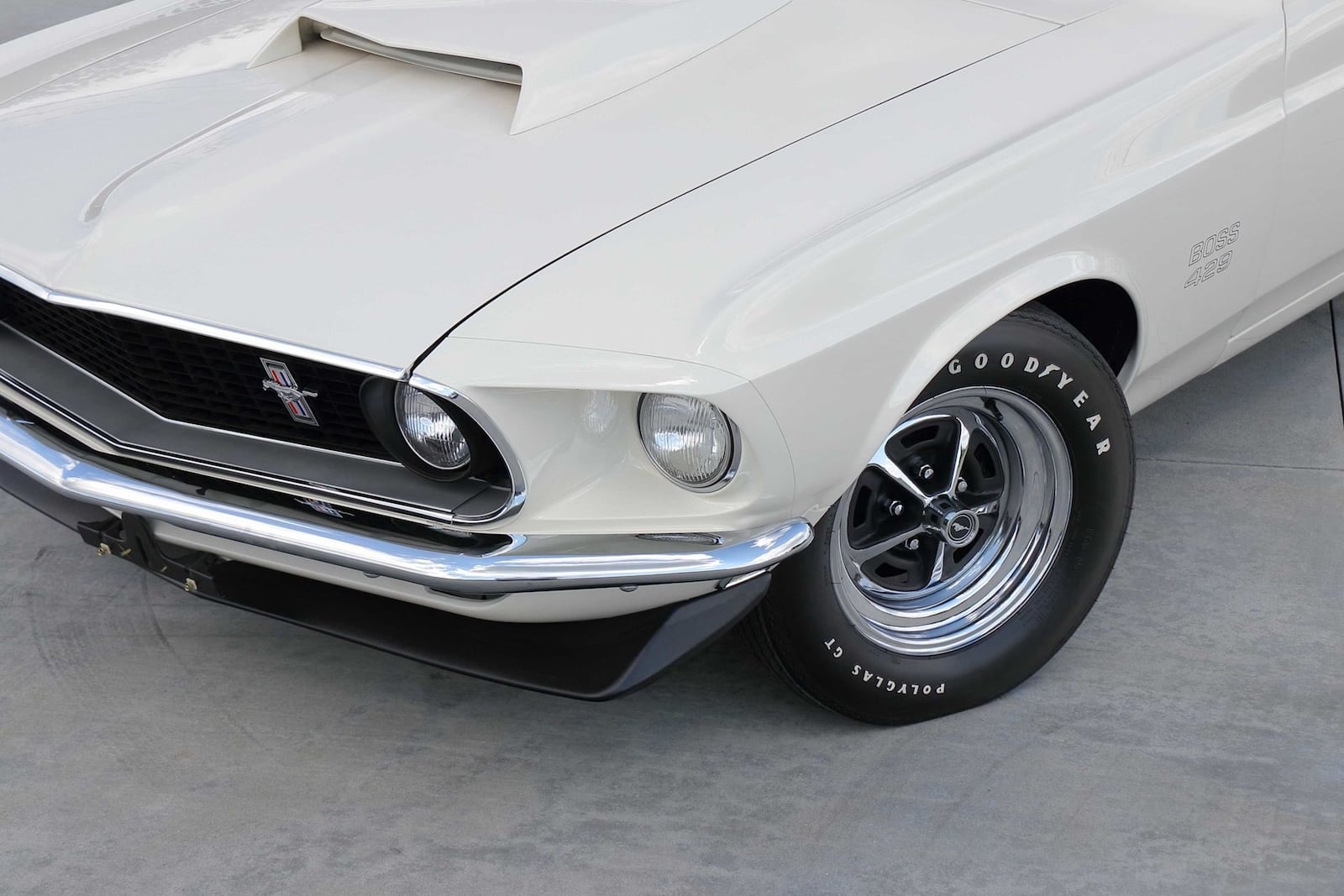
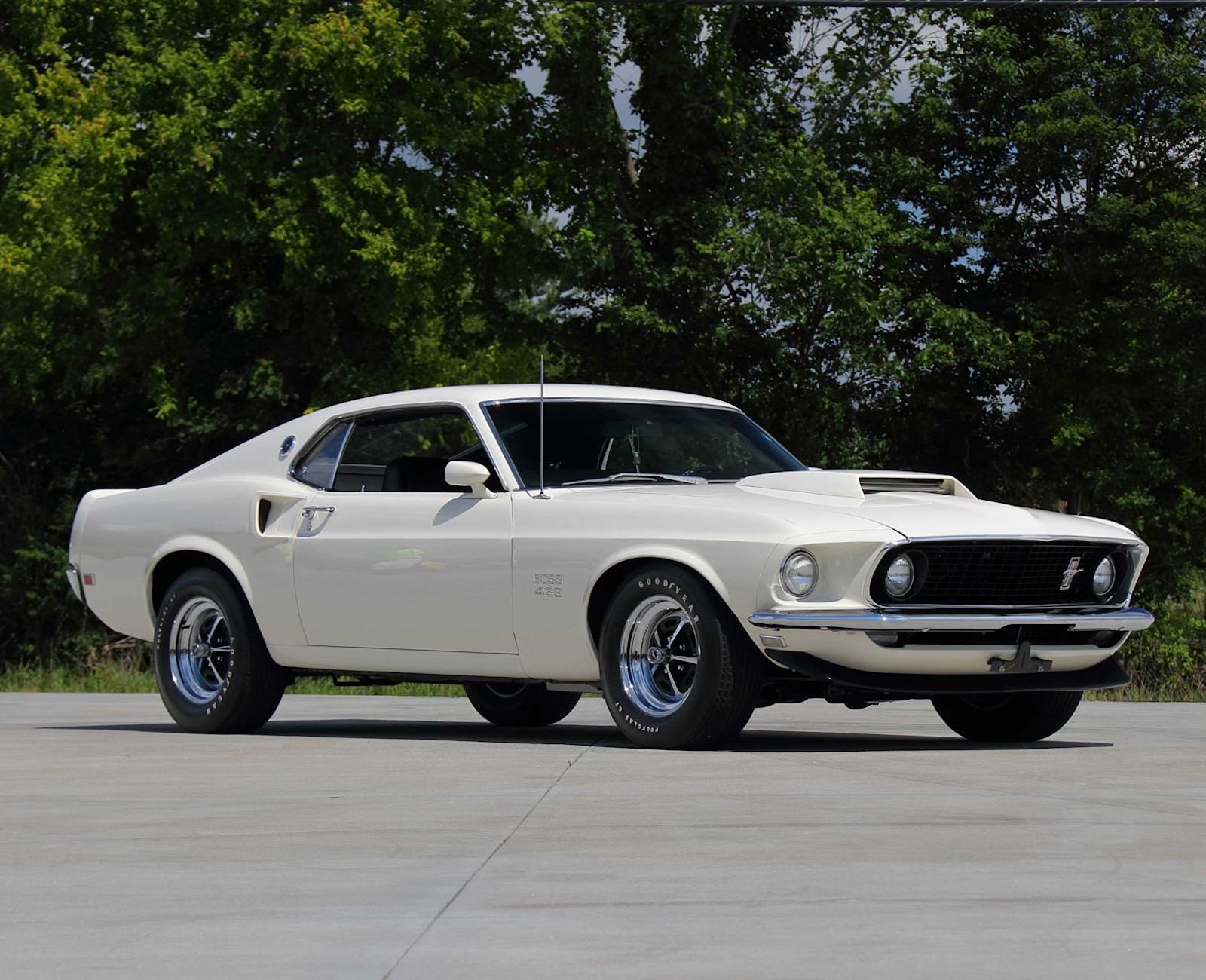
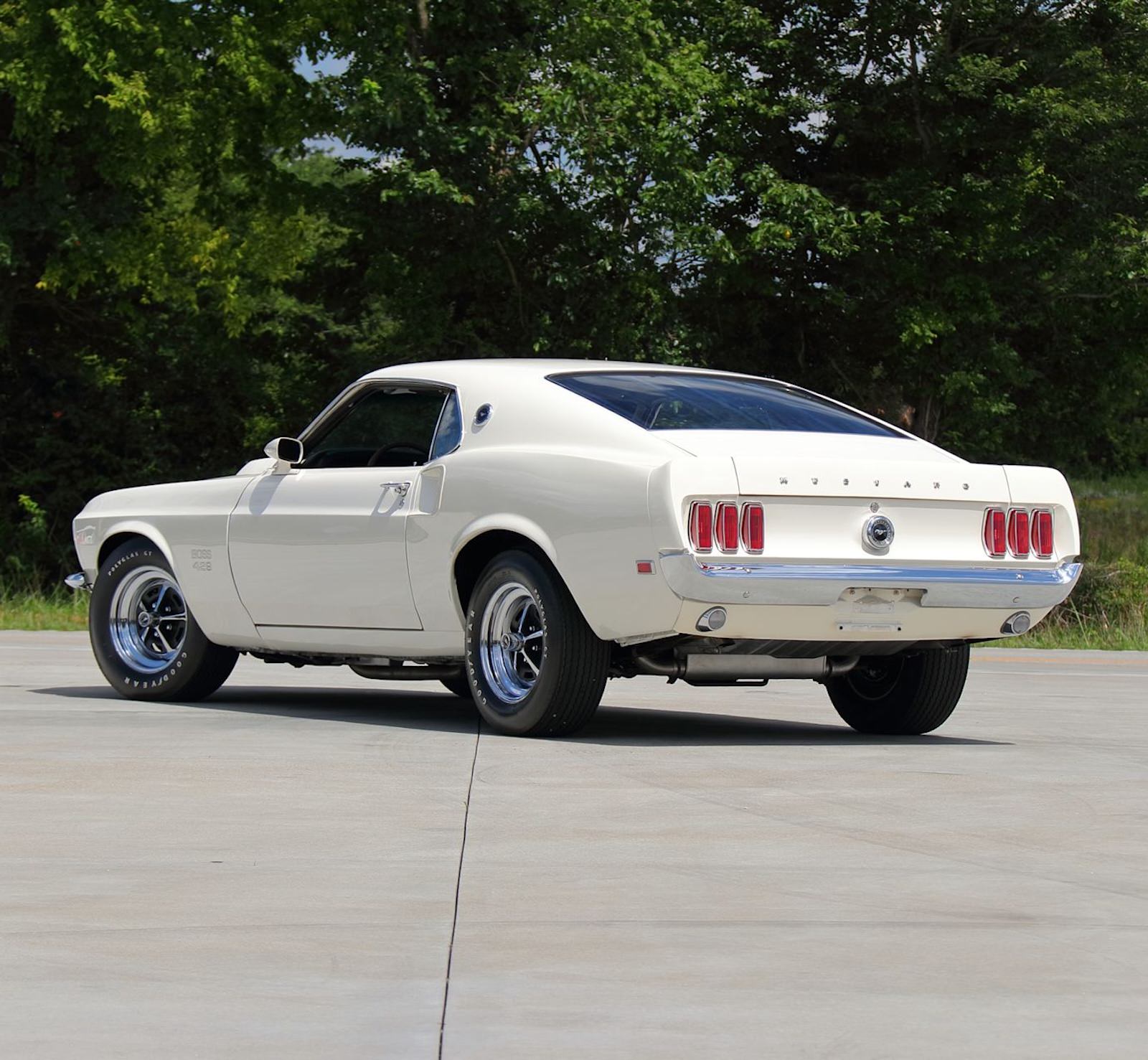
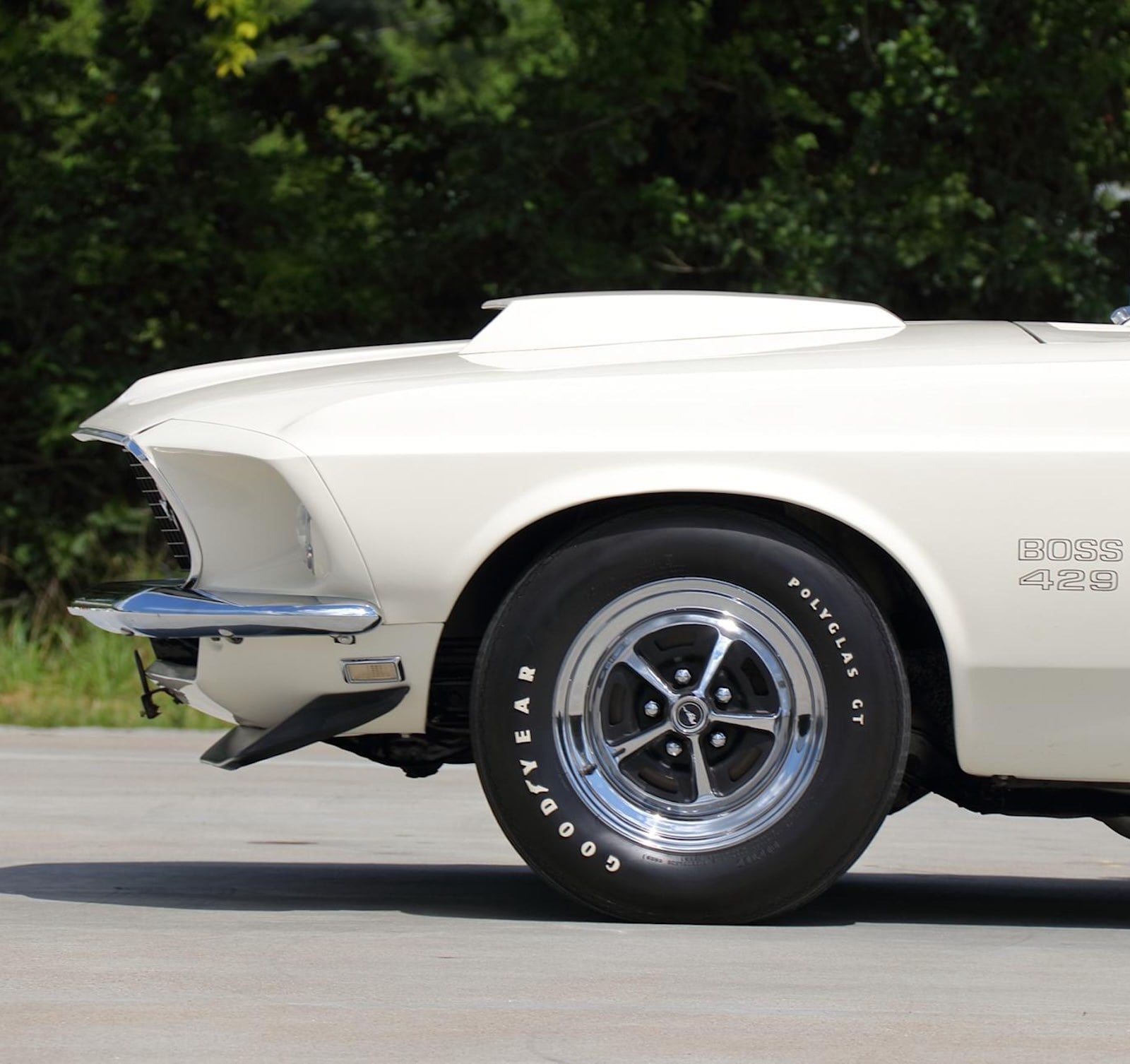
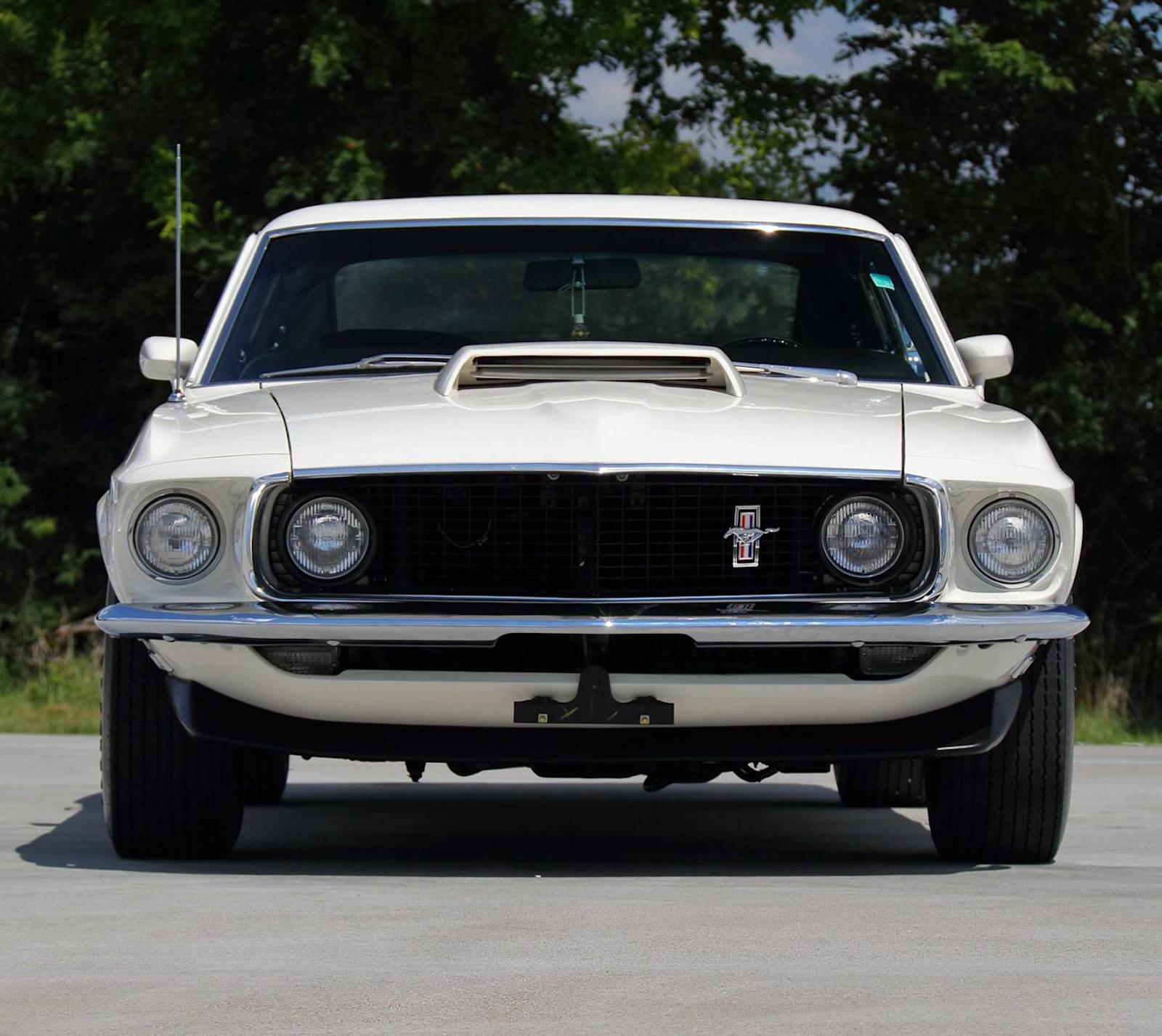
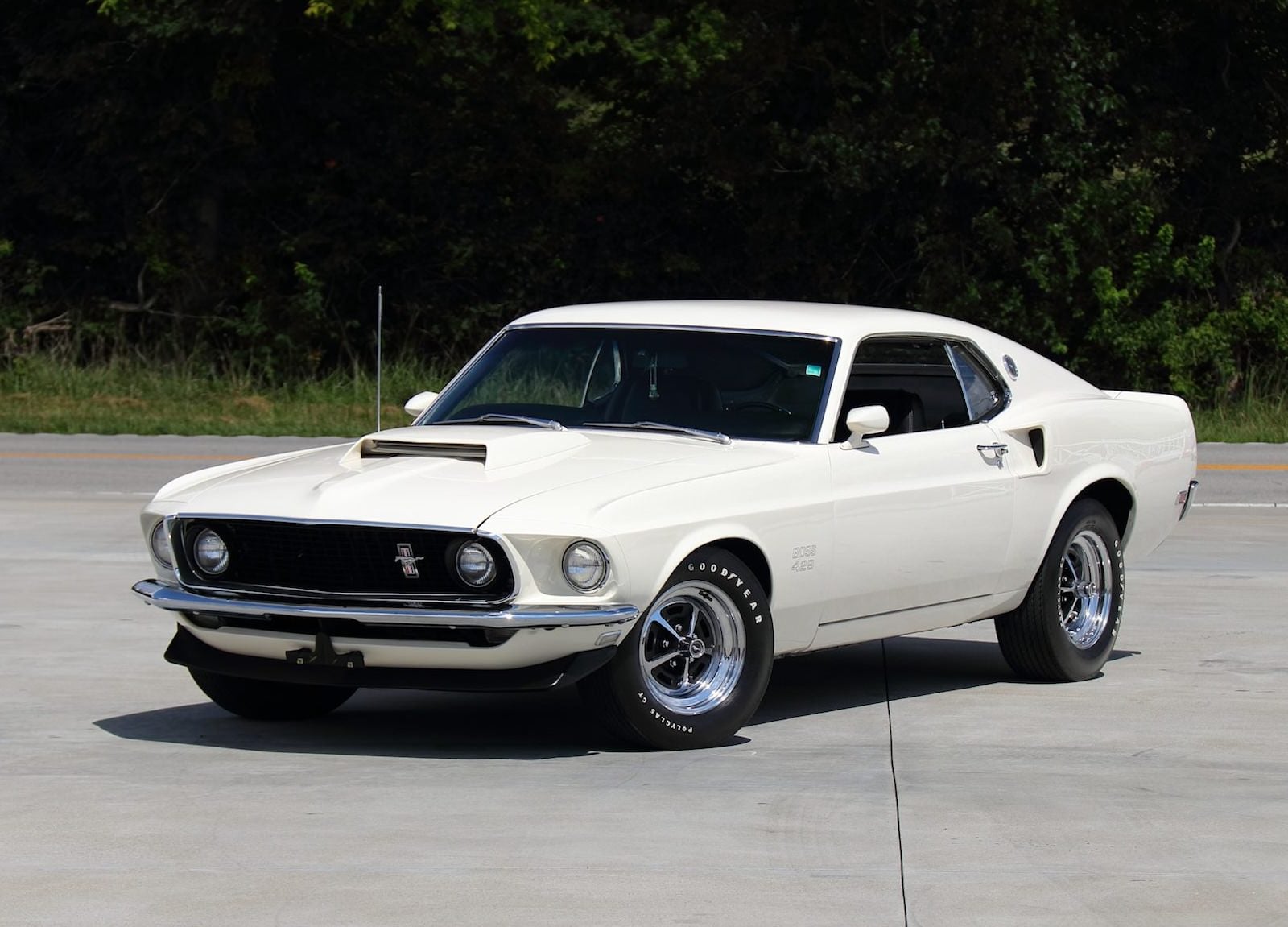
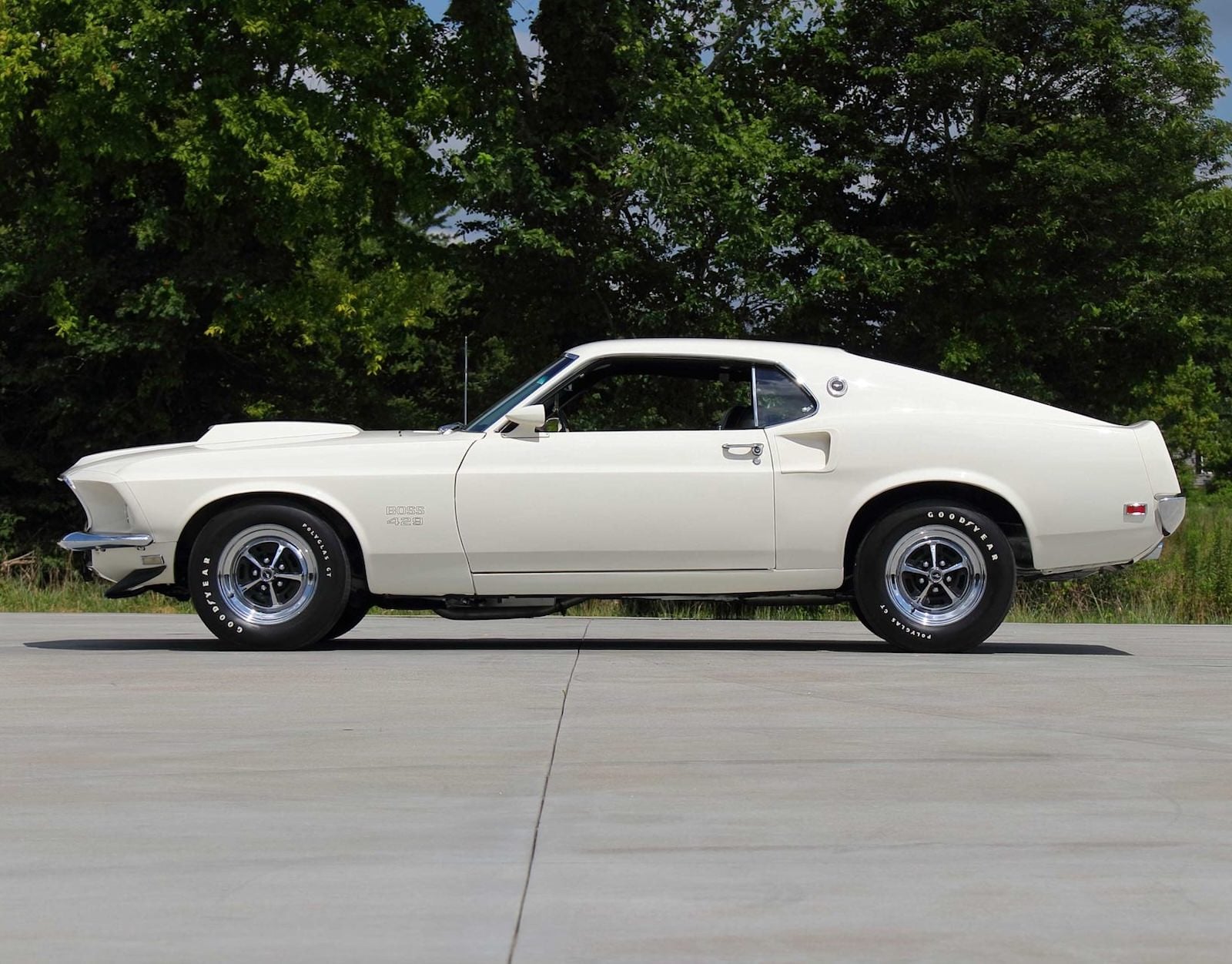
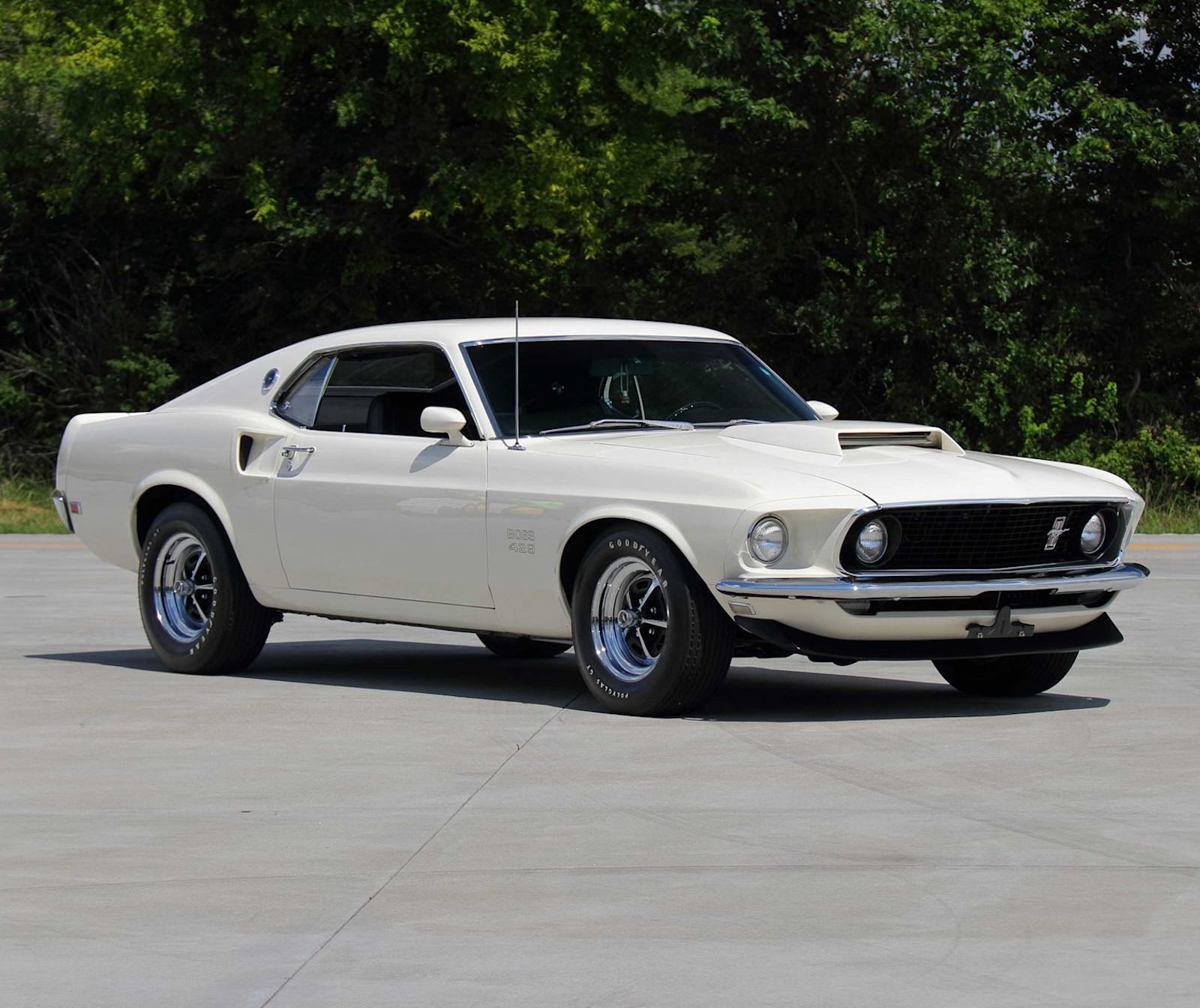
The Boss 429 Mustang made its debut in 1969 – instead of wild graphics or spoilers, it had relatively understated “Boss 429” decals on the front fenders, a functional hood scoop, and Magnum 500 wheels. Inside, it was much like a standard Mustang, though all examples came with a 4-speed manual gearbox and a 3.91 rear axle ratio. Image supplied by Ford.
The Boss 429 Mustang made its debut in 1969 – instead of wild graphics or spoilers, it had relatively understated “Boss 429” decals on the front fenders, a functional hood scoop, and Magnum 500 wheels. Inside, it was much like a standard Mustang, though all examples came with a 4-speed manual gearbox and a 3.91 rear axle ratio.
Ford produced 859 Boss 429s in 1969, painted in the customer’s choice of Raven Black, Wimbledon White, Royal Maroon, Black Jade, or Candyapple Red. In 1970, the car returned with some new paint color options, minor cosmetic revisions, including the new front-end design shared by the rest of the Mustang lineup. Only 499 were built for that model year, making the total production run just 1,358 units.
The Boss 429 V8 Engine
The heart of the car, the Boss 429 V8 mill, was a marvel of late-1960s engineering. With a 4.36 inch bore and 3.59 inch stroke, it displaced 429 cubic inches (7.0 liters). The aluminum cylinder heads used crescent-shaped combustion chambers, paired with large valves and high-flow ports.
Officially, Ford rated the engine at 375 bhp at 5,200 rpm and 450 lb ft of torque, but in reality, it produced much more – closer to 400 bhp in street trim and well over 600 in NASCAR-spec.
The Boss 429 lasted only two model years. Rising insurance premiums, tighter emissions regulations, and changing market conditions spelled the end of Ford’s homologation special. By 1971, the Mustang itself had grown in size and weight, and the big-block performance era was already on borrowed time.
The Boss 429 name didn’t officially return in production Mustangs after 1970, though its legend only grew. In the decades since, Ford has periodically revived the “Boss” branding. The Boss 302 returned in 2012 to 2013 as a modern track-focused Mustang, while custom builders like Classic Recreations have offered officially licensed continuation Boss 429s using new Ford crate engines.
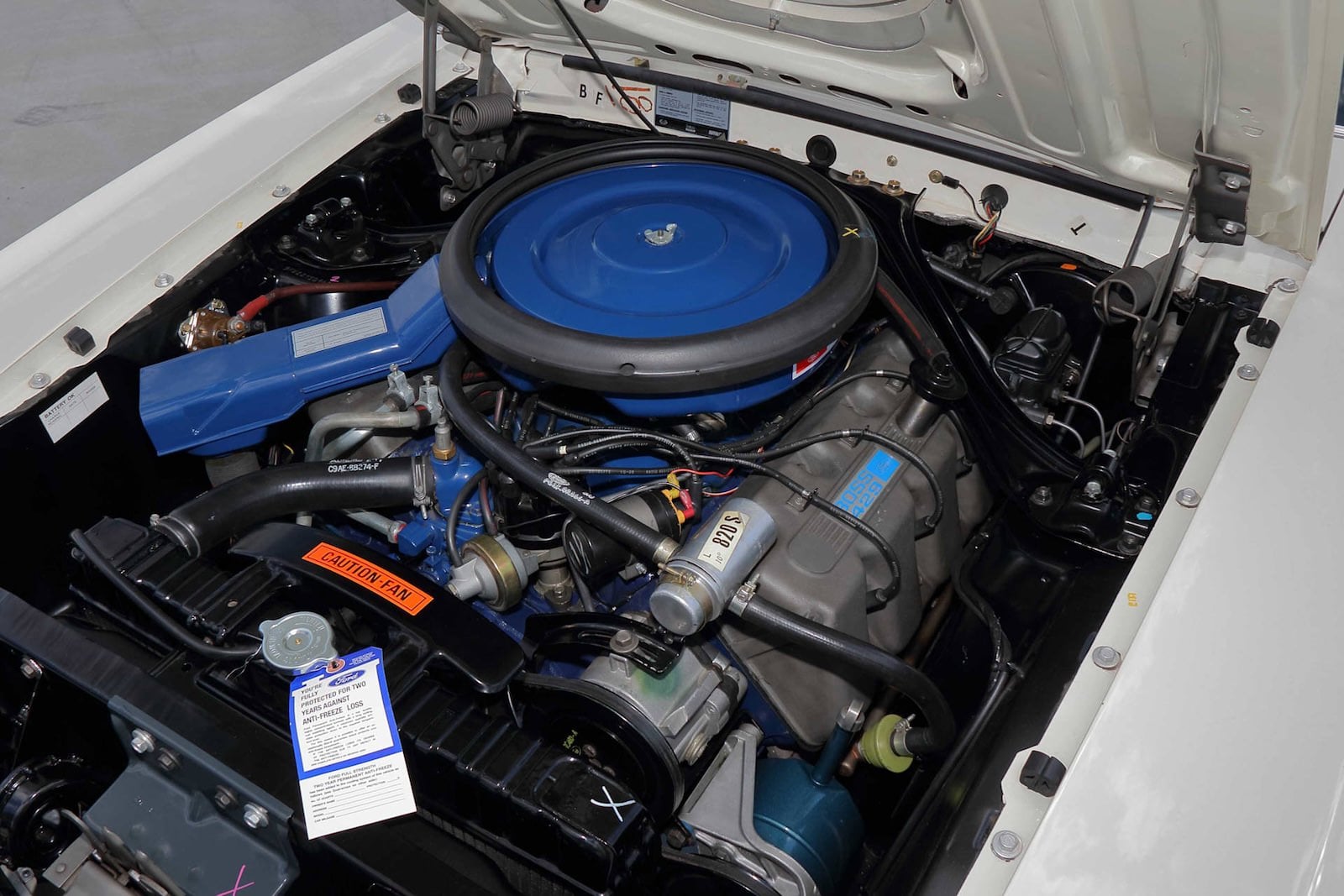
Ford’s 429 V8 was developed to take on the Chrysler 426 Hemi, an icon of the age. The 429 was given semi-hemispherical combustion chambers, a heavy duty rotating assembly, and large heads to make space for oversized ports for better flow.
The 1969 Ford Mustang Boss 429 Shown Here
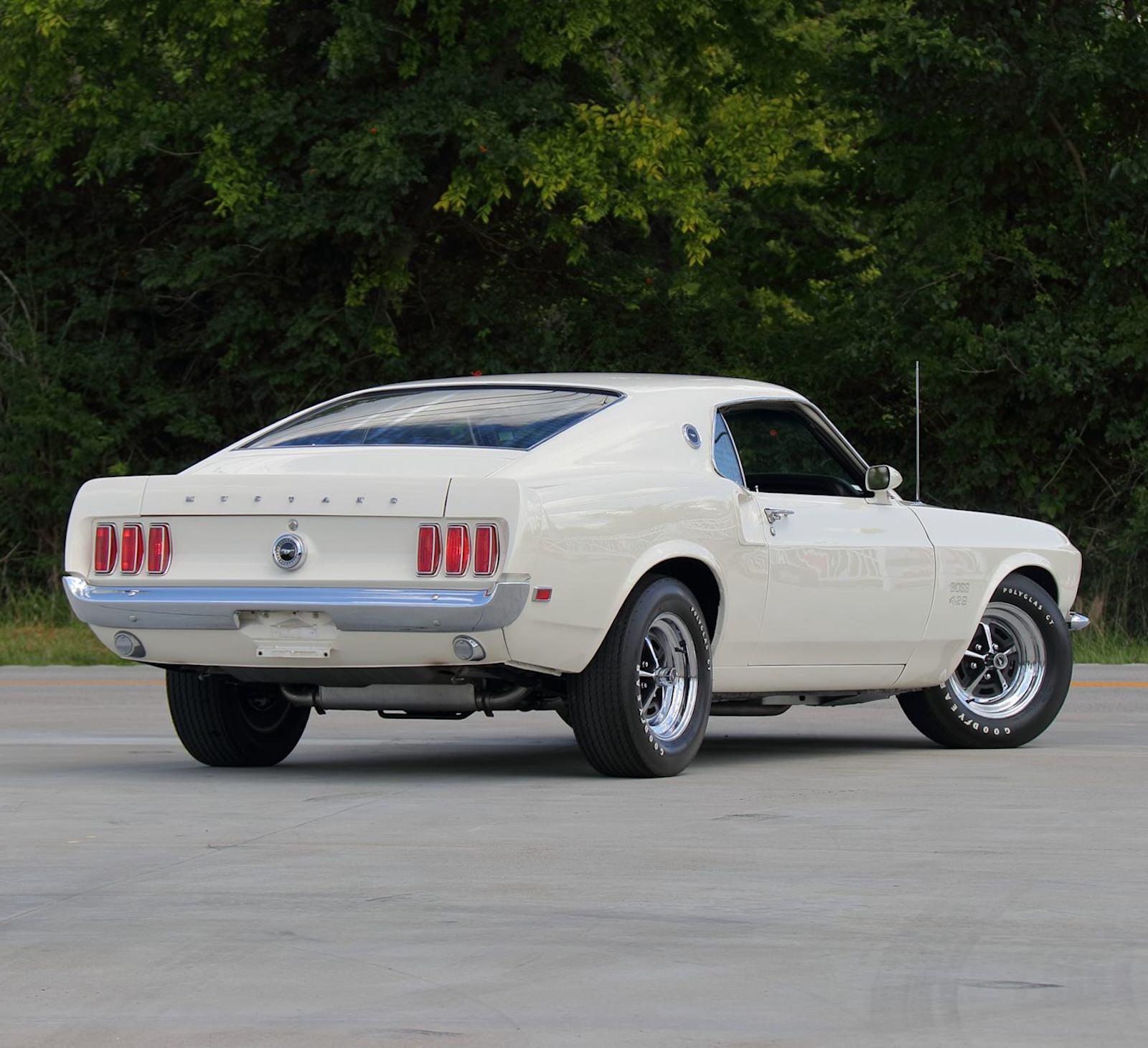
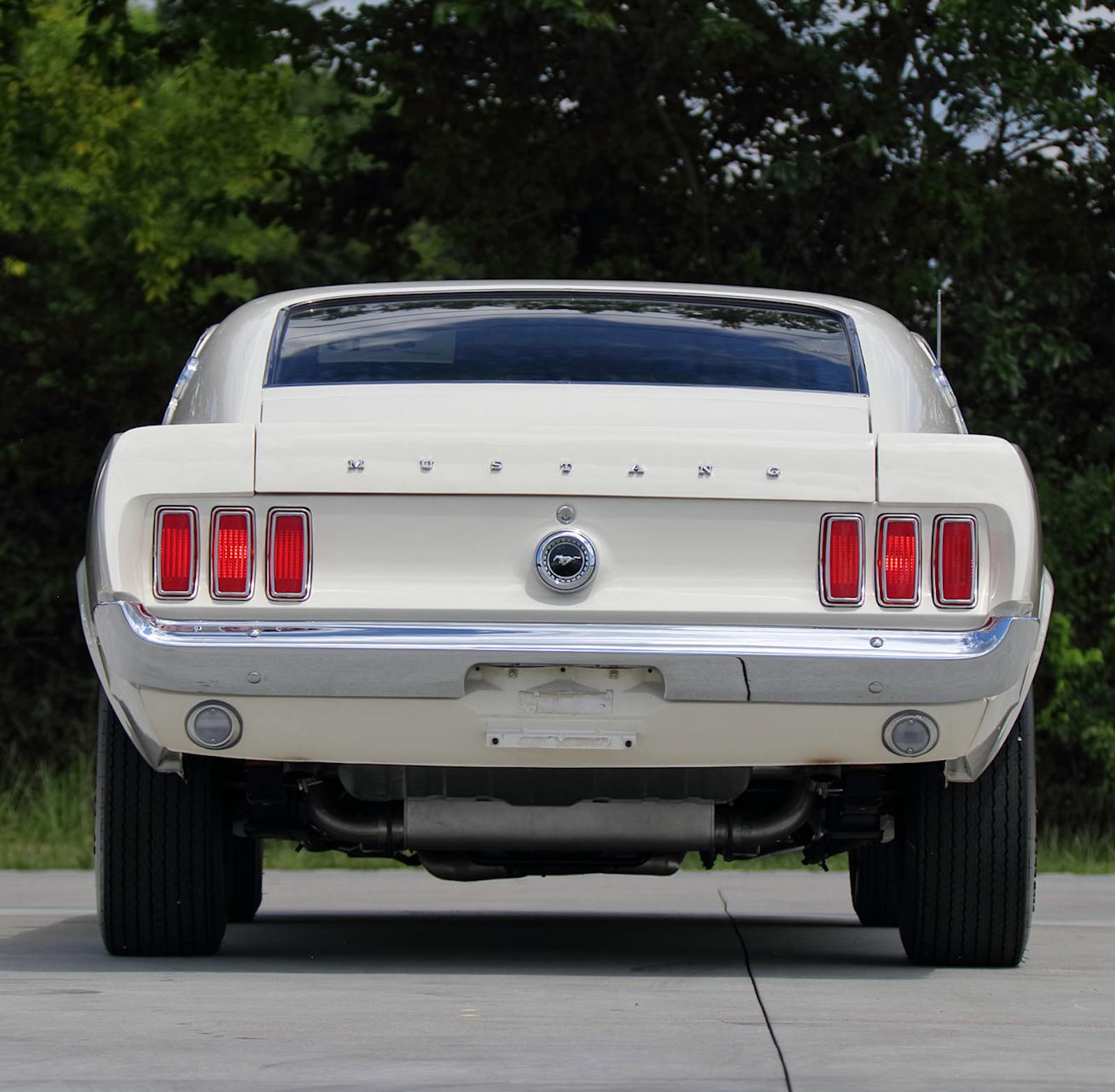
This is a genuine Boss 429, it’s one of the 859 built for the 1969 model year, and one of fewer than 1,400 across the model’s brief (but sensational) two-year run. The car was built in Dearborn, Michigan, and delivered new through Jerry Alderman Ford Sales in Indianapolis, Indiana – it’s been a Midwestern car from day one.
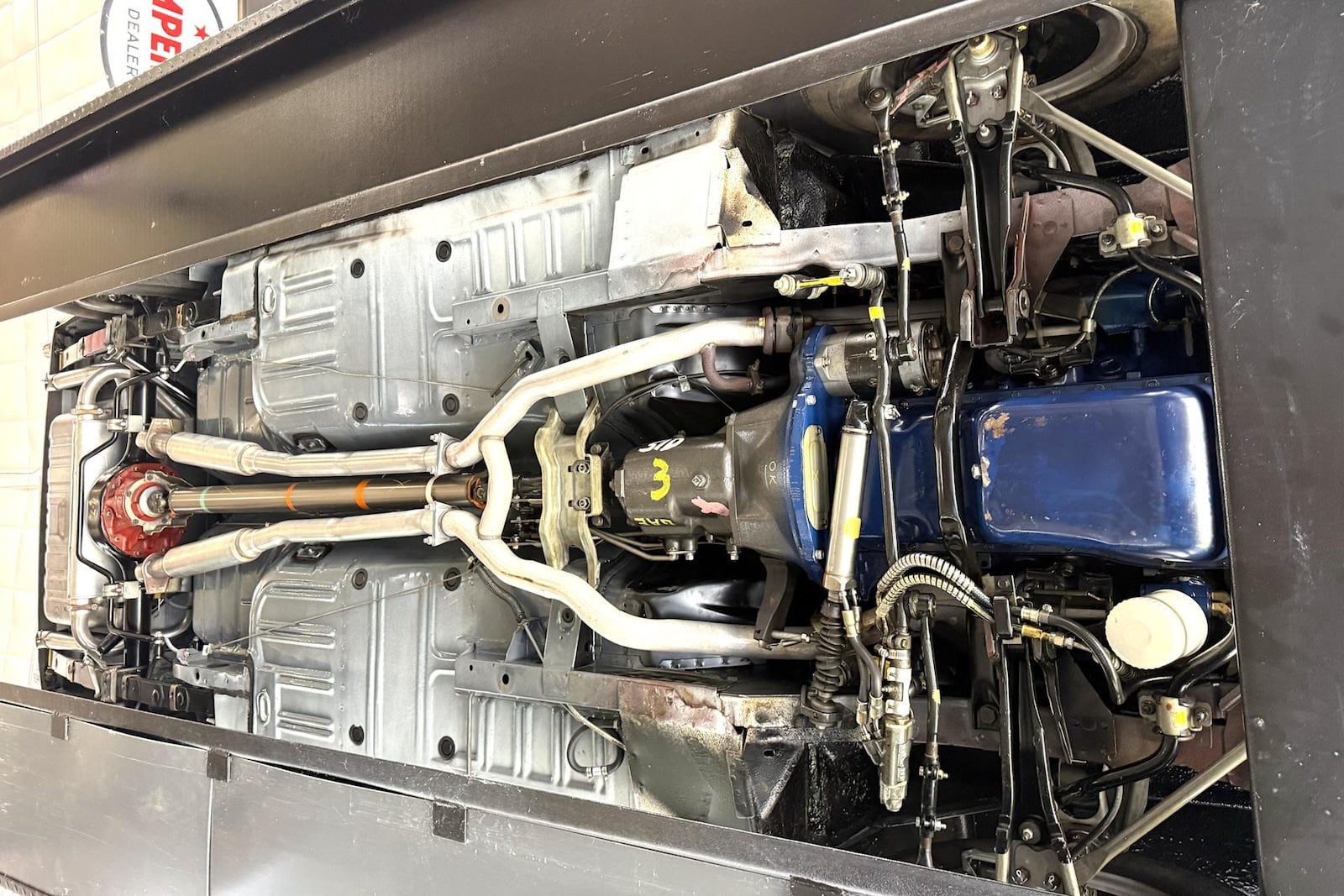
Mechanically, this car is the real deal – with its matching-numbers 429 cubic inch semi-hemi V8 still under the hood in pride of place, rated at 375 bhp from the factory – a figure almost everyone agrees was deliberately on the conservative side to appease regulators and insurance companies.
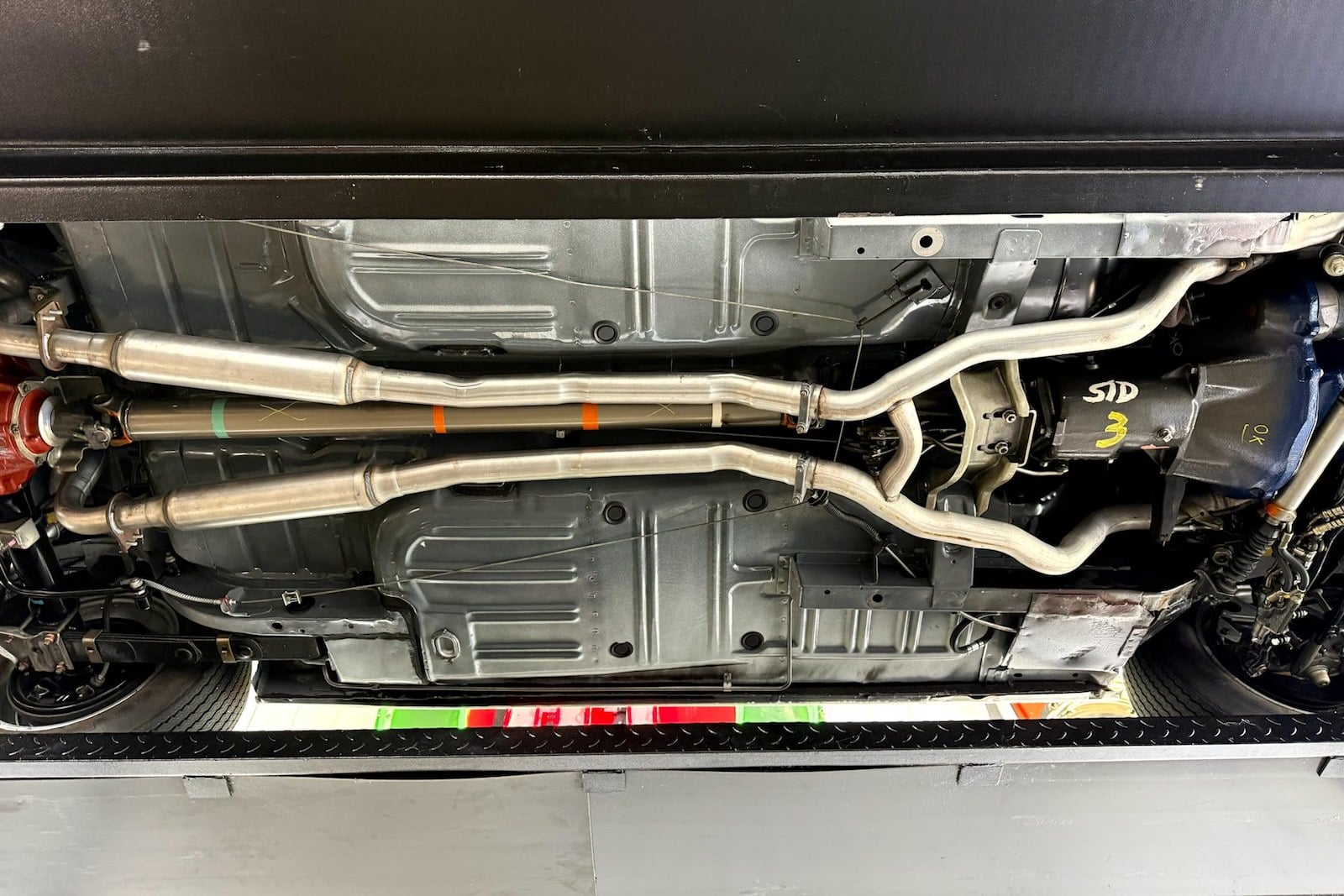
The 429 breathes through an aluminum intake manifold and a 735 CFM Holley four-barrel, and sends drive back through a close-ratio 4-speed manual (that every single Boss 429 off the production line received) to the live axle rear end. There was no slush box version offered, these cars were built to homologate the engine for NASCAR racing after all.
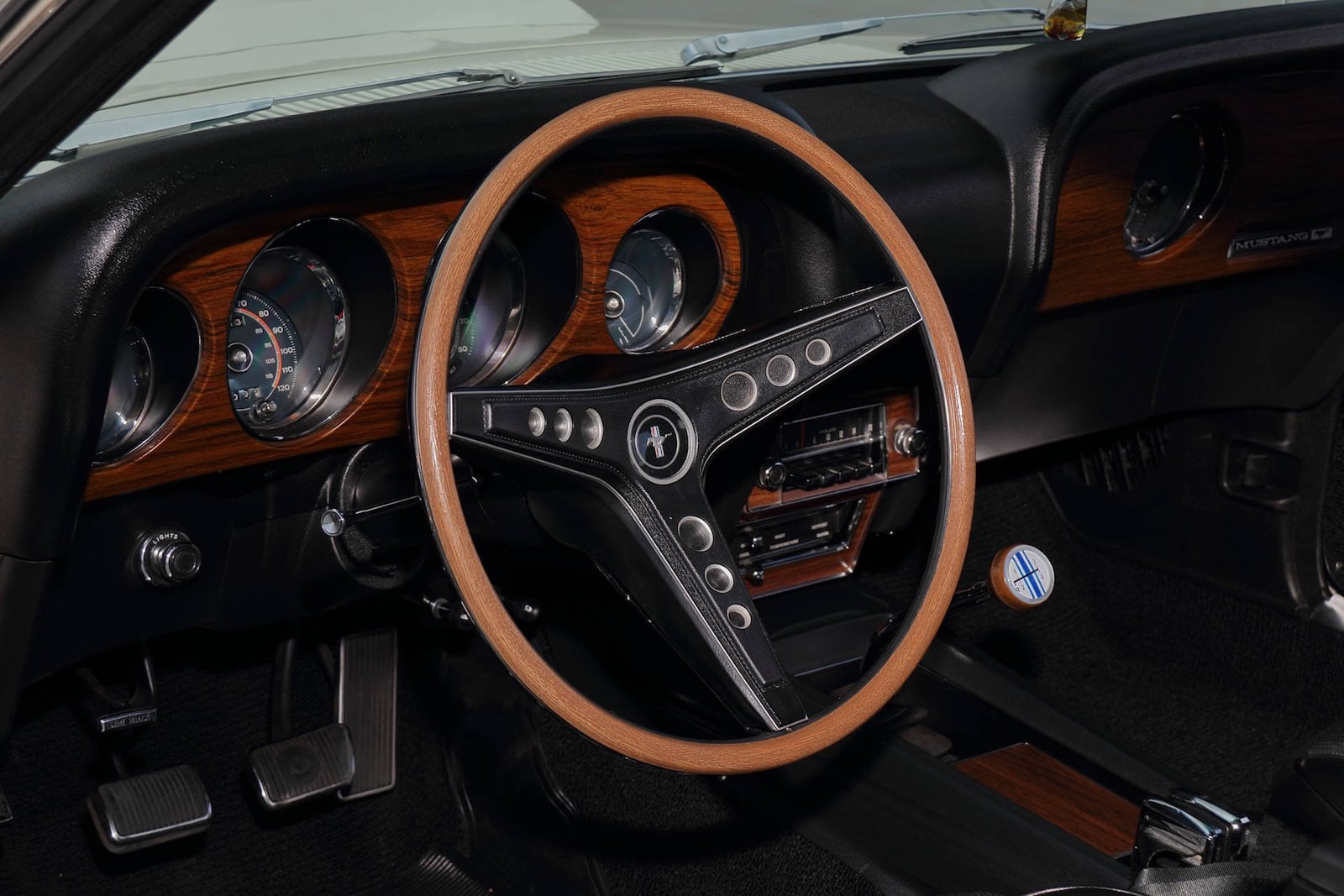
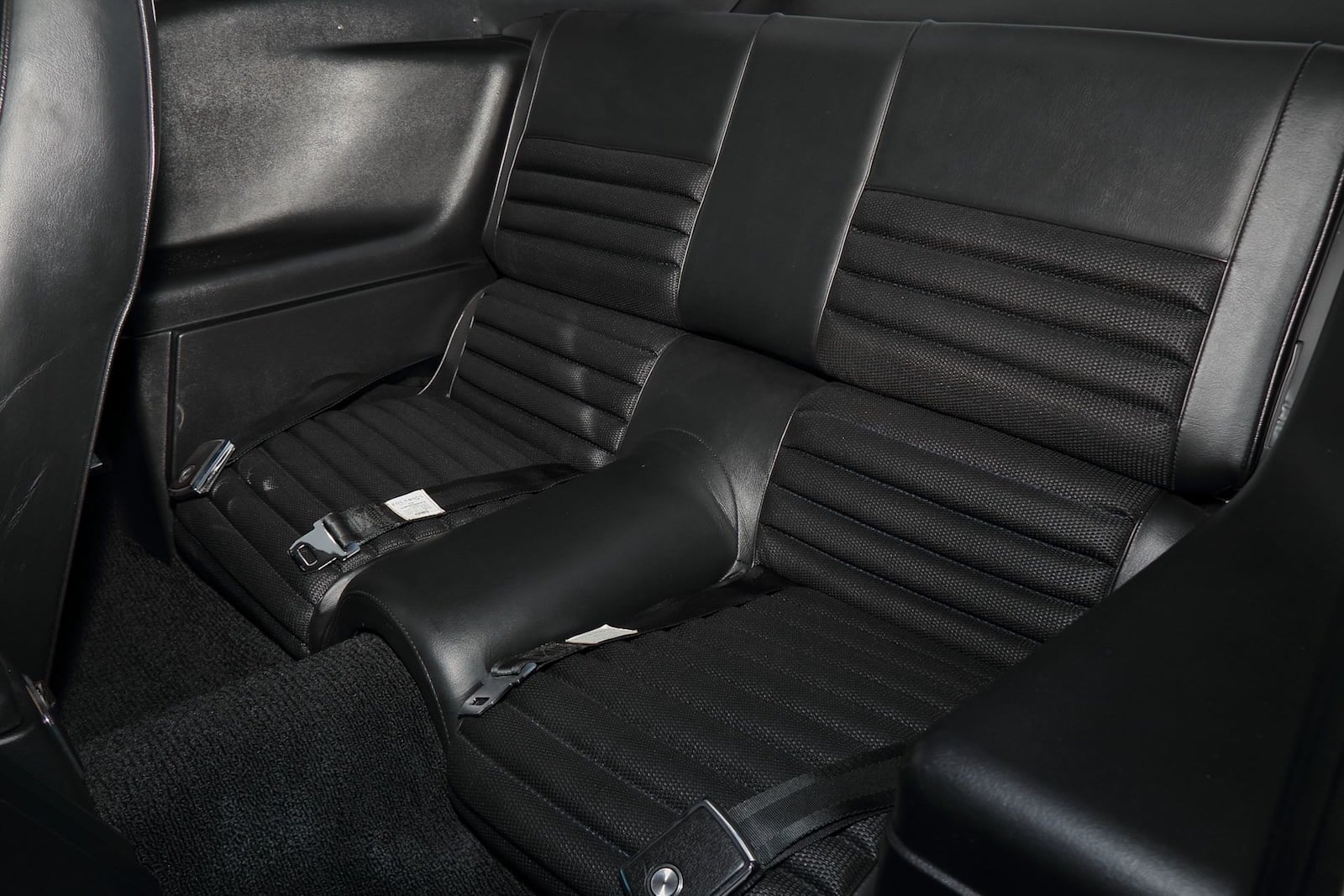
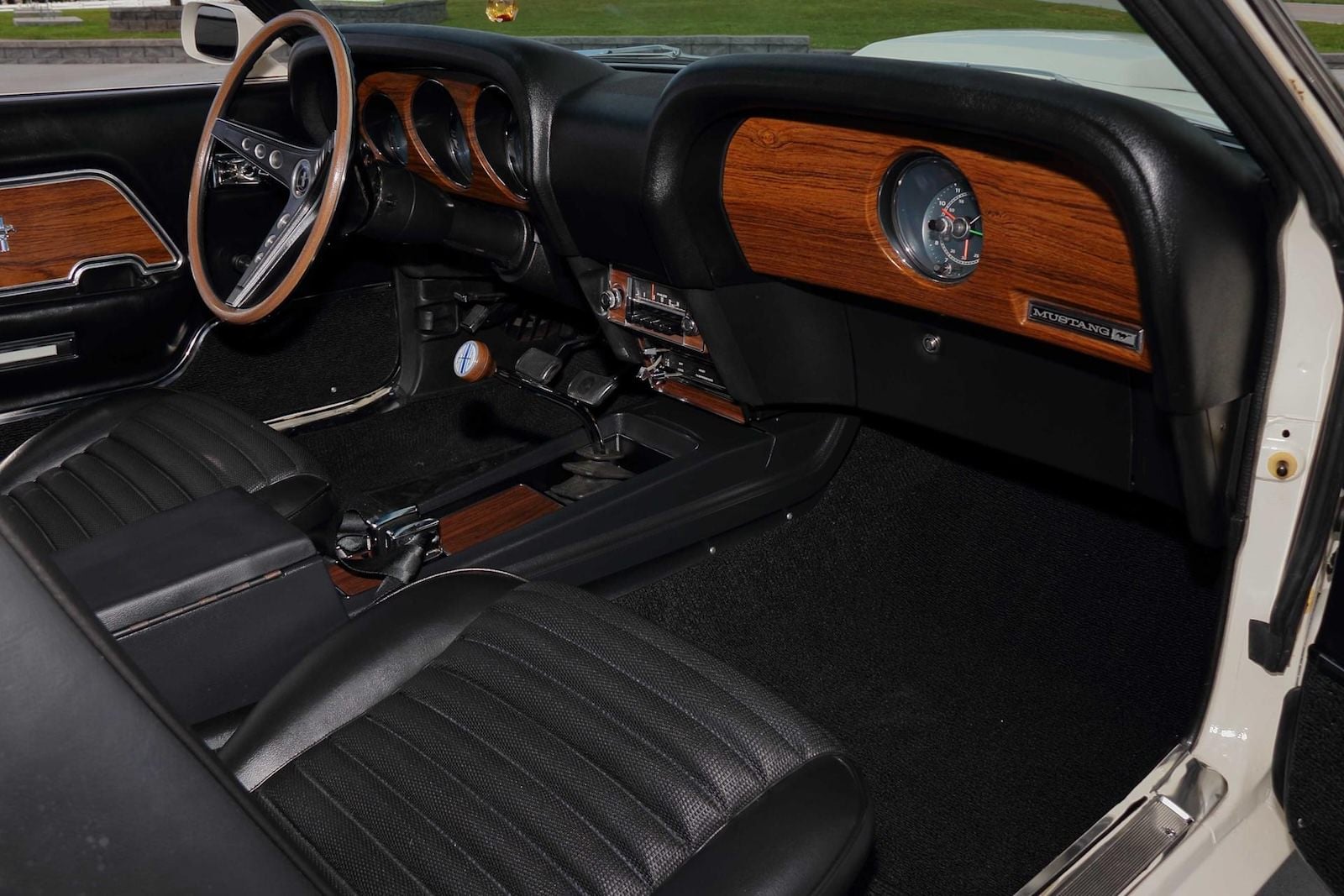
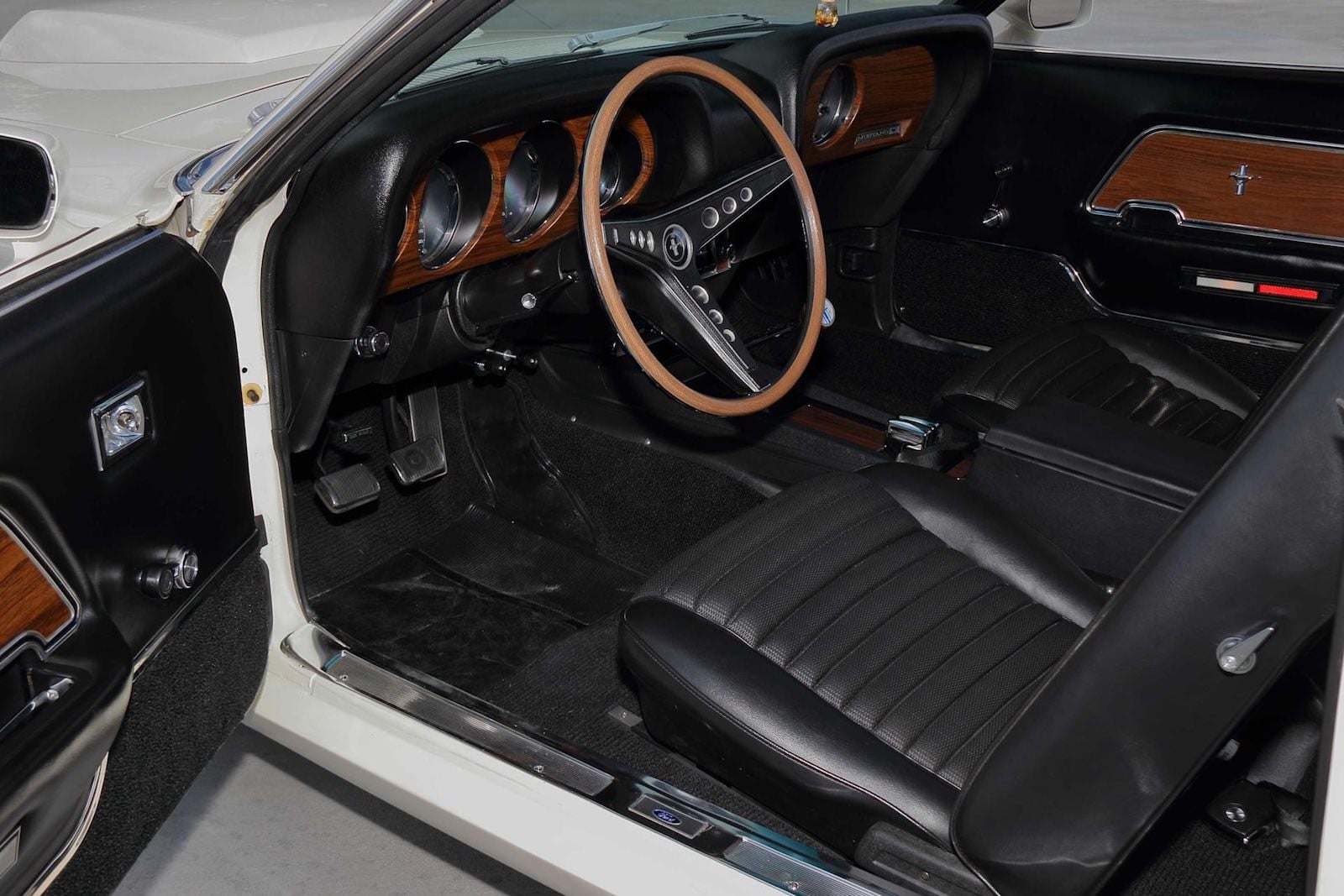
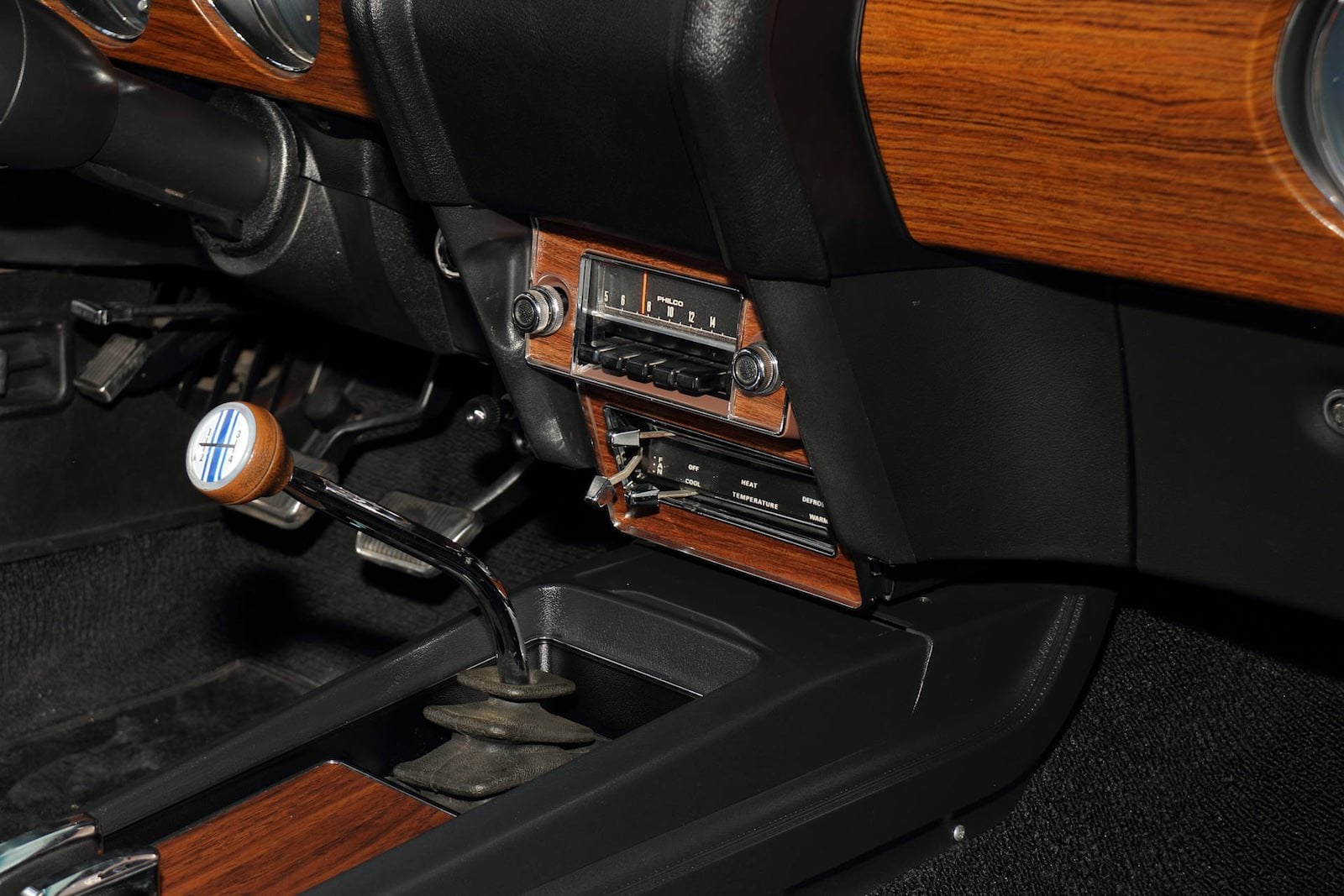
The car is finished in Wimbledon White over a black Clarion knit vinyl interior with hi-back buckets, a center console, and woodgrain trim throughout. Options include the Visibility Group, the Interior Décor Group-Deluxe, deluxe belts and warning lights, and an AM radio – a fairly typical Boss 429 spec, since the cars came loaded as standard and the option sheet was kept deliberately short.
The car underwent a 2-year concours-grade restoration by Drew Alcazar, a well-known figure in the Mustang world, which wrapped up in 2018, and it’s spent most of the years since as part of a large private collection.
This is a genuine Boss 429, it’s one of the 850 built for the 1969 model year, and one of 1,359 across the model’s brief but sensational two-year run. The car was built in Dearborn, Michigan, and delivered new through Jerry Alderman Ford Sales in Indianapolis, Indiana – it’s been a Midwestern car from day one.
It comes with the original window sticker, the build sheet, the owner’s manual and books, a Deluxe Marti Report, historical documentation, and a full photographic record of the restoration. The original seat covers and the interior parts pulled during the rebuild come with it too.
It’s now due to roll across the auction block with Mecum in late-September, and you can visit the listing here if you’d like to read more about it or register to bid.
Images courtesy of Mecum

Articles that Ben Branch has written have been covered on CNN, Popular Mechanics, Smithsonian Magazine, Road & Track Magazine, the official Pinterest blog, the official eBay Motors blog, BuzzFeed, Autoweek Magazine, Wired Magazine, Autoblog, Gear Patrol, Jalopnik, The Verge, and many more.
Silodrome was founded by Ben back in 2010, in the years since the site has grown to become a world leader in the alternative and vintage motoring sector, with well over a million monthly readers from around the world and many hundreds of thousands of followers on social media.