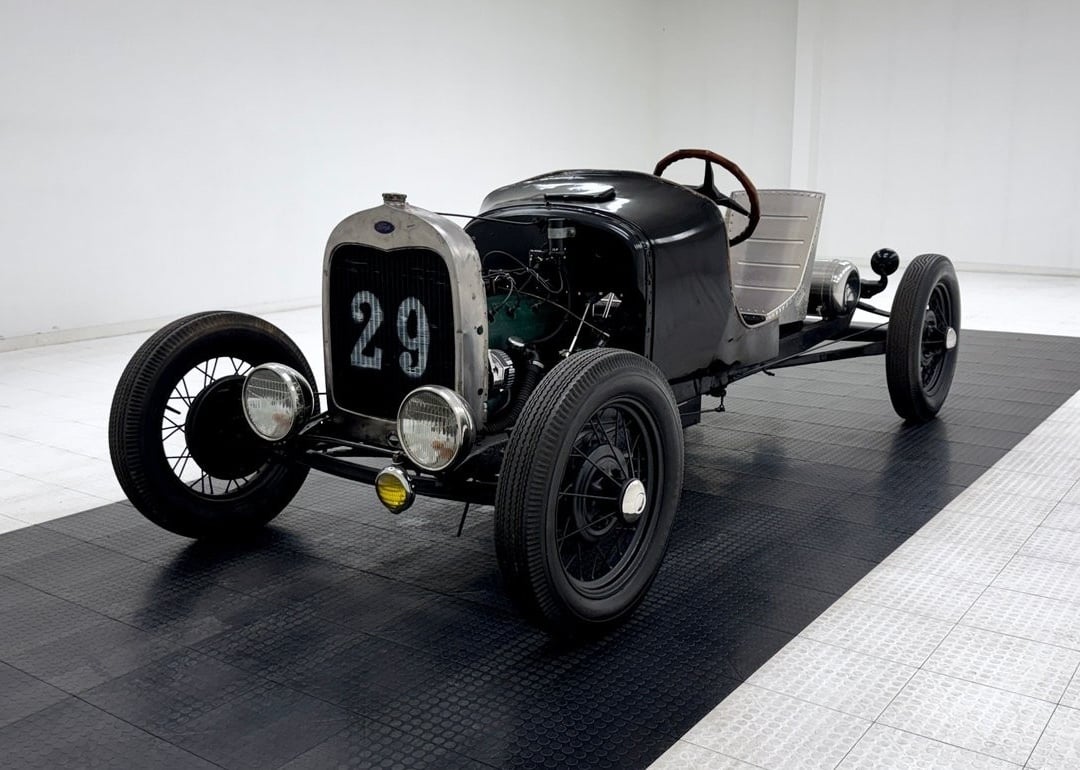
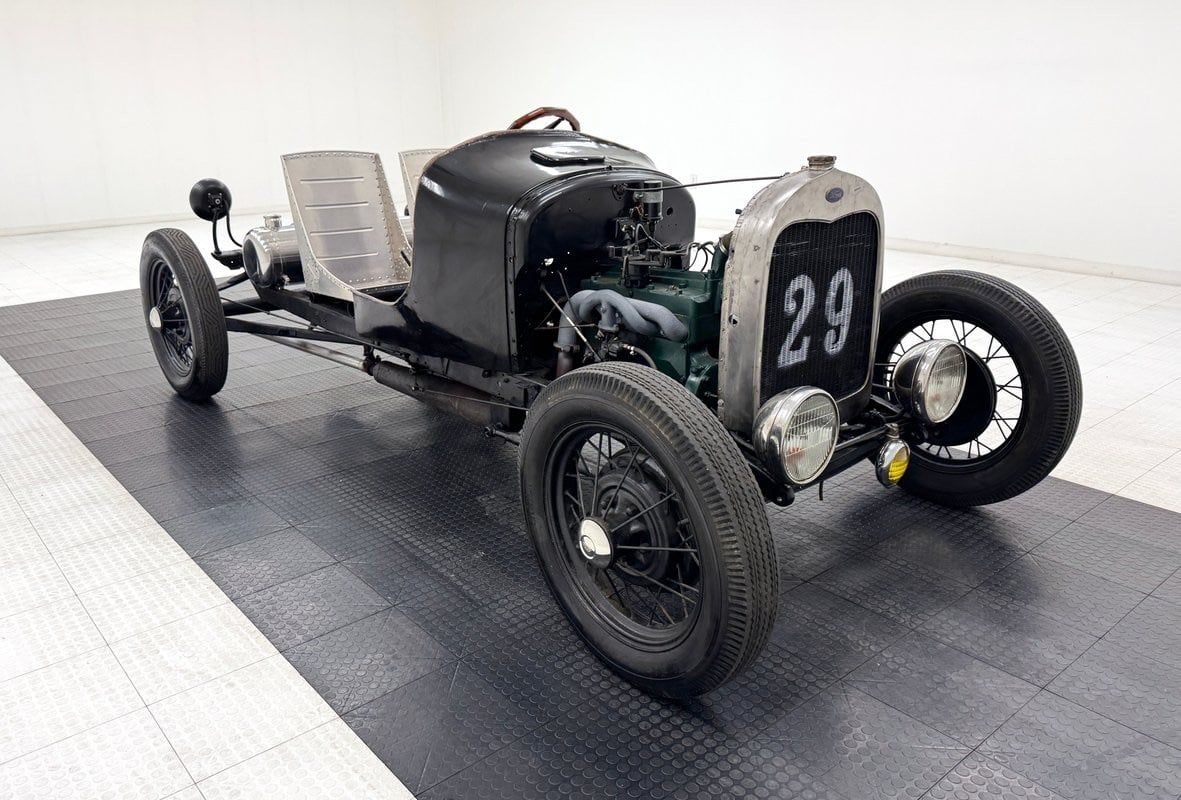
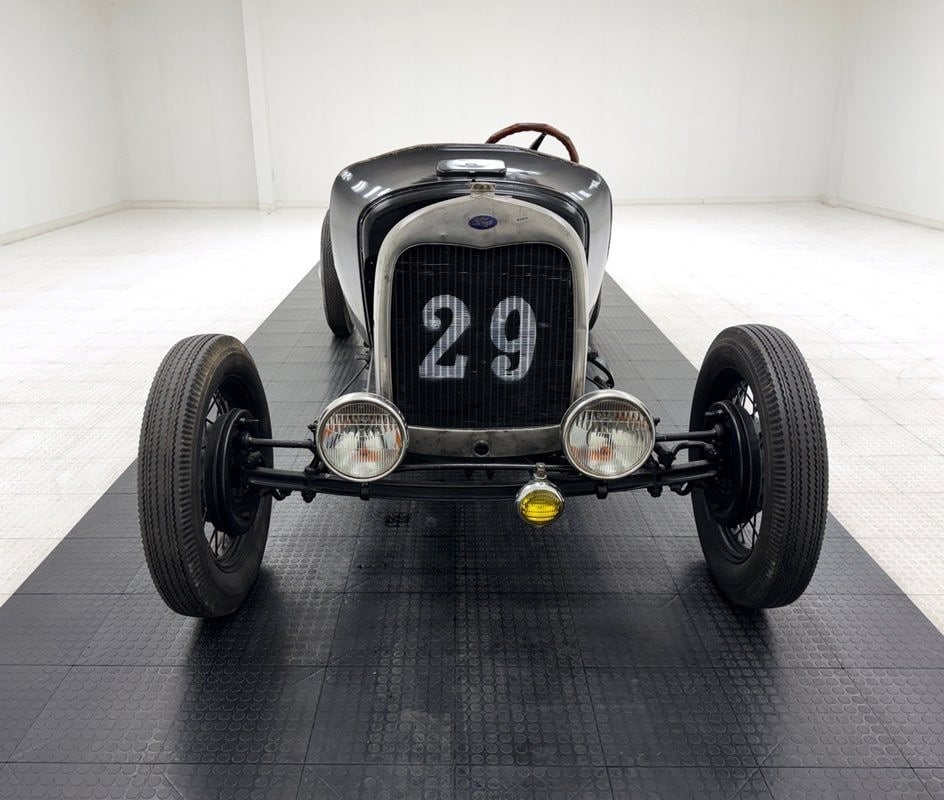
This is a 1931 Ford Model A Speedster that’s been built into a classic hot rod, with a slew of go-faster parts fitted but with care taken to keep things (mostly) period correct.
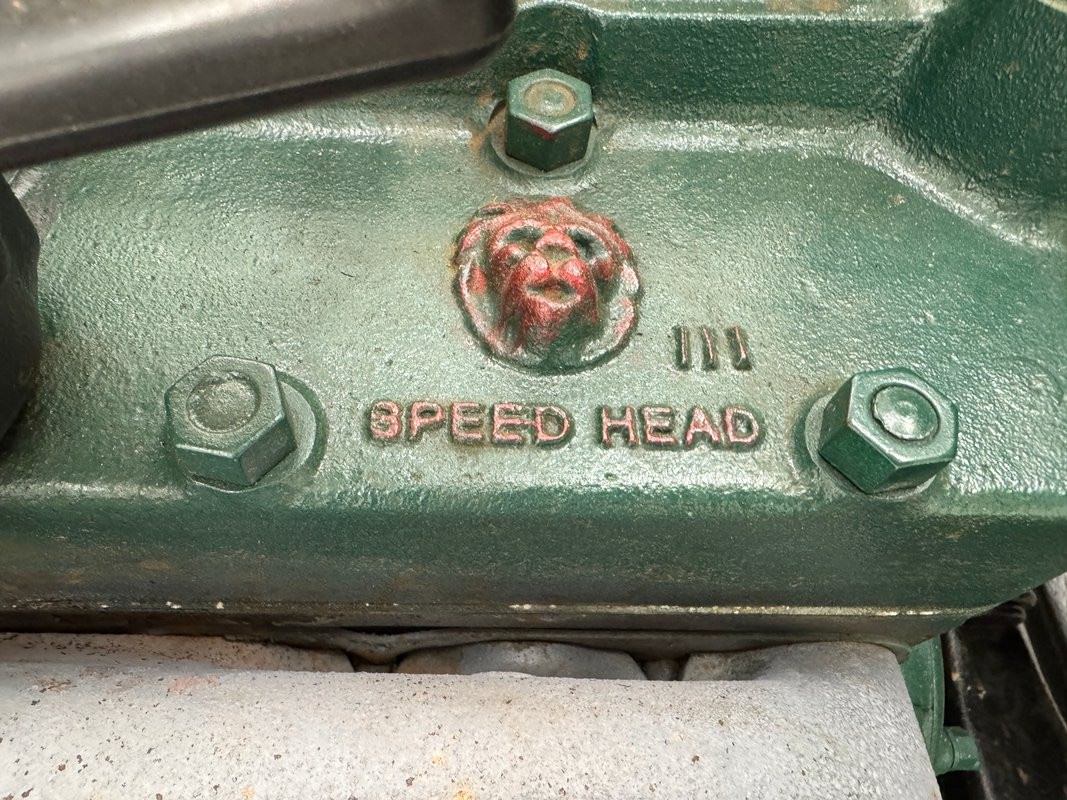
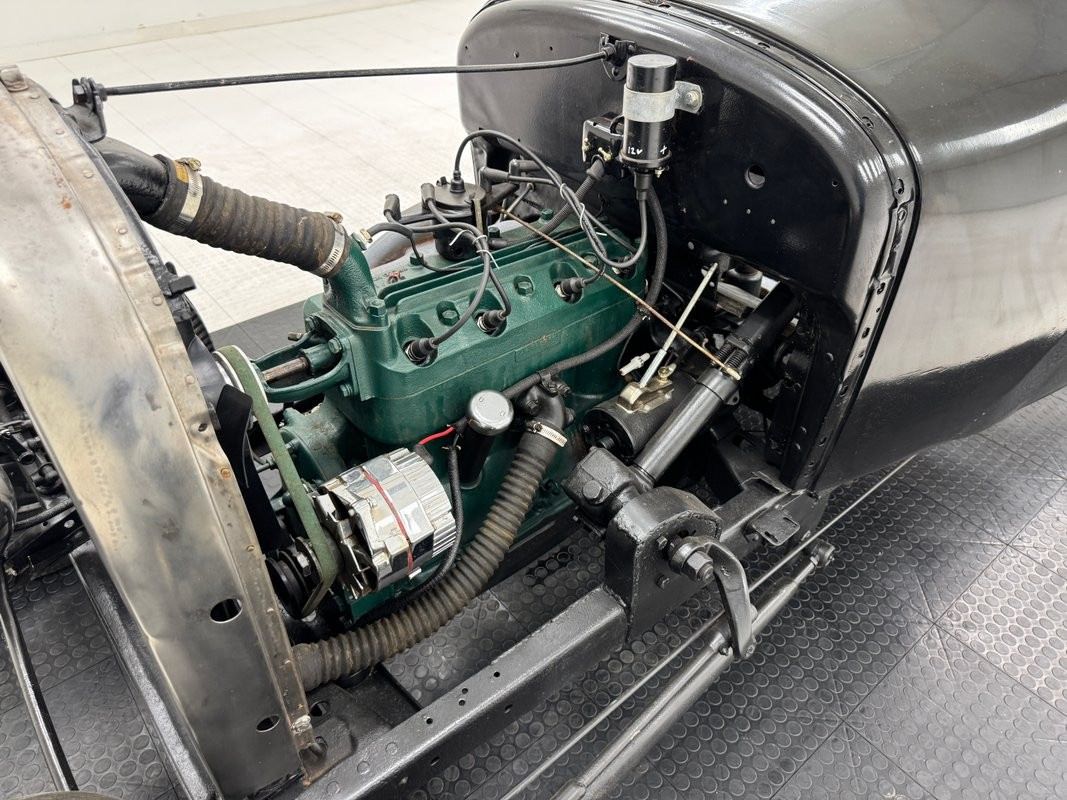
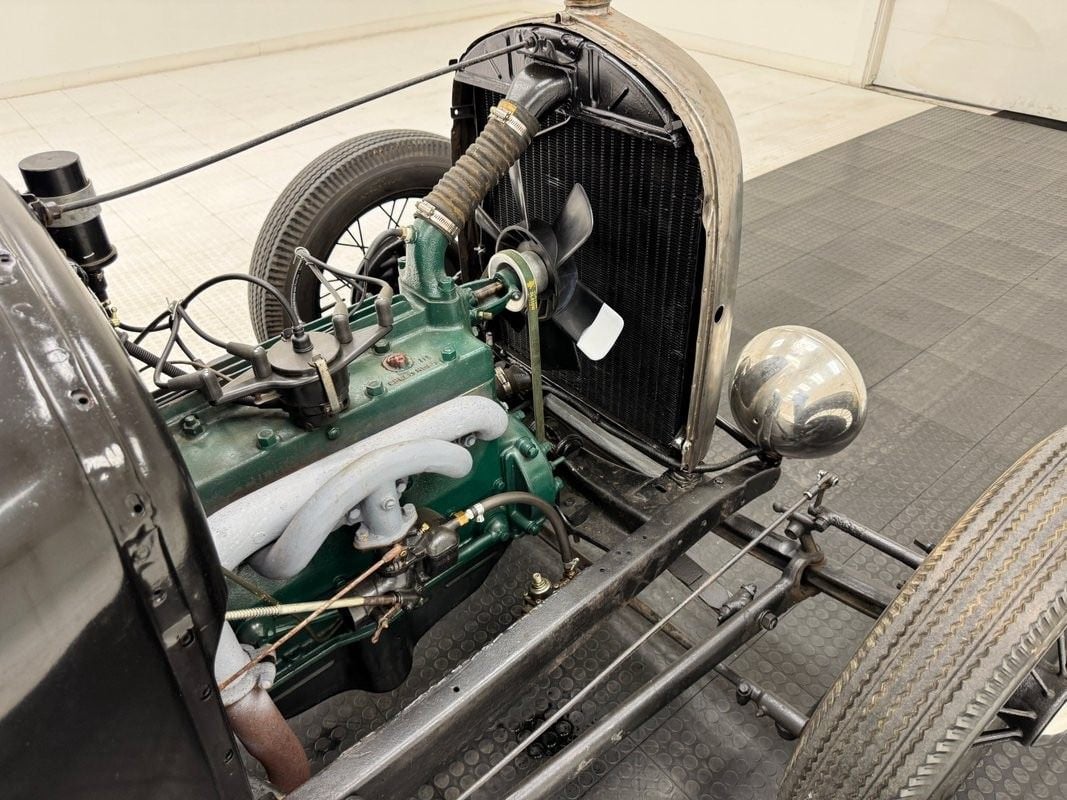
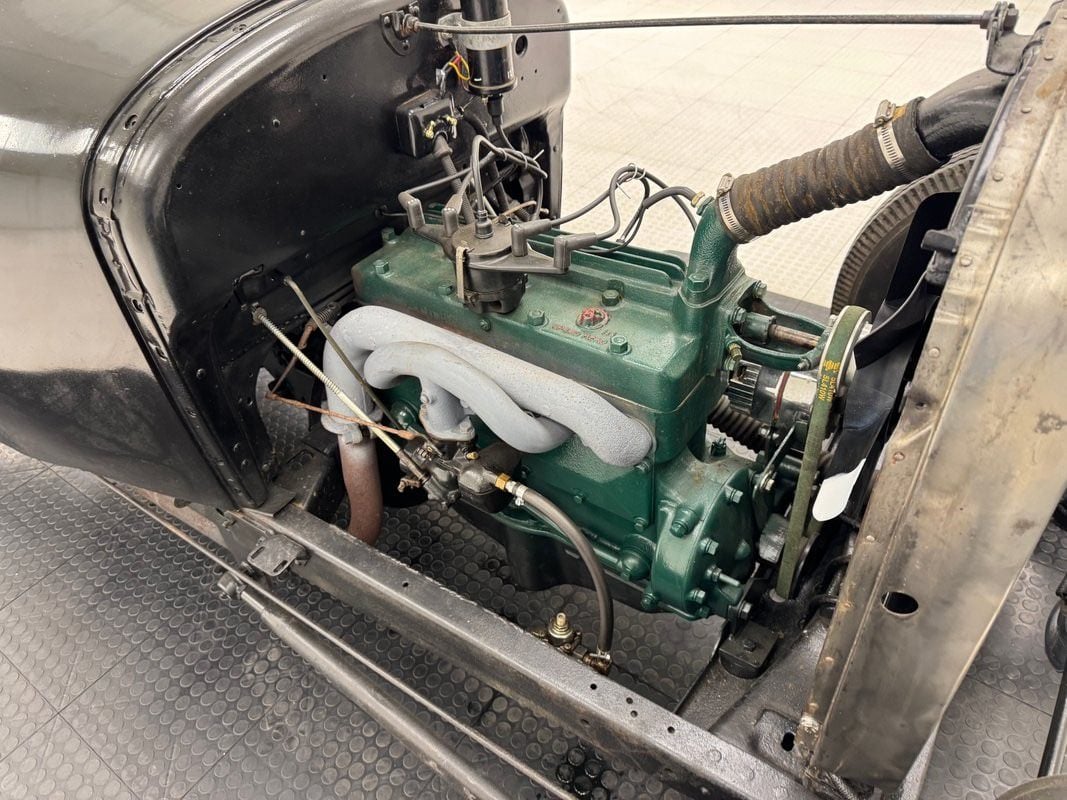
This car is powered by a 201 cubic inch (3.3 liter) inline-four fitted with a Beavertail balanced crank, forged connecting rods, insert bearings, a high-performance Lion “Speed Head,” and a Model B single-barrel carburetor – power is sent to the rear wheels through a 3-speed manual transmission.
Fast Facts: A 1931 Ford Model A Speedster
- This is a 1931 Ford Model A Speedster that’s been built into a period-correct hot rod, powered by a built 201 cubic inch inline-four with a Beavertail balanced crank, forged rods, insert bearings, a Lion Speed Head, and a Model B single-barrel carburetor, sending power through a 3-speed manual with a V8 clutch.
- The Ford Model A was famously born out of necessity rather than ambition – by the mid-1920s, the Model T was losing ground to Chevrolet and other competitors offering modern features and styling. Ford shut down production entirely in 1927 to retool, and the clean-sheet Model A debuted to enormous public demand, with 400,000 orders in just two weeks.
- The Model A’s tough four-cylinder engine became a favorite among racers and hot rodders thanks to its strong bottom end, which could handle far more power than the stock 40 bhp. Aftermarket OHV heads from Frontenac, Rajo, and others turned it into a proven dirt track and dry lakes racing engine, helping to lay the groundwork for American hot rod culture, along with the legendary ’32 Ford of course.
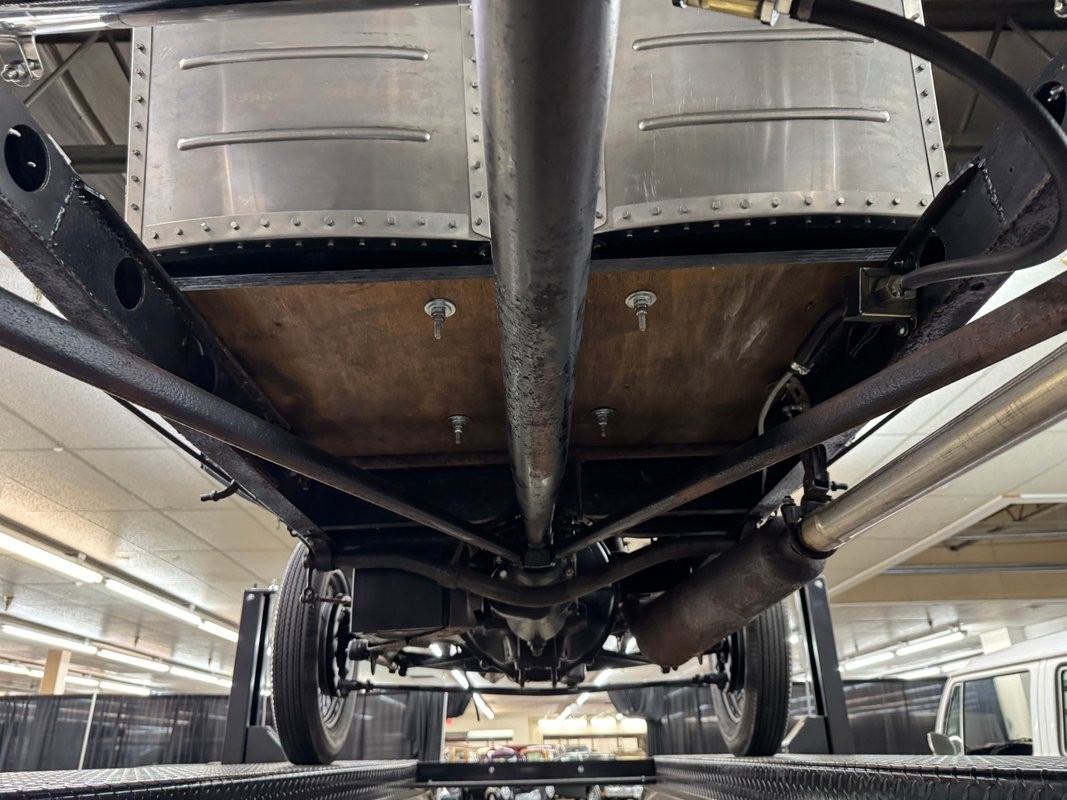
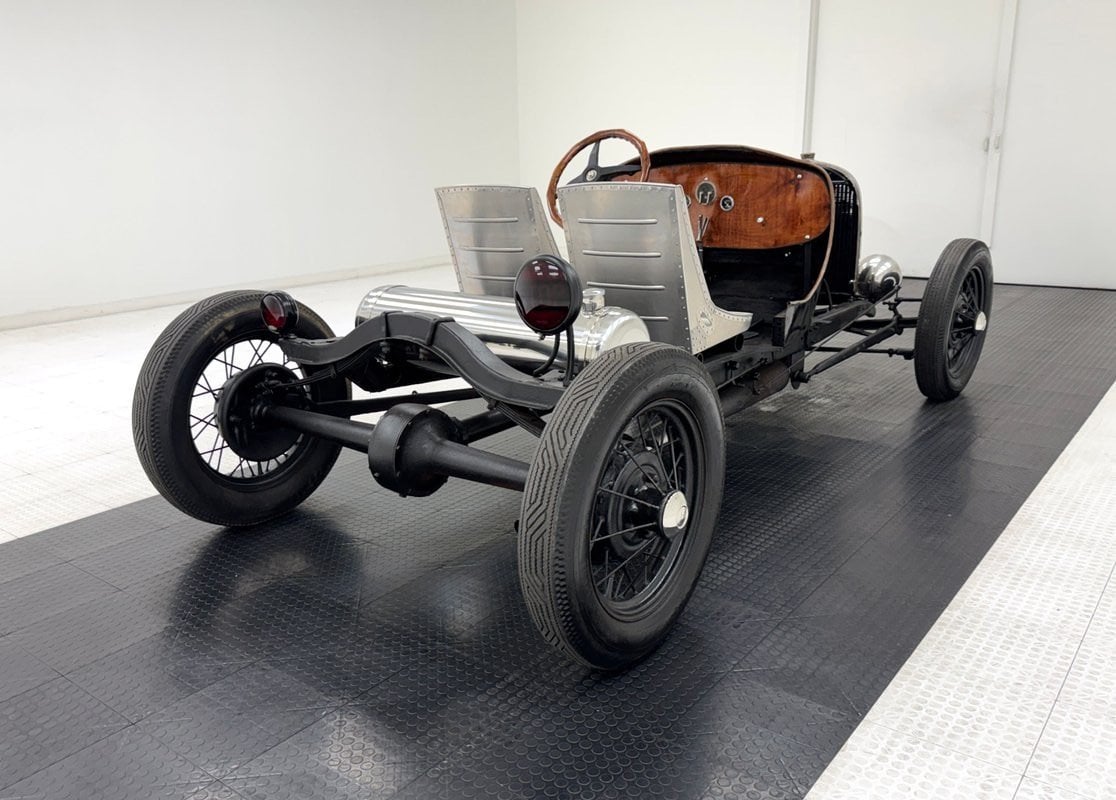
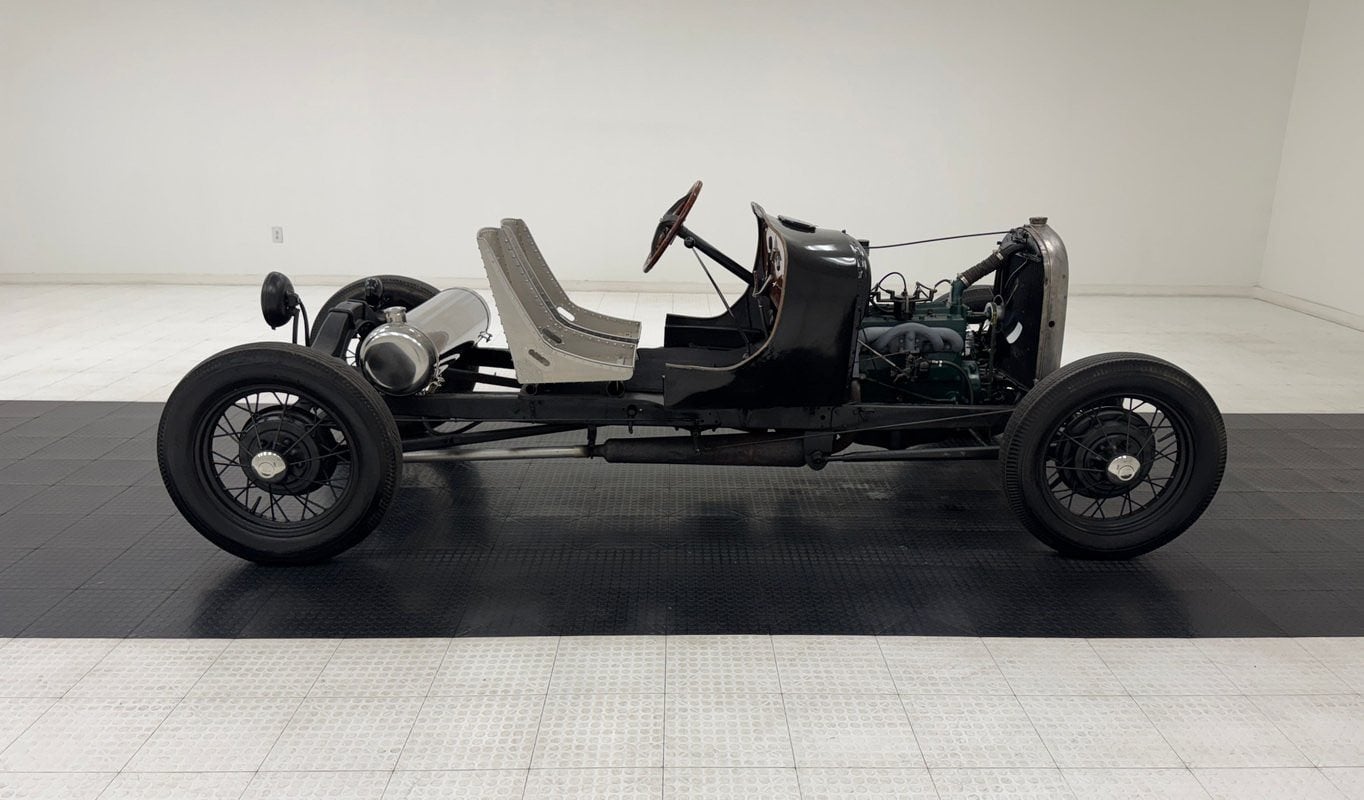
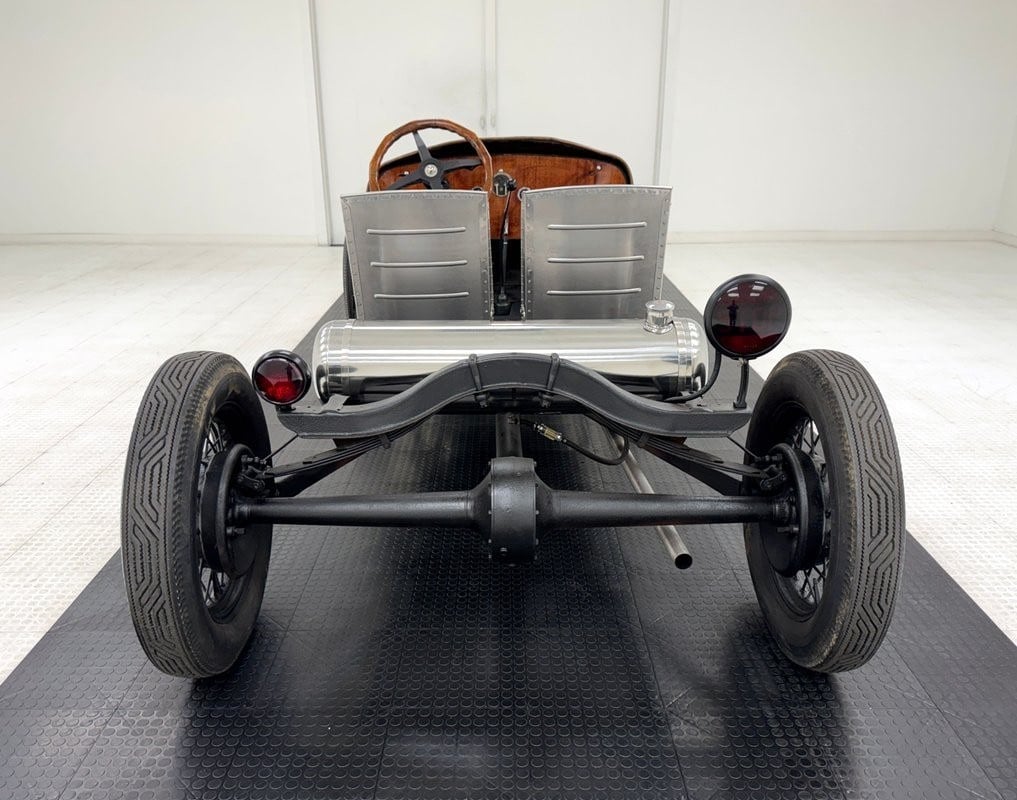
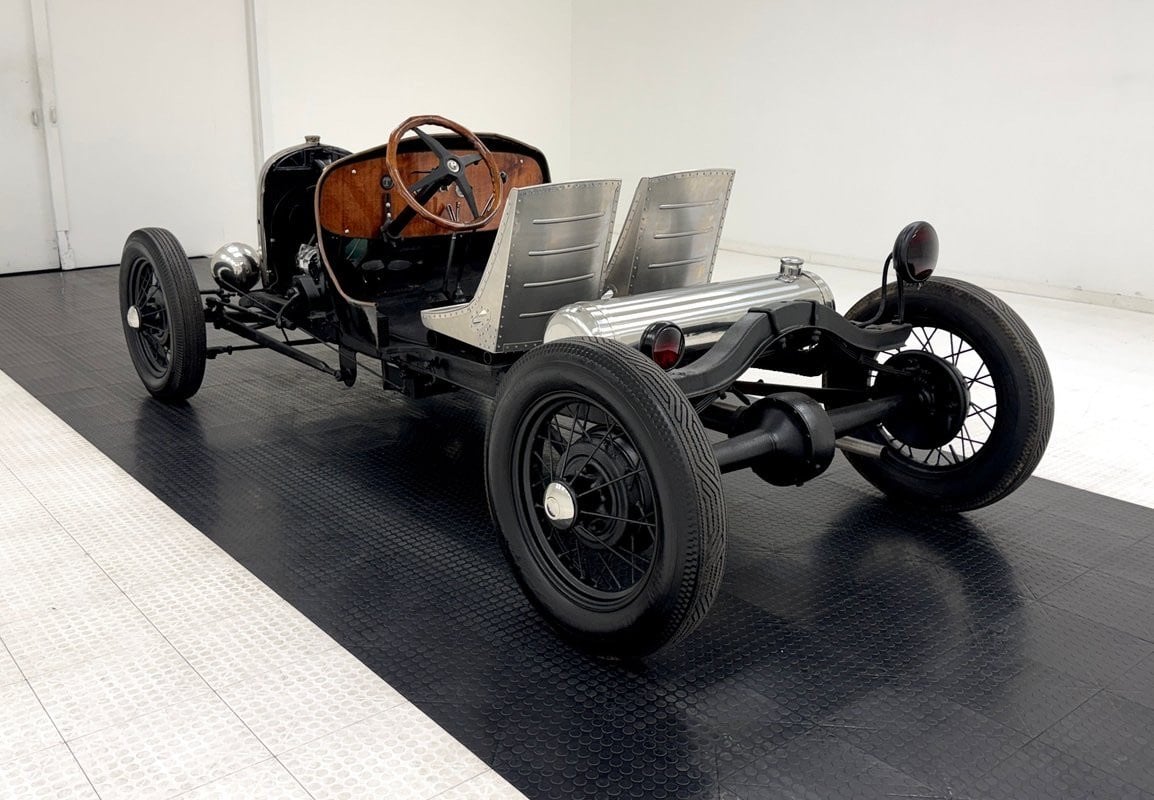
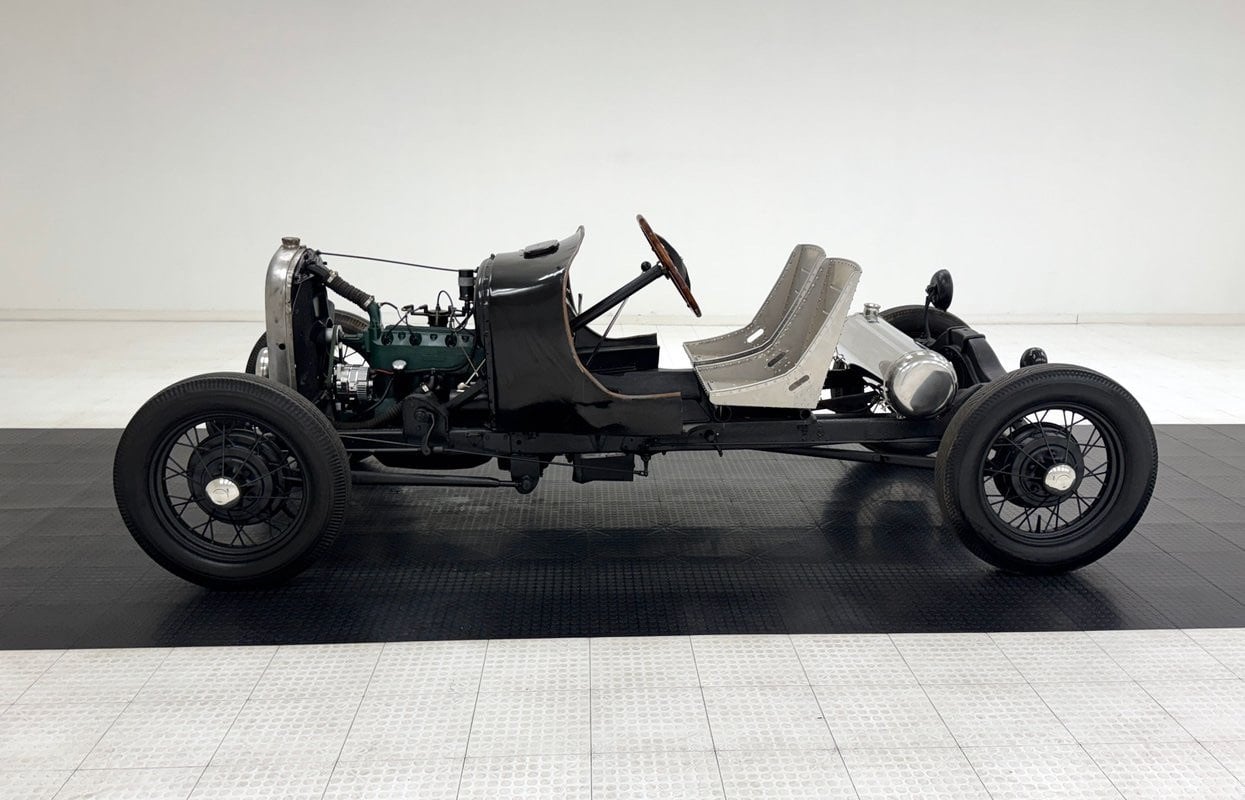
- This particular car has been stripped back in classic hot rod fashion, with bodywork behind the firewall removed, lightweight aluminum bucket seats fitted, and a cylindrical alloy fuel tank mounted behind the cockpit. It’s being offered for sale out of Morgantown, Pennsylvania through Classic Auto Mall on eBay for $12,500 USD.
History Speedrun: The Ford Model A
The Ford Model A wasn’t developed because Henry Ford particularly wanted a new car, he was still quite happy with the Model T, but the Model A was produced because in many respects, the rapidly evolving American market left him no choice.
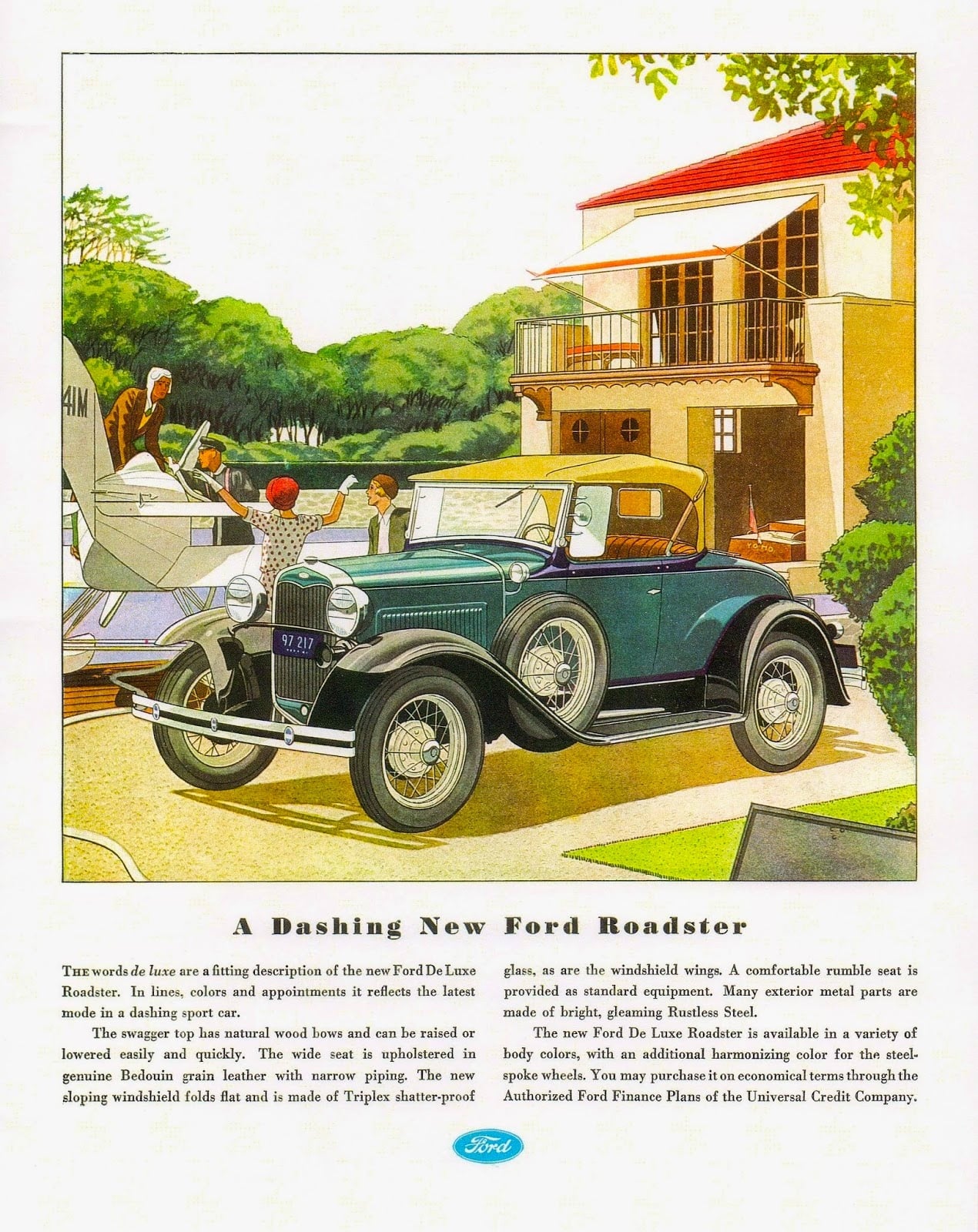
 The public reveal of the Model A on December the 2nd, 1927, triggered a national frenzy. Within two weeks, Ford had taken 400,000 orders from across the country. But early production was agonizingly slow, by January the 1st, 1928, only 5,275 engines had been built, some not yet even installed in a chassis. Image courtesy of Ford.
By the mid-1920s the Model T, which had dominated American motoring for nearly two decades, was hemorrhaging sales to competitors who offered something Ford stubbornly refused to provide – modern style, modern features, and more variety.
Chevrolet, led by former Ford production boss William Knudsen, had closed the gap from selling one car for every thirteen Fords in 1921 to one for every two by 1926. When Ford’s old trick of cutting prices failed to stop the bleeding, the company shut down production entirely on May the 26th, 1927, to retool its factories from scratch.
The Model A was developed in secrecy at Ford’s Rouge Plant, it was essentially a clean-sheet design to completely replace the Model T. Henry Ford’s involvement was characteristically hands-on (and often impractical), early on he was insisting on using more drop forgings than stampings (believing them more durable) but his engineers eventually talked him out of it to keep production costs manageable.
Where Henry showed surprising restraint was in styling, he left the car’s appearance largely to his son Edsel, who had genuine design talent. He had some advantages due to family nepotism of course, but he also had a far better eye for style than his utilitarian Dad.
The result was a car that looked modern, even fashionable, a world apart from the affordable but barebones Model T.
The public reveal on December the 2nd, 1927, triggered a national frenzy. Within two weeks, Ford had taken 400,000 orders from across the country. But early production was agonizingly slow, by January the 1st, 1928, only 5,275 engines had been built, some not yet even installed in a chassis.
The ramp-up was steep, though, and by February of 1929, engine production had crossed the one million mark. By the time production ended in March of 1932, a total of 4,858,644 Model As had been built across all body styles.
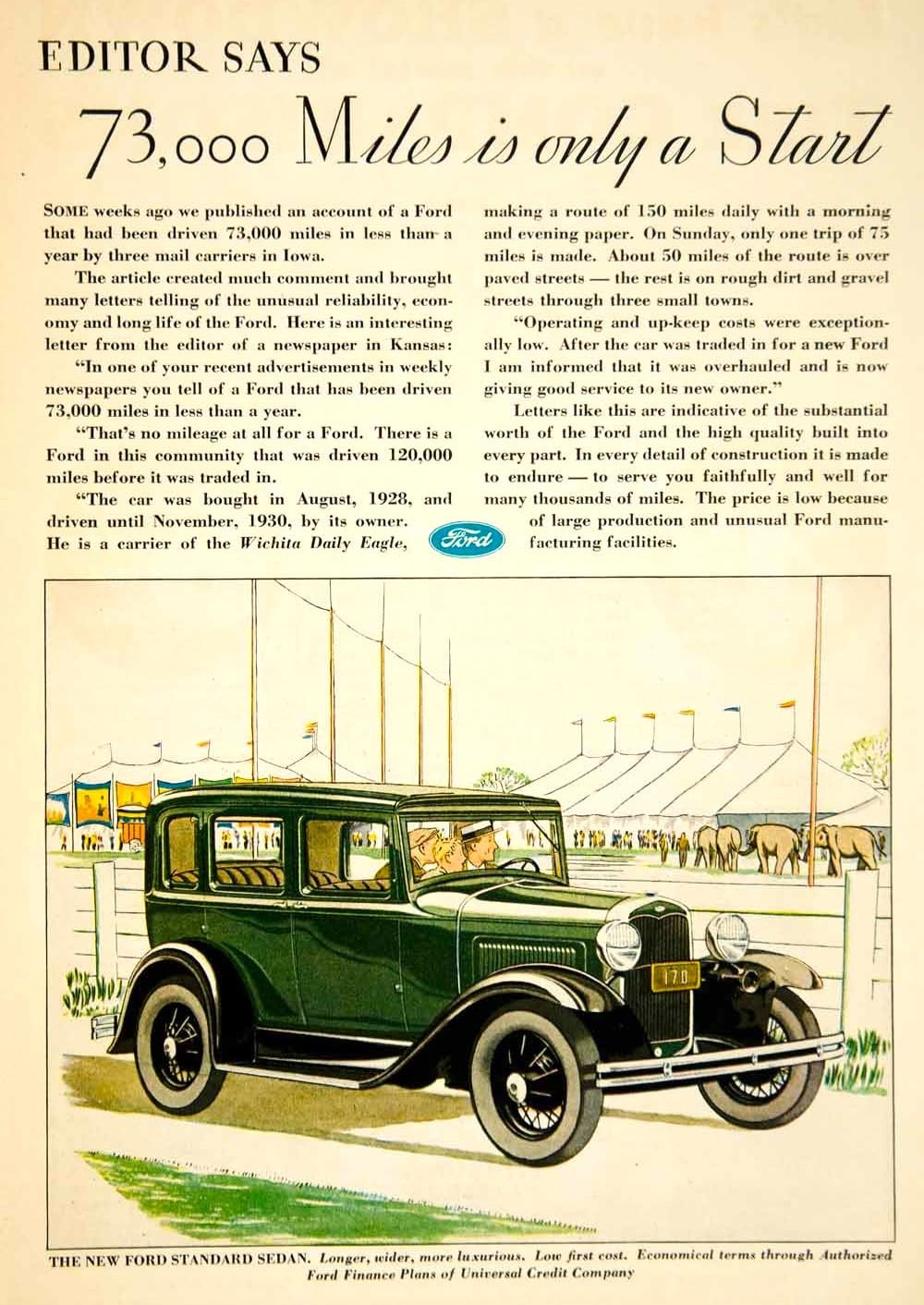
Ford offered the car in a huge range of body styles, the lineup included the Tudor sedan (Ford’s wordplay on “two-door,” and by far the best seller. More than 1.25 million Standard Tudors were built, and 1.39 million Tudors overall when variants are included). Image courtesy of Ford.
The Ford Model A: Specifications
Under the hood of the Model A sat a liquid-cooled, L-head inline four-cylinder displacing 201 cubic inches, with a bore of 3.876 inches and a stroke of 4.250 inches. Output was 40 bhp at 2,200 rpm and 128 lb ft of torque at 1,000 rpm – this was almost double the power of the Model T four-pot, while still keeping Ford’s simple and familiar four-cylinder architecture.
With a curb weight of 2,200 lbs, the Model A was actually quick by late-1920s standards, it was even capable of 60 mph if in a decent state of tune. The single-throat updraft carburetor, mainly supplied by Zenith, was a model of simplicity but this wasn’t by accident, legend has it that Henry kept rejecting the design until Zenith produced one held together with a single through-bolt.
The transmission was a conventional 3-speed sliding-gear manual, replacing the Model T’s eccentric planetary setup, and the car rode on a 103.5 inch wheelbase with four-wheel mechanical drum brakes, this was a major upgrade over the Model T’s rear-only brake set up. The Model A also brought Triplex shatterproof safety glass to the windshield, a first for Ford and an unusual feature in a lower-priced car.
Ford offered the car in a huge range of body styles, the lineup included the Tudor sedan (Ford’s wordplay on “two-door,” and by far the best seller. More than 1.25 million Standard Tudors were built, and 1.39 million Tudors overall when variants are included), the Fordor sedan, Standard and Deluxe Coupes, Sport Coupe, Roadster, Convertible Cabriolet, Convertible Sedan, Phaeton, Victoria, Town Sedan, Town Car, Station Wagon, and Taxicab, plus the Model AA heavy-duty truck.
Prices ranged from $385 for a roadster to $1,400 for the top-of-the-line Town Car. Beyond the USA, Ford built the Model A in Argentina, Canada, France, Germany, and the United Kingdom, while the Soviet company GAZ built a licensed version from 1932 to 1936 – this was the car that later formed the basis for the FAI and BA-20 armored scout cars used in the early stages of World War II.
The Model A Goes Racing
The Model A’s unusual motorsport story began with its engine, Henry Ford built the four-cylinder with an exceptionally tough bottom end very deliberately, to make sure it was reliable and long-lasting. It had a bulletproof block, crankshaft, and connecting rods that could handle far more power than the stock 40 bhp.
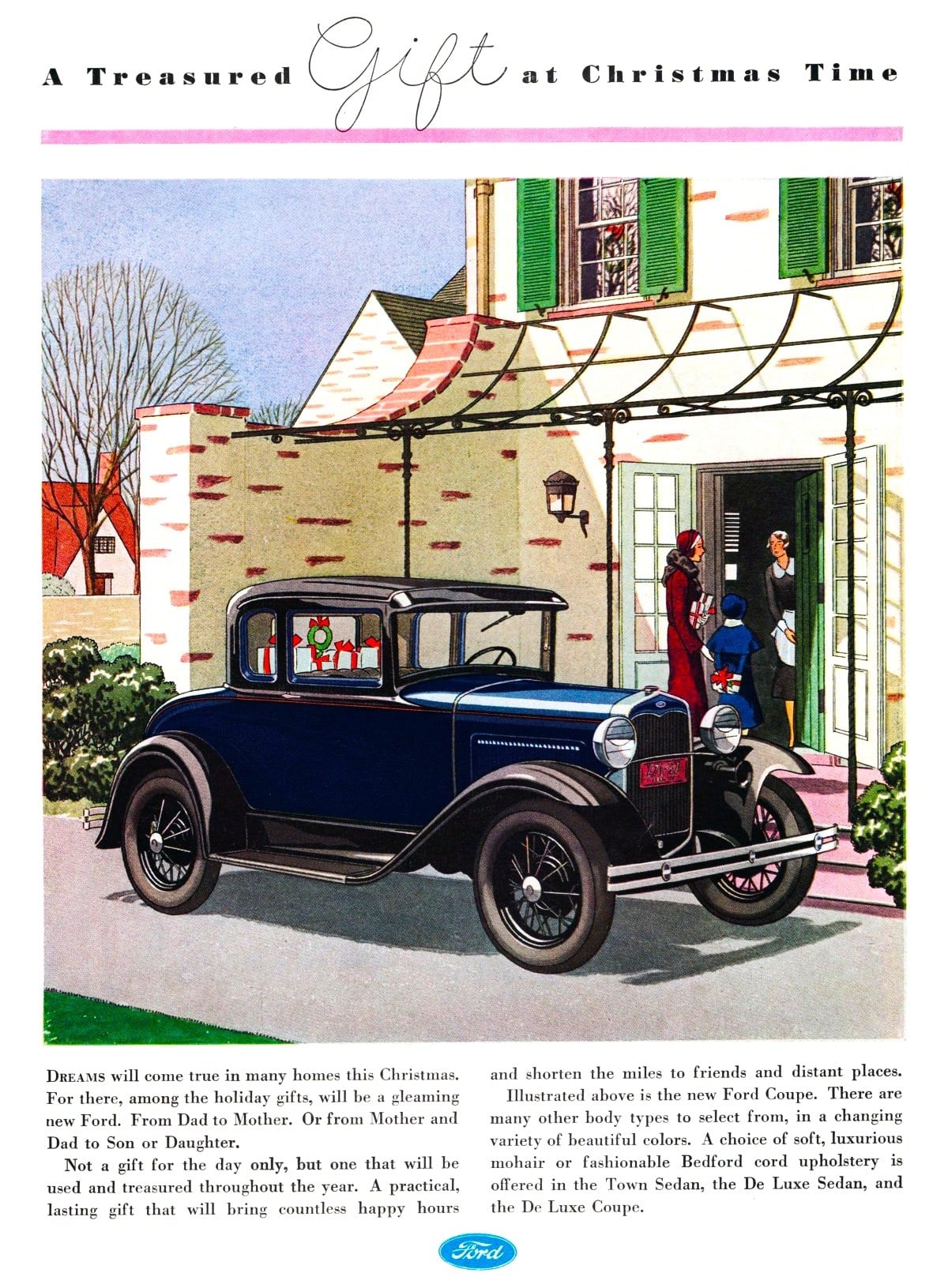
Model A prices ranged from $385 for a roadster to $1,400 for the top-of-the-line Town Car. Beyond the USA, Ford built the Model A in Argentina, Canada, France, Germany, and the United Kingdom, while the Soviet company GAZ built a licensed version from 1932 to 1936. Image courtesy of Ford.
Aftermarket overhead-valve conversion heads from companies like Rajo, Lion, Riley, Cragar, and Frontenac were bolted onto Ford four-cylinder blocks and used to dominate dirt track racing throughout the late 1920s and well into the 1930s.
The Frontenac OHV conversion was originally developed by the Chevrolet brothers for the Model T block and later adapted for the Model A, it was in quite widespread use, turning the humble Ford four-banger into a proven racing engine for its displacement class.
At the extreme end, heavily modified examples reached compression ratios of 12:1 and produced as much as 250 bhp, though this was with a lot of work poured into them.
Southern California’s dry lakes, like Muroc and El Mirage, became the proving grounds for speed-obsessed young men running modified Fords in the 1930s, laying the direct groundwork for organized drag racing and the broader hot rod movement that exploded after World War II.
The Model A body, particularly the lighter weight roadster version, became one of the most iconic platforms in hot rod culture. Model As were everywhere, they were dirt cheap, and they were simple enough for a teenager to strip down and rebuild in a garage.
The Model A roadster, especially 1930 to 1931 examples, became one of the defining choices for hot rod builders, prized for the open cockpit’s low weight, easy engine access, and simplicity.
Among the most famous Model A hot rods is the Ala Kart, a customized 1929 roadster pickup built by George Barris, Richard Peters, and Mike “Blackie” Gejeian that won back-to-back “America’s Most Beautiful Roadster” awards at the Oakland Roadster Show and went on to numerous film and television appearances.
Today the “A-bone,” as rodders have always called it, remains one of the most popular platforms for traditional-style hot rod builds, with a thriving aftermarket that still supplies everything from reproduction body panels to high-performance four-cylinder heads – undeniable proof that nearly a century on, Henry Ford’s reluctant masterpiece has life left in it yet.
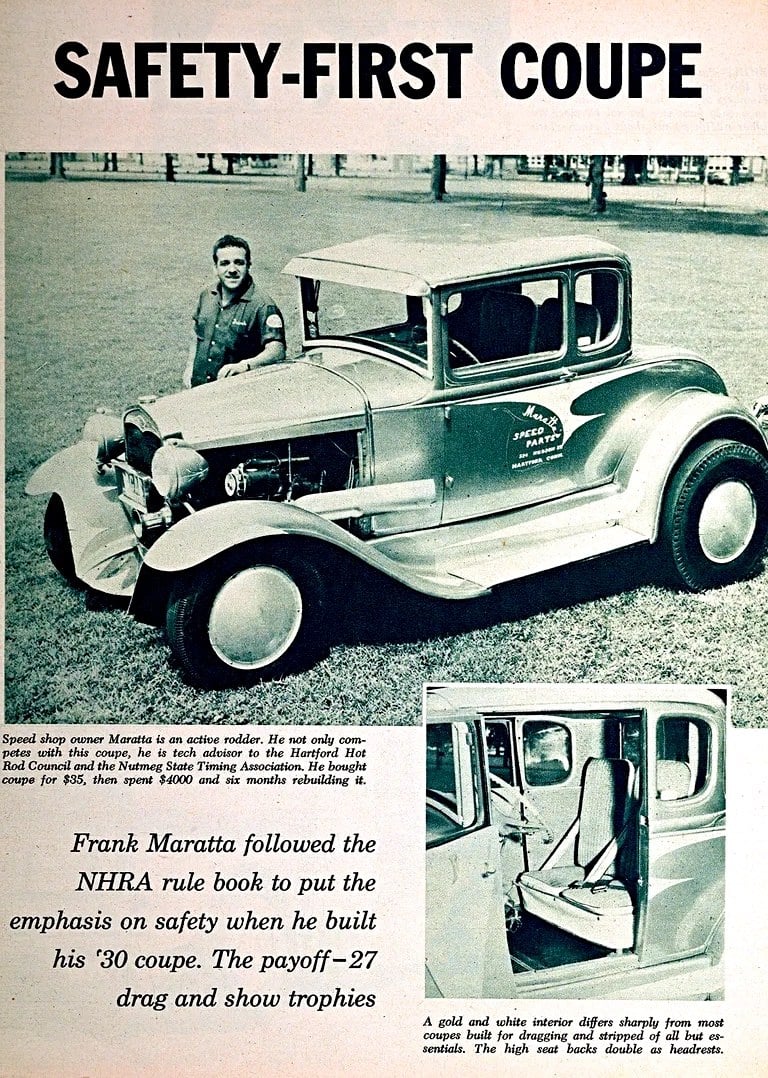
The Model A body, particularly the lighter weight roadster version, became one of the most iconic platforms in hot rod culture. Model As were everywhere, they were dirt cheap, and they were simple enough for a teenager to strip down and rebuild in a garage. Image courtesy of Hot Rod Magazine.
The Ford Model A Hot Rod Shown Here
The car you see here is a 1931 Ford Model A Speedster that’s been given a tasteful rebuild into a period correct hot rod ideal for vintage racing events like The Race of Gentlemen (TROG) held annually in Wildwood, New Jersey.
Some of the most important mods done to hot rods aren’t the performance parts that are fitted, but rather the heavy steel body panels that are removed to reduce weight – this has resulted in that stripped back look hot rods are famous for.
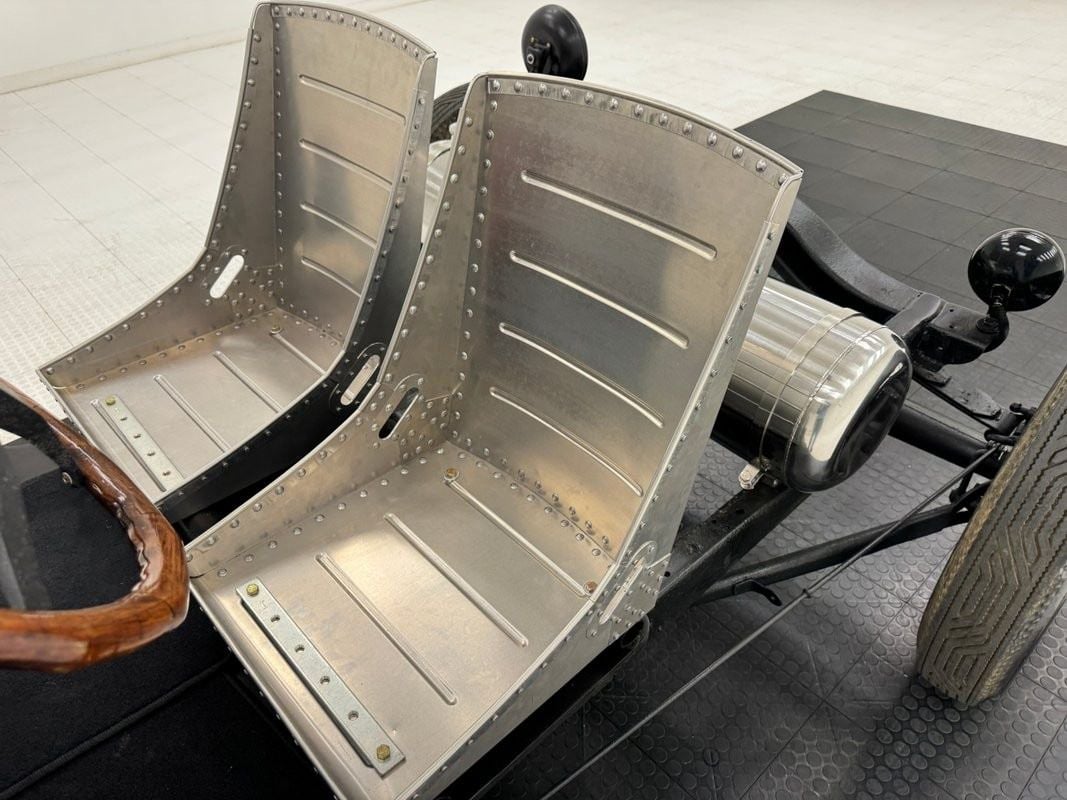
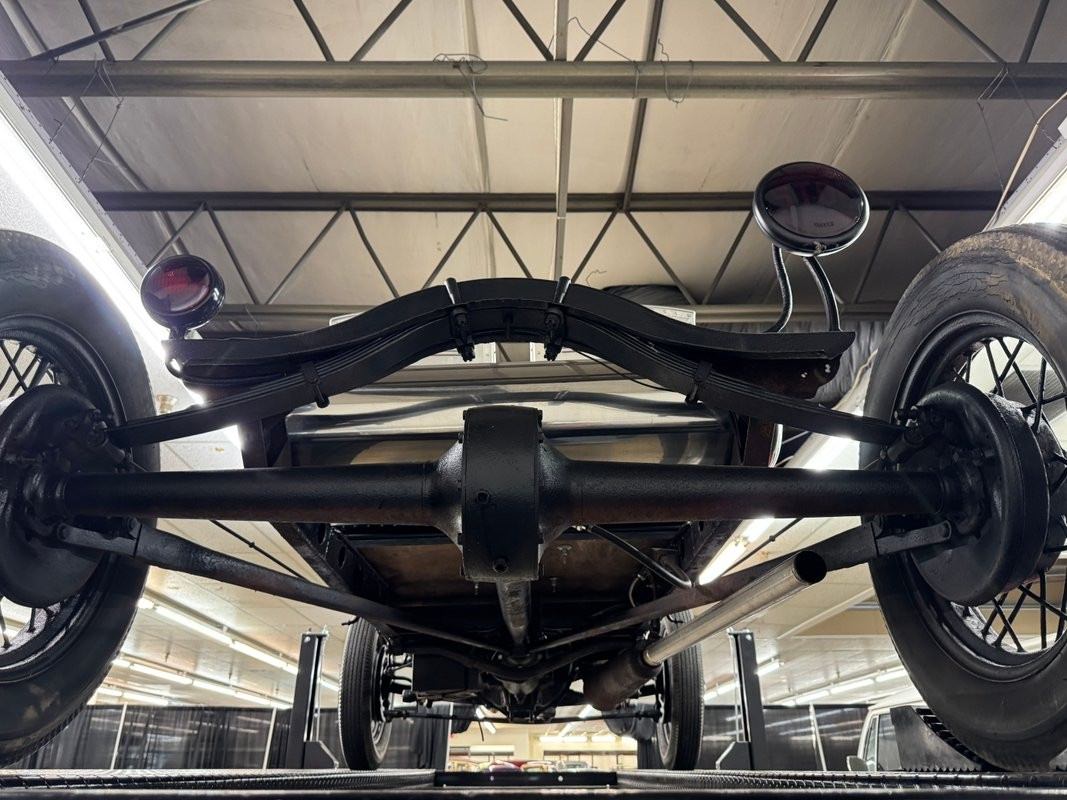
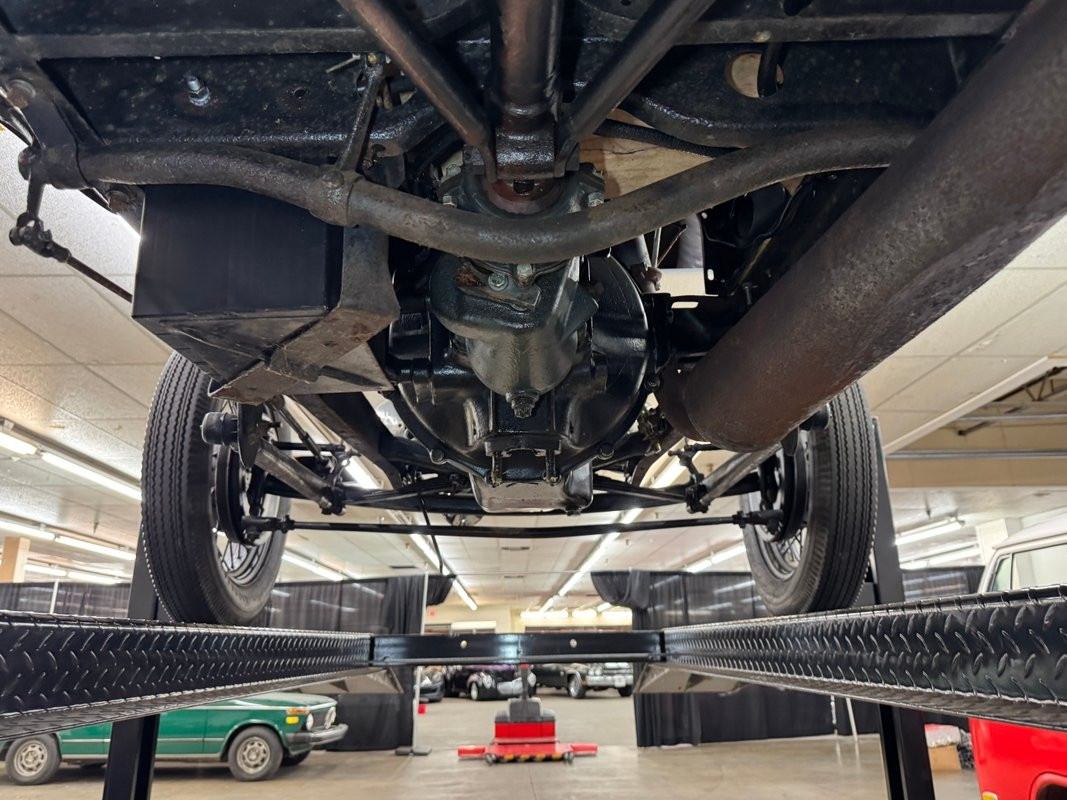
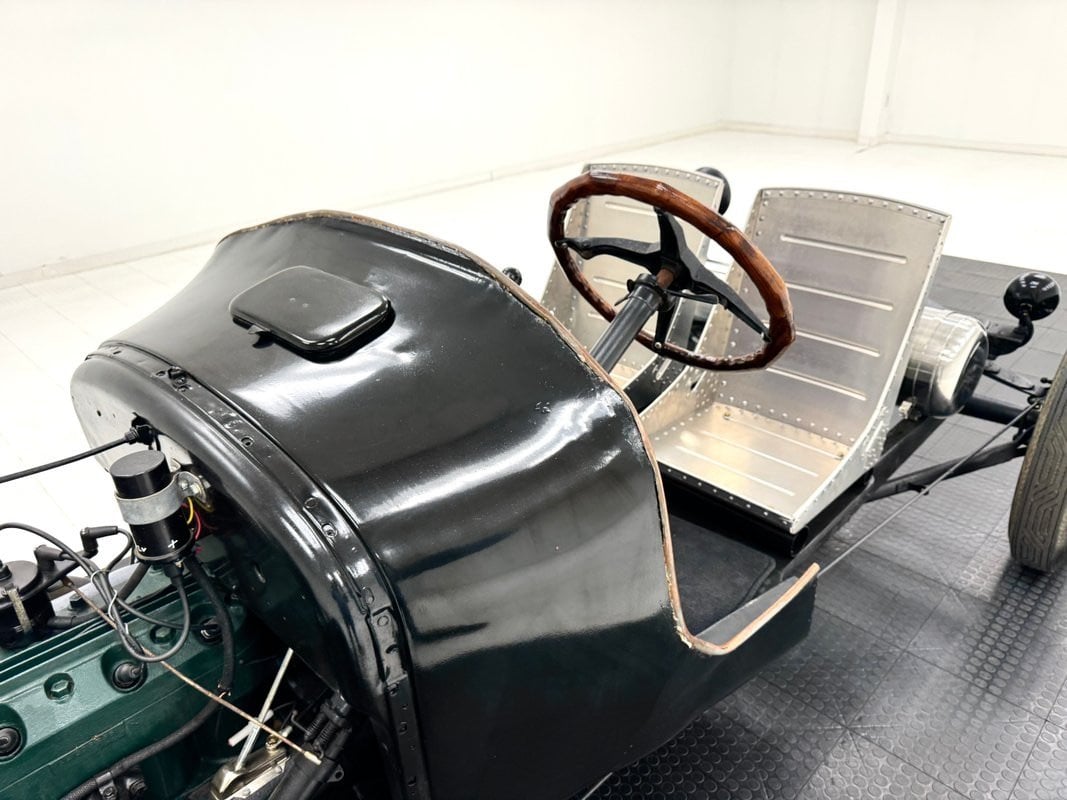
This car has received the weightless treatment, with its engine cover and much of its bodywork behind the firewall removed. As a result, the chassis is now clearly visible, as are the suspension and brakes, and the car has a cylindrical alloy fuel tank behind the driver and passenger seats.
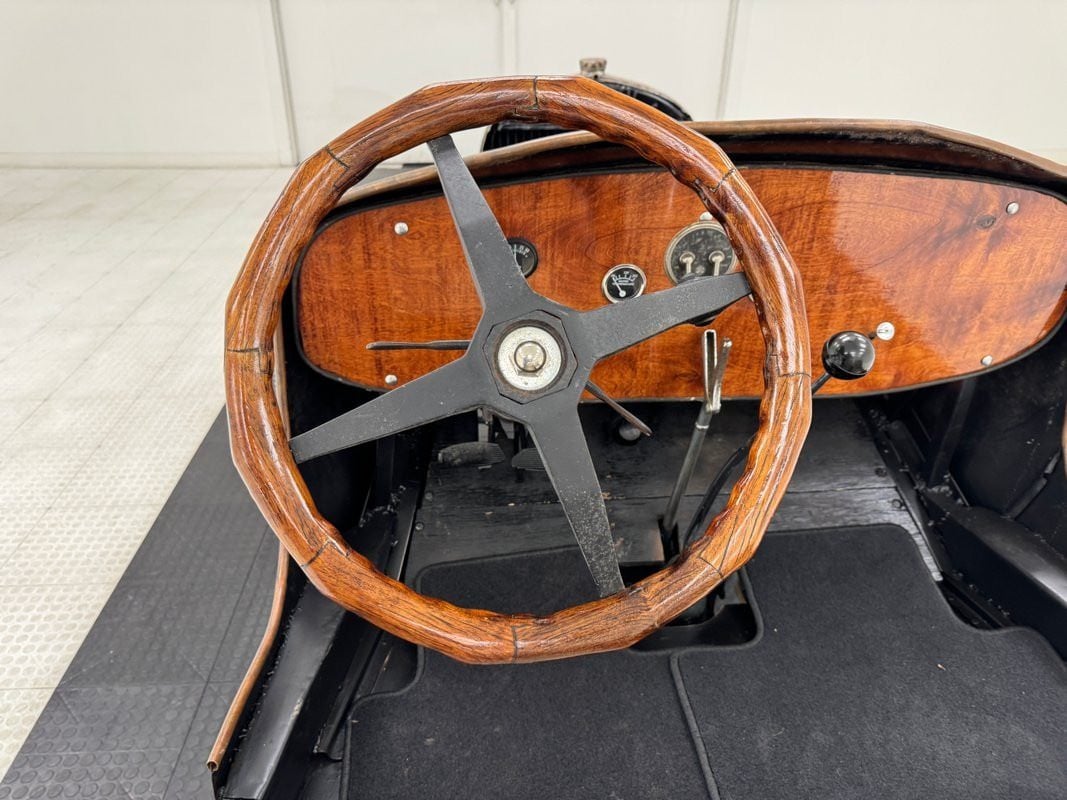
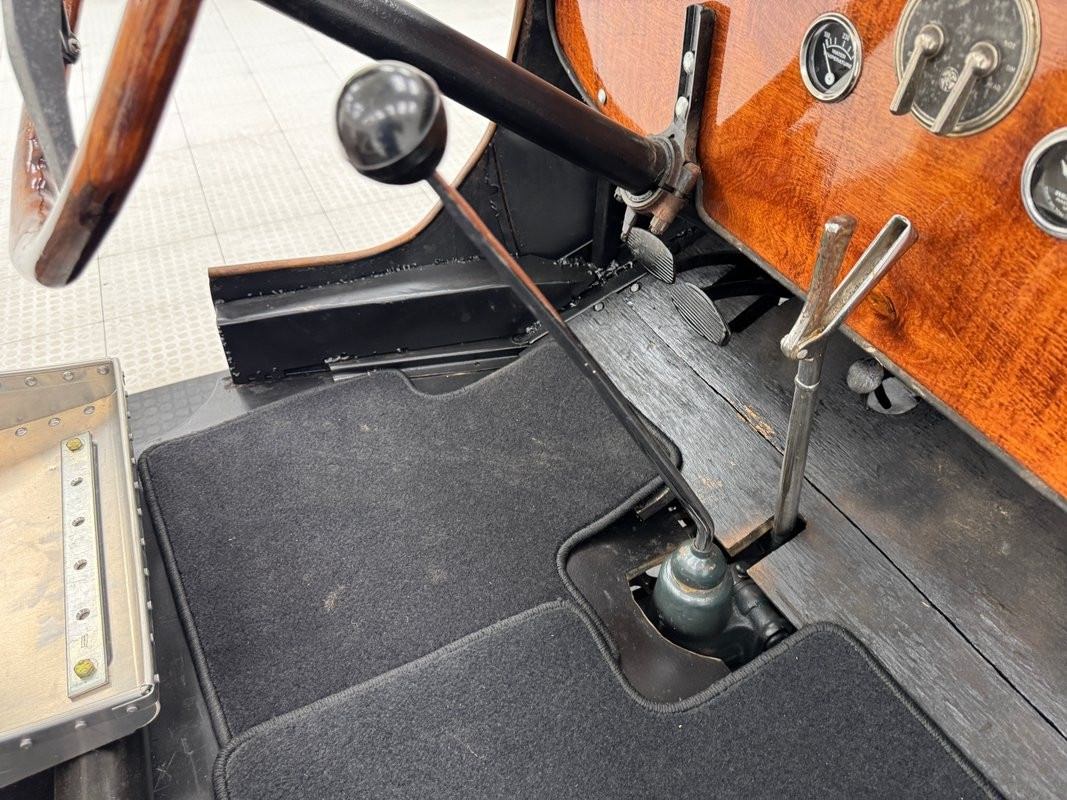
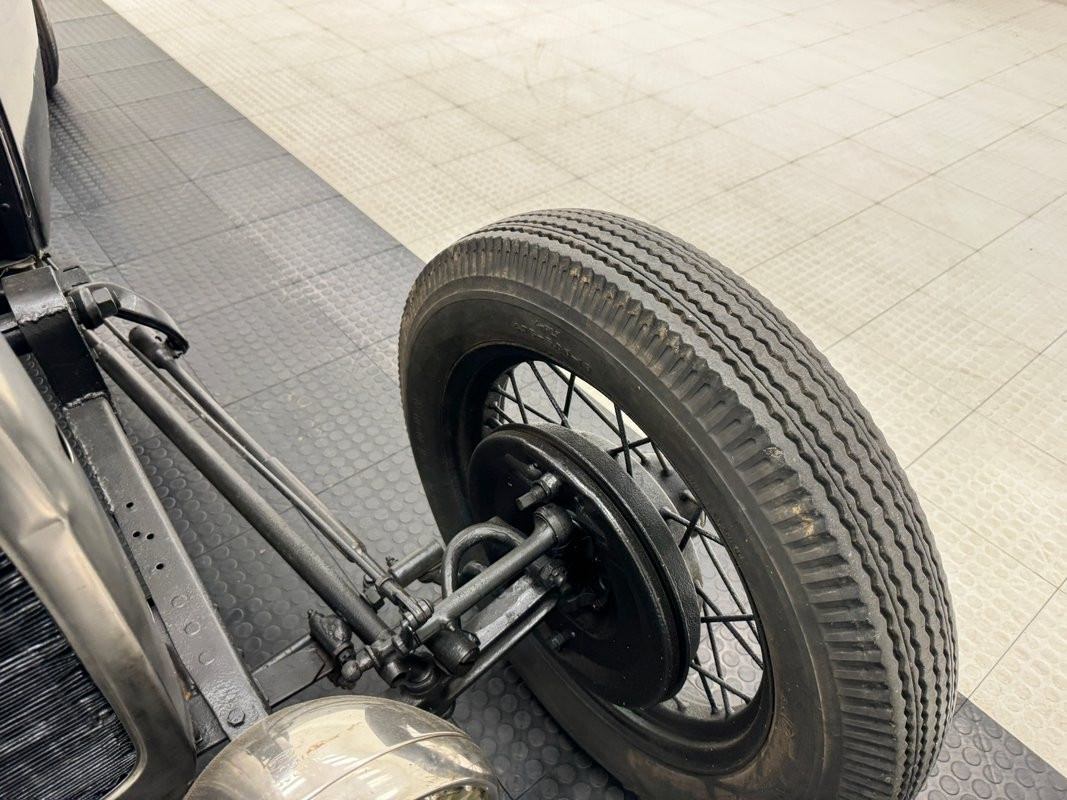
It rides on black-painted spoked steel wheels with drum brakes front and back, and it rides on transverse leaf springs at both ends – all original to the Model A. The steering wheel is a nicely-chosen wood-rimmed wheel with plenty of diameter – essential given the obvious lack of power steering.
The driver and passenger sit in a pair of lightweight aluminum bucket seats – they have no padding so you’d want to make sure you had extra servings of pie to help cushion things a little.
This is a 1931 Ford Model A Speedster that’s been built into a classic hot rod, with a slew of go-faster parts fitted but with care taken to keep things (mostly) period correct.
In the engine bay you’ll find a built 201 cubic inch (3.3 liter) Model A inline-four with a Beavertail balanced crankshaft, forged connecting rods, insert bearings, and a Lion Speed Head. It’s topped with a Model B 1-barrel carburetor, and power is sent back through a 3-speed manual transmission with a V8 clutch, through a 3.78 diff.
The car is now being offered for sale out of Morgantown, Pennsylvania through Classic Auto Mall on eBay with an asking price of $12,500 USD – that’s not bad for a hot rod like this. If you’d like to read more about it or make them an offer you can visit the listing here.
Images courtesy of Classic Auto Mall

Articles that Ben Branch has written have been covered on CNN, Popular Mechanics, Smithsonian Magazine, Road & Track Magazine, the official Pinterest blog, the official eBay Motors blog, BuzzFeed, Autoweek Magazine, Wired Magazine, Autoblog, Gear Patrol, Jalopnik, The Verge, and many more.
Silodrome was founded by Ben back in 2010, in the years since the site has grown to become a world leader in the alternative and vintage motoring sector, with well over a million monthly readers from around the world and many hundreds of thousands of followers on social media.