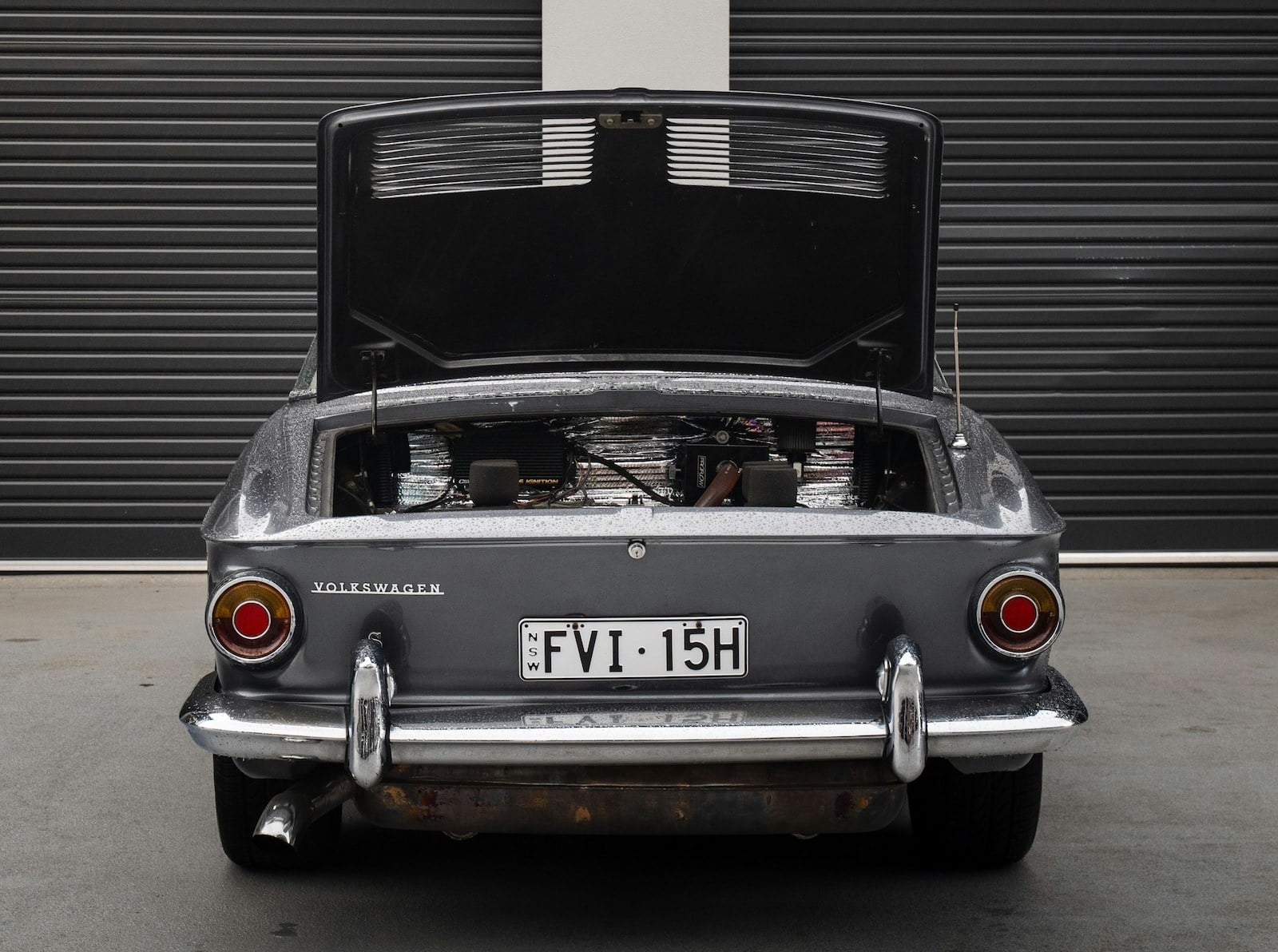
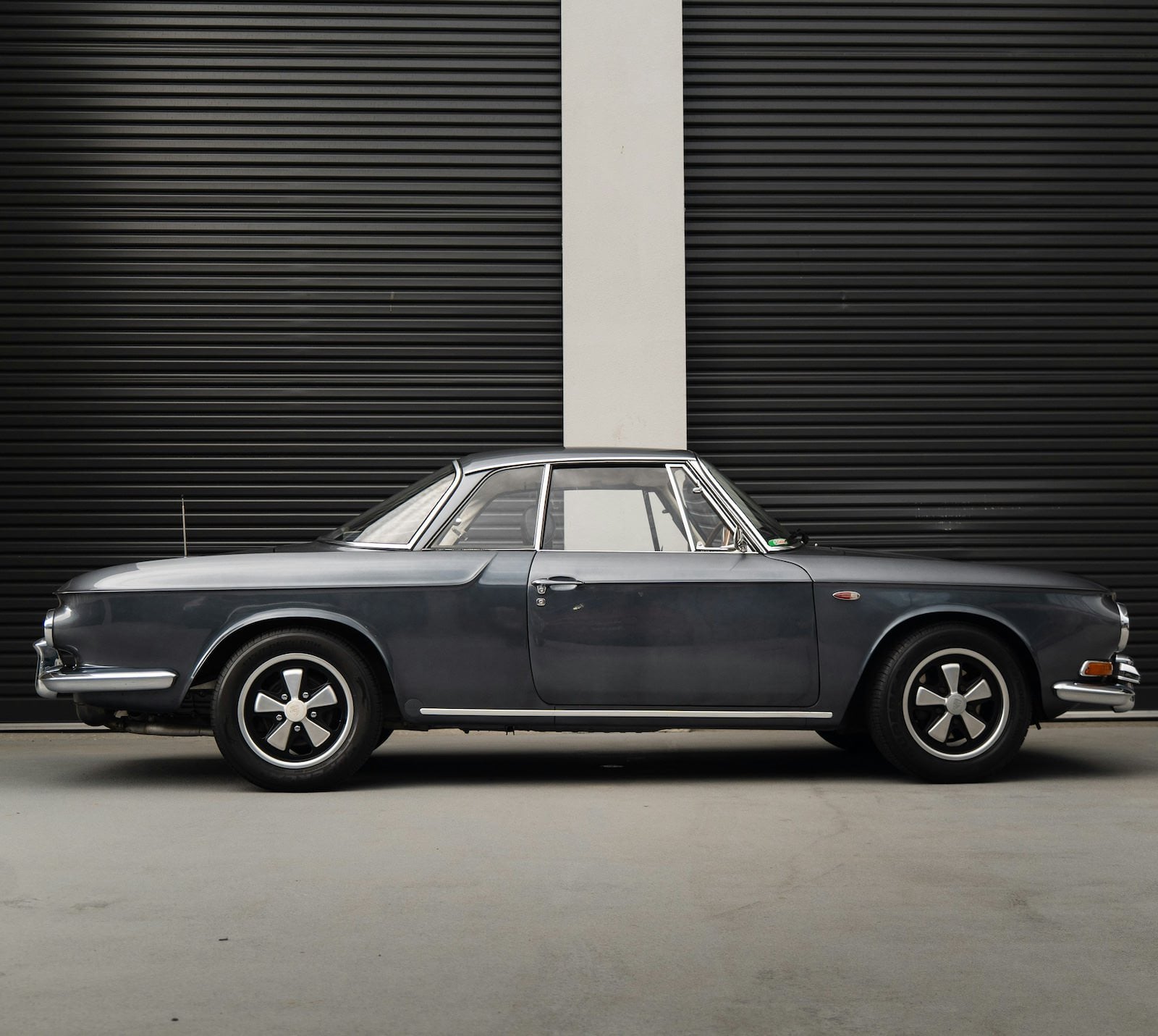
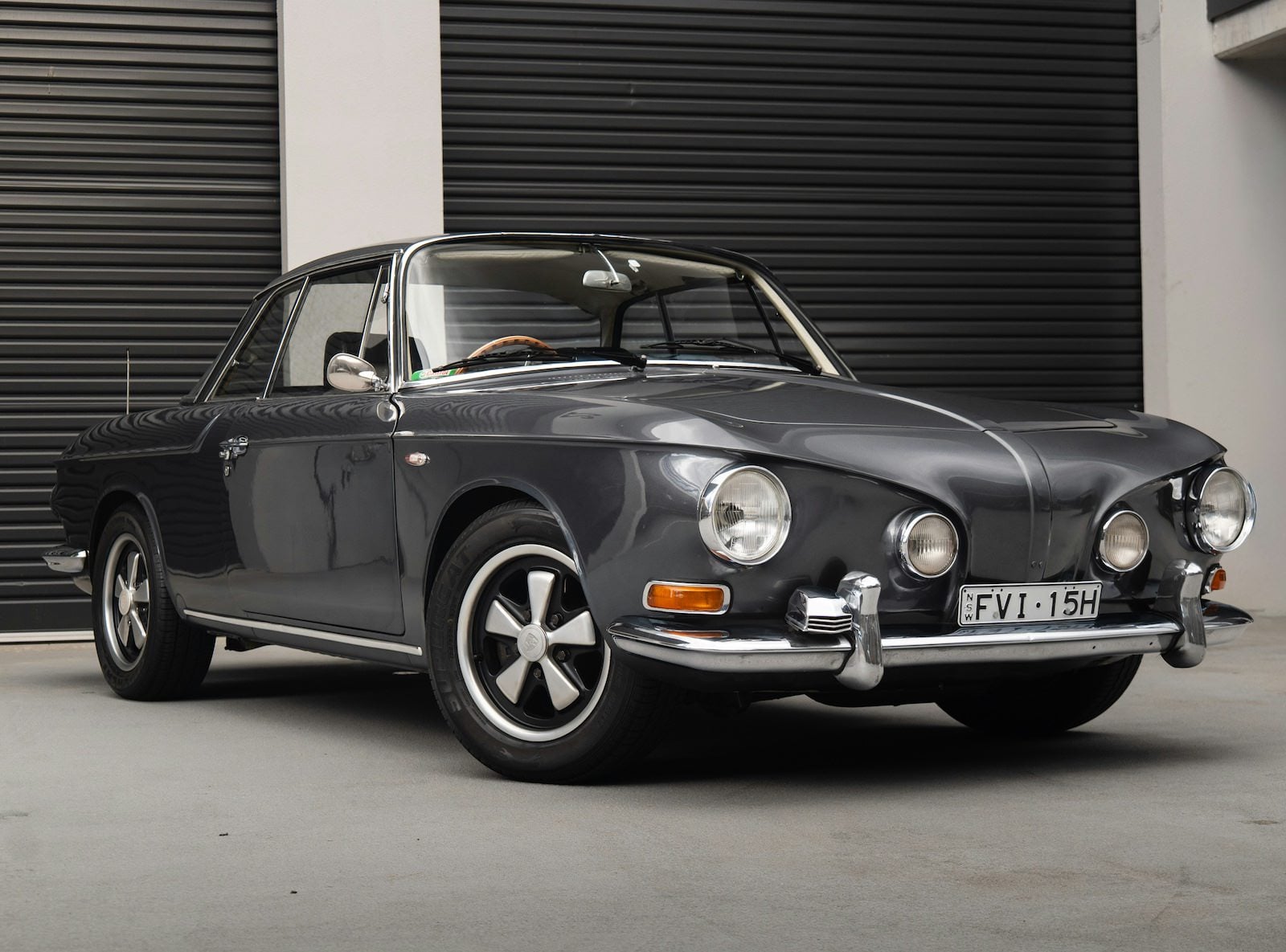
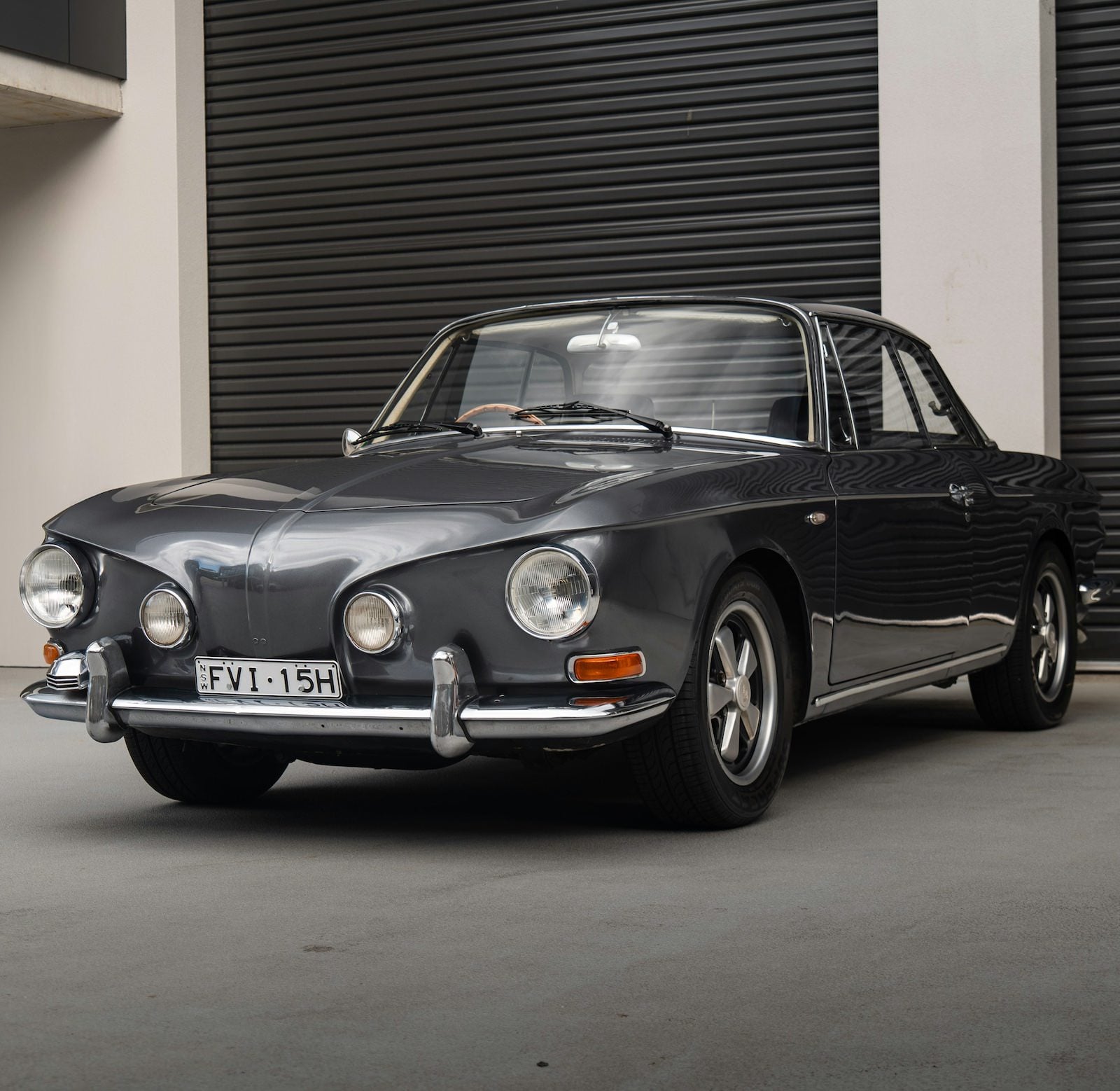
This is a Volkswagen Karmann Ghia Type 34 that’s now powered by a Porsche 911-sourced 2.7 liter flat-six. The outside of the car has been kept looking relatively stock, making it an air-cooled sleeper that’ll have no shortage of fans.
When it was first released, the Karmann Ghia Type 34 was powered by a 1.5 liter VW flat-four that was good for just 44 bhp, meaning the car you see here is going to be a lot quicker, and arguably it’s going to sound a lot better too.
Fast Facts: A Flat Six-Powered Karmann Ghia Type 34
- Volkswagen introduced the Karmann Ghia Type 34 in 1961 as a more expensive companion to the earlier Type 14. Styled by Ghia, principally Sergio Sartorelli with input from Tom Tjaarda, it used Volkswagen Type 3 underpinnings and had distinctive styling, twin luggage compartments, and initially a 44 bhp 1.5 liter flat-four.
- The Type 34 evolved steadily during its production run, gaining more powerful 1.5 and 1.6 liter engines, front disc brakes, a 12 volt electrical system, and later an optional automatic transmission with revised rear suspension. Production ended in 1969 after 42,500 examples were made, making it considerably rarer than the Type 14.
- The featured 1964 Type 34 is an Australian-market, right hand drive example first registered in 1965. Its major modification is a Porsche 911-sourced 2.7 liter air-cooled flat-six with Weber carburetors and Fireball Performance ignition, driving the rear wheels through a 4-speed manual transmission and giving it far improved performance over stock.
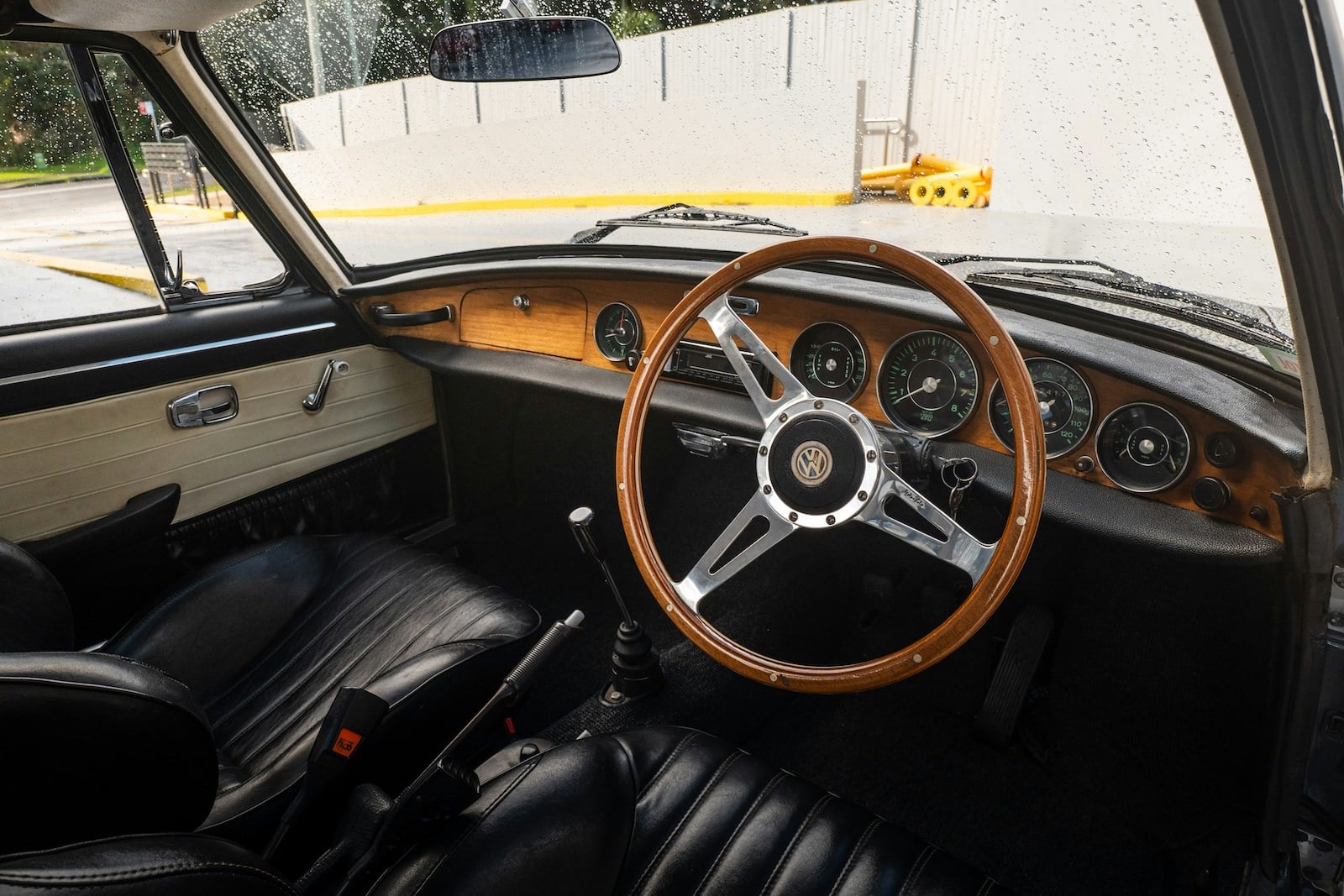
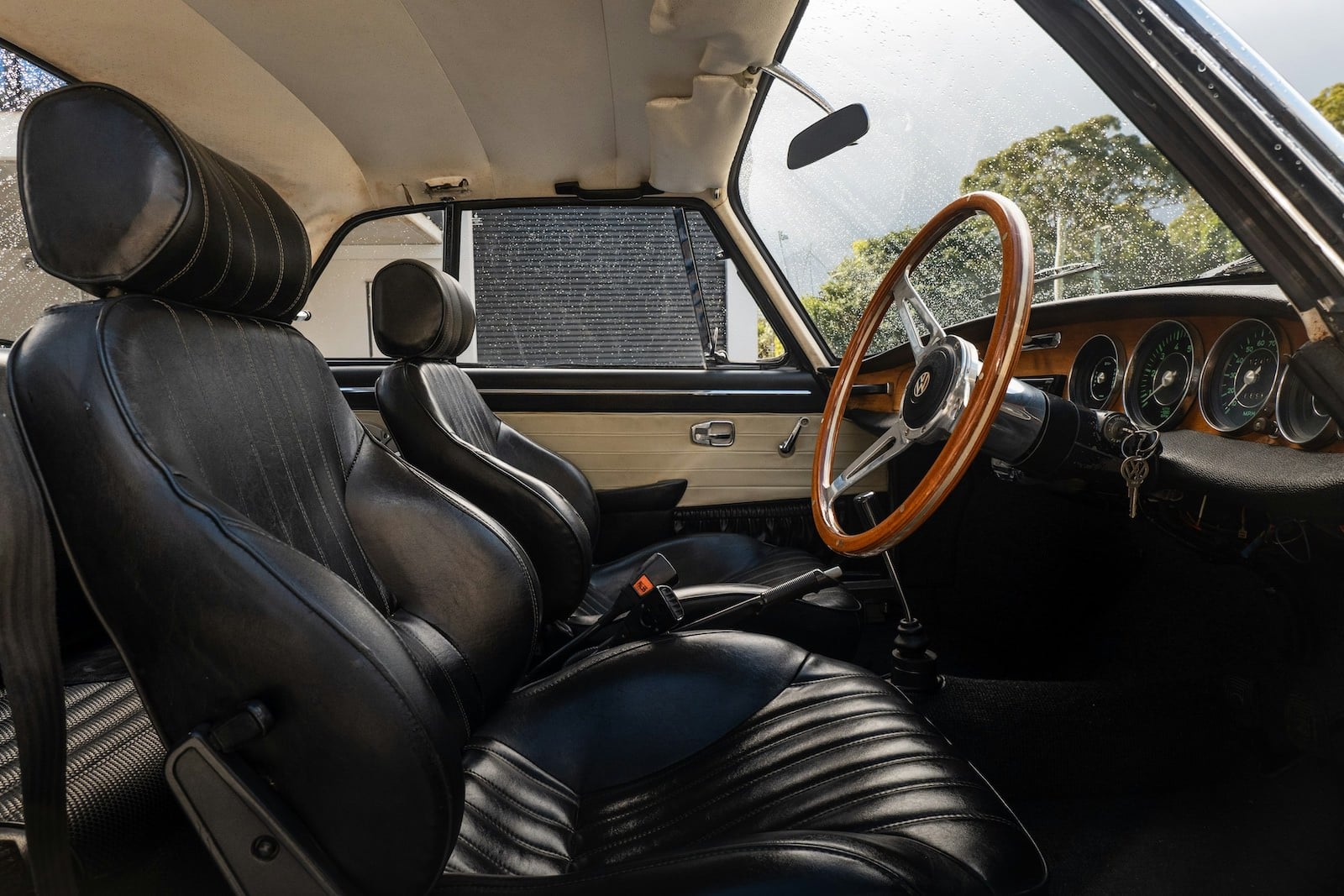
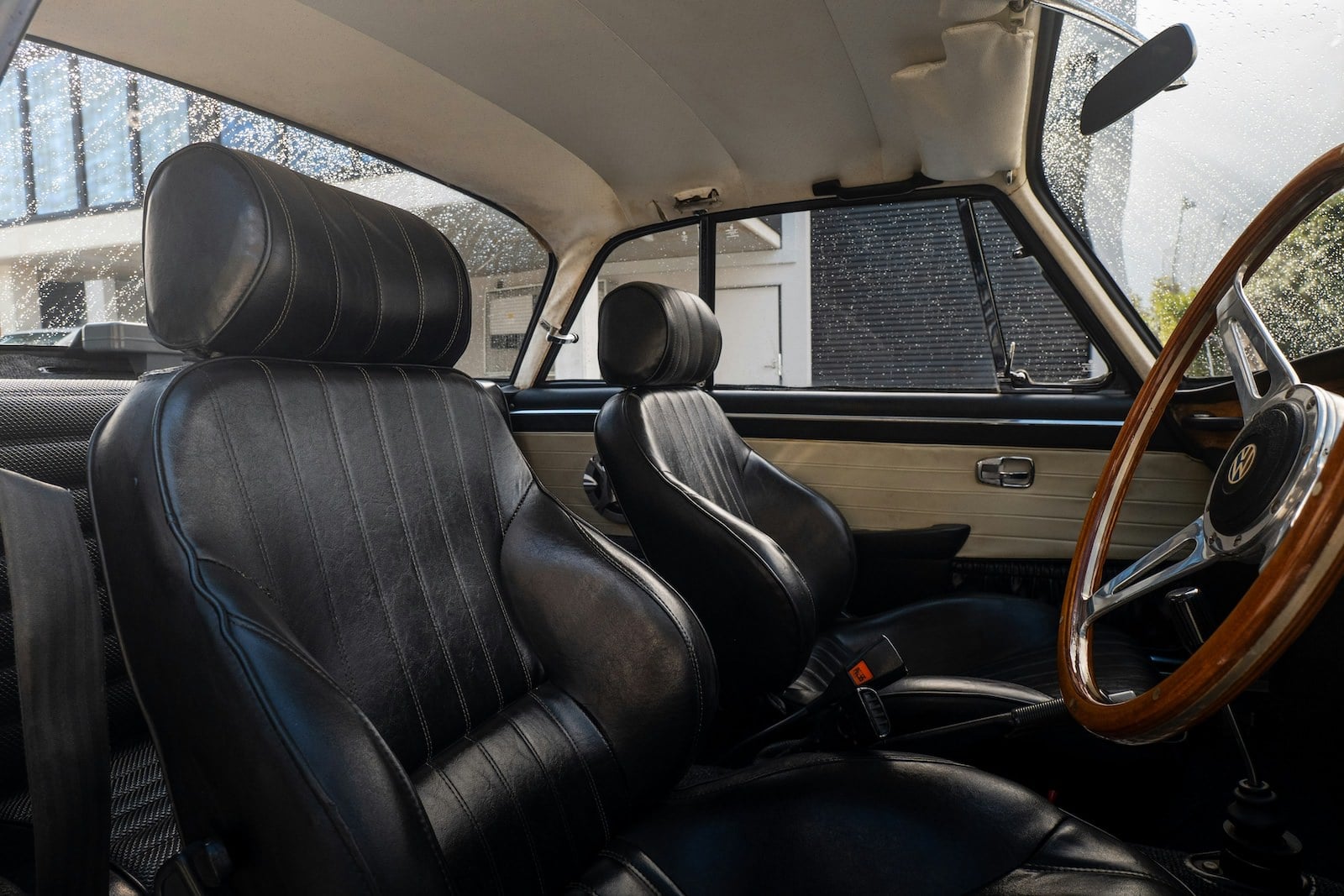
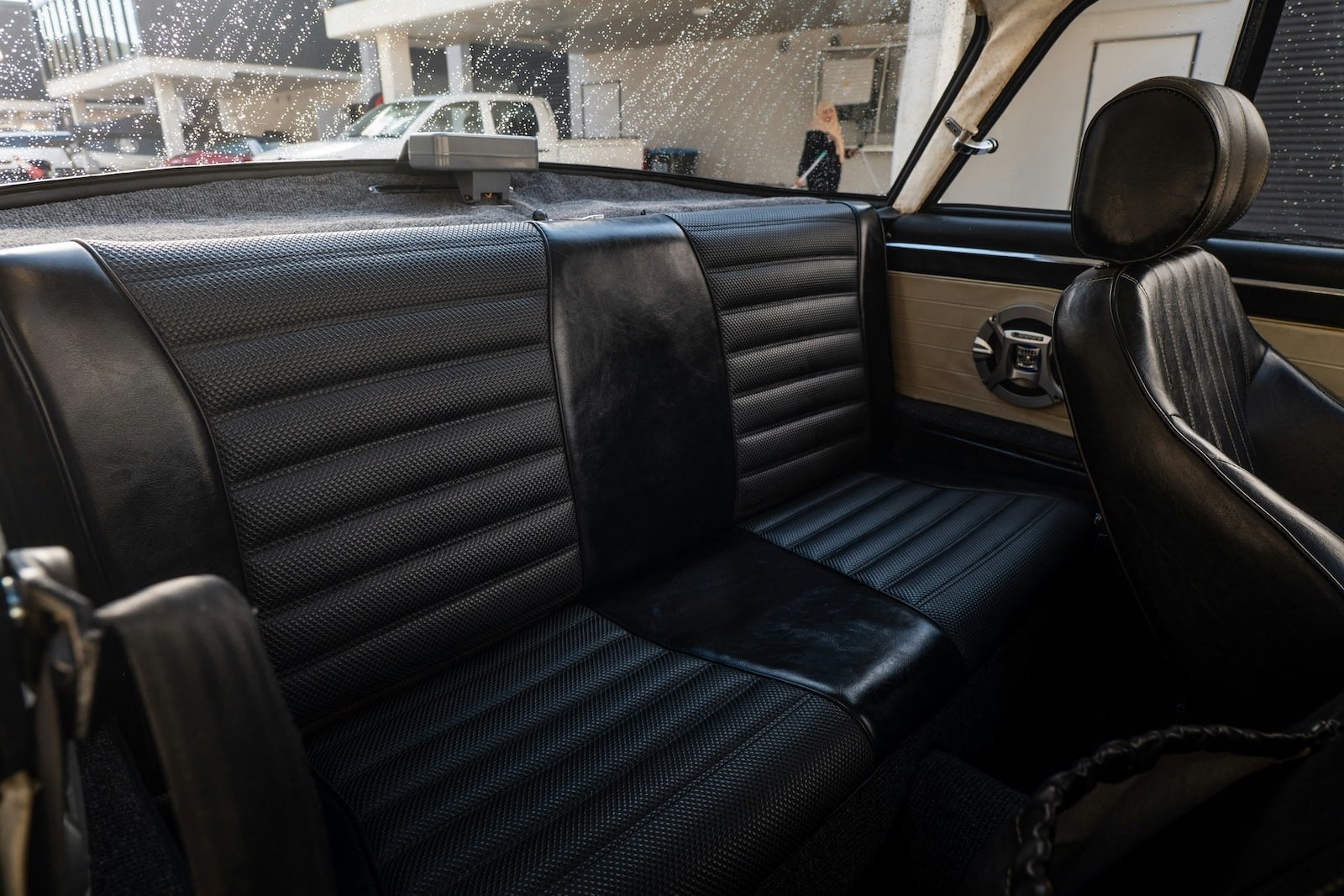
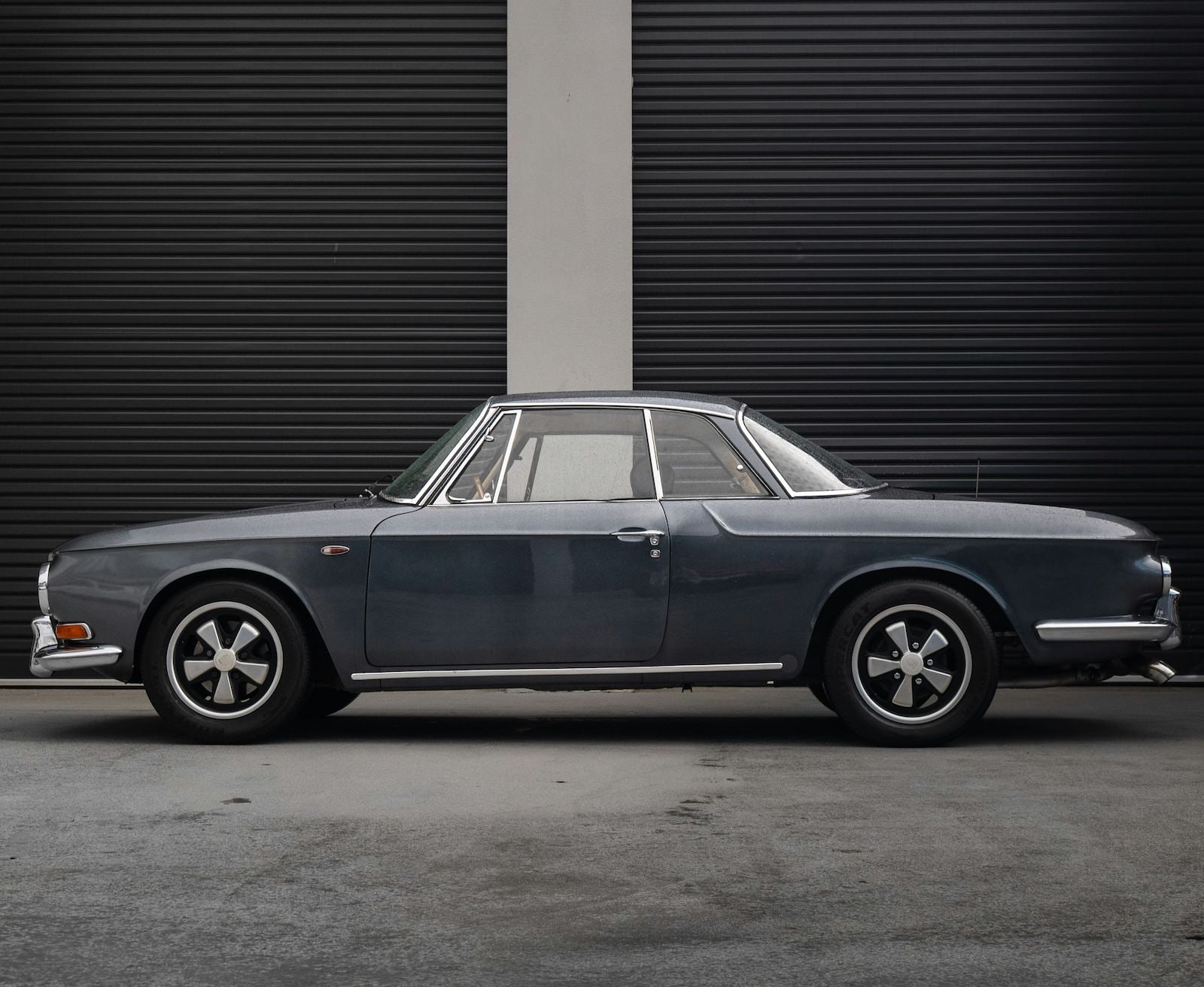
- Finished in Anthracite with a black leatherette interior, the car also has 15 inch Fuchs wheels, Procar front seats, a Moto-Lita steering wheel, VDO gauges, and a Bluetooth stereo. It received sill repairs in 2017 and localized rust repair in 2025, and is offered in Sydney with engineering documentation and registration history.
History Speedrun: The VW Karmann Ghia Type 34
Volkswagen showed the Karmann Ghia 1500 at the Frankfurt Motor Show in September of 1961. It went on sale later that year – it was the most expensive car the company had offered up until that point in history. German coachbuilding company Karmann built it in Osnabrück on the chassis and running gear of the new Volkswagen 1500 – better known as the Type 3.
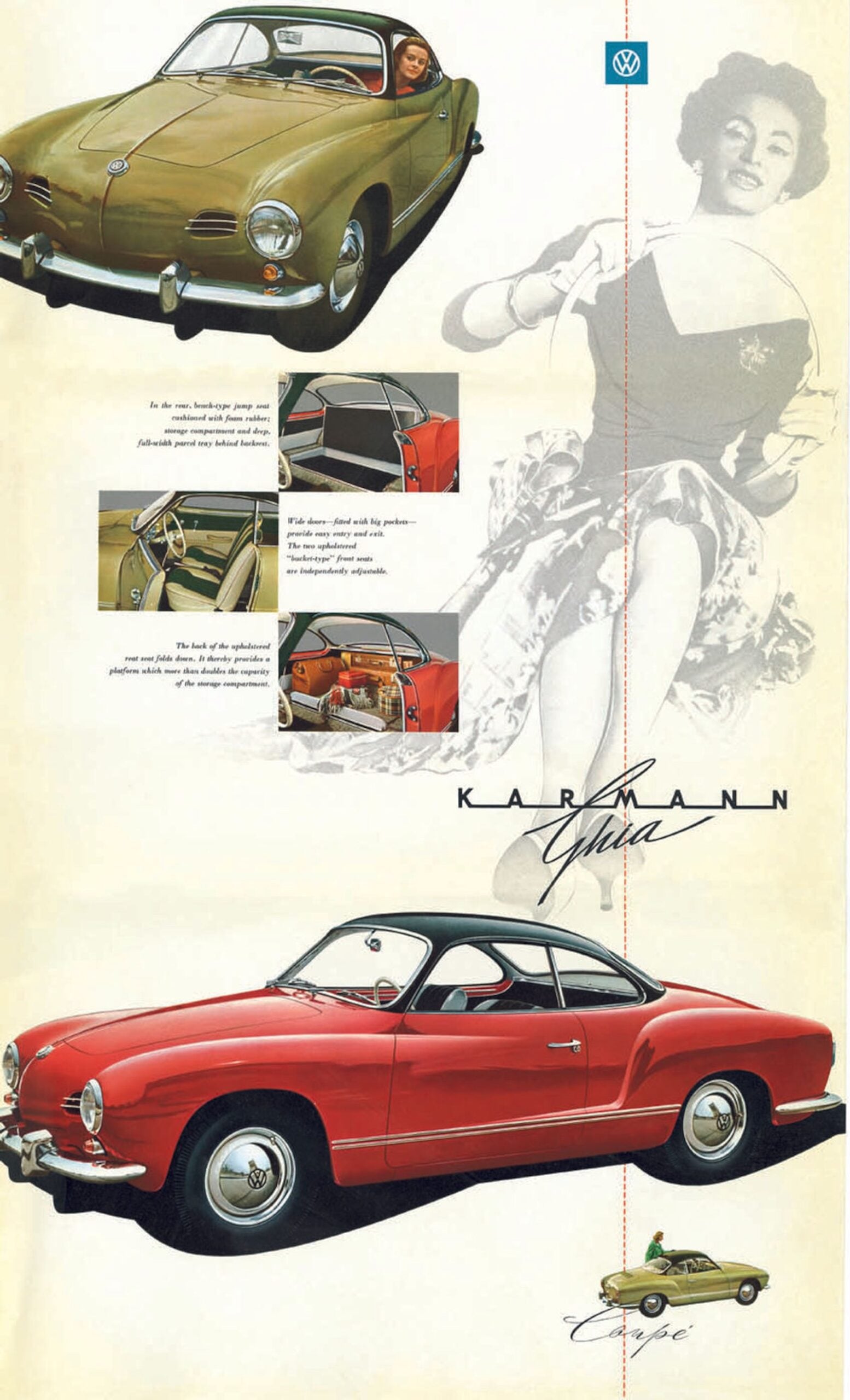
 This is a period advertisement for the VW Karmann Ghia Type 14, it vastly outsold the later Type 34 Karmann Ghia, and it’s the car most think of today when they hear the name. Image provided by Volkswagen, AG.
VW sold the new car alongside the Beetle-based Karmann Ghia that had been in production since 1955, Germans called it “the big Karmann” but today it’s best known by its original factory designation, the Type 34.
Italian style house Ghia drew the body in the late 1950s and according to Volkswagen, it was originally meant to replace the original Karmann Ghia rather than sit above it in the model hierarchy. The lead designer was Sergio Sartorelli, who had updated the styling of that earlier car in 1959.
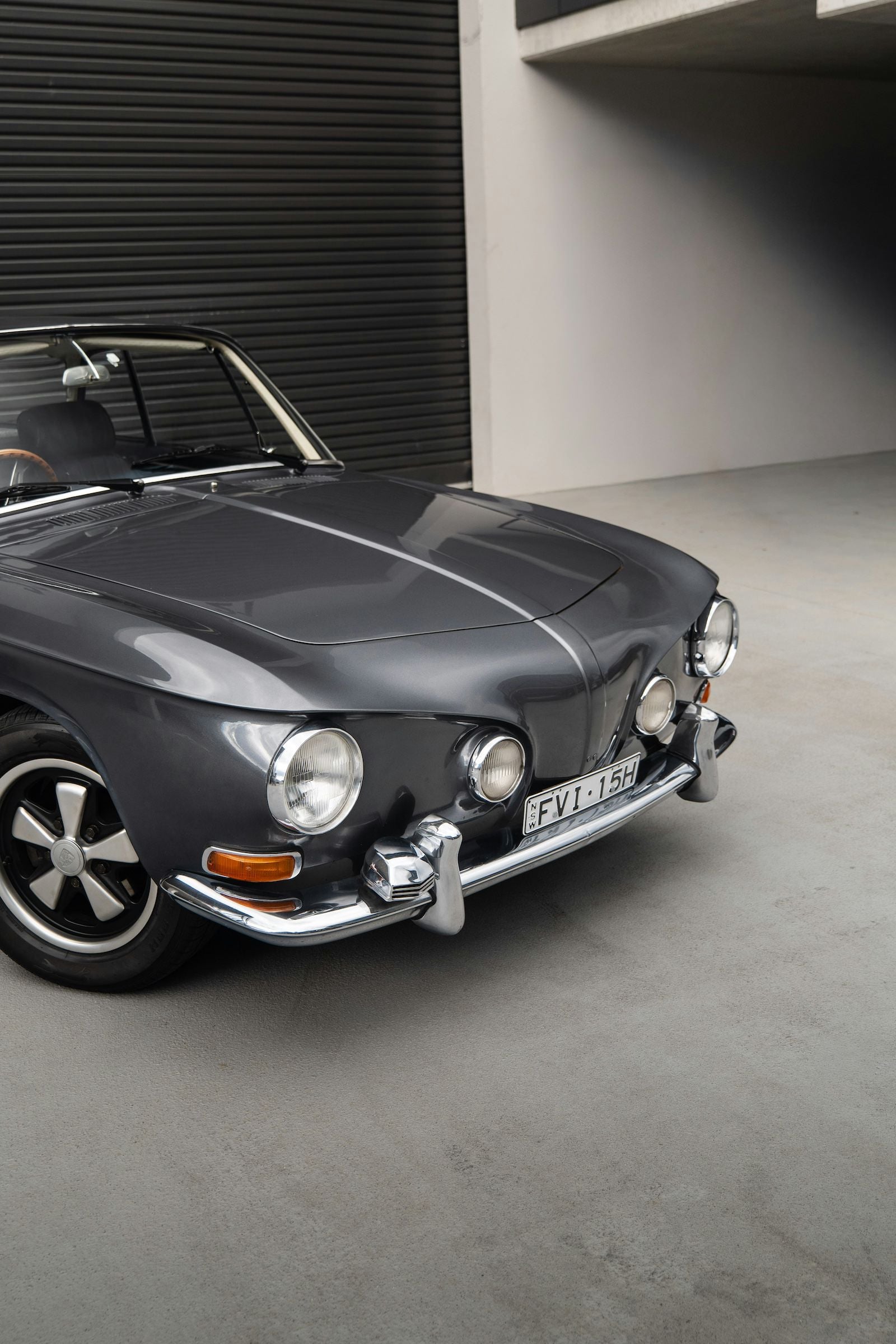
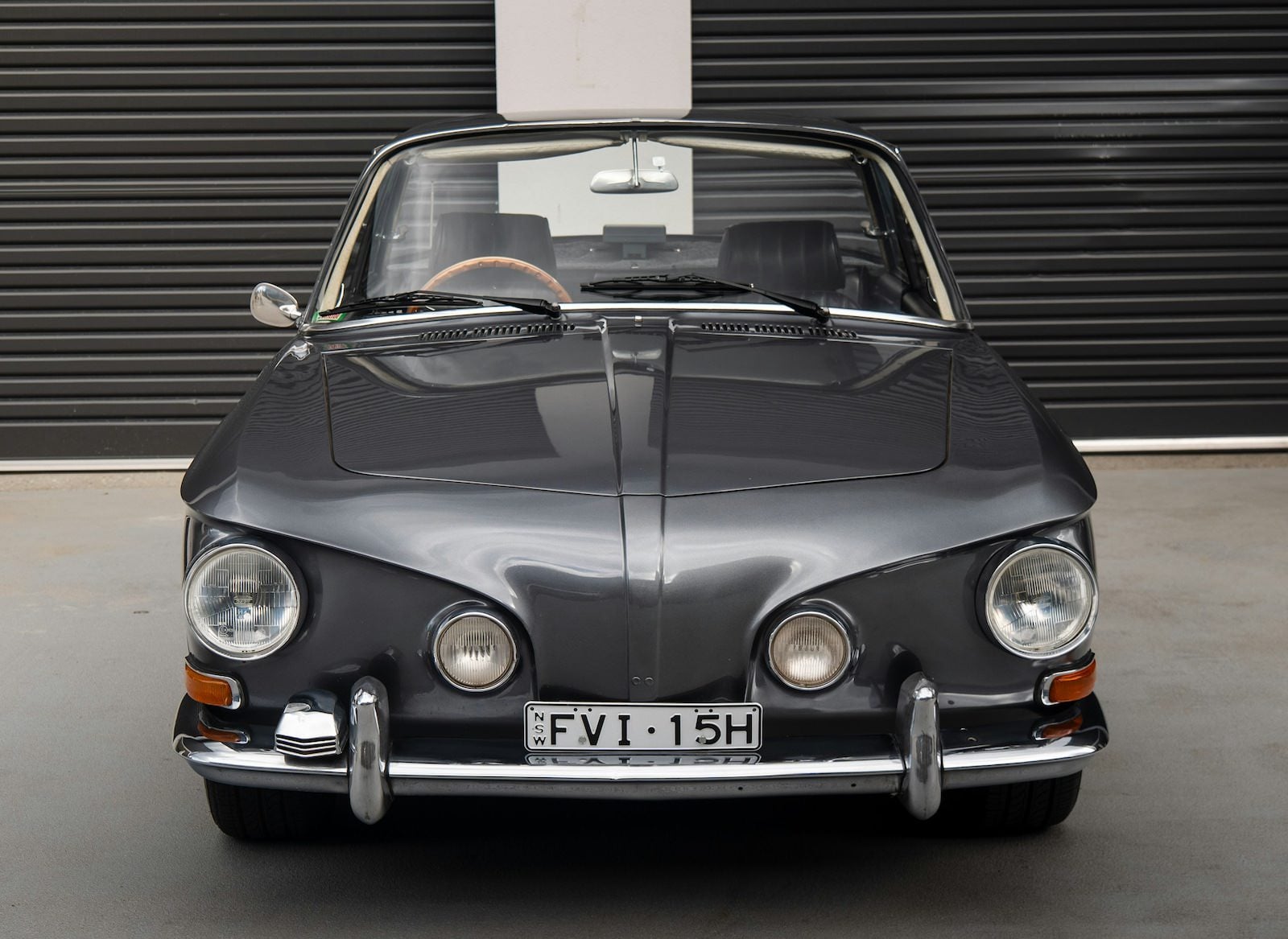
Tom Tjaarda, an American stylist then at Ghia, also worked on the project, and he’s often credited with the design of the rear of the car. Fog lamps were built into the nose, and the scowling front end was probably the most polarizing part of the design – it wasn’t quite as friendly-looking as the earlier Karmann Ghia.
The Karmann Ghia 1500 cost DM 2,350 more than the Volkswagen 1500 sedan, which had arrived at DM 6,400 with the same underlying mechanical platform. Standard equipment included a clock and a cigarette lighter, and early cars had variable-speed wipers. The Type 3’s flat-four engine left room for a second luggage compartment above it, though owners often found the rear space could get warm. Though when traveling in the winter this resulted in a suitcase full of pre-warmed clothes, which perhaps isn’t the worst thing in the world.
At the time of launch, the engine was a 1.5 liter air-cooled flat-four with 44 bhp and 78 lb ft of torque, enough for about 85 mph on the top end. Road tests at the time compared the car with the Porsche 356 B because its chassis was built along quite similar lines, and power output wasn’t that different. Volkswagen fitted the twin-carburetor 1500 S engine to the car in 1963, and output rose to 53 bhp. In 1965 a 1.6 liter engine arrived with the same 53 bhp and slightly more torque, 81 lb ft, and the car was renamed the 1600 L.
A redesigned front suspension came in 1964 and helped extend the lubrication interval from every 1,550 miles to every 6,200. Front disc brakes arrived with the 1.6 liter engine, and a 12 volt electrical system followed in 1966. From 1967, buyers could order a fully automatic transmission, which came with a semi-trailing-arm rear axle. From mid-1968 that rear suspension came standard on manual-transmission cars as well.
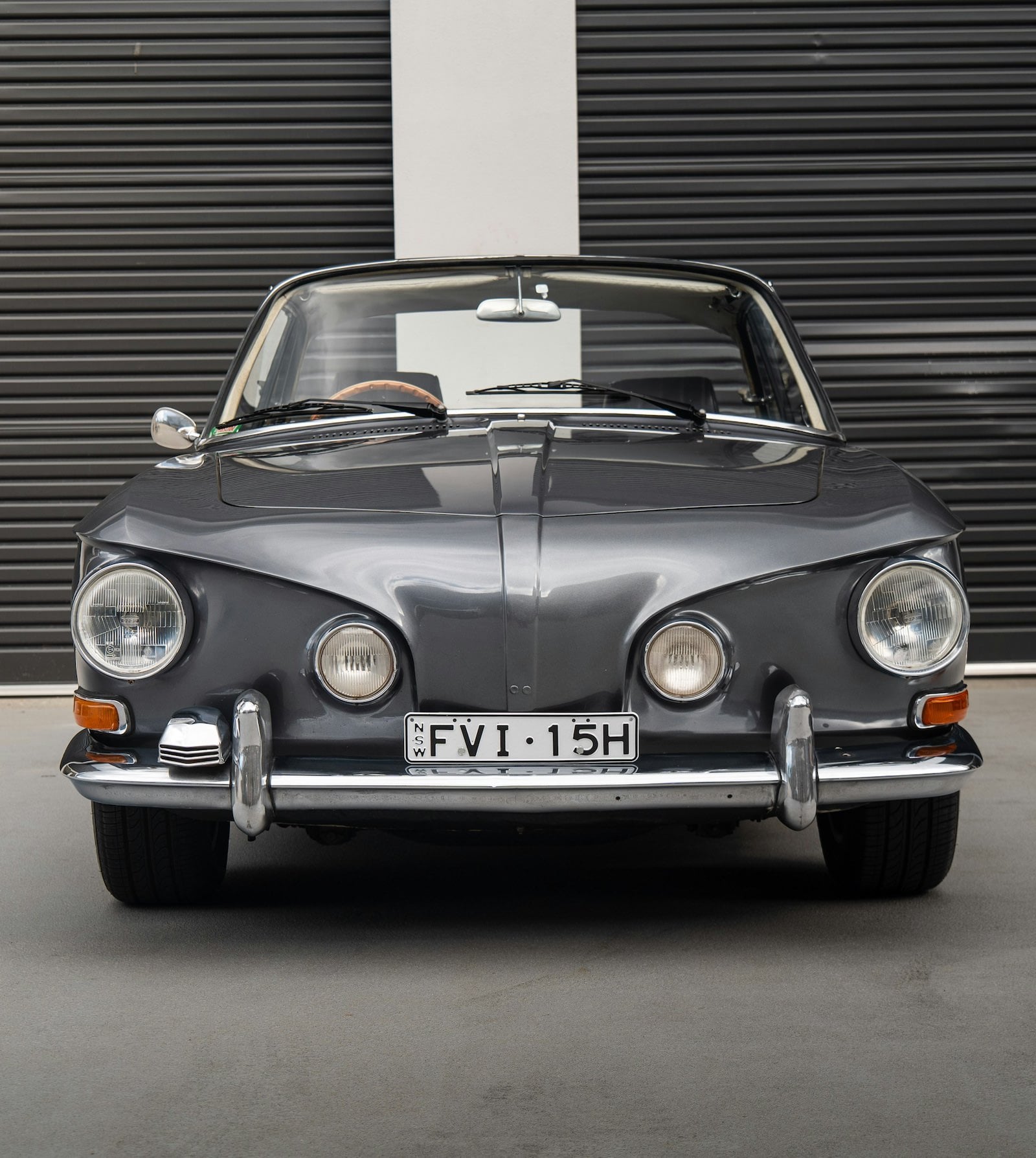
When it was first released, the Karmann Ghia Type 34 was powered by a 1.5 liter VW flat-four that was good for just 44 bhp, meaning the car you see here is going to be a lot quicker, and arguably it’s going to sound a lot better too.
A cabriolet (convertible) was displayed beside the coupe at the Frankfurt show in 1961, but Volkswagen didn’t see enough of a market for it, and making the open body stiff enough would have been a complicated and expensive undertaking. Only a handful of prototypes were built and it never entered production. A fastback, the Karmann Ghia 1600 TL, was developed in 1965 with a large rear hatch and a folding rear seatback, but sadly it never reached production either.
The Type 34 was never officially sold in the United States, where most Type 14 Karmann Ghias found their buyers, although quite a few have since made their way there as secondhand imports on the classic car market. Right hand drive examples were added in early-1964. Relatively few went to Britain though, as import duties pushed the price above that of cars like the popular MGB.
Production ended in mid-1969 after 42,500 cars had been built. Karmann gave the Type 34’s place on its line to the Volkswagen-Porsche 914 and built the 914’s four-cylinder version in Osnabrück, while the Type 14 continued on in production until 1974 with 469,000 made in total when you include the examples produced in Brazil.
Ultimately, fewer than 10% of the Karmann Ghias made were Type 34s and today the model has been largely forgotten, but it has a committed fanbase of owners around the world dedicated to keeping them on the road.
The Porsche Flat Six-Swapped Type 34 Shown Here
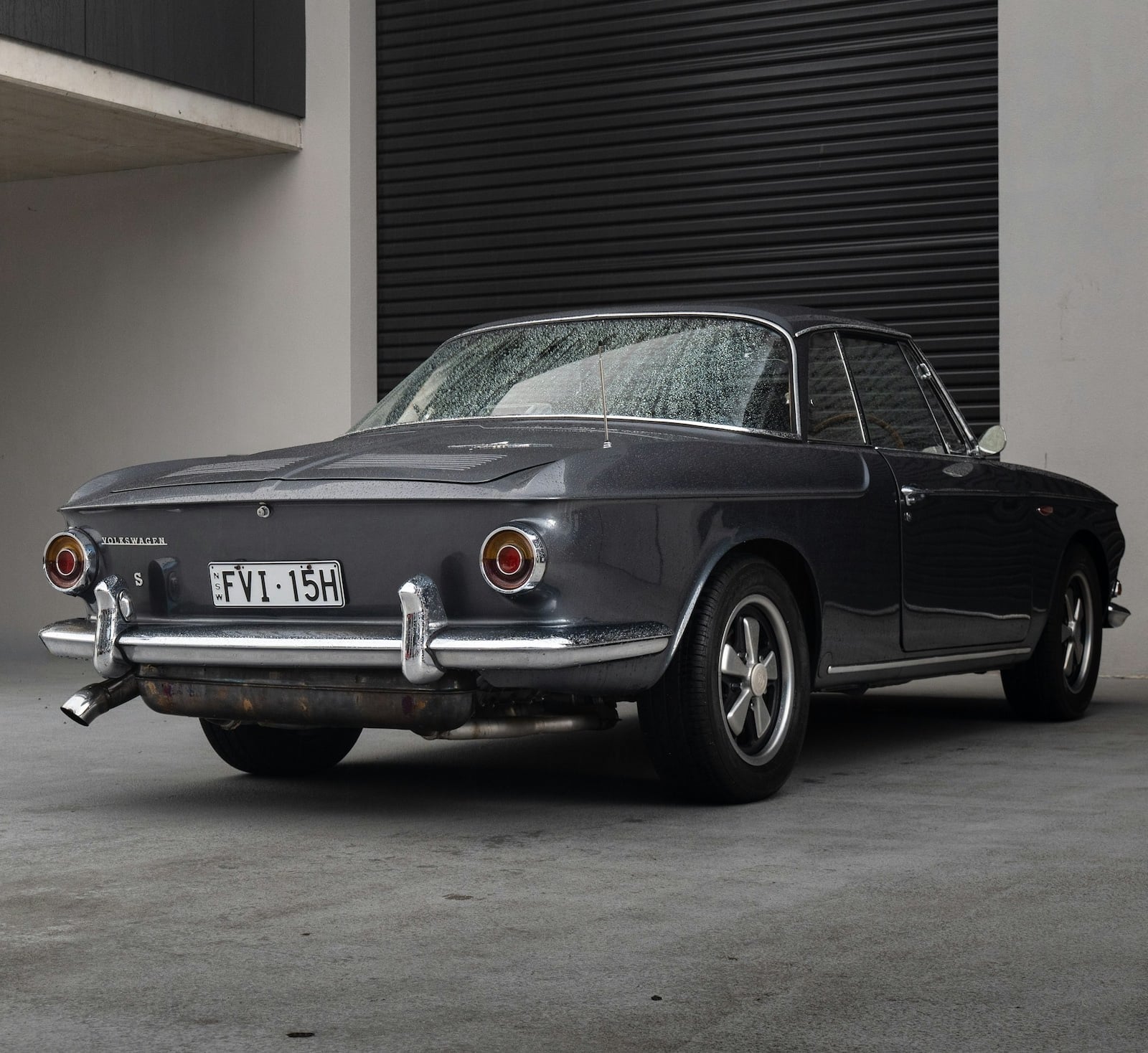
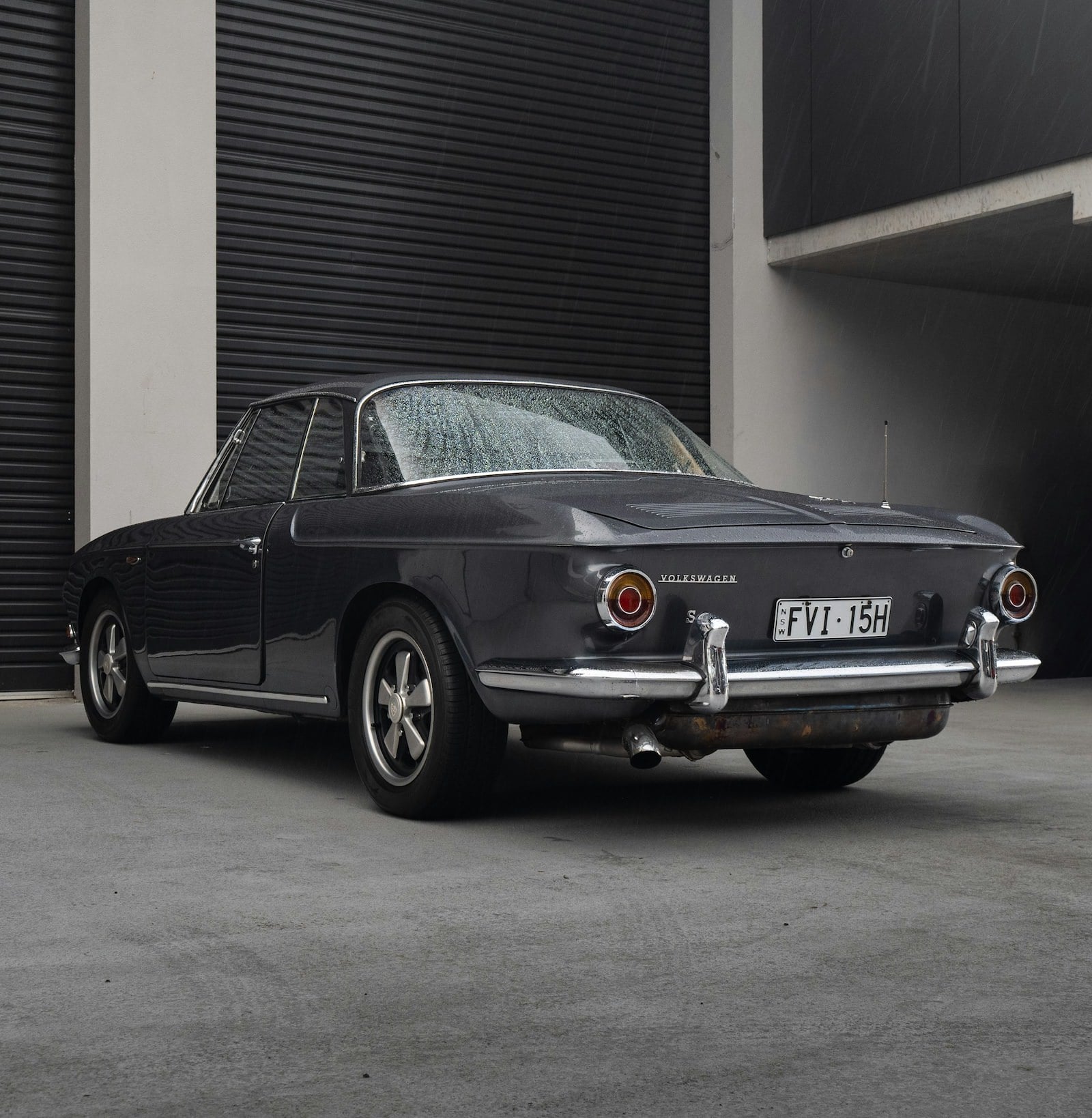
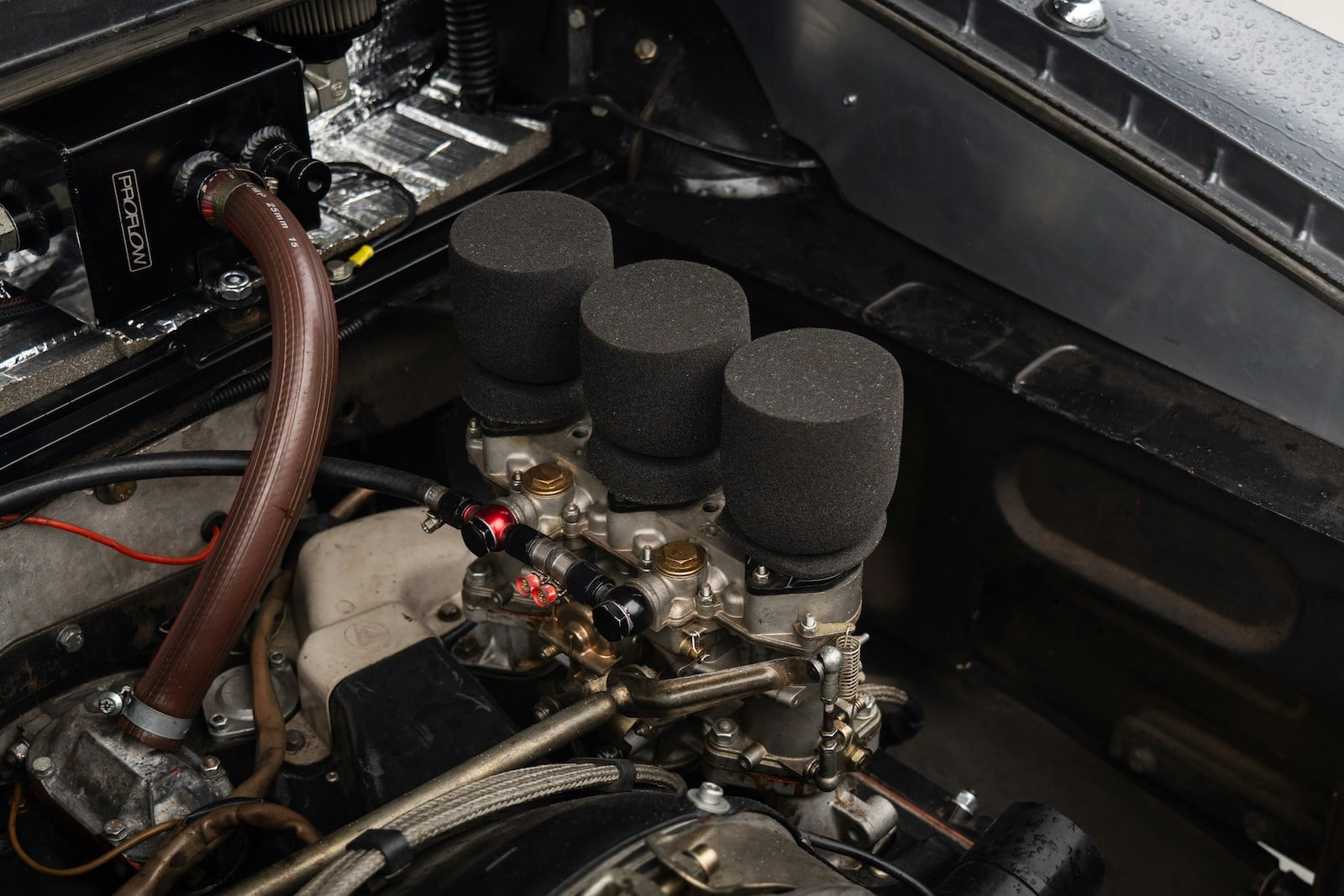
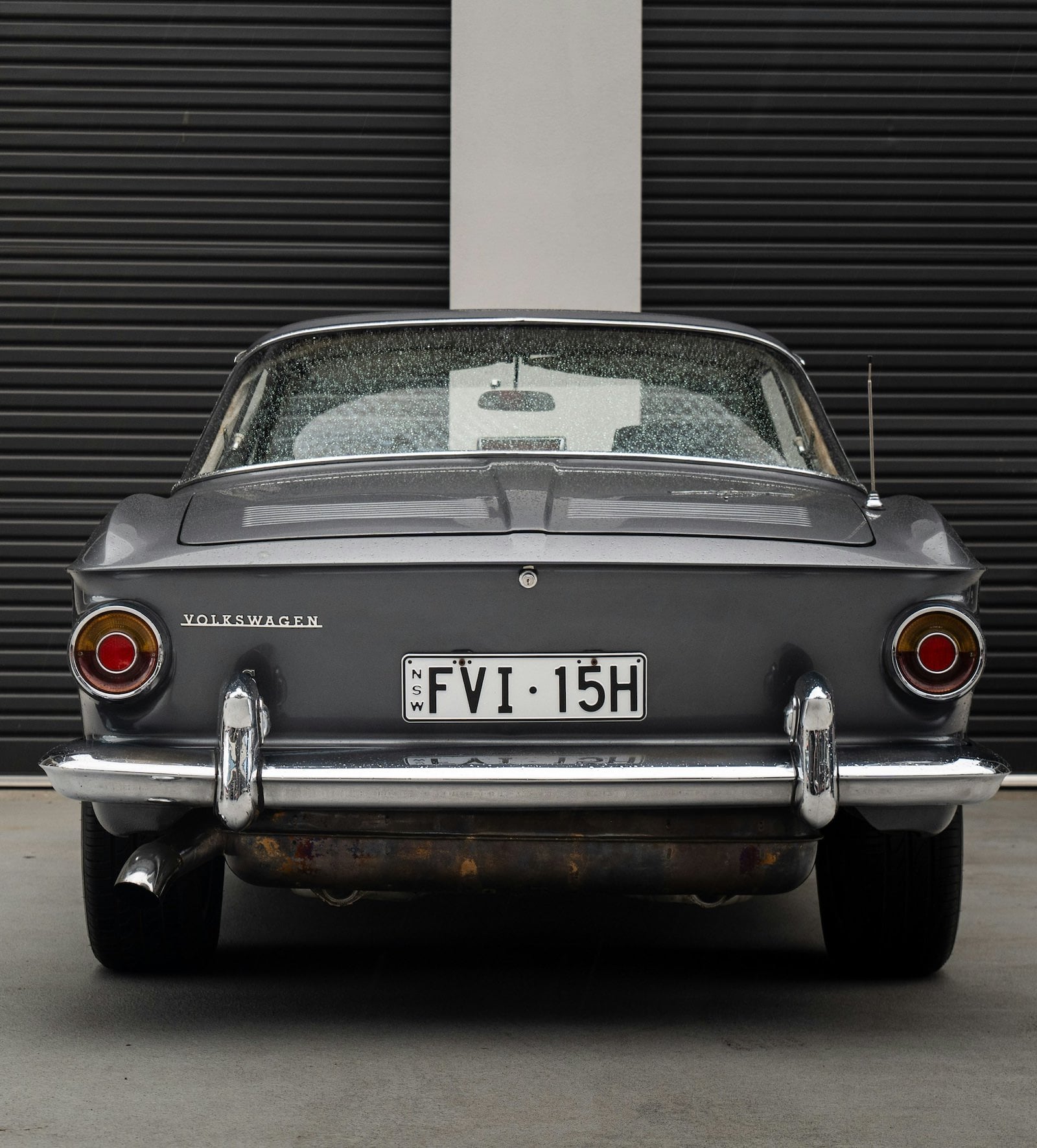
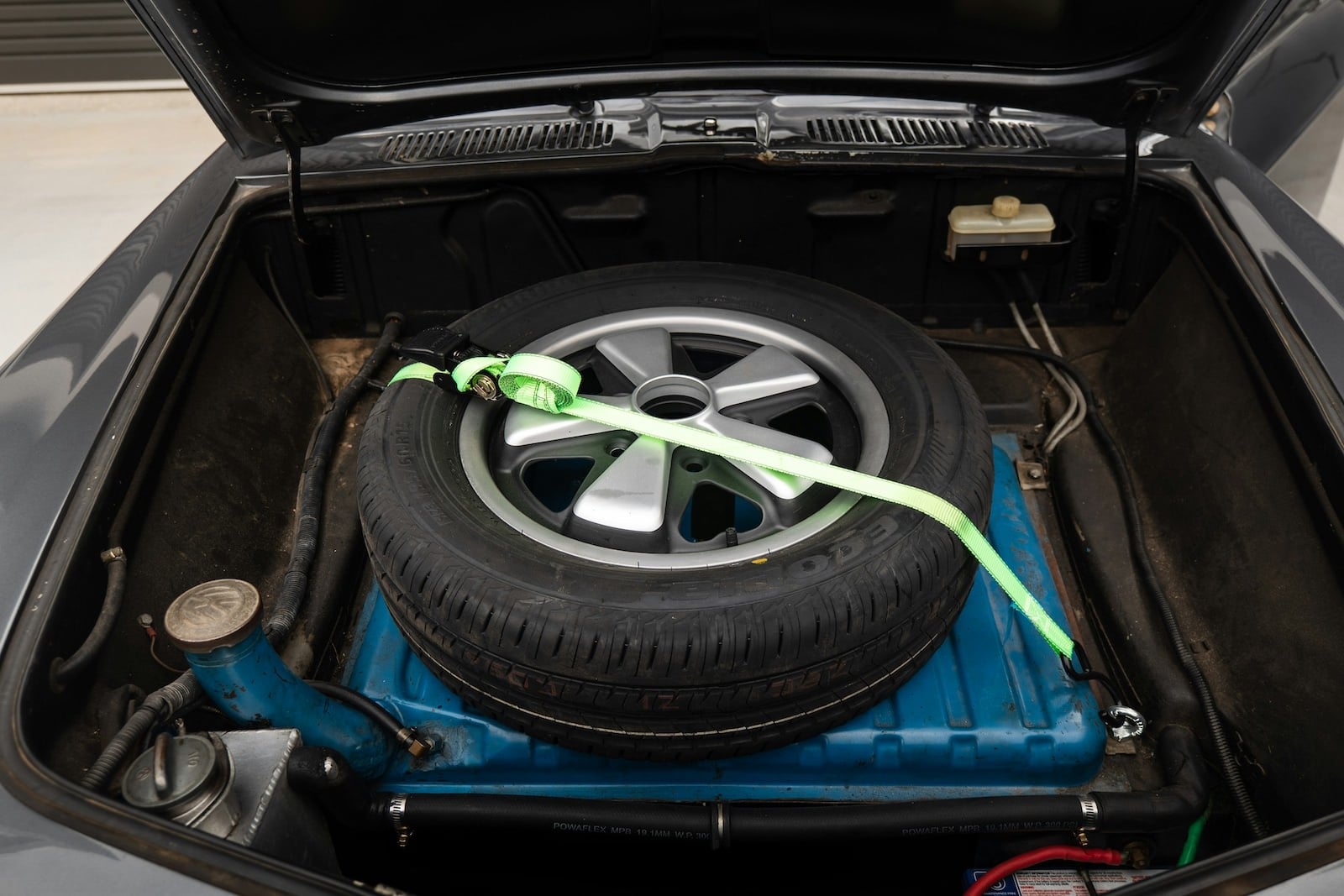
The 1964 Volkswagen Karmann Ghia Type 34 you see here is an original Australian-market, right hand drive example that was first registered in 1965. Although it looks fairly standard, it has a Porsche 911-sourced, 2.7-liter naturally aspirated air-cooled flat-six in the engine bay, producing vastly more power than the original flat-four could ever have dreamt of.
This Porsche unit sends power to the rear wheels via a 4-speed manual transmission, and the engine runs Weber downdraft carburetors and a Fireball Performance ignition system, with custom air-filter housings and a Proflow oil breather tank.
The seller says that it’s one of only 253 right hand drive Type 34s believed to survive worldwide, and one of 48 from the 1964 model year. It’s finished in Anthracite over a black leatherette interior, and it had replacement inner and outer sills in 2017 and a localized rust repair near the passenger-side headlight in 2025.
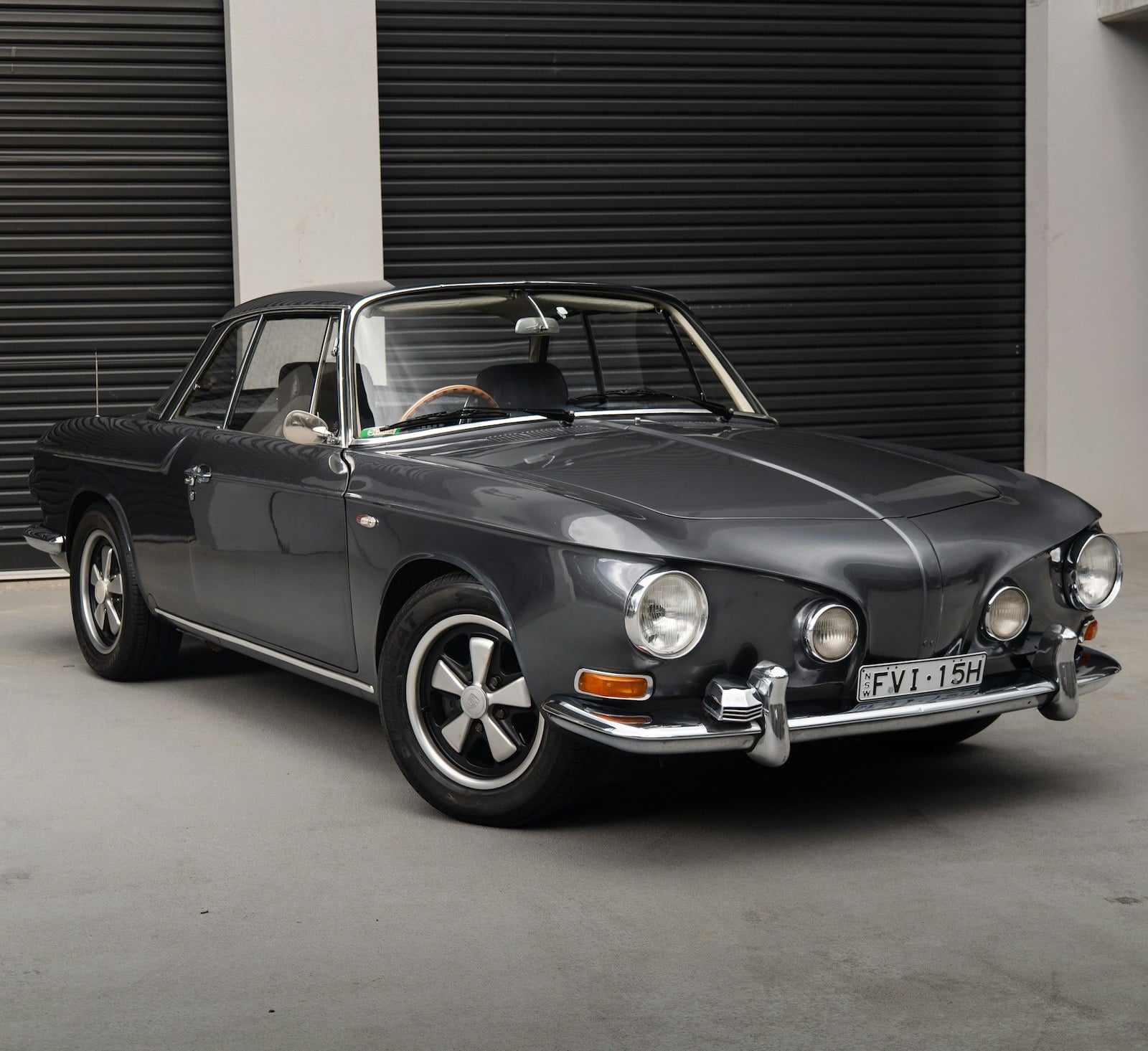
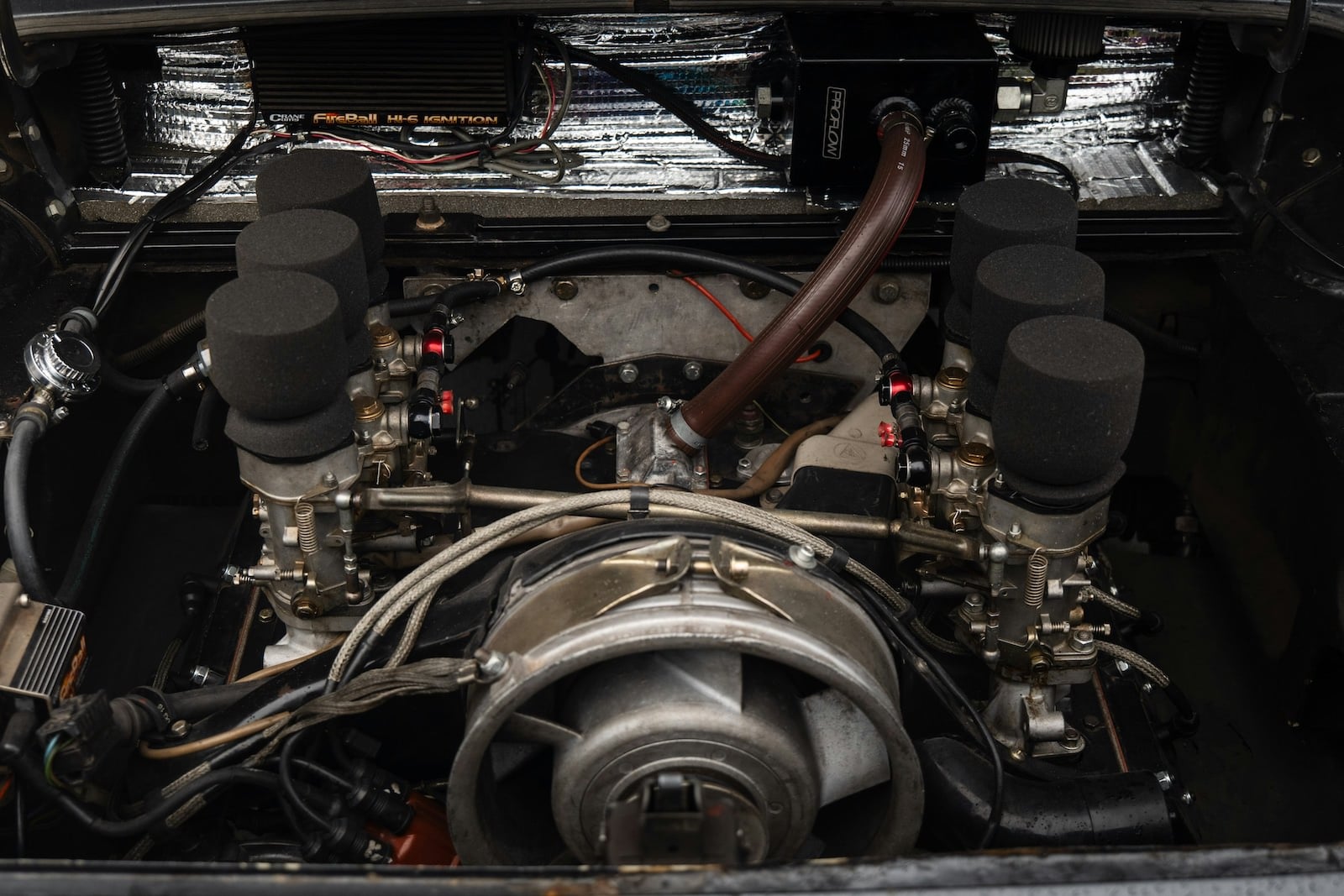
Although it looks fairly standard, the car now has a Porsche 911-sourced, 2.7-liter naturally aspirated air-cooled flat-six in the engine bay, producing vastly more power than the original flat-four could ever have dreamt of.
The car now rides on 15 inch Fuchs alloy wheels, and it has a Moto-Lita wood-rim steering wheel, Procar front seats, VDO gauges, a JVC Bluetooth stereo, rear speakers, and a carbon-fiber gear knob. Documentation includes a history of the engine conversion, paperwork, and a 1990s issue of Flat 4 magazine featuring the car.
It’s now being offered for sale out of Sydney, Australia and it comes with full engineering documentation, it’s also been fully registered previously in Tasmania, Victoria, WA, and NSW. If you’d like to read more about it or place a bid you can visit the listing here.
Images courtesy of Collecting Cars

Articles that Ben Branch has written have been covered on CNN, Popular Mechanics, Smithsonian Magazine, Road & Track Magazine, the official Pinterest blog, the official eBay Motors blog, BuzzFeed, Autoweek Magazine, Wired Magazine, Autoblog, Gear Patrol, Jalopnik, The Verge, and many more.
Silodrome was founded by Ben back in 2010, in the years since the site has grown to become a world leader in the alternative and vintage motoring sector, with well over a million monthly readers from around the world and many hundreds of thousands of followers on social media.