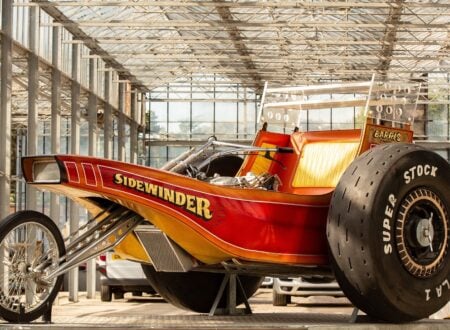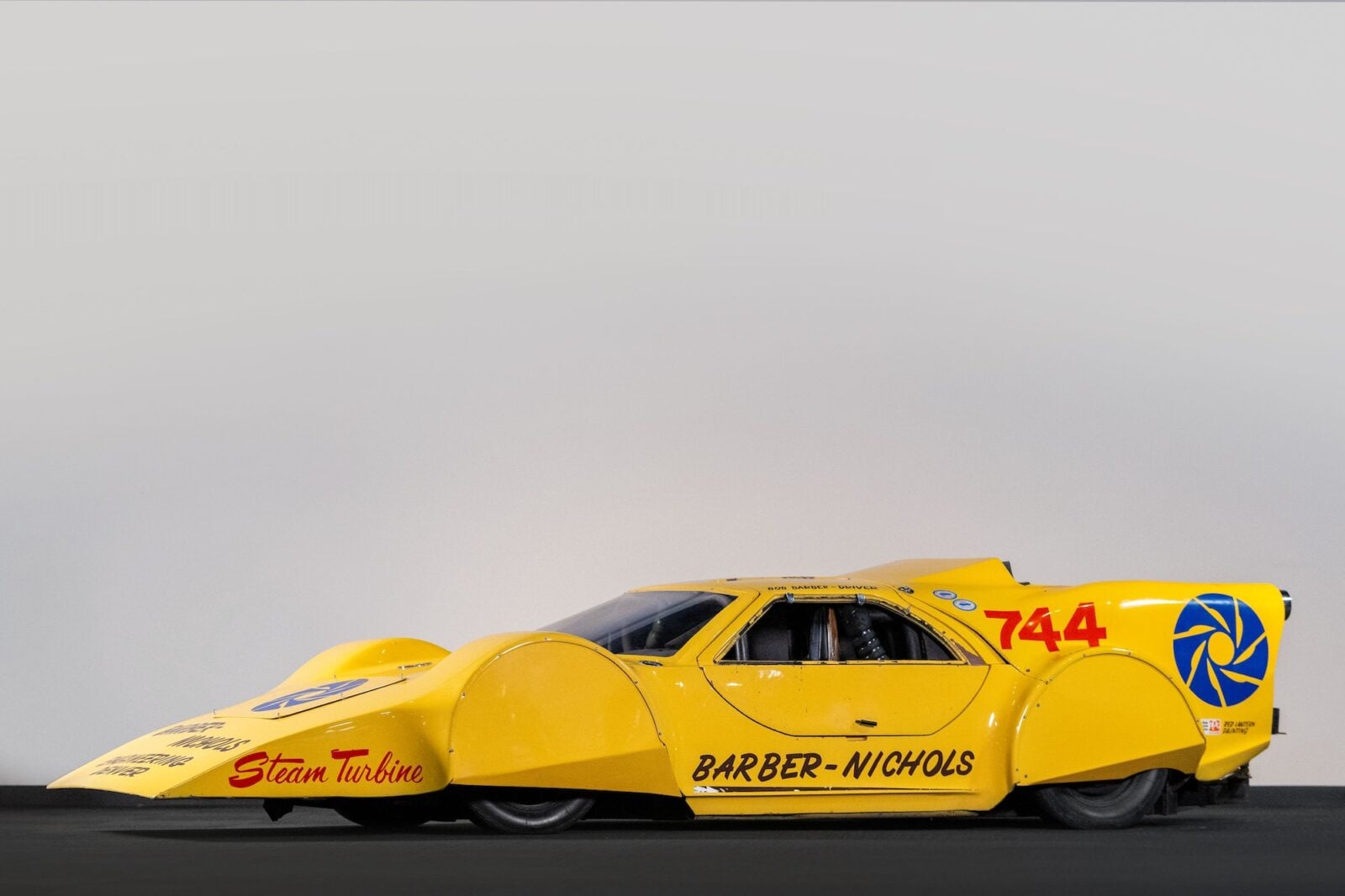
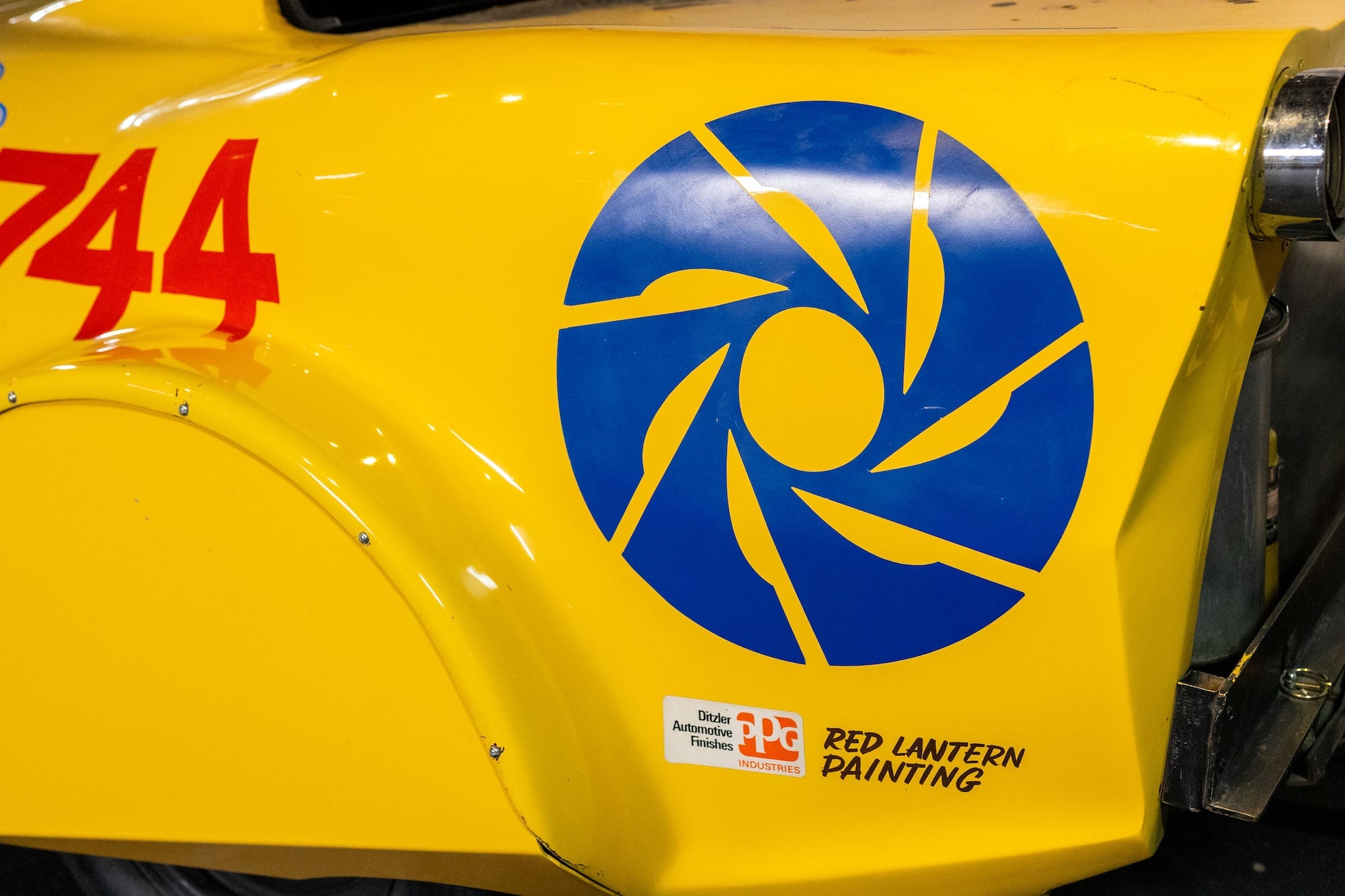
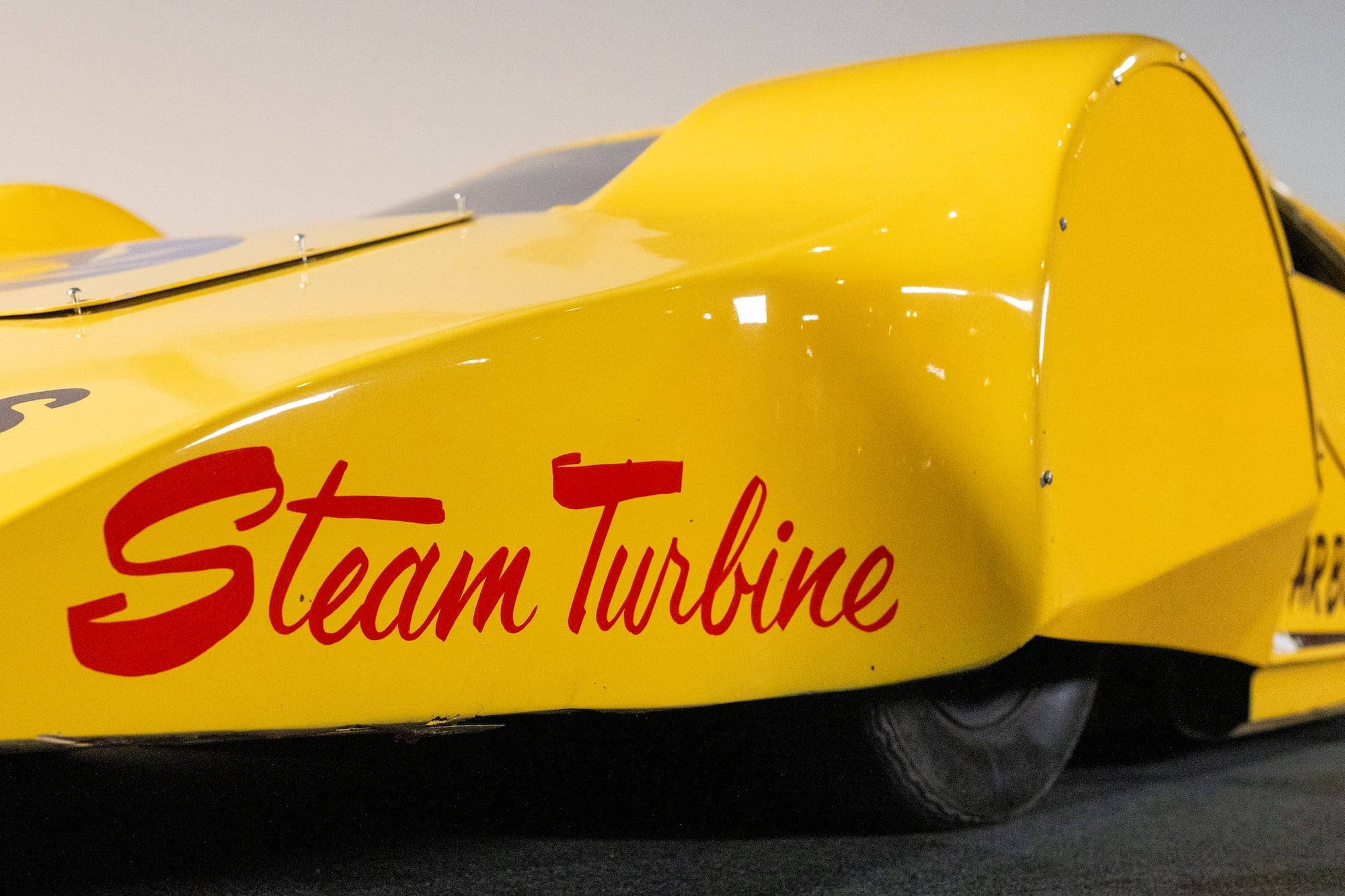
This is the 1977 “Steamin’ Demon” Steam Streamliner, it’s the vehicle that used a steam turbine developing 250 bhp at an eye-watering 65,000 rpm, to break Stanley’s 70 year old steam-powered speed record.
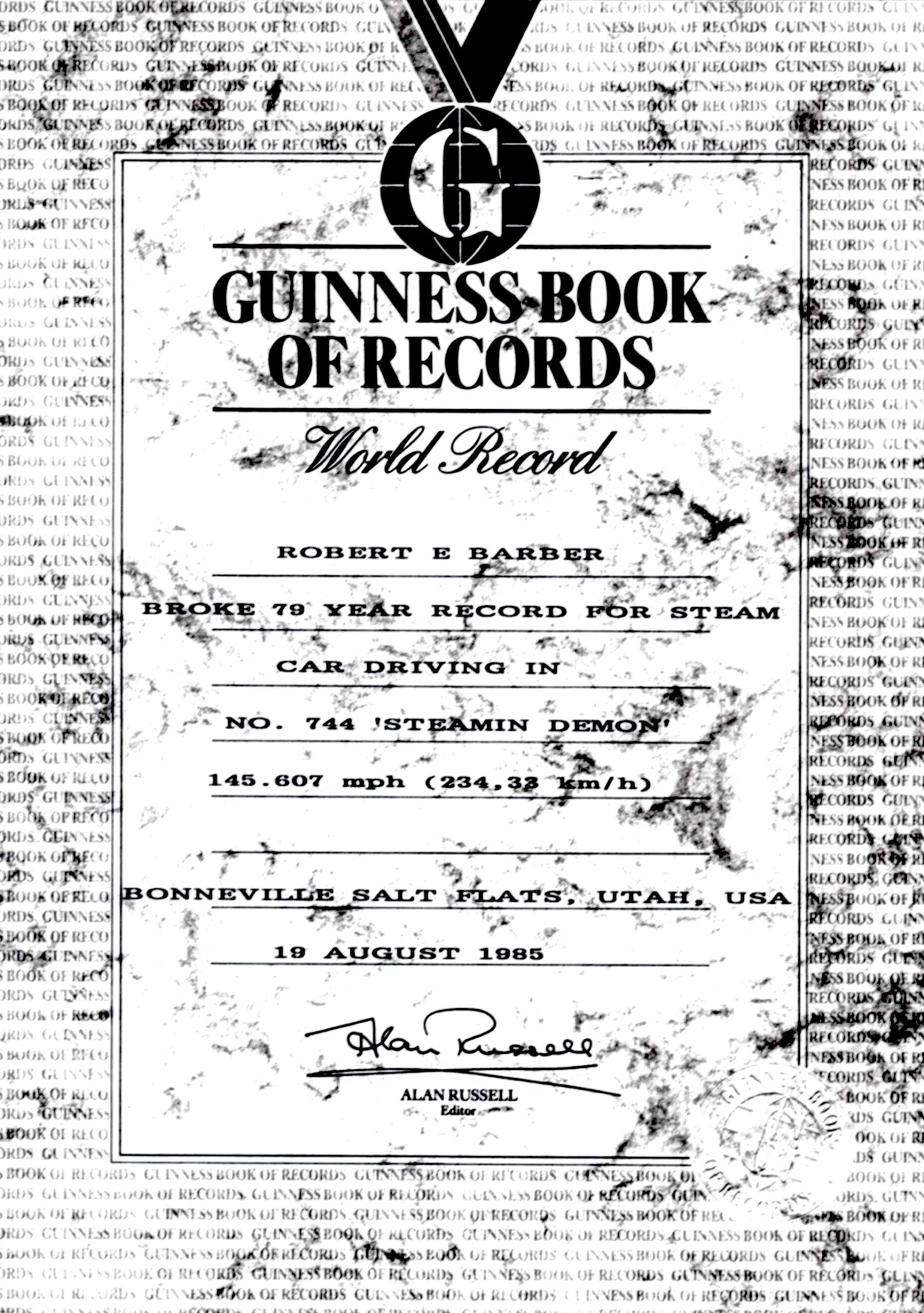
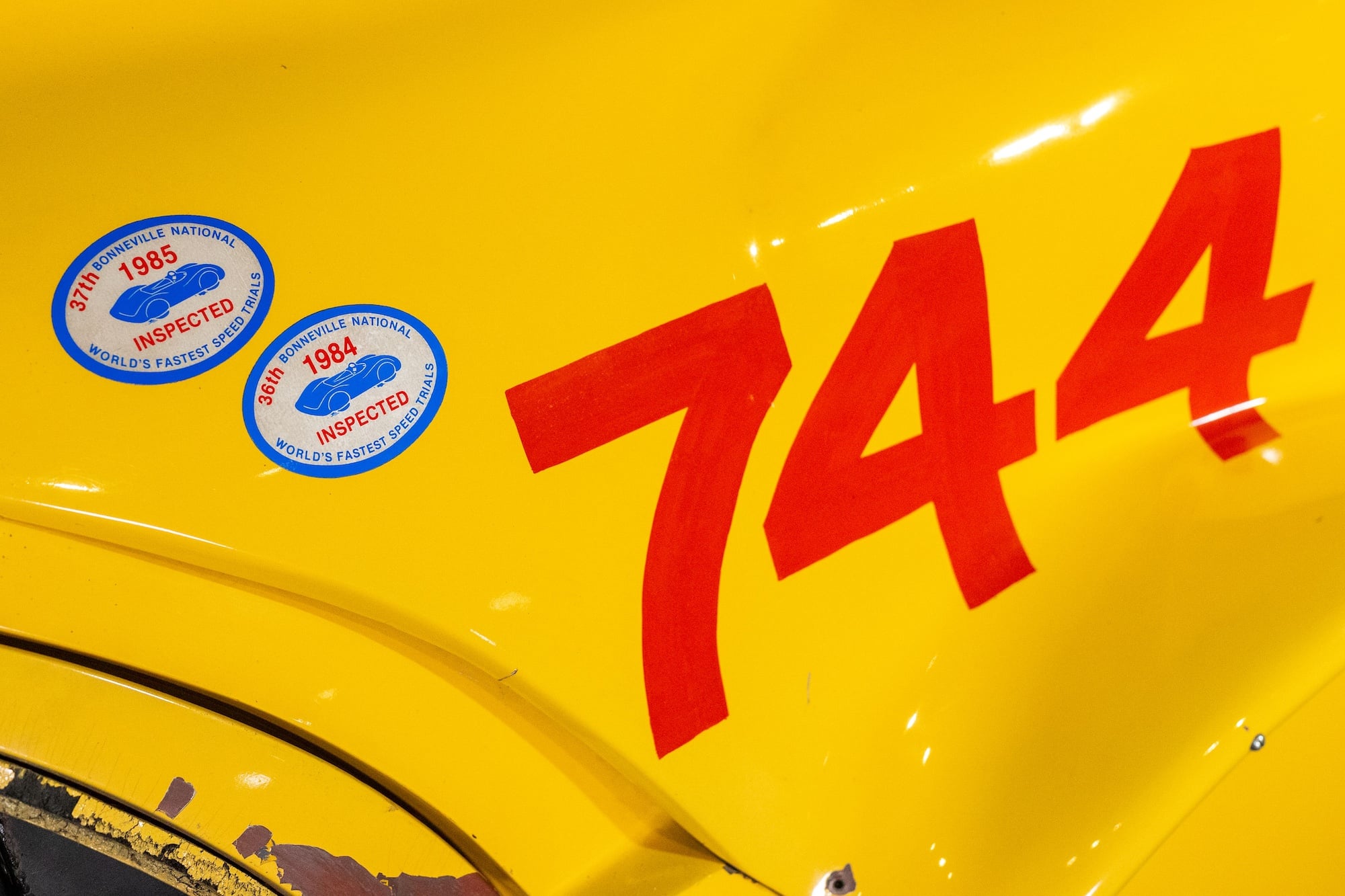
In 1985 the Steamin’ Demon set a speed of 145.607 mph at the Bonneville Salt Flats in Utah, becoming the fastest steam-powered car in the world – a record it would hold until it was surpassed by the Brits in 2009 – 24 years later.
Fast Facts: The “Steamin’ Demon” Steam Streamliner
- The Steamin’ Demon was built in 1977 by steam enthusiast Jim Crank using a Lear Vapor Turbine salvaged from Bill Lear’s failed steam bus program, a Fiberfab fiberglass body with gullwing doors on a Volkswagen chassis, and a Cadillac Eldorado transmission. It was purpose-built to break the Stanley Rocket’s 1906 steam speed record of 127.659 mph.
- After Crank failed to reach record-breaking speeds, he sold the car in 1982 to Robert E. Barber, co-founder of turbomachinery specialists Barber-Nichols Engineering. Three years of development followed, and on August the 19th, 1985, Barber drove it to 145.607 mph at Bonneville – despite losing a gullwing door mid-run and a vapor generator fire.
- Guinness recognizes the run as the fastest non-FIA steam car record, but because Barber made only a single-direction pass rather than the two opposing runs required under FIA rules, it was never officially ratified. The FIA-recognized steam record didn’t fall until 2009, when the British Steam Car “Inspiration” reached 139.843 mph over a measured mile.
- The Steamin’ Demon is currently on display at the National Automobile Museum in Reno, Nevada, preserved in its post-record condition with scorched paint and missing door intact. The museum is now selling the car at auction in mid-June with no reserve, though the Lear Vapor Generator and Vapor Turbine have been removed.
History Speedrun: The “Steamin’ Demon” Steam Streamliner
For over a century, the landspeed benchmark for steam-powered cars went all the way back to the dawn of motoring. On January the 26th, 1906, Fred Marriott drove the Stanley Motor Carriage Company’s “Rocket” – a canoe-shaped racer just three feet wide and sixteen feet long – to a top speed of 127.659 mph across the hard-packed sands of Ormond Beach in Florida. It was, at the time, the outright world land speed record for any automobile, a distinction it held until around 1910 when Barney Oldfield’s Benz surpassed it.
Above Video: This episode from Brian Lohnes tells the story of the Stanley Motor Carriage Company’s “Rocket” and its incredible record-setting run in 1906.
As a steam-car record, Marriott’s mark proved far longer-lasting, it helped to earn the Stanley Motor Carriage Company the prestigious Dewar Trophy and the record stood unbeaten for the better part of eight decades.
The following year Marriott returned to Ormond Beach with an improved Rocket, aiming to break his own record. At an estimated 140 to 150 mph the car hit a rut, launched into the air, and broke apart on impact.
Marriott survived but was badly injured – he never raced again. The Stanley brothers abandoned competition entirely but their steam record would last an astonishingly long time, not because it was unbeatable, but because nobody cared enough to try.
Jim Lear And The Steam-Powered Bus
Interest in steam propulsion flickered back to life in the late 1960s, driven by growing concerns over urban smog and internal combustion engine pollution, particularly in the Los Angeles basin. The California Air Resources Board began investigating alternative powertrains for public transit, and one of the most prominent figures to take up the cause was William Powell Lear.
Best known for founding Lear Jet and developing the 8-track stereo cartridge, Lear was a serial inventor with over 140 patents to his name and millions in capital from the 1967 sale of his jet company. In 1968 he incorporated Lear Motors Corp. and began developing steam turbine engines at the old Stead Air Force Base outside Reno, Nevada.
Lear’s initial approach was based around a complicated multi-cylinder “Deltic” piston engine, but it went nowhere. He eventually shifted to a single-stage impulse turbine design, and by 1972 had installed a working “Vapor Turbine” system in a General Motors bus for testing by San Francisco’s Muni transit system under a U.S. Department of Transportation-sponsored program.
A California steam-bus initiative running from 1973 to 1974 placed some additional demonstration vehicles in Los Angeles, Sacramento, and San Diego, though these involved multiple contractors and agencies well beyond Lear’s operation.
 Guinness World Records recognizes Barber’s run as the fastest non-FIA steam car record. However, because Barber made only a single-direction pass rather than the two opposing runs within one hour required by FIA rules (a standard instituted in 1910, four years after Marriott’s original run was already in the books) the record was never officially ratified by the sport’s international governing body.
Across the program, steam systems proved quieter and cleaner-burning than conventional diesel but suffered from fuel consumption roughly twice that of diesel engines, along with mechanical complexity and excessive production costs that made them impractical for daily service. The effort was shelved, and Lear moved on to other projects before his death in 1978.
Jim Crank Appears On The Scene
Lear’s turbine hardware, however, survived. Jim Crank, a devoted steam car enthusiast, bought the remaining Lear Motors inventory (including the Vapor Turbine) after the company went bankrupt. Using a fiberglass body and gullwing doors donated by Fiberfab, the California-based kit car manufacturer, and a Volkswagen-based chassis, Crank built the “Steamin’ Demon” in 1977 and hauled it to the Bonneville Salt Flats.
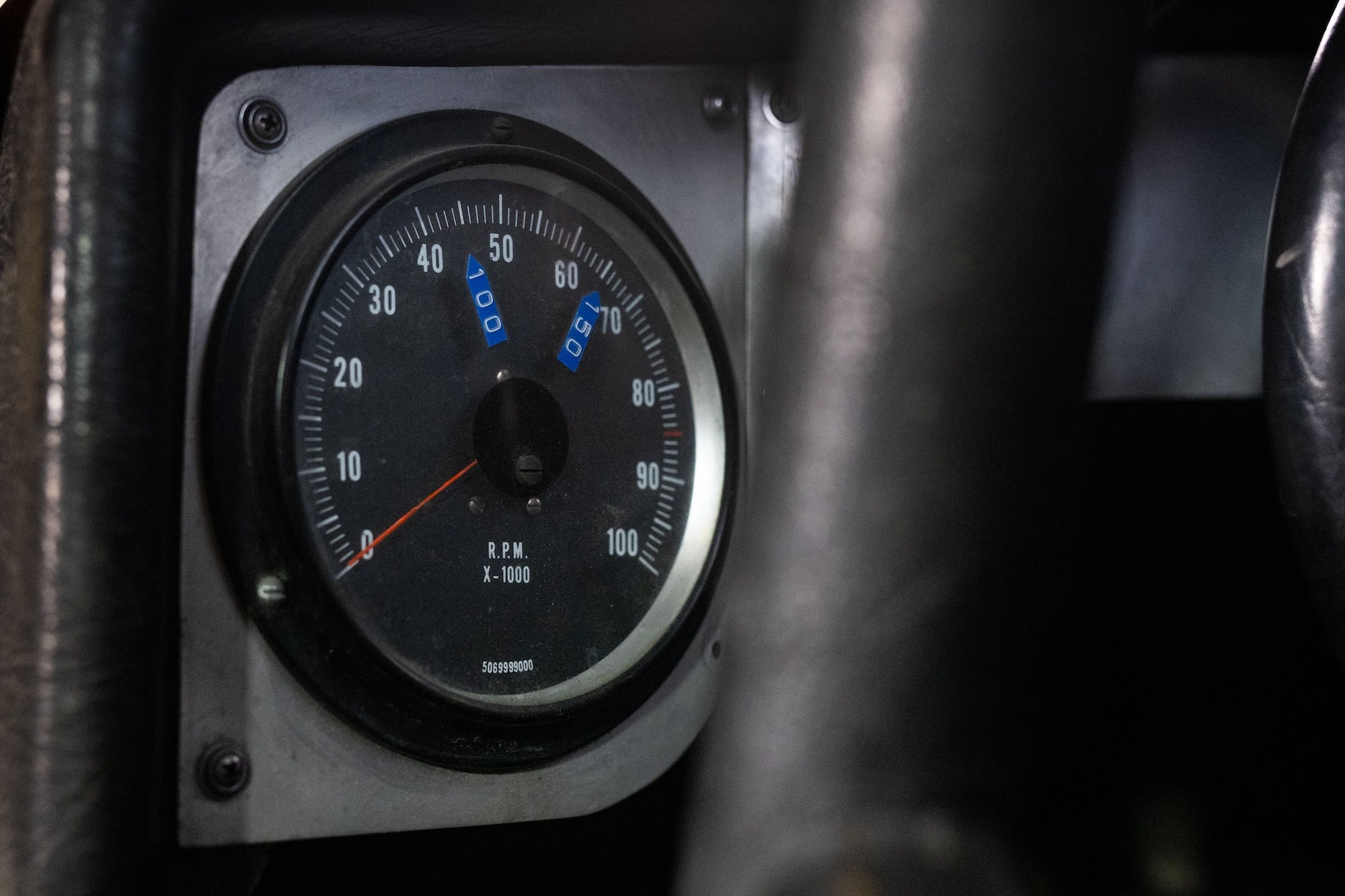
The Steamin’ Demon’s powertrain was based on the Lear Vapor Turbine, a single-stage unit with a 5.4 inch diameter capable of spinning between 20,000 and 60,000+ rpm, with some accounts claiming it needed speeds of up to 85,000 rpm for peak efficiency.
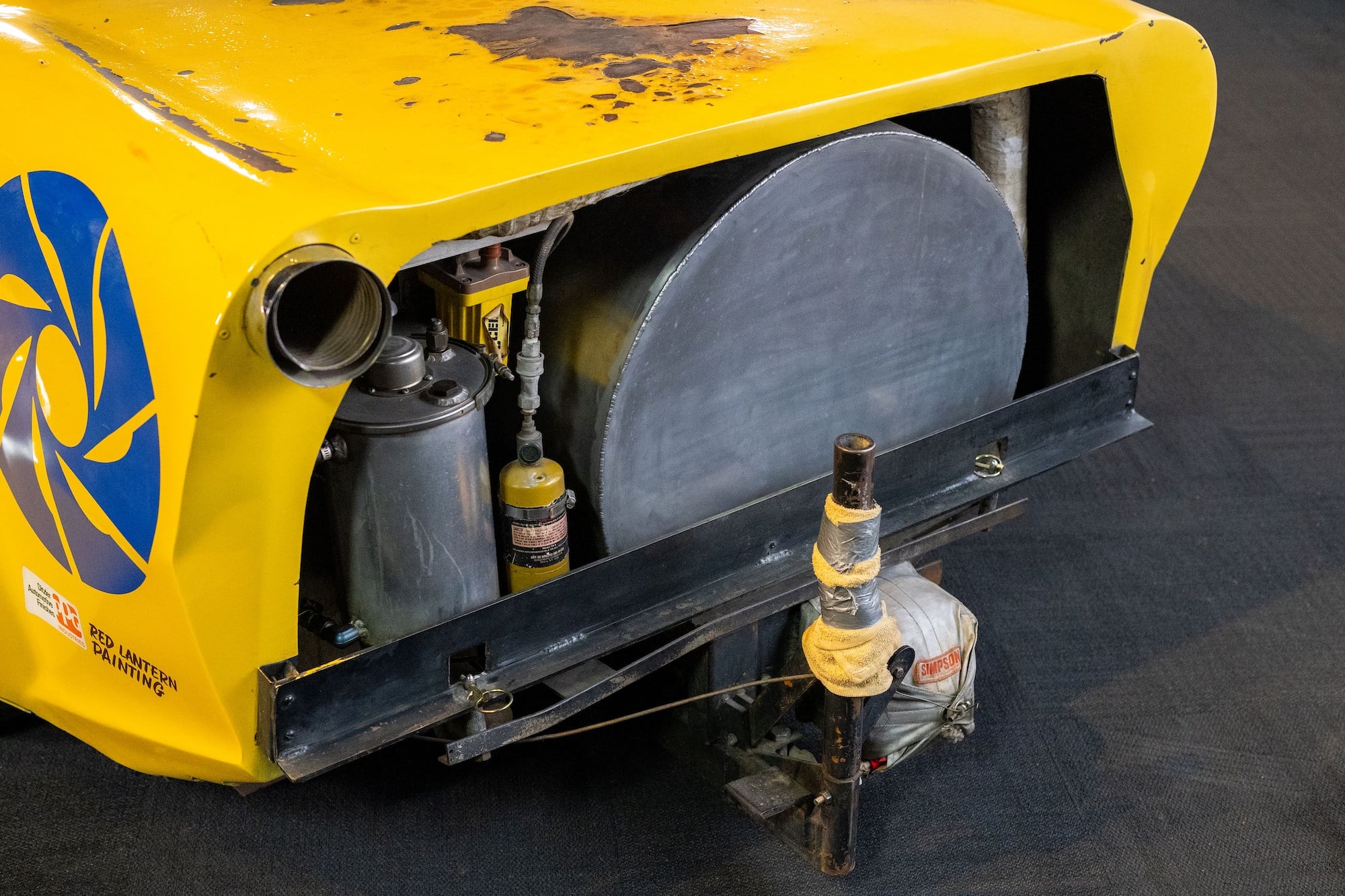
A 20:1 reduction gear tamed that output for a Cadillac Eldorado transmission and differential driving the rear wheels. Steam was generated by Lear’s “Vapor Generator,” a pancake-shaped boiler containing 600 feet of finned tubing that weighed around 600 lbs and could vaporize 5,500 pounds of water per hour using 56 gallons of kerosene, producing steam at 1,200 psi and 1,100º Fahrenheit (593ºC).
The system’s thermal output was roughly 8.5 million BTU per hour, this was enough to heat a mid-sized office building. Because the car was built purely for short-duration record runs, Jim dispensed with condensers entirely, running a full-loss system that carried only enough water and kerosene for ten minutes of operation.
Robert E. Barber Takes Over
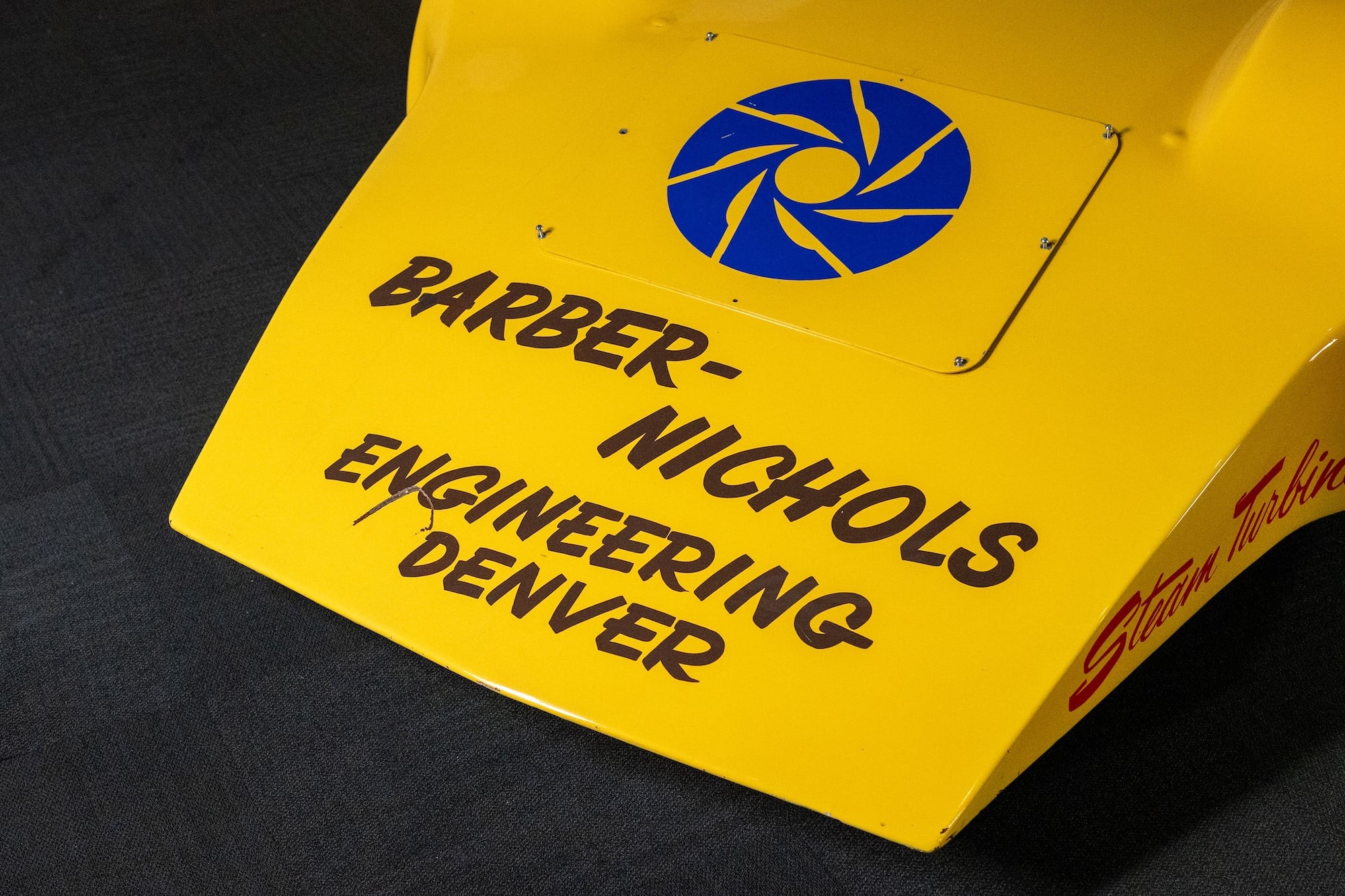
Despite all this engineering, Jim struggled to reach the speeds necessary to topple the Stanley Rocket’s mark. In 1982, he sold the Steamin’ Demon to Robert E. Barber, the co-founder and vice president of Barber-Nichols Engineering in Arvada, Colorado.
Above Video: This is the original coverage of the British steam car “Inspiration” and their record breaking runs at the Bonneville Salt Flats in Utah, in 2009.
Founded in 1966 by Barber and Ken Nichols, the company specialized in custom turbomachinery for aerospace, defense, cryogenic, and energy applications – exactly the sort of expertise the Steamin’ Demon needed to reach its full potential.
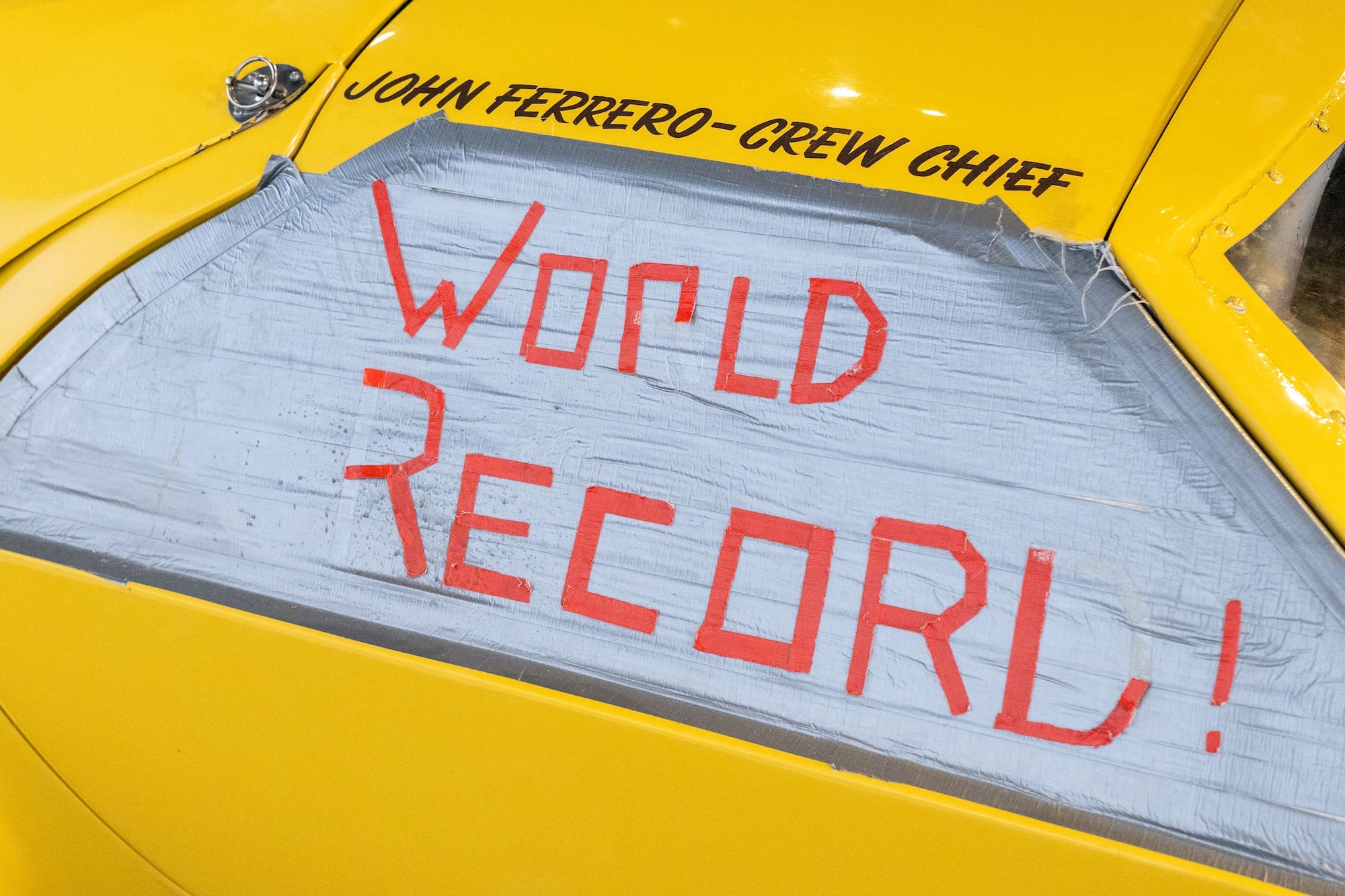
It took Barber and his team three years to sort out the car’s issues, but on August the 19th, 1985, Barber drove the Steamin’ Demon to a measured speed of 145.607 mph at Bonneville, finally beating the Stanley Rocket’s 79 year old record.
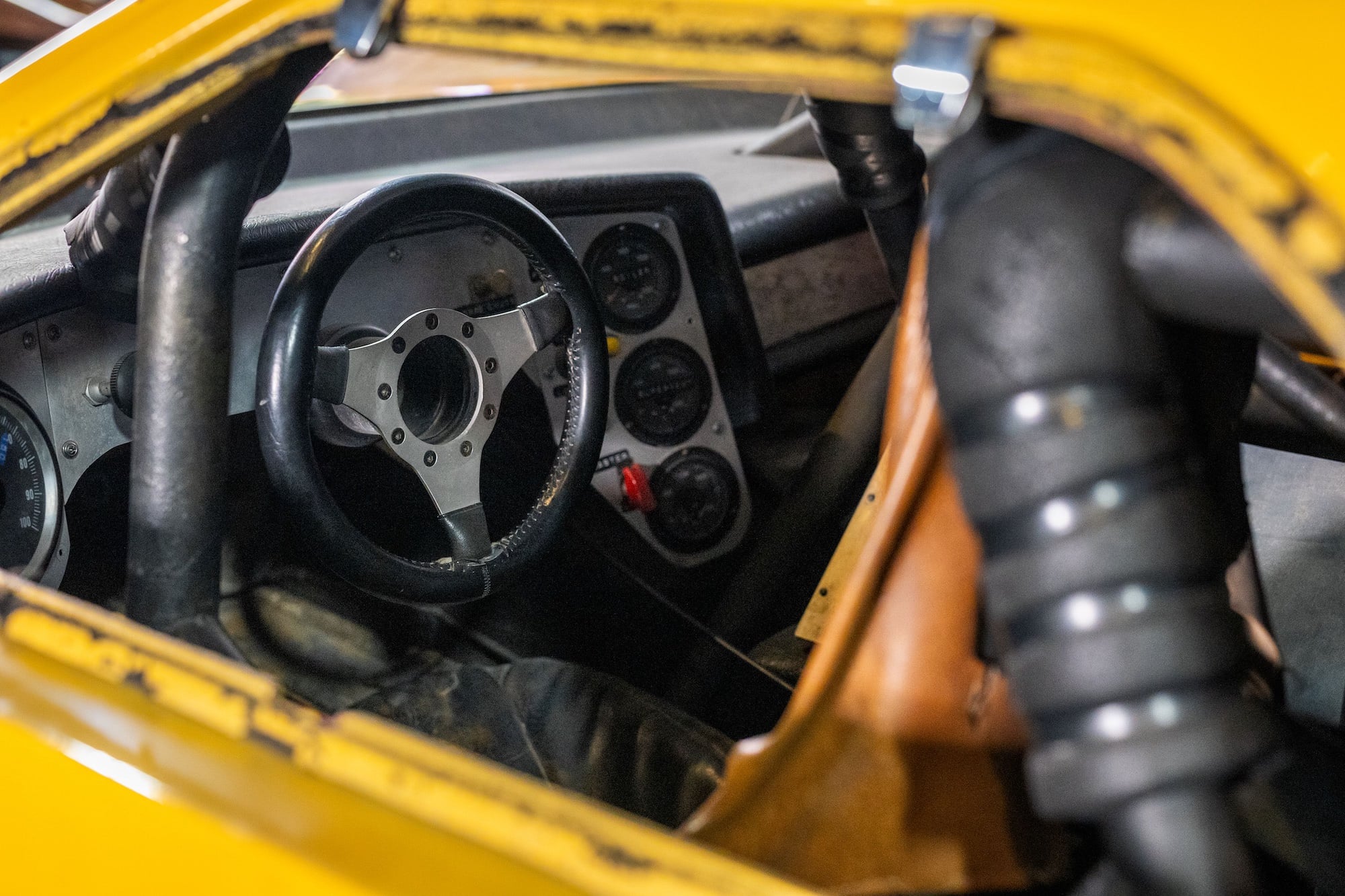
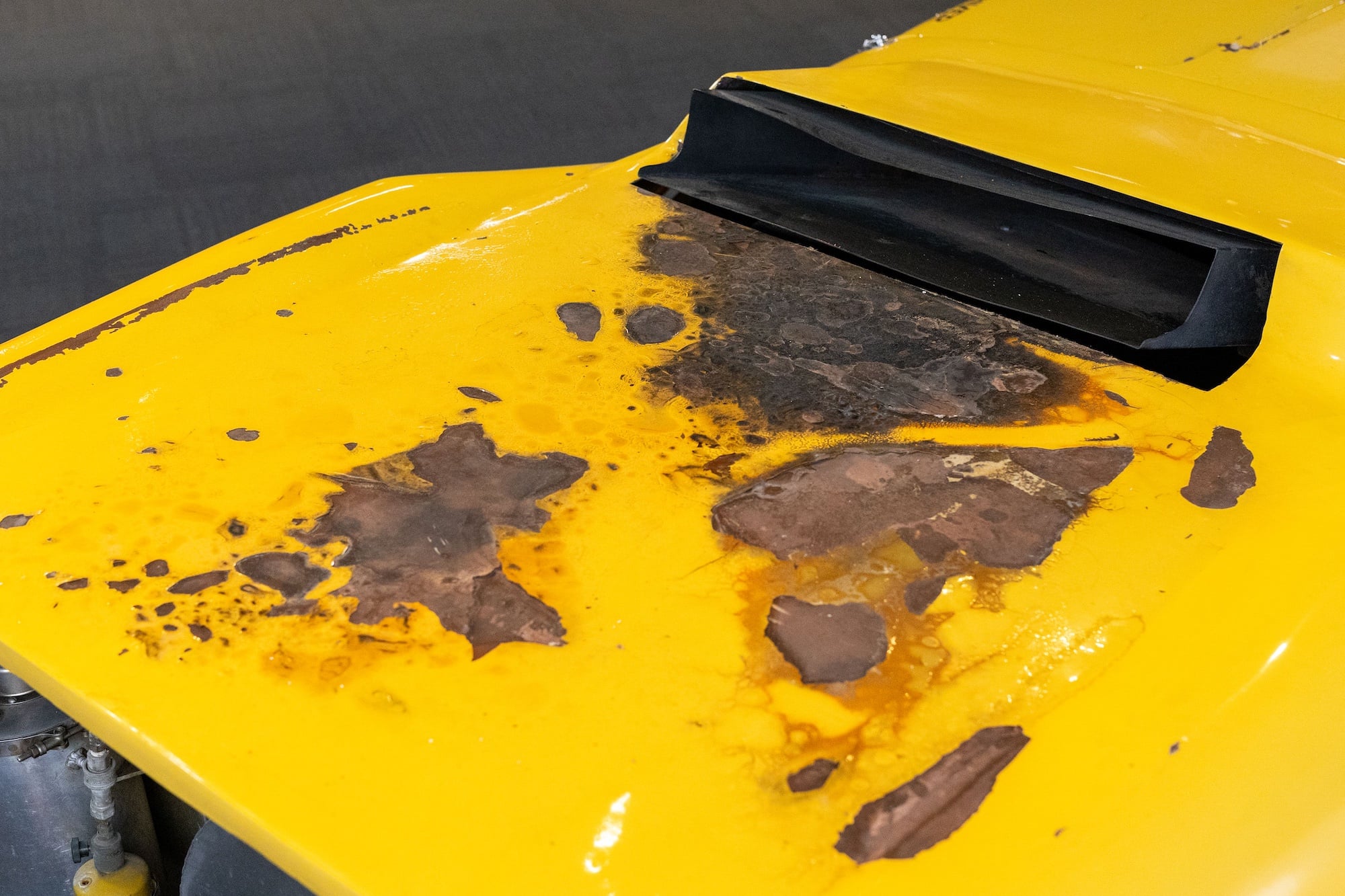
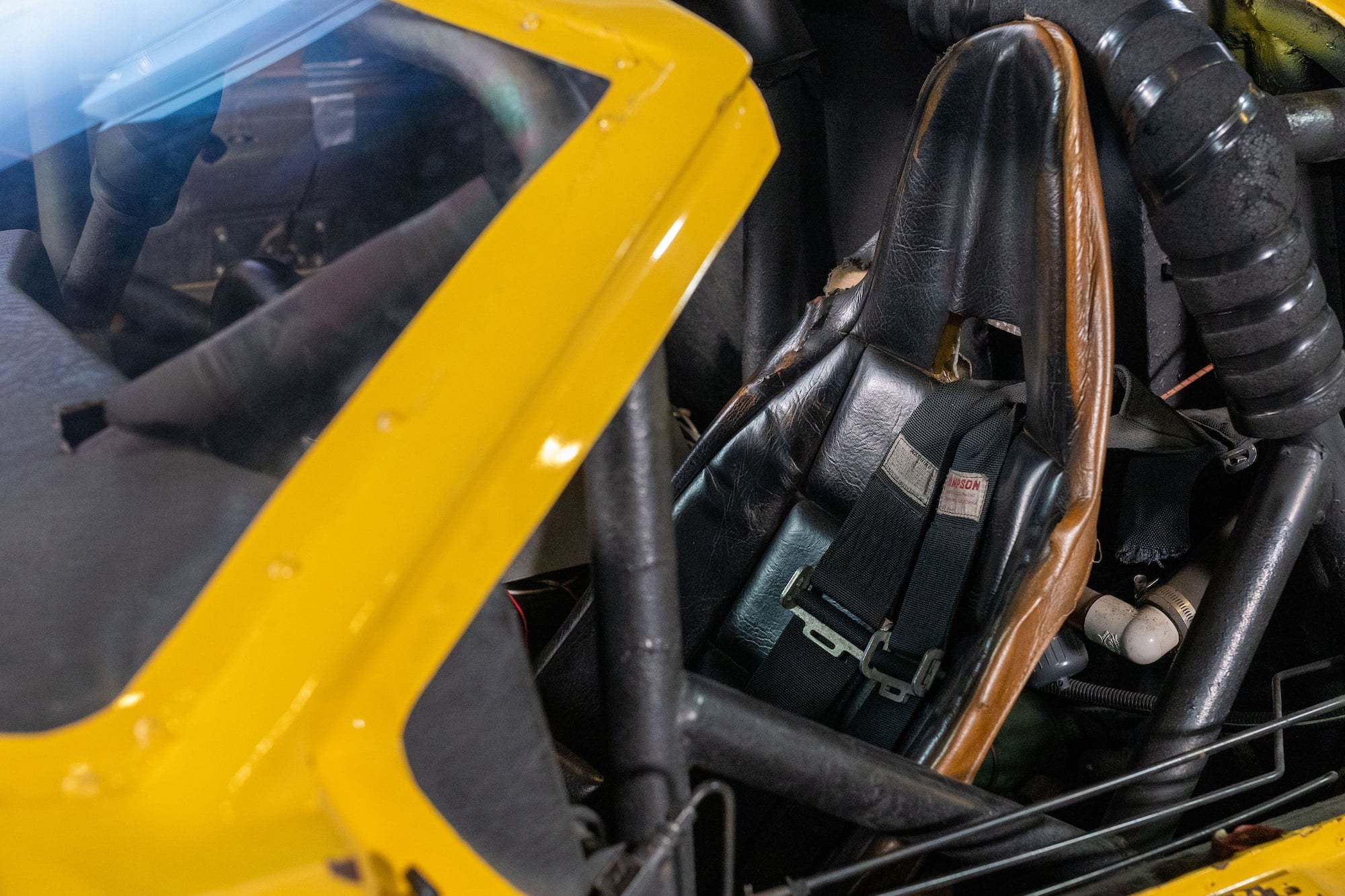
The run wasn’t without drama – one of the gullwing doors tore loose at speed and left the car with considerable haste, costing an estimated 10 mph in added aerodynamic drag. The difficulties didn’t end there, the Vapor Generator also caught fire, scorching the rear bodywork.
Guinness World Records recognizes Barber’s run as the fastest non-FIA steam car record. However, because Barber made only a single-direction pass rather than the two opposing runs within one hour required by FIA rules (a standard instituted in 1910, four years after Marriott’s original run was already in the books) the record was never officially ratified by the sport’s international governing body.
He might have beaten the Stanley using the same rules, but the rules had long since changed.
It would take until August of 2009 for the FIA-recognized steam record to finally fall. On August the 25th, at Edwards Air Force Base in California, the British steam car “Inspiration” (driven by Charles Burnett III) set a new FIA-sanctioned measured-mile record of 139.843 mph.
The following day, driver Don Wales set a measured-kilometer record of 148.308 mph, making the Inspiration the fastest steam car under the modern standard.
The “Steamin’ Demon” – Now For Sale
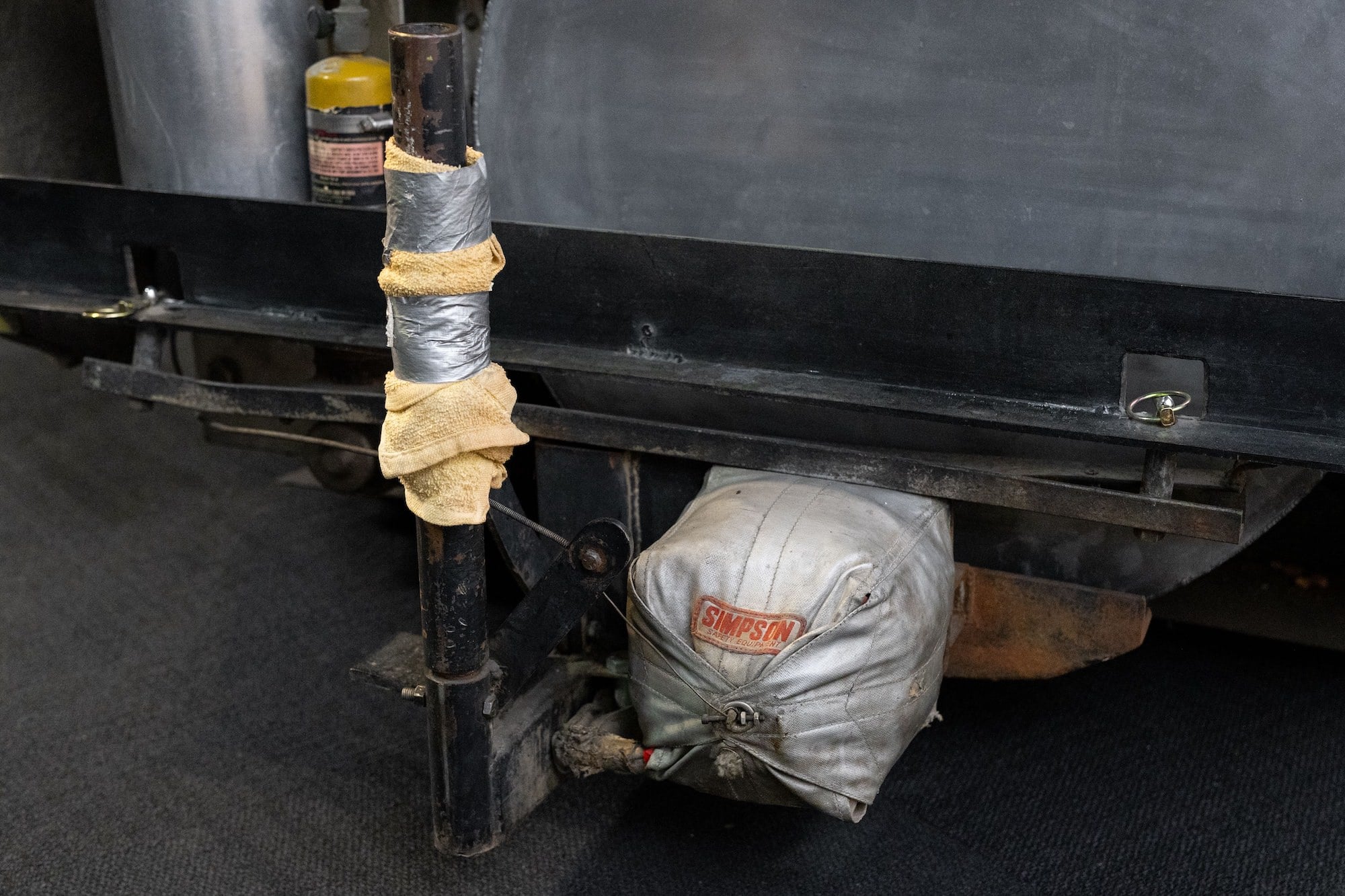
The Steamin’ Demon ended up at the National Automobile Museum in Reno, Nevada, displayed largely as it appeared after its 1985 record run, with the fire-scorched paint, missing door, and all, just as it should be.
The Steamin’ Demon’s powertrain was based on the Lear Vapor Turbine, a single-stage unit with a 5.4 inch diameter capable of spinning between 20,000 and 60,000+ rpm, with some accounts claiming it needed speeds of up to 85,000 rpm for peak efficiency.
The museum is now selling off its inventory, and the Steamin’ Demon is one of the headline lots being offered for sale. Sadly, the Lear Vapor Generator and Vapor Turbine have been removed, but the rest of the vehicle remains.
It’s now set to cross the auction block in mid-June with no reserve price set. If you’d like to read more about it or register to bid you can visit the listing here.
Images courtesy of Bonhams

Articles that Ben Branch has written have been covered on CNN, Popular Mechanics, Smithsonian Magazine, Road & Track Magazine, the official Pinterest blog, the official eBay Motors blog, BuzzFeed, Autoweek Magazine, Wired Magazine, Autoblog, Gear Patrol, Jalopnik, The Verge, and many more.
Silodrome was founded by Ben back in 2010, in the years since the site has grown to become a world leader in the alternative and vintage motoring sector, with well over a million monthly readers from around the world and many hundreds of thousands of followers on social media.