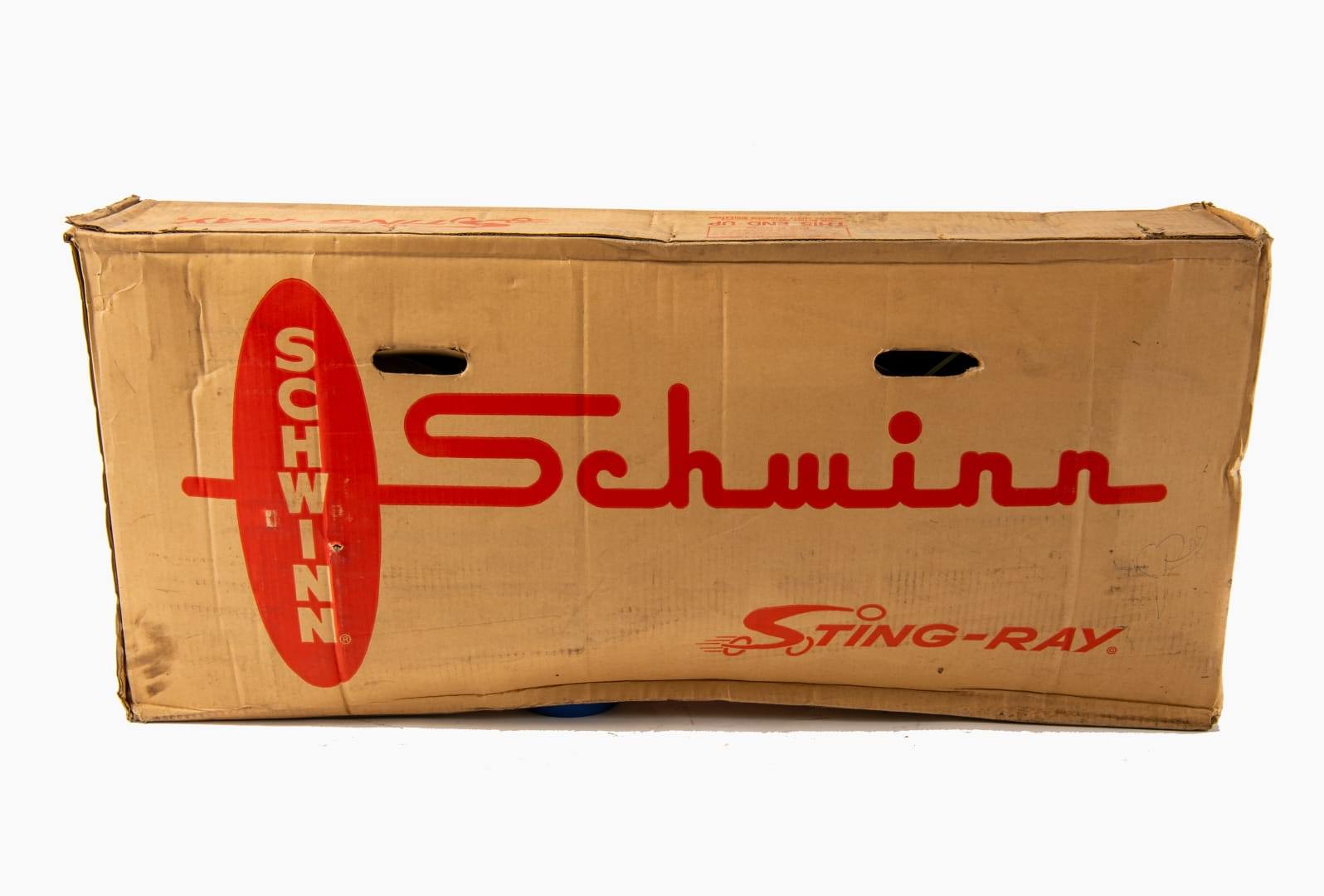
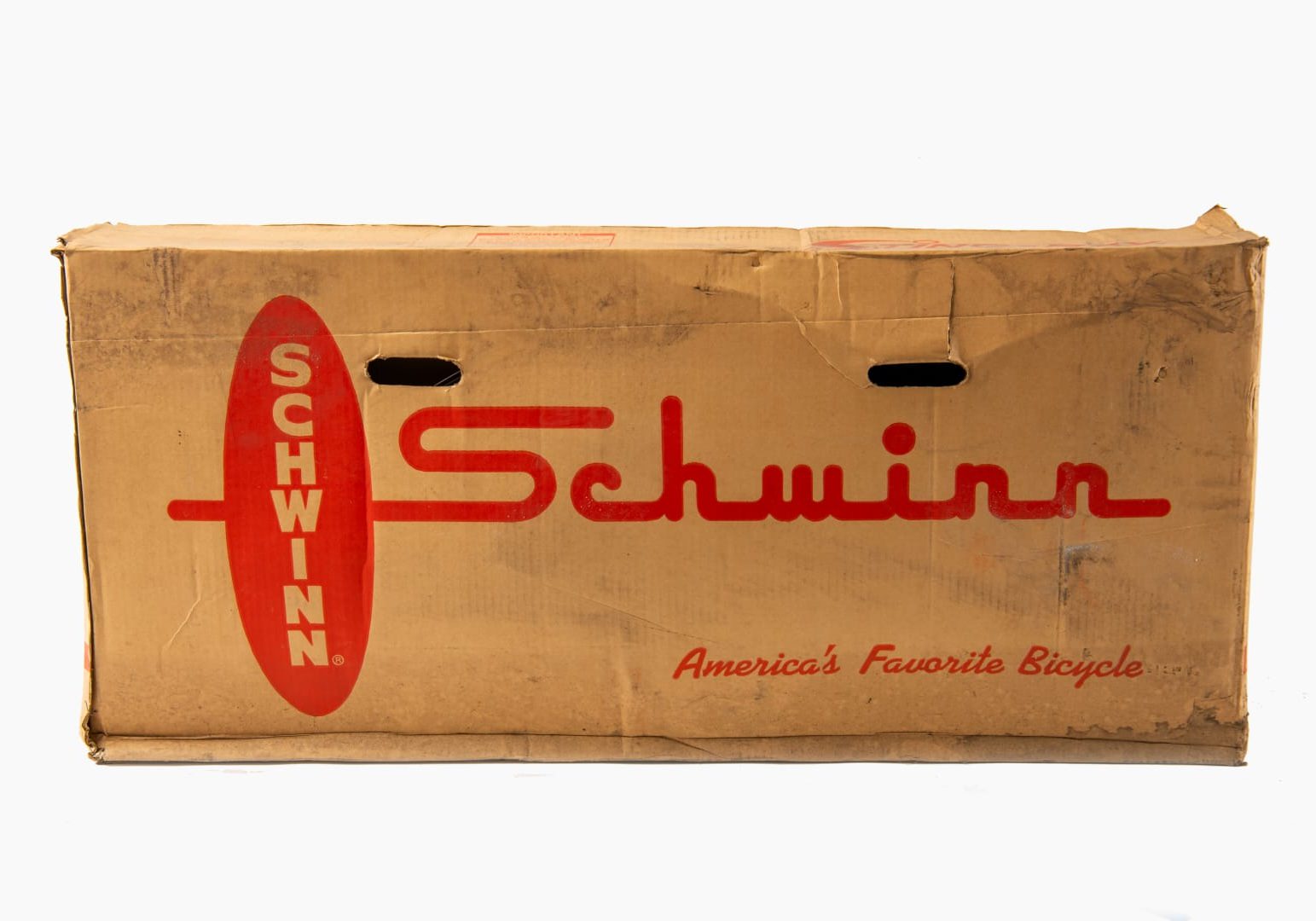
This is a Schwinn Sting-Ray “Orange Krate” that remains in its factory crate, having never been given its final assembly or ridden.
It’s now being offered for sale, and it’ll be up to the new owner whether they leave it in the crate and preserve it like this, or take it out and ride it. These Sting-Rays were amongst the most desirable bikes in the world in the 1960s and 1970s, and they still have a huge following today.

 The “Krate” series had 5-speed stick shifters mounted on the top tube, front springer forks, polished exhaust-style chain guards, slick rear tires, and metallic paint with contrasting stripes. These bikes were heavier and more complex than standard Sting-Rays, but they captured the late-1960s obsession with muscle cars and quarter-mile bravado. For many kids, a Krate was as close as they could get to owning their own hot rod. Image courtesy of Schwinn.
History Speedrun: The Schwinn Sting-Ray
The Schwinn Sting-Ray debuted in 1963 as a major breakaway from the American bicycles of the time. Schwinn executives had been watching a growing youth trend in Southern California where kids were modifying standard bikes with extended “banana” seats, high-rise handlebars, and staggered diameter wheels to mimic the look and feel of the custom motorcycles and hot rods of the era.
Schwinn industrial designer Al Fritz formalized that look into a production bicycle, pairing a 20 inch rear wheel with a laid-back frame geometry, a long padded seat, and tall handlebars. The result was the Sting-Ray, a bike that exuded attitude and individuality over outright speed or efficiency – it immediately resonated with younger riders from coast to coast.
Early Sting-Ray models were mechanically simple – the frame had a sharply curved top tube, the seat sat high and far back, and the short wheelbase made wheelies easy for those who were so inclined. By the mid-1960s, the Sting-Ray had become one of the best-selling bicycles in America, helping Schwinn dominate the youth market and reshaping what a children’s bicycle could look like.
Variants like the Deluxe Sting-Ray added chrome fenders, front drum brakes, and more decorative trim, but the basic formula remained mostly unchanged.
The concept reached its most flamboyant variation with the introduction of the Krate series in 1968. The Krates – most famously the Orange Krate, Lemon Peeler, Apple Krate, and later the Pea Picker – were styled after prominent drag racing machines of the time.
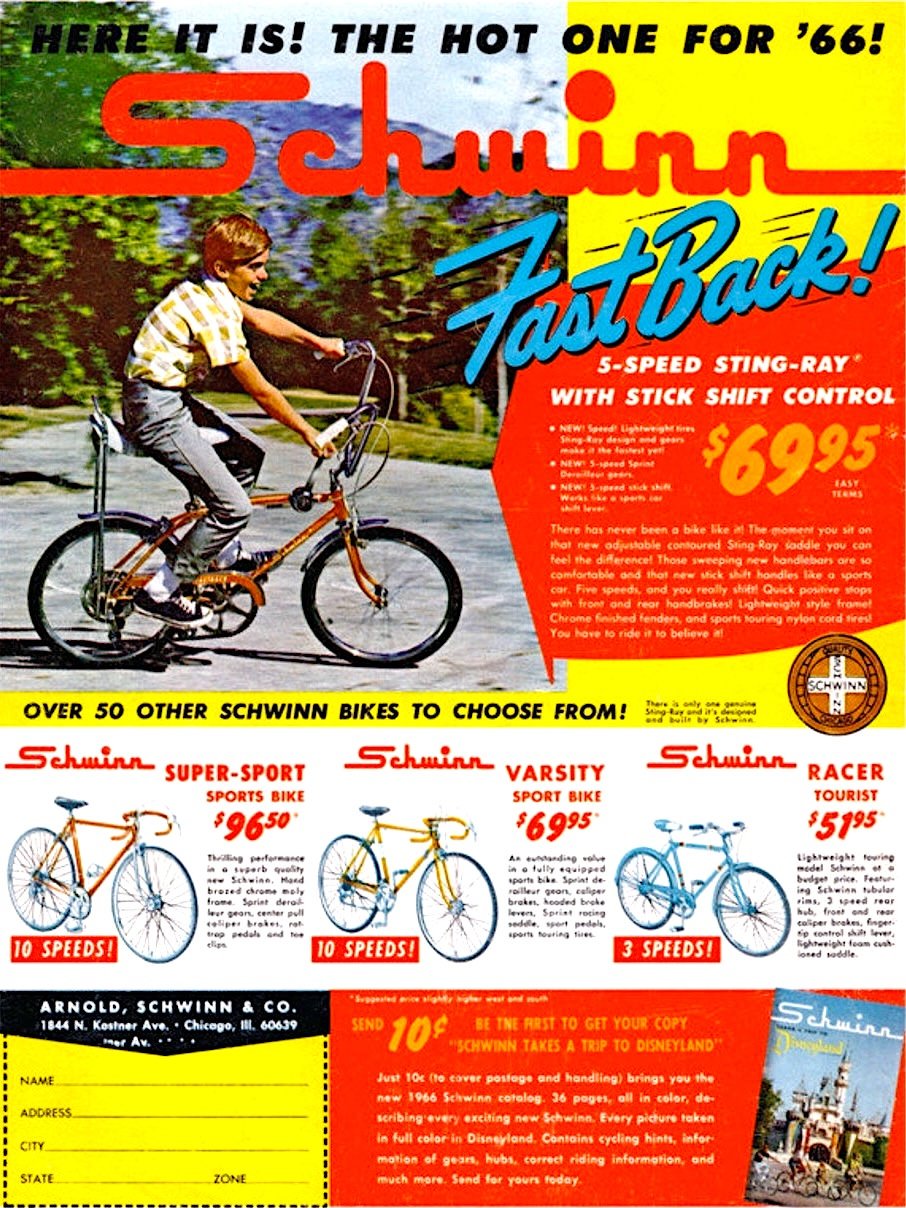
The concept reached its most flamboyant variation with the introduction of the Krate series in 1968. The Krates – most famously the Orange Krate, Lemon Peeler, Apple Krate, and later the Pea Picker – were styled after prominent drag racing machines of the time. Image courtesy of Schwinn.
The Krates had 5-speed stick shifters mounted on the top tube, front springer forks, polished exhaust-style chain guards, slick rear tires, and metallic paint with contrasting stripes. These bikes were heavier and more complex than standard Sting-Rays, but they captured the late-1960s obsession with muscle cars and quarter-mile bravado. For many kids, a Krate was as close as they could get to owning their own hot rod.
Production of the original Sting-Ray and Krate models wound down in the 1970s as BMX bikes and lightweight multi-speed bicycles took over. However, the cultural impact never faded – beginning in the late 1990s and early 2000s, Schwinn reintroduced the Sting-Ray name through a series of retro-inspired reissues.
These later versions echoed the look of the originals with their banana seats, bold colors, and upright bars, while using modern manufacturing techniques and components. Limited-run Krate reissues followed, aimed squarely at collectors and nostalgic adults rather than just at children.
The Crated Schwinn Sting-Ray “Orange Krate” Shown Here
This is a Schwinn Sting-Ray “Orange Krate” that remains in its original factory crate. The listing doesn’t go into any detail about what year the bike is, but it seems likely that it’s one of the more recent reissues rather than an original from the 1960s or 1970s.
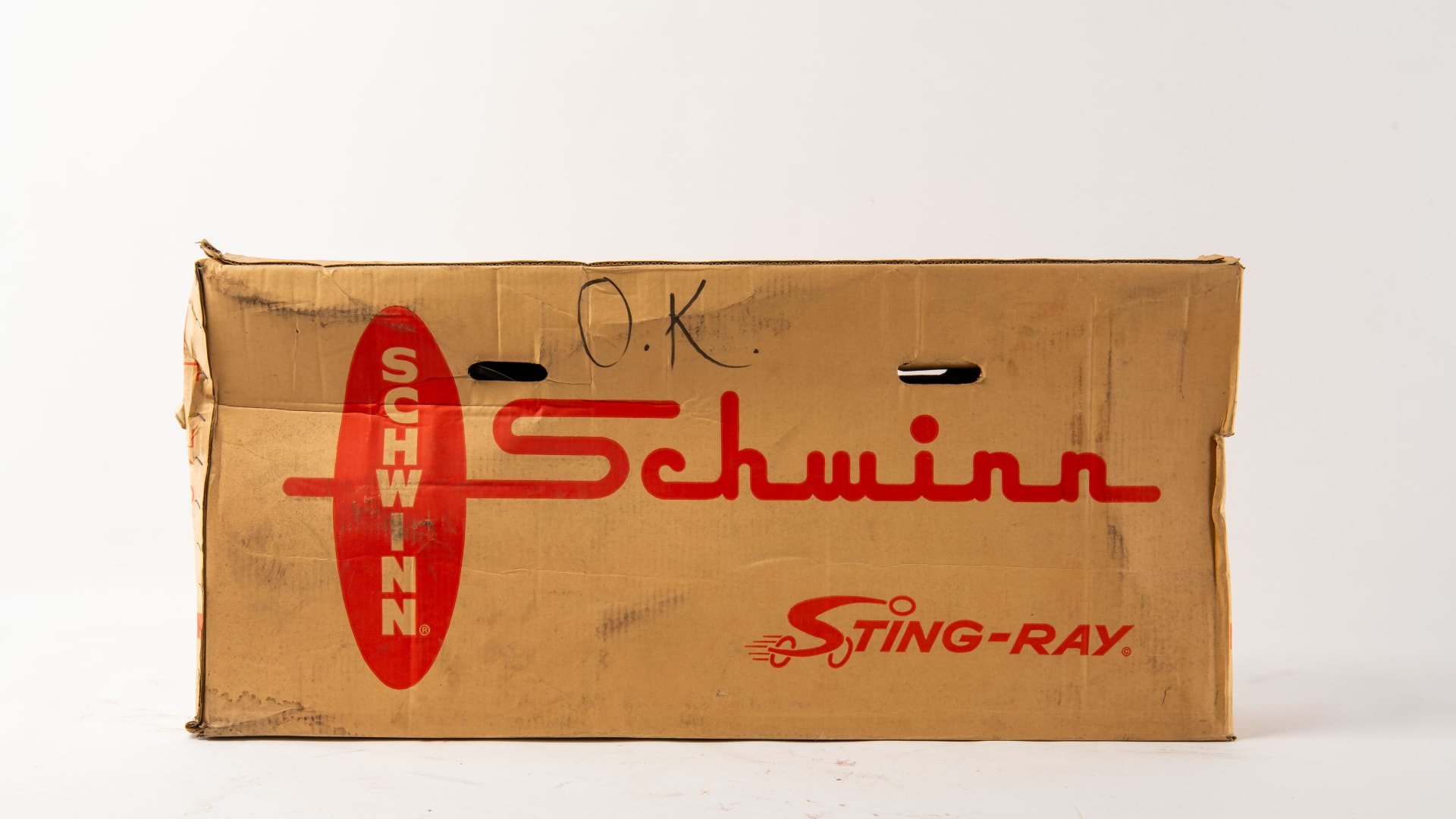
This is a Schwinn Sting-Ray “Orange Krate” that remains in its factory crate, having never been given its final assembly or ridden.
These Sting-Rays revolutionized the bicycling world back in the 1960s when they were first introduced and they remain hugely popular today.
This factory-crated “Orange Krate” Sting-Ray is now due to be auctioned by Mecum in mid-January. If you’d like to read more about it or register to bid you can visit the listing here.
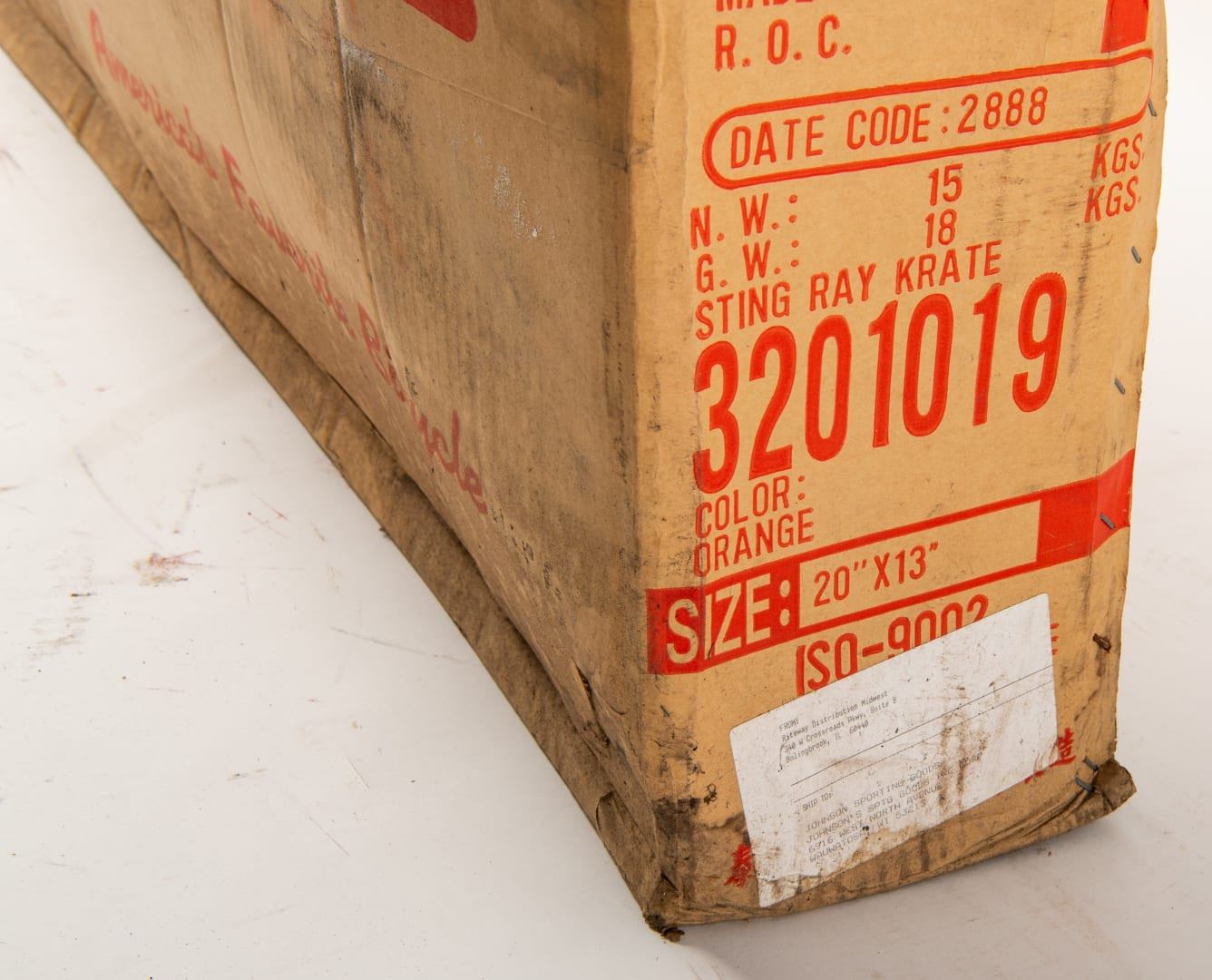

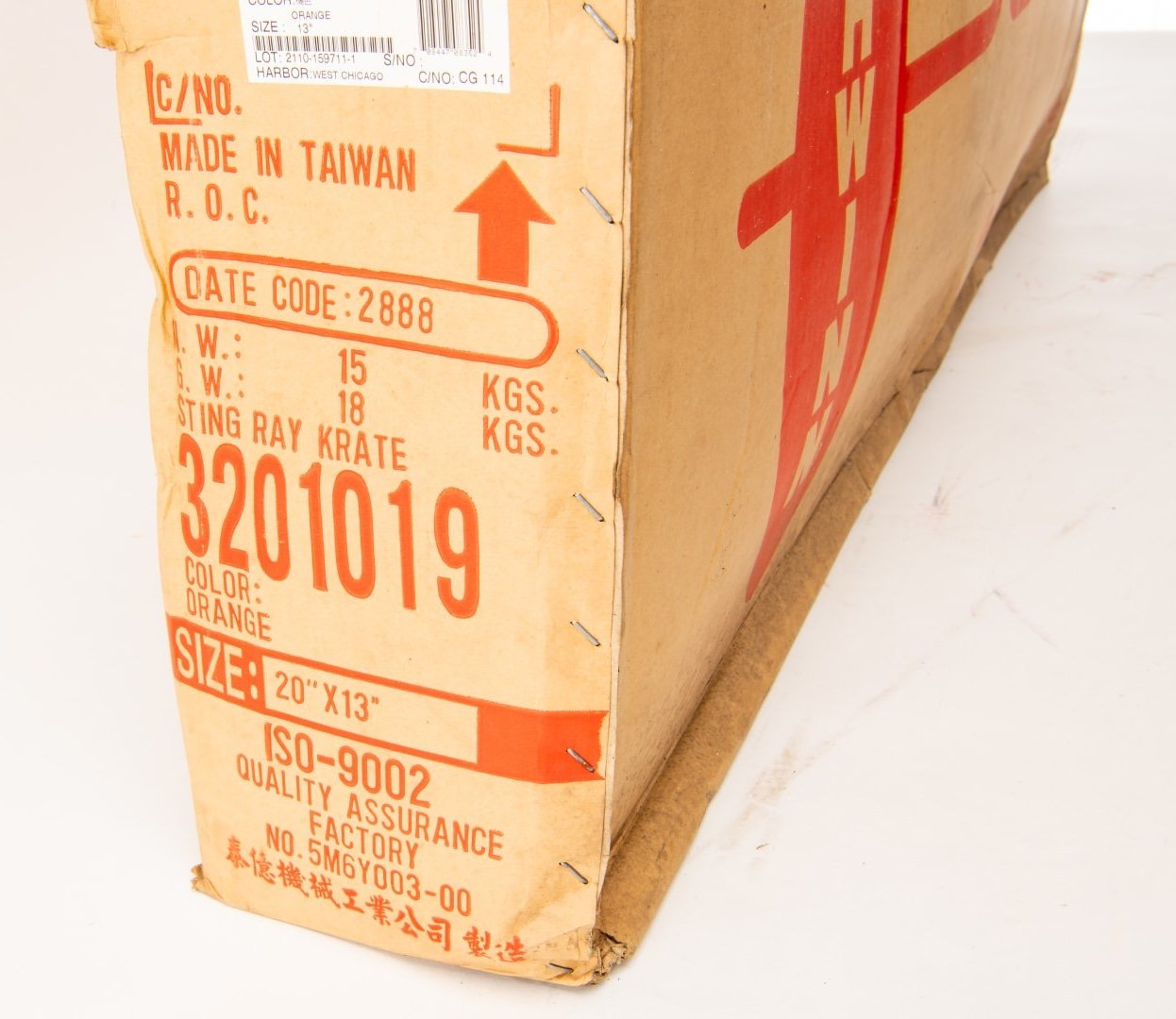
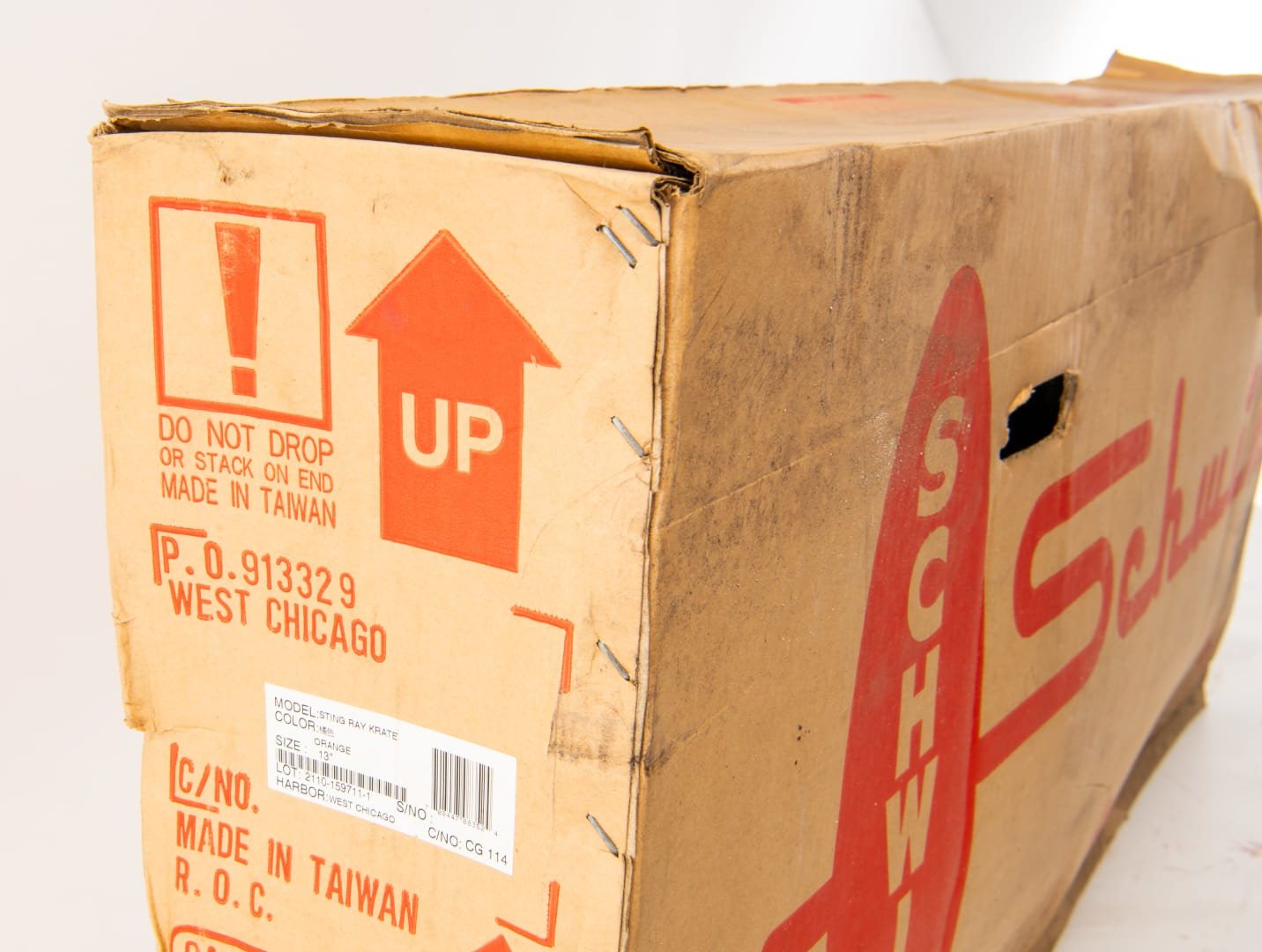
Images courtesy of Mecum

Articles that Ben Branch has written have been covered on CNN, Popular Mechanics, Smithsonian Magazine, Road & Track Magazine, the official Pinterest blog, the official eBay Motors blog, BuzzFeed, Autoweek Magazine, Wired Magazine, Autoblog, Gear Patrol, Jalopnik, The Verge, and many more.
Silodrome was founded by Ben back in 2010, in the years since the site has grown to become a world leader in the alternative and vintage motoring sector, with well over a million monthly readers from around the world and many hundreds of thousands of followers on social media.