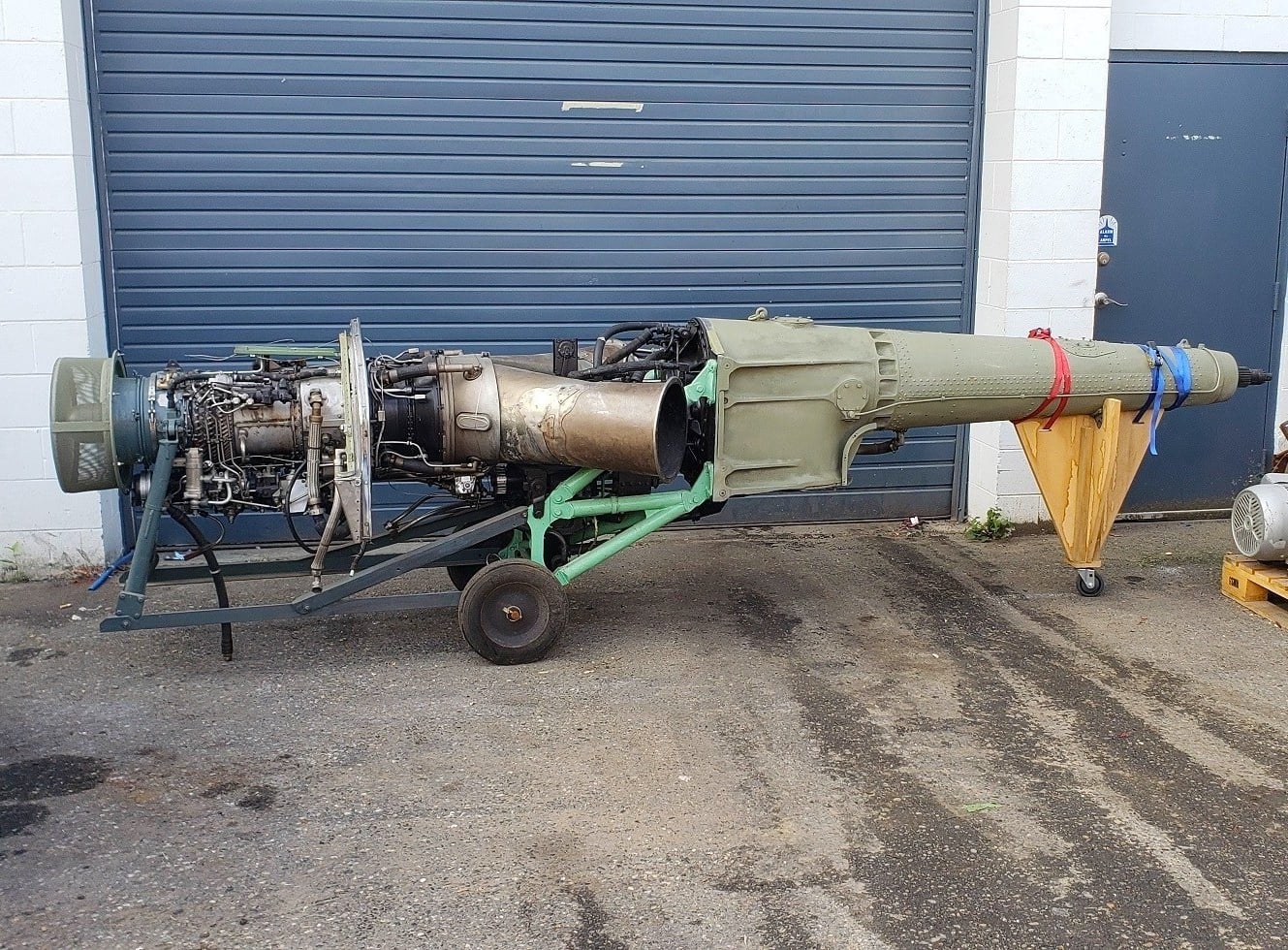
This is said to be the Rolls-Royce Gnome T58 turbine engine that powered the SR.N6 Winchester hovercraft down the Amazon River in 1968, breaking a number of world records in the process, and emerging out into the Caribbean Sea after having started hundreds of miles away in Brazil.
The expedition itself is fascinating and we’ve laid it out below, it was filmed by the BBC and released as a documentary, however we haven’t been able to find any surviving copies of the film.
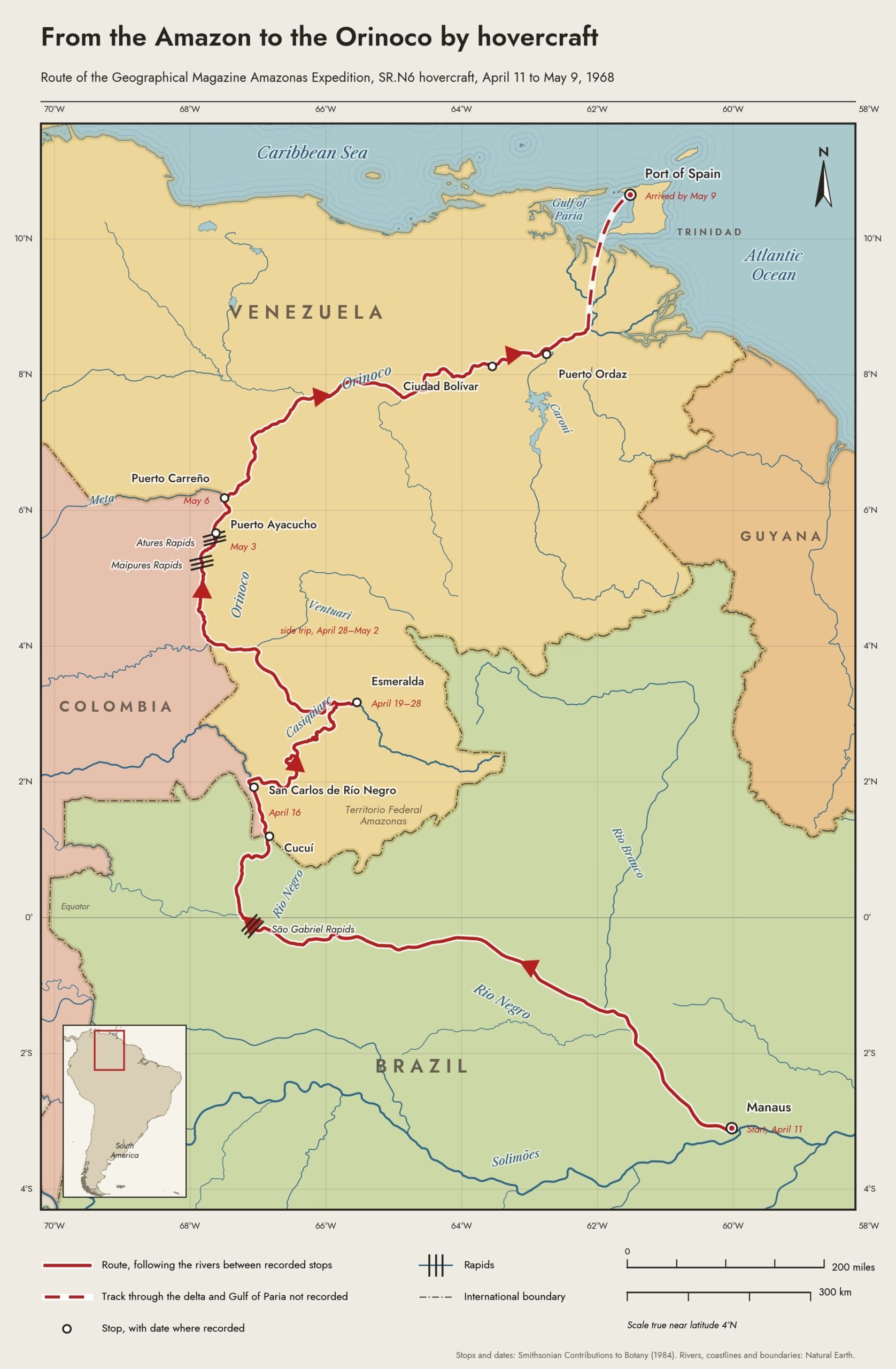
 This map plots out the full route of the Geographical Magazine Amazonas Expedition by Hovercraft in 1968, except for the last section, as there is some disagreement about which path it took on that leg of the journey. Image courtesy of Geographical Magazine.
History Speedrun: The Amazonian Hovercraft Expedition Of 1968
On April the 11th, 1968, a British SR.N6 hovercraft left Manaus, Brazil, hoping to reach the Caribbean entirely by river. Its route ran up the Rio Negro to the Casiquiare, a natural channel linking the Amazon and Orinoco river systems, from there it went down the Orinoco and across the Gulf of Paria to Port of Spain, Trinidad.
The trip was officially named the Geographical Magazine Amazonas Expedition by Hovercraft, the London-based magazine organized it, the Duke of Edinburgh served as patron, and Britain’s Ministry of Technology backed it. It had two aims – scientific fieldwork in a little-surveyed region, and a demonstration that a hovercraft could work waters no other powered craft could possibly hope to navigate.
Before the main expedition, the hovercraft covered 1,700 miles in preliminary testing that took it into Peru. It left Iquitos on March the 7th and ran about 570 miles upriver to Pinglo in under 12 hours, a remarkable pace for the time.
Above Borja it crossed the whitewater rapids of the Pongo de Manseriche 14 times, the Pongo is a narrow gorge normally passable only by small canoes, so the hovercraft was really showing its capabilities by running up and down the rapids like it was little more than a series of speed bumps.
Michael Eden, a 31 year old geographer at Bedford College in London, led the scientific party. It included ethnobotanist Conrad Gorinsky and geographers David Harris and John Thornes, Venezuelan ecologist Ernesto Medina joined them in Venezuela.
A pre-departure report named a British Hovercraft Corporation pilot to fly the craft, with Graham Clarke and Captain Stuart Syrad of the Royal Marines as his assistants. Clarke was a former Fleet Air Arm pilot who had flown operations over Korea and was at the time flying Hovertravel’s ferries out of Ryde in England.
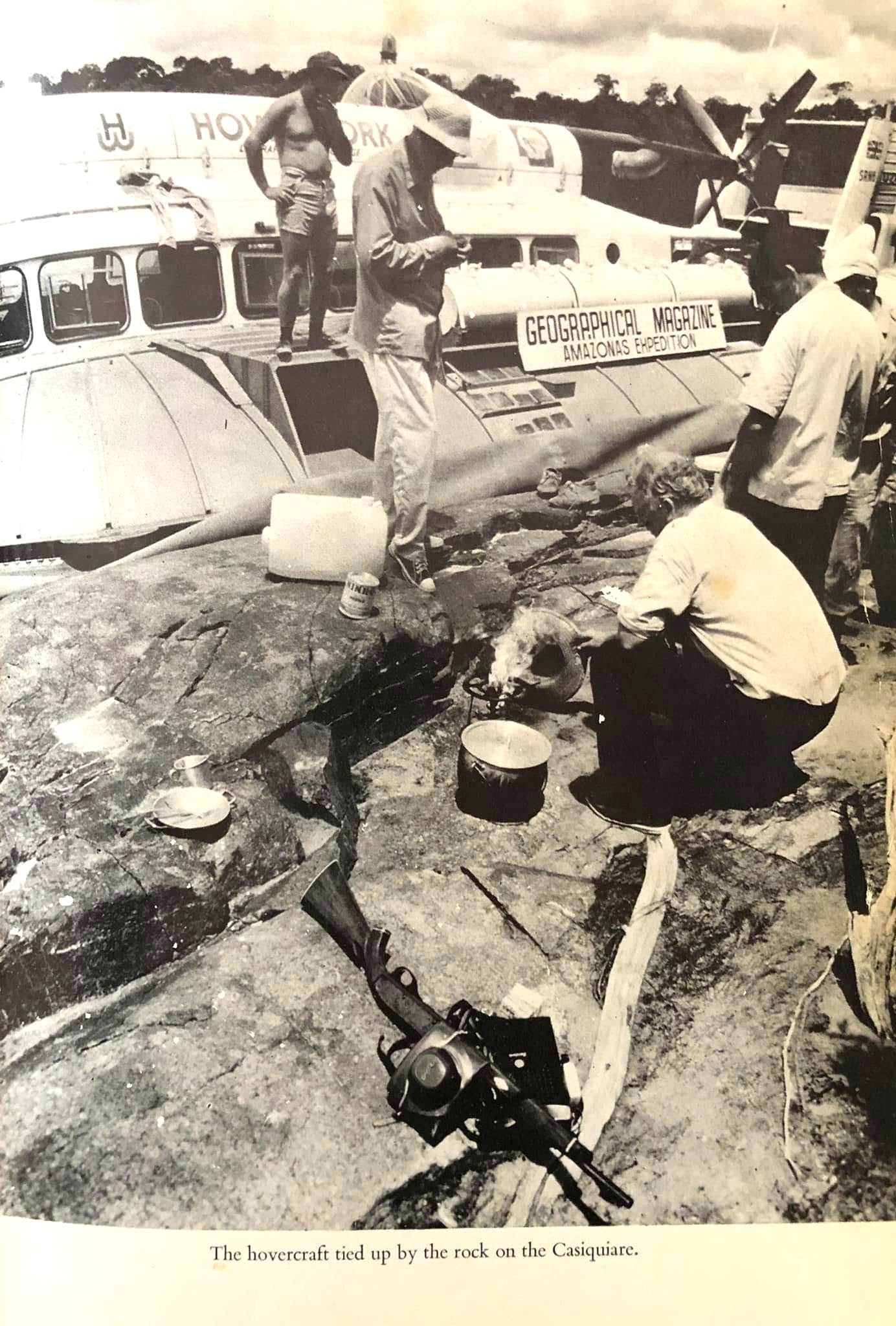
The hovercraft tied up by the rock on the Casiquiare. Image courtesy of Geographical Magazine.
Above Video: This is the BBC documentary about the 1970 Trans-African Hovercraft Expedition. It’s different to the expedition that this article is about, but it does come from the same era, and shows many similar challenges that would have been faced by the Amazon expedition.
A BBC team under Brian Branston filmed the trip, the explorer Robin Hanbury-Tenison also took part, and his conversations with Gorinsky helped lead to the founding of Survival International in 1969. Sadly, we haven’t been able to find any surviving copies of the BBC documentary about the expedition, it was officially titled The Last Great Journey on Earth: From Amazon to Orinoco by Hovercraft, and if you know where we can get a copy please let us know here.
The hovercraft ran from Cucuí to San Carlos de Río Negro on April the 16th, from April the 19th to the 28th it worked around Esmeralda, including the Casiquiare and the Ocamo and Padamo rivers, while the scientists collected plants. It went up the Ventuari, reached Puerto Ayacucho on May the 3rd and Puerto Carreño on May the 6th, then passed Ciudad Bolívar and Puerto Ordaz before arriving at Port of Spain by May the 9th.
The San Gabriel rapids on the Negro gave no trouble, perhaps unsurprisingly, but the Maipures and Atures rapids above Puerto Ayacucho were different – the team flew an air reconnaissance to choose a line through some 40 miles of challenging whitewater.
The hovercraft couldn’t drop below planing speed, any slower and it lost the height that kept it off the rocks. Navigation was by aeronautical charts and with the help of a local guide, who’d also set up fuel dumps at planned stops along the route.
Below the rapids, the hovercraft continued down the Orinoco to Puerto Carreño on May the 6th. It passed Ciudad Bolívar and Puerto Ordaz, crossed the Gulf of Paria and reached Port of Spain on May the 9th. The run from Manaus had taken four weeks and covered more than 2,400 miles.
The hovercraft then made a sales demonstration tour of Venezuela, Guyana, Brazil, and Argentina, run jointly with the British Hovercraft Corporation, and returned to the Isle of Wight on September the 10th. After Clarke got home, Hovertravel lent him to the British Hovercraft Corporation to help India’s Central Board of Revenue fight gold smuggling. He trained Indian Navy pilots to drive and navigate the hovercraft and to run anti-smuggling patrols.
The SR.N6 Winchester Hovercraft
Saunders-Roe, later part of the British Hovercraft Corporation, built the SR.N6 hovercraft at Cowes on the Isle of Wight as a stretched SR.N5. The standard craft seated 38 passengers, the first was the ninth SR.N5, lengthened and launched in March of 1965. Hovertravel put the type into service between Ryde and Southsea in 1965.
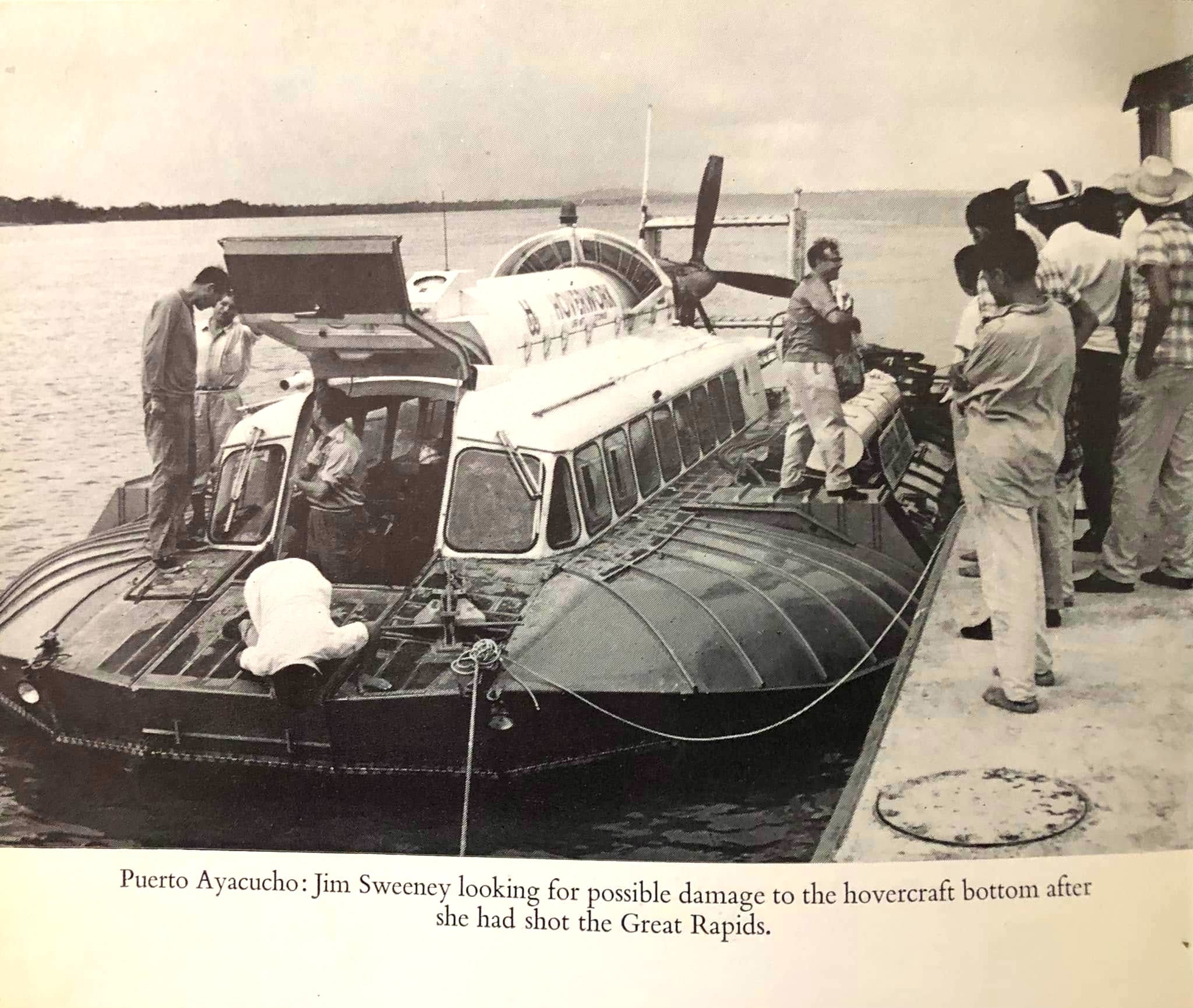
Puerto Ayacucho: Jim Sweeney looking for possible damage to the hovercraft bottom after she had shot the Great Rapids. Image courtesy of Geographical Magazine.
Above Video: This short film shows the SR.N6 Winchester hovercraft in action, as you can see, it’s quite a large vehicle.
Power came from a single marinized Gnome turboshaft, the Gnome was a General Electric T58 license-built by de Havilland, and it passed to Rolls-Royce with the 1966 takeover of Bristol Siddeley. In the SR.N6 it drove both a 7-foot centrifugal lift fan and a rear-facing 9 foot, four-blade Dowty Rotol variable-pitch propeller.
The pilot sat at the front of the cabin and steered with control surfaces like rudders behind the propeller. A skirt of rubber-coated fabric segments hung about 4 feet below the hull to help create the air cushion.
The expedition craft had a weight of 10 tons, a length of 48 feet, and it was making 900 bhp. In period press reports they listed room for 38 passengers or three tons of cargo, a calm-water speed of 56 knots and a range of 227 miles.
The Gnome engine was costly to run, and some operators set up their own overhaul facilities and made arrangements with other Gnome users, including the Royal Navy, rather than rely on Rolls-Royce servicing, which could get very costly very quickly.
The Rolls-Royce Gnome T58 Engine Shown Here
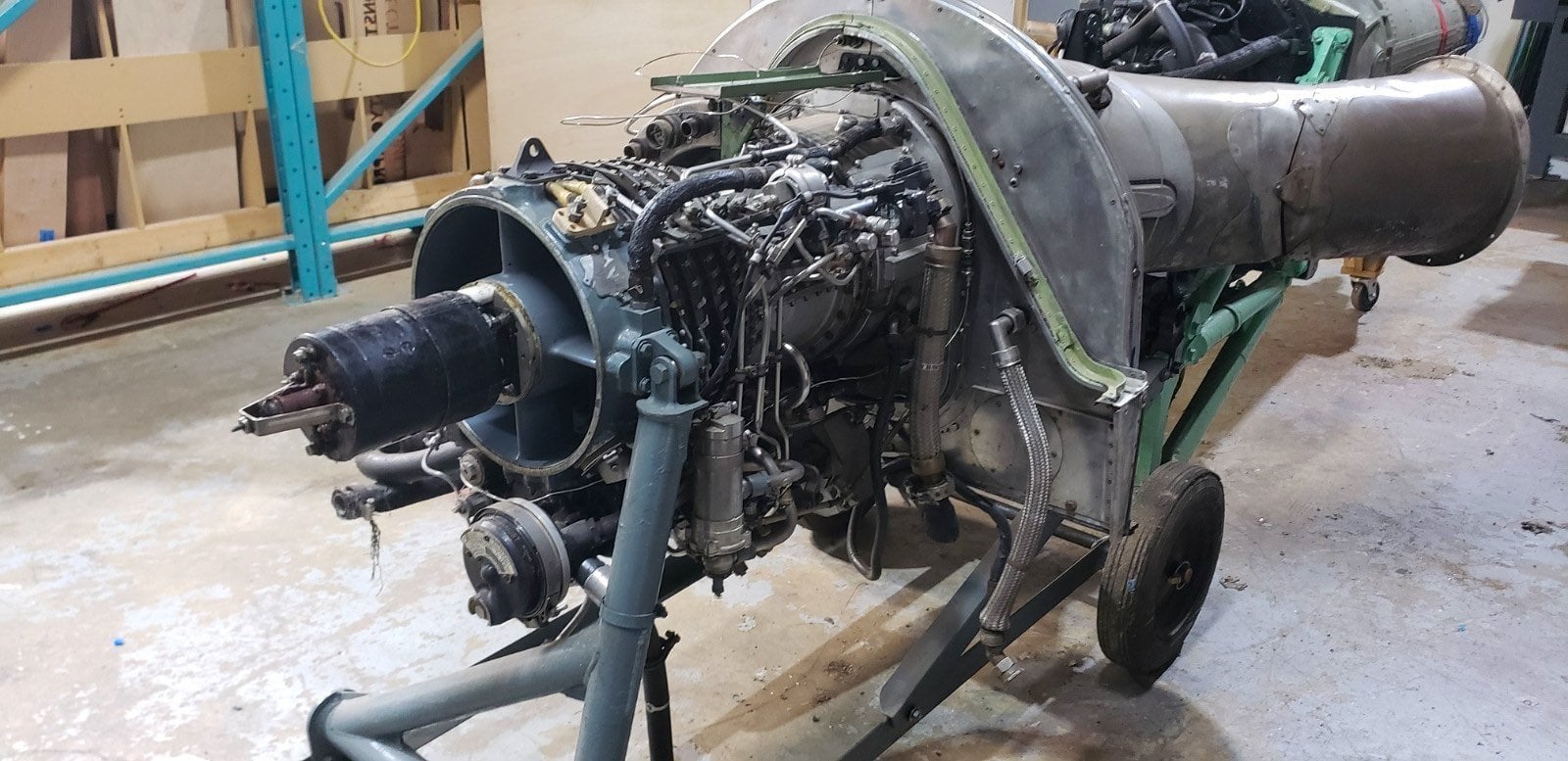
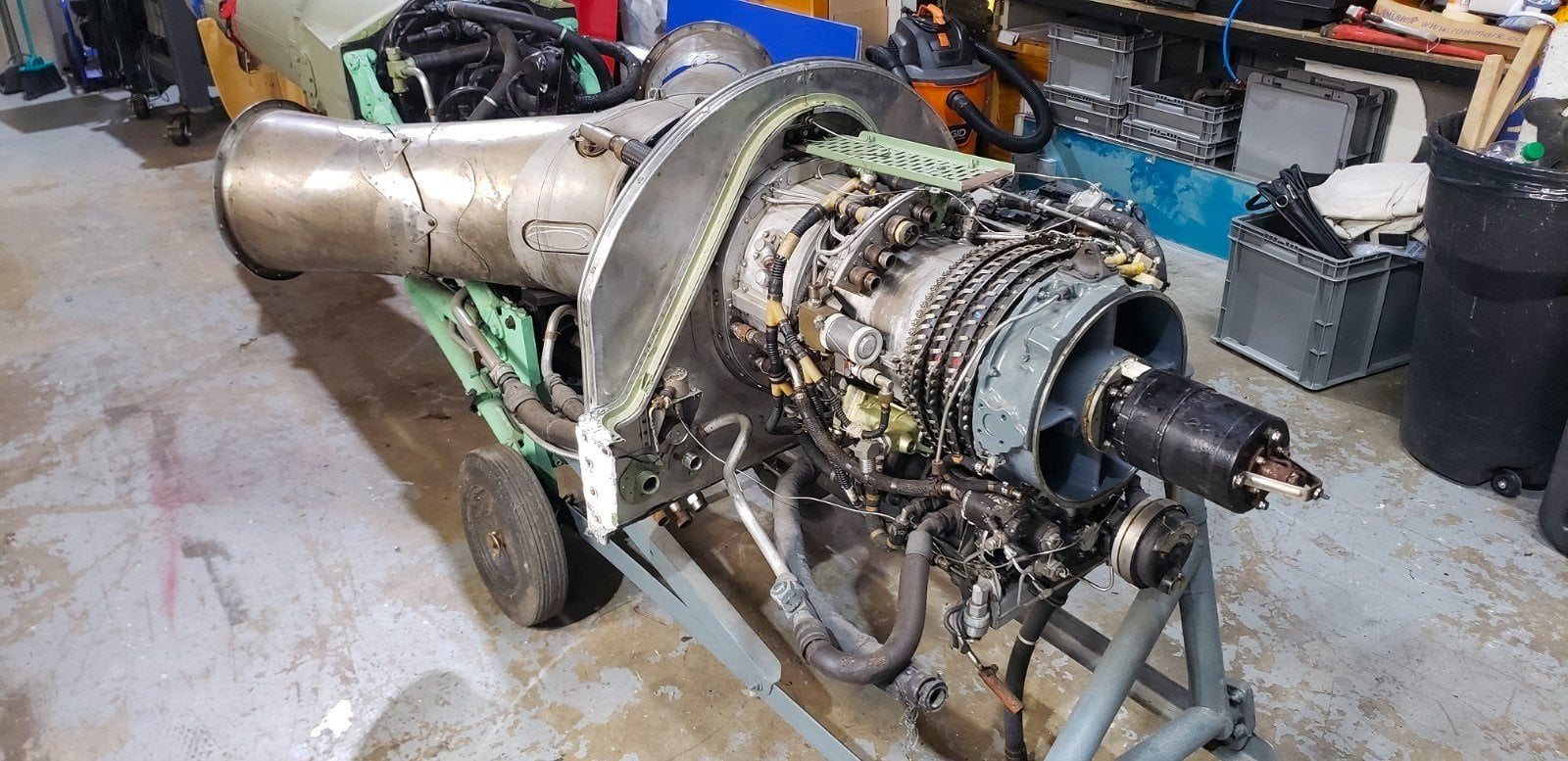
This is one of the more interesting finds we’ve made on eBay in recent memory, the seller claims that it’s the Rolls-Royce Gnome T58 turbine engine that was fitted to the SR.N6 Winchester hovercraft used in the 1968 Geographical Magazine Amazonas Expedition by Hovercraft.
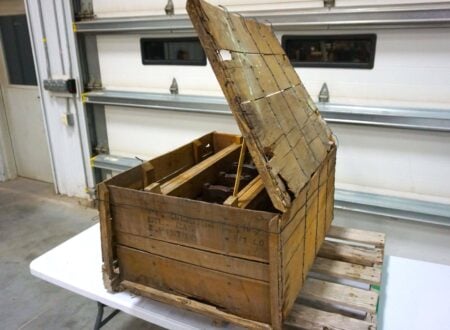
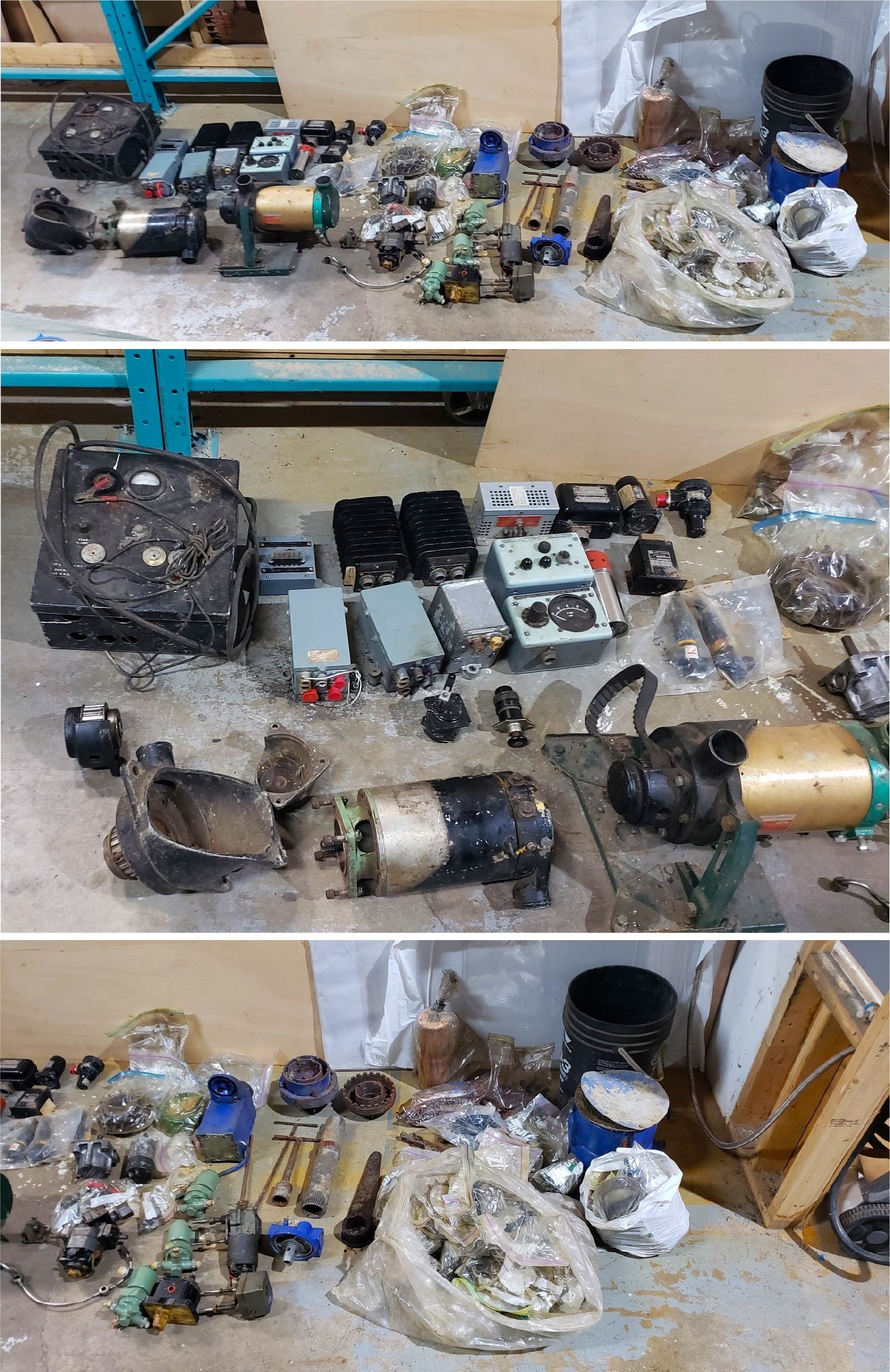
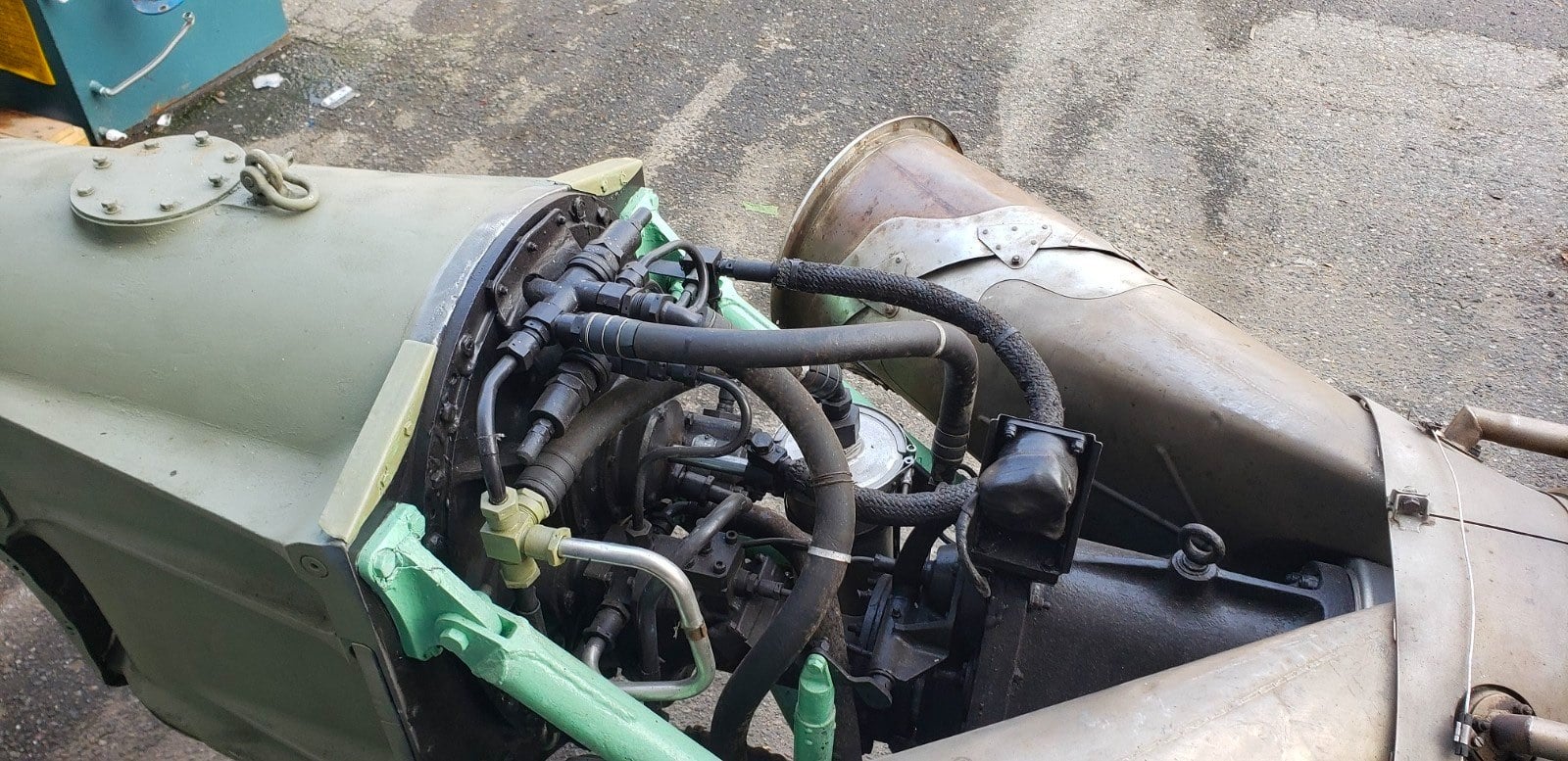
The seller does provide some evidence to back up the engine’s provenance, including the original four-blade propeller, gearbox, exhaust extensions, and a number of spare parts, accessories, manuals, and literature.
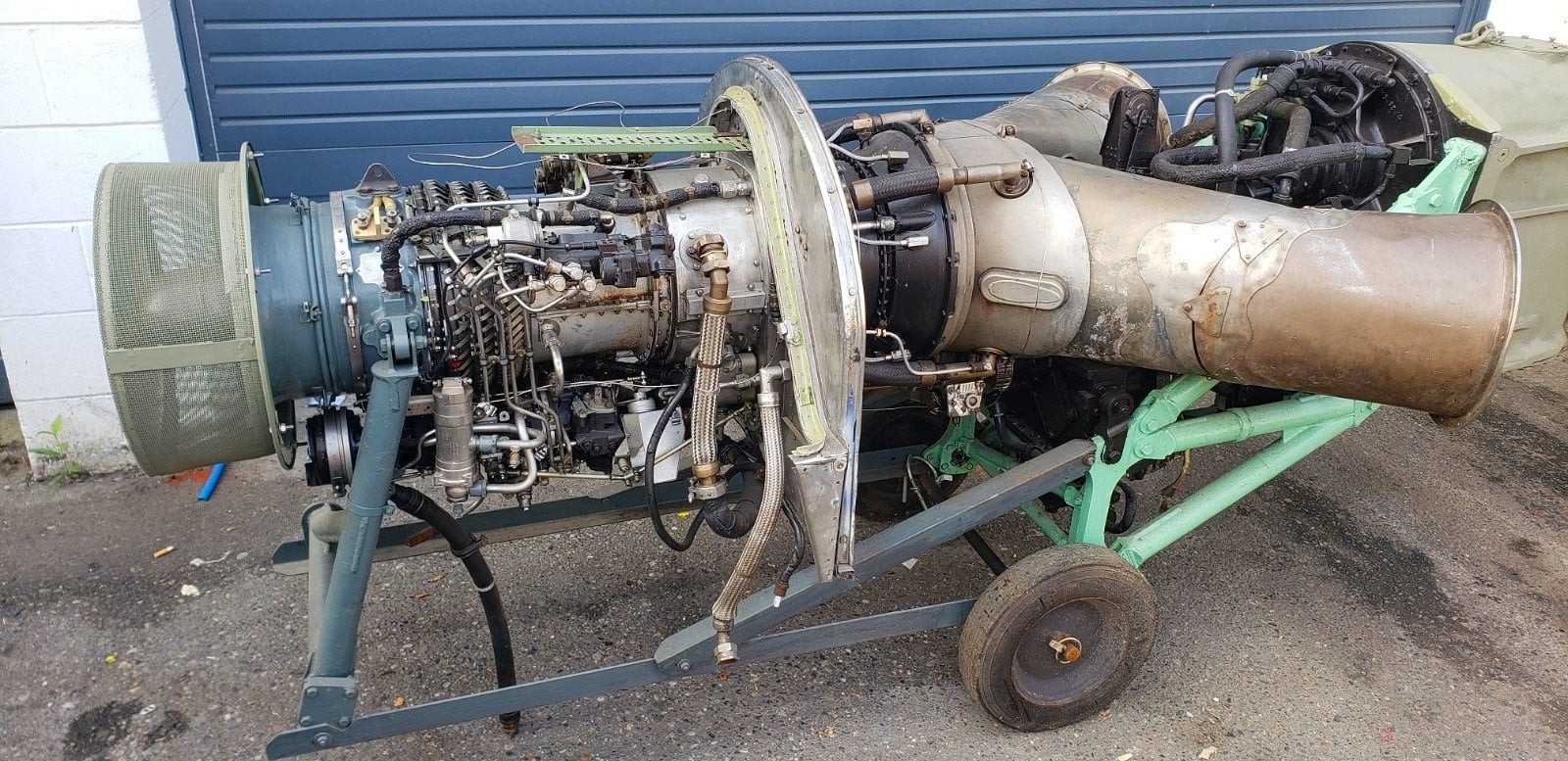
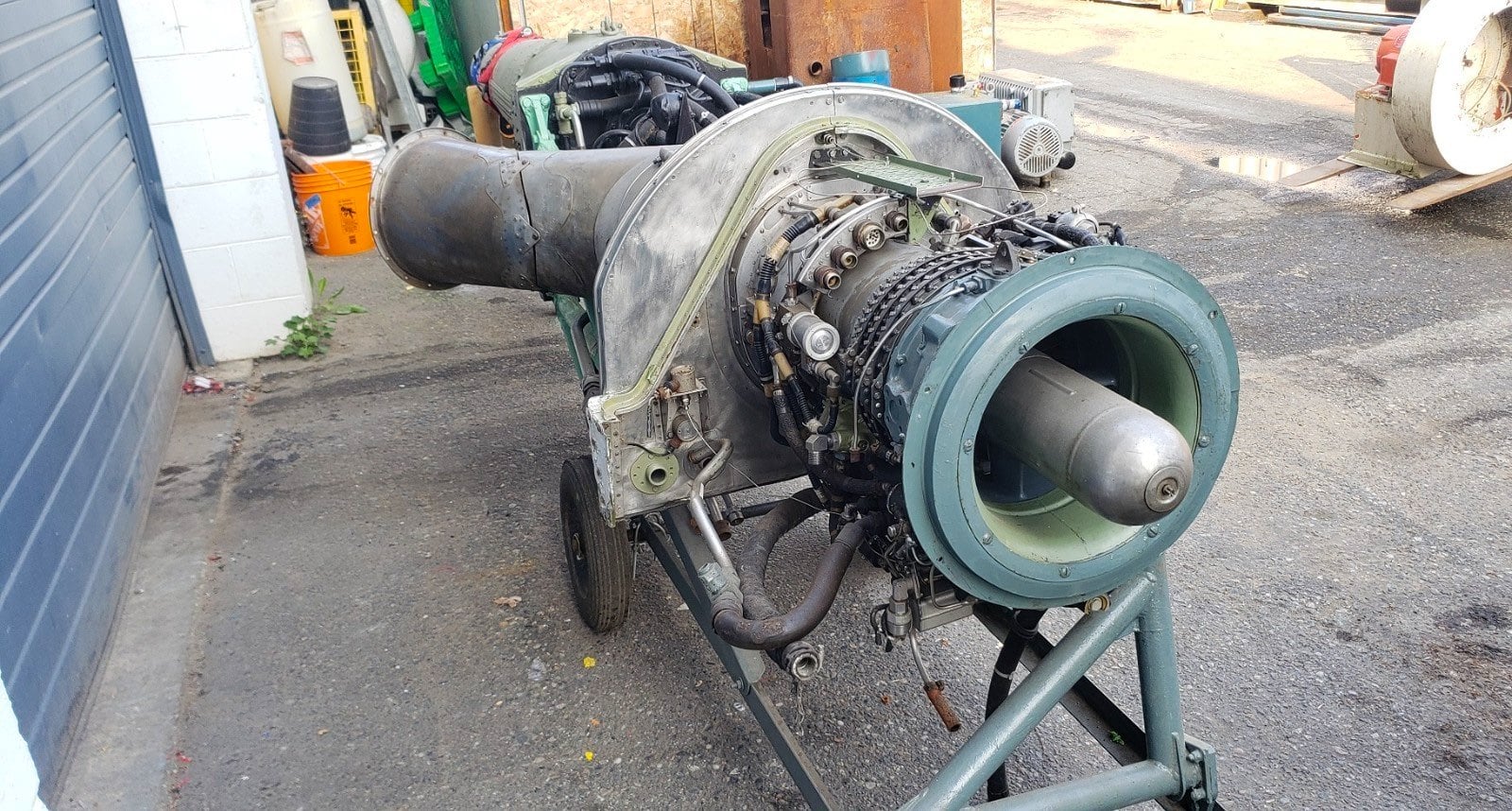
This is one of the more interesting finds we’ve made on eBay in recent memory, the seller claims that it’s the Rolls-Royce Gnome T58 turbine engine that was fitted to the SR.N6 Winchester hovercraft used in the 1968 Geographical Magazine Amazonas Expedition by Hovercraft.
It also comes with the book The Last Great Journey On Earth by Brian Branston, about the expedition, and an SR.N6 Winchester Hovercraft Operators Handbook. Verifying the authenticity of the engine would be a challenge, but the seller’s claims do appear legitimate on the face of it.
If you’d like to read more about this Rolls-Royce Gnome T58 or make the seller an offer, you can visit the eBay listing here. It’s being sold out of Abbotsford, Canada, with an asking price of $9,950 USD or best offer.
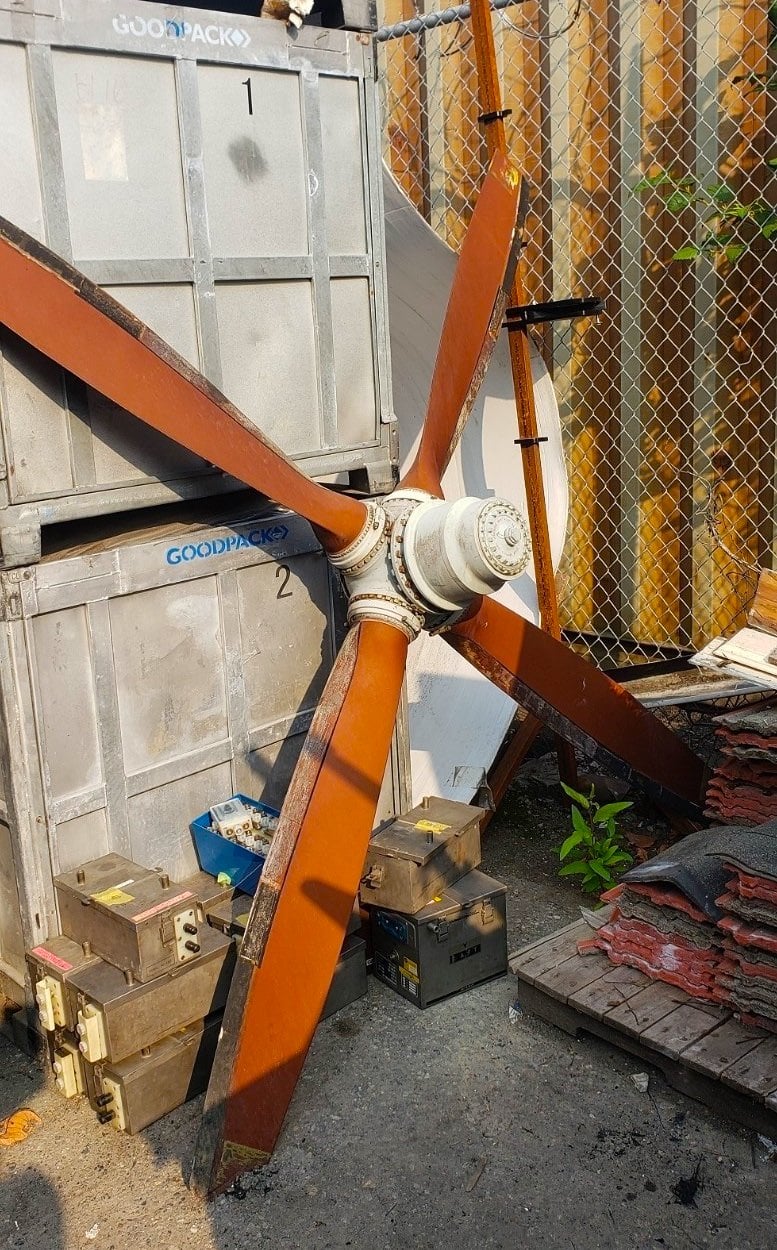
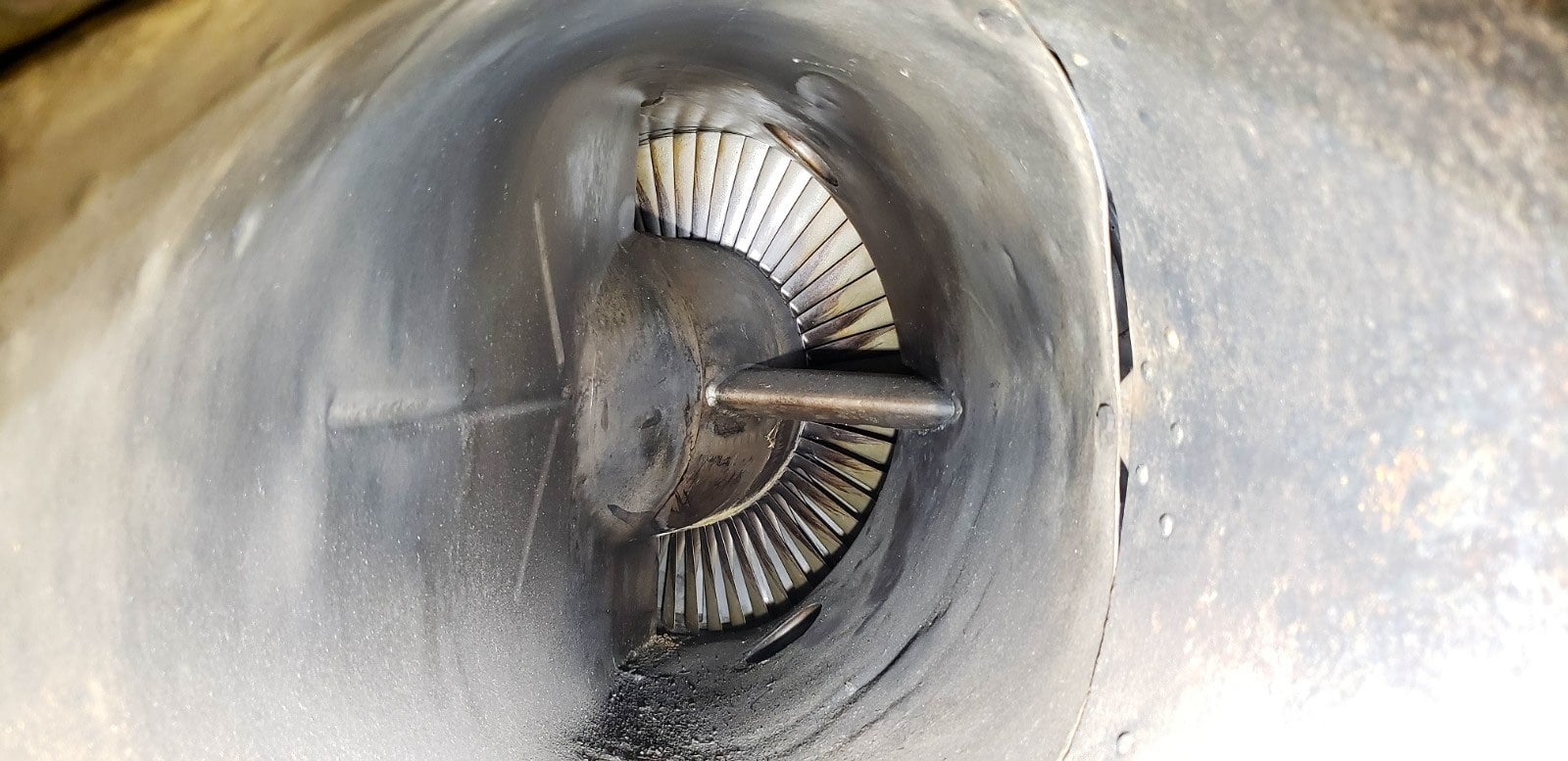
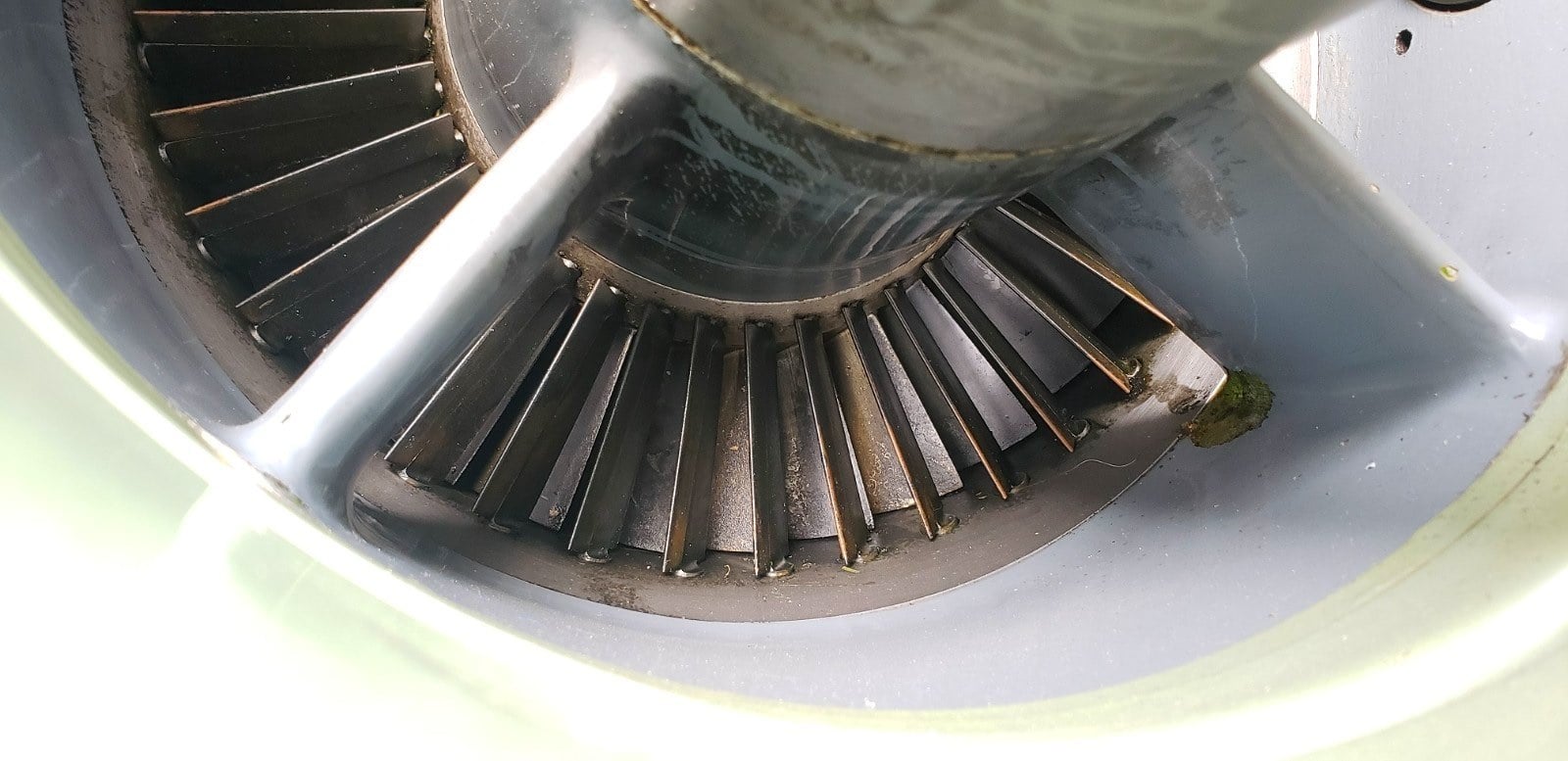
Images courtesy of Laser Tooling

Articles that Ben Branch has written have been covered on CNN, Popular Mechanics, Smithsonian Magazine, Road & Track Magazine, the official Pinterest blog, the official eBay Motors blog, BuzzFeed, Autoweek Magazine, Wired Magazine, Autoblog, Gear Patrol, Jalopnik, The Verge, and many more.
Silodrome was founded by Ben back in 2010, in the years since the site has grown to become a world leader in the alternative and vintage motoring sector, with well over a million monthly readers from around the world and many hundreds of thousands of followers on social media.