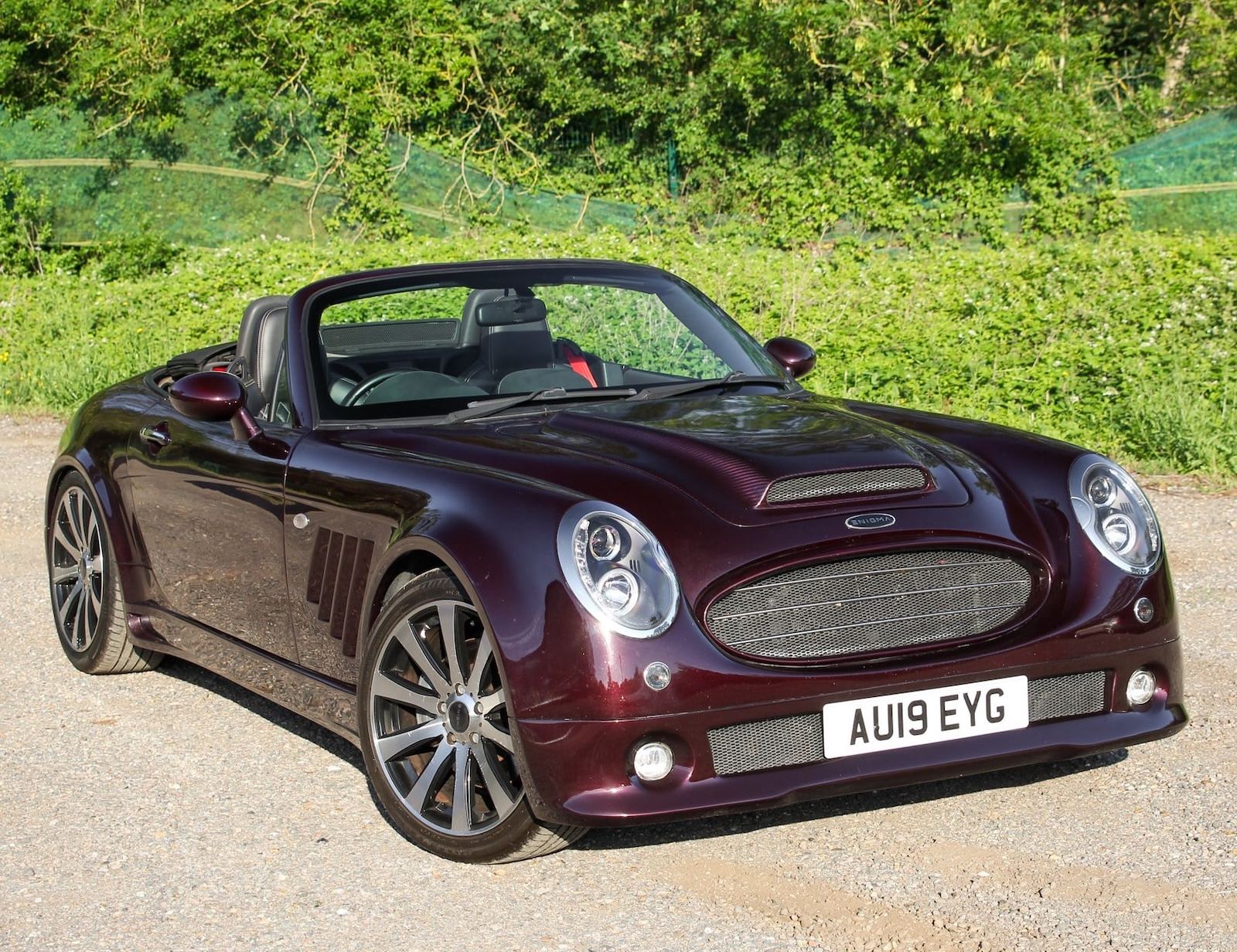
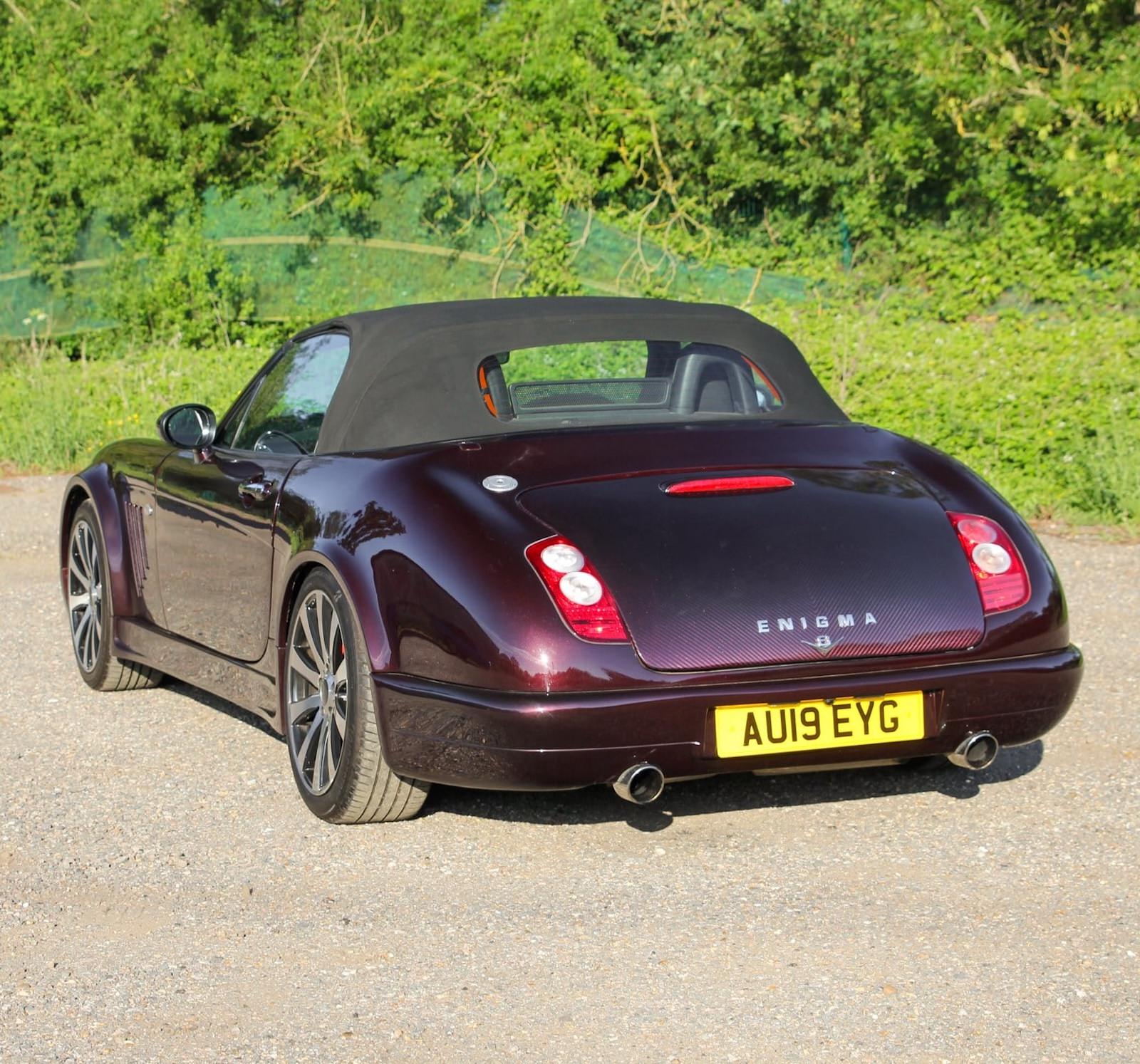
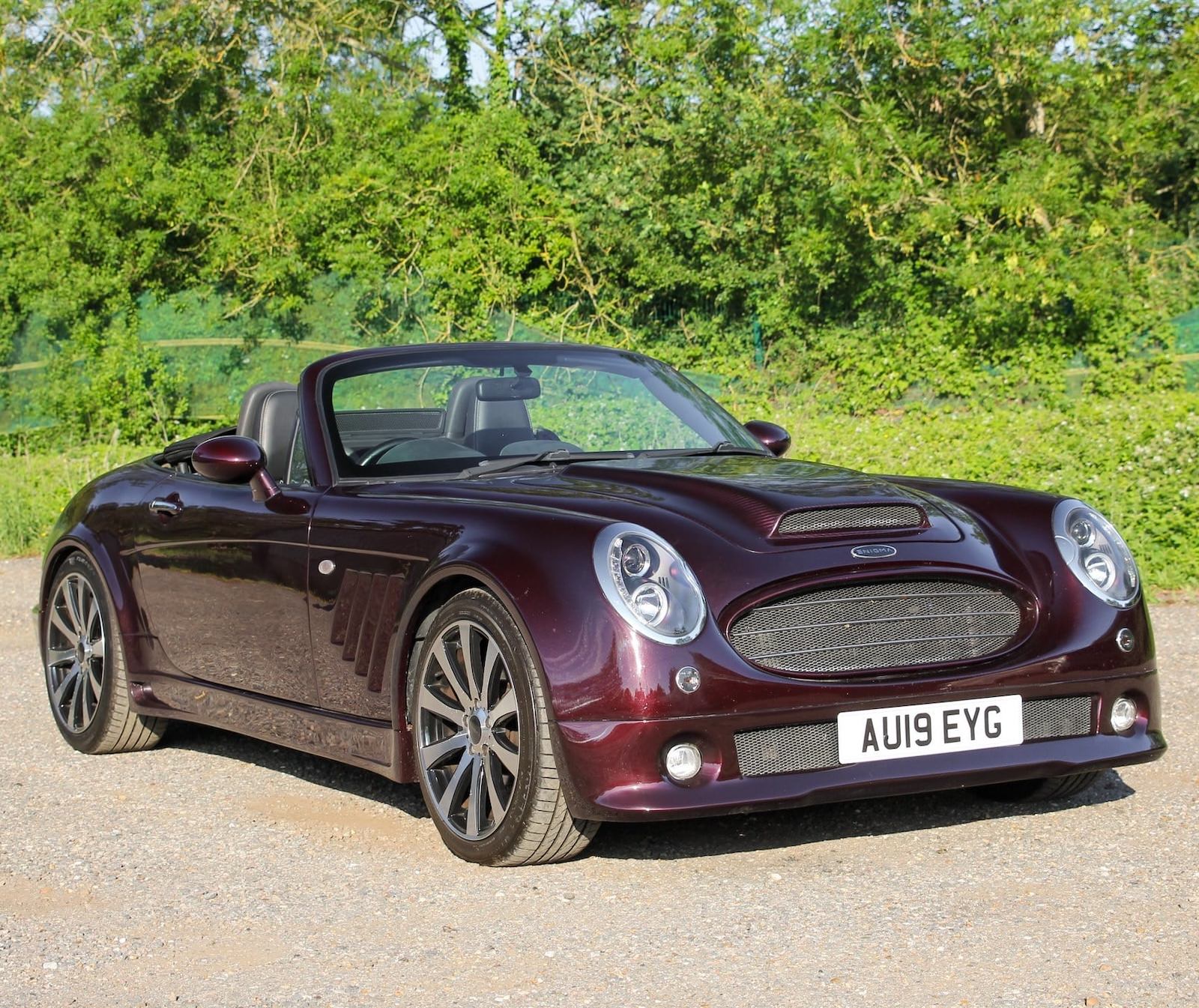
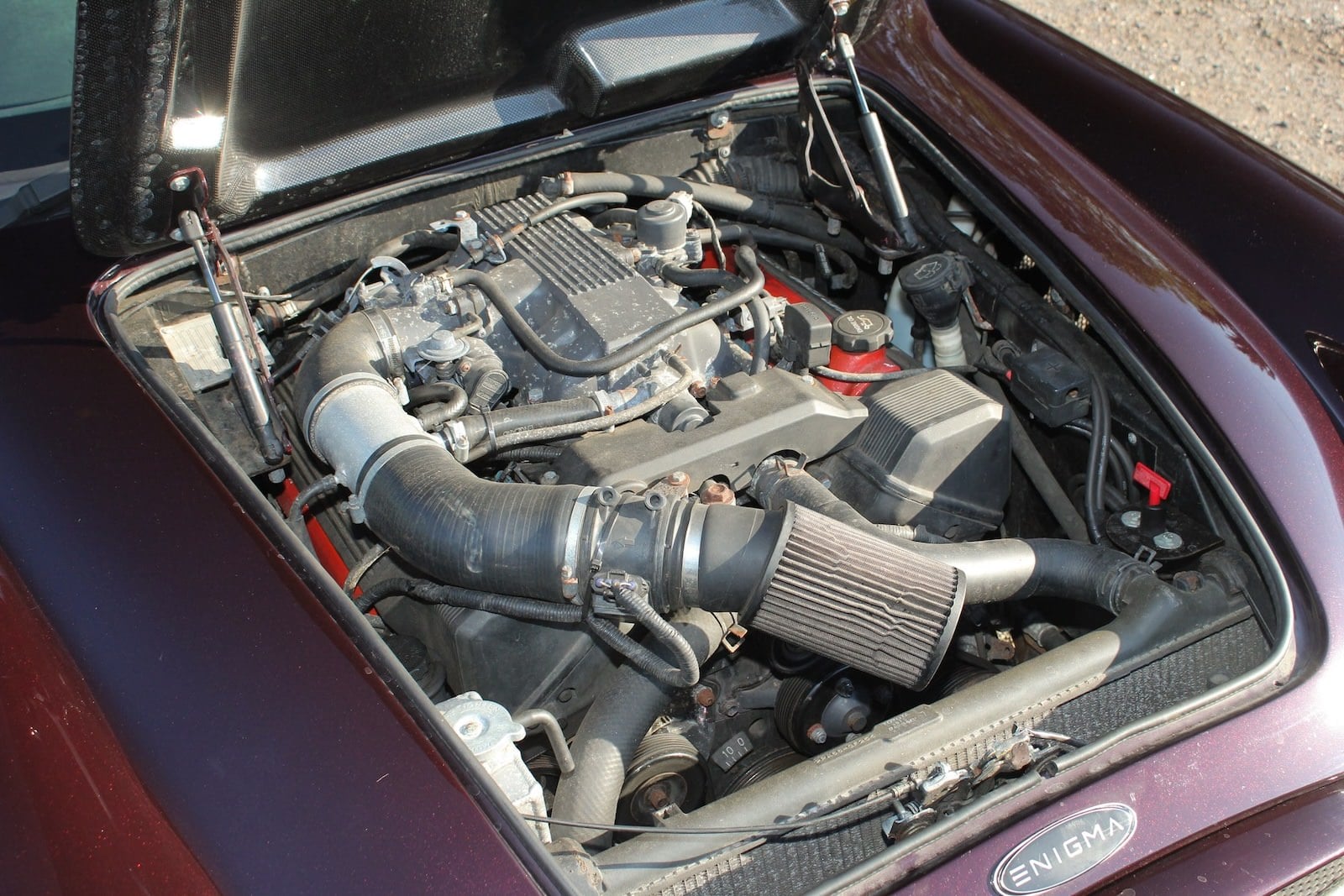
This is a Healy Enigma, it’s powered by a Lexus 4.0 liter V8 said to offer up to 300 bhp. The car has a bespoke chassis, it uses Mazda Miata running gear, but it offers a significantly higher power-to-weight ratio than the Japanese roadster.
The Miata is actually a rather fitting starting point for a British sports car. Also known as the MX-5, the Miata was strongly influenced by the first-gen Lotus Elan, and the influence wasn’t just skin deep – both cars had steel backbone chassis with a body on top, independent front and rear suspension, four-wheel disc brakes, and a longitudinally-mounted four-cylinder engine up front sending power to the rear wheels.
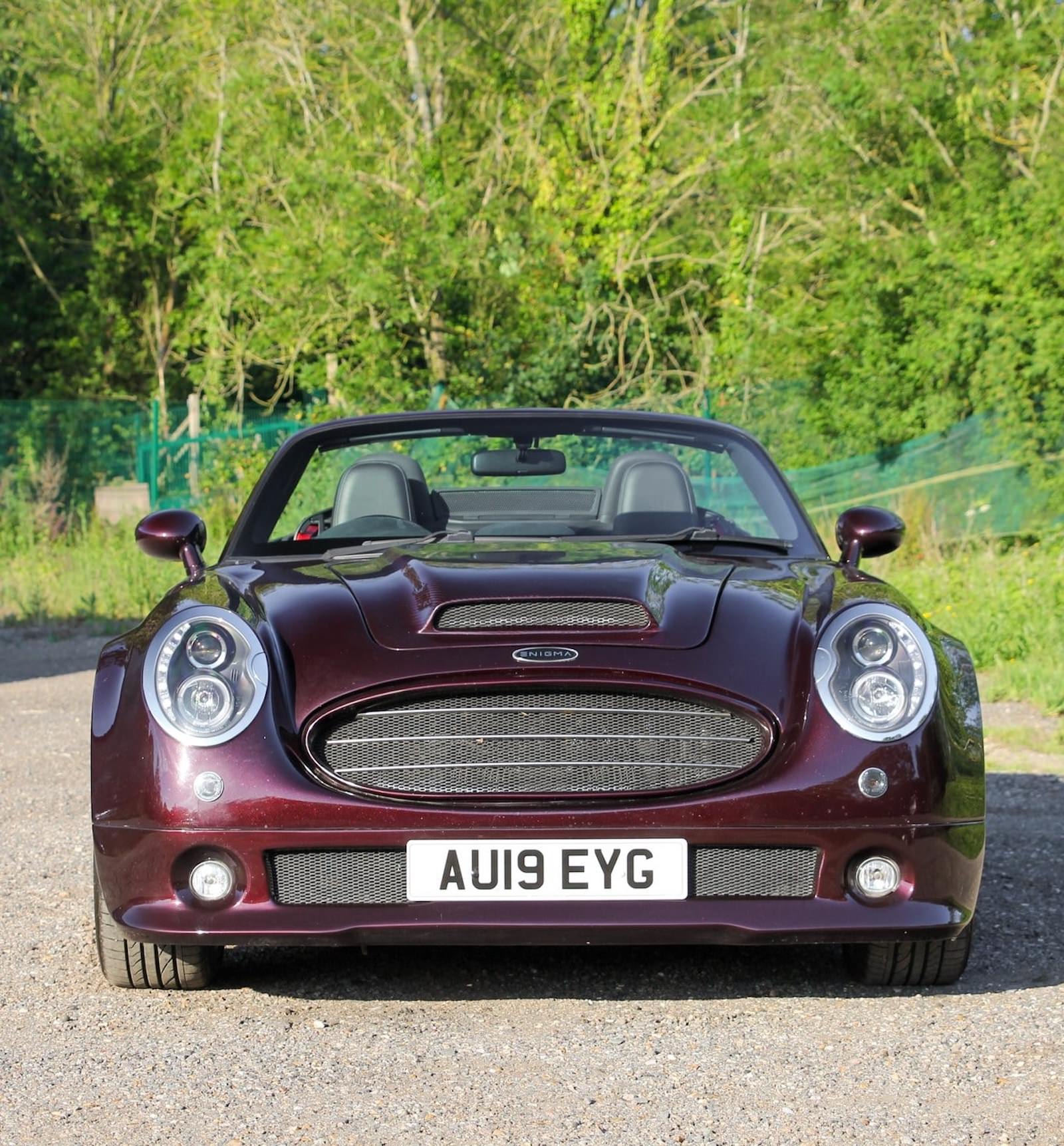
 This is a Healy Enigma, it’s powered by a Lexus 4.0 liter V8 said to offer up to 300 bhp. The car has a bespoke chassis, and uses Mazda Miata running gear, but it offers a significantly higher power-to-weight ratio than the Japanese roadster.
Fast Facts: The Lexus V8-Powered Healy Enigma
- The Healy Enigma is a British roadster built by Norfolk-based Healy Designs Limited from 2015 through the end of the decade. Designed to evoke the Austin-Healey 3000, without being a replica, it drops the “e” from Healey (likely for trademark reasons) and rides on Mazda MX-5 running gear beneath a custom body.
- Healy Designs was founded in 2004 as Lamberti UK Sales & Marketing before being renamed in 2014. Directors Martin Williamson and Mick Snell built the Enigma around a bespoke steel spaceframe chassis with a longer wheelbase than the MX-5 donor, producing a cabin reportedly 20 to 25% larger inside.
- Three variants matched successive MX-5 generations: Mk1 (NA), Mk2 (NB), and Mk3 (NC). Turn-key Mk3 cars typically used the 158 bhp Mazda 2.0 liter four. The V8 variant, introduced in 2016, swapped in a 3,969cc Lexus 1UZ-FE quad-cam V8 producing 300 bhp, with the first example selling for £37,000.
- The car featured here is a 2019 factory-built Mk3 V8 completed under Factory Order 100323, showing 11,555 miles with an MOT to June 2027. Highlights include 18-inch diamond-cut alloy wheels, ox-blood leather steering wheel, burr walnut dashboard, and satellite navigation. It’s now heading to auction with Car & Classic in Hertfordshire.
History Speedrun: The Healy Enigma
The Healy Enigma is a British roadster built from 2015 through to the end of the decade by Healy Designs Limited, a small firm that set out to create a modern car with the visual character of an Austin-Healey 3000.
The spelling drops the “e” from Healey, possibly for trademark reasons, and the car sits on Mazda MX-5 running gear. The car was sold both as a kit and as a factory-built turn-key model, and today it survives in small numbers, almost all on British roads.
The Cars That Inspired The Enigma
To understand why the Enigma exists, it helps to go back to the 1950s and start with the Big Healeys, the collective term for the Austin-Healey 100-4, 100-6, and 3000. All three were the work of Donald Healey, a Cornish engineer and rally driver who won the 1931 Monte Carlo Rally outright in a 4½ litre Invicta, and served as Triumph’s technical director through much of the 1930s.
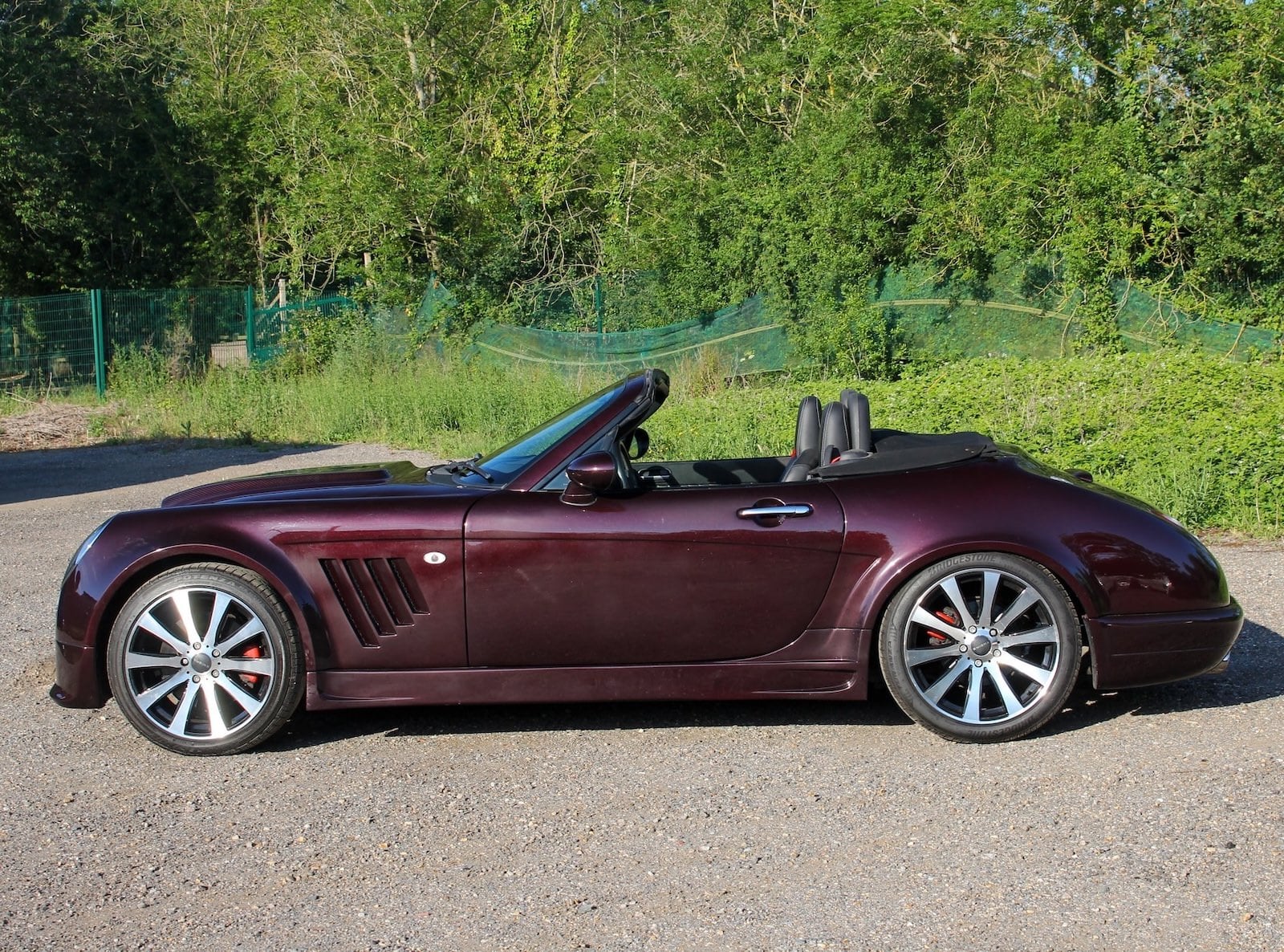
The Enigma uses a bespoke steel spaceframe chassis with a longer wheelbase than the MX-5 donor. The company claimed that the extra length produced a cabin roughly 20 to 25% larger than a stock Mazda, addressing one of the donor’s chronic weaknesses for taller drivers.
In 1945 he set up the Donald Healey Motor Company in Warwick with chassis specialist Achille Sampietro and body engineer Ben Bowden, both former Humber colleagues from the war years.
The car that really set the trajectory of the business was the Healey Hundred, styled by Gerry Coker with a chassis by Barry Bilbie. A single Ice Blue prototype, bodied by Tickford, was shown at the 1952 London Motor Show. Leonard Lord, then managing director of Austin, saw it on the stand and struck a deal with Healey to build the car in volume.
It went into production as the Austin-Healey 100, with bodies built by Jensen Motors in West Bromwich and final assembly at Austin’s Longbridge plant. Named for its ability to reach 100 mph (an impressive feat for the time) and powered by a 90 bhp 2,660 cc Austin four-cylinder, the 100 was built from 1953 to 1956 with 14,634 examples made before production shifted to a new model.
The Austin-Healey 100-6 followed in 1956 with a 2,639 cc BMC C-Series straight-six. During its production run, final assembly transferred from Longbridge to MG’s Abingdon plant in late 1957, where all subsequent Big Healeys would be built.
14,436 examples of the 100-6 were completed by 1959. The Austin-Healey 3000 arrived that year with the six enlarged to 2,912 cc. The final Mark III BJ8, announced in February of 1964 and built through to 1967, produced 150 bhp with twin SU HD8 carburetors.
42,926 3000s were built in total, bringing overall Big Healey production to around 71,996 across the three models. Regular production ended in December of 1967 because the car simply couldn’t economically meet incoming U.S. safety and emissions requirements, although one final 3000 was reportedly completed off-line in March of 1968.
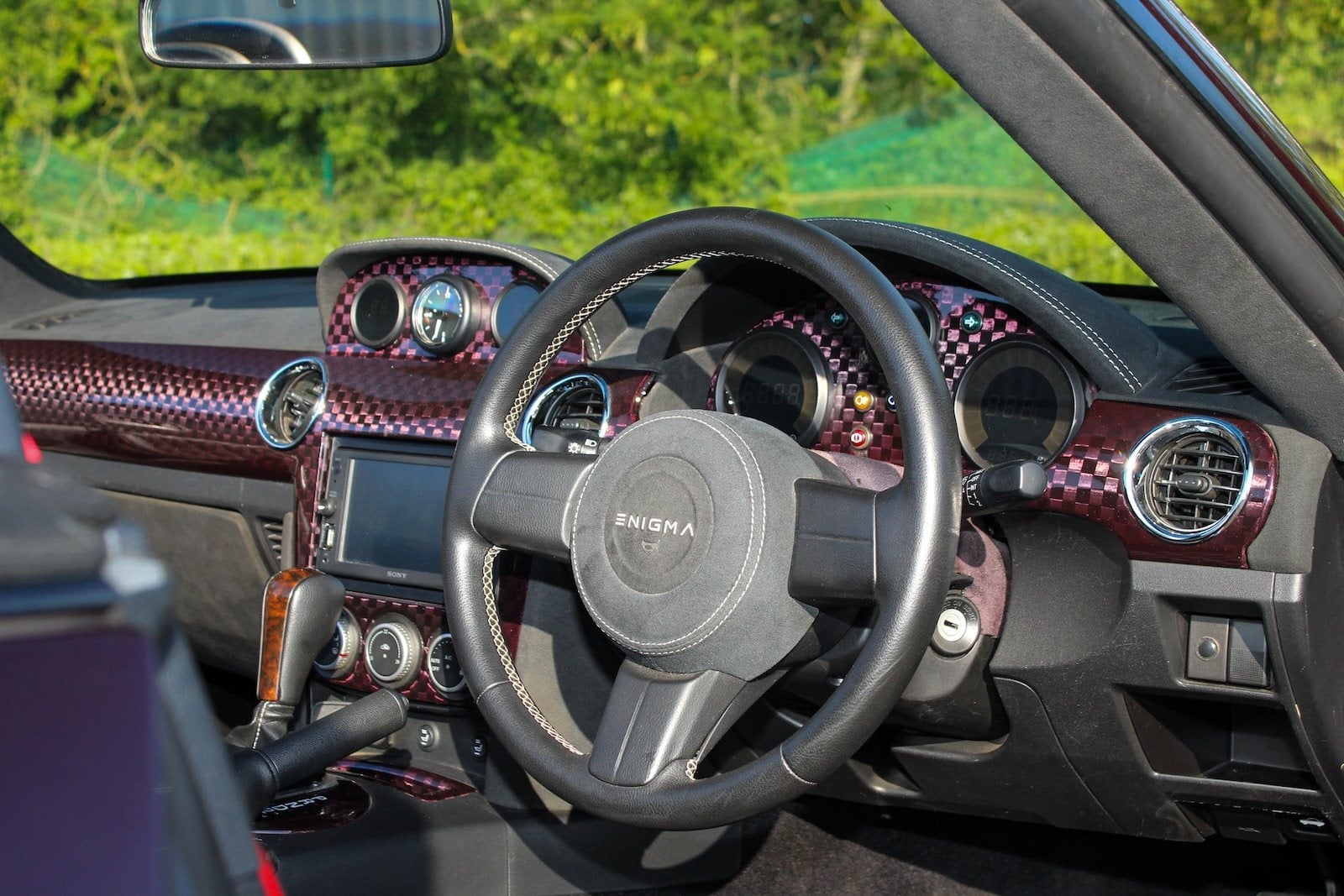
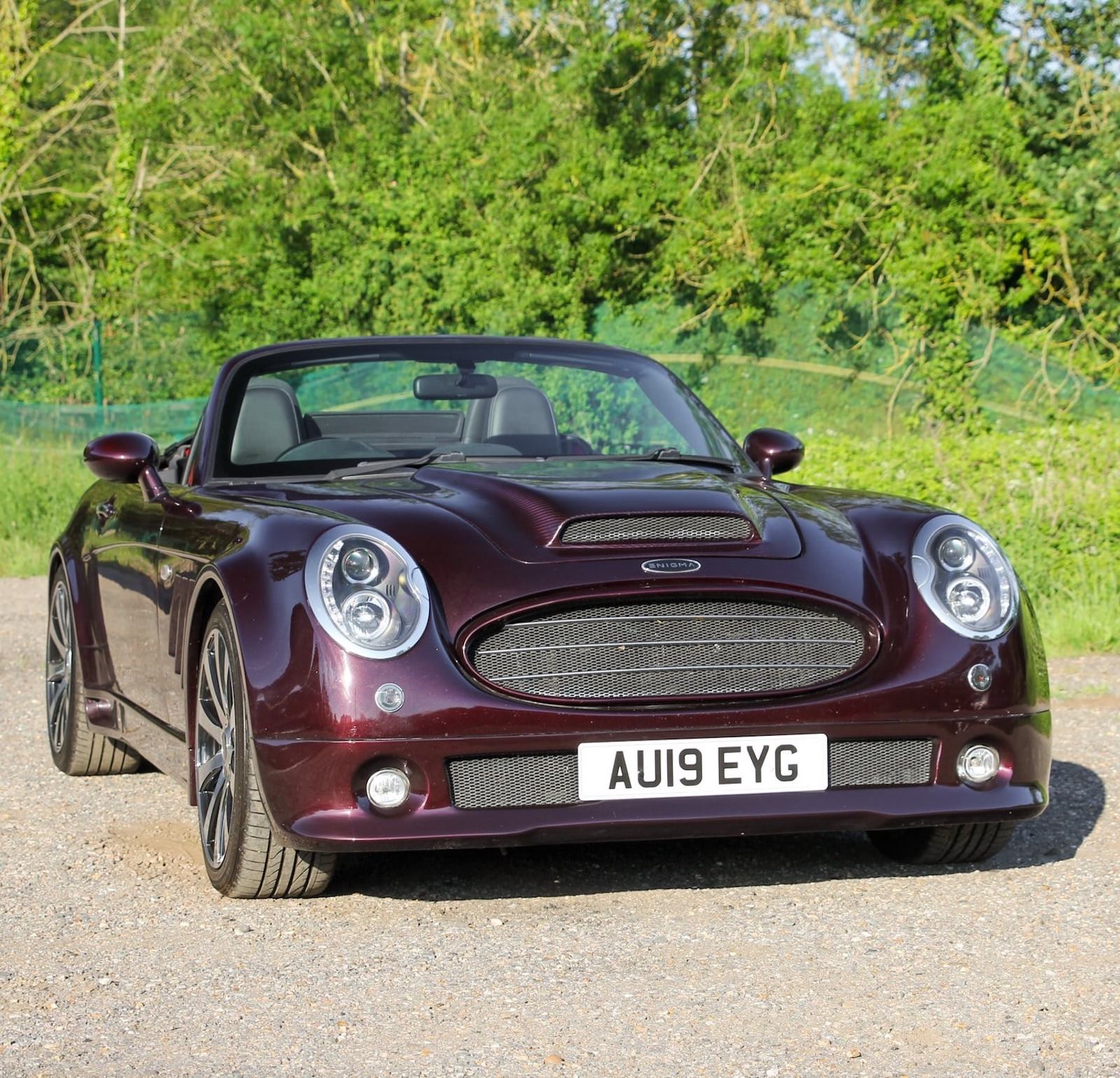
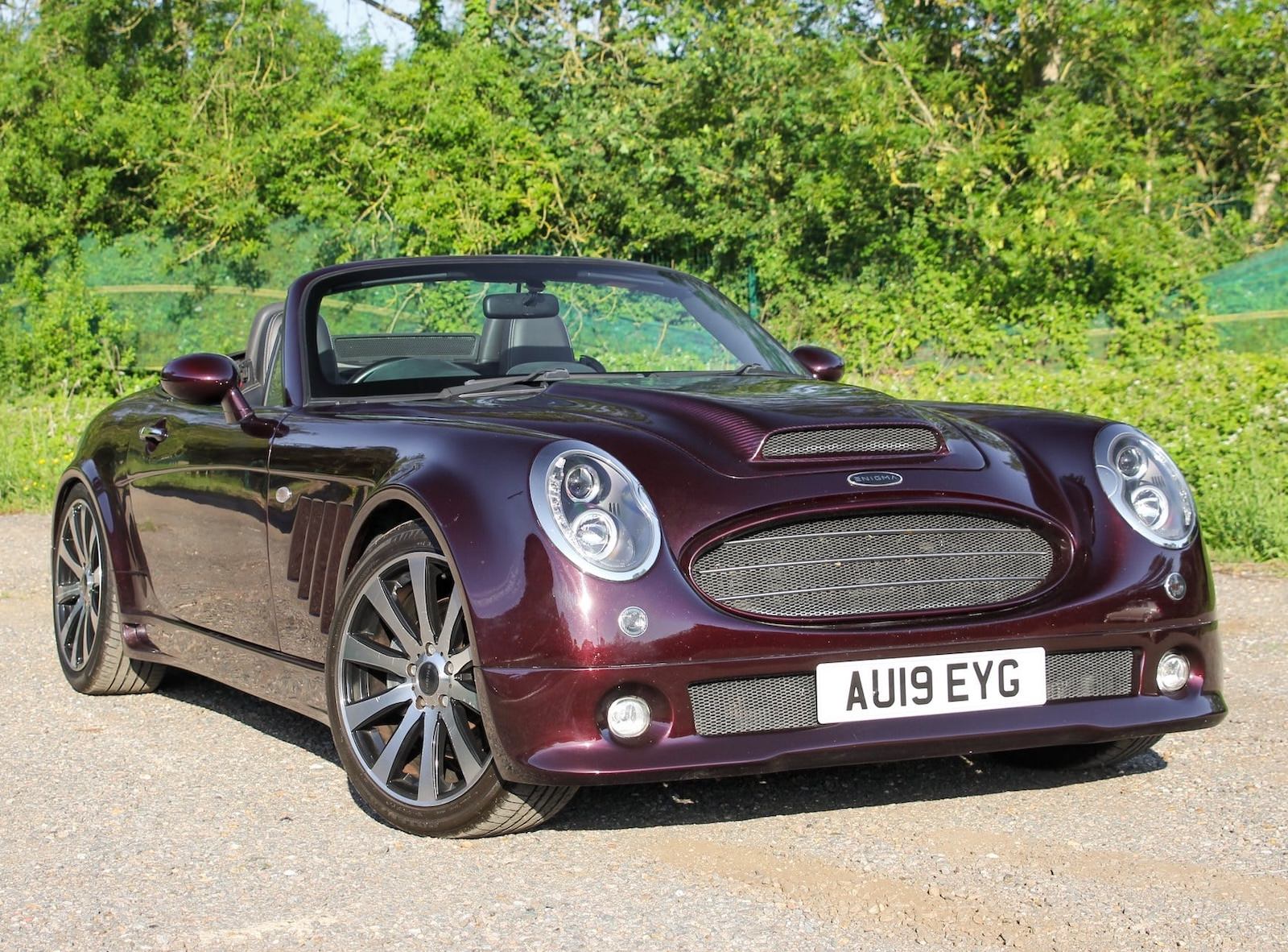
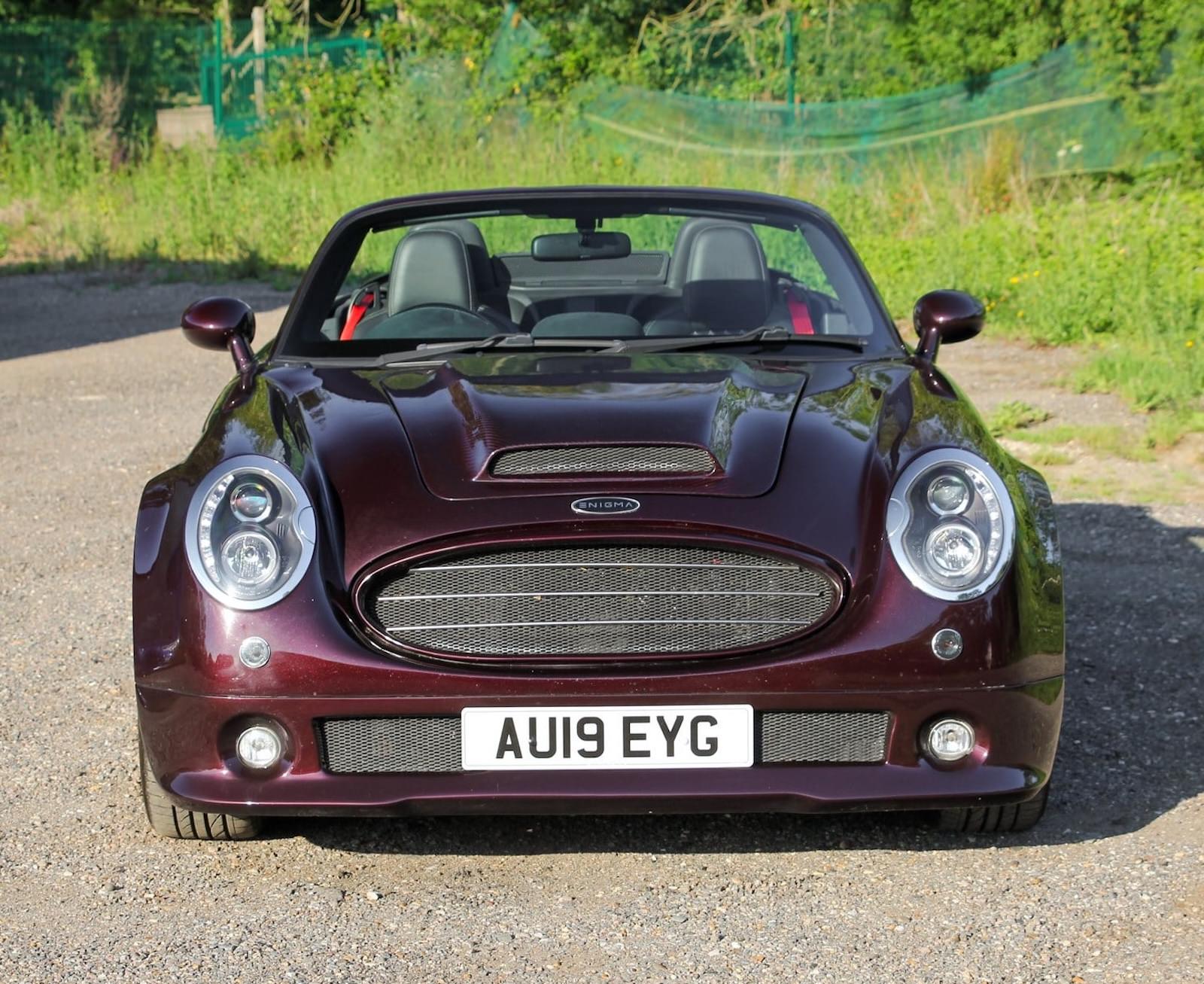
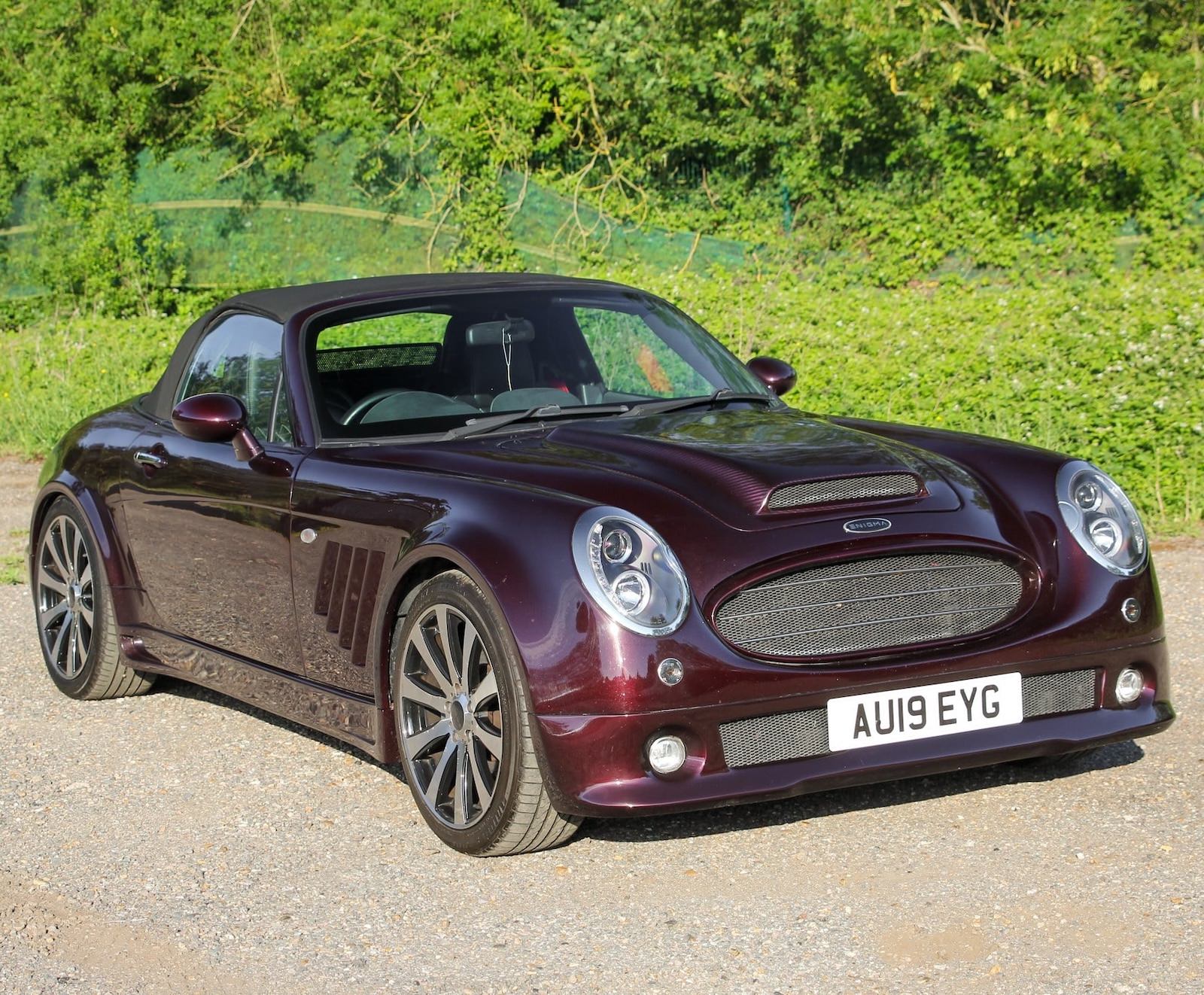
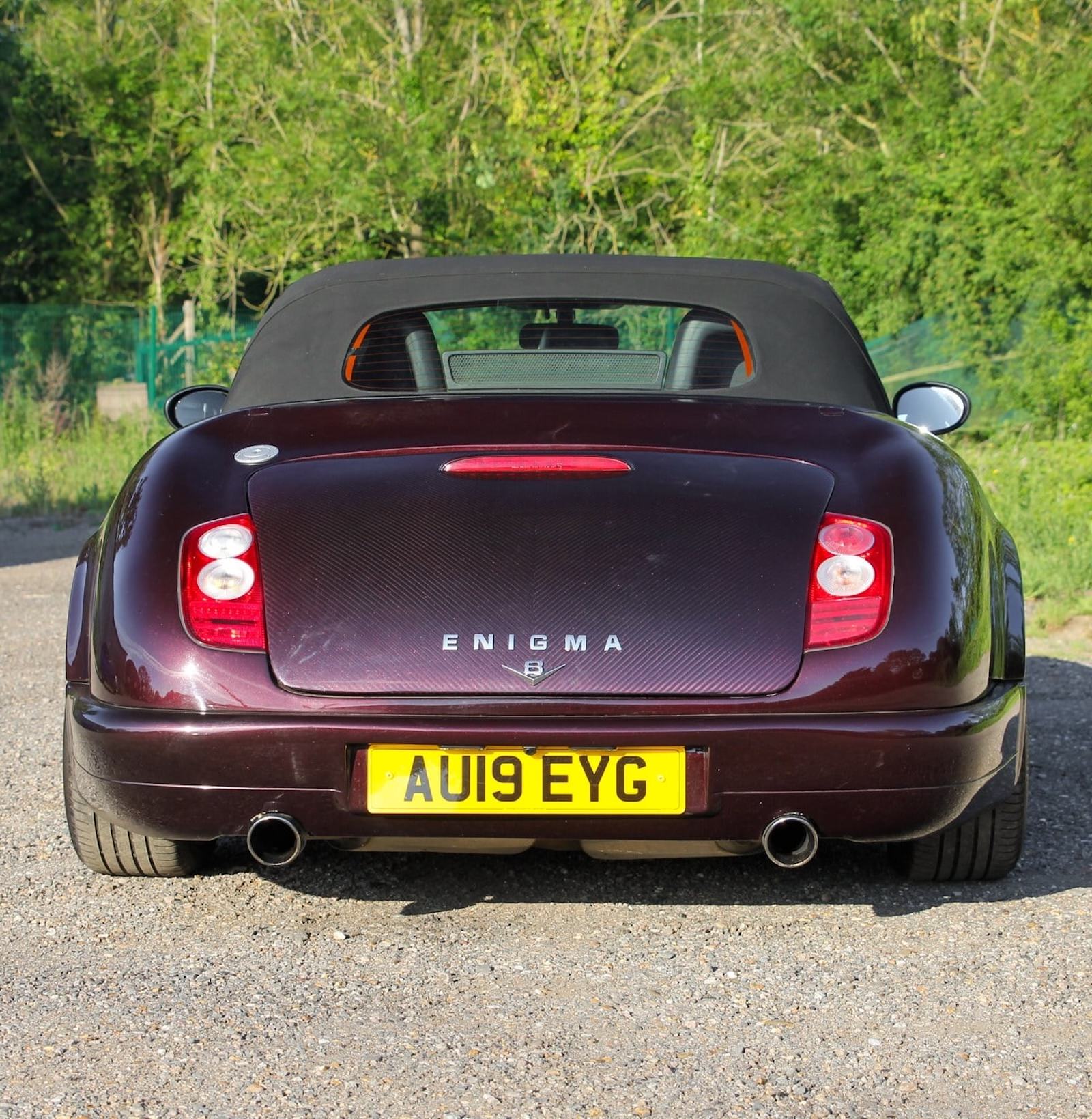
Bodywork is fiberglass, with disc brakes at all four corners and independent suspension front and rear, the precise layout depending on the donor generation. The suspension package was reportedly two years in development. The headlights came from the first-generation BMW Mini (R53), and the rear lights from a third-generation Nissan Micra (K12). Inside, the cabin came with climate control, a reversing camera, and an optional electric folding hardtop.
Healy Designs
The company behind the Enigma was founded on the 17th of February 2004, initially under the name Lamberti UK Sales & Marketing Division Limited. It was renamed Healy Designs Limited on the 27th October 2014, shortly before commercial orders began in 2015. The firm was developed by classic car enthusiast Martin Williamson and business partner Mick Snell, both serving as directors – operations were based in Norfolk.
Williamson’s stated ambition was to build a car that Donald Healey himself would have recognized, without producing a replica. It was to be an entirely modern car, with styling influenced by the earlier Healey 3000s – perhaps a look at what a modern 3000 would look like if the company was still around.
Healy Enigma Specifications
The Enigma uses a bespoke steel spaceframe chassis with a longer wheelbase than the MX-5 donor. The company claimed that the extra length produced a cabin roughly 20 to 25% larger than a stock Mazda, addressing one of the donor’s chronic weaknesses for taller drivers.
Bodywork is fiberglass, with disc brakes at all four corners and independent suspension front and rear, the precise layout depending on the donor generation. The suspension package was reportedly two years in development. The headlights came from the first-generation BMW Mini (R53), and the rear lights from a third-generation Nissan Micra (K12). Inside, the cabin came with climate control, a reversing camera, and an optional electric folding hardtop.
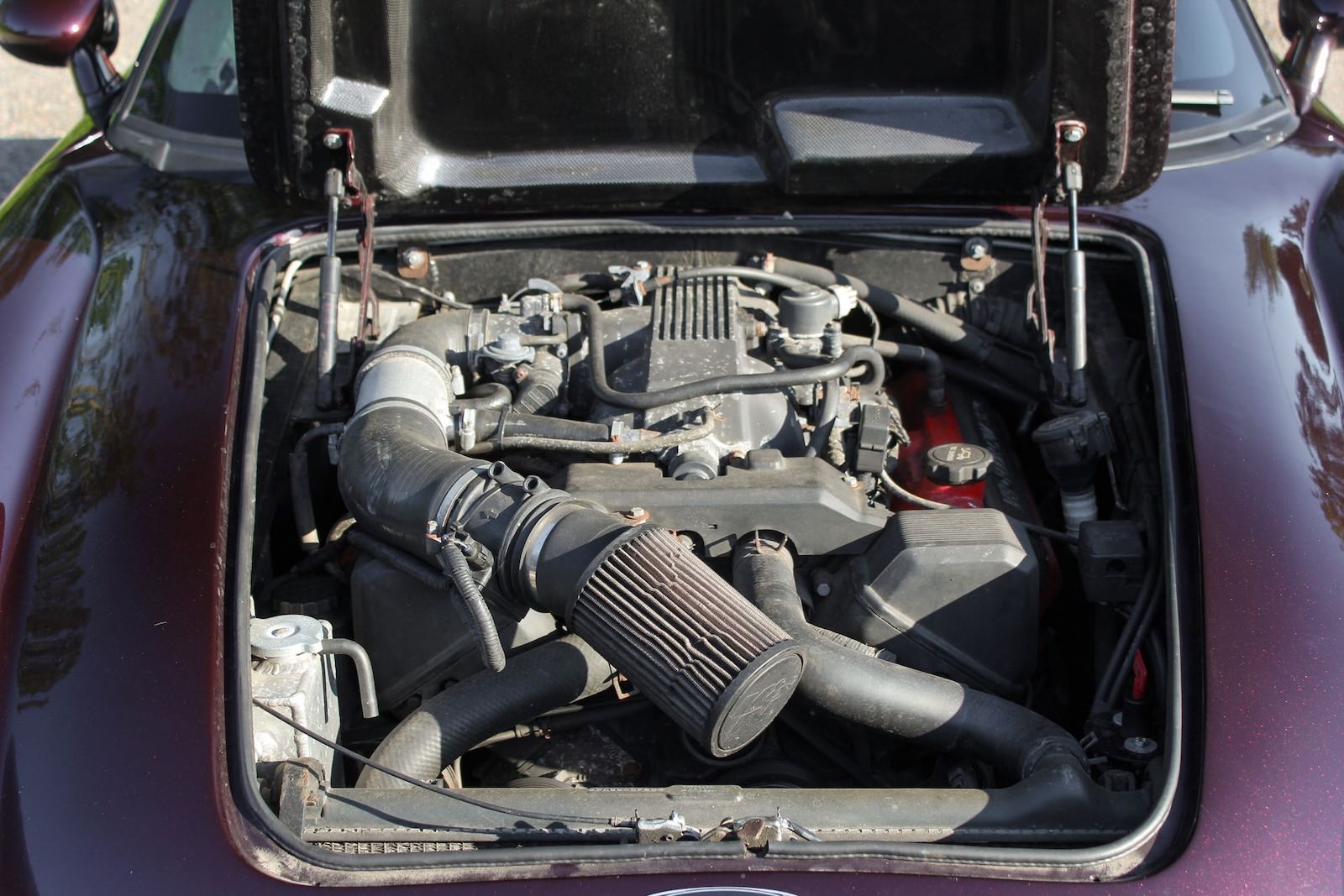
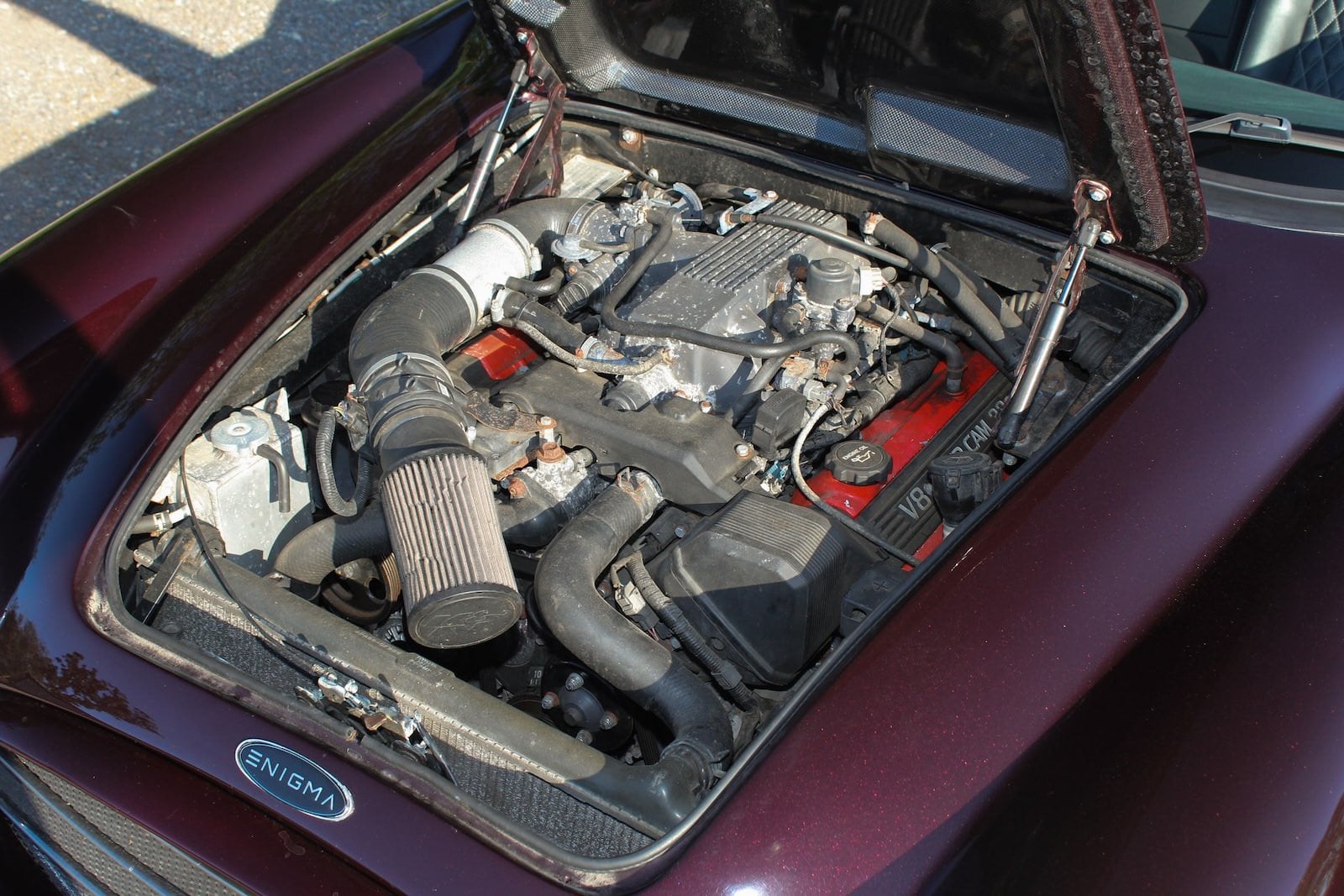
The most substantial Enigma variant, and arguably the most fun, was the V8 version. Introduced in 2016, it swapped the Mazda four banger for the 3,969 cc 1UZ-FE quad-cam Lexus V8 taken from the LS400, producing 300 bhp.
Enigma Variants
The Enigma was offered in three generations, each matched to a Mazda MX-5 donor car. The Mk1 kit fitted the NA-series MX-5, the Mk2 fitted the NB, and the Mk3 fitted the NC. Base kit prices in the mid-2010s ran from £6,250 for the Mk1 to £6,750 for the Mk3, with the customer supplying the donor Mazda.
As demand grew, Williamson arranged for chassis and body assemblies to be manufactured in Latvia, with final assembly and finishing carried out in Norfolk. The turn-key Mk3 typically used the Mazda 2.0 liter MZR four-cylinder, rated at 158 bhp with 139 lb ft of torque. Transmission choice varied by donor and customer order between the NC’s five and six-speed manual boxes.
The most substantial Enigma variant, and arguably the most fun, was the V8 version. Introduced in 2016, it swapped the Mazda four banger for the 3,969 cc 1UZ-FE quad-cam Lexus V8 taken from the LS400, producing 300 bhp.
The first V8, initially used as the factory demonstrator, was later sold for £37,000. For 2020, Healy Designs advertised a further V8 revision with a 70mm longer wheelbase and the option of a 480 bhp LS3 Chevrolet V8 with a manual gearbox, though it’s hard to know how many (if any) of them were built.
Healy Designs Limited was dissolved on the 27th of June 2023 and total Enigma production has never been confirmed publicly but it appears to have been small. Cars continue to change hands on the secondhand market, with values dependent on engine choice, specification, and condition, as always.
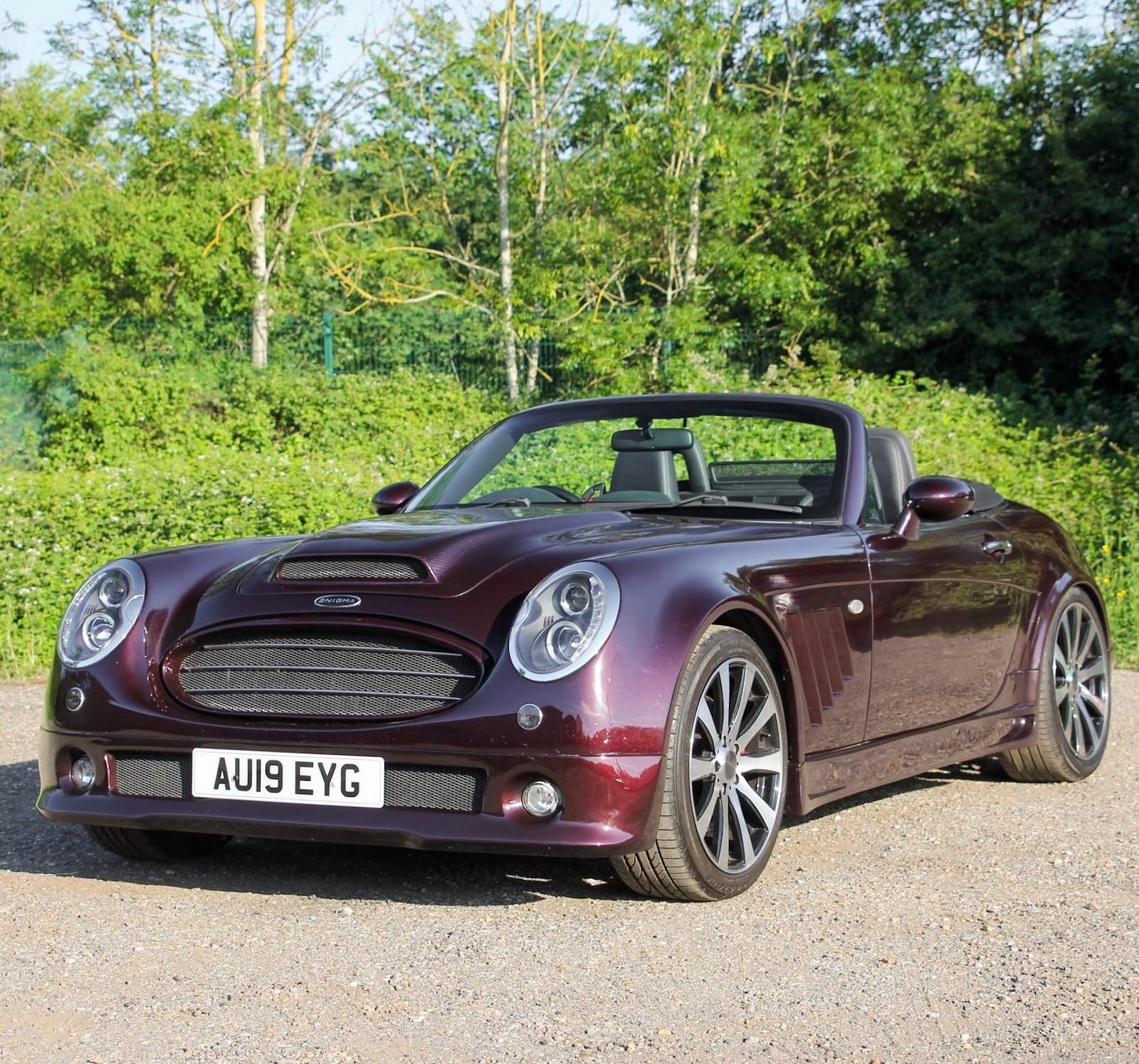
This 2019 Healy Enigma Mk3 is a factory-built turn-key example built by Healy Designs under Factory Order 100323, with the chassis and body assemblies produced in Eastern Europe and final finishing carried out in the UK by company founder Martin Williamson. Delivered in mid-2019, it’s covered 11,555 miles and holds an MOT valid until the 14th of June 2027 with no advisories.
Of course, it never approached the numbers or influence of the Big Healeys it referenced, but it is one of the more fully worked-out modern attempts to reinterpret the shape of the Austin-Healey 3000 for buyers who wanted the look without the issues of looking after a vintage car.
The Lexus V8-Powered Healy Enigma Shown Here
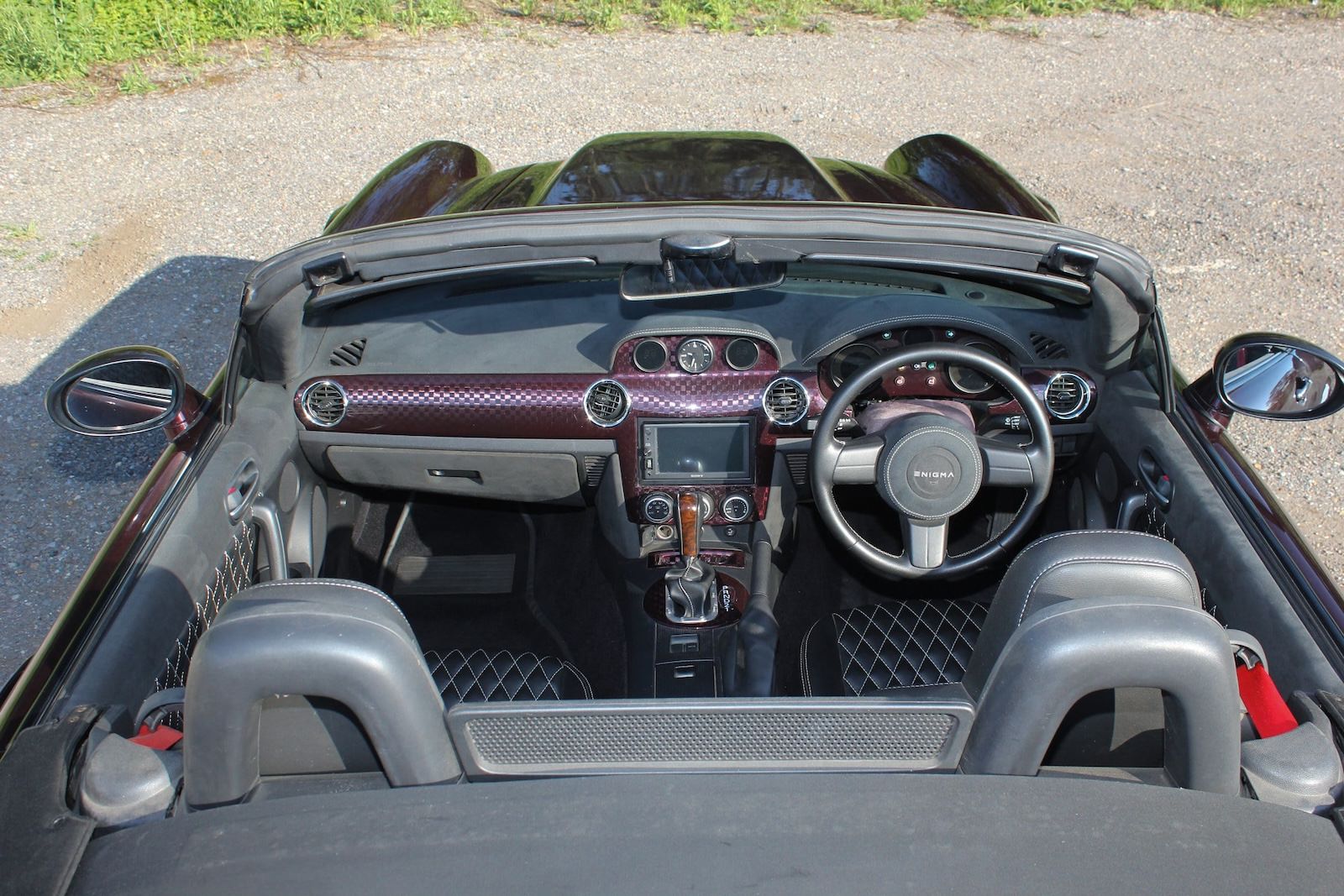
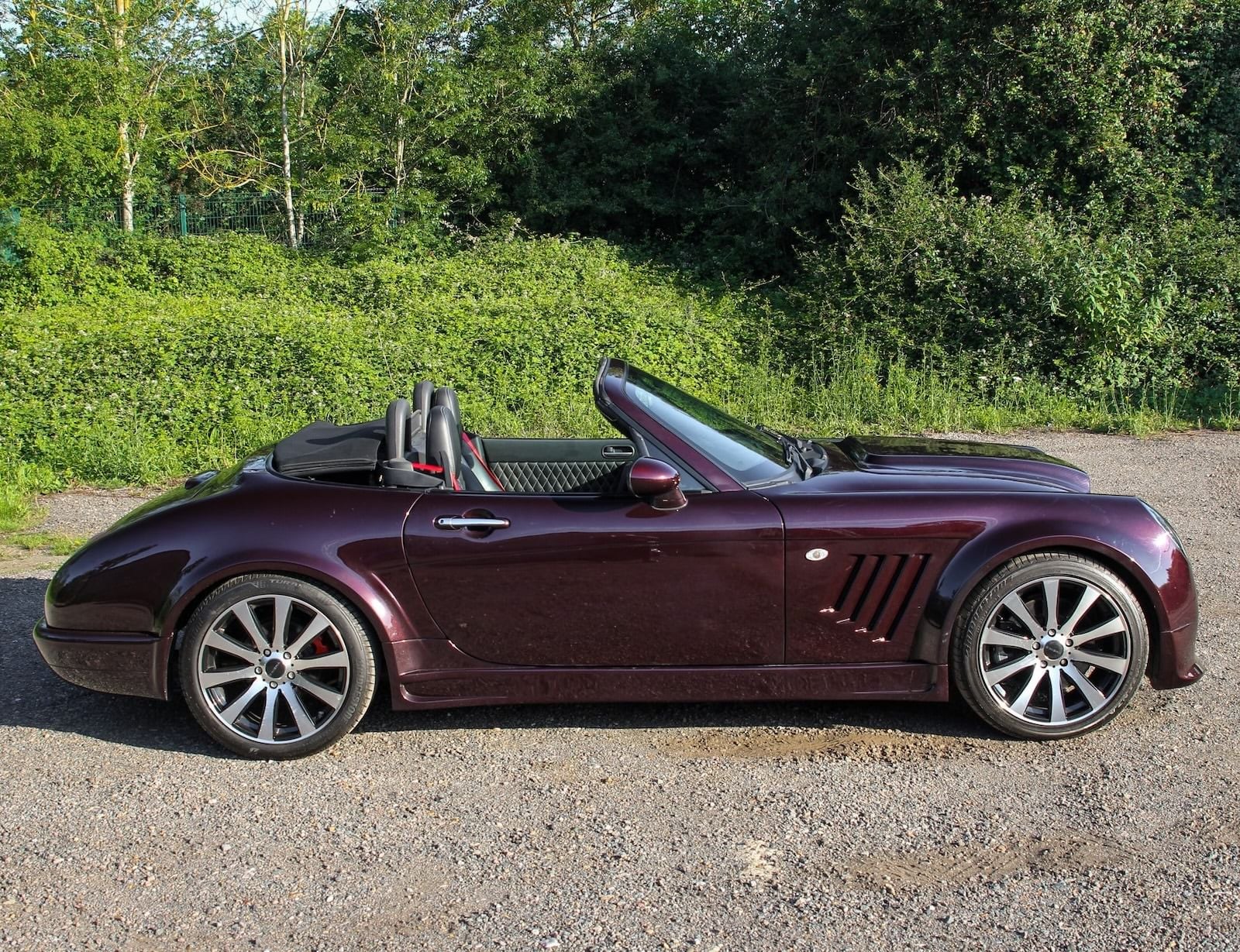
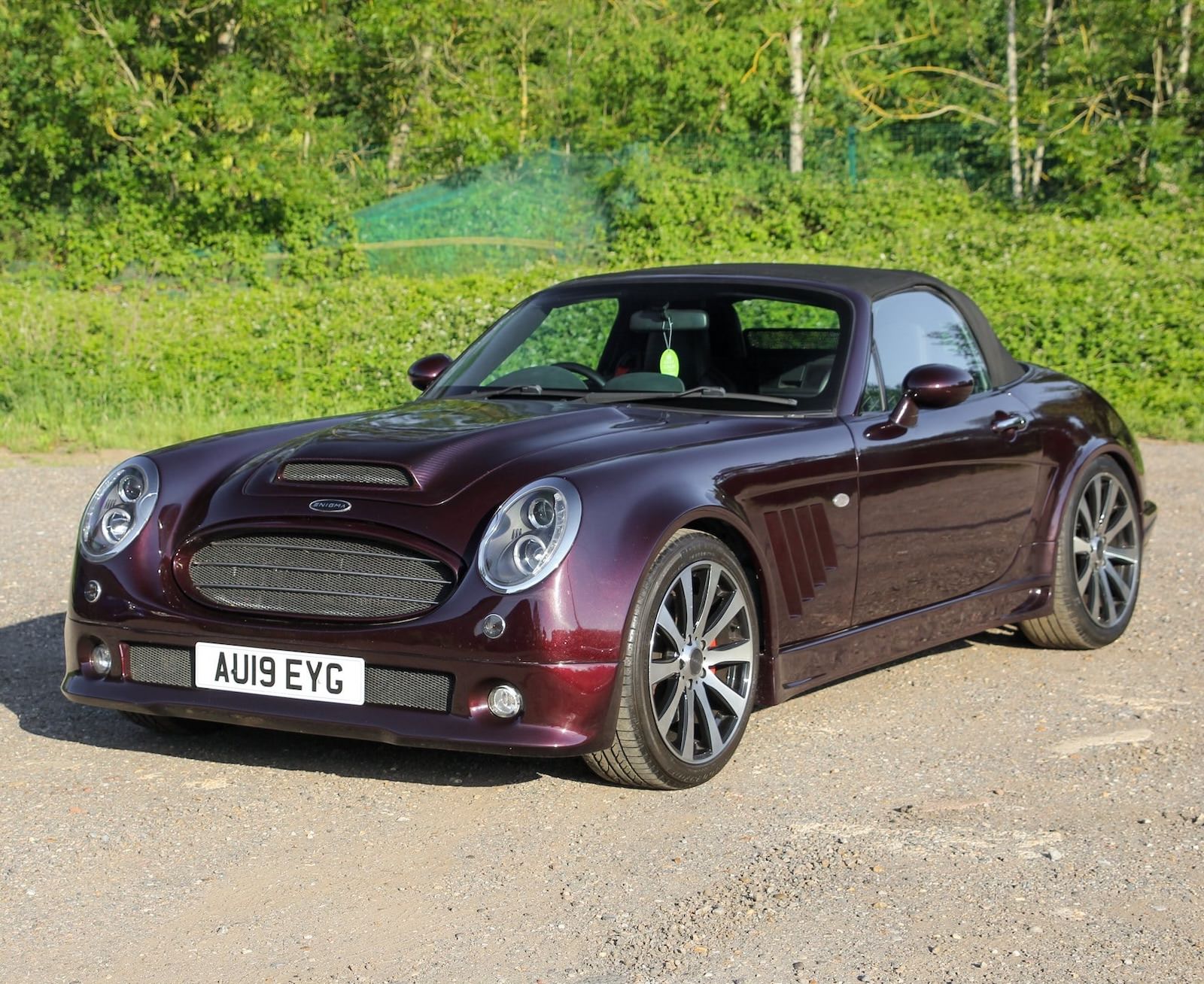
This 2019 Healy Enigma Mk3 is a factory-built turn-key example built by Healy Designs under Factory Order 100323, with the chassis and body assemblies produced in Eastern Europe and final finishing carried out in the UK by company founder Martin Williamson. Delivered in mid-2019, it’s covered 11,555 miles and holds an MOT valid until the 14th of June 2027 with no advisories.
Power comes from a Lexus 4.0 liter V8 rated at up to 300 bhp, driving through the MX-5-derived running gear that sits under the elegant fiberglass body. The suspension was reportedly two years in development, tuned for greater long-distance comfort than the base MX-5 offers.
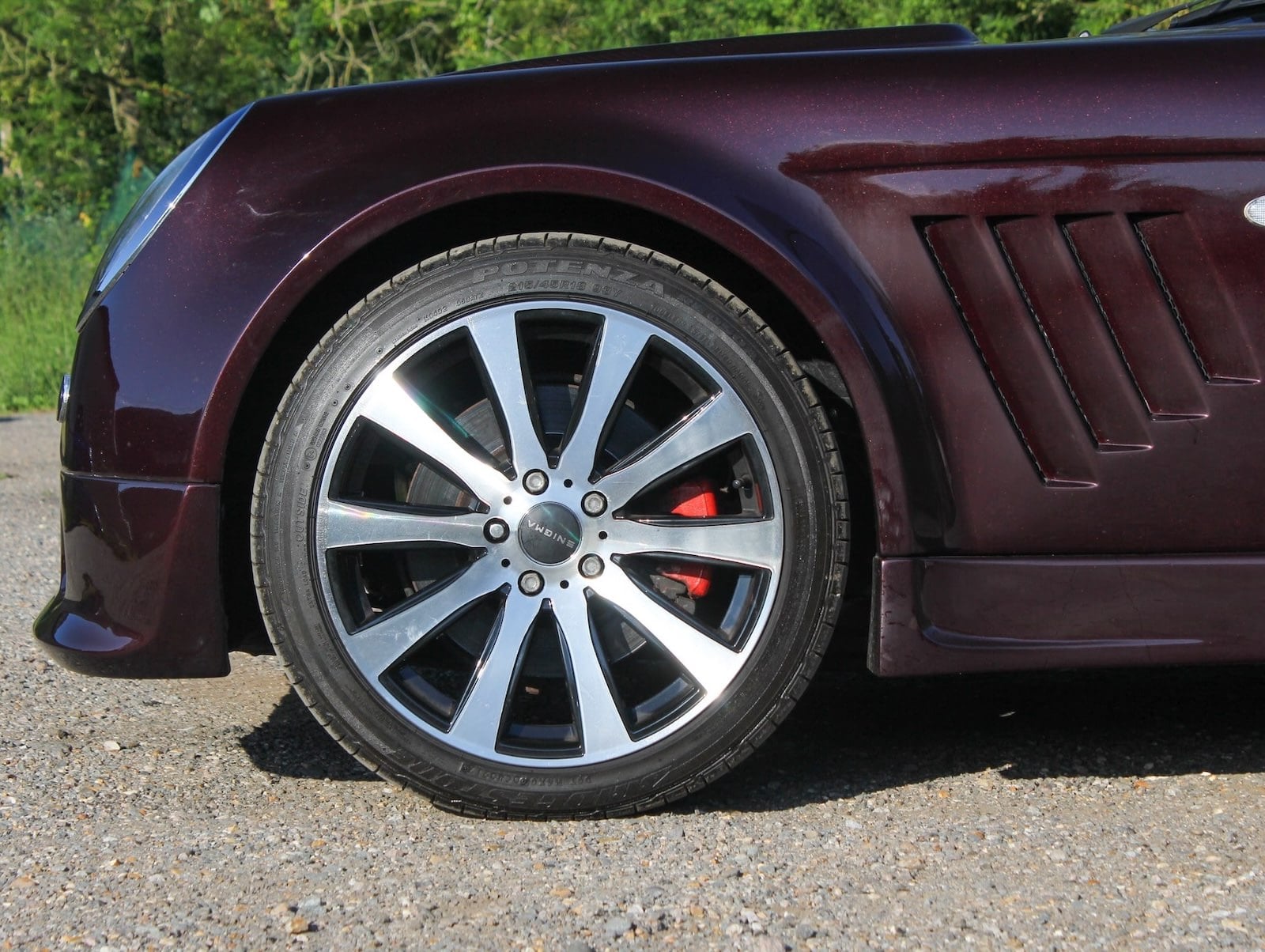
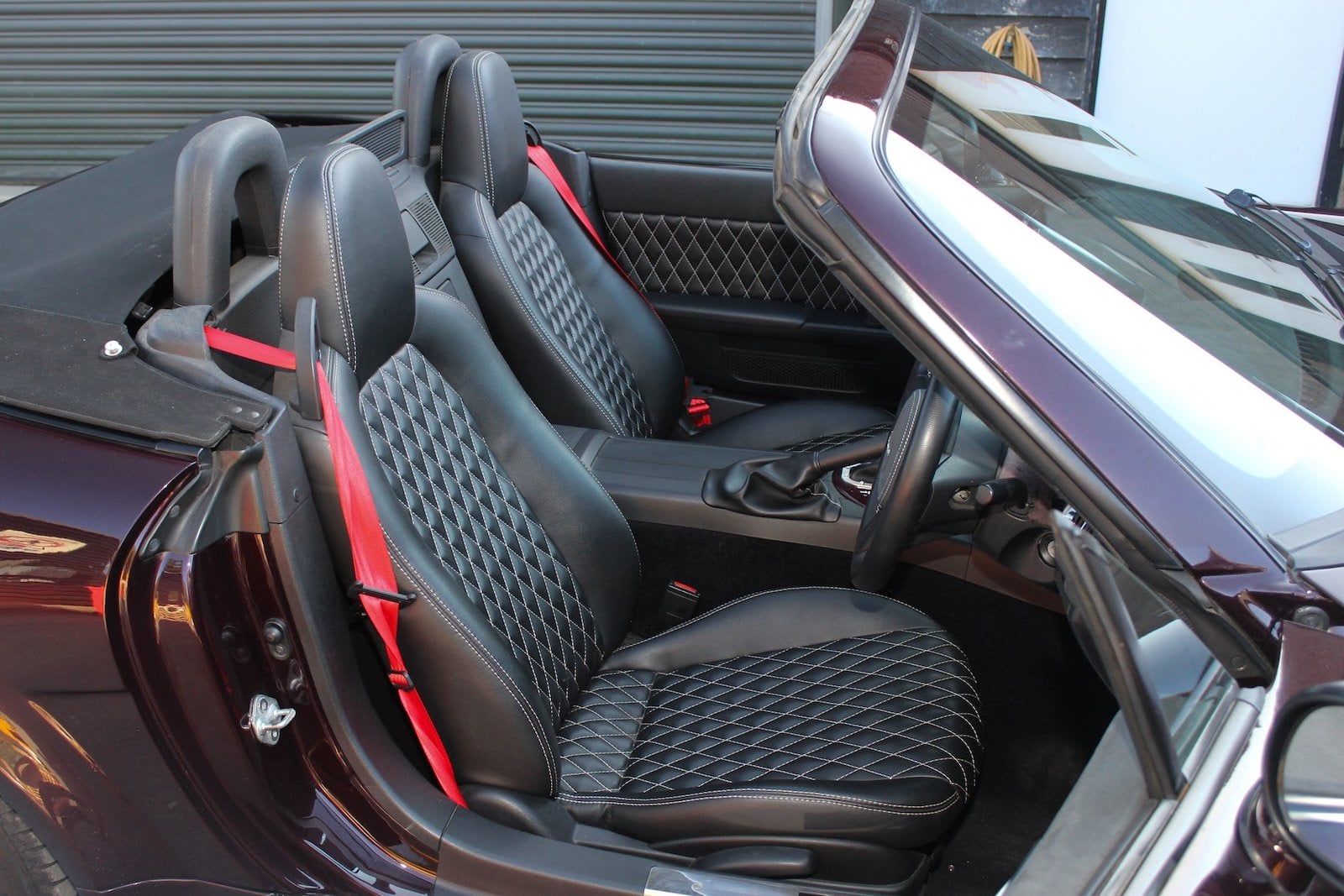
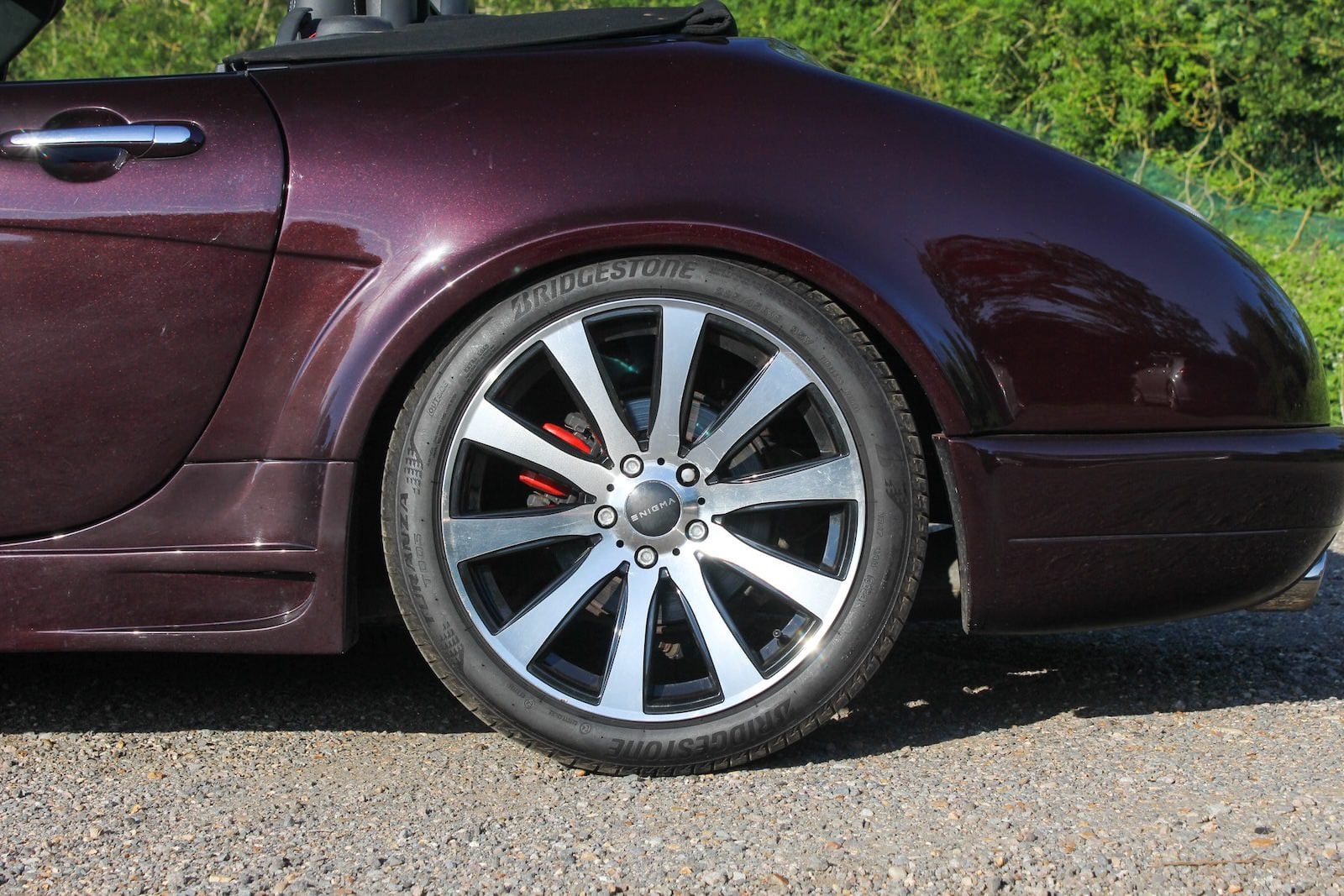
The specification list is extensive, it rolls on 18 inch diamond-cut 10-spoke alloys with red-painted brake calipers, and inside there’s a 350mm 3-spoke ox-blood leather steering wheel, burr walnut dashboard inserts, a chrome interior upgrade kit, air conditioning, heated seats, a height-adjustable driver’s seat, and a 7-inch media unit with satellite navigation.
Power comes from a Lexus 4.0 liter V8 rated at up to 300 bhp, driving through the MX-5-derived running gear that sits under the elegant fiberglass body. The suspension was reportedly two years in development, tuned for greater long-distance comfort than the base MX-5 offers.
Custom factory additions include a reverse camera and unique windscreen pillars, and the fiberglass body is offered with both a retractable hardtop and a folding fabric hood.
The car is now due to roll across the auction block with Car & Classic, it’s being sold out of Hertfordshire in England, and you can visit the listing here if you’d like to read more about it or place a bid.
Images courtesy of Car & Classic

Articles that Ben Branch has written have been covered on CNN, Popular Mechanics, Smithsonian Magazine, Road & Track Magazine, the official Pinterest blog, the official eBay Motors blog, BuzzFeed, Autoweek Magazine, Wired Magazine, Autoblog, Gear Patrol, Jalopnik, The Verge, and many more.
Silodrome was founded by Ben back in 2010, in the years since the site has grown to become a world leader in the alternative and vintage motoring sector, with well over a million monthly readers from around the world and many hundreds of thousands of followers on social media.