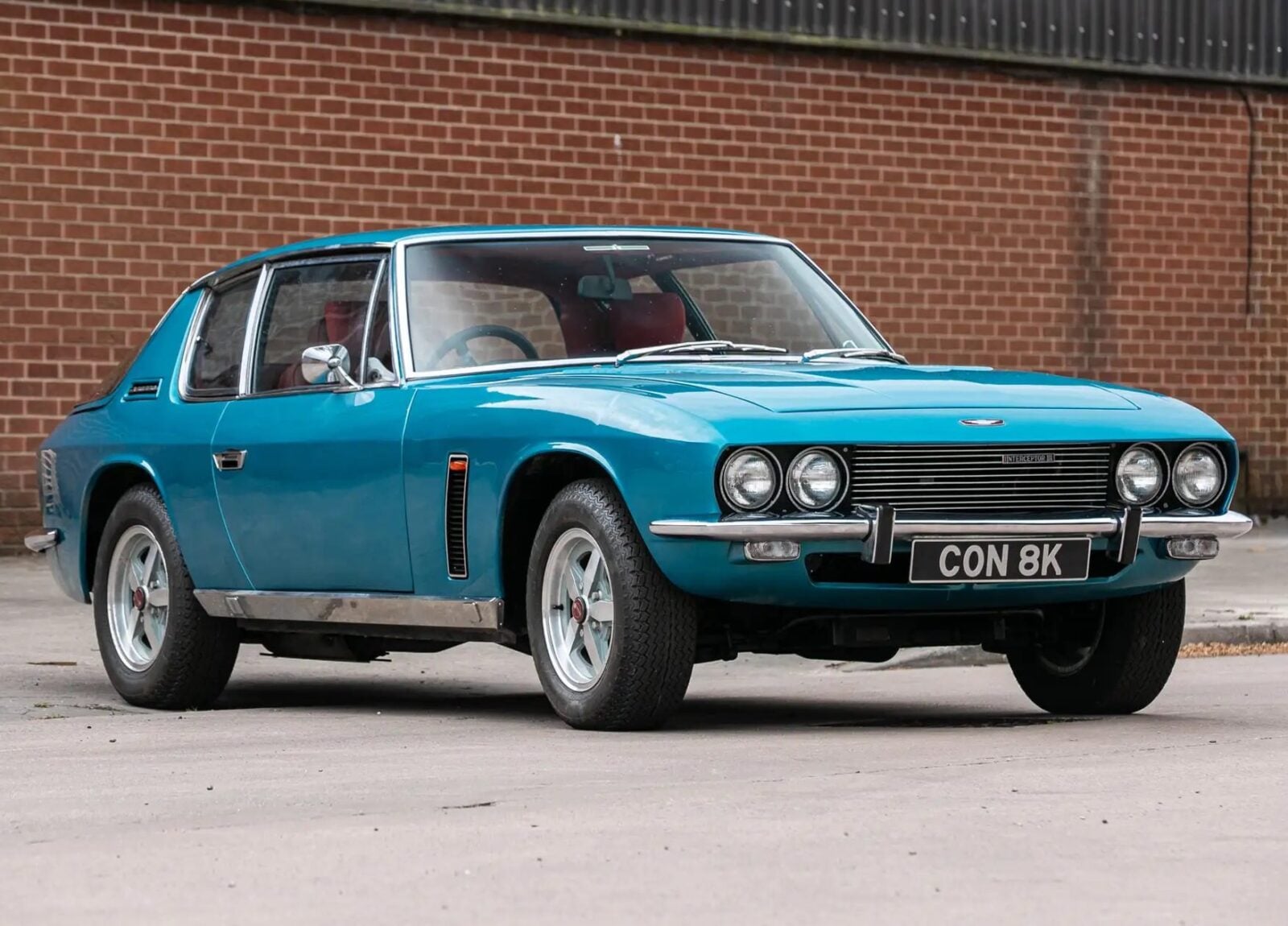
This is a restored 1972 Jensen Interceptor III that was bought new by John Bonham of Led Zeppelin, the band’s legendary drummer who is now widely considered to be one of the greatest (and most influential) drummers in rock history.
The Interceptor is one of the most beloved British luxury GT cars of its time, pairing Italian design with an American V8 on a British chassis. Some say it’s the best of all three worlds, and surviving examples remain much sought after.
Fast Facts: The Ex-Bonham Jensen Interceptor III
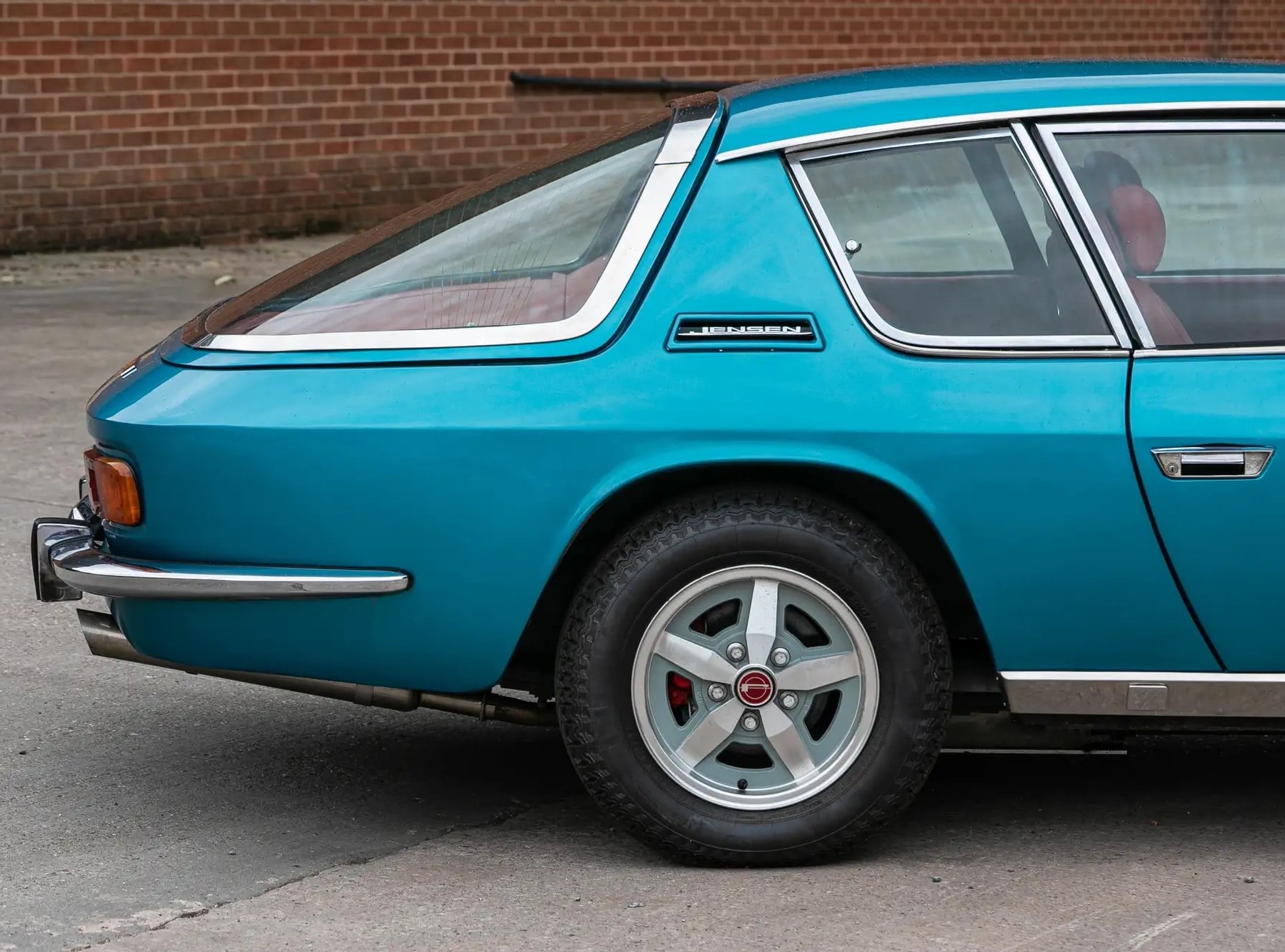
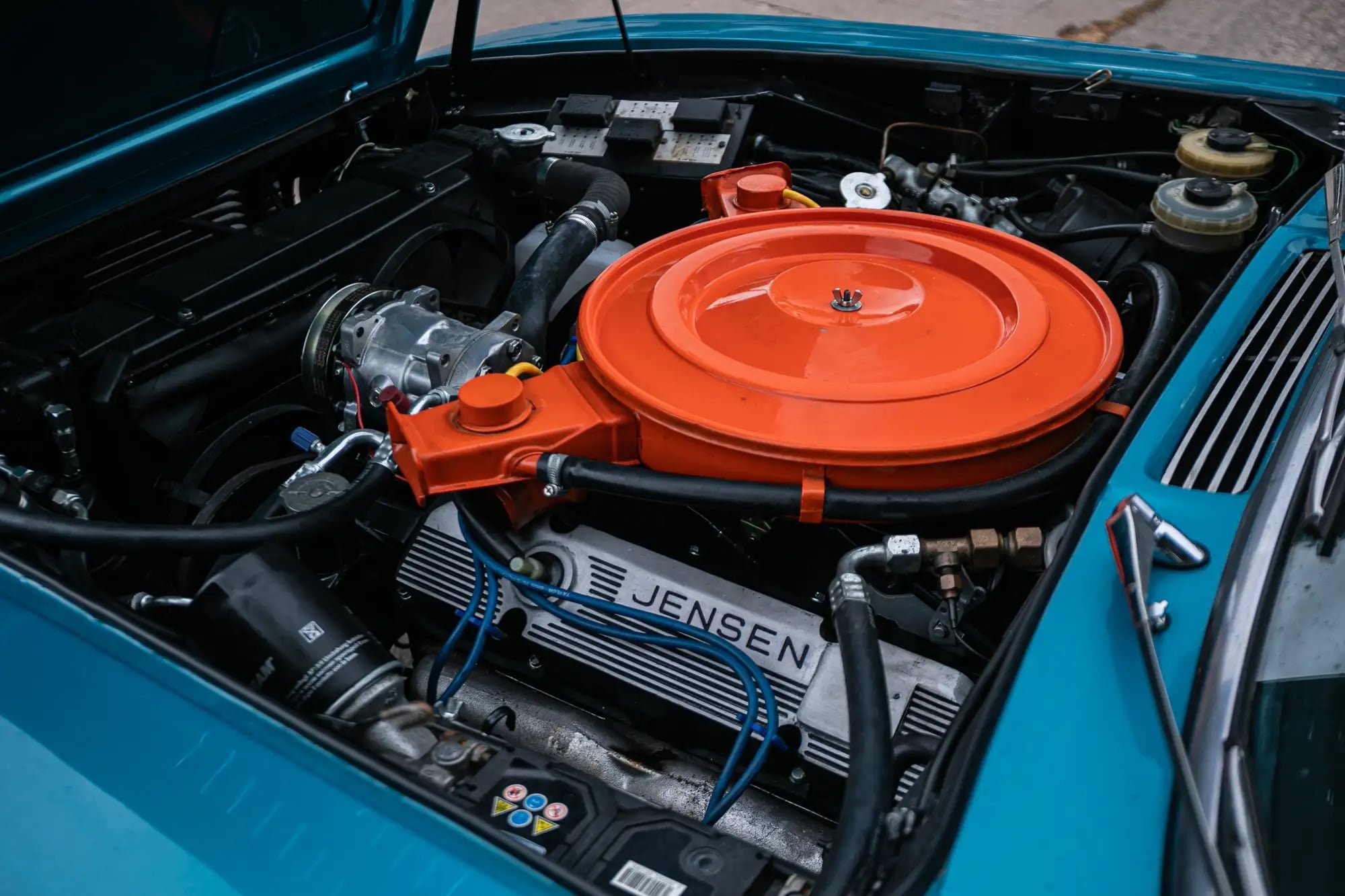
- This 1972 Jensen Interceptor III was first registered on the 18th of March 1972 to John Bonham Enterprises Ltd, the holding company of Led Zeppelin drummer John Bonham. It is a right-hand-drive H-series car finished in Reef Blue over crimson leather, keeping its original 6.3 liter 383 Chrysler V8 and TorqueFlite automatic transmission.
- Built with the 383 rather than the 440, the car is among the last right-hand-drive Interceptors delivered before the 440 replaced the smaller engine in RHD form in May of 1972. Interior appointments follow the Mark III specification, with GKN alloy wheels, standard air conditioning, and reshaped seats introduced for the 1971 model year.
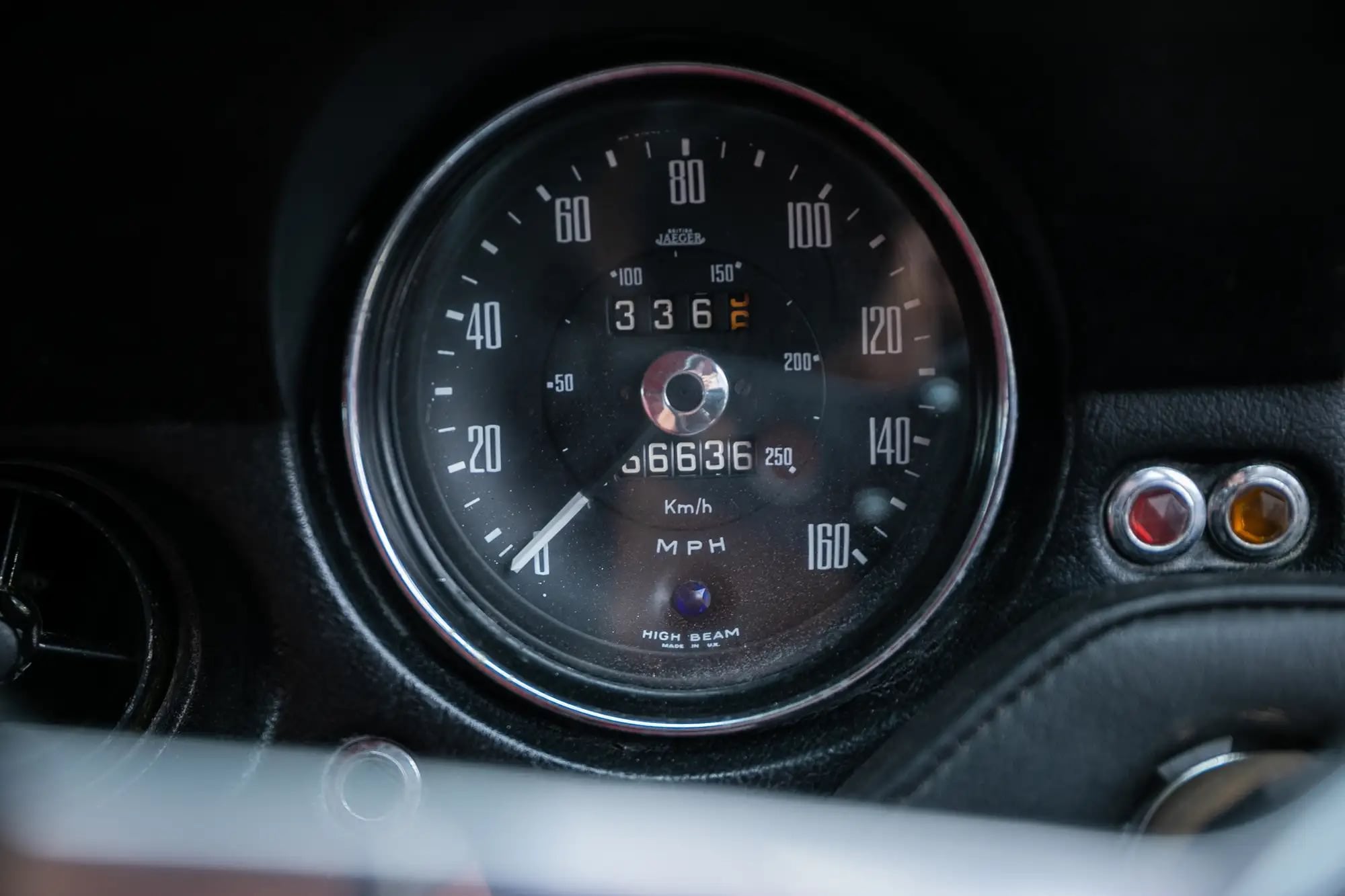
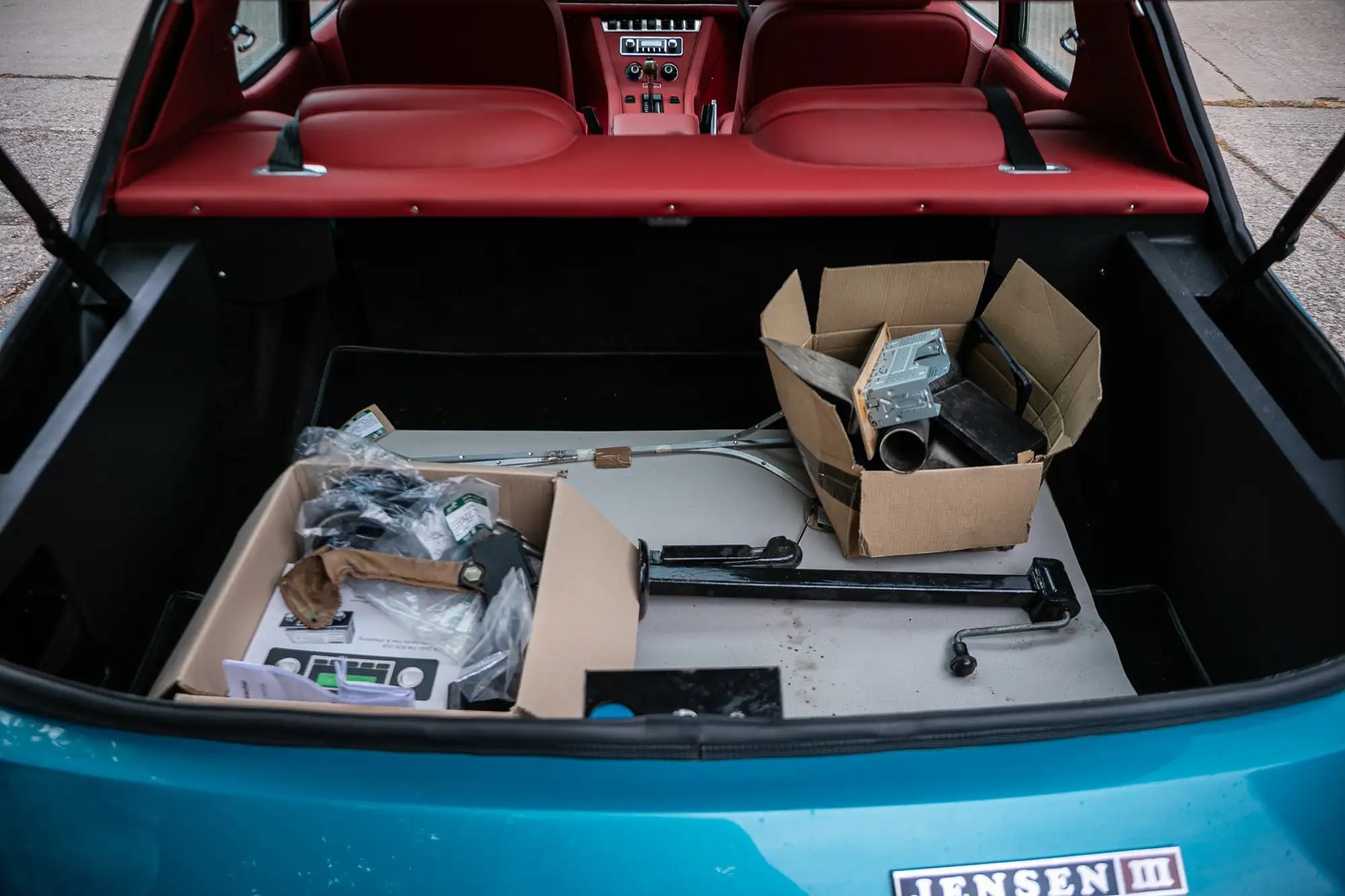
- Acquired by the current owner in barn-find condition, the car was subjected to a three-year restoration between 2020 and 2023 with documented invoices exceeding £83,000. Work was carried out with established Jensen specialists Martin Robey, Prestige Panels, and Riverbourne Classics, and the paintwork returned the car to its original Reef Blue.
- The Interceptor is now offered by Iconic Auctioneers in late July with a price guide of £40,000 to £50,000, or roughly $53,740 to $67,180 USD. It’s accompanied by a substantial history file containing invoices documenting the bodywork, paint, trim, and mechanical work completed during the recent restoration.
History Speedrun: The Jensen Interceptor
The Jensen Interceptor was a four-seat grand tourer built by Jensen Motors at its Kelvin Way factory in West Bromwich, England, from 1966 to 1976. It’s one of the best-remembered British GT cars of its time, combining an Italian-designed steel body with a Chrysler V8, all riding on a Jensen-designed chassis and running gear.
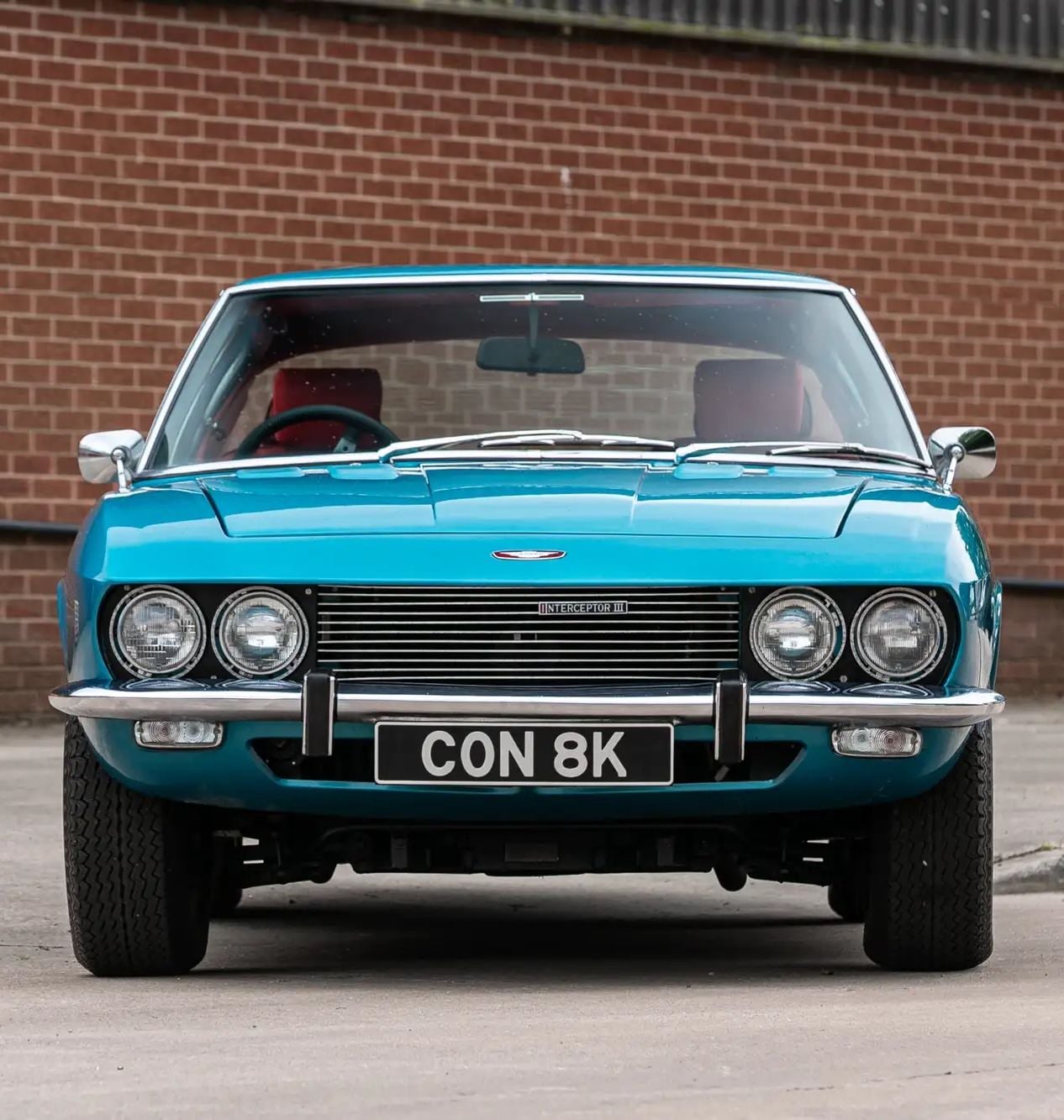
 This is a restored 1972 Jensen Interceptor III that was bought new by John Bonham of Led Zeppelin, the band’s legendary drummer who is now widely considered to be one of the greatest (and most influential) drummers in rock history.
The Interceptor replaced the earlier fiberglass-bodied C-V8 as the company’s flagship model, and the name was borrowed from an earlier Jensen built between 1950 and 1957 – but the two Interceptors share nothing else between them.
Interceptor Development + Design
Jensen began work on a new model in the mid-1960s. An in-house project called the P66 was already underway, styled by chief engineer Eric Neale as a smaller, less expensive sports-tourer conceived partly as a possible successor to the Austin-Healey 3000 that Jensen was building the bodies for under contract.
Richard and Alan Jensen, and Neale, wanted to promote the P66 to flagship duty, but managing director Brian Owen and deputy chief engineer Kevin Beattie opposed it, arguing for a purpose-built Italian-designed C-V8 replacement. Norcros chairman John Boex sided with Owen and Beattie. As a result, Beattie approached three Italian coachbuilders.
Ghia was heavily committed to Chrysler and showed little interest in the Jensen project. Vignale submitted a proposal that resembled its own Maserati Mexico. Touring’s submission, drawn by Federico Formenti, was the one Jensen wanted.
Touring was near financial collapse and could not build the car in volume, so Jensen bought the design outright, stripped Touring’s markings from the drawings, and presented them to Vignale. Vignale, recognizing the origin but not saying so, agreed to build the bodies.
The Interceptor is one of the most beloved British luxury GT cars of its time, pairing Italian design with an American V8 on a British chassis. Some say it’s the best of all three worlds.
The finished car debuted at the Earls Court Motor Show in October of 1966 alongside the four-wheel-drive Jensen FF. Vignale supplied trimmed and painted body shells to West Bromwich from Turin, but Jensen was unhappy with the finish and considered the arrangement financially unsustainable. Tooling was moved to Kelvin Way in 1967, and Interceptor bodies were built in England from that point forward.
The Jensen Interceptor: Specifications
The Interceptor rode on a modified tubular steel chassis based on the one used in the earlier C-V8. Early cars used the C-V8’s front suspension with kingpins and lever-arm shock absorbers that doubled as upper wishbones, an arrangement already showing its age by 1966.
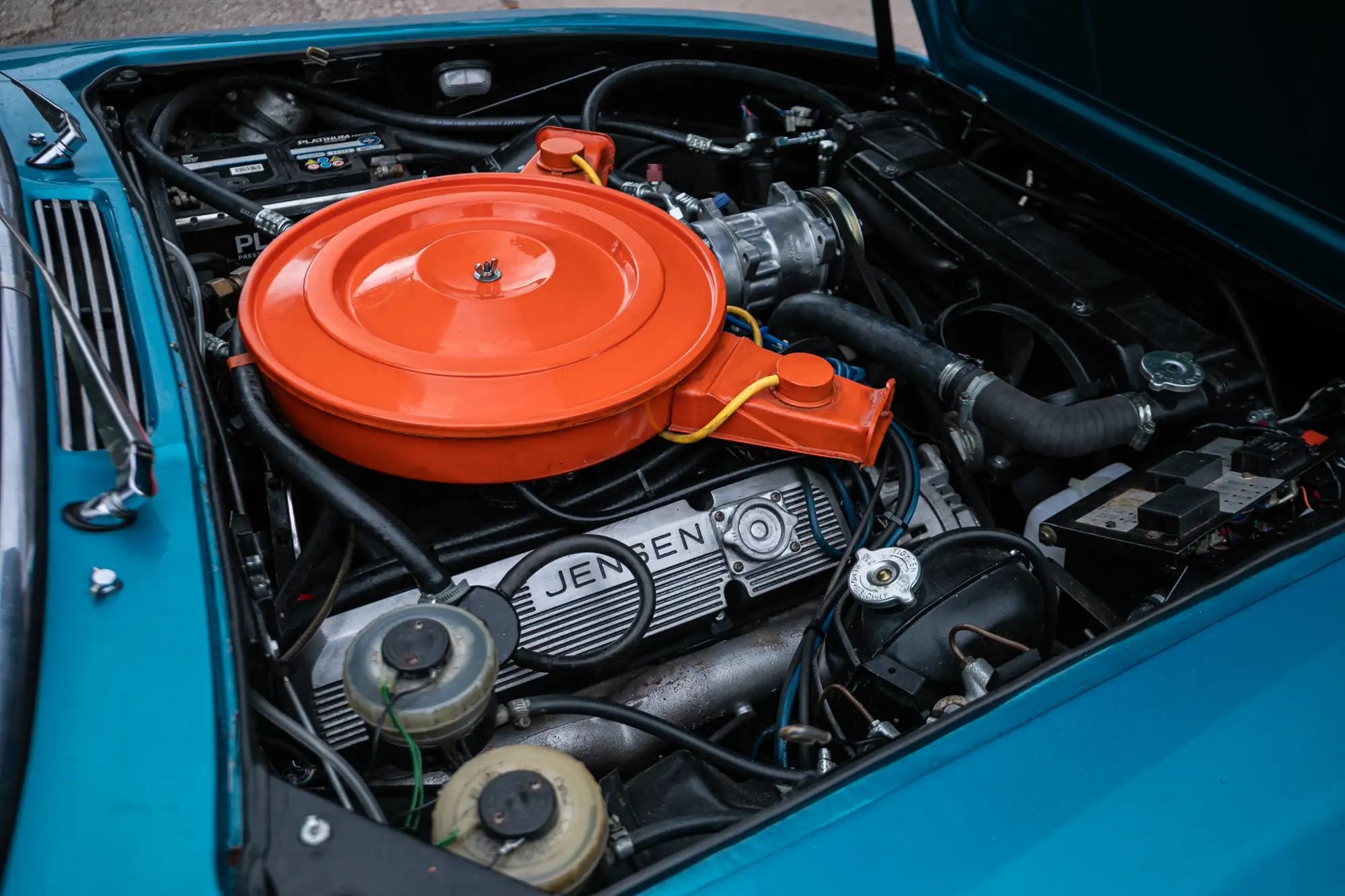
The rear axle was a Salisbury live unit on semi-elliptic leaf springs with a Panhard rod and adjustable Armstrong Selectaride dampers controlled from the cabin. Power initially came from Chrysler’s 383 cubic inch (6,276cc) big block V8, rated at 325 bhp with 425 lb ft of torque at 2,800 rpm.
Most cars used the Chrysler TorqueFlite 3-speed automatic, a heavy-duty Chrysler 4-speed manual was optional on the Mark I but ordered by only 22 buyers. Autocar recorded 0 to 60 mph in 7.3 seconds and a top speed of 133 mph on the more common auto version.
The design of the Interceptor was defined by its long hood, a short deck, and a large curved rear glass hatch that hinged upward as a tailgate. Inside, the Mark I had electric windows, reclining front seats, a wood-rimmed steering wheel, and a radio with twin speakers as standard, trimmed in leather, polished wood, and Wilton wool carpet.
The Arrival Of The Mark II
The Mark II arrived in 1969 with revised front-end styling and a substantially redesigned dashboard and interior to meet US safety regulations. Late Mark Is had already replaced the kingpin suspension and Dunlop brakes with ball-jointed wishbones and Girling calipers – these changes became standard across the Mark II range.
The Mark III Appears
The Mark III followed in 1971, bringing another grille and bumper revision, GKN cast alloy wheels, standard air conditioning, and reshaped seats. Early Mark IIIs were divided into G, H and J-series – Jensen classified the later 1974 to 1976 cars as Series 4 and Series 5.
Early G-series Mark IIIs continued with the 383, and the 7.2 liter 440 V8 replaced it in November of 1971 for left-hand-drive cars and May of 1972 for right-hand-drive cars. The four-barrel 440 was rated at 305 bhp SAE net at launch, falling to roughly 280 bhp and then 255 bhp as compression and pollution equipment changed through the mid-1970s to meet ever increasing US emissions requirements.
The Jensen FF
The Jensen FF ran alongside the Interceptor from 1966 to 1971. FF stood for Ferguson Formula, a full-time four-wheel-drive system developed by Harry Ferguson Research and licensed exclusively to Jensen for road cars over 3.5 liters.
The FF’s use of four-wheel drive in a passenger car preceded the AMC Eagle by 13 years and the Audi Quattro by 14 years. The FF was five inches longer than the Interceptor and could not be built in left-hand drive because the centrally mounted transfer case and front propeller-shaft arrangement enlarged the transmission tunnel into the left-front footwell. That eliminated the US market, and as a result, limited production to just 320 cars.
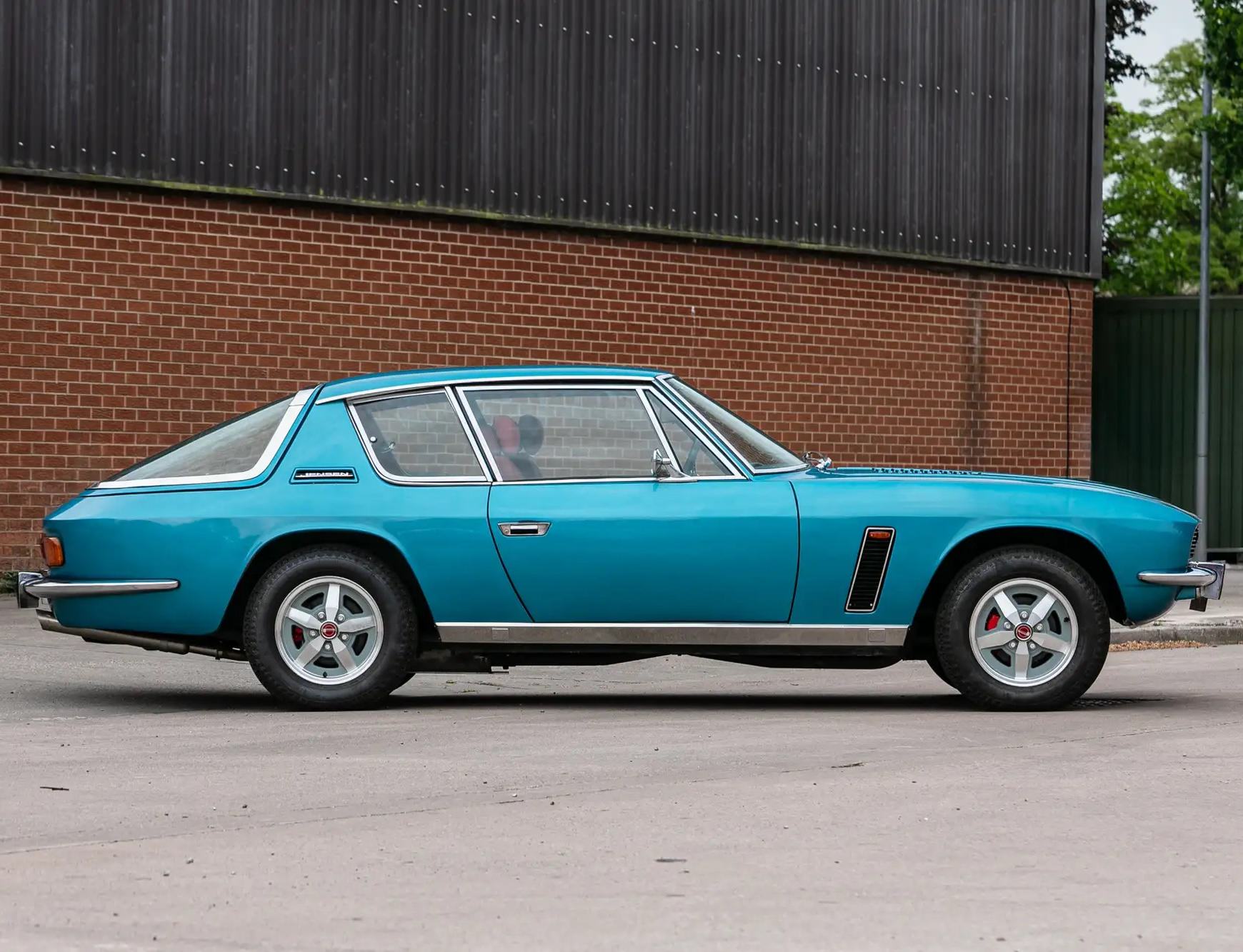
This is a right-hand-drive H-series car, finished in Reef Blue over crimson leather, and keeps the 6.3 liter 383 Chrysler V8 with TorqueFlite automatic transmission, making it one of the last Interceptors built with the 383 before the 440 replaced it in right-hand-drive form in early 1972.
The Jensen SP, built from 1971 to 1973, replaced the FF as the range flagship. Its 440 V8 had Chrysler’s Six Pack induction, three two-barrel carburetors, and was factory-rated at 385 bhp. Autocar recorded 0 to 60 in 6.9 seconds and 143 mph. Only 232 SPs were built before Chrysler discontinued the Six Pack engine on emissions grounds.
A convertible with a power soft top joined the range in 1974. Production figures vary between sources but it seems to hover between 456 and 511 completed soft tops.
A coupe which was derived from the convertible (but without the wraparound rear glass) debuted in 1975 and 46 were built in total. Totals for the Interceptor (across all variants) come to either 6,407 or 6,408 cars, depending on whether particular prototypes or late-completed examples are counted, with the FF accounting for an additional 320.
Jensen Motors was pushed into receivership in 1975, weakened by the 1973 Oil Crisis and by warranty problems with the Jensen-Healey sports car developed under new owner Kjell Qvale. The receivers allowed Interceptor assembly to continue until parts stocks were exhausted.
The company closed in May of 1976, though a small number of additional cars were completed afterwards by the successor operation Jensen Parts & Service, with specialist production records extending Interceptor completions through December of 1976.
This wasn’t quite the end for Jensen, however.
A new company named Jensen Cars Limited resumed low-volume production of the Series 4 from 1983 through 1992, using a Chrysler 360 small block V8 in the same body. Series 4 production reached just 14 cars, and the revived company failed in 1993.
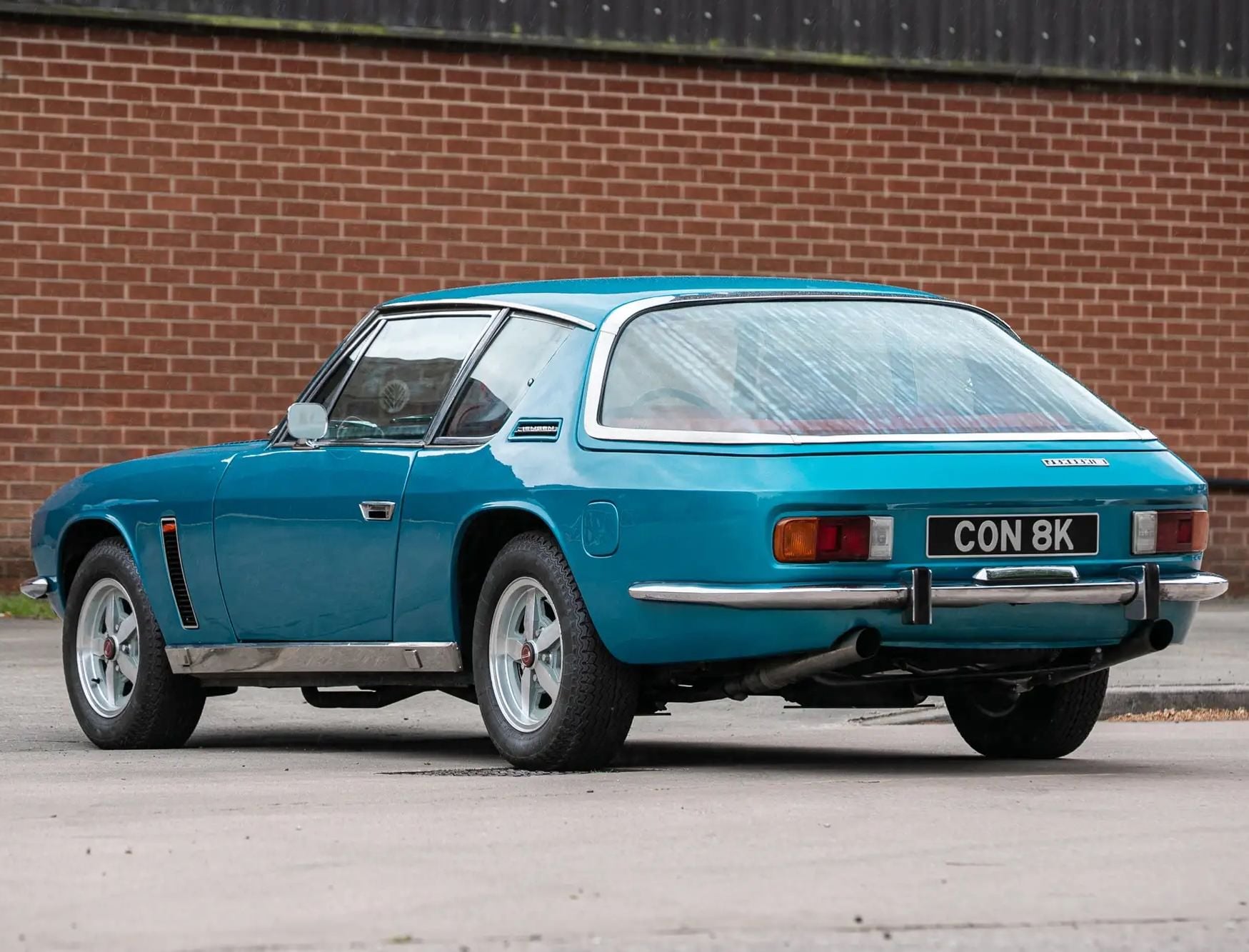
This 1972 Jensen Interceptor III was first registered on the 18th of March 1972 to John Bonham Enterprises Ltd, the holding company of the legendary Led Zeppelin drummer John Bonham.
In May of 2010, Jensen International Automotive was established, it subsequently developed the Interceptor R, with deliveries beginning in early 2011. The car was a full re-engineering of original Interceptors, powered by General Motors LS3 or supercharged LSA V8s and paired with modern automatic transmissions, initially a 4-speed and later a 6-speed.
This company remains in business today, and as a result, it’s still possible to buy yourself a new Jensen Interceptor over 60 years after the model debuted.
The 1972 Jensen Interceptor III Shown Here
This 1972 Jensen Interceptor III was first registered on the 18th of March 1972 to John Bonham Enterprises Ltd, the holding company of the legendary Led Zeppelin drummer John Bonham.
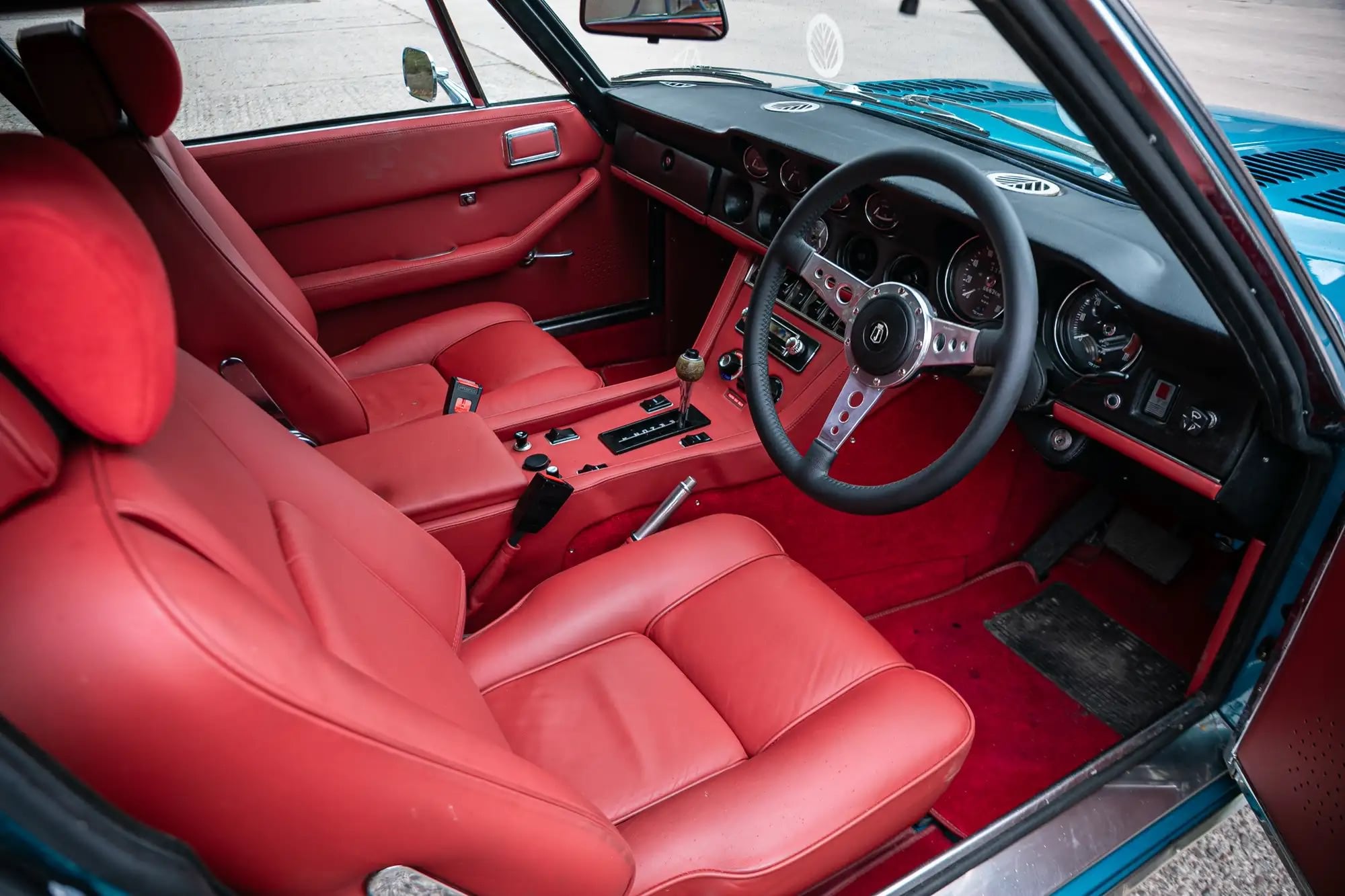
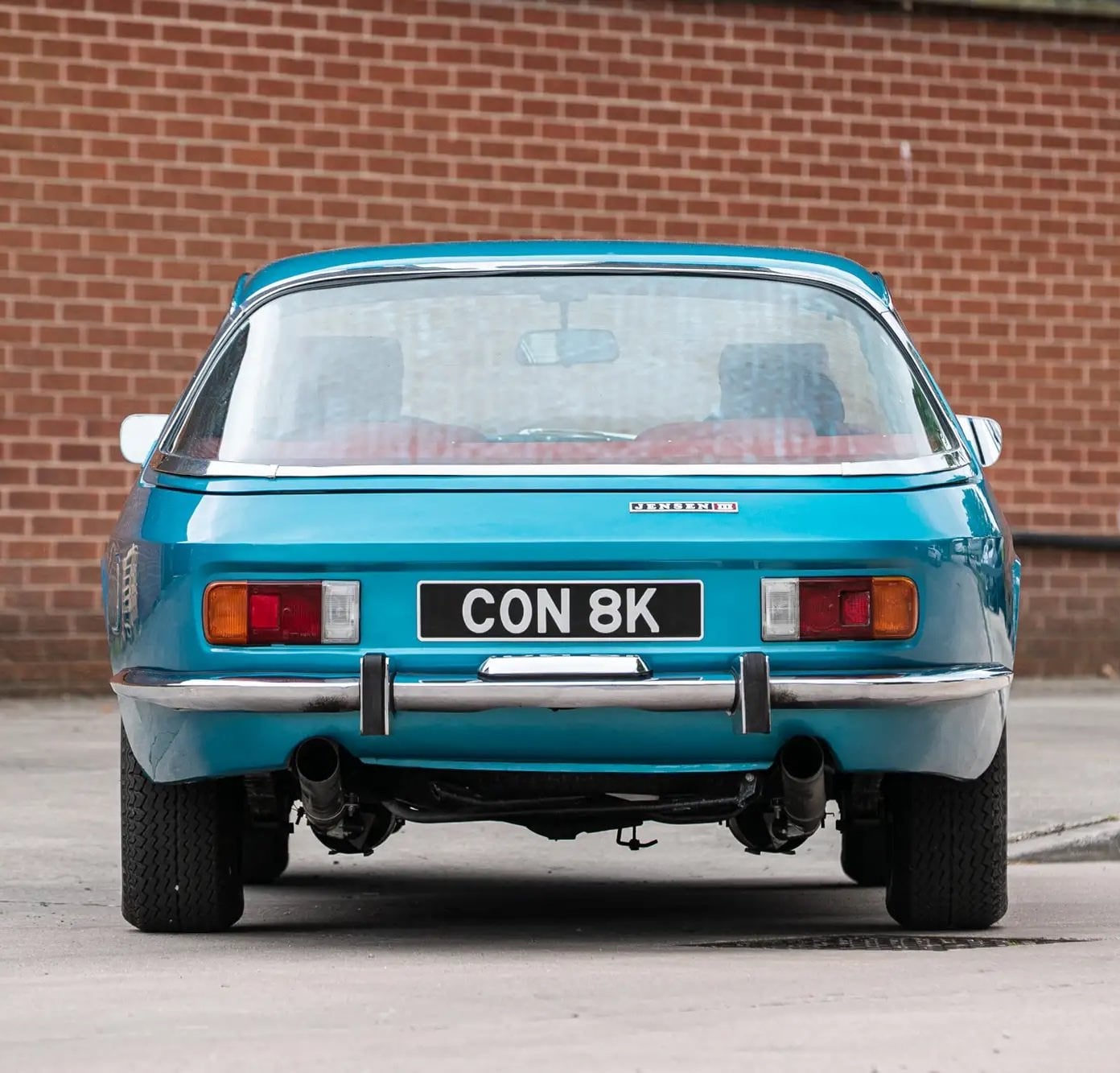
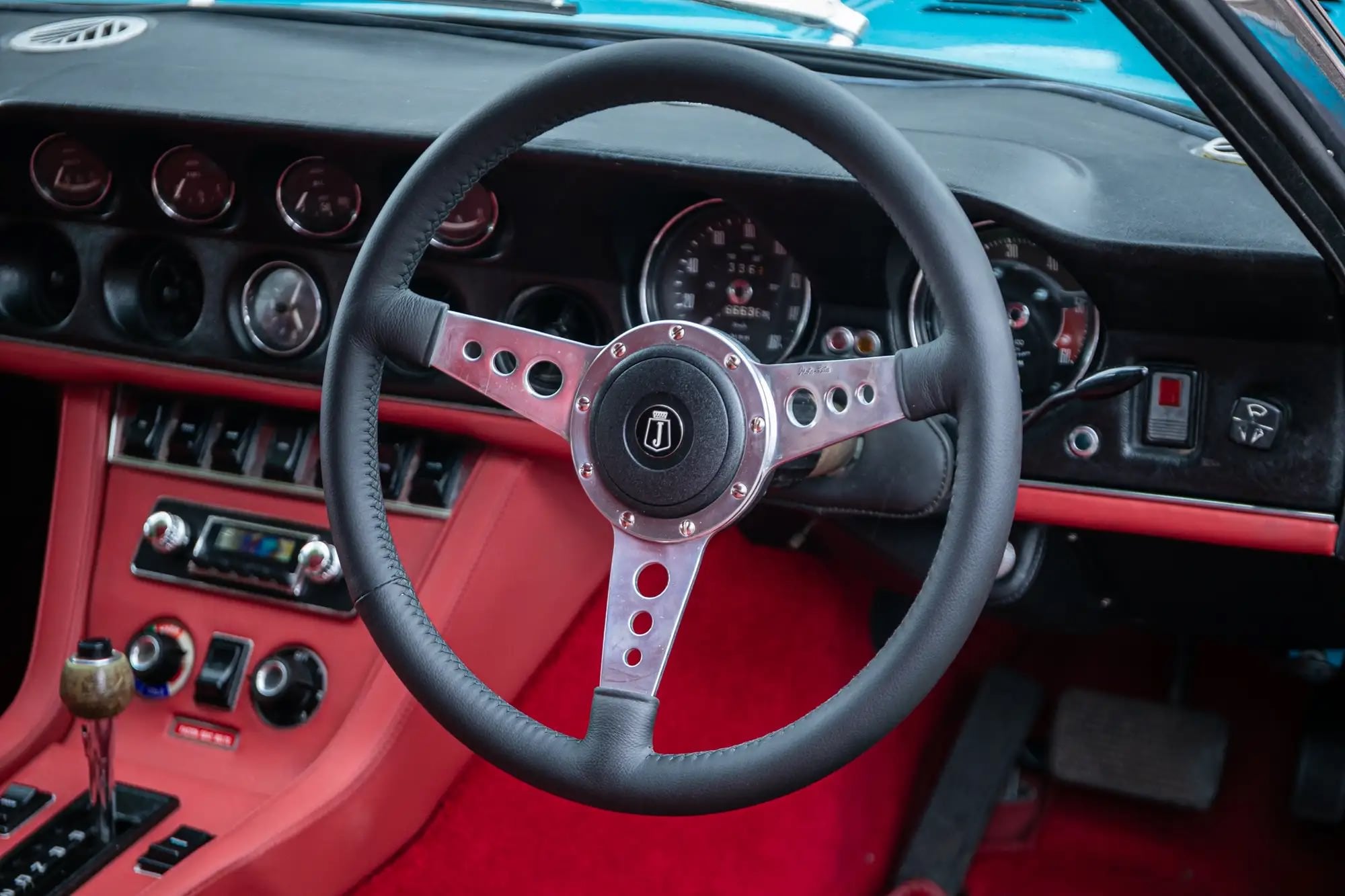
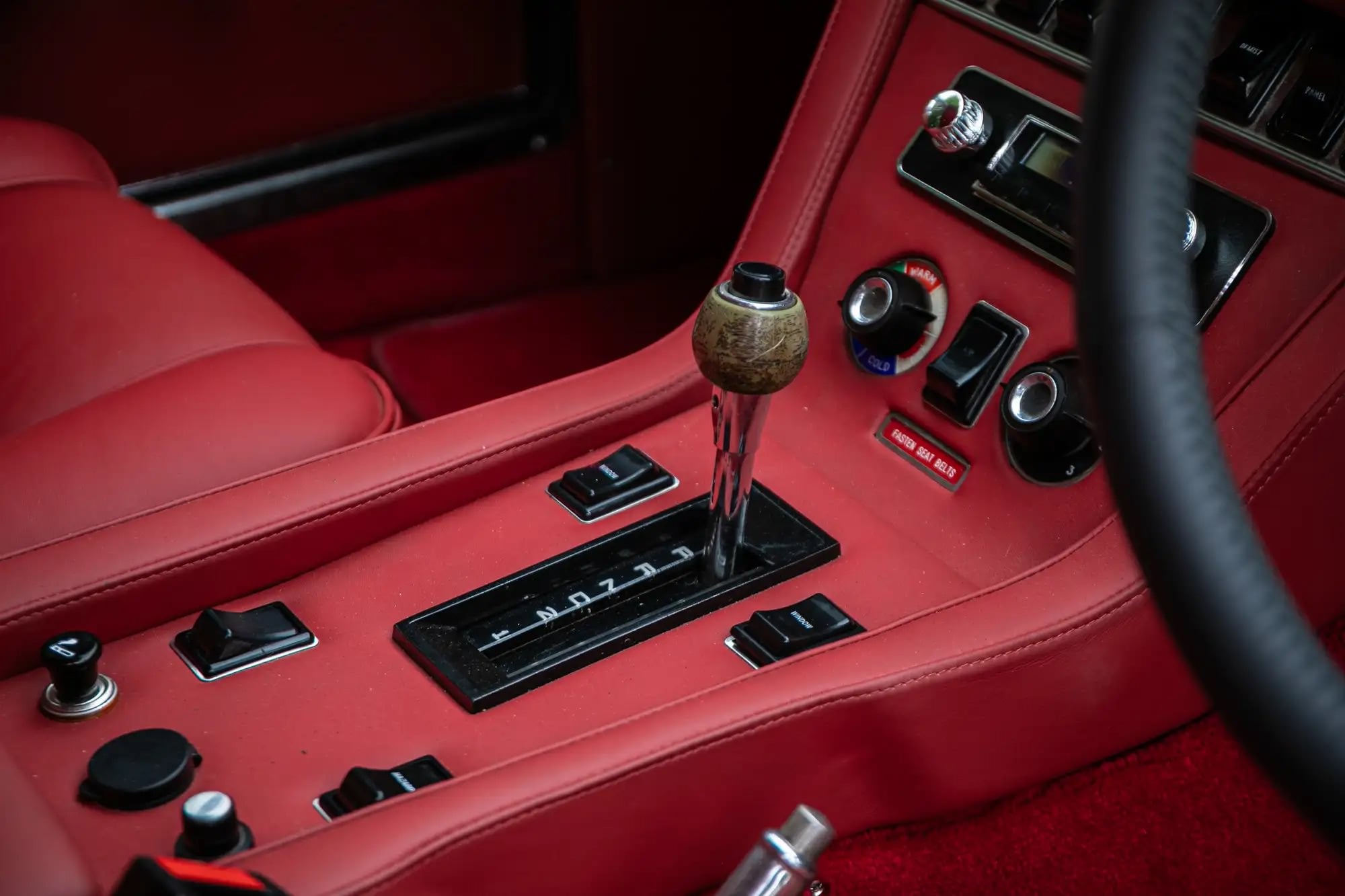
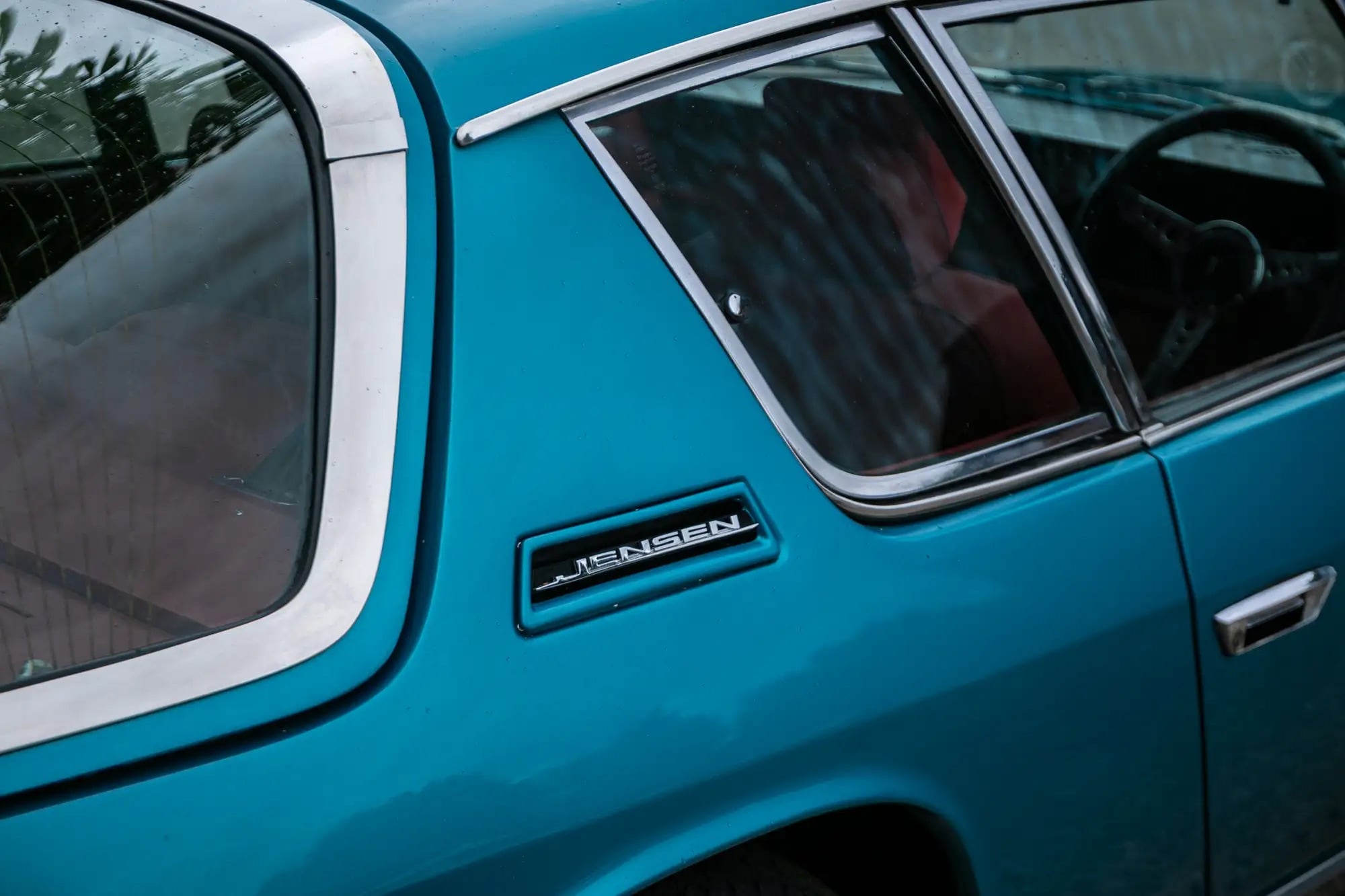
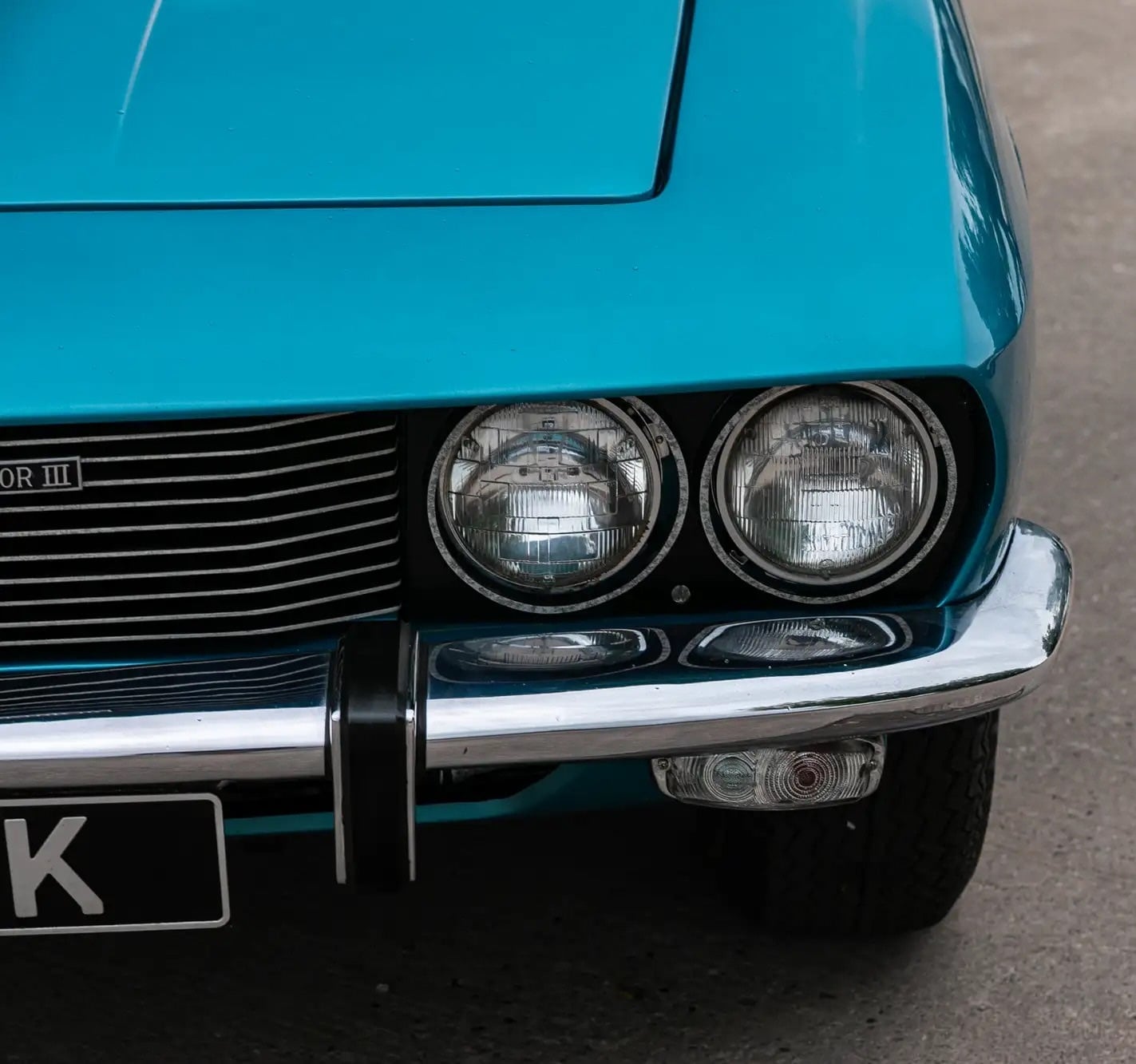
It’s a right-hand-drive H-series car, finished in Reef Blue over crimson leather, and keeps the 6.3 liter 383 Chrysler V8 with TorqueFlite automatic transmission, making it one of the last Interceptors built with the 383 before the 440 replaced it in right-hand-drive form in early 1972.
Bought by the current owner in barn find condition, the car was given a three-year restoration between 2020 and 2023 with documented invoices exceeding £83,000. Work was carried out with the involvement of established Jensen specialists including Martin Robey, Prestige Panels, and Riverbourne Classics.
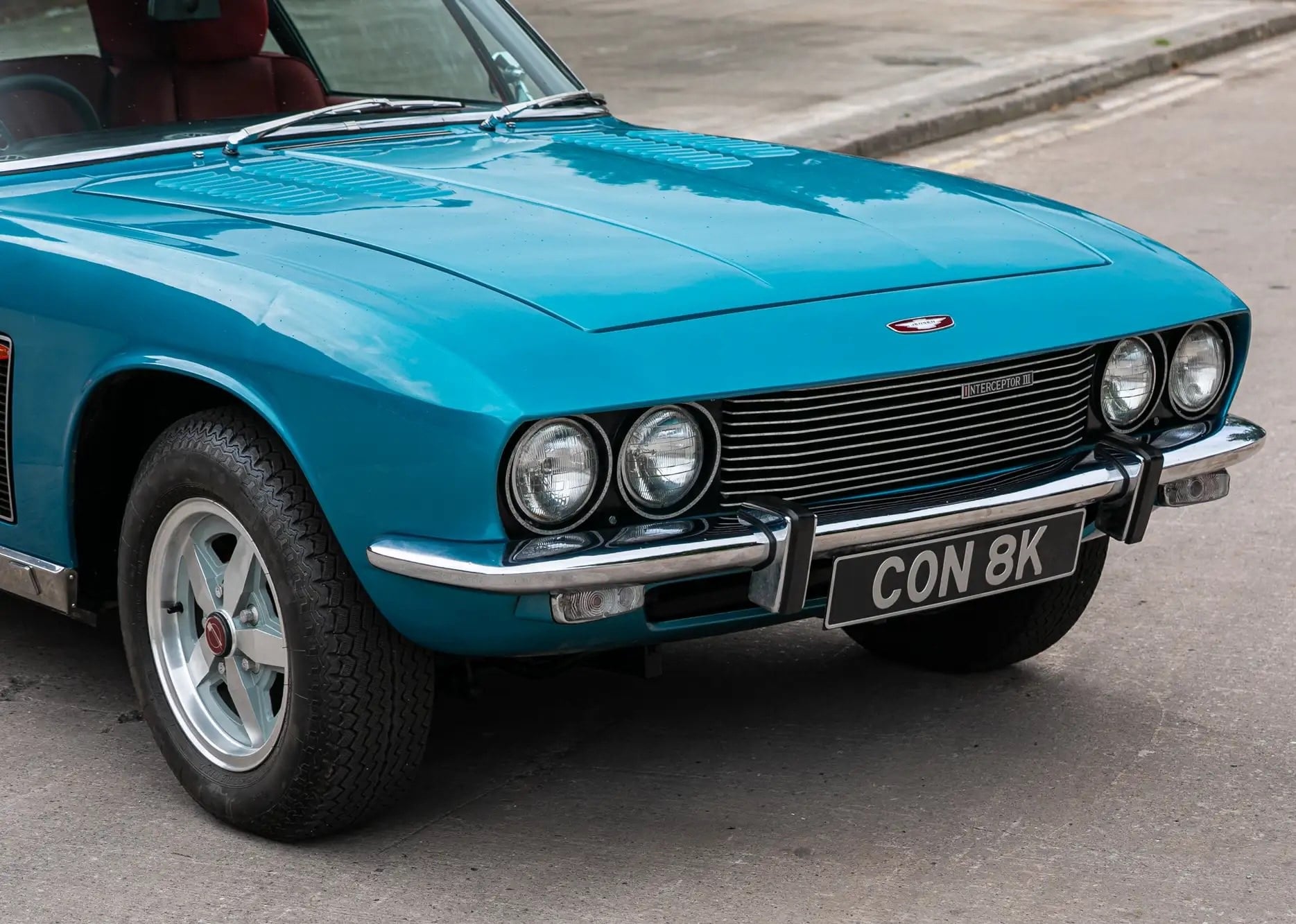
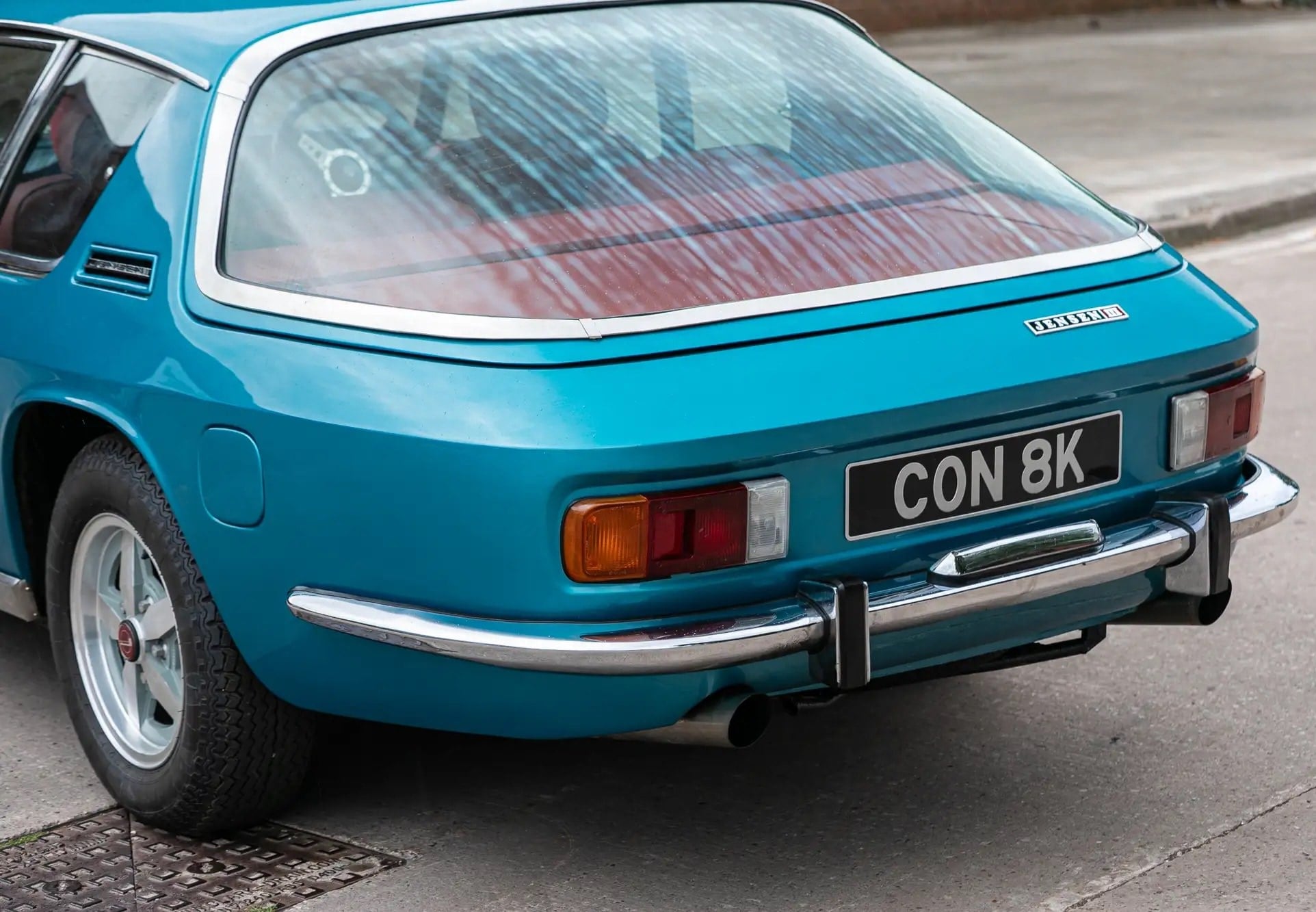
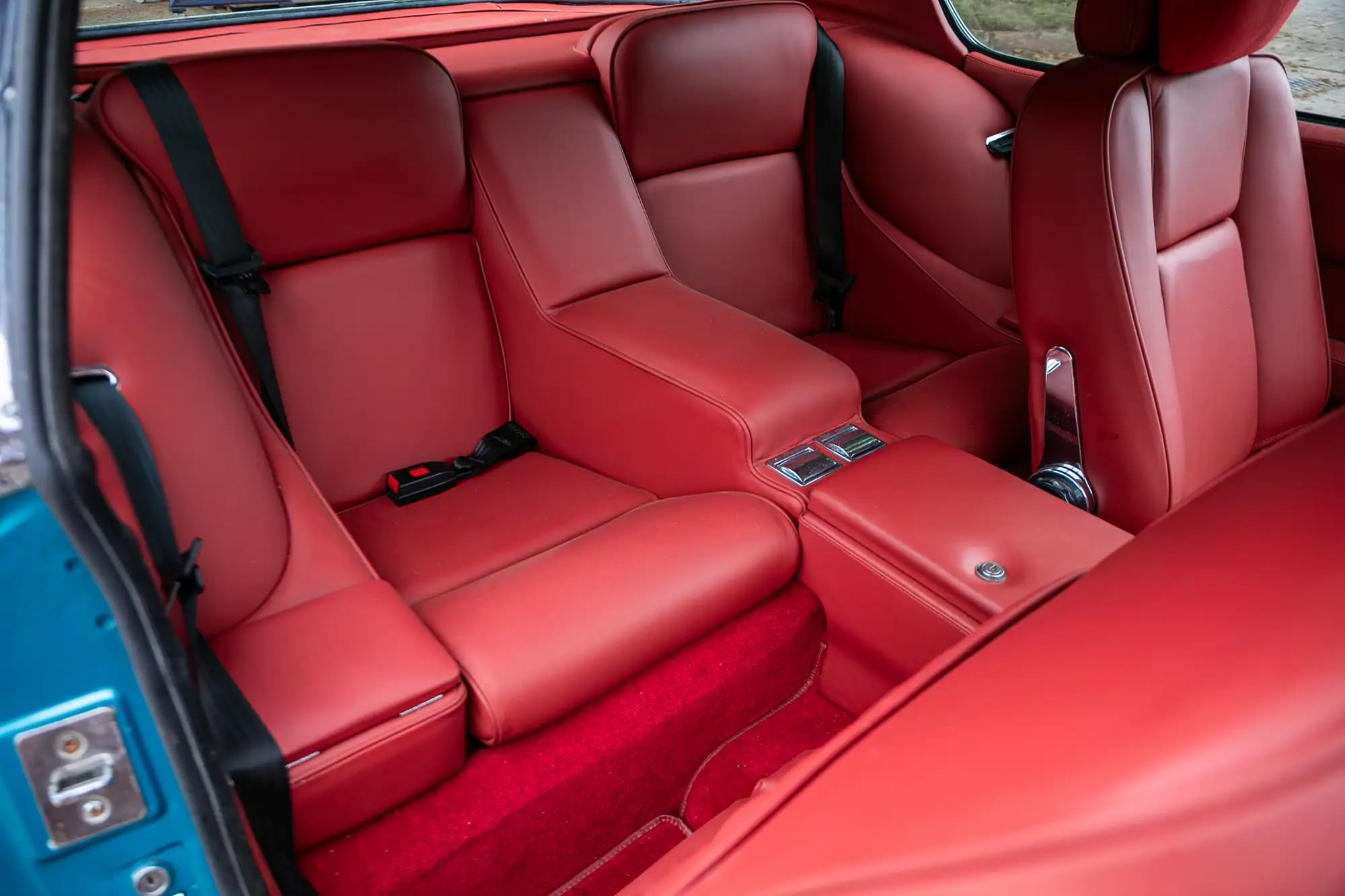
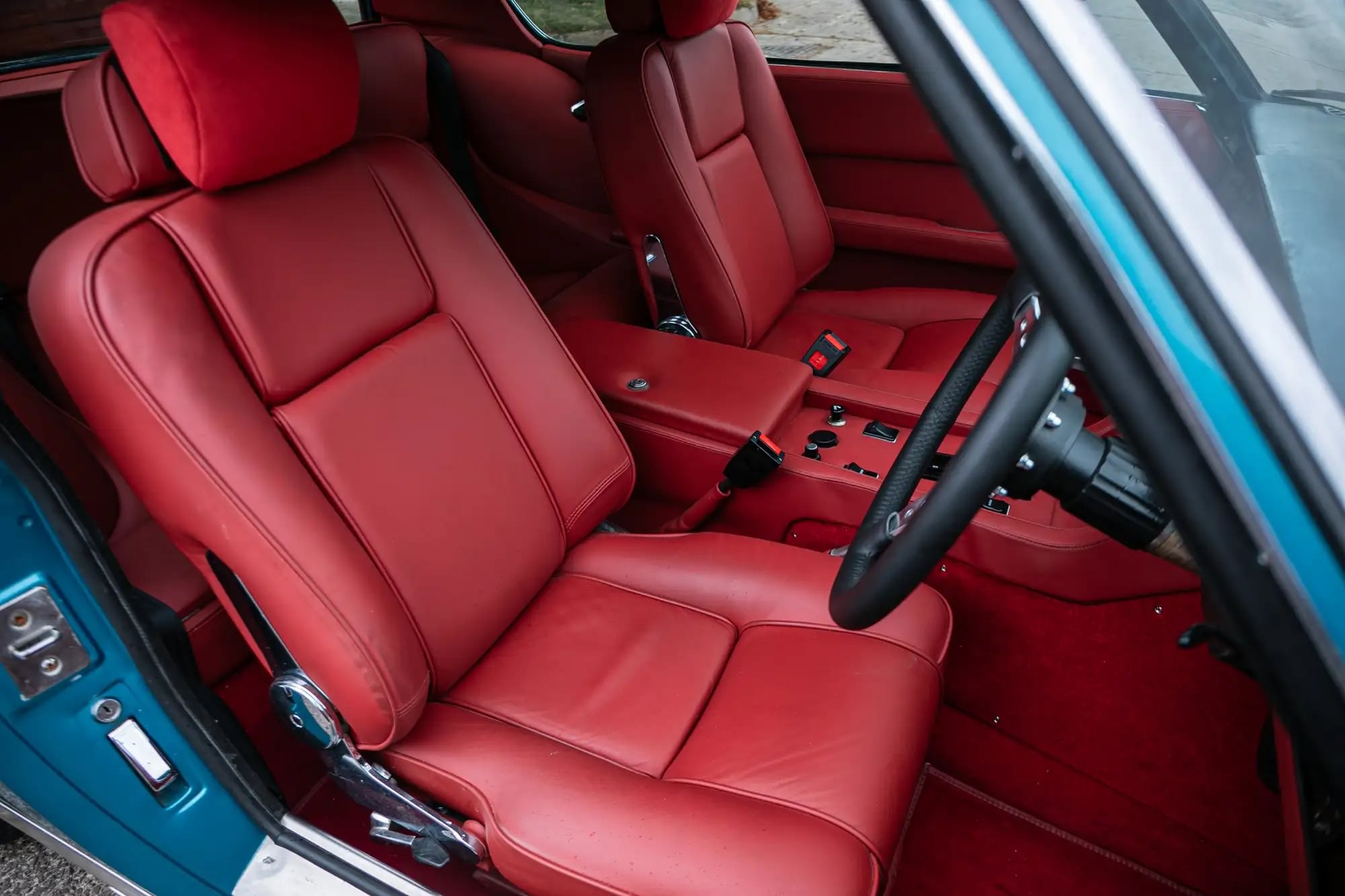
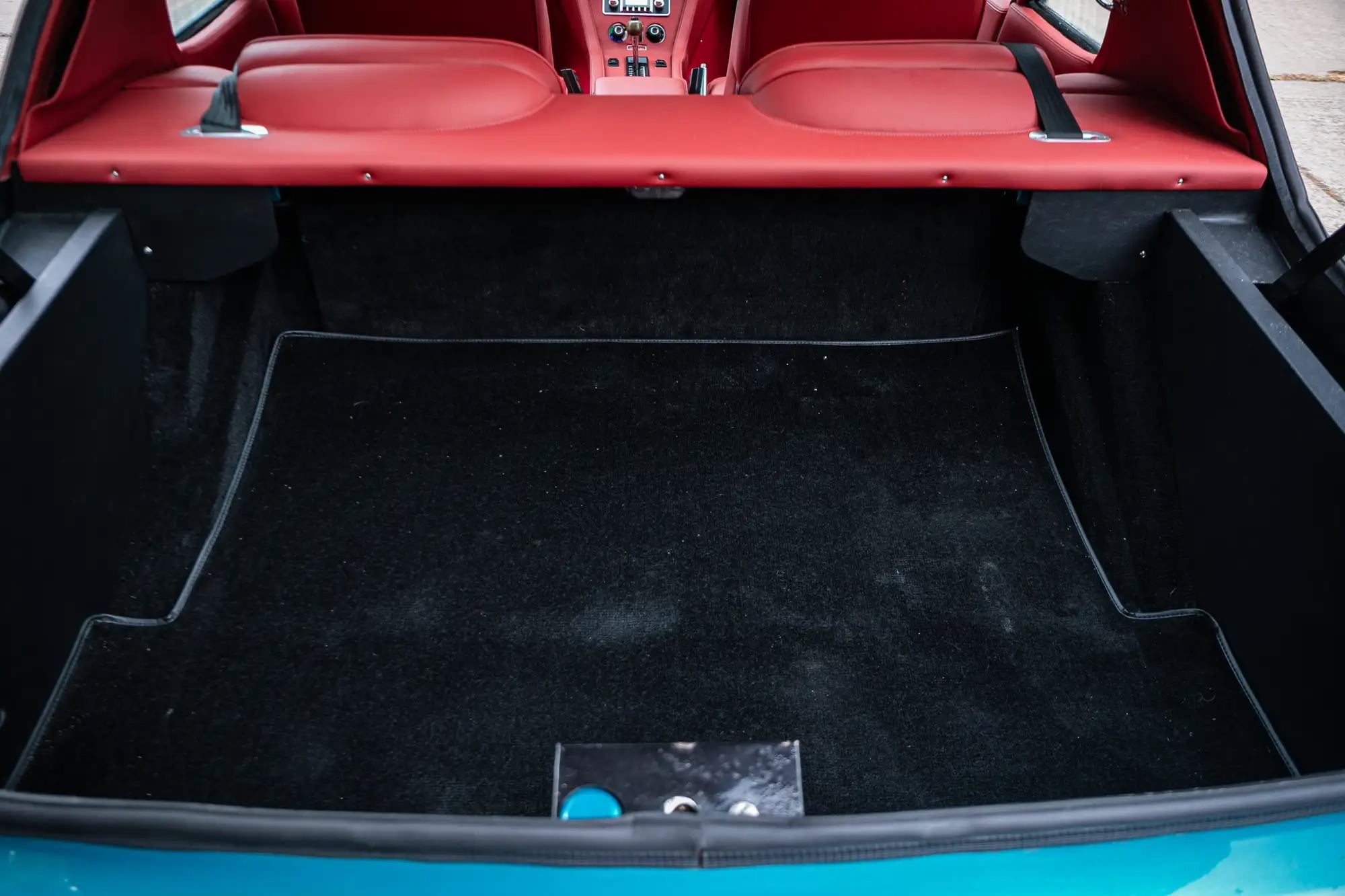
The paintwork returned the car to its original Reef Blue, and the cabin was re-trimmed in soft crimson leather. The history file contains extensive invoices documenting the bodywork, paint, trim, and mechanical work carried out during the restoration.
The paintwork returned the car to its original Reef Blue, and the cabin was re-trimmed in soft crimson leather. The history file contains extensive invoices documenting the bodywork, paint, trim, and mechanical work carried out during the restoration.
The car is now due to roll across the auction block with Iconic Auctioneers in late-July with a price guide of £40,000 – £50,000 which works out to approximately $53,740 – $67,180 USD. If you’d like to read more or register to bid you can visit the listing here.
Images courtesy of Iconic Auctioneers
Articles that Ben Branch has written have been covered on CNN, Popular Mechanics, Smithsonian Magazine, Road & Track Magazine, the official Pinterest blog, the official eBay Motors blog, BuzzFeed, Autoweek Magazine, Wired Magazine, Autoblog, Gear Patrol, Jalopnik, The Verge, and many more.
Silodrome was founded by Ben back in 2010, in the years since the site has grown to become a world leader in the alternative and vintage motoring sector, with well over a million monthly readers from around the world and many hundreds of thousands of followers on social media.