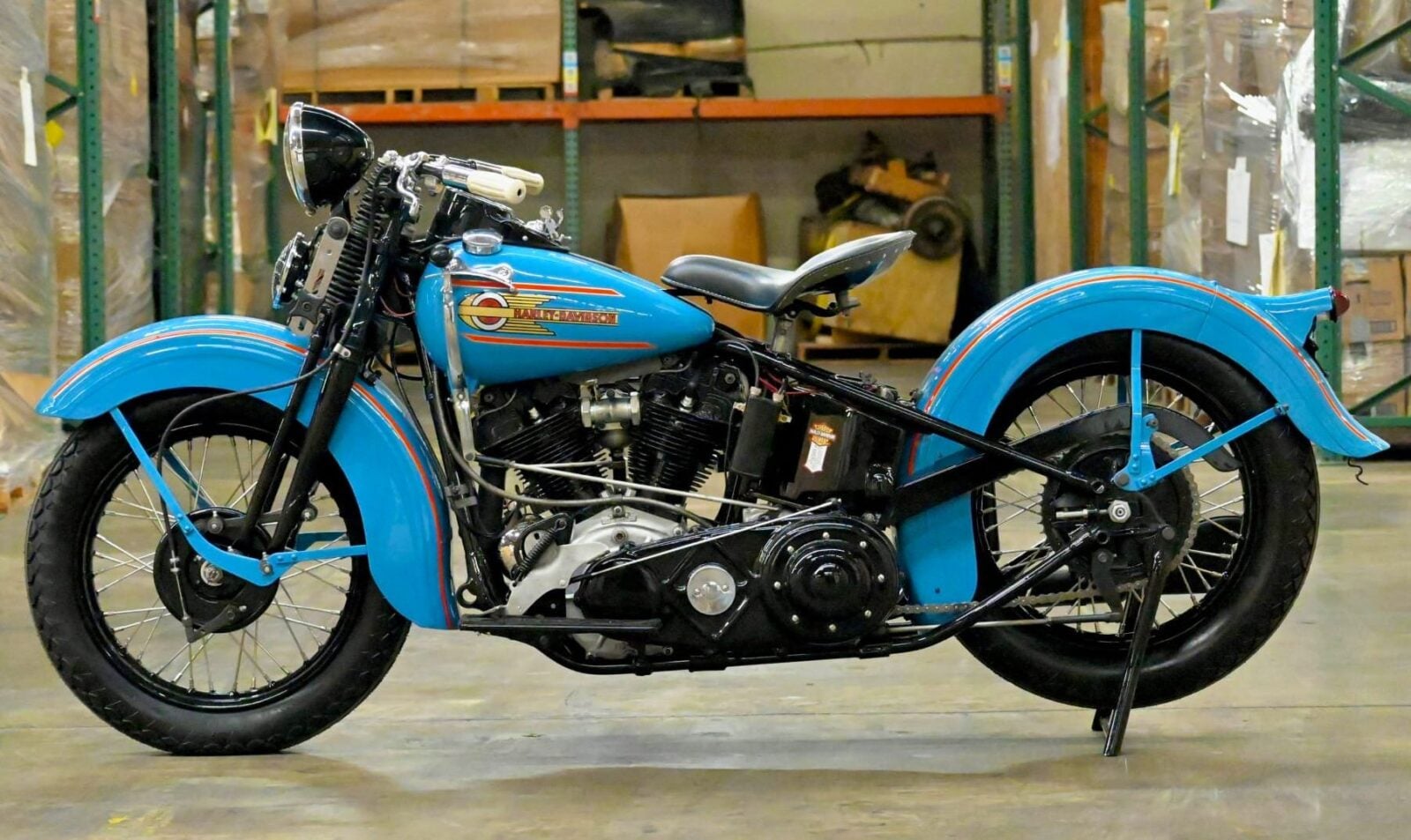
This is a beautifully restored 1937 Harley-Davidson EL Knucklehead, one of the most consequential American motorcycles of the 20th century by any measure, and now one of the most collectible production Harleys ever made.
These early pre-WWII Knuckleheads from the Great Depression-era represent survival in many respects. Thanks to them, Harley was able to live on when most American motorcycle manufacturers went under, and the company is still alive and kicking today as a result.
Fast Facts: The Harley-Davidson EL Knucklehead
- The Harley-Davidson EL Knucklehead marked a turning point for Harley during the Great Depression, arriving when the company badly needed a modern flagship. It introduced Harley’s first production overhead-valve V-twin, a new frame, springer forks, dry-sump lubrication, and styling cues that shaped the look of the company’s big twins for decades to come.
- The new 61 cubic inch engine used a 45º V-angle, pushrod-operated overhead valves, and a 4-speed transmission, with the high-compression EL rated at 40 bhp. That gave it excellent performance for its time, but early 1936 machines suffered from valve spring failures, lubrication issues, and oil leaks that required dealer fixes.
- Harley moved quickly to prove the design once those early faults were addressed. In March of 1937, Joe Petrali set a world motorcycle speed record at Daytona Beach with a two-way average of 136.183 mph on a modified Knucklehead. Later that year, Fred Ham set a 24-hour endurance record at Muroc, helping to firmly establish the engine’s reputation.
- The Knucklehead evolved through the late 1930s and 1940s, with enclosed valve gear from 1938 and the larger 74 cubic inch FL arriving in 1941. Production was badly disrupted by World War II, but the model lasted through 1947 before the Panhead replaced it in 1948.
History Speedrun: The Harley-Davidson EL Knucklehead
By the early 1930s, Harley-Davidson was in trouble – The Great Depression had devastated the American motorcycle industry, and total US sales had hit a historic low in 1933 that has never been matched since. Many American manufacturers went under entirely, Harley survived, but its aging flathead engines were losing ground to rival Indian, and any investment in a new, more advanced model carried enormous risk.
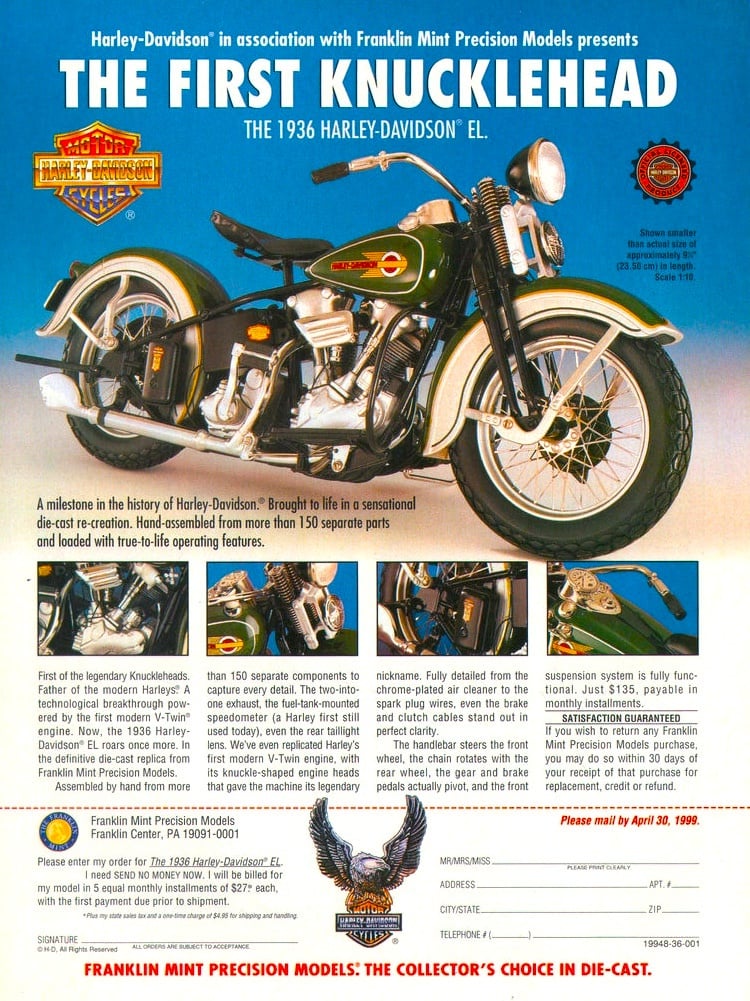
 A dramatic diagonal line from the teardrop gas tank to the rear axle, later known simply as “The Line,” gave the bike a profile that would define Harley-Davidson’s big-twin silhouette for decades. In some respects it still does. Image courtesy of Franklin Mint.
Chief Engineer William S. Harley, one of the company’s four co-founders and a University of Wisconsin-trained mechanical engineer, led the effort to develop something entirely new. It would be Harley-Davidson’s first production overhead-valve V-twin, and the project was conducted in extraordinary secrecy. Test riders were instructed to stay away from towns and dealerships, and experimental models carried no identifying marks.
The result debuted in 1936 as the Model E, it was a 61 cubic inch (989cc) overhead-valve V-twin set in a completely new twin-downtube steel cradle frame with leading-link springer forks and a hardtail rear end. The engine used a 45º cylinder angle, pushrod-actuated overhead valves with two valves per cylinder, a single four-lobe camshaft, and a dry-sump recirculating oil system with a two-stage pump, replacing the old total-loss system that had dumped oil onto the road.
With a bore of 3.31 inches and a stroke of 3.5 inches, the high-compression EL model produced approximately 40 bhp at 4,800 rpm, while the standard E delivered about 37 bhp. These were excellent figures by the standards of the time, offering some of the best performance money could buy for an American-made motorcycle in this price range.
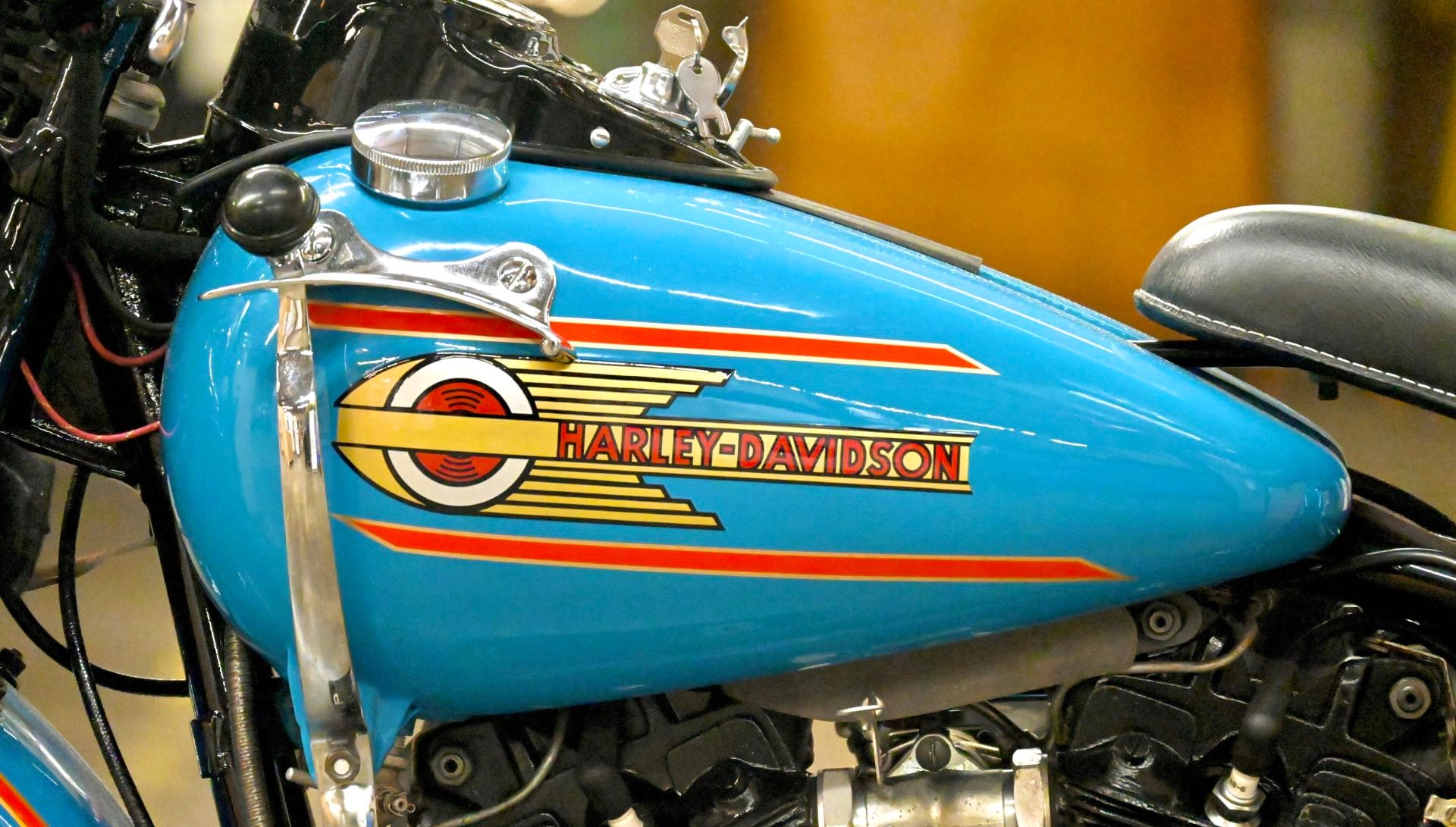
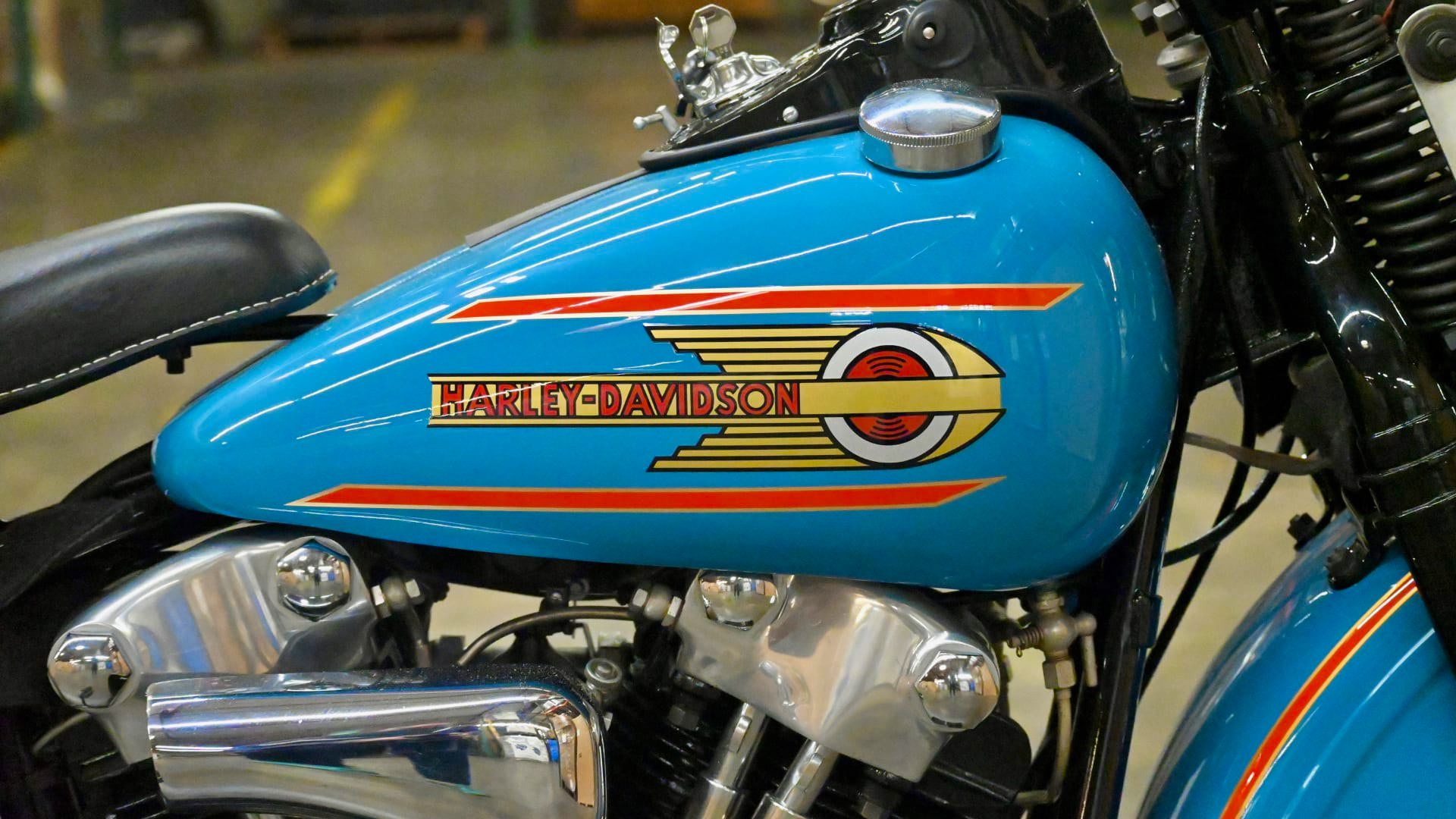
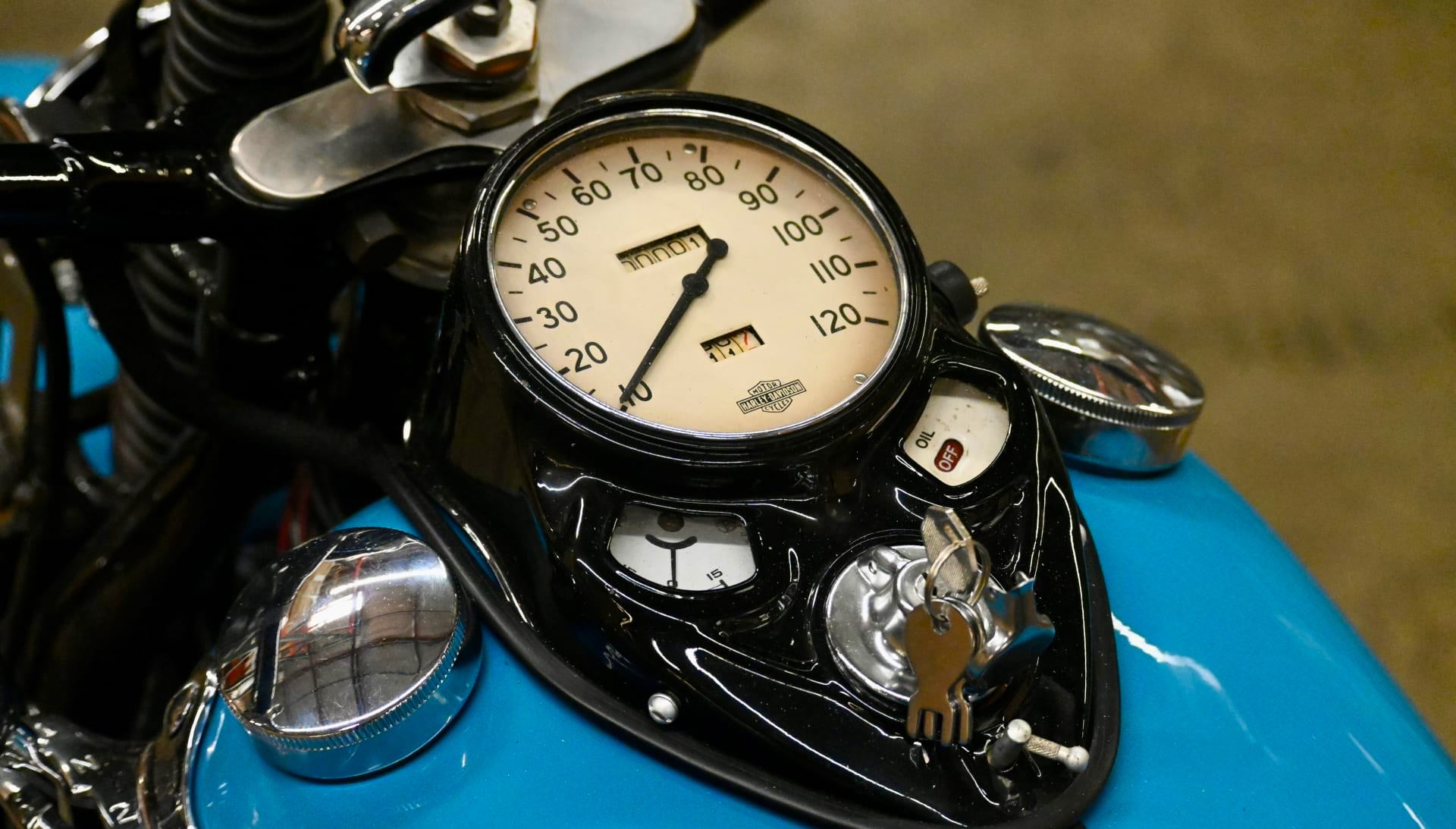
This motorcycle was a clean-sheet design in every respect, it introduced a new 4-speed constant-mesh transmission for the OHV big twin, a tank-top instrument panel with integrated speedometer and gauges, and striking Art Deco styling with the “Comet” tank emblem and two-tone paint options including Sherwood Green with Silver and Venetian Blue with Croydon Cream.
A dramatic diagonal line from the teardrop gas tank to the rear axle, later known simply as “The Line,” gave the bike a profile that would define Harley-Davidson’s big-twin silhouette for decades. In some respects it still does.
The Knucklehead’s Teething Issues
As promising as the new model was, the first-year of production was not without problems. Early engines suffered from valve spring breakage, poor rocker arm lubrication, and oil leaking from the top end. Harley sent repair kits to dealers to fix over 1,000 affected machines already on the road, and experts have since identified at least three distinct engine revisions within the 1936 model year alone.
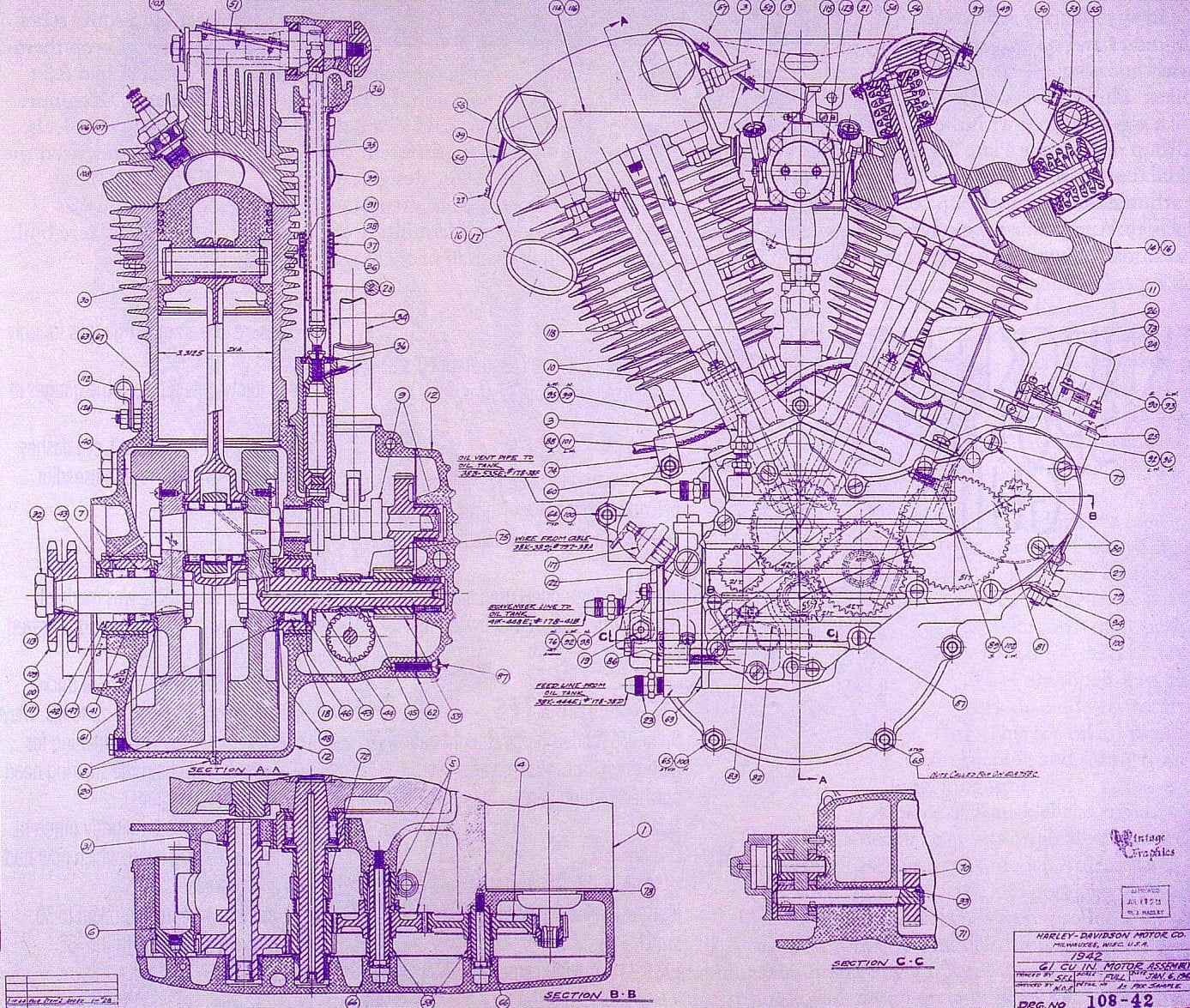
The Knucklehead engine has a 45º cylinder angle, pushrod-actuated overhead valves with two valves per cylinder, a single four-lobe camshaft, and a dry-sump recirculating oil system with a two-stage pump, replacing the old total-loss system that had dumped oil onto the road. Image courtesy of Harley-Davidson.
Despite these teething issues, the timing was fortunate, the economy was slowly recovering, and approximately 1,704 Knuckleheads were produced in the first year, the great majority of them the high-compression EL with its 40 horses offering bragging rights down at the saloon.
The World Records
By 1937, most early problems had been addressed, so the factory moved quickly to prove the engine’s performance credentials and put to bed any rumors about its reliability. On March the 13th, 1937, factory rider Joe Petrali rode a modified, partially streamlined Knucklehead down the sand at Daytona Beach to a two-way average of 136.183 mph, setting a new world motorcycle speed record.
Petrali’s 136.183 mph Daytona Beach run stood for 11 years until Rollie Free bettered it at Bonneville in 1948. Later in 1937, rider Fred Ham averaged 76 mph over 24 hours at Muroc Dry Lake in California, covering 1,825 miles and setting a new endurance record that went a long way to showcase the engine’s reliability.
The valve train, initially exposed for cooling, was enclosed from 1938 onward to reduce noise and dirt contamination, stiffer valve springs and splined gears arrived a year later in 1939.
The FL Series Knucklehead Arrives
In 1941, responding to demand for more power, Harley introduced the 74 cubic inch (1,200cc) FL model, achieved by increasing the bore to 3.43 inches. Both the 61 cubic inch and 74 cubic inch engines were offered through the end of production. That same year, only 2,452 of the new FLs were built before the factory shifted to wartime military production, making the 1941 FL an exceptionally rare bike.
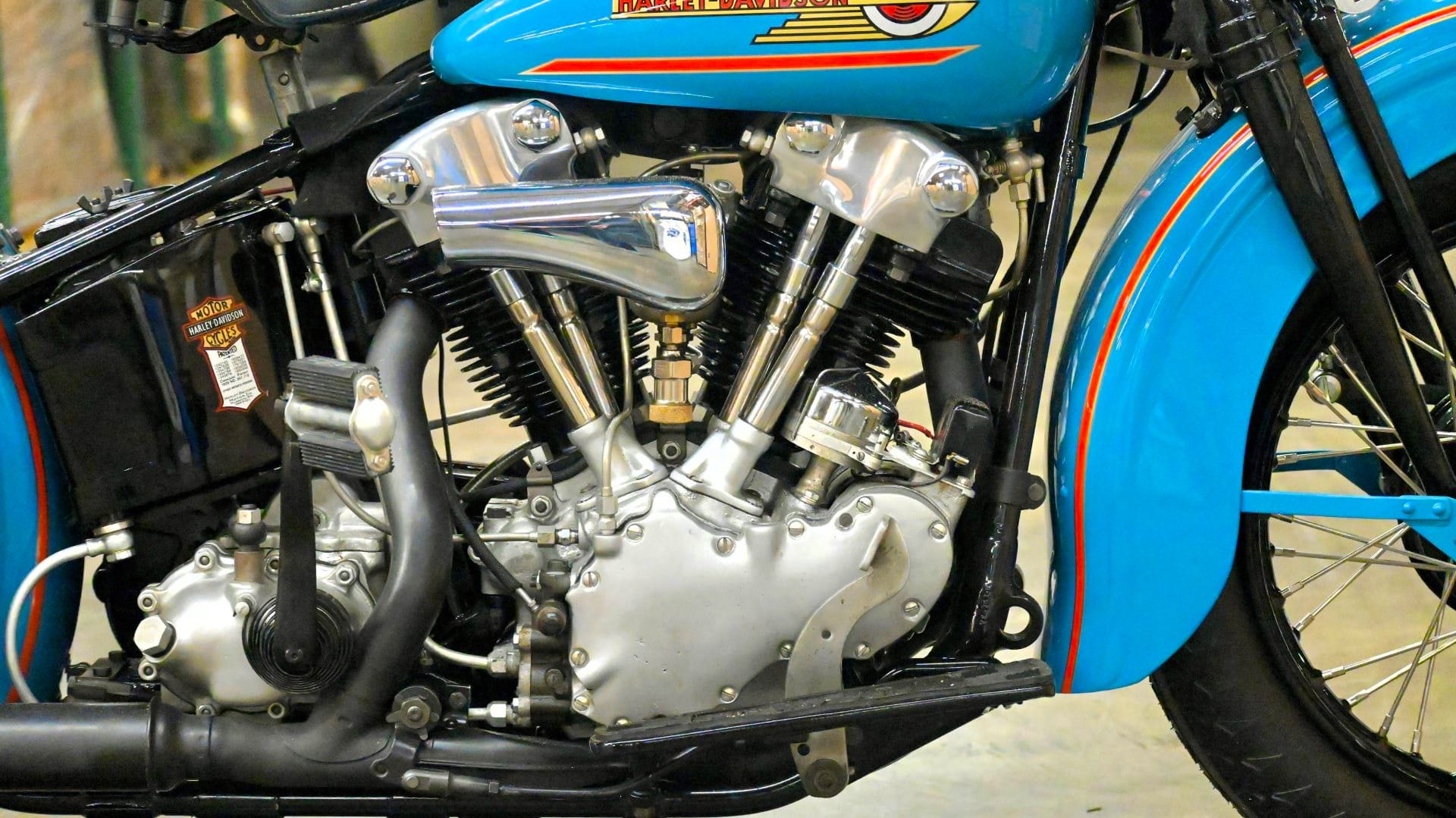
Inspired by the polished rocker box nuts that resembled the knuckles of a clenched fist, the “Knucklehead” name stuck, and launched a naming tradition, Panhead, Shovelhead, and beyond, that continues to define Harley-Davidson’s engine history.
World War II very nearly halted Knucklehead production altogether. In 1942, only 620 EL models left Milwaukee. In 1943, just 158 E-series bikes were built. Numbers did not recover to prewar levels until 1946. Sadly, William S. Harley himself did not see the end of the war as he died of heart failure on September the 18th, 1943, at the age of just 62.
Production resumed in earnest after the war, and the final Knuckleheads rolled off the line in 1947. In 1948, Harley-Davidson introduced a new top end with aluminum cylinder heads and inverted pan-shaped rocker covers,Harley enthusiasts would later call it the Panhead. It’s estimated that roughly 41,000 Knuckleheads were built across all twelve model years.
The Origins Of The Nickname
It’s worth noting that the “Knucklehead” nickname itself is a retronym. During production, riders and Harley’s own literature simply called the engine the “OHV” or the “61.” The name appears to have first been used in the years after World War II, once the Panhead’s arrival in 1948 gave riders a reason to distinguish the older engine, and it became widespread through California’s chopper culture in the 1960s.
Inspired by the polished rocker box nuts that resembled the knuckles of a clenched fist, it stuck, and launched a naming tradition, Panhead, Shovelhead, and beyond, that continues to define Harley-Davidson’s engine history.
Interestingly, aftermarket manufacturers like S&S Cycle still produce complete Knucklehead-style crate engines, ensuring the design remains alive in the custom and vintage motorcycle community. You have to wonder what William S. Harley would think, if he knew that the engine he developed was still in production 90 years after it first ran on the test bench in the Harley factory.
The 1937 Harley-Davidson EL Knucklehead Shown Here
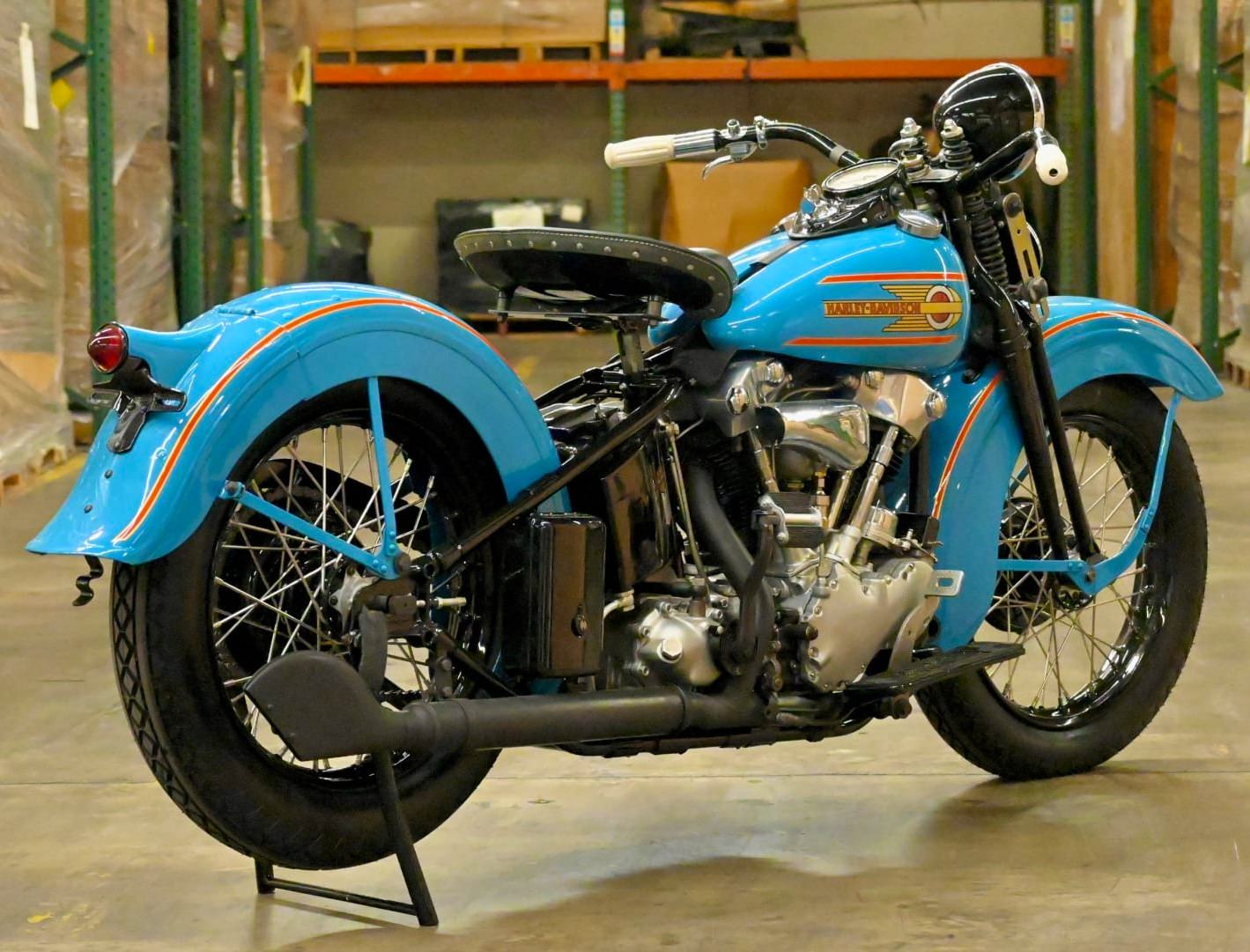
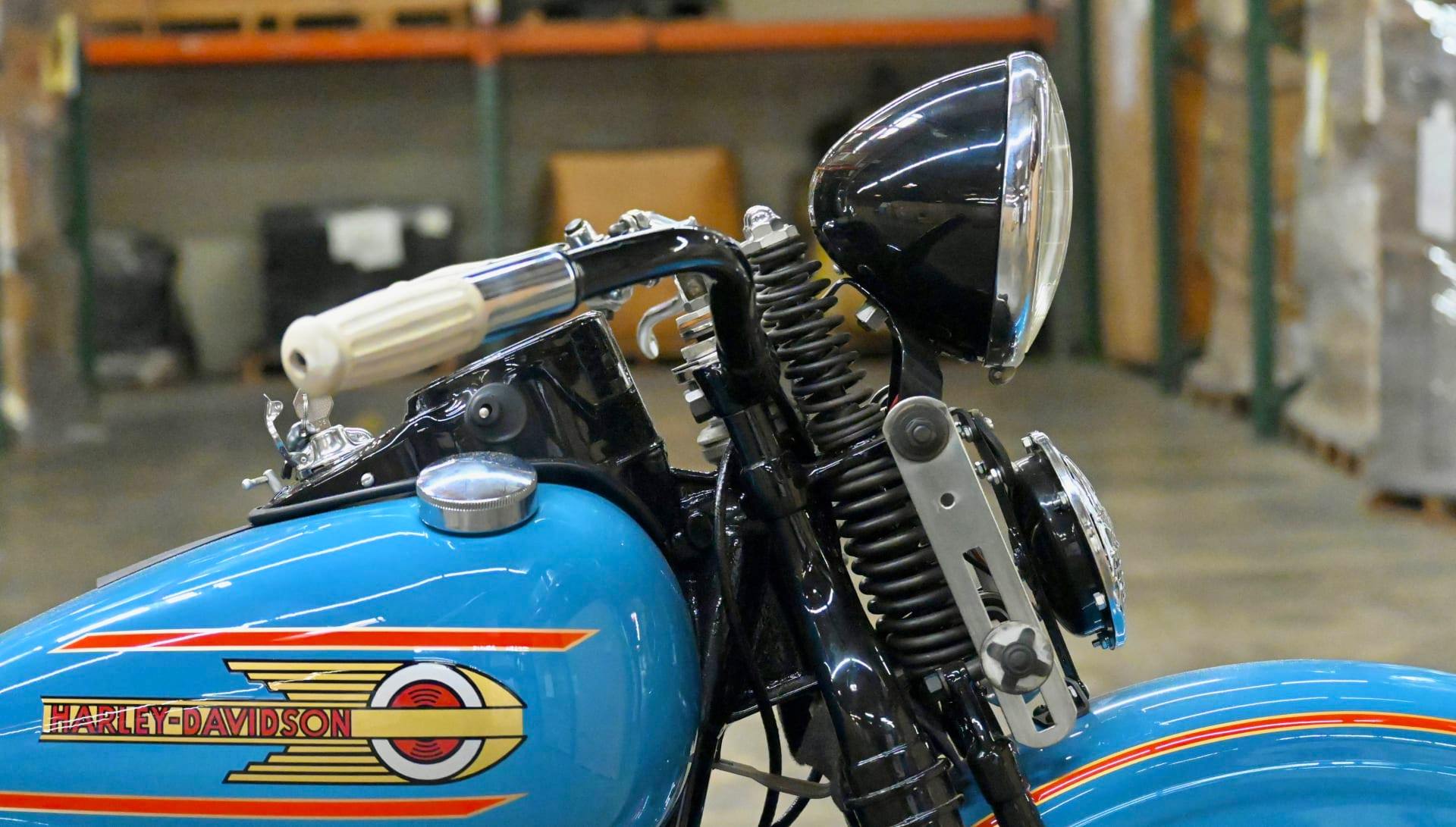
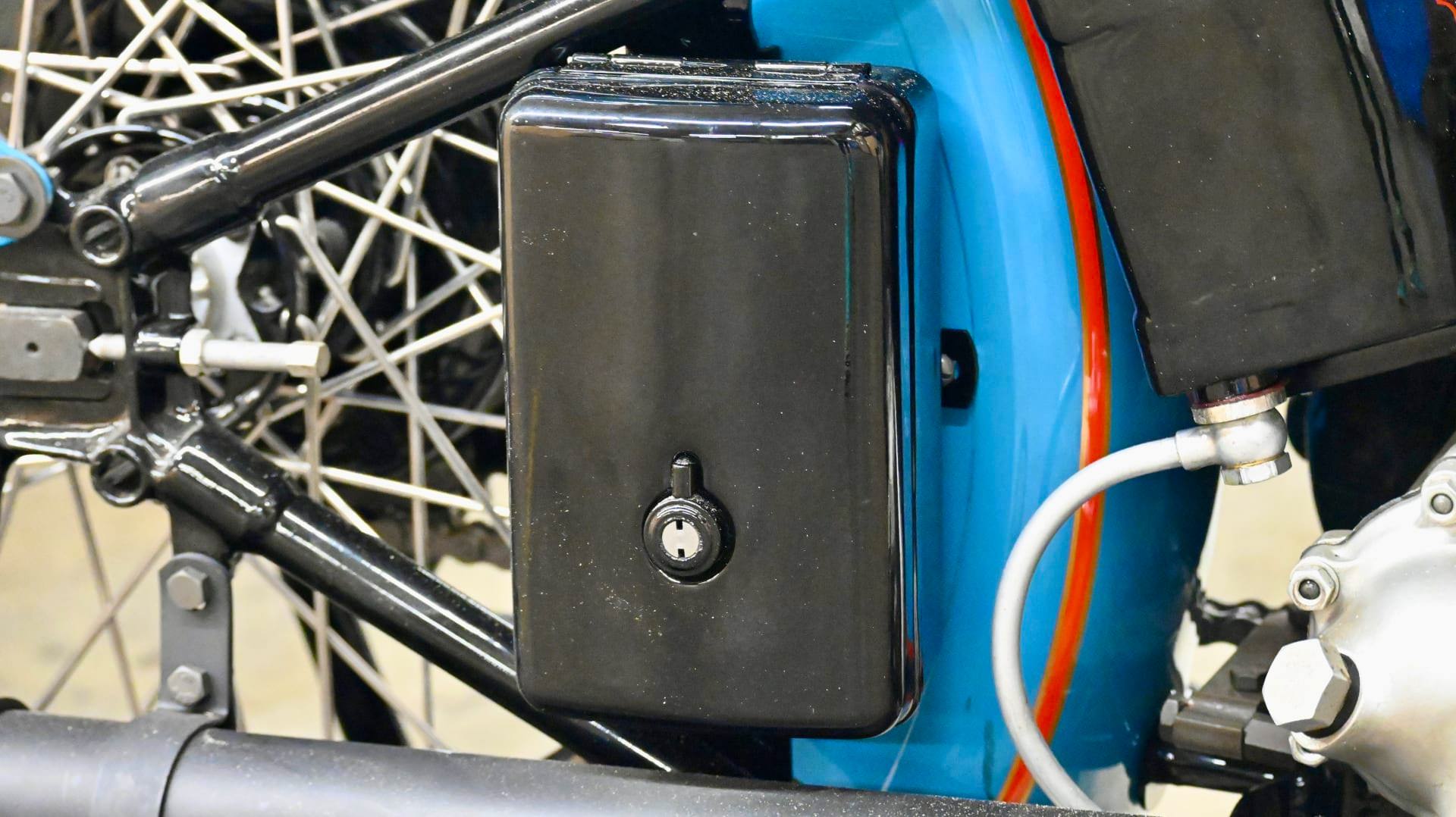
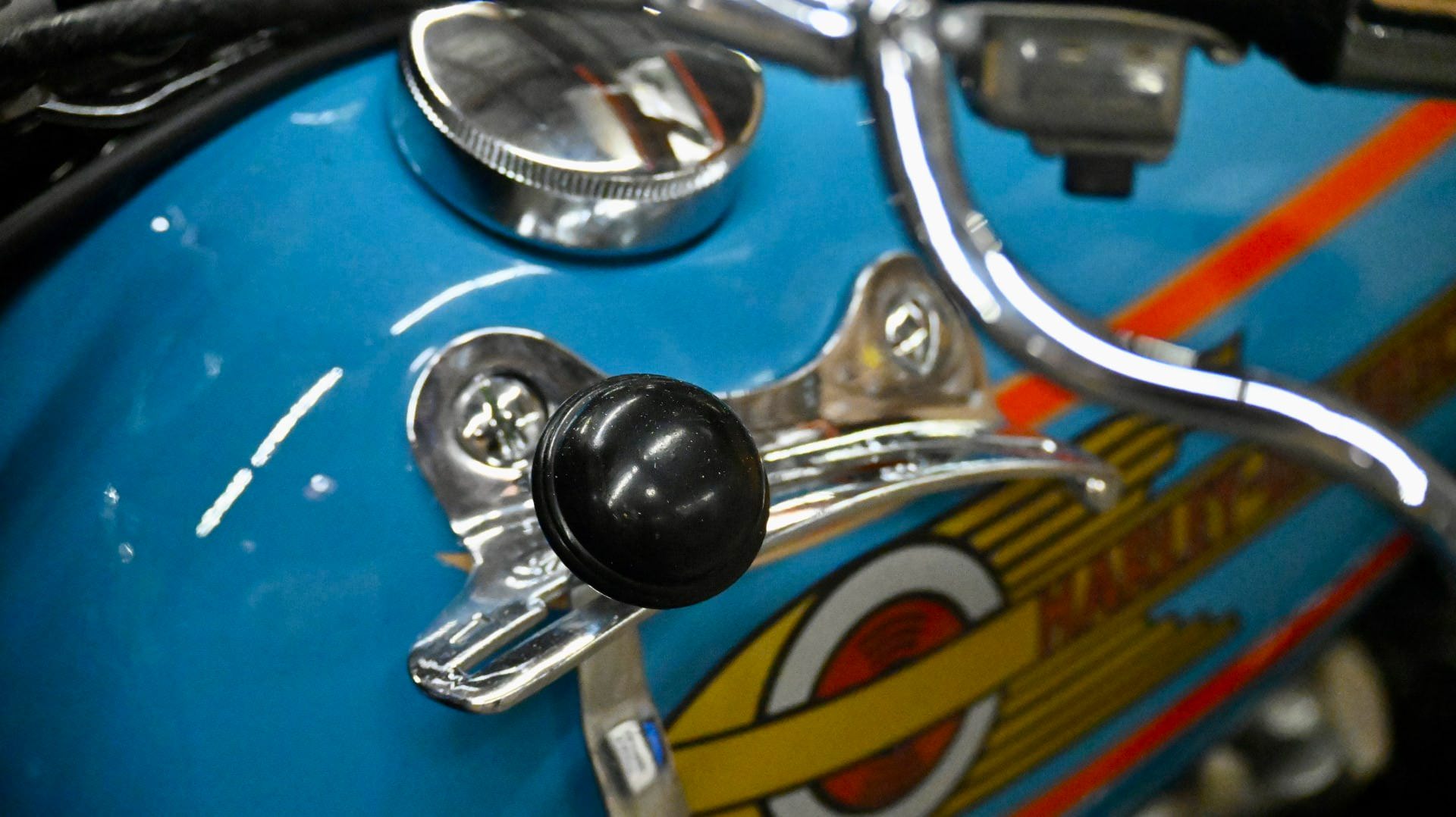
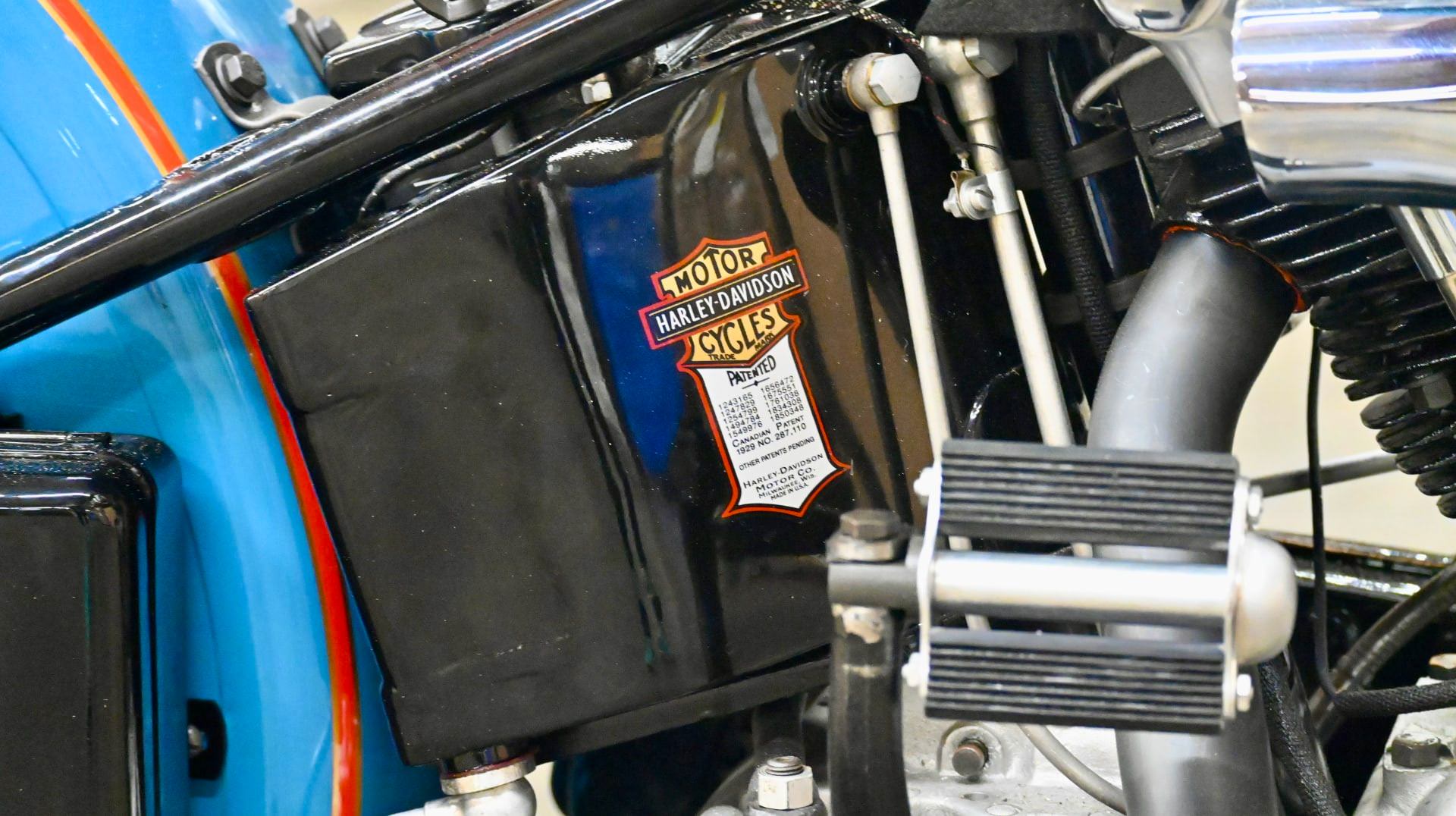
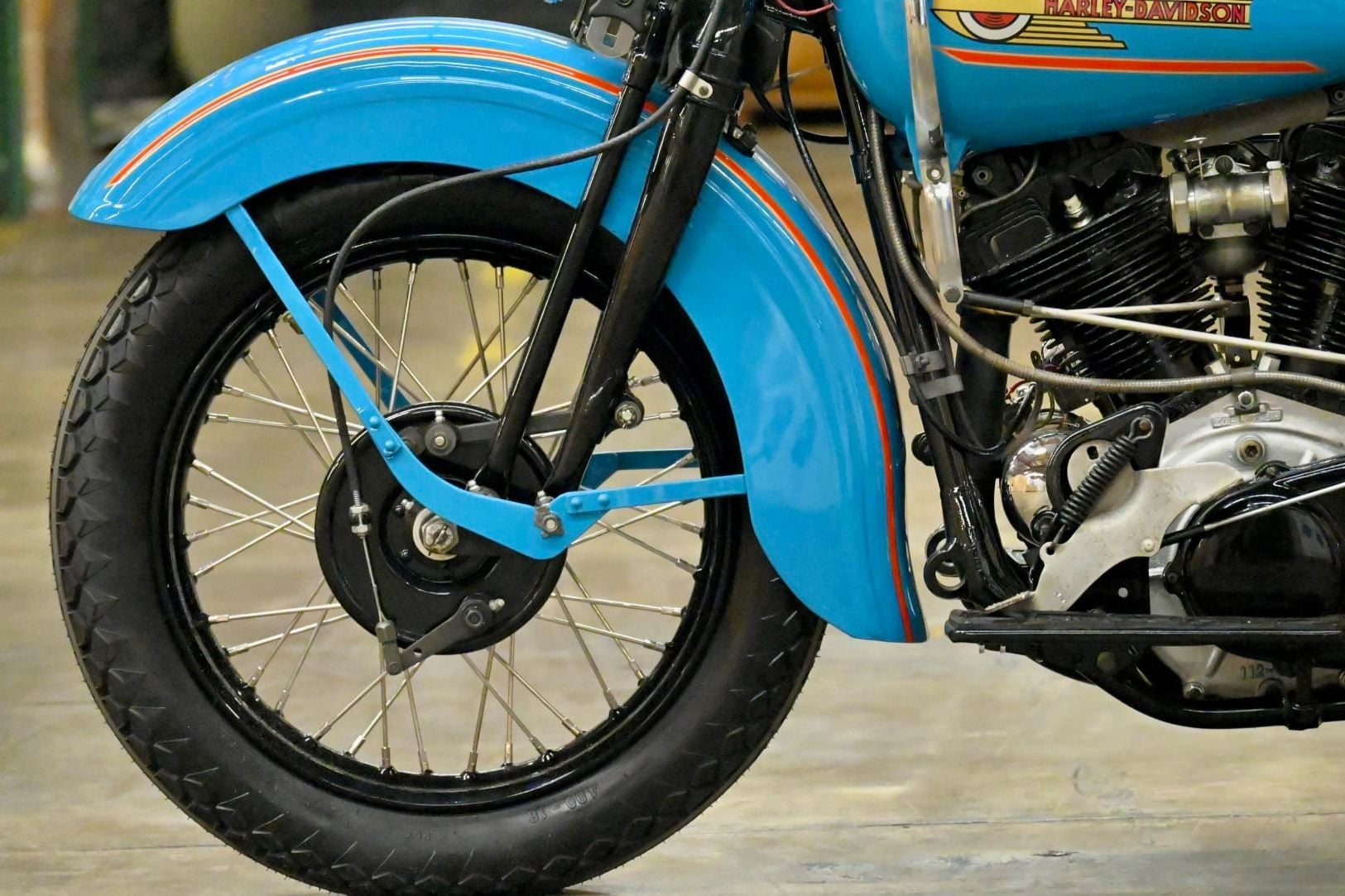
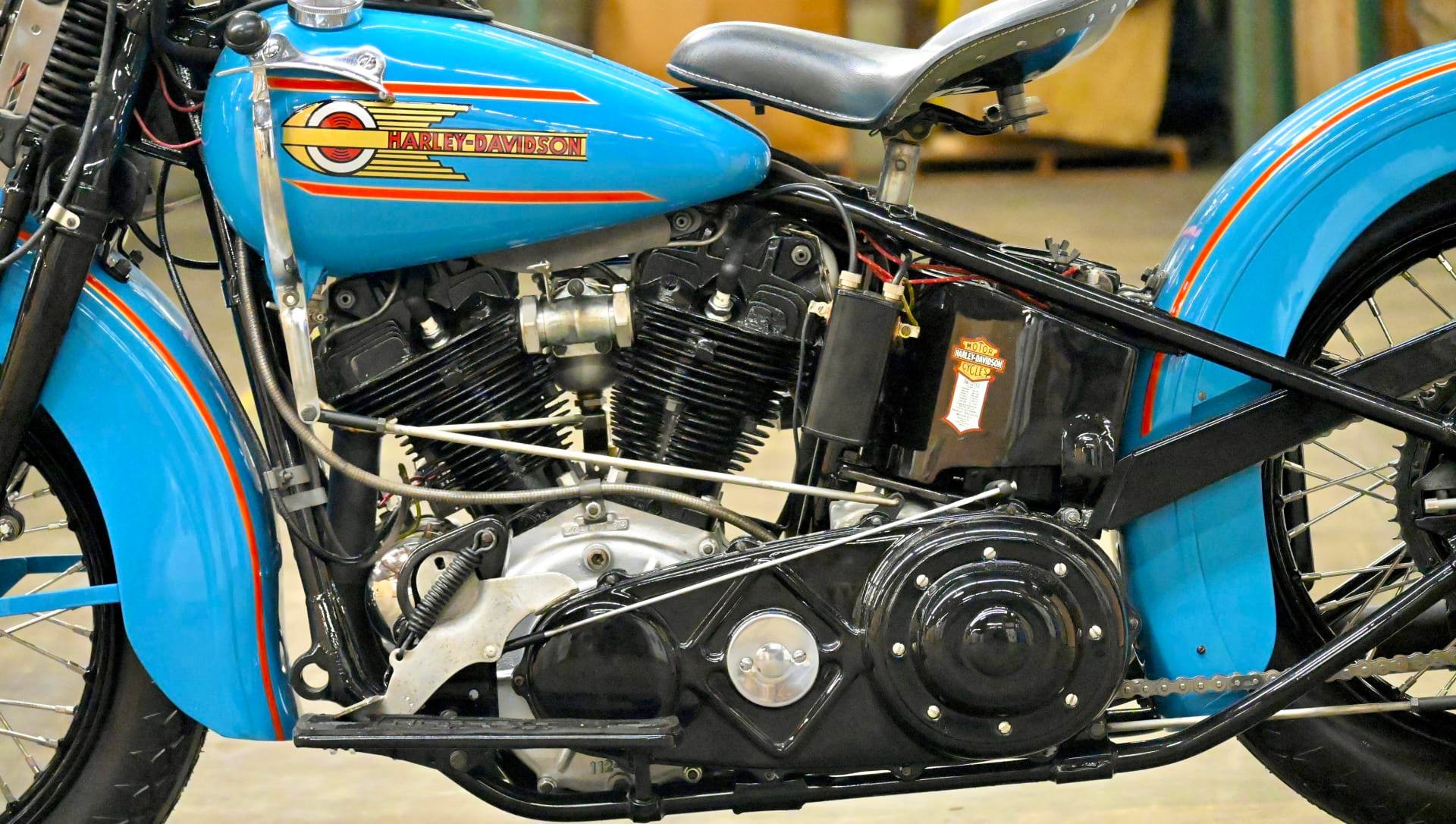
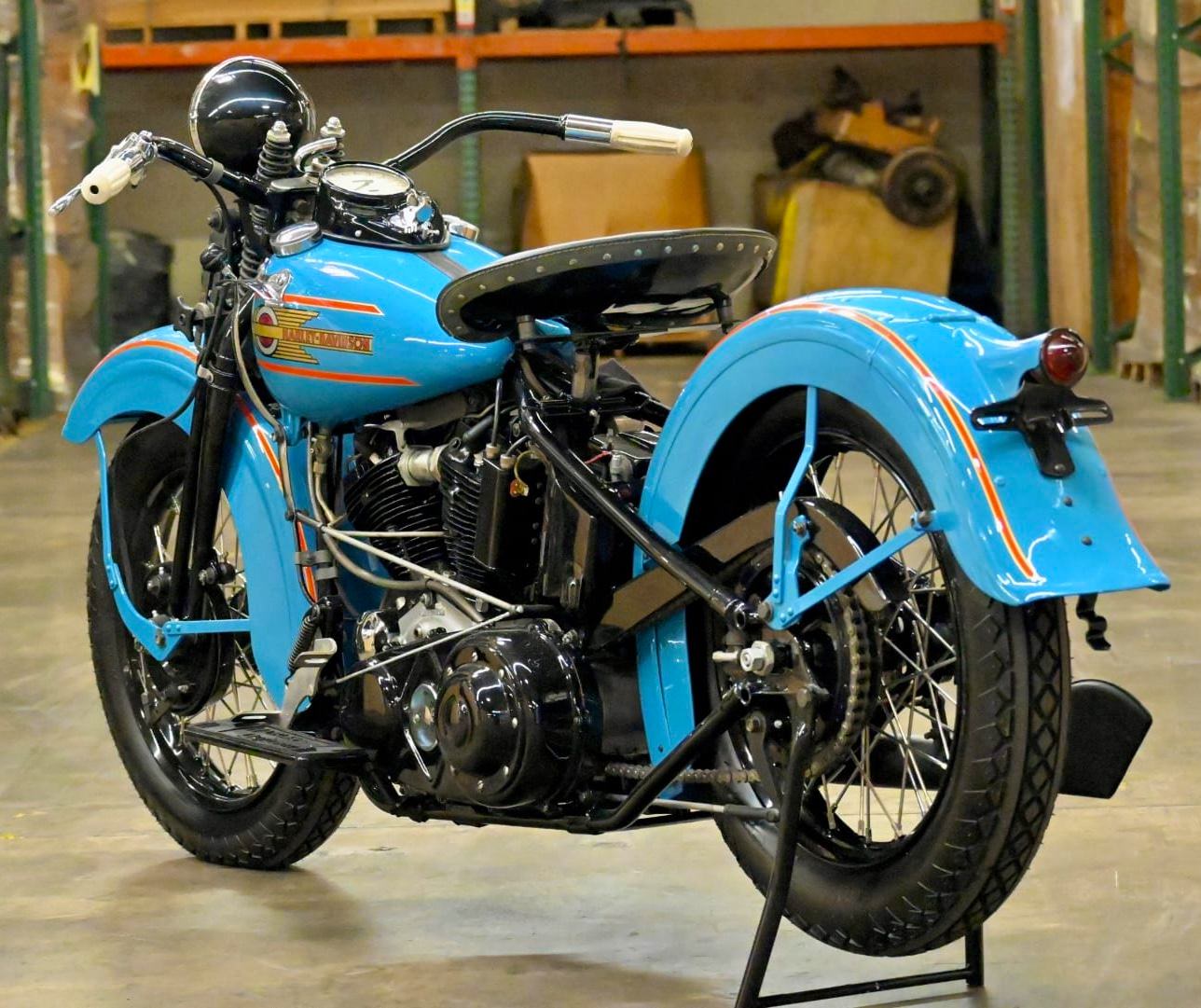
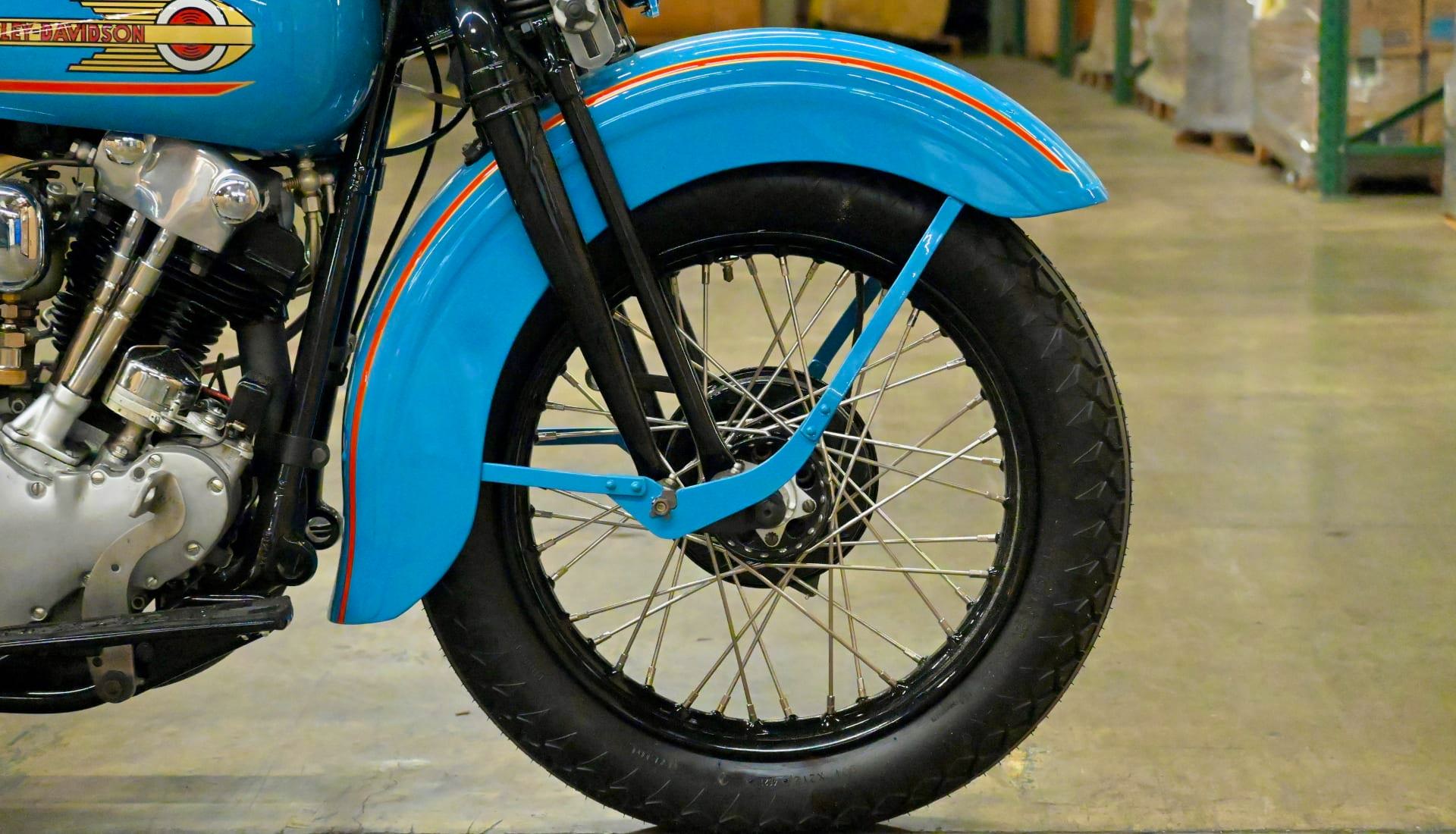
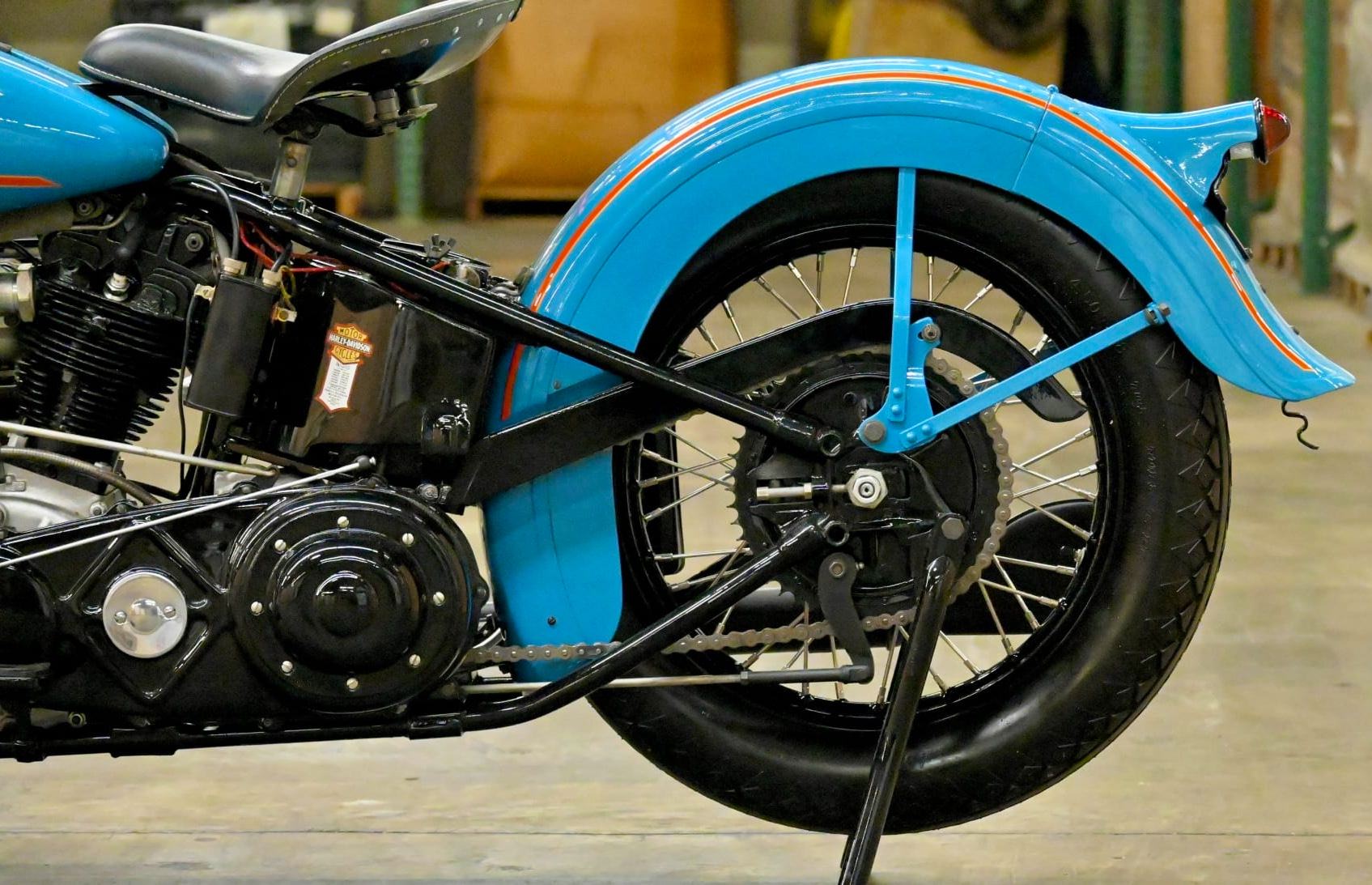
The motorcycle you see here is a 1937 Harley-Davidson EL Knucklehead that benefits from a full restoration. It keeps many of its original parts, including the forks, carburetor, fuel tank, speedometer and instrument panel, generator, headlight assembly, handlebars, twist grips and levers, footboards, and more.
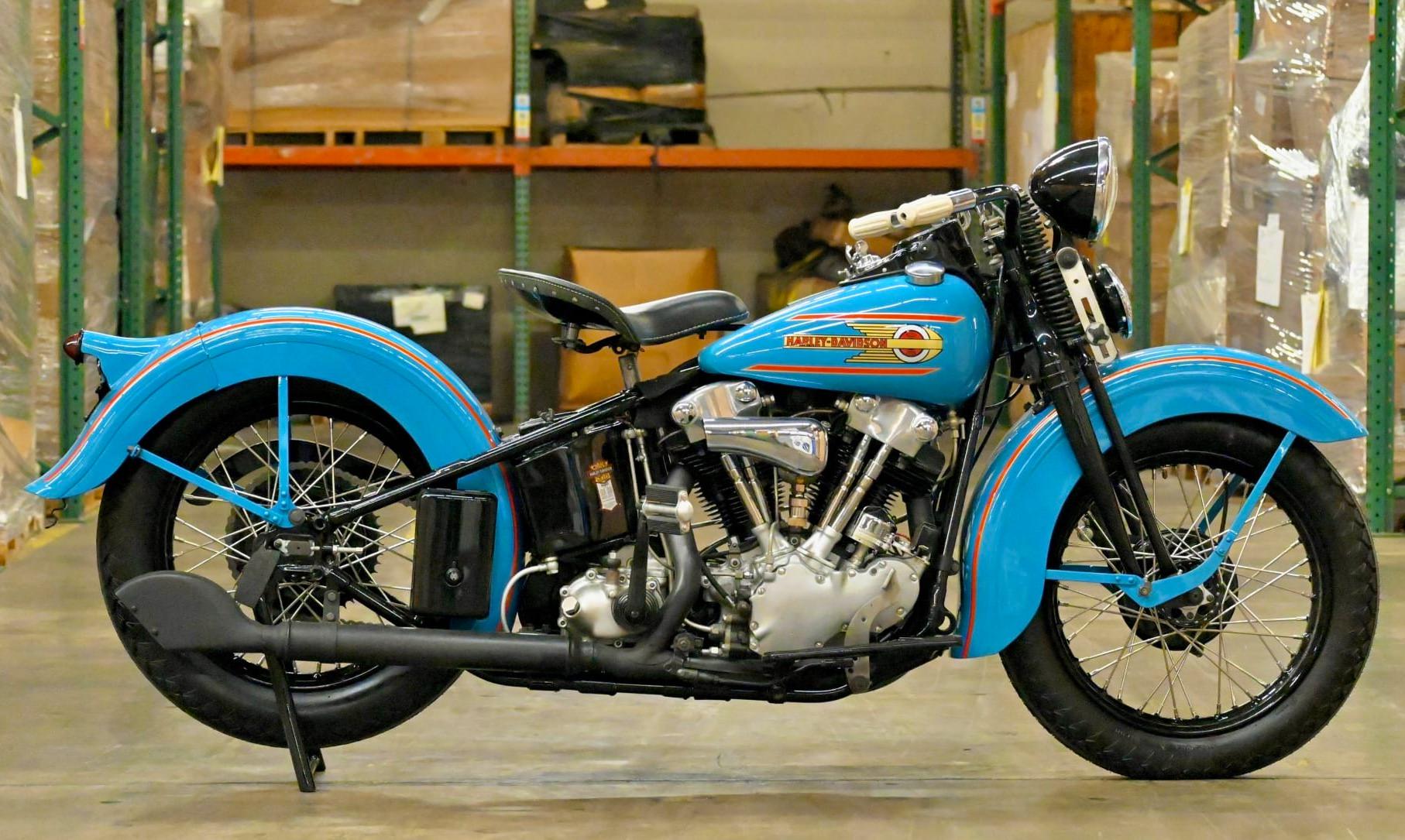
The motorcycle you see here is a 1937 Harley-Davidson EL Knucklehead that benefits from a full restoration. It keeps many of its original parts, including the forks, carburetor, fuel tank, speedometer and instrument panel, generator, headlight assembly, handlebars, twist grips and levers, footboards, and more.
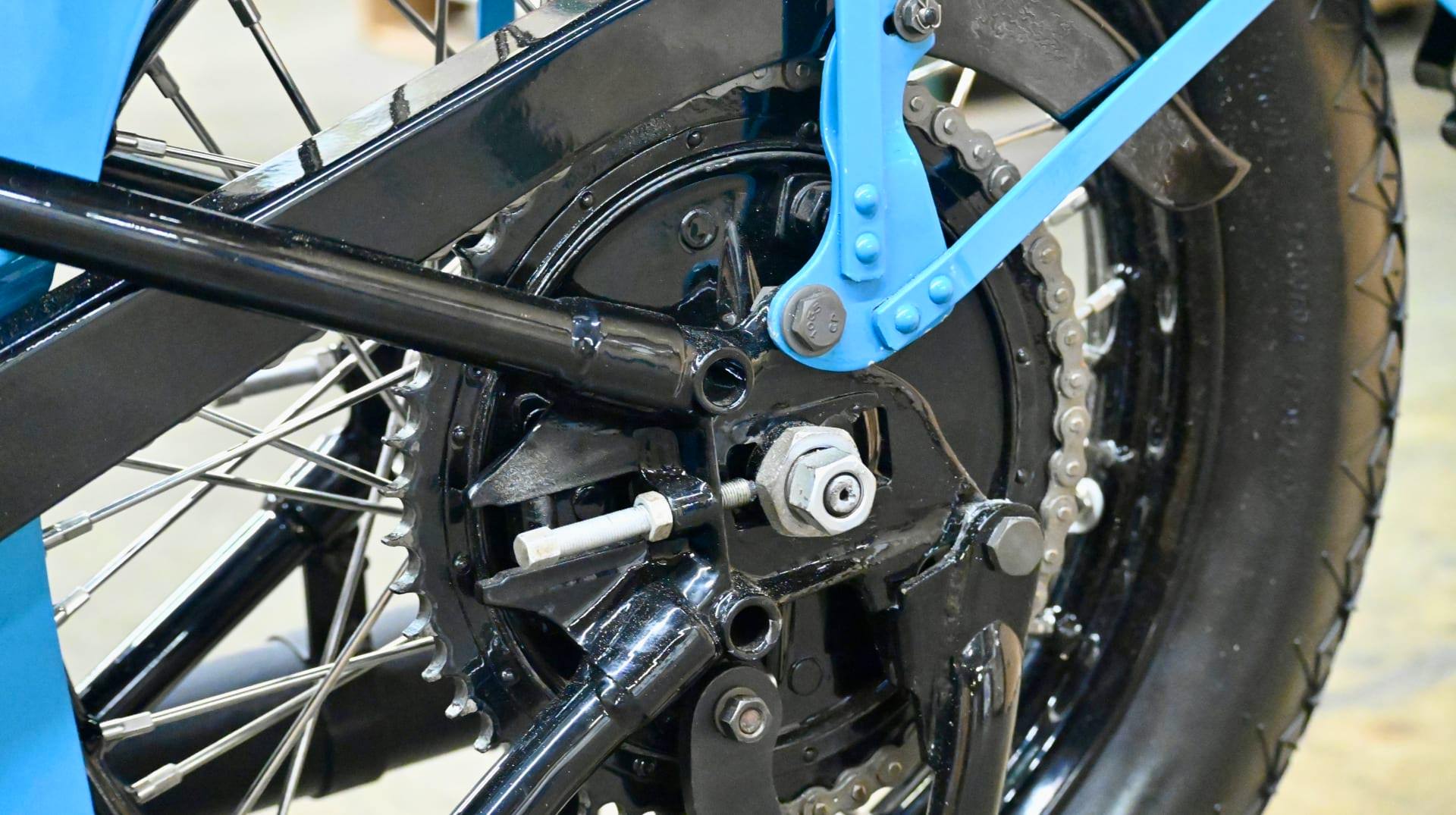
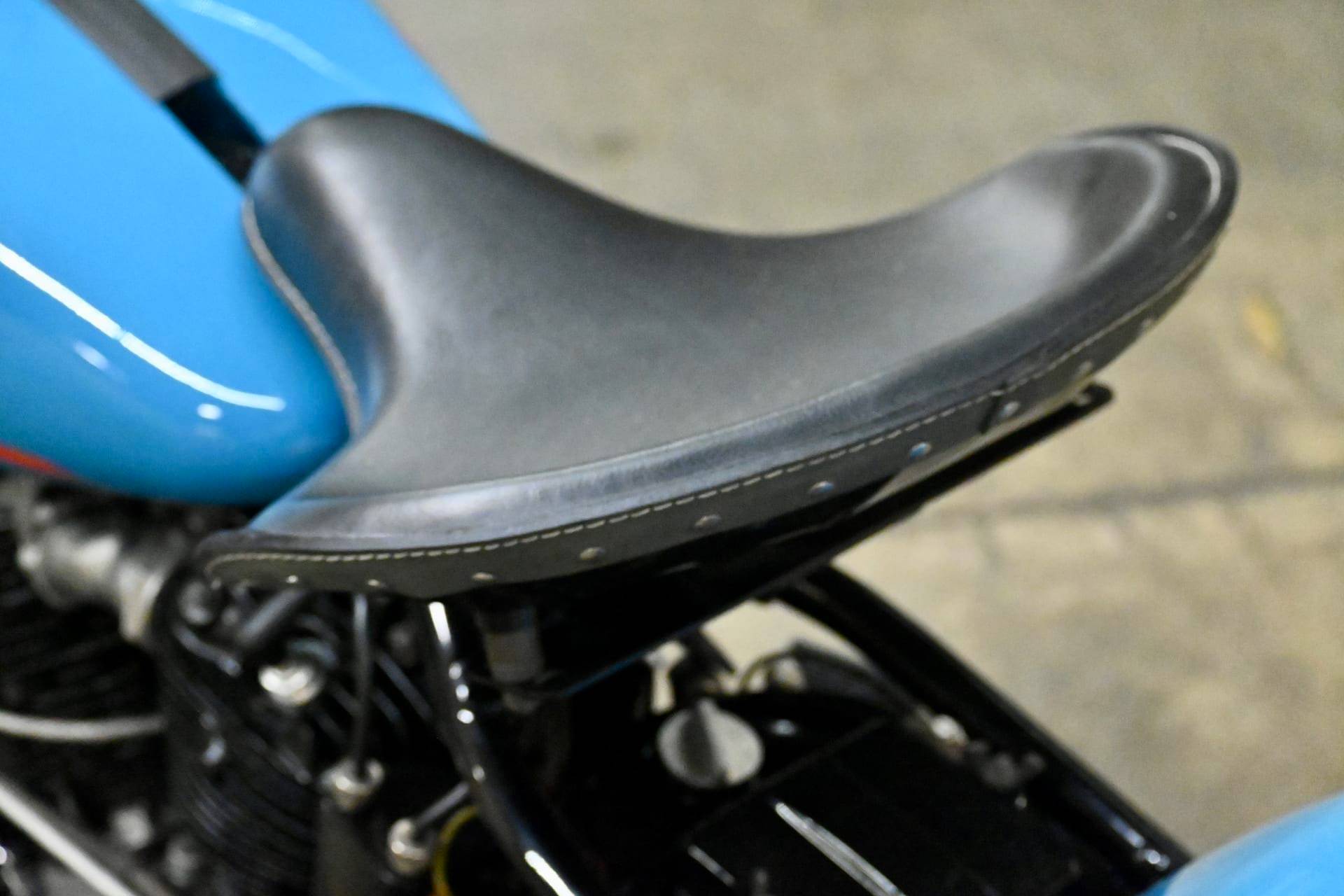
The bike now has a rebuilt engine with balanced crank, new pistons, and new valves, as well as a new oil pump, updated ignition coil, and clutch assembly. It also has a new wiring harness, seat, and tires, and restored original hubs and rims with new stainless steel spokes.
It’s now due to roll across the auction block with Mecum in mid-May and you can visit the listing here if you’d like to read more about it or register to bid.
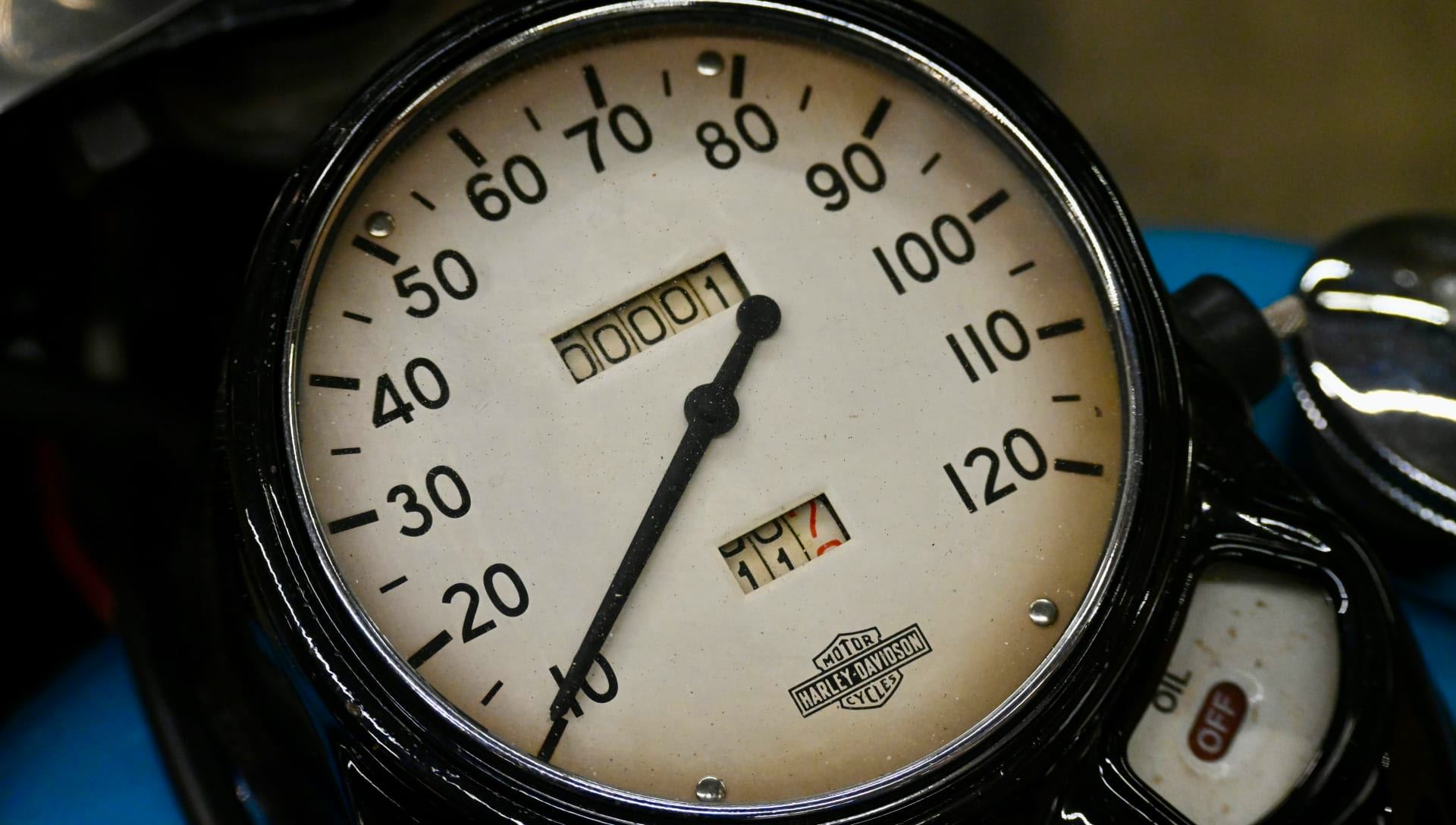
Images courtesy of Mecum

Articles that Ben Branch has written have been covered on CNN, Popular Mechanics, Smithsonian Magazine, Road & Track Magazine, the official Pinterest blog, the official eBay Motors blog, BuzzFeed, Autoweek Magazine, Wired Magazine, Autoblog, Gear Patrol, Jalopnik, The Verge, and many more.
Silodrome was founded by Ben back in 2010, in the years since the site has grown to become a world leader in the alternative and vintage motoring sector, with well over a million monthly readers from around the world and many hundreds of thousands of followers on social media.