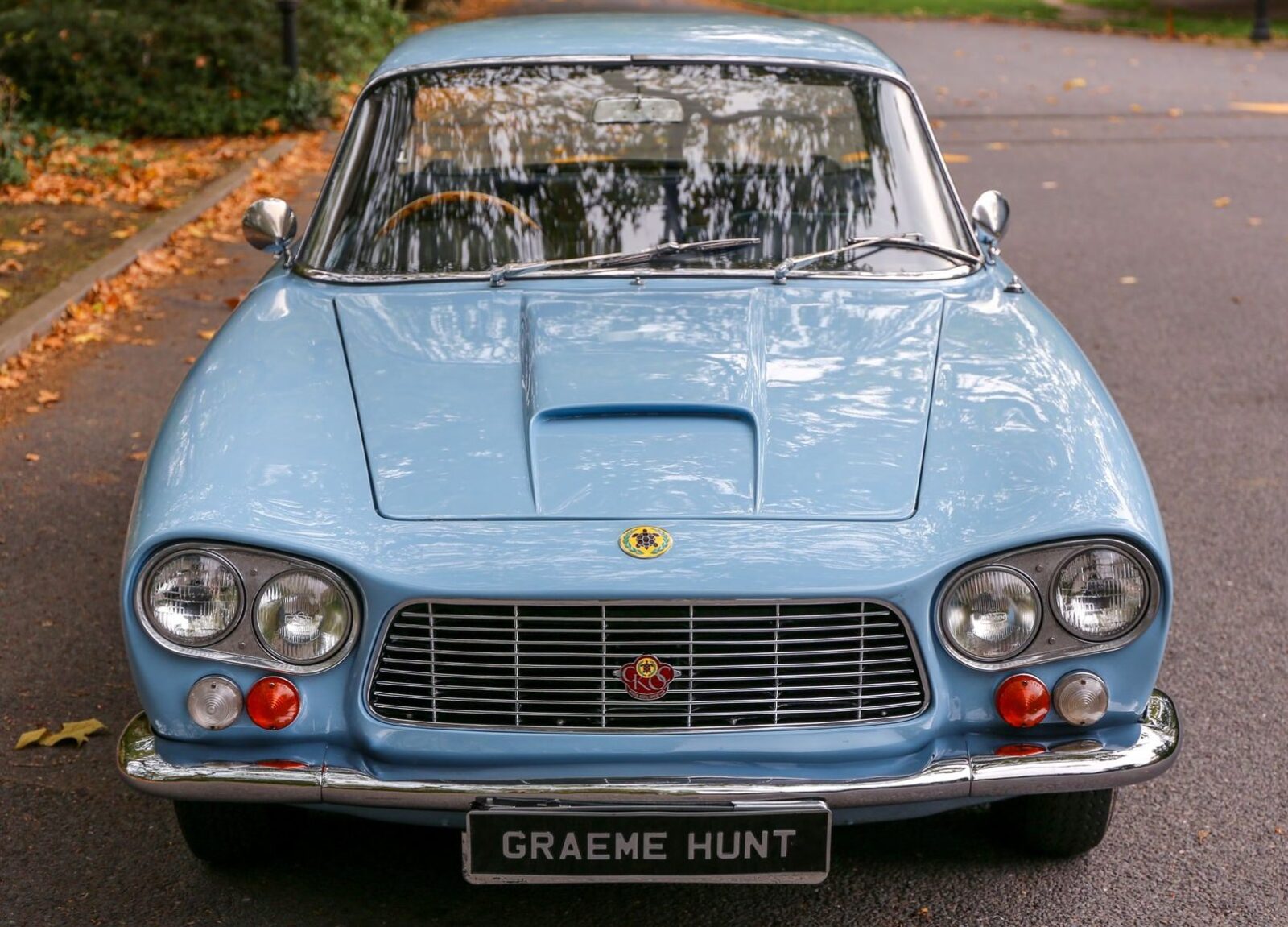
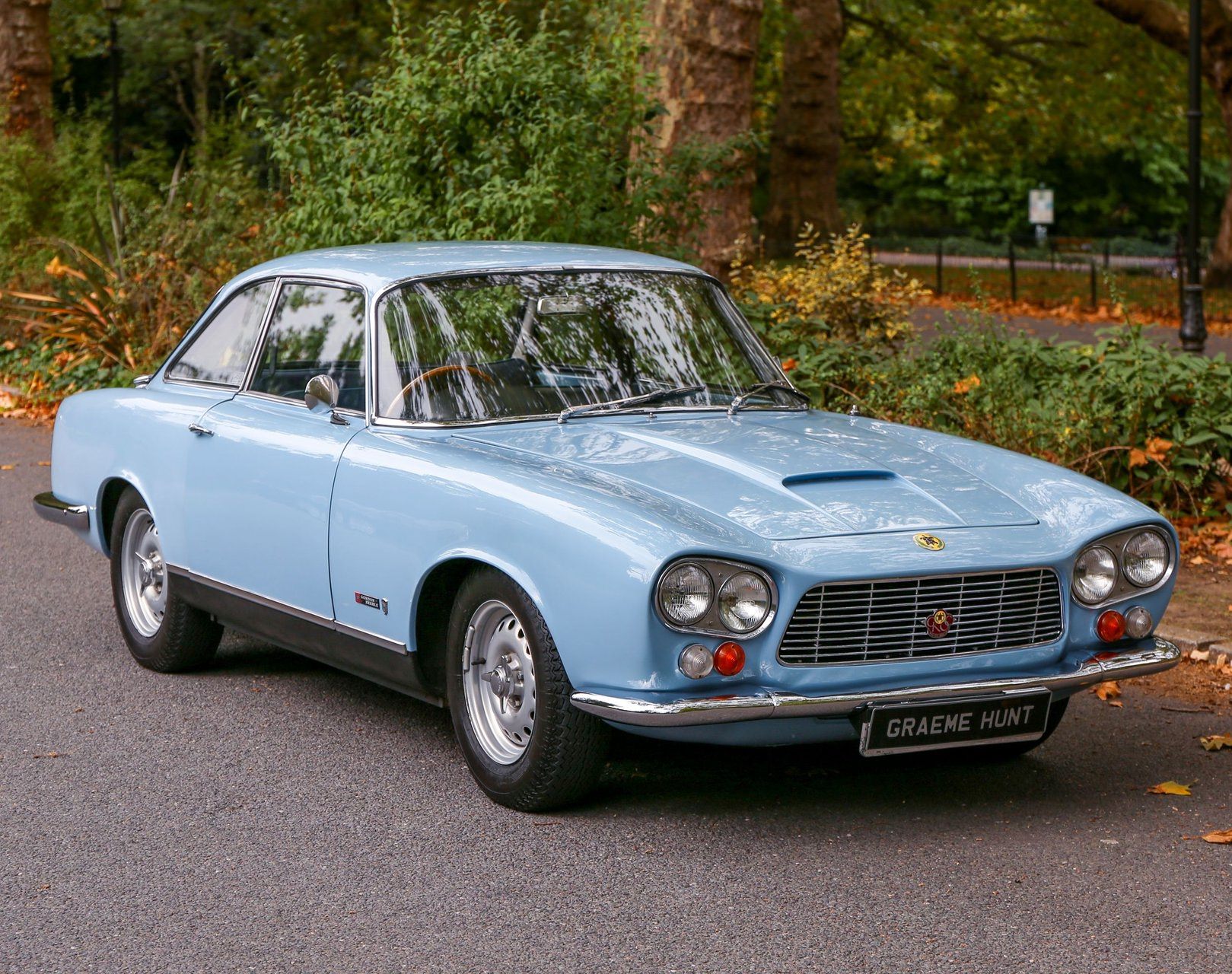
This is a rare Gordon-Keeble GK1, fewer than 100 of these were made, all powered by a fire-breathing American V8 and capable of performance that quickly humbled far more exotic and expensive machinery.
The Gordon-Keeble was developed in Britain, with a body designed by Giorgetto Giugiaro at Bertone in Italy. It was a luxury grand tourer in every sense of the term, and when the prototype was sent to Detroit, Chevrolet management immediately agreed to supply Corvette V8 engines for the new car.
Fast Facts: The Gordon-Keeble GK1
- The Gordon-Keeble GK1 was a low-volume British grand tourer, with fewer than 100 built between 1964 and 1967. It combined a spacious four-seat layout with Chevrolet Corvette V8 power, delivering performance that rivaled or exceeded far more expensive European exotics of the era.
- The project grew out of the earlier Peerless GT, developed by Peerless Cars Ltd, founded by John Gordon and James Byrnes. After Peerless folded, Gordon partnered with engineer Jim Keeble, inspired by a Corvette V8-swapped Peerless prototype that dramatically outperformed the original Triumph-powered car.
- Gordon and Keeble commissioned Giorgetto Giugiaro at Bertone to design the body, debuting the steel prototype at the 1960 Geneva Motor Show. General Motors later approved Corvette engine supply. Production cars used a fiberglass body and a 5.4 litre Corvette V8 producing 300 bhp.
- Despite incredible performance stats, Gordon-Keeble struggled with supplier delays and limited capital, ending production after only a few years. Surviving cars are rare and highly collectible, loved for their engineering, styling, and relative affordability compared with contemporary Aston Martins, Ferraris, and Maseratis.
History Speedrun: Gordon-Keeble Cars
The origins of the Gordon-Keeble lie with an earlier automaker named Peerless. There has been more than one automaker named Peerless, however the British Peerless, named Peerless Cars Ltd, was founded in 1957 by John Gordon and James Byrnes.
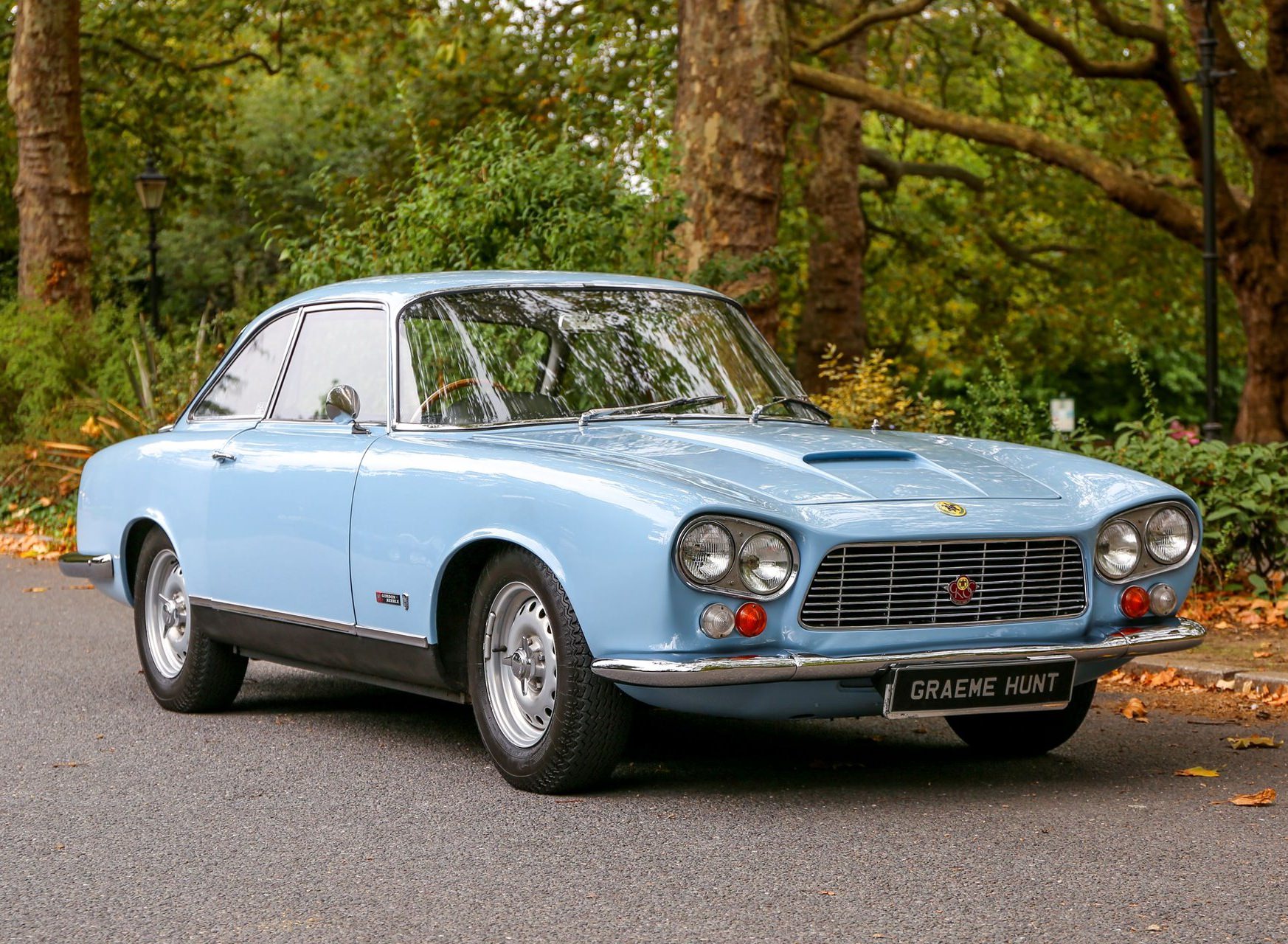
 This is a rare Gordon-Keeble GK1, fewer than 100 of these were made, all powered by a fire-breathing American V8 and capable of performance that quickly humbled far more exotic and expensive machinery.
Peerless Cars Ltd would be short-lived, they released a single car named the Peerless GT which had been designed by Bernie Rodger, the company ceased trading in 1960 after 325 examples had been built.
The Peerless GT had shown much promise, it was a handsome four-seat coupe with solid sporting credentials – it even took a class win at the 1958 24 Hours of Le Mans. Peerless co-founder John Gordon partnered with engineer and racing driver Jim Keeble in 1959 at the behest of USAF pilot Rick Nielsen, who wanted a Chevrolet Corvette V8 swapped into a Peerless GT to improve performance further.
Once this car was built it was a revelation, vastly more powerful than the original car which had used the 2.0 liter inline-four cylinder engine from the Triumph TR3.
It was this Corvette V8-powered Peerless GT that set the wheels in motion for a new, small-scale automaker named after its two founders – Gordon and Keeble.
Gordon-Keeble: The Fastest Four-Seater In Britain
Though some structural design elements and concepts from the earlier Peerless GT made it into the Gordon-Keeble production car, it was a mostly new design with a stronger spaceframe chassis, uprated suspension and brakes, and of course, that much more powerful Corvette V8 under the hood.
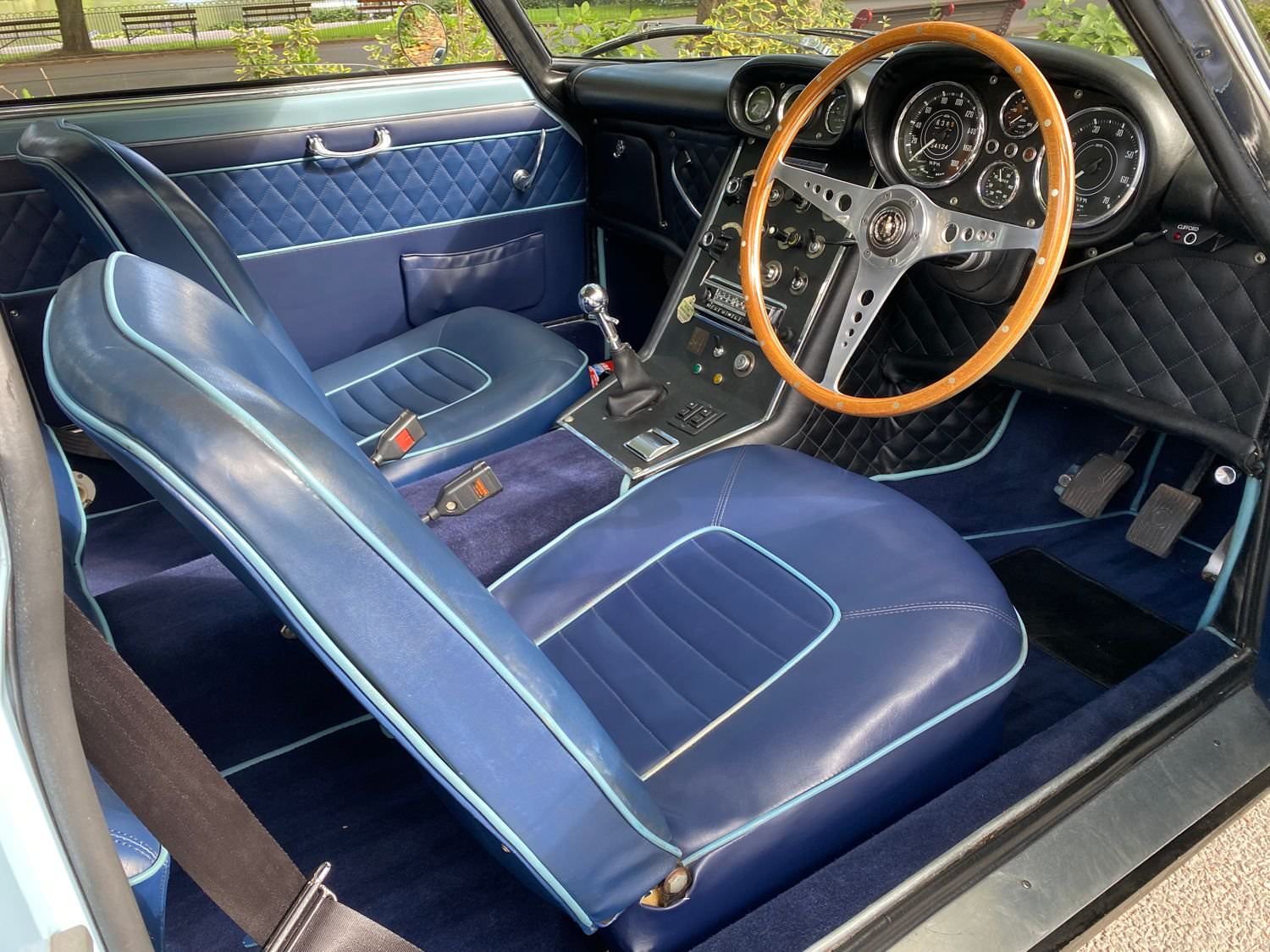
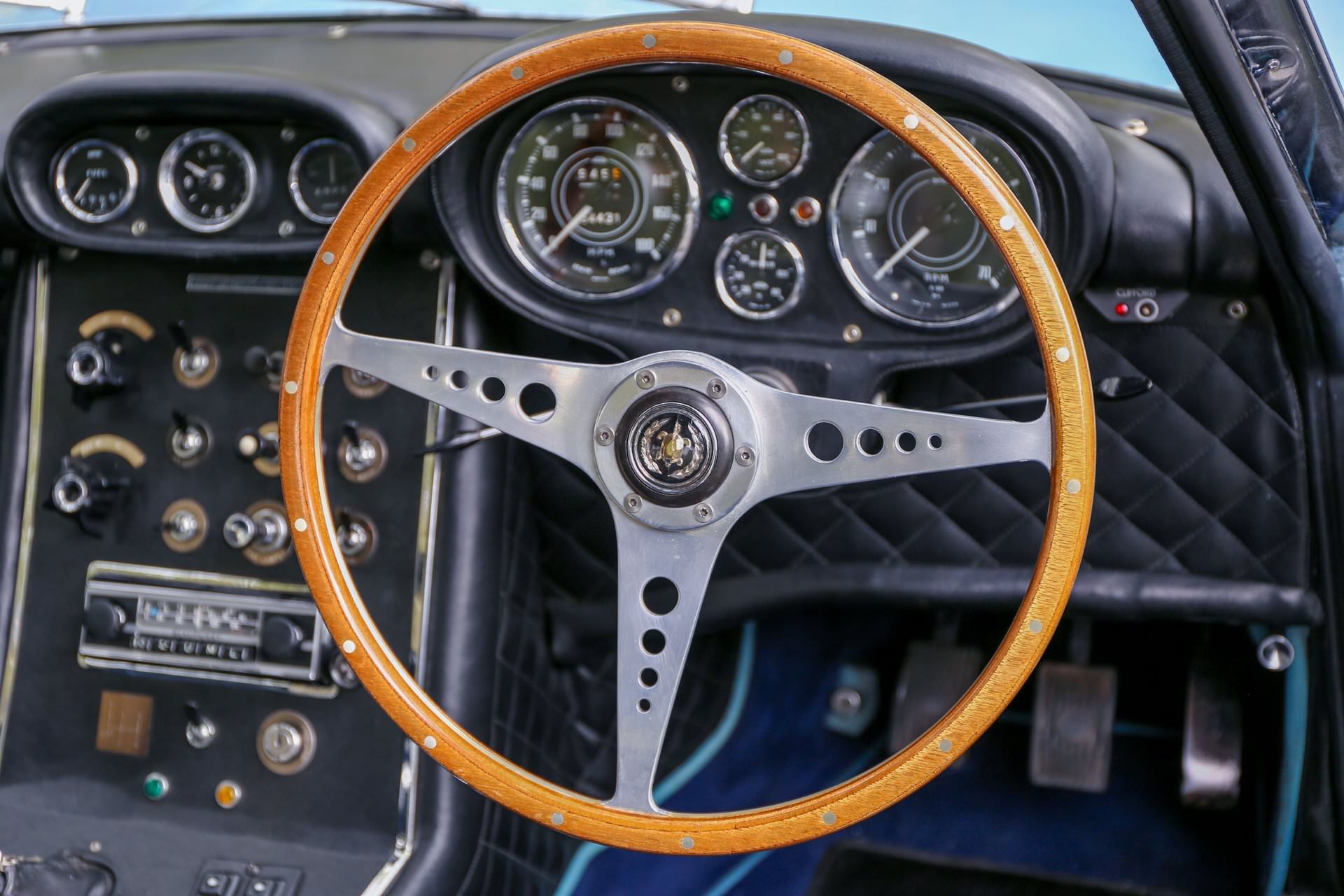
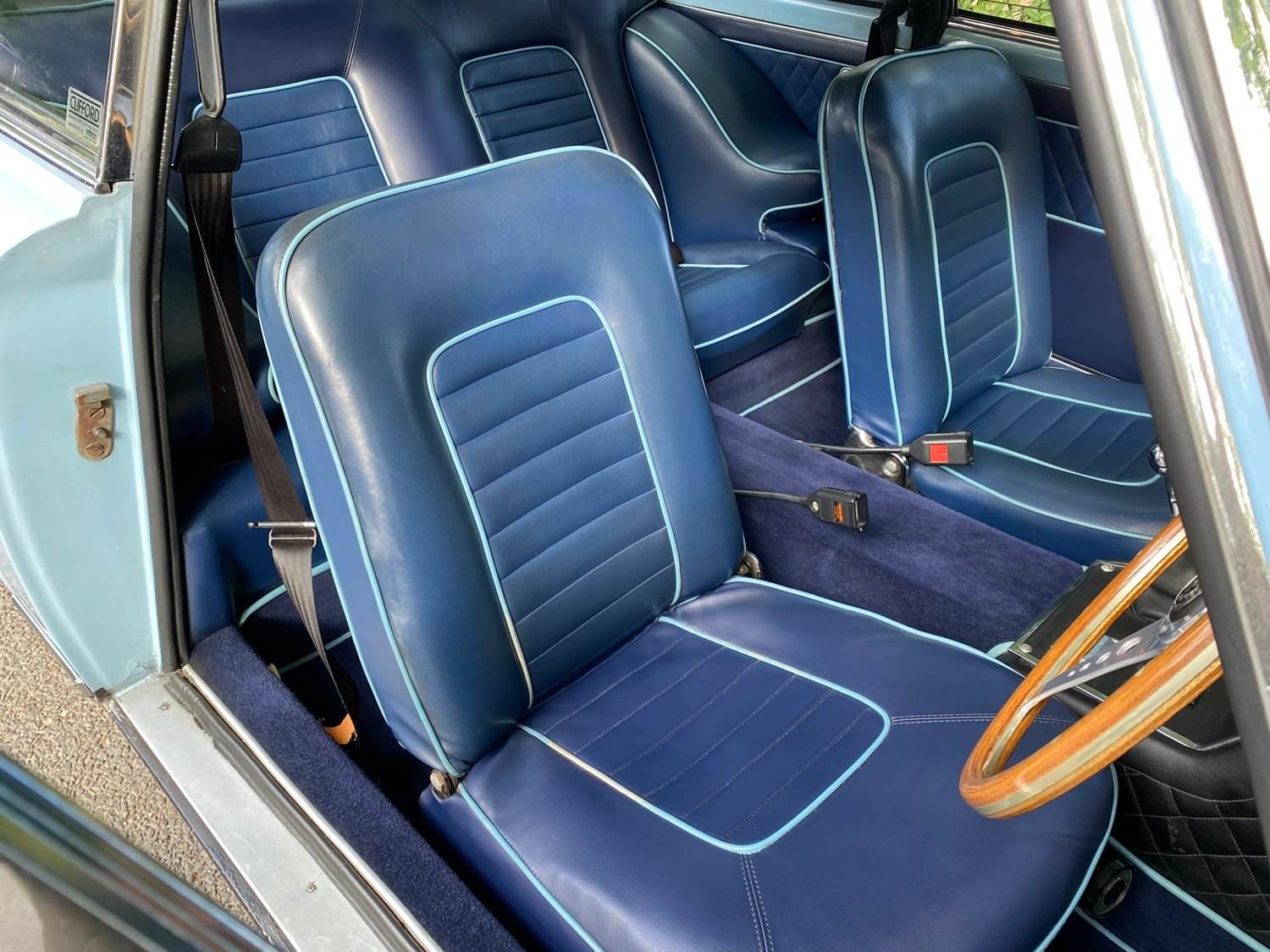
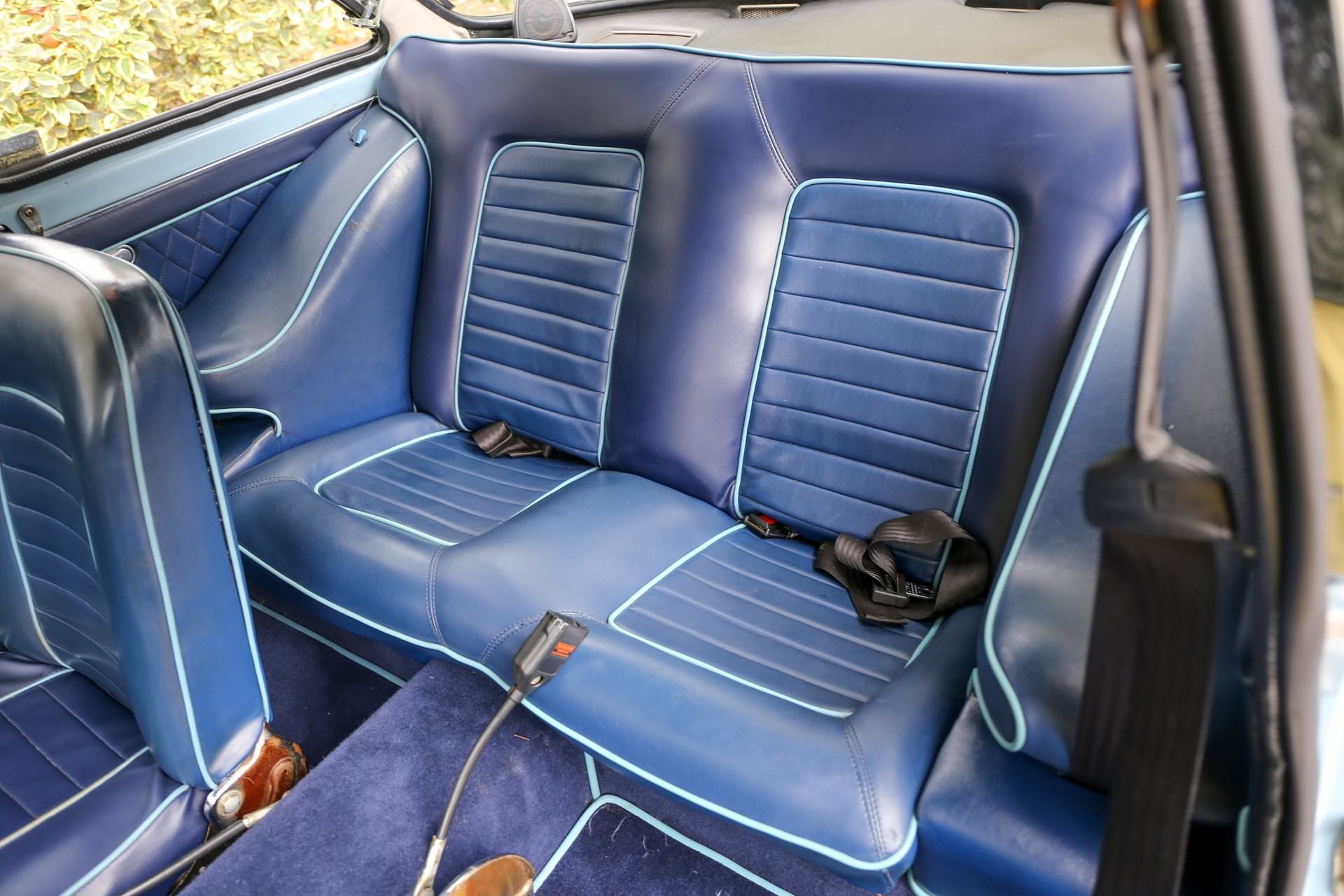
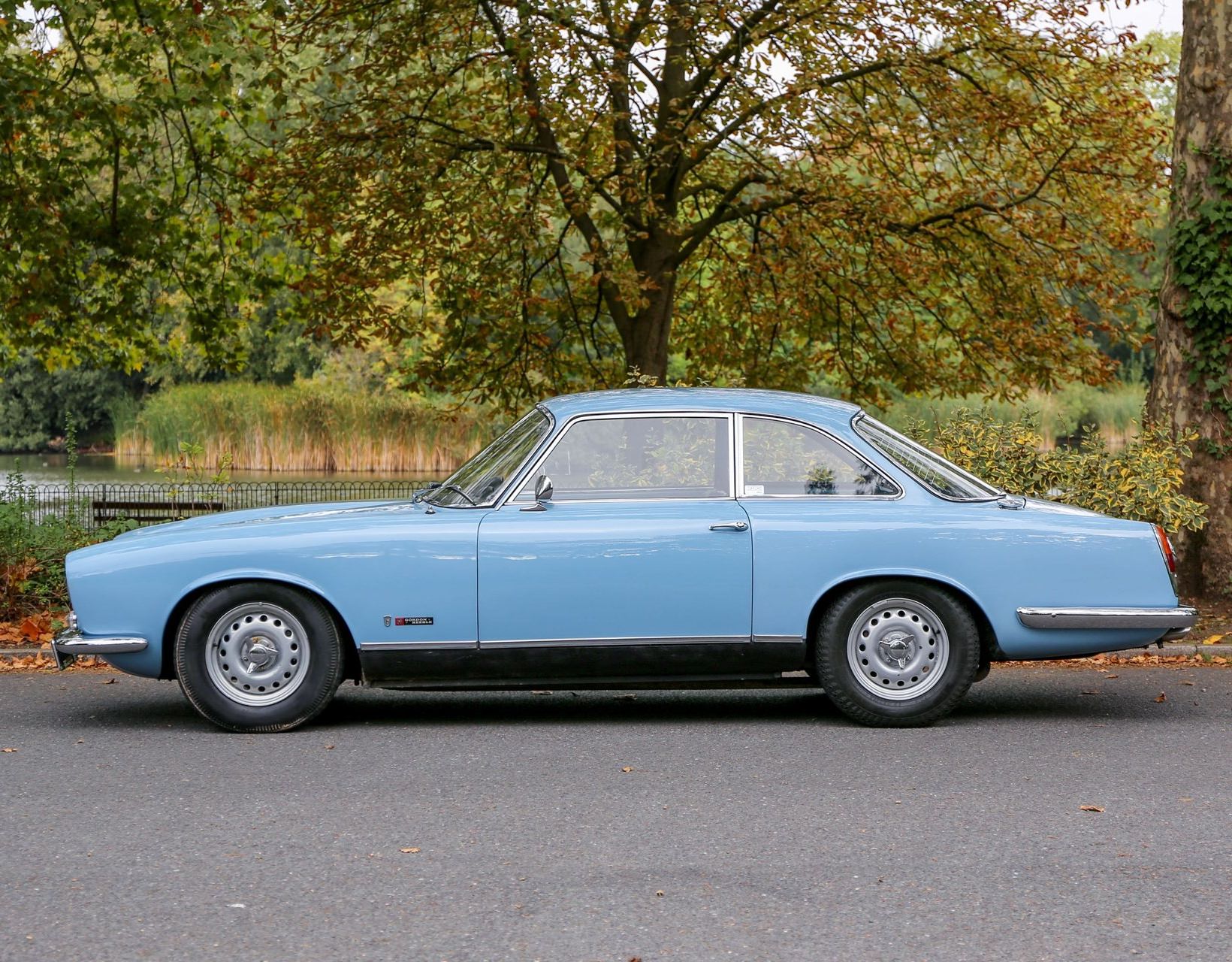
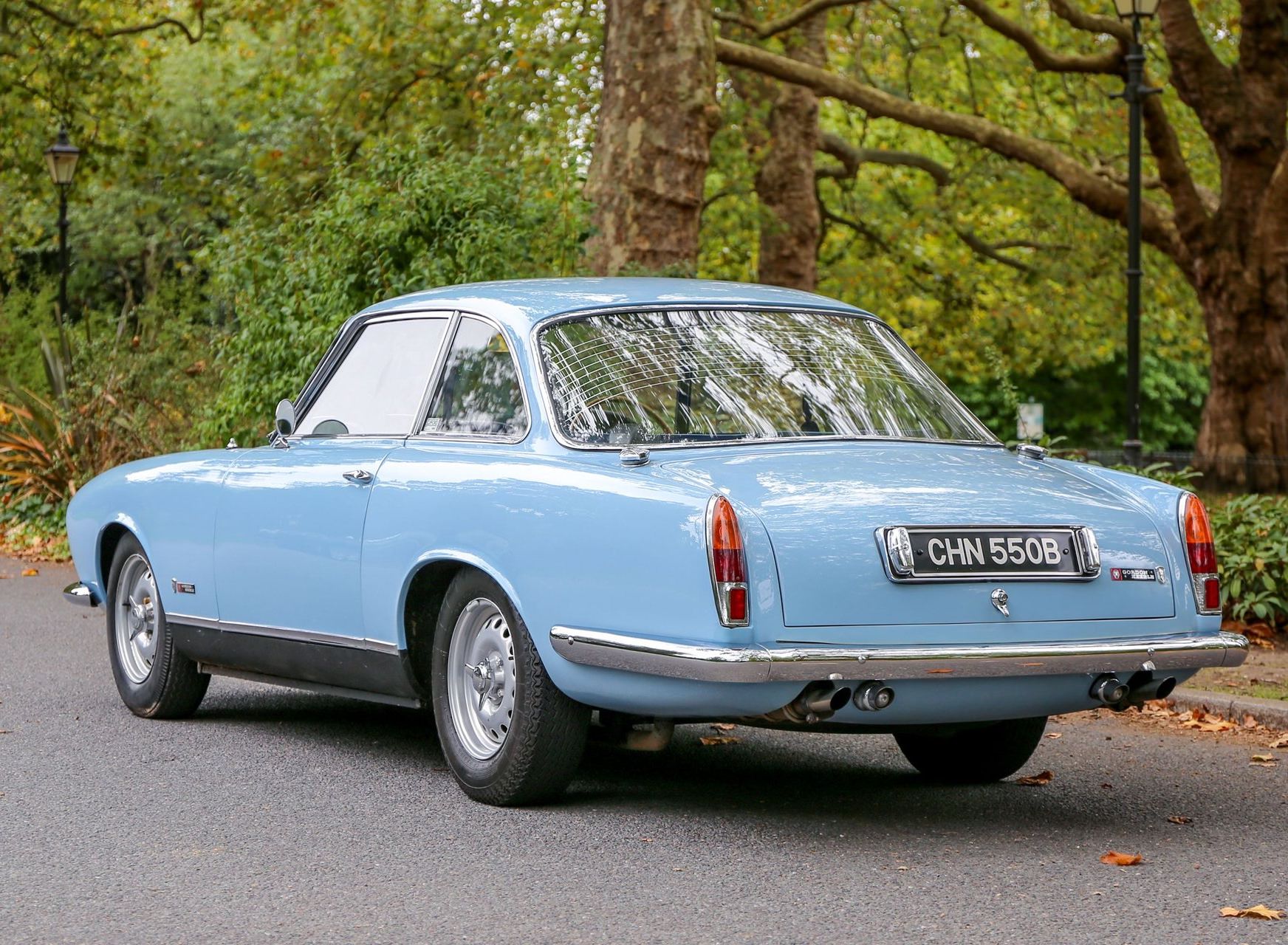
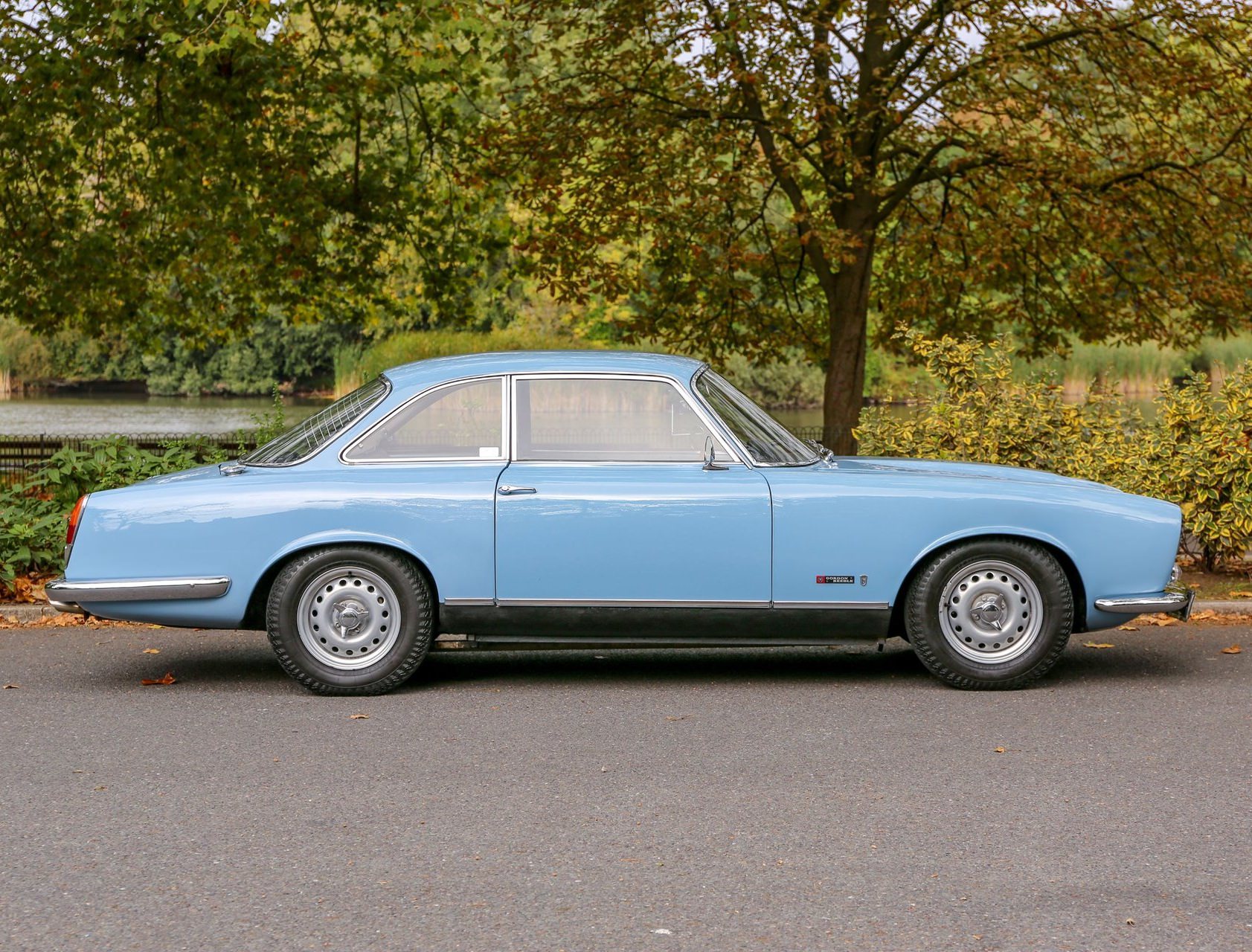
The car is finished in a tasteful light blue over a dark blue interior with light blue piping on the upholstery. It has a classic black dashboard with ample instrumentation, a radio, and a wood-rimmed steering wheel.
Company founders John Gordon and Jim Keeble didn’t cut any corners with the development of the car, they paid a not-insignificant sum to have it designed in Italy by an up and coming automobile stylist named Giorgetto Giugiaro. A man now widely regarded as the greatest automobile designer of the 20th century.
Giugiaro was working at Bertone at this time, so Gordon and Keeble shipped their chassis off to Italy to have the newly designed steel body fitted ready for its debut at the 1960 Geneva Motor Show on the official Bertone display stand.
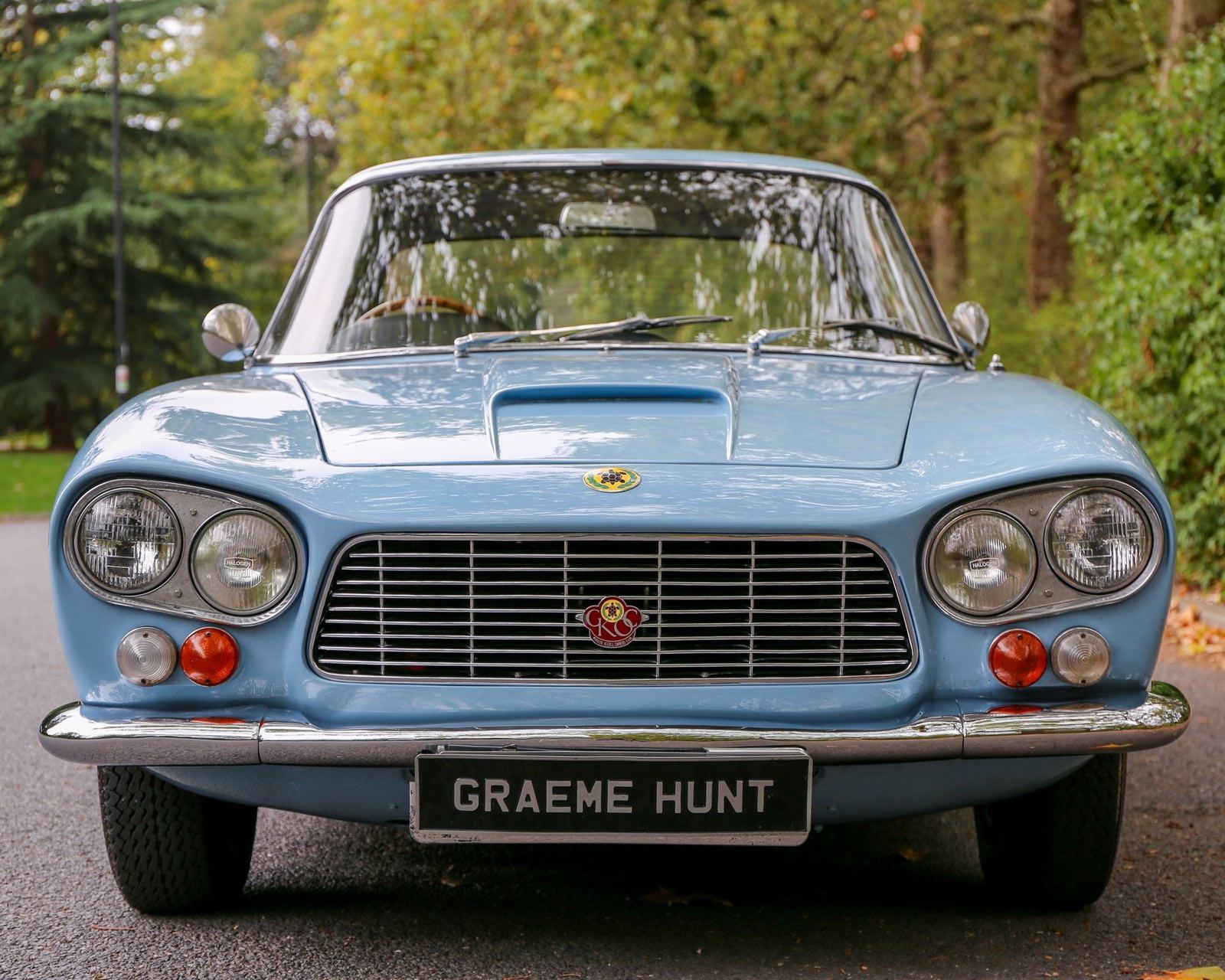
With its sleek lines, unusual slanted quad headlights, spacious interior, and prodigious power output, the Gordon-Keeble attracted plenty of attention in Geneva. This steel-bodied prototype was then shipped off to the United States to be shown to executives at Chevrolet, who gave it the green light to receive Corvette V8s.
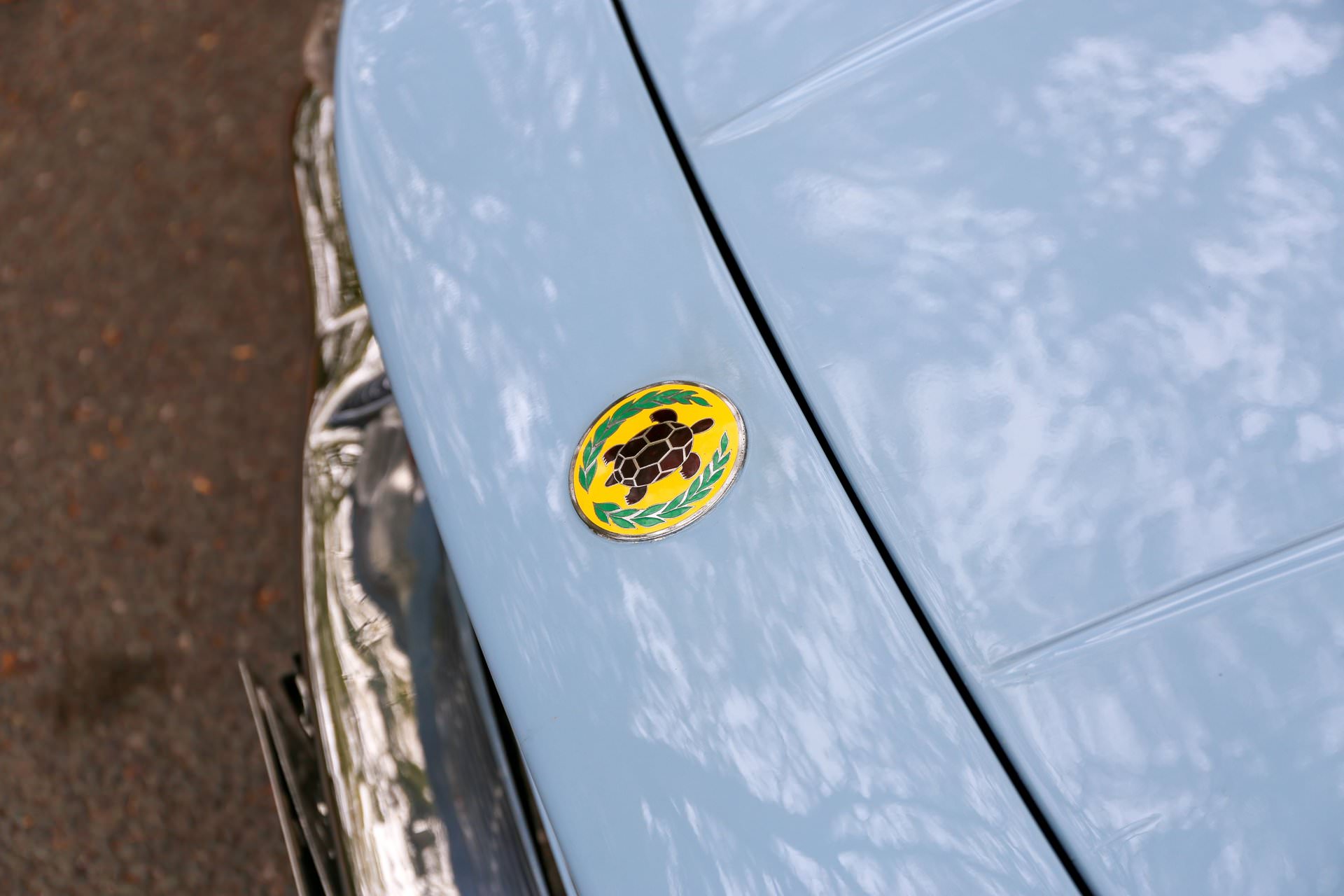
Once the prototype had been built and given approval by Chevrolet to receive engines the company still hadn’t created a logo. This was a problem that solved itself when a pet tortoise from a neighboring industrial unit escaped and paid an impromptu visit to the Gordon-Keeble facility one day.
This tortoise was picked up and placed on the hood of the car at which point it understandably wet itself. The British sense of humor being what it is, the company logo immediately became a tortoise standing in a puddle of yellow urine.
Production was delayed due to a shortage of critical parts from suppliers. When it did enter production in 1964 some modifications had been made, the body was now made from fiberglass as it was both much less expensive to build and significantly lighter.
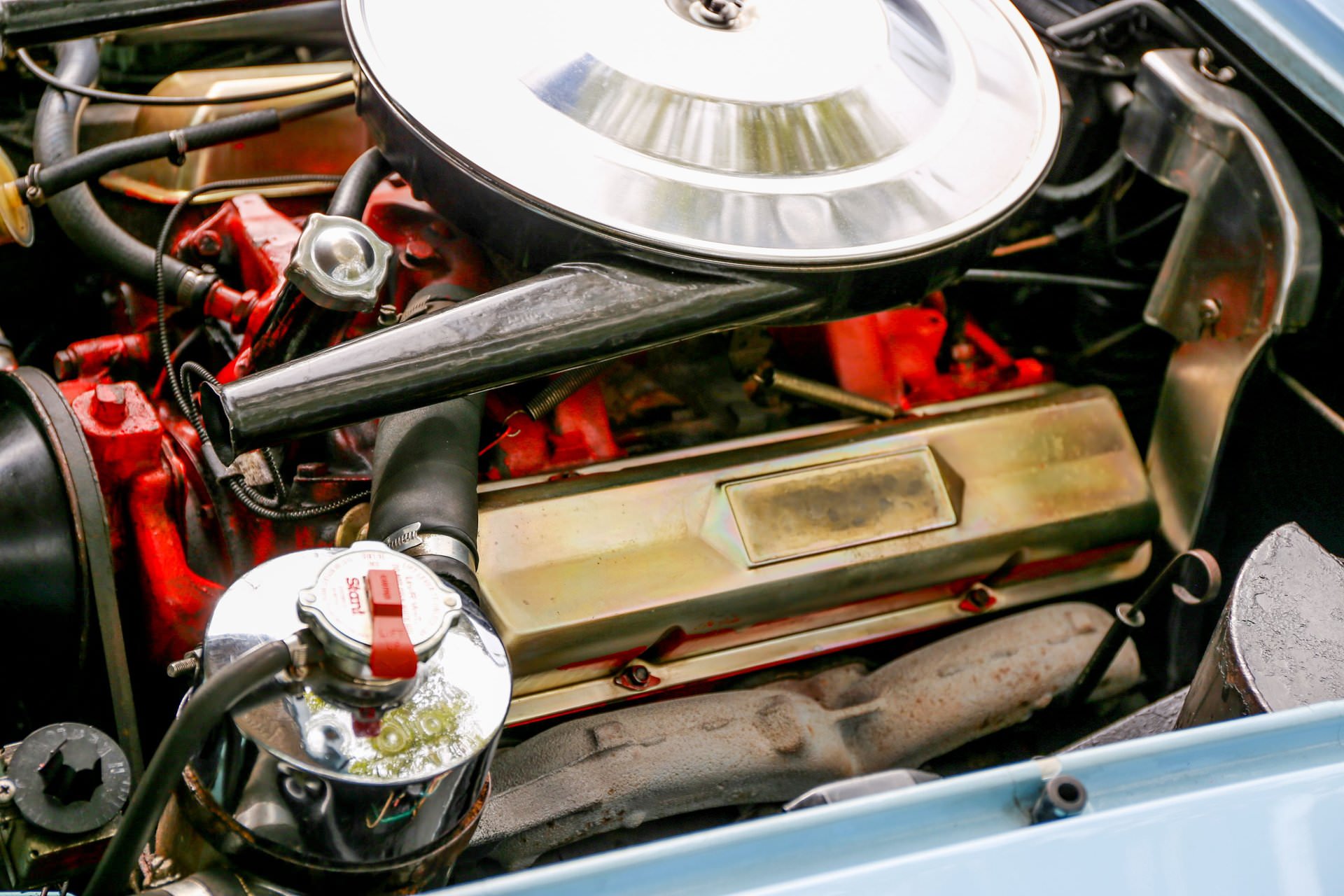
Though some structural design elements and concepts from the earlier Peerless GT made it into the Gordon-Keeble production car, it was a mostly new design with a stronger spaceframe chassis, uprated suspension and brakes, and of course, that much more powerful Corvette V8 under the hood.
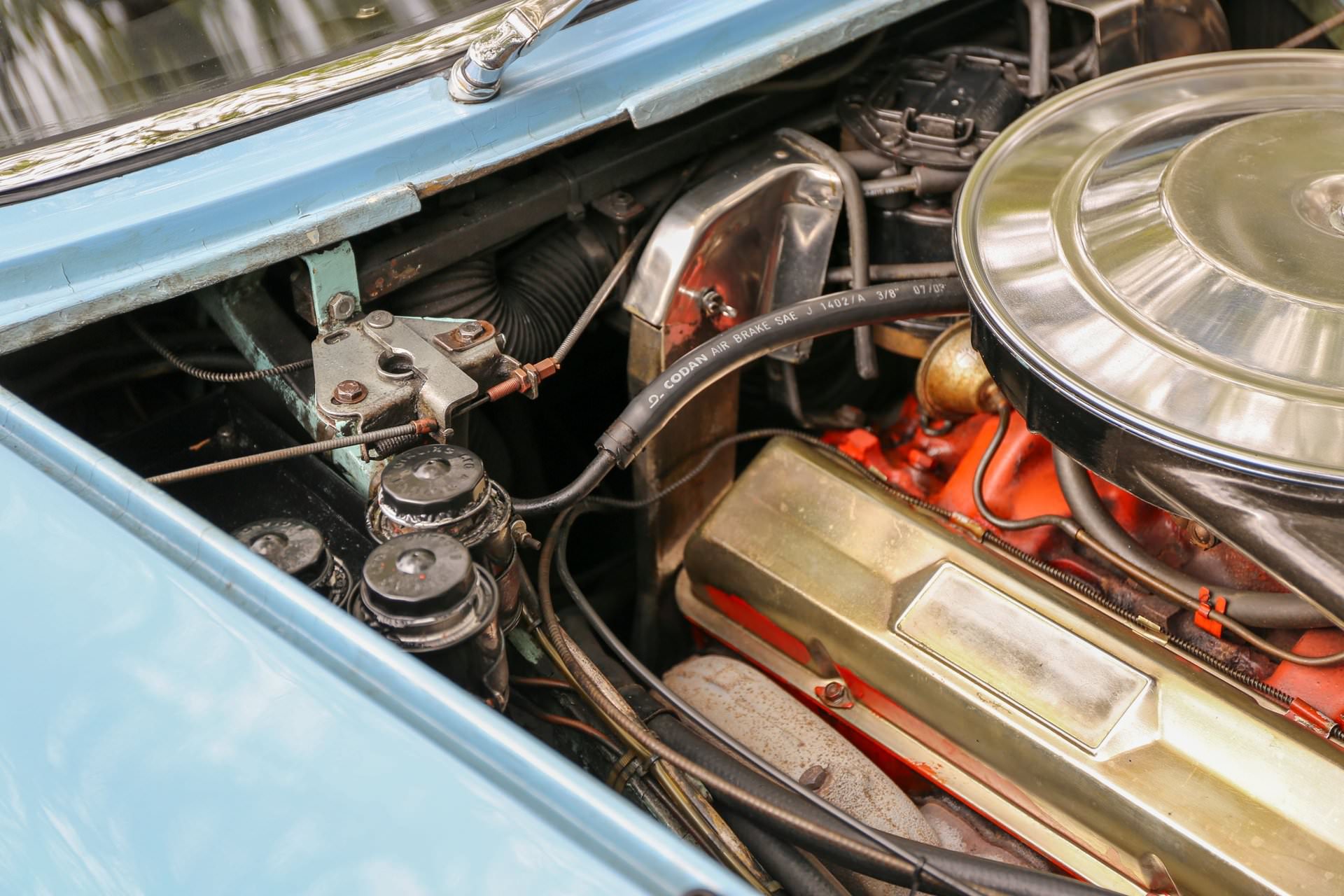
The original 4.6 liter Corvette V8 had been upgraded to the 5.4 liter version with 300 bhp, giving the car a top speed of 160 mph and a 0 – 60 mph time of just 6.0 seconds – stats that are fast even by today’s standards.
As with many small-scale automakers, Gordon-Keeble would survive just a few short years from 1964 until 1967. There were attempts made to resurrect the car later in the 1960s, but just a handful of additional cars were made.
Today the surviving examples of the Gordon-Keeble are prized by their owners and sought after by collectors. The cars have never become well-known in the mainstream classic car world, but their owners tend to like the obscurity of the cars, and the fact that they’re still affordable compared with their peers from the era.
The Gordon-Keeble GK1 Shown Here
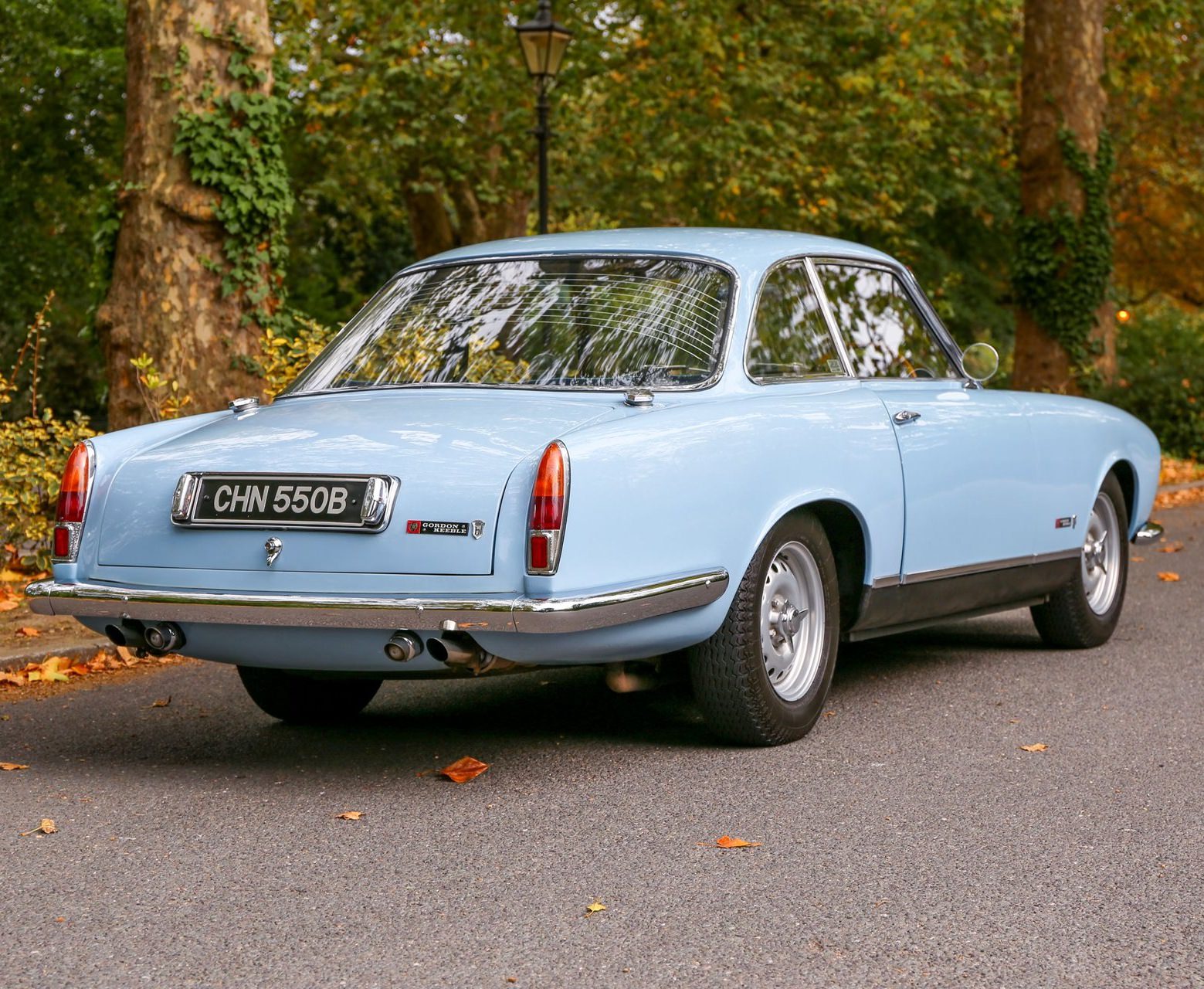
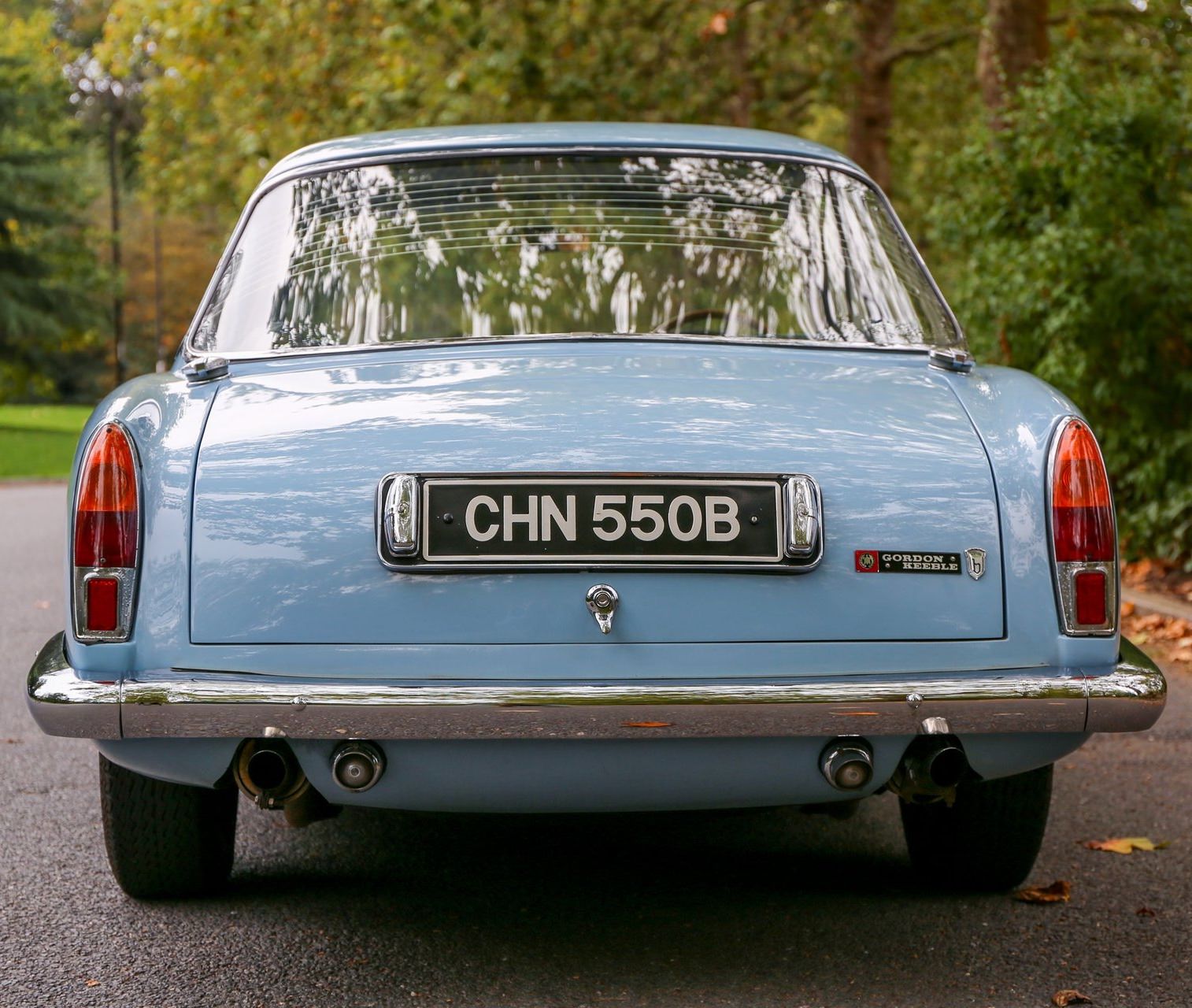
The Gordon-Keeble you see here benefits from a full restoration in the 1990s by Ernie Knott, the world’s leading Gordon Keeble restoration expert. Relatively little mileage has been covered since, this car has just just three owners across two families, and it’s showing 55,000 miles on the odometer.
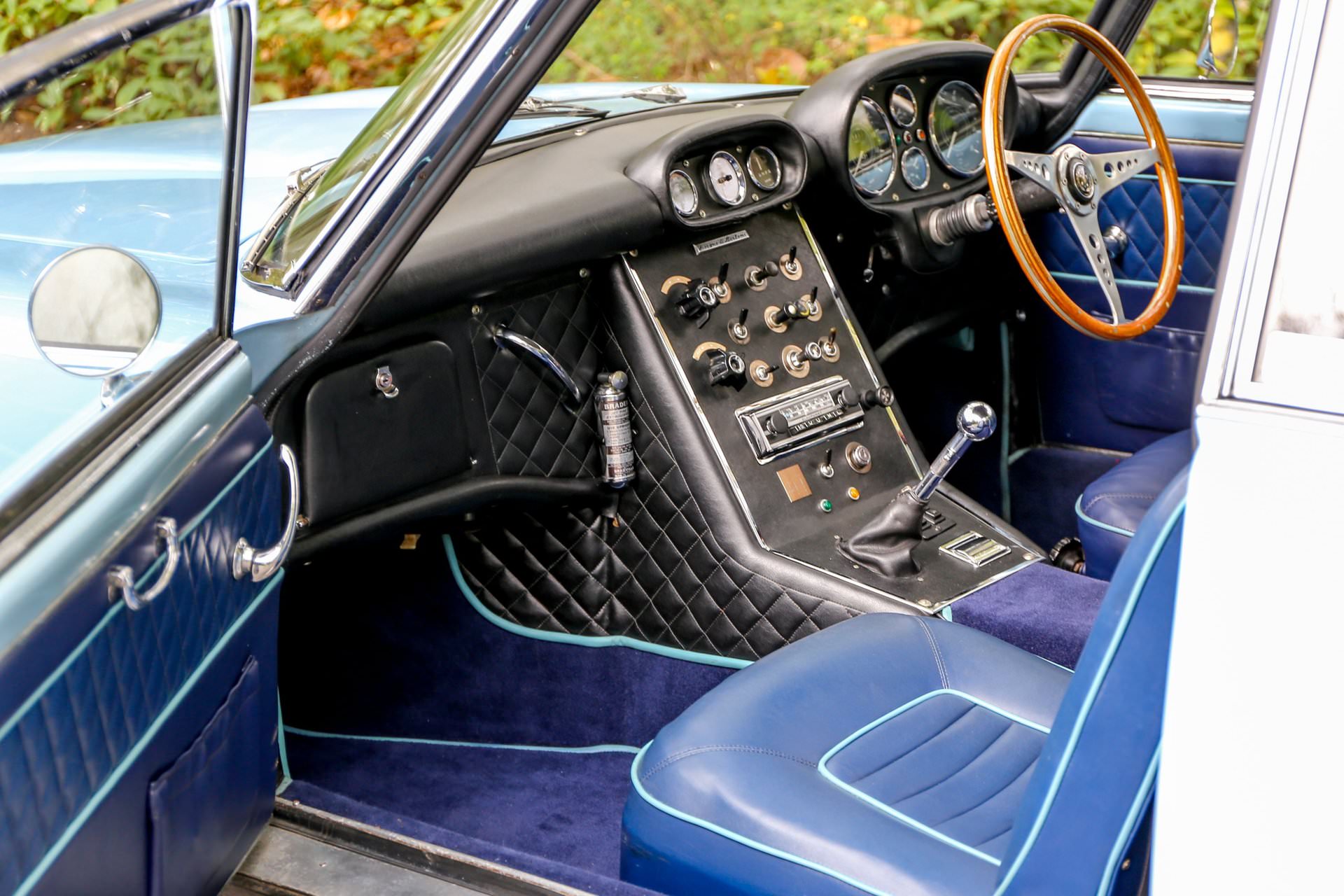
It’s finished in a tasteful light blue over a dark blue interior with light blue piping on the upholstery. It has a classic black dashboard with ample instrumentation, a radio, and a wood-rimmed steering wheel.
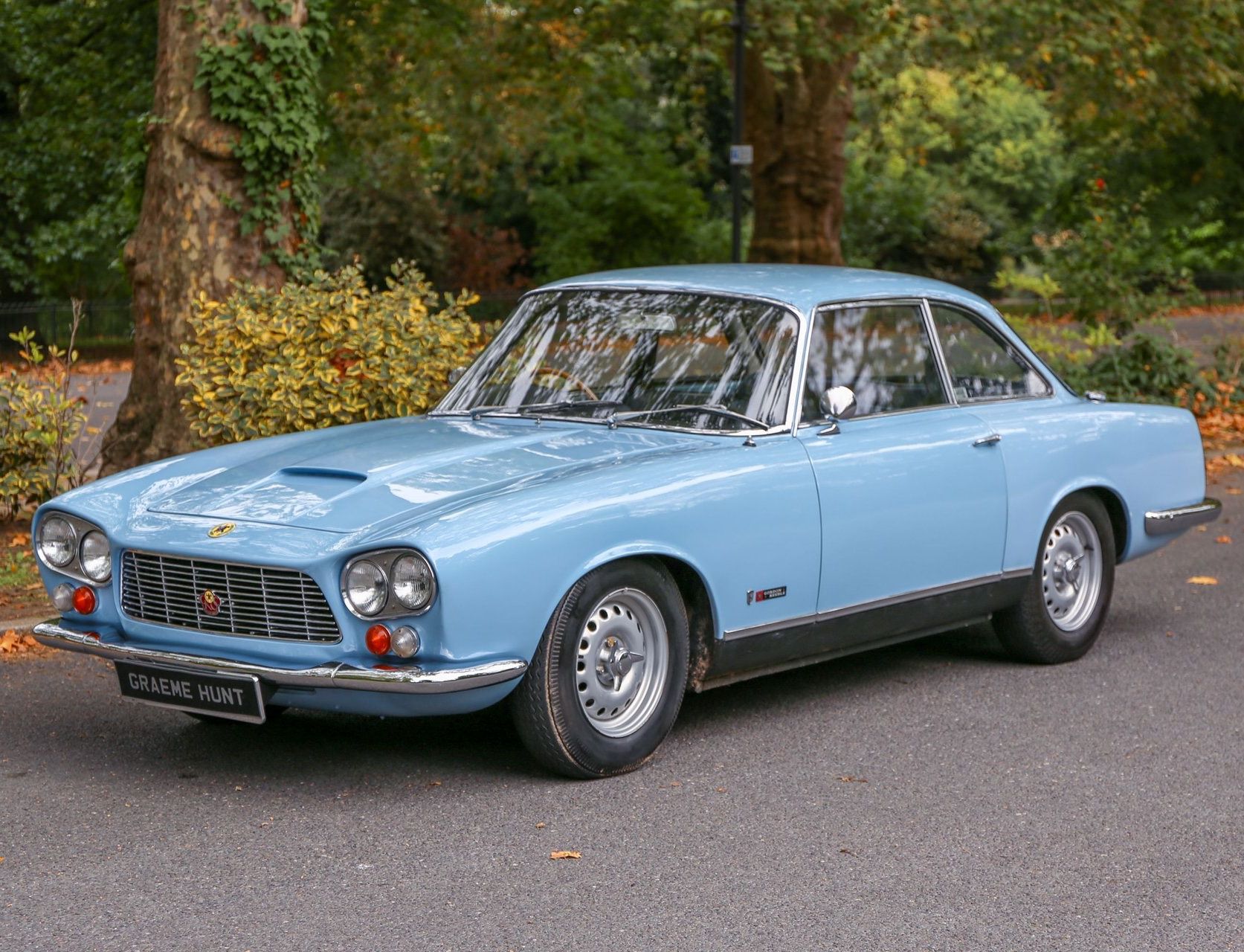
The Gordon-Keeble you see here benefits from a full restoration in the 1990s by Ernie Knott, the world’s leading Gordon Keeble restoration expert. Relatively little mileage has been covered since, this car has just just three owners across two families, and it’s showing 55,000 miles on the odometer.
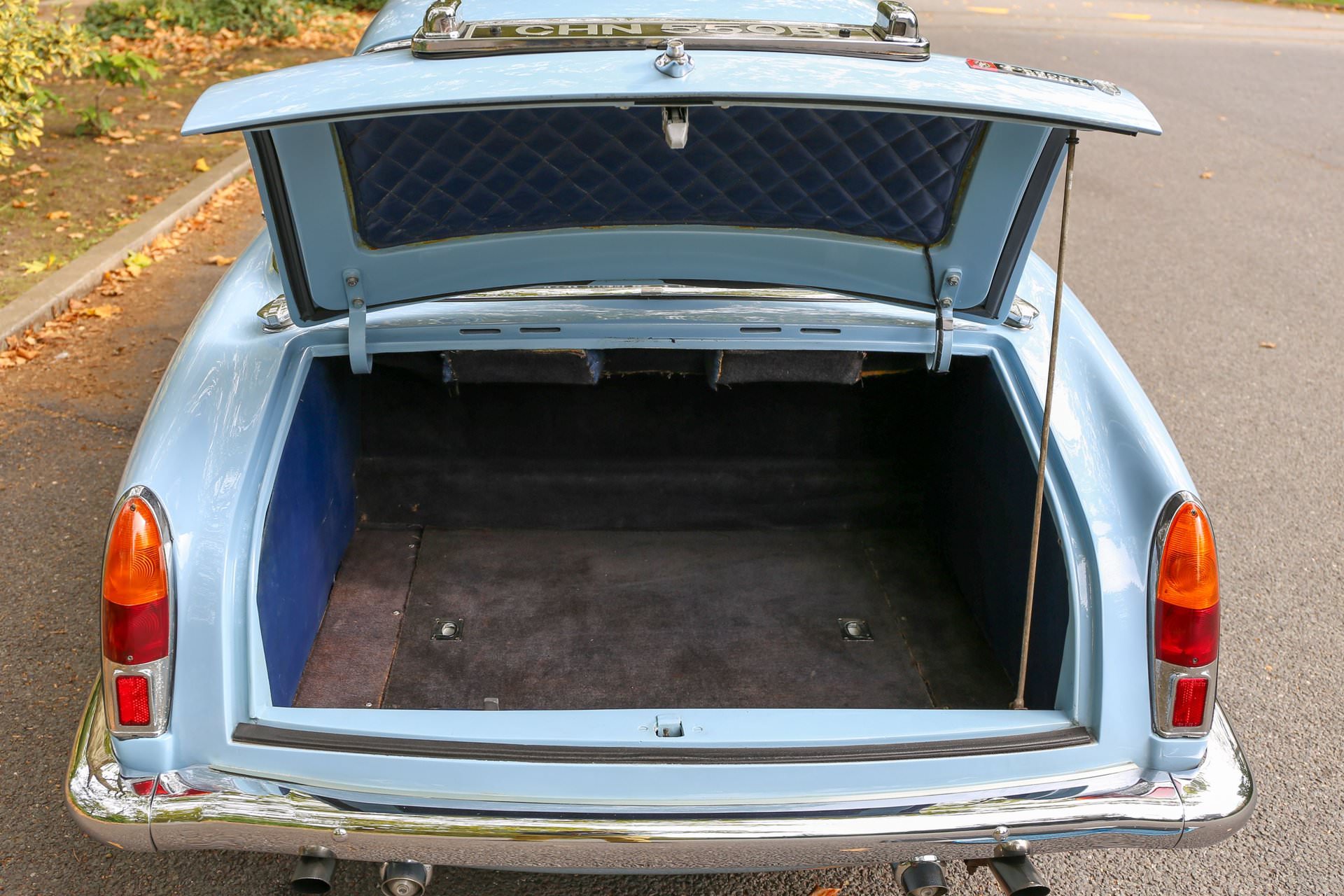
As you would expect it has seating for four, all seats appointed with seatbelts. It has adequate trunk space, and rides on knock-off steel wheels.
This Gordon-Keeble is now being offered for sale by Graeme Hunt Ltd out of the United Kingdom with an asking price of £99,750 or approximately $137,000 USD. If you’d like to read more or inquire about buying it you can visit the listing here.
Images courtesy of Graeme Hunt Ltd

Articles that Ben Branch has written have been covered on CNN, Popular Mechanics, Smithsonian Magazine, Road & Track Magazine, the official Pinterest blog, the official eBay Motors blog, BuzzFeed, Autoweek Magazine, Wired Magazine, Autoblog, Gear Patrol, Jalopnik, The Verge, and many more.
Silodrome was founded by Ben back in 2010, in the years since the site has grown to become a world leader in the alternative and vintage motoring sector, with well over a million monthly readers from around the world and many hundreds of thousands of followers on social media.