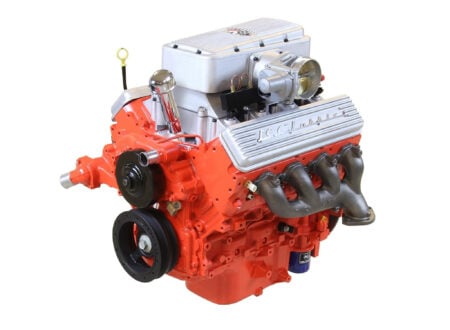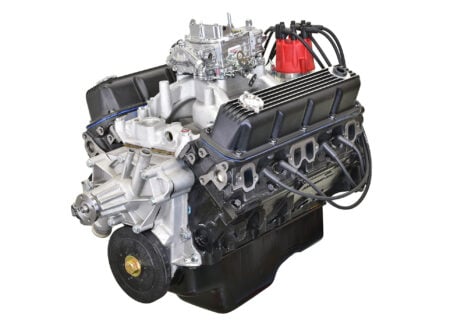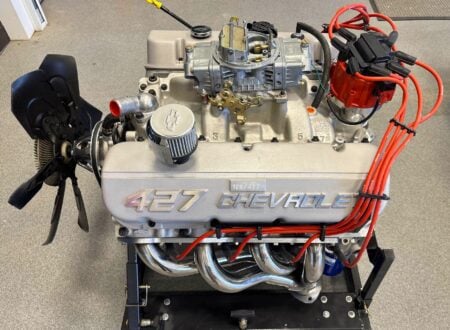
This is an original Chevrolet ZZ430 crate engine, it’s a V8 that has the unusual distinction of being the most powerful GM small block crate engine ever offered – and as a result they’re hugely sought after today.
The ZZ430 came with an iron four-bolt-main block, aluminum “Fast Burn” heads, a steel hydraulic roller cam, aluminum pistons, a 1053 forged-steel crankshaft, and a 9.6:1 compression ratio. It was good for 430 bhp and 430 lb ft of torque, and it could be bolted into almost any small block Chevy-compatible engine bay.
 This is an original Chevrolet ZZ430 crate engine, it’s a V8 that has the unusual distinction of being the most powerful GM small block crate engine ever offered – and as a result they’re hugely sought after today.
History Speedrun: The Chevrolet ZZ430 Crate Engine
GM Performance Parts unveiled the ZZ430 crate engine at the SEMA Shown in Las Vegas on November the 3rd, 1998. The model name was a descriptive three-fer – the engine produced 430 bhp, it made 430 lb ft of torque, and the production run was capped at 430 engines. At the time of its release, GM called it the most powerful small block crate engine the division had ever produced, and the engines were all built in 1999.
GM Performance Parts had been selling high-performance small block crate engines since 1989, when the 345 bhp ZZZ started what became the ZZ family. By the late ’90s its core product was the ZZ4, in production from 1996 and rated at 355 bhp at 5,250 rpm. That engine was a 350 cubic inch (5.7 liter) small block with a four-bolt-main block, aluminum angle-plug heads with 58cc combustion chambers, a steel hydraulic roller cam, and a 10:1 compression ratio. GM’s catalog described an undercut, rolled-fillet crankshaft, high-silicon pistons and powdered-metal connecting rods.
The ZZ430 that came three years later kept the ZZ4’s cast-iron short block, with its 4.00 inch bore and 3.48 inch stroke. Its two headline changes were new cylinder heads and a new camshaft. Alongside them came 1.6:1 self-aligning roller rockers in place of the ZZ4’s 1.5:1 arrangement, and a Vortec-pattern dual-plane intake manifold. Michael Fellberg, general product manager for GM Performance Parts, credited most of the performance gain to the heads. “The ZZ430 is not an exotic engine in terms of complexity or cost,” he said at the launch.
Those V8 heads were GM’s brand new “Fast Burn” design, a 23º head named for its ability to burn the air-fuel charge quickly and completely. Faster, more complete combustion meant higher cylinder pressure, and with it more torque and power. GM built the heads with what it called cast-ported technology – this included improvements in flow, combustion, and cylinder filling that were found during development and worked into the final design.
The finished head needed no further porting to reach its full performance, a point GM set against most aftermarket performance heads of the time. Its 62cc chambers brought compression down from the ZZ4’s 10:1 to about 9.6:1. GM also sold the head over the counter as a performance upgrade for compatible small blocks, it was part number 12464298.
The second major change was the camshaft. GM fitted its “HOT” cam, part number 24502586, a hydraulic roller grind developed for LT1 and LT4 engines in showroom-stock road racing. GM’s catalog lists 218º of intake and 228º of exhaust duration at 0.050 inch tappet lift, and 0.525 inch of valve lift on both sides with 1.6:1 rocker arms, lobe separation was 112º.
GM rated the ZZ430 at 430 bhp, 75 bhp more than the ZZ4. Like the ZZ4, it was meant only for street vehicles built in 1973 or earlier, the pre-emissions cars GM’s ZZ4 legal team specified, and for off-road vehicles of any year. That said, many have found their way into more modern vehicles in the years since, and not always in full obedience with federal rules and regs.
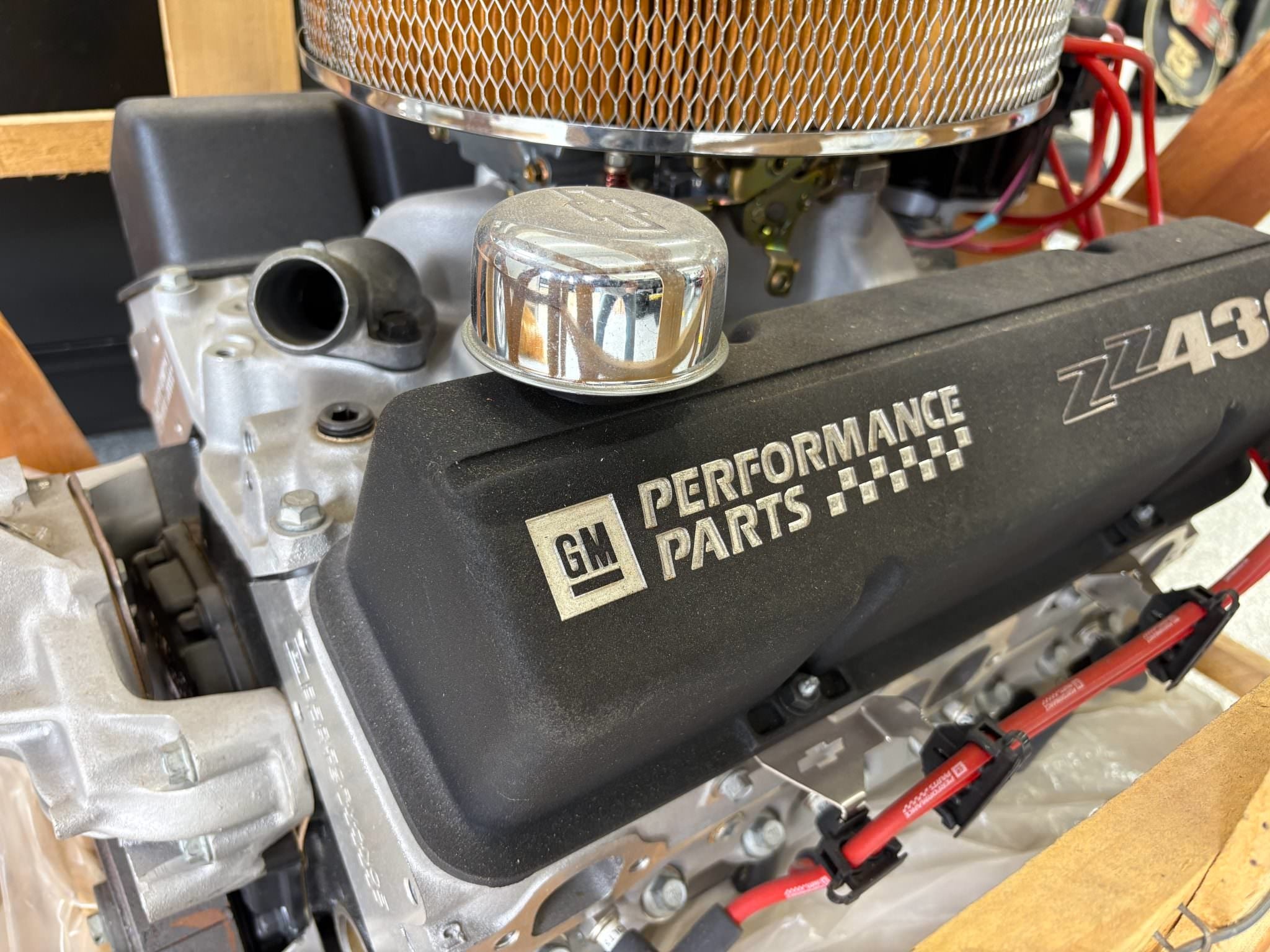
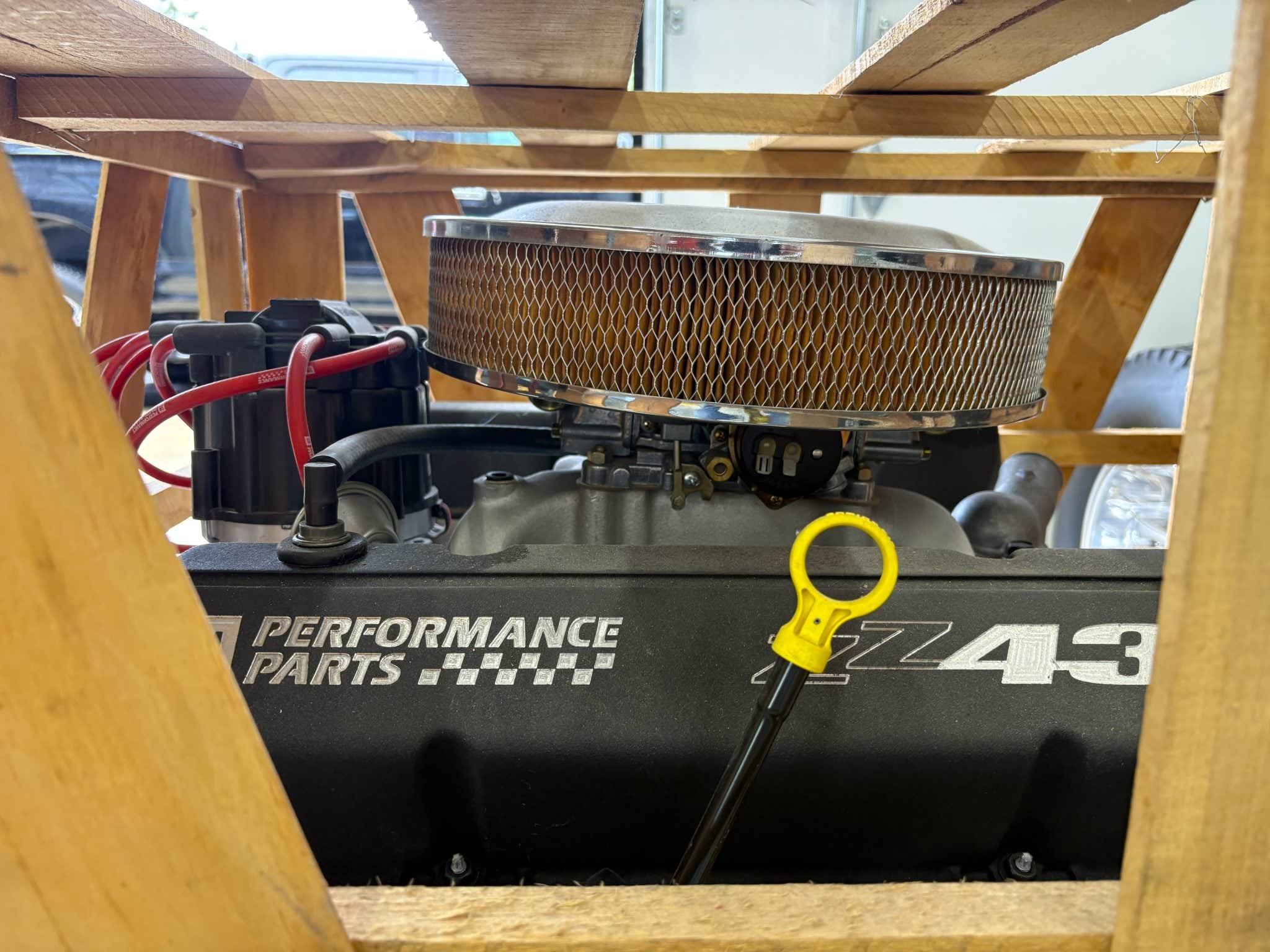
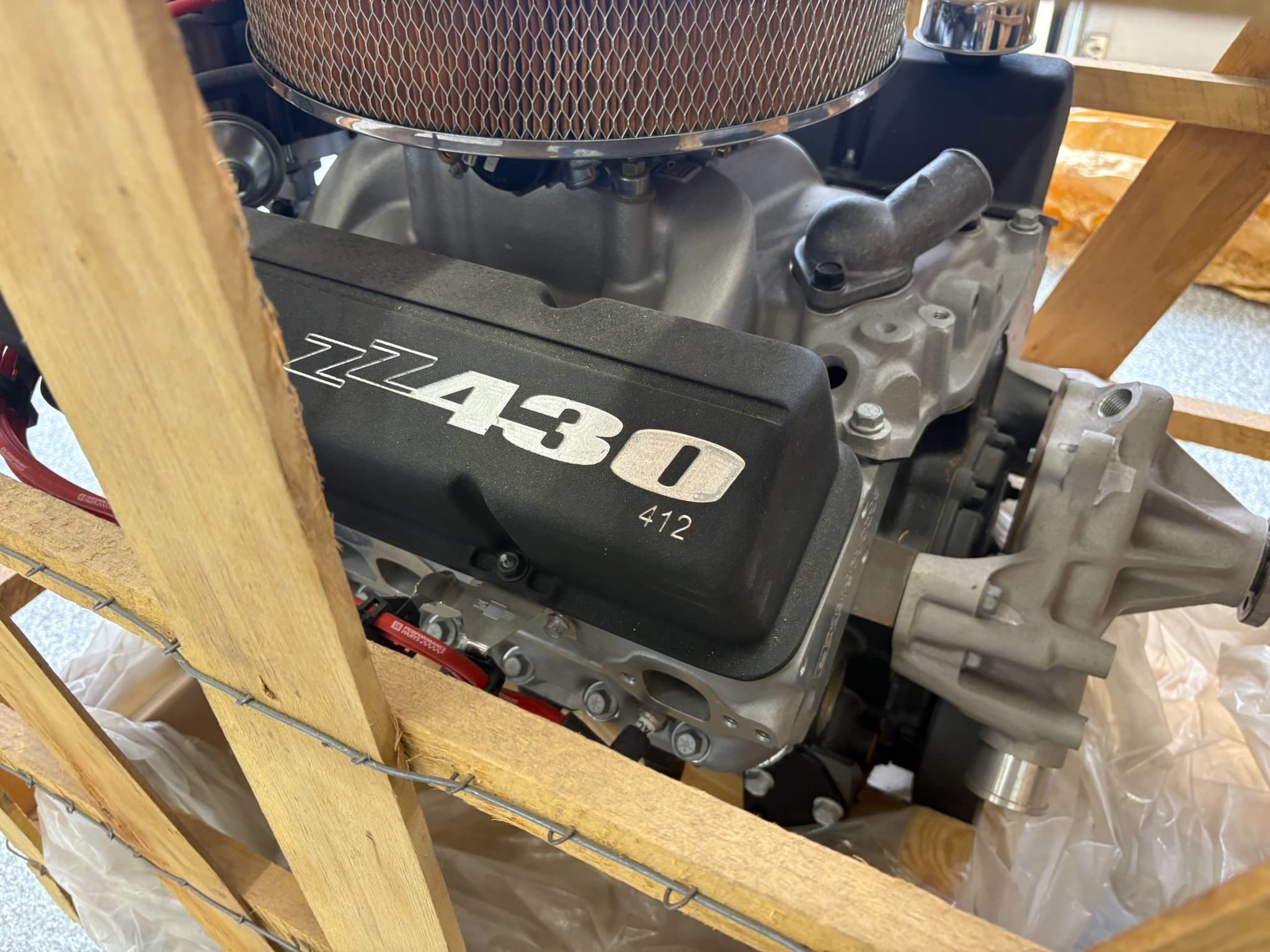
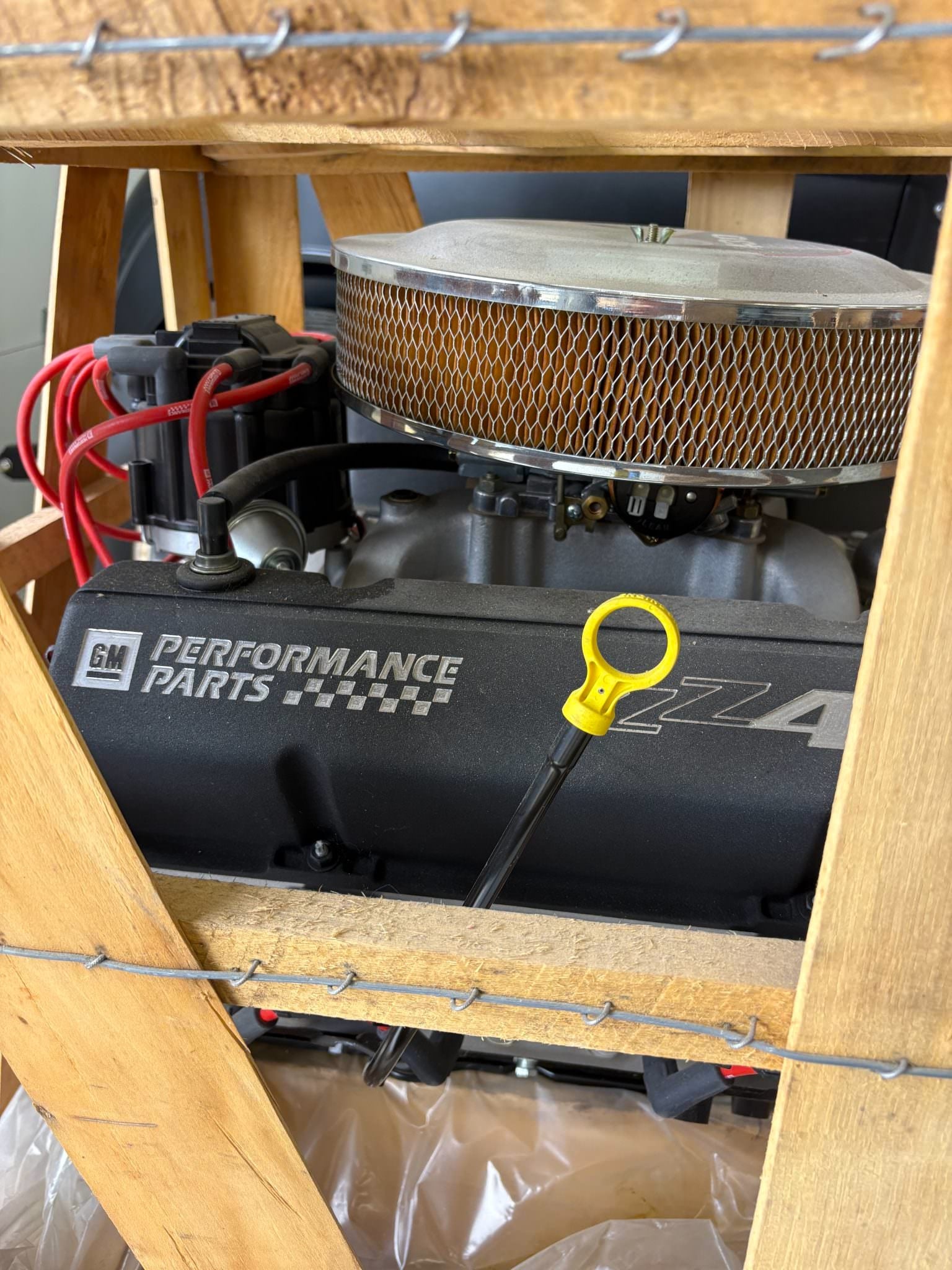
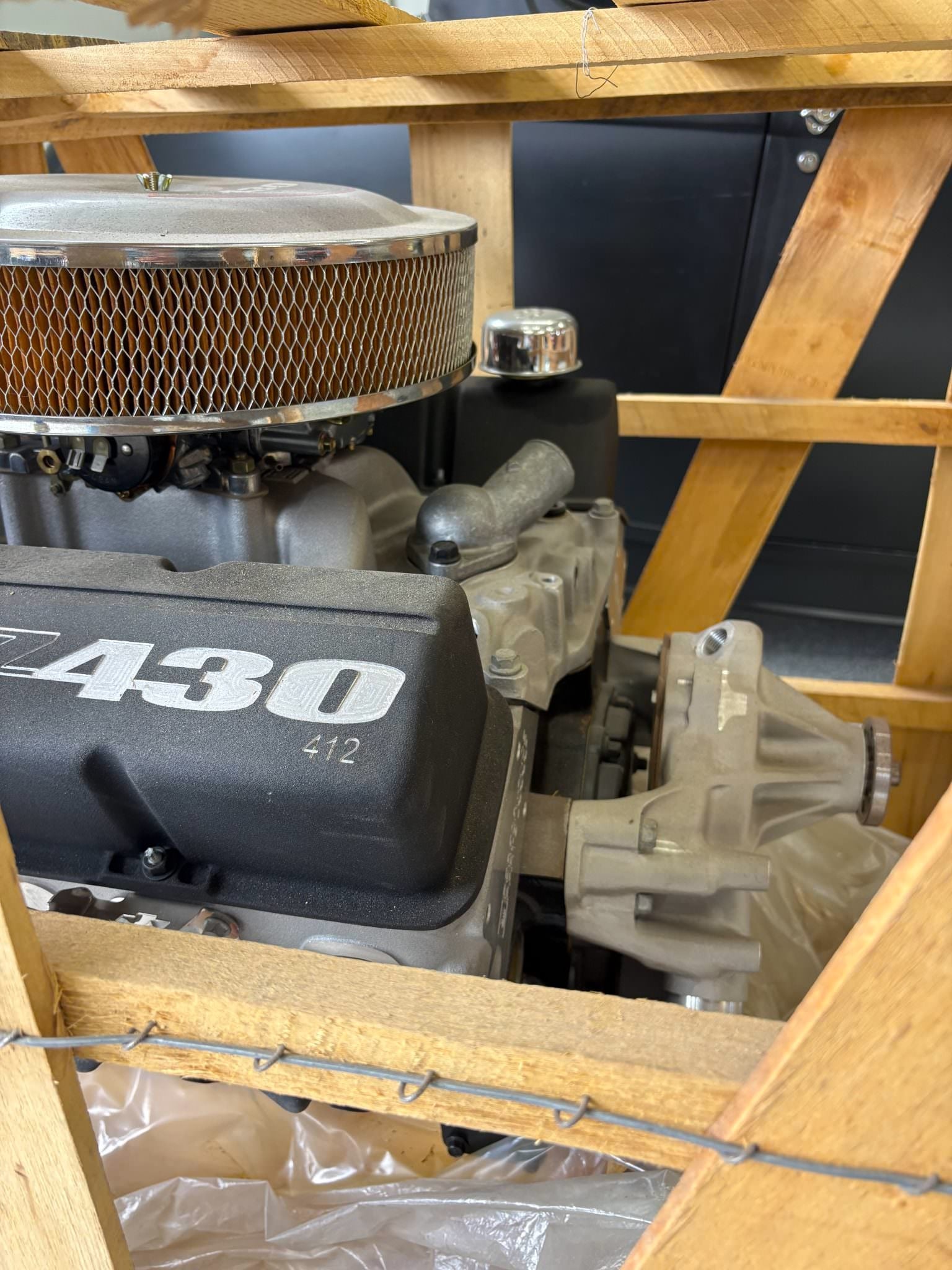
Each engine came with a version of GM Performance Parts’ competition valve covers, engraved with the GM Performance Parts and ZZ430 logos, and with a jacket and cap carrying its serial number. The ZZ4 stayed in production until 2014, and the later ZZ5 came with Fast Burn heads of its own.
Chevrolet Performance introduced the ZZ6 in the fall of 2015, building on the ZZ5’s Fast Burn heads with beehive valve springs, roller rockers, and a single-plane intake. It rated the ZZ6 at 405 bhp at 5,600 rpm and 406 lb ft at 4,600 rpm – that was still 25 bhp less than the ZZ430 from 16 years earlier.
The ZZ430 Crate Engine Shown Here
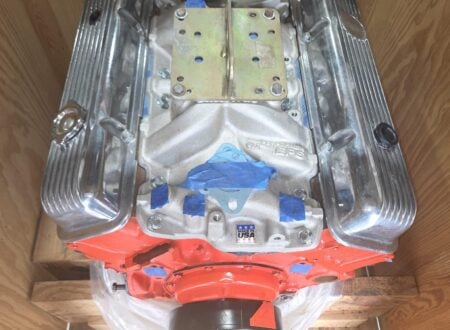
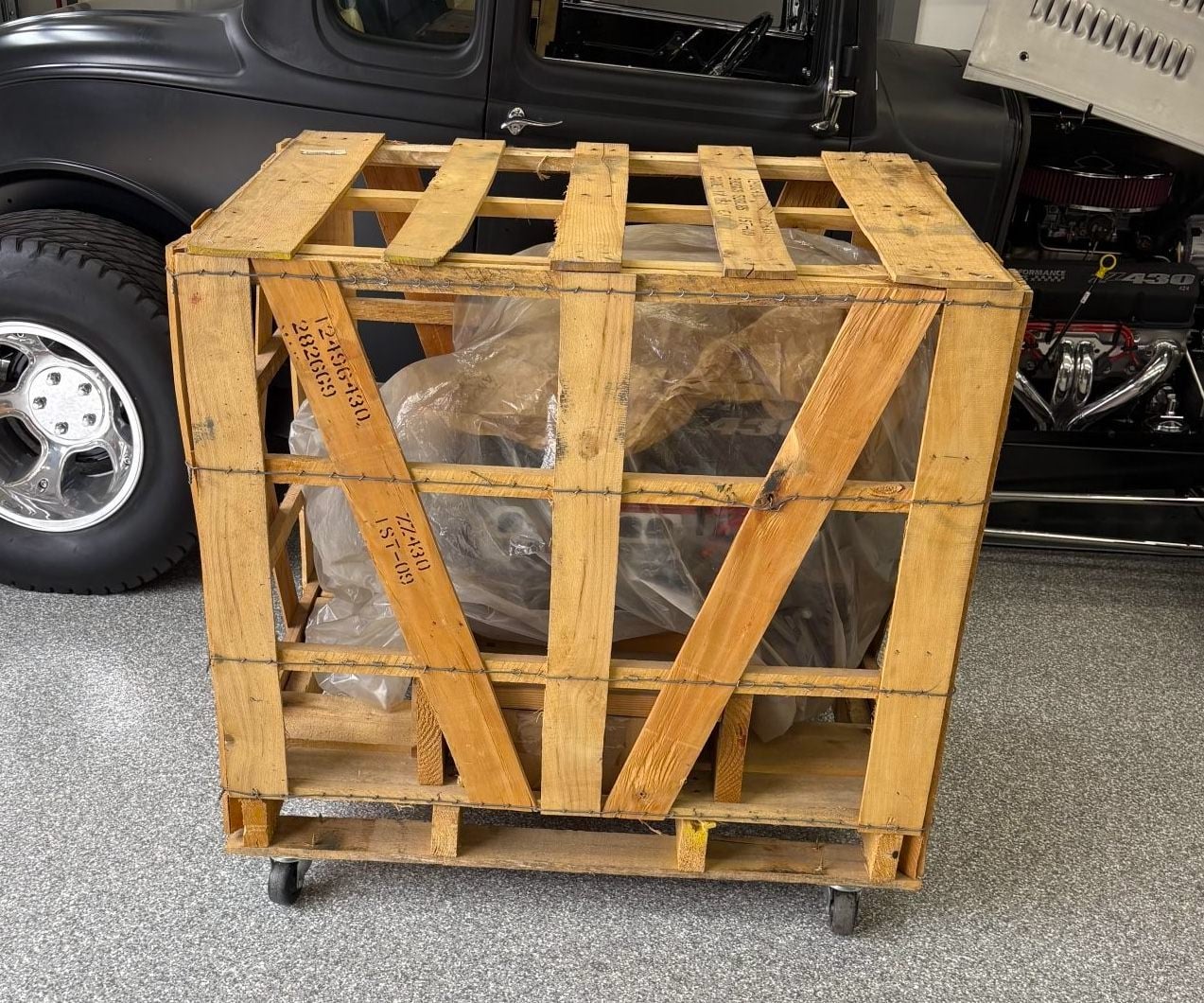
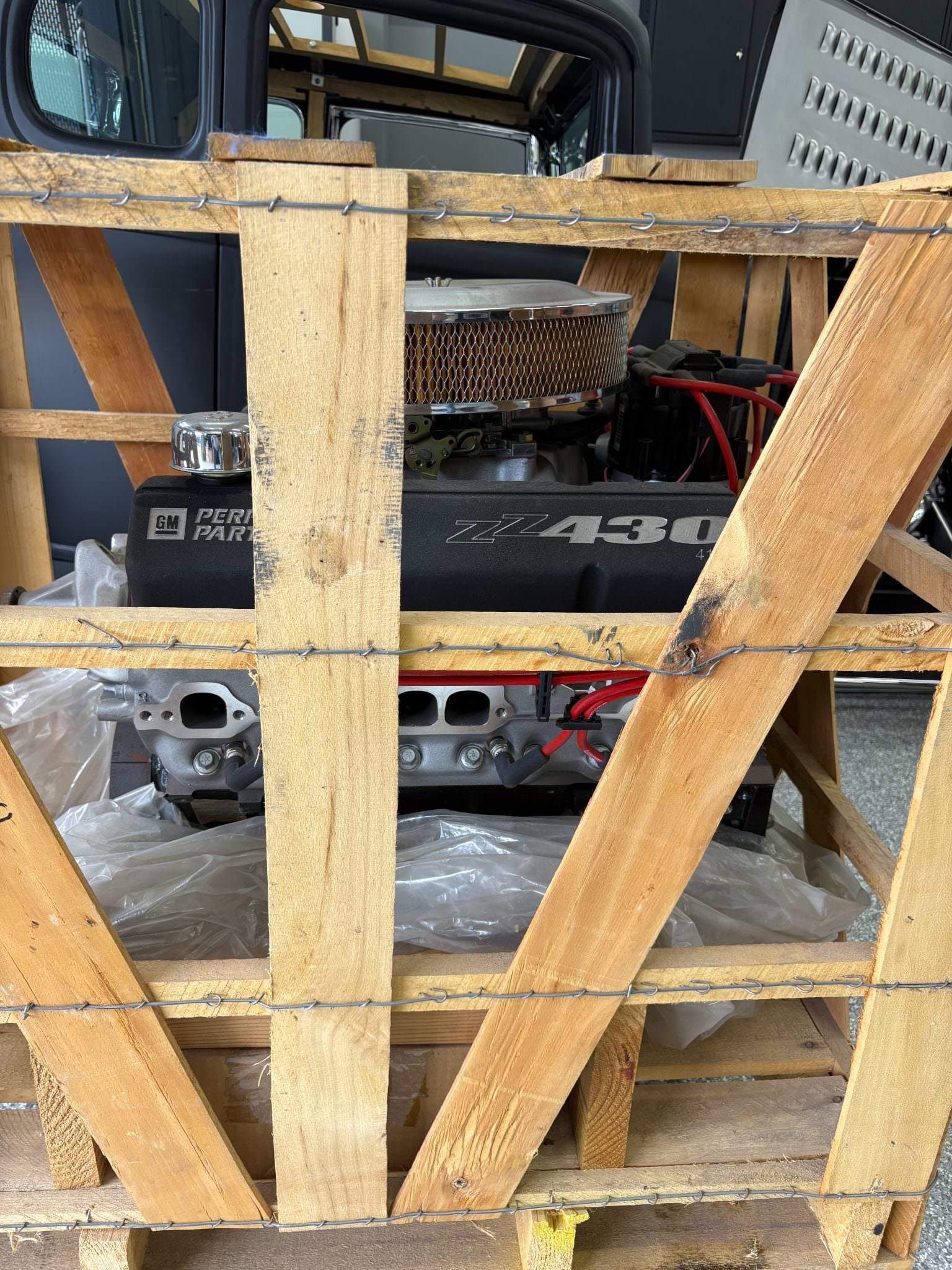
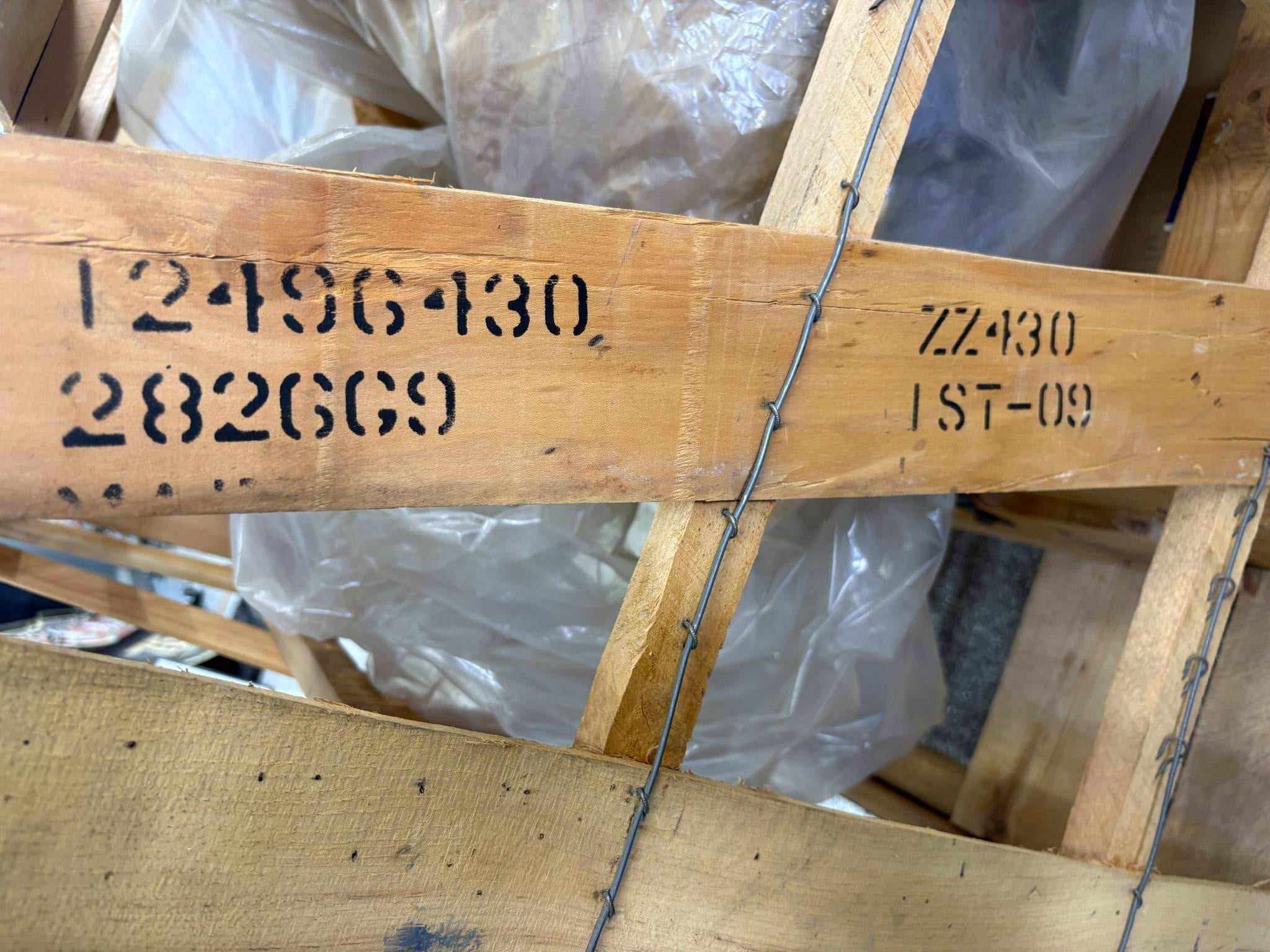
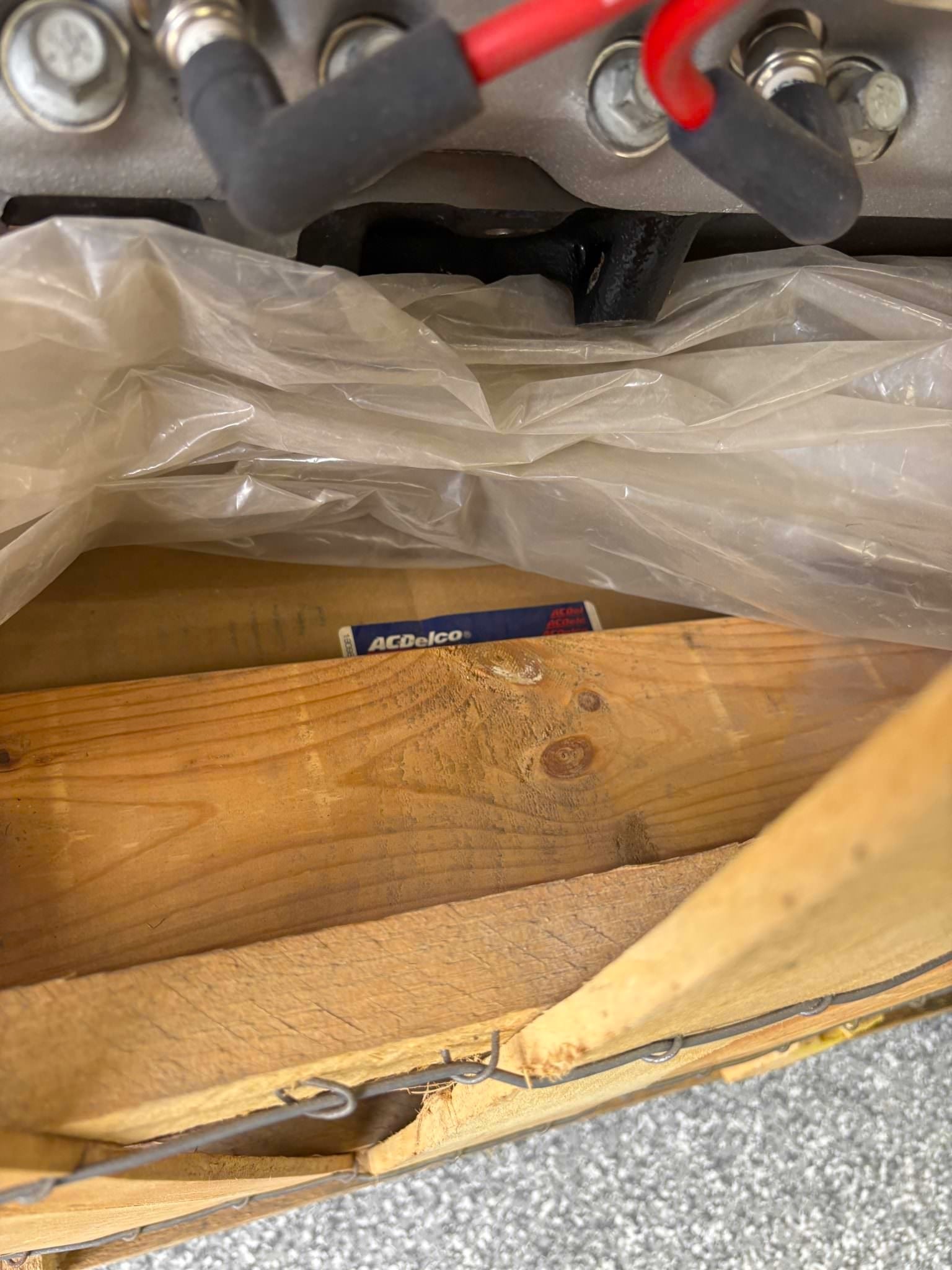
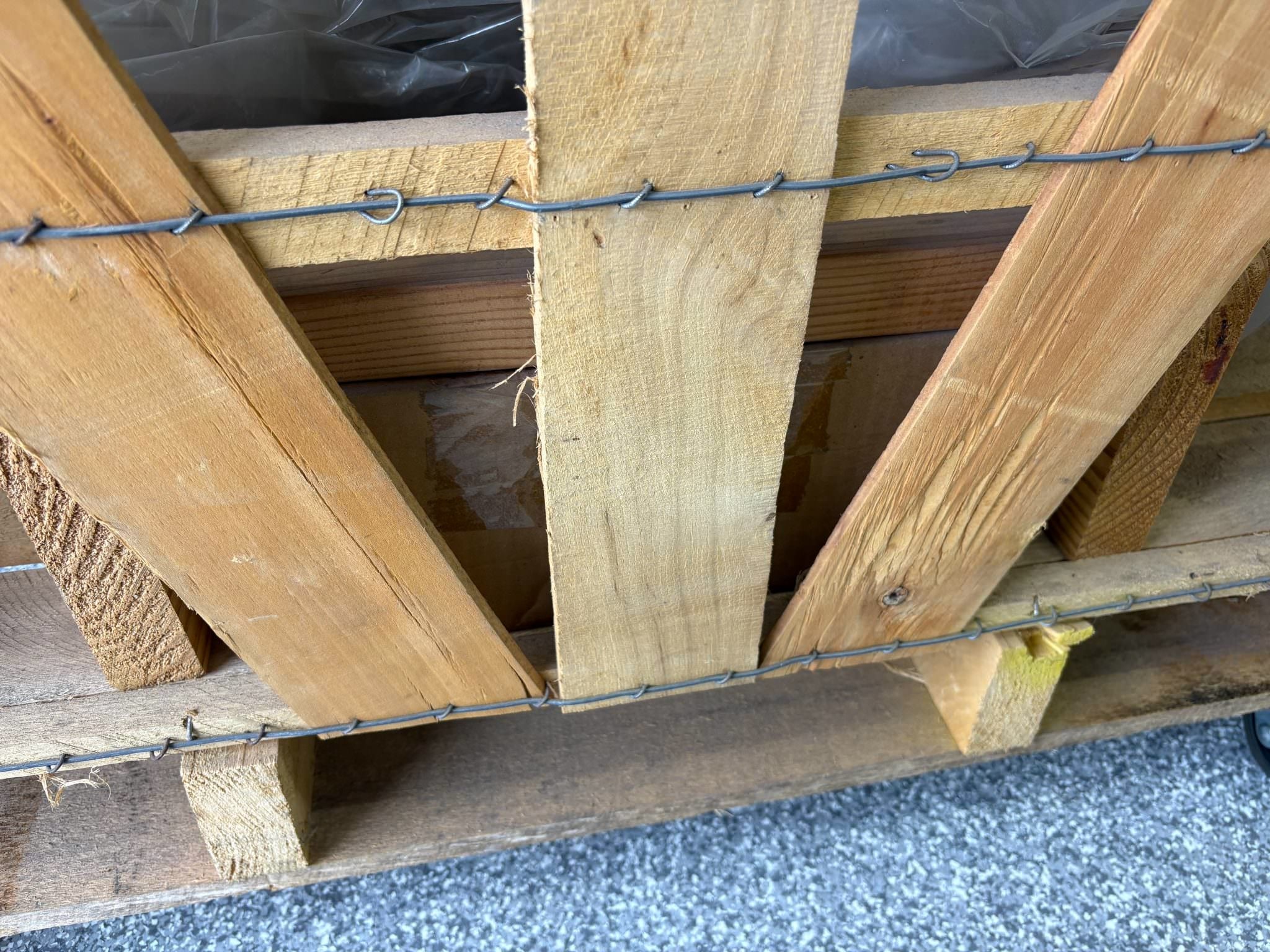
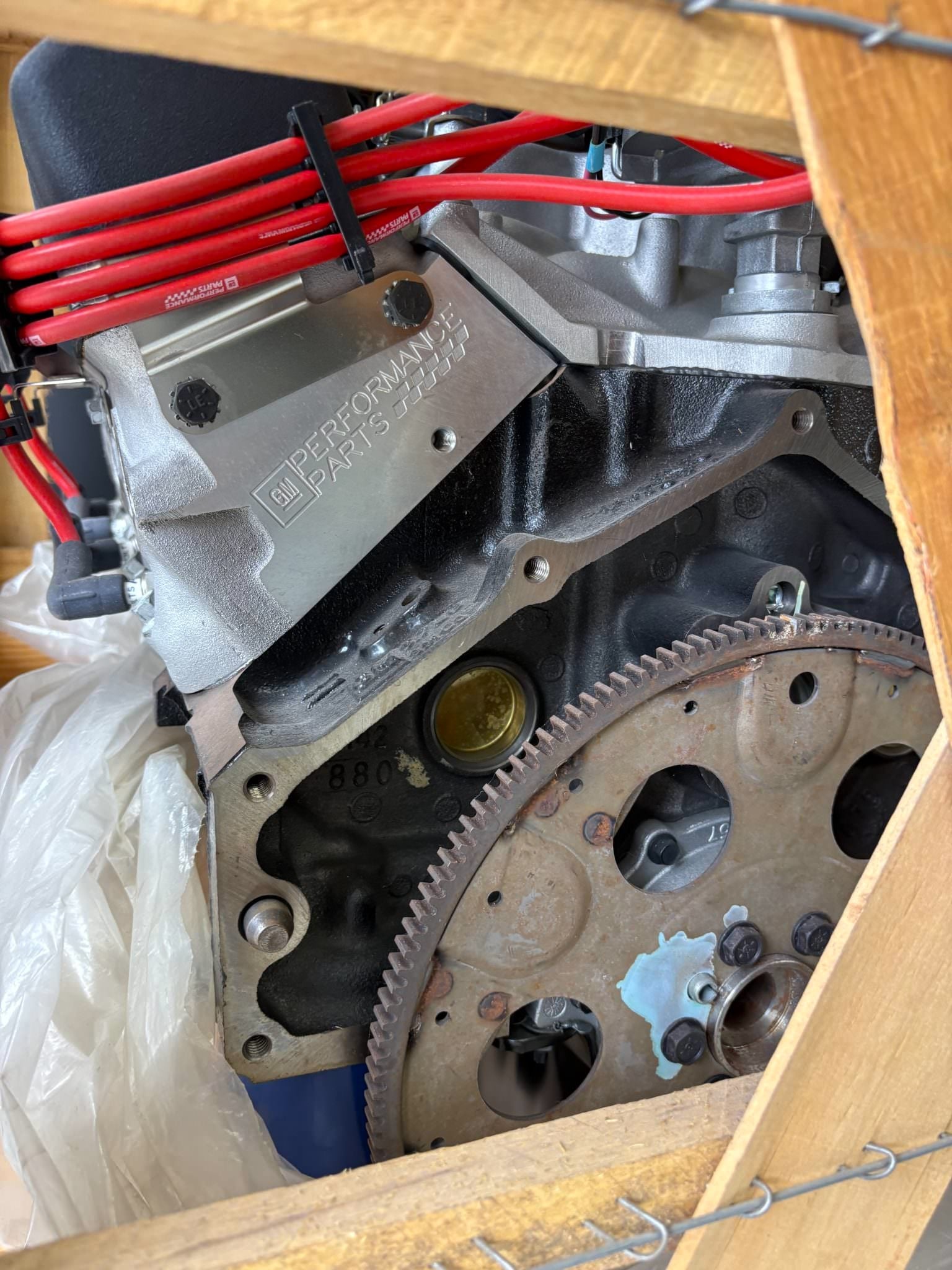
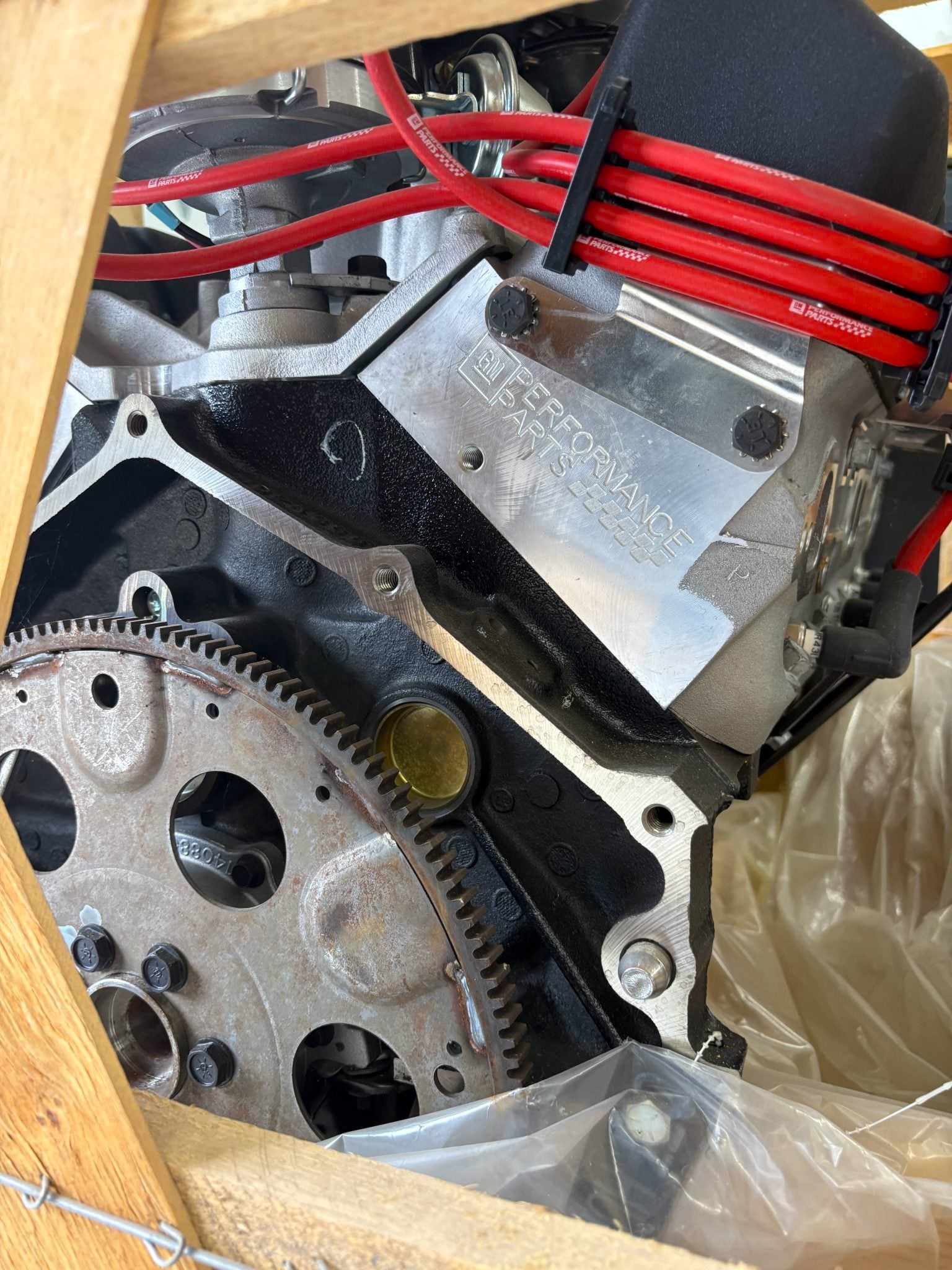
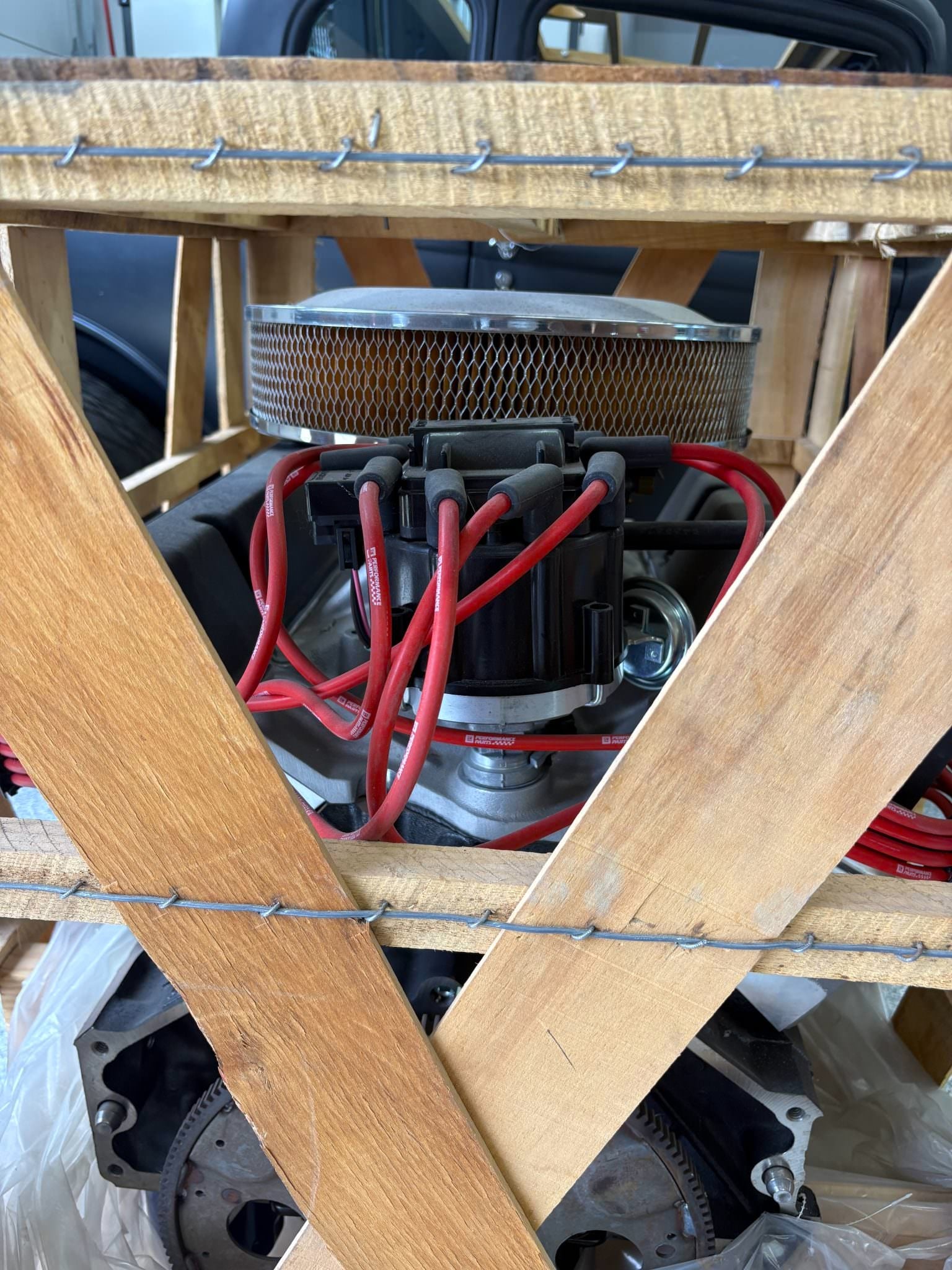
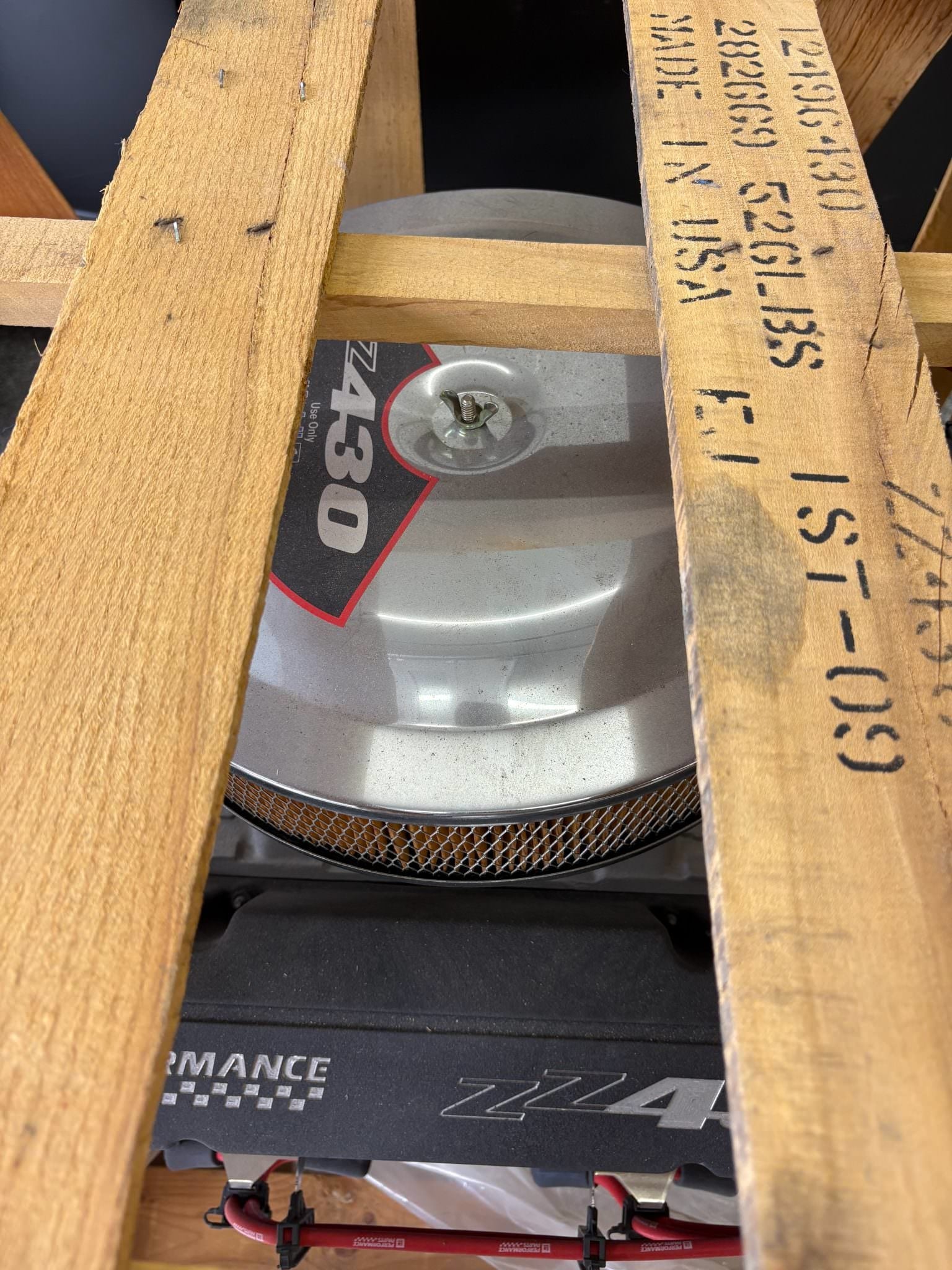
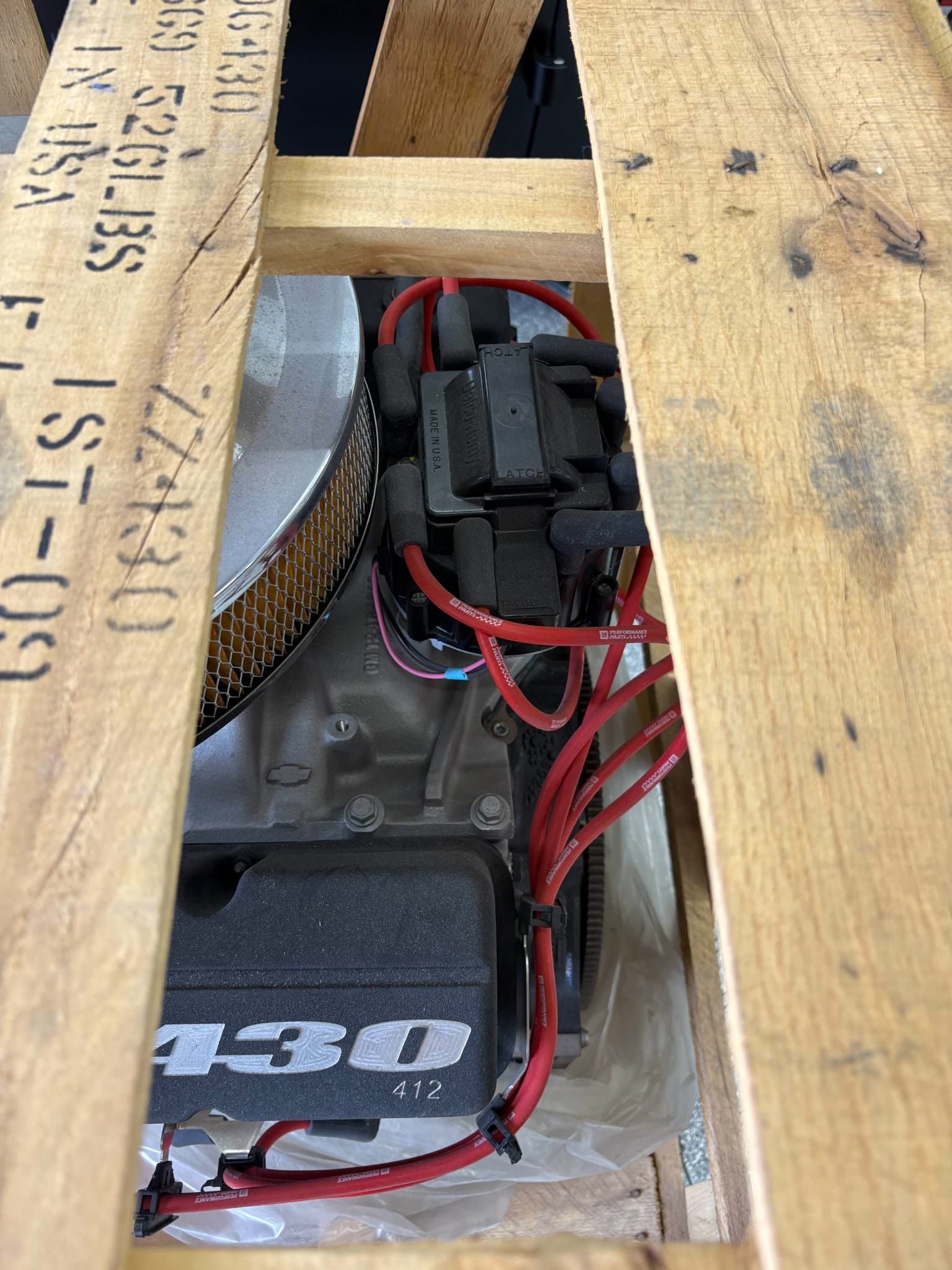
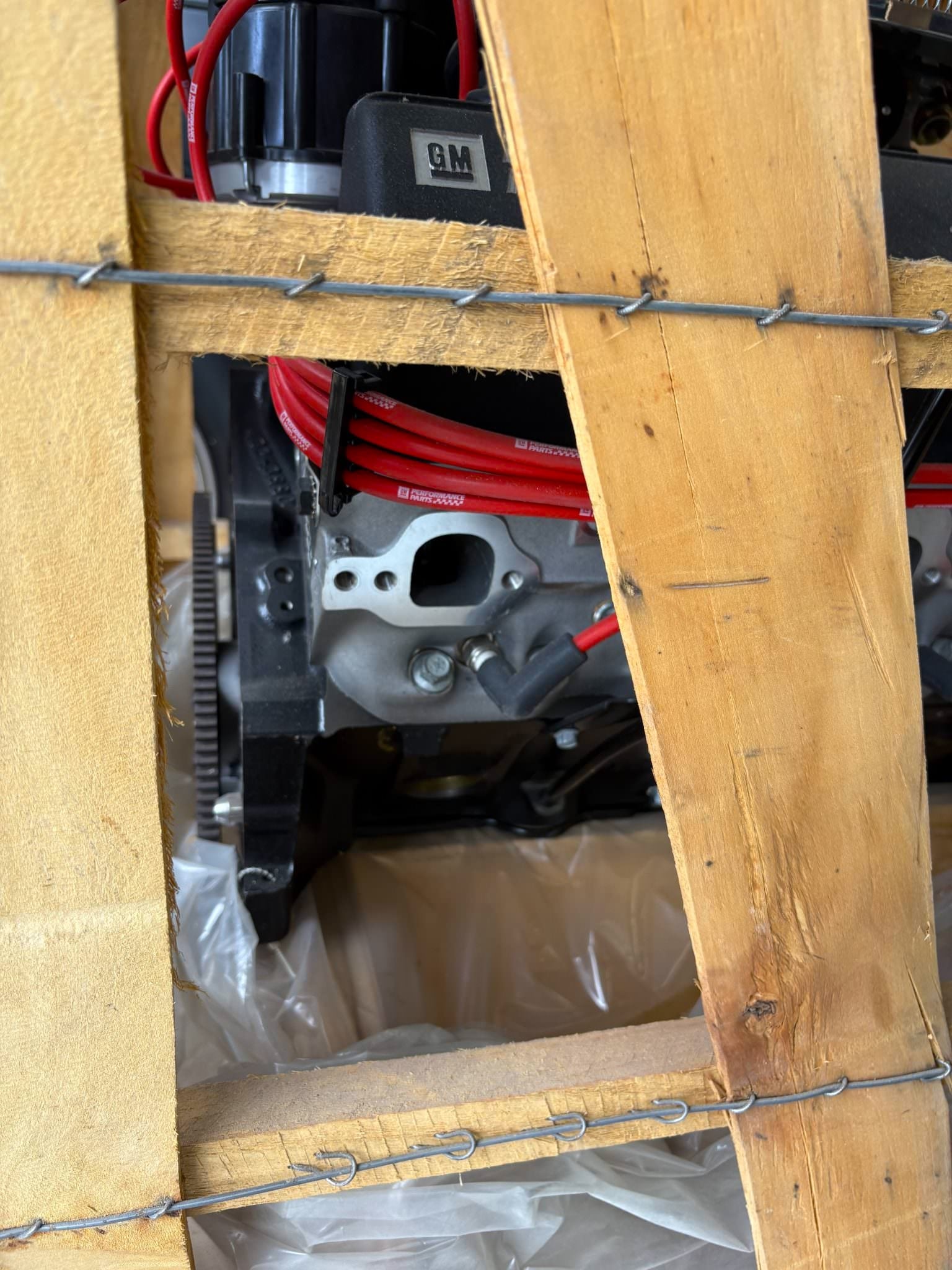
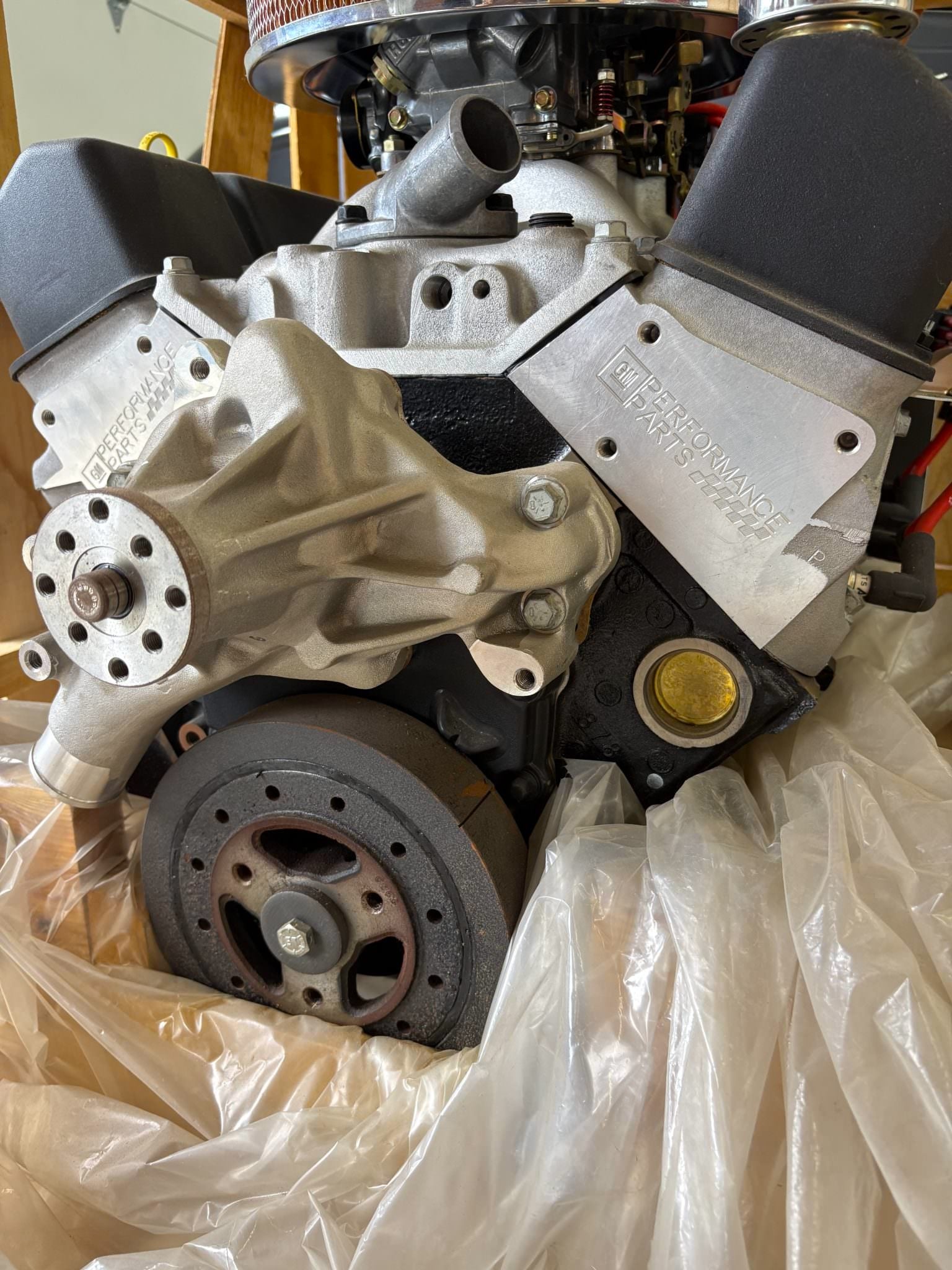
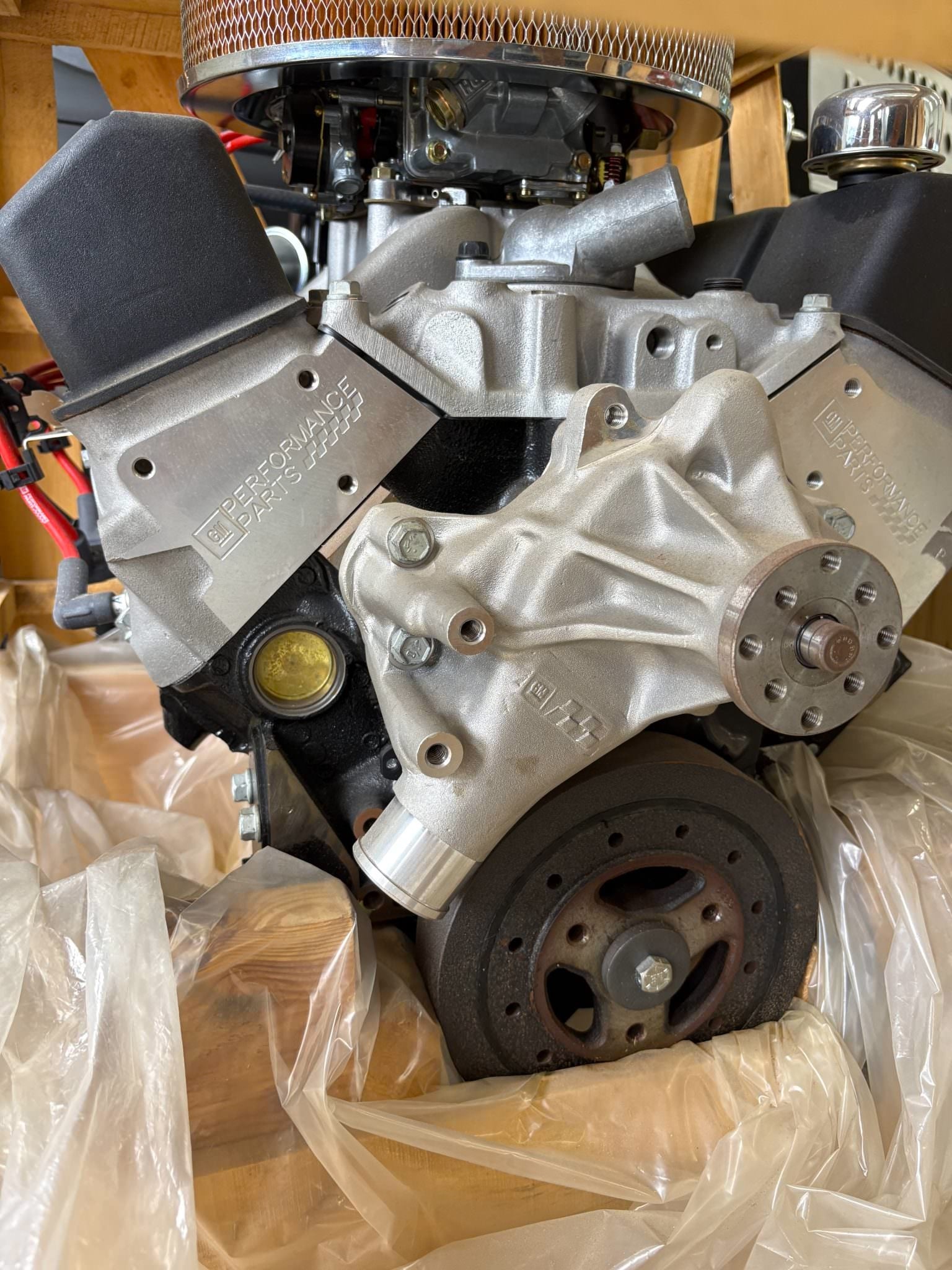
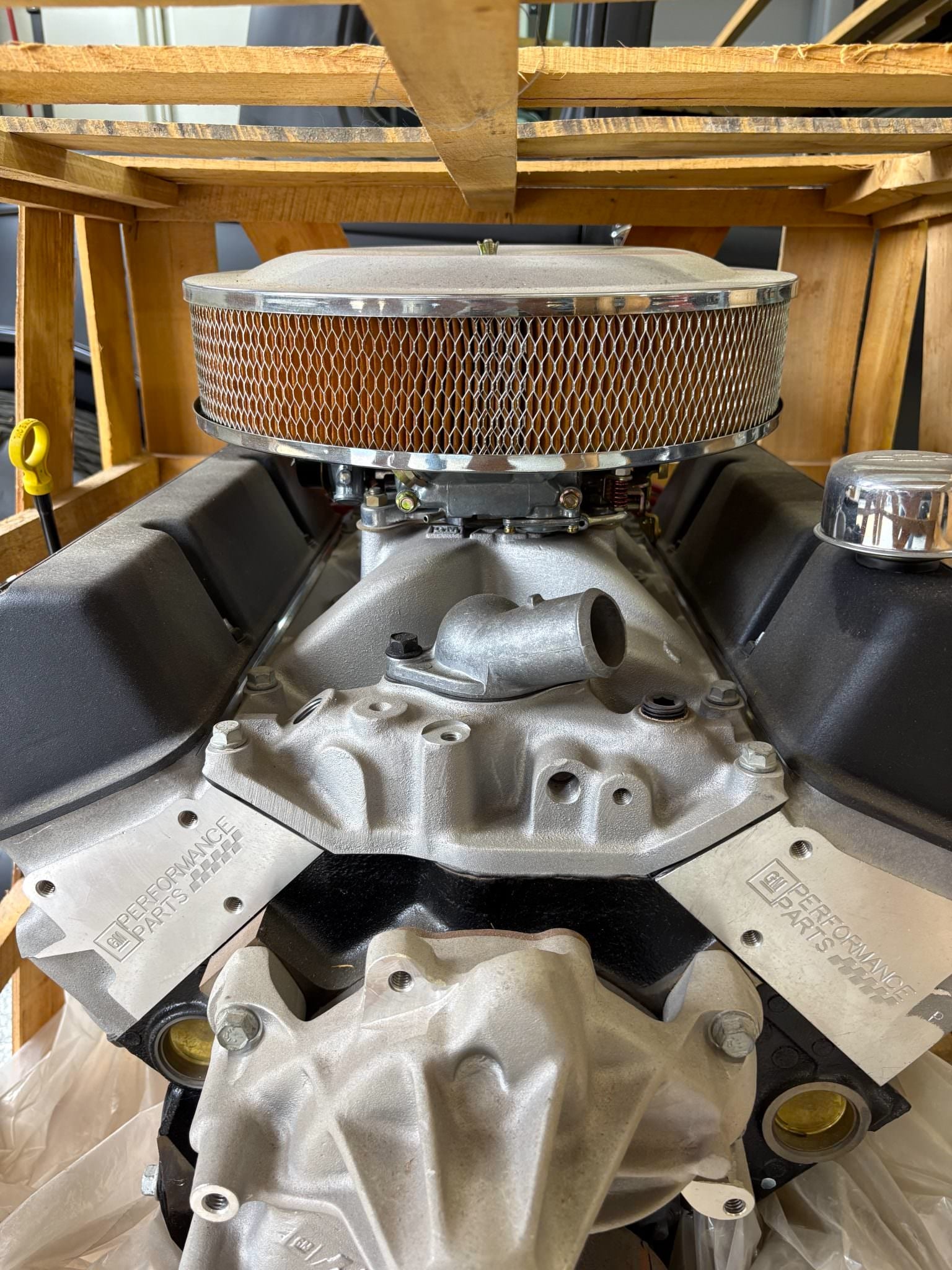
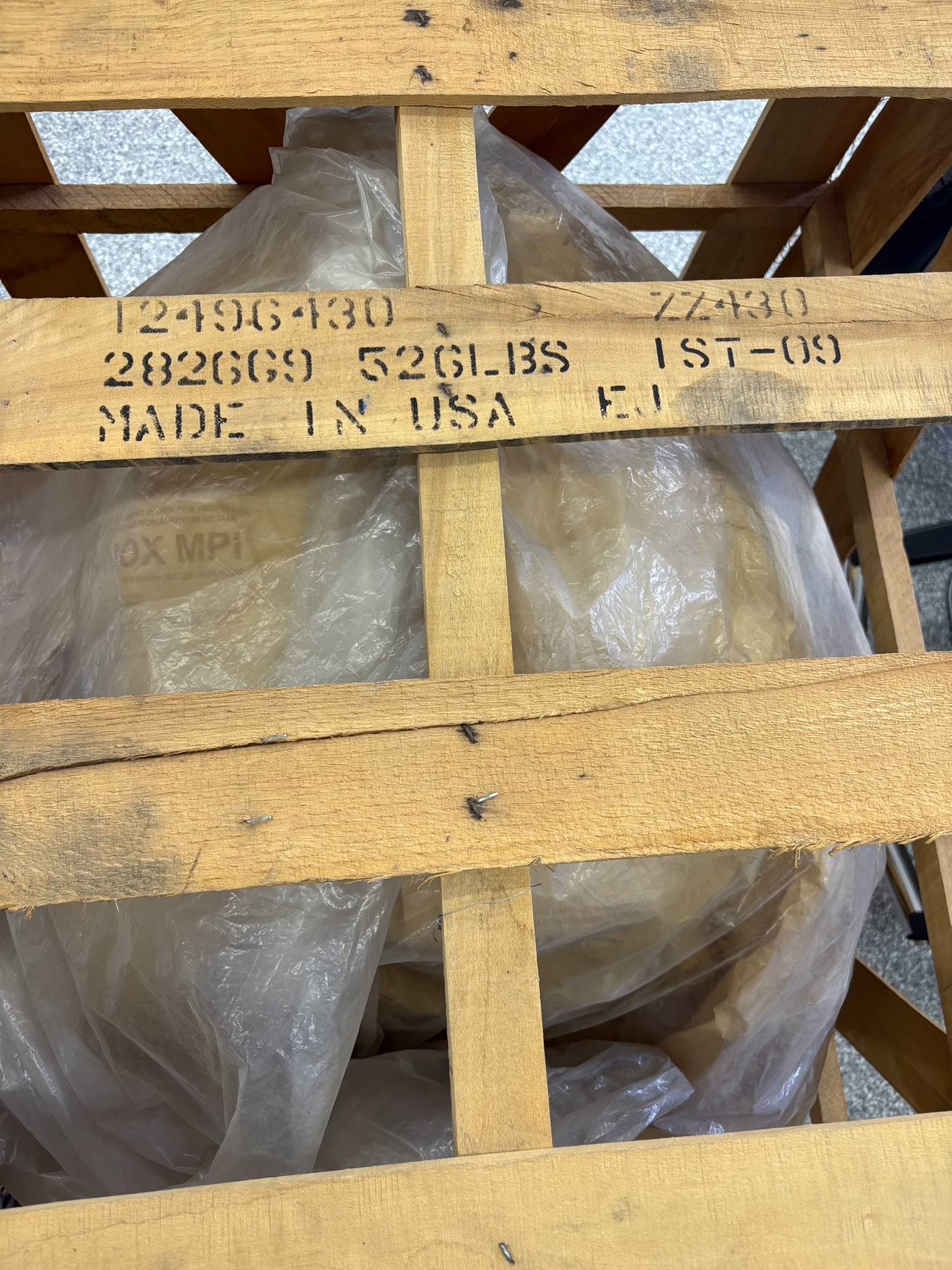
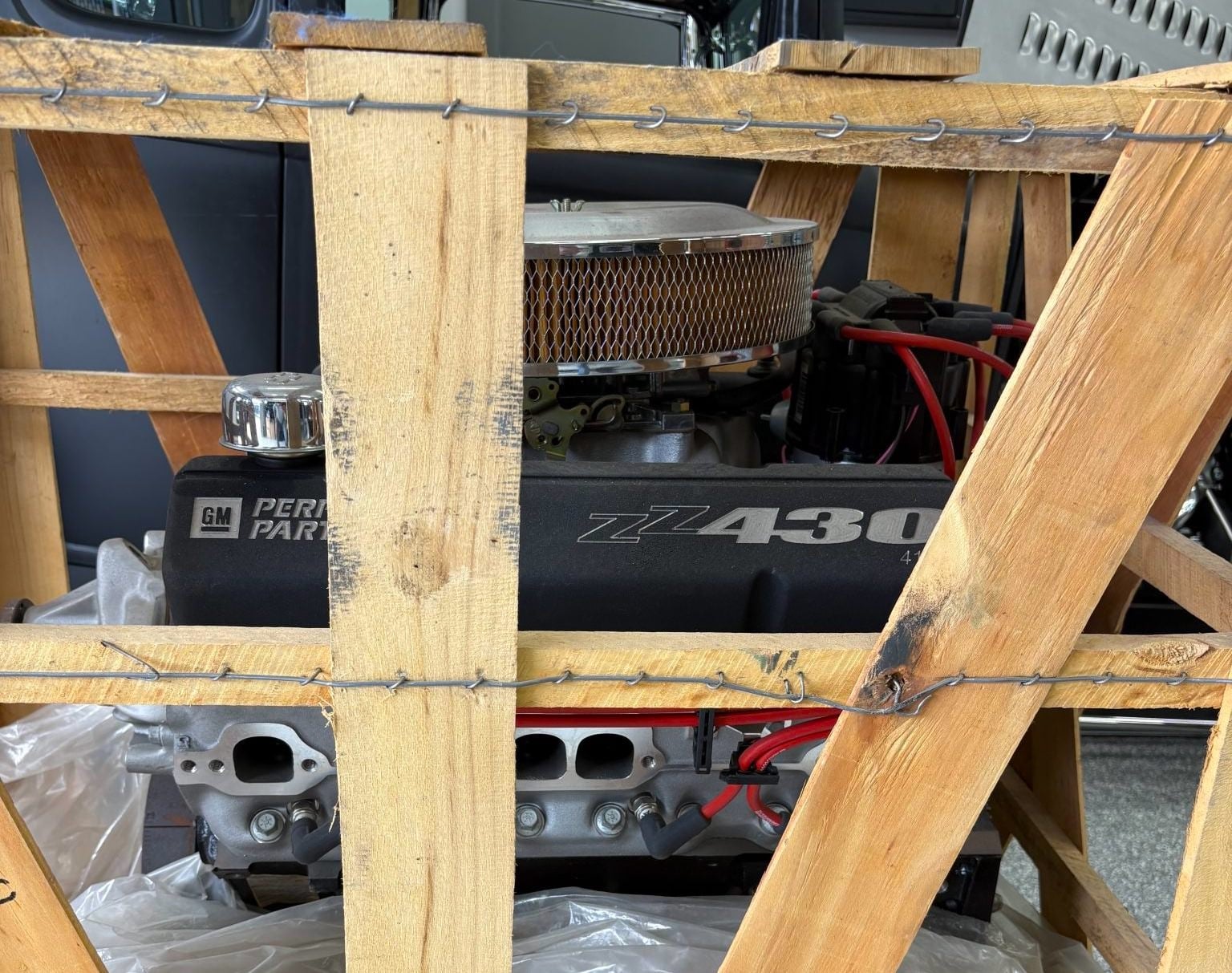
The engine you see here is an original ZZ430 that has remained in its original crate since new – it’s engine #412 of the limited run of 430 examples produced.
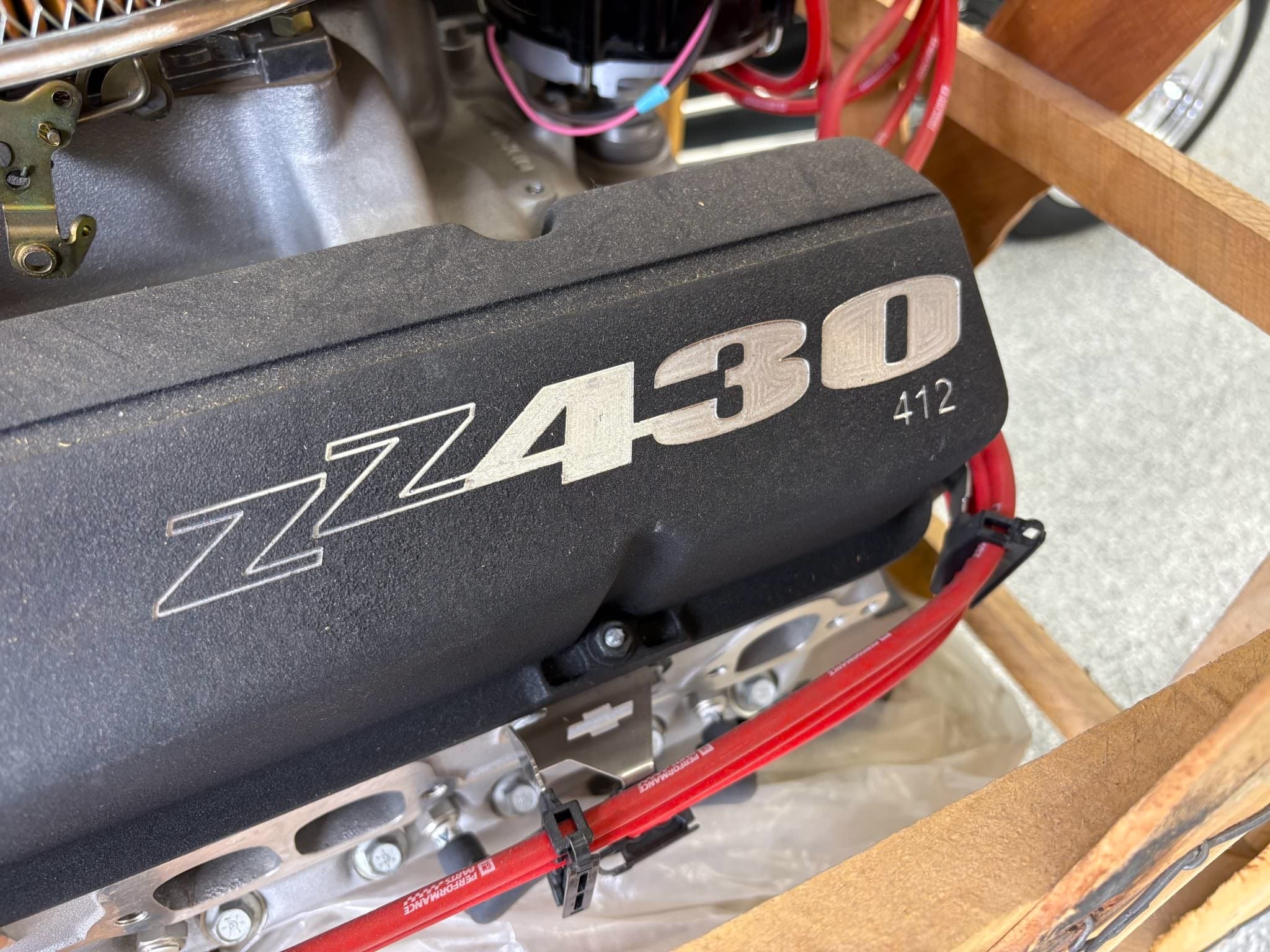
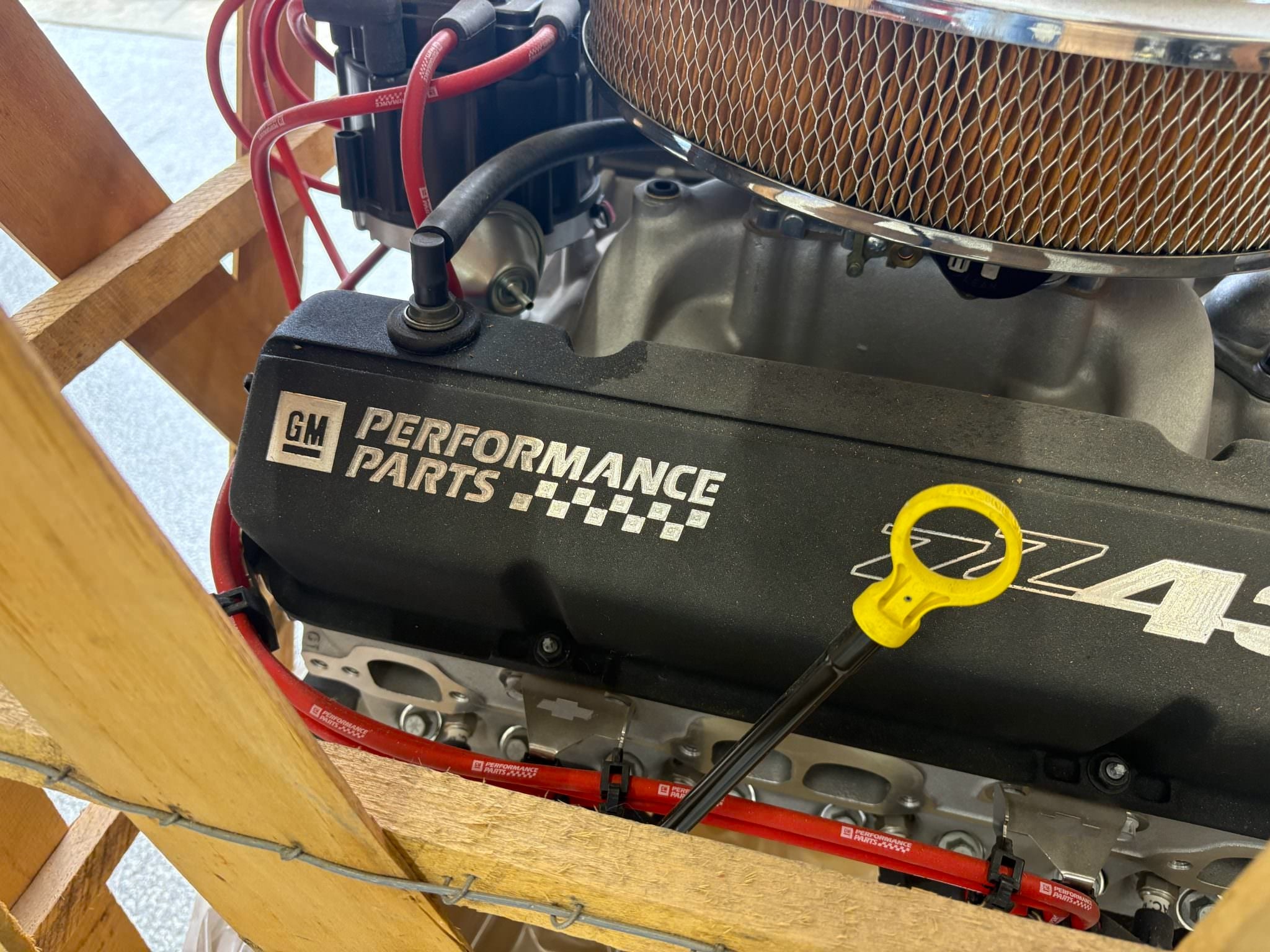
The engine you see here is an original ZZ430 that has remained in its original crate since new – it’s engine #412 of the limited run of 430 examples produced.
It was sold new by Colma Buick Pontiac GMC and remained with its original owner until the seller bought it in August of 2026. It’s never been started and is now one of very few unused ZZ430 crate engines known to exist.
The original purchase invoice and information sheets are included, and the engine is being offered at no reserve out of Port Townsend, Washington. If you’d like to read more about it or place a bid you can visit the listing here.
Images courtesy of Bring a Trailer

Articles that Ben Branch has written have been covered on CNN, Popular Mechanics, Smithsonian Magazine, Road & Track Magazine, the official Pinterest blog, the official eBay Motors blog, BuzzFeed, Autoweek Magazine, Wired Magazine, Autoblog, Gear Patrol, Jalopnik, The Verge, and many more.
Silodrome was founded by Ben back in 2010, in the years since the site has grown to become a world leader in the alternative and vintage motoring sector, with well over a million monthly readers from around the world and many hundreds of thousands of followers on social media.