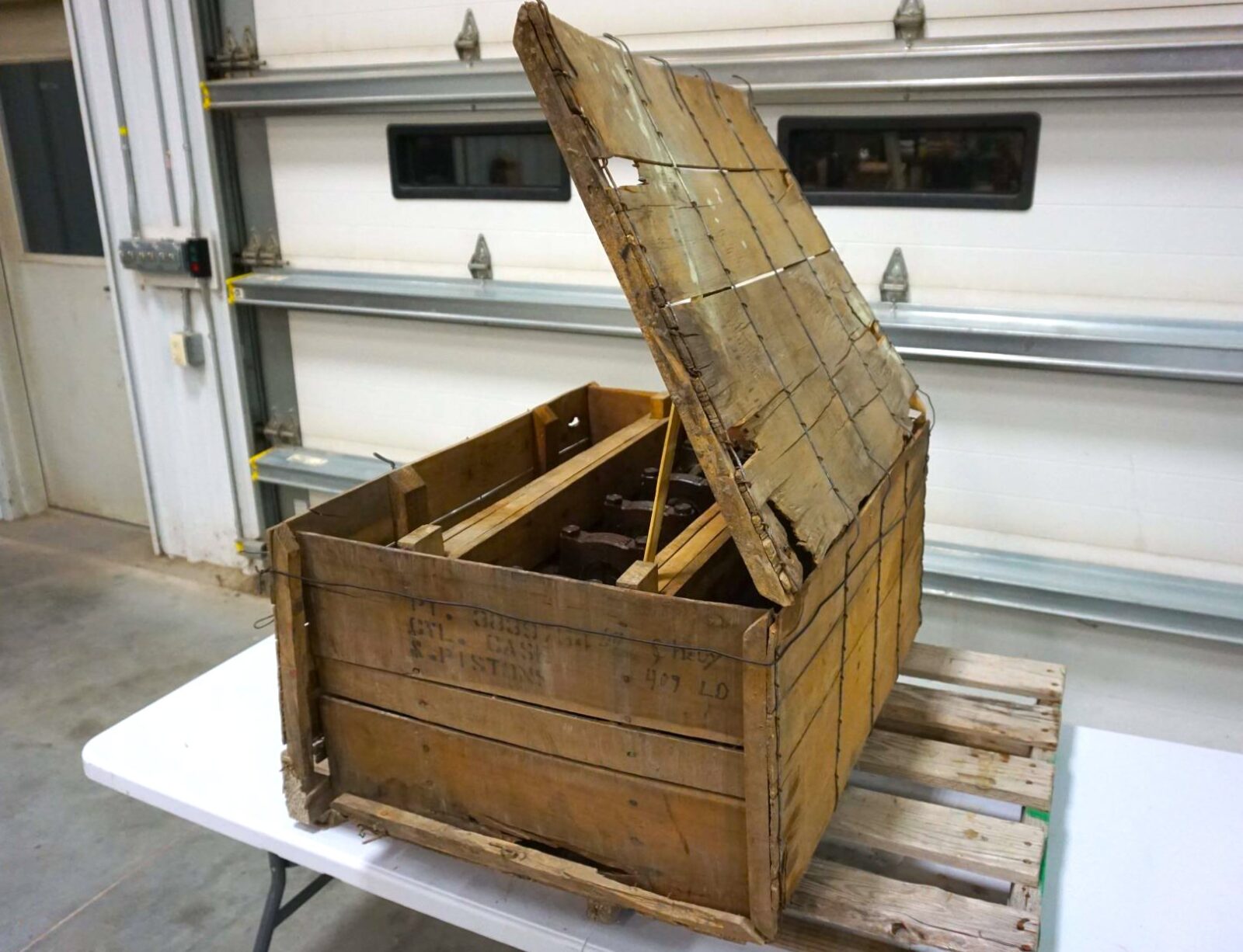
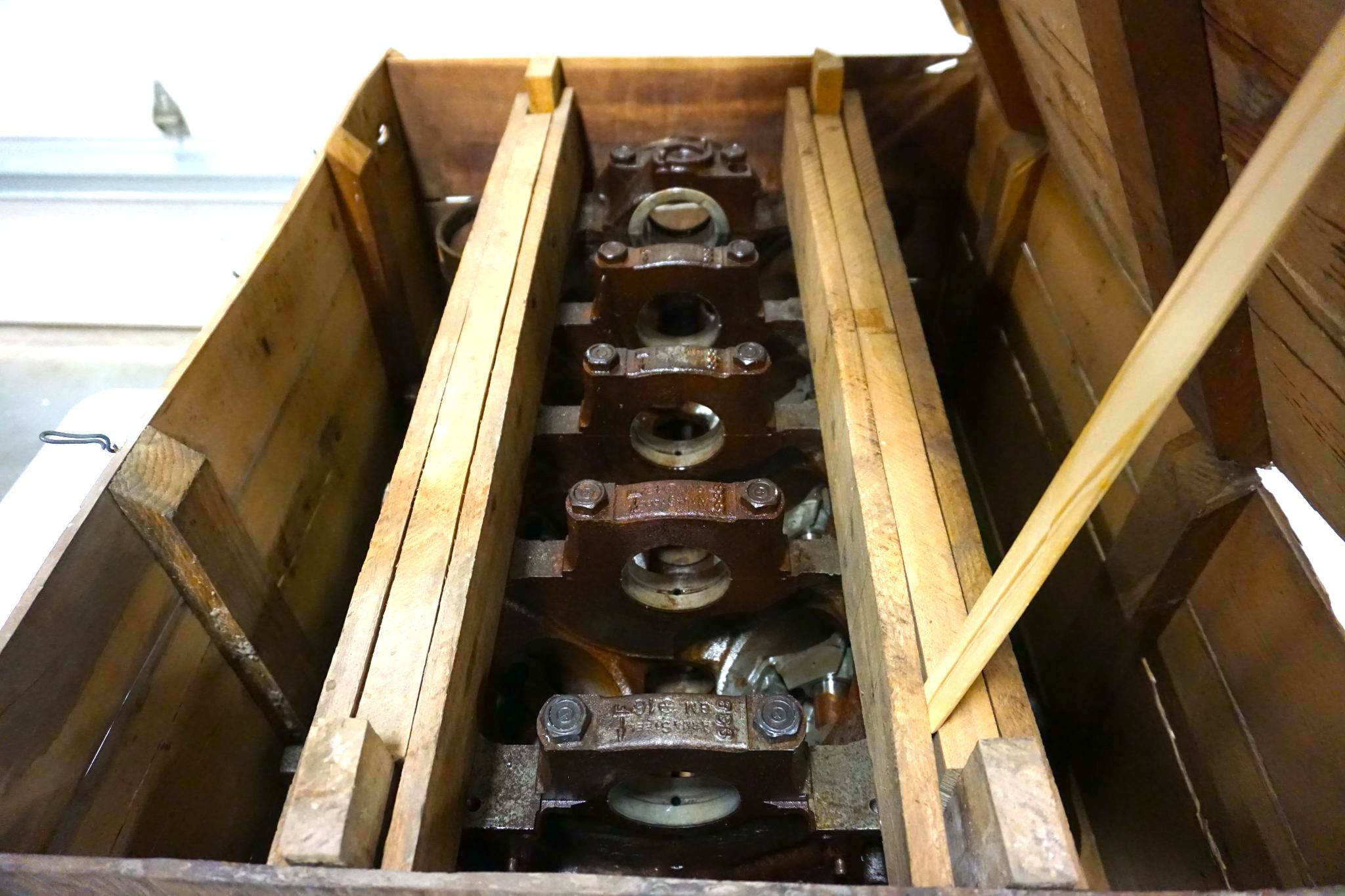
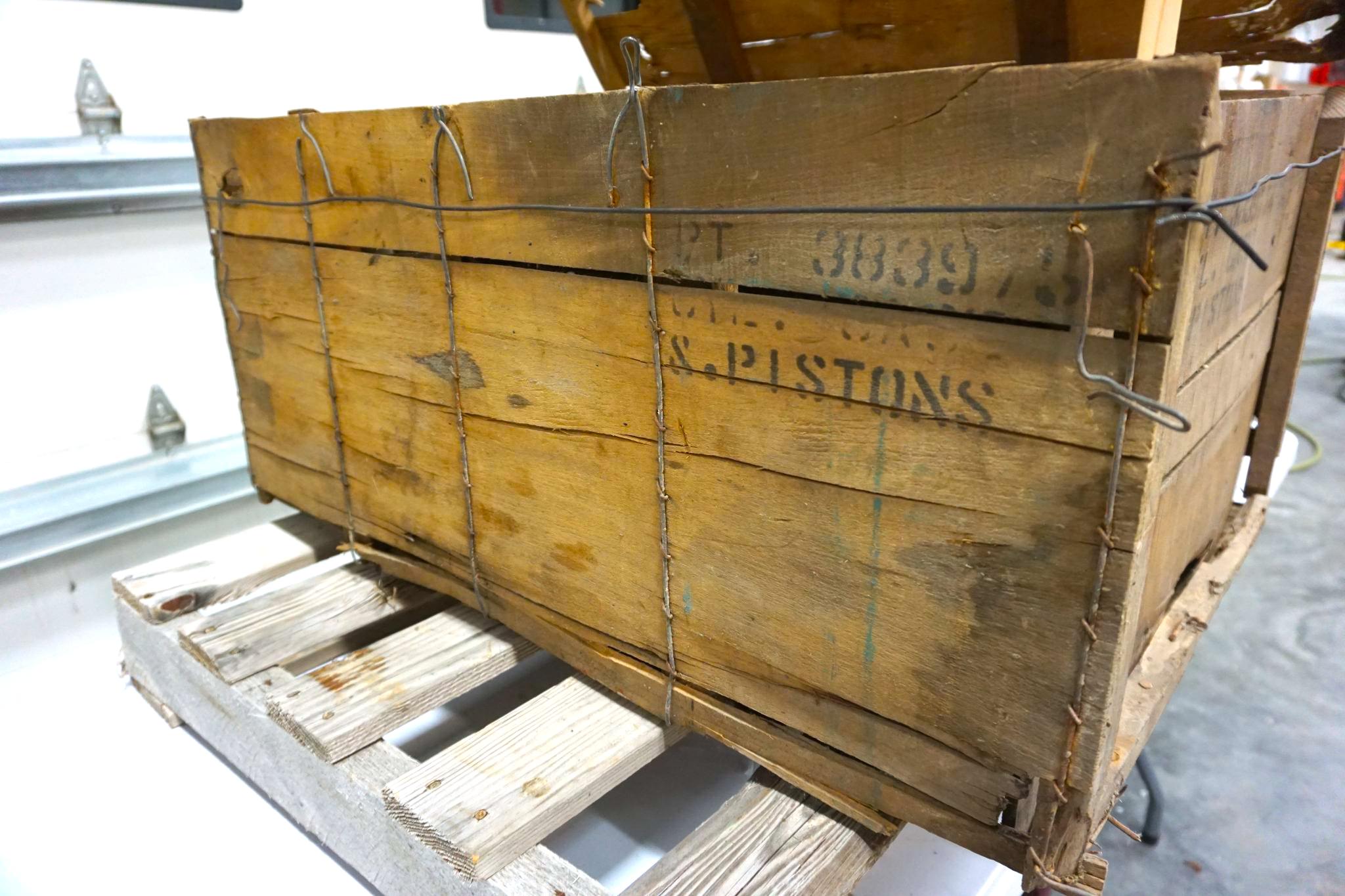
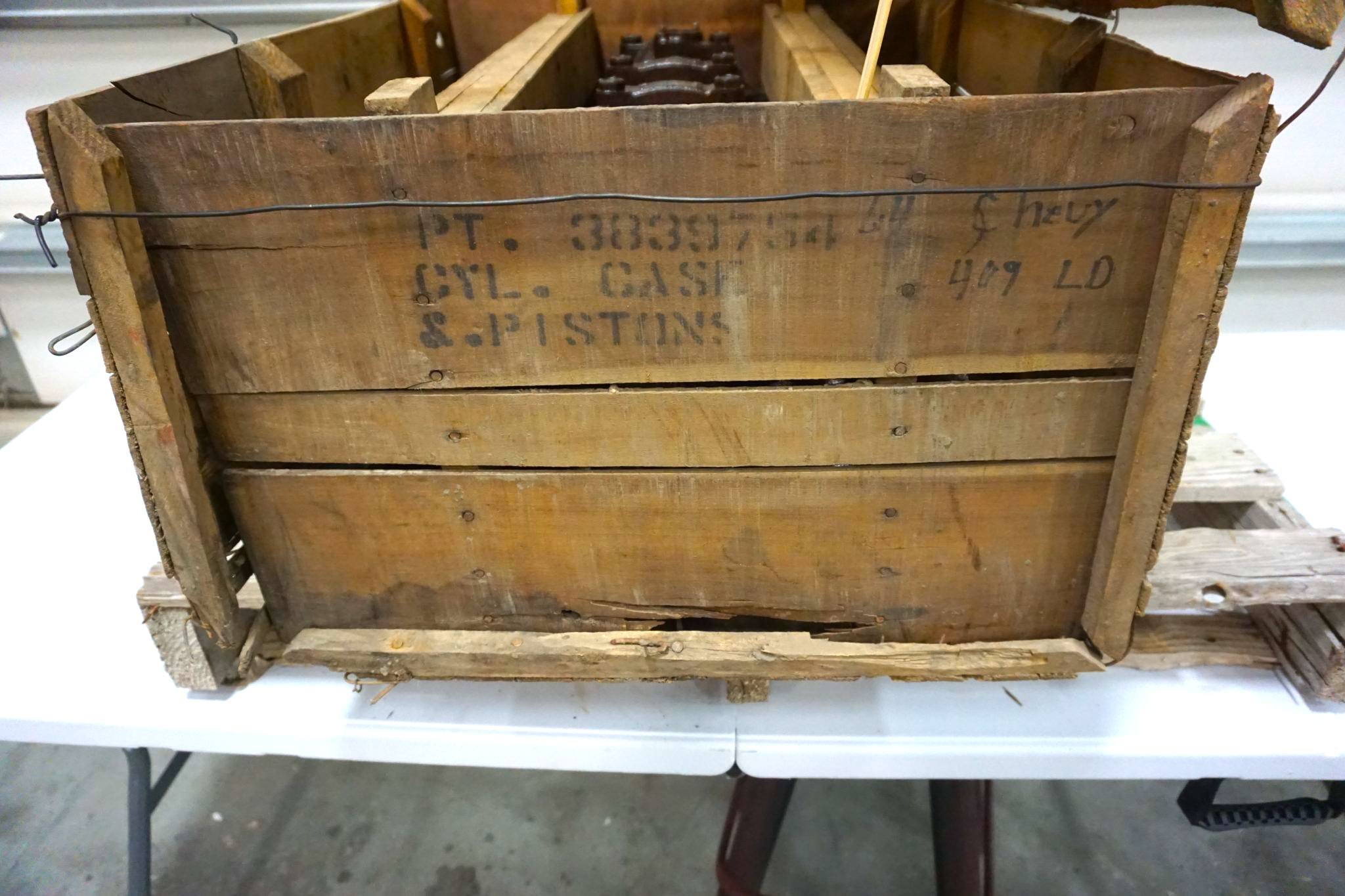
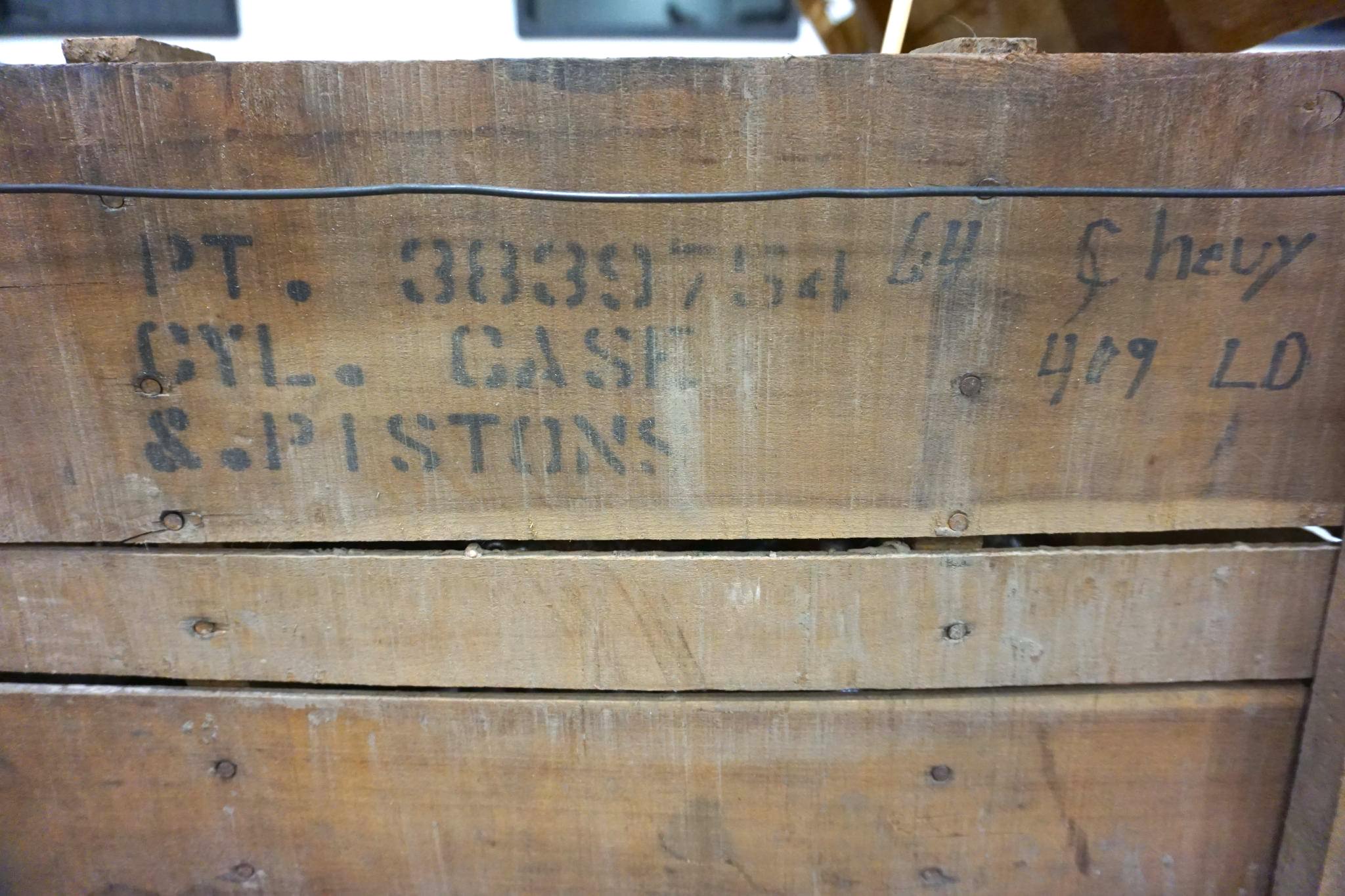
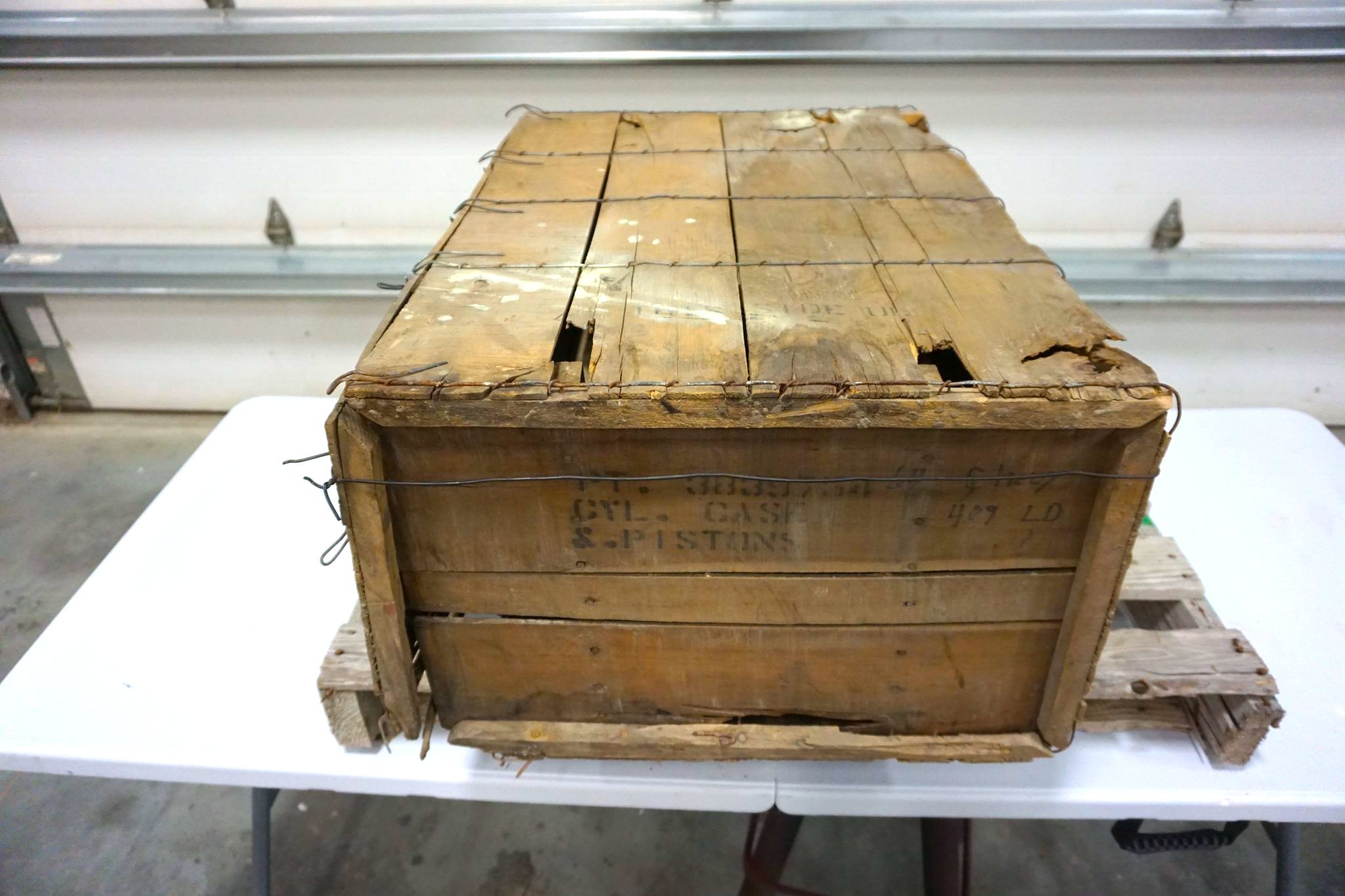
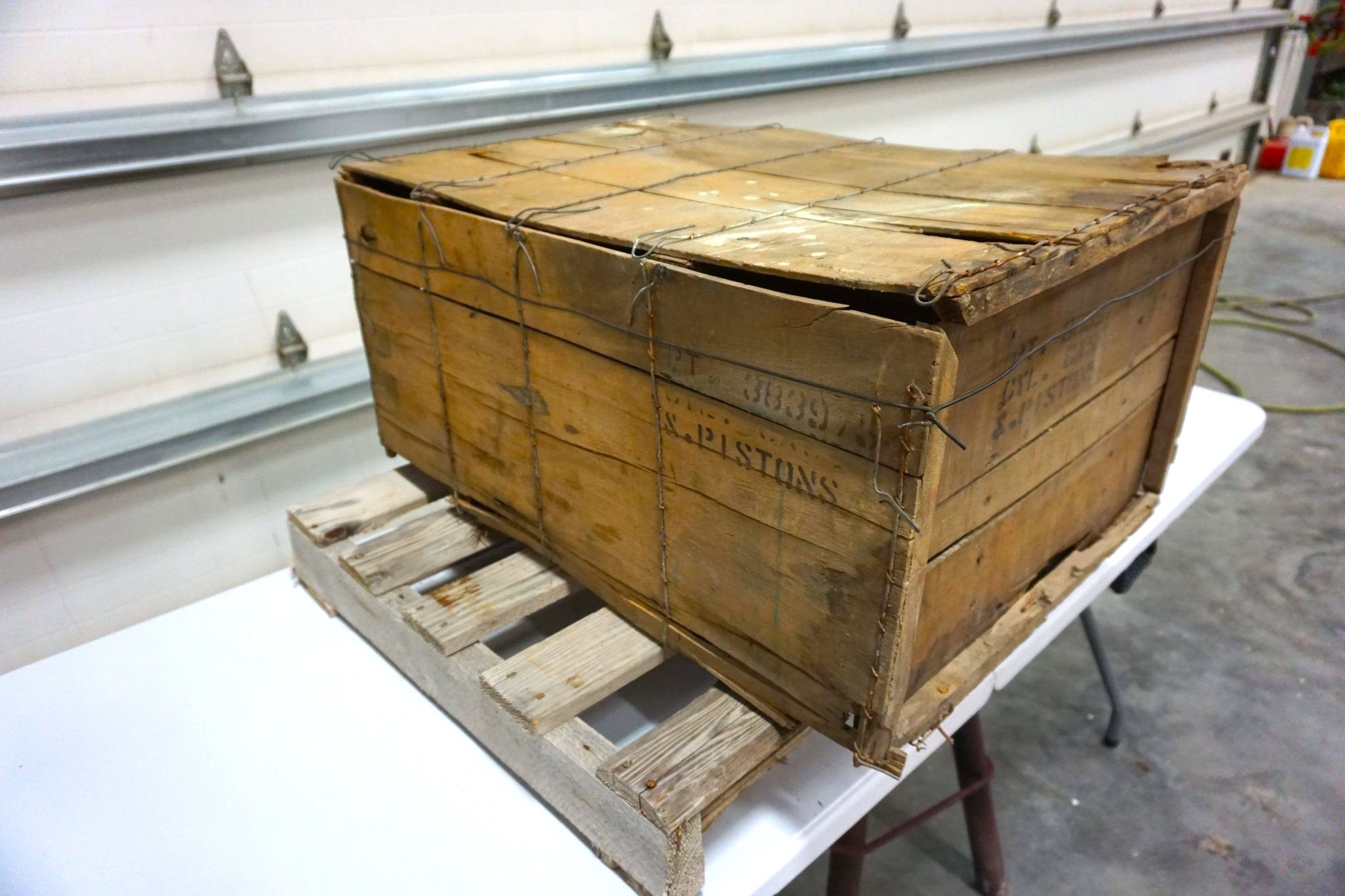
This is a Chevrolet 409 short block that was ordered new from the automaker back in 1964 as a replacement unit for a 1965 Chevrolet Impala. It has remained untouched in its factory crate since then, a remarkable 62 years.
It’s not known why the short block wasn’t used in the then-owner’s Impala, but whatever the reason is, it’s now very likely the last example of its kind anywhere in the world, and it’s now being offered for sale.
 The ultimate factory derivative of the 409 was the Z11, a special 427 cubic inch stroker based on the 409 architecture. Built strictly for competition in 1963, it had aluminum front-end body panels and an engine officially rated at 430 bhp but known to produce considerably more in reality. Image courtesy of General Motors.
What Is A Short Block?
For the uninitiated, a short block is essentially an engine block containing most of the parts that go between the head gasket and the oil pan. They typically contain a crankshaft, bearings, connecting rods, pistons, and piston rings in place, as well as all the requisite bearings.
A short block might be ordered by a dealership or a car owner who has an engine with a blown bottom end, but a functional head (or heads), and the complete induction, fuel, and ignition systems. It saves a lot of money, but it does require expert hands to assemble it all correctly into a working engine.
History Speedrun: The Chevrolet 409 V8
The Chevrolet 409 V8 was born out of Chevrolet’s “W-series” engine family, first introduced with the Chevrolet 348 V8 in 1958.
Designed originally for heavier passenger cars and light trucks that needed more power, the W-series stood apart from the small-block thanks to its combustion chamber arrangement. Instead of a chamber in the head, the chamber was formed by the piston crown and the block’s 74º deck angle, giving the engines their distinctive scalloped valve covers and contributing to their solid torque output.
Above Video: Culturally, the 409 gained near-mythical status when the Beach Boys immortalized it in their 1962 hit song “409,” tying Chevrolet’s big block V8 to youth culture and the muscle car era.
By 1961, Chevrolet needed more displacement to remain competitive both on the street and running down the 1/4 mile at the drag strip. The answer was the 409, achieved by enlarging the 348’s bore to 4.3125 inches and stroke to 3.50 inches. The result was 409 cubic inches, producing 360 bhp and 409 lb ft of torque in its debut single four-barrel configuration.
Only 142 Impala SS cars received the option that first year, but word spread quickly.
In 1962, Chevrolet would further broaden the lineup – a single four-barrel version produced 380 bhp, while a dual-quad version was rated at 409 bhp a figure that aligned neatly with the engine’s displacement and subsequently with its name.
Multiple versions followed – a 340 bhp hydraulic-lifter model, a 400 bhp single four-barrel, and the solid-lifter dual-quad at 425 bhp. Compression ratios reached as high as 11.25:1 (requiring high octane fuel), and torque figures regularly topped 420 lb ft. Though it was heavy, the 409 became the performance halo of Chevrolet’s full-size cars, most notably the Impala SS.
On the strip, the 409 was a force to be reckoned with. Its broad torque curve made it well-suited to quarter-mile competition, and Chevrolet supported factory drag racers with ever-stronger versions.
The ultimate factory derivative was the Z11, a special 427 cubic inch stroker based on the 409 architecture. Built strictly for competition in 1963, it had aluminum front-end body panels and an engine officially rated at 430 bhp but known to produce considerably more in reality.
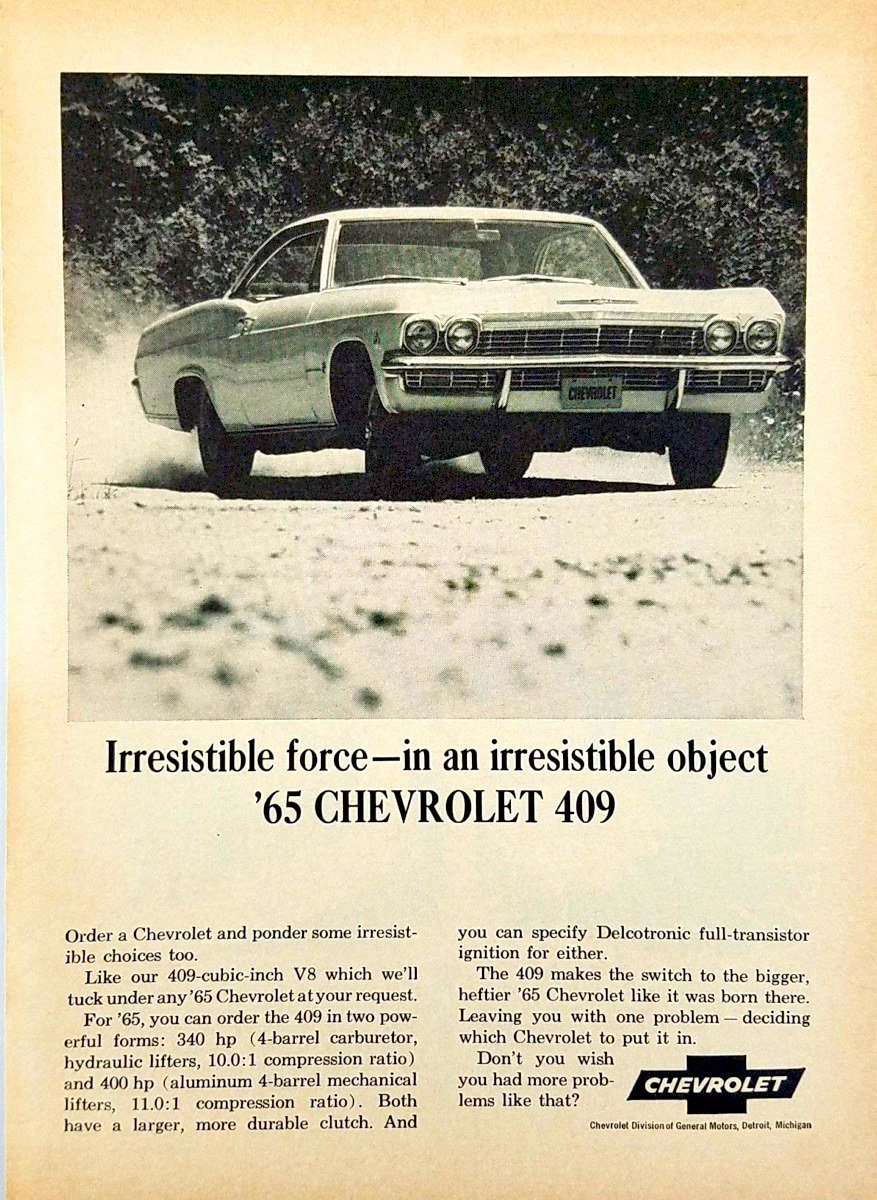
On the strip, the 409 was a force to be reckoned with. Its broad torque curve made it well-suited to quarter-mile competition, and Chevrolet supported factory drag racers with ever-stronger versions. Image courtesy of General Motors.
Culturally, the 409 gained near-mythical status when the Beach Boys immortalized it in their 1962 hit song “409,” tying Chevrolet’s big block V8 to youth culture and the muscle car era.
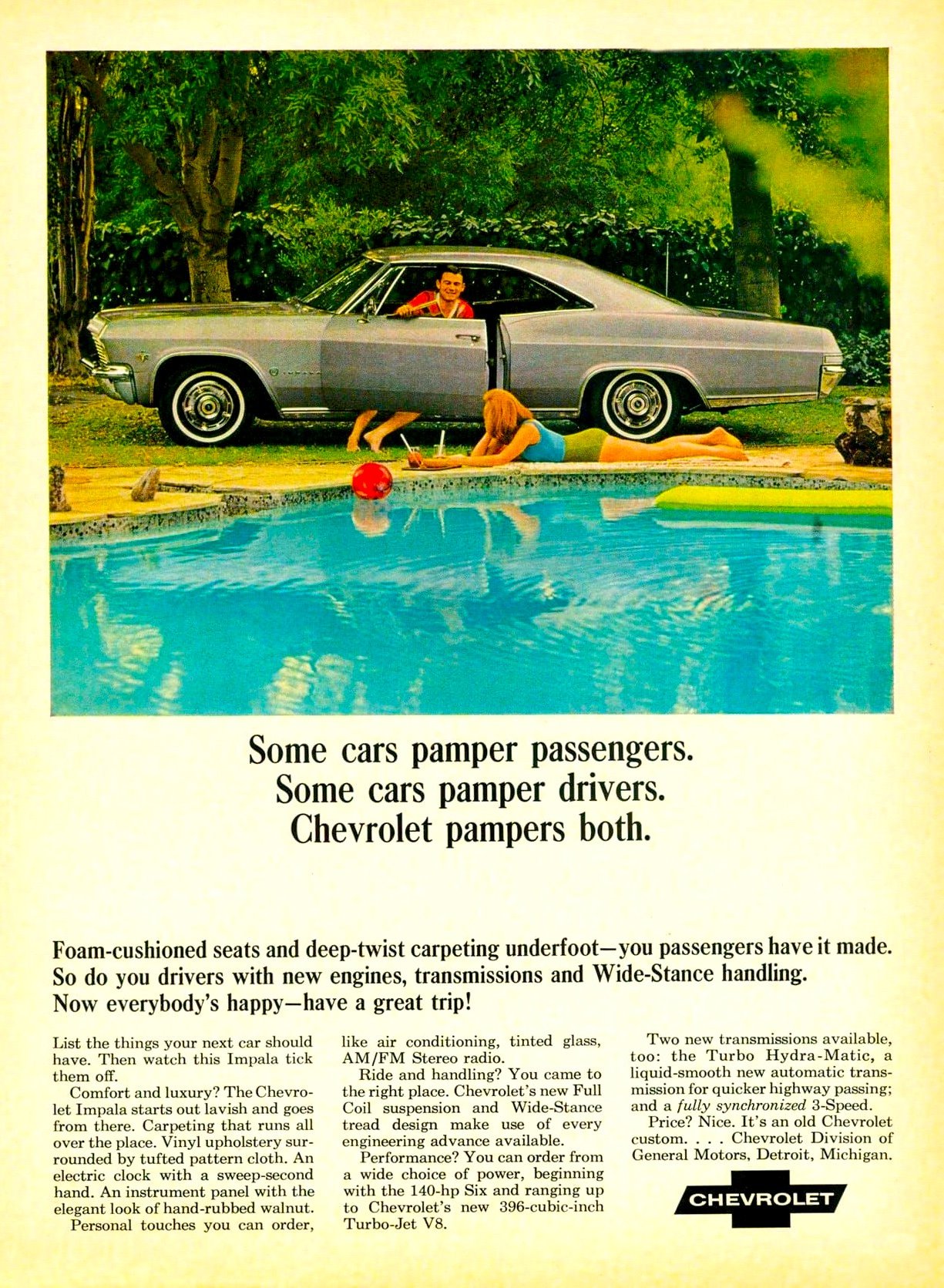
By 1965, however, the 409 was phased out in favor of Chevrolet’s new Mark IV big-blocks, beginning with the 396. The newer design offered more room for development, stronger internals, better reliability, and greater long-term potential.
The Chevrolet 409 V8 Short Block Shown Here
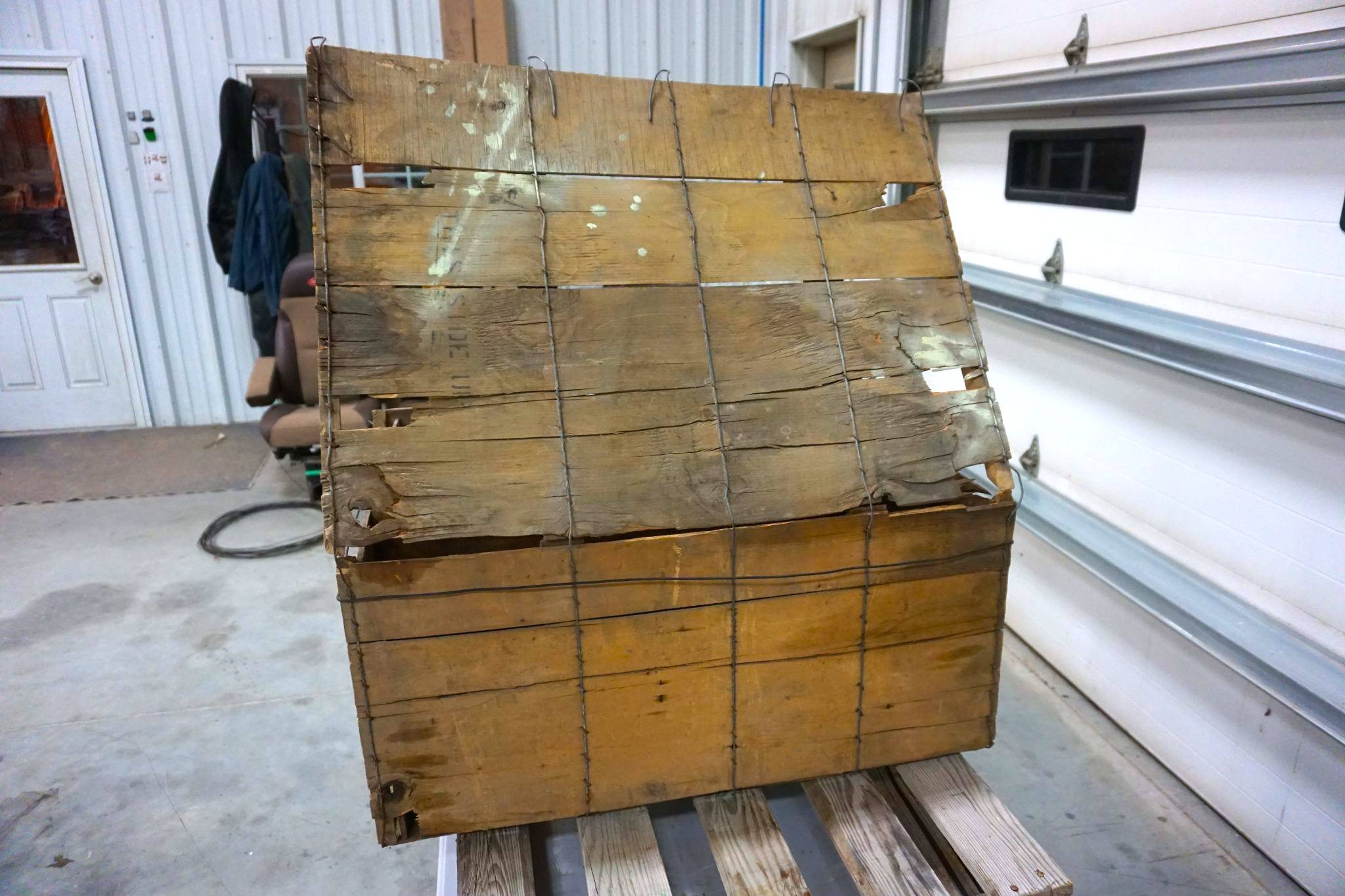
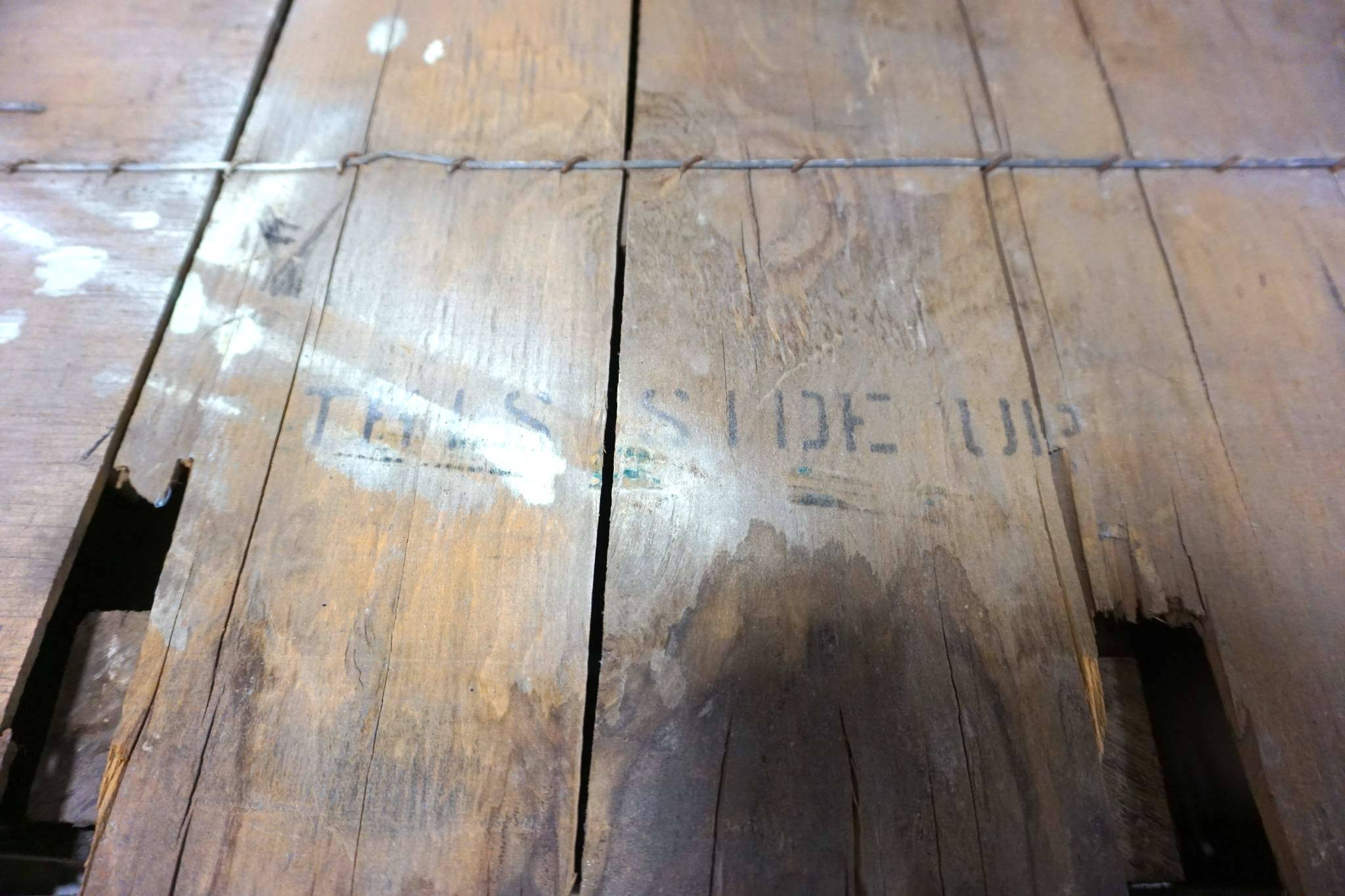
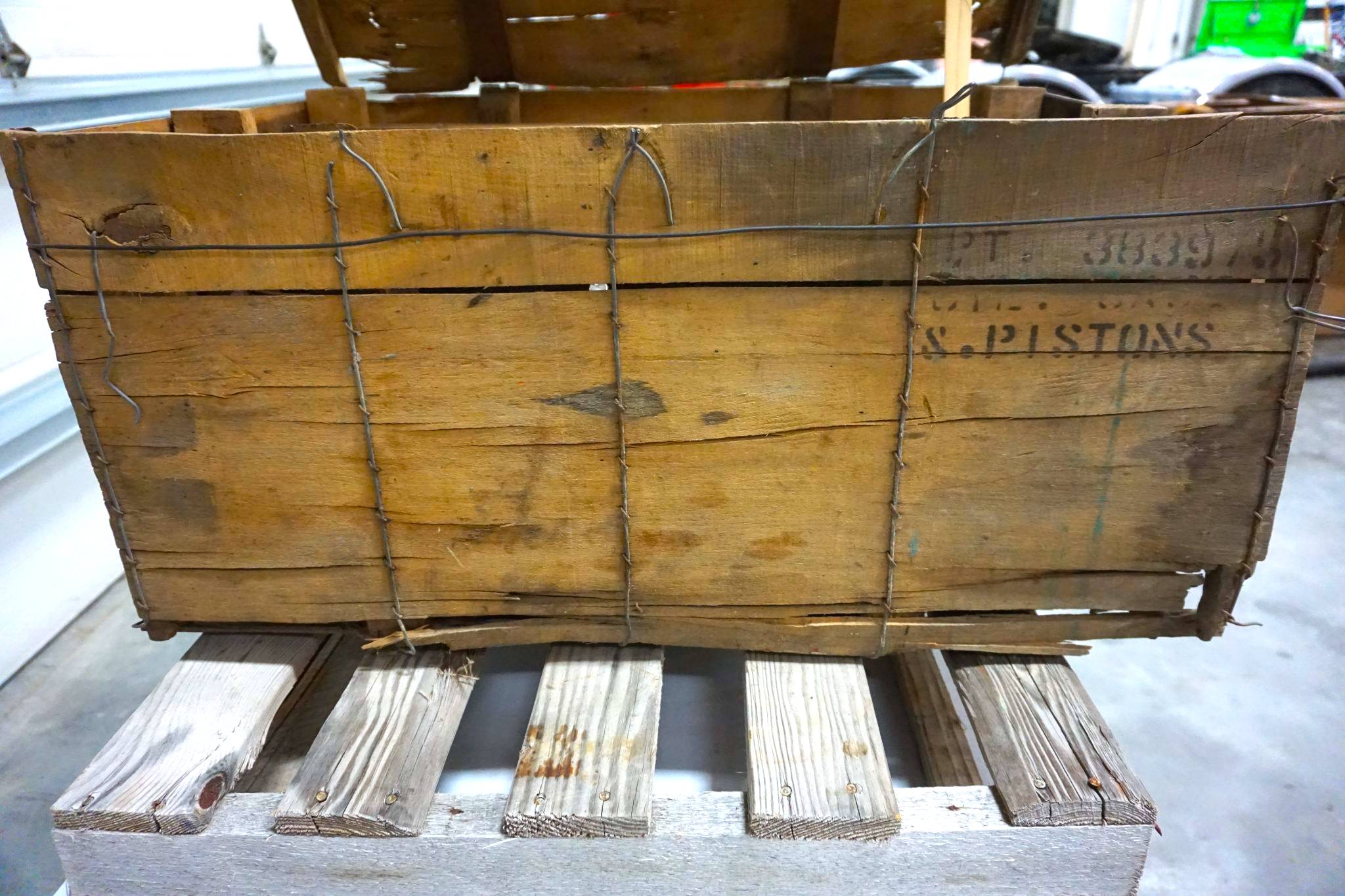
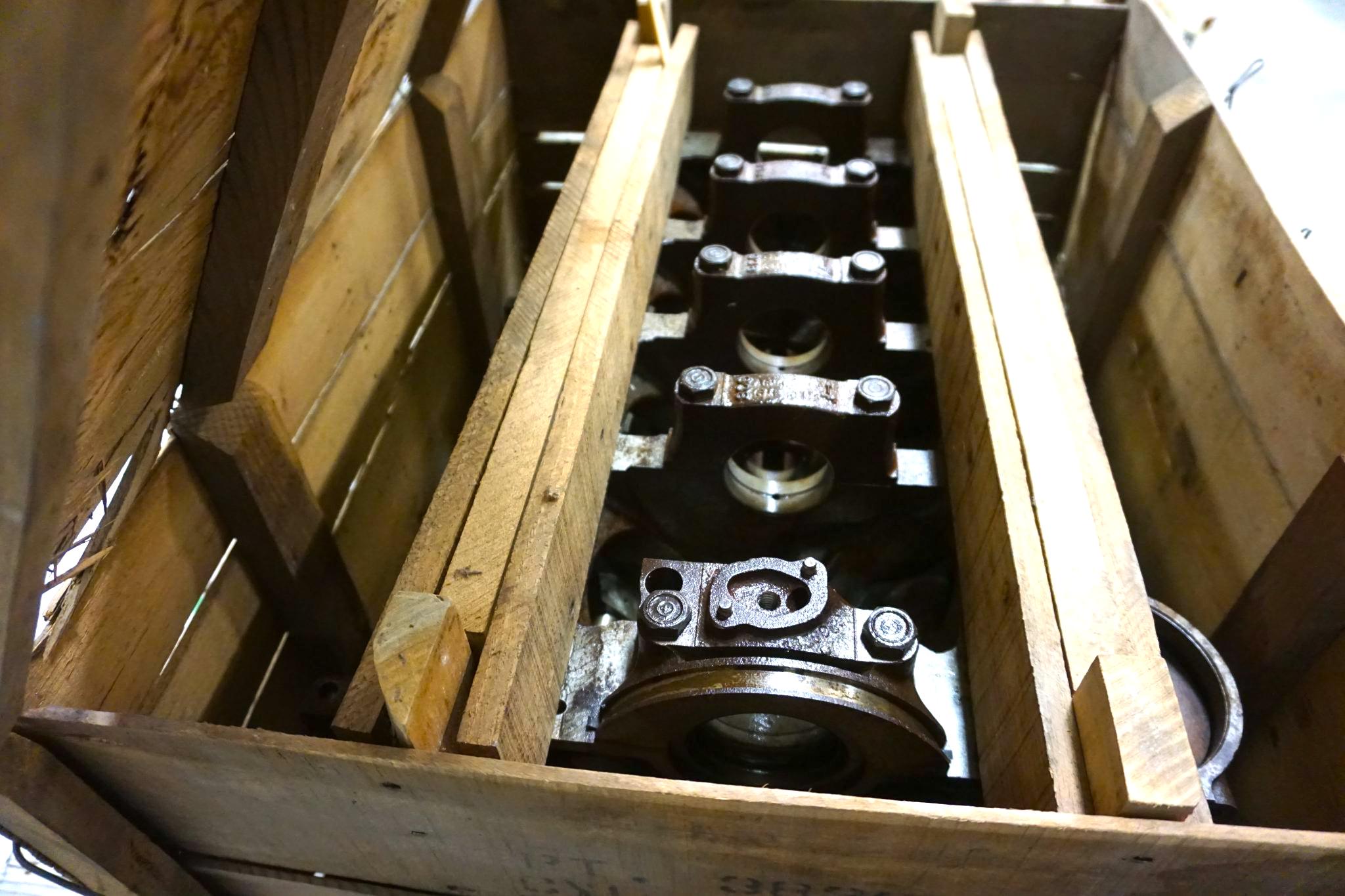
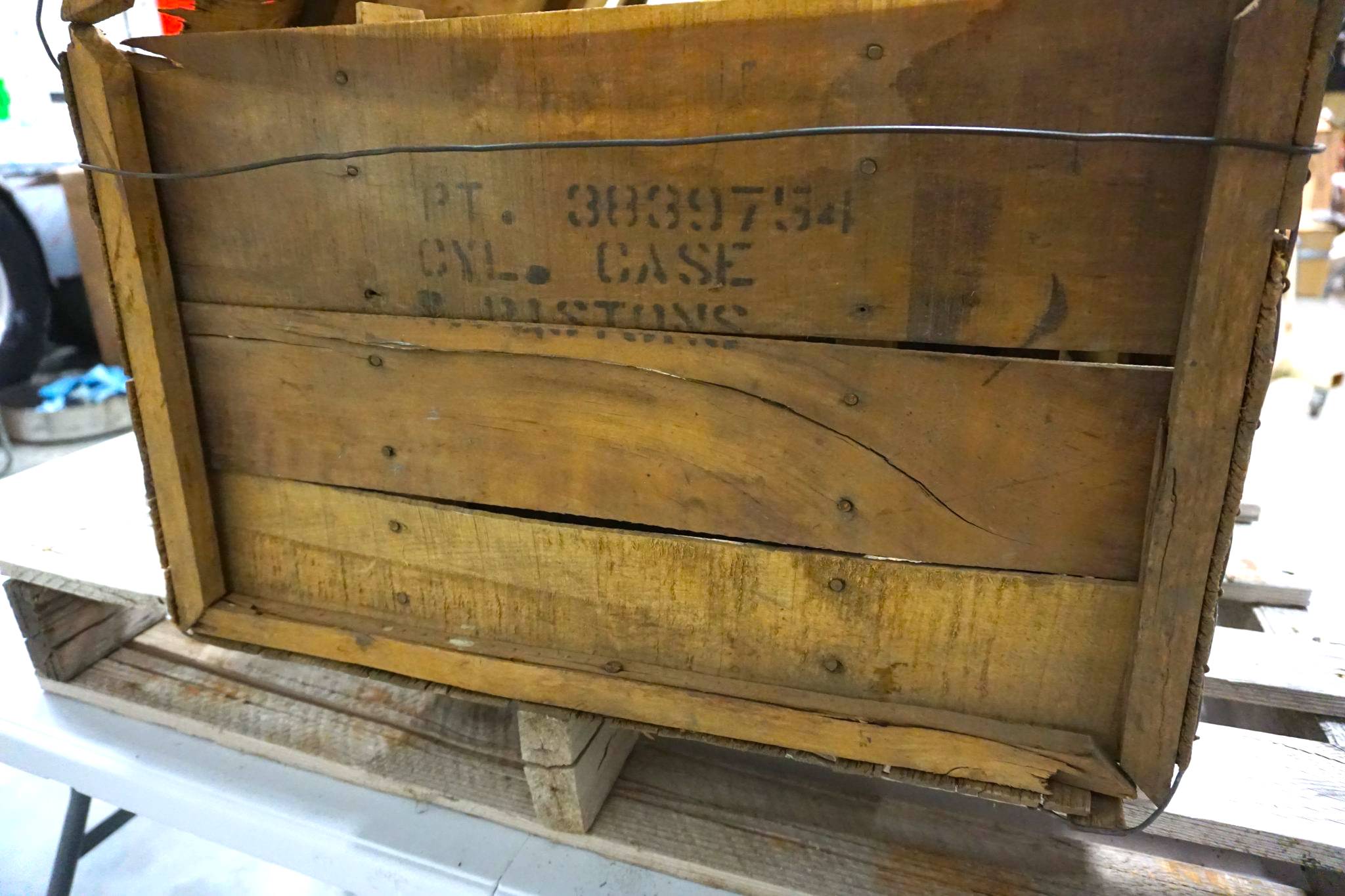
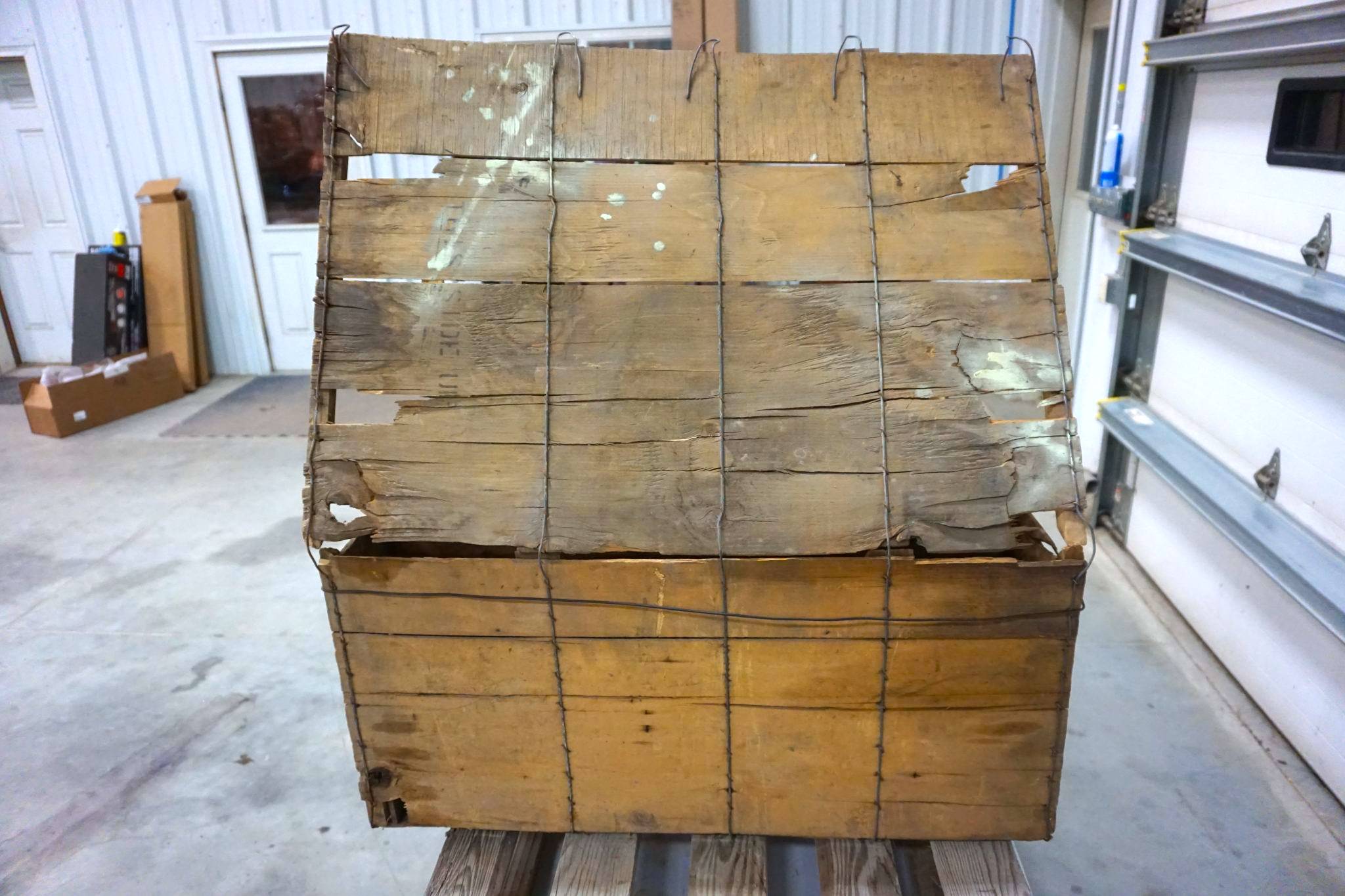
As noted in the introduction, this is a rare Chevrolet 409 V8 short block that has remained in its factory crate in unused condition since it was delivered new in 1964.
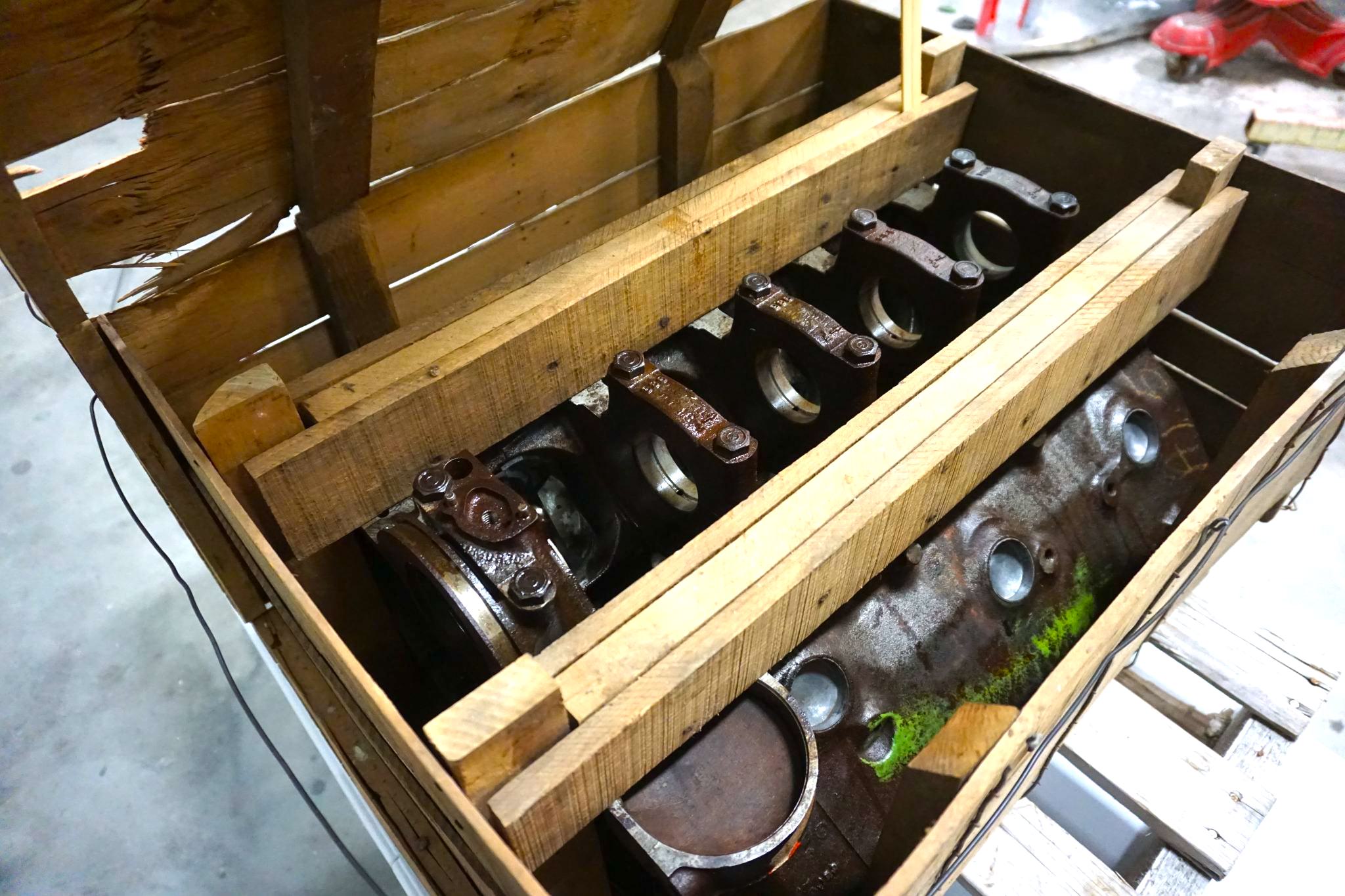
This is a Chevrolet 409 short block that was ordered new from the automaker back in 1964 as a replacement unit for a 1965 Chevrolet Impala. It has remained untouched in its factory crate since then, a remarkable 62 years.
This short block doesn’t contain the crankshaft or connecting rods, but does contain the pistons, bearing caps, and core plugs. It was ordered for an owner with a 1965 Chevrolet Impala, who may have blown their original bottom end.
It’s now being offered for sale as a unique piece of American automobile memorabilia out of Schuyler, Nebraska. If you’d like to read more about it or register to bid you can visit the listing here.
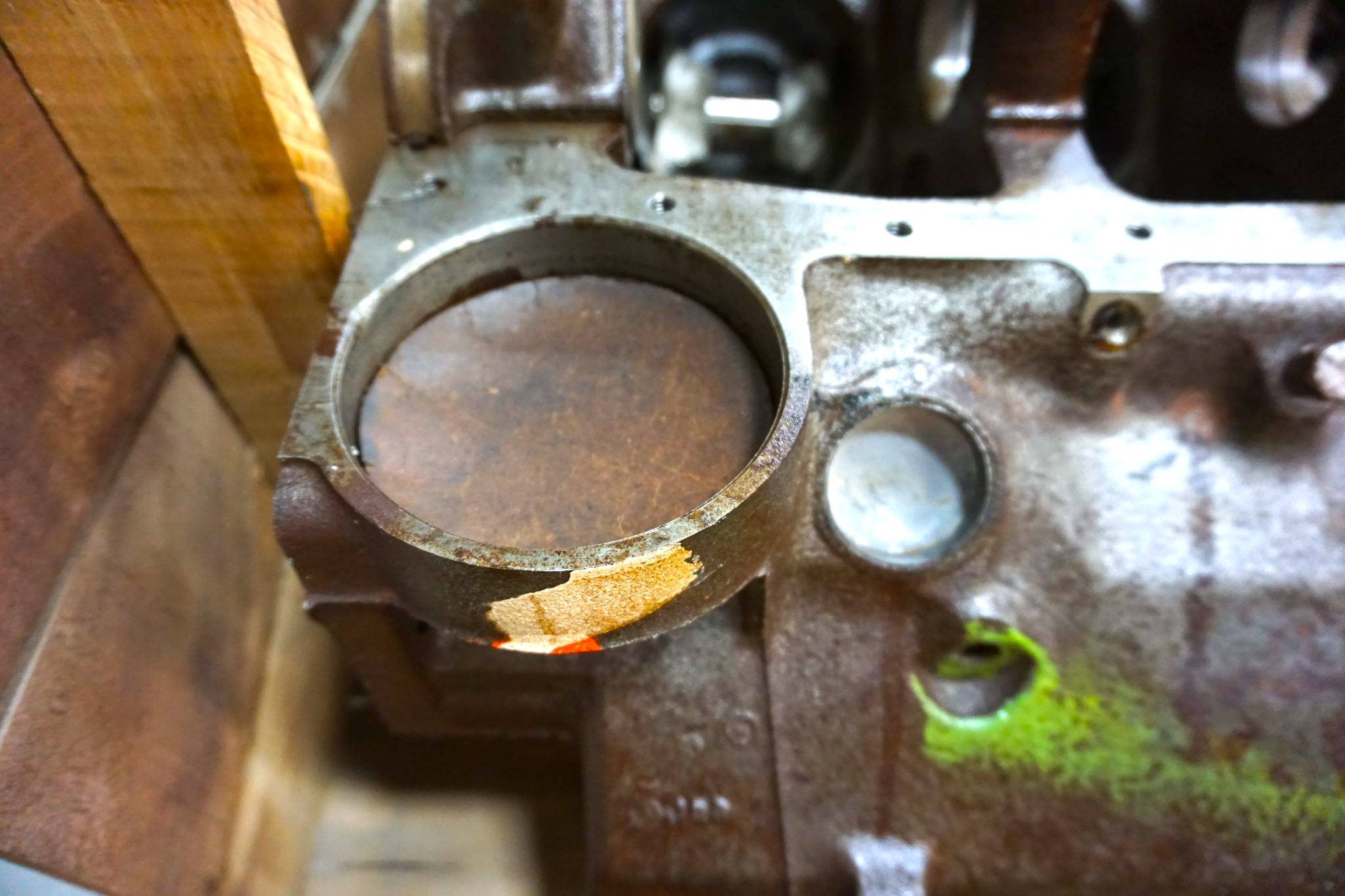
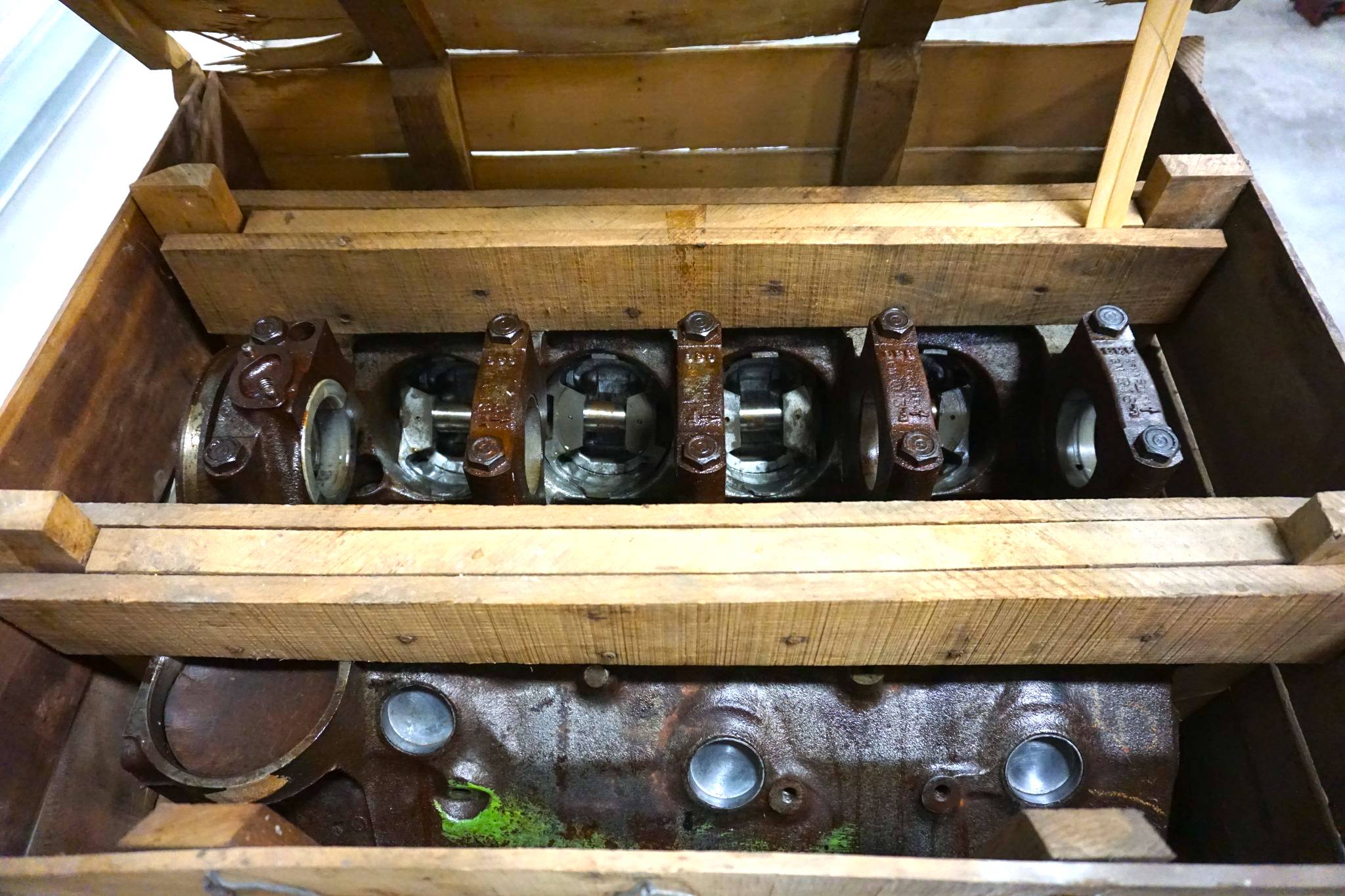
Images courtesy of Bring a Trailer

Articles that Ben Branch has written have been covered on CNN, Popular Mechanics, Smithsonian Magazine, Road & Track Magazine, the official Pinterest blog, the official eBay Motors blog, BuzzFeed, Autoweek Magazine, Wired Magazine, Autoblog, Gear Patrol, Jalopnik, The Verge, and many more.
Silodrome was founded by Ben back in 2010, in the years since the site has grown to become a world leader in the alternative and vintage motoring sector, with well over a million monthly readers from around the world and many hundreds of thousands of followers on social media.