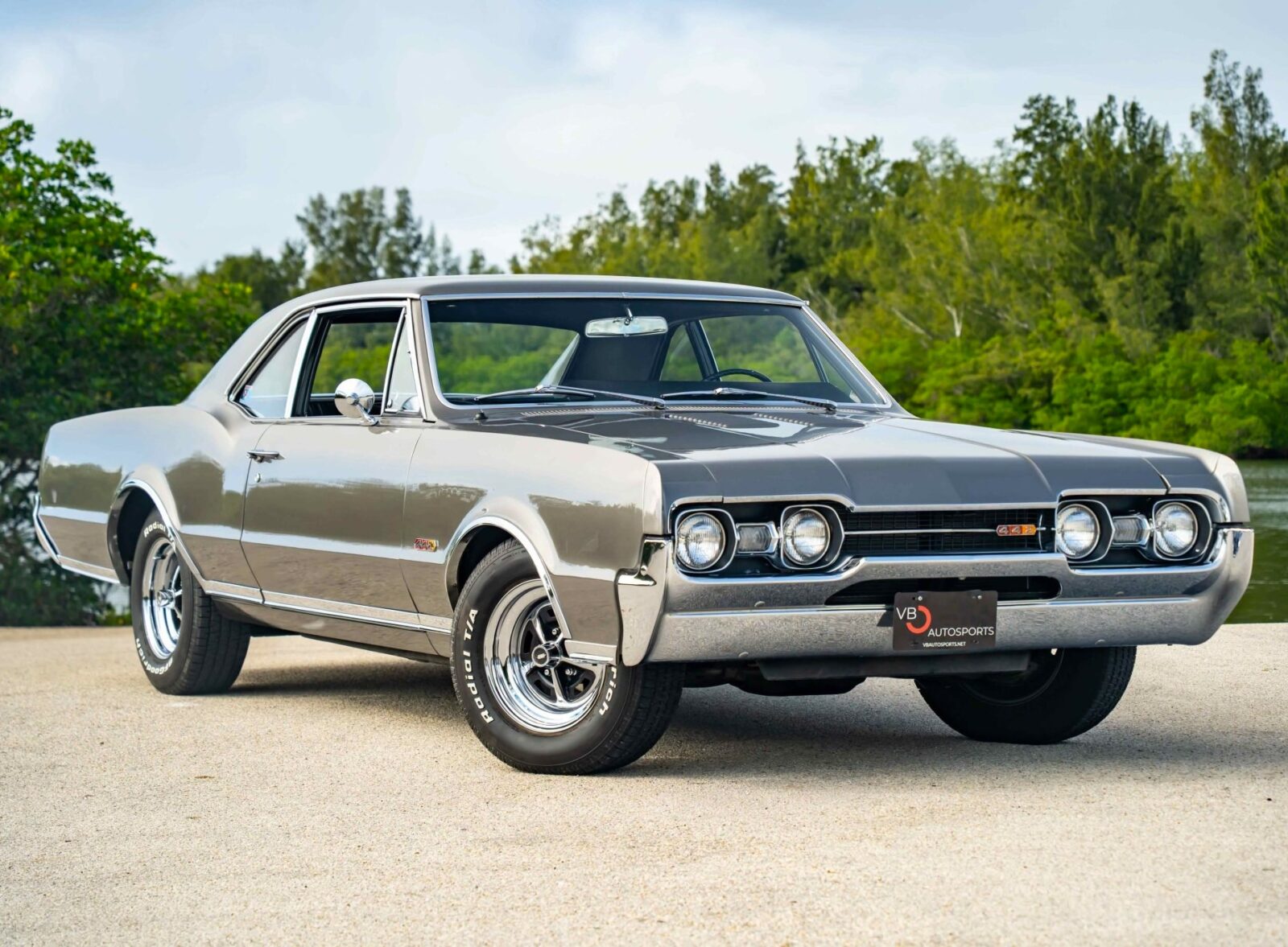
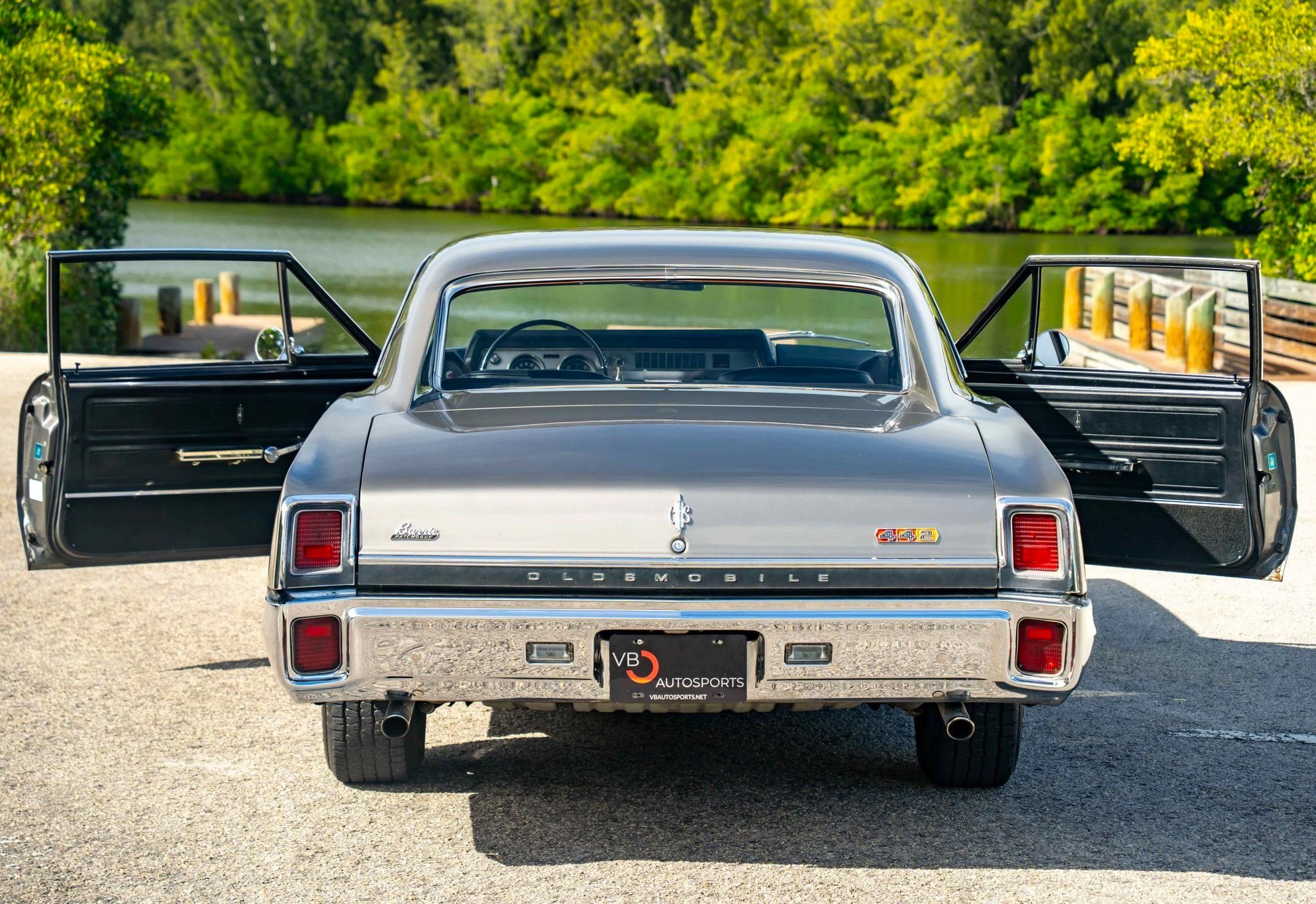
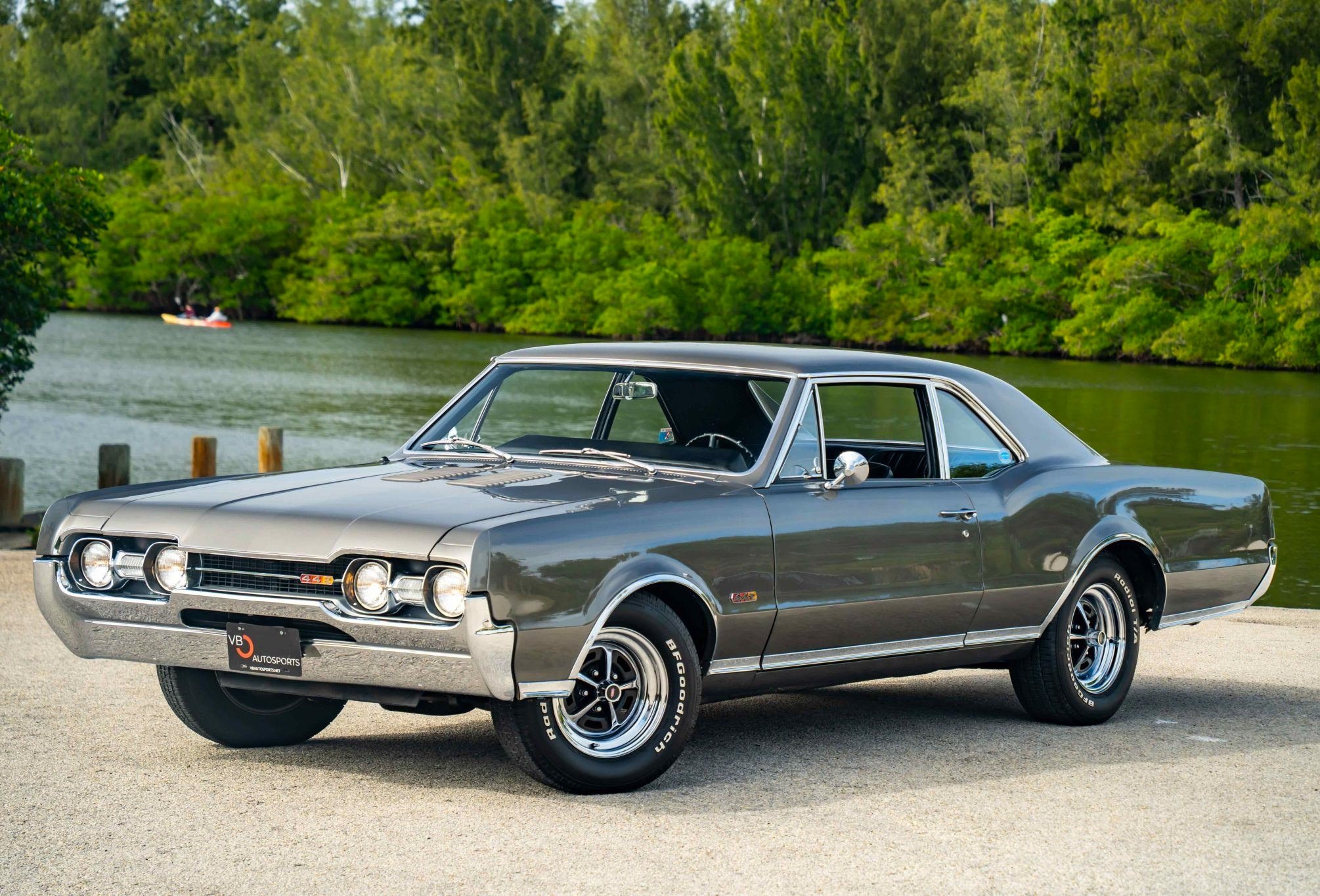
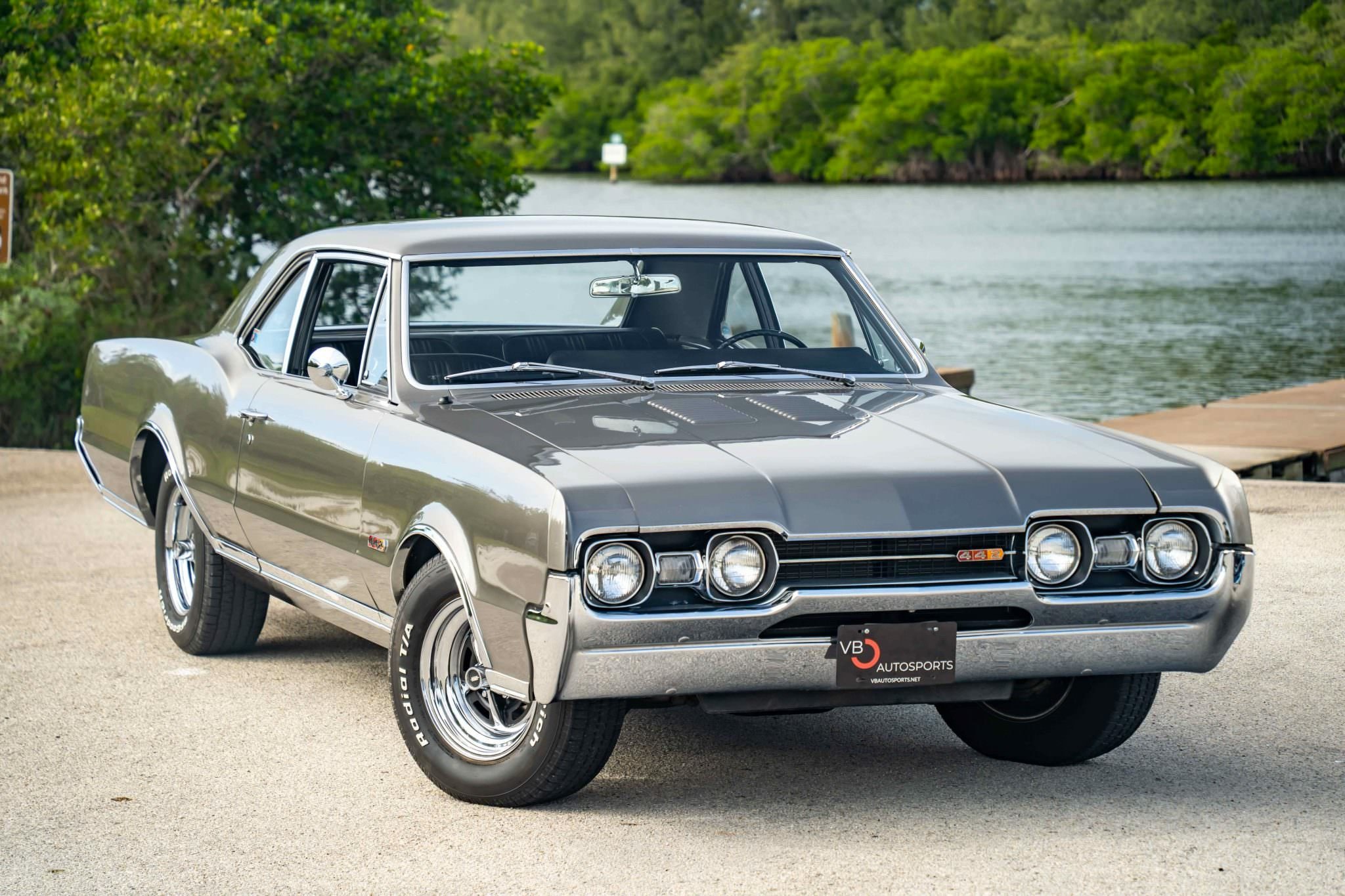
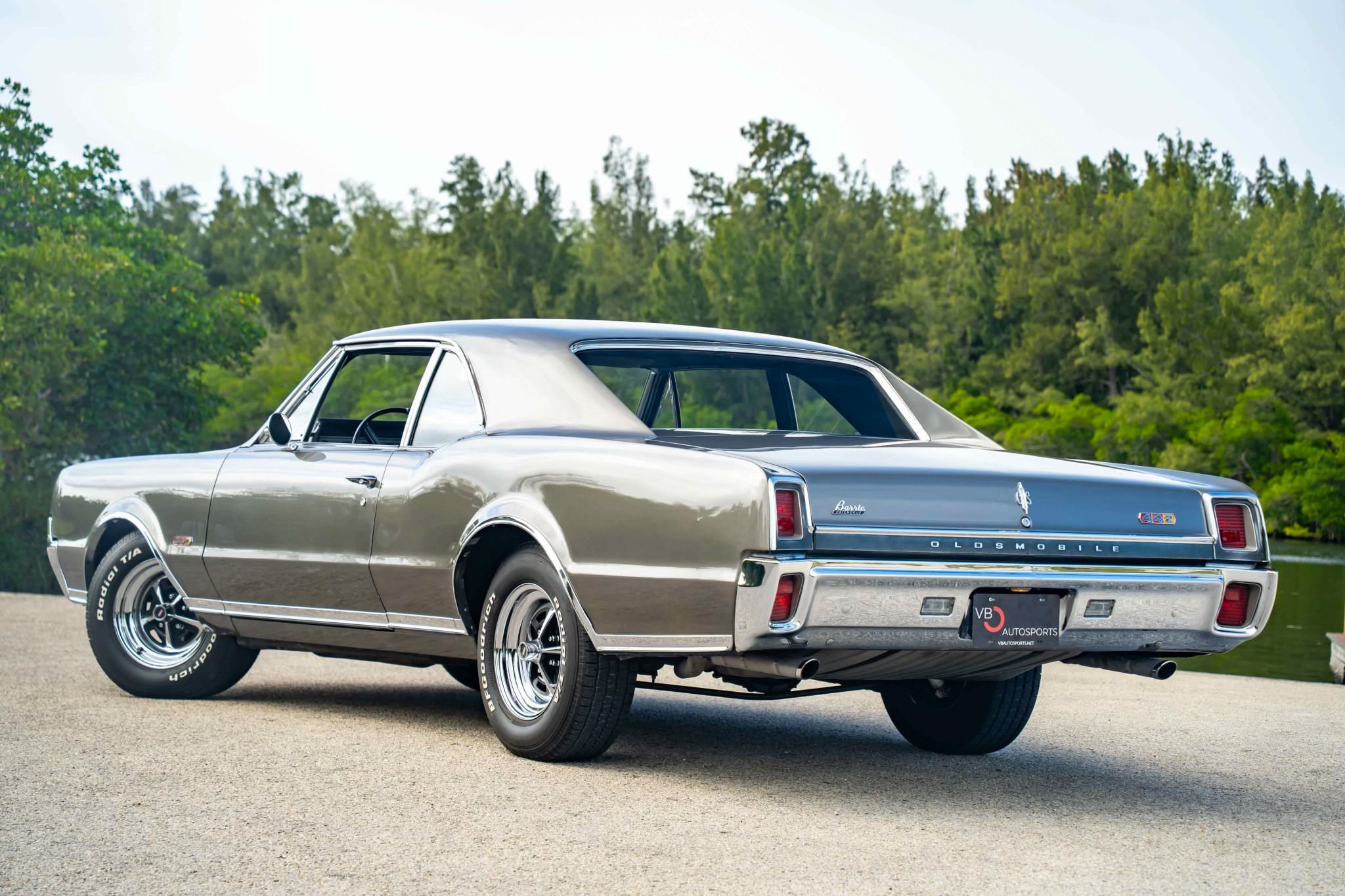
This is a first-generation Oldsmobile 442 from 1967, it was a direct competitor for the Pontiac GTO at this time, and offered blistering performance combined with handling that was among the best of the original muscle cars.
This specific 442 was given a recent rebuild that was completed in 2024, it has the desirable 4-speed manual transmission, and the potent 400 cubic inch (6.6 liter) V8 with a four-barrel carburetor rated at 350 bhp and 440 lb ft of torque.
Fast Facts: The Oldsmobile 442
- The Oldsmobile 442 was developed as Oldsmobile counterpunch to the Pontiac GTO, offering comparable straight-line performance while leaning harder into handling, luxury, and refinement. Oldsmobile positioned it as a muscle car for buyers who wanted serious speed without the flashy styling or unruly road manners.
- Originally launched in 1964 as a performance option package, the 442 name referenced the four-barrel carburetor, four-speed manual transmission, and dual exhaust. Early cars had improved suspension, better chassis balance, and excellent torque delivery through the rev range, earning praise from period reviewers who often noted that the 442 handled better than several more famous muscle car rivals.
- By the mid-1960s, the formula evolved with the introduction of Oldsmobile’s 400 cubic inch V8 and later the W30 package, which added meaningful engine and induction upgrades. These changes pushed the 442 into even quicker territory, with quarter-mile times competitive with the fastest American showroom cars of the era.
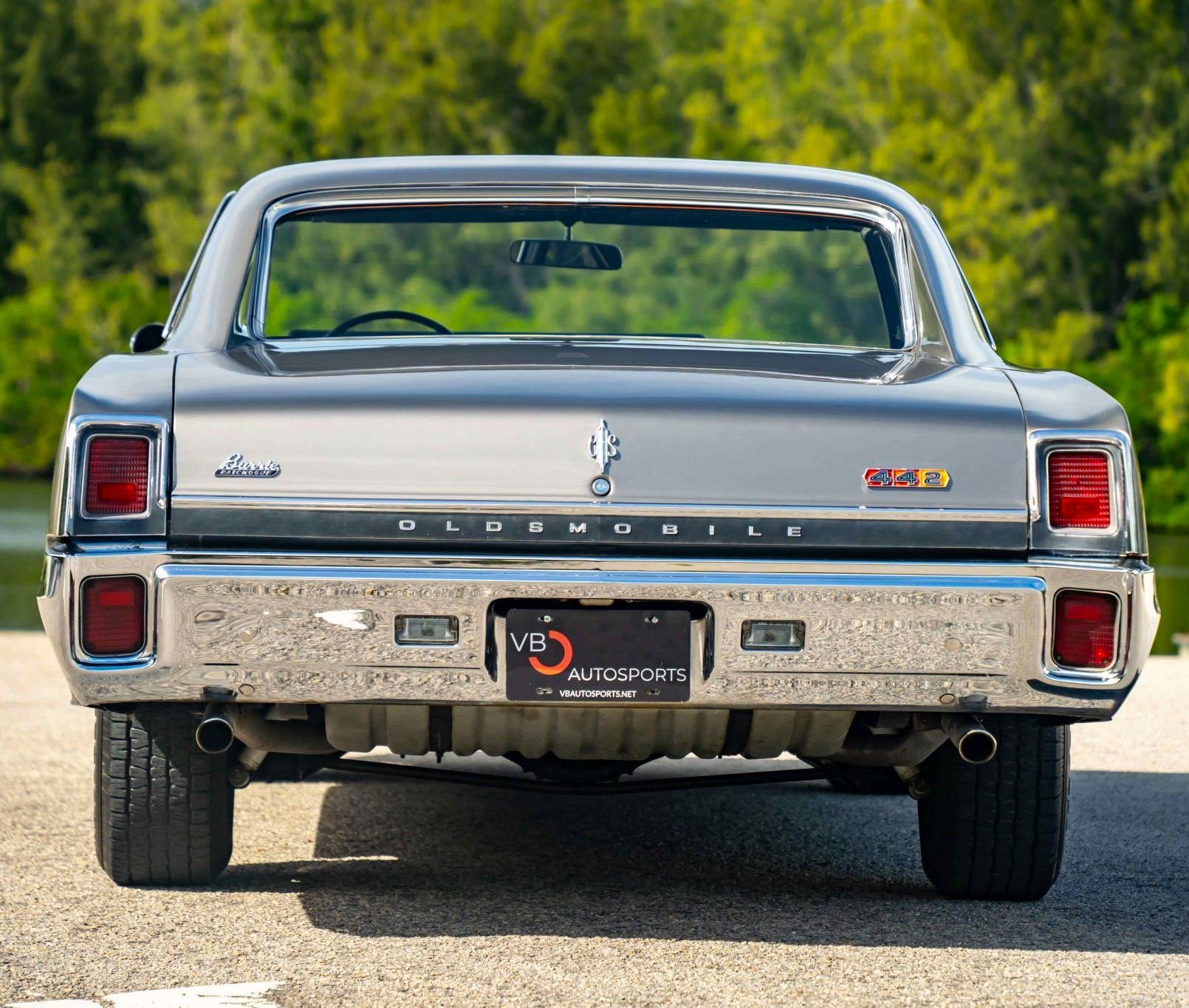
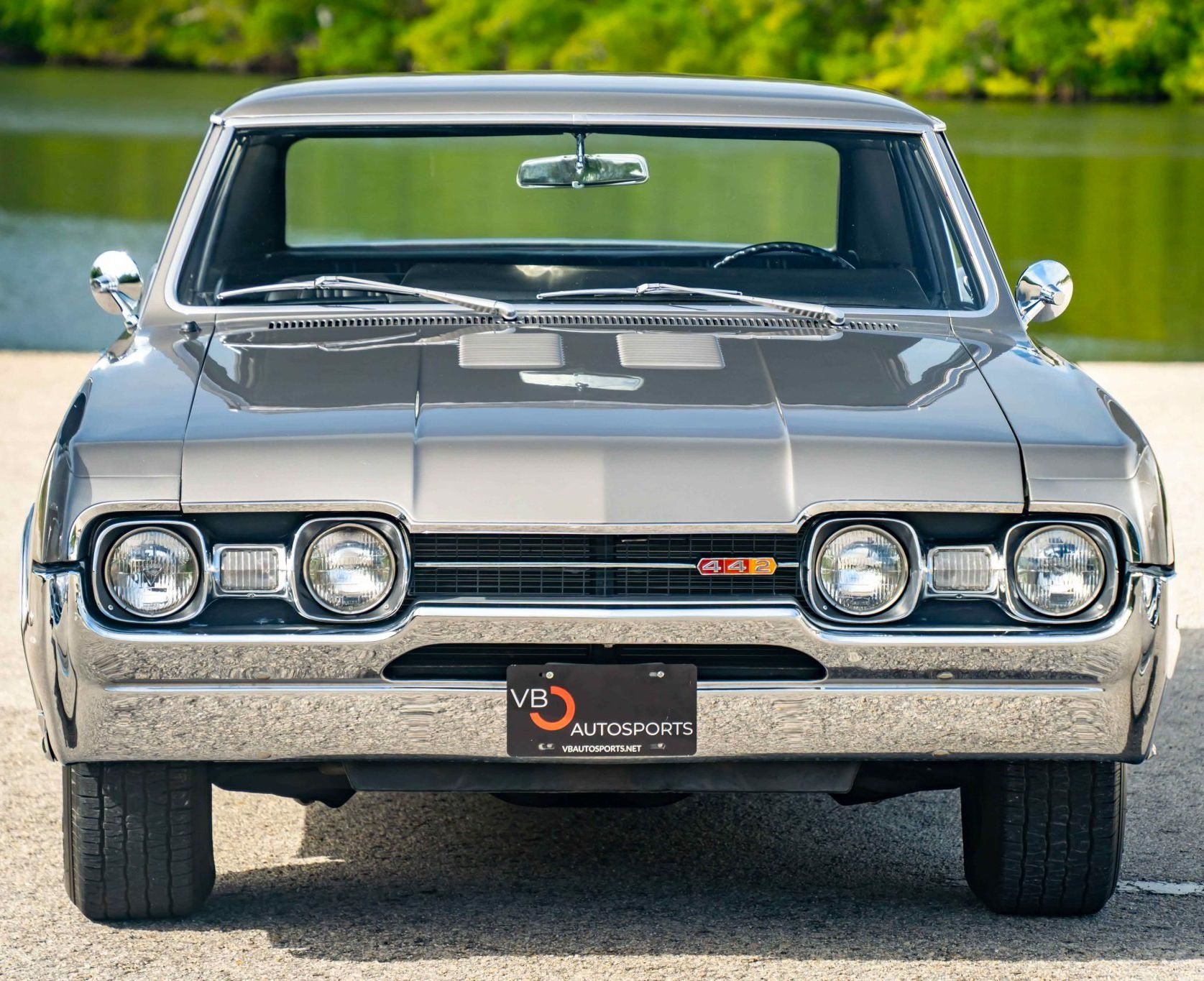
- The example shown here is a rebuilt 1967 car featuring the desirable 4-speed manual and 400 cubic inch V8 rated at 350 bhp and 440 lb ft. Finished in gray over a black interior, it’s now being offered for sale.
History Speedrun: The Oldsmobile 442
The Oldsmobile 442 is one of the oft-forgotten contenders from the golden age of the American muscle car, but there can be no denying that it deserves to be remembered much more prominently than it is. The 442 was a direct response to the Pontiac GTO, the primordial muscle car that started out as an option package on the Pontiac LeMans.
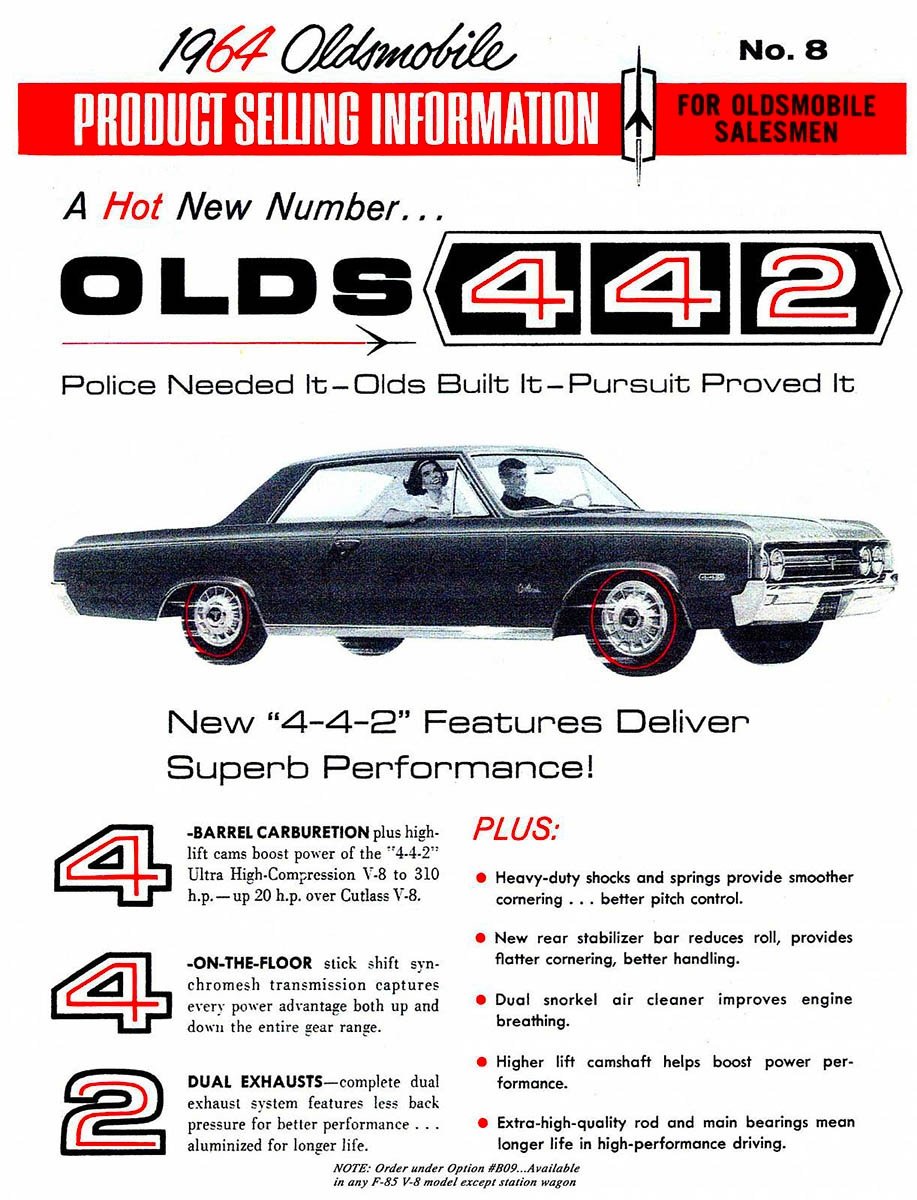
 The Oldsmobile 442 is one of the oft-forgotten contenders from the golden age of the American muscle car, but there can be no denying that it deserves to be remembered much more prominently than it is. The 442 was a direct response to the Pontiac GTO, the primordial muscle car that started out as an option package on the Pontiac LeMans. Image courtesy of Oldsmobile.
Pontiac and Oldsmobile were both division of General Motors, and so when Pontiac had a surprise sales smash hit on their hands with the GTO option package, Oldsmobile had to respond – and they had to respond quickly.
Whereas the GTO package was developed by John DeLorean, Bill Collins, and Russ Gee at Pontiac (yes, it was that John DeLorean), the 442 was developed by John Beltz, Dale Smith, and Bob Dorshimer.
The 442 designation stood for four-barrel carburetor, four-speed manual transmission, and dual exhaust (4-4-2). It debuted as a performance option package for the F-85 and Cutlass rather than a separate model series, and it was aimed squarely at the GTO.
Unlike the GTO the 442 was developed inline with Oldsmobile’s corporate philosophy – performance delivered with restraint, mechanical substance prioritized over visual bravado, and an emphasis on refinement rather than in-your-face shock value.
The First Generation Debuts
Power for the first 442, released in 1964, came from Oldsmobile’s 330 cubic inch V8, rated at 310 bhp. While it gave up displacement to Pontiac’s 389, the 330 V8 was lauded for its wide torque curve and solid reliability.
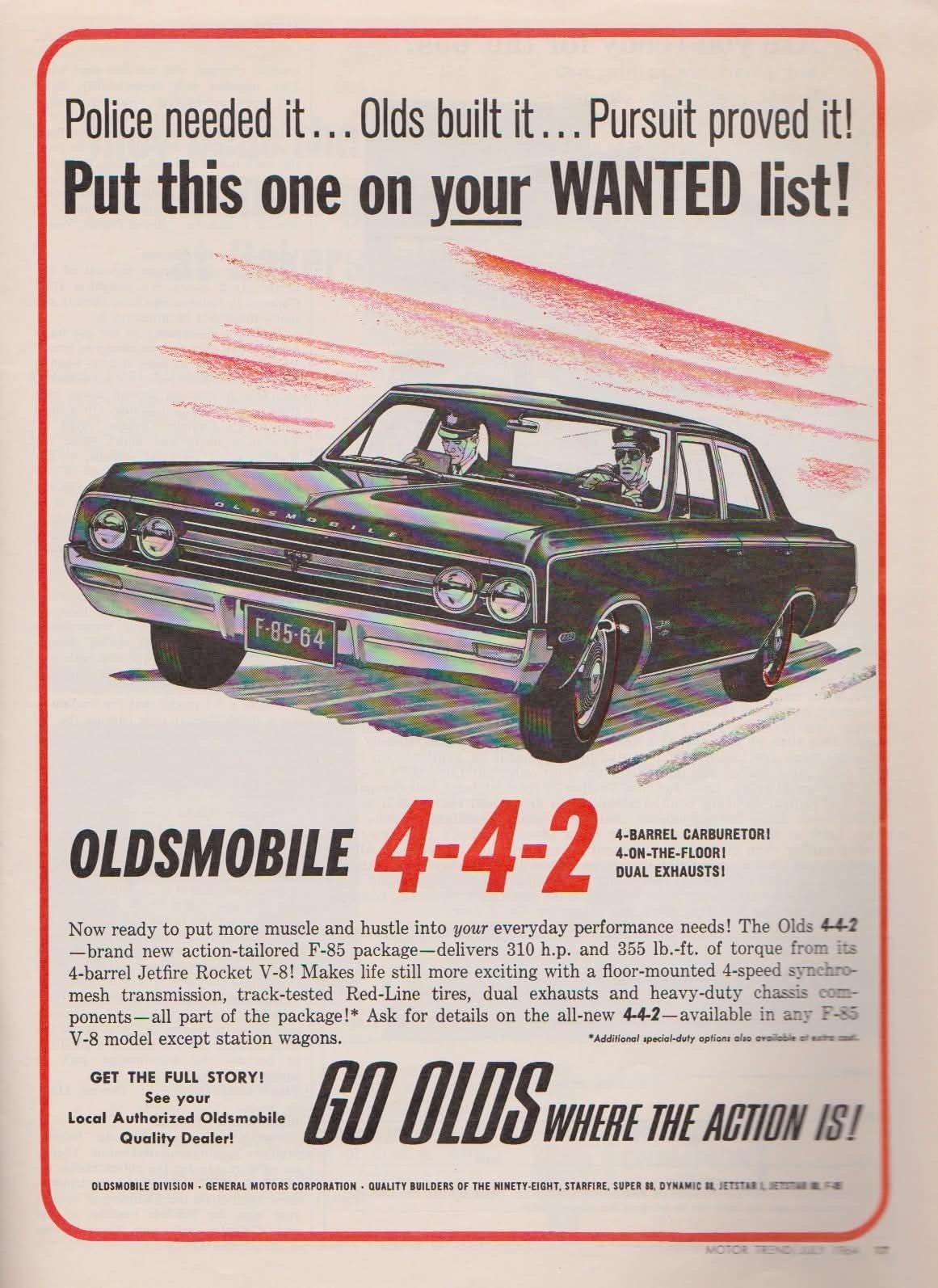
Period magazine road tests consistently praised the 442’s stability and cornering composure, traits that helped distinguish it from some of its more exuberant rivals and their almost comical body roll through the twisties. Image courtesy of Oldsmobile.
The supporting hardware mattered just as much – heavy-duty springs and shocks, revised suspension tuning, and thicker anti-roll bars sharpened the Cutlass platform into a more balanced performance car, some even felt it out-handled the early GTOs.
Period magazine road tests consistently praised the 442’s stability and cornering composure, traits that helped distinguish it from some of its more exuberant rivals and their almost comical body roll through the twisties.
For 1965, the 442 formula evolved – Oldsmobile installed its new 400 cubic inch V8, rated at 345 bhp with 440 lb ft of torque. The meaning of “442” shifted accordingly, now commonly interpreted as 400 cubic inches, four-barrel carburetor, and dual exhaust, showing just how closely the badge tracked mechanical specification early in the history of the series.
The car remained an option package even as the GTO matured into its own dedicated model line in 1966, but its performance credentials were undeniable, placing it firmly among the leading muscle cars of the period. A period now retroactively seen as the golden age of the American muscle car.
The W30 Package
The most significant mechanical developments of the early 442 era arrived in 1966. Horsepower rose to 360 bhp, and the W30 performance package was introduced. The W30 added a more aggressive camshaft, an aluminum intake manifold, functional outside-air induction hardware, and related engine tuning changes developed to improve real-world performance.
In factory trim, W30-equipped cars were capable of low-14-second quarter-mile times, placing them among the quickest street cars available off the showroom floor from Detroit. Despite this performance escalation and the solid sales figures, the 442 remained an option package through 1967, continuing to be tied to the Cutlass line.
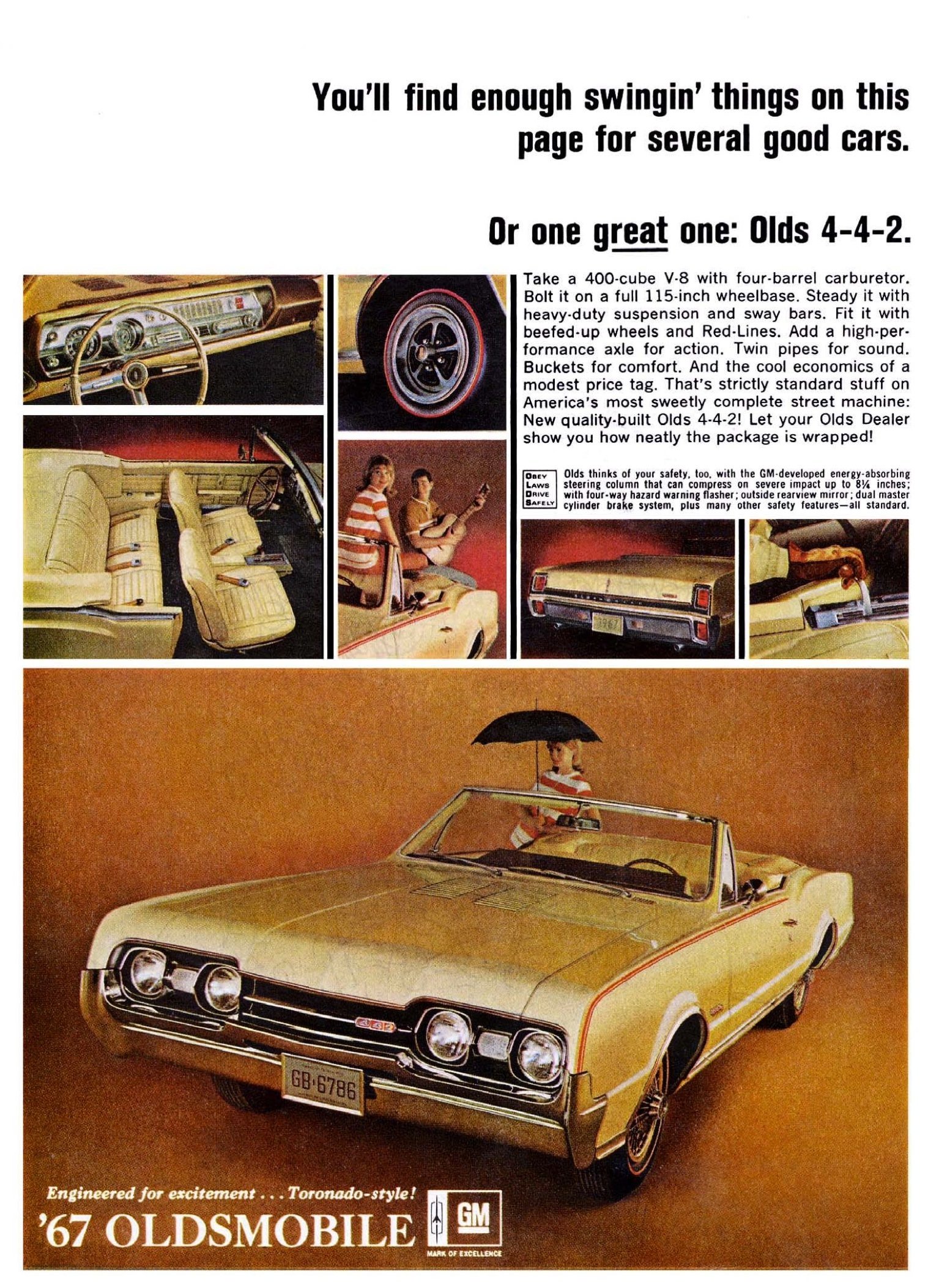
The key competitors of the 442 included the Pontiac GTO of course, as well as the Chevrolet Chevelle SS 396, Buick Gran Sport, Plymouth GTX, and the big block Mustangs, including those built by Shelby. Image courtesy of Oldsmobile.
It wasn’t until 1968 that the 442 became a standalone model in its own right, mirroring the earlier transition of the GTO, and coinciding with GM’s full A-body redesign. The new generation adopted more aggressive, sculpted styling and offered a wider range of engines, including the increasingly dominant 455 cubic-inch V8. By 1970, the 442 reached its peak output and market visibility, combining massive torque with a bolder visual identity that reflected the height of the muscle car era.
The key competitors of the 442 included the Pontiac GTO of course, as well as the Chevrolet Chevelle SS 396, Buick Gran Sport, Plymouth GTX, and the big block Mustangs, including those built by Shelby. Among this group, the Oldsmobile earned a reputation for longevity, balanced road manners, and actual everyday usability. It appealed to buyers who wanted serious performance without sacrificing comfort or build quality, often slightly older and perhaps more mature men.
The Beginning Of The End
Emissions regulations, rising insurance costs, and tightening fuel economy standards eroded performance across the board for muscle cars in the early 1970s. The 442 name lived on, but its meaning changed. Through the mid-1970s and into the 1980s, it became largely a trim or appearance package. A limited revival appeared in 1990 to 1991 on the front-wheel-drive Cutlass Calais, but by then the original muscle car context had long since passed.
The first-generation 442 is now prized for more than just its straight-line speed. It represents a disciplined, technically focused interpretation of the muscle car idea – one that proved high performance could coexist with refinement and civility. Which is perhaps why its relative lack of fame in the modern day is a little baffling.
The 1967 Oldsmobile 442 Shown Here
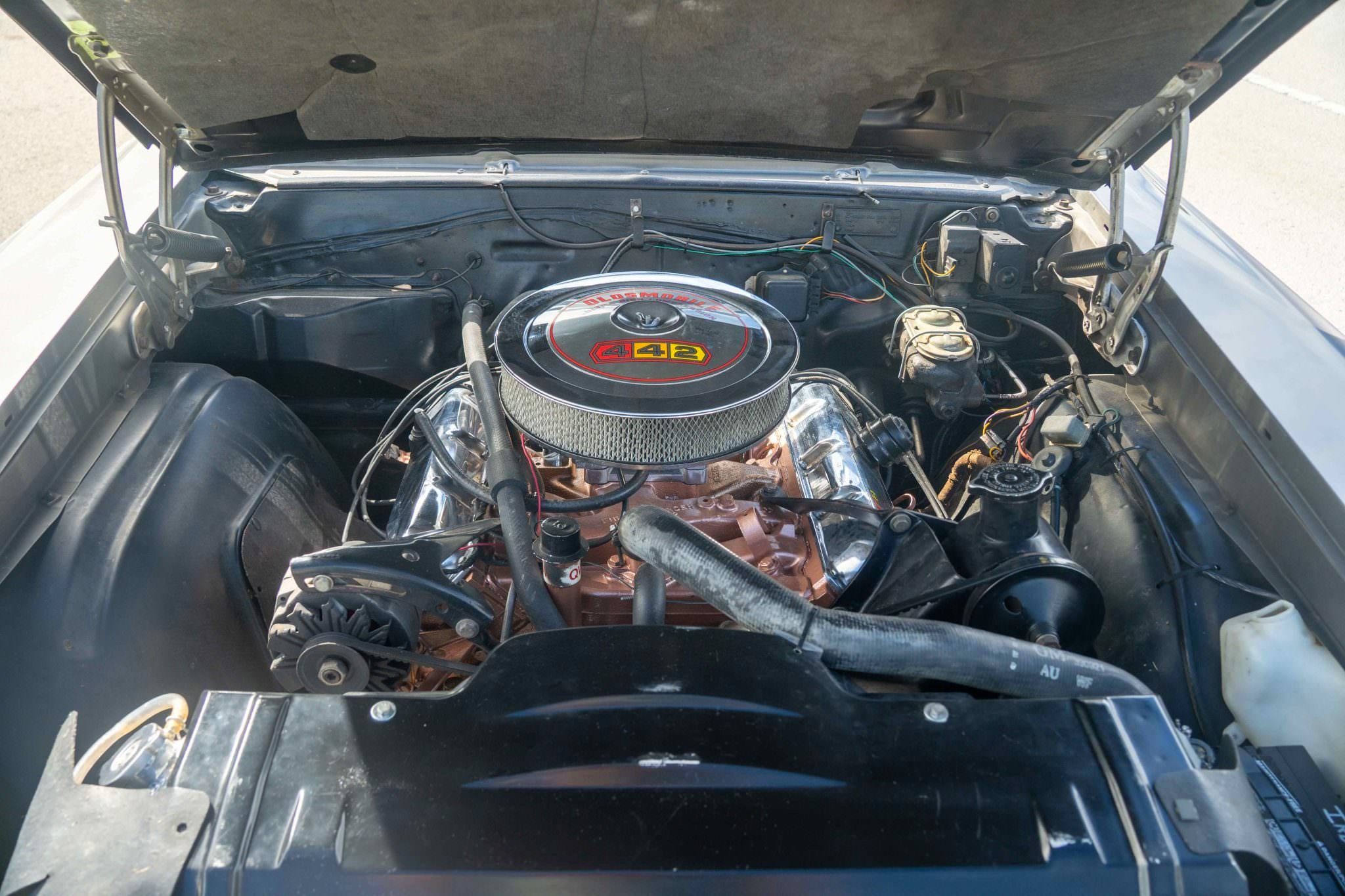
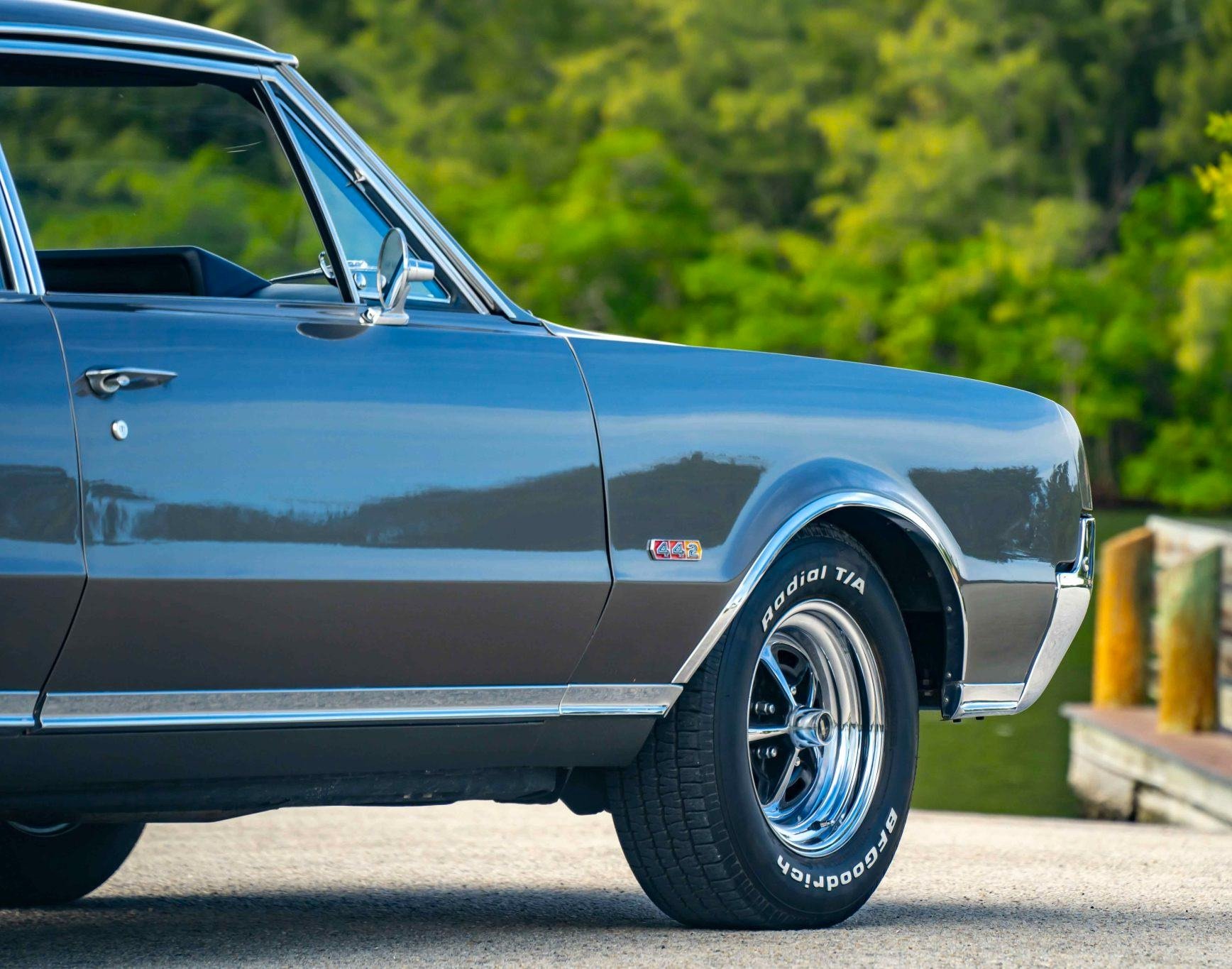
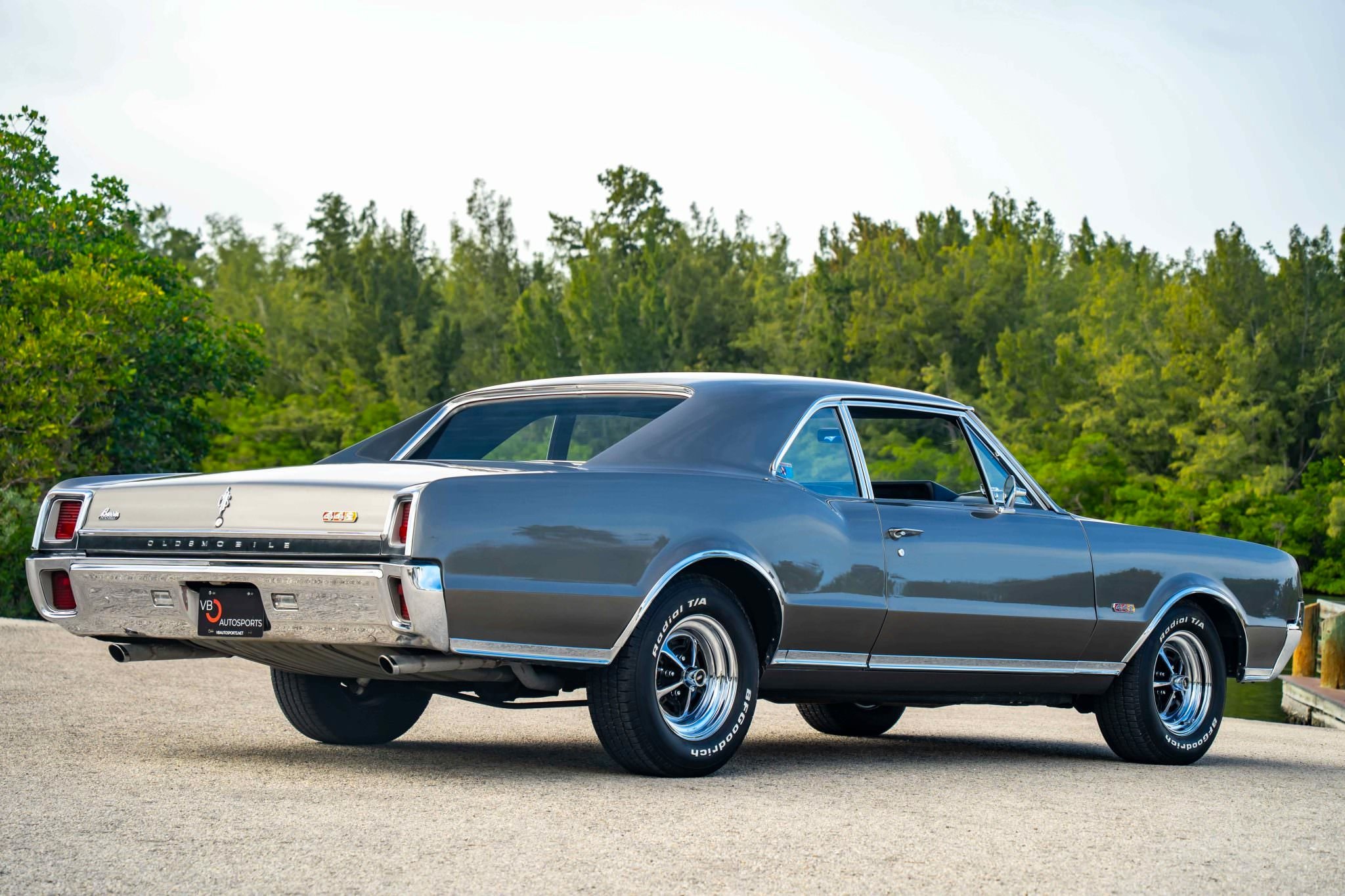
This is a 1967 Oldsmobile 442 that benefits from a recent rebuild which was completed in 2024. As you would expect for this year it’s powered by the 400 cubic inch (6.6 liter) V8 with a four-barrel carburetor rated at 350 bhp and 440 lb ft of torque – and this car has the 4-speed manual rather than the far less fun automatic option.
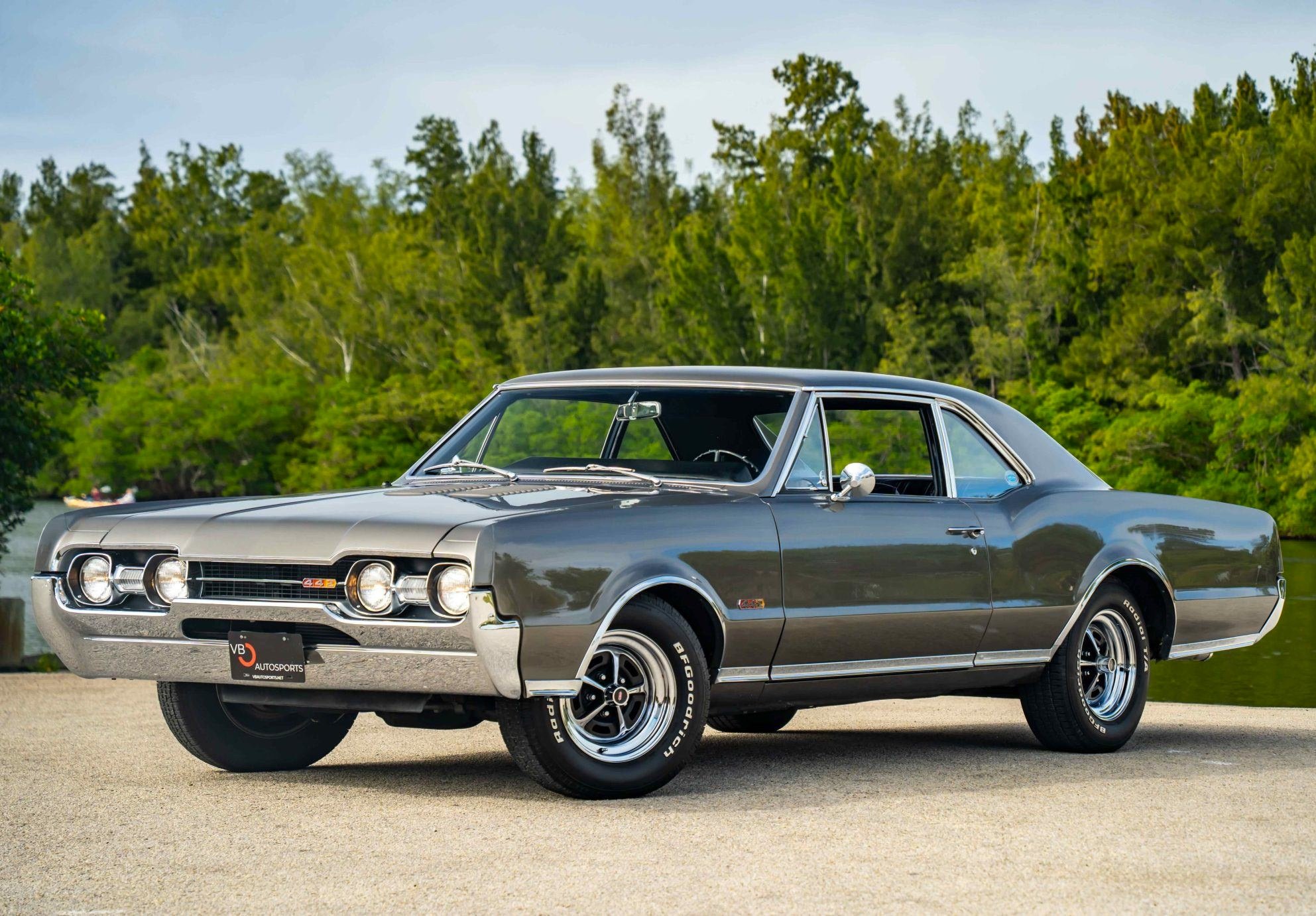
This is a 1967 Oldsmobile 442 that benefits from a recent rebuild which was completed in 2024. As you would expect for this year it’s powered by the 400 cubic inch (6.6 liter) V8 with a four-barrel carburetor rated at 350 bhp and 440 lb ft of torque – and this car has the 4-speed manual rather than the far less fun automatic option.
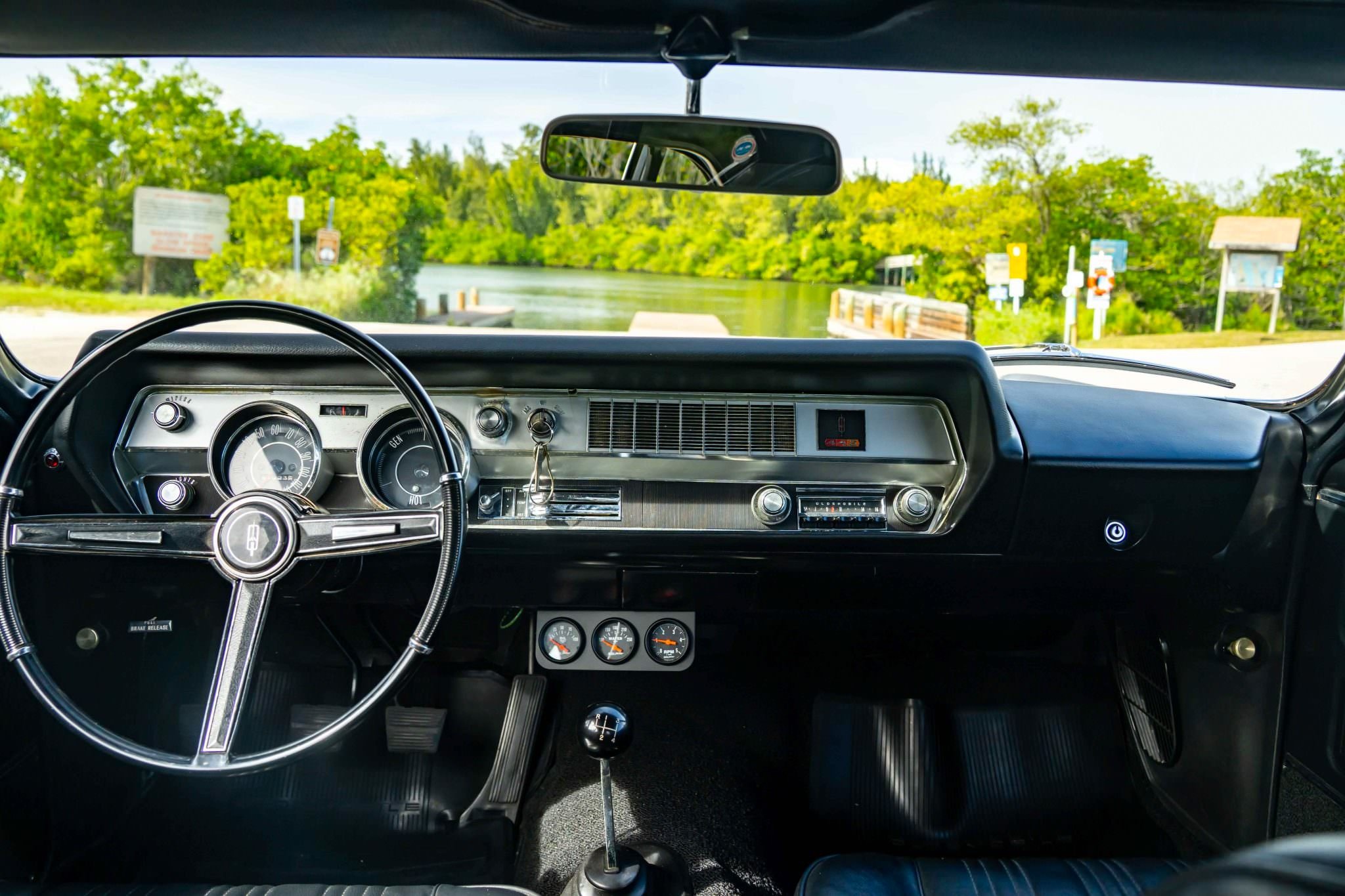
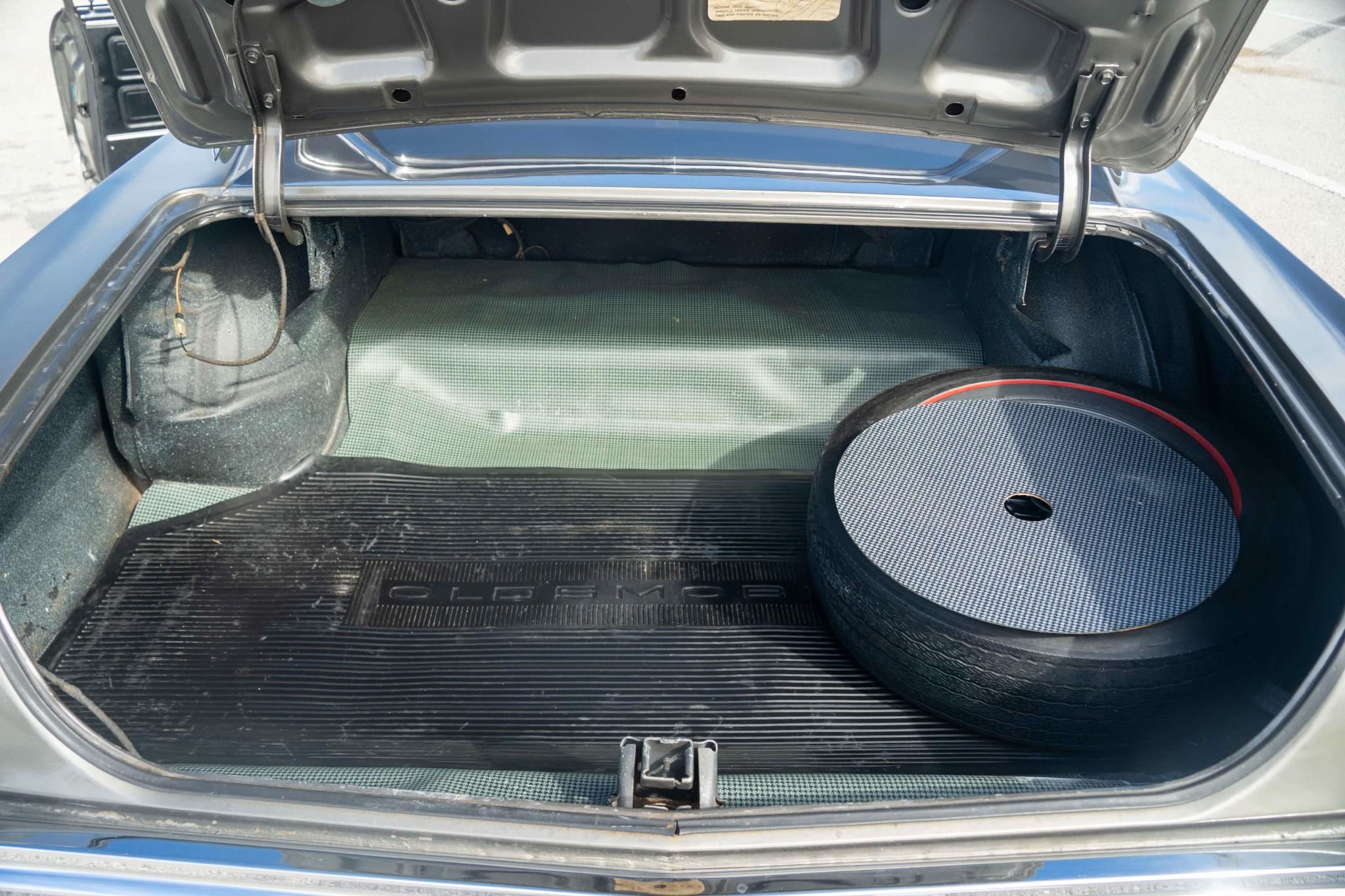
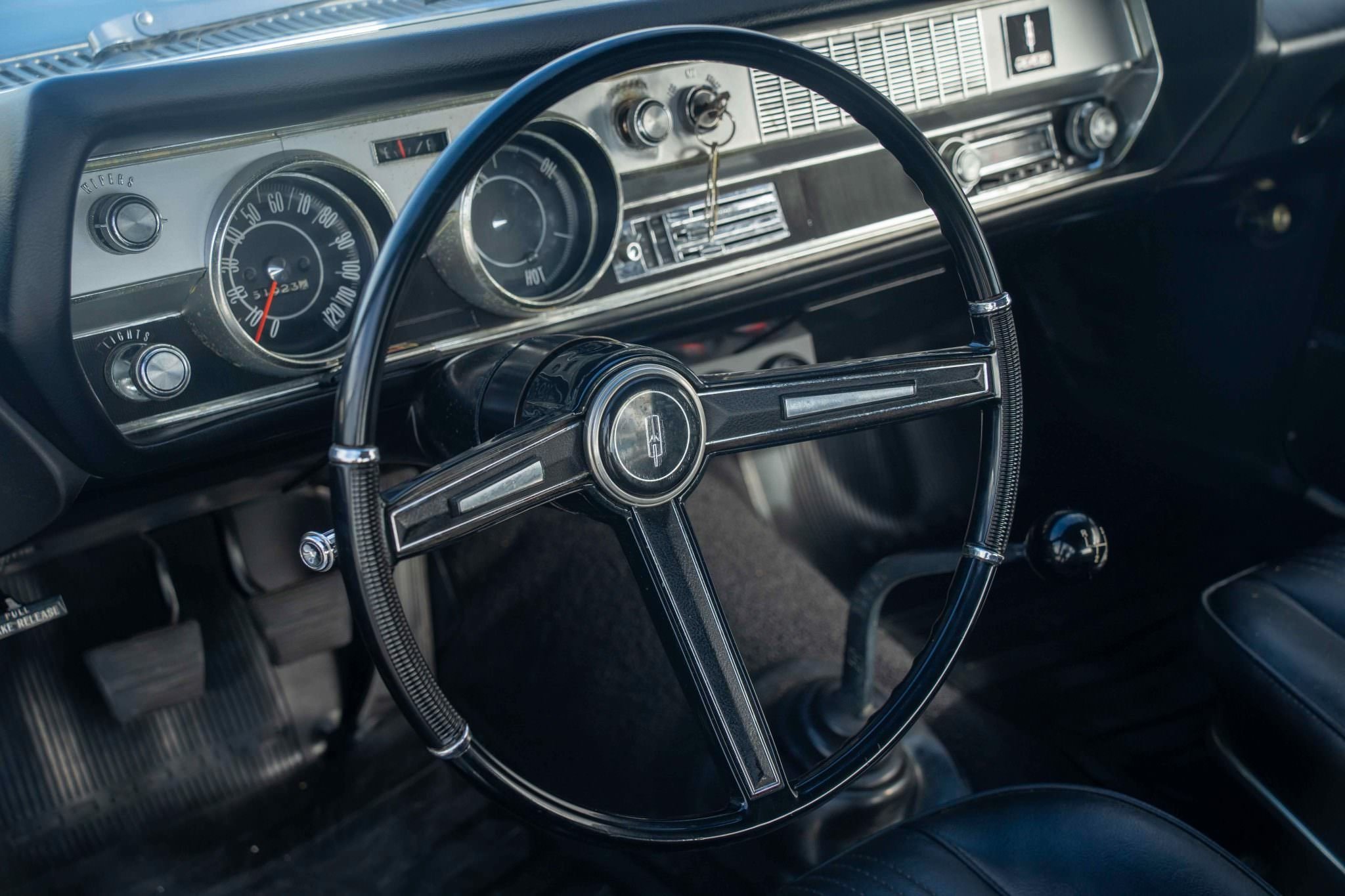
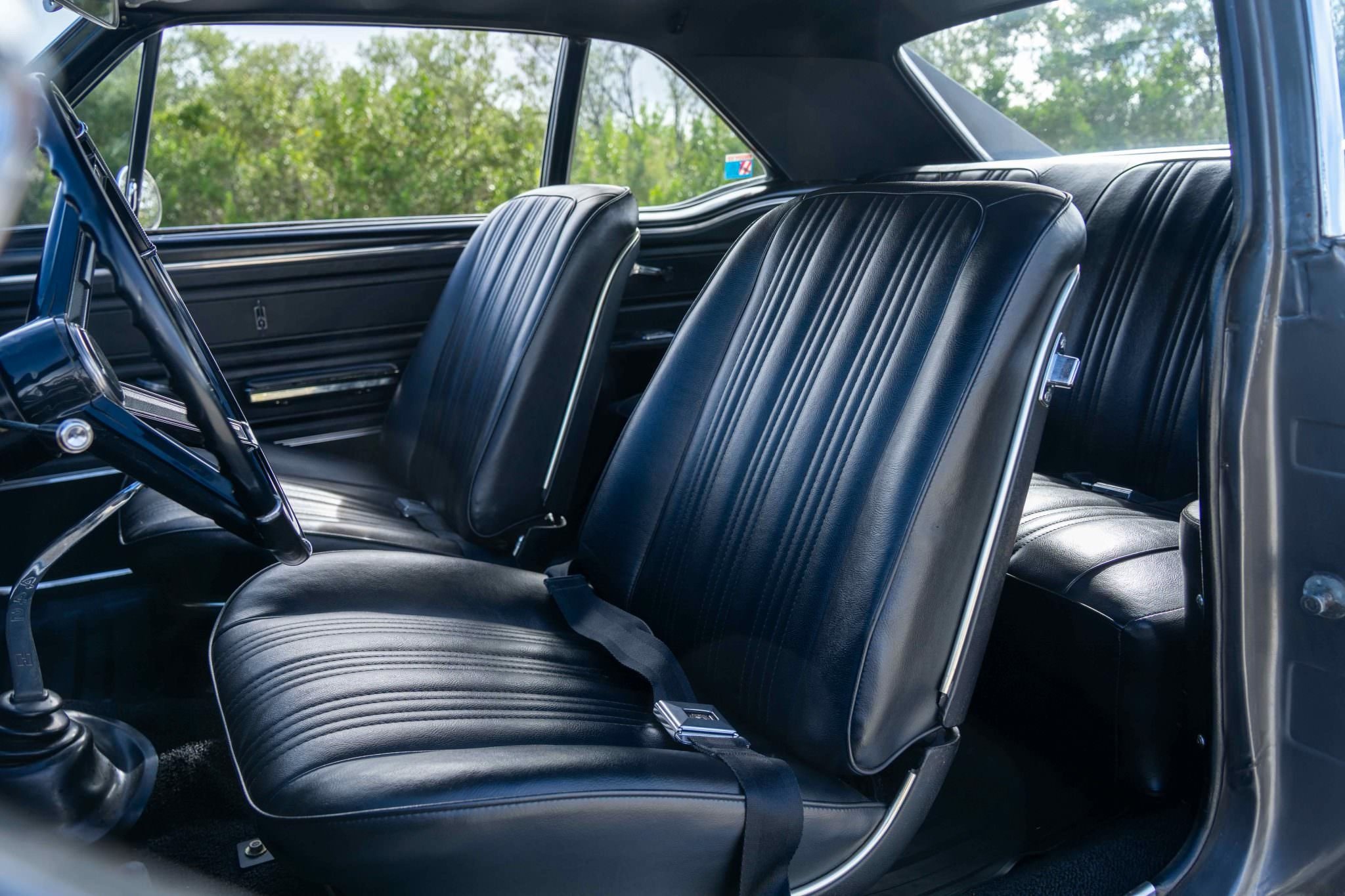
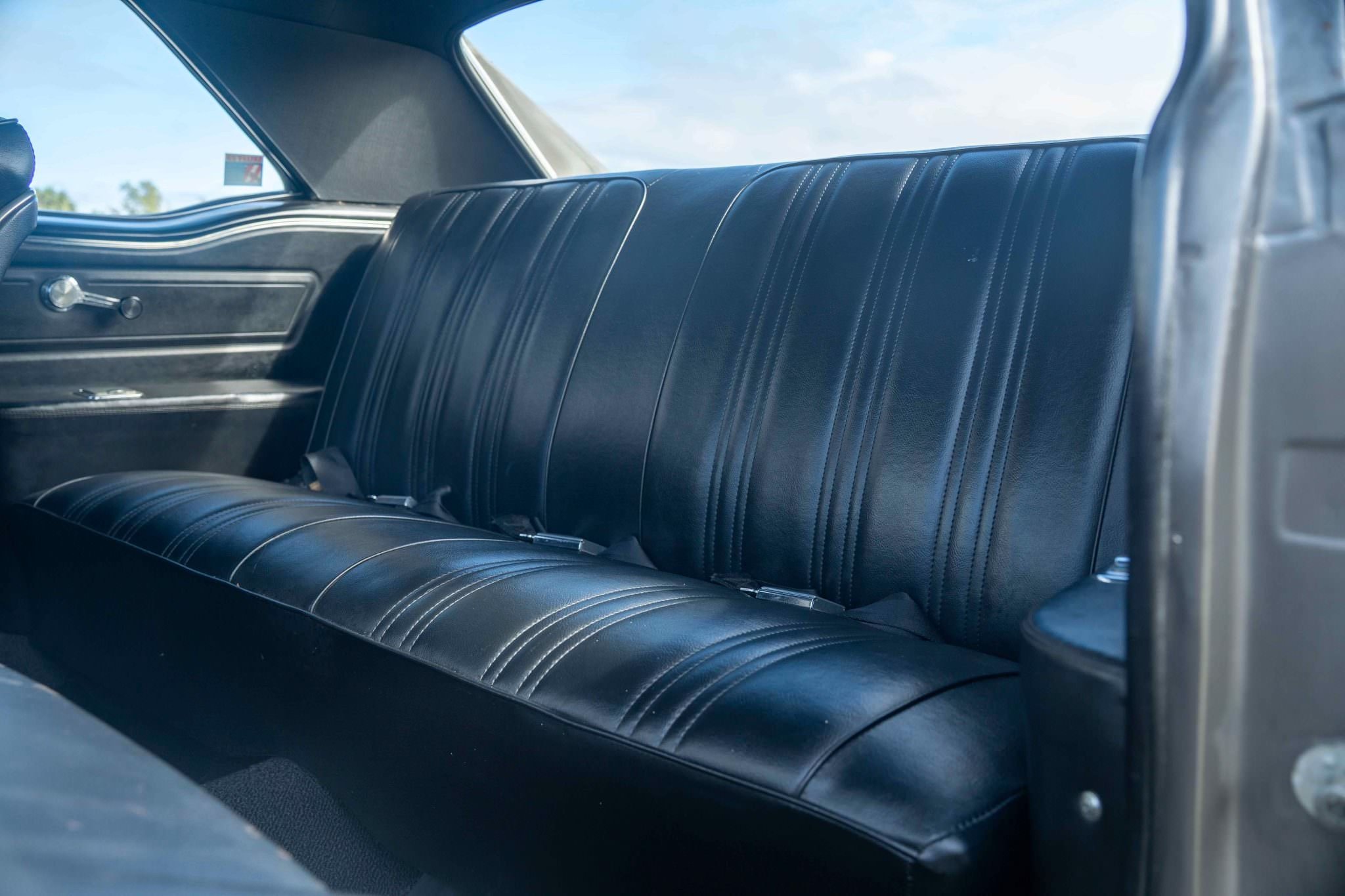
The car is finished in gray over a black vinyl interior which includes front bucket seats, a rear bench seat, a Hurst 442 shifter, patterned-metal dash trim, an AM radio, lap belts, and a heater. It rides on 15″ Super Sport wheels which are fitted with 225/70 BFGoodrich Radial T/A tires, and it has power steering as well as four-wheel drum brakes.
It’s now being offered for sale out of Vero Beach, Florida with service records and a clean Florida title. If you’d like to read more about it or place a bid you can visit the listing here.
Images courtesy of Bring a Trailer + Oldsmobile

Articles that Ben Branch has written have been covered on CNN, Popular Mechanics, Smithsonian Magazine, Road & Track Magazine, the official Pinterest blog, the official eBay Motors blog, BuzzFeed, Autoweek Magazine, Wired Magazine, Autoblog, Gear Patrol, Jalopnik, The Verge, and many more.
Silodrome was founded by Ben back in 2010, in the years since the site has grown to become a world leader in the alternative and vintage motoring sector, with well over a million monthly readers from around the world and many hundreds of thousands of followers on social media.