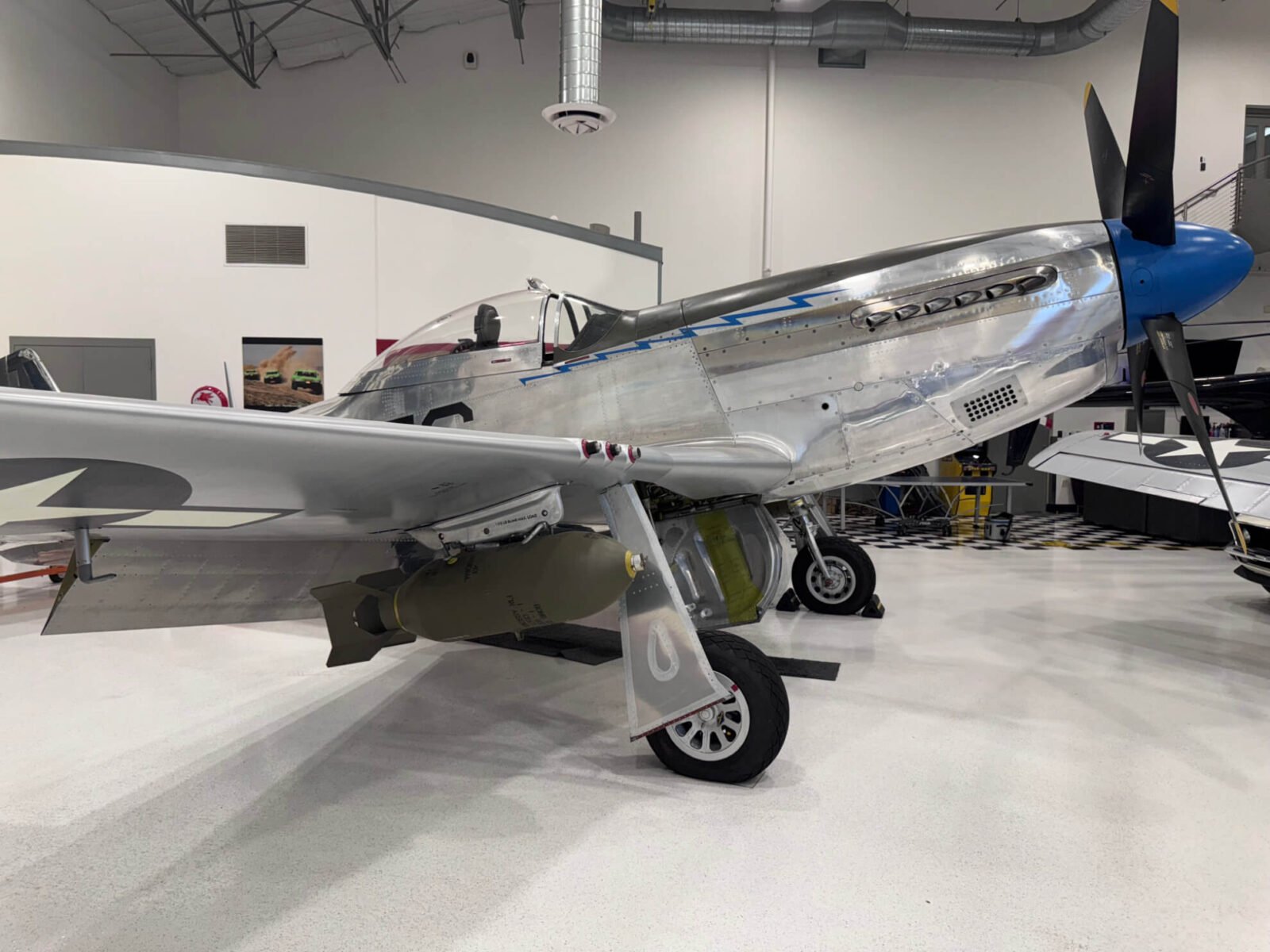
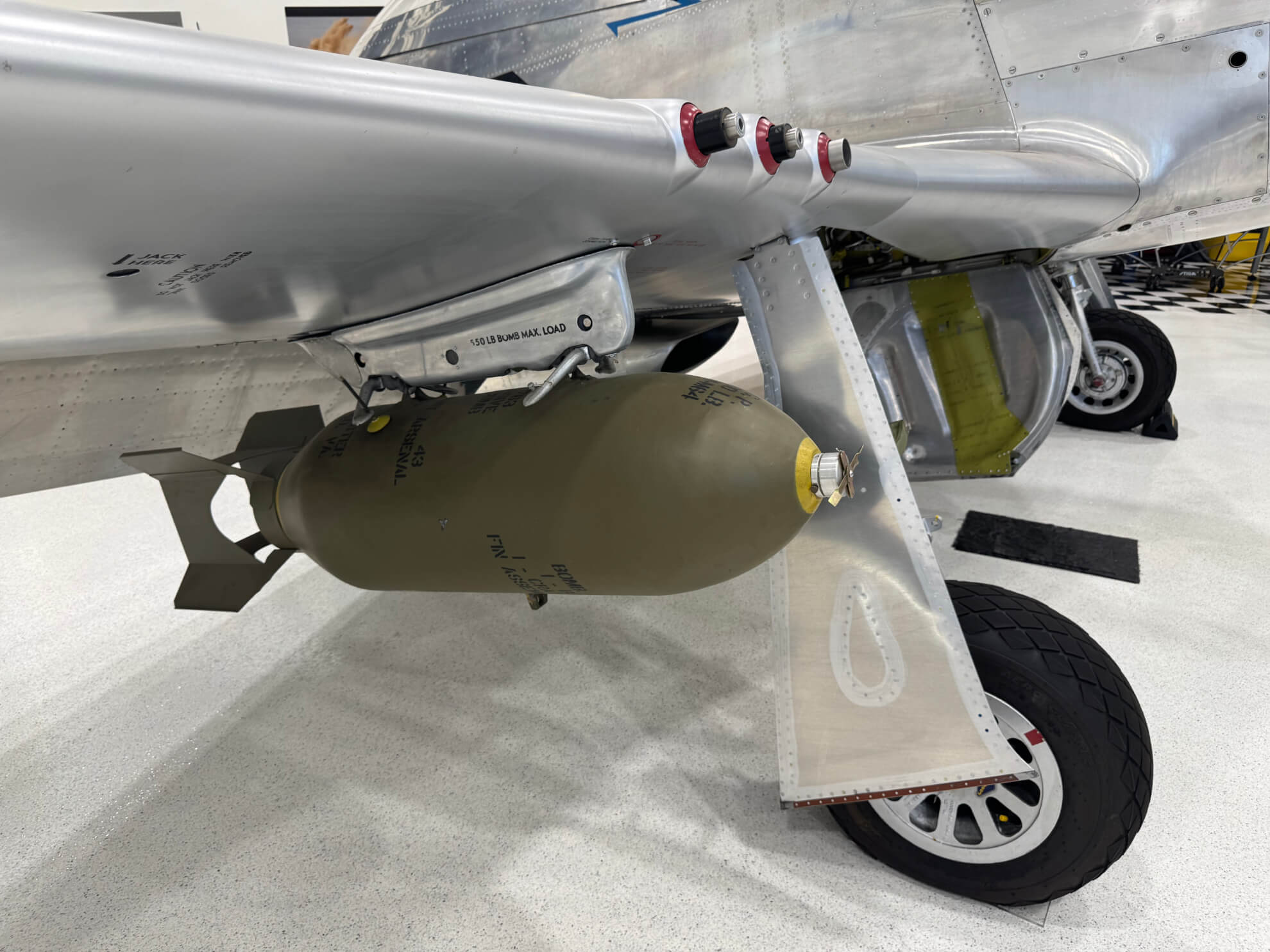
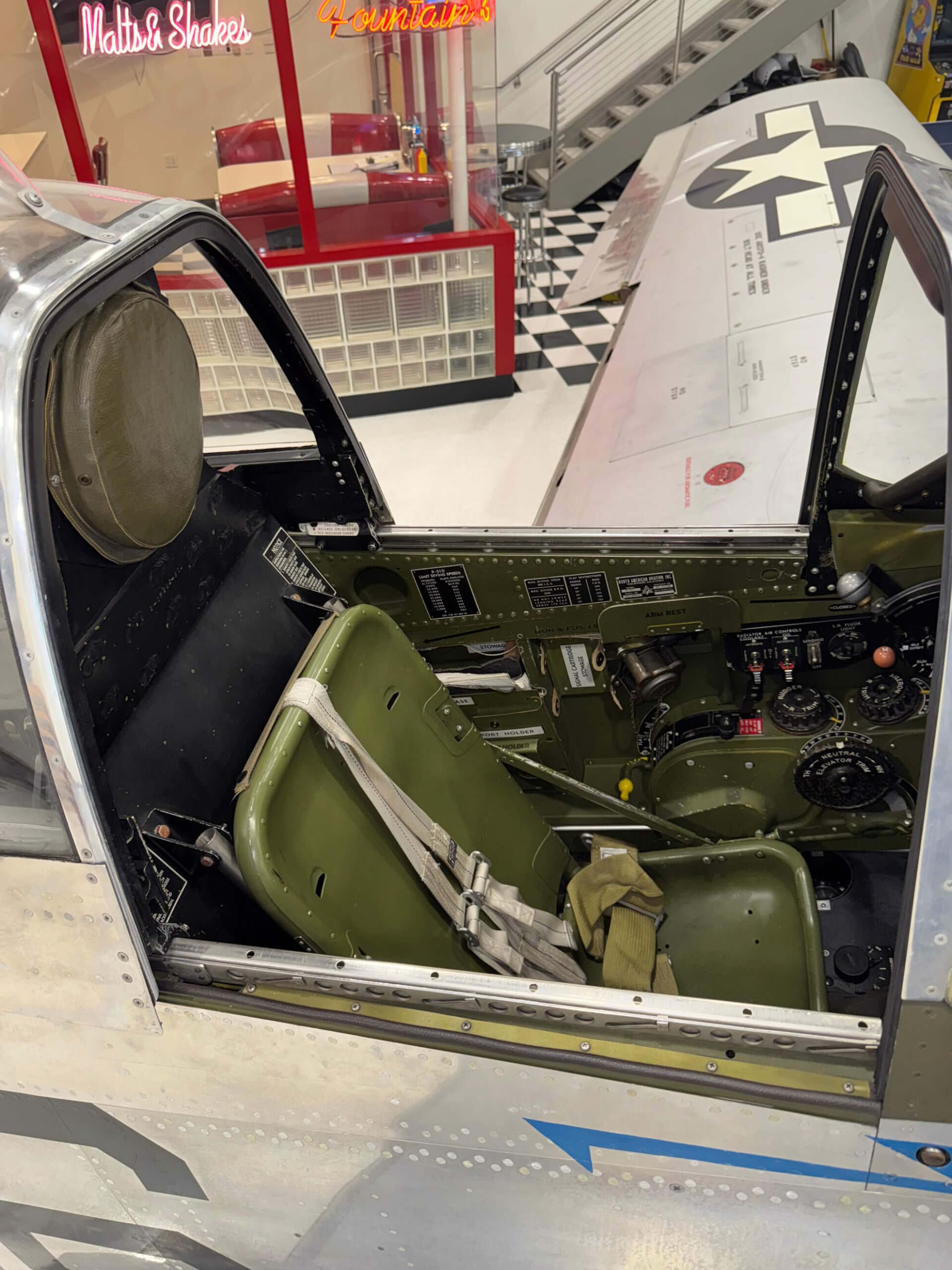
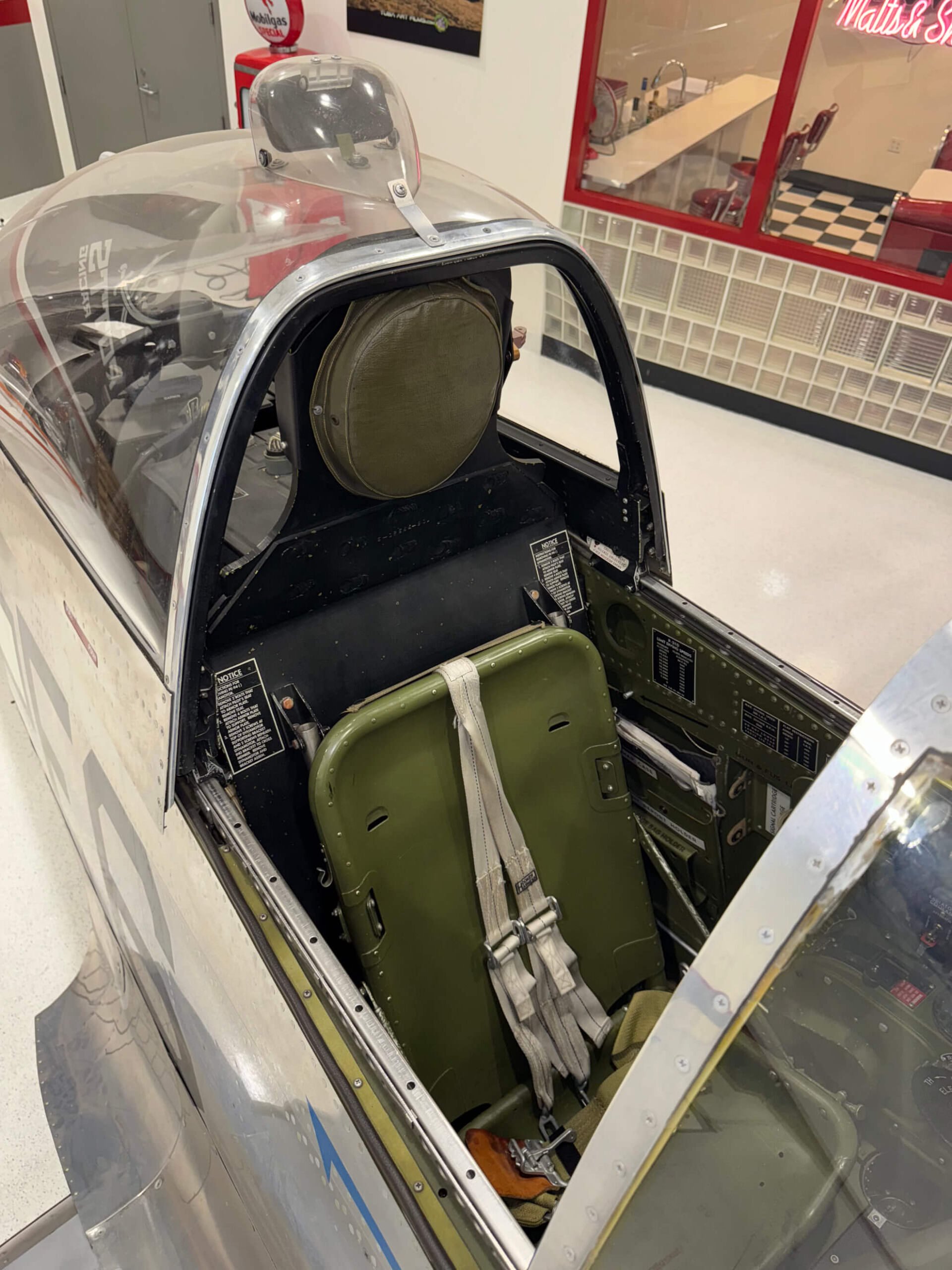
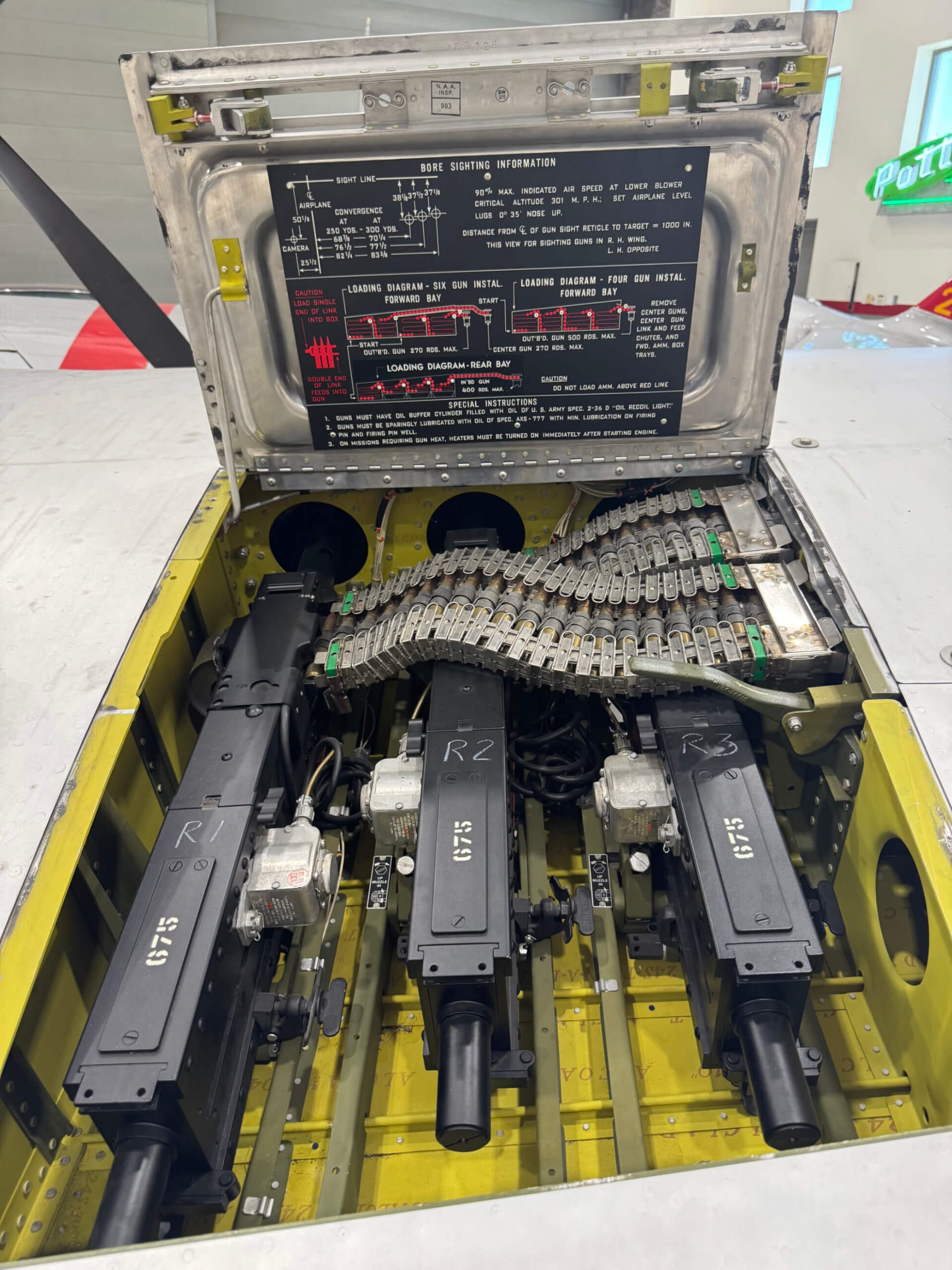
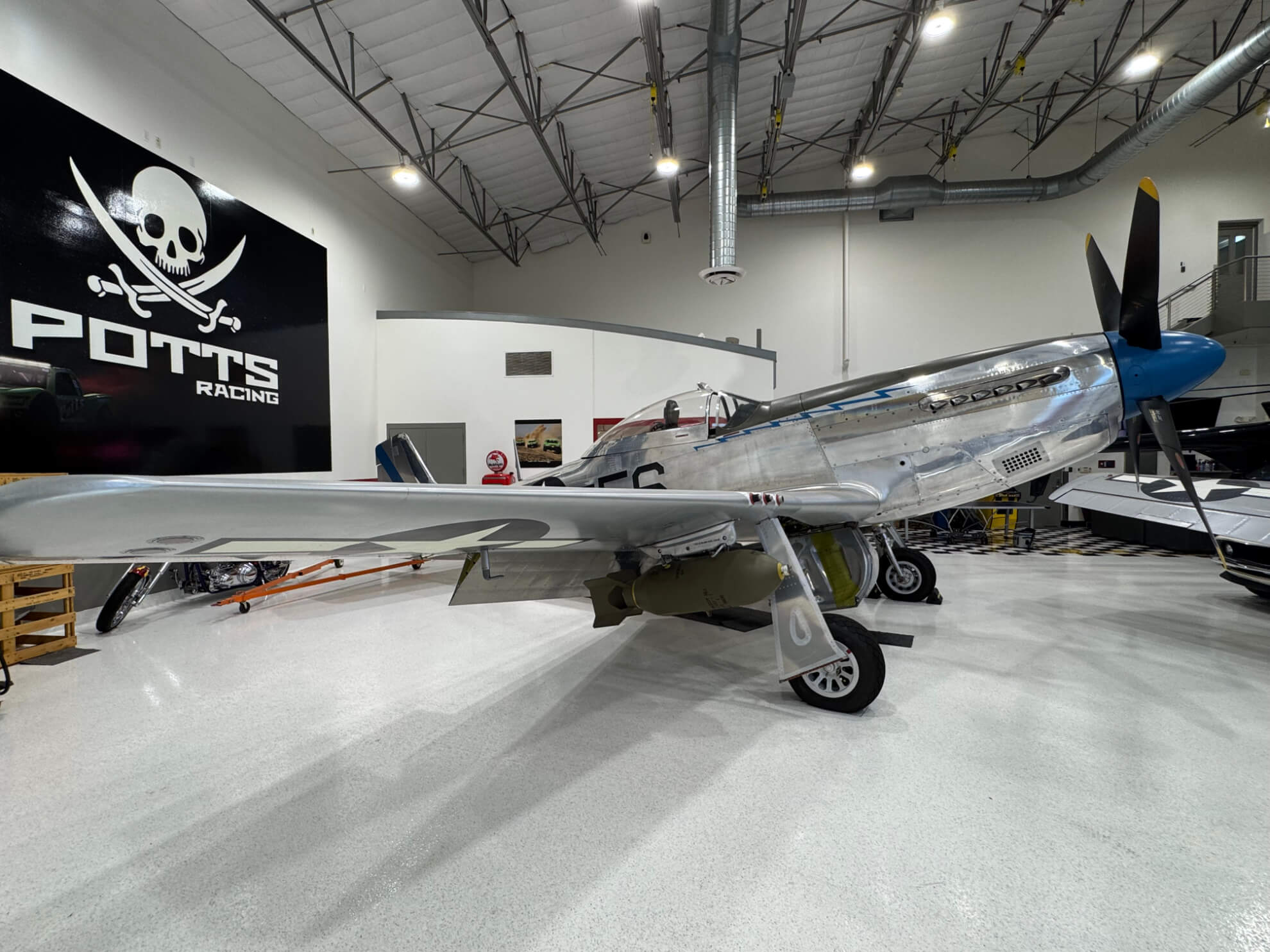
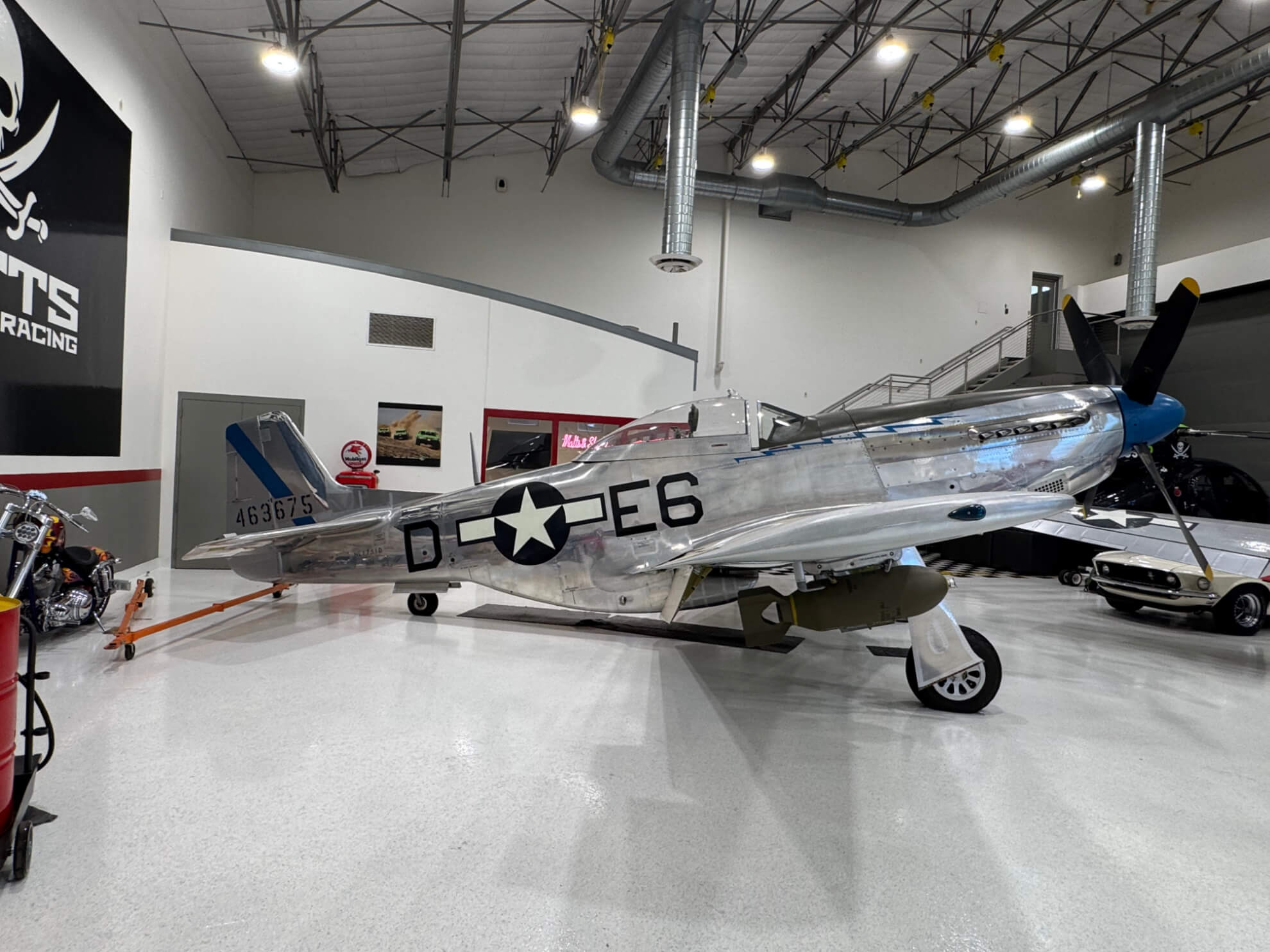
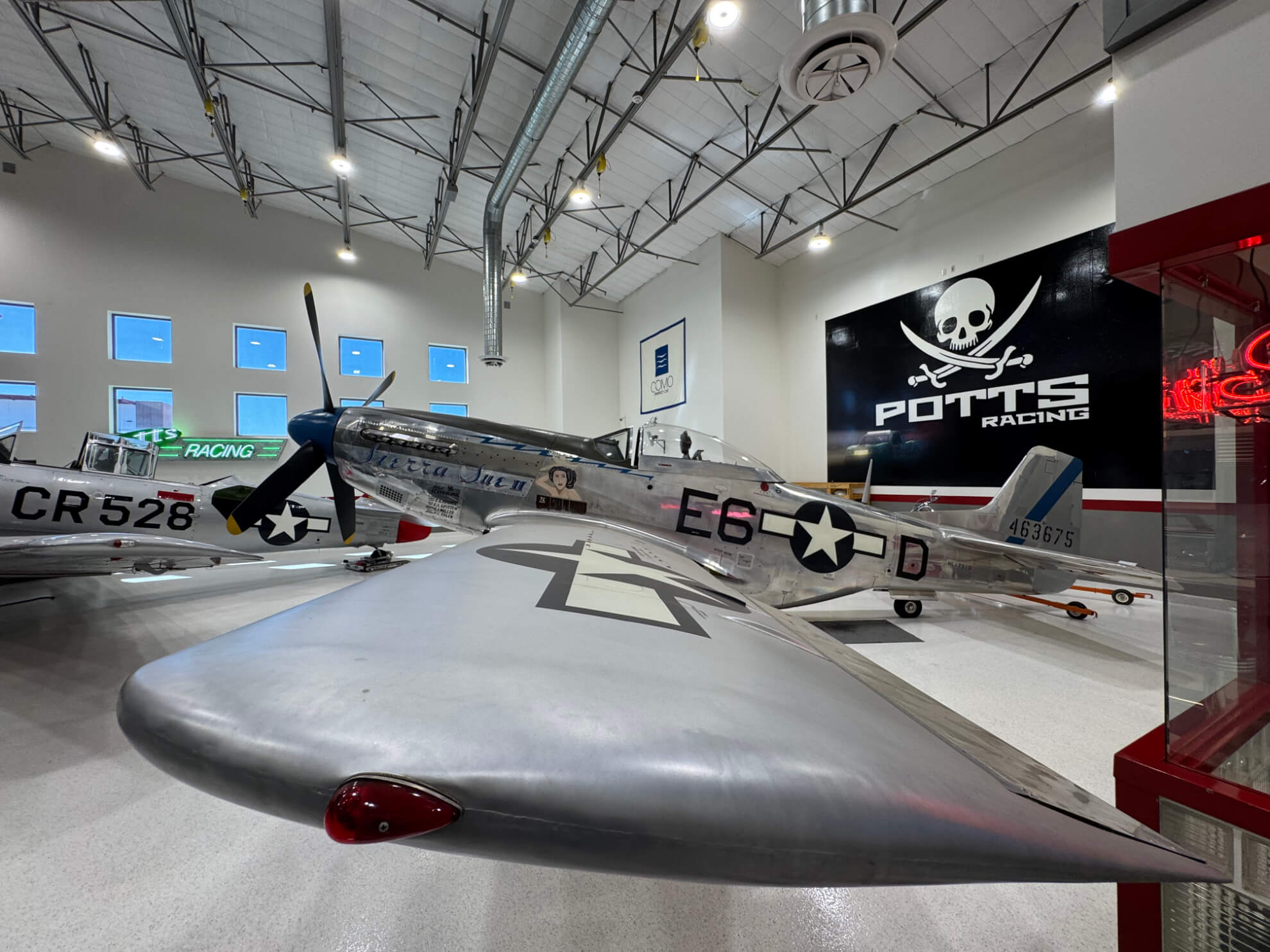
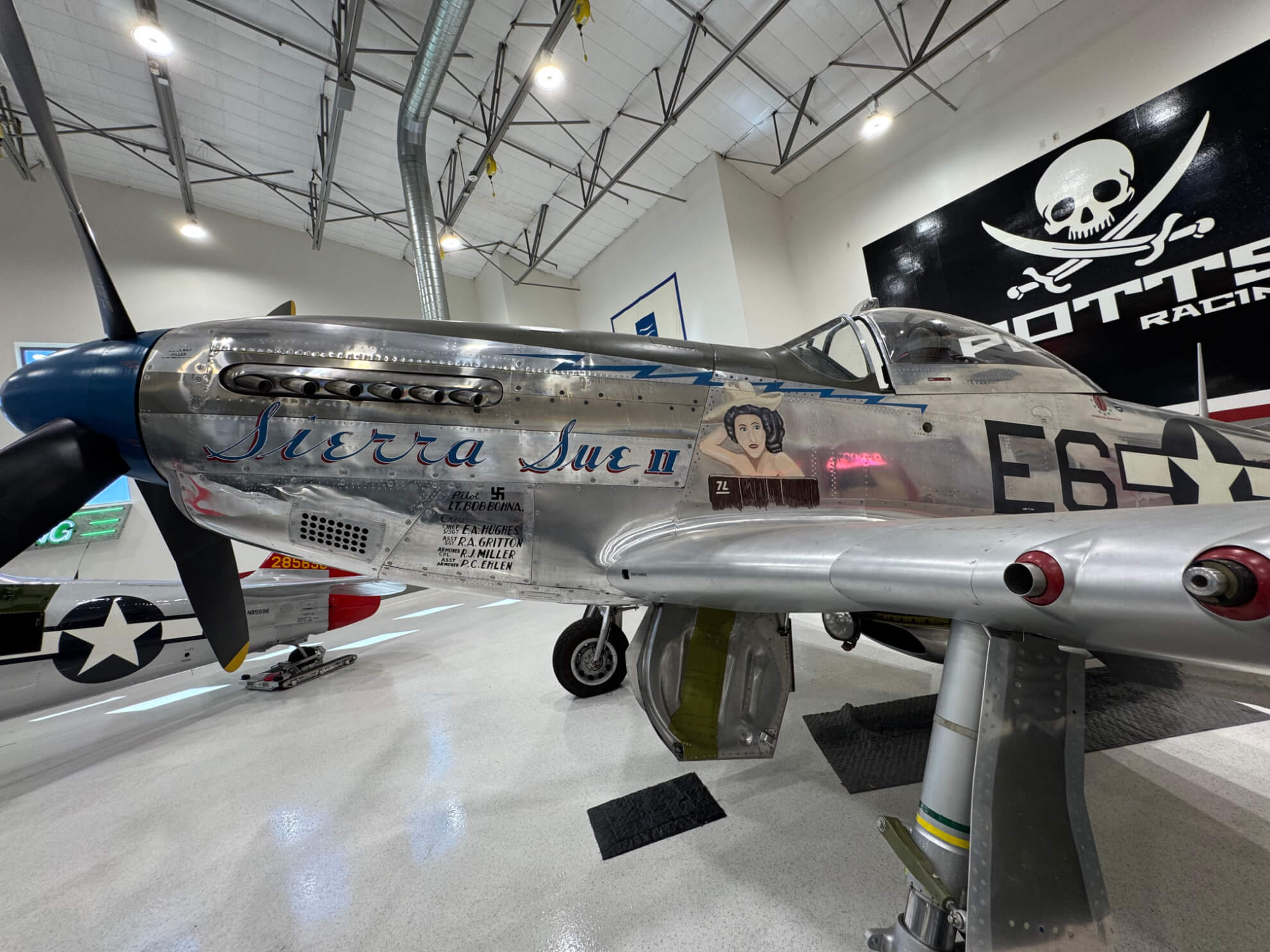
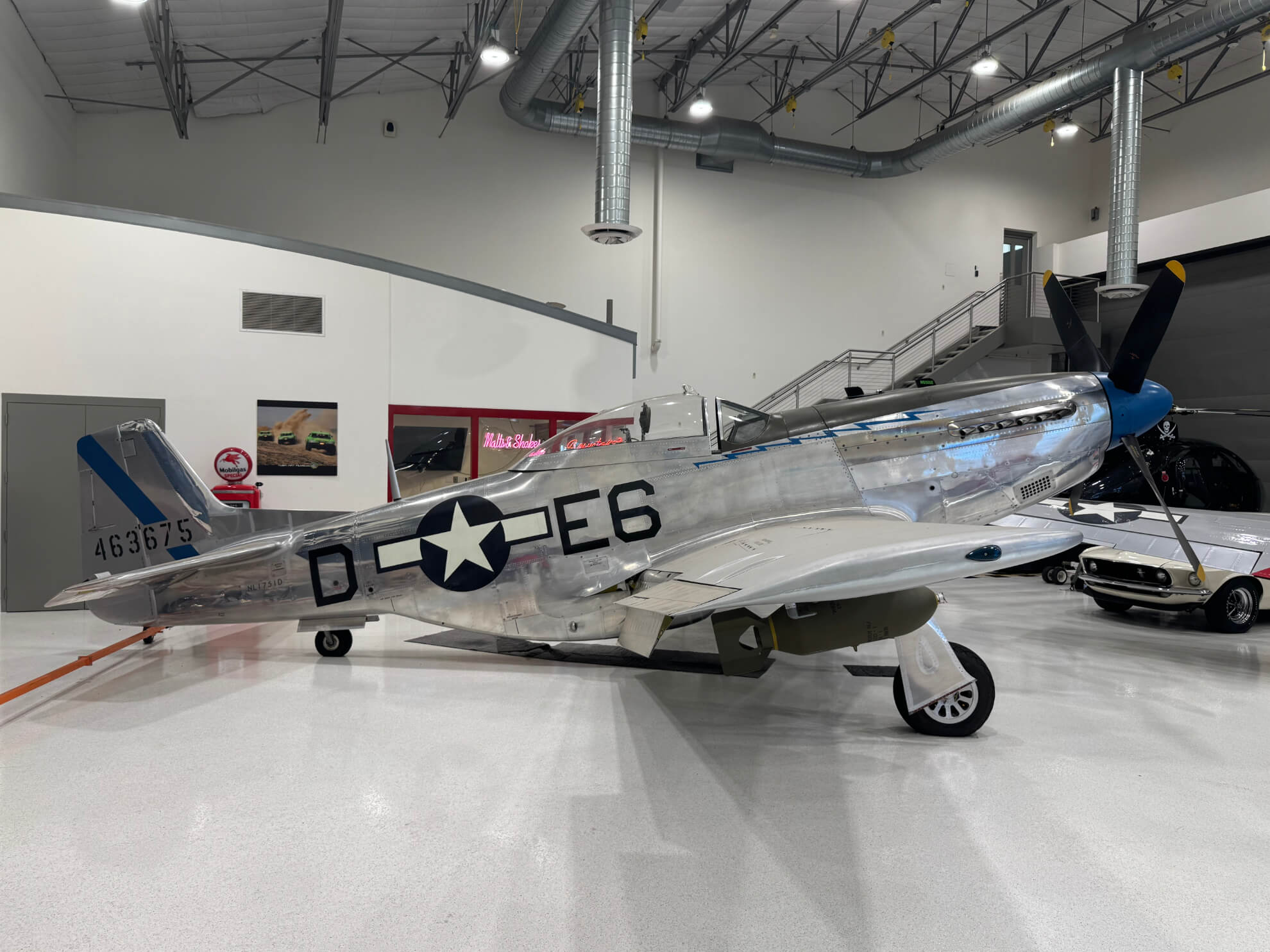
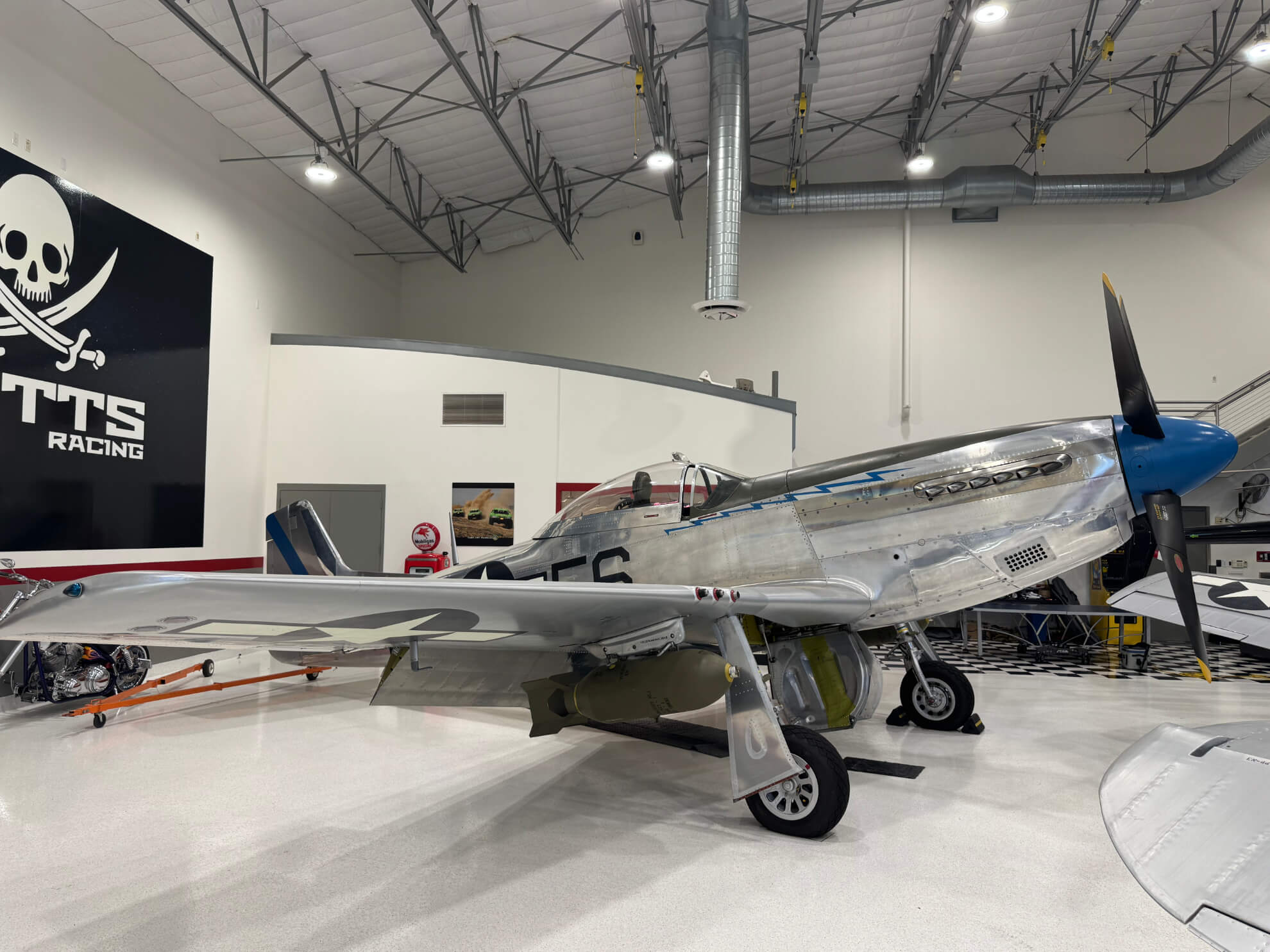
This is “Sierra Sue II,” it’s a completely restored 1944 North American P-51D Mustang fighter aircraft from the Second World War, and it’s widely considered to be the most original P-51D Mustang still flying.
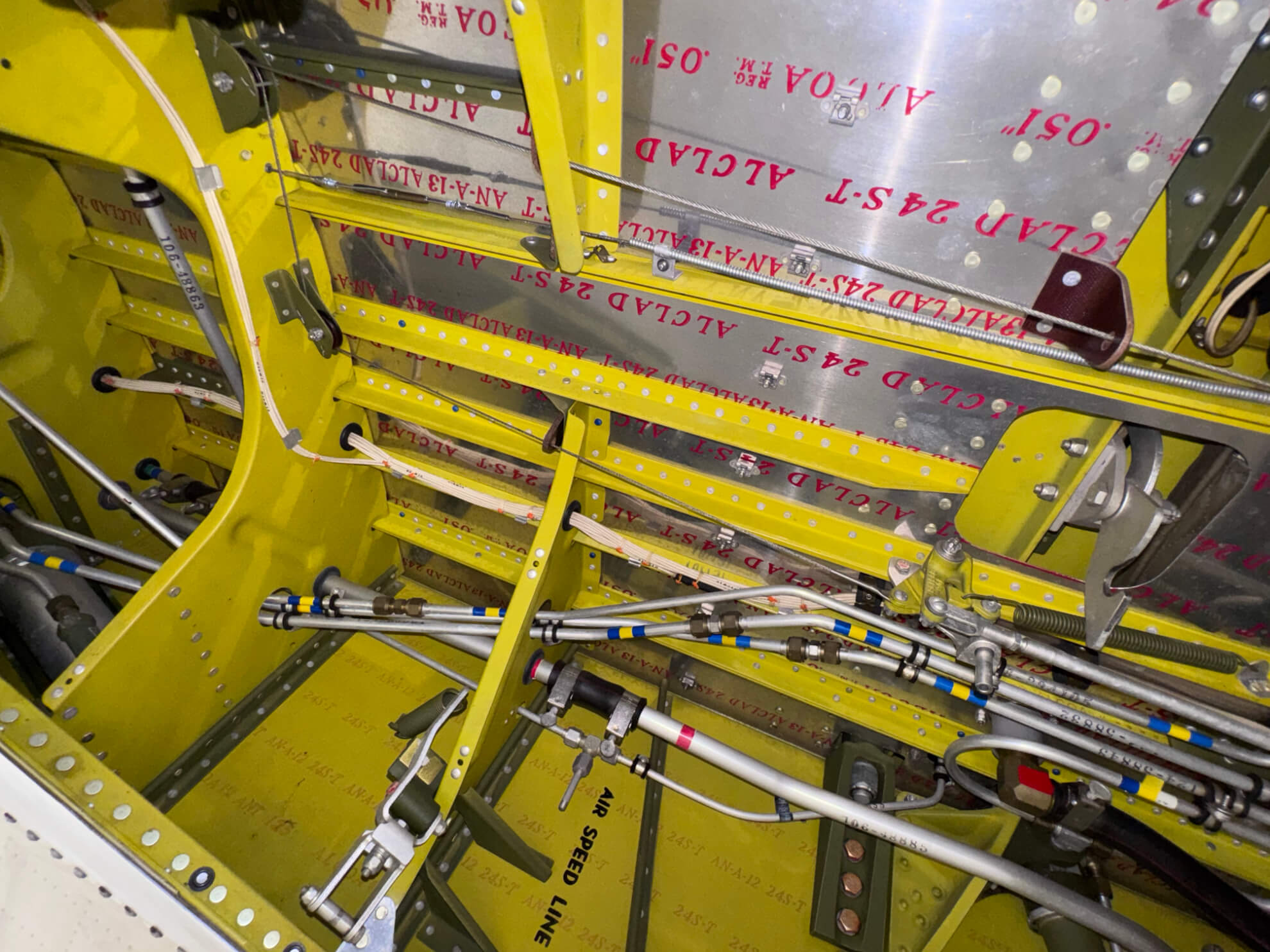
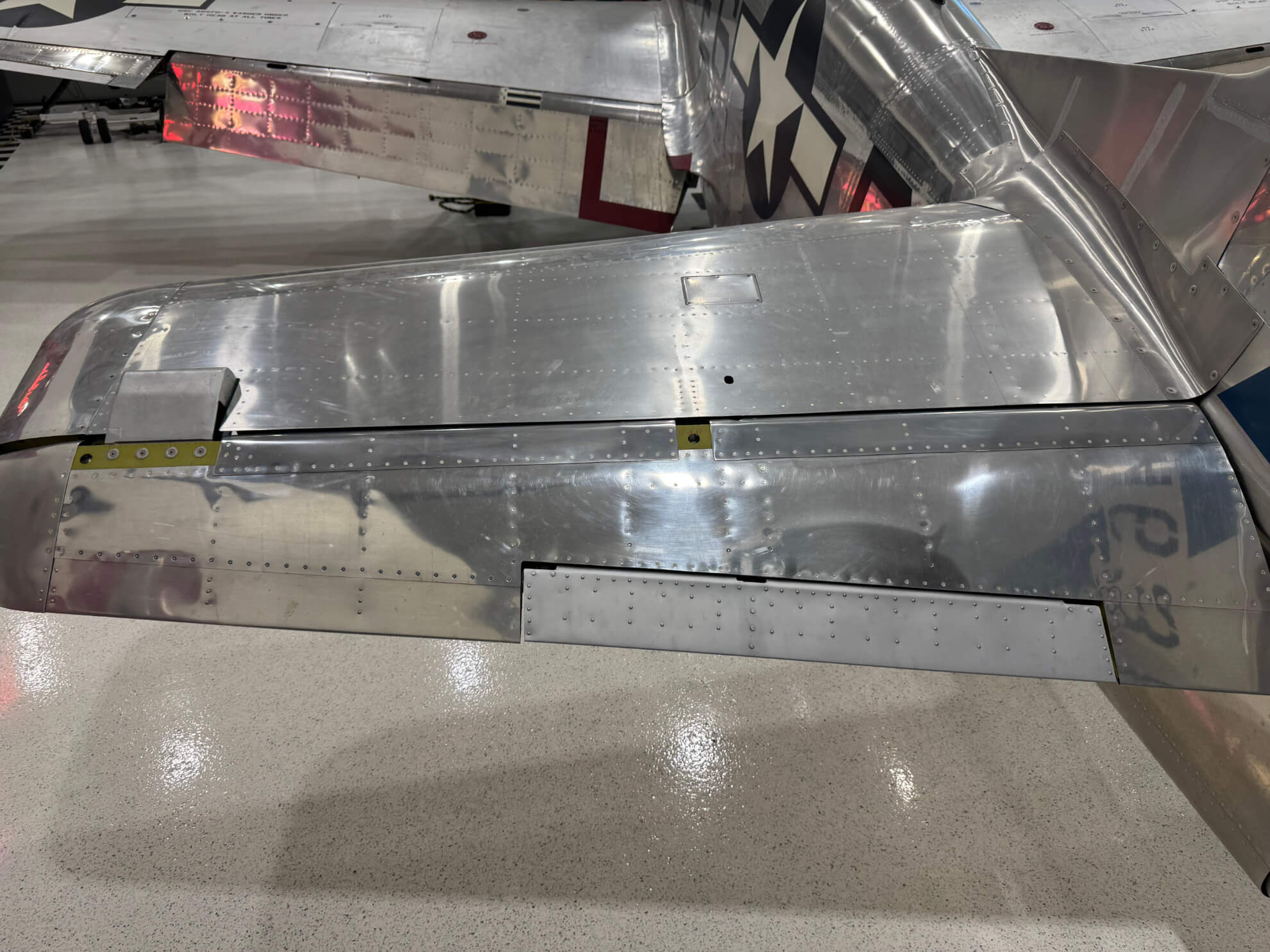
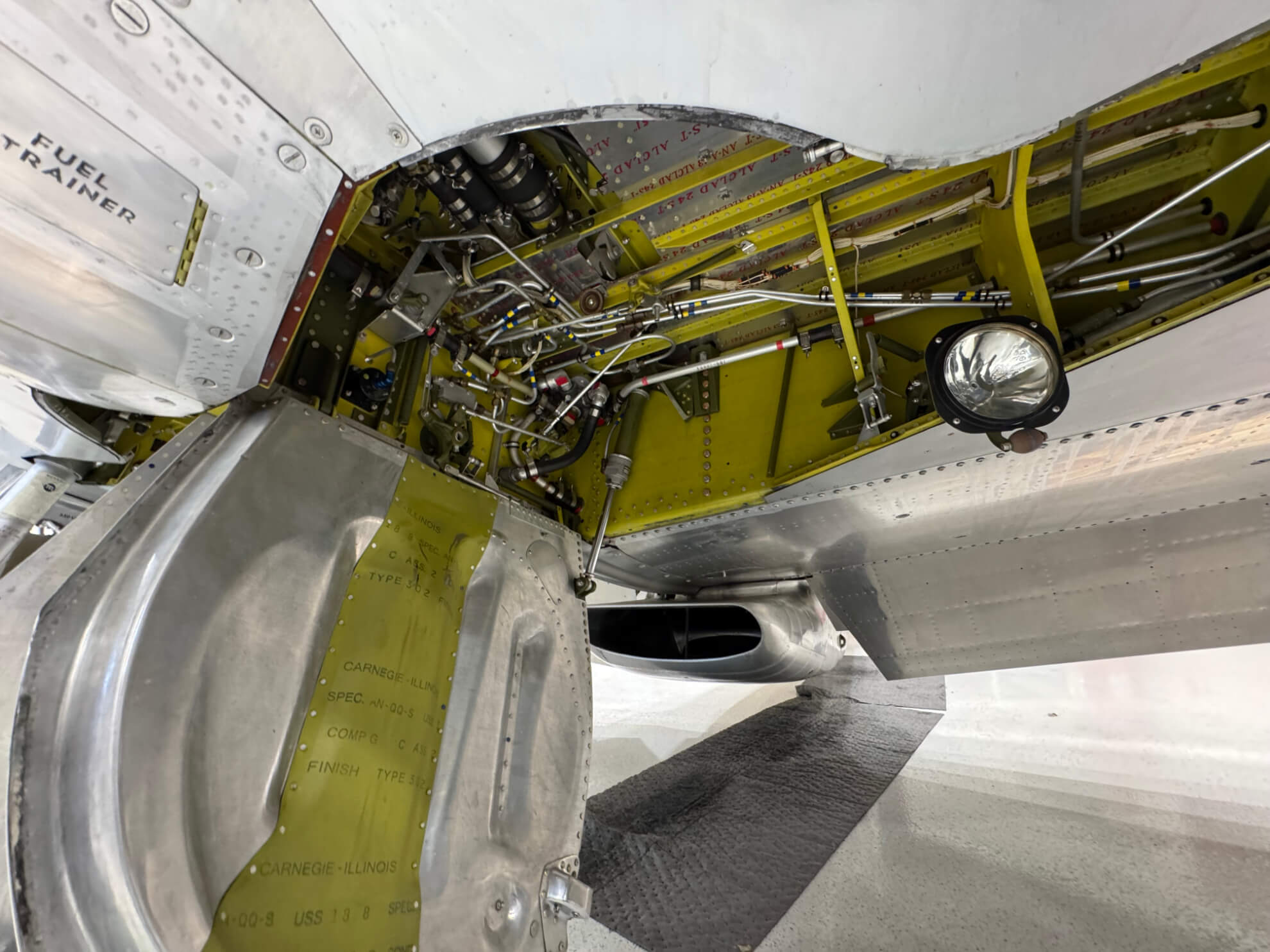
The only major parts on this aircraft that aren’t original are the engine mounts, ailerons, and flaps – everything else is as it was originally installed by workers at North American Aviation back in the mid-1940s in the midst of WWII.
Fast Facts: The North American P-51D Mustang
- Sierra Sue II is a fully restored 1944 North American P-51D Mustang and is widely regarded as the most original example still flying. Aside from replacement engine mounts, ailerons, and flaps, the aircraft retains an exceptional amount of its original wartime structure, equipment, and factory-installed components from late 1944 production.
- The P-51 Mustang originated in 1940 after a British request for fighters, leading North American Aviation to design a new aircraft from scratch. Early Allison-powered versions lacked high-altitude performance, but fitting the Rolls-Royce Merlin V12 transformed the design, producing the highly capable P-51B, P-51C, and later the definitive P-51D.
- The P-51D combined a Packard-built Merlin V-1650 V12, six .50 caliber machine guns, long range, and high speed, allowing bomber escort missions deep into Germany. It became one of the most successful Allied fighters of WWII, credited with destroying roughly 4,950 enemy aircraft across European and Pacific theaters.
- Built in November 1944, Sierra Sue II served with the 9th Air Force, later flew with Sweden and Nicaragua, then entered civilian ownership in the 1970s. A three-year restoration by AirCorps Aviation returned it to April 1945 configuration, and it is now offered for sale in Arizona for $4 million USD.
The North American P-51D Mustang
The North American P-51D Mustang is widely regarded as one of the most significant and effective fighter aircraft of the Second World War. The earliest origins of the P-51 started around 1940, when the British Purchasing Commission approached North American Aviation with an urgent request for fighter aircraft. The United States had not yet joined WWII, but the British were well-and-truly already in the trenches.
Above Video: This episode from the Imperial War Museum in Britain gives an excellent look back at the P-51 Mustang, its development, engineering, and wartime significance.
Rather than license-building the outdated Curtiss P-40 Warhawk for the Brits, North American proposed an entirely new design. Remarkably, the prototype NA-73X flew just 102 days after the order was placed, making its first flight on October the 26th, 1940.
Initially designated the Mustang Mk I by the British, the early models were equipped with the Allison V-1710 V12 aero engine. Although well-designed, these early Mustangs underperformed at high altitudes due to the limitations of the Allison powerplant. Recognizing the potential of the airframe, British engineers fitted the Mustang with the Rolls-Royce Merlin V12 engine, instantly transforming its performance.
This modification proved revolutionary, dramatically improving high-altitude capability and speed. Soon after, the Merlin-powered P-51B and P-51C versions entered production in America, quickly earning a reputation among pilots for their agility and high-altitude performance.
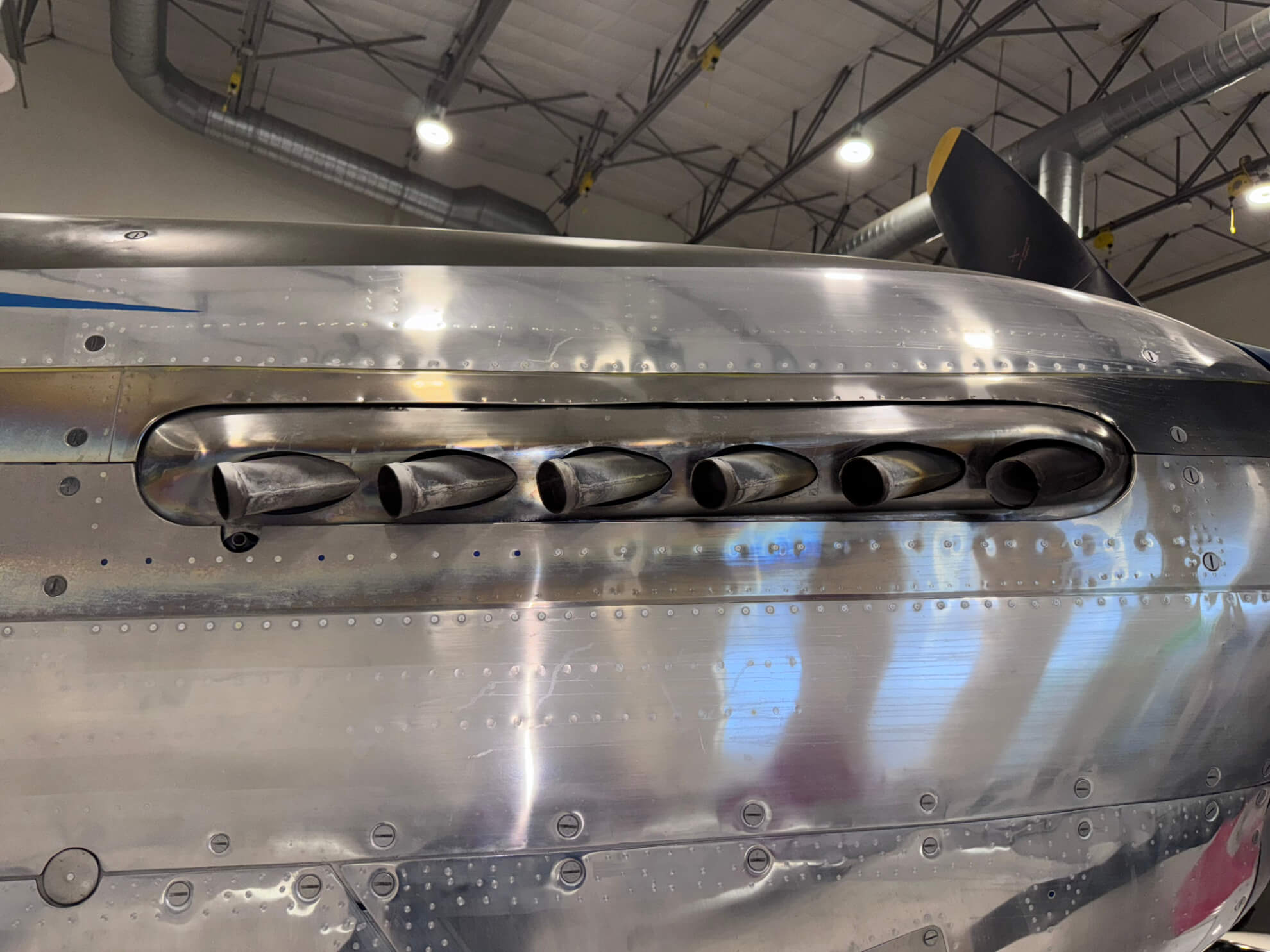
The definitive (and most prolific variant) of the Mustang was the P-51D. It featured several important refinements, most notably: a bubble canopy providing outstanding visibility, a strengthened airframe, improved armament with six wing-mounted .50 caliber Browning machine guns, and the American-made version of the Rolls-Royce Merlin V12 manufactured by Packard under license.
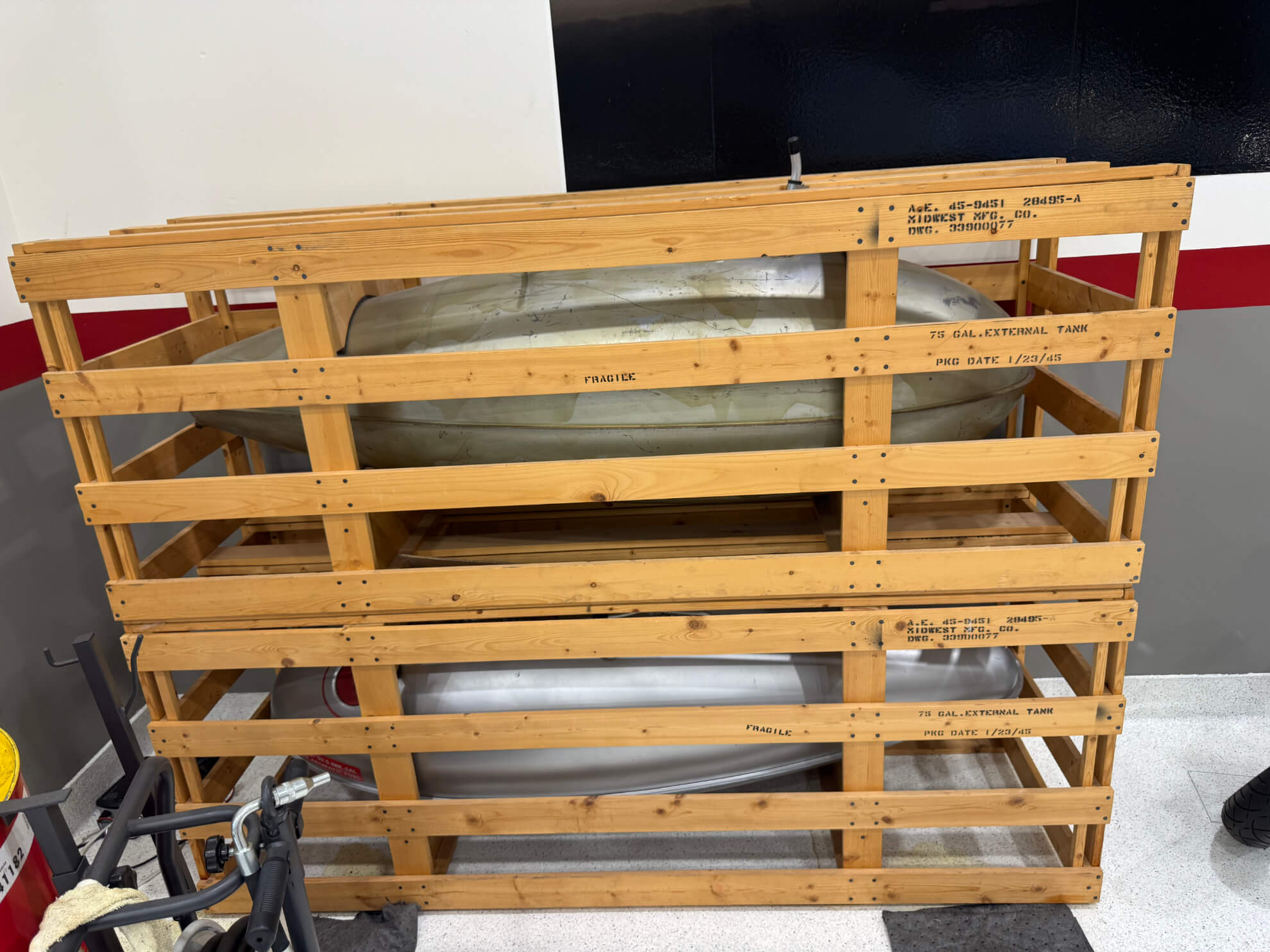
This engine, named the Packard V-1650, produced approximately 1,490 bhp. As a result, the maximum speed of the P-51D was about 437 mph (703 km/h) at altitude, and it had a range of up to 1,650 miles (2,655 km) with external drop tanks fitted.
This combination allowed Mustangs to escort Allied bombers all the way to Germany and back, drastically reducing bomber losses and enabling more aggressive strategic bombing campaigns deep within Axis-held territory. This almost certainly helped bring the end of the war closer than it otherwise would have been.
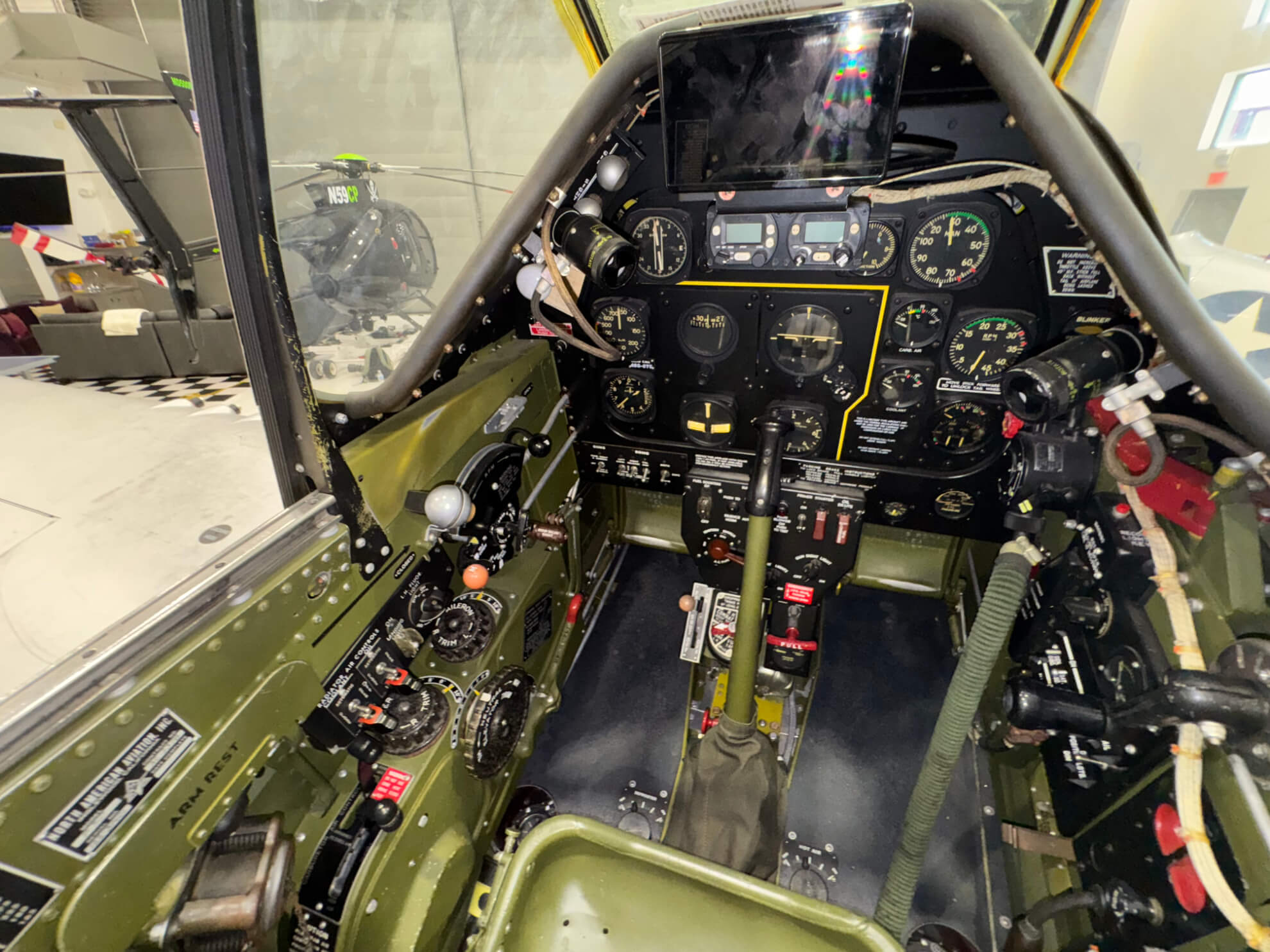
 The only major parts on this aircraft that aren’t original are the engine mounts, ailerons, and flaps – everything else is as it was originally installed by workers at North American Aviation back in the mid-1940s in the midst of WWII.
The Mustang quickly became a favorite among Allied pilots due to its exceptional maneuverability, and for its range, meaning they didn’t have to leave their bomber brethren to battle the Nazi fighters alone. The P-51D served primarily in the European and Pacific theaters of war, where Mustang pilots amassed one of the highest kill-to-loss ratios of the entire conflict.
P-51Ds destroyed approximately 4,950 enemy aircraft during the war, more than any other Allied fighter. A significant advantage was its versatility, equally capable as a dogfighter, ground-attack aircraft, and long-range escort fighter. Mustang pilots, including legendary aces such as Chuck Yeager and George Preddy, frequently credited their aircraft’s design, aerodynamics, and blistering speed for their combat successes.
Post-war, the P-51D Mustang continued to serve actively in multiple conflicts, including the Korean War, until jet-powered aircraft eventually rendered it obsolete for frontline military roles. Despite its disappearing military usefulness, the Mustang found a new life in civilian aviation – particularly in the world of air racing.
In the decades following WWII, numerous surplus Mustangs were purchased by private pilots and modified extensively for competitive air racing. Their powerful Merlin engines, aerodynamics, and ease of modification made them ideal candidates for high-speed racing.
The most famous examples being “Strega,” “Voodoo,” and “Dago Red” – they became iconic figures in the Reno National Championship Air Races, regularly reaching speeds well above 450 mph. The Reno races would become a showground for the continued development of the Mustang and the mighty V12 that powers it.
The P-51D Mustang Shown Here – “Sierra Sue II”
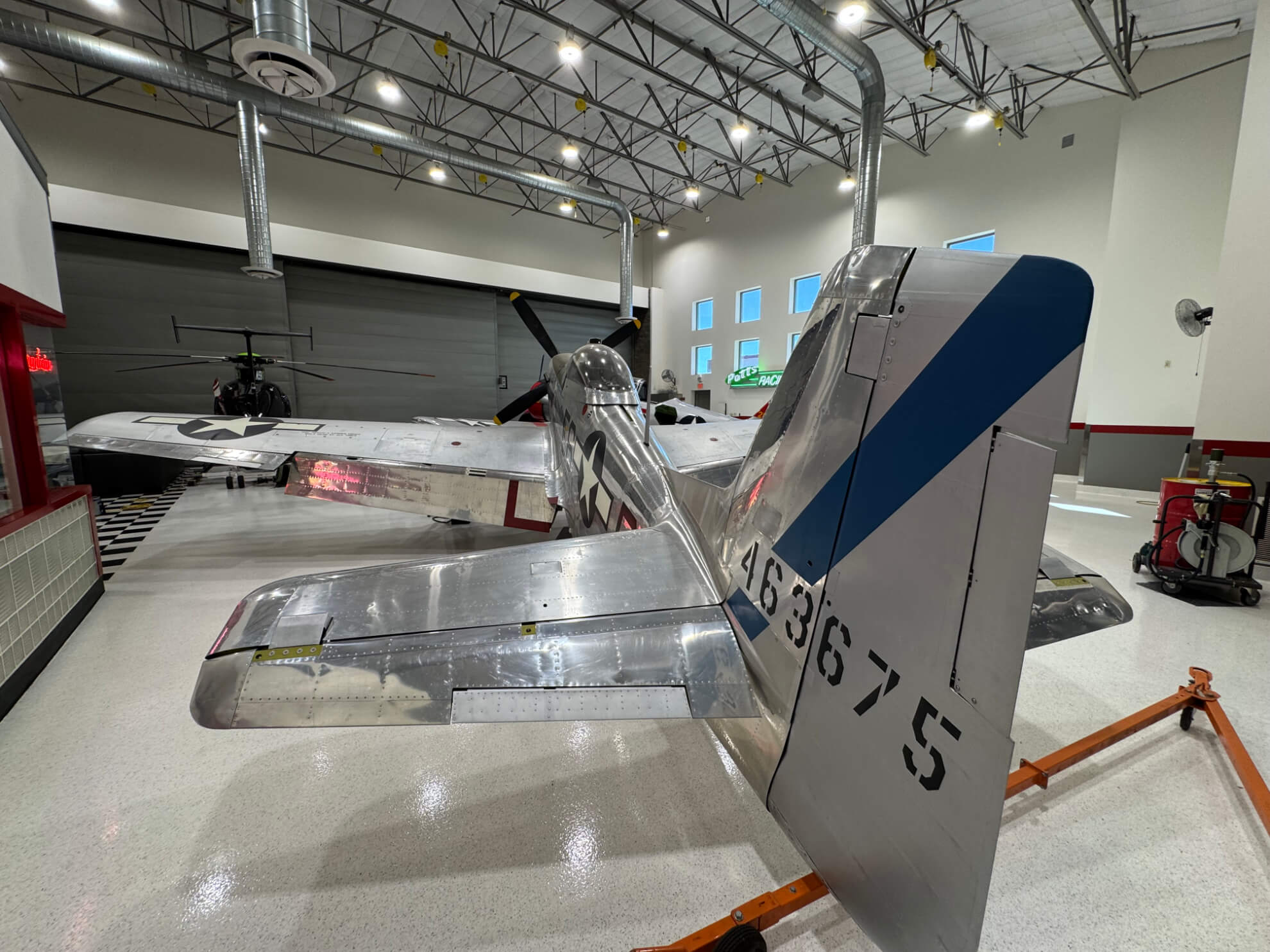
Built by North American Aviation in Inglewood, California in November of 1944, this P-51D Mustang (serial 44-63675) entered U.S. Army Air Forces service on the 27th of November 1944 and it was shipped to Belgium on the 29th of January 1945.
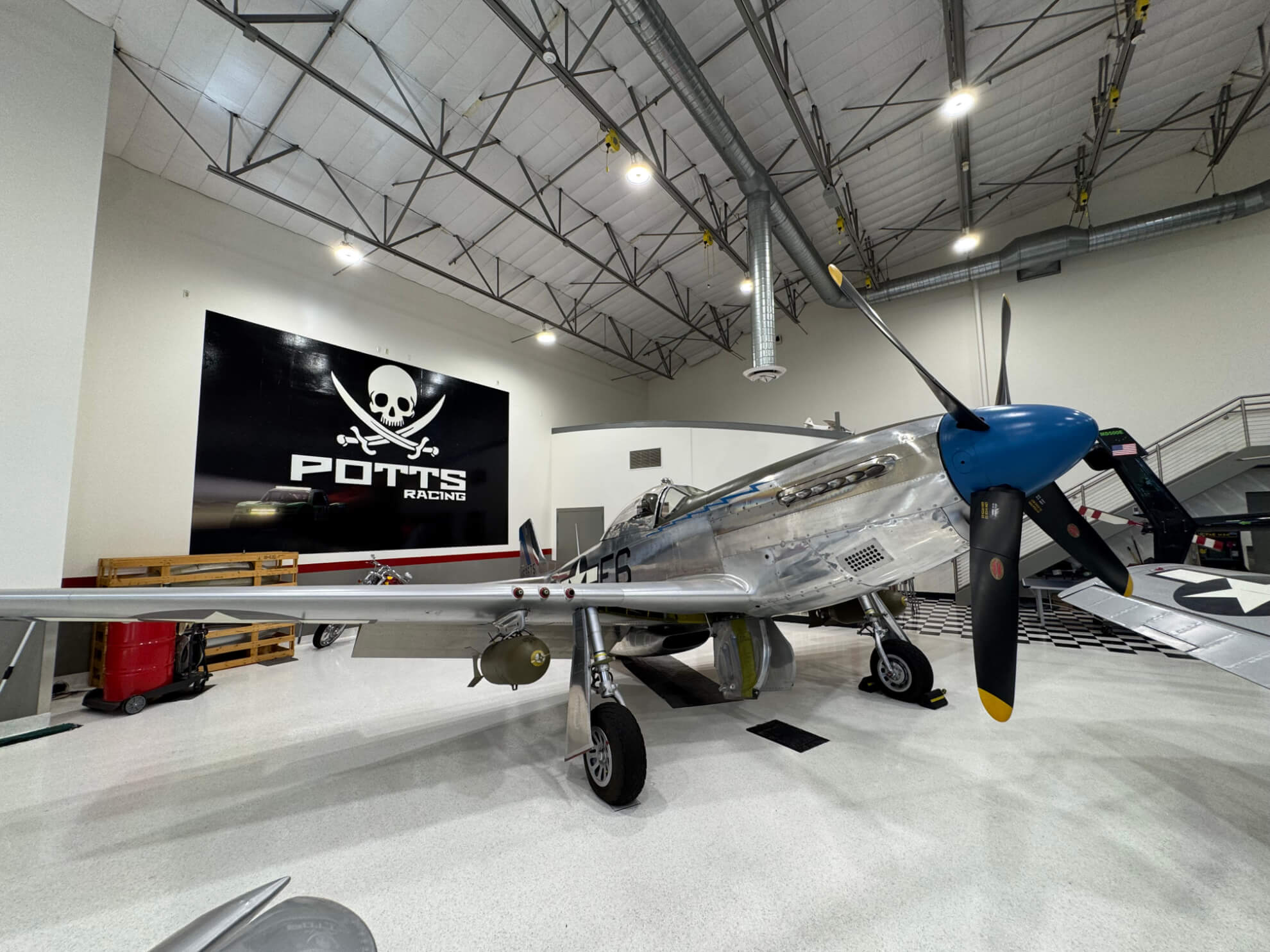
This is “Sierra Sue II,” it’s a completely restored 1944 North American P-51D Mustang fighter aircraft from the Second World War, and widely considered to be the most original P-51D Mustang still flying.
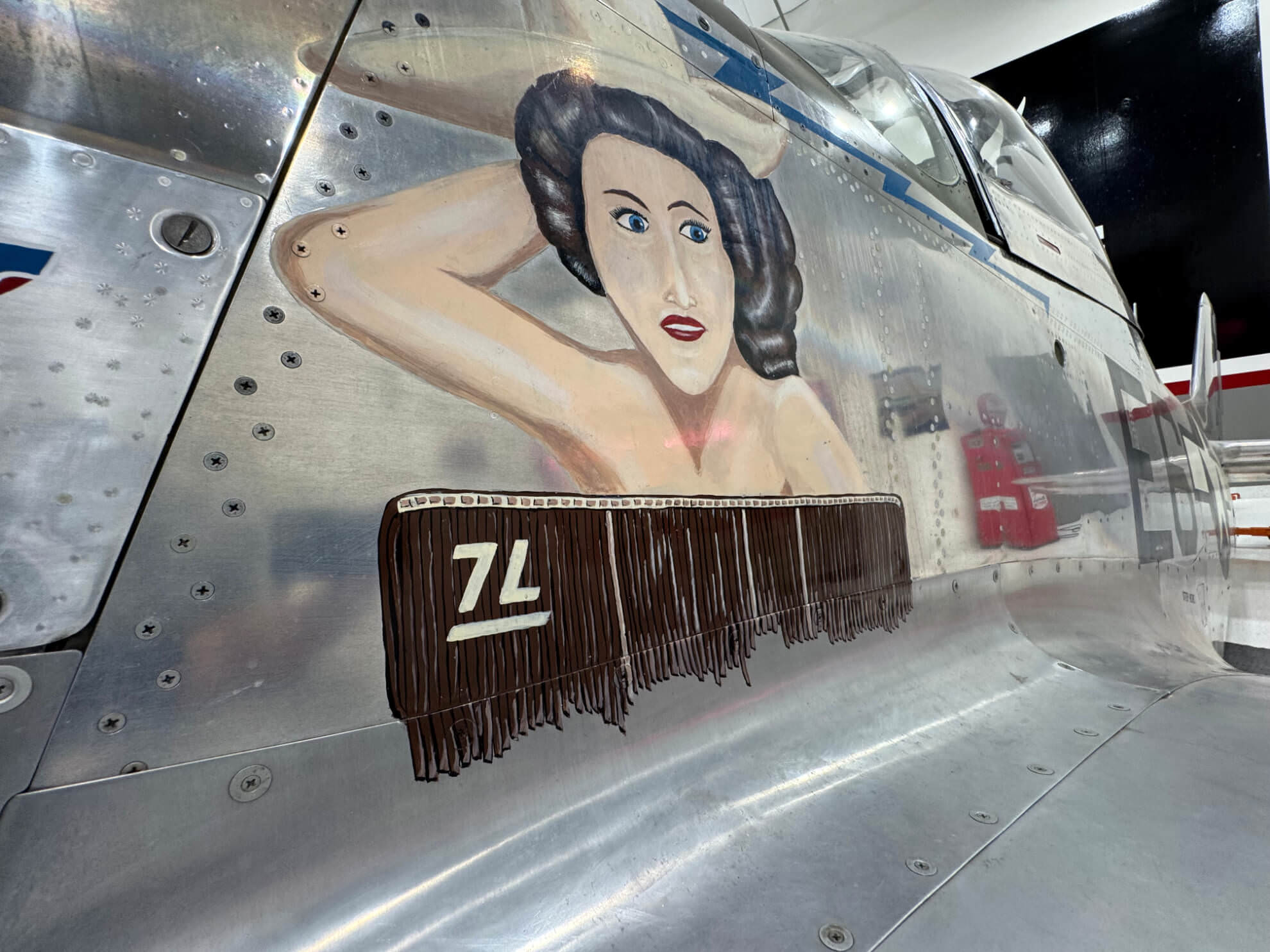
It was first assigned to the 402nd Fighter Squadron, 370th Fighter Group of the 9th Air Force, and the aircraft was flown by 1st Lt. Robert “Bob” Bohna, who named it Sierra Sue II after a girl from his high school. During the final months of the war it flew B-17 bomber escort missions to Berlin, shot at a Me 262 jet, and concluded hostilities on patrol over Paris.
After the war, the Mustang was sold to the Swedish government in 1947 and re-designated J26 with serial Fv26152. It was based initially at F4 near Östersund, and it became known as “Gul Kalle,” distinguished by a yellow tail marking and flown for several years by pilot Sten Söderquist. In 1952 it was transferred to F8 near Stockholm, repainted as “Grön Kalle,” and briefly carried the nose name “Kleopatra” while serving as a staff aircraft.
Later in 1952, the aircraft was sold abroad, disassembled, and shipped to Nicaragua, where it entered service with the Nicaraguan Air Force as GN91 at Las Mercedes Air Base near Managua. It remained operational until 1961 before being retired and placed on outdoor display.
Civilian ownership began in July 1971 when the Mustang was acquired by Dave Allender of California, it was registered as N5452V with race number 19, modified for racing, and painted bright red. By the late 1970s and early 1980s, it was carefully returned to a stock configuration, eventually repainted to honor both its wartime U.S. markings as Sierra Sue II and its Swedish service as Gul Kalle.
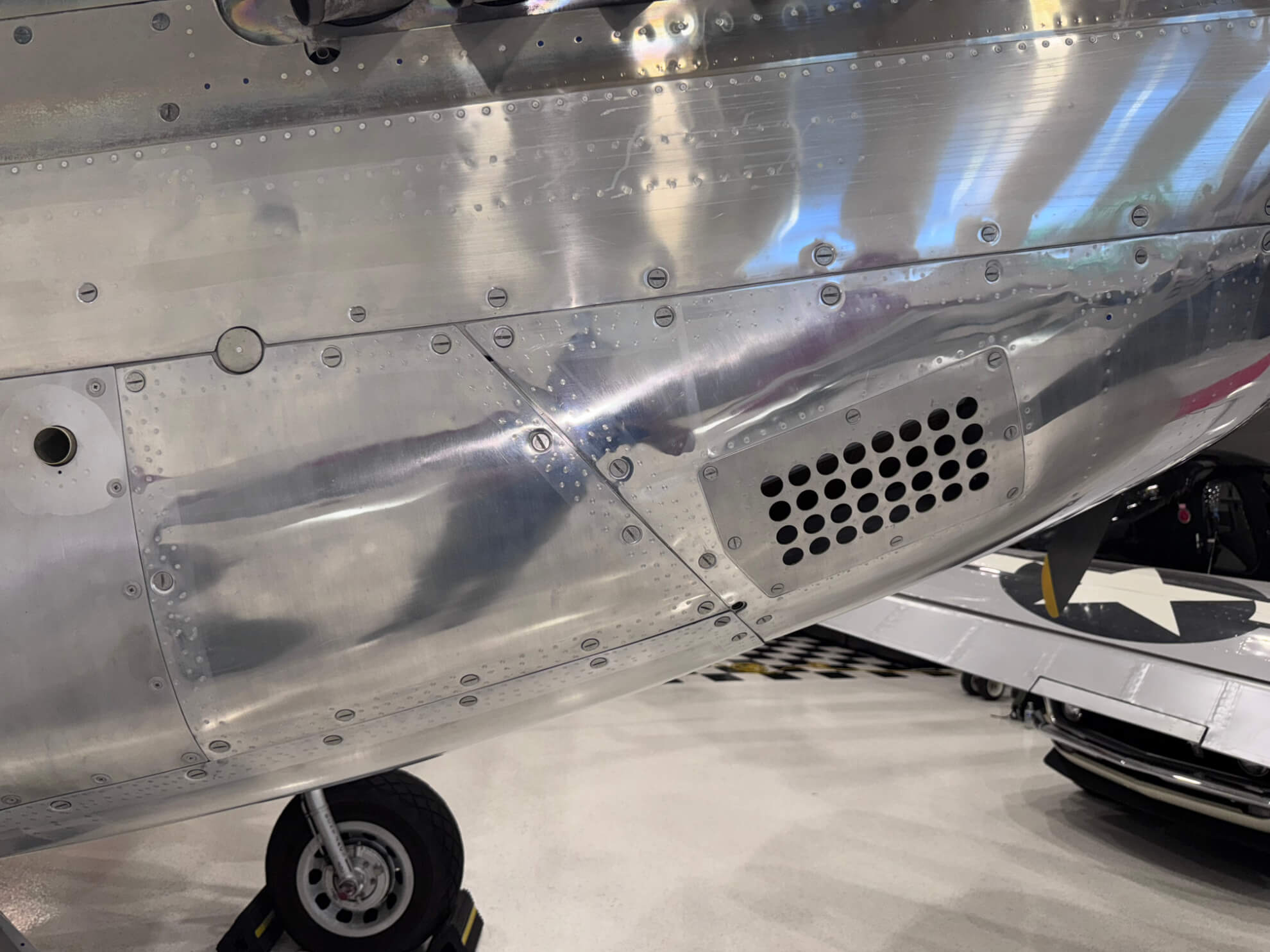
In 2011 the aircraft underwent a meticulous, three-year restoration by AirCorps Aviation to exact April 1945 factory configuration, retaining an extraordinary level of the original structure and equipment. It was flying once again in 2014, it earned major awards at EAA AirVenture Oshkosh in 2015 and later served as a centerpiece museum aircraft before being acquired by its current owner in January of 2024.

Now based in Scottsdale, Arizona, Sierra Sue II is widely regarded as one of the most historically accurate, authentically restored, and original P-51D Mustangs still flying today.
Now based in Scottsdale, Arizona, Sierra Sue II is widely regarded as one of the most historically accurate, authentically restored, and original P-51D Mustangs still flying today.
It’s now being offered for sale via Platinum Fighter Sales for $4,000,000 USD, if you’d like to read more about it or enquire about buying it you can visit the listing here.

Images courtesy of Platinum Fighter Sales

Articles that Ben Branch has written have been covered on CNN, Popular Mechanics, Smithsonian Magazine, Road & Track Magazine, the official Pinterest blog, the official eBay Motors blog, BuzzFeed, Autoweek Magazine, Wired Magazine, Autoblog, Gear Patrol, Jalopnik, The Verge, and many more.
Silodrome was founded by Ben back in 2010, in the years since the site has grown to become a world leader in the alternative and vintage motoring sector, with well over a million monthly readers from around the world and many hundreds of thousands of followers on social media.