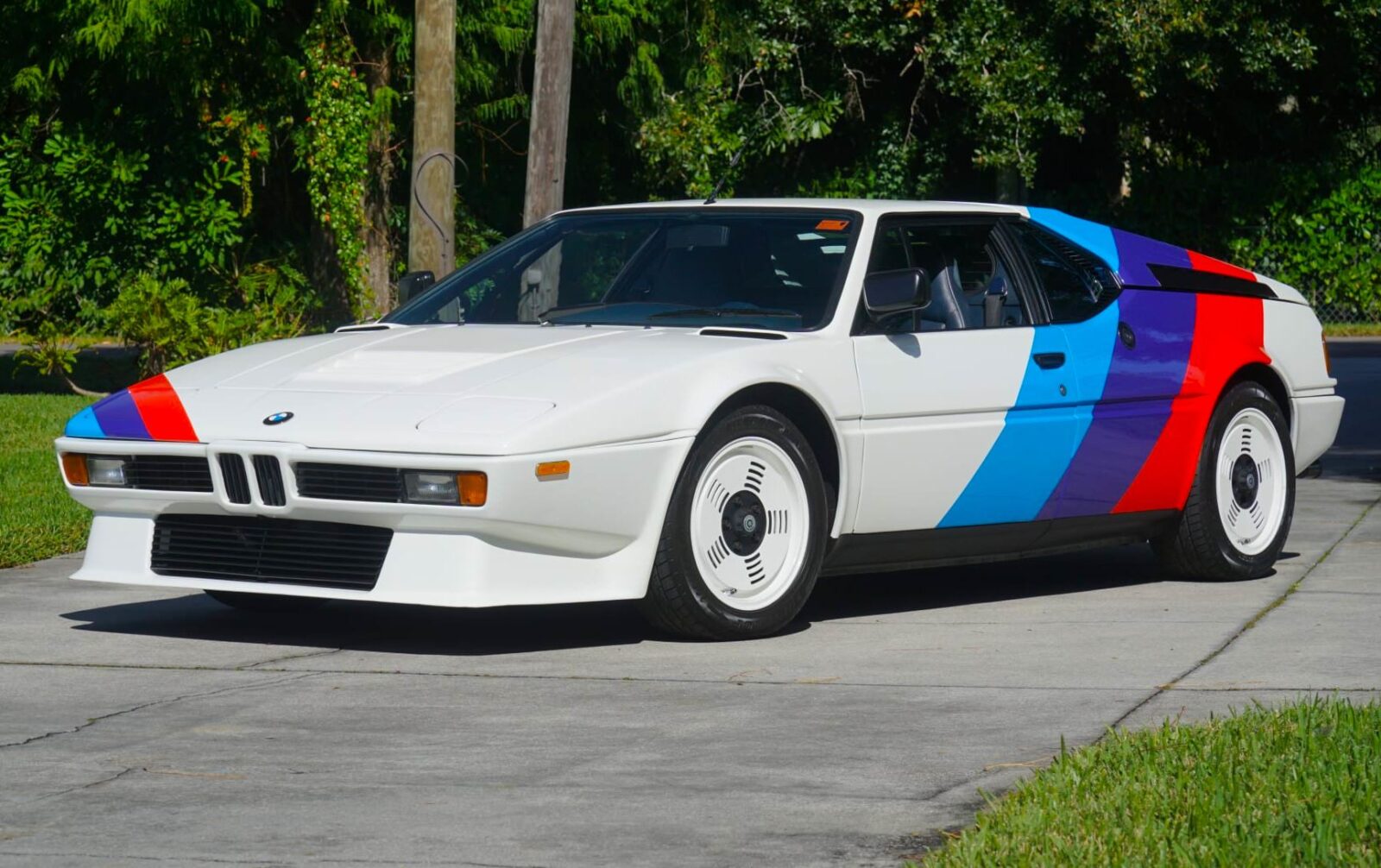
The BMW M1 was the German automaker’s first mid-engined supercar, though it was developed with significant input from the Italians – the body was styled by Giorgetto Giugiaro and the chassis engineered by Gianpaolo Dallara.
The M1 project had been undertaken to challenge Porsche in Group 5 racing, but the car would become best-known for the BMW M1 Procar Championship – a one-make racing series that operated as a support race for Formula One in 1979 and 1980 – with many F1 drivers also driving M1s on race weekends.
Fast Facts: The BMW M1
- BMW created the M1 to meet racing homologation rules and compete with Porsche in Group 5. The project combined German and Italian engineering knowhow, using Giugiaro for the body, Dallara for the chassis, and the BMW Motorsport division for the engine. Lamborghini’s financial collapse disrupted the plan and forced BMW to reorganize production across multiple European suppliers.
- The specifications included a tubular steel spaceframe, a fiberglass body, and final assembly that moved from Modena to Turin to Stuttgart before reaching Munich. This complex workflow slowed output and limited total production to 453 cars. The result was an expensive, low-volume mid-engined car that sat beside Ferrari, Lamborghini, and Porsche at the higher end of the market.
- Power came from the M88/1 straight-six with mechanical injection, individual throttle bodies, and dry-sump lubrication. It produced around 277 bhp in road trim and worked with a ZF 5-speed transaxle. Double-wishbone suspension and balanced weight distribution gave the M1 excellent handling and made it a genuine rival to high-performance competitors of the late seventies and early eighties.
- With Group 5 rules moving on, BMW launched the M1 Procar series to give the car a racing series. F1 drivers raced specially prepared 470 bhp M1s on Grand Prix weekends, which helped to establish the car’s reputation and make it a common sight for F1 viewers. Variations of this engine later powered the E28 M5 and E24 M635 CSi.
History Speedrun: The BMW M1
The BMW M1 didn’t begin as a halo car project, a marketing exercise, or out of a desire to extend the company’s reach into the world of wedge-shaped 1970s supercars – it started purely as a homologation requirement, born out of BMW’s desire to challenge Porsche in Group 5 sports car racing.
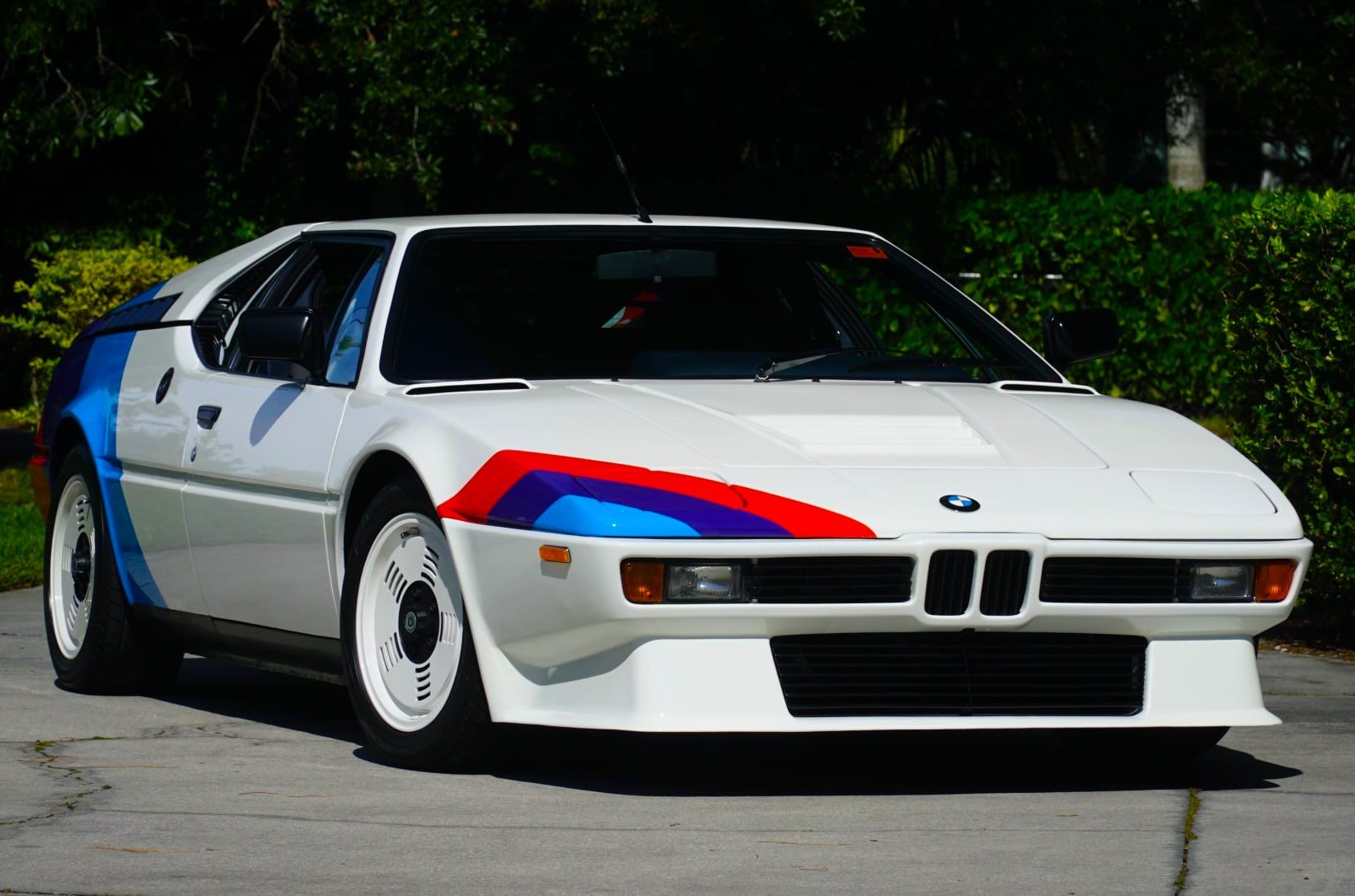
 The BMW M1 was the German automaker’s first mid-engined supercar, though it was developed with significant input from the Italians – the body was styled by Giorgetto Giugiaro and the chassis engineered by Gianpaolo Dallara.
BMW had been fielding the 3.0 CSL in the world of motorsport with considerable success, but the rulebook was shifting, and BMW needed a mid-engined platform if it wanted to stay competitive. That requirement set off one of the most unusual and troubled development stories in BMW’s history, involving outside manufacturers and engineering firms, delays, changing race regulations and, ultimately, the creation of one of the best-loved German mid-engined cars of all time.
By 1976 the BMW Motorsport division, still very young at the time, had played out the basic concept for the car – it was to be a lightweight mid-engined coupe with a tubular steel spaceframe and a high-revving straight-six derived from BMW’s proven racing engines.
BMW lacked in-house experience building low-volume exotic cars, not to mention mid-engined production cars, so it partnered with Lamborghini to handle development and production of the chassis and initial prototypes.
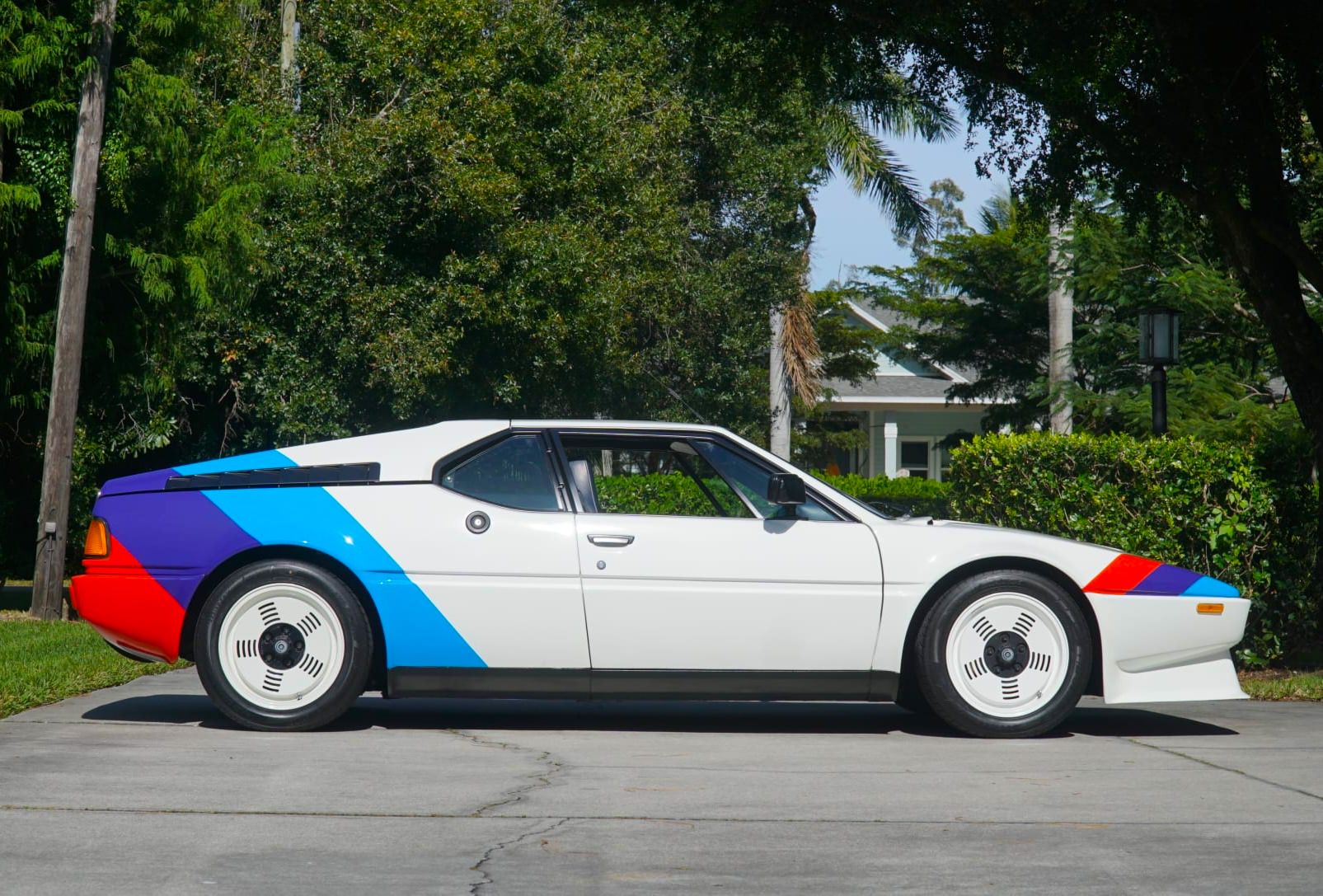
Giorgetto Giugiaro, using themes from the earlier BMW Turbo concept car, was brought in to design the body. That decision gave the M1 its crisp wedge profile, its louvered rear quarters and its unmistakable late-1970s Italian supercar posture. It’s been called one of the finest of Giugiaro’s wedges – and that’s really saying something.
The arrangement between BMW and Lamborghini should have, theoretically at least, worked smoothly, but Lamborghini was in dire financial trouble. The company struggled to meet BMW’s production schedule, and the partnership collapsed before series production could begin, leaving BMW suddenly responsible for finishing a complex, partly outsourced program.
To keep the project alive, BMW re-organized production across several suppliers – Marchesi in Modena would build the tubular steel frames, TIR produced the fiberglass body shells, and Italdesign handled body assembly and interior trimming in Turin.
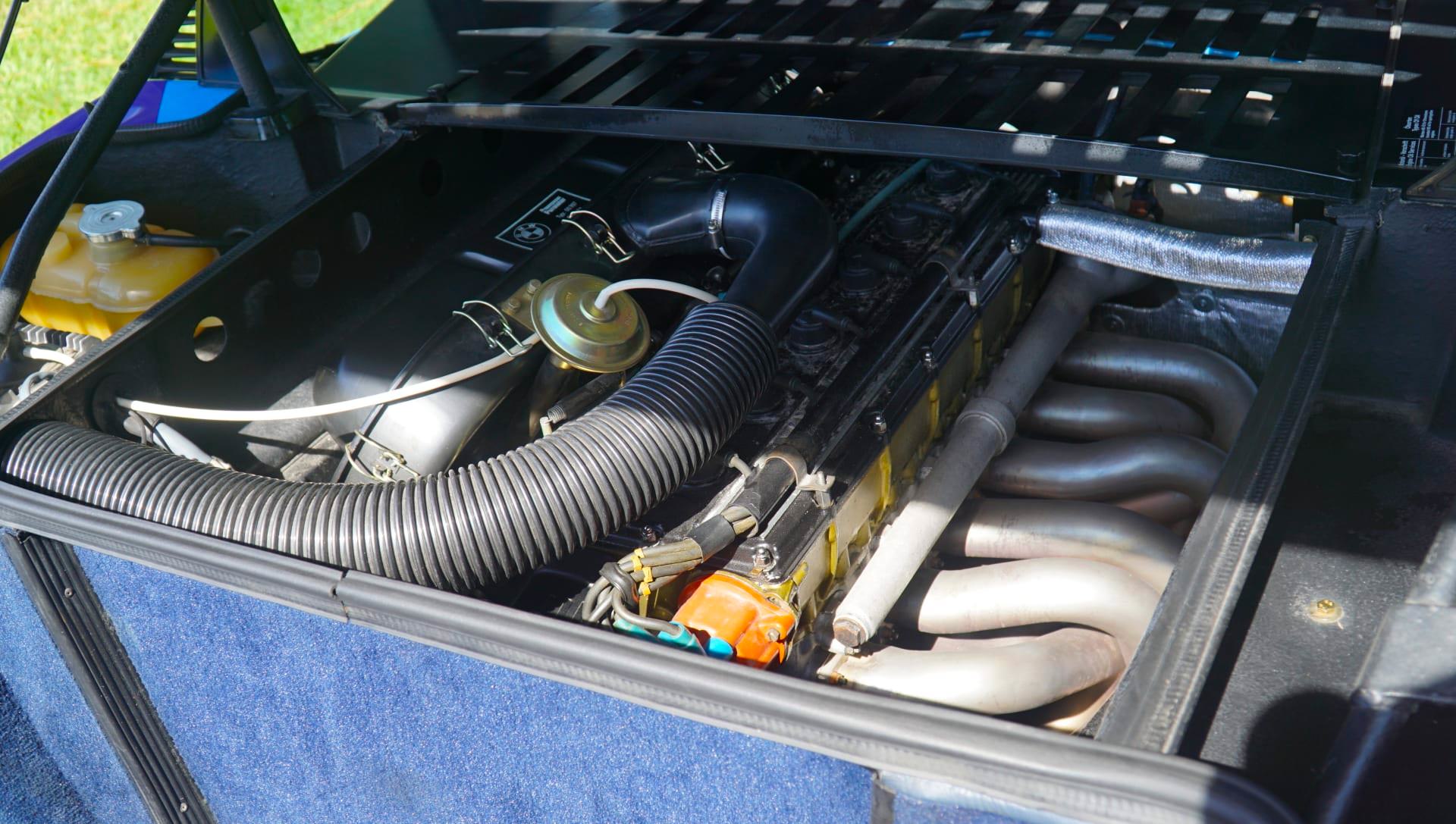
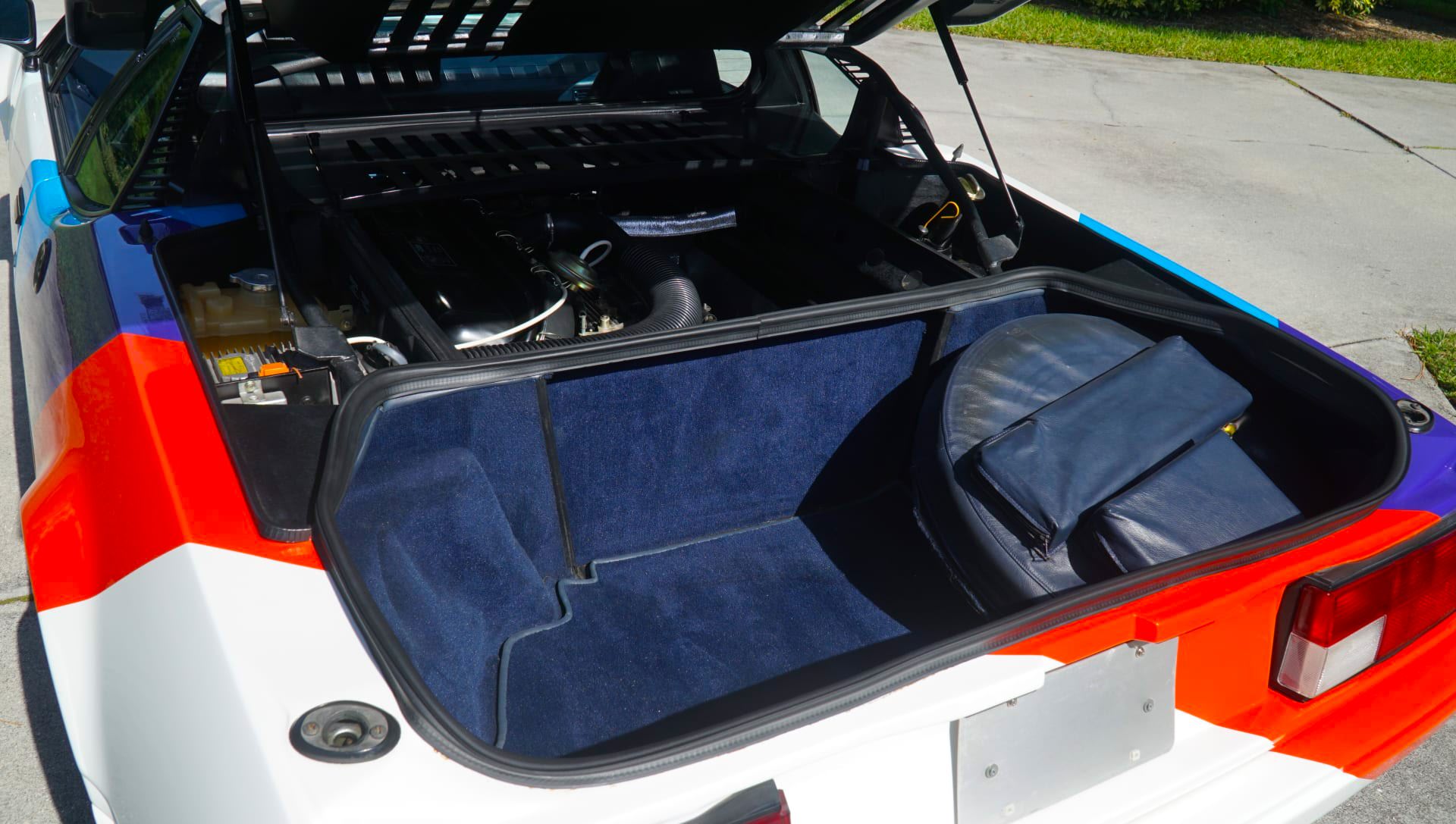
In the engine bay you’ll find the M88/1, this was a 3.5 liter, DOHC, 24-valve inline-six with mechanical Kugelfischer-Bosch fuel injection, individual throttle bodies and dry-sump lubrication. In road trim it produced around 277 bhp and 243 lb ft of torque, revving cleanly to 7,000 rpm.
Partly assembled bodies were then shipped to Baur in Stuttgart for final assembly, after which completed cars were sent to BMW Motorsport in Munich for inspection and delivery. The result was a pan-European supply chain that was expensive, slow and difficult to scale, but it allowed the M1 to reach production in 1978. It was a wildly complex system, but the legendary organizational ability of the Germans might have had something to do with its success.
BMW M1: The Specifications
In the engine bay sat the M88/1, this was a 3.5 liter, DOHC, 24-valve inline-six with mechanical Kugelfischer-Bosch fuel injection, individual throttle bodies and dry-sump lubrication. In road trim it produced around 277 bhp and 243 lb ft of torque, revving to 7,000 rpm.
Power went through a ZF 5-speed manual transaxle to the rear wheels. Period testing put performance roughly on par with the Porsche 911 Turbo in real-world driving, though the M1 was more balanced and lacked the turbo lag of its rival. The M1’s steel spaceframe, double wishbone suspension at all four corners and near-ideal weight distribution gave it handling that stood out – even among its high-end contemporaries.
The M1’s real purpose had always been racing but delays caused by Lamborghini’s troubles meant that by the time the car reached production, Group 5 rules had evolved in a way that made BMW’s original plan unworkable.
To justify the car and keep it relevant to motorsport, BMW Motorsport chief Jochen Neerpasch created the BMW M1 Procar series – this was a one-make championship that ran as support for Formula One.
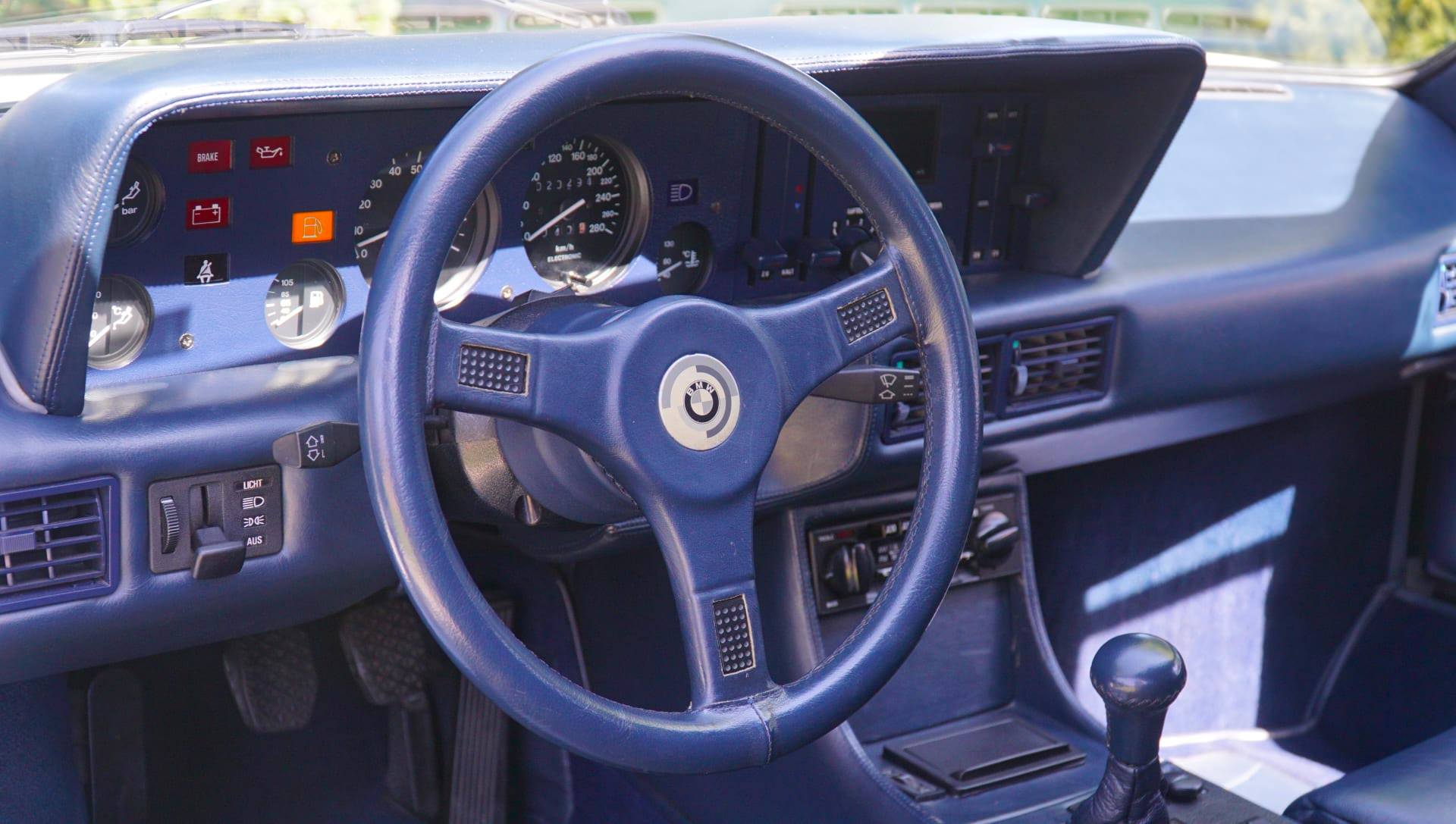
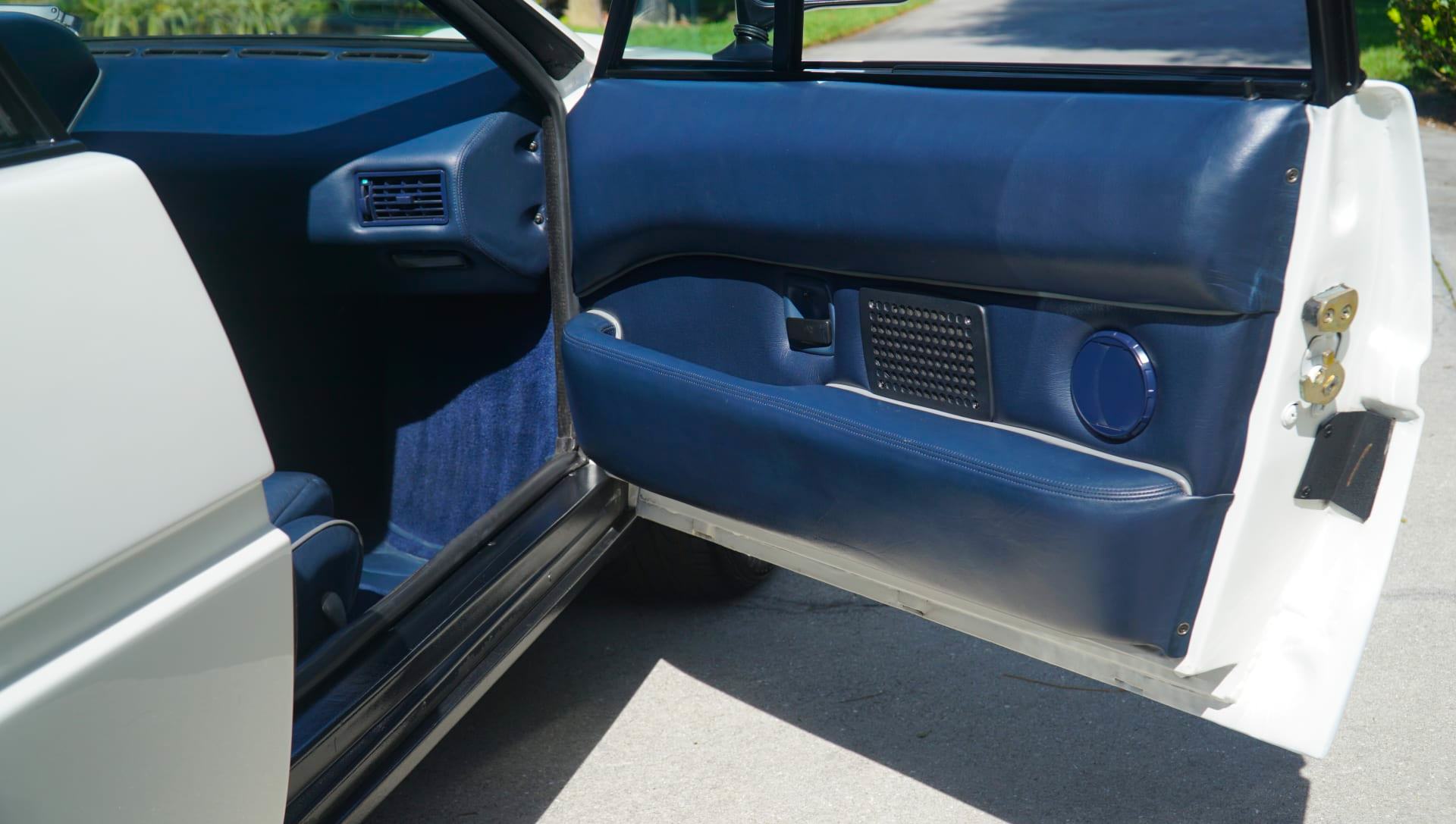
The interior, all trimmed by Italdesign, felt more refined than most Italian exotics of the era, and the M88/1 engine was widely considered one of the finest six-cylinder engines ever produced.
Procar M1s received a racing version of the M88 producing around 470 bhp, and the series drew major F1 drivers including Niki Lauda, Nelson Piquet, Alan Jones and Clay Regazzoni. Although short-lived, Procar gave the M1 worldwide fame with F1 viewers and street-cred it might otherwise have struggled to achieve given its low production volume.
On the road car side of things the M1 sat in an unusual market position – it was BMW’s most expensive production model by a wide margin, hand-built in very small numbers, and positioned against cars like the Ferrari 512 BB, the Lamborghini Countach and Porsche’s 930 Turbo.
BMW lacked a dealer network accustomed to selling six-figure exotics, and the car’s fragmented production footprint limited volume to just 453 units across its run. That low output was partly a commercial failure and partly a blessing because it ensured that the M1 would become one of the rarest production cars in BMW history, and the company’s first mid-engined BMW offered to the public.
The interior, all trimmed by Italdesign, felt more refined than most Italian exotics of the era, and the M88/1 engine was widely considered one of the finest six-cylinder engines ever produced. Reliability of the M1 was far better than the Italian competition, but the complicated multinational production process made repairs and parts sourcing less straightforward than on a normal BMW product.
The M88 engine went on to power the E28 M5 and E24 M635 CSi, helping define BMW M’s identity in the 1980s and beyond. The M1 also established a design lineage that influenced later BMW concepts and remains a reference point whenever BMW toys with the idea of another mid-engined road car – it would be the only mid-engined BMW for decades until the release of the BMW i8 plug-in hybrid sports car in 2014.
The 1980 BMW M1 Shown Here
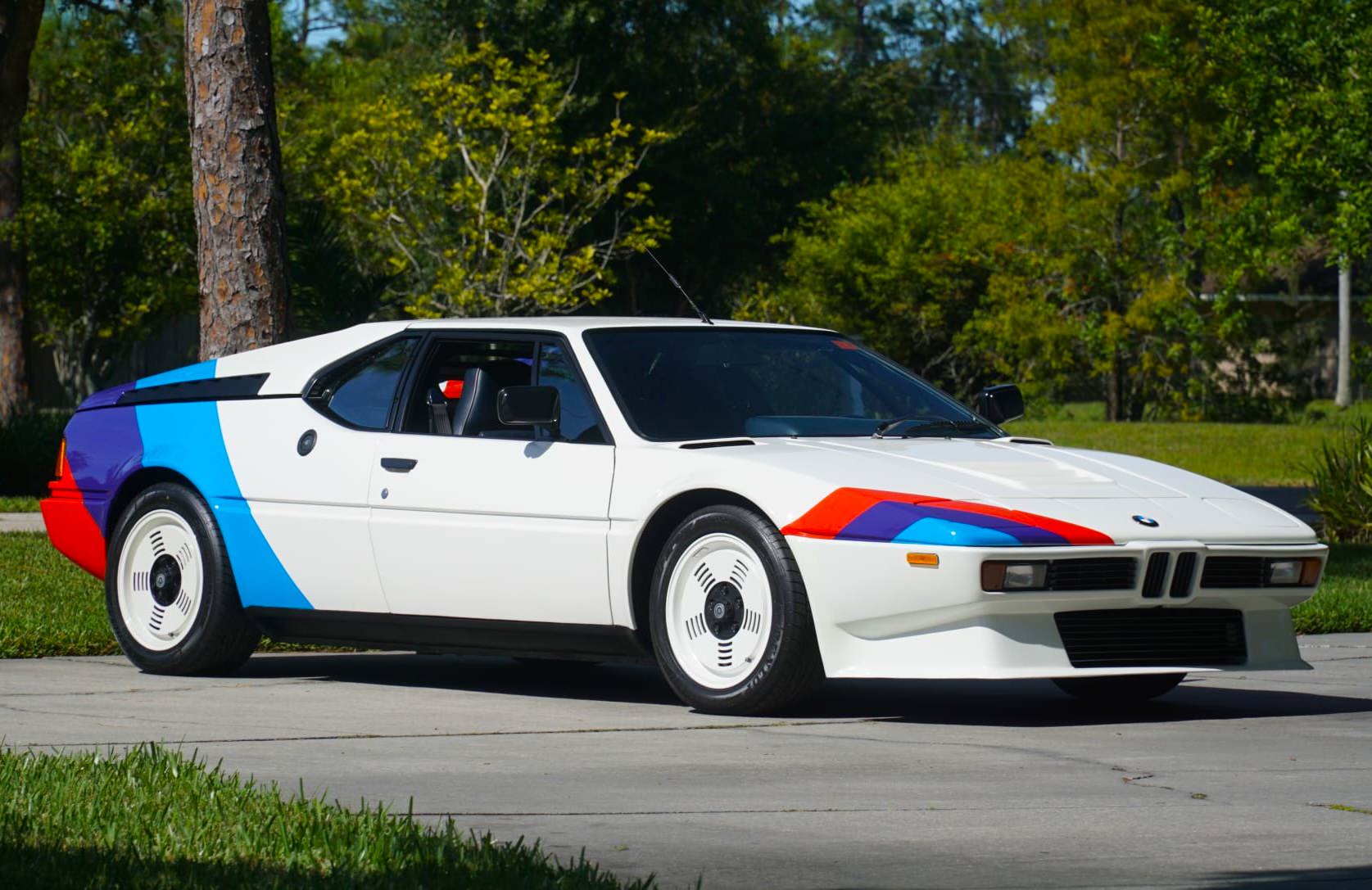
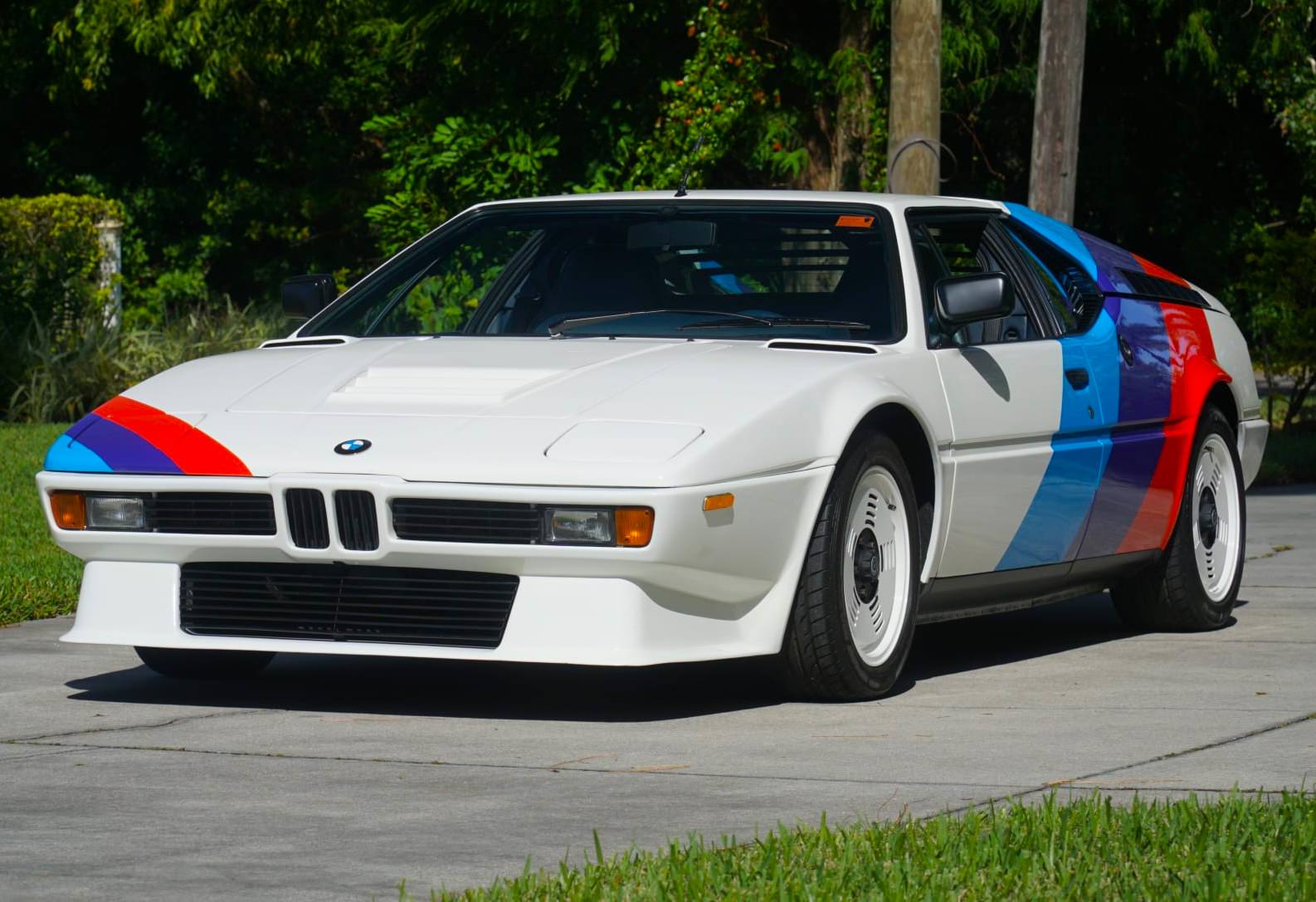
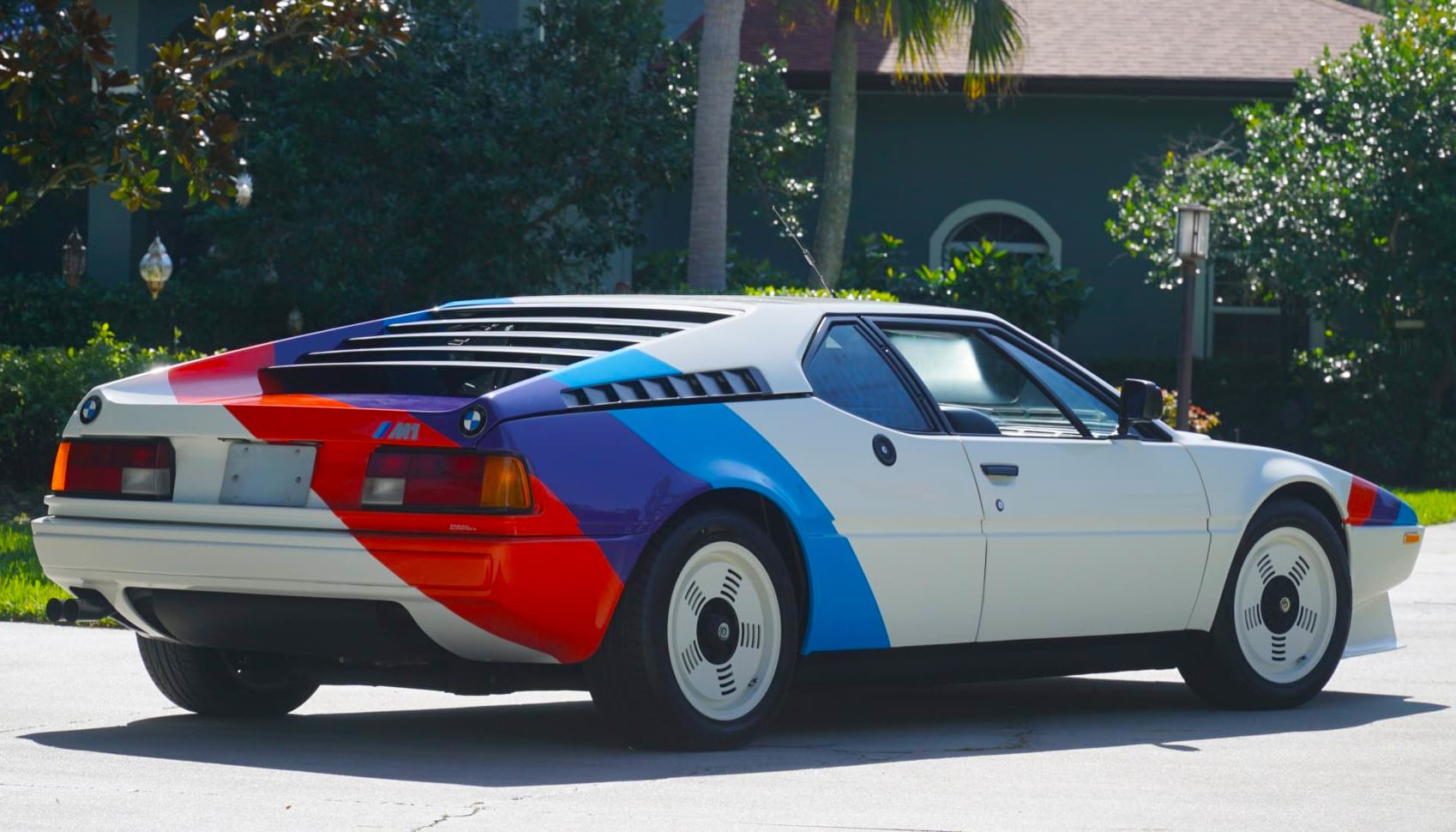
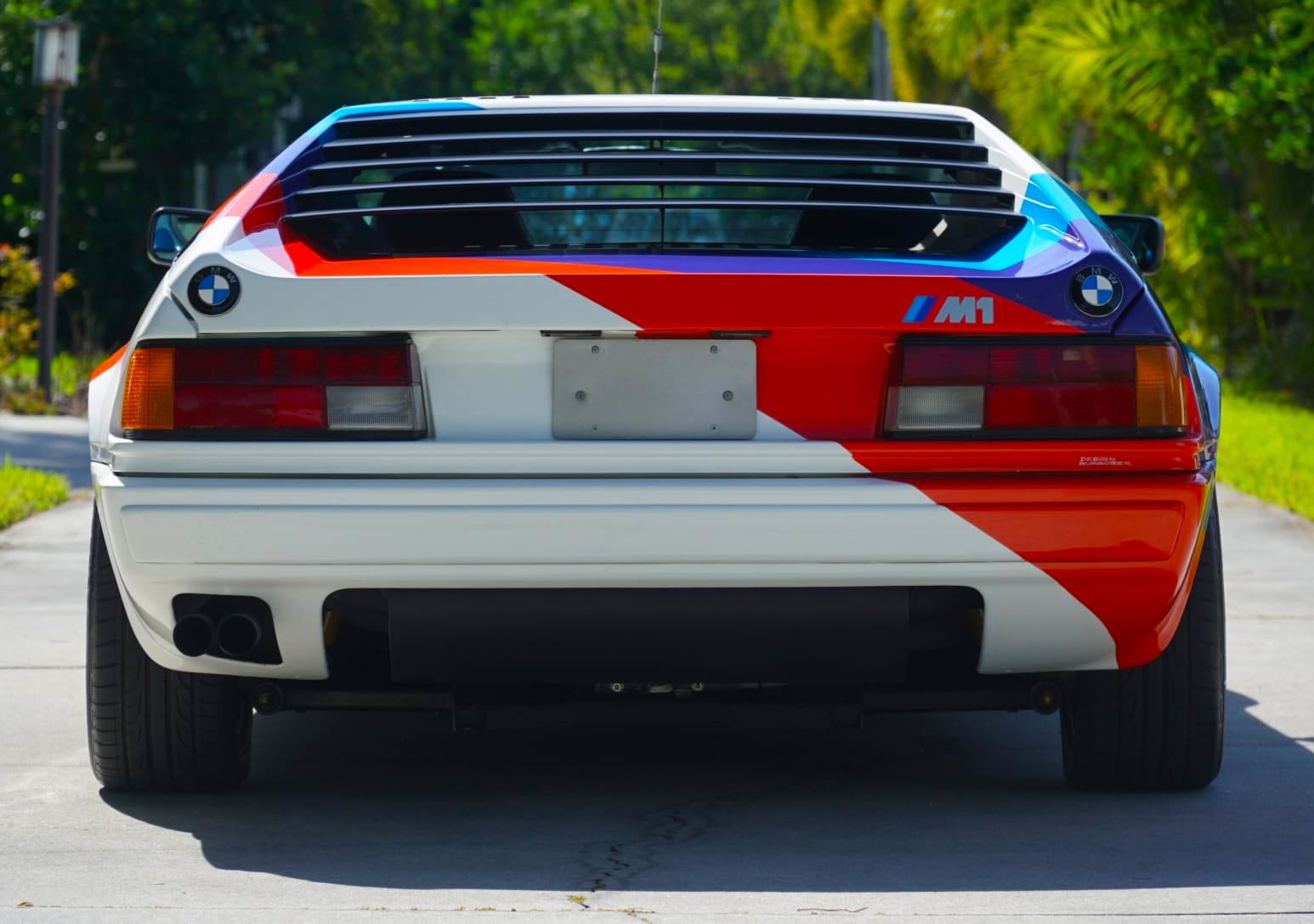
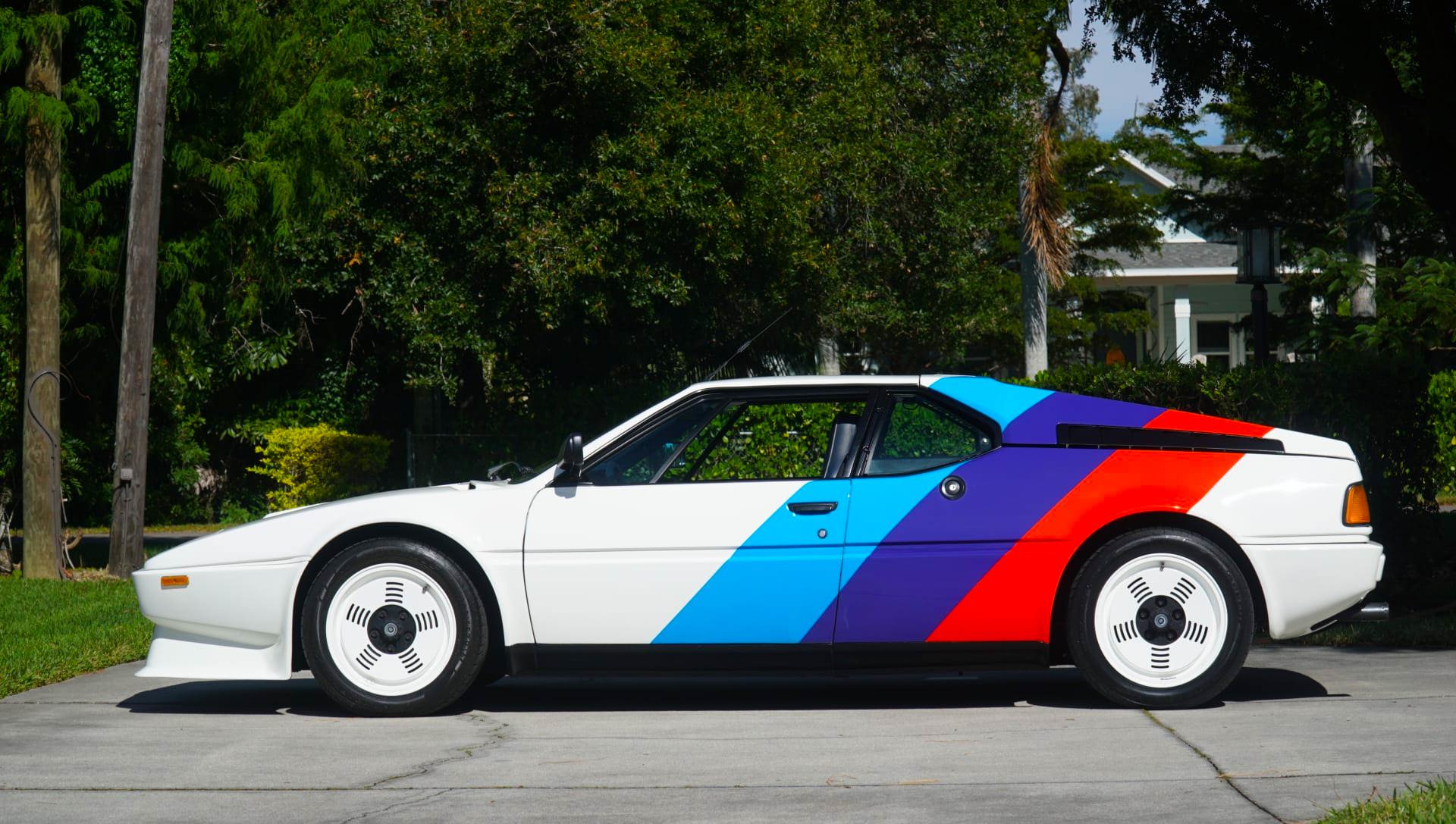
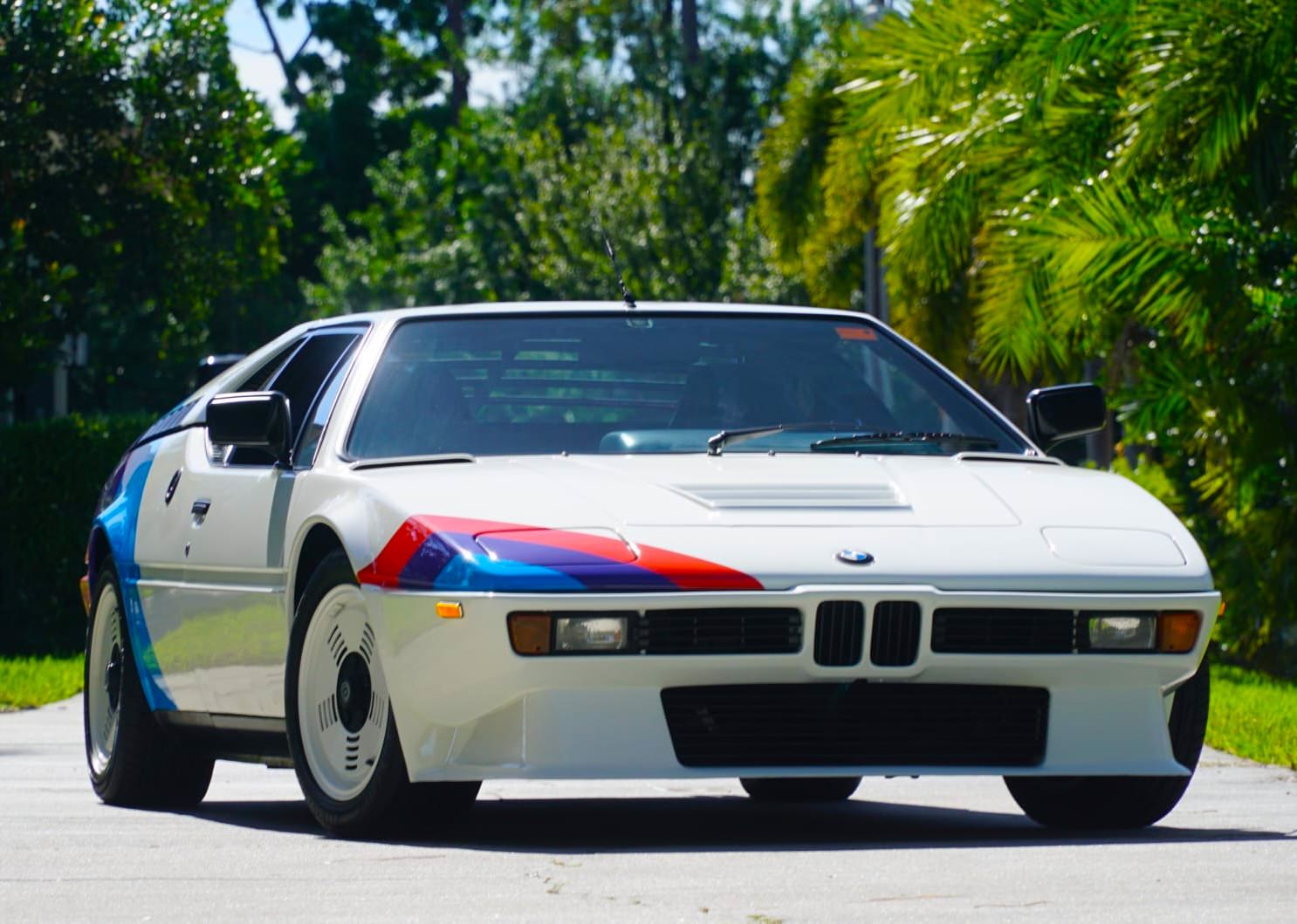
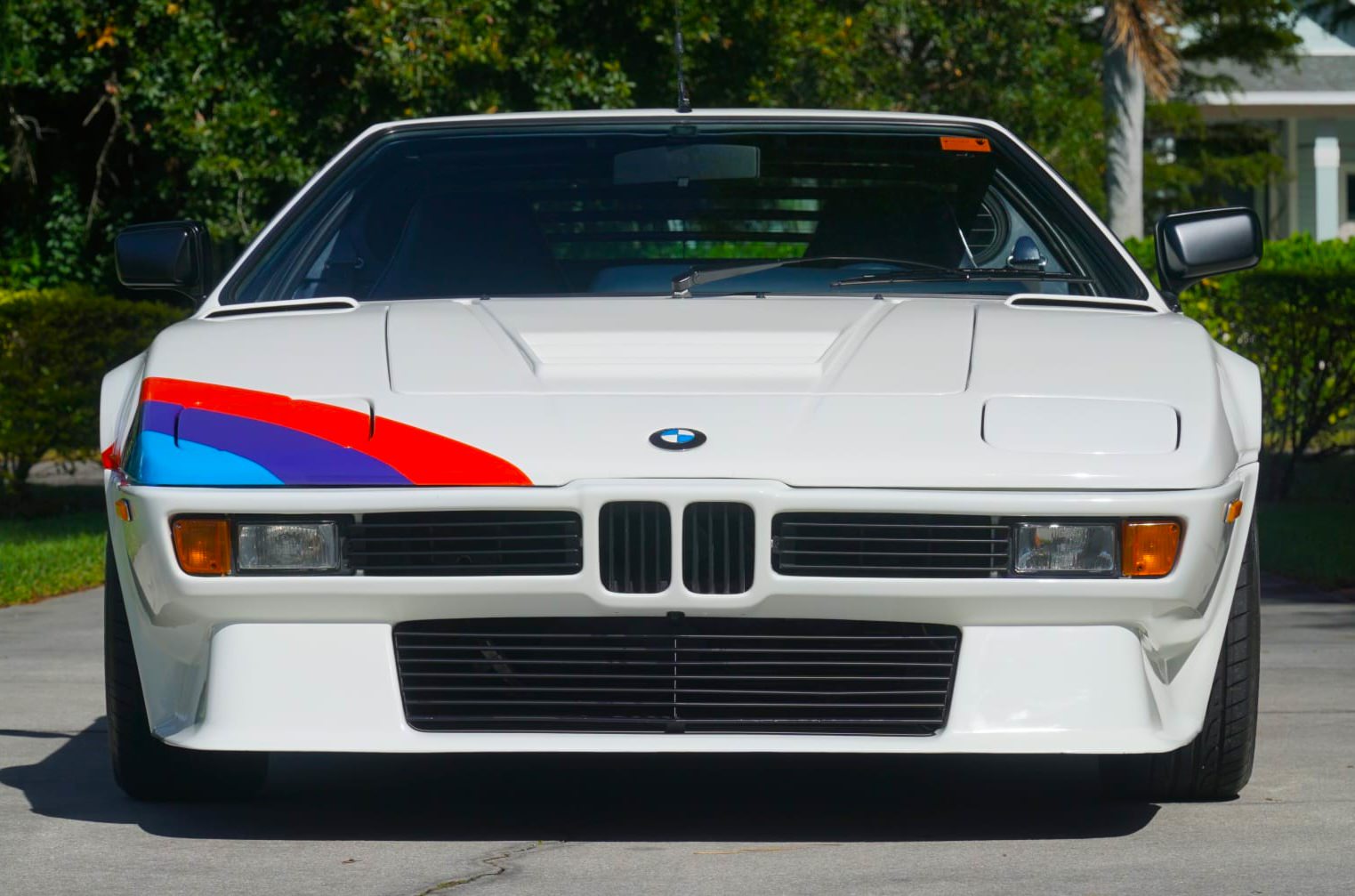
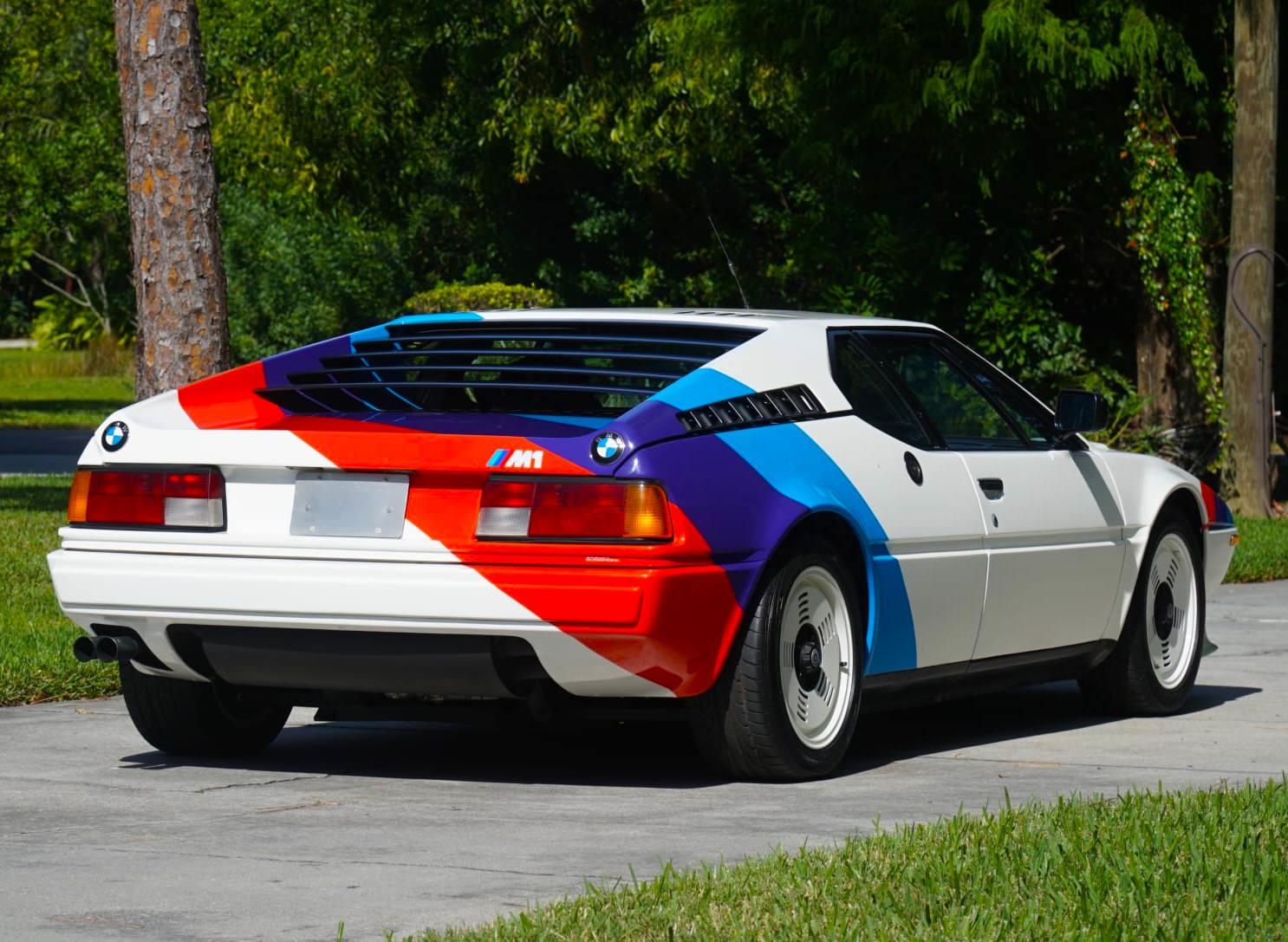
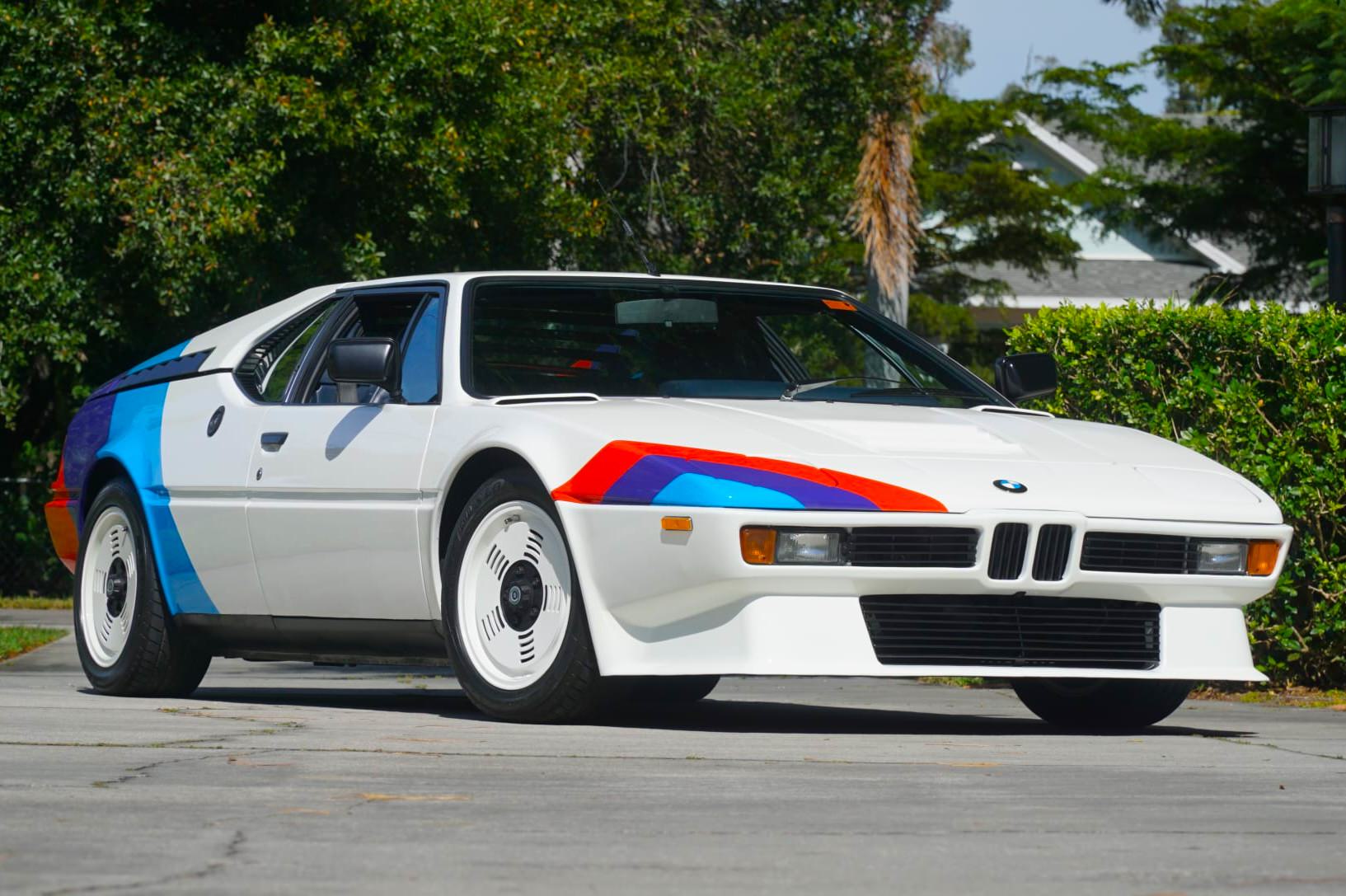
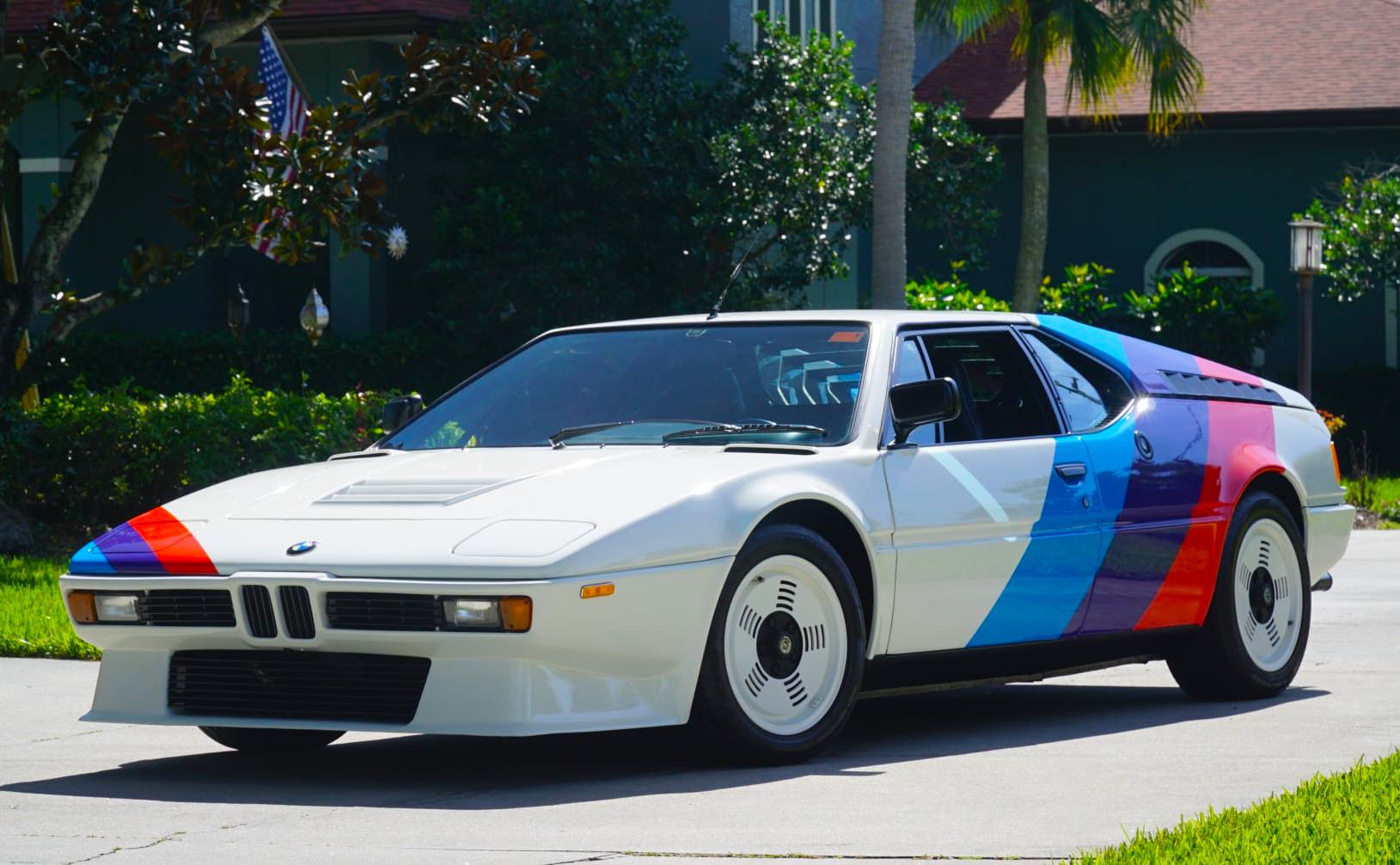
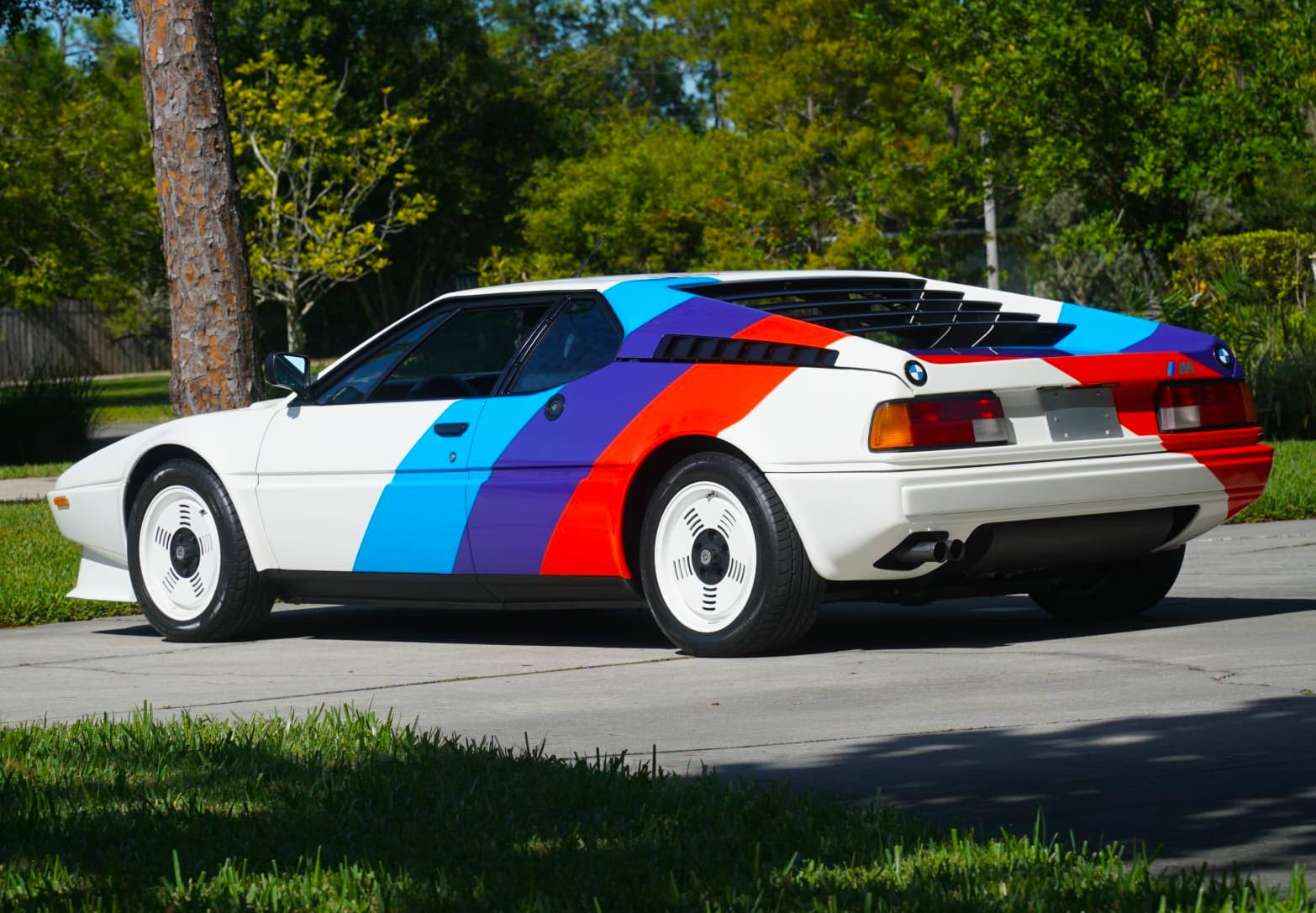
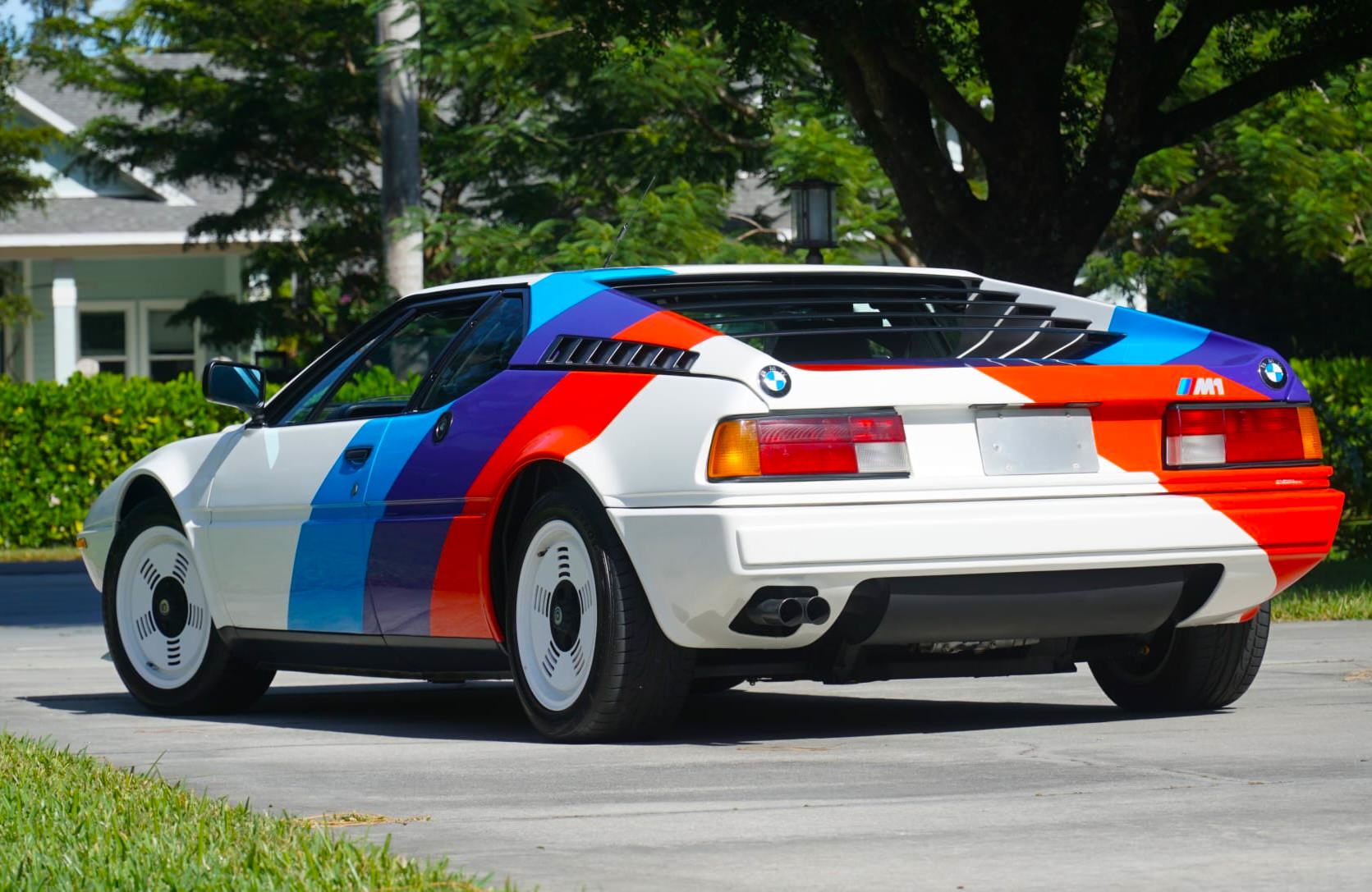
The 1980 BMW M1 you see here is one of the most collectible examples ever made – as it was made for three-time Formula One World Champion Niki Lauda. This car was his “trophy” for winning the inaugural 1979 BMW M1 Procar series.
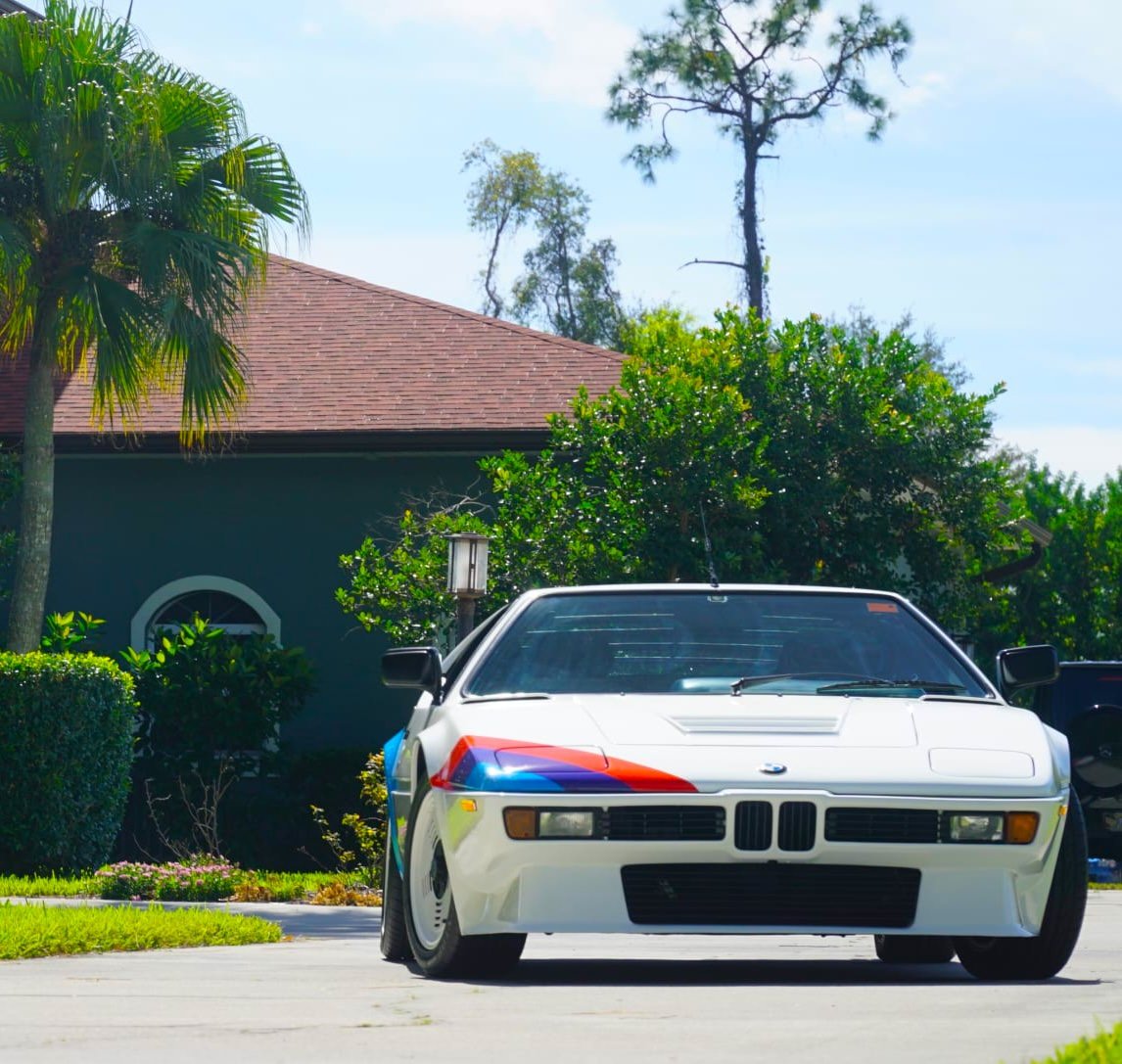
The 1980 BMW M1 you see here is one of the most collectible examples ever made – as it was made for three-time Formula One World Champion Niki Lauda. This car was his “trophy” for winning the inaugural 1979 BMW M1 Procar series.
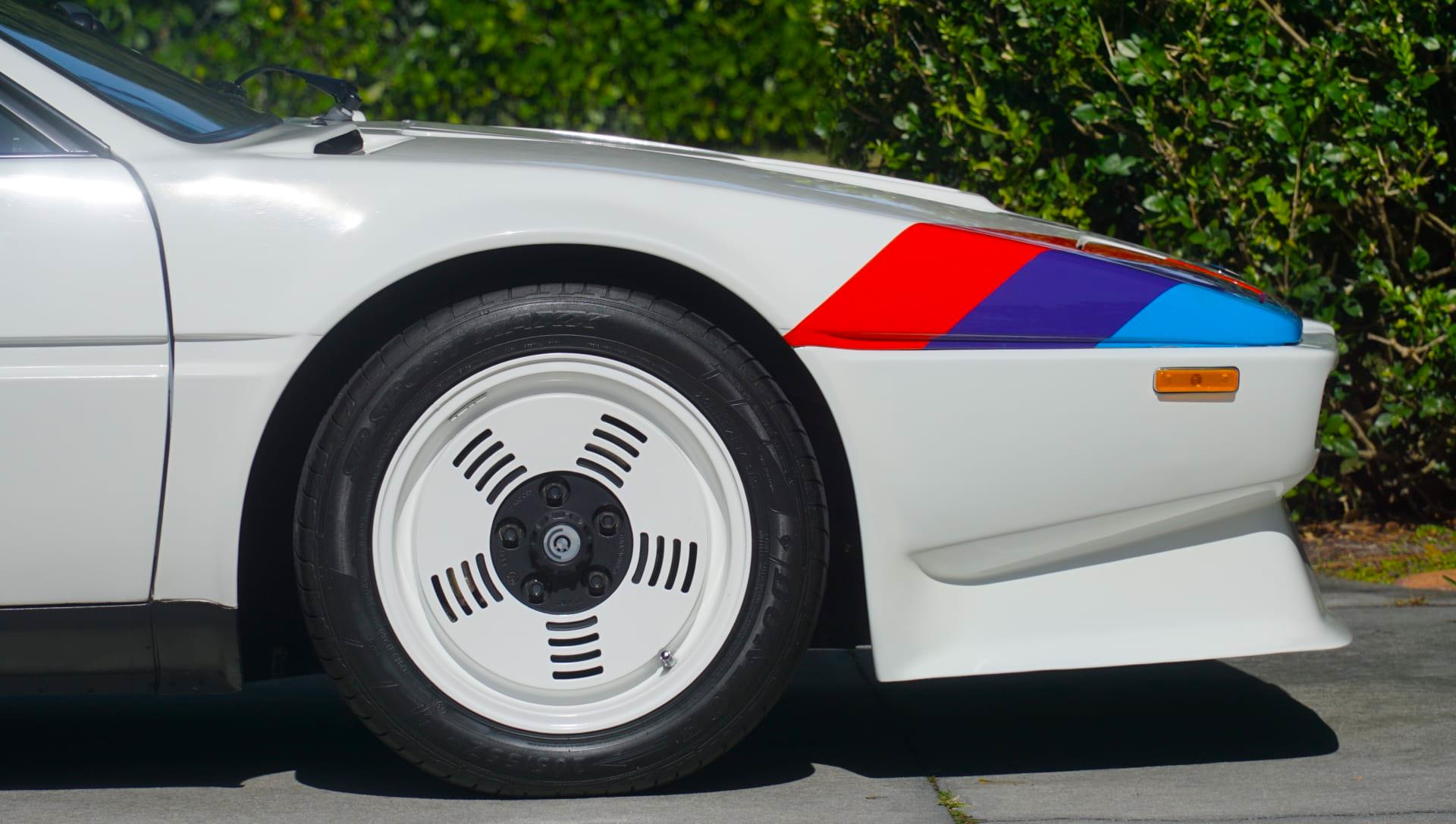
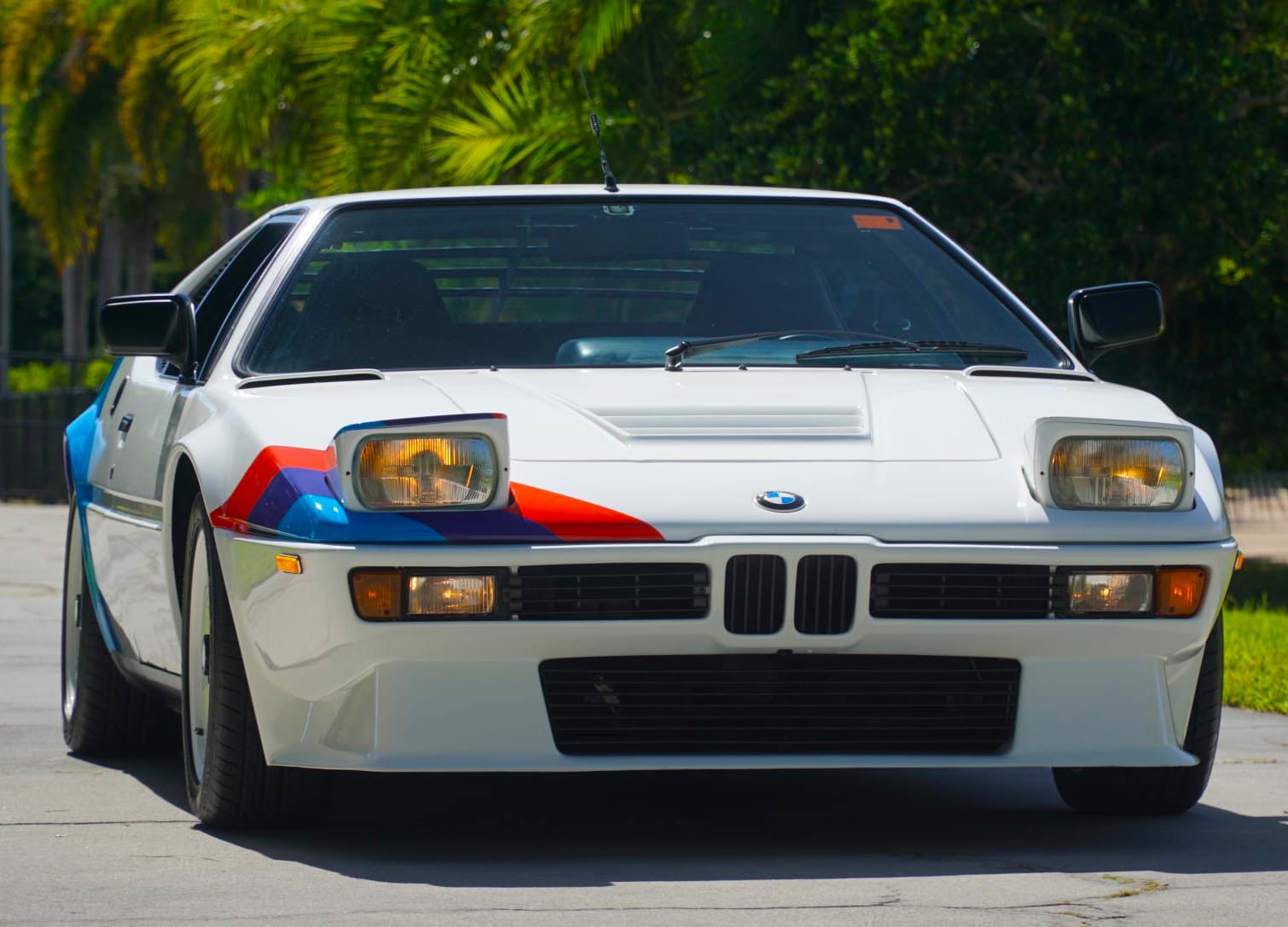
It’s finished with hand-painted “Motorsport Tri-color stripes” and signed by Walter Maurer. It has the rare ProCar-styling front air dam, and it has just 20,350 kilometers on the odometer, that works out to roughly 12,645 miles.
The car is now due to roll across the auction block with Mecum in mid-January and you can visit the listing here if you’d like to read more about it or register to bid.
Images courtesy of Mecum

Articles that Ben Branch has written have been covered on CNN, Popular Mechanics, Smithsonian Magazine, Road & Track Magazine, the official Pinterest blog, the official eBay Motors blog, BuzzFeed, Autoweek Magazine, Wired Magazine, Autoblog, Gear Patrol, Jalopnik, The Verge, and many more.
Silodrome was founded by Ben back in 2010, in the years since the site has grown to become a world leader in the alternative and vintage motoring sector, with well over a million monthly readers from around the world and many hundreds of thousands of followers on social media.