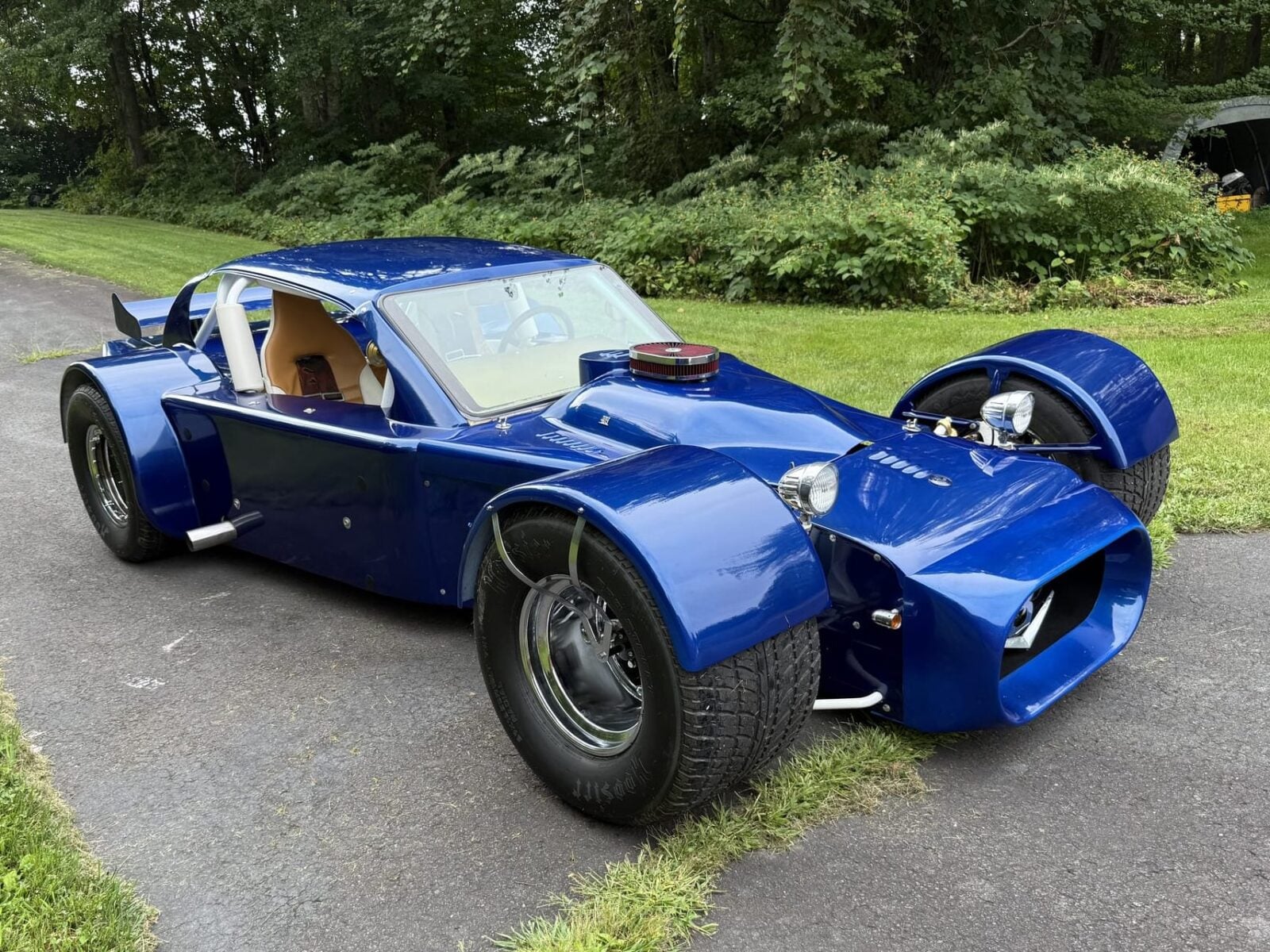
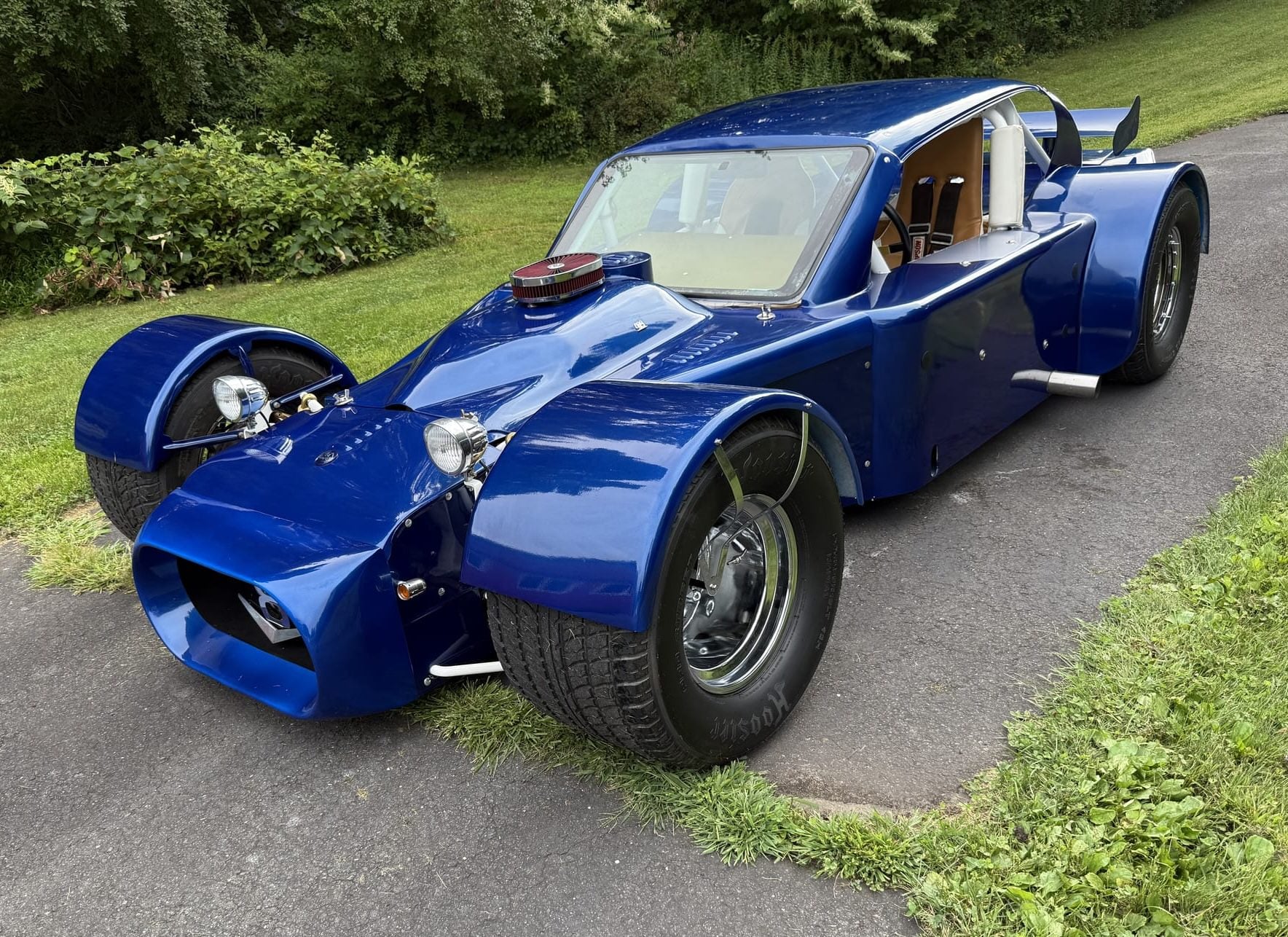
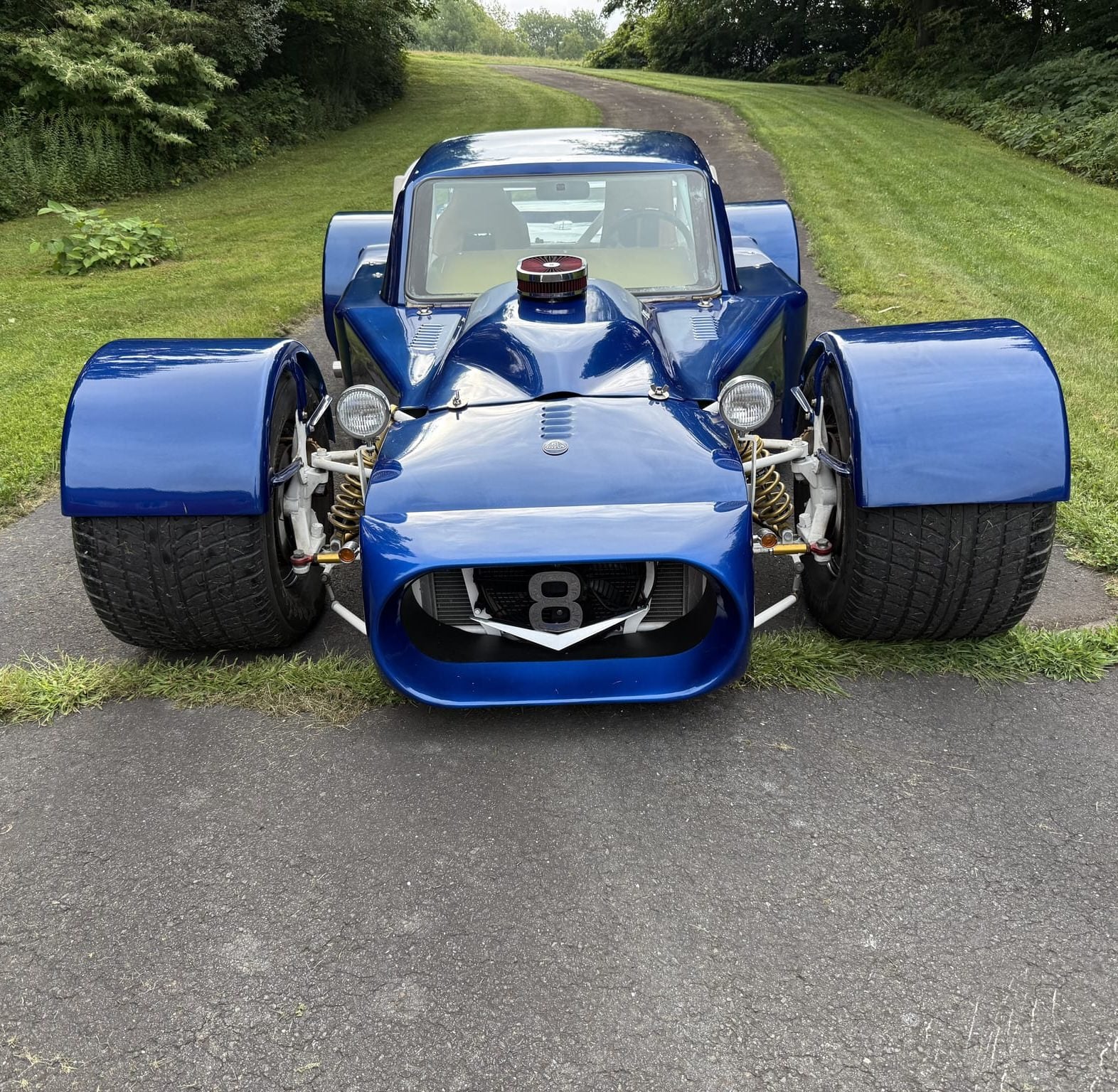
This is by far the most unhinged Lotus Seven-style clubman we’ve ever featured on the site, and I mean unhinged in only the very best way possible.
The car was built around a tubular steel spaceframe, and it’s powered by a blueprinted 409 cubic inch Chevrolet V8 mated to a 5-speed manual transmission. In some respects this almost looks like a cross between a Seven and a circle track racer, an unholy union that actually looks like it would be enormously entertaining to drive.
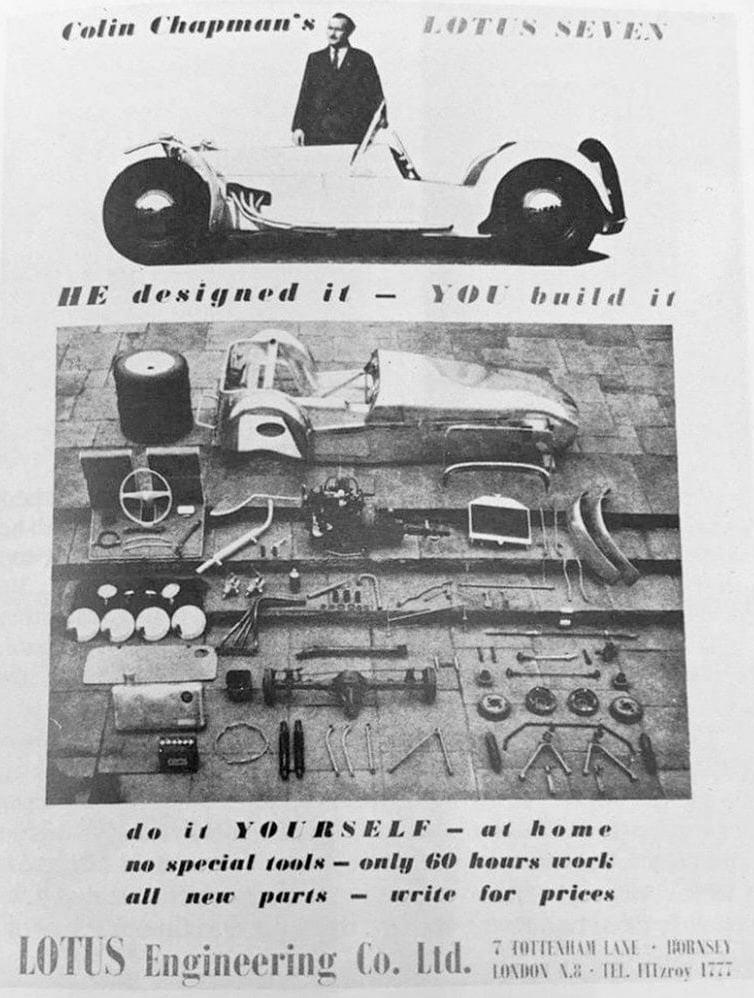
 Lotus built just over 2,500 Sevens between 1957 and 1973, most of them were sold as kits, and the company then sold the design to a Surrey Lotus dealer that’s now built more than 22,000 of them, and continues to do so. Image courtesy of Lotus.
History Speedrun: The Lotus Seven
Lotus built just over 2,500 Sevens between 1957 and 1973, most of them were sold as kits, and the company then sold the design to a Surrey Lotus dealer that’s now built more than 22,000 of them, and continues to do so through to the current day.
Colin Chapman launched the Seven in 1957 as the replacement for the earlier Mark VI, the first production Lotus. The first Seven chassis was laid down at the Hornsey works in July of that year, the design was a tubular steel frame clad in aluminum bodywork, with cycle fenders. The goal was the lightest curb weight possible, in true Lotus fashion.
Early production Sevens were typically fitted with Ford’s 1.2 liter (1,172 cc) 100E side-valve four, which produced between 28 and 36 bhp and sent it back through a 3-speed gearbox. Selling it as a kit car sidestepped British Purchase Tax, which kept the price low and this encouraged the buyers to keep coming.
Four individual Seven series followed, the Series 2 of 1960 replaced the labor-intensive aluminum nose and fenders with fiberglass pieces while keeping the aluminum-clad body. The Series 3 of 1968 kept the 1.6 liter Ford crossflow engine introduced on the transitional Series 2½ earlier that year and introduced a stronger Ford Escort rear axle.
The Series 4, in production from March of 1970, had a new spaceframe chassis under squared-off GRP bodywork. Lotus’ production figures put the run at 243 Series 1 cars, 1,310 Series 2, 340 Series 3, and 625 Series 4.
In May 1973, with Lotus moving upmarket, Graham Nearn, whose Caterham Cars dealership had been selling Sevens for Lotus, bought the tooling, designs, and exclusive rights to the design. In true British style, the deal was sealed with a handshake in a Primrose Hill pub.
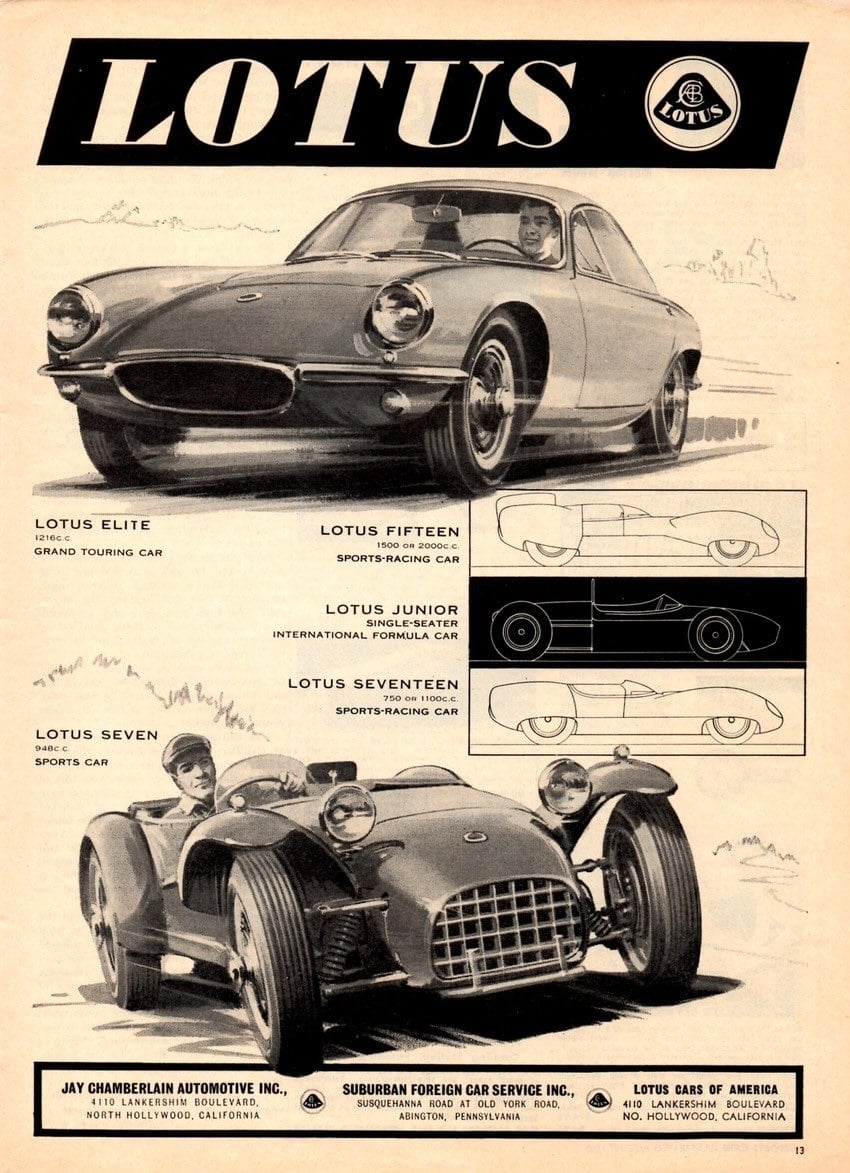
Early production Sevens were typically fitted with Ford’s 1.2 liter (1,172 cc) 100E side-valve four, which produced between 28 to 36 bhp and sent it back through a 3-speed gearbox. Image courtesy of Lotus.
Caterham built 38 Series 4 cars, then reverted in 1974 to Series 3 styling with Lotus Twin Cam or Ford Crossflow engines, and has never left it. The Series 4 design had never been as well-liked as the earlier Series 3.
Caterham has kept the Seven in development for decades now, right through to the current day, designing far more advanced takes on the earlier Lotus design, and today it’s one of the best recognized (and best loved) kit cars in the world.
Lotus Seven-Style Clubman
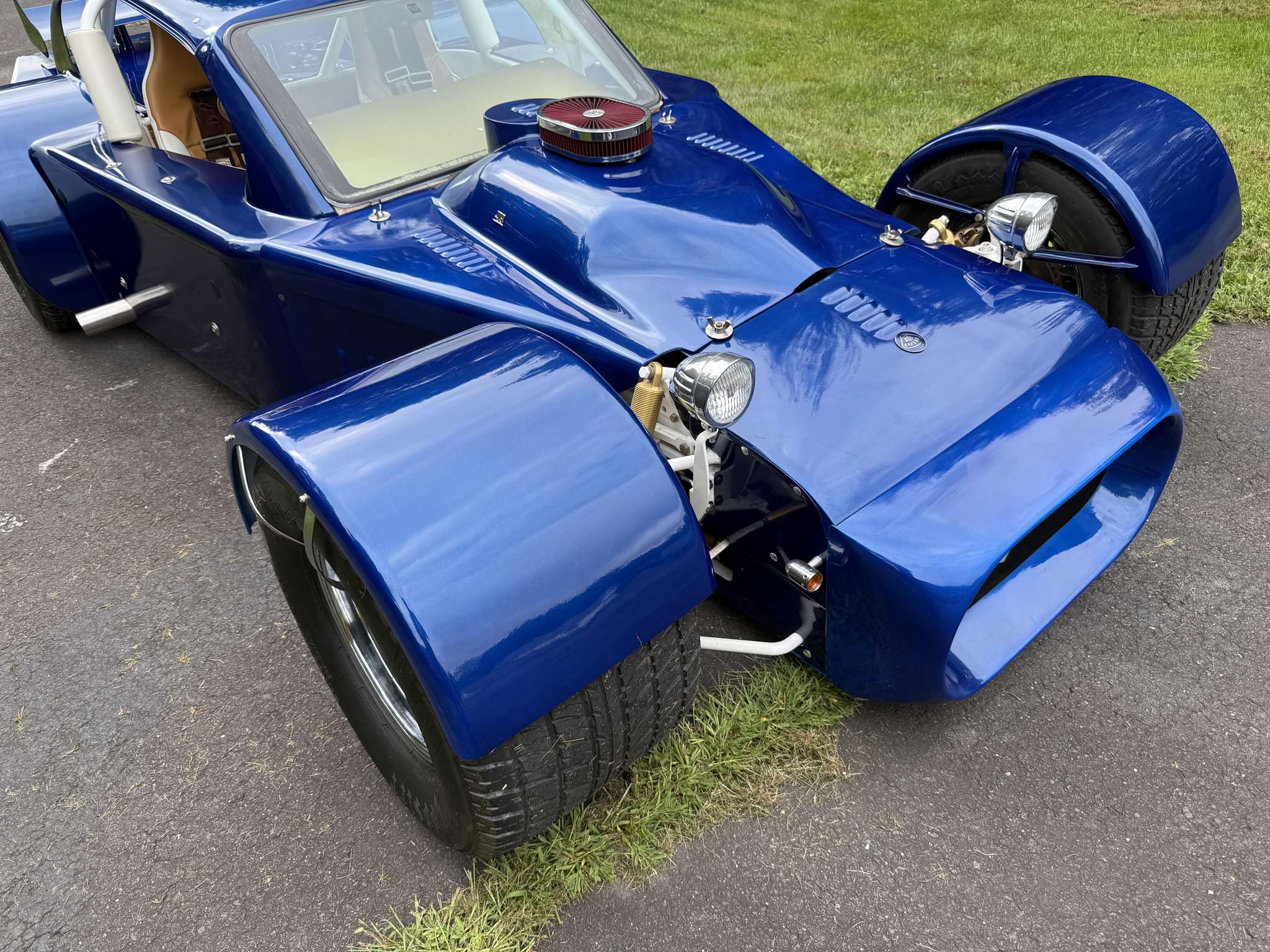
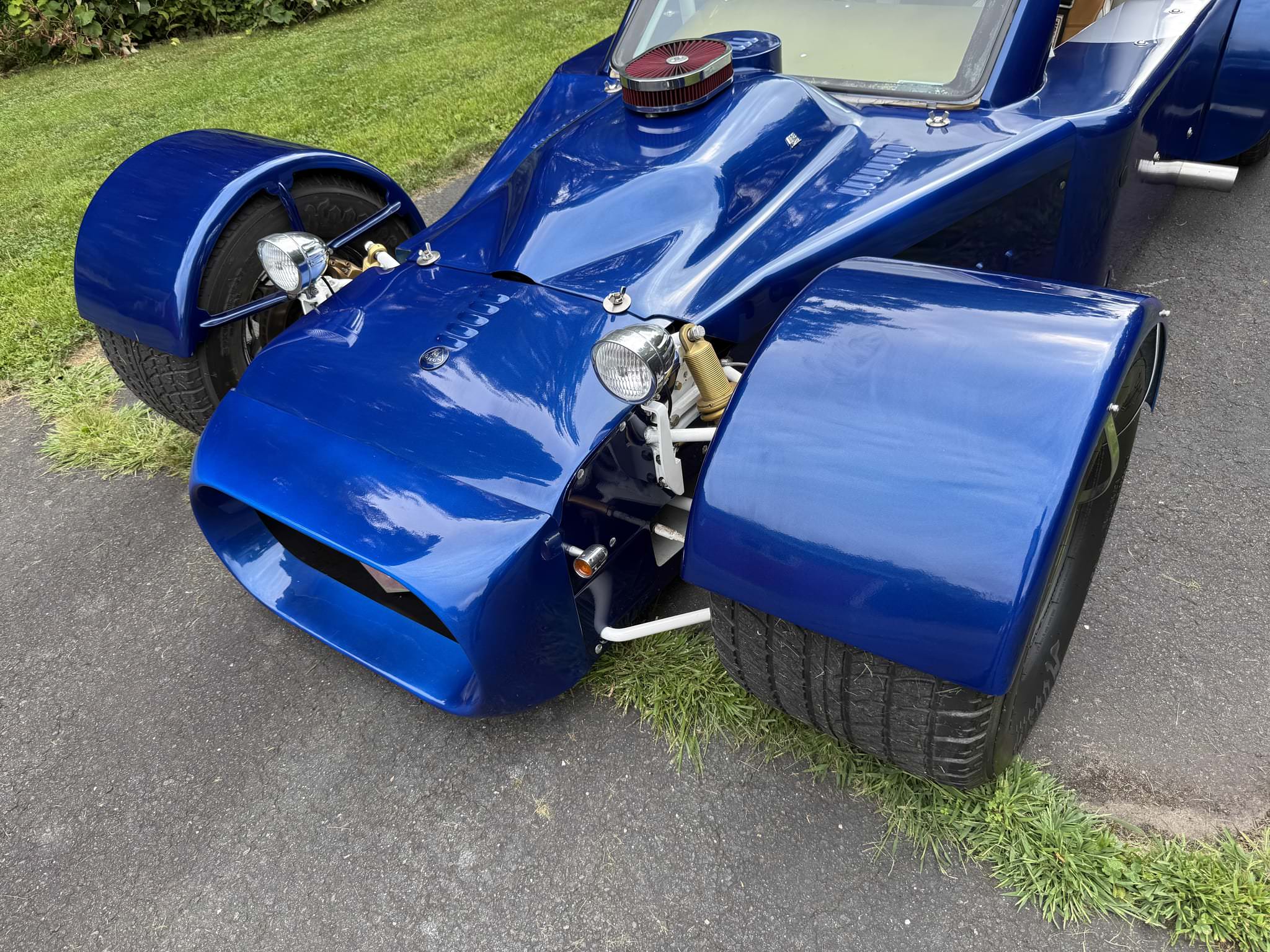
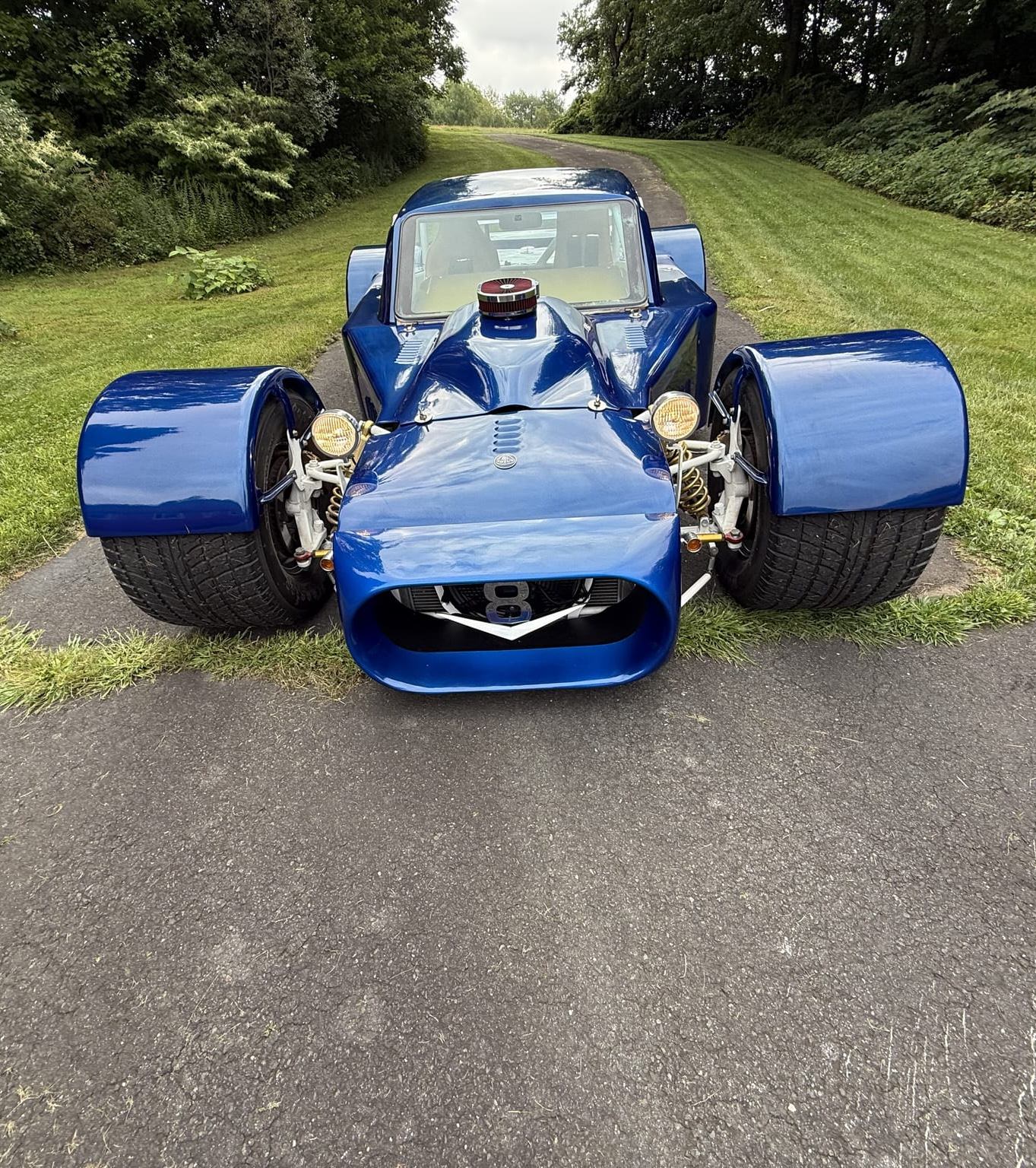
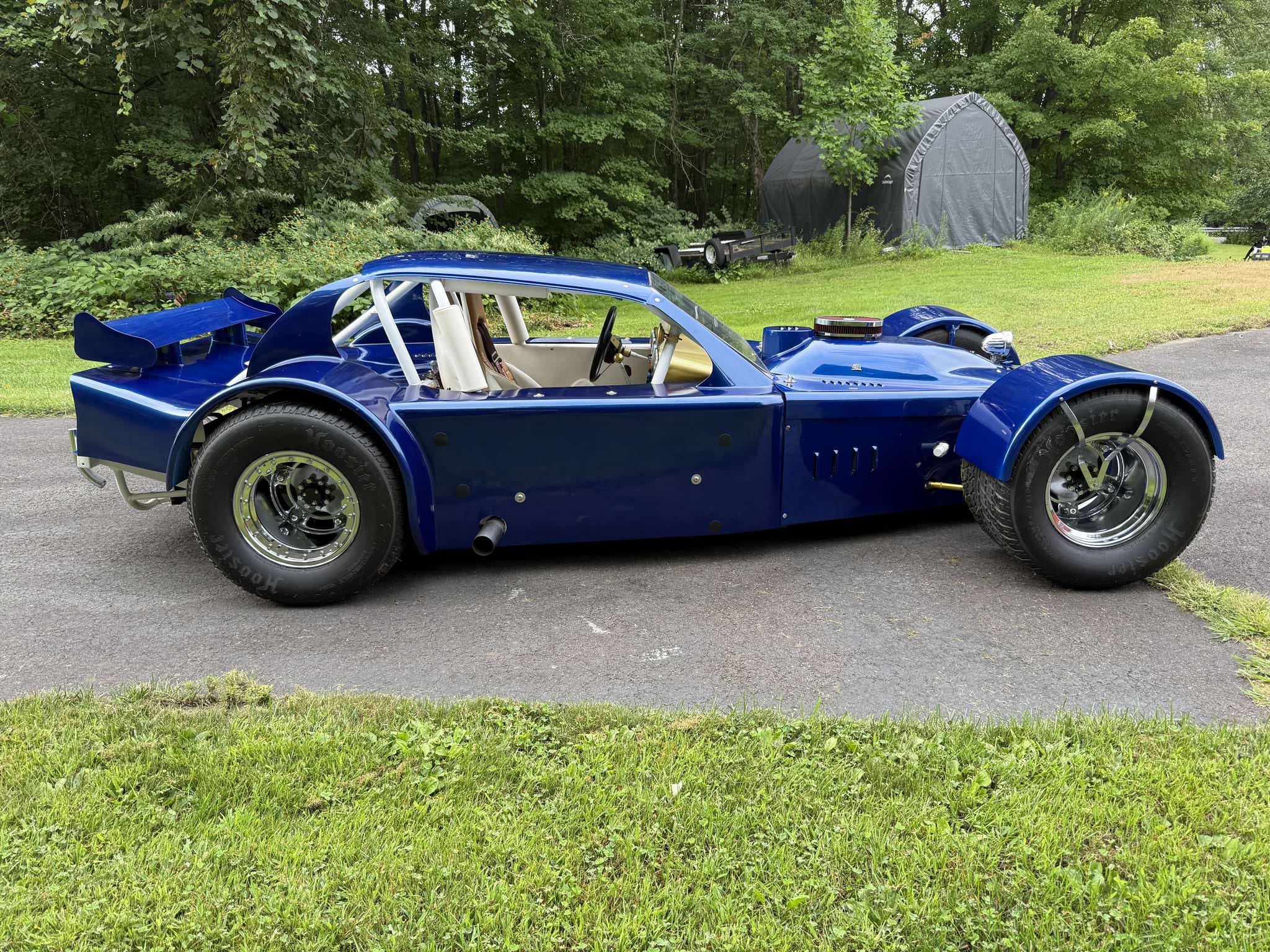
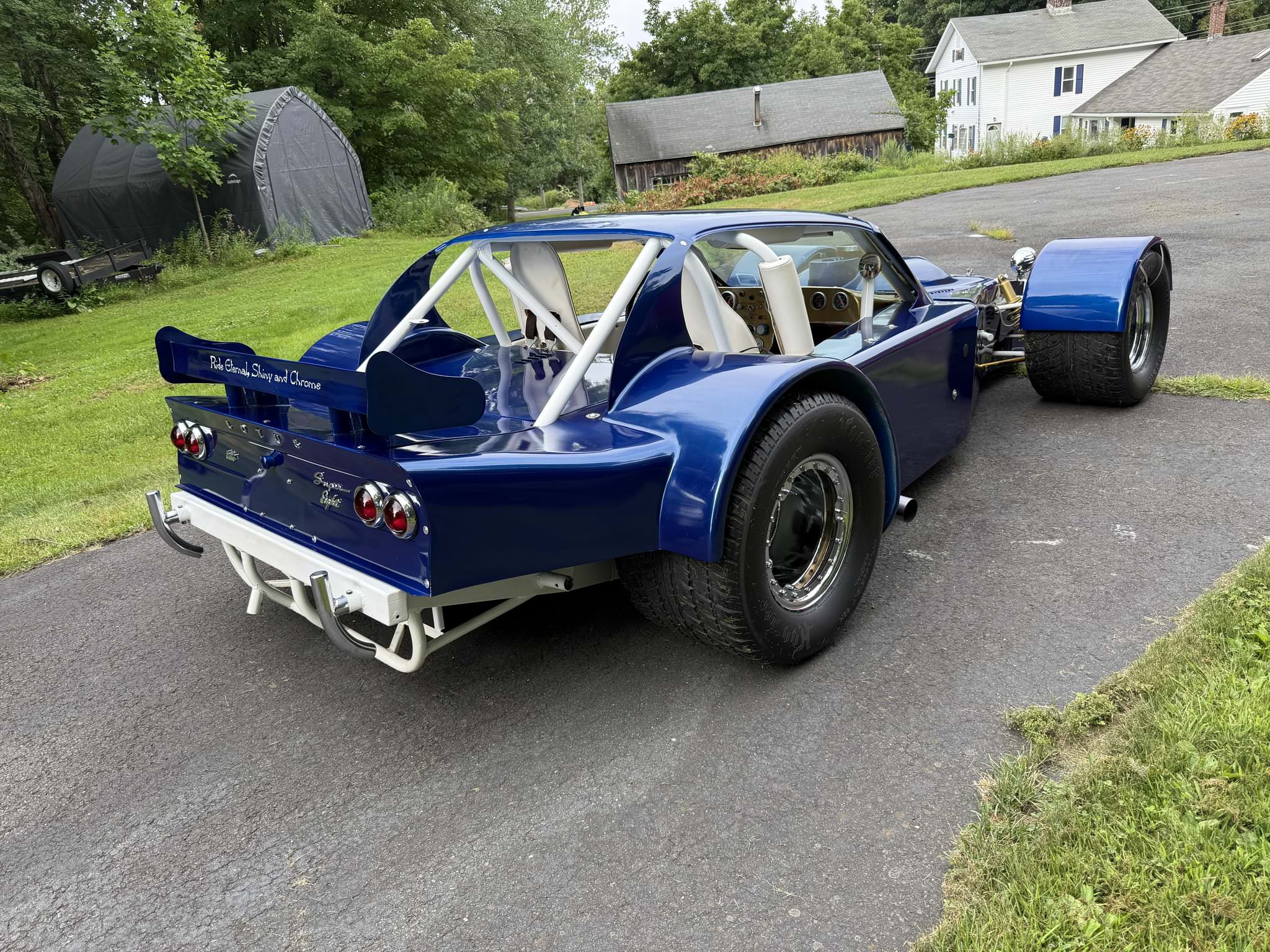
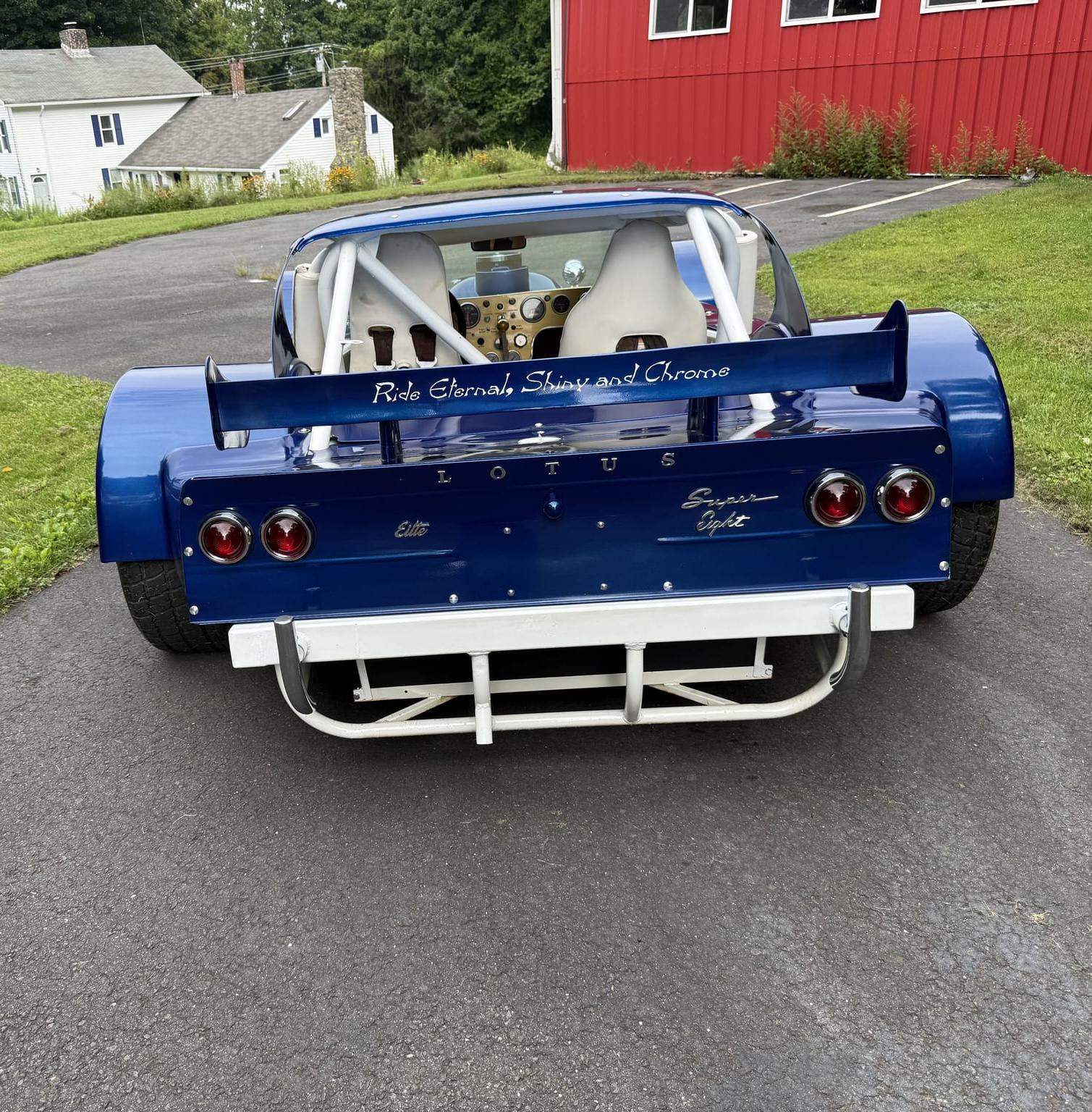
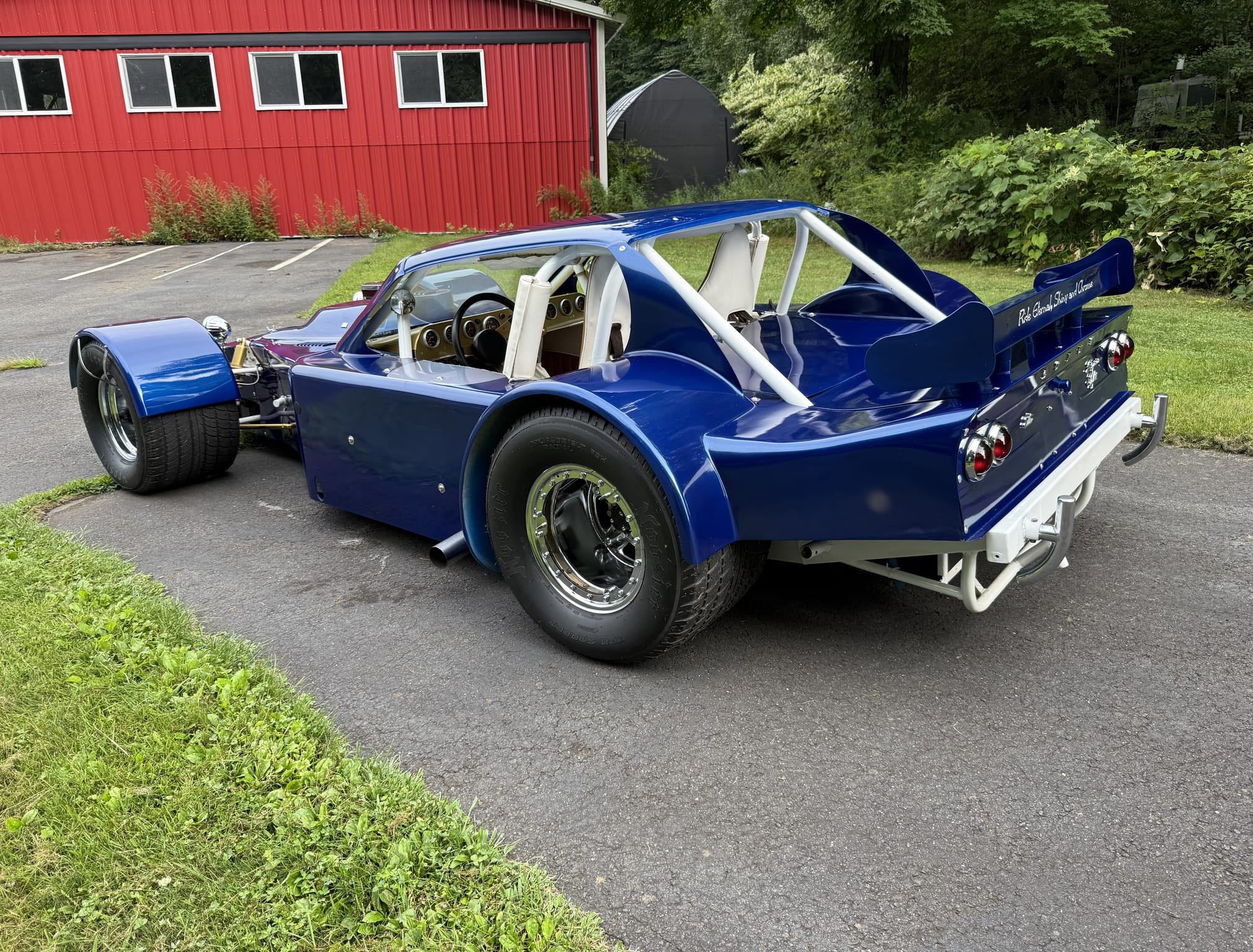
This highly unusual steel tube-chassis custom is an asphalt modified-style road car believed to have been built in the 2000s, combining a mix of Lotus Seven styling with circle-track hardware and a 409 cubic inch Chevrolet V8.
Frustratingly, exactly who built the car and why isn’t mentioned in this listing. It would be fascinating to know who built it and why, the build information and spec sheet are indicative that it would be a lot of fun to drive, and amazingly it’s street legal.
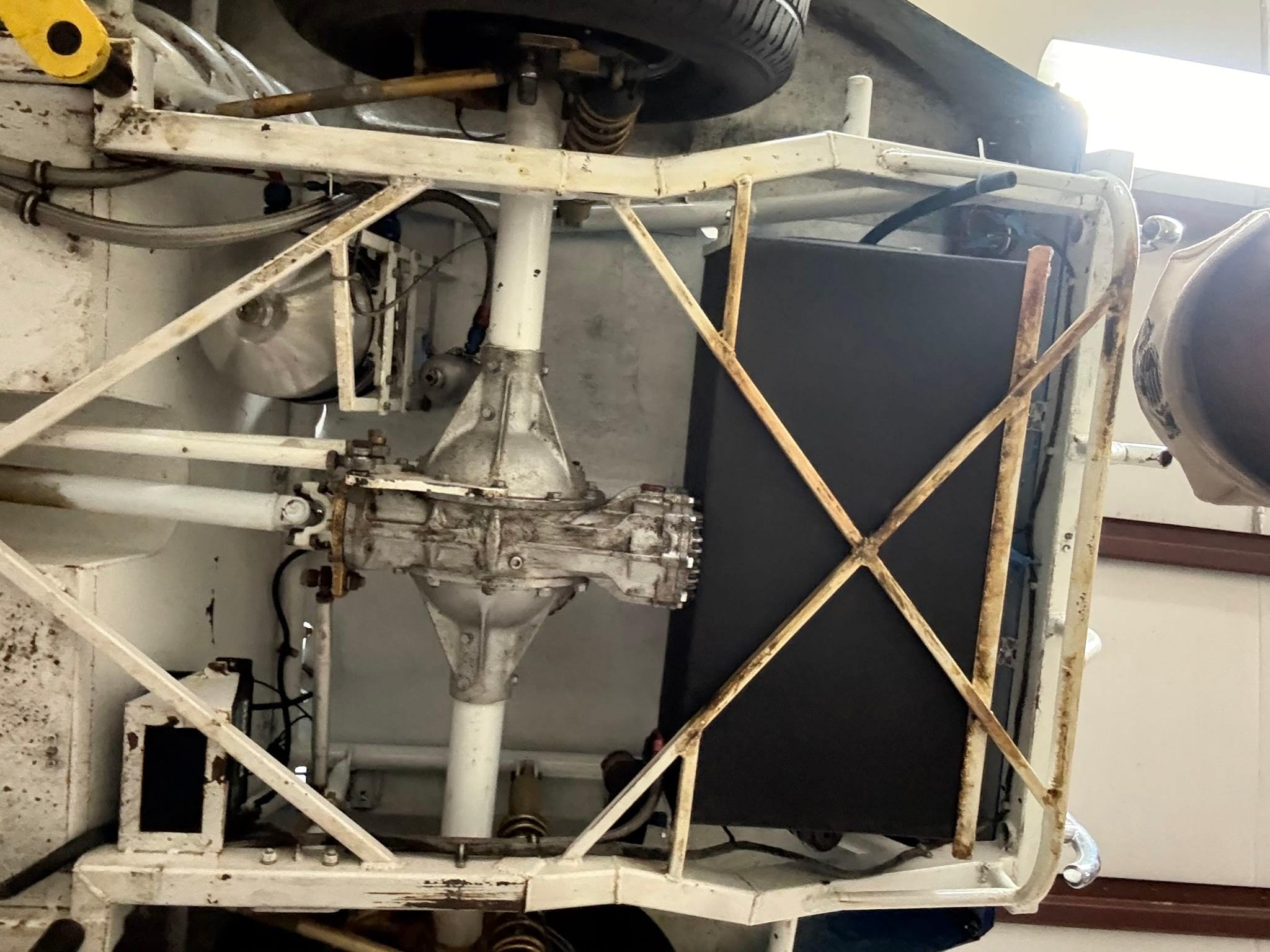
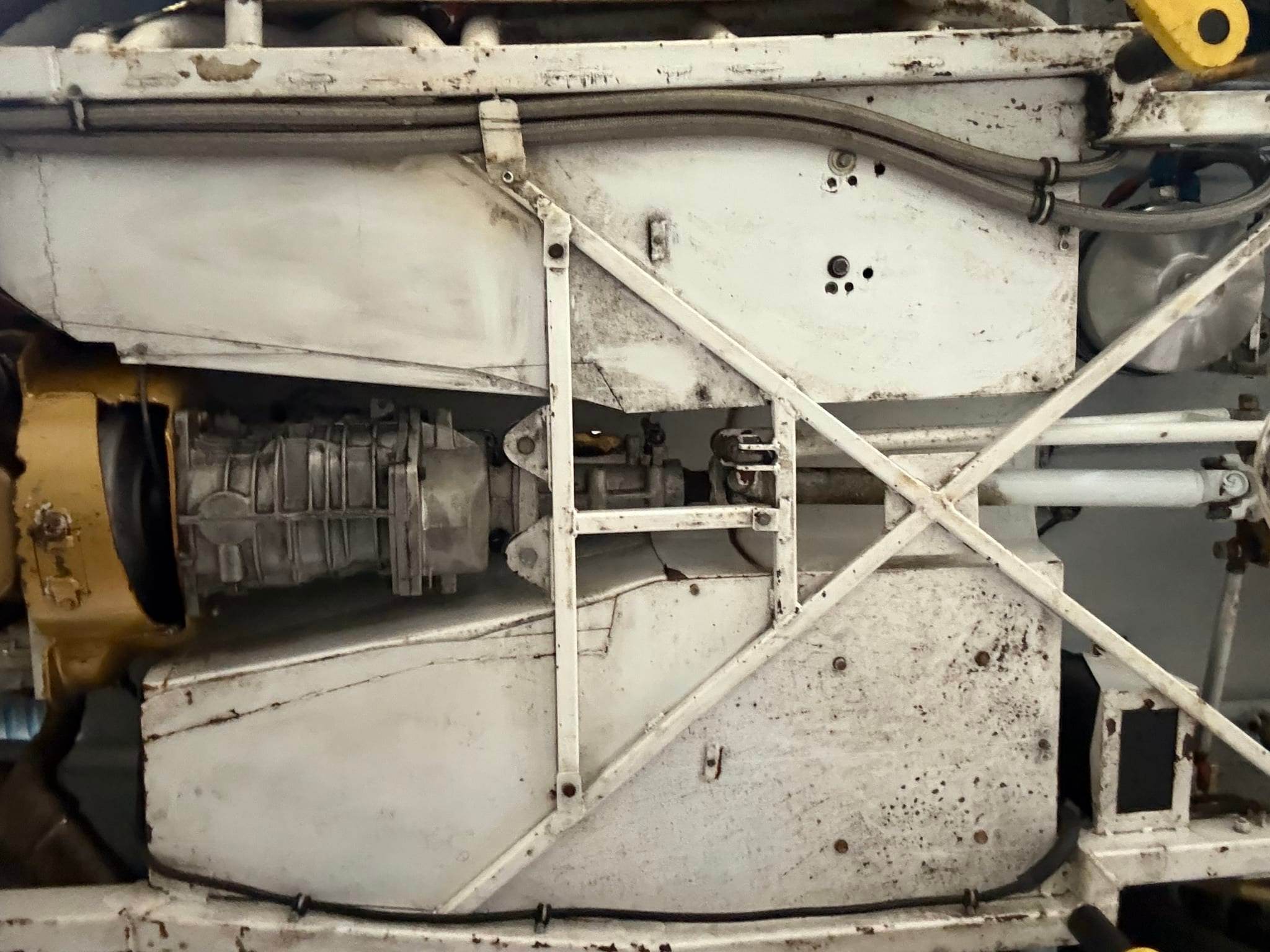
The steel spaceframe chassis incorporates an integrated roll cage, independent front suspension, a torque-arm rear setup, adjustable coilovers, rack-and-pinion steering, and Wilwood wide-five hubs with unassisted four-wheel disc brakes and adjustable bias.
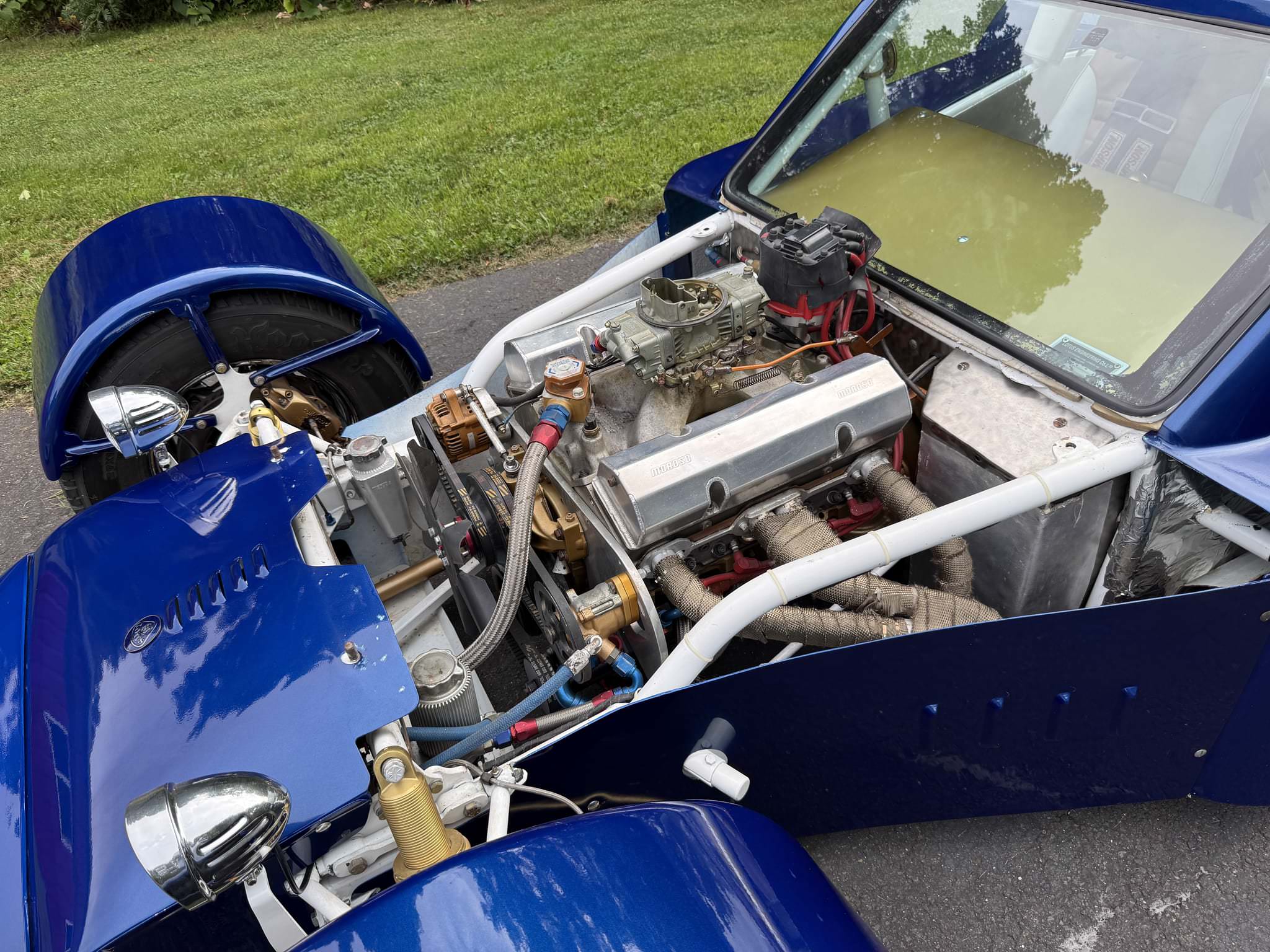
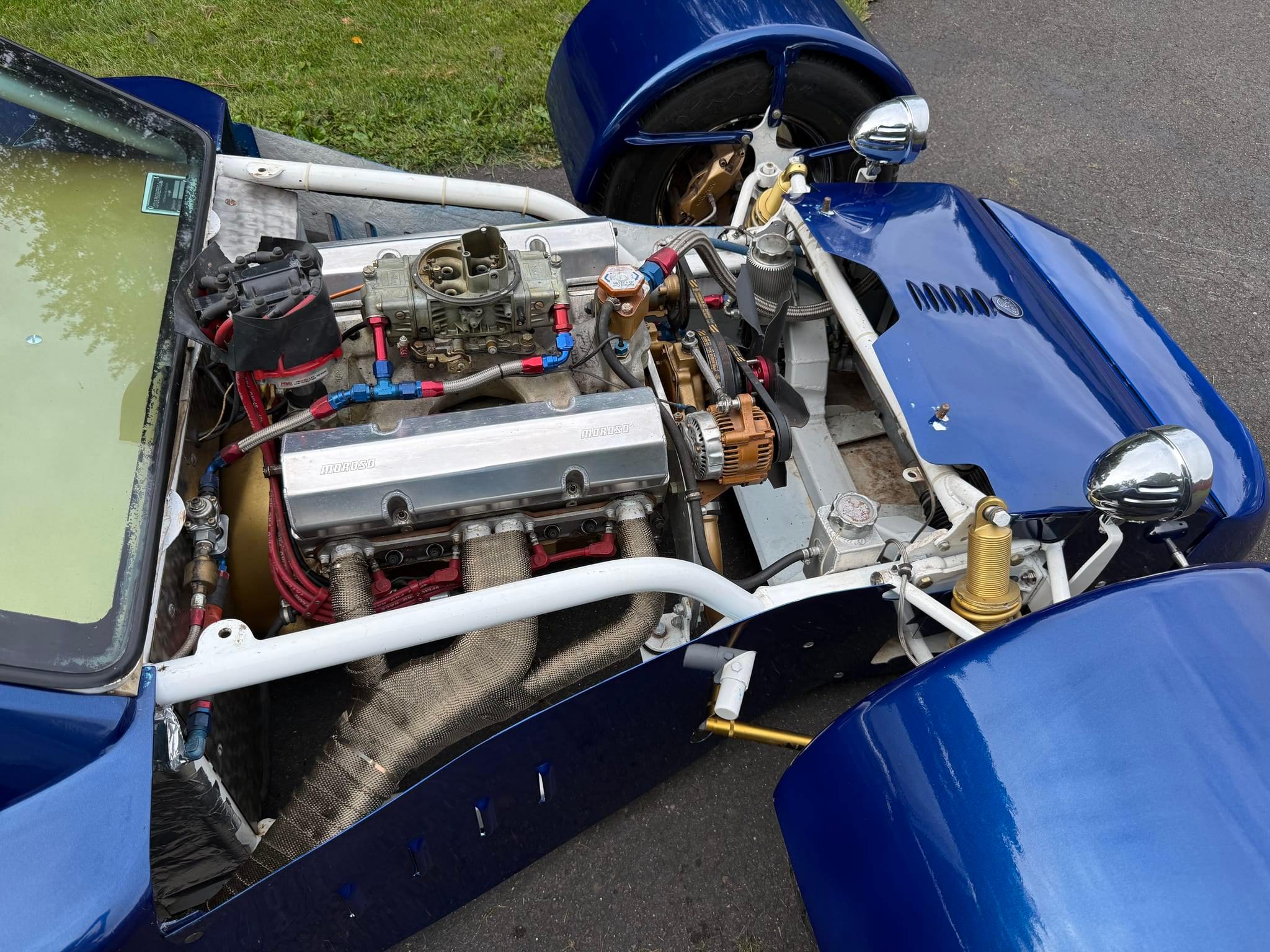
It’s powered by a blueprinted 409 V8 that was built with a lightweight crankshaft, roller rockers, an Edelbrock intake, a Holley four-barrel carburetor, MSD ignition, and dry-sump lubrication. Long-tube headers exit through side outlets with cutouts, while power reaches the rear wheels through a Tremec TKO 5-speed manual box and a Winters quick-change locking differential.
The car rides on multi-piece 15-inch wheels shod with wide 29×18.50-inch Hoosier tires. Since buying the car in 2023, the seller has fitted a revised nose panel, headlights and quadruple taillights, and repainted the steel roof and fiberglass bodywork in Freedom Blue Pearl.
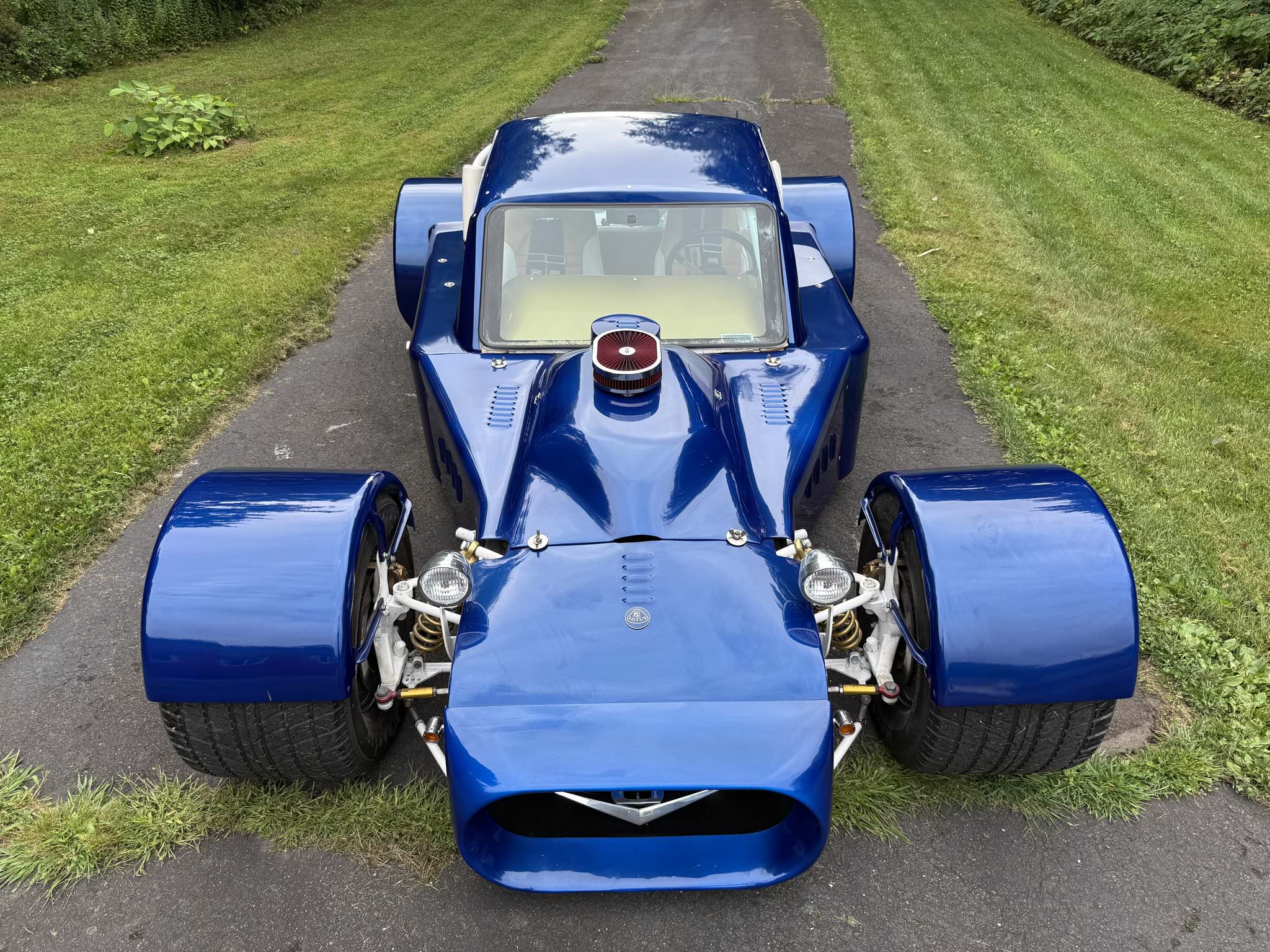
This is by far the most unhinged Lotus Seven-style clubman we’ve ever featured on the site, and I mean unhinged in the best way possible.
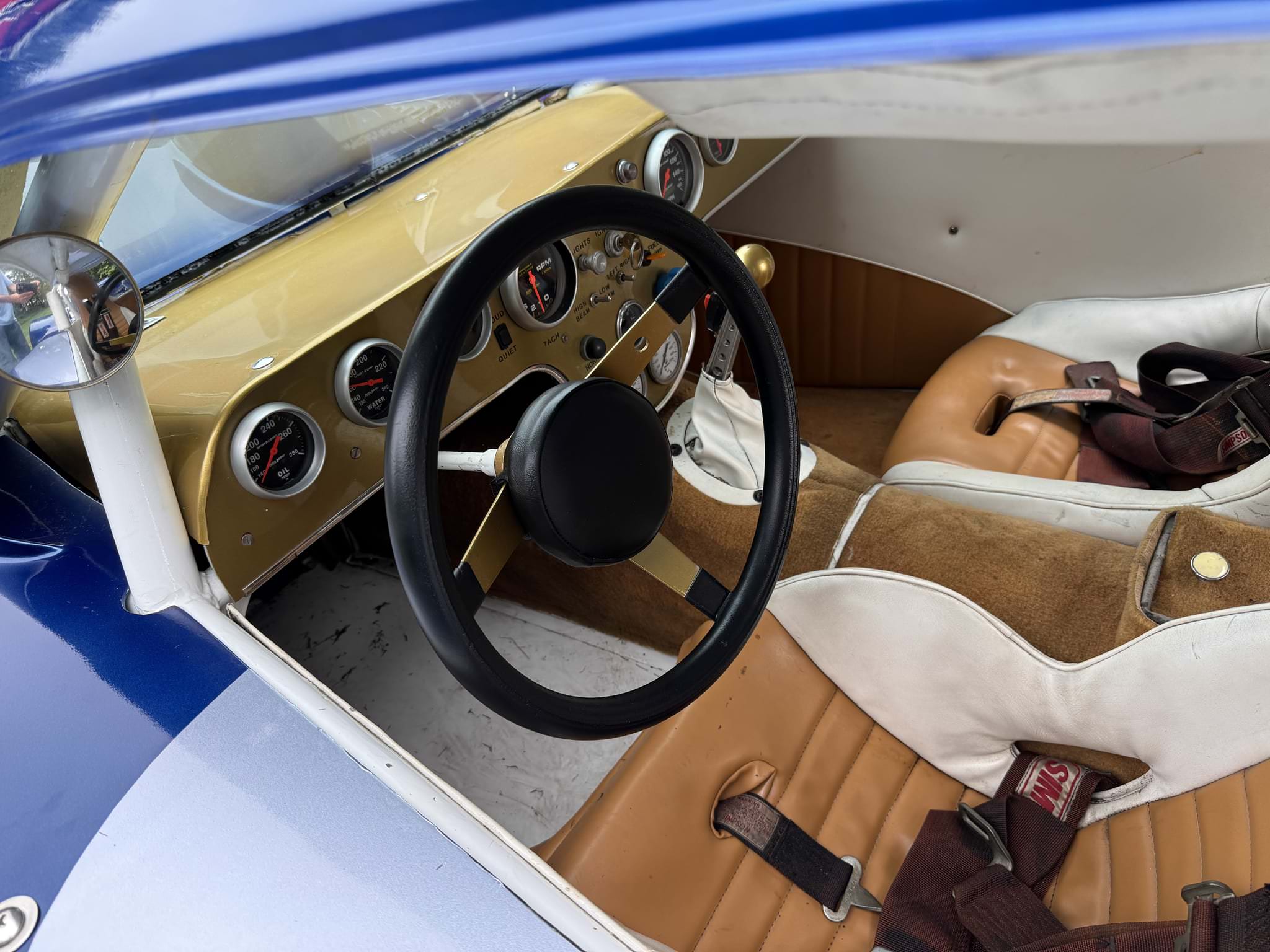
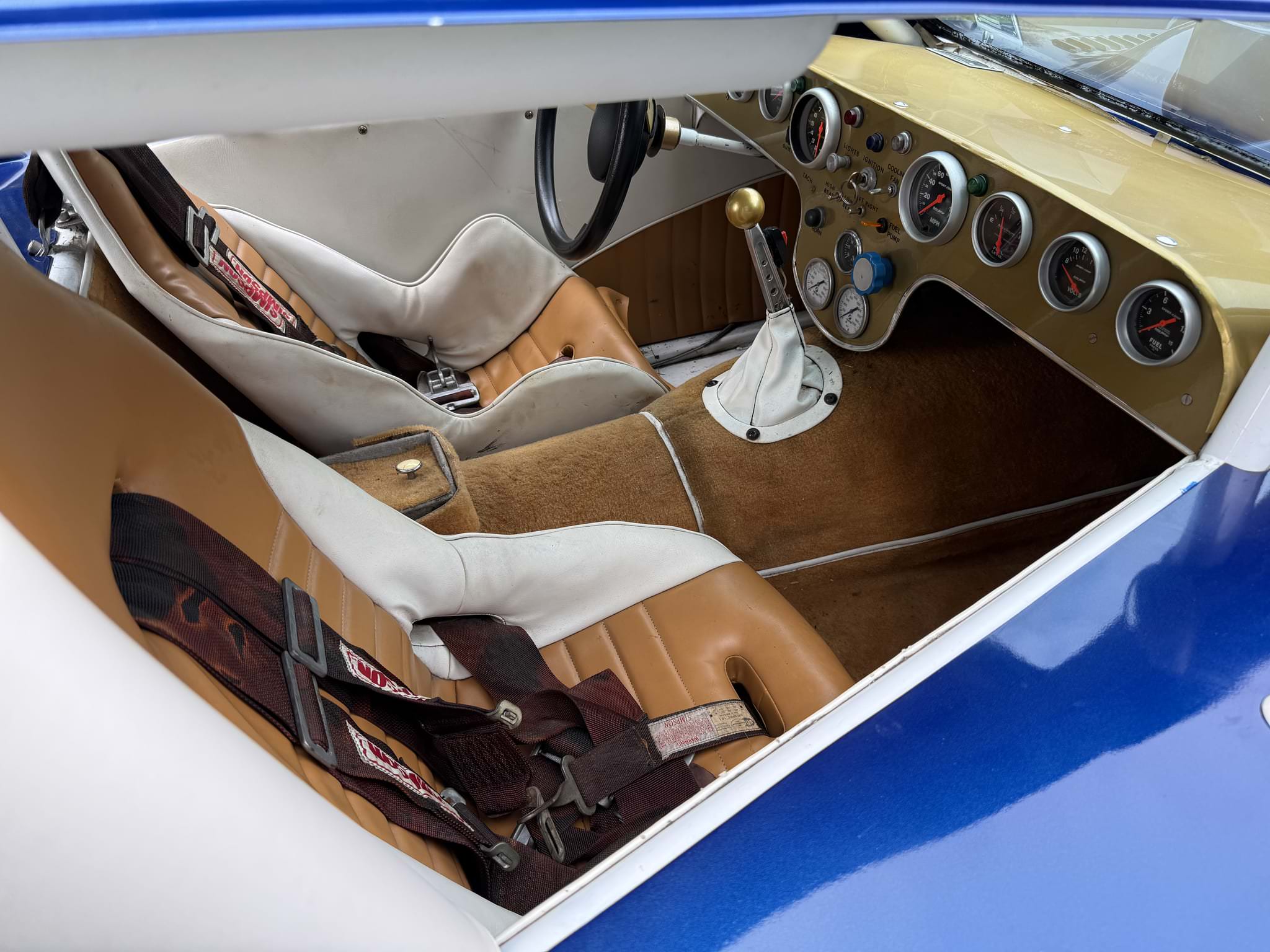
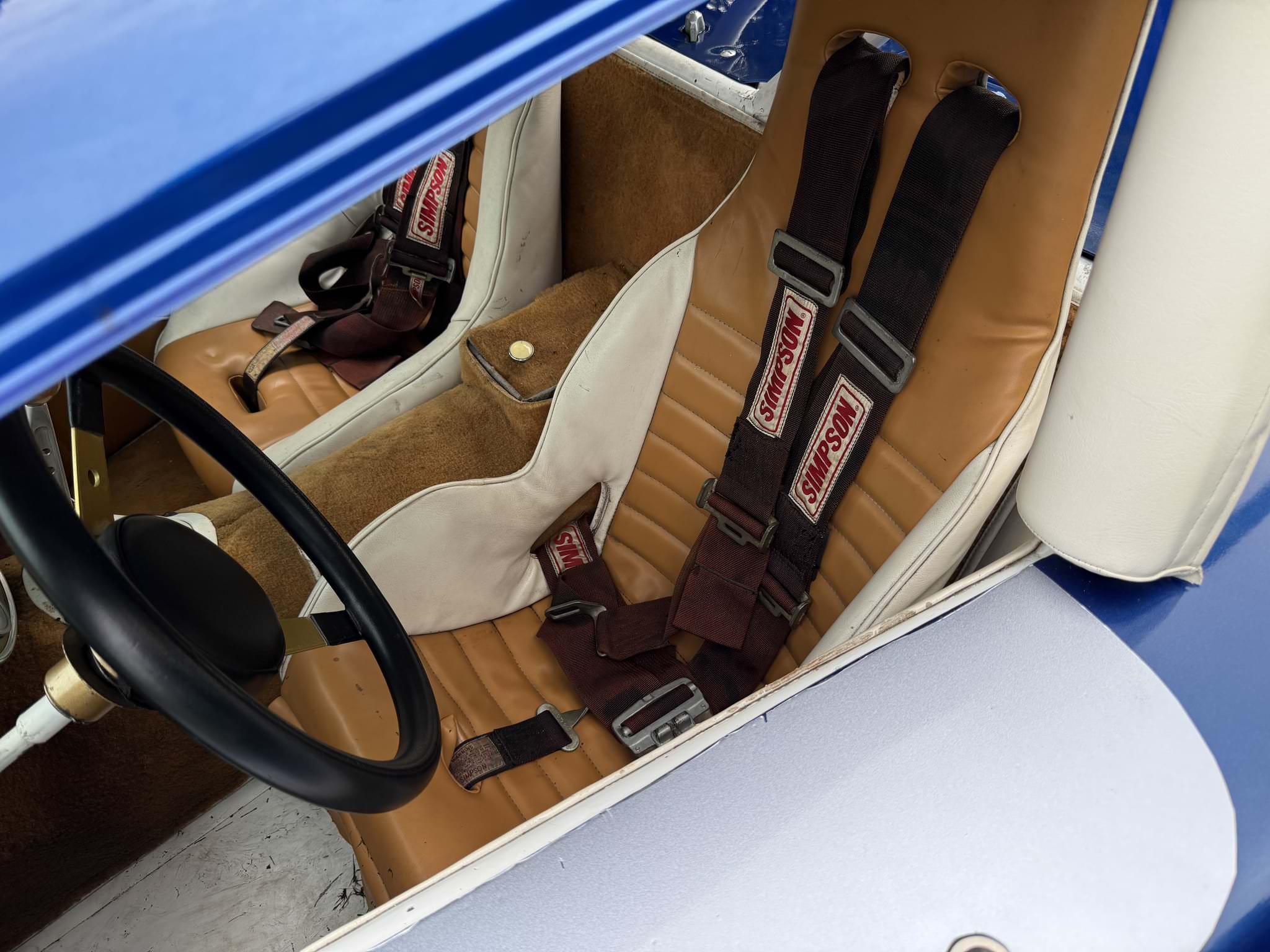
The interior has fixed-back tan-and-white bucket seats, Simpson five-point harnesses, a quick-release steering wheel, AutoMeter instruments, and a brake-bias adjuster. The odometer shows about 700 miles since completion of the build, so here’s hoping the next buyer adds a zero or two to that.
It’s now being offered for sale out of Plymouth, Connecticut at no reserve with a Montana title listing it as a 1974 LOTU. If you’d like to read more about it or register to bid you can visit the listing here.
Images courtesy of Bring a Trailer

Articles that Ben Branch has written have been covered on CNN, Popular Mechanics, Smithsonian Magazine, Road & Track Magazine, the official Pinterest blog, the official eBay Motors blog, BuzzFeed, Autoweek Magazine, Wired Magazine, Autoblog, Gear Patrol, Jalopnik, The Verge, and many more.
Silodrome was founded by Ben back in 2010, in the years since the site has grown to become a world leader in the alternative and vintage motoring sector, with well over a million monthly readers from around the world and many hundreds of thousands of followers on social media.