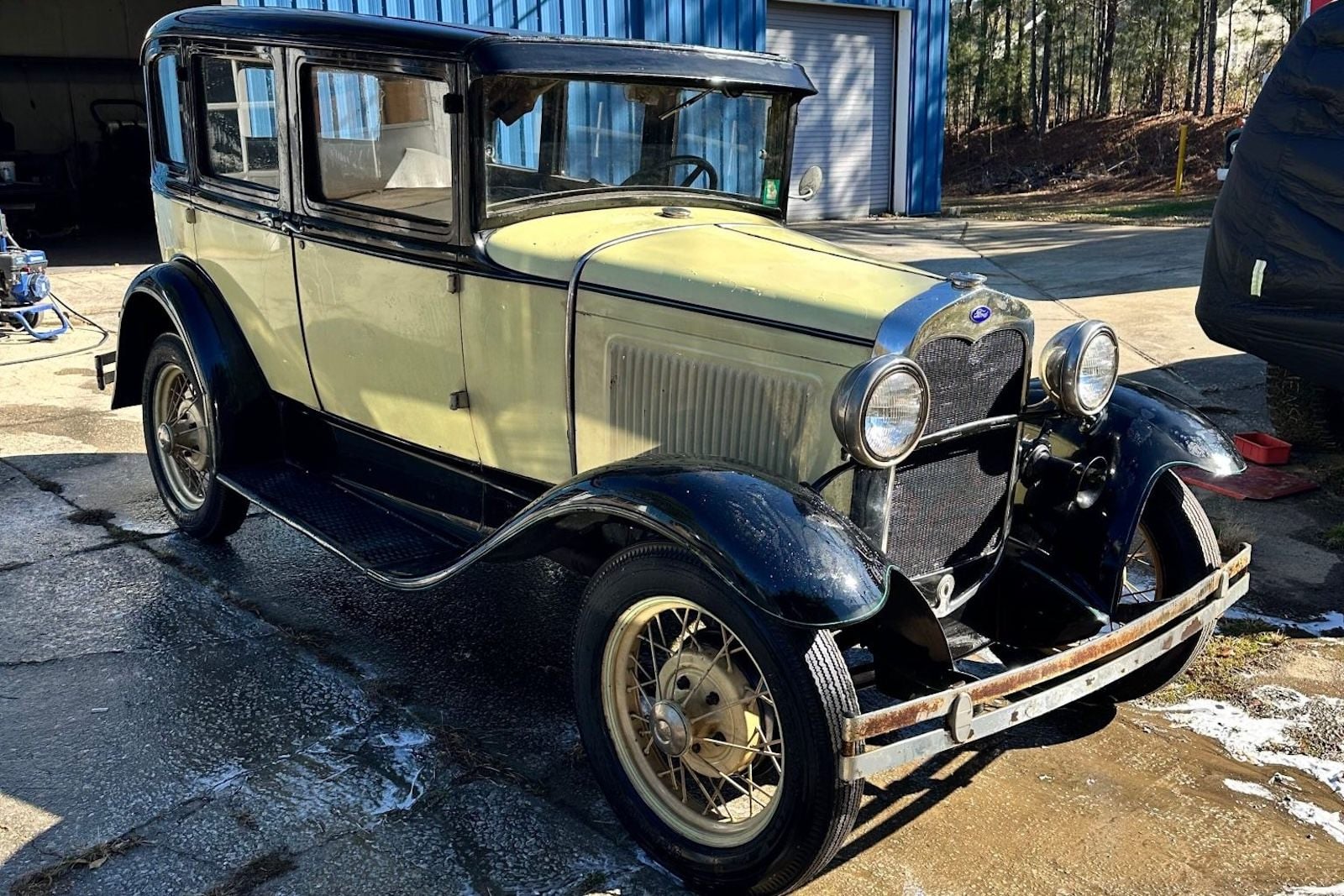
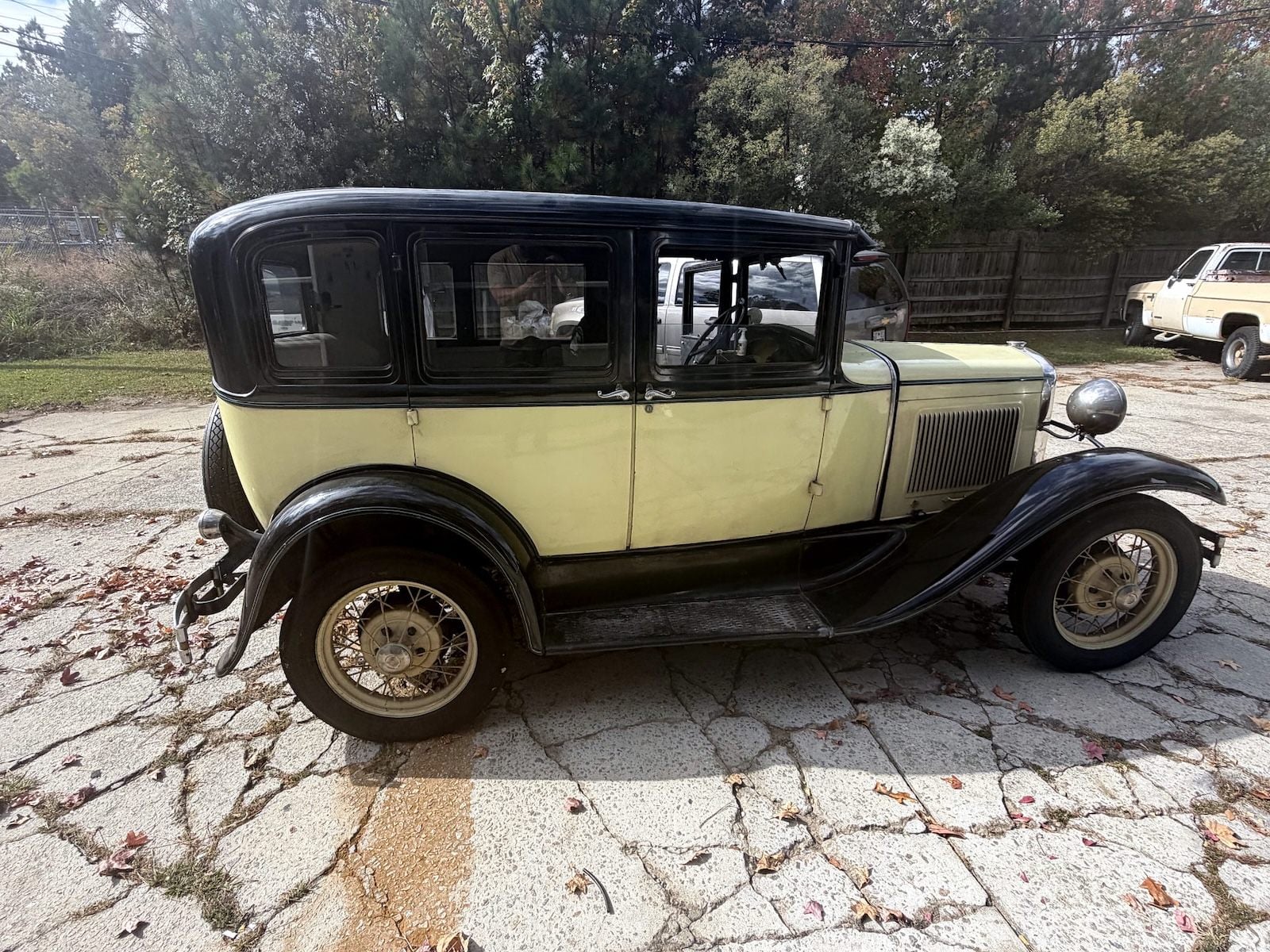
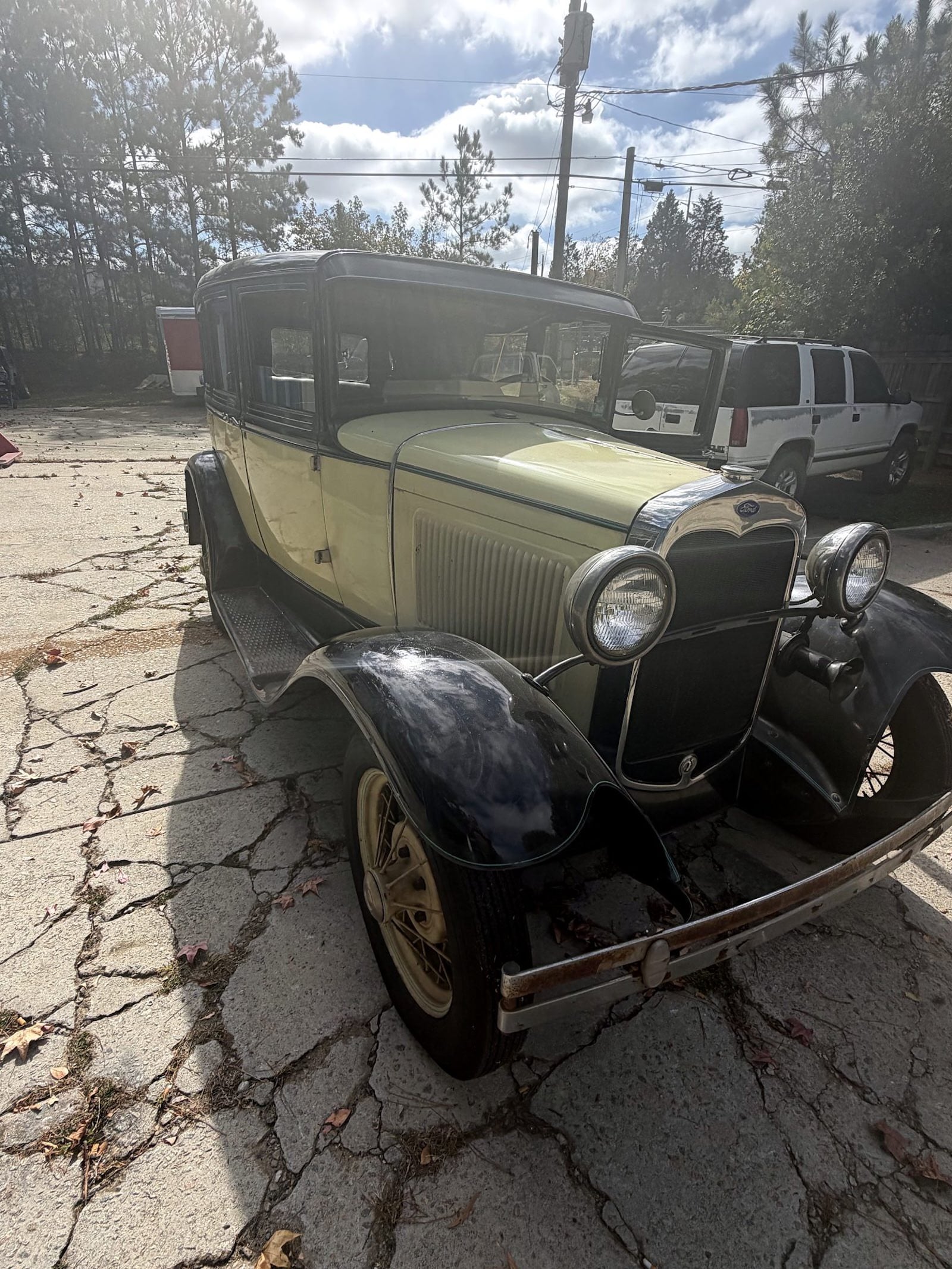
This 1930 Ford Model A Fordor Sedan originally belonged to James Brown, the Godfather of Soul, but in 1977 it was seized by the Richmond County Sheriff’s Office in Georgia due to unpaid bills at a Texaco gas station garage.
The car remains in largely original condition throughout, with the correct engine, transmission, and interior still in place, and it comes with the 1970s documentation relating to James Brown’s ownership and the seizure.
Fast Facts: An Ex-James Brown Model A Ford
- Ford introduced the Model A in late-1927 to replace the aging Model T. Edsel Ford oversaw the styling, while Laurence Sheldrick and Harold Hicks developed its 40 bhp four-cylinder engine. The new car offered much improved performance, more modern engineering, and a range of body styles at affordable prices for everyday Americans.
- The Model A was powered by a 201 cubic inch (3.3 liter) L-head four-cylinder engine, mated to a conventional 3-speed manual transmission, four-wheel mechanical drum brakes, and hydraulic shock absorbers. Almost 4.86 million examples were built worldwide before production ended in 1932. Its inexpensive, adaptable engine, also became popular in American motorsport.
- This 1930 Ford Model A Fordor Sedan originally belonged to legendary singer James Brown, the “Godfather of Soul.” In 1977, it was seized by the Richmond County Sheriff’s Office in Augusta, Georgia, following a lawsuit over unpaid bills at a Texaco service station. It subsequently sold at a sheriff’s auction for $1,500 USD.
- The car still has its yellow-and-black paintwork, yellow wire wheels, black leatherette interior, and original-type engine and transmission. Its documented history includes a 1977 legal letter identifying Brown and the vehicle, along with subsequent ownership records. Bought by the seller in 2025, it’s now being offered for sale with a South Carolina title.
History Speedrun: The Ford Model A
The first car named the Ford Model A appeared back in 1903. It had a horizontally opposed two-cylinder engine of 100 cubic inches (1.6 liters) making just 8 bhp, it cost $850 USD as a two-seat runabout, and only 1,700 or so of them were built. The Models B, C, F, K, N, R, and S, all followed, the most famous was the Model T, which debuted in 1908, it stayed in production for 19 years and became the best-selling car in the world. Confusingly, Ford then went back up the alphabet and released an all-new Ford Model A in 1927 to replace the Model T.
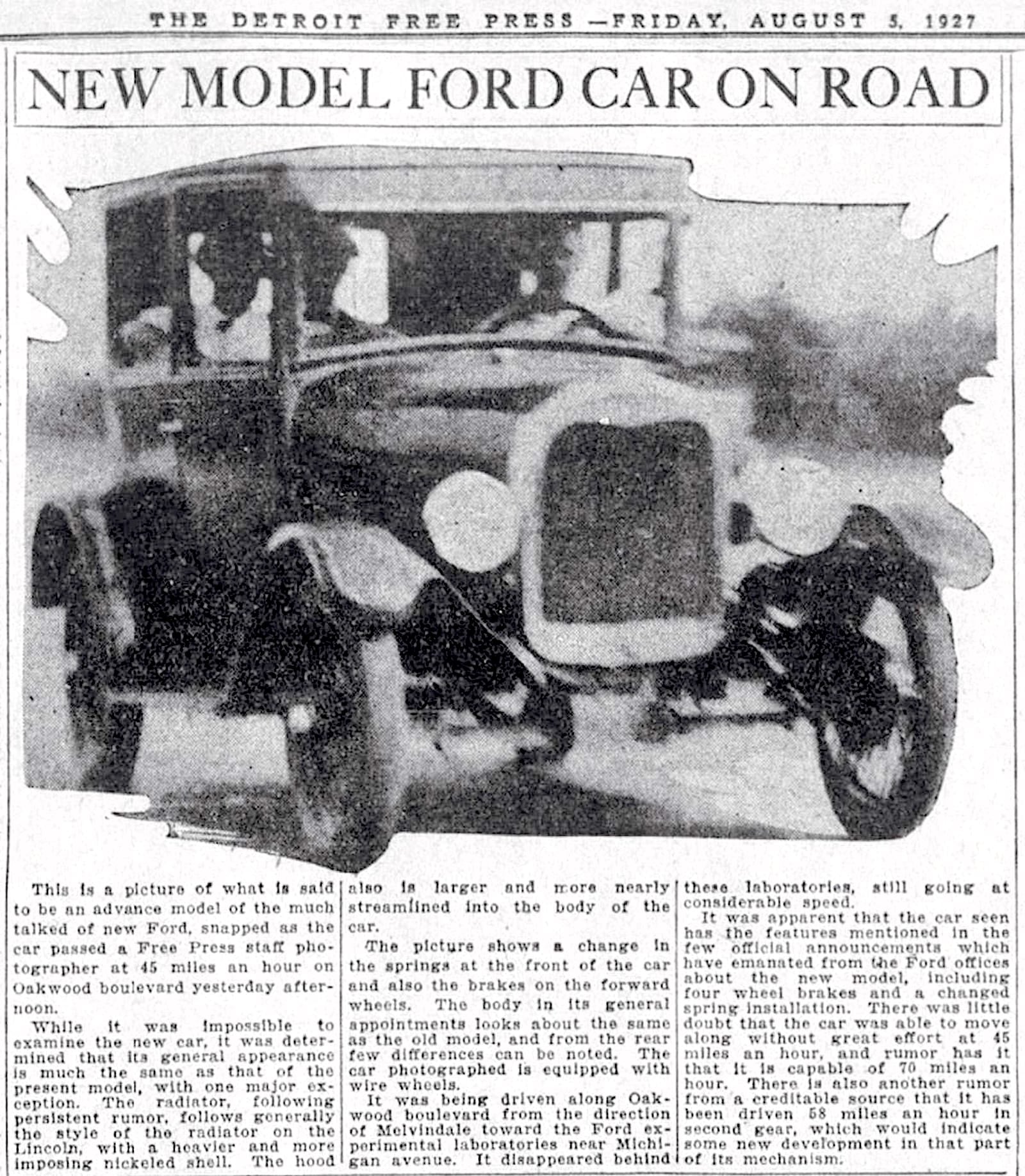
 By the mid-1920s the Model T started to look rather long in the tooth. Chevrolet built more than a million cars in 1927, and Ford’s US car production that year was 356,188. Edsel Ford had spent years pressing his father to replace the Model T, and in late 1926 Henry Ford directed his engineers to start on a new car. Image courtesy of the Detroit Free Press.
By the mid-1920s the Model T started to look rather long in the tooth. Chevrolet built more than a million cars in 1927, and Ford’s US car production that year was 356,188. Edsel Ford had spent years pressing his father to replace the Model T, and in late 1926 Henry Ford directed his engineers to start on a new car. The 15 millionth Model T came off the line on May the 26th, 1927. Production then stopped, and Ford’s plants sat idle for six months.
Ford Model A Development
Laurence Sheldrick, a former Lincoln man, and Harold Hicks were responsible for the new engine design, though Sheldrick eventually took charge of the whole project. The target was 40 bhp, roughly double the Model T’s output. Early dynamometer tests gave little more than half that, and Hicks made up the shortfall with changes to the valve timing and manifolds.
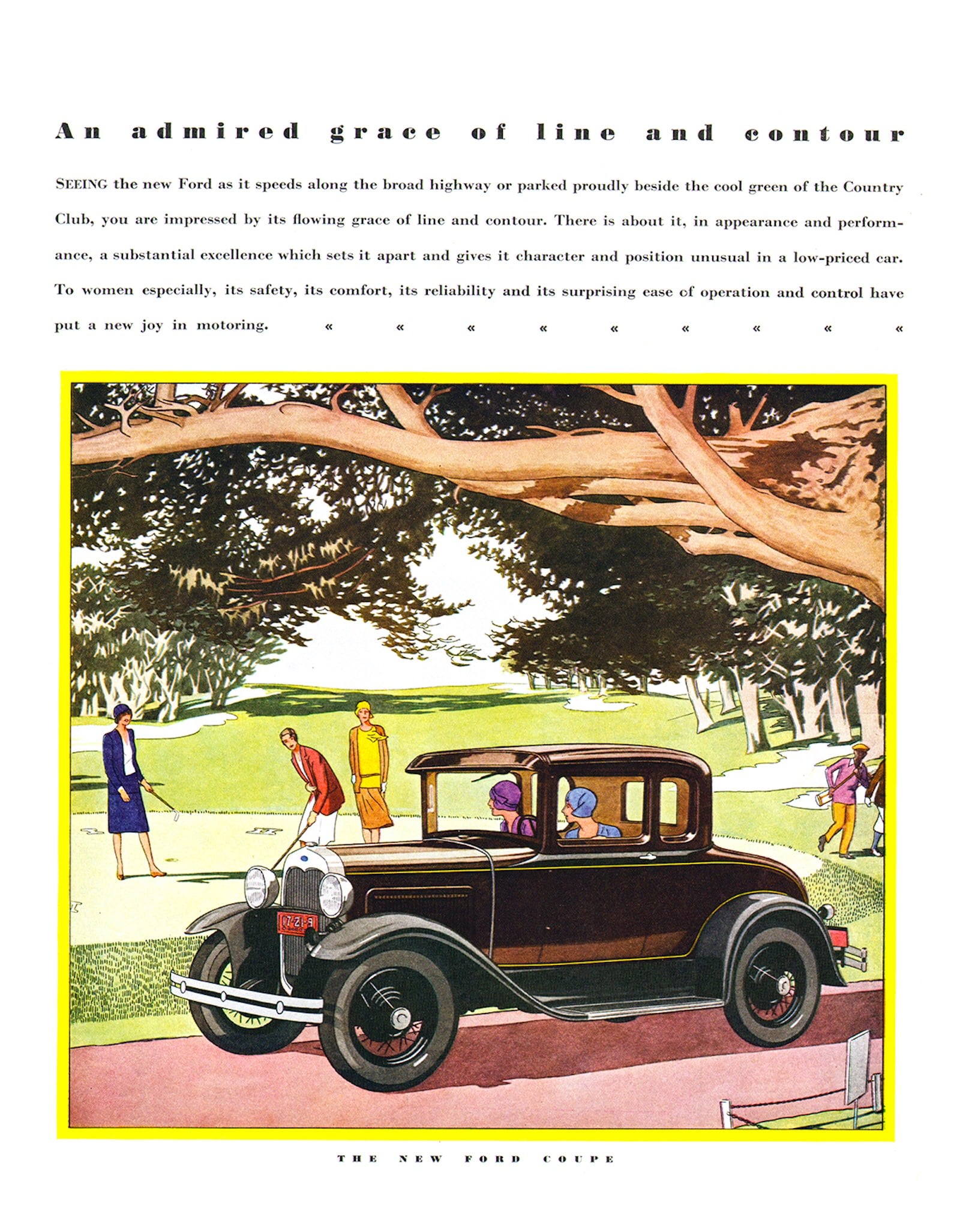
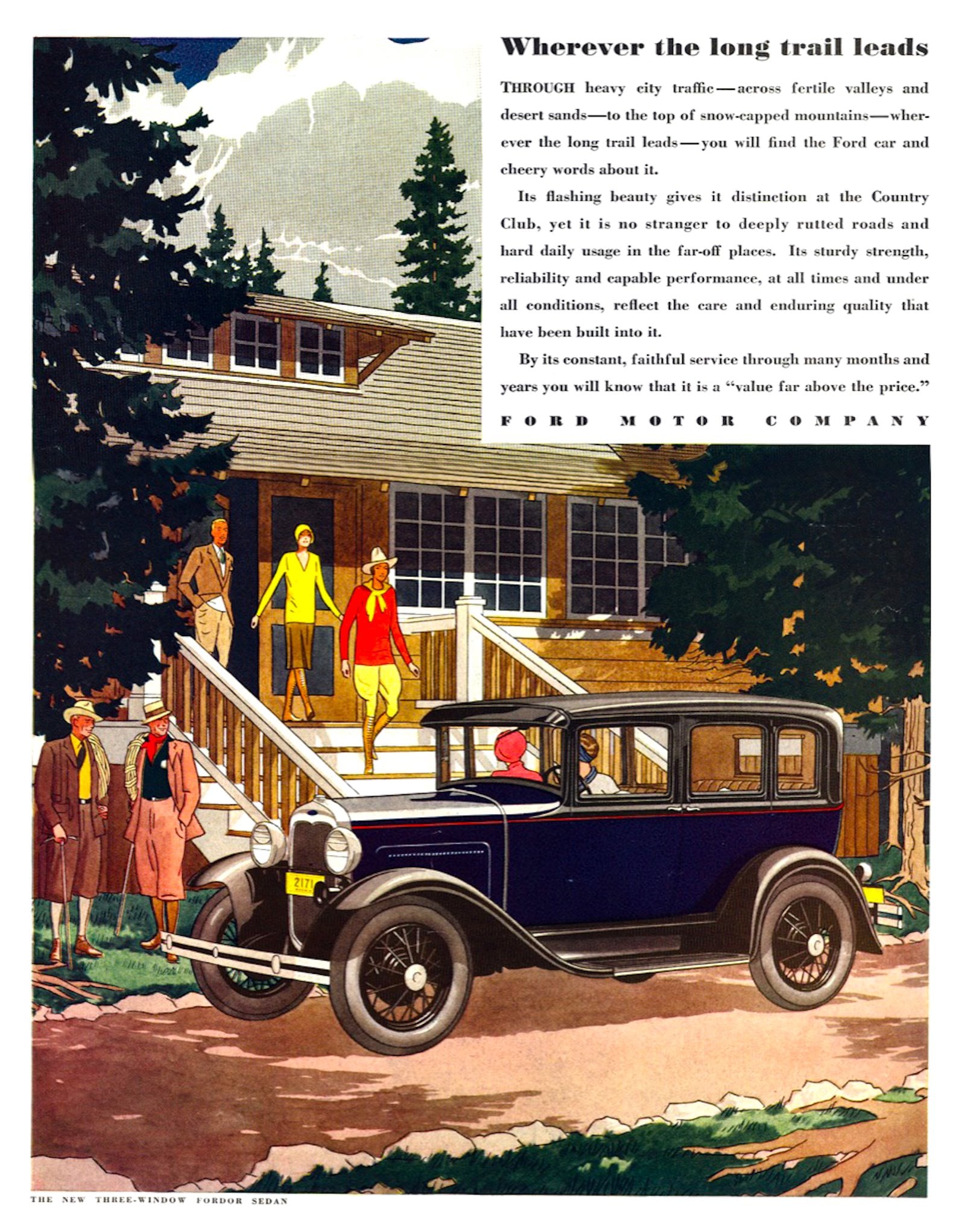
Edsel Ford supervised the styling with body engineer Joe Galamb, giving the car a radiator shell and fender line that was more similar to the Lincoln than the Model T. Henry Ford chose the name, saying the company would “wipe the slate clean and start all over again with Model A.”
Henry Ford stamped the serial number on the first engine himself on October the 20th, 1927. The public launch came on December the 2nd, backed by $2 million USD worth of advertising in over 2,000 newspapers across the country, and Ford says at least 10 million people saw the car in its first week. Six body styles were shown, priced from $385 USD for the roadster to $570 USD for the higher-end Fordor sedan.
The Ford Model A Engine + Chassis
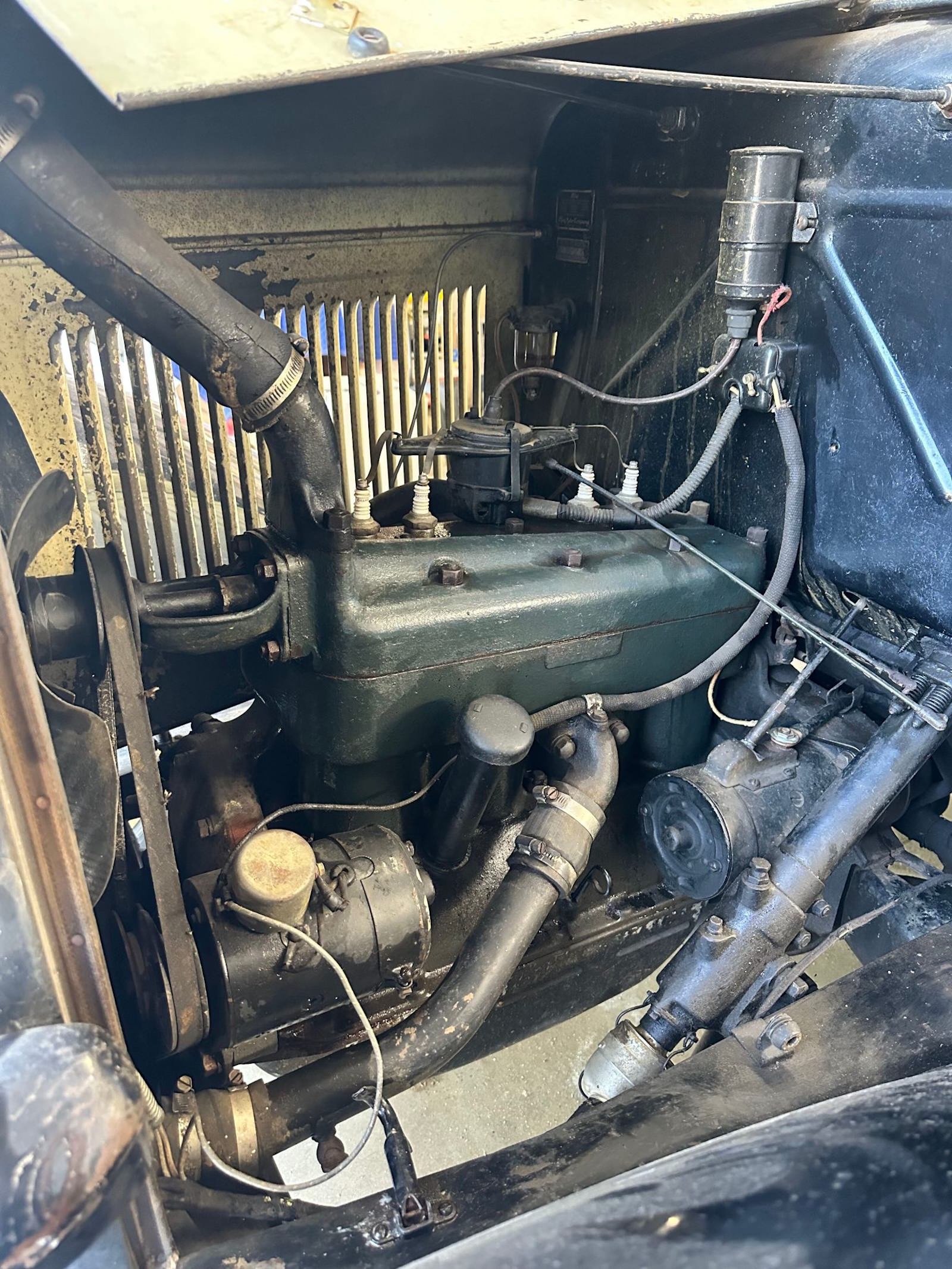
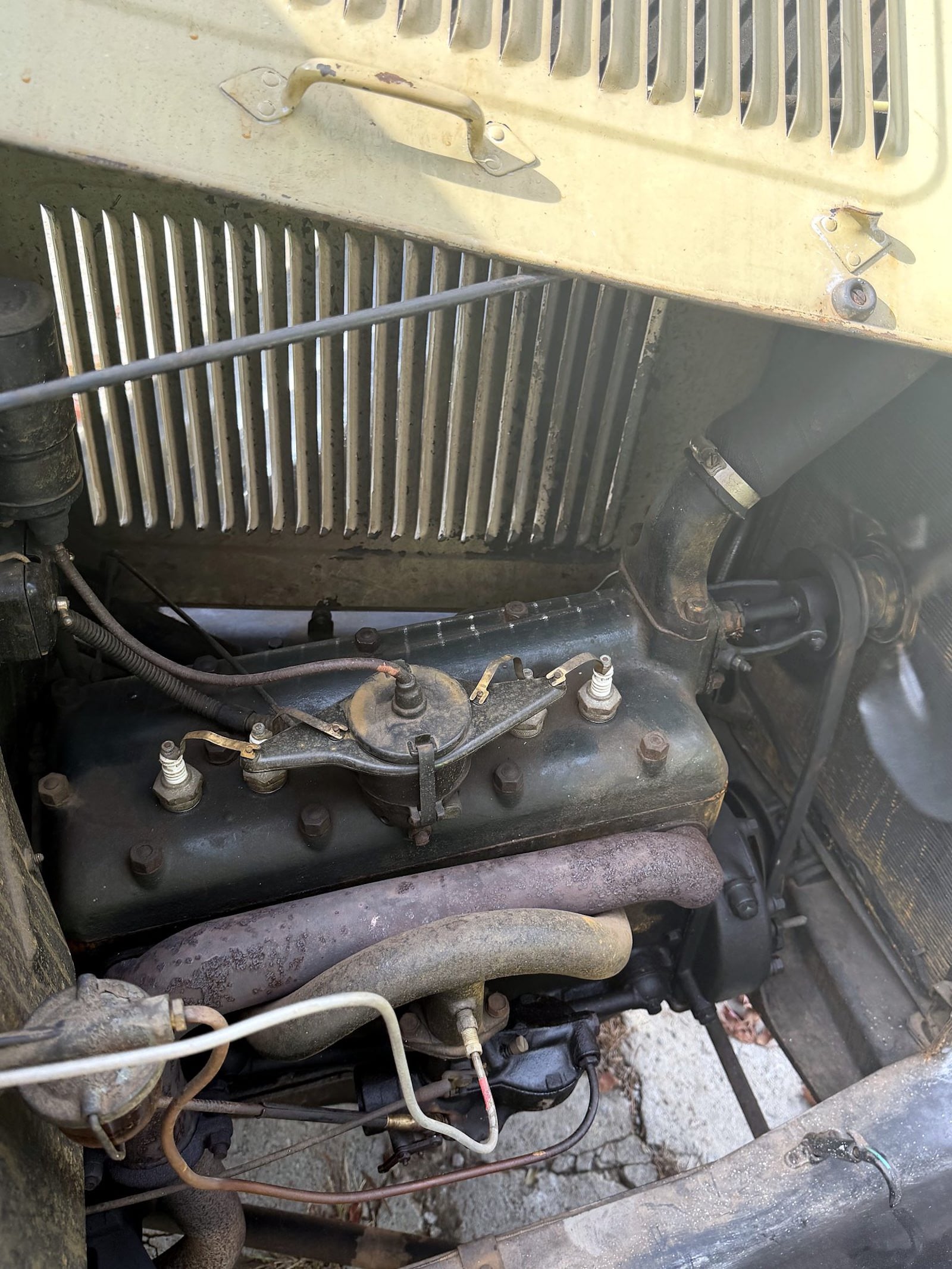
The engine was an L-head inline-four with a cast iron block and detachable head, it had a 3.875 inch bore and a 4.25 inch stroke, it displaced 200.5 cubic inches (3.3 liters), and it had a 4.22:1 compression ratio resulting in 40 bhp at 2,200 rpm and 128 lb ft of torque at 1,000 rpm. That compression ratio sounds rather low today, but fuel octane levels were far lower, and fuel quality was significantly less reliable than today.
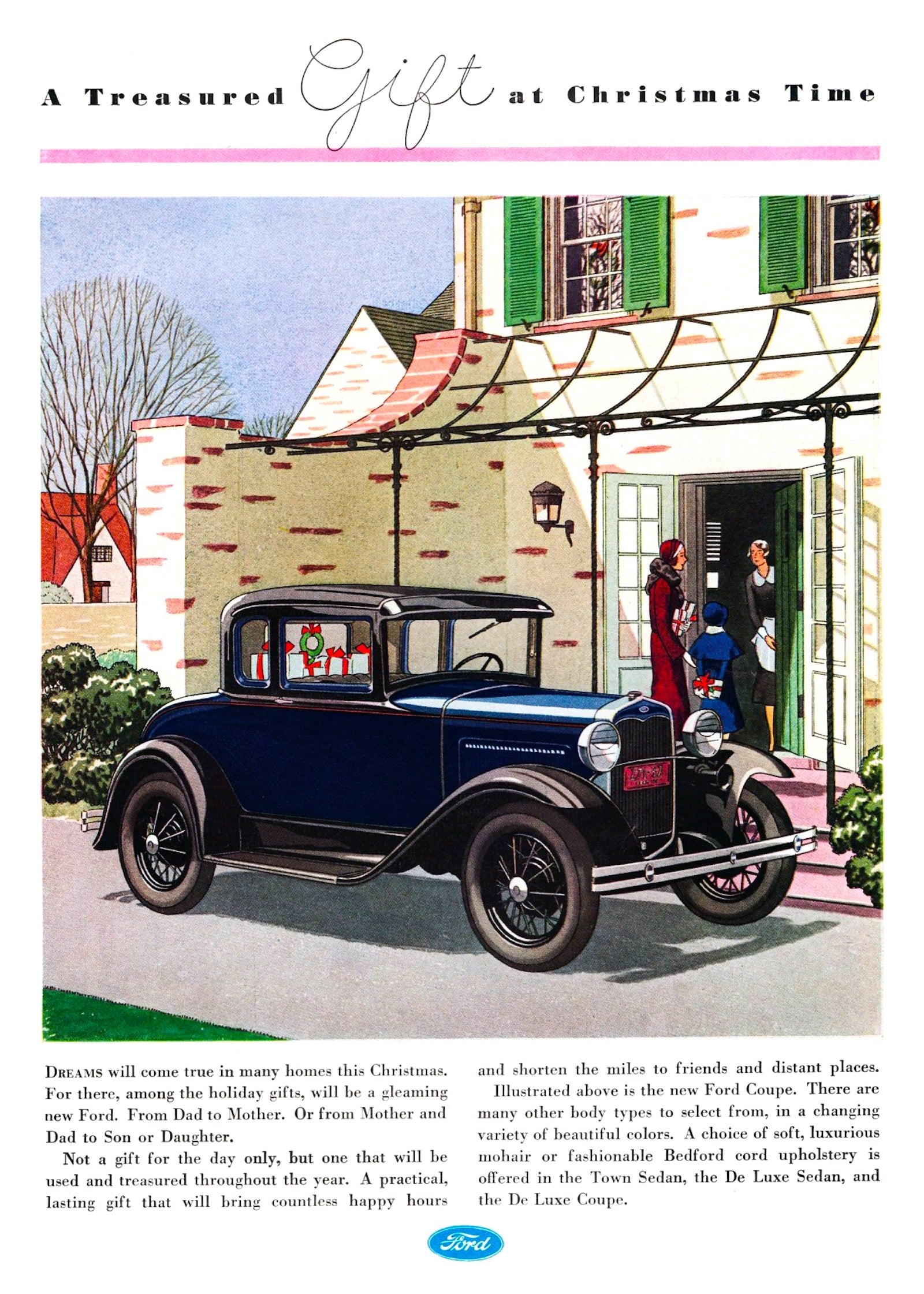
Edsel Ford supervised the styling with body engineer Joe Galamb, giving the car a radiator shell and fender line that was more similar to the Lincoln than the Model T. Henry Ford chose the name, saying the company would “wipe the slate clean and start all over again with Model A.” Image courtesy of the Ford Motor Company.
The crankshaft sat in three main bearings, the engine had a Zenith updraft carburetor fed by gravity from a 10 gallon tank in the cowl (11 gallons from 1930 onwards), so there was no fuel pump to fail and leave you stranded. Unlike the Model T, the new car did have a coolant pump, a distributor, and a conventional 3-speed sliding-gear transmission with a clutch pedal. Drive went through a torque tube to a live rear axle.
The Model A had body-on-frame construction, standard for the time, and each end had a live axle on a single transverse leaf spring as well as Houdaille double-acting hydraulic shock absorbers. The model also had mechanical drum brakes on all four wheels, with a separate parking brake on the rear pair, and a windshield of Triplex laminated safety glass. All were major upgrades over the outgoing Model T.
Steering was by worm and sector, with a seven-tooth sector at first and a Gemmer two-tooth unit phased in in early-1929. The wheelbase was 103.5 inches and the wire wheels were 21 inches in diameter at launch. A 1929 roadster weighed 2,050 lbs, and the top speed was 65 mph, about 20 mph faster than the Model T. That roadster cost $450 USD when the average American wage was $1,434 USD a year, so it took about four months’ pay.
Model A Sales Numbers
Ford made 633,594 Model As in the United States in 1928 as production built up, still well behind Chevrolet. It passed a million Model As on February the 4th, 1929, and two million just a few months later on July the 24th.
The 1929 total was 1,507,132 against Chevrolet’s 1,328,605, which put Ford back in first place. A restyle for 1930 brought new fenders, a longer hood and 19 inch wheels, and Ford built 1,155,162 cars that year. Then the Great Depression caught up with them, and every other automaker in the country. Output fell to 541,615 in 1931 and Chevrolet retook the lead. The 20 millionth Ford, a Model A Town Sedan, was built on April the 14th, 1931.
The Model A Goes Racing
Racers quickly took to the engine, which was cheap, plentiful, and understressed. Harry Miller commissioned an overhead-valve conversion, designed by Leo Goossen and funded by a group led by George Schofield, and the tooling later passed to Cragar. George Riley’s four-port head appeared in 1932, and Riley claimed that with an Ed Winfield camshaft it could give as much as 160 bhp at 4,500 rpm. An astonishing figure for the time, particularly when you remember that most race cars weighed well under 2,000 lbs.
The Ford Model A engine was an L-head inline-four with a cast iron block and detachable head, it had a 3.875 inch bore and a 4.25 inch stroke, it displaced 200.5 cubic inches (3.3 liters), and it had a 4.22:1 compression ratio resulting in 40 bhp at 2,200 rpm and 128 lb ft of torque at 1,000 rpm. Image courtesy of the Ford Motor Company.
At Indianapolis in 1931, Francis Quinn qualified the Tucker Tappet Special, a Miller chassis with a Model A-based engine, at 111.321 mph. Less than 1.5 mph off the pole speed. He started 21st and retired after three laps with a broken rear axle, ironically the engine was still in perfect condition. Through the 1930s, Model A and B engines filled dirt-track fields, where they were quick out of the corners, but hard on crankshafts.
The End Of Model A Production
Model A production ended in March of 1932, when the four-cylinder Model B and the V8 Model 18 took over. The Model A Ford Club of America puts worldwide production at 4,858,644, a figure that includes 539,786 trucks and 352,584 commercial chassis. Ford had also signed an agreement with the Soviet Union on May the 31st, 1929, and the Model A was built there as the GAZ-A from 1932 until 1936.
The Ex-James Brown 1930 Ford Model A Shown Here
This 1930 Ford Model A Fordor sedan originally belonged to James Brown, the legendary American singer known as the “Godfather of Soul.” In 1977, the car was seized by the Richmond County Sheriff’s Office in Augusta, Georgia, following a lawsuit brought against Brown by a Texaco service station over unpaid bills. It was then sold at a sheriff’s auction for $1,500 USD and later placed into storage.
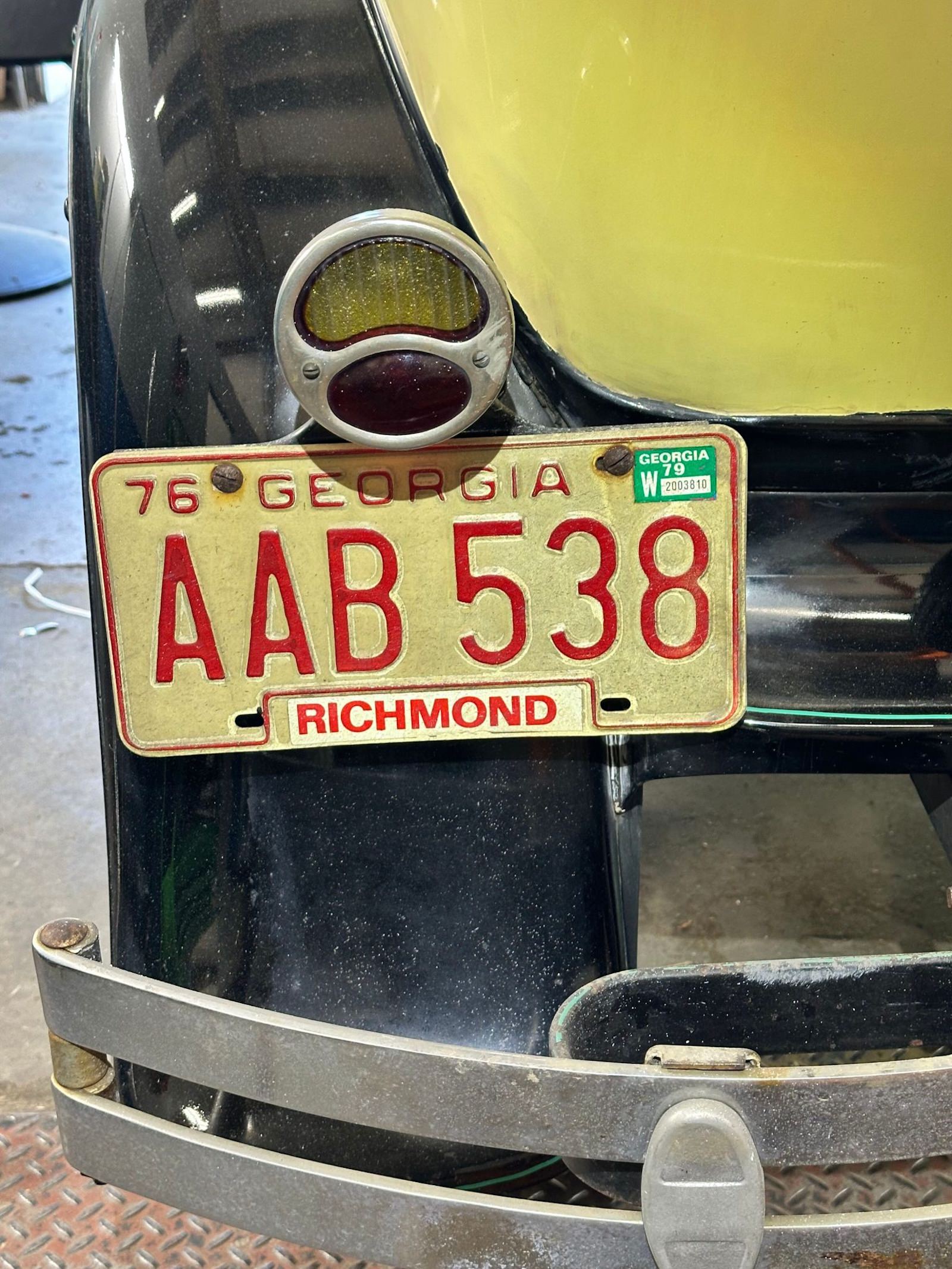
The car’s history is supported by a letter dated September the 13th, 1977, from the Augusta law firm Lester, Lester & Flynt, which identifies Brown as the defendant in a court case involving a yellow 1930 Ford sedan bearing Georgia registration AAB538.
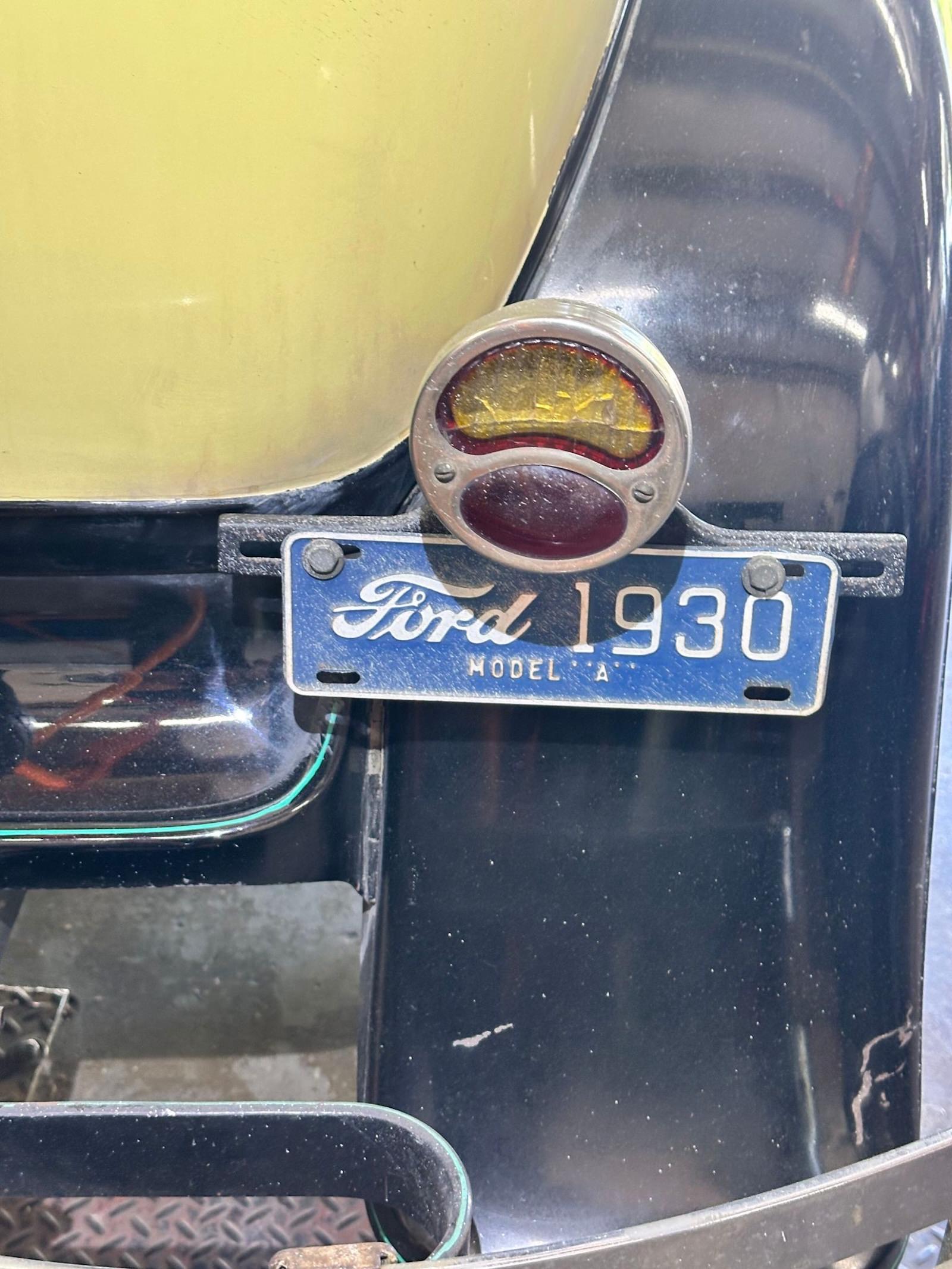
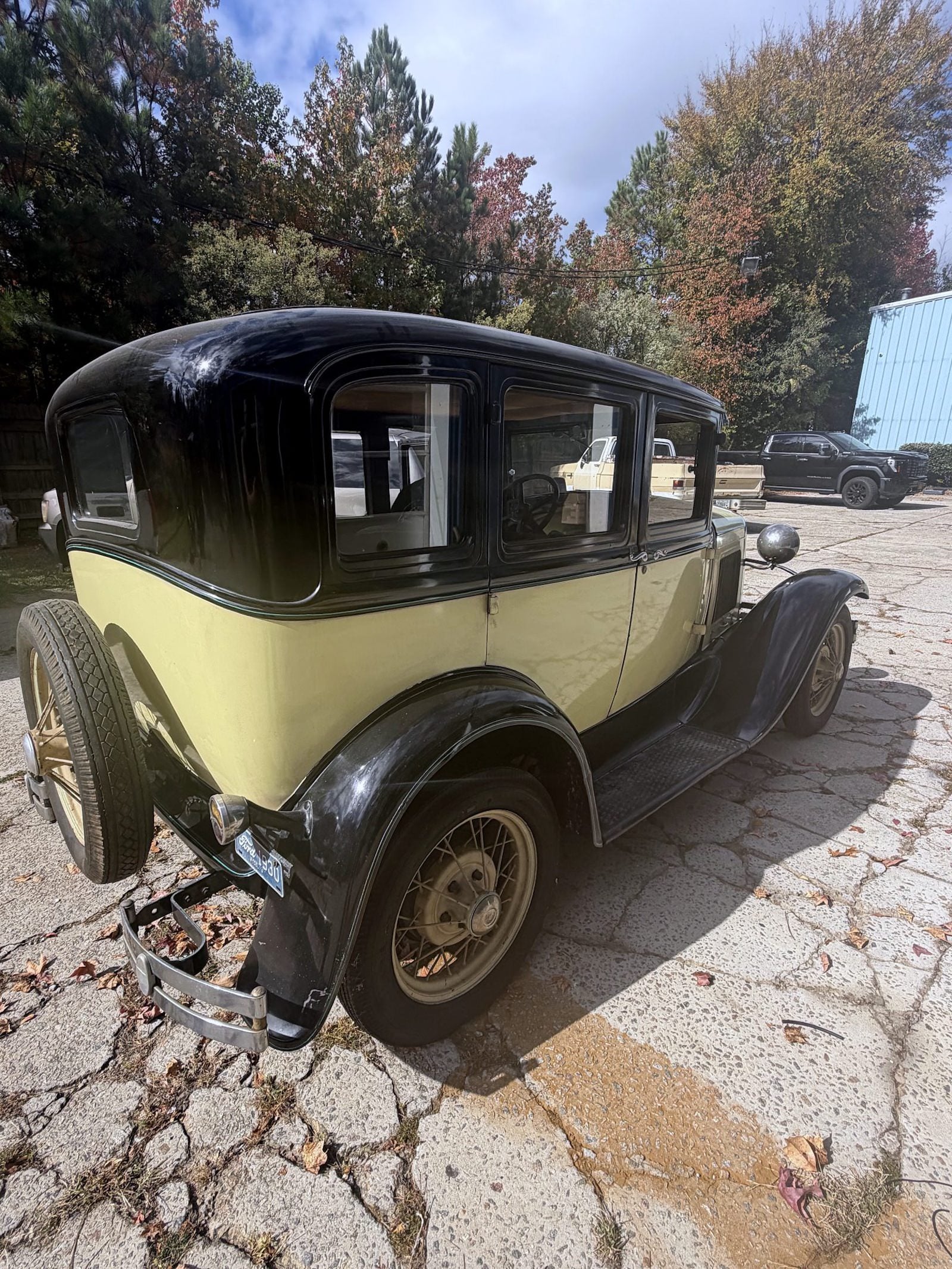
The car still has this license plate, complete with a Richmond County sticker and a 1979 registration tag. A 2014 bill of sale documents its transfer from the 1977 auction purchaser to a subsequent owner, identifying the vehicle by serial number A3906725. The current seller bought the Ford in 2025.
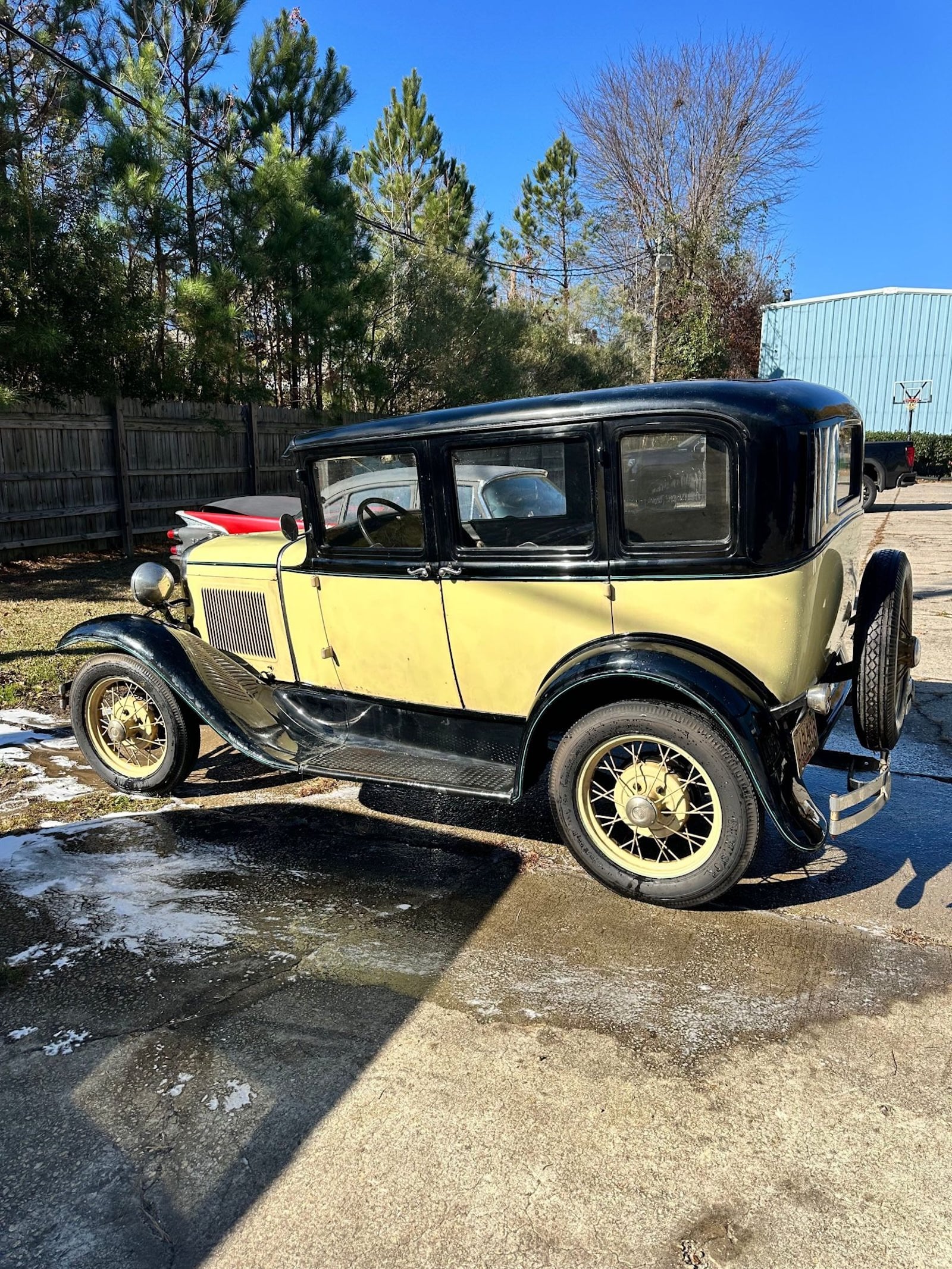
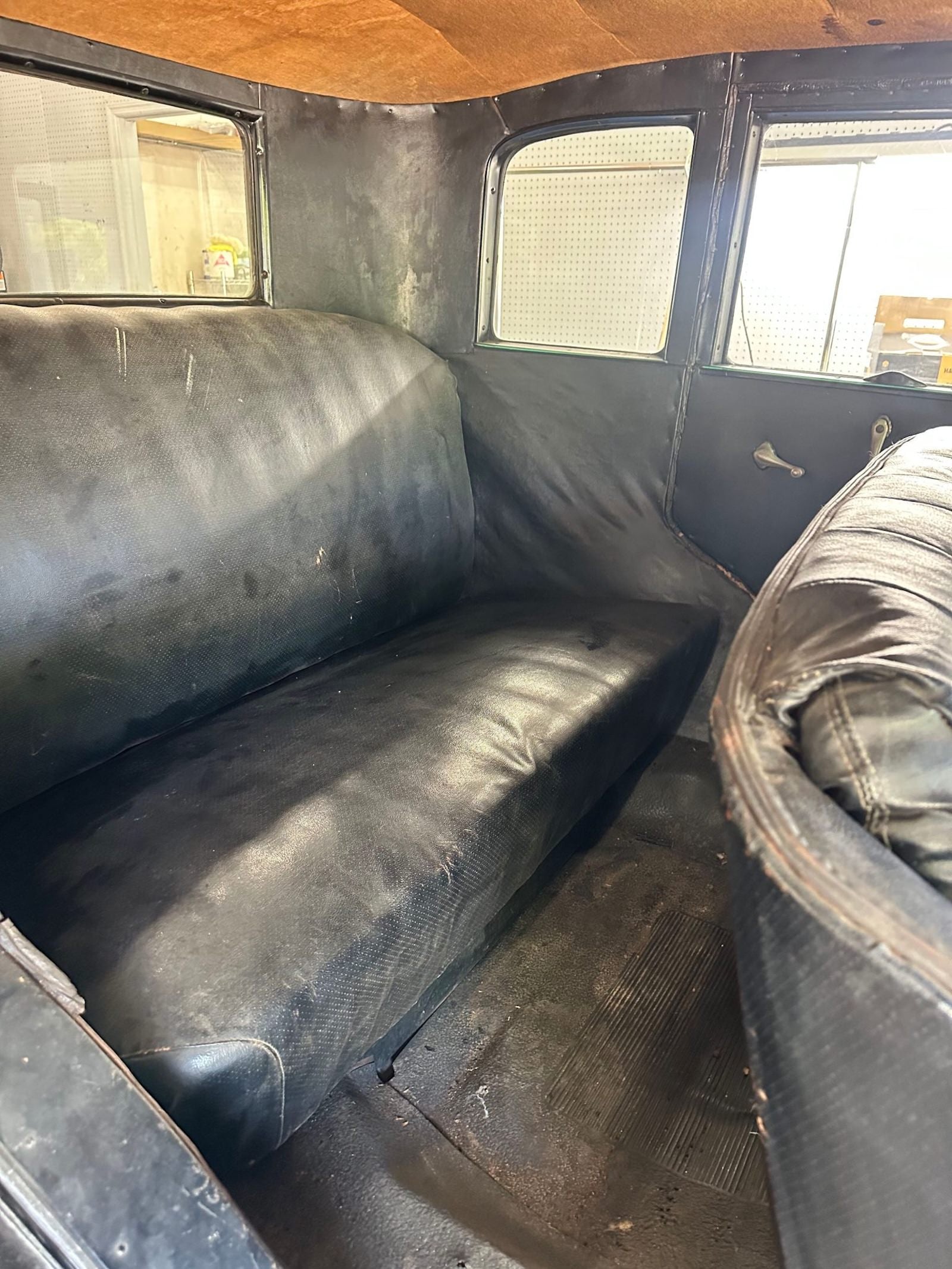
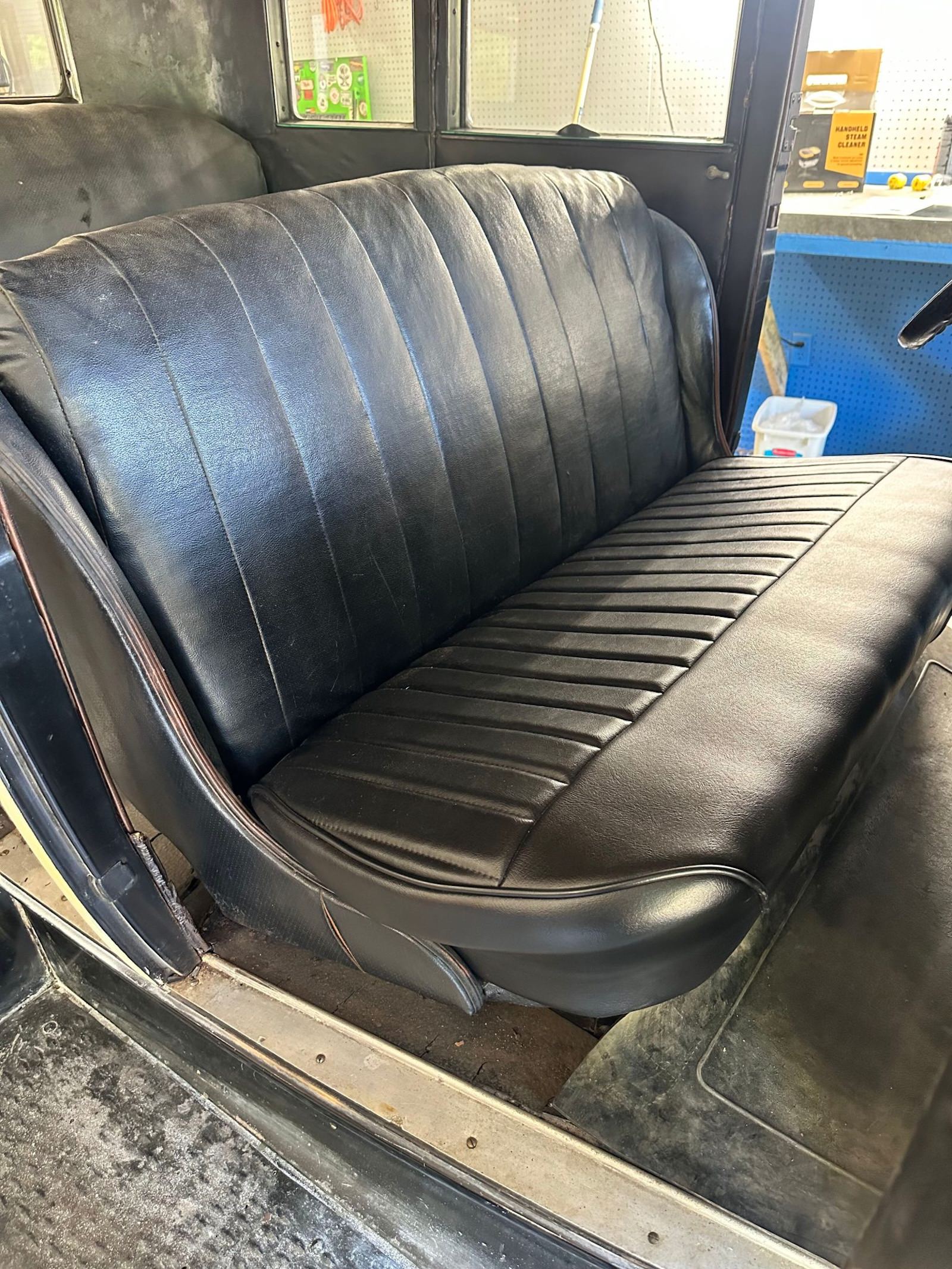
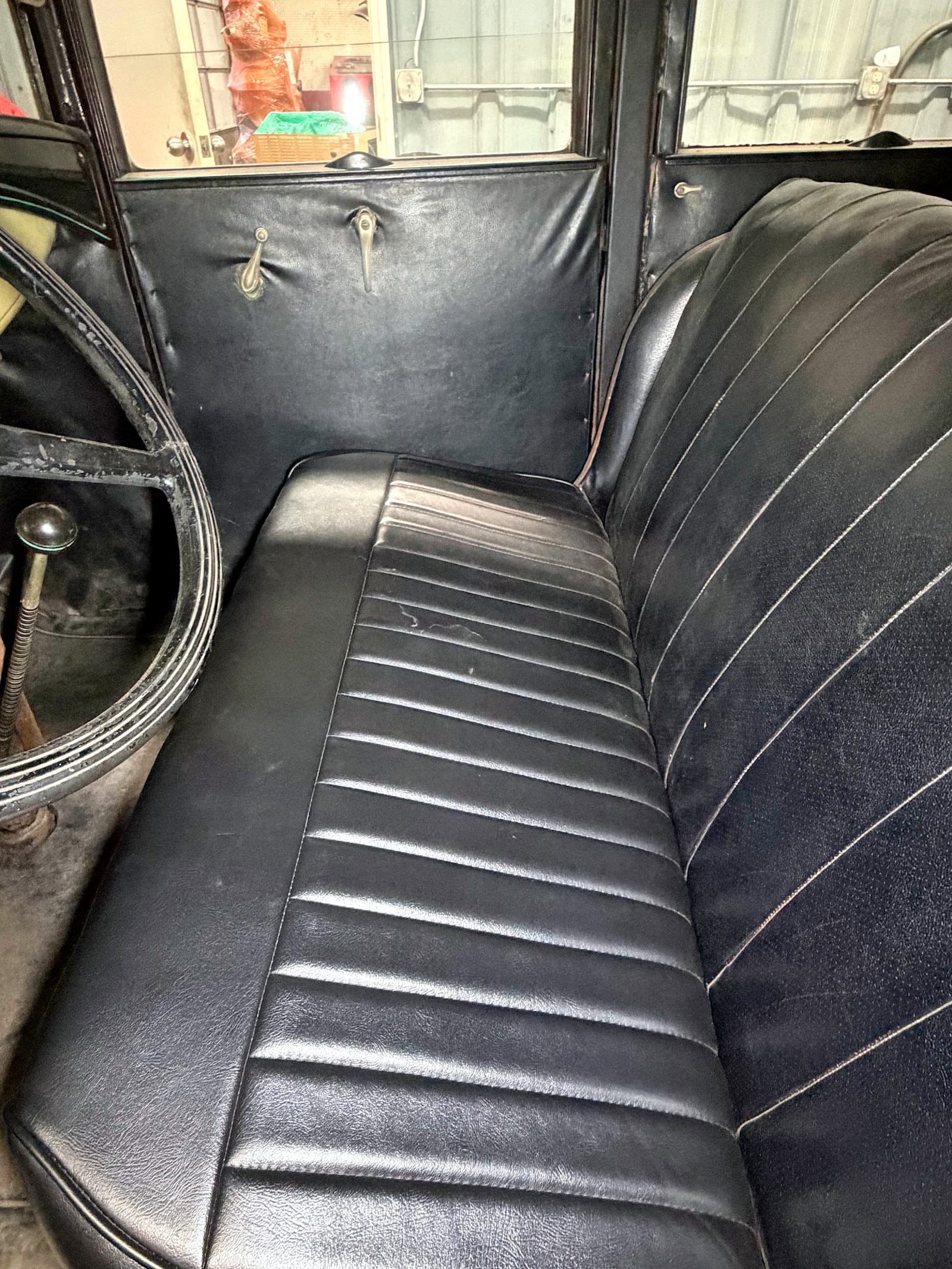
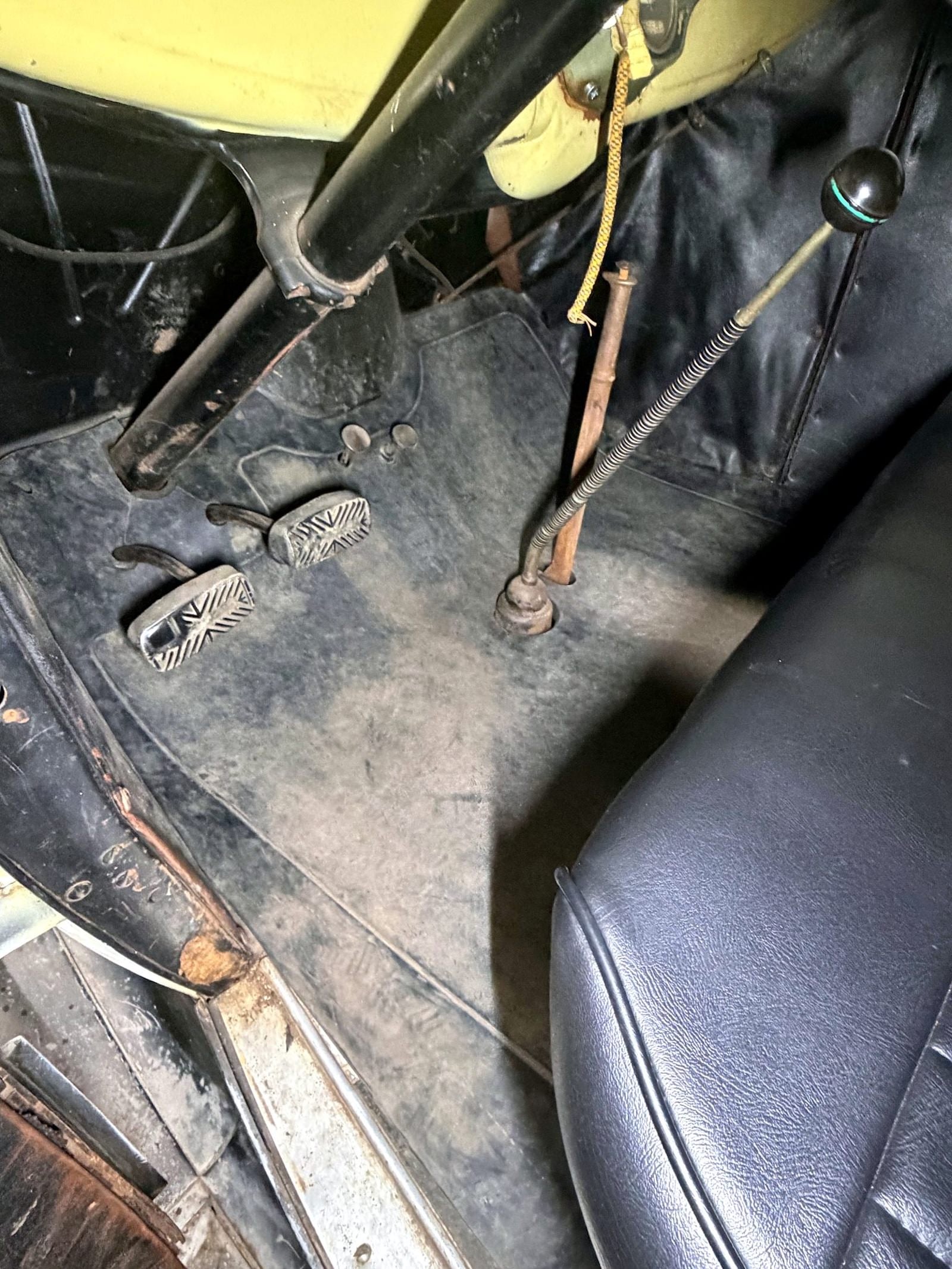
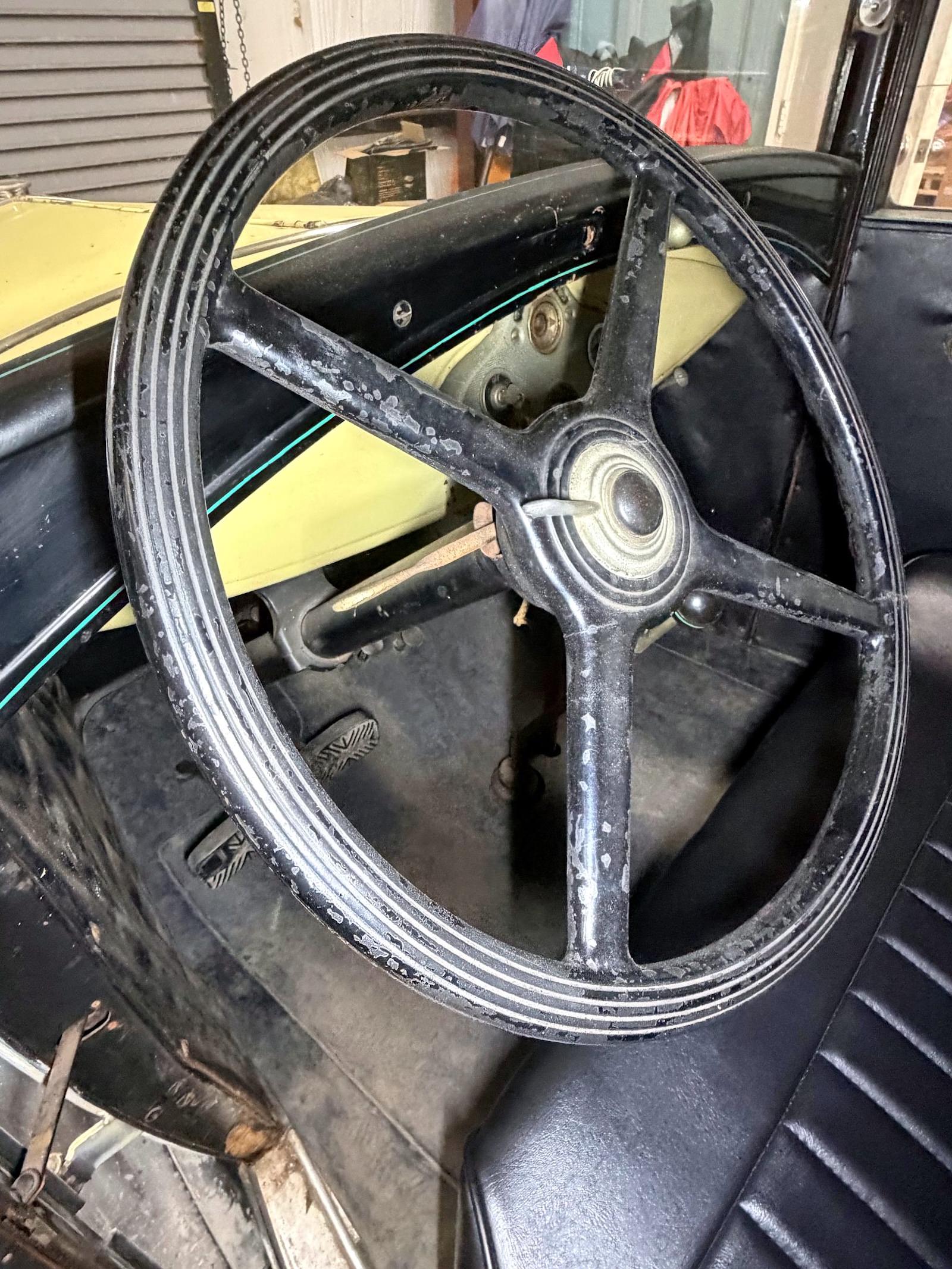
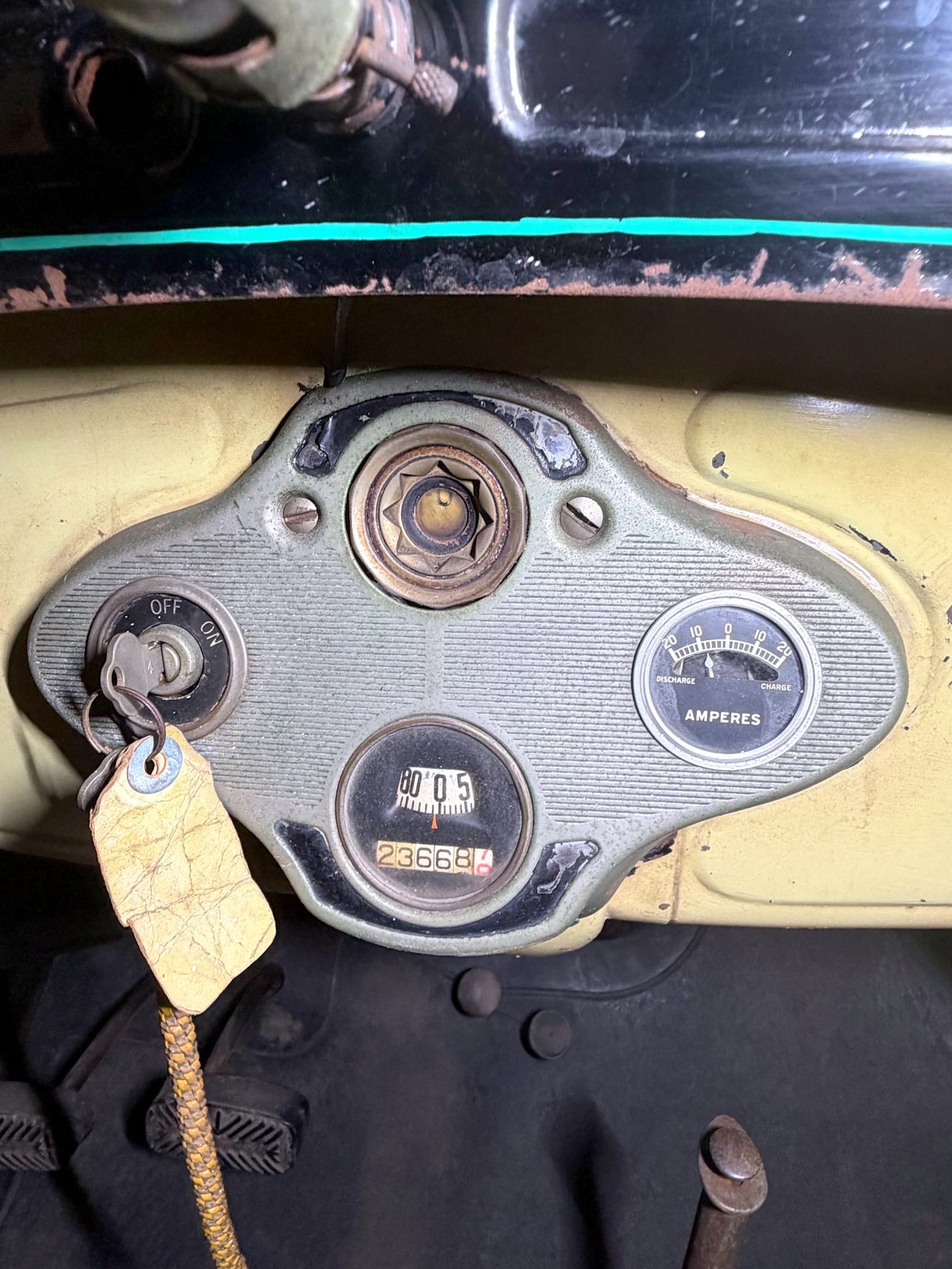
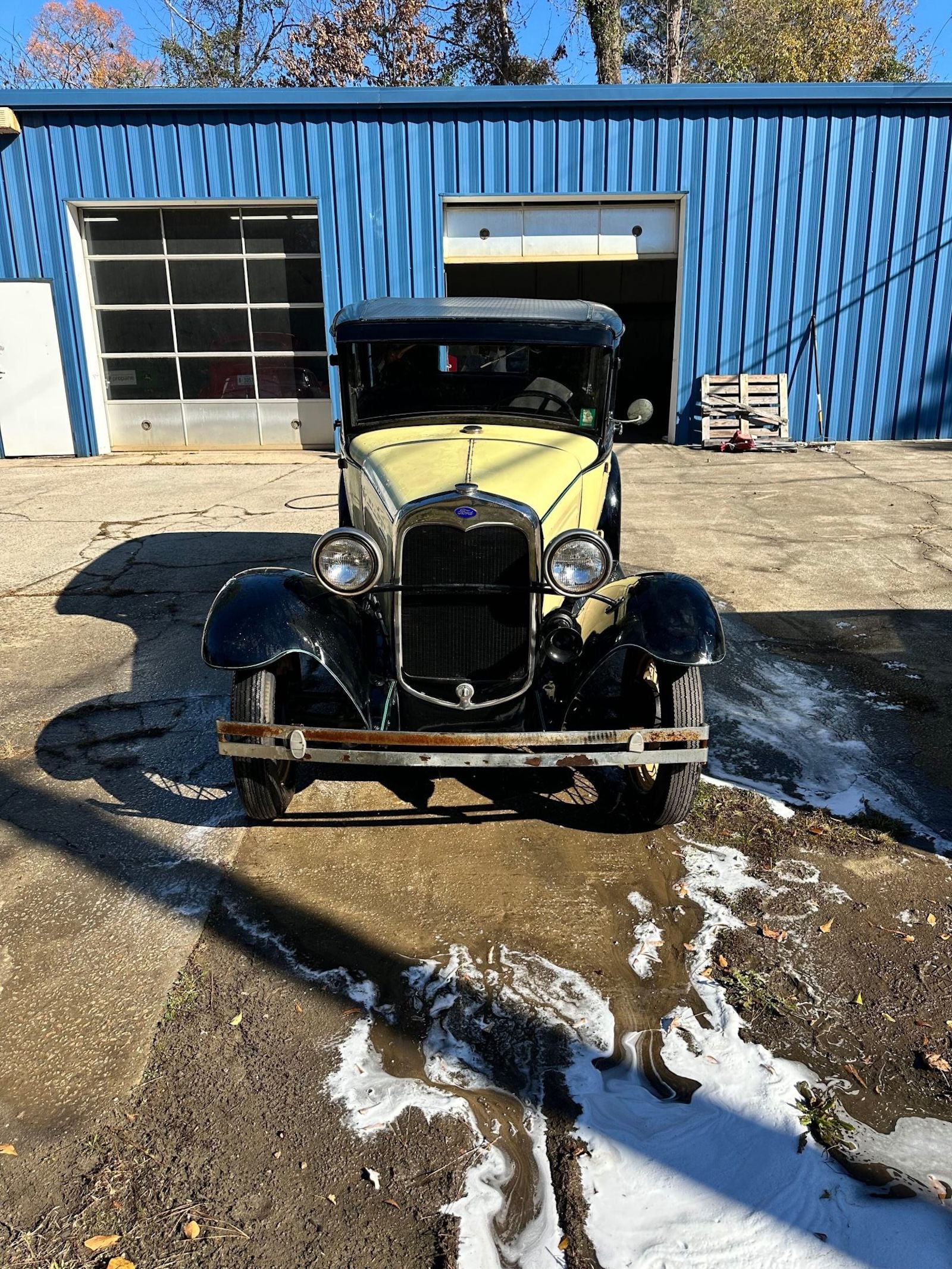
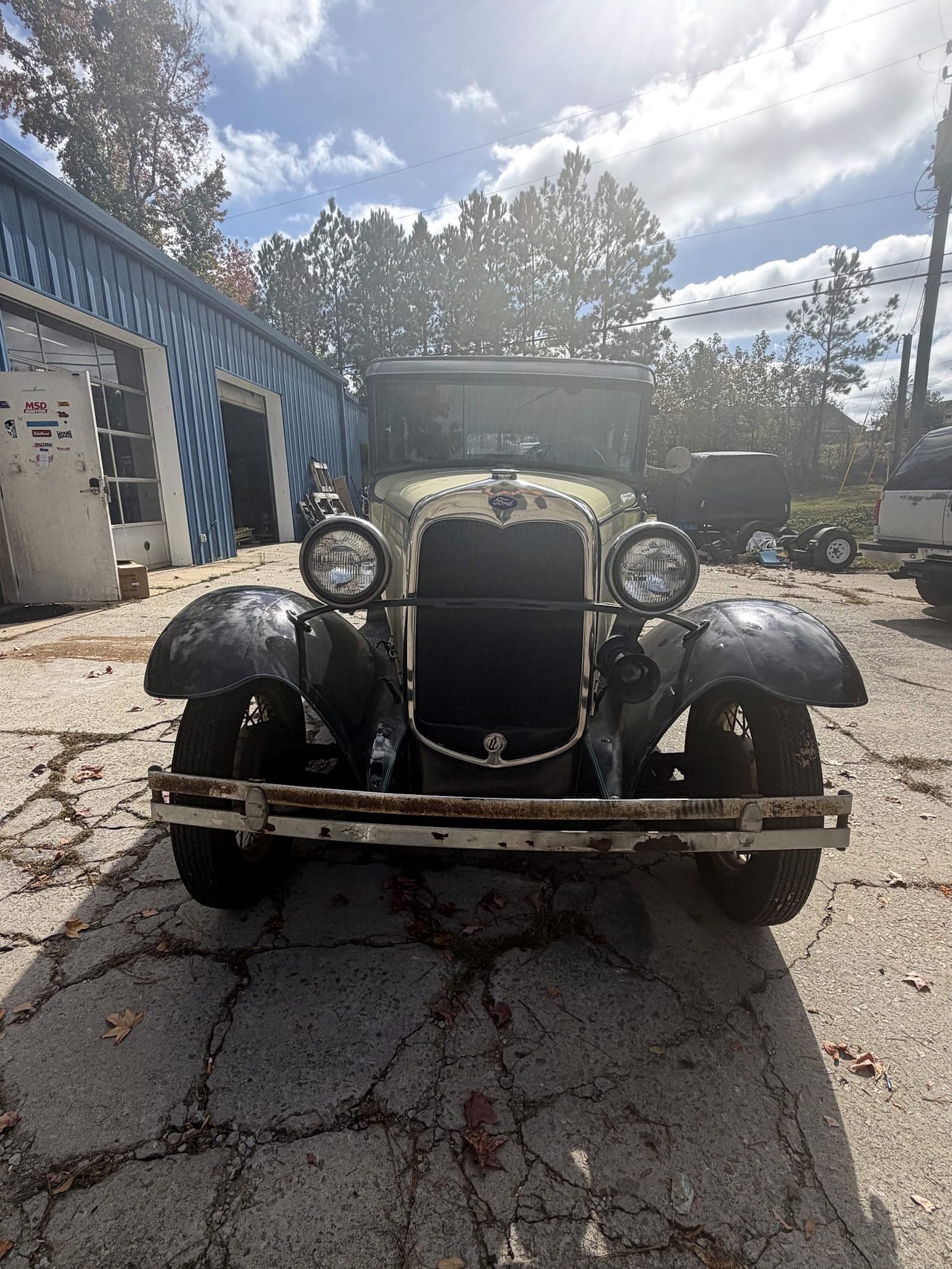
The car is finished in yellow with black fenders and upper bodywork, complemented by green pinstriping and yellow wire wheels. Inside, it has two rows of bench seating upholstered in black leatherette, a four-spoke steering wheel, and the original-style instrumentation. There is visible corrosion on the front bumper and other cosmetic imperfections around the body. The odometer displays ~24,000 miles, although the actual mileage is unknown.
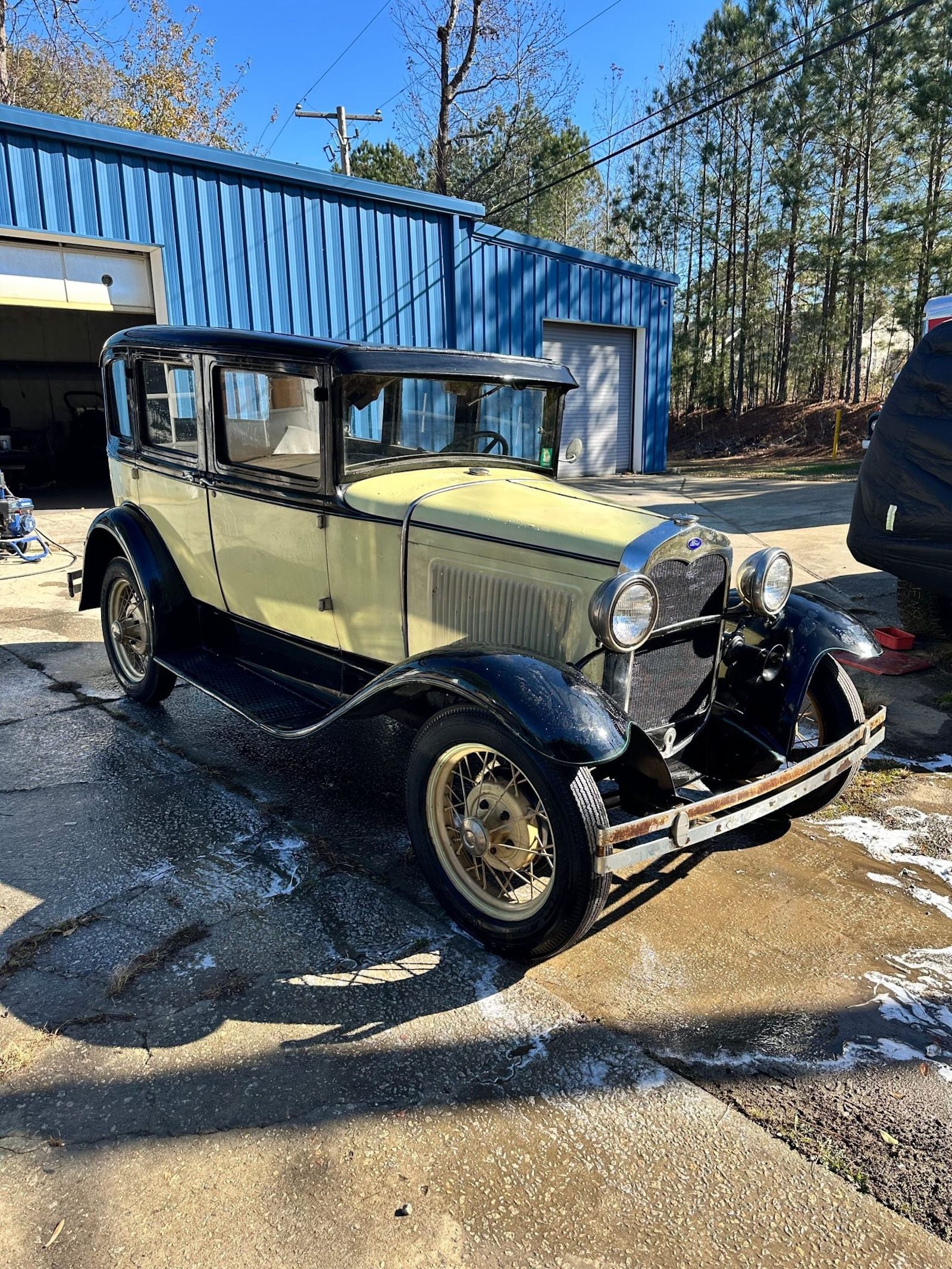
This 1930 Ford Model A Fordor Sedan originally belonged to James Brown, the Godfather of Soul, but in 1977 it was seized by the Richmond County Sheriff’s Office in Georgia due to unpaid bills at a Texaco gas station and garage.
Power comes from a 201 cubic inch (3.3 liter) L-head inline-four, originally rated at 40 bhp and 128 lb ft of torque, driving the rear wheels through a 3-speed manual transmission. The engine number corresponds to September 1930 production and is also used as the car’s title identification number.
The car is now being offered with documentation relating to its 1977 seizure and subsequent ownership transfers, along with a South Carolina title in the seller’s name. If you’d like to read more about it or register to bid, you can visit the listing here.
Images courtesy of Bring a Trailer + the Ford Motor Company

Articles that Ben Branch has written have been covered on CNN, Popular Mechanics, Smithsonian Magazine, Road & Track Magazine, the official Pinterest blog, the official eBay Motors blog, BuzzFeed, Autoweek Magazine, Wired Magazine, Autoblog, Gear Patrol, Jalopnik, The Verge, and many more.
Silodrome was founded by Ben back in 2010, in the years since the site has grown to become a world leader in the alternative and vintage motoring sector, with well over a million monthly readers from around the world and many hundreds of thousands of followers on social media.