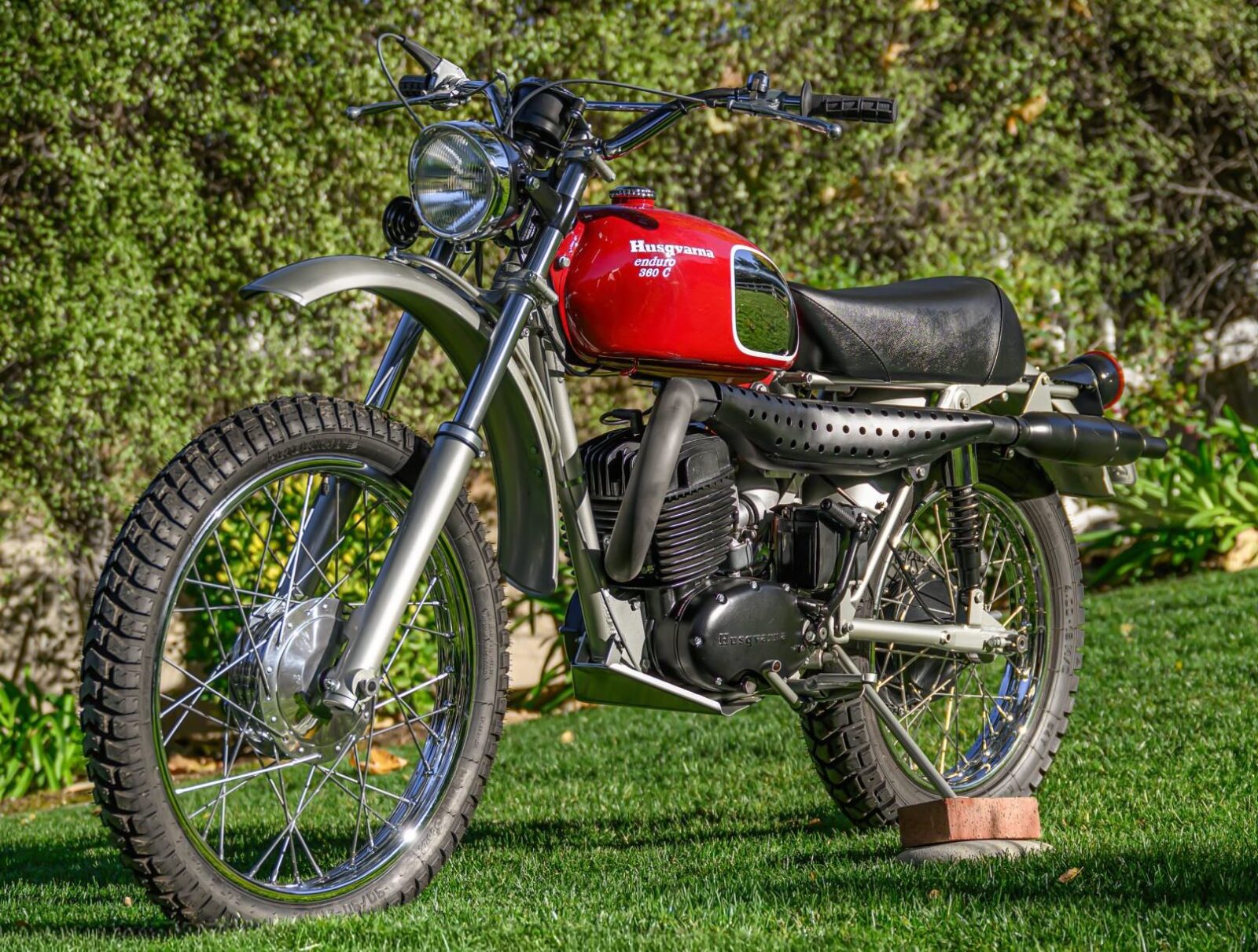
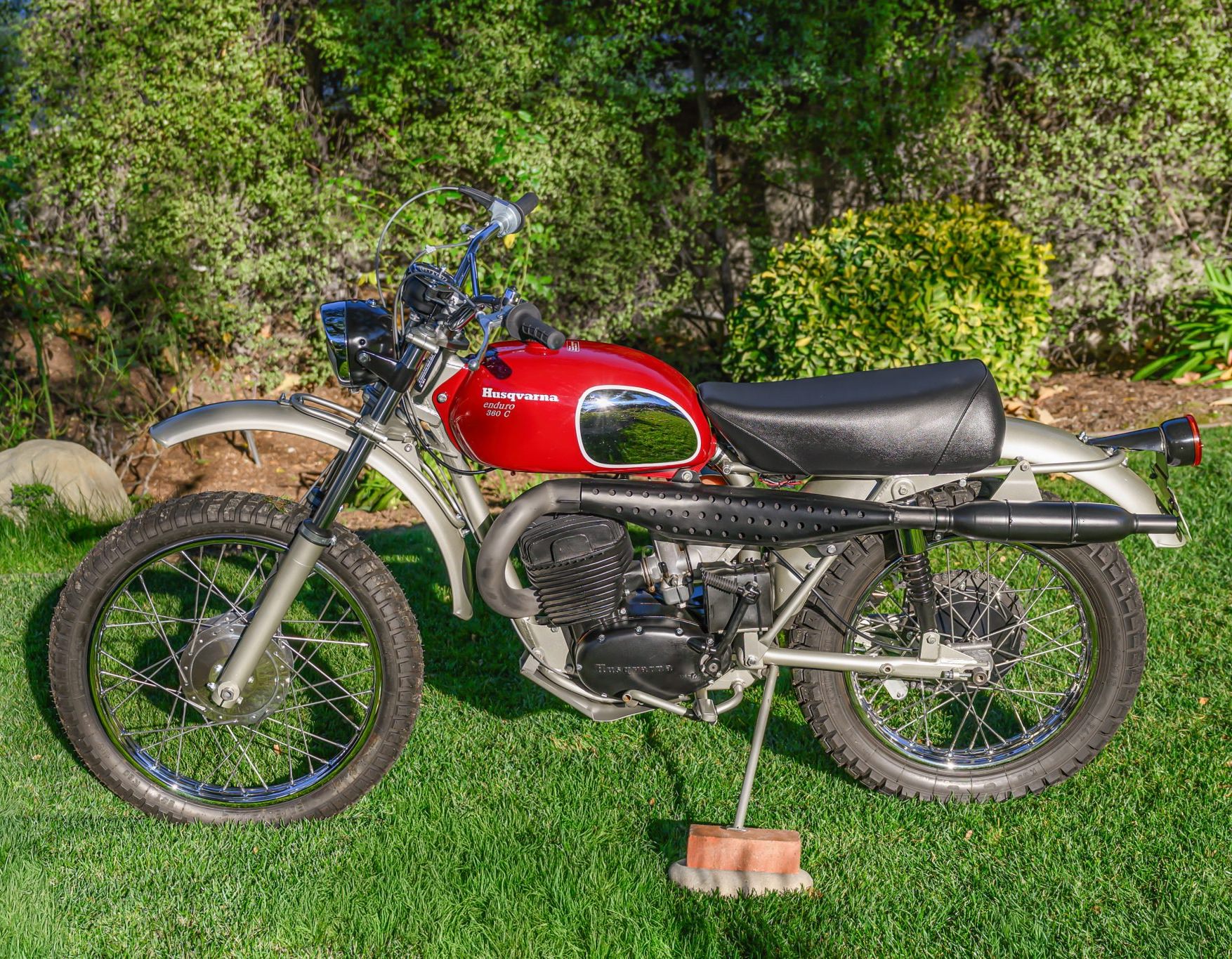
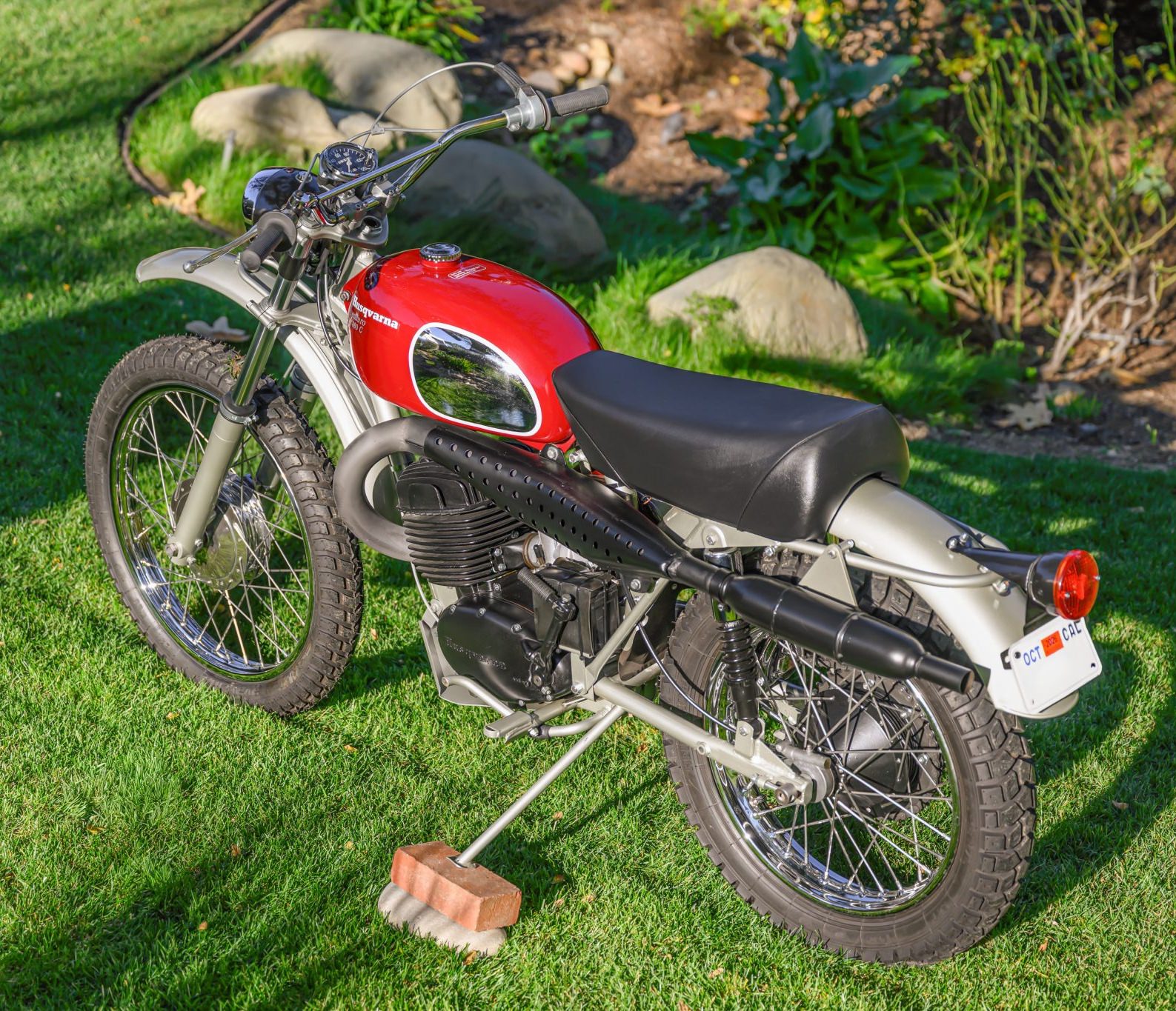
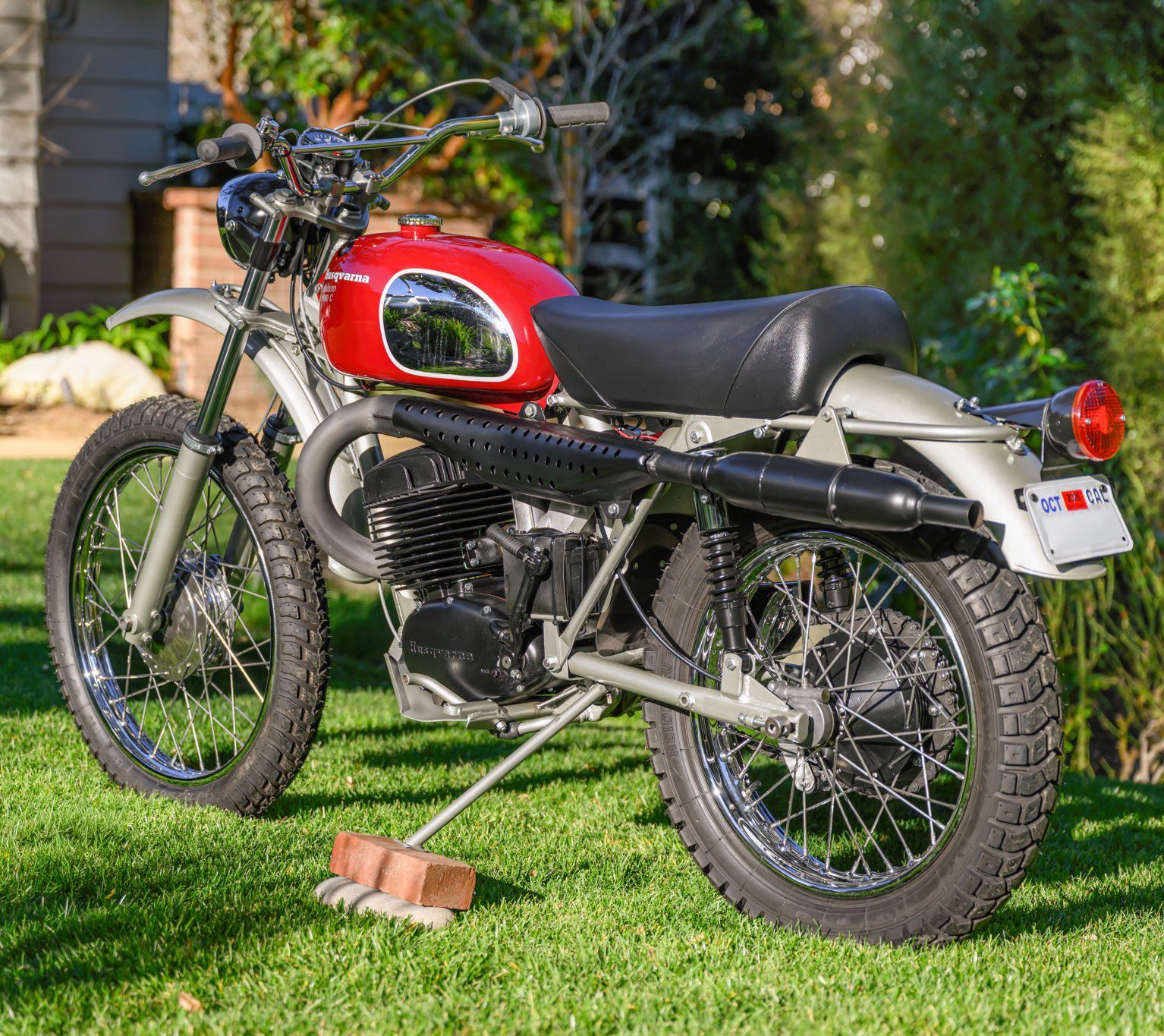
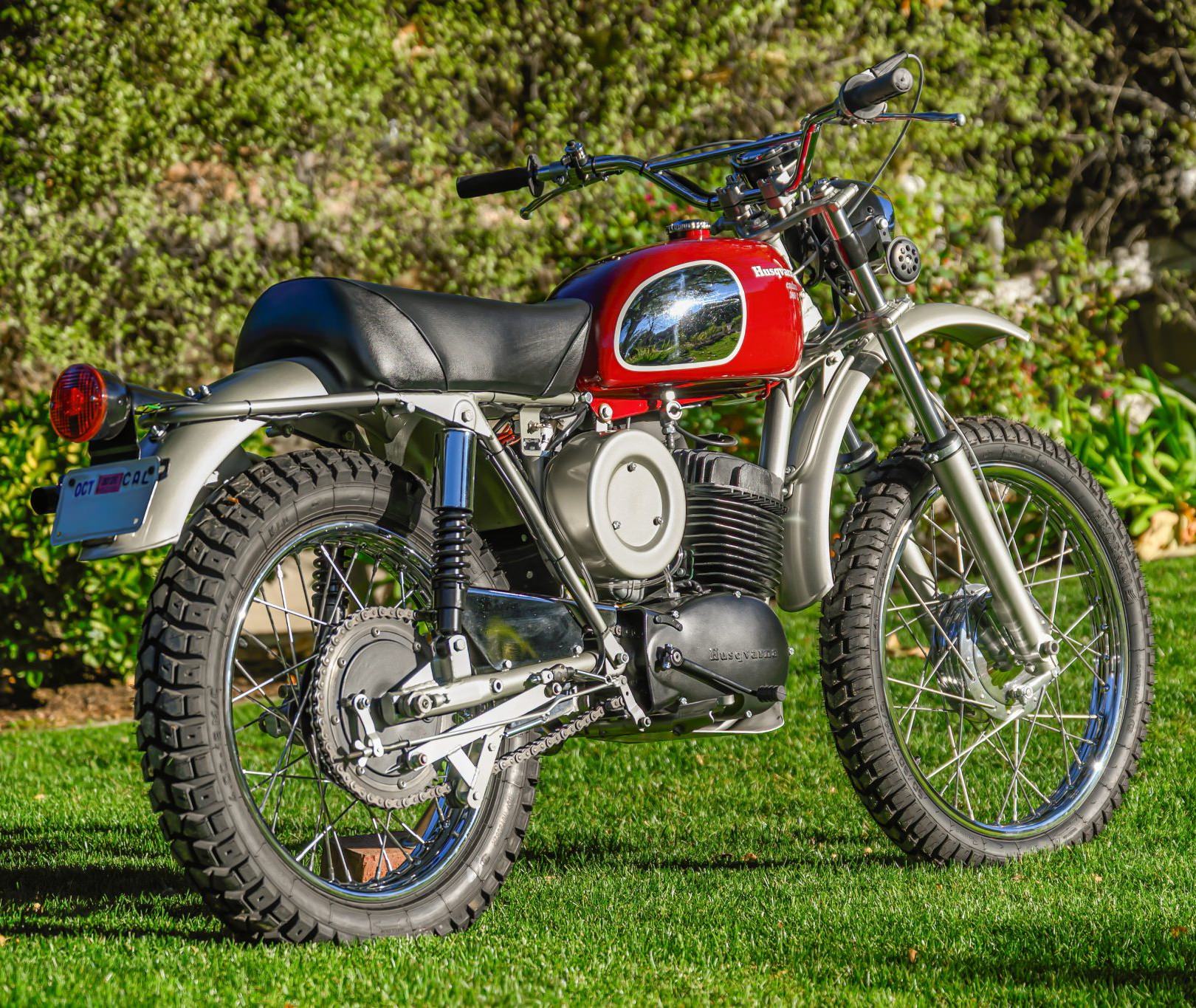
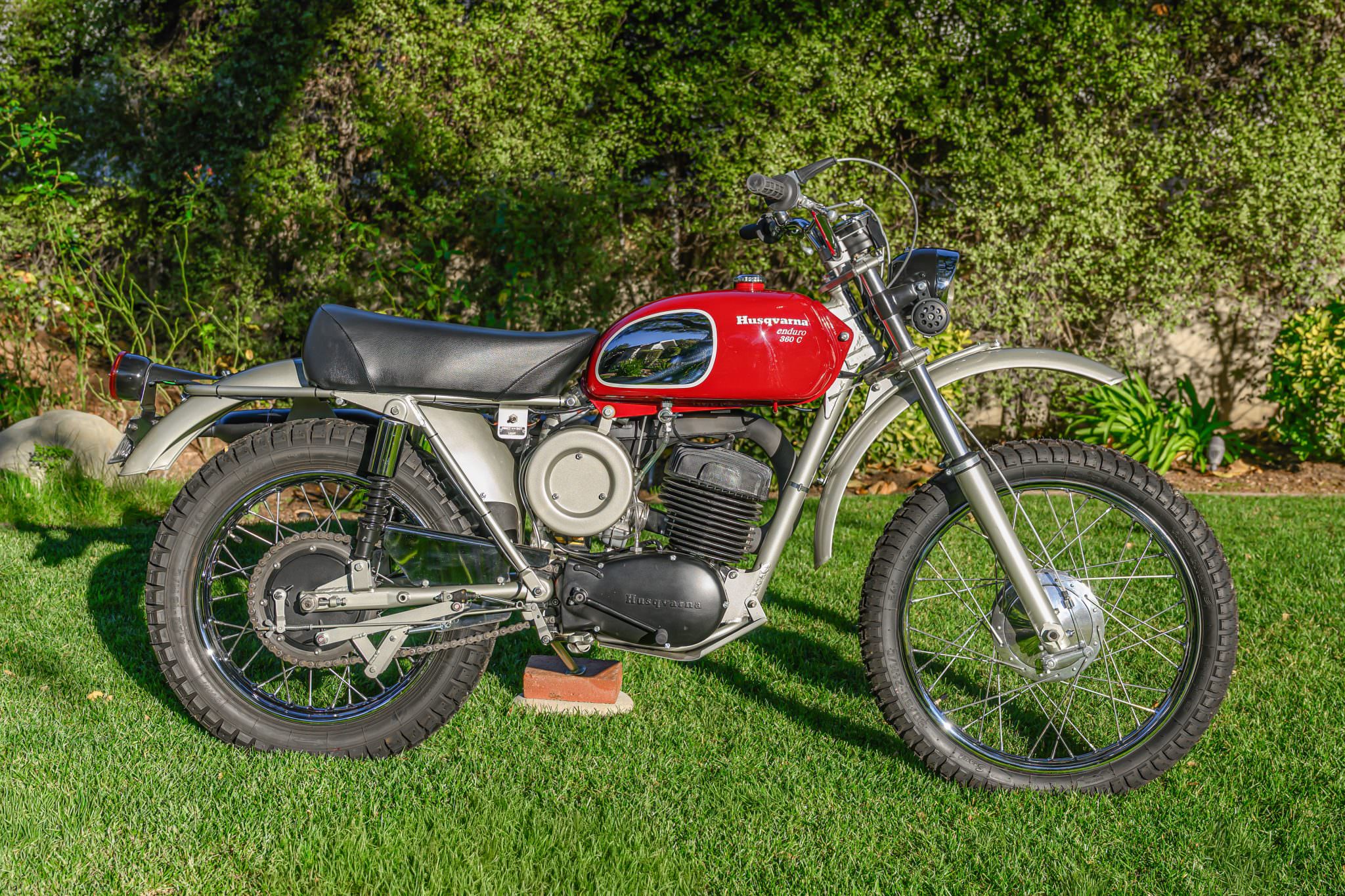
This is the 1972 Husqvarna 360C Enduro that was bought new by legendary American journalist, author, countercultural figure, and motorcycle enthusiast Hunter S. Thompson.
The late 1960s and early 1970s were a golden age for Husqvarna and their two-stroke motorcycles, riders like Bengt Åberg rode them to multiple World Championship wins and countless race victories. They were also beloved by riders like Steve McQueen and Bud Ekins.
Fast Facts: The Husqvarna 360C Enduro
- This 1972 Husqvarna 360C Enduro was purchased new by Hunter S. Thompson and comes with clear documentation linking it to the original sale. It represents Husqvarna’s peak two-stroke era, when the brand dominated off-road racing and earned loyalty from influential riders and cultural figures across the United States and around the world.
- Hunter S. Thompson was a pioneering American journalist who created gonzo journalism, blending reporting with personal experience and satire. His major works include “Hell’s Angels” and “Fear and Loathing in Las Vegas,” and his writing for Rolling Stone shaped political and cultural commentary in the late twentieth century.
- The Husqvarna Sportsman 360C Enduro entered the US market in 1969 to meet demand for fast, lightweight off-road machines. It combined a wide-ratio 5-speed gearbox, desert-oriented, long-travel suspension, road-legal equipment, and a 4.2 gallon tank, offering near-competition levels of performance with practical endurance capability.
- This example was refurbished in 2024 by a Husqvarna specialist, with the engine, carburetor, transmission, and brakes rebuilt. It retains its correct enduro parts, documented serial numbers, museum certification, and period finishes, making it a well-preserved and historically significant machine now offered for sale in California.
Who Was Hunter S. Thompson?
Hunter S. Thompson was born on July the 18th, 1937, in Louisville, Kentucky. He was a larger-than-life American journalist and author best known for creating “gonzo journalism,” a style of reporting that places the writer at the center of the narrative and rejects traditional notions of objectivity.
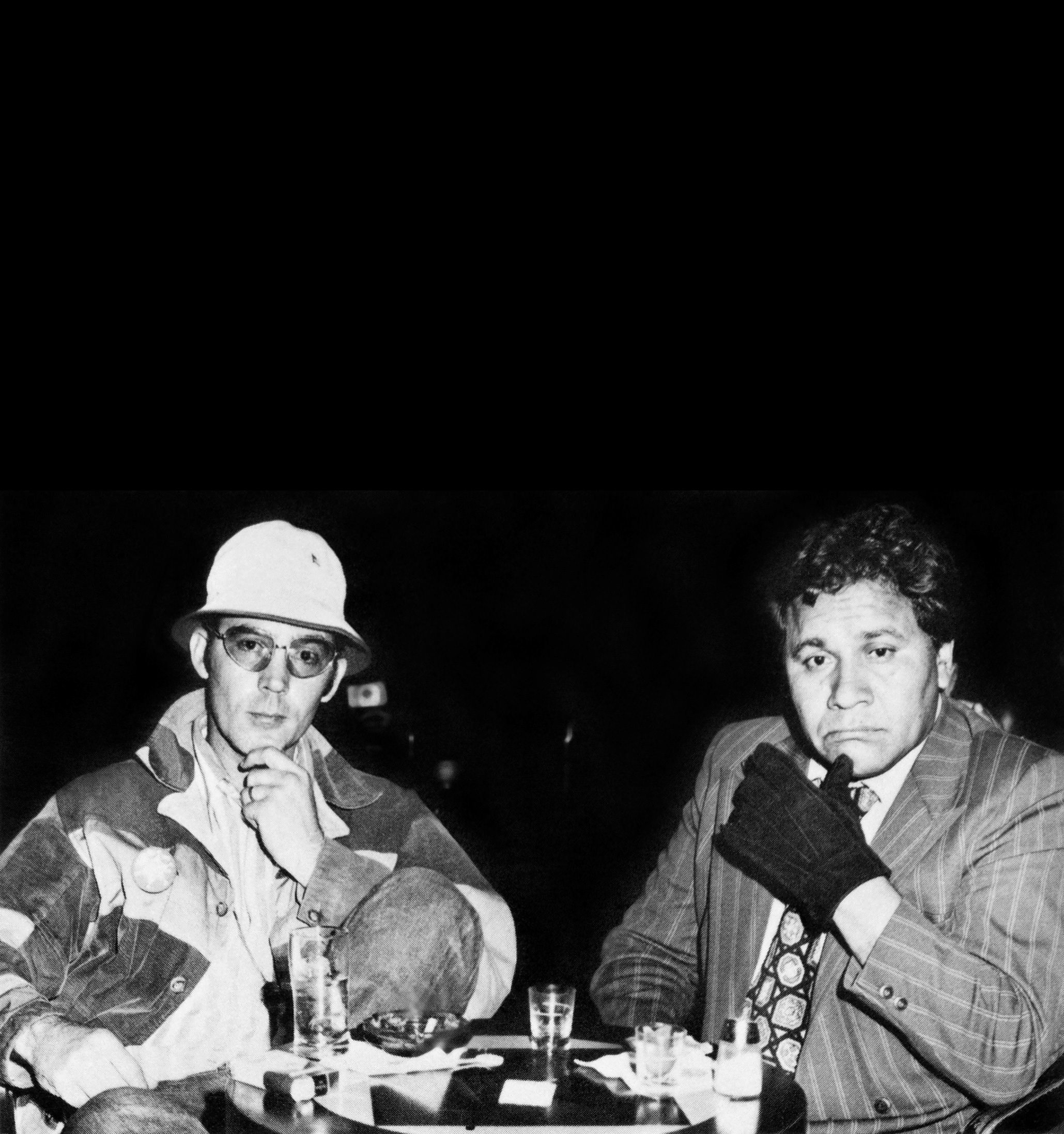
 Hunter S. Thompson’s (left) 1971 trip to Las Vegas with Oscar Zeta Acosta (right) served as the basis for his most famous novel, “Fear and Loathing in Las Vegas.” Image courtesy of the Hunter S. Thompson Archives.
After a troubled youth that included a jail sentence of 60 days (of which he served 31), Thompson enlisted in the United States Air Force in 1956, where he worked as a sports editor at an on-base newspaper. Following his honorable discharge in 1957, he pursued freelance writing while taking courses at Columbia University’s School of General Studies in New York.
Thompson’s breakthrough came with the book Hell’s Angels: The Strange and Terrible Saga of the Outlaw Motorcycle Gangs, published in 1967. The book was a work of immersive nonfiction based on more than a year spent living among members of the Hells Angels motorcycle club, and it established his reputation as a fearless, and wildly unconventional reporter willing to place himself in perilous situations.
His most famous book, Fear and Loathing in Las Vegas: A Savage Journey to the Heart of the American Dream released in 1971, originally appeared in Rolling Stone and blended reporting, autobiographical elements, and satire. The book became a defining statement of gonzo journalism and was later adapted into a feature film starring Johnny Depp and Benicio del Toro.
Throughout his career, Thompson wrote extensively for Rolling Stone, covering subjects ranging from presidential politics to sports and cultural change. His political reporting, particularly during the 1972 presidential campaign, was sharply critical and deeply skeptical of American power and institutions.
Known for his outspoken views, fascination with firearms, motorcycles, illicit substances, and his embrace of counterculture excess, Thompson became a larger-than-life figure in American popular culture.
He died on February the 20th, 2005, at his home in Woody Creek, Colorado. Thompson’s influence endures, both for his stylistic influence and for permanently expanding the boundaries of what American literary journalism could be.
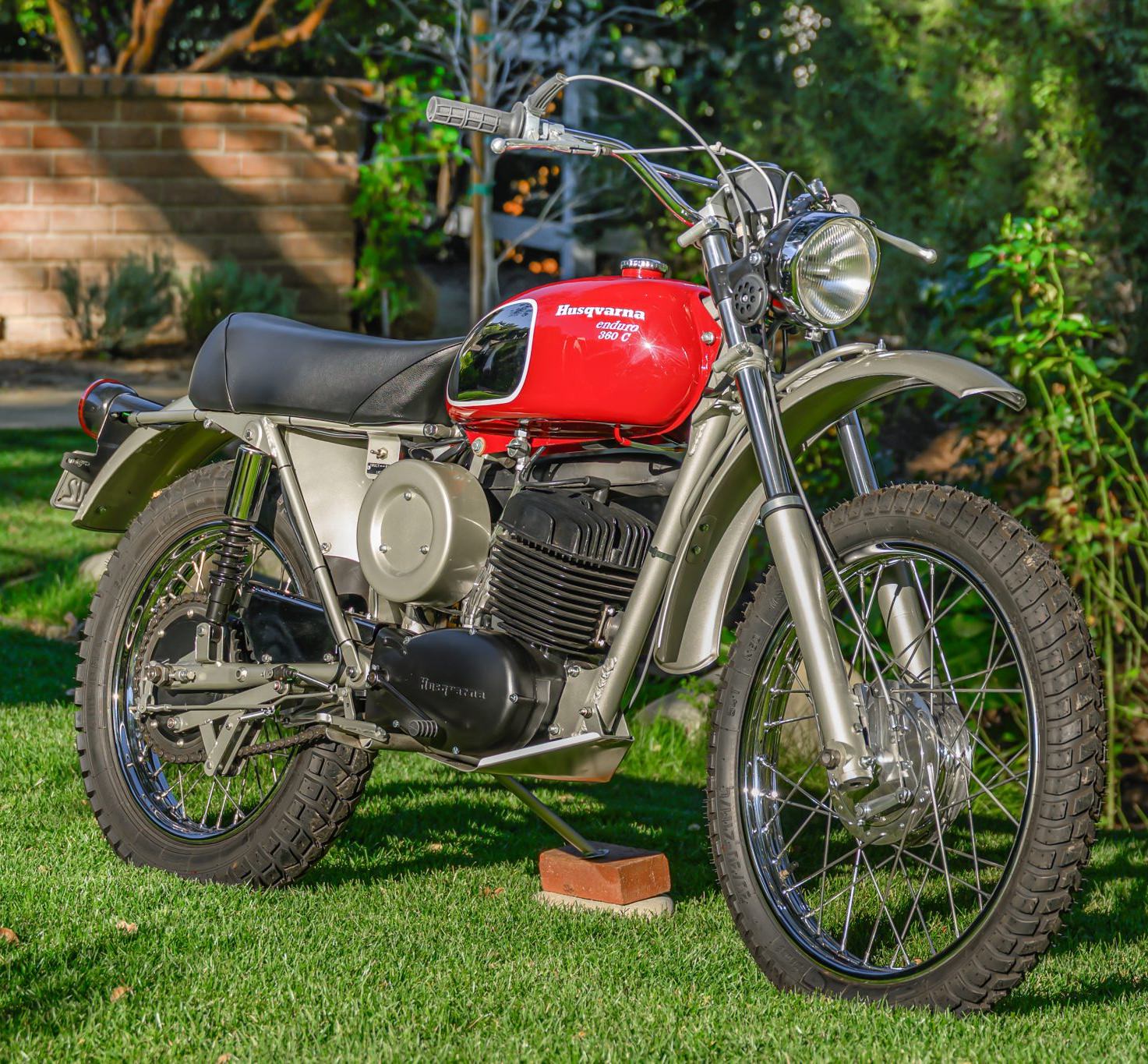
The Husqvarna Sportsman 360C Enduro was released into the US market in 1969 as a direct response to requests from American off-road riders, particularly those in the world of desert racing, long cross-country events, and enduro riders that needed speed, range, and reliability rather than short-course motocross intensity.
History Speedrun: The Husqvarna 360C Enduro
The Husqvarna Sportsman 360C Enduro was released into the US market in 1969 as a targeted response to requests from American off-road riders, particularly those in the world of desert racing, long cross-country events, and enduro riders that needed speed, range, and reliability rather than short-course motocross intensity.
Built at a time when US distributors exerted significant influence over Husqvarna’s product direction, the 360C was conceived as a competition motorcycle fitted with just enough equipment to meet enduro rules as well as still being road-legal.
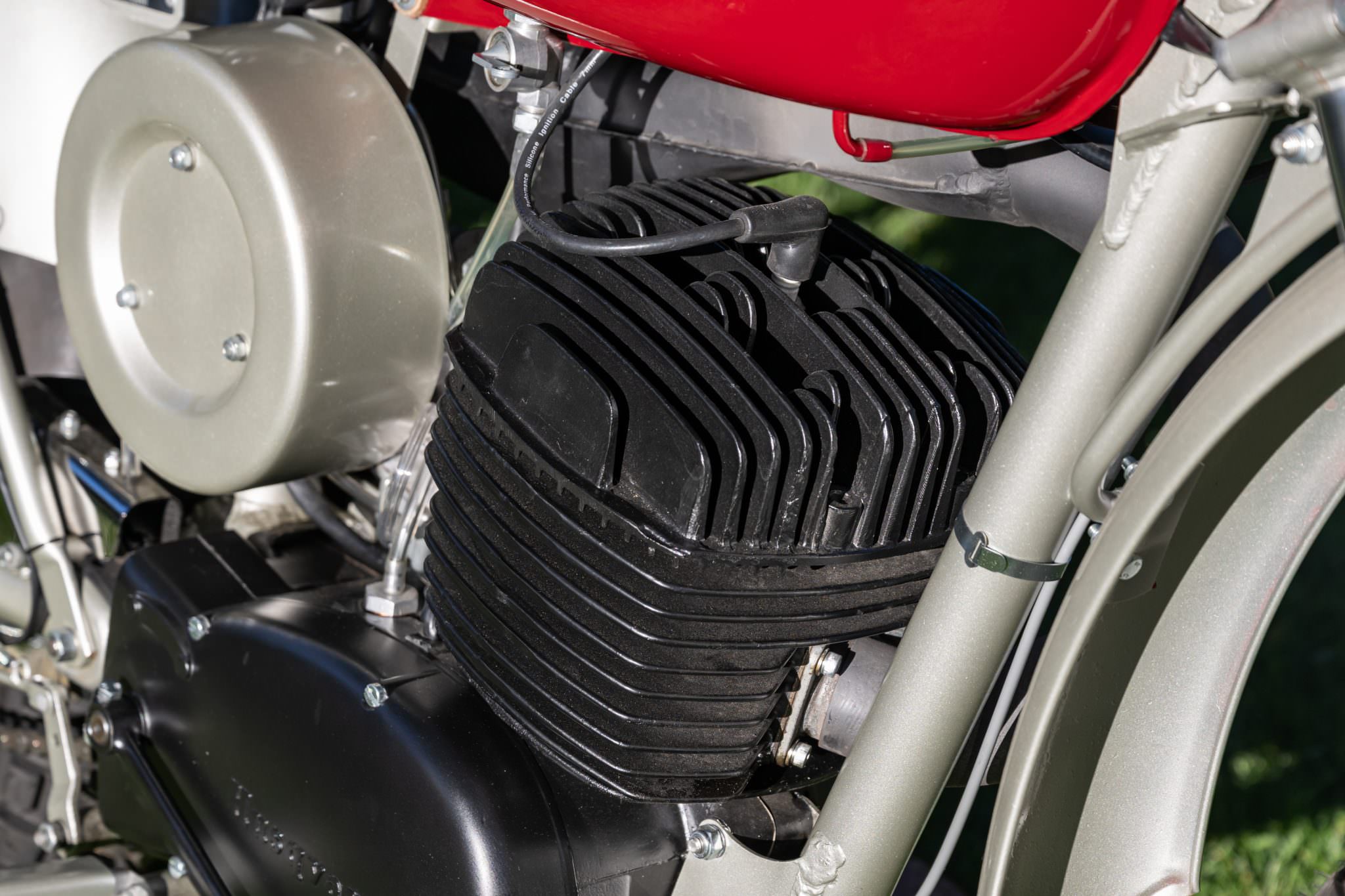
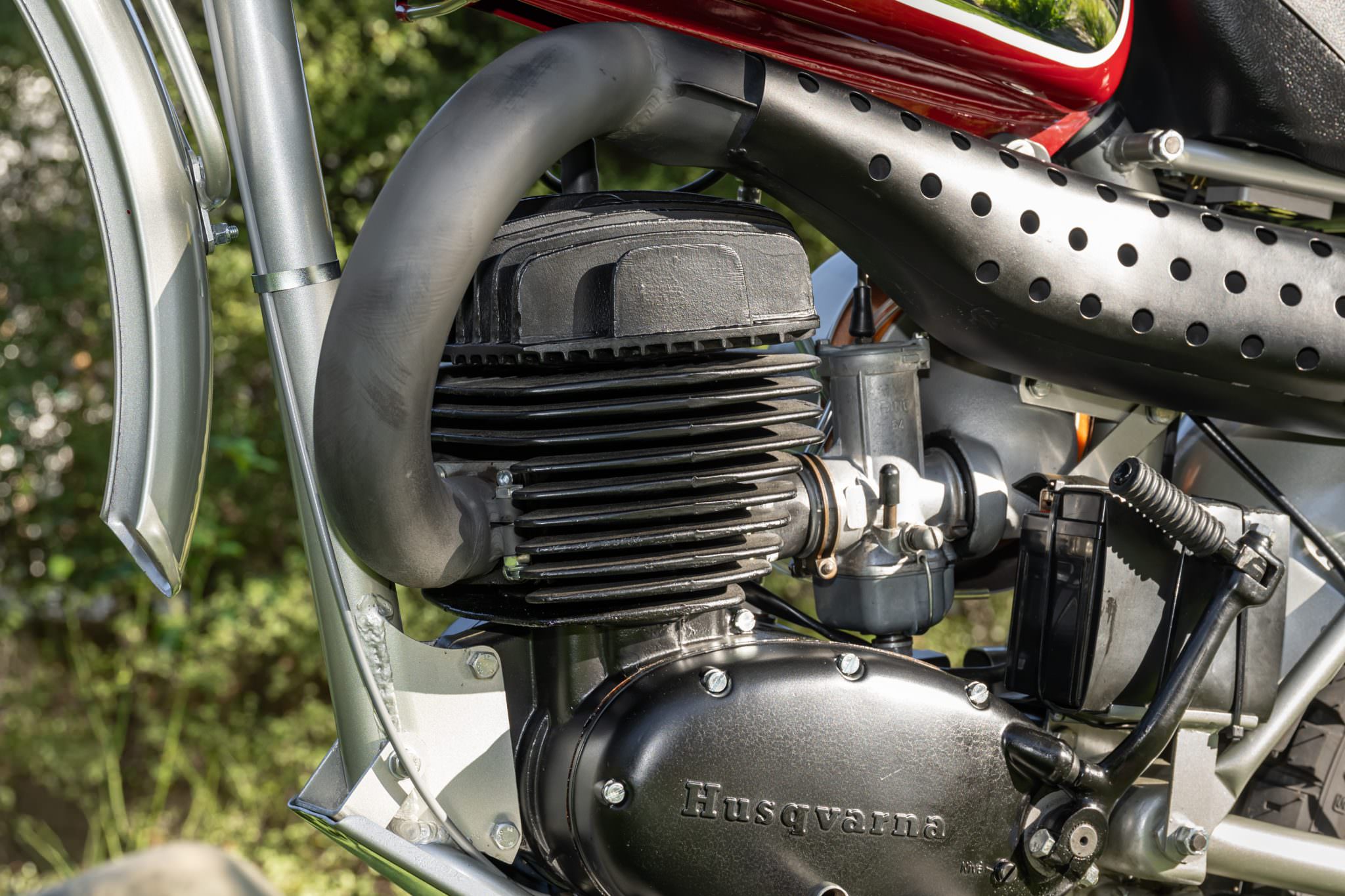
The 360C shared much of its architecture with Husqvarna’s dedicated 360cc motocross machine. The air-cooled two-stroke single displaced 360cc, used an 8.5:1 compression ratio, and employed the same basic cylinder and bottom end architecture.
Where it differed from the race bike was in its tuning and gearing. The gearbox had wider ratios than the motocross model, allowing the bike to pull cleanly at low speeds while still reaching a claimed 90 mph in top gear, a figure confirmed in period testing.
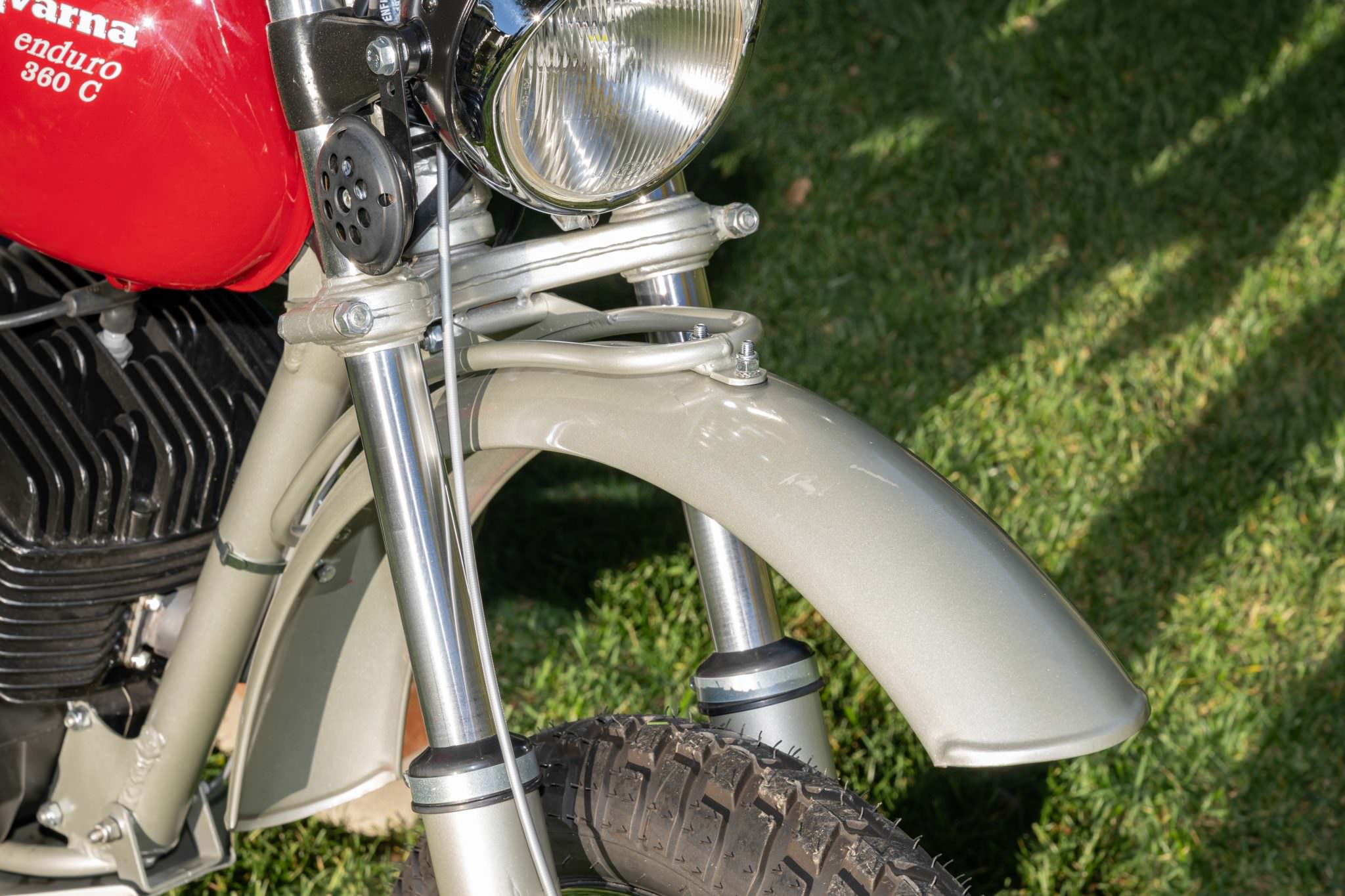
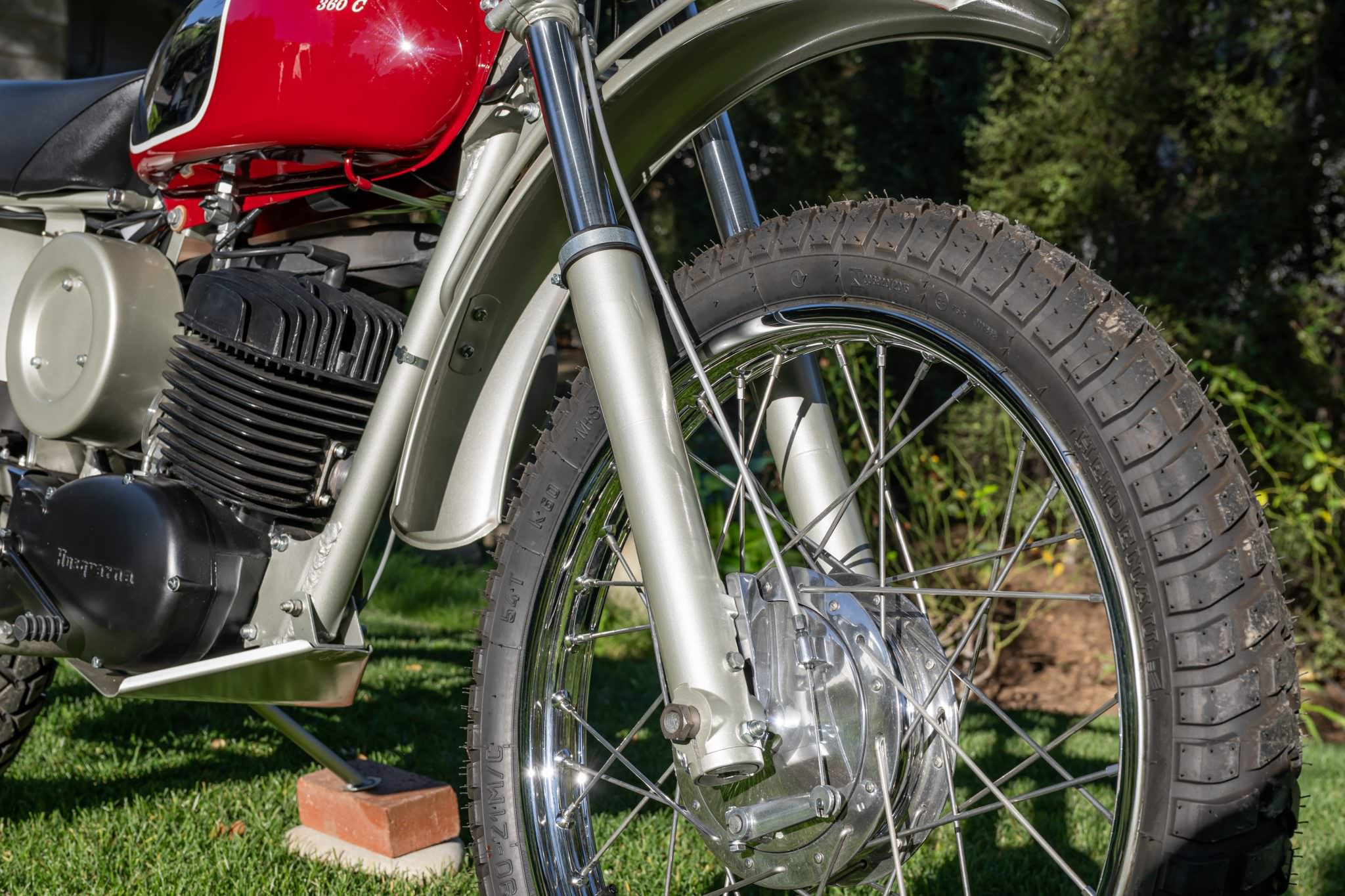
The frame followed Husqvarna’s established steel single-downtube layout, paired with long-travel front forks introduced across the 1969 range. A bash plate was fitted as standard, important for its intended use in desert terrain. The wheelbase measured in at 54.7 inches, slightly longer than previous Husqvarna enduro models, but this contributed to improved high-speed stability.
Fuel capacity was decent at 4.2 gallons, giving the bike meaningful range between fuel stops – important for riding in remote areas.
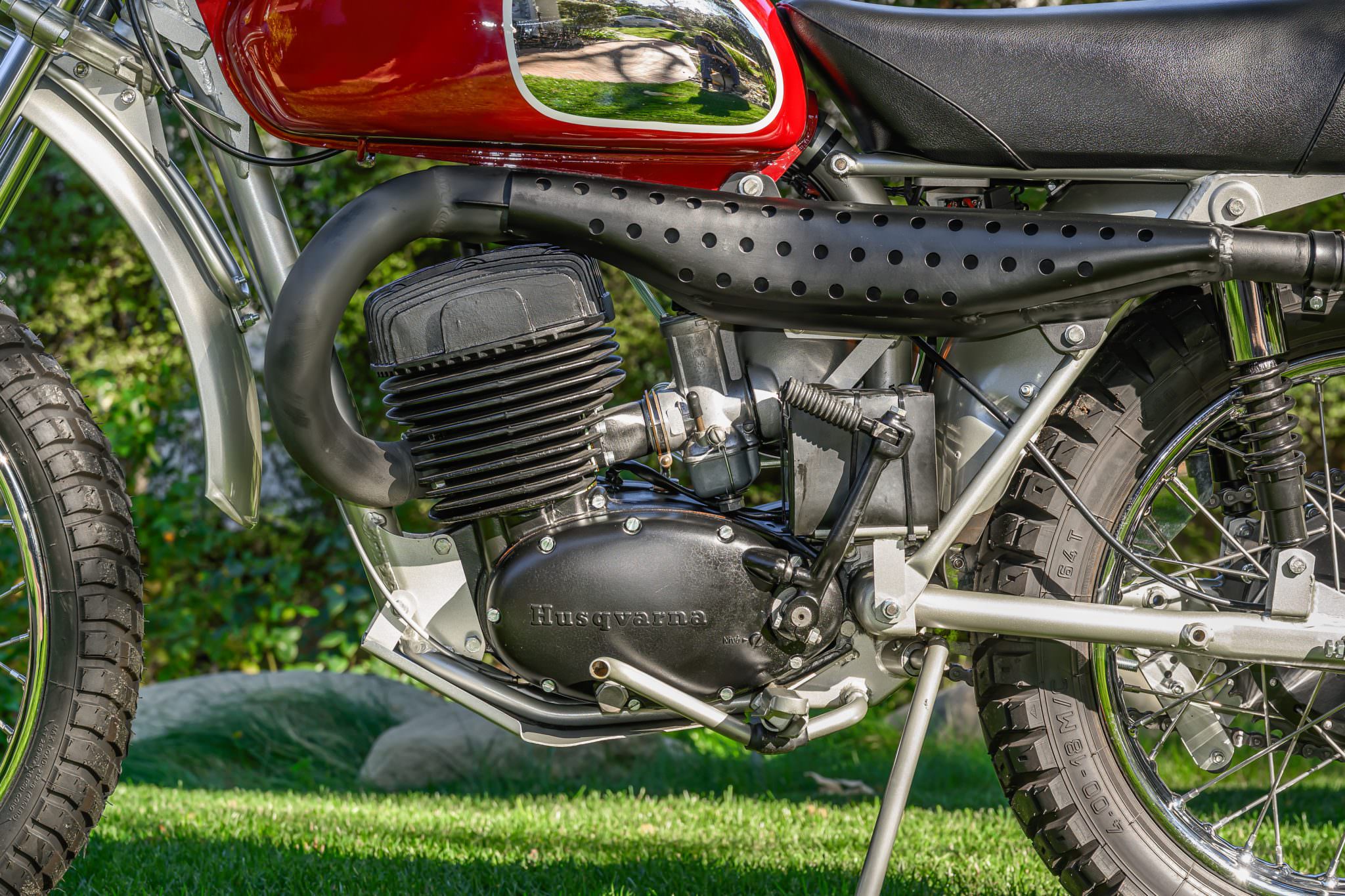
The 360C shared much of its architecture with Husqvarna’s dedicated 360cc motocross machine. The air-cooled two-stroke single displaced 360cc, used an 8.5:1 compression ratio, and employed the same basic cylinder and bottom end architecture.
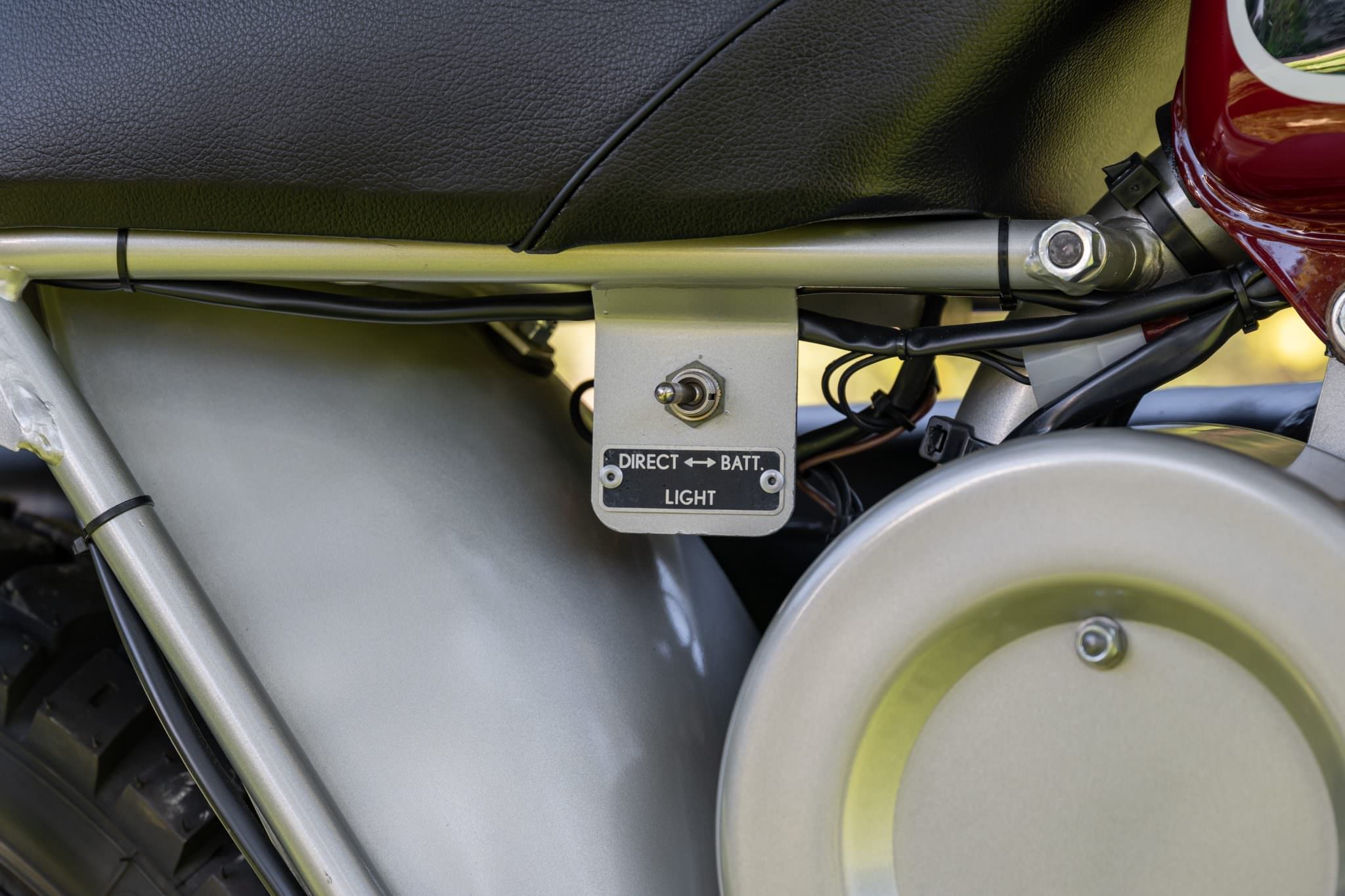
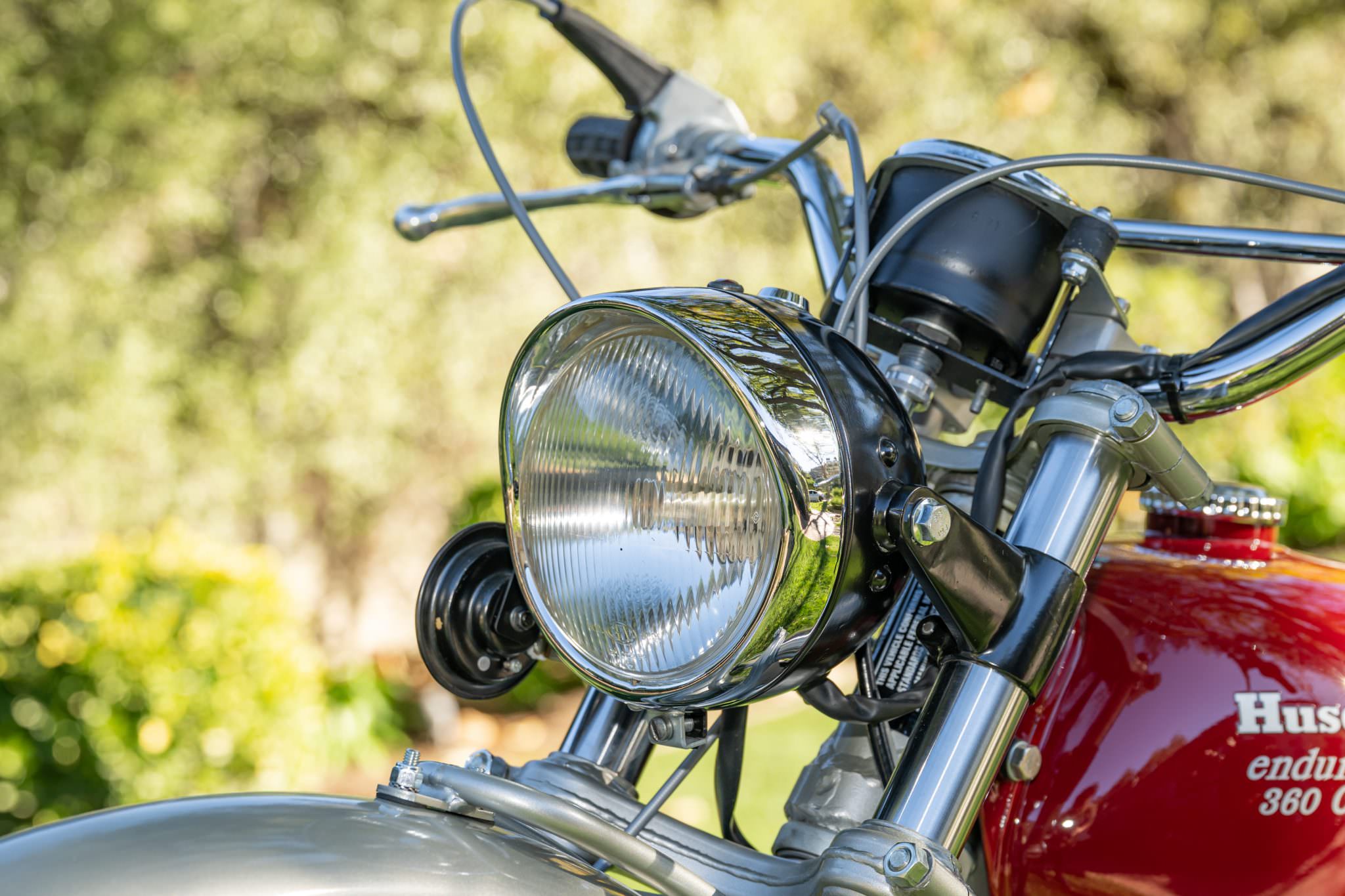
Unlike pure motocross machines, the 360C was equipped from the factory with lights, horn, speedometer, and a dual-circuit lighting system capable of running from either the battery or alternator, depending on operating conditions. With all equipment fitted, wet weight was quoted at 253.5 lbs, and the US list price stood at $1,089 USD when new.
In period reviews, the 360C was described as an enduro bike in name only – it was closer in spirit to a desert racer with some concessions for road legality.
The 1972 Husqvarna 360C Enduro Shown Here
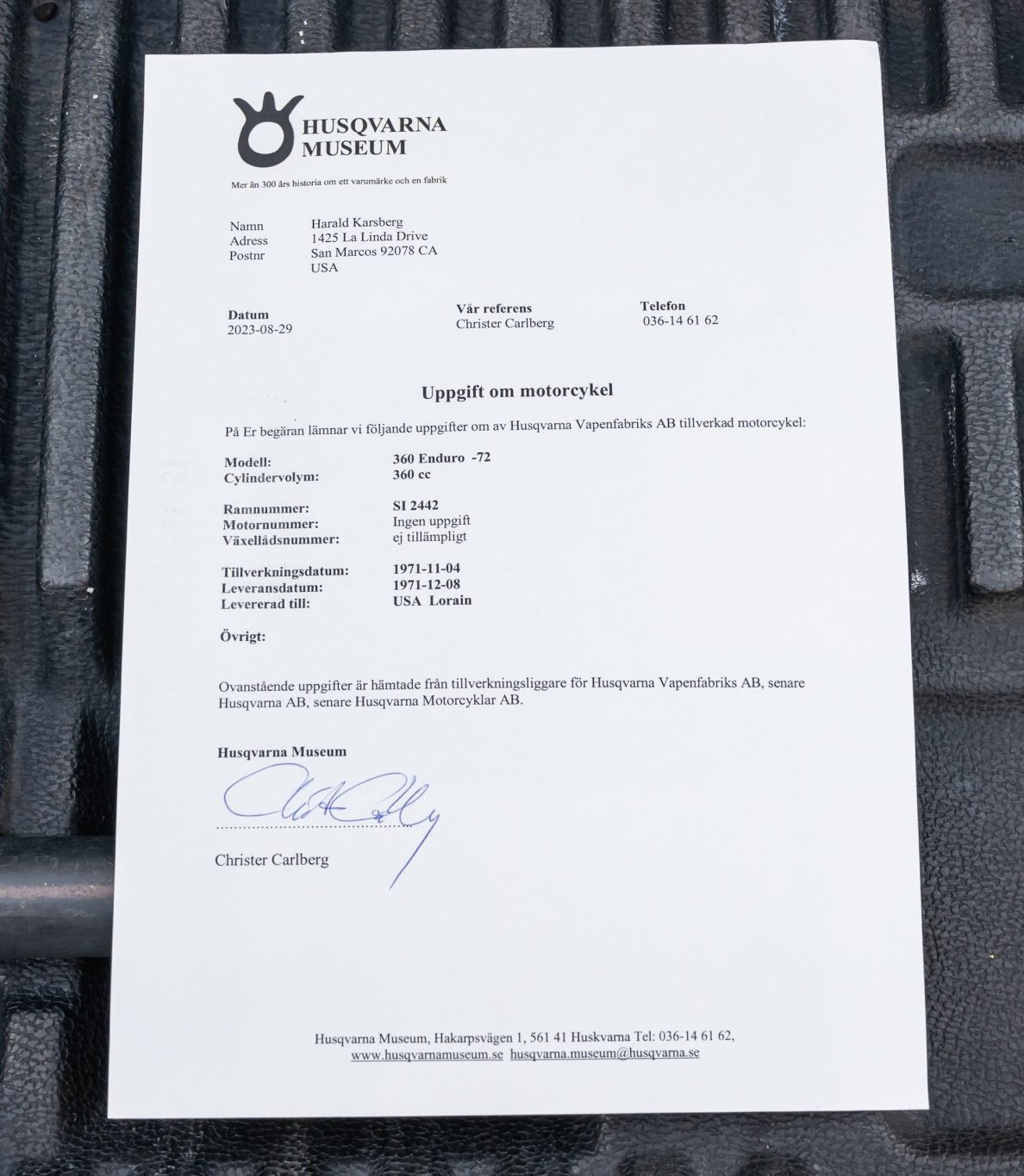
This 1972 Husqvarna 360C Enduro was delivered new to Hunter S. Thompson and is offered today with documented provenance tying it directly to the original sale. The seller bought the motorcycle in 2022, and it is accompanied by its original wholesale invoice from MED-International to Nelson Brothers Motors of Oakland, California, explicitly noting it was shipped for Thompson.
The frame serial number listed on the invoice matches the number stamped on the chassis, and the bike also includes certification from the Husqvarna Museum in Sweden along with a clean California title in the seller’s name.
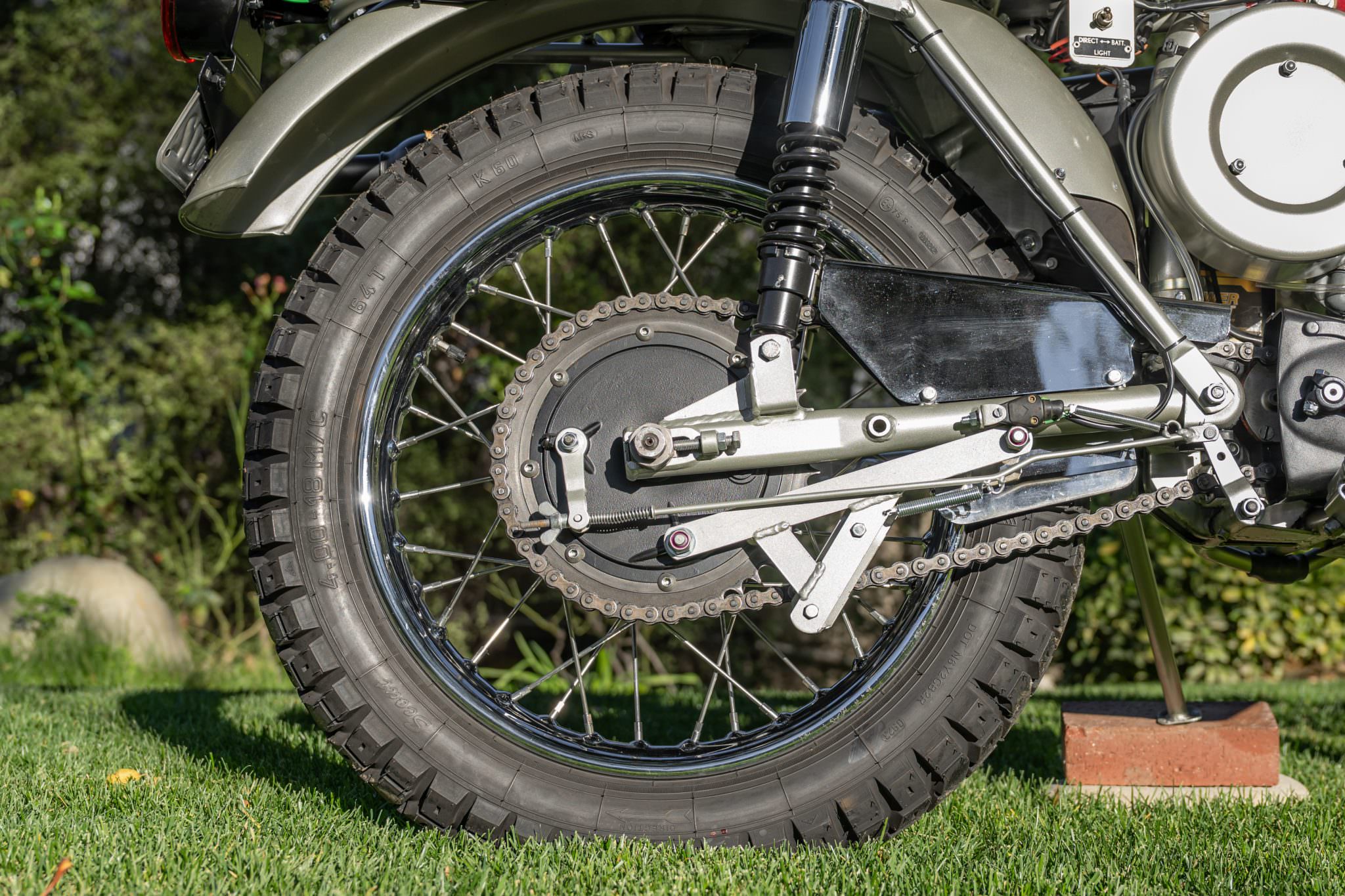
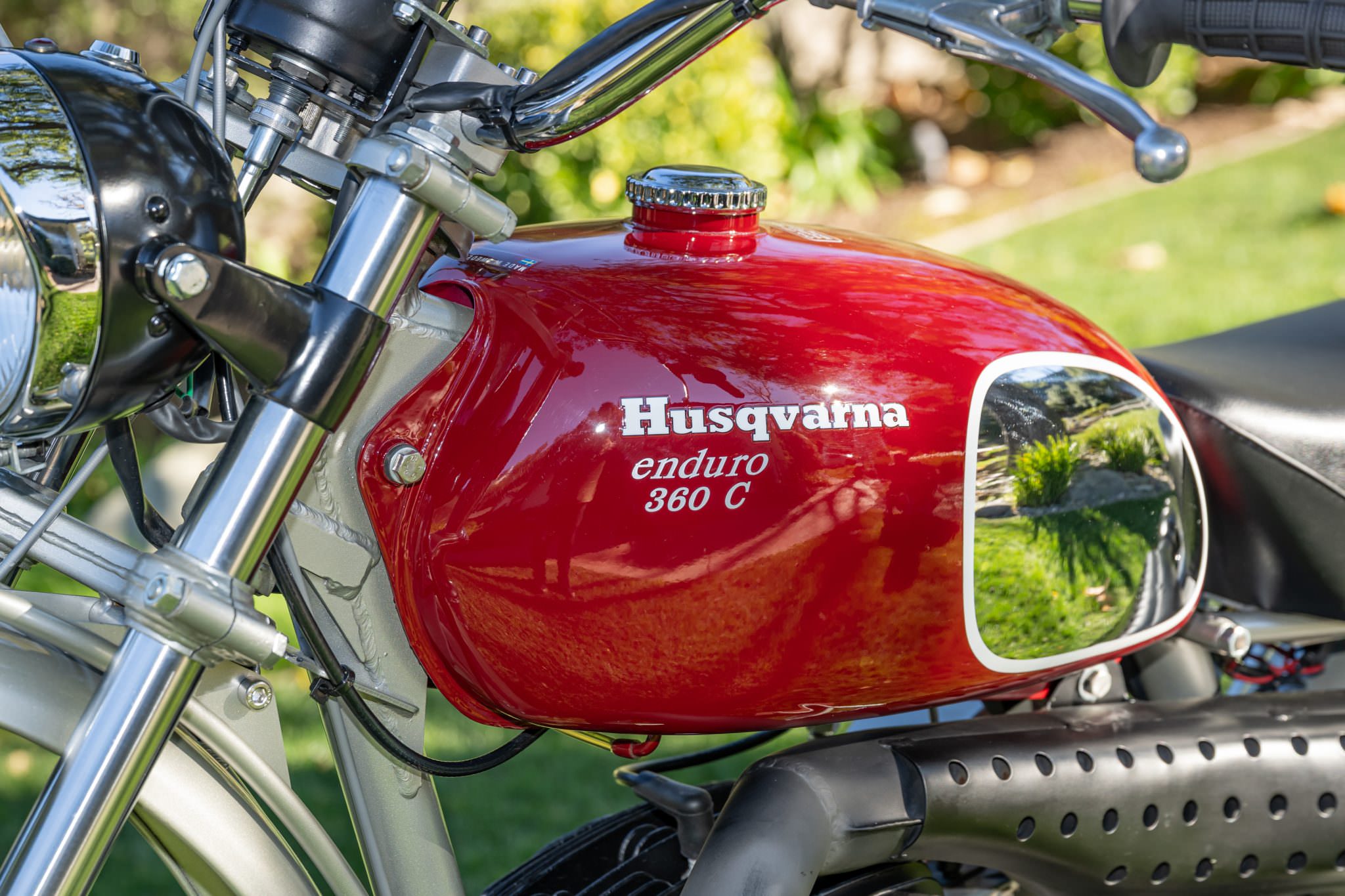
A comprehensive refurbishment was carried out over roughly six months by Husqvarna specialist John Lefevre of San Marco, California, and completed in March of 2024. The 360cc two-stroke single was rebuilt along with the 32mm Bing Type 54 carburetor and the wide-ratio 5-speed transmission. The brakes were overhauled, a keyed ignition system was installed, and the engine, frame, tank, and bodywork were powder-coated in period-appropriate finishes. Chrome components were replated as part of the work.
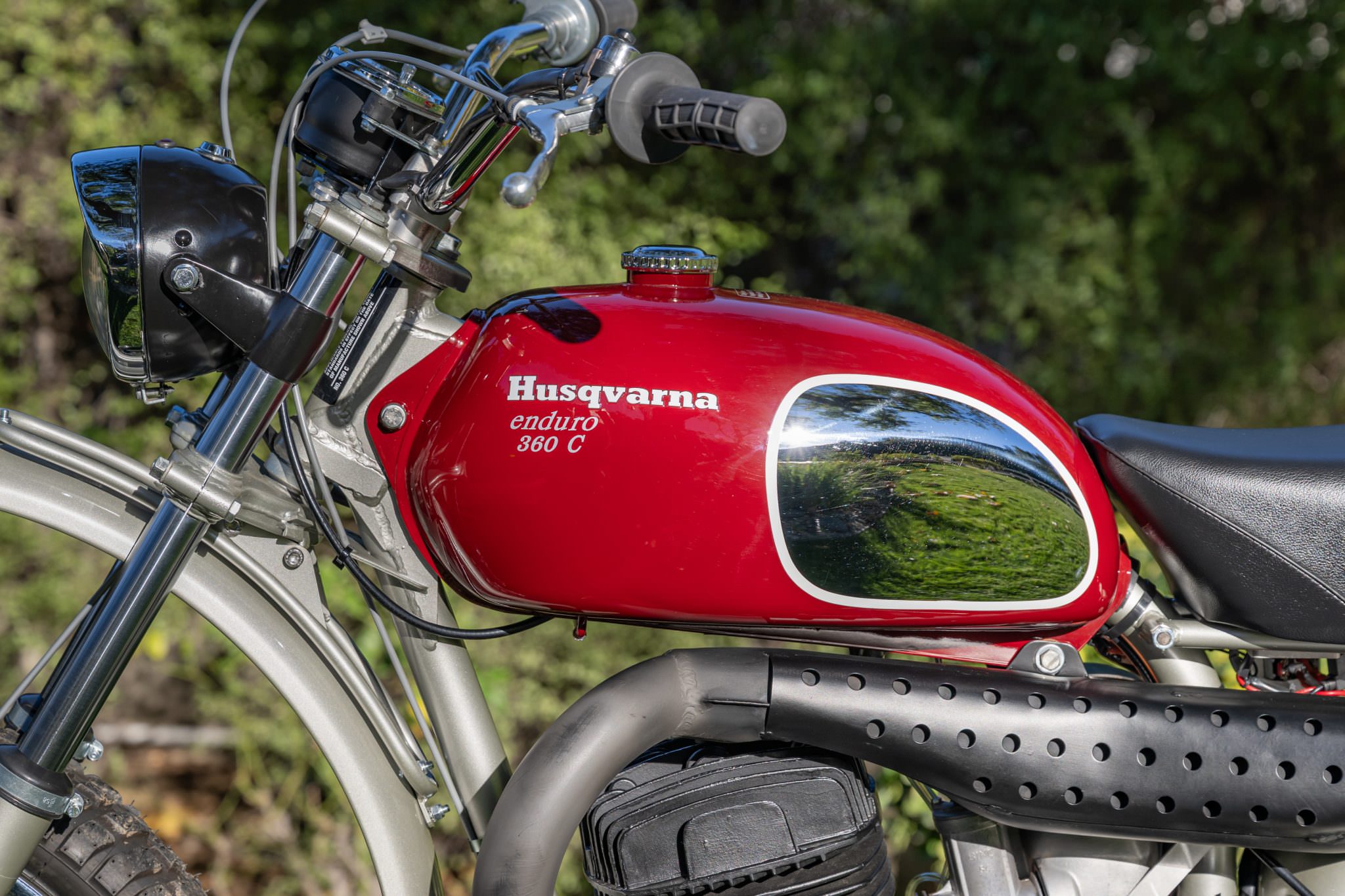
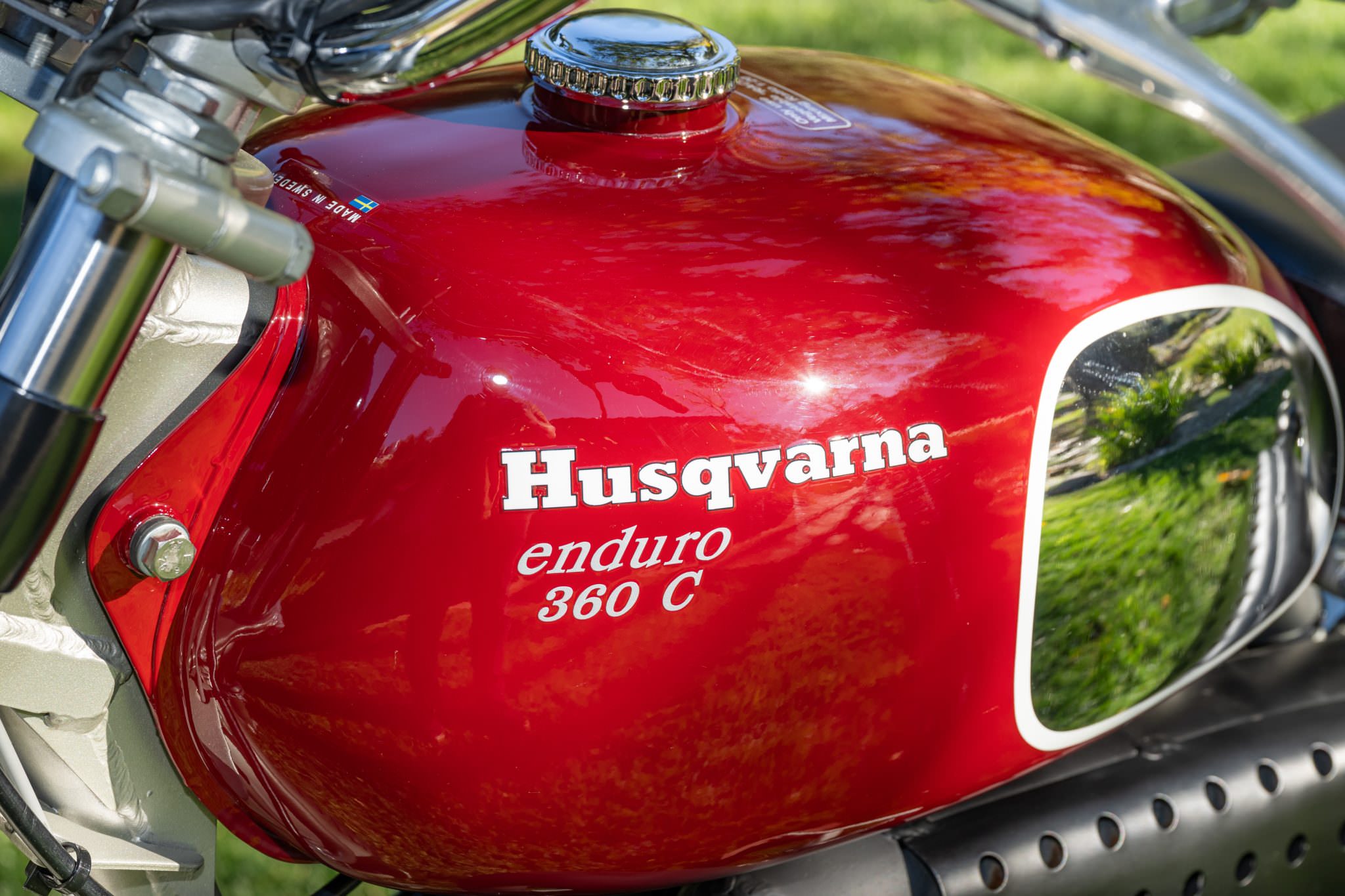
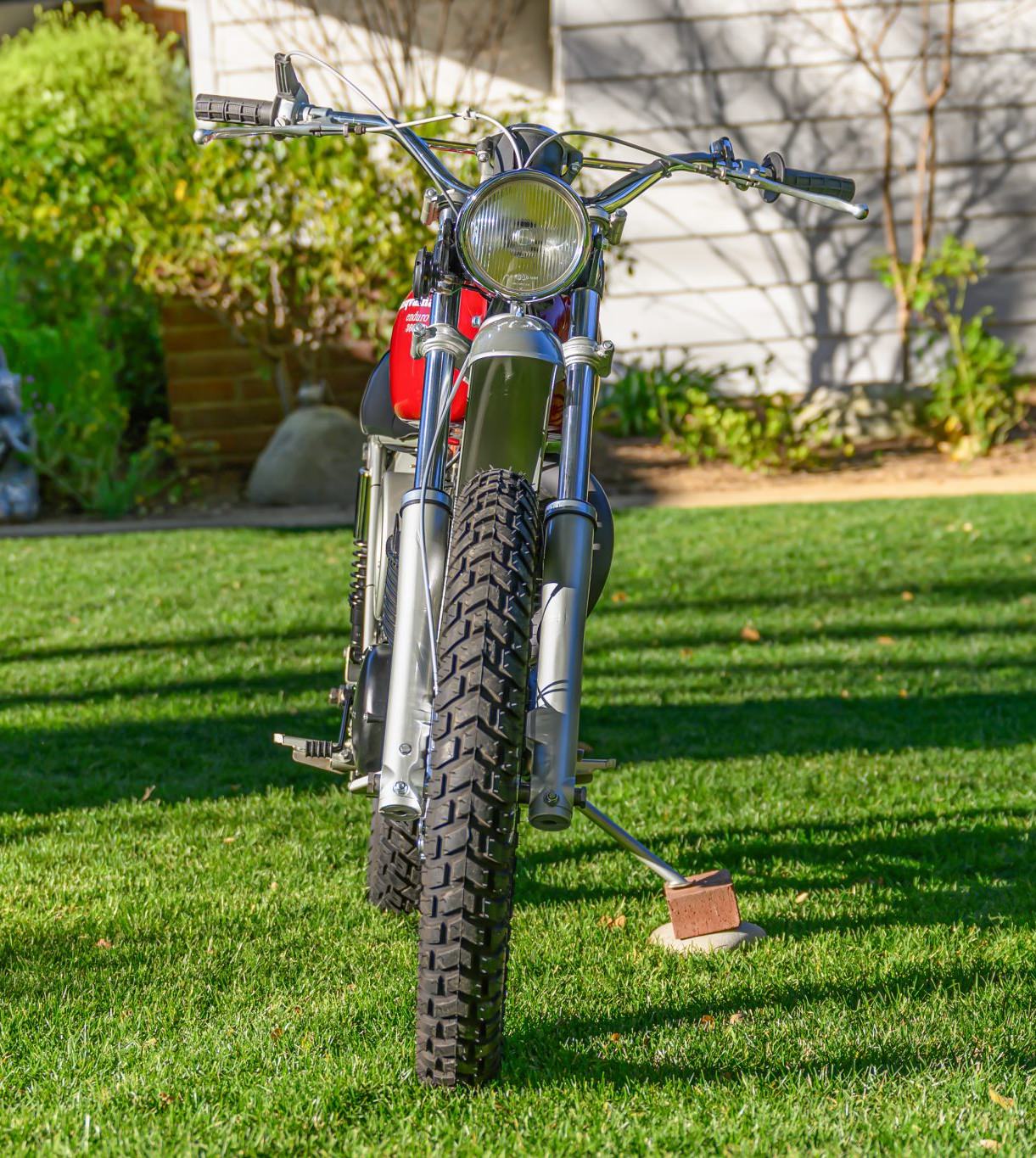
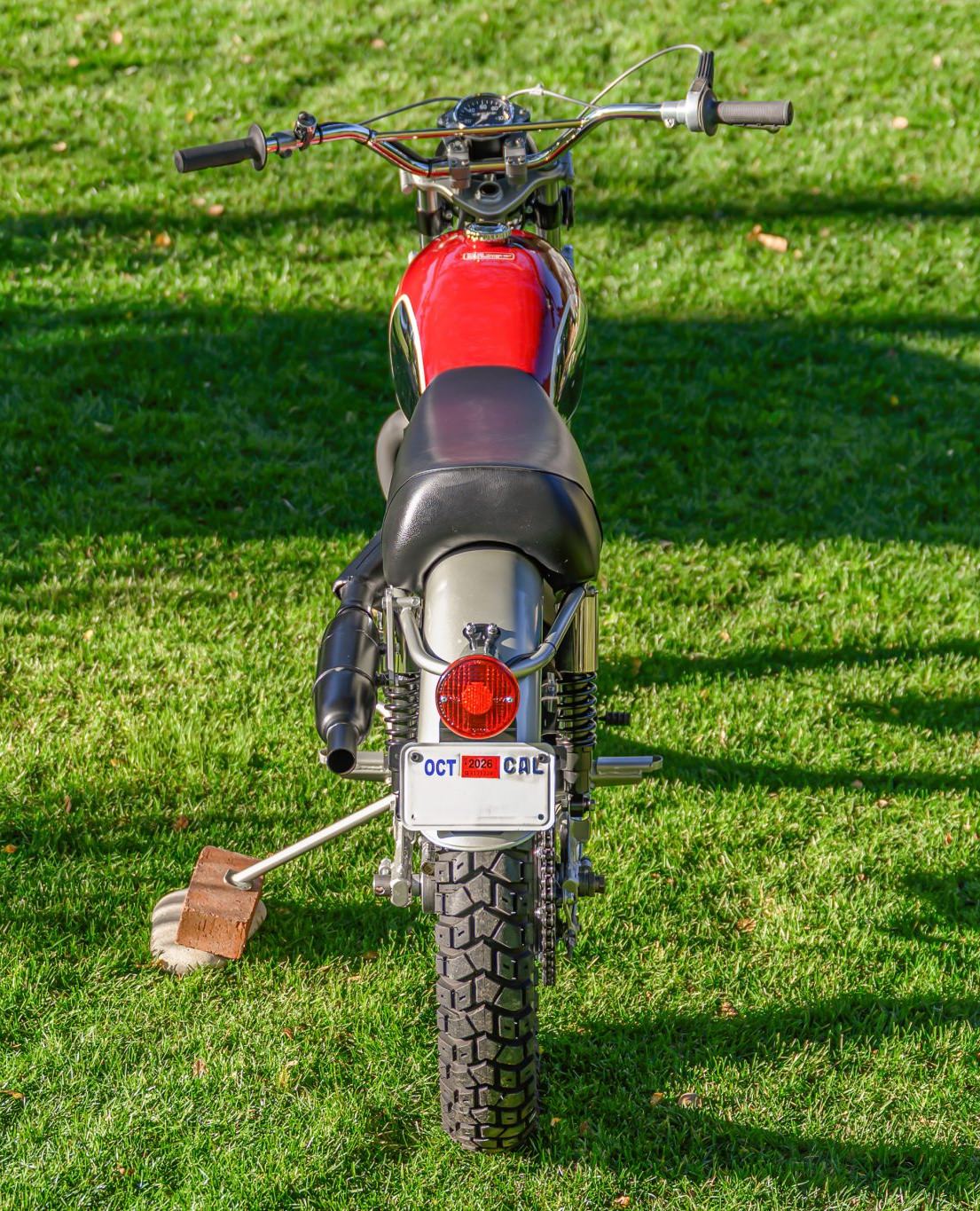
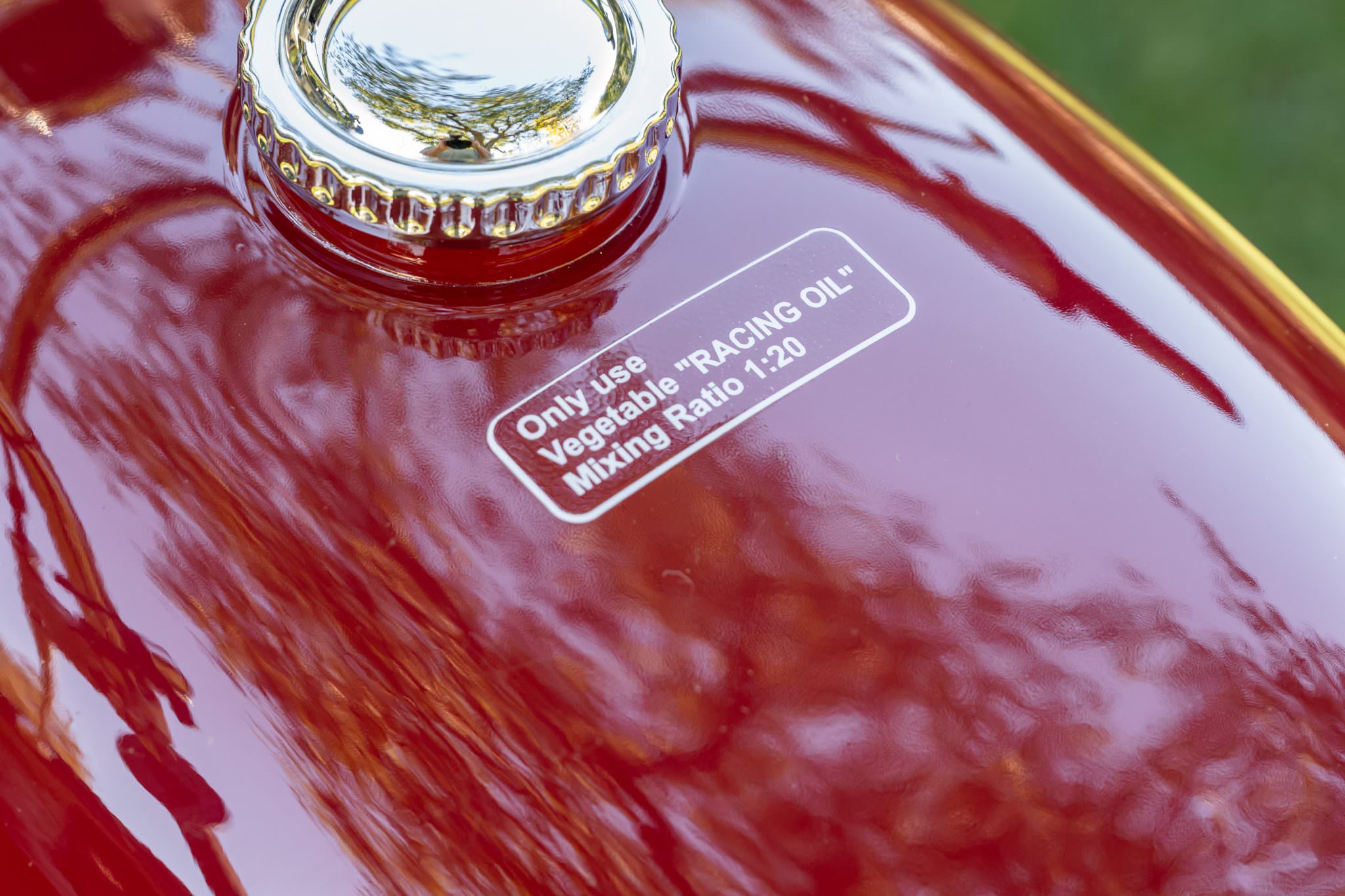
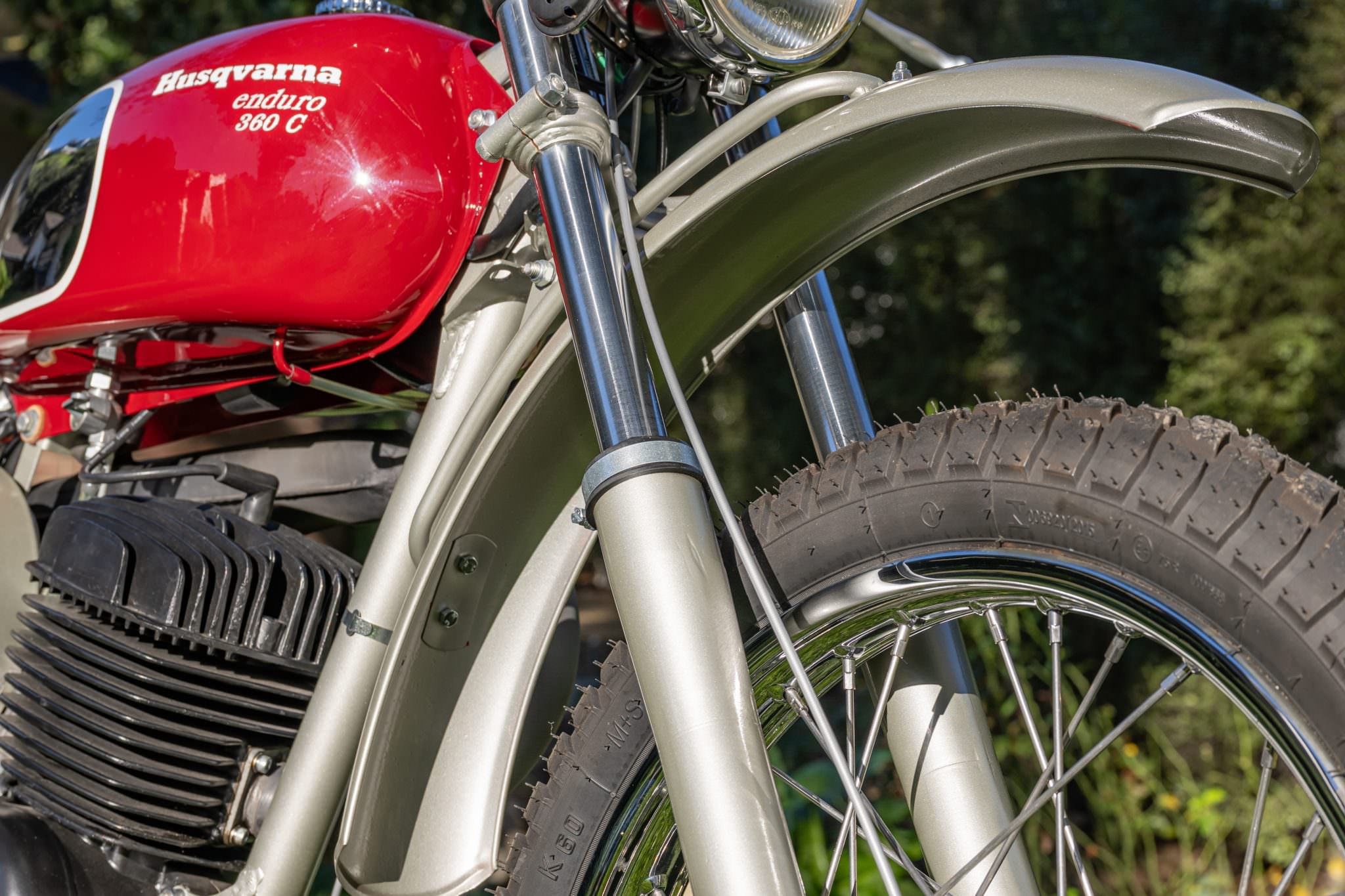
The bike keeps its correct enduro-spec equipment including a 4.2 gallon steel fuel tank with chrome knee panels, a bash plate, dual lighting capability, and a side stand. Suspension consists of a Husqvarna telescopic fork up front and semi-shrouded Girling shock absorbers in the rear.
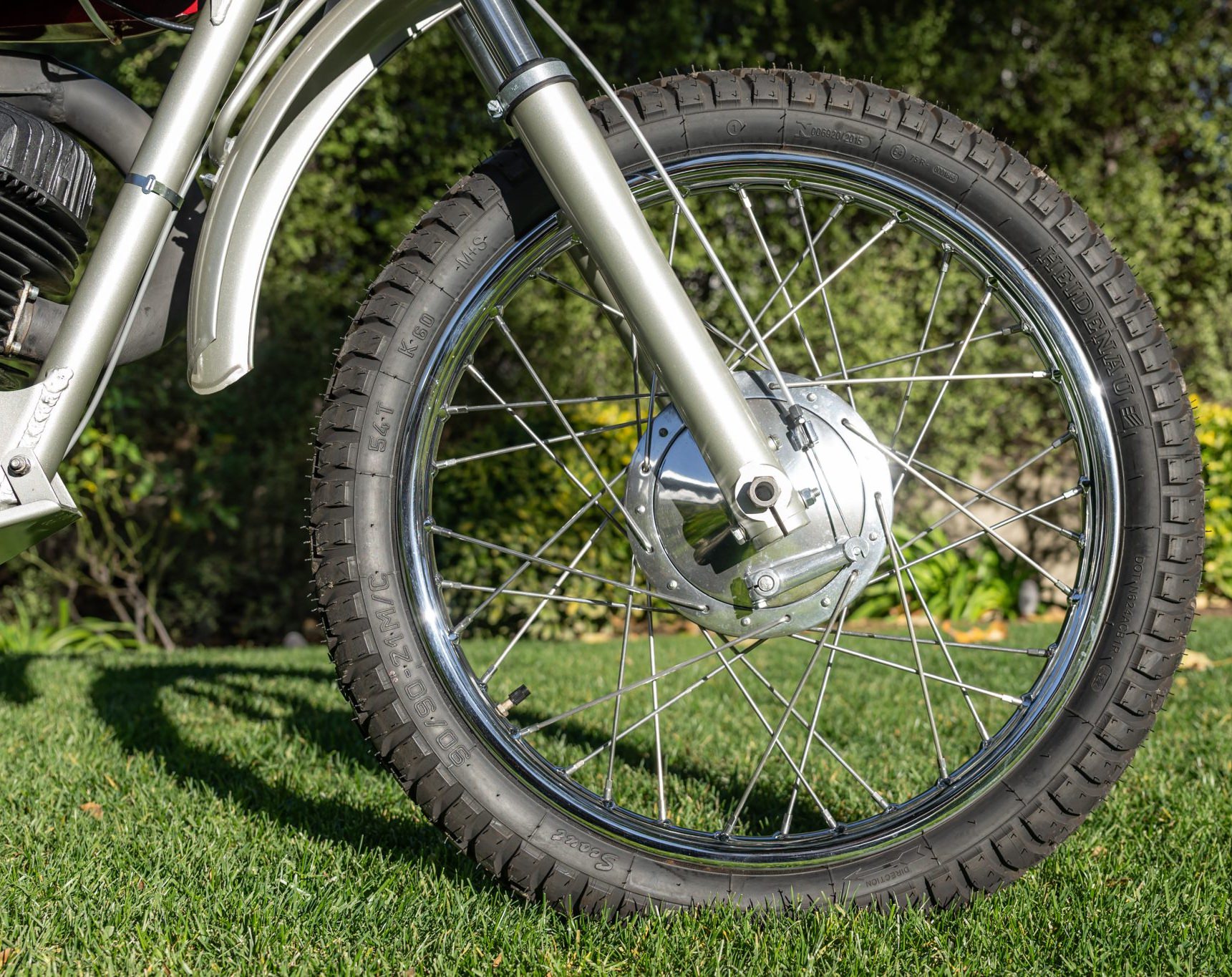
Wire-spoke wheels measure 21 inches front and 18 inches rear and are fitted with Heidenau K60 Scout dual-sport tires. Braking is handled by drum brakes with a polished full-width front hub and a black conical rear hub.
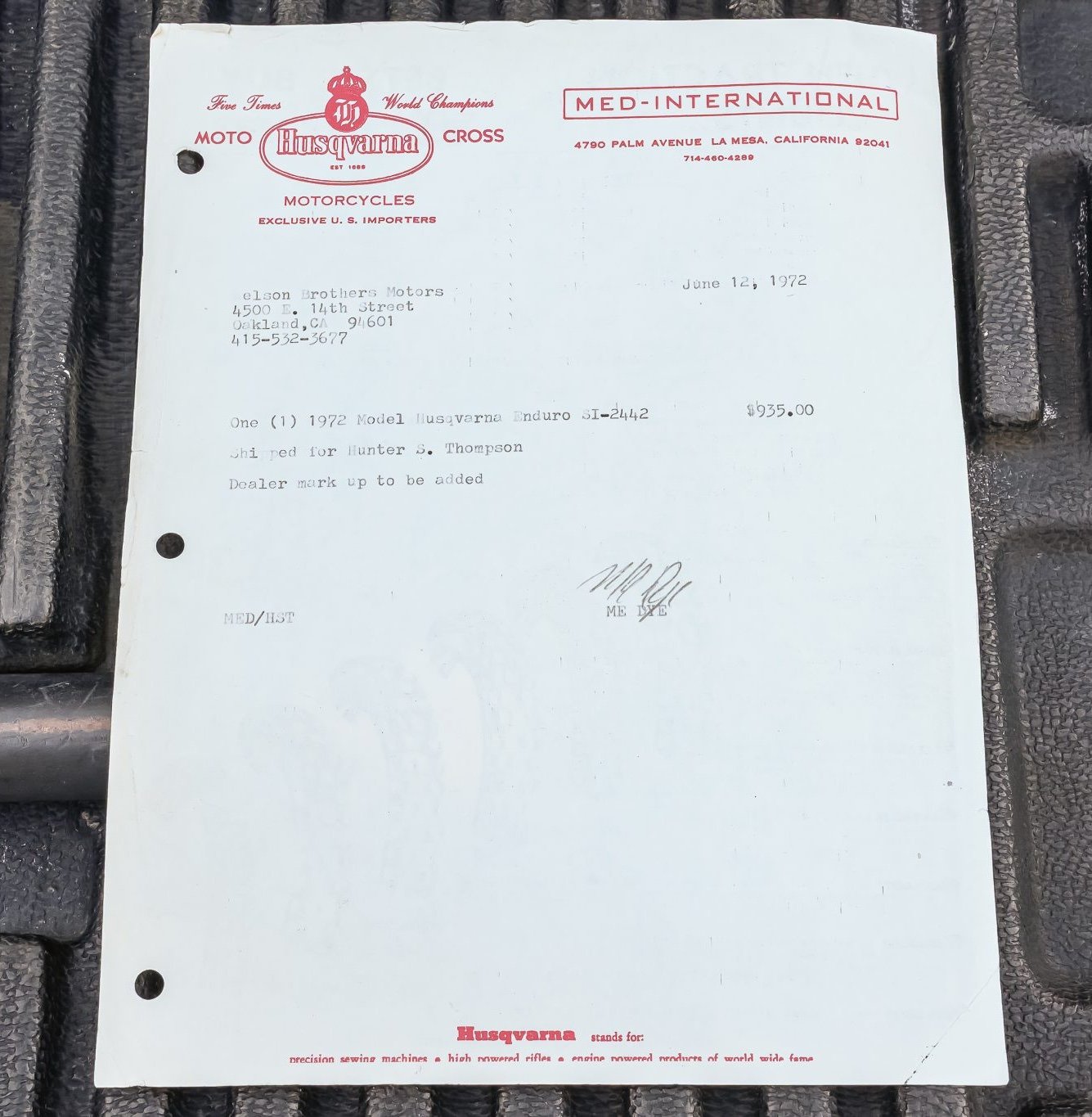
This 1972 Husqvarna 360C Enduro was delivered new to Hunter S. Thompson and is offered today with documented provenance tying it directly to the original sale. The seller bought the motorcycle in 2022, and it is accompanied by its original wholesale invoice from MED-International to Nelson Brothers Motors of Oakland, California, explicitly noting it was shipped for Thompson.
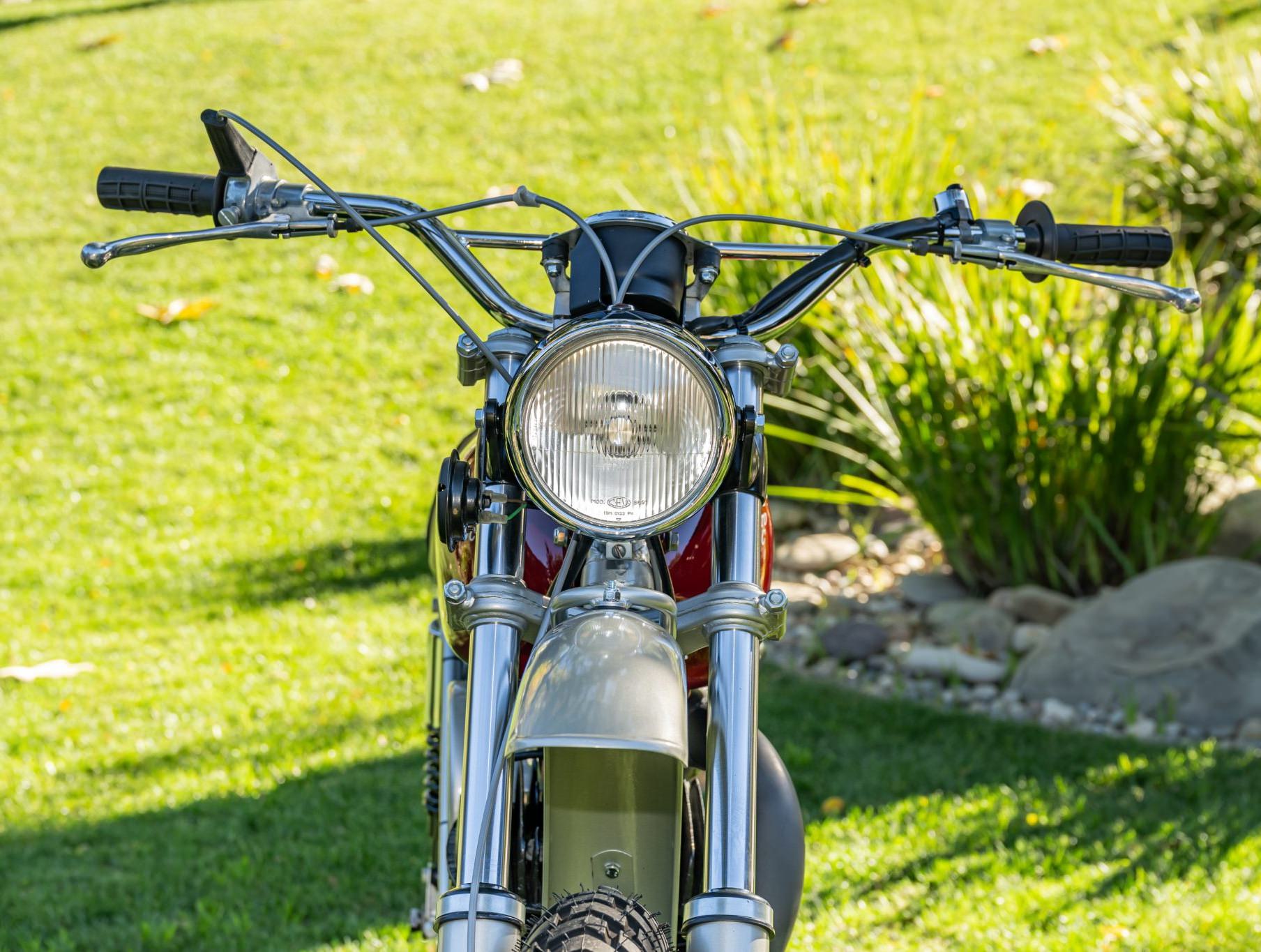
Controls include a chrome cross-braced handlebar with a Magura trap-door throttle and a rubber-mounted VDO 120-mph speedometer driven from the rear axle. The odometer shows approximately 60 miles, with about 25 added by the current seller, though true mileage is unknown.
It’s now being offered for sale out of West Hills, California on Bring a Trailer and you can visit the listing here to read more or register to bid.
Images courtesy of Bring a Trailer

Articles that Ben Branch has written have been covered on CNN, Popular Mechanics, Smithsonian Magazine, Road & Track Magazine, the official Pinterest blog, the official eBay Motors blog, BuzzFeed, Autoweek Magazine, Wired Magazine, Autoblog, Gear Patrol, Jalopnik, The Verge, and many more.
Silodrome was founded by Ben back in 2010, in the years since the site has grown to become a world leader in the alternative and vintage motoring sector, with well over a million monthly readers from around the world and many hundreds of thousands of followers on social media.