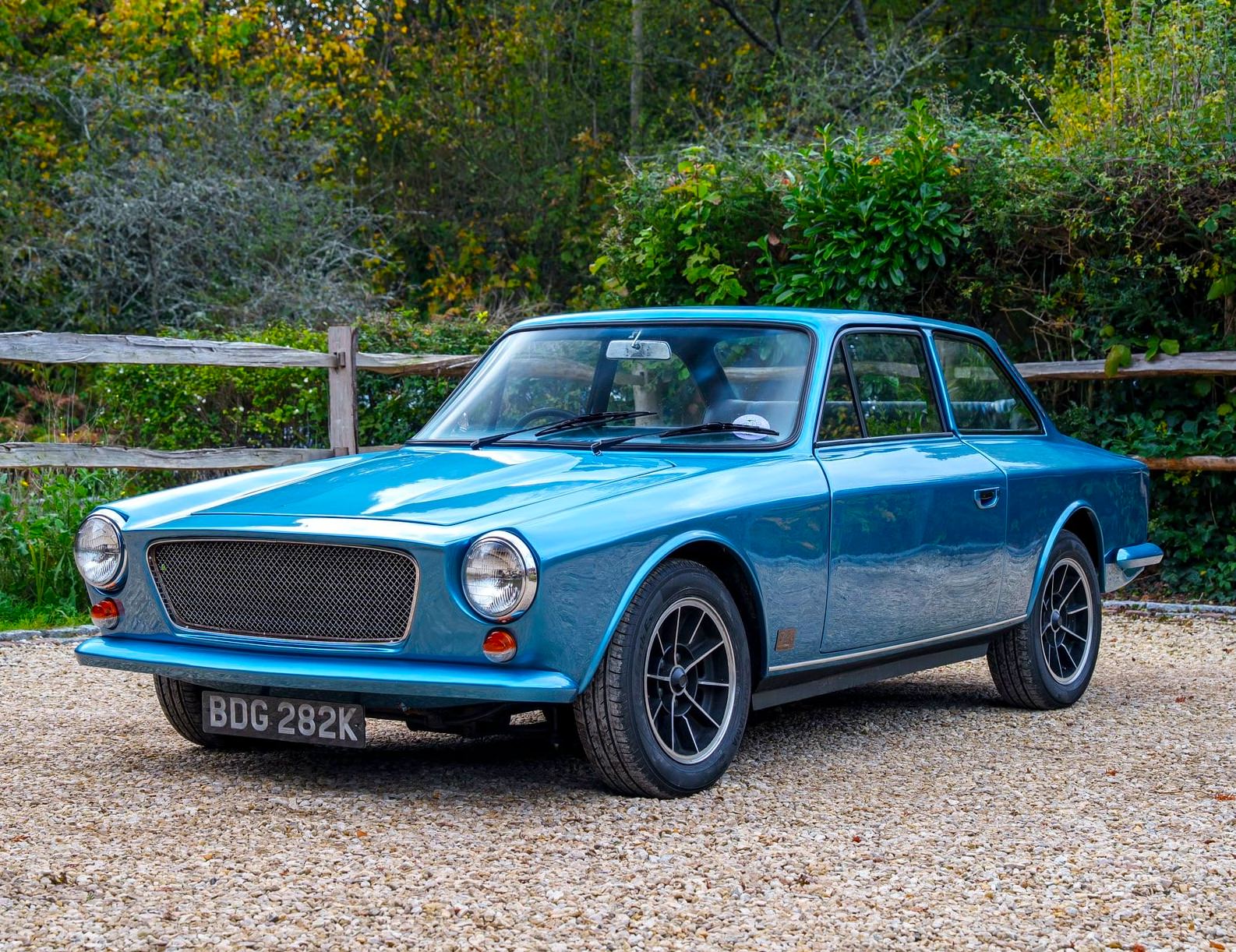
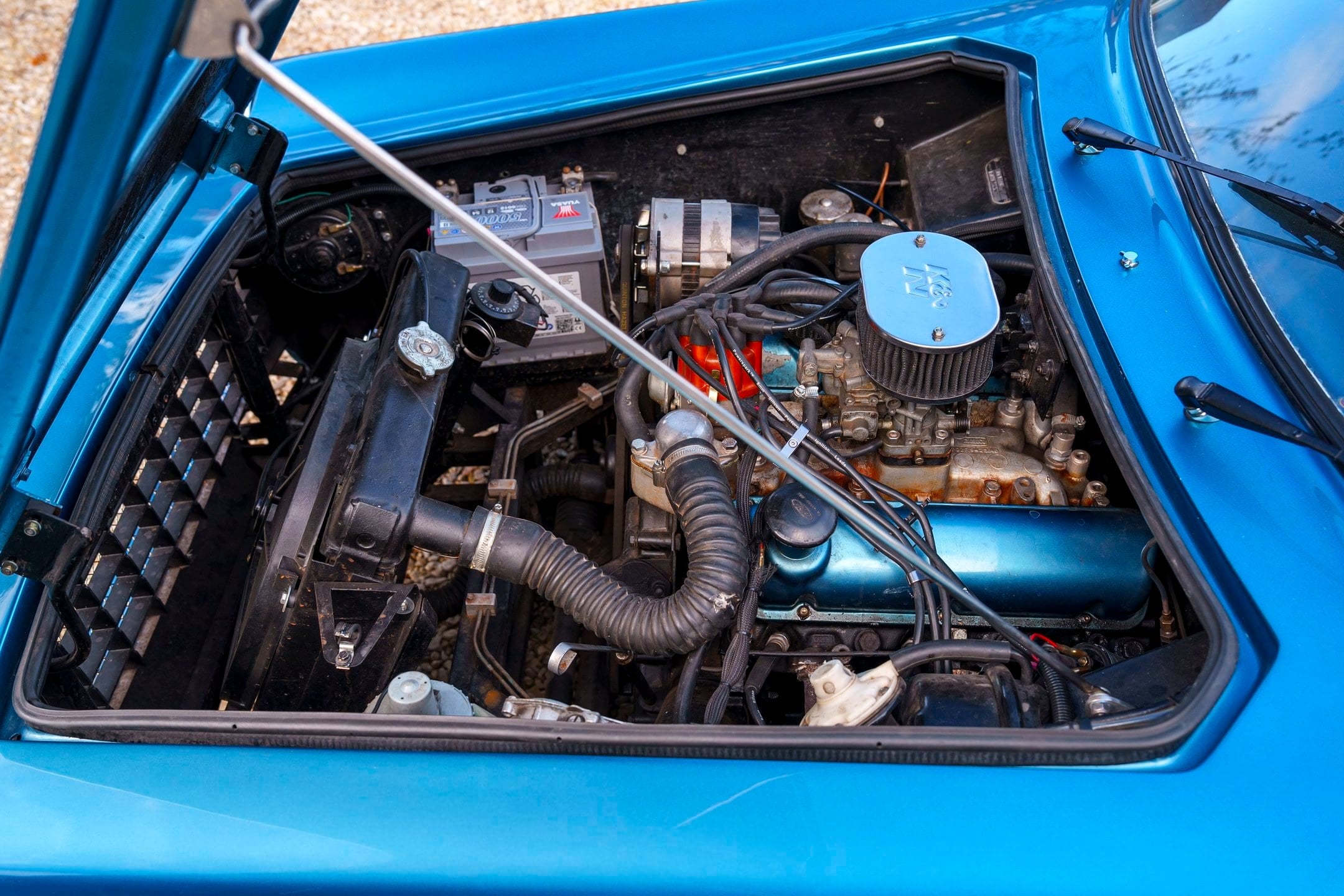
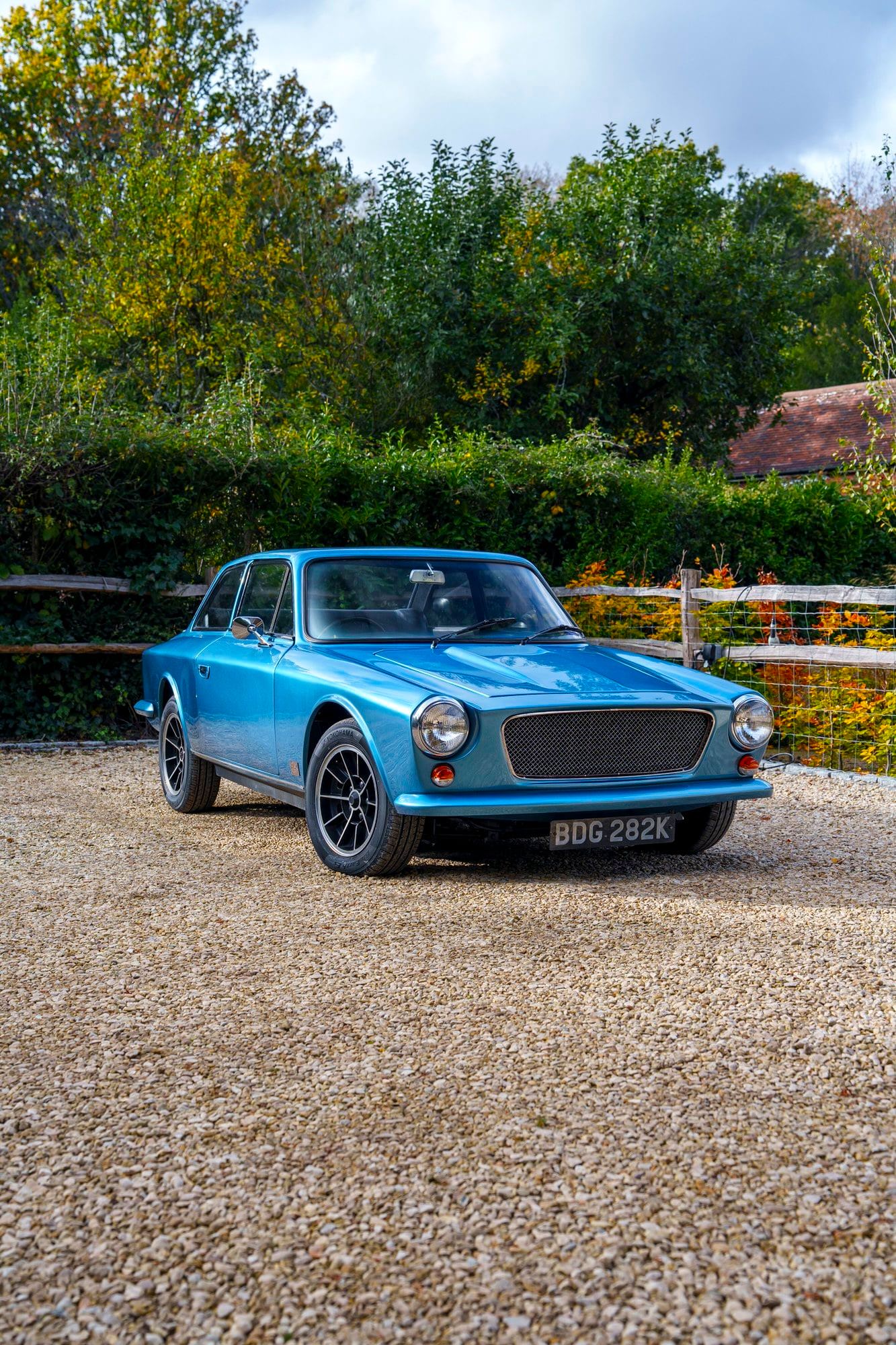
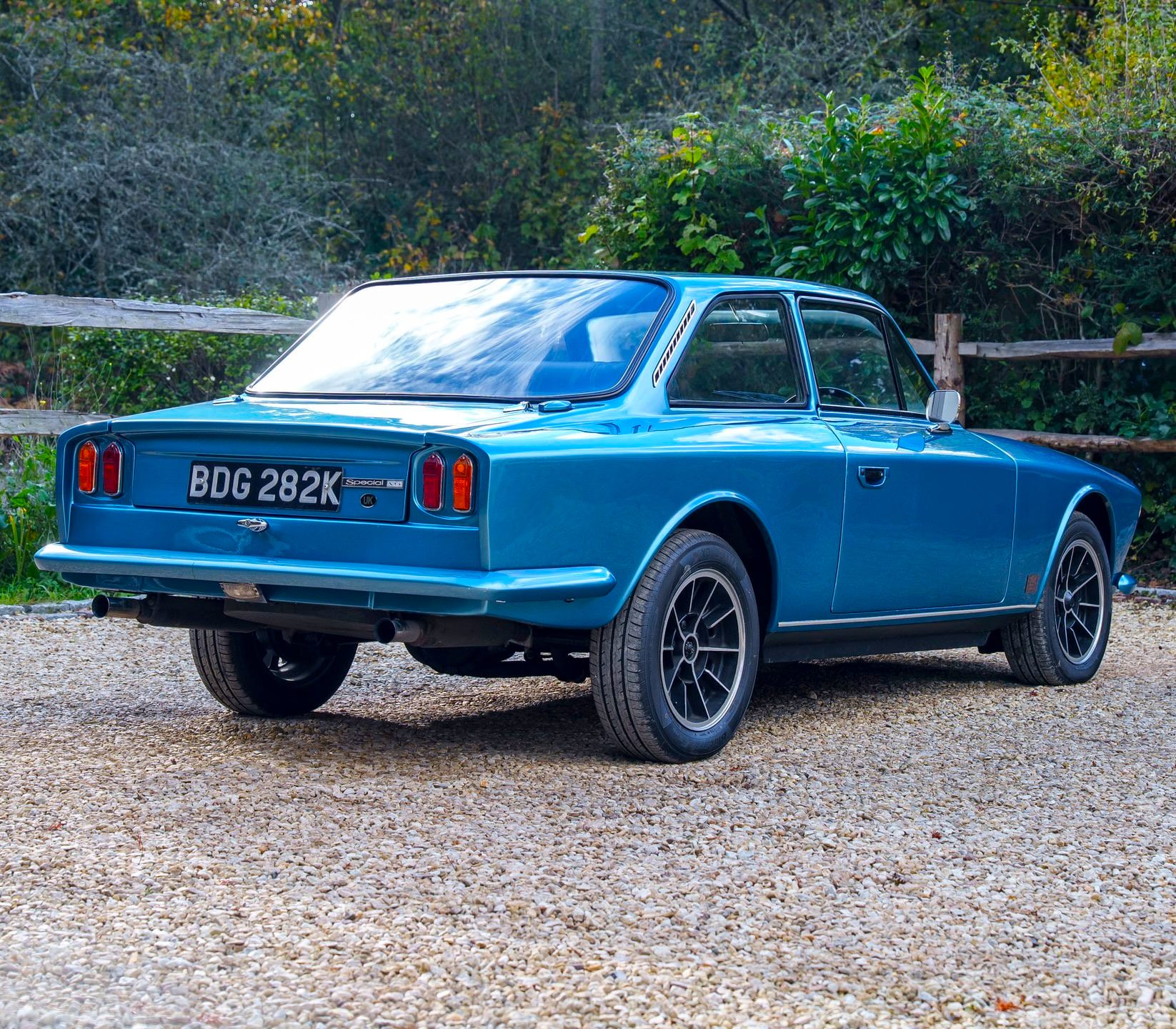
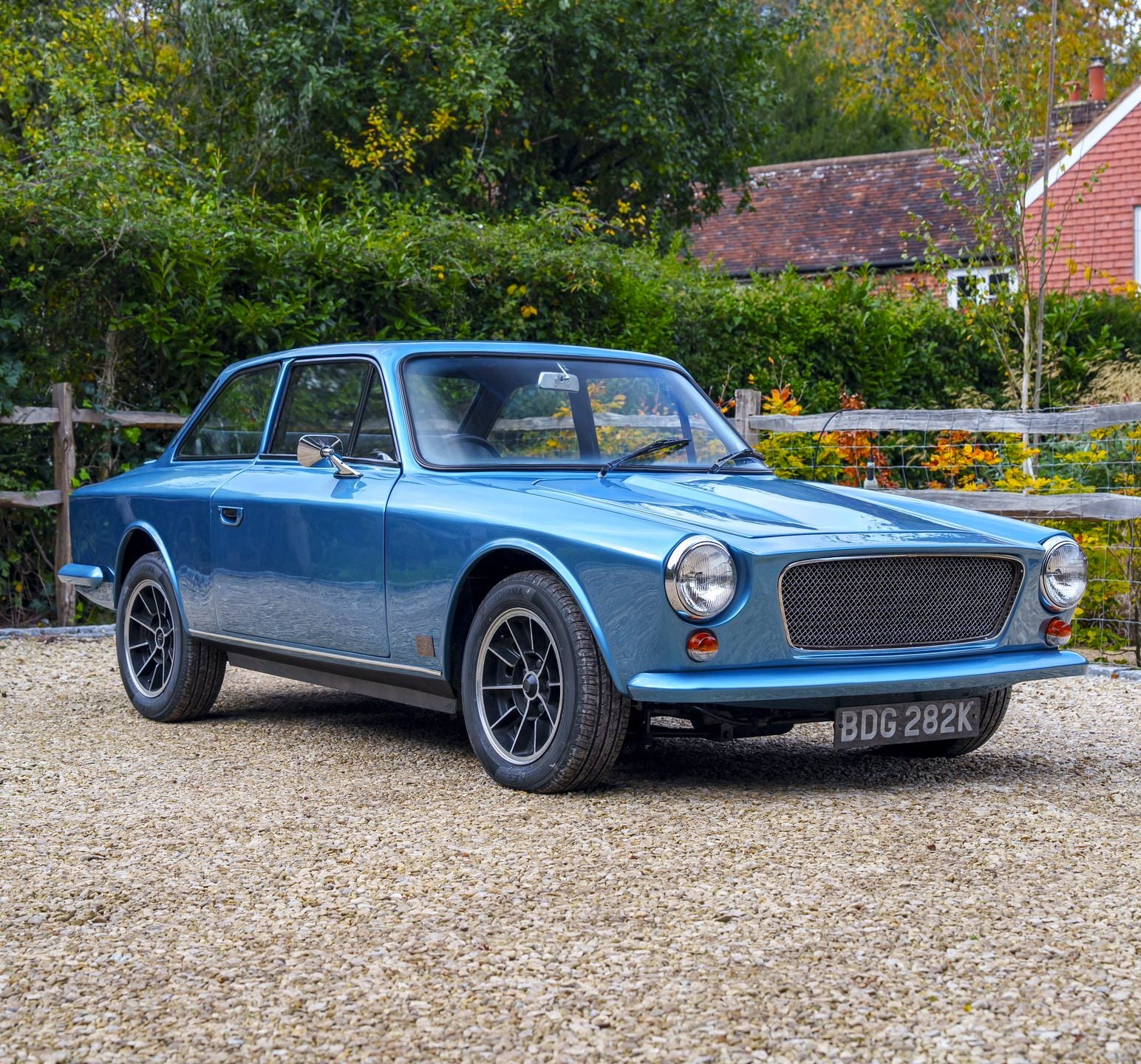
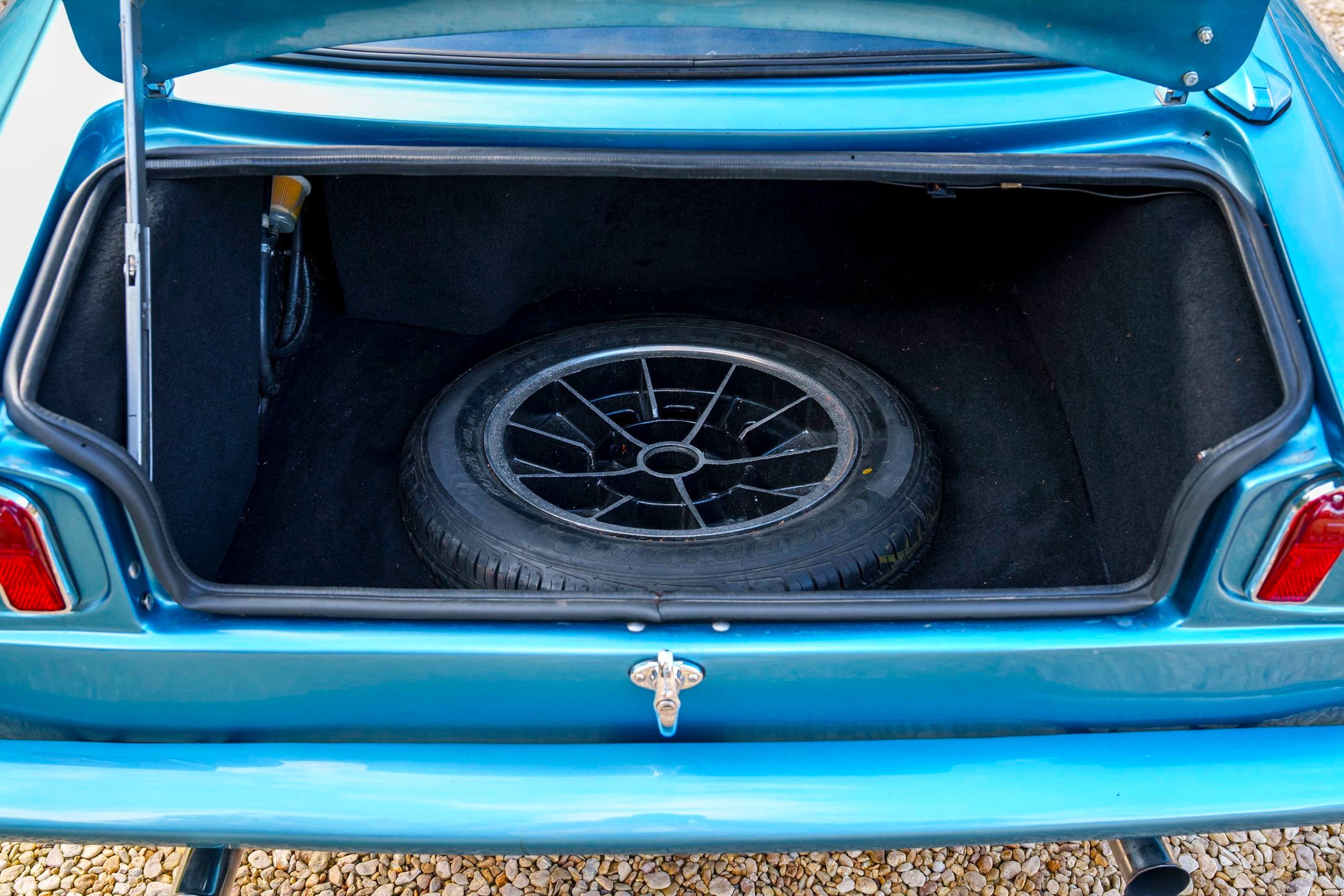
This is a 1972 Gilbern Invader Mk III, it’s a little-known sporting GT car from Wales, the only marque ever built in the small British country. It offers seating for four, sensible trunk space, and reliable Ford running gear headed up by an Essex V6.
As a Mk III car, this Invader benefits from all the upgrades that were applied to the Mk I and Mk II versions. It’s been recently restored, and it’s now being offered for sale with a V5C registration document.
Fast Facts: A 1972 Gilbern Invader Mk III
- Gilbern was founded in Wales in 1959 by butcher Giles Smith and German engineer Bernard Friese, initially building fiberglass sports cars using British mechanical components. The company introduced the Ford V6-powered Genie in 1966, followed by the Invader in 1969. A total of 606 Invaders were produced before Gilbern closed in 1974.
- The original Invader featured a fiberglass body on a tubular steel chassis, independent front suspension, and a Ford 3.0 liter Essex V6 producing 141 bhp. Buyers could choose a 4-speed manual with overdrive or a 3-speed automatic. The Mk II arrived in 1970, followed by a practical estate version in 1971.
- Introduced in September 1972, the Invader Mk III featured revised fiberglass bodywork, wider rear track, Ford Cortina front suspension, and an uprated Essex V6. Unlike its predecessors, it was sold exclusively as a fully assembled car. High pricing contributed to declining sales, and Gilbern entered receivership in 1973 before production finally ceased in 1974.
- The 1972 Invader Mk III shown here underwent a five-year restoration completed in early 2024, including a respray, chassis treatment, mechanical overhaul, and interior retrim. It retains its Ford Essex V6 and 4-speed manual transmission, and has received new tires, brakes, shock absorbers, and a stainless steel exhaust. It has since completed two trouble-free return trips to Le Mans.
History Speedrun: The Gilbern Invader
Gilbern built 606 of their much-loved fiberglass-bodied Invaders on the site of the former Red Ash Colliery at Llantwit Fardre, near Pontypridd in South Wales. Production of the Invader ran from 1969 until the company closed down in 1974. Until the final version arrived, most Gilberns had been sold as kit cars. They were painted and trimmed but had no engine fitted – this was because buyers who installed the engine and running gear themselves avoided the hefty British purchase tax.
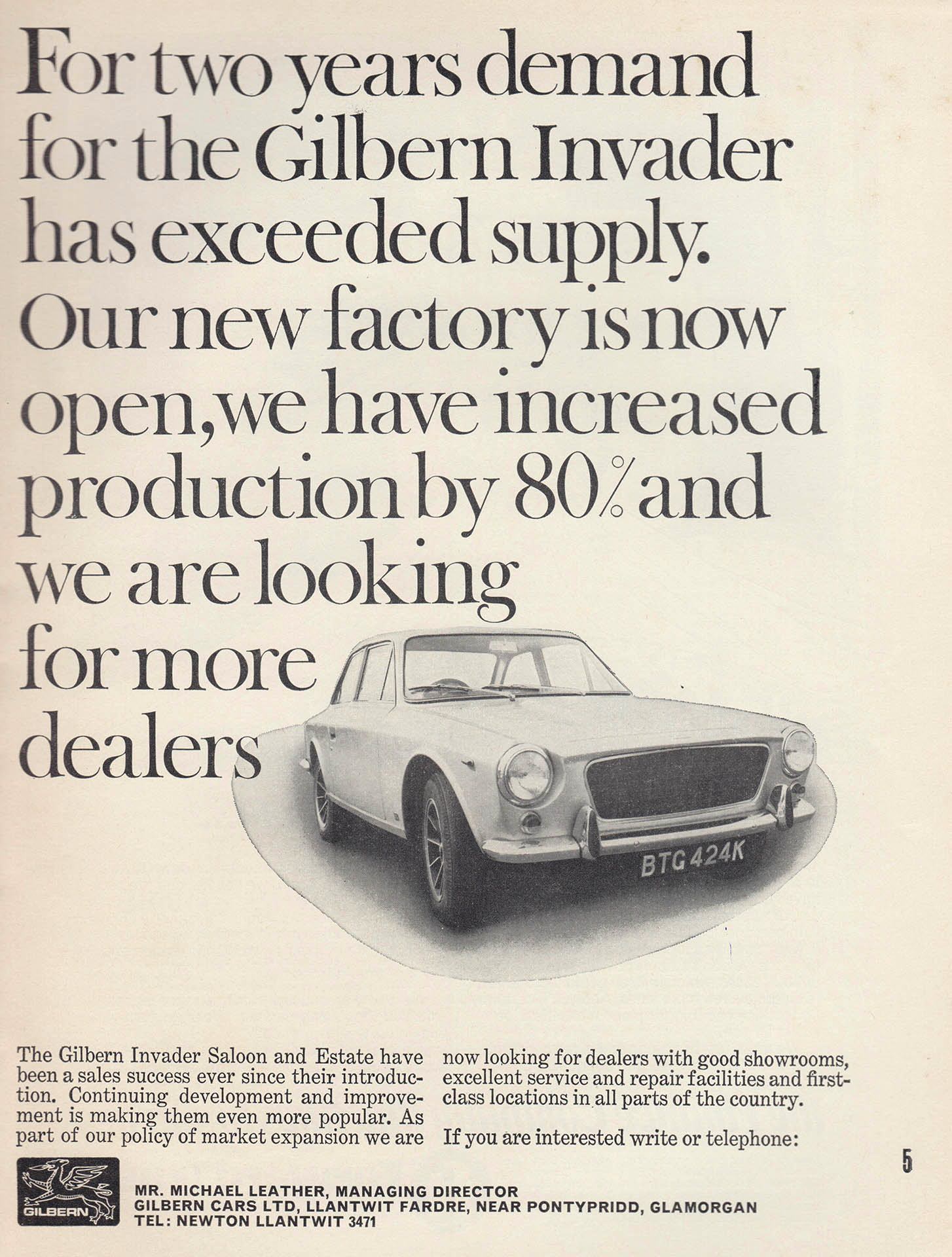
 The Gilbern Invader debuted in mid-1969, it was essentially a significantly reworked Genie. Gilbern strengthened the chassis, fitted MGC kingpins and front brakes, and moved the cabin upmarket with a walnut-veneered dashboard and electric windows. Image courtesy of Gilbern Cars, Ltd.
A Welsh Butcher + A German Engineer
Giles Smith ran a butcher’s shop in Church Village, near Pontypridd, Wales, and he wanted a glassfiber special of his own. Bernard Friese was a German former prisoner of war who’d stayed in Britain after WWII and learned glassfiber work at a British coachbuilder.
In 1959 the two men paired up and built a coupe in the old abattoir behind Smith’s shop. Local racing driver Peter Cottrell saw it and ordered the second car, so the one-off car very quickly became a production model. The company name joined the first part of each founder’s first name – Gil and Bern.
Gilbern moved to the former colliery site (a coal mine and its assorted above-ground facilities) in 1961. Its first car, the GT, used BMC mechanicals – but BMC was reluctant to sell parts to the small factory at wholesale prices. In 1966 Gilbern showed a larger 2+2, the Genie, at the London Motor Show with Ford’s new Essex V6. Just under 200 were built, and this would be the car that really put Gilbern on the map for many British car enthusiasts of the time.
In 1968 Smith and Friese sold Gilbern to the ACE group, a nearby slot-machine maker that put £100,000 (about $240,000 USD) into the business, expanding it significantly. Smith left soon afterward, but Friese stayed for about a year as the senior engineer to oversee development of the Genie’s replacement.
The Gilbern Invader
The Gilbern Invader debuted in mid-1969, it was essentially a significantly reworked Genie. Gilbern strengthened the chassis, fitted MGC kingpins and front brakes, and moved the cabin upmarket with a walnut-veneered dashboard and electric windows. Construction followed the same fundamental formula Gilbern had used since 1959, with a lightweight fiberglass body bonded to the floor and riveted along the sills to a tubular steel chassis.
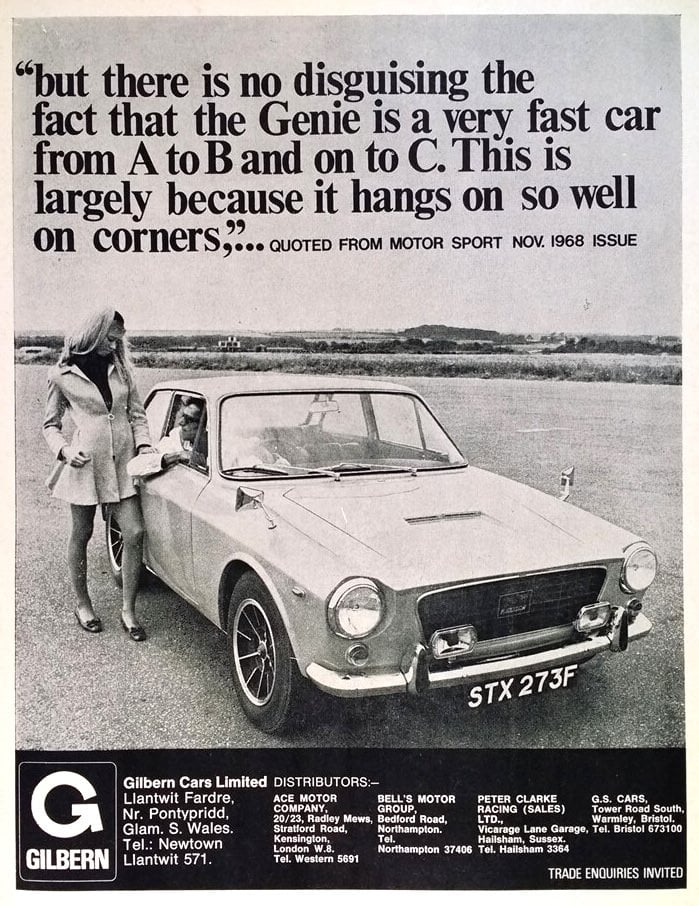
The Invader was powered by Ford’s 3.0 liter Essex V6, the cast-iron pushrod engine from the Zodiac Mk IV. With a single Weber carburetor it was rated at 141 bhp at 4,750 rpm and 181 lb ft of torque at 3,000 rpm. Image courtesy of Gilbern Cars, Ltd.
The front suspension used double wishbones, coil springs and an anti-roll bar, out the back, an MGC live axle sat on coils. On cars built by late 1971 it was located by twin trailing arms and a Panhard rod, with adjustable Spax dampers. Steering was rack and pinion, with just under three turns lock to lock, and the servo-assisted Girling brakes used discs up front and drums at the rear.
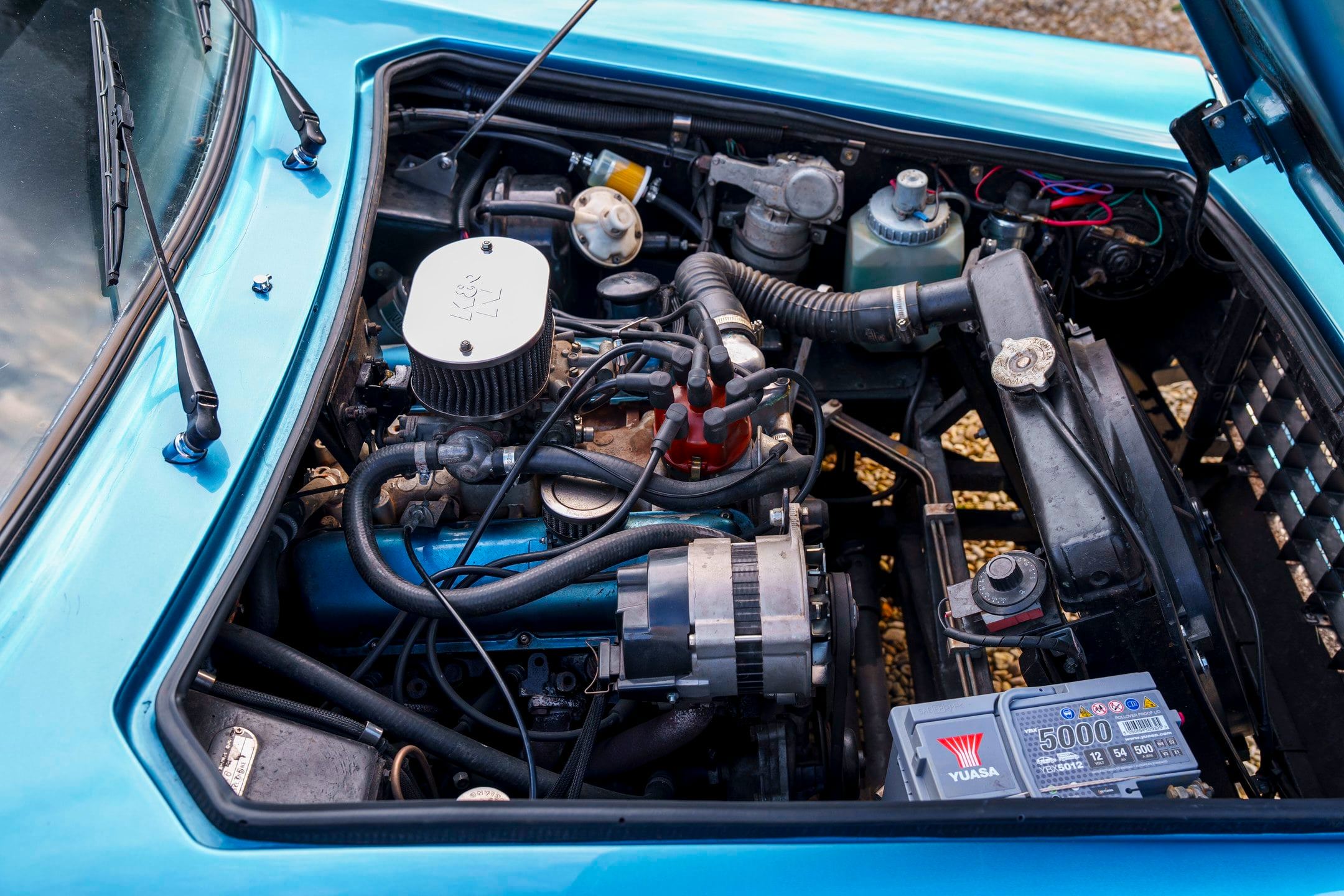
Power came from Ford’s 3.0 liter Essex V6, the cast-iron pushrod engine from the Zodiac Mk IV. With a single Weber carburetor it was rated at 141 bhp at 4,750 rpm and 181 lb ft of torque at 3,000 rpm. Buyers could choose a Zodiac-derived 4-speed manual with overdrive or a 3-speed automatic – most opted for the manual.
The Invader Mk II + The Estate
Gilbern announced the Mk II Invader at the 1970 London Motor Show. It had a stiffer chassis with the engine set farther back for better weight distribution, and some later cars received Triumph Stag door handles.
An estate version of the Invader was announced alongside it as a rival to the Reliant Scimitar GTE, though deliveries did not begin until March of 1971. For an extra £150 (about $370 USD), it added folding rear seats and a lift-up tailgate, with the rear glass borrowed from the Ford Corsair estate.
In late 1971 a standard Invader cost £1,767 (about $4,400 USD) in kit form, or £2,236 (about $5,600 USD) fully built with tax paid. Gilbern’s ownership changed in 1970, when the Mecca entertainment group bought ACE and sold Gilbern on. By 1972 the company belonged to director Michael Leather, who had paid just £1 (about $2.50 USD) for it.
The Invader Mk III
Gilbern announced the Mk III Invader in September 1972 at £2,493 (about $6,100 USD) and for the first time it was sold only as a complete car, not as a kit. Value Added Tax (VAT) was replacing purchase tax in 1973, which ended the tax advantage of self-assembly, so Gilbern switched to using as many mass-produced Ford parts as possible to cut costs.
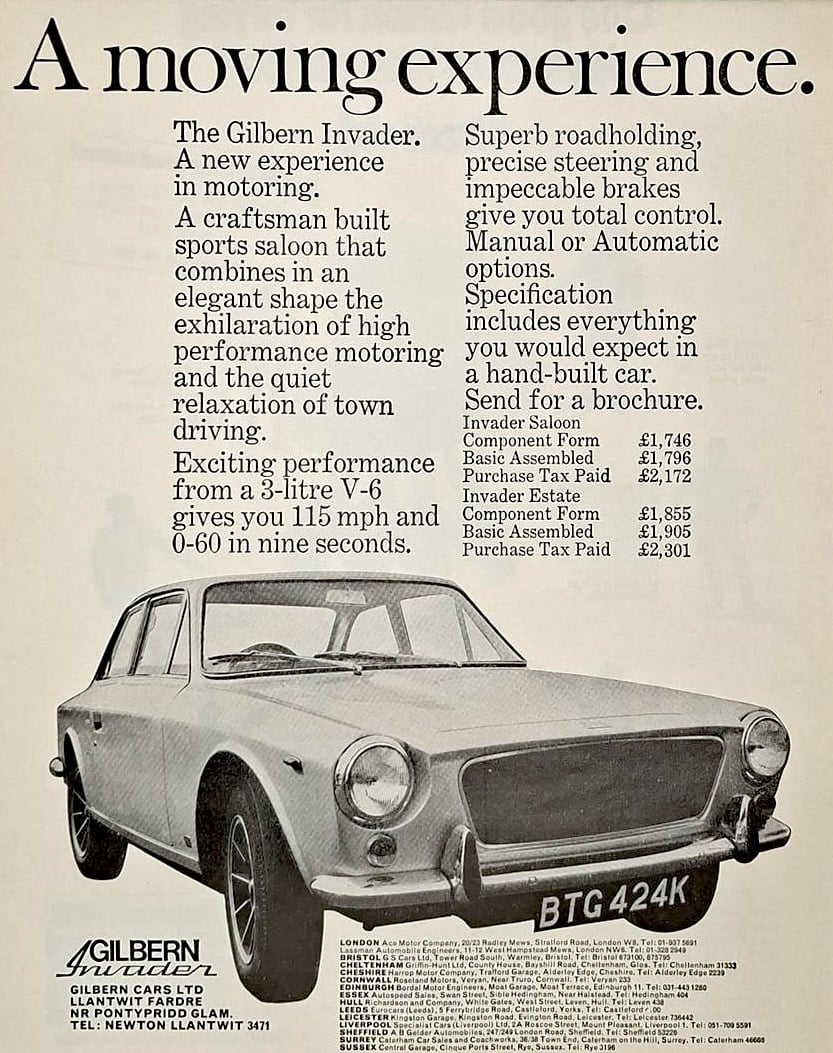
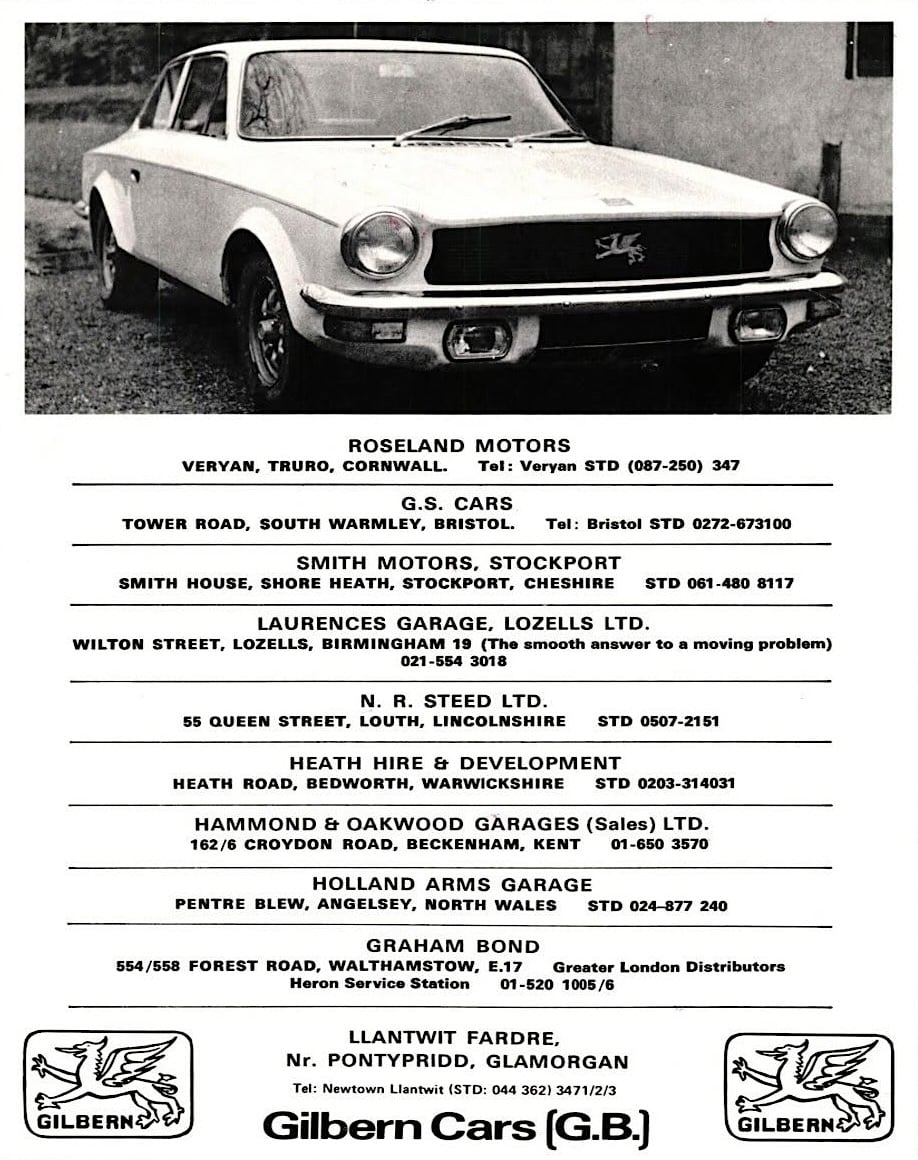
Gilbern announced the Mk III Invader in September 1972 at £2,493 (about $6,100 USD) and for the first time it was sold only as a complete car, not as a kit. Image courtesy of Gilbern Cars, Ltd.
The front suspension became a Cortina Mk III subframe with double wishbones, and the steering rack also came from the Cortina. A wider Ford rear axle added 4 inches of track. It was still located by trailing links and a Panhard rod, and it now had flared arches over 13-inch Ford steel wheels.
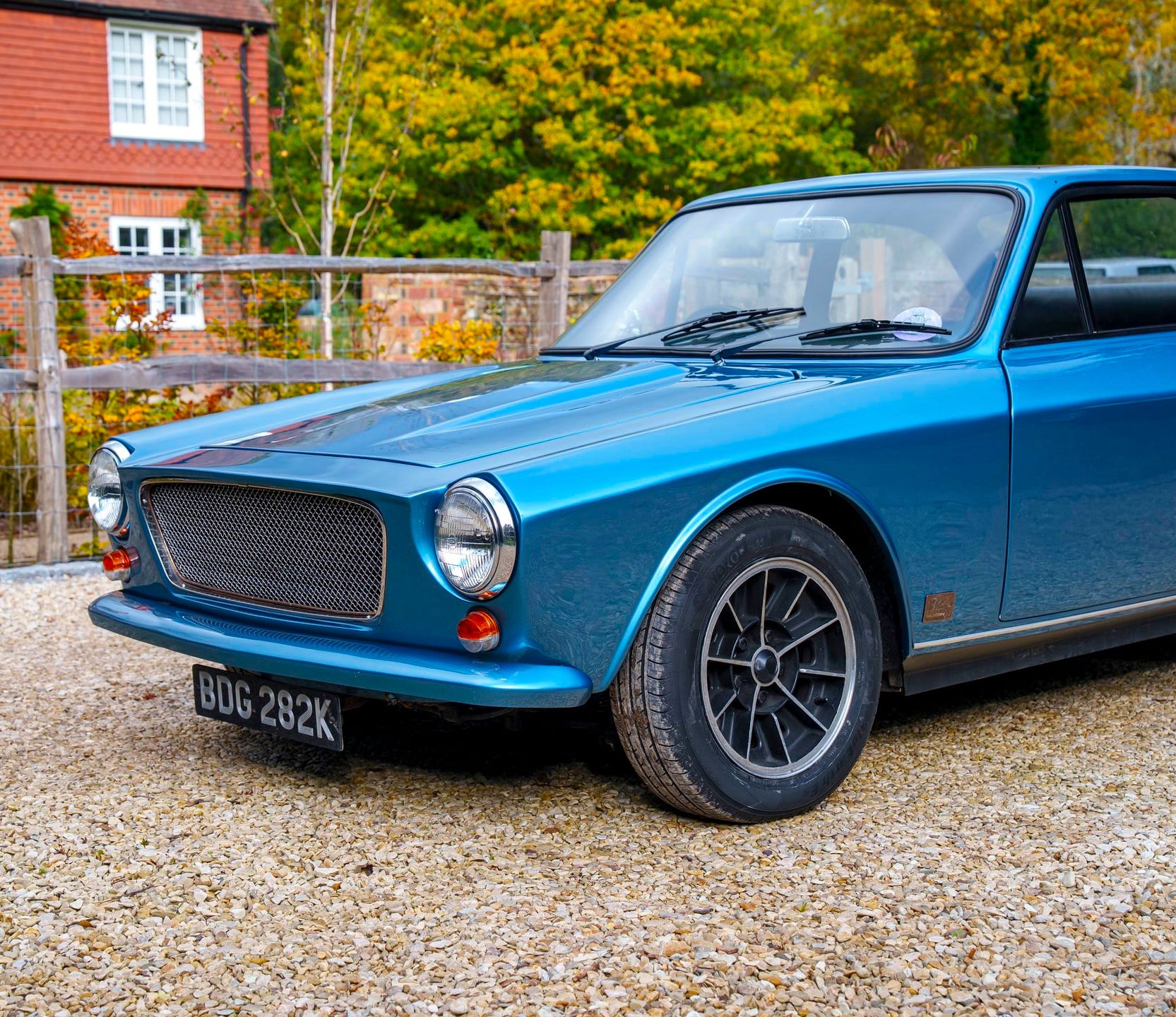
New fiberglass molds resulted in a lower, wider body, and the engine was the uprated V6 from the Ford Capri 3000GT, adjustable dampers were also fitted all round. No Mk III estate was offered.
The Mk III cost as much as a 2.8 liter Jaguar XJ6, this wasn’t a tenable sector of the market for the small Welsh company, and it would ultimately result in a sharp drop in sales. Final production for the Invader was 78 Mk I coupes, 212 Mk II coupes, 104 Mk II estates, and 212 Mk IIIs.
Receivership + Closure
Gilbern went into receivership in 1973, though it wasn’t quite the end. A new investor restarted the line, but production ended for good a year later in 1974, with a handful of orders for the Mk III still on the books. Two projects had reached the prototype stage without going into production – one was the mid-engined T11, which used an Austin Maxi drivetrain. The other was an Invader the company stretched to four doors after a suggestion that it would make a good police car.
The Gilbern Owners Club was founded in 1969, while the factory was still running. When Gilbern closed, the club salvaged the complete body molds for the GT and the Mk III Invader. Today they offer advice and parts to Gilbern owners, and help keep as many of the plucky Welsh cars on the road as they can.
The 1972 Gilbern Invader Shown Here
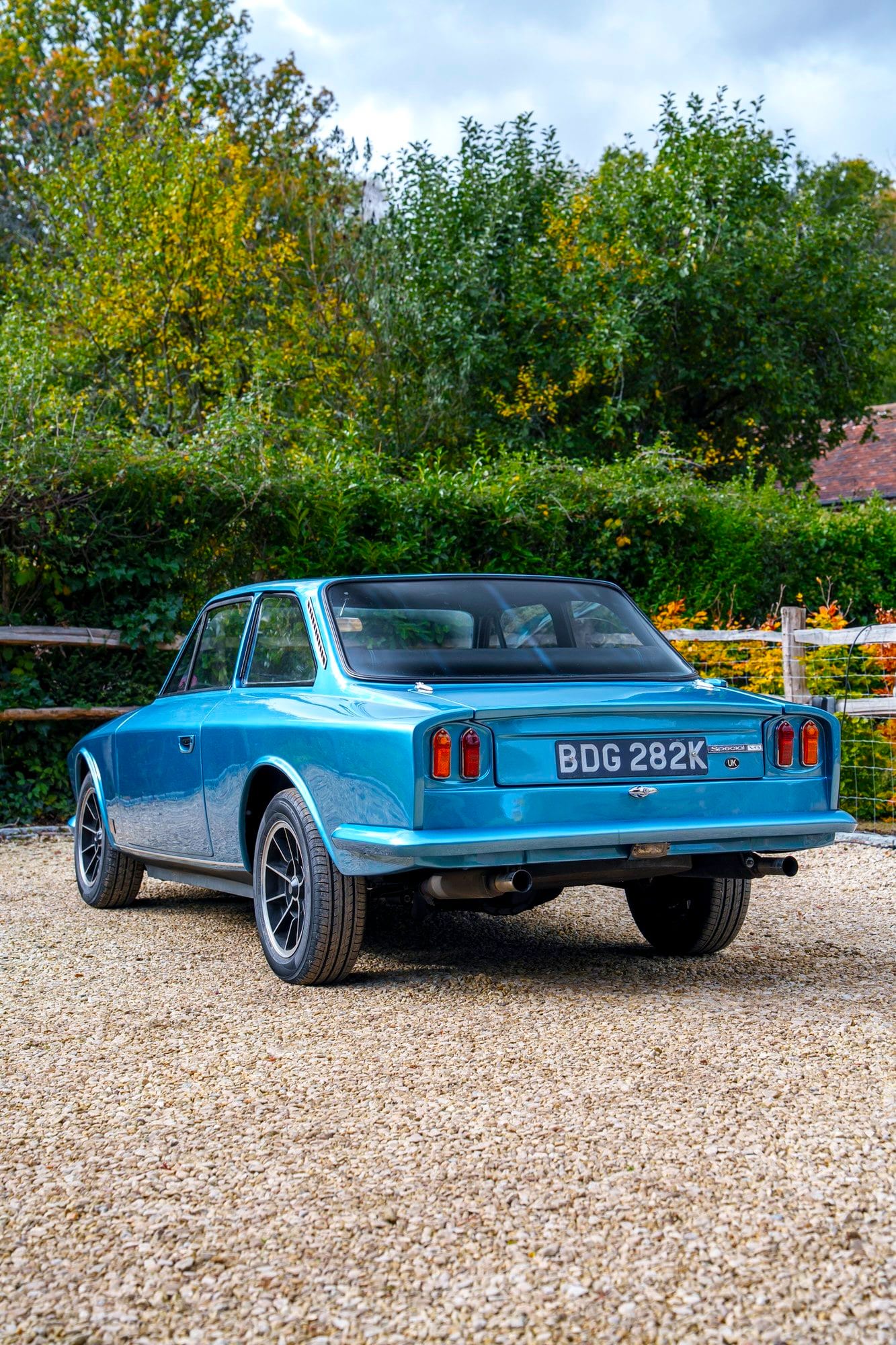
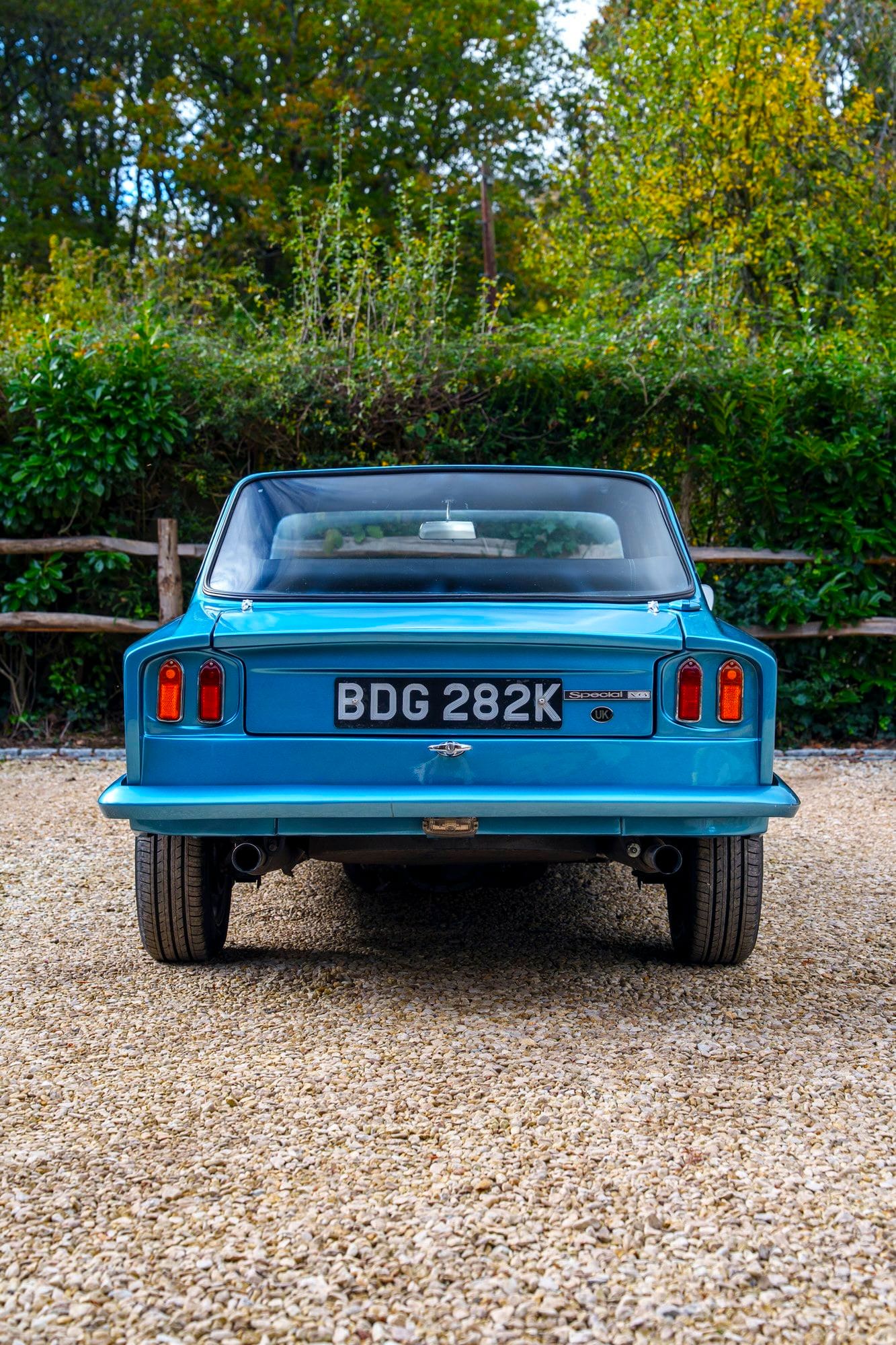
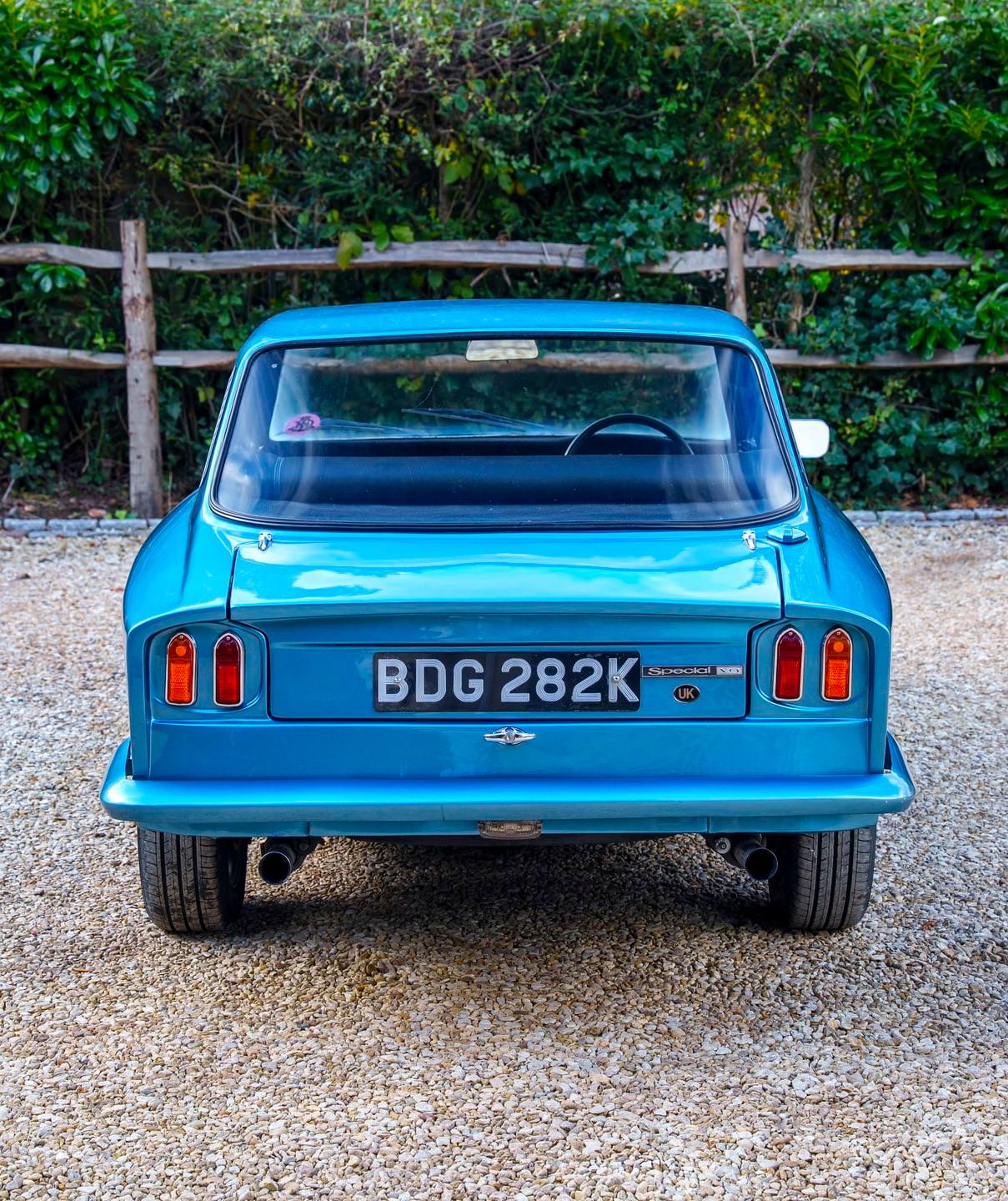
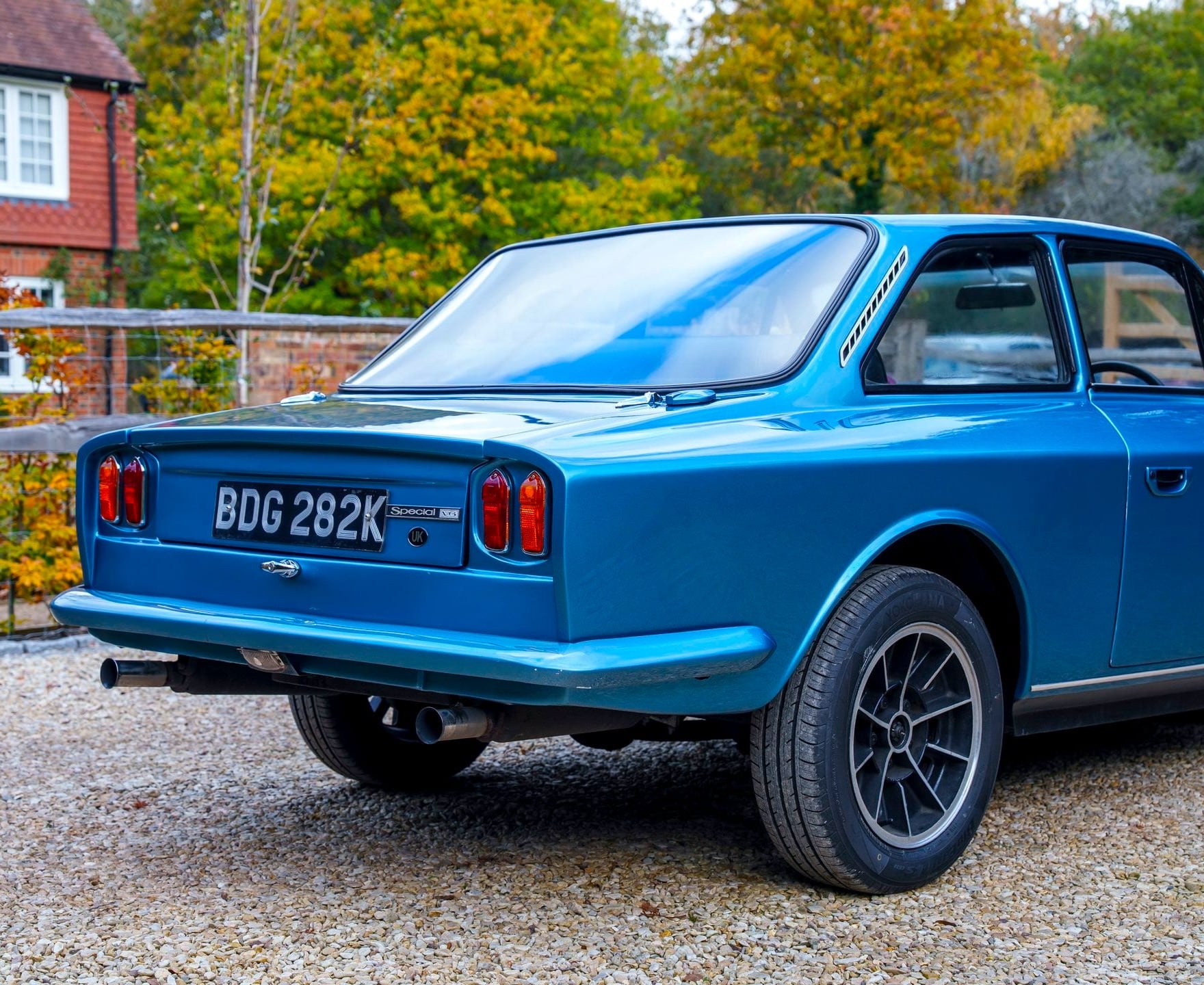
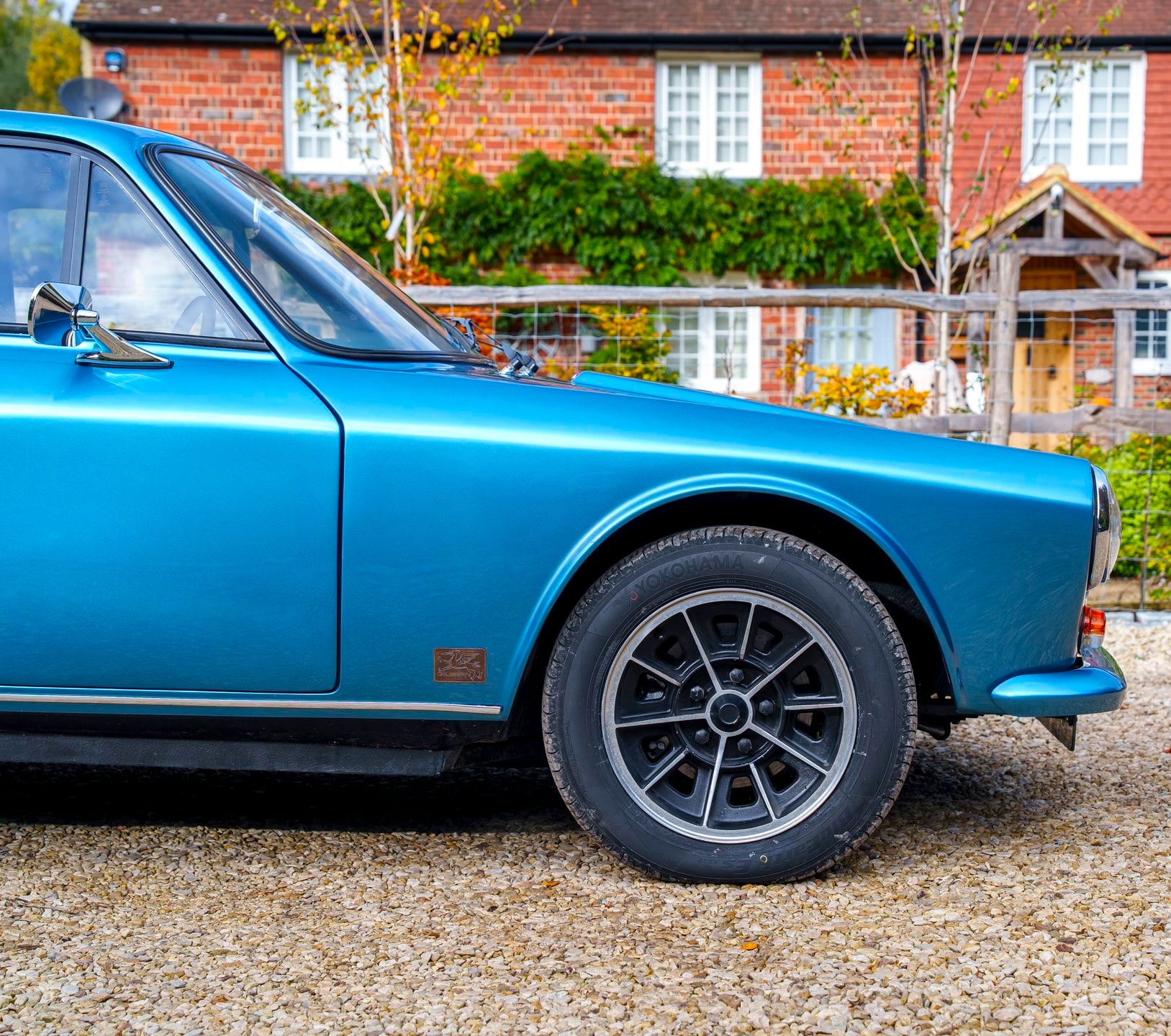
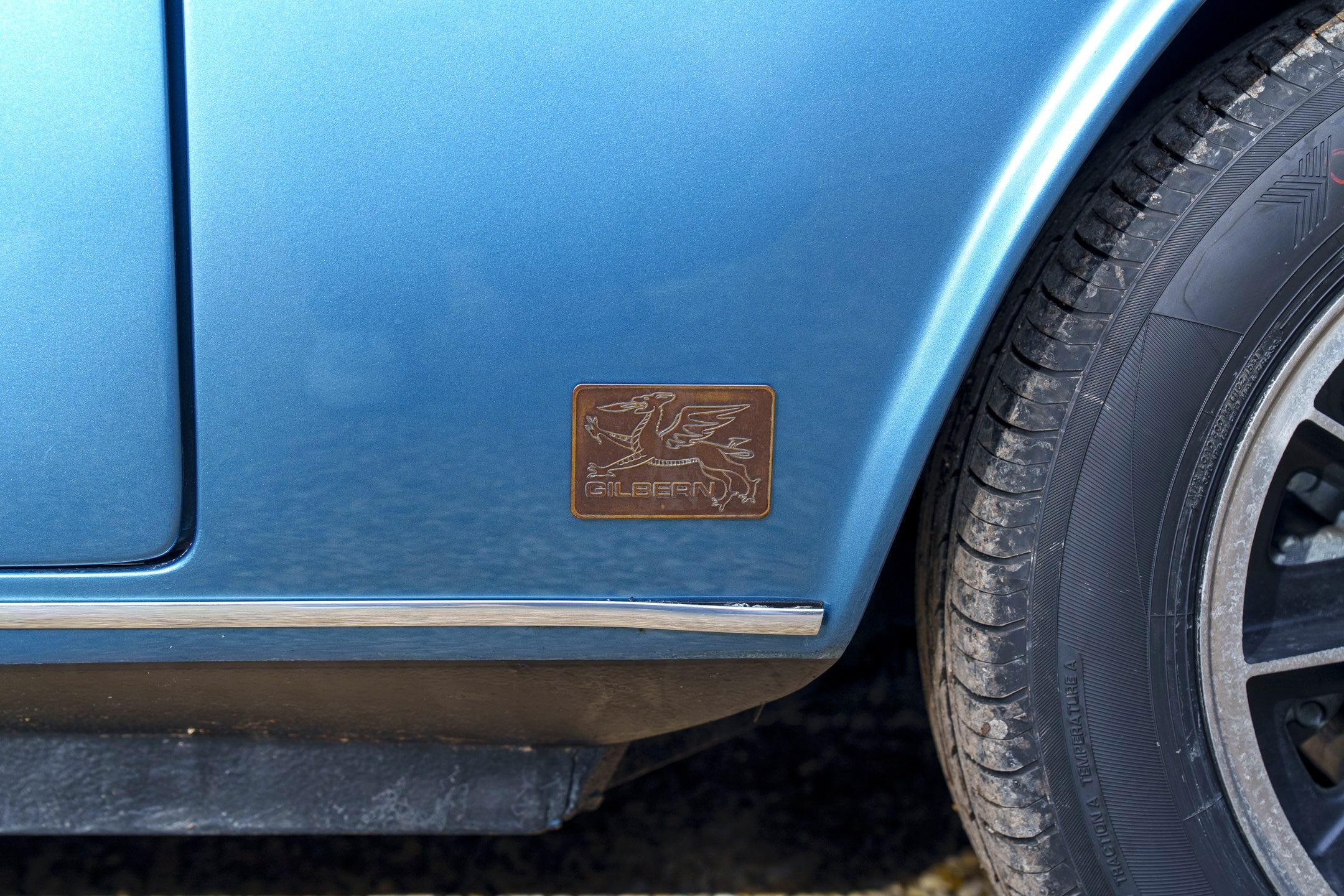
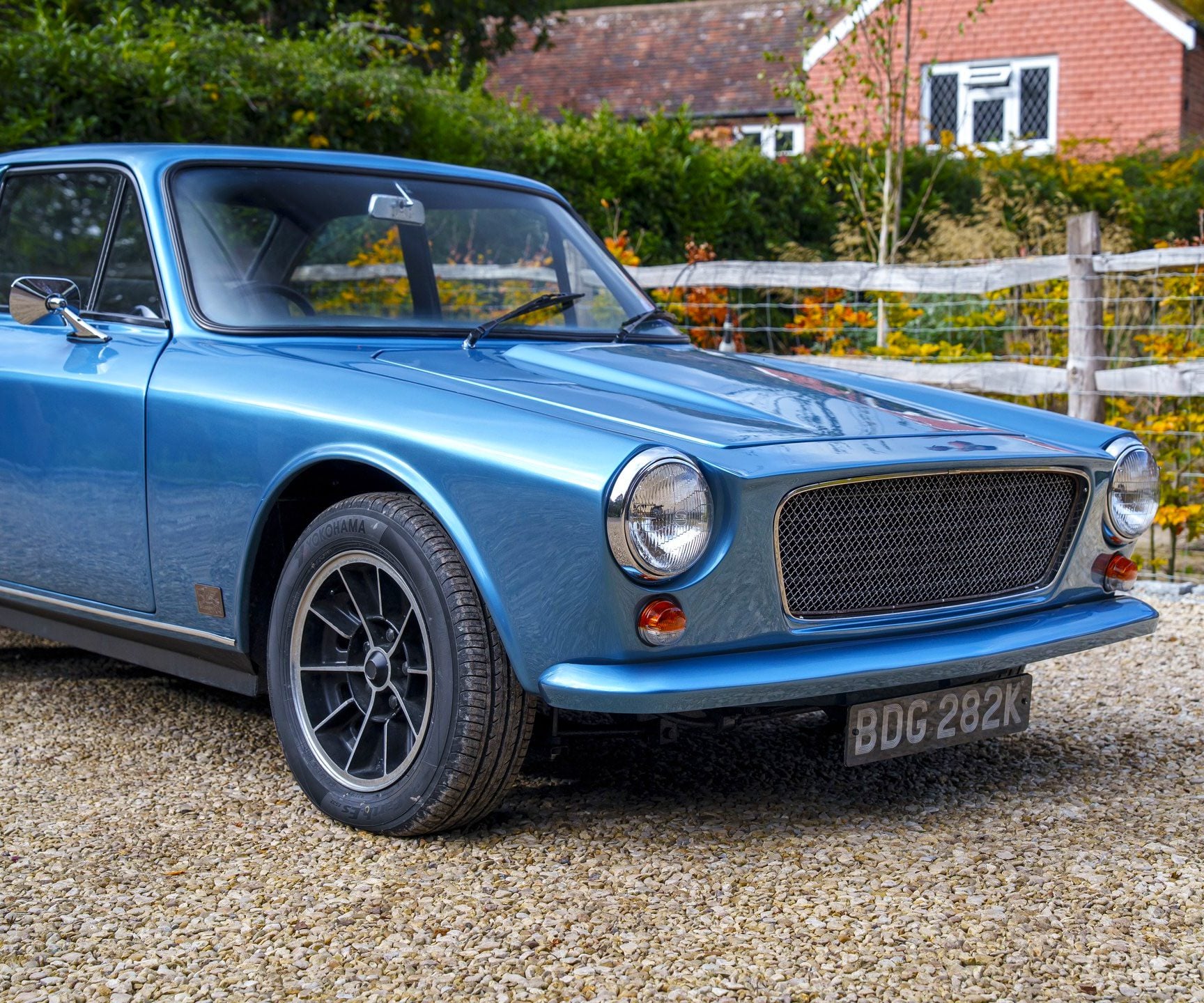
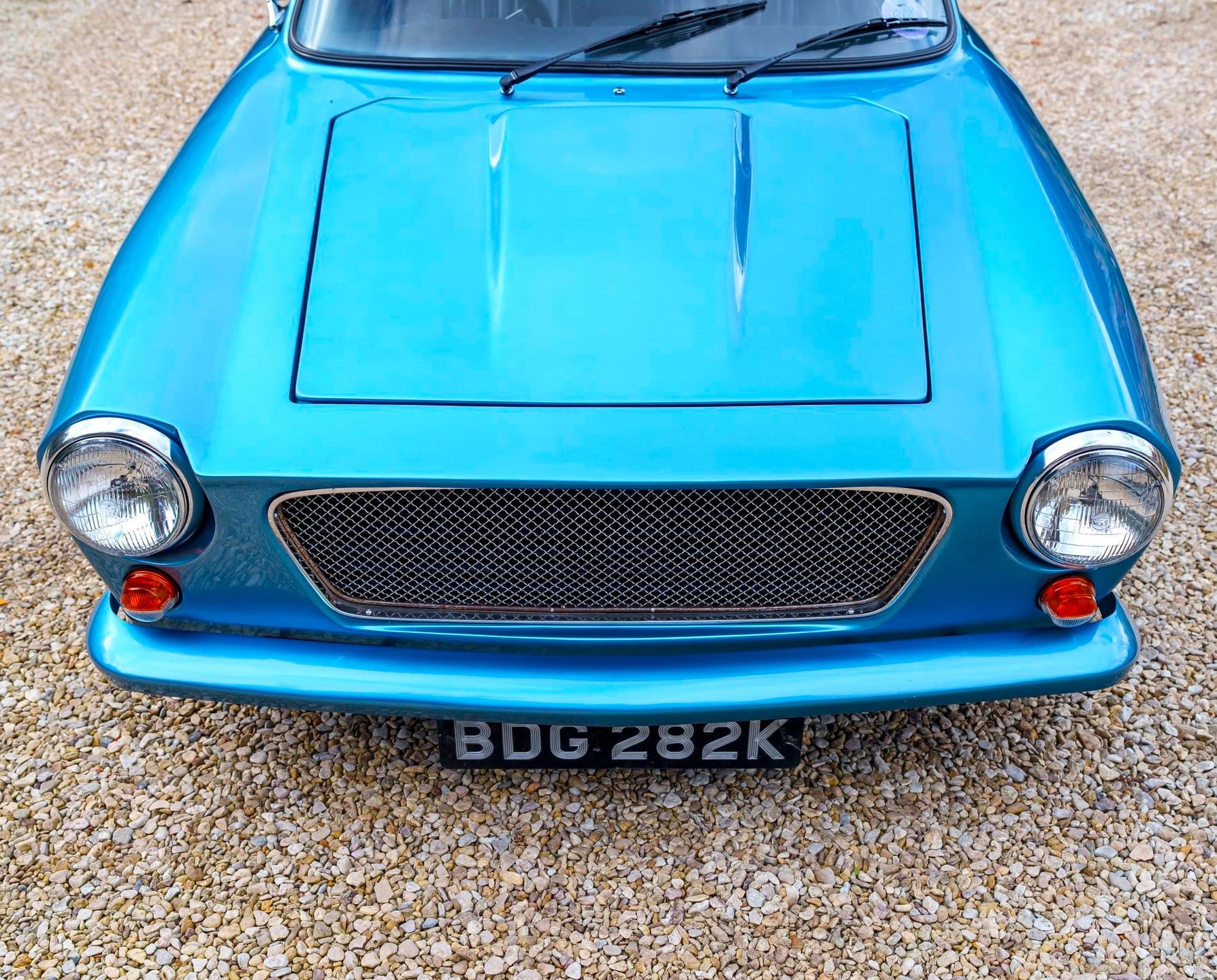
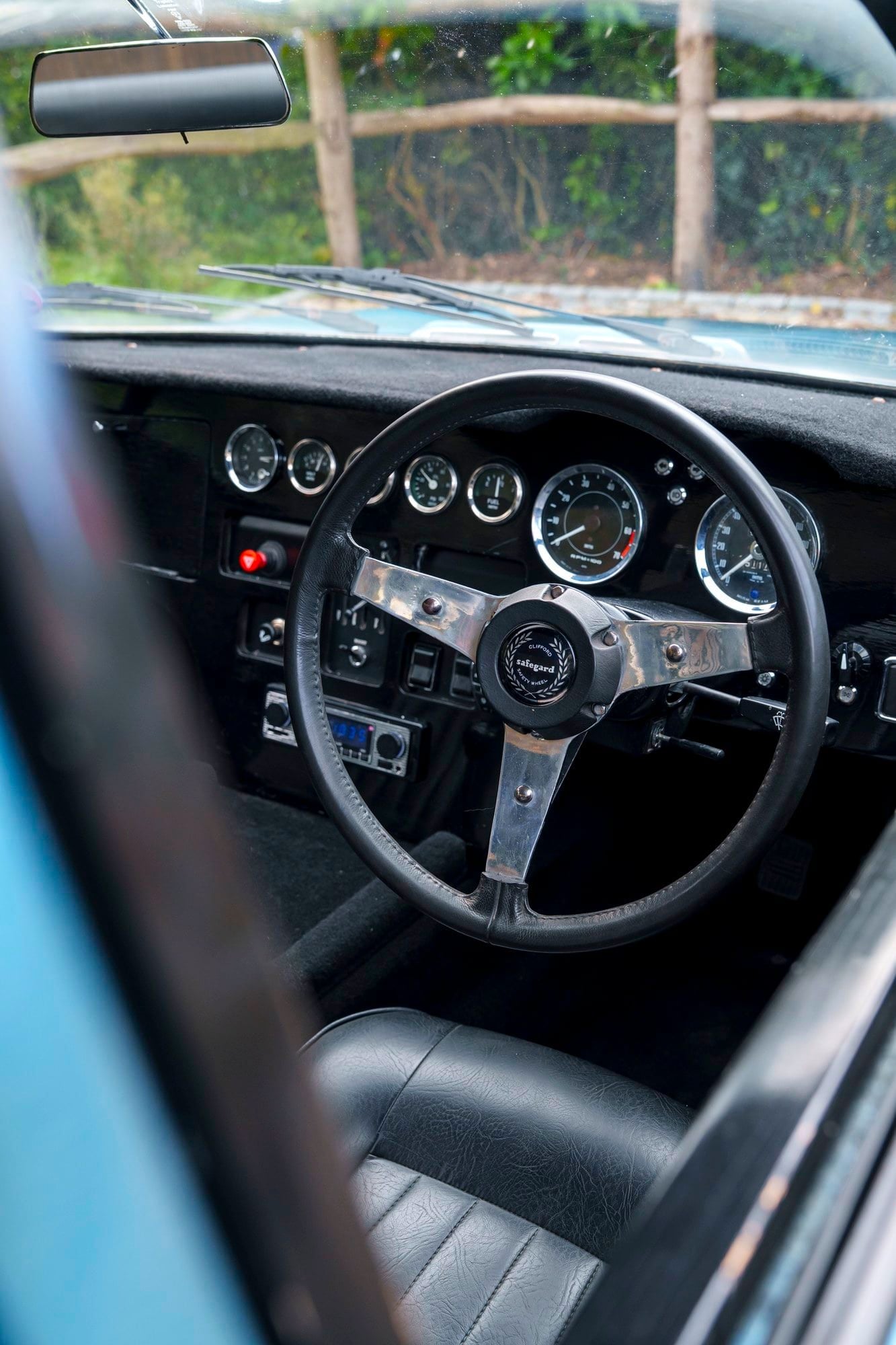
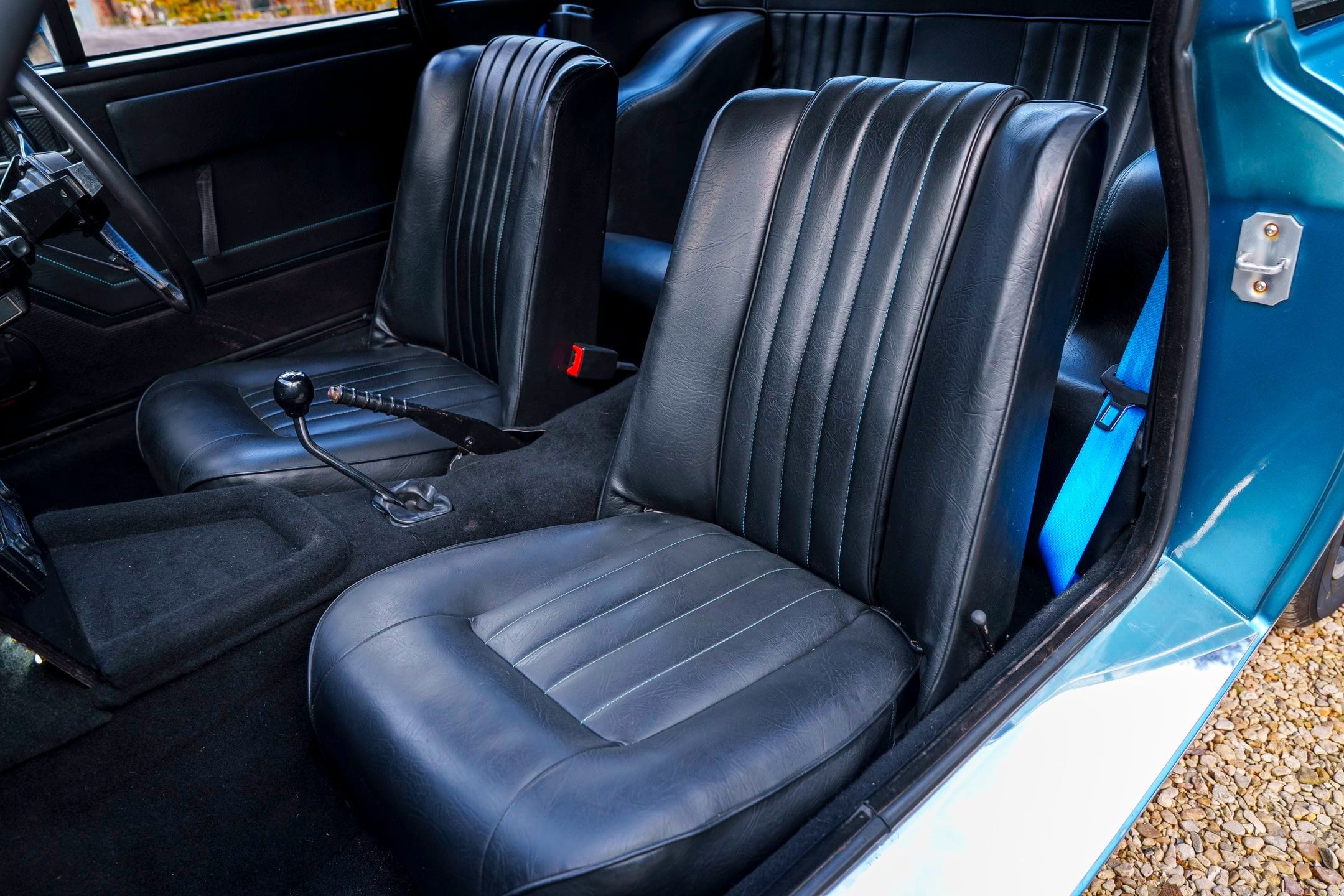
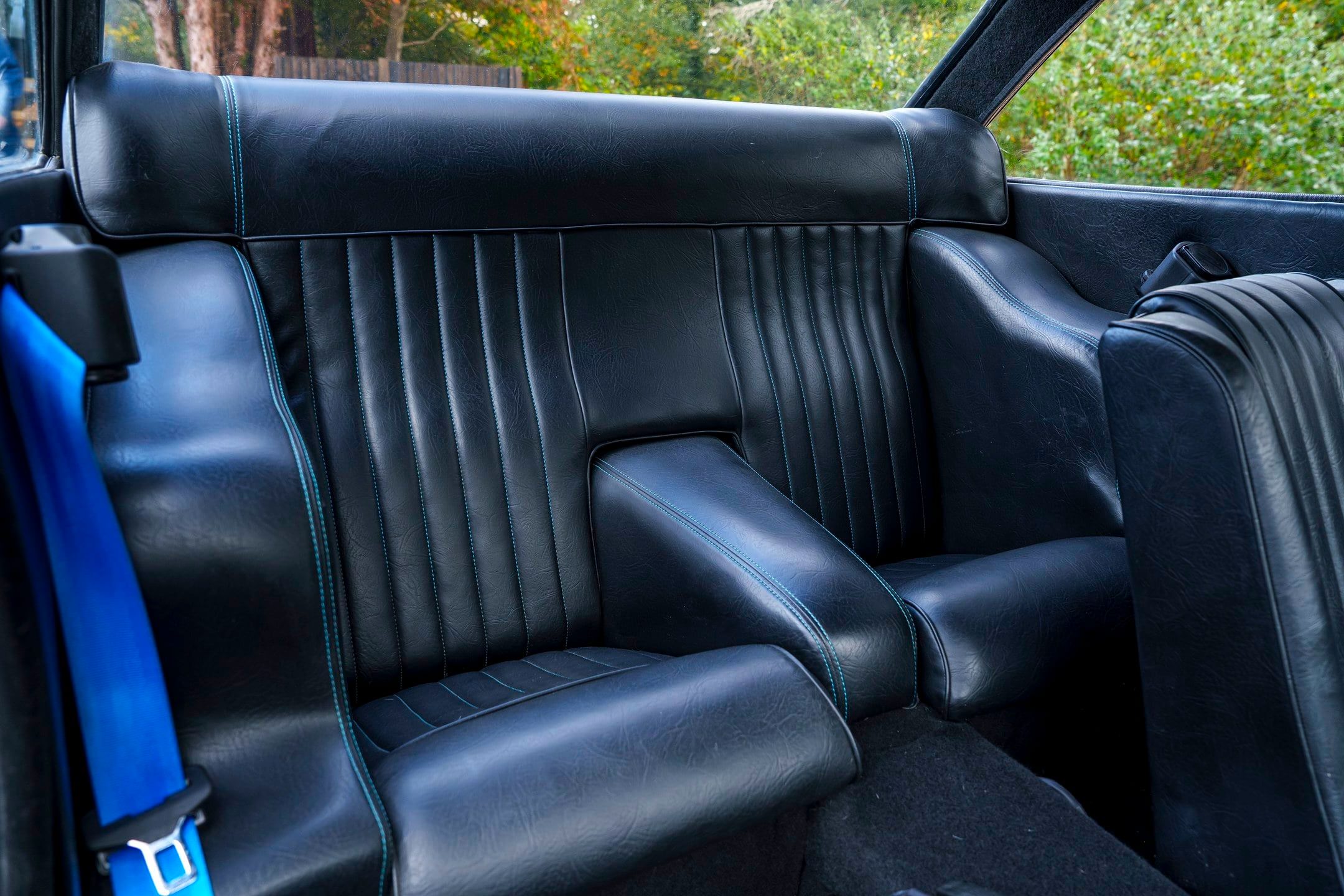
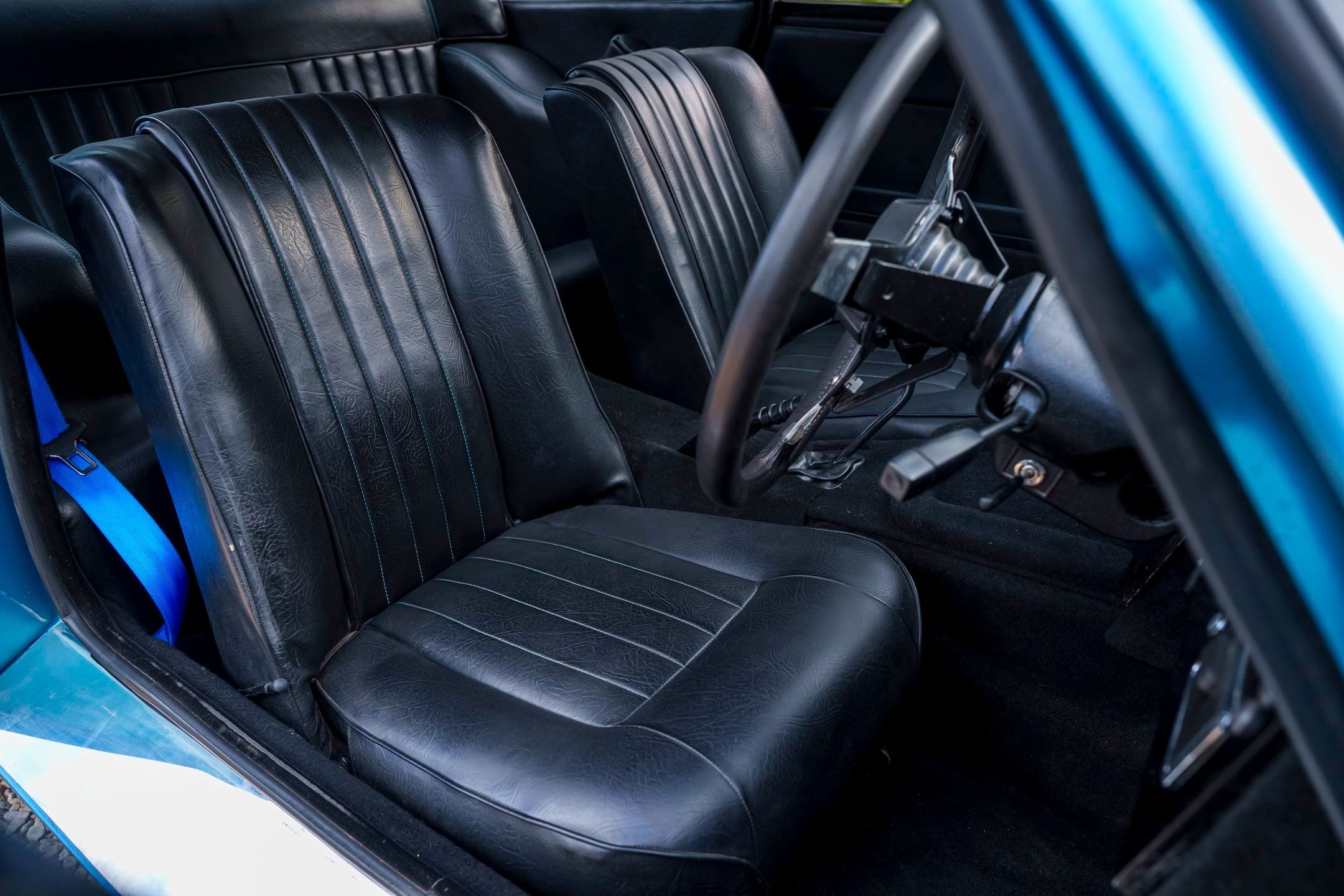
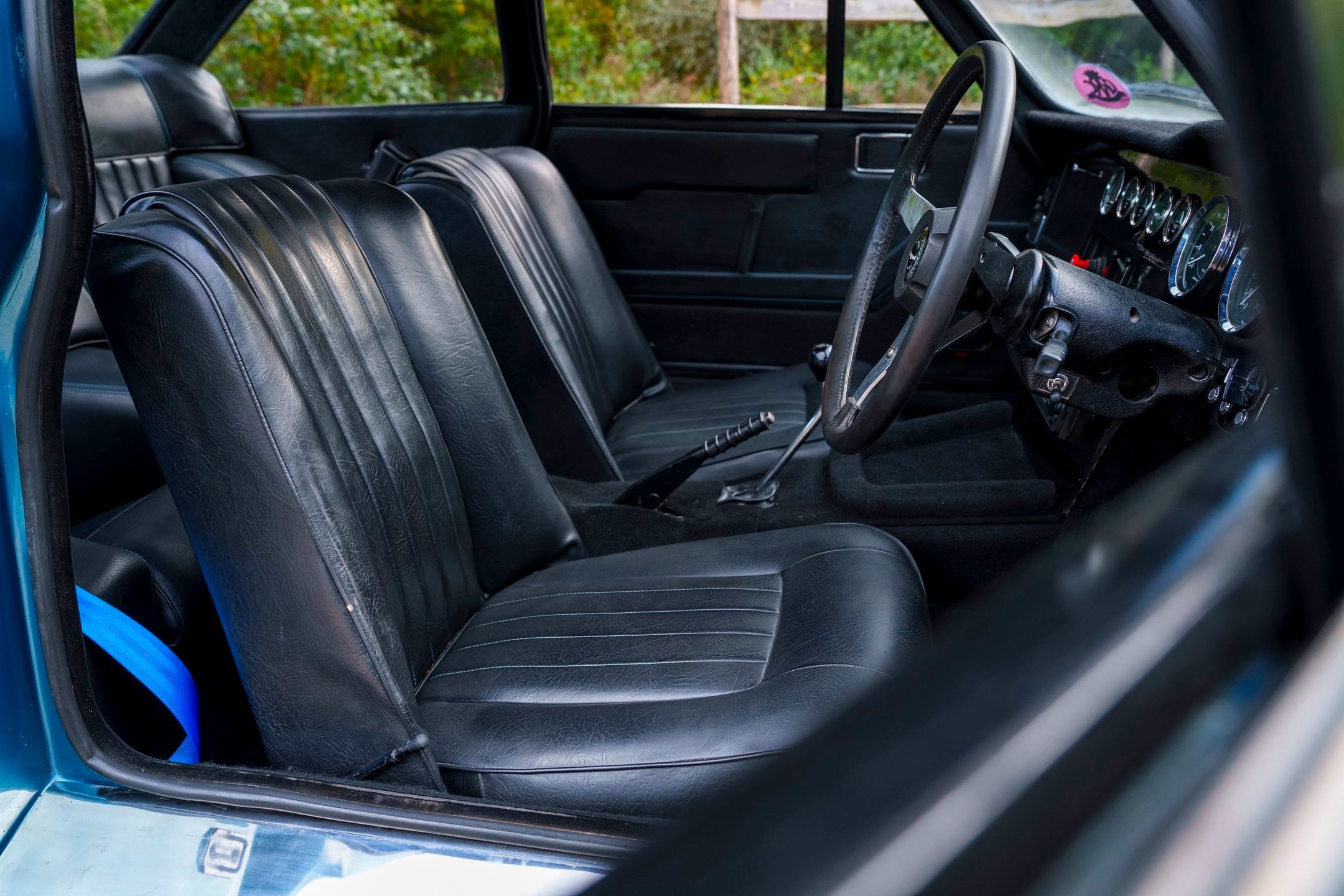
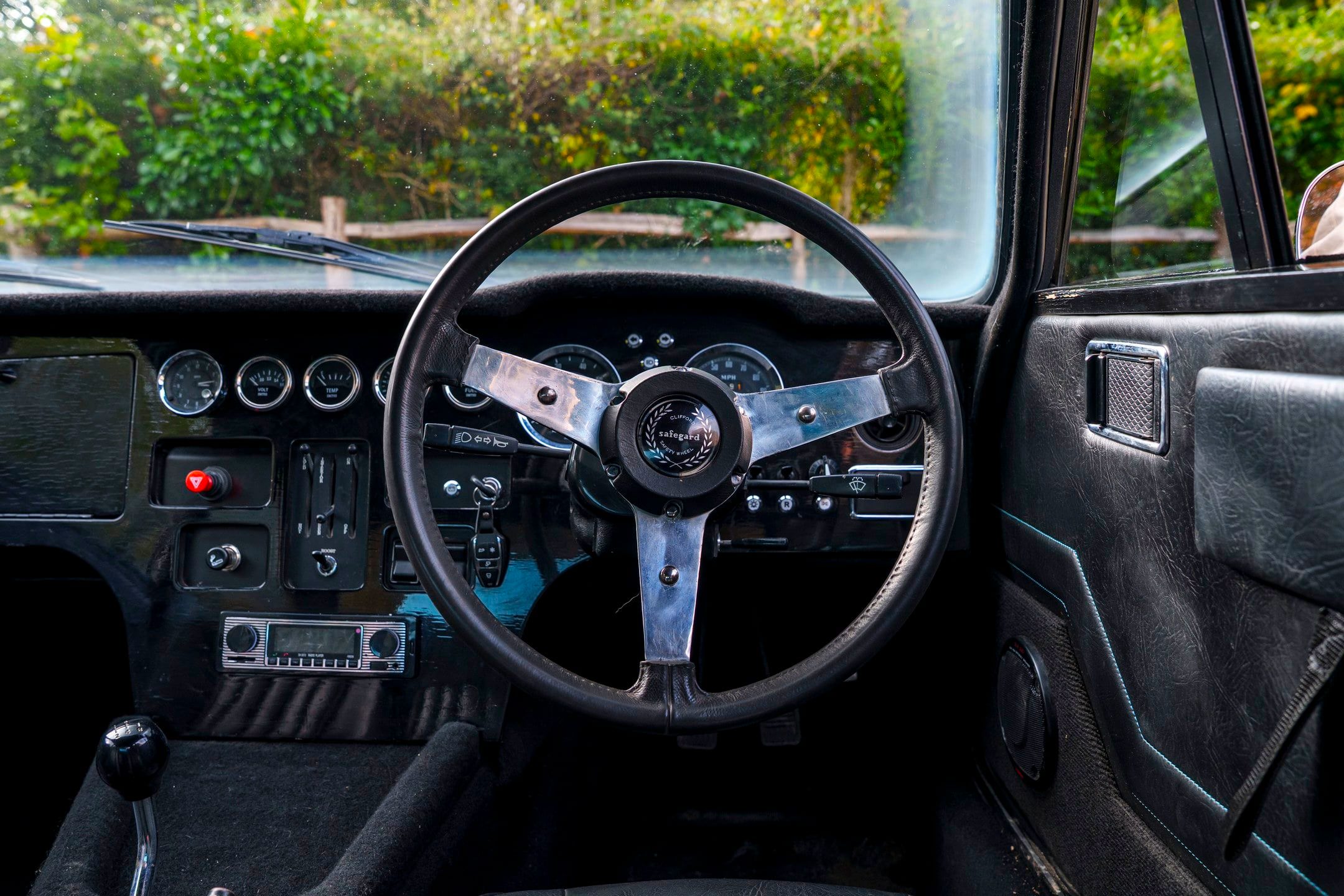
This is an original 1972 Gilbern Invader Mk III, it underwent a comprehensive 5-year restoration that was completed in early 2024. The work included a full respray, chassis treatment, a mechanical overhaul, and a retrim of the interior in black vinyl with blue stitching.
As you would expect, the car is powered by a Ford 3.0 liter Essex V6 paired with a 4-speed manual transmission. Additional work included the installation of four new Yokohama tires, new brake discs and pads all round, replacement rear shock absorbers, and new inertia-reel seat belts.
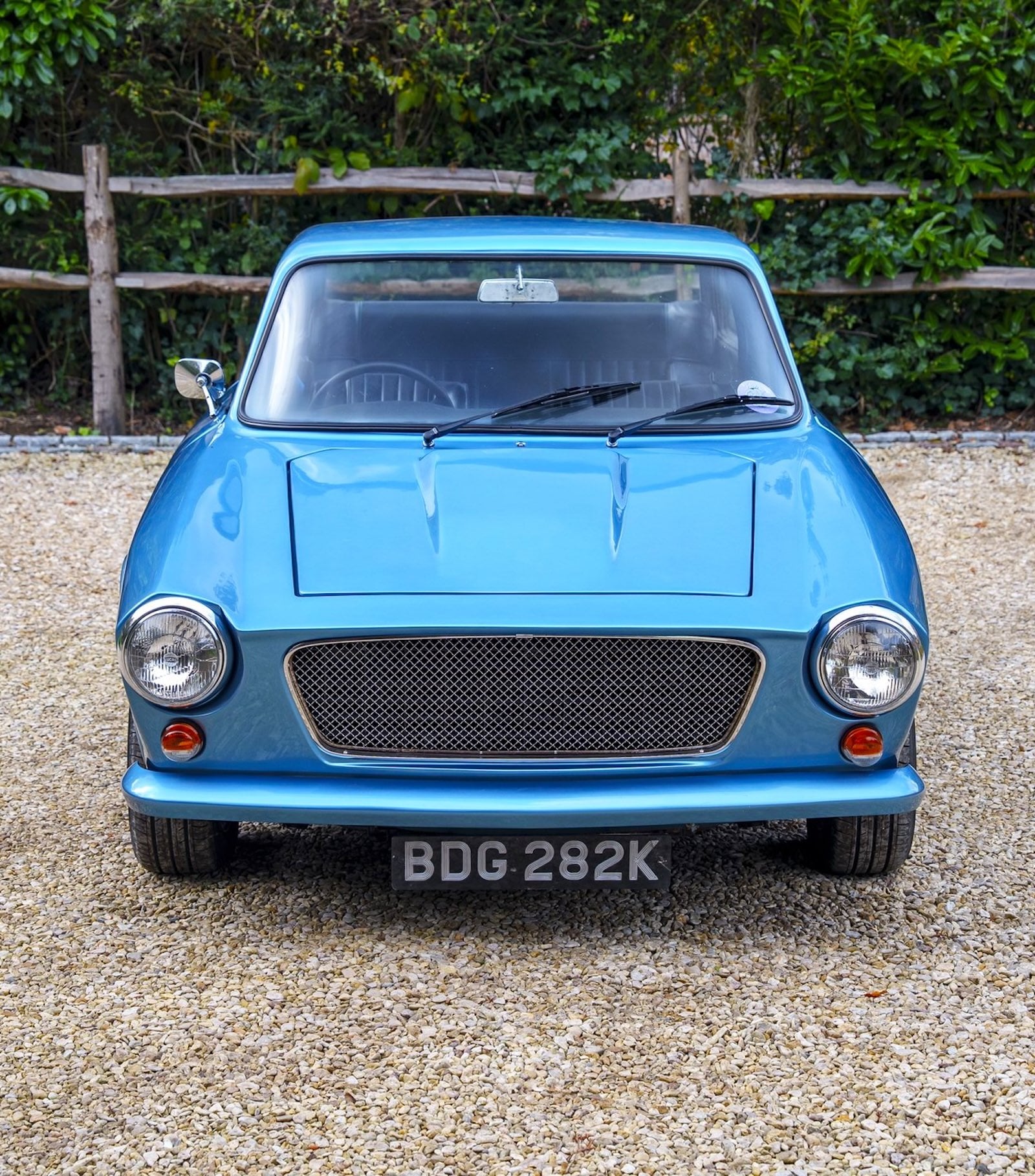
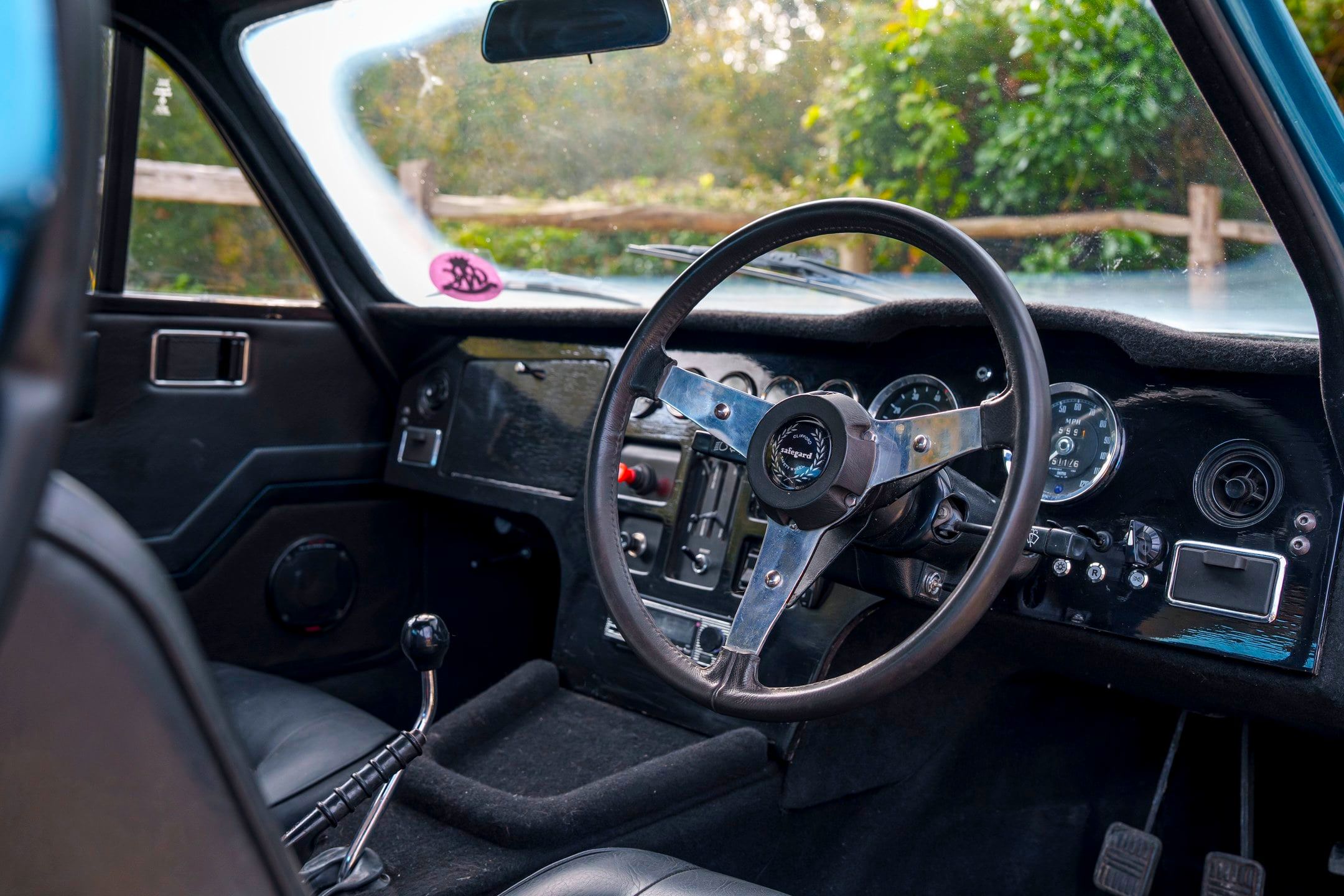
This is an original 1972 Gilbern Invader Mk III, it underwent a comprehensive 5-year restoration that was completed in early 2024. The work included a full respray, chassis treatment, a mechanical overhaul, and a retrim of the interior in black vinyl with blue stitching.
A straight-through stainless steel exhaust system has also been fitted, and the seller describes the mechanical condition as very good, noting that the engine starts readily and the car drives well. The fiberglass bodywork has a few minor cracks, although the paintwork is otherwise described as being in good condition. Since its restoration, the Invader has completed two return trips to Le Mans in France without mechanical problems.
It’s now being offered for sale out of the United Kingdom with a V5C registration document and is exempt from MOT testing and road tax under the applicable historic vehicle rules. If you’d like to read more about it or register to bid you can visit the listing here.
Images courtesy of Car & Classic

Articles that Ben Branch has written have been covered on CNN, Popular Mechanics, Smithsonian Magazine, Road & Track Magazine, the official Pinterest blog, the official eBay Motors blog, BuzzFeed, Autoweek Magazine, Wired Magazine, Autoblog, Gear Patrol, Jalopnik, The Verge, and many more.
Silodrome was founded by Ben back in 2010, in the years since the site has grown to become a world leader in the alternative and vintage motoring sector, with well over a million monthly readers from around the world and many hundreds of thousands of followers on social media.