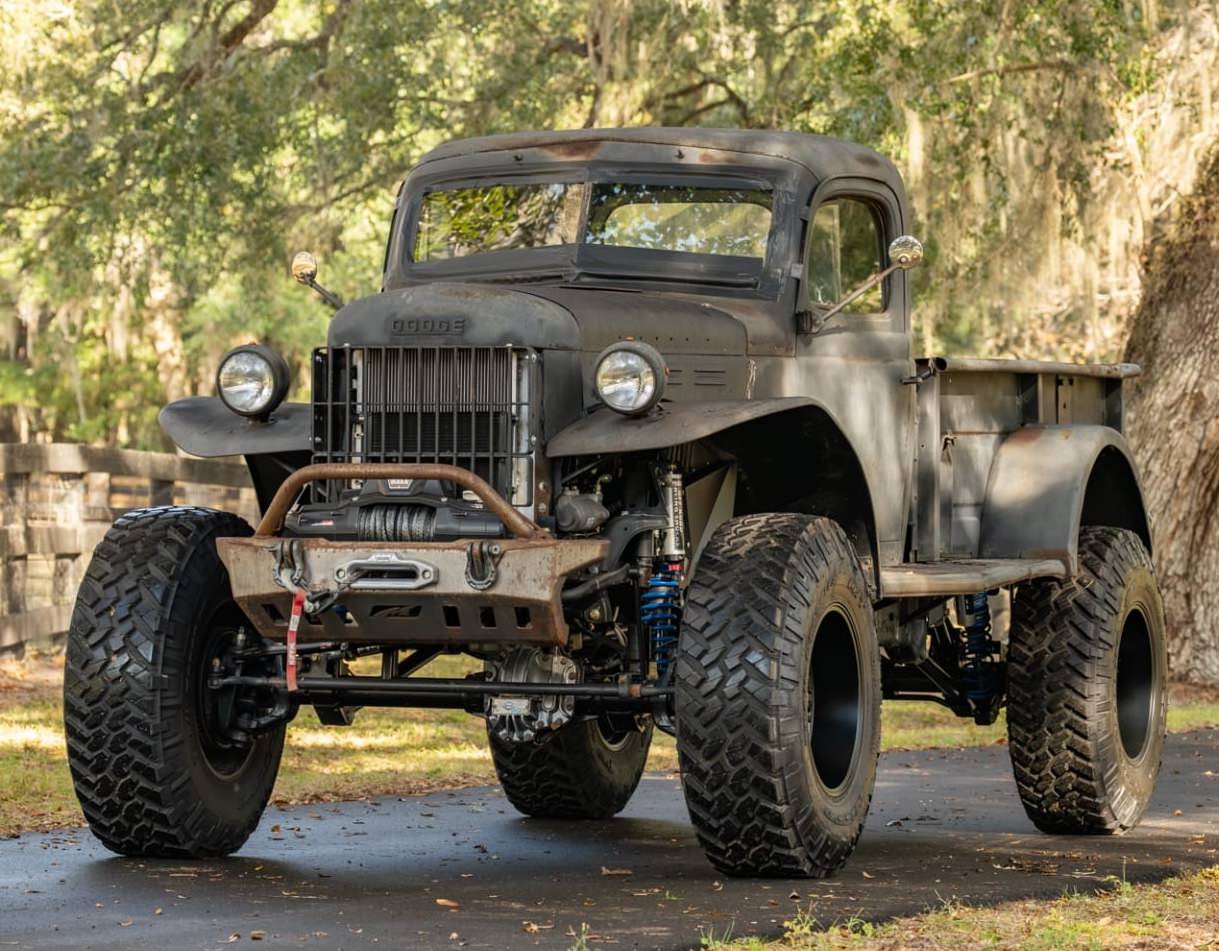
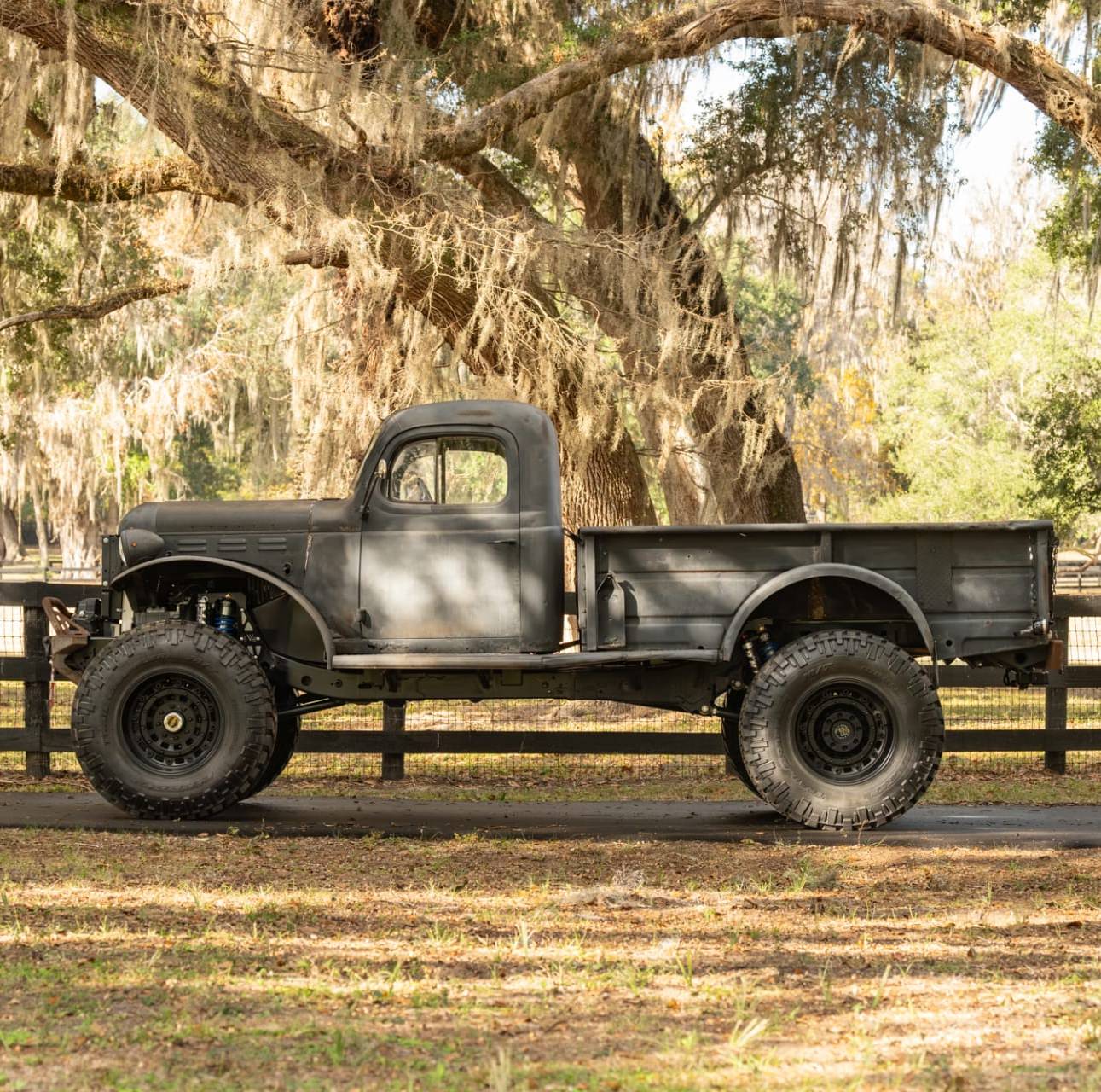
This is a 1967 Dodge Power Wagon that has been completely rebuilt, it’s now powered by a supercharged Hellephant 426 V8 crate engine rated at 1,000 bhp, and it sits on a Jeep Gladiator Rubicon chassis.
Thanks to its new underpinnings, this Power Wagon truly lives up to its name, and unlike its unmodified siblings it’s highway capable and able to overtake almost anything you’ll find on public streets. The body has been kept in deliberately patinated condition, turning it into a rat rod of sorts.
Fast Facts: A 1,000 BHP Dodge Power Wagon
- This is a heavily modified 1967 Dodge Power Wagon that’s been rebuilt around a modern Jeep Gladiator Rubicon chassis and fitted with a supercharged Hellephant 426 V8 crate engine producing 1,000 bhp. The result is a classic-bodied truck with modern suspension, braking, and drivetrain capable of sustained highway use and extreme performance.
- The original Dodge Power Wagon debuted for the 1946 model year, derived directly from WWII-era WC-series military trucks. It was engineered as a no-nonsense work vehicle for farms, utilities, and public agencies, featuring four-wheel drive as standard, a ladder frame, solid axles, leaf springs, and a low-revving inline-six focused on durability.
- Early Power Wagons were one-ton trucks with a 126-inch wheelbase, modest power output, and minimal comfort. Their narrow beds, PTO options, winches, and ultra-low gearing prioritized off-road traction and industrial usefulness over speed or refinement, placing them closer in spirit to vehicles like the Land Rover and Unimog than civilian pickups.
- Largely unchanged from 1946 through 1968, the heavy duty Power Wagon served niche but critical roles before lighter-duty four-wheel drive pickups eclipsed it. The Power Wagon name later evolved into modern Dodge and Ram models, while this rebuilt example reimagines the original concept with contemporary hardware and extreme horsepower.
History Speedrun: The Dodge Power Wagon
The Dodge Power Wagon didn’t start out as a lifestyle pickup truck, it first appeared at the end WWII long before there was such a thing as a lifestyle pickup truck, when the civilian automotive market was dominated by simple sedans and coupes.
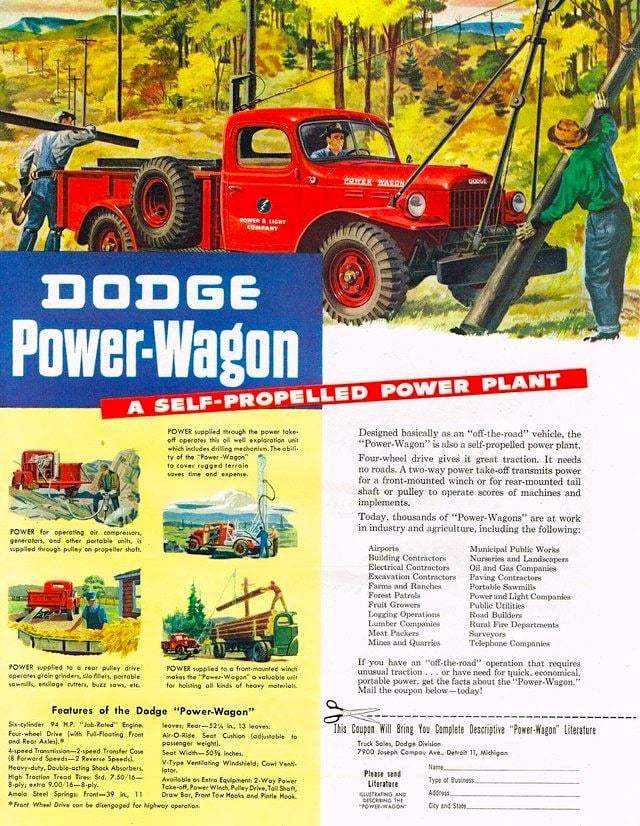
 Introduced for the 1946 model year, the original Power Wagon was not initially intended to attract civilian/suburban buyers. It was meant as a working machine, engineered entirely around function, and the hope at Dodge was that it would sell to farmers and ranchers, rural fire departments, the National Park Service, and to companies across the country for various industrial uses. Image courtesy of Dodge.
During the Second World War, Dodge built hundreds of thousands of four-wheel drive WC-series trucks for the U.S. military. These vehicles proved remarkably resilient in harsh environments, capable of hauling heavy loads, towing artillery, and operating far from established roads in the European, Pacific, and North African theaters of war.
As the war drew to a close, Dodge engineers began adapting this military truck for civilian use in the hopes of keeping production numbers up even after the conflict ended – they produced a series of engineering prototypes in late 1945. Retail sales of the civilian model began in early 1946, quietly establishing what would become one of the most important and influential trucks ever built – the Dodge Power Wagon.
Introduced for the 1946 model year, the original Power Wagon was not initially intended to attract civilian/suburban buyers. It was meant as a working machine, engineered entirely around function, and the hope at Dodge was that it would sell to farmers and ranchers, rural fire departments, the National Park Service, and to companies across the country for various industrial uses.
Its steel ladder frame chassis was derived directly from the WC military trucks, fitted with solid axles front and back, semi-elliptical leaf springs at each corner, and a dual-range transfer case. At first, power came from Dodge’s L-head 230 cubic inch inline-six, an engine known for toughness and reliability rather than power or speed, producing roughly 94 bhp and solid low-end torque.
A 4-speed manual transmission with a very low first gear made controlled crawling possible, even with heavy loads. Four-wheel drive was standard equipment, not an optional extra, and a power take-off could be fitted to operate winches, pumps, or other industrial and agricultural machinery.
Interestingly, in Britain and Germany, other vehicles were being developed around the same time with similar intentions. The British developed the first Land Rover with its power takeoff as a four-wheel drive that could double as both a car and a tractor. Across in Germany the Unimog was being developed, again with a power takeoff for tractor-like use case scenarios on farms with the ability to be driven into town for church on Sundays.
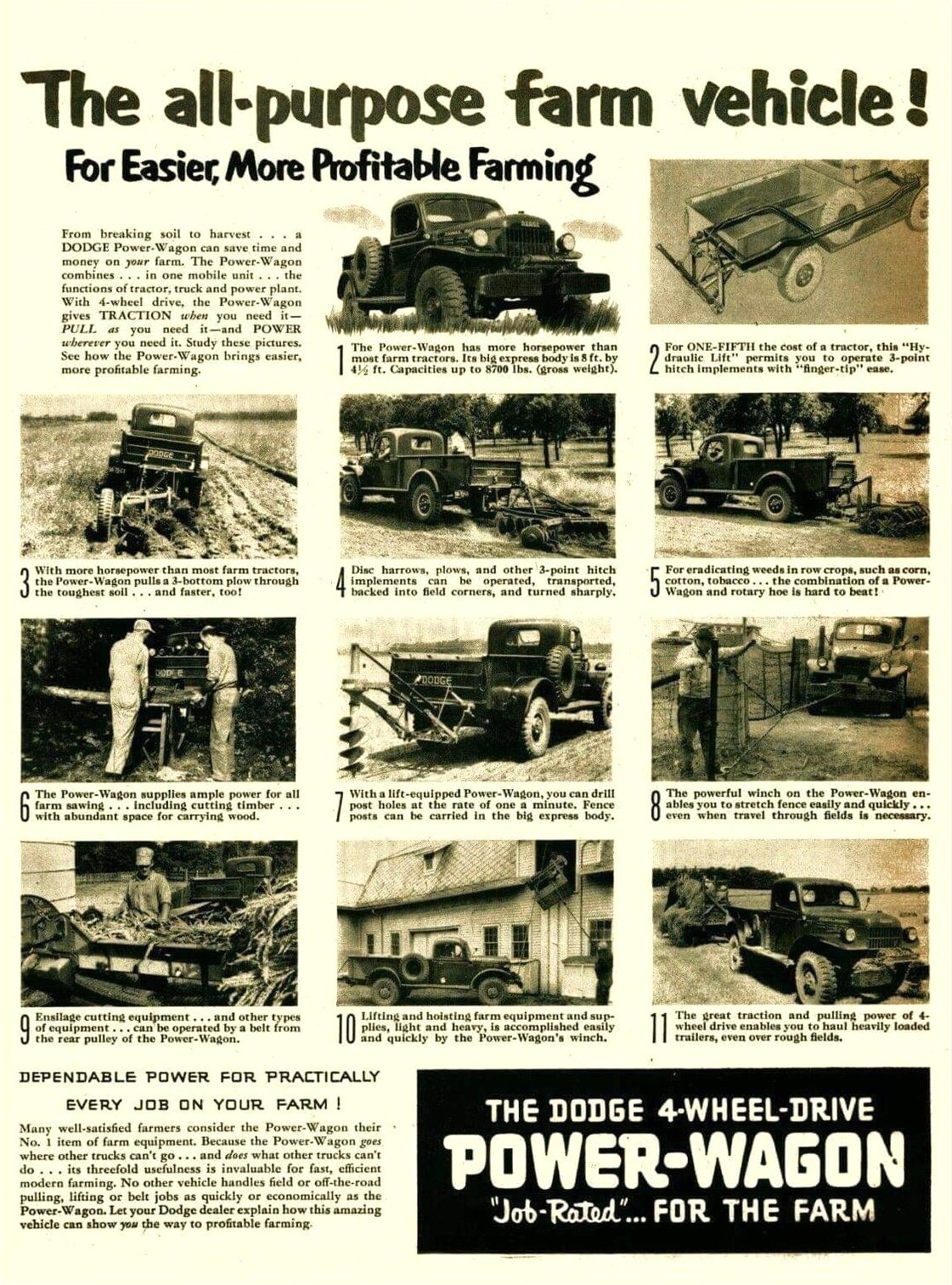
Four-wheel drive was standard equipment with the Power Wagon, not an optional extra, and a power take-off could be fitted to operate winches, pumps, or other industrial and agricultural machinery. Image courtesy of Dodge.
Early Power Wagons rode on a 126-inch wheelbase and were rated as one-ton trucks, with a maximum payload of 3,000 lbs. This placed them well above the half-ton and three-quarter-ton pickups in production at the time. Braking was hydraulic, steering was unassisted, and the cab was sparse by any measure but this was normal by the standards of the time.
The narrow, high-sided bed was designed to clear the rear wheels and preserve ground clearance rather than maximize cargo space. Buyers could specify factory equipment like a Braden front-mounted winch, dual rear wheels, and specialized beds depending on the job at hand. Comfort and appearance ranked low on the priority list – capability and reliability always came first.
What makes the first-generation Power Wagon remarkable is how little it changed over time. From 1946 through 1968, the basic mechanical layout remained largely intact. Dodge made incremental updates, electrical systems were revised, minor drivetrain refinements were introduced, larger engines were offered, and cab details evolved, but the core design stayed fundamentally the same for more than two decades.
This long production run was unusual even by mid-century standards and was a clear sign of the Power Wagon’s narrow but important role. It was never intended to compete with passenger-oriented pickups from Ford or Chevrolet but rather it served on farms, in municipalities, oil fields, railroads, utilities, and remote worksites where getting stuck or breaking down was simply not an option.
By the late 1950s and early 1960s, the pickup market was evolving rapidly, buyers increasingly expected higher road speeds, improved comfort, and more day-to-day versatility. Dodge soon responded by broadening the Power Wagon name beyond its original heavy-duty form.
Lighter-duty W-series four-wheel drive pickups were introduced, offering more conventional proportions and better on-road manners while keeping good off-road capability. These trucks appealed to a much wider audience, and perhaps predictably, they gradually surpassed the original Power Wagon in sales volume.
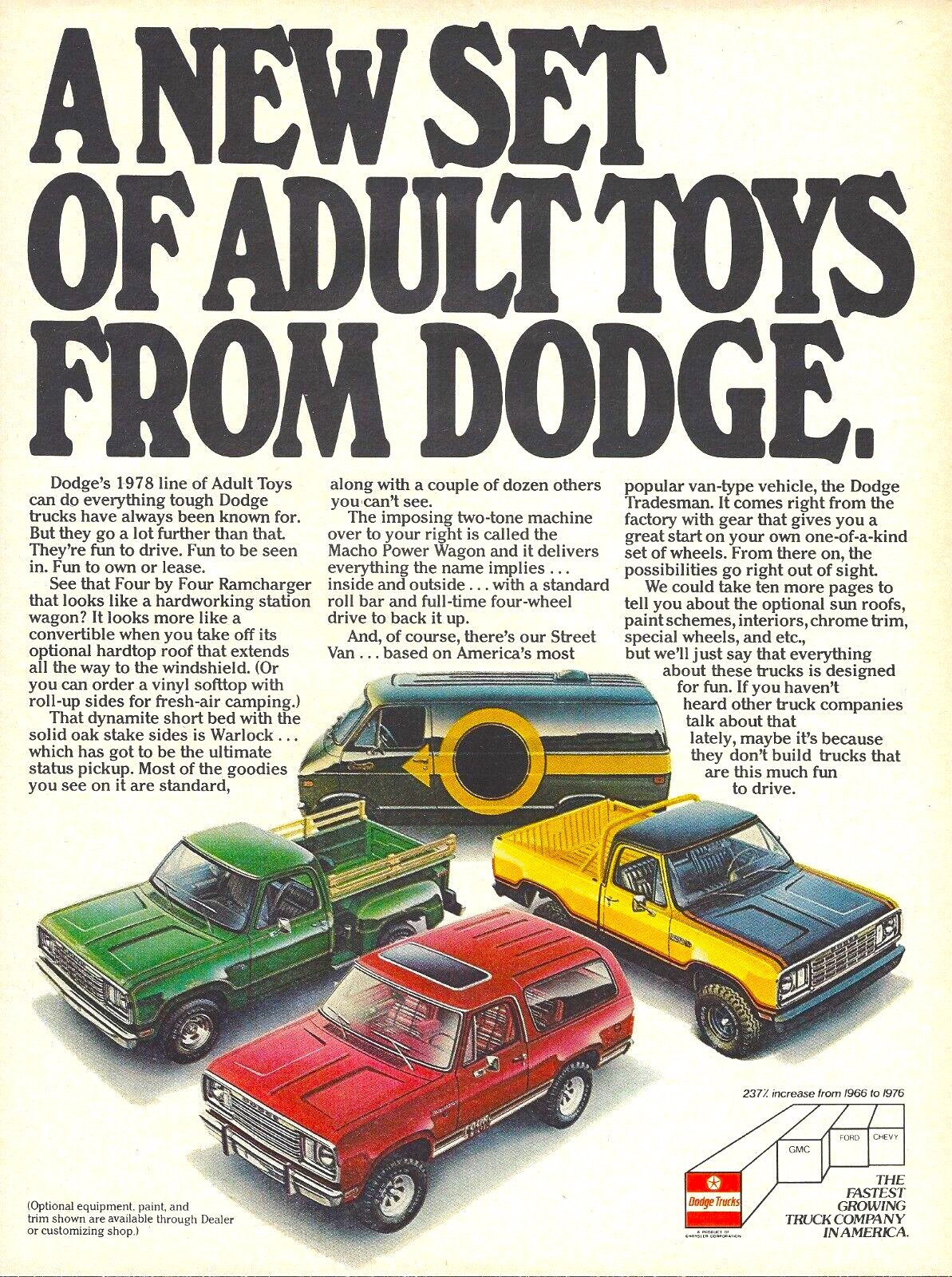
The original heavy-duty Power Wagon was discontinued for the U.S. market after the 1968 model year, though limited export production did continue for several years afterward due to overseas demand. The Power Wagon name itself survived, reappearing on later Dodge and Ram four-wheel drive pickup models and ultimately returning in 2005 as a factory-built off-road variant of the Ram pickup. Image courtesy of Dodge.
The original heavy-duty Power Wagon was discontinued for the U.S. market after the 1968 model year, though limited export production did continue for several years afterward due to overseas demand. The Power Wagon name itself survived, reappearing on later Dodge and Ram four-wheel drive pickup models and ultimately returning in 2005 as a factory-built off-road variant of the Ram pickup.
While modern Power Wagons share little mechanically with the original they do keep the name rolling forward well into the 21st century – something the wartime engineers of the first Power Wagon would probably never have believed.
The Hellephant V8-Swapped Power Wagon Shown Here
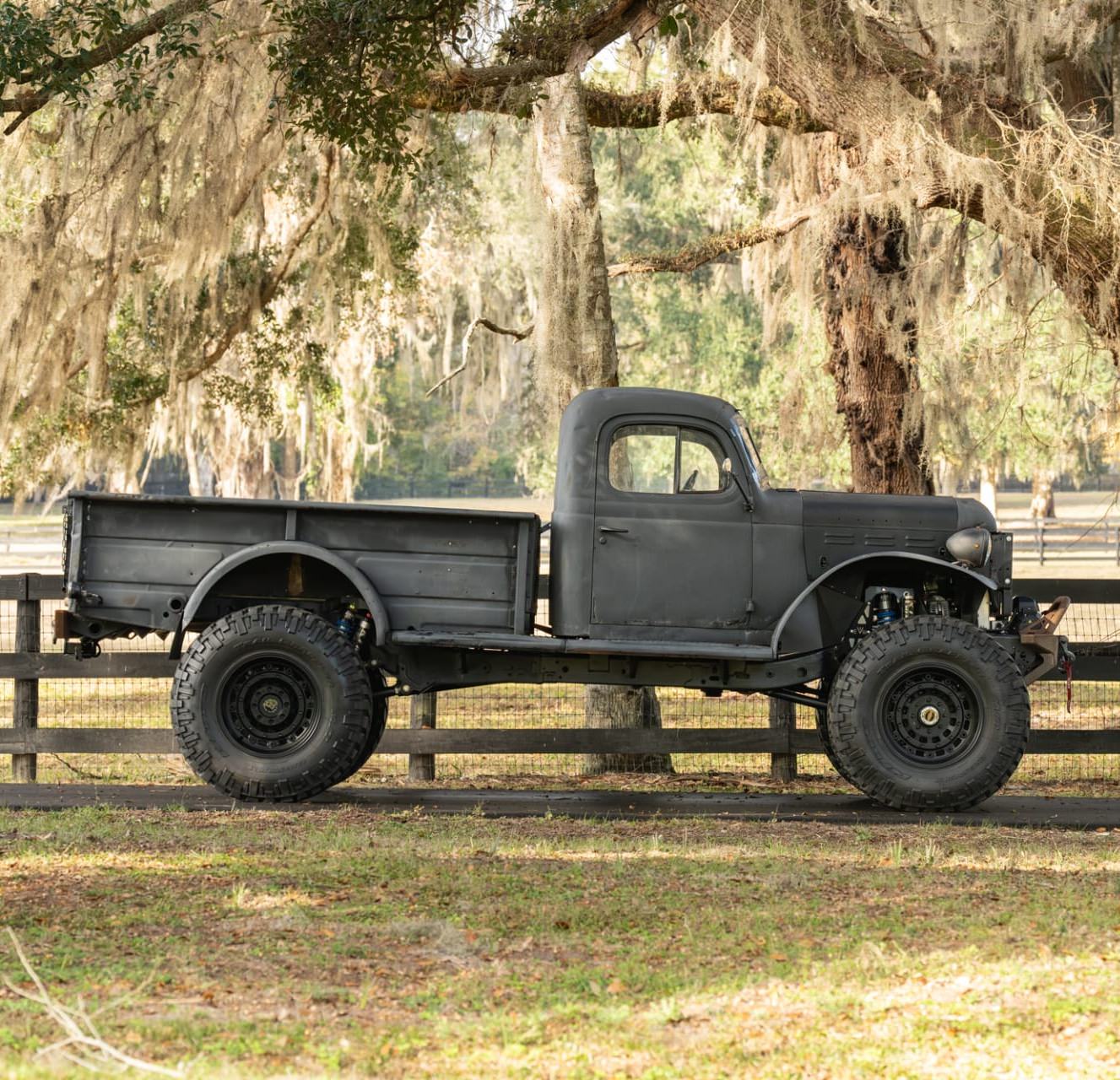
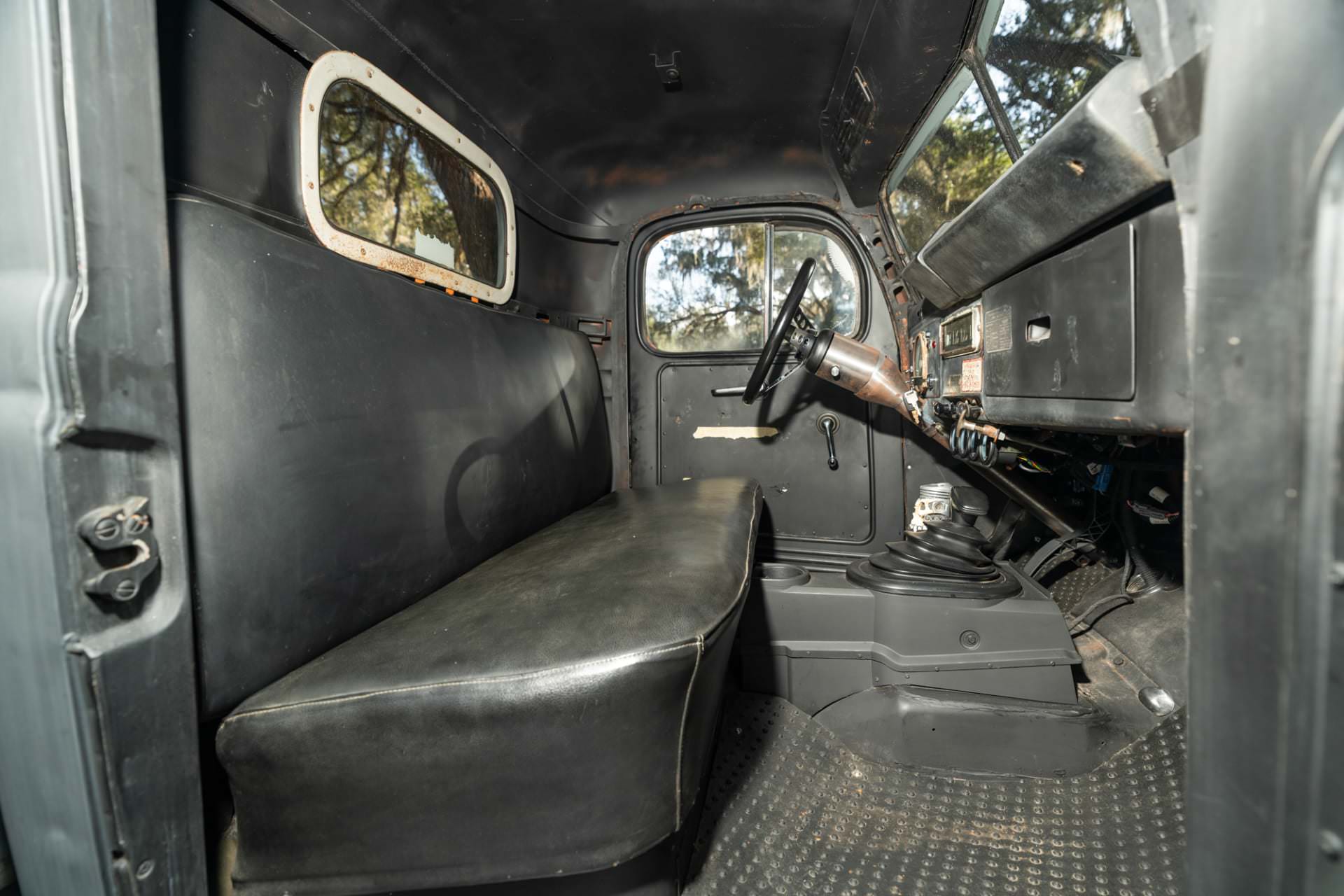
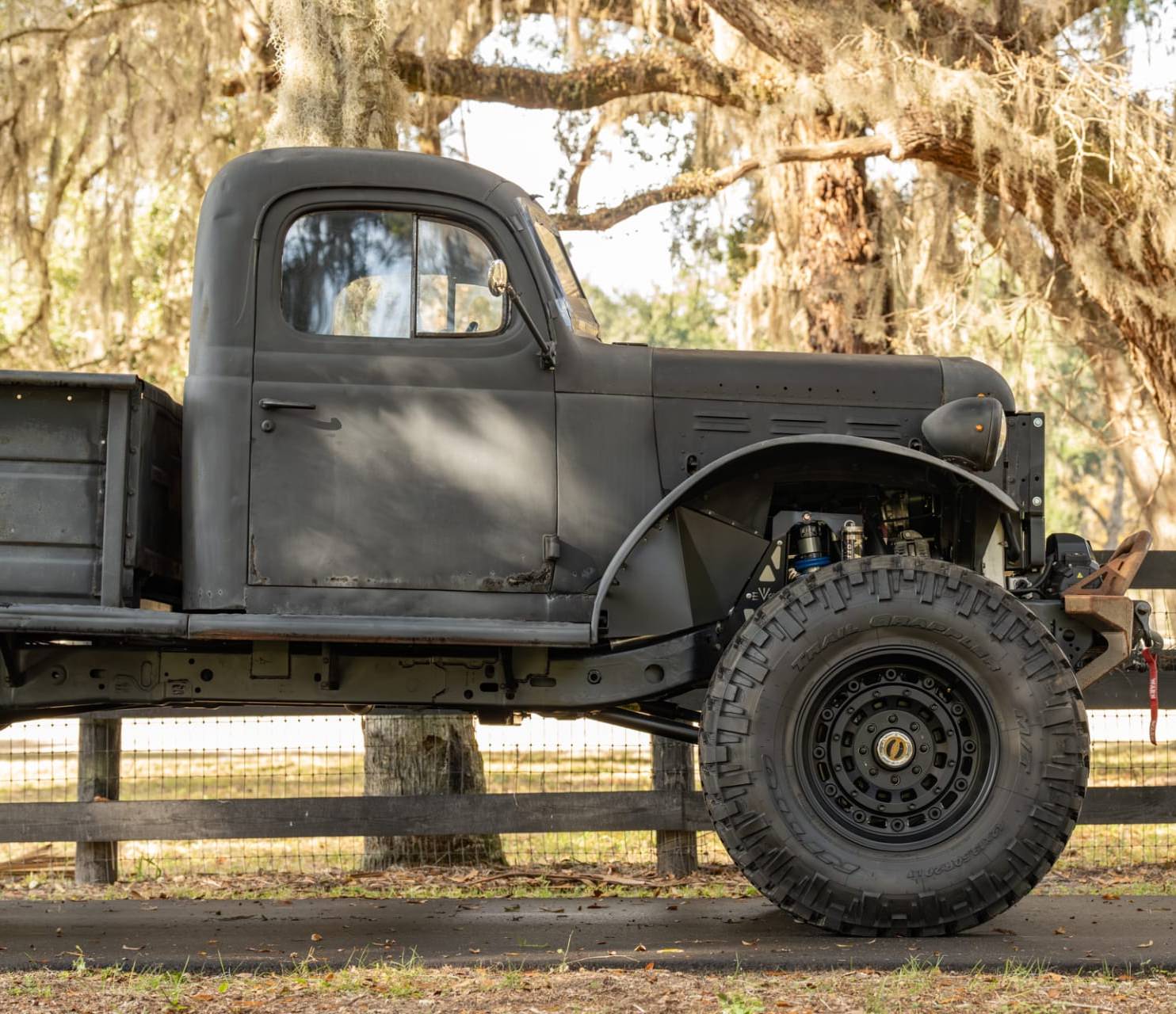
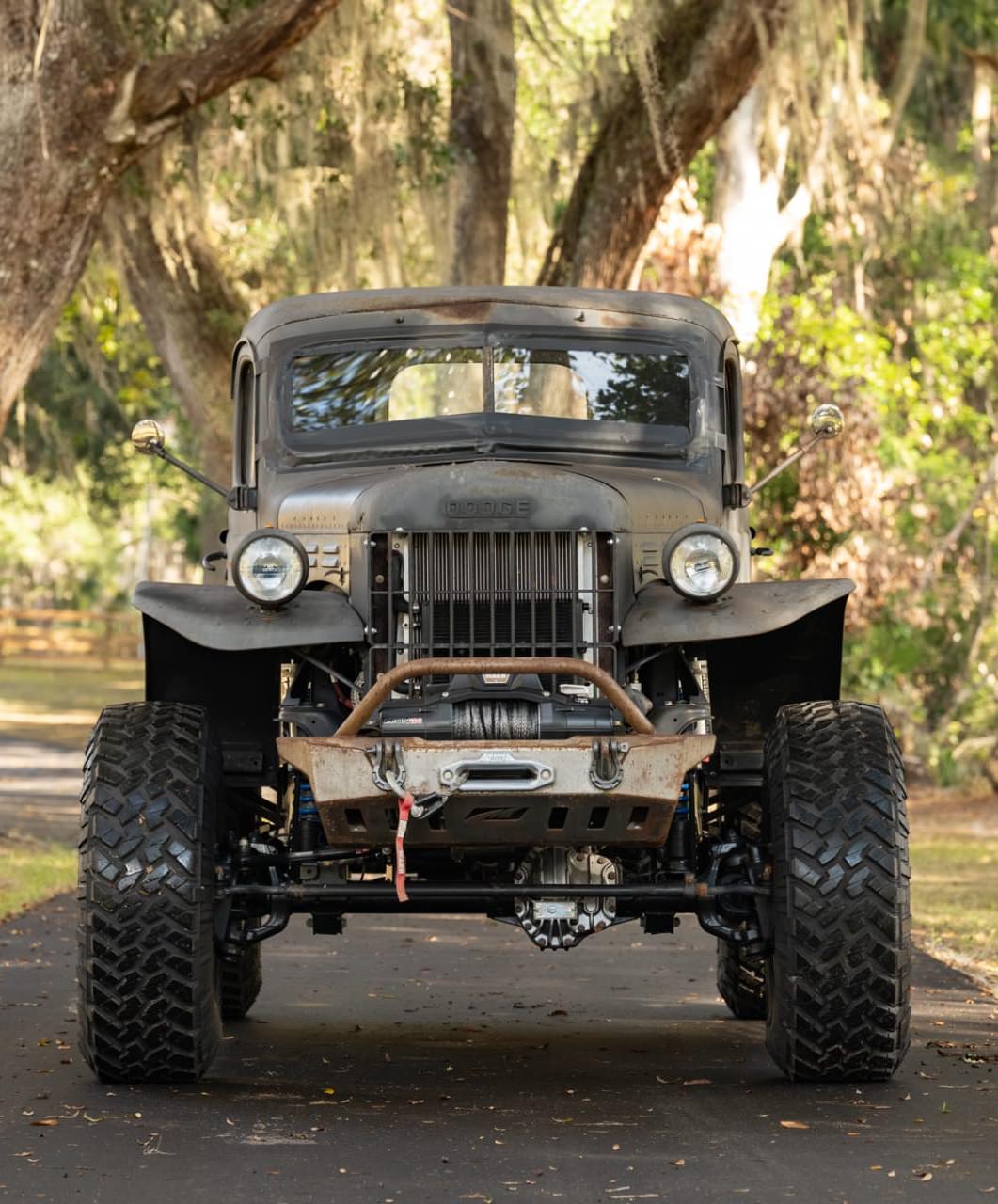
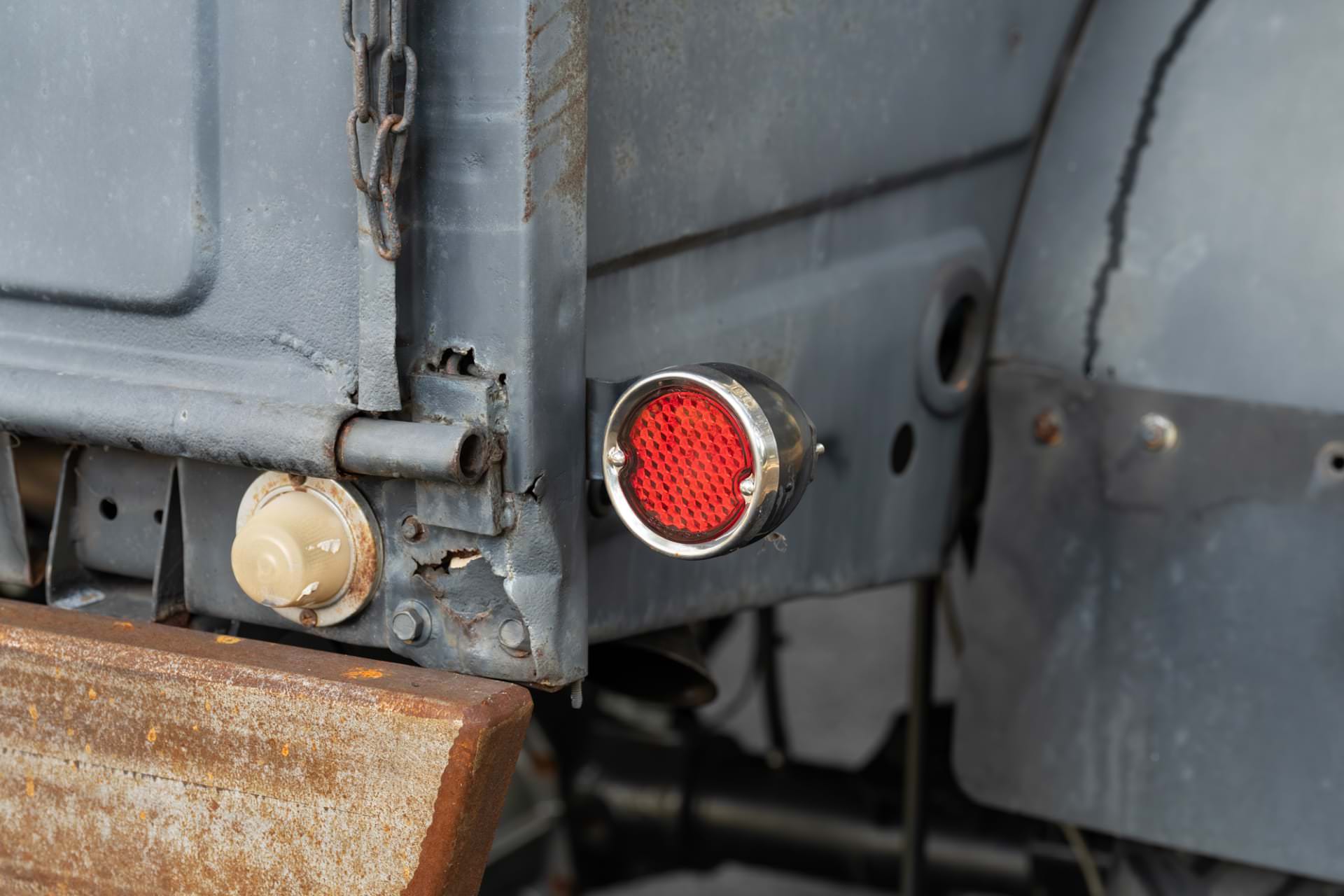
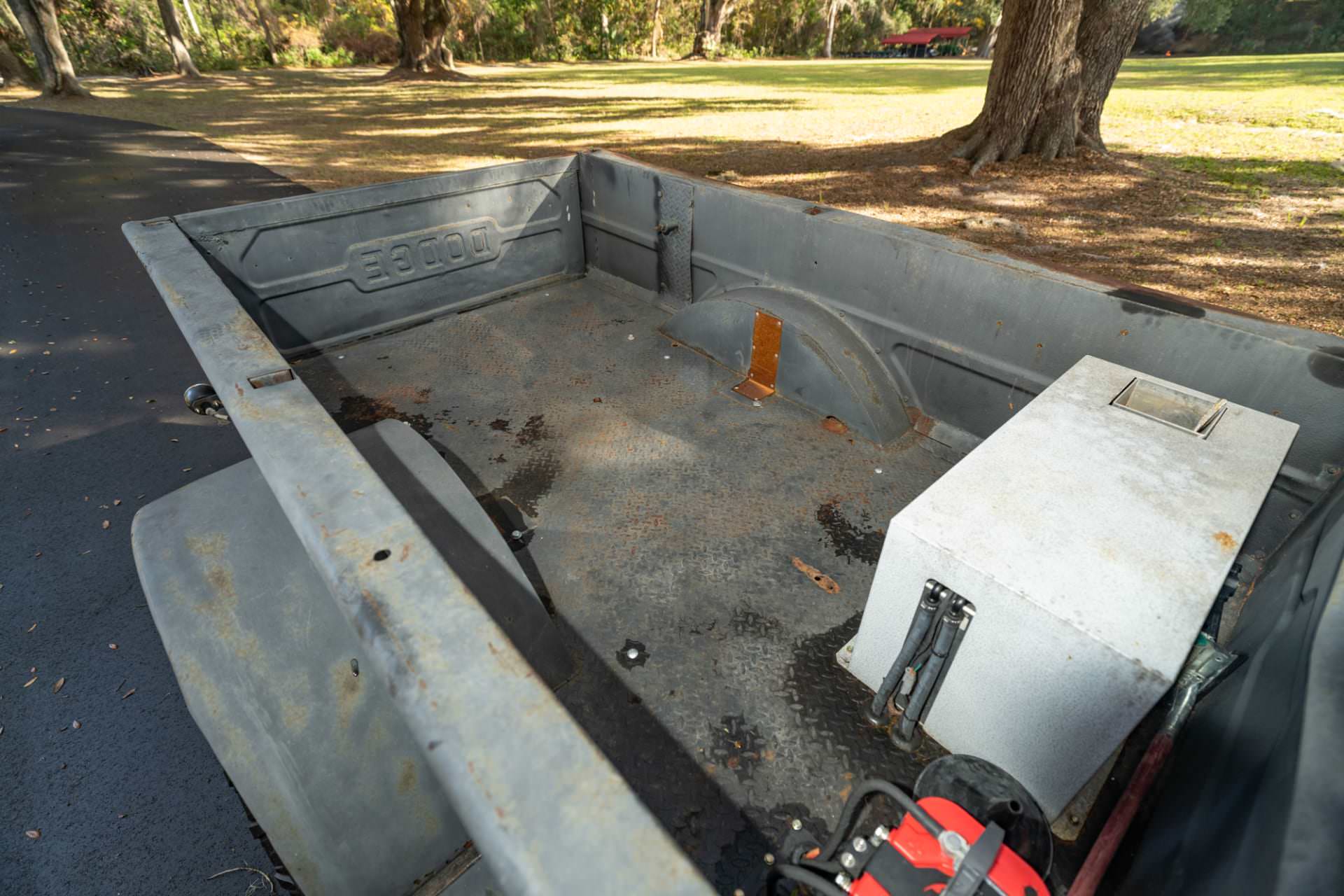
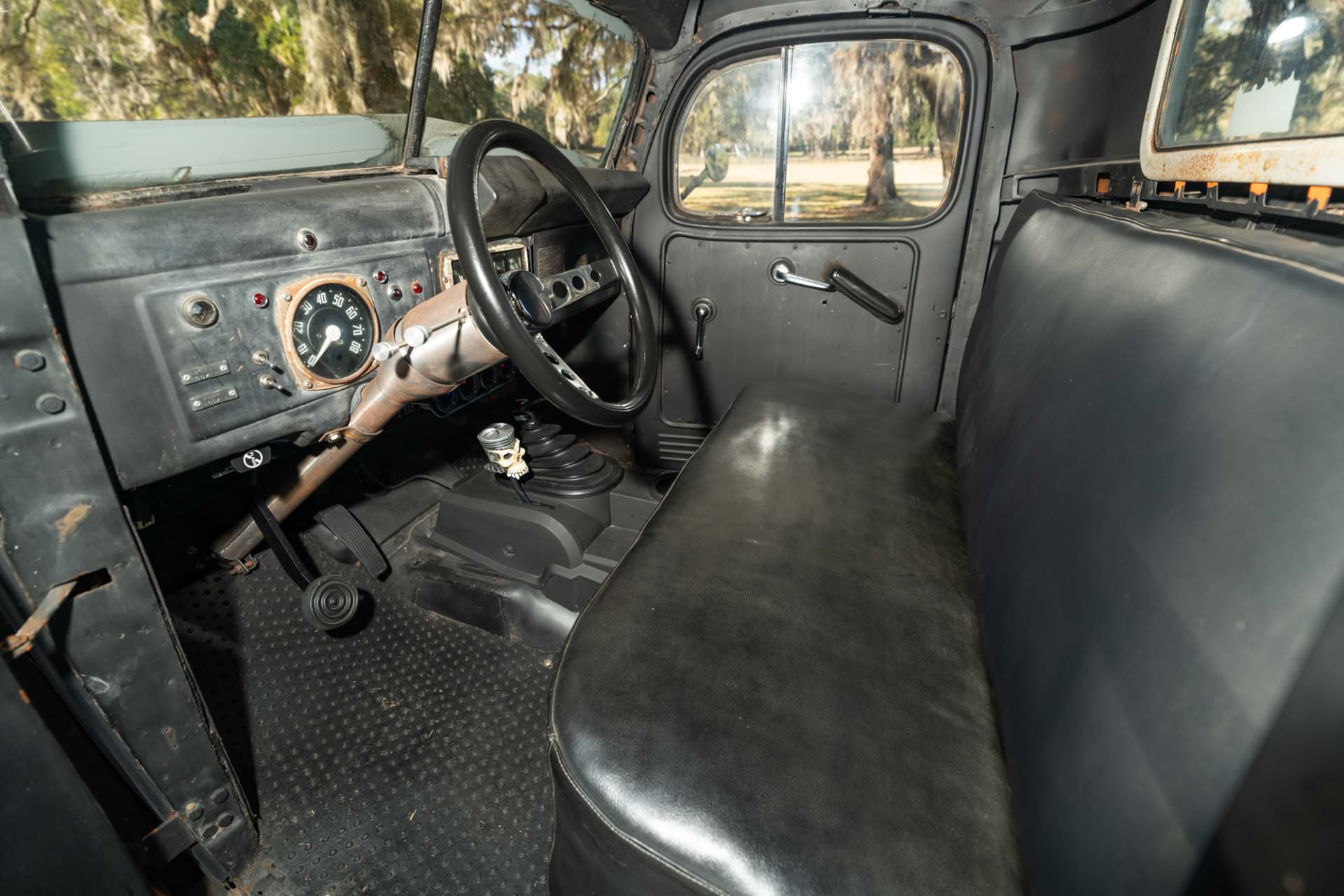
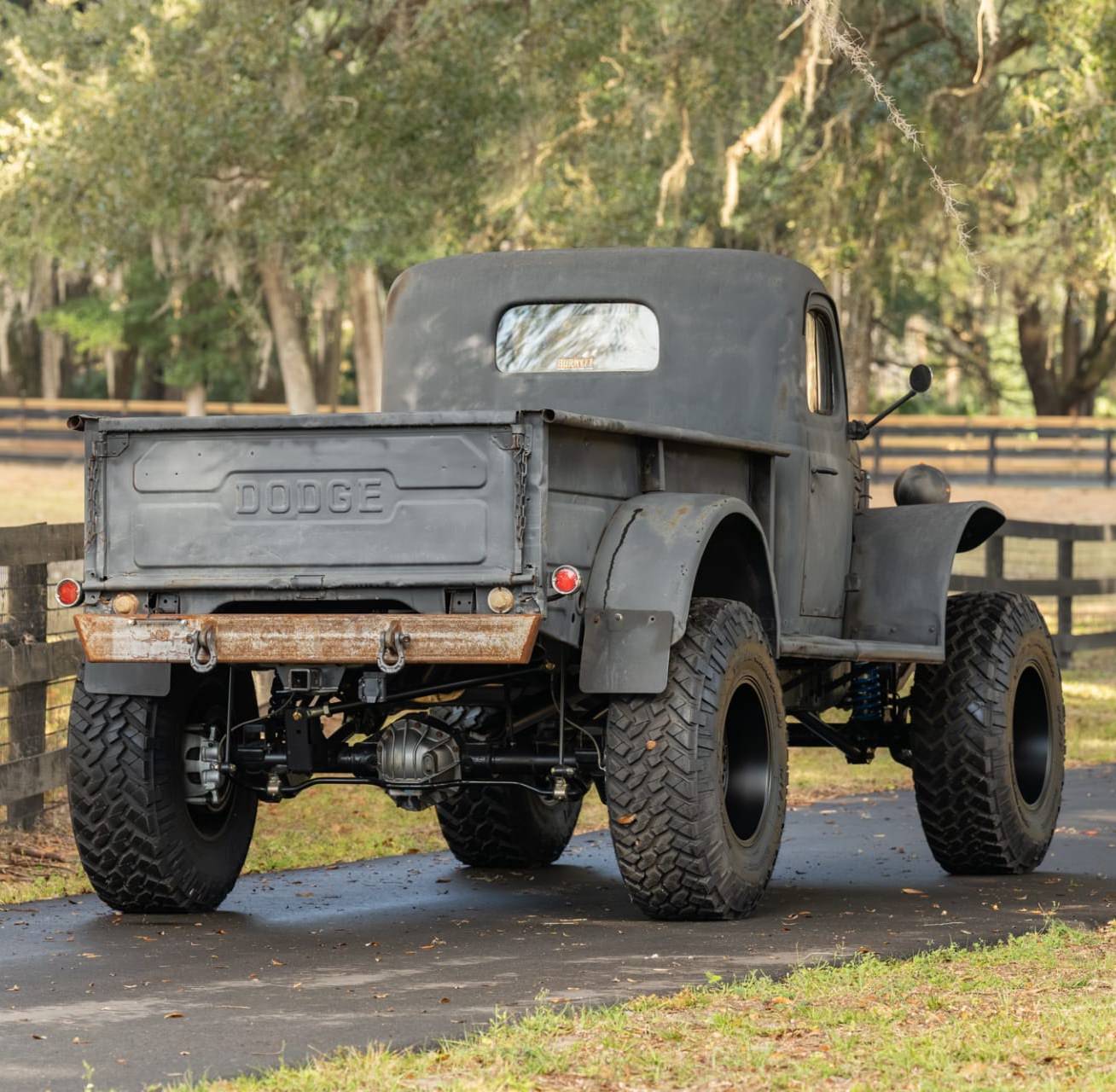
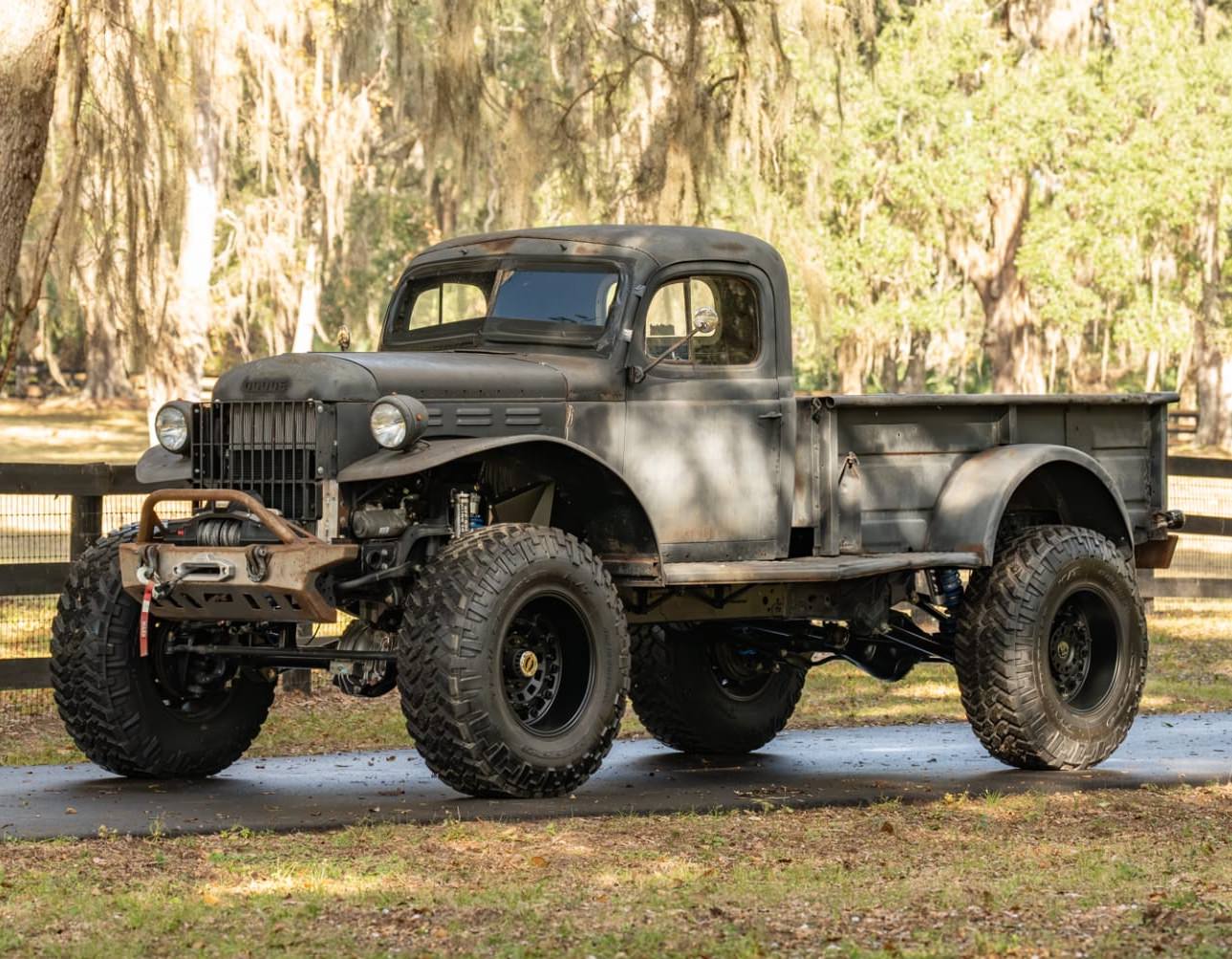
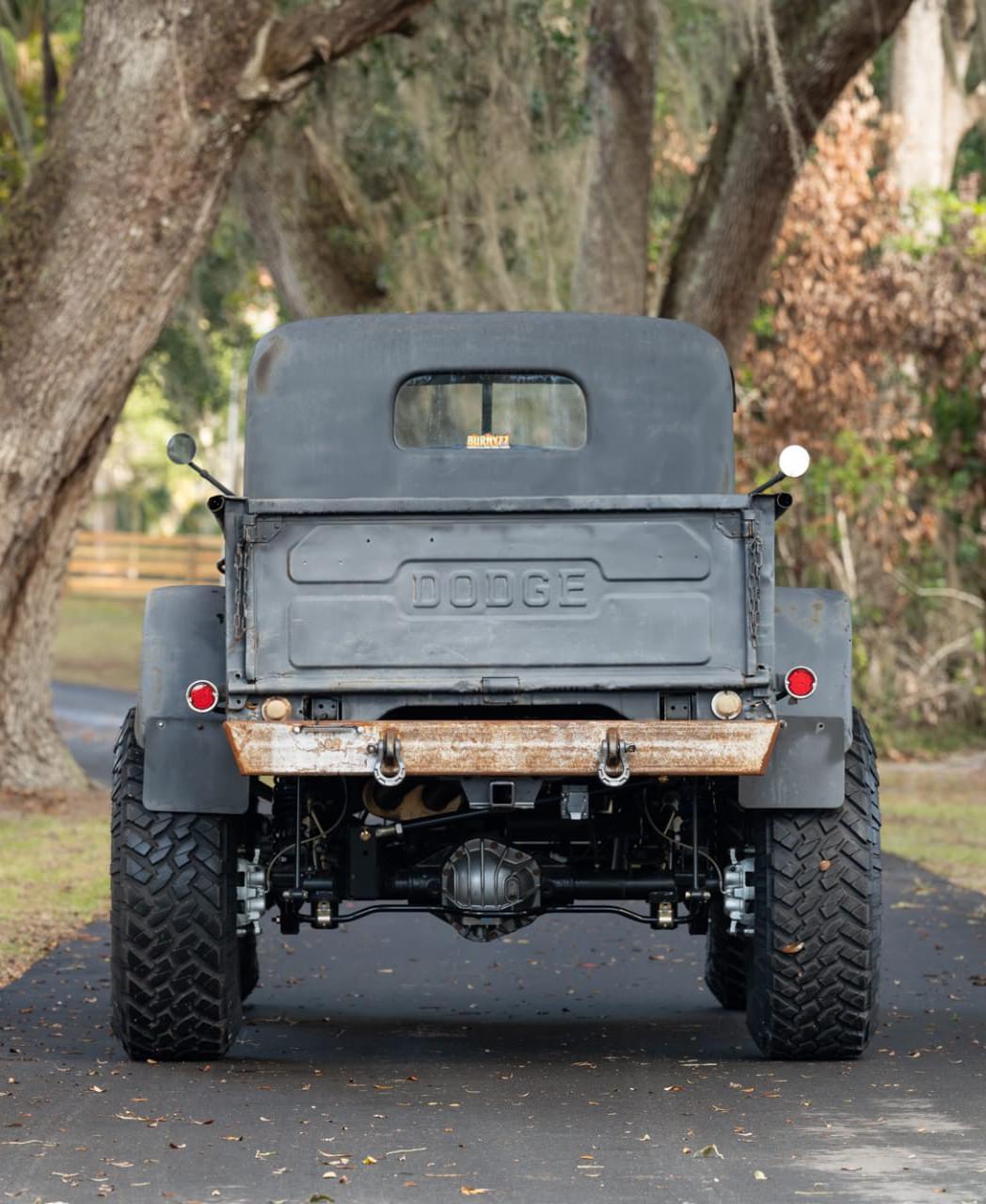
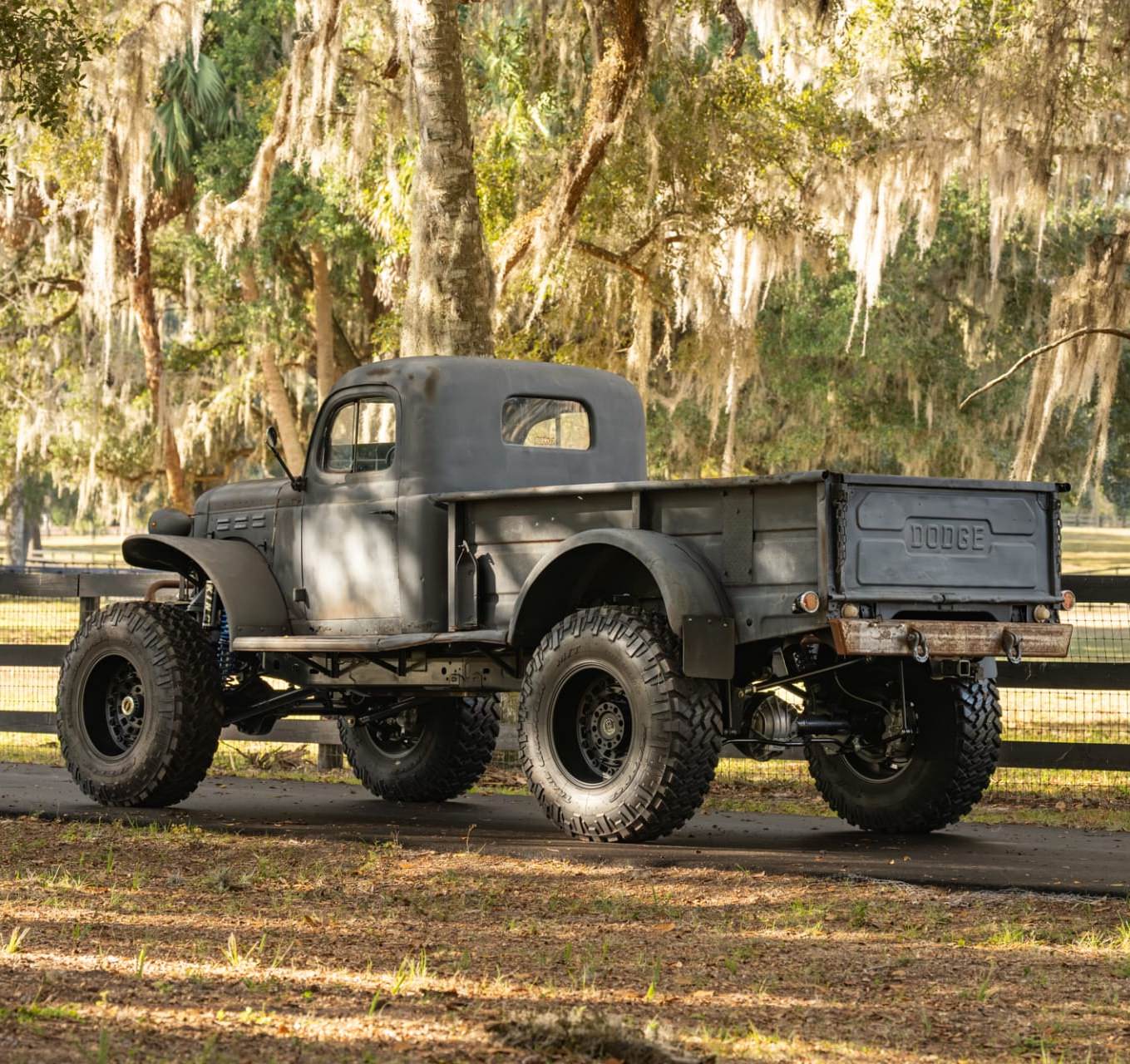
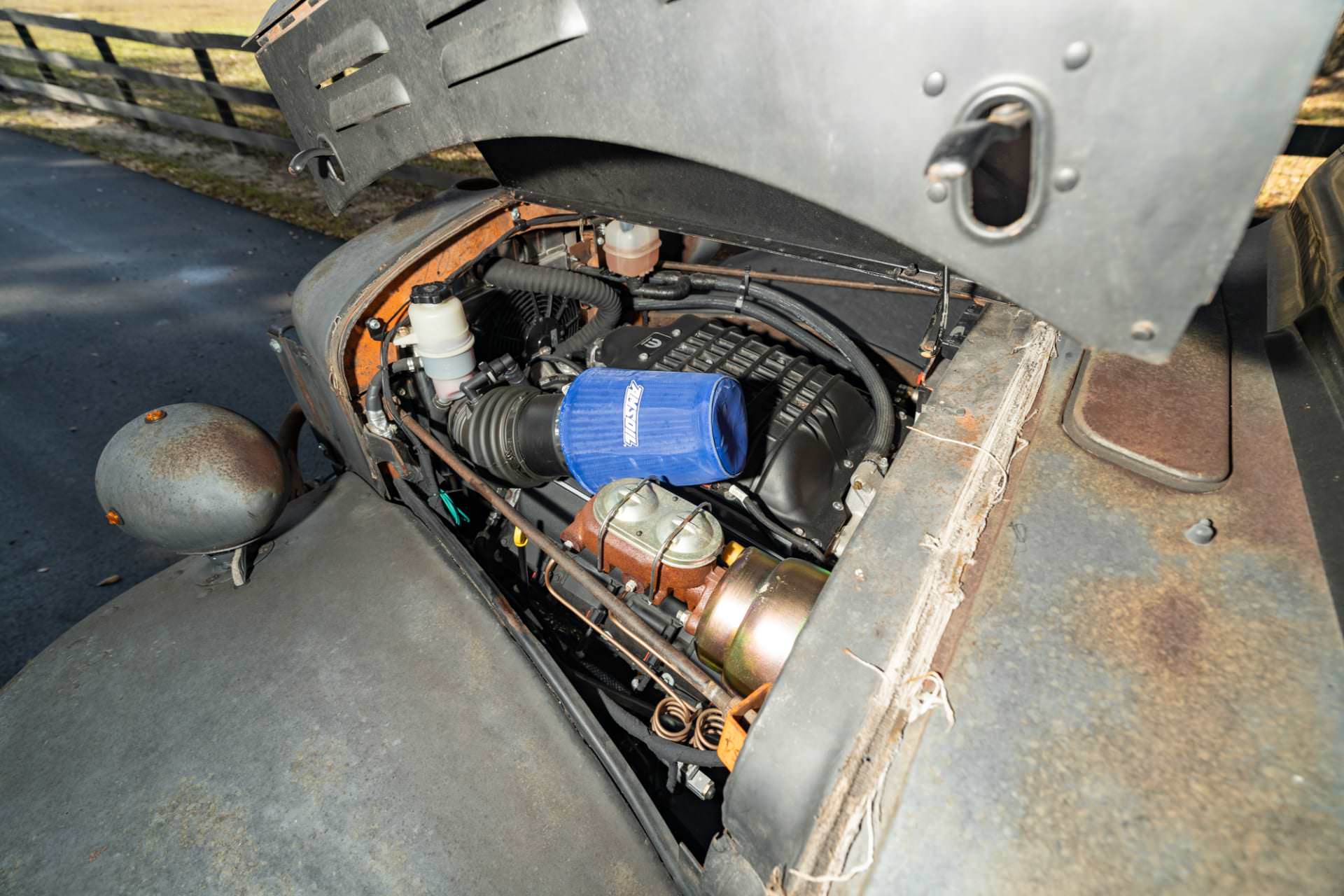
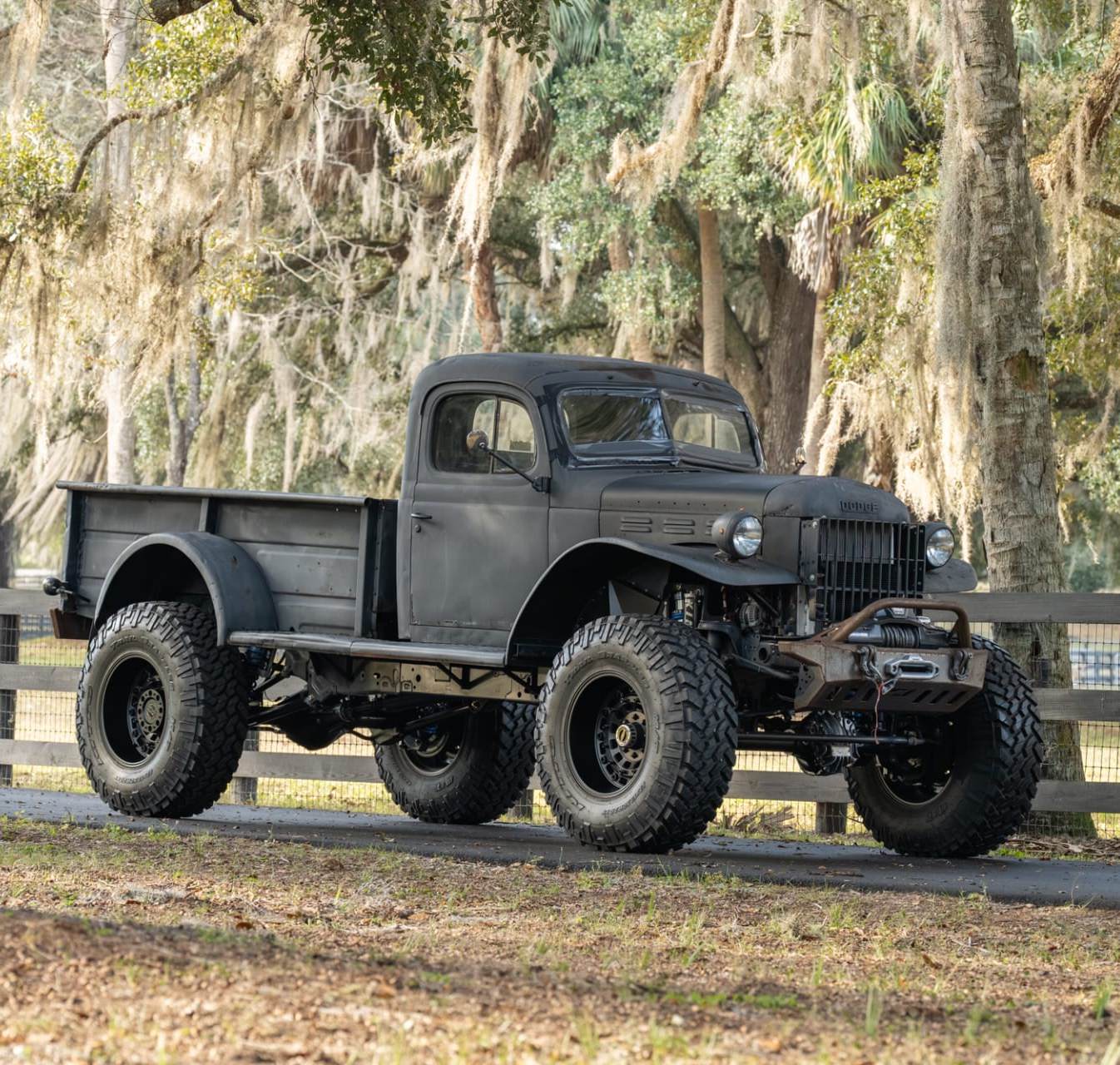
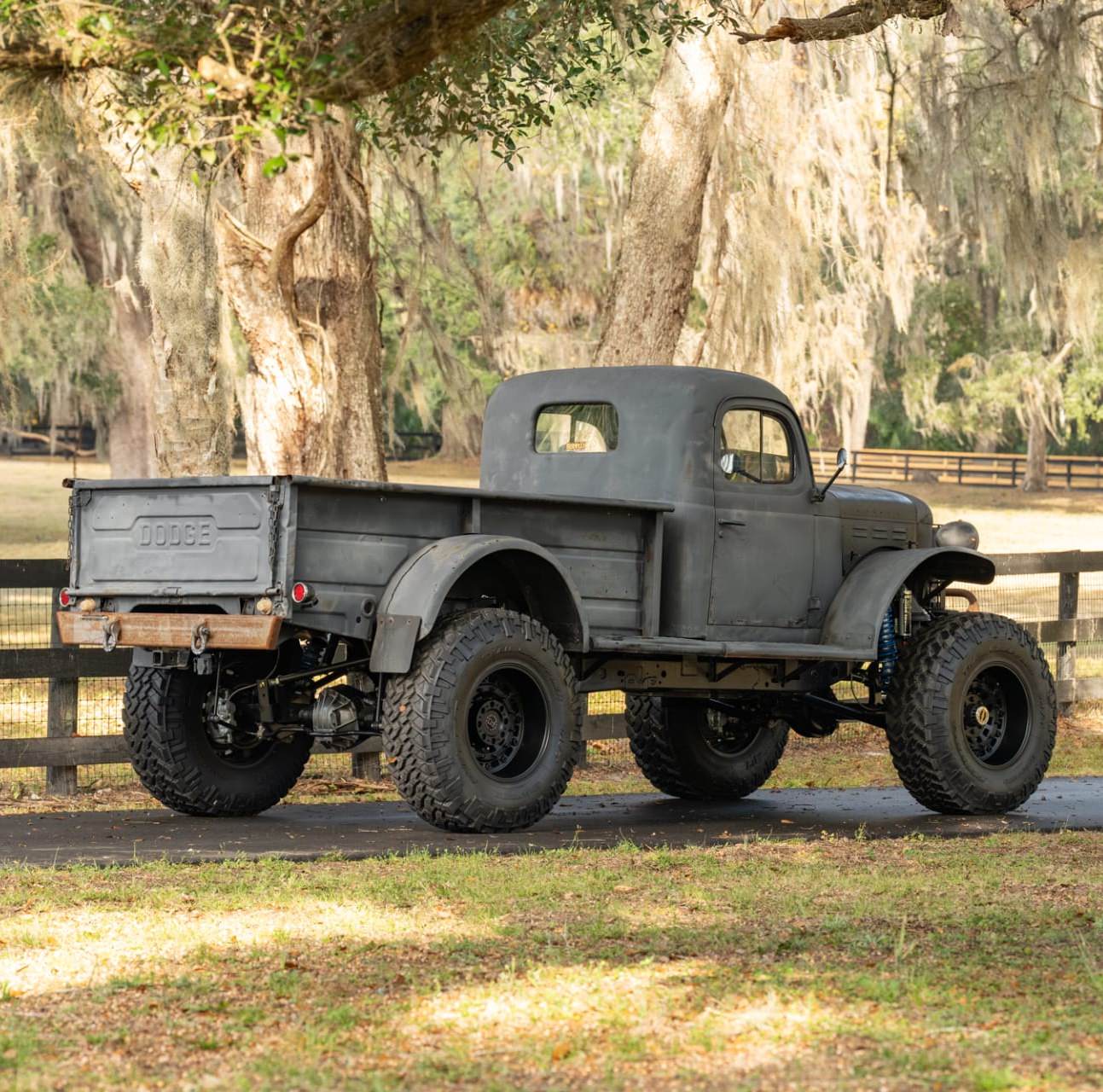
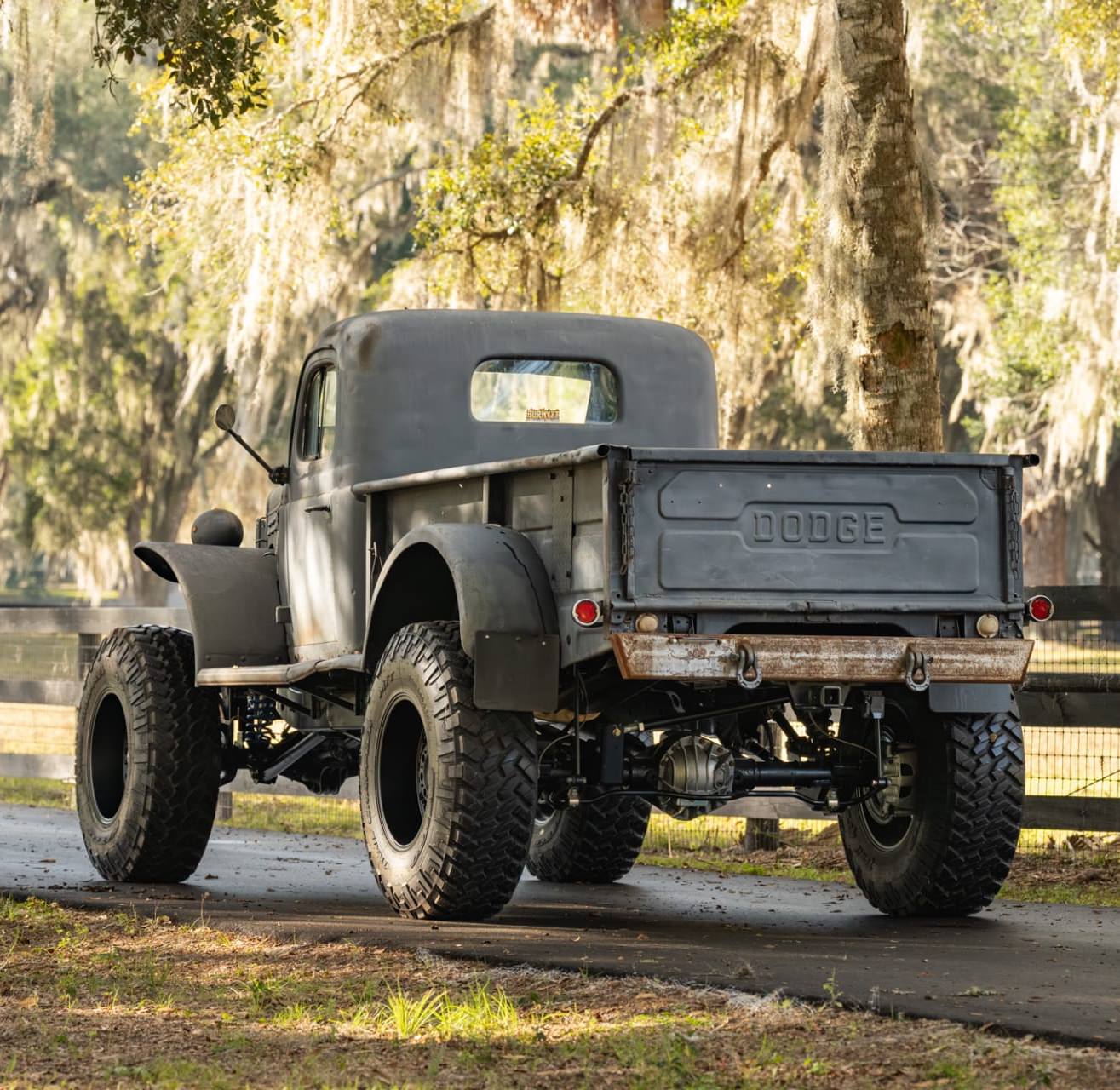
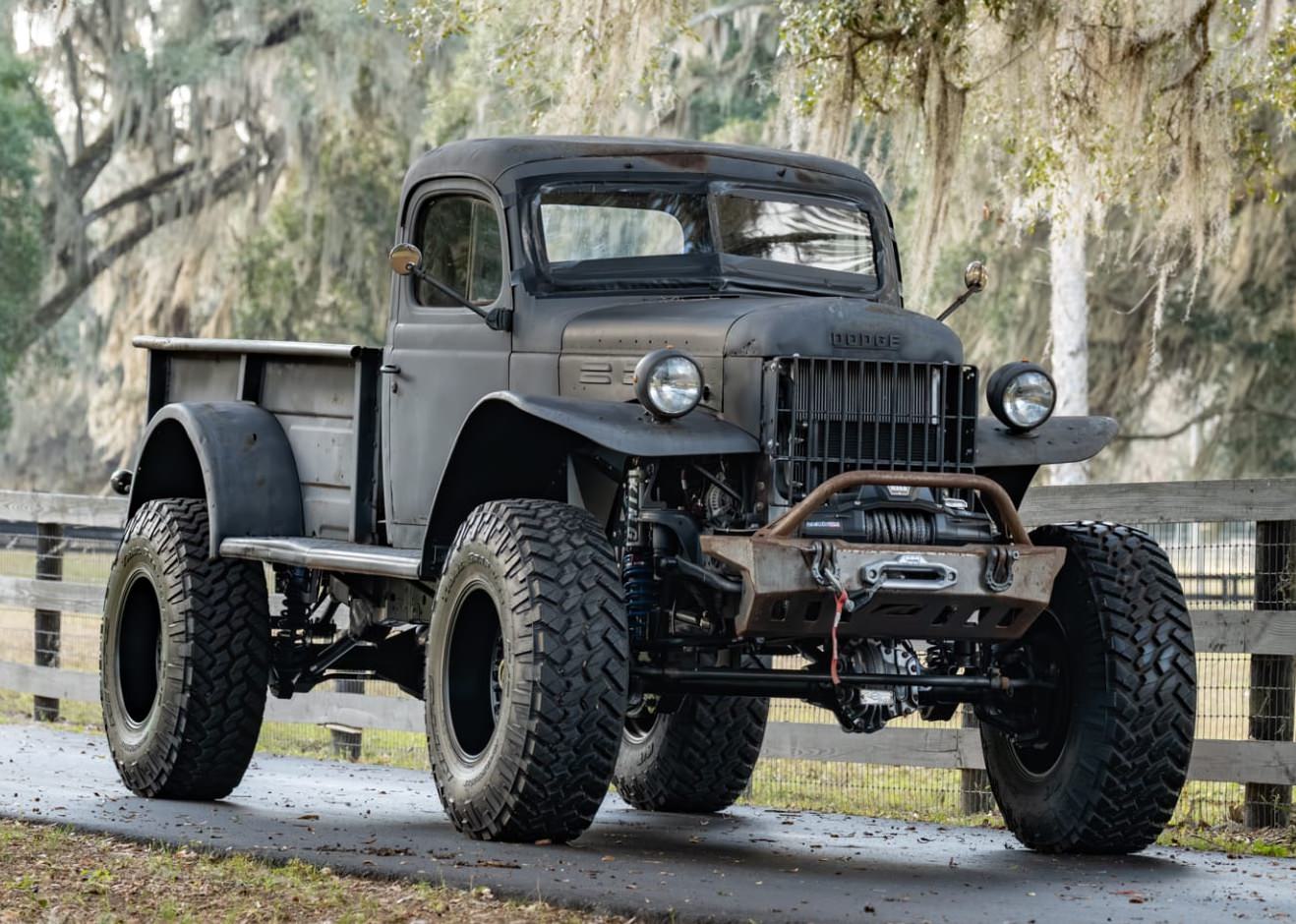
The truck you see here started out as a 1967 Dodge Power Wagon but truth be told, apart from the body, little of the original truck remains. It’s now been completely rebuilt into a vehicle with modern underpinnings and an eye-watering output of 1,000 bhp.
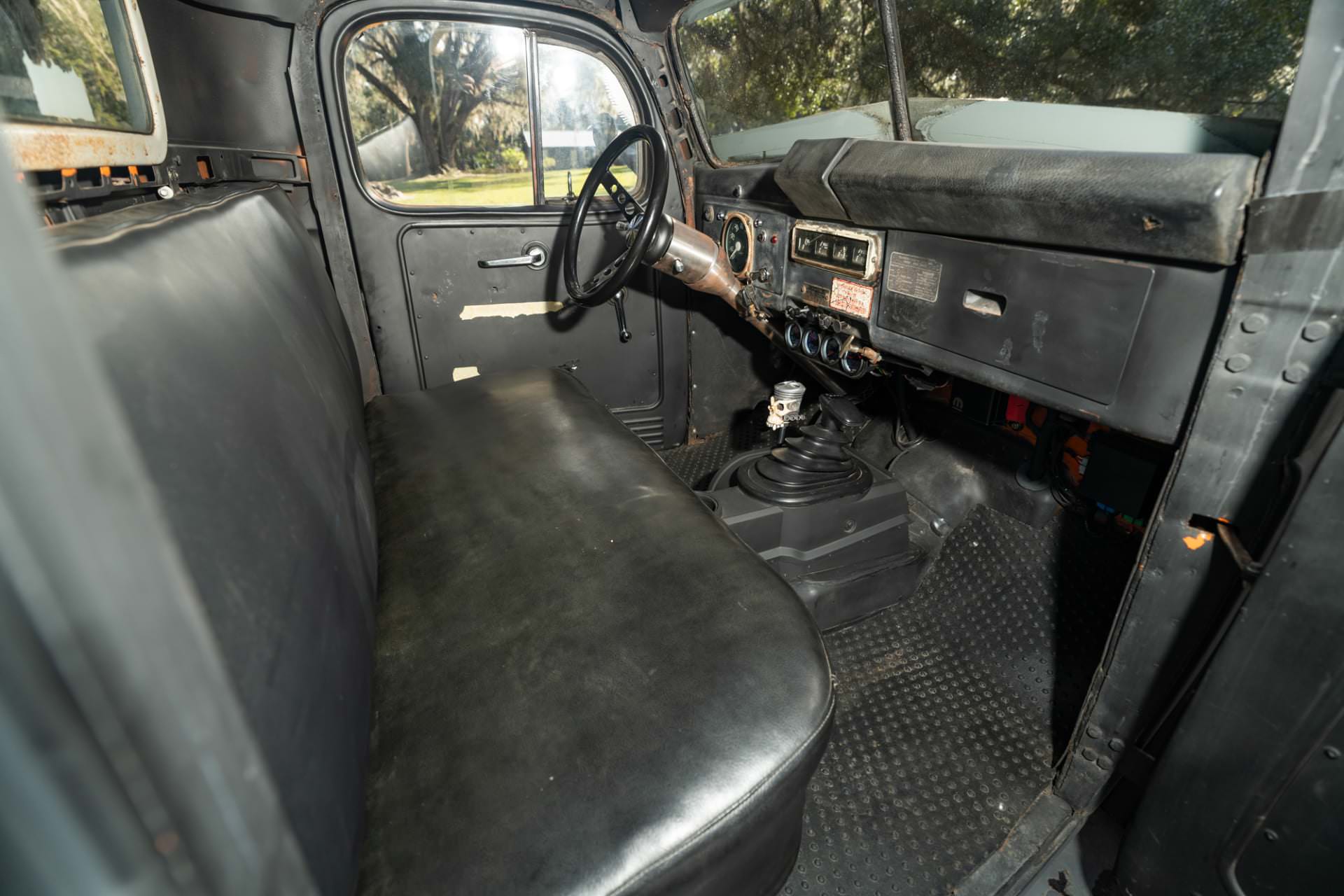
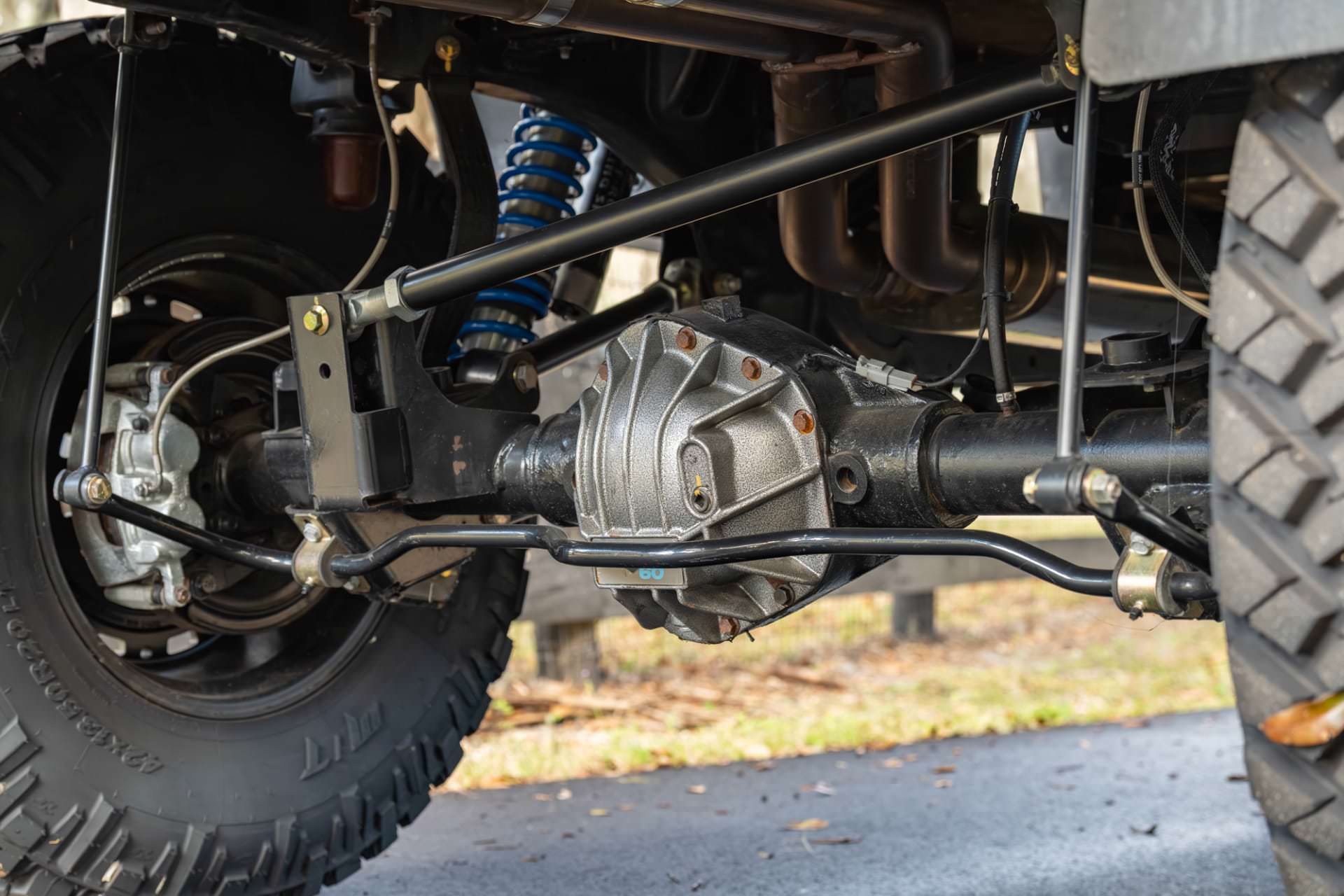
The original Power Wagon body was fitted to a modern Jeep Gladiator Rubicon chassis, a high-performance four-wheel drive platform with live axles on coil springs front and back, four-wheel disc brakes, and a slew of other modern features no first-gen Power Wagon ever had.
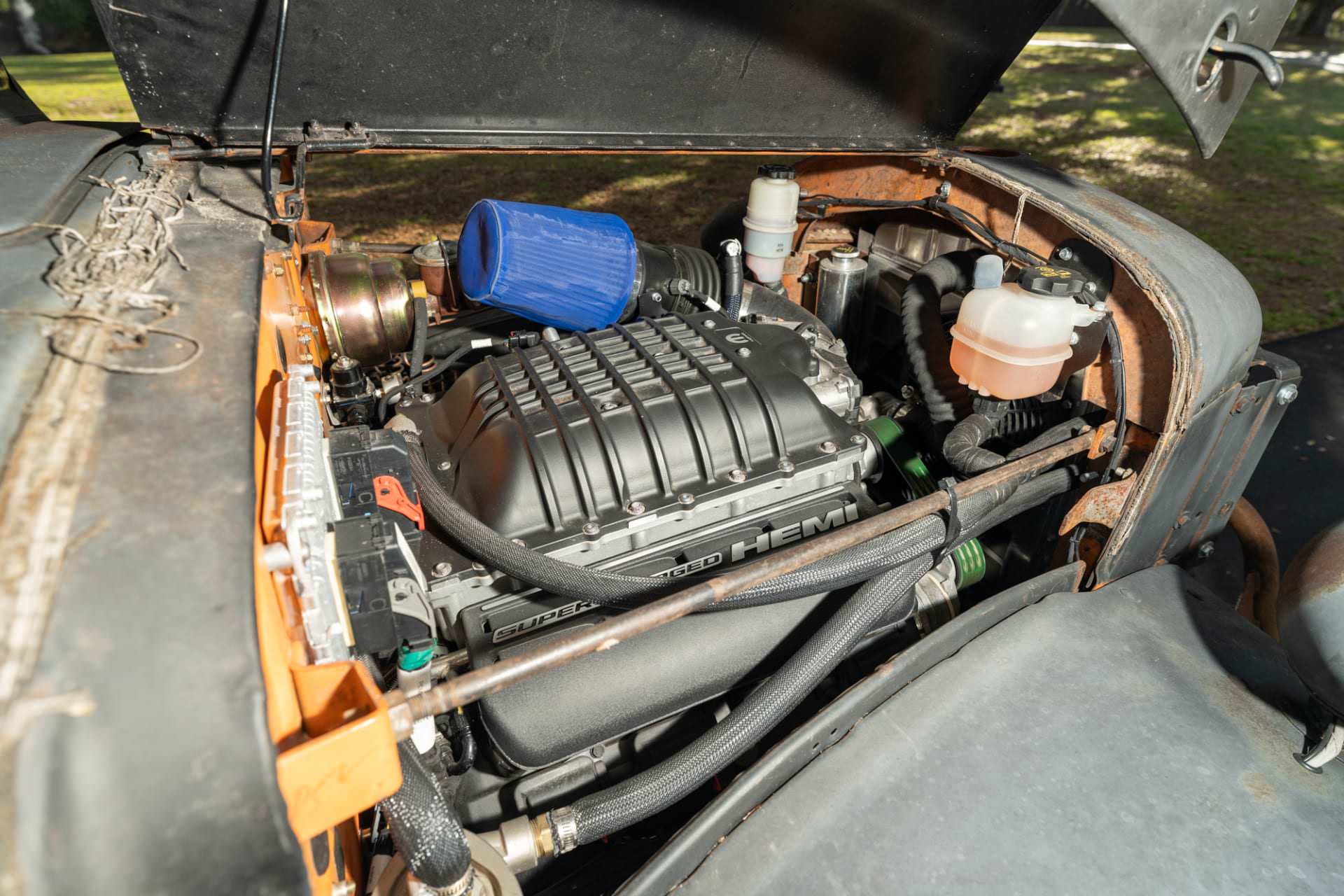
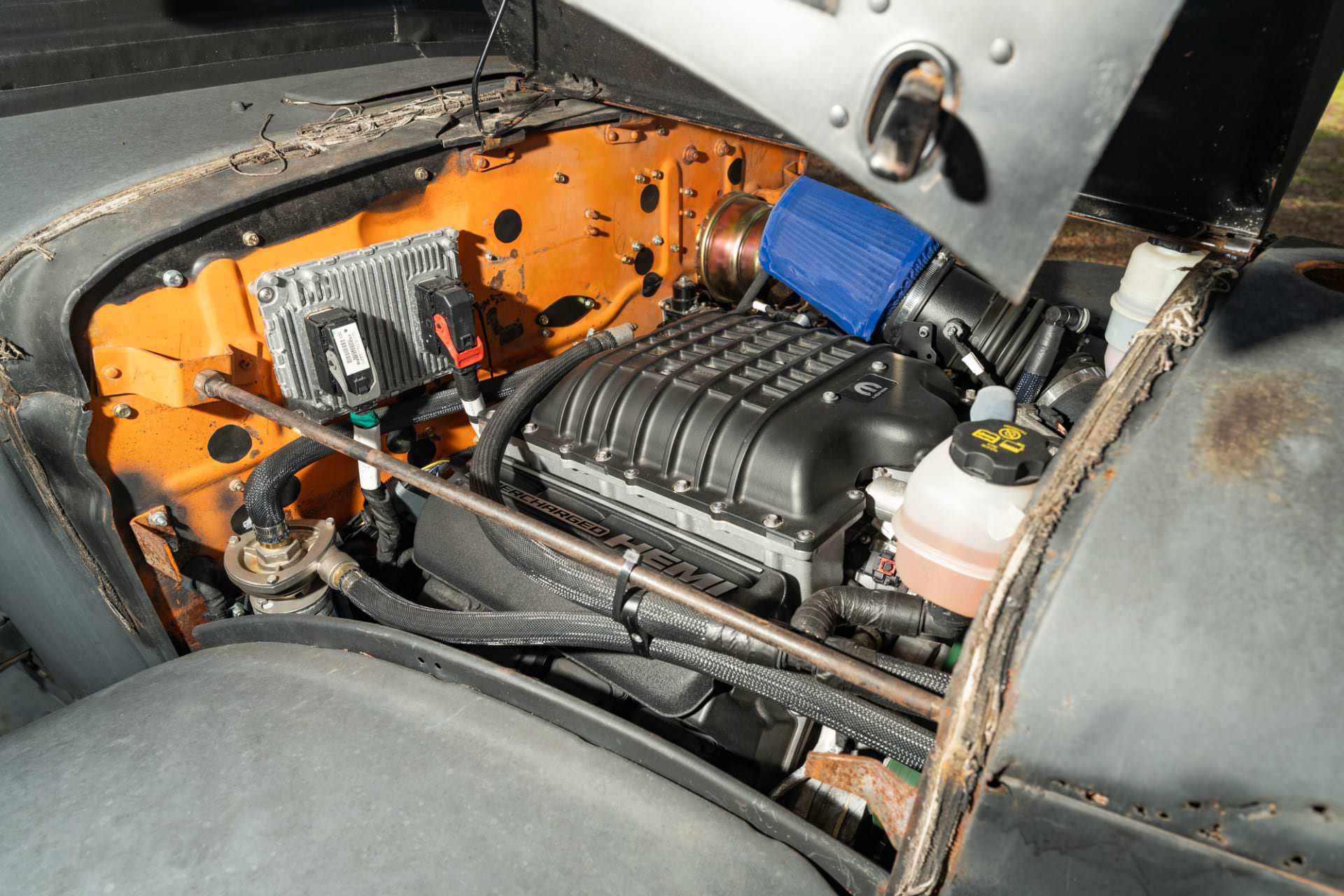
It was then fitted with a supercharged Hellephant 426 cubic inch V8 crate engine rated at 1,000 bhp, with power sent back through an automatic transmission and a dual-range transfer case. Thanks to the Jeep underpinnings it has a tilt steering column, locking front hubs, a rear sway bar and Panhard rod, and modern front and rear live axles.
The truck you see here started out as a 1967 Dodge Power Wagon but truth be told, apart from the body, little of the original truck remains. It’s now been completely rebuilt into a vehicle with modern underpinnings and an eye-watering output of 1,000 bhp.
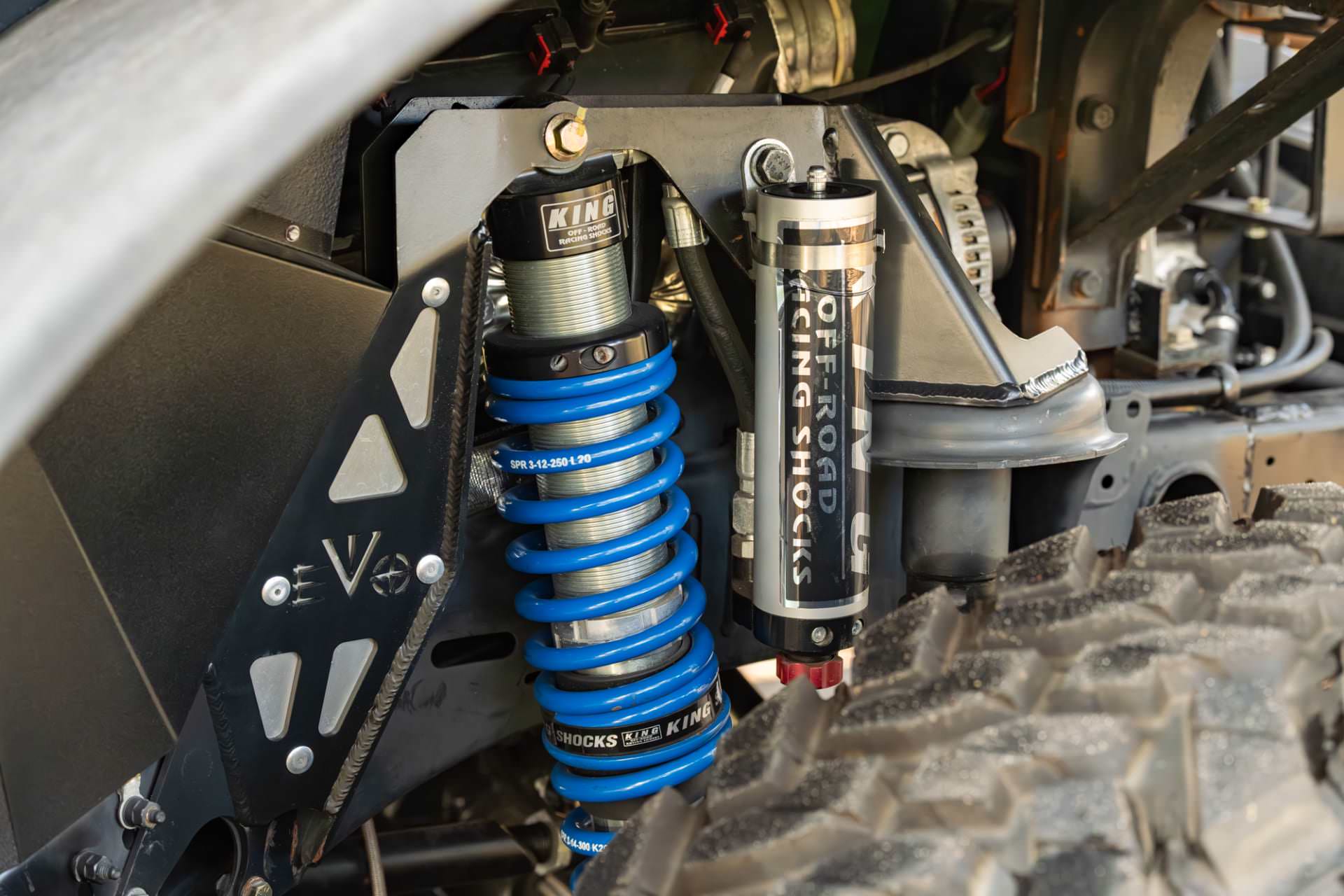
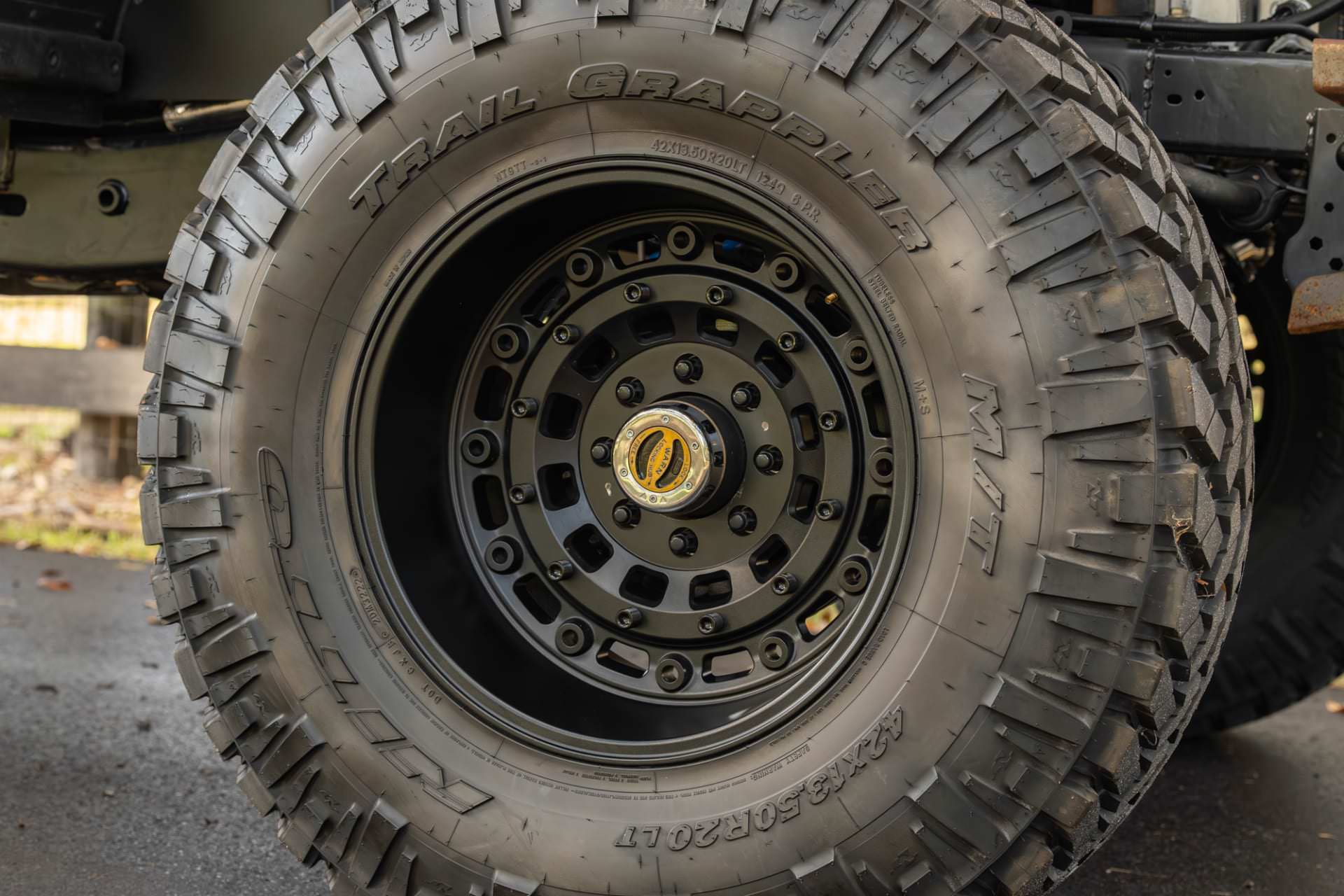
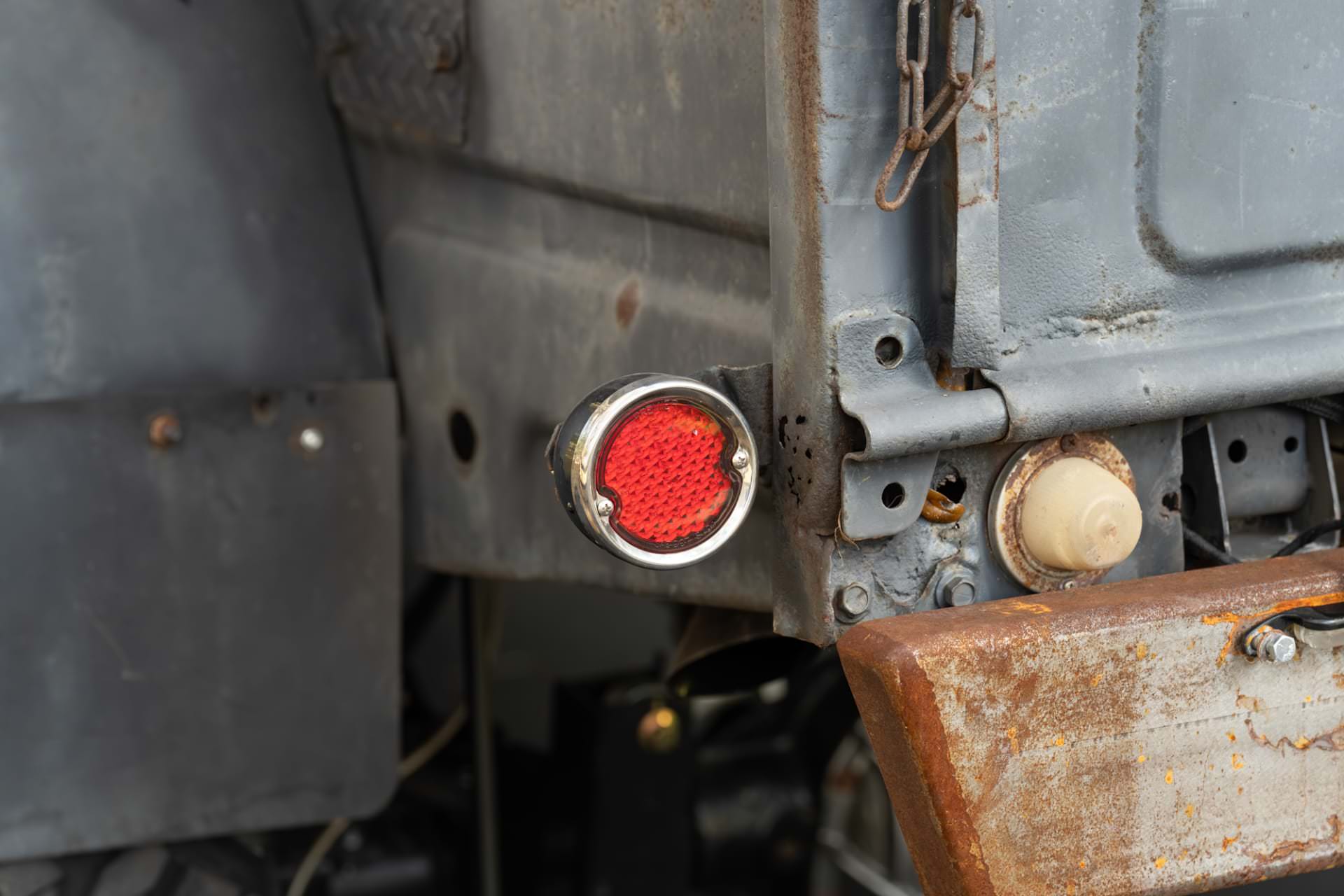
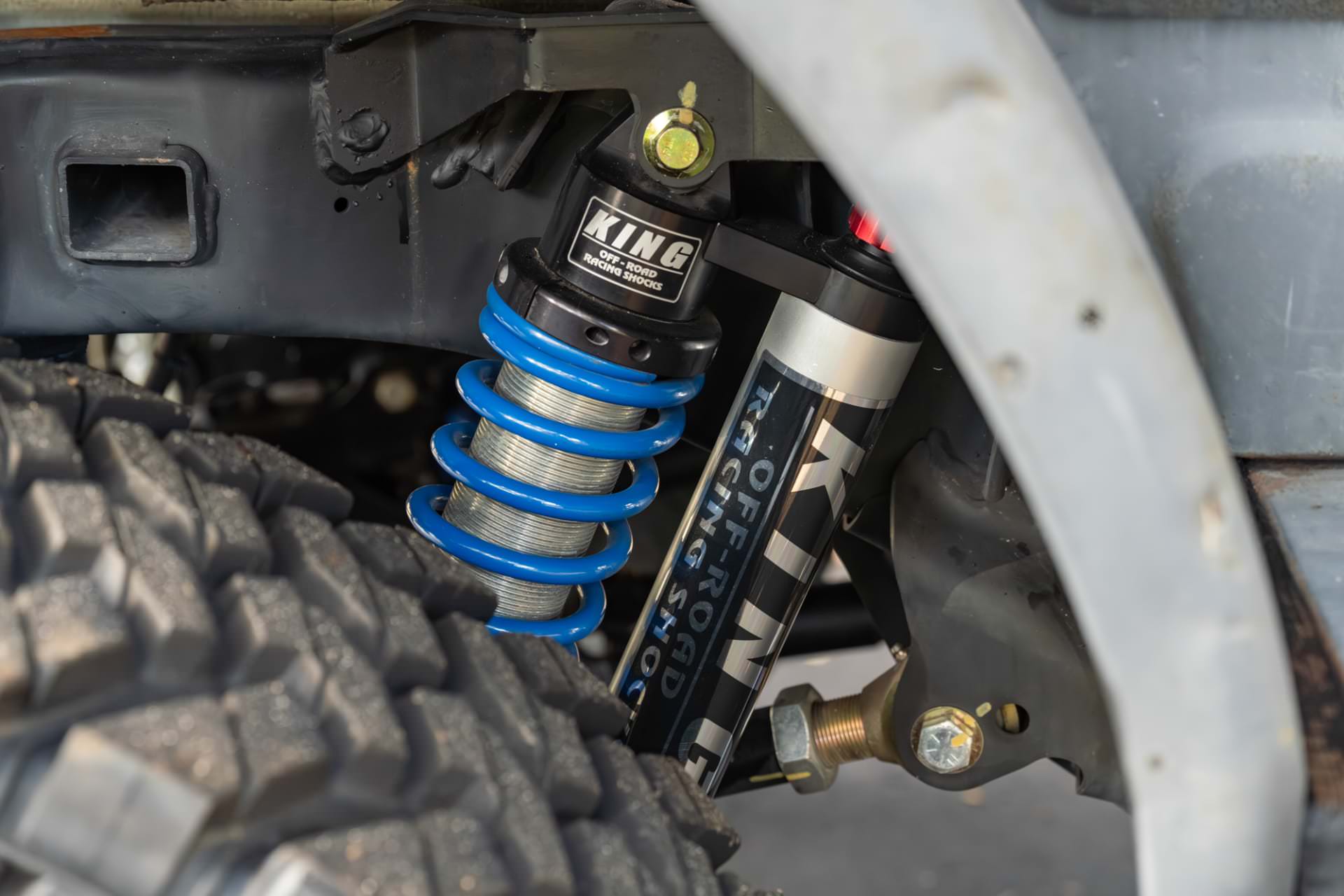
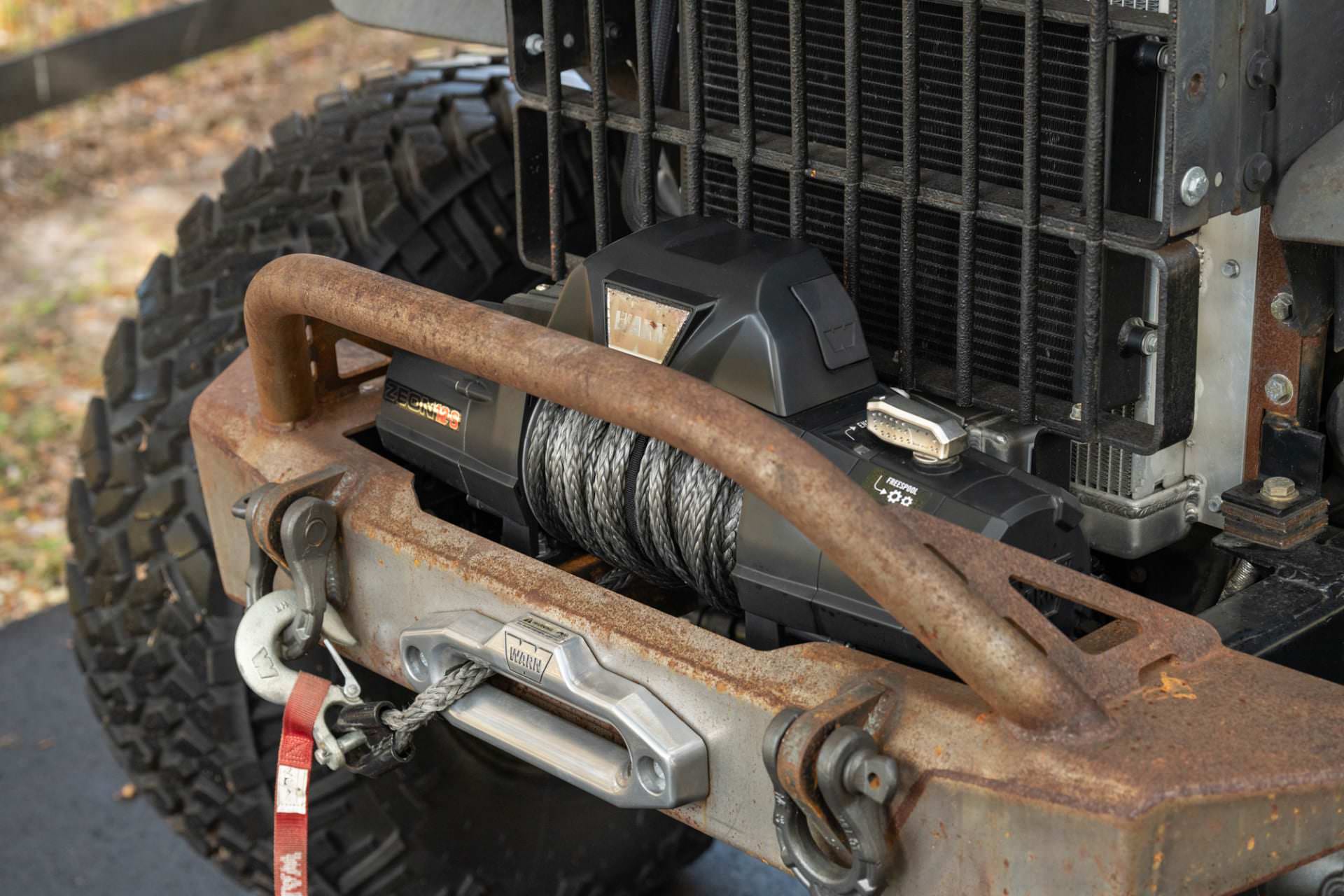
It now rides on EVO Manufacturing suspension upgrades with King remote reservoir shocks and it rolls on Nitto Trail Grappler tires fitted to black wheels. You’ll find a Warn winch up front on the custom steel bumper, and it has a matching rear steel bumper with a trailer hitch.
This highly-unusual Dodge Power Wagon is now due to roll across the auction block with Mecum in January and you can visit the listing here if you’d like to read more about it or register to bid.
Images courtesy of Mecum + Dodge

Articles that Ben Branch has written have been covered on CNN, Popular Mechanics, Smithsonian Magazine, Road & Track Magazine, the official Pinterest blog, the official eBay Motors blog, BuzzFeed, Autoweek Magazine, Wired Magazine, Autoblog, Gear Patrol, Jalopnik, The Verge, and many more.
Silodrome was founded by Ben back in 2010, in the years since the site has grown to become a world leader in the alternative and vintage motoring sector, with well over a million monthly readers from around the world and many hundreds of thousands of followers on social media.