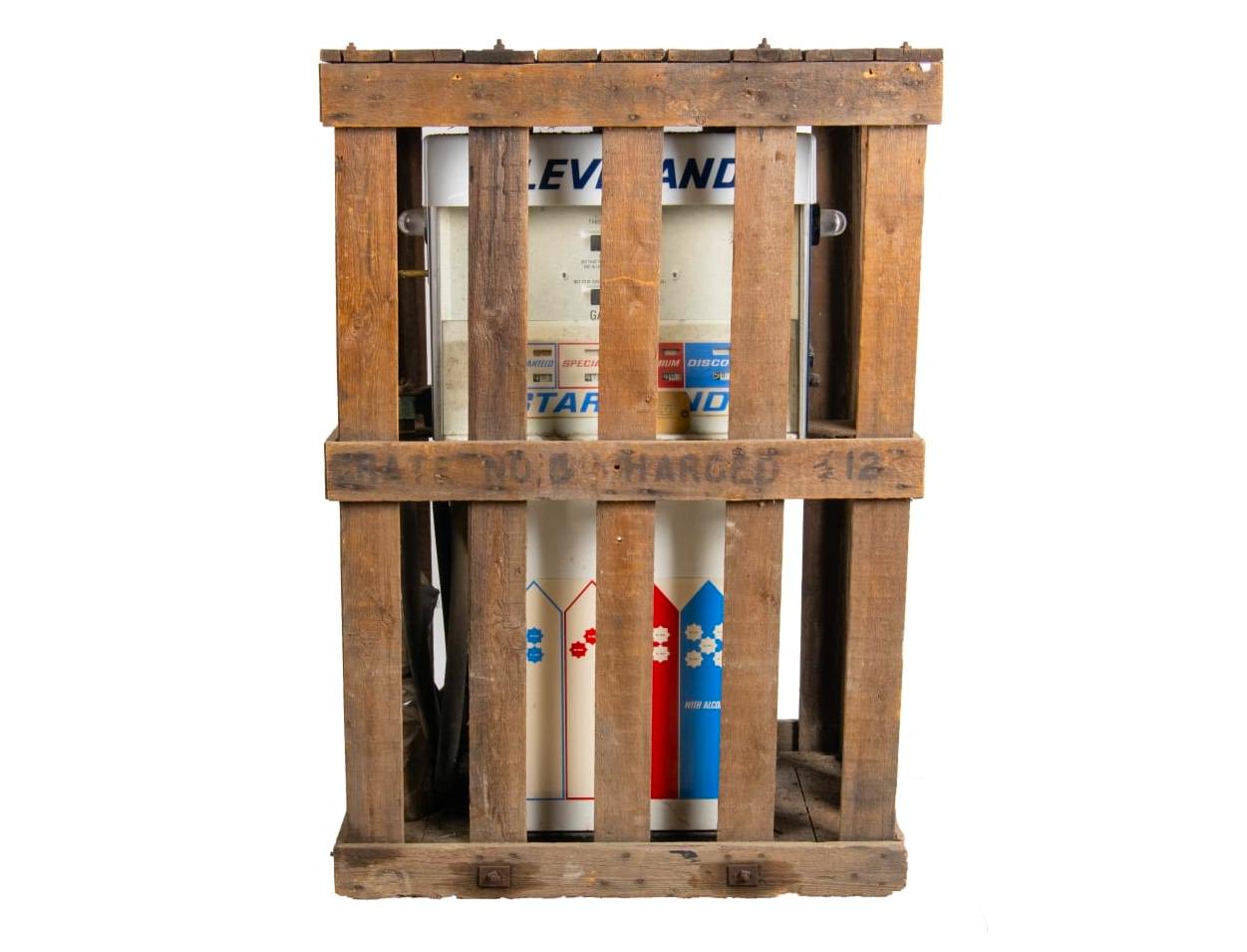
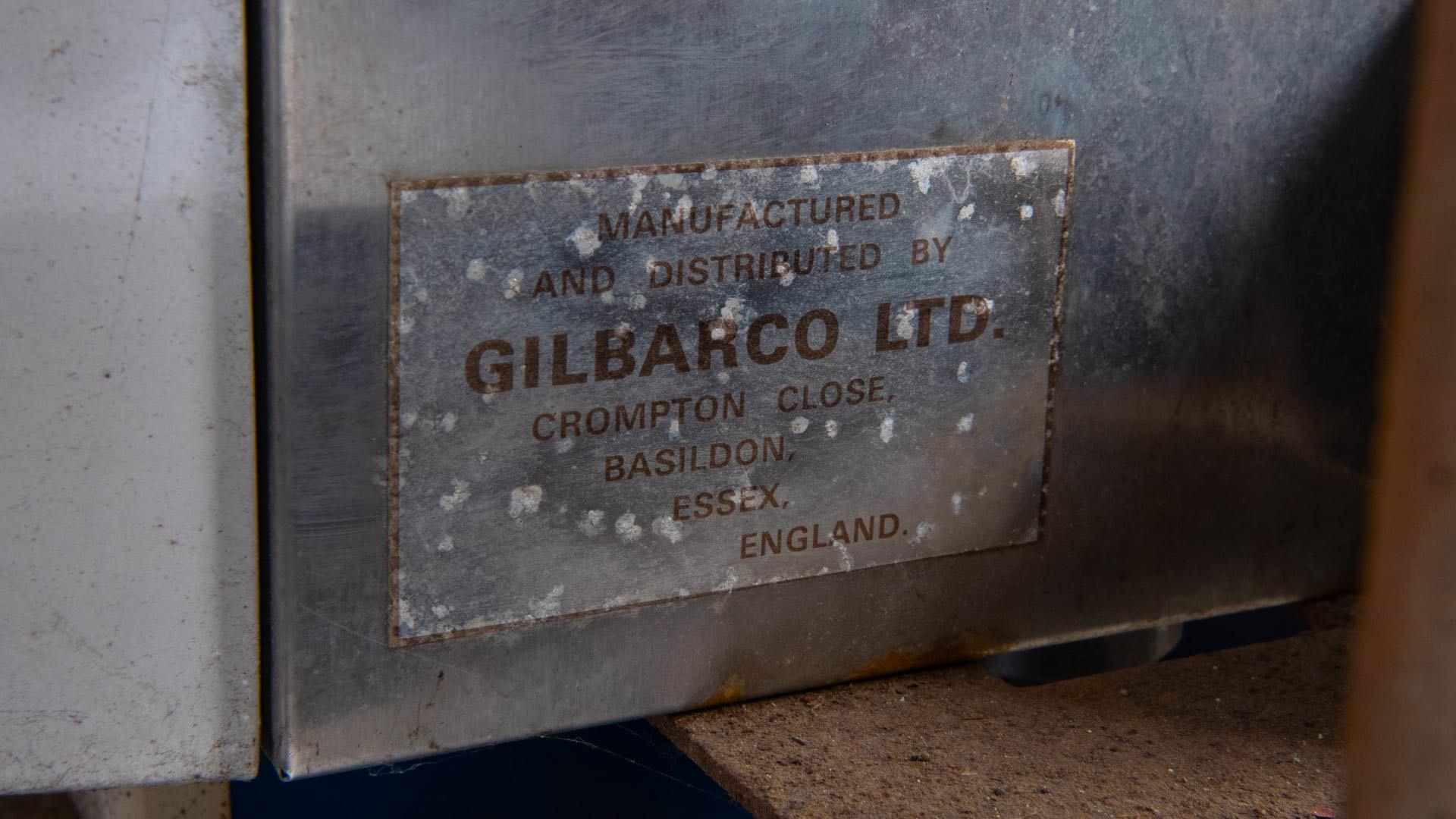
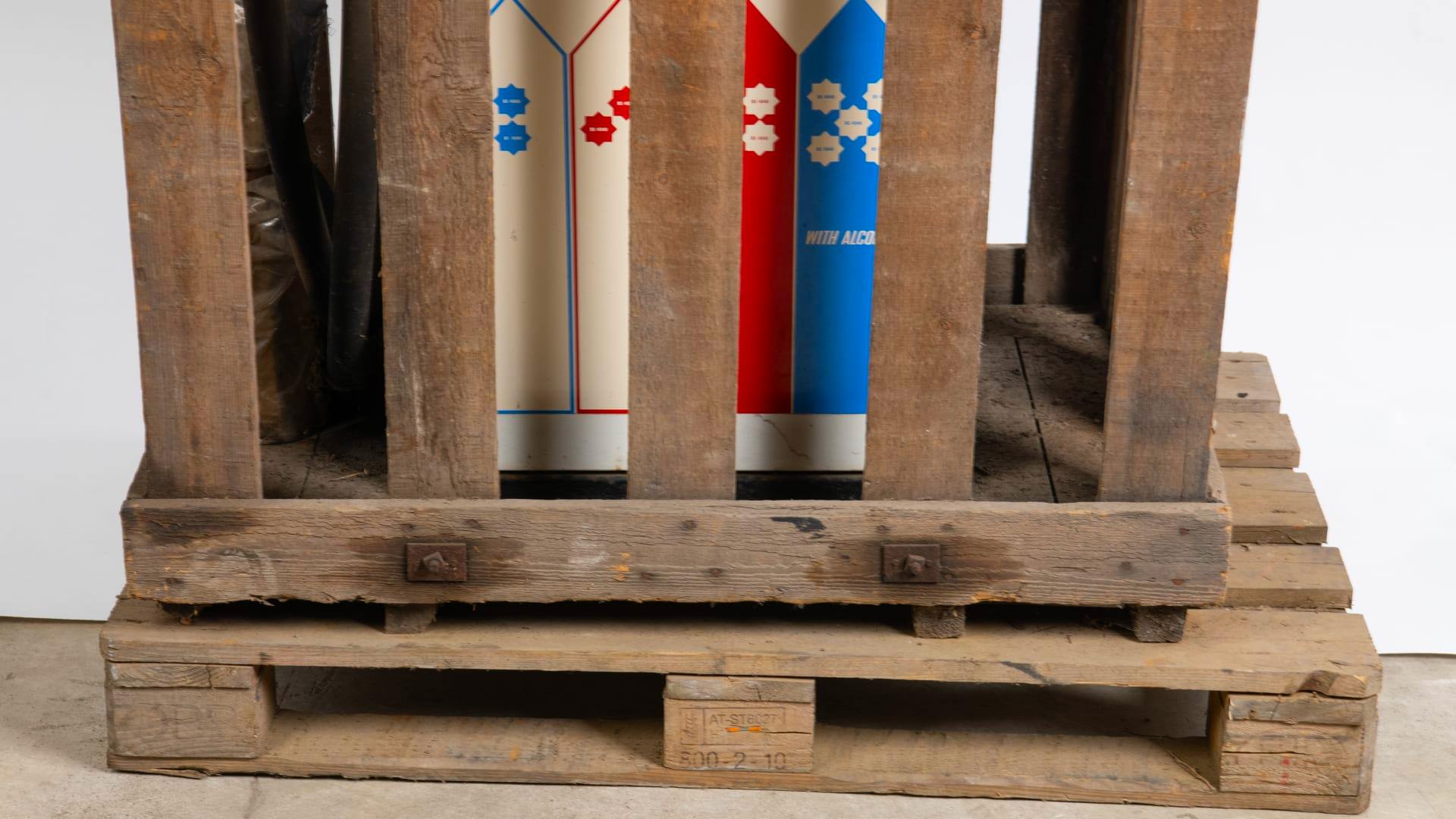
This is a Cleveland Gilbarco gas pump from the 1960s that has remained in its factory delivery crate since new, having never been unpackaged or put into use. It’s likely now unique in the world, and its preservation for 70+ years will make it hugely collectible.
As the story goes, this pump was discovered at the back of an unused petrol station in Britain, where it had remained undisturbed since the 1960s. It carries British Cleveland branding, and it was manufactured by Gilbarco Veeder-Root.
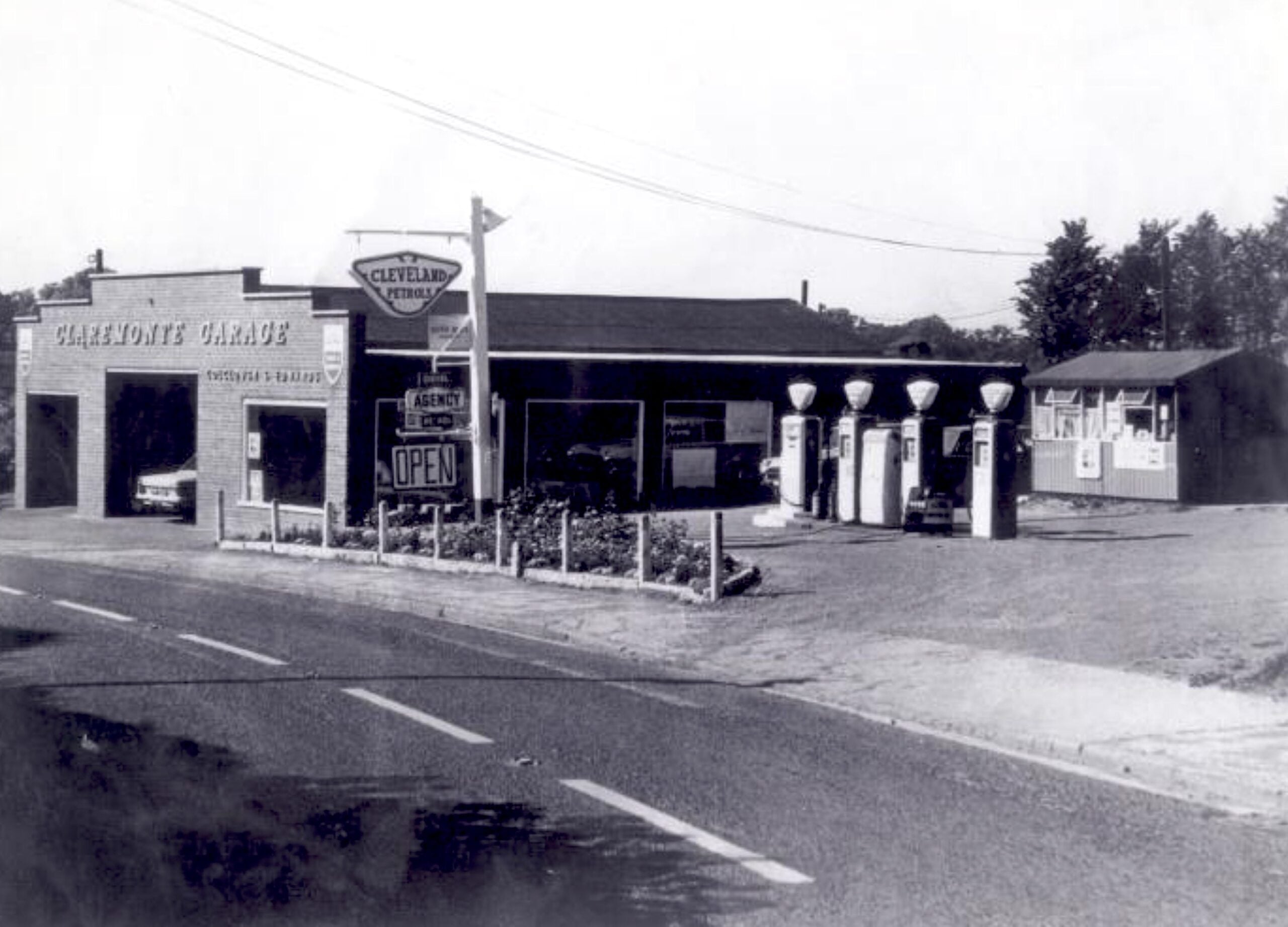
 This is the old Claremonte Garage on Stafford Road in Eccleshall, England. You can see the Cleveland branding on the overhanging sign. Image courtesy of Esso.
History Speedrun: Cleveland
The Cleveland Petroleum Products Company was established in 1920, it was originally based at Trafford Park in Manchester and in Preston, Lancashire, but it soon expanded nationwide. The exact origin of the company’s name remains a matter of much debate, however there are two leading claims and we’ve laid them both out below so you can make up your own mind.
Some specialist sources on British petrol industry history say that the Cleveland name derives from the Cleveland Hills in north-east England. This would make a lot of sense and it seems to be the origin story with the most credibility, but there is one other option.
It’s known that the company’s founder and principal shareholder, Norman Davis, spent part of World War I with his brother Manuel in Cleveland, Ohio, this could very well imply that the American city was the inspiration for the name. That said, there is less historic evidence for this claim.
Whatever the truth is, the Cleveland Hills and the city of Cleveland, Ohio ultimately share the same etymological root in the Old English word for “cliff land.”
In 1928, the Petroleum Storage and Finance Corporation was launched and it acquired Cleveland Petroleum Products Co. The parent company would later, around 1939, change its name to Cleveland Petroleum Co, with Cleveland Petroleum Products Co remaining its main subsidiary. The company’s headquarters were at Central House, London.
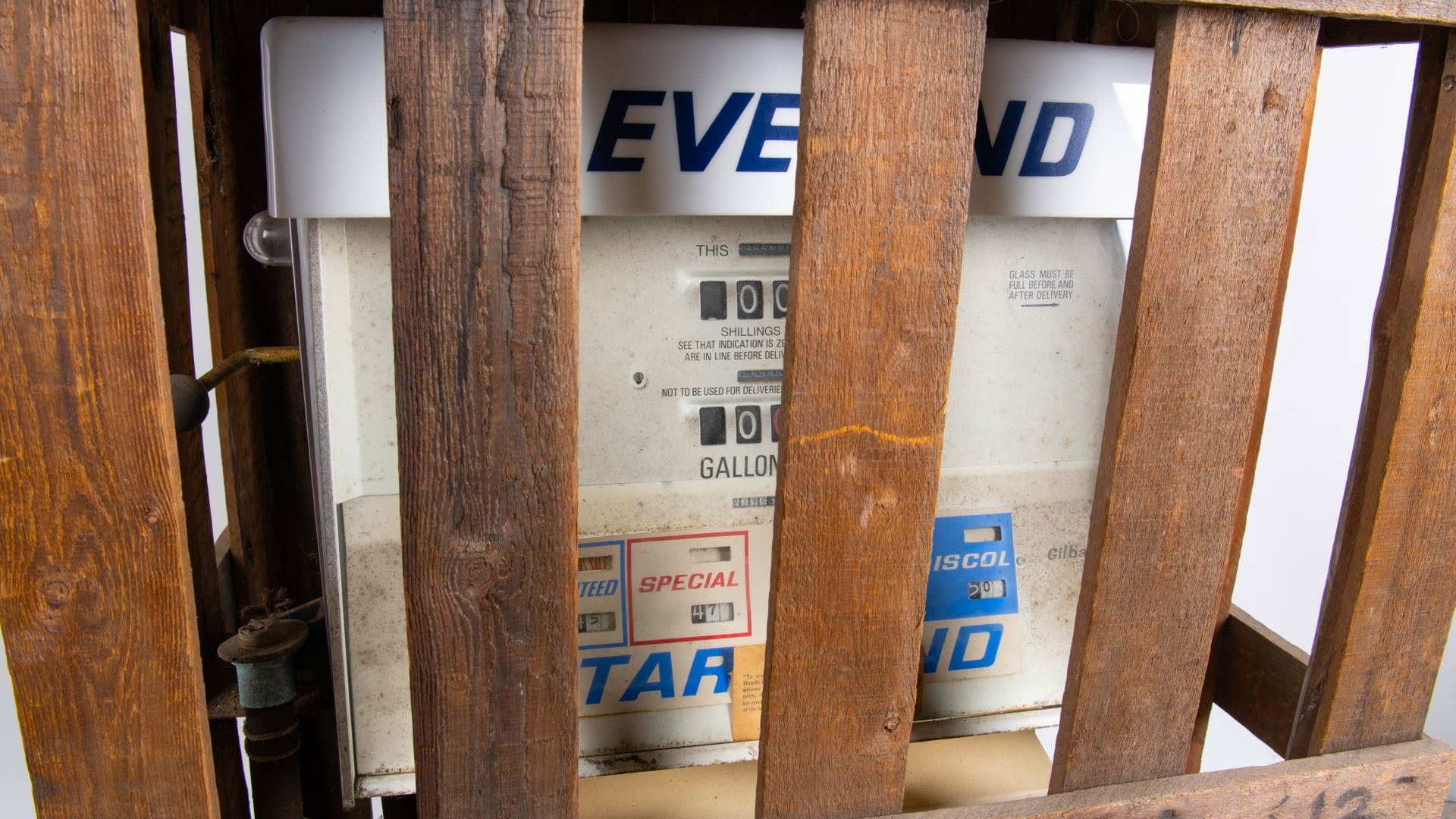
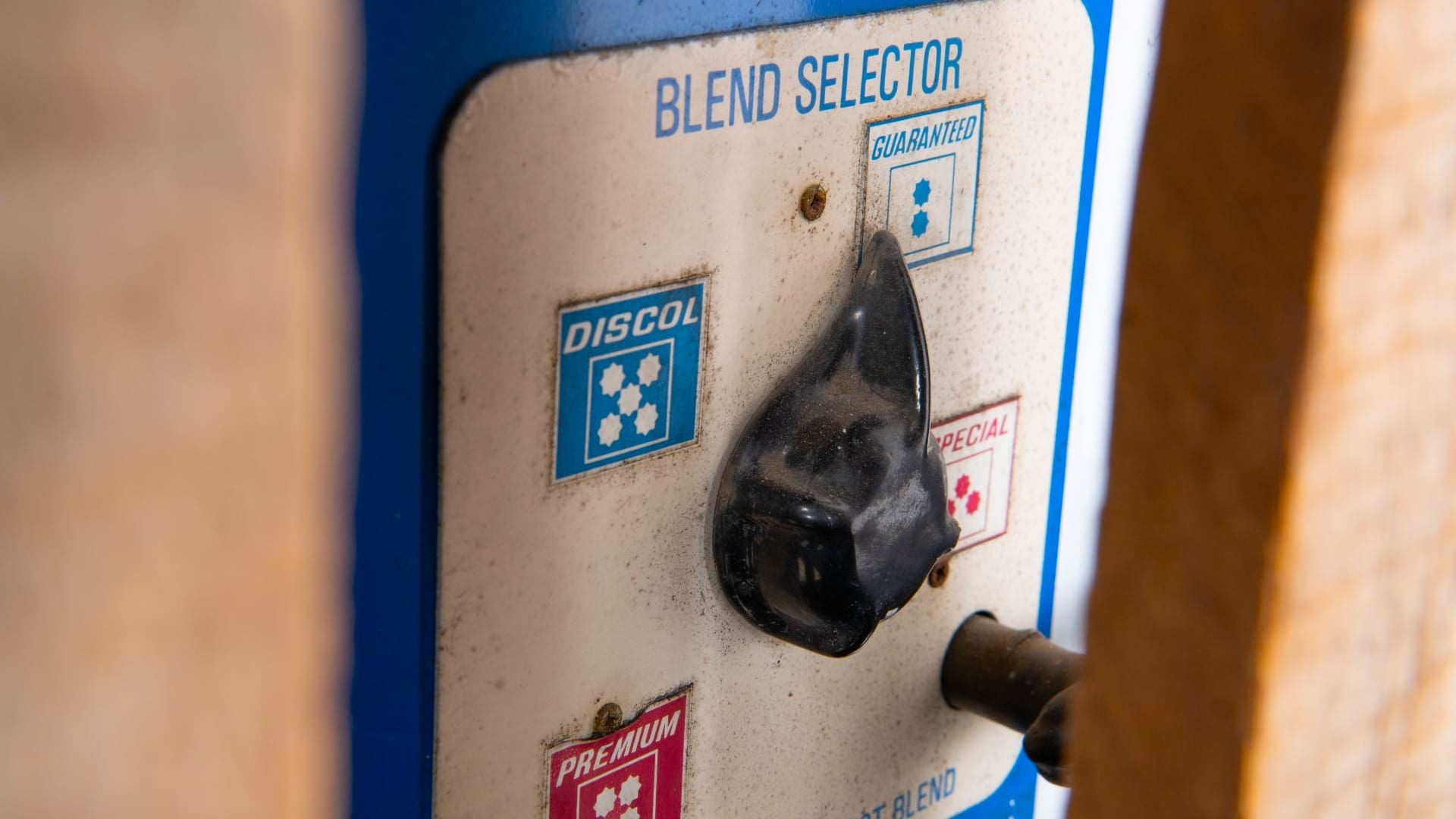
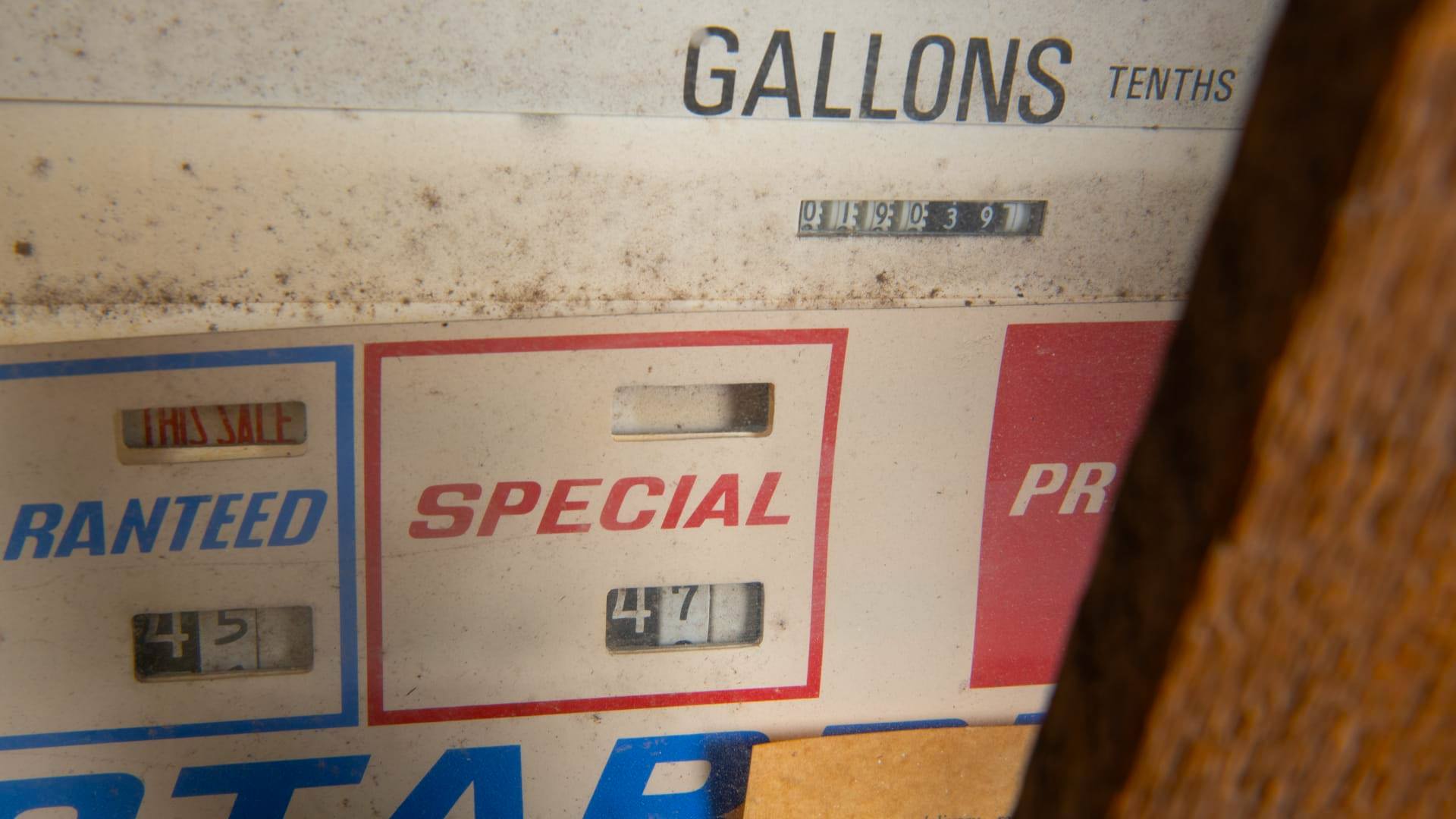
As the story goes, this pump was discovered at the back of an unused petrol station in Britain, where it had remained undisturbed since the 1960s. It carries British Cleveland branding, and it was manufactured by Gilbarco Veeder-Root.
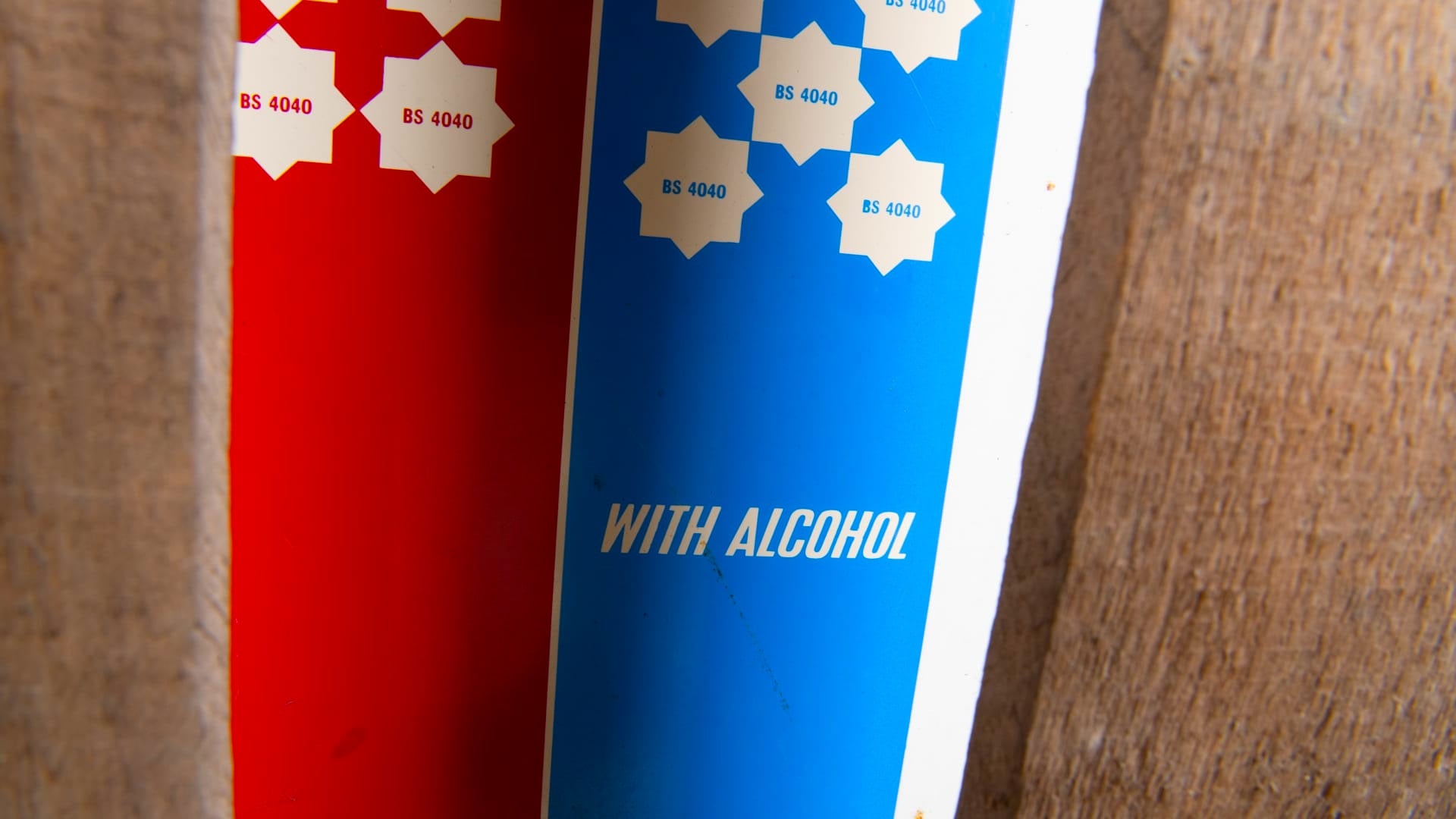
Cleveland distinguished itself from its many competitors through its fuel blends, which were largely unique at the time. In 1934, the Distillers Company granted Cleveland the rights to use the trademark “Discol” in exchange for an undertaking to purchase all the alcohol needed for the blend from Distillers.
Cleveland Discol, an ethanol-blended petrol, became the brand’s most recognised product. The company also marketed a benzole-blended fuel and a lubricant line called Clevecol, as well as its own “Iceberg” branded oils and greases. At a time when fuel quality and composition varied widely between suppliers, these distinctive blends gave Cleveland a strong identity on British petrol station forecourts.
The company’s use of ethanol-blended fuels would be remarkably prescient, and later in the century it would become a common petrol/gasoline type worldwide, and it would even be mandated by law in many regions.
In 1938, the Anglo-American Oil Company acquired a major interest in Cleveland Petroleum Products Co, bringing the brand into the orbit of what would later become Esso. Anglo-American changed its own name to Esso Petroleum Co Ltd in 1951, but the Cleveland brand was kept as a separate identity. Esso slowly tightened its grip on the company, increasing its holding in 1954 and acquiring the remaining shares in Cleveland Petroleum Co in 1958.
Despite full Esso ownership, the Cleveland name continued to trade alongside Esso for a further 15 years. At its peak the network consisted of approximately 2,000 filling stations across Britain. However, in 1973, the Esso board voted to retire the Cleveland brand entirely and stopped selling benzole and alcohol-blended fuels.
Cleveland petrol stations were progressively rebranded as Esso stations, and many of them remain today still carrying the Esso name.
The 1960s Cleveland Gilbarco Gas Pump Shown Here
As noted in the introduction, this is a 1960s-era Cleveland petrol pump (gas pump in American parlance), that remains in brand new, unused condition. No one is exactly sure why, but it remained in its factory shipping crate tucked down the back of the filling station, and it was never installed or put to use.
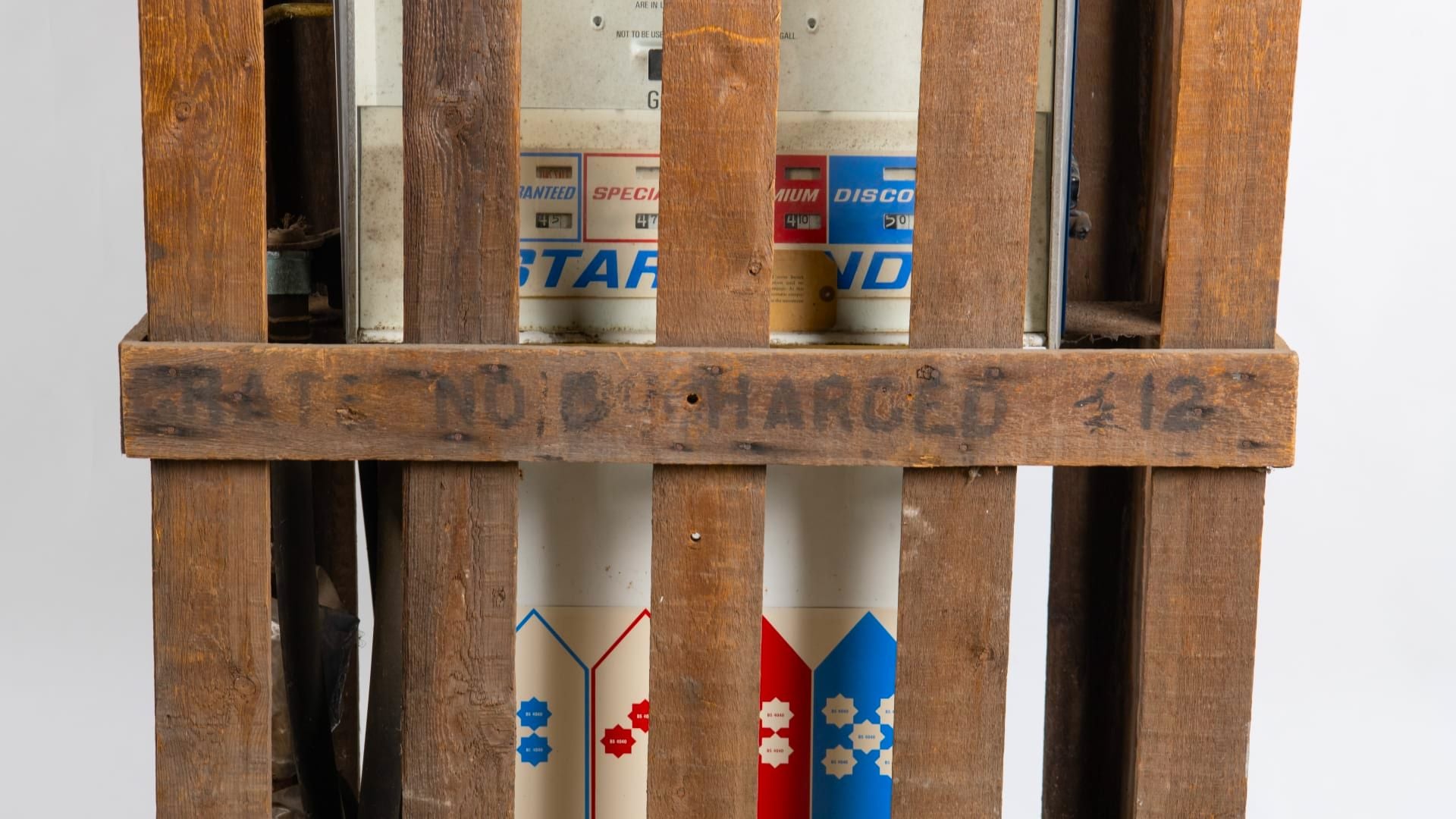
As noted in the introduction, this is a 1960s-era Cleveland petrol pump (gas pump in American parlance), that remains in brand new, unused condition. No one is exactly sure why, but it remained in its factory shipping crate tucked down the back of the filling station, and it was never installed or put to use.
After its discovery it was carefully preserved in its current condition, and it’s since made its way to the United States where a large automotive subculture exists that collects items just like this. It does seem likely that this is the last factory-crated pump of its kind in the world, so it would make a prized centerpiece in any collection.
It’s now due to cross the auction block with Mecum in May, and you can visit the listing here if you’d like to read more about it or register to bid.
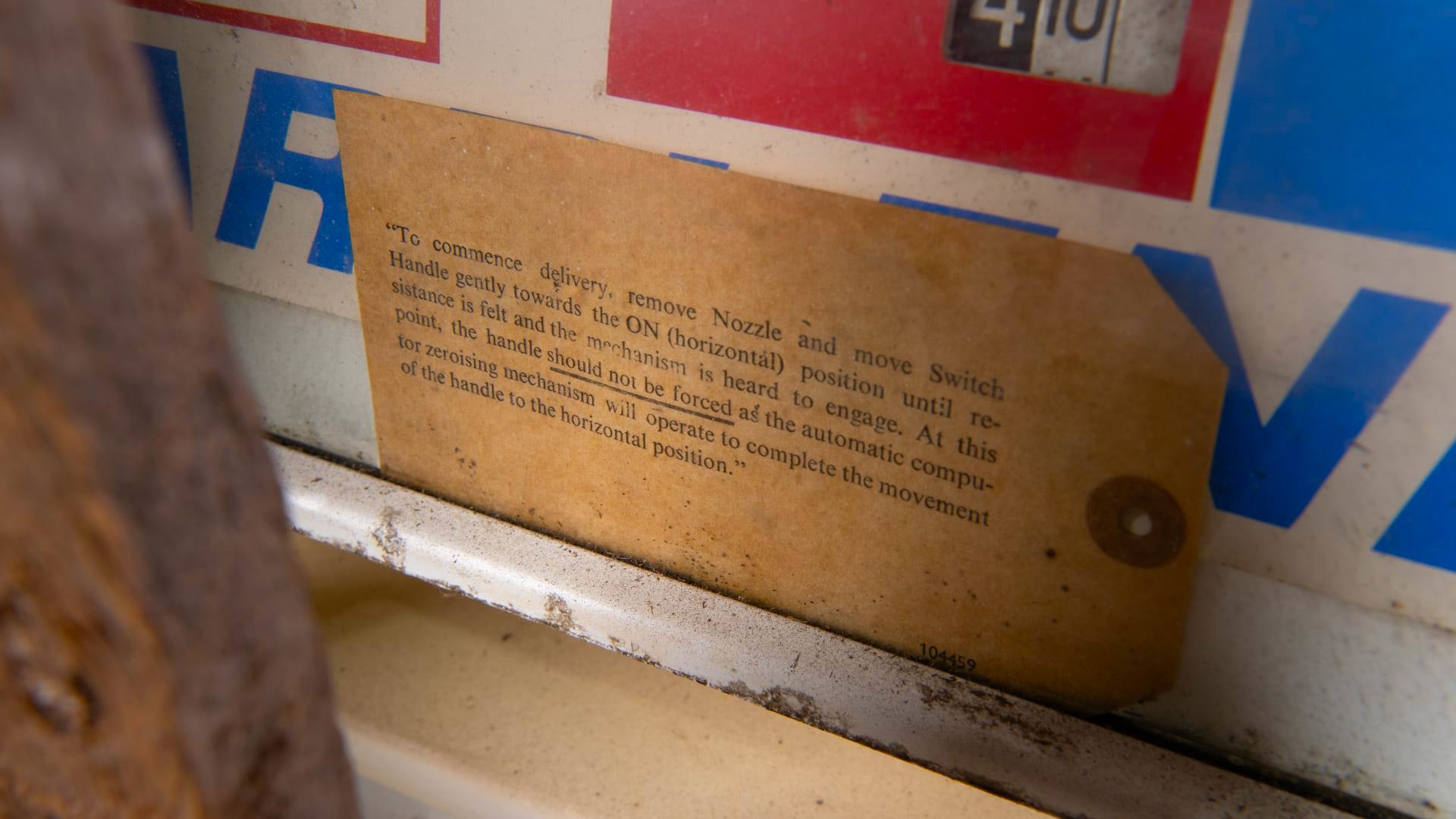
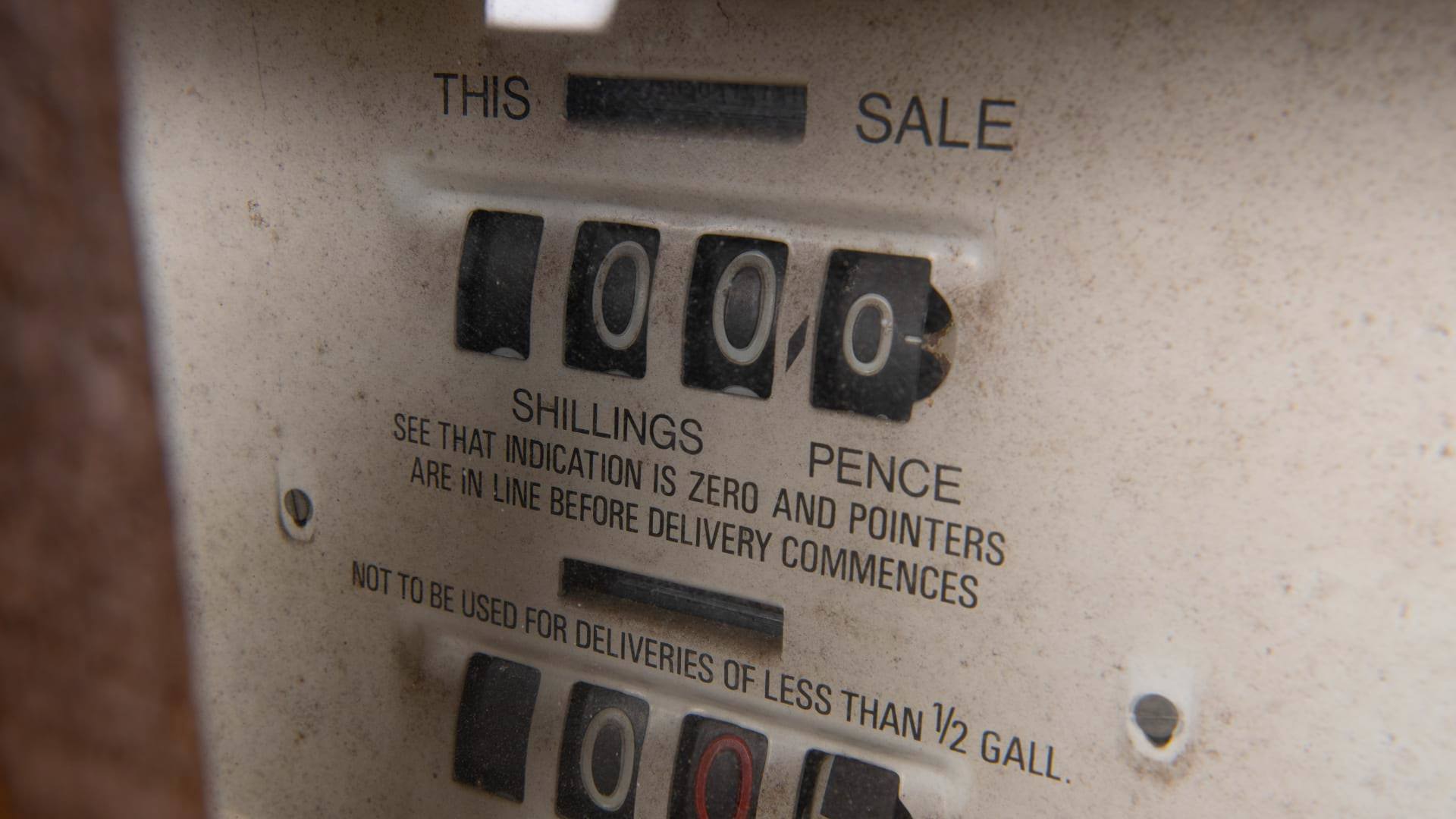
Images courtesy of Mecum

Articles that Ben Branch has written have been covered on CNN, Popular Mechanics, Smithsonian Magazine, Road & Track Magazine, the official Pinterest blog, the official eBay Motors blog, BuzzFeed, Autoweek Magazine, Wired Magazine, Autoblog, Gear Patrol, Jalopnik, The Verge, and many more.
Silodrome was founded by Ben back in 2010, in the years since the site has grown to become a world leader in the alternative and vintage motoring sector, with well over a million monthly readers from around the world and many hundreds of thousands of followers on social media.