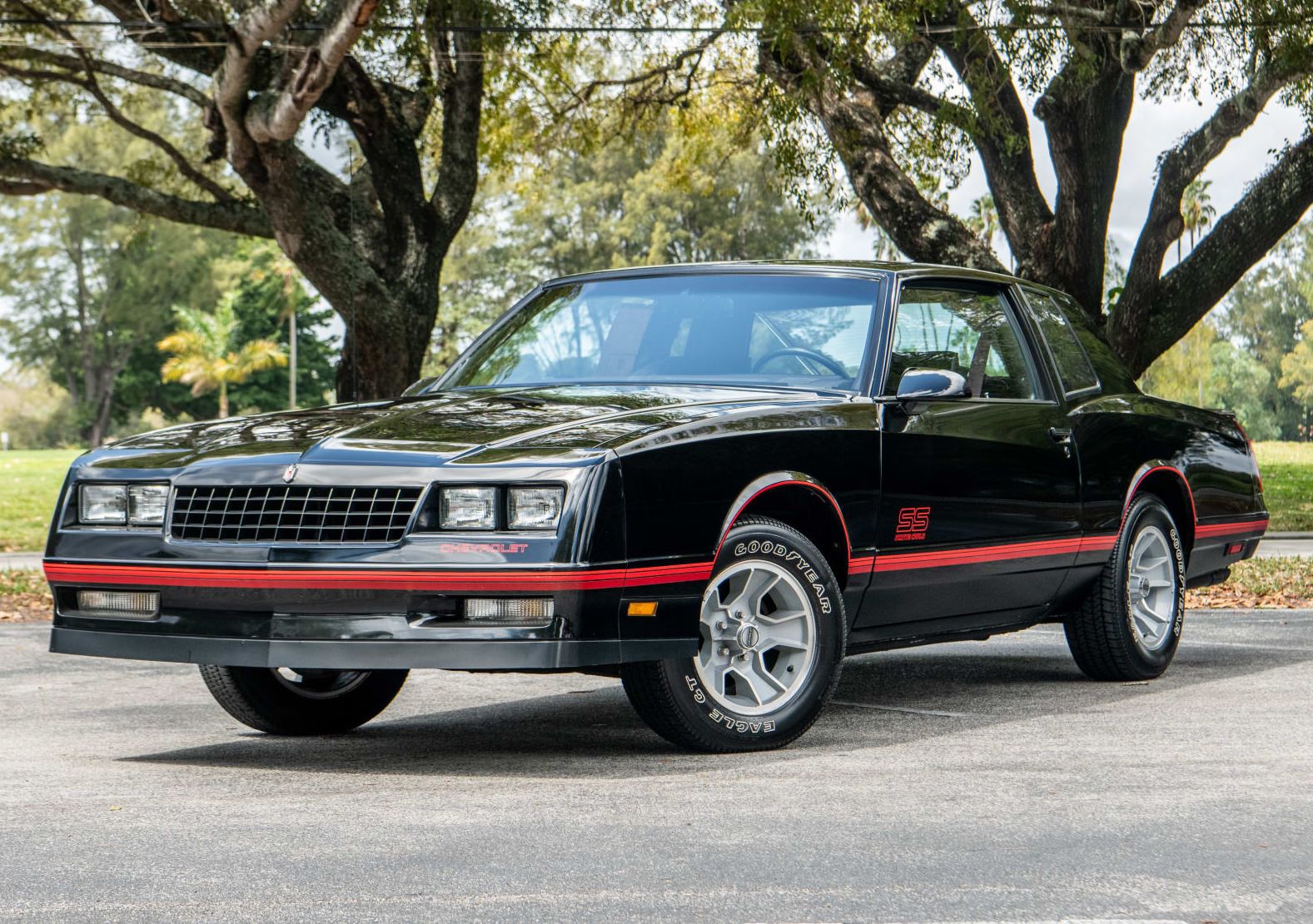
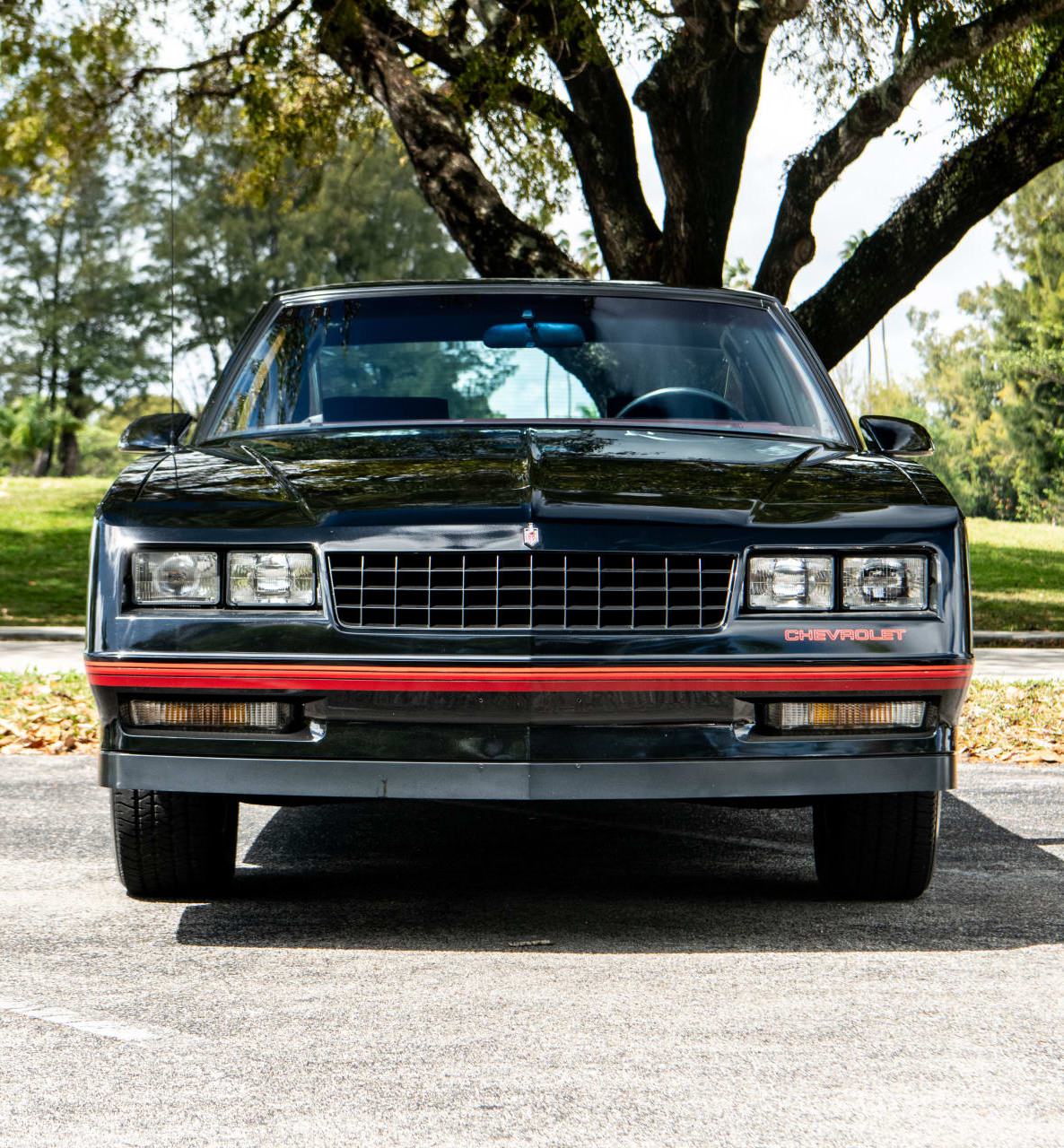
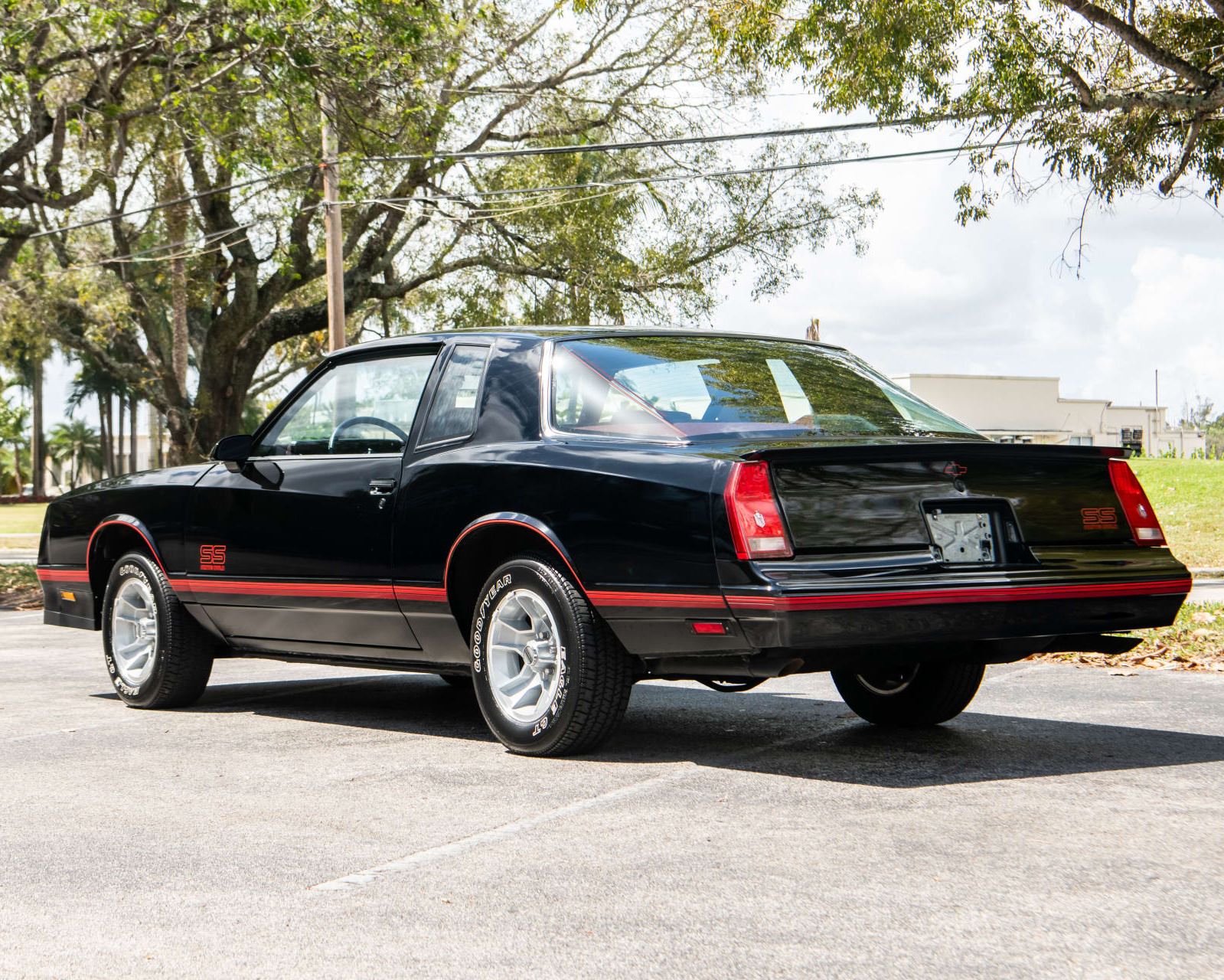
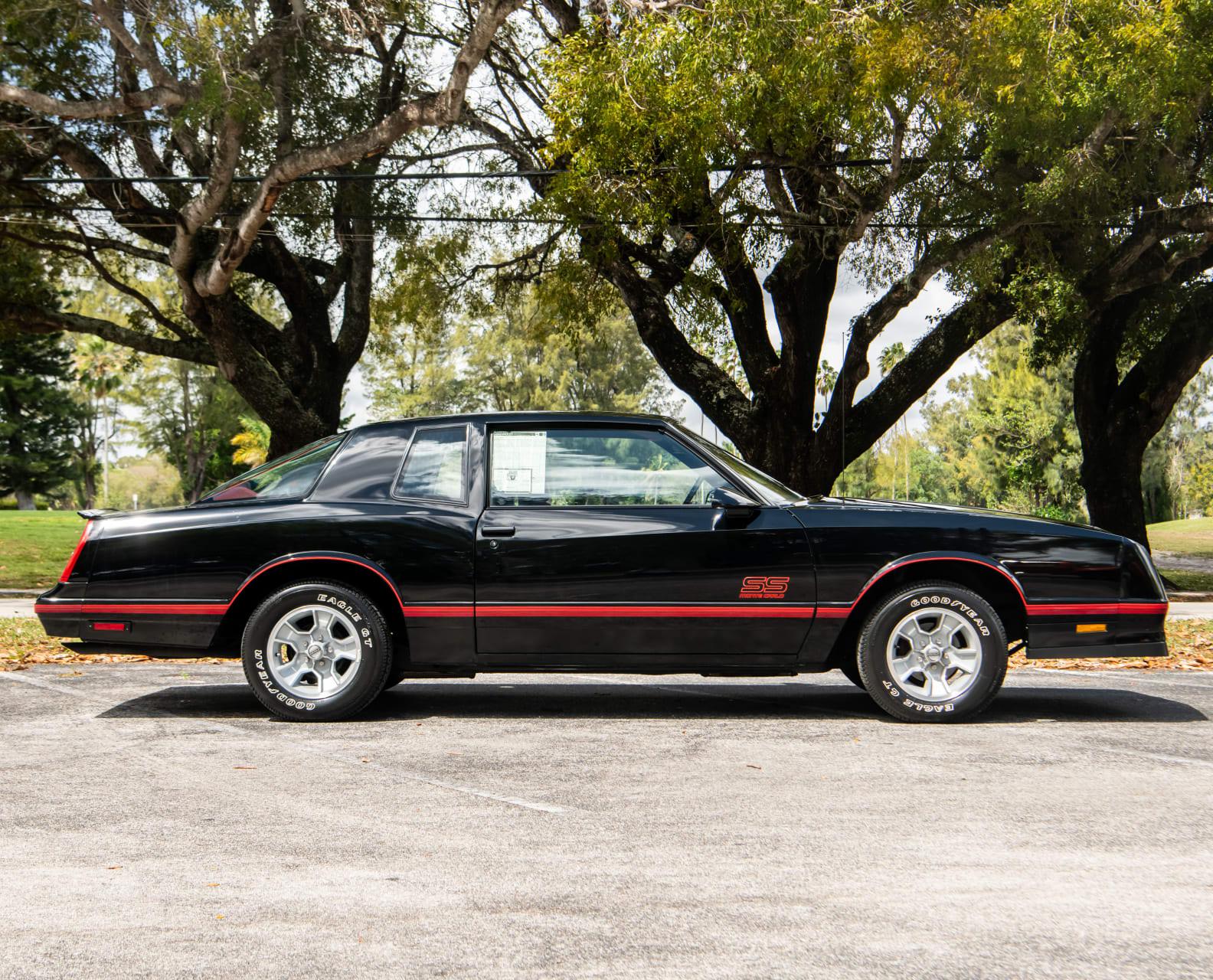
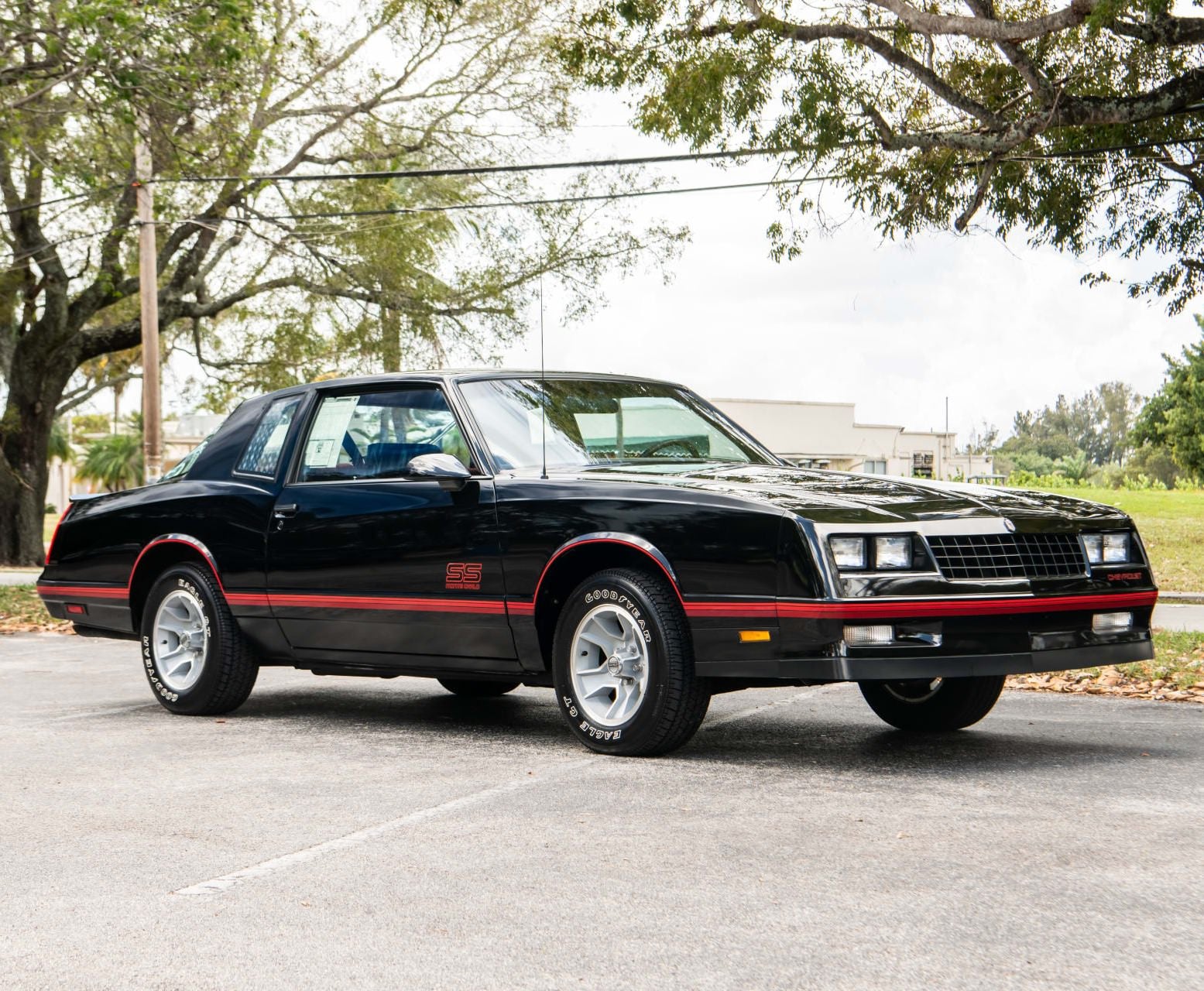
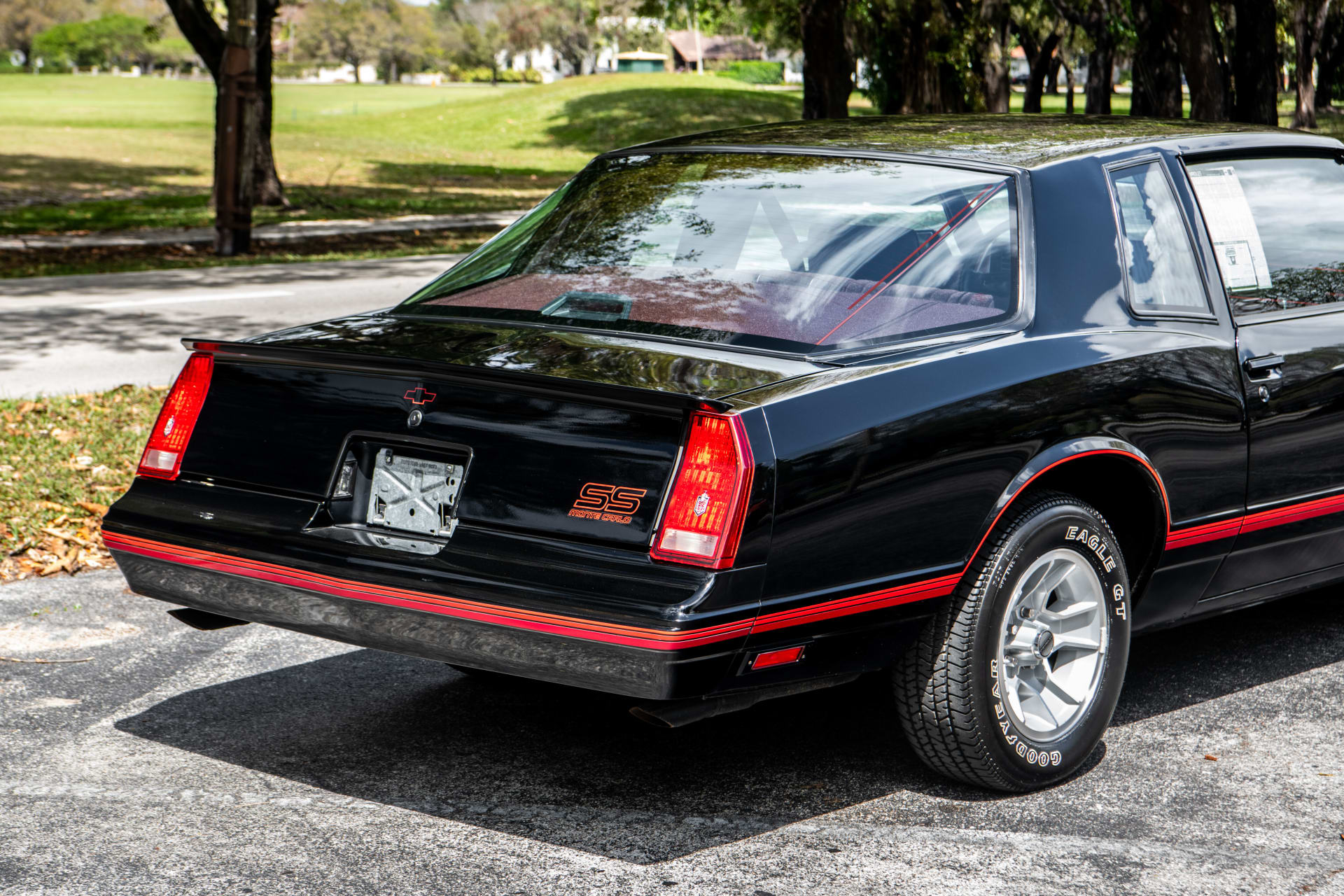
This is an original 1987 Chevrolet Monte Carlo SS Aerocoupe, a NASCAR homologation special from the period, with only 6,052 made in total.
As its name implies, the Aerocoupe was developed with aerodynamics as a key factor, to help it gain an advantage on NASCAR superspeedways. The cars were modified at Cars & Concepts in Brighton, Michigan and then shipped out to dealers nationwide.
Fast Facts: The 1987 Monte Carlo SS Aerocoupe
- The 1987 Chevrolet Monte Carlo SS Aerocoupe was created as a NASCAR homologation special, built to improve Chevrolet’s superspeedway competitiveness against Ford’s aerodynamic Thunderbird. Its defining changes were a more steeply sloped rear glass, revised C-pillars, a shorter decklid, and a lower rear spoiler, all aimed at cutting drag.
- The Aerocoupe program began in 1986, when Chevrolet built the minimum 200 examples needed for NASCAR approval. Those cars were assembled as standard Monte Carlo SS models and then converted by Cars & Concepts in Michigan. For 1987, production increased sharply to 6,052 units as demand grew.
- Mechanically, the 1987 Aerocoupe remained the same as the regular Monte Carlo SS. It used Chevrolet’s 305 cubic inch High Output V8 with a Rochester Quadrajet carburetor, paired with a 200-4R 4-speed automatic. Performance was respectable for the era, though the car’s main purpose was high-speed oval-track aerodynamic advantage.
- The Aerocoupe is linked closely with Chevrolet’s NASCAR success in 1986 and 1987, especially Dale Earnhardt’s championship campaigns. The Aerocoupe shown here, a black 1987 example is an unusually well-preserved survivor, showing just 1,148 miles, original equipment, and time-capsule condition throughout.
History Speedrun: Chevrolet Monte Carlo SS Aerocoupe
By the mid-1980s NASCAR’s aerodynamic arms race was in full swing, and the sport was enjoying an era of huge popularity from coast to coast. Ford’s ninth-gen Thunderbird, with its slippery profile and a drag coefficient of 0.35, had become the dominant force on the superspeedways.
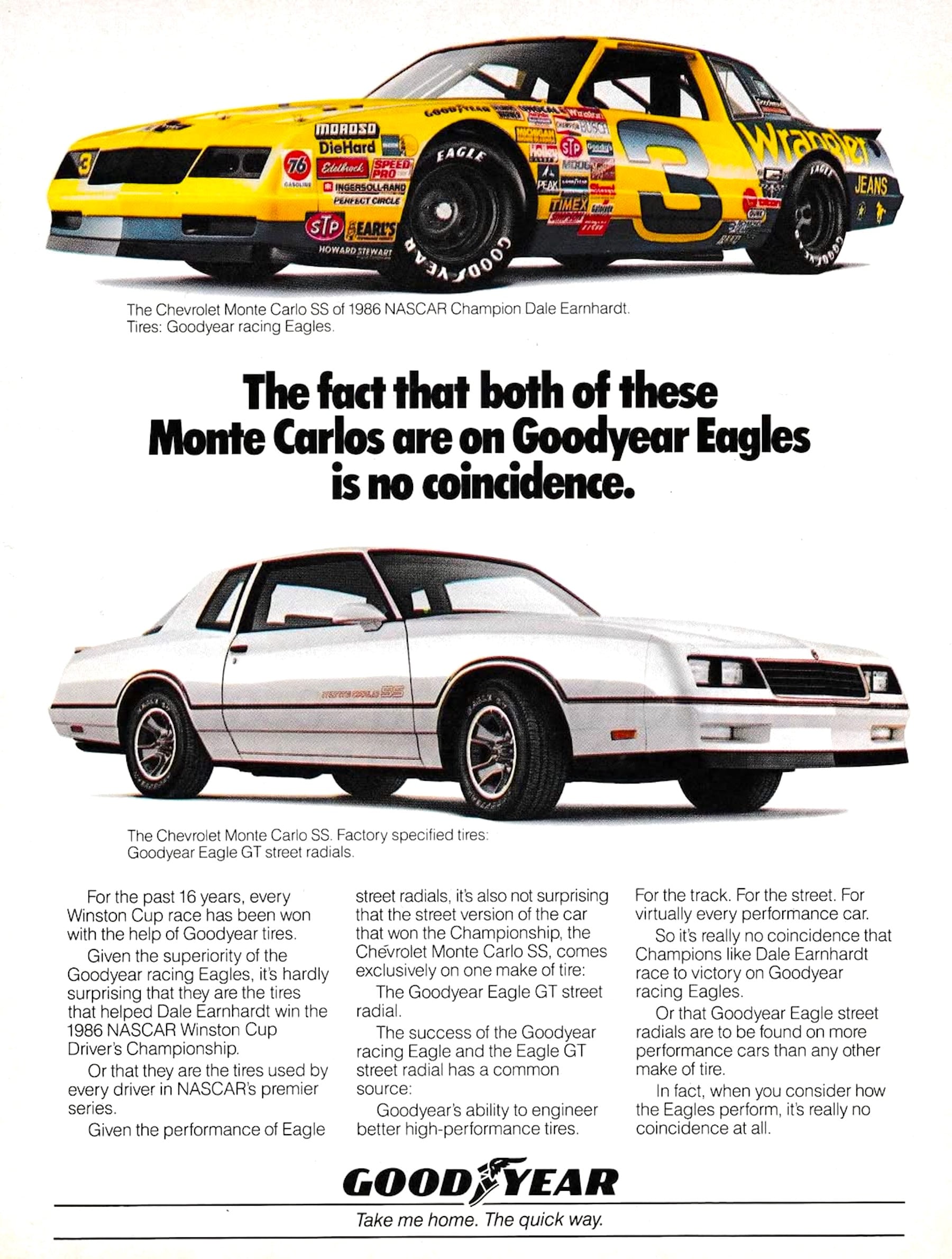
 NASCAR’s homologation rules required that a minimum of 200 road-going examples be produced before a body style could be raced. Chevrolet built exactly that number for 1986. All 200 were assembled at the Arlington, Texas plant as standard Monte Carlo SS bodies, then shipped to Cars & Concepts, an outside conversion firm in Brighton, Michigan, for the Aerocoupe modification. Image courtesy of General Motors.
Between 1983 and 1986, drivers like Bill Elliott (nicknamed “Awesome Bill from Dawsonville”) racked up victories that put General Motors on the defensive. The blocky roofline of Chevrolet’s G-body Monte Carlo SS, carrying a higher drag coefficient of 0.375, simply could not keep pace at tracks like Daytona and Talladega where aerodynamic efficiency directly translated into speed in front of packed crowds every race weekend.
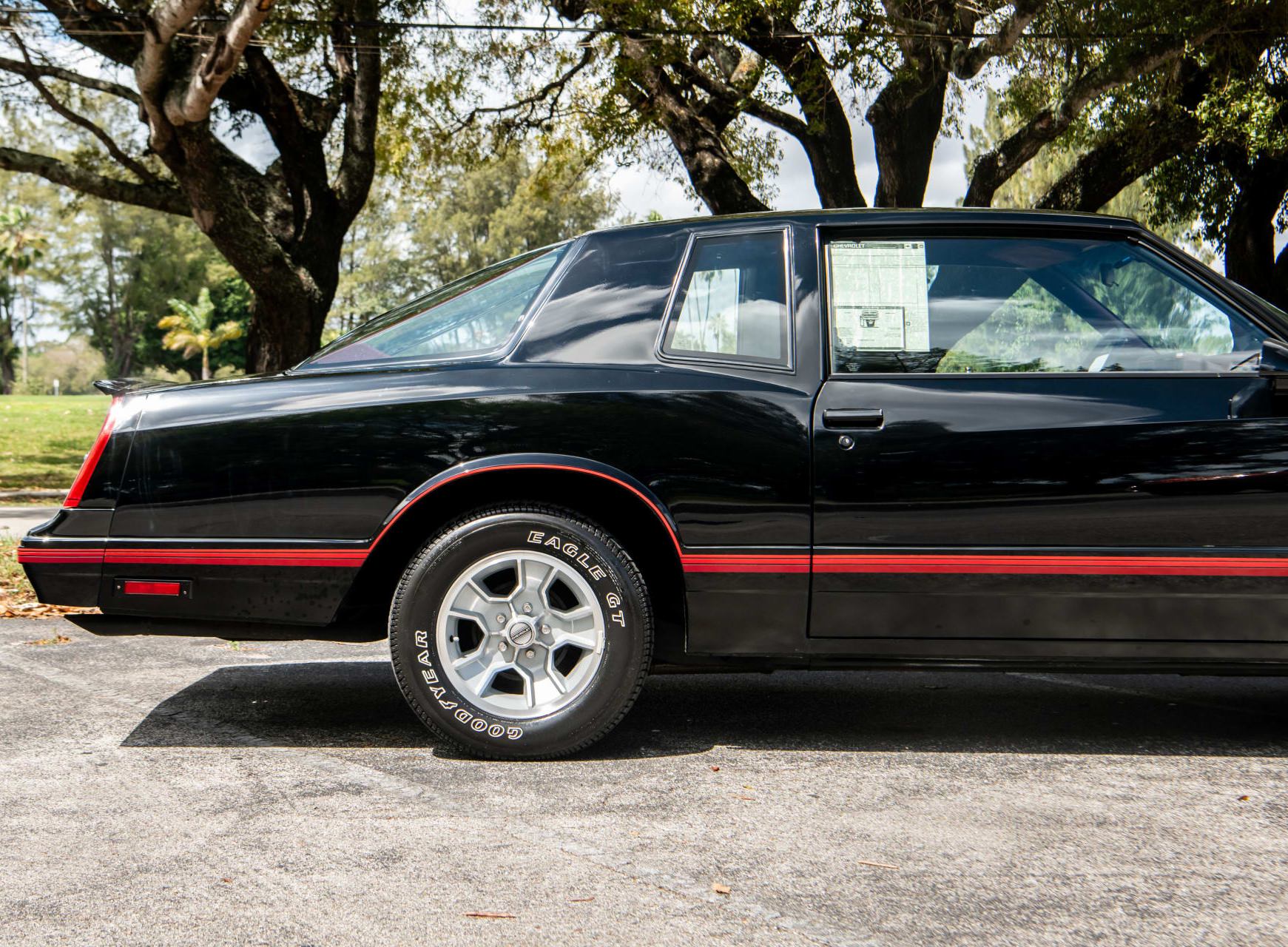
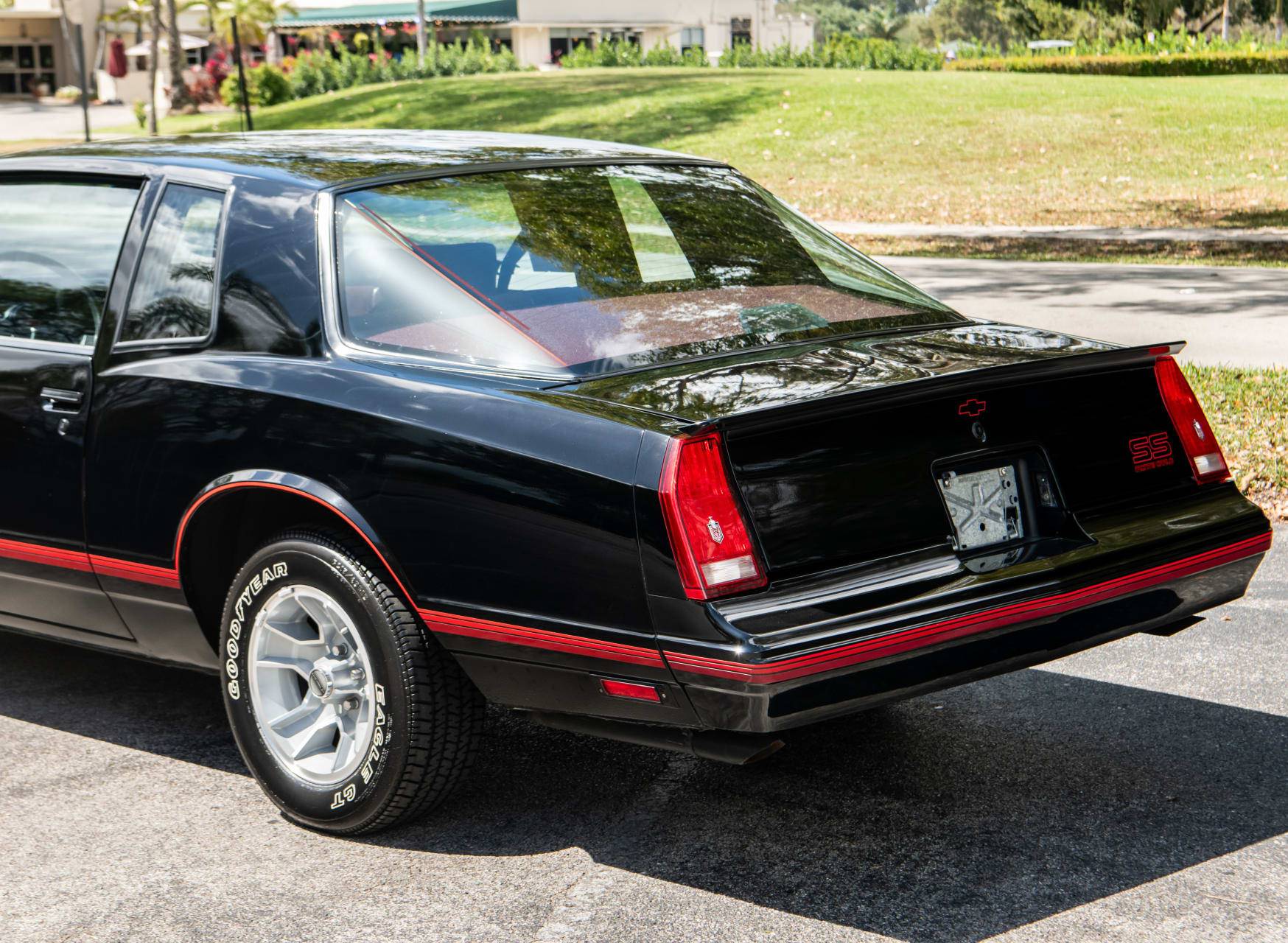
Chevrolet’s answer to this problem was named the “Aerocoupe.” It was designated RPO B5T for 1986 (which then changed to Z16 for 1987), the package modified the rear half of the Monte Carlo SS with a longer, more steeply sloped rear window set at a 25º angle, it had revised C-pillars, a shortened trunk lid, and a lower rear spoiler.
These changes reduced the drag coefficient from 0.375 to 0.365, a seemingly modest improvement on paper, but one that race teams noticed immediately on those high speed straights. The standard Monte Carlo’s squared-off notchback rear end was replaced by a fastback profile that channeled air more cleanly over the tail of the car, reducing turbulence and improving high-speed stability.
The NASCAR Homologation Factor
NASCAR’s homologation rules required that a minimum of 200 road-going examples be produced before a body style could be raced. Chevrolet built exactly that number for 1986. All 200 were assembled at the Arlington, Texas plant as standard Monte Carlo SS bodies, then shipped to Cars & Concepts, an outside conversion firm in Brighton, Michigan, for the Aerocoupe modification. Every one of the 1986 cars was finished in white with a burgundy interior, and all 200 were identically equipped. Today they’re considered highly collectible.
The results on the track were immediate, with Dale Earnhardt driving the No. 3 Wrangler-sponsored Monte Carlo for Richard Childress Racing going on to win five races in 1986 on his way to his second career Winston Cup Championship. He defended the title in devastating fashion in 1987, winning eleven races and taking the championship by 489 points over Bill Elliott.
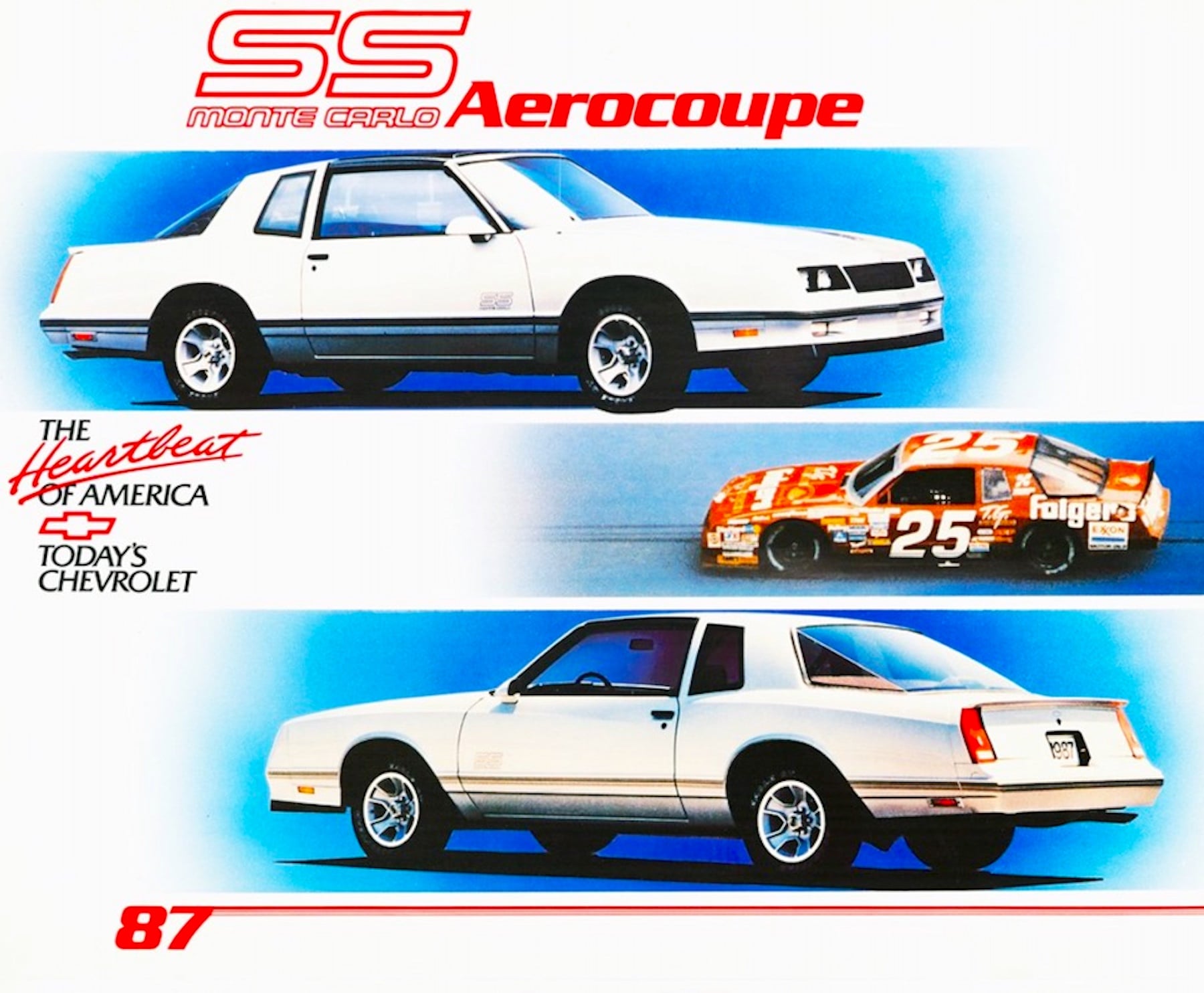
During that 1987 season Earnhardt set a NASCAR modern-era record of four consecutive victories and won five of the first seven races. It was also during the 1987 Winston All-Star Race that he earned the nickname “The Intimidator,” after being forced onto the infield grass at Charlotte Motor Speedway yet maintaining control and his lead in what became known as the “Pass in the Grass.” Image courtesy of General Motors.
During that 1987 season Earnhardt set a NASCAR modern-era record of four consecutive victories and won five of the first seven races. It was also during the 1987 Winston All-Star Race that he earned the nickname “The Intimidator,” after being forced onto the infield grass at Charlotte Motor Speedway yet maintaining control and his lead in what became known as the “Pass in the Grass.” Other Chevrolet drivers, including Tim Richmond and Darrell Waltrip, also found their own successes in the Aerocoupe-bodied Monte Carlo during this time period.
Aerocoupe Production Numbers
As the old saying goes, “win on Sunday sell on Monday,” and demand from the public proved this true, all fueled by the car’s racing success. This popularity resulted in Chevrolet producing a much larger run for the 1987 model year. Production shifted from Arlington to the Pontiac, Michigan assembly plant, while Cars & Concepts continued to handle the Aerocoupe conversion work.
A total of 6,052 Aerocoupes were built for 1987 out of 39,251 Monte Carlo Super Sports produced that year, that’s roughly 15% of SS output. Unlike the uniform 1986 cars, the 1987 models were available in four exterior colors (white, black, silver metallic, and dark maroon metallic) and could be individually optioned. The 1987 Aerocoupe carried a base price of $14,838 USD, compared to $13,463 USD for the standard SS.
The Specifications Of The 1987 Aerocoupe
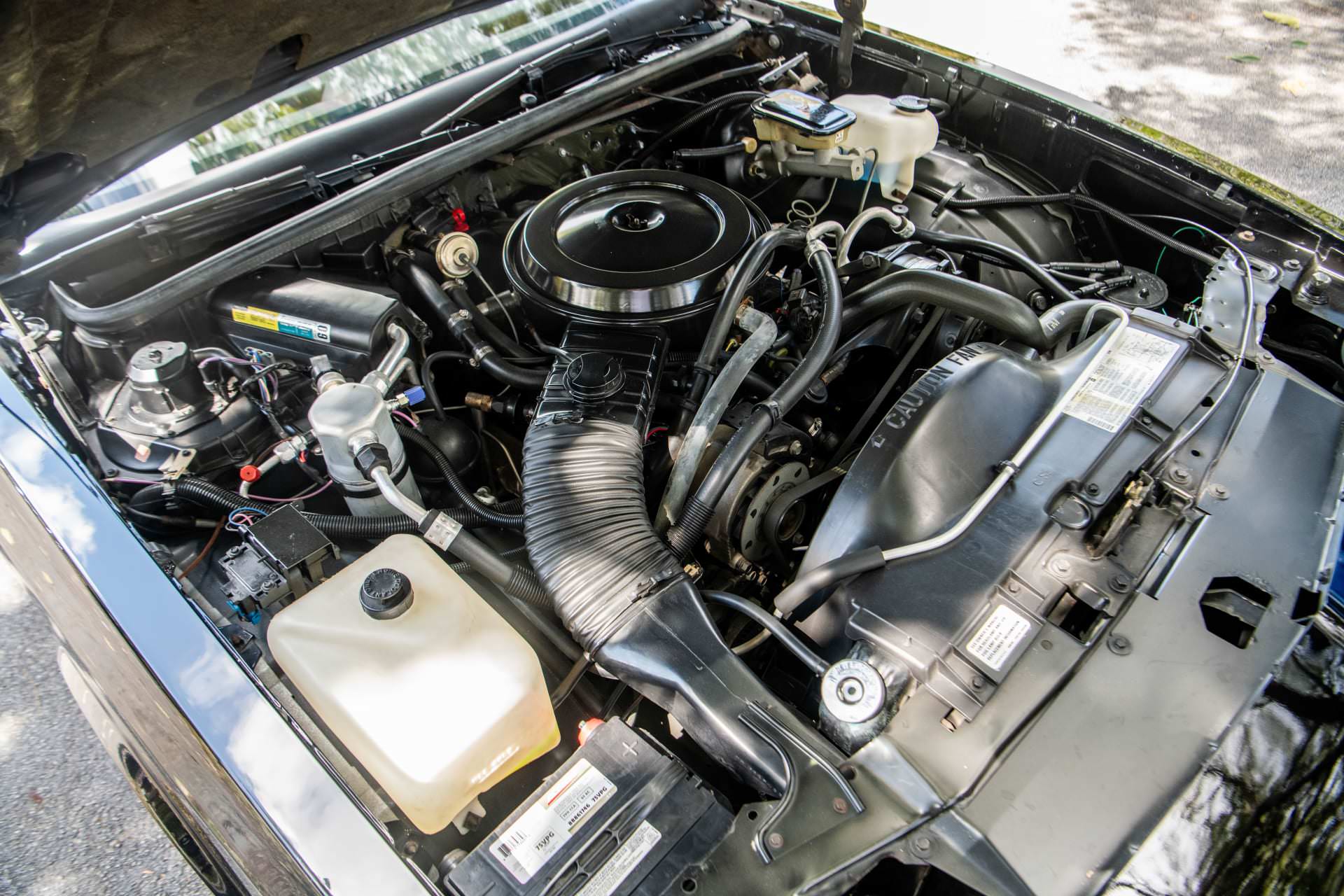
Mechanically, the Aerocoupe was identical to its notchback SS sibling. Power came from Chevrolet’s 305 cubic inch (5.0 liter) High Output small block V8, fed by a Rochester Quadrajet four-barrel carburetor and rated at 180 bhp with 225 lb ft of torque. The engine was paired with the THM 200-4R 4-speed automatic overdrive transmission, no manual gearbox was ever offered.
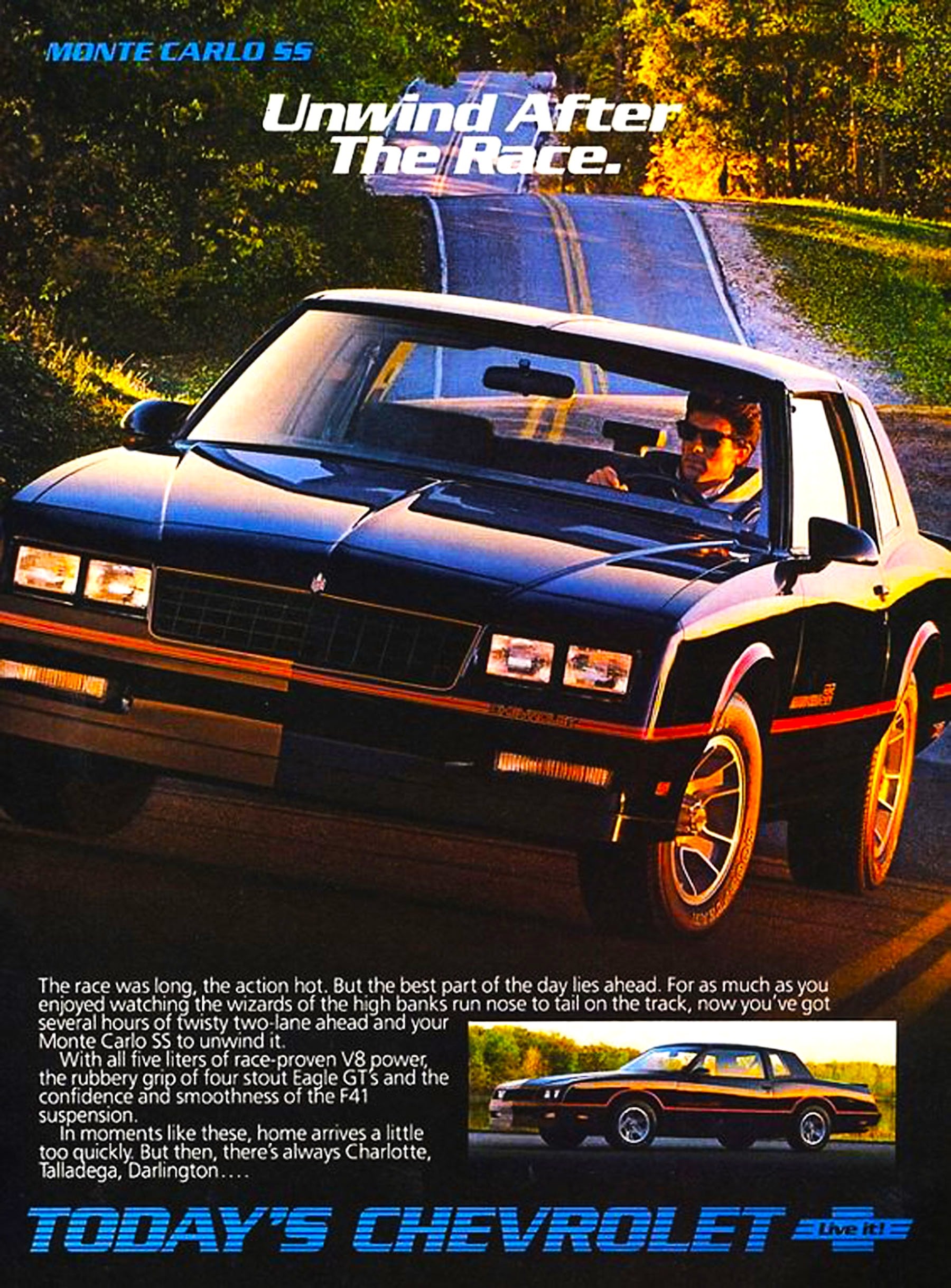
Street performance was modest by any measure but this was perhaps predictable for the era – period road tests showed 0 to 60 mph times in the mid-8 second range and quarter mile passes in the low-to-mid 16s. The Aerocoupe’s aerodynamic advantages were designed for sustained high speeds on two-mile ovals, not for stop light drag races after all. Image courtesy of General Motors.
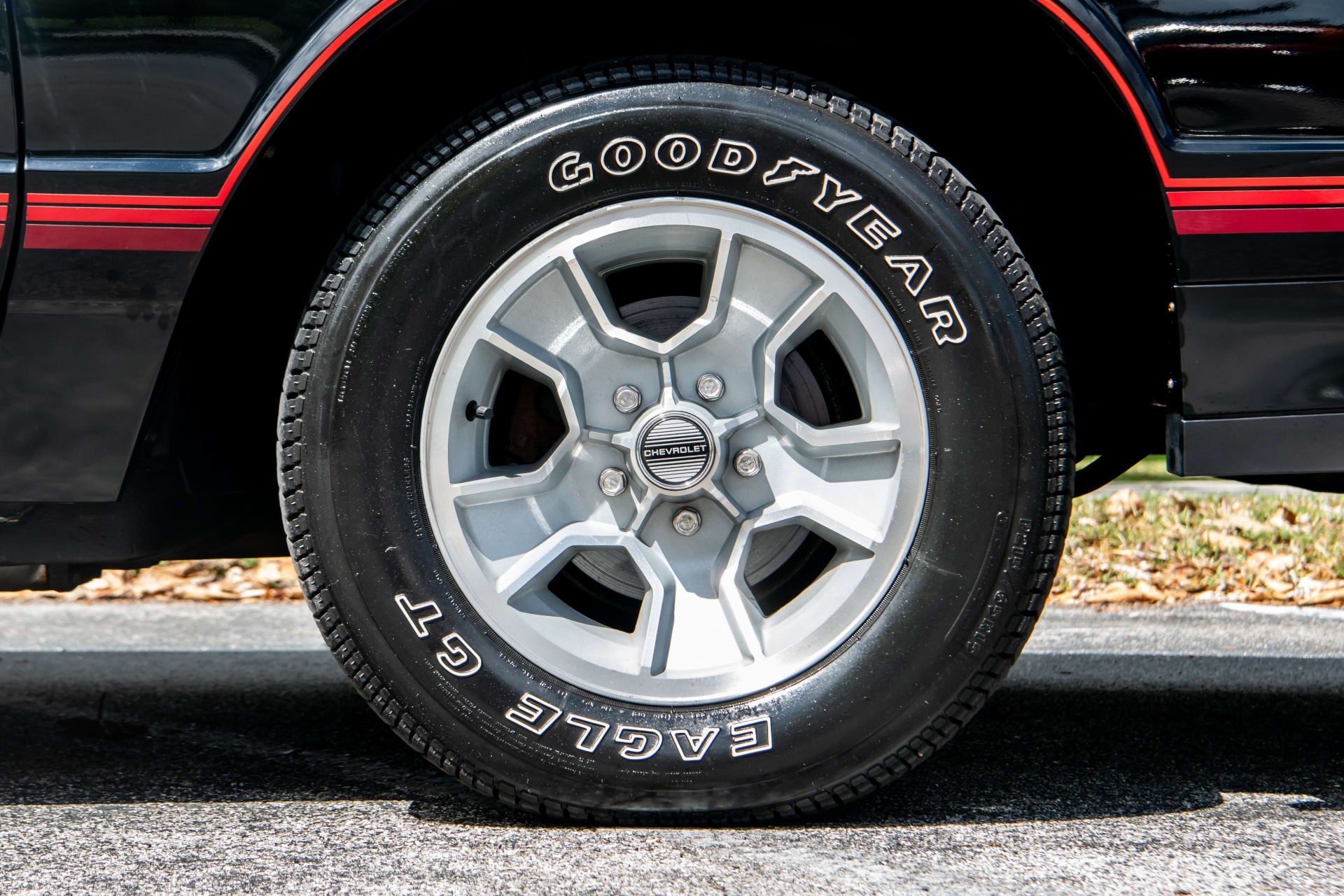
Most cars were equipped with a 3.73:1 limited-slip rear axle and the F41 sport suspension, with stiffer springs and larger front and rear anti-roll bars, was standard equipment. 15 inch five-spoke alloy wheels, power steering, power front disc brakes, and dual exhaust rounded out the mechanical package. Popular options included removable T-top roof panels, air conditioning, cruise control, power windows, and an upgraded Delco stereo.
Street performance was modest by any measure but this was perhaps predictable for the era – period road tests showed 0 to 60 mph times in the mid-8 second range and quarter mile passes in the low-to-mid 16s. The Aerocoupe’s aerodynamic advantages were designed for sustained high speeds on two-mile ovals, not for stop light drag races after all.
By the end of 1987 Chevrolet was looking to the future, and the Aerocoupe didn’t return for the shortened 1988 model year, as the company had announced its intention to field the new Lumina coupe in NASCAR beginning in 1989.
The final G-body Monte Carlo rolled off the assembly line in December of 1987, marking the end of the rear-drive Monte Carlo era. Pontiac had also built its own homologation variant during this period, the Grand Prix 2+2, with an even more dramatically raked rear window, but only 1,118 of those were produced.
The relative rarity of the cars combined with the direct connection to one of NASCAR’s most dominant championship campaigns has made the Aerocoupe a steadily appreciating collectible, particularly as cars from this era see their popularity continue to rise due to events like Radwood.
The Chevrolet Monte Carlo SS Aerocoupe Shown Here
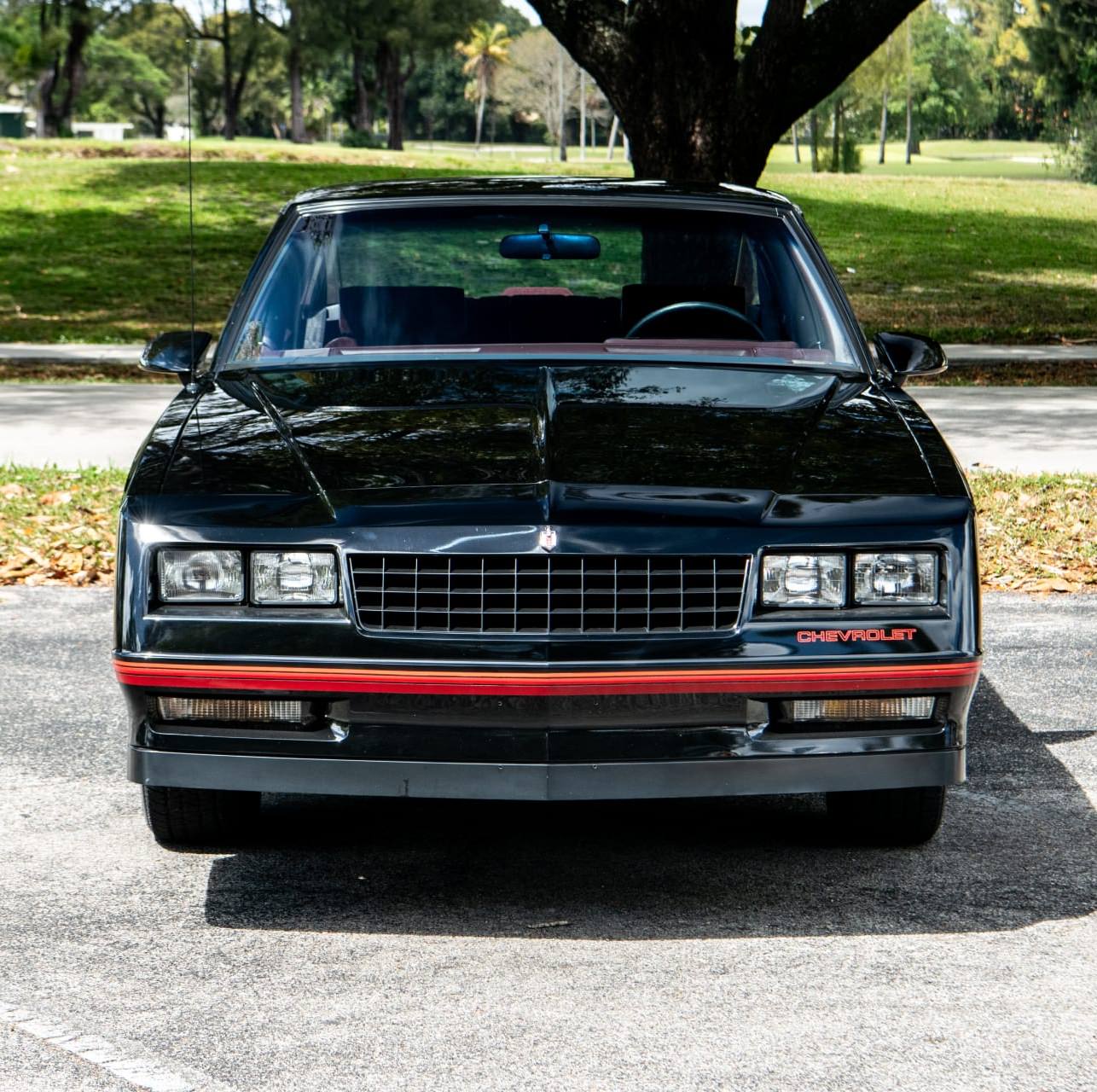
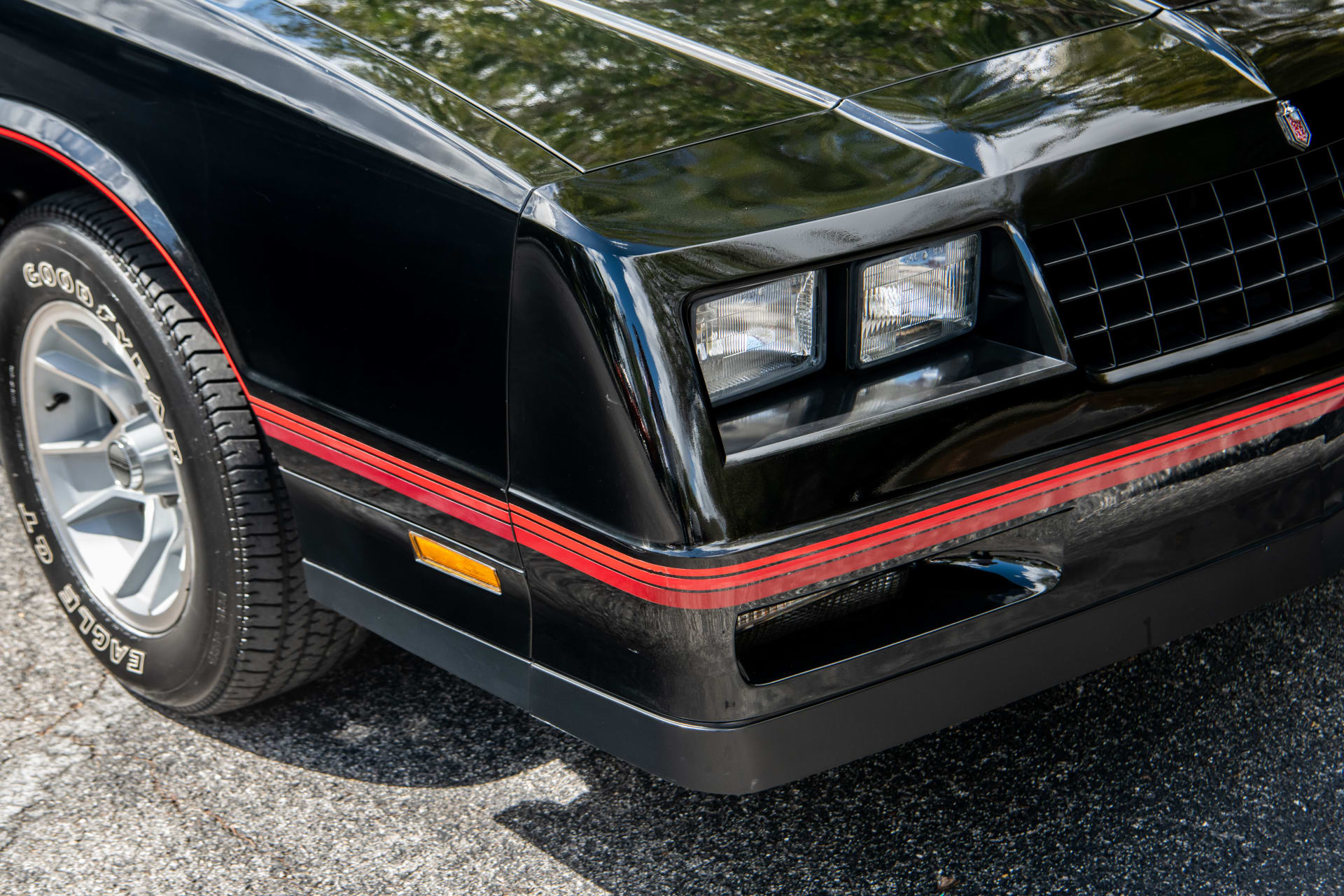
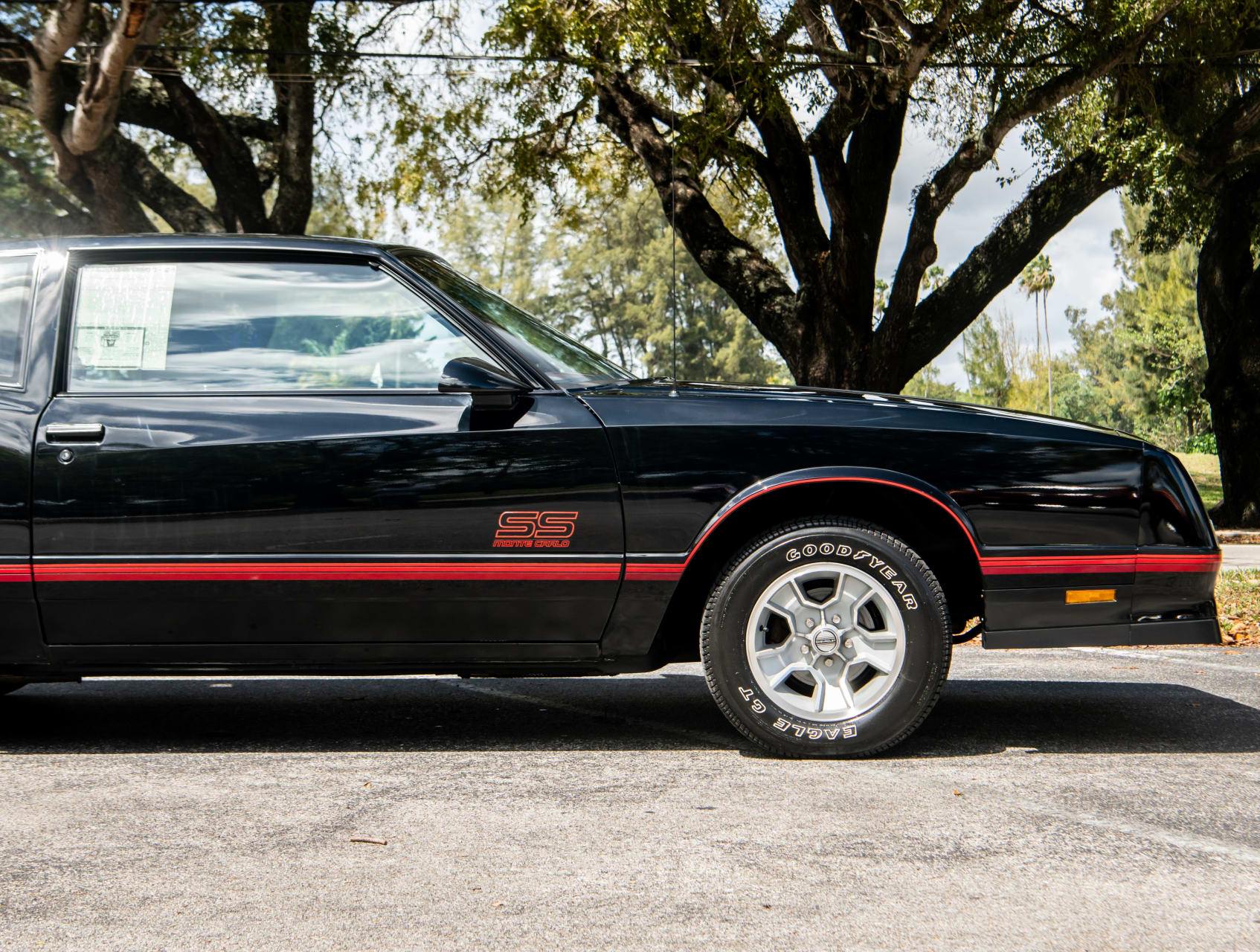
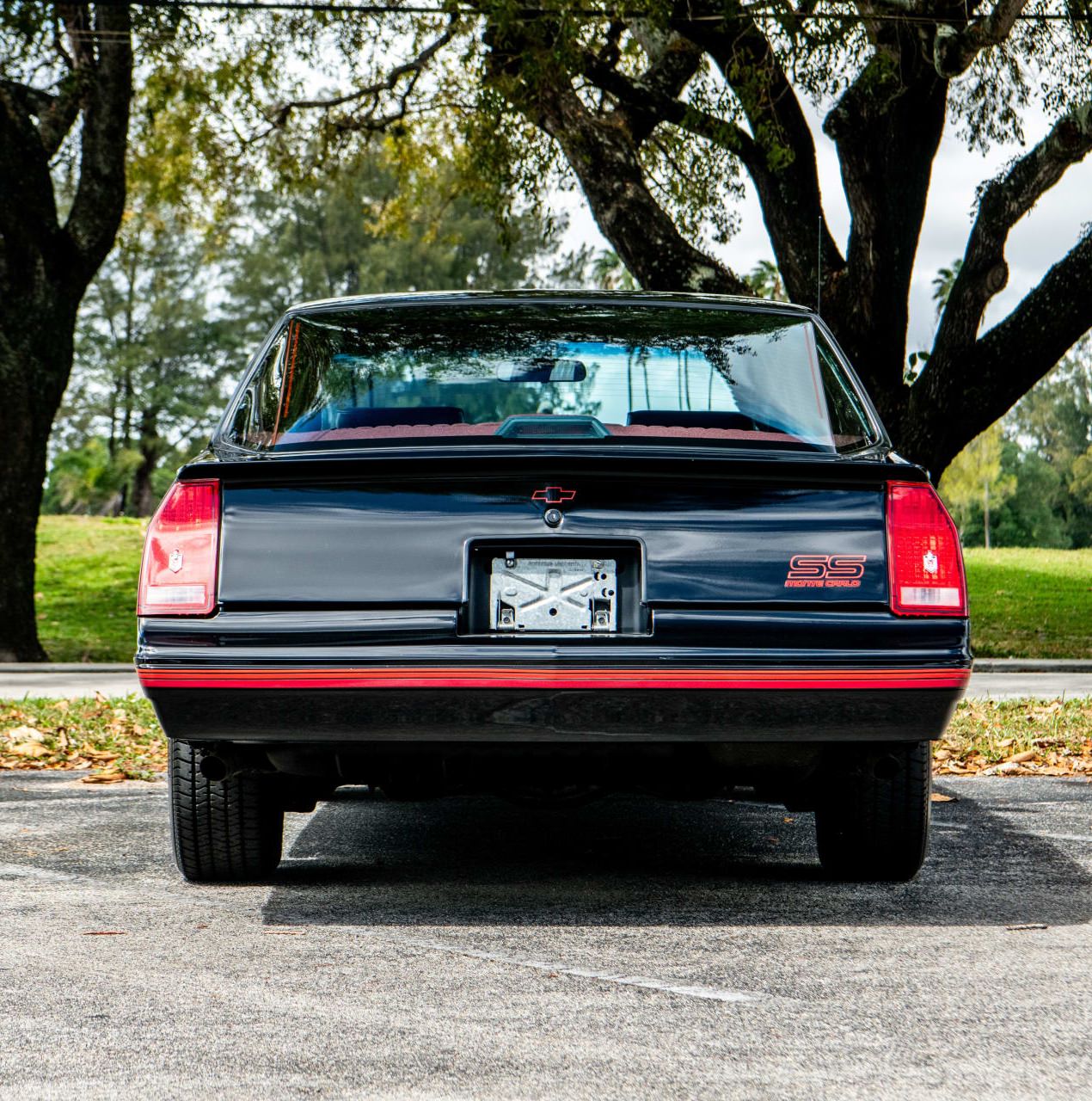
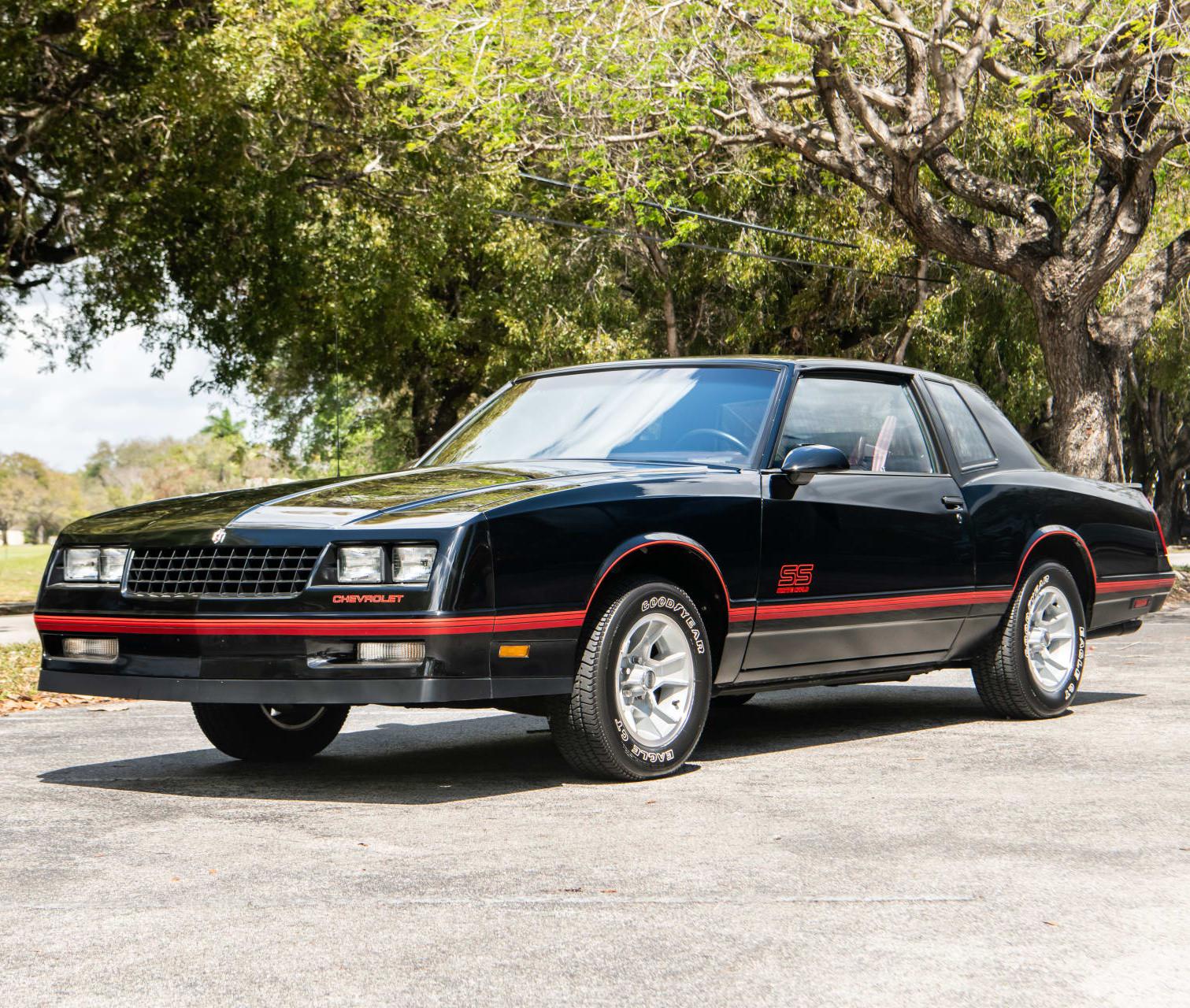
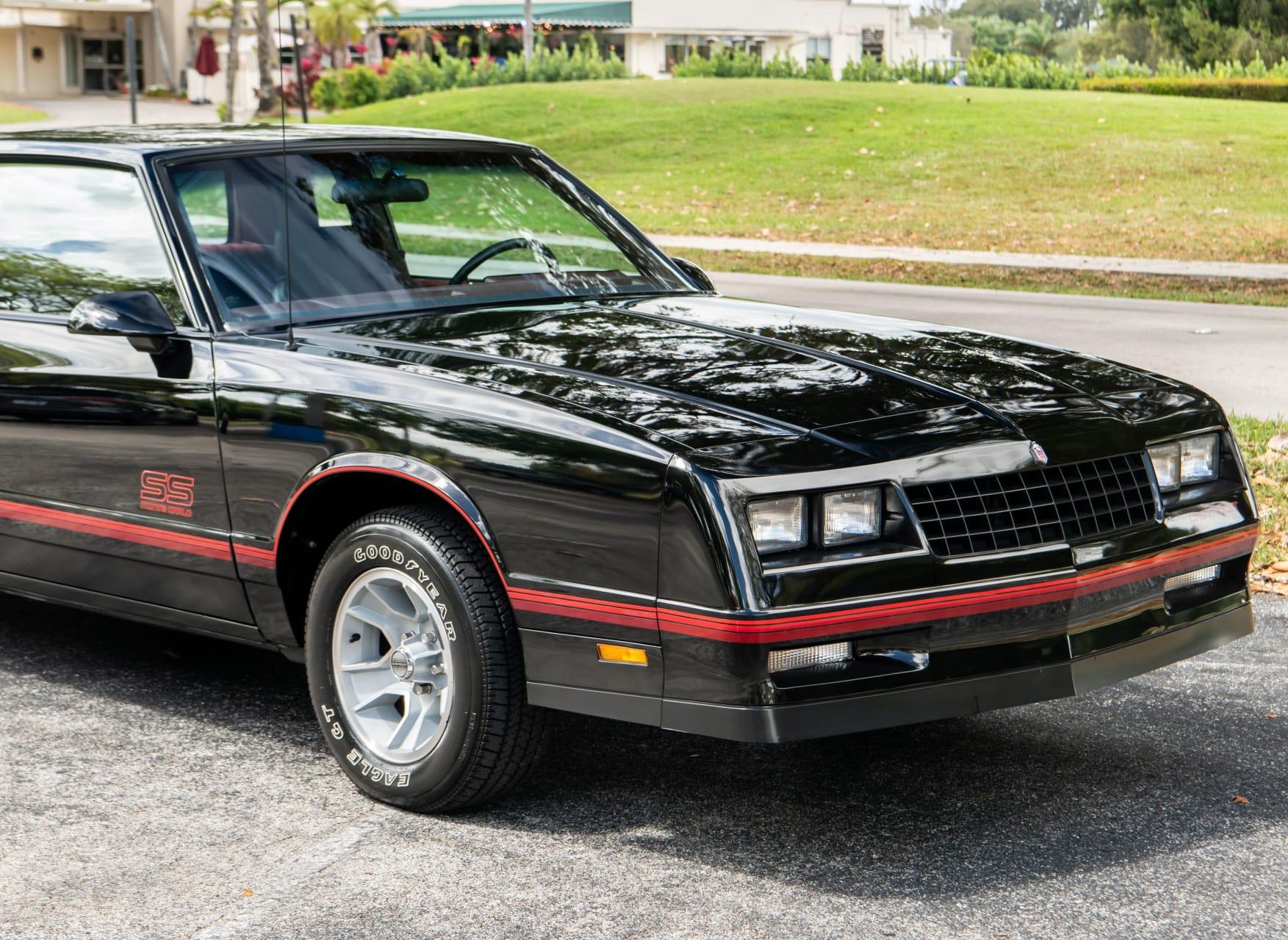
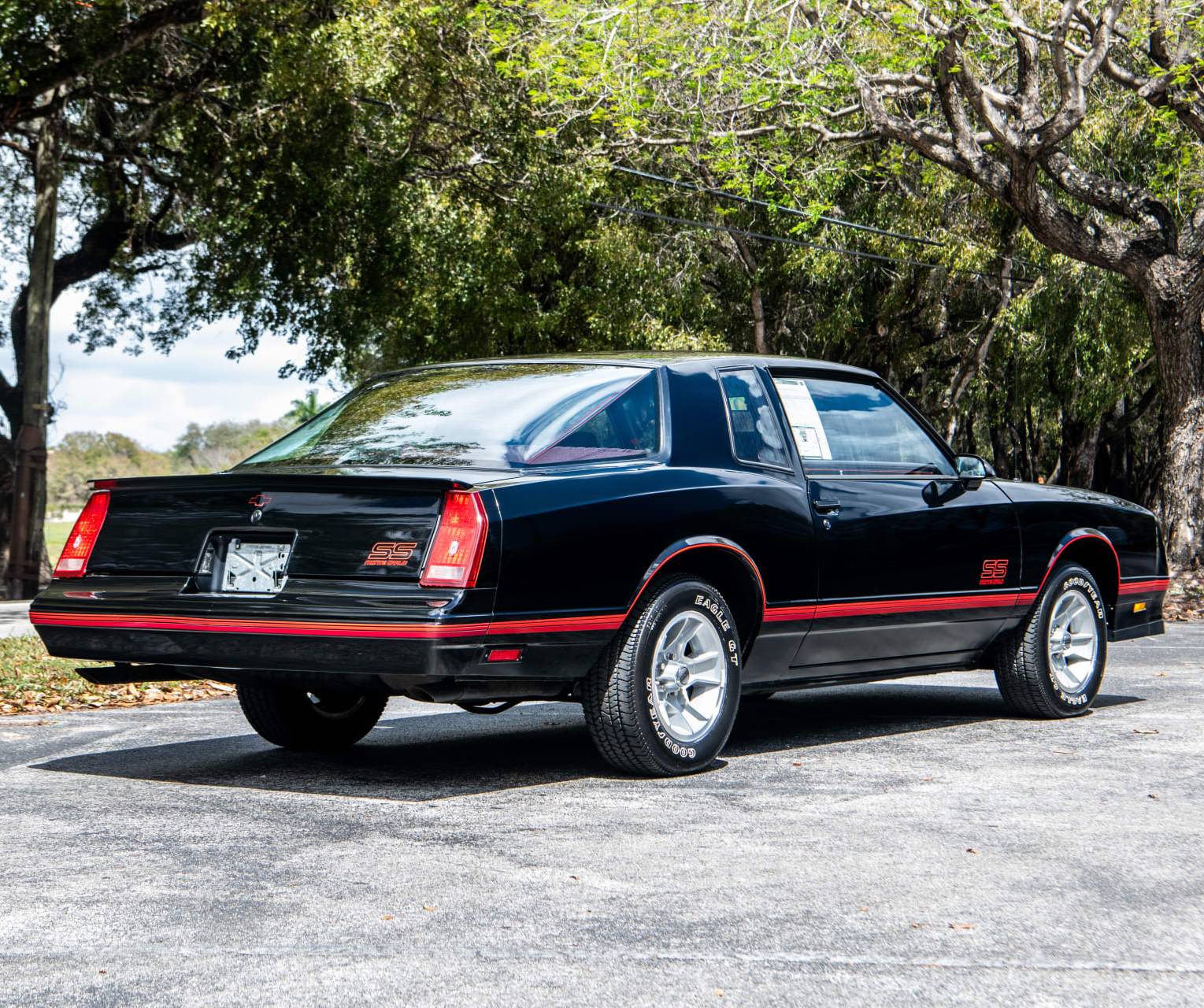
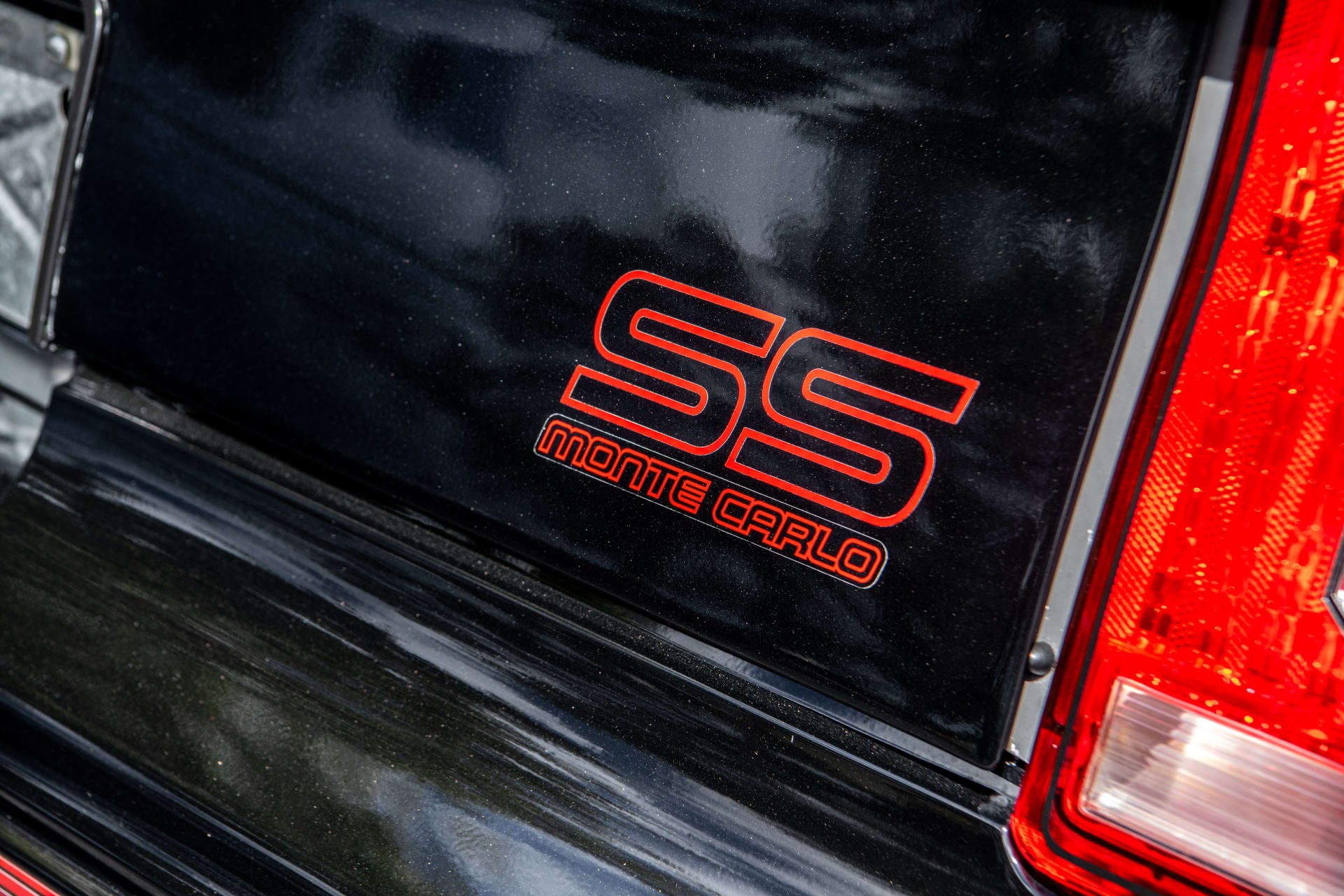
The car you see here is an original 1987 Chevrolet Monte Carlo SS Aerocoupe – undeniably one of the most significant homologation specials of the 1980s NASCAR era
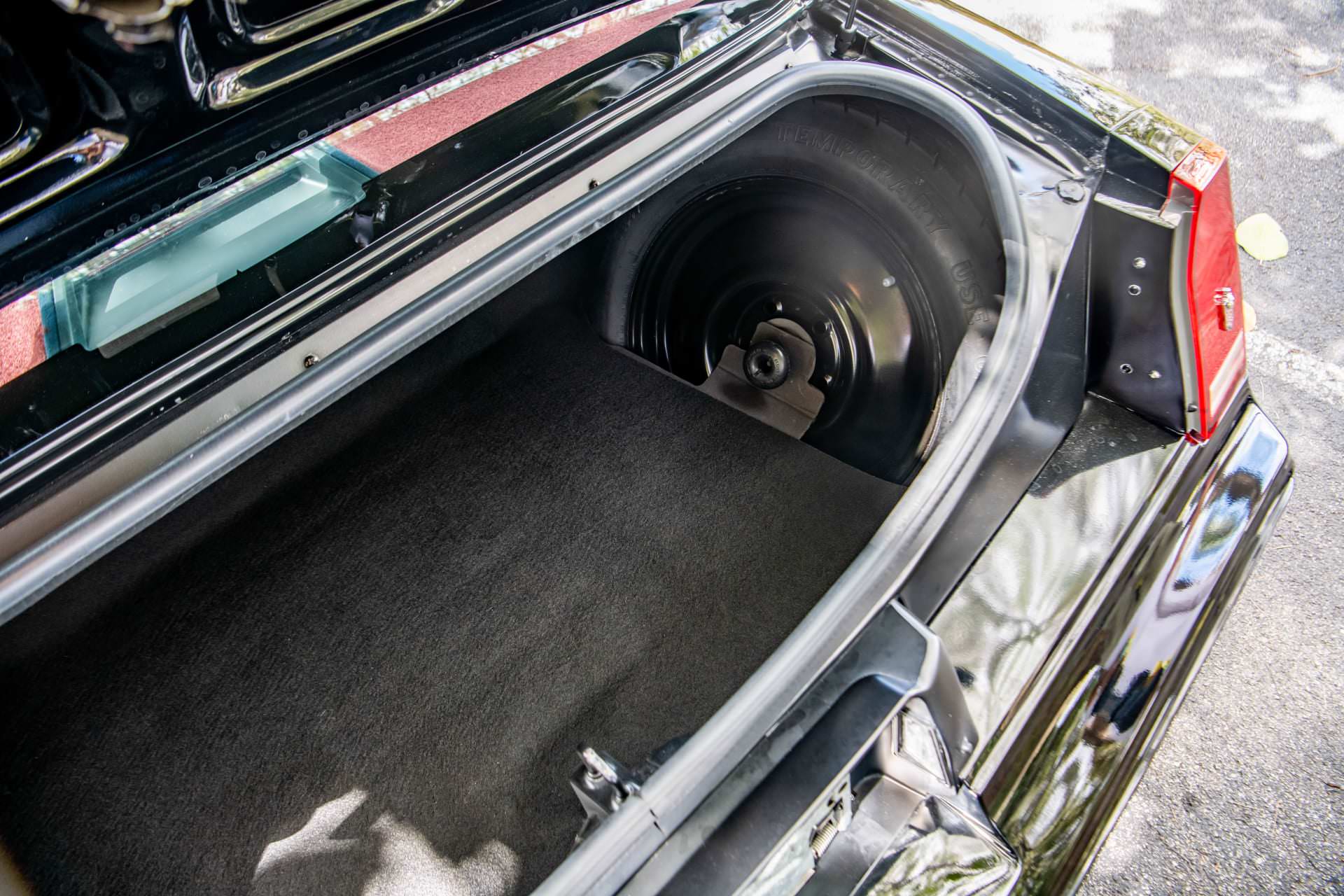
This particular example has covered only 1,148 miles since new, with the original window sticker still in place. Under the hood sits the factory 5.0 liter V8 paired with a 4-speed automatic transmission and there’s a limited-slip differential out back with 3.73 gears.
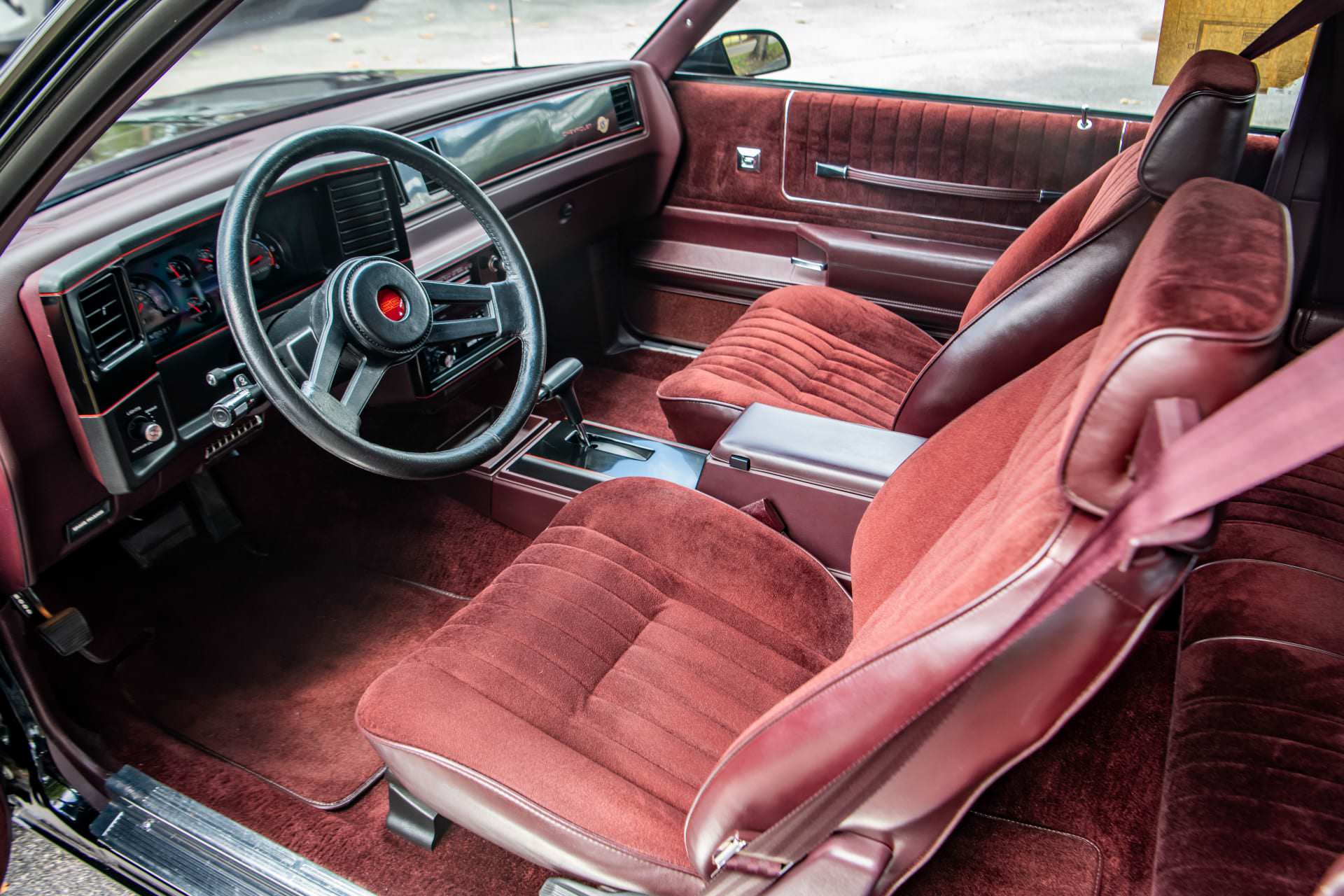
This particular example has covered only 1,148 miles since new, with the original window sticker still in place. Under the hood sits the factory 5.0 liter V8 paired with a 4-speed automatic transmission and there’s a limited-slip differential out back with 3.73 gears.
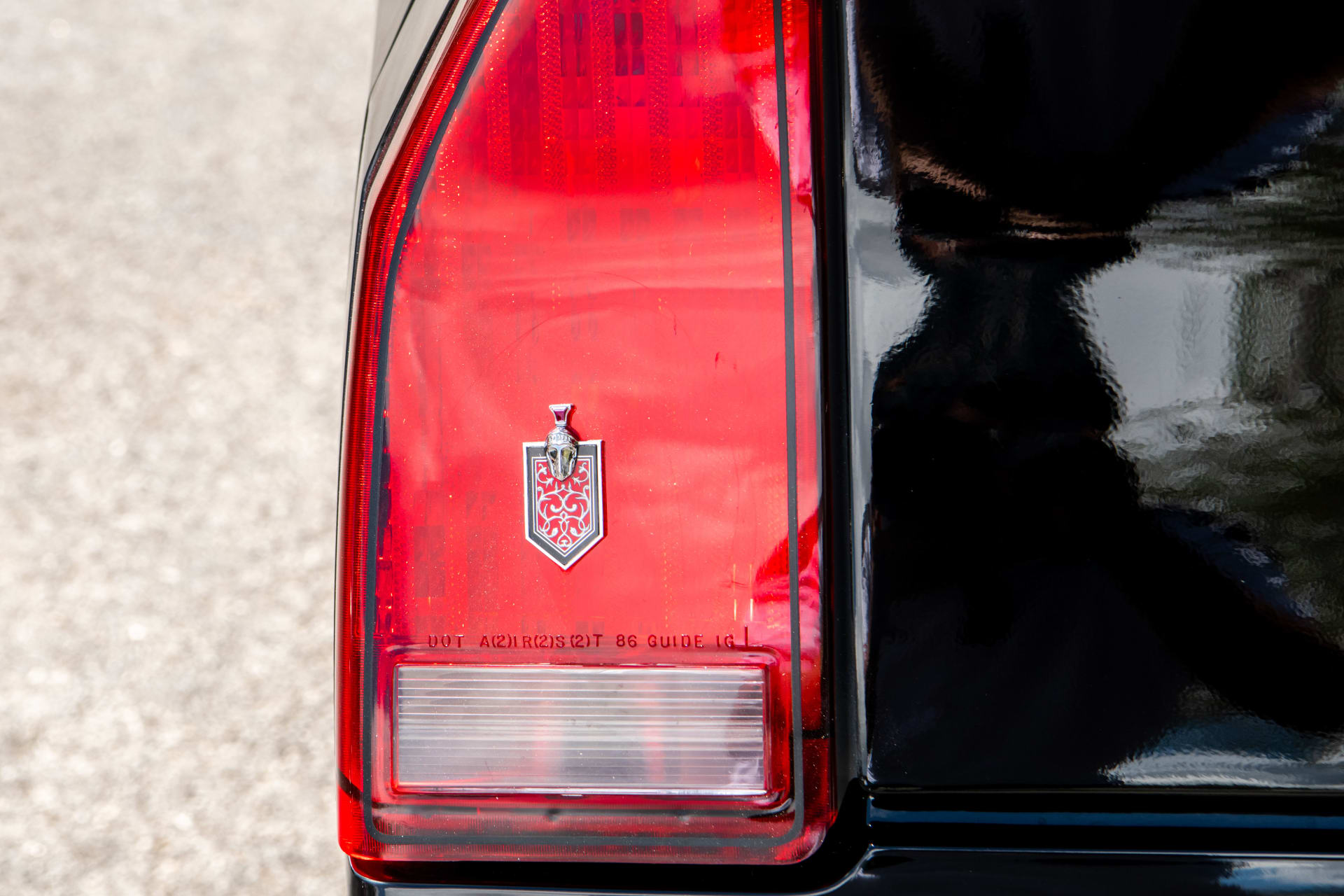
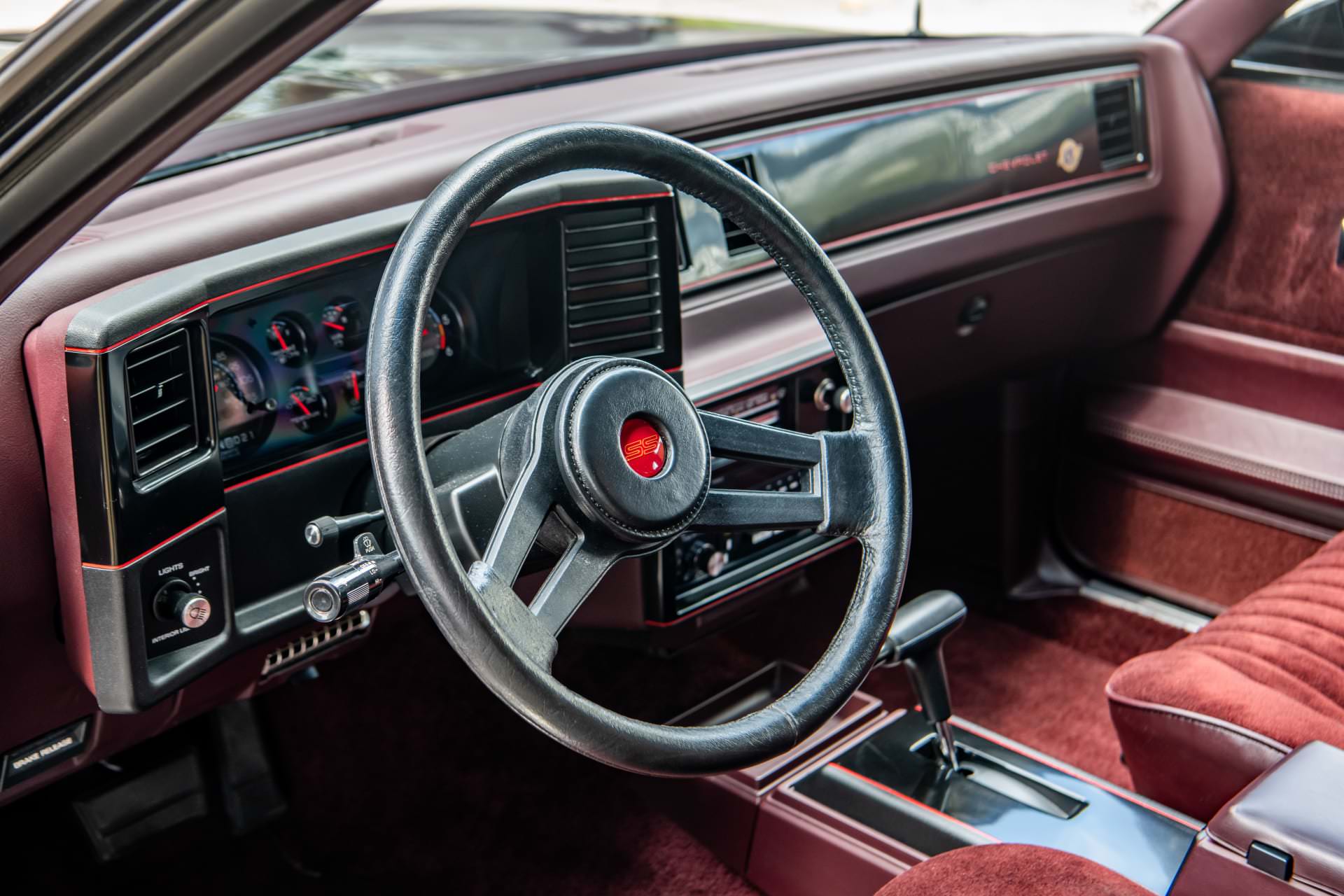
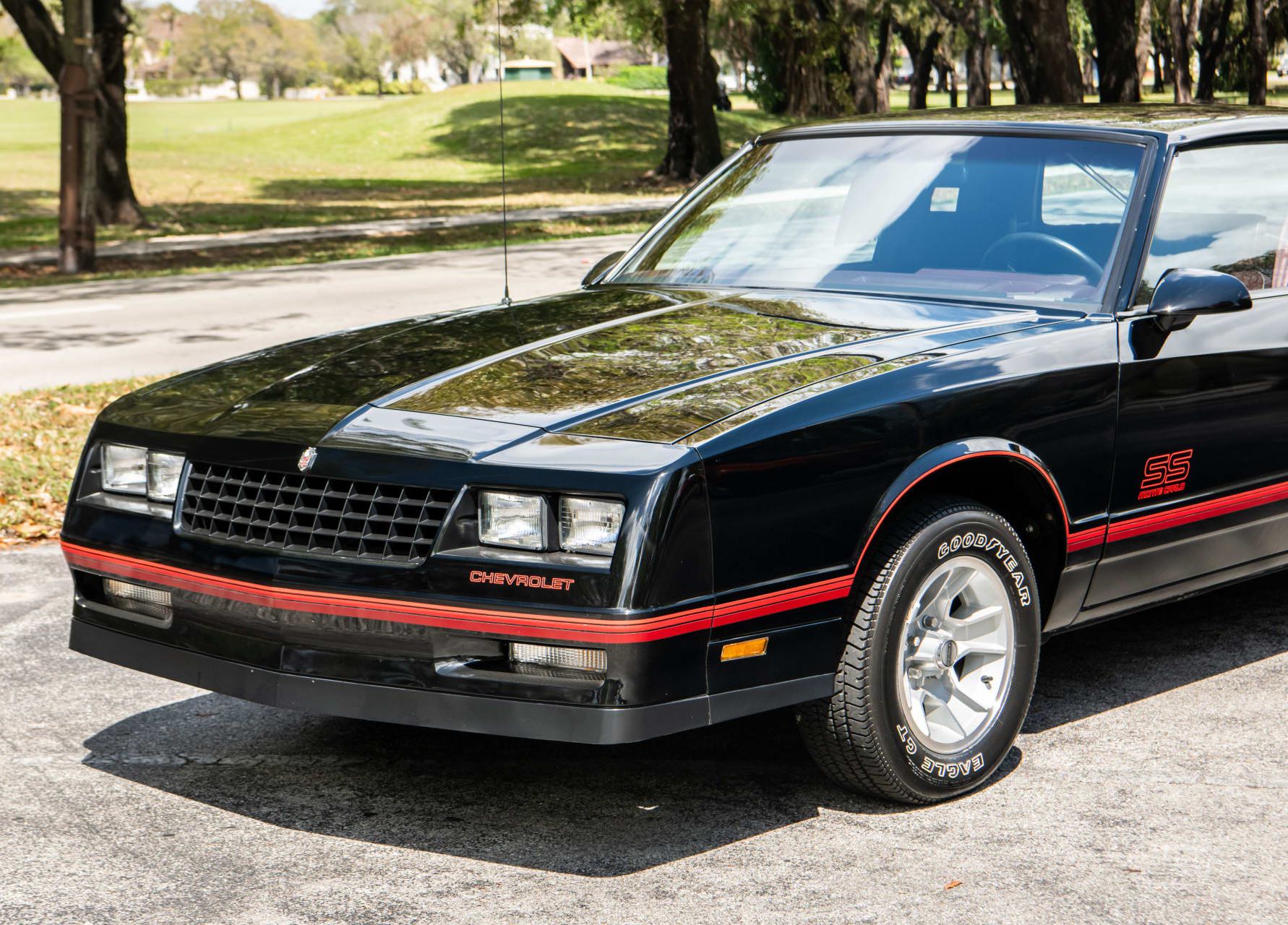
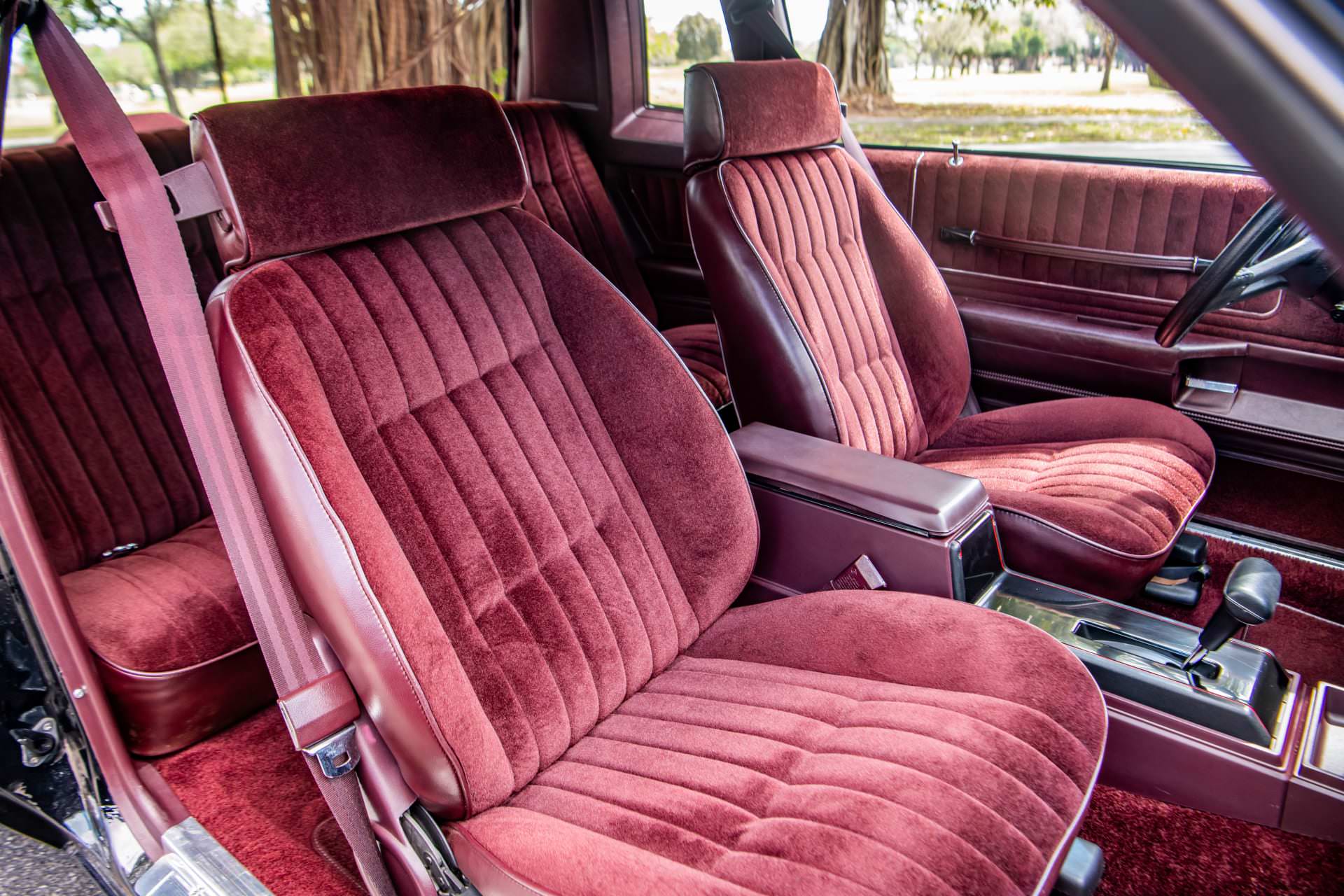
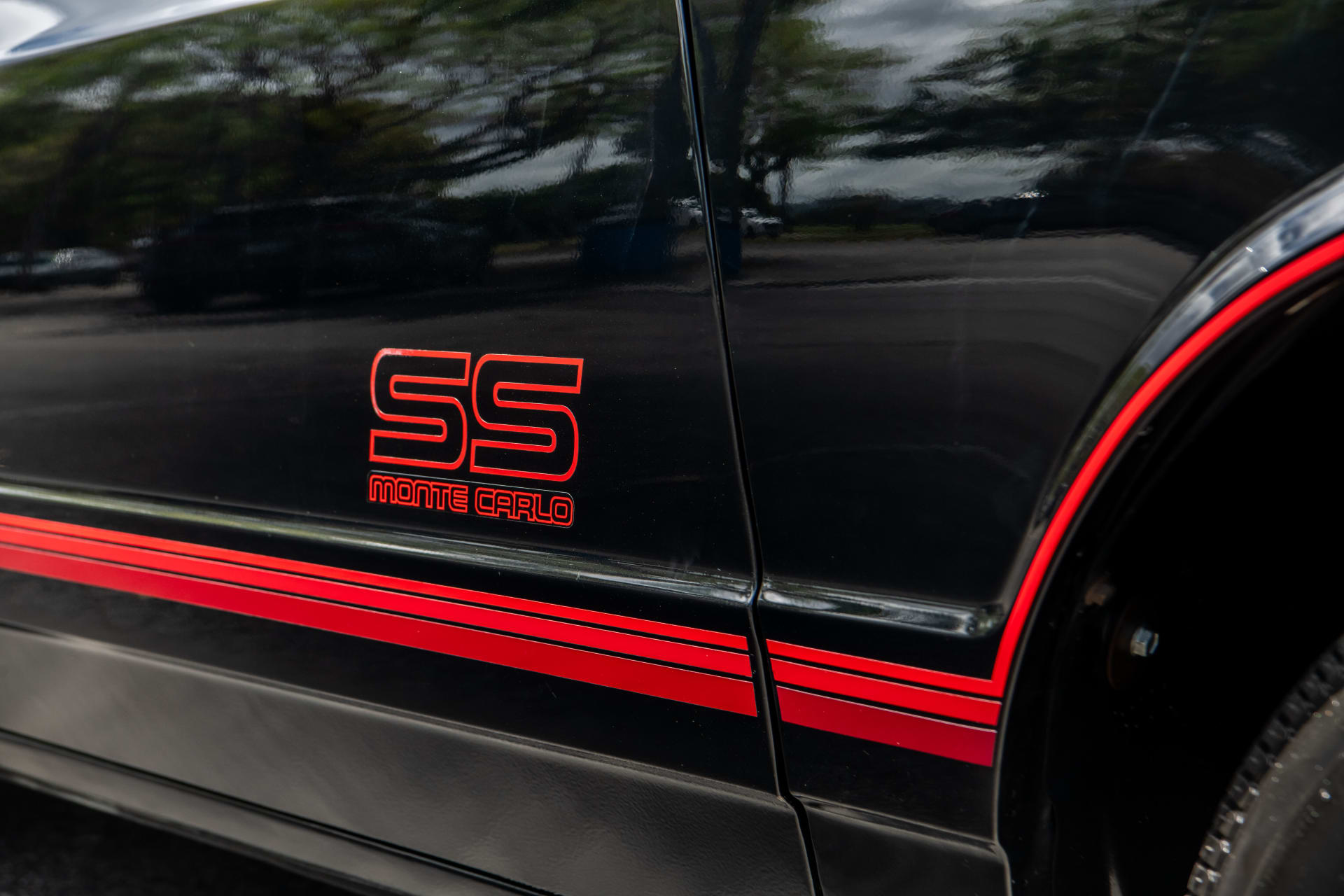
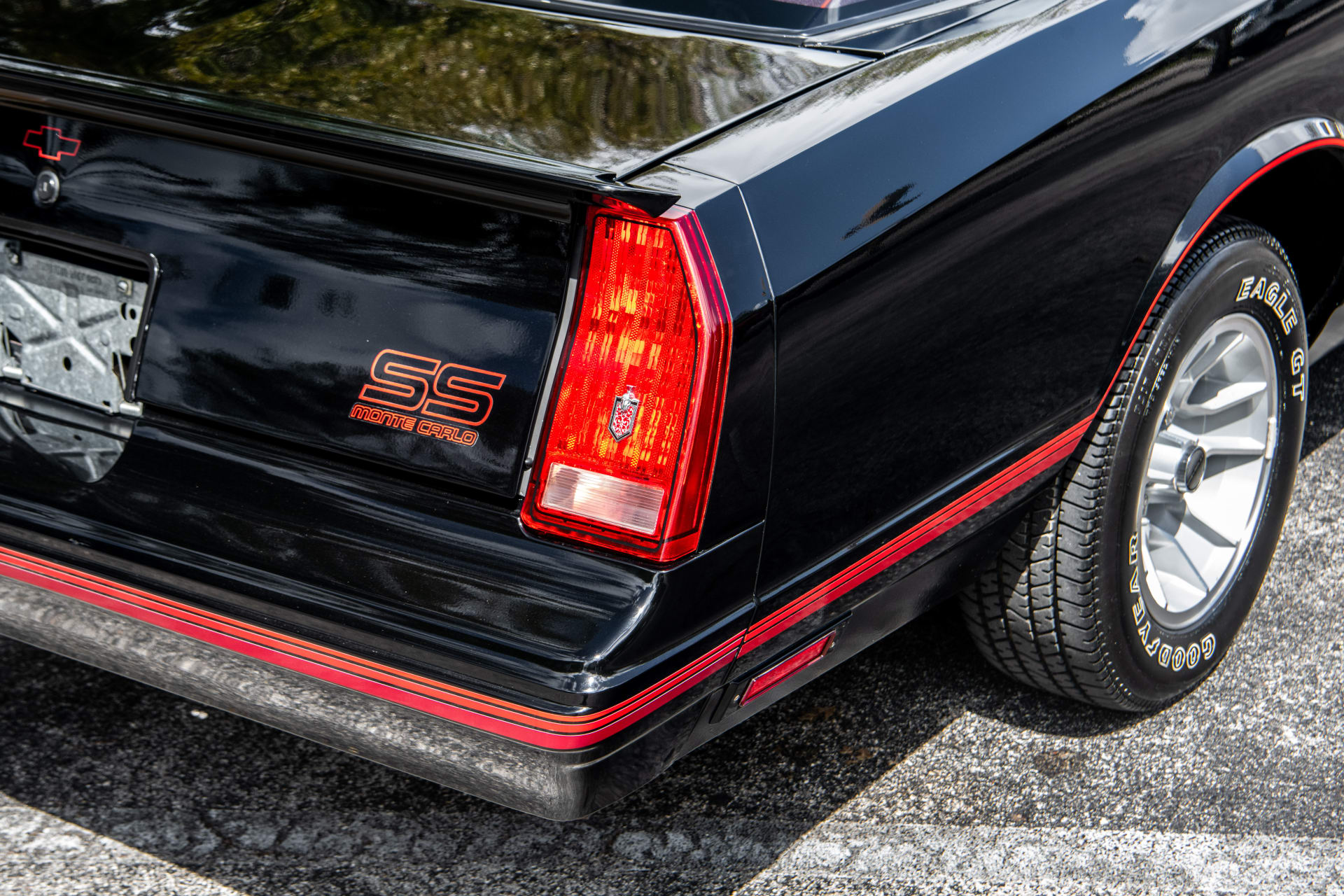
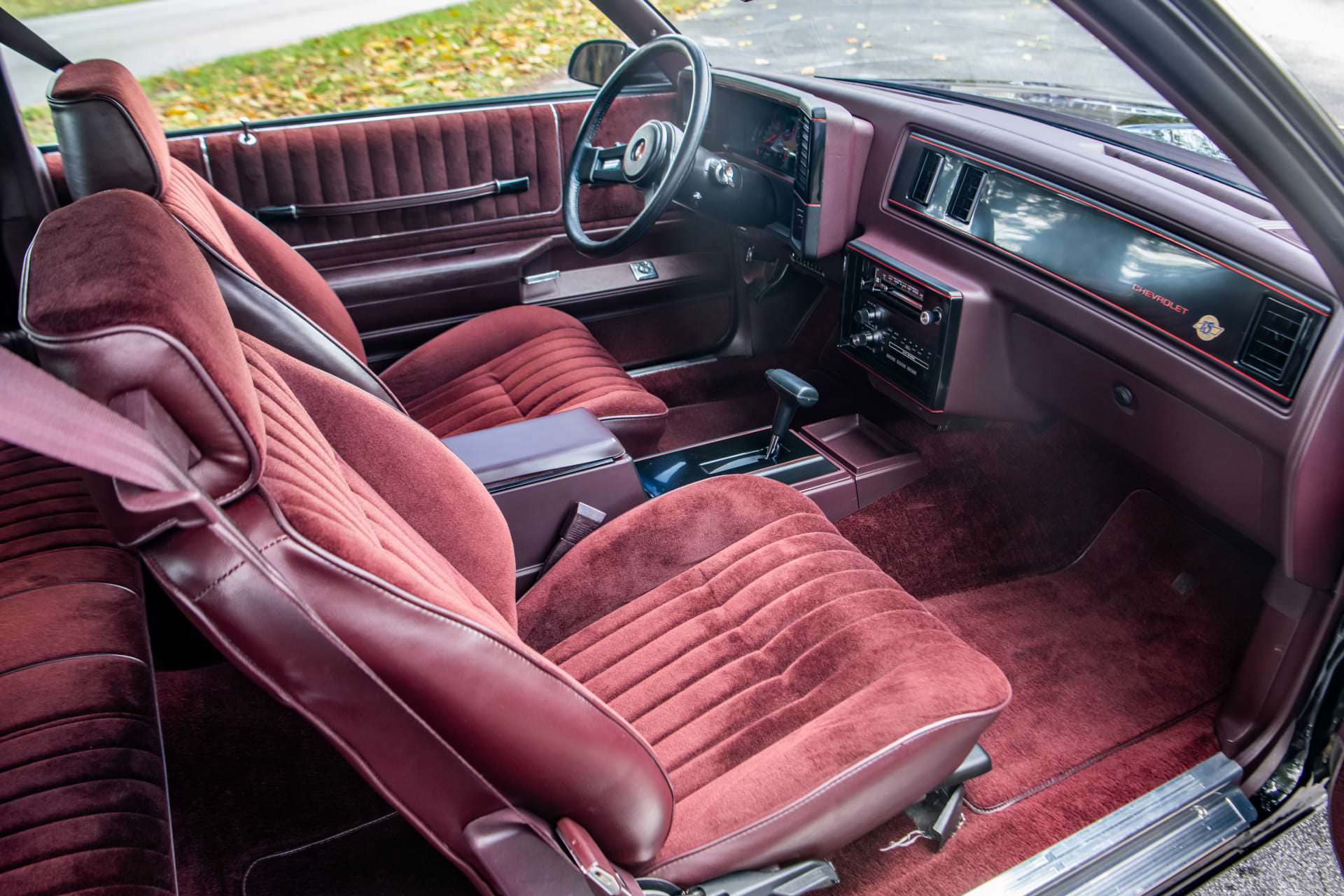
This car is finished in factory black with red trim over a burgundy interior and still rides on its original tires. It has been stored in a climate-controlled garage in South Miami, which helps explain the remarkably low mileage and time capsule-like preservation.
It’s now due to roll across the auction block with Mecum in mid-May and you can visit the listing here if you’d like to read more about it or register to bid.
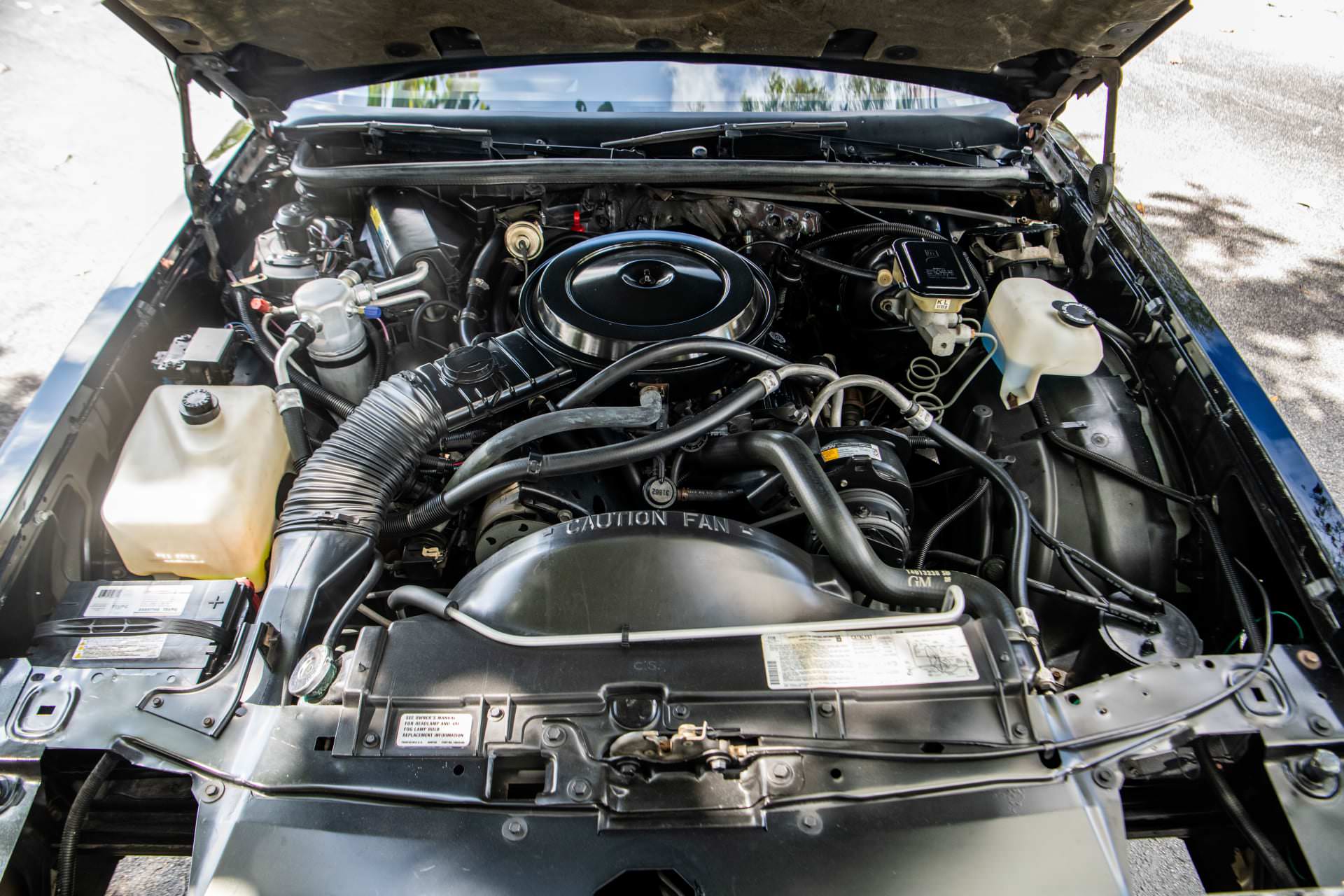
Images courtesy of Mecum

Articles that Ben Branch has written have been covered on CNN, Popular Mechanics, Smithsonian Magazine, Road & Track Magazine, the official Pinterest blog, the official eBay Motors blog, BuzzFeed, Autoweek Magazine, Wired Magazine, Autoblog, Gear Patrol, Jalopnik, The Verge, and many more.
Silodrome was founded by Ben back in 2010, in the years since the site has grown to become a world leader in the alternative and vintage motoring sector, with well over a million monthly readers from around the world and many hundreds of thousands of followers on social media.