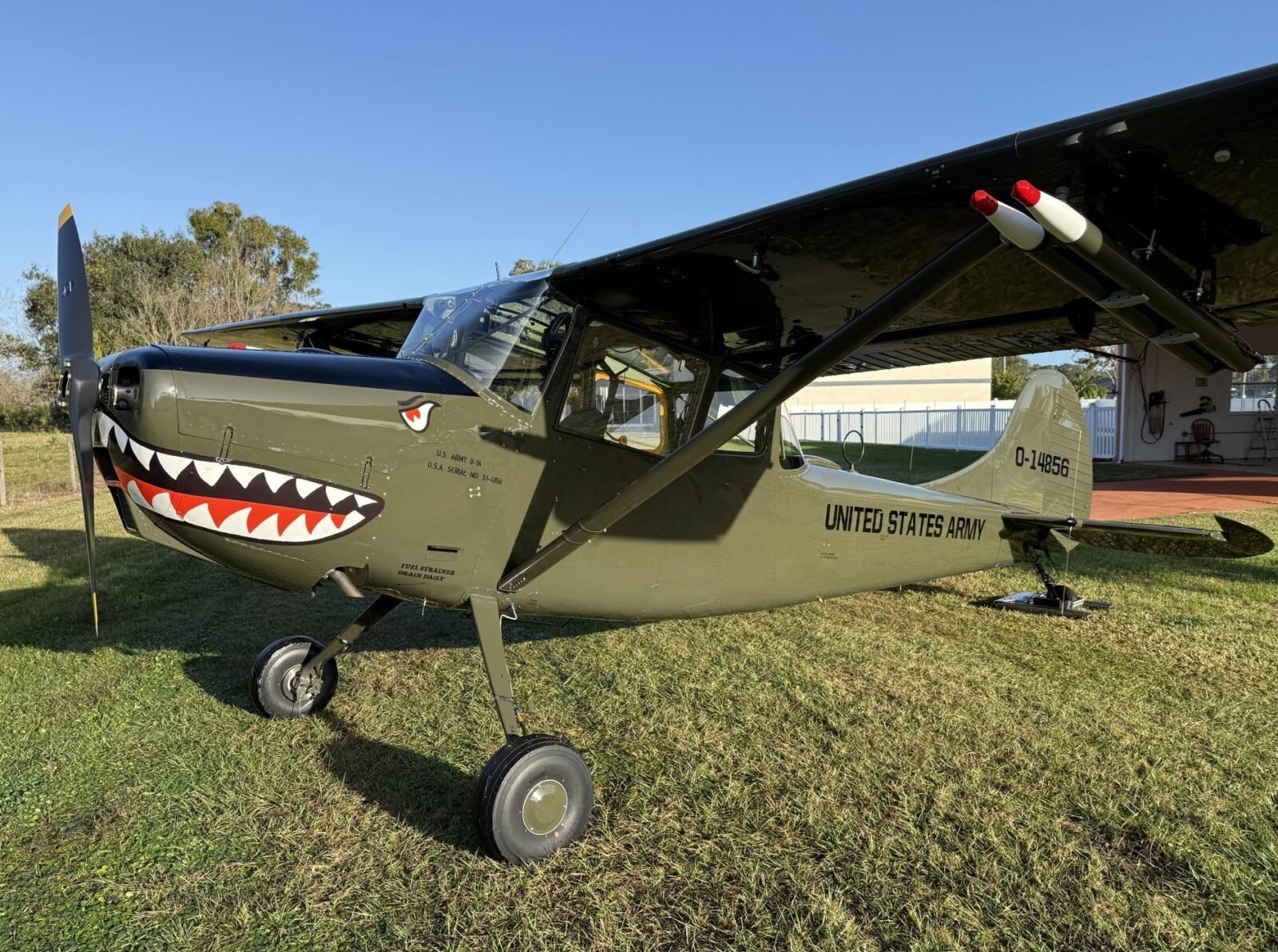
This is a 1951 Cessna L-19A/O-1 Bird Dog, a tandem-seat, high-wing taildragger built in large numbers for the United States Armed Forces and used extensively for military observation, liaison, reconnaissance, and even a limited number of aerial attacks.
Given the fact that almost 3,500 of these were made for military use, they would eventually become hugely popular on the secondhand market after being sold as military surplus. Their tough construction, tandem seating, conventional landing gear, and remarkable visibility from the cockpit made them perfect as affordable bush planes.
Fast Facts: The Cessna Bird Dog
- The Cessna L-19A, later redesignated O-1 Bird Dog, was a tandem-seat, high-wing, tailwheel aircraft built specifically for U.S. military observation, liaison, and artillery spotting roles. It replaced earlier fabric-covered liaison aircraft with a tougher all-metal design optimized for visibility, slow-speed control, and short-field operations.
- Developed from the Cessna Model 305 and loosely based on the Cessna 170, the Bird Dog featured angled side windows, a transparent roof panel, and a sharply tapered nose to improve downward and forward visibility. Powered by a 213 bhp Continental O-470 engine, it offered both good reliability and excellent STOL (short takeoff and landing) capability from unimproved airstrips.
- More than 3,400 Bird Dogs were built between 1950 and 1959, serving with the U.S. Army, Air Force, Navy, Marine Corps, and some Allied nations. Its most notable military service came in Korea and Vietnam, where it flew dangerous forward air control missions, marking targets under fire despite having no armor, and usually no weapons.
- After military retirement, large numbers entered civilian ownership through surplus sales, becoming popular bush planes, glider tugs, and utility aircraft. Today, the Bird Dog remains active with private owners and museums, much-loved for its simplicity and historical significance, and they frequently appear at airshows in restored military markings.
History Speedrun: The Cessna Bird Dog
The Cessna O-1 Bird Dog would prove to be an invaluable addition to the US Military aircraft fleet, despite its diminutive dimensions, low speed, and a relative lack of armament.
Above Video: This episode from Flying Doodles is all about the Cessna Bird Dog, it includes history on the plane, an interview with a modern day owner, and some onboard footage of the Bird Dog in flight.
The Bird Dog bridged the gap between World War II-era liaison aircraft and the more specialized observation platforms that followed in later years. It was developed due to a 1949 U.S. Army requirement for a modern replacement for the L-4 Grasshopper and L-5 Sentinel, both of which were based on pre-WWII civilian designs and were starting to show their age.
Unlike its predecessors, the new aircraft was to be built for military observation, artillery spotting, and liaison duties, and it would have full-metal construction with non fabric used – in the interests of making sure it was tough enough for prolonged use in challenging circumstances.
Cessna responded to this requirement with what became the Model 305, later designated L-19 by the U.S. Army. It was essentially a development of the Cessna 170, with a slew of modifications to make it meet or exceed the U.S. Army requirements.
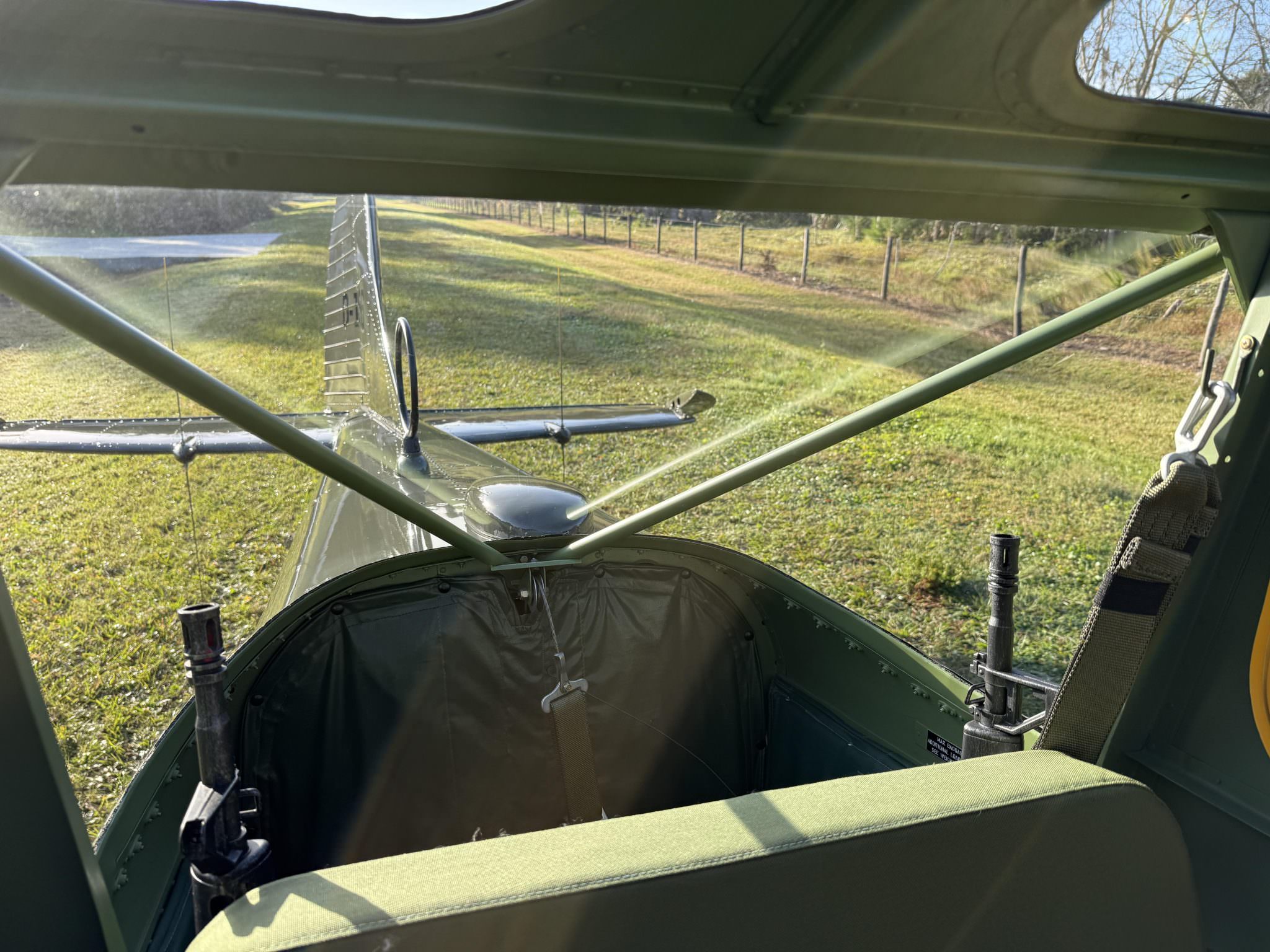
The 305 had a high-mounted wing, tandem seating, angled side windows for improved downward visibility, a transparent roof panel to allow the pilot to see above the aircraft, and a sharply tapered nose chosen to maximize downward and forward visibility – critical for observation and fire direction.
The first prototype flew in December of 1949, and the design quickly demonstrated that it was the superior choice when compared to the similar offerings from Piper, Taylorcraft, and Temco. It won the contract, and an order for 418 examples was made and the aircraft was originally designated the L-19A Bird Dog.
In 1962, following the introduction of the unified U.S. Department of Defense designation system, the L-19 became the O-1 Bird Dog, with “O” denoting observation.
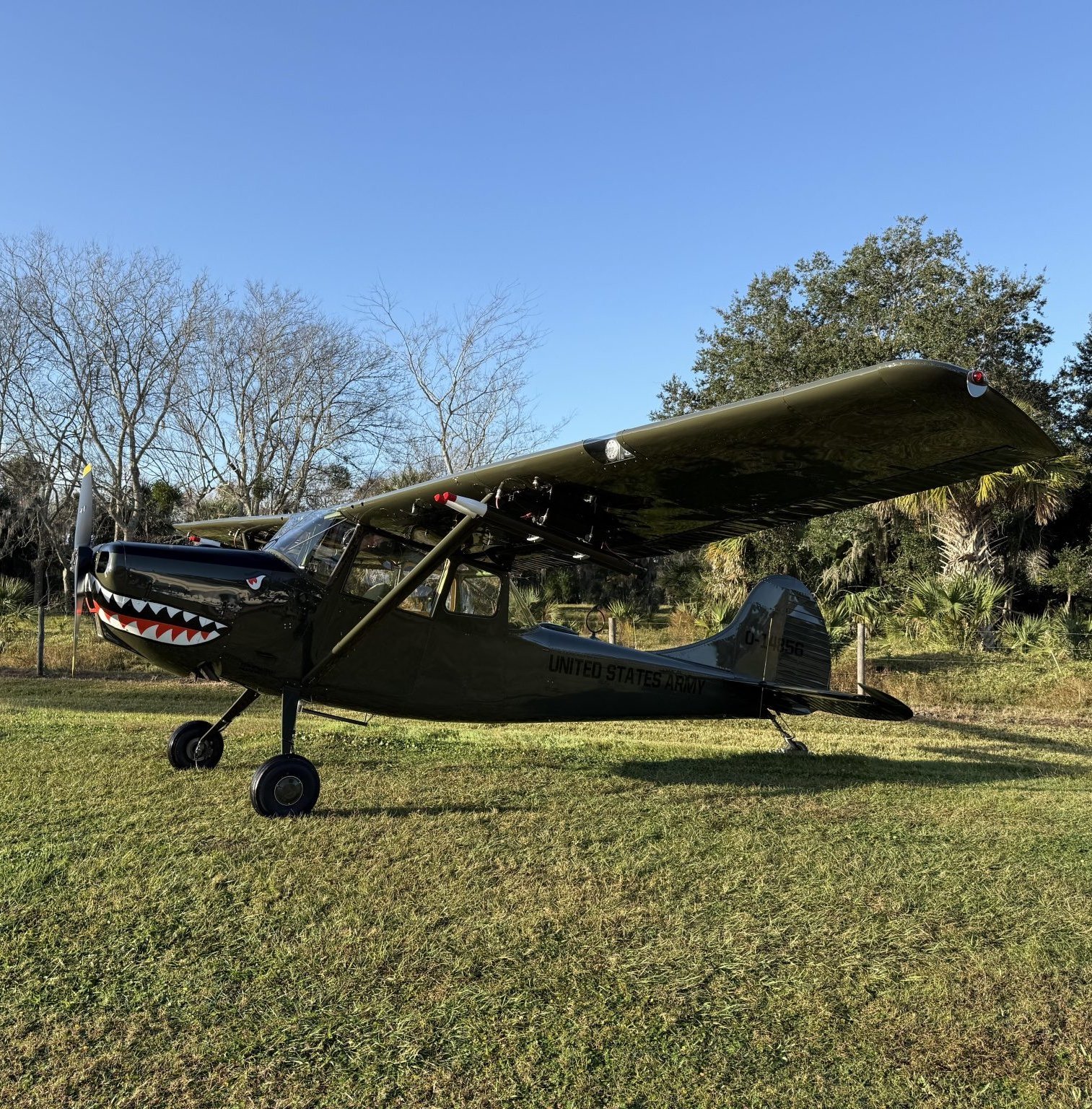
 The Cessna O-1 Bird Dog would prove to be an invaluable addition to the US Military aircraft fleet, despite its diminutive dimensions, low speed, and a relative lack of armament.
Structurally, the Bird Dog was a conventional all-metal, strut-braced high-wing monoplane with fixed tailwheel landing gear. Power came from a Continental O-470-series air-cooled, horizontally opposed six-cylinder engine producing 213 bhp.
This engine choice was made as it offered reliability, ample parts supply, and excellent power – giving the lightweight Bird Dog solid STOL capability and the ability to operate from short, unimproved air strips.
Maximum speed was approximately 150 mph (about 240 km/h), but stall speed was low, and the aircraft could loiter for hours at slow speeds without issue. Typical range exceeded 500 miles (800 kms), and service ceiling for later variants reached approximately 20,300 feet (6,190 m), though operational use usually occurred far lower.
Production began in 1950 and continued through 1959, with a total of 3,431 aircraft built for U.S. and Allied military forces. The majority were delivered to the U.S. Army, with smaller numbers serving the U.S. Air Force, U.S. Marine Corps, and U.S. Navy, as well as foreign operators through military assistance programs. Variants differed mainly in avionics fit, electrical systems, and minor equipment changes rather than fundamental airframe or engine revisions.
The Bird Dog’s most extensive and historically significant service came during the Vietnam War, though it also served during the Korean War. In Vietnam it became one of the most visible platforms for forward air control – operating at low altitude and often under fire, Bird Dog pilots marked enemy positions with smoke rockets to guide fast jets and attack aircraft onto targets.
These missions were exceptionally dangerous, as the aircraft’s slow speed and lack of armor made it vulnerable to small-arms fire. Loss rates were high, but the Bird Dog proved invaluable in coordinating air support in difficult terrain where ground communications were limited.
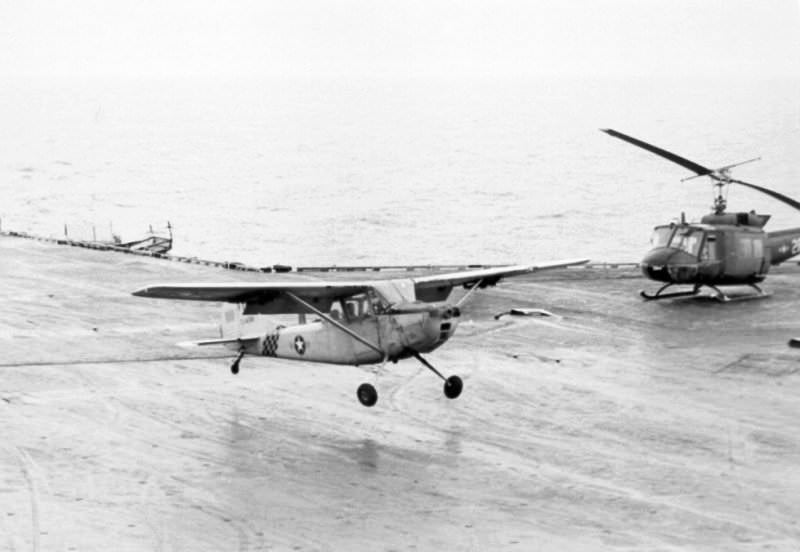
Major Bung of the Republic of Vietnam Air Force lands his O-1 aboard USS Midway during Operation Frequent Wind, 1975.
Numerous stories emerged from this period, including aircraft continuing to fly despite severe battle damage and pilots deliberately drawing fire to reveal enemy positions for follow-on strikes.
Perhaps the most famous Bird Dog story is that of Vietnam Air Force Major Bung-Ly who, during the fall of Saigon, managed to squeeze his wife and five children into a Bird Dog and fly it out to sea, finding the aircraft carrier USS Midway and dropping a note onto its deck requesting some space be cleared so he could land.
The issue with this request is that the deck of the Midway was packed with UH-1 Huey helicopters that had been used in the evacuation. Captain Larry Chambers gave the order to push $10 million worth of the choppers into the sea to make space for Major Bung-Ly and his family to land – his fuel was getting low but he managed to touch down on the Midway safely, he was then evacuated to the US with his wife and kids.
Outside Vietnam, the Bird Dog served globally in observation, training, and liaison roles. It was used for border patrol, search and rescue coordination, and artillery spotting by multiple allied nations.
By the late 1960s the Bird Dog was increasingly supplemented and then replaced in U.S. service by more capable observation and FAC aircraft, including the O-2 Skymaster and OV-10 Bronco.
After retirement from frontline military use, large numbers of Bird Dogs entered civilian hands. Many were transferred through surplus sales and found new lives as bush planes, glider tugs, and utility aircraft, particularly in regions where short-field performance and mechanical simplicity were valued.
Others were carefully restored to military configuration and preserved by museums and private collectors. The Bird Dog is now a familiar sight at airshows, often flown in period markings in honor of its wartime service.
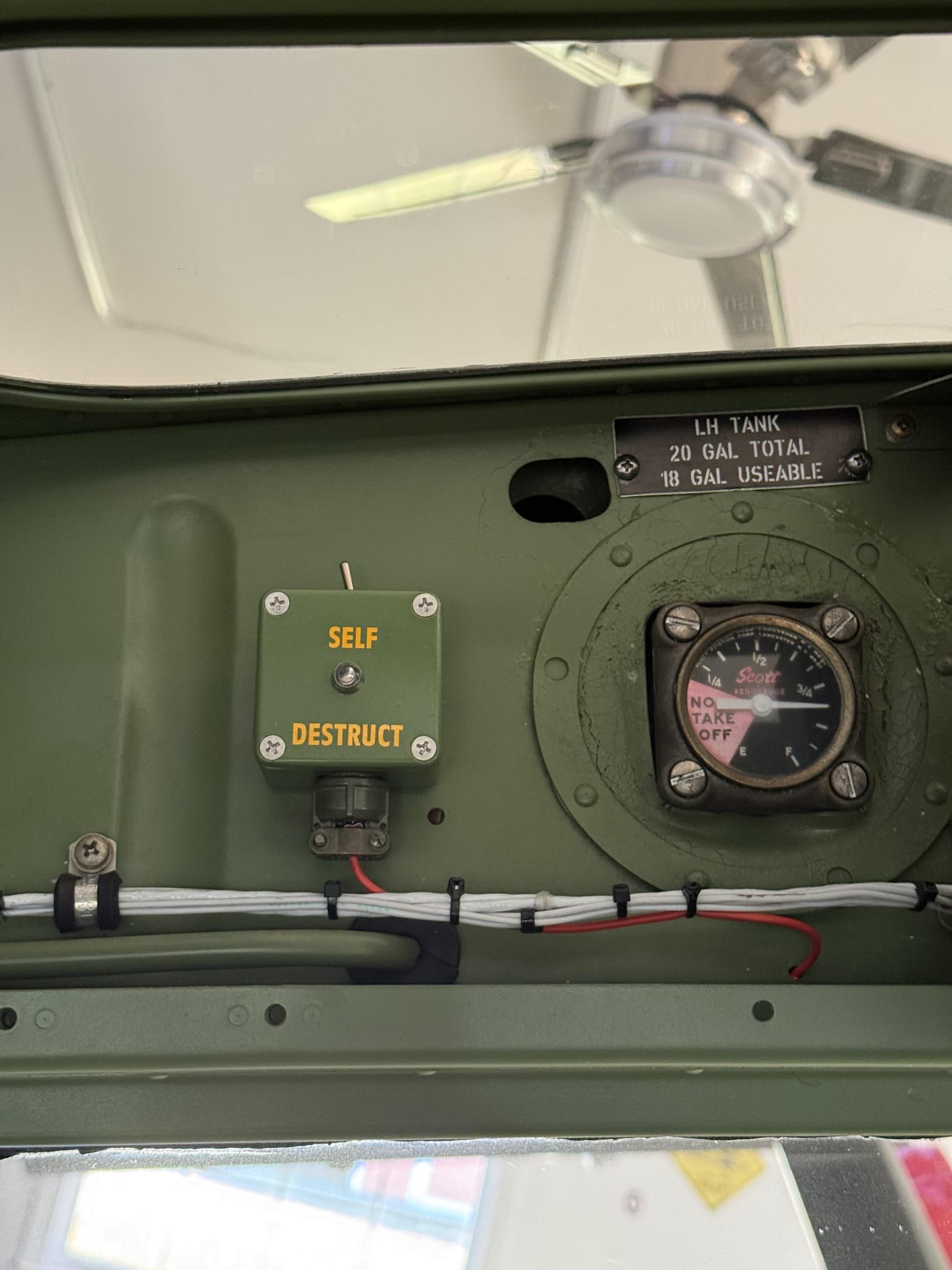
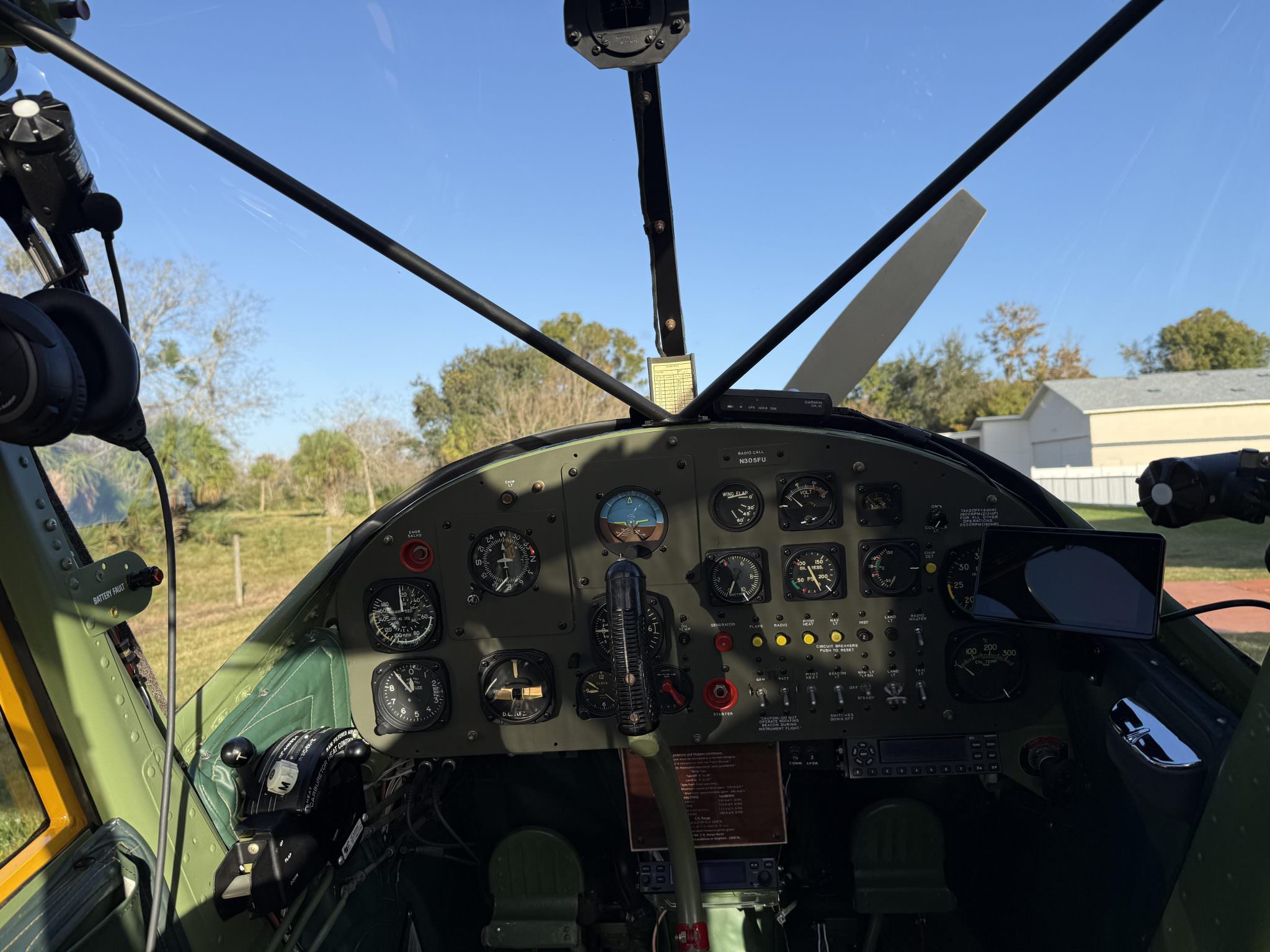
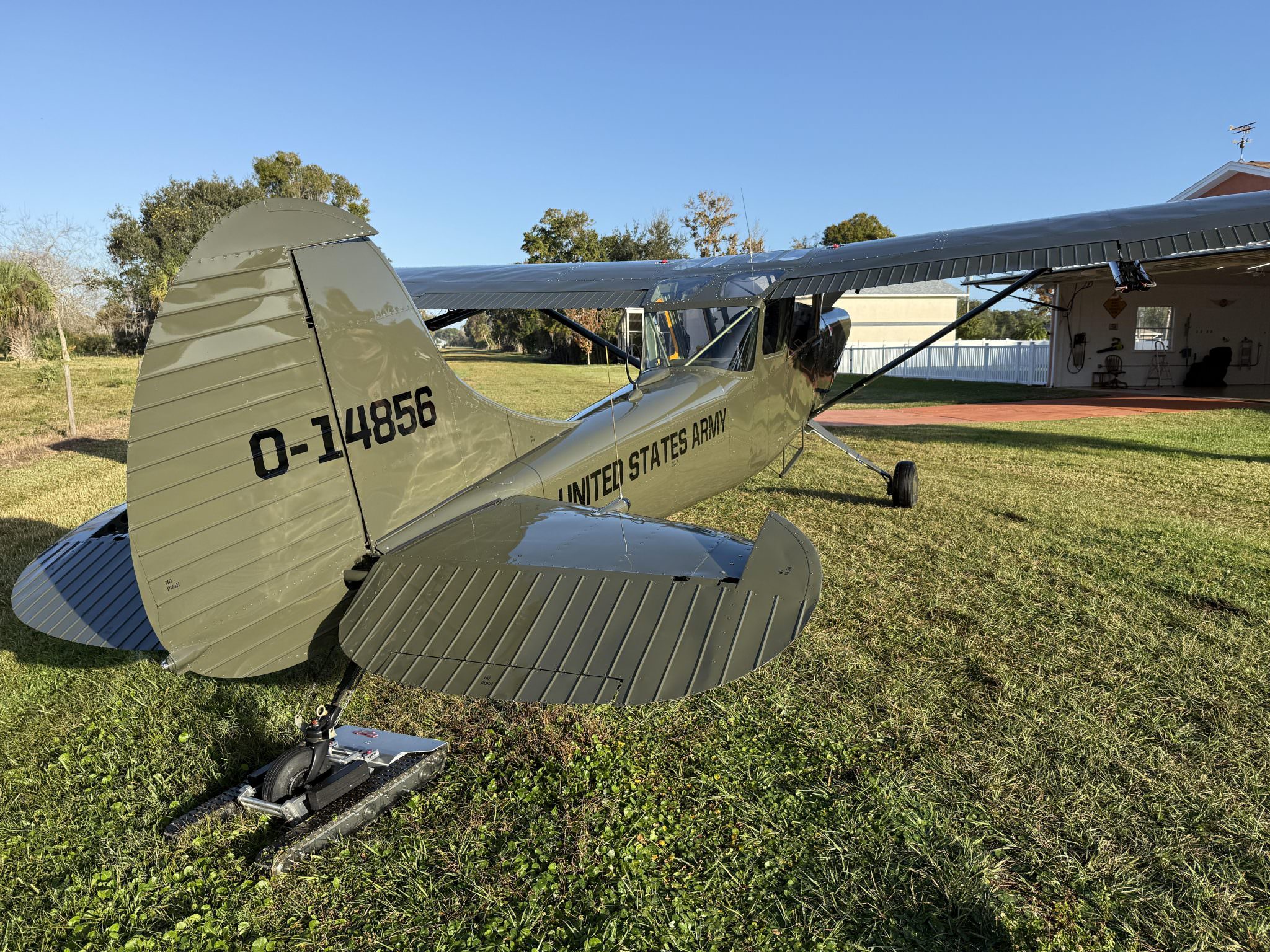
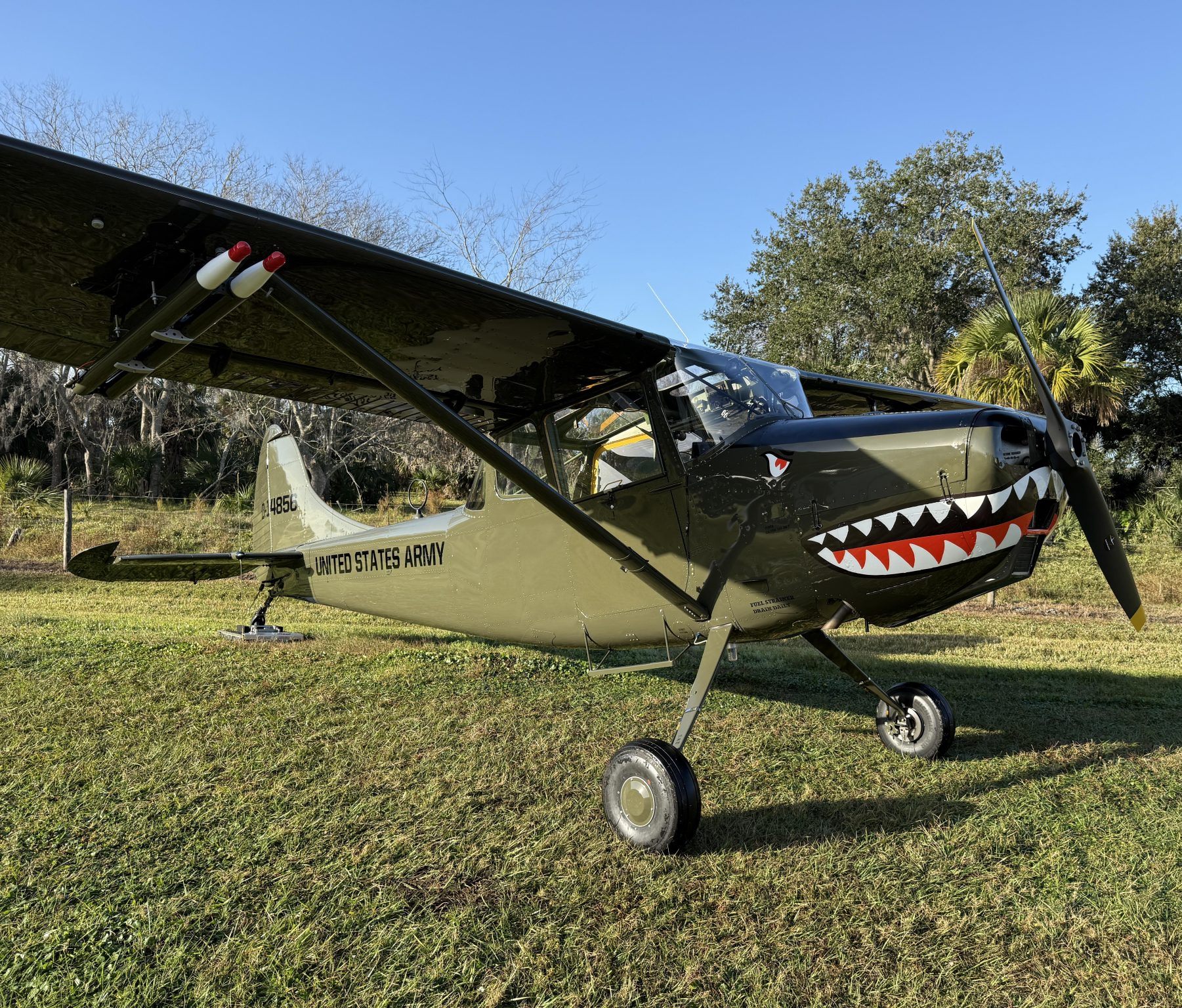
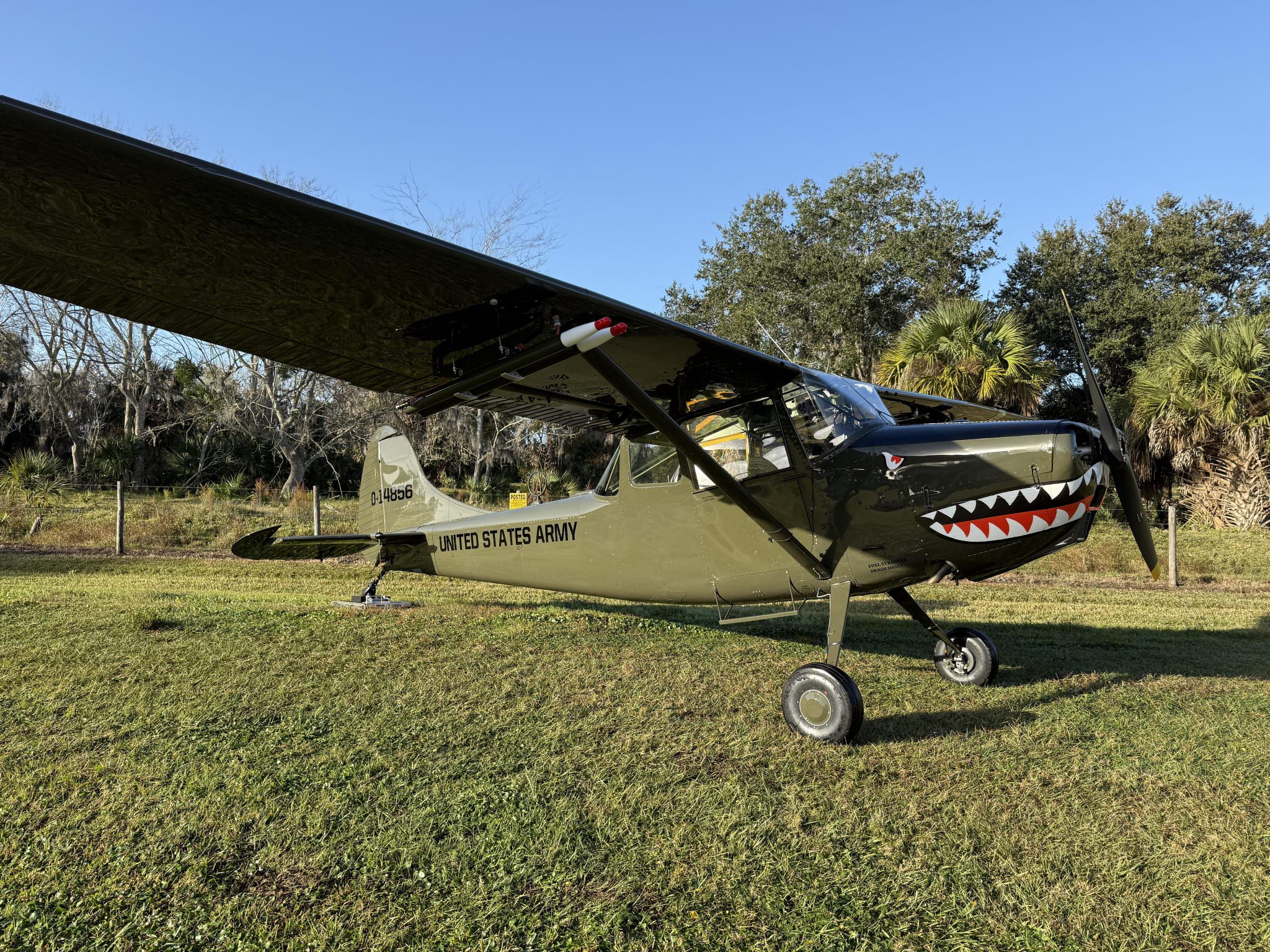
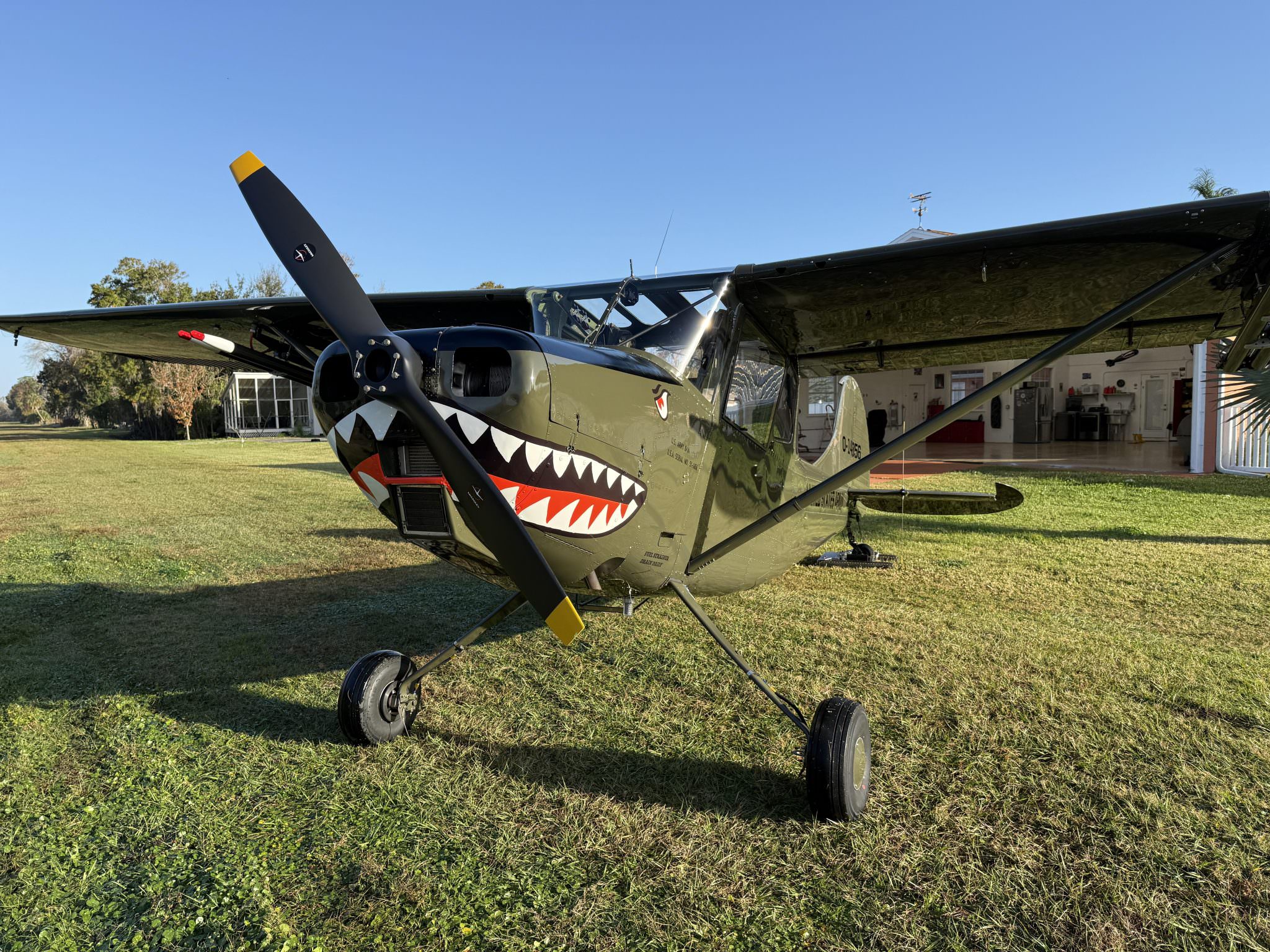
The 1961 Cessna Bird Dog Shown Here
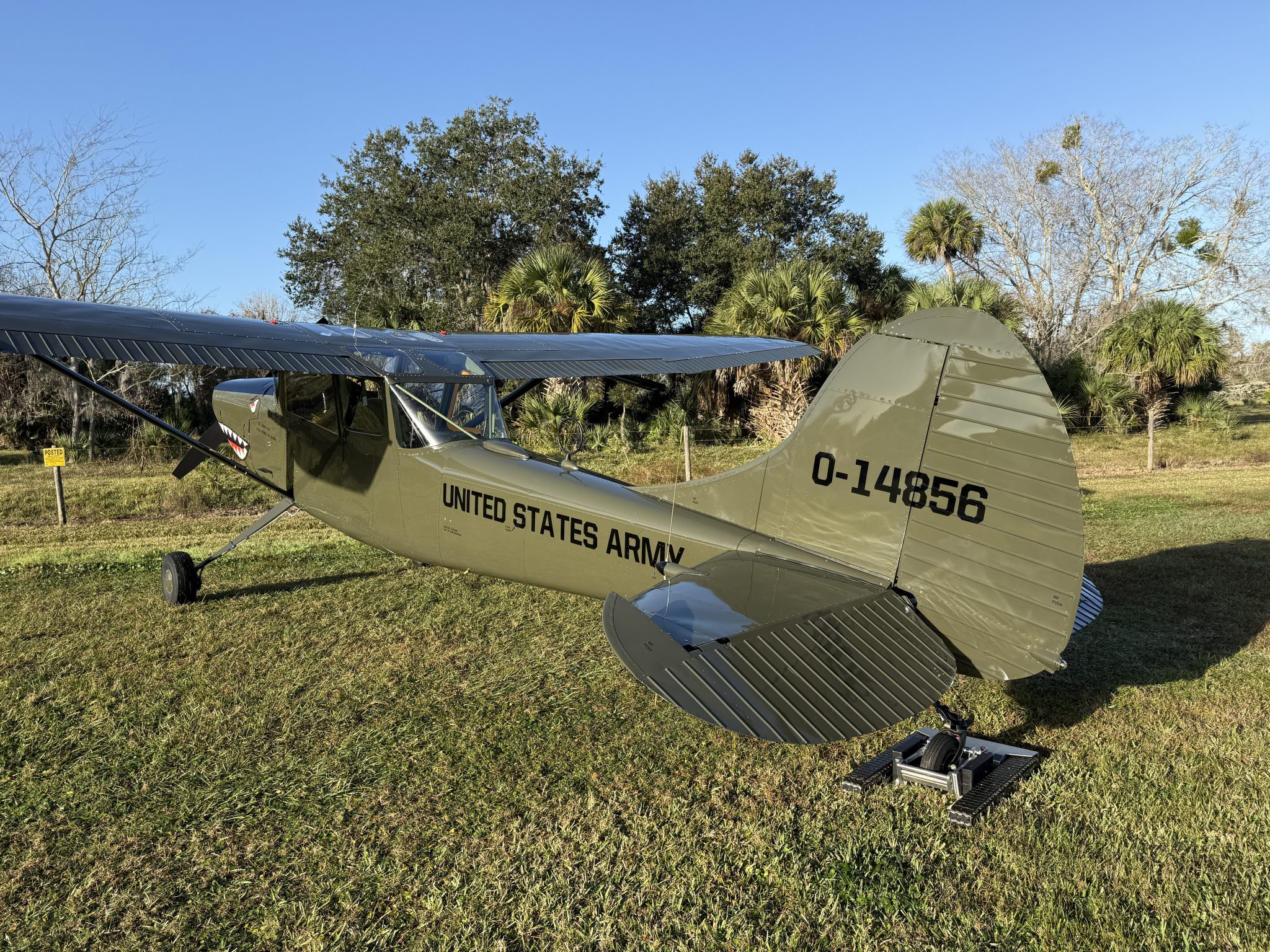
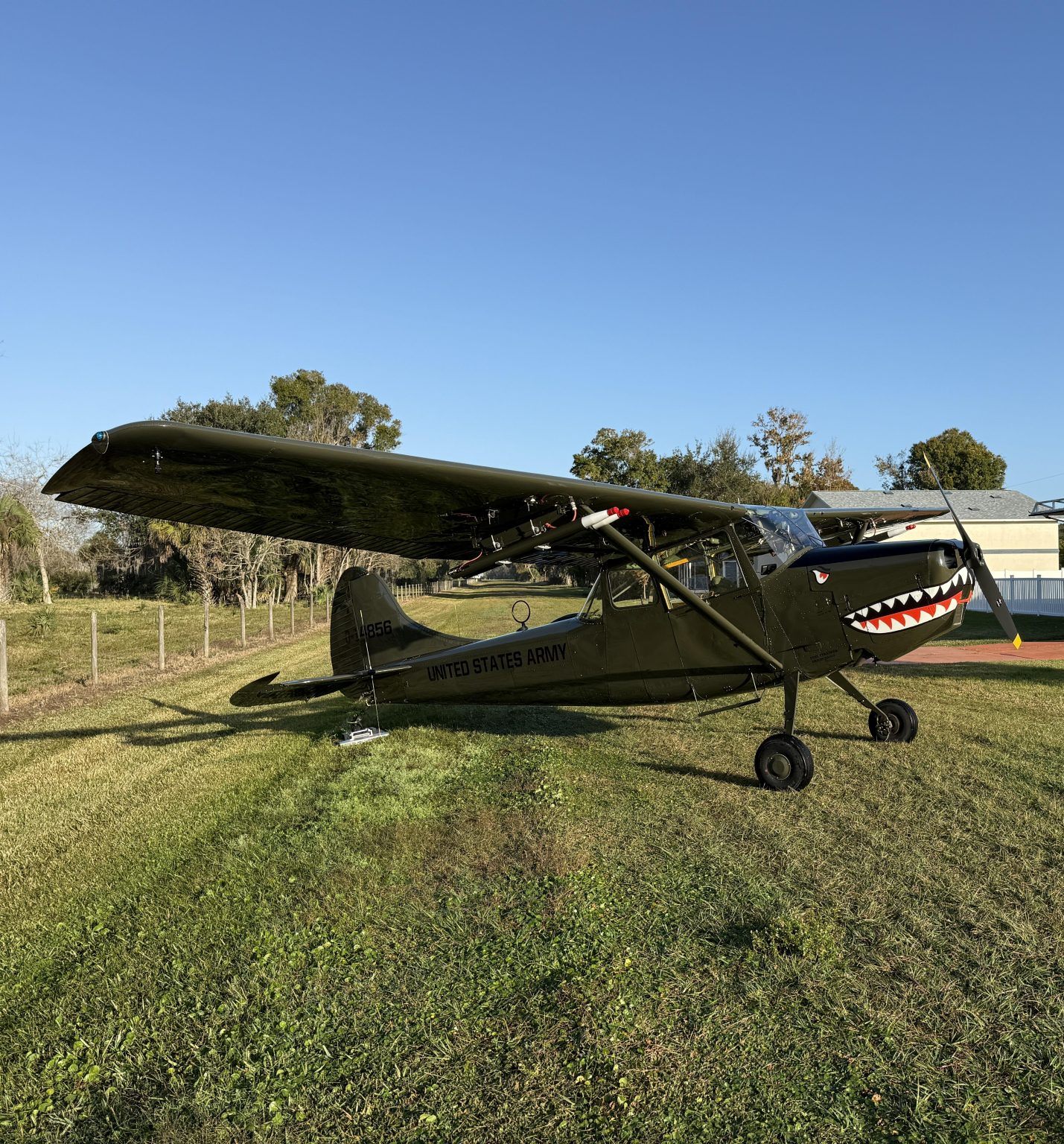
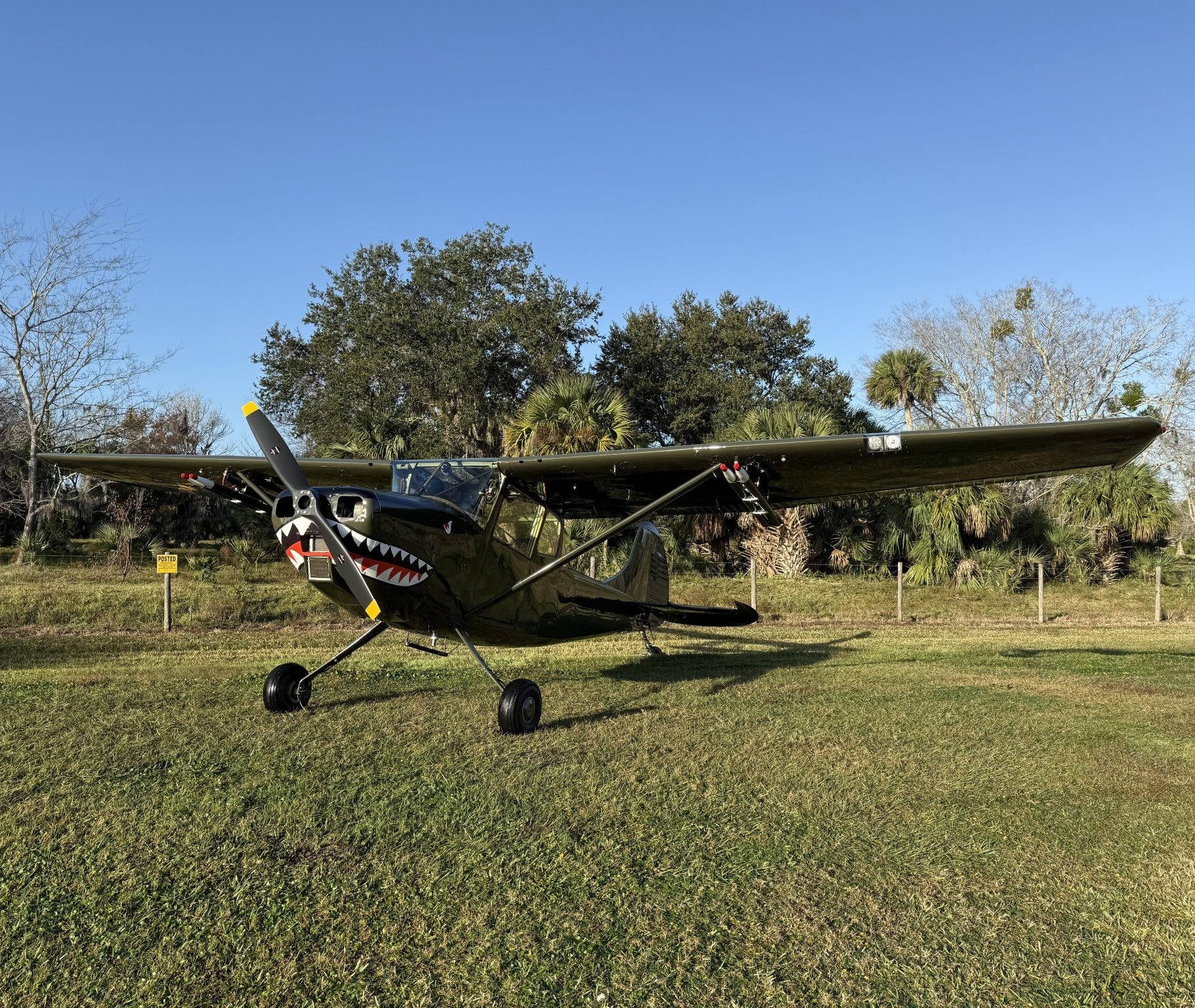
The aircraft you see here is an original 1951 example that was used by the US Army National Reserve in Kansas. It remained in the ownership of the US Army for a remarkable 22 years, not leaving service until it was sold in 1973 to its first private owner.
A refurbishment was later undertaken by two A&Ps in Cincinnati in 2018 and completed by 2021, the plane was bought by a new owner before it was completed in 2020.
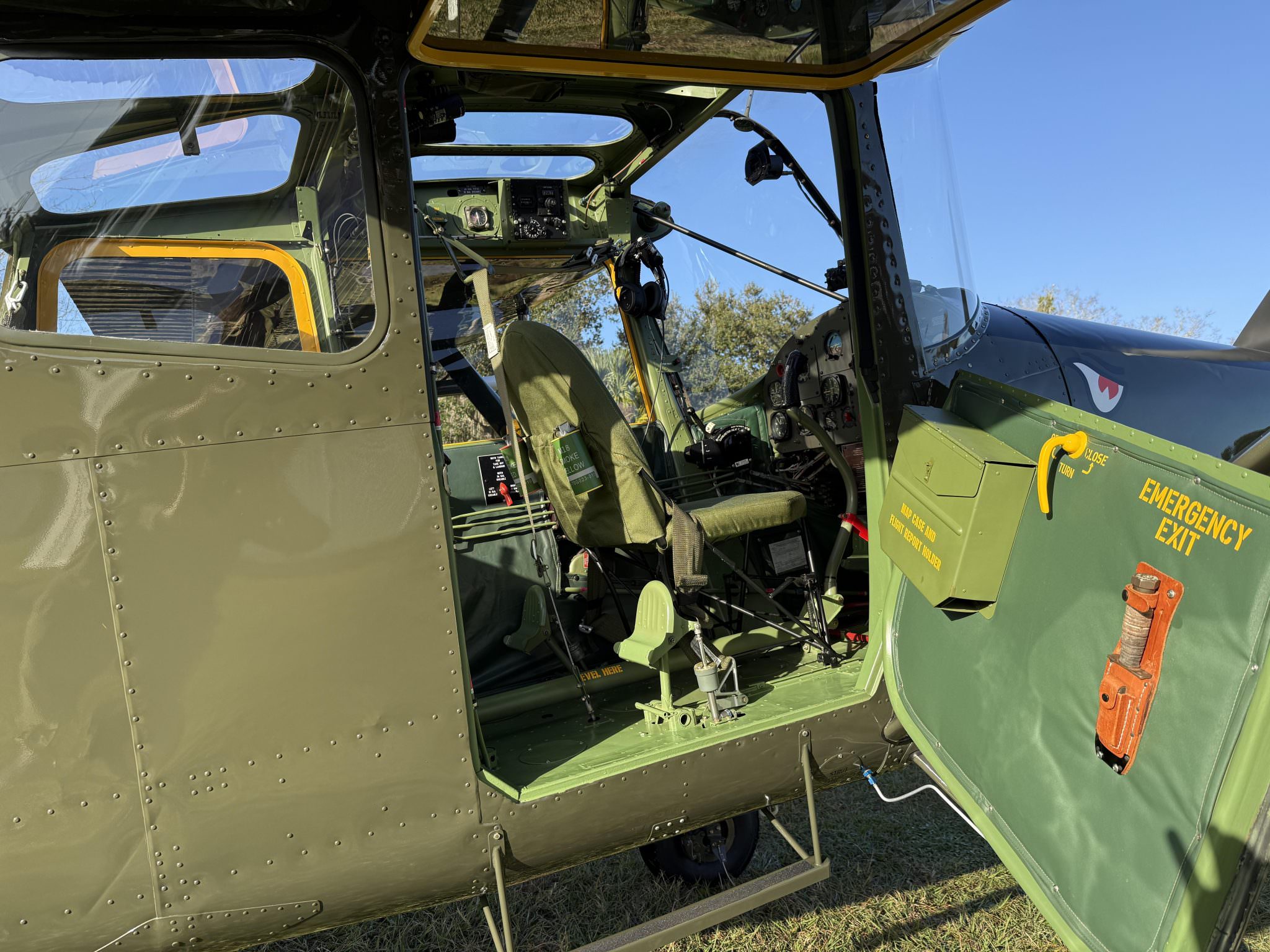
The aircraft you see here is an original 1951 example that was used by the US Army National Reserve in Kansas. It remained in the ownership of the US Army for a remarkable 22 years, not leaving service until it was sold in 1973 to its first private owner.
In July of 2025 the Continental O-470 flat-six was given an inspection, as was the airframe, ELT, and the Noyes-STC McCauley fixed-pitch cruise propeller. The aircraft now has 7,900 total hours but only 900 or so hours since the last major overhaul (SMOH).
It’s now being offered for sale out of Edgewater, Florida, with an FAA airworthiness certificate and current FAA registration. If you’d like to read more about it or register to bid you can visit the listing here.
Images courtesy of Bring a Trailer

Articles that Ben Branch has written have been covered on CNN, Popular Mechanics, Smithsonian Magazine, Road & Track Magazine, the official Pinterest blog, the official eBay Motors blog, BuzzFeed, Autoweek Magazine, Wired Magazine, Autoblog, Gear Patrol, Jalopnik, The Verge, and many more.
Silodrome was founded by Ben back in 2010, in the years since the site has grown to become a world leader in the alternative and vintage motoring sector, with well over a million monthly readers from around the world and many hundreds of thousands of followers on social media.