
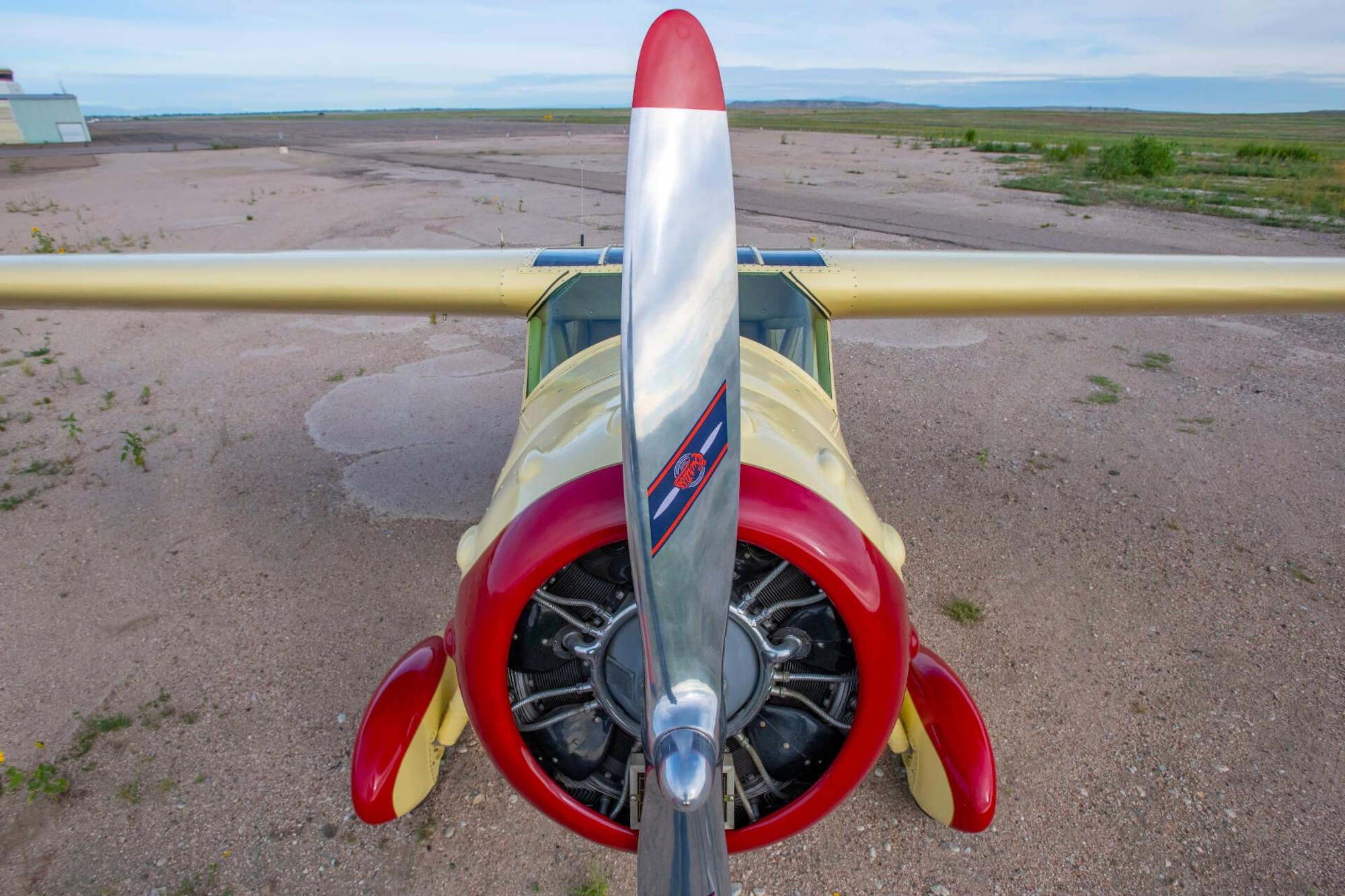
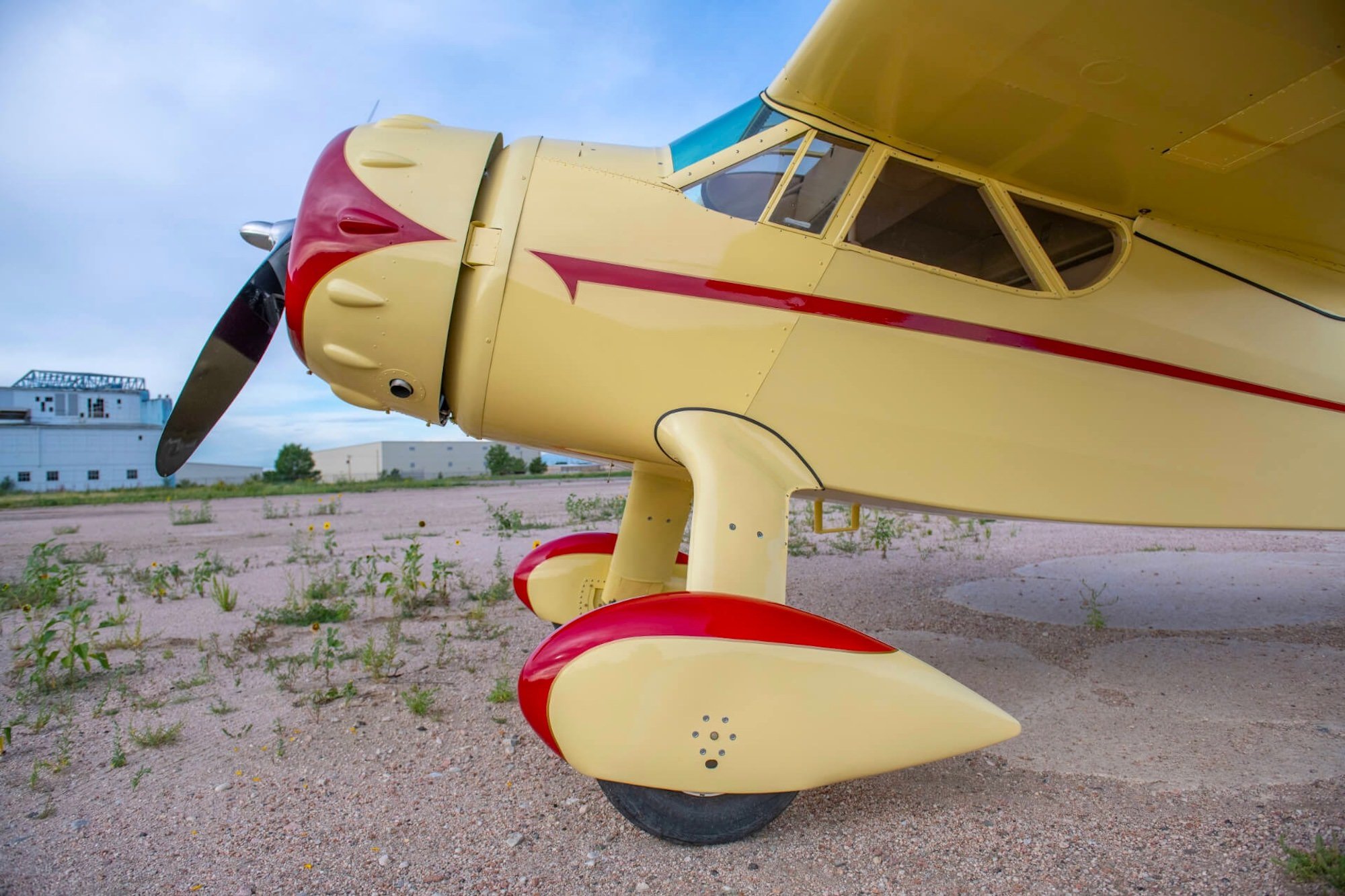
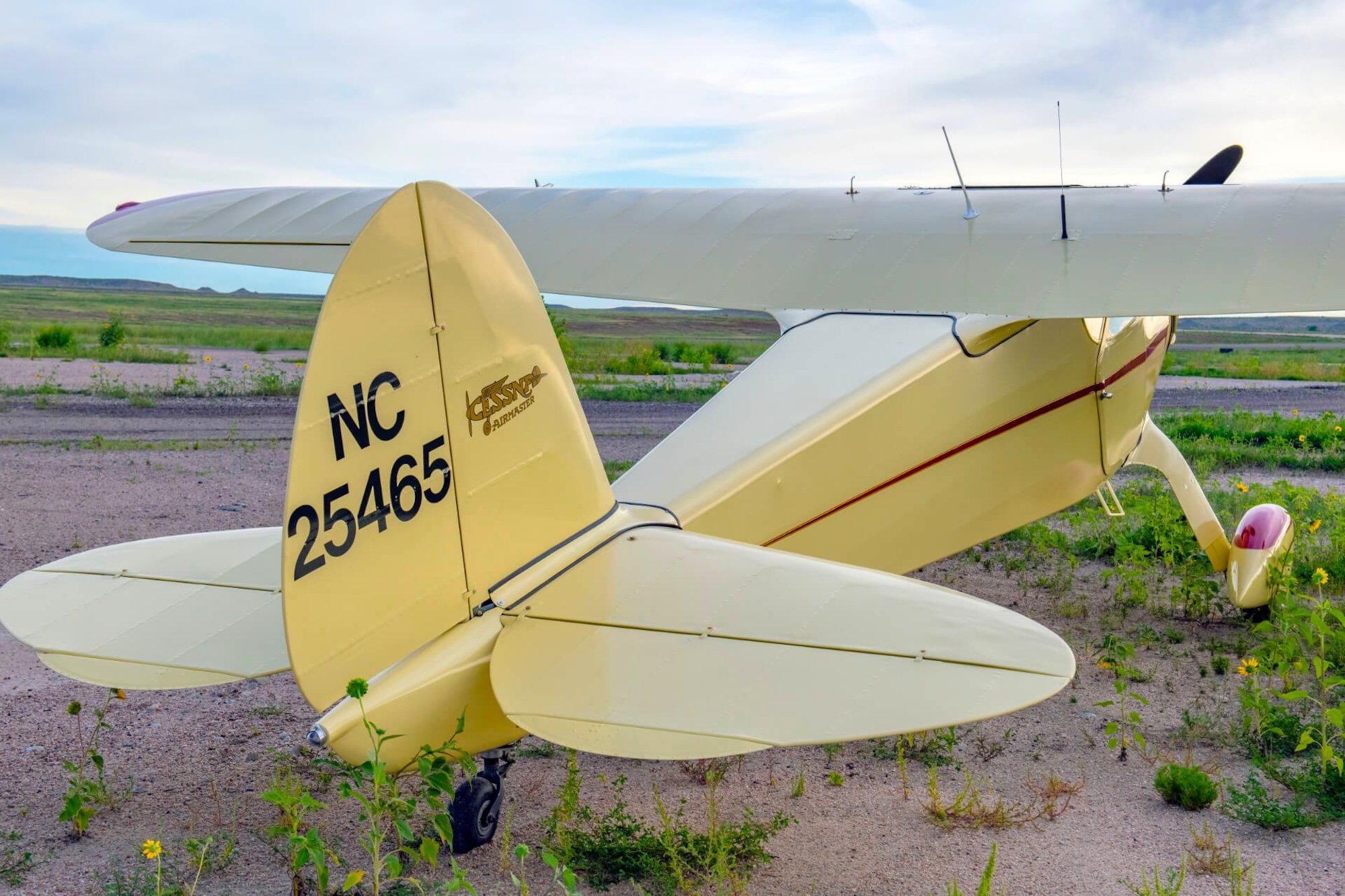
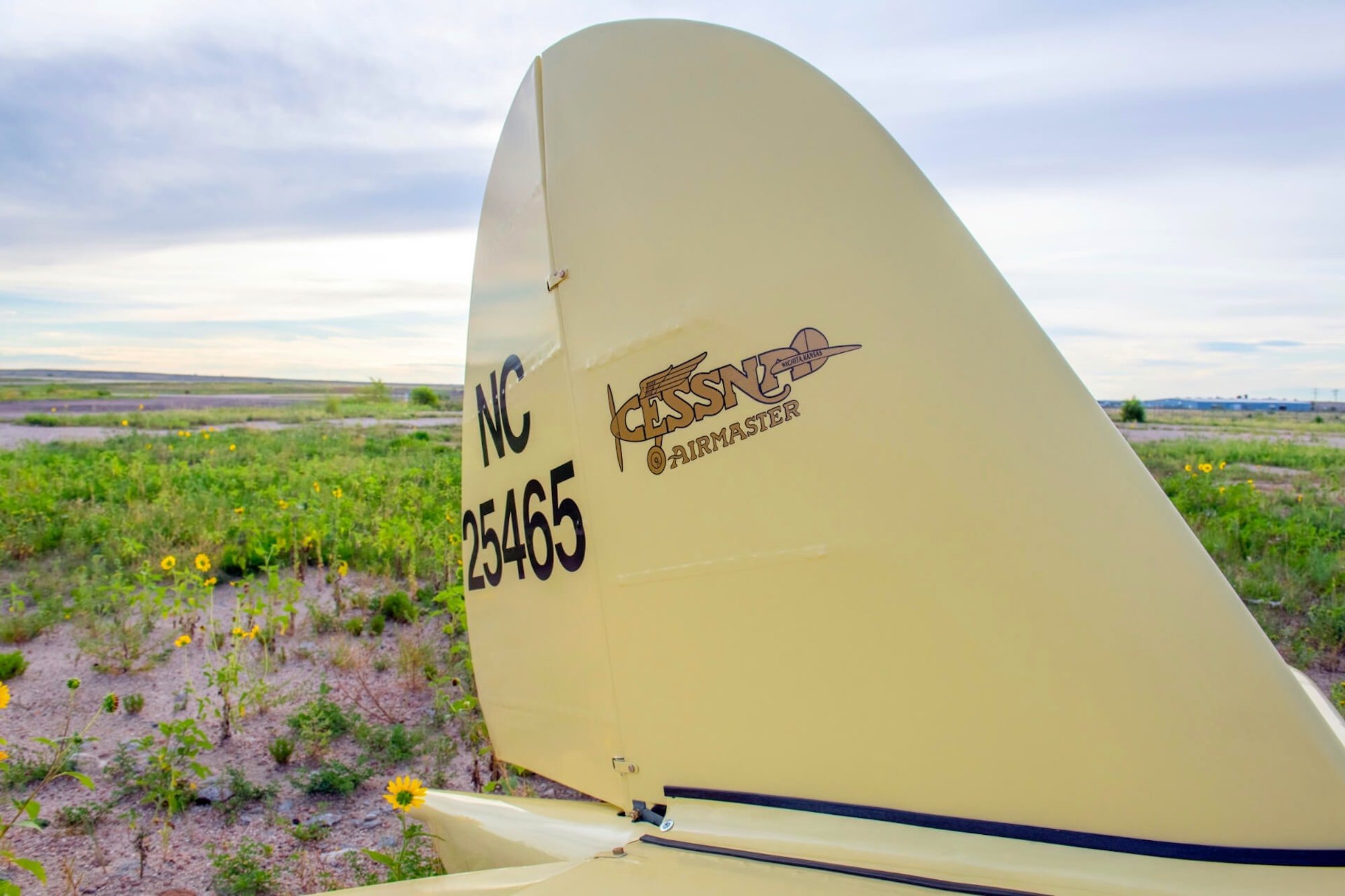
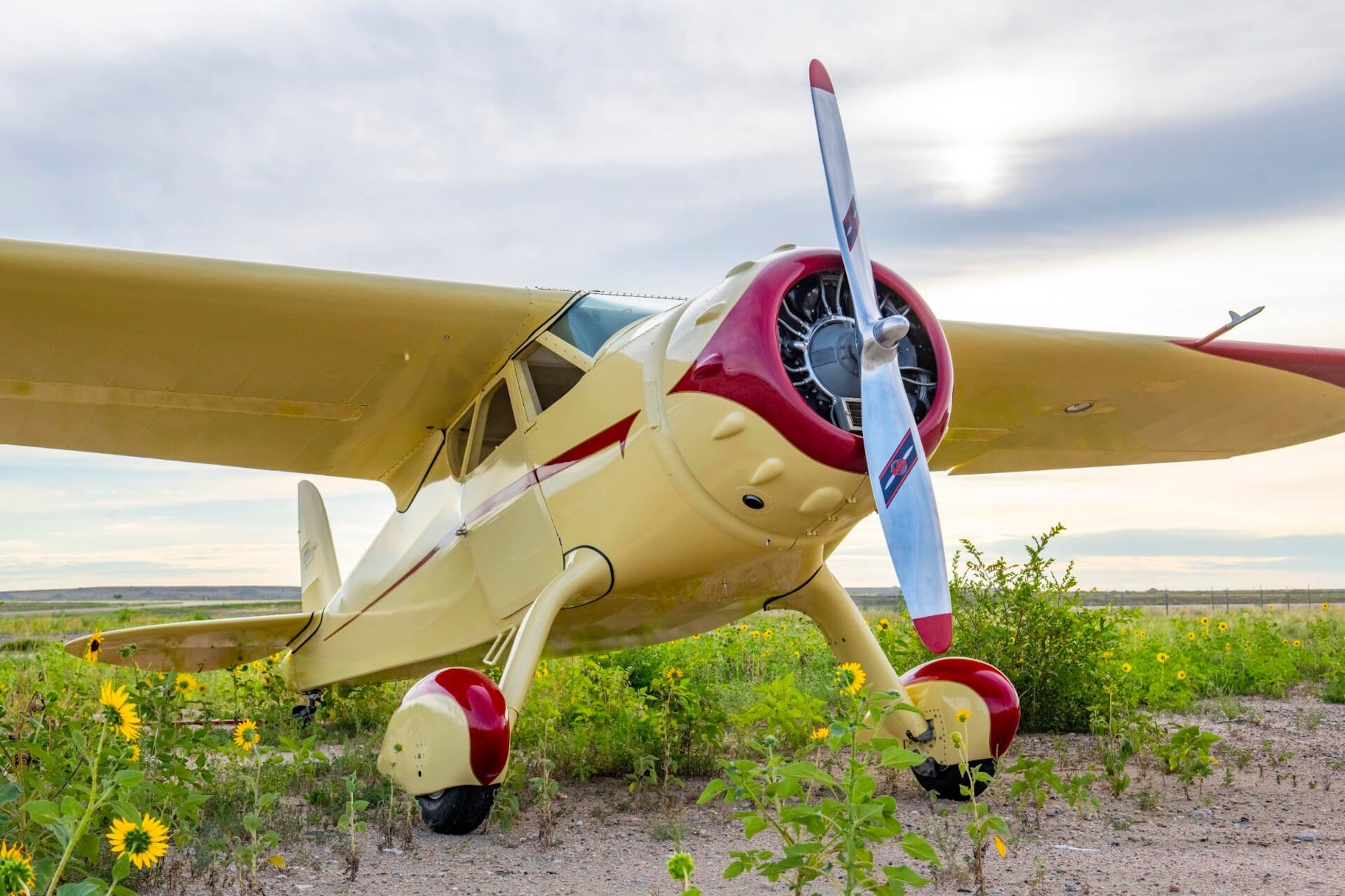
This is a Cessna C-165 Airmaster from 1940, a time when Europe was already in the throws of WWII but before America joined the conflict. This Airmaster benefits from a full restoration, and it now has just 6.7 hours on the airframe since the rebuild.
The Airmaster is one of the most important mid-century aircraft from Cessna, it helped the company find its feet as the Great Depression began to ease and before lucrative US military contracts began to roll in due to the country’s entry into WWII.
Fast Facts: The Cessna Airmaster
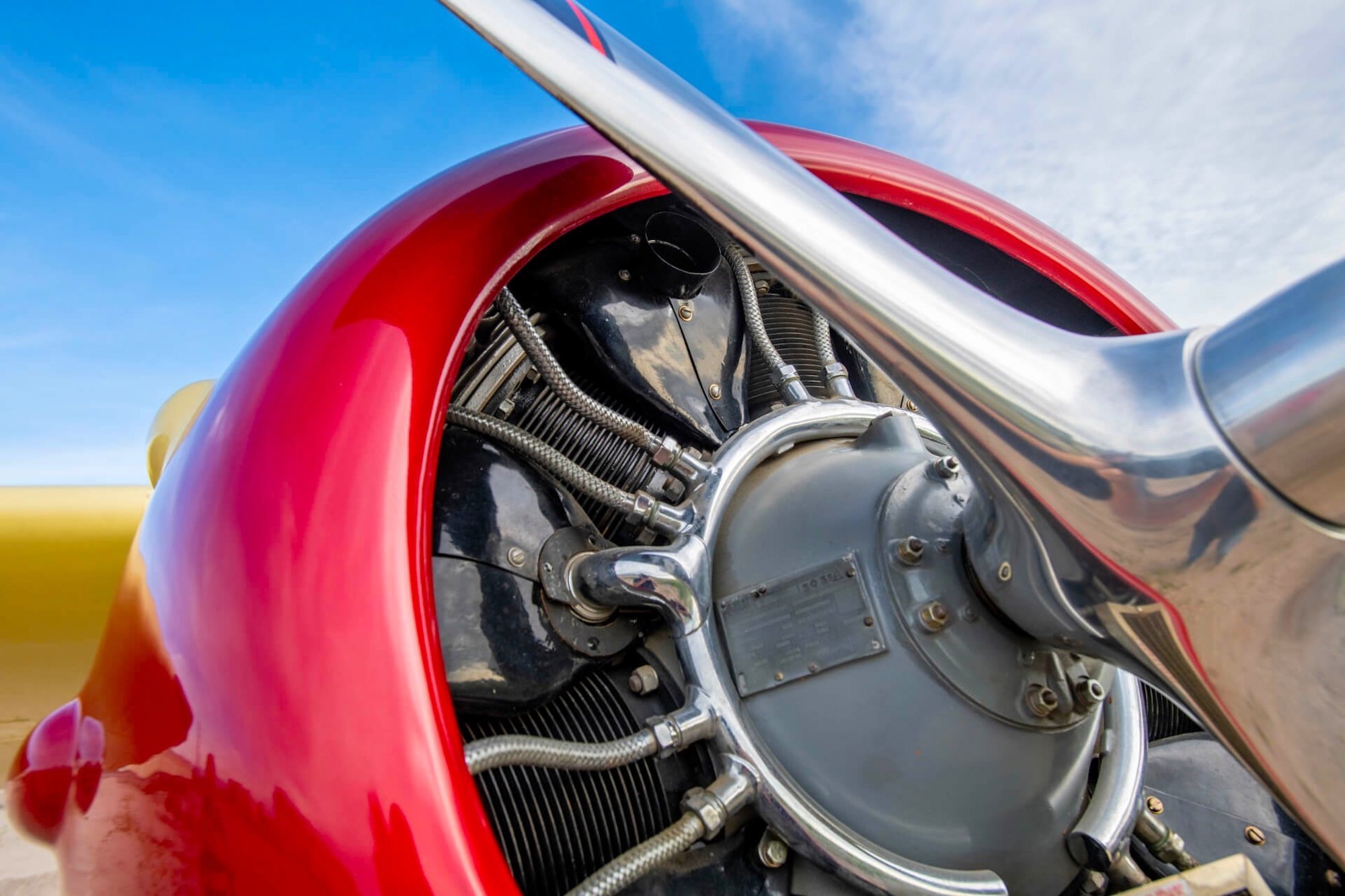
- This is a fully restored 1940 Cessna C-165 Airmaster with just 6.7 hours on the airframe since its restoration and zero hours since the last major engine overhaul. It’s powered by a 165 bhp Warner Super Scarab radial, making it the highest-performance production variant of the Airmaster family.
- The Airmaster line emerged in the mid-1930s under Dwane Wallace and proved pivotal to Cessna’s survival during the late Great Depression. With an enclosed four-seat cabin, cantilever wings, and modern aerodynamics, it marked a decisive move away from open-cockpit designs toward practical cabin aircraft.
- Variants evolved through incremental airframe changes and engine upgrades, from early Warner-powered C-34 and C-37 models to the later C-145 and C-165. The C-165 offered improved climb and cruise, approaching 140 mph, while retaining taildragger handling traits that rewarded skillful ground operations.
- This example blends period details with discreet safety updates, including some modern avionics, improved brakes and rudder pedals, a steerable tailwheel, upgraded electrics, and increased fuel capacity. It’s now being offered by Platinum Fighter Sales at $150,000 USD, and it includes complete logbooks from new.
History Speedrun: The Cessna Airmaster
The Cessna Airmaster is a crucially important plane in both American light-aircraft history and in Cessna’s own back catalogue. It was introduced in the mid-1930s, and it was essentially the plane that would rescue the Cessna Aircraft Company from impending doom during the Great Depression, it would also stabilize the company ahead of the boom caused by the wartime production years.

 This is a Cessna C-165 Airmaster from 1940, it benefits from a full restoration, and it now has just 6.7 hours on the airframe since the rebuild.
The Airmaster’s conception began under the leadership and engineering direction of Dwane Wallace during the early-to-mid 1930s, when Cessna executives recognized the need for a refined, modern cabin aircraft rather than an open-cockpit sport plane.
The Airmaster family first flew in 1934, it was a decisive break from the company’s earlier designs and a sign of things to come. It combined clean aerodynamics with excellent utility, with an enclosed four-seat cabin, cantilever wings without any drag-inducing external bracing, and a locking (but non-steerable) tailwheel.
It was built with a welded steel-tube fuselage with fabric covering, paired with wooden wings and tail surfaces – a typical but well-executed solution for the era.
In standard configuration, the Airmaster seated four occupants and had fixed conventional (taildragger) landing gear. Piloting the aircraft rewarded proper technique but it could display quirks, particularly on the ground due to the relatively poor forward visibility when taxiing and the risk of ground loops.
Cruise performance varied by engine and variant, with the higher-powered models capable of cruise speeds in the 140 mph range – excellent by the standards of the time. Airmaster variants were primarily differentiated by powerplant and by their incremental airframe revisions. Early models included the C-34 and C-37, both powered by Warner radial engines rated at approximately 145 bhp.
These were followed by the C-38 and the C-39, the latter being the original designation for what became the C-145. The best-known late-production variants were the C-145 and its closely related sibling, the C-165, both fitted with the Warner Super Scarab radial engine. The C-165’s 165 bhp output gave it the best performance of the series, improving climb and cruise speed while staying true to the aircraft’s core layout and original design.
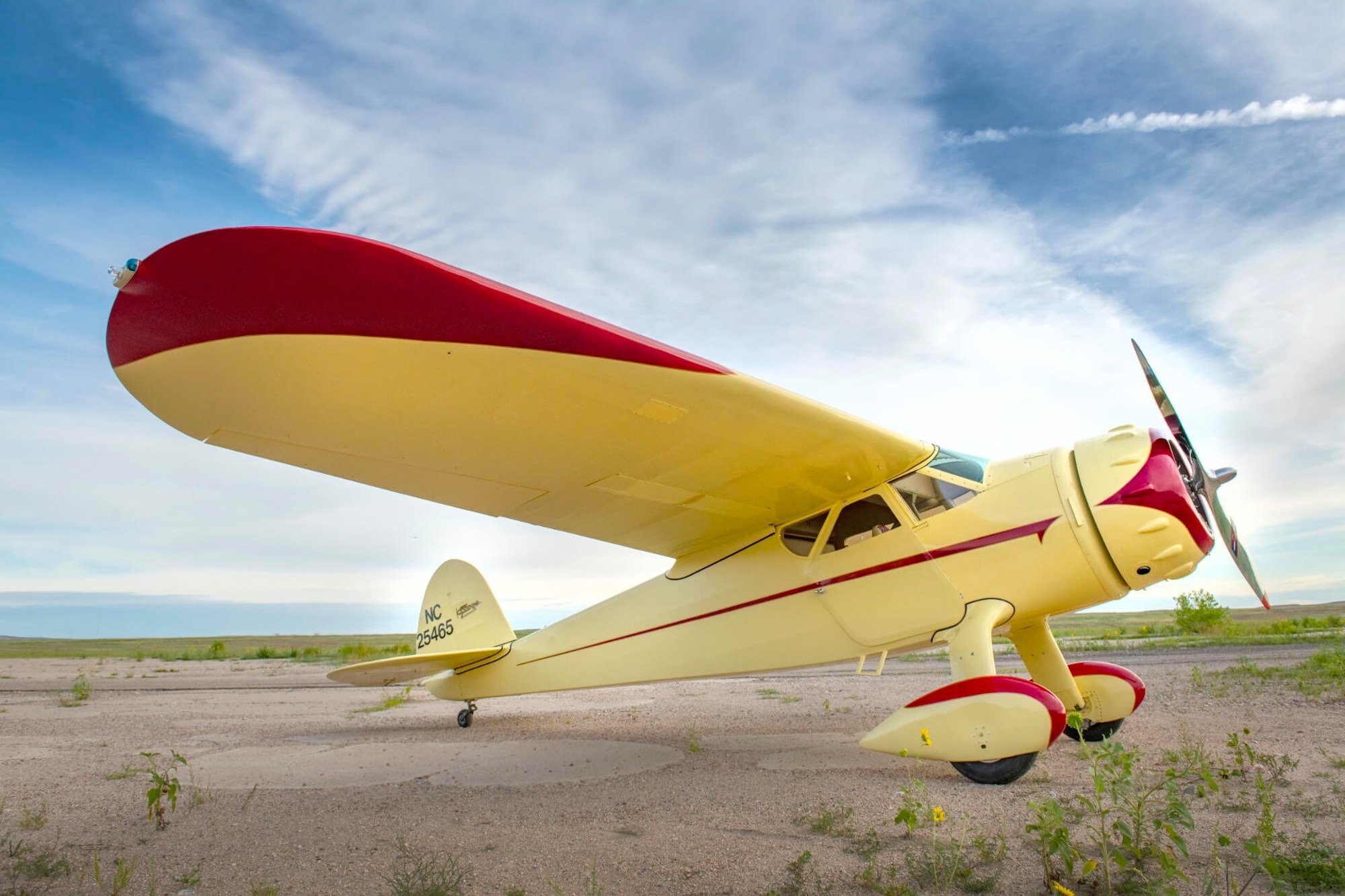
The Airmaster is one of the most important mid-century aircraft from Cessna, it helped the company find its feet as the Great Depression began to ease and before lucrative US military contracts began to roll in due to the country’s entry into WWII.
Production of the Airmaster ran through 1941, ending as Cessna shifted focus toward wartime manufacturing and newer airframe designs. In total, 183 examples were built across all variants. While relatively small in number by modern standards, these production numbers were sufficient to restore confidence in the company and reestablish its presence as a force to be reckoned with in the American light-aircraft market.
Surviving Airmasters are today valued for their beautiful classic lines, their historic significance, their role in keeping Cessna viable during one of the most challenging periods in aviation history. Not to mention the undeniable character of that radial engine up front.
The 1940 Cessna C-165 Airmaster Shown Here
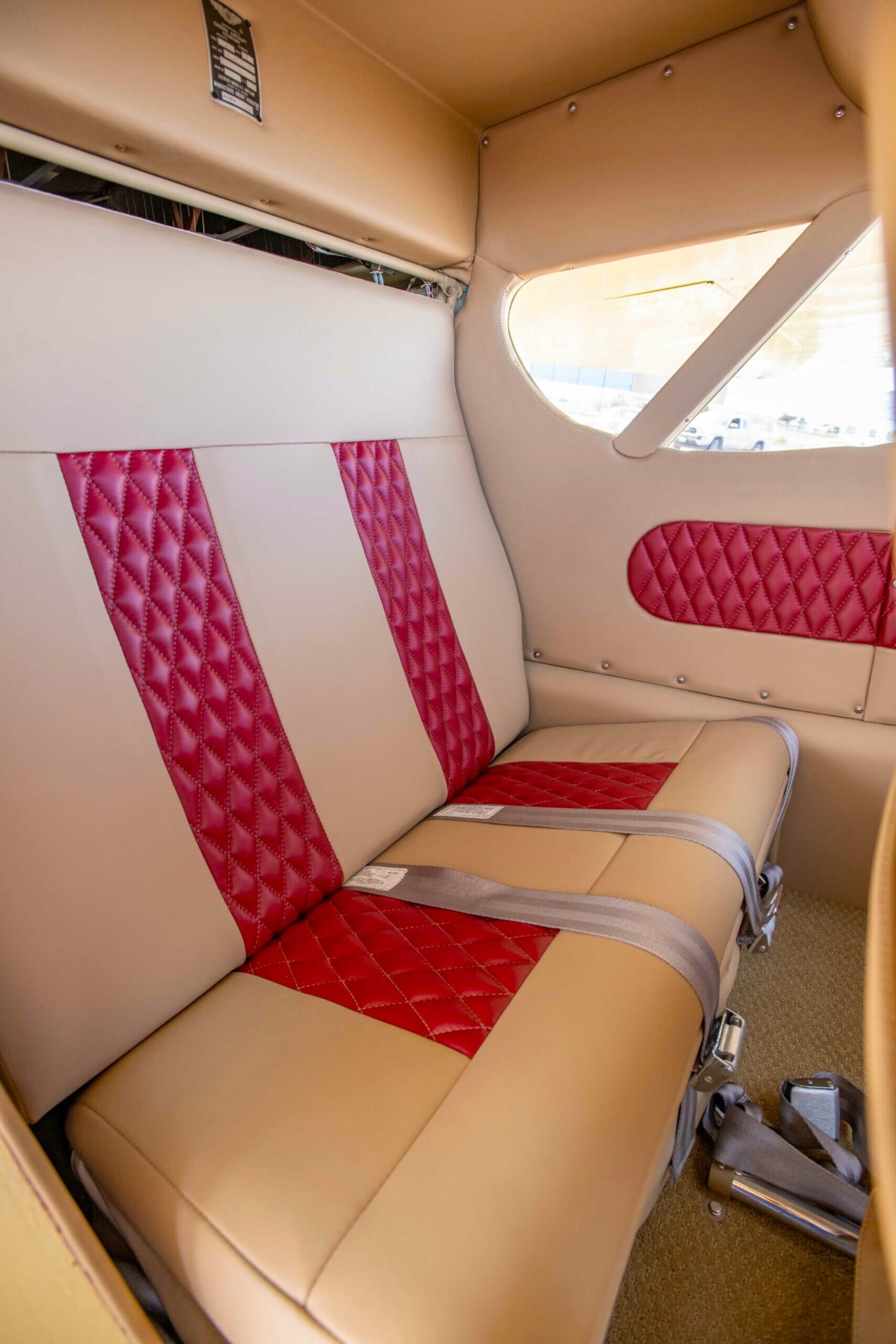
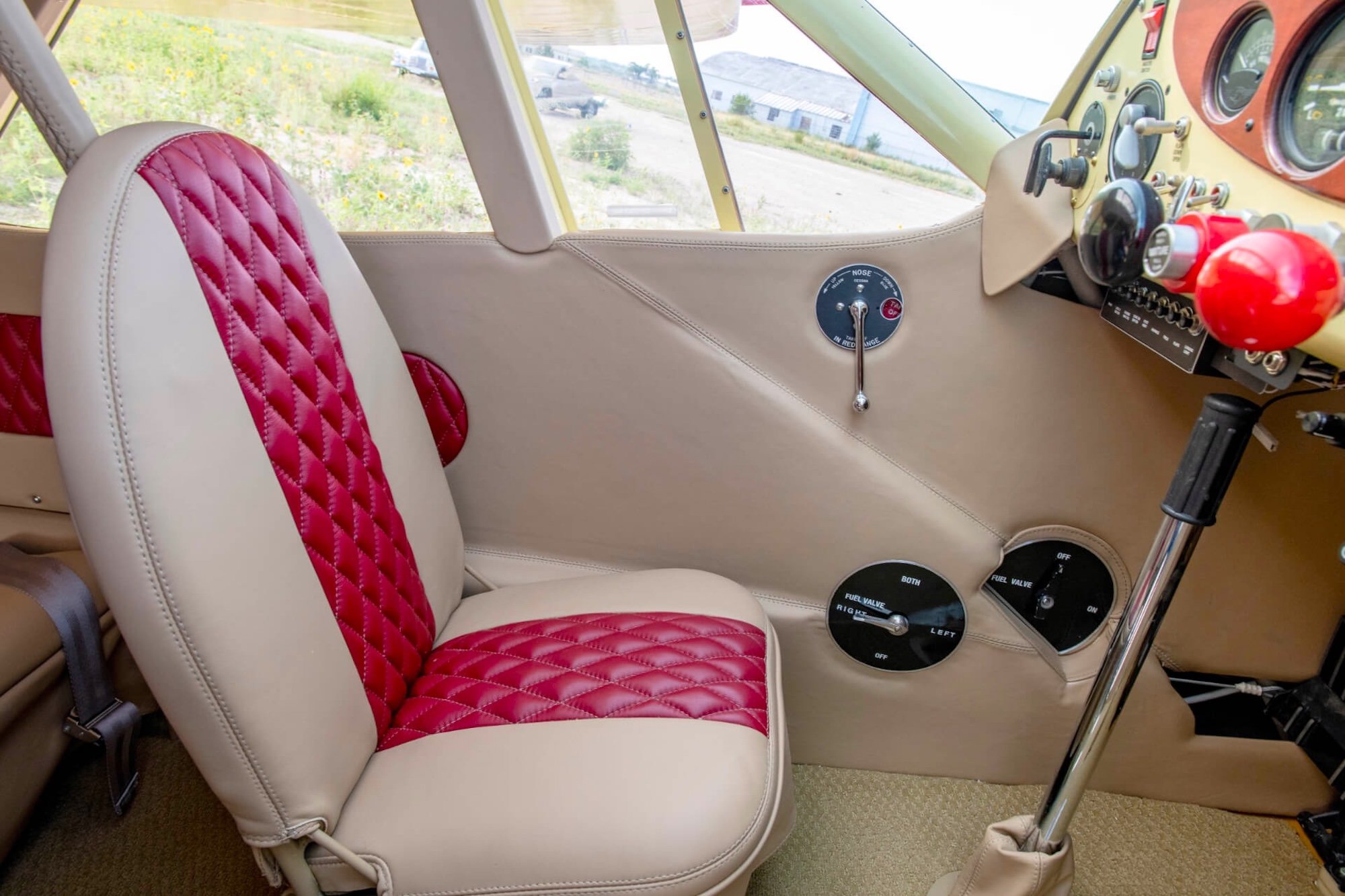
This is a 1940 Cessna C-165 Airmaster that has been fully restored, and now has just 6.7 hours on the refreshed airframe. The engine is a Warner Scarab with 165 bhp, as you would expect for a C-165, and it has a listed 0 hours of runtime since its last major overhaul.
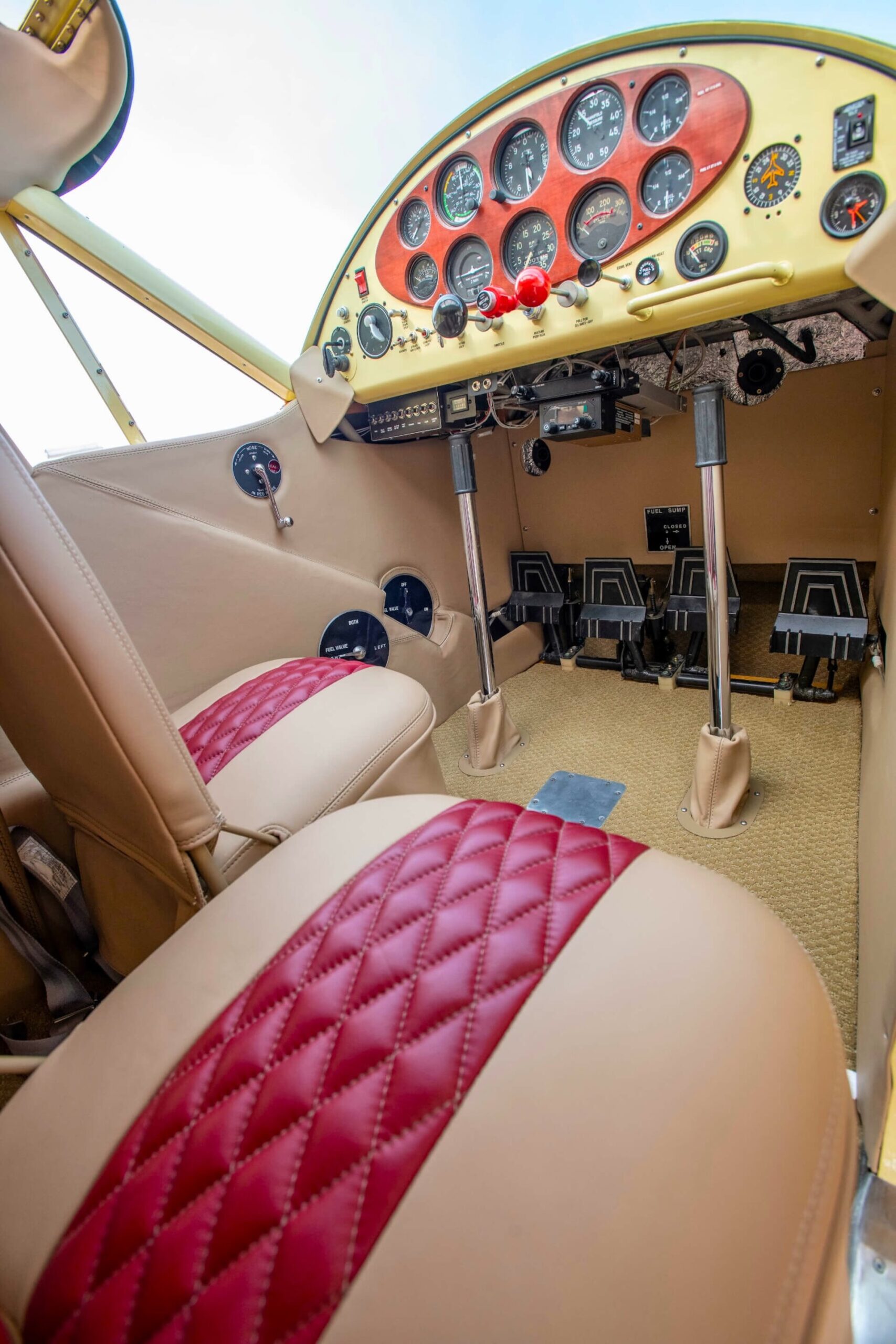
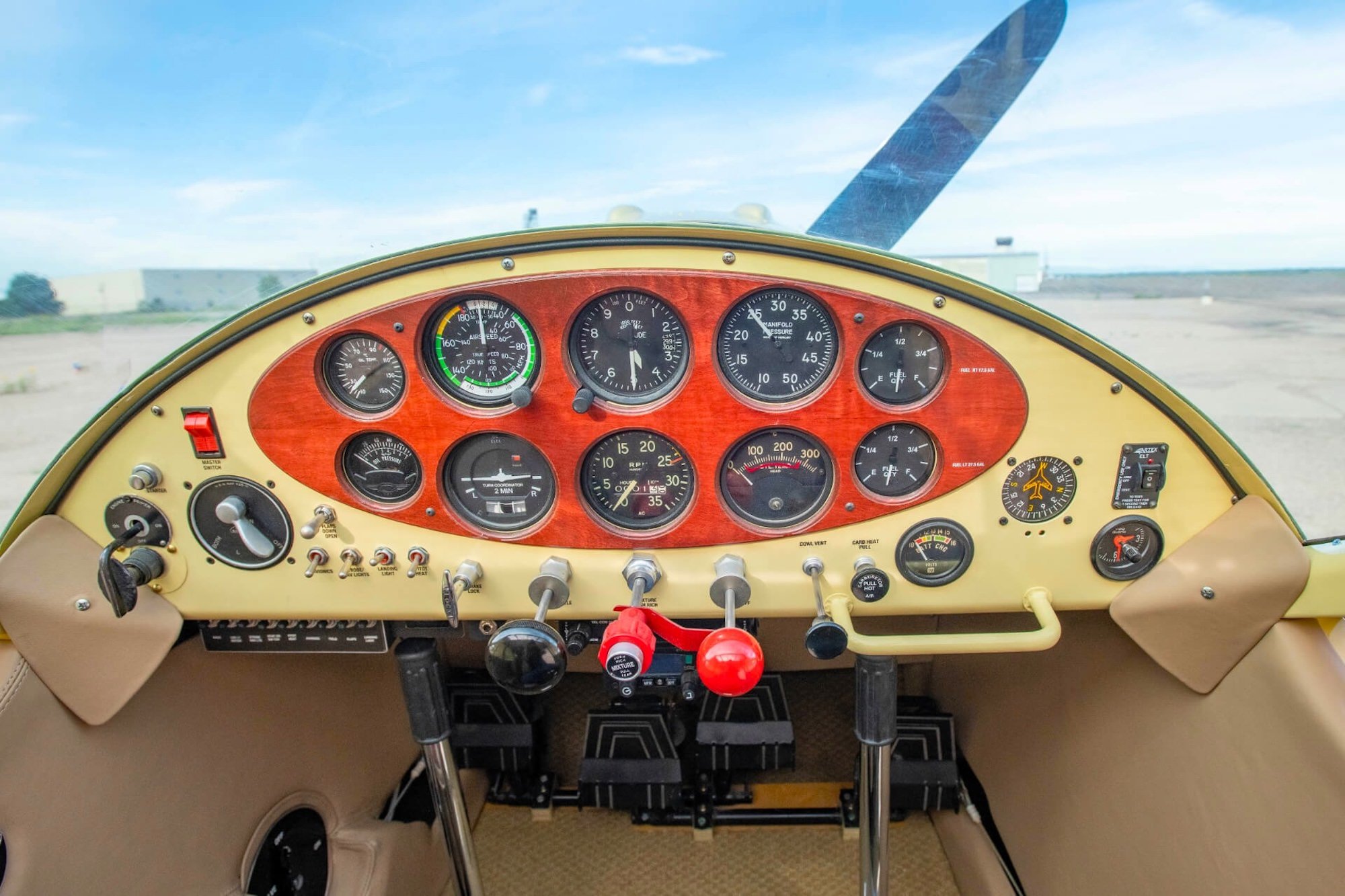
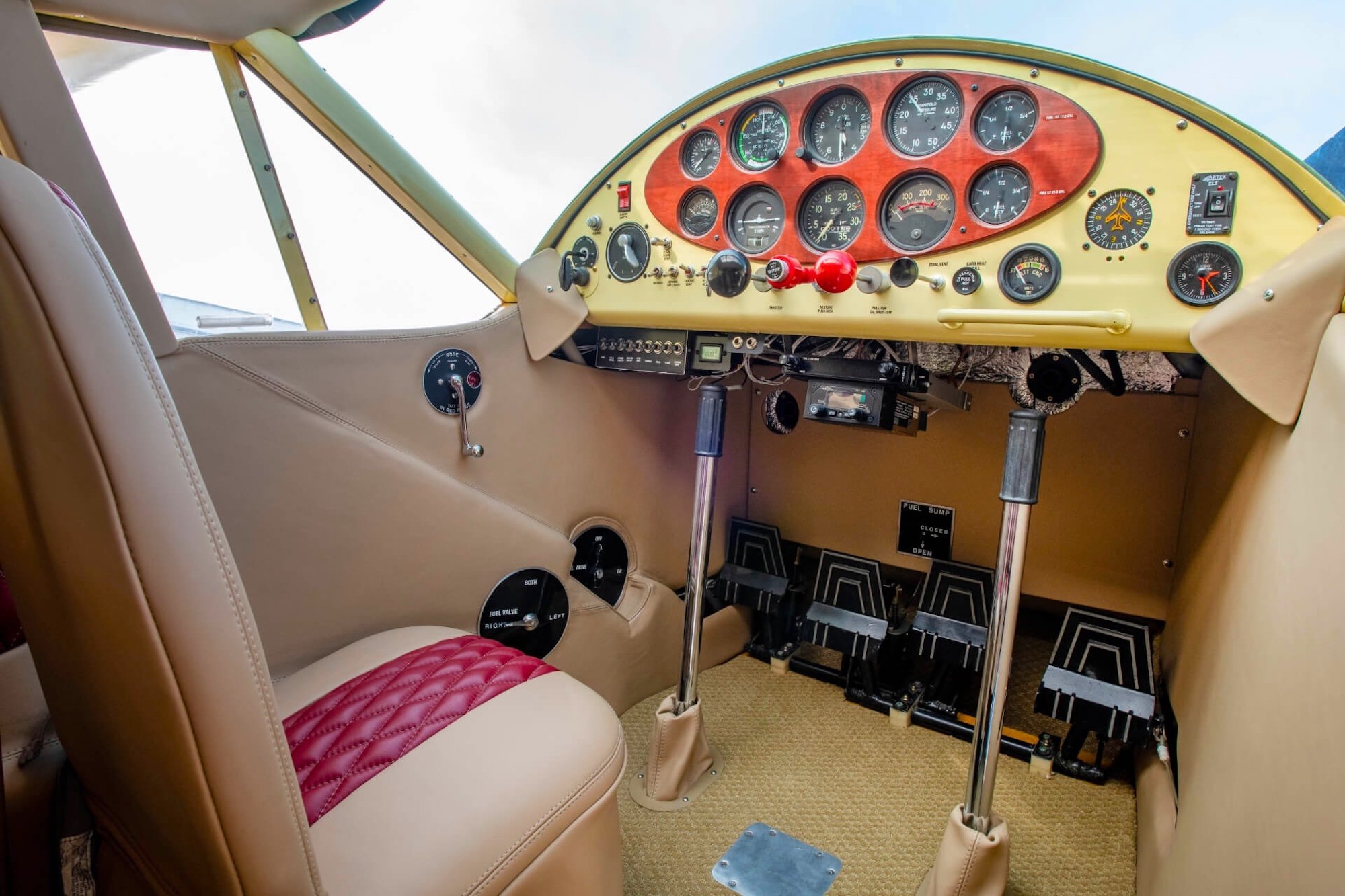
In the cockpit you’ll find updated avionics including a ValCom 2000 transceiver, a Sandia STX 165 transponder, and an Artex 406 ELT, that said, most of the instrument panel stays true to classic analog gauges to keep that mid-century feel.
In the cockpit you’ll find updated avionics including a ValCom 2000 transceiver, a Sandia STX 165 transponder, and an Artex 406 ELT, that said, most of the instrument panel stays true to classic analog gauges to keep that mid-century feel.
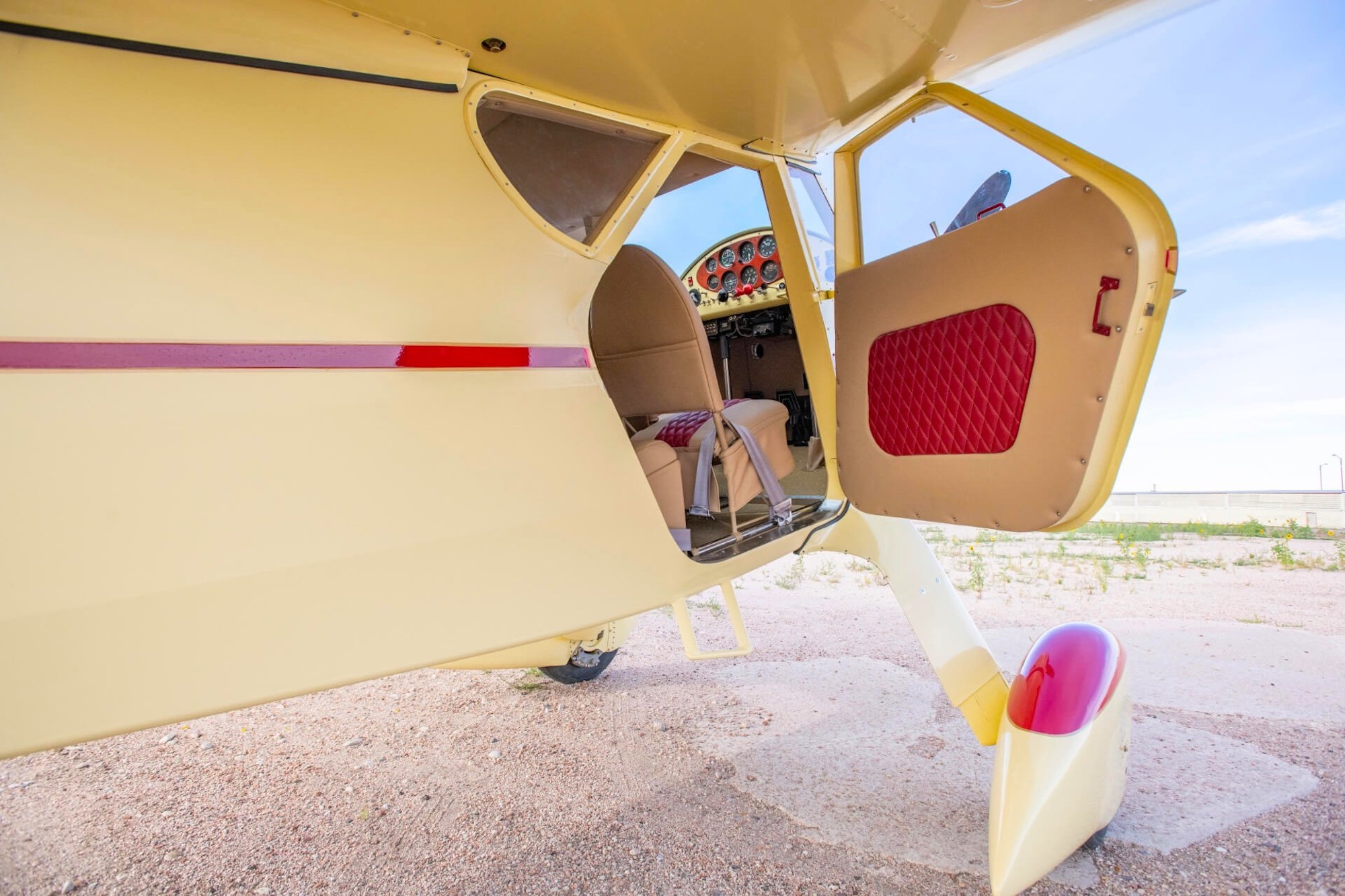
During the restoration a number of updates were made discreetly to improve safety, including Cessna 182 rudder pedals and brakes, a pivoting and steerable tail wheel, three fuel tanks with a total capacity of 45 gallons, a 12 volt electrical system with an alternator, and impressively, it comes with all the log books dating back to when the plane rolled out of the factory.
It’s now being offered for sale by Platinum Fighter Sales with an asking price of $150,000 USD. If you’d like to read more about it or enquire about buying it you can visit the listing here.


Images courtesy of Platinum Fighter Sales

Articles that Ben Branch has written have been covered on CNN, Popular Mechanics, Smithsonian Magazine, Road & Track Magazine, the official Pinterest blog, the official eBay Motors blog, BuzzFeed, Autoweek Magazine, Wired Magazine, Autoblog, Gear Patrol, Jalopnik, The Verge, and many more.
Silodrome was founded by Ben back in 2010, in the years since the site has grown to become a world leader in the alternative and vintage motoring sector, with well over a million monthly readers from around the world and many hundreds of thousands of followers on social media.